




Missiles and Drones
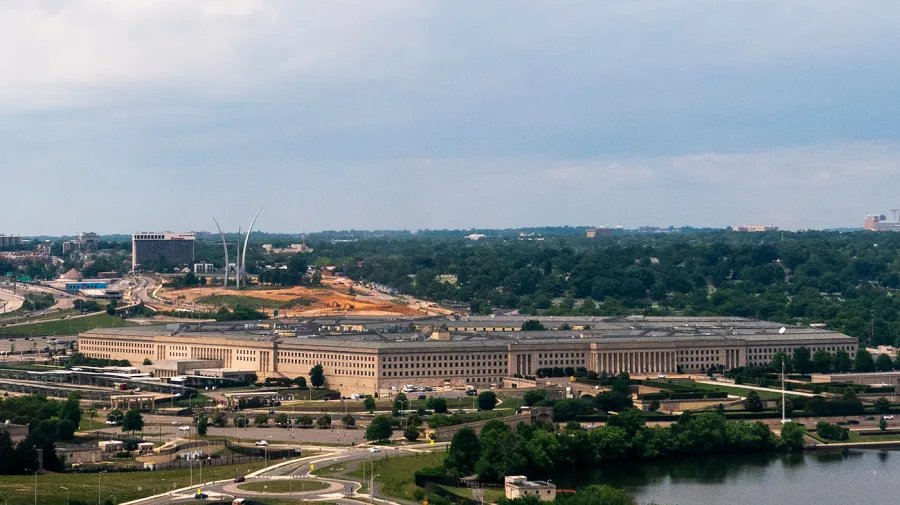
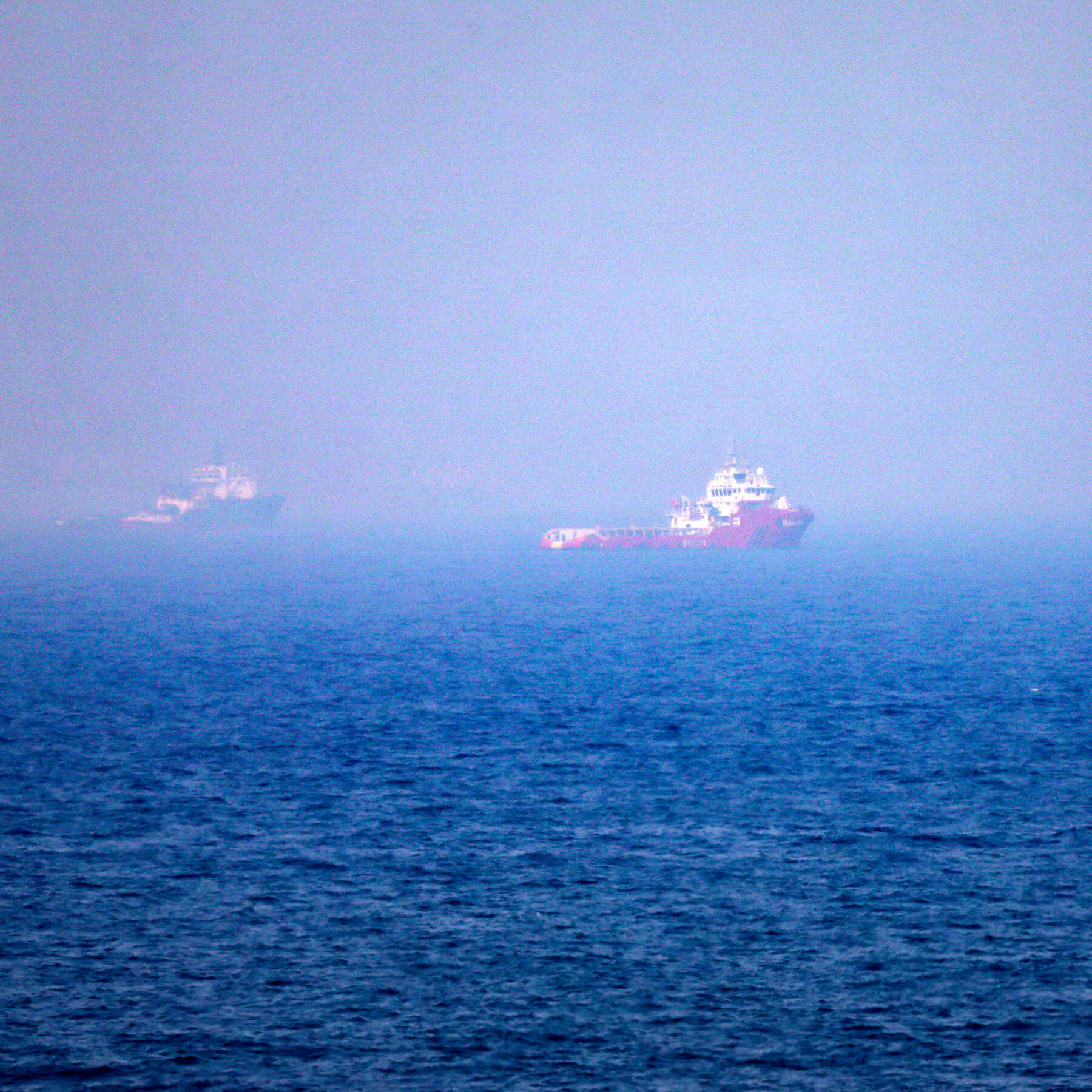
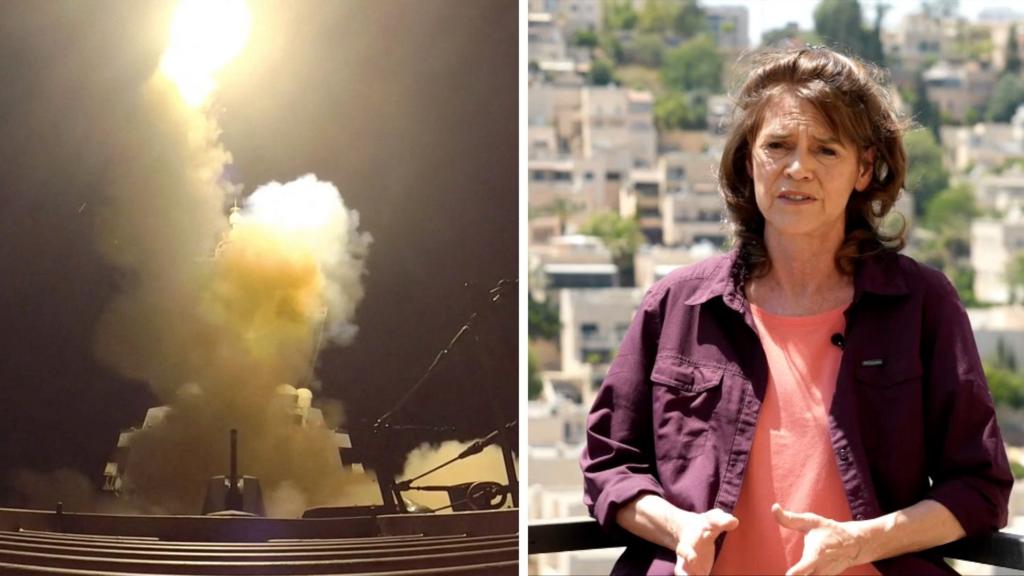
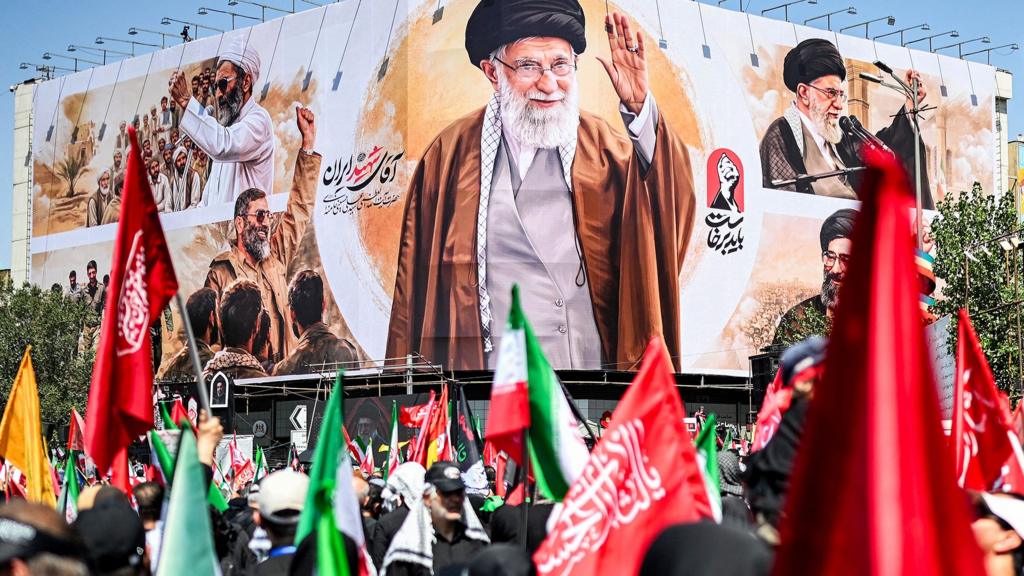
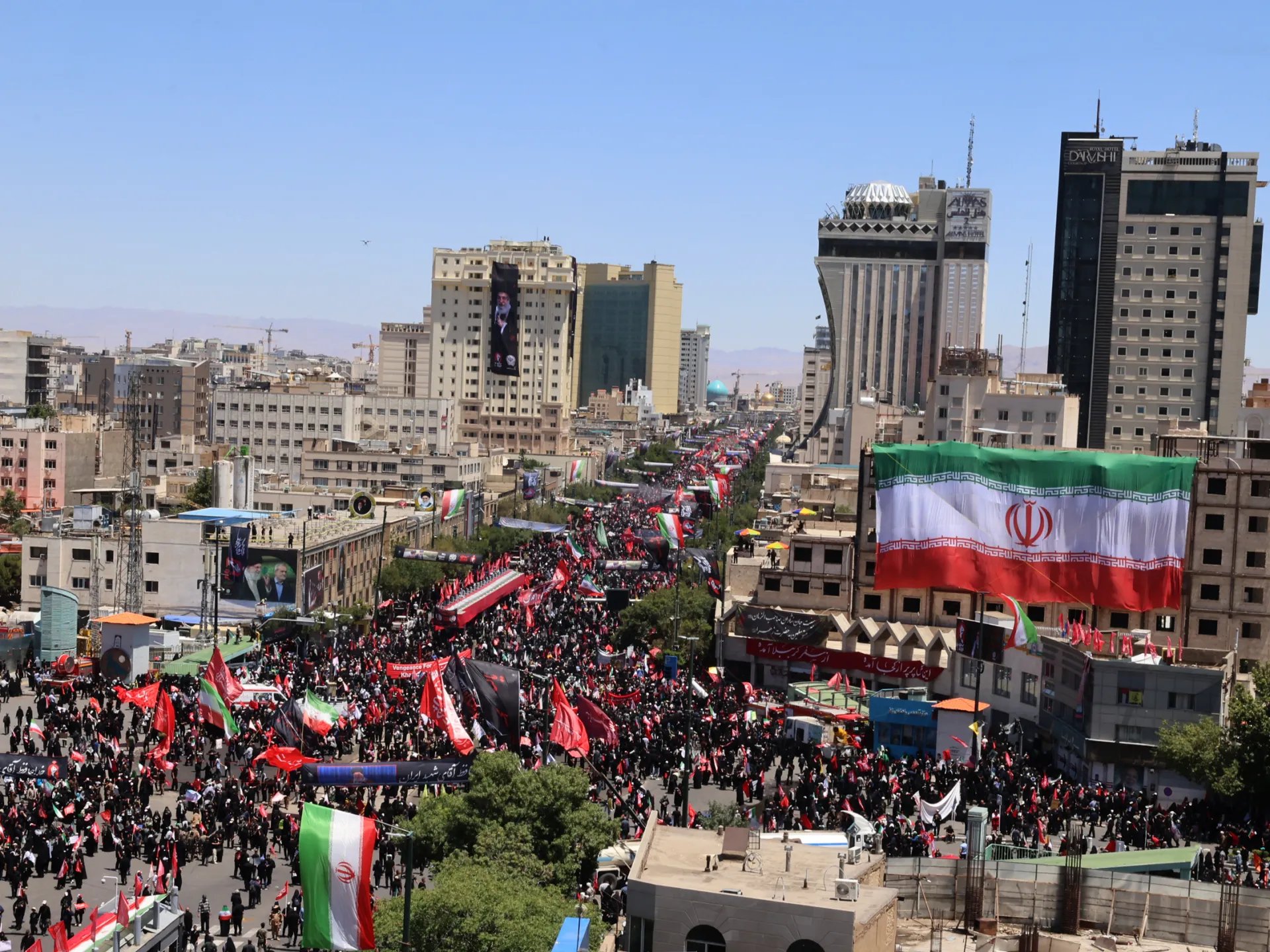
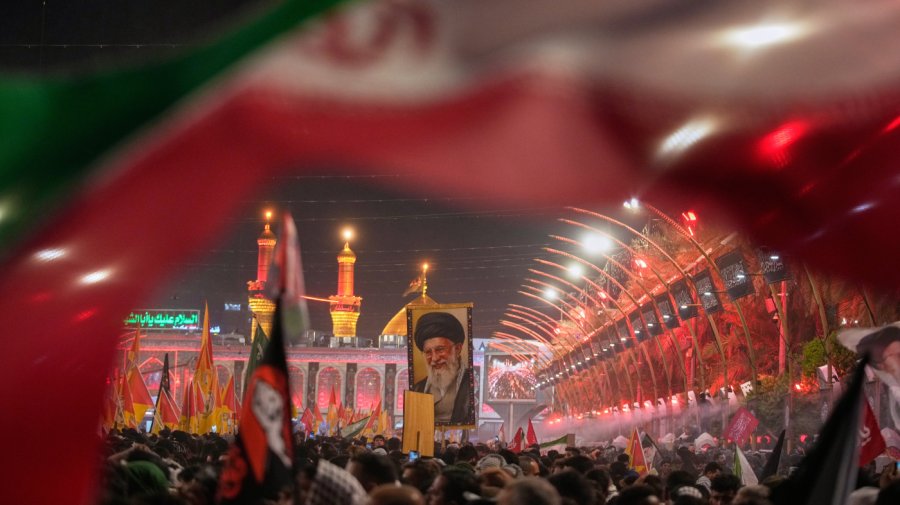
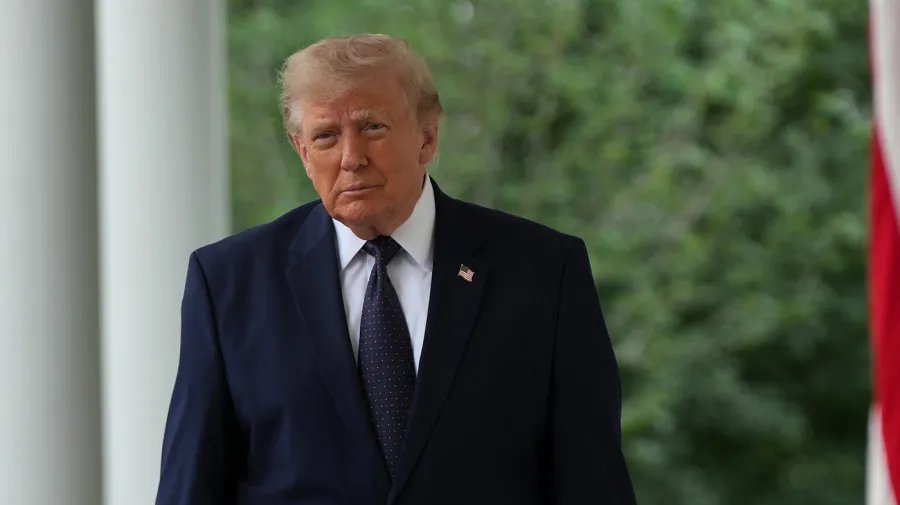
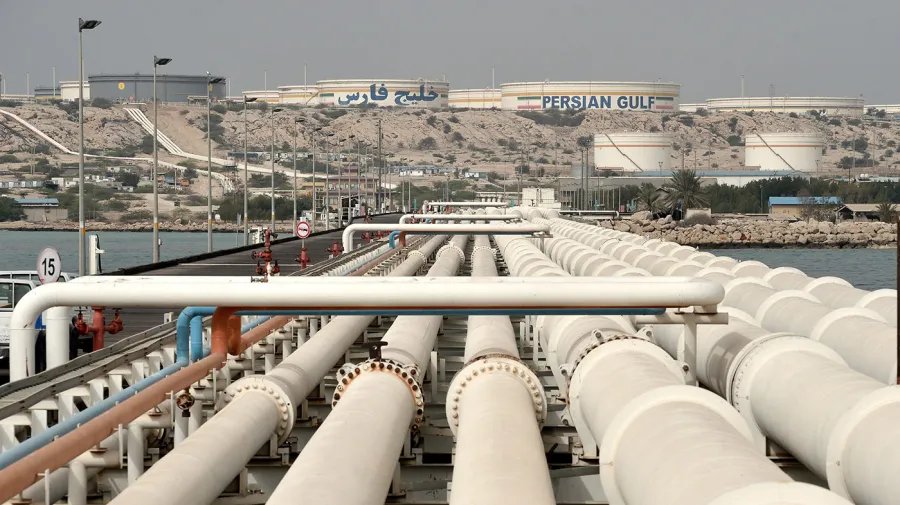
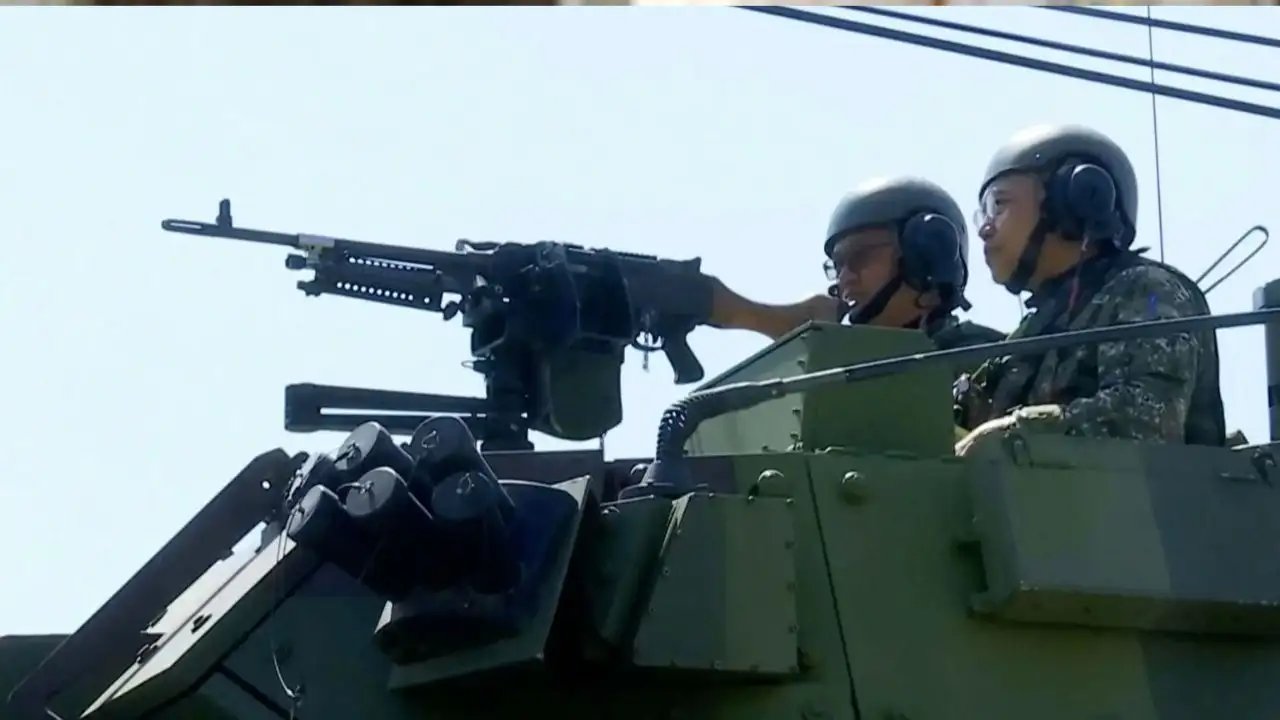
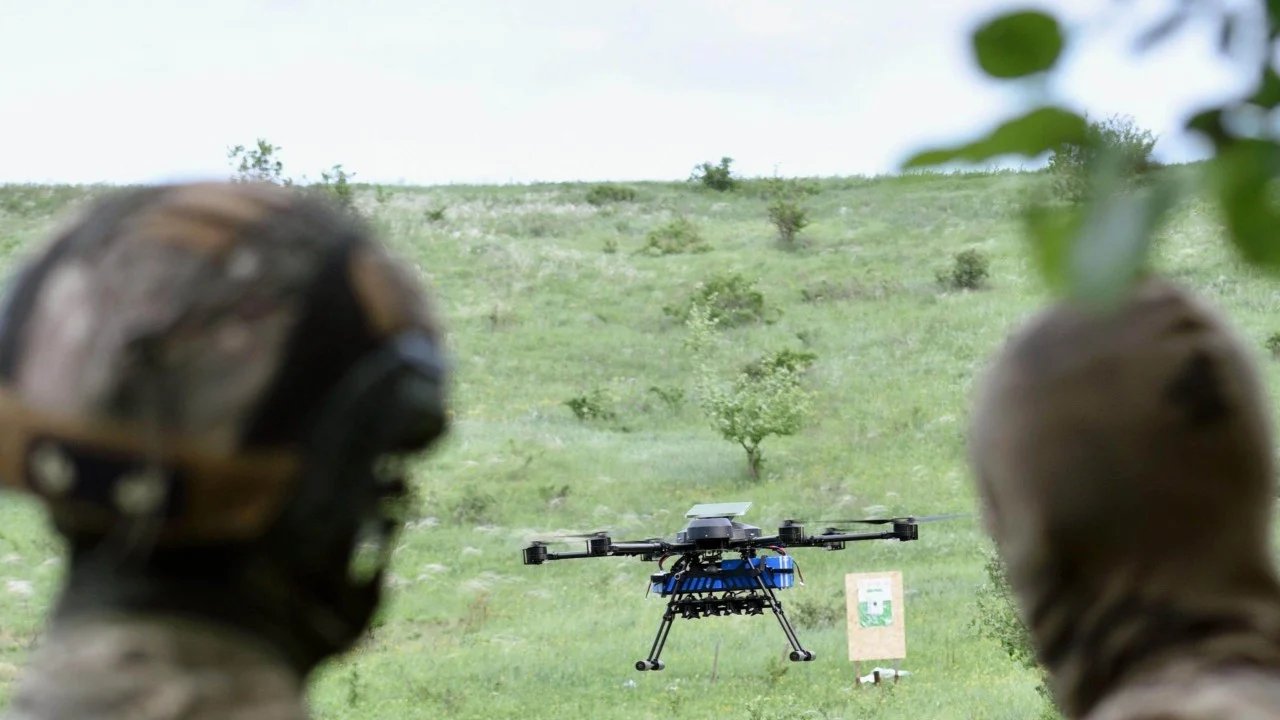
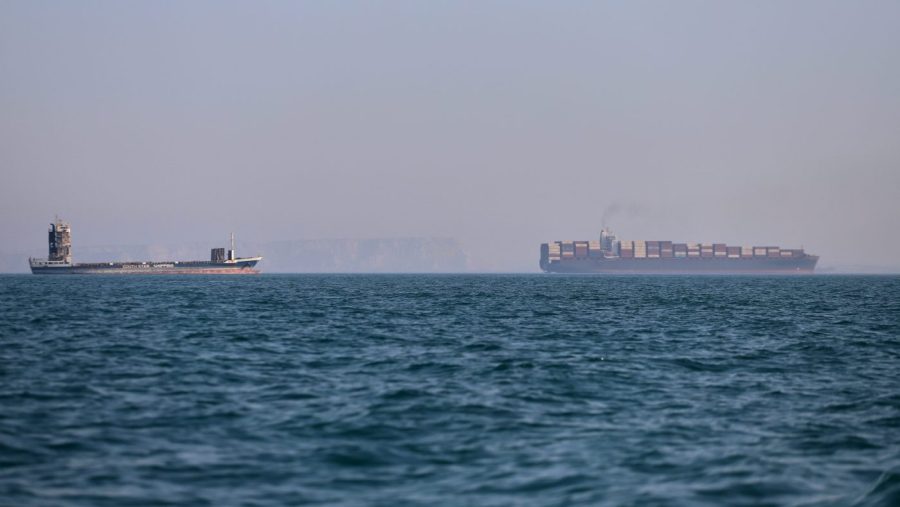
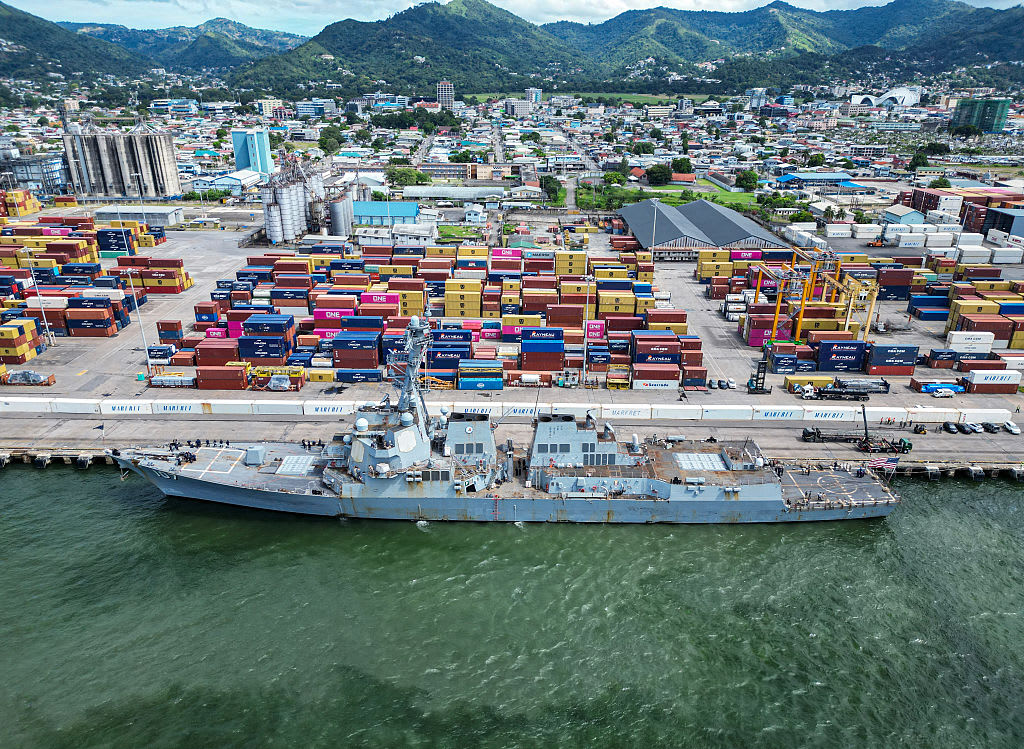
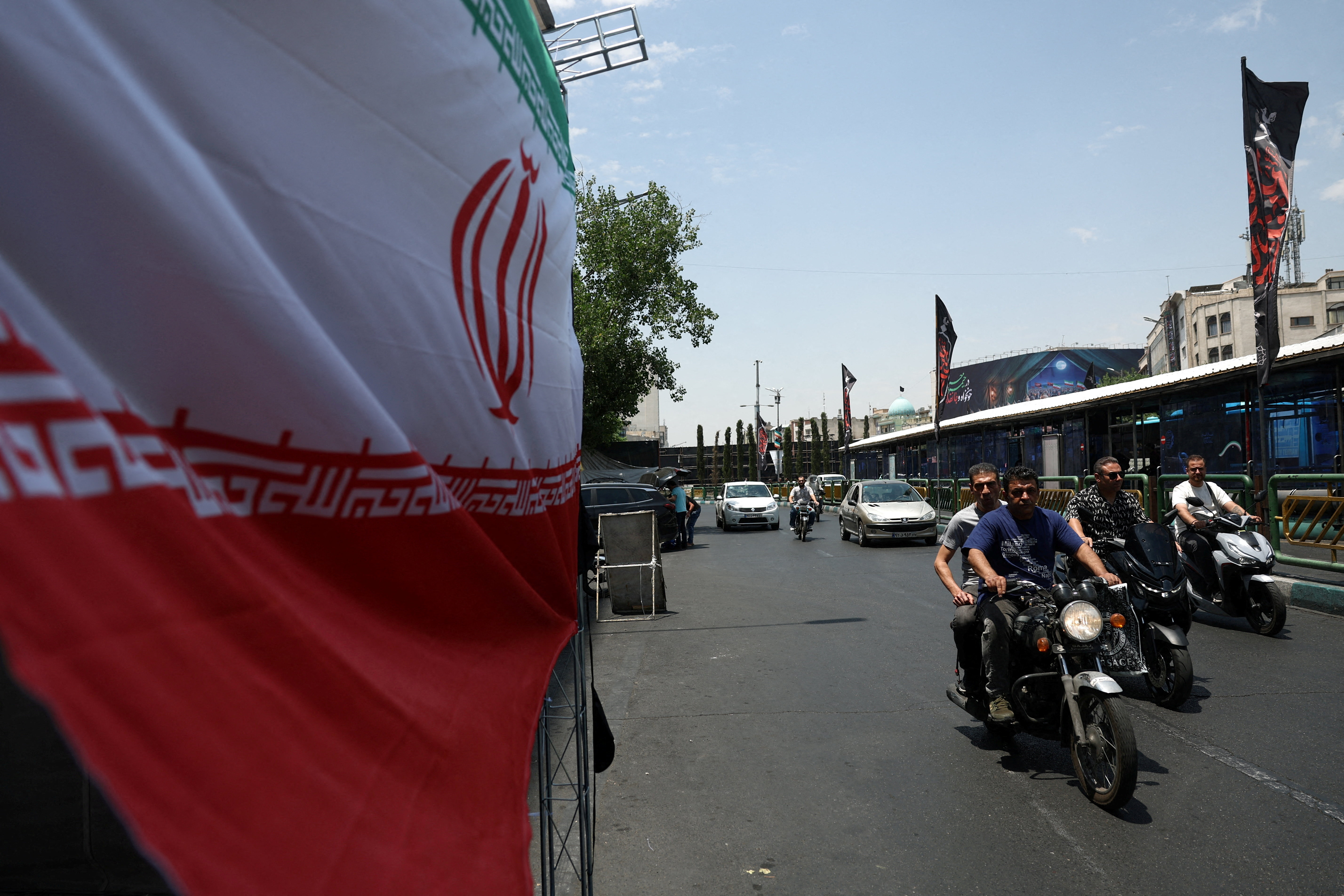
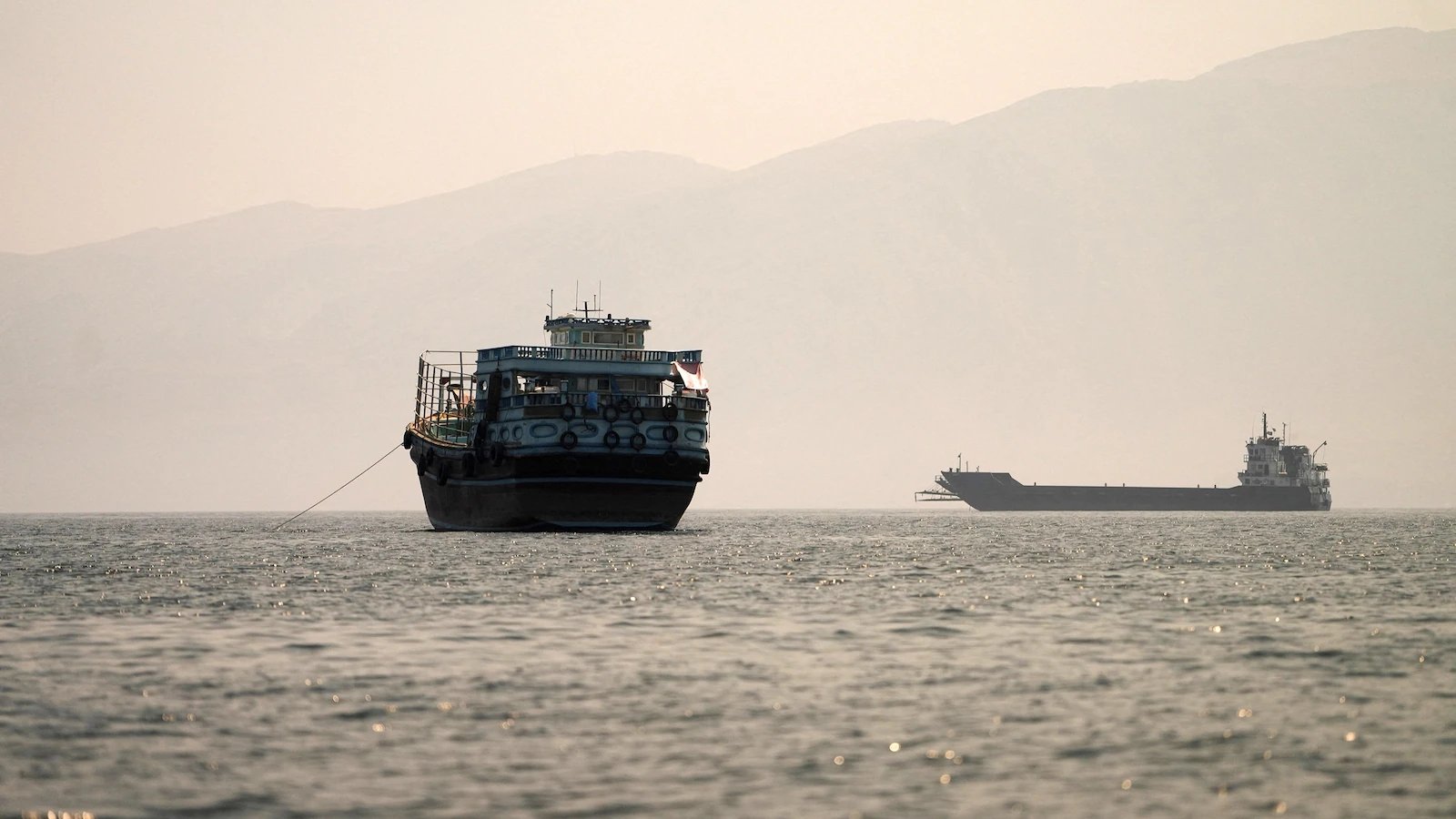
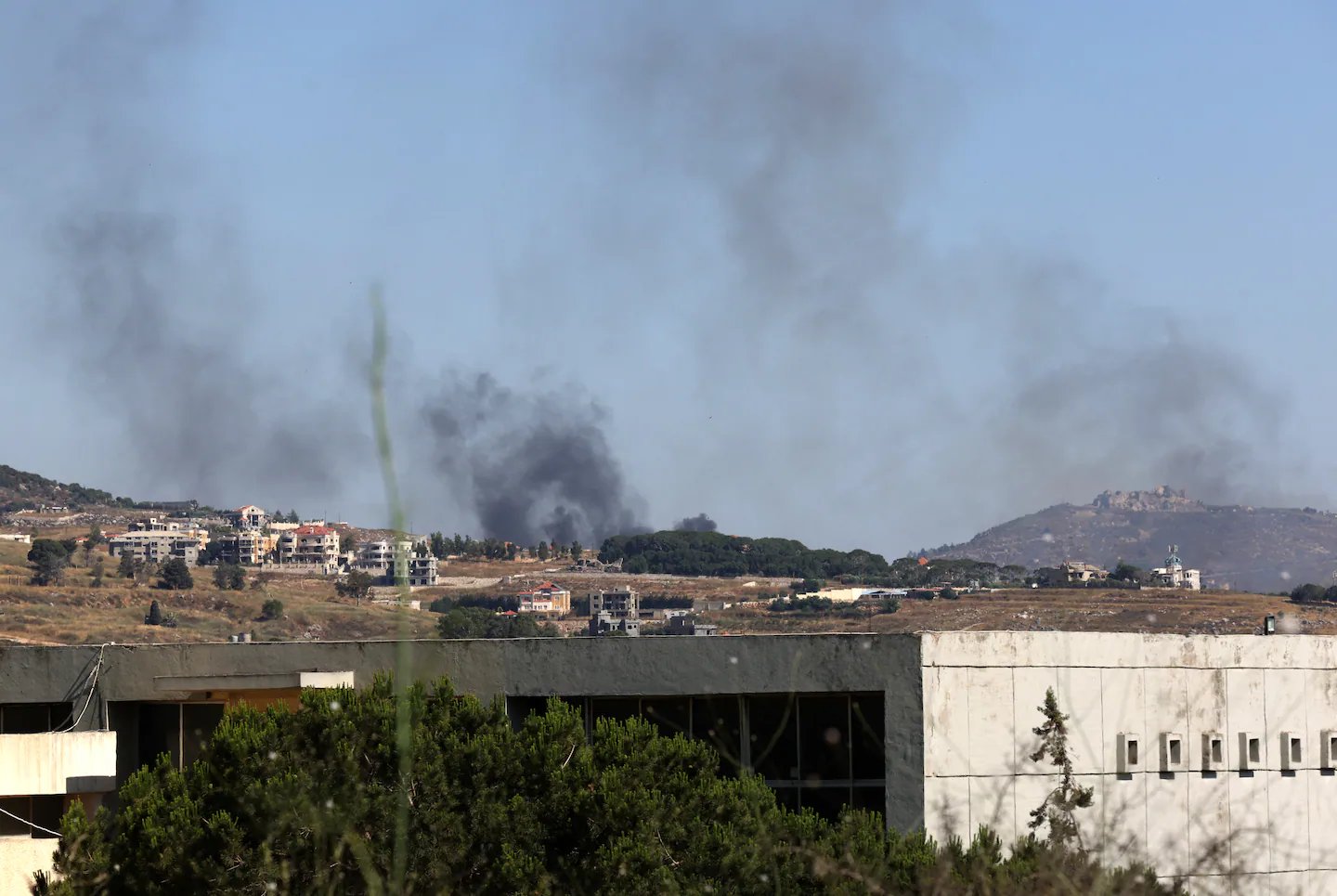
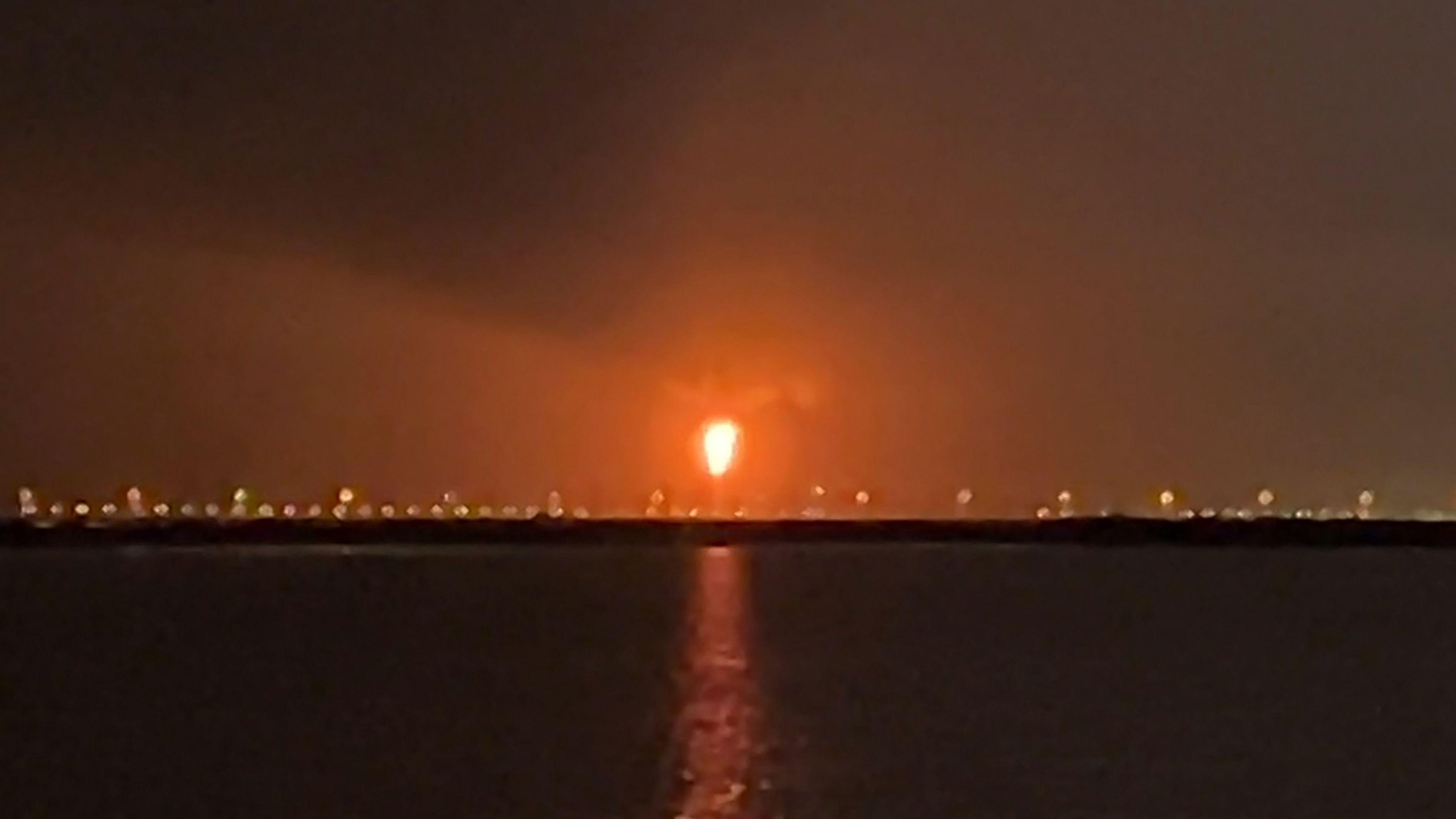
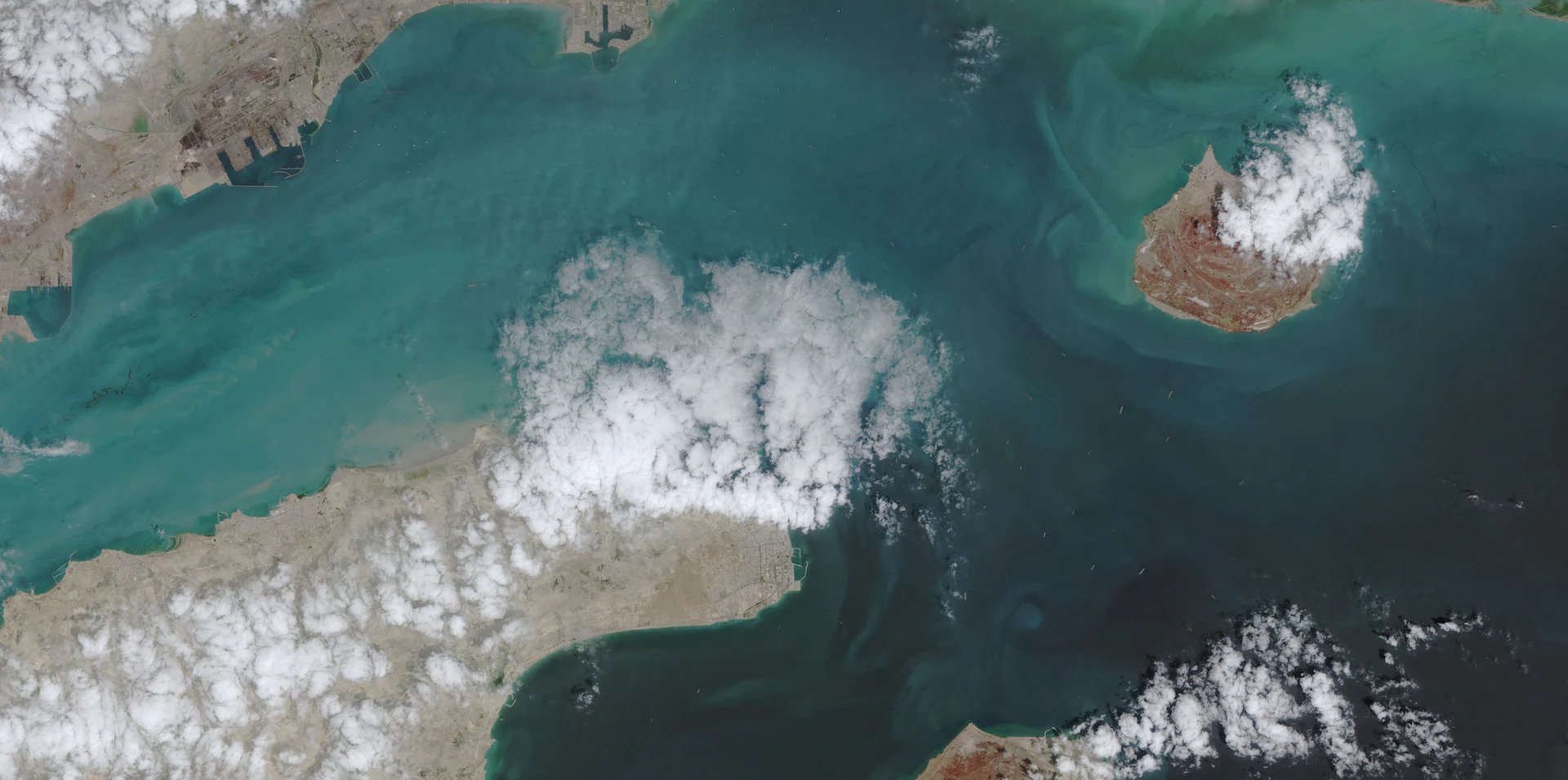
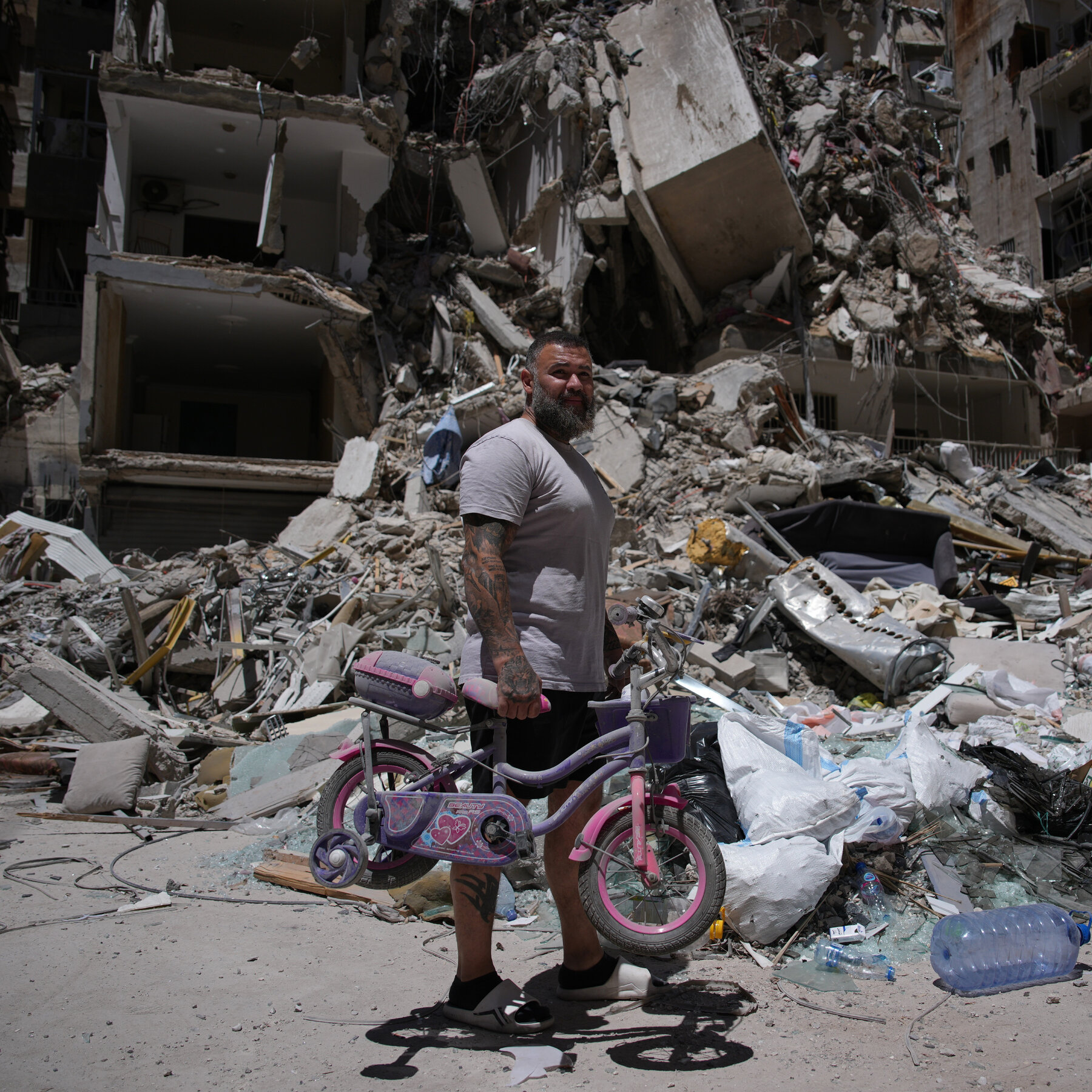
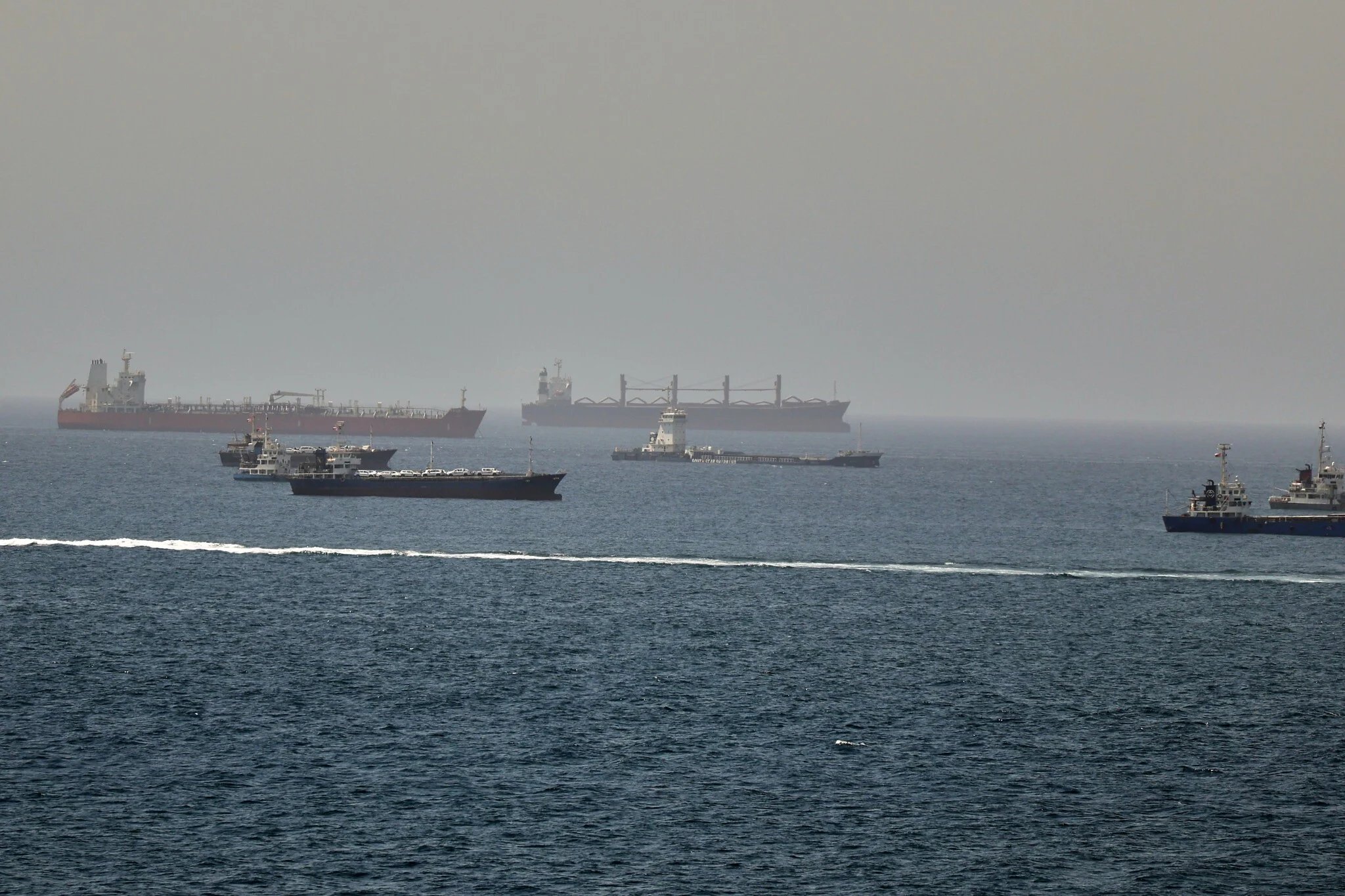
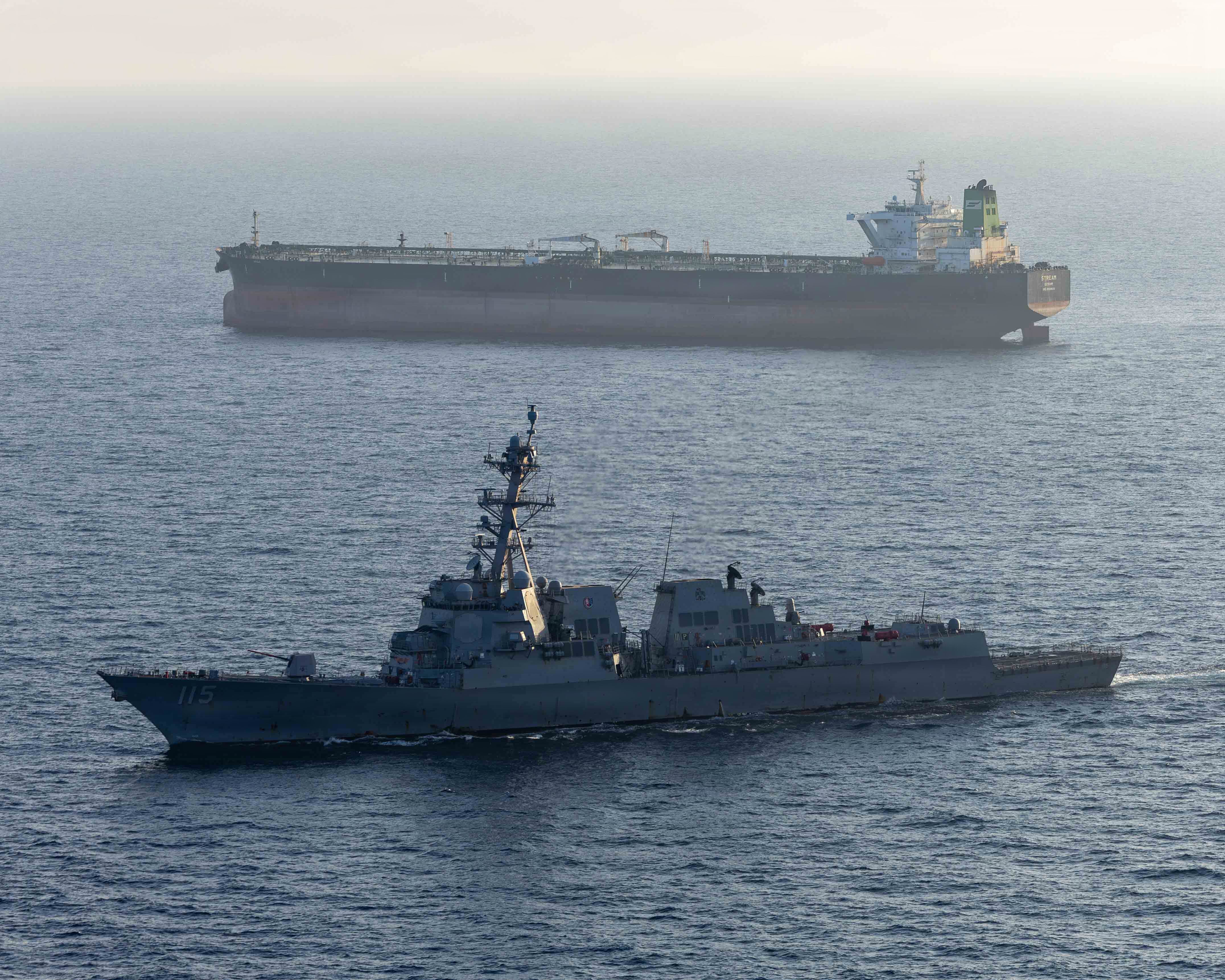
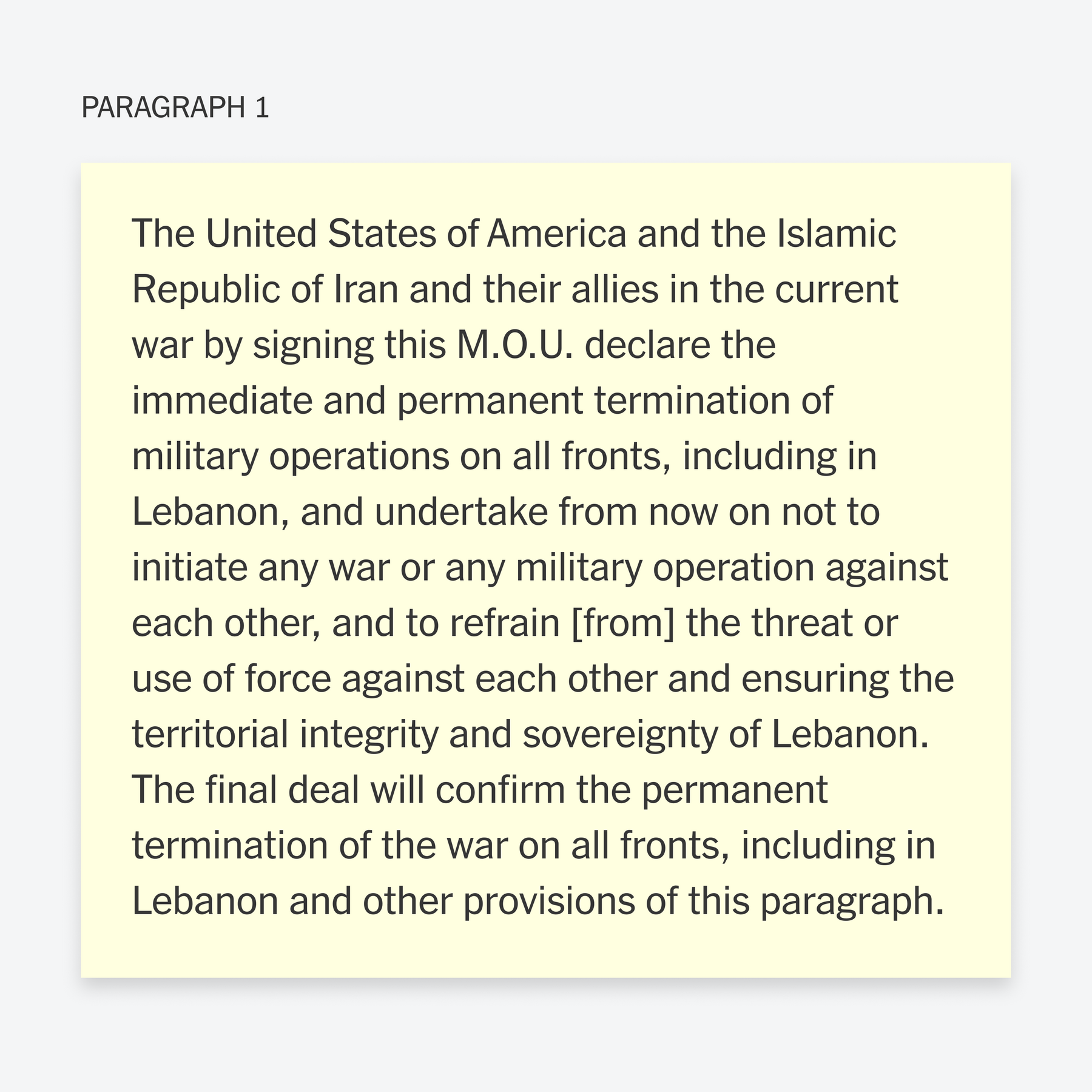
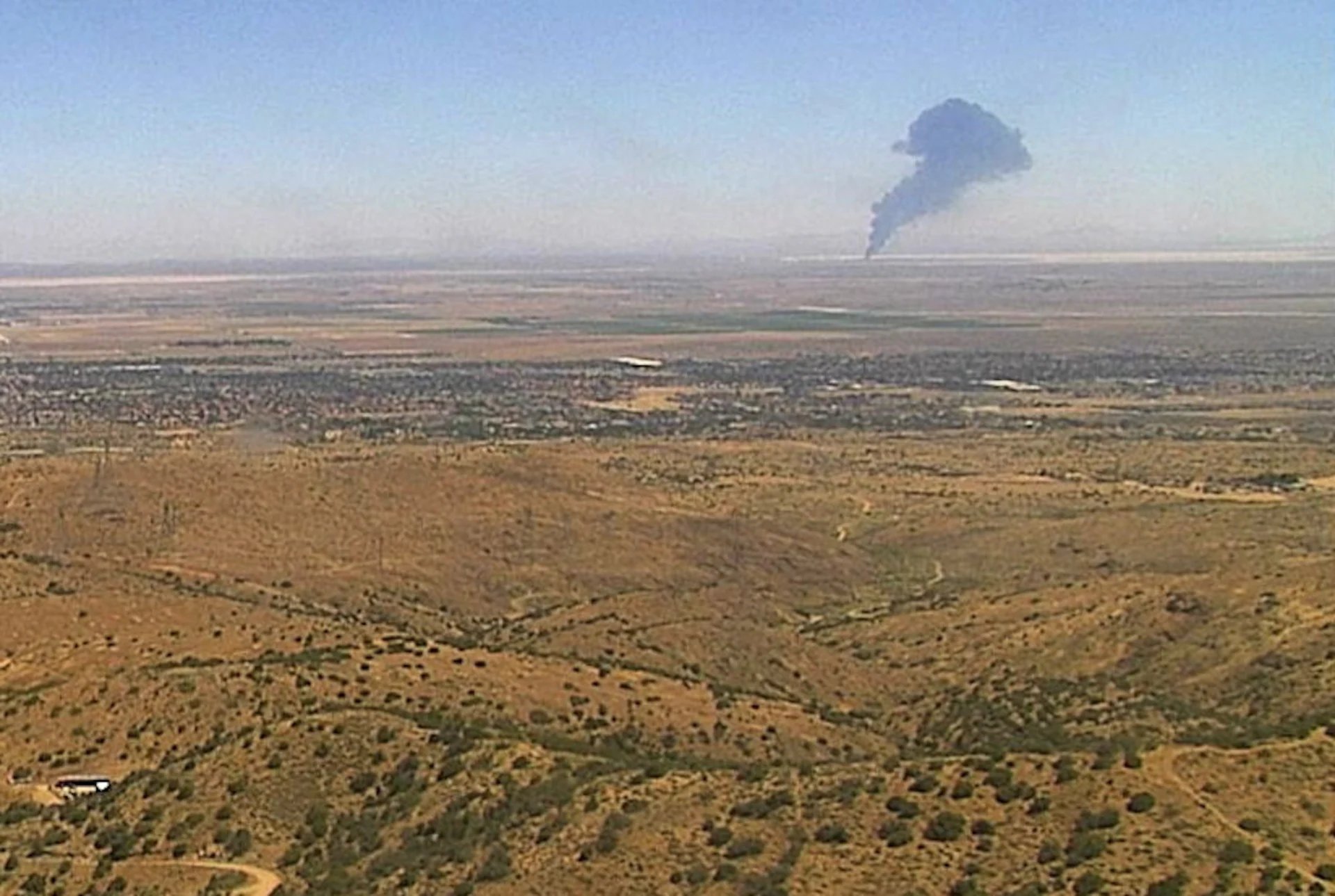
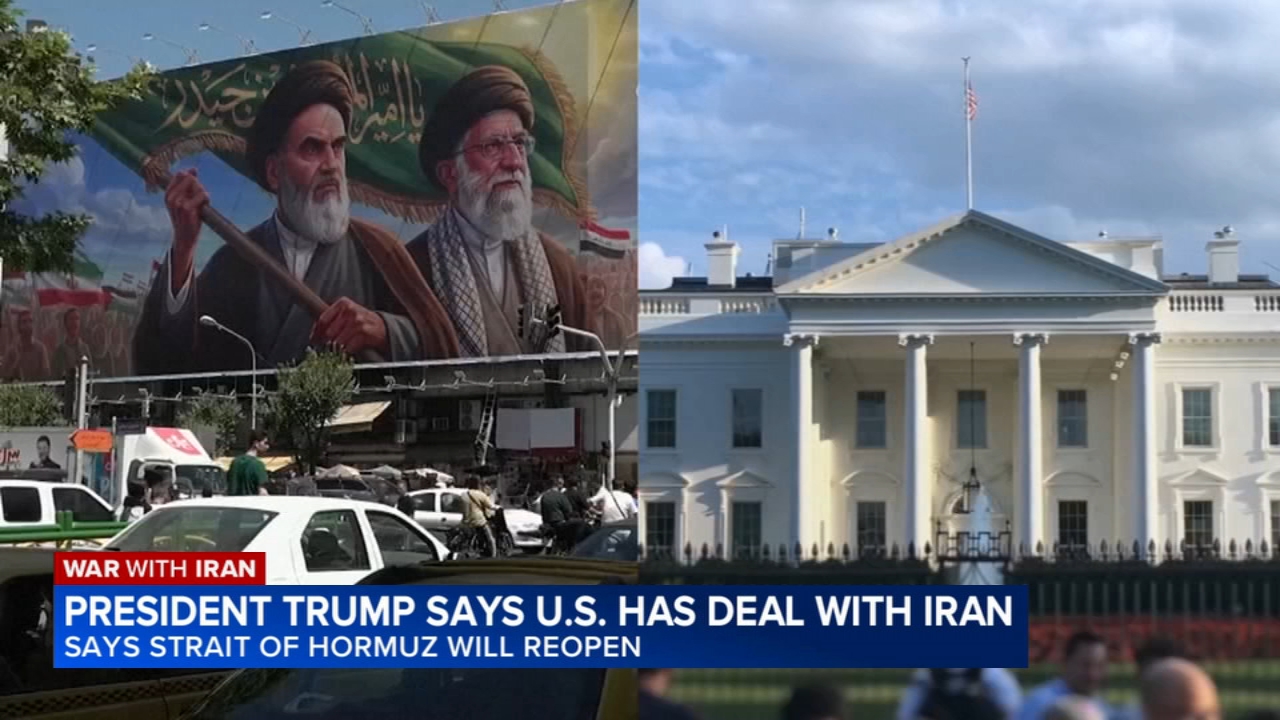
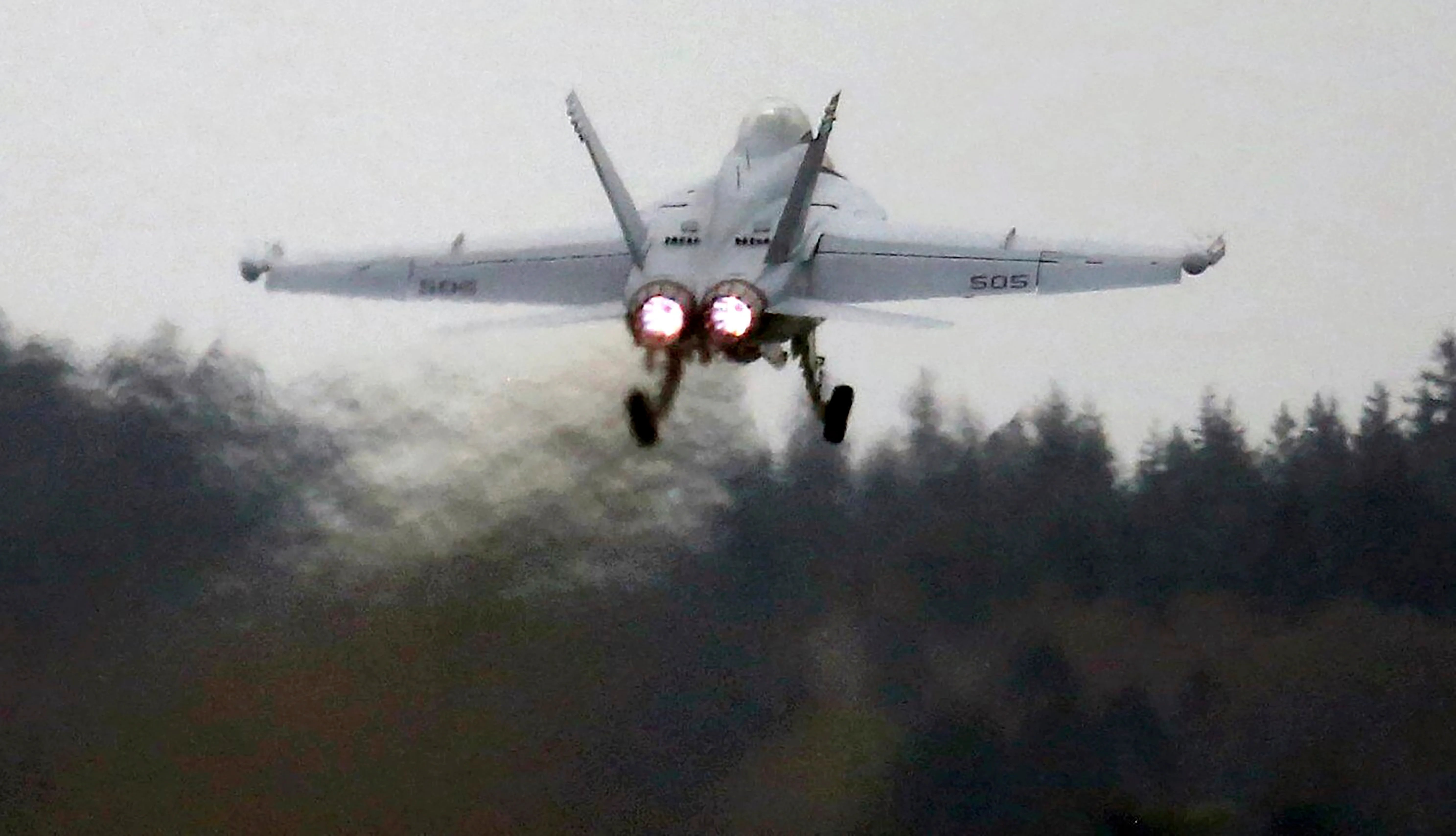
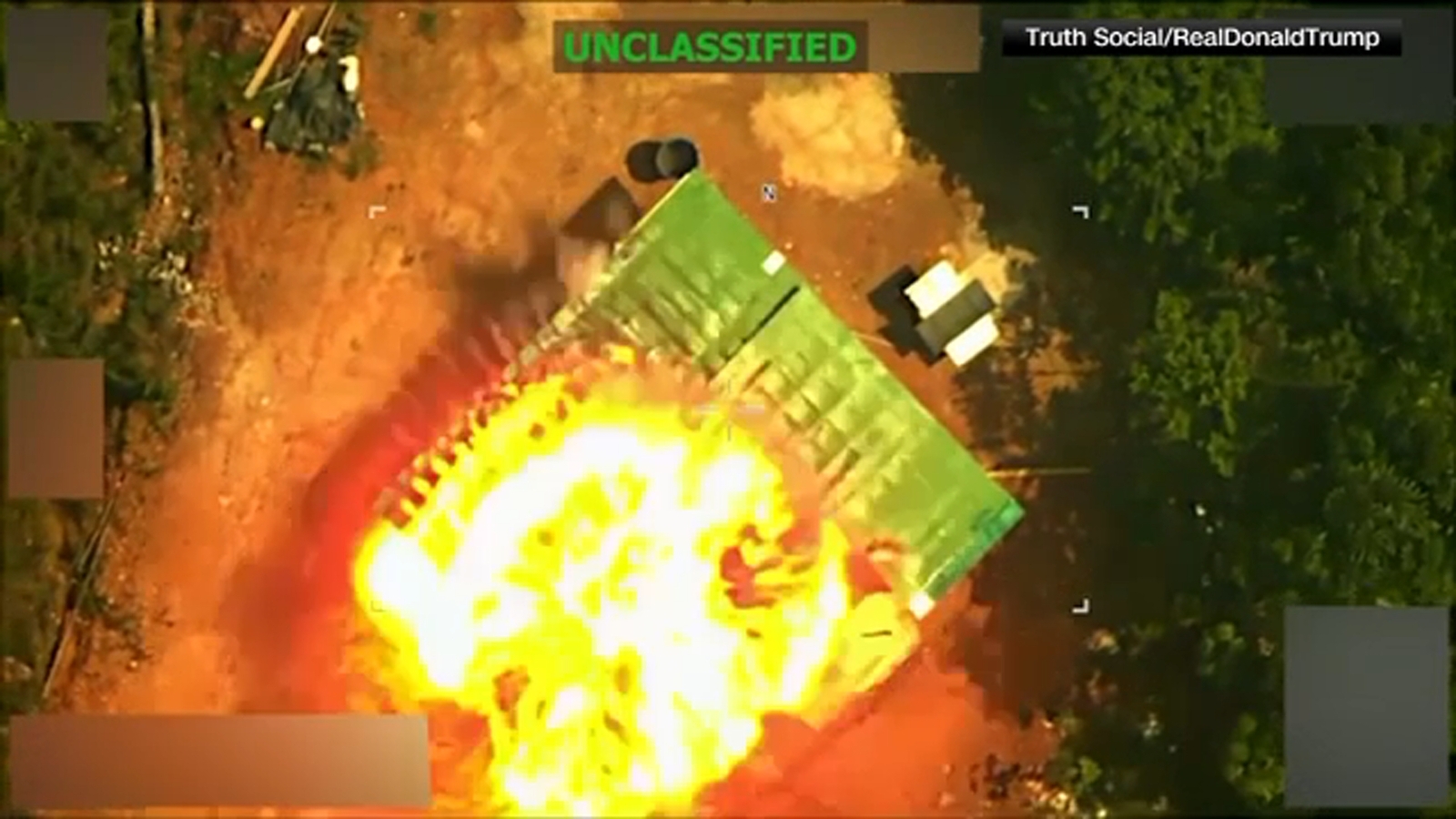
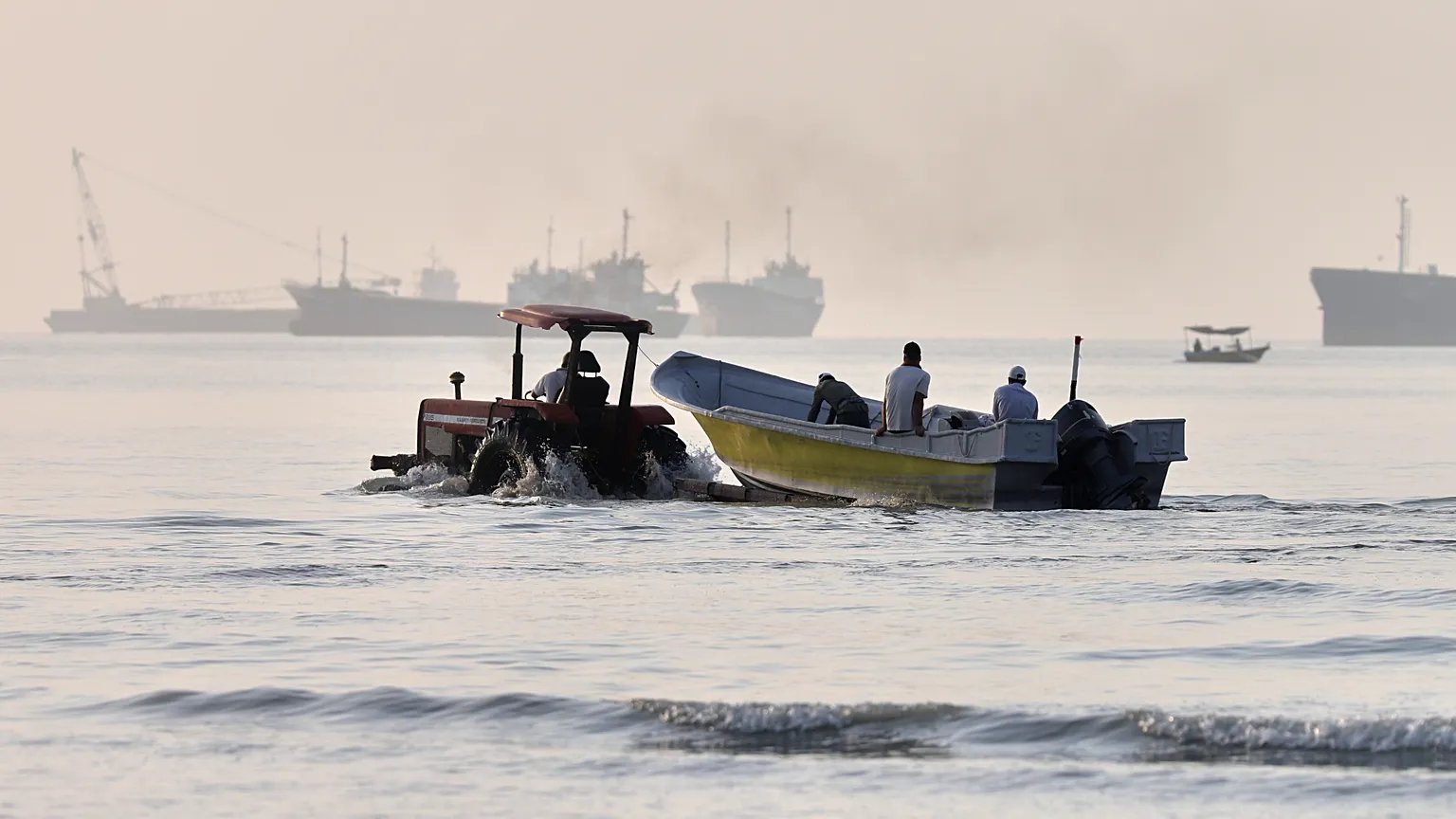
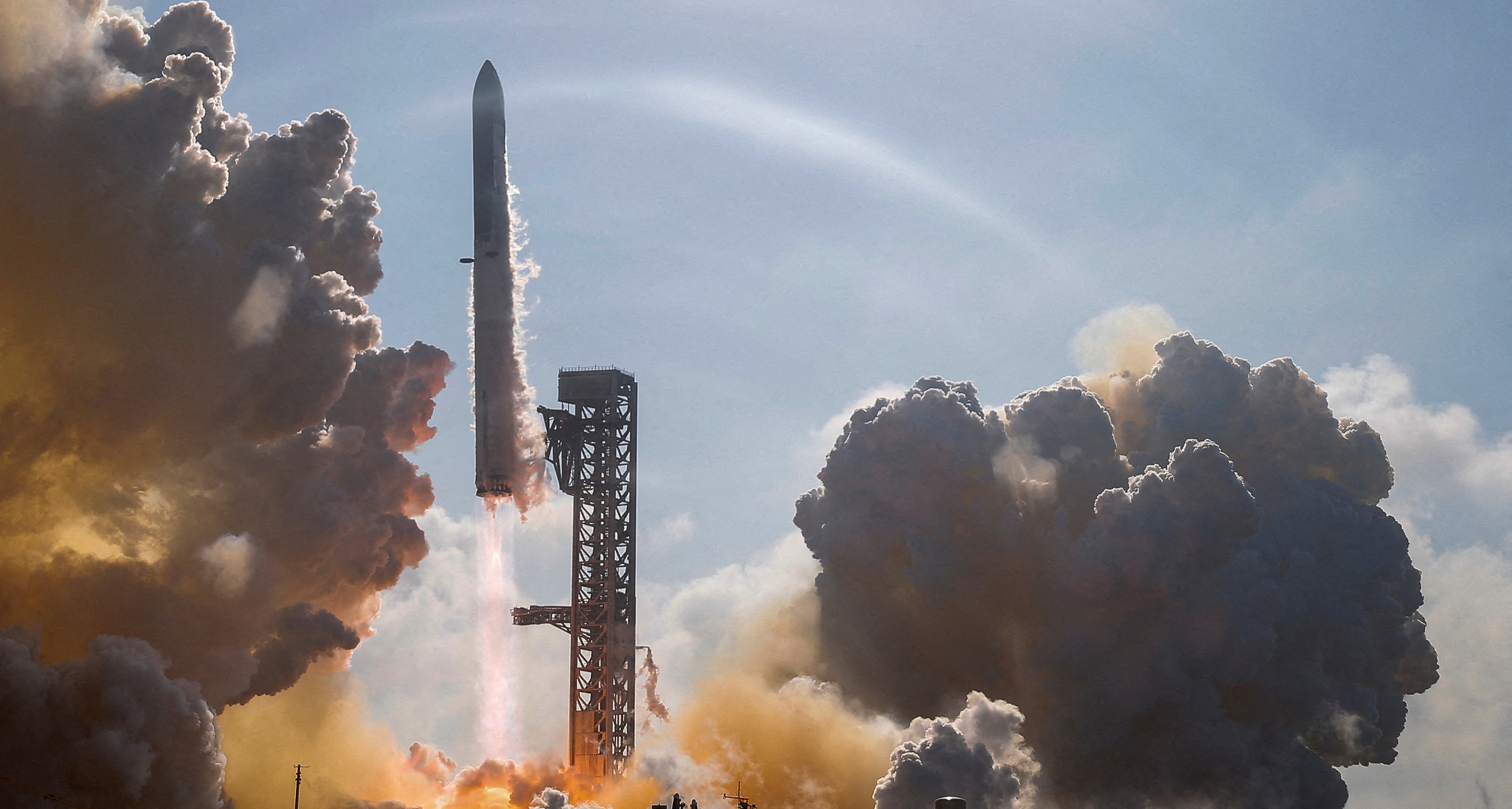
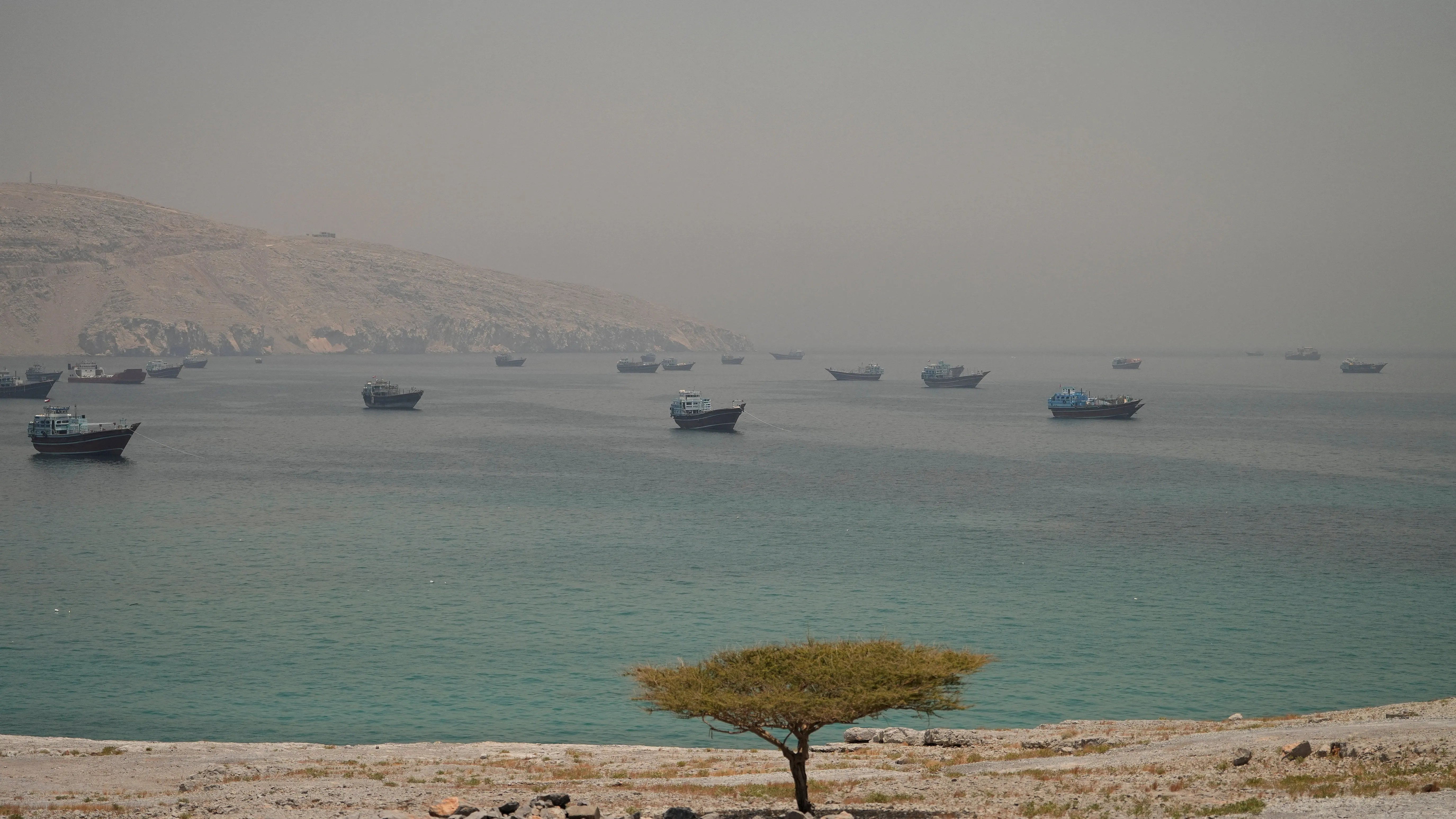
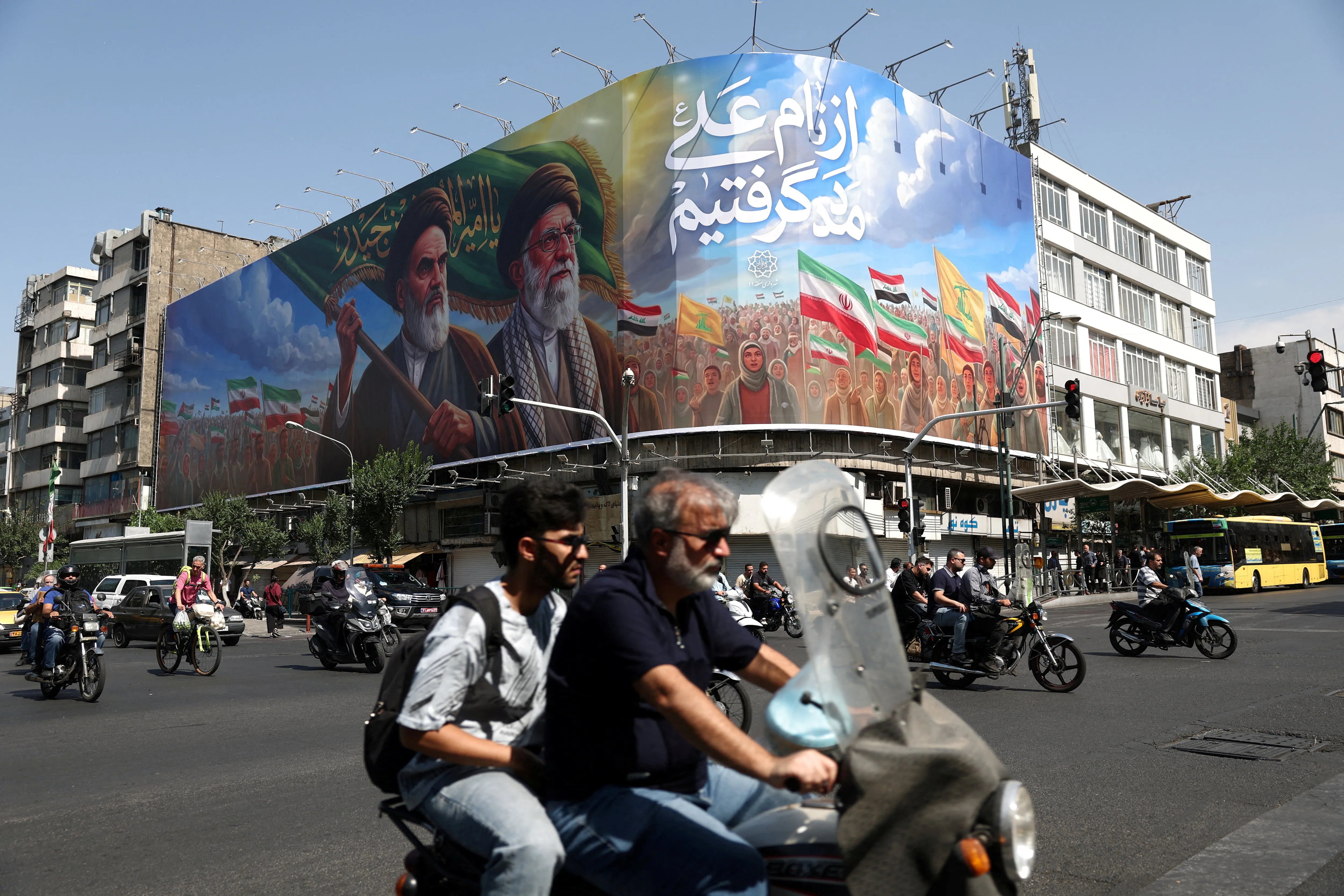
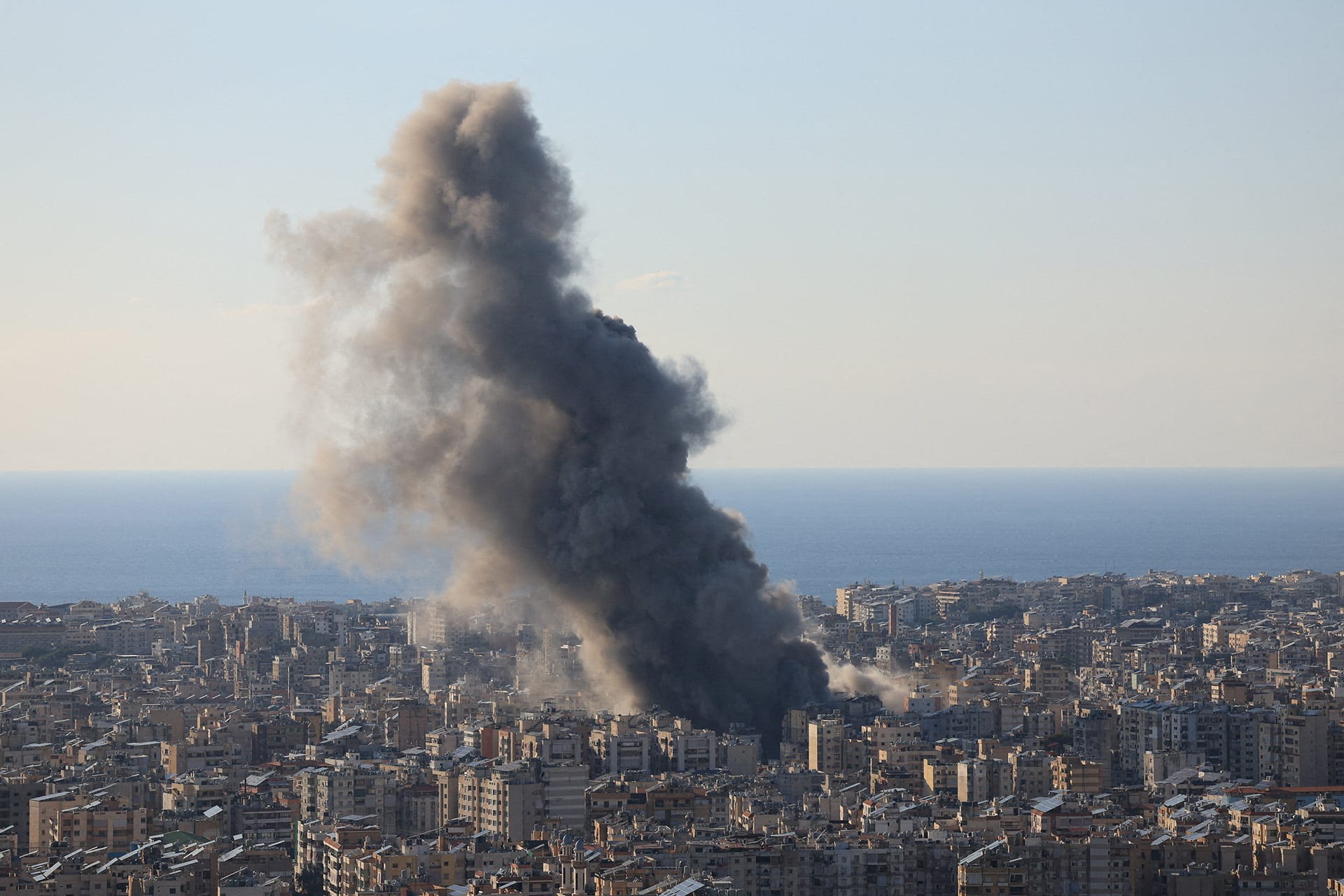
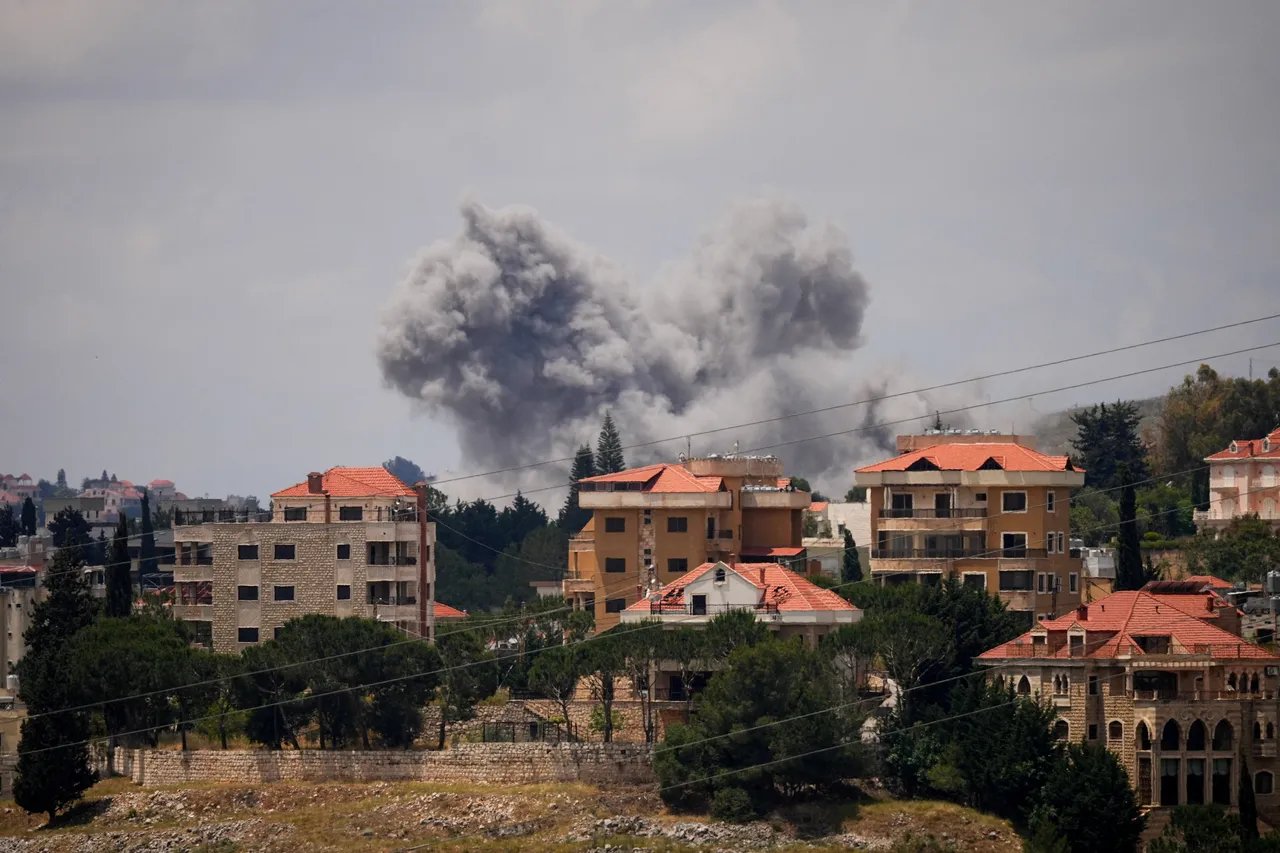
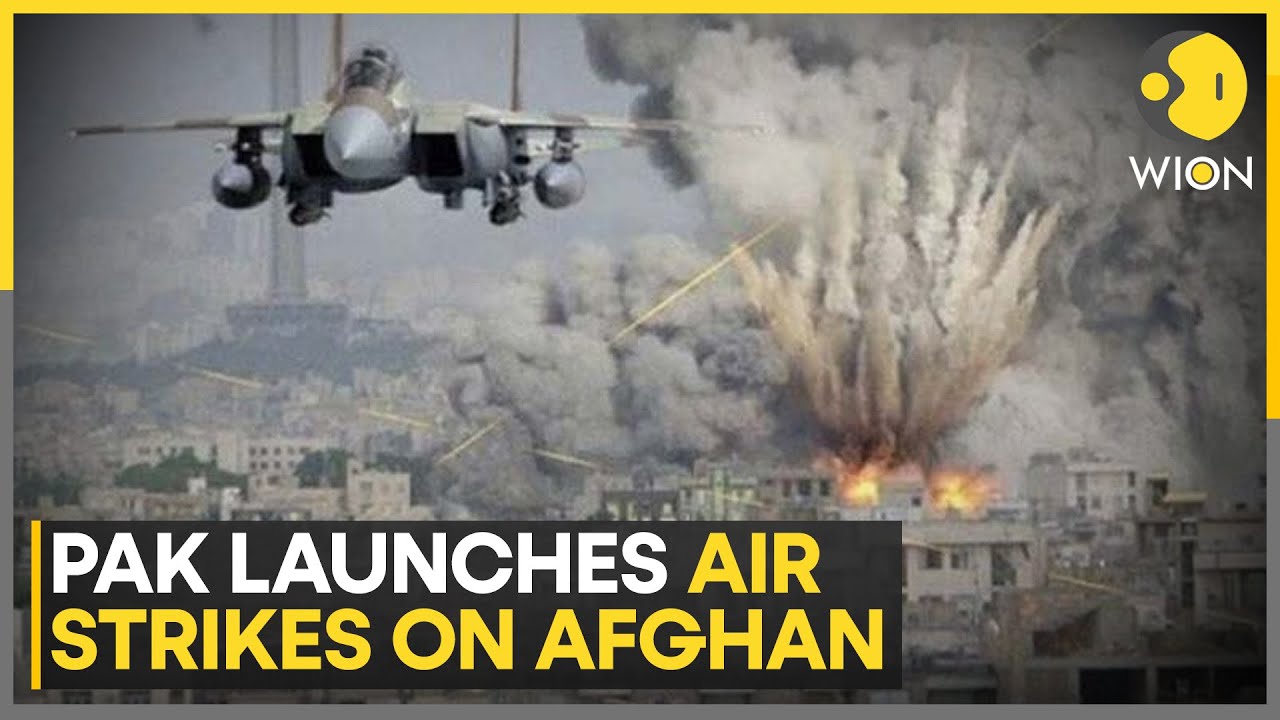
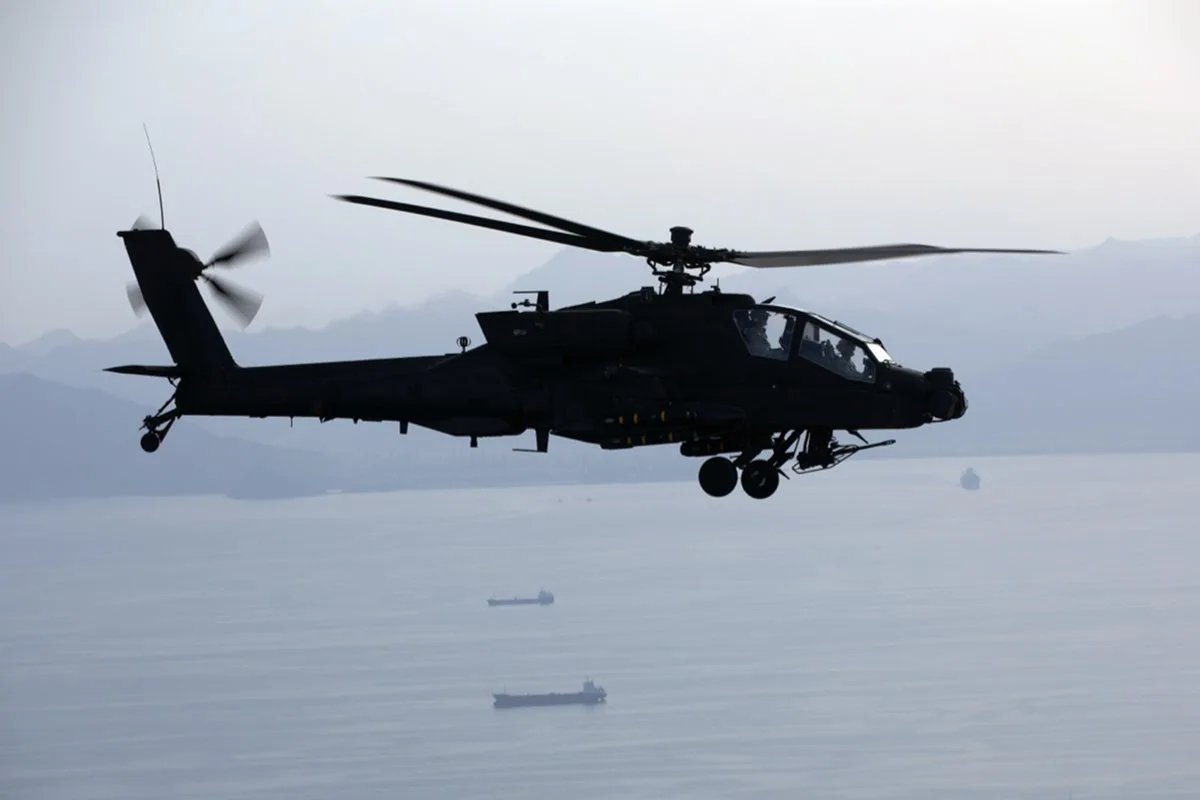
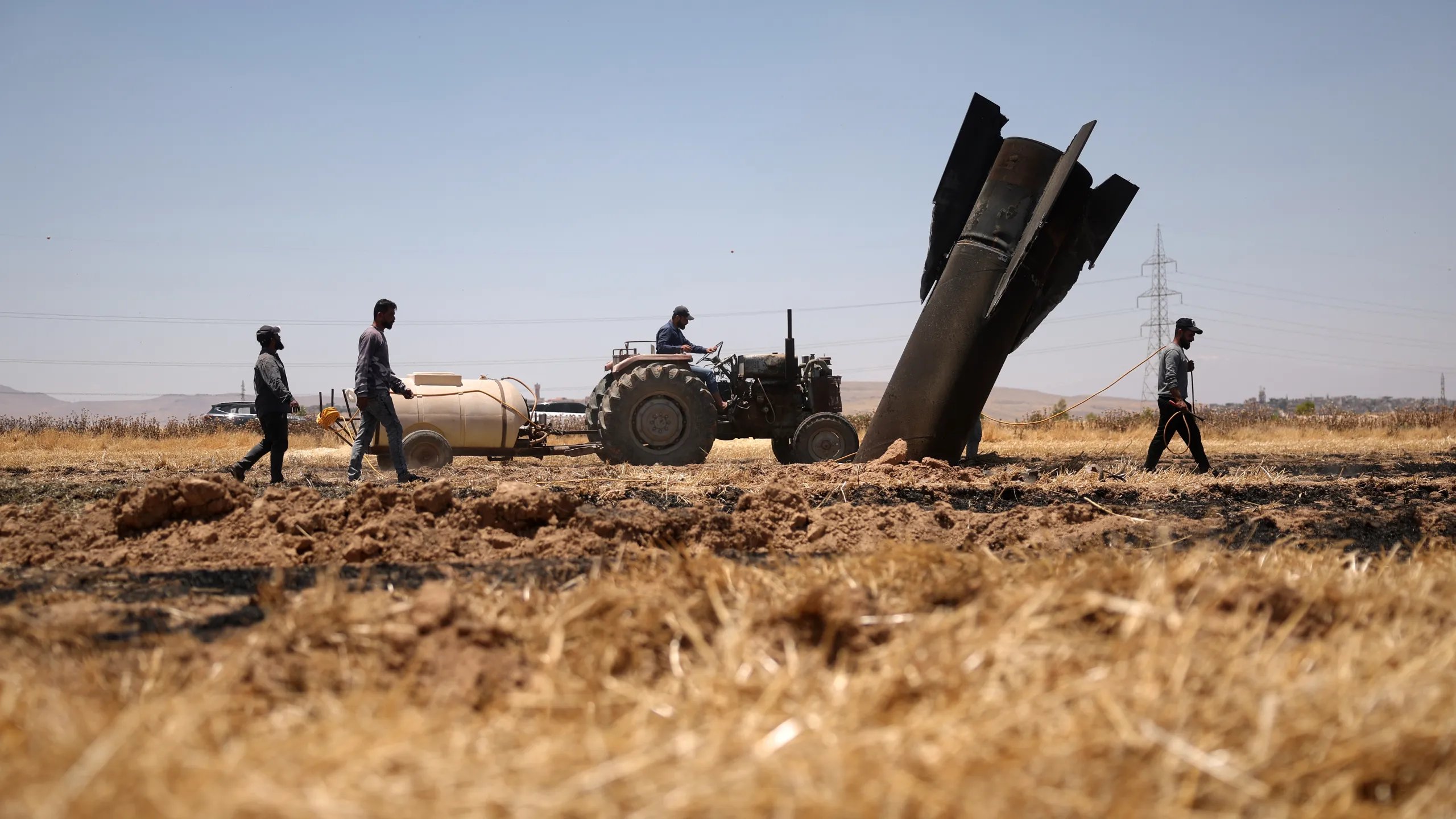
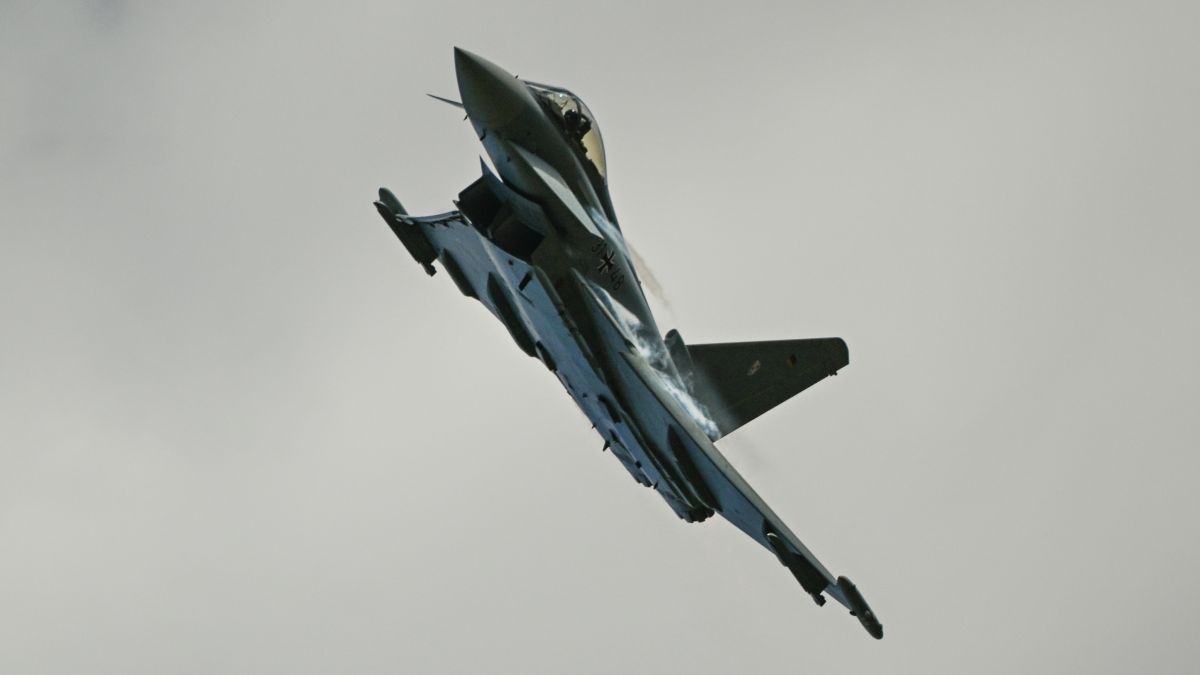
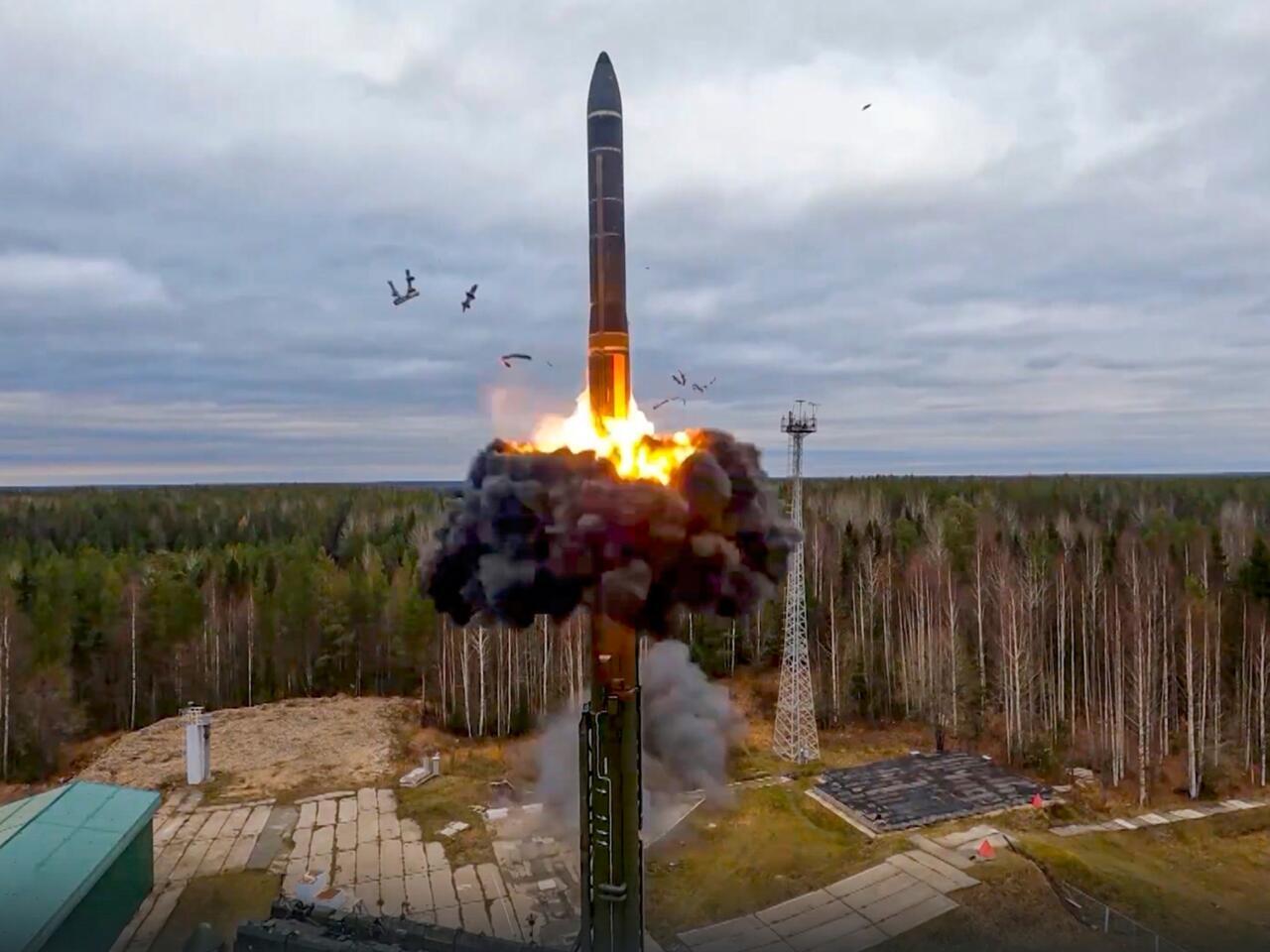
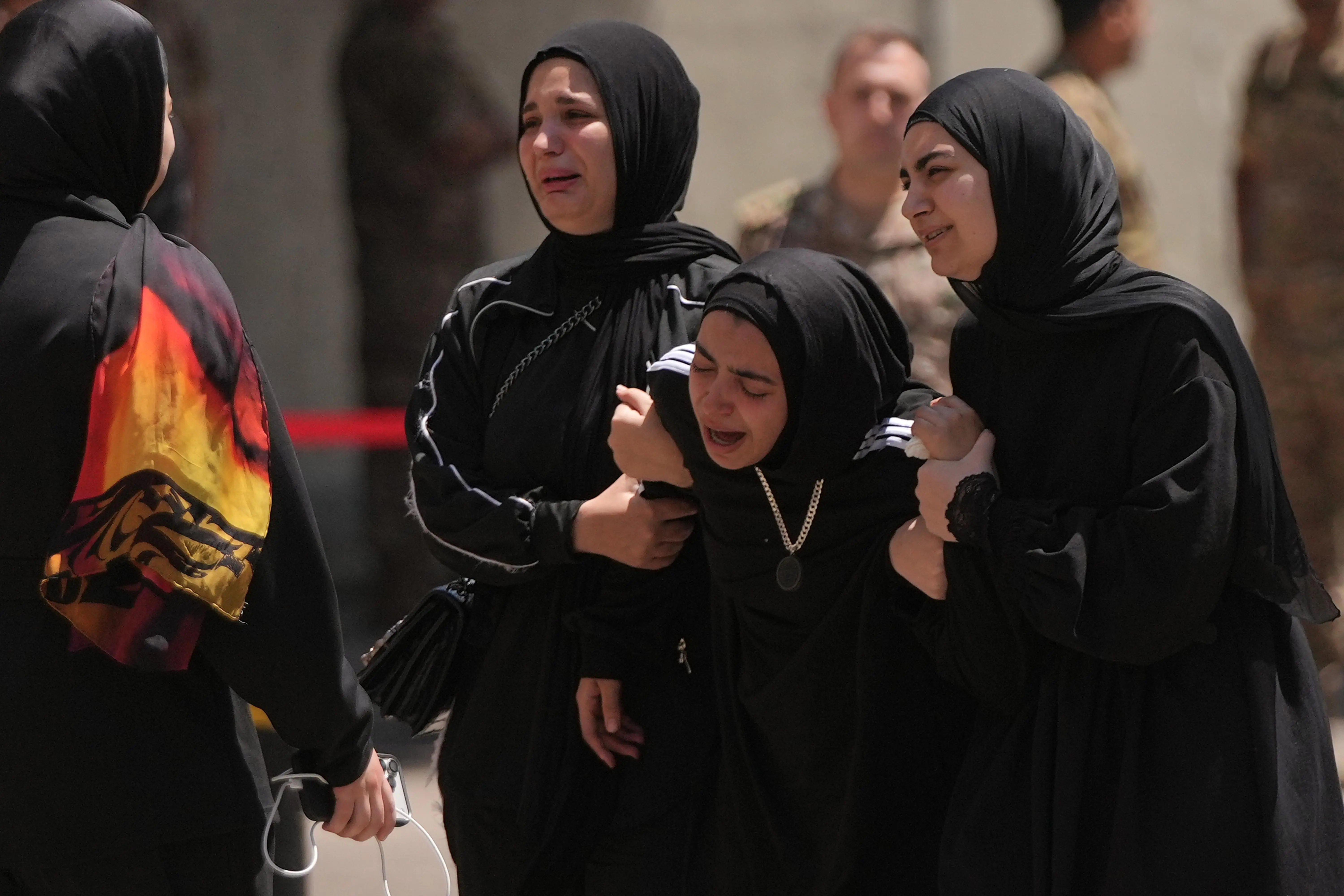
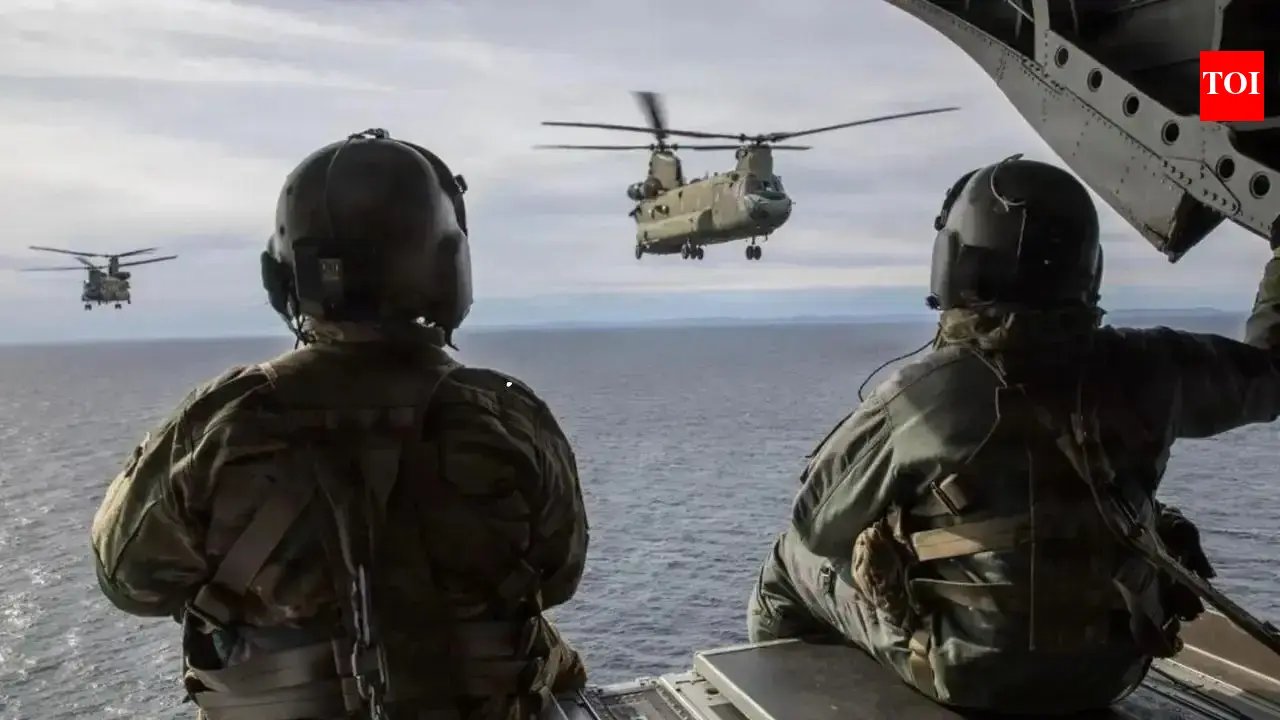
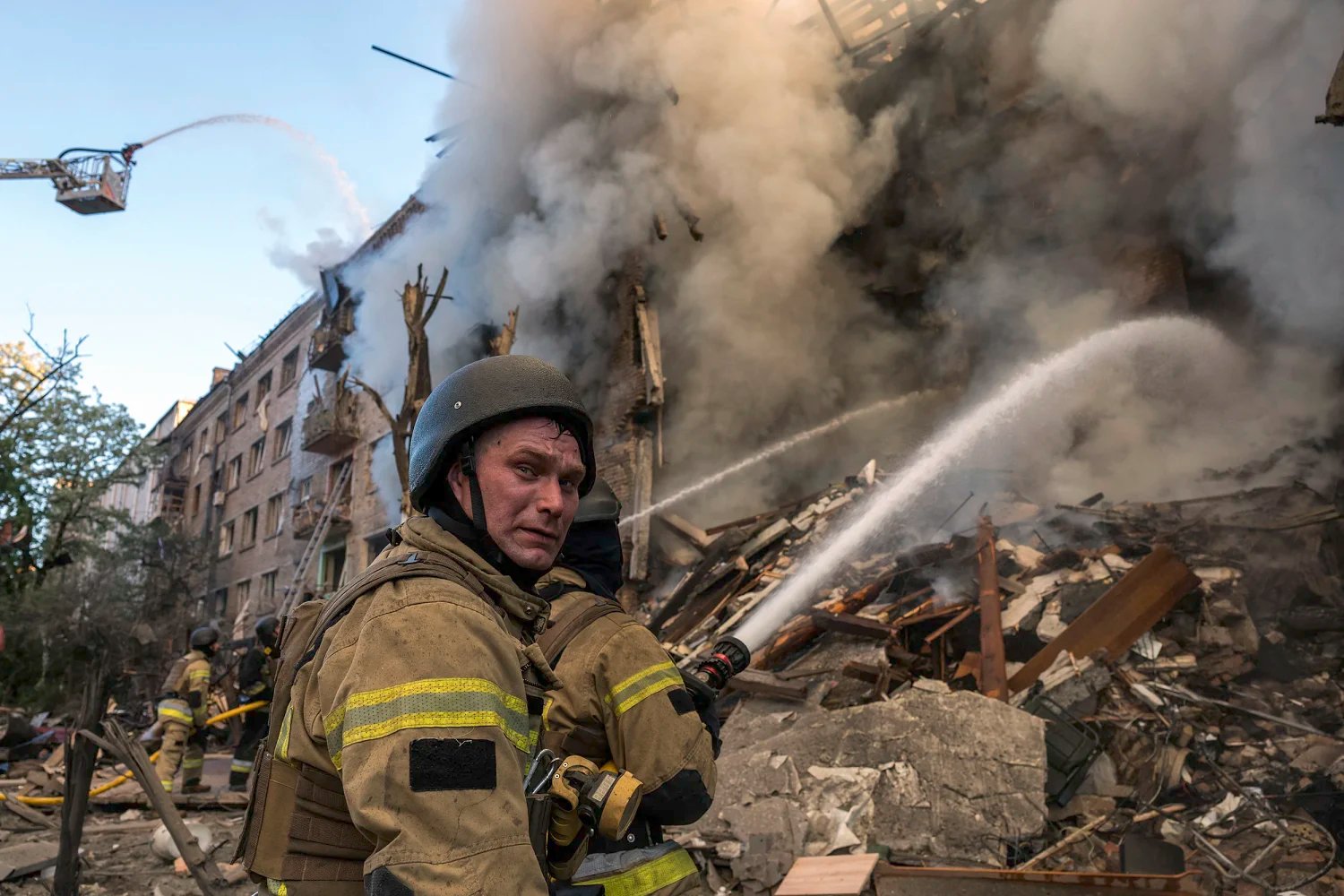
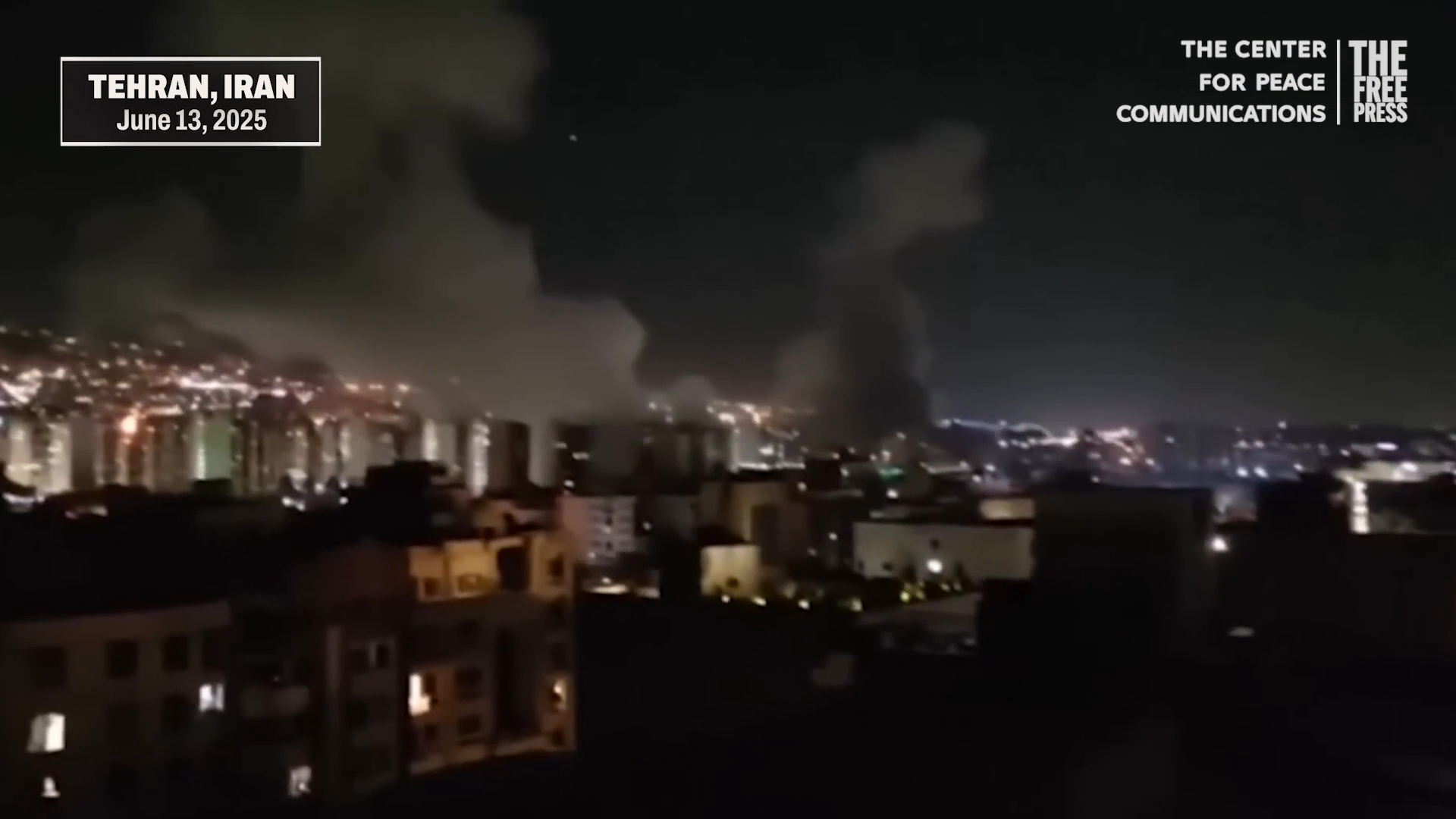
The ceasefire between Iran and the U.S. is under strain as the U.S. military reported shooting down four Iranian one-way attack drones on Friday and two more on Saturday, all heading toward the Strait of Hormuz, while seven ballistic missiles fired at Kuwait and Bahrain were largely intercepted. Tehran claims these actions constitute a clear violation of the ceasefire and an act of military aggression against Iran's national sovereignty and territorial integrity, according to the Iranian Foreign Ministry.
Escalating Tensions
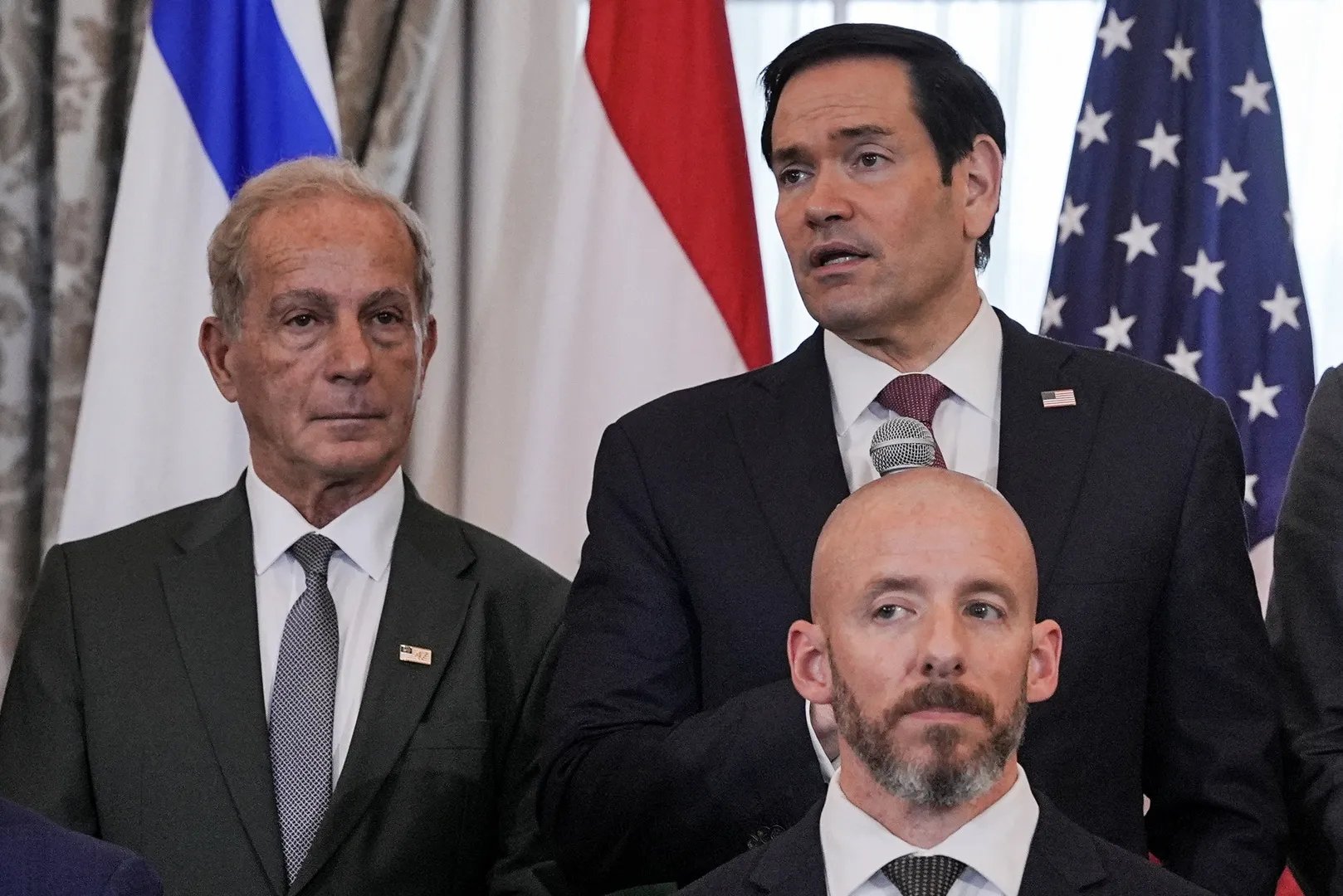
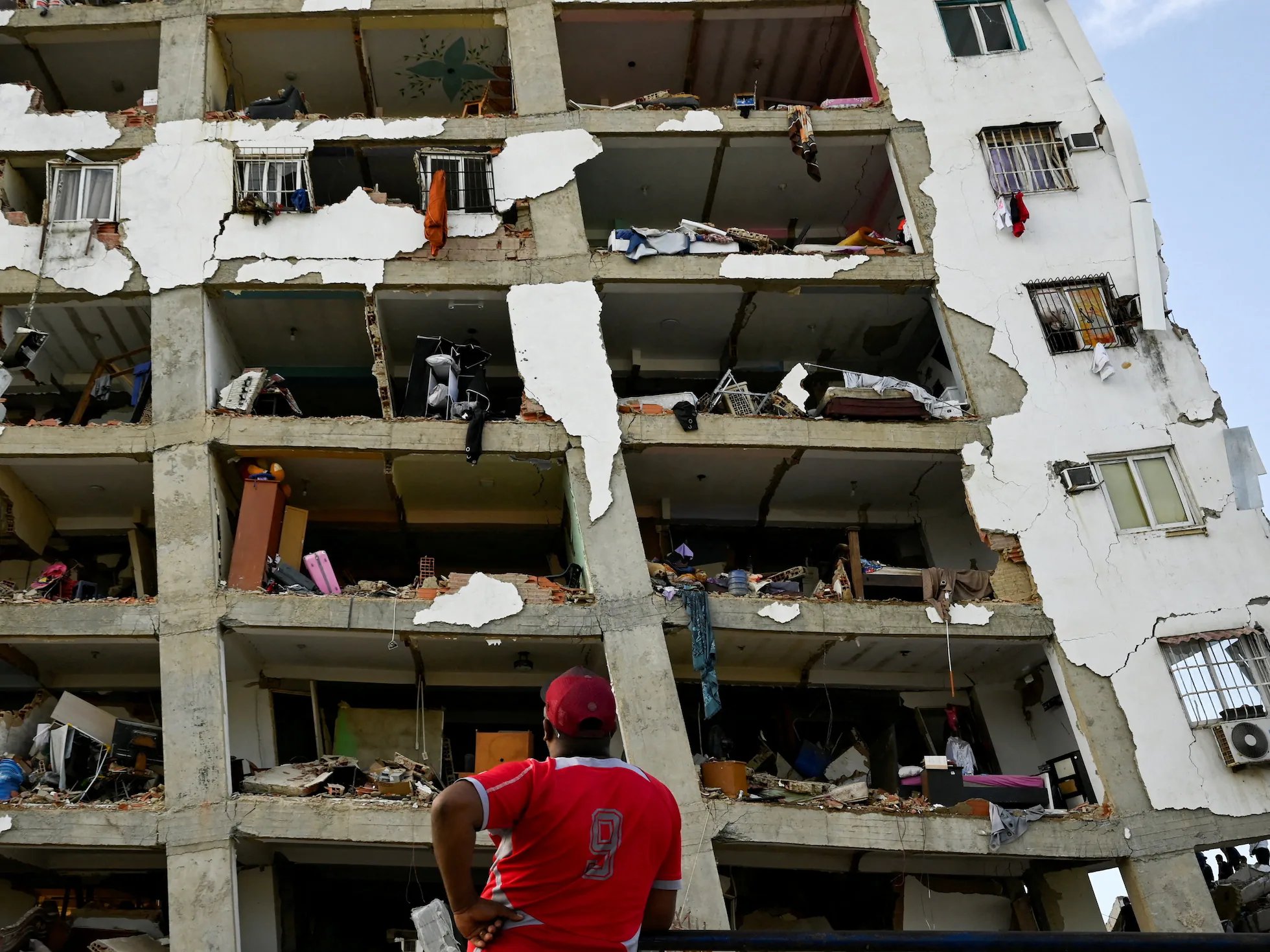
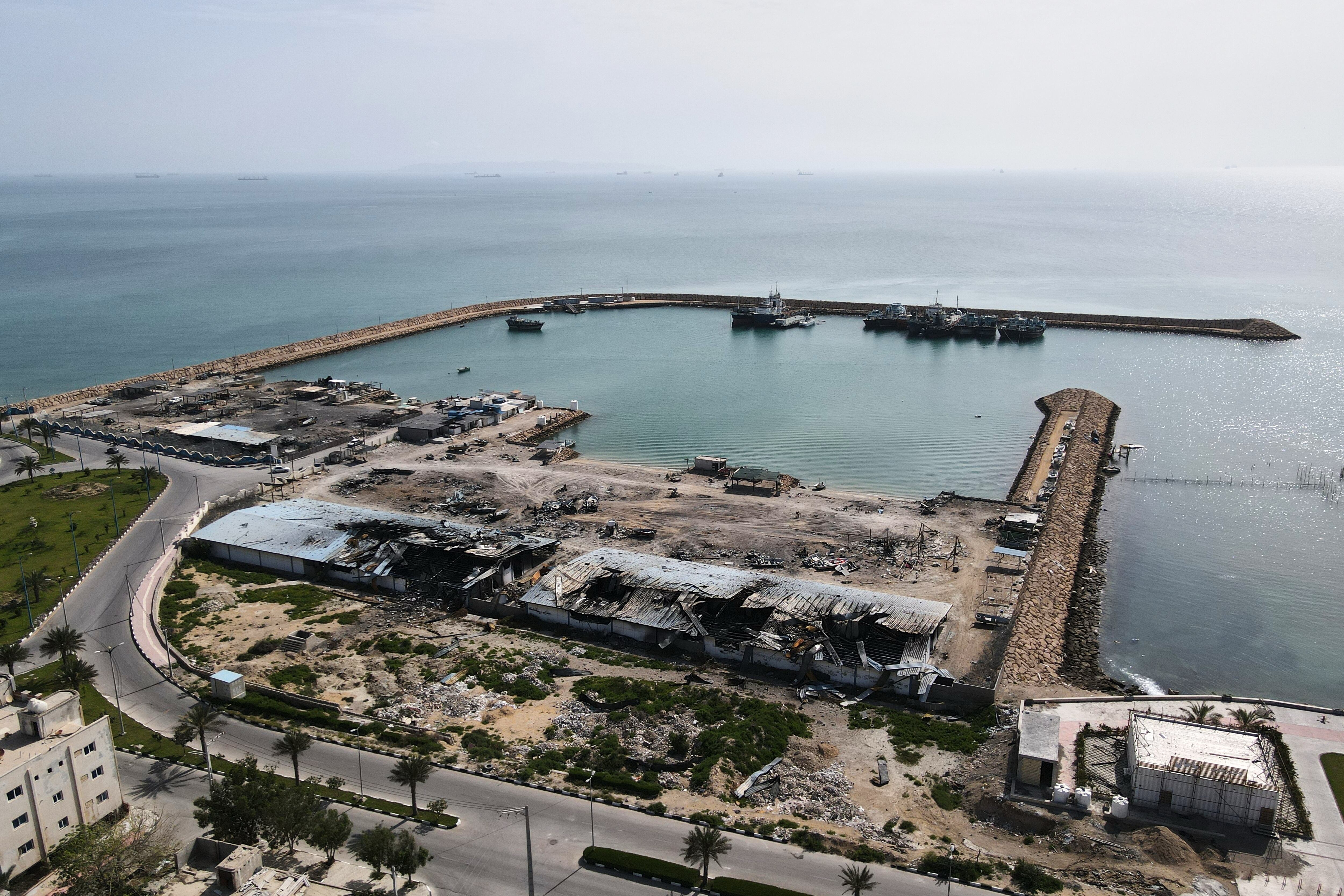
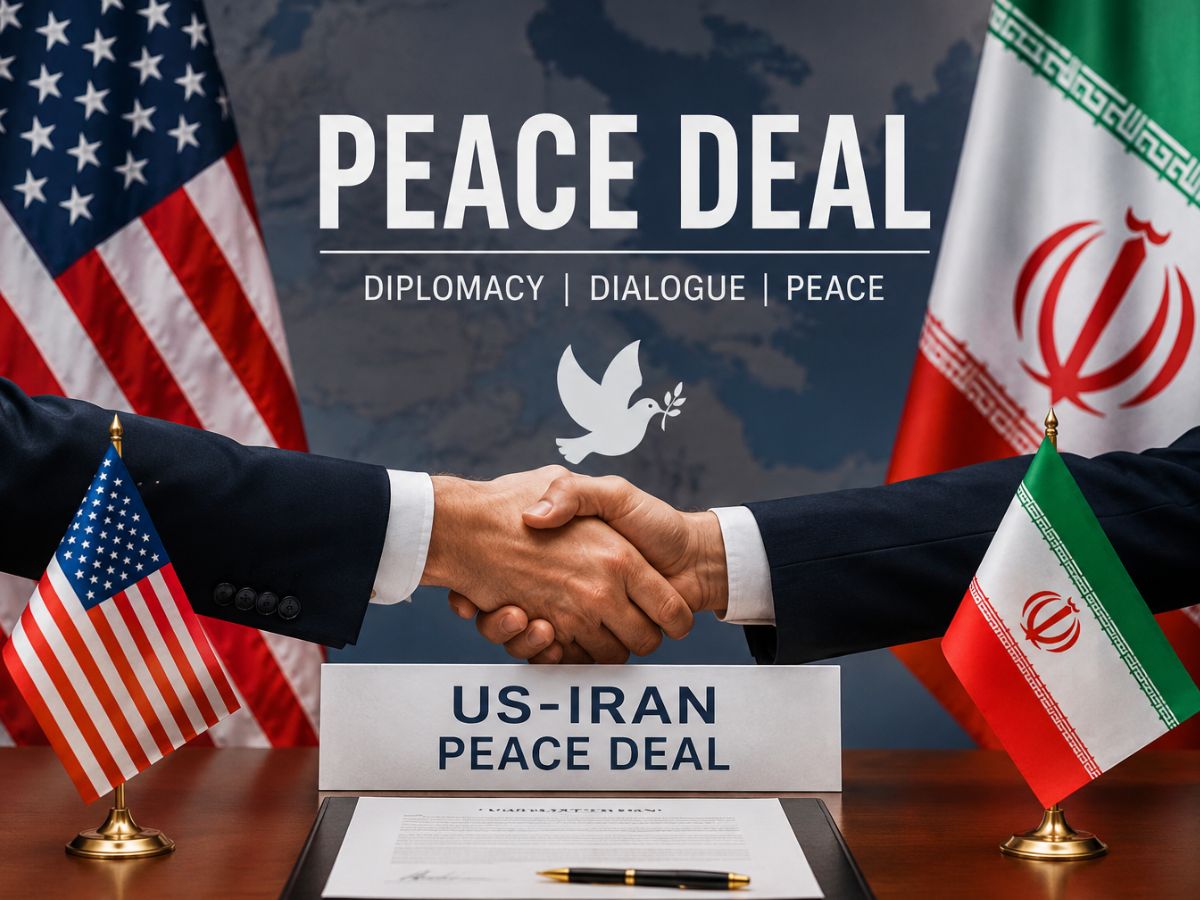
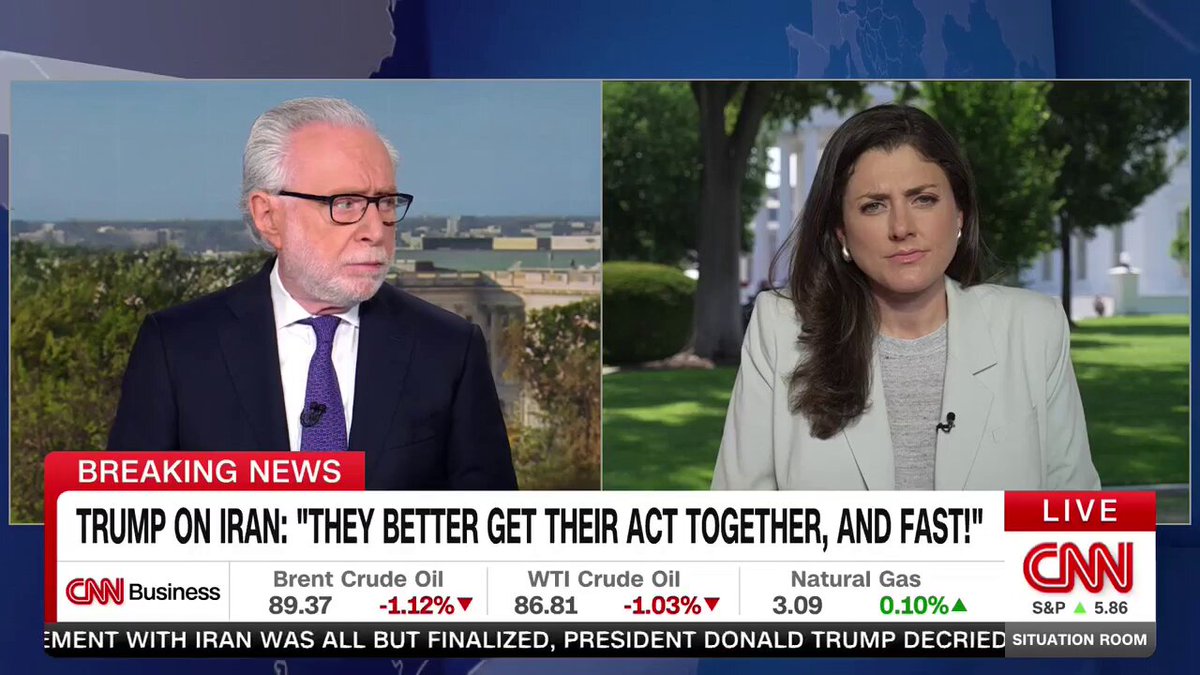
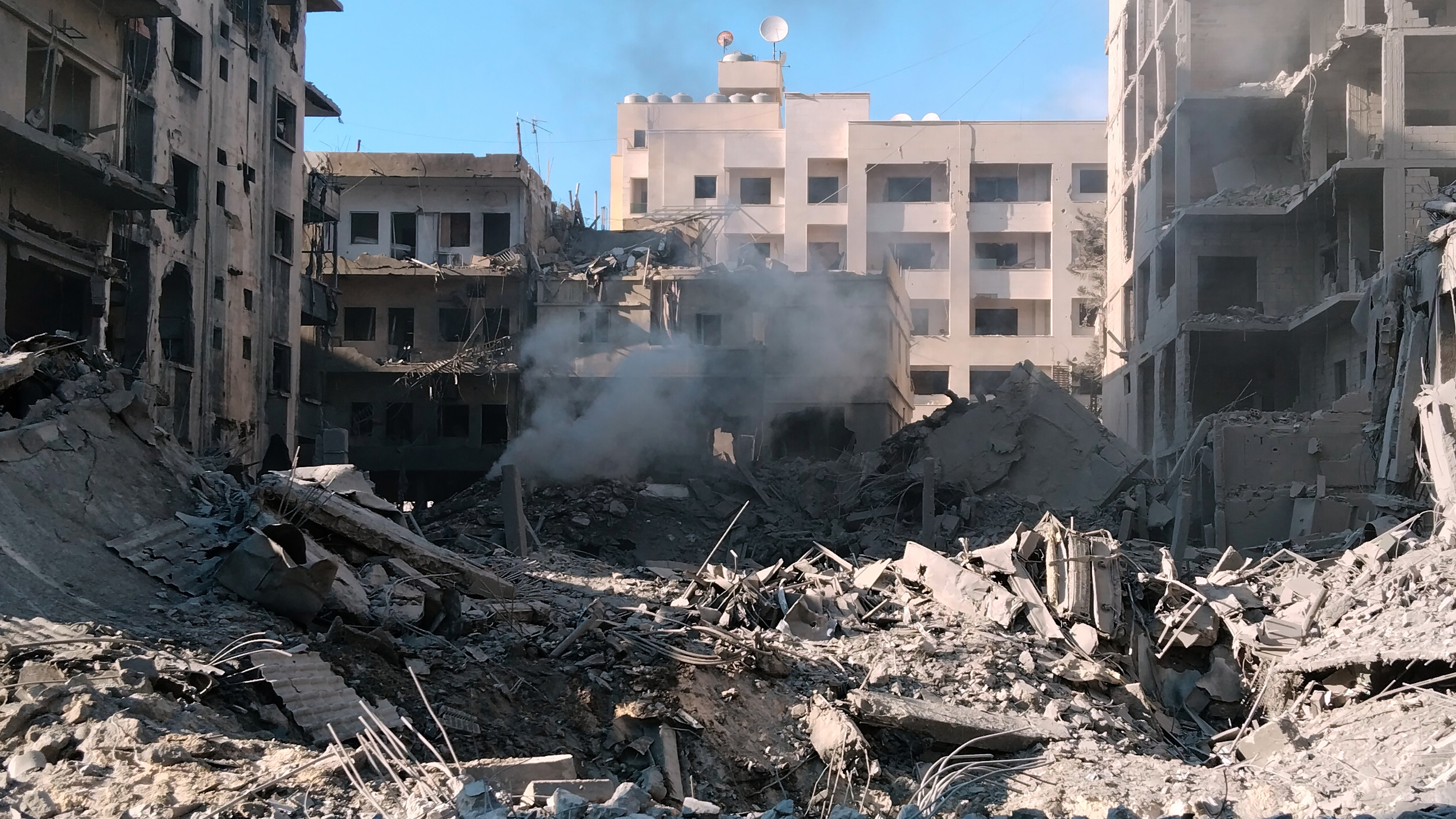
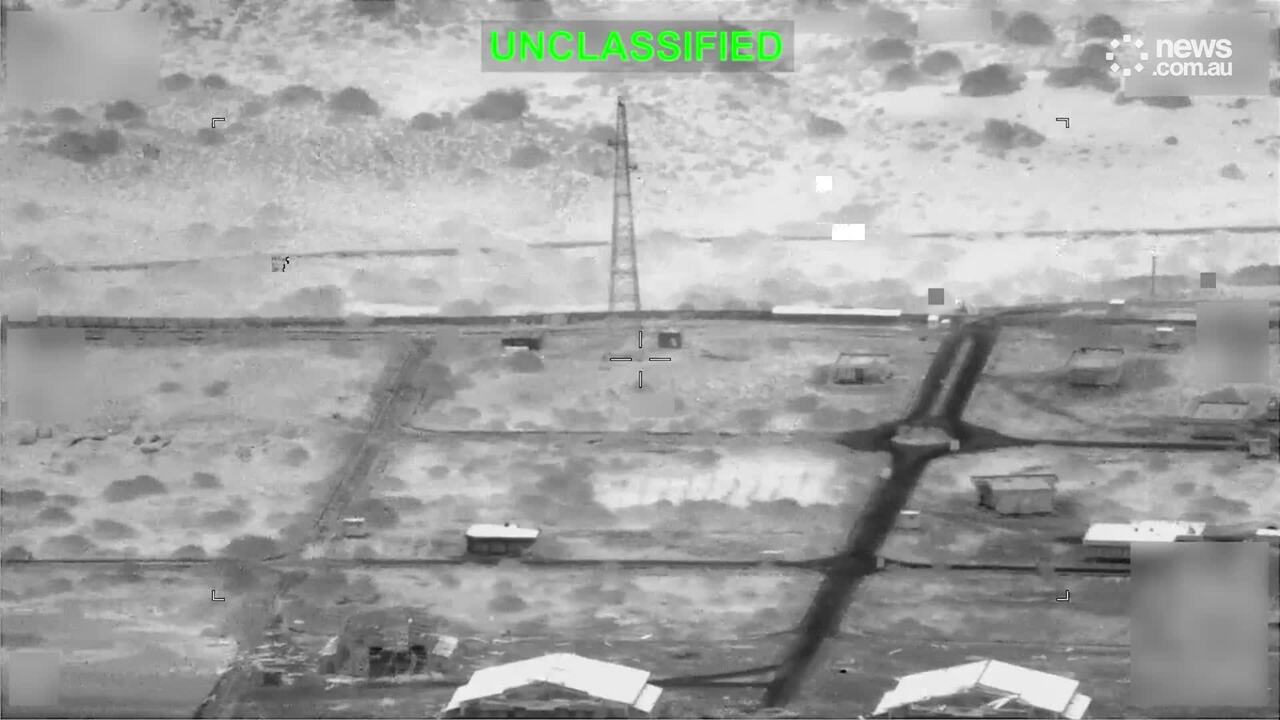
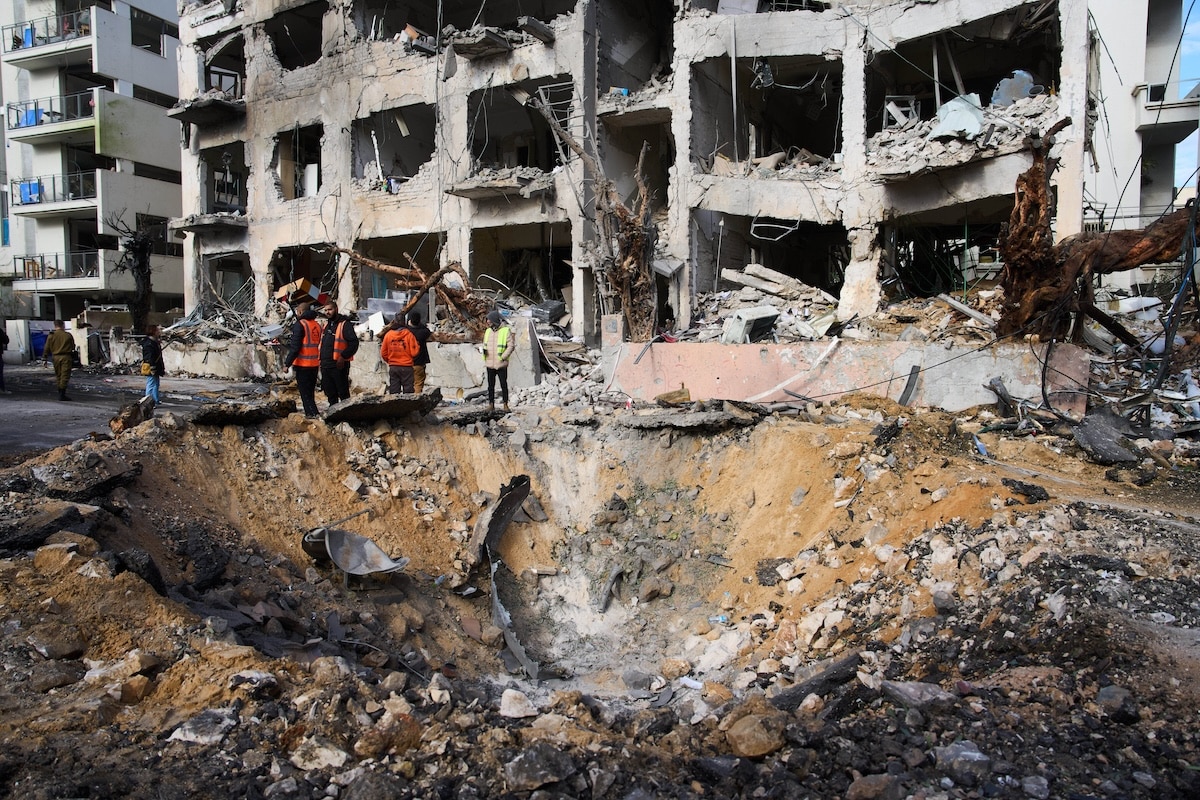
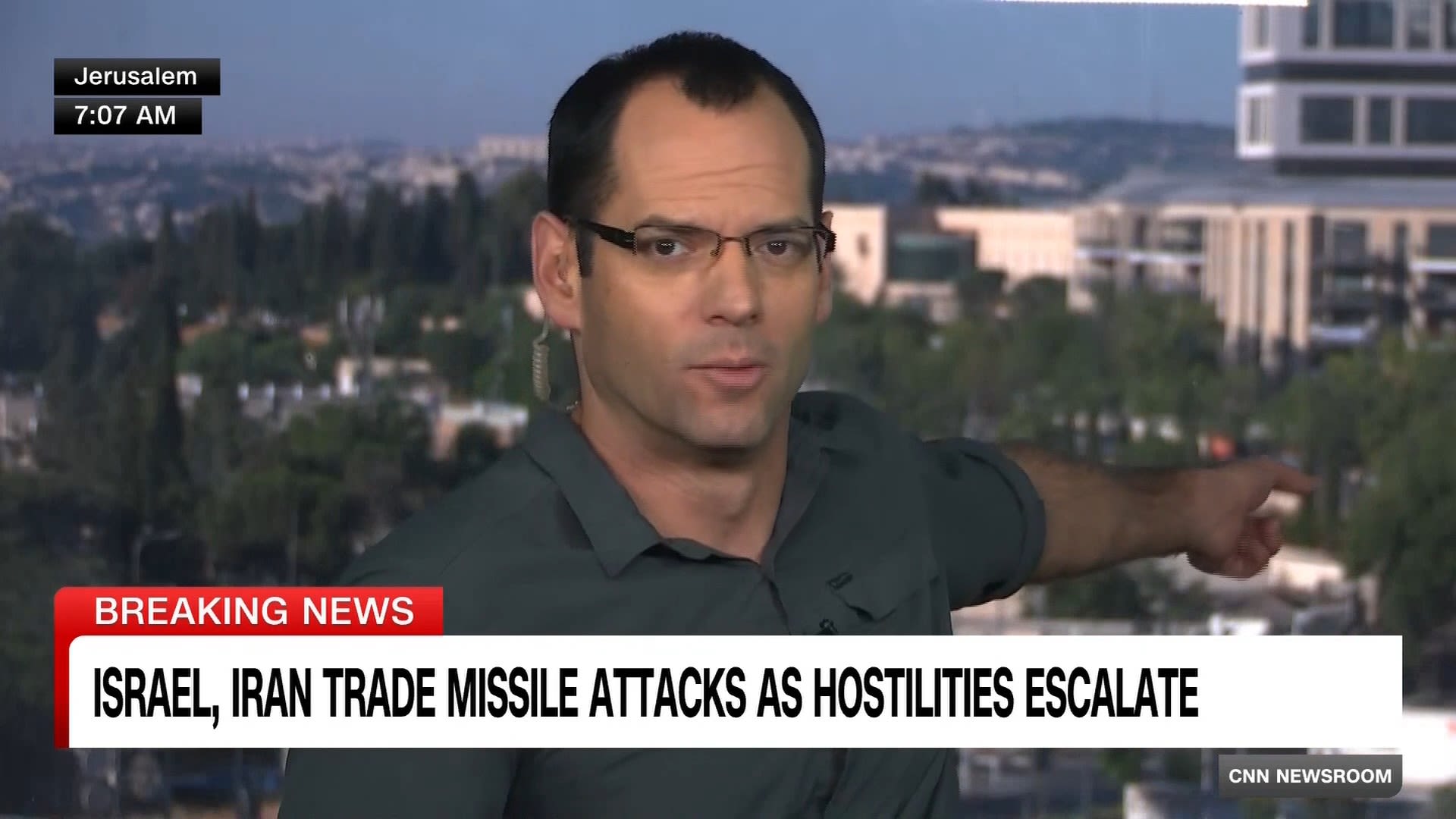
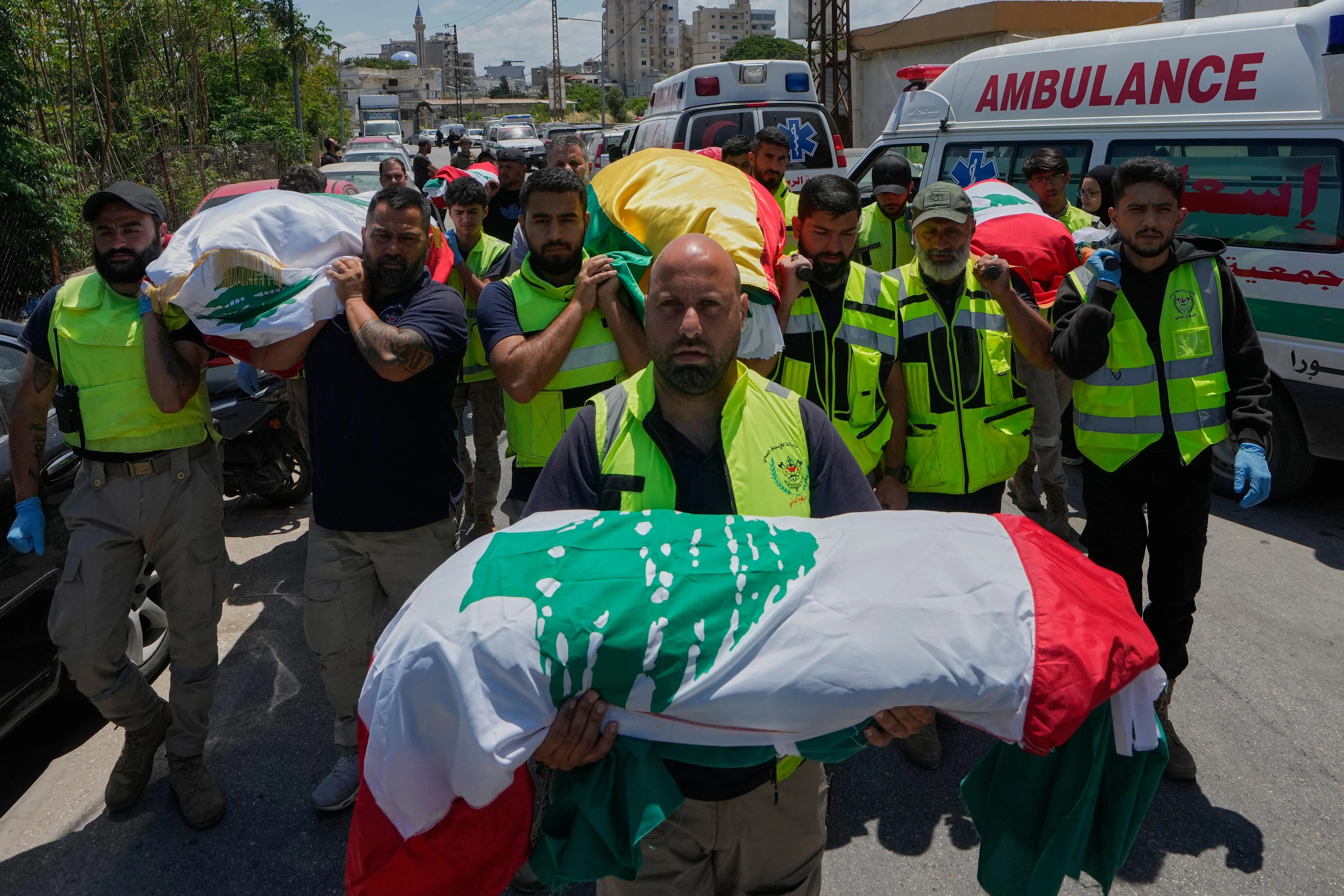
The U.S. military strikes on Iranian drones and radar sites, and Tehran's response of targeting U.S. bases in Kuwait and Bahrain, indicate a possible escalation in the conflict. The head of the Gulf Cooperation Council, Jasem Mohamed Albudaiwi, condemned Iran's missile attacks as a "dangerous and irresponsible escalation" and a "blatant violation of all international laws and norms." This comes amid stalled peace talks, with both sides unable to reach an agreement, and U.S. intelligence reports of intensified Israeli surveillance on senior U.S. officials involved in Iran peace talks.
Economic Repercussions
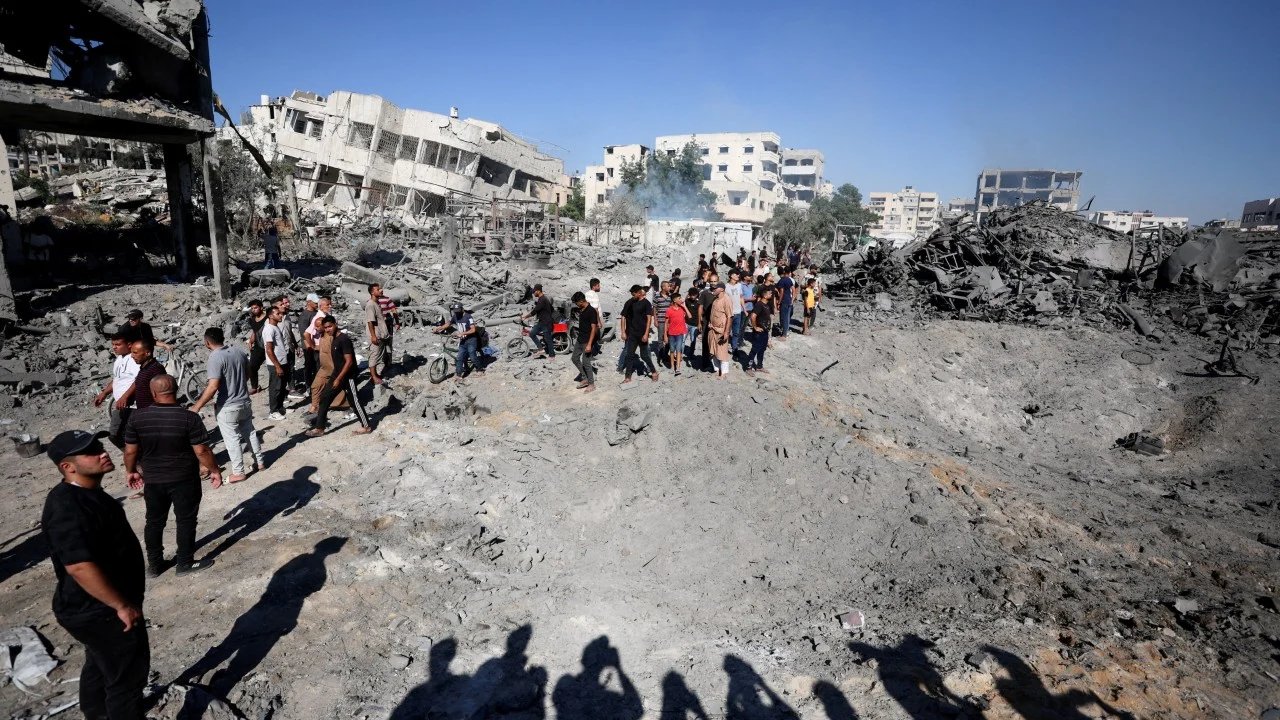
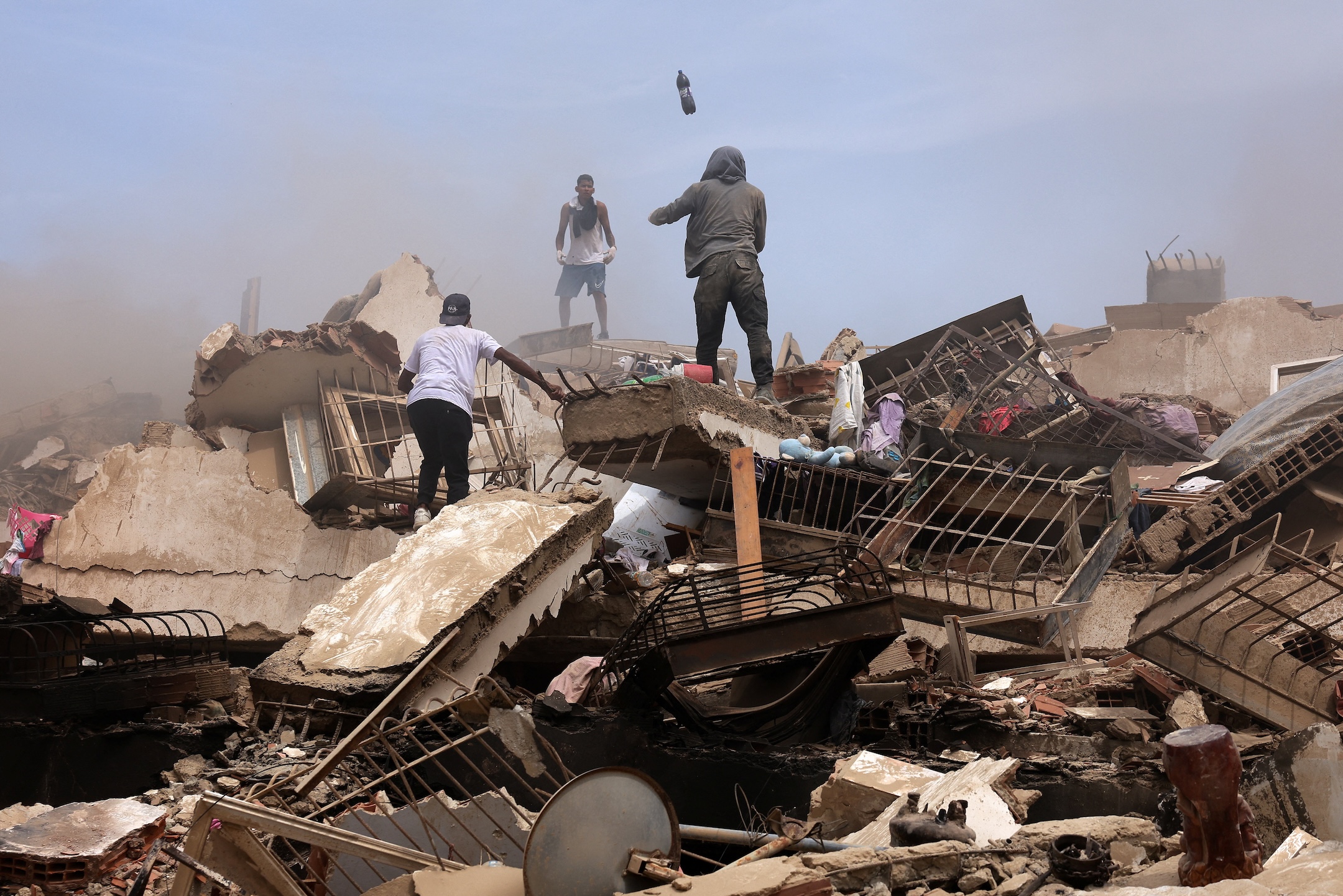
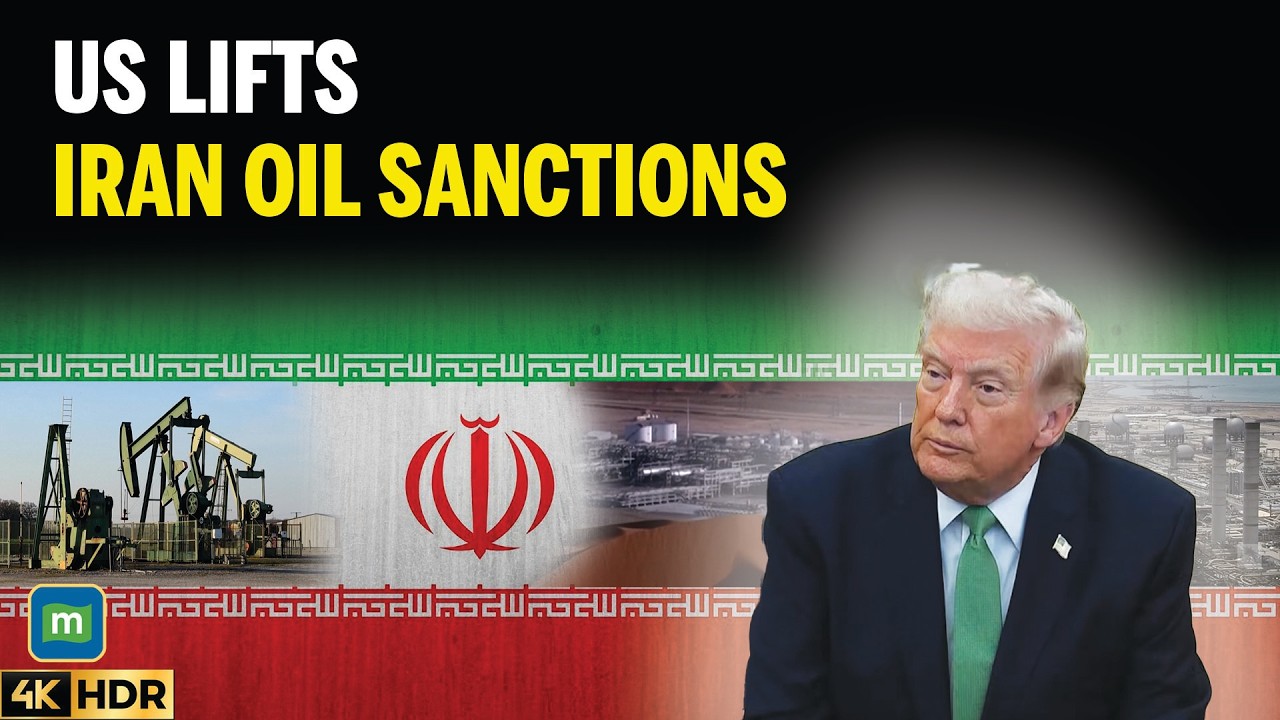
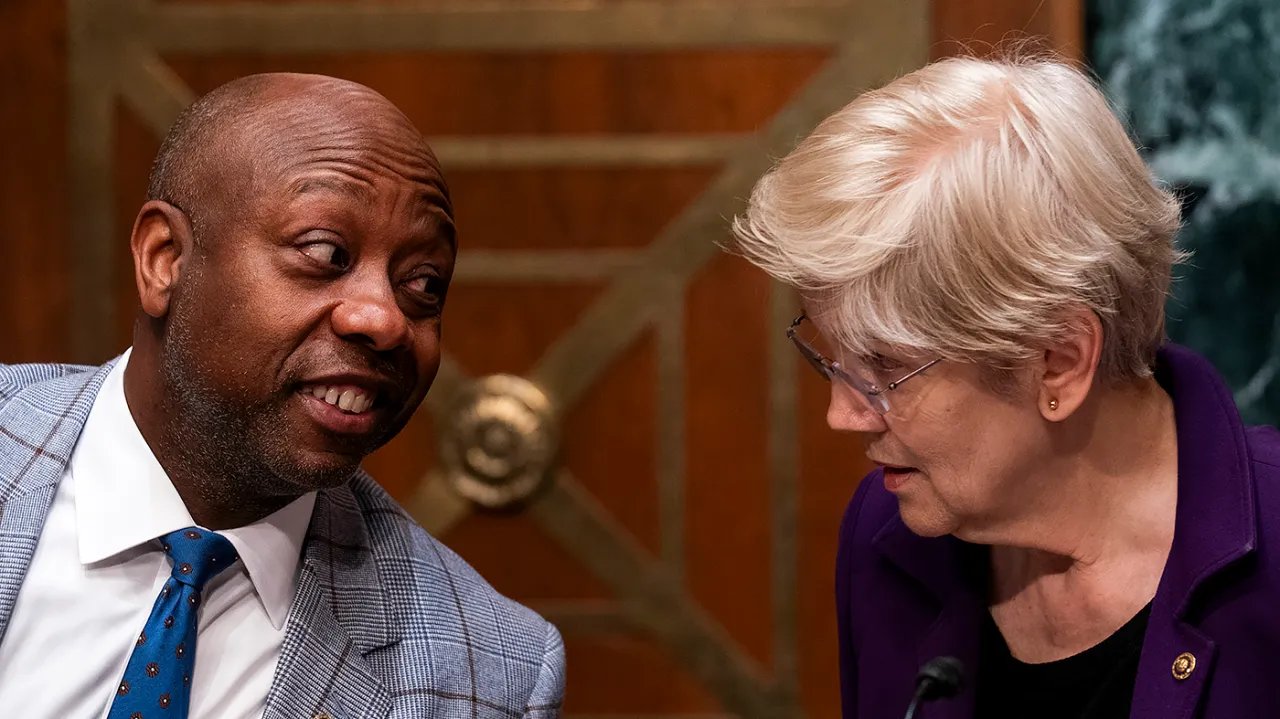
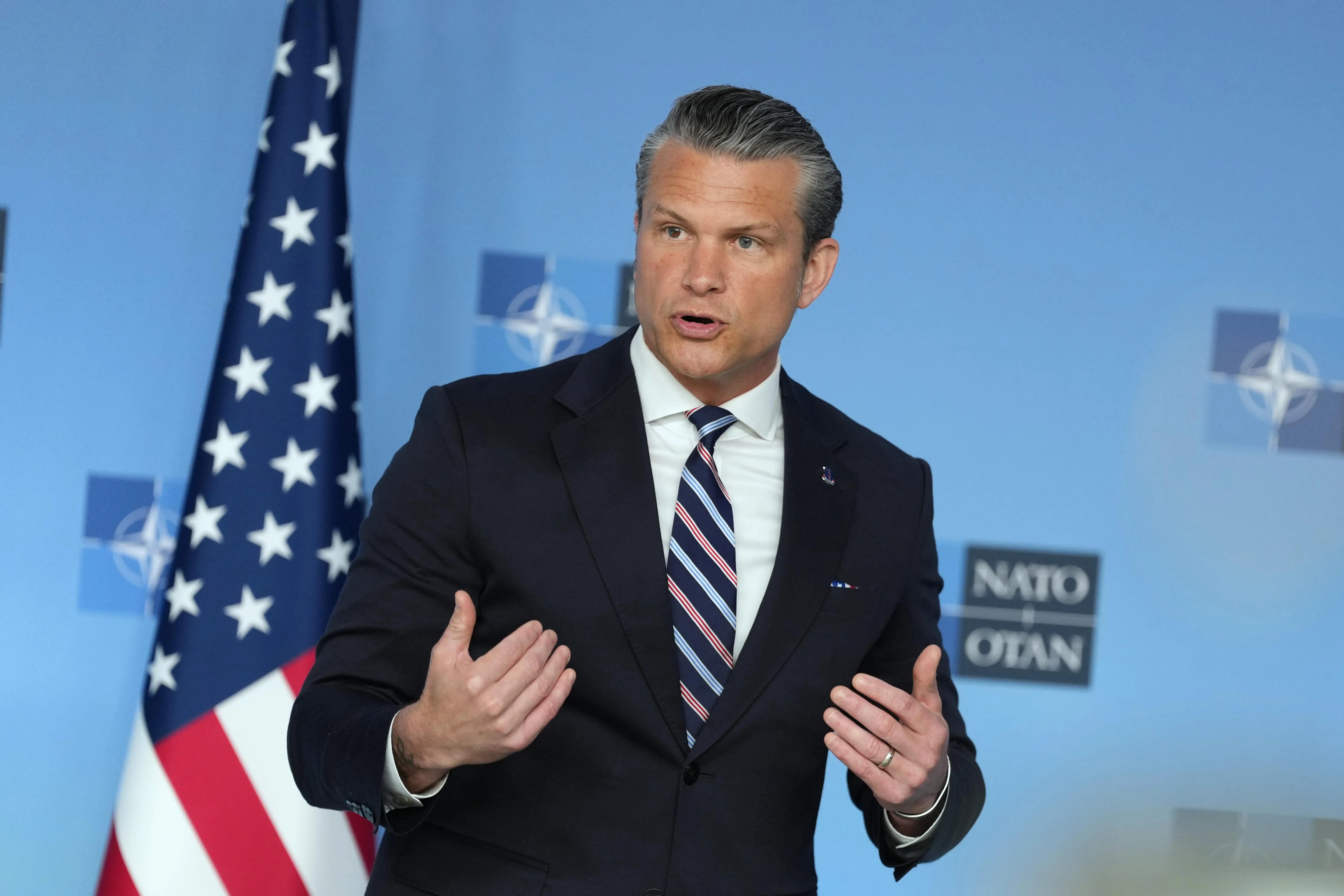
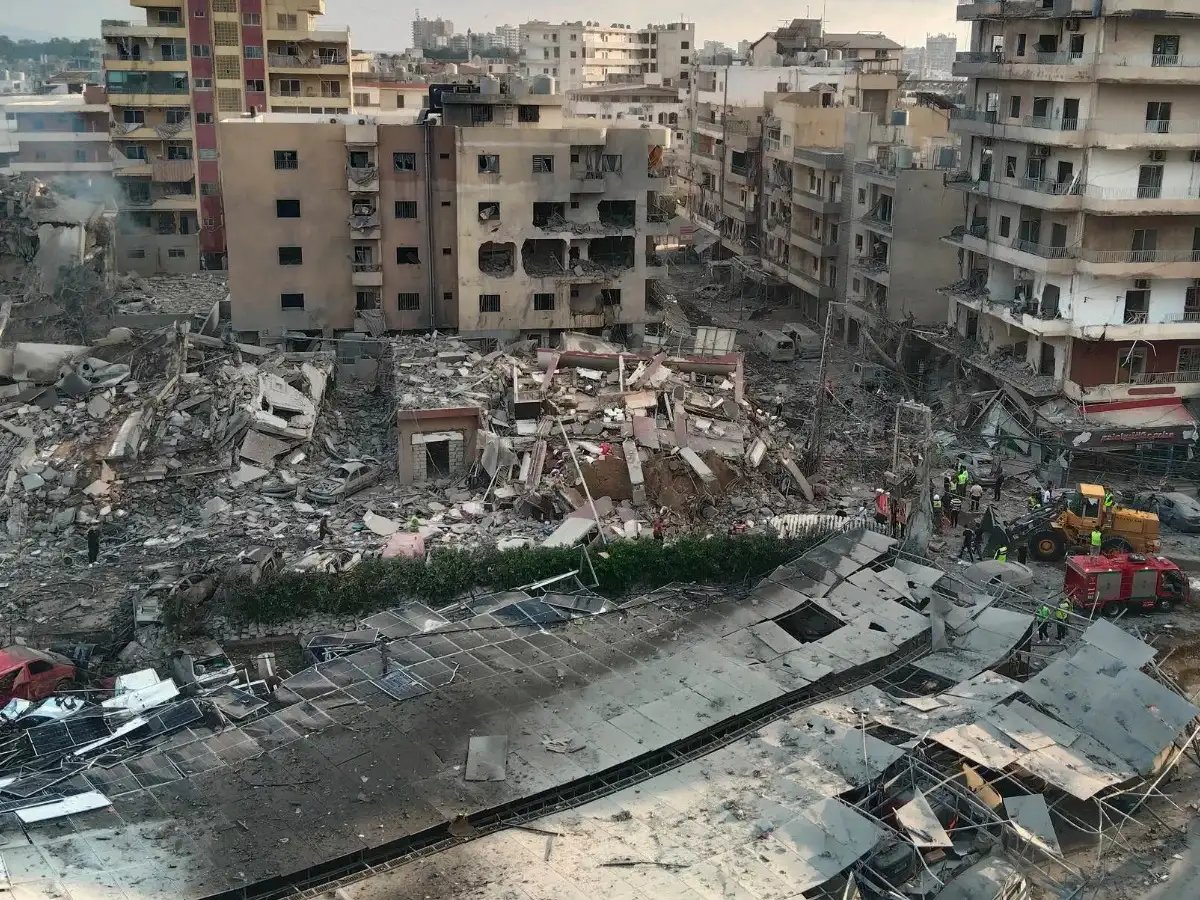
The conflict's economic impact is significant, with the U.S. exploring the redirection of frozen Iranian assets to Gulf states for rebuilding efforts after missile and drone strikes. This move comes as indirect negotiations between the U.S. and Iran remain deadlocked, with Tehran demanding the release of $24 billion in frozen funds. According to a source familiar with Treasury Secretary Scott Bessent's thinking, the Treasury Department is considering using Iranian assets to help U.S. Gulf allies recover from damage caused by Iran during the conflict.
Impact on Sport and Diplomacy
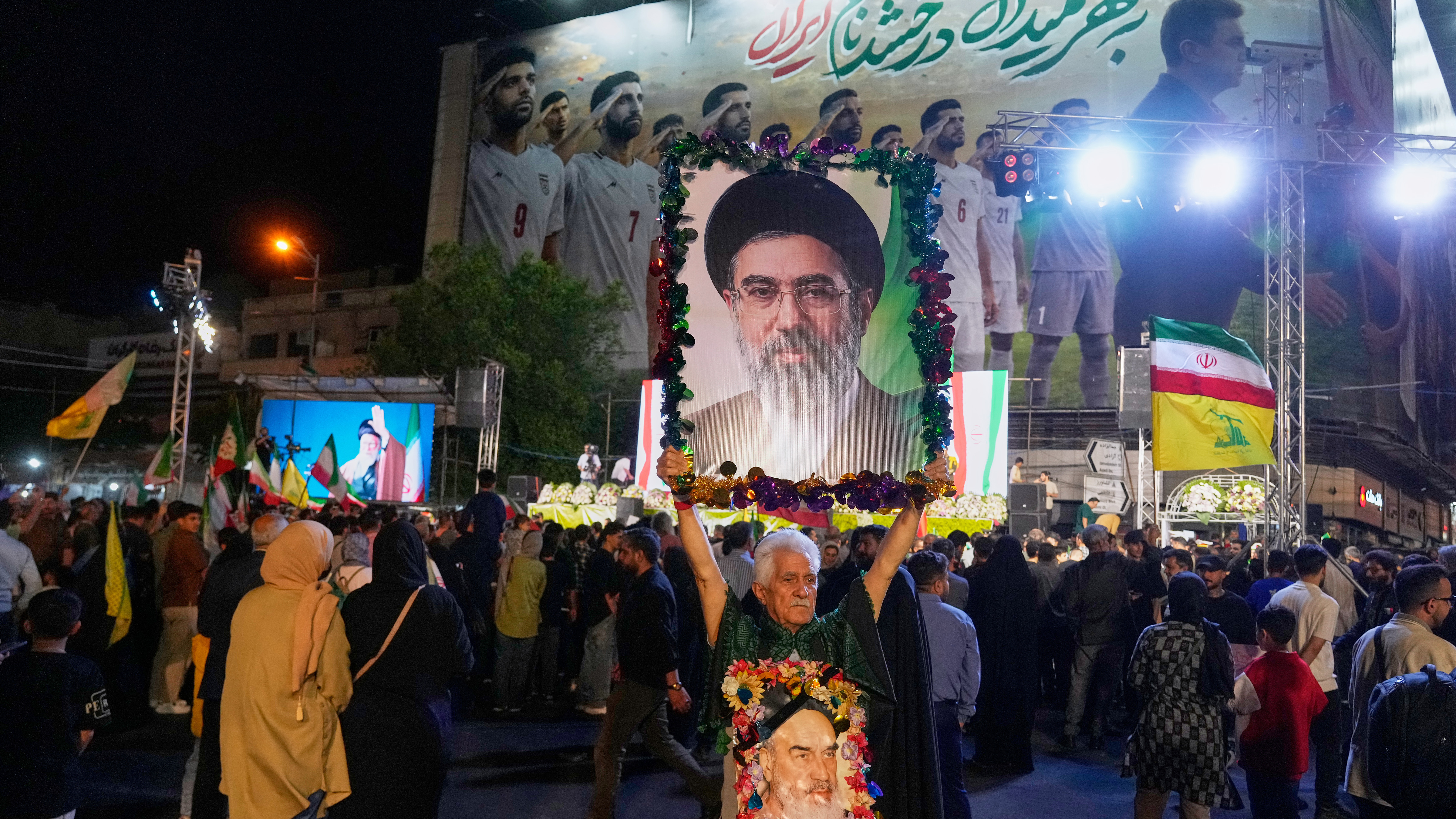
The U.S. granted visas to Iran's World Cup football team and technical staff, but refused visas to 15 members of Iran's delegation, including federation officials. This marks the first time a host nation will receive the team of a country it is at war with, highlighting the complex interplay between sport, diplomacy, and international relations.
Humanitarian Concerns
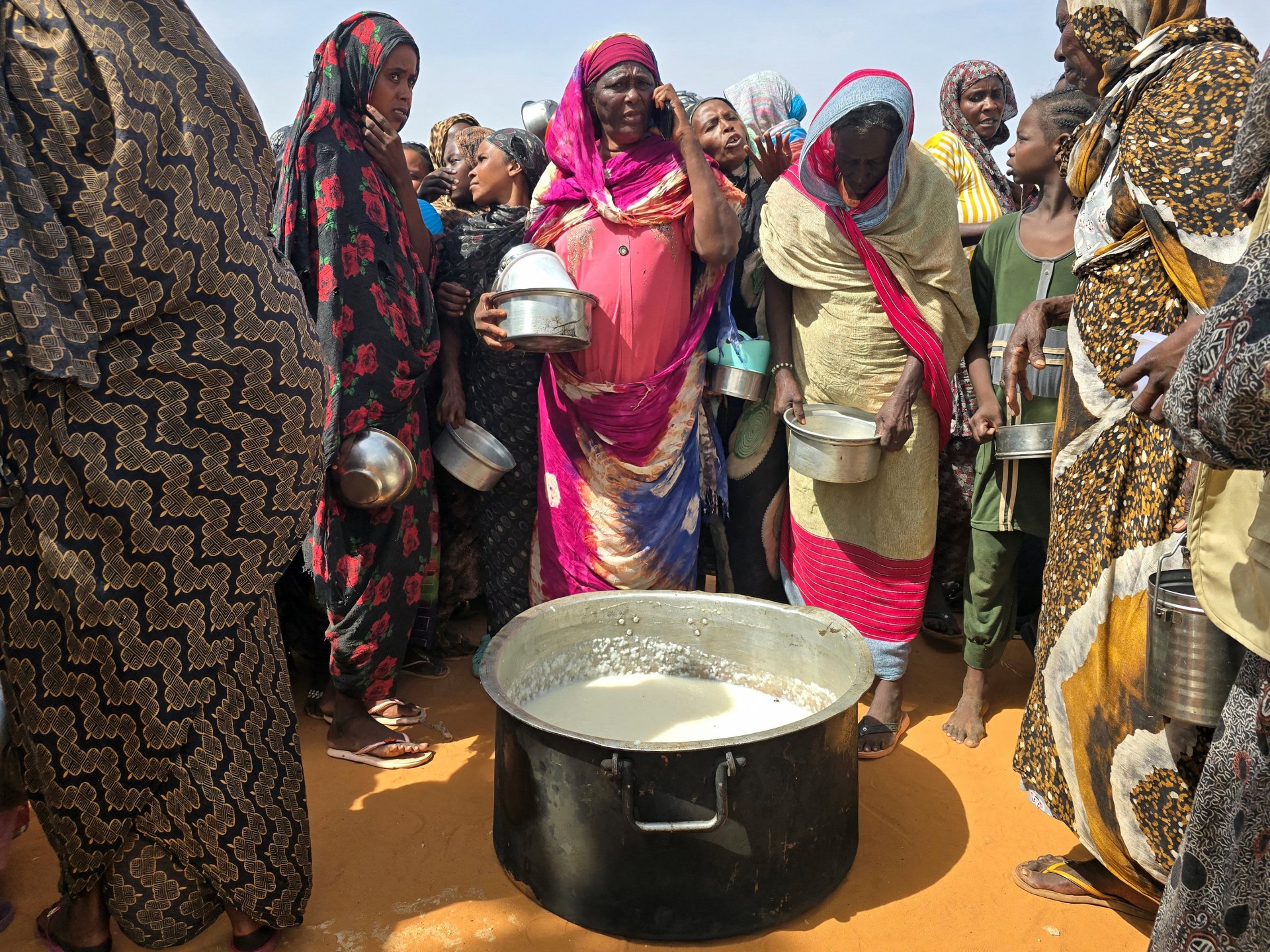
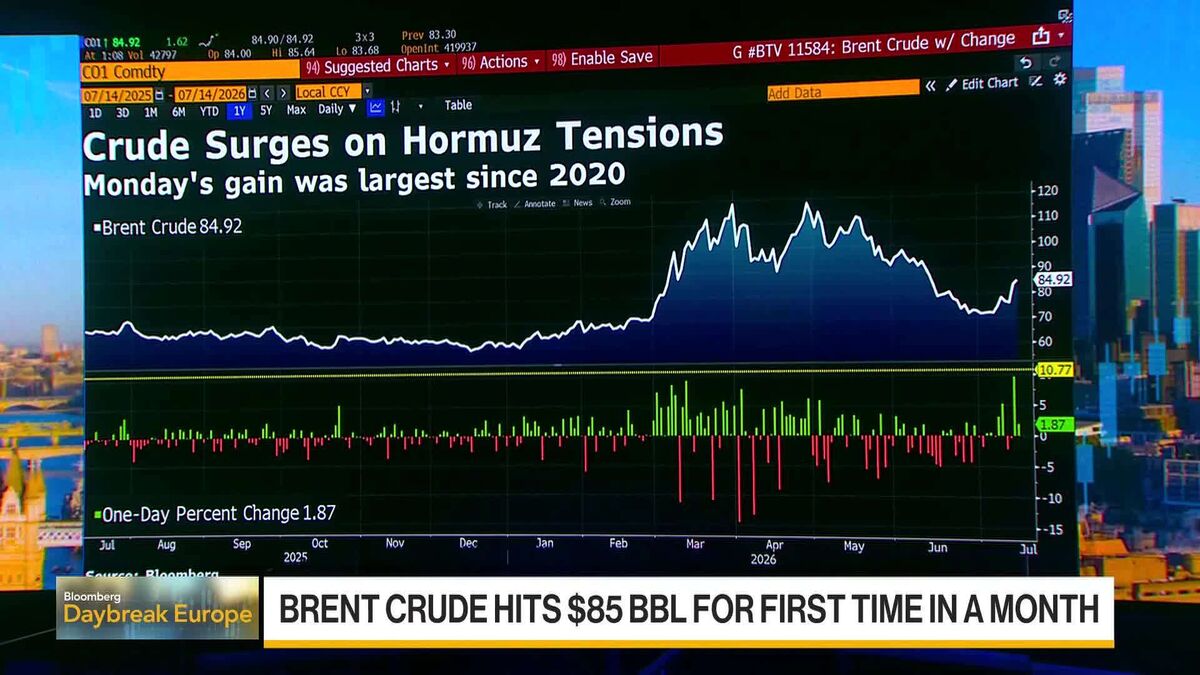
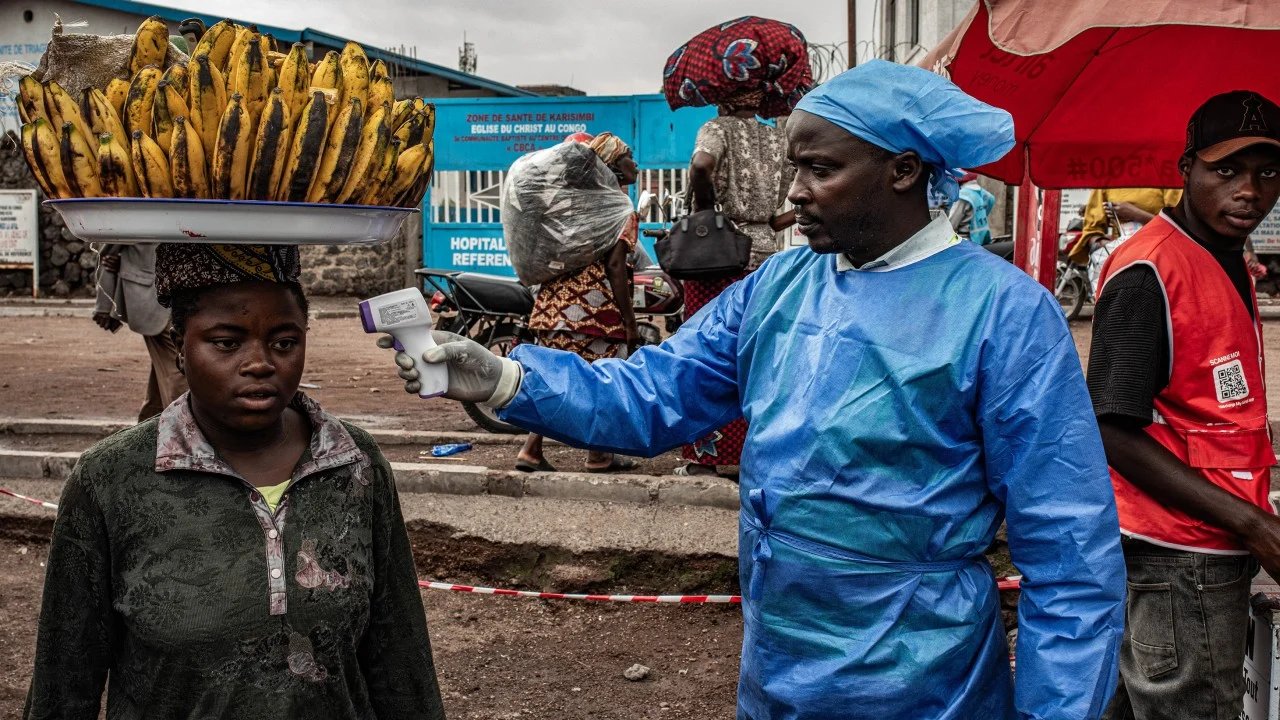
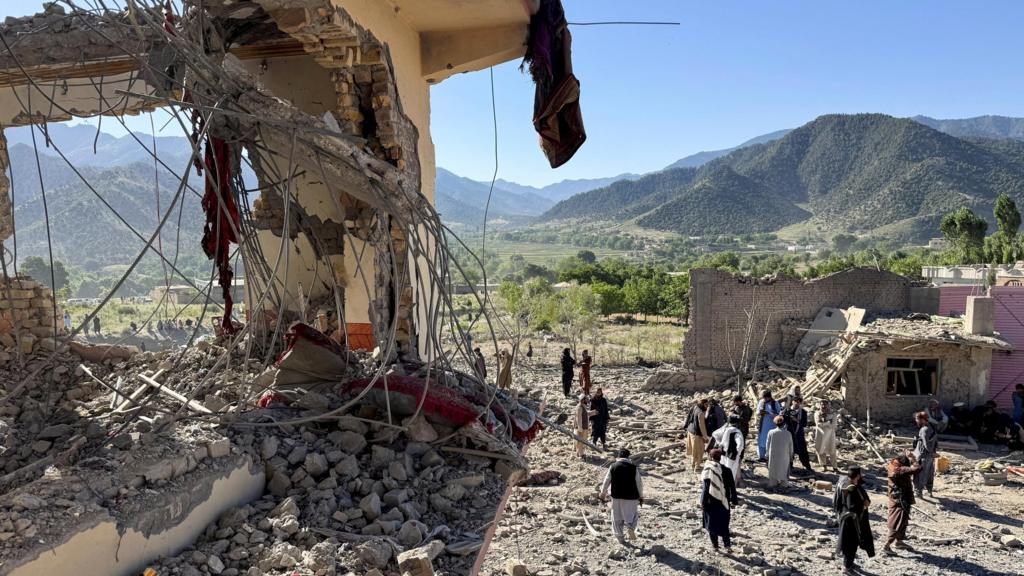
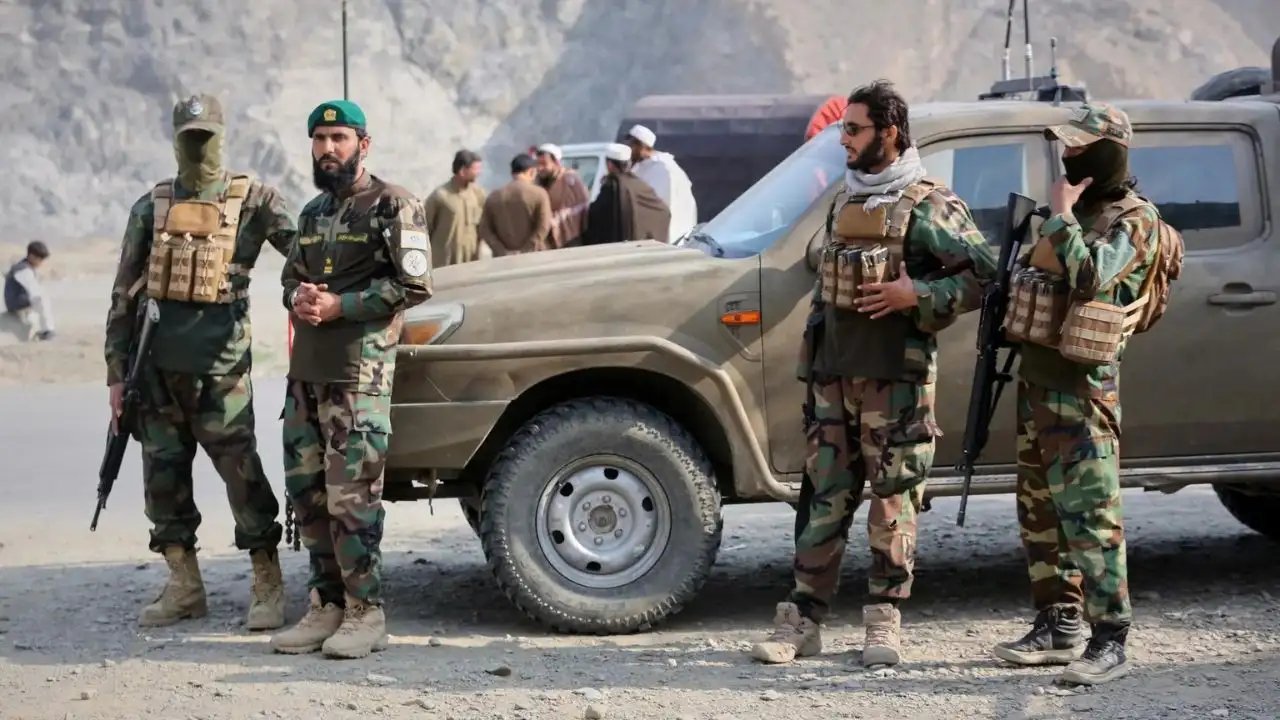
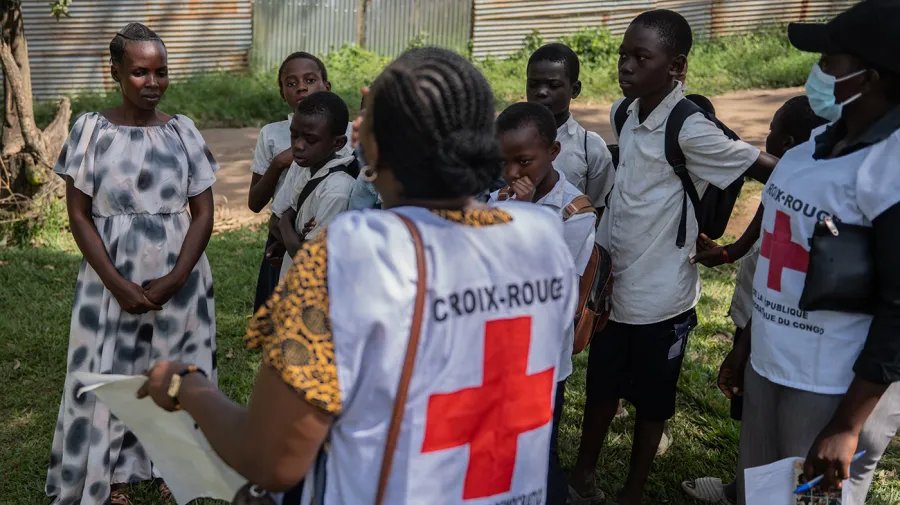
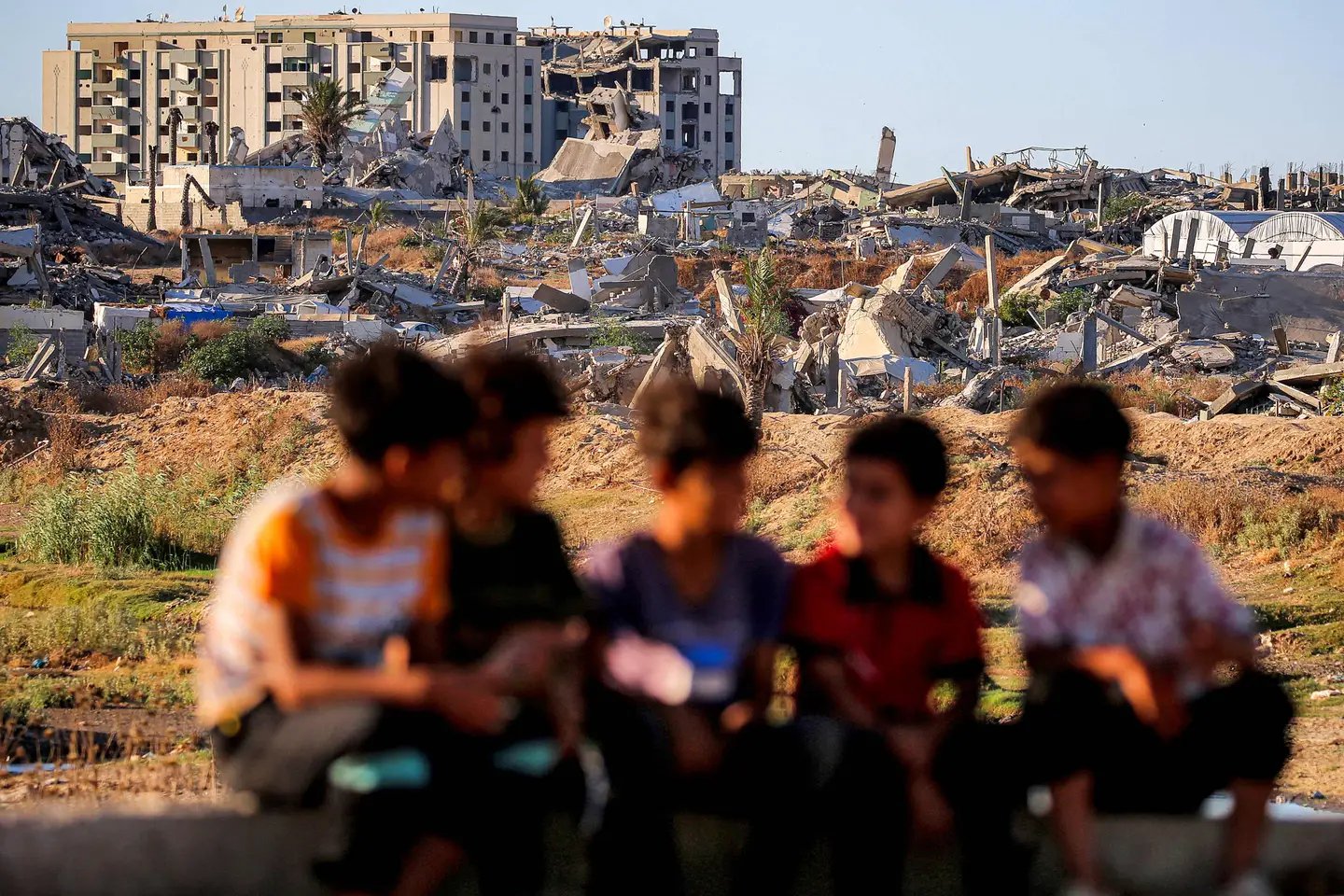
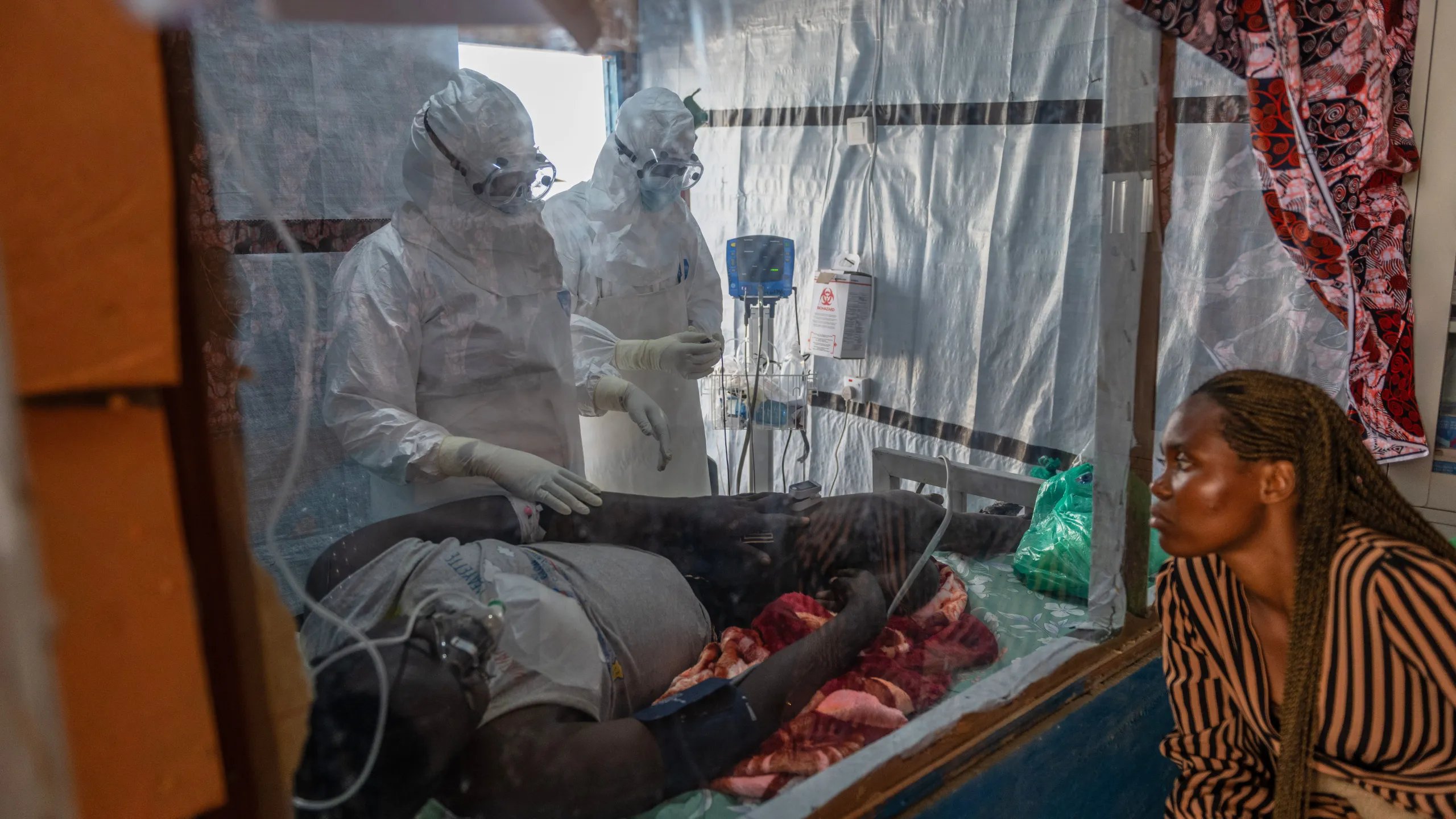
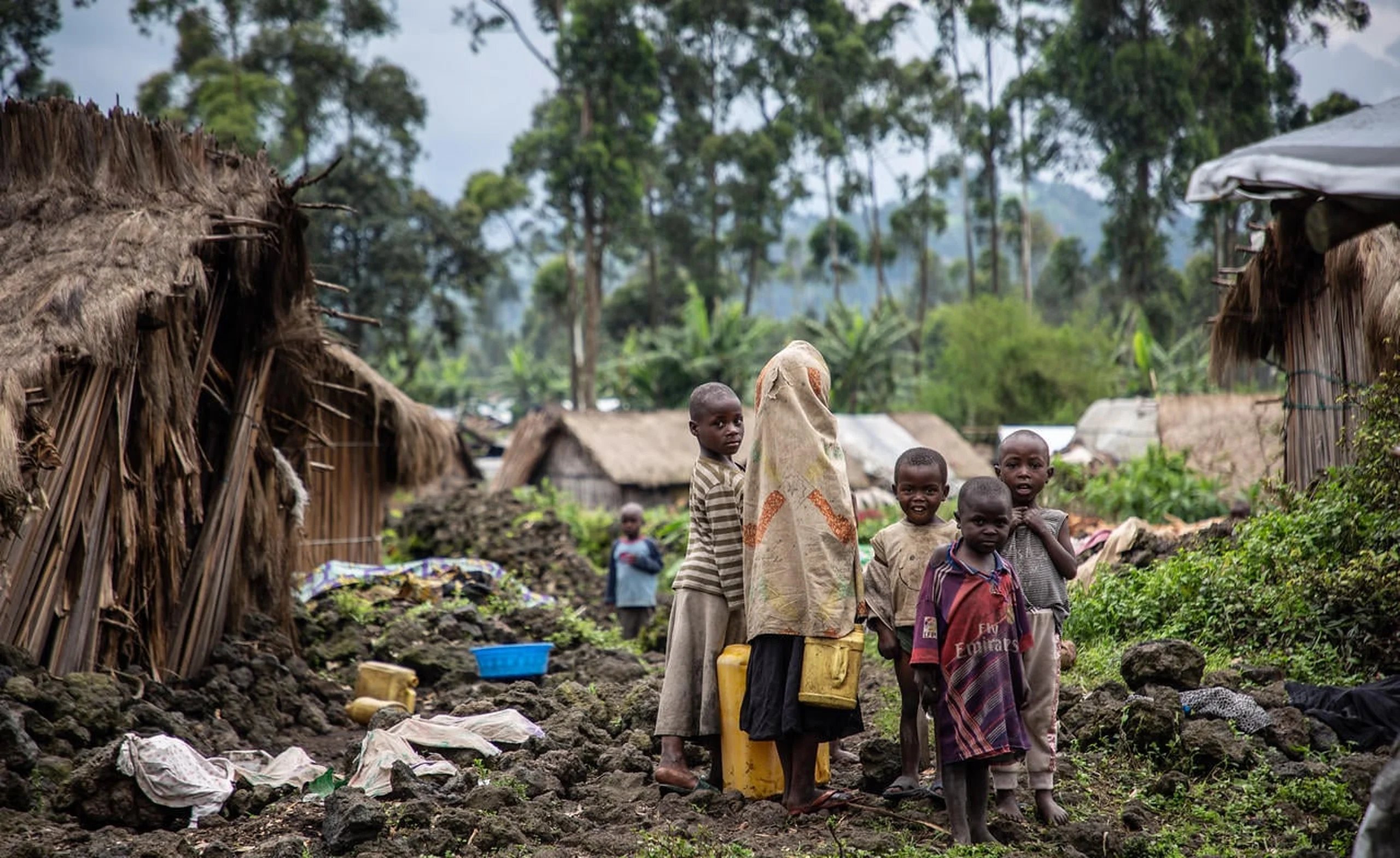
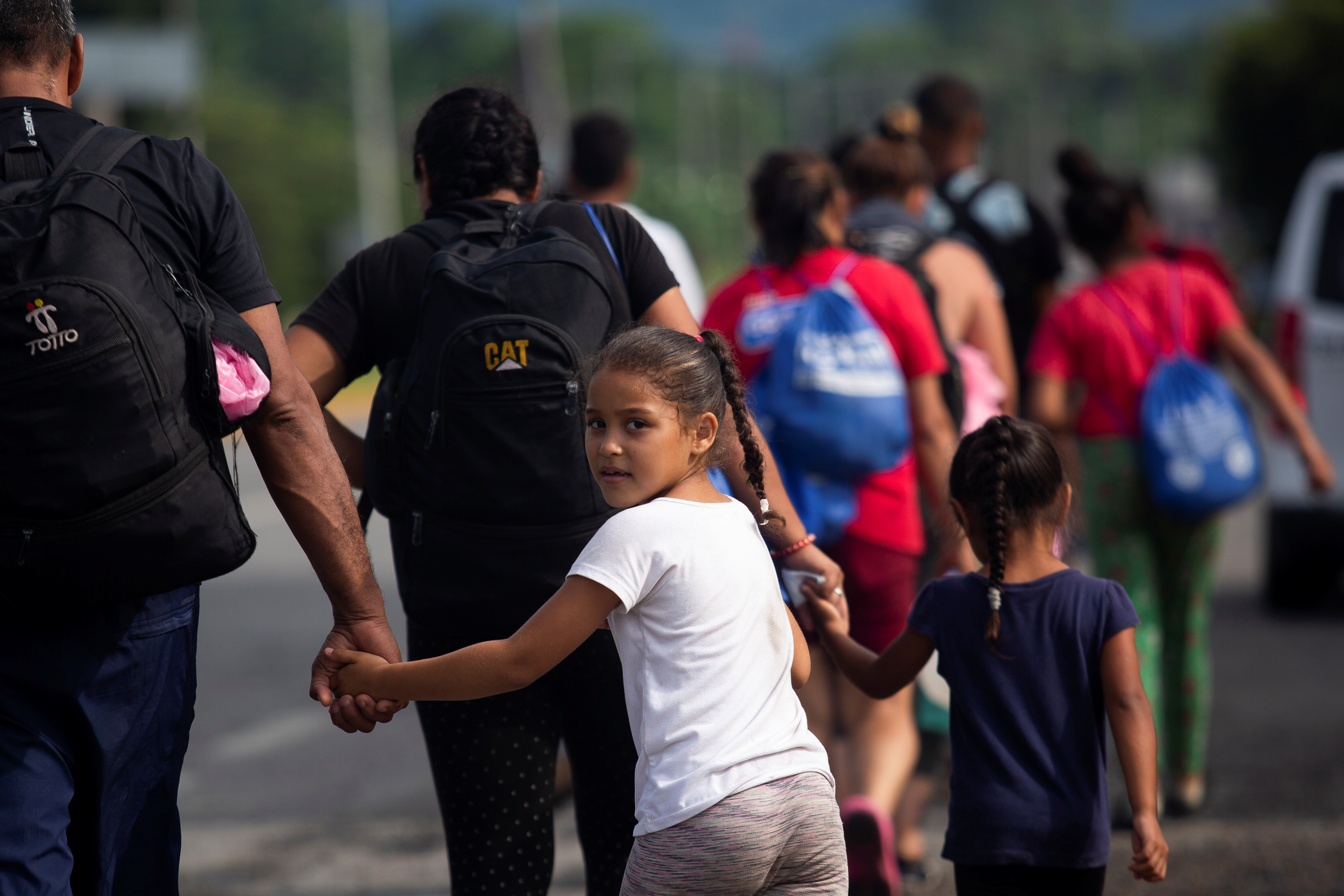
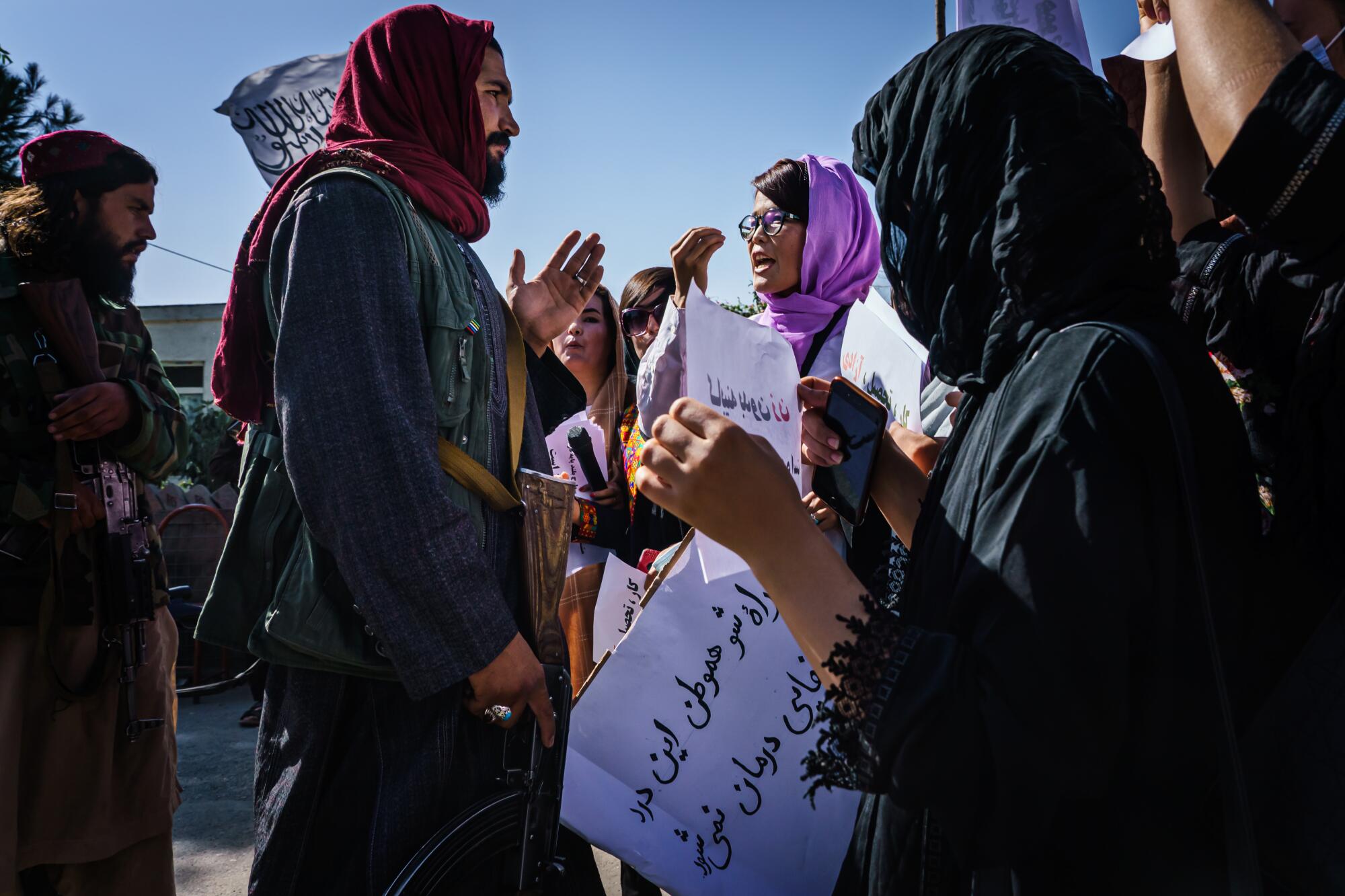
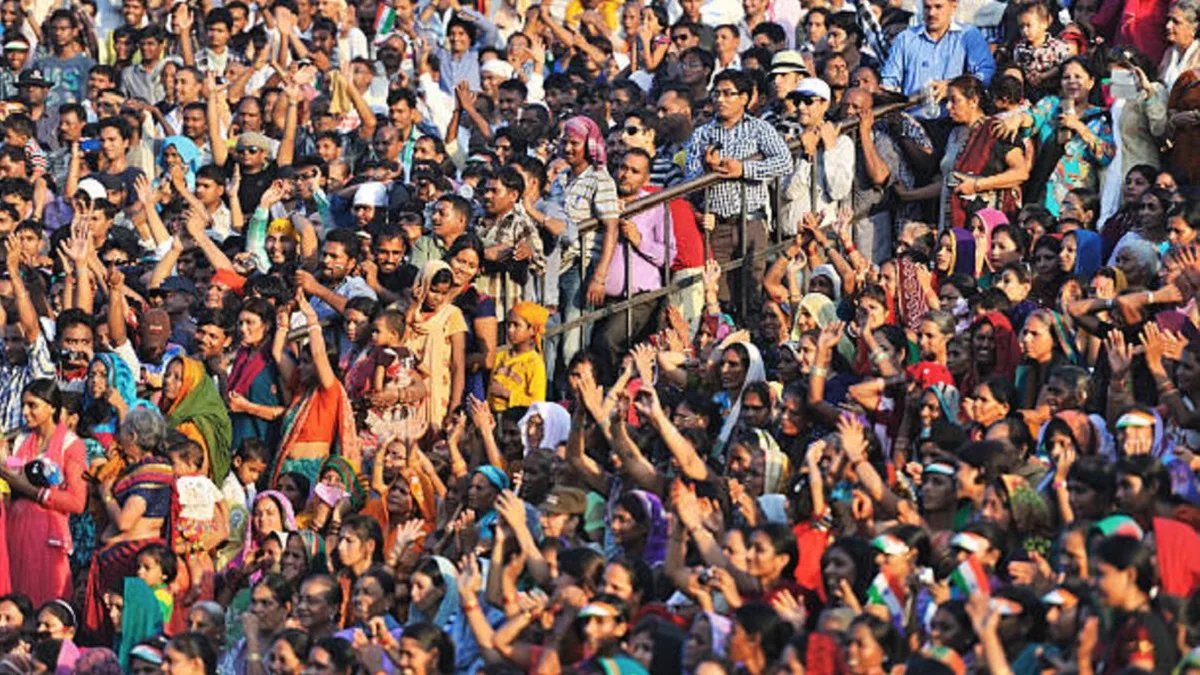
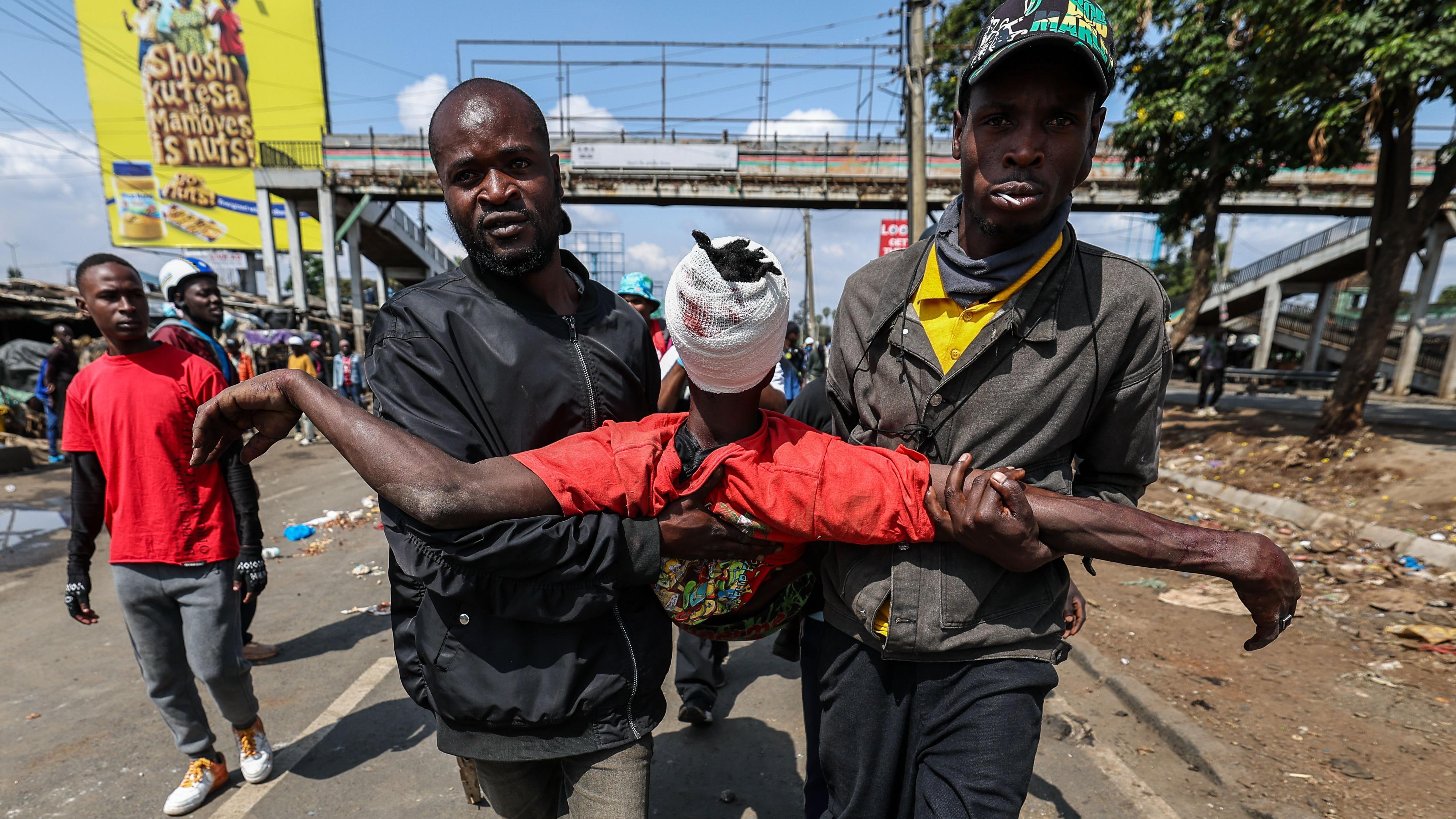
The ongoing war is pushing millions of people in vulnerable countries into hunger. The United Nations' World Food Programme warned in March that 45 million people could fall into acute food insecurity if the conflict continued and oil prices remained around $100 per barrel. An updated report confirms that scenario is now unfolding. Countries already facing conflict and economic hardship are the most exposed to the crisis due to their dependence on imports as prices for fuel, food, fertilizer, and humanitarian aid continue to rise. Somalia, Sri Lanka, and Afghanistan are particularly vulnerable, with an additional 2.5 million, 1.3 million, and 2.3 million people respectively struggling to meet basic food needs.