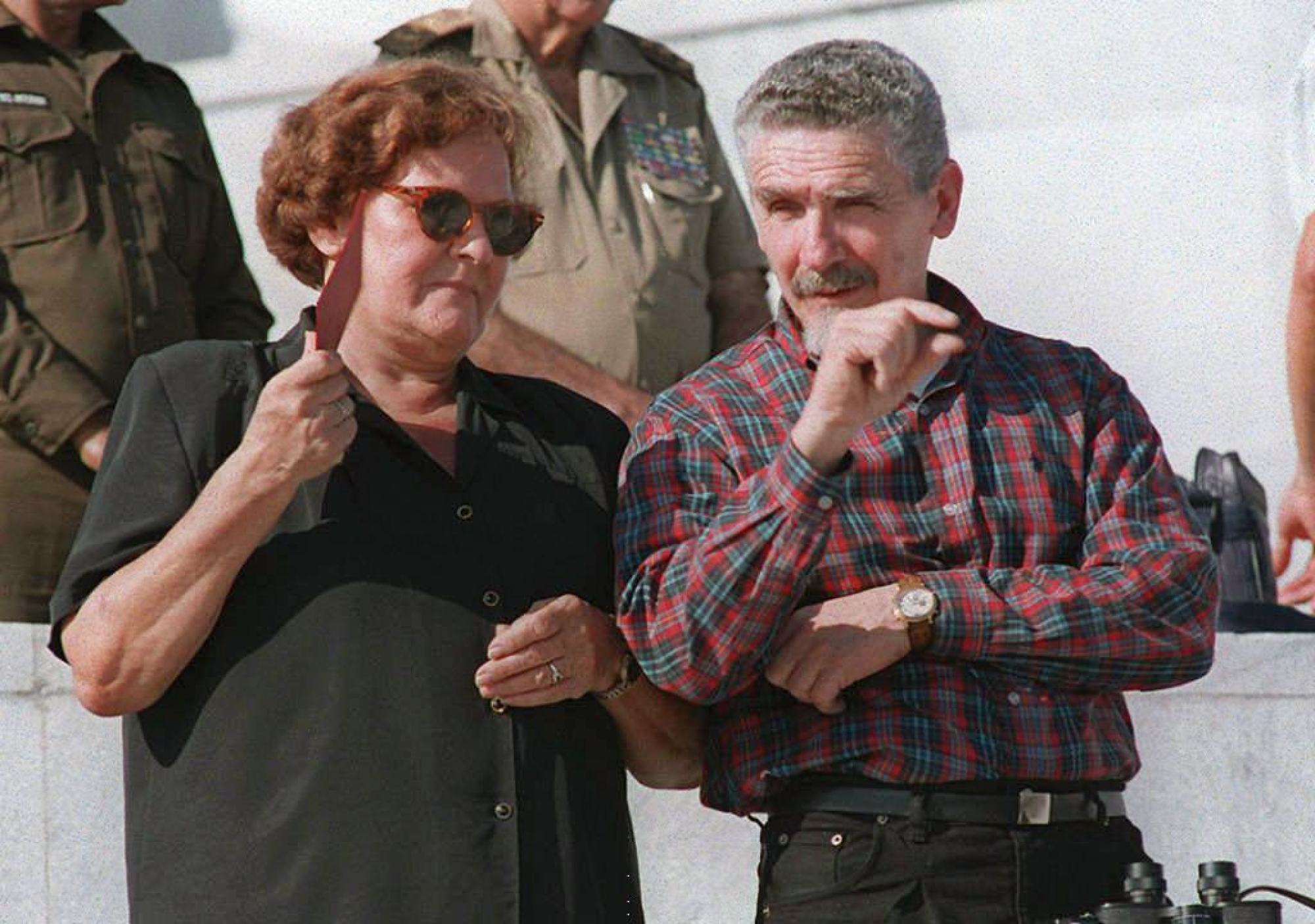
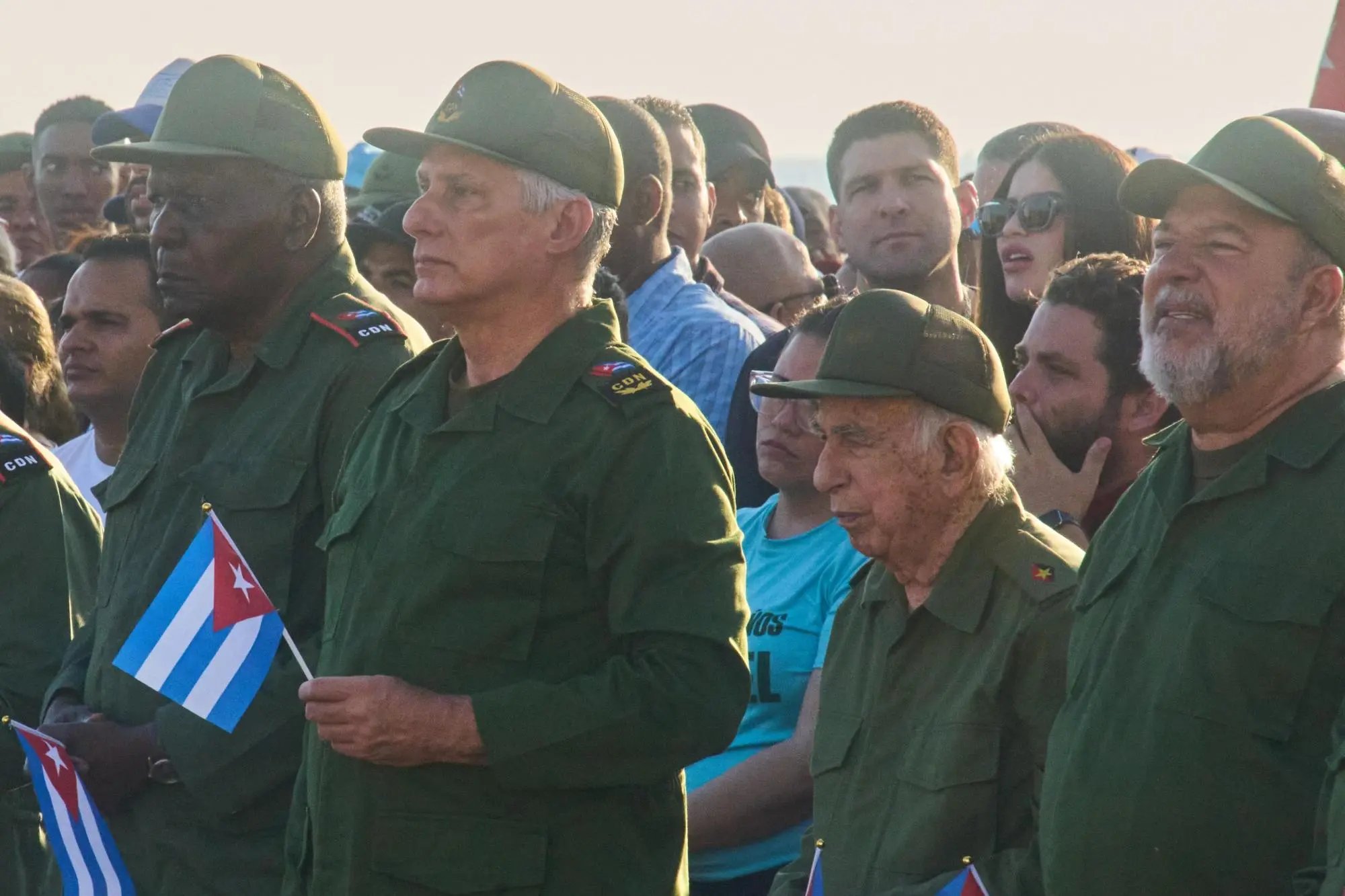
Ramiro Valdes, one of the last surviving architects of Cuba's Communist revolution, died at 94, President Miguel Diaz-Canel announced on social media Sunday. The president did not provide a cause of death. His passing marks the end of an era in which the original revolutionary generation still held power and shaped policy.
Diaz-Canel described Valdes' death as hurting "deeply, like that of a father" and praised his "exemplary dedication to the service of the homeland." The Cuban leader wrote that "every act in Commander Ramiro's life was marked by his absolute fidelity to the leadership of Fidel and Raúl, to his fellow fighters, and to the Moncada Program." His younger brother Raul Castro, at 95, remains the only other surviving leader from the original revolutionary cohort.
Valdes was 21 years old when he participated in the 1953 assault on the Moncada Barracks alongside Fidel Castro, the failed attack that launched the uprising against Fulgencio Batista's government. Three years later, he was one of 82 men who sailed the yacht Granma from Mexico to Cuba to restart the insurrection, and one of only 12 to survive that expedition. During the subsequent guerrilla campaign, he fought alongside Argentine revolutionary Ernesto "Che" Guevara before Batista's government fell in 1959.
After the revolution's victory, Valdes ascended to the highest ranks of Cuba's government. He held the titles "Hero of the Republic" and "Commander of the Revolution" and served twice as minister of the interior and once as vice president. Most significantly, he helped establish the G2 state security intelligence service, which modeled itself on Russia's KGB and became known for monitoring domestic dissent and tracking perceived enemies abroad. Valdes remained part of the Communist Party's powerful Political Bureau until 2019.
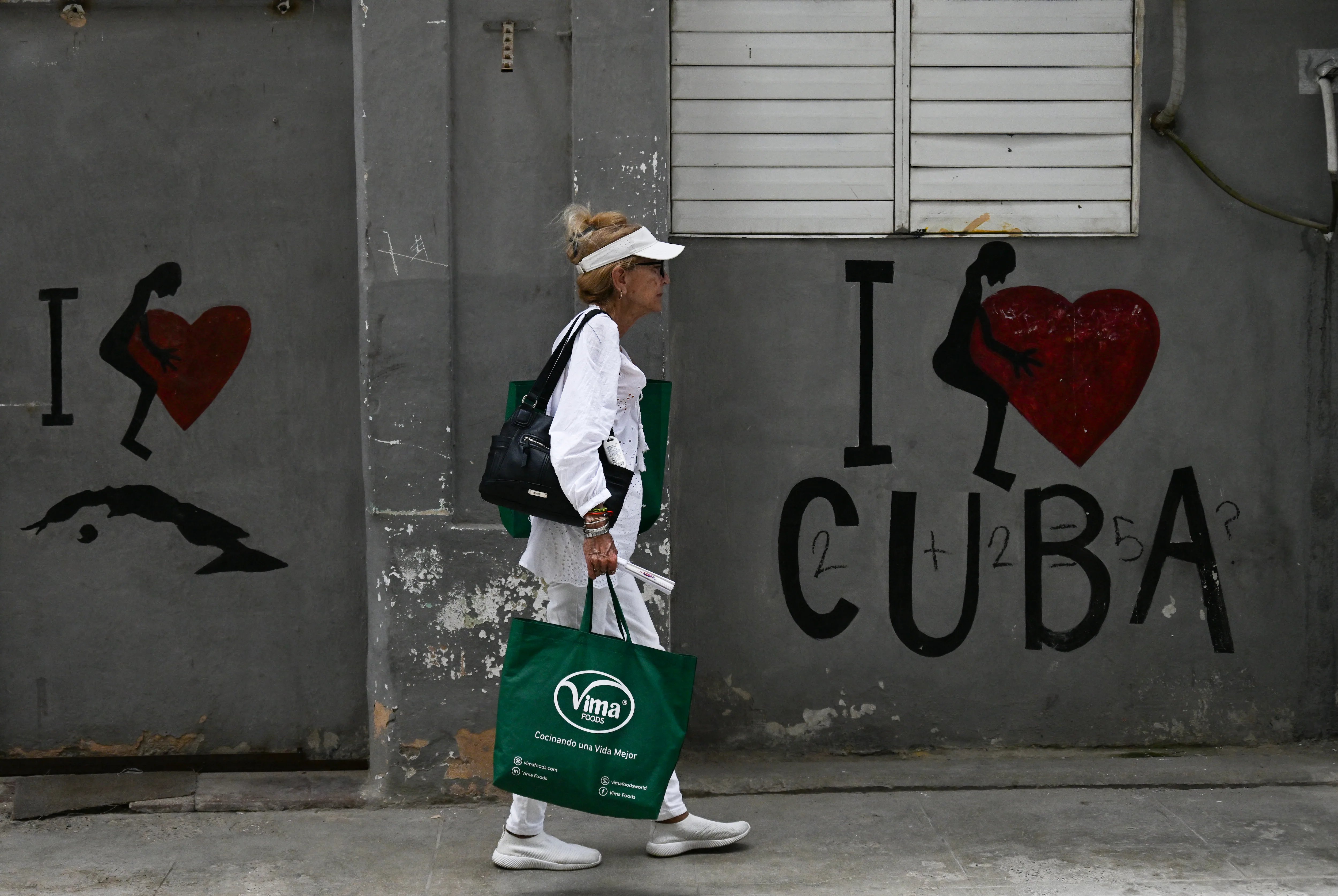
Valdes' death comes days after Cuba's Communist Party approved its largest economic overhaul since the revolution. The measures include allowing private banks, authorizing investment by Cubans living abroad, and permitting private businesses to import and export without state intermediation. The package introduces private banks, foreign investment, and private business operations in an economy long defined by state control.
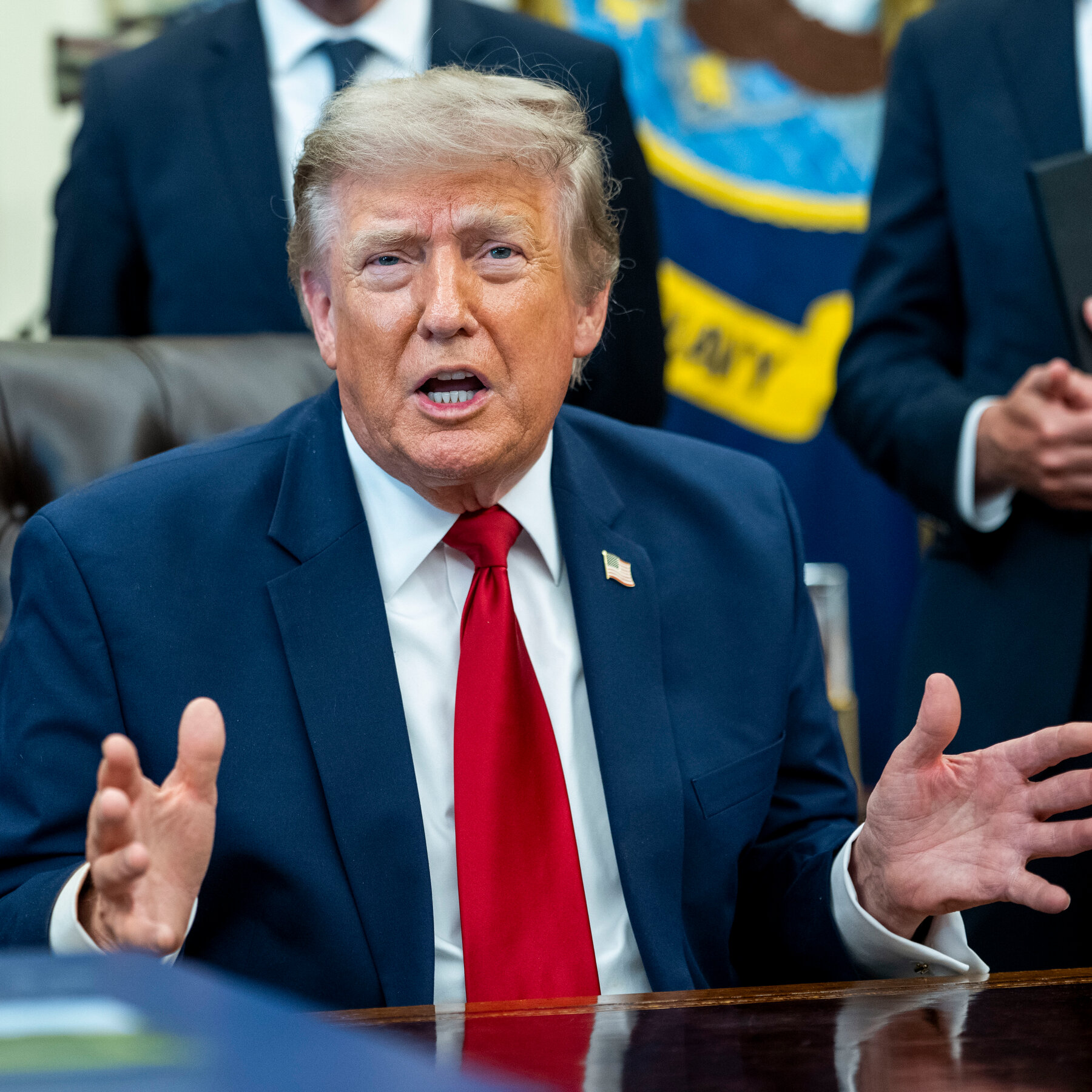
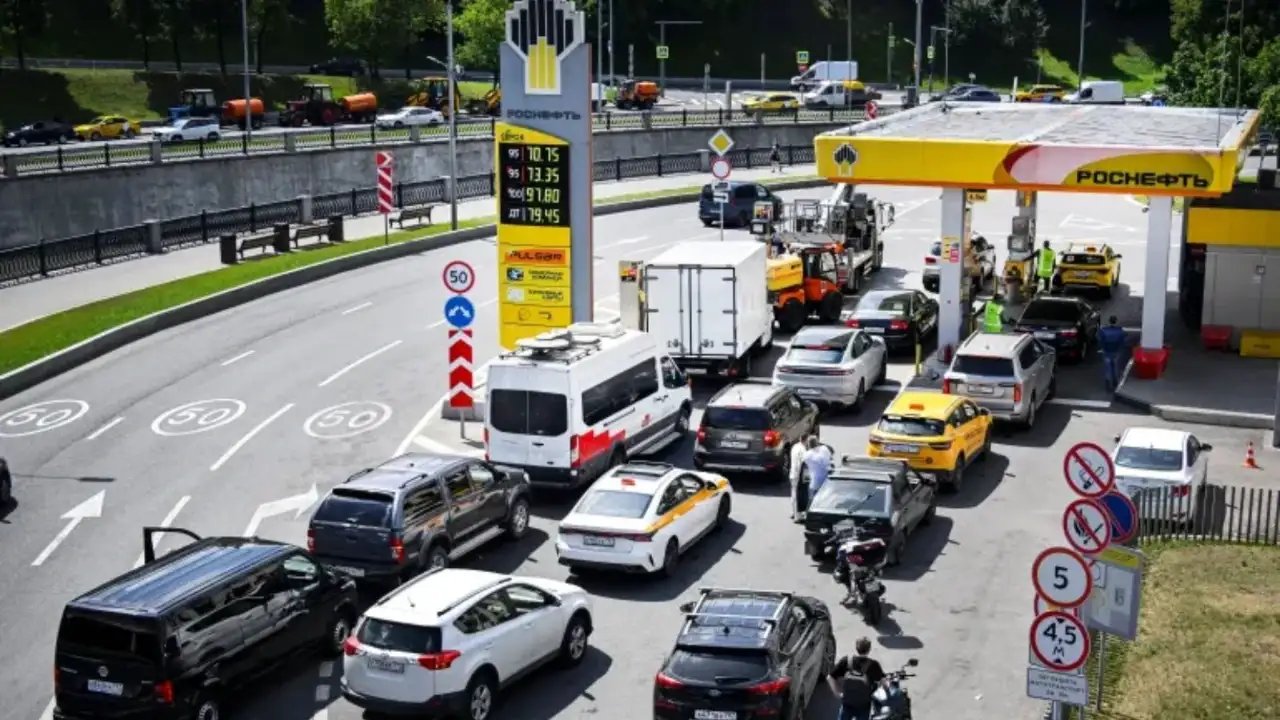
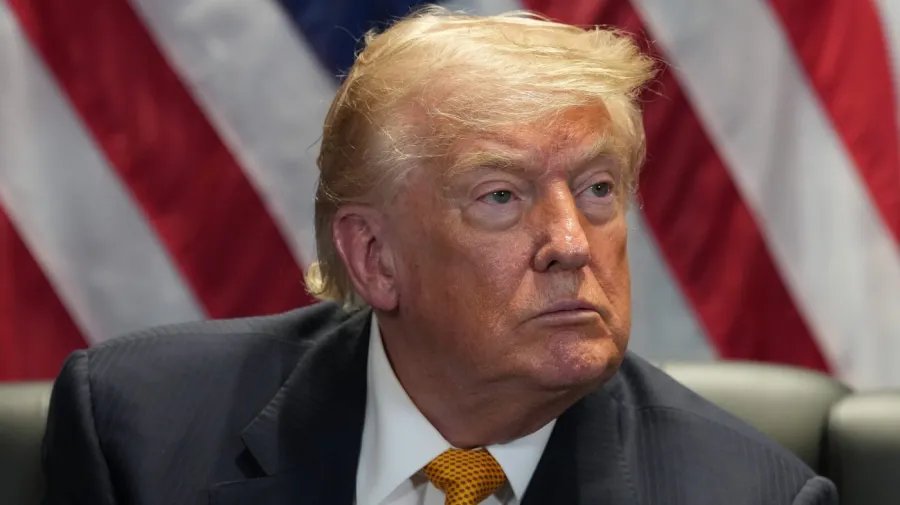
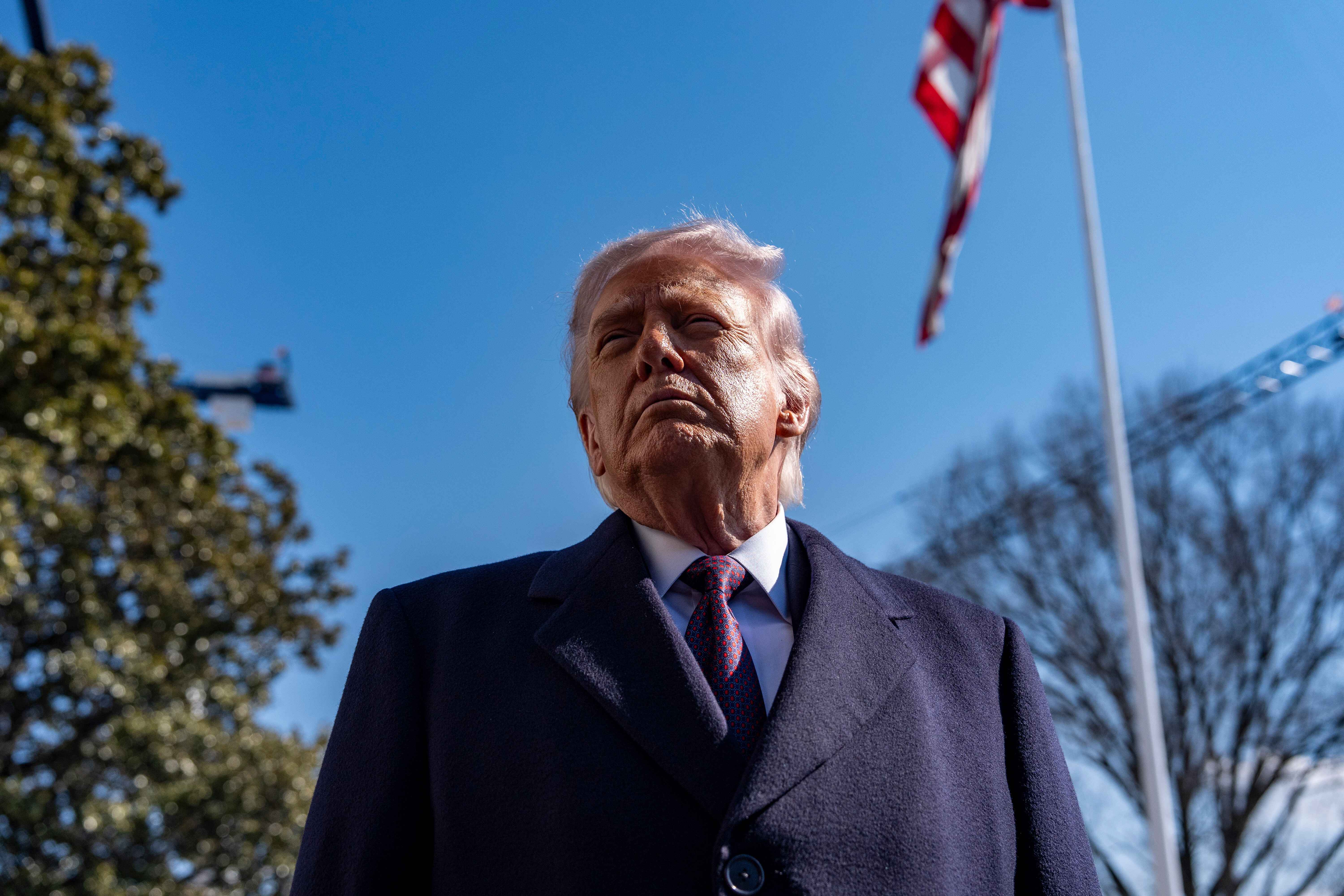
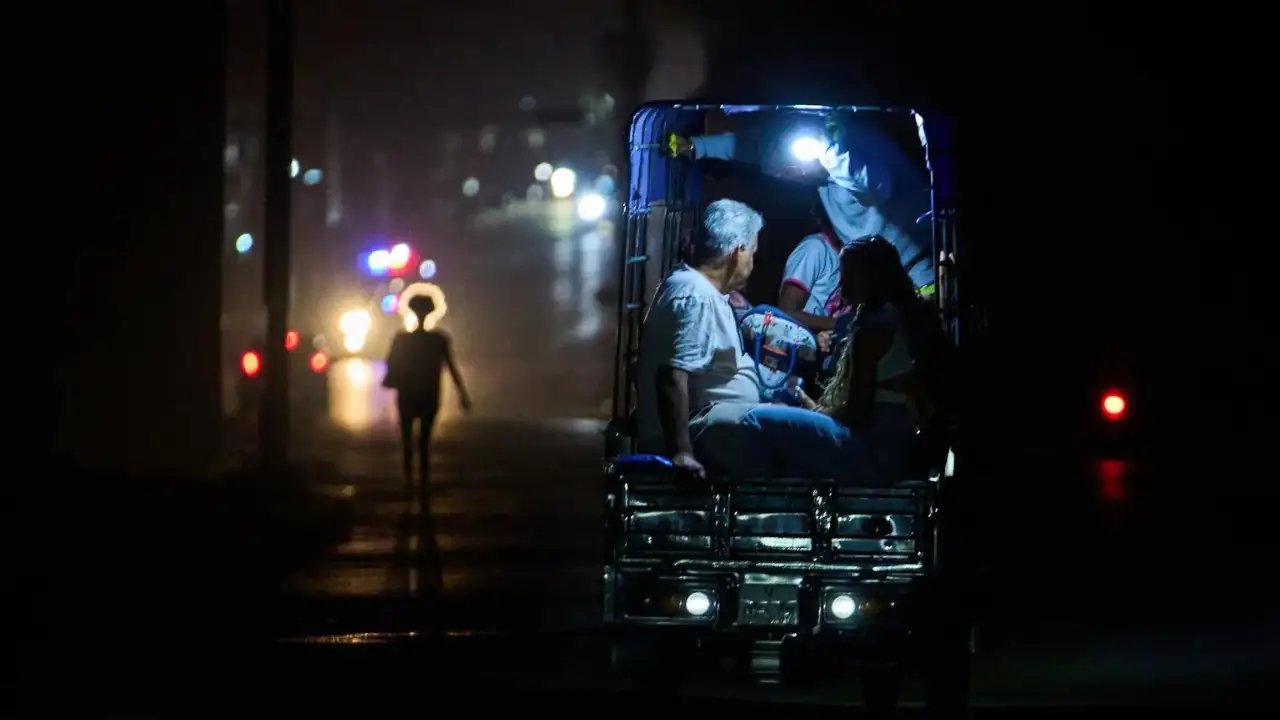
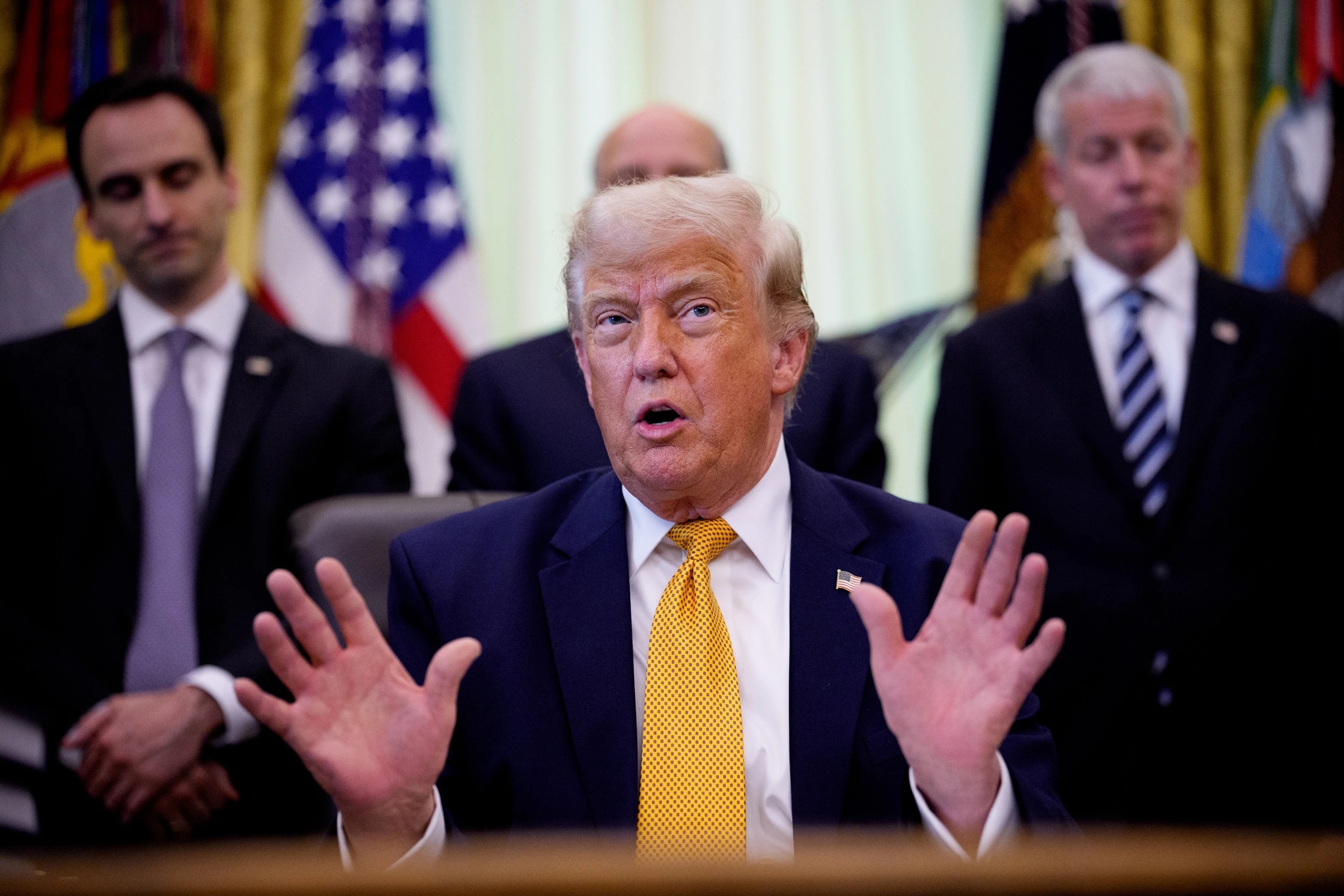
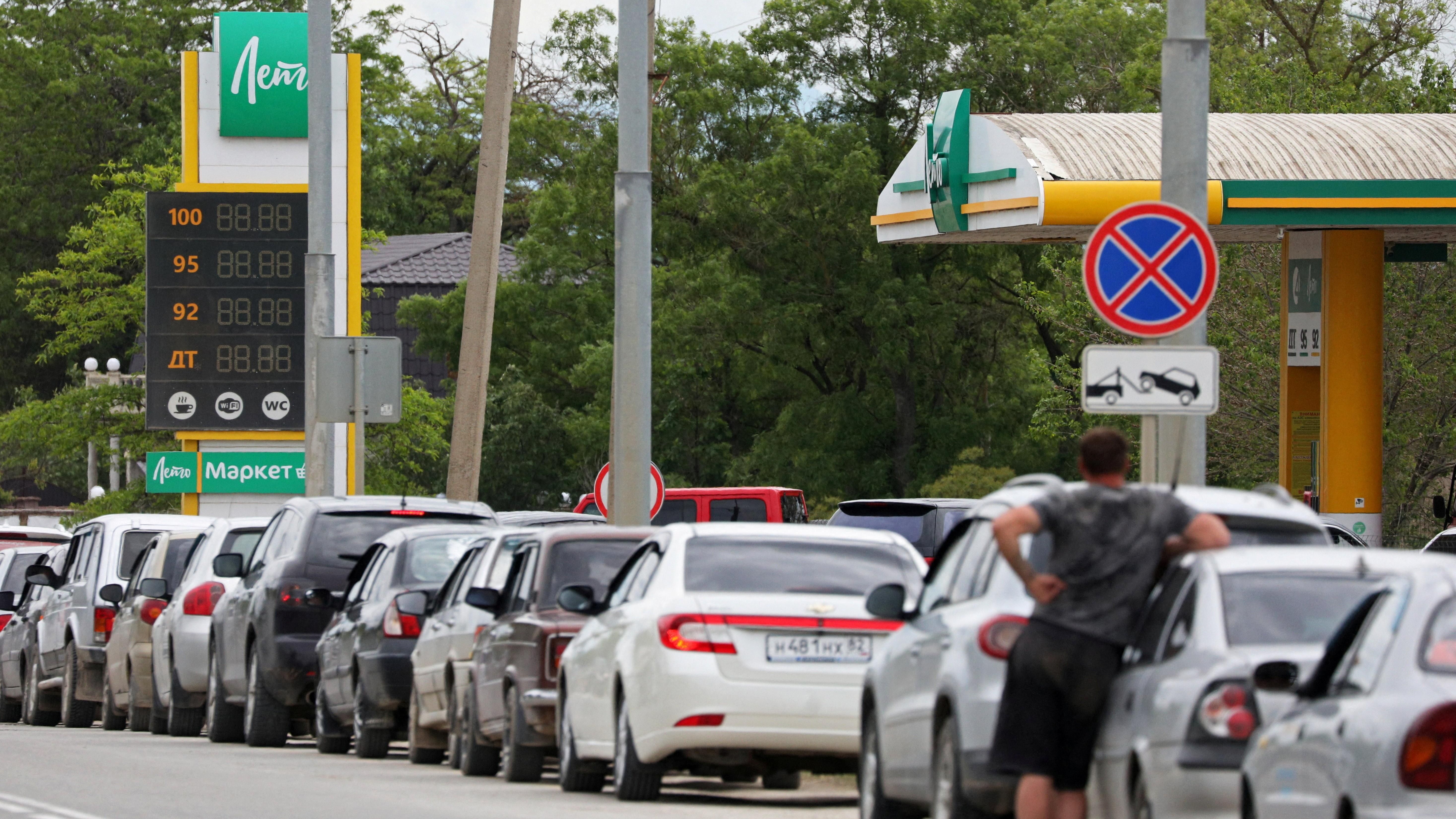
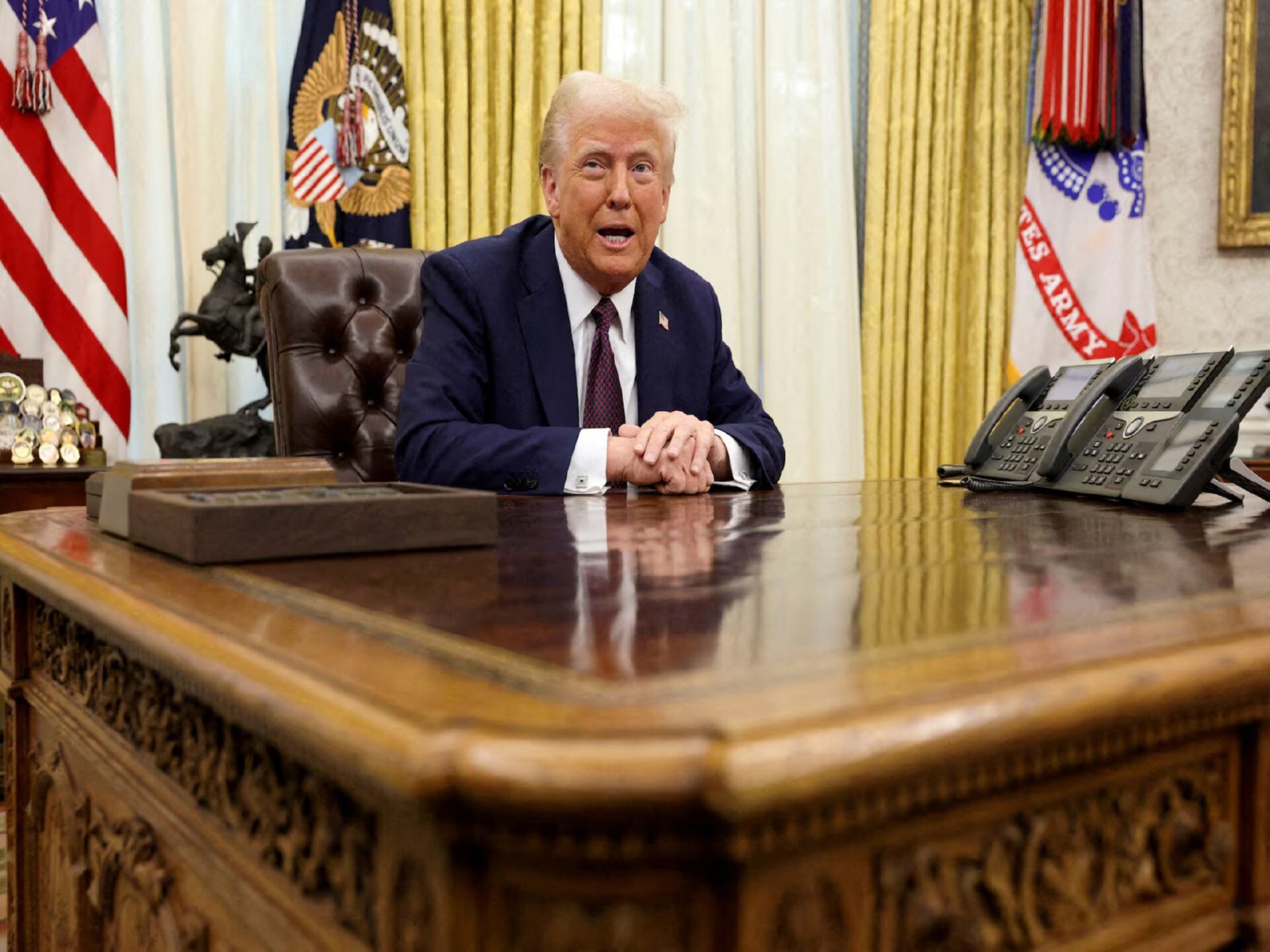
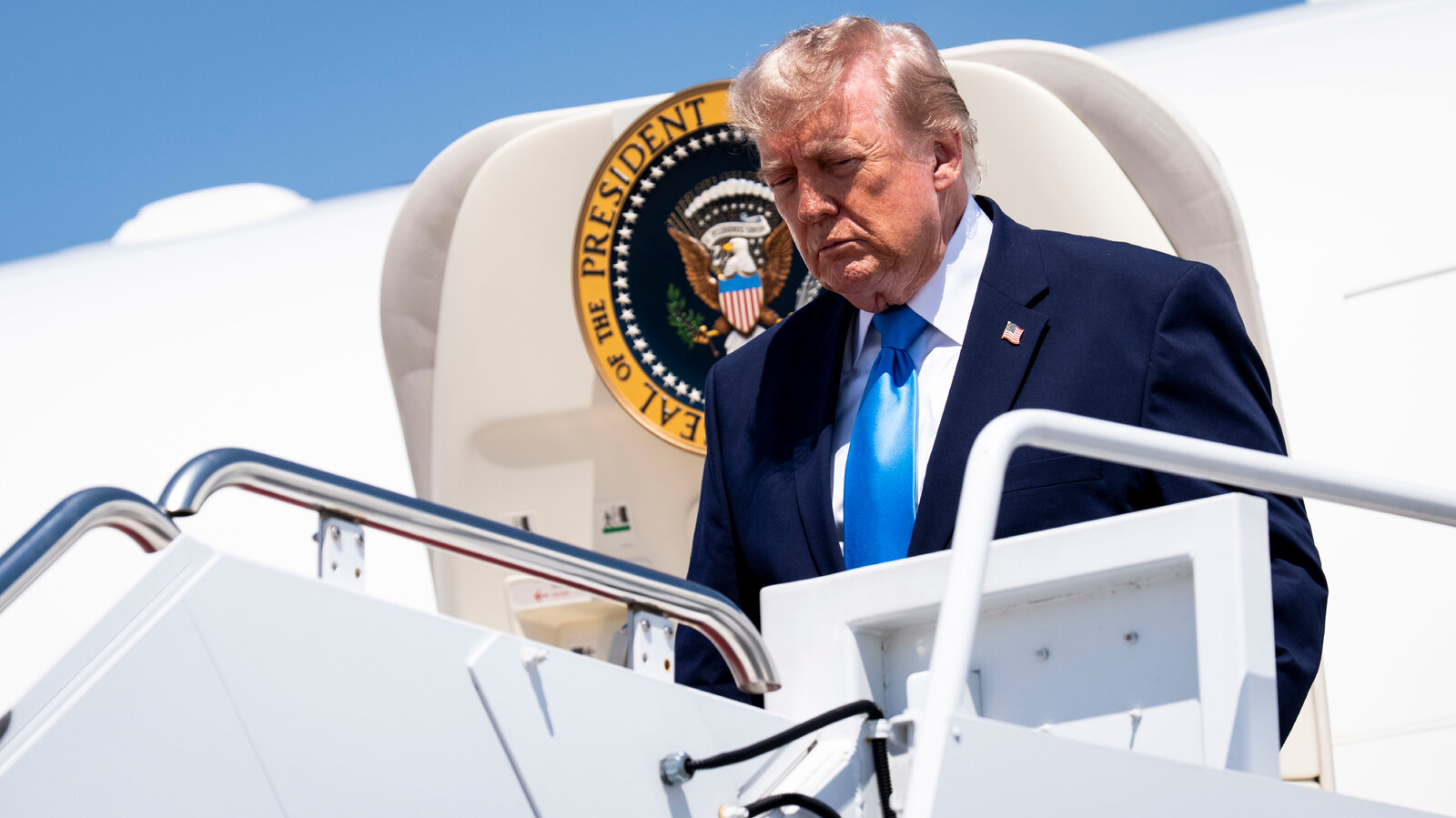
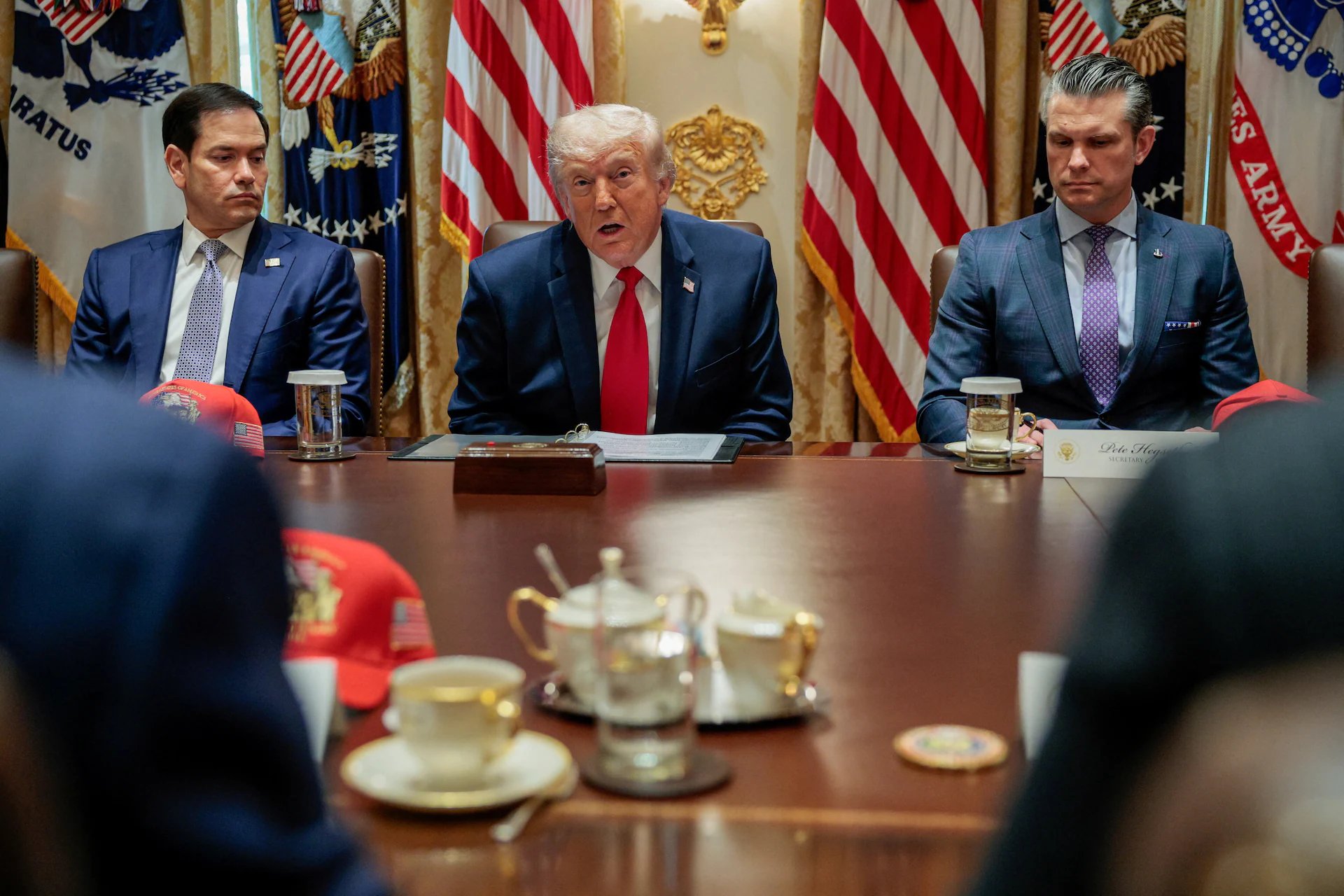
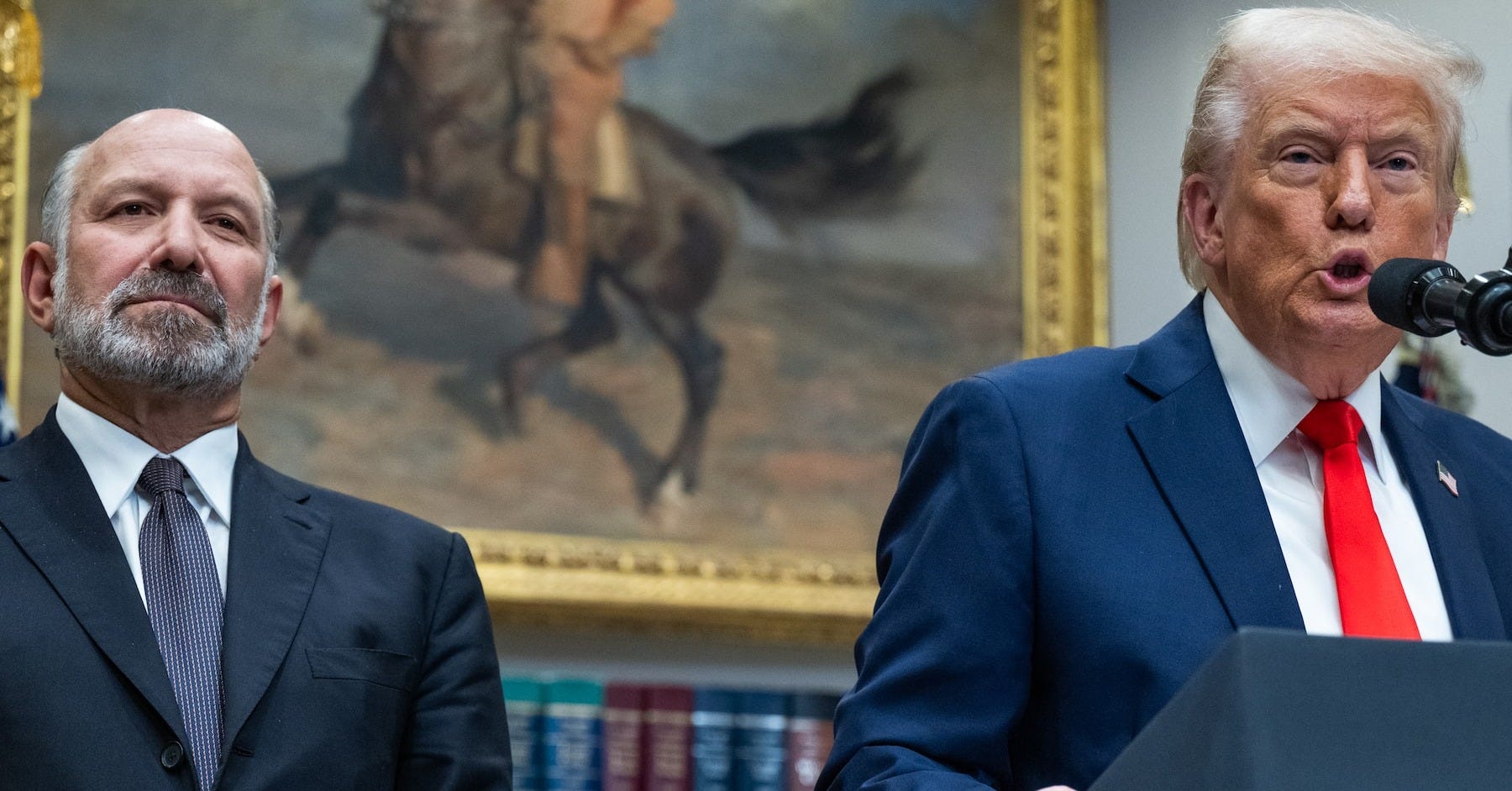
President Diaz-Canel defended the economic changes, attributing Cuba's severe economic hardship to internal obstacles and external pressures. The island currently faces an ongoing fuel blockade imposed by the administration of U.S. President Donald Trump, which has repeatedly threatened military intervention to overthrow the Communist government. Raul Castro has endorsed the economic reforms, signaling continuity in leadership even as the revolutionary generation that built the state continues to diminish.
Ramiro Valdes, one of the last surviving architects of Cuba's Communist revolution, died at 94, President Miguel Diaz-Canel announced on social media Sunday. The president did not provide a cause of death. Valdes was among the final generation of leaders who transformed Cuba from a U.S.-aligned nation into a Soviet-style state, and his passing marks the end of an era in which the original revolutionary generation still held power and shaped policy.
Diaz-Canel described Valdes' death as hurting "deeply, like that of a father" and praised his "exemplary dedication to the service of the homeland." The Cuban leader wrote that "every act in Commander Ramiro's life was marked by his absolute fidelity to the leadership of Fidel and Raúl, to his fellow fighters, and to the Moncada Program." Valdes now joins Fidel Castro, who died in 2016 at age 90, as a founding revolutionary no longer alive. His younger brother Raul Castro, at 95, remains the only other surviving leader from the original revolutionary cohort.
Valdes was 21 years old when he participated in the 1953 assault on the Moncada Barracks alongside Fidel Castro, the failed attack that launched the uprising against Fulgencio Batista's government. Three years later, he was one of 82 men who sailed the yacht Granma from Mexico to Cuba to restart the insurrection, and one of only 12 to survive that expedition. During the subsequent guerrilla campaign, he fought alongside Argentine revolutionary Ernesto "Che" Guevara before Batista's government fell in 1959.
After the revolution's victory, Valdes ascended to the highest ranks of Cuba's government. He held the titles "Hero of the Republic" and "Commander of the Revolution" and served twice as minister of the interior and once as vice president. Most significantly, he helped establish the G2 state security intelligence service, which modeled itself on Russia's KGB and became known for monitoring domestic dissent and tracking perceived enemies abroad. Valdes remained part of the Communist Party's powerful Political Bureau until 2019.
Valdes' death comes days after Cuba's Communist Party approved its largest economic overhaul since the revolution. The measures include allowing private banks, authorizing investment by Cubans living abroad, and permitting private businesses to import and export without state intermediation. The package represents a significant shift toward free-market mechanisms in an economy long defined by state control.
President Diaz-Canel defended the economic changes, attributing Cuba's severe economic hardship to internal obstacles and external pressures. The island currently faces an ongoing fuel blockade imposed by the administration of U.S. President Donald Trump, which has repeatedly threatened military intervention to overthrow the Communist government. Raul Castro has endorsed the economic reforms, signaling continuity in leadership even as the revolutionary generation that built the state continues to diminish.
Highlighted text was flagged by the council. Tap to see feedback.