





Large-Scale Assault on Kyiv
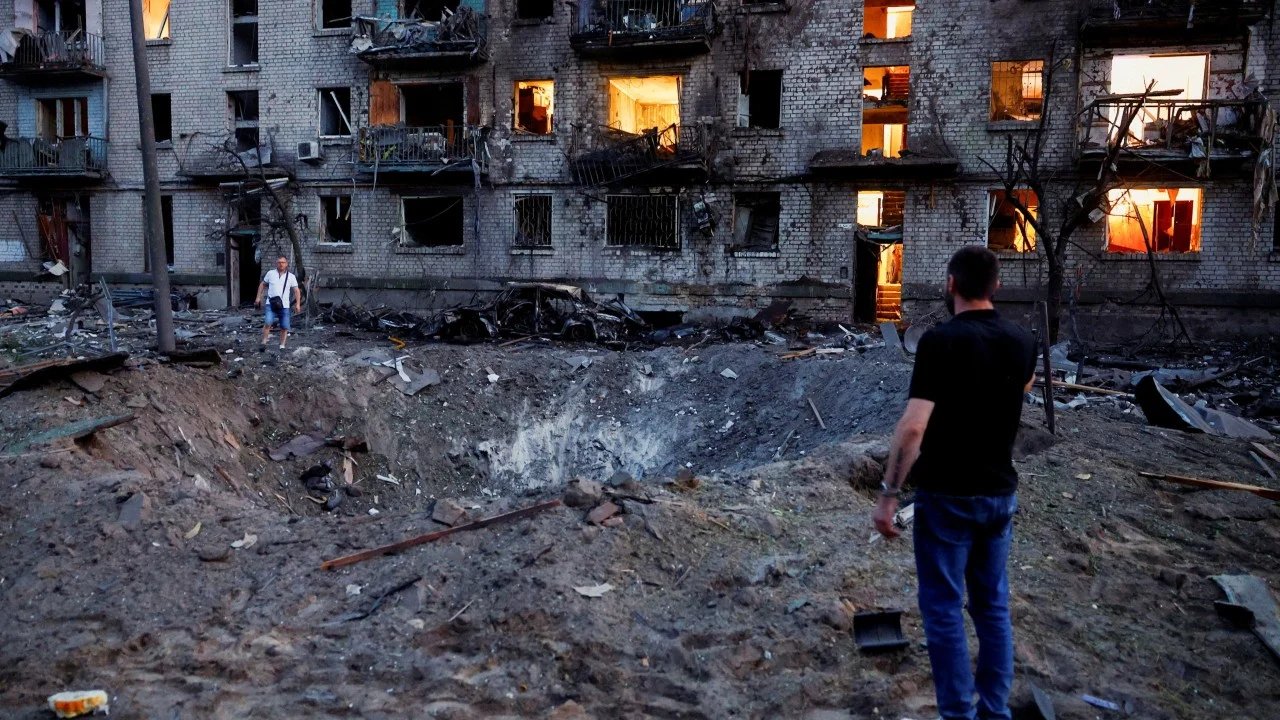
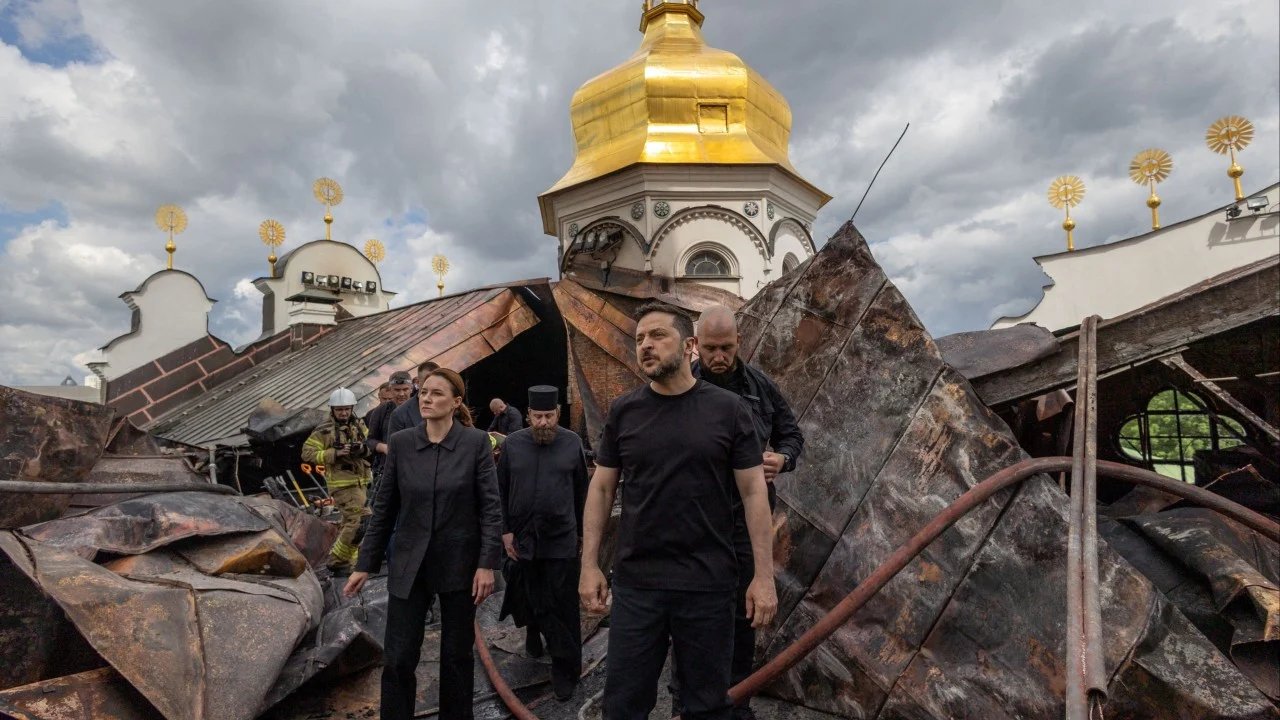
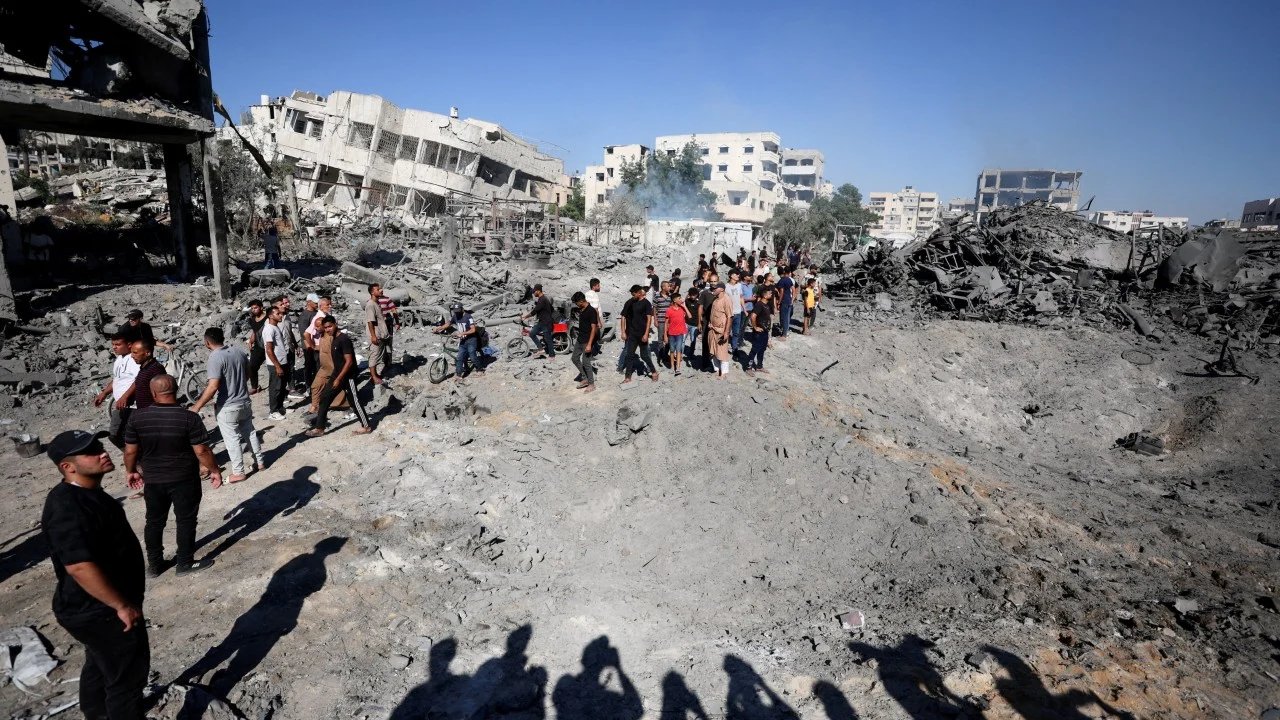
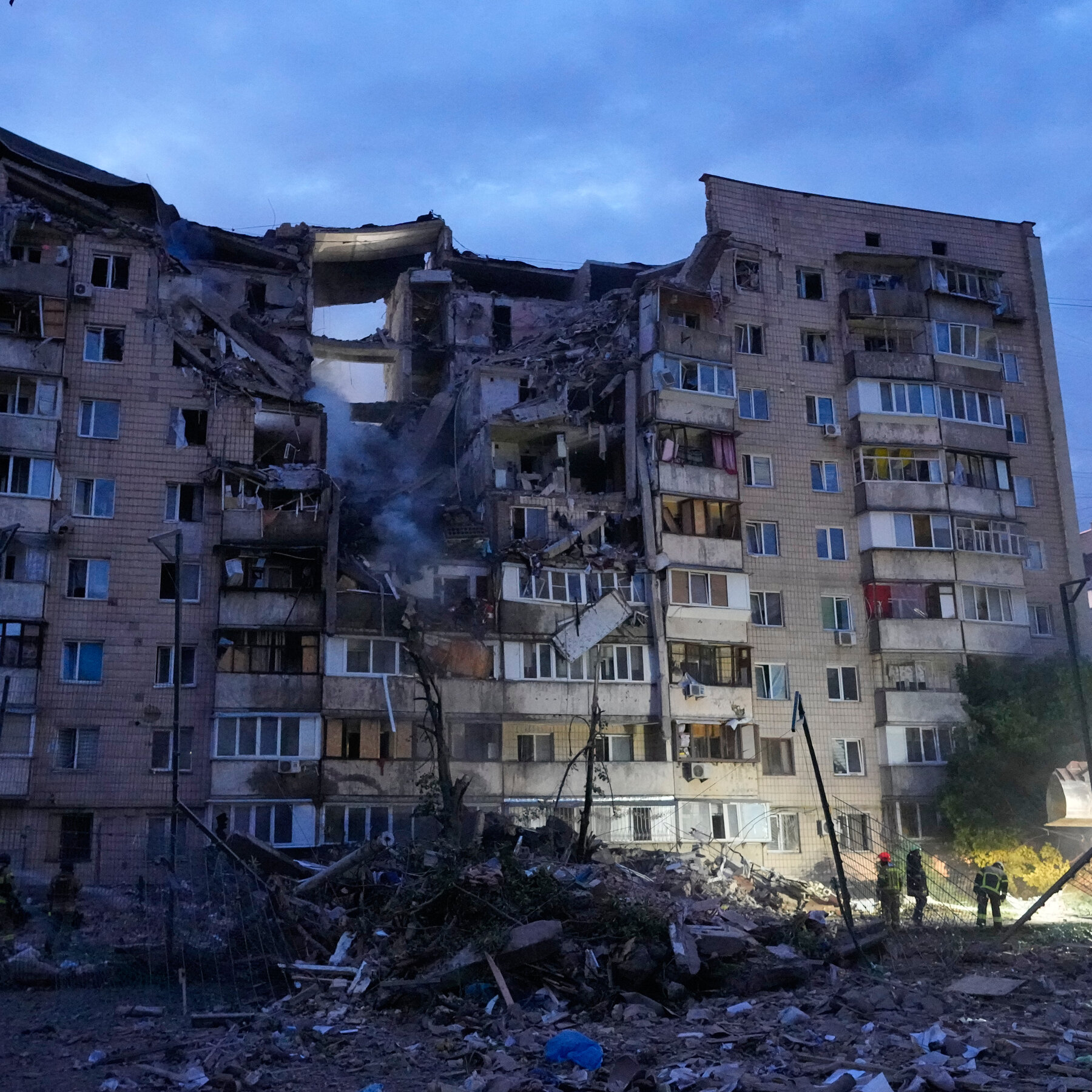
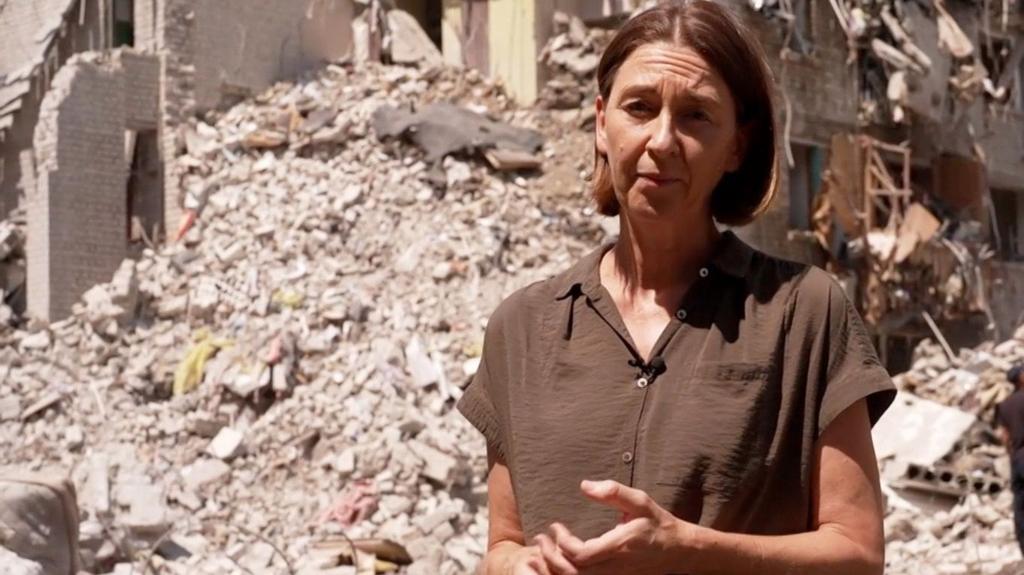
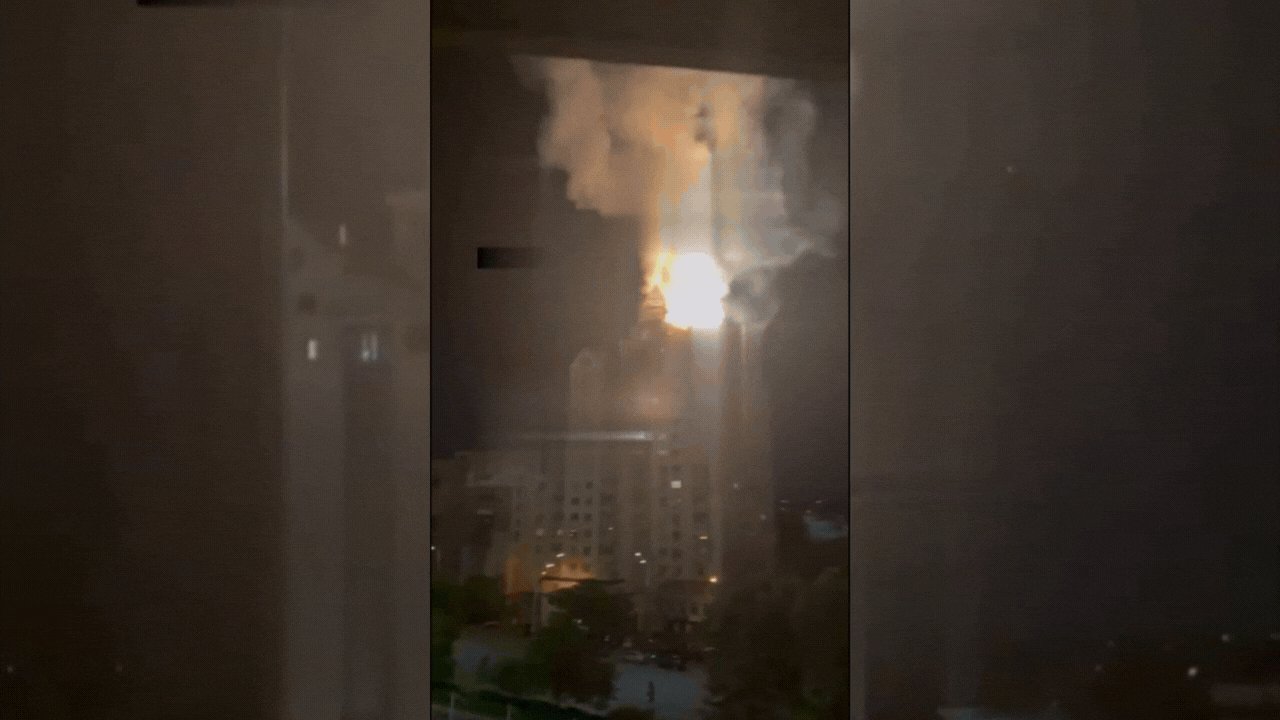
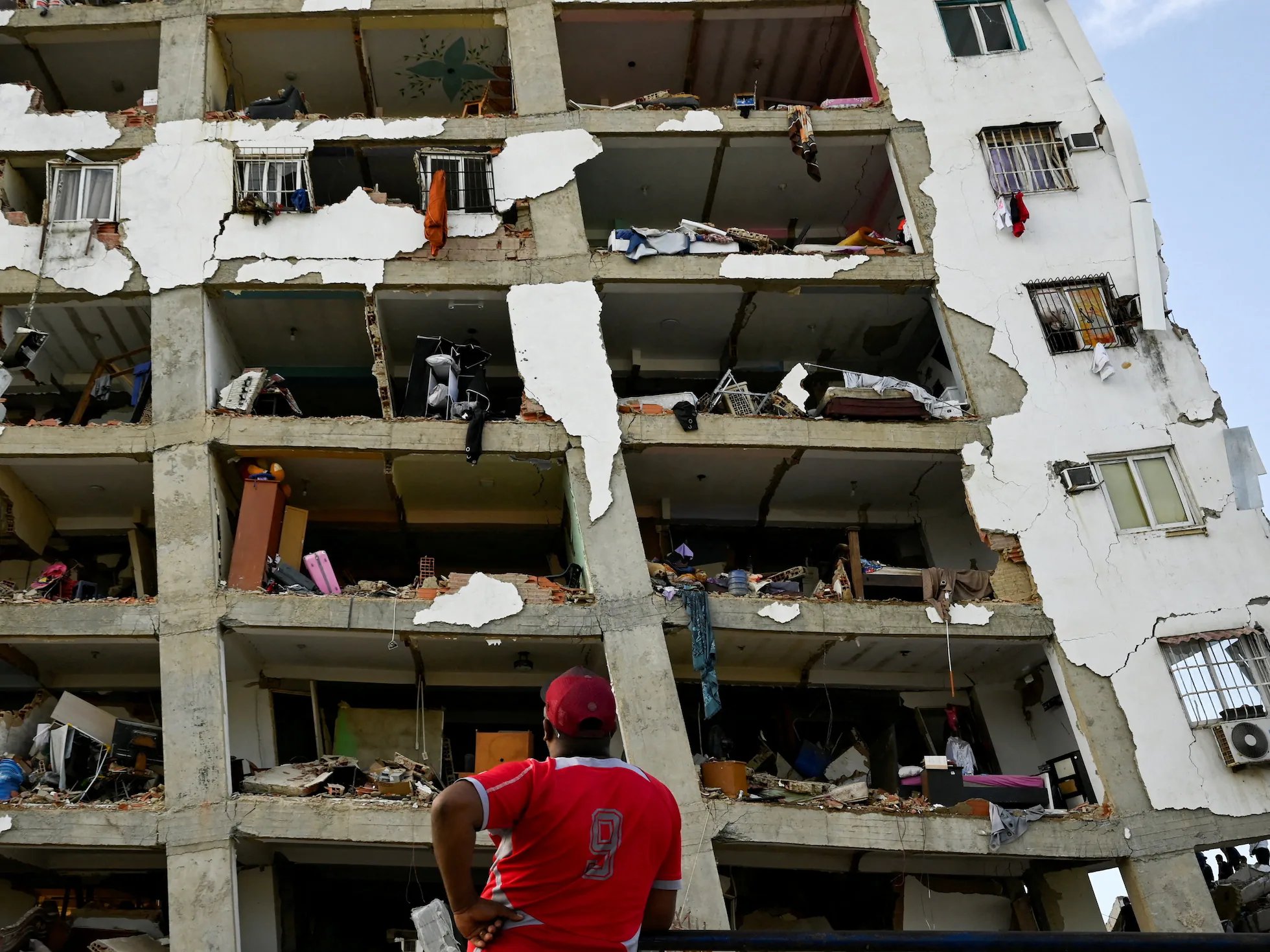
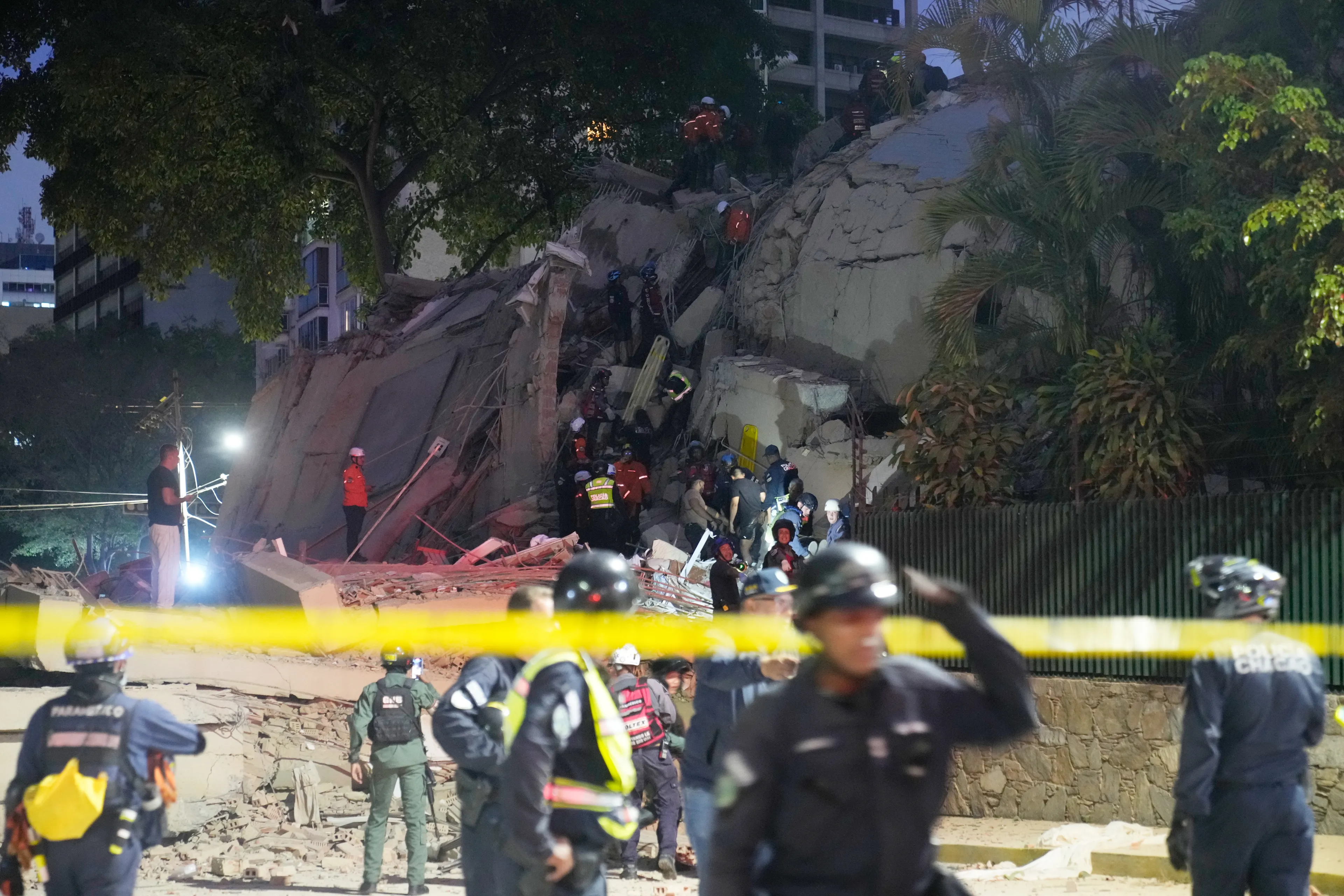
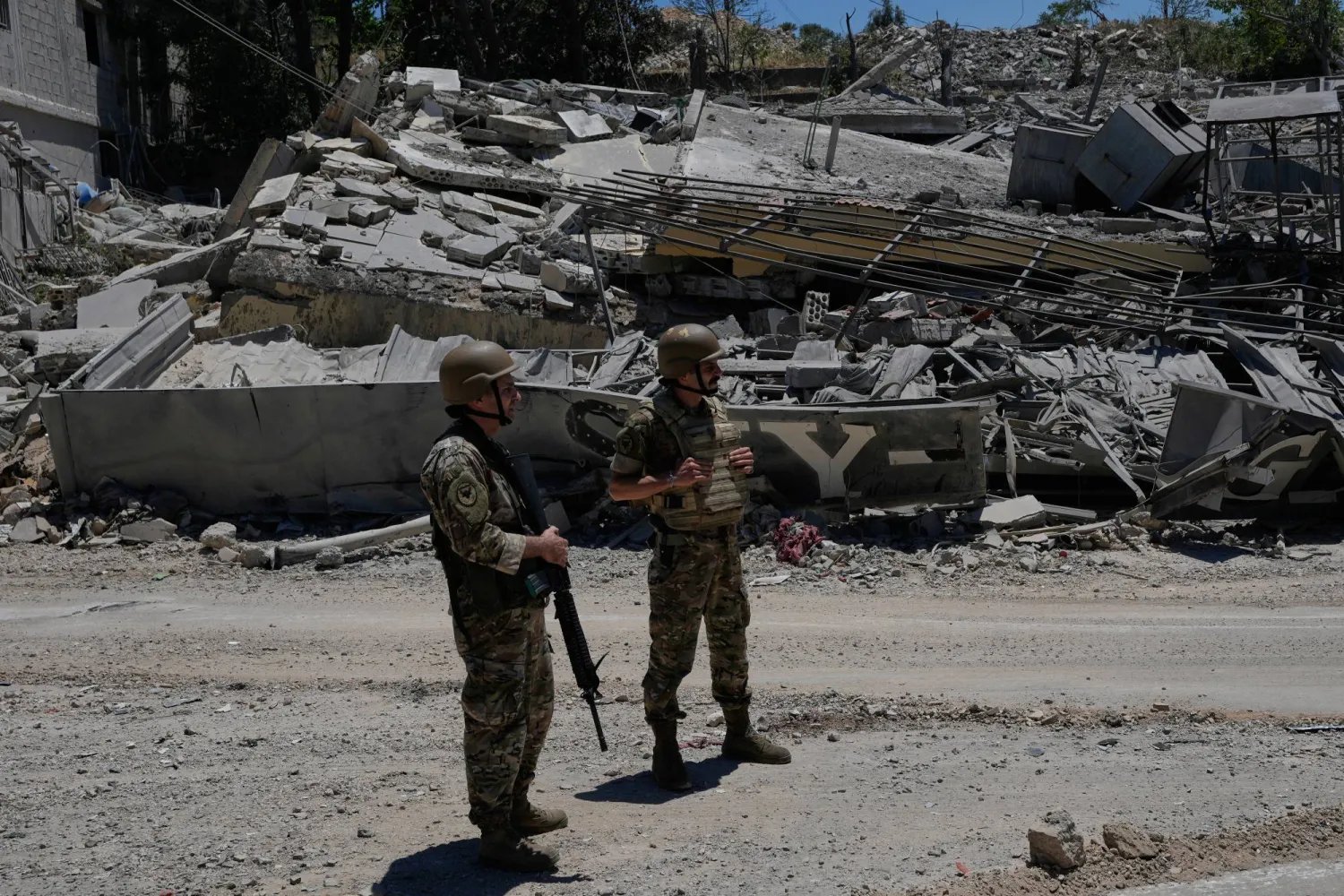
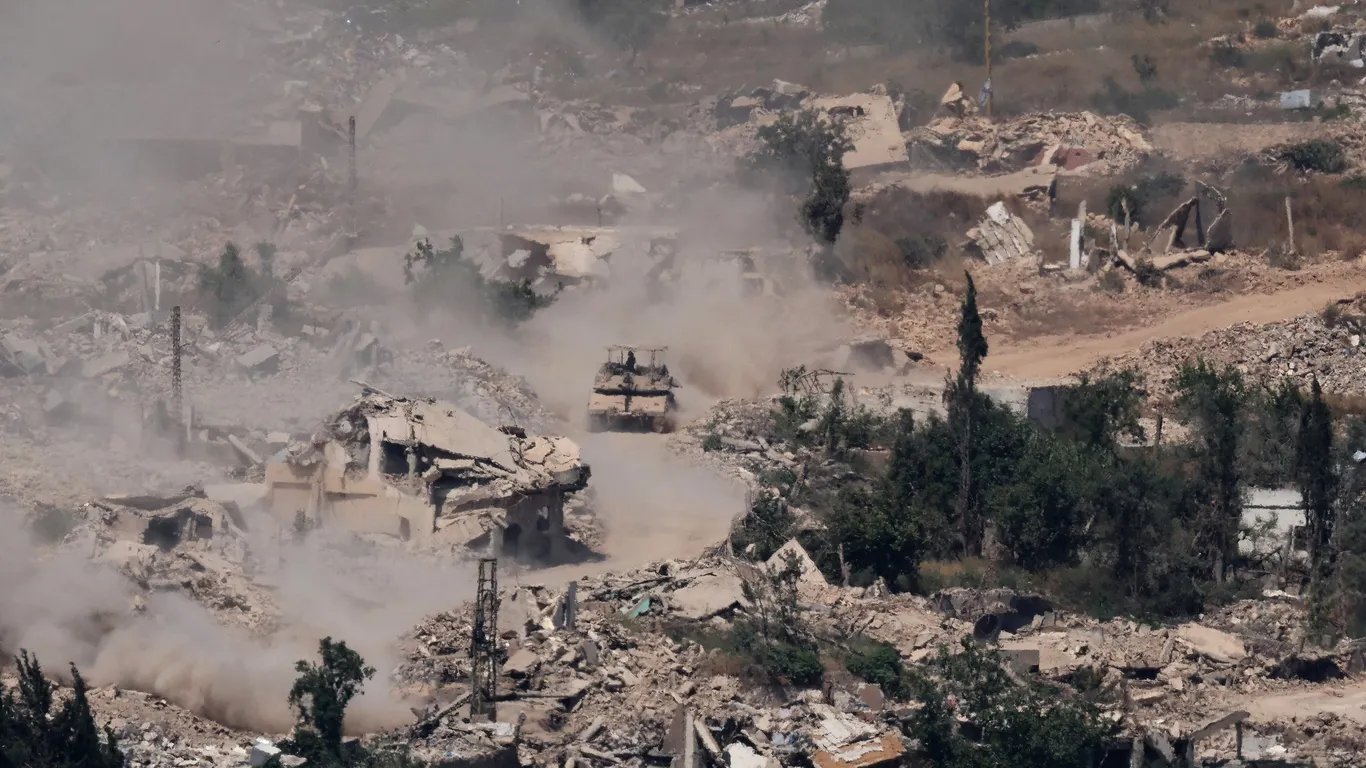
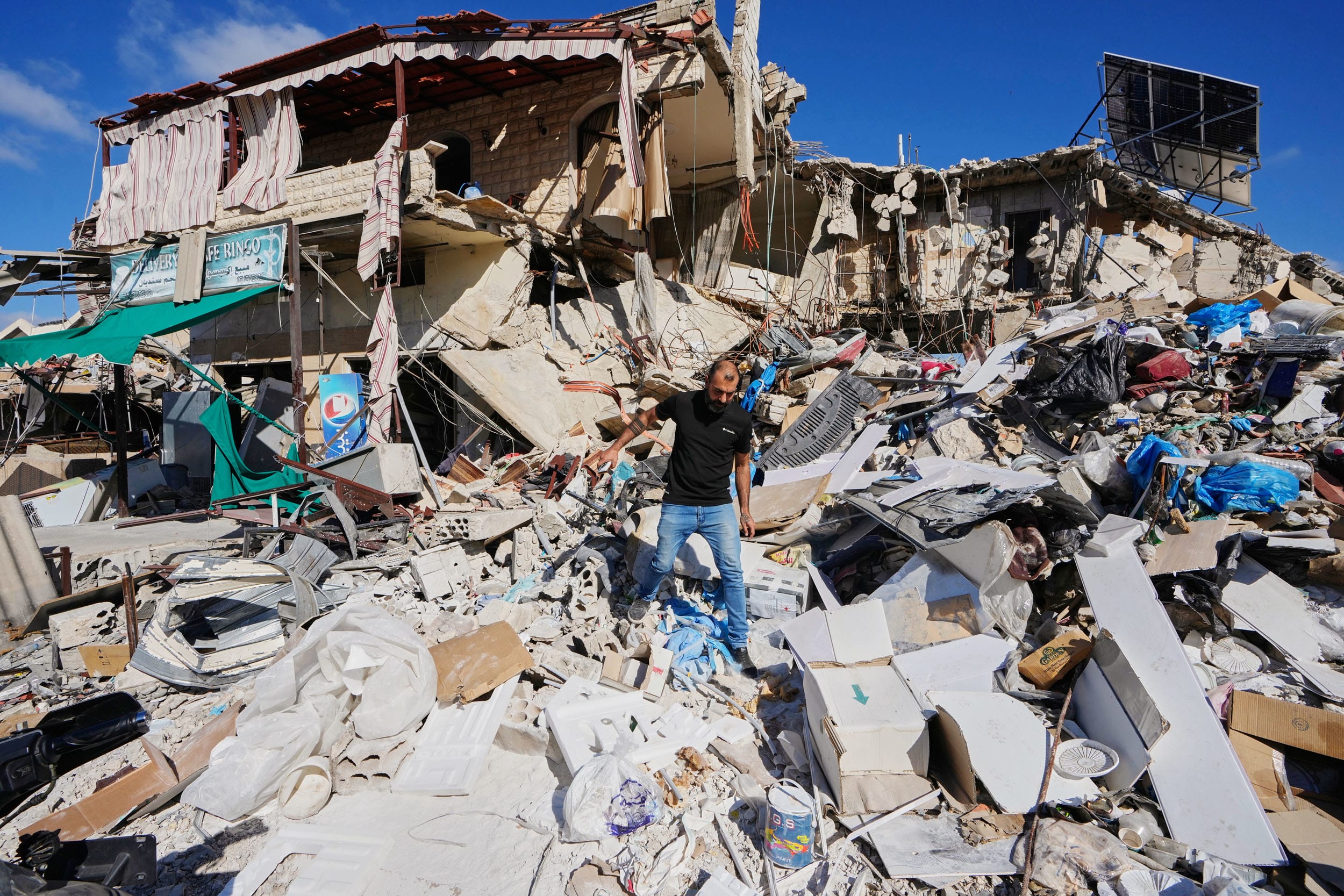
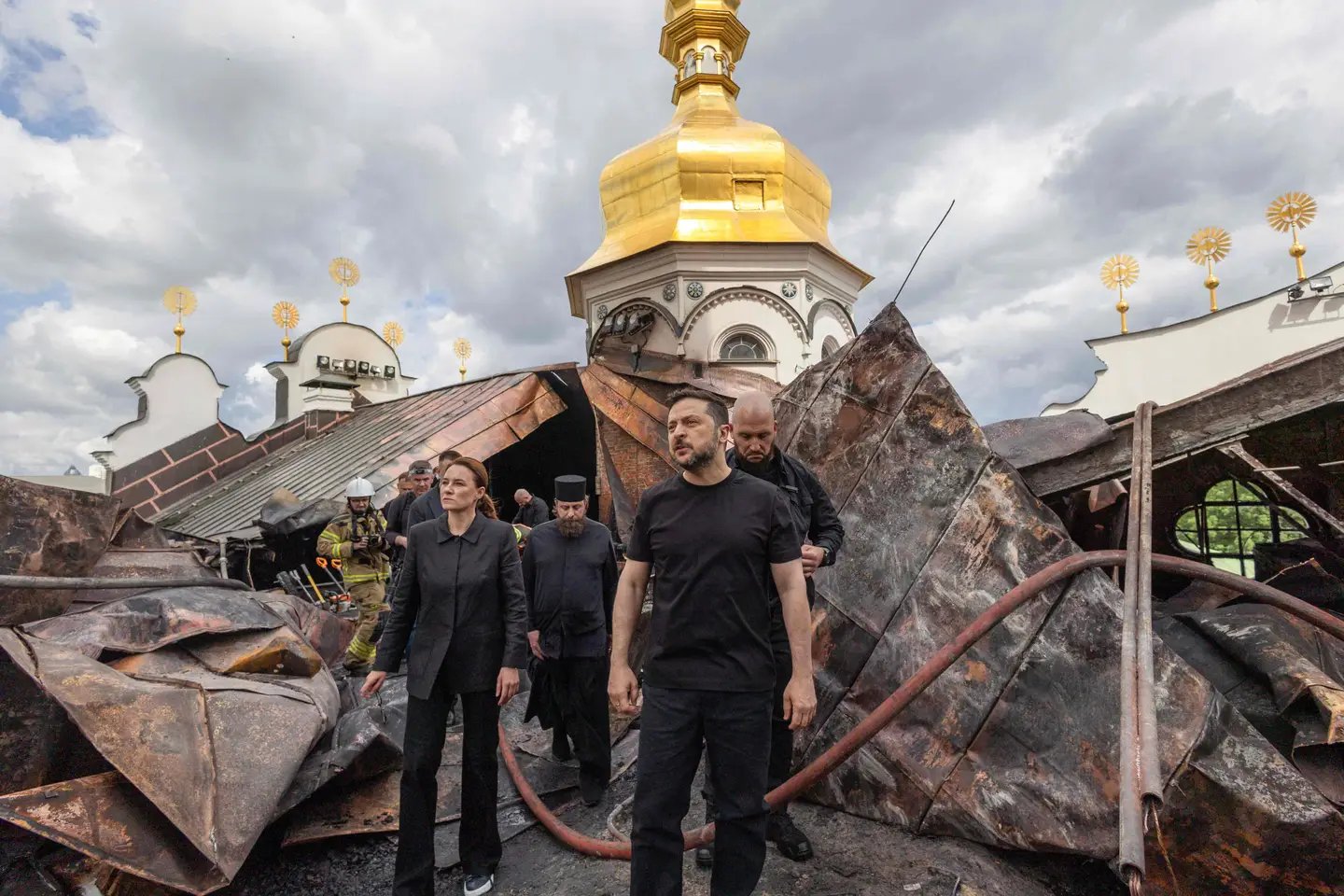
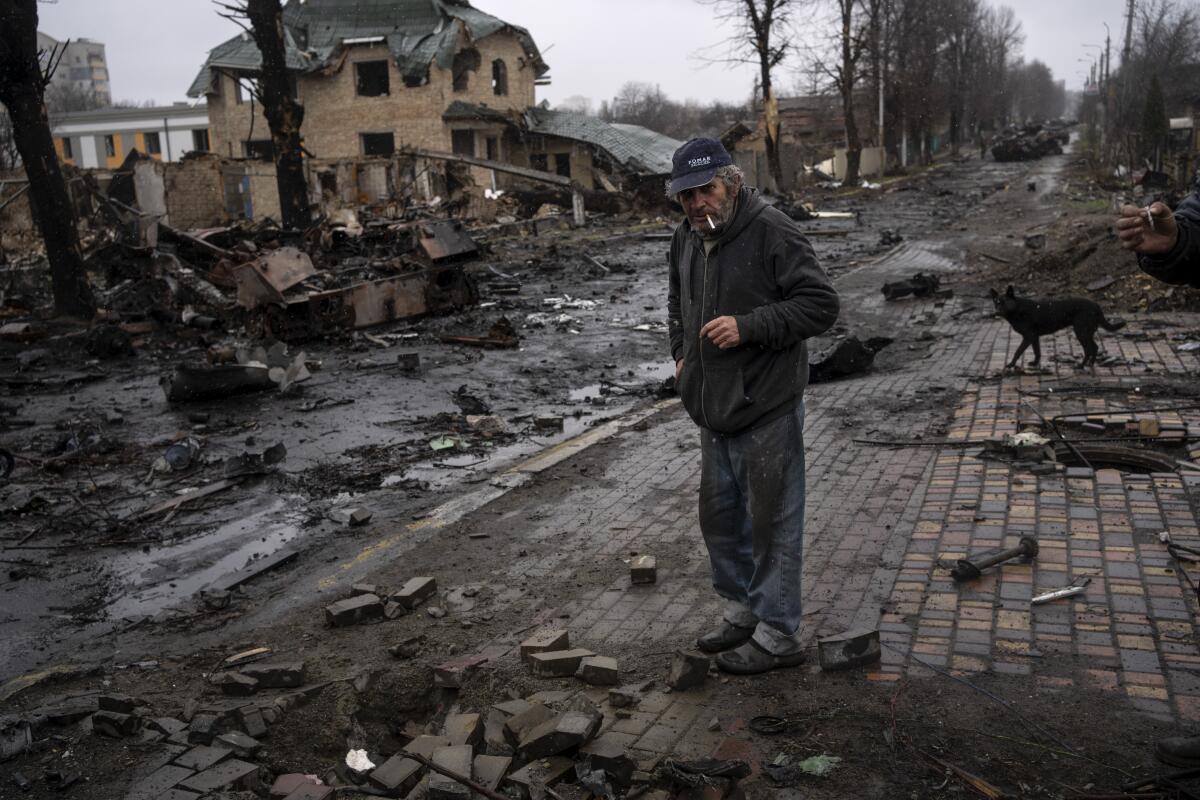
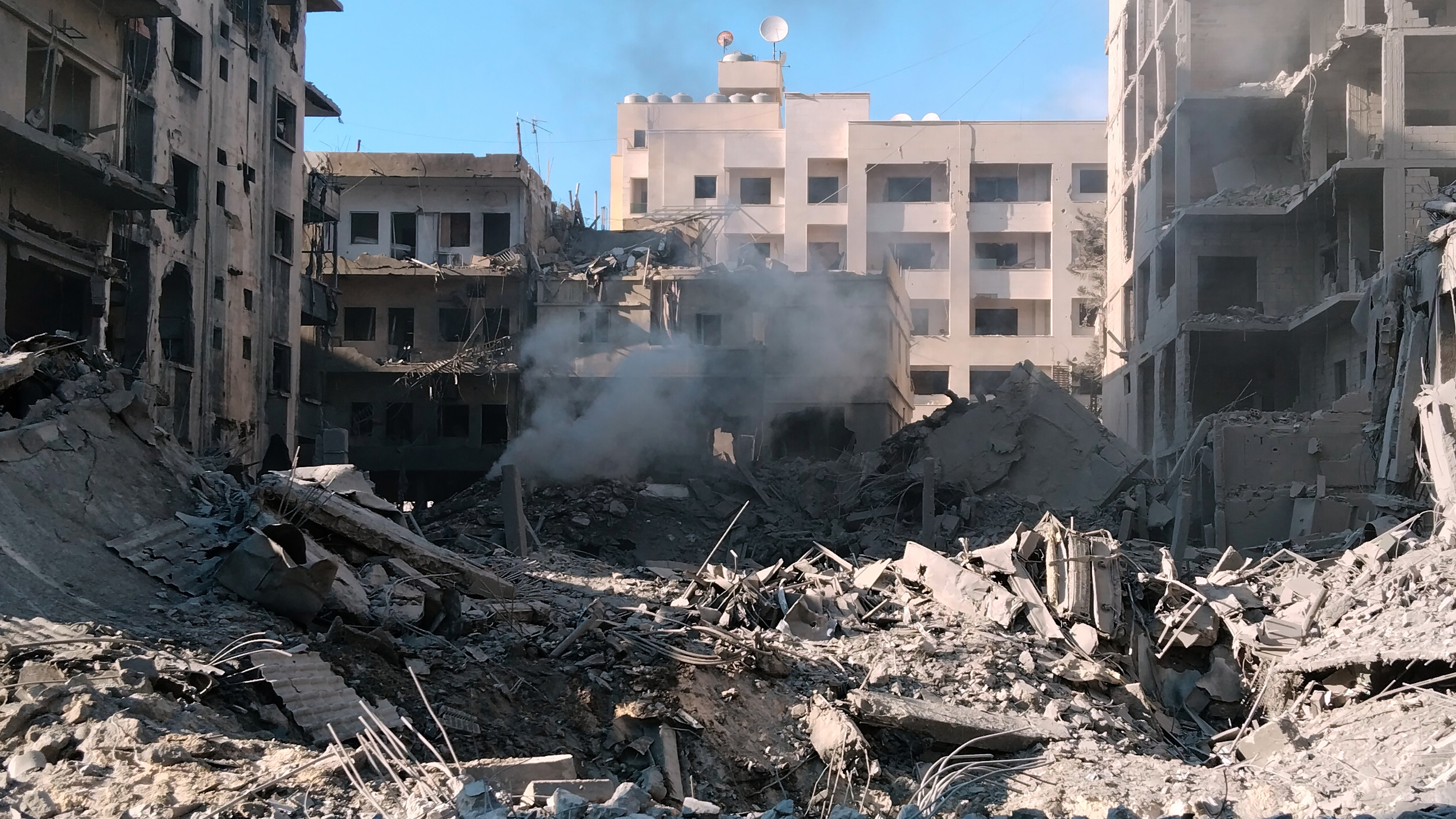
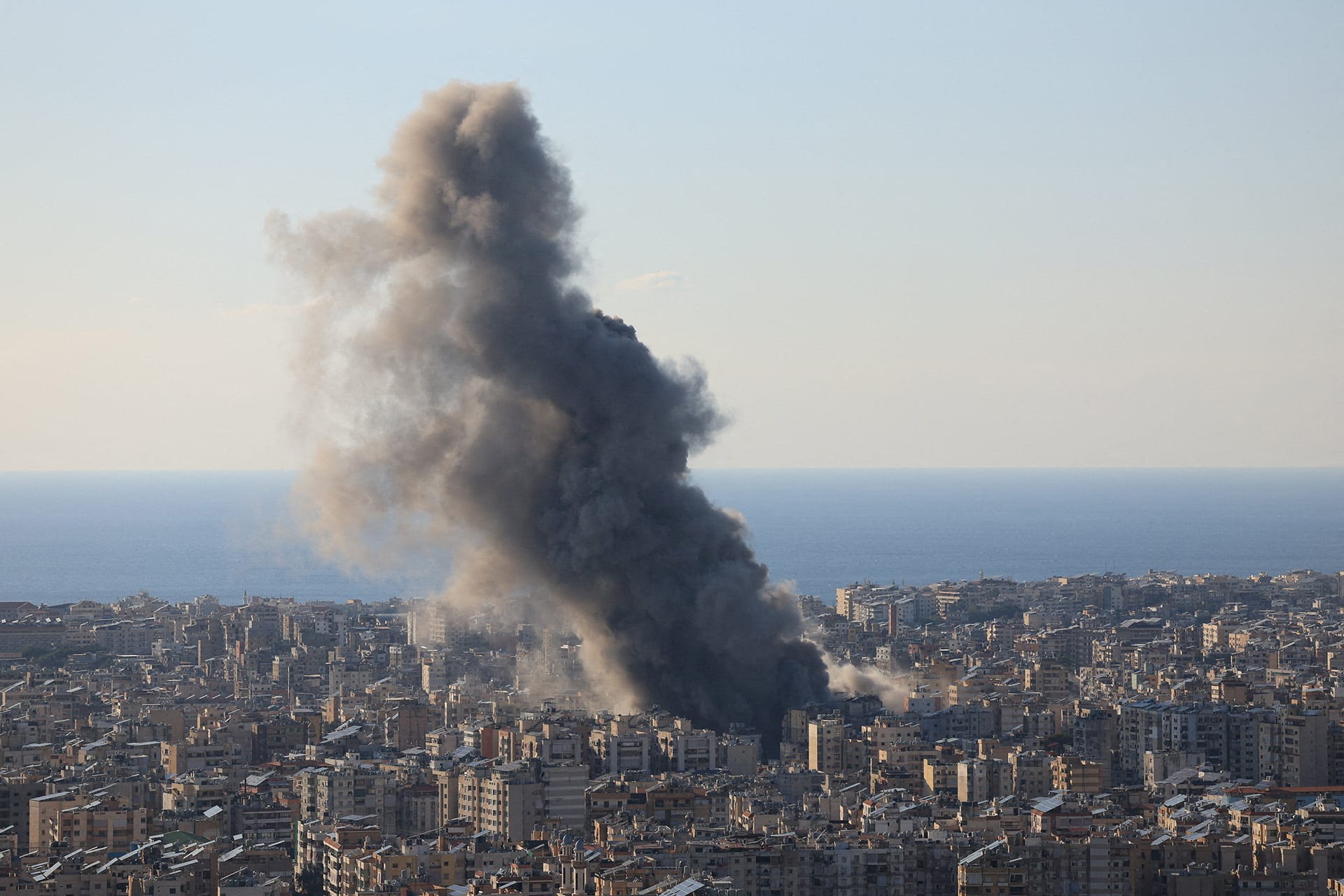
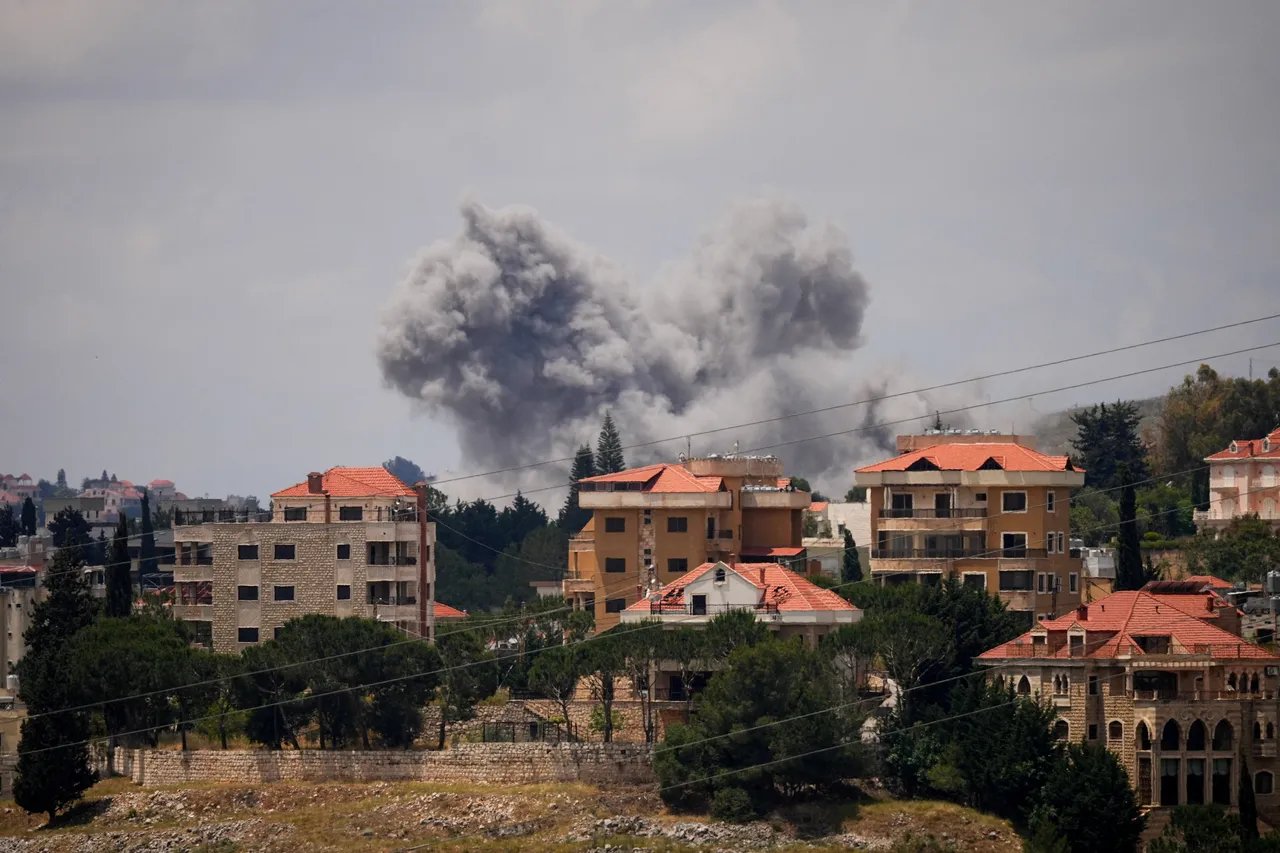
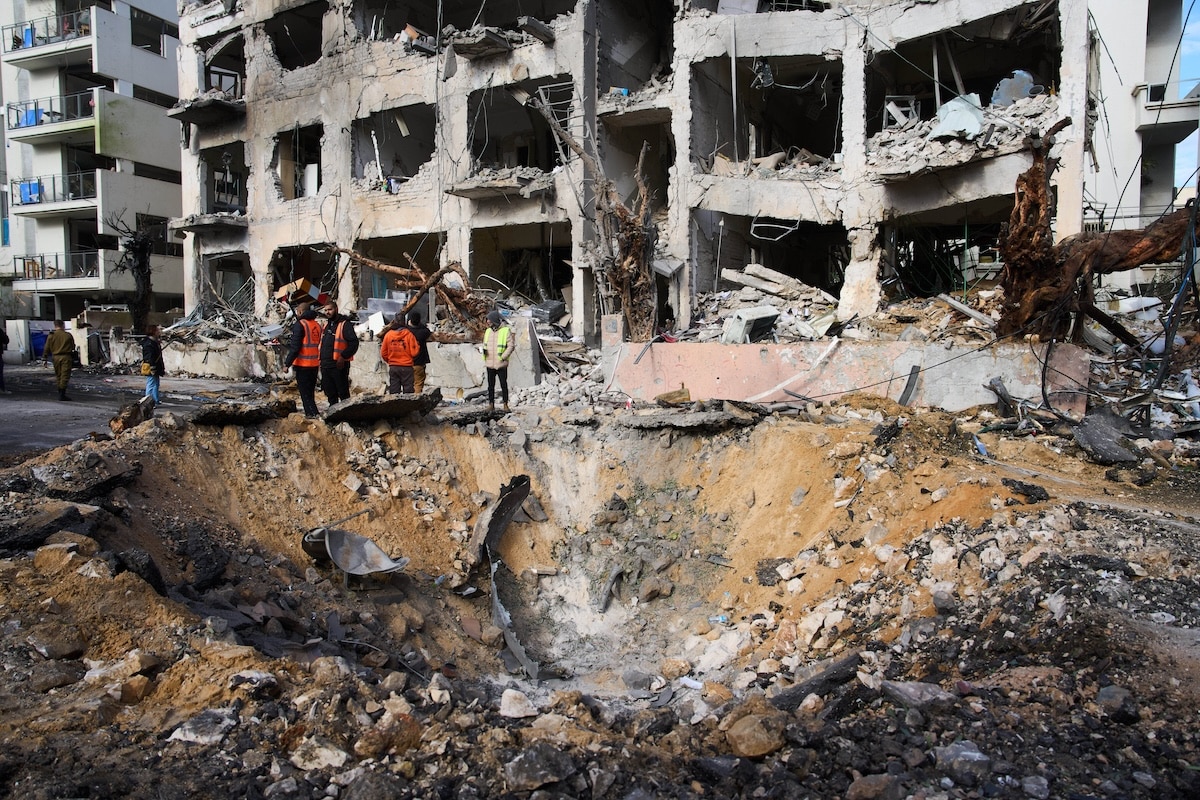
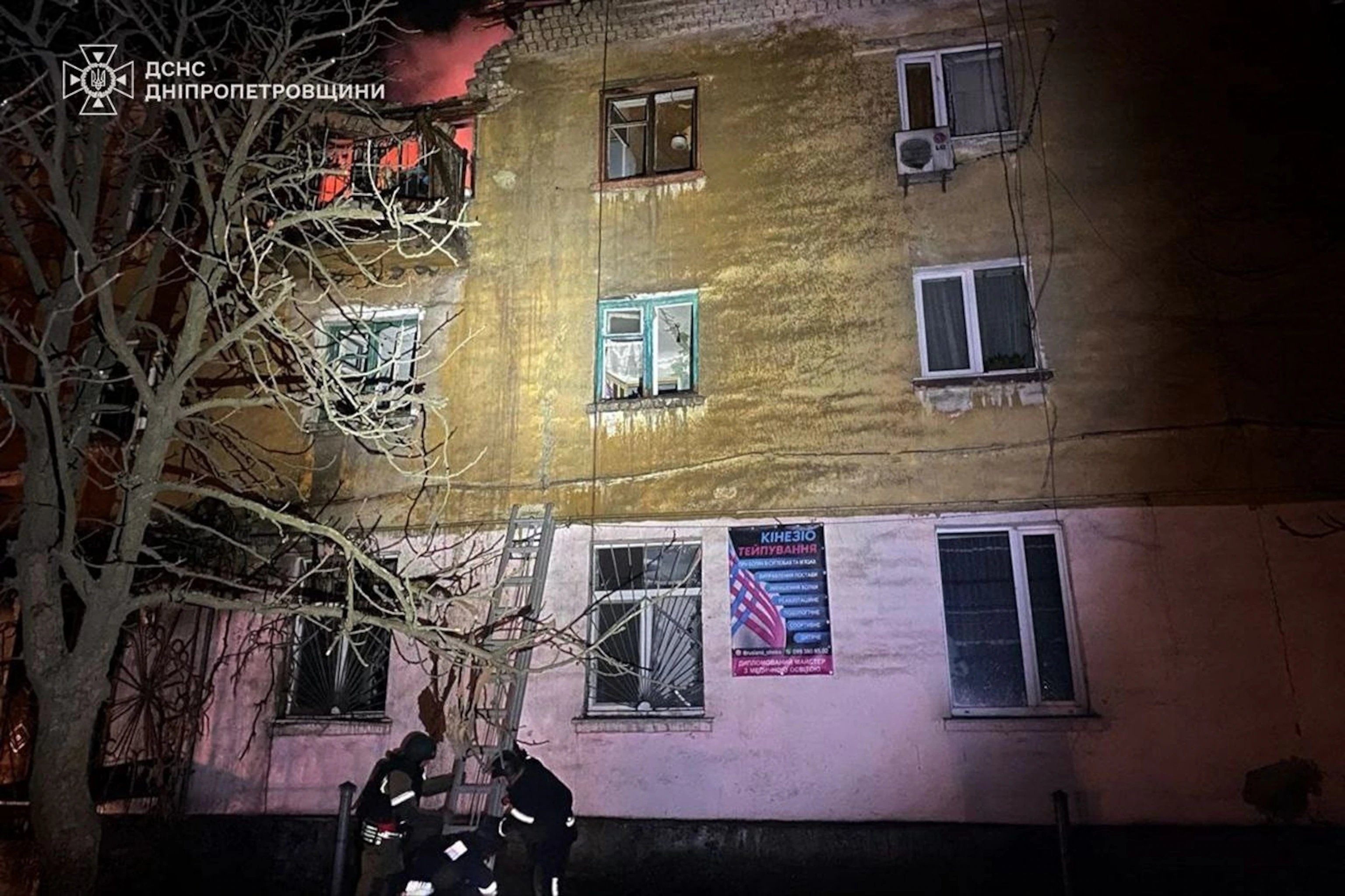
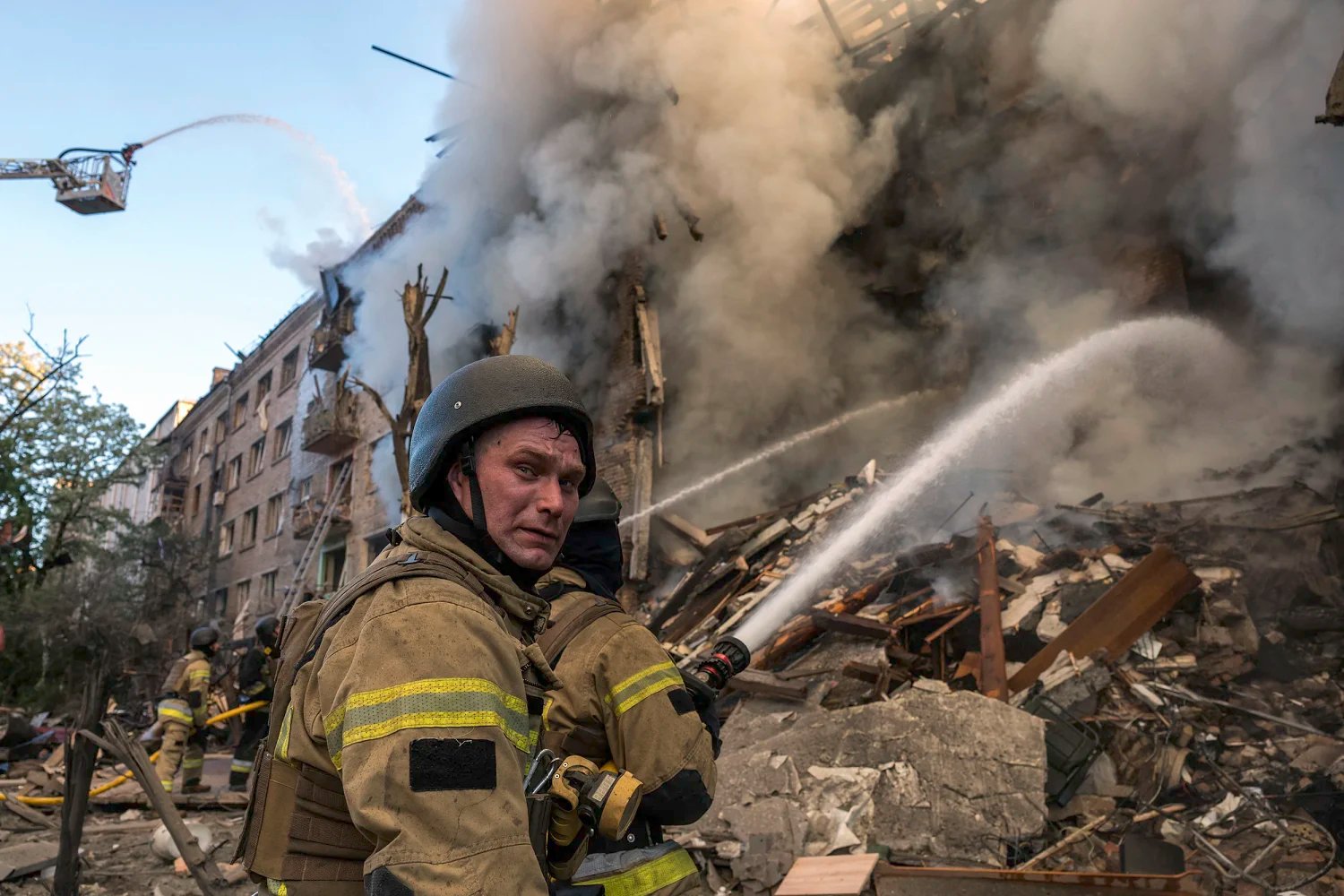
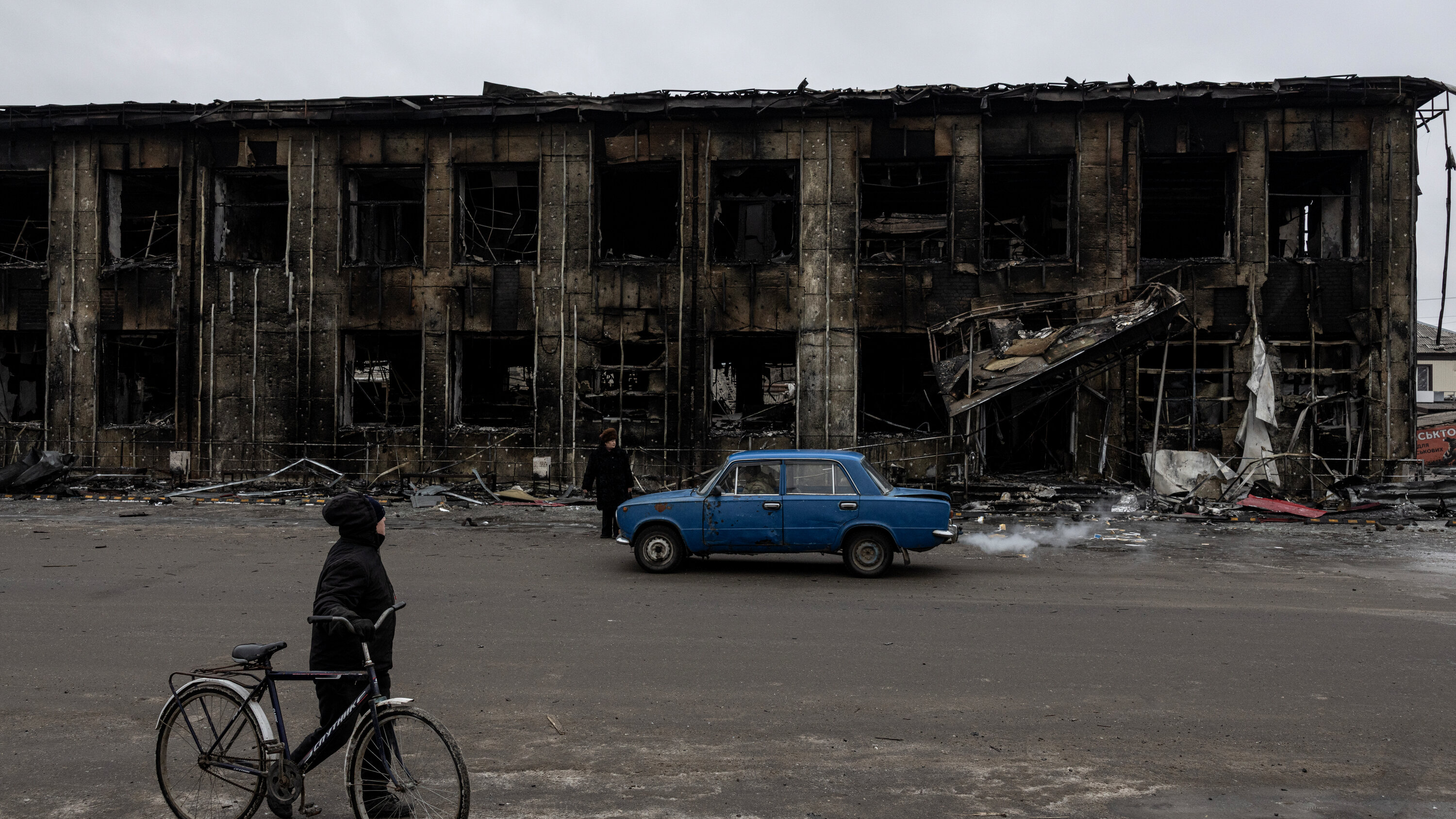
A massive assault on Ukraine's capital, Kyiv, occurred early Thursday, resulting in at least 9 to 11 deaths according to various official sources and injuring dozens more. The attack involved ballistic and cruise missiles, as well as drones, damaging 30 locations across the city, including residential buildings and civilian infrastructure. Interior Minister Ihor Klymenko reported that 20 residential buildings were damaged, and the casualty count may rise as rescue operations continue.
Warnings Preceded the Attack
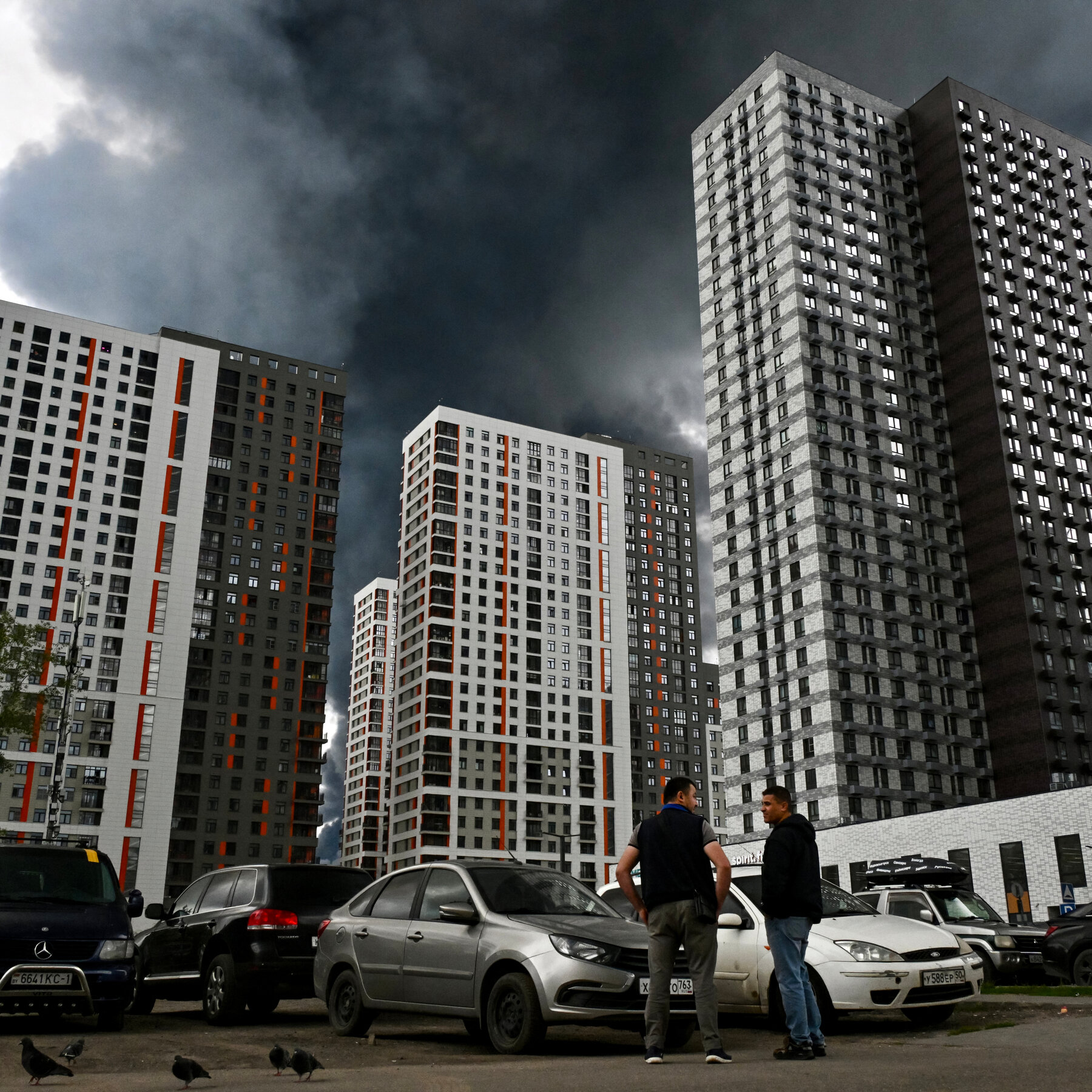
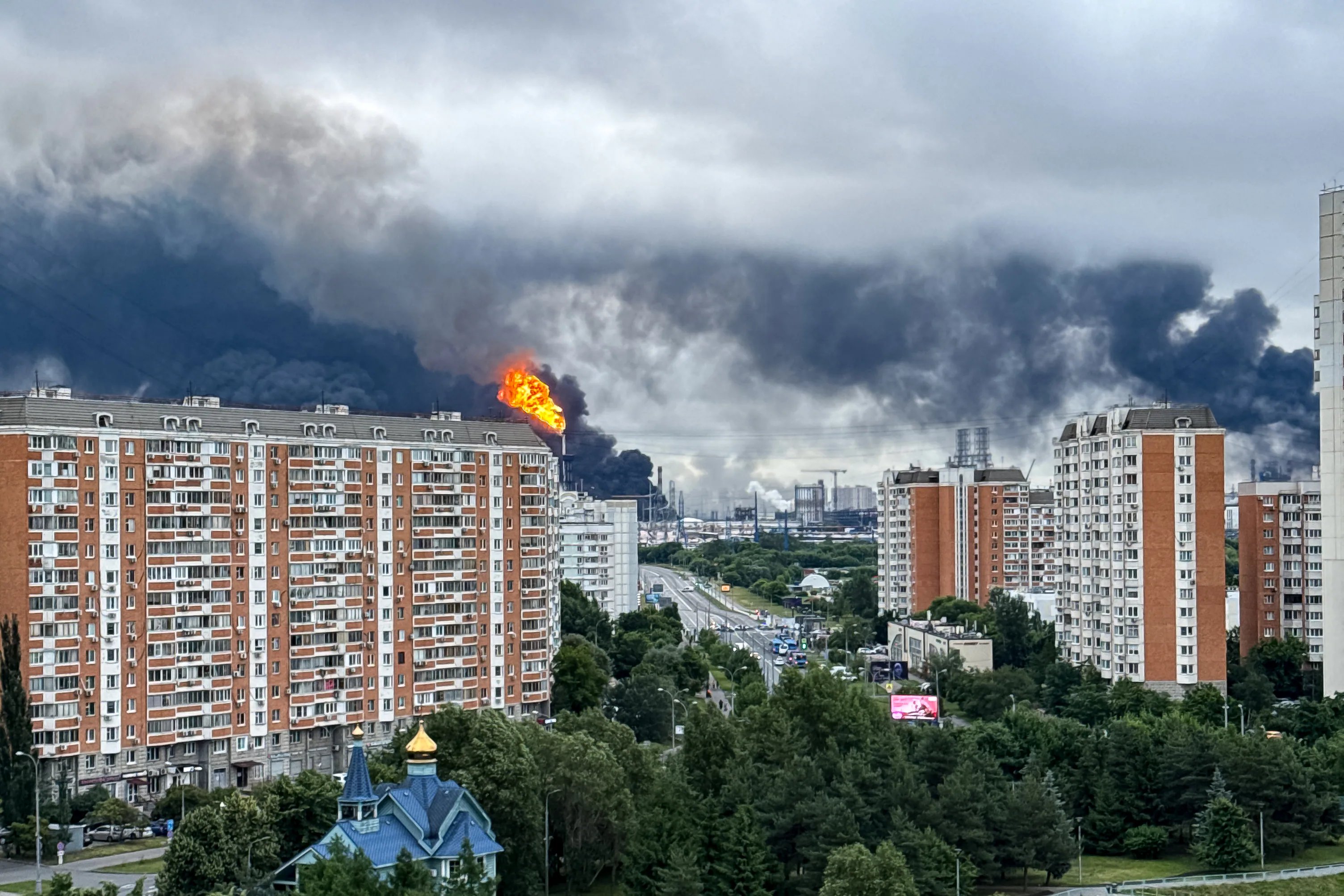
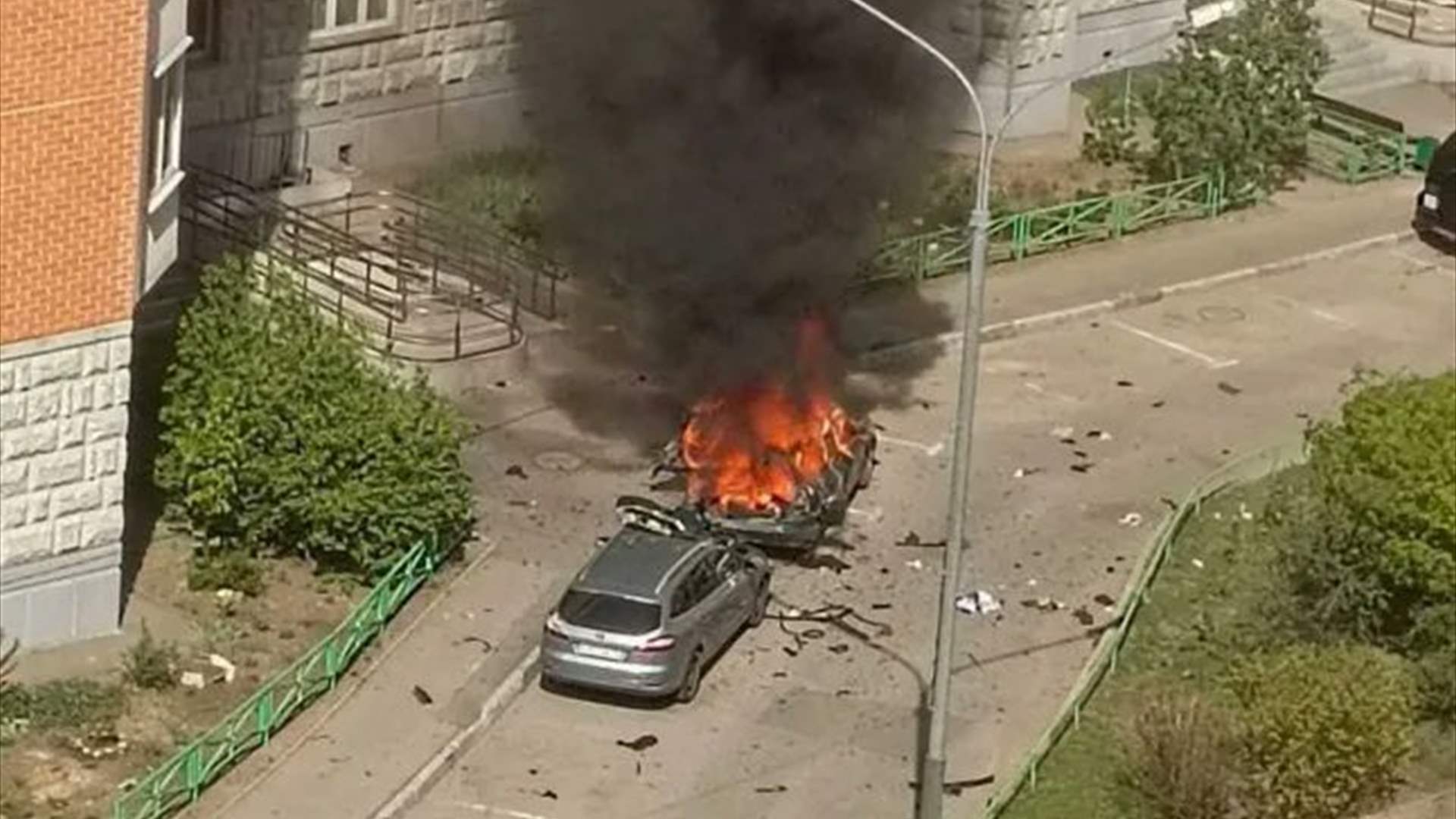
Ukrainian President Volodymyr Zelensky had warned mere hours before the strikes that Russia was preparing for a "massive attack" on Ukraine. His comments followed a drone strike in Moscow that targeted a key communications center. Zelensky cut short his visit to Dublin to return to Ukraine, underscoring the urgency of the situation as he urged citizens to seek shelter and remain vigilant.
Human Toll and Infrastructure Damage
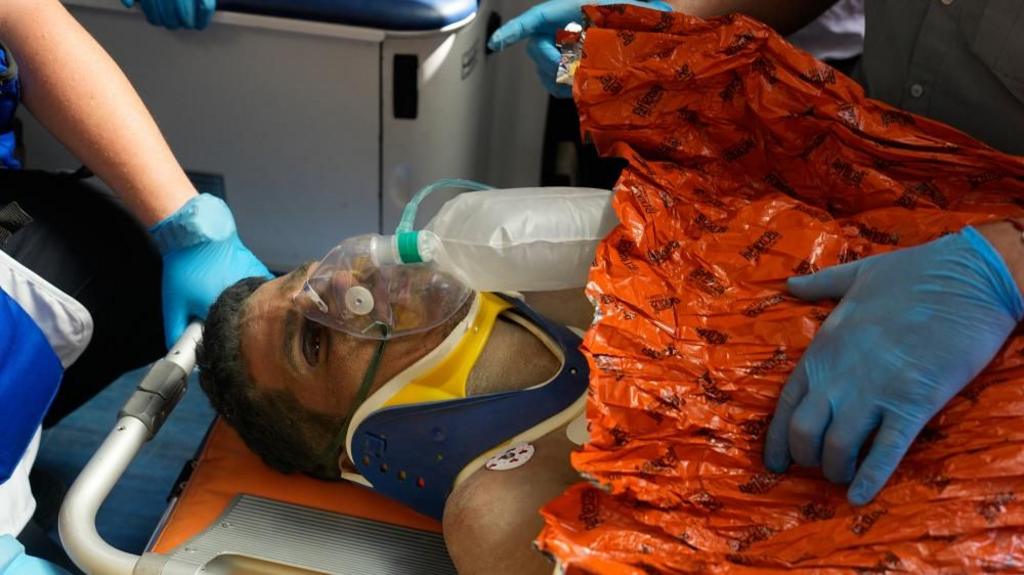
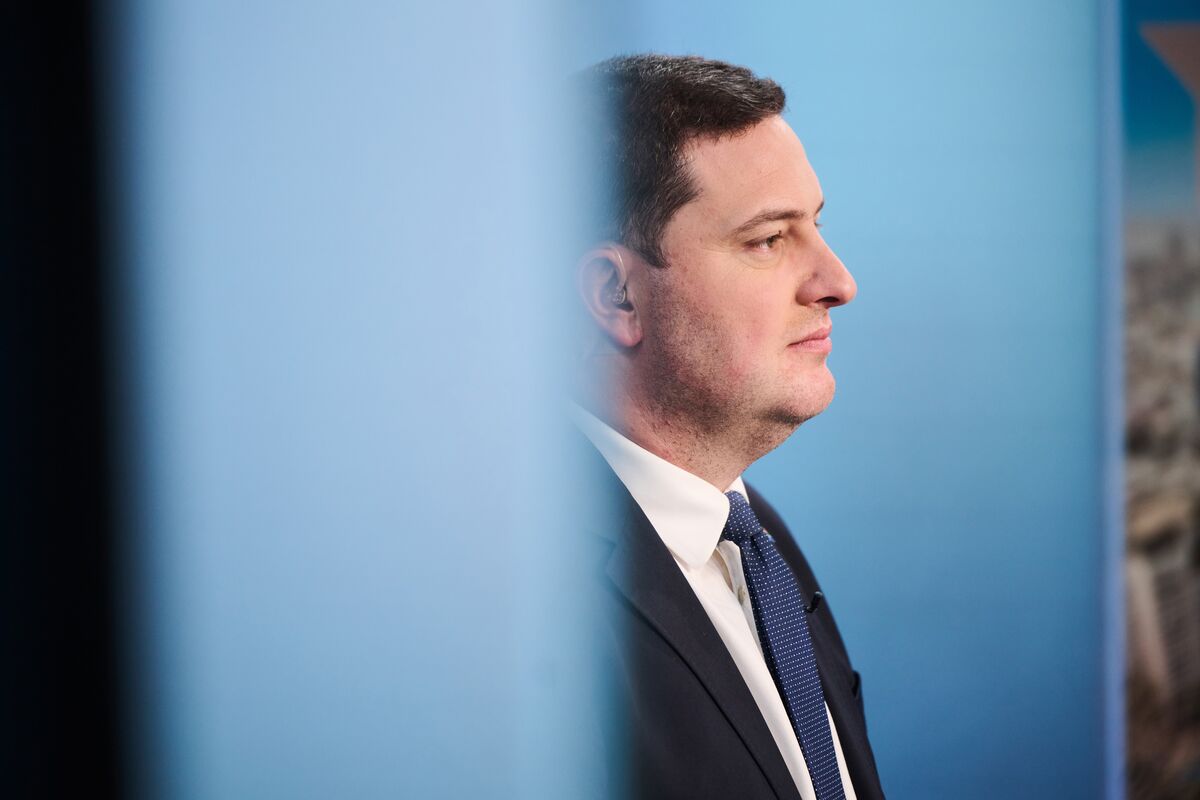
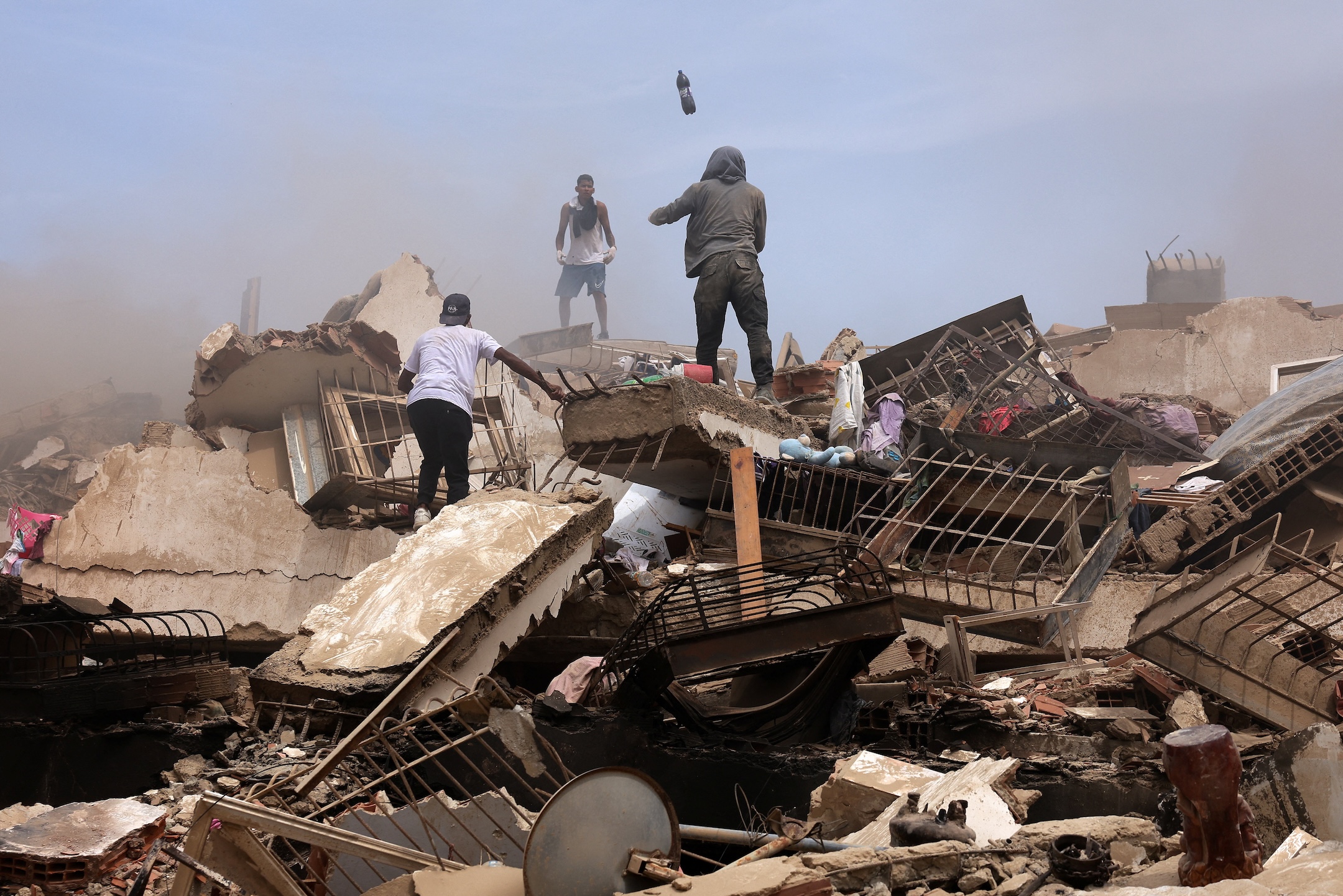
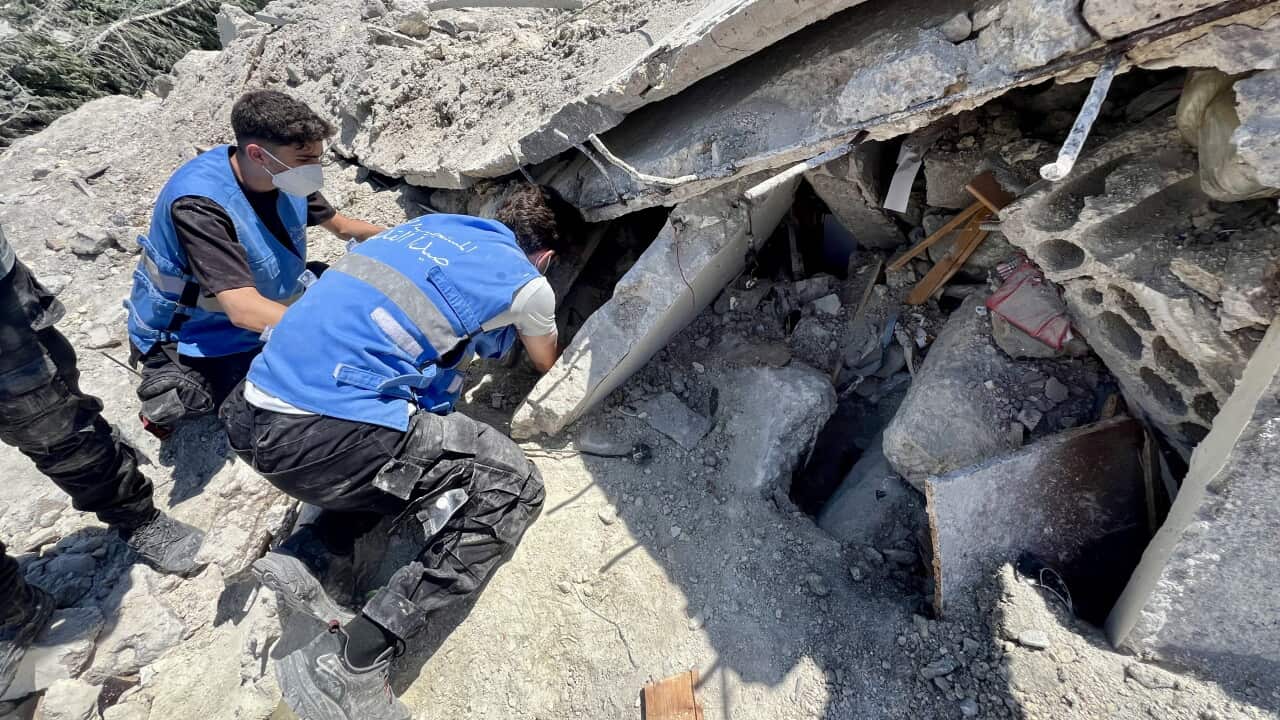
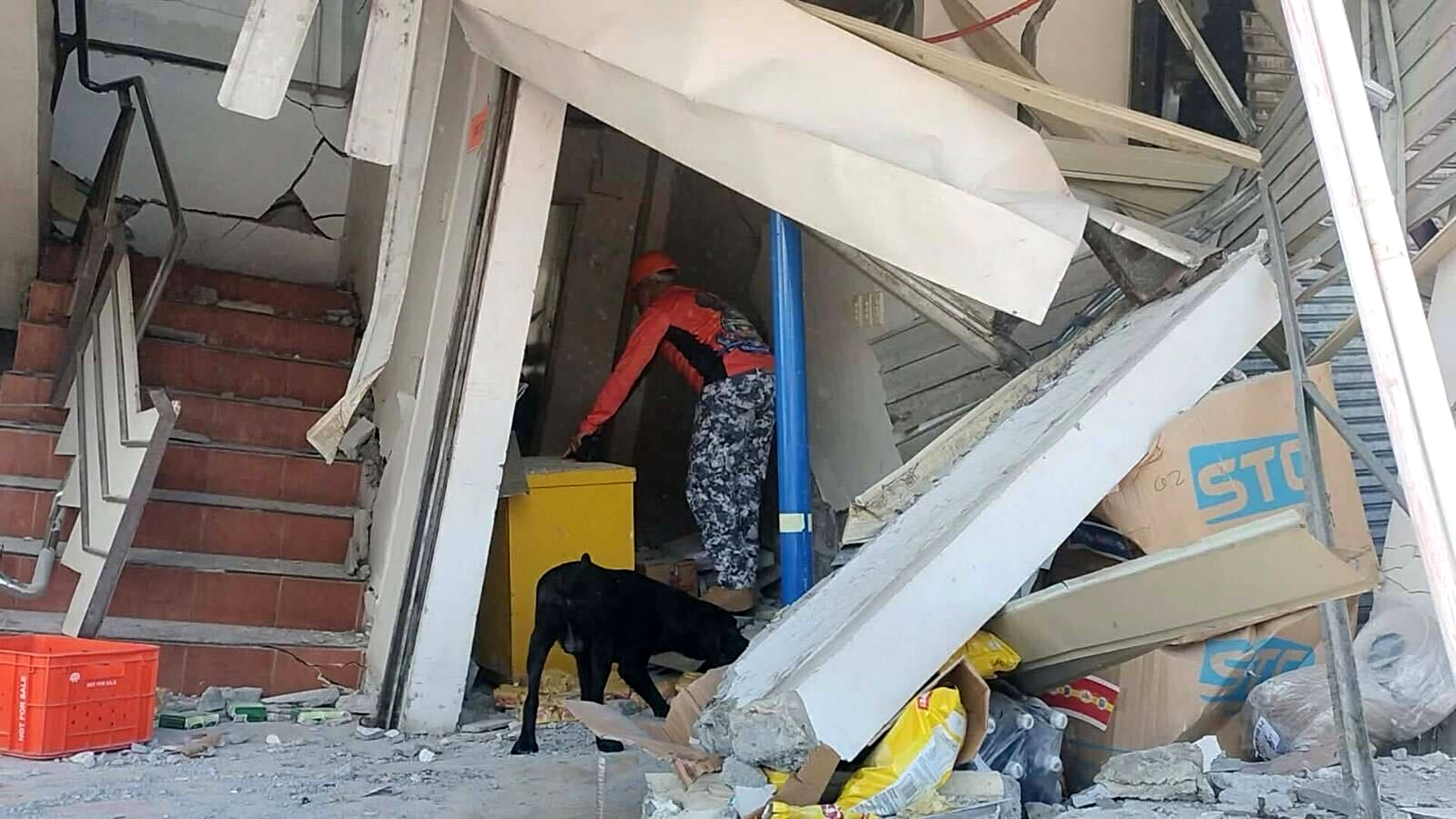
The attack marked the first large-scale missile and drone strike on Kyiv in more than two weeks, with reports indicating that children were among the casualties. Tymur Tkachenko, head of the Kyiv City Military Administration, reported 54 people injured, including two children, though other official sources cited figures ranging from 34 to 56. Mayor Vitali Klitschko confirmed multiple injuries, including a paramedic in critical condition, and reported that several people were trapped in collapsed buildings.
Calls for Strengthened Air Defense
In the wake of the attacks, Foreign Minister Andrii Sybiha called on Ukraine's allies to expedite the delivery of air defense systems. He described the night of the assault as a "night of horror" for Kyiv residents, who were forced to shelter in metro stations as explosions rocked the city. Sybiha emphasized that Ukraine's actions are a matter of self-defense, rejecting any justification for Russia's strikes as retaliatory.
Ongoing Conflict and Military Strategy
The Russian Defense Ministry claimed the strikes targeted energy and military facilities as a response to Ukraine's recent attacks on its infrastructure. This escalation occurs amid a broader conflict that has seen Russia intensifying its missile and drone campaigns against Ukrainian cities, including Kyiv. The war has persisted for over four years, becoming the deadliest conflict in Europe since World War II.
Evacuations and Emergency Response
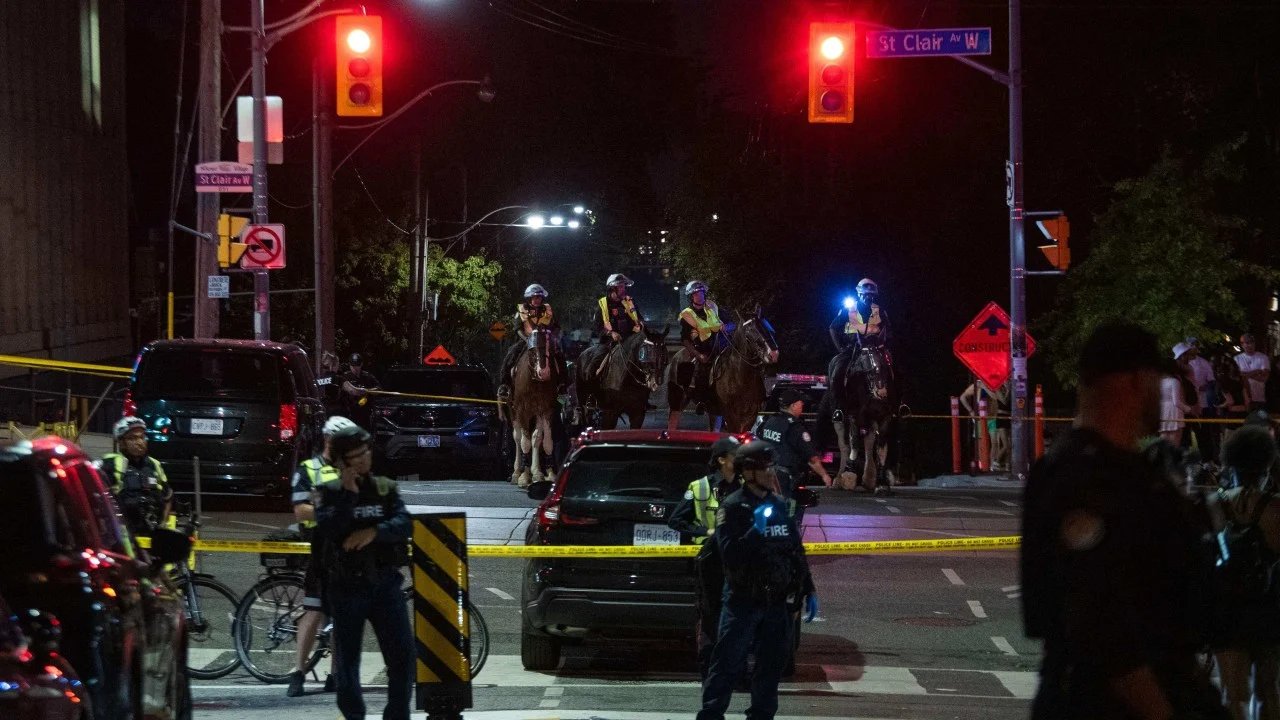
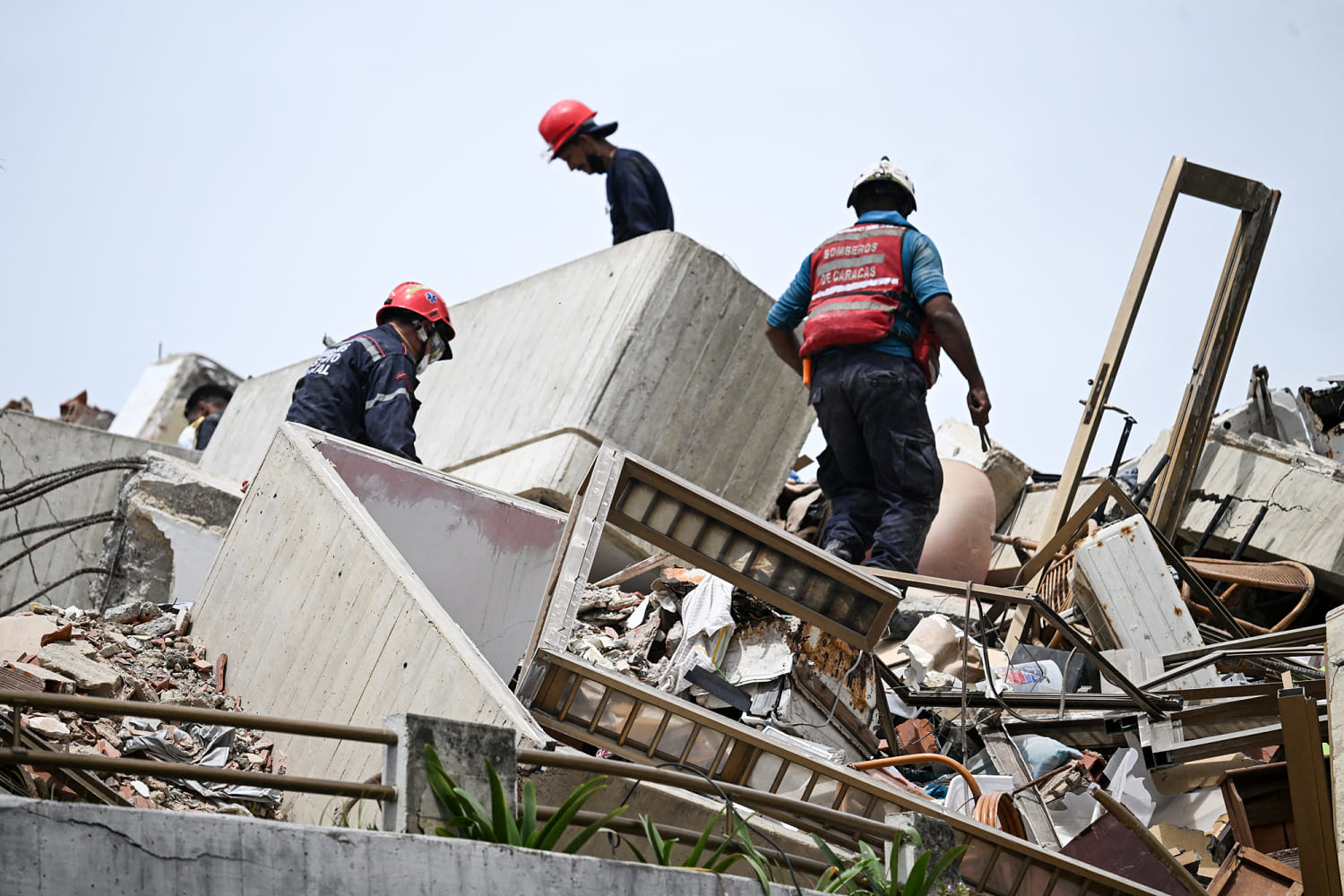
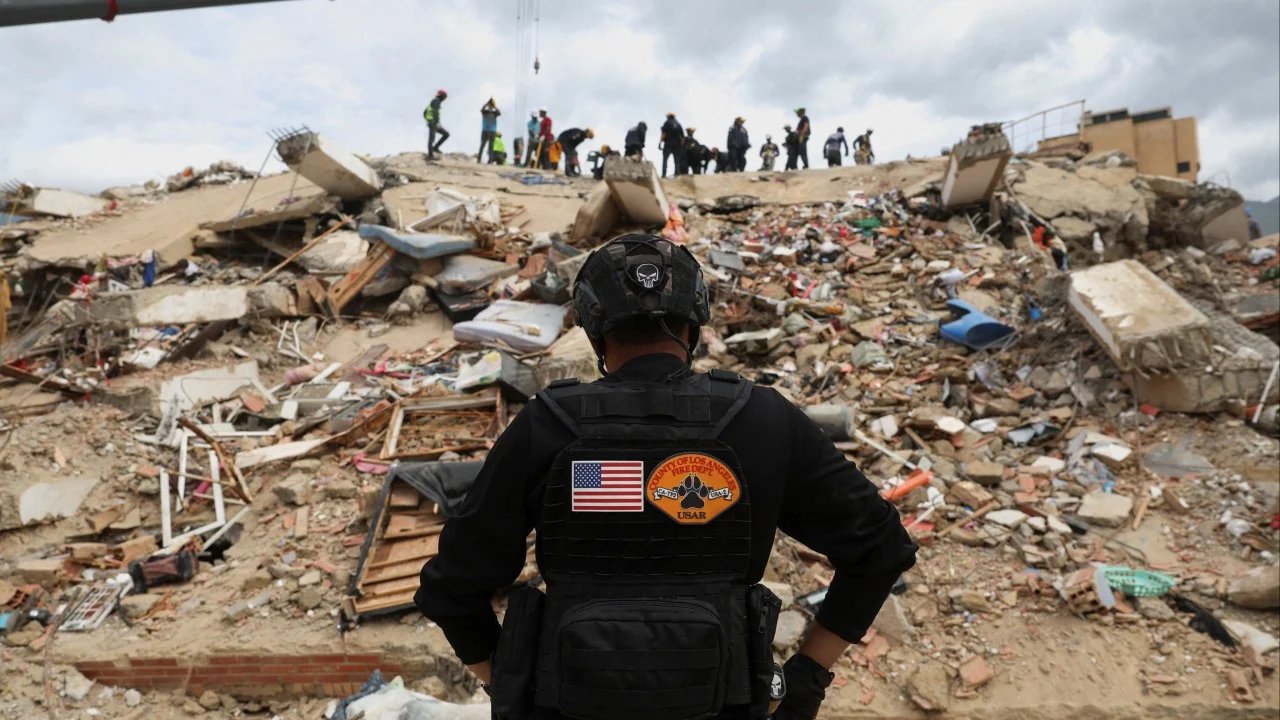
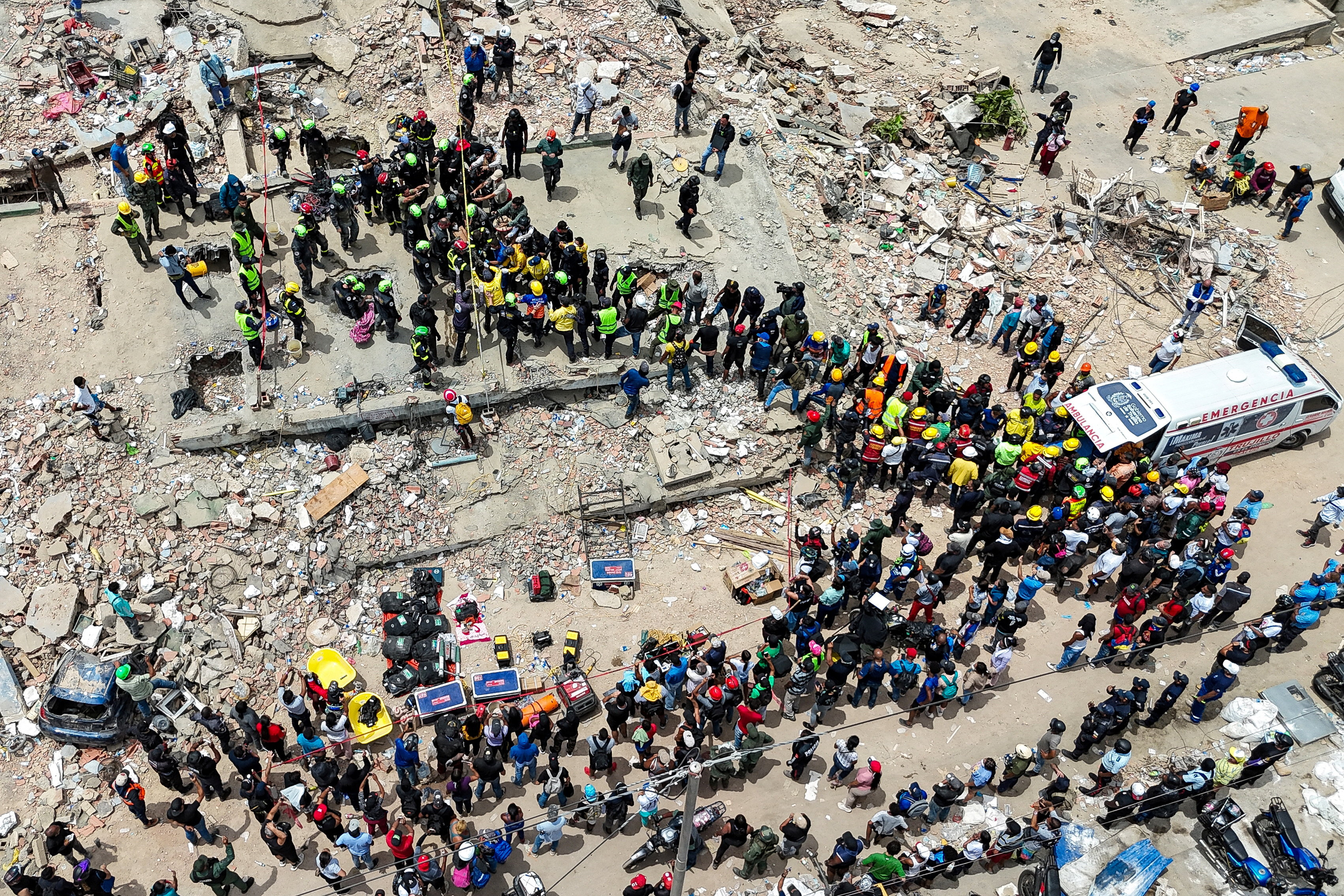
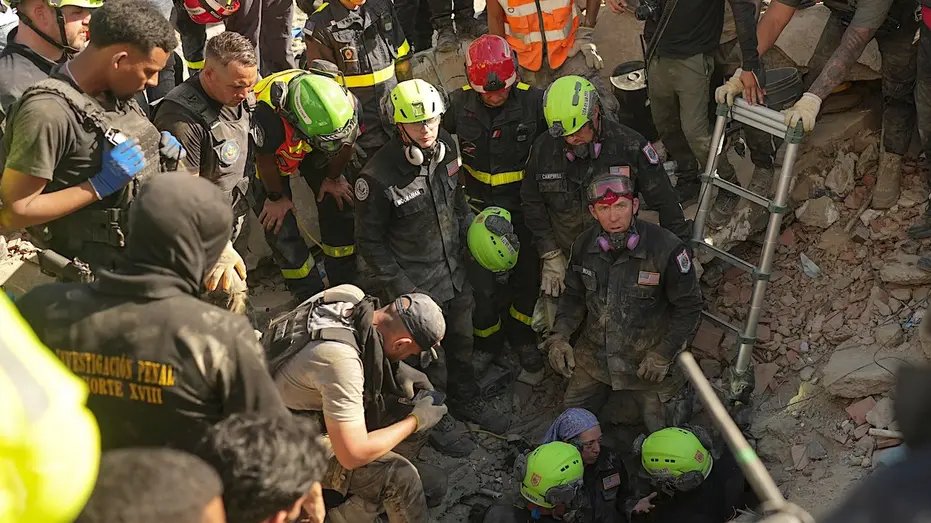
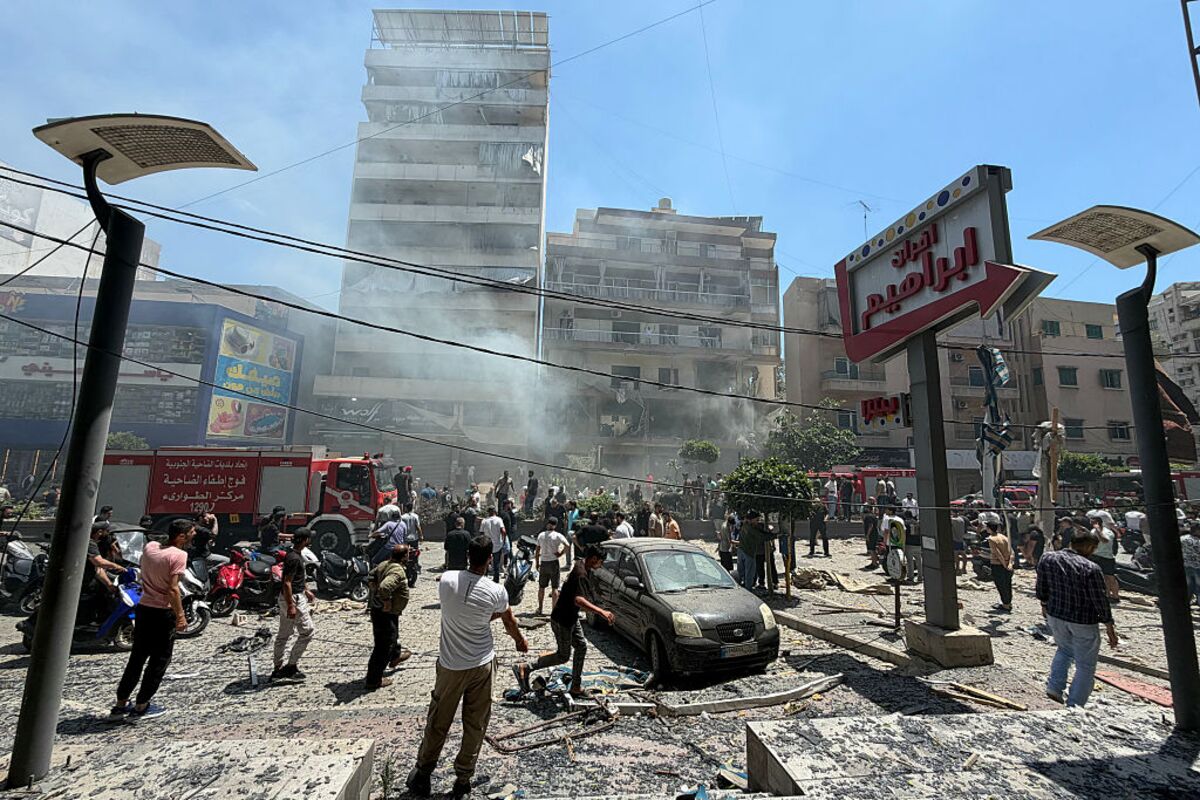
As explosions echoed throughout the city, several neighborhoods were evacuated. Eyewitnesses reported seeing residents rushing to metro stations for safety, carrying sleeping mats and personal belongings. Firefighters battled blazes at various locations, including a hotel and residential buildings, as emergency services worked to rescue those trapped in collapsed structures. The situation remains critical as authorities assess the full extent of the damage.
Implications for Regional Security
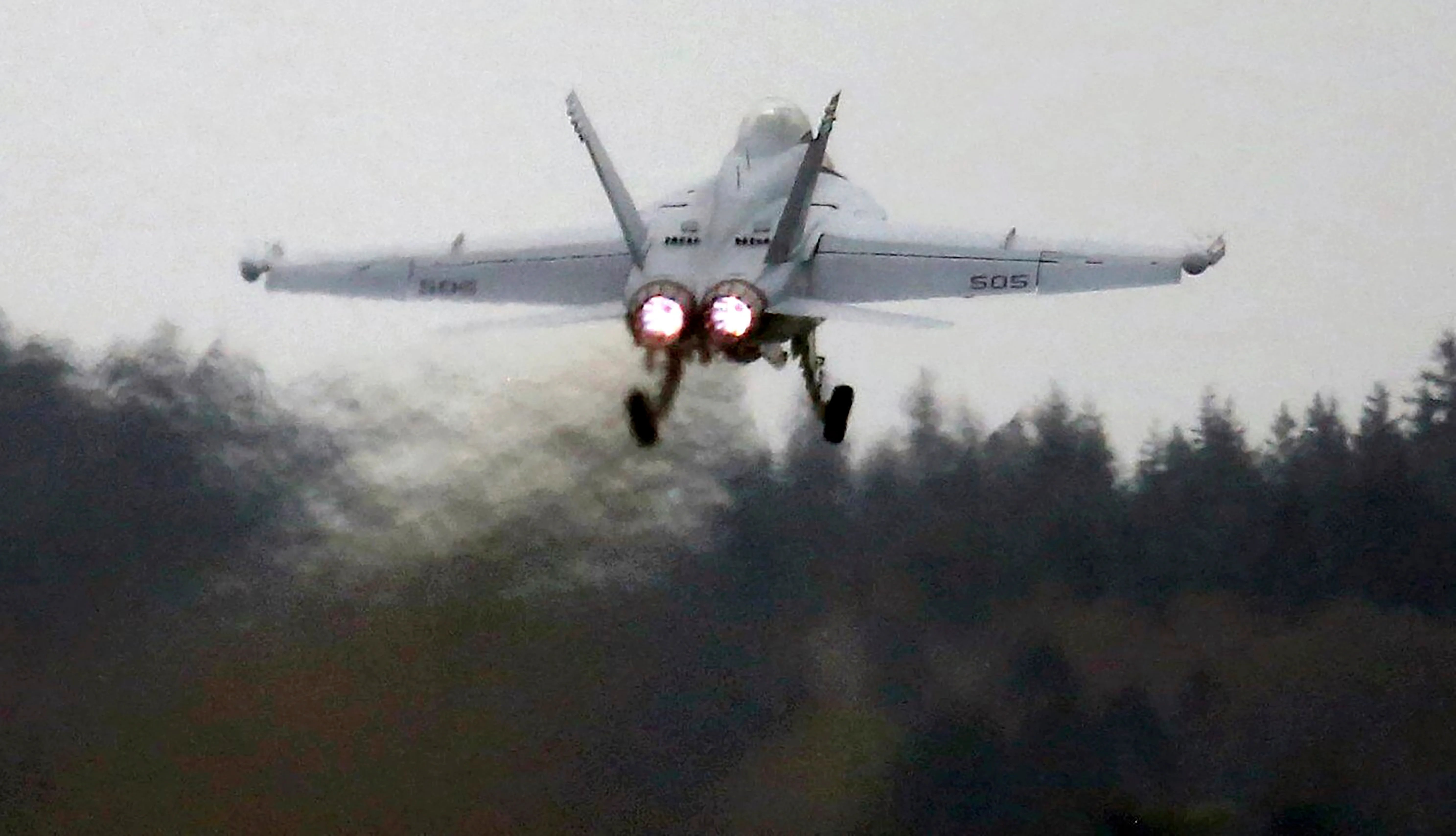
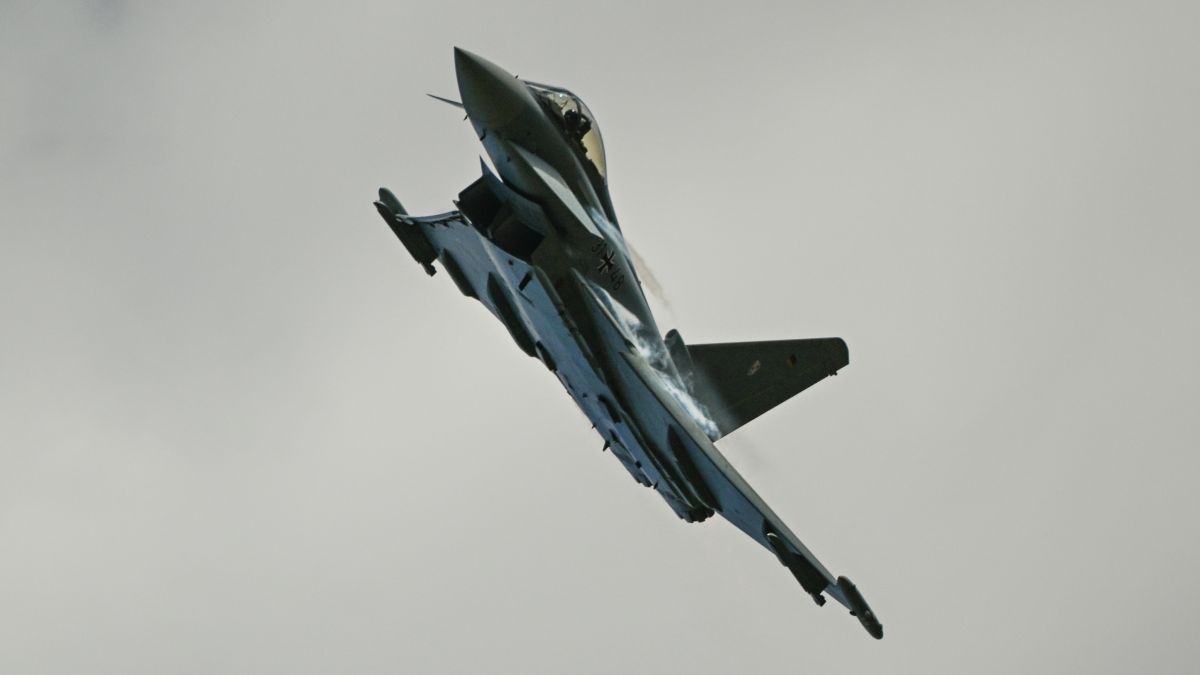
The strike on Kyiv has raised alarms not only in Ukraine but also among neighboring countries. Following the attacks, Poland briefly scrambled fighter jets in a precautionary measure, although they were later called back. The ongoing conflict continues to pose risks to regional security, as tensions between Ukraine and Russia show no signs of abating.
The recent strikes on Kyiv underscore the urgent need for international support and a reevaluation of military strategies as Ukraine faces relentless aggression from Russia. As the conflict deepens, the human cost and the destruction of civilian infrastructure remain a stark reminder of the war's impact on everyday life for Ukrainians.














































































































































































































































































































































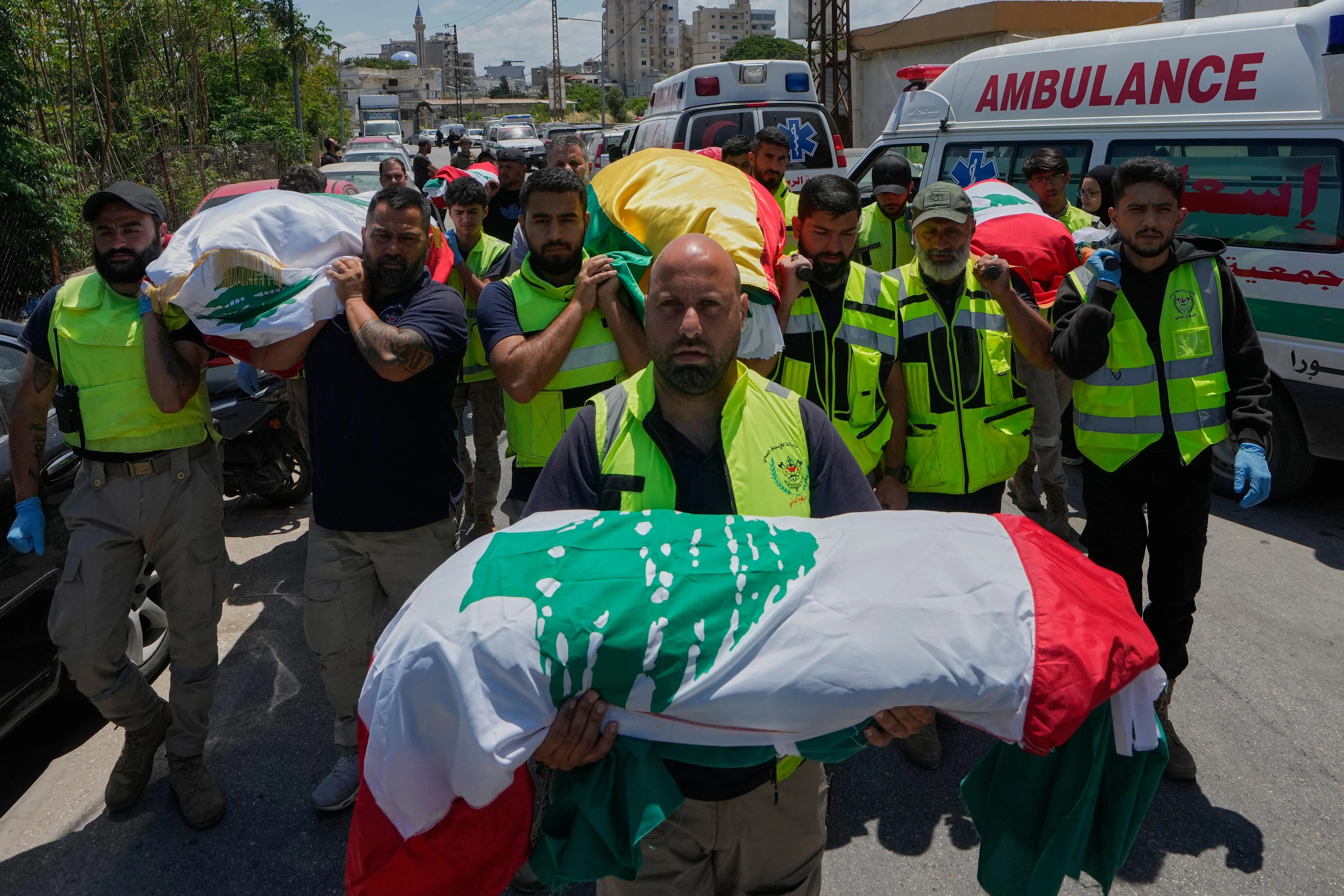

























The sources also report that the death toll in Kyiv was confirmed at 11 people, with 54 injuries, including two children, according to Interior Minister Ihor Klymenko and Tymur Tkachenko.