




Ruling Against Privacy Violations
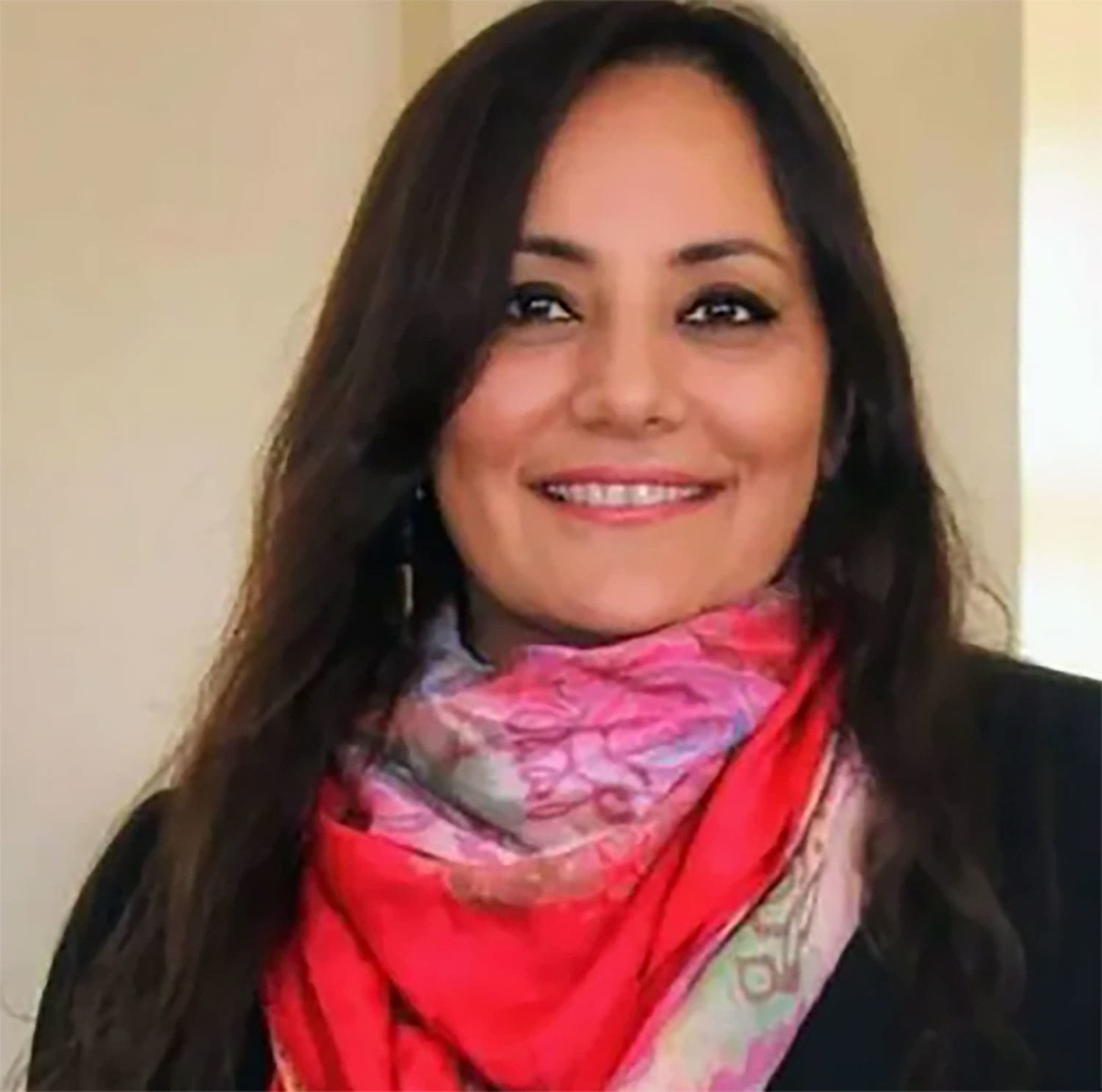
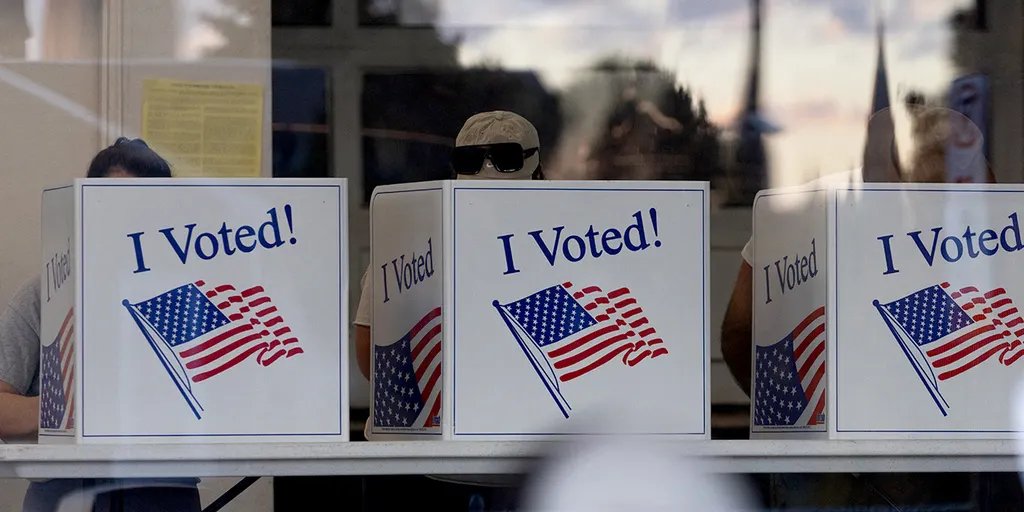
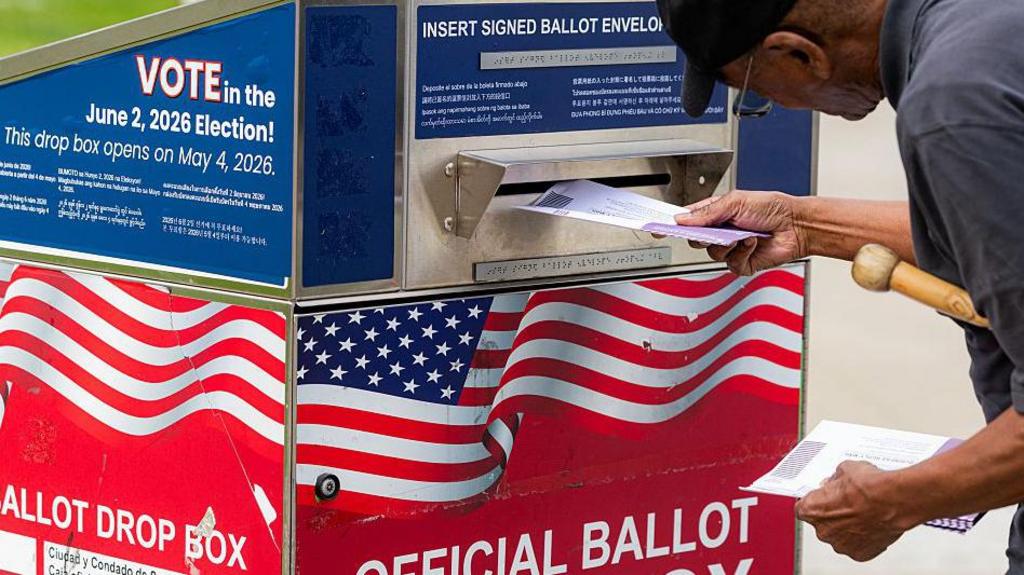
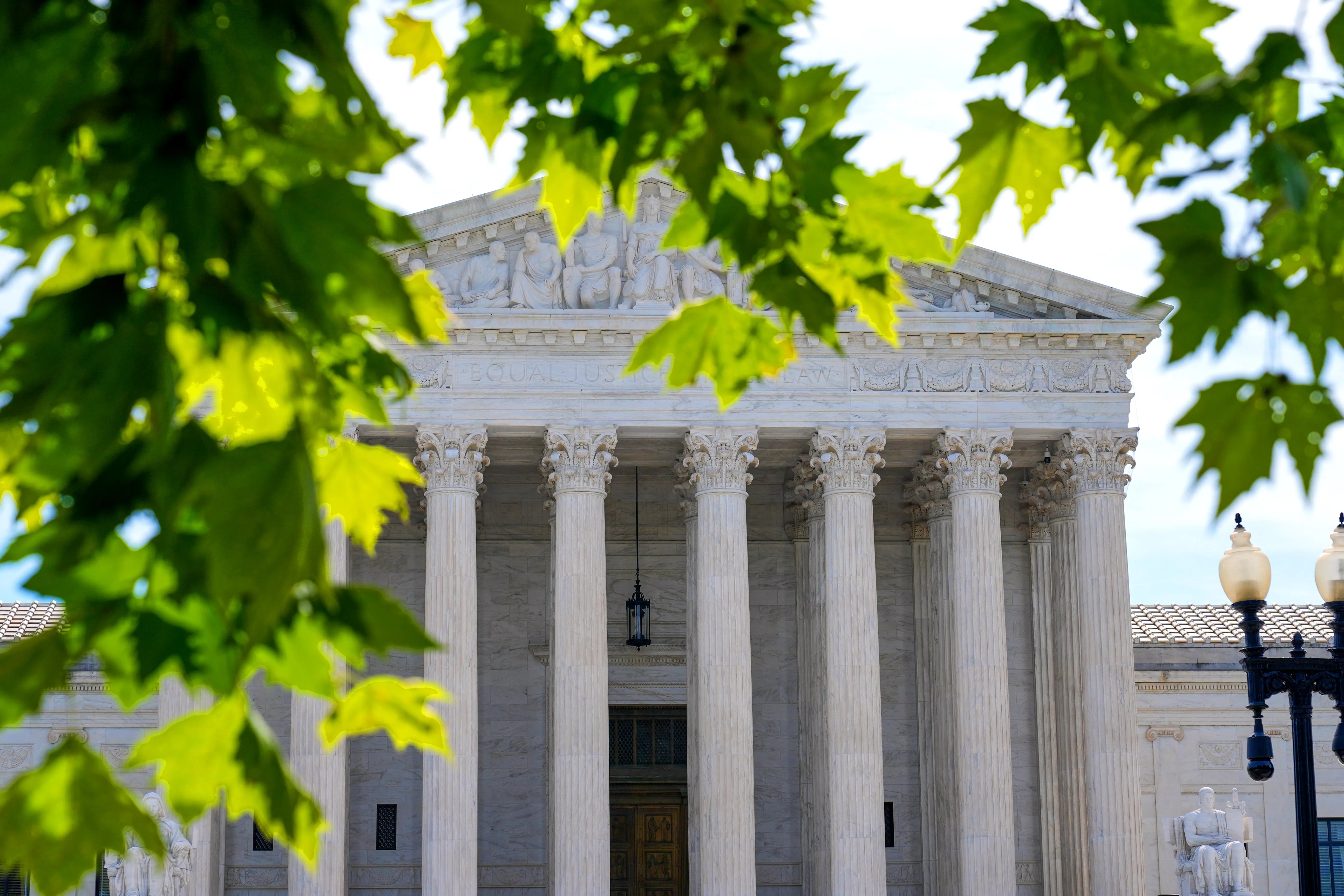
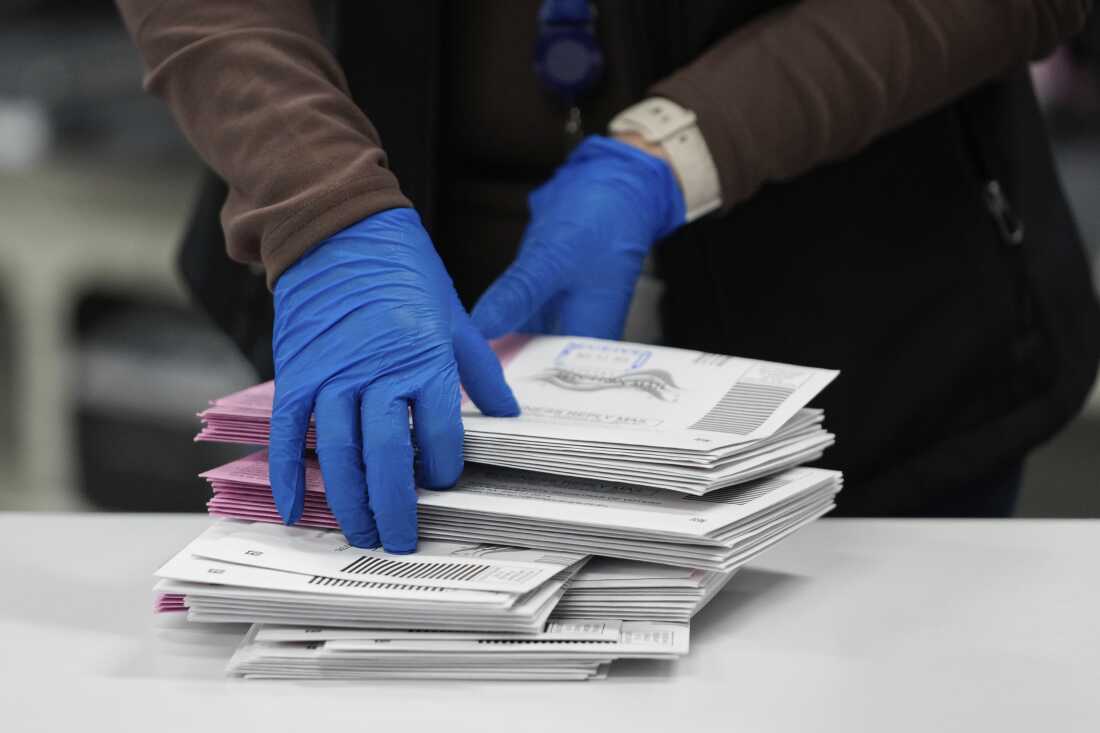
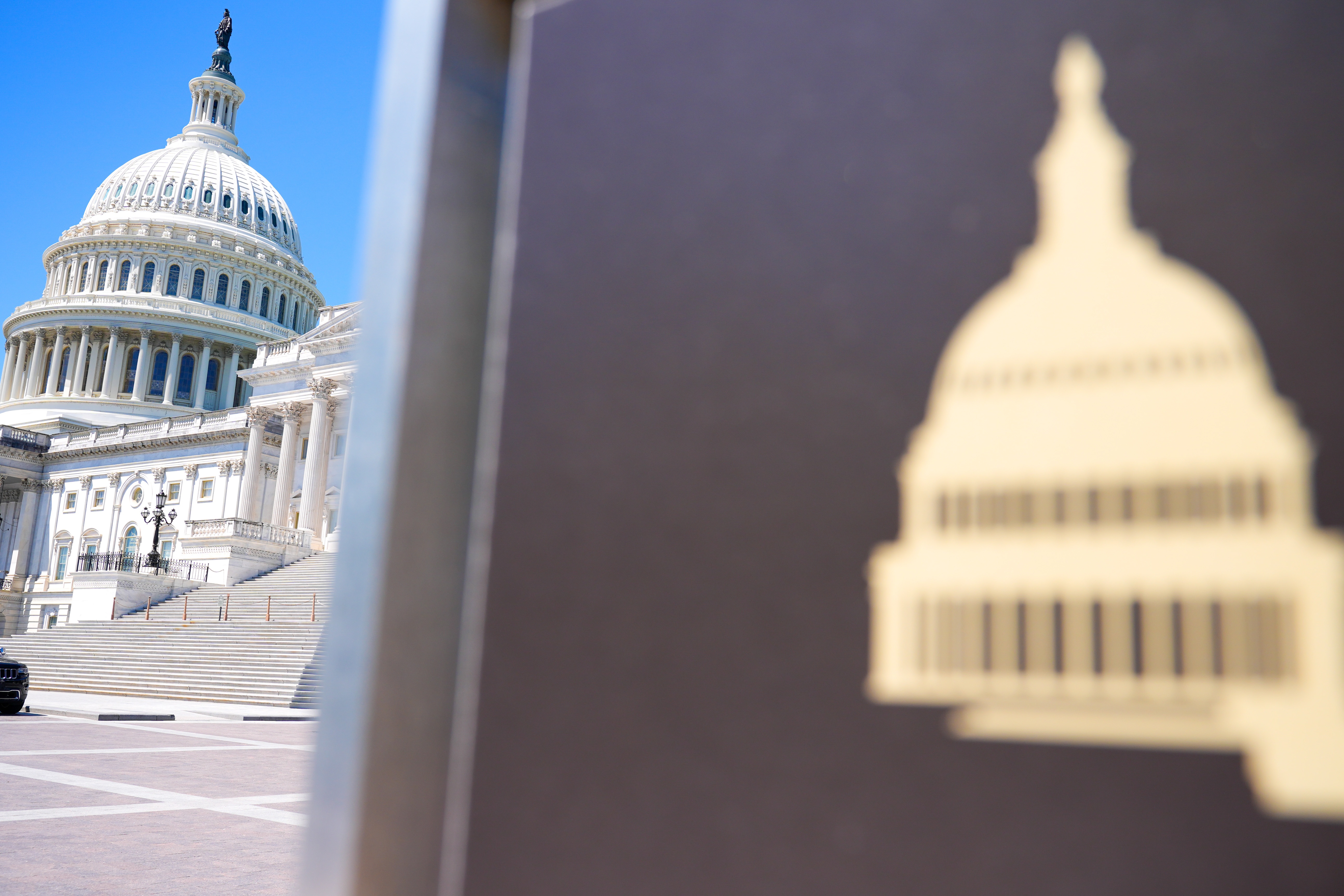
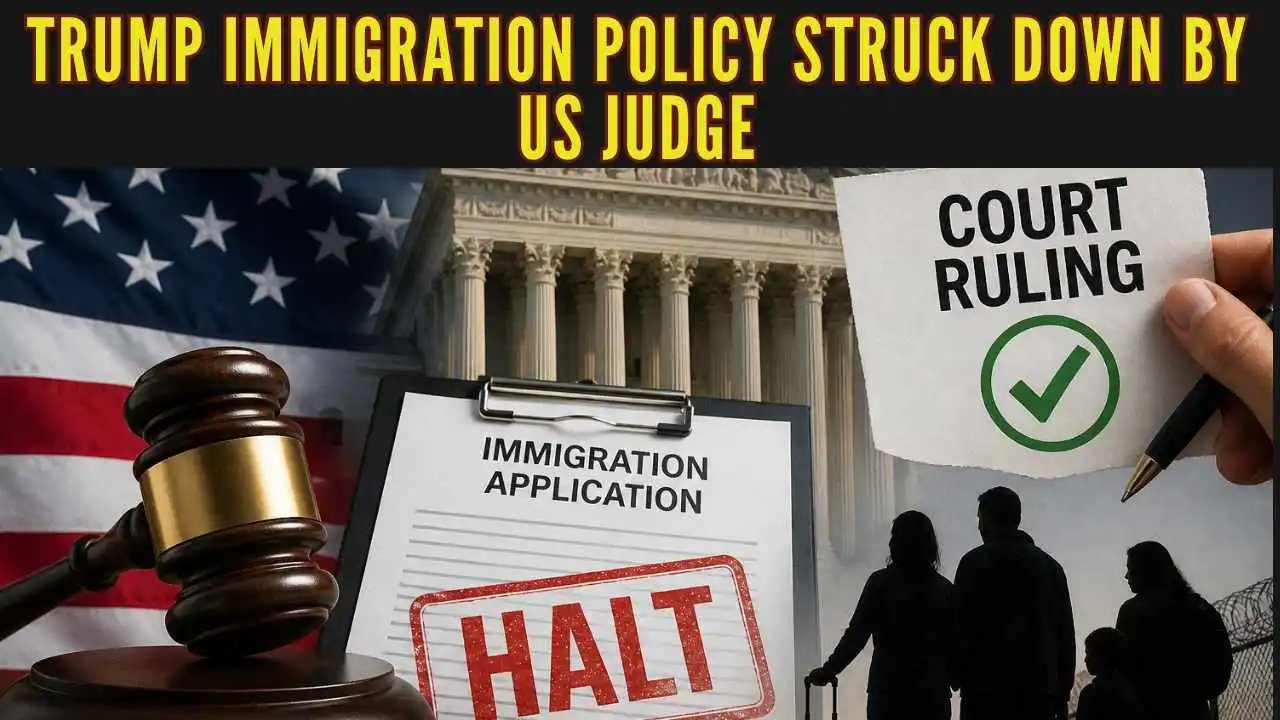
A federal judge has blocked the Trump administration's voter-screening database, ruling that it unlawfully consolidated private information of millions of Americans. U.S. District Judge Sparkle Sooknanan stated that the government's approach "trampled on the privacy rights" of citizens and threatened the fundamental right to vote. The database aimed to purge non-citizens from voter rolls but was deemed a violation of the Social Security Act, the Privacy Act, and the Administrative Procedure Act. The plaintiffs, including the League of Women Voters, argued that the administration's actions represented illegal voter surveillance.
Flaws in the Database
Judge Sooknanan criticized the administration for its "haphazard" combination and repurposing of sensitive data, including citizenship information, which was often unreliable. The judge noted that states had begun using the flawed database to remove U.S. citizens from their voter rolls based on inaccurate information. She stated, "The federal government has knowingly trampled on the privacy rights of American citizens in a manner that threatens the sacred right to vote." The judge's order highlighted the urgent need to protect voter rights from government overreach.
Legal and Political Context
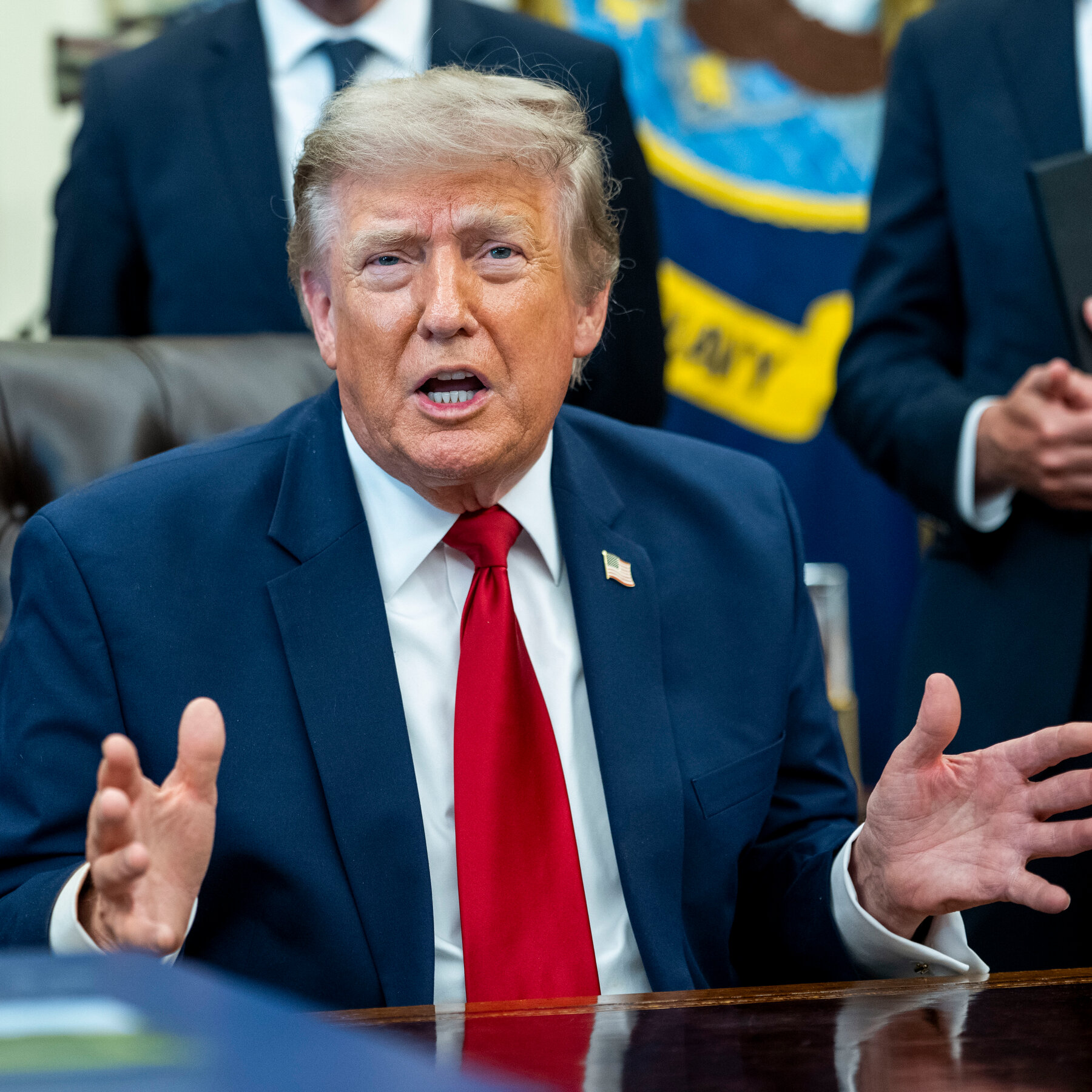
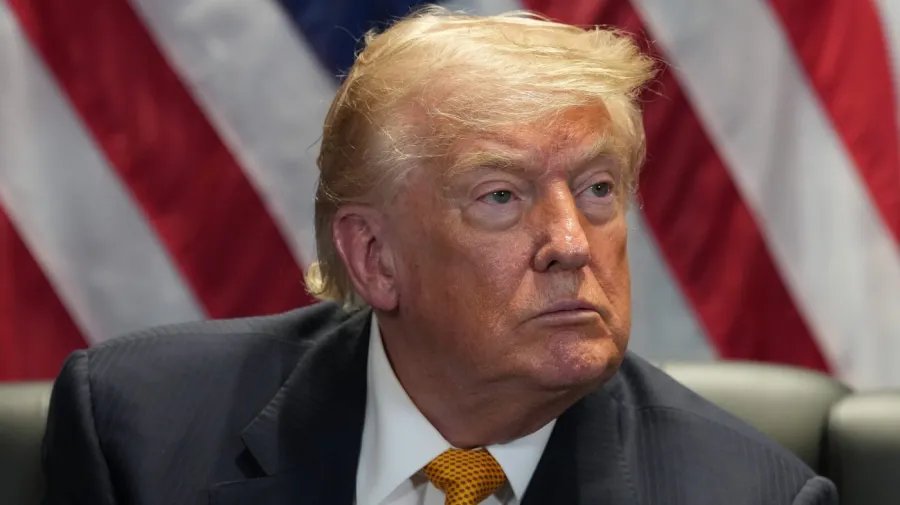
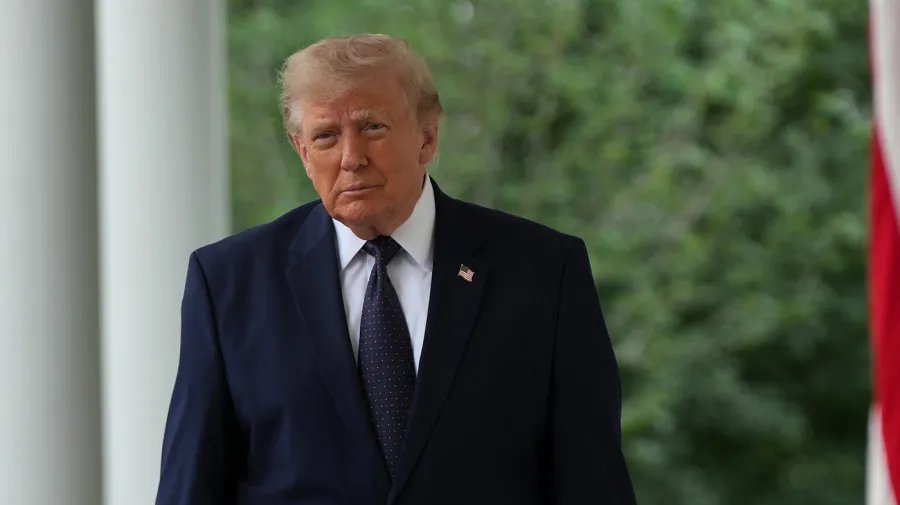
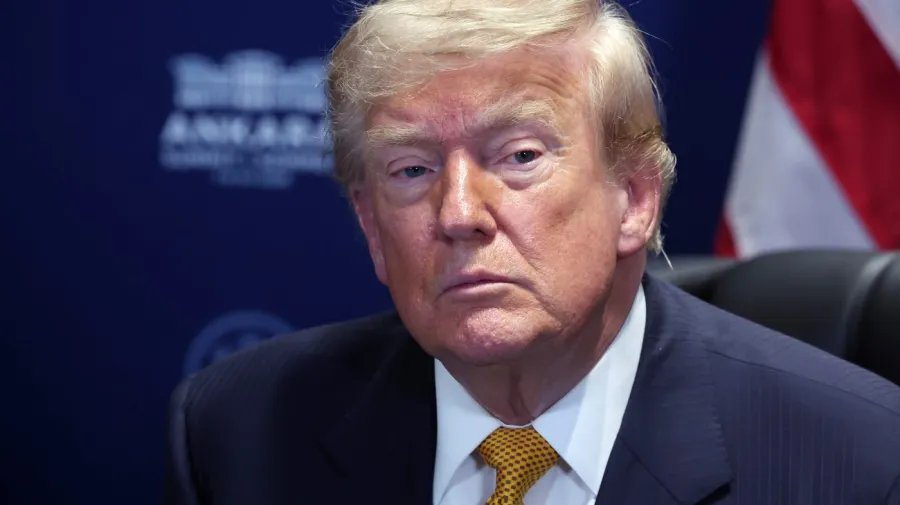
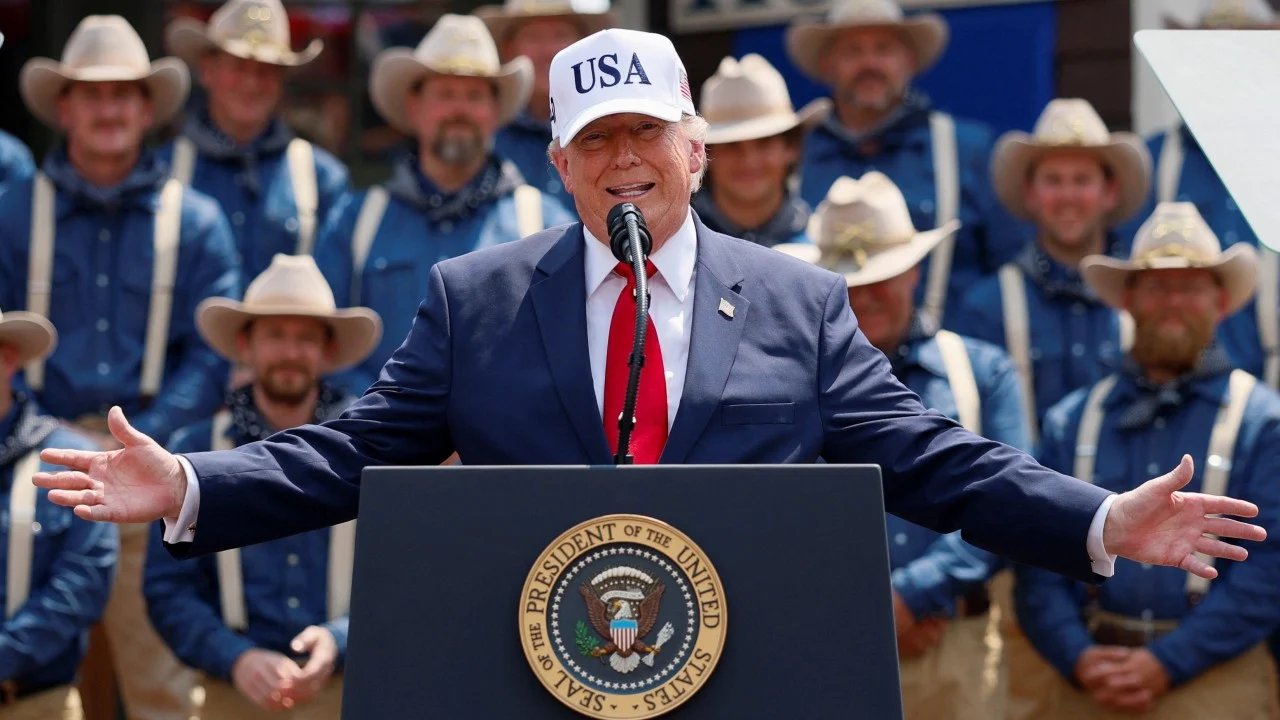
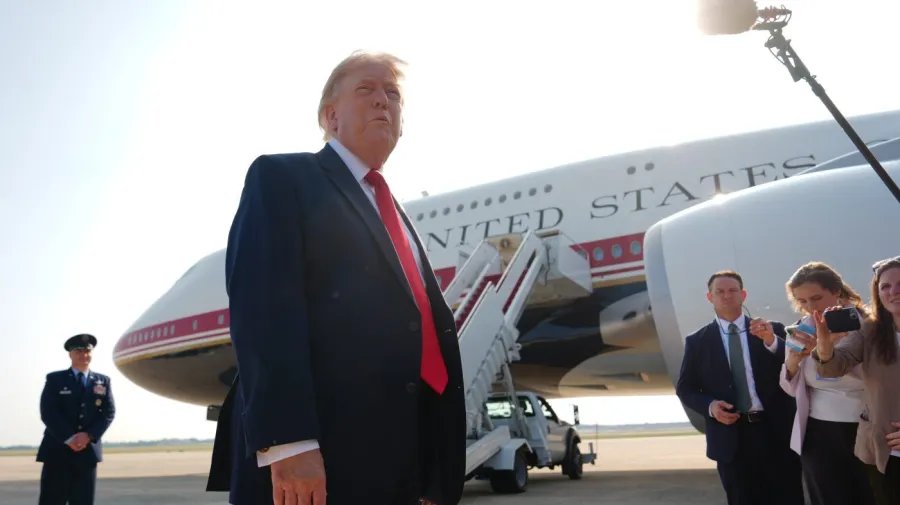
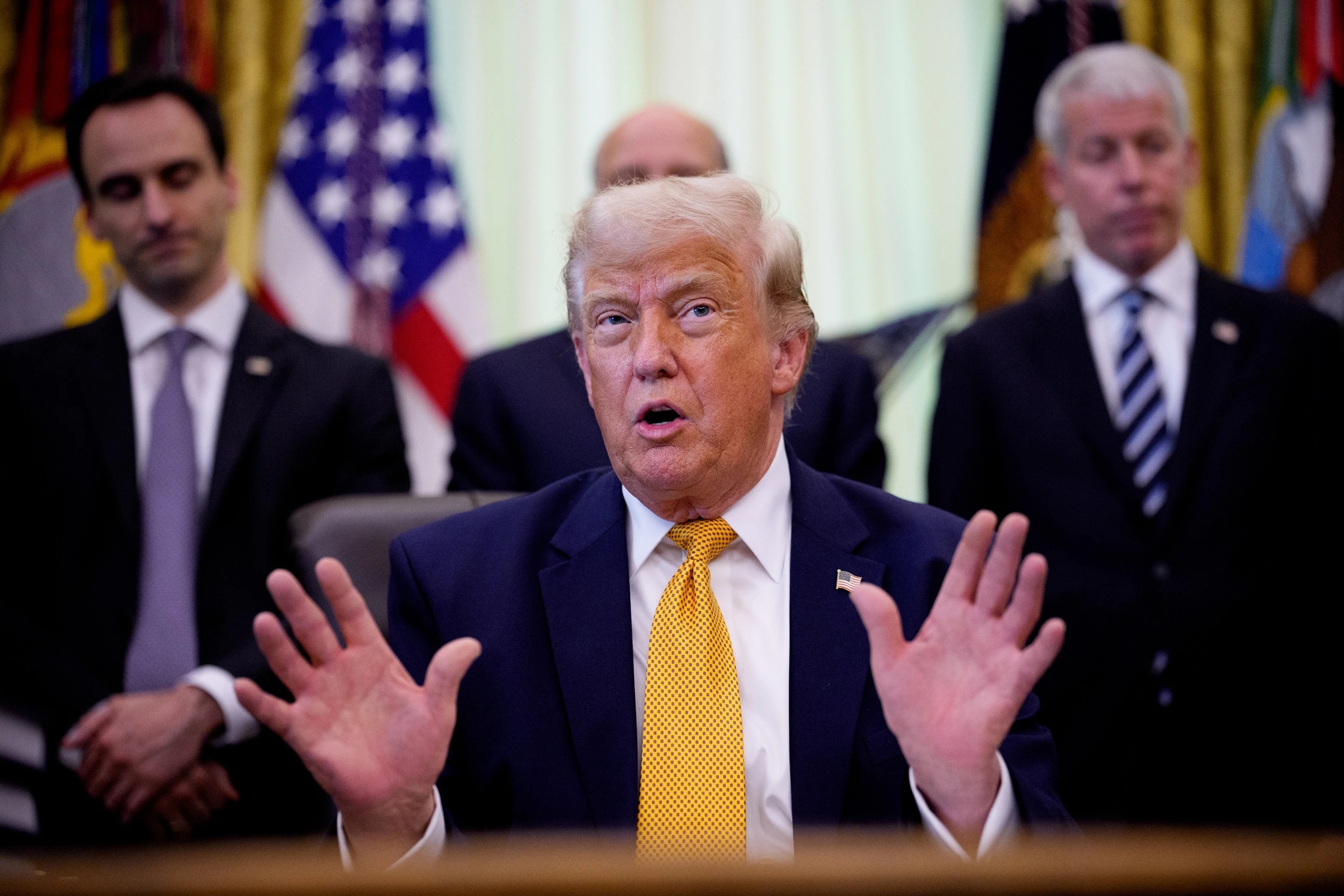
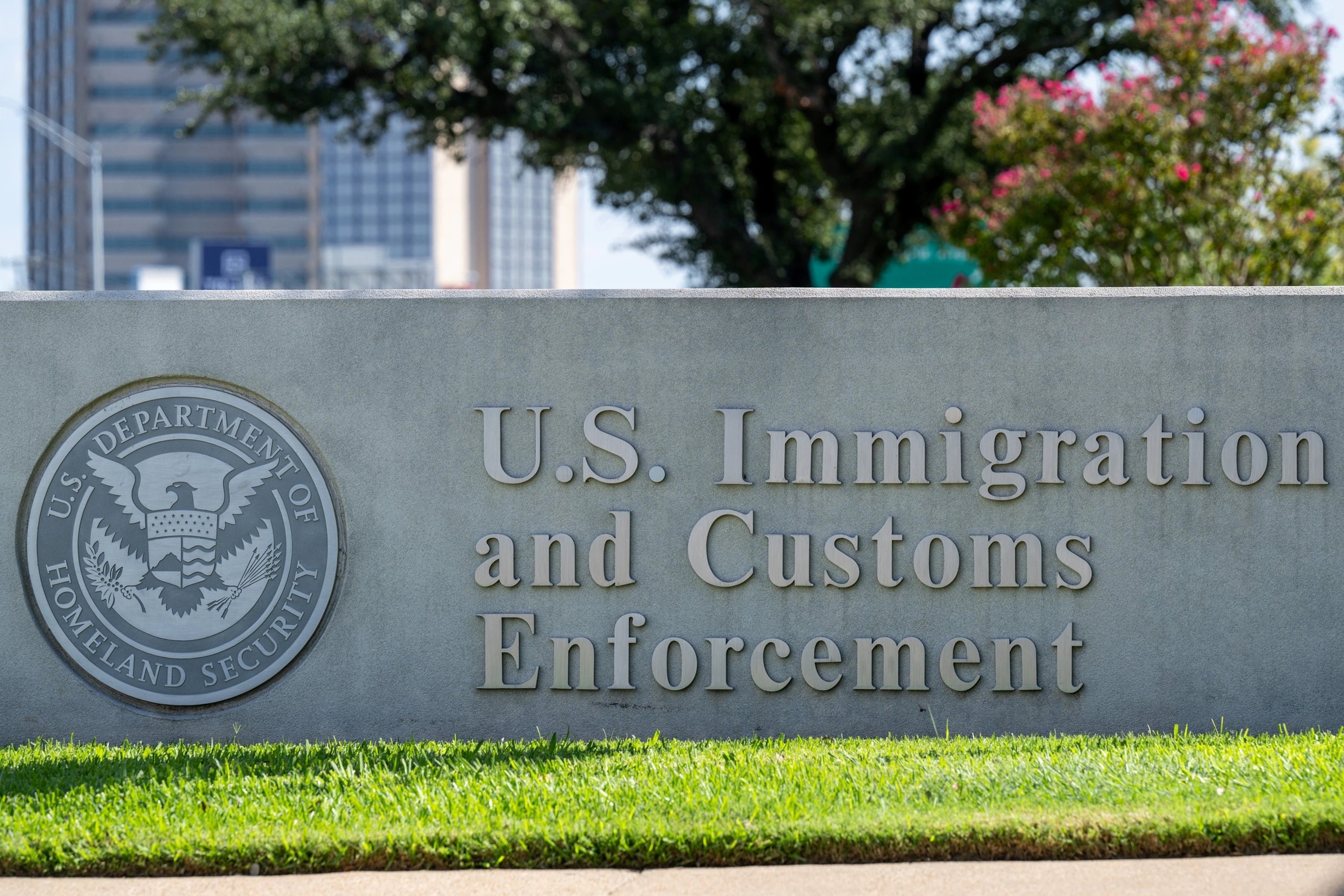
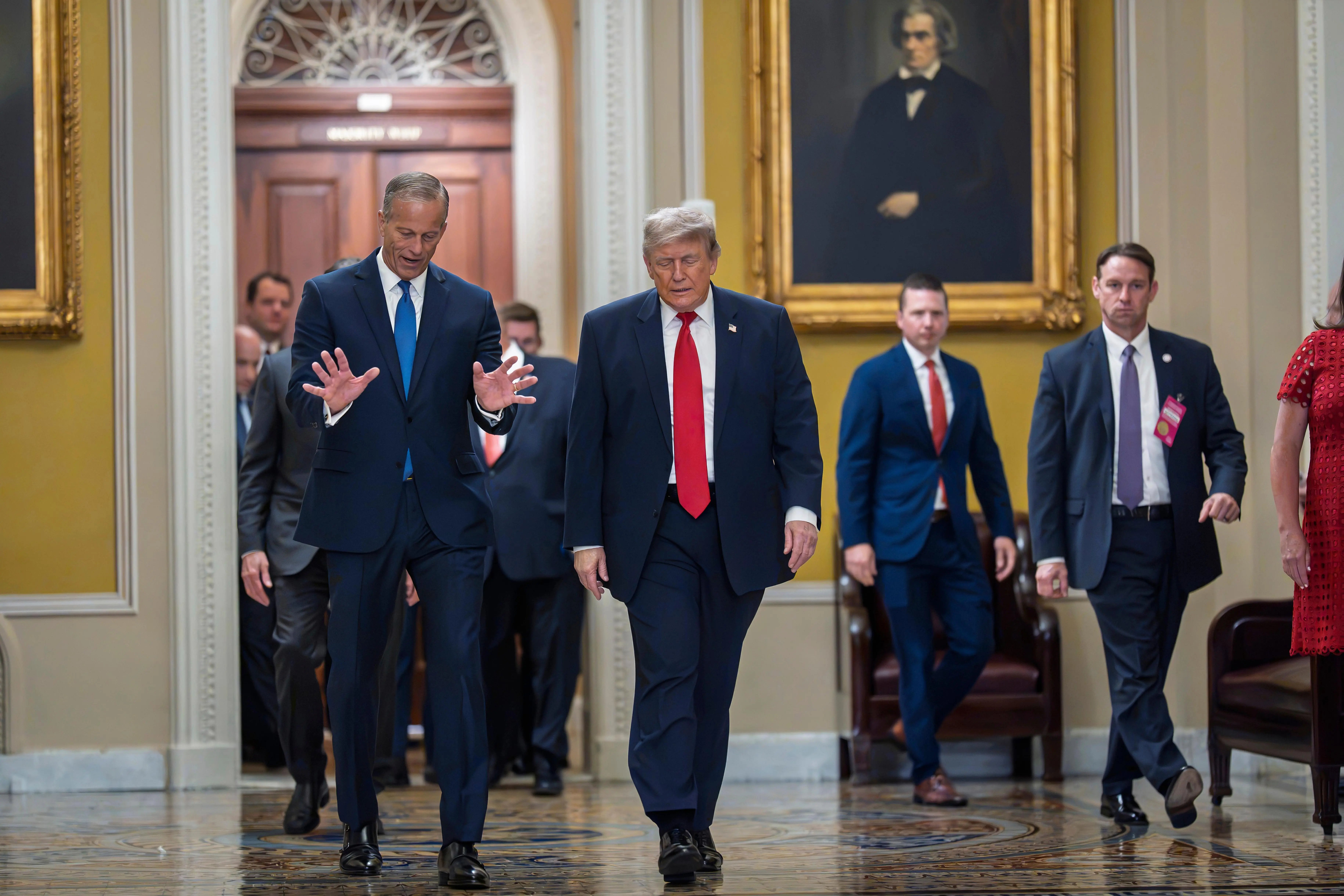
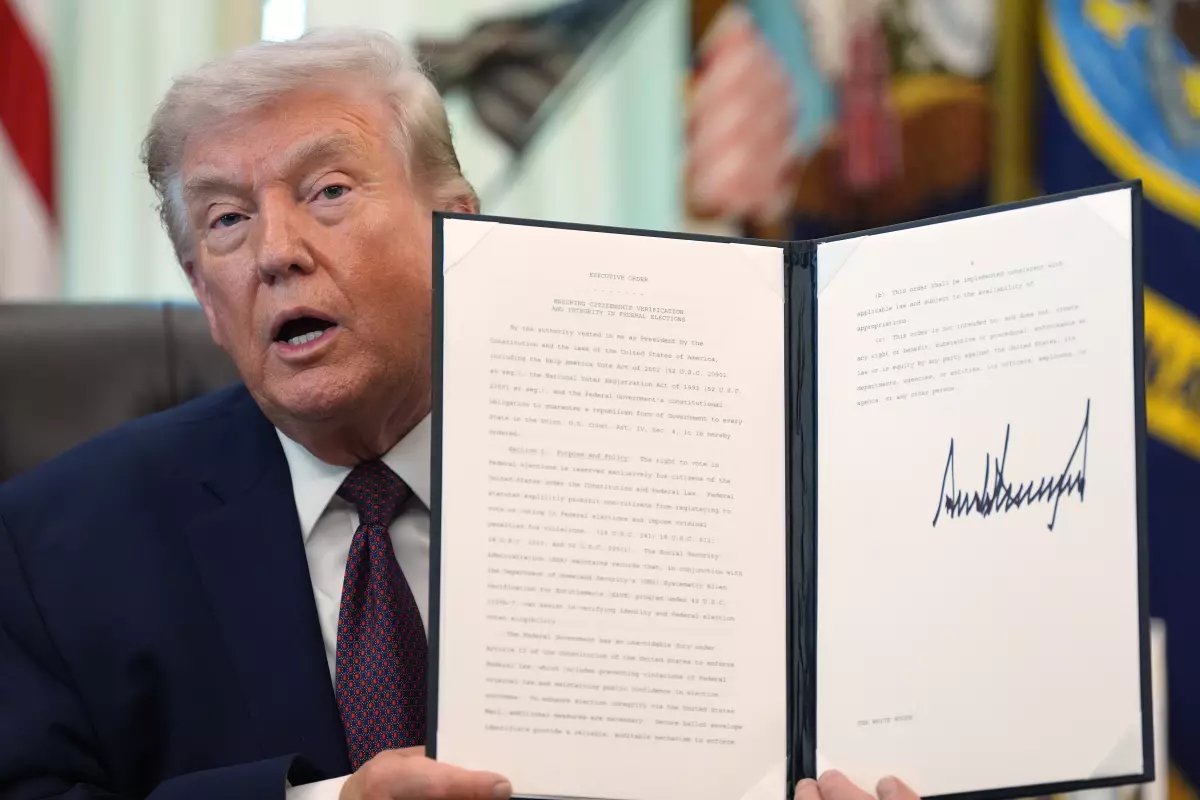
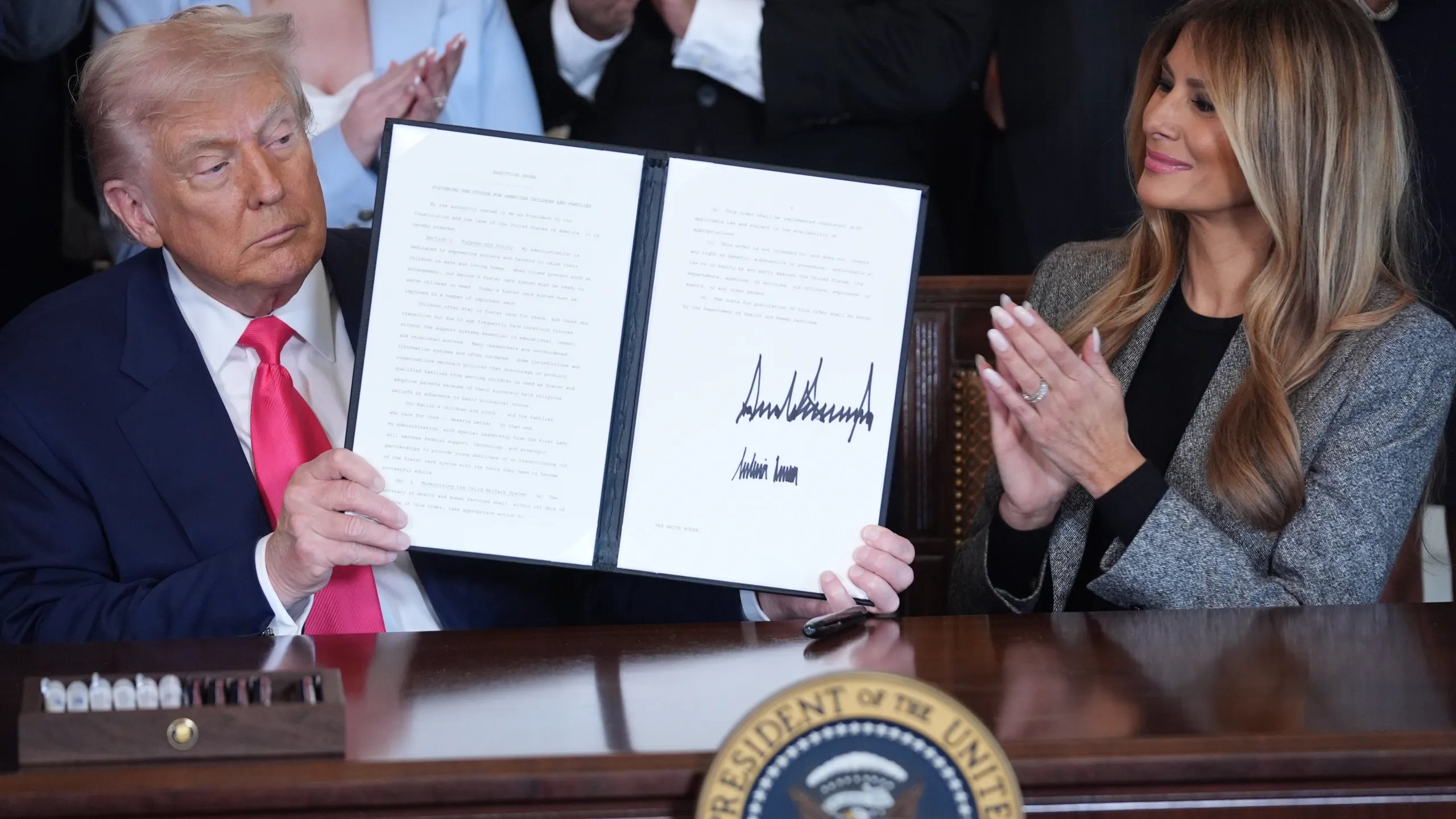
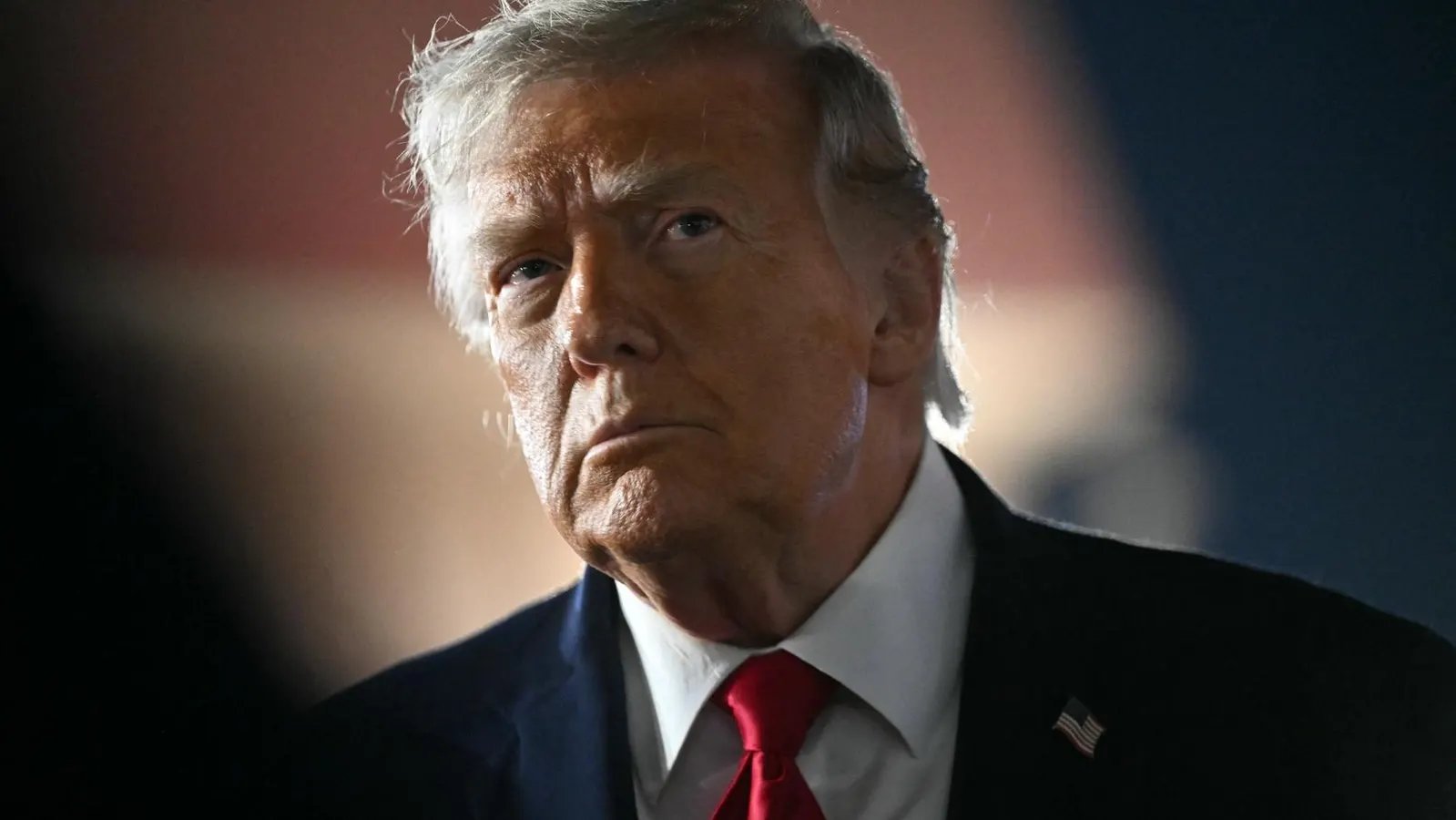
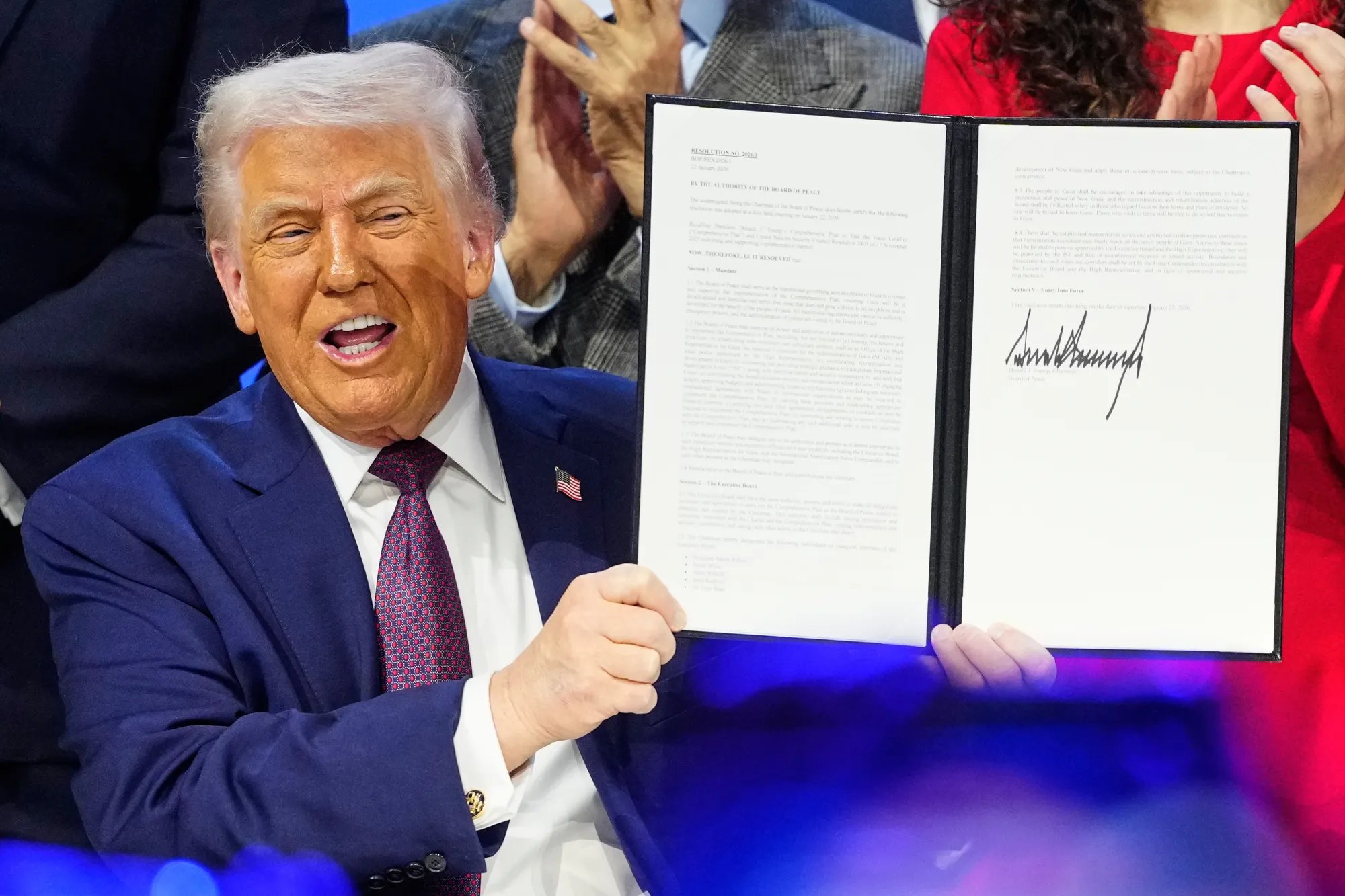
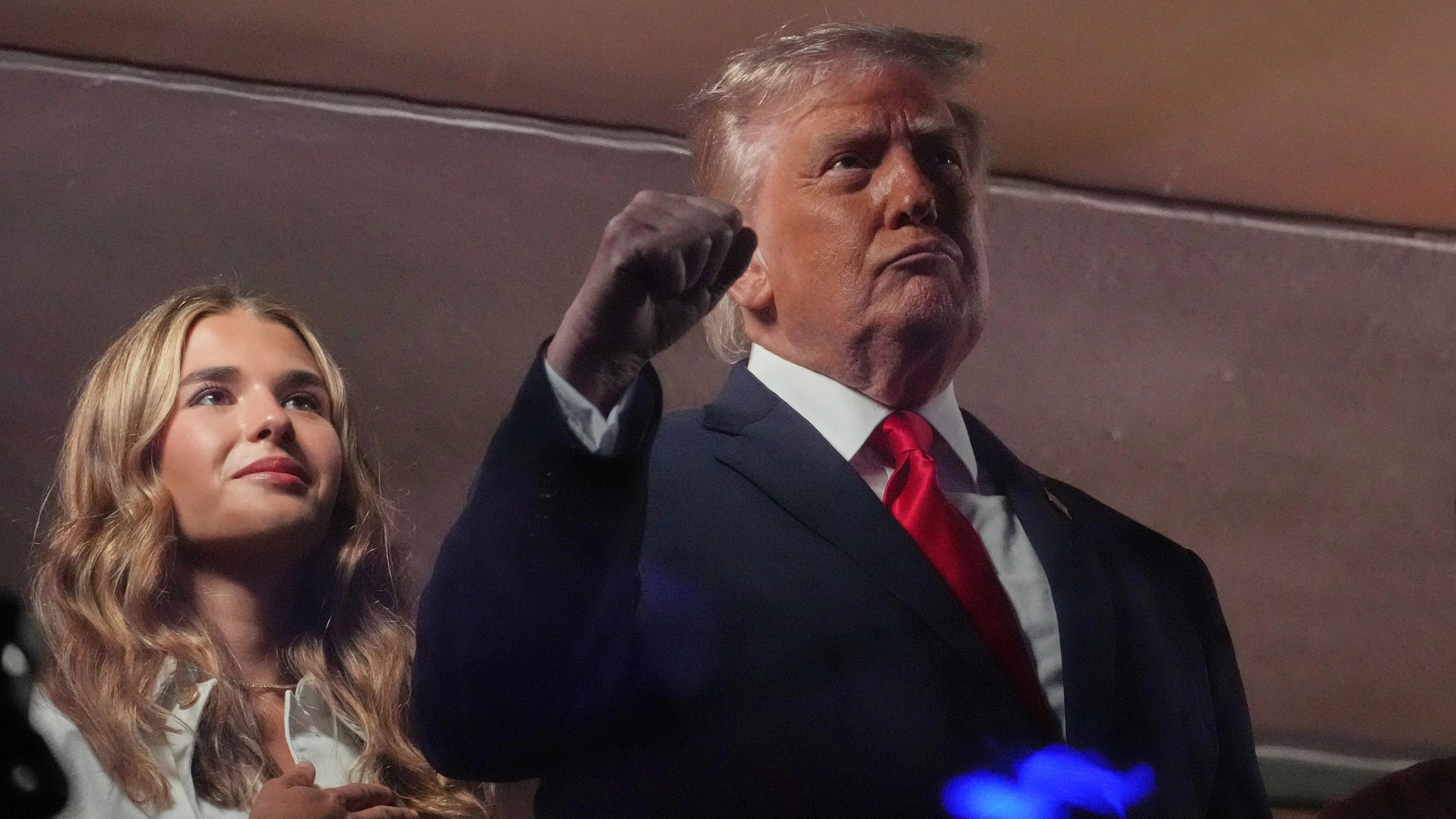
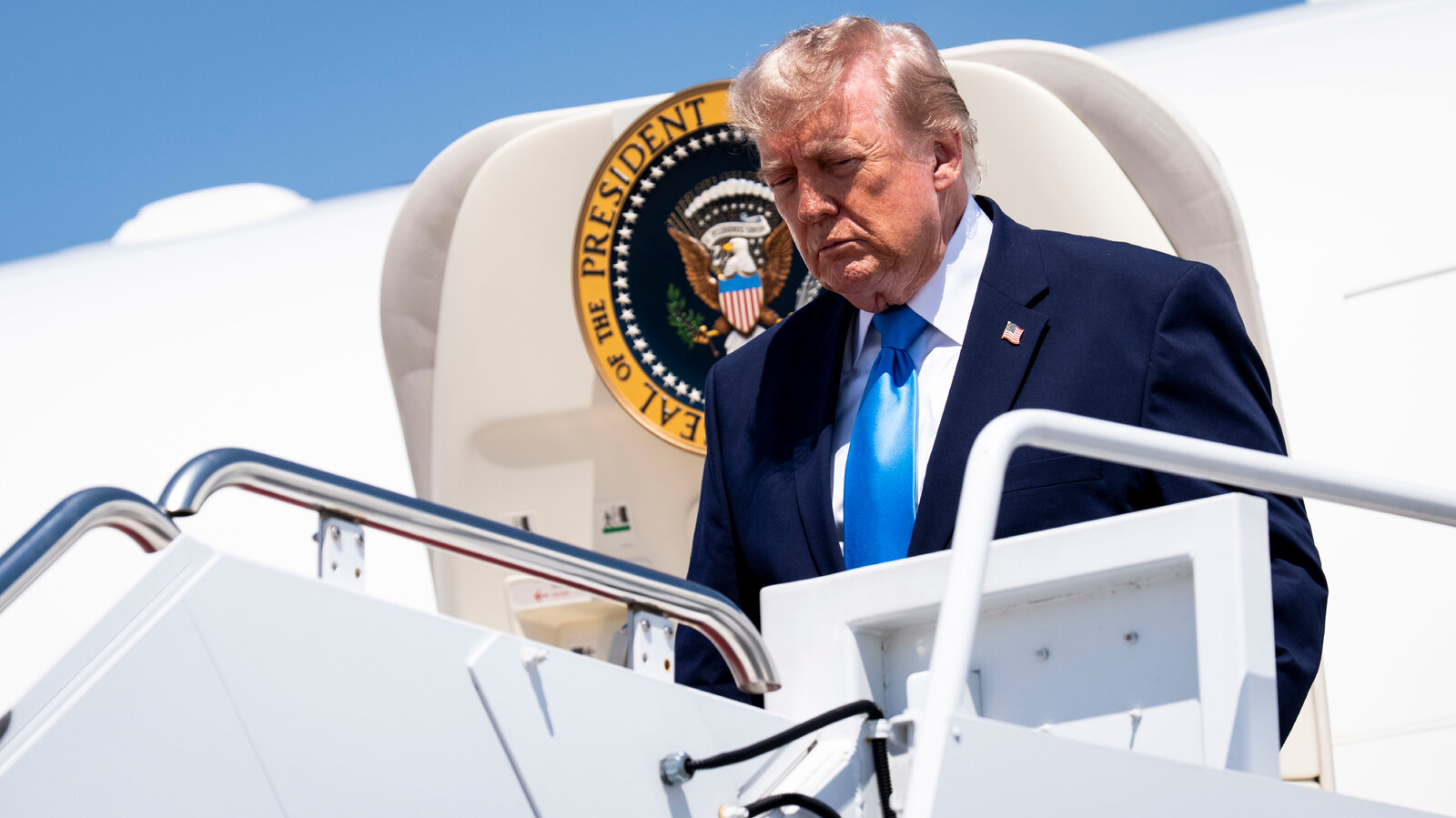
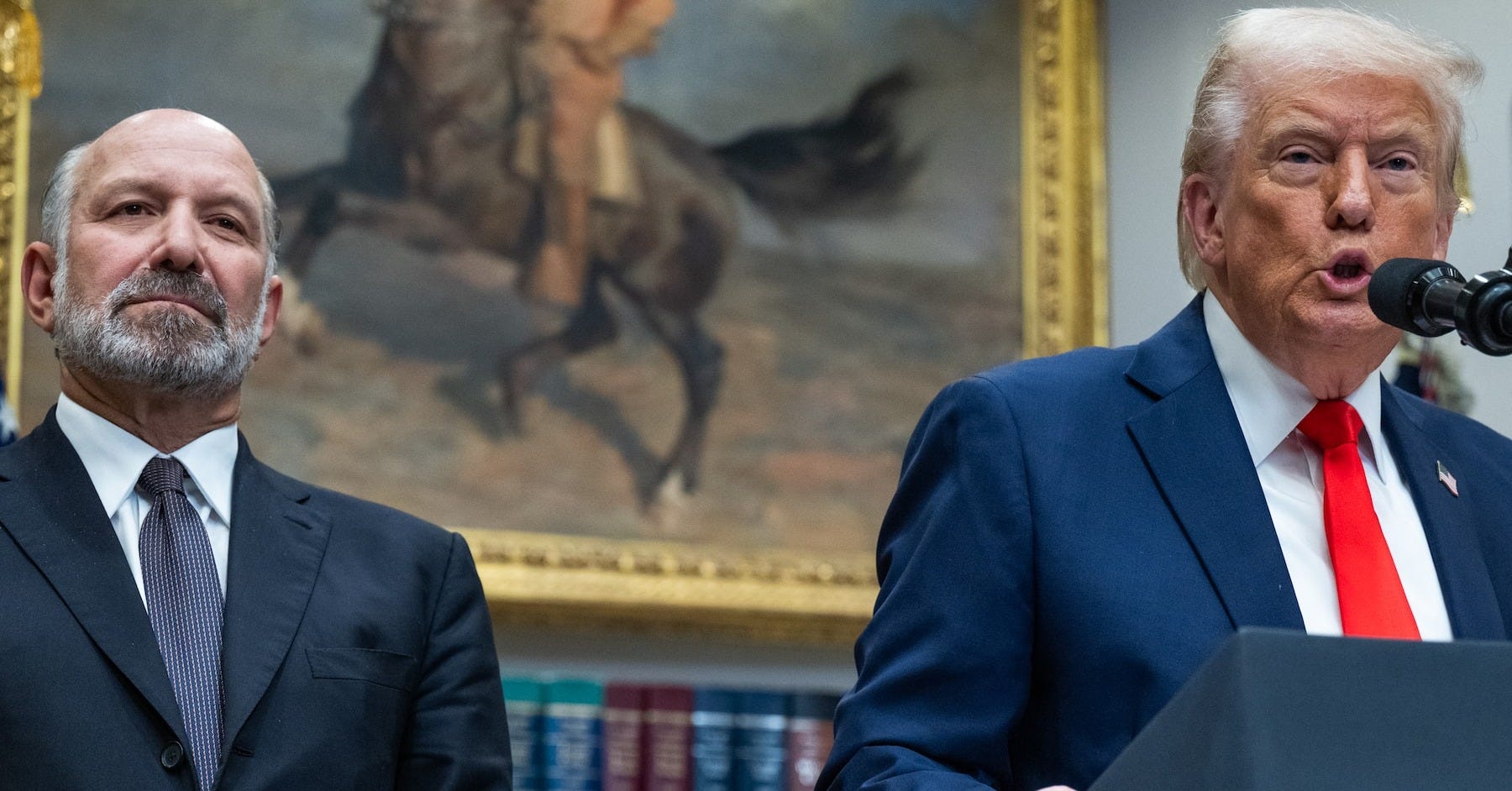
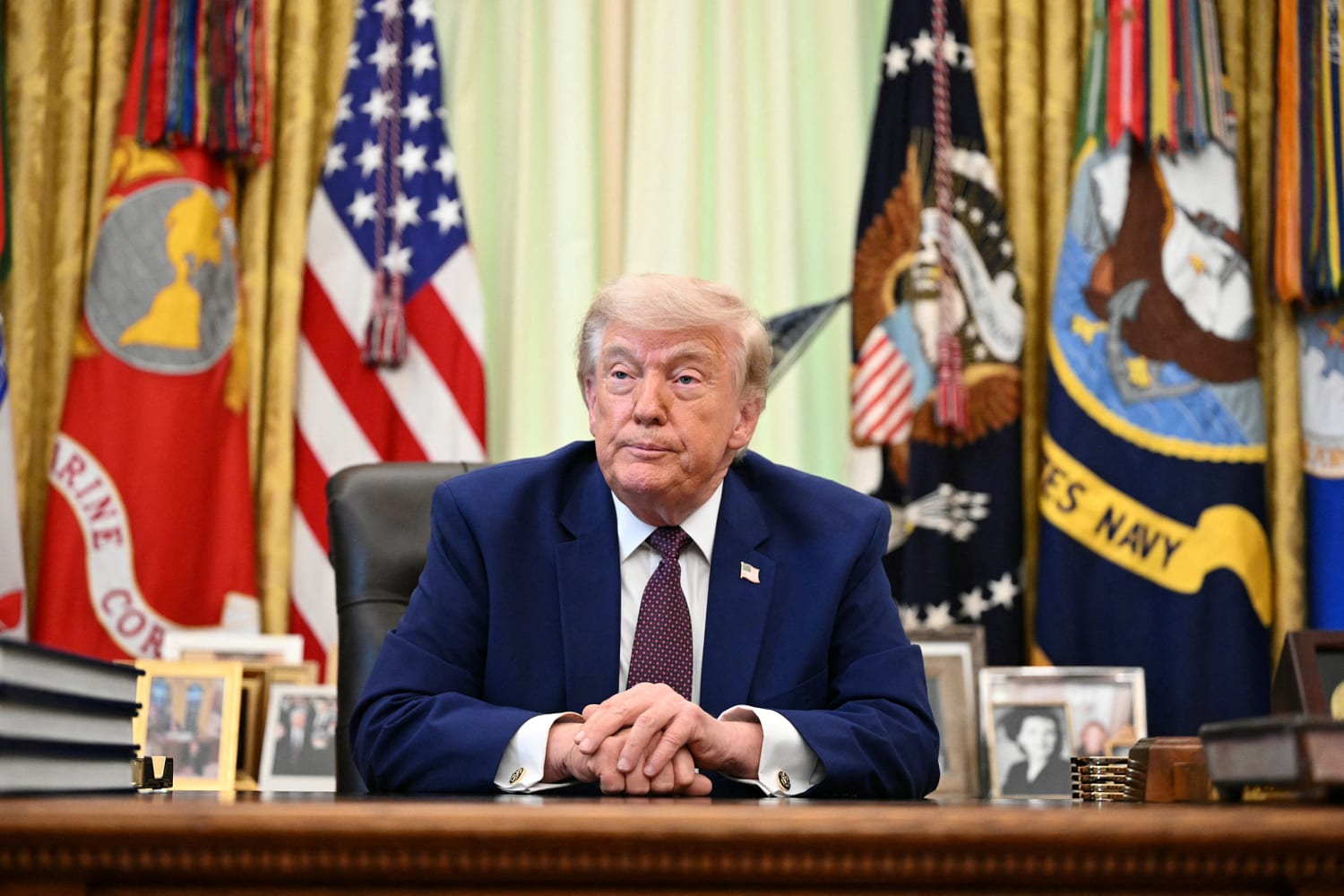
The database was created in response to an executive order from President Trump that sought to impose stricter proof-of-citizenship requirements for voter registration. The order directed the Department of Homeland Security and the Social Security Administration to develop a centralized database, which would allow for bulk searches of citizens' records. The plaintiffs in the case argued that the modifications led to the unlawful consolidation of Americans' sensitive information, violating privacy laws intended to safeguard personal data.
Administration's Response
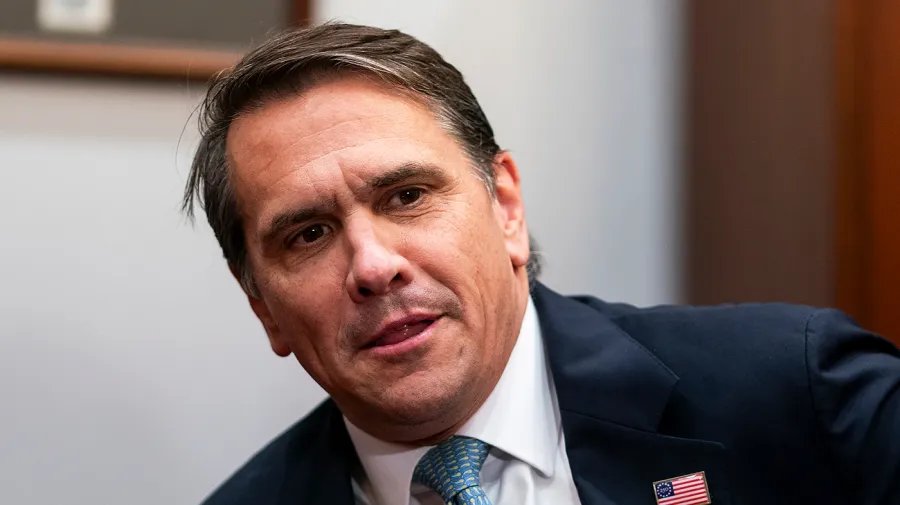
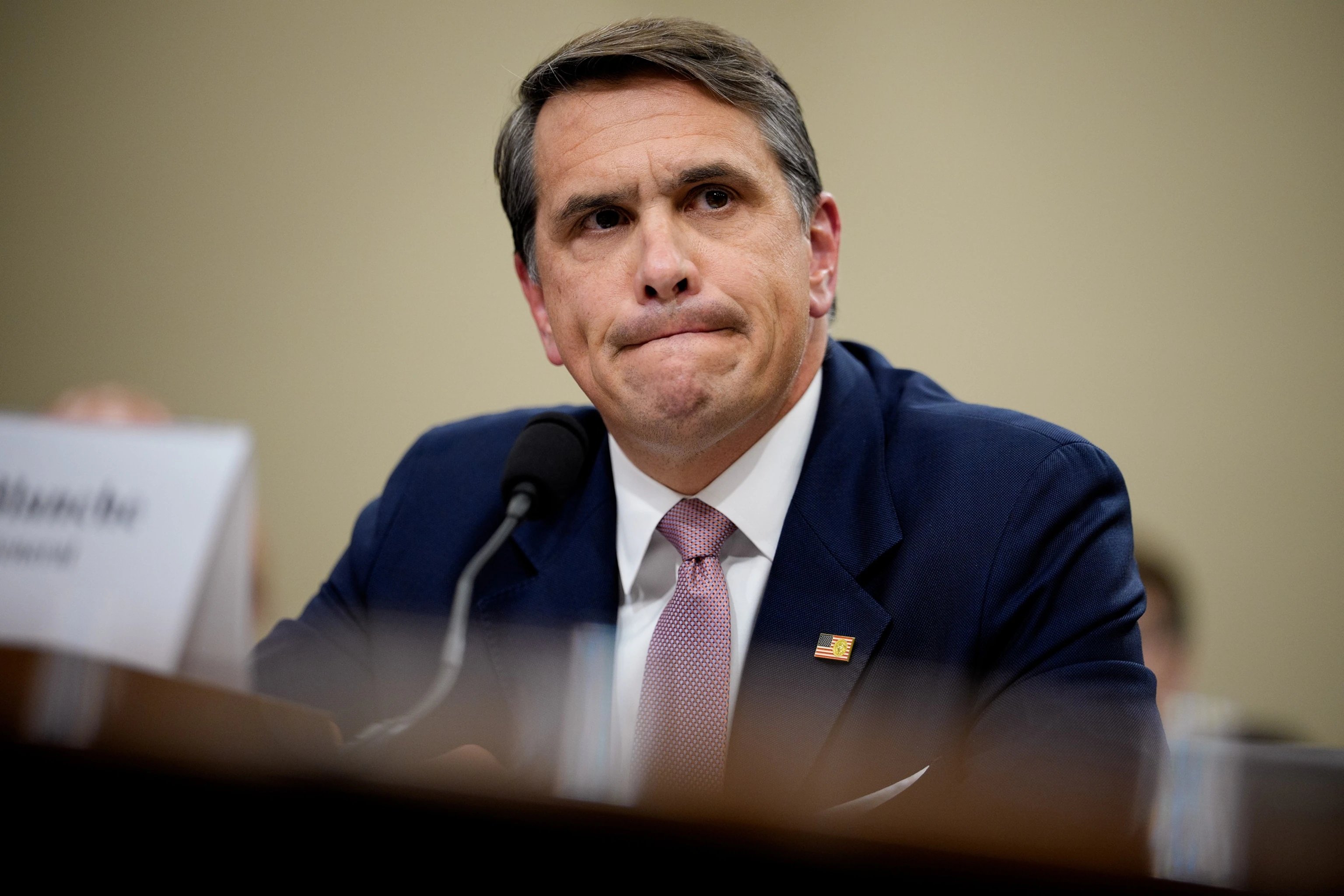
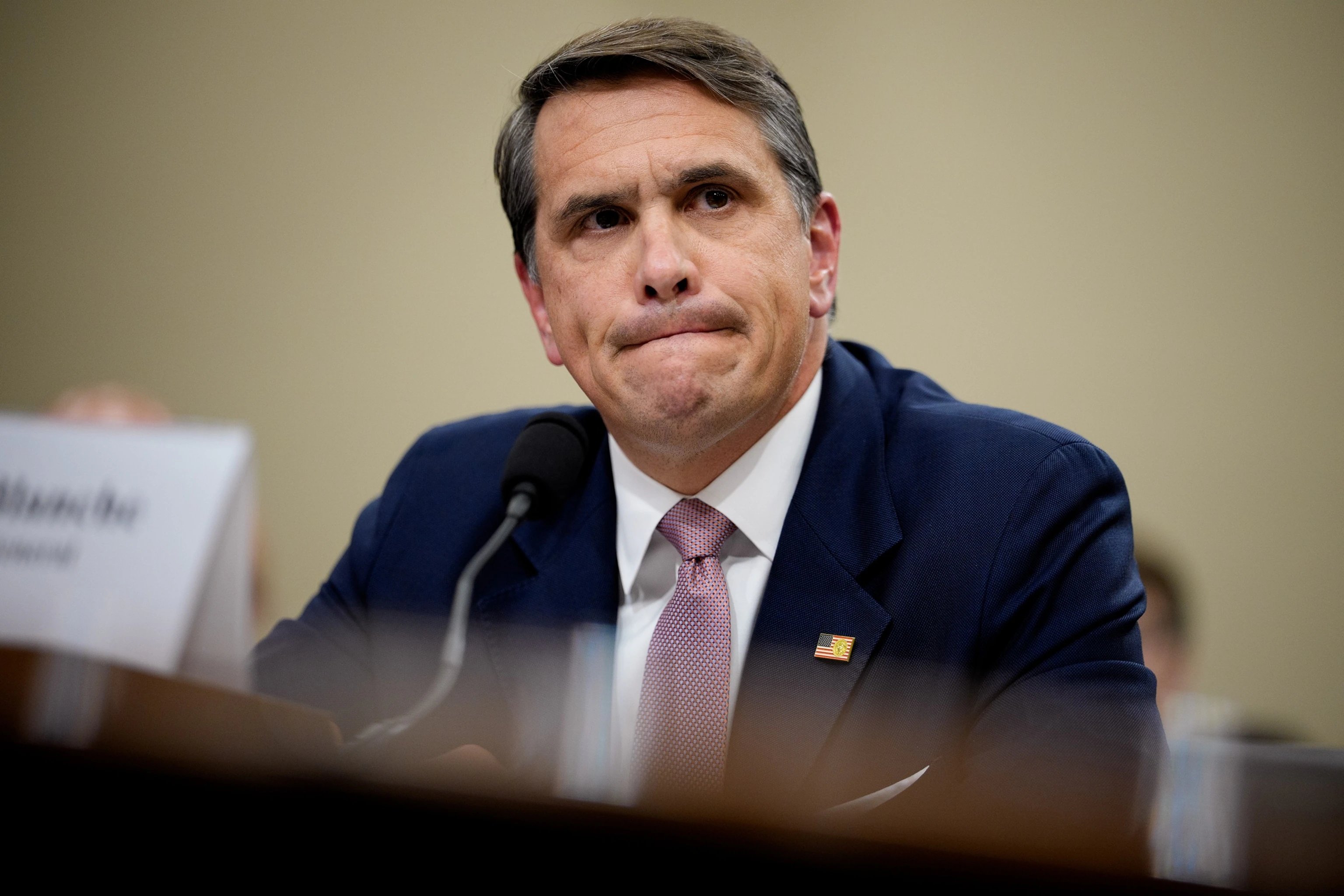
Following the ruling, James Percival, the Department of Homeland Security's general counsel, remarked on the opposition to the administration's efforts, asserting, "It's amazing how hard the Left will fight to stop us from solving problems they insist do not exist." The administration had defended the database as a necessary modernization effort, claiming it was built on a clear congressional directive. However, Judge Sooknanan dismissed these arguments, describing them as bordering on the absurd.
Broader Implications for Voting Rights
This ruling not only halts the database but also signals a significant legal shift in how voter rights are protected against government actions. Organizations like the League of Women Voters and Democracy Forward hailed the decision as an important victory for American democracy. Skye Perryman, president and CEO of Democracy Forward, stated, "The data at the heart of this lawsuit was unlawfully consolidated in violation of privacy laws intended to protect sensitive personal information."
Political Repercussions in Minnesota
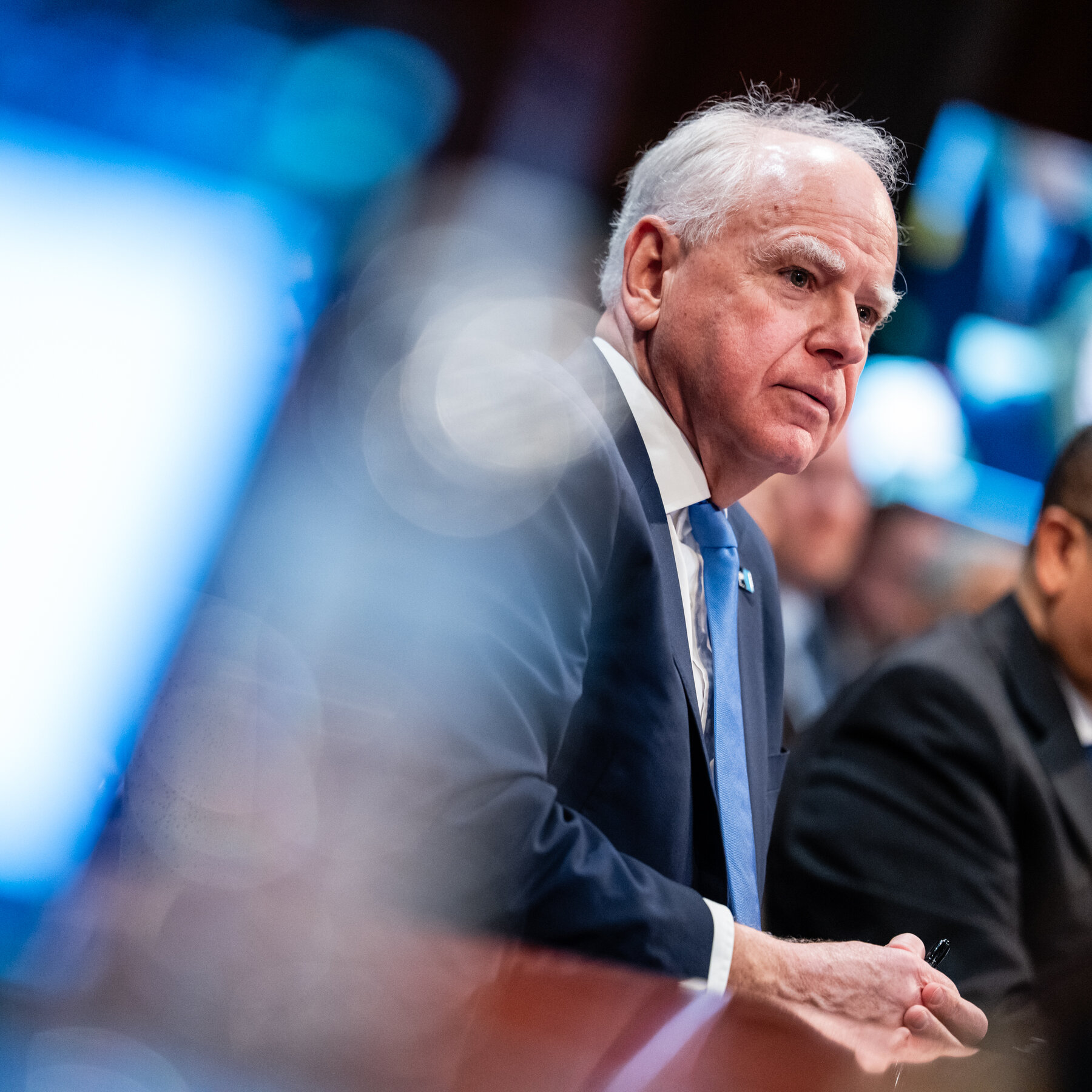
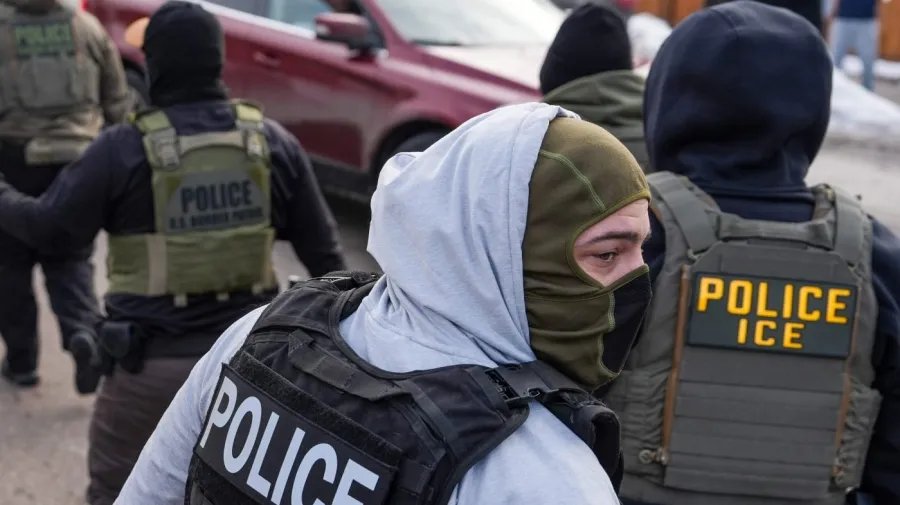
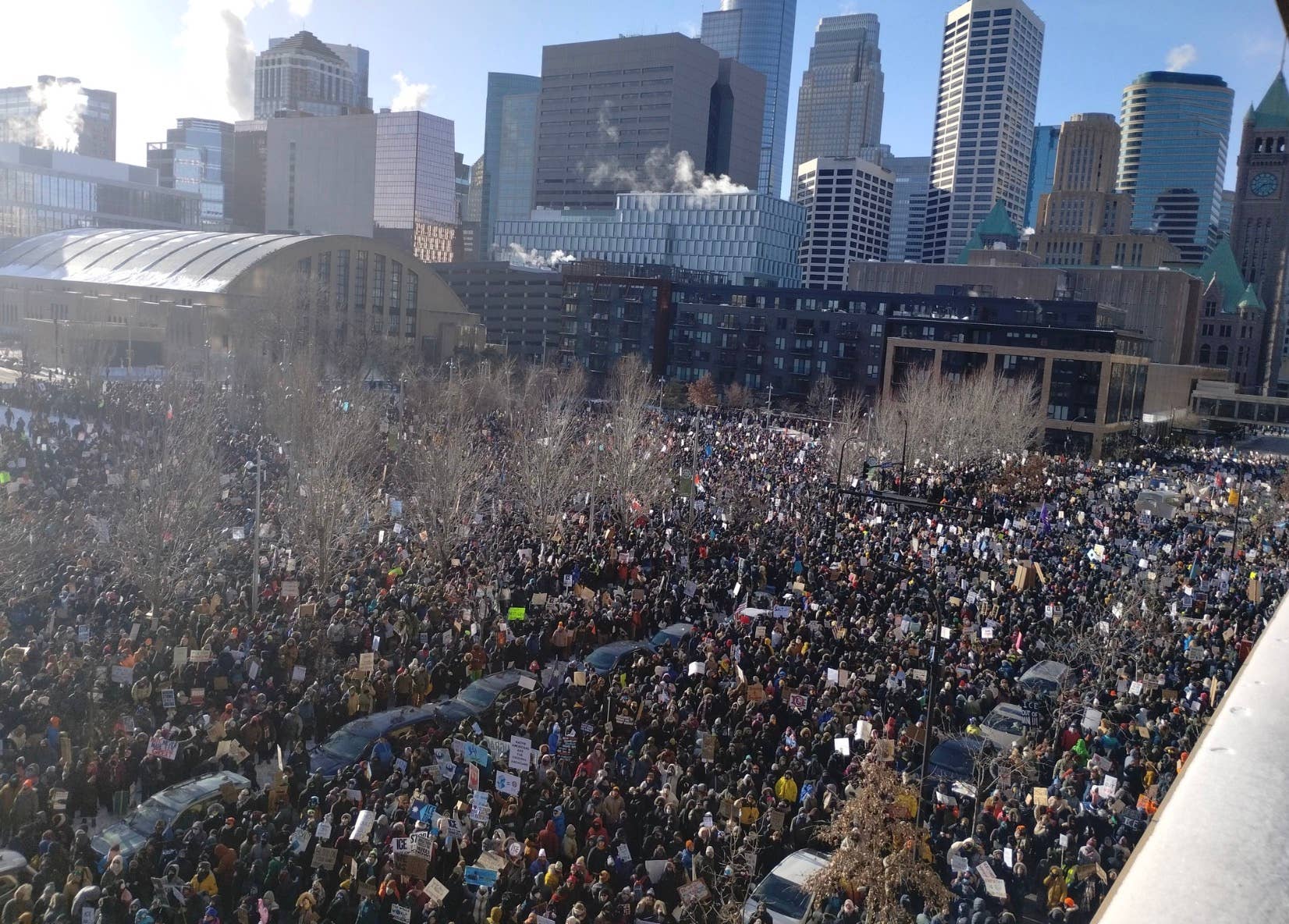
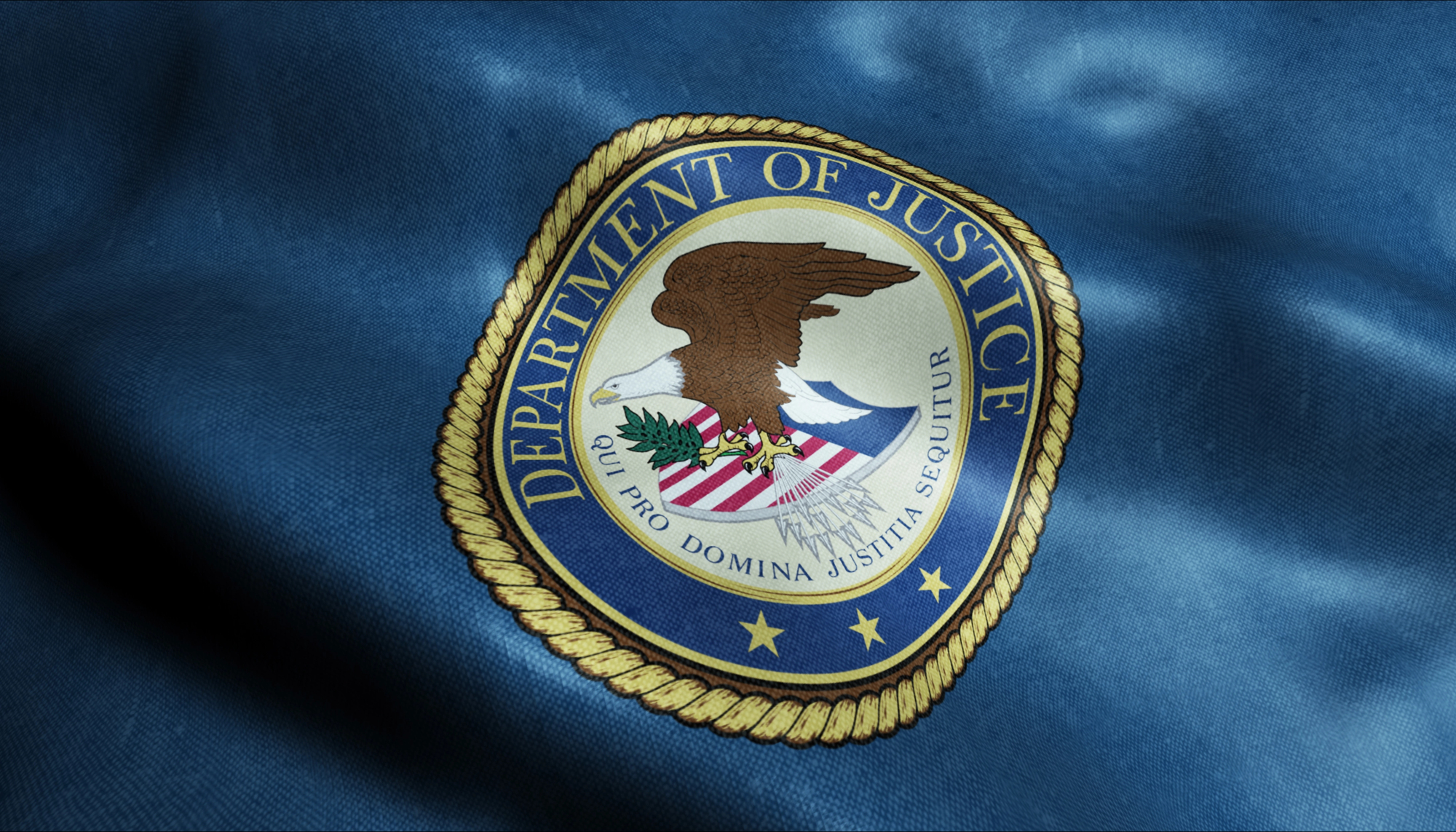
In a related legal development, a federal judge also quashed subpoenas issued by the Trump administration targeting Minnesota officials, including Governor Tim Walz and Attorney General Keith Ellison. The DOJ issued subpoenas claiming the officials obstructed federal immigration enforcement. However, Judge Patrick Schiltz found the department "unable to identify a single instance" in which a county employee actually obstructed law enforcement after being told of their employer's policy. Judge Schiltz ruled that the subpoenas were politically motivated and intended to harass officials who opposed the administration's actions. Walz praised the ruling as a victory for the rule of law, emphasizing the importance of an independent judiciary.
The Future of Voter Rights
The decisions underscore the ongoing battle over voting rights and the protection of personal data against government overreach. Citizens concerned about the integrity of their voting rights can take solace in these legal victories, which reaffirm the importance of privacy and fair electoral processes.