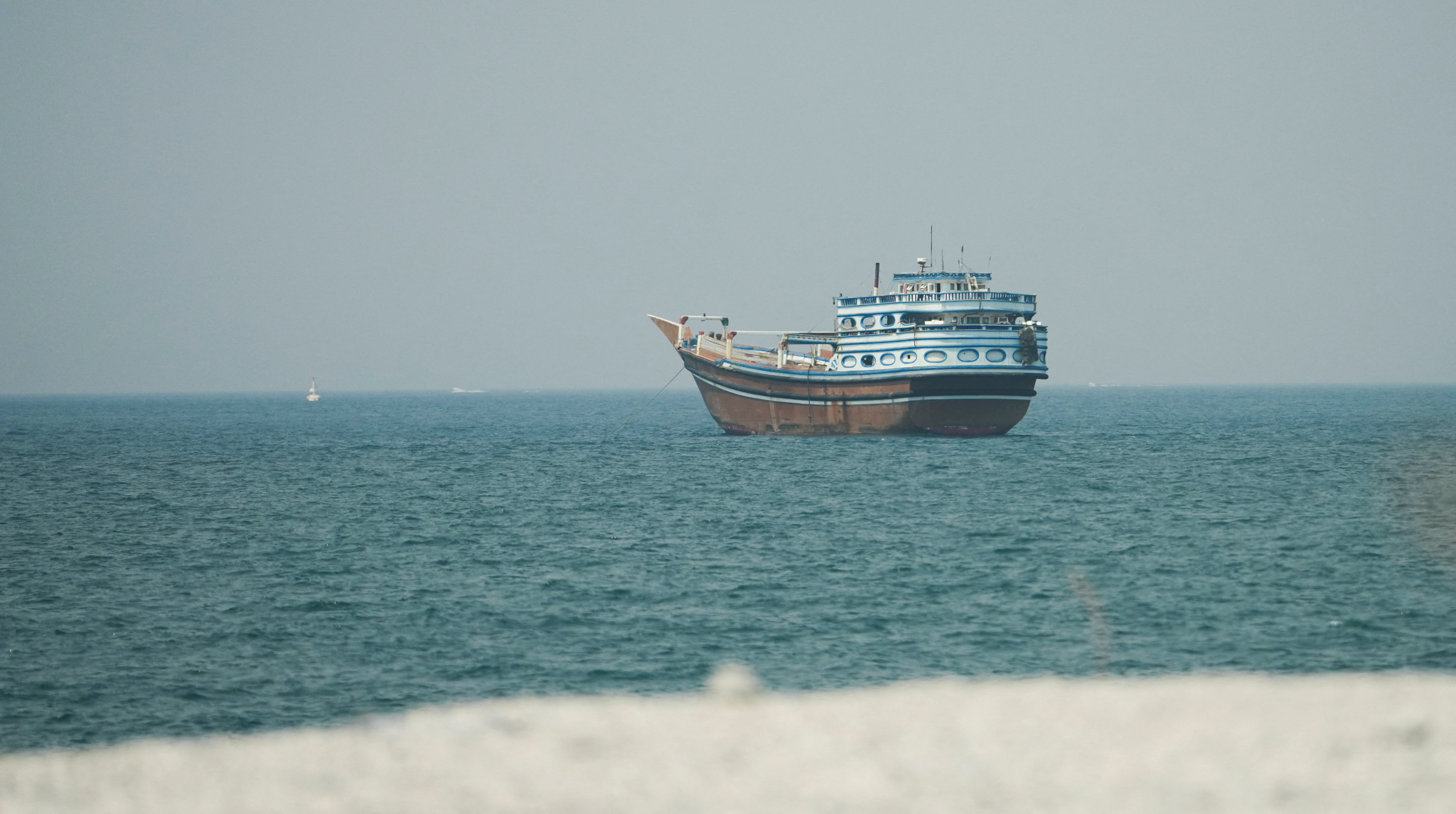
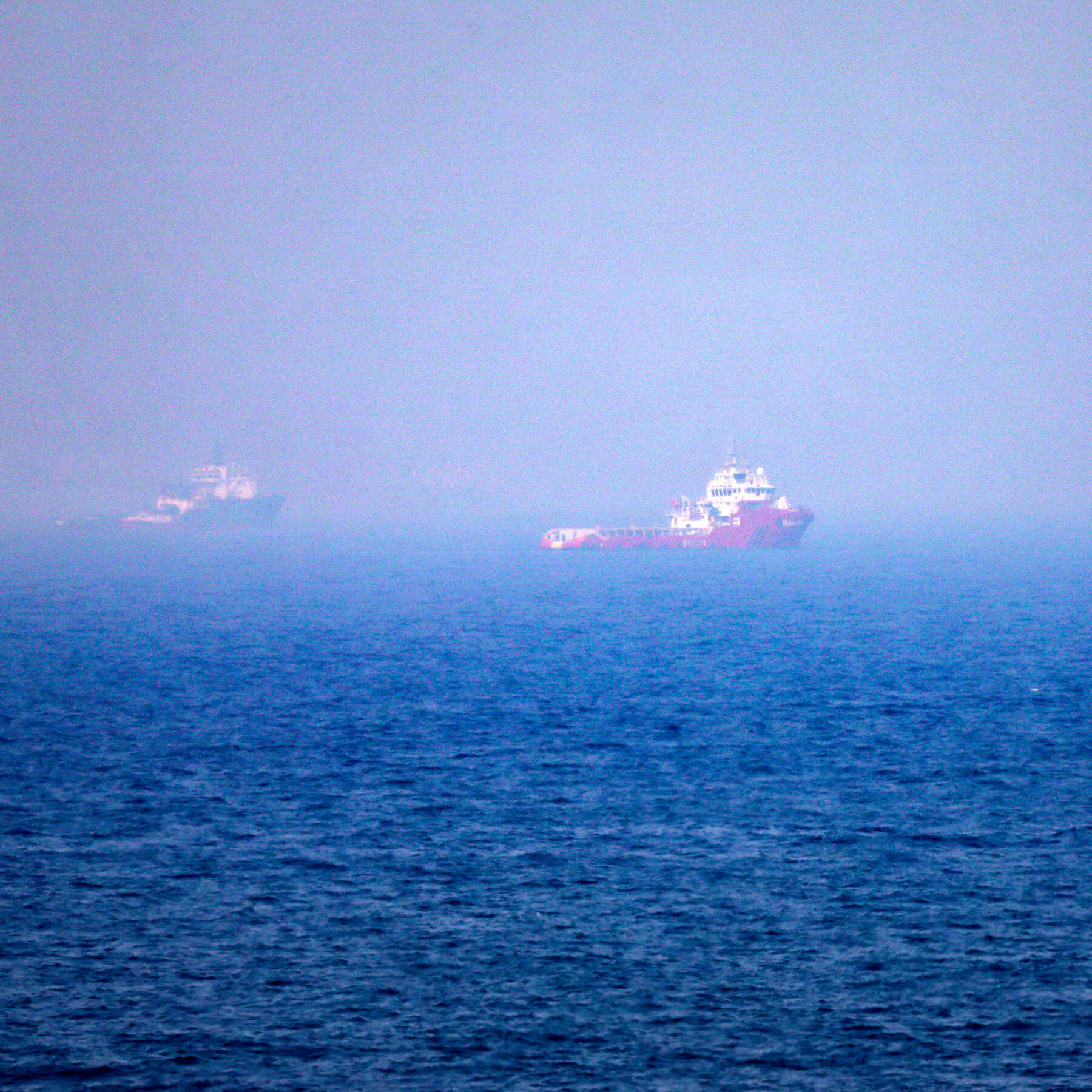
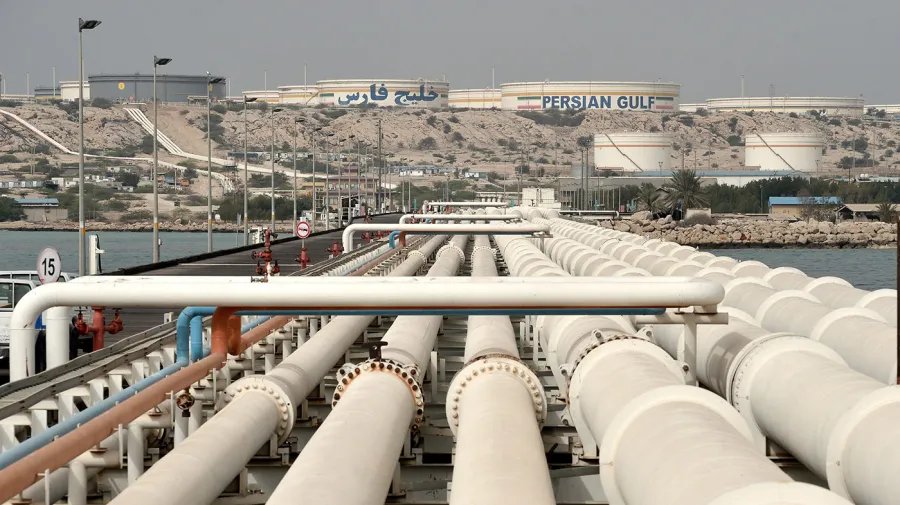
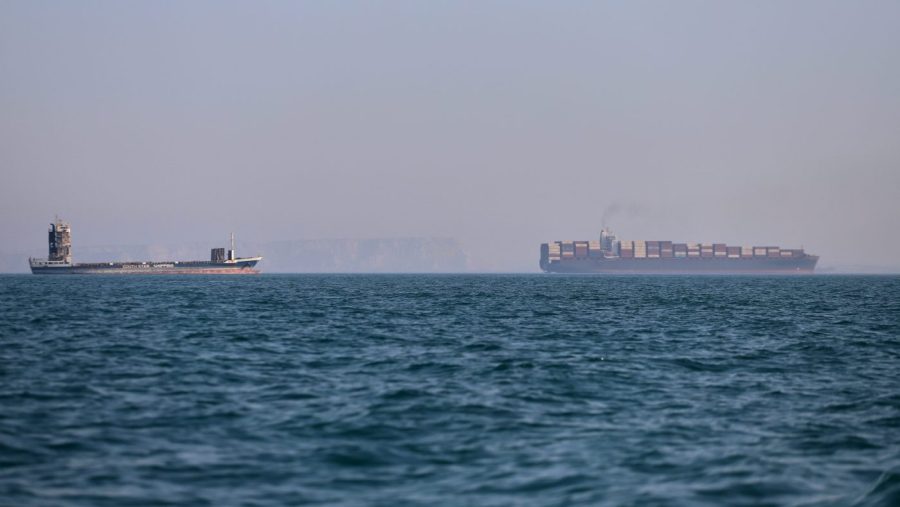
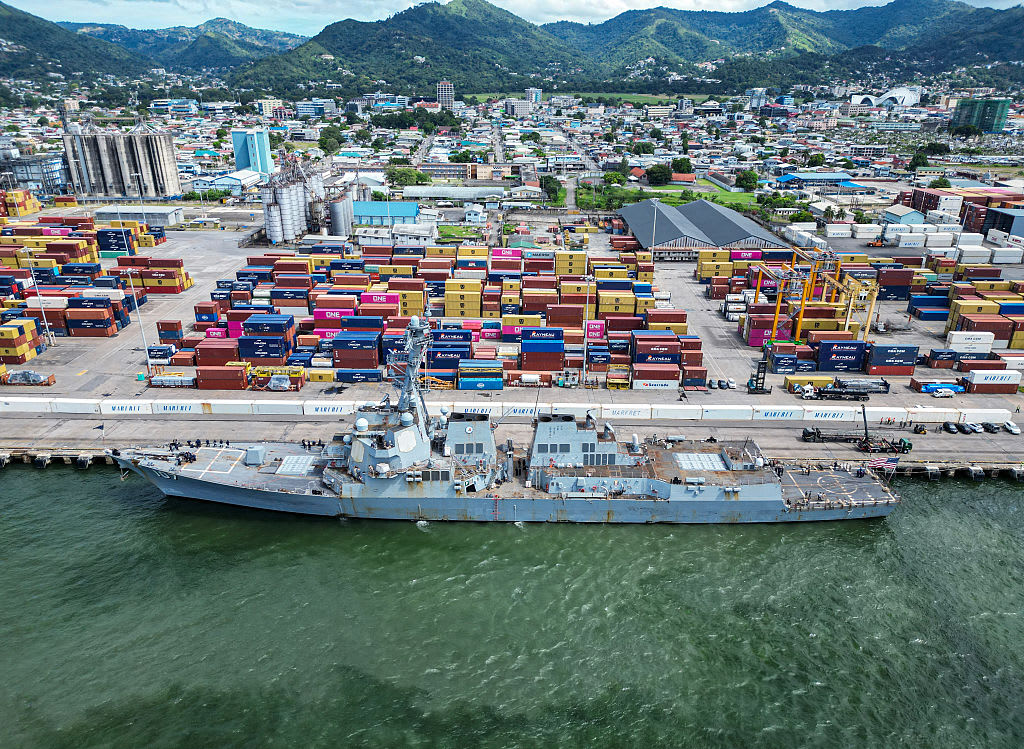
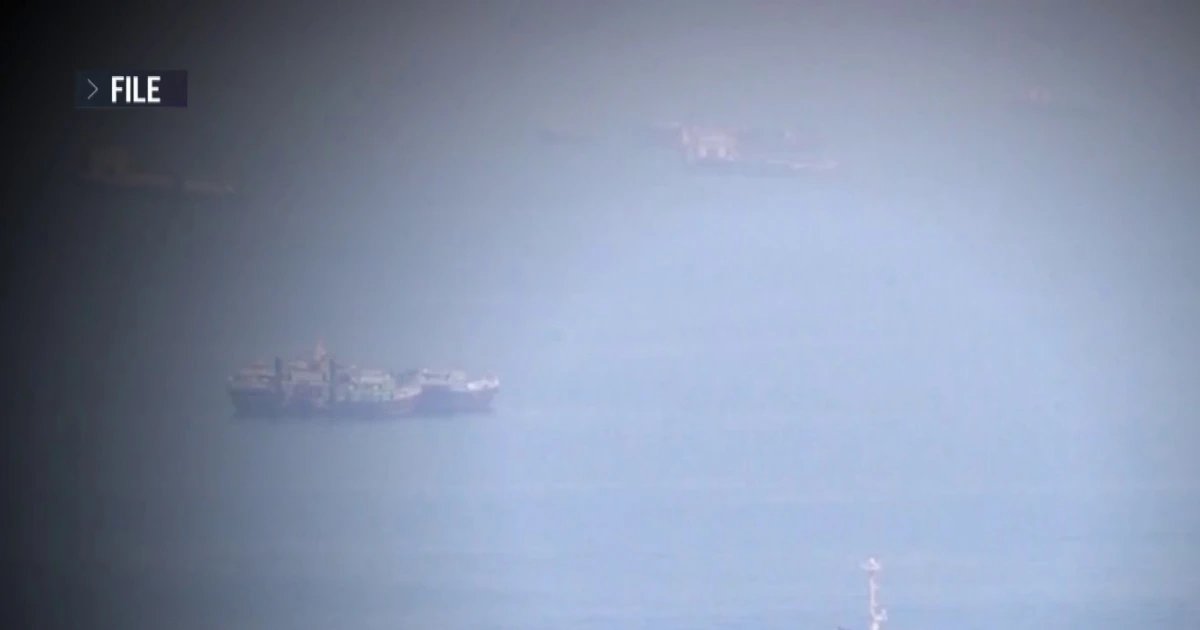
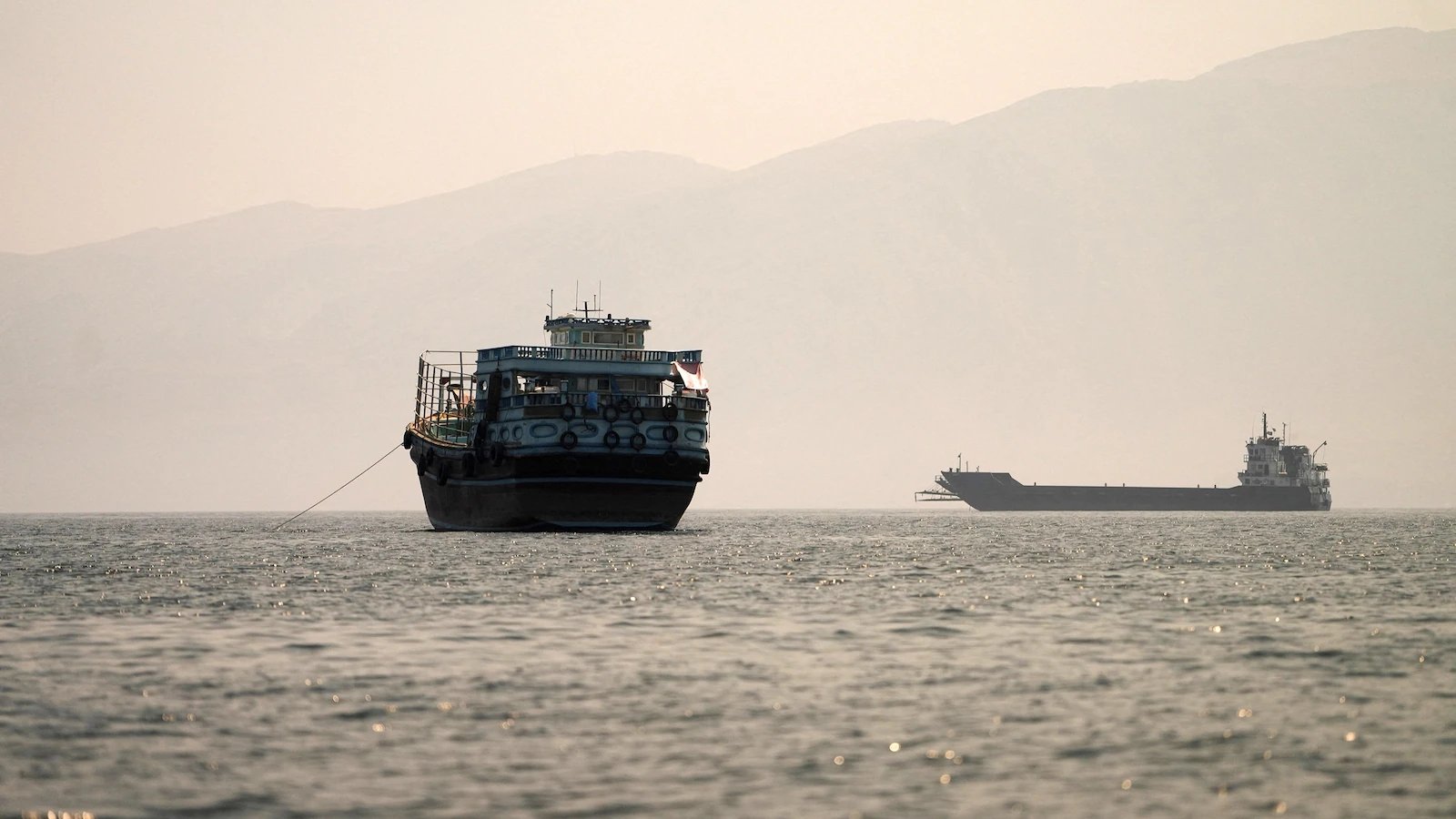
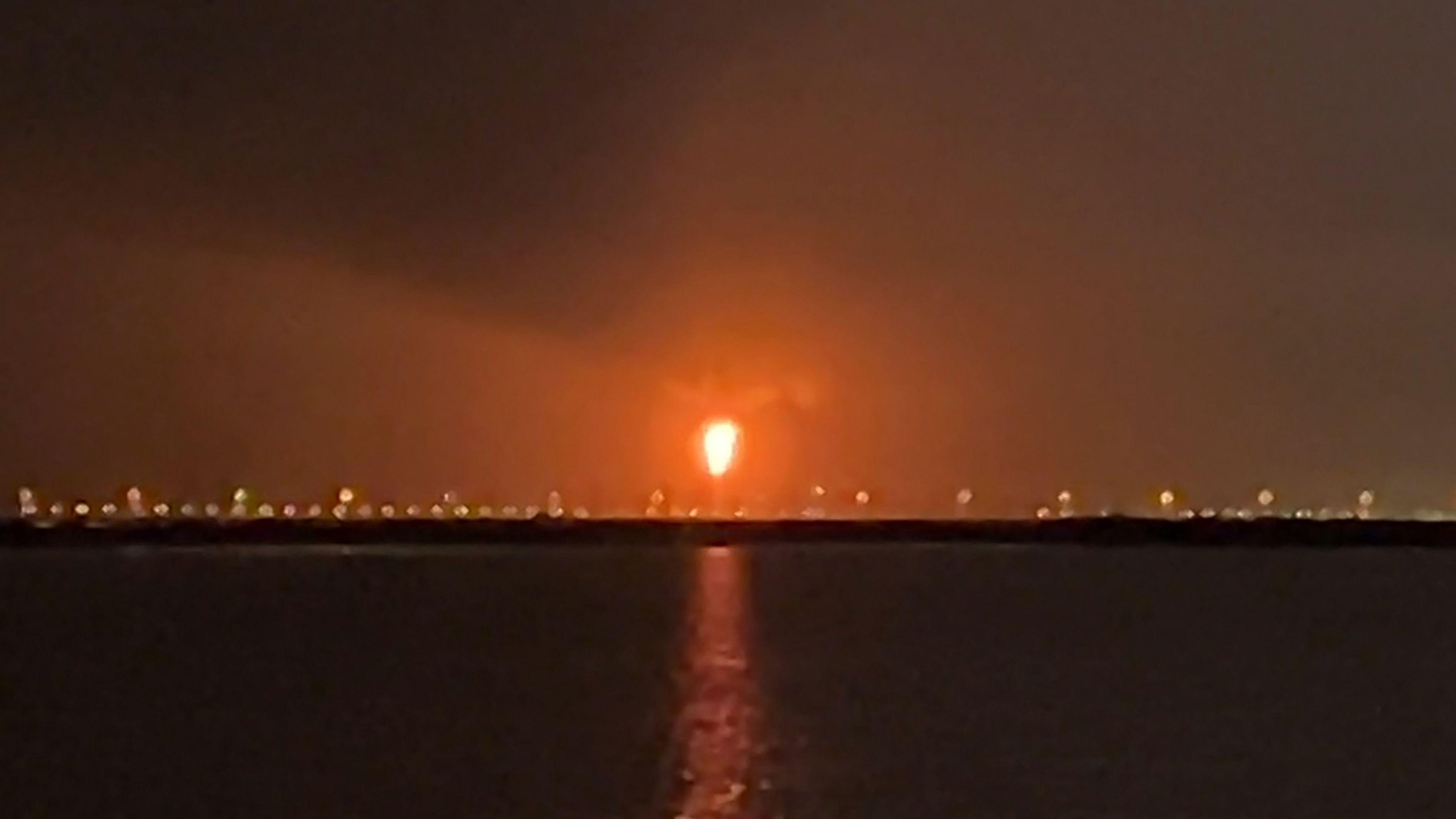
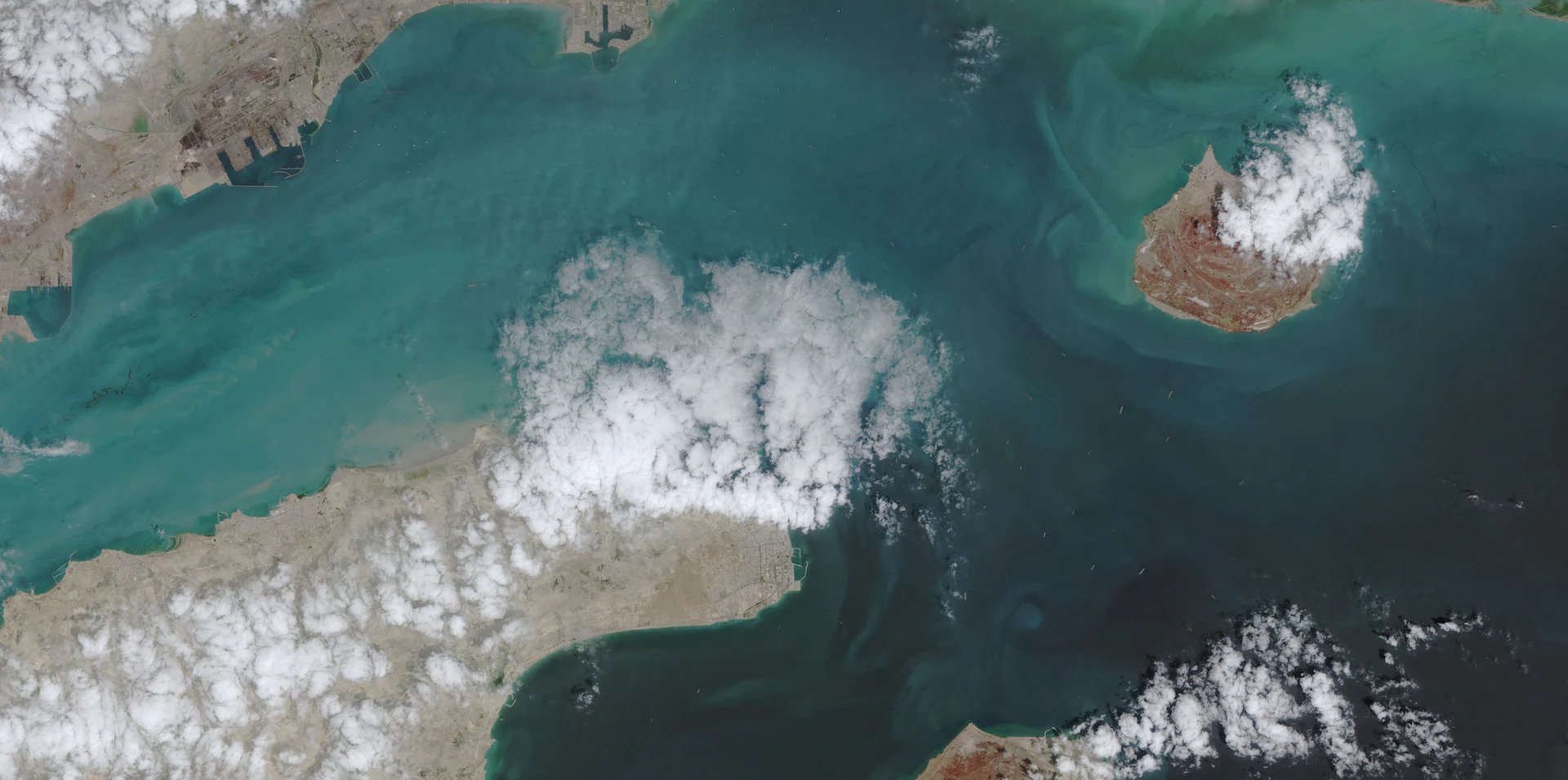
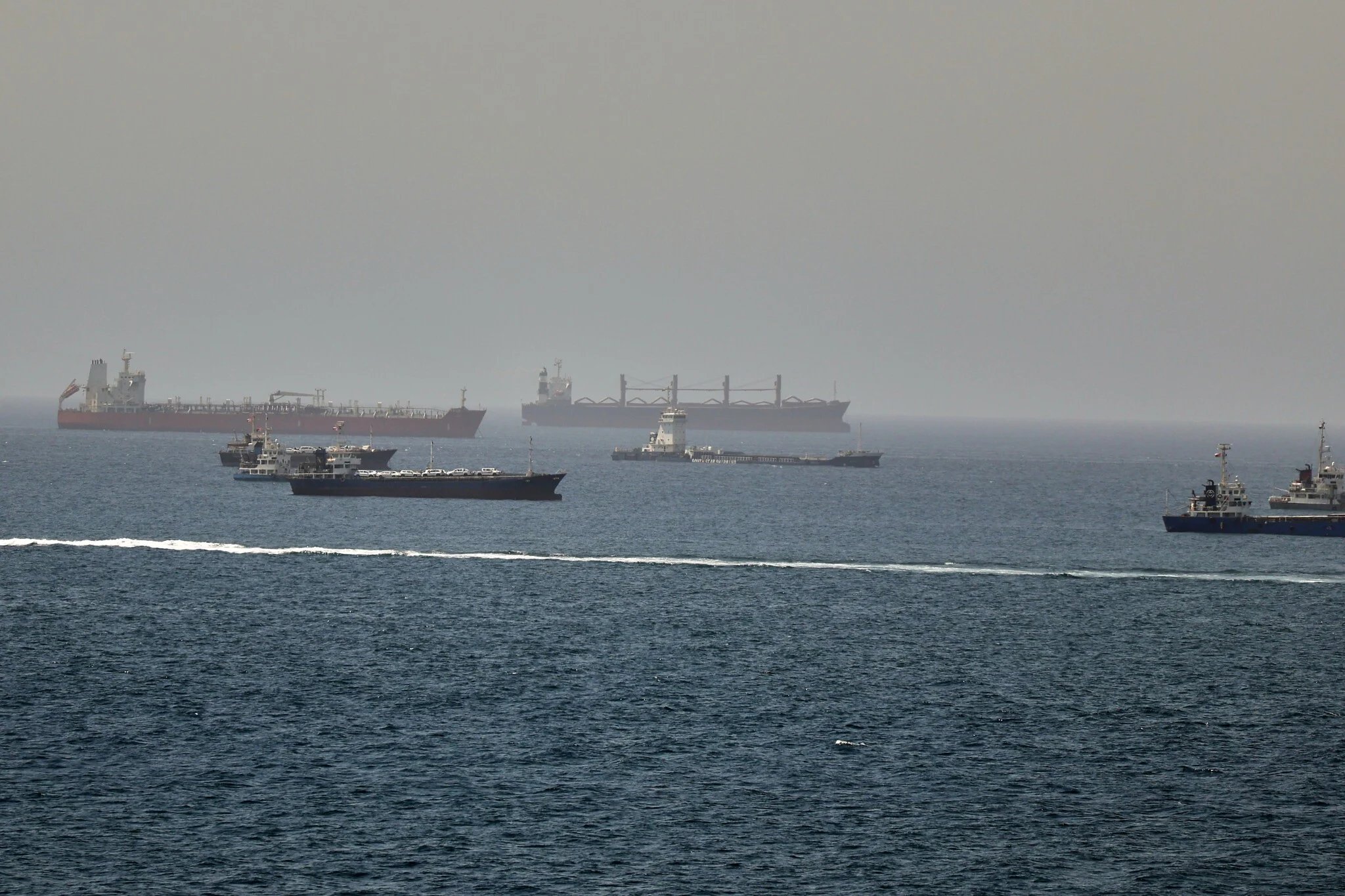
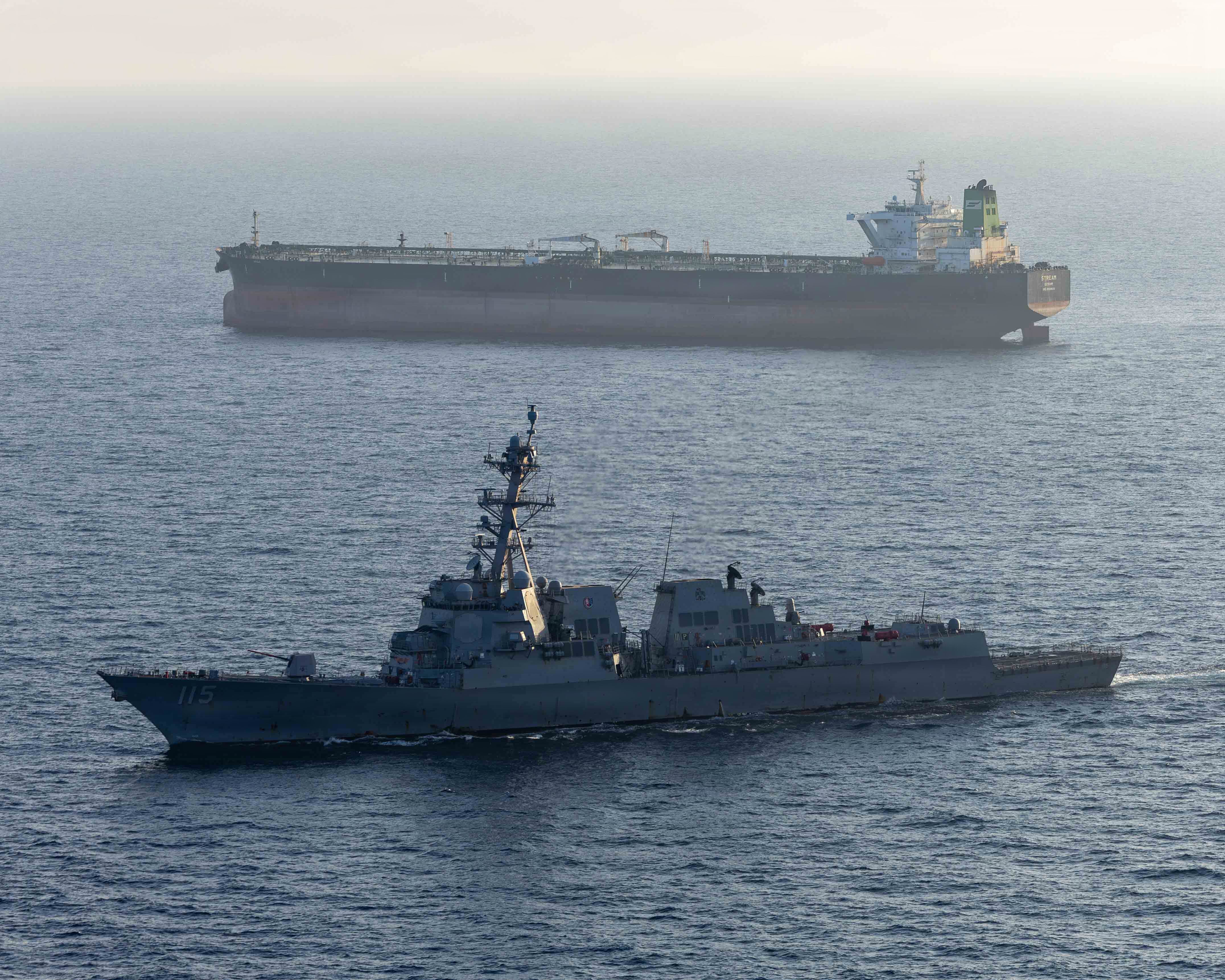
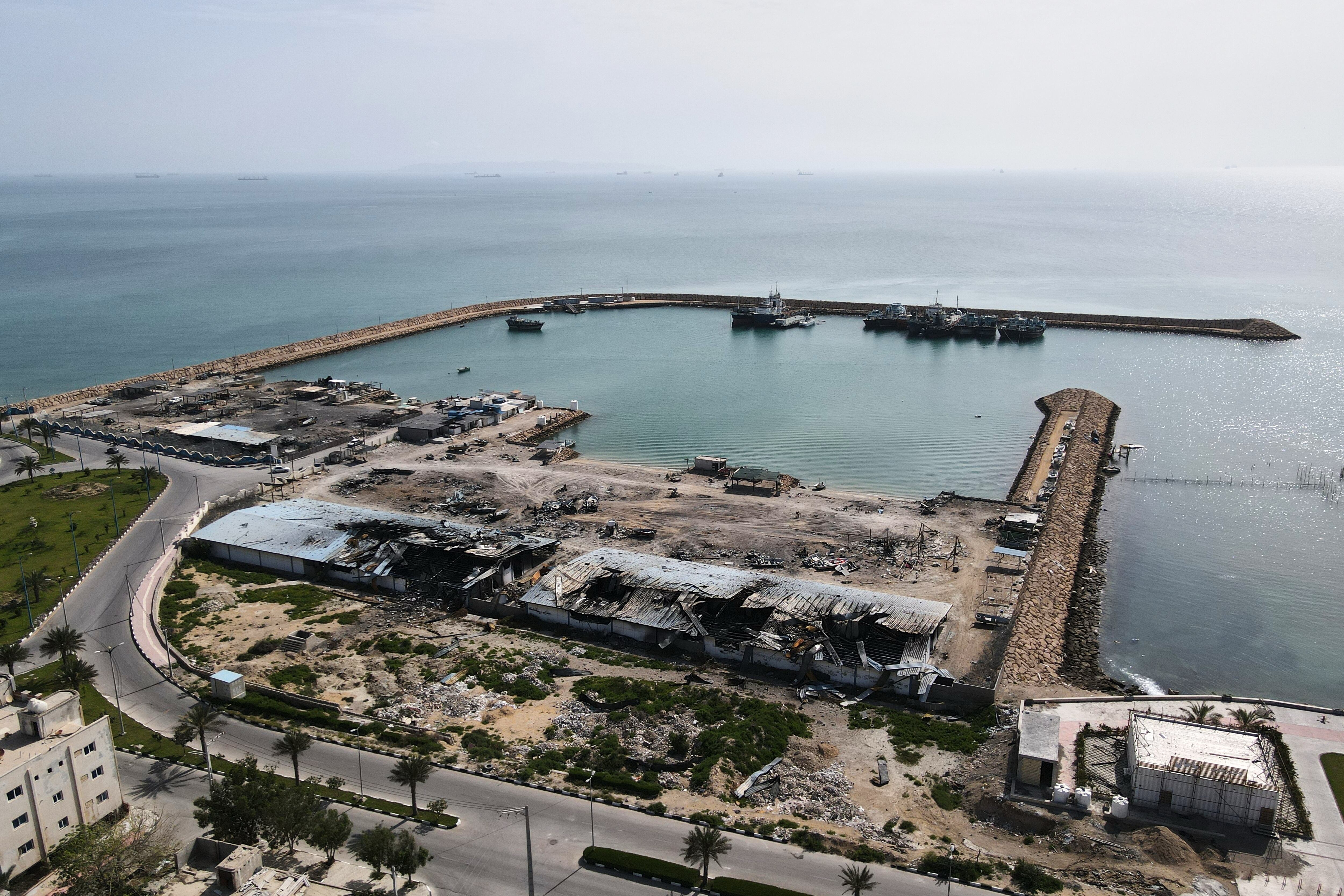
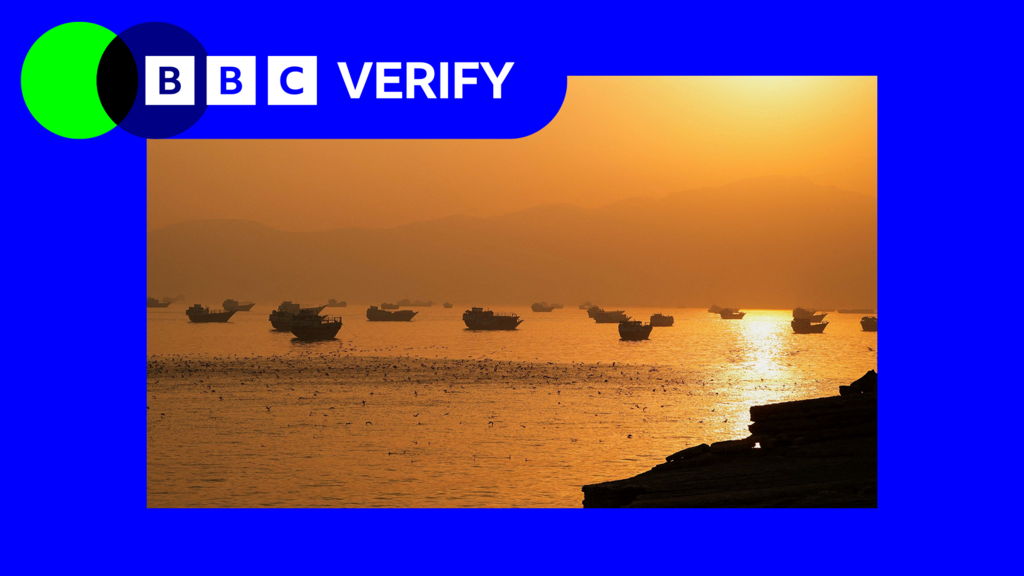
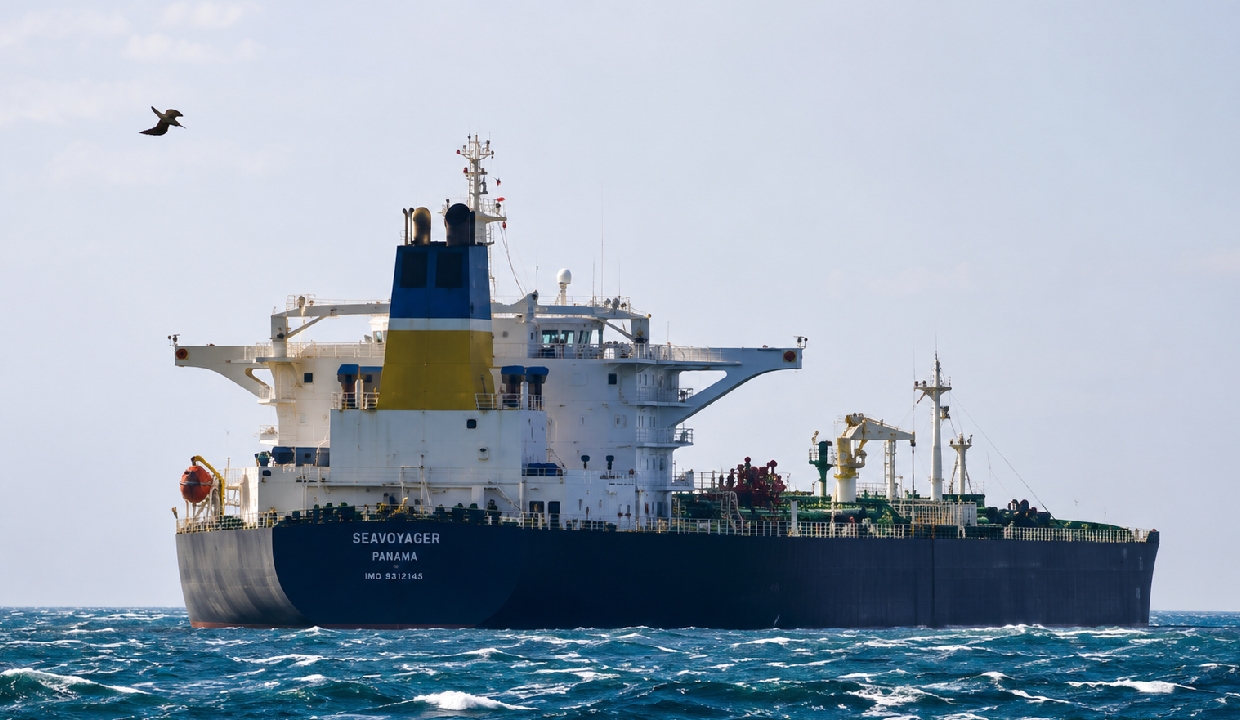
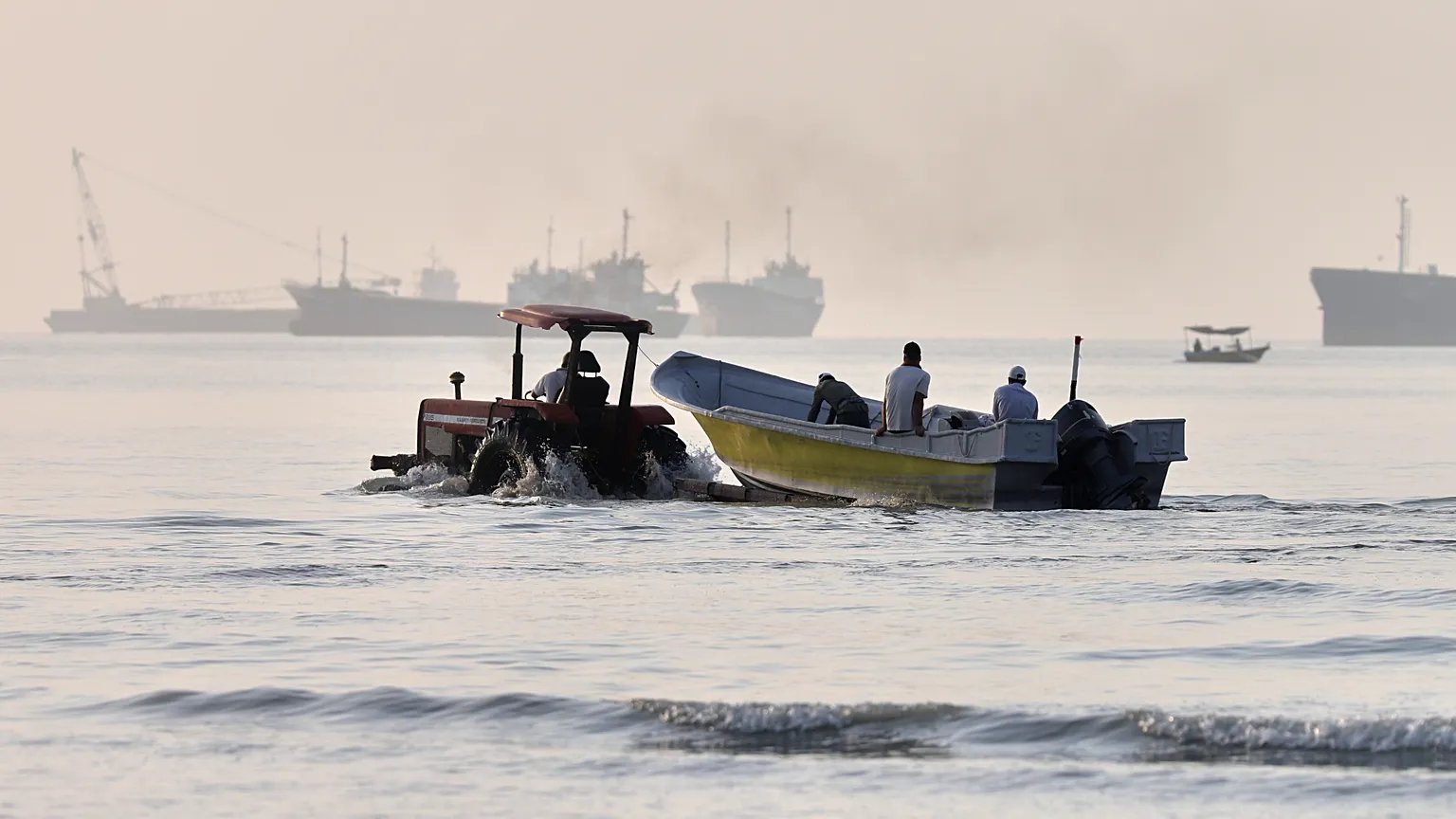
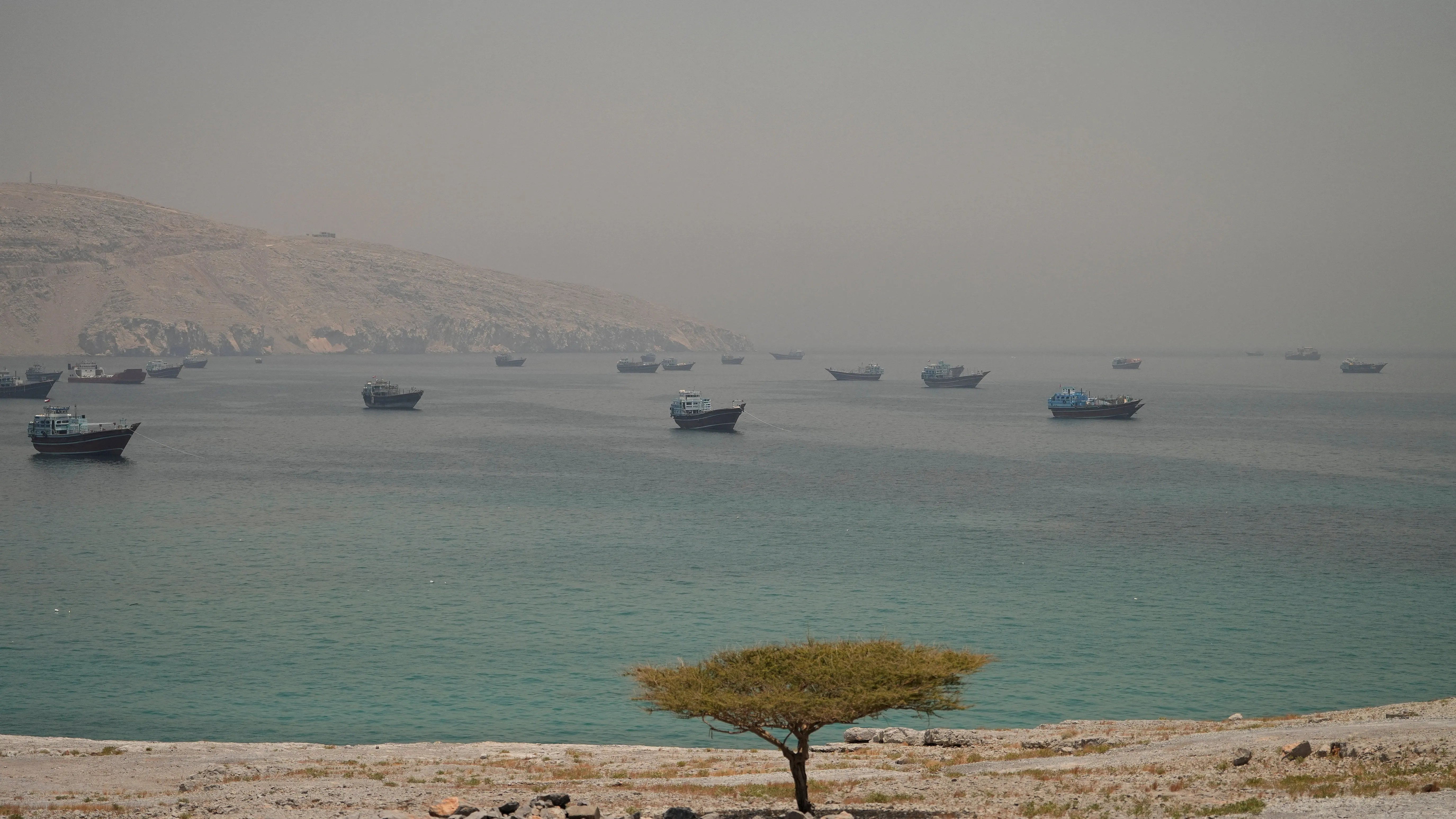
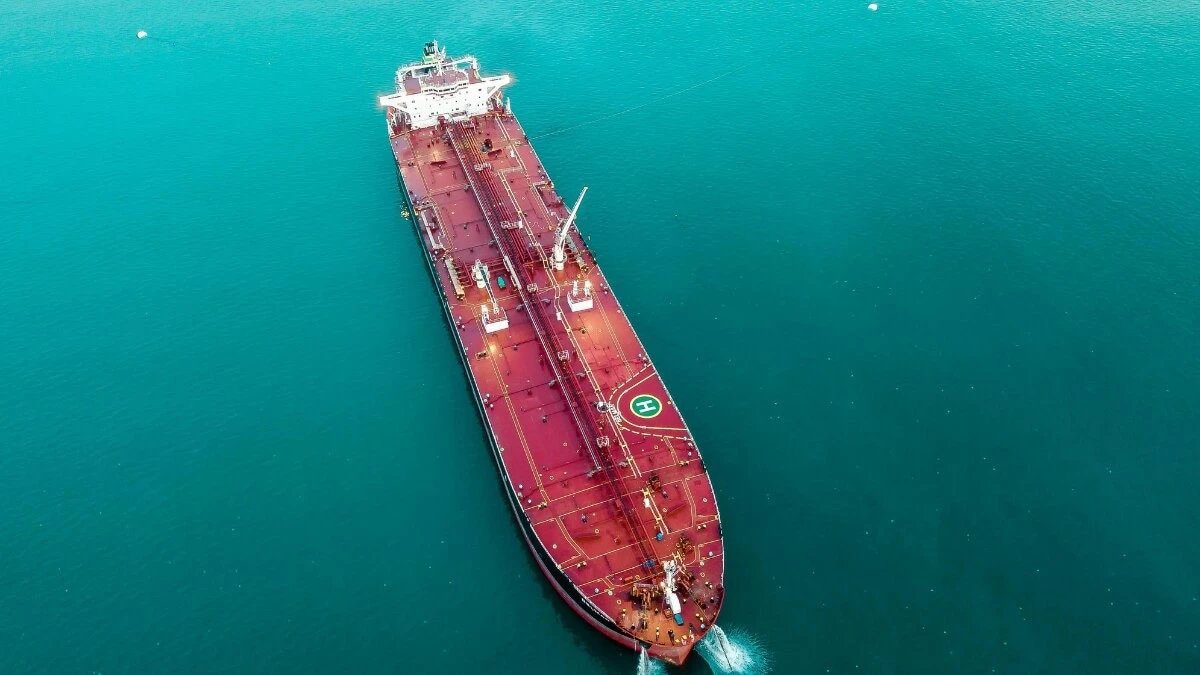
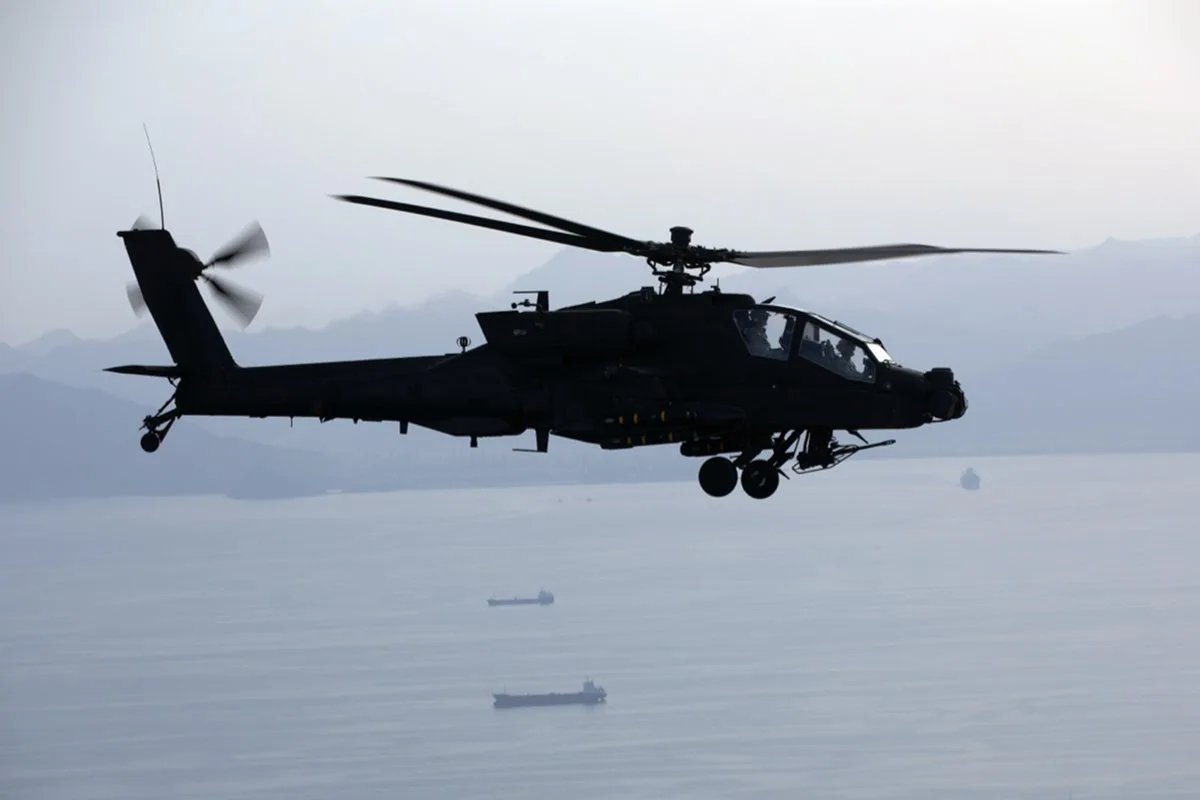
A foreign container ship ran aground in the Strait of Hormuz while using a route not approved by Iran, according to Iranian state television. No additional details about the vessel or its condition were released.
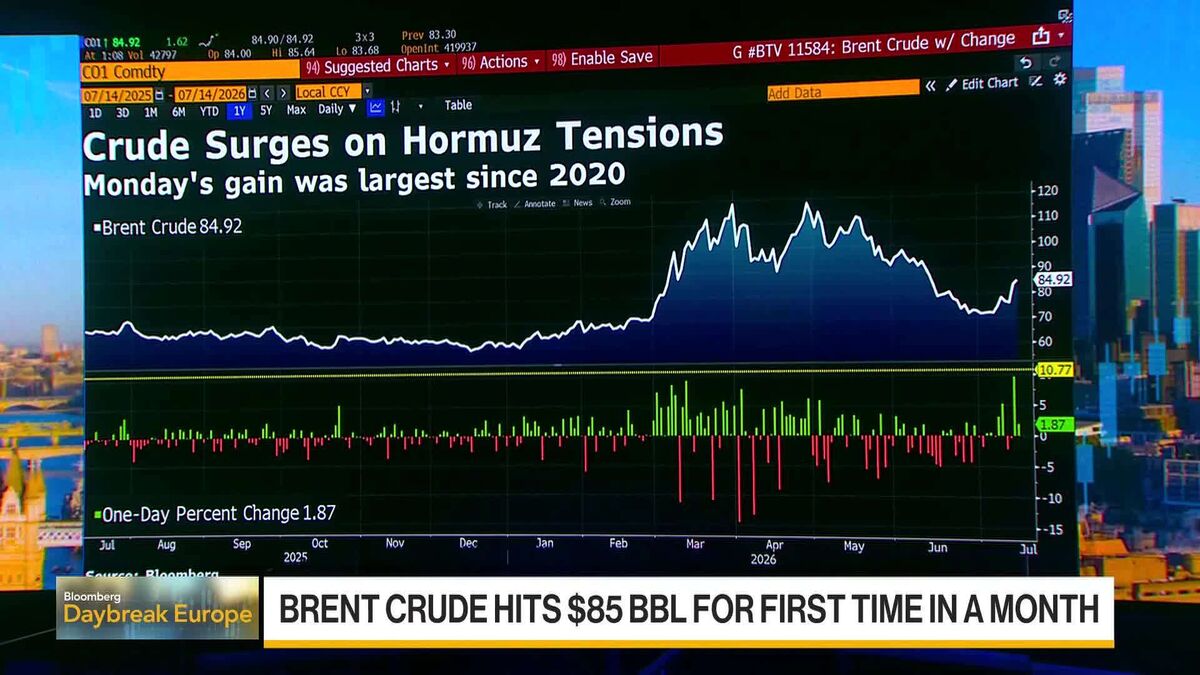
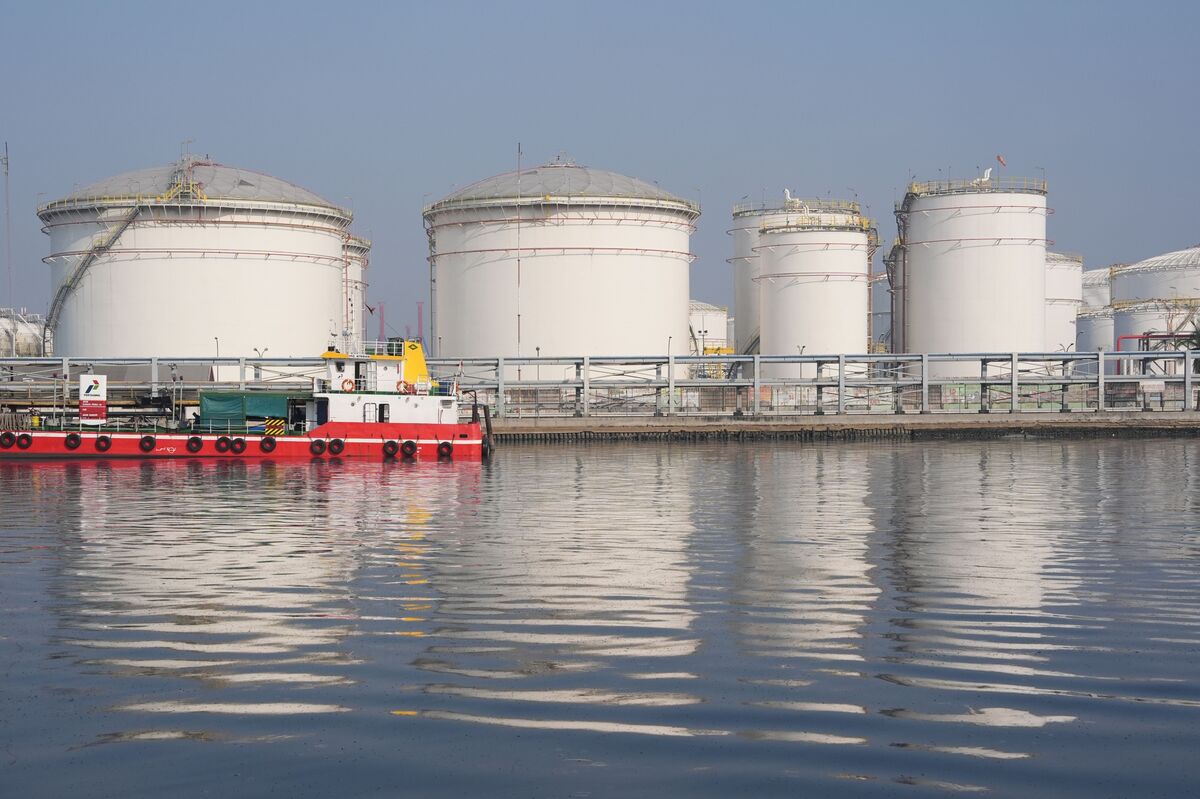
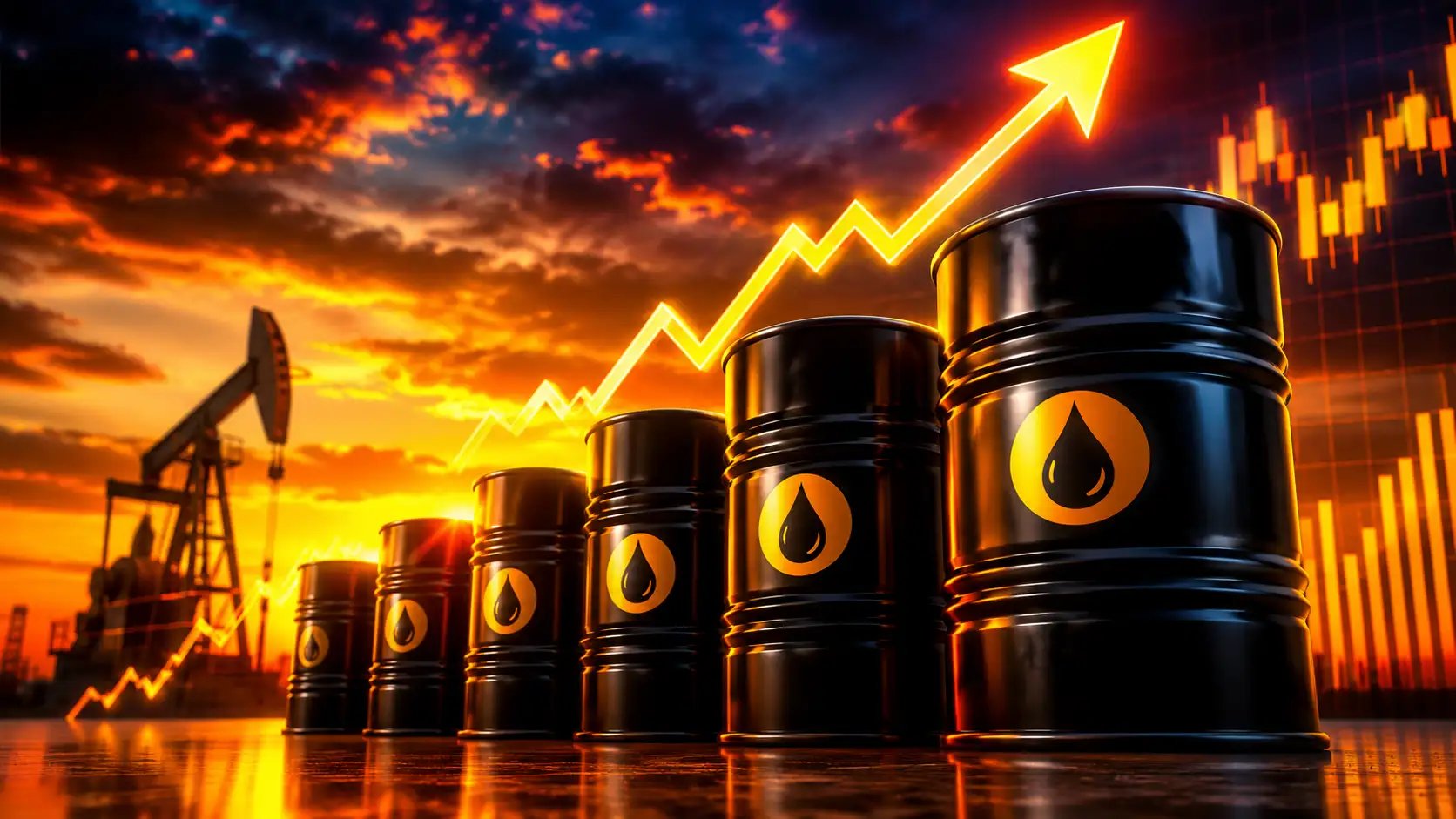
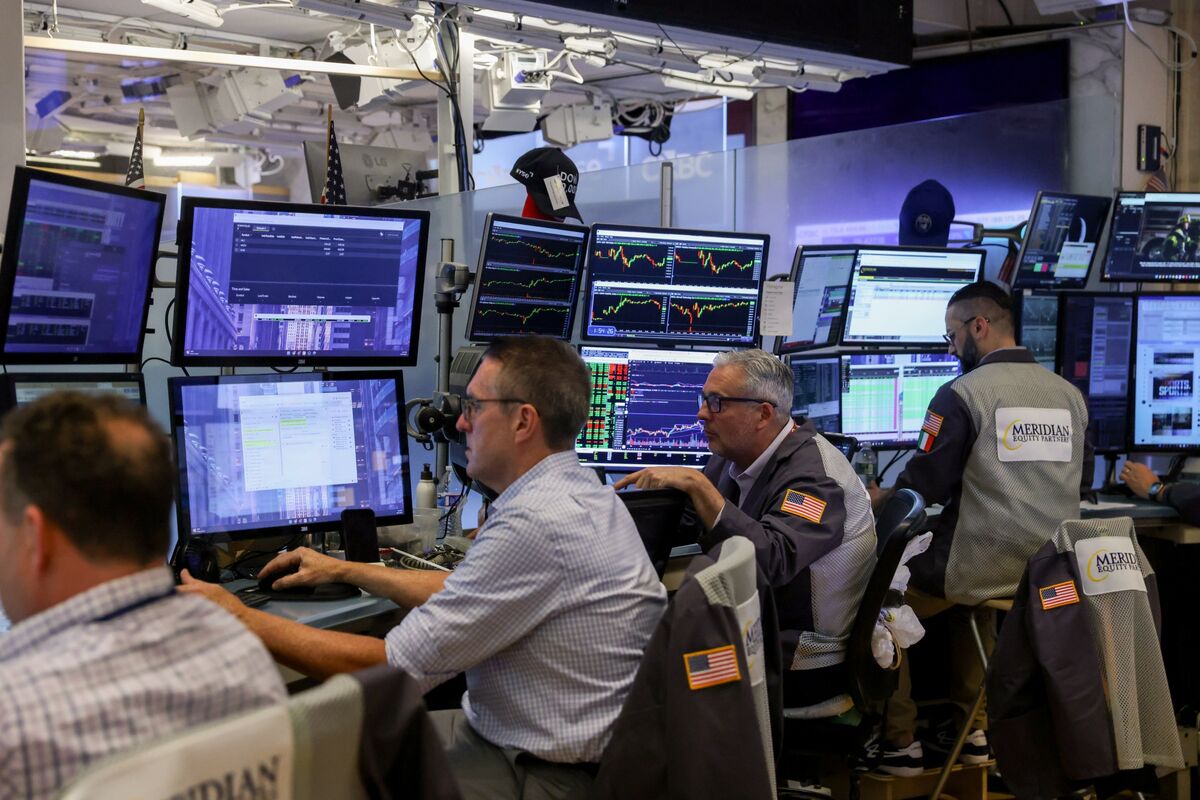
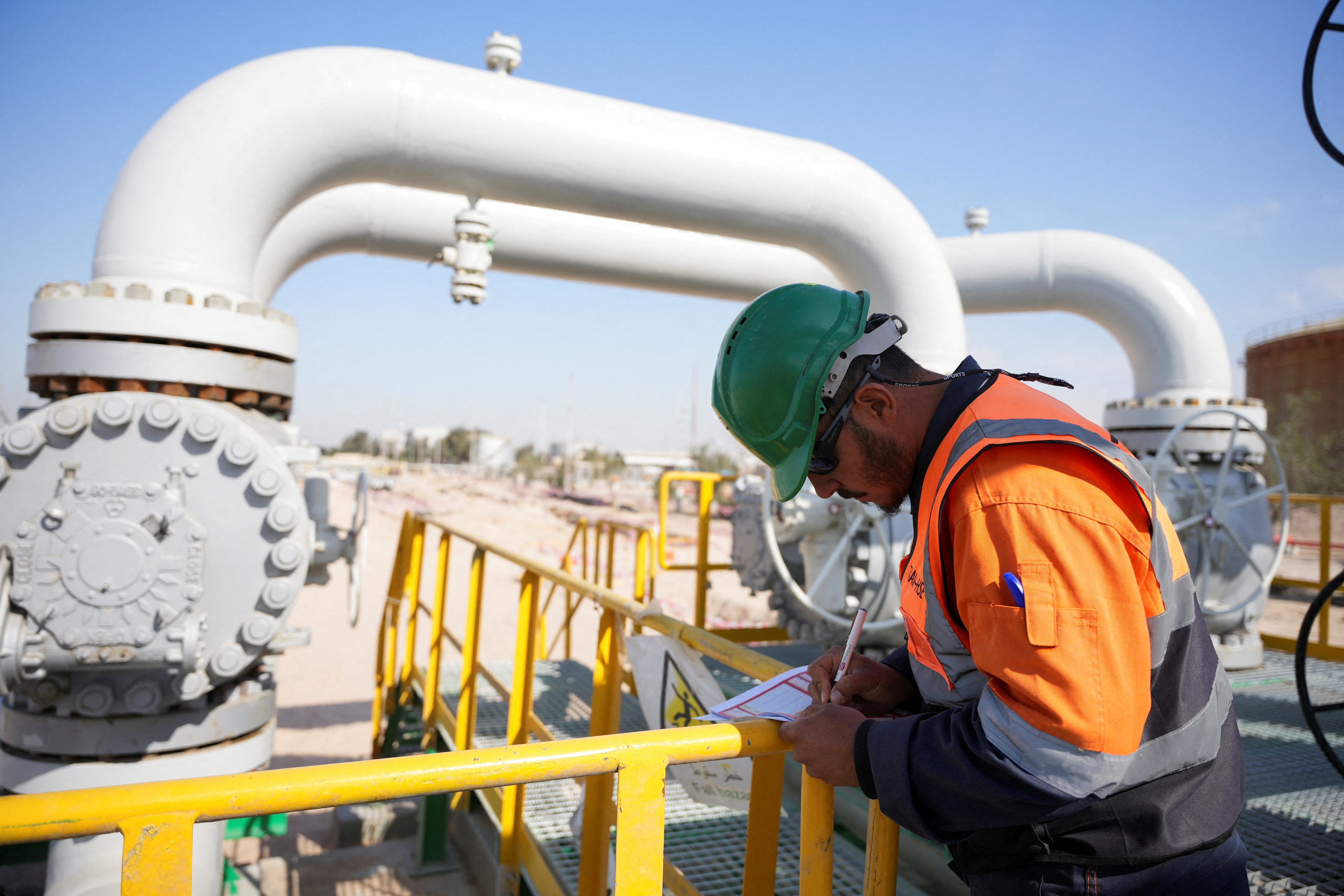
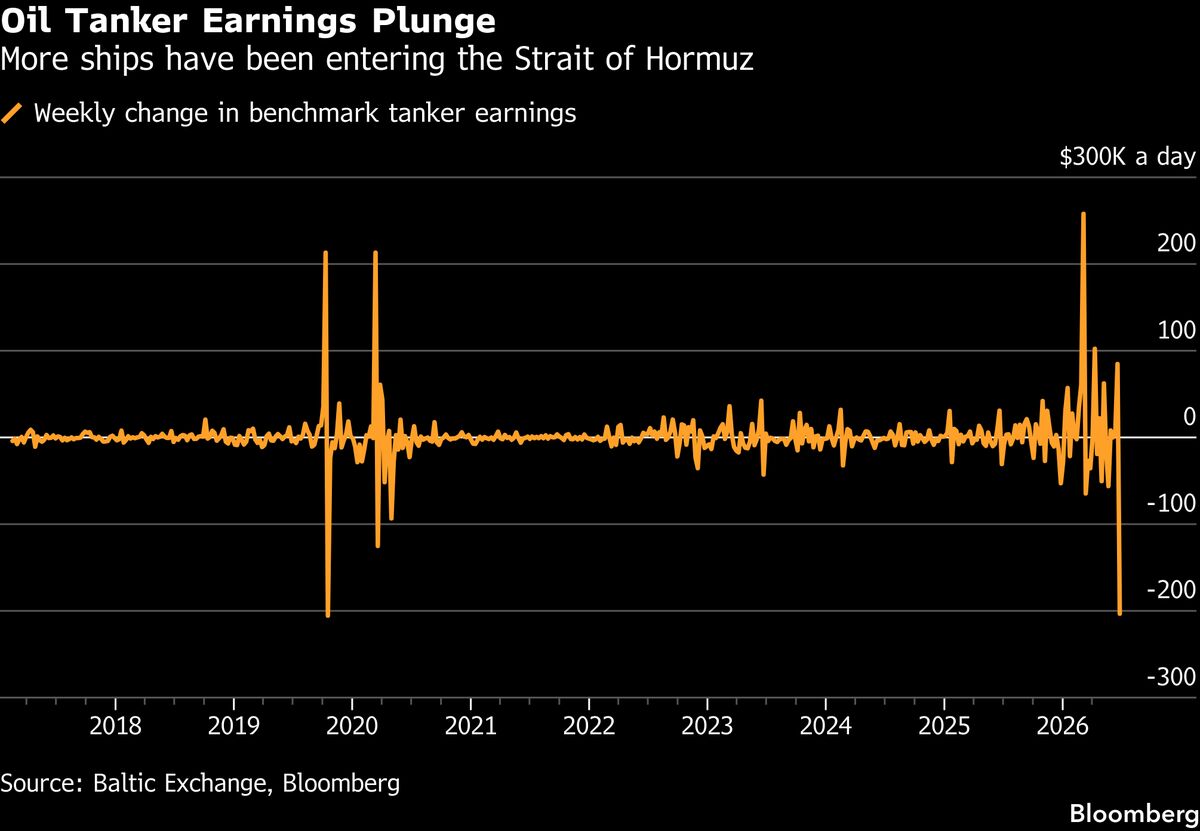
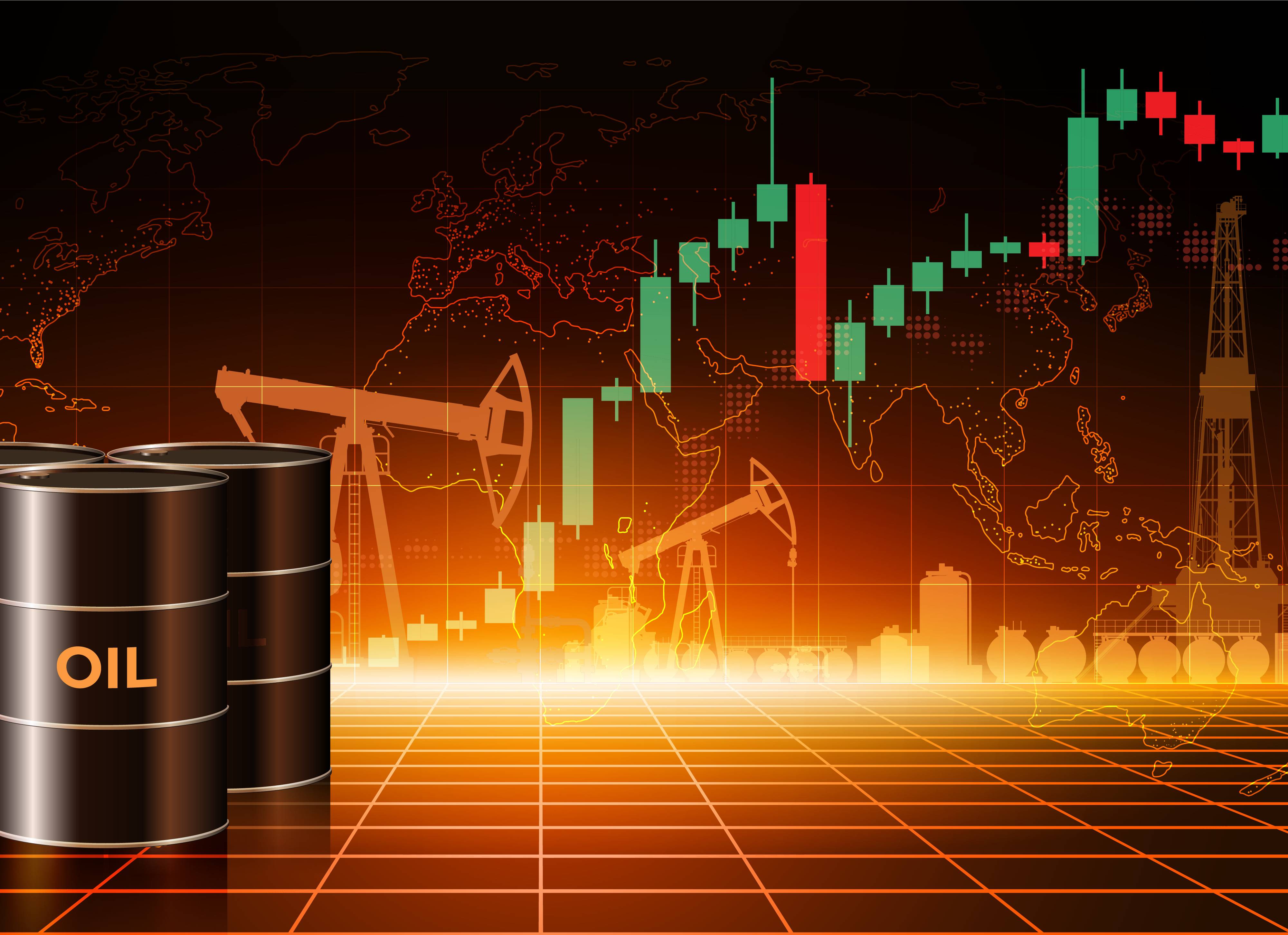
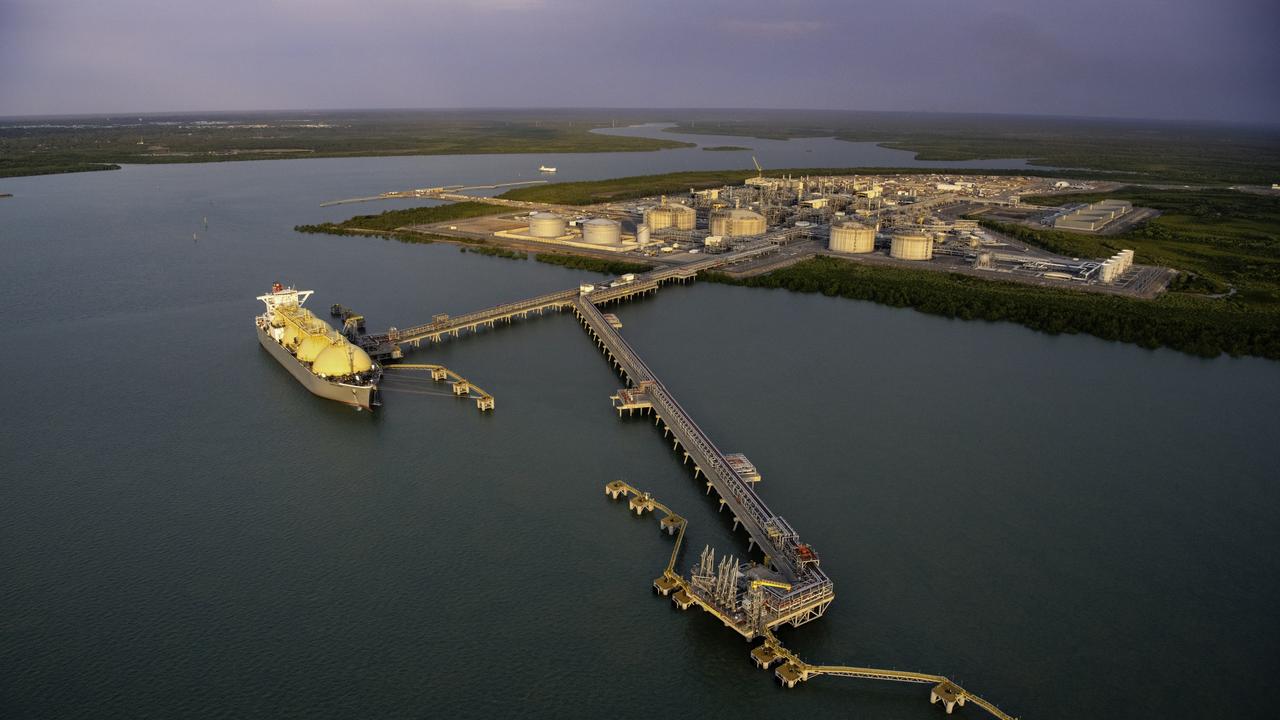
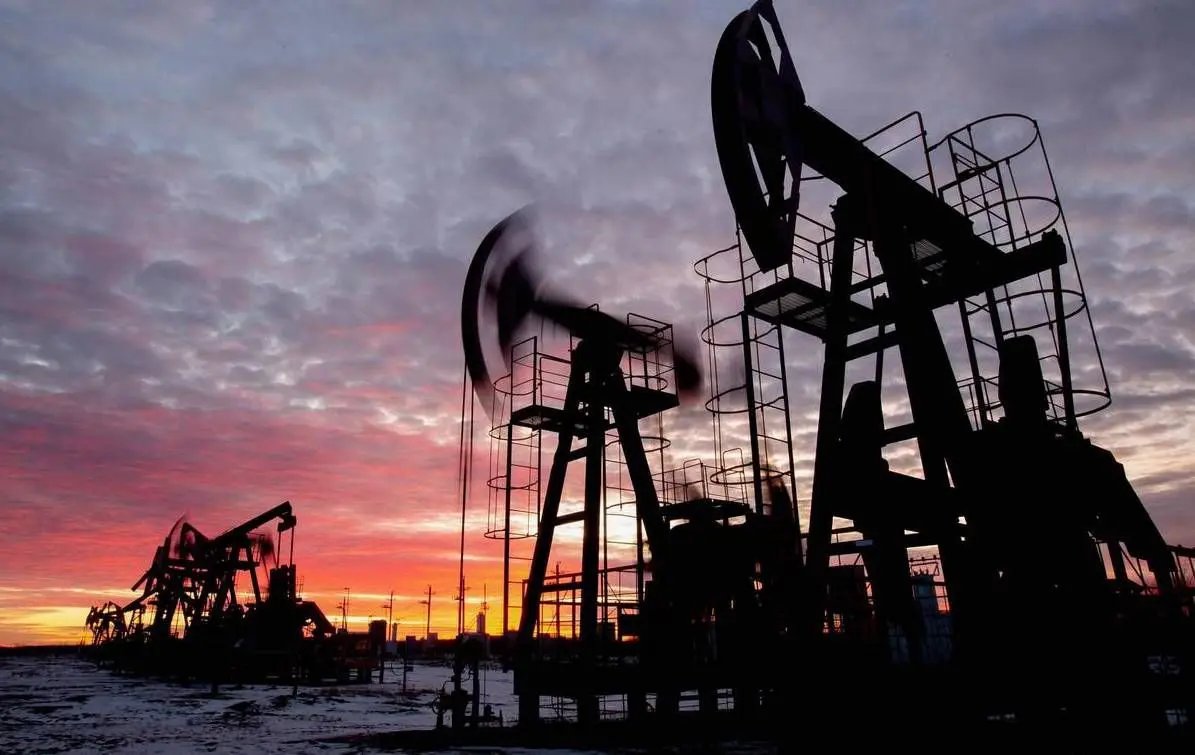
One-fifth of all oil and natural gas flows through the Strait of Hormuz in peacetime, making the waterway critical to global energy supplies and trade. The incident carries immediate consequences for consumers and businesses dependent on stable oil prices. Oil prices fell for a third consecutive day as flows through the strait climbed and indirect talks between the US and Iran showed signs of progress.
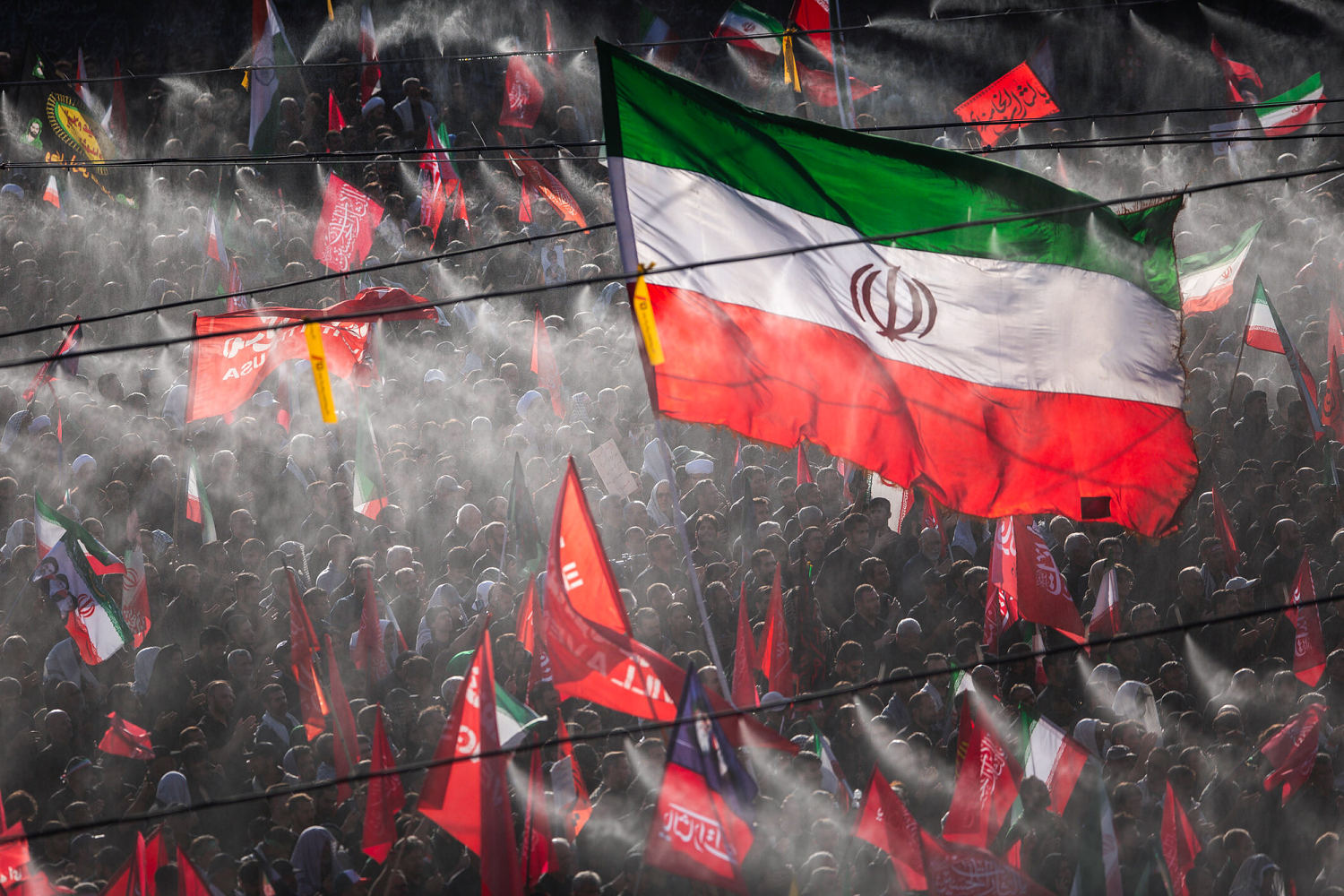
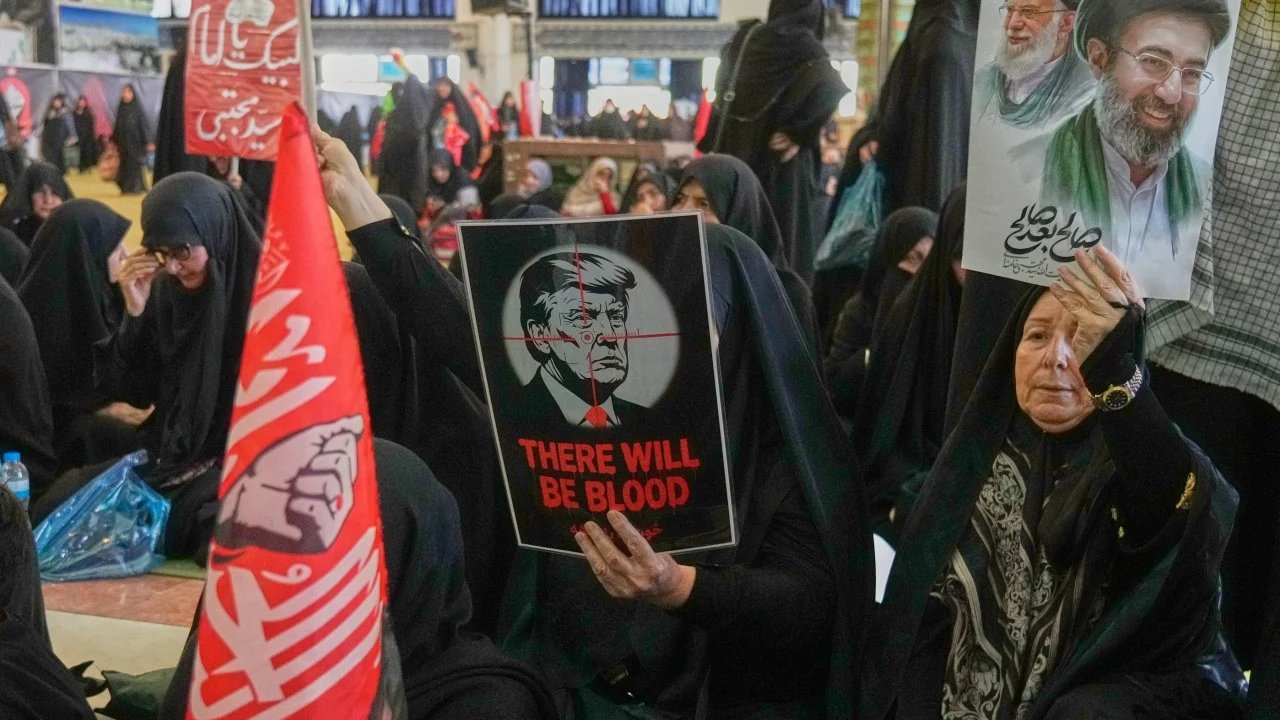
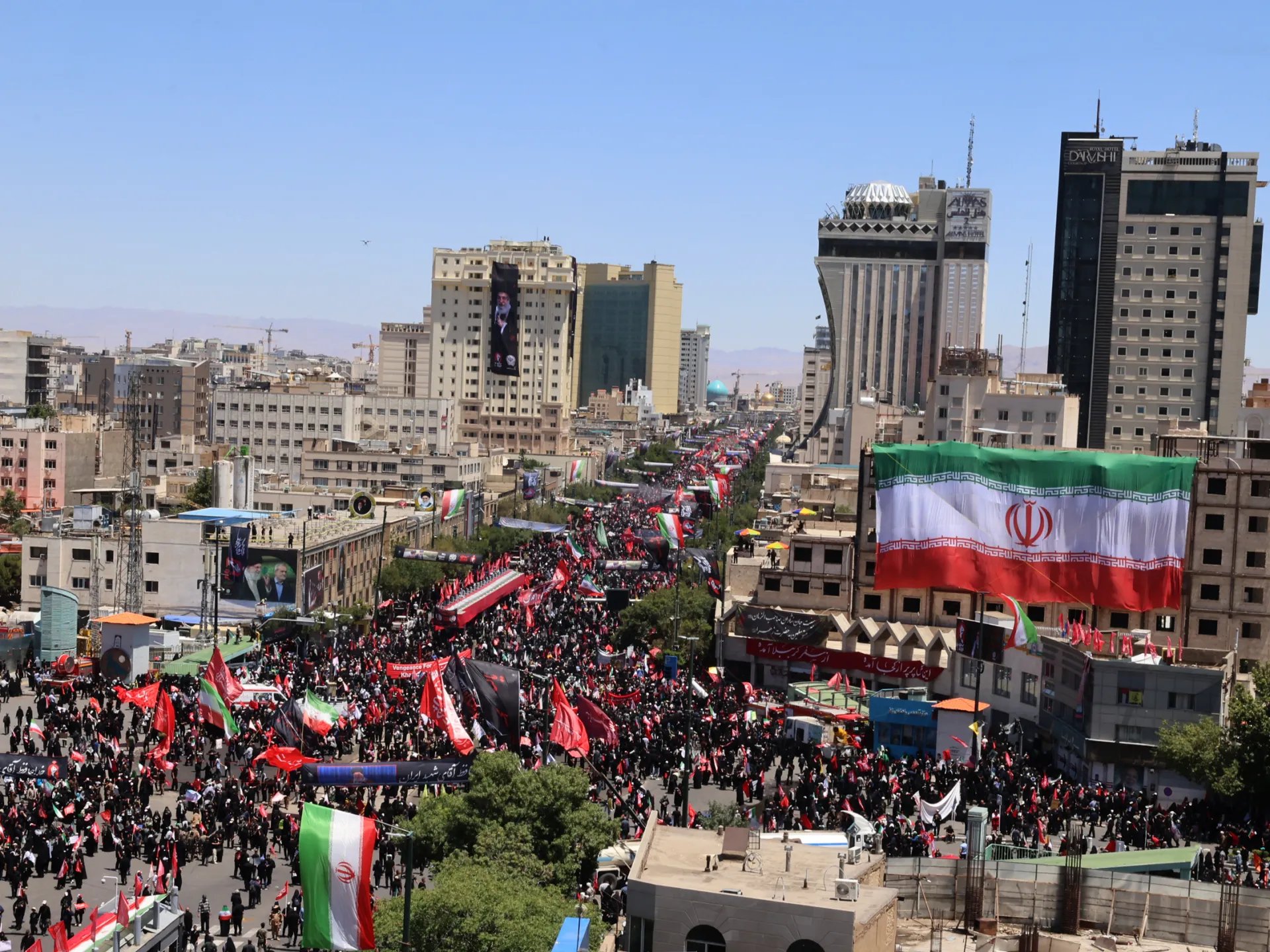
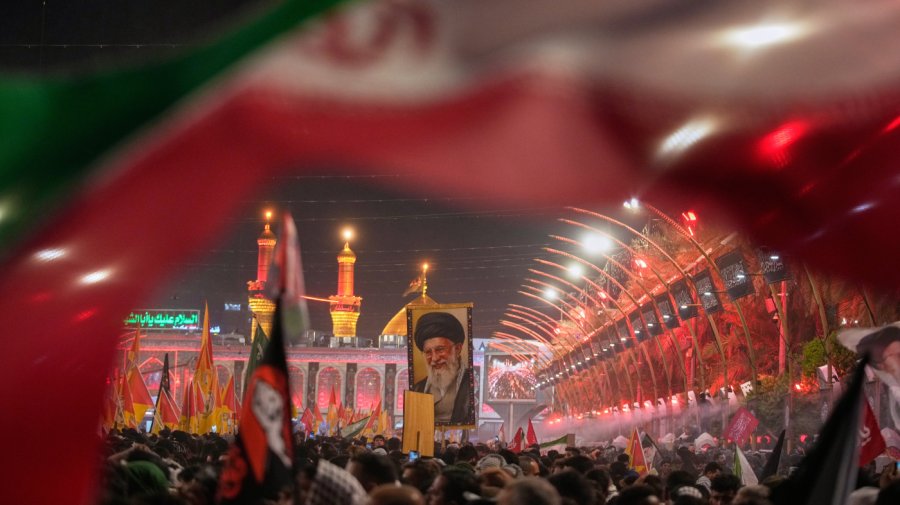
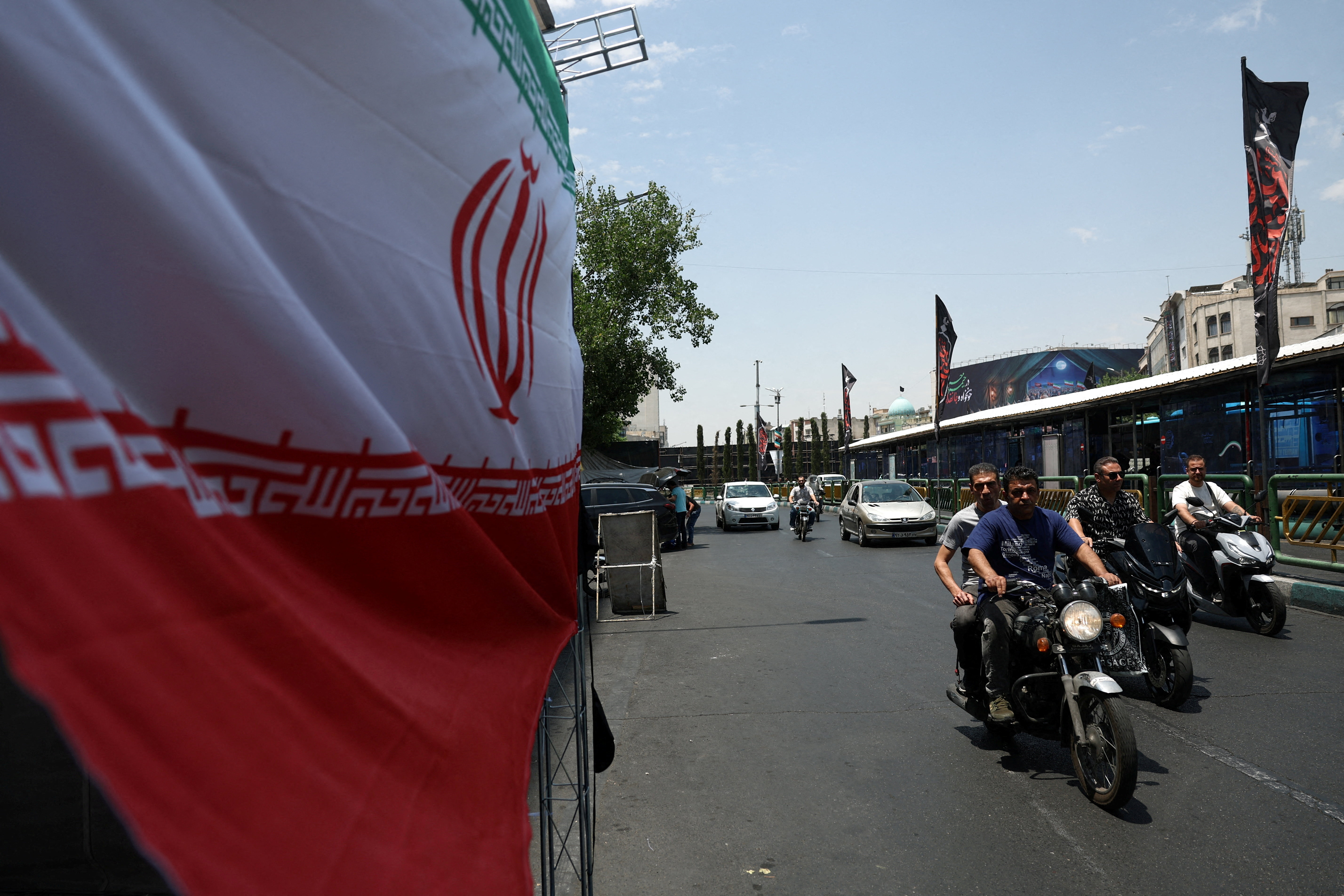
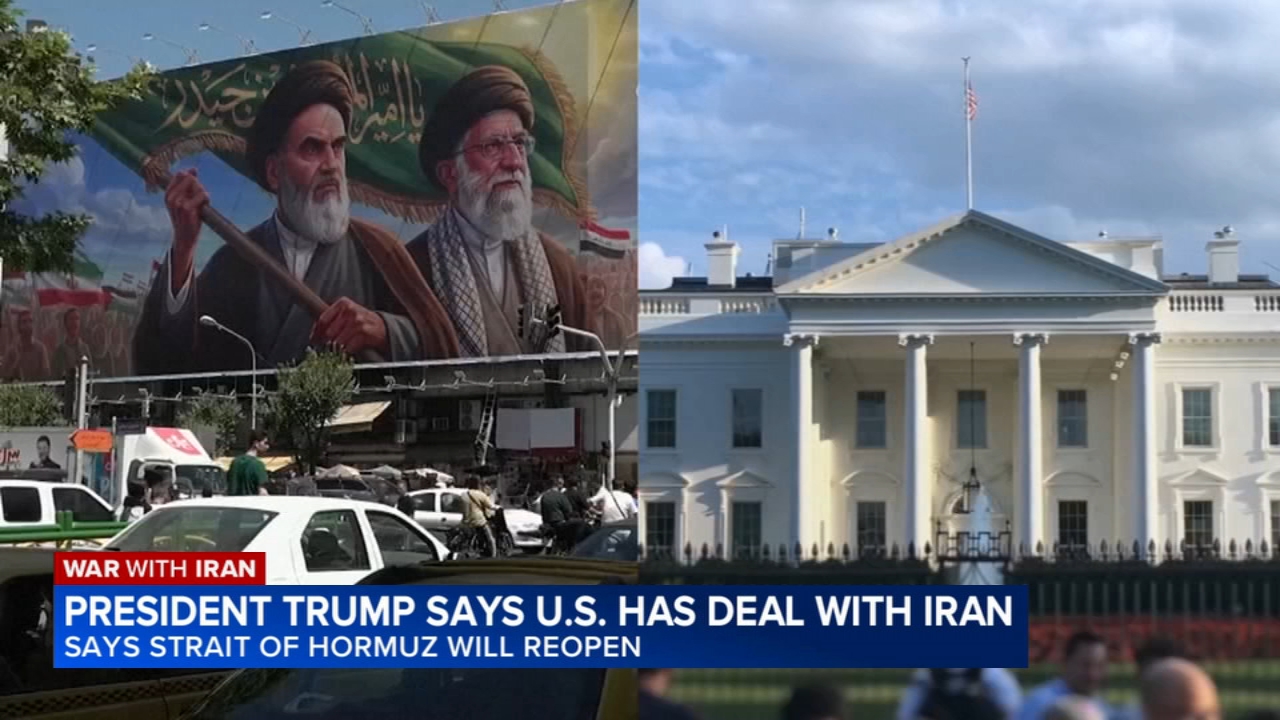
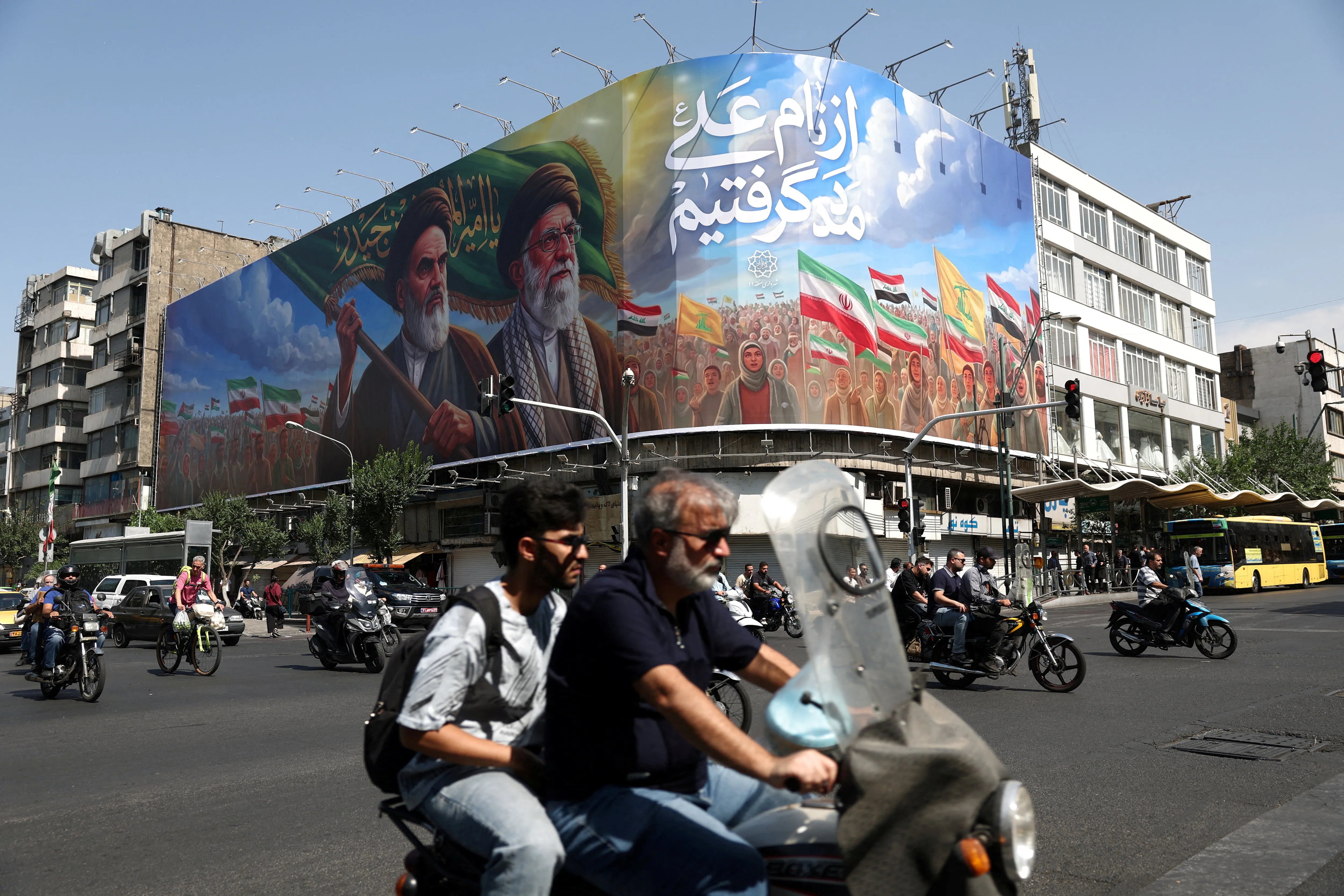
The Iranian state television report appeared designed to underscore Tehran's claims of authority over the strait, which the international community has long considered an international waterway. Since the US and Israel launched military operations against Iran on February 28, 2026, Iran has leveraged its ability to restrict shipping as a key negotiating tool, disrupting global markets for energy and other critical goods.
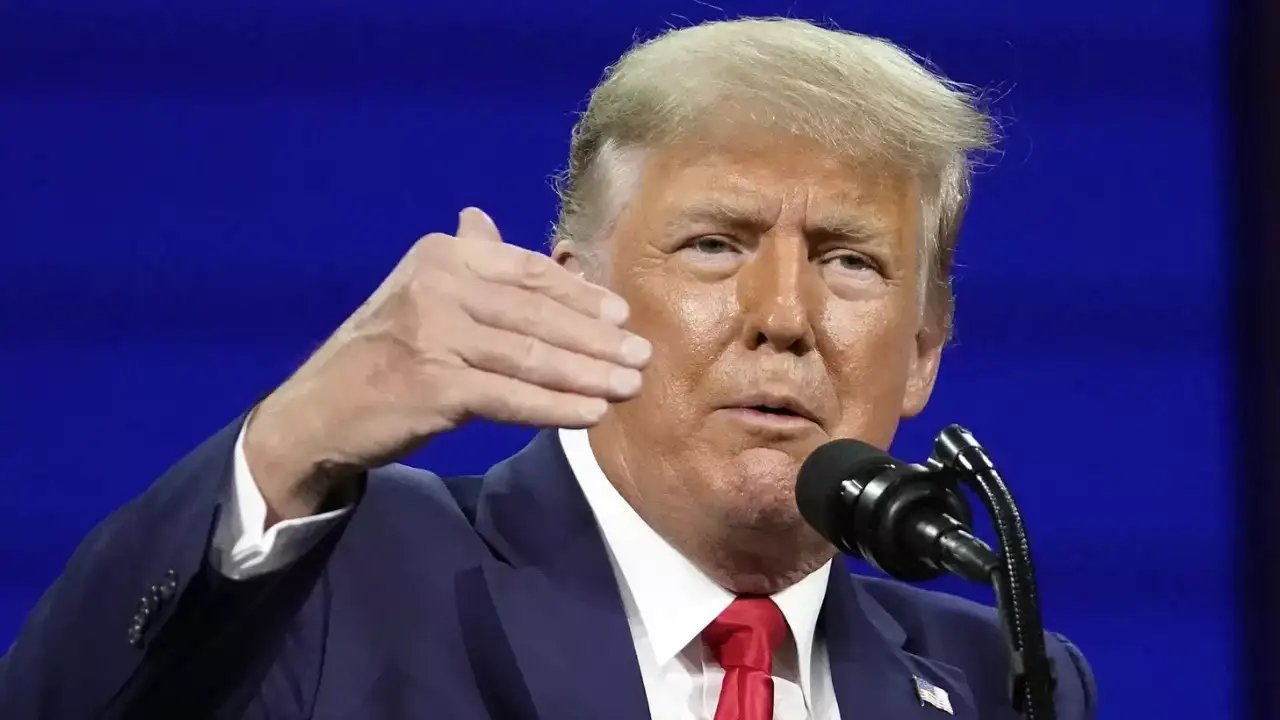
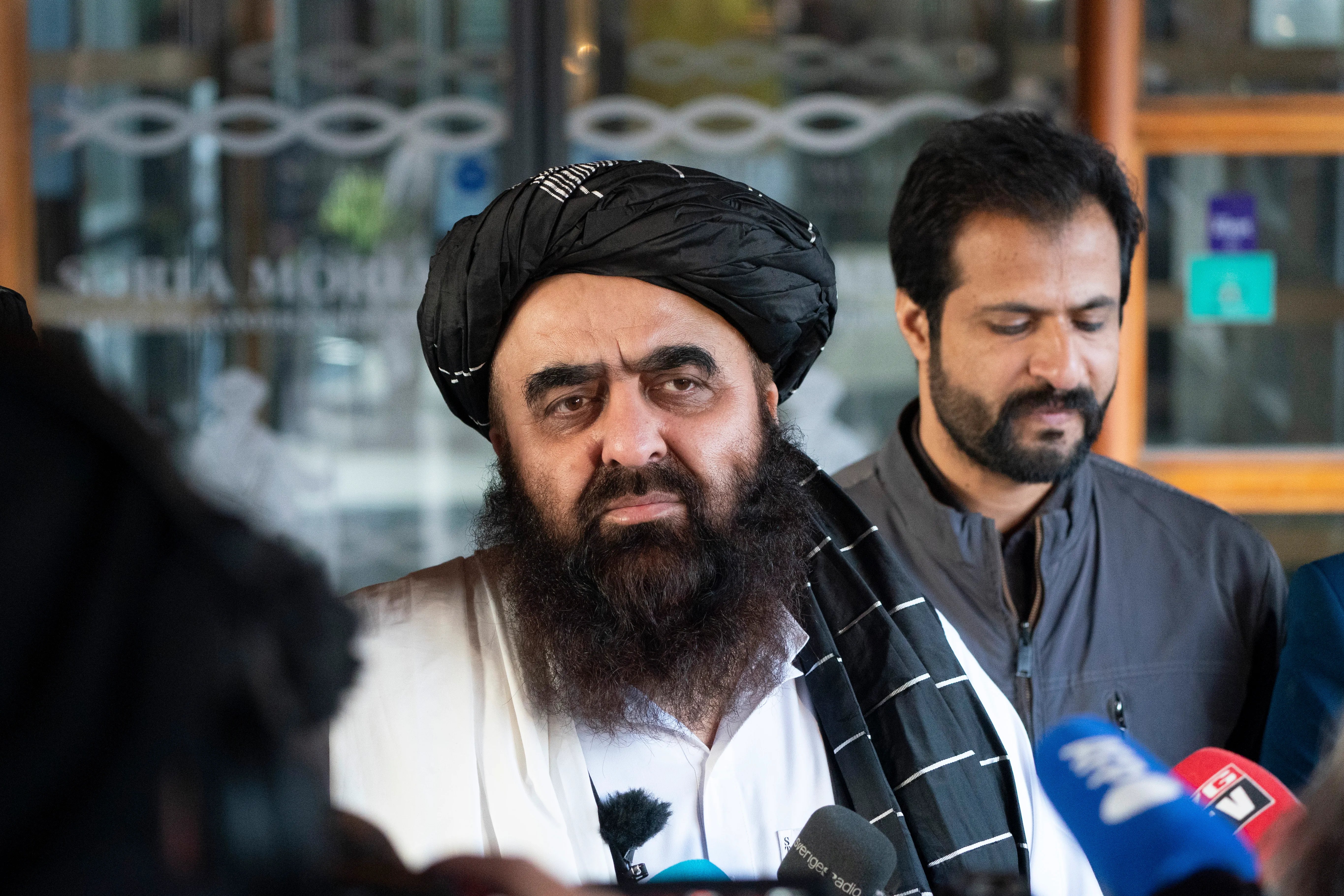
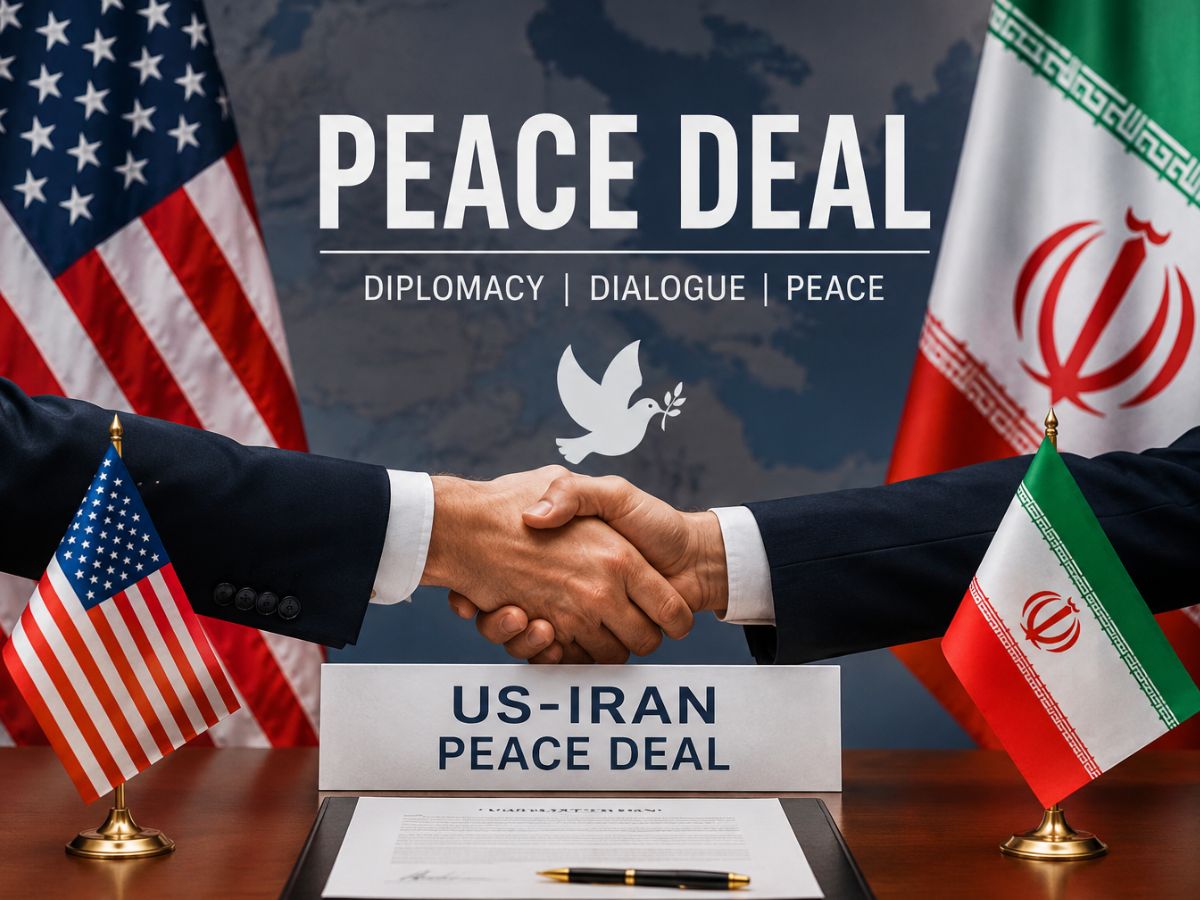
US Mideast envoy Steve Witkoff and Jared Kushner, the US President's son-in-law, were in Doha, Qatar, for talks aimed at achieving a permanent end to the conflict. Iran's top negotiator, Kazem Gharibabadi, traveled to Qatar with his team to participate in the discussions. Technical talks between diplomats began on Wednesday, according to two regional officials who requested anonymity to discuss the closed-door negotiations.
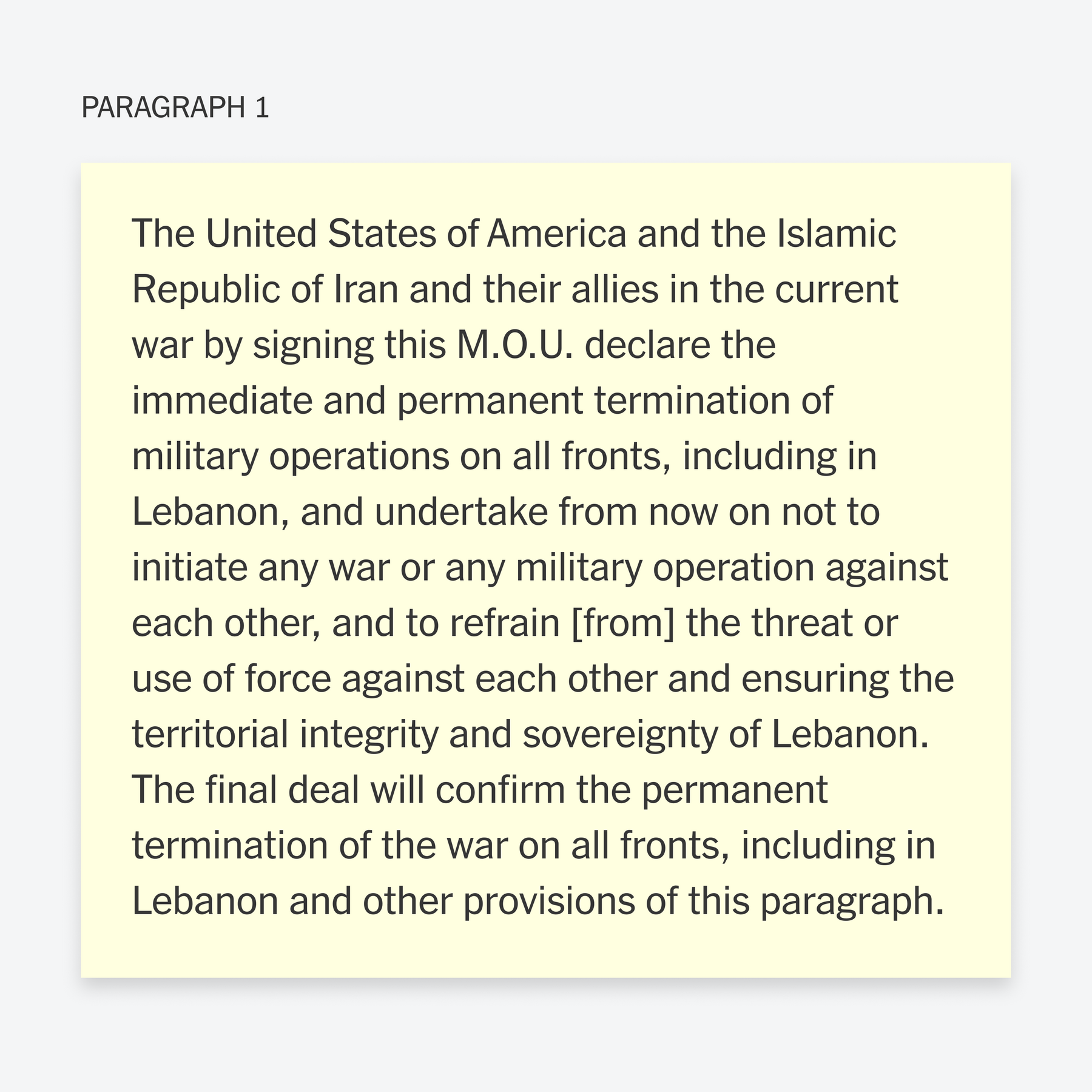
Negotiators aim to nail down specifics to pave the way for top leaders to seal an agreement, though differences over the strait and Lebanon loom large.
A foreign container ship ran aground in the Strait of Hormuz on Wednesday while using a route not approved by Iran, according to Iranian state television. The incident occurred as 42 vessels occupied the waterway, with 11 ships transiting through over recent hours. No additional details about the vessel or its condition were released.
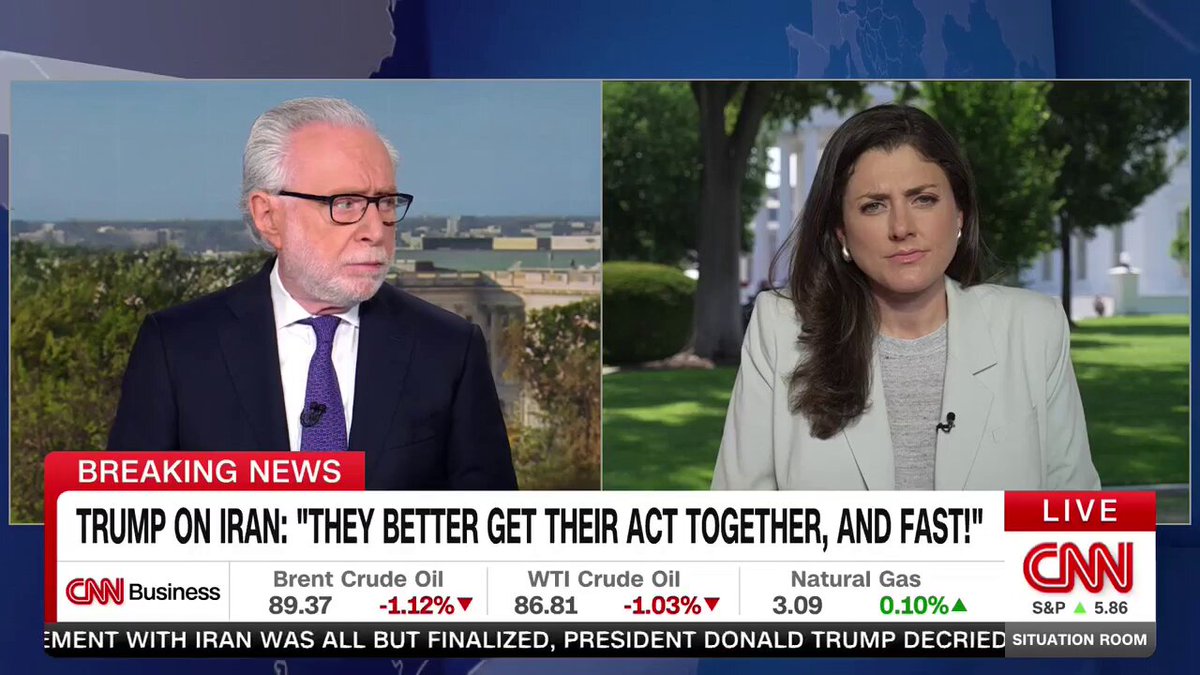
One-fifth of all oil and natural gas flows through the Strait of Hormuz in peacetime, making the waterway critical to global energy supplies and trade. The incident carries immediate consequences for consumers and businesses dependent on stable oil prices. Oil prices fell for a third consecutive day as flows through the strait climbed and indirect talks between the US and Iran showed signs of progress.
The Iranian state television report appeared designed to underscore Tehran's claims of authority over the strait, which the international community has long considered an international waterway. Since the US and Israel launched military operations against Iran on February 28, Iran has leveraged its ability to restrict shipping as a key negotiating tool, disrupting global markets for energy and other critical goods. The timing of the grounding report coincided with active diplomatic efforts in the region.
US Mideast envoy Steve Witkoff and Jared Kushner, the US President's son-in-law, were in Doha, Qatar, for talks aimed at achieving a permanent end to the conflict. Iran's top negotiator, Kazem Gharibabadi, traveled to Qatar with his team to participate in the discussions. Technical talks between diplomats began on Wednesday, according to two regional officials who requested anonymity to discuss the closed-door negotiations.
Negotiators are working to establish specific terms that would allow top leaders to finalize an agreement, though disagreements over control of the strait and the situation in Lebanon remain significant obstacles to a deal.
Highlighted text was flagged by the council. Tap to see feedback.