




The Blacklist and Its Consequences
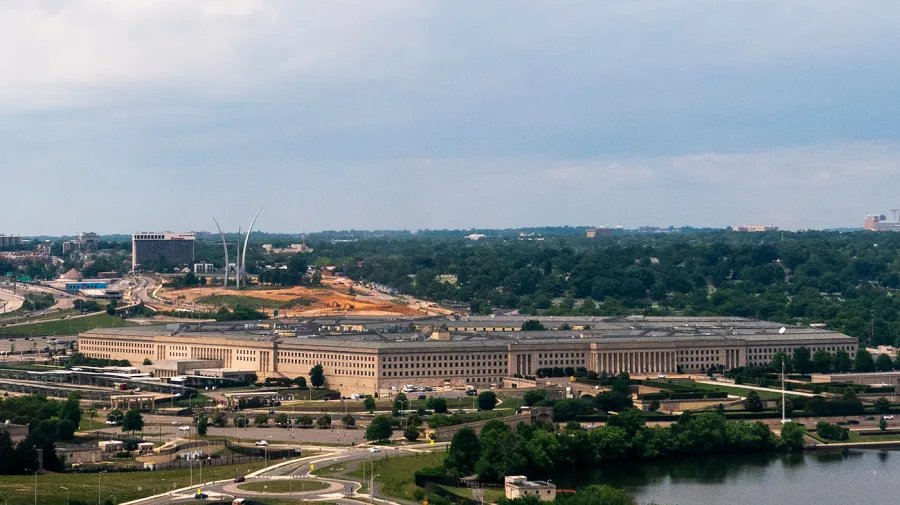
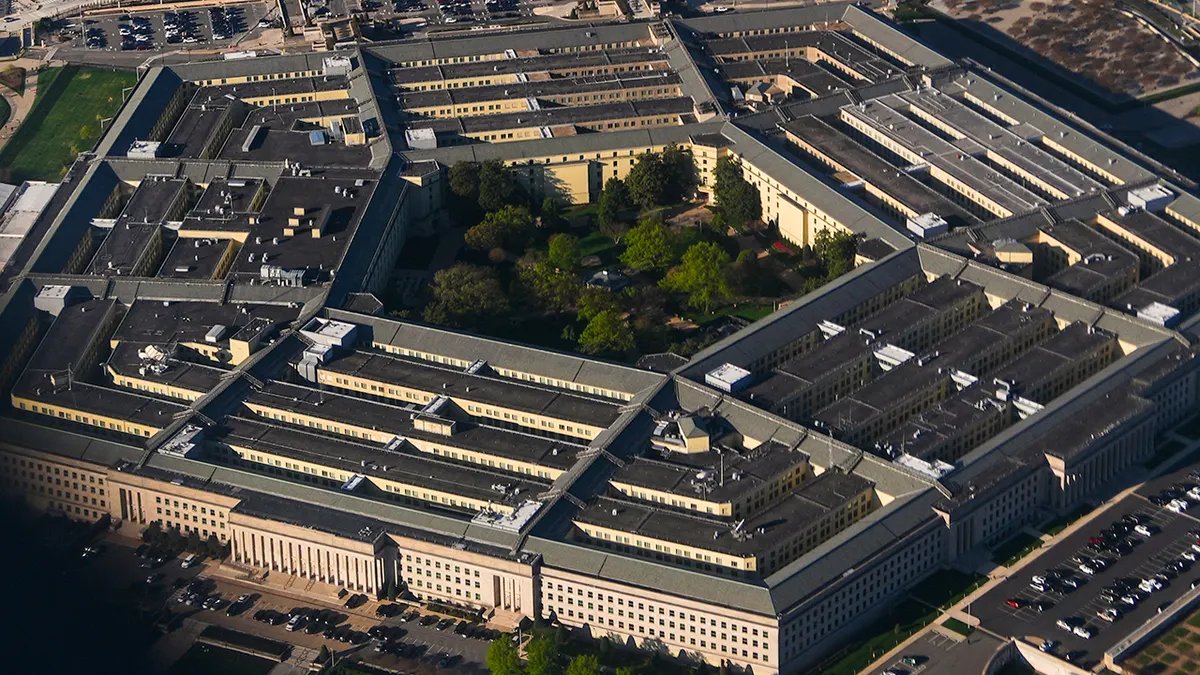
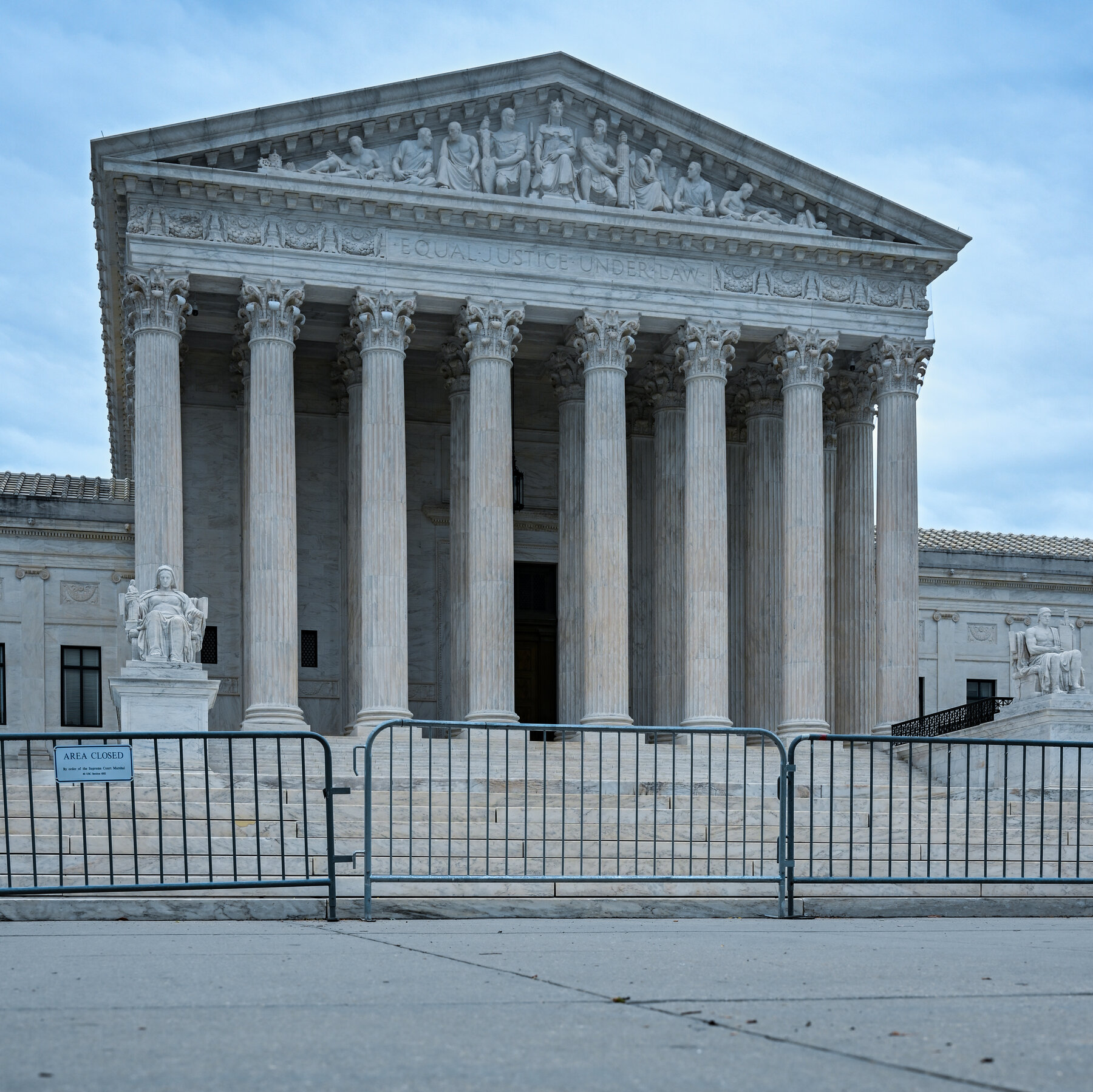
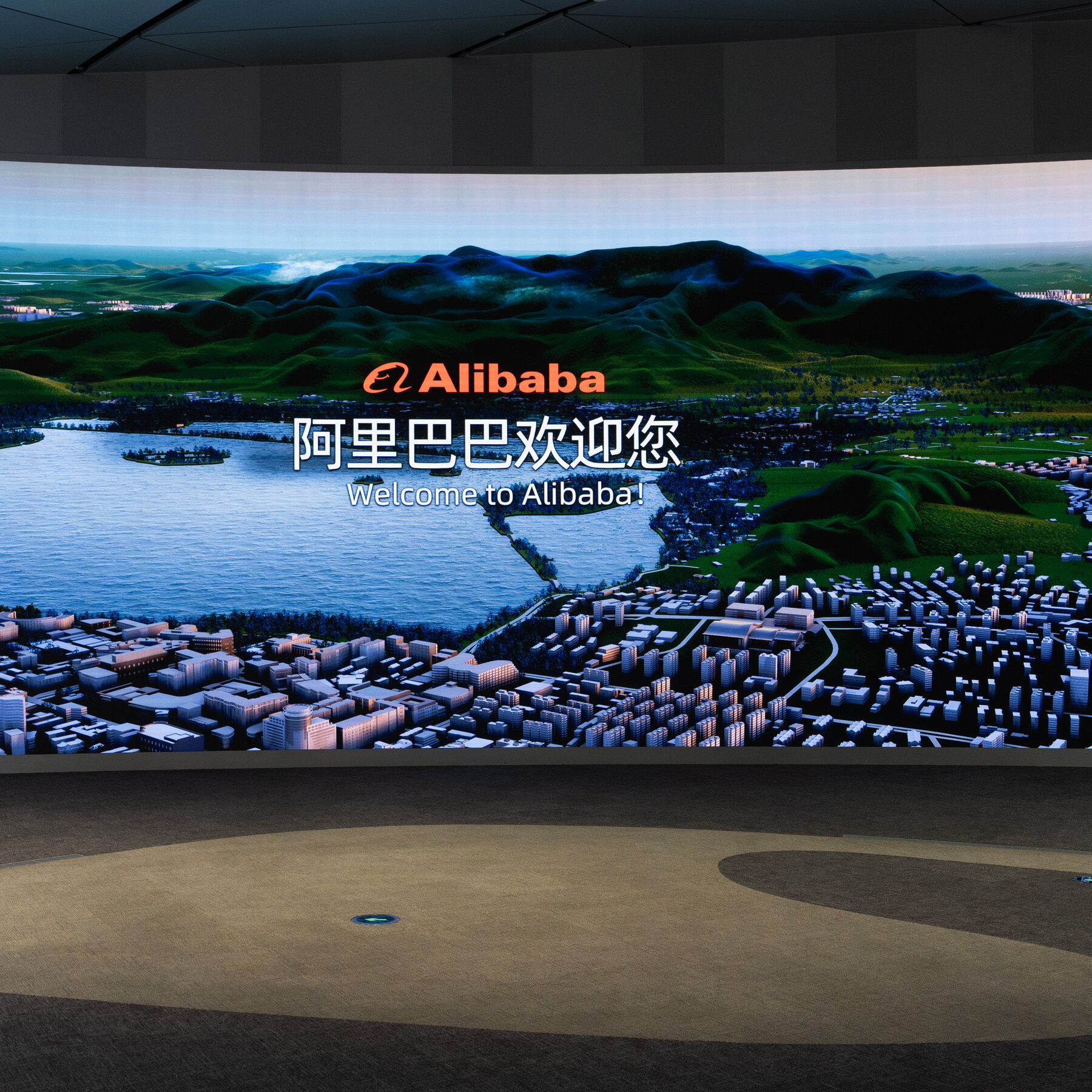
Alibaba filed a federal lawsuit Tuesday in San Jose, California, challenging the Pentagon's decision to place it on a blacklist of companies with alleged ties to the Chinese military. The Defense Department added the e-commerce and cloud-services giant to its so-called 1260H list this month, alongside 79 other companies and subsidiaries including Baidu, BYD, and Nio. Starting June 30, the Pentagon is legally banned from entering new contracts with any blacklisted firm or their controlled subsidiaries.
The blacklist carries an additional penalty that Alibaba argues violates constitutional rights. The law extends to any U.S. contractor that shares a lobbyist or law firm with a blacklisted entity, effectively forcing the company's long-term American advisers to sever ties to protect their own defense contracts. According to Alibaba's complaint, advocates who have represented the company for years have already informed it they can no longer do so. The company argues this restriction strips it of its political and legal voice in Washington at the exact moment it needs to defend itself.
Alibaba's Defense Against Military Ties
Alibaba contends the determinations "have no basis in fact or law." The company told the BBC it is "not a Chinese military company nor part of any military-civil fusion strategy," and noted that none of the members of its independent board have any military affiliation. The Pentagon justified the designation by saying Alibaba complies with Chinese technology regulators and is therefore effectively an arm of the military. Alibaba countered that every multinational operating in China, including American firms, must follow the exact same local rules.
The company emphasized its actual business purpose. Its platforms are built for retail and cloud computing, not weapons or intelligence, Alibaba stated. The firm is a publicly traded entity with a diverse shareholder base dominated by major American financial institutions including JPMorgan, Citigroup, and BlackRock.
The Pentagon's Process and Refusal to Engage
Alibaba claims it previously asked to meet with the Pentagon to address the military affiliation concerns and submitted evidence of its U.S. economic contributions. The agency did not raise any concerns with the firm nor request additional information, according to the complaint. Instead, it "designated Alibaba without notice or a fair hearing." The Pentagon declined to comment on the matter, telling the BBC, "We do not comment on ongoing litigation."
Broader Tensions and Retaliation
Other Chinese companies have challenged their designations. BYD and Baidu said earlier that there was no basis for their inclusion on the list. The Chinese Embassy asserted that the U.S. was "overstretching the concept of national security and making discriminatory lists to go after Chinese companies." China retaliated against the blacklist on Monday, imposing export controls on ten U.S. companies involved in defense and rare earths mining.
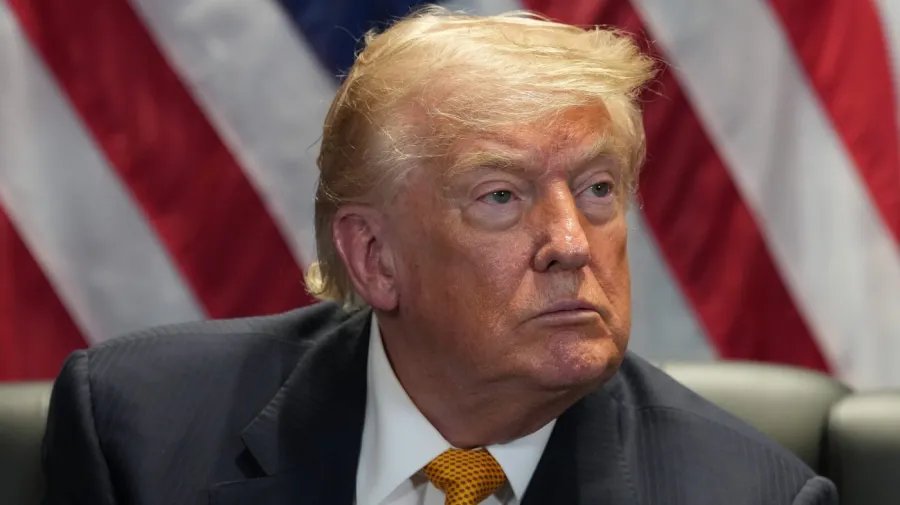
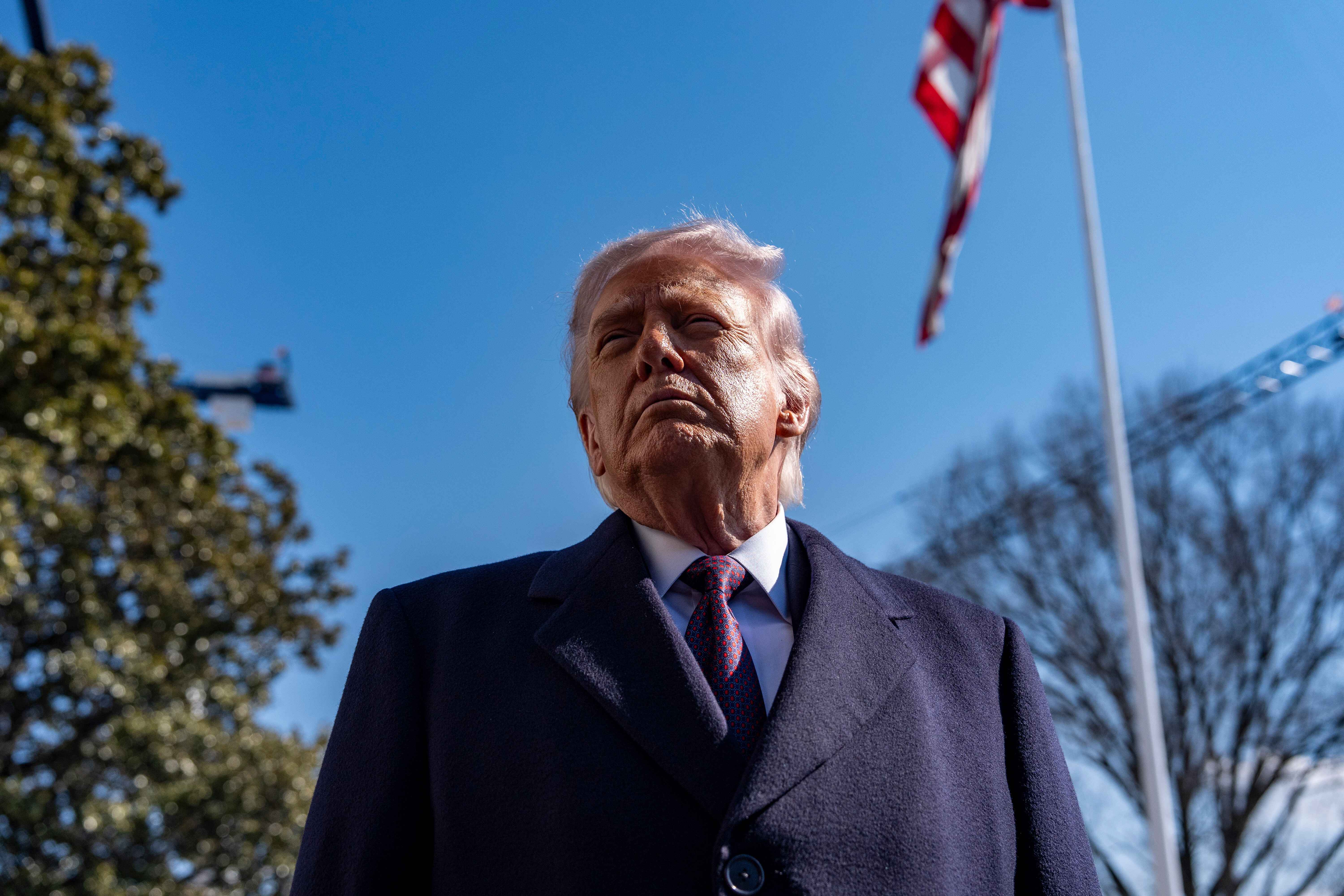
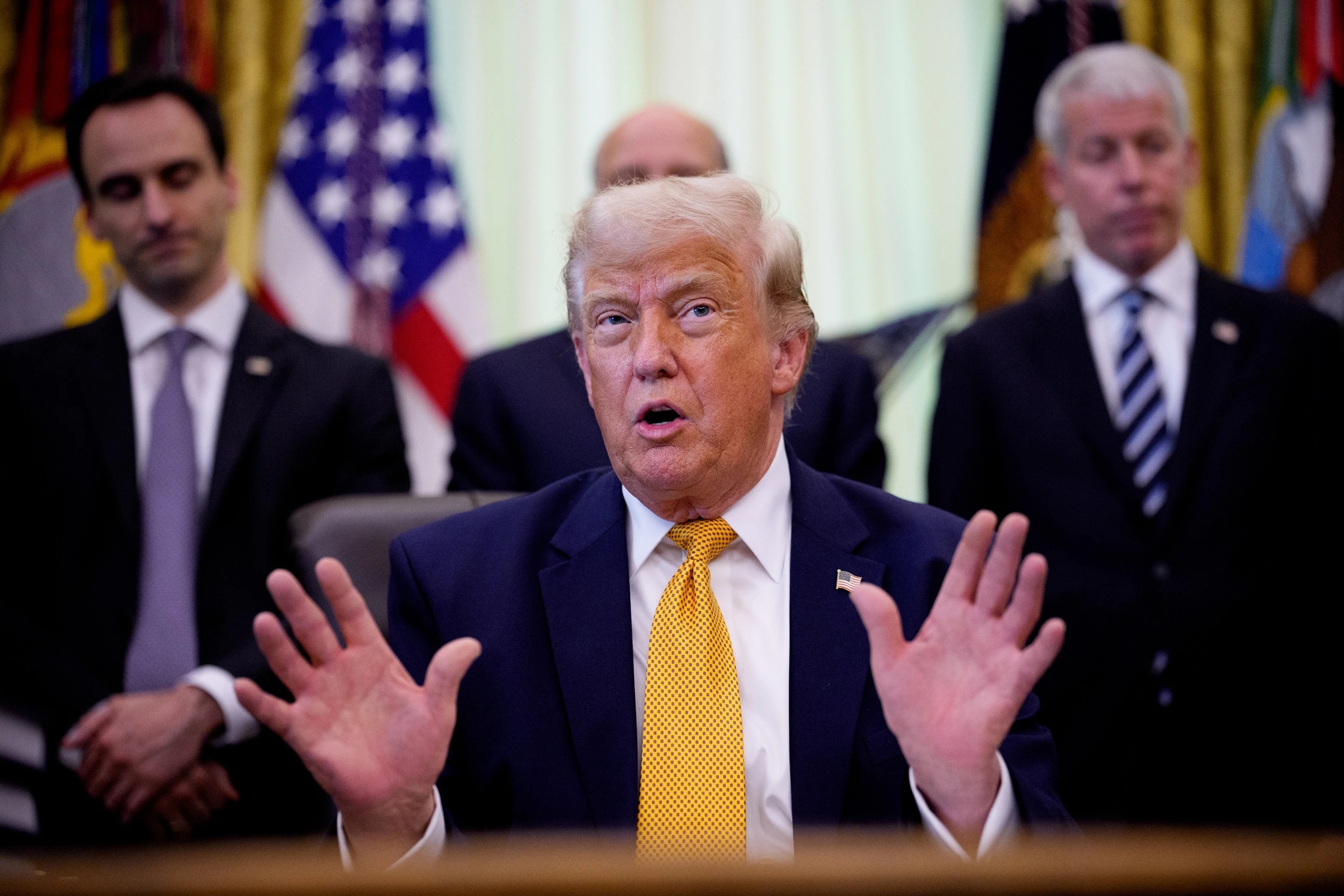
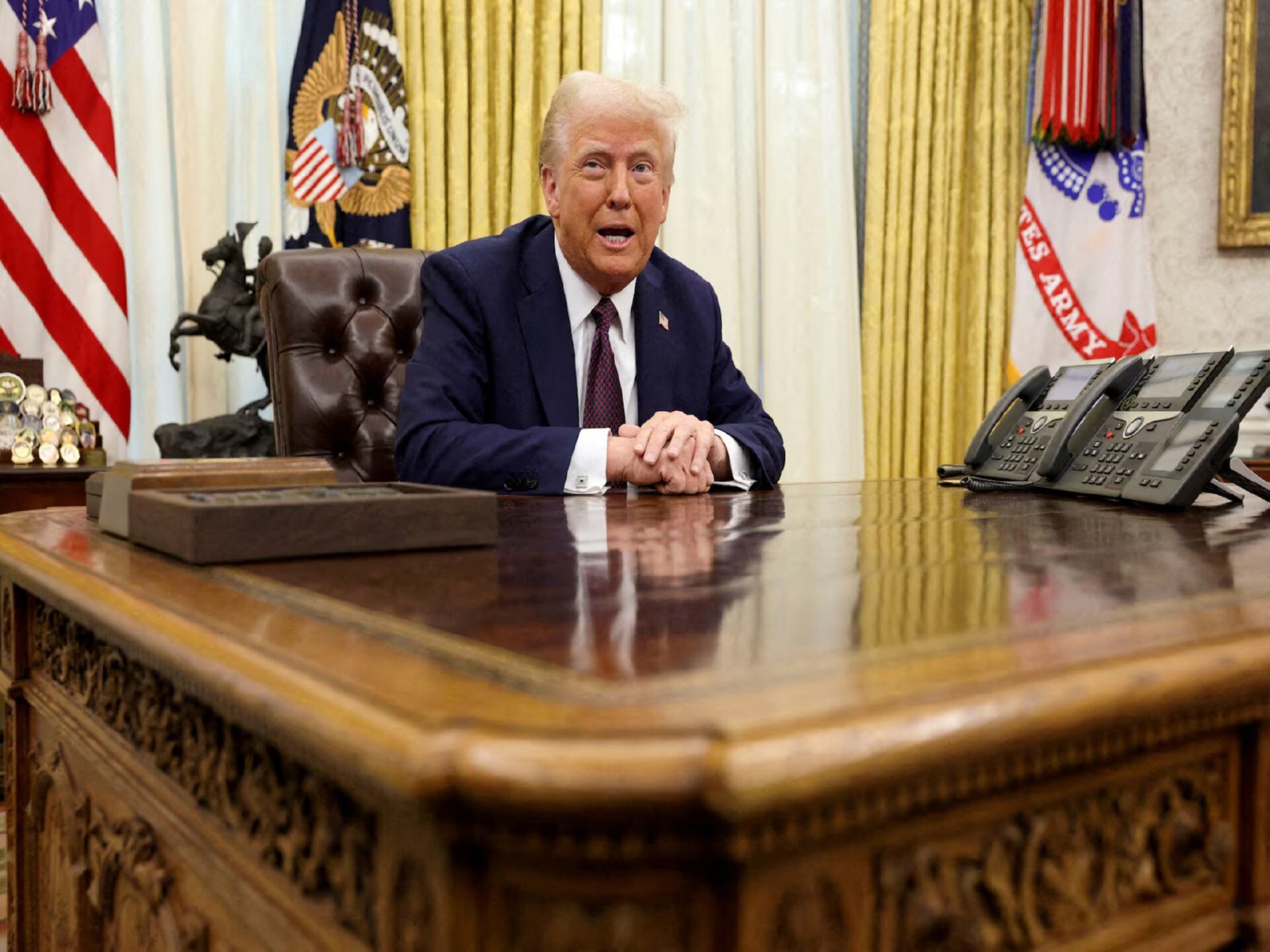
The legal challenge tests bilateral relations after President Trump and Chinese counterpart Xi Jinping met in Beijing last month to stabilize ties. Alibaba called the Pentagon's decision "arbitrary and capricious" in its complaint, setting up a direct confrontation between a major technology company and U.S. defense policy.