




Rising Geopolitical Rivalry
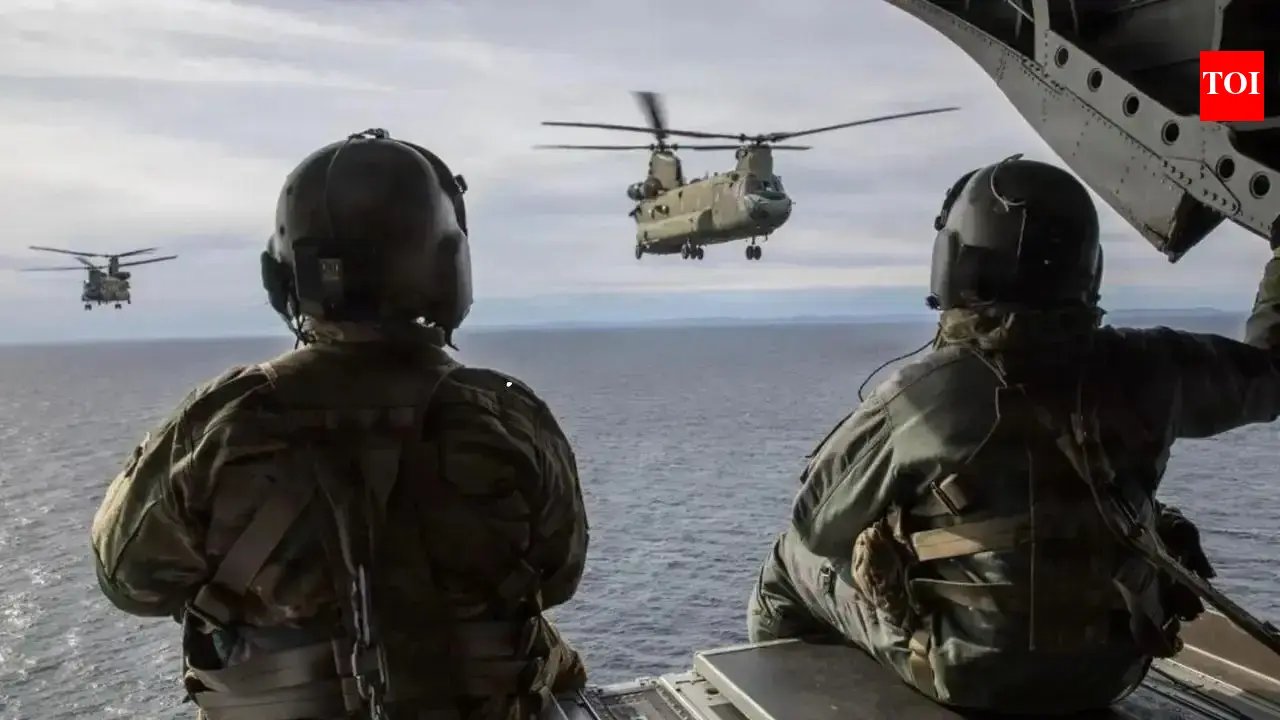
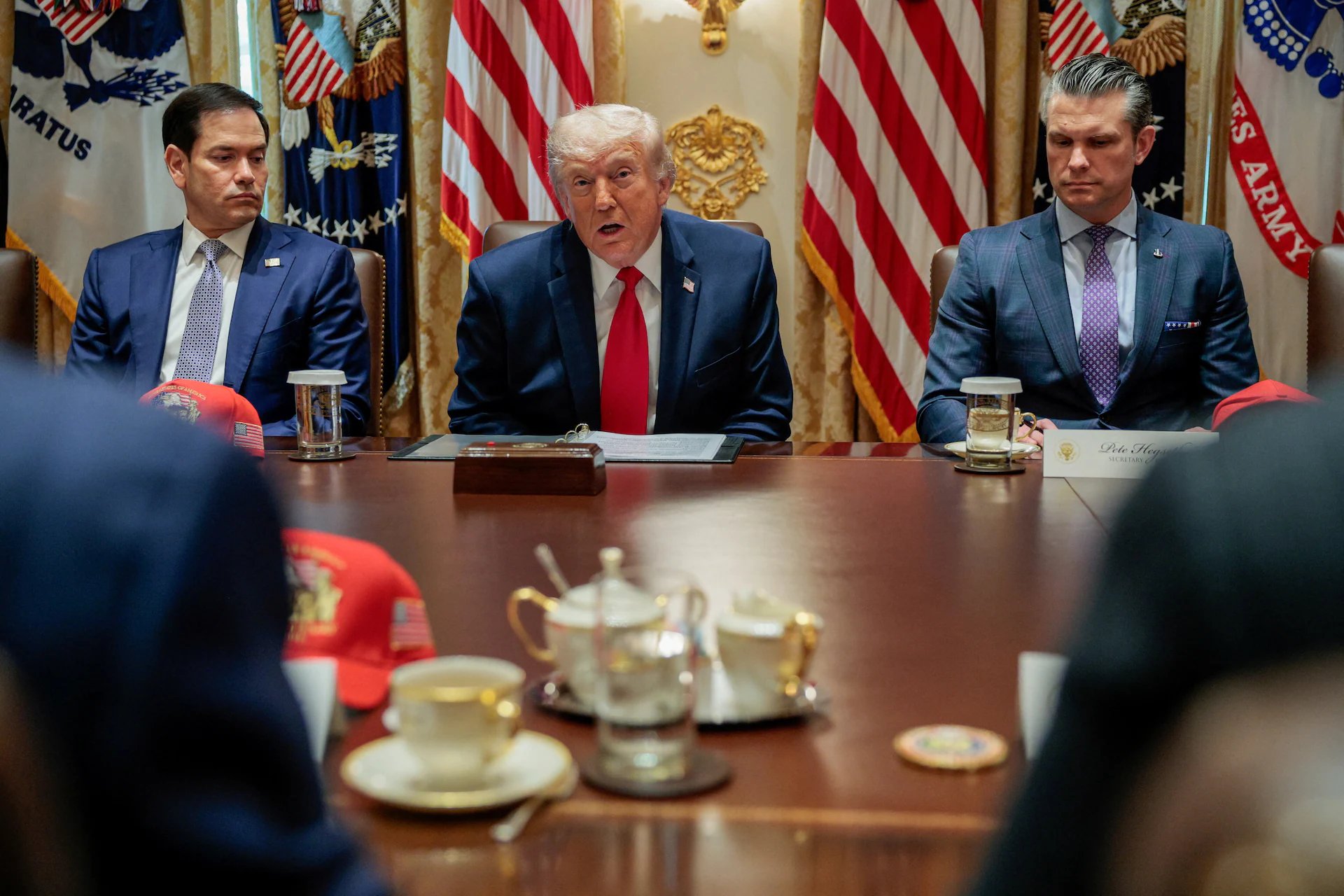
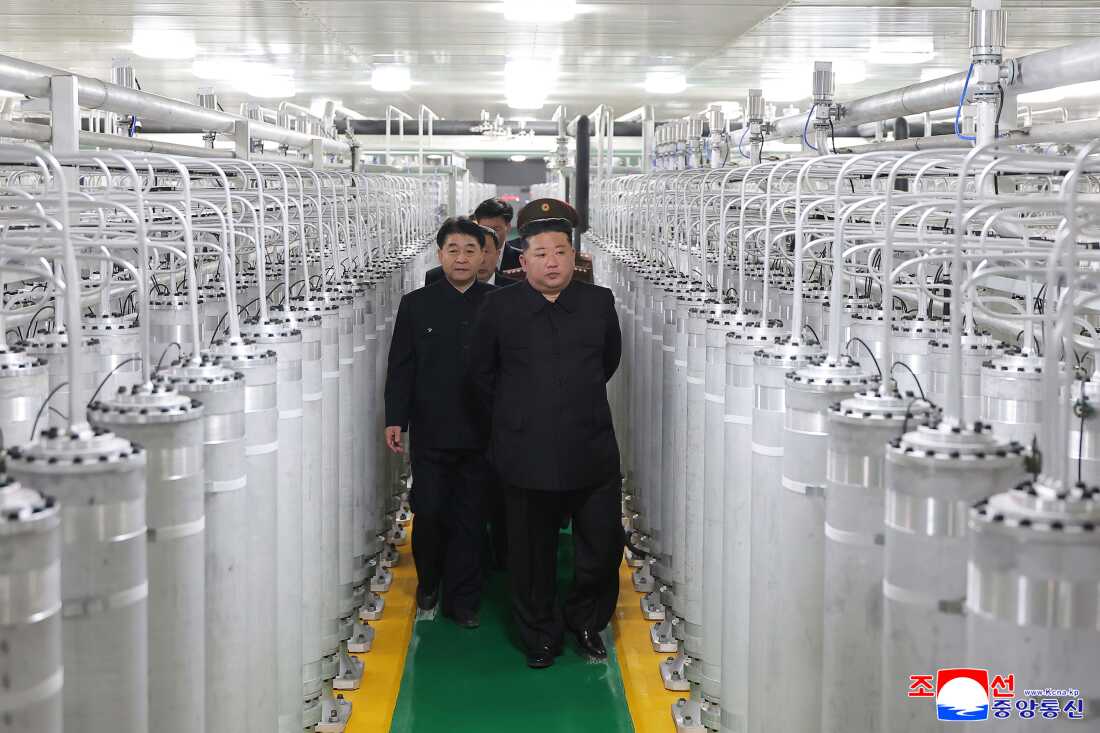
Nuclear powers are increasingly deploying warheads to operational systems, reversing disarmament trends fueled by growing geopolitical rivalry and a new arms build-up, according to the Stockholm International Peace Research Institute (SIPRI). SIPRI's annual report reveals that despite a slight decline in overall stockpiles, the risk of conflict is rising as warheads move from storage. SIPRI researchers warn this trend could reverse decades of reductions in nuclear arsenals, posing a significant threat to global security.
Modernization and Expansion of Arsenals
In 2025, all nine nuclear-armed countries modernized and expanded their arsenals, introducing new nuclear weapons and additional delivery systems capable of carrying both conventional and nuclear warheads. Tytti Erasto, a scientist with SIPRI's Weapons of Mass Destruction program, highlighted the drastic change in nuclear policy in Finland and Sweden since Russia's invasion of Ukraine and their accession to NATO. "Historically known as nonaligned supporters of nuclear disarmament, these states are now actively involved in NATO nuclear policy," Erasto said.
Accelerating Deployment of New Nuclear Weapons
SIPRI researchers warn that the current trend of retiring outdated warheads may reverse in the coming years as the deployment of new nuclear weapons accelerates. This development indicates a shift away from disarmament commitments towards an arms-race dynamic, increasing the risks of conflict. "The evidence is growing that the nuclear weapon states are sidelining, and even walking away from, their disarmament commitments and are instead flexing their nuclear muscles," said Hans M. Kristensen, a nuclear weapons expert with SIPRI and the Federation of American Scientists.
China's Rapid Modernization
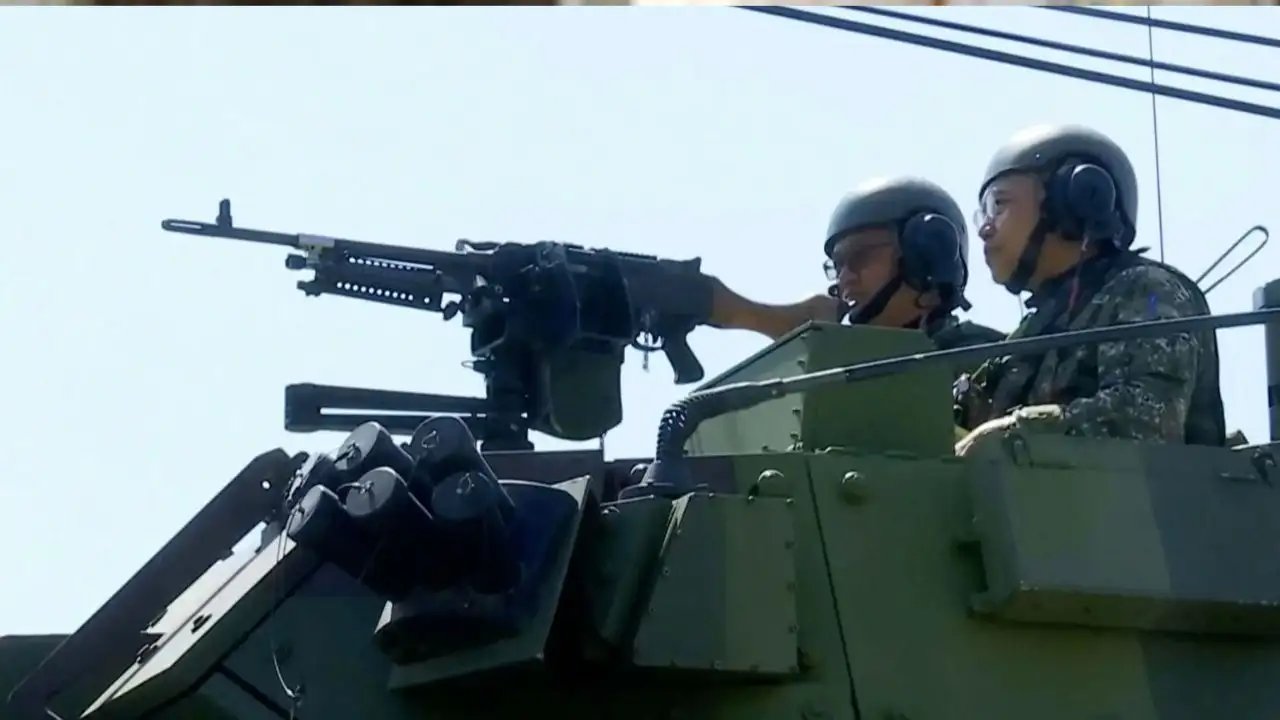
China is rapidly modernizing its nuclear forces, with estimates suggesting it has about 620 nuclear warheads, up from 600 in 2024. At a military parade in September 2025, China presented a complete nuclear triad for the first time, signaling its intent to deter potential nuclear attacks. According to SIPRI, China has stationed hundreds of nuclear-capable missiles in three large silo fields in the north, with work underway on 30 additional silos in three eastern mountainous regions.
European Nuclear Dynamics
In Western Europe, the United Kingdom and France possess nuclear weapons, with France offering its nuclear umbrella to other European countries. Germany, barred from possessing nuclear weapons by the Two Plus Four Treaty of 1990, relies on the US nuclear umbrella and has recently begun talks with France on closer cooperation in nuclear deterrence.
The escalating deployment of nuclear warheads by global powers, as warned by SIPRI, has significant implications for global security dynamics, potentially increasing the risk of conflict and undermining decades of disarmament efforts.