




Attack Overview
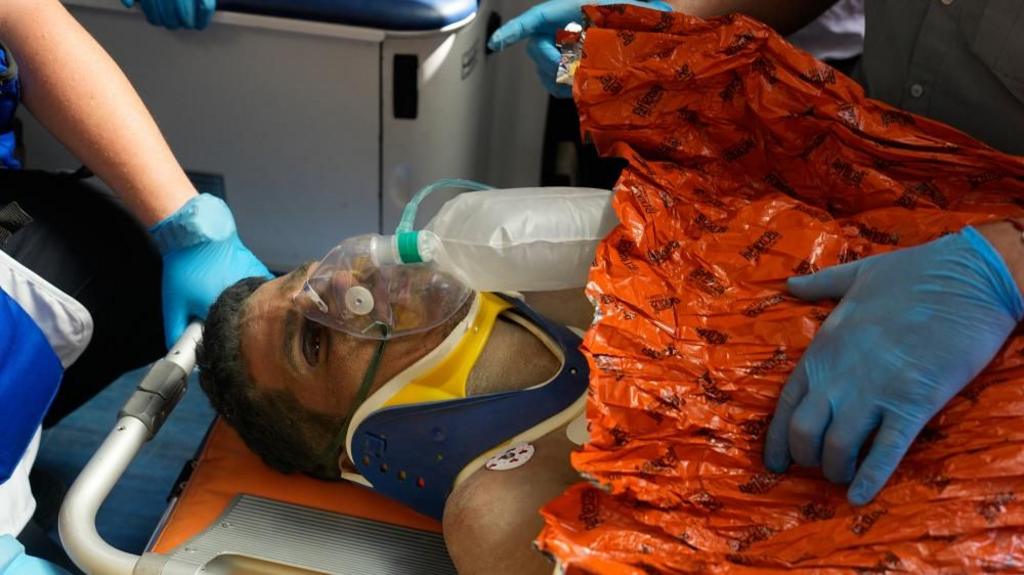
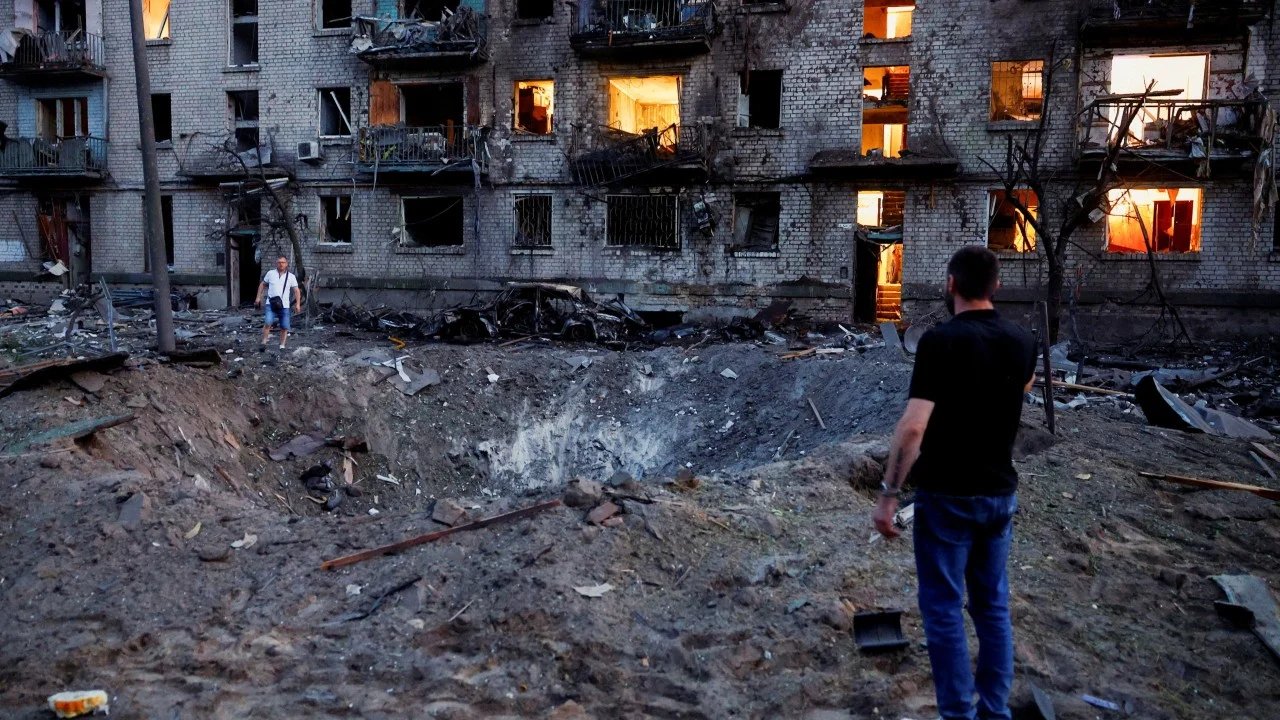
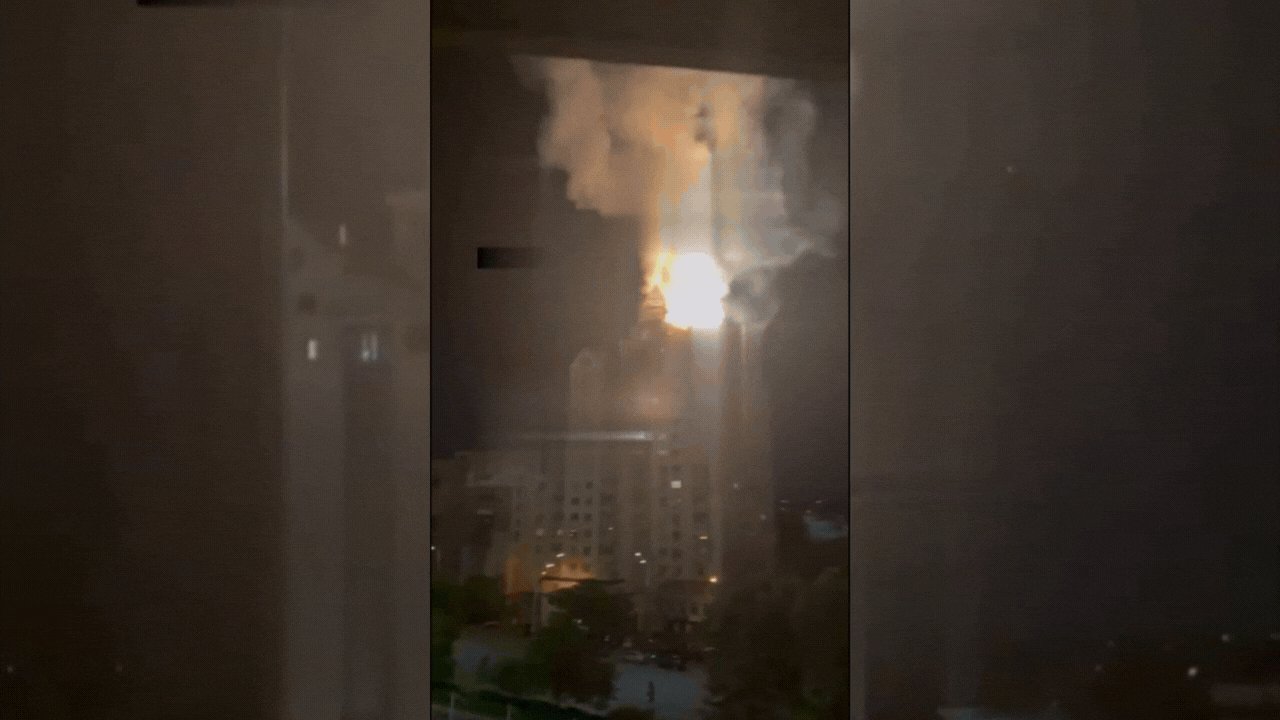
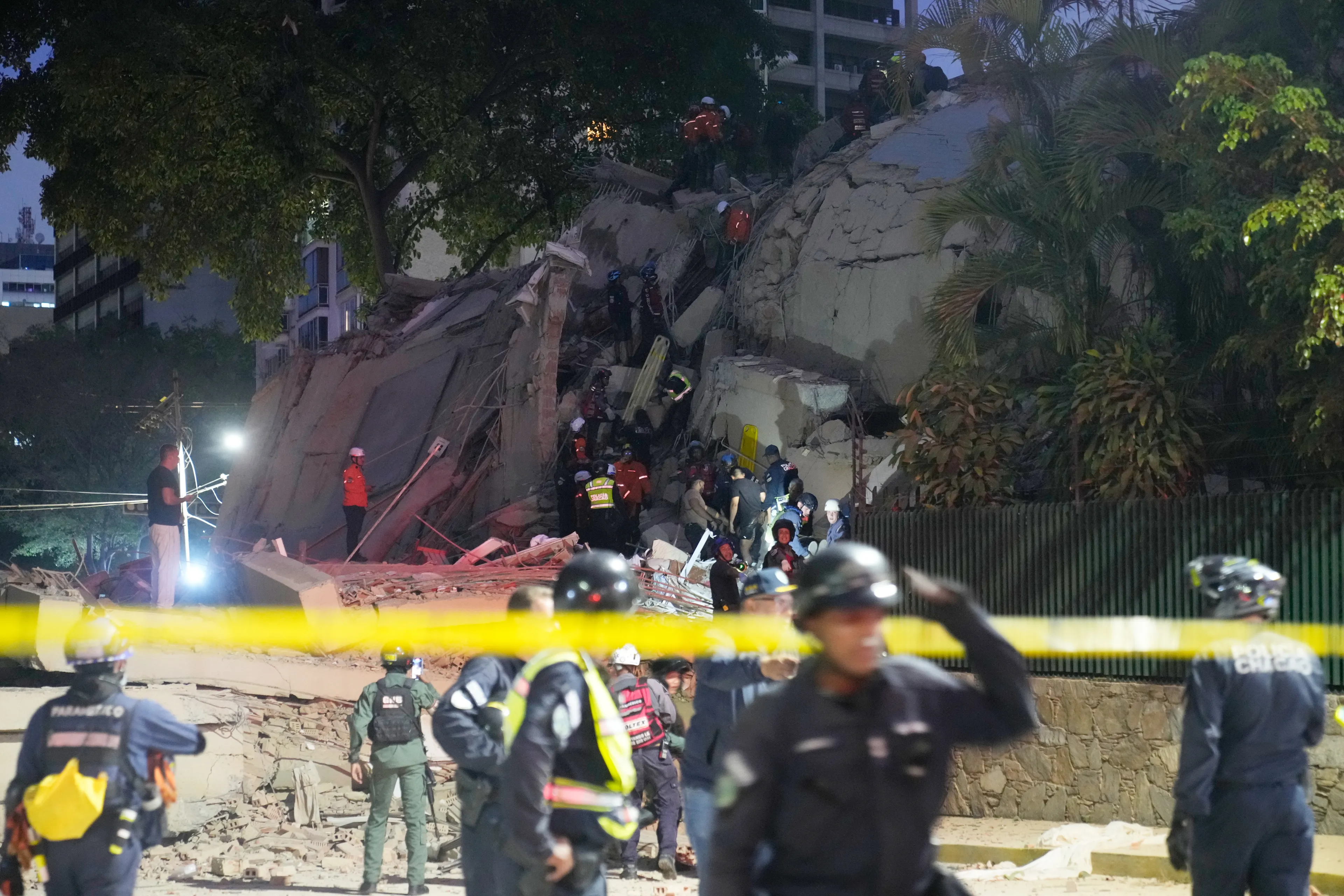
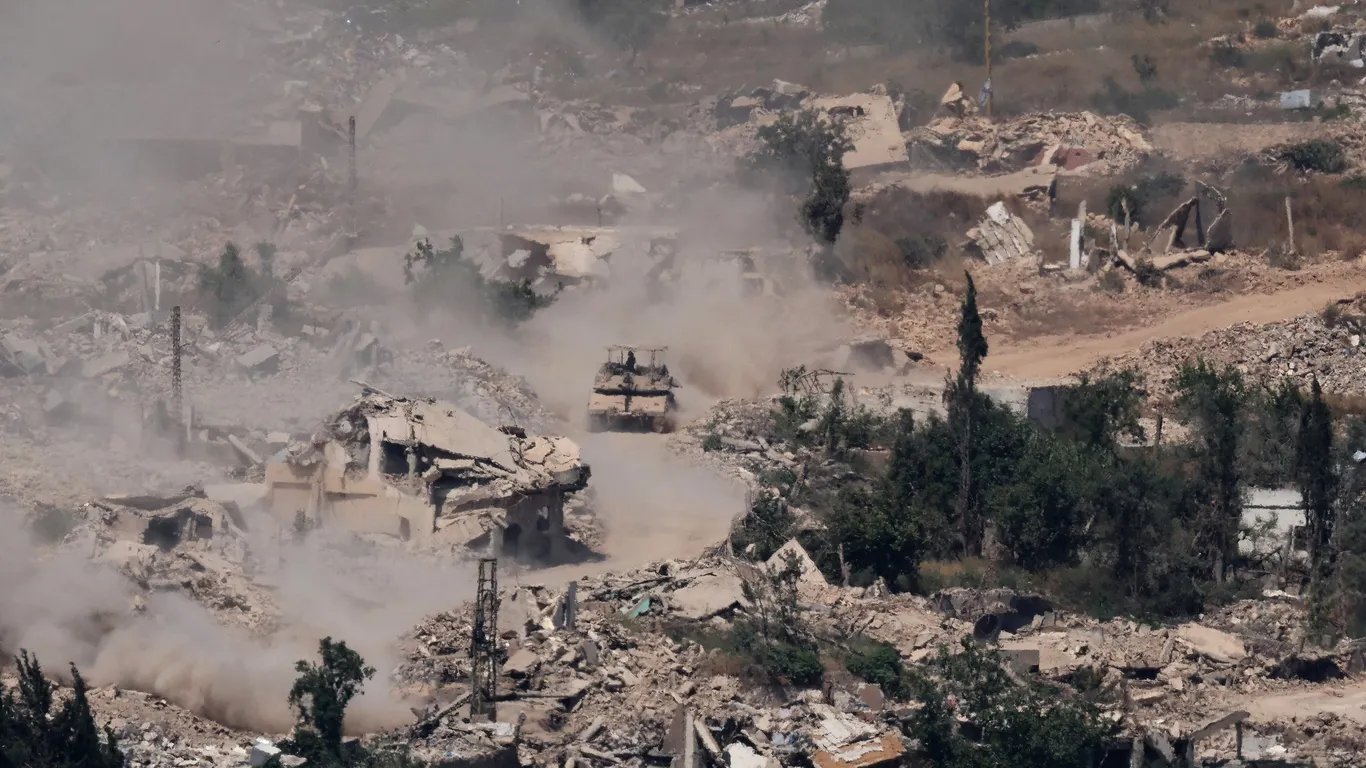
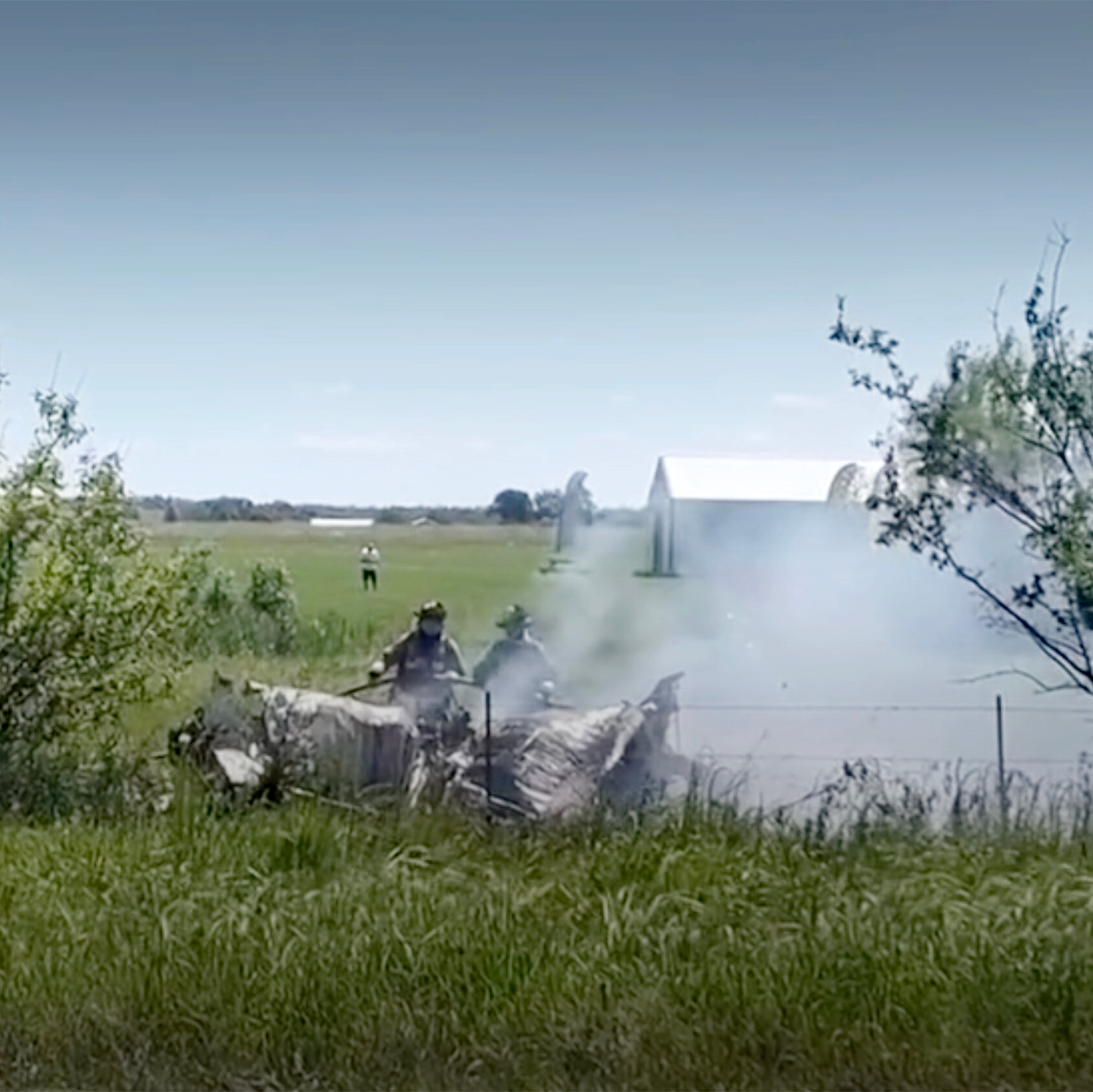
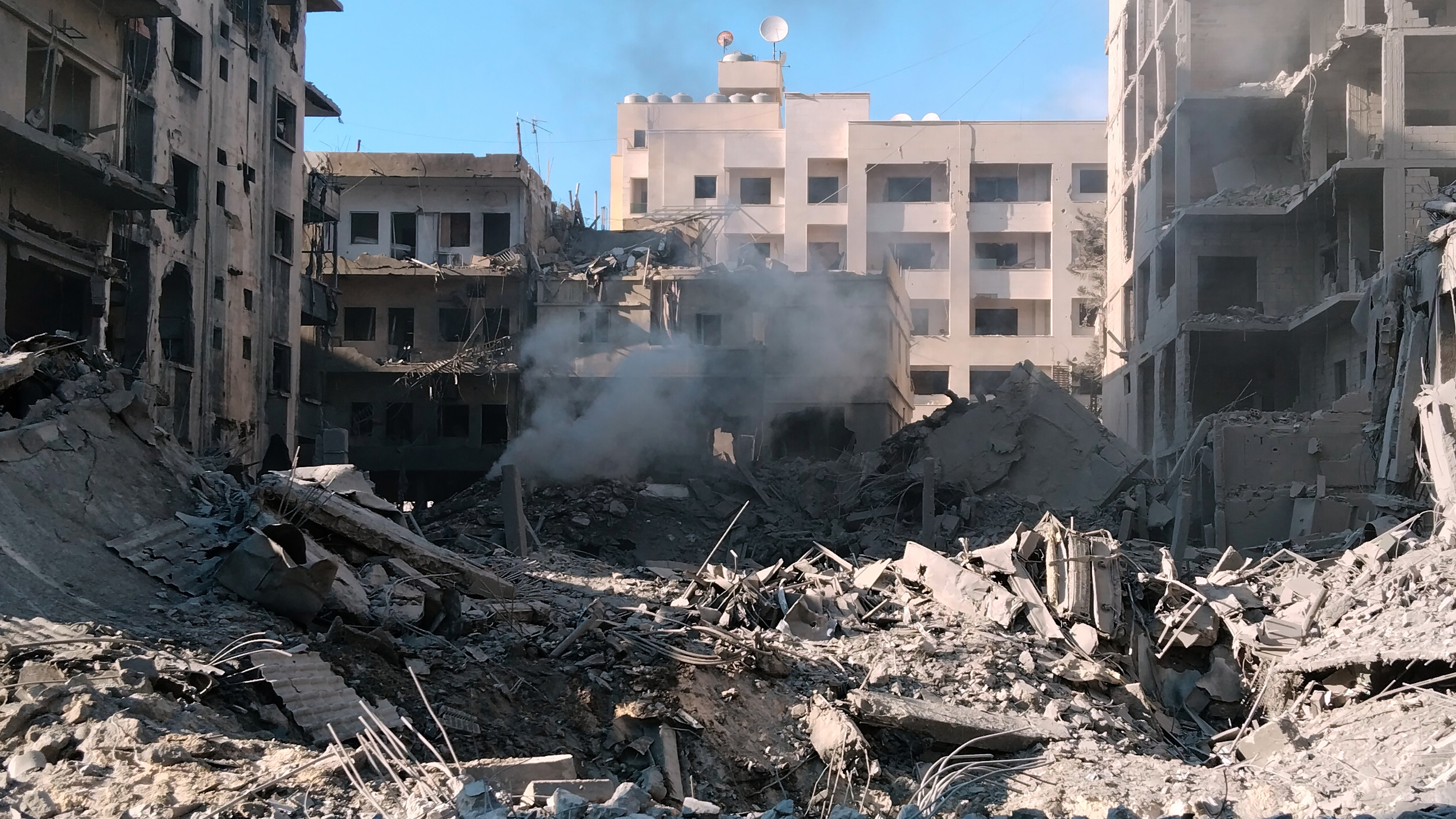
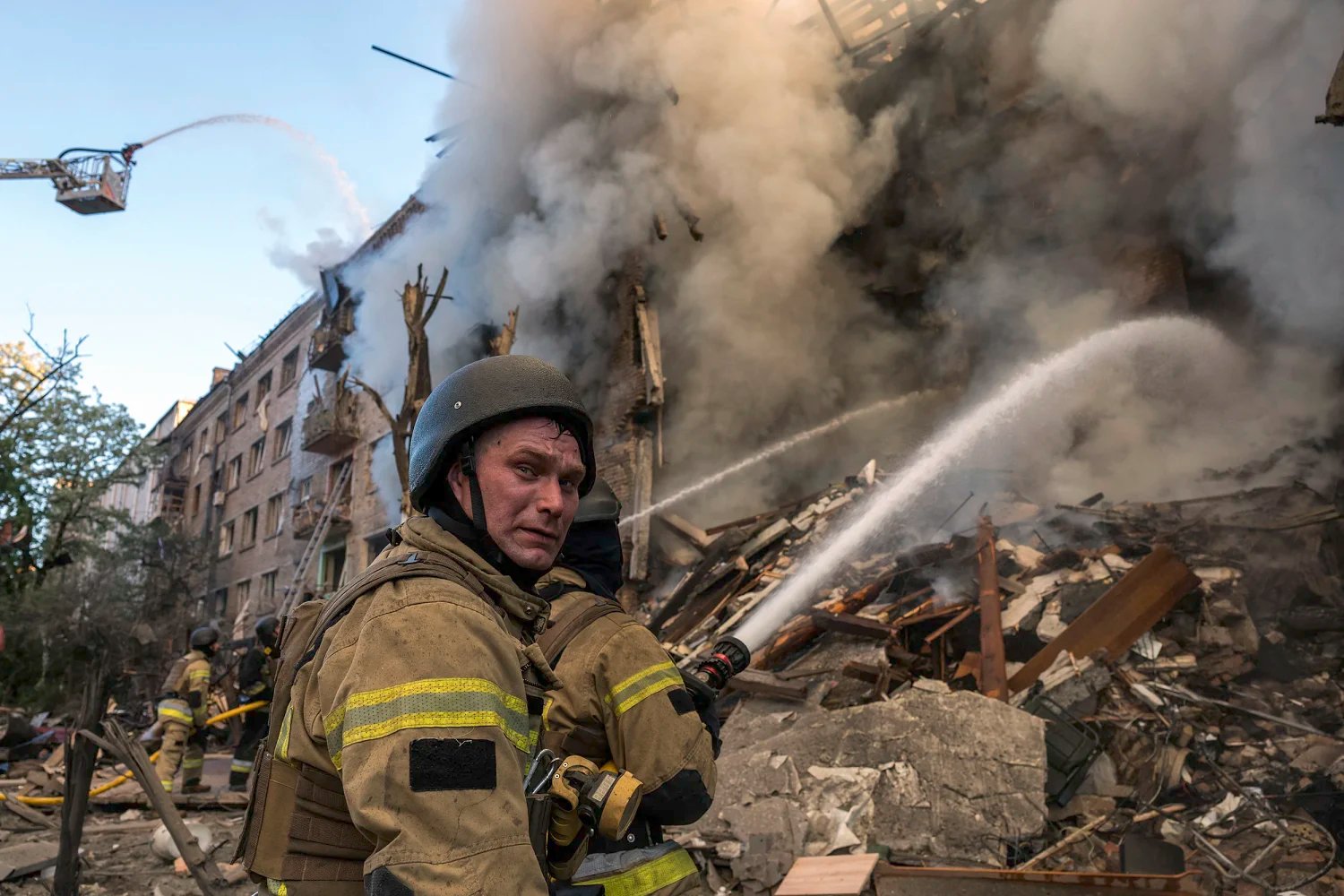
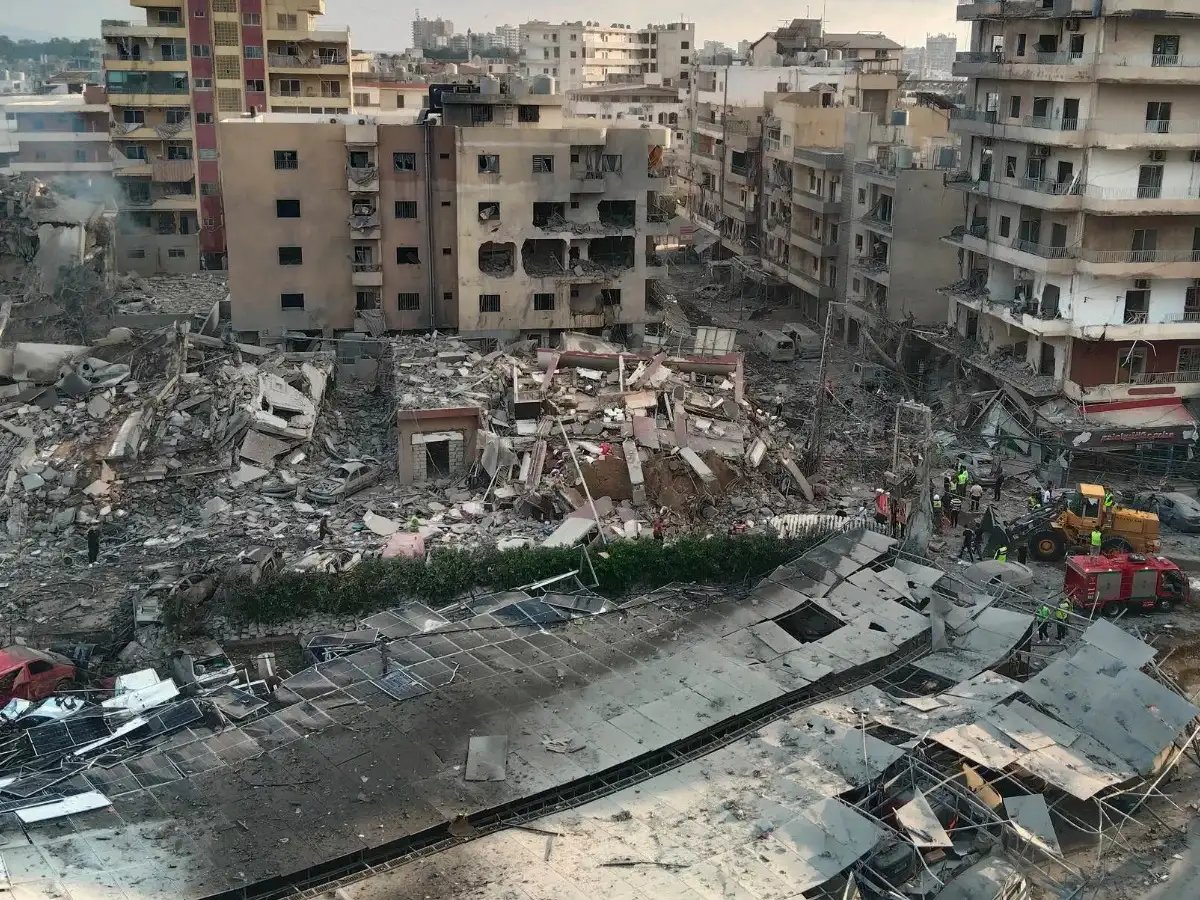
Thirty-five people died following an attack by gunmen at Diori Hamani International Airport in Niamey, Niger's capital, on Thursday morning. The casualties included 11 soldiers, two civilians, and 22 attackers, according to the Nigerien Ministry of Defence. The assault began around 6:00 a.m. local time and involved an hours-long shootout as security forces engaged the assailants.
Eyewitness Accounts
Residents near the airport reported hearing gunfire and explosions shortly after finishing their morning prayers. One local, Lawalli Tsalha, recounted, "We finished our prayer at about 05:50 and shortly afterwards we heard a loud bang." Eyewitnesses described scenes of chaos as security forces pursued gunmen into surrounding neighborhoods. Armed civilians also joined the effort, using makeshift weapons to defend themselves.
Security Response
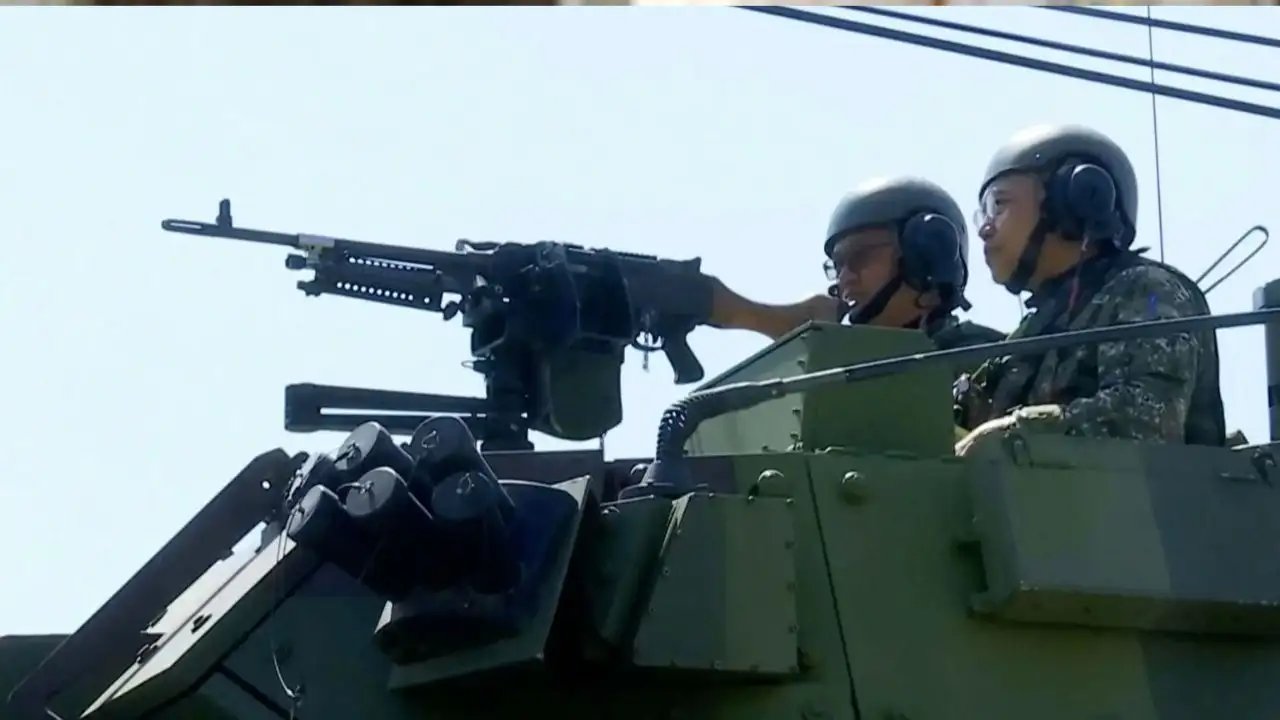
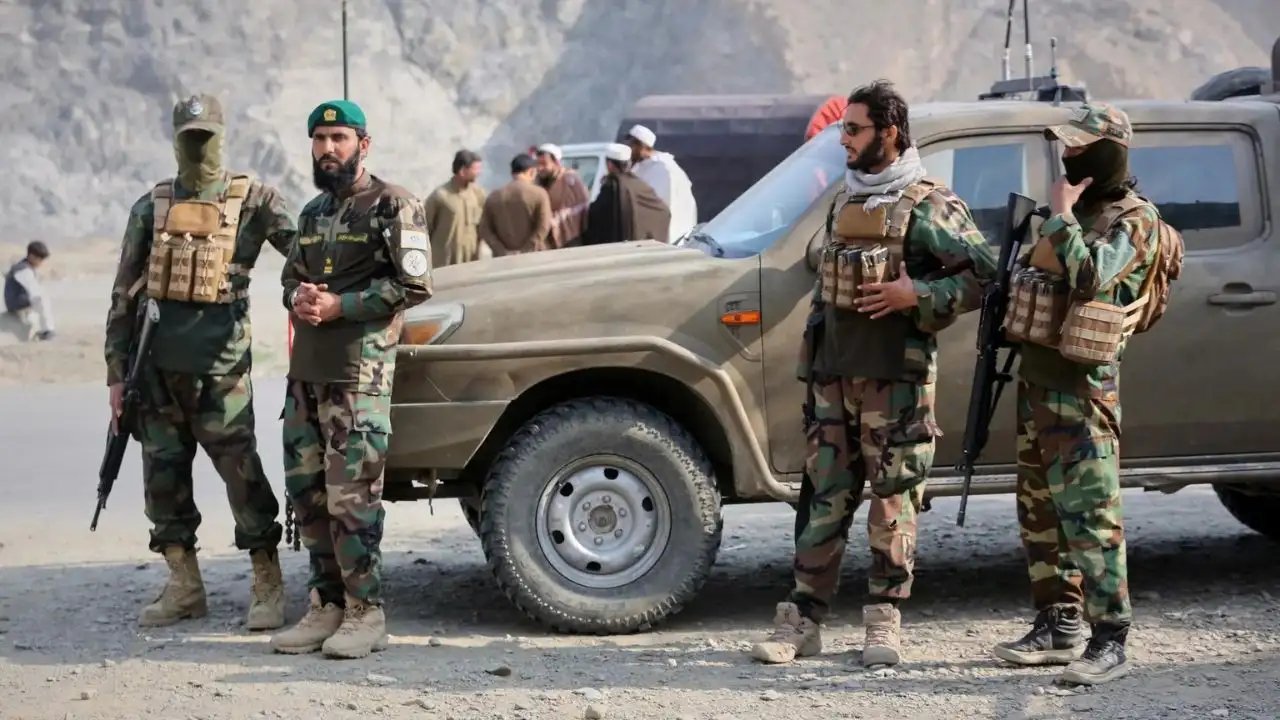
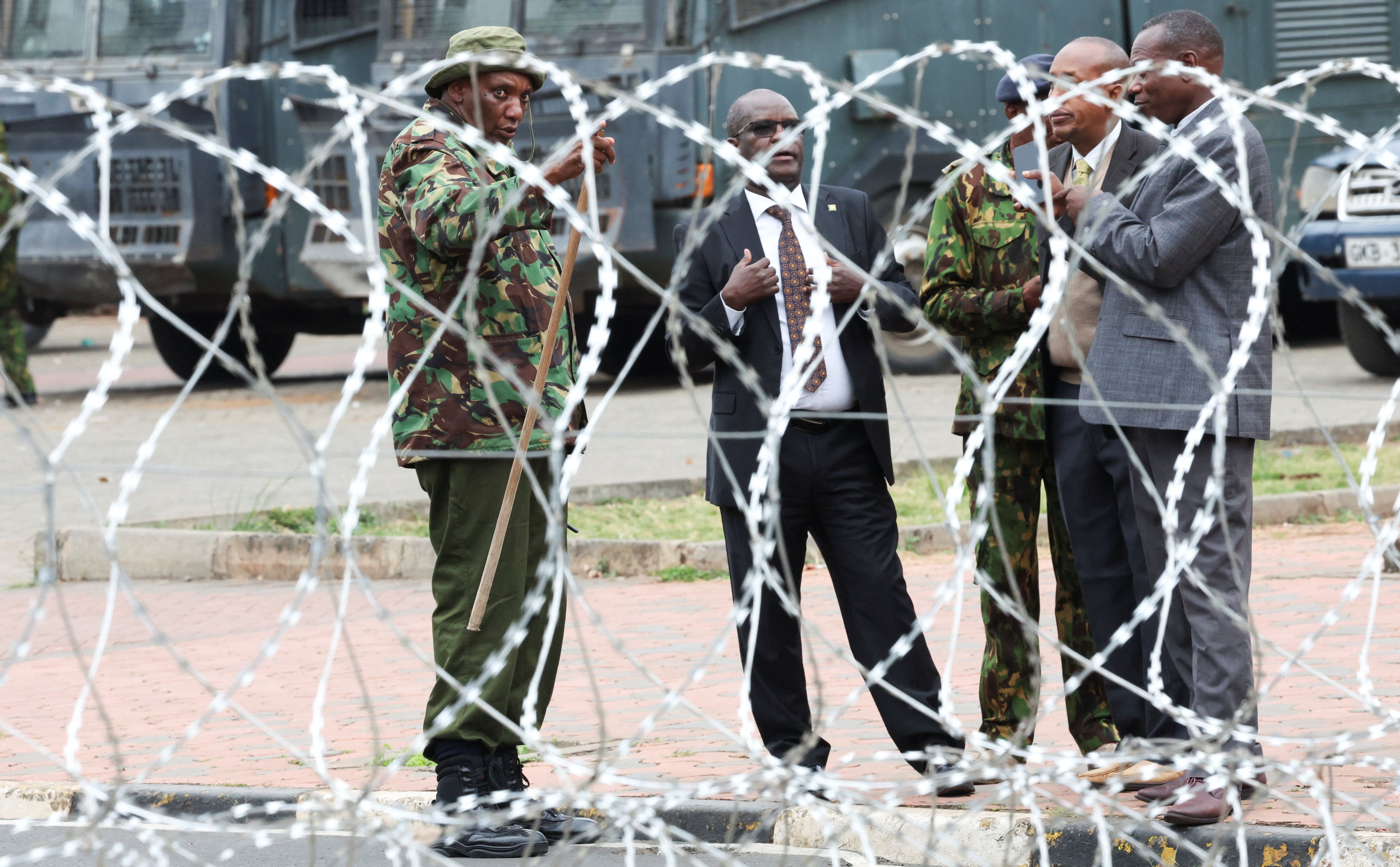
Following the attack, security forces launched a manhunt for the attackers, with reports of multiple suspects being detained. The airport area remained on lockdown as personnel searched vehicles entering and leaving the vicinity. According to AFP, gunmen arrived at a security checkpoint near the airport by taxi, then encountered fierce resistance from security forces.
Background of Violence
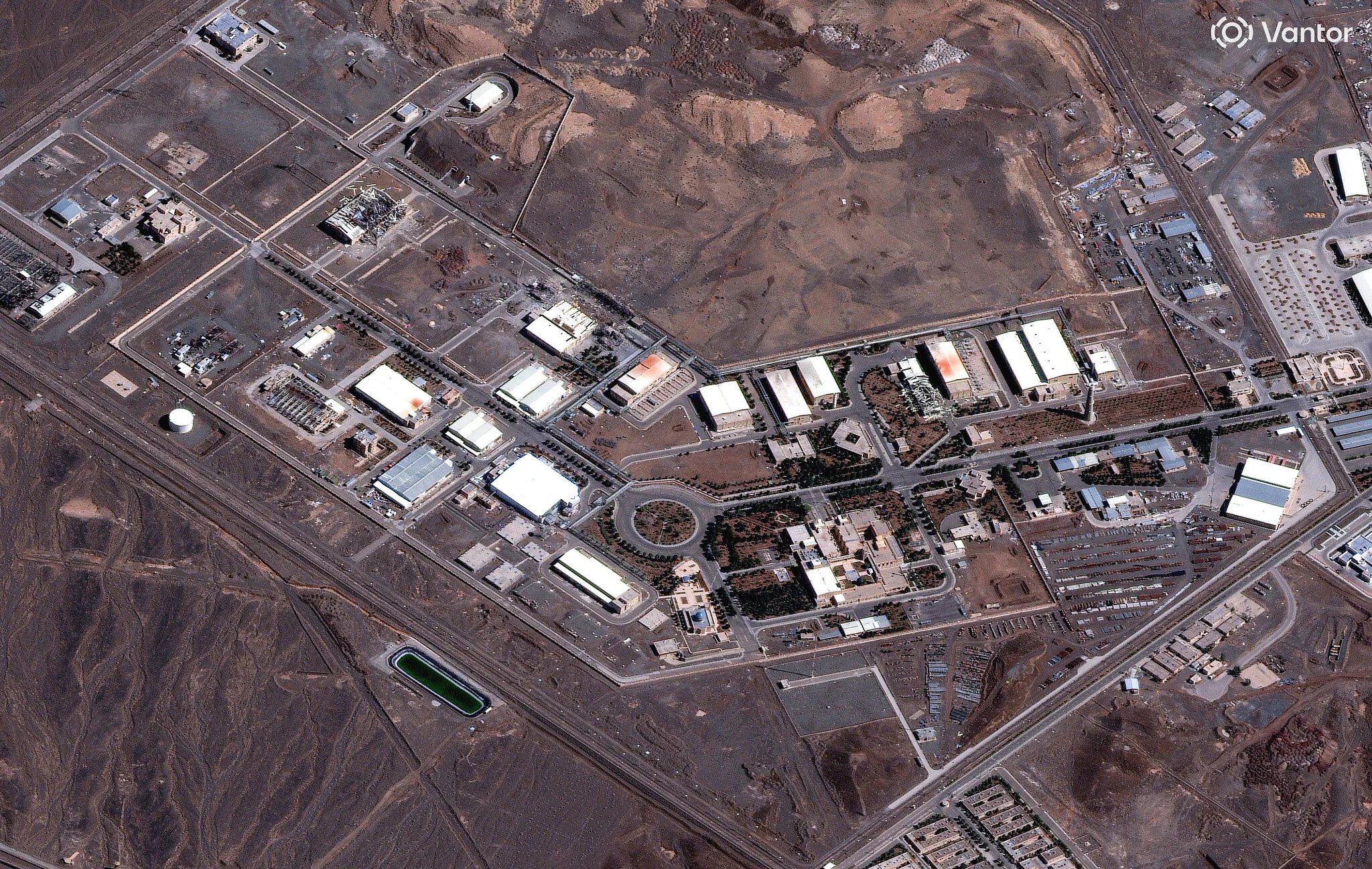
Niger has faced an Islamist insurgency for over a decade, with violence escalating in recent months. The Diori Hamani airport is a critical military hub, hosting Niger's air force and the Niger-Burkina Faso-Mali joint military force. This marks the second attack on the airport in less than five months; a January assault claimed by an Islamic State affiliate resulted in four soldiers being injured and 20 attackers killed.
Government Measures
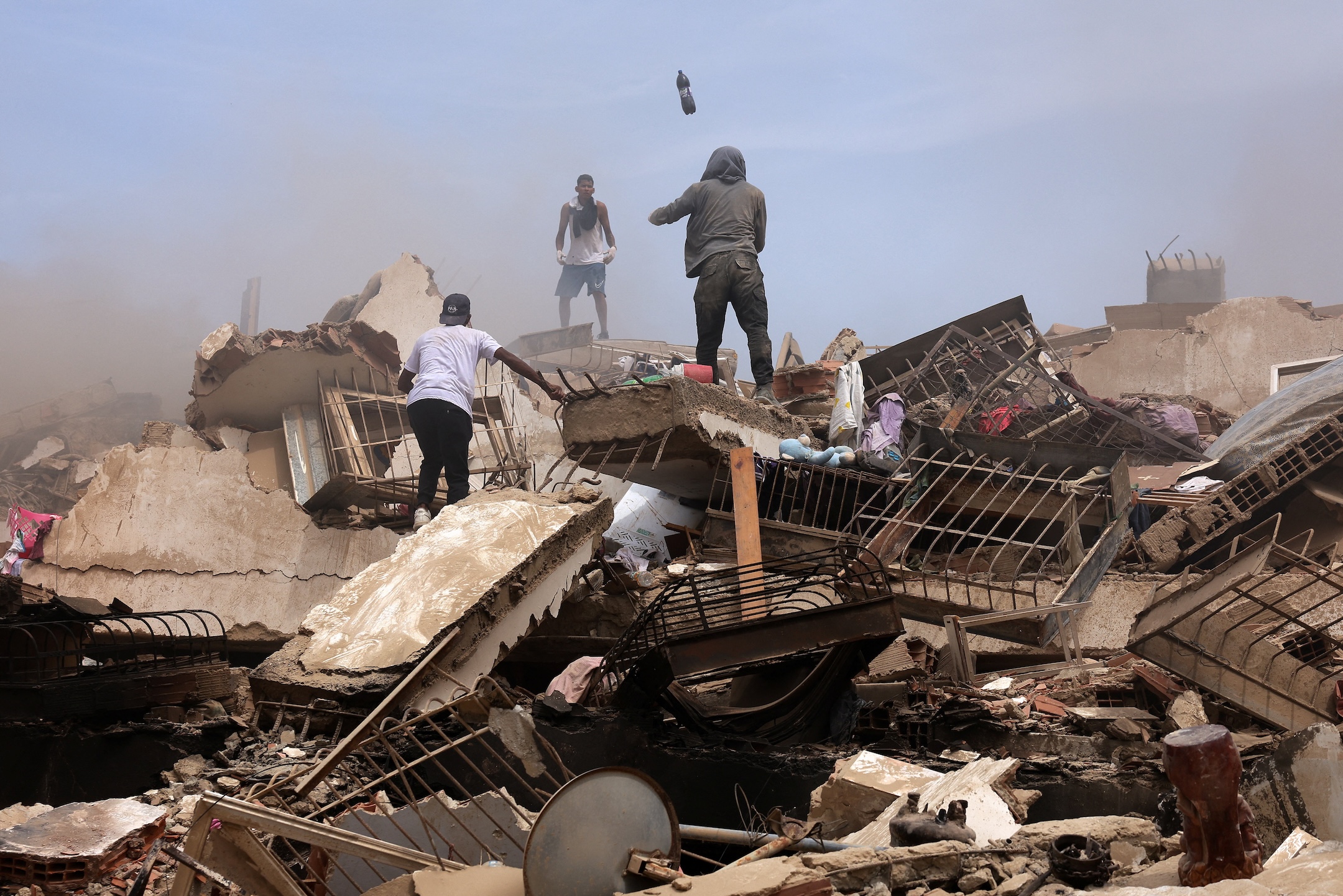
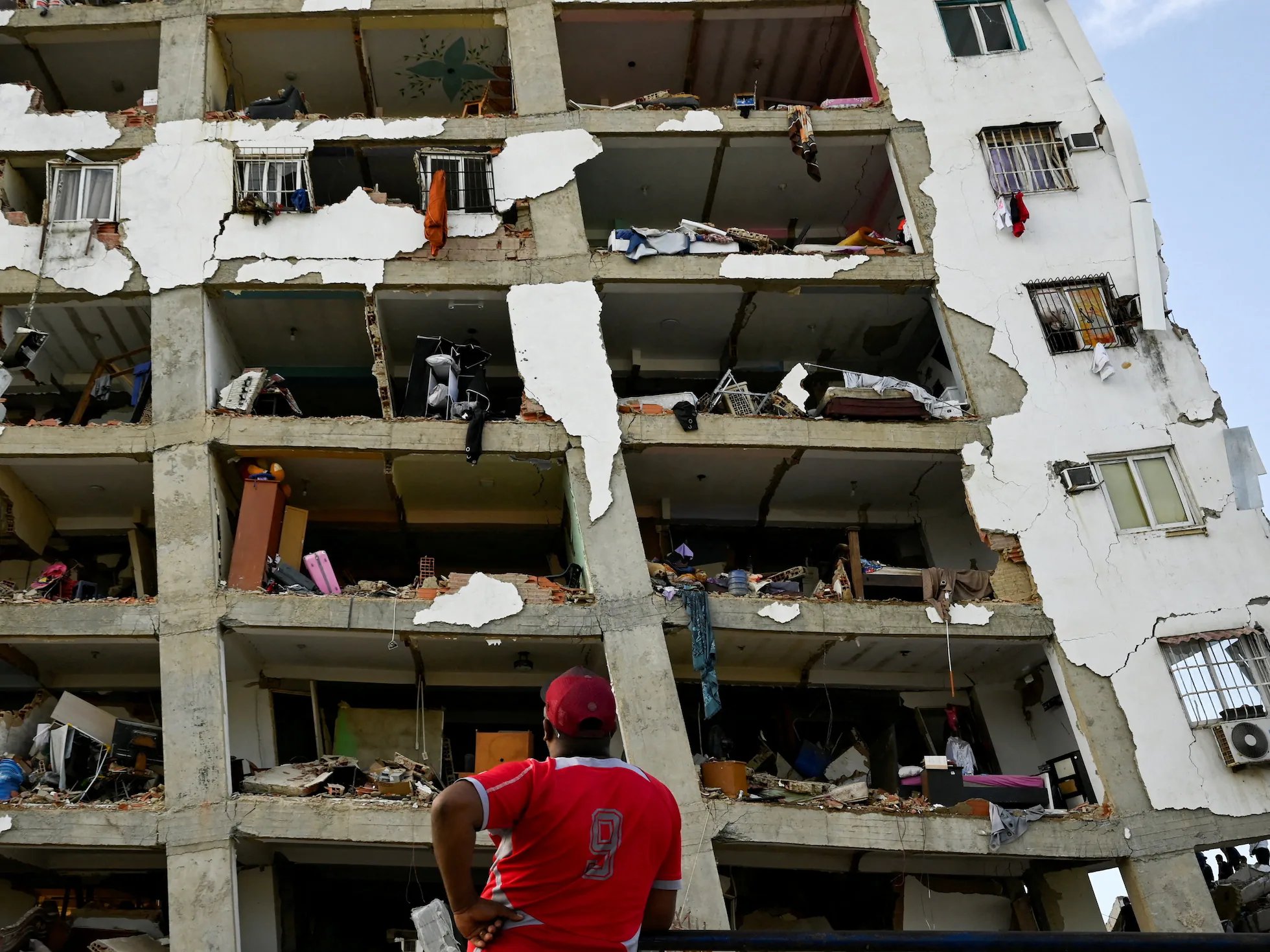
In response to the persistent threat of violence, authorities have recently demolished thousands of illegally constructed homes near the airport, citing concerns about potential infiltration by armed groups. The airport's perimeter has been extended, and over 350 surveillance cameras have been installed to bolster security. The government has emphasized the airport's strategic importance, as it also stores uranium stocks and supports counterterrorism operations in the region.
Regional Implications
The attack highlights the deteriorating security situation in Niger, which shares challenges with neighboring countries like Mali and Burkina Faso, both of which are also grappling with armed insurgencies. The ongoing violence has led to thousands of deaths and widespread displacement across the Sahel region, exacerbating humanitarian crises and destabilizing local governance.
Next Steps for Residents
The airport, which is fully secured, remains open to air traffic, though heightened security measures and military presence underscore the persistent threat in the region.