




Democratic-led states and voting rights groups granted permission to challenge Trump's executive order restricting mail-in voting ahead of midterm elections
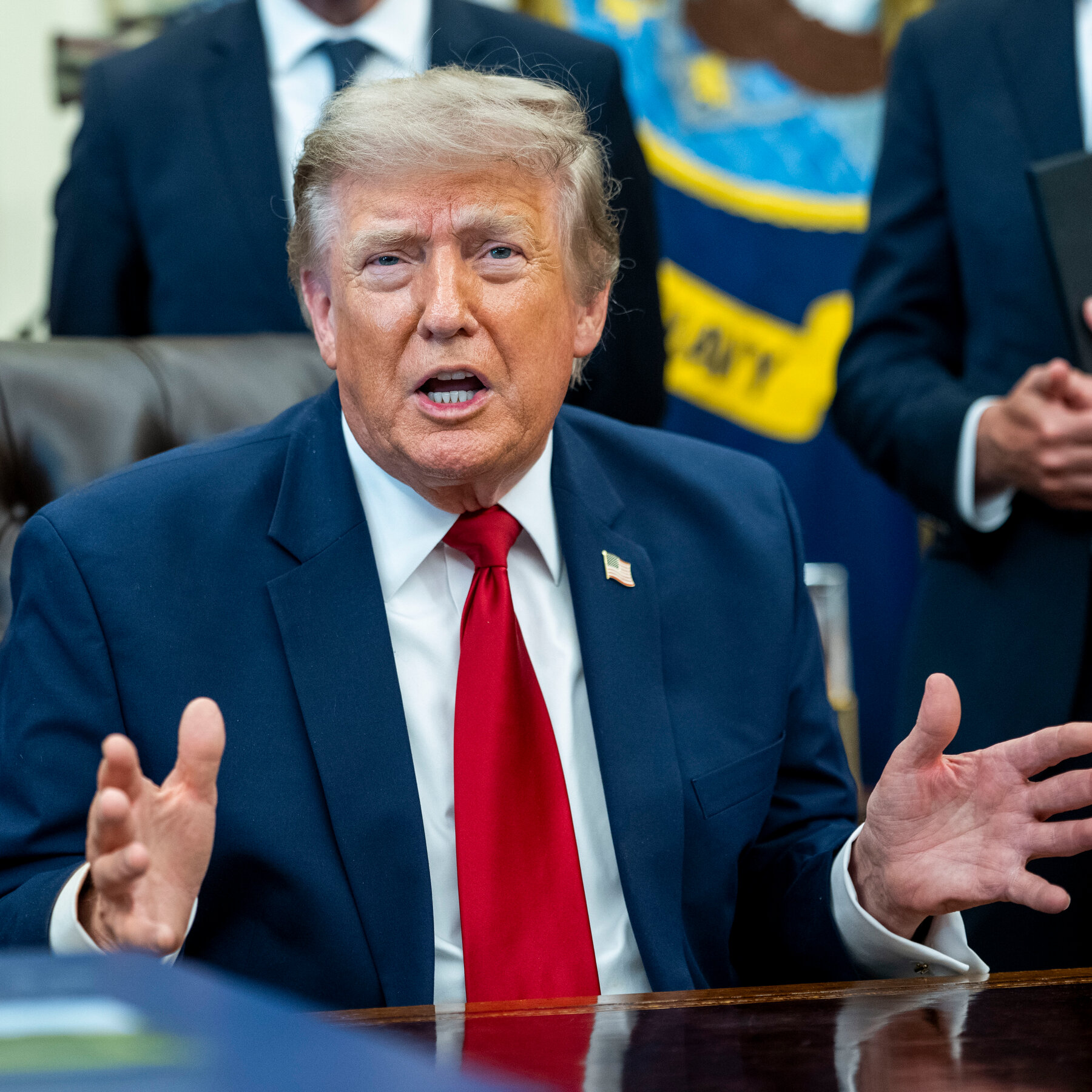
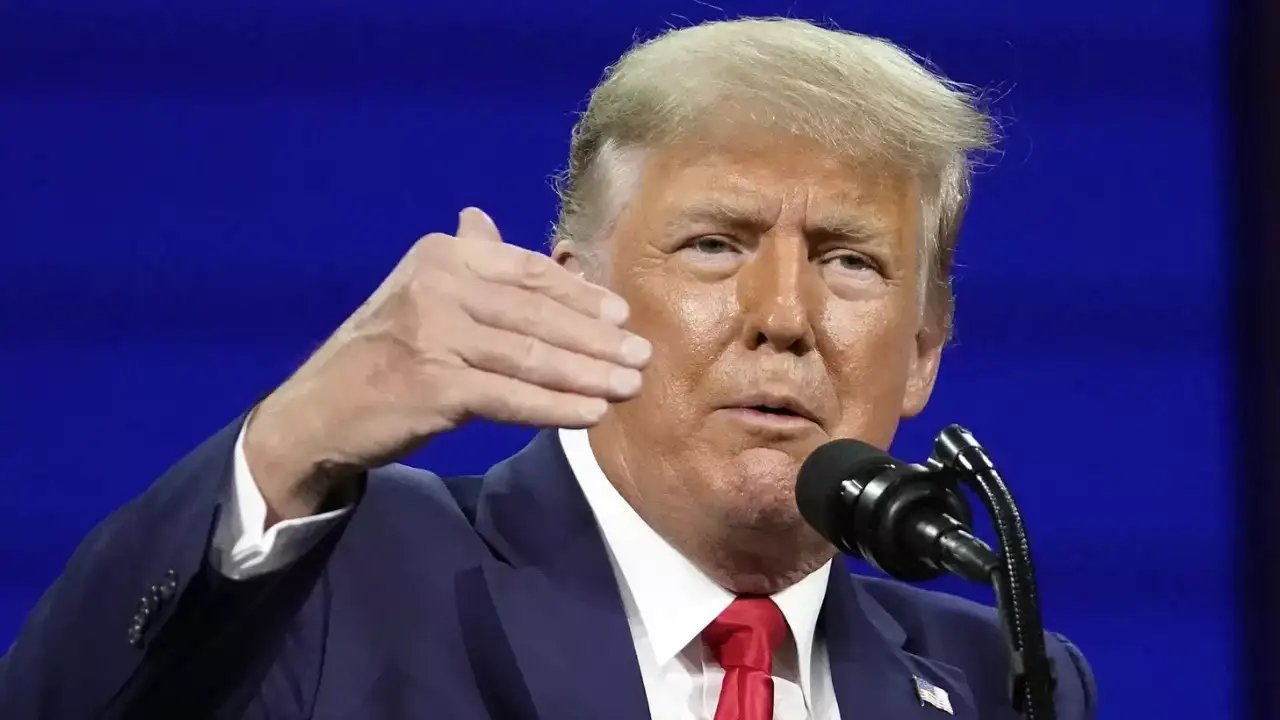
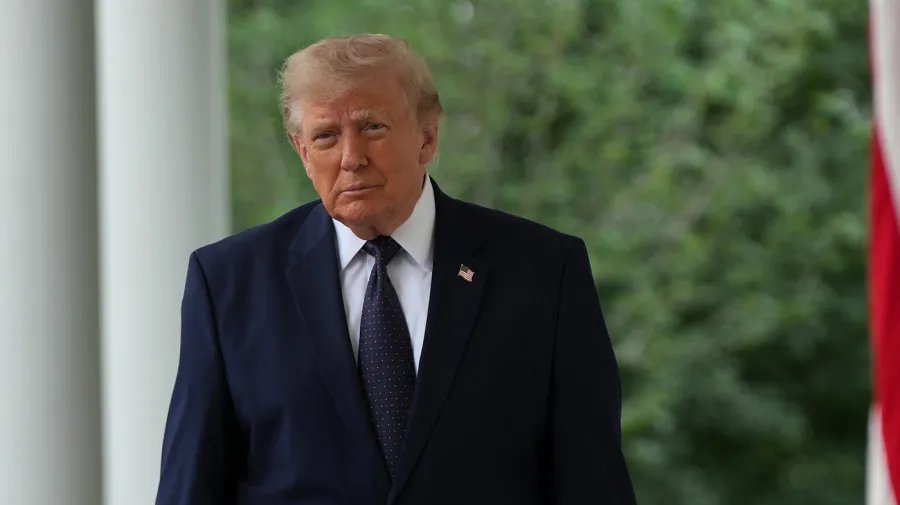
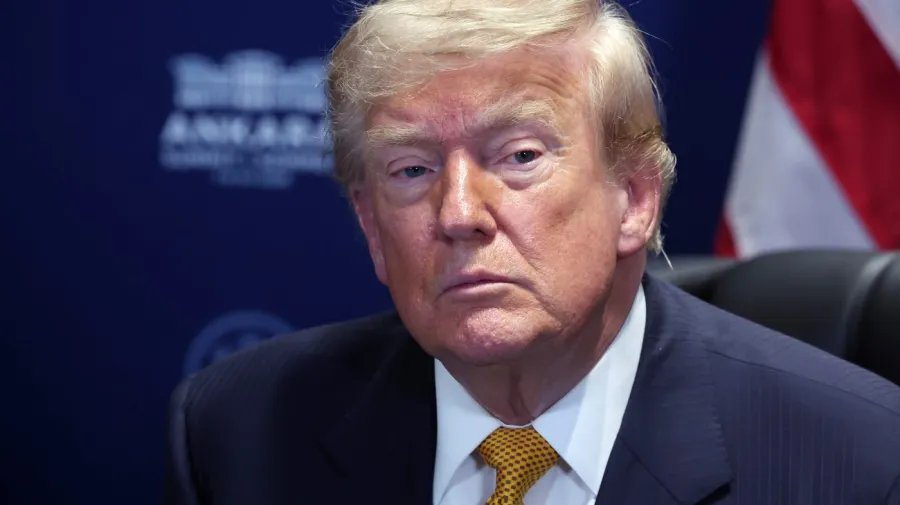
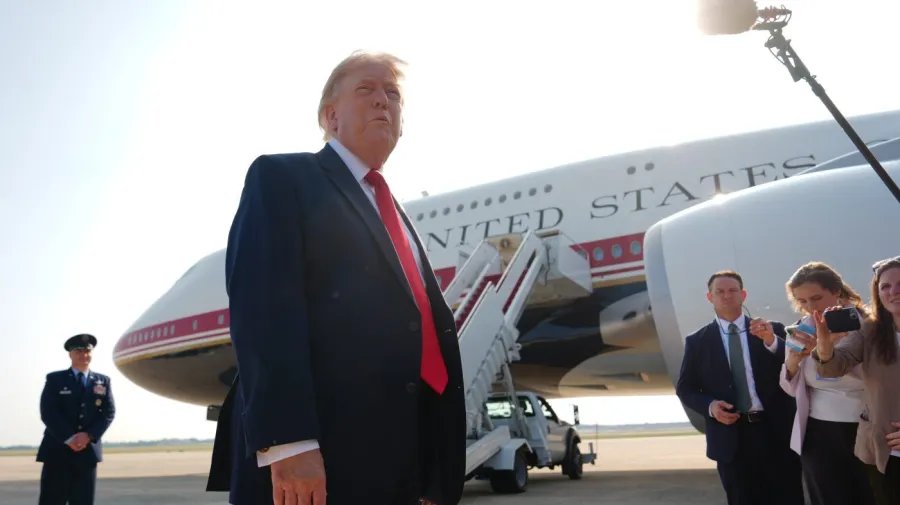
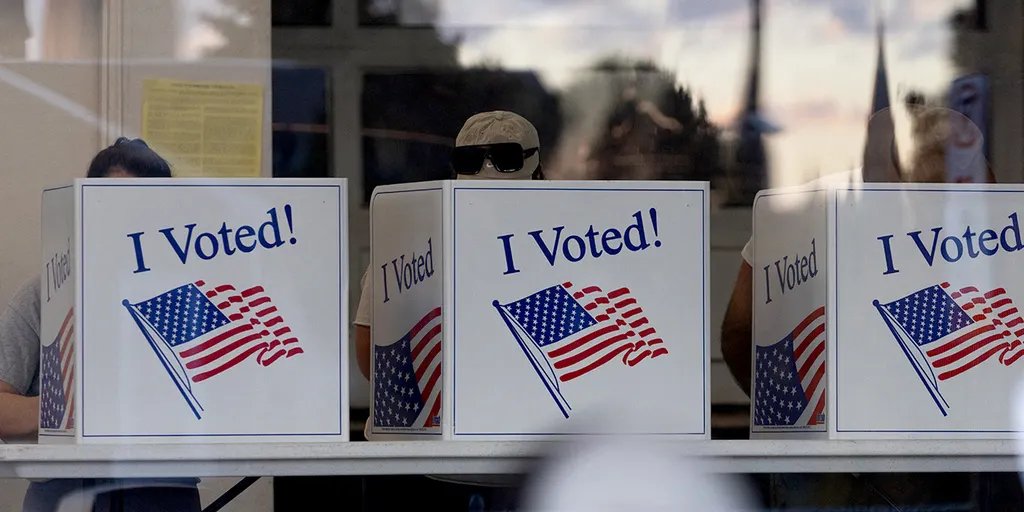
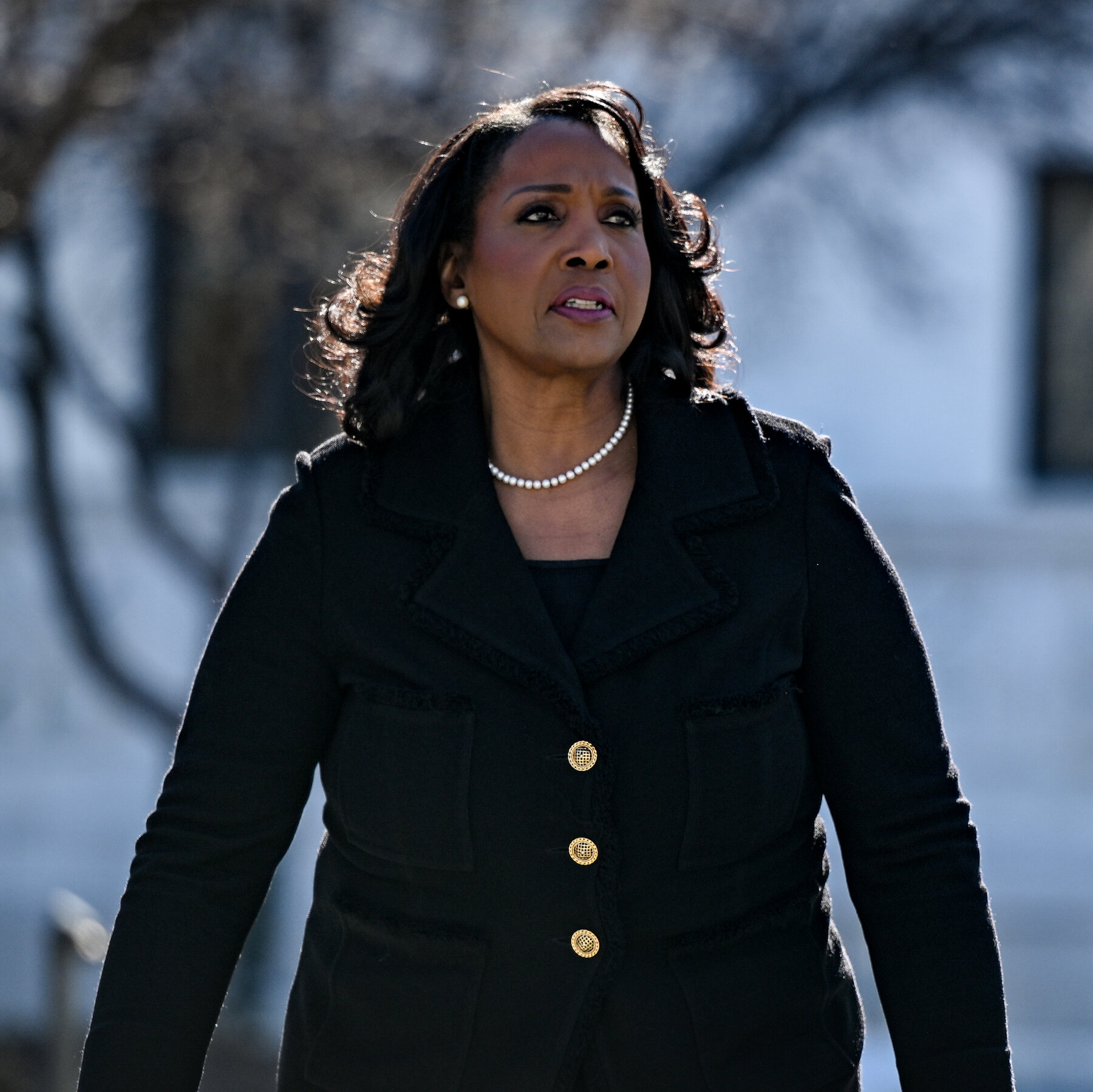
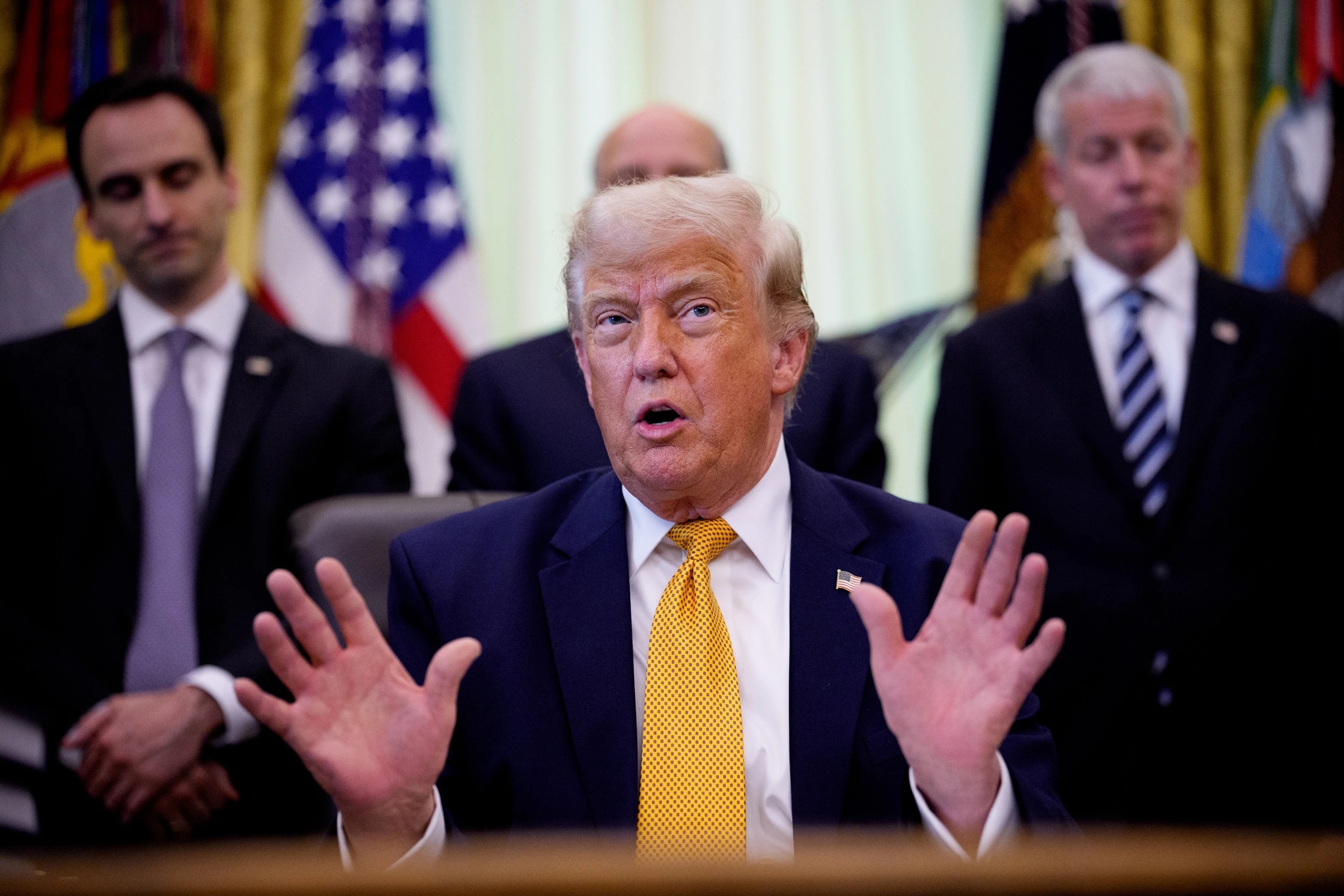
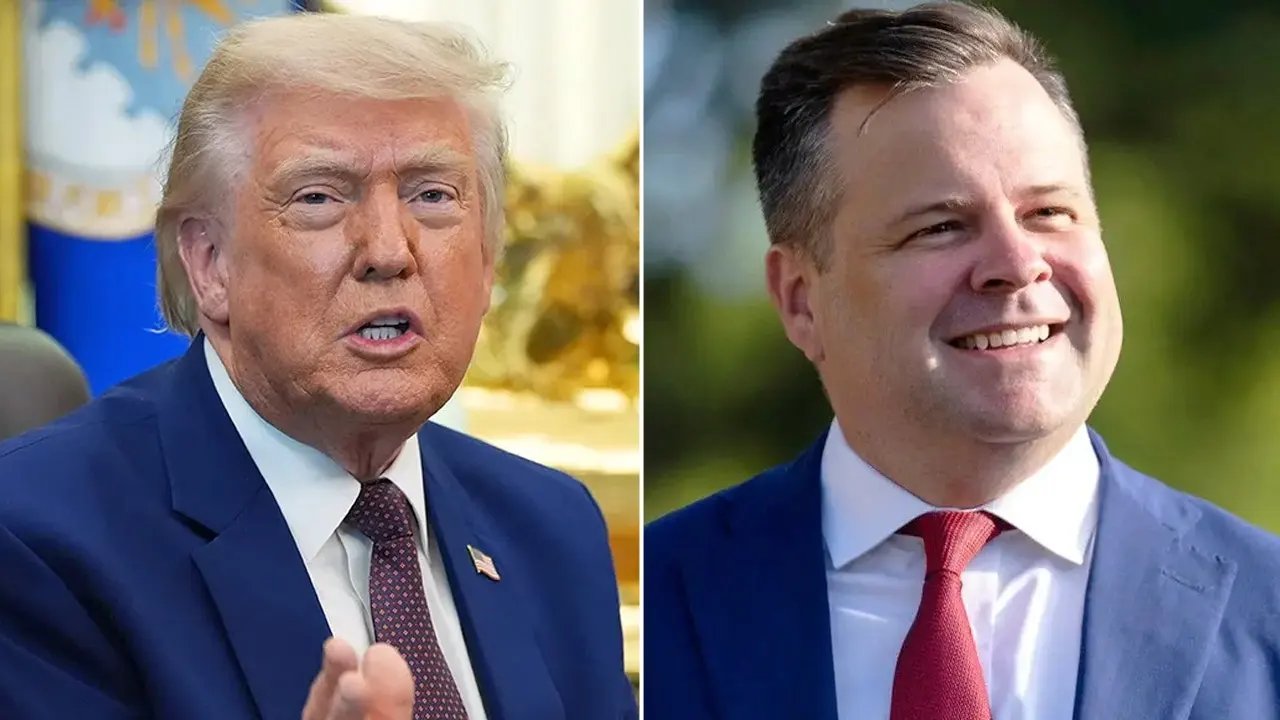
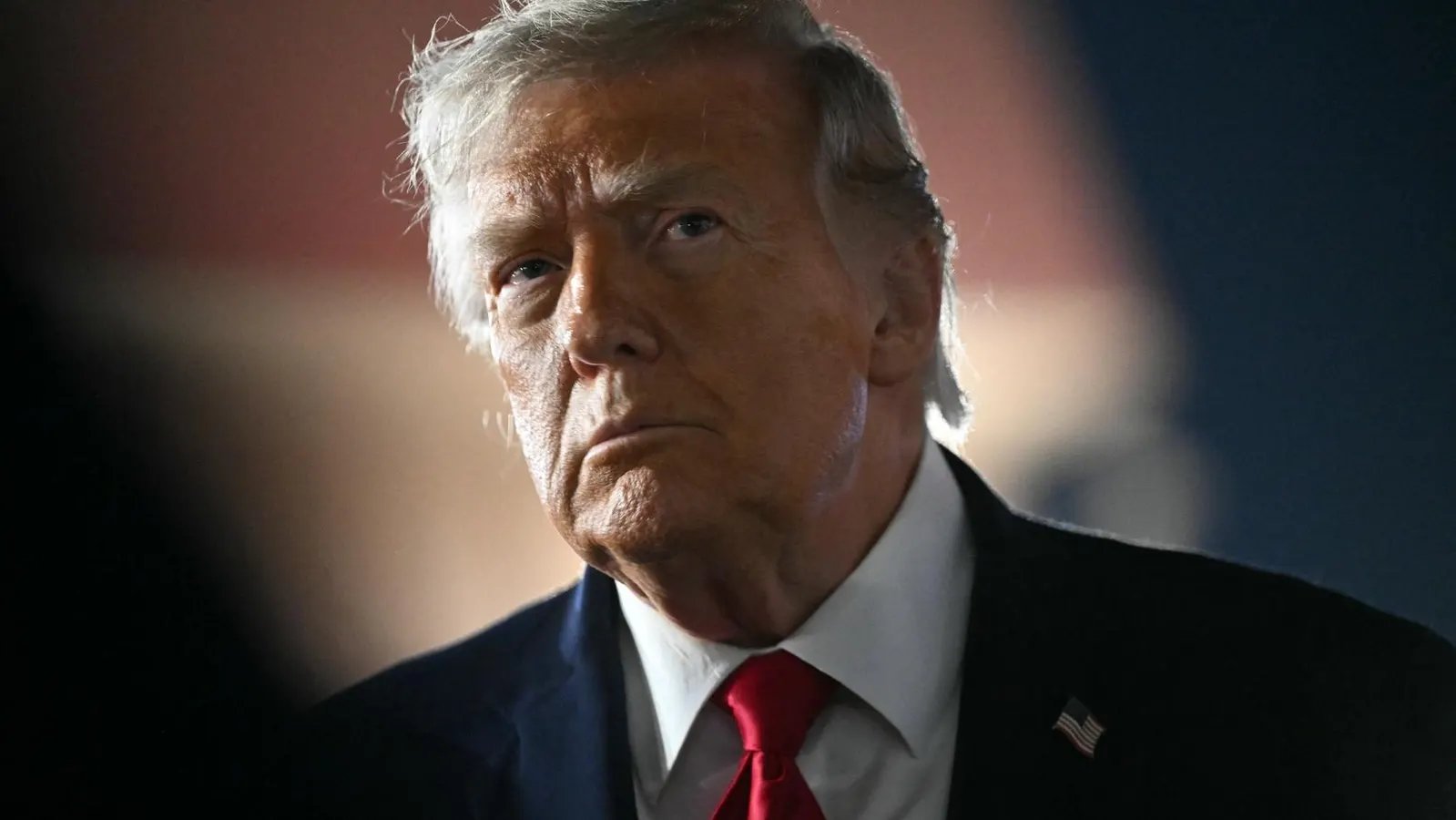
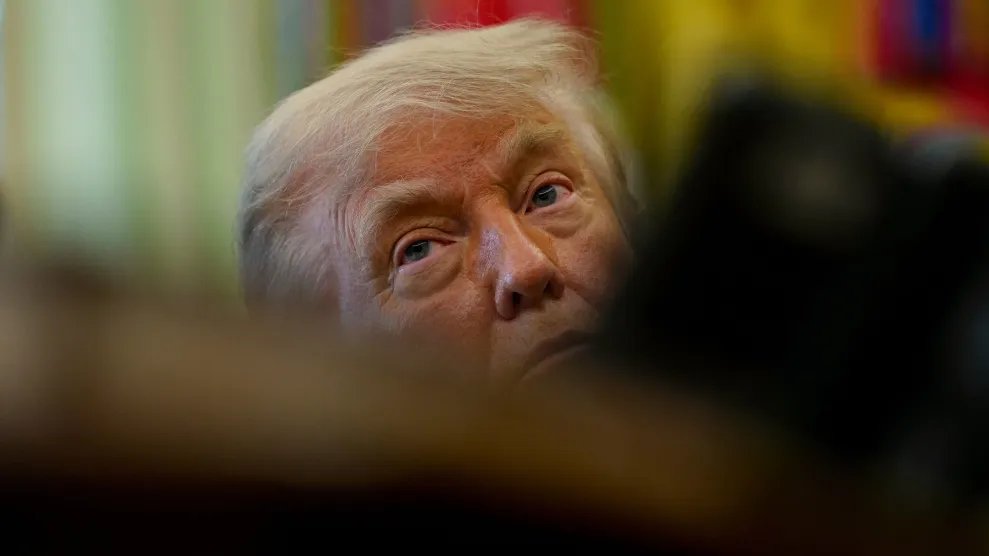
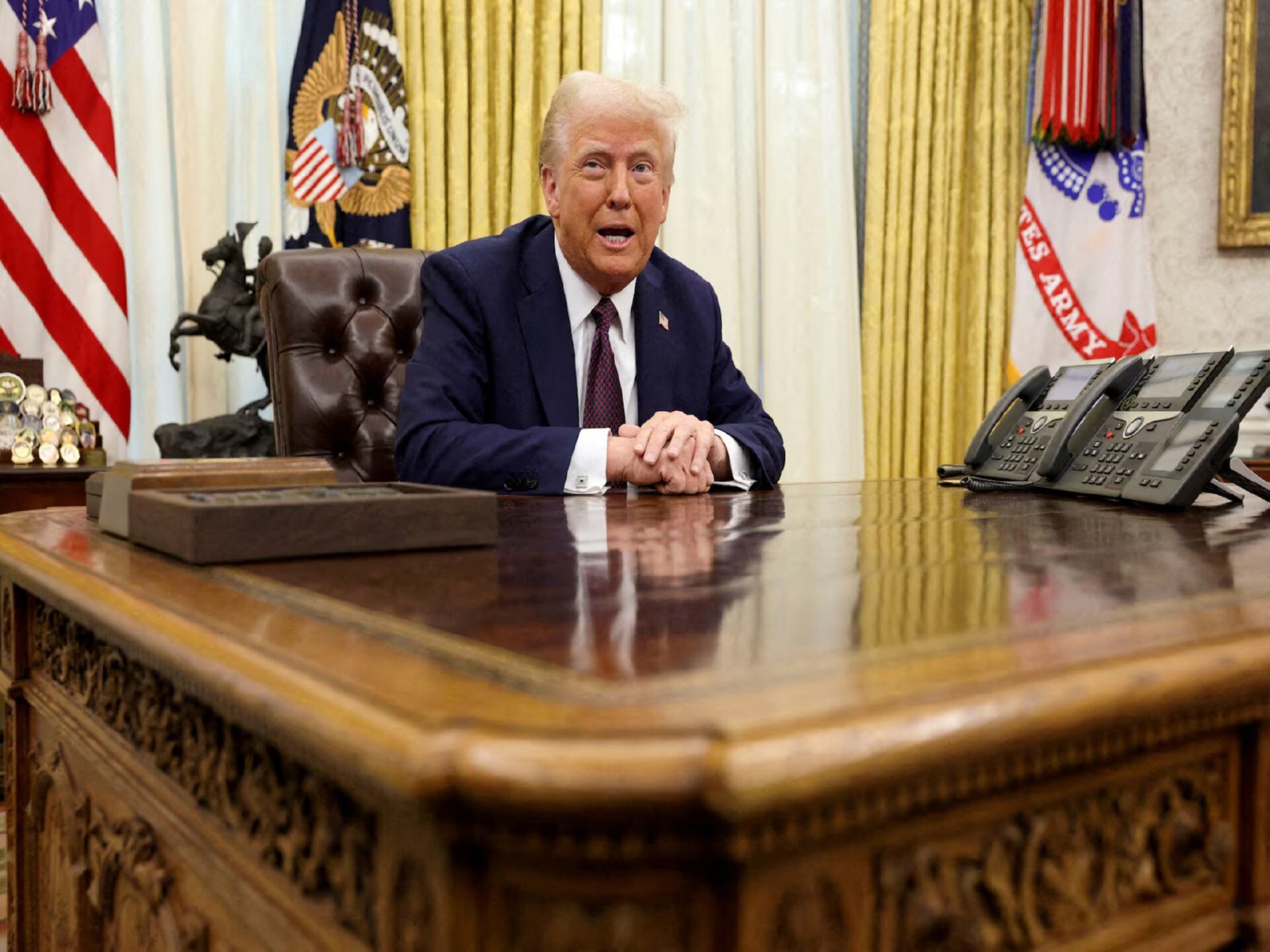
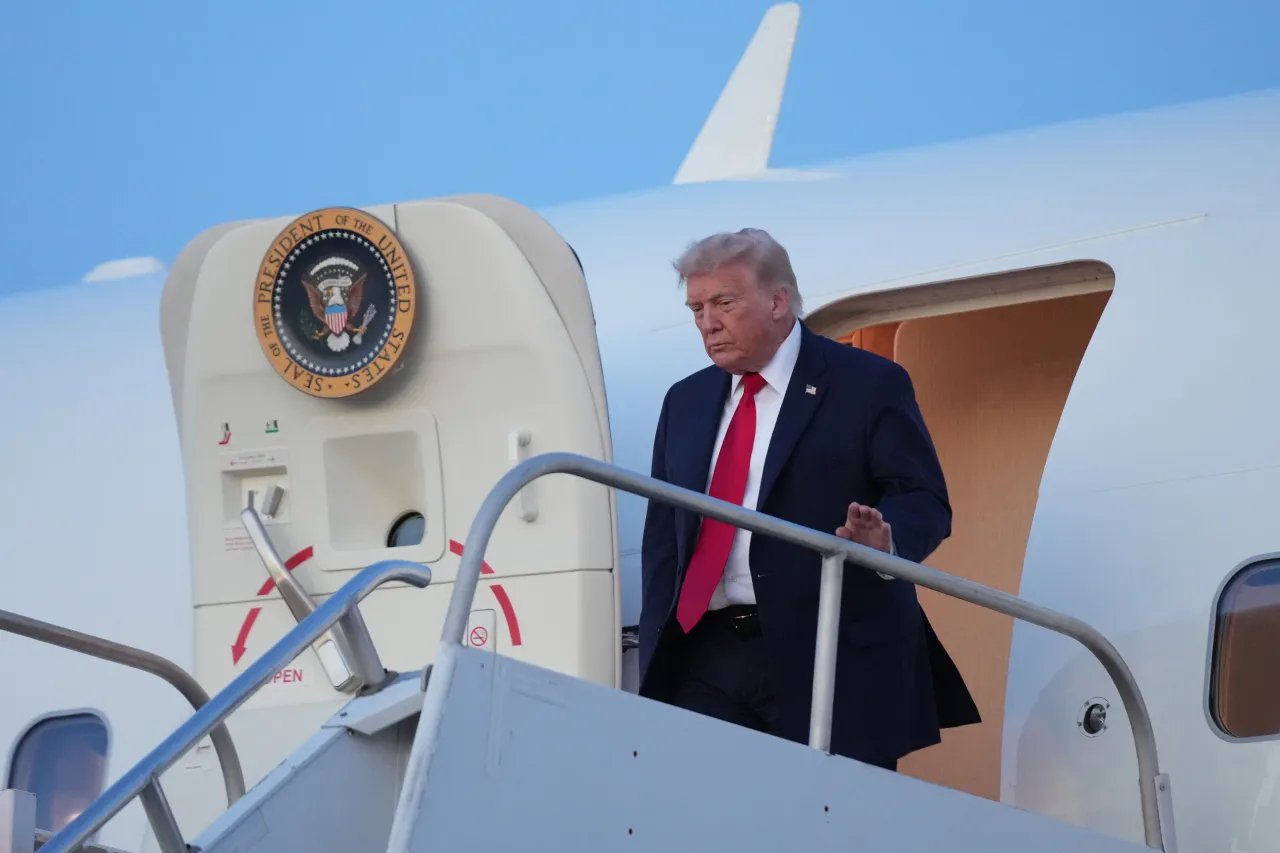
A federal judge in Boston ruled that Democratic-led states and voting rights groups can proceed with lawsuits challenging Donald Trump's executive order that seeks to restrict vote-by-mail ahead of November's midterm elections. US District Judge Indira Talwani, nominated by Barack Obama, determined that the potential for Trump's order to impact the midterm elections meant the plaintiffs' cases could not wait to be heard. Trump's order "both includes multiple specific directives as to certain actions that federal agencies must take at specified times and requires that definite 'substantive outcomes' be implemented that will affect the upcoming election," Talwani wrote.
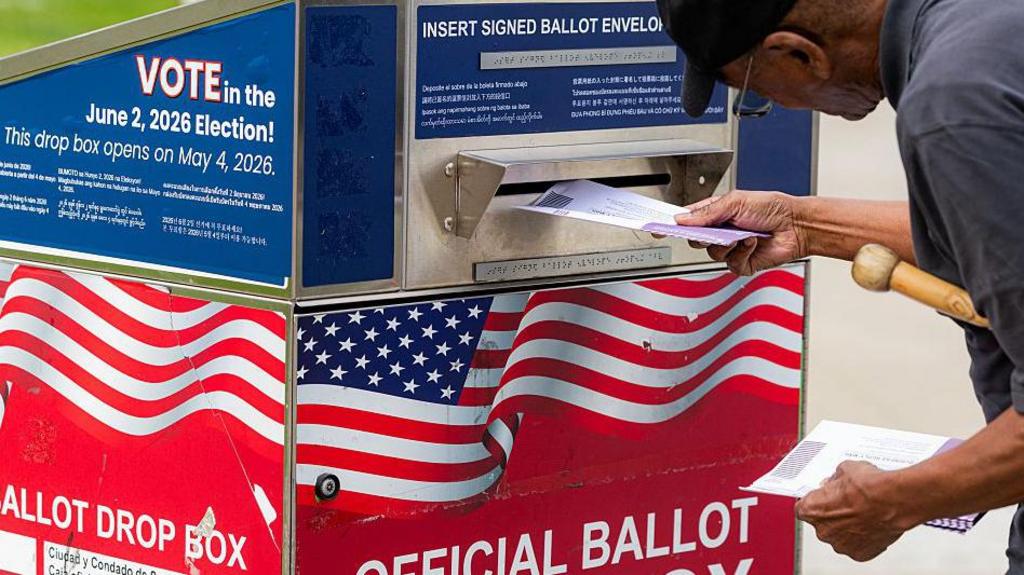
Officials from 23 Democratic states and the District of Columbia sued in April to block Trump's executive order to curb voting by mail, arguing that the order was an unconstitutional effort to interfere with states administering their elections. The ruling could open the door to the judge blocking the order from being implemented ahead of the midterm elections.
What Trump's order would do
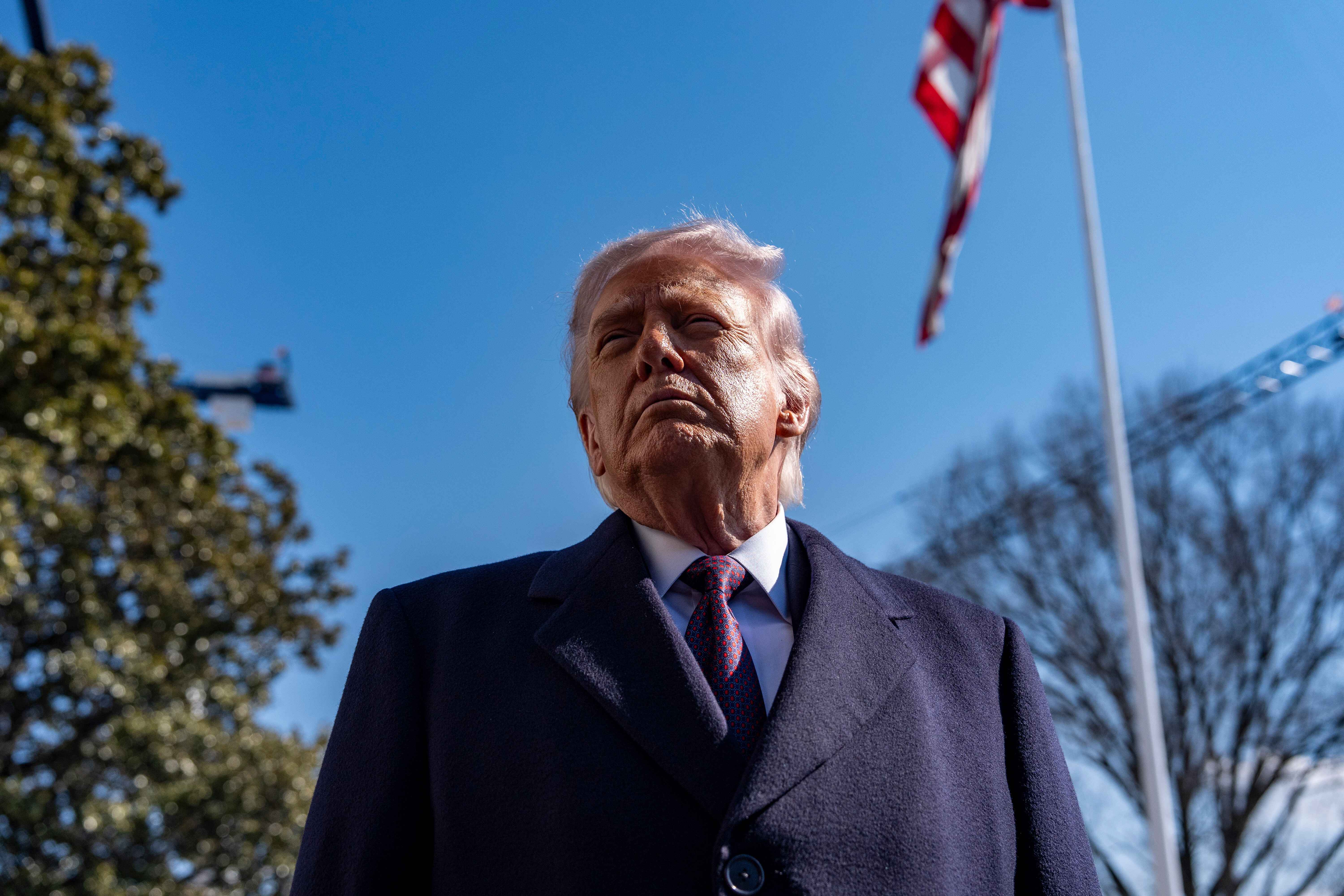
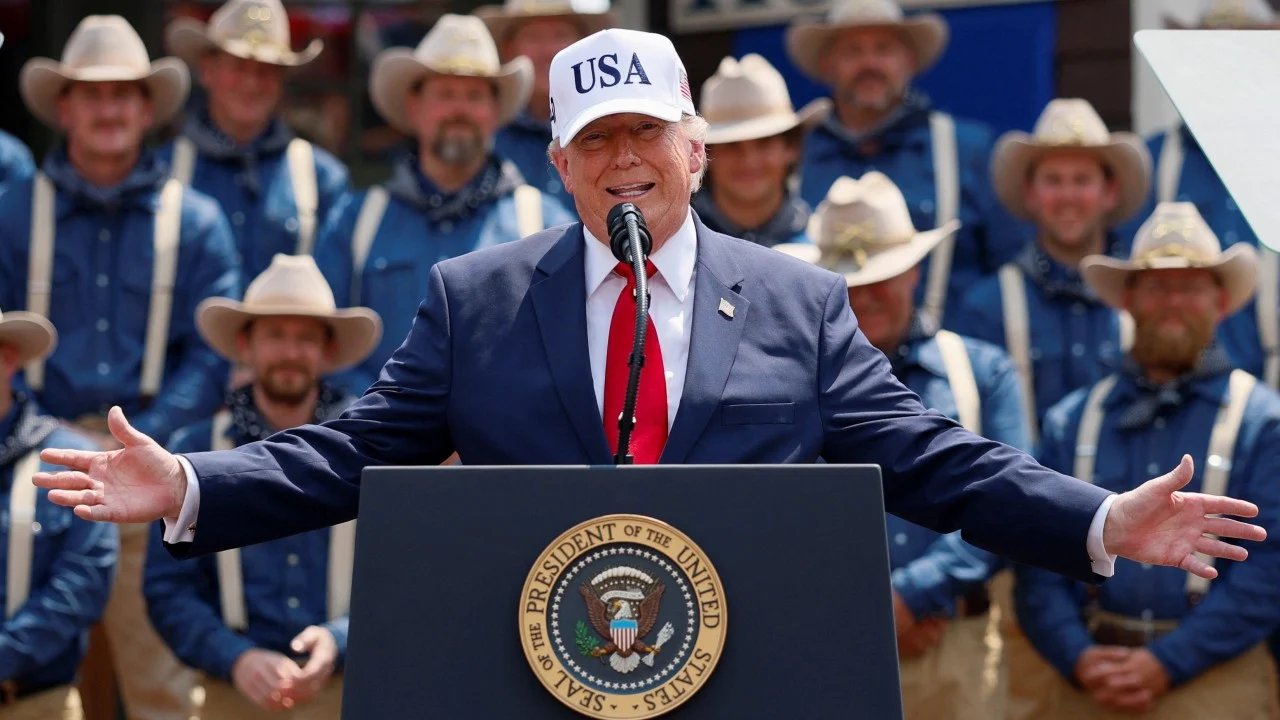
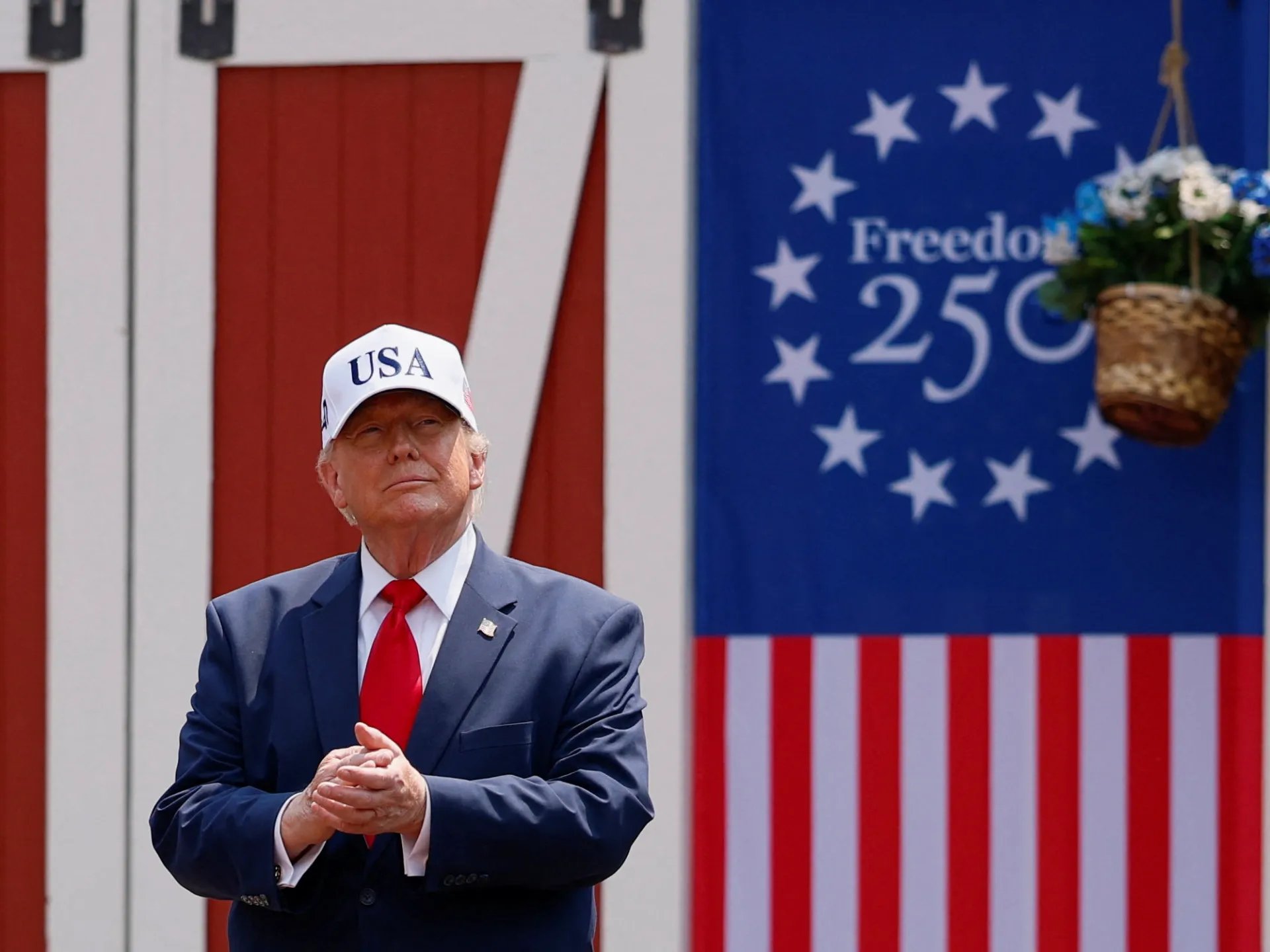
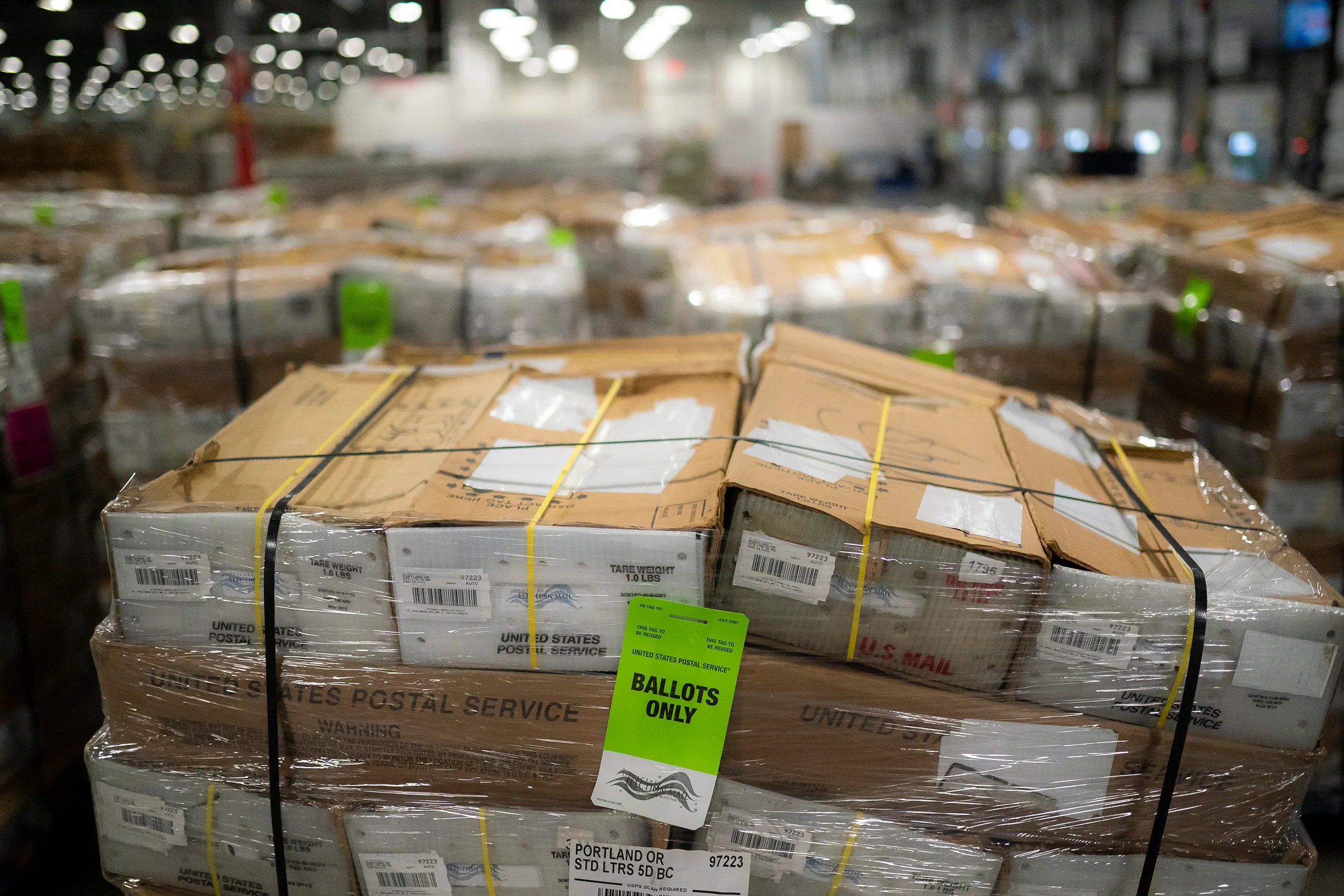
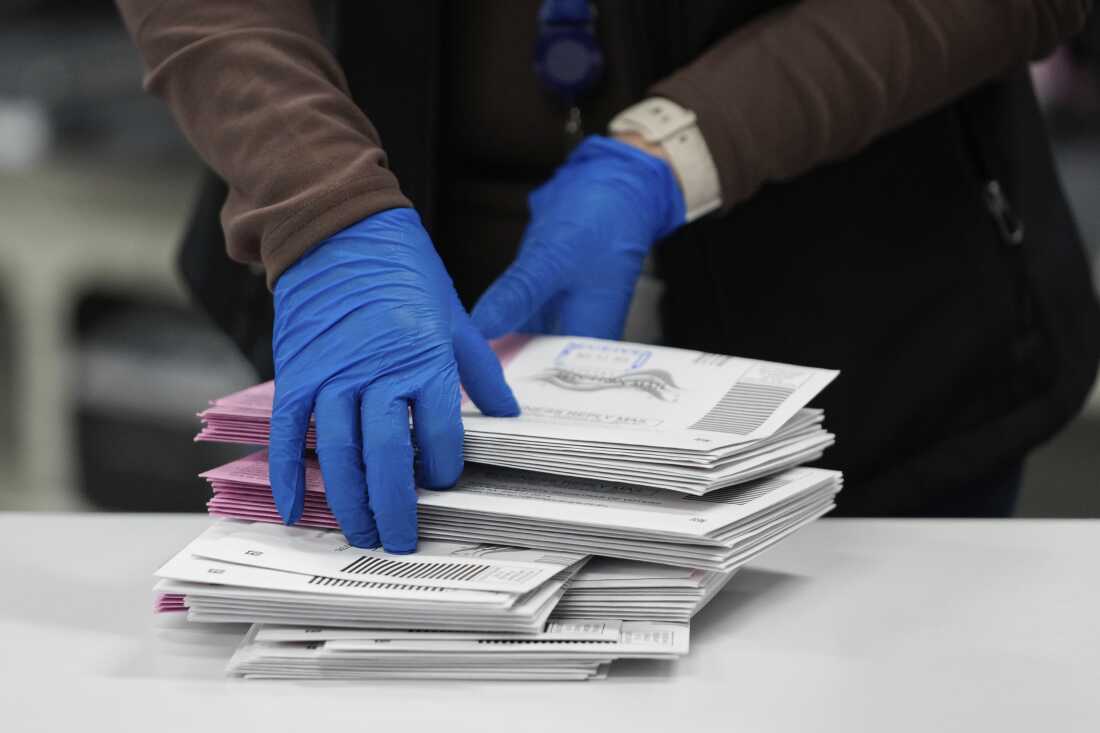
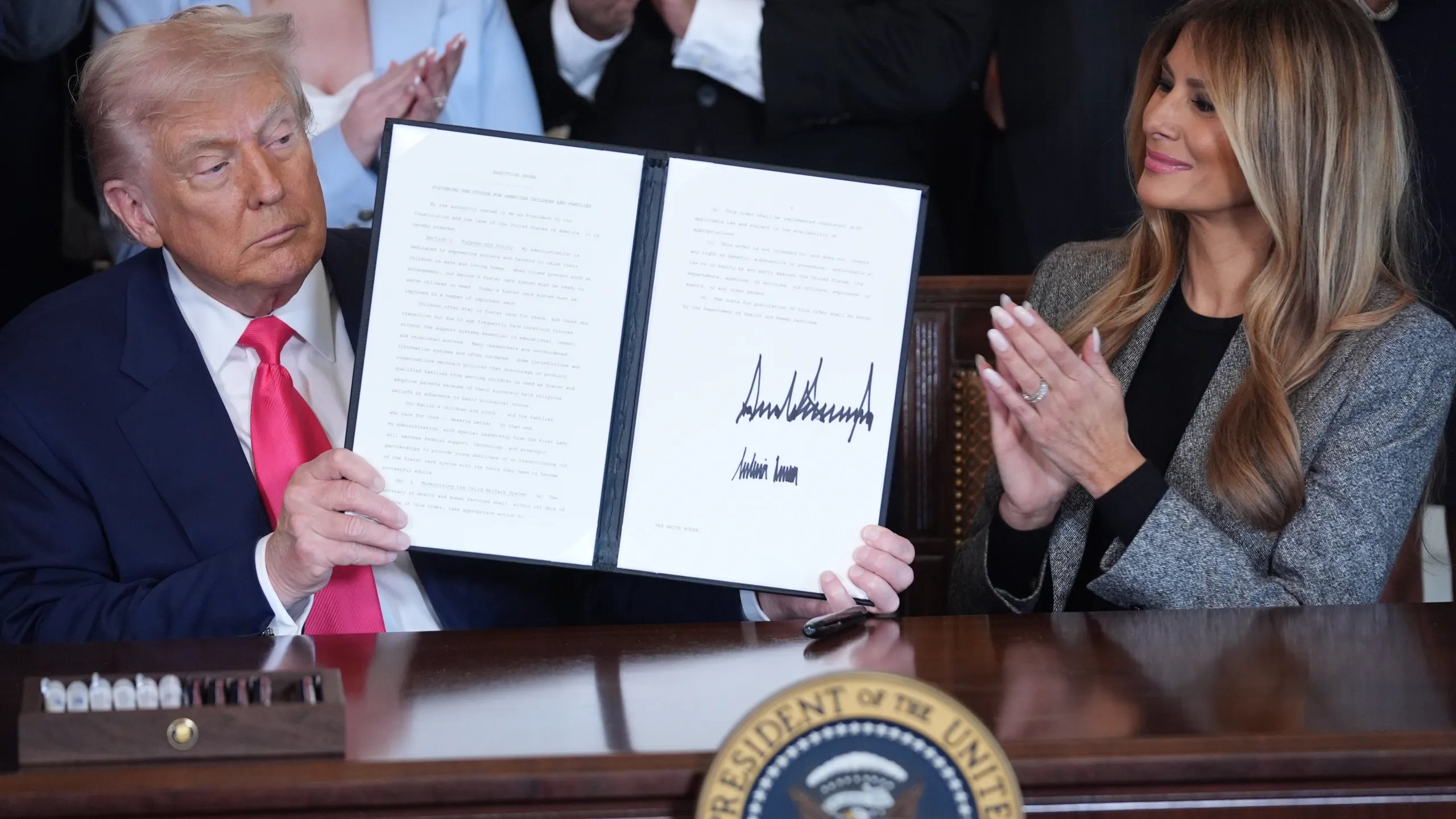
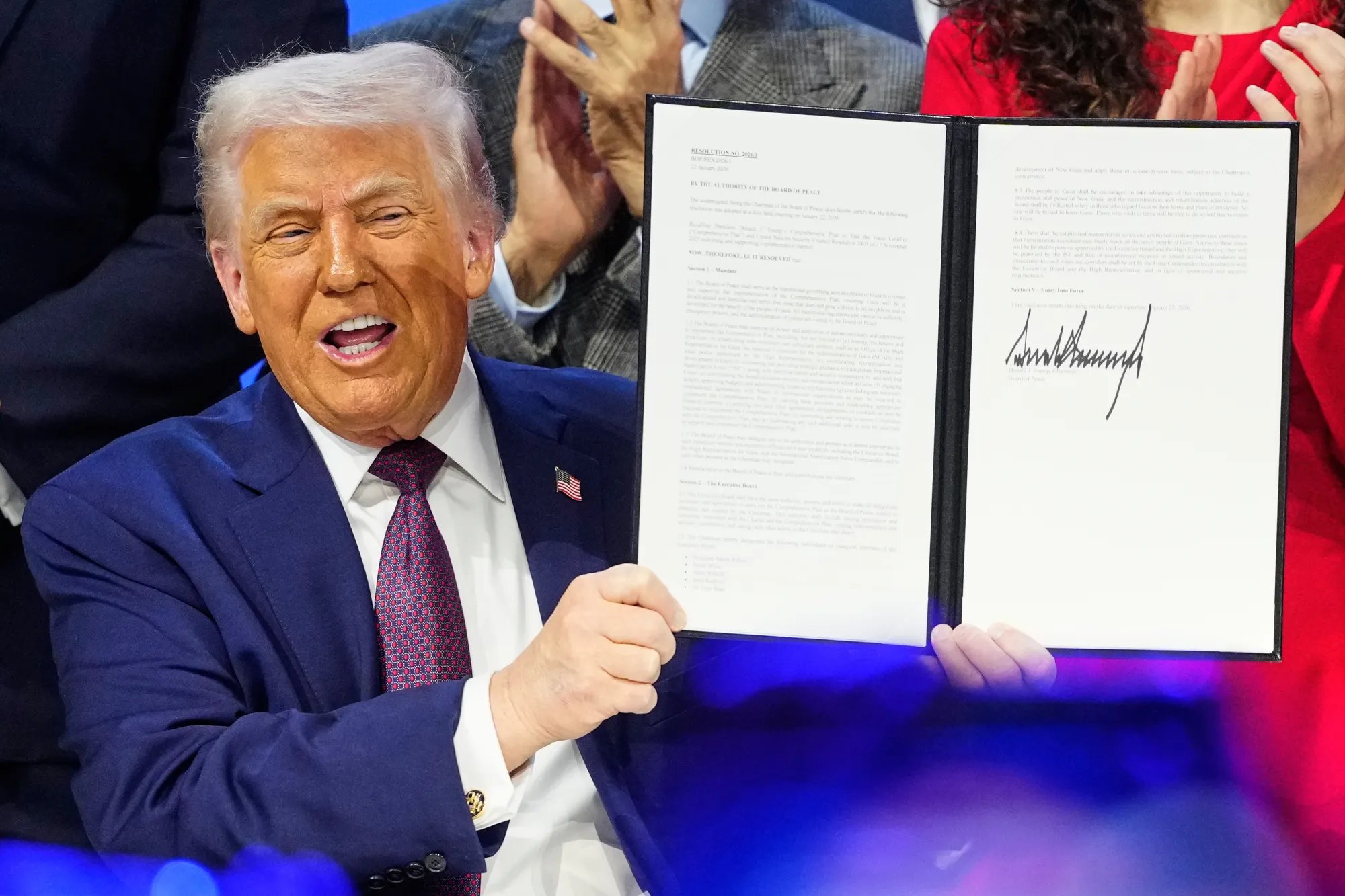
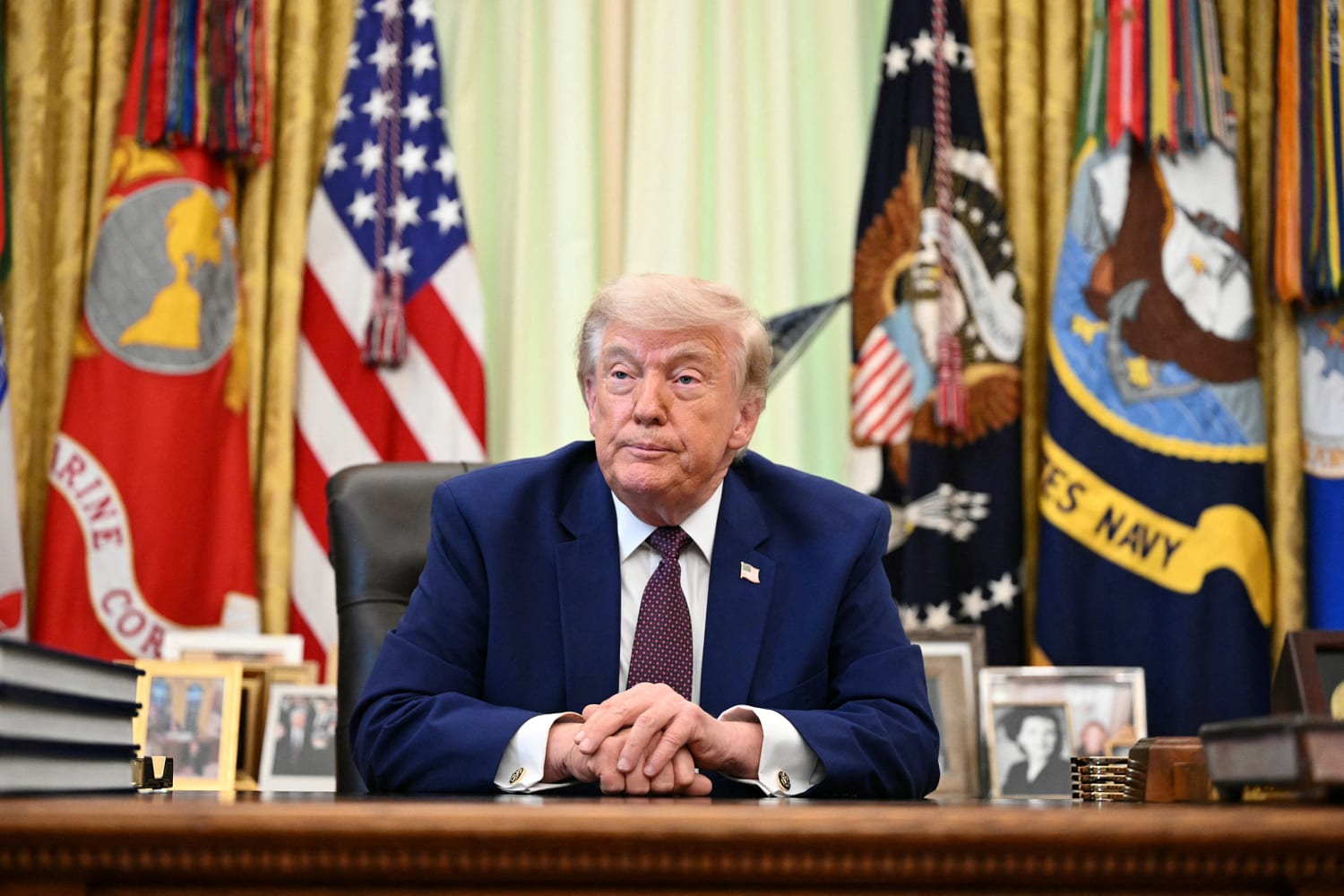
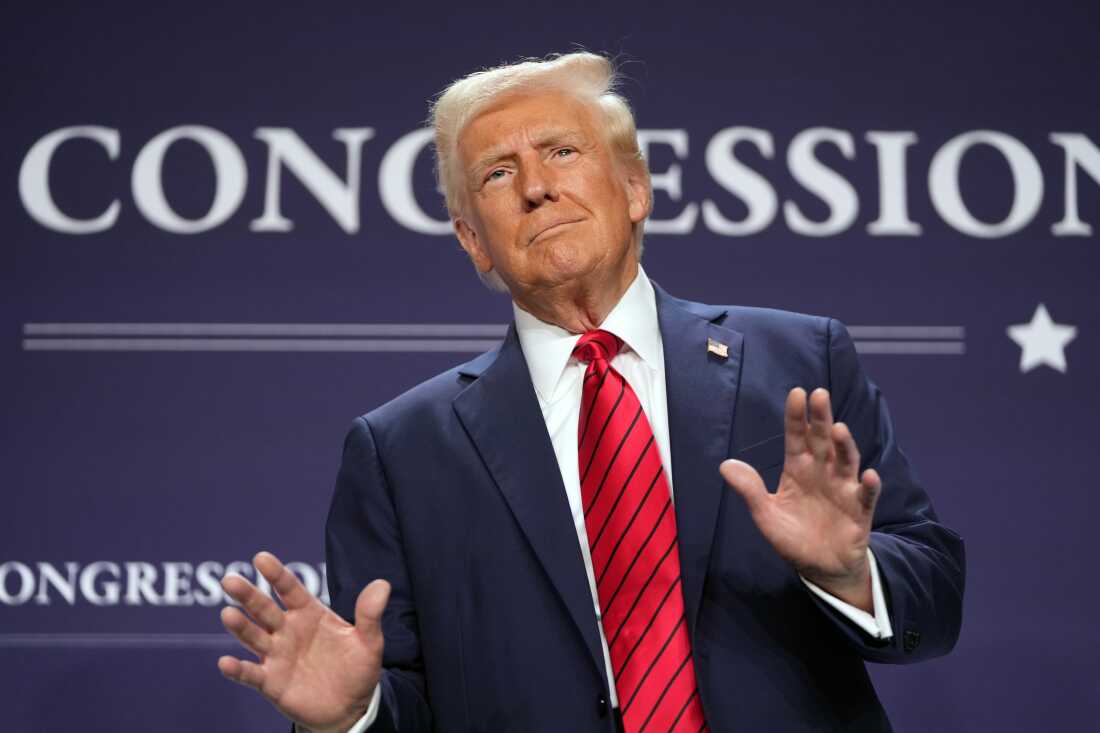
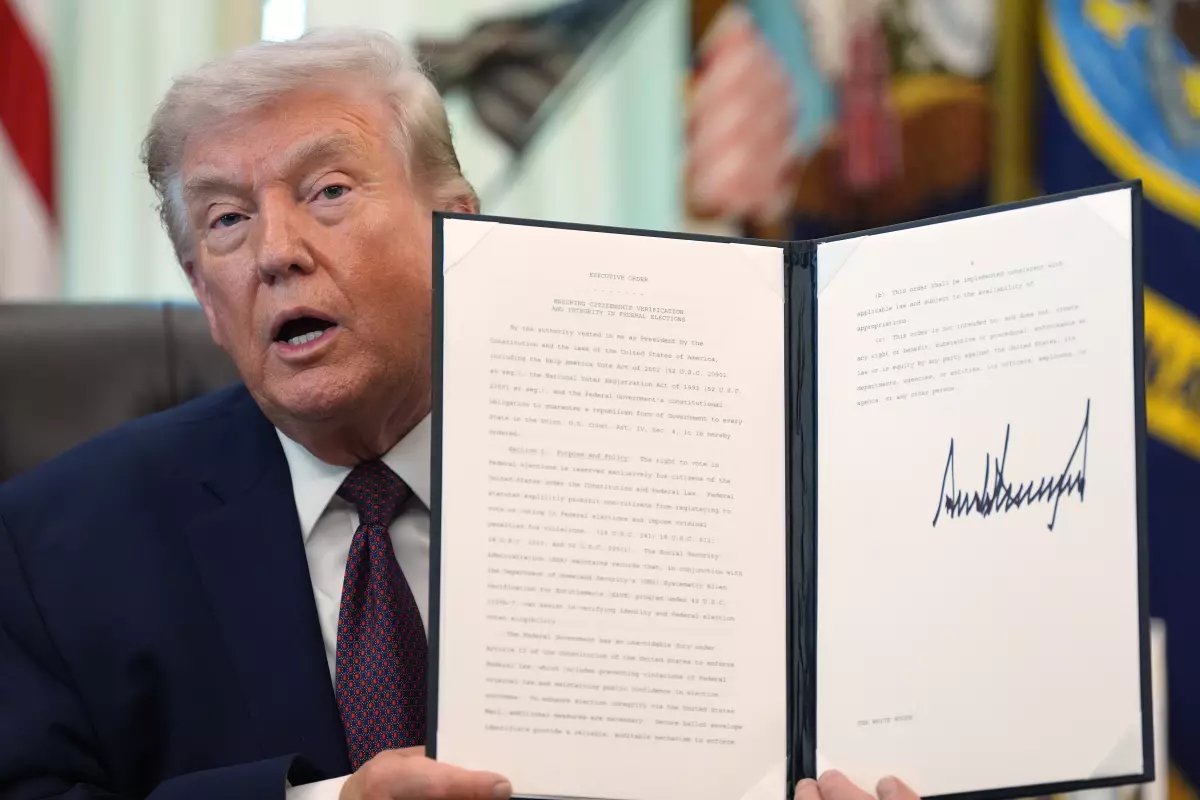
Trump signed an executive order in March that prohibits the U.S. Postal Service from delivering ballots to any voters not on a federal list of citizens deemed eligible to vote in each state by the Department of Homeland Security. According to a draft rule reported in May, the U.S. Postal Service proposal could throw the upcoming midterm elections into chaos by requiring states to provide lists of voters who received mail ballots.
The USPS proposal to implement this order seeks to require states to give the postal service the names and barcodes tied to mail-in ballots for federal elections. The public comment period on the proposed rule is open until July 2, and more than 14,000 comments have been submitted by members of the progressive activist group MoveOn.
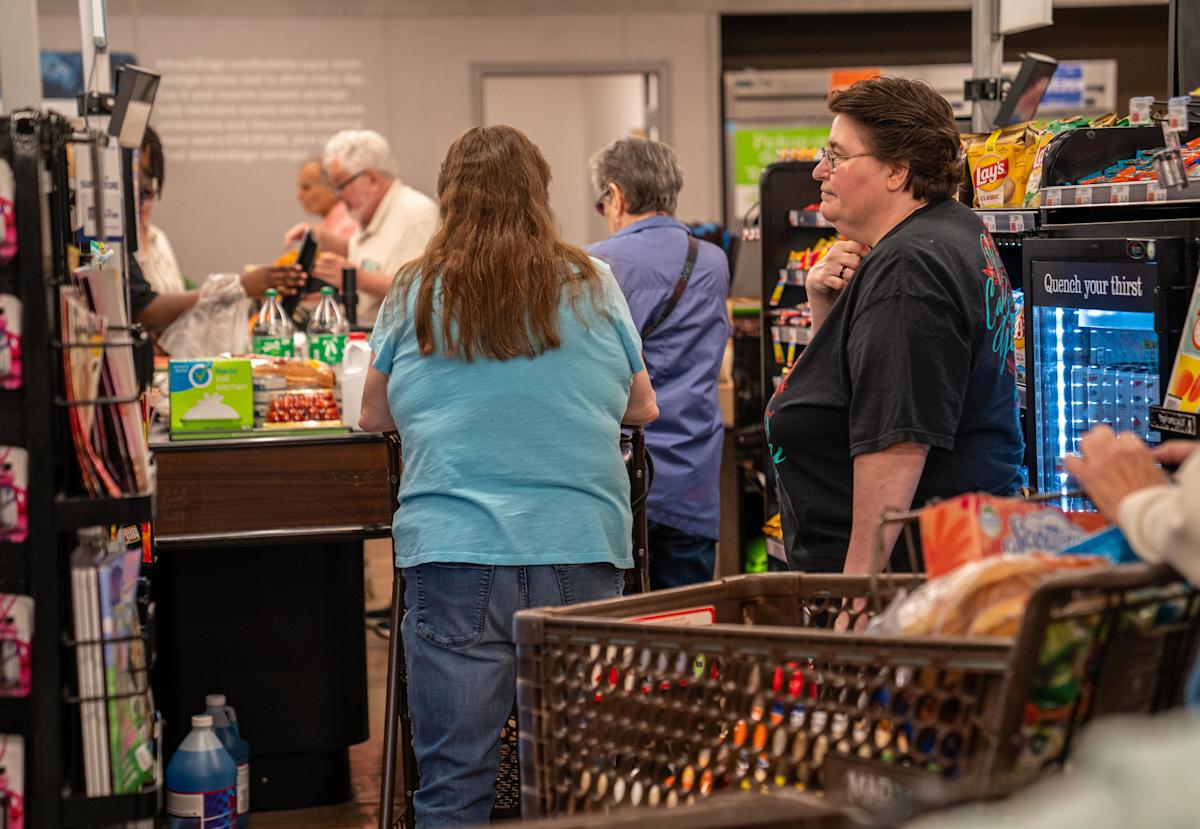
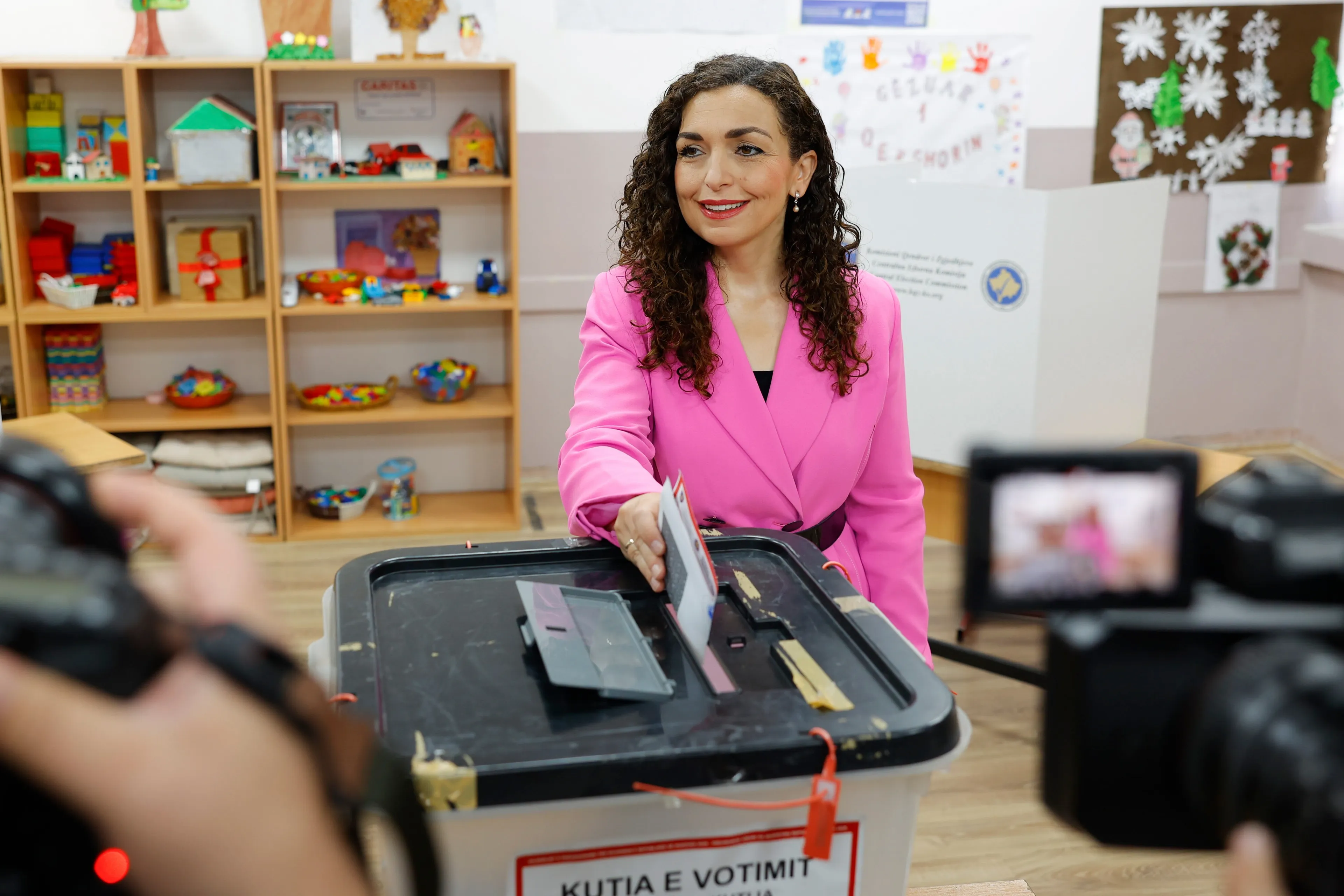
Nearly one in three Americans voted by mail in 2024, meaning Trump's restrictions could affect millions of voters in the 2026 midterms. One MoveOn member's public comment stated: "The USPS proposed rule to block mail ballots is outrageous. Many of us choose to vote by mail, either because it is the most convenient or accessible option or, for some Americans, it is the only option."
Separate legal action on polling place security
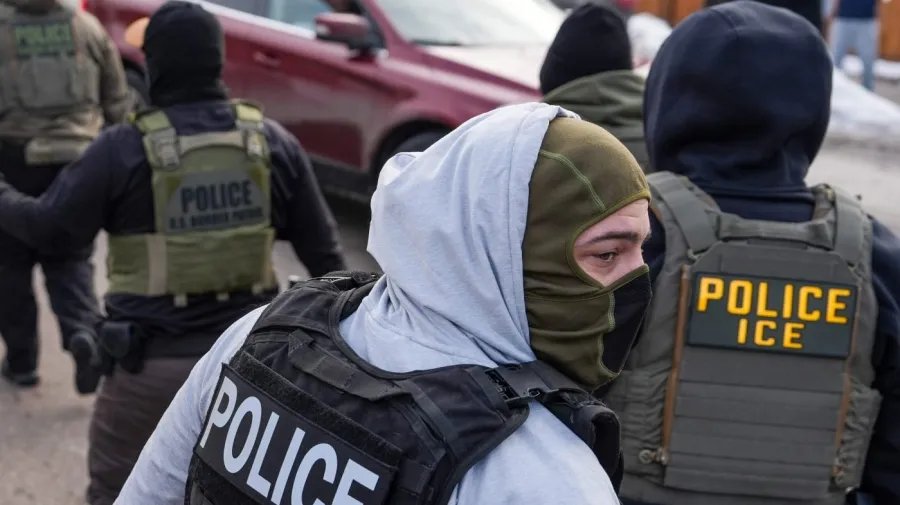
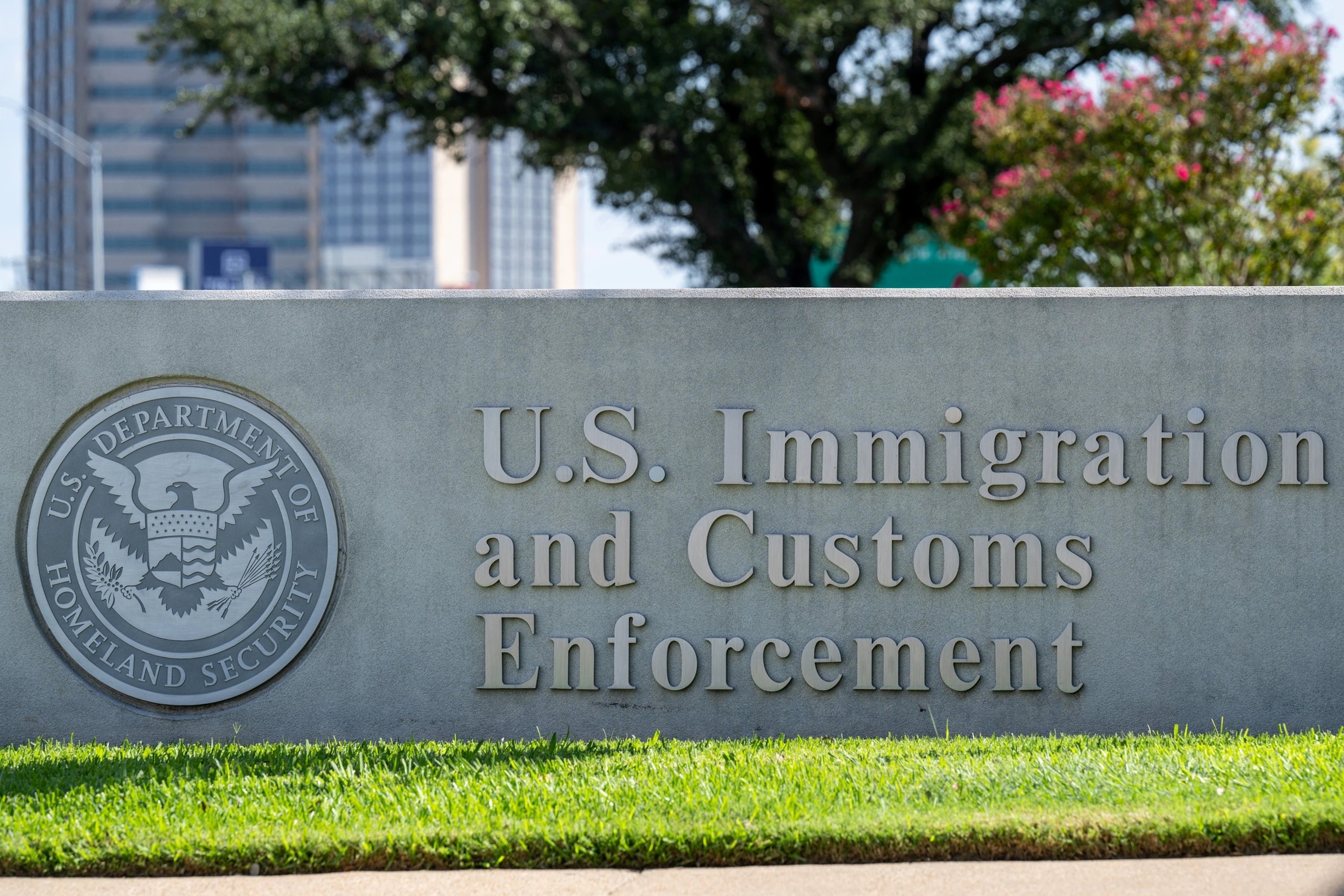
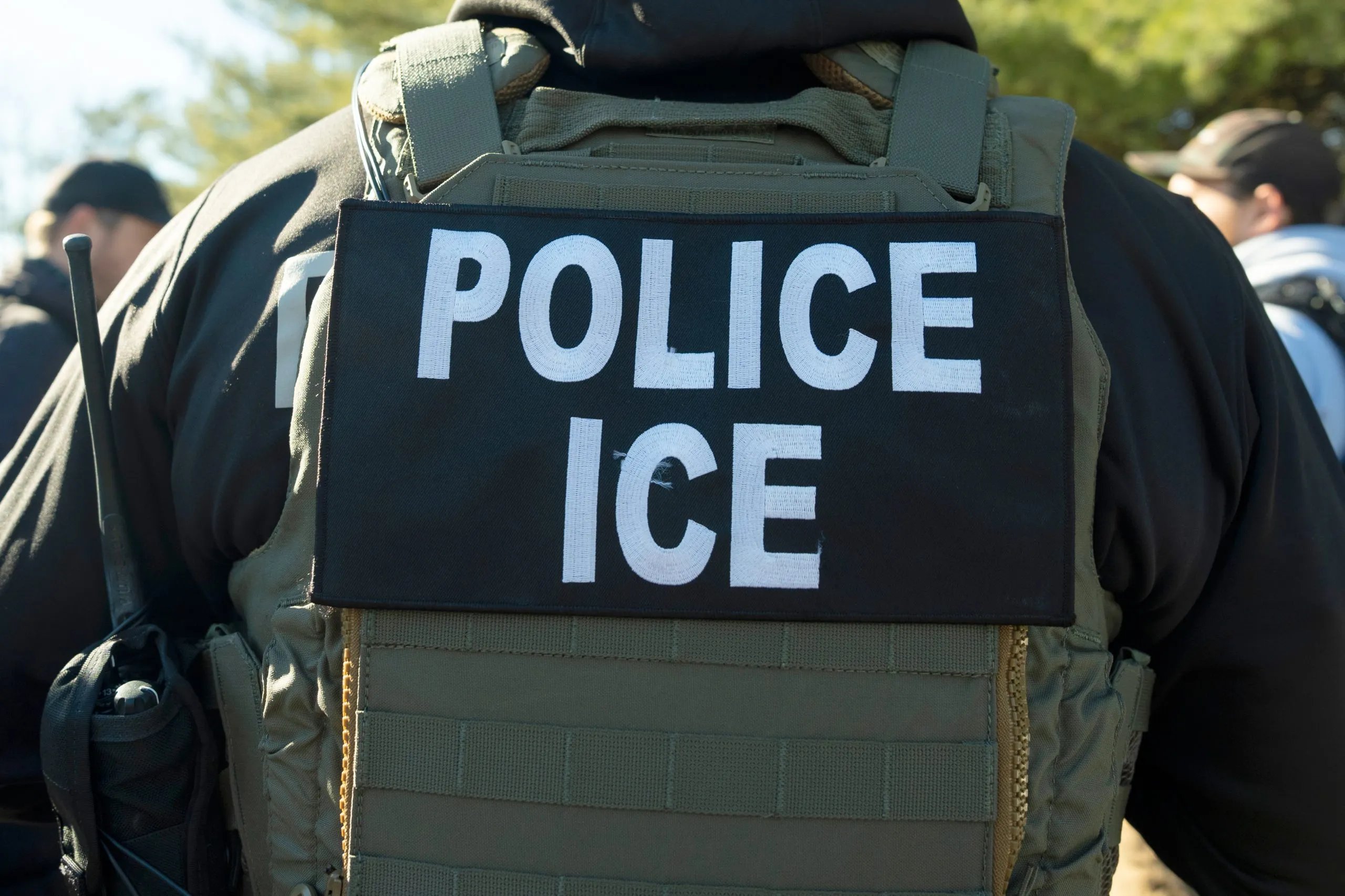
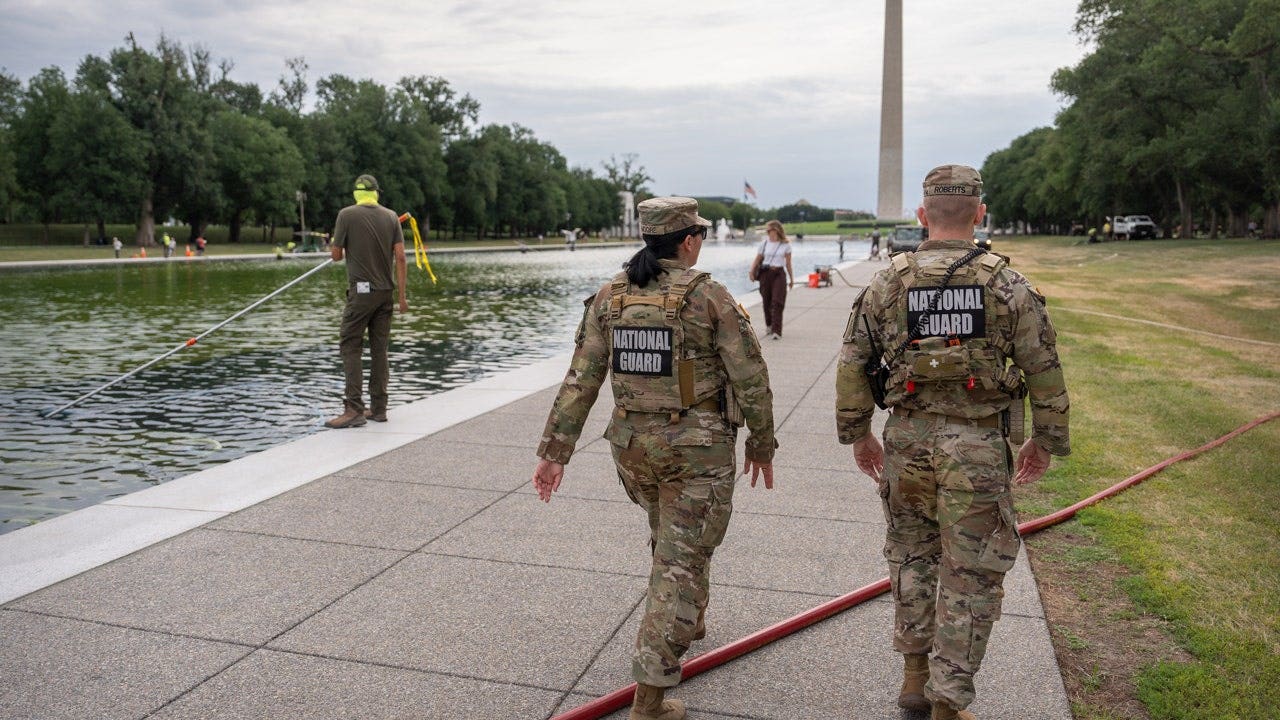
Senator Elissa Slotkin of Michigan introduced the Protect Our Polls Act on Thursday in an effort to block President Trump from deploying soldiers and federal law enforcement agents ahead of midterm elections. The bill comes after Trump said he would not rule out sending the National Guard or Immigration and Customs Enforcement personnel to polling places.
Free speech case intersects with voting rights battles
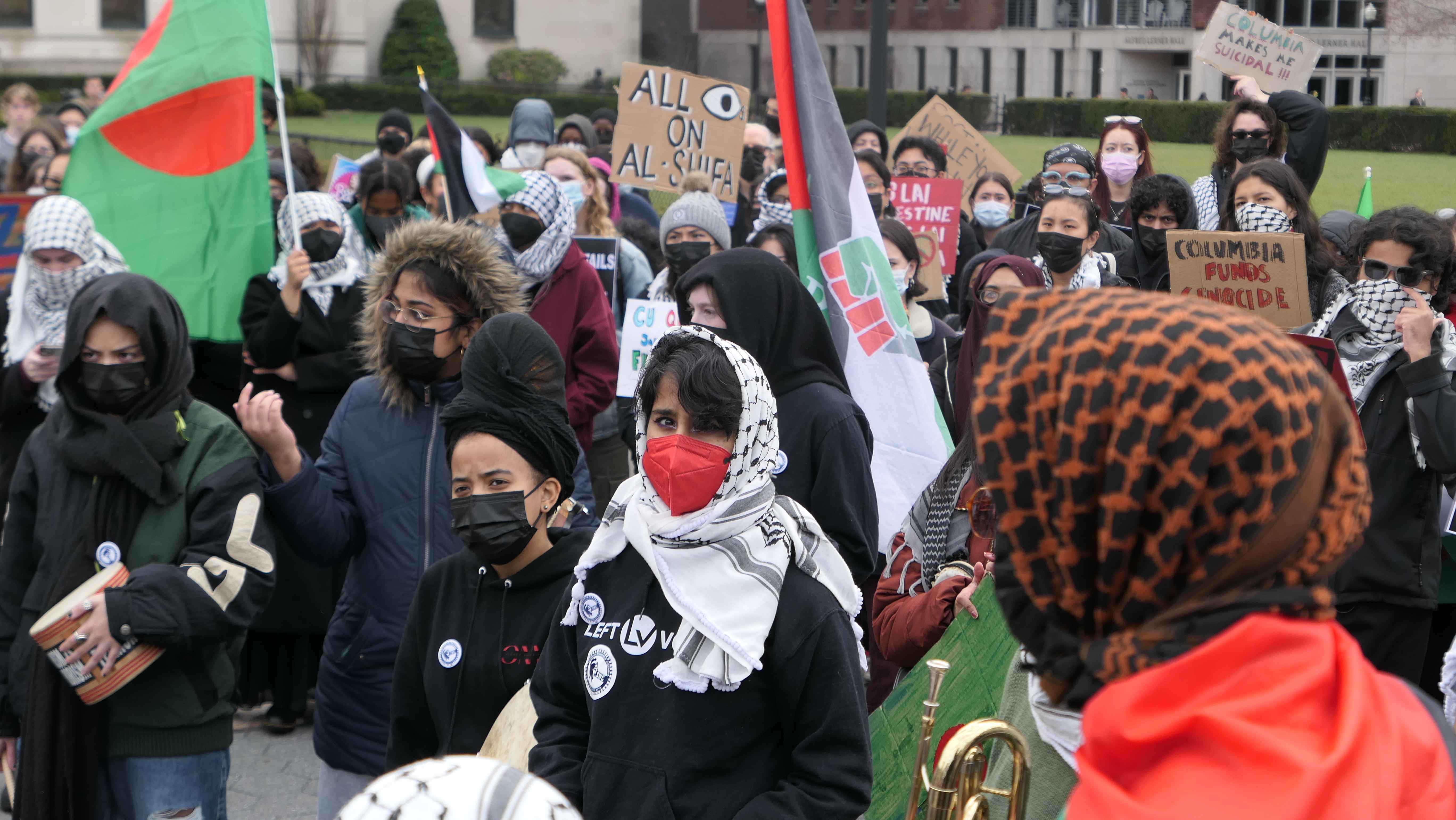
Meanwhile, a Trump-nominated federal judge ordered the release of Salah Sarsour, president of the Islamic Society of Milwaukee, after ruling that he raised a "substantial" free speech claim that he was targeted for speaking out in support of Palestinian rights. U.S. District Judge James Patrick Hanlon wrote that "the mere invocation of foreign relations concerns does not automatically trump First Amendment rights."
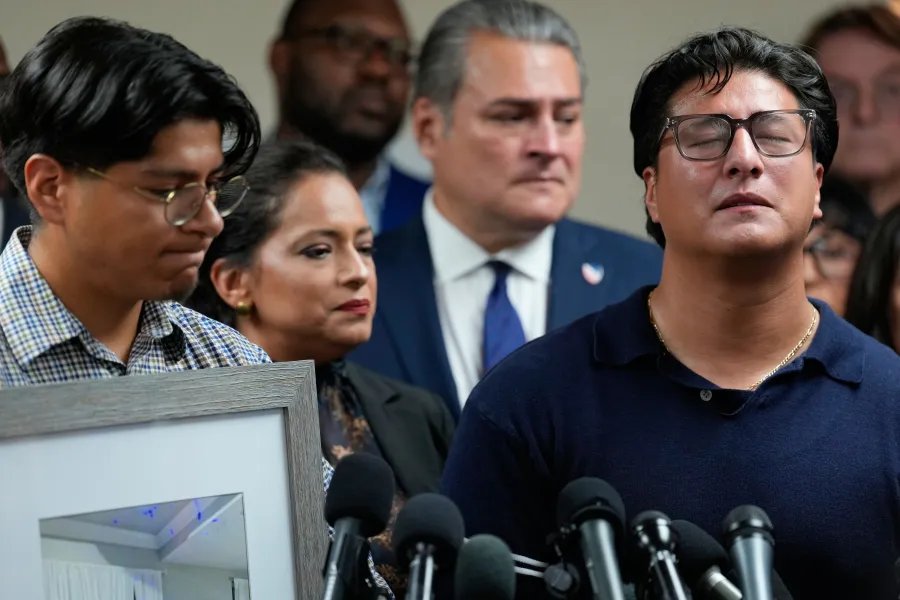
Sarsour, a legal permanent resident in the U.S., was taken into custody by U.S. Immigration and Customs Enforcement agents on March 30. Hanlon questioned why the Trump administration suddenly considered Sarsour a threat after more than three decades of legal residency in the country.
Sarsour said in a statement upon his release: "I am so relieved to be with my family. For 80 days, I haven't been able to step outside and breathe fresh air. This experience is a reminder to all of us that we must fight together for our right to be a voice for the silenced."