




Outbreak response concludes without American cases
The Department of Health and Human Services announced the end of the hantavirus response on June 24, following the conclusion of the final 42-day quarantine period for exposed passengers. No Americans contracted the virus during the outbreak.
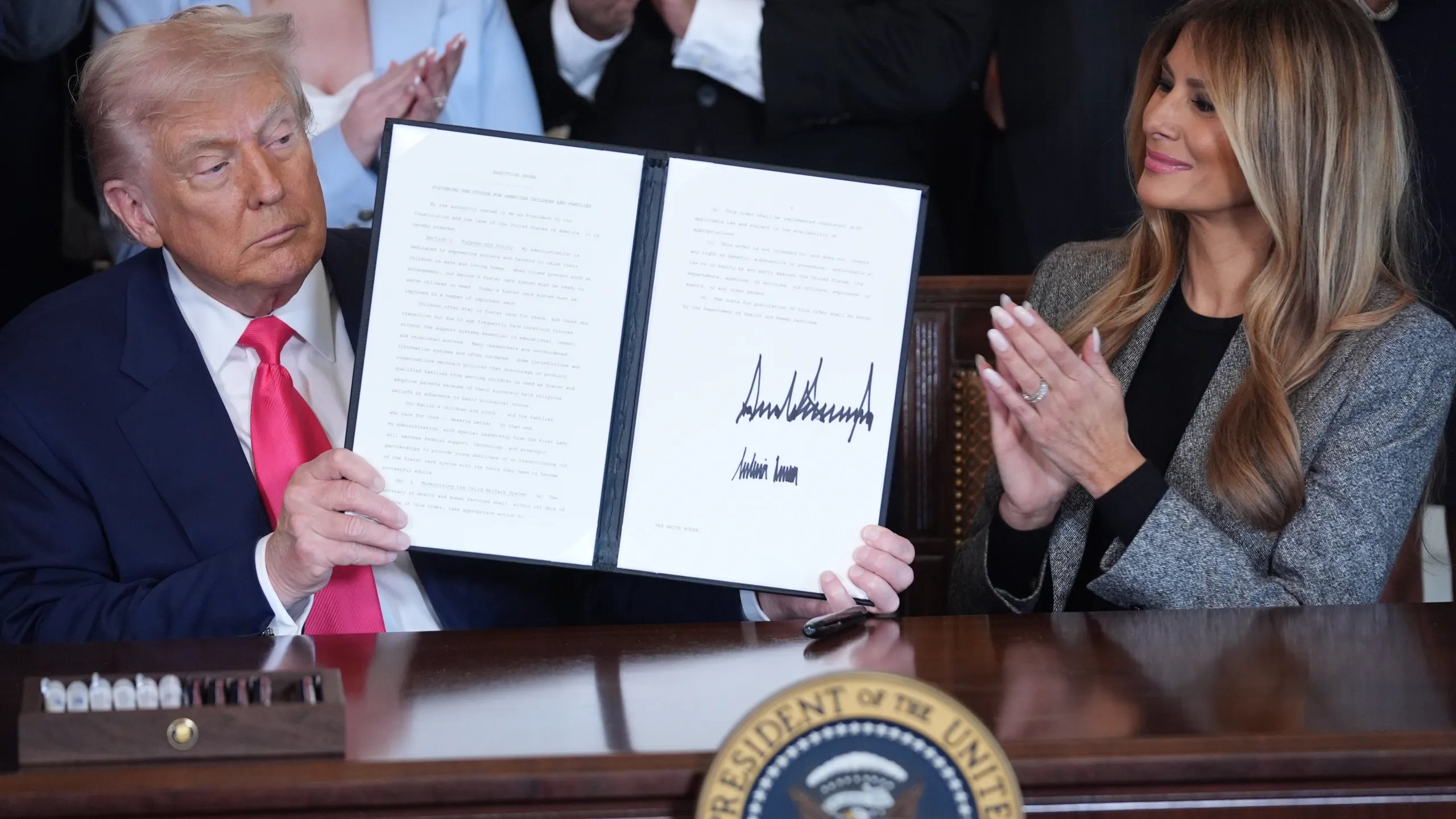
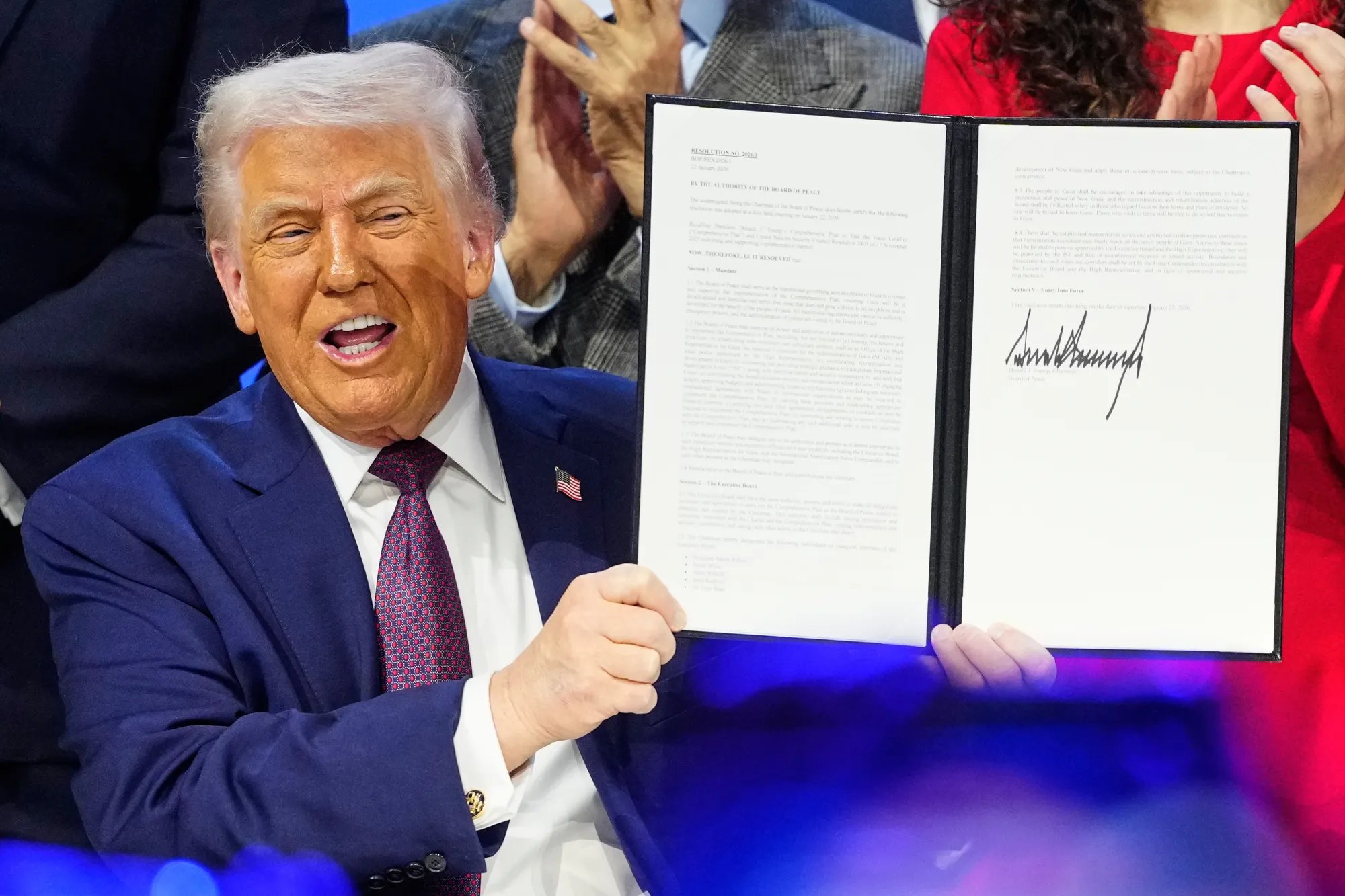
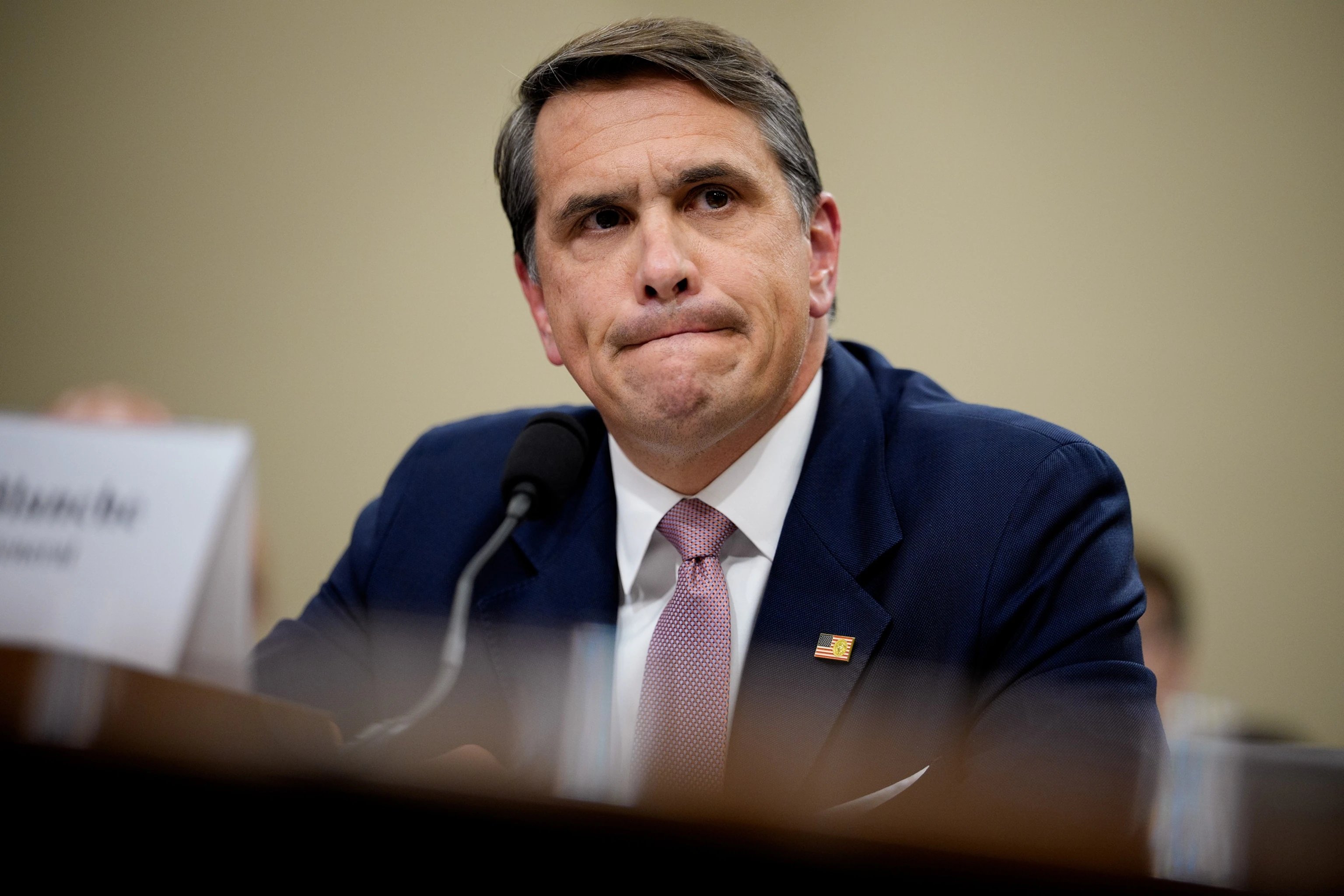
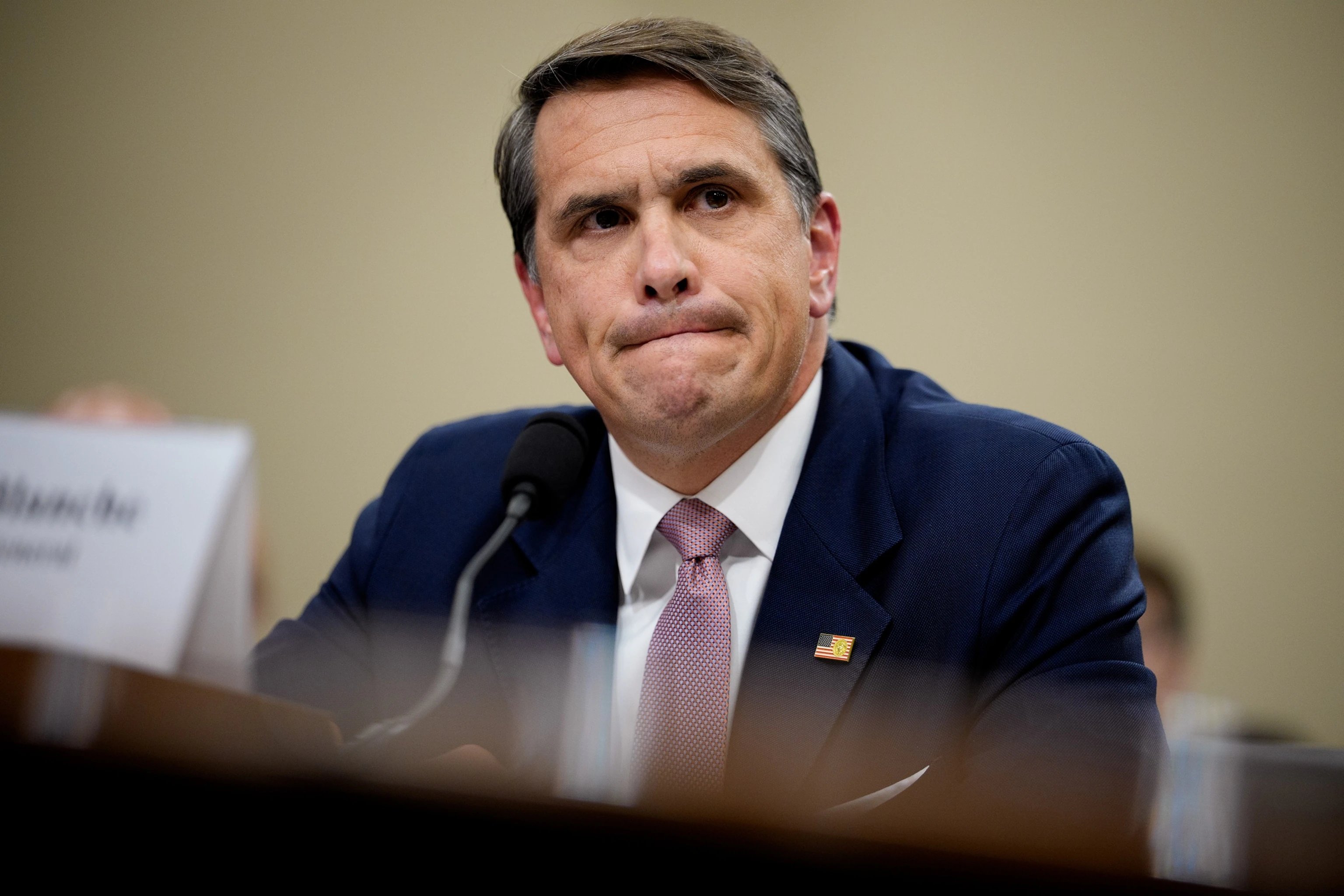
Health Secretary Robert F. Kennedy Jr. announced the conclusion in a press release dated June 23, stating that federal efforts prevented "sustained transmission of hantavirus" in the United States. Jay Bhattacharya, the CDC's acting director, added that the response "demonstrates the strength of a coordinated response to infectious disease threats that occur outside of our borders."
Strict quarantine rules exceeded international standards
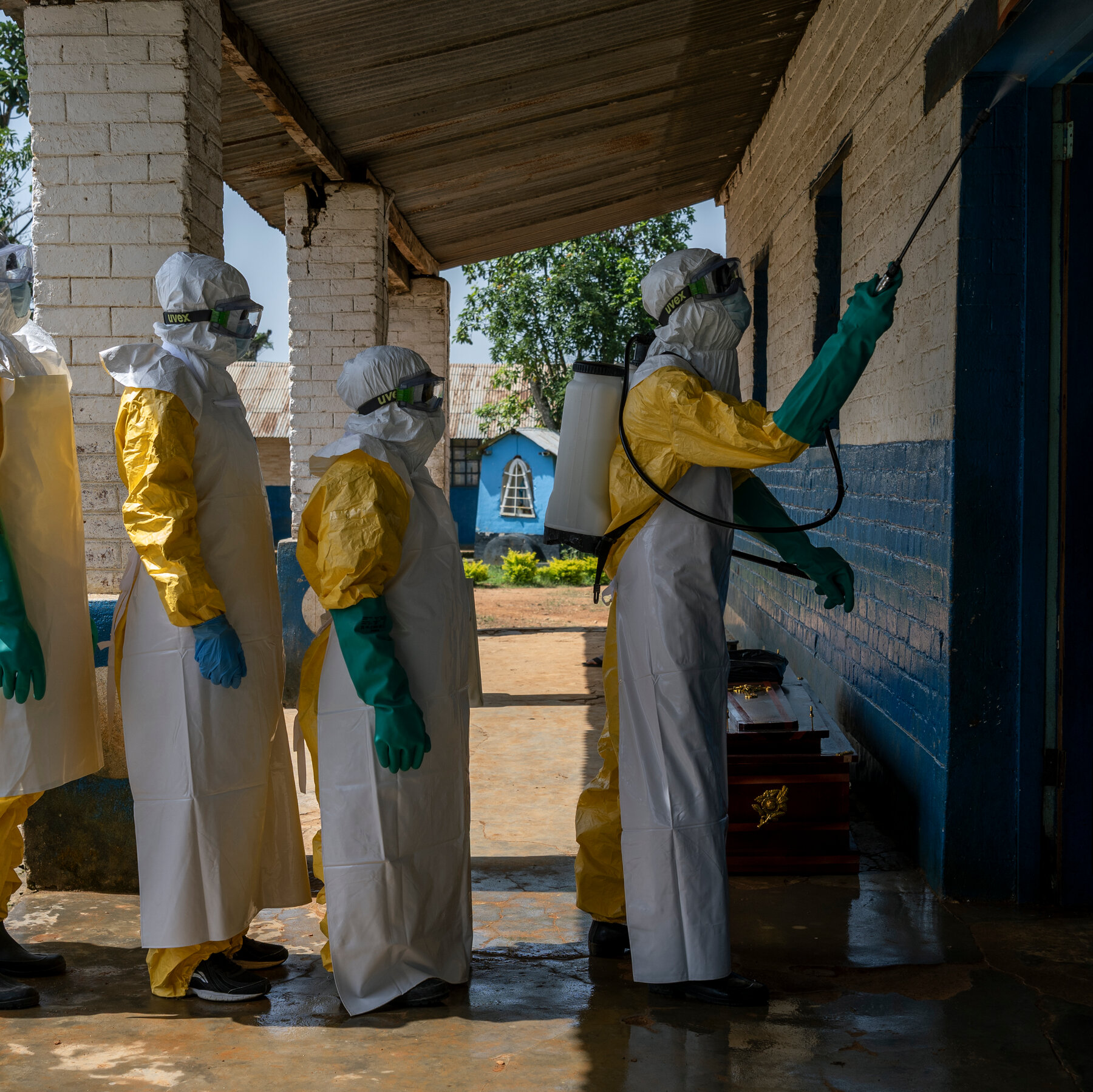
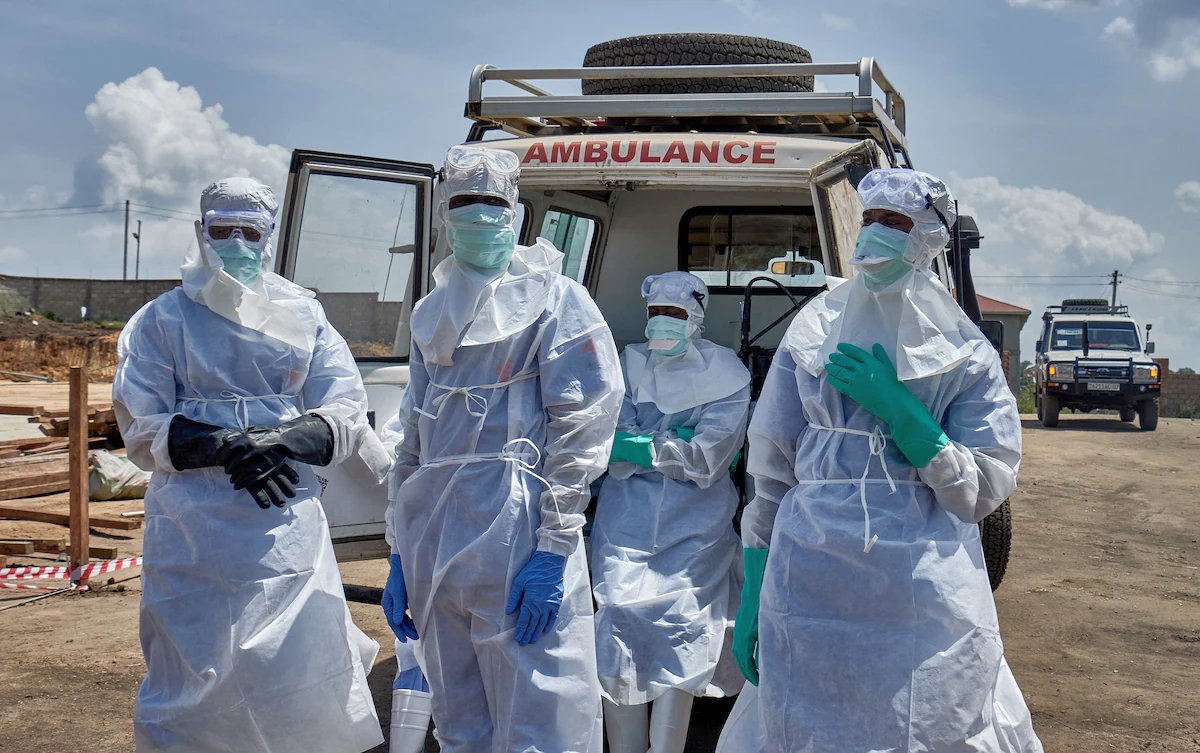
The Trump administration's quarantine protocols drew scrutiny from disease experts and public health officials. Potentially exposed passengers from the MV Hondius faced two options: remain in strict isolation at a federal quarantine unit in Nebraska or return home under 24/7 surveillance with twice-daily in-person fever and symptom checks.
These requirements exceeded quarantine measures used in Chile and Argentina, where the Andes virus is endemic. Hantavirus experts and the World Health Organization recommend remote monitoring with daily symptom and temperature checks as sufficient, since the virus only spreads when infected people show symptoms. Based on thousands of successful quarantines in South America, this approach has proven effective.
One passenger's appeal exposed the inconsistency
Angela Perryman, a Florida resident who was repatriated from the cruise ship, challenged the quarantine order. Florida health officials rejected the CDC's strict conditions and proposed remote monitoring with once-daily checks instead. Trump officials rejected Florida's proposal without explanation and ordered Perryman to remain in Nebraska.
Michael Bell, a CDC staff expert serving as quarantine medical reviewer, examined Perryman's case. His report, obtained by Jeremy Faust of Inside Medicine, sided with Florida. Bell wrote that remote monitoring was "a reasonable and efficient approach that is consistent with the level of transmission risk associated with Andes virus infection." Four days after Bell's recommendation, Kennedy signed an order extending Perryman's forced quarantine in Nebraska without explaining why he rejected the CDC expert's assessment.
International outbreak tracking continues
Five of 18 repatriated passengers were allowed to leave the Nebraska facility before the 42-day period ended, though at least four of their home states agreed to the CDC's strict surveillance conditions. The unevenly applied protocol remained unexplained during a CDC press briefing on Tuesday, with officials declining to answer reporter questions about the quarantine justification.
The World Health Organization reported that the outbreak tally stands at 13 cases with three deaths across 33 countries and territories. More than 650 contacts have been identified and traced, with 54 still under quarantine as of late June. The final quarantine period ends July 2.