




The Facility's Brief, Costly Operation
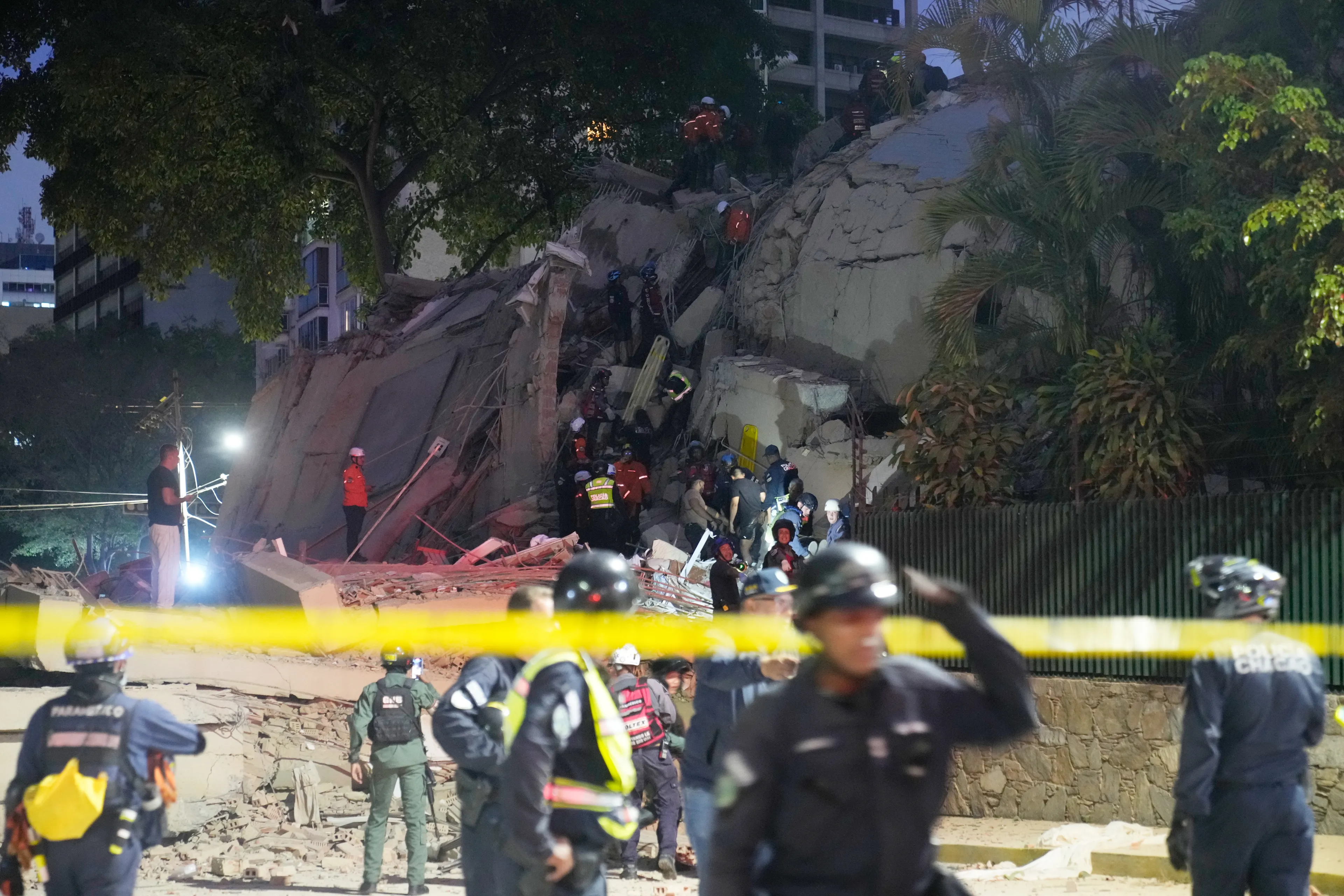
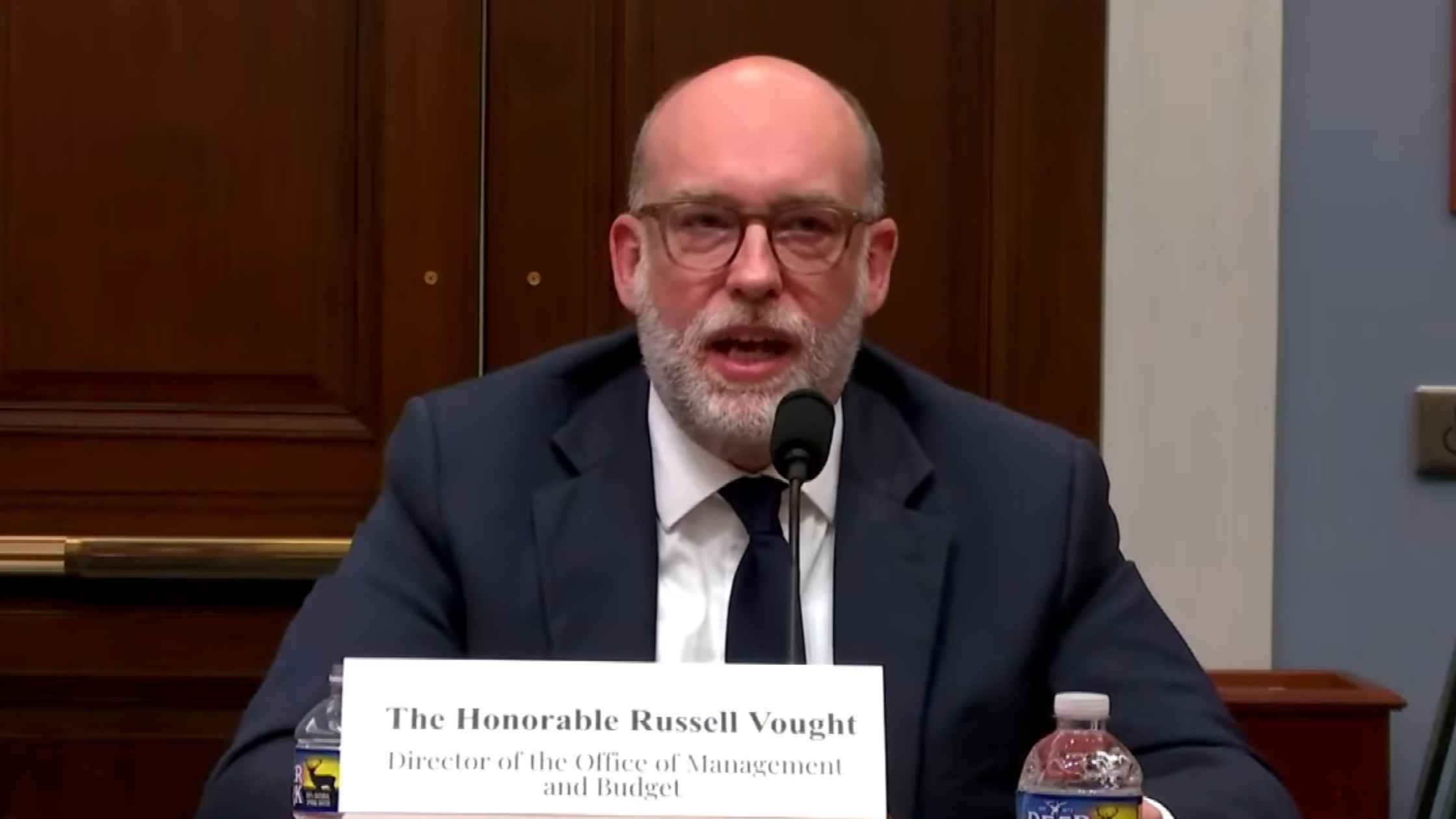
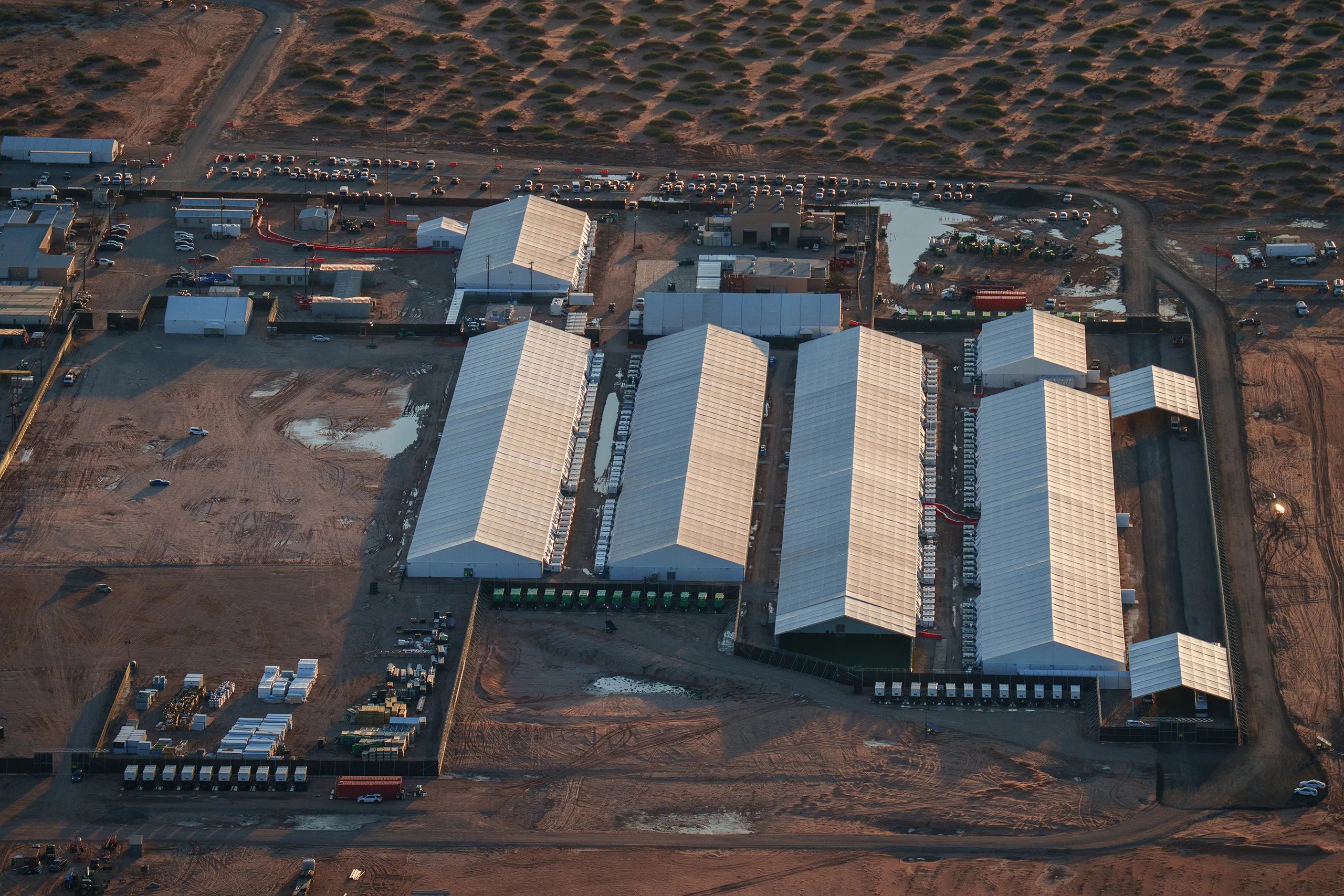
Ron DeSantis closed the "Alligator Alcatraz" immigration detention center on Thursday after less than a year of operation, declaring it a success in the Trump administration's deportation agenda. The facility, assembled in eight days at an abandoned airfield in Ochopee in the Everglades, cost Florida taxpayers $1.2 million per day during its operation. DeSantis and Tom Homan, Trump's border czar, announced the closure at the now-dismantled site, with the governor claiming the jail had fulfilled its emergency purpose.
DeSantis said all detainees held at the facility until last week had been transferred into federal immigration custody elsewhere. The governor also stated he expected the federal government to reimburse Florida for up to $1 billion spent on the jail, though he could not provide a timeline for that reimbursement.
The 21,000 Deportations and Safety Claims
DeSantis claimed that 21,000 people had been deported in connection with Alligator Alcatraz operations, arguing this outcome made Florida and the country safer. The governor maintained that most detainees were criminals, citing 10 individual cases with charges including sexual assault of minors, drug trafficking, fraud, DUI, and domestic battery.
Homan claimed that up to 70% of those arrested were criminals or had pending charges. He argued that reduced illegal immigration at the border meant fewer women sexually assaulted during migration, fewer children dying in transit, less fentanyl entering the country, and fewer national security threats admitted.
Contradictory Evidence on Detainee Profiles
Media investigations during the facility's operation contradicted these assertions. Hundreds of detainees had no criminal records or charges, with their only alleged violation being presence in the United States without legal documents, a civil offense. The majority of people detained in federal Immigration and Customs Enforcement jails around the country have no criminal convictions, according to records disclosed during the jail's operation.
DeSantis did not address reports of detainee treatment during Thursday's announcement, despite widespread criticism over inhumane conditions and denial of meaningful due process.
Opposition and the Push for Closure
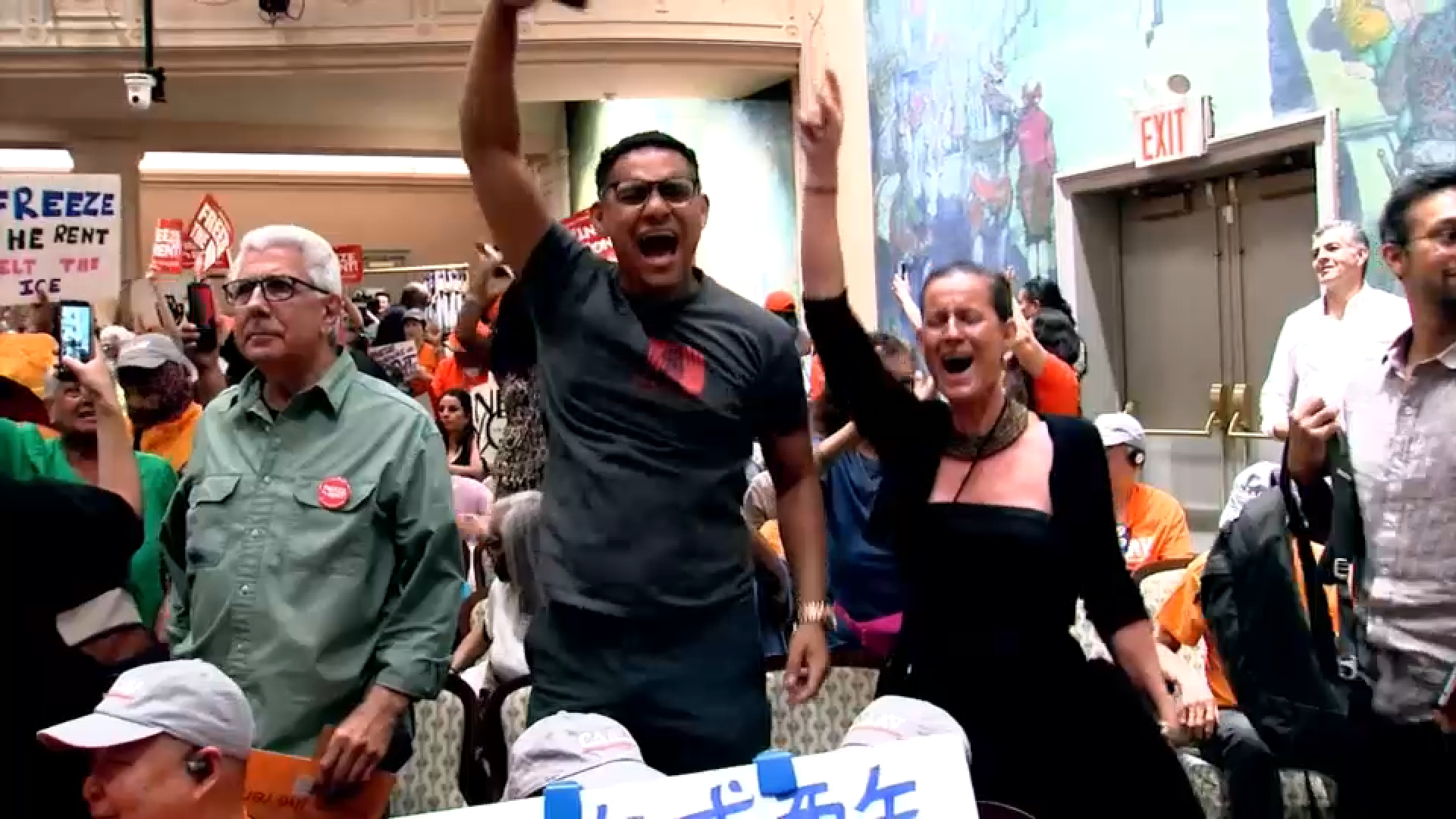
Noelle Damico, director of social justice at the Workers Circle, an advocacy group, said the facility closed due to relentless public pressure. The group held a 47th and final weekly "freedom vigil" outside the jail on Sunday, with Damico stating that activists "brought it to an end here, and we will bring it to an end everywhere."
Civil rights groups, lawyers, families, and human rights advocates had denounced the facility throughout its operation, accusing the government of harsh conditions and due process violations. An ongoing lawsuit brought by advocacy groups and the Miccosukee Tribe of Indians claims the jail harmed the fragile Everglades wetlands with pollution and concrete slabs.
DeSantis briefly addressed environmental concerns, saying staff "did a really good job of keeping this contained, so that it didn't have that impact on the surrounding environment." He offered no details on how the containment was achieved or evidence supporting the claim.
What Comes Next
Damico characterized the closure as a political defeat for both administrations, but noted the fight continues at other locations, including DeSantis's "deportation depot" at a former state prison in Baker County. The governor's plan to shift detention operations elsewhere means the closure of one facility does not signal an end to aggressive immigration enforcement in Florida.