




Contradictory Statements from Iran and the U.S.
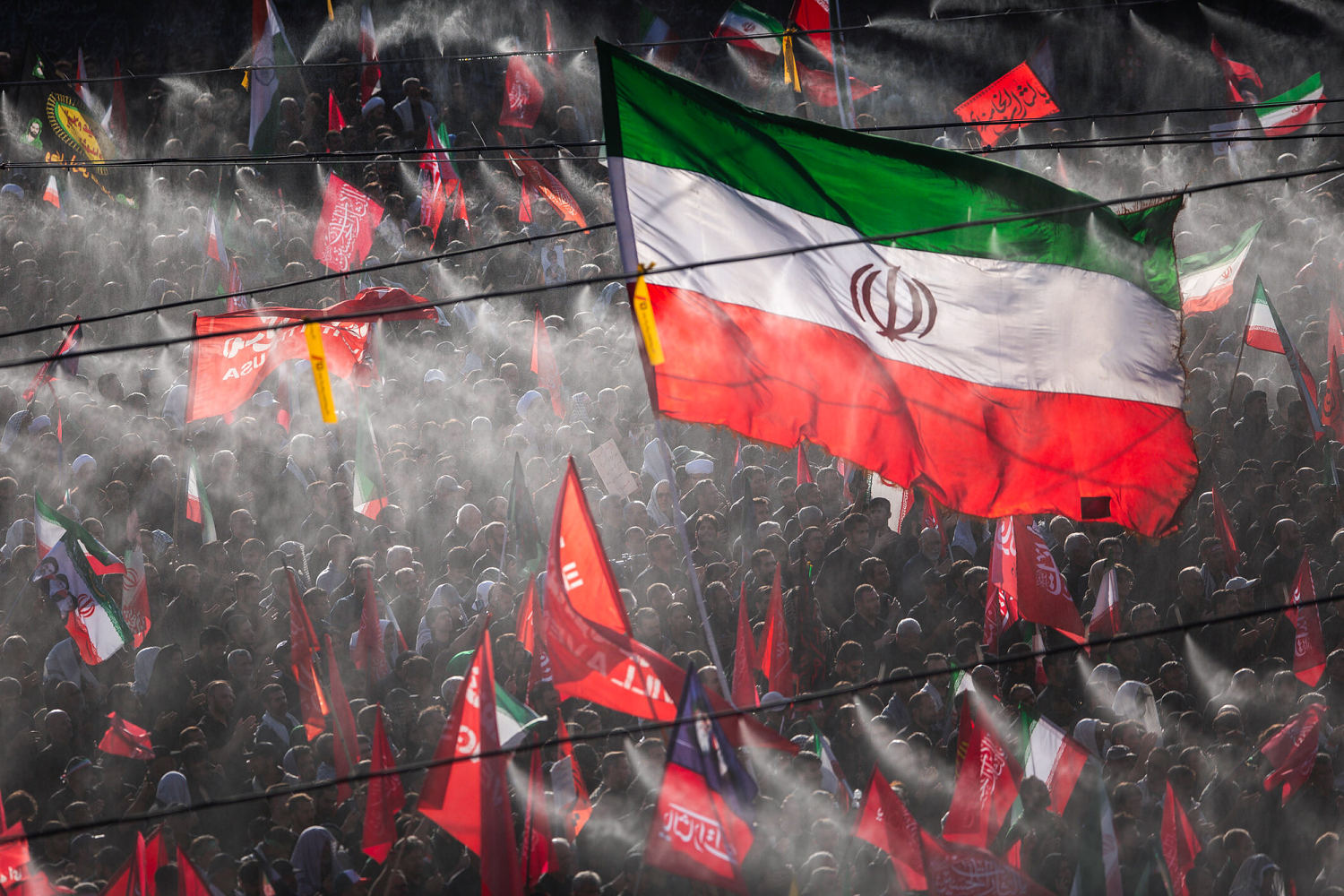
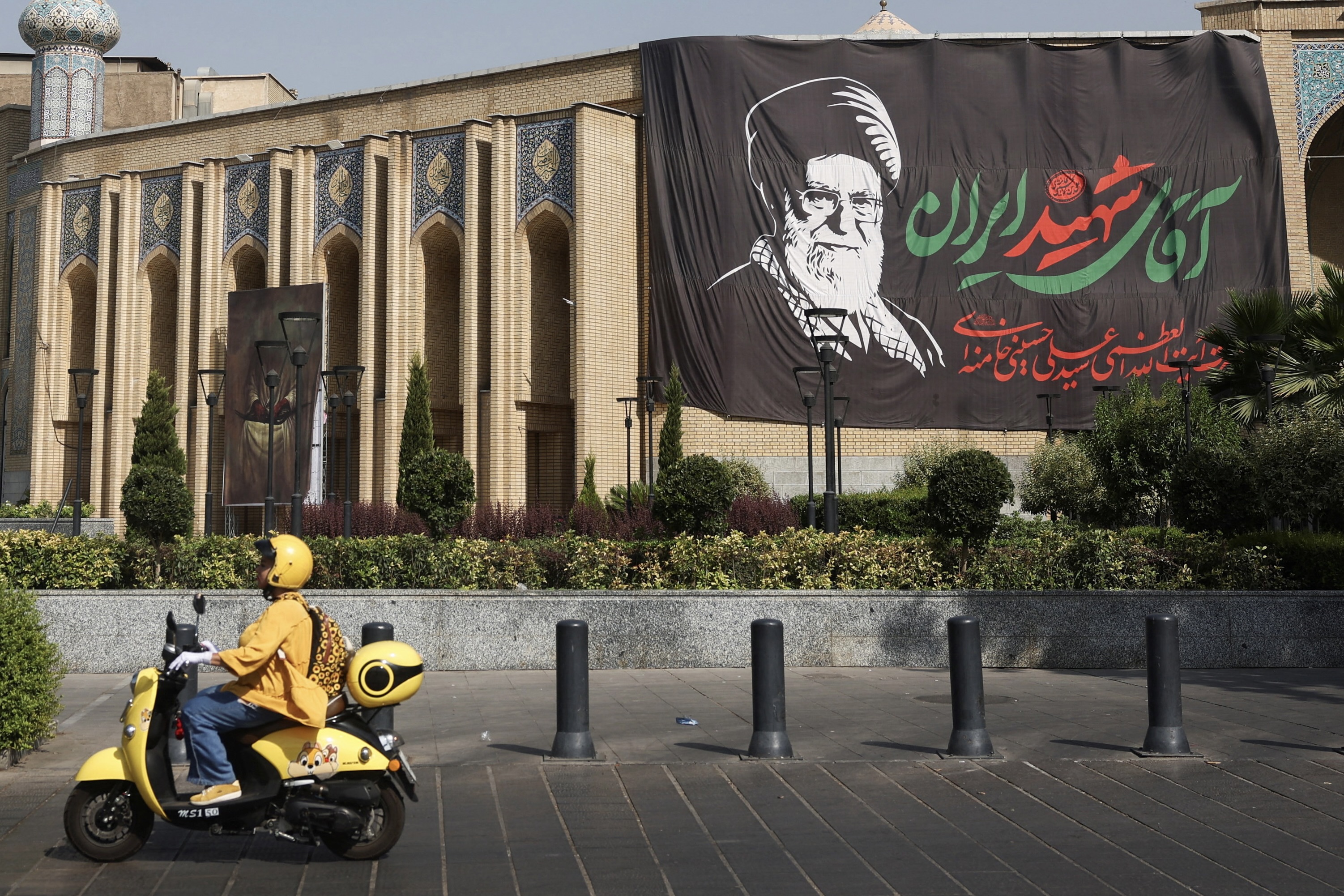
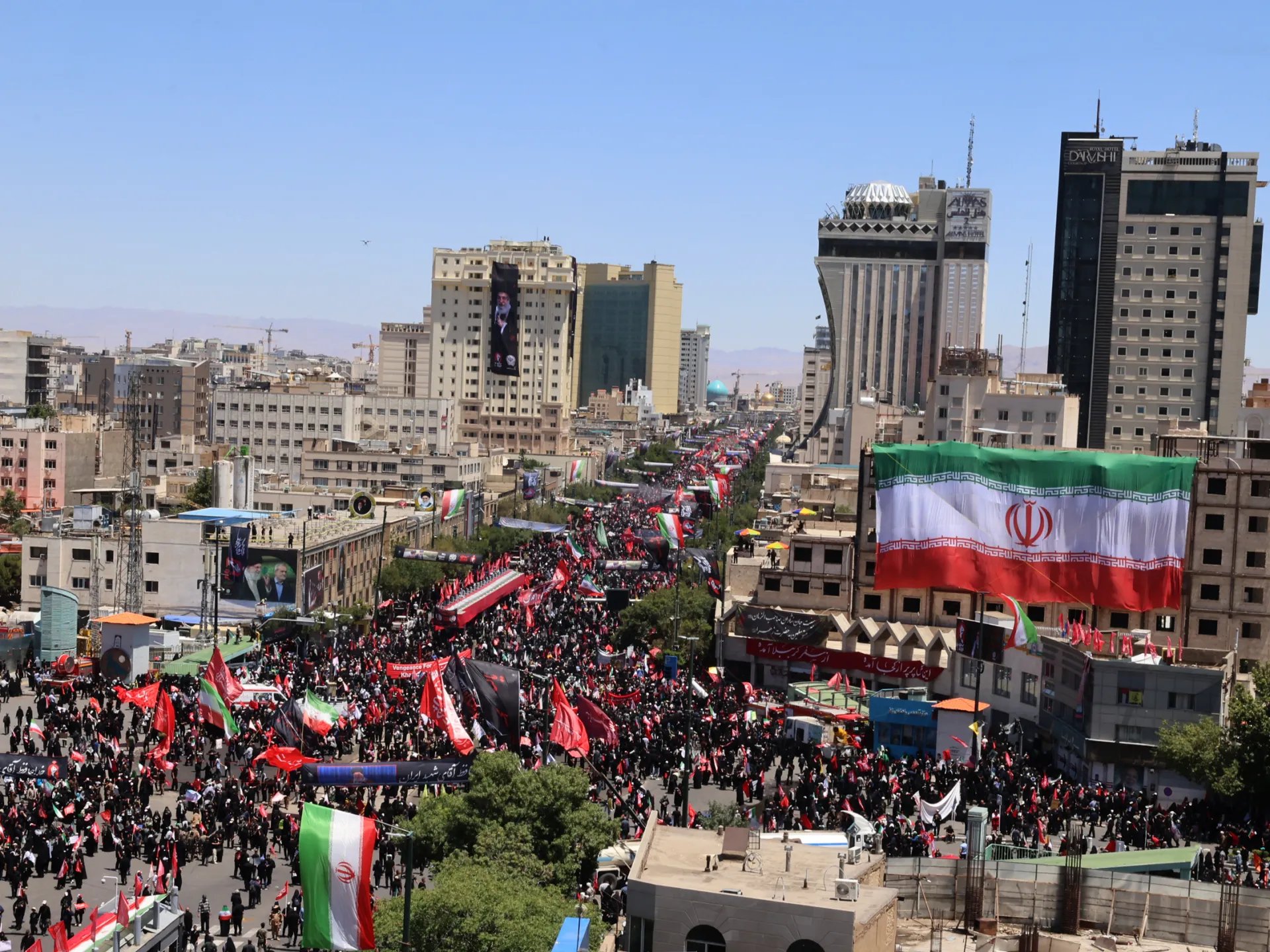
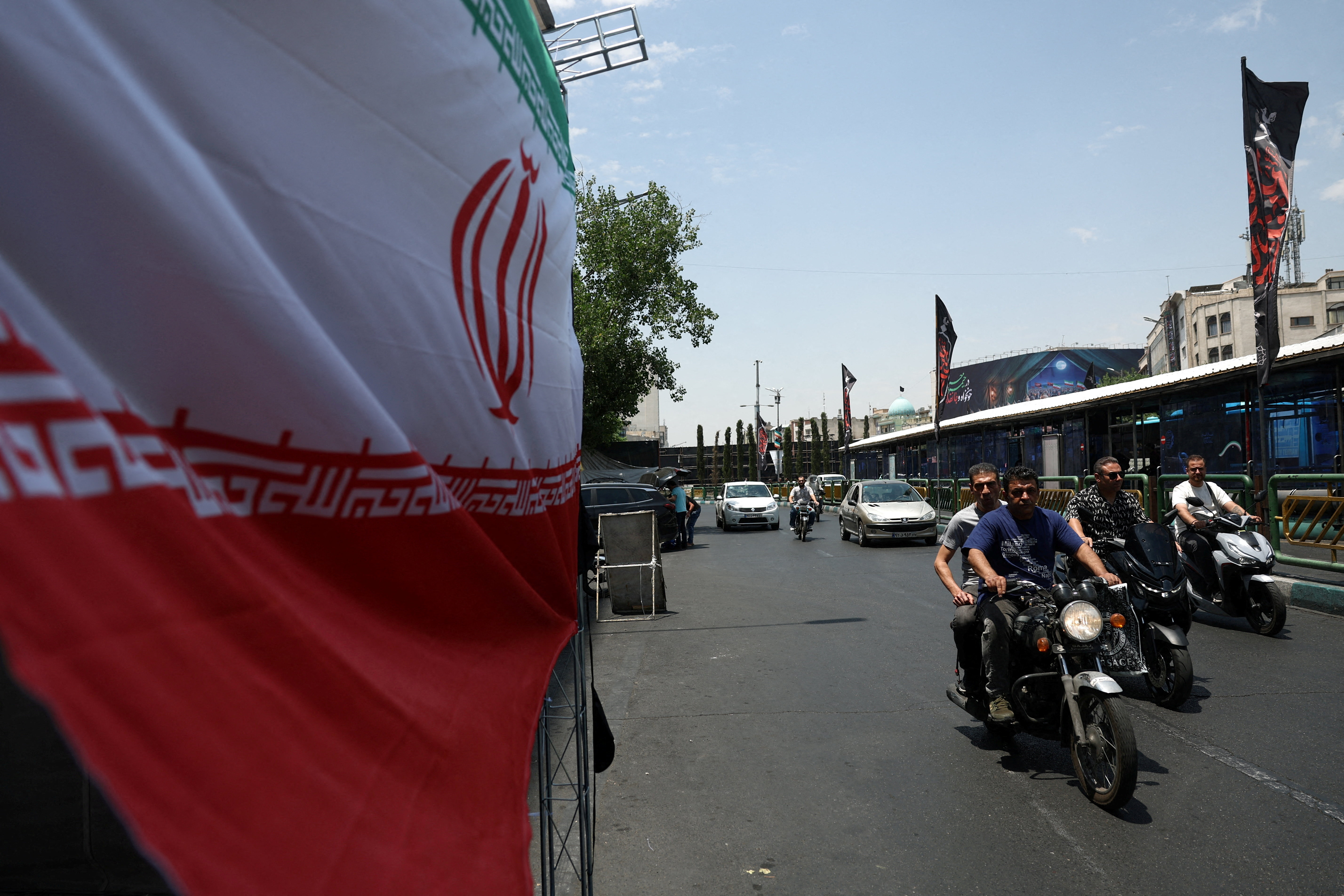
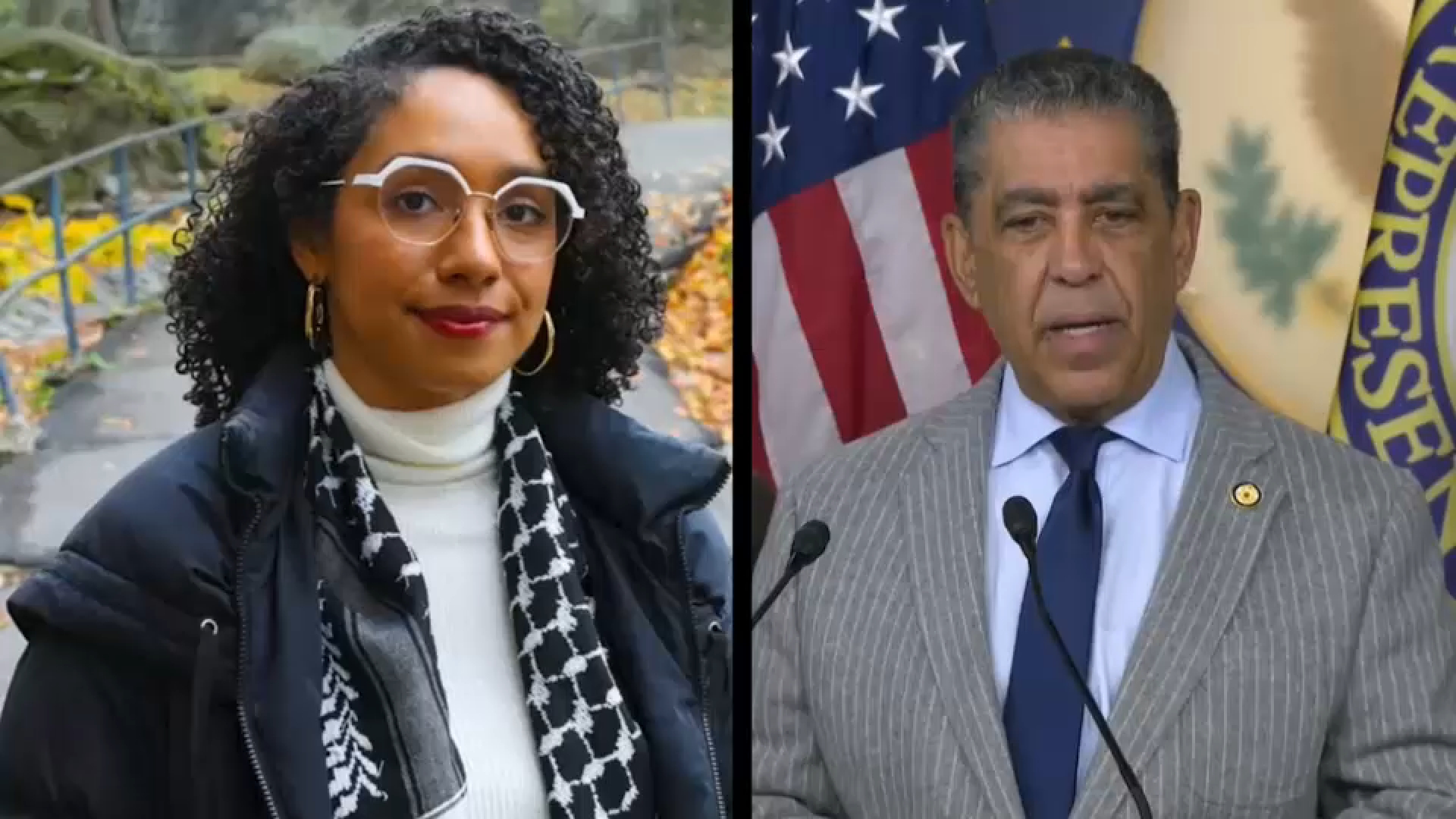
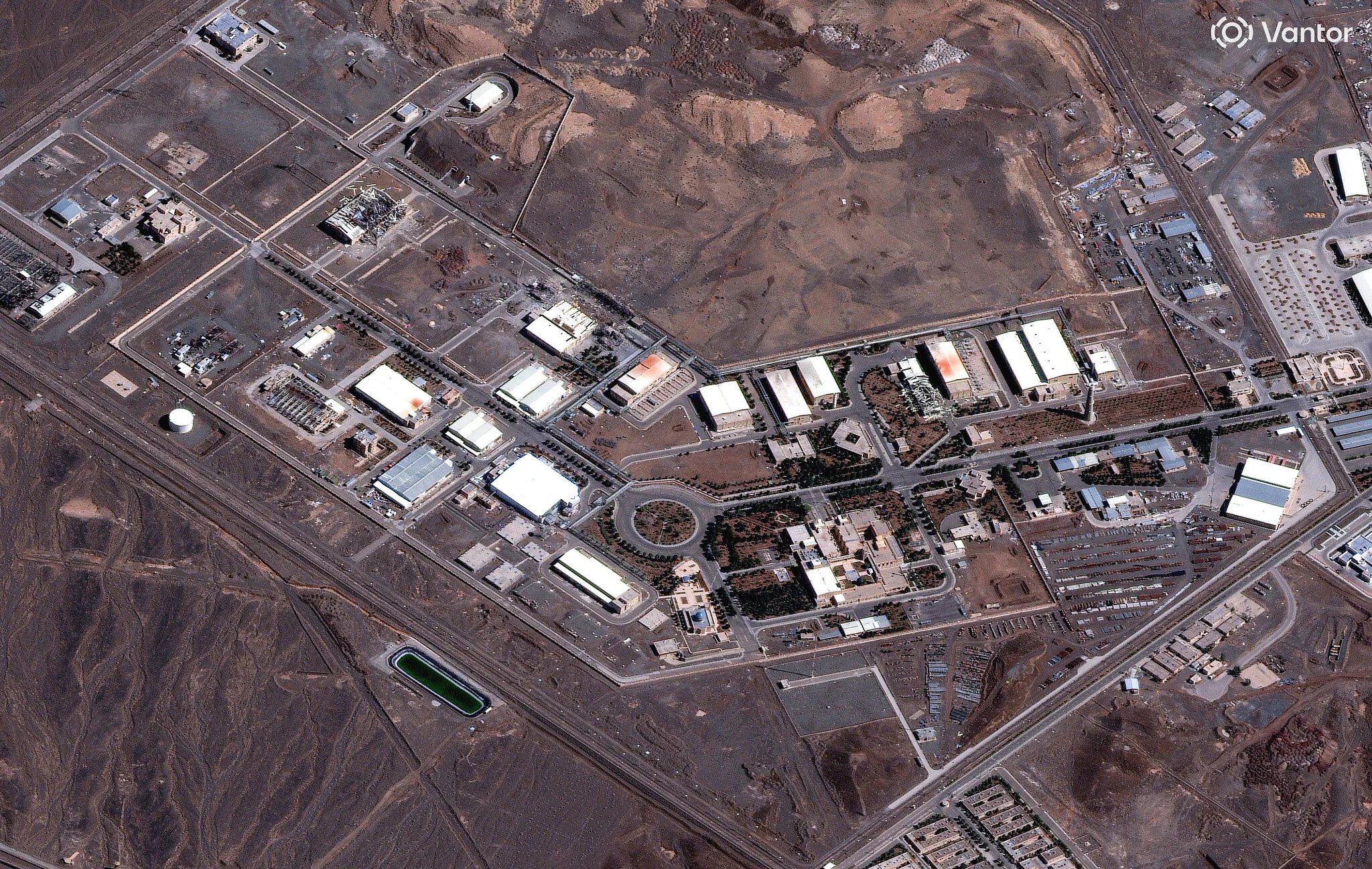
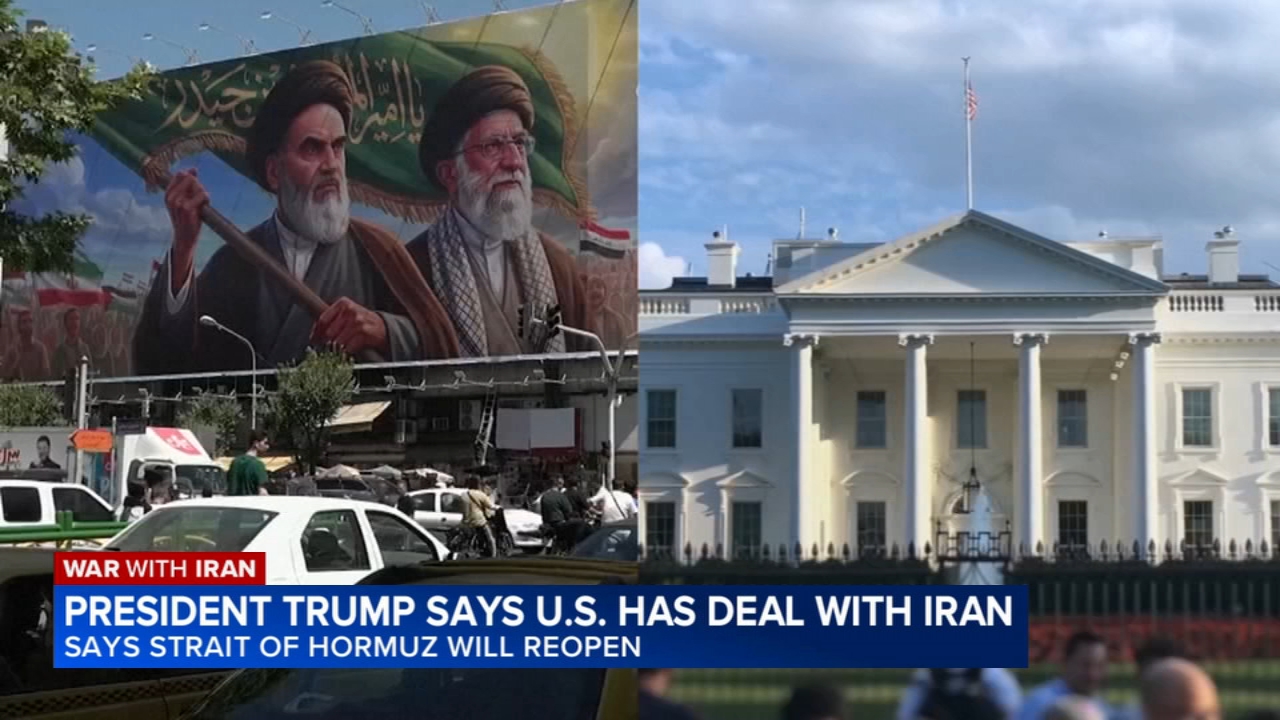
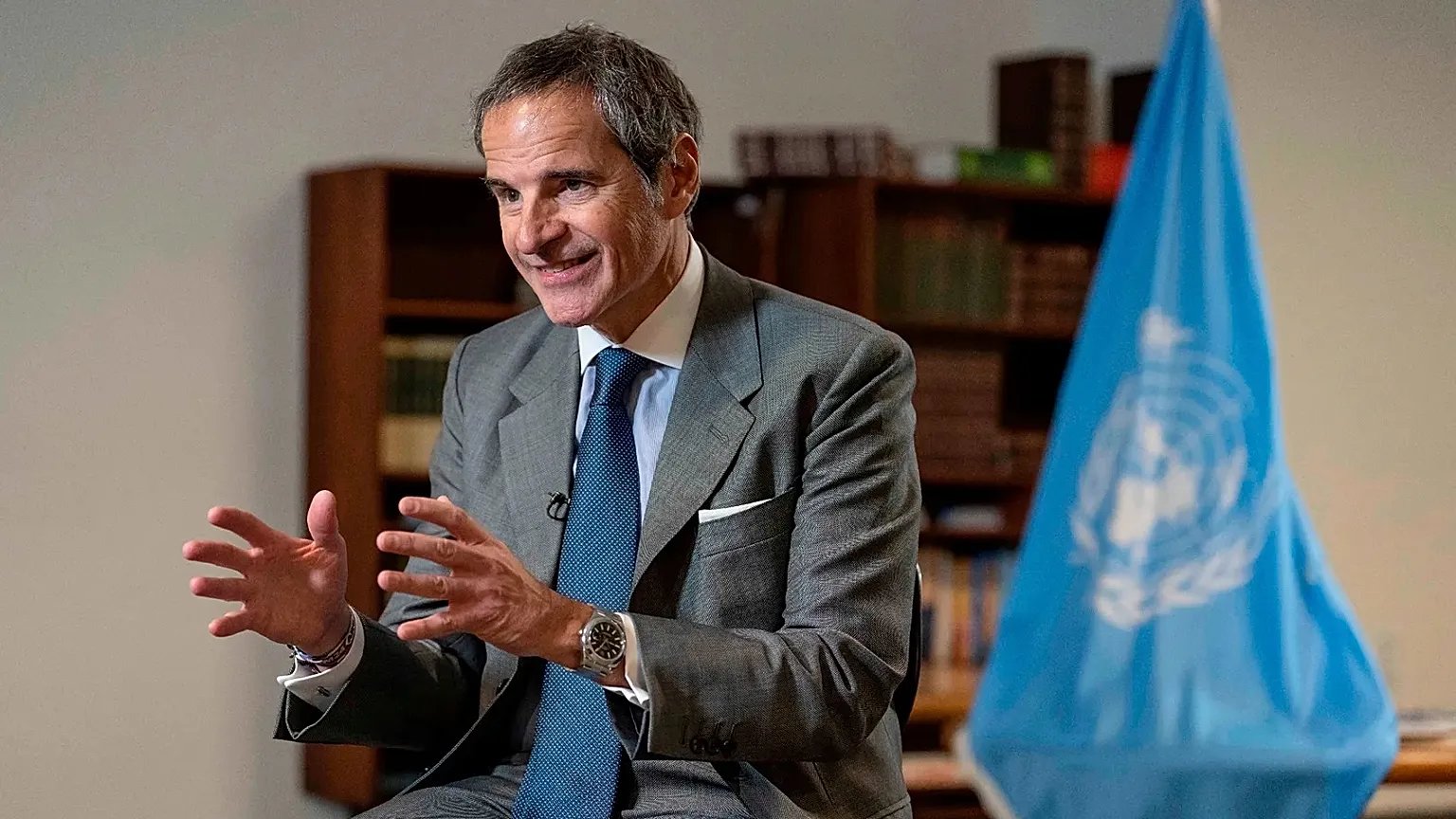
Rafael Grossi, the head of the International Atomic Energy Agency (IAEA), confirmed on Wednesday that inspectors will visit Iran's nuclear enrichment sites as part of an interim deal with the United States. However, Iranian Deputy Foreign Minister Kazem Gharibabadi stated that any inspections would only occur after a final agreement is reached, revealing a significant divergence in the two nations' positions. This back-and-forth highlights the complexities of the ongoing negotiations following the recent memorandum of understanding signed by both countries.
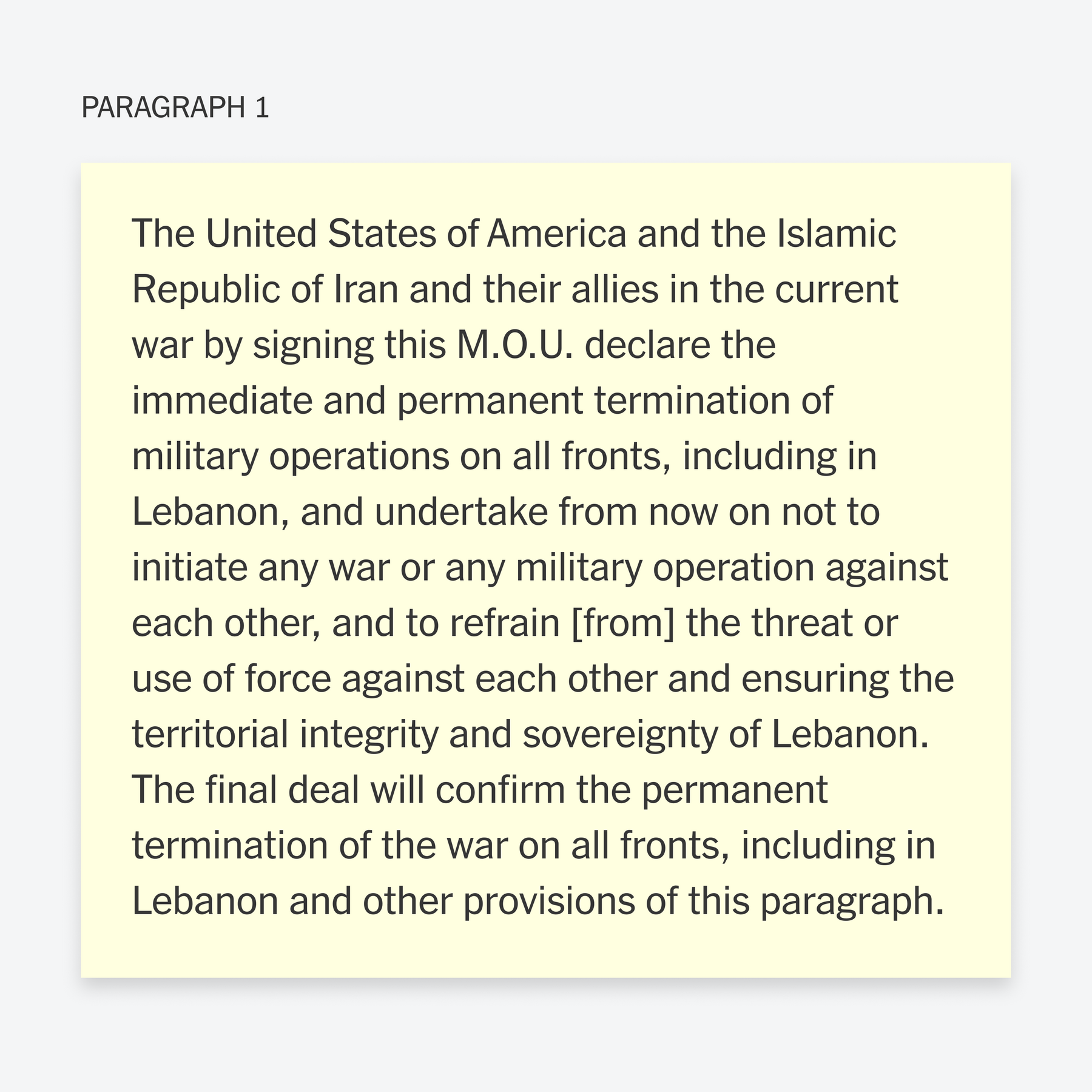
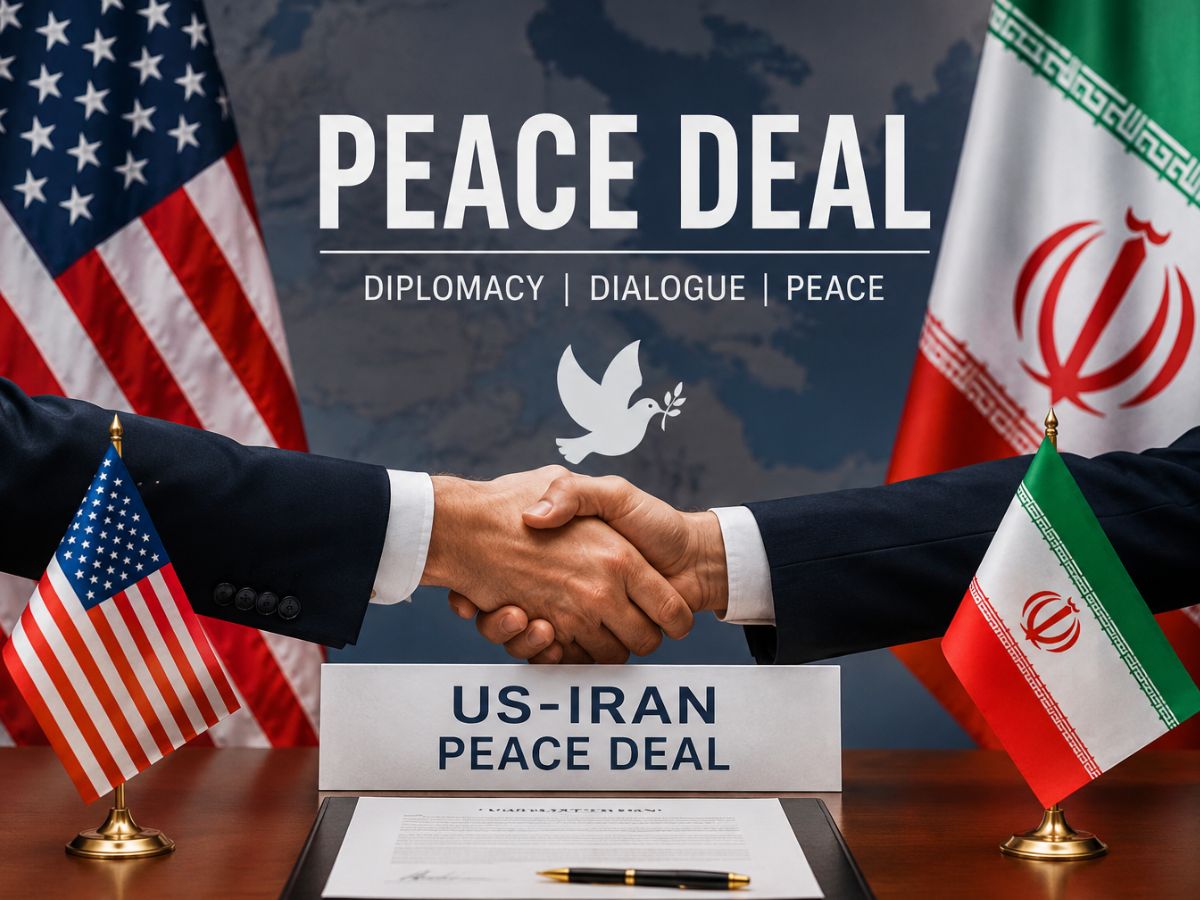
The Memorandum of Understanding
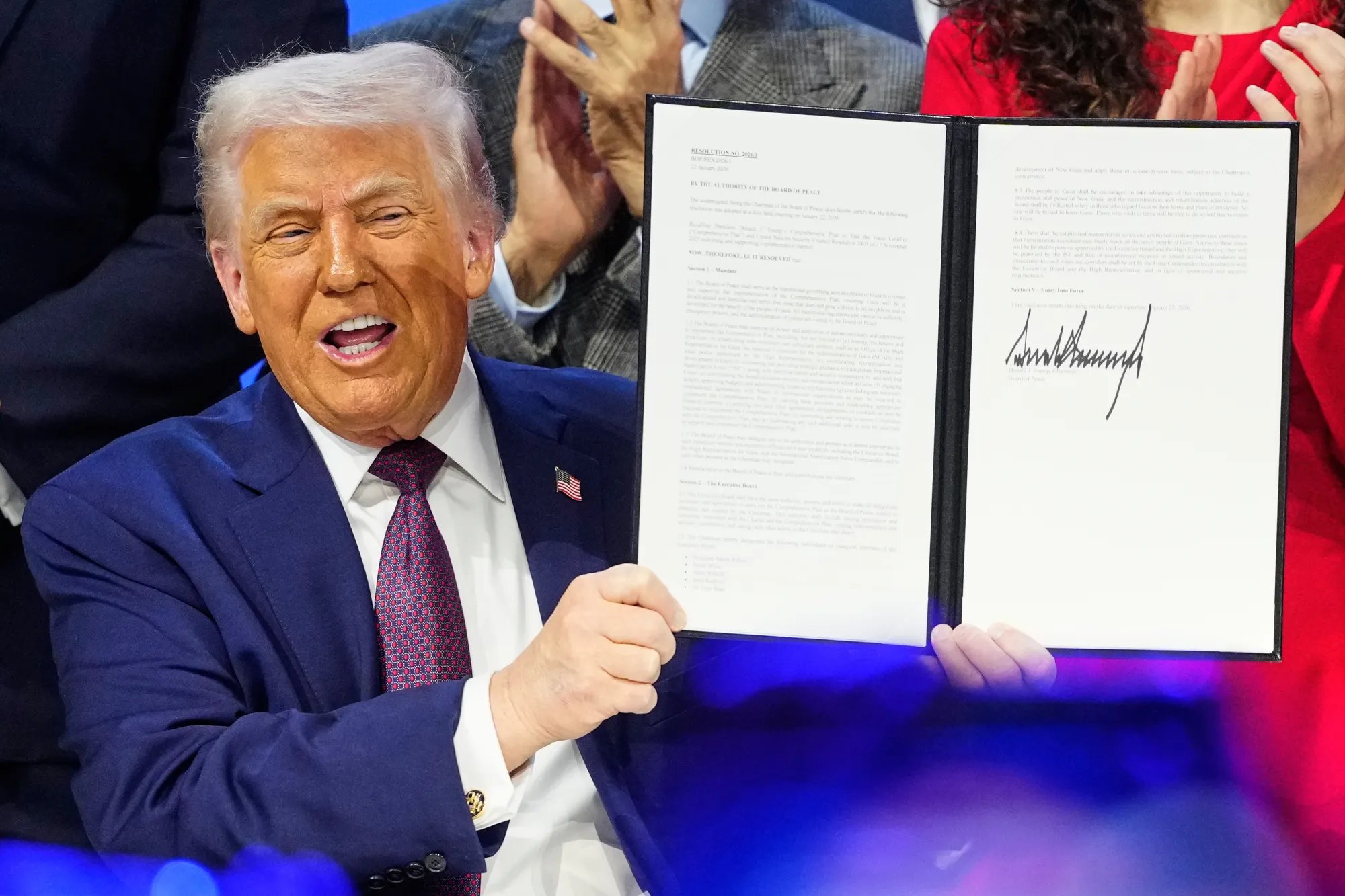
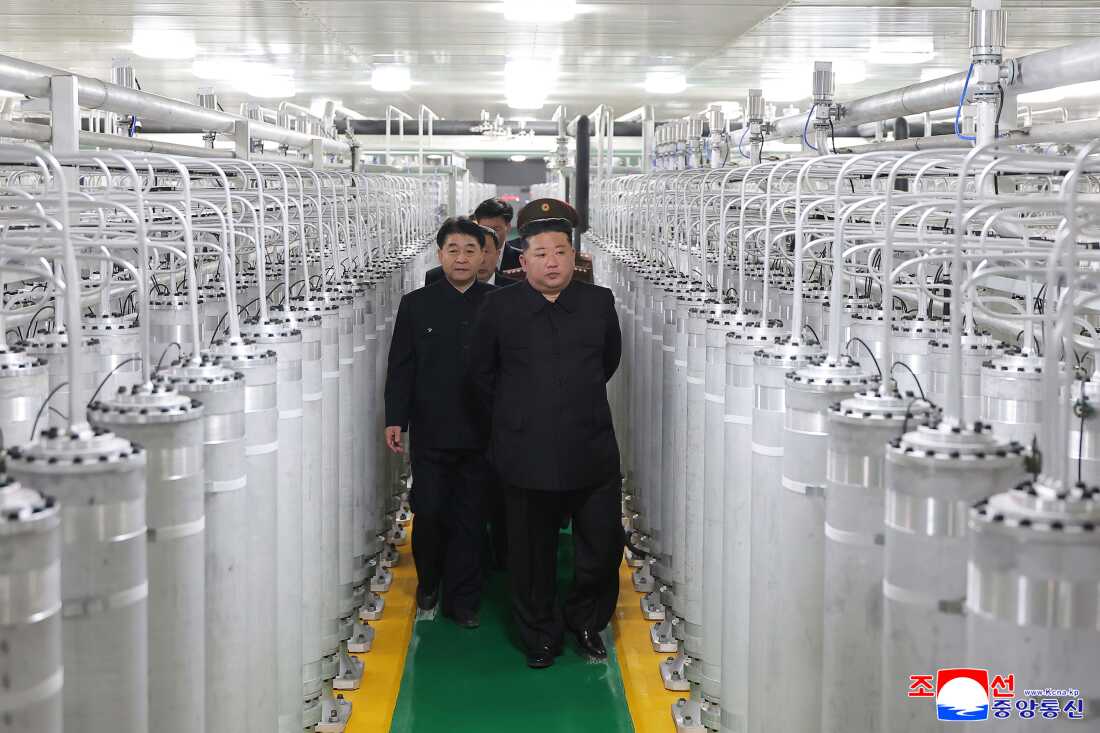
The memorandum, signed last week, establishes a framework for negotiations aimed at resolving ongoing tensions between the U.S. and Iran. Under this agreement, Iran is expected to dilute its stockpile of highly enriched uranium, which is sufficient for the potential construction of nuclear weapons. Grossi emphasized that the agreement explicitly states that IAEA will supervise nuclear activities, underscoring the importance of inspections to verify compliance.
Grossi's Assurance on Inspections
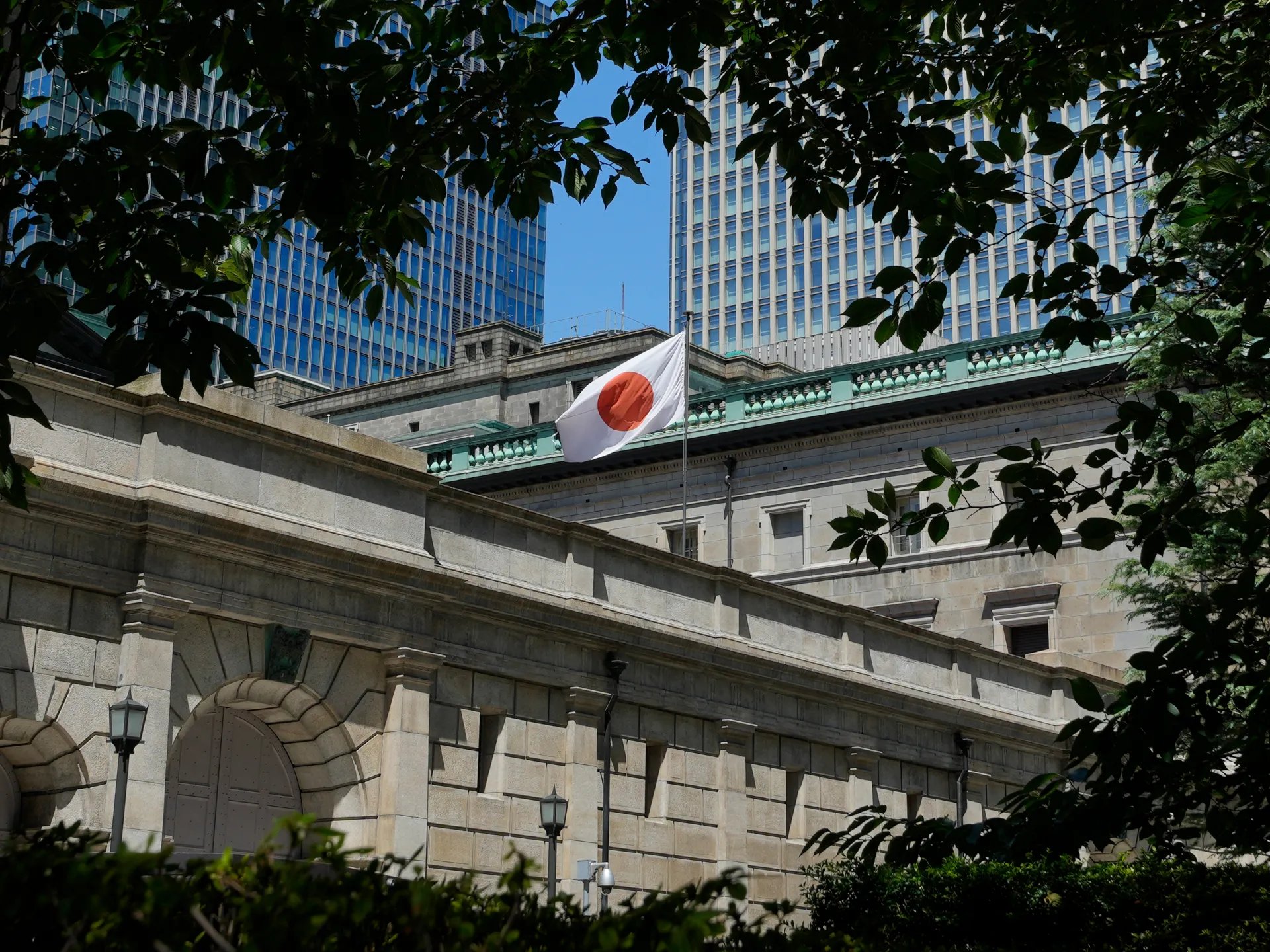
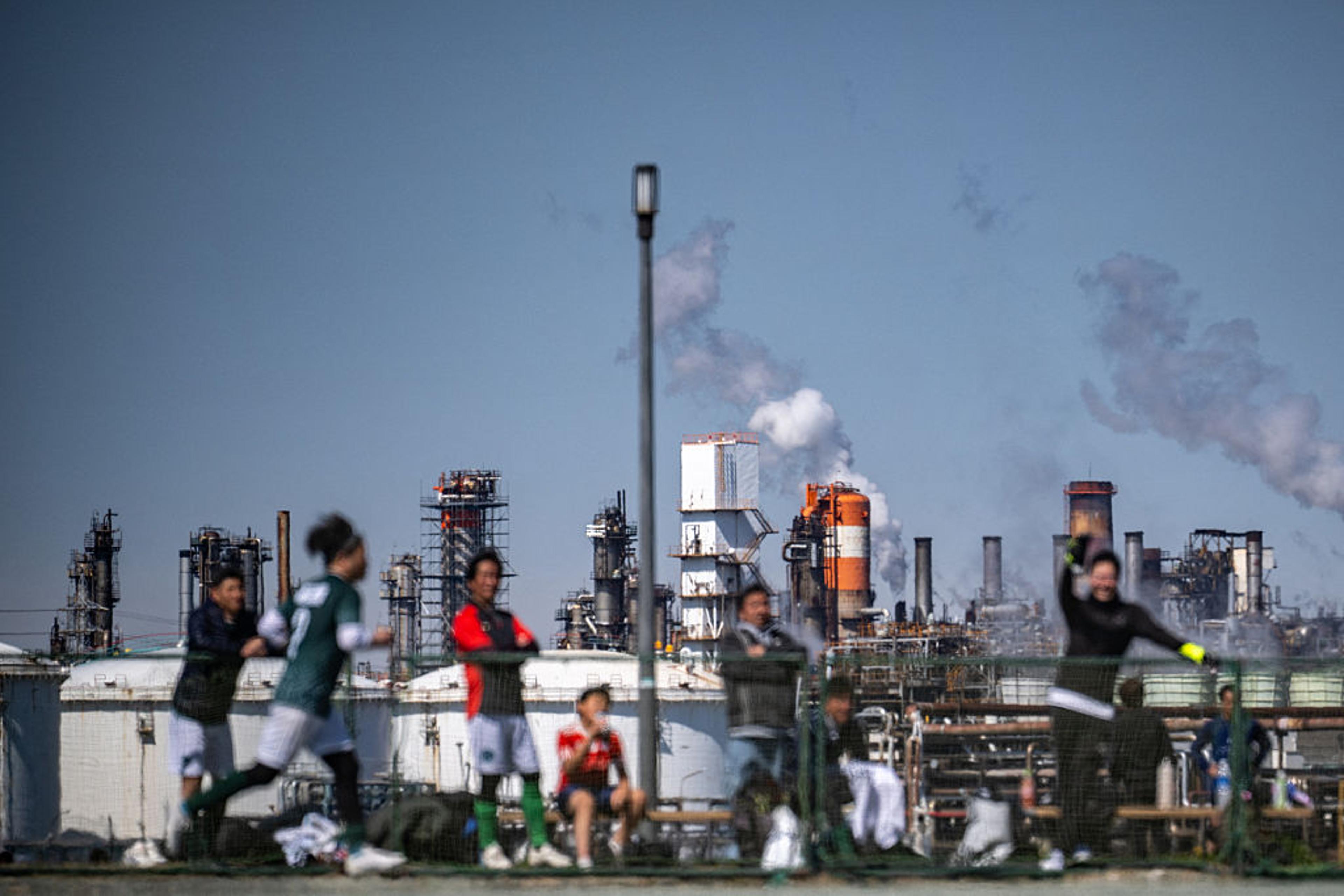
Grossi stated, "Whether this happens the day after tomorrow or in one week or in ten days, it's important, but not essential. This is going to happen." His comments came during a press conference at Fukushima Daiichi nuclear power plant in Japan. He acknowledged the ongoing "war of words" between the U.S. and Iran but reiterated that the IAEA's role is vital in overseeing Iran's nuclear capabilities.
Iran's Response
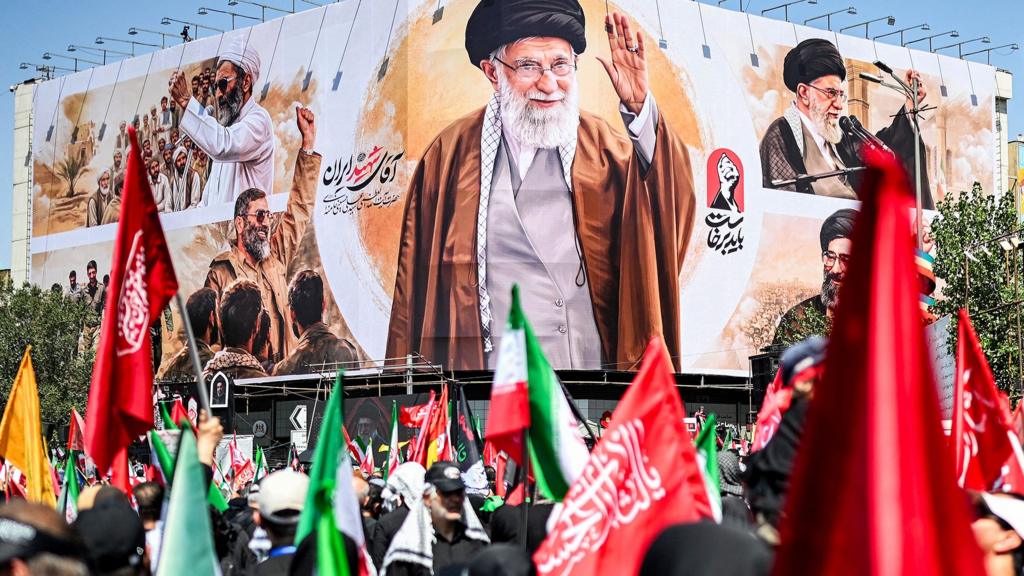
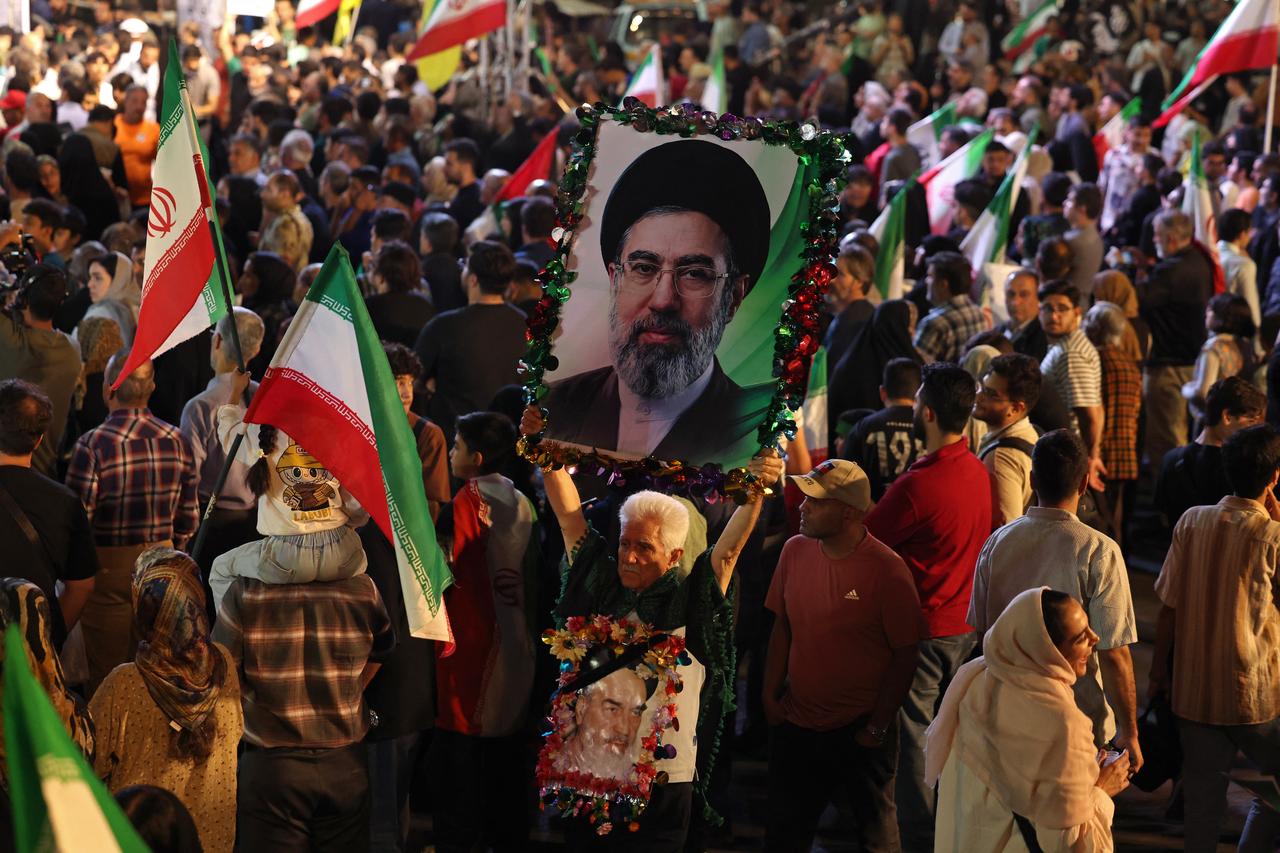
Gharibabadi criticized Grossi's comments, asserting that negotiations regarding access to nuclear sites would be contingent upon the lifting of sanctions and the final deal's framework. He said, "These issues will only be examined and settled within the framework of a final agreement and as a result of the other party's practical action to lift all sanctions." This statement reflects Iran's insistence that substantive concessions from the U.S. are necessary before any inspections can take place.
Ongoing Diplomatic Efforts
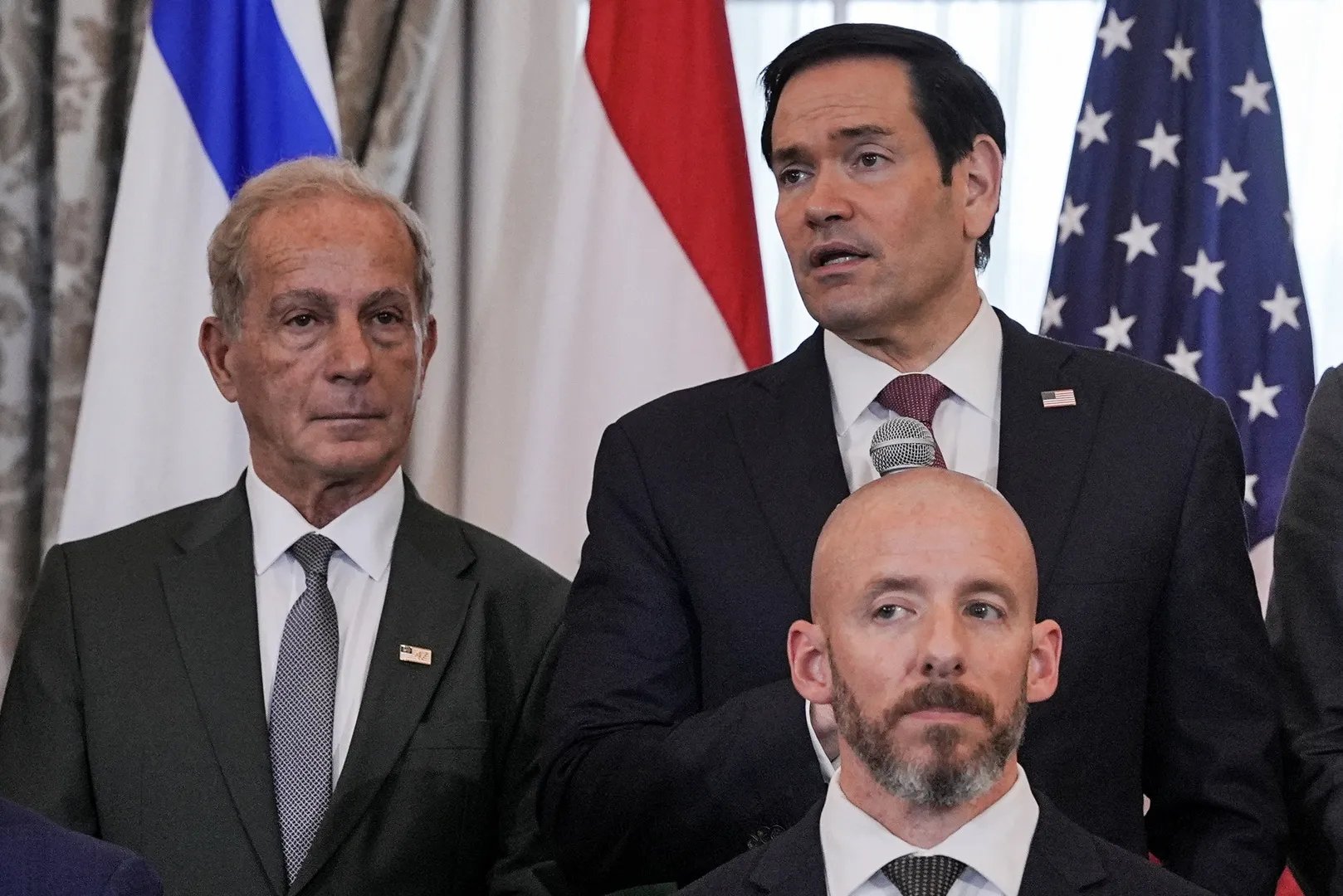
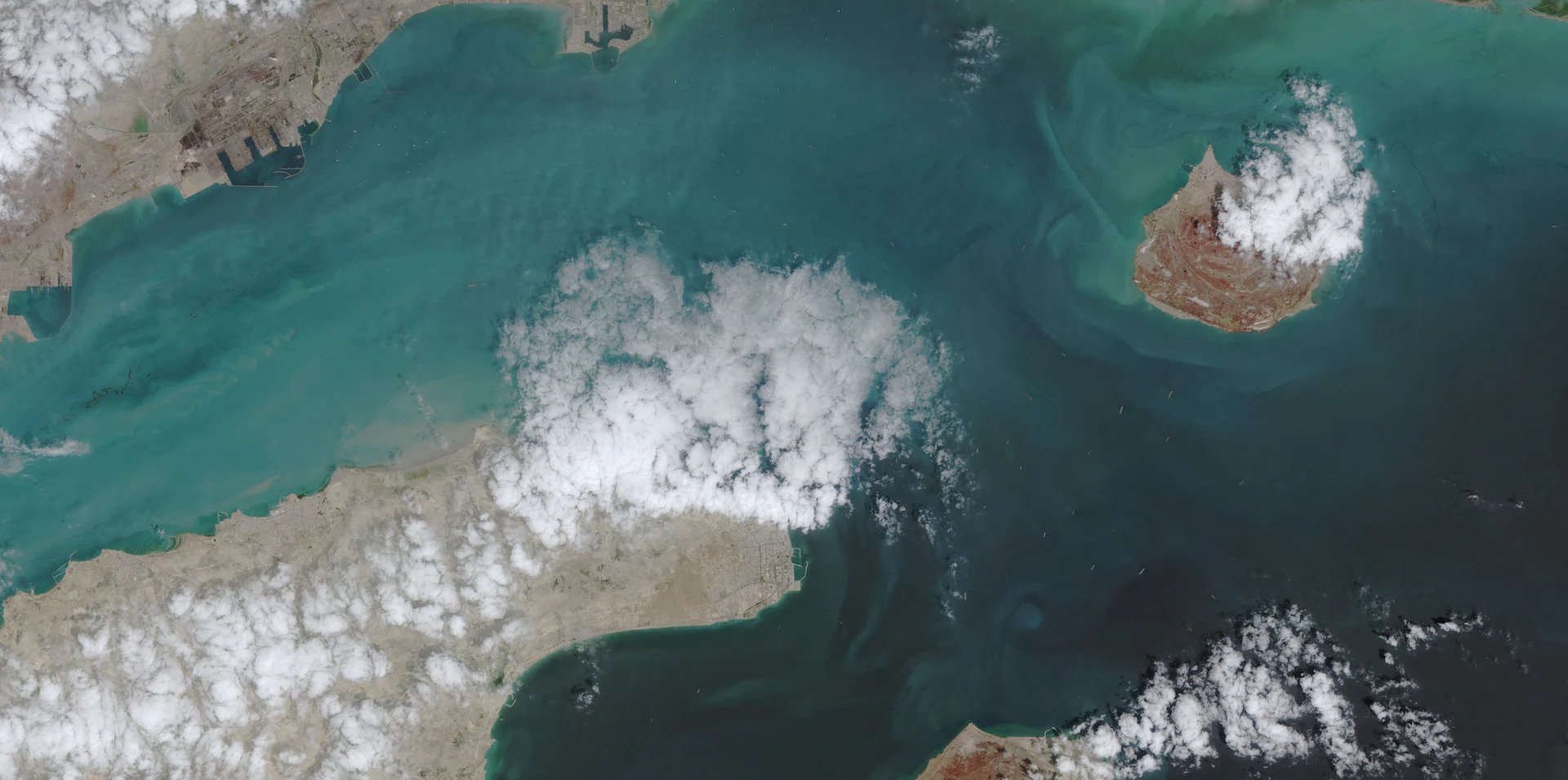
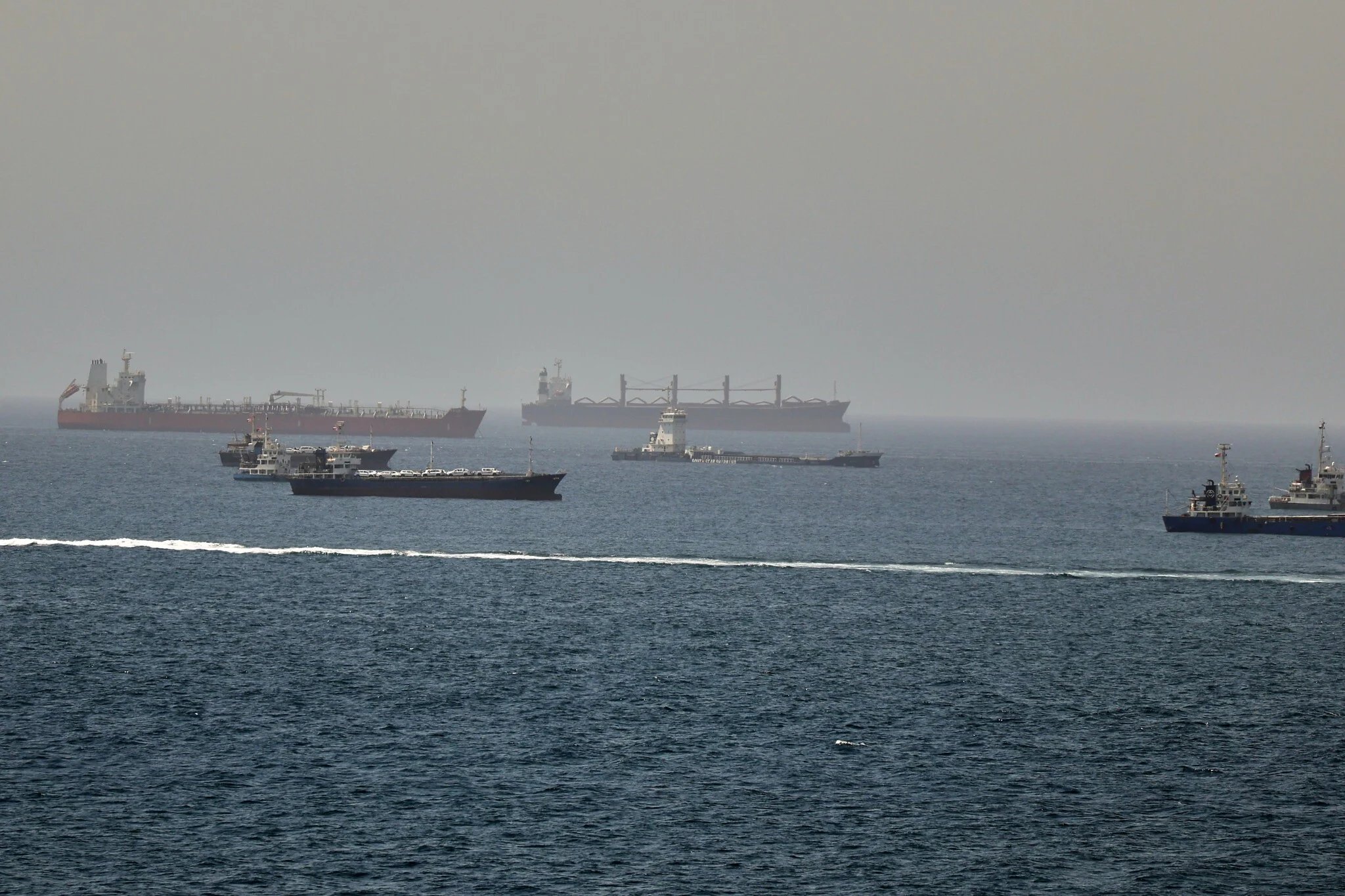
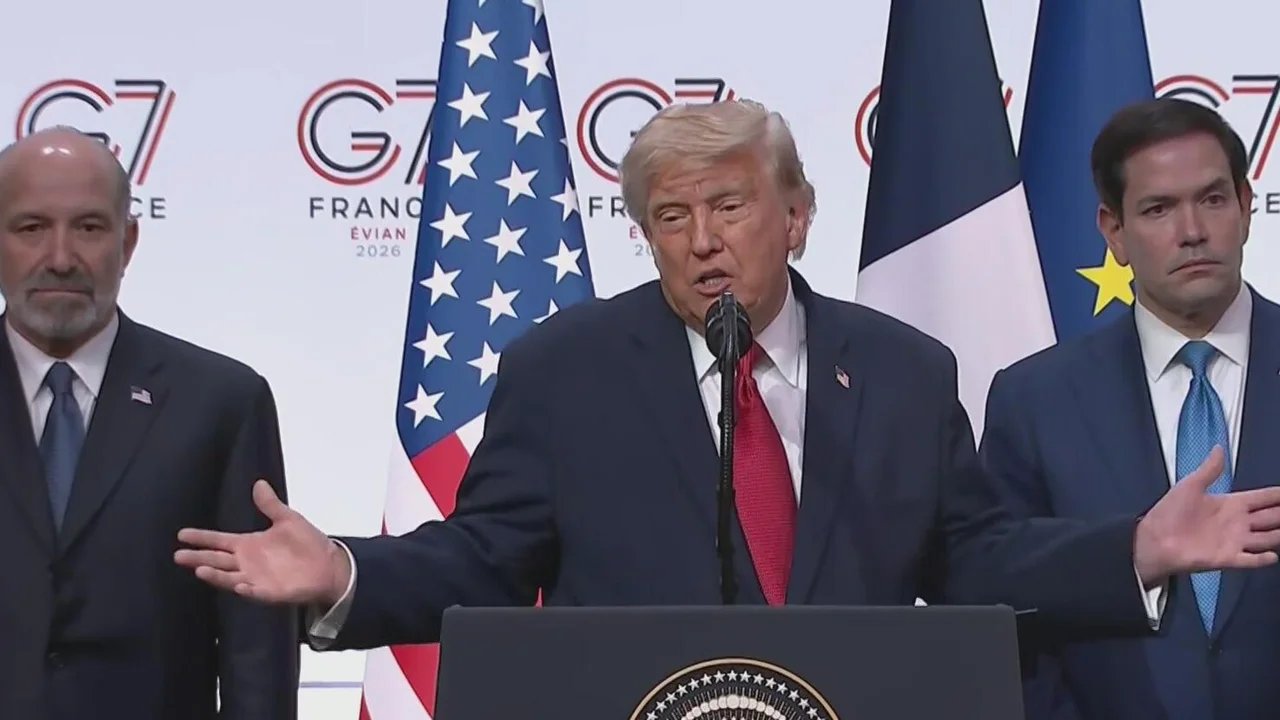
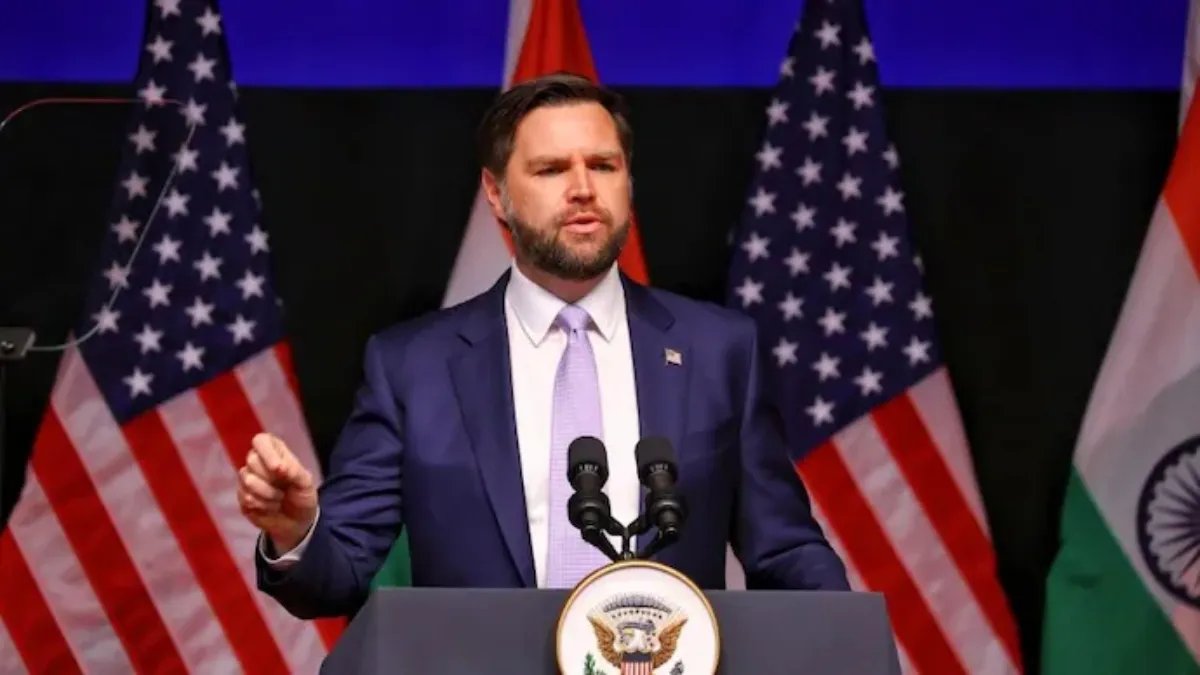
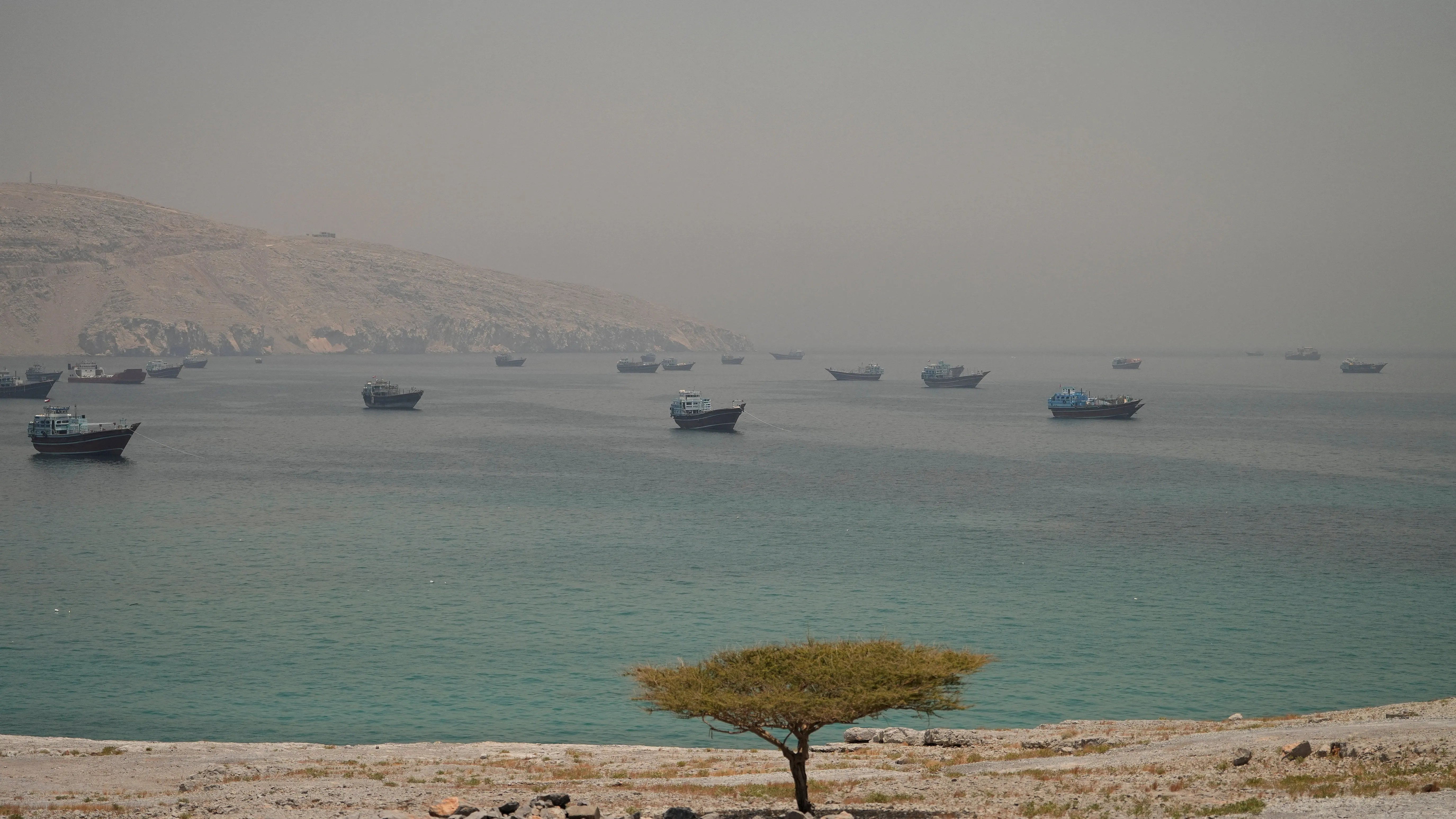
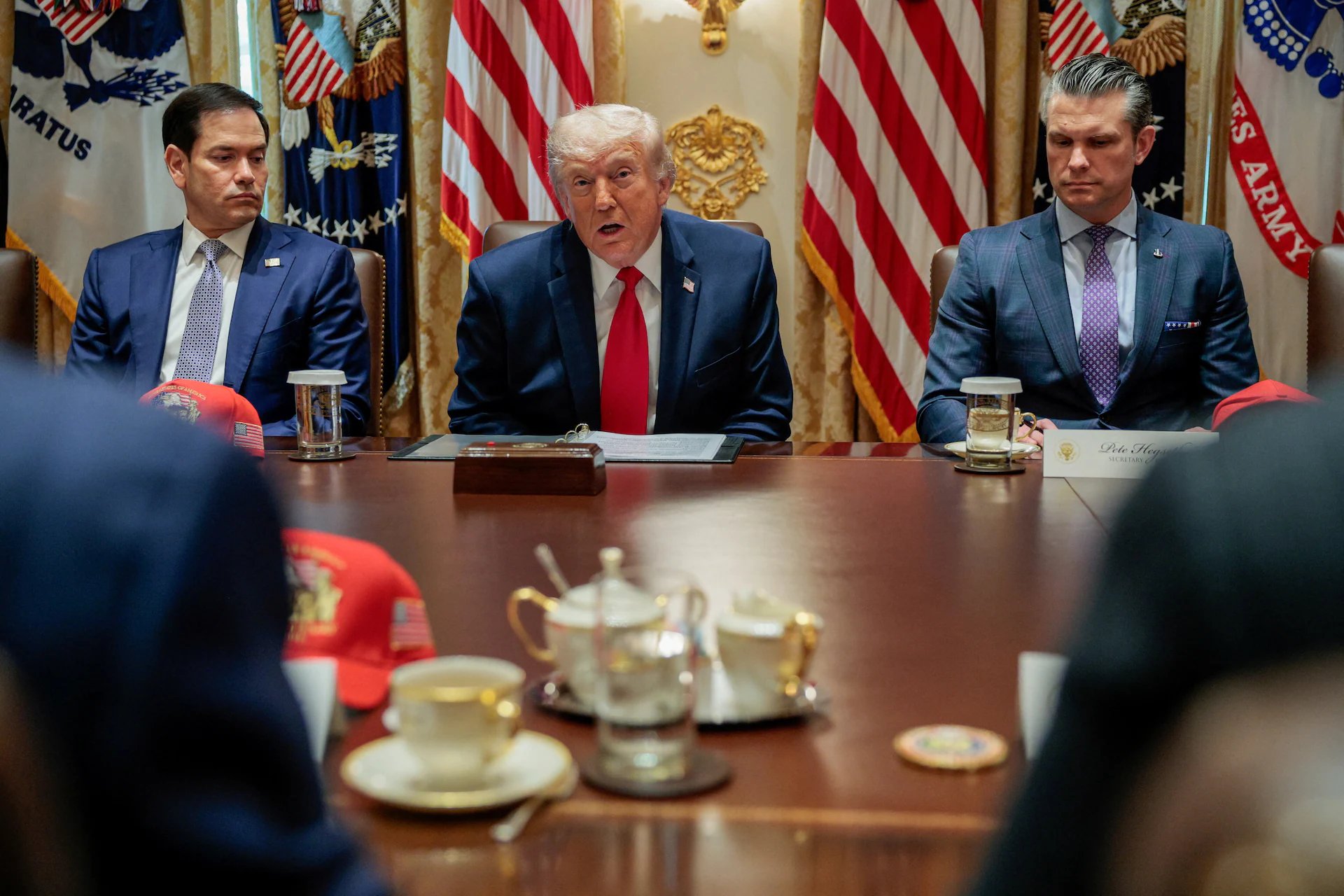
In tandem with these developments, U.S. Secretary of State Marco Rubio is currently touring the Persian Gulf to reassure allies about the U.S. commitment to regional security amid the negotiations with Iran. During his trip, he met with UAE President Mohammed bin Zayed Al Nahyan and emphasized that any agreement with Iran must not undermine U.S. allies in the region. Rubio stated, "We're going to be completely aligned with our partners in the Gulf," as he seeks to maintain a united front against potential Iranian aggression.
The Regional Context
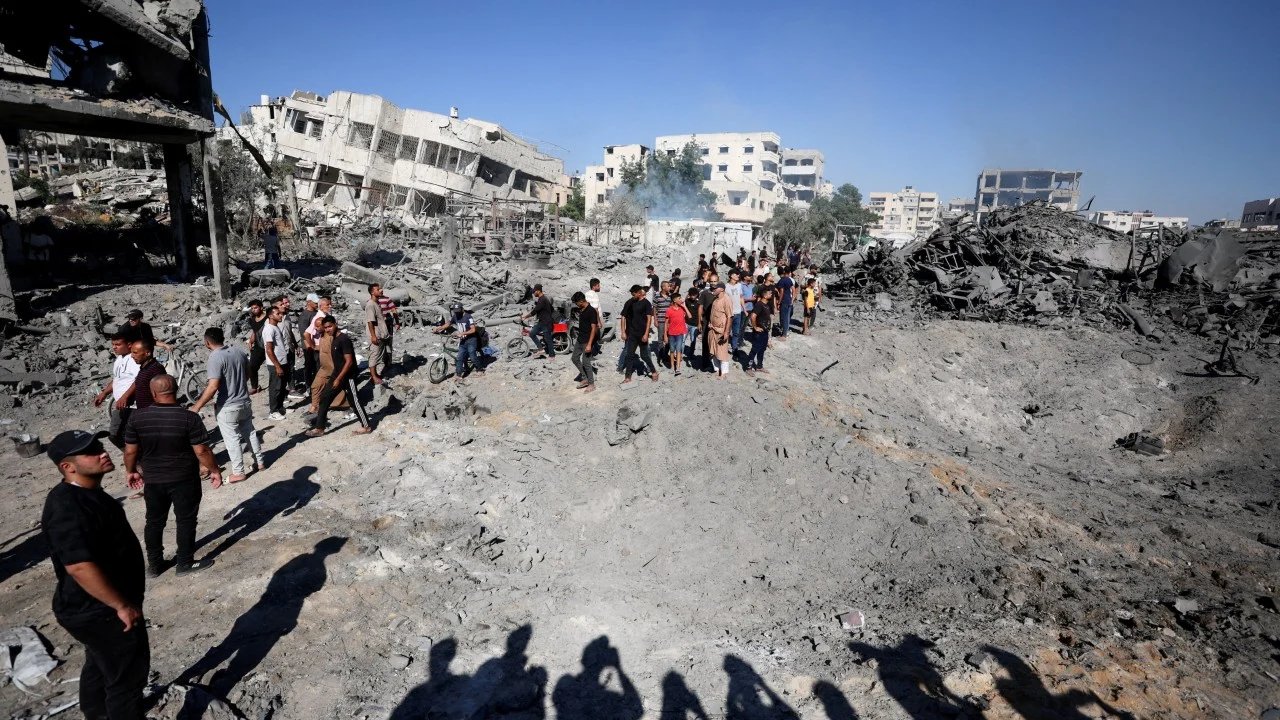
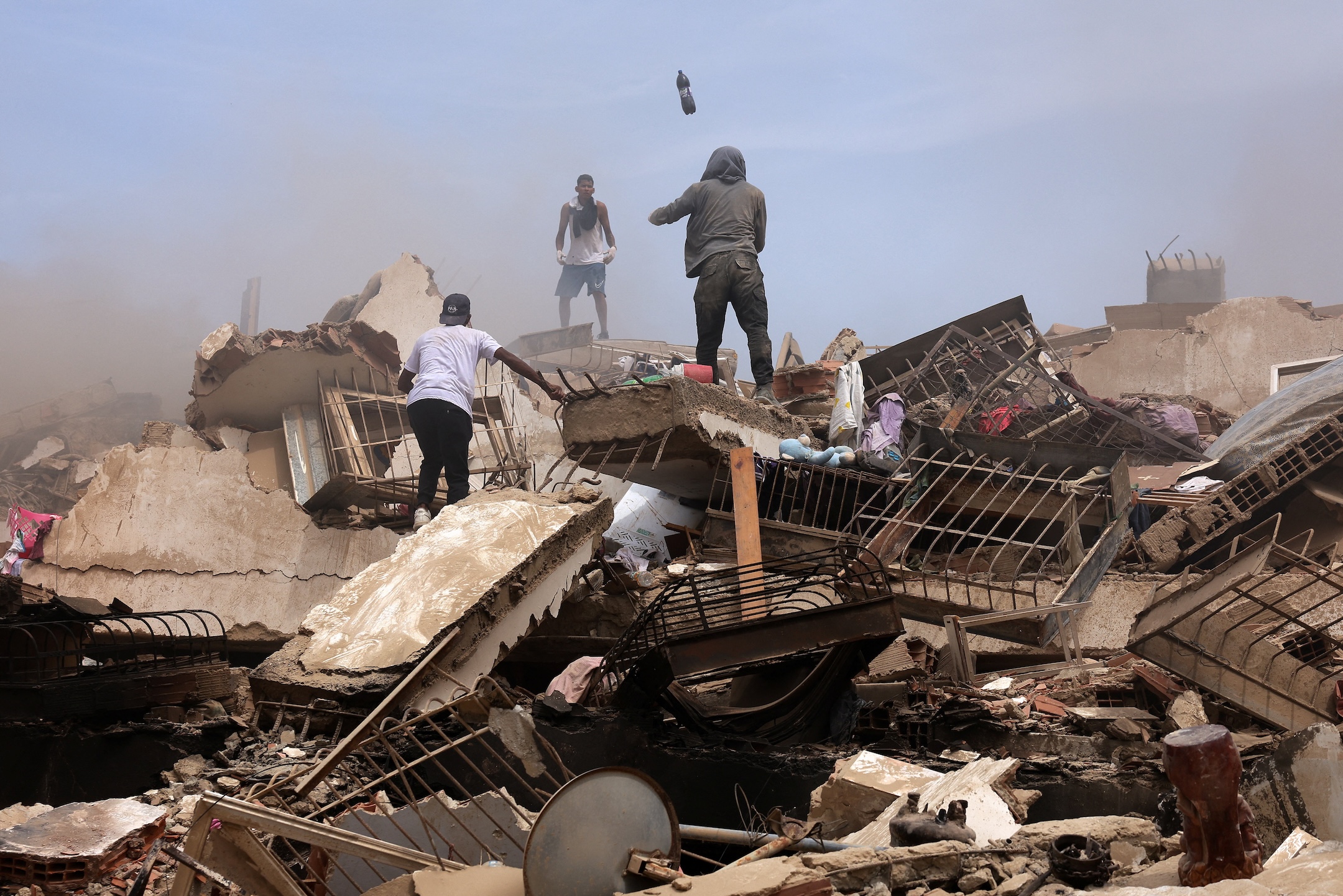
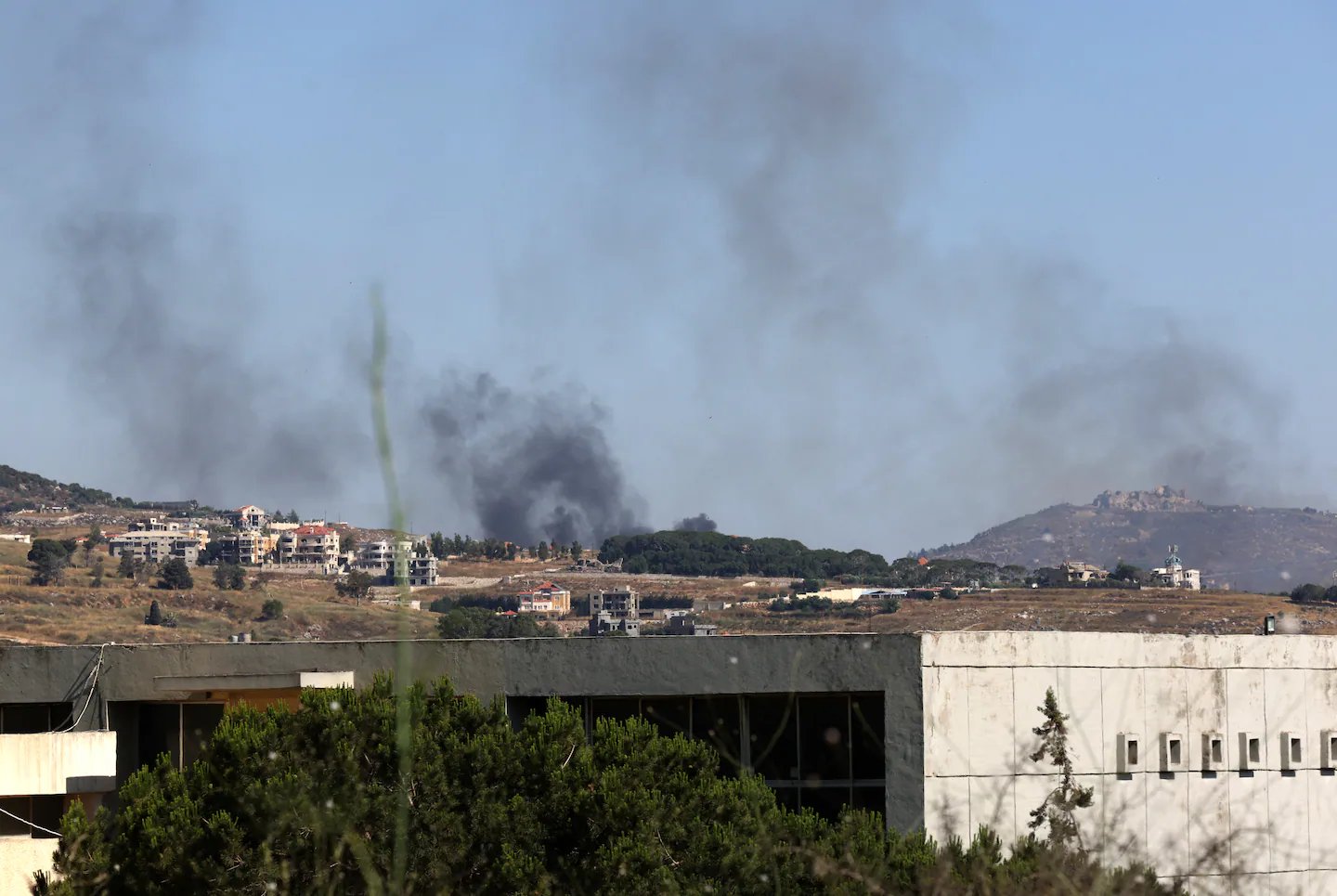
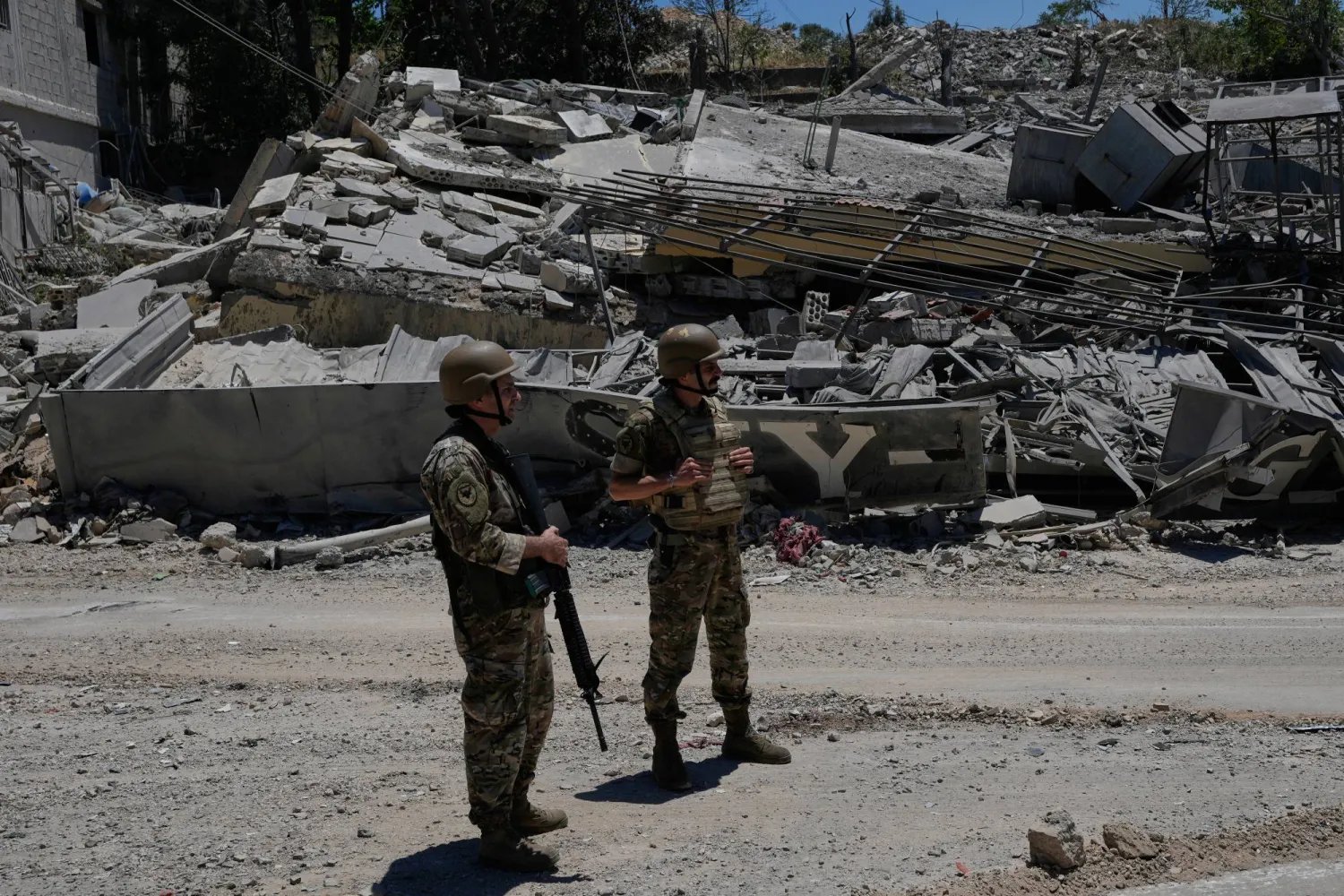
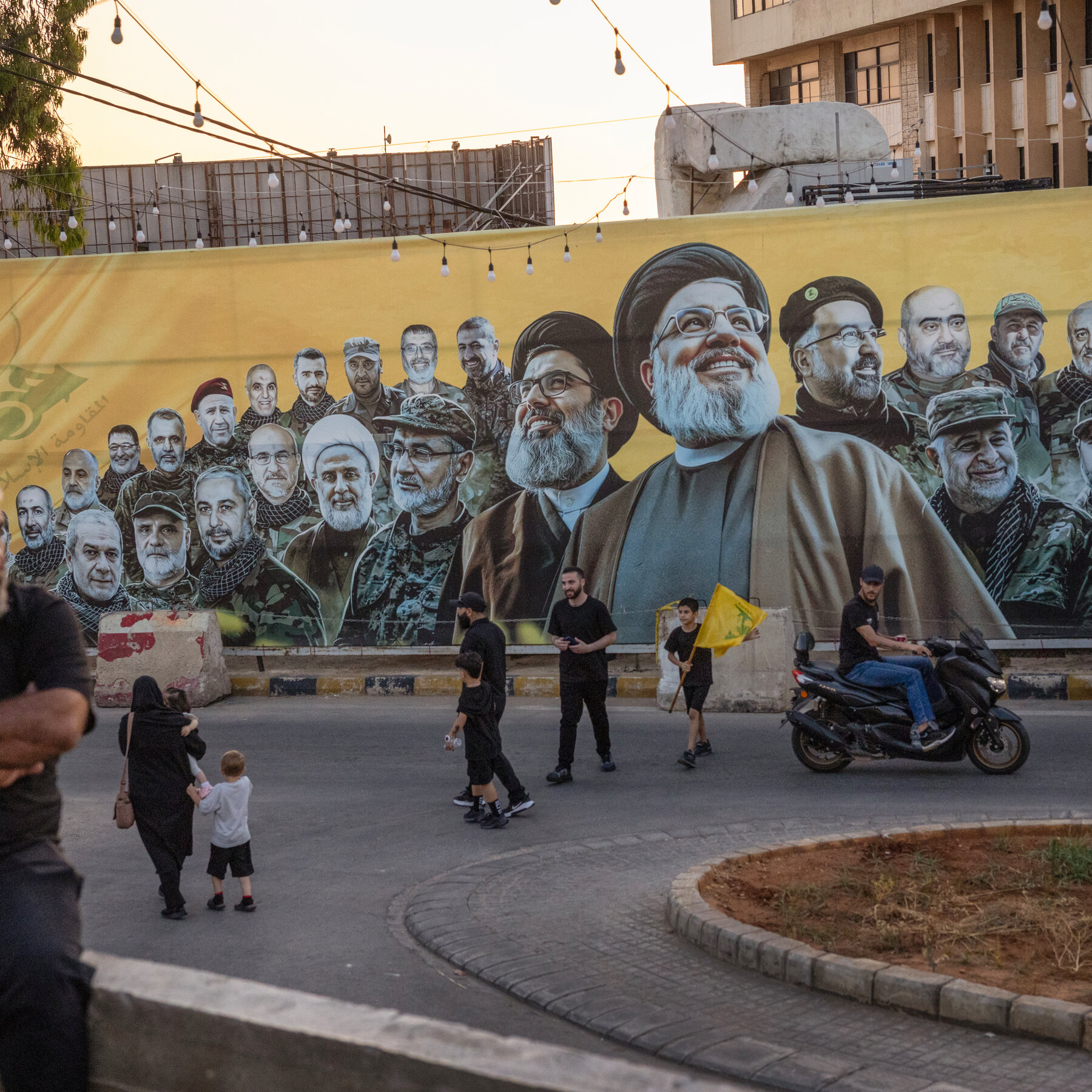
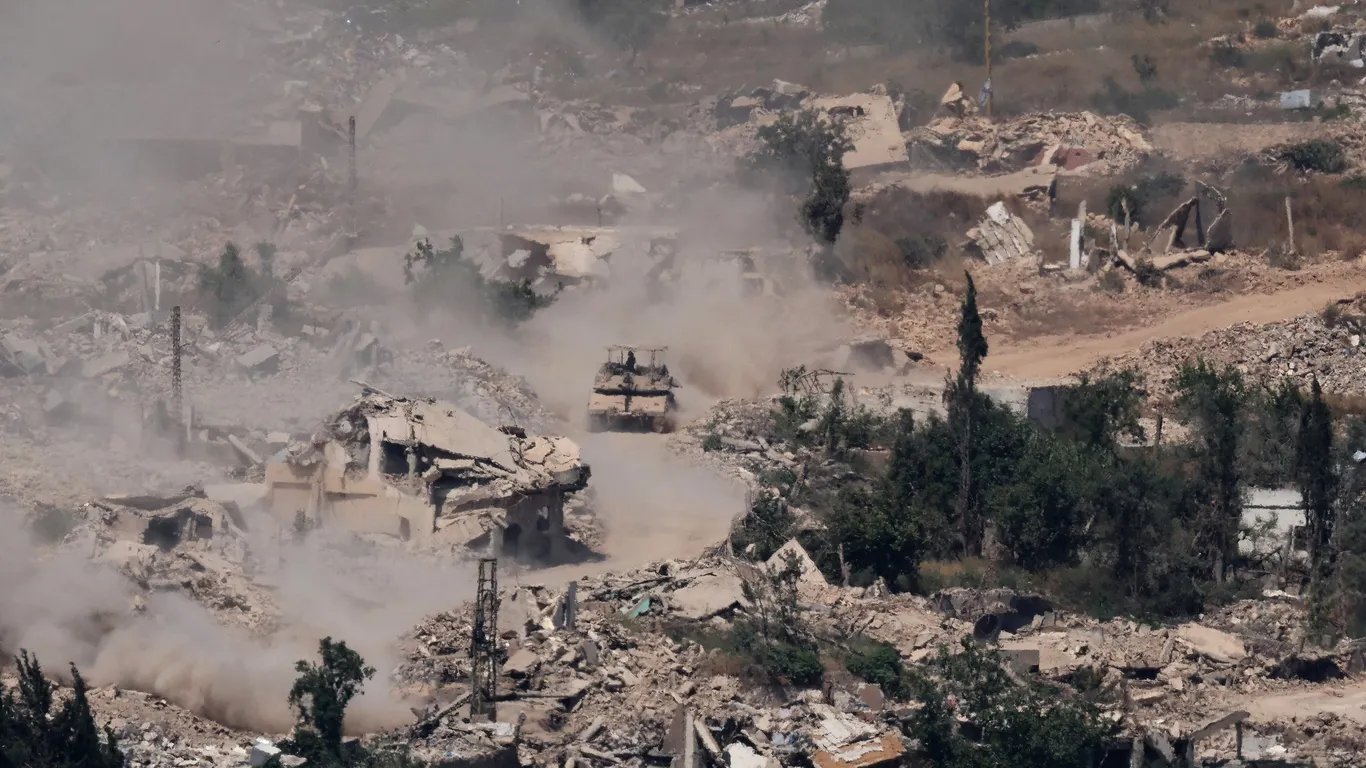
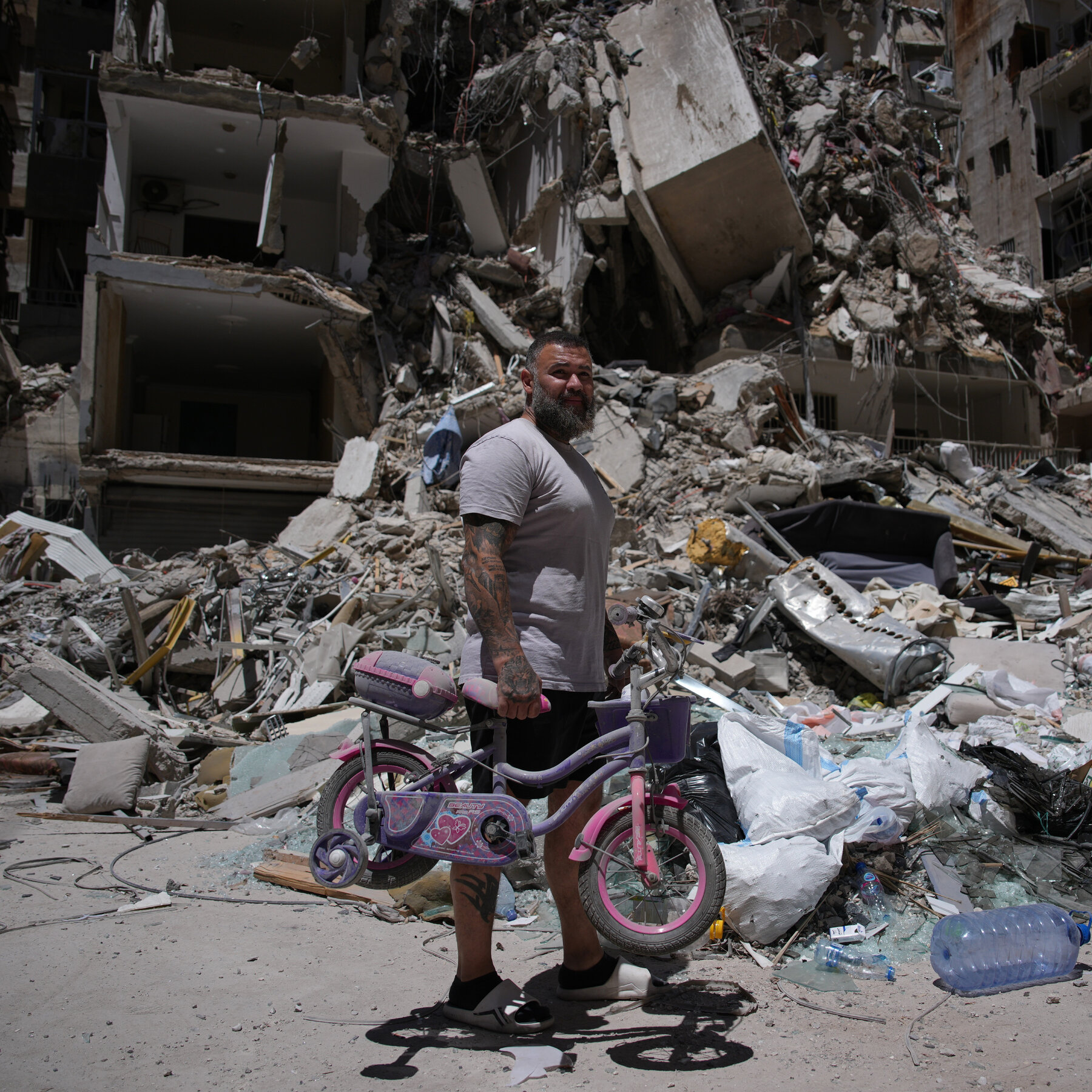
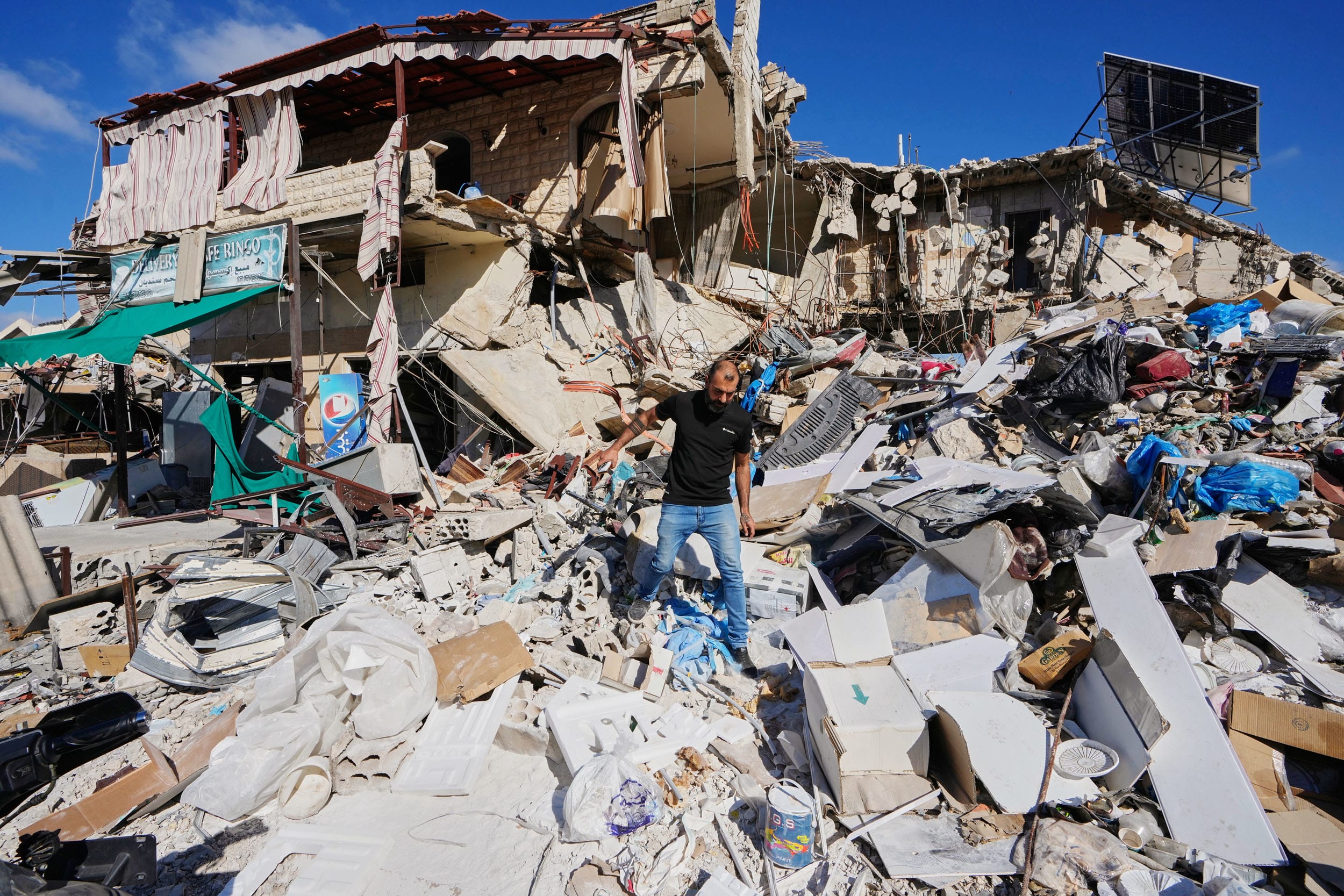
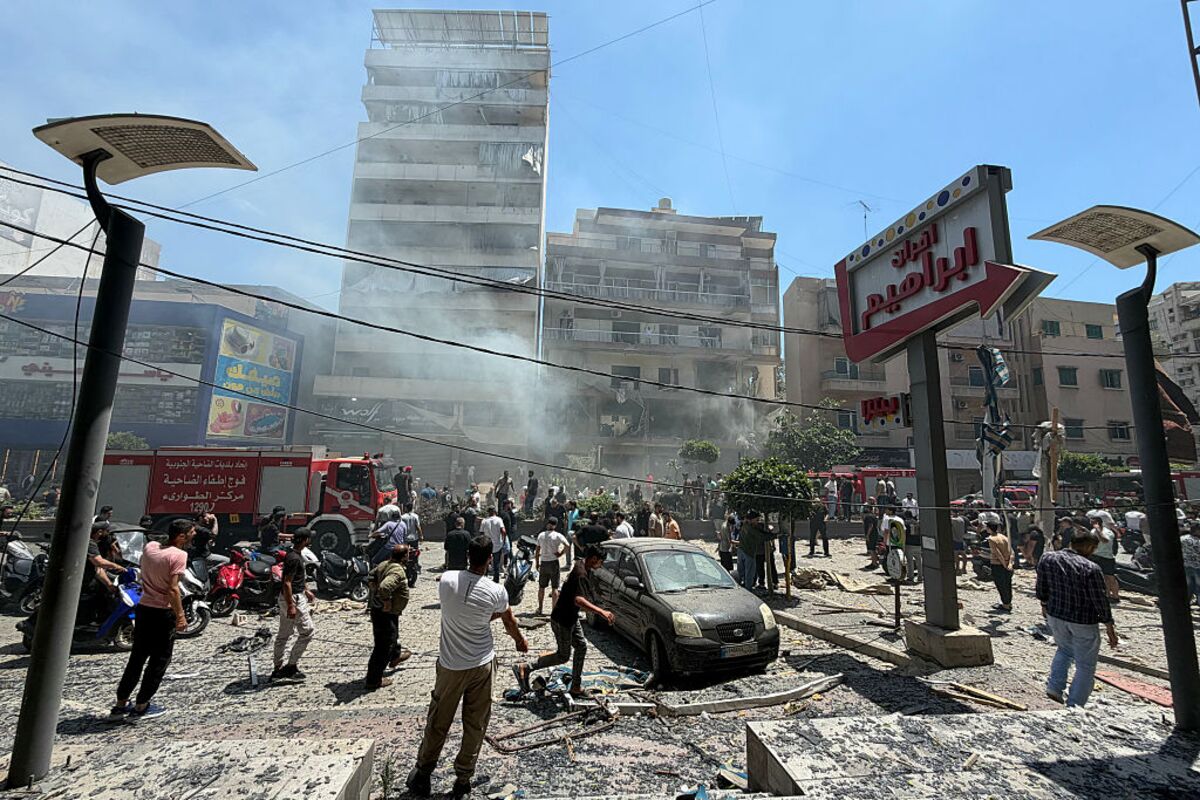
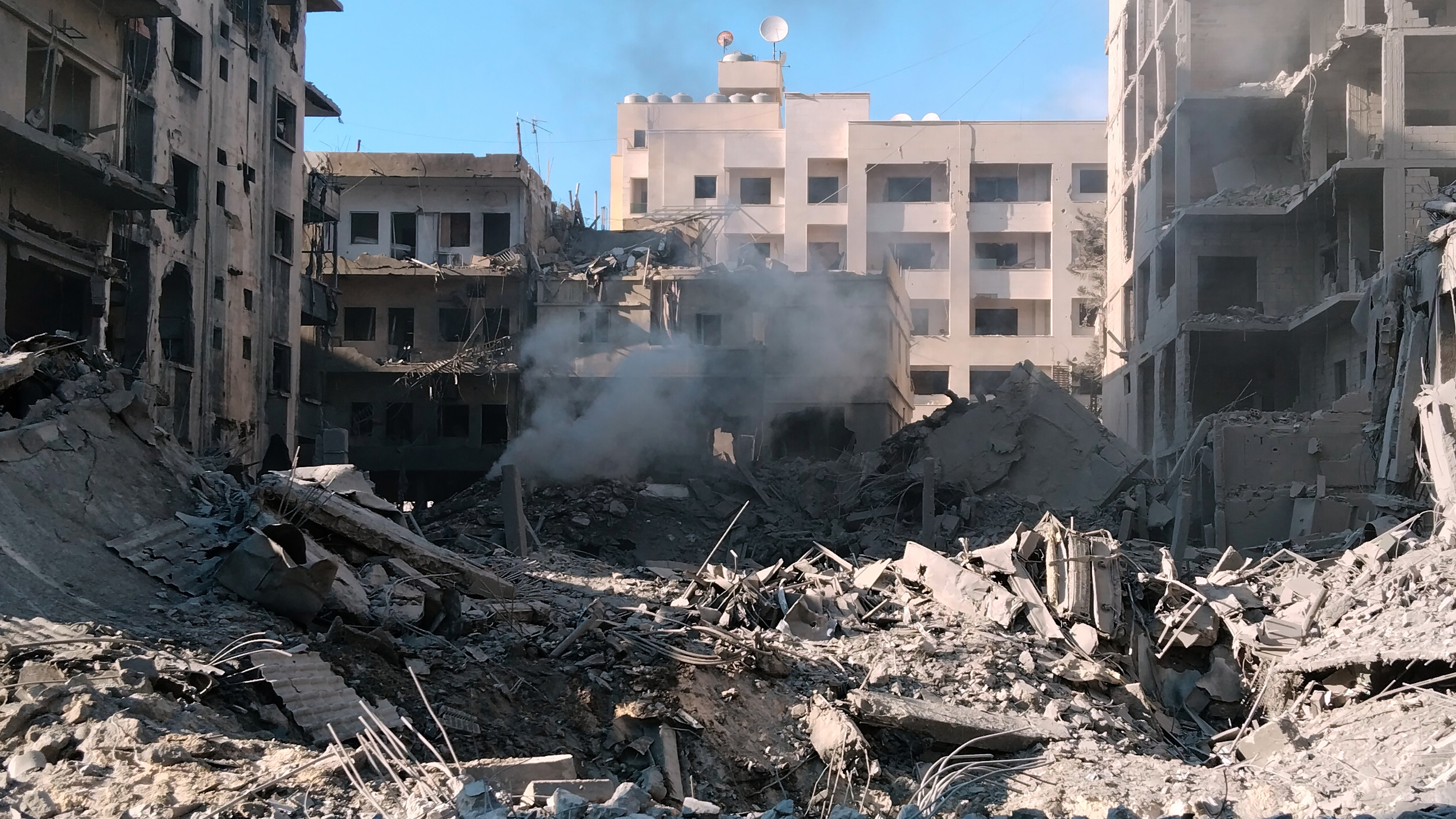
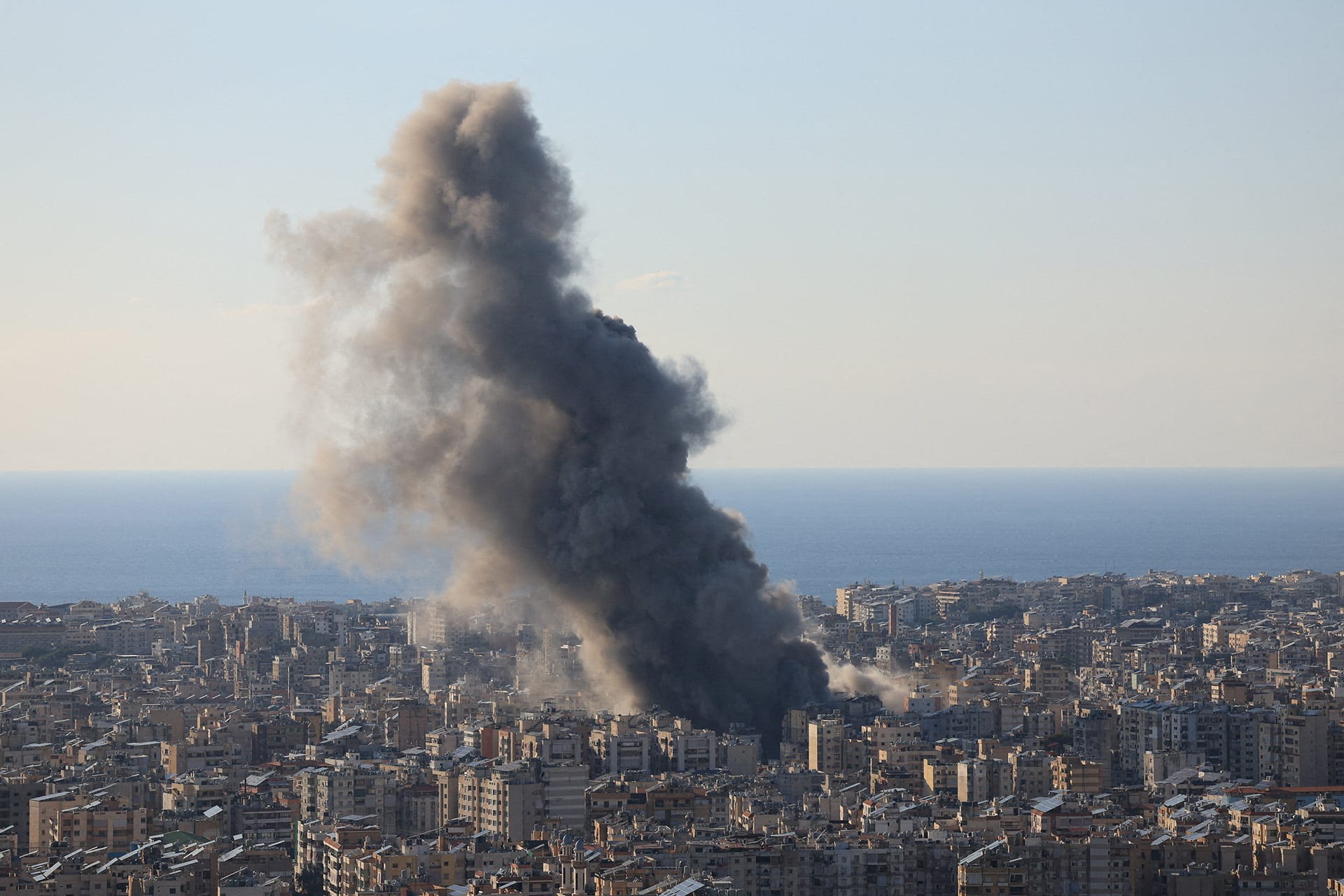
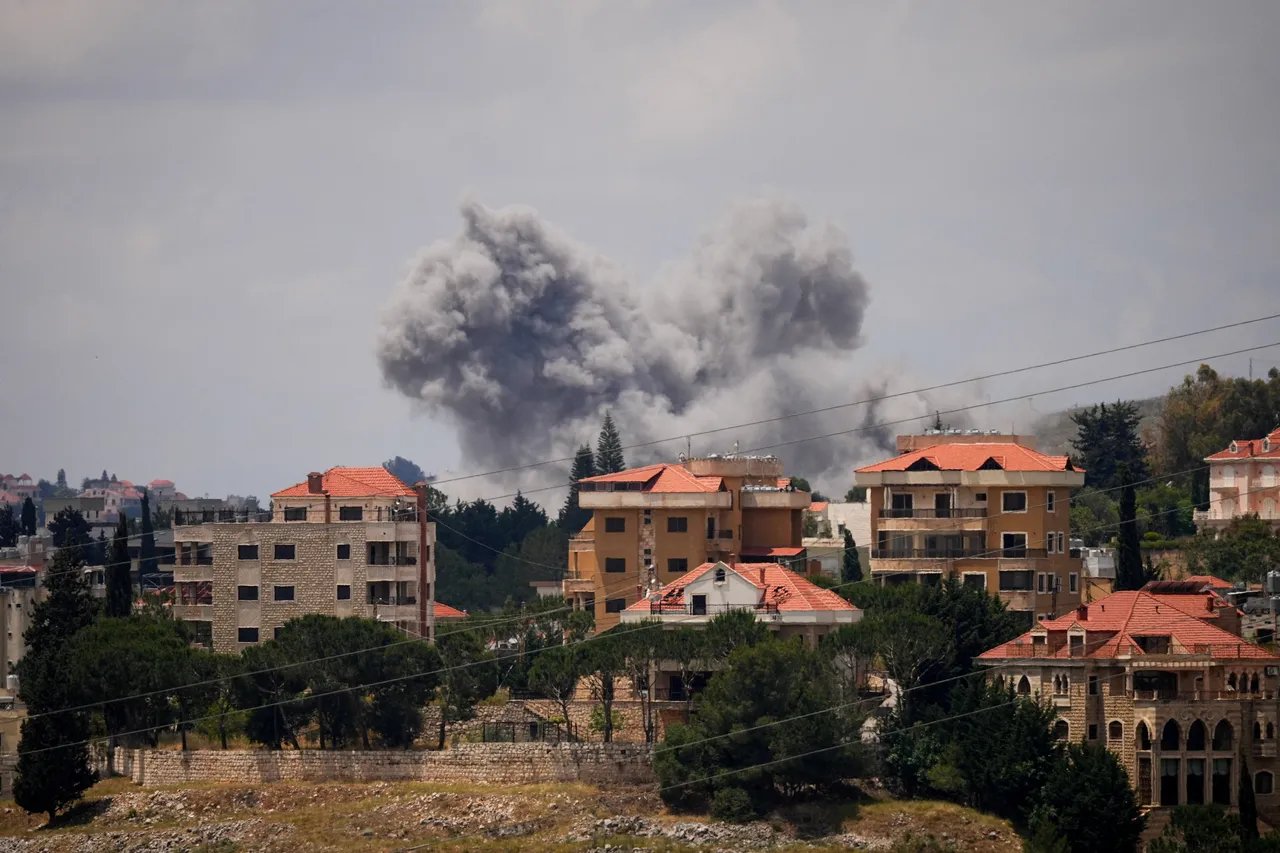
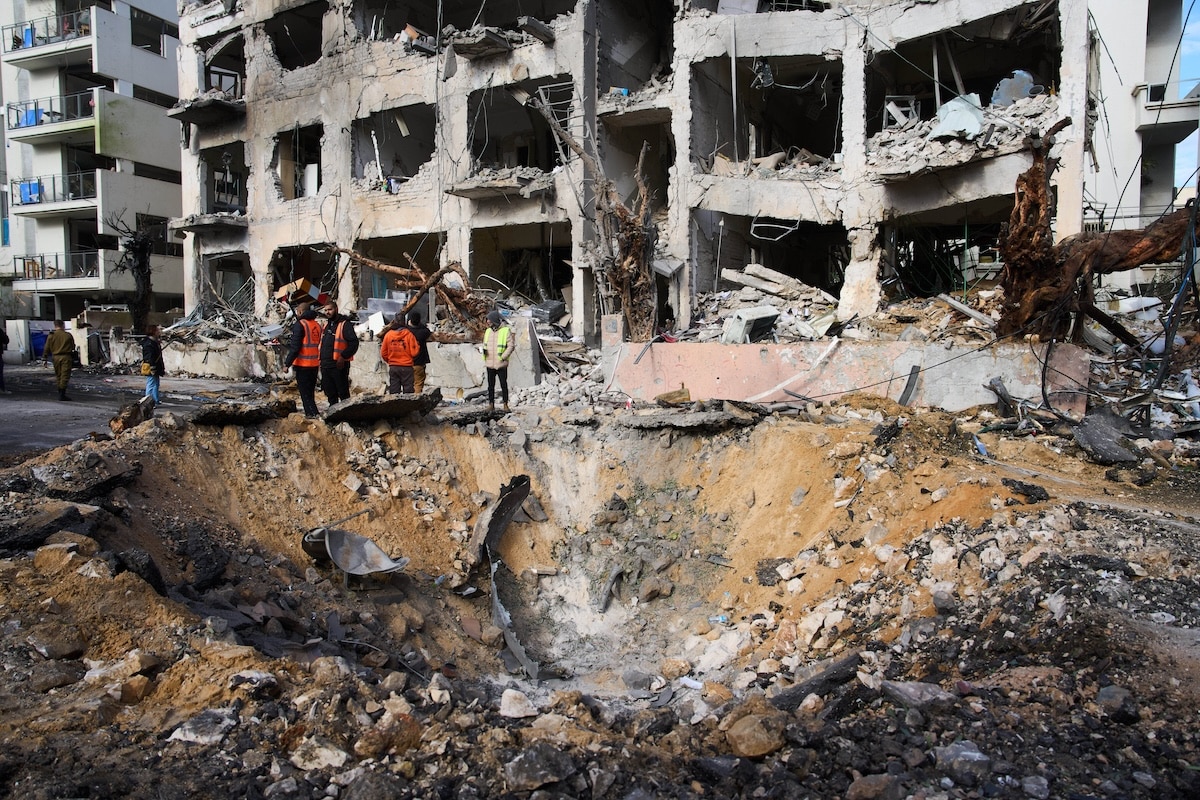
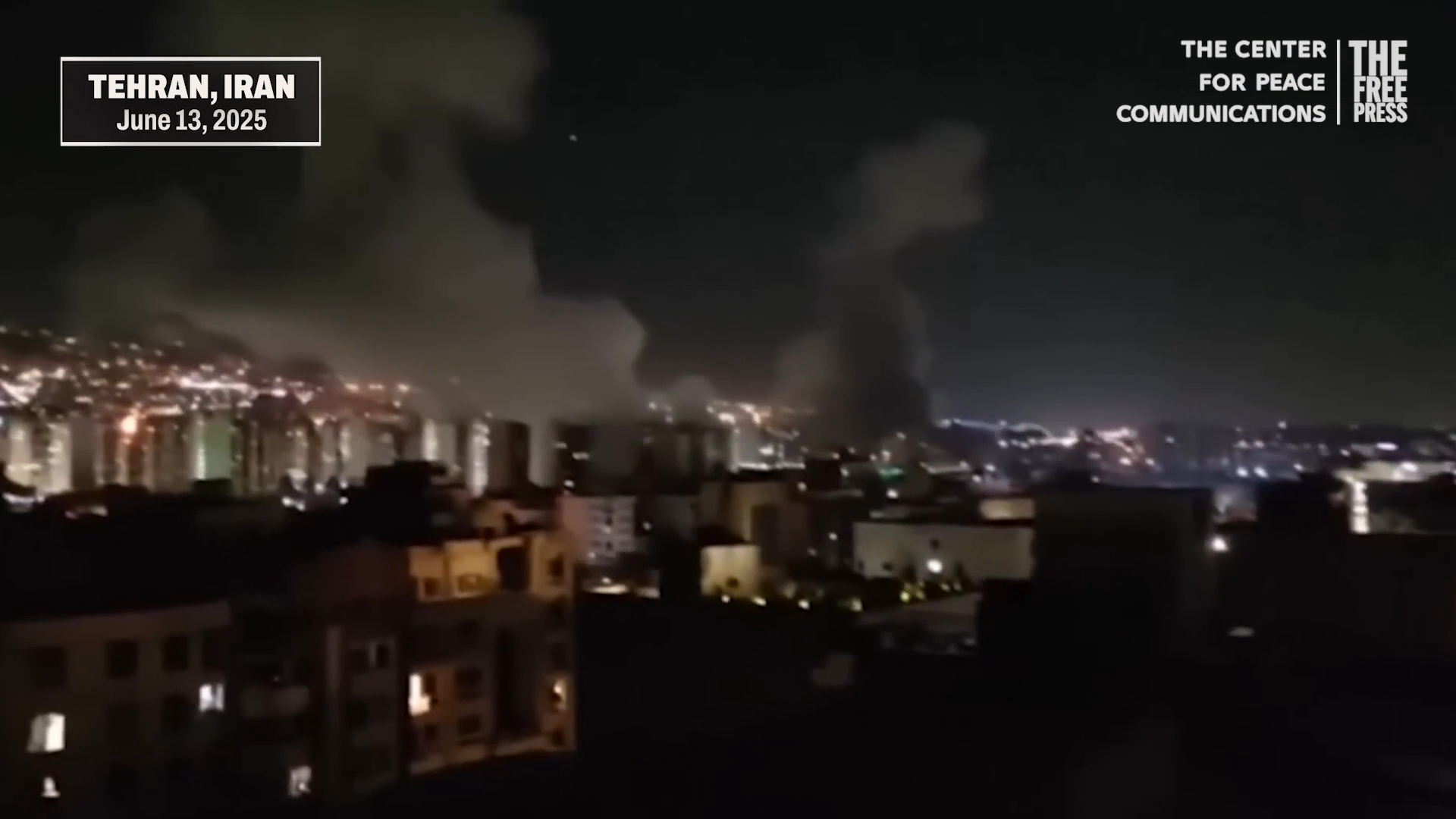
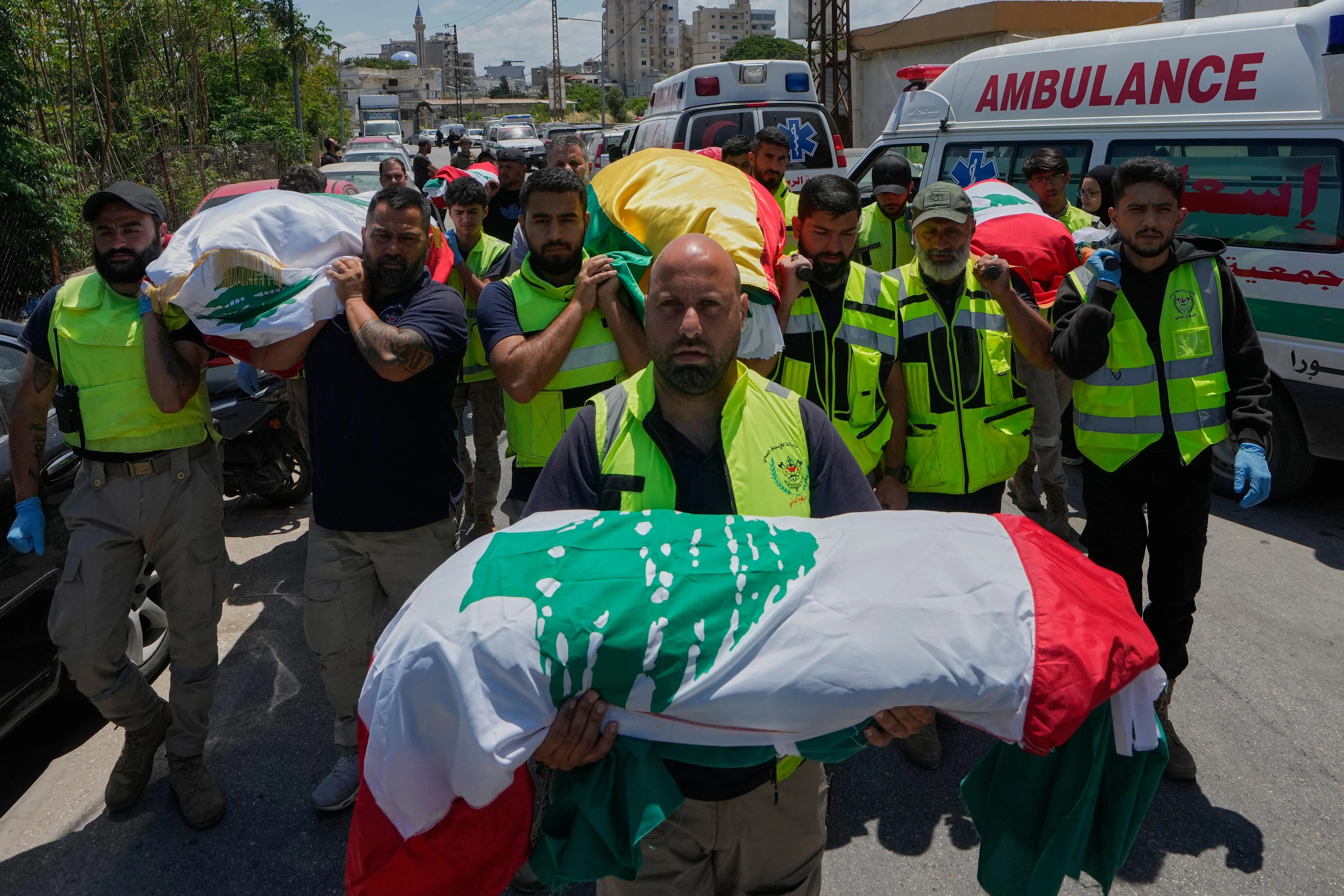
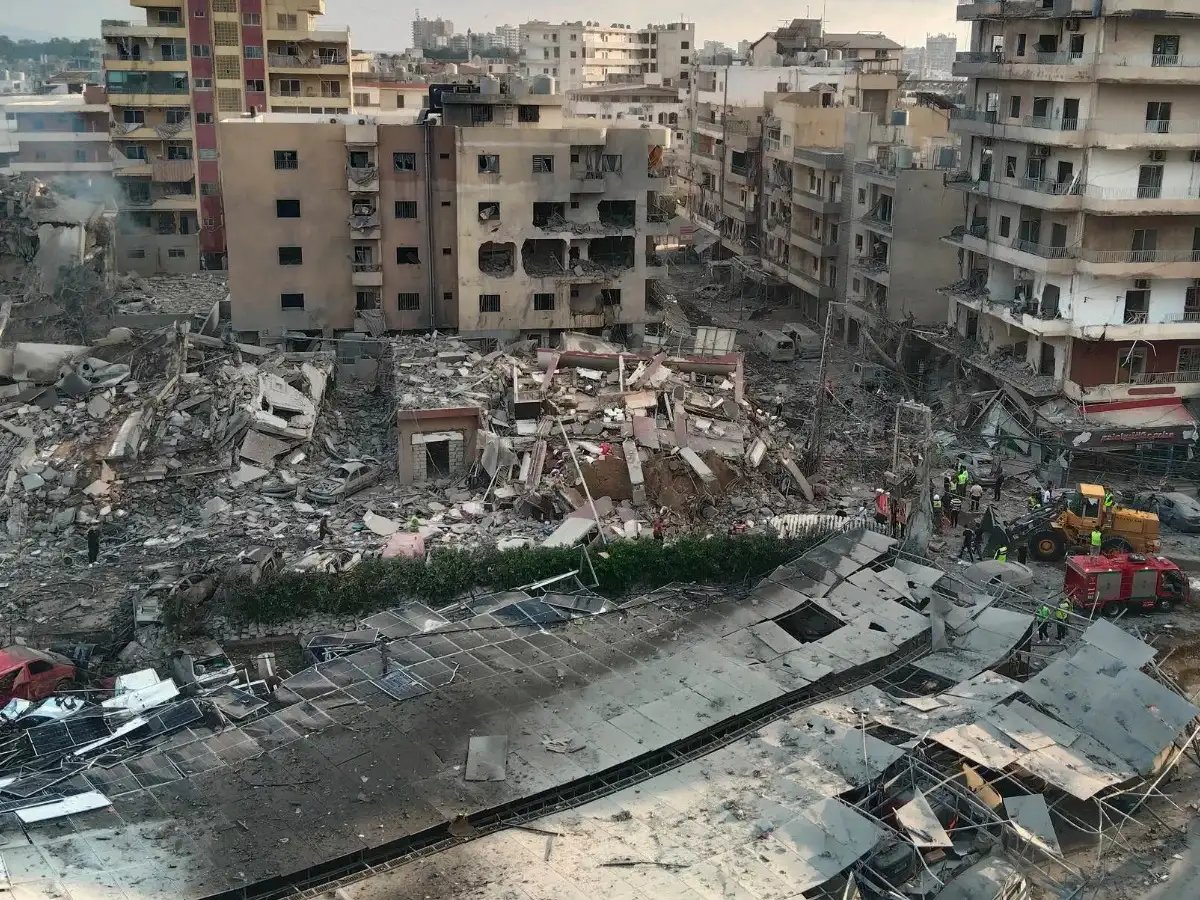
The backdrop of these discussions is a fragile ceasefire in Lebanon and ongoing tensions between Israel and Iranian-backed Hezbollah. Israel's military operations in Lebanon and its insistence on maintaining a security zone complicate the peace process. Israeli Prime Minister Benjamin Netanyahu has vowed that as long as he is in power, Israel will not allow Iran to develop nuclear weapons, further intensifying the stakes involved in the negotiations.
Implications for Global Oil Markets
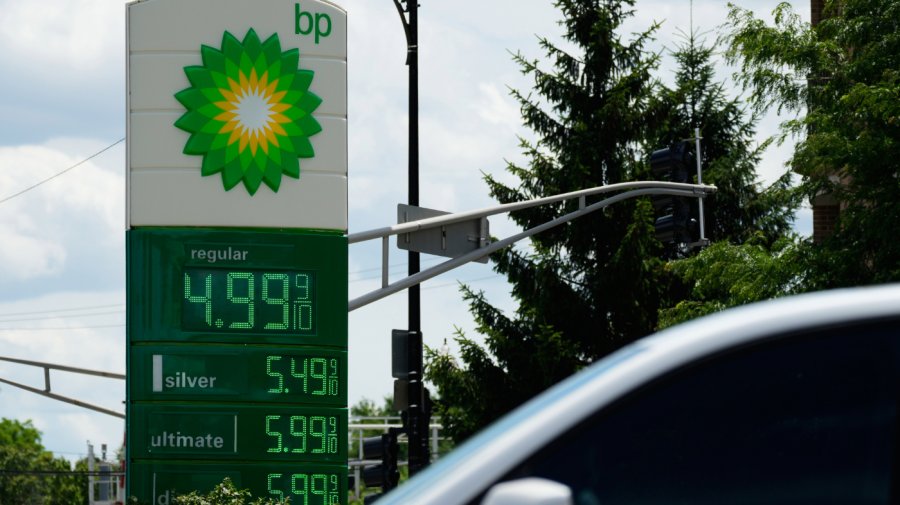
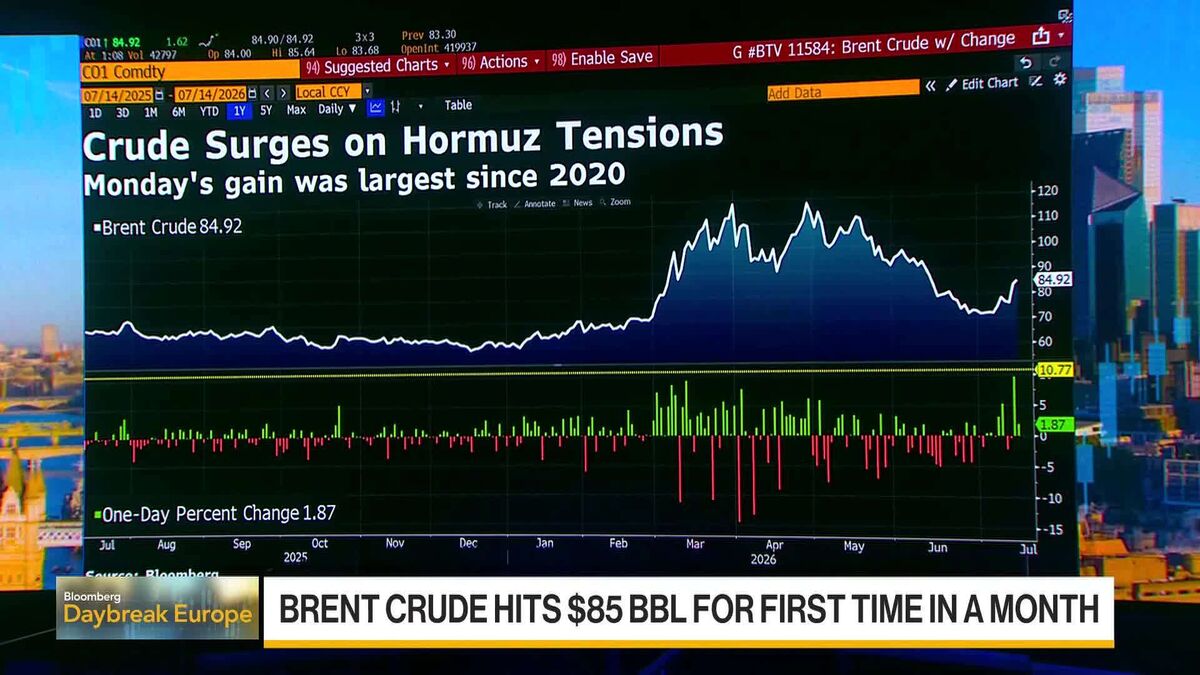
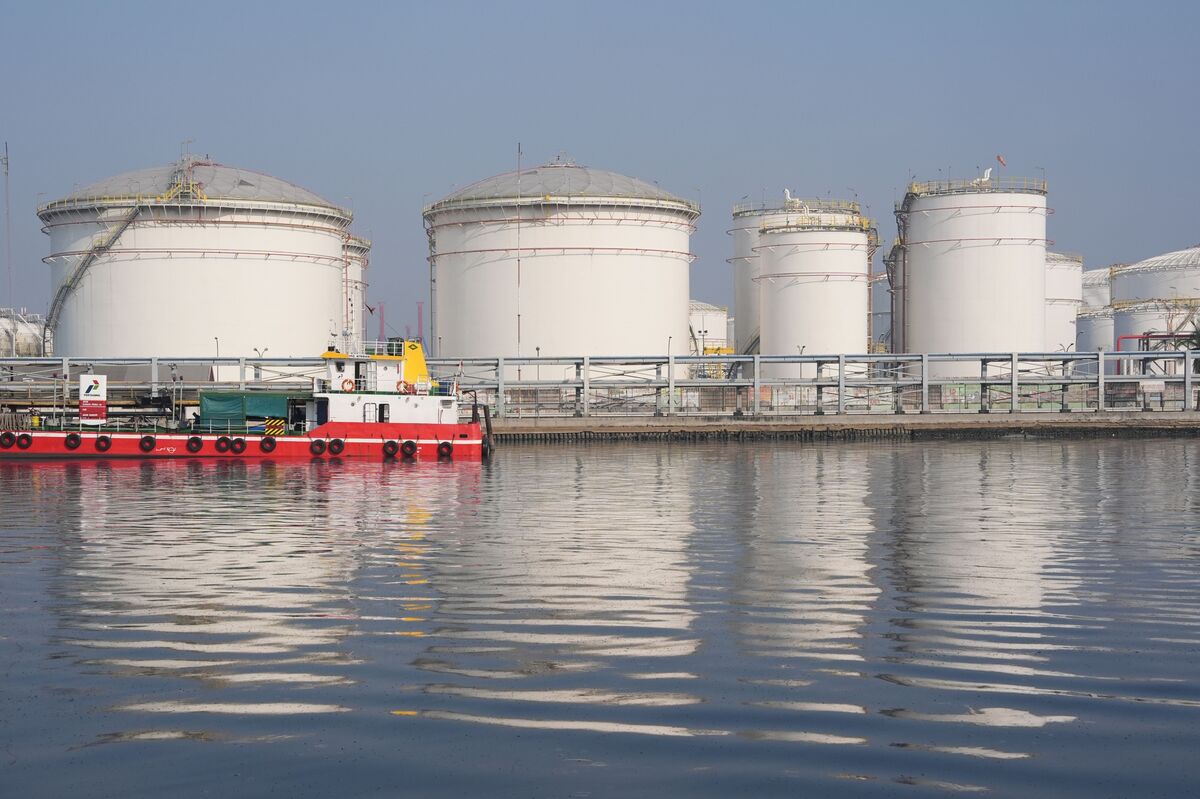
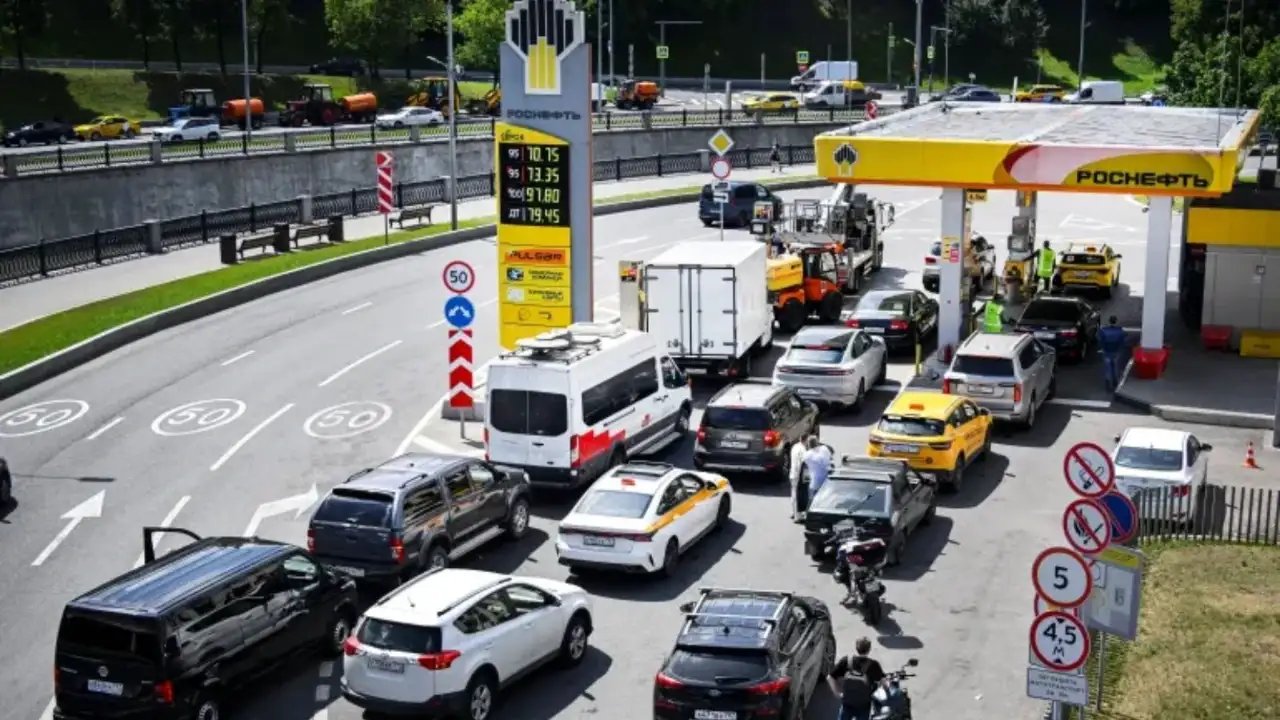
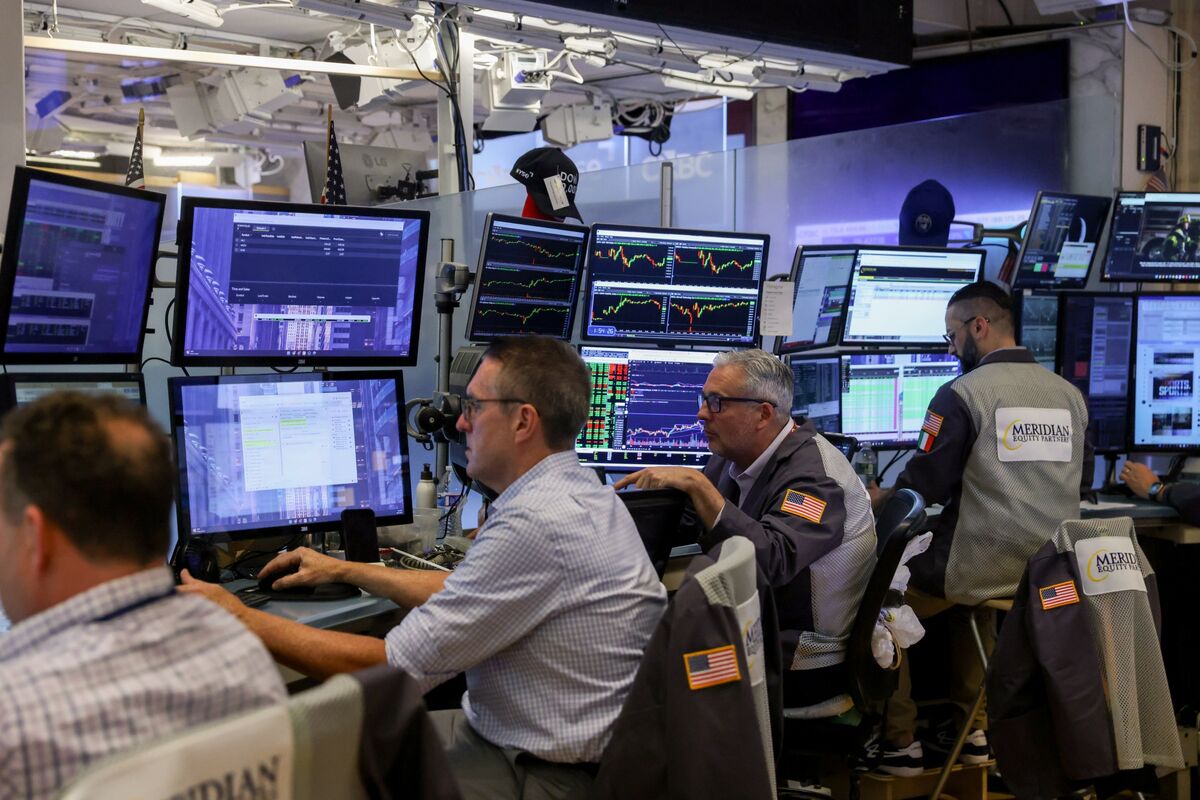
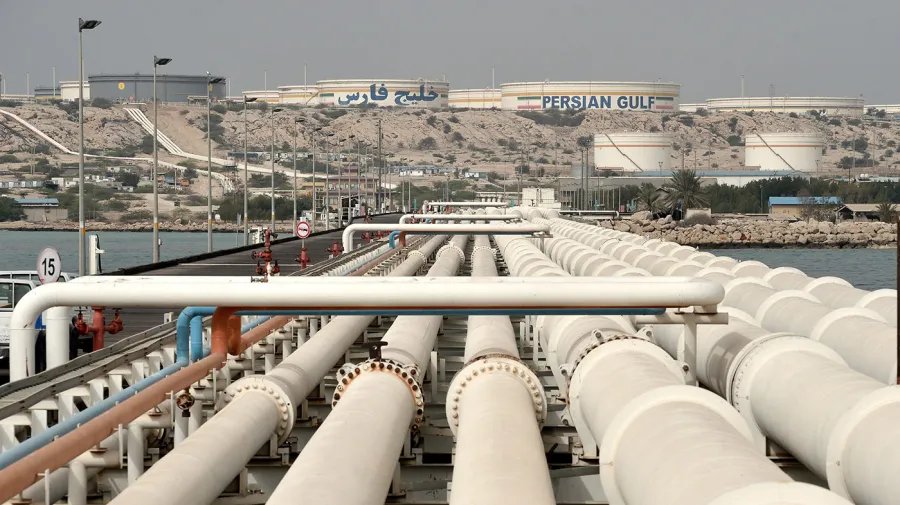
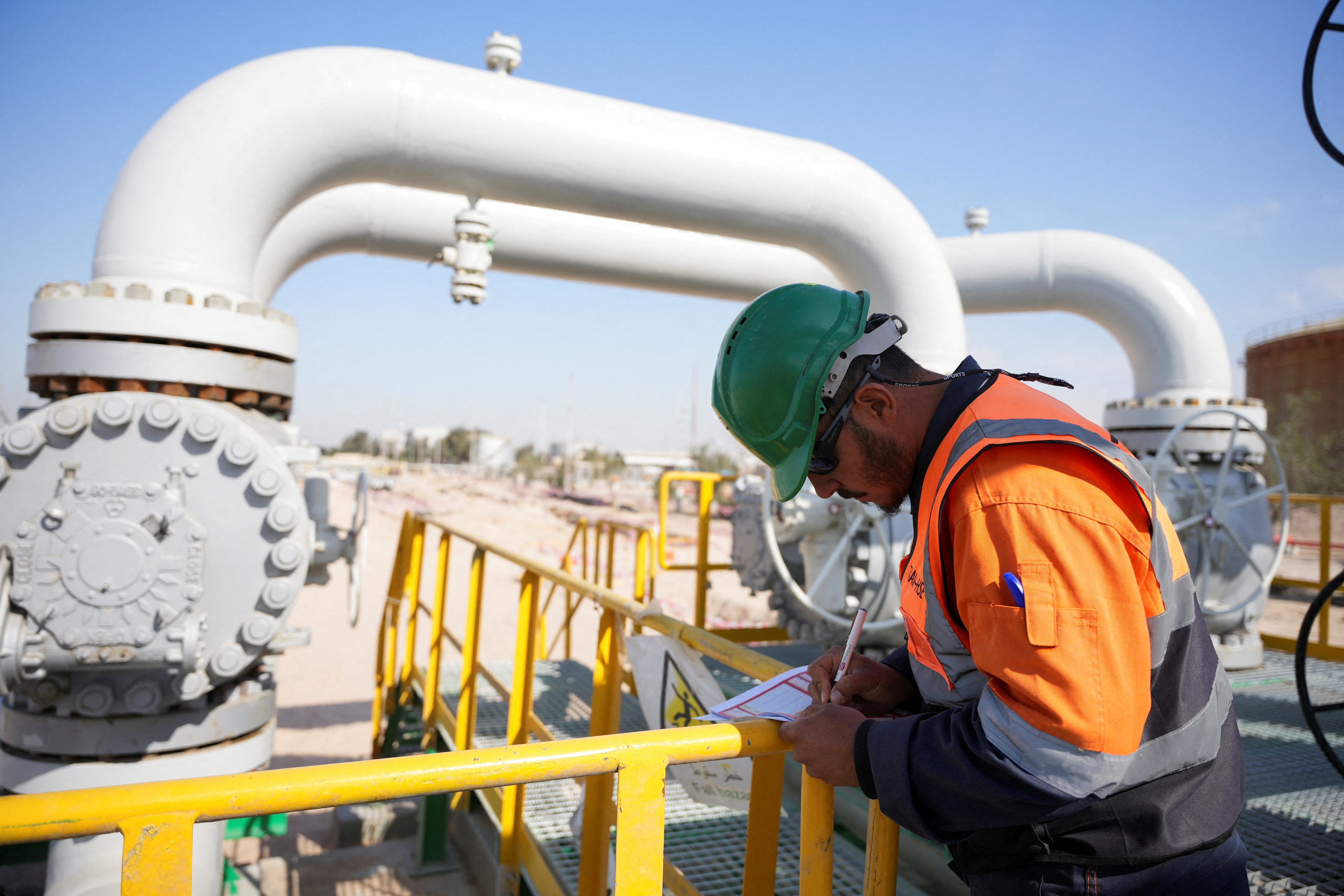
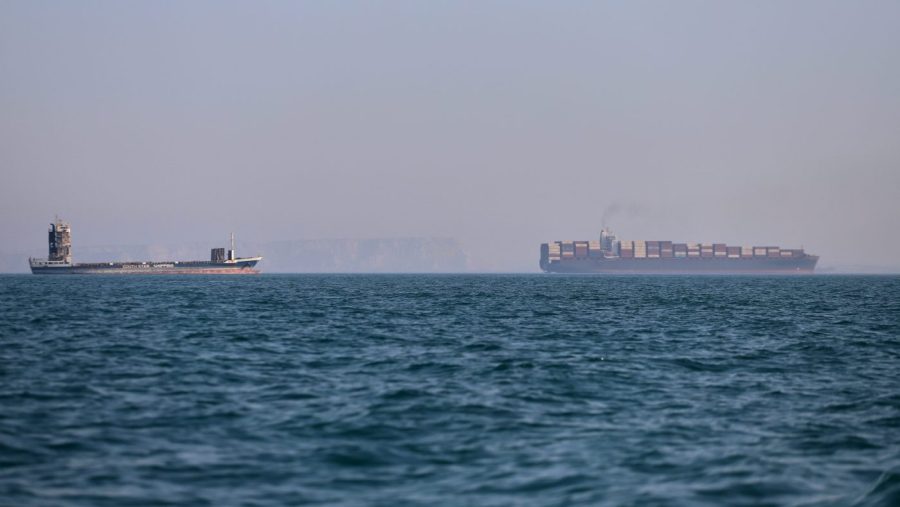
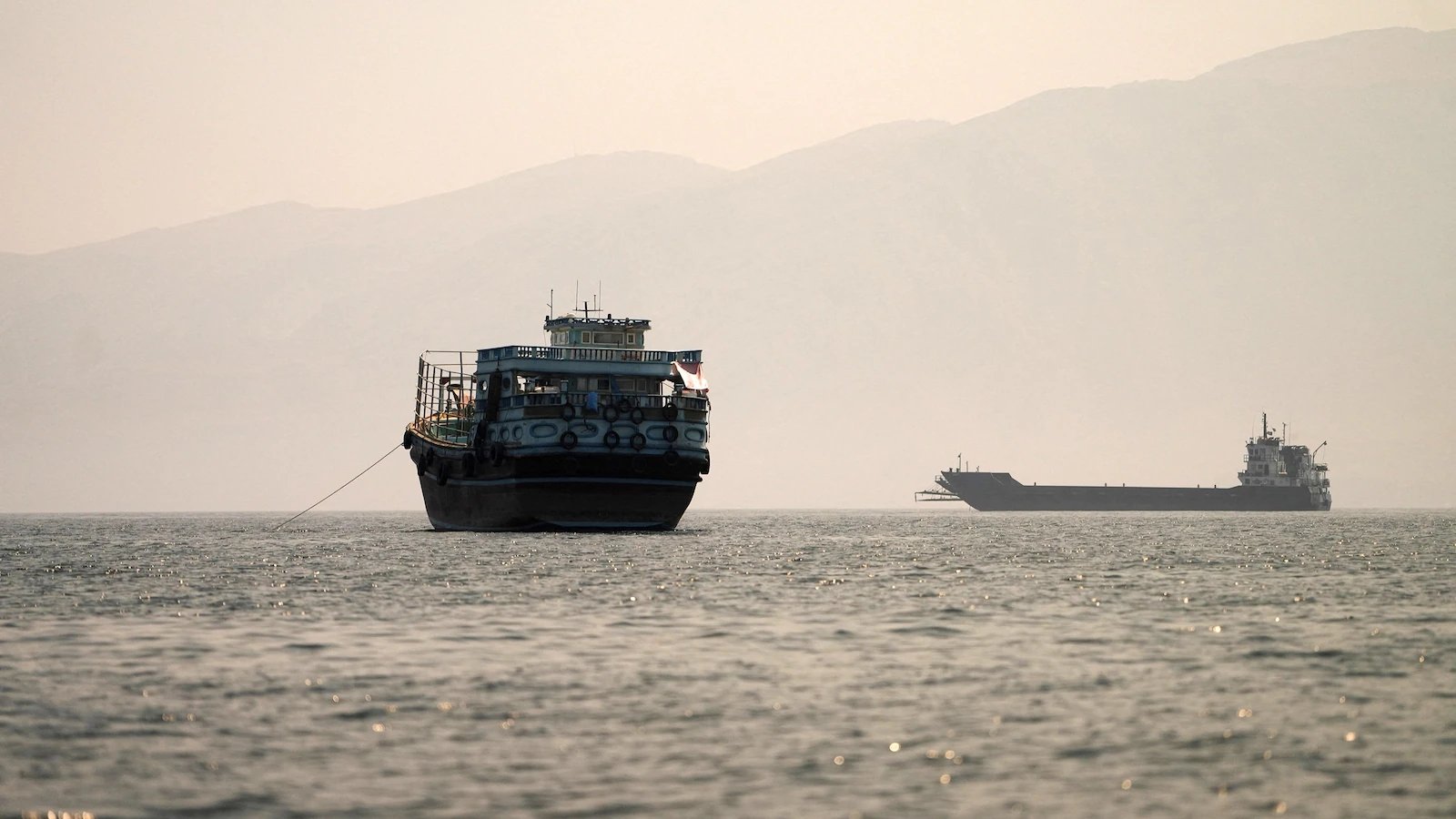
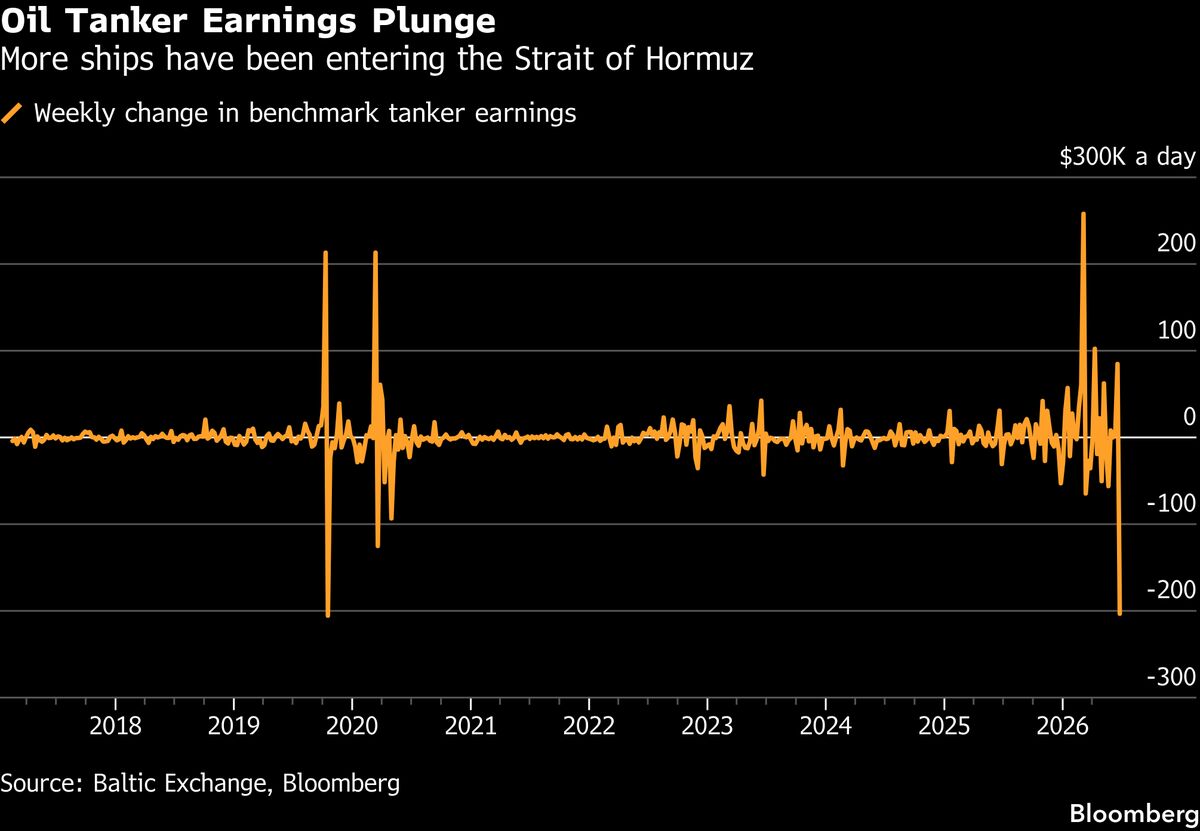
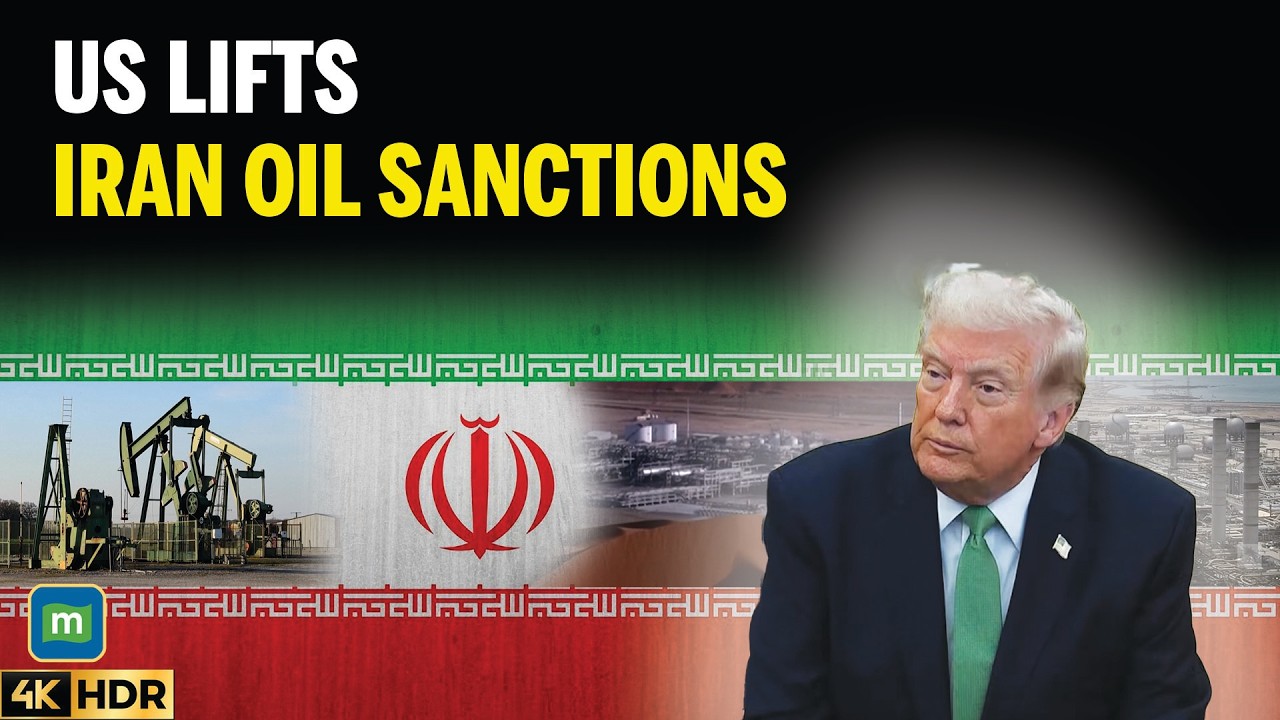
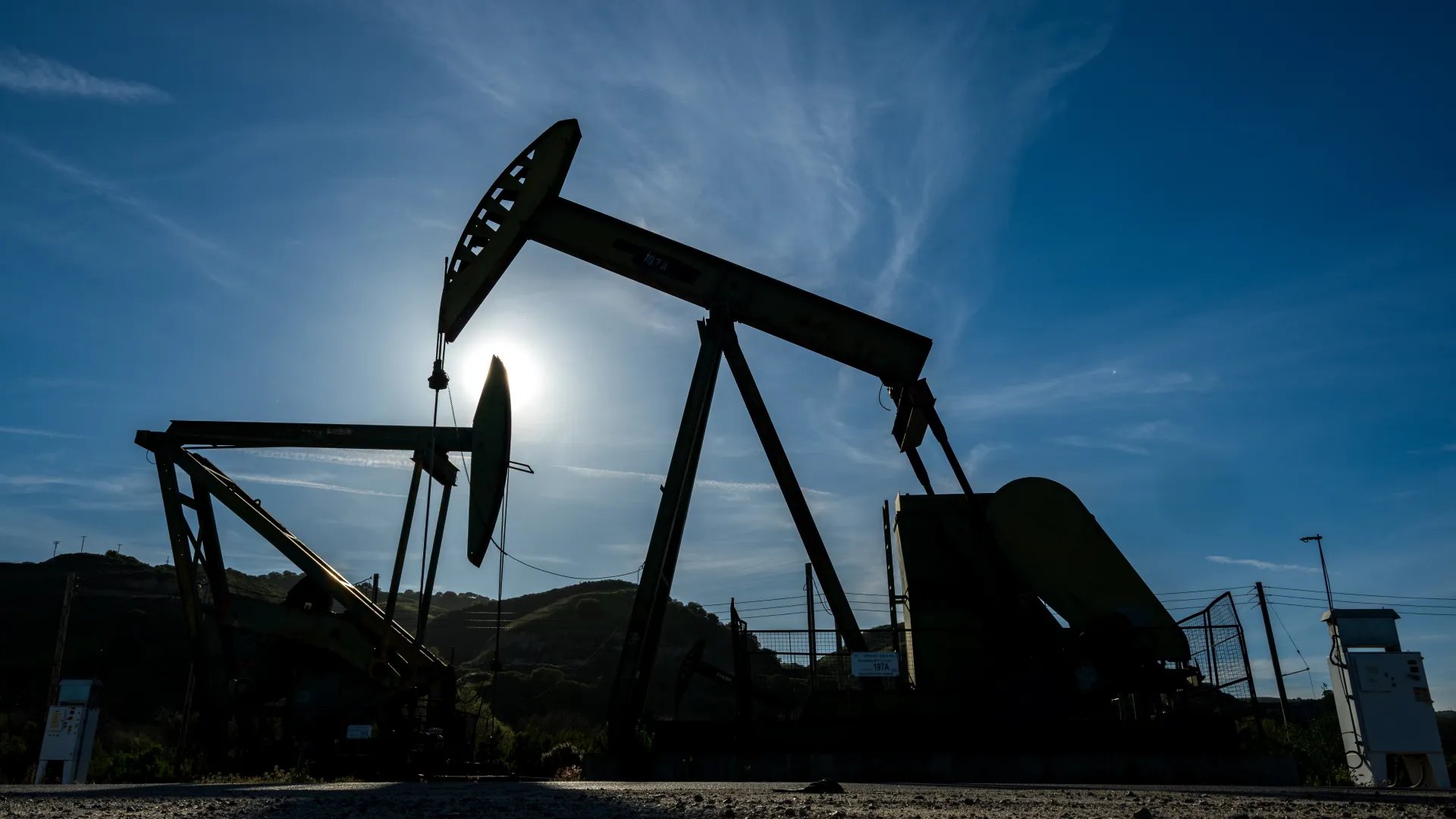
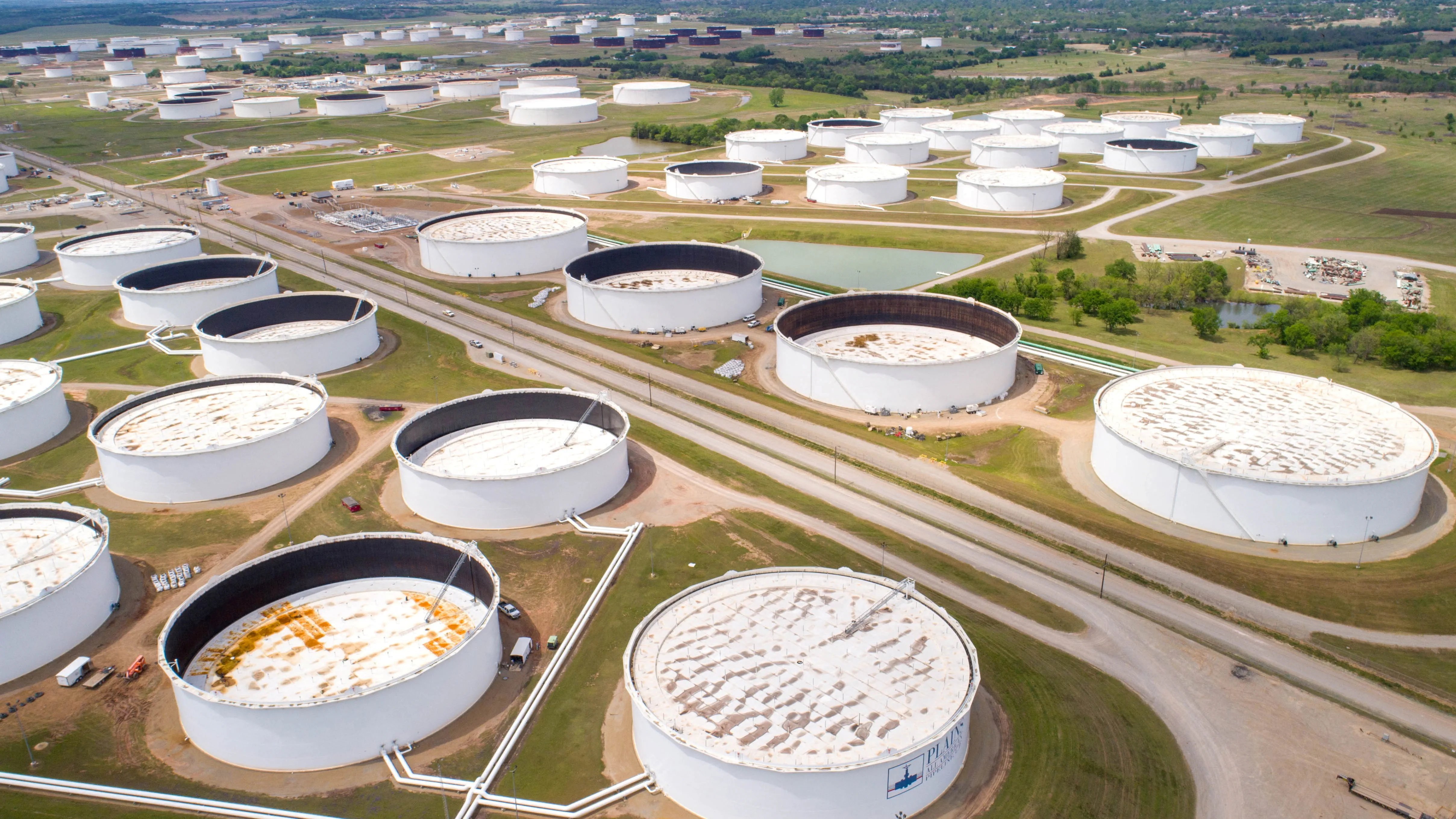
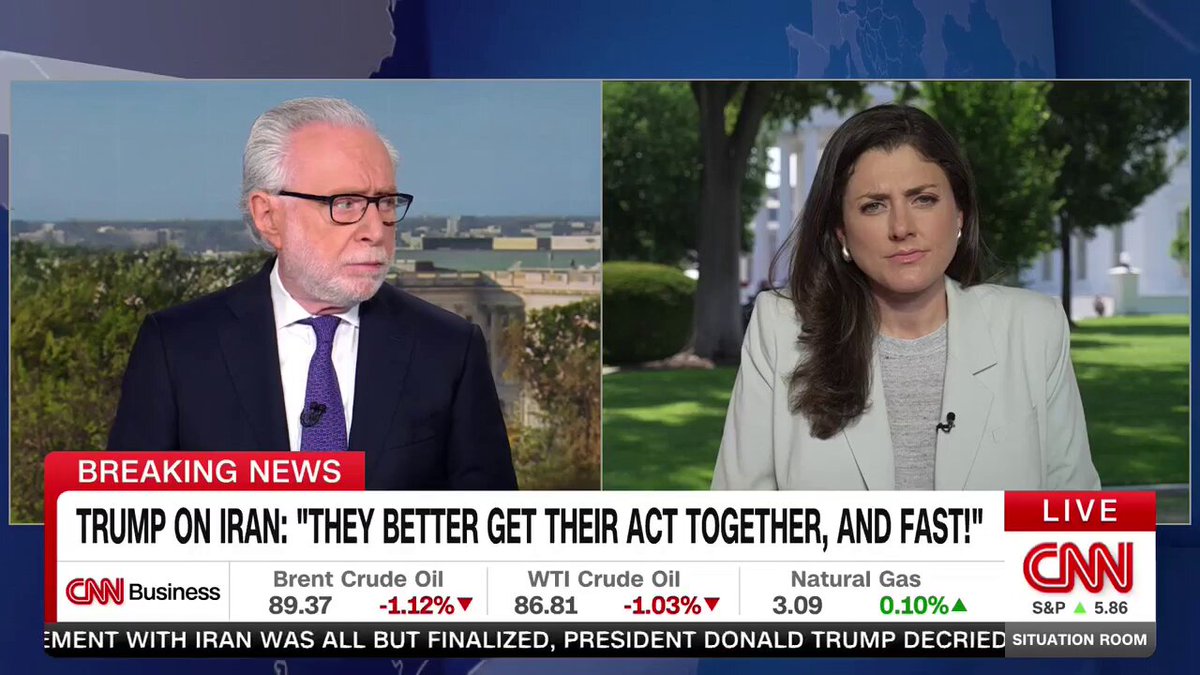
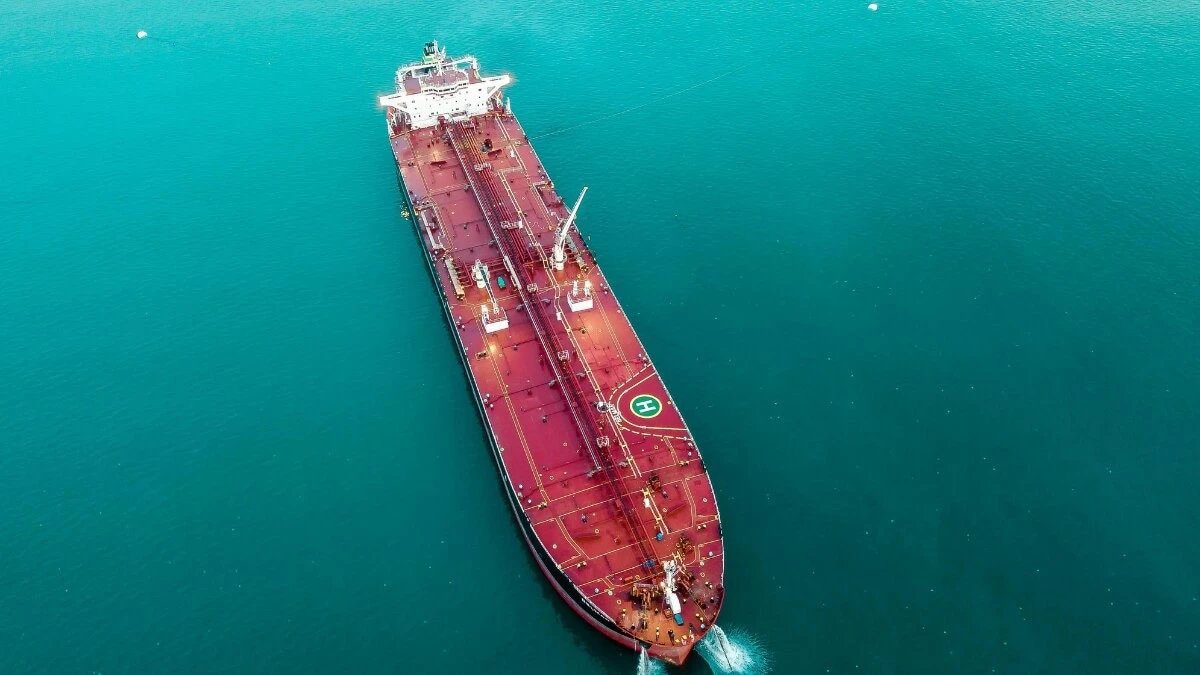
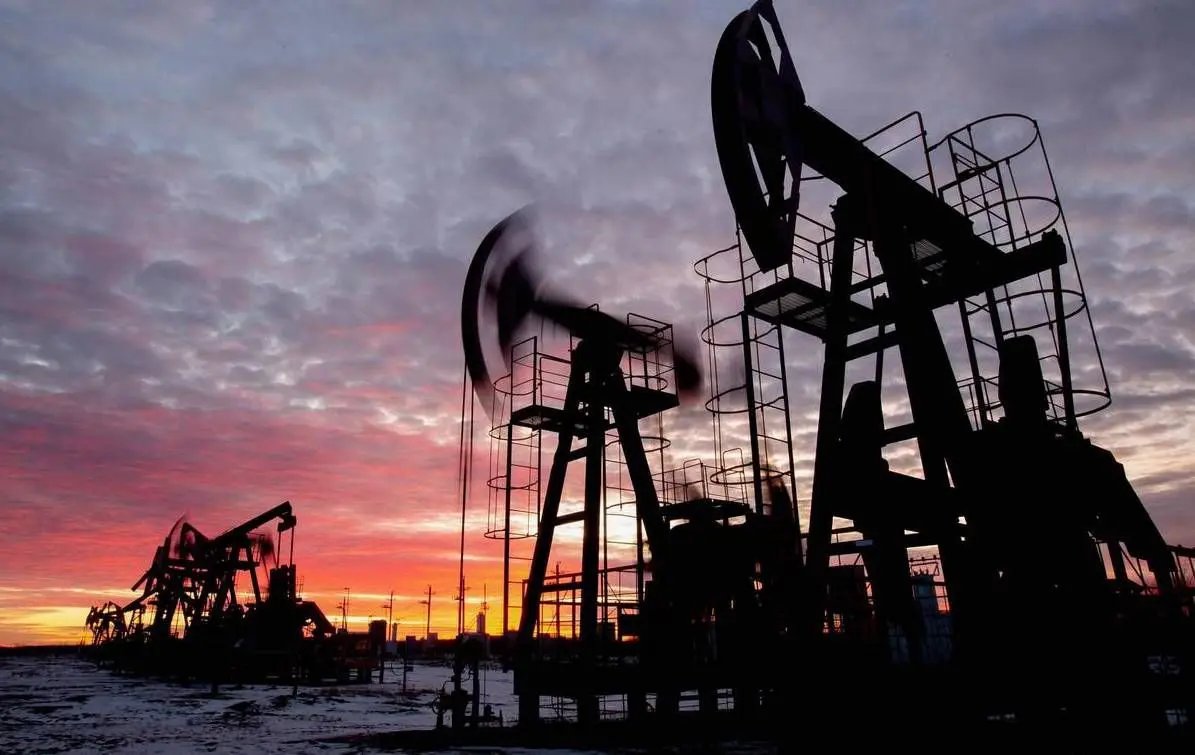
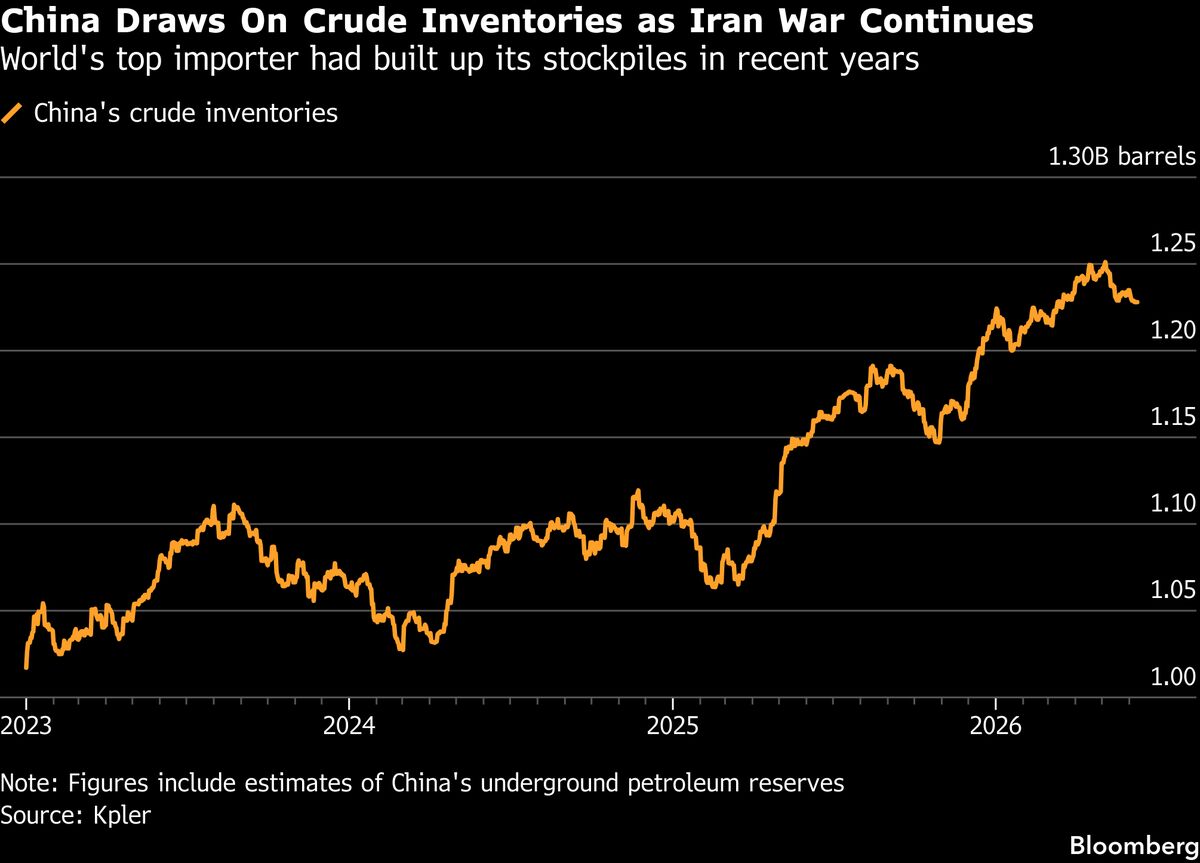
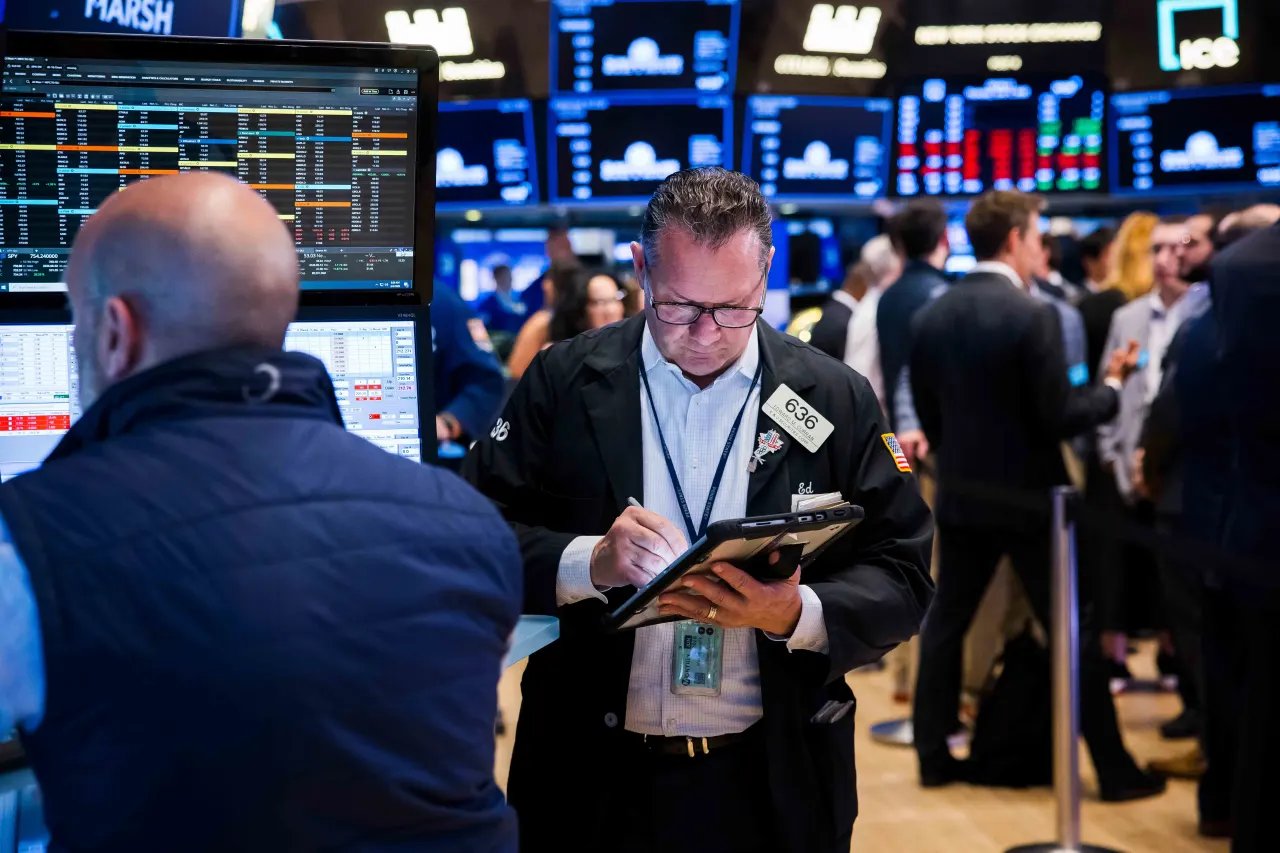
The ongoing conflict and diplomatic maneuvers have already begun to impact global oil markets. Brent crude oil prices fell below $75 per barrel for the first time since the onset of the U.S.-Iran war, reflecting fluctuating market reactions to the evolving situation. The U.S. and Iran's agreement includes provisions for unfreezing Iranian assets, potentially allowing Iran to resume oil exports, which could further influence global oil prices.
Looking Ahead
As technical-level negotiations between the U.S. and Iran are set to resume, both sides face considerable pressure to reach a comprehensive agreement. The next round of talks is expected to take place in Switzerland, where mediators hope to finalize a deal that addresses not only nuclear inspections but also broader regional security concerns.
These developments underscore the complexity of diplomatic relations in the region and the critical nature of verifying Iran's nuclear activities as part of any lasting peace agreement.