




The agreement takes shape
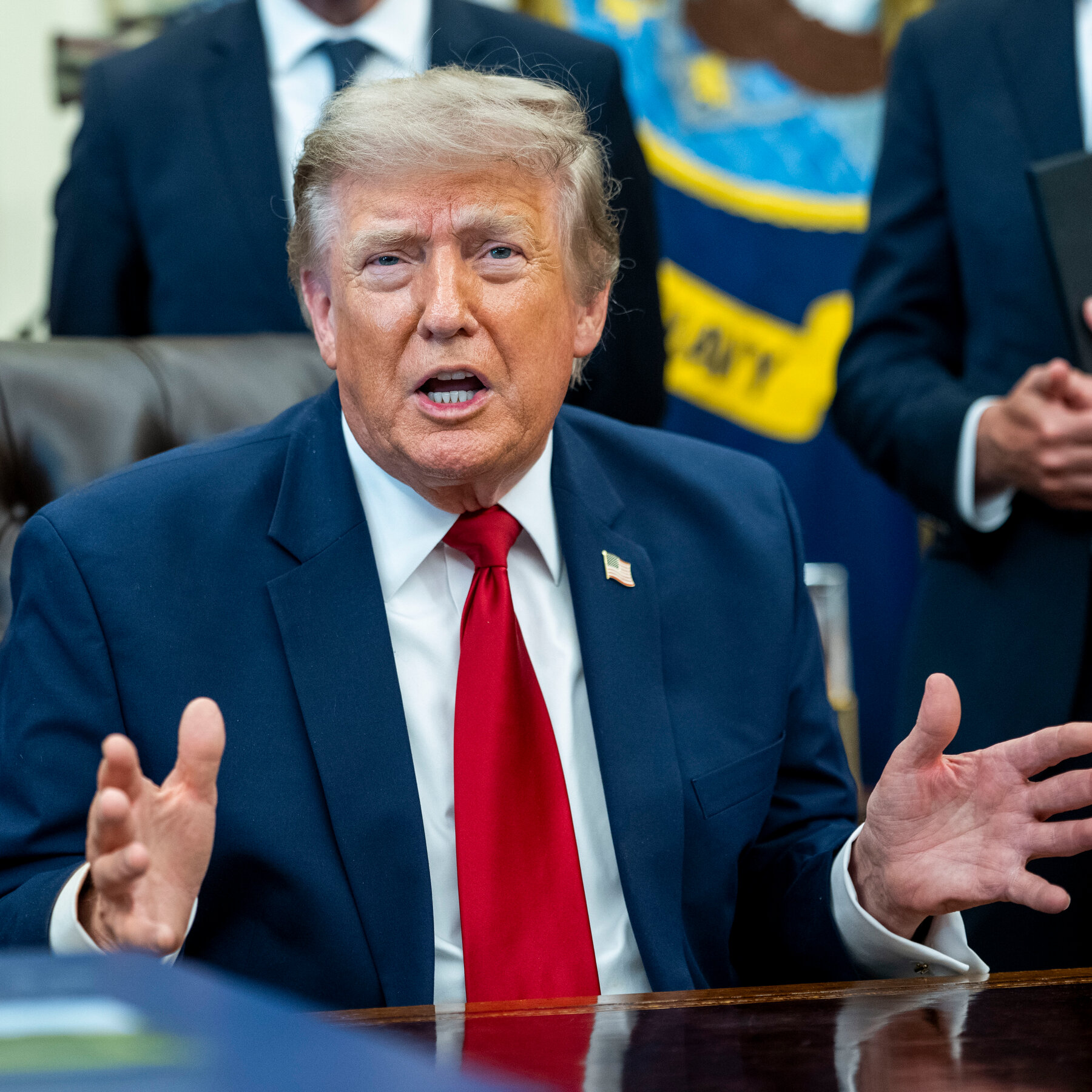
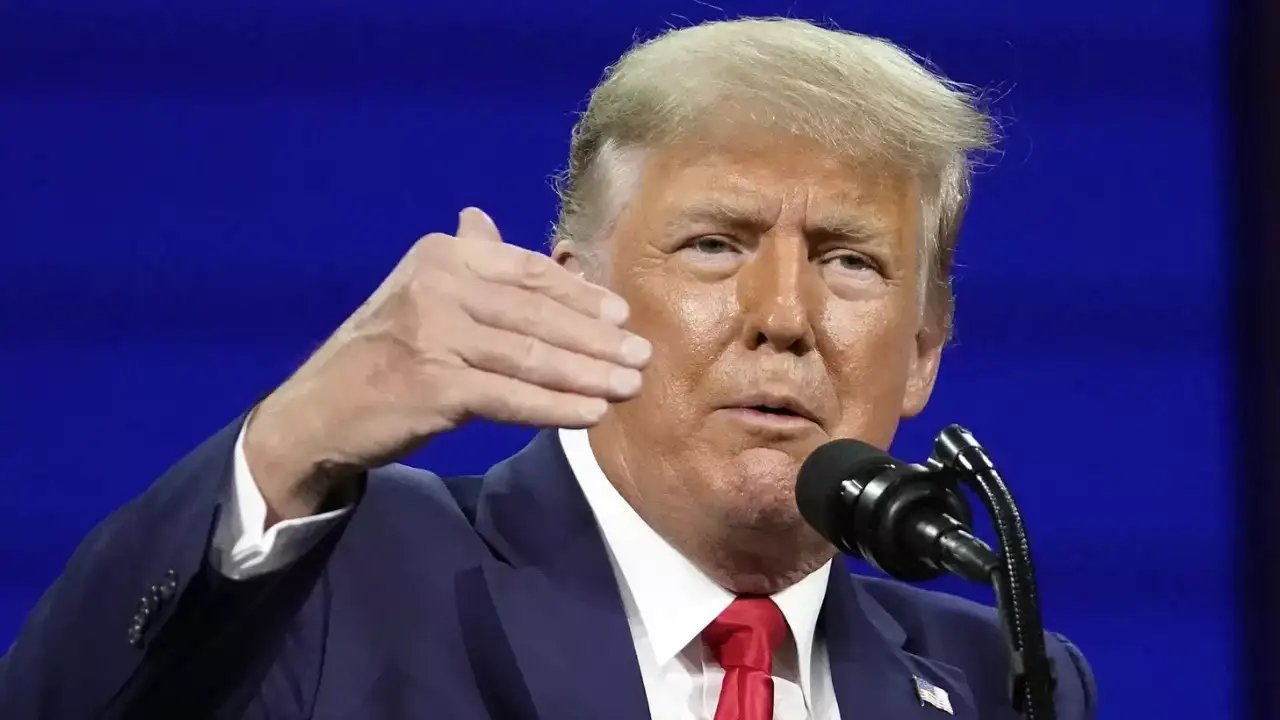
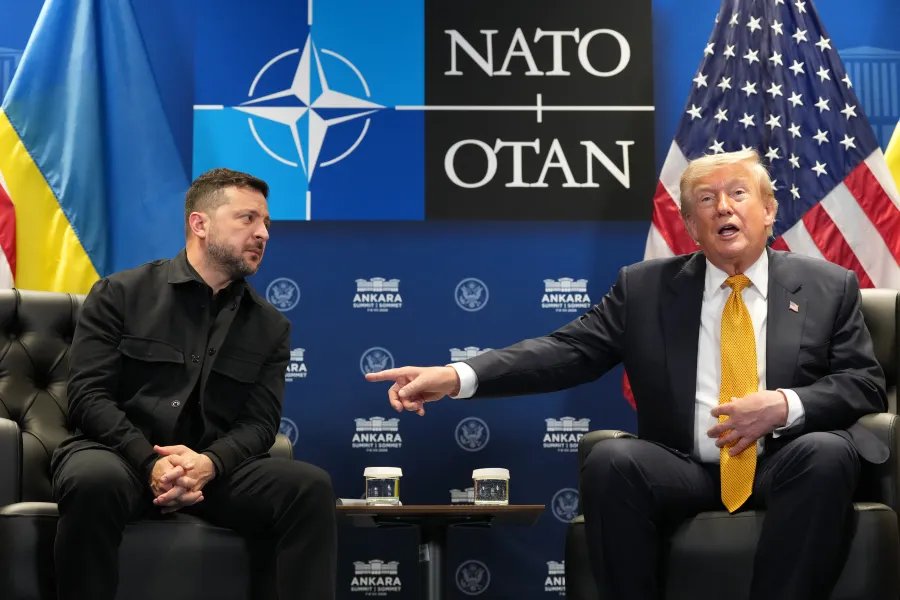
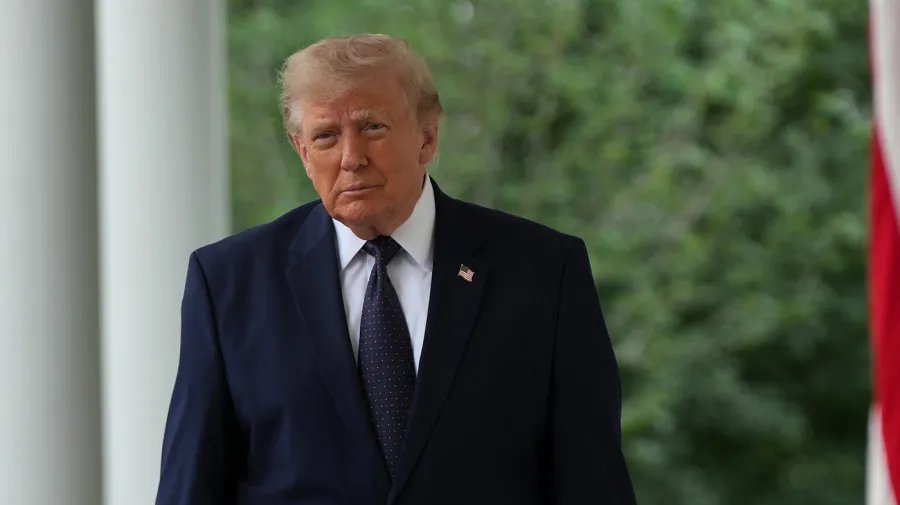
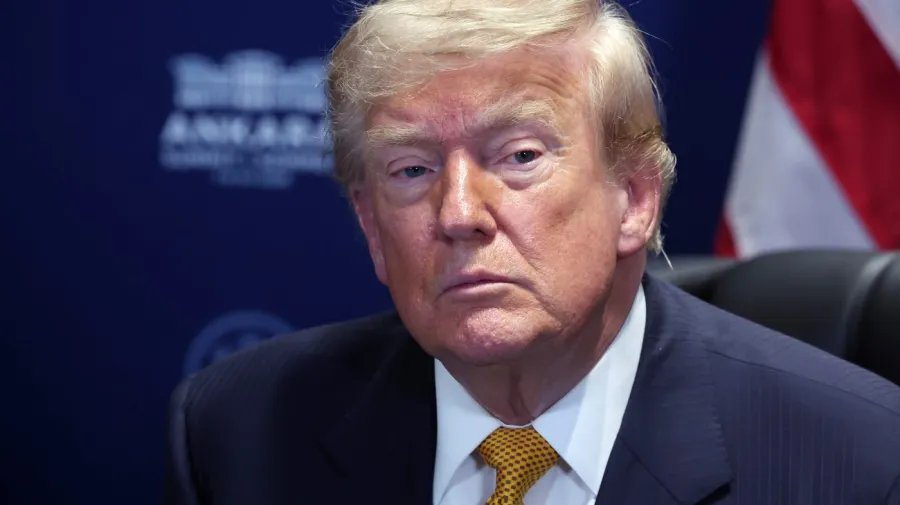
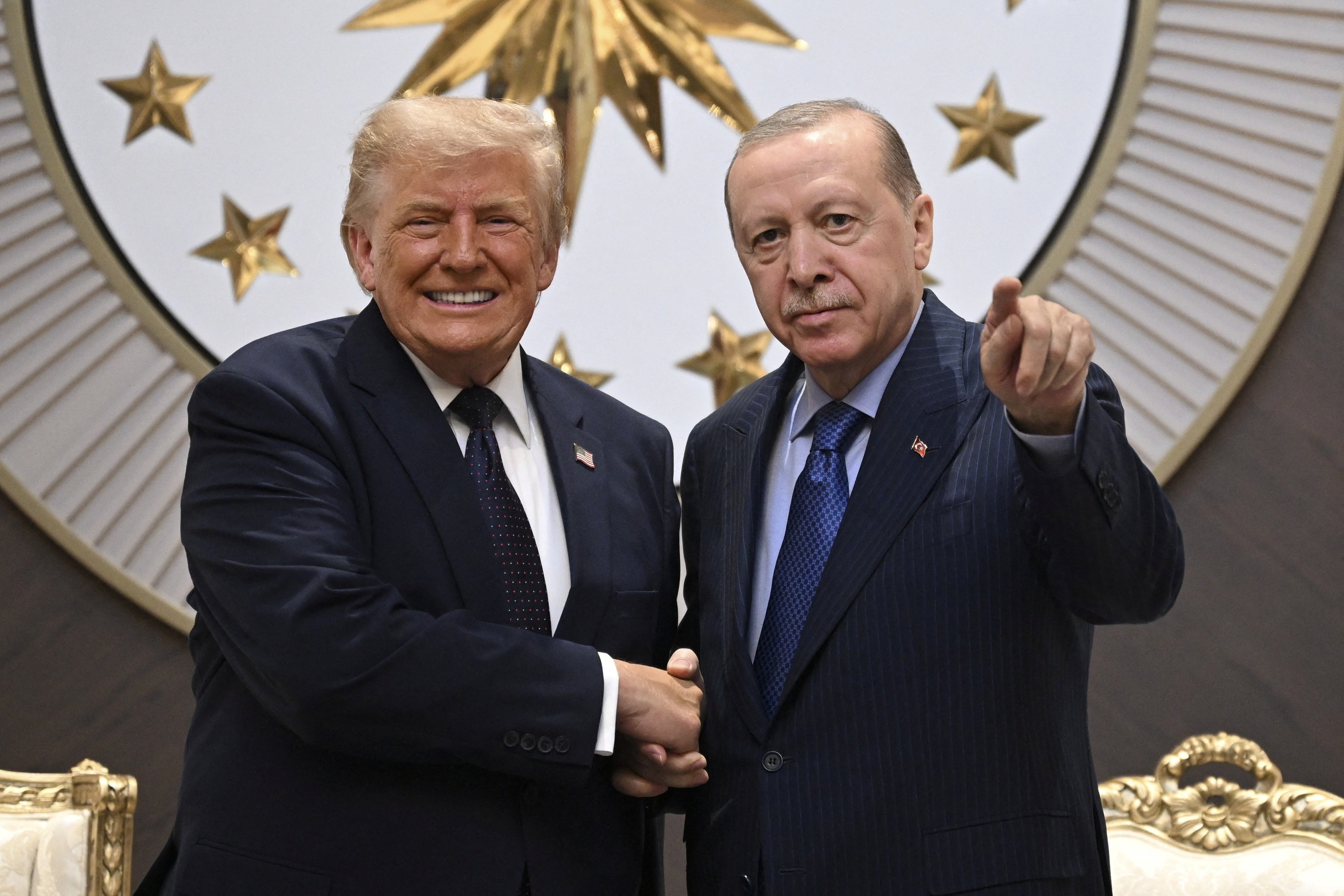
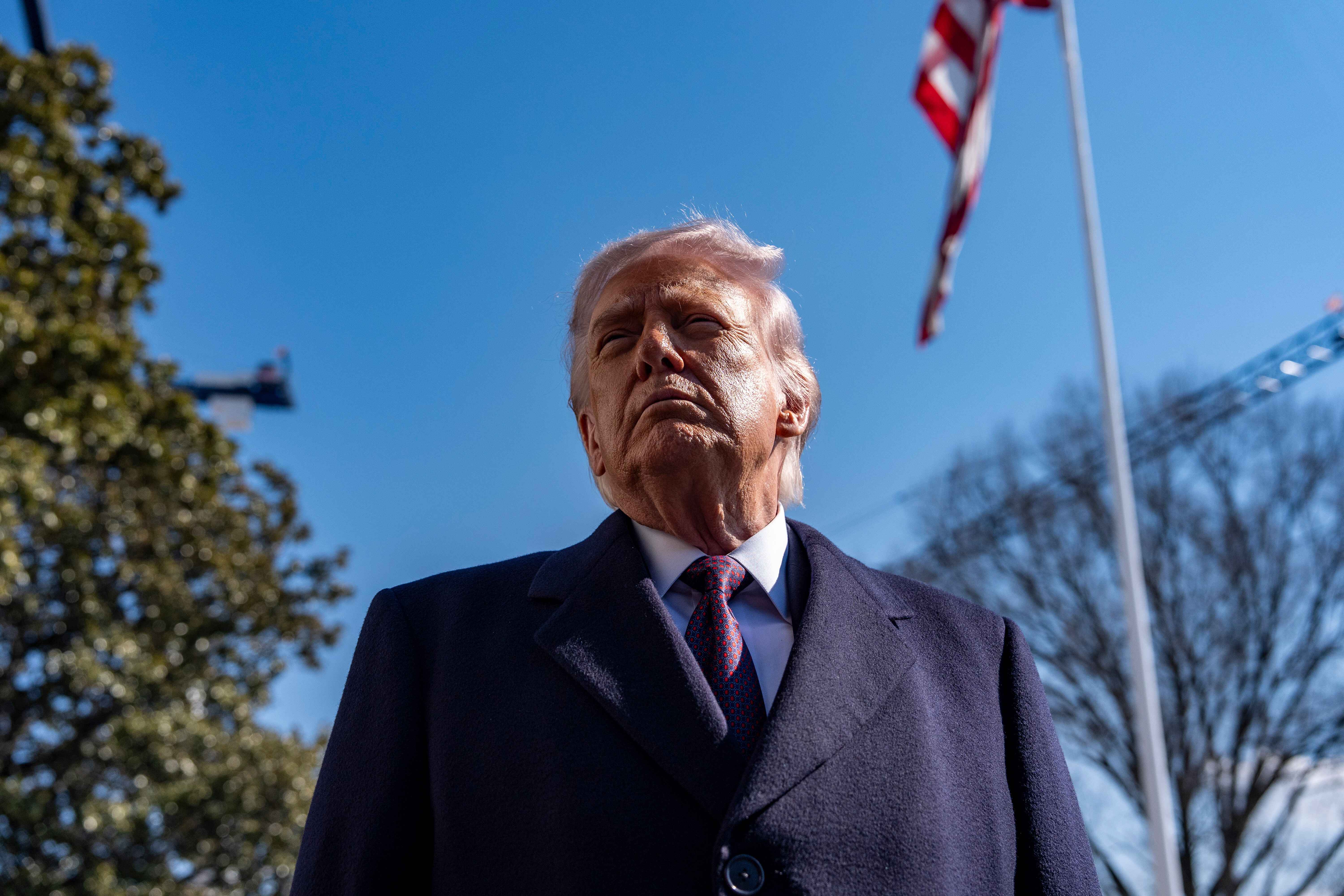
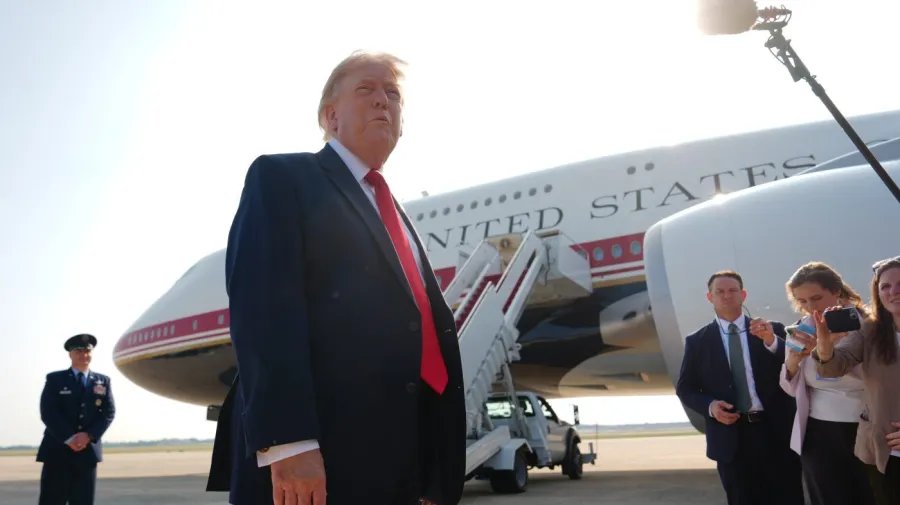
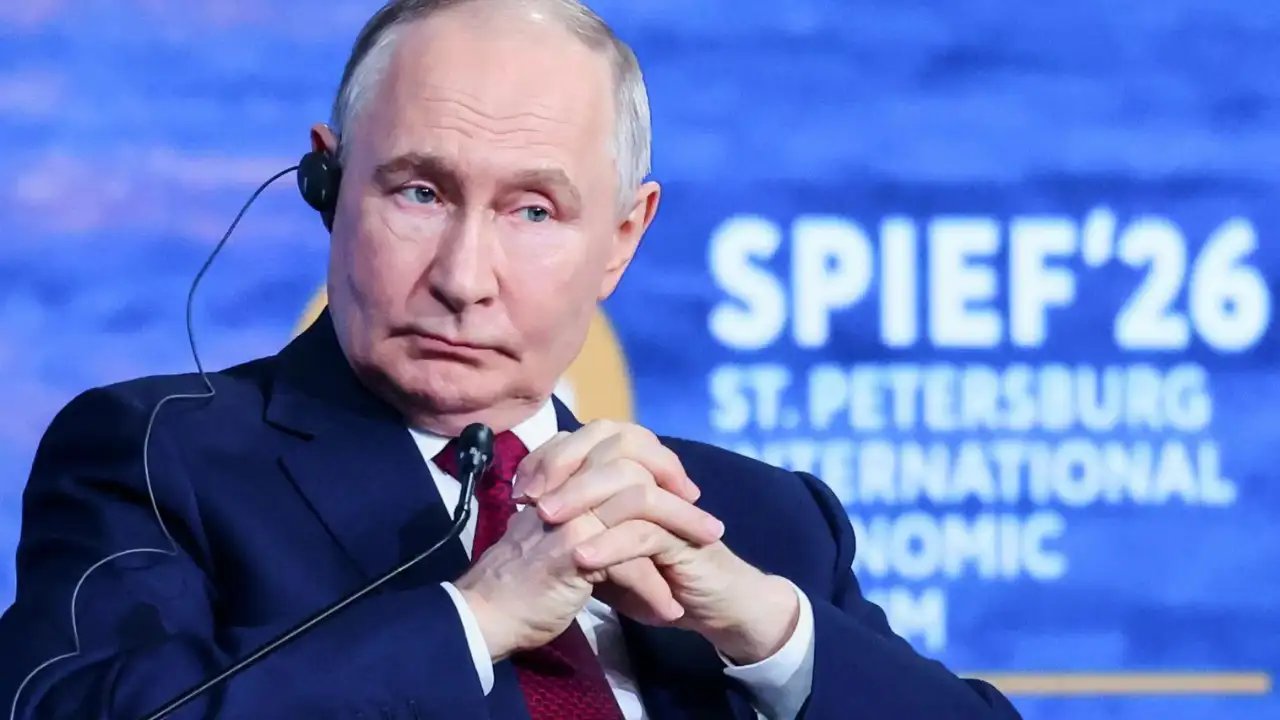
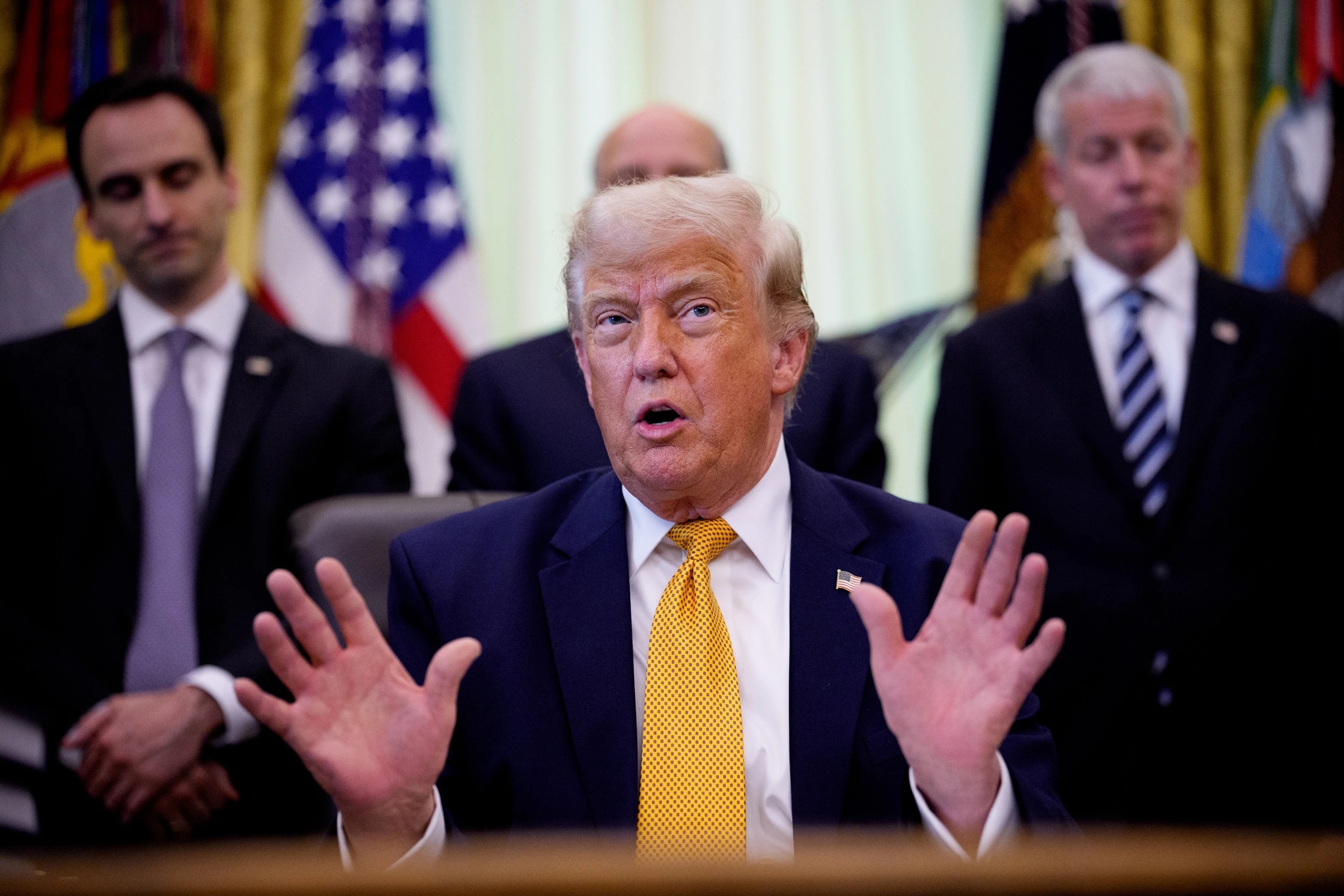
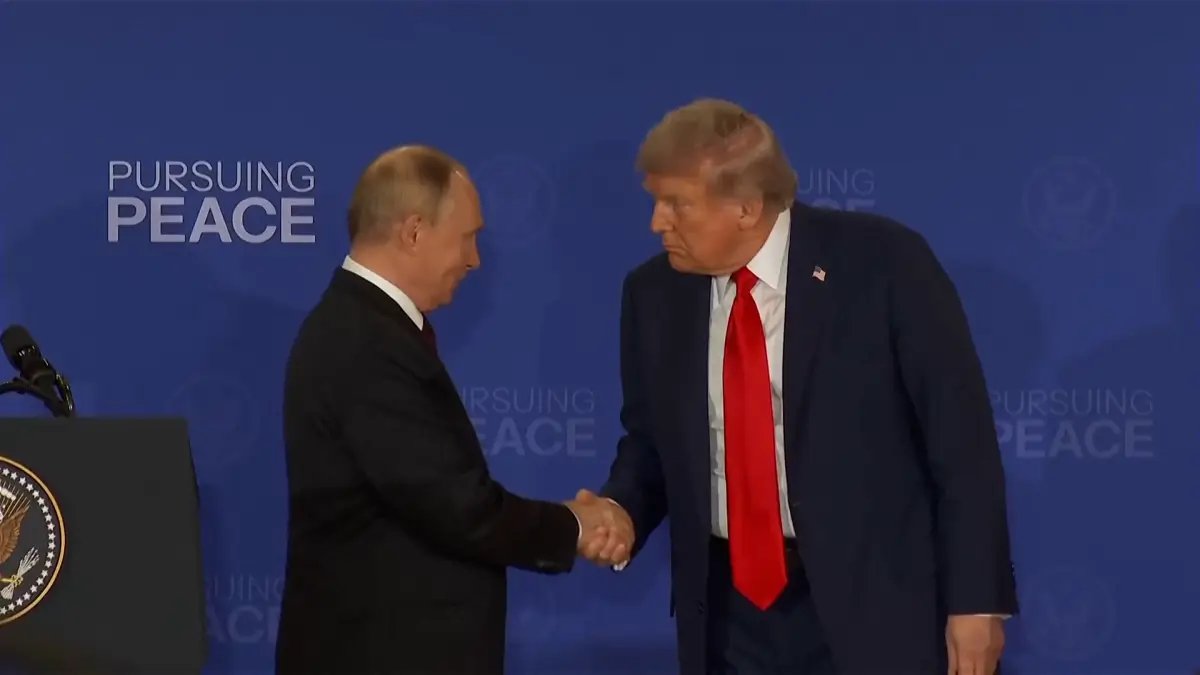
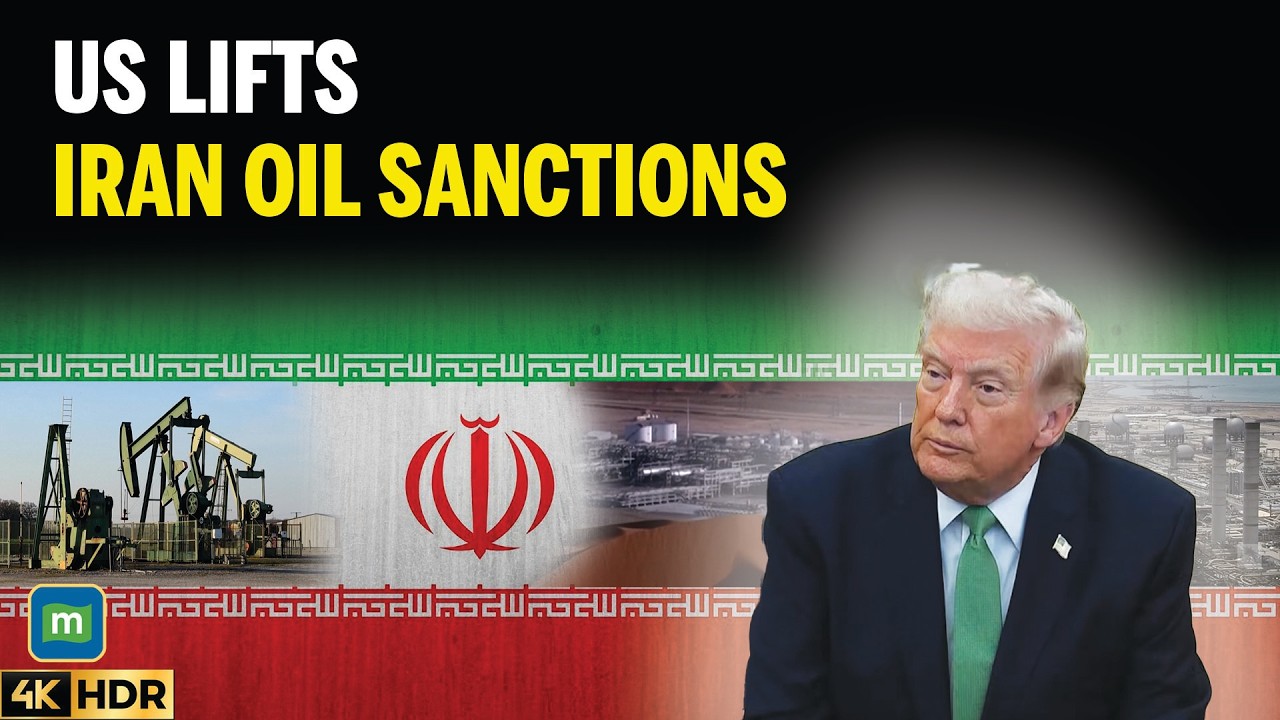
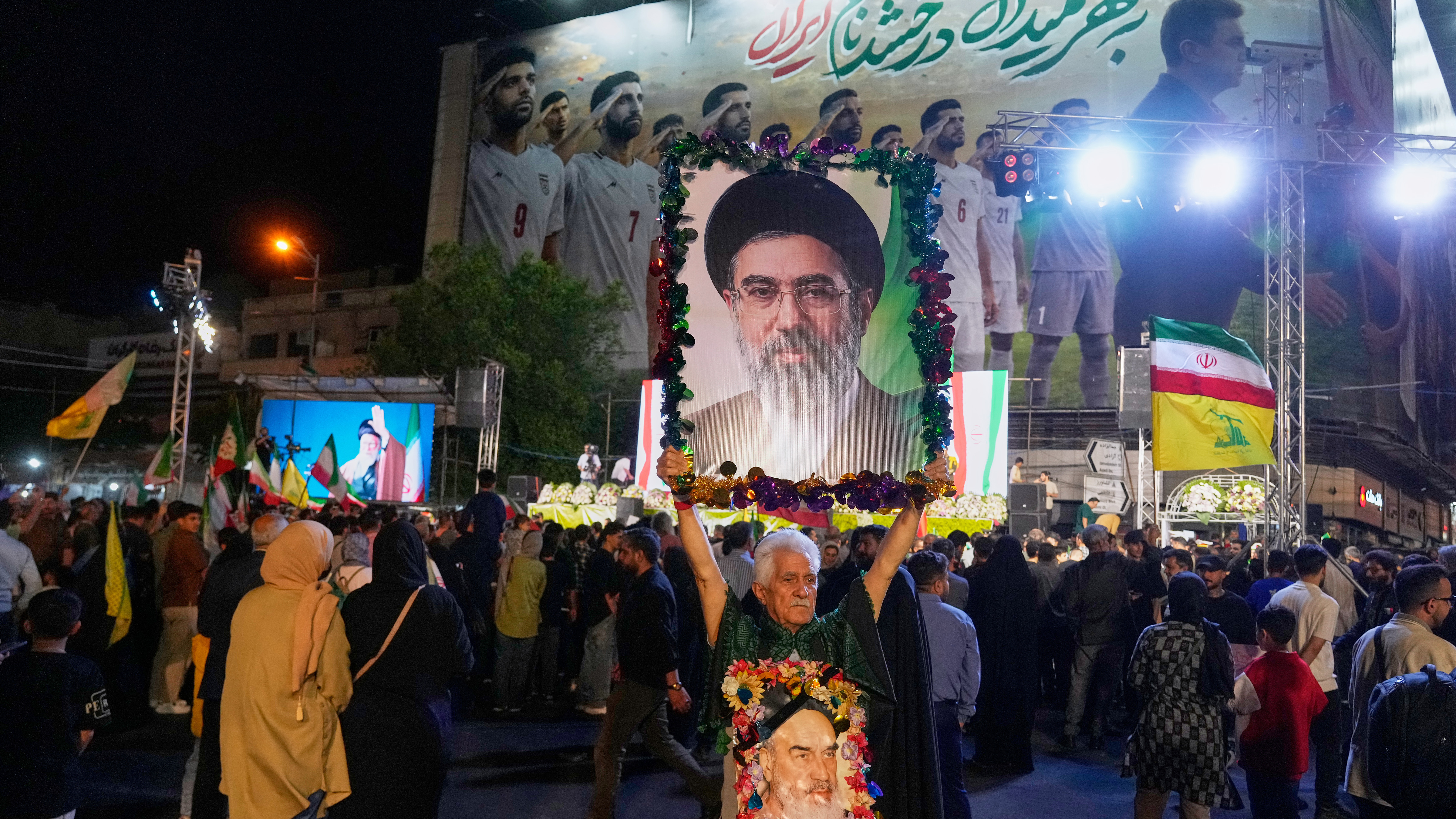
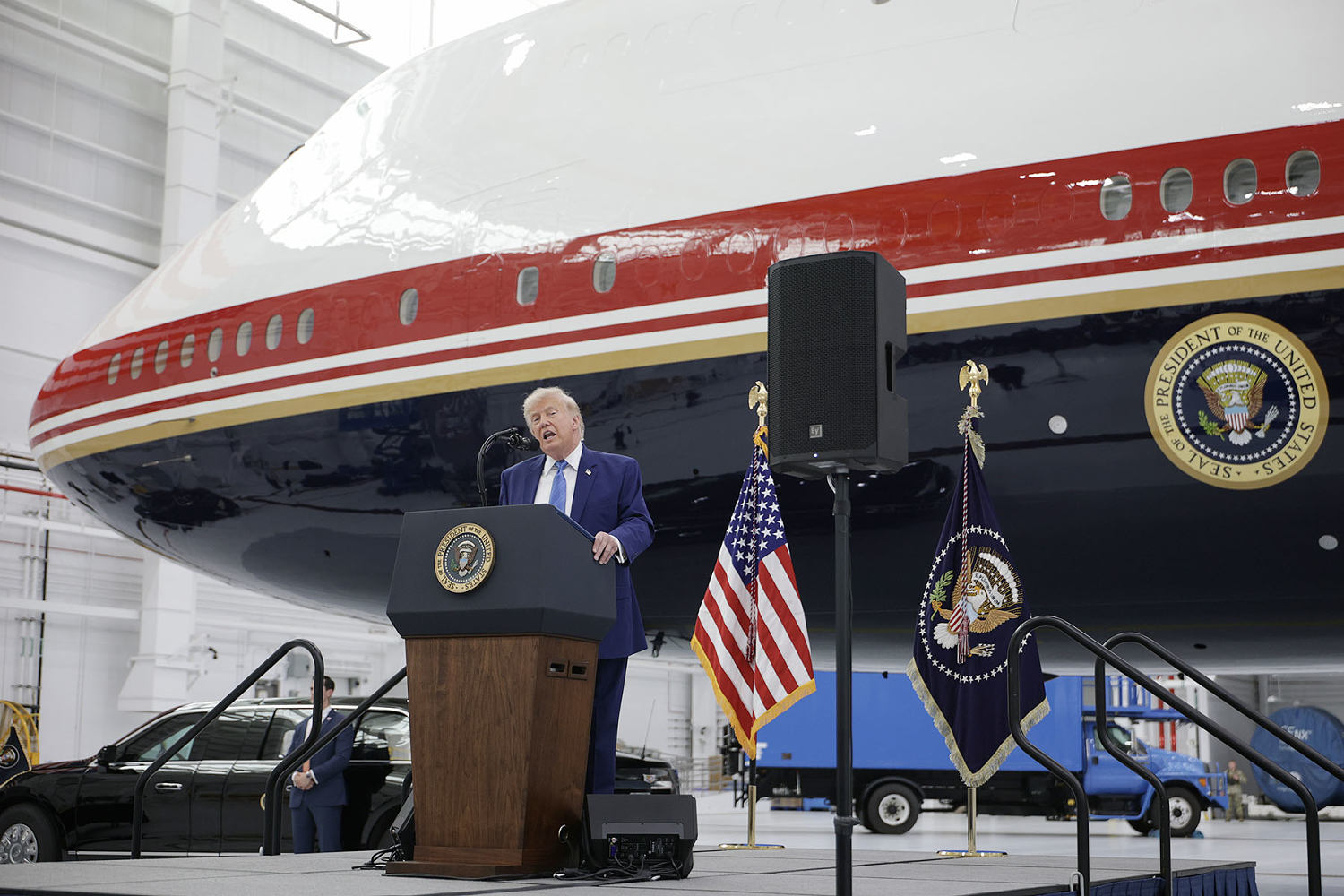
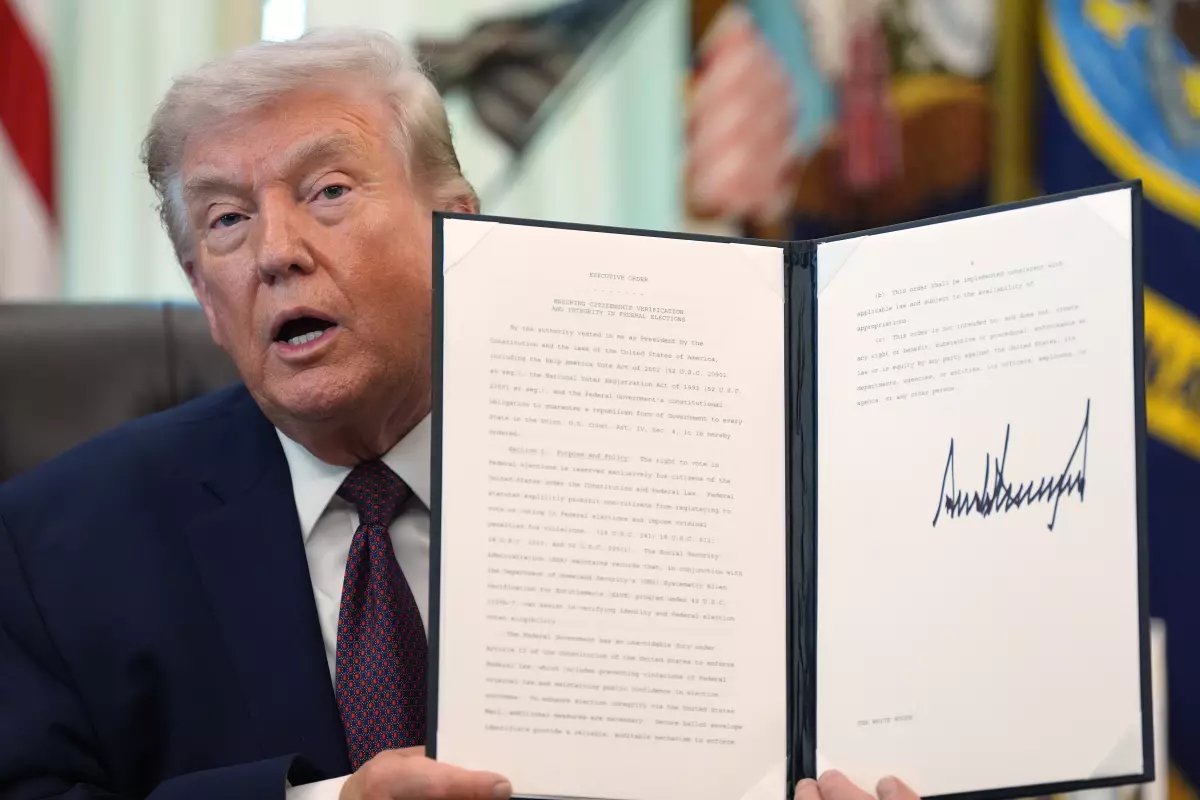
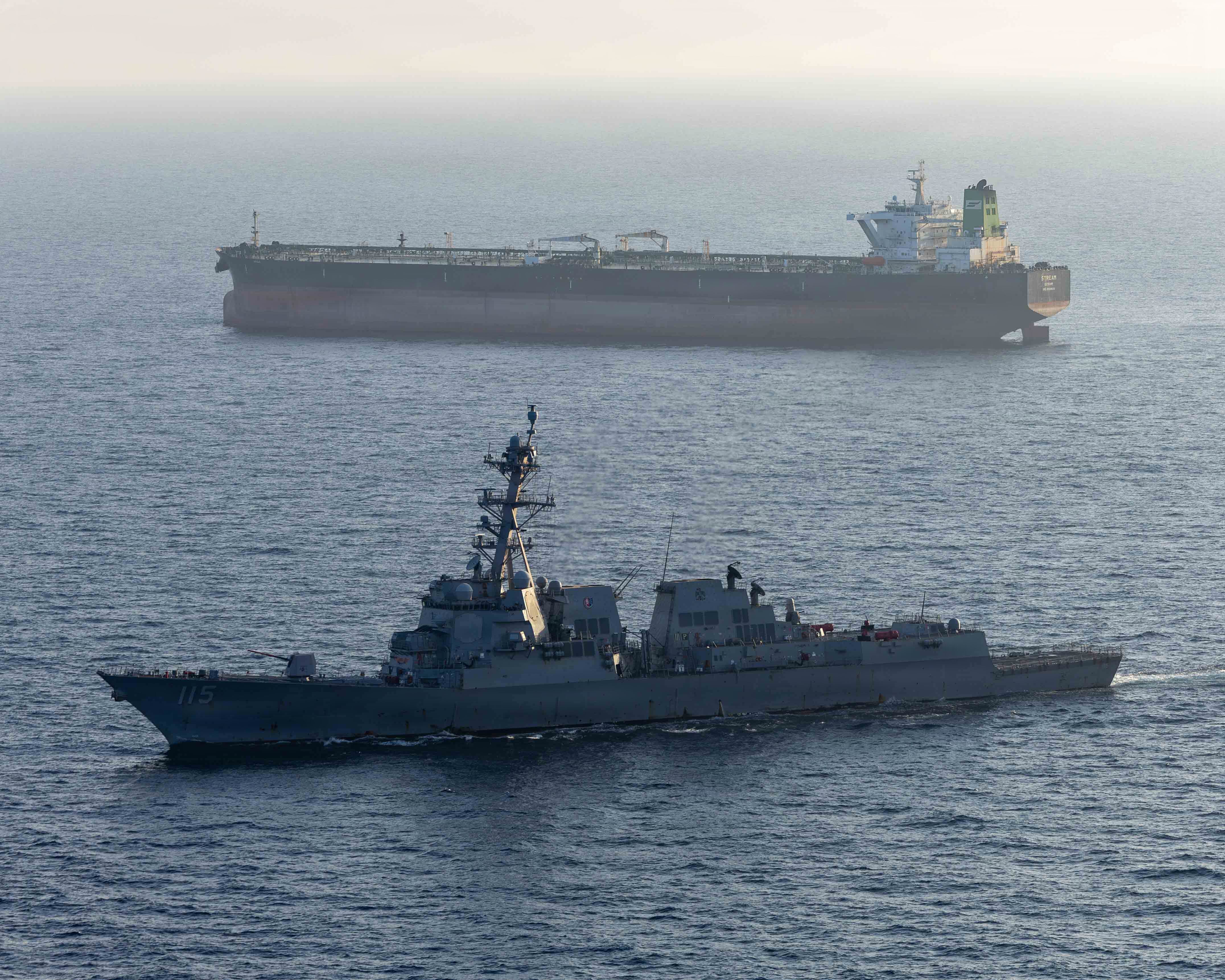
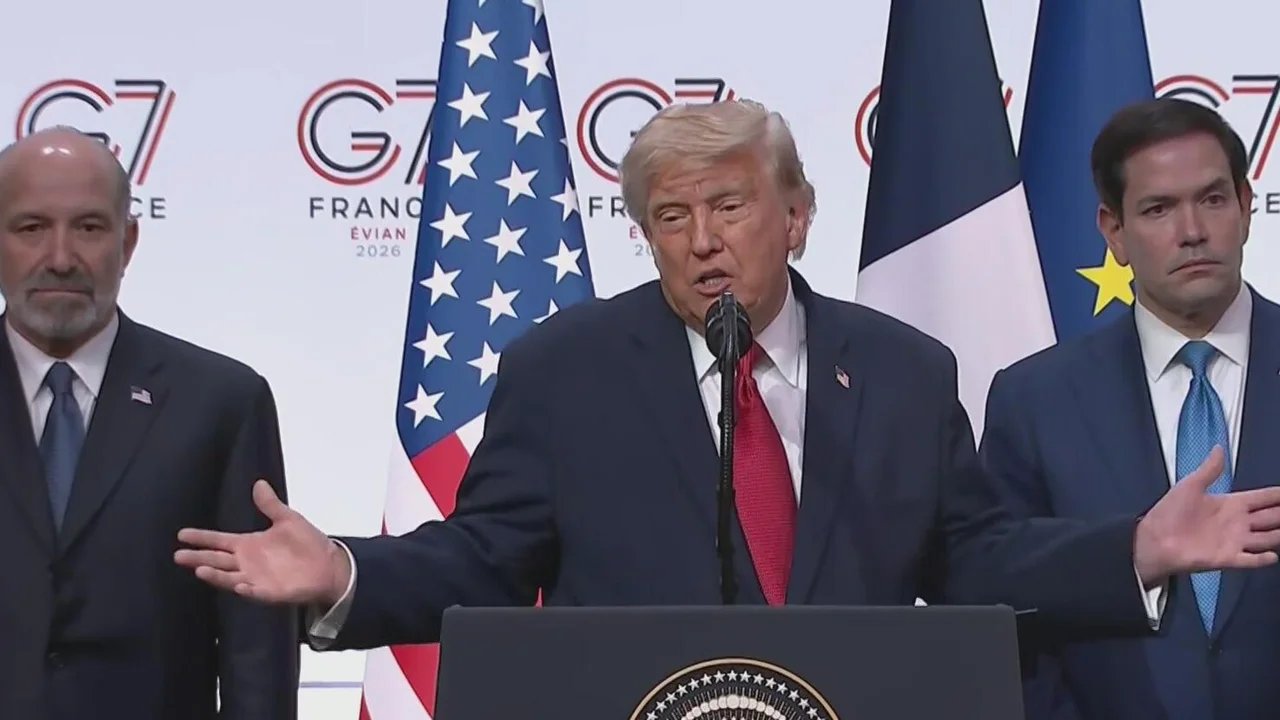
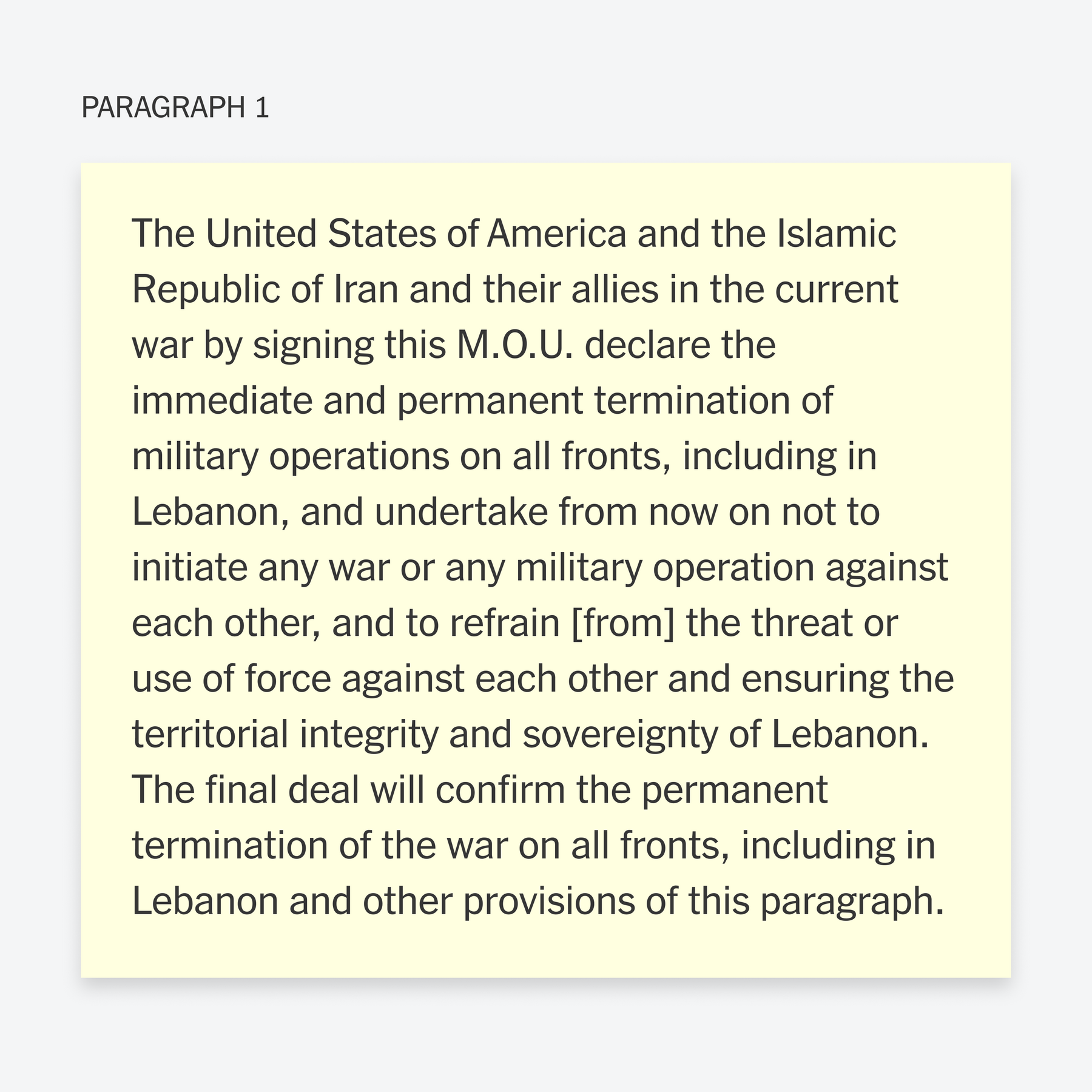
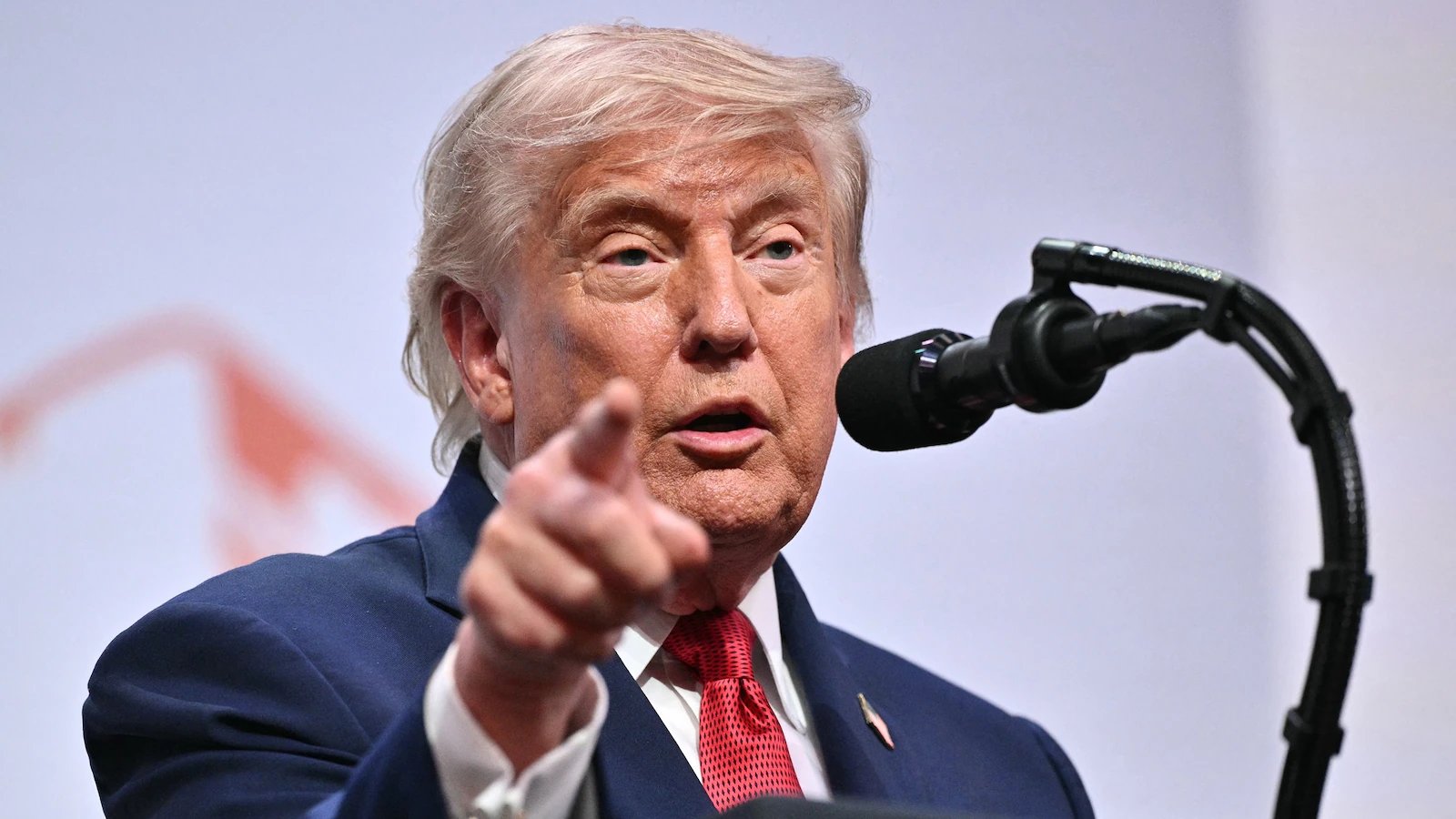
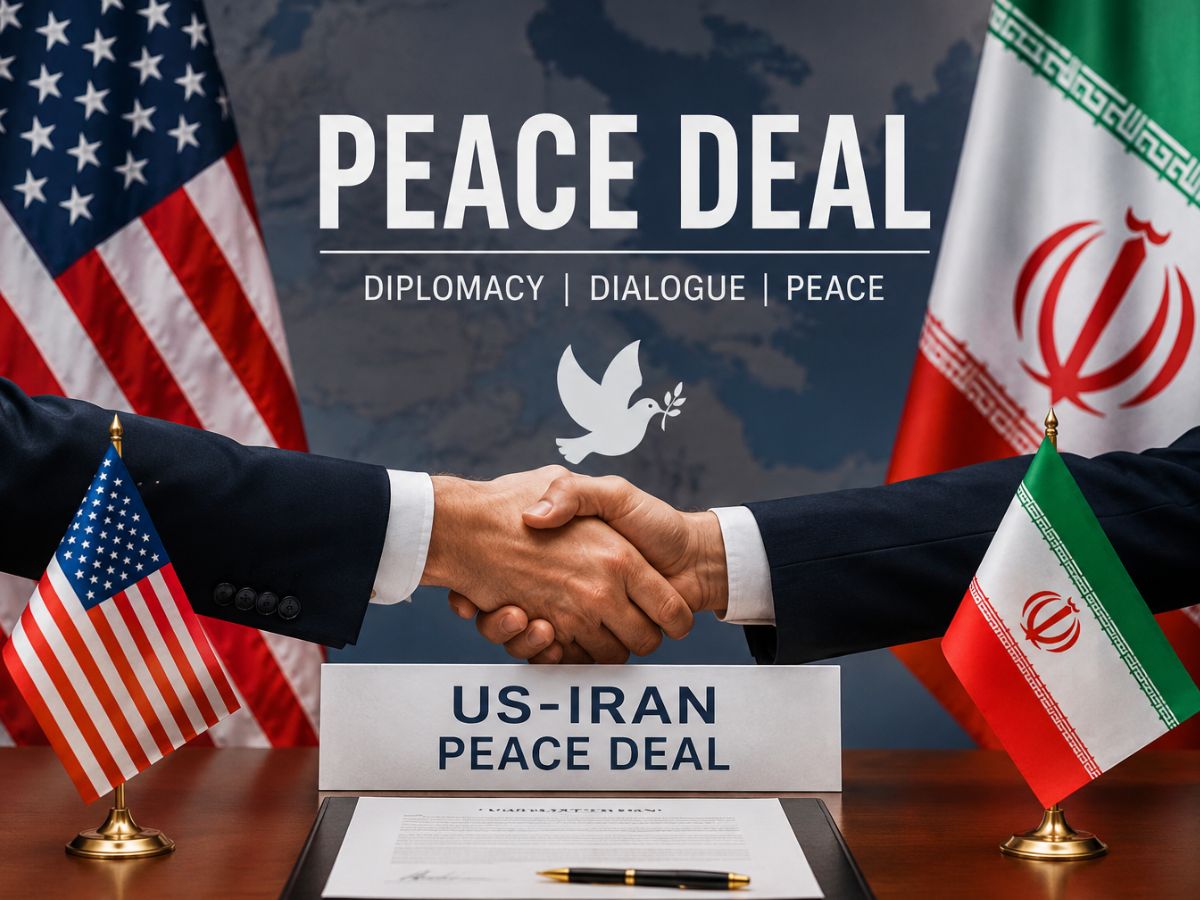
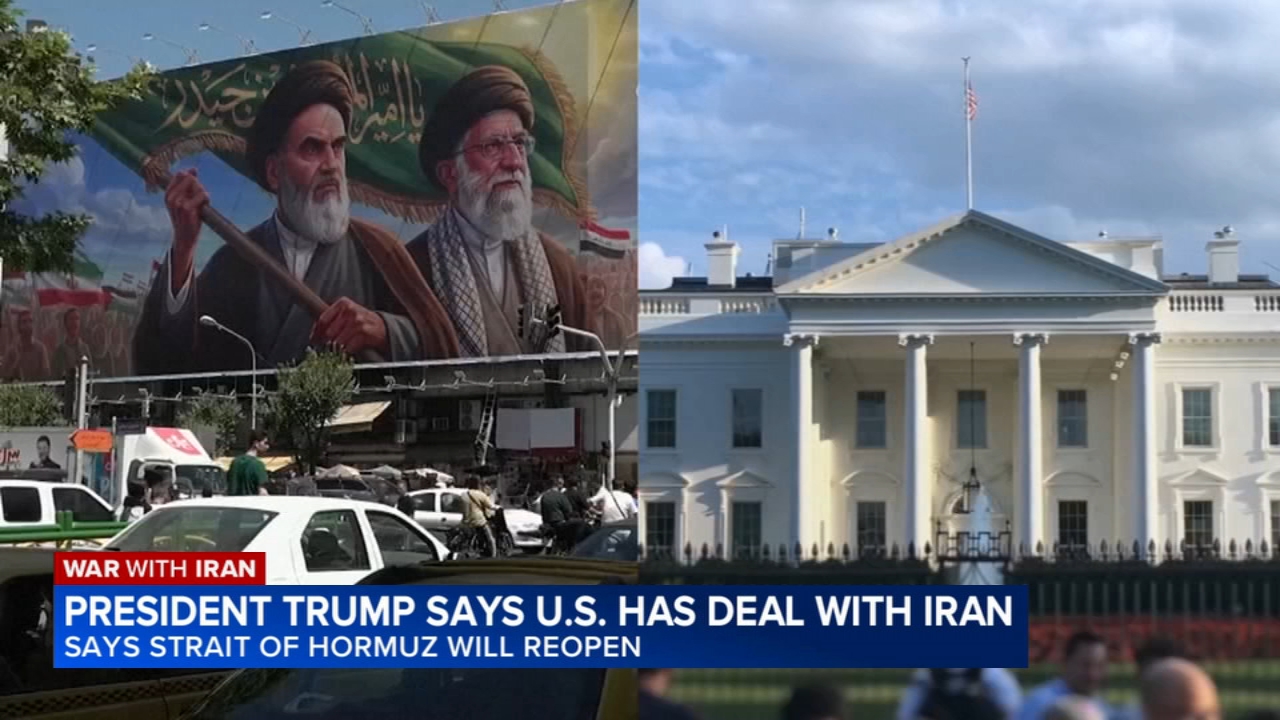
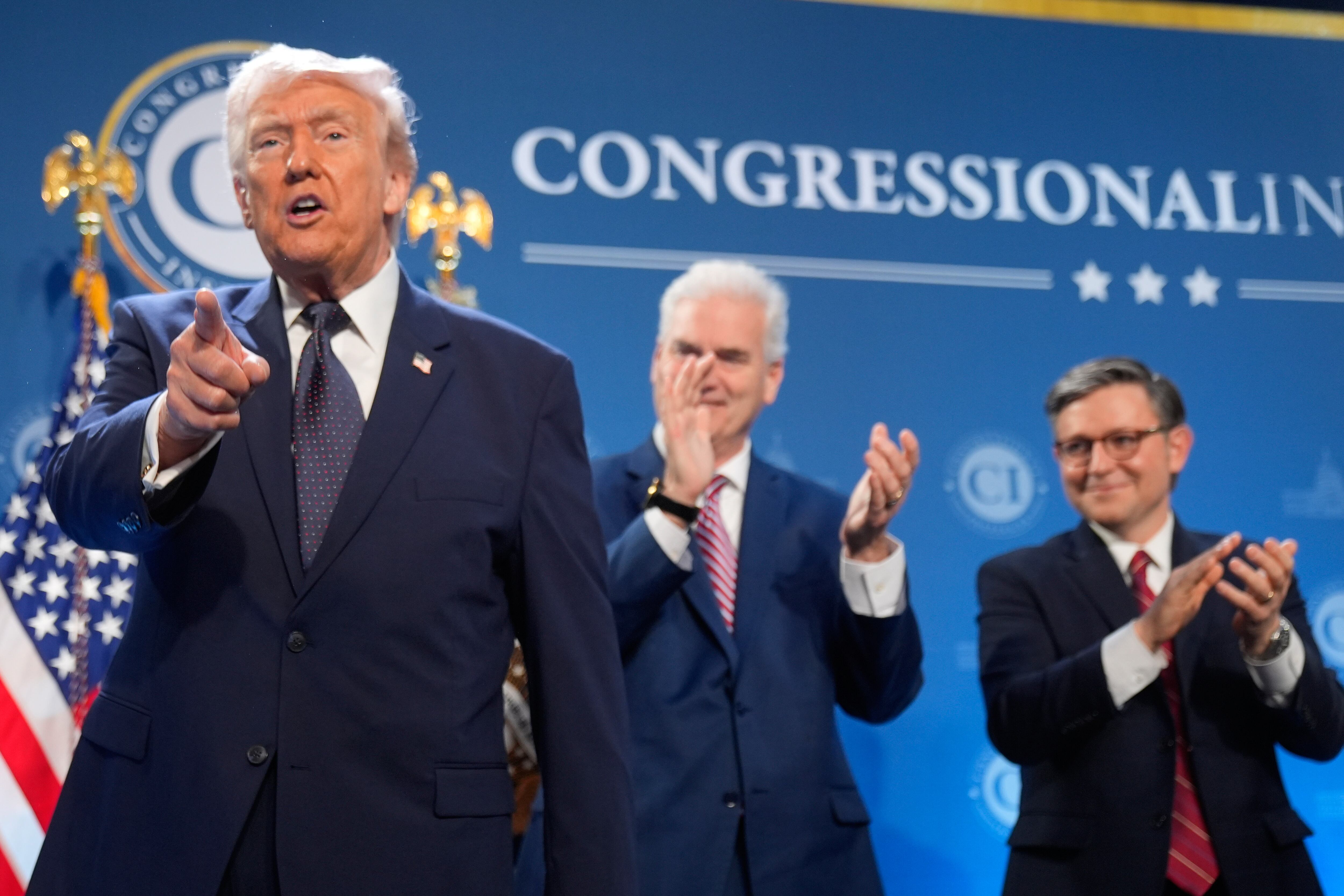
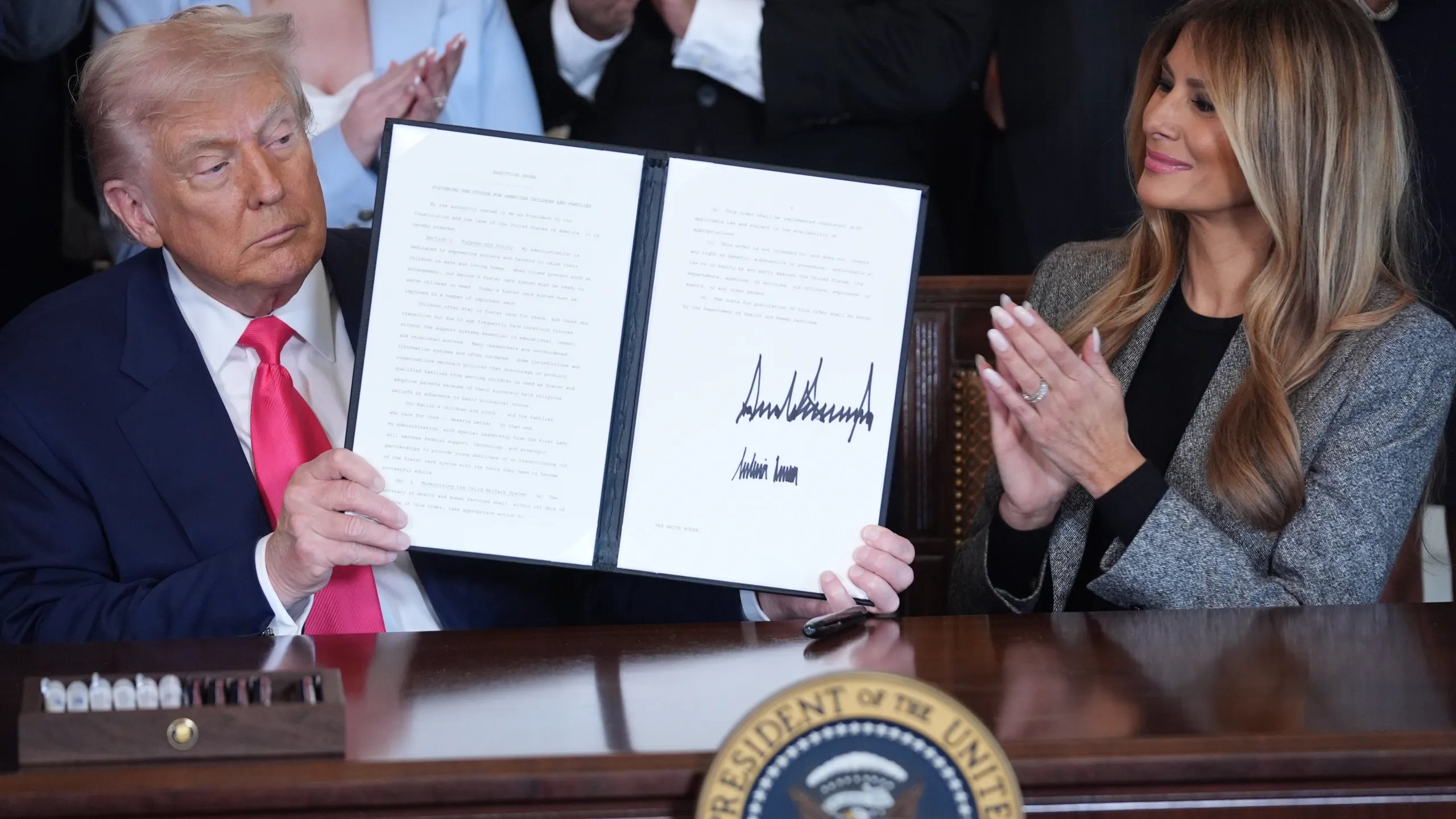
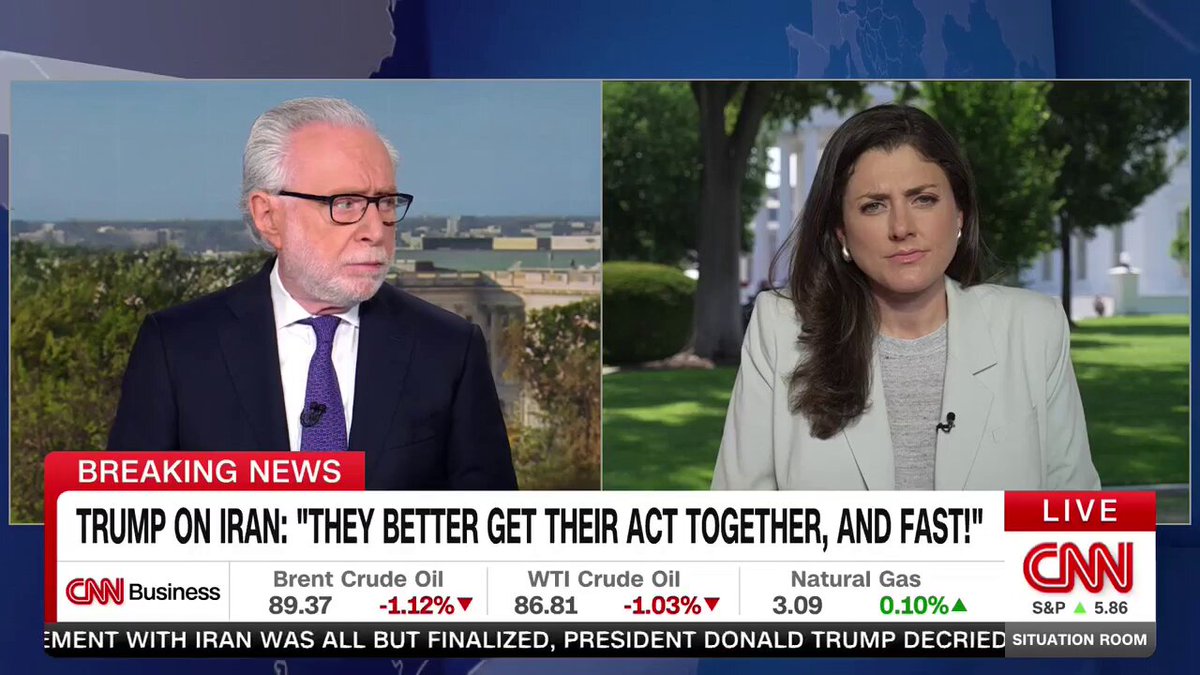
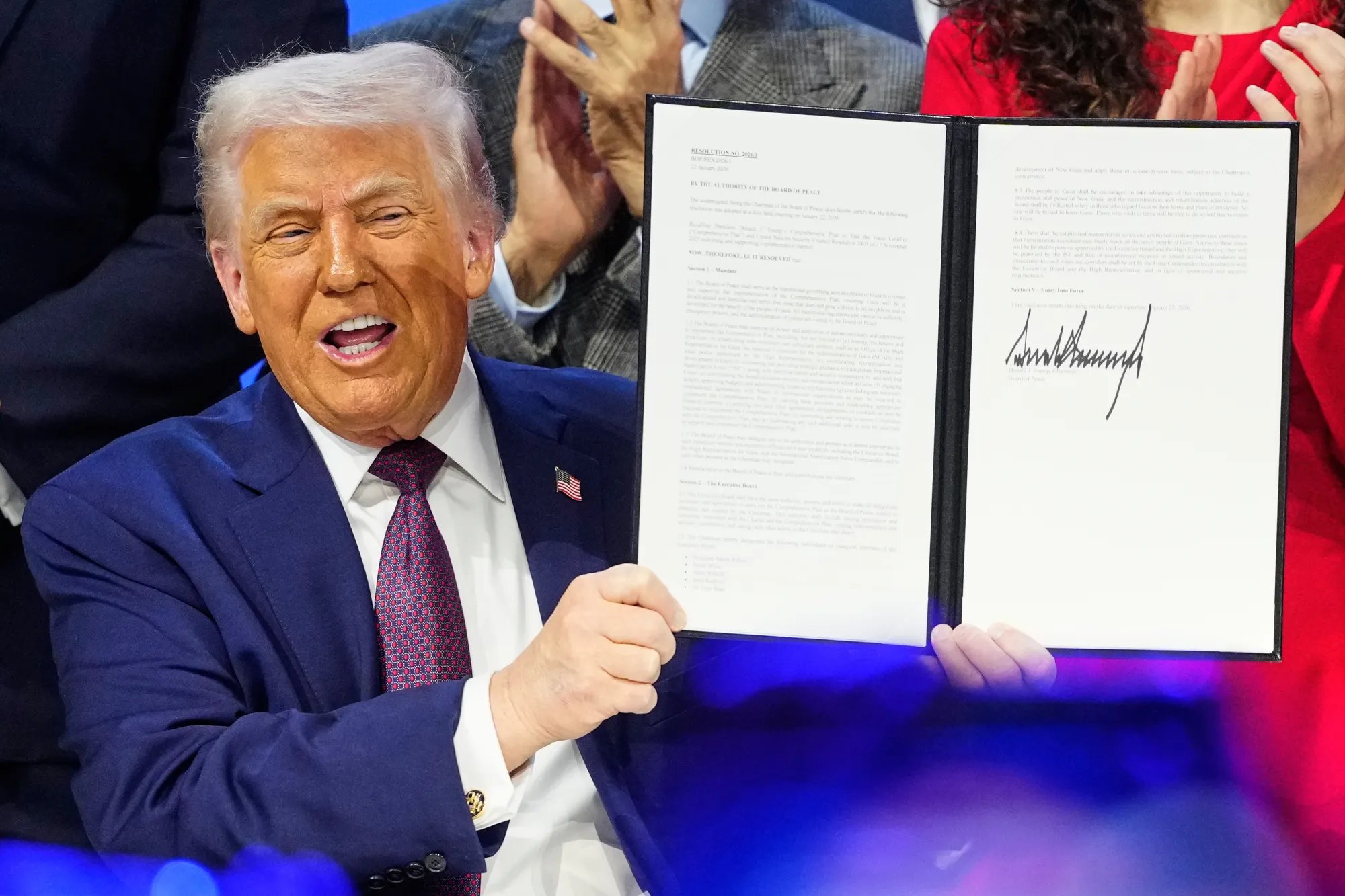
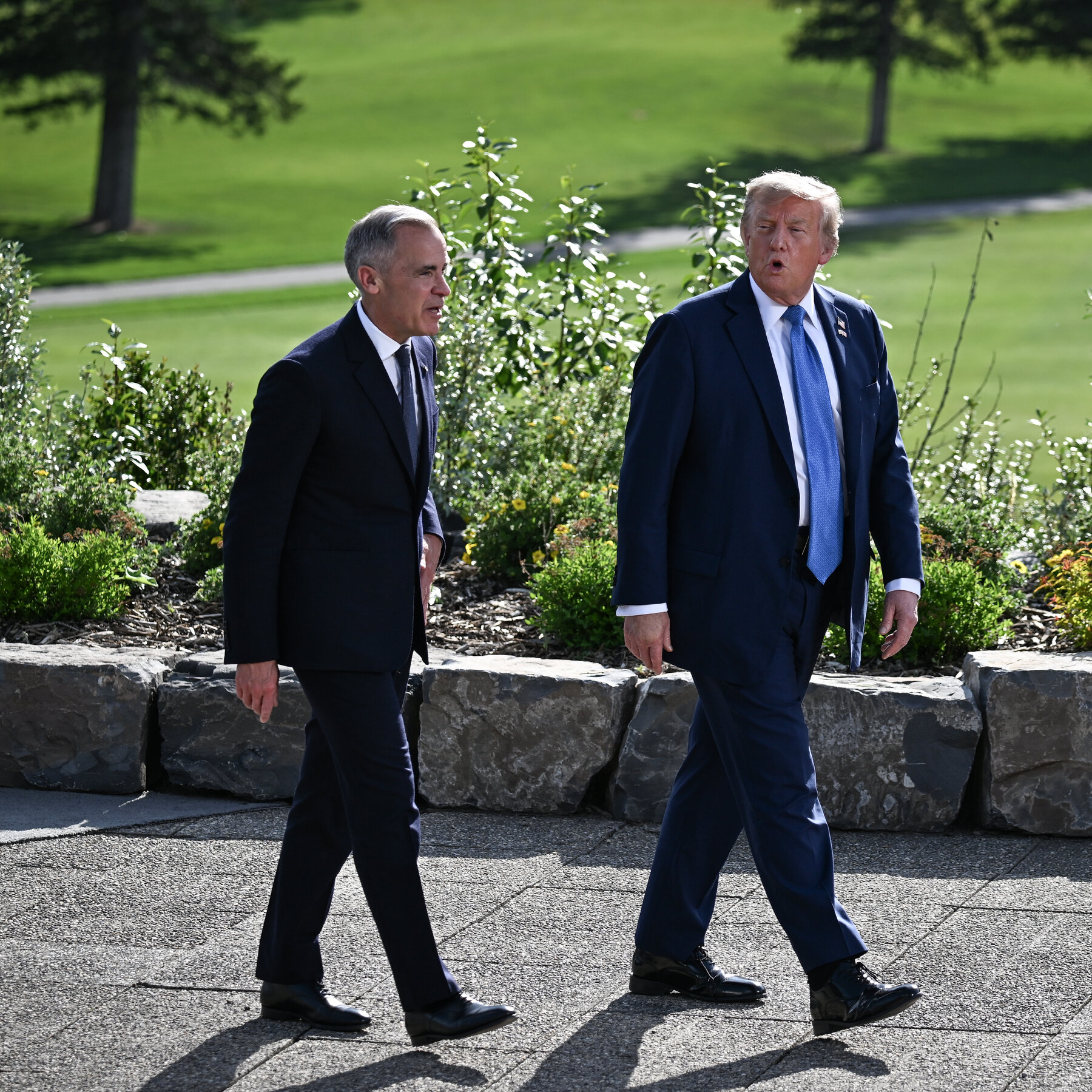
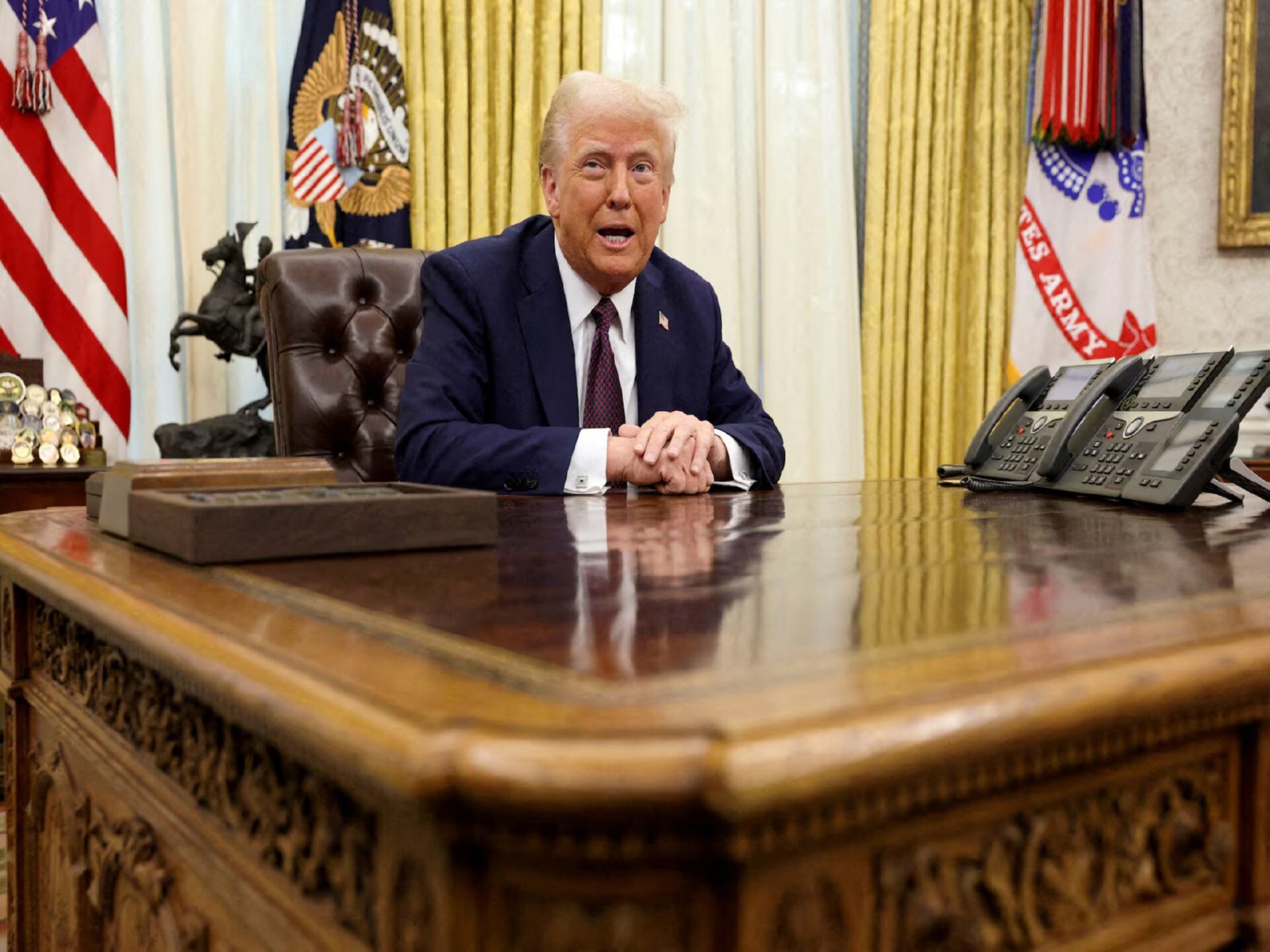
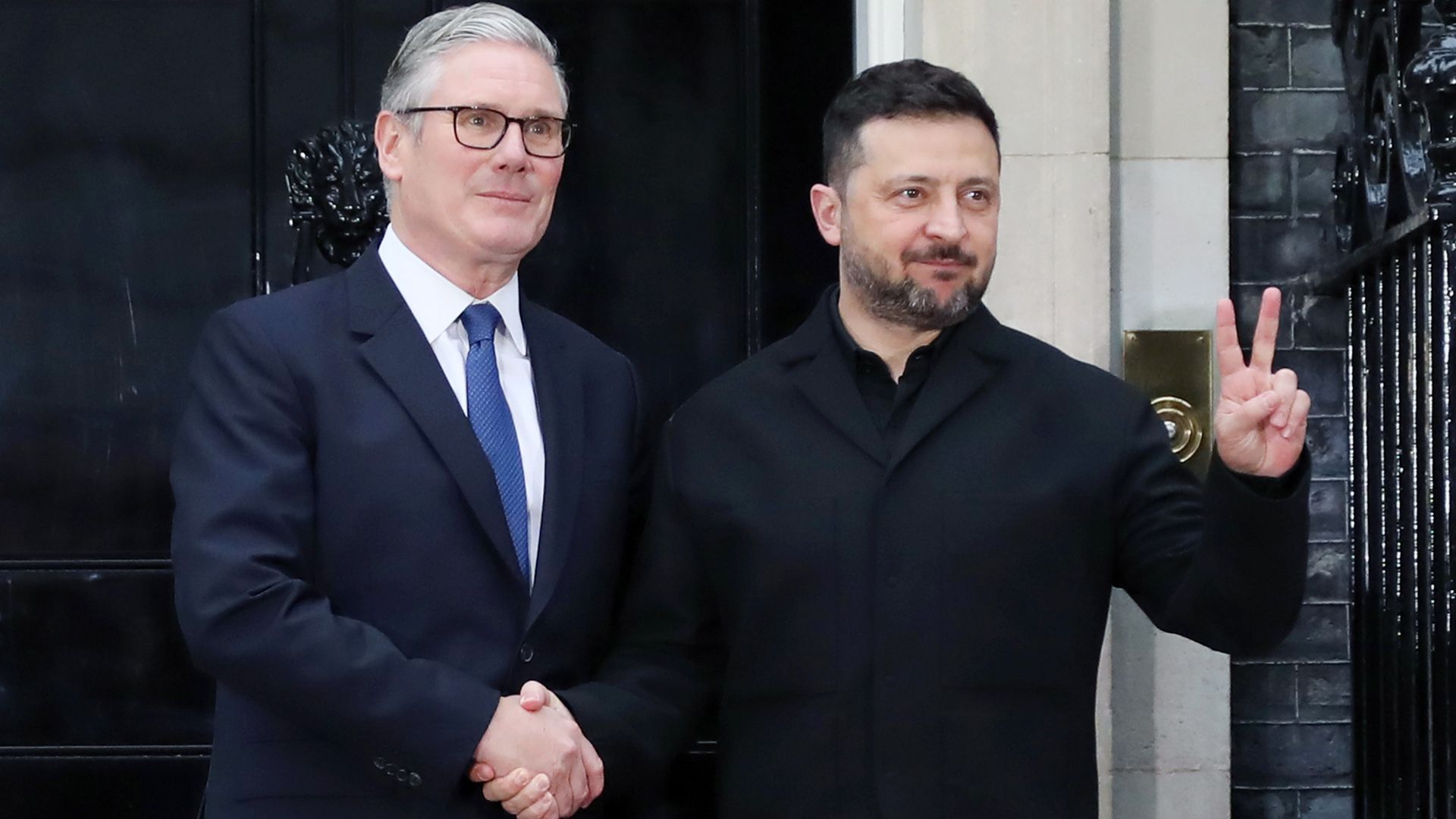
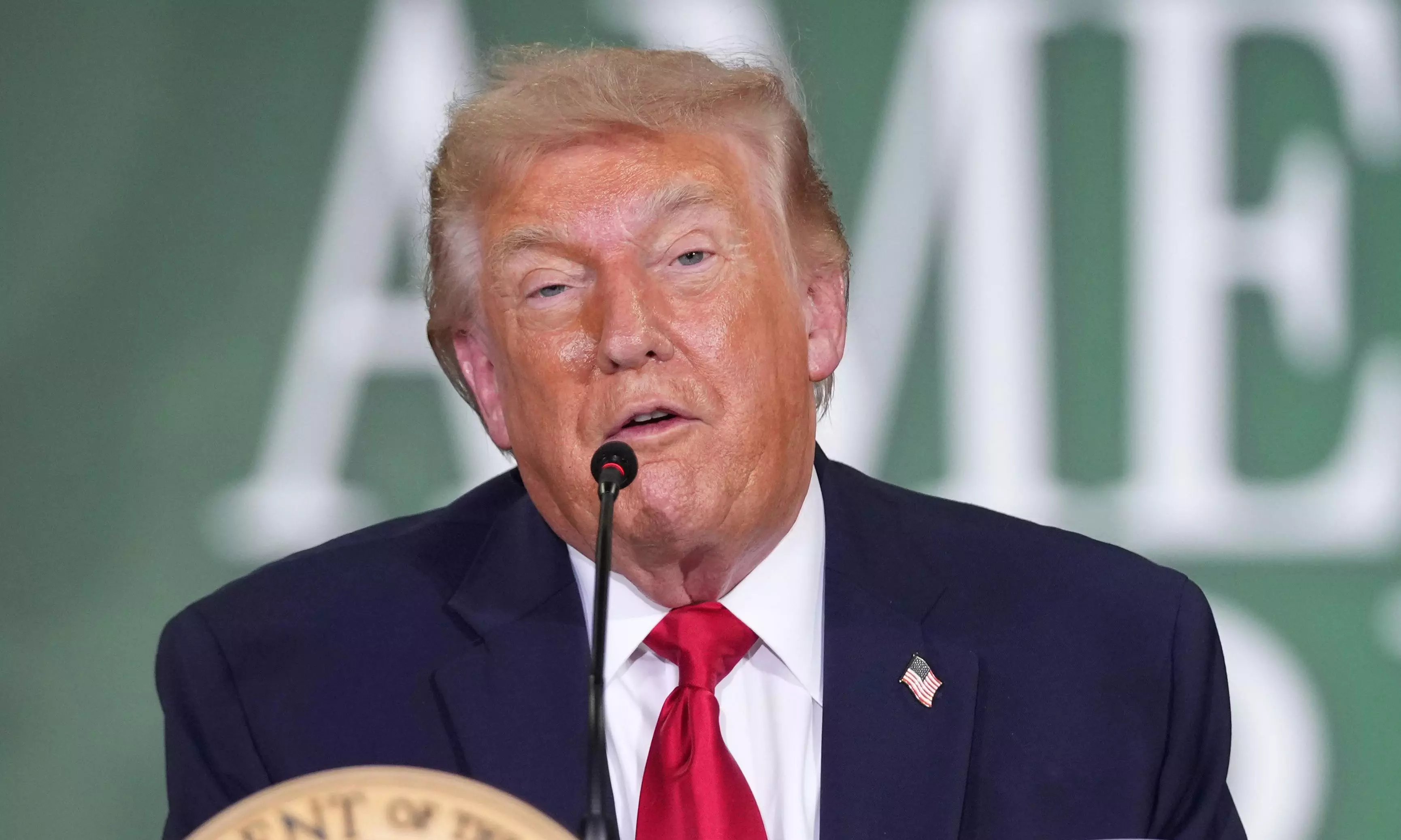
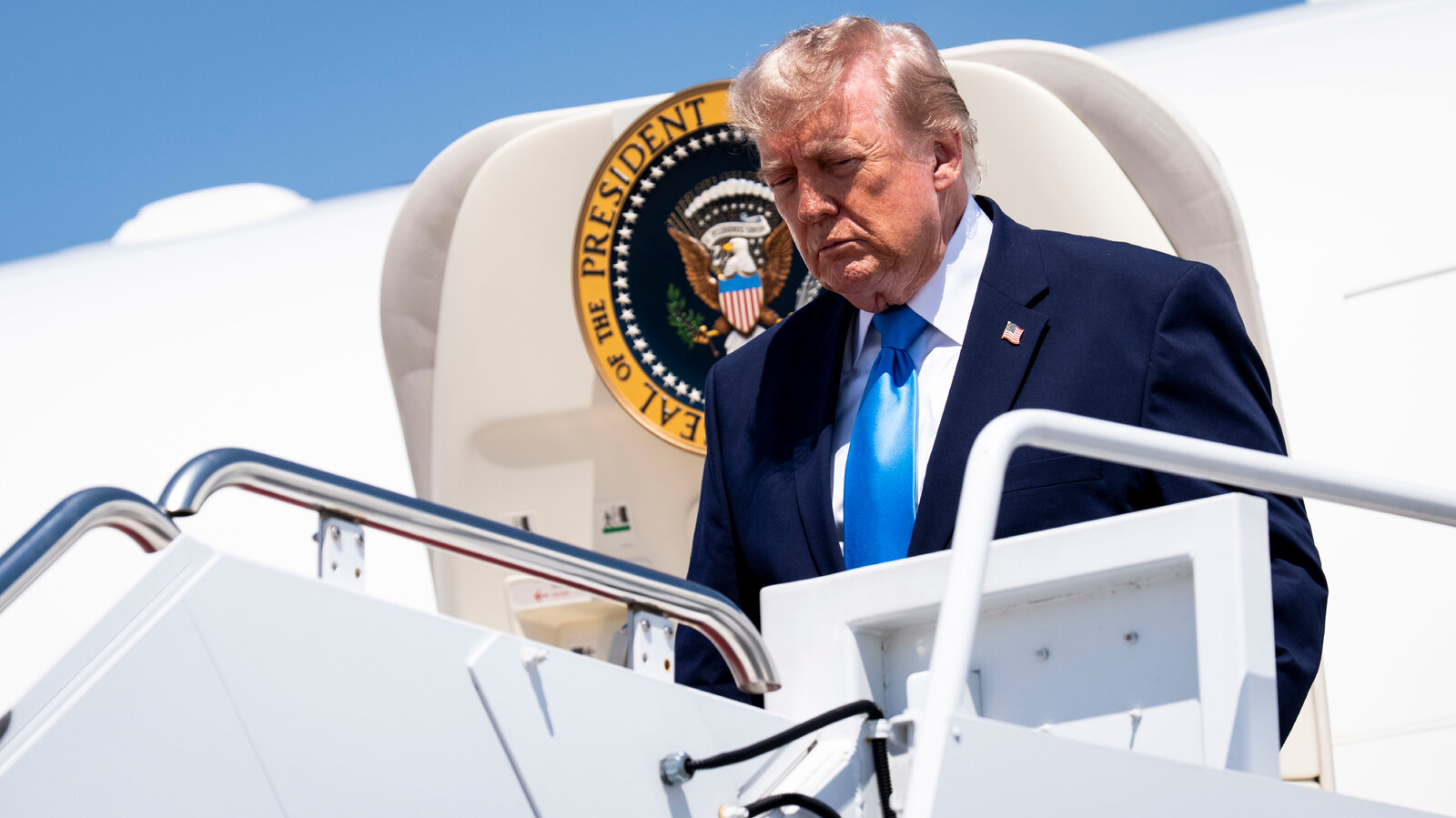
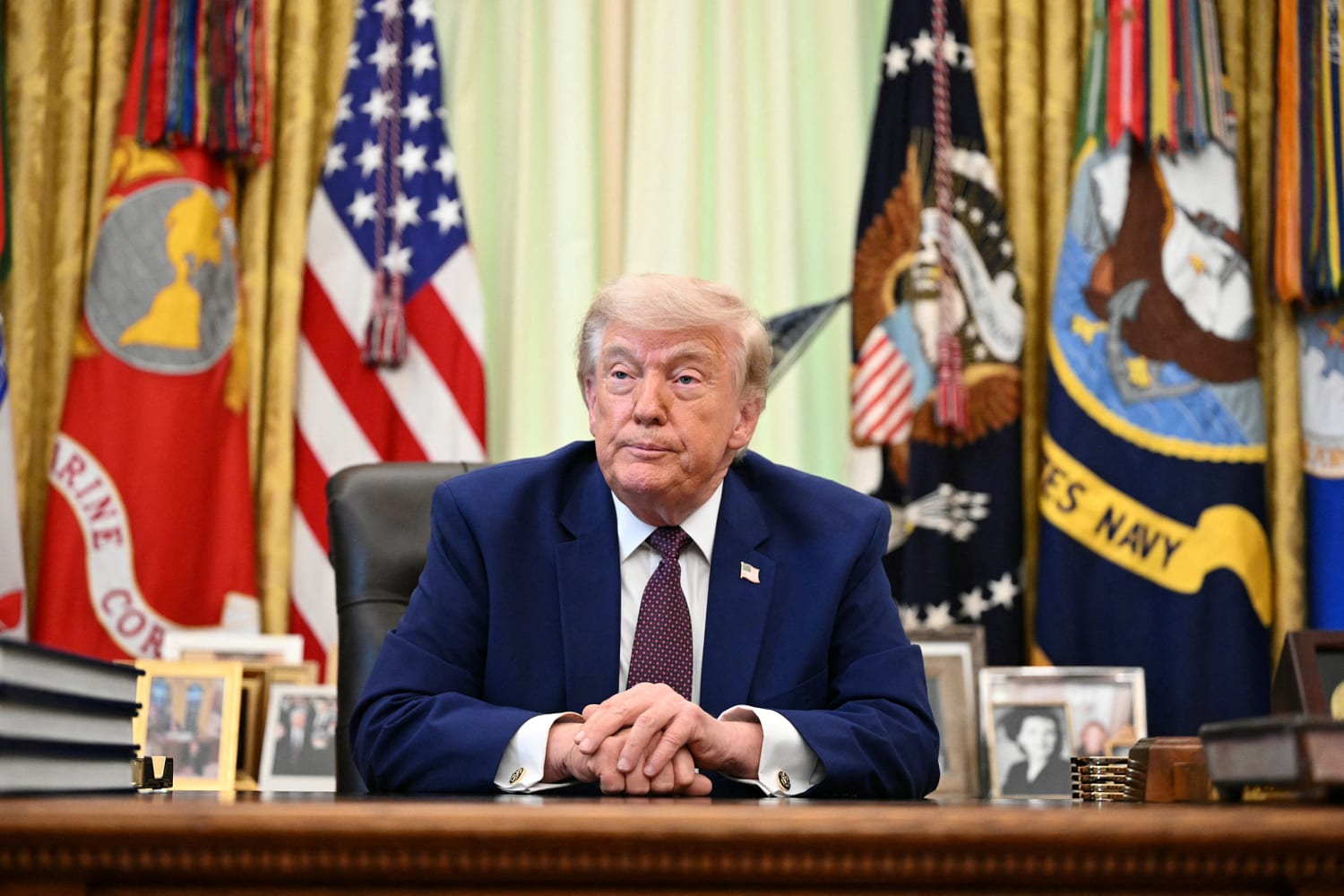
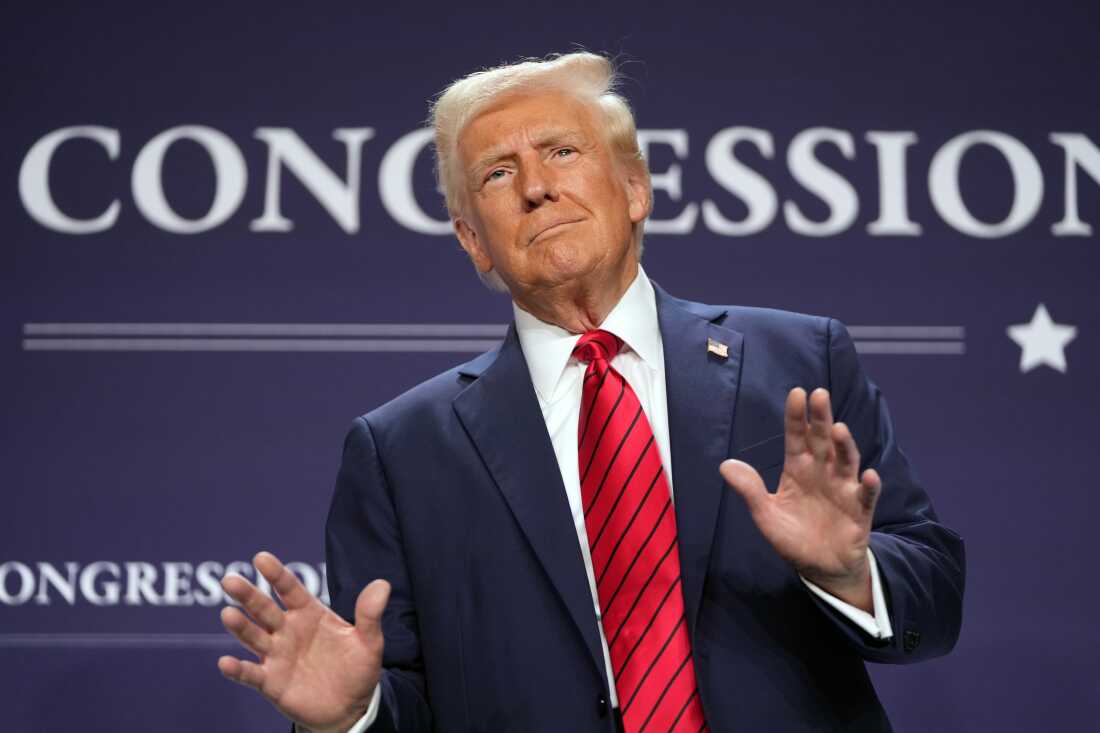
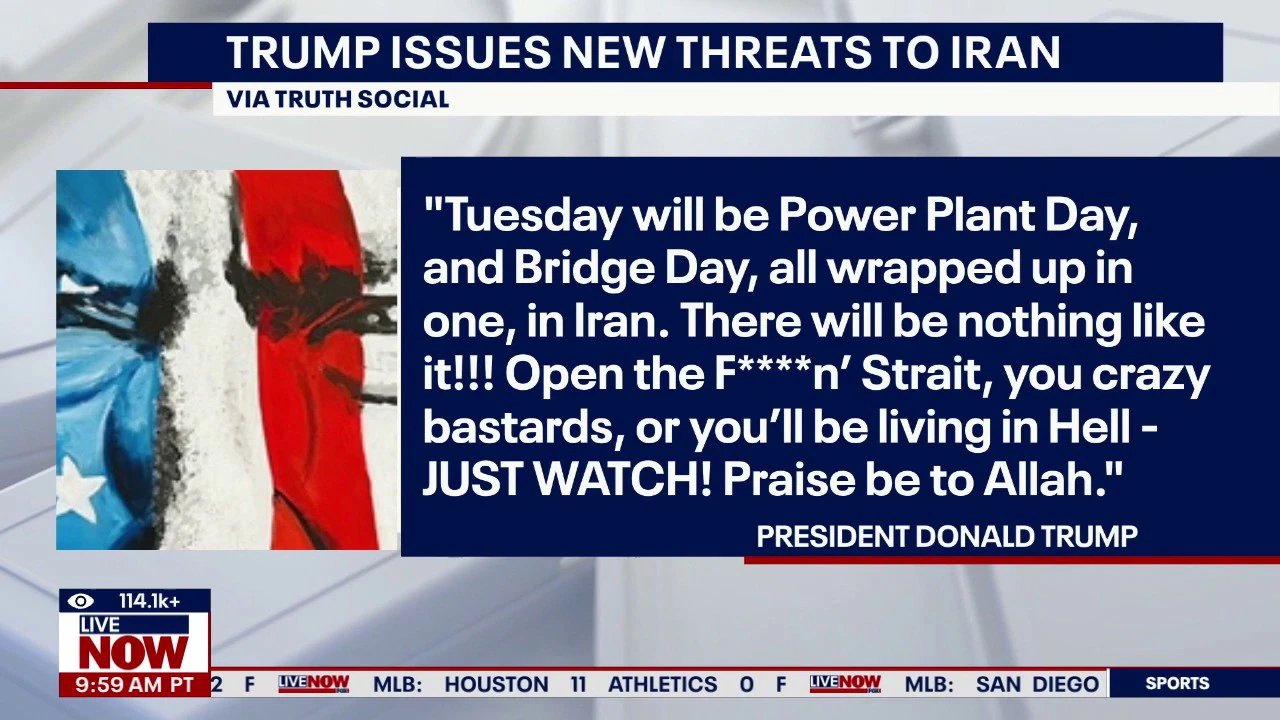
Pakistani Prime Minister Shehbaz Sharif announced on Sunday that the United States and Iran have reached a deal to end hostilities, with an official signing ceremony scheduled for Friday in Switzerland. The memorandum of understanding was expected to be signed electronically on Sunday following mediation by Pakistan and Qatar, though it remained unclear whether that signing had occurred. Trump confirmed the agreement and announced he was lifting the U.S. naval blockade while authorizing Iran to open the Strait of Hormuz. Sharif stated that both sides had declared "the immediate and permanent termination of military operations on all fronts, including in Lebanon."
What the deal requires
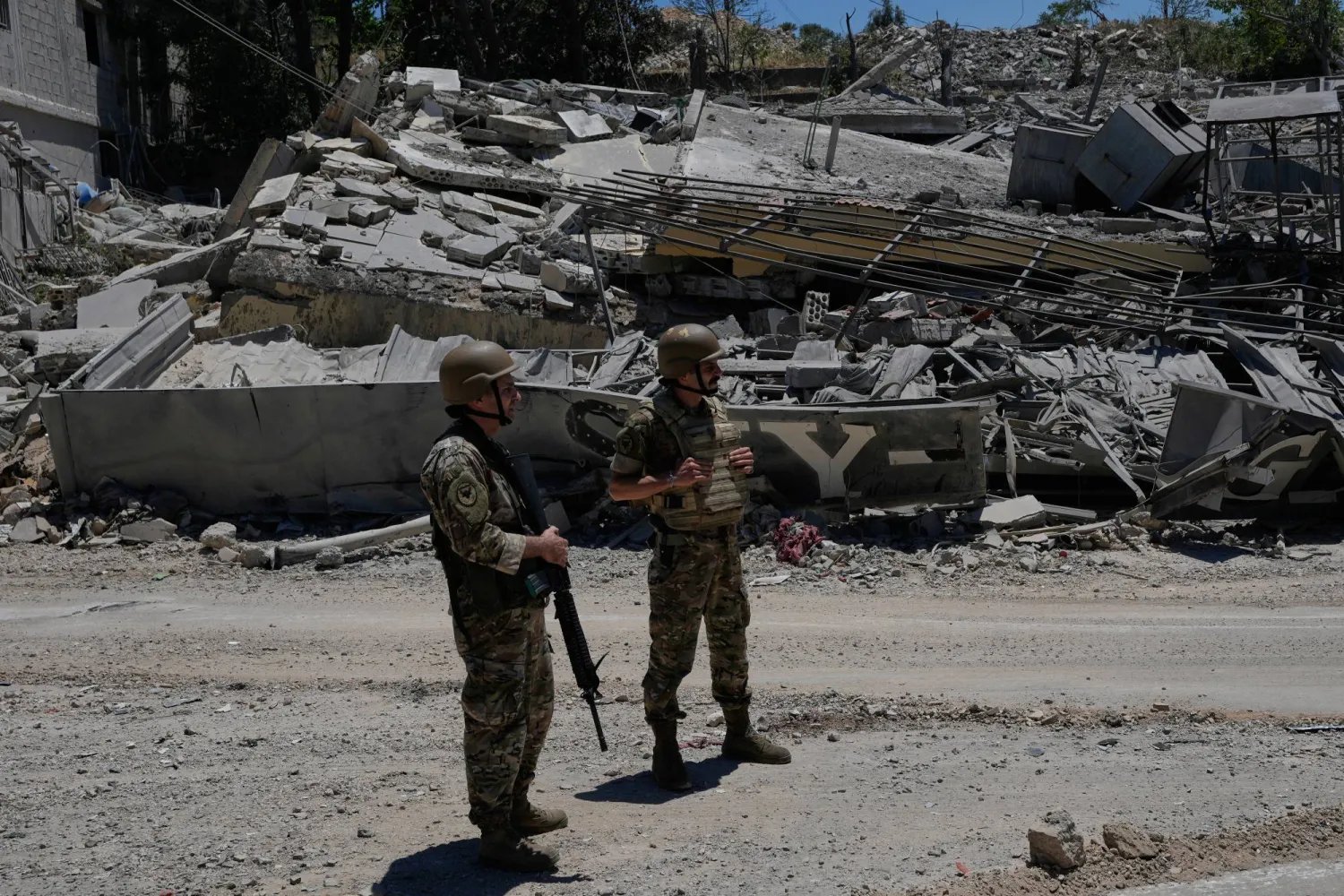
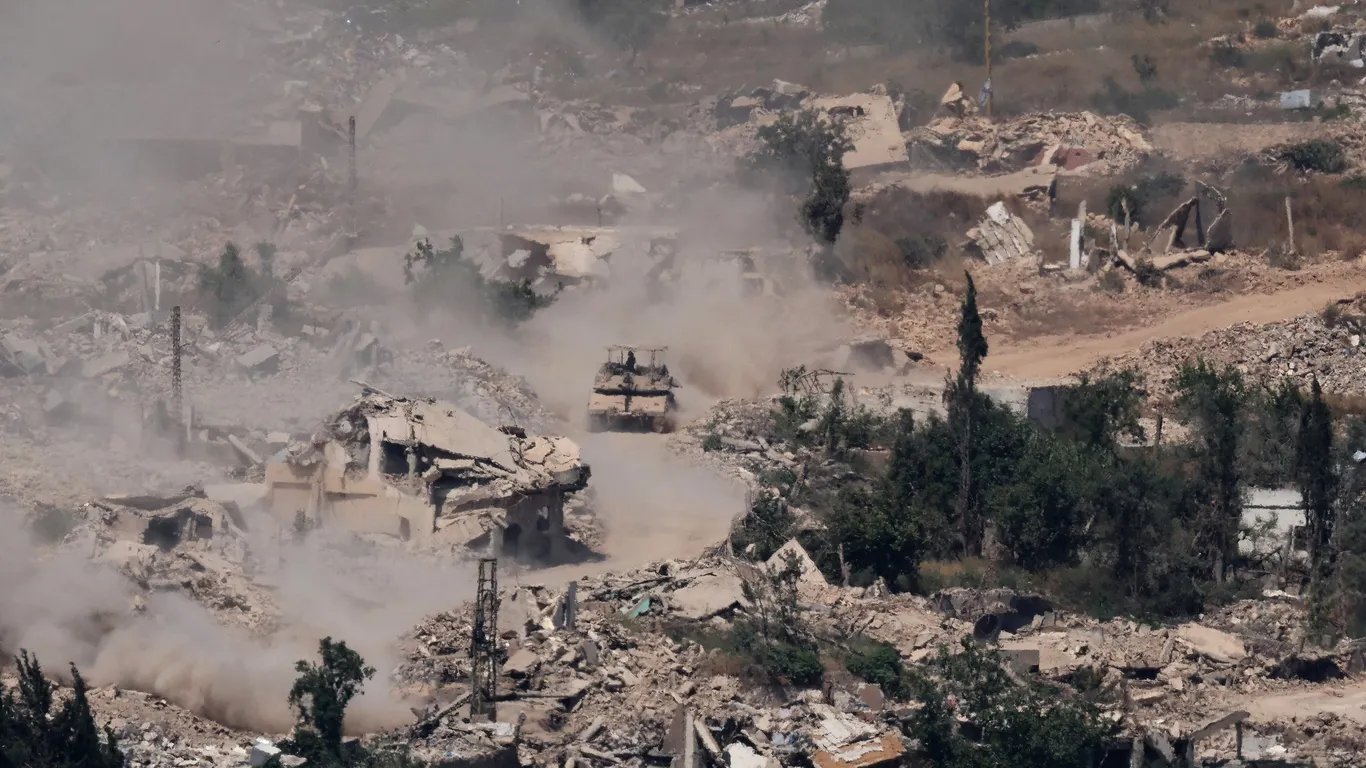
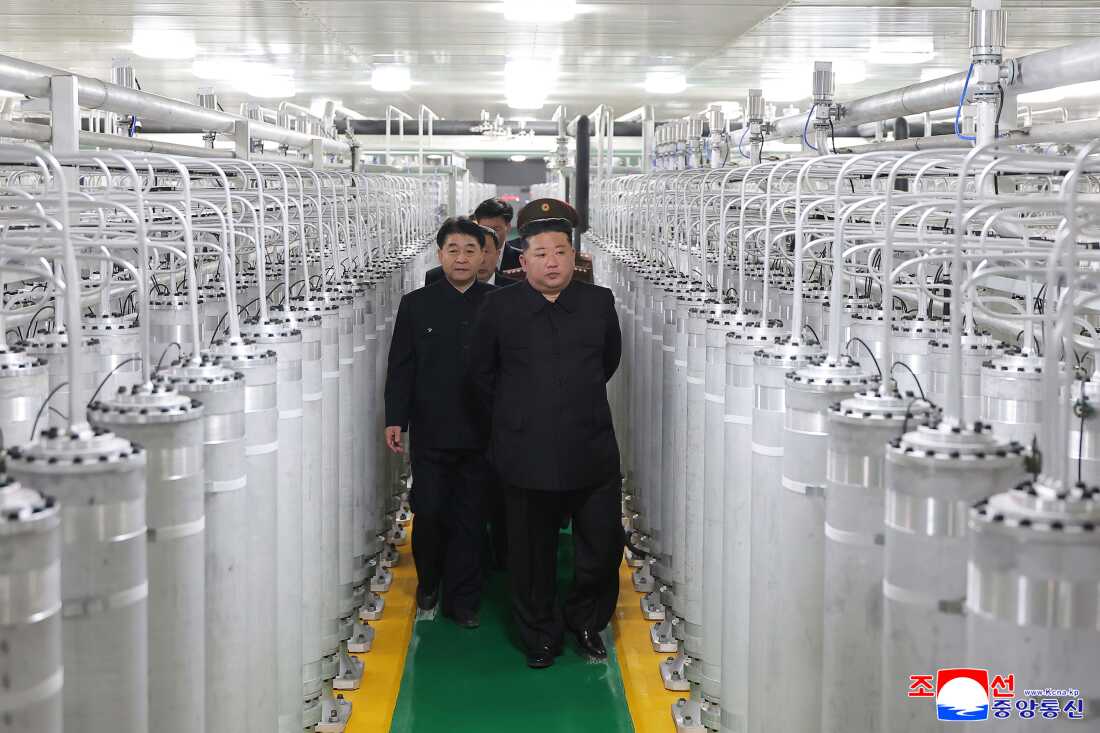
The agreement extends a ceasefire for 60 days and commits both nations to negotiate over Iran's nuclear enrichment and the disposal of its highly enriched uranium during that window. The U.S. will discuss sanctions relief and the release of frozen Iranian funds, with relief expected to be tied to Iran's compliance. The ceasefire includes fighting between Israel and Hezbollah in Lebanon, which had flared up again on Sunday.
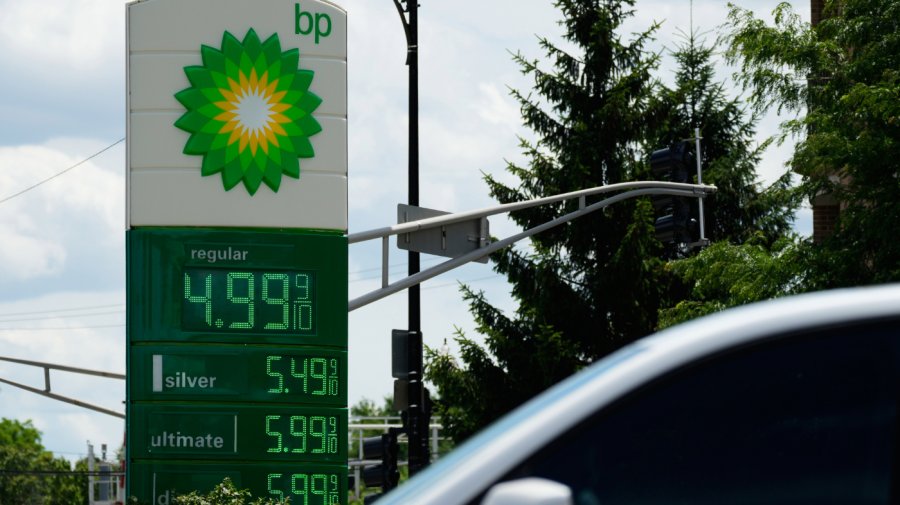
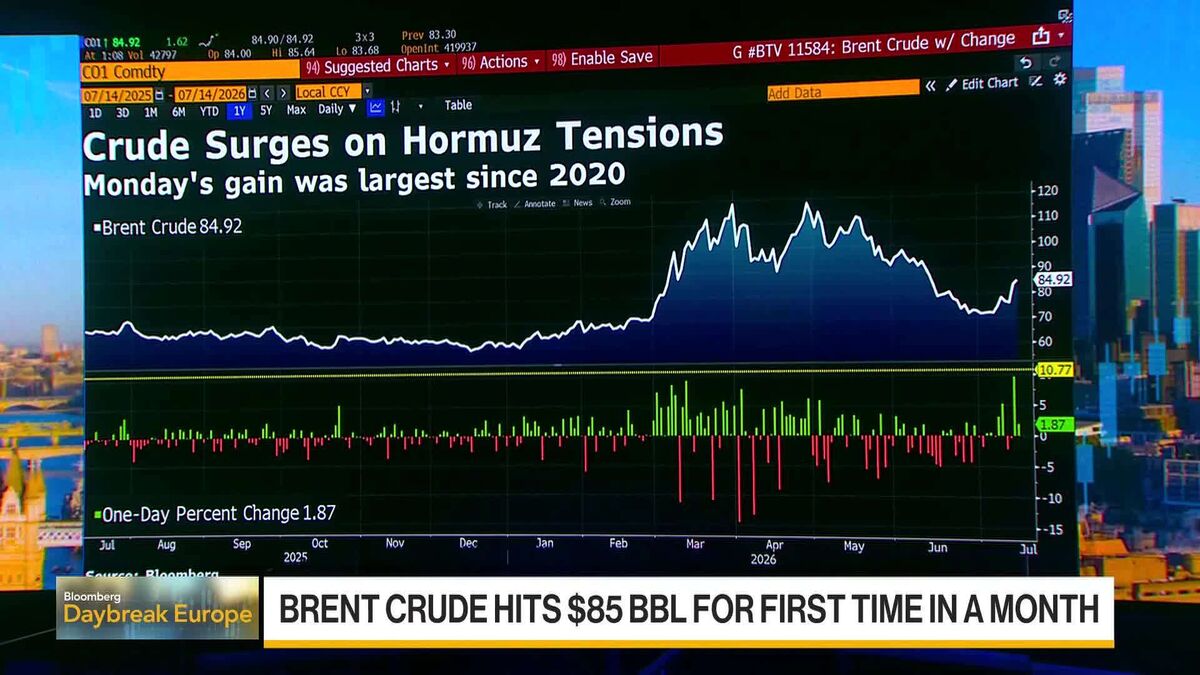
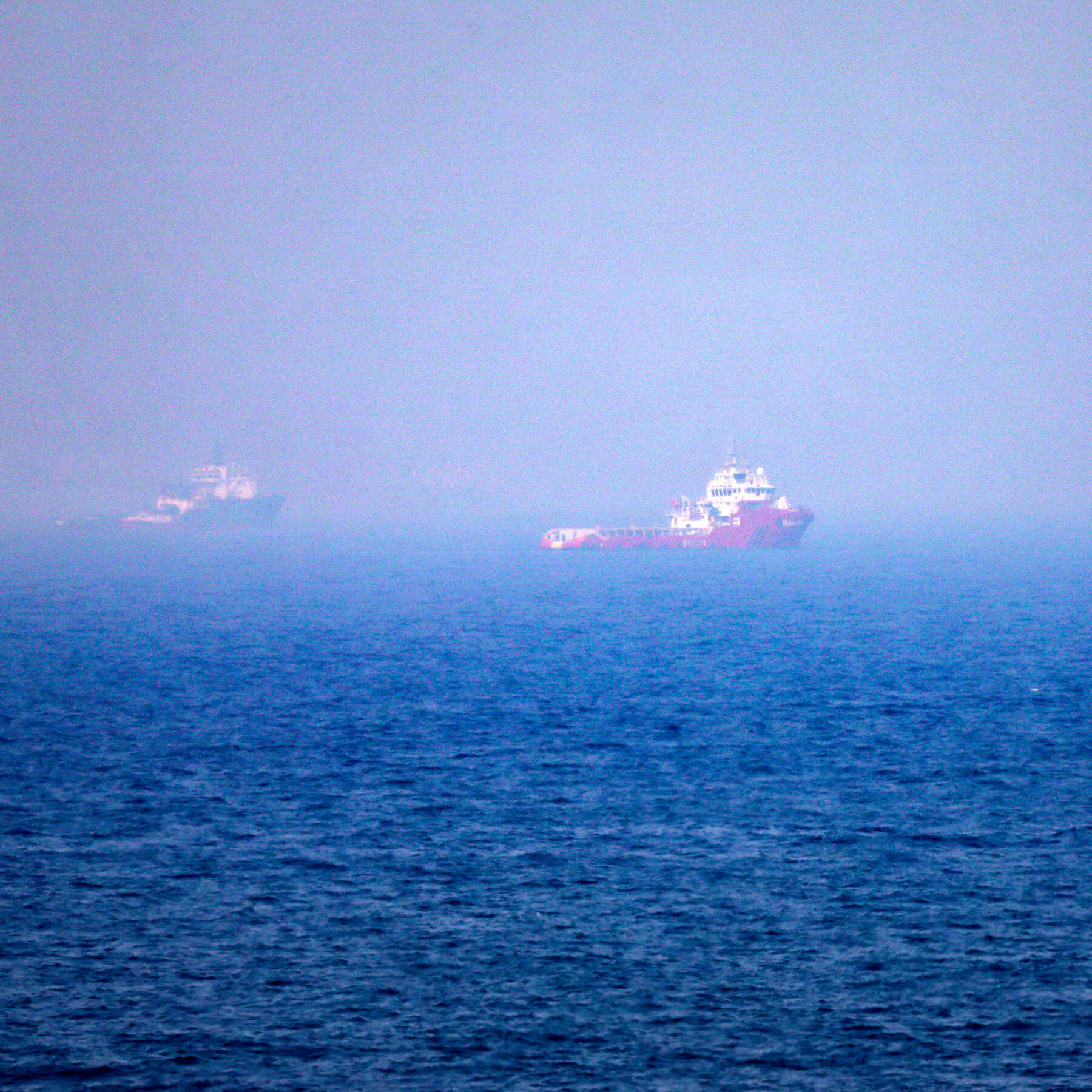
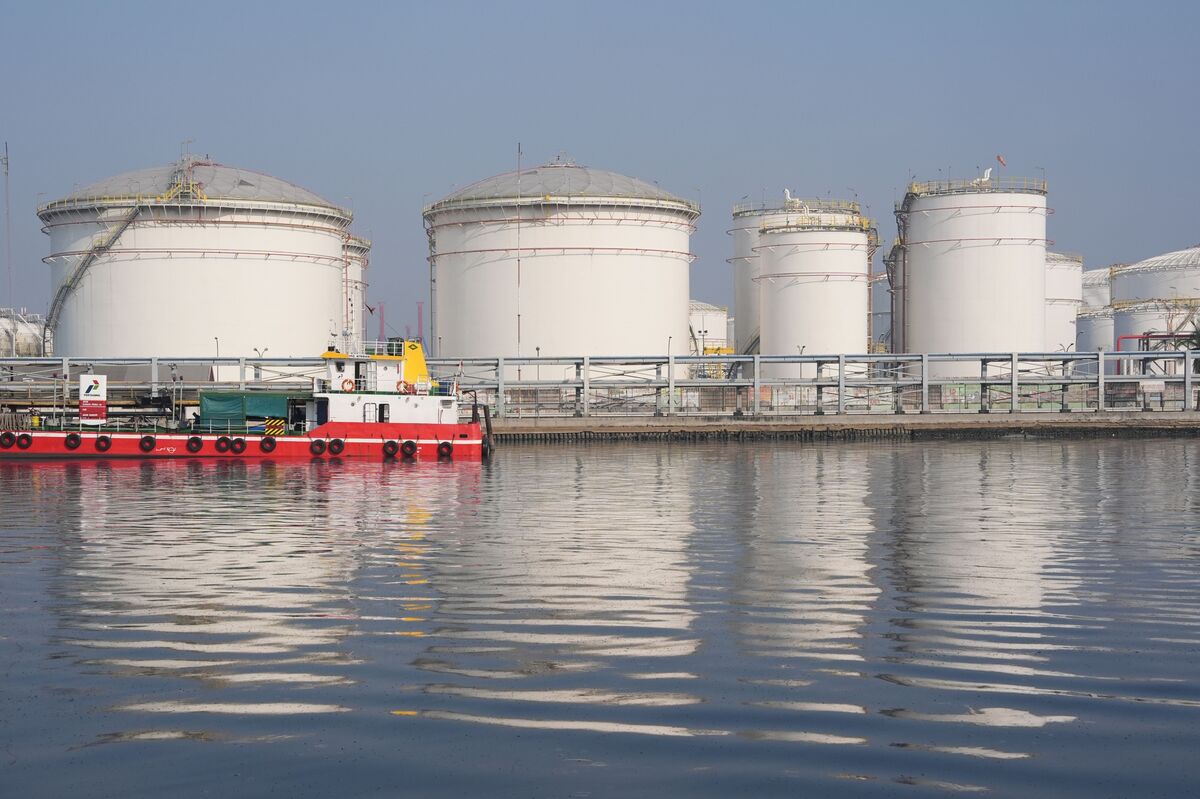
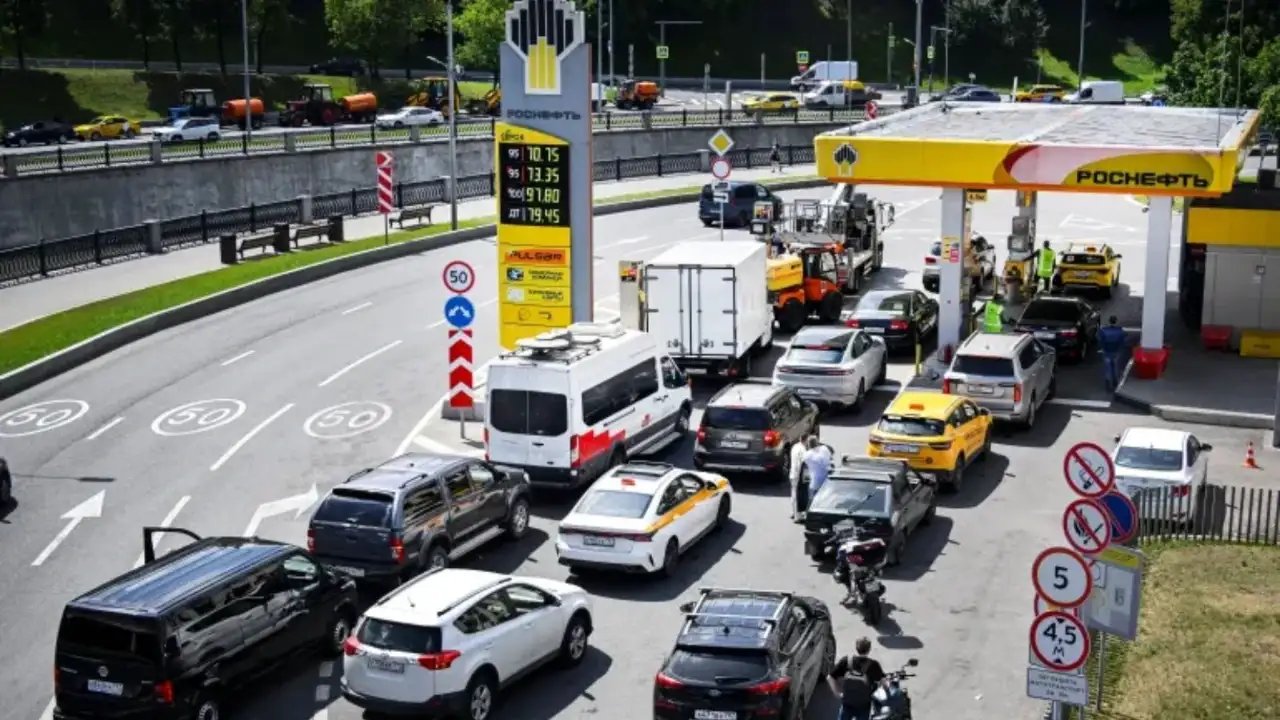
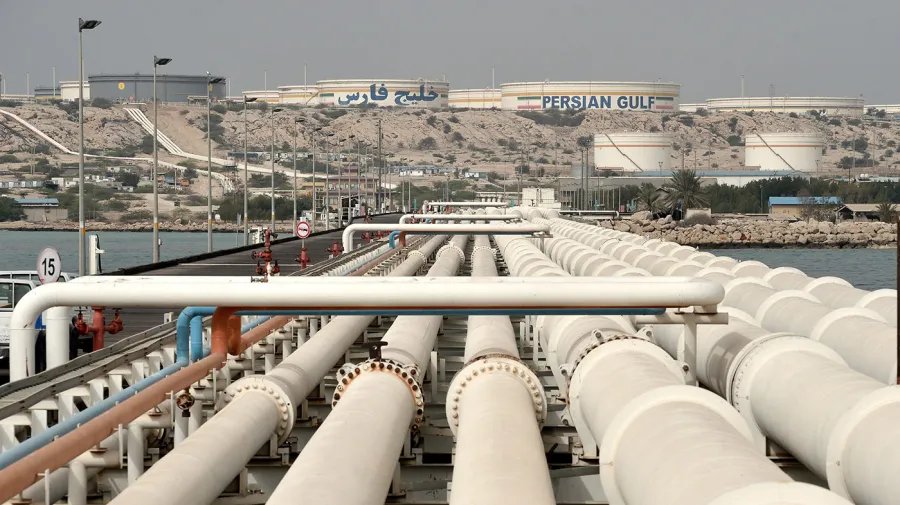
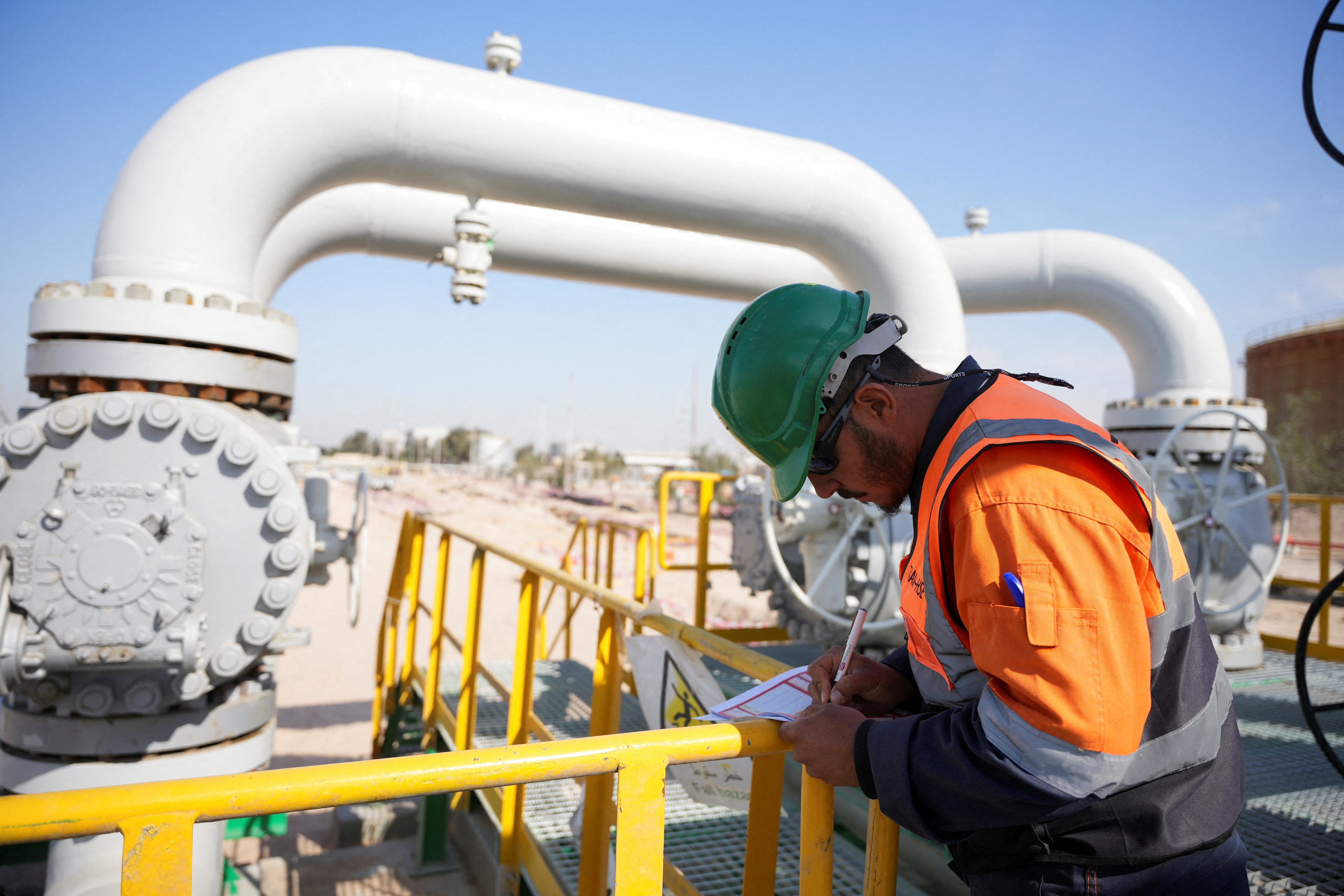
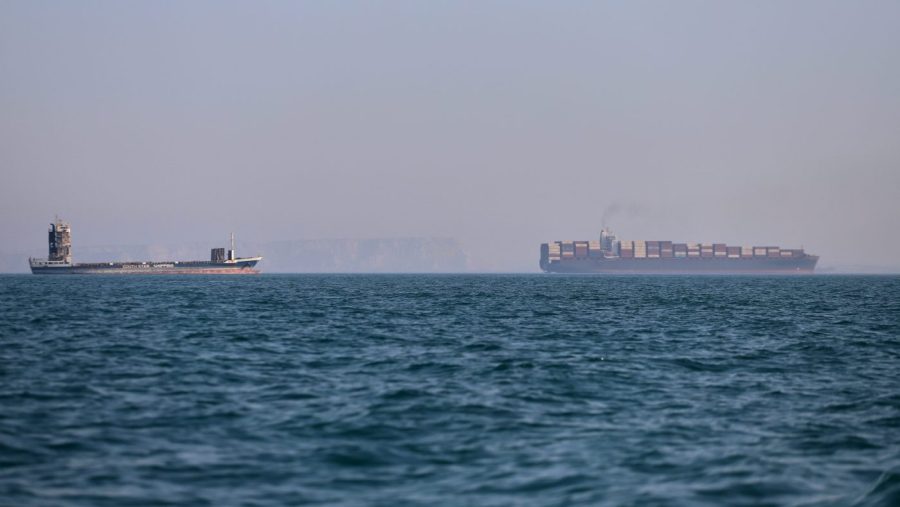
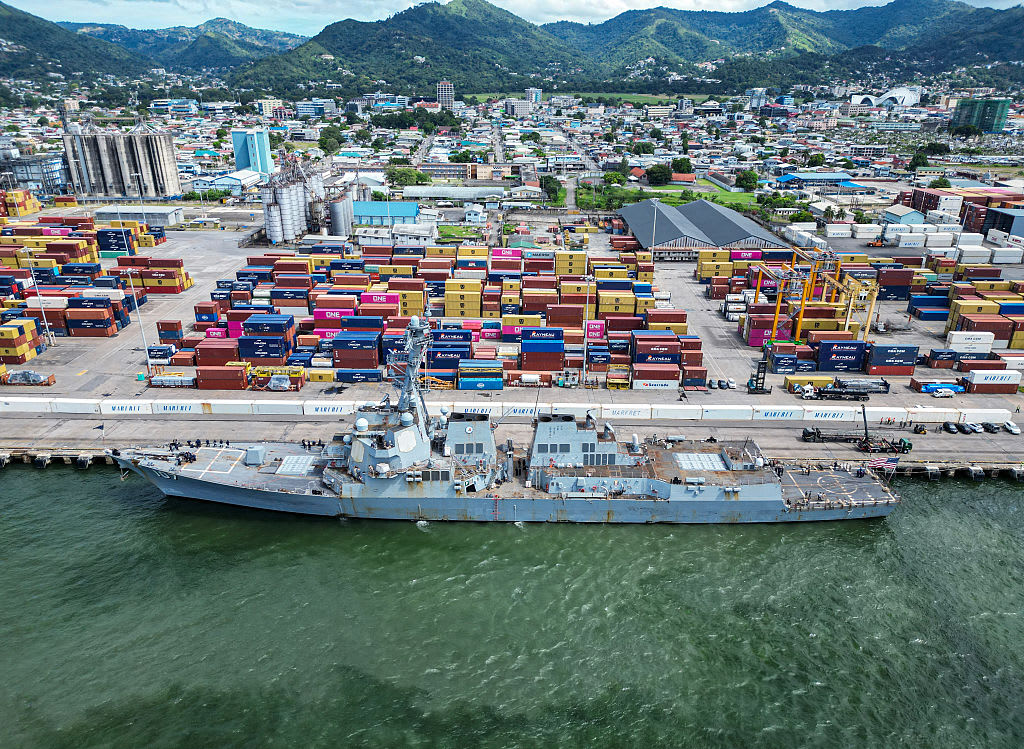
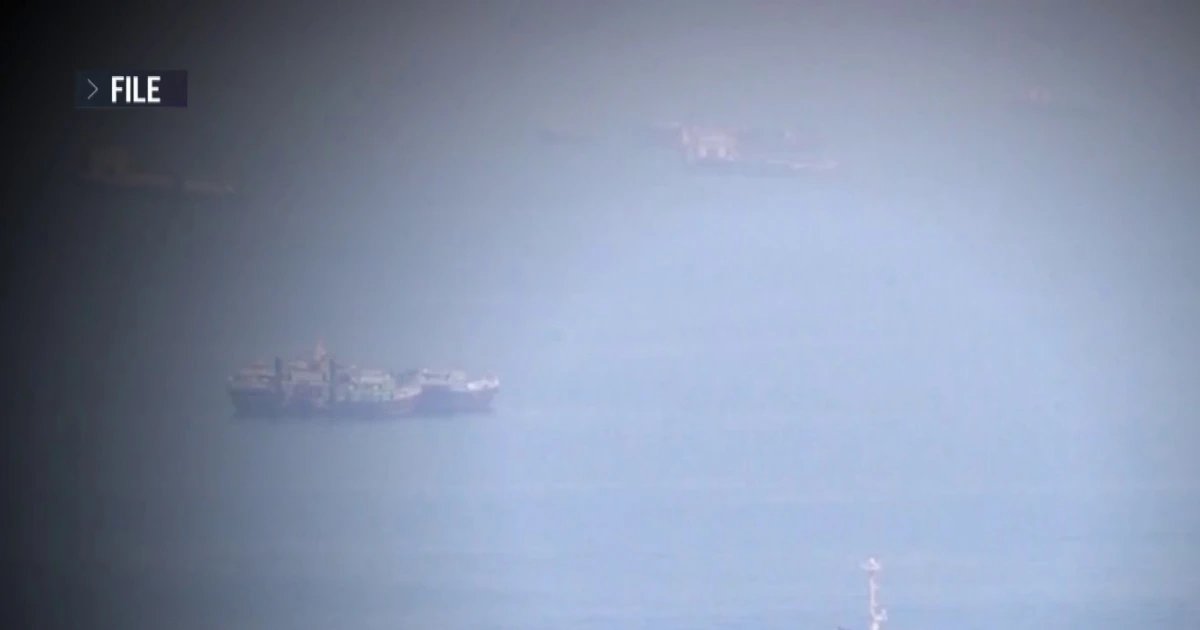
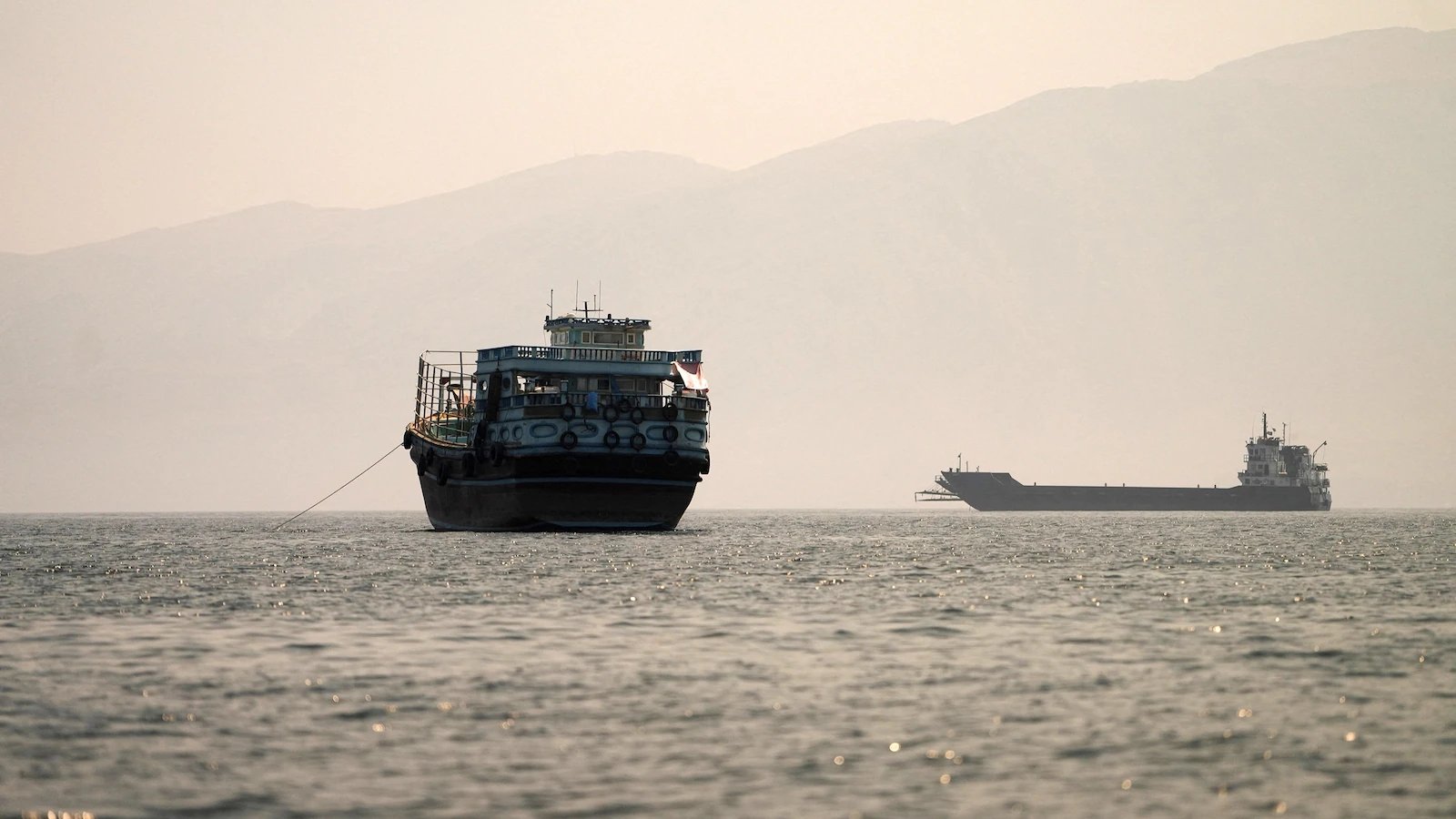
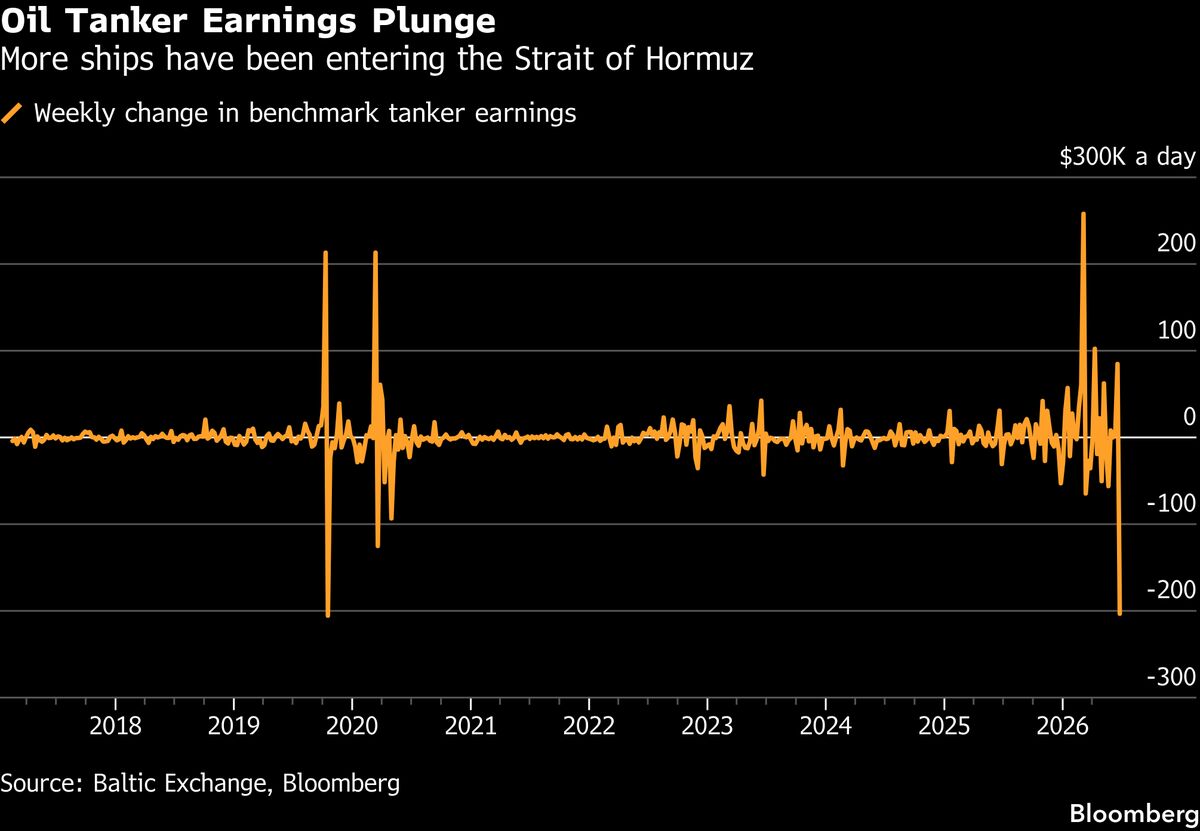
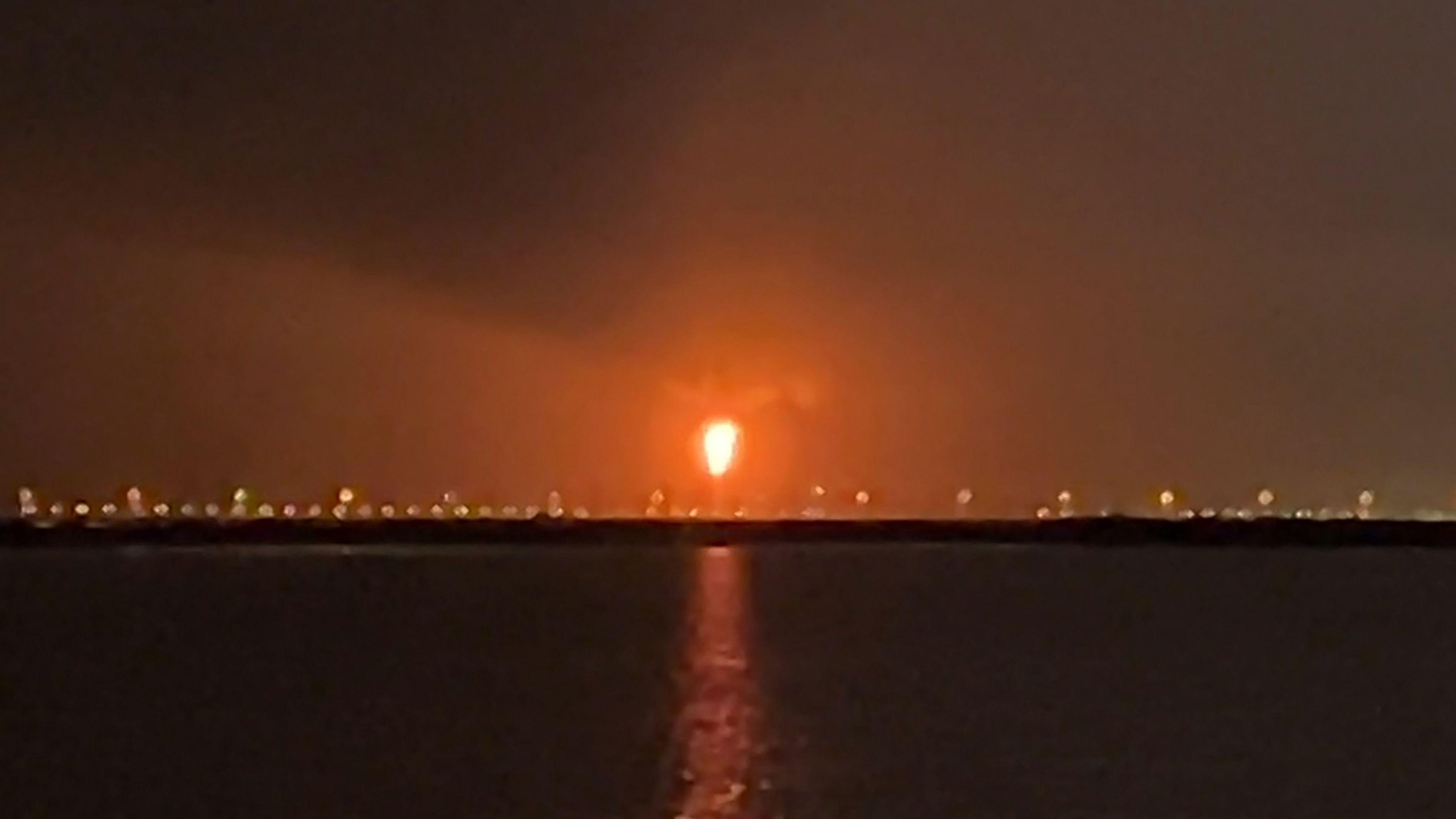
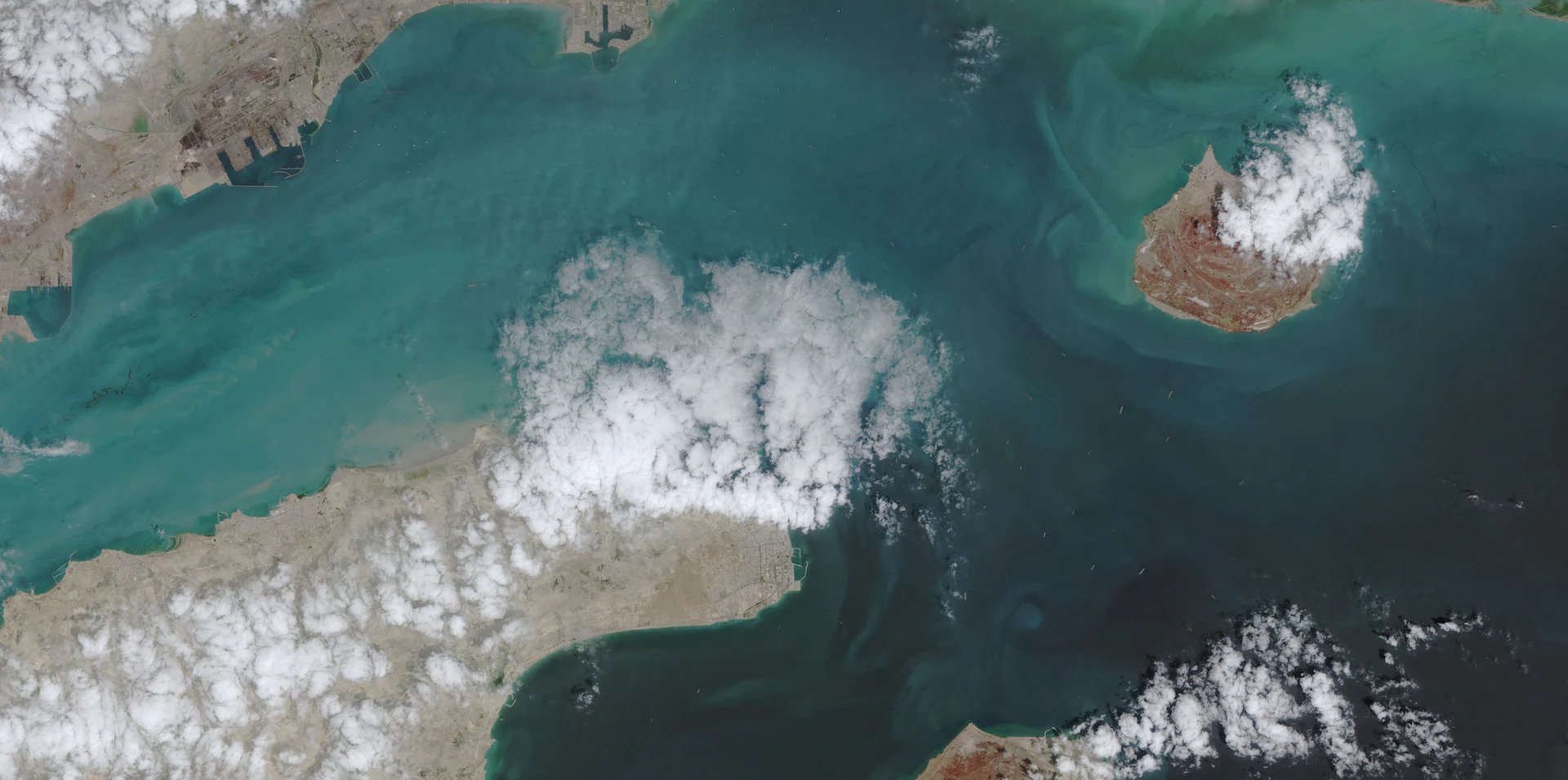
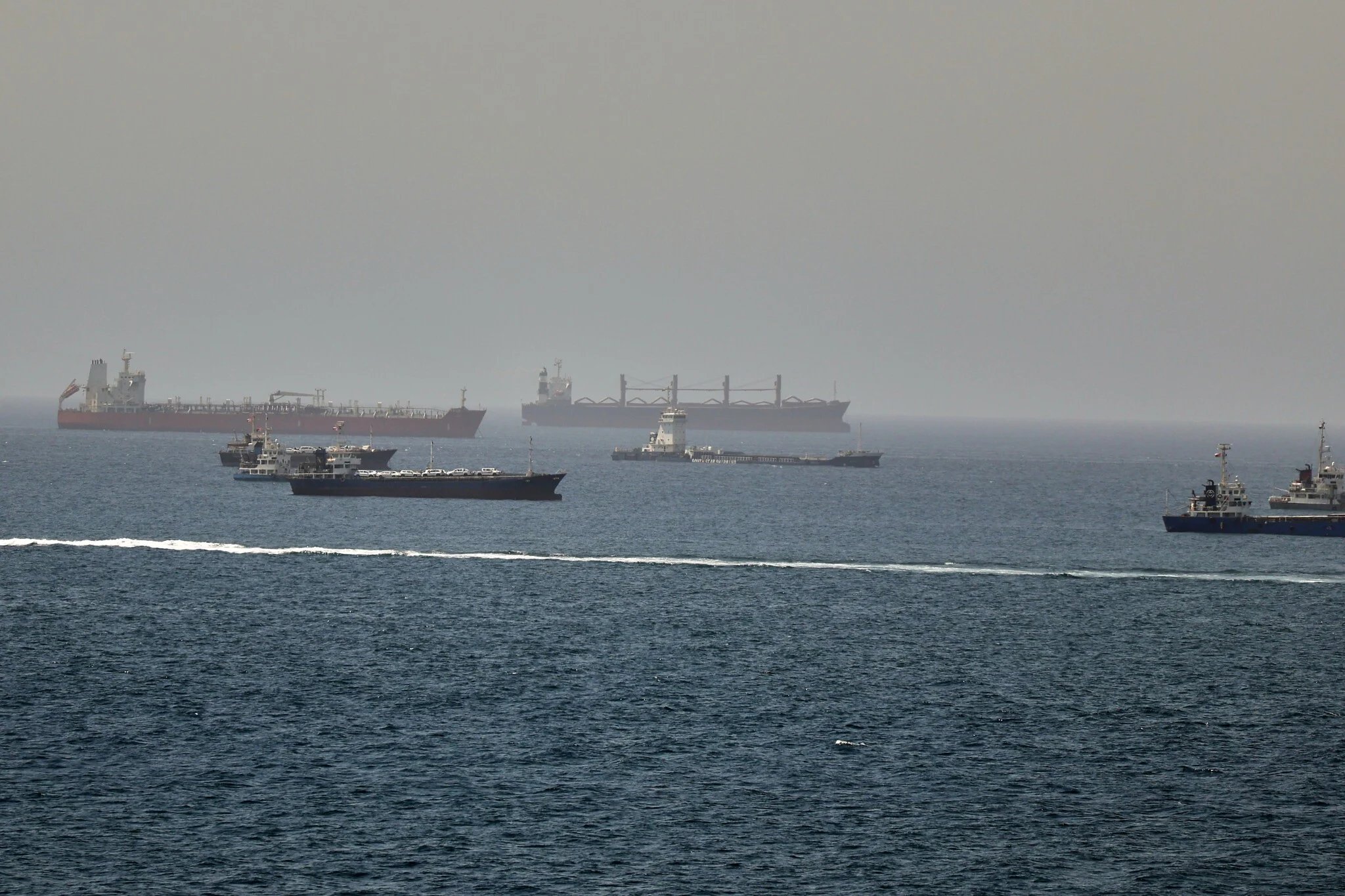
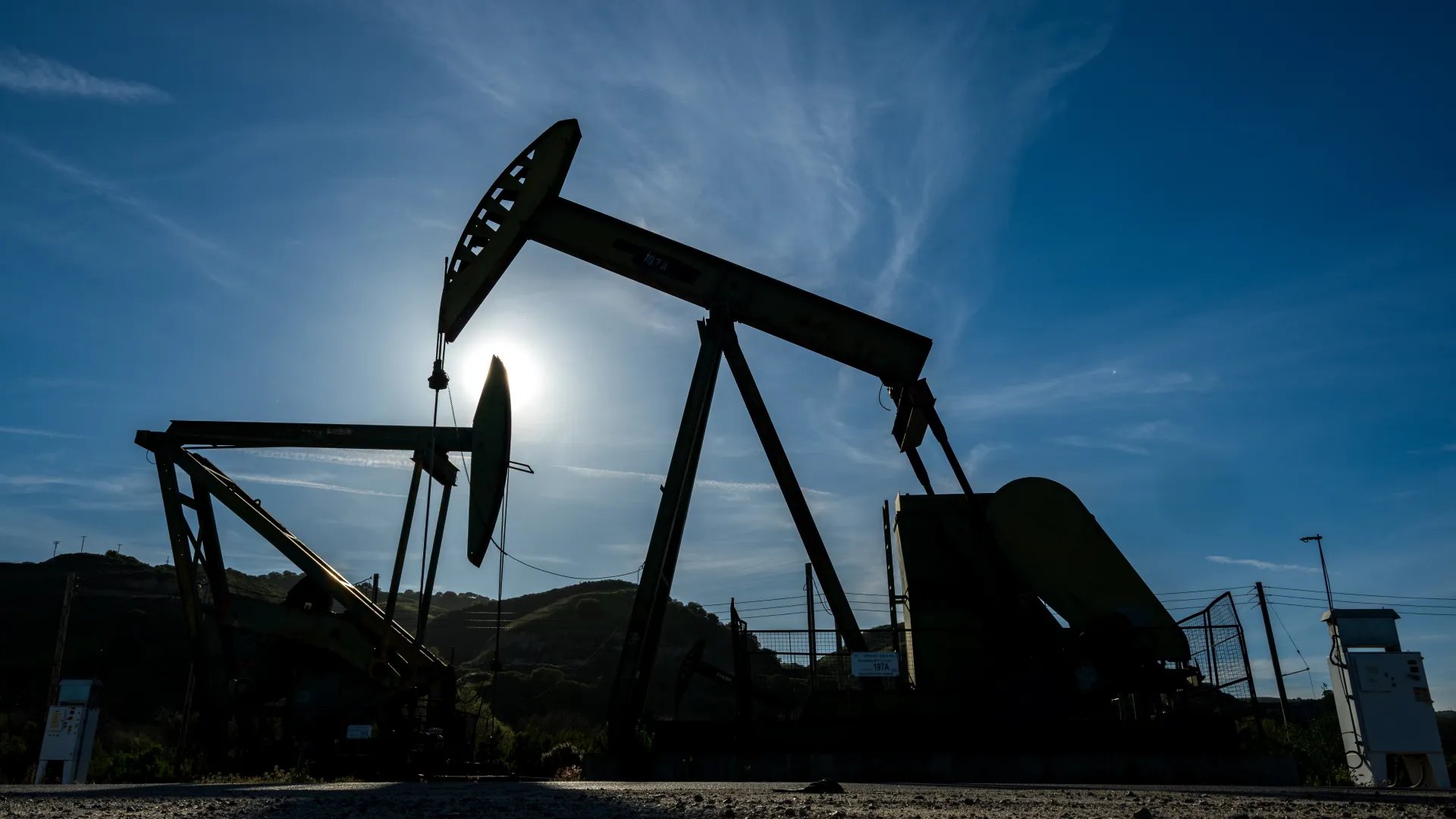
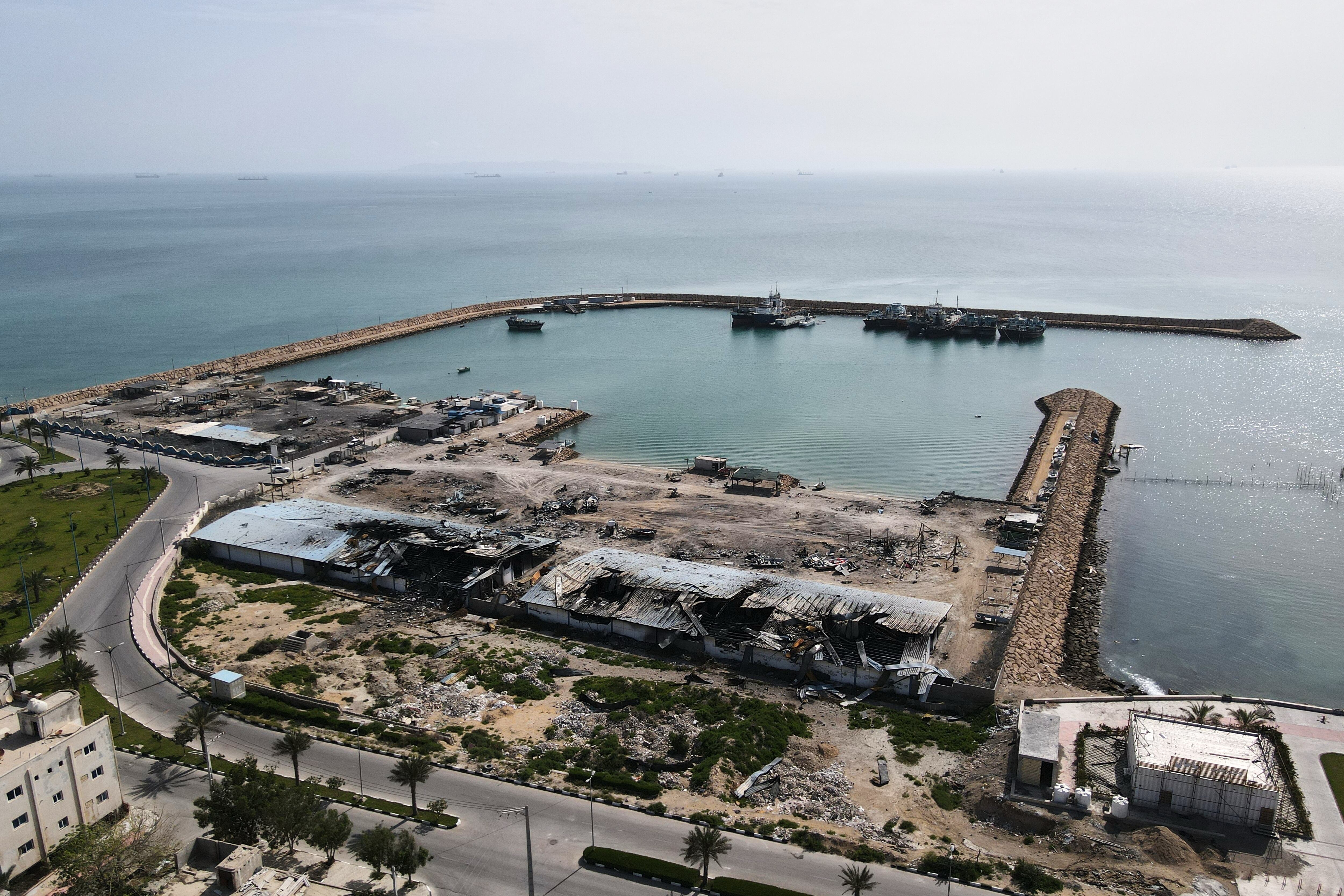
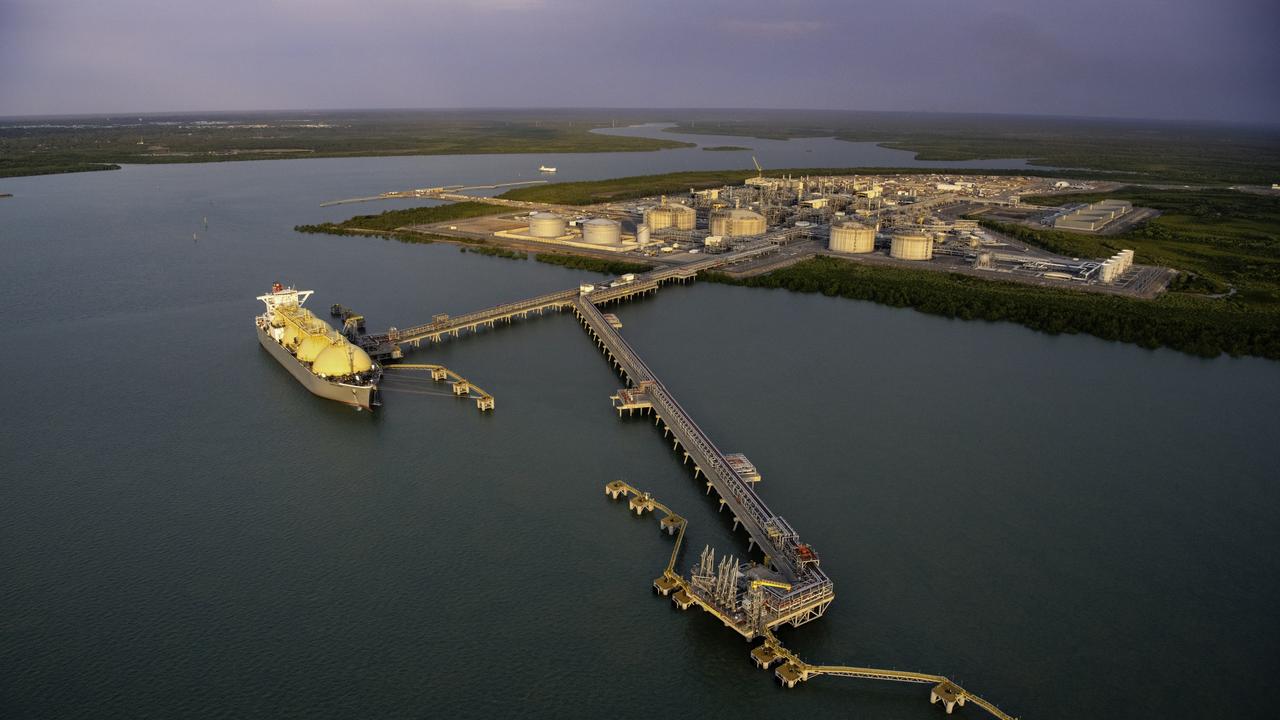
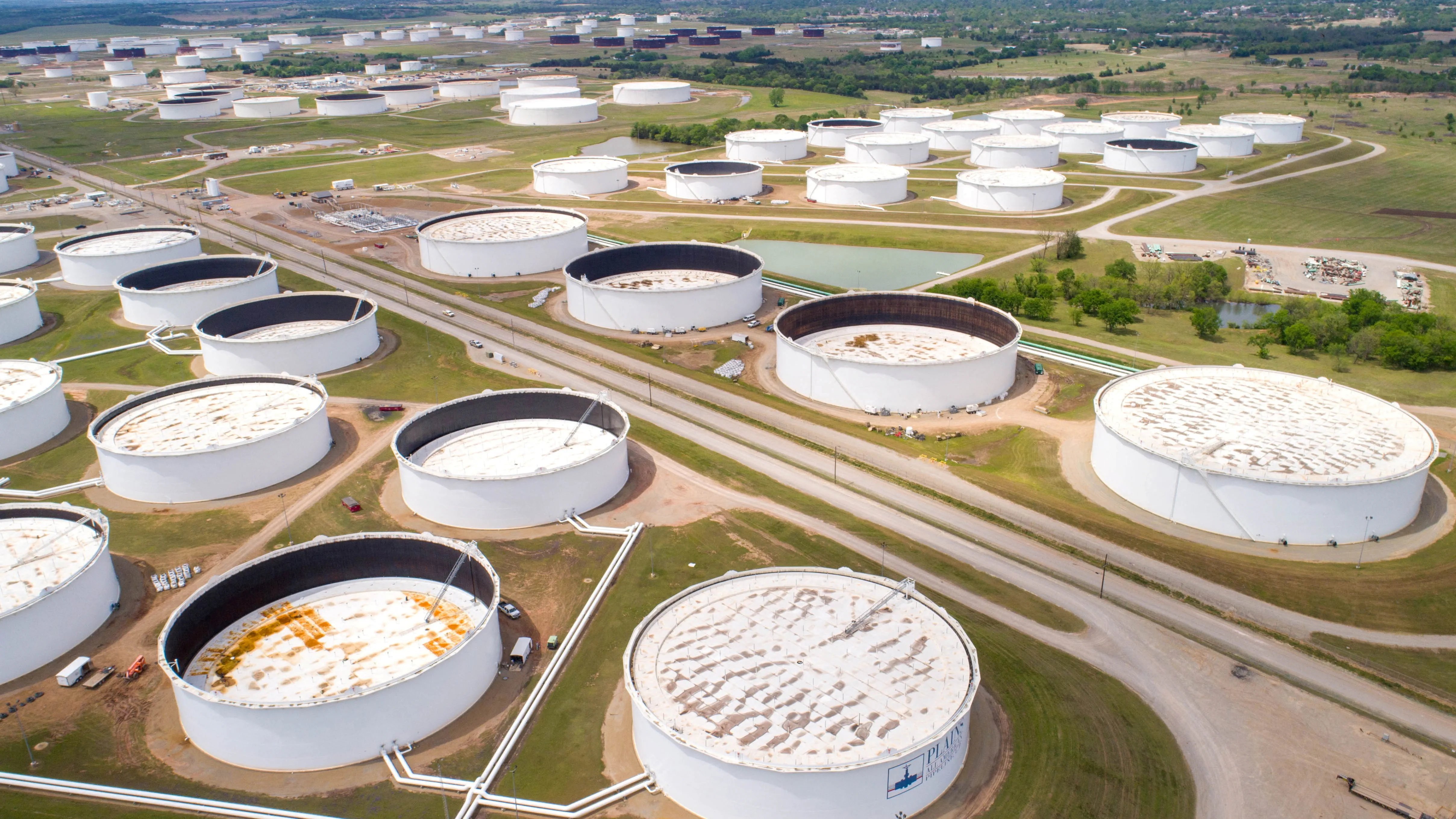
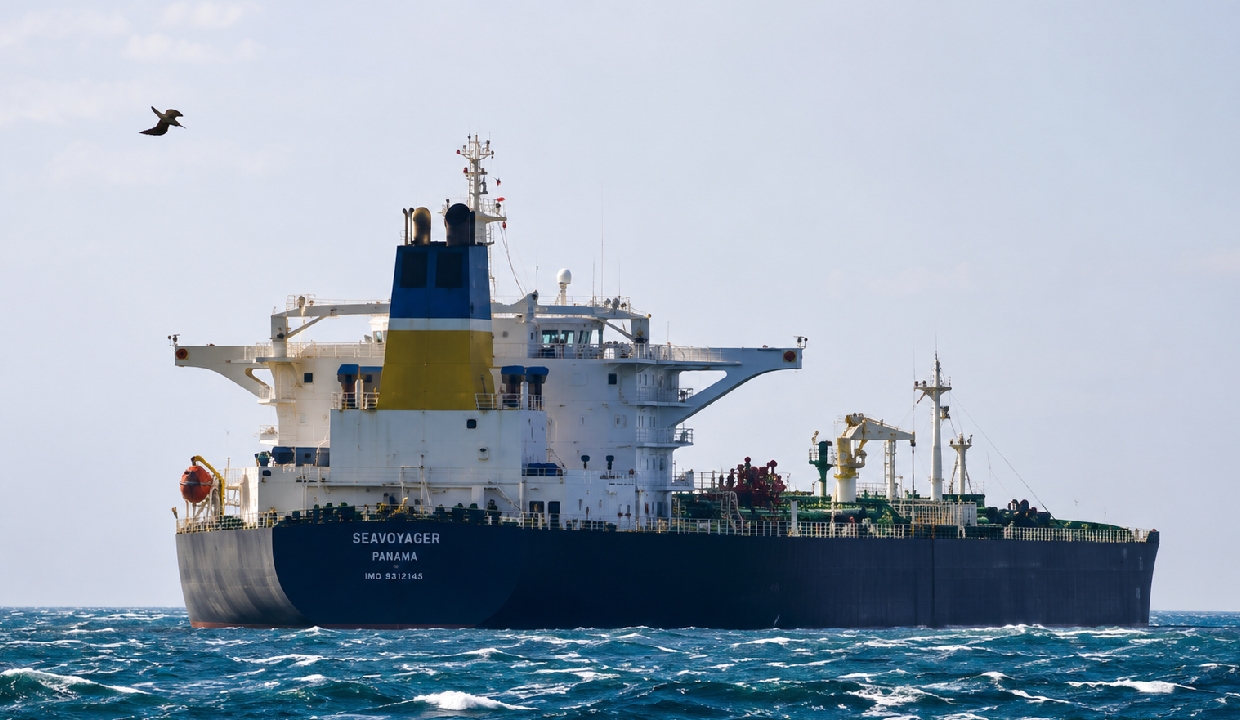
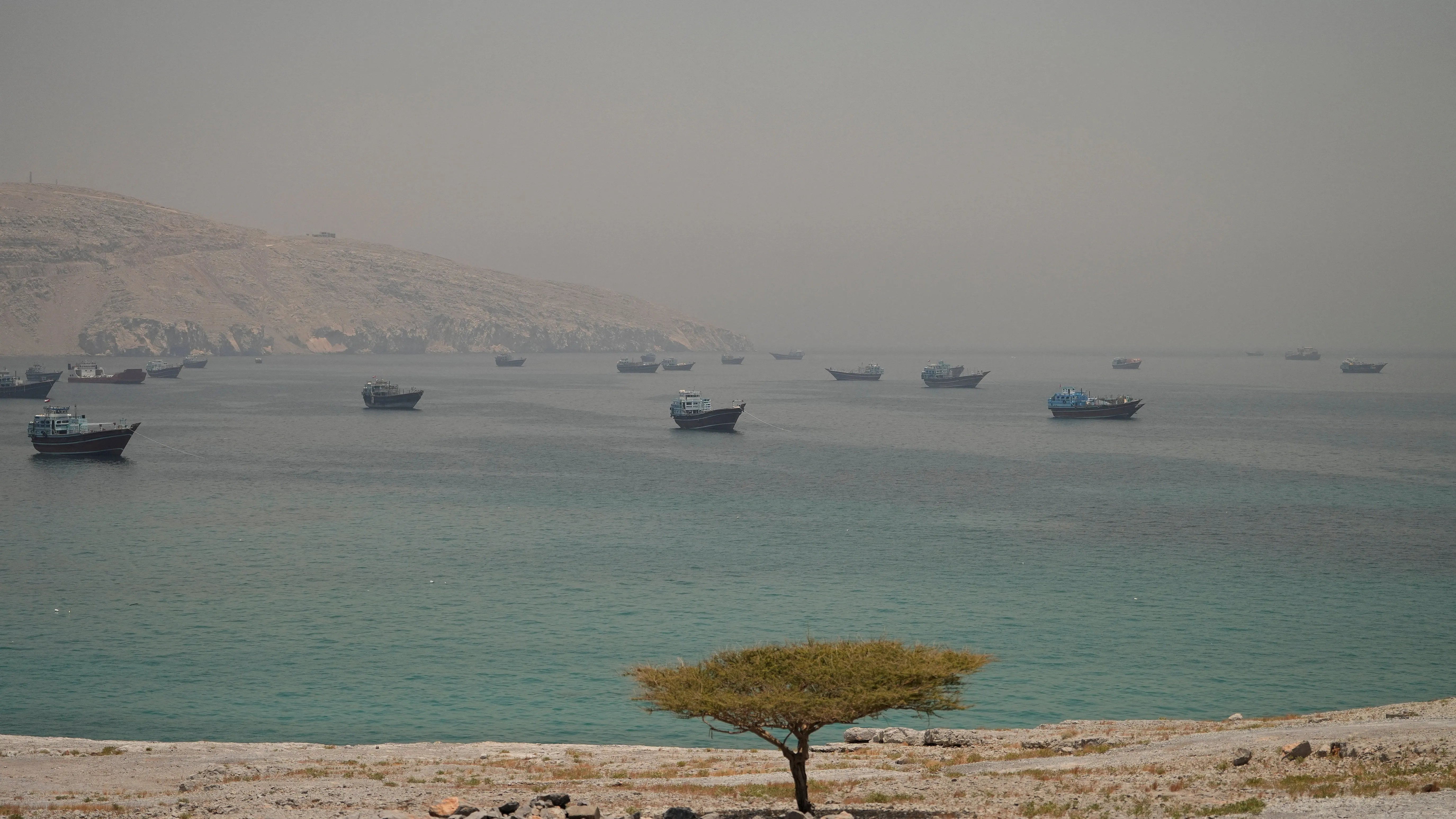
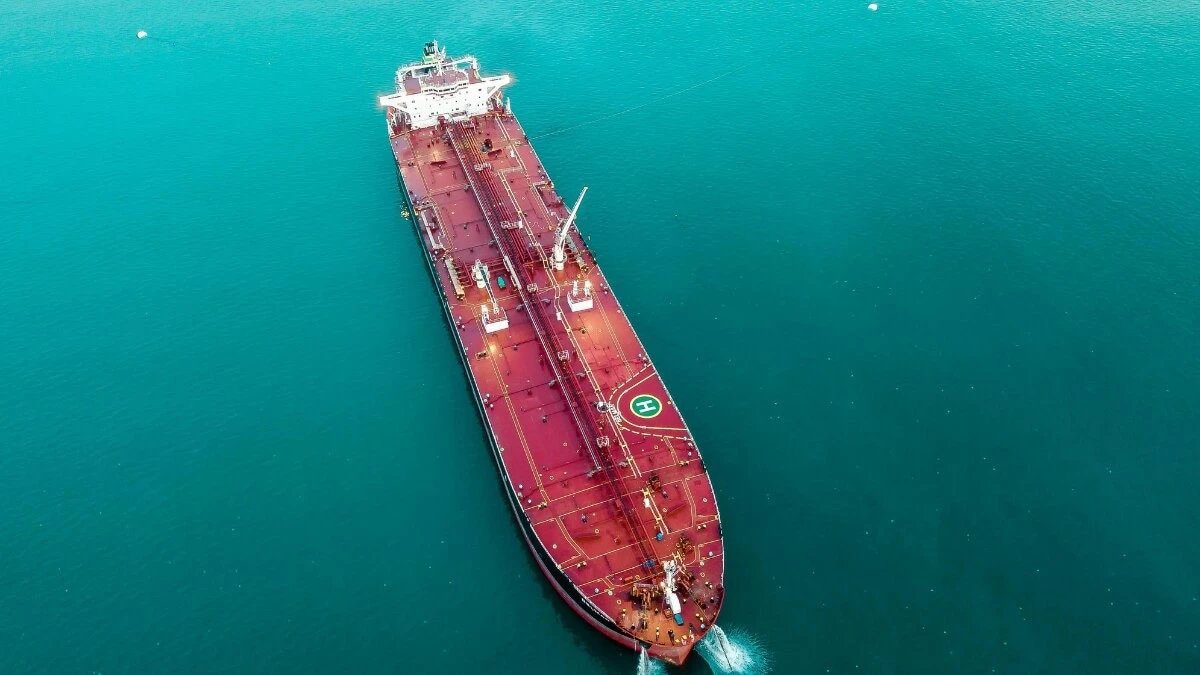
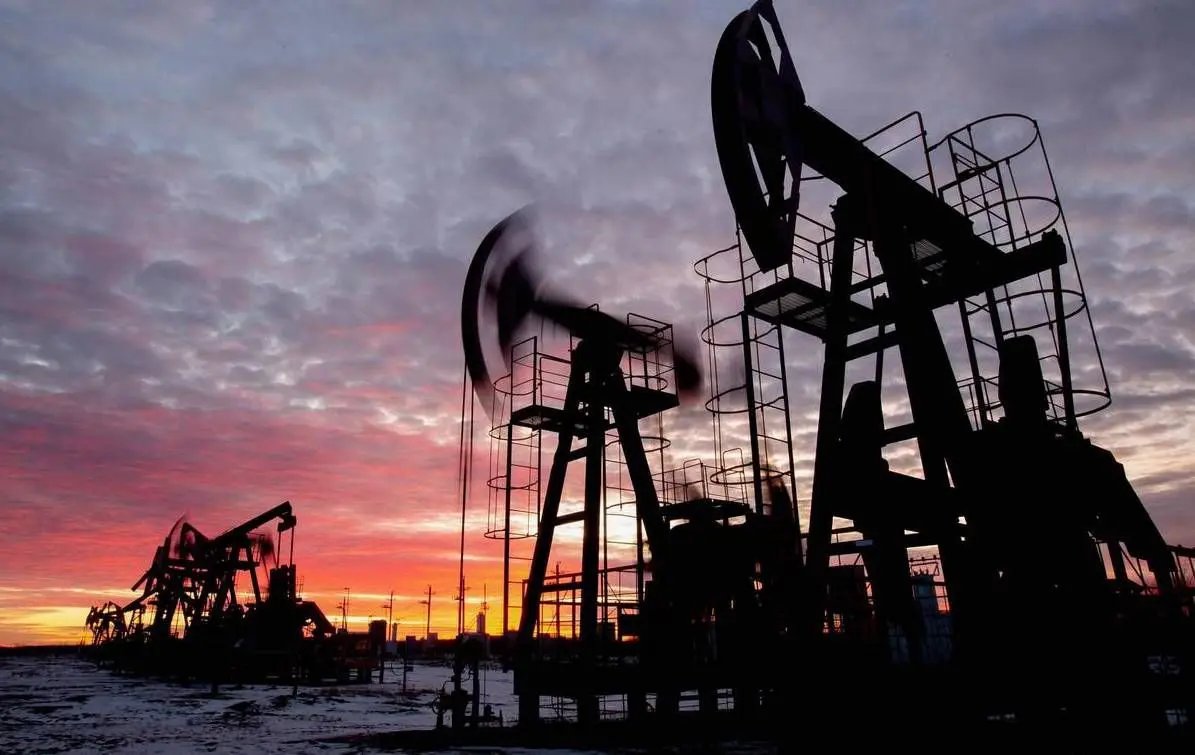
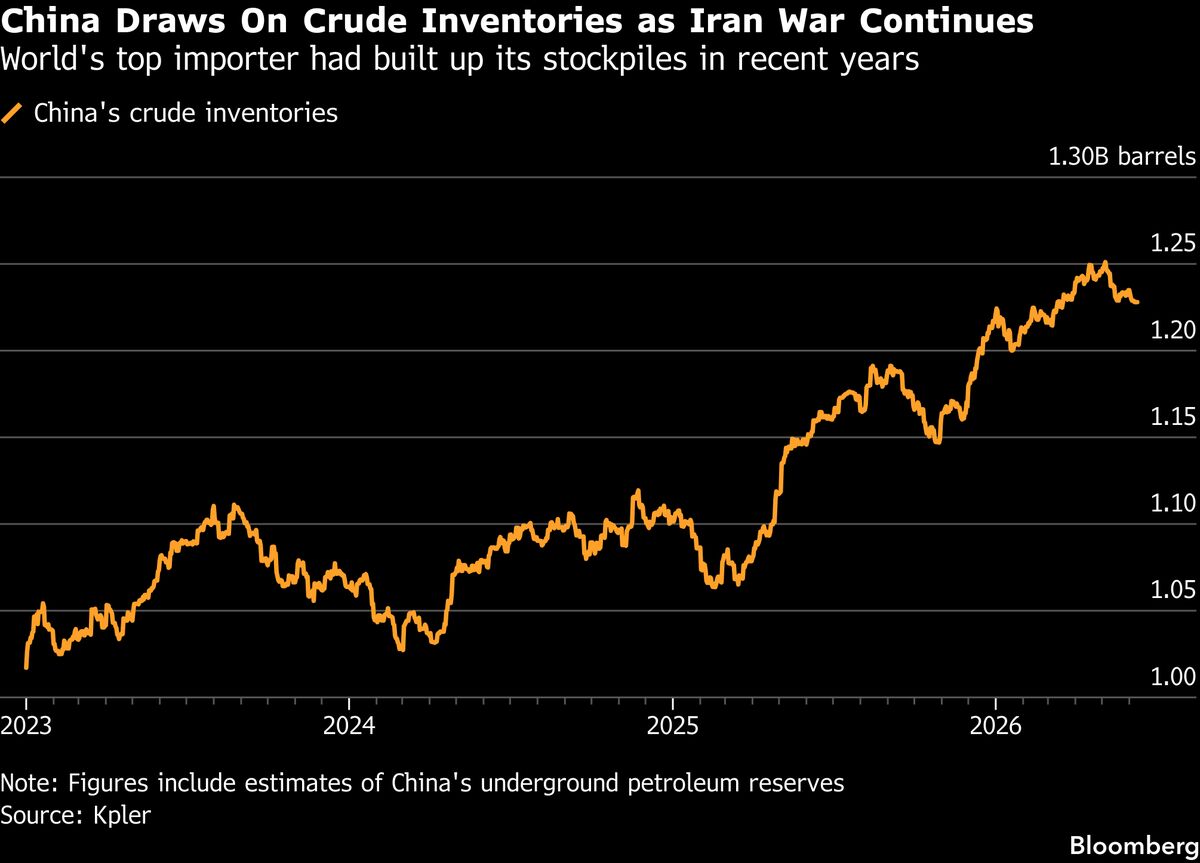
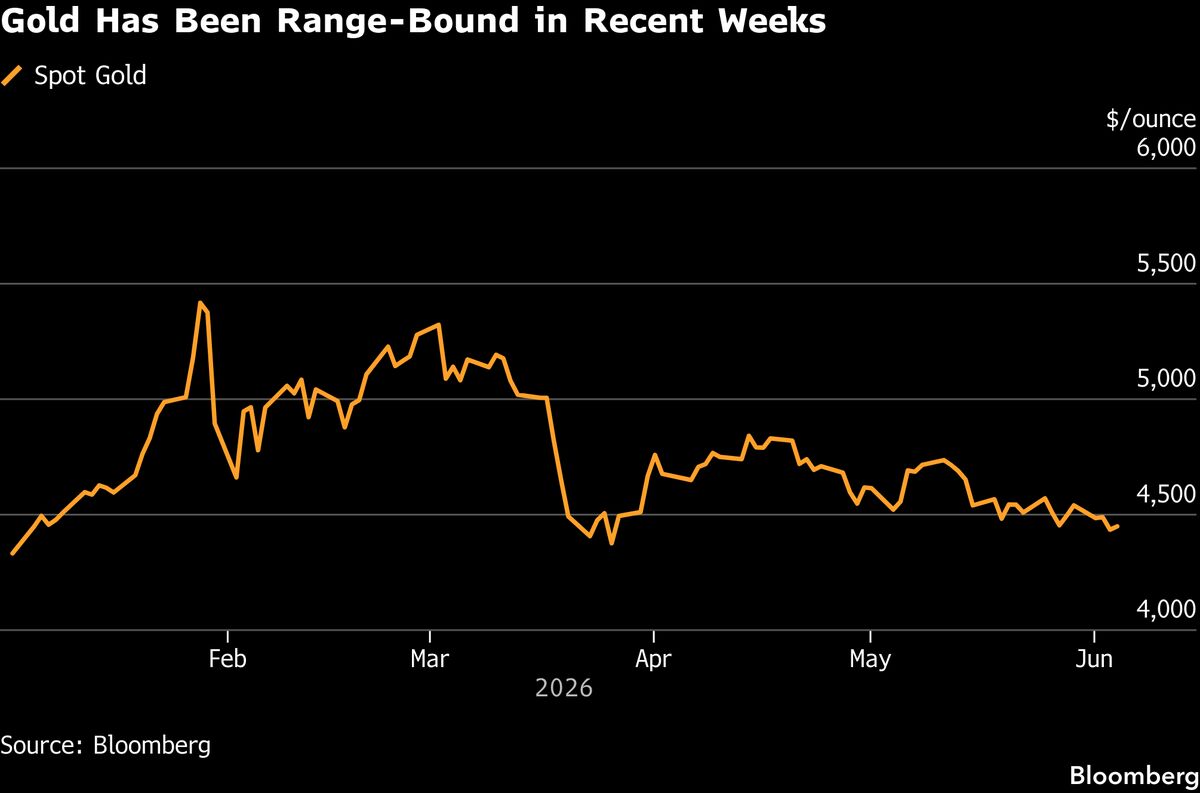
Reopening the Strait of Hormuz could ease the global energy shock from the war. Before the conflict, the strait handled about 20% of global oil and liquefied natural gas. However, mine-clearing, repairing infrastructure, and guaranteeing security could delay a full return to pre-war shipping volumes.
Last-minute tensions
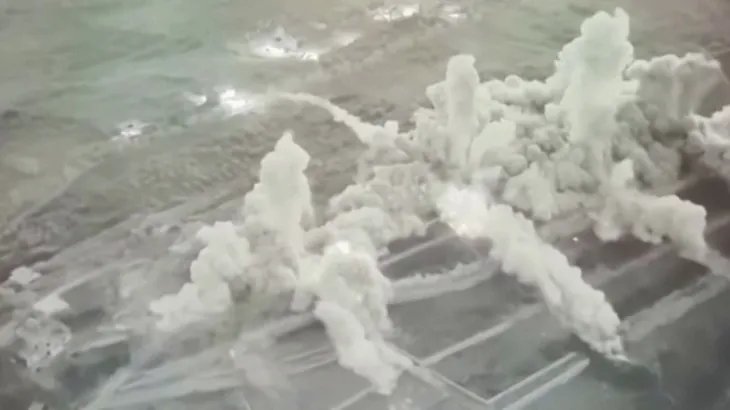
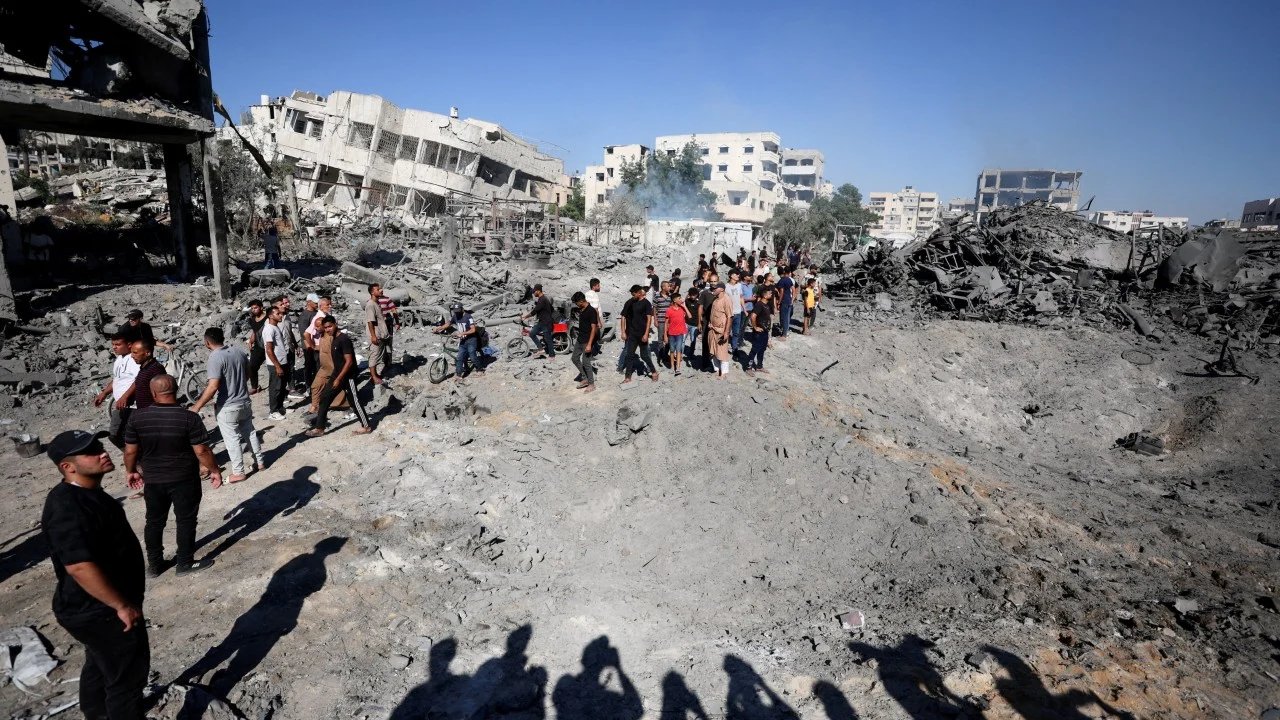
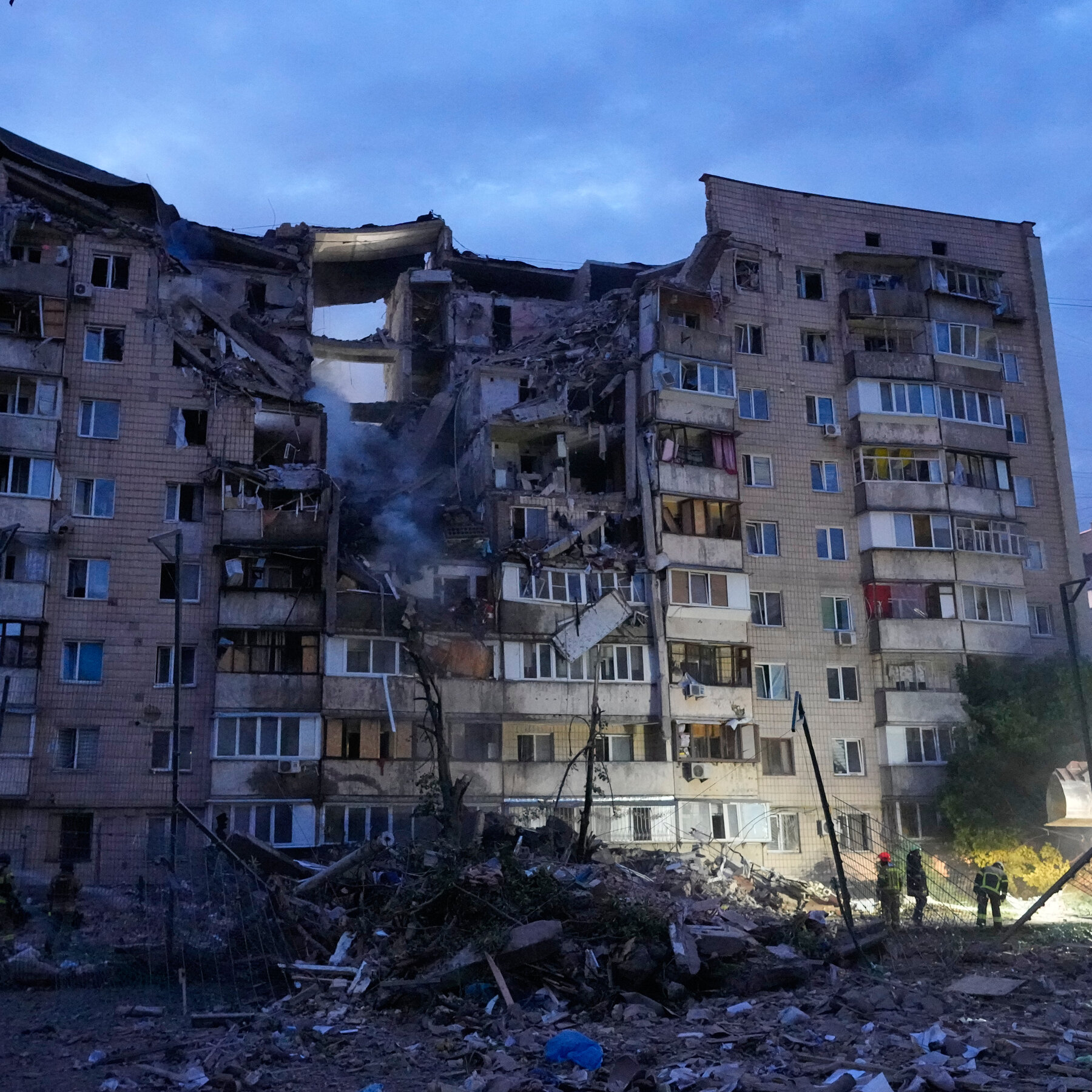
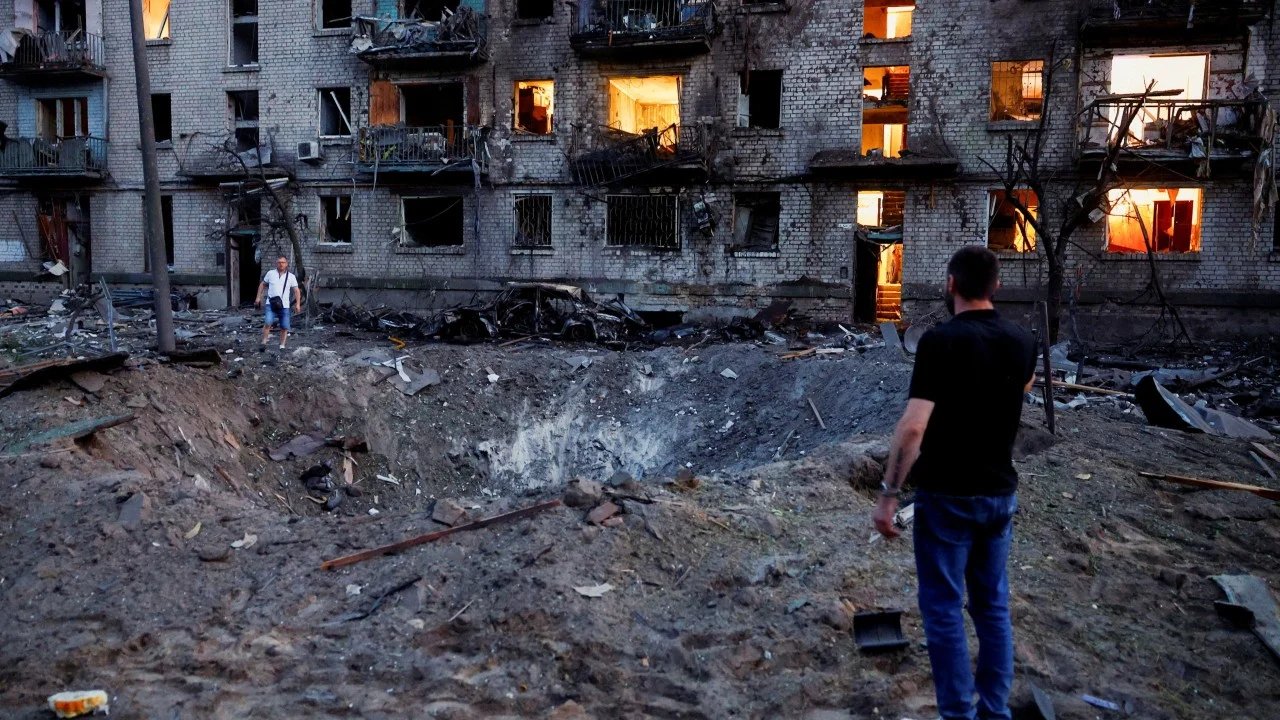
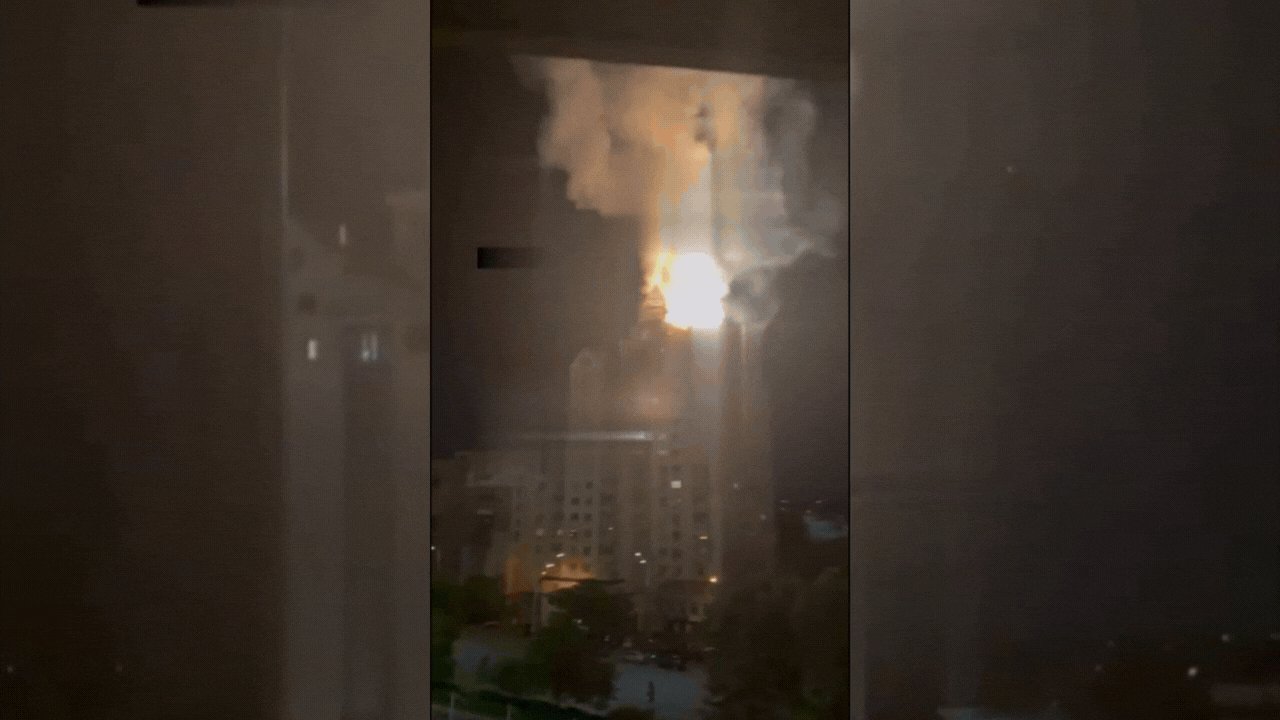
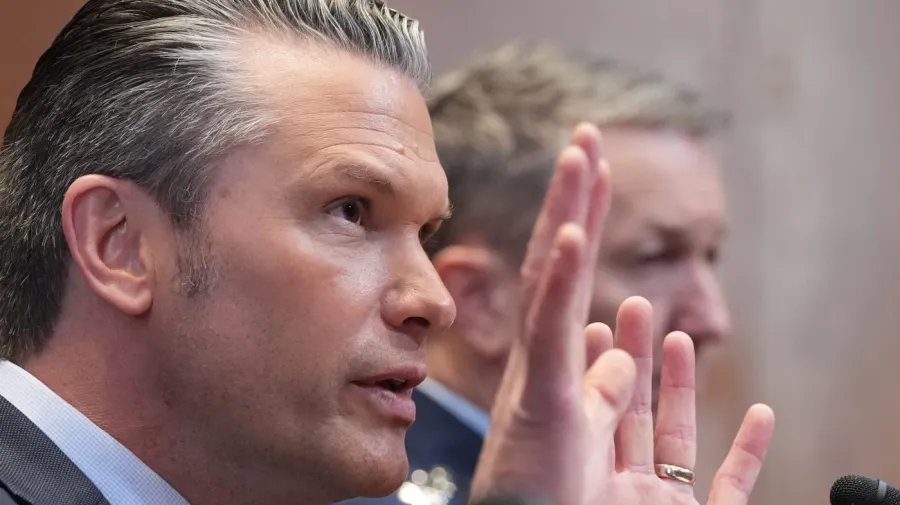
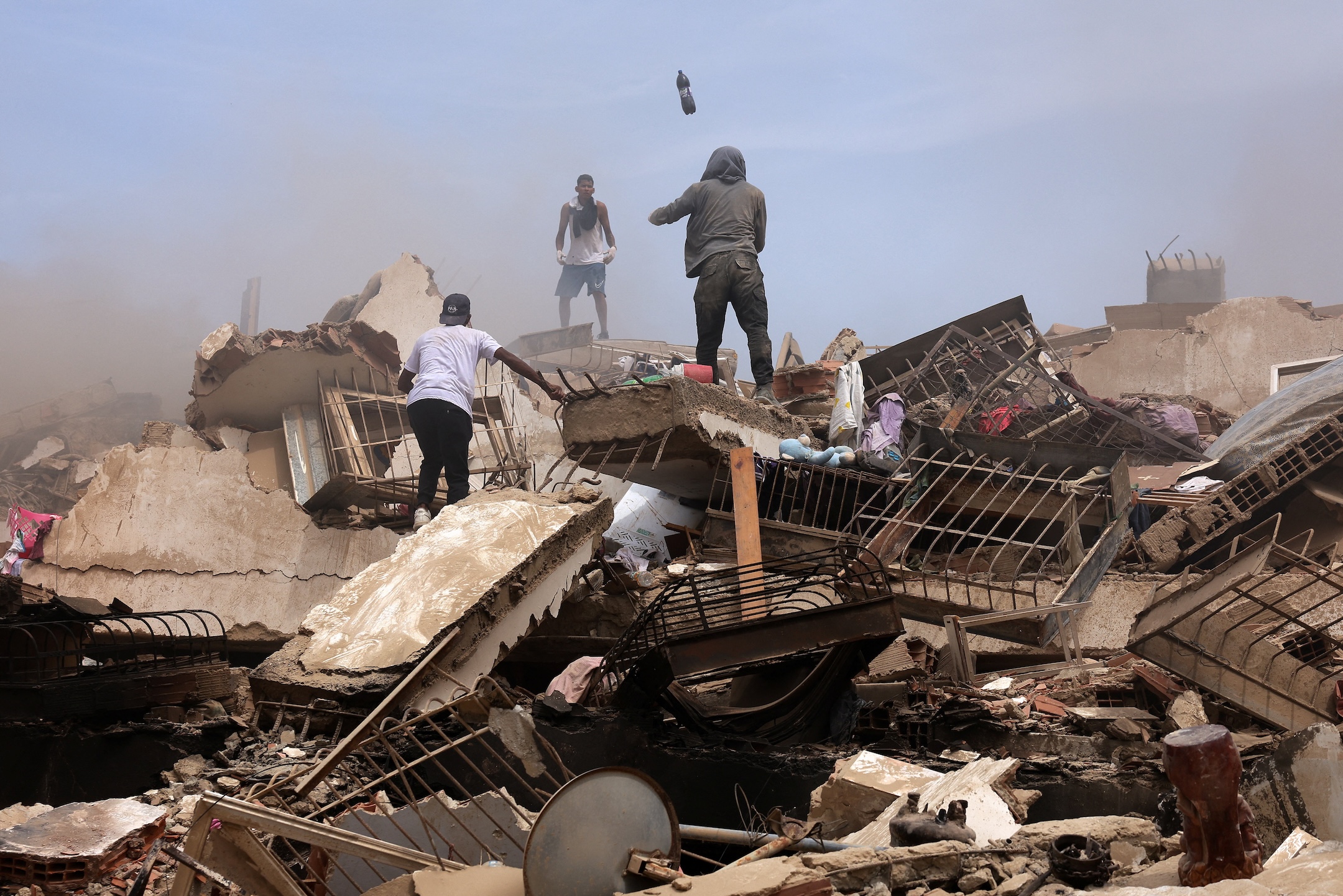
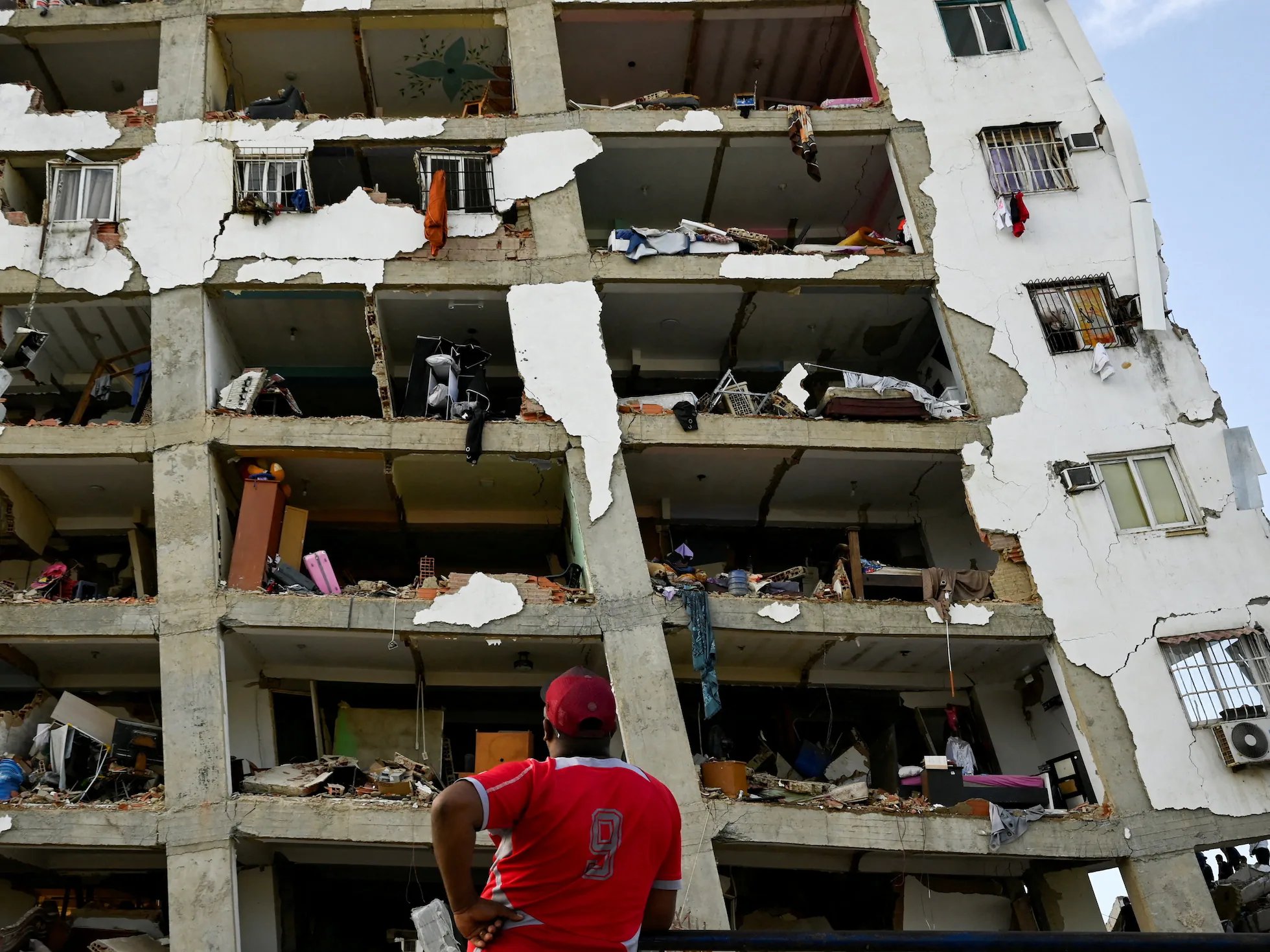
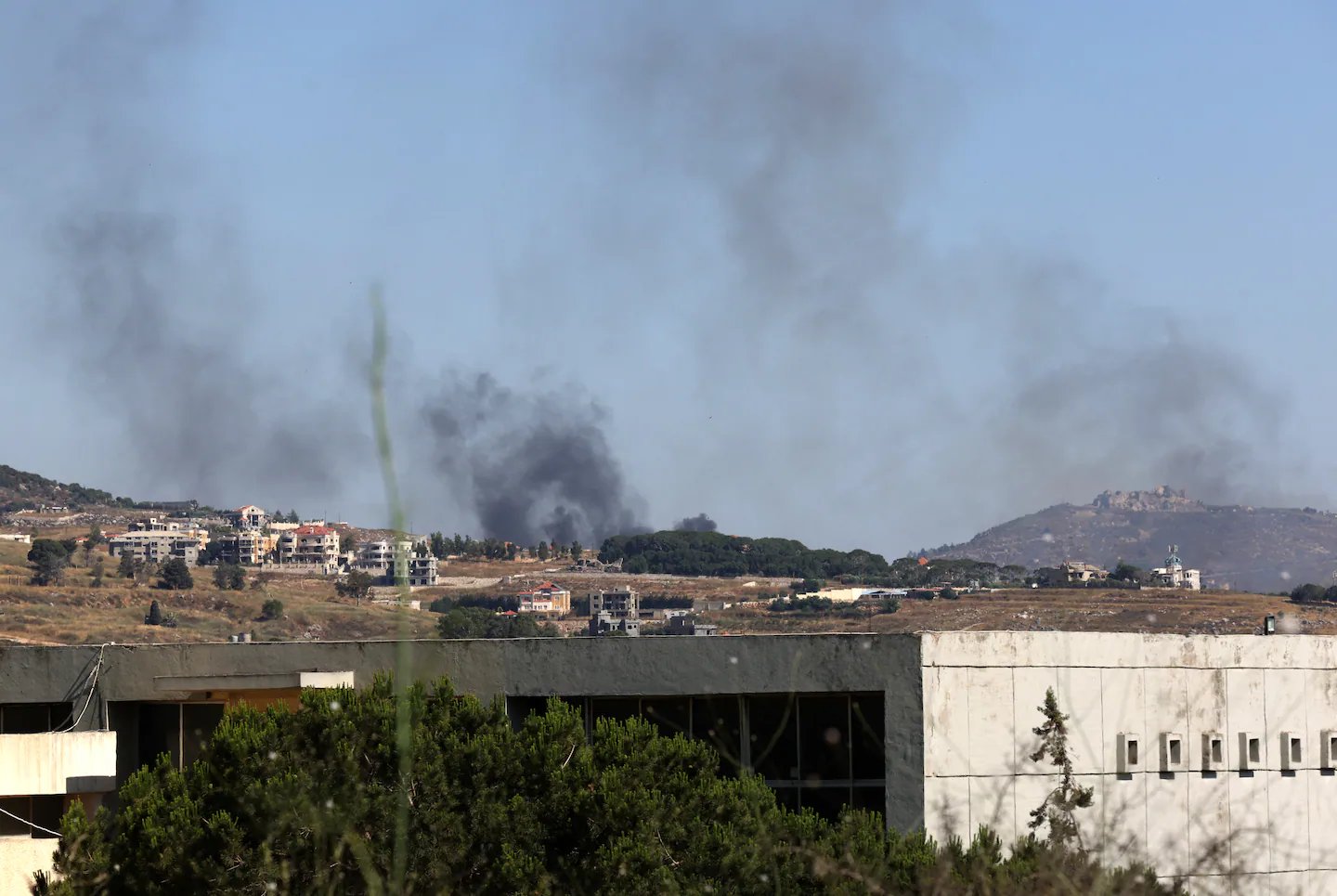
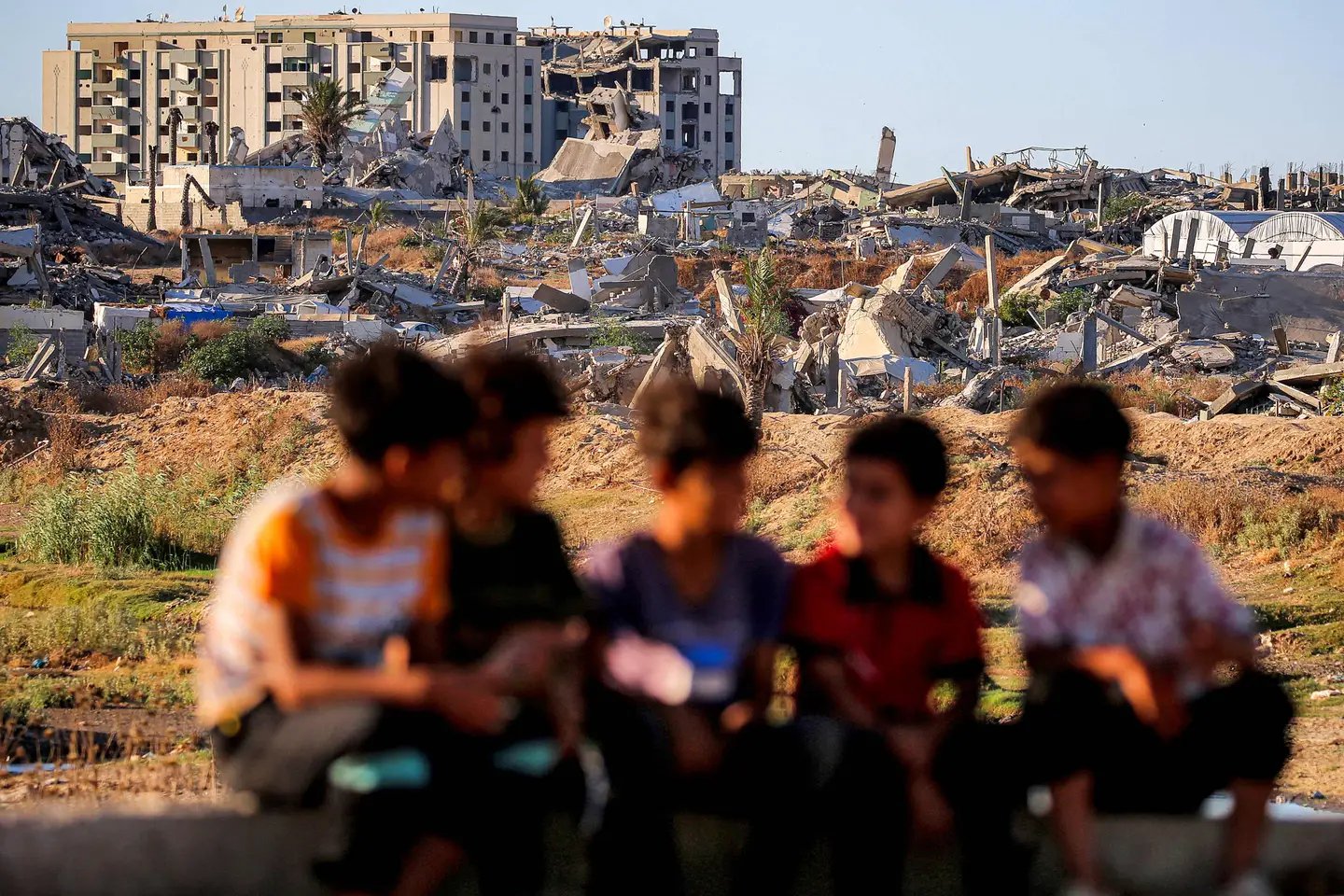
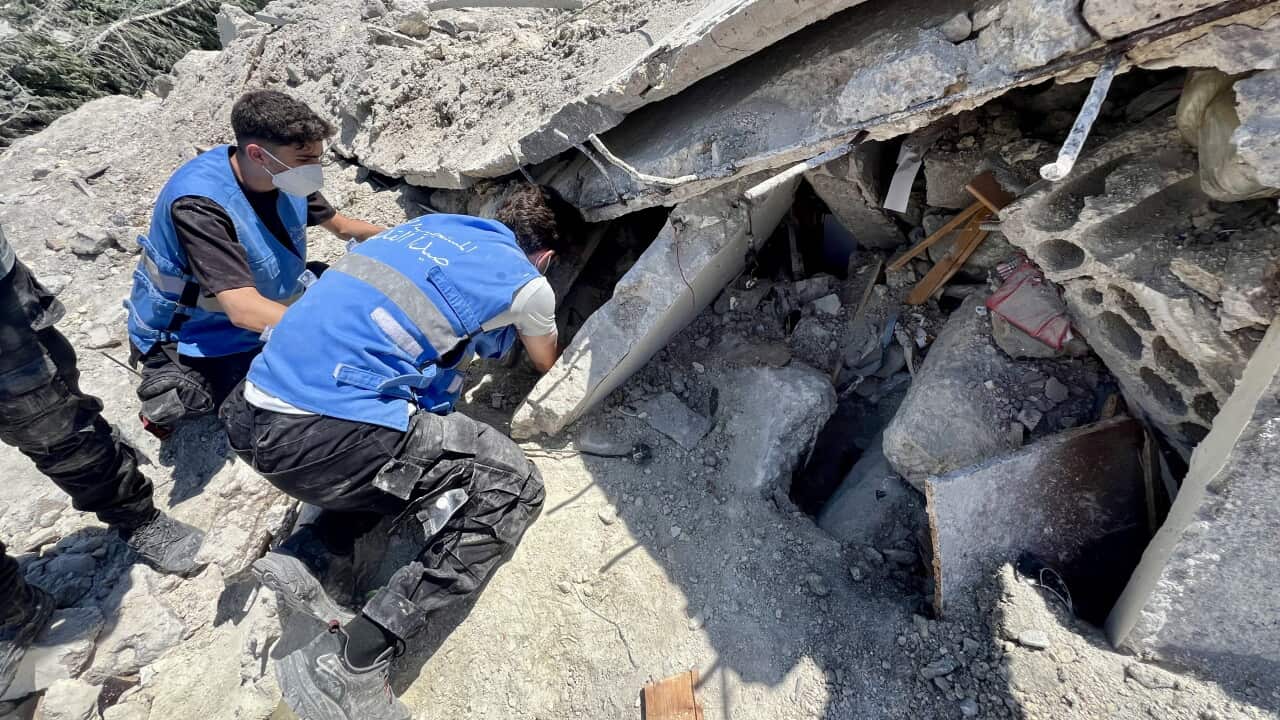
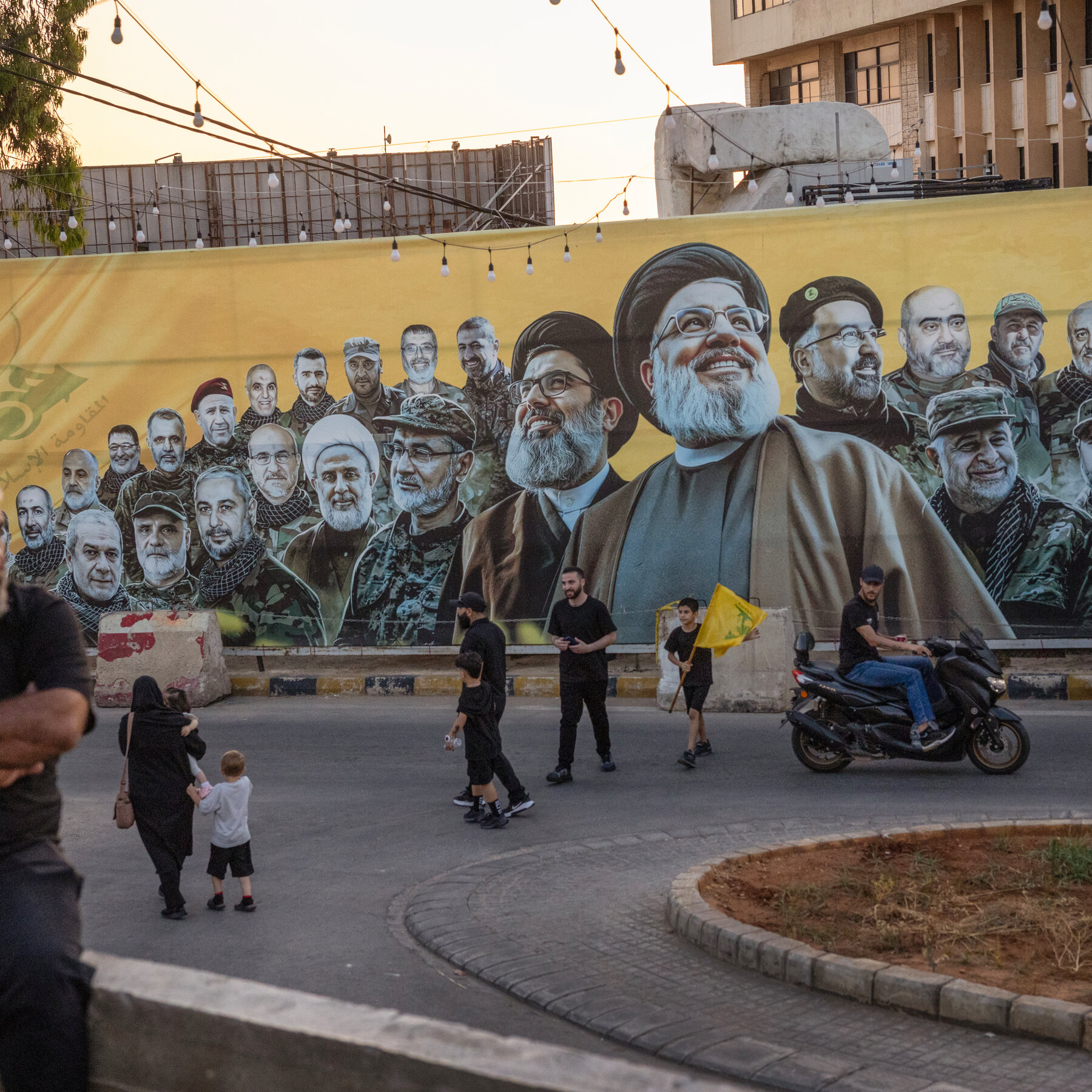
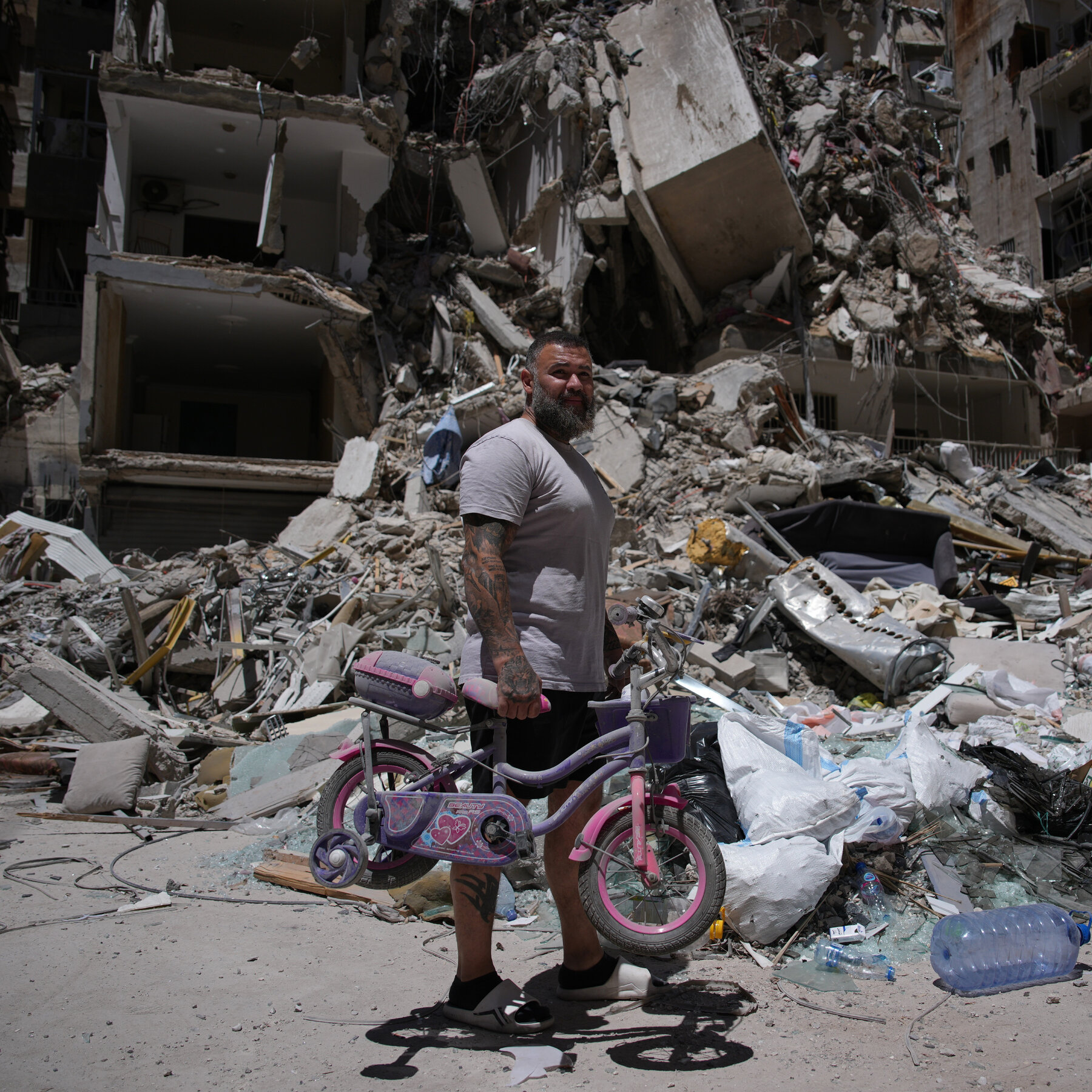
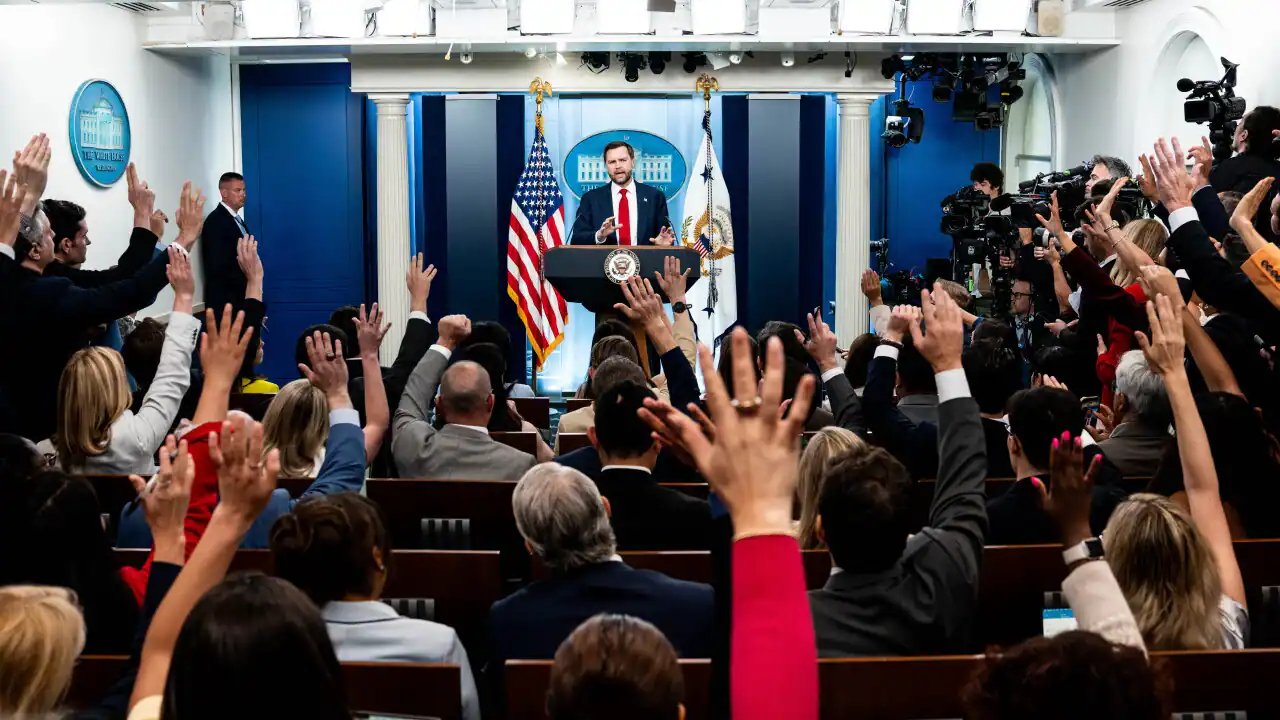
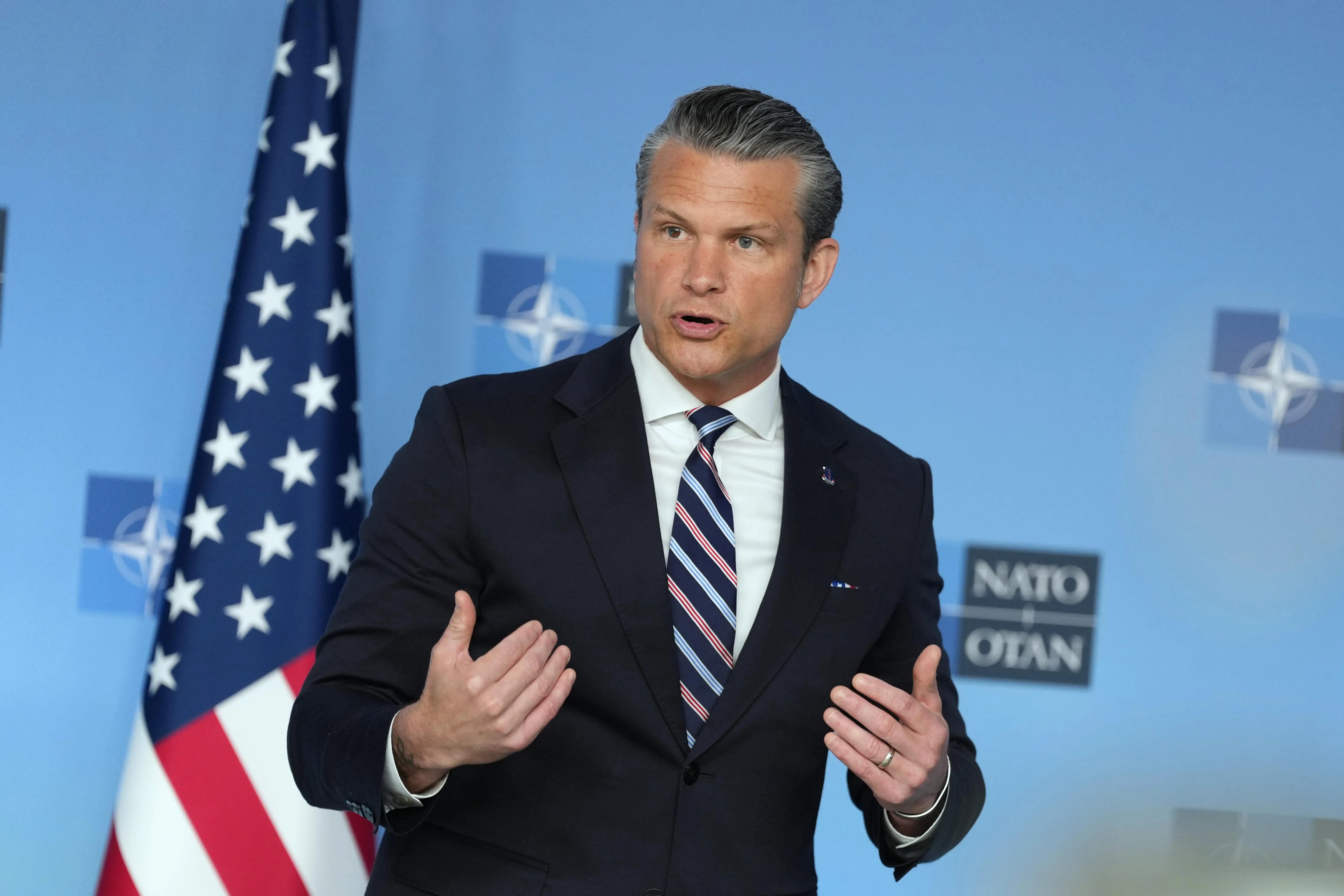
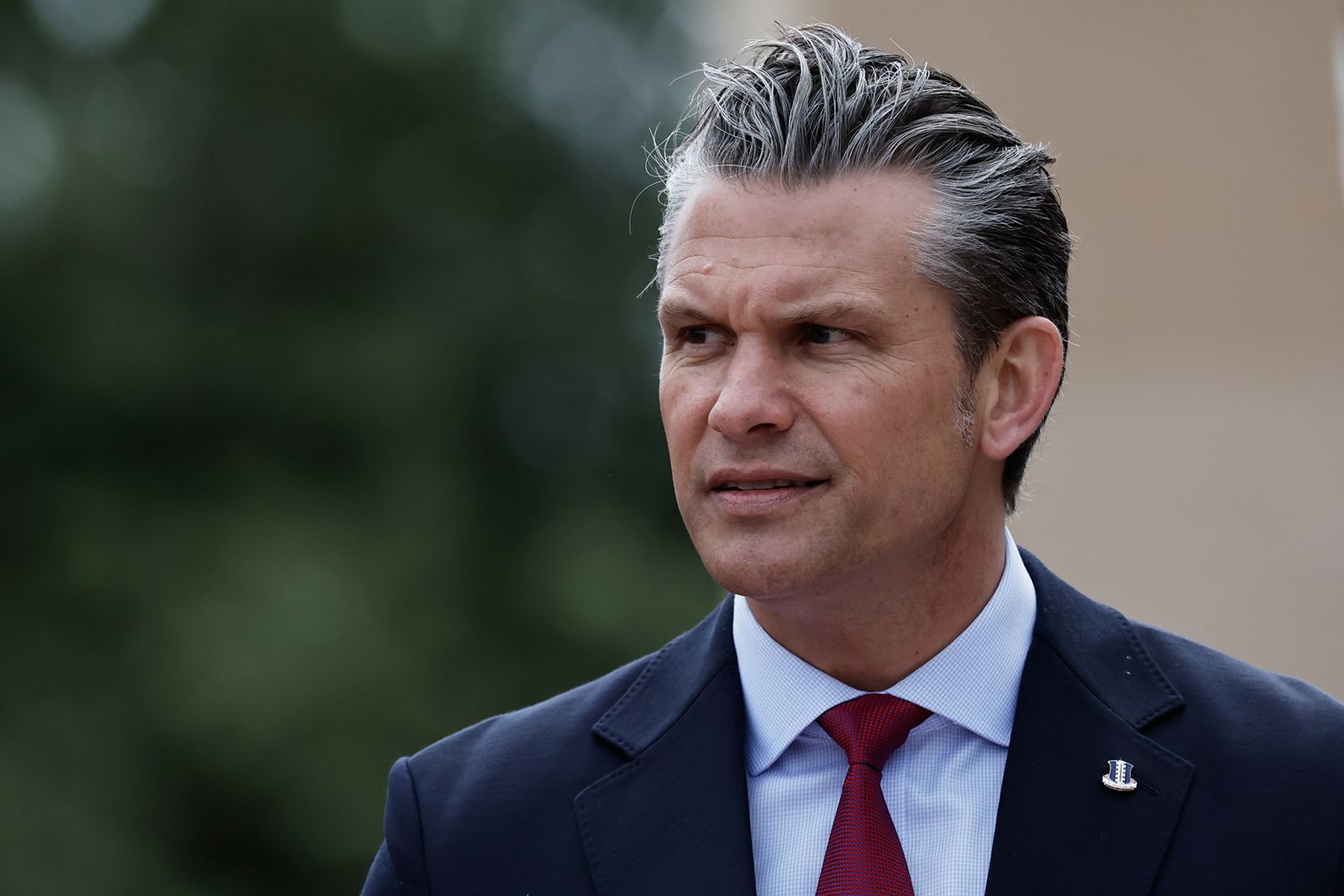
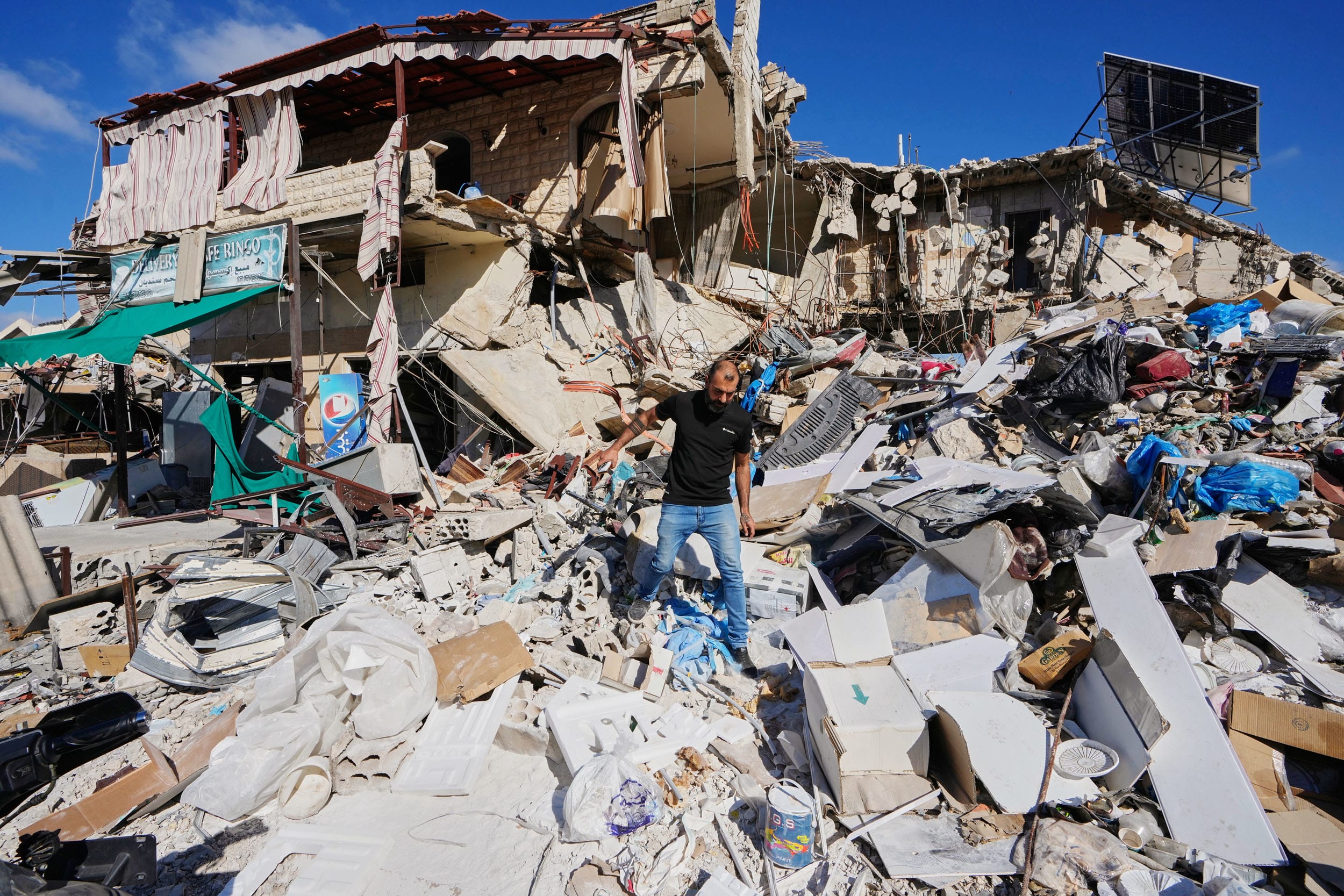
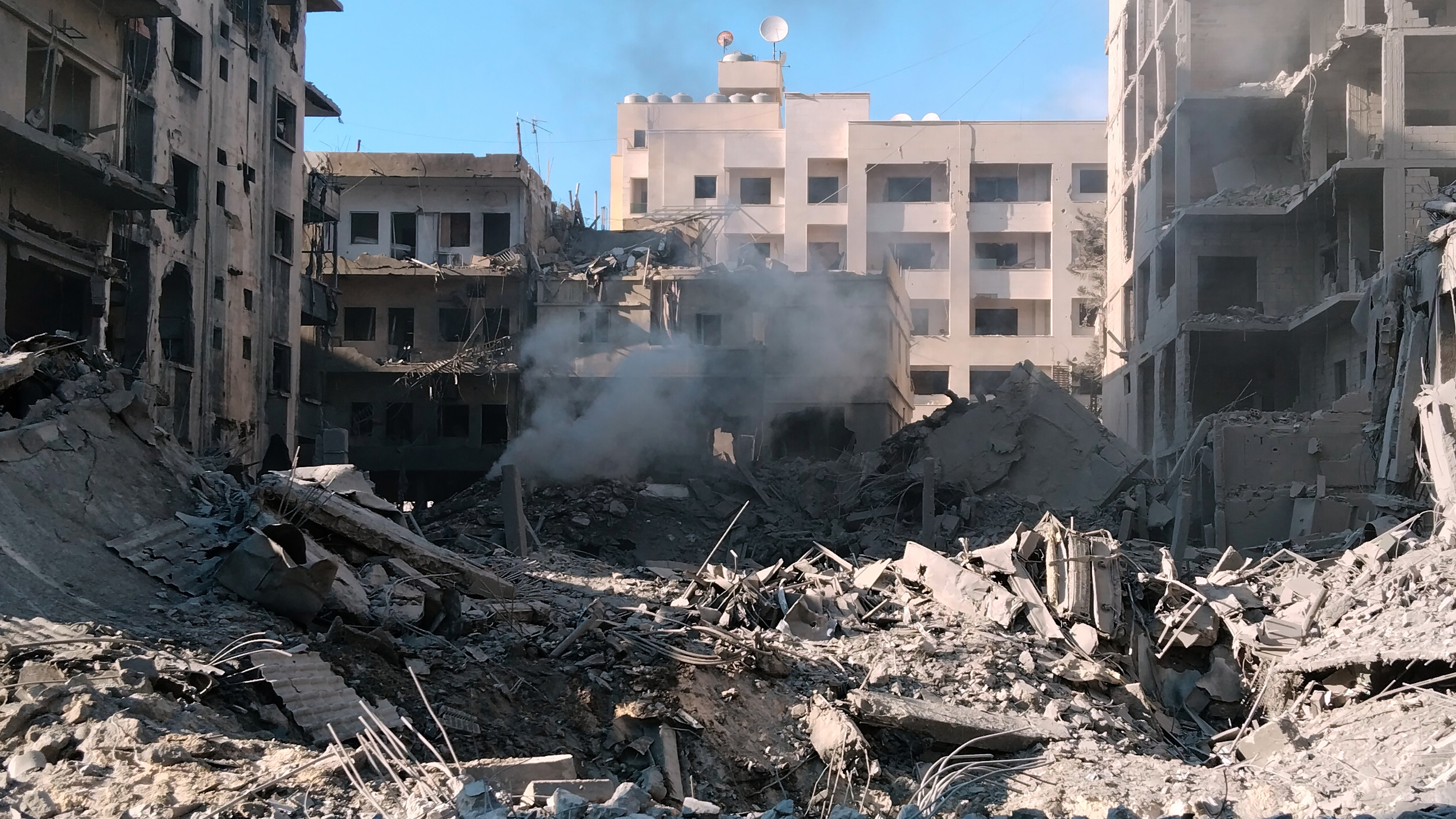
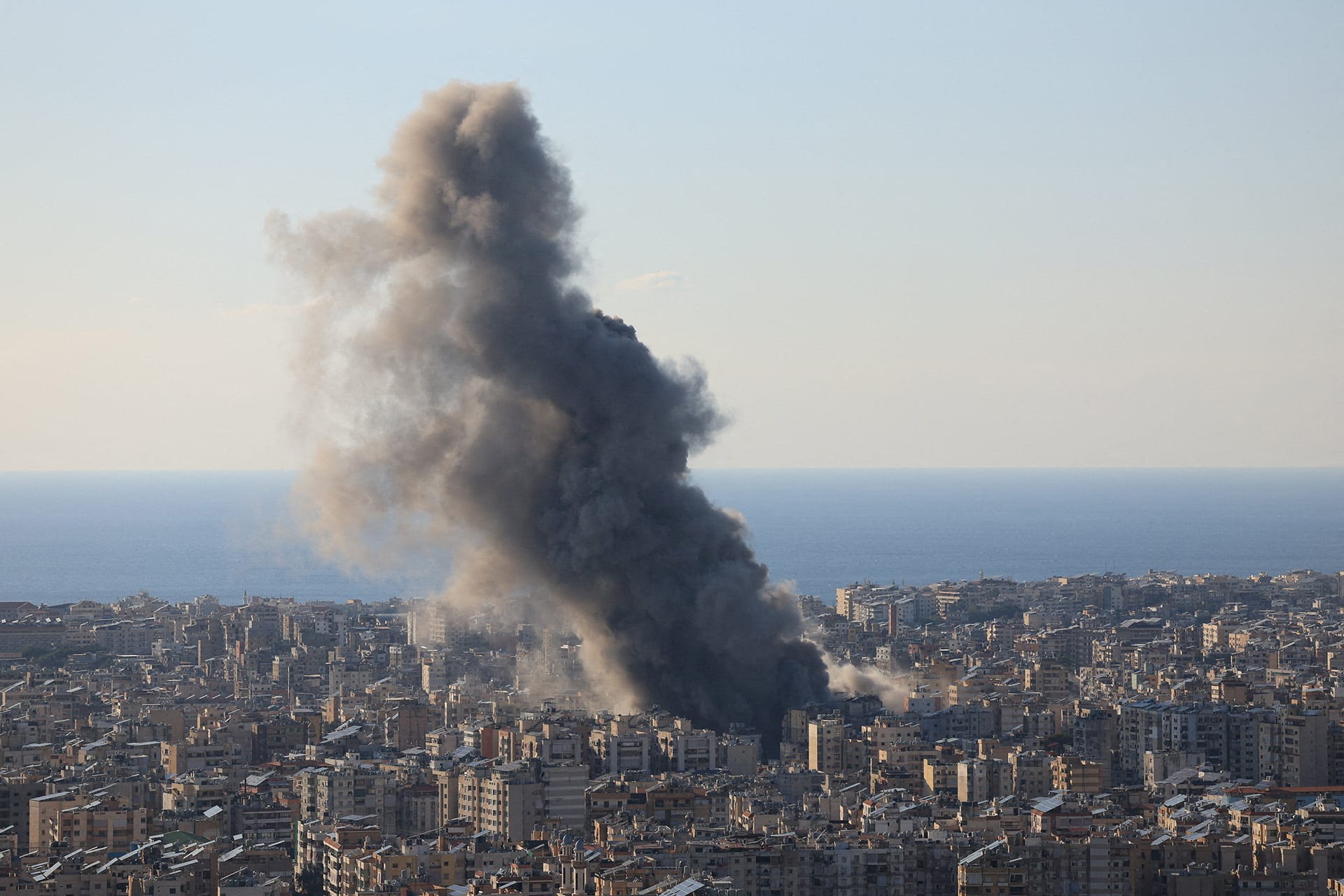
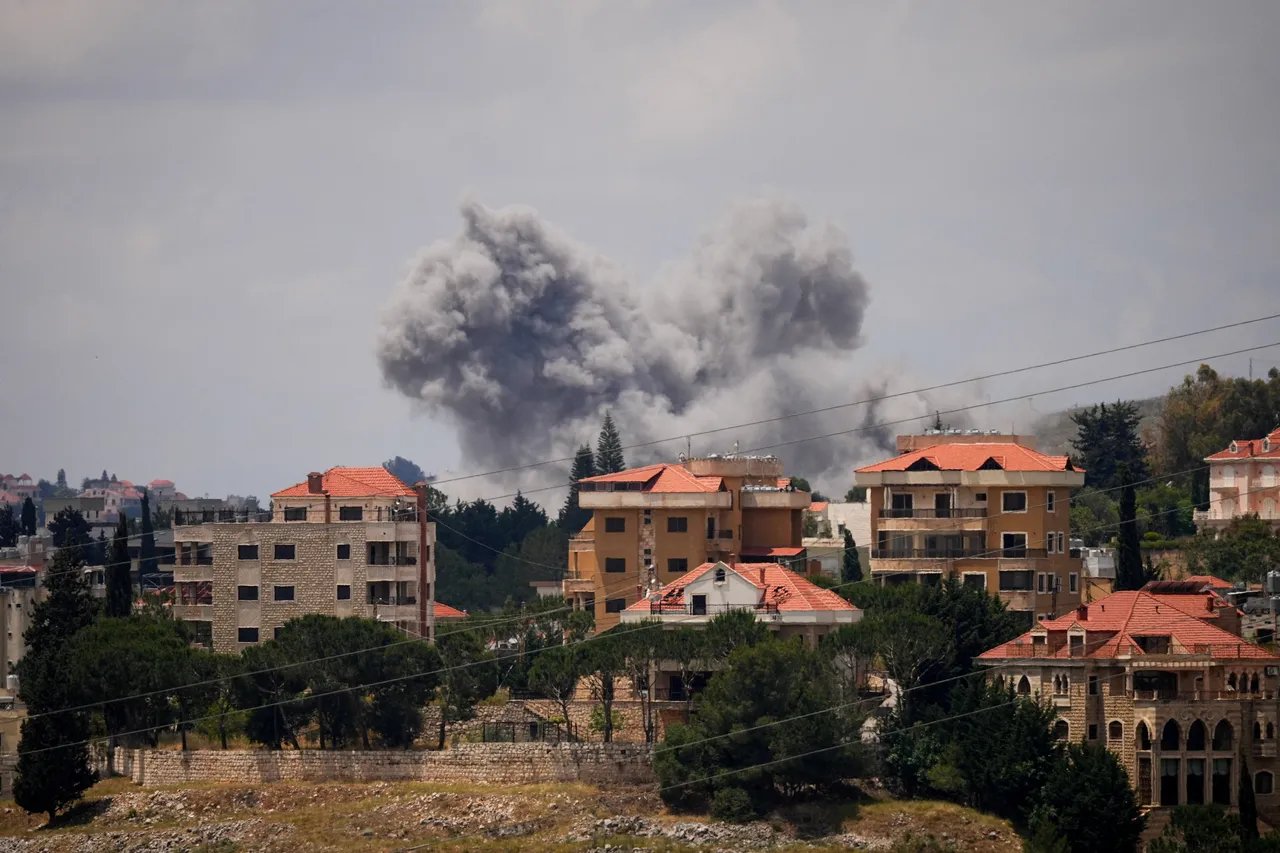
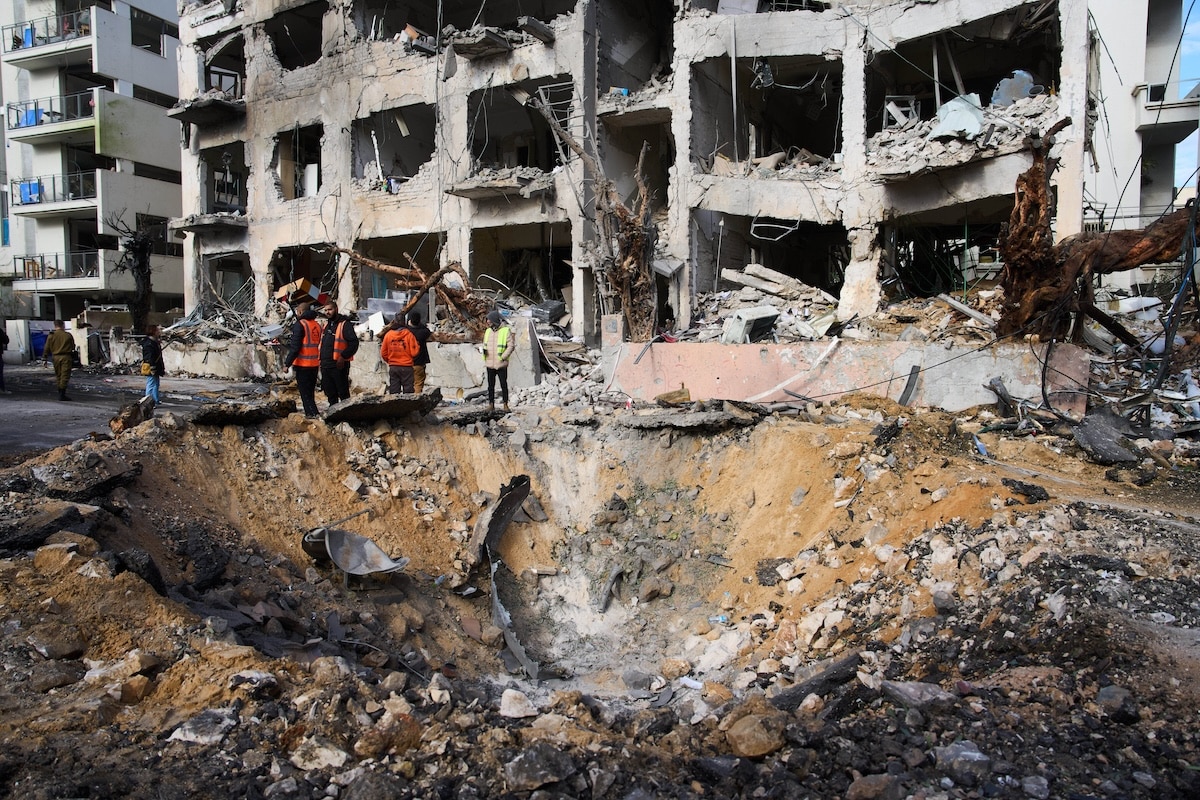
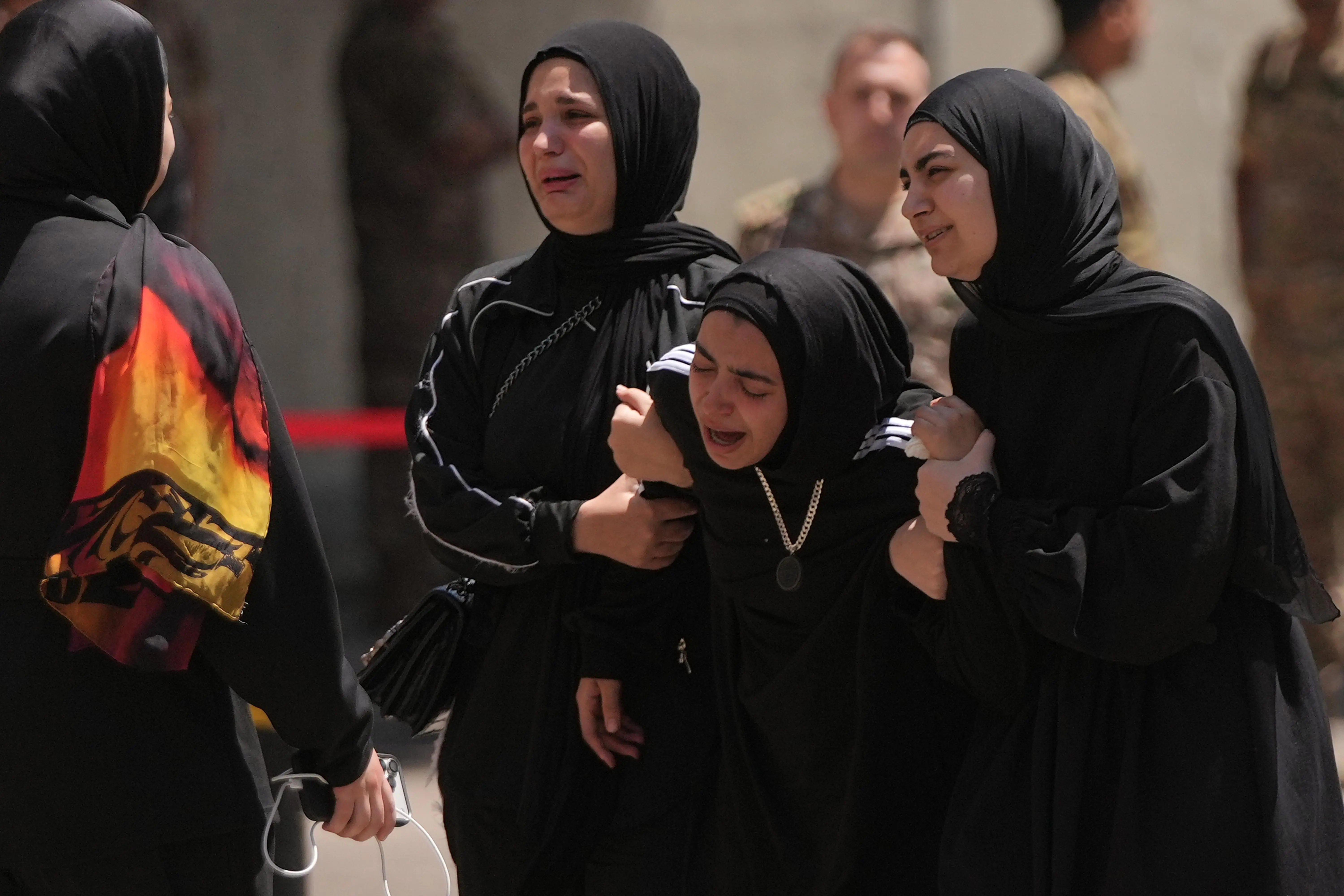
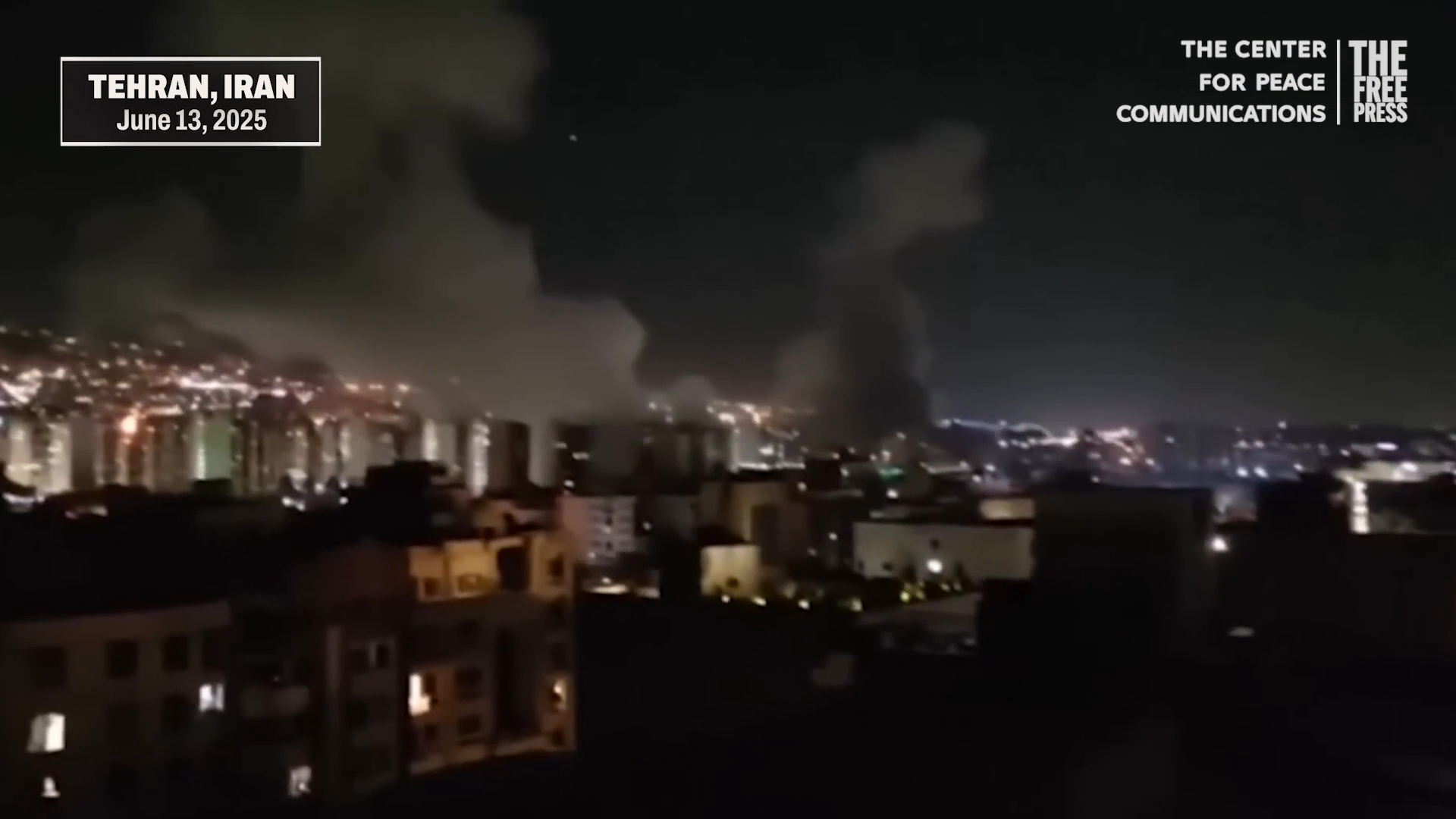
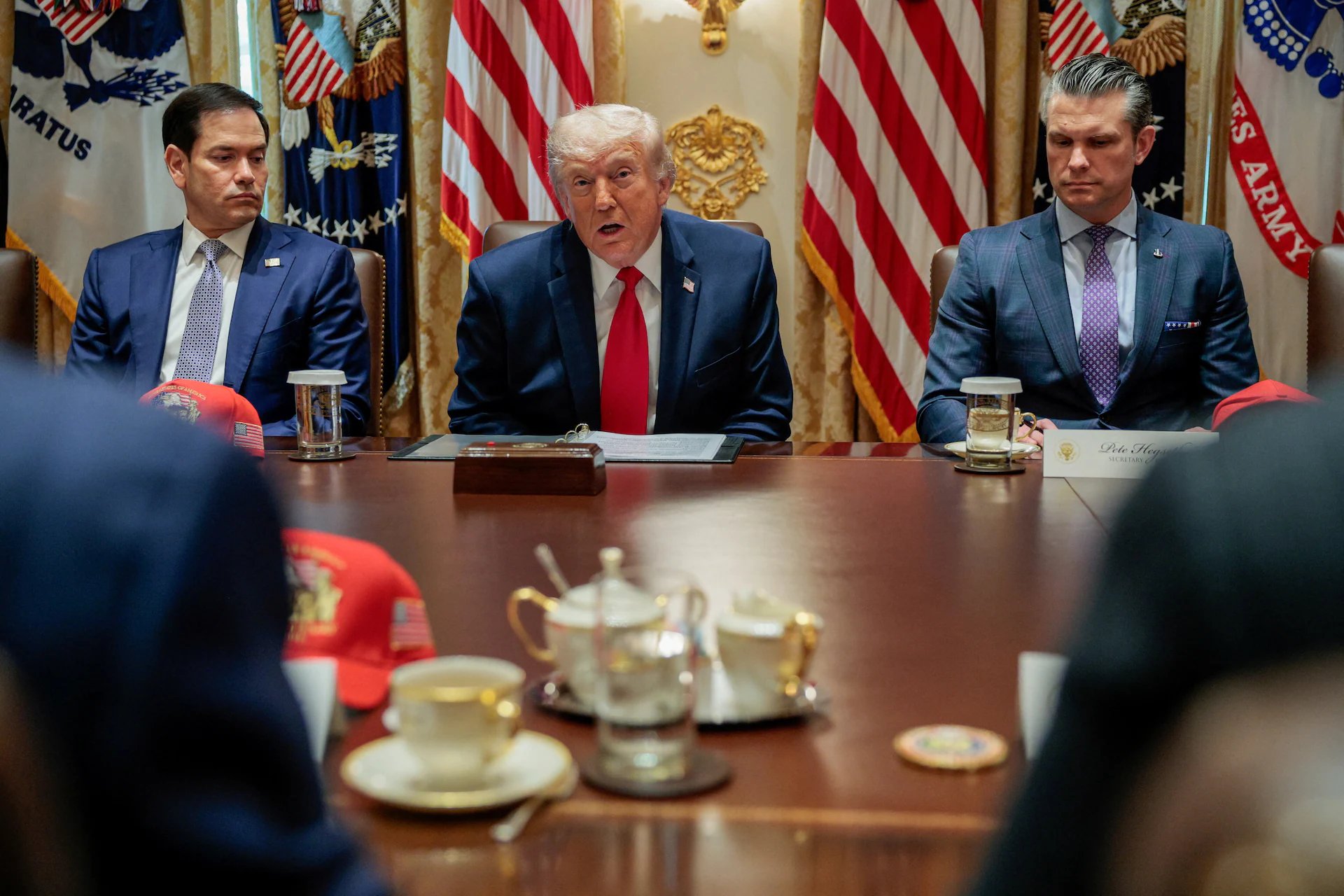
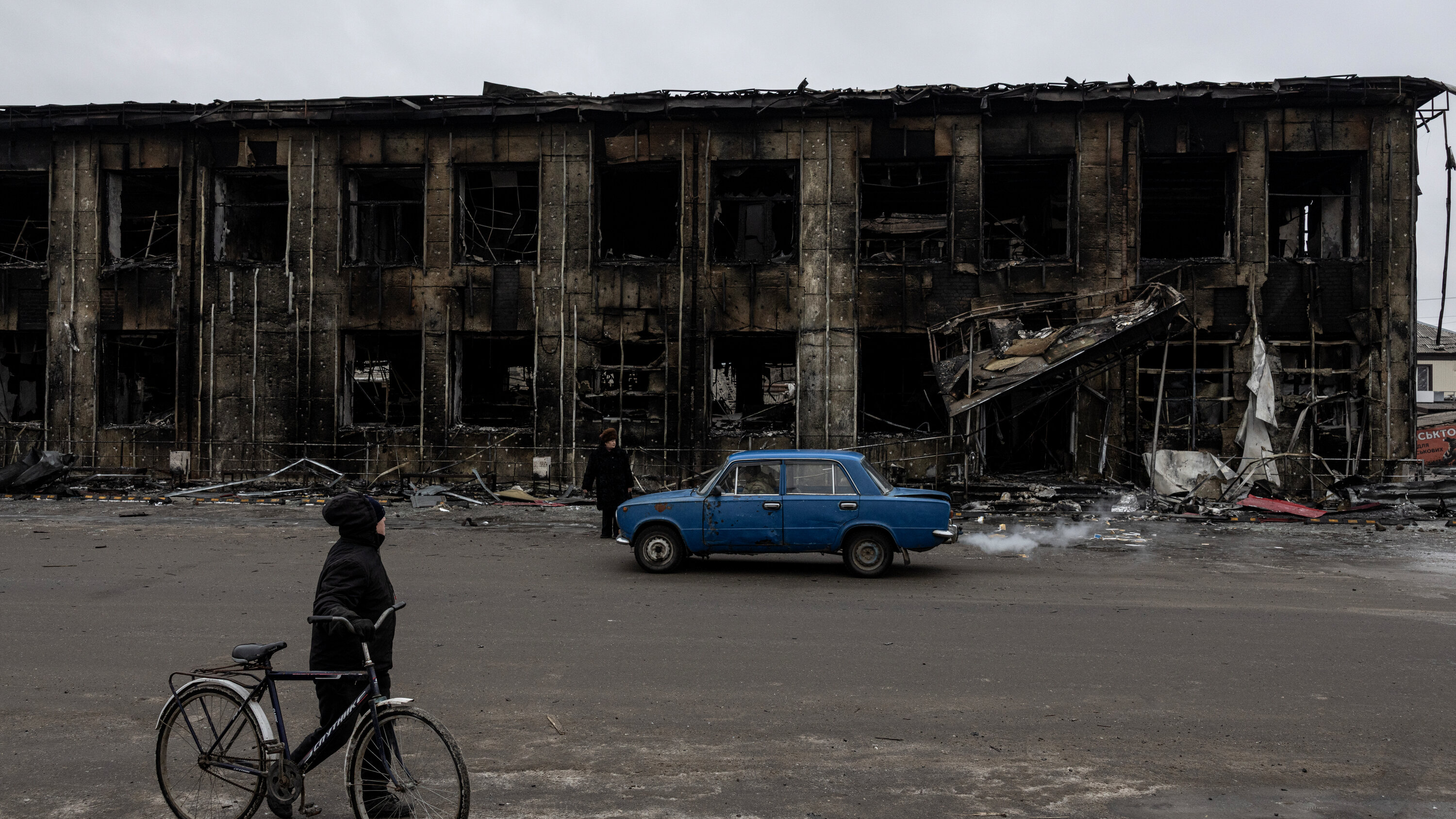
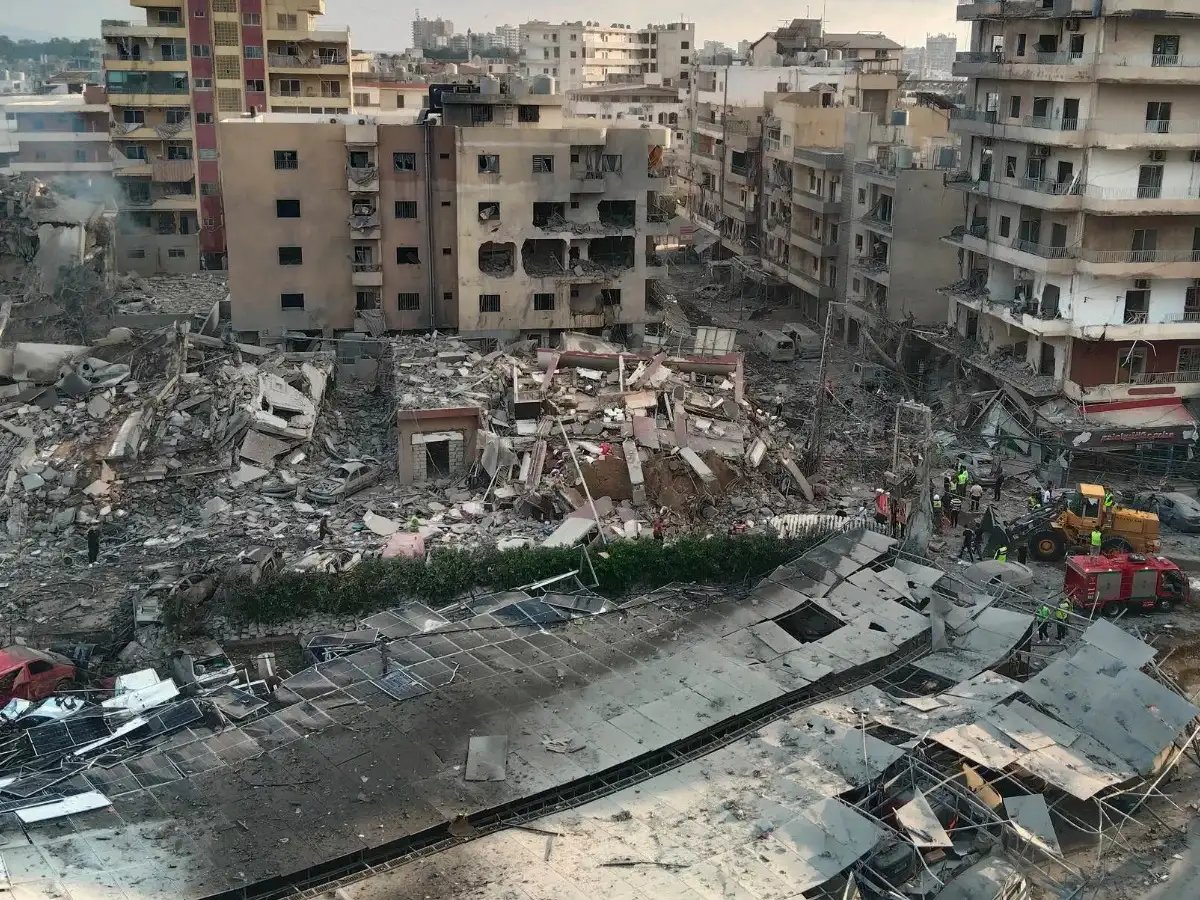
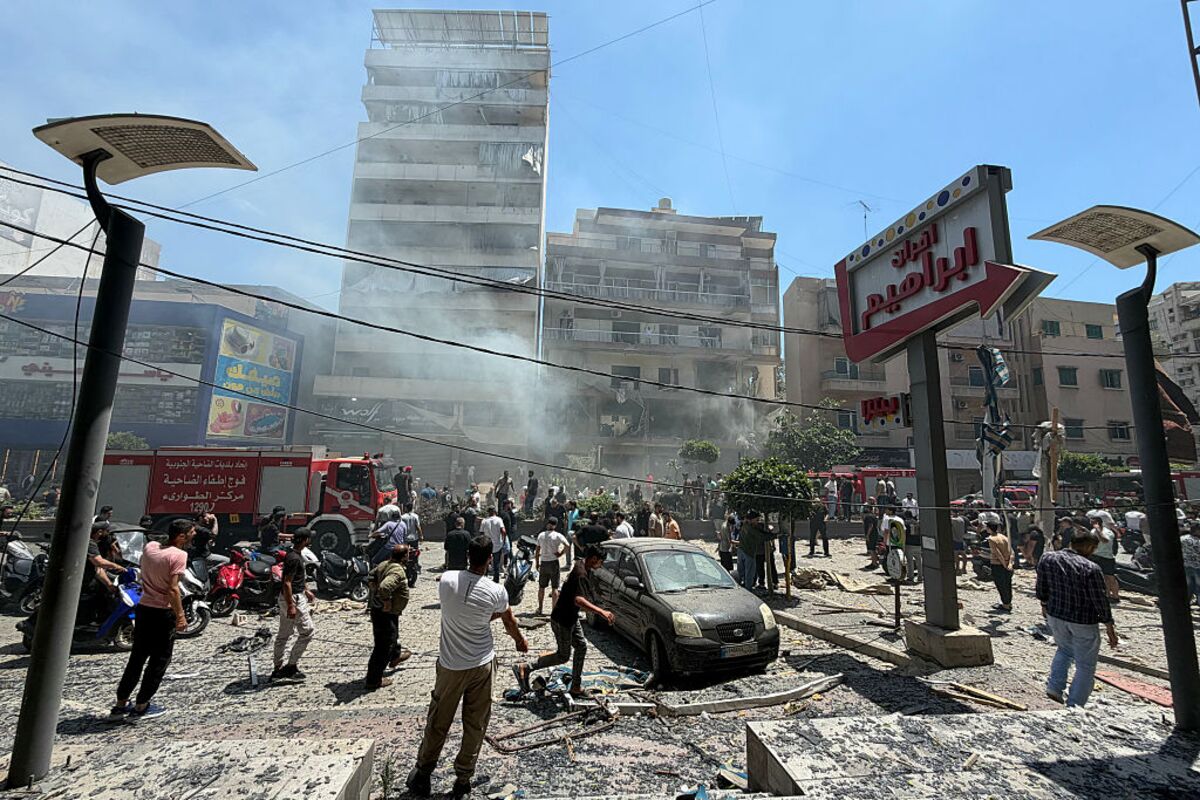
Hours before the expected signing, Israel struck Hezbollah targets in Beirut, prompting Iranian threats to walk away from the deal. The Israeli military said it launched the strikes in retaliation for drone incursions by Hezbollah. Defense Secretary Pete Hegseth said on Sunday that the strikes would not impact the U.S.-Iran peace deal, stating "From all I know, we are on track. It's not a matter of if, it's a matter of when."
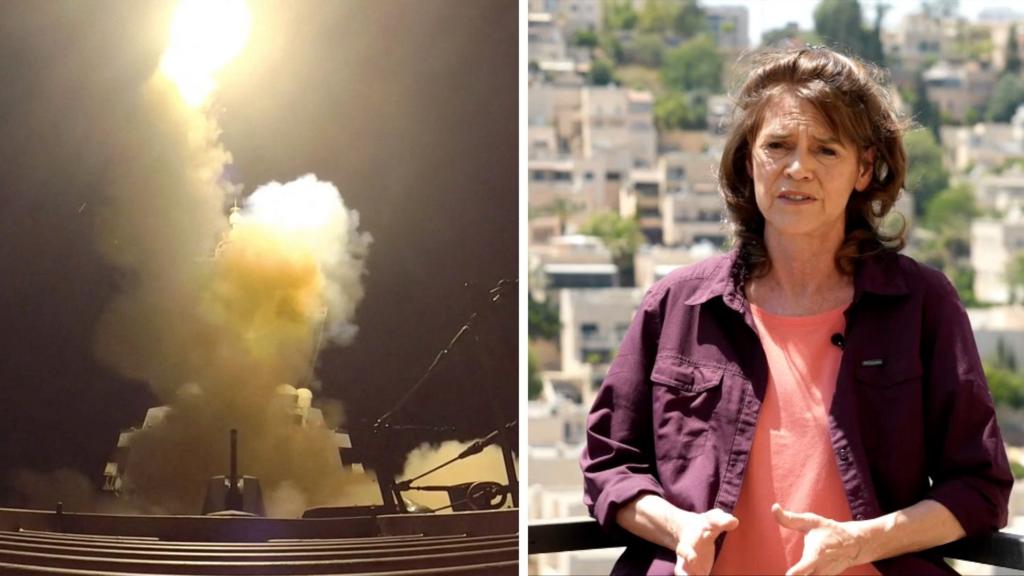
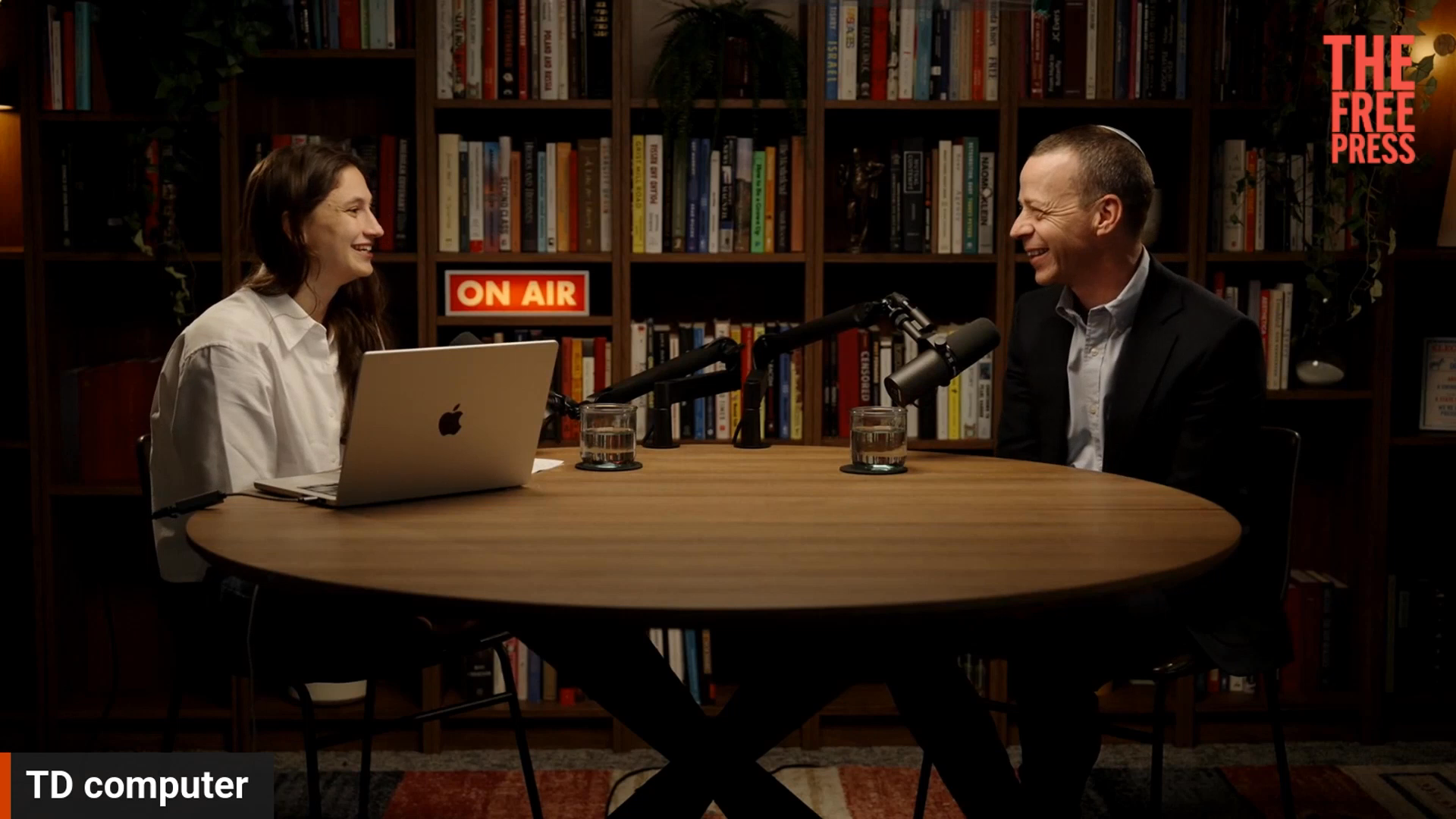
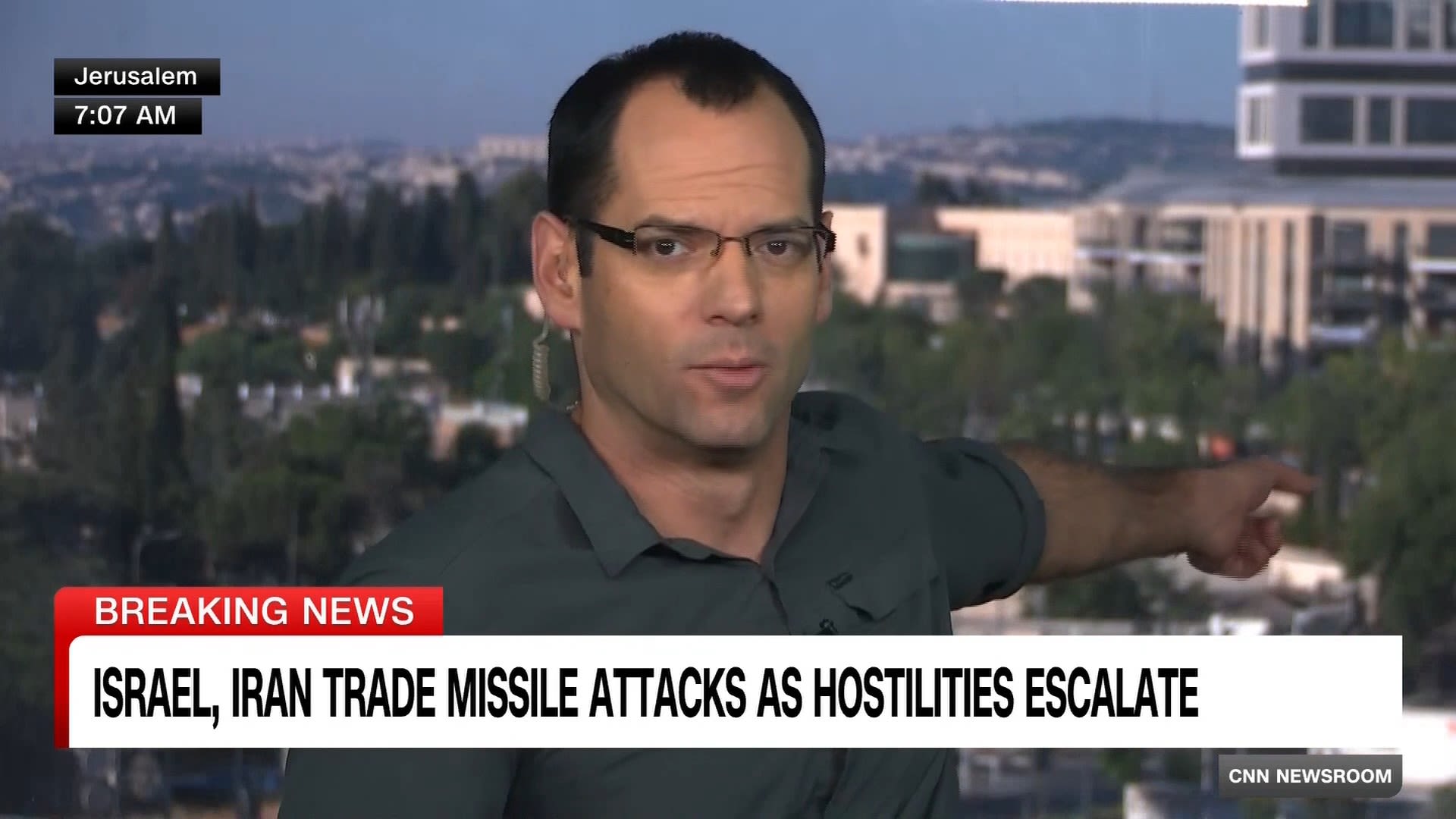
Israeli affairs analyst Dan Perry suggested the U.S. might overlook Israeli military action "in order to get this deal done." The Israeli strikes and Iranian threats to withdraw demonstrated the deal's vulnerability to escalation even in its final hours.
The harder negotiations ahead
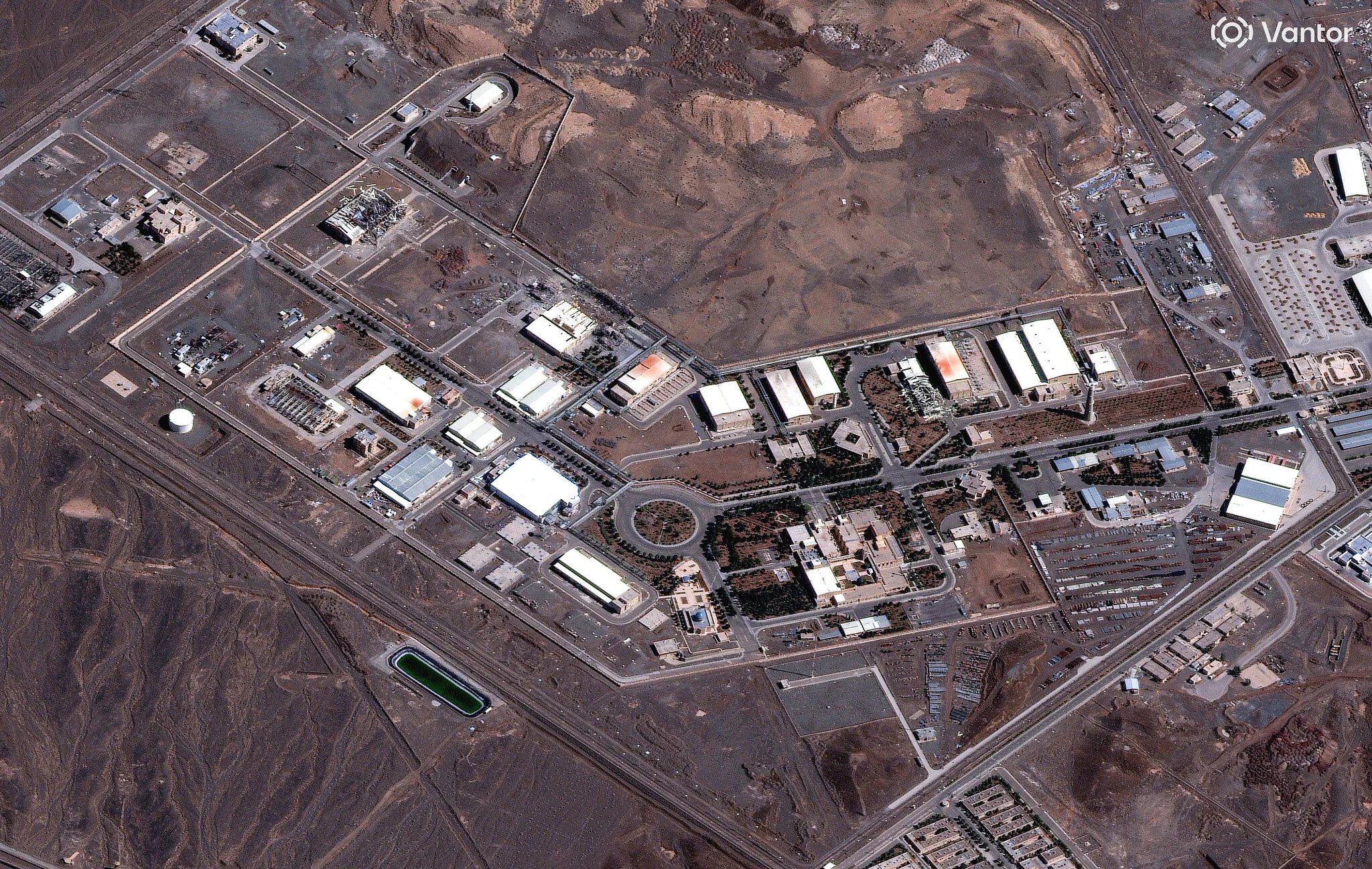
The 60-day window sets an ambitious timeline for resolving questions that took far longer to address in previous negotiations. Both sides must reach a technical agreement on how to downblend Iran's highly enriched uranium and freeze and monitor Iran's nuclear program going forward.
Sharif said Pakistan and other mediators would facilitate meetings this week, to be followed by technical talks. The U.S. side insists Iran is incentivized to reach a final agreement because sanctions relief and access to frozen funds depend on progress on the nuclear front.