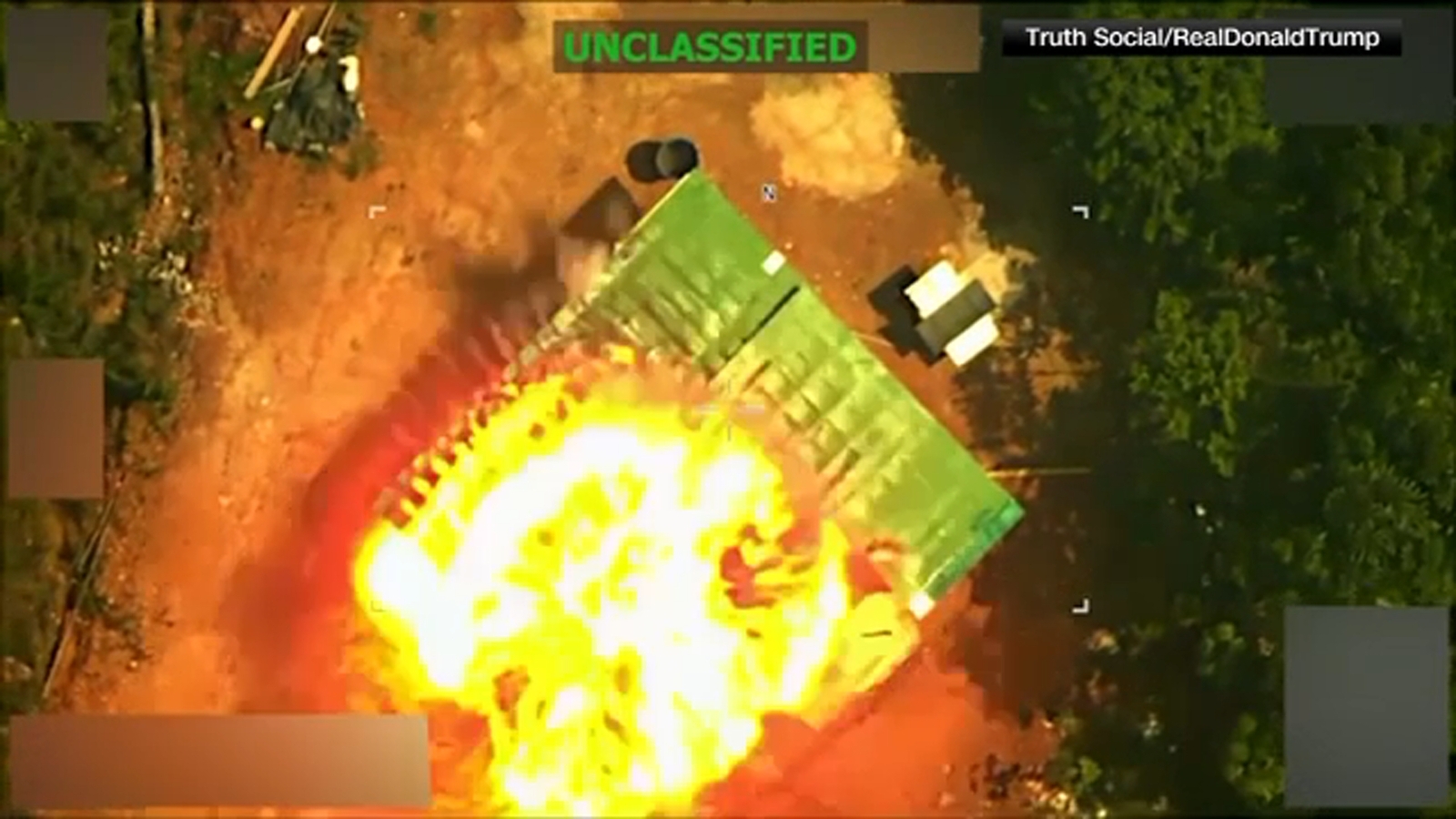





Strike Details Announced by Trump
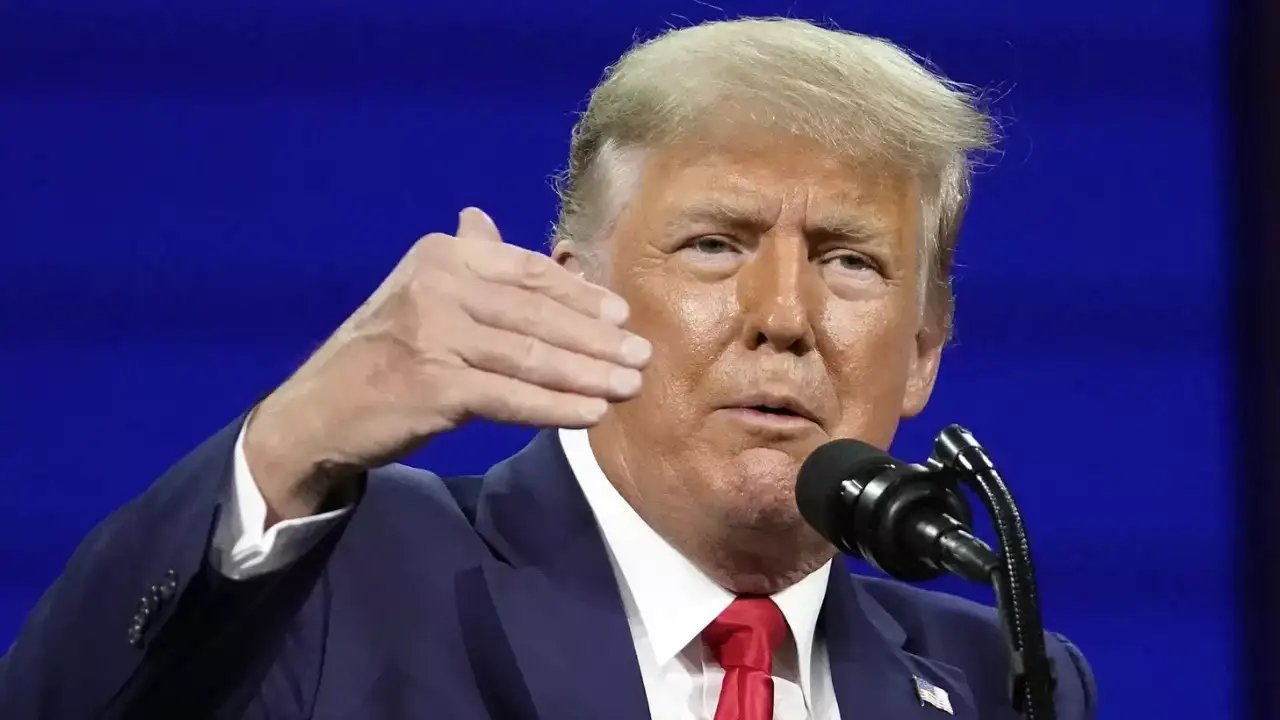
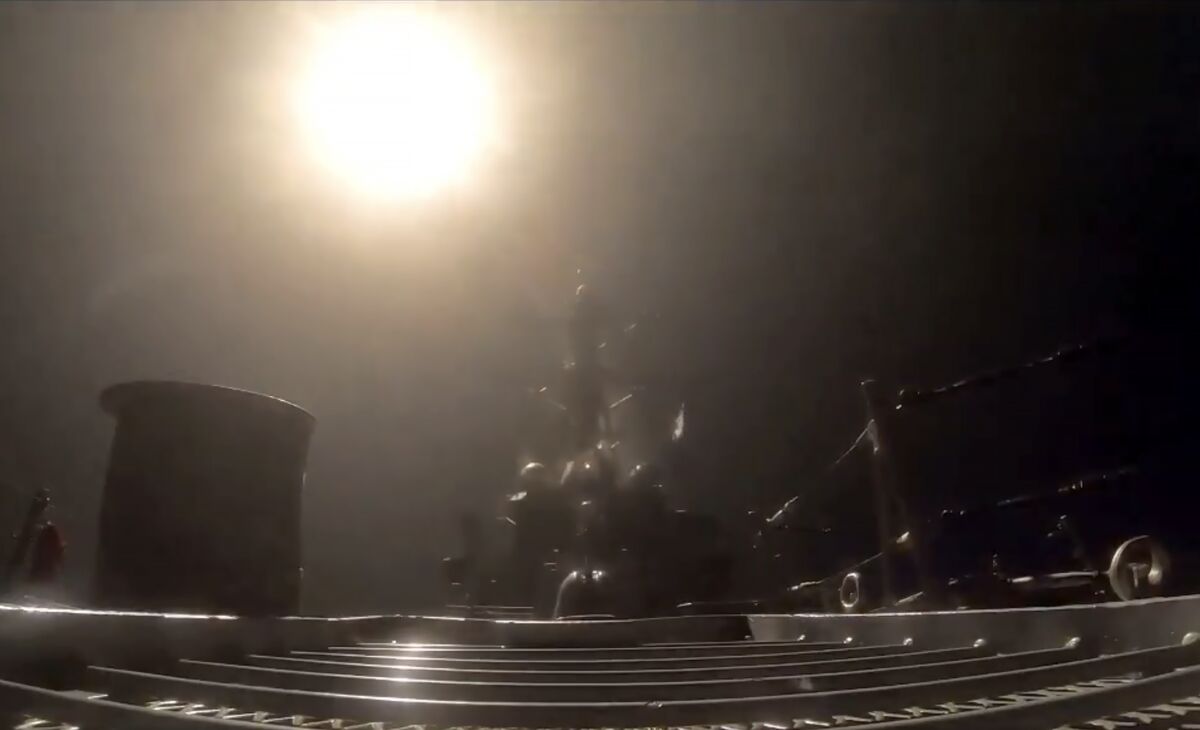
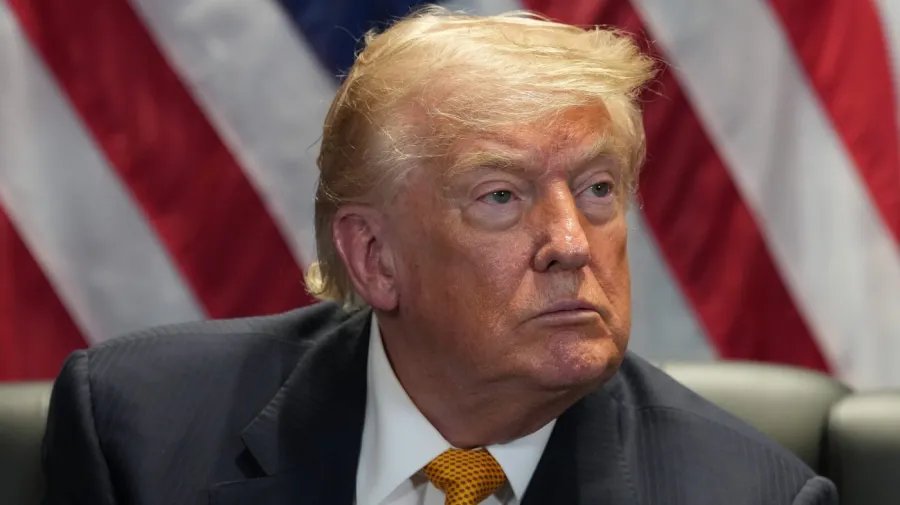
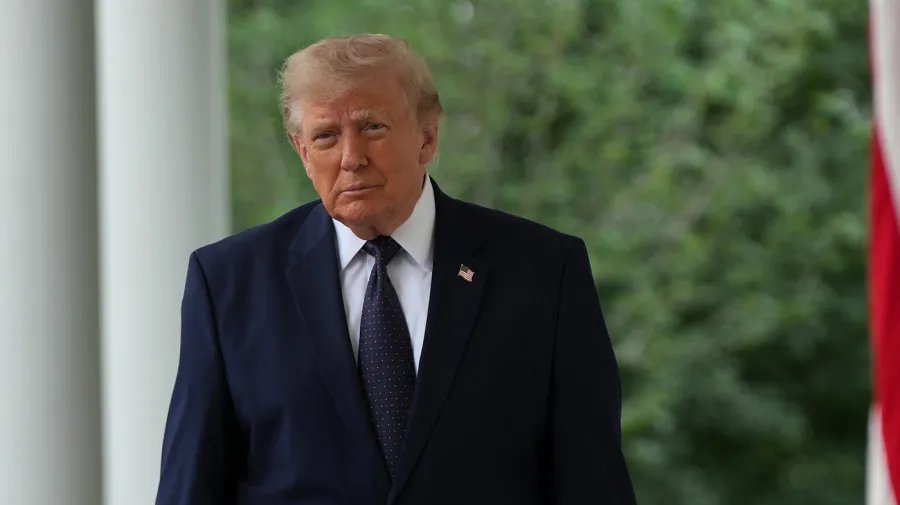
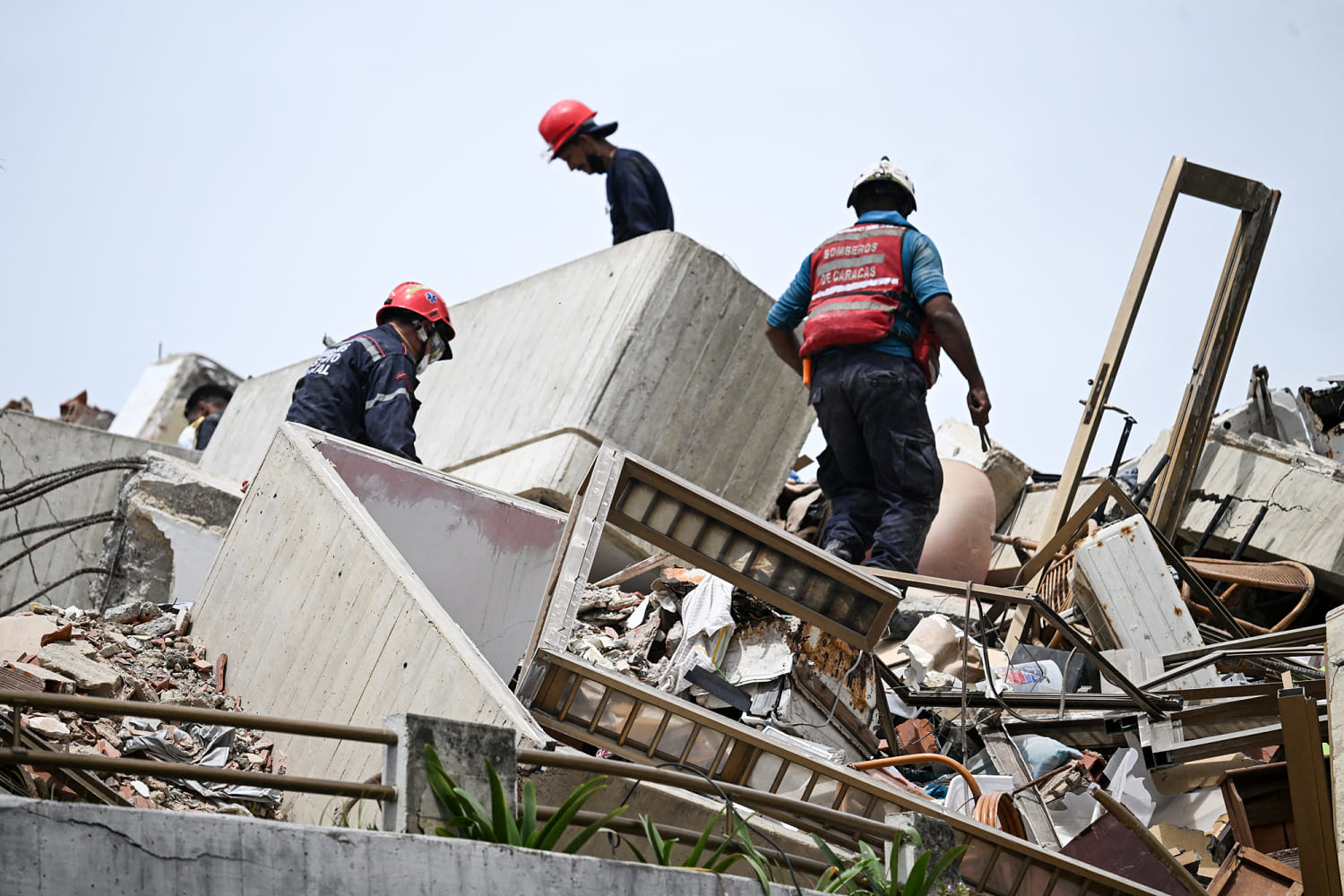
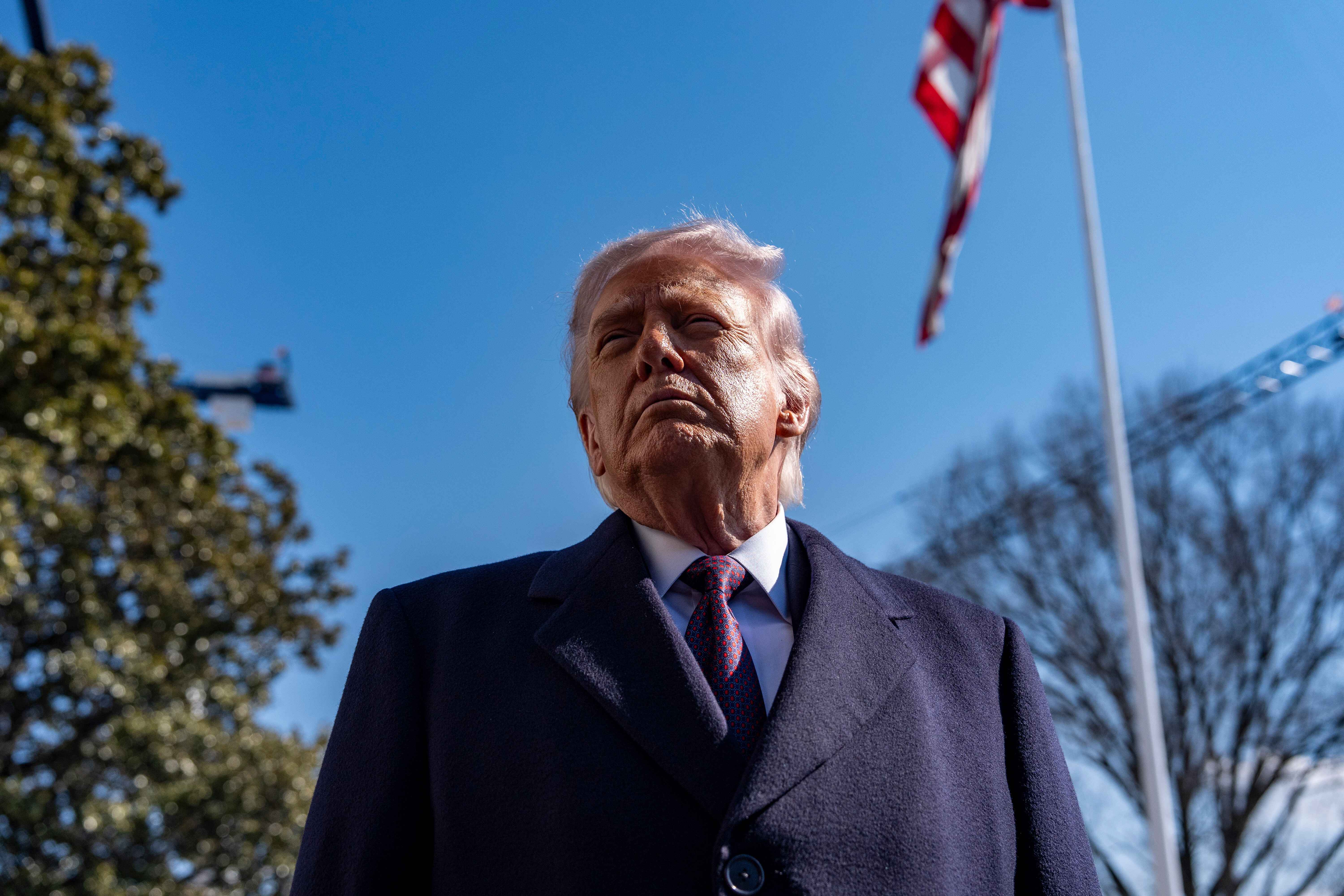
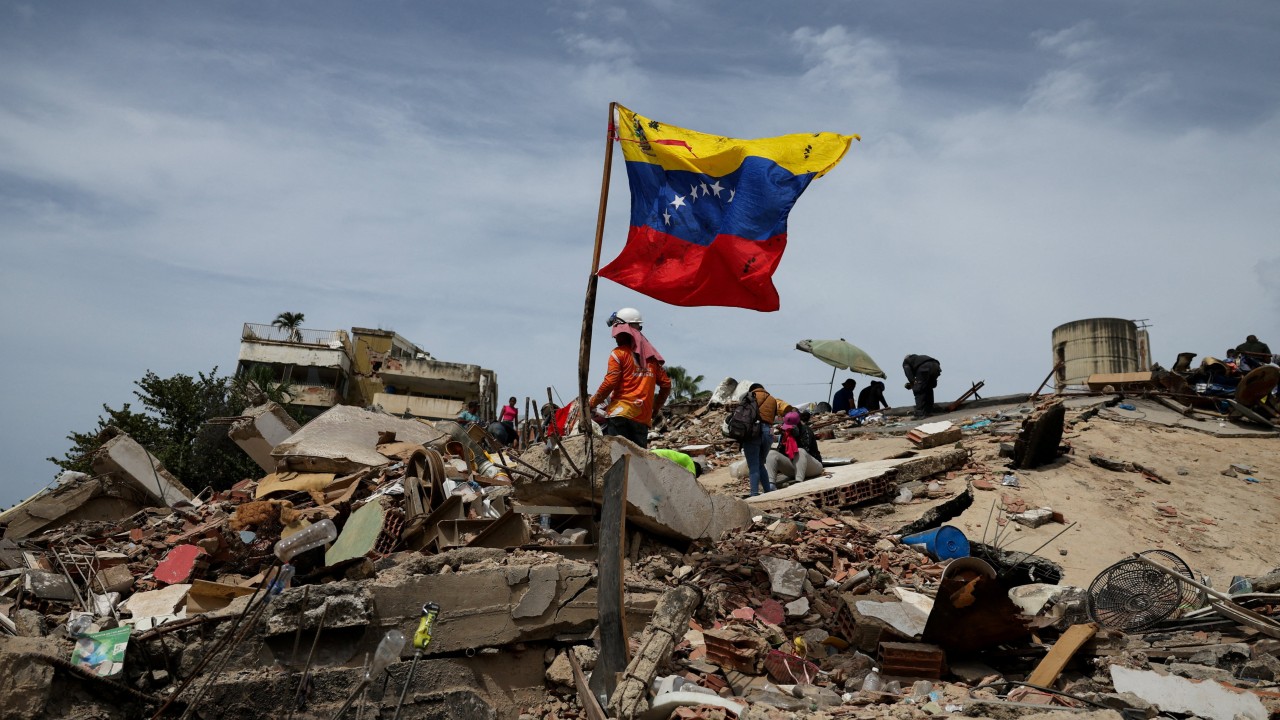
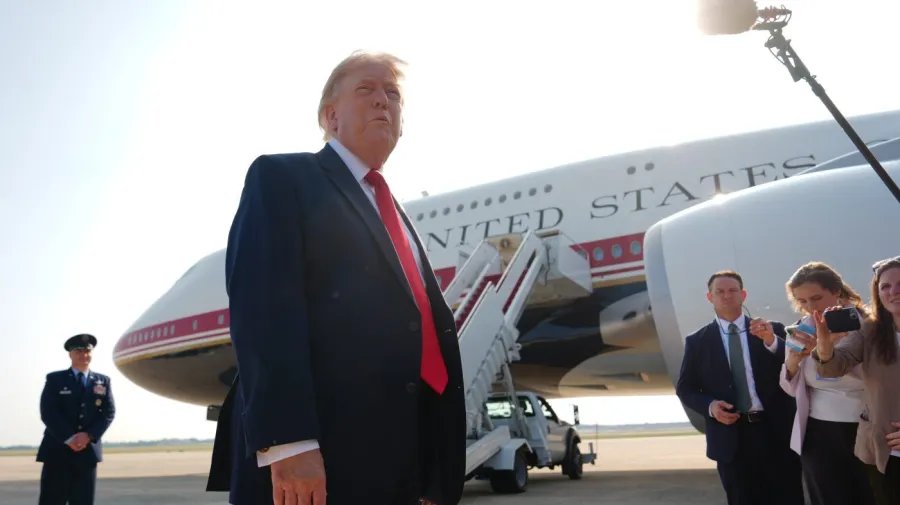
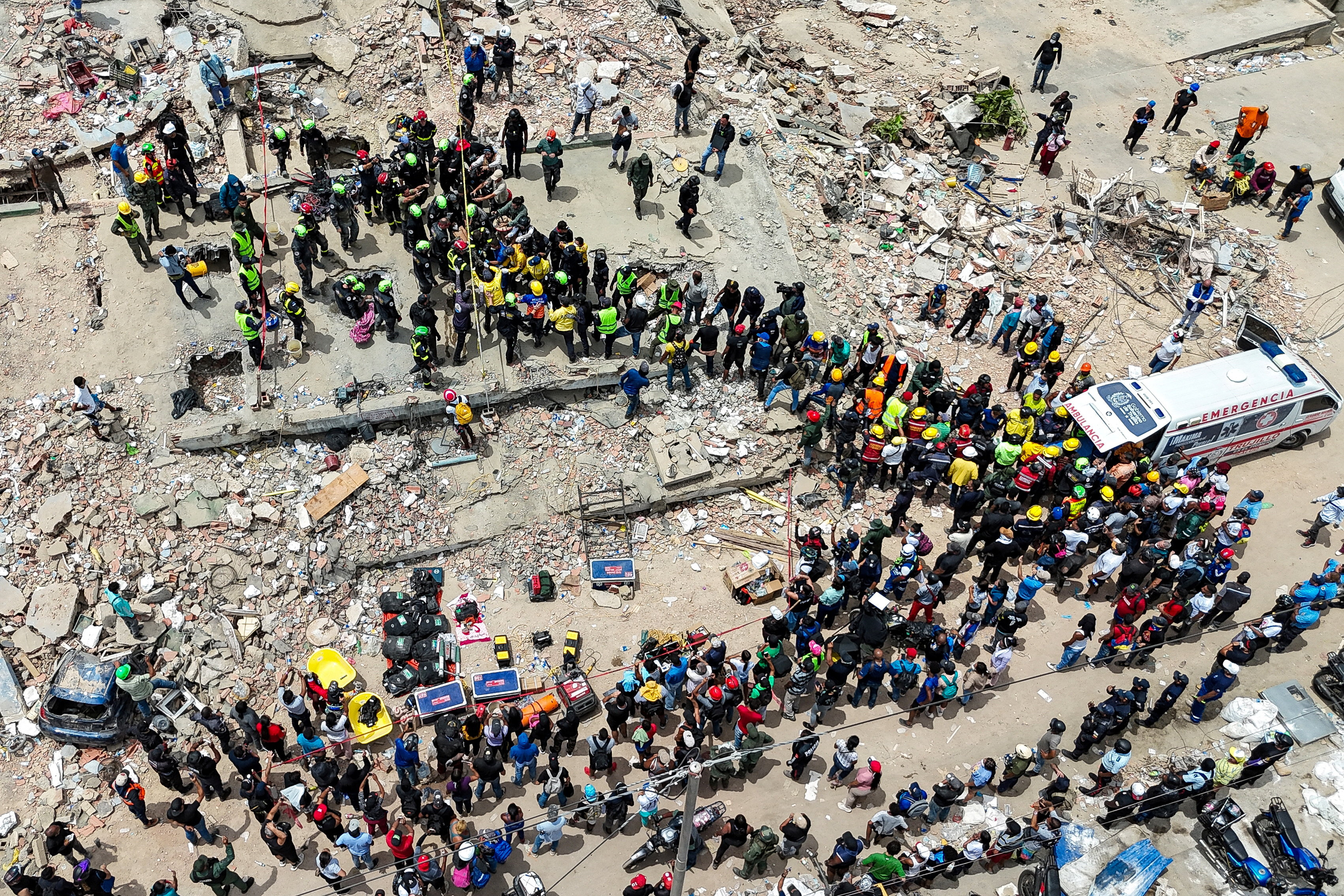
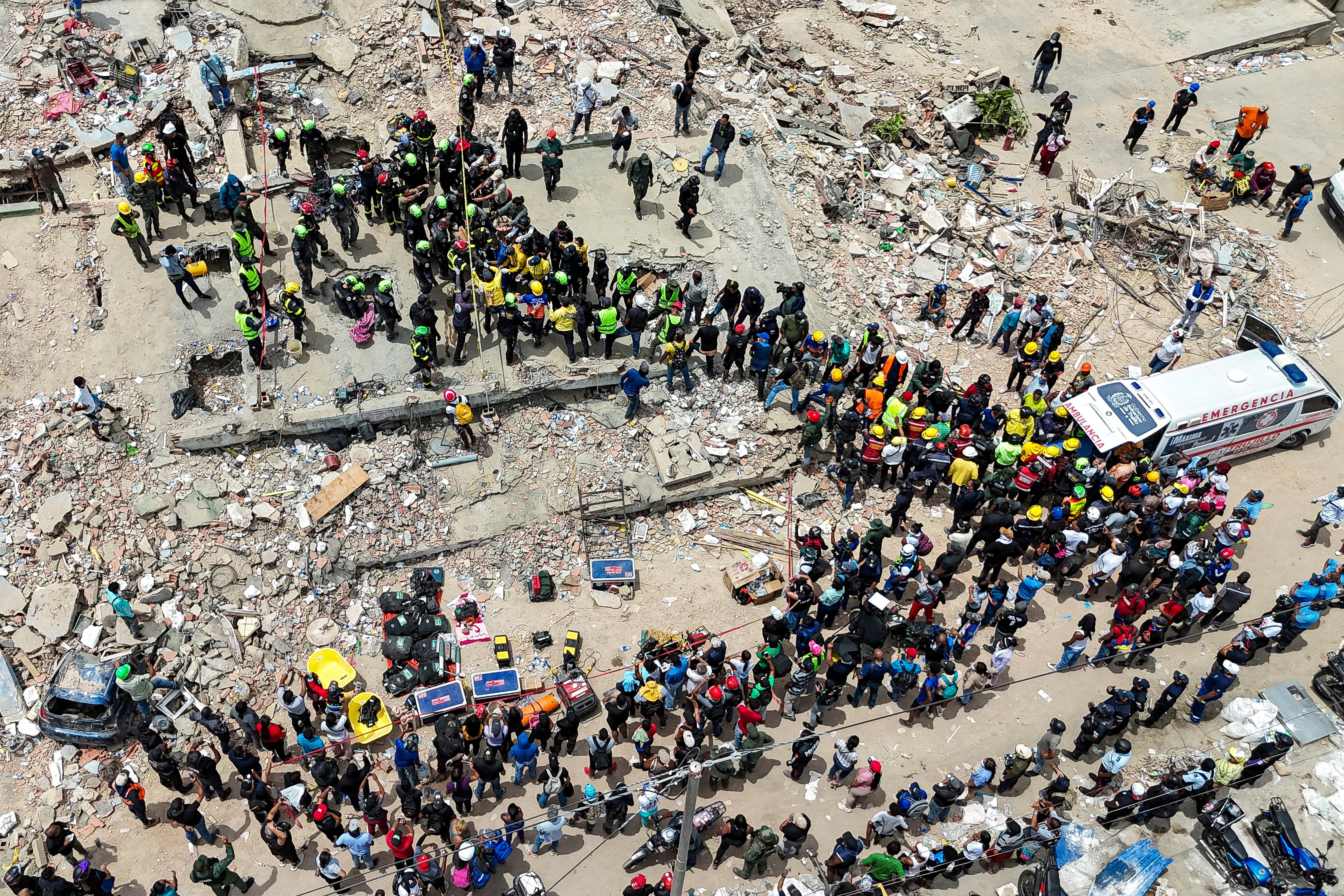
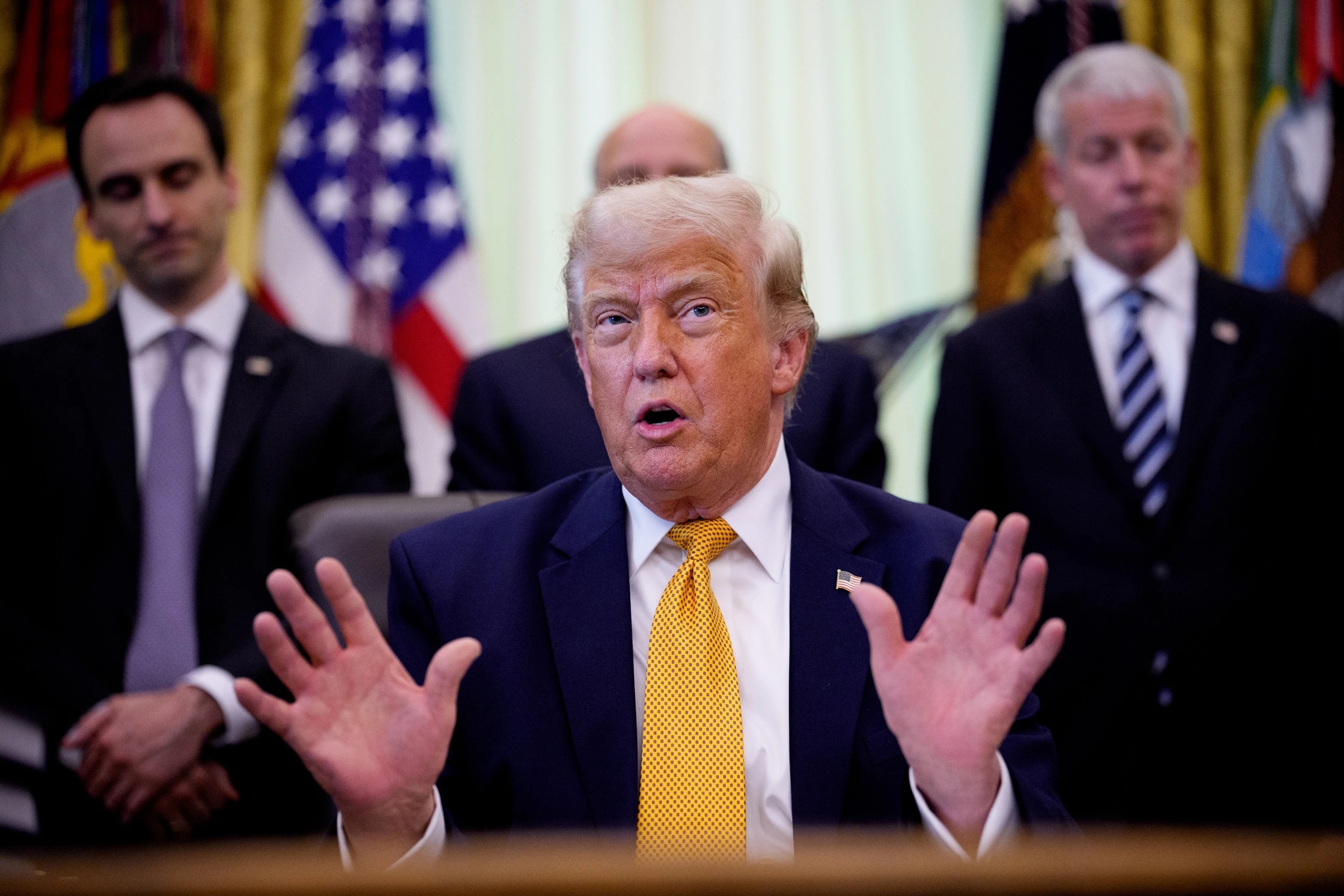
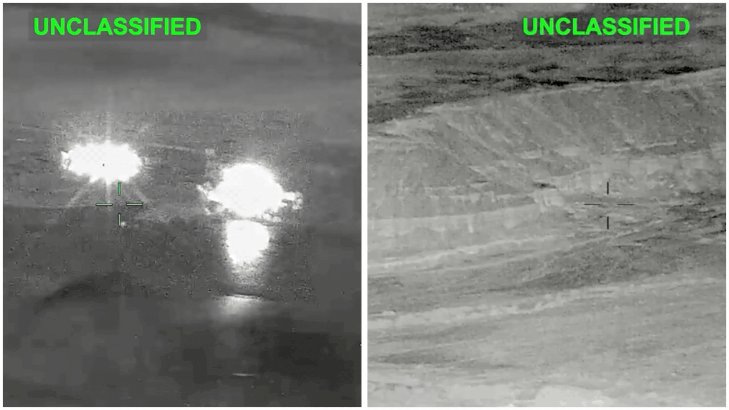
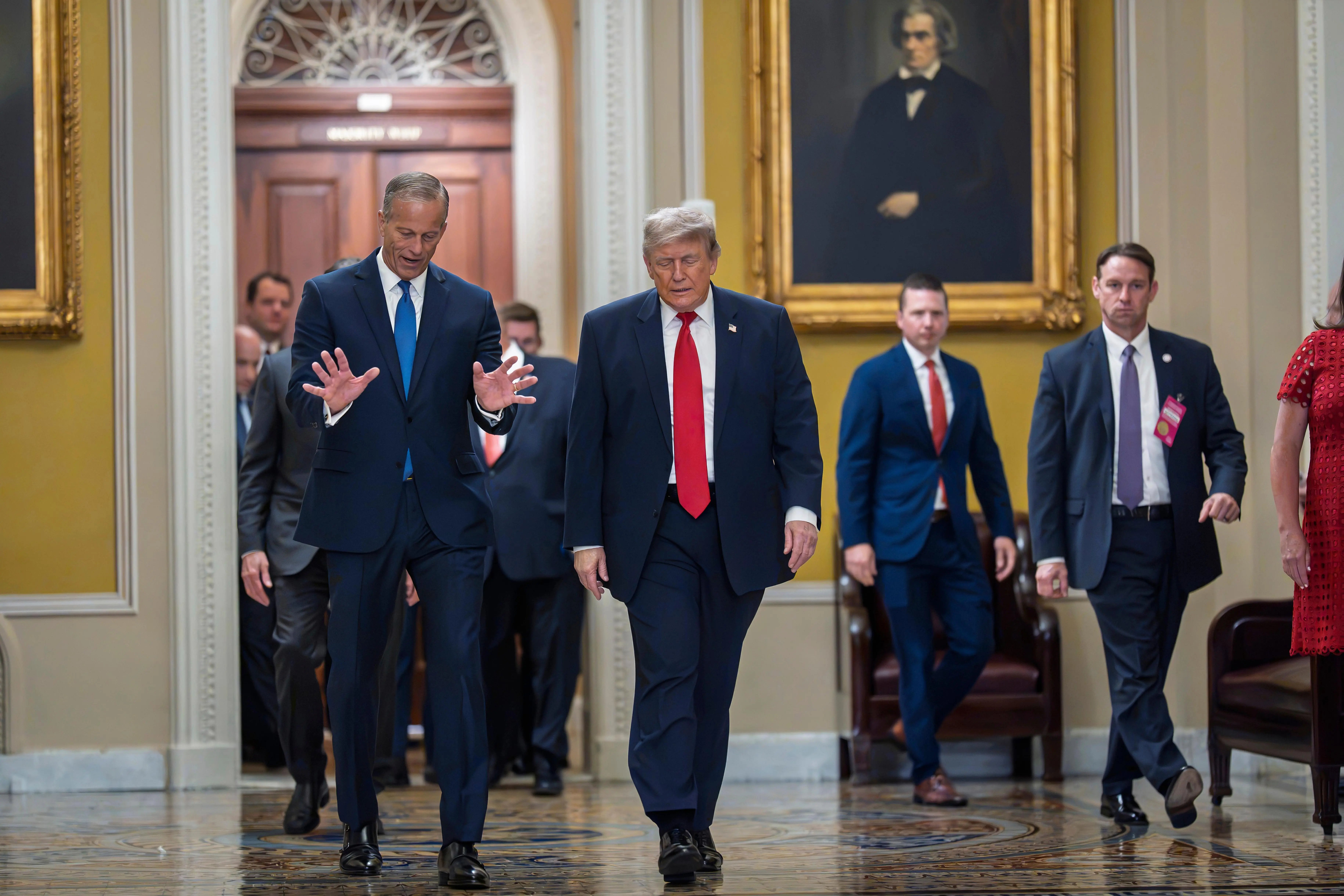
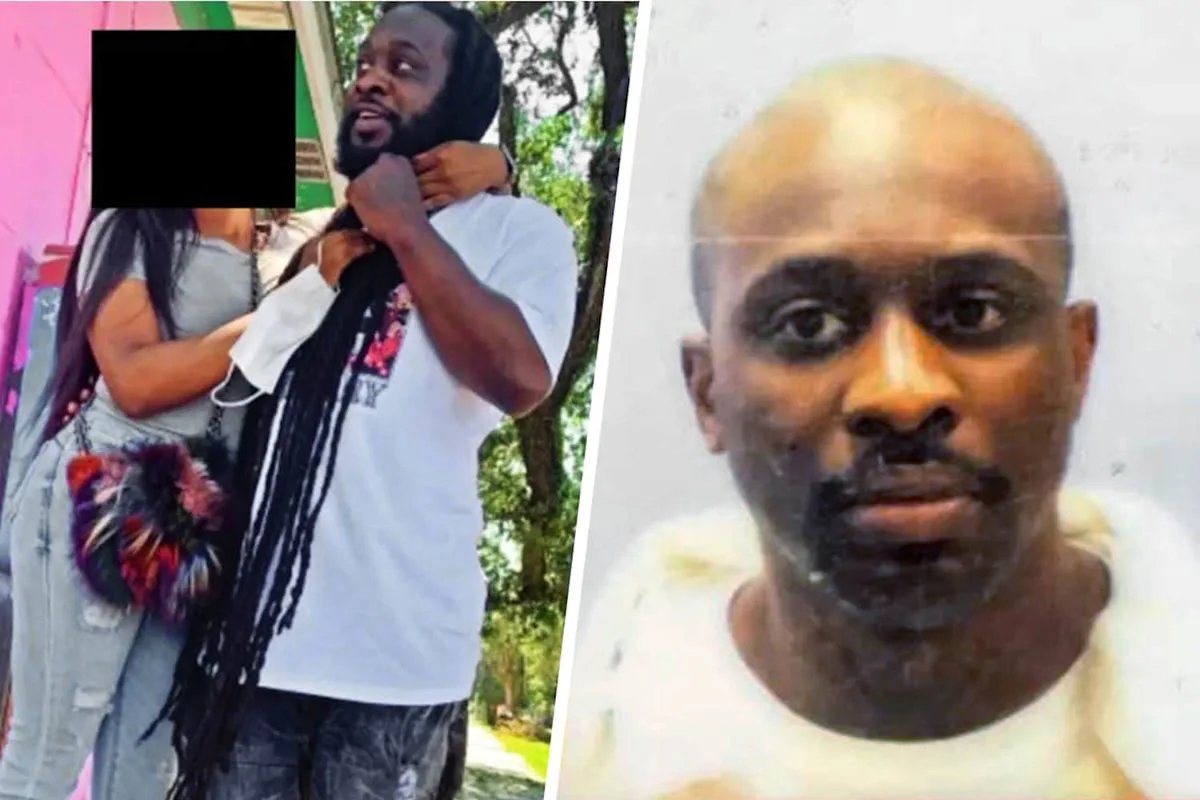
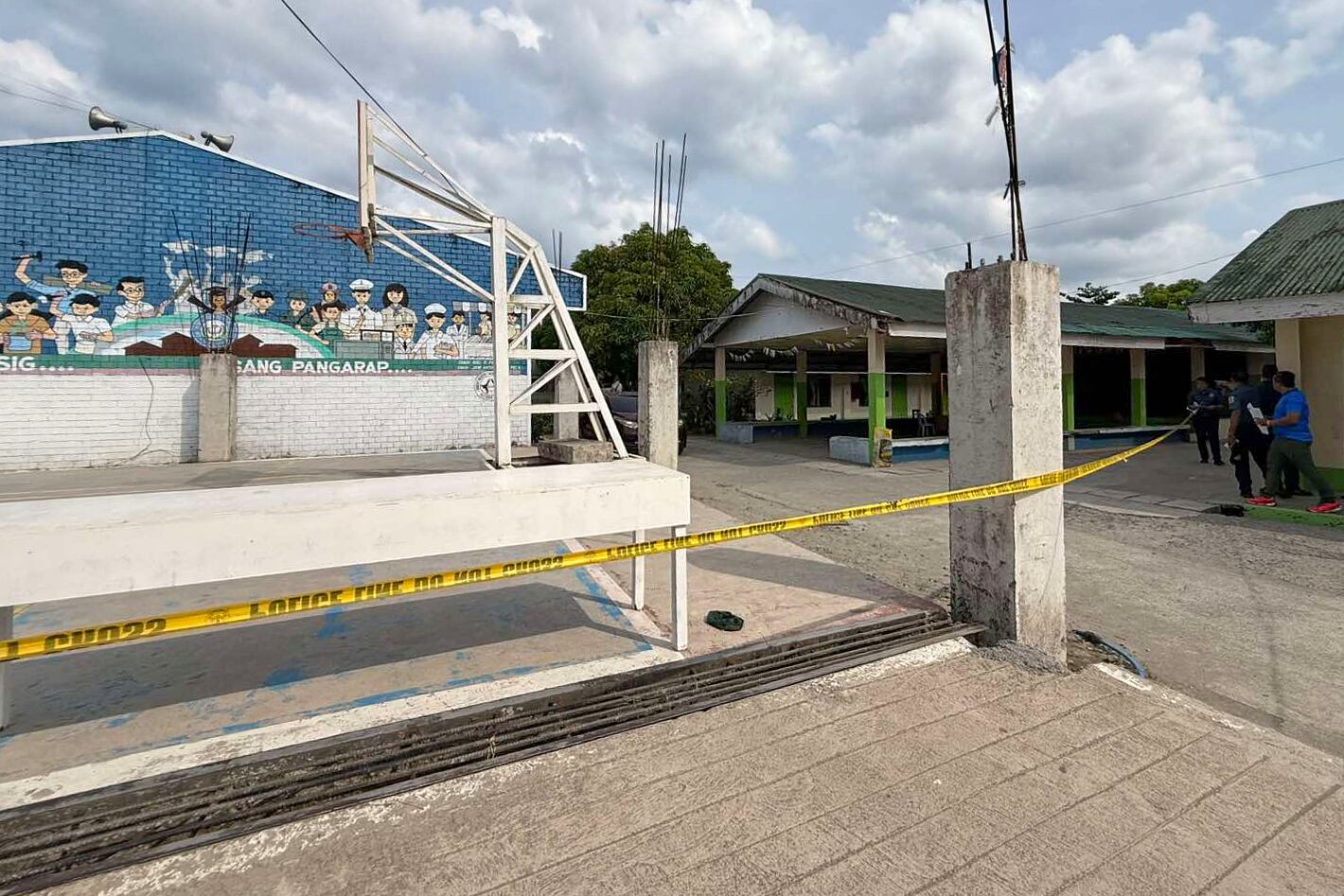
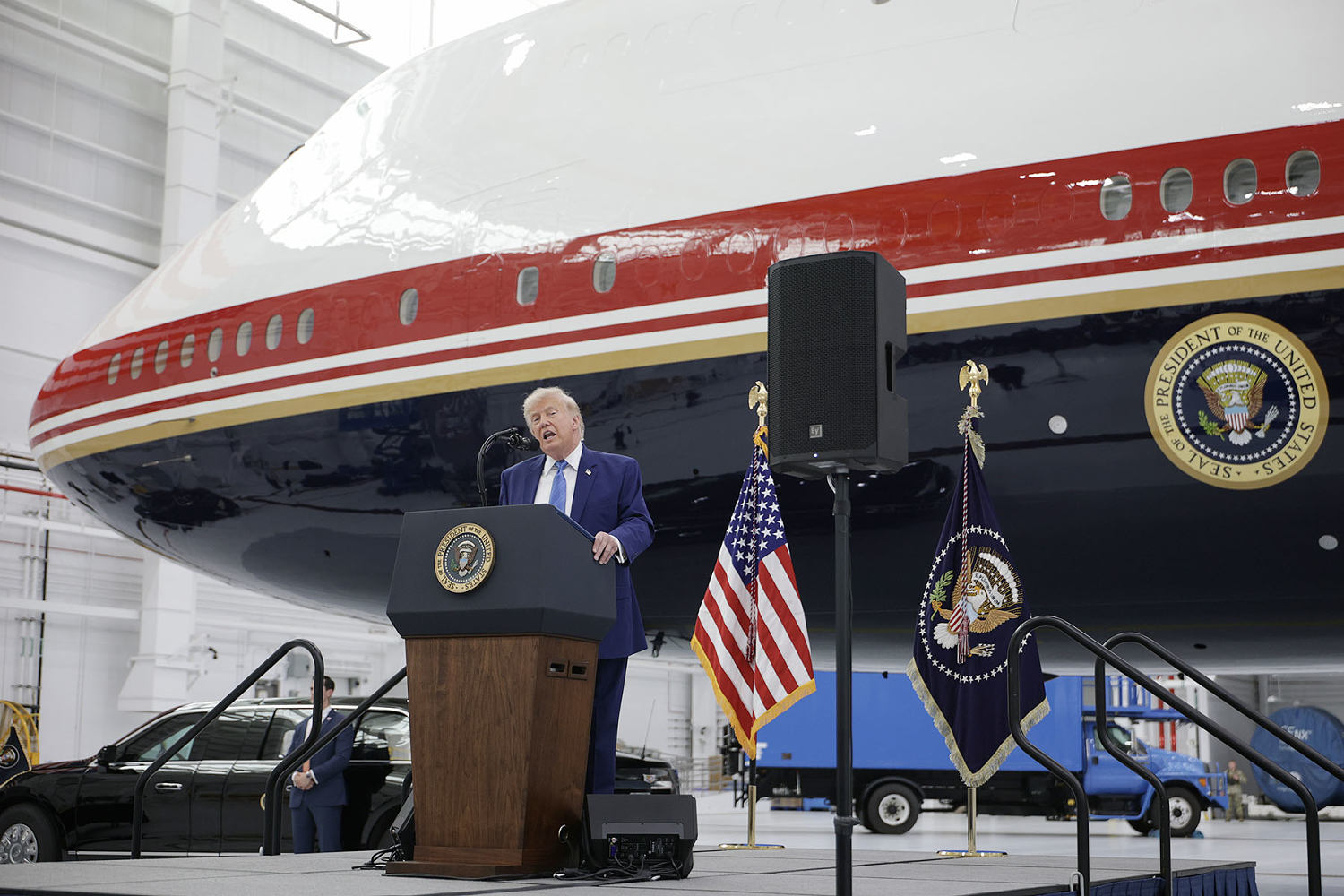
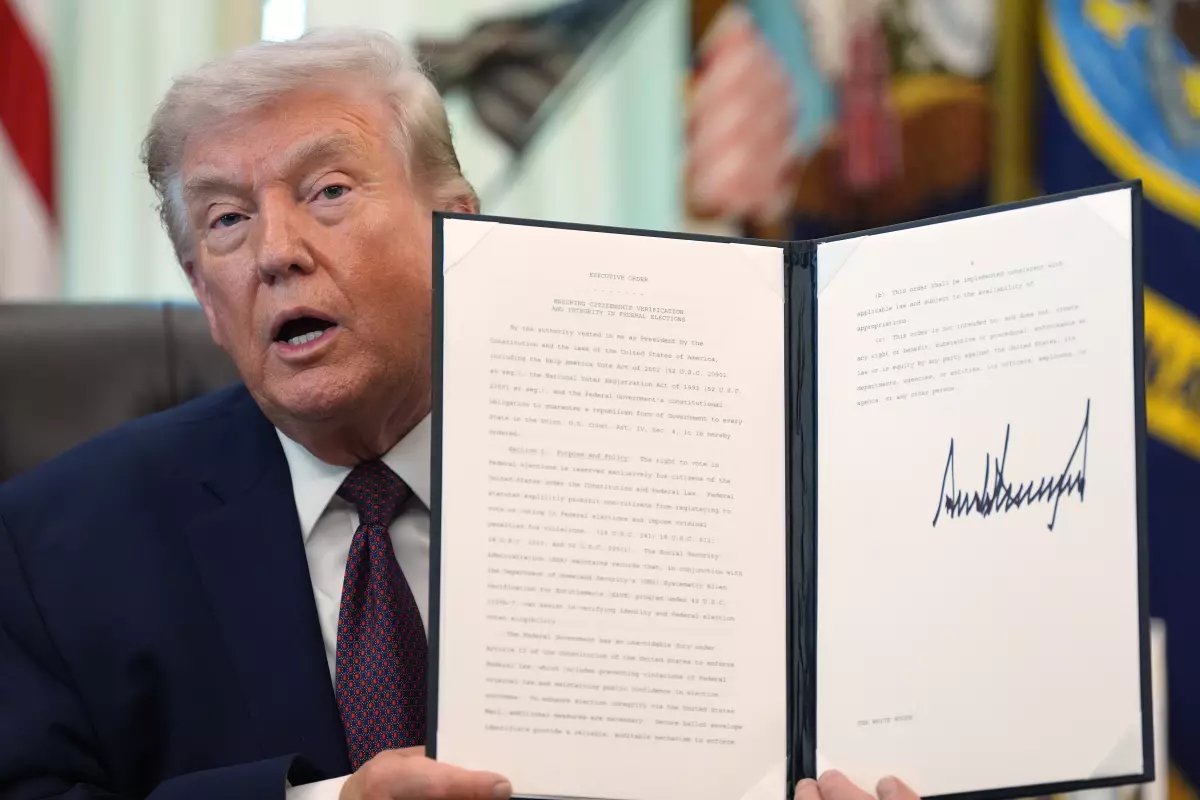
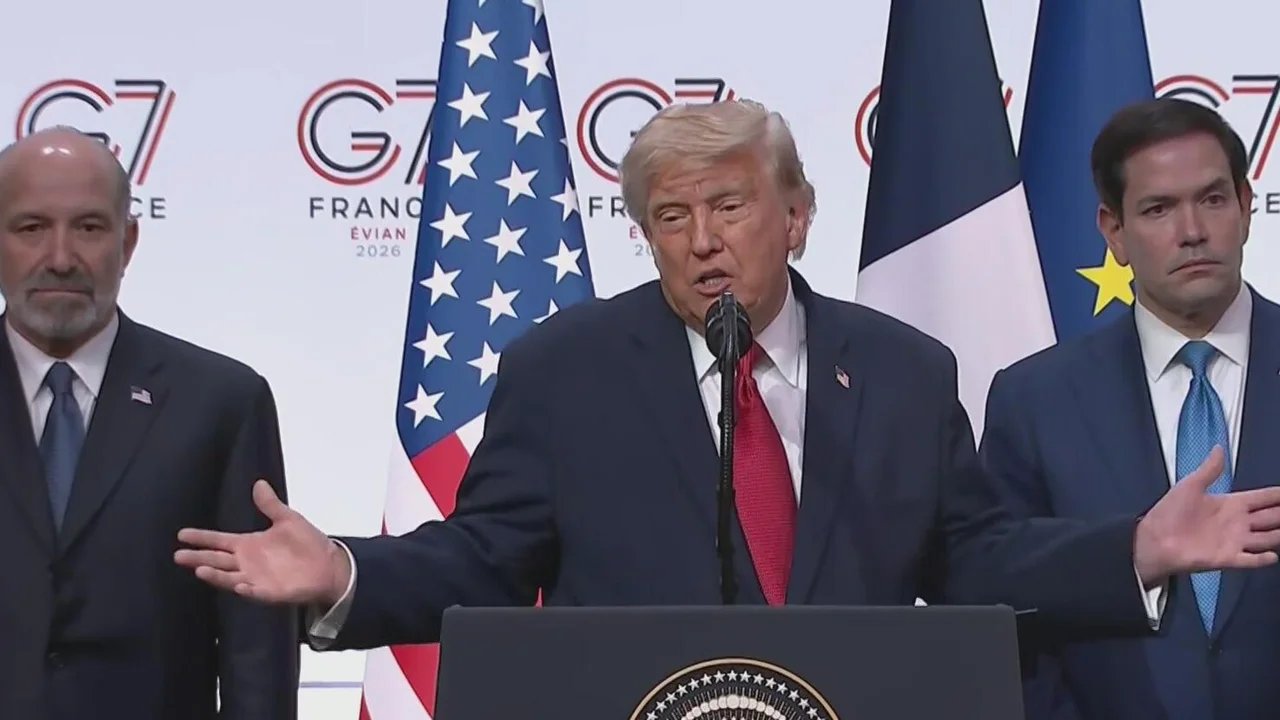
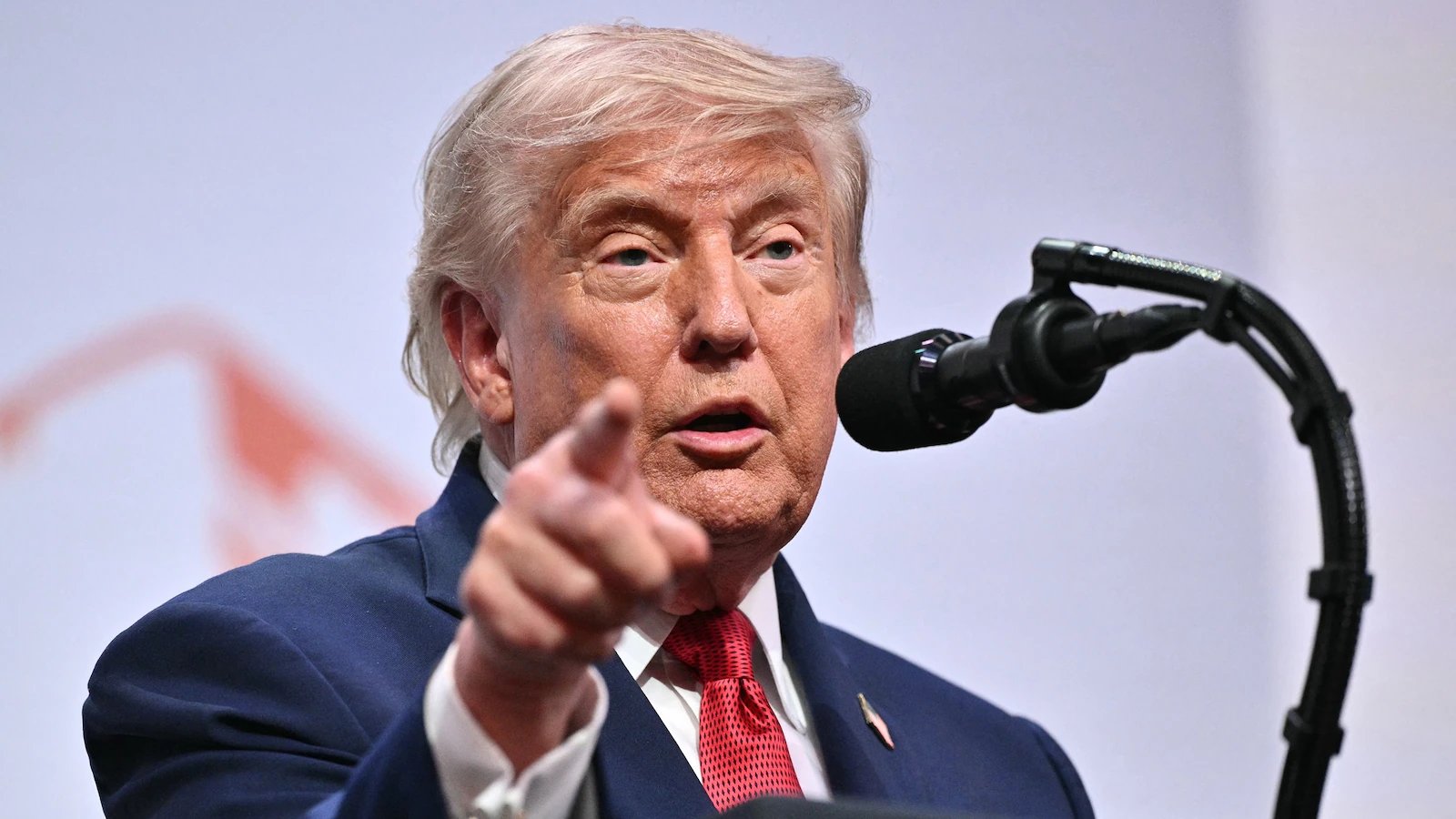
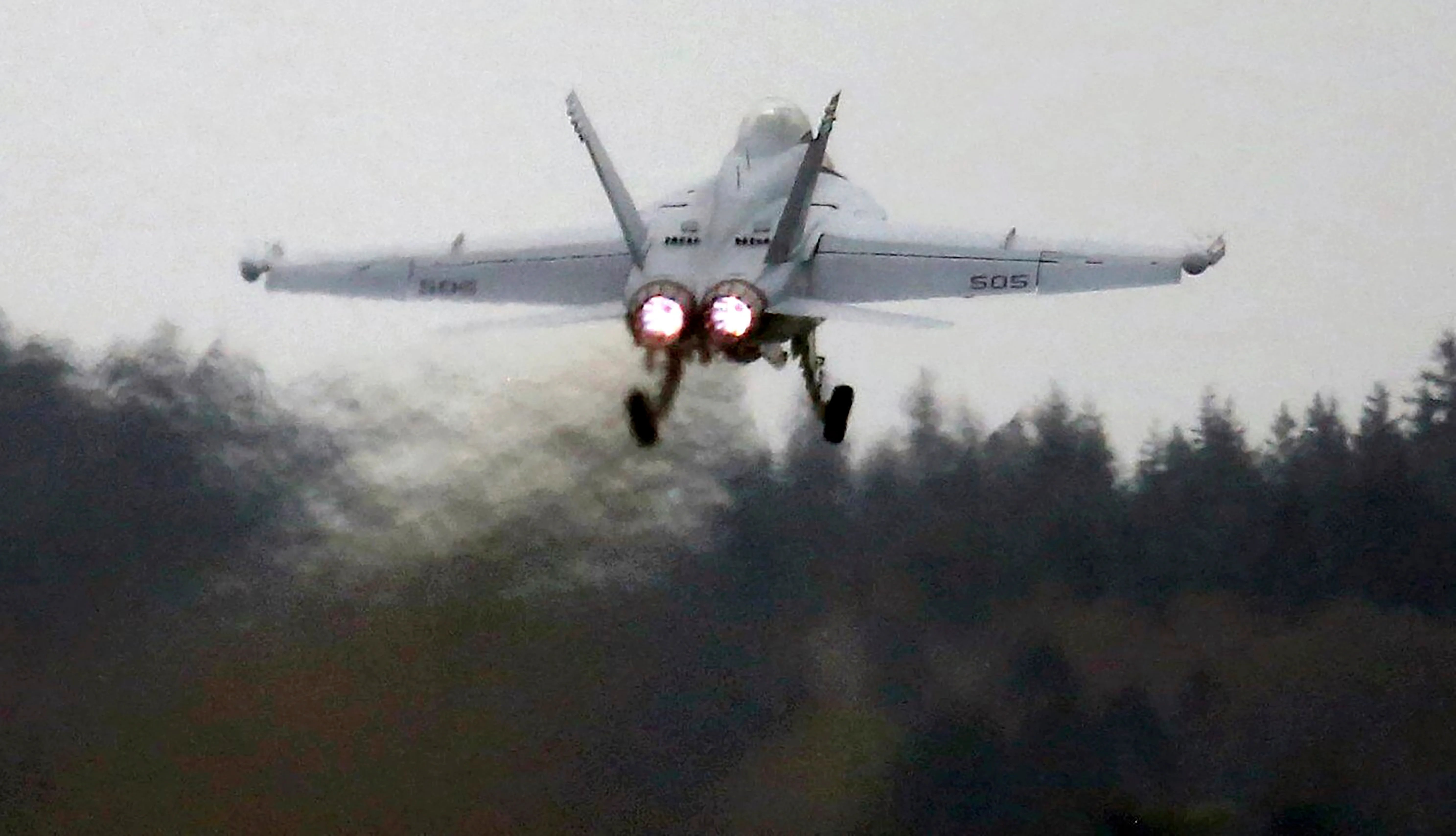
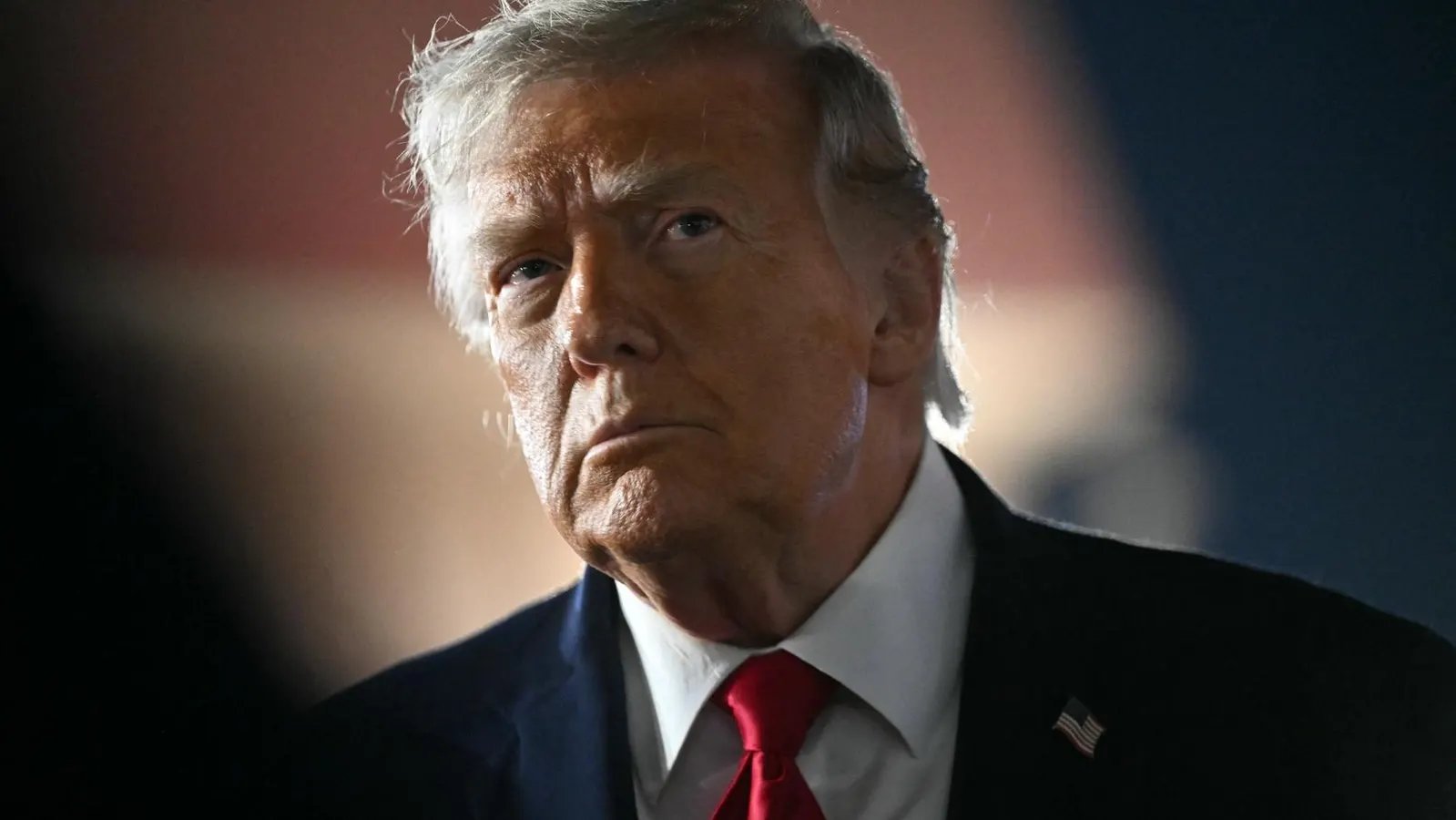
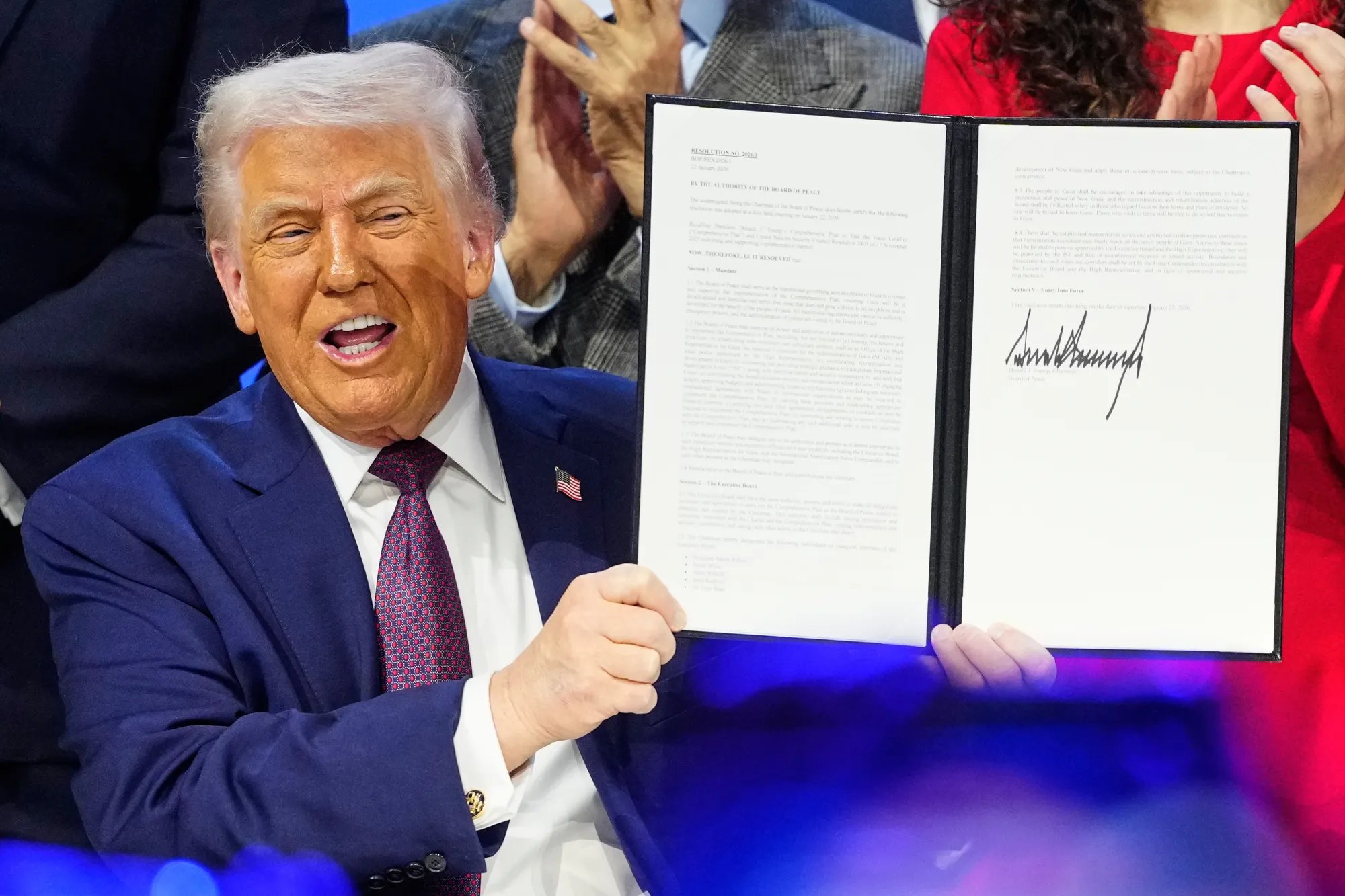
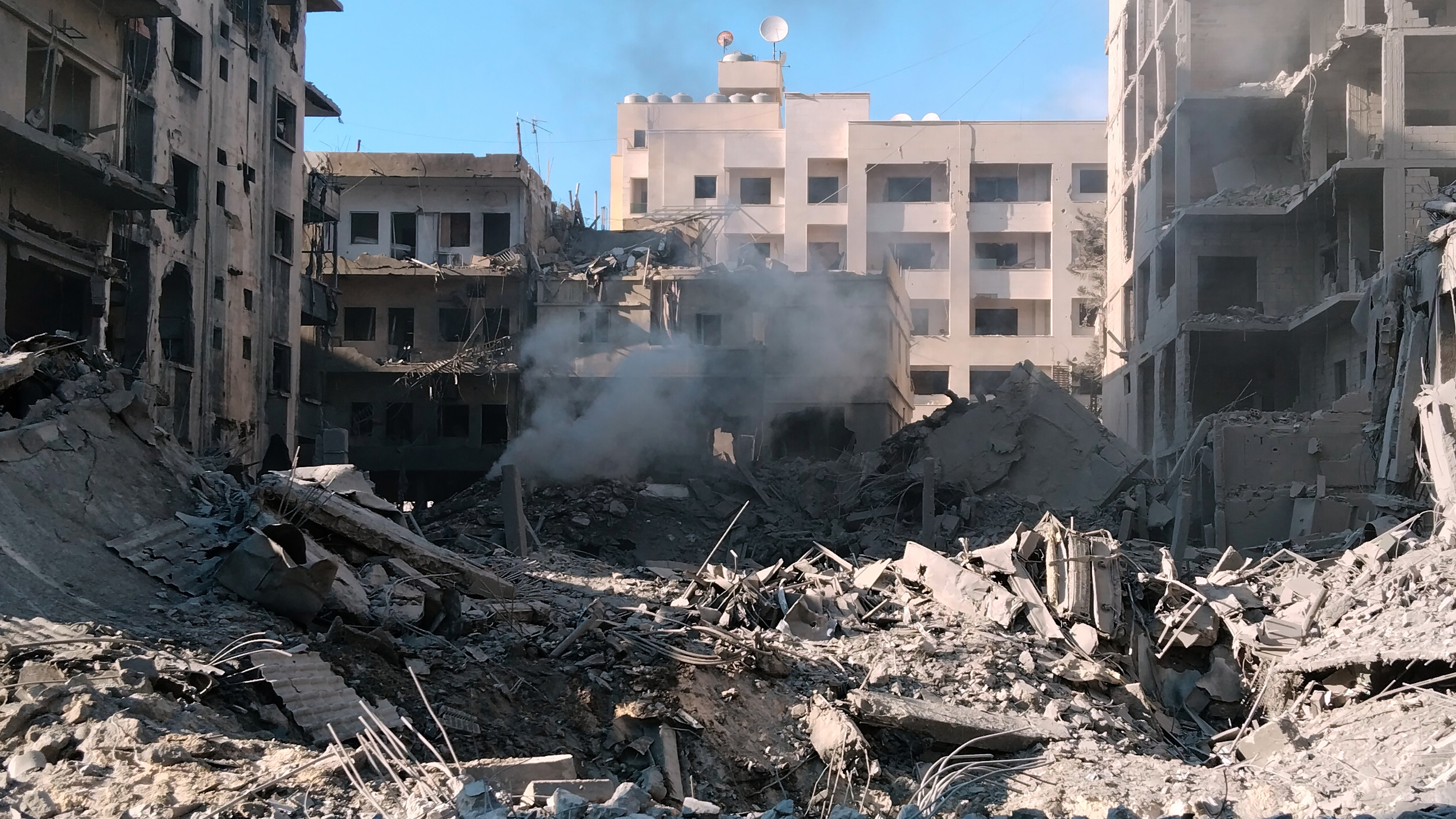
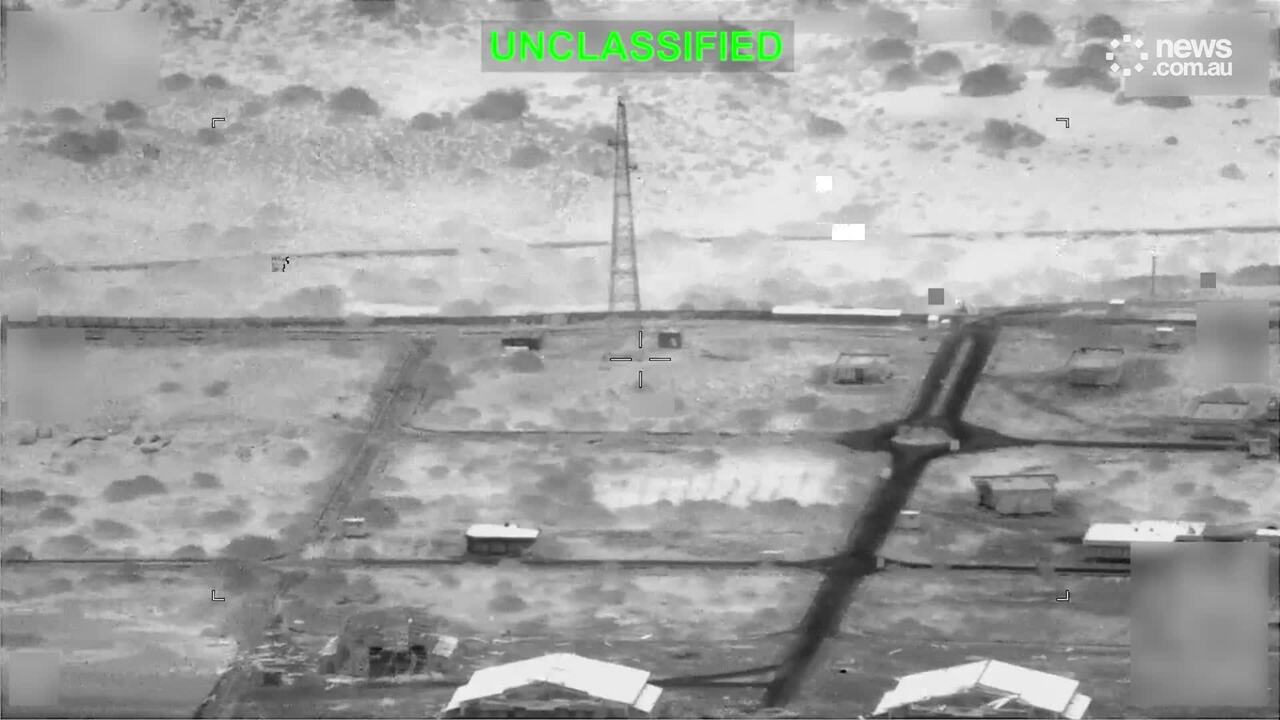
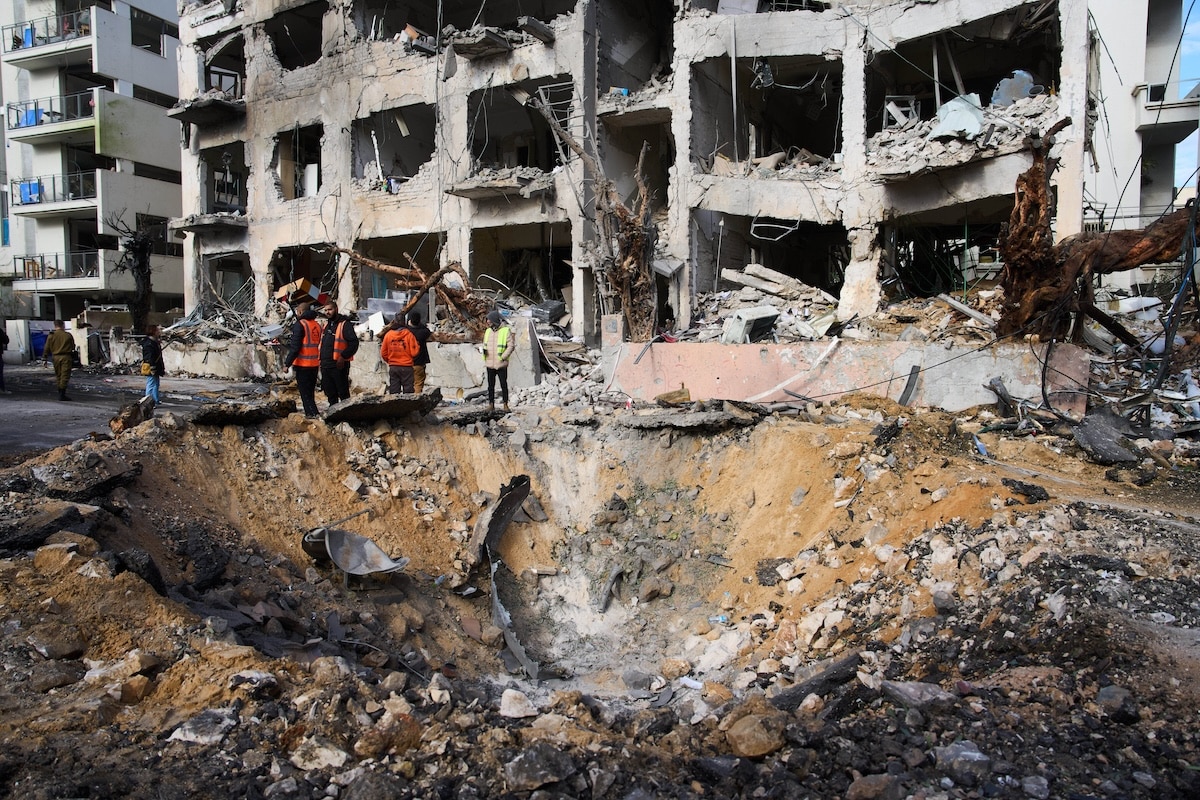
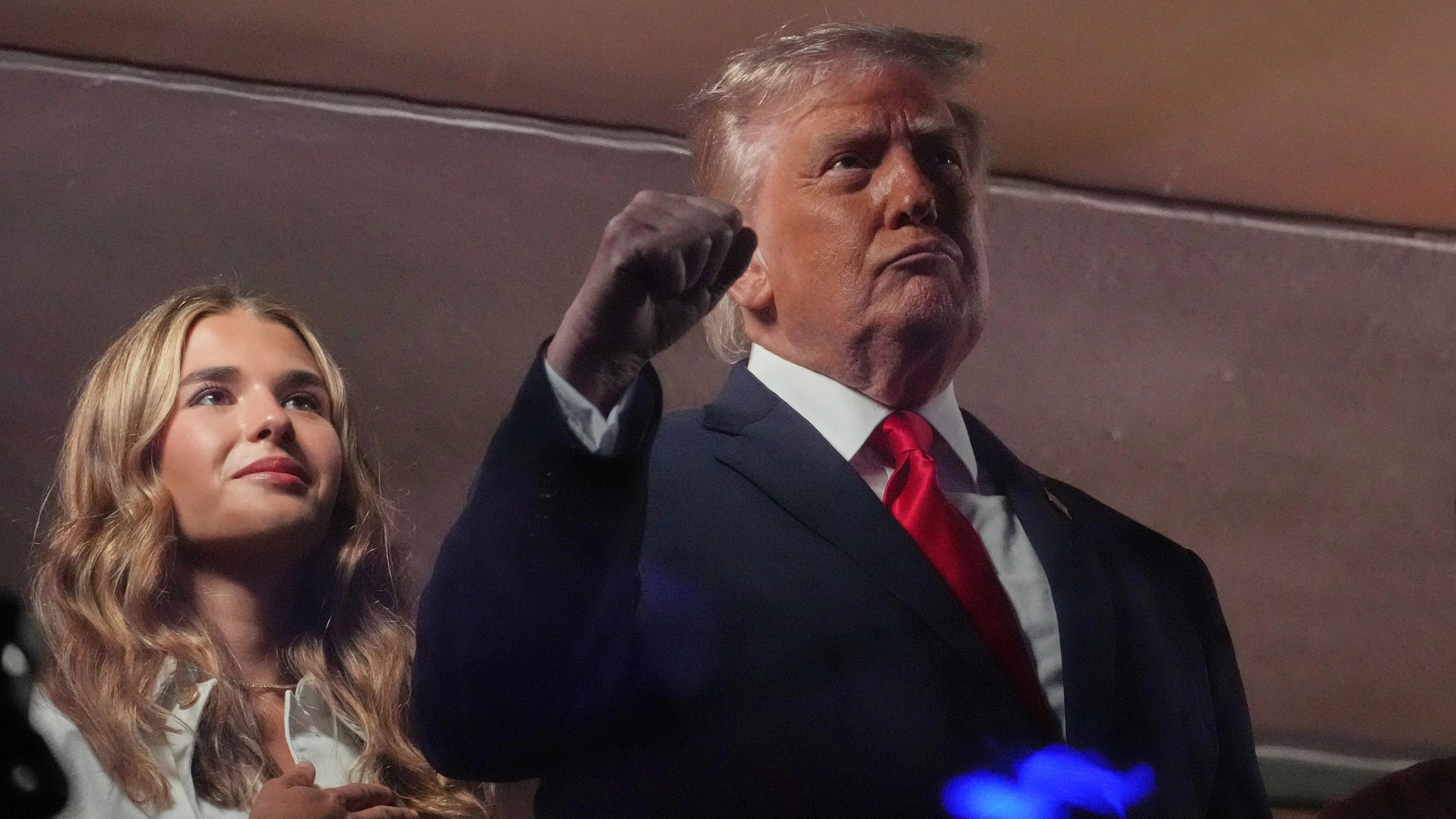
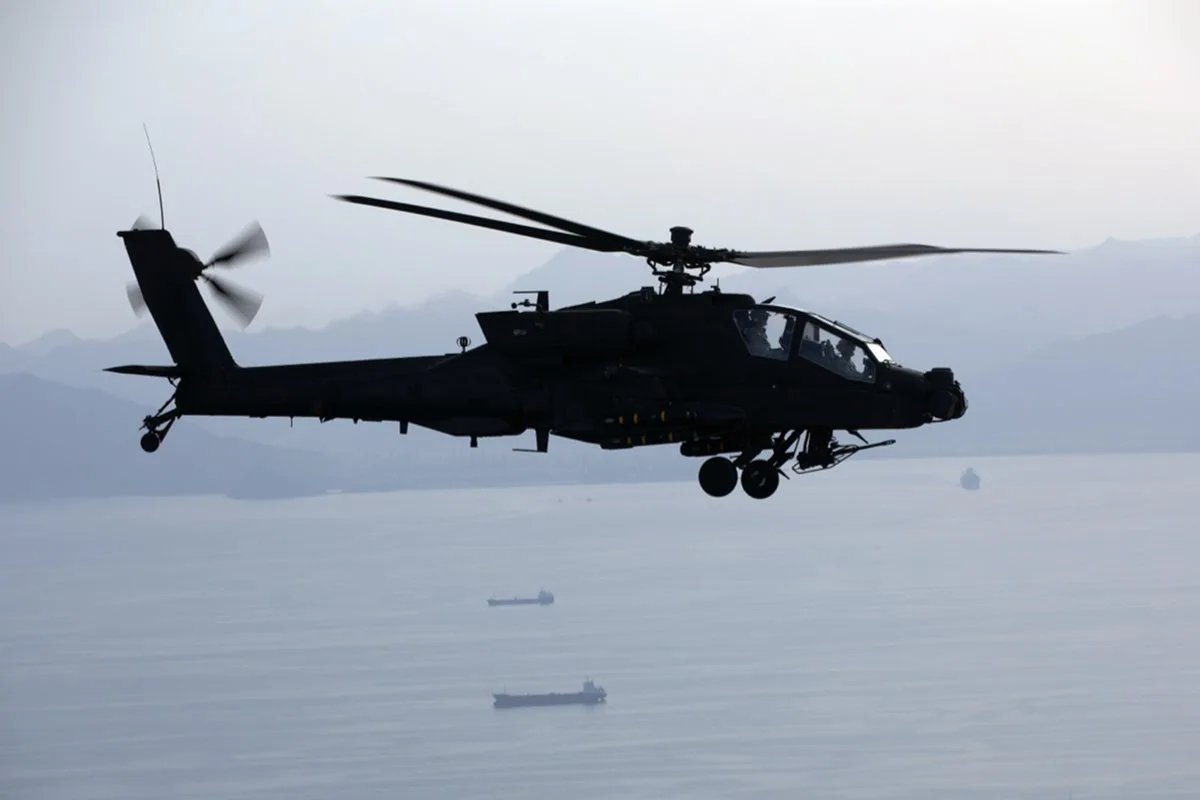
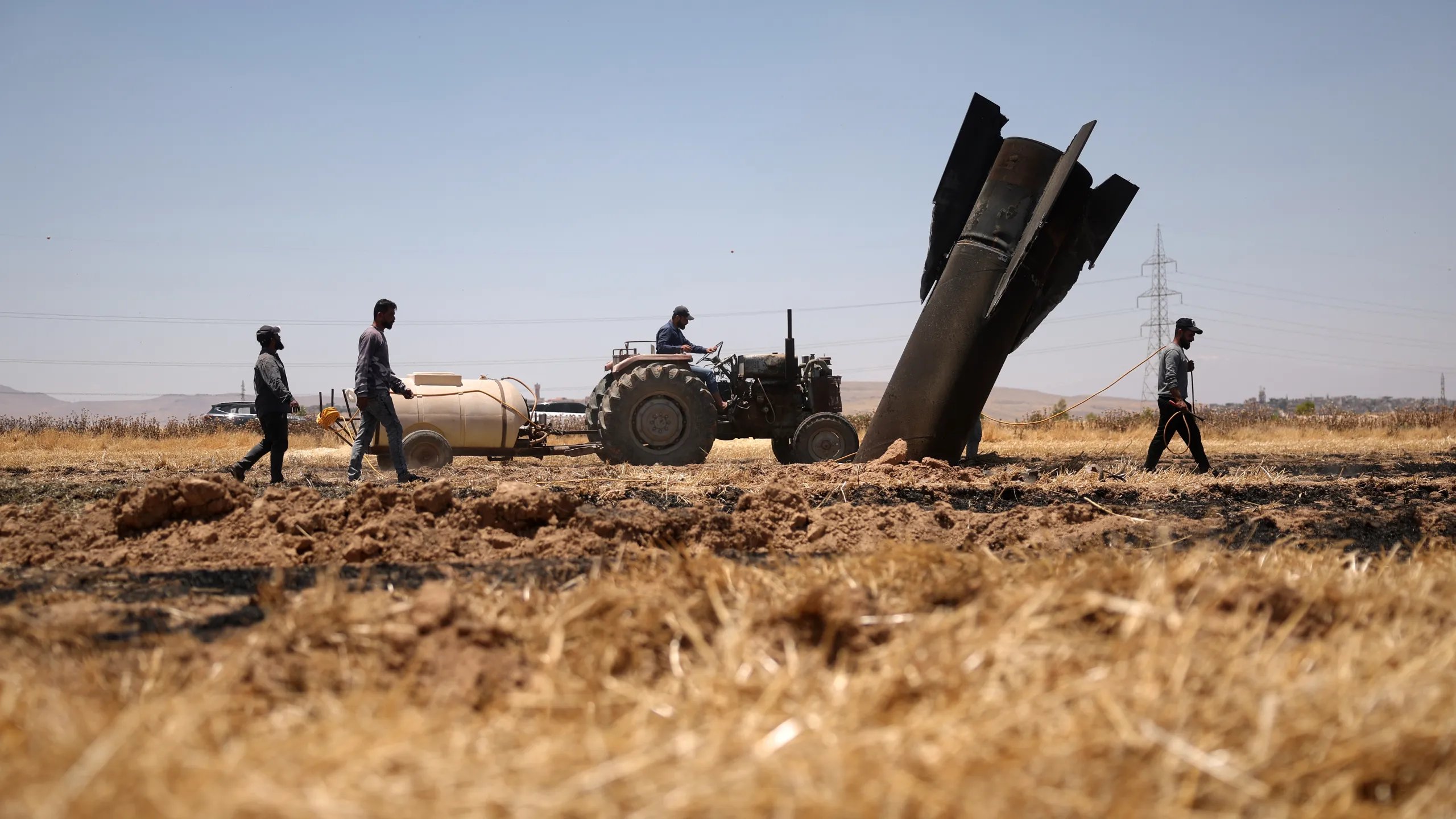
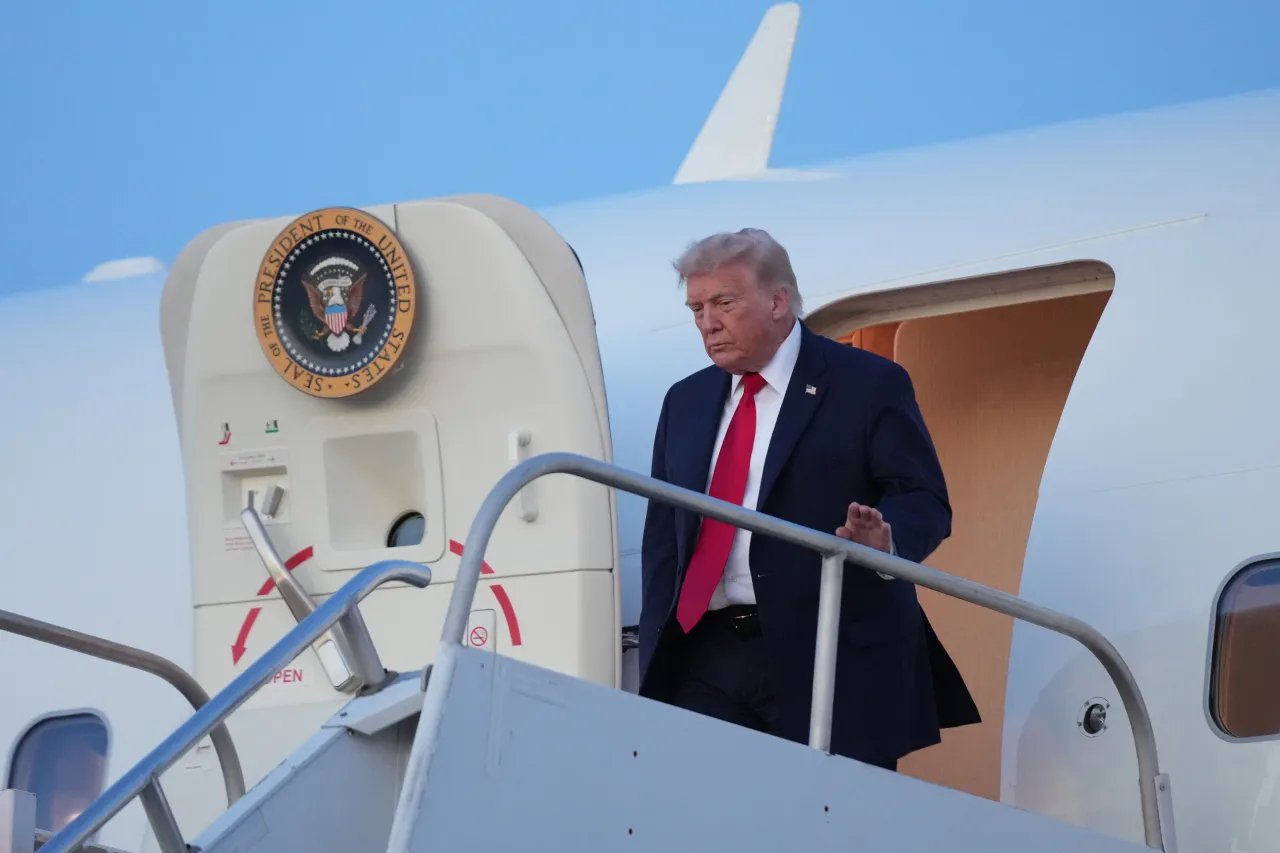
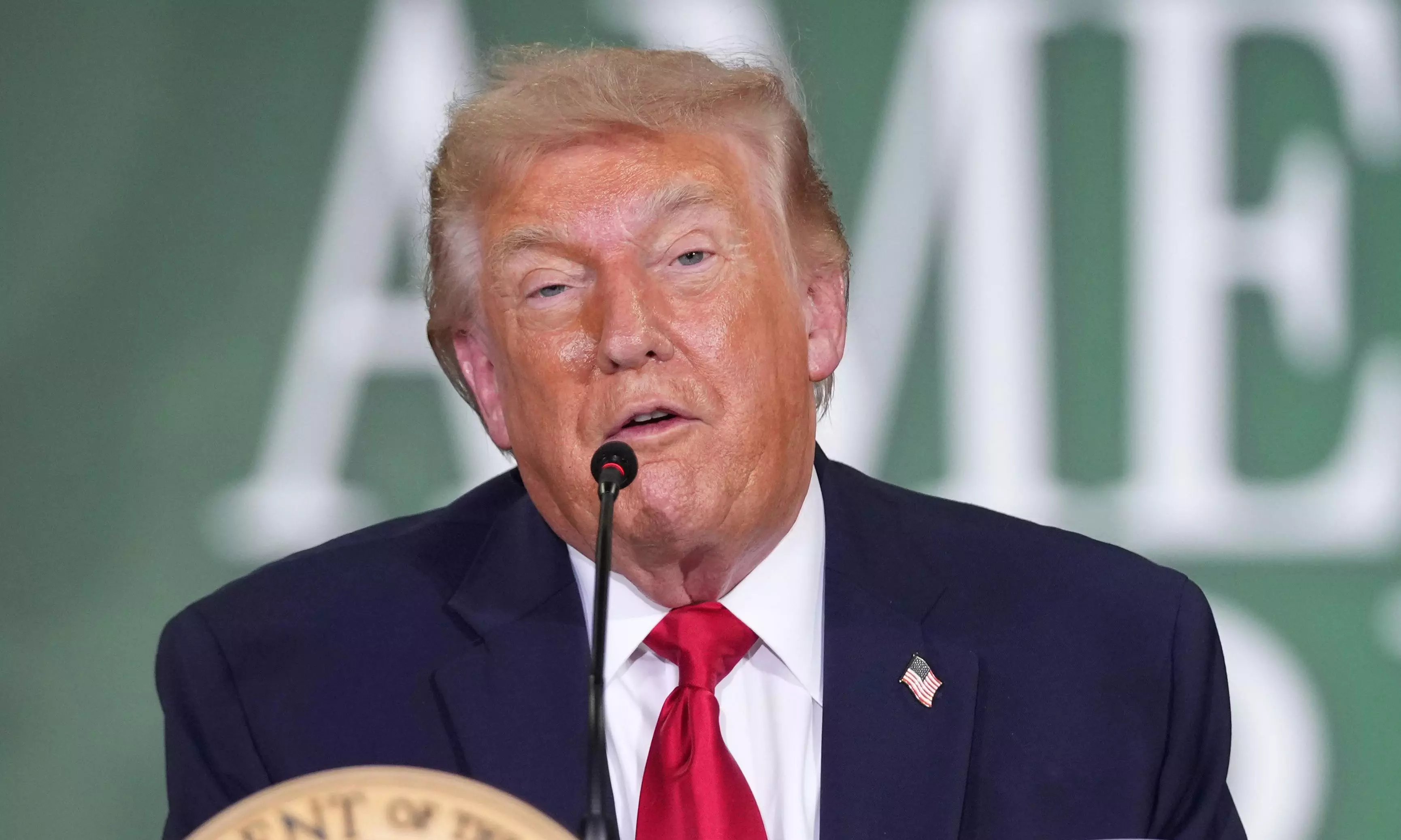
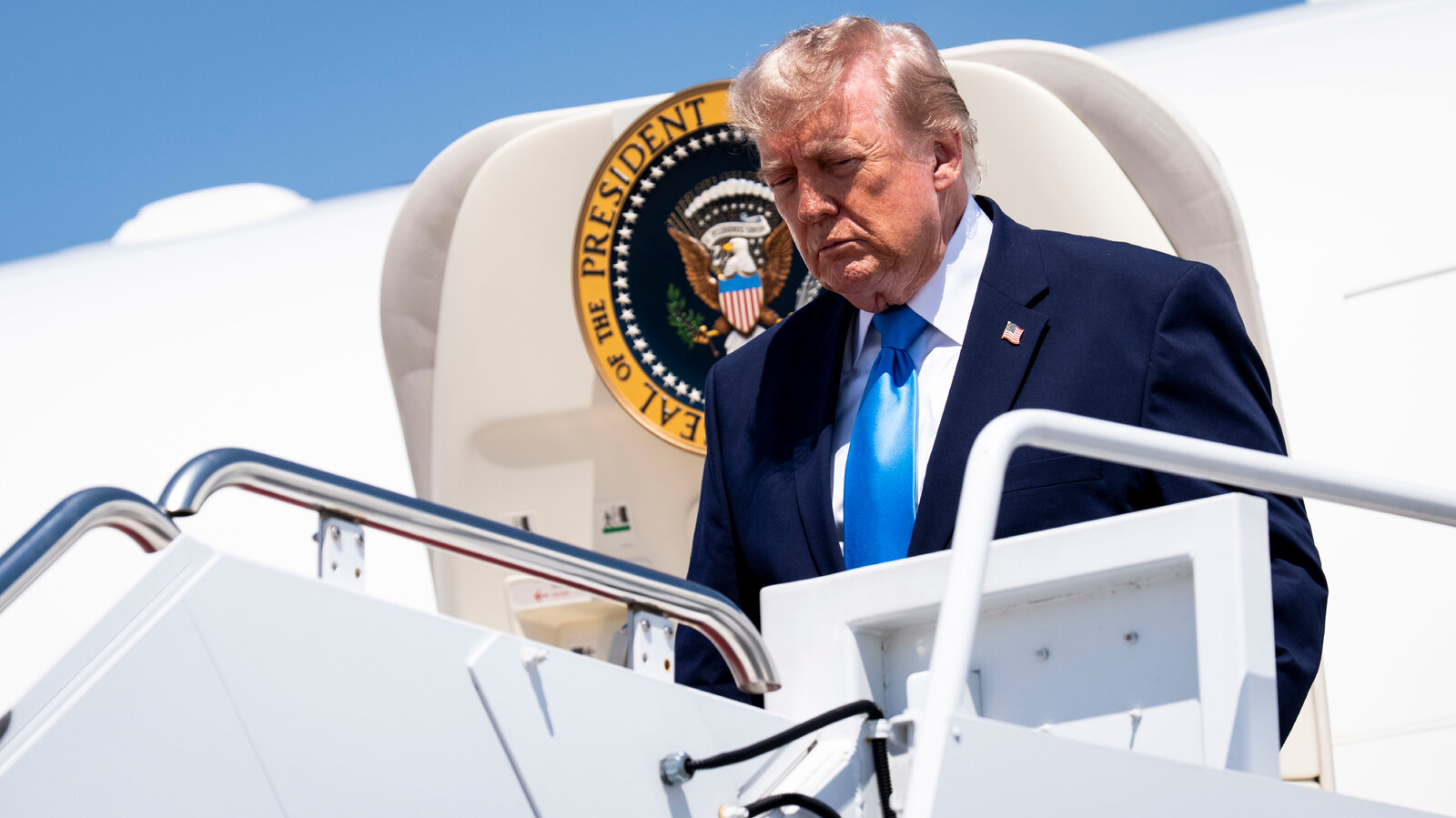
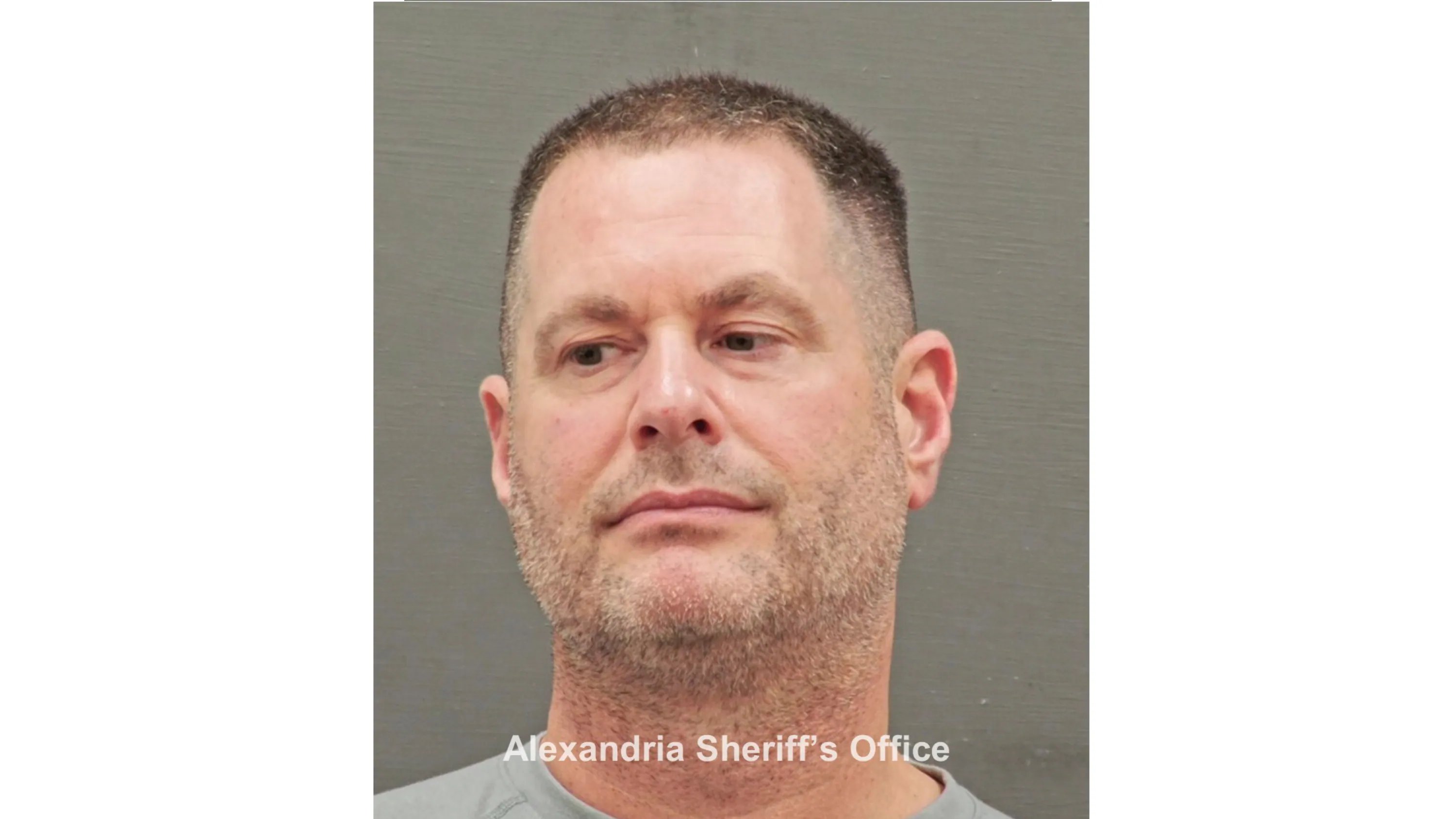
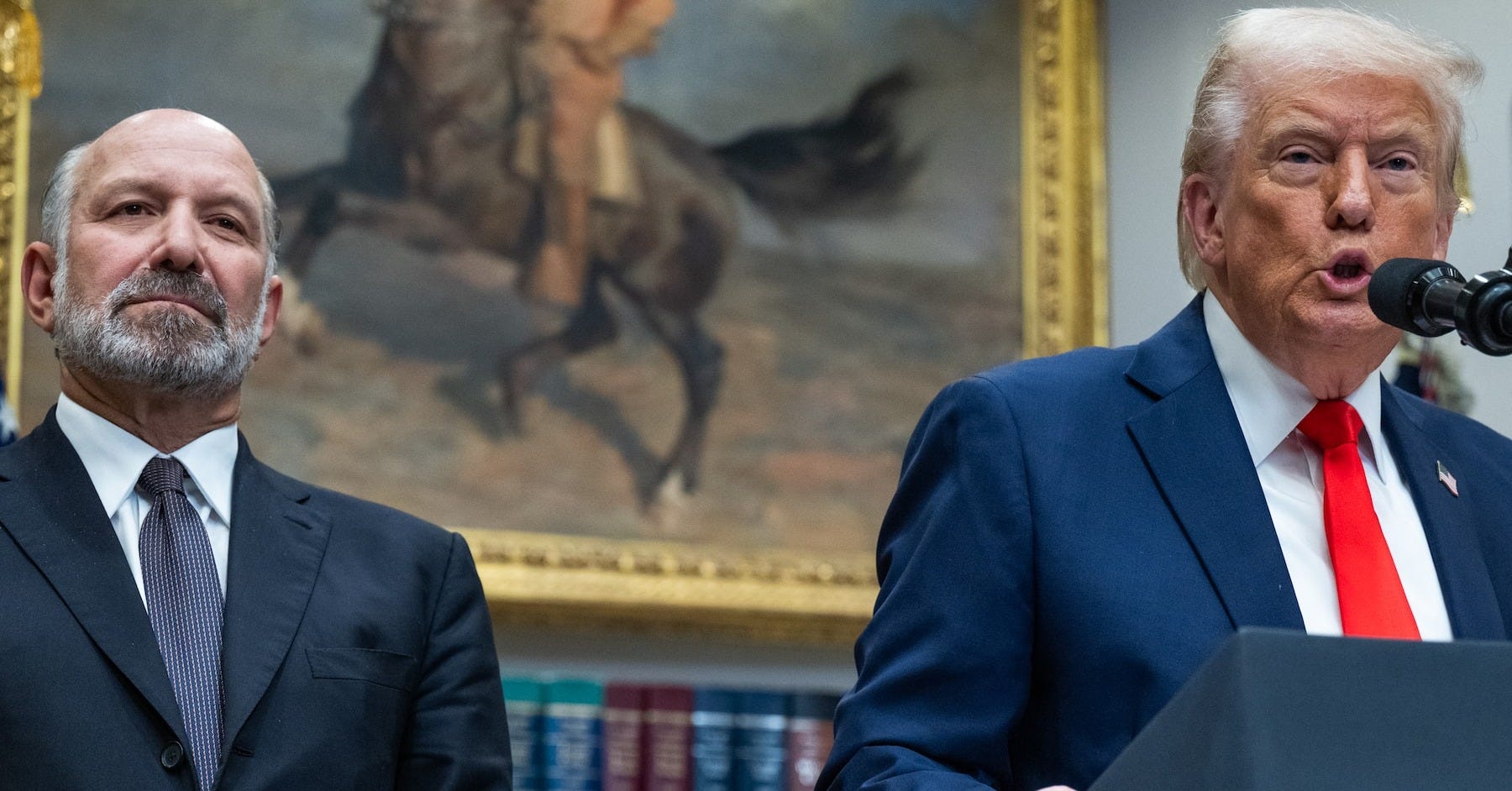
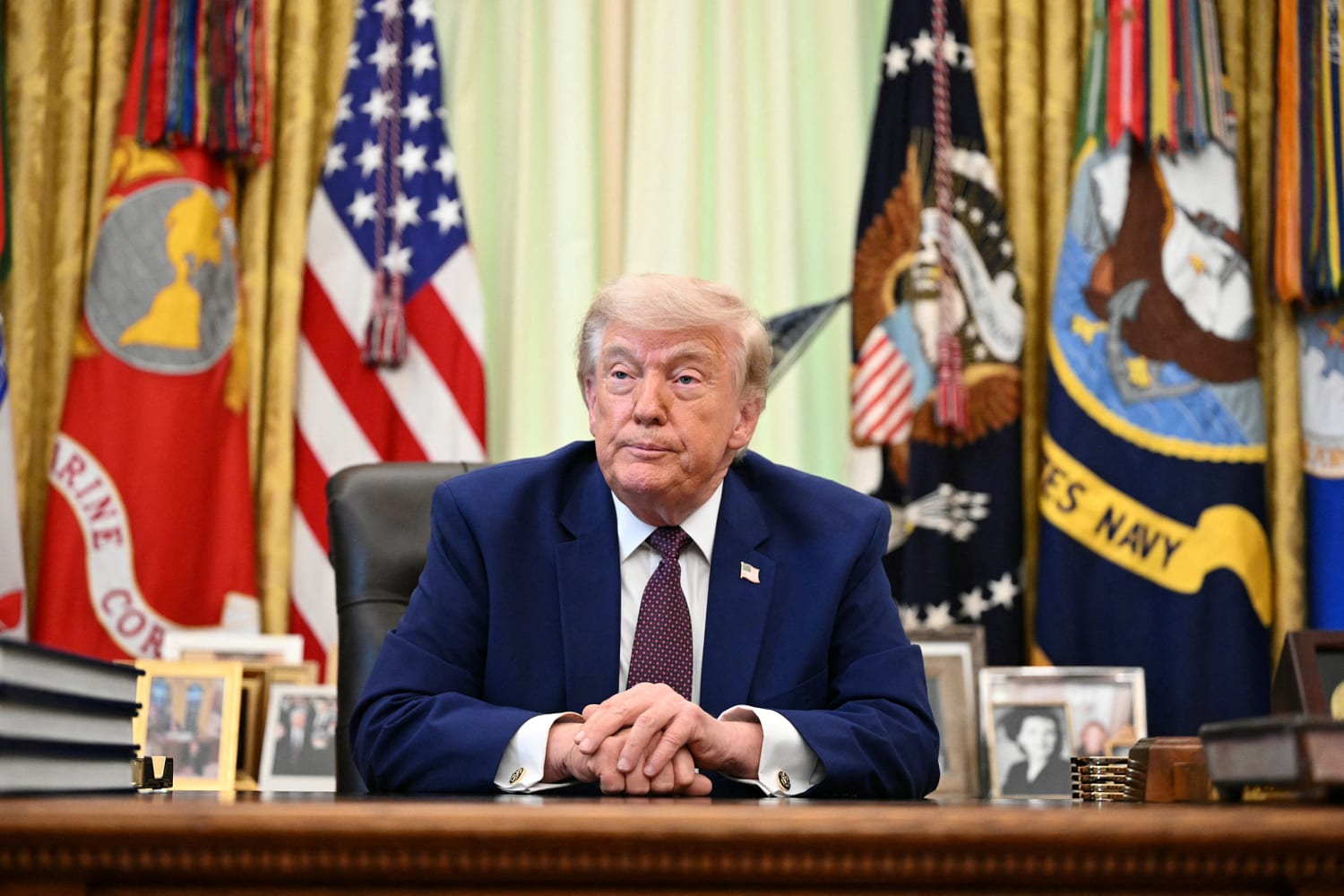
President Donald Trump announced on Friday that a U.S. military strike has killed Hector Rusthenford Guerrero Flores, known as "Niño Guerrero," the leader of the Tren de Aragua gang. In a post on his Truth Social platform, Trump described the operation as a "swift and lethal kinetic strike," executed at his direction by the United States Southern Command. The strike reportedly took place earlier in the week at a Tren de Aragua compound in Venezuela, with Defense Secretary Pete Hegseth confirming the operation on social media.
Implications for U.S. and Venezuela
The U.S. State Department has previously labeled Tren de Aragua a terrorist organization, citing its involvement in extensive violence, extortion, and drug trafficking across North America, South America, and Europe. Guerrero Flores was indicted in December on charges including racketeering conspiracy and support for terrorism, with a reward of up to $5 million offered for information leading to his arrest. Trump emphasized that the action signals a denial of safe haven for the gang, stating, "Under my leadership, we will find these vicious murderers and drug lords anytime, anyplace."
Joint Operation with Venezuelan Authorities
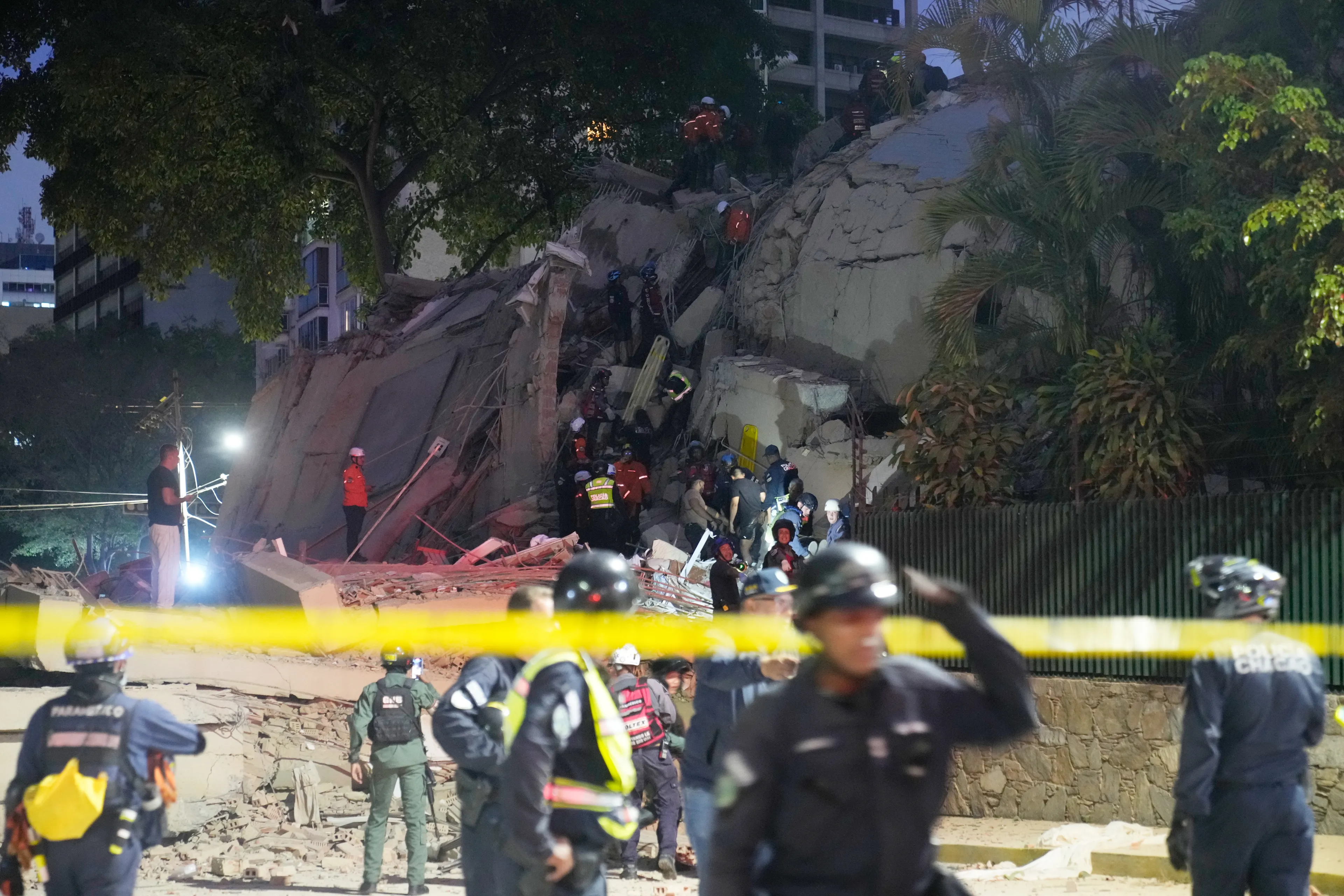
Venezuela's government confirmed its involvement in the operation, describing it as a "joint operation" to combat narco-terrorism. The Venezuelan Ministry of Communications stated that clashes occurred with gang members at the compound where Guerrero Flores was killed. This collaboration marks a significant shift in U.S.-Venezuelan relations, as the two countries have historically been at odds, particularly under Nicolás Maduro's presidency.
The Rise of Tren de Aragua
Tren de Aragua originated over a decade ago in a Venezuelan prison, where Guerrero Flores and other inmates took control amid a backdrop of government neglect. The gang has since expanded its operations into several Latin American countries, including Colombia, Ecuador, and Peru, diversifying its criminal activities to include human trafficking and contract killings. This expansion coincided with the Venezuelan economic crisis that drove millions to migrate, providing the gang with opportunities to infiltrate new territories.
Ongoing Military Campaign Against Drug Traffickers
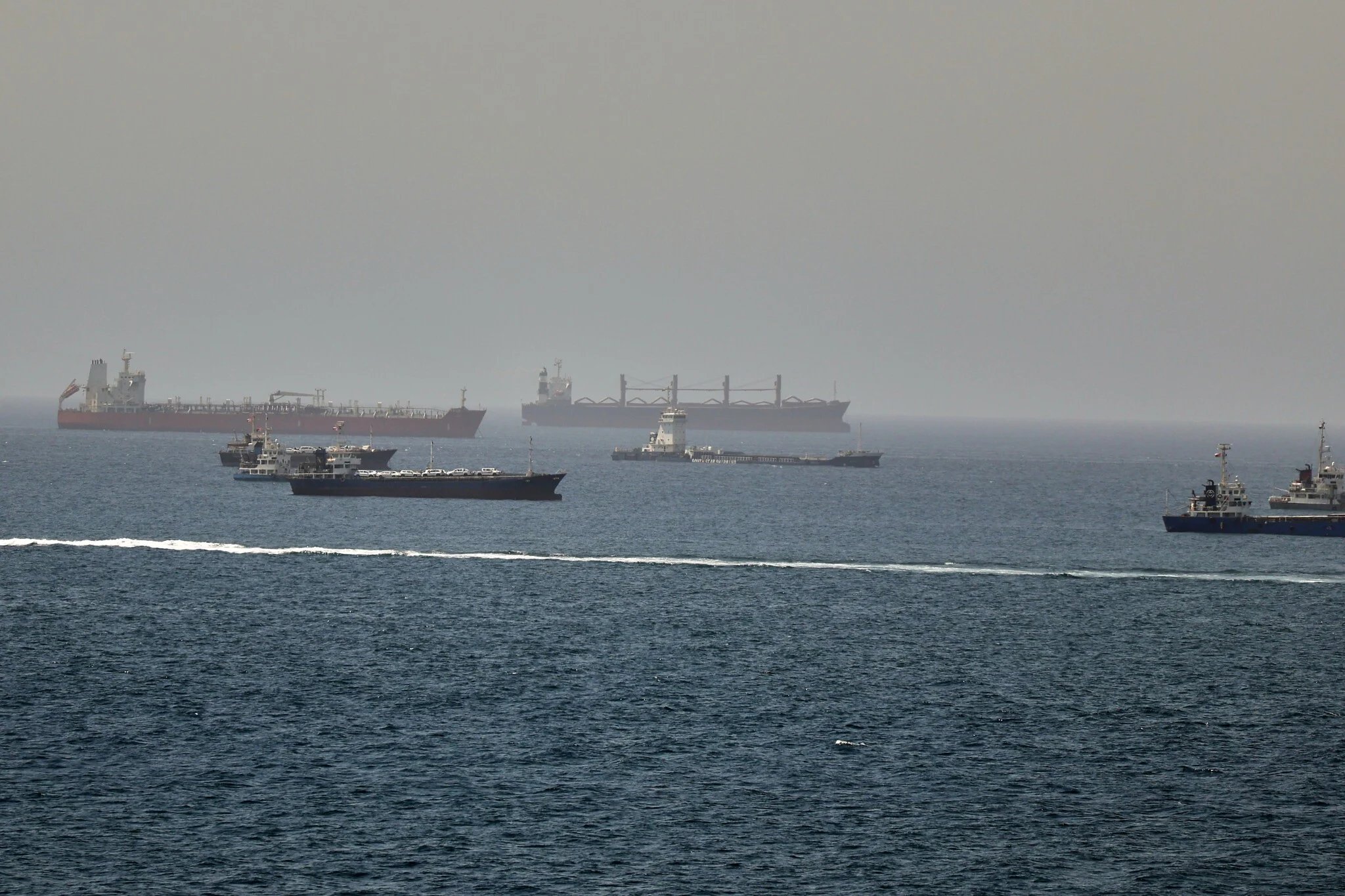
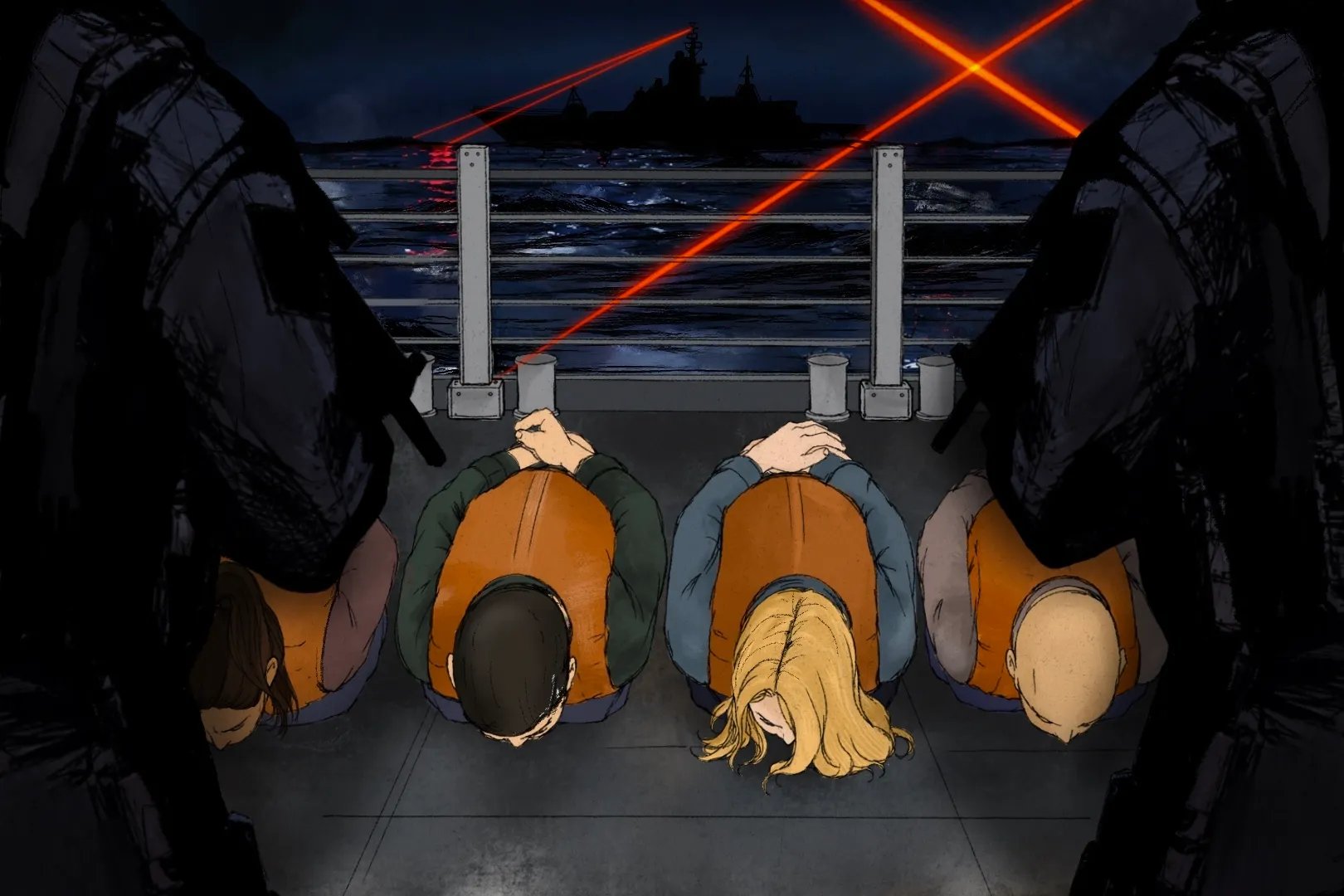
The U.S. military's action against Guerrero Flores is part of a broader campaign targeting drug cartels. Since September, U.S. forces have conducted numerous strikes against vessels accused of drug smuggling, resulting in over 200 reported deaths. Critics of the military strategy argue that such operations raise legal and ethical concerns, particularly regarding extrajudicial killings and the potential violation of international law.
Reactions from Officials and Experts
The announcement of Guerrero Flores' death has elicited mixed reactions. While Trump hailed the strike as a victory in the fight against drug trafficking, legal experts and human rights advocates have raised alarms about the implications of using military force against suspected traffickers. Questions remain regarding the legality of these strikes and their impact on civilian populations in the region.
The Path Forward
As the U.S. military continues its operations against organized crime, the future of U.S.-Venezuelan relations may hinge on further collaboration against gangs like Tren de Aragua. The ongoing instability in Venezuela, combined with the transnational nature of these criminal organizations, presents a complex challenge for U.S. foreign policy and regional security. The actions taken in this strike could set a precedent for future engagements in the fight against narco-terrorism.