




A public appeal amid military momentum
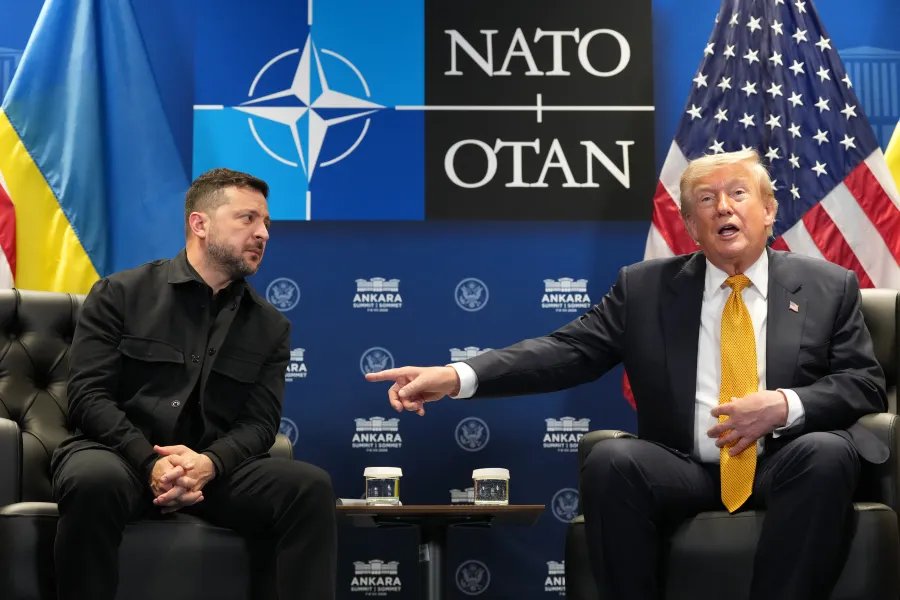
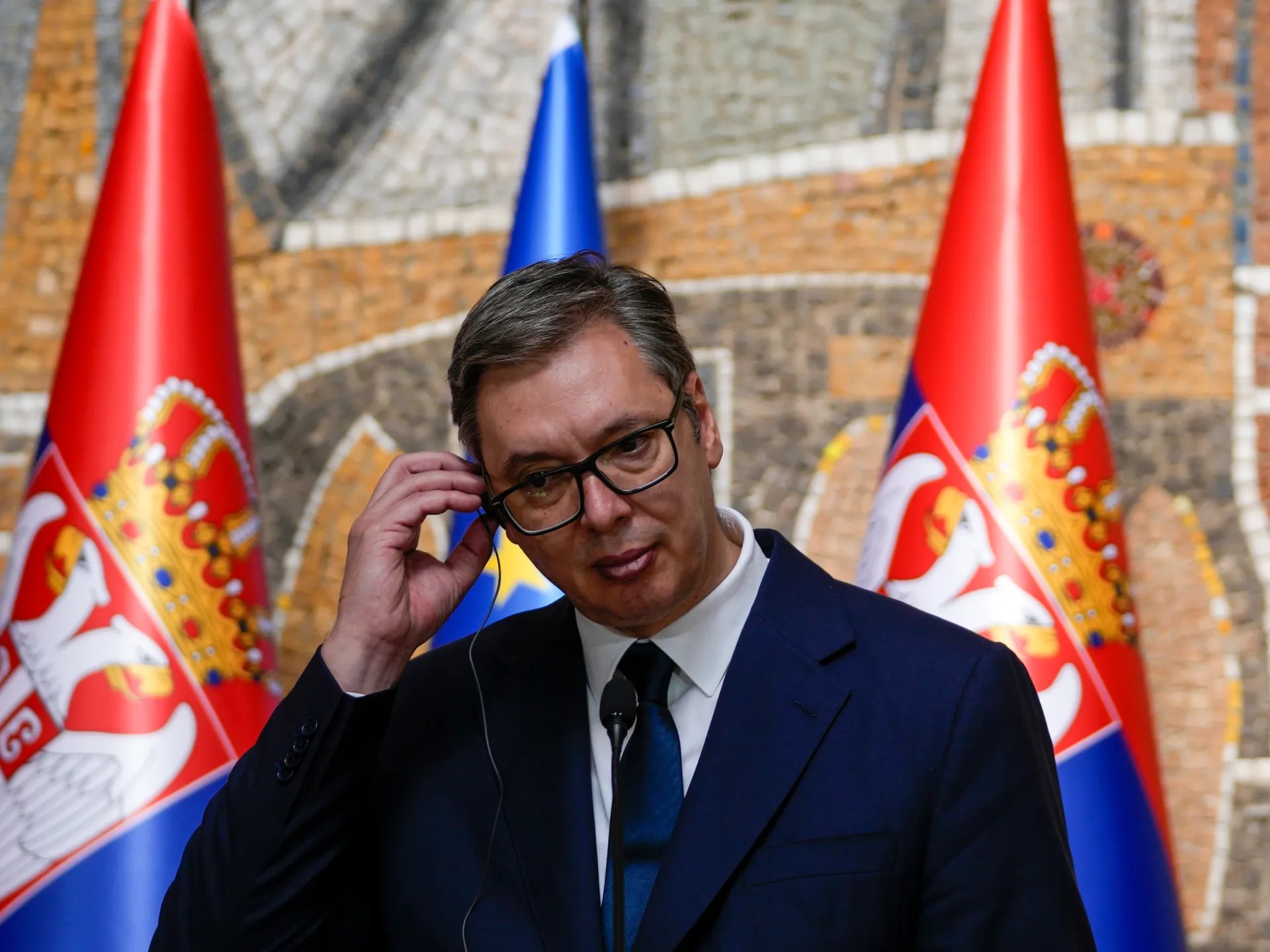
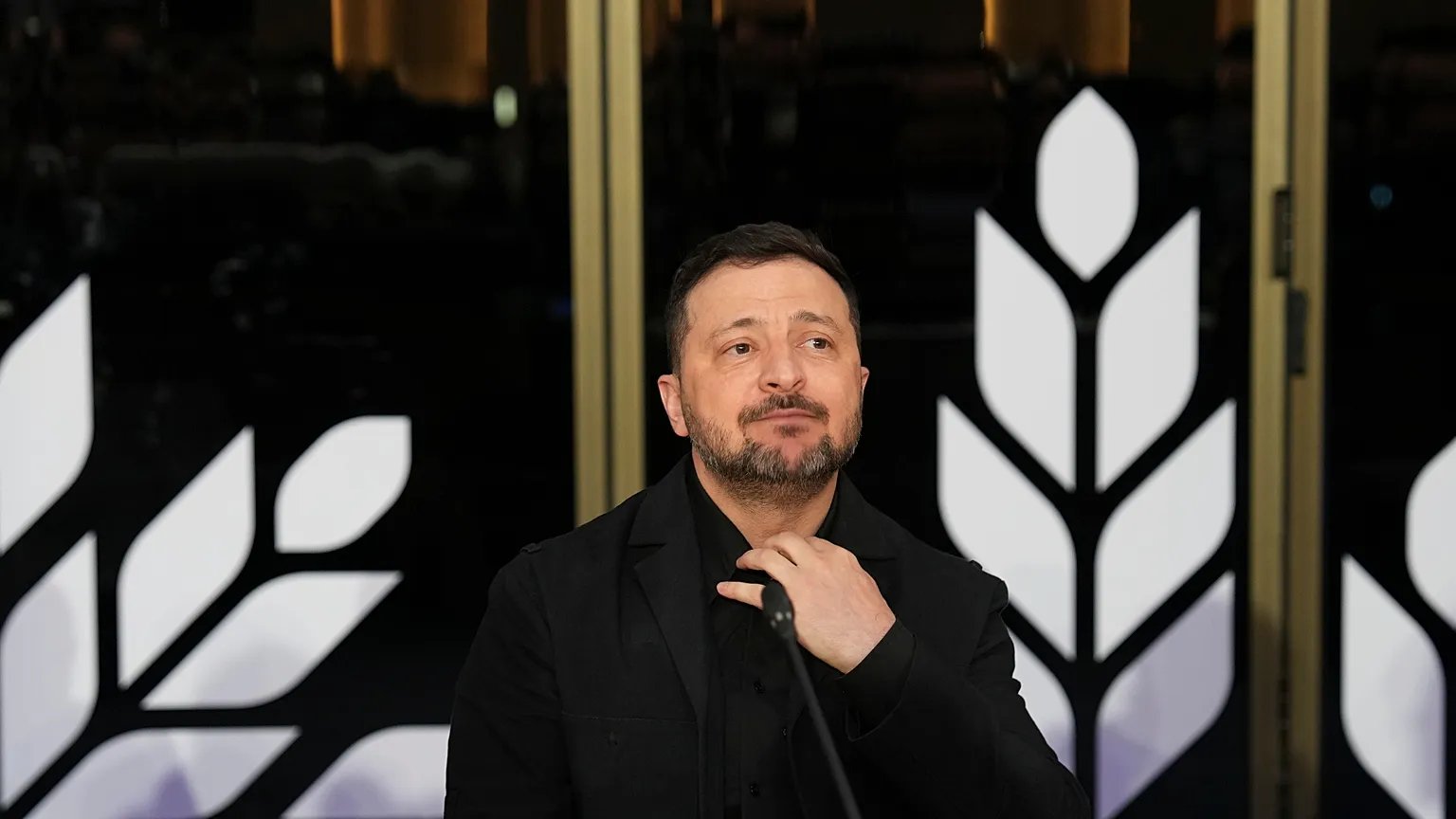
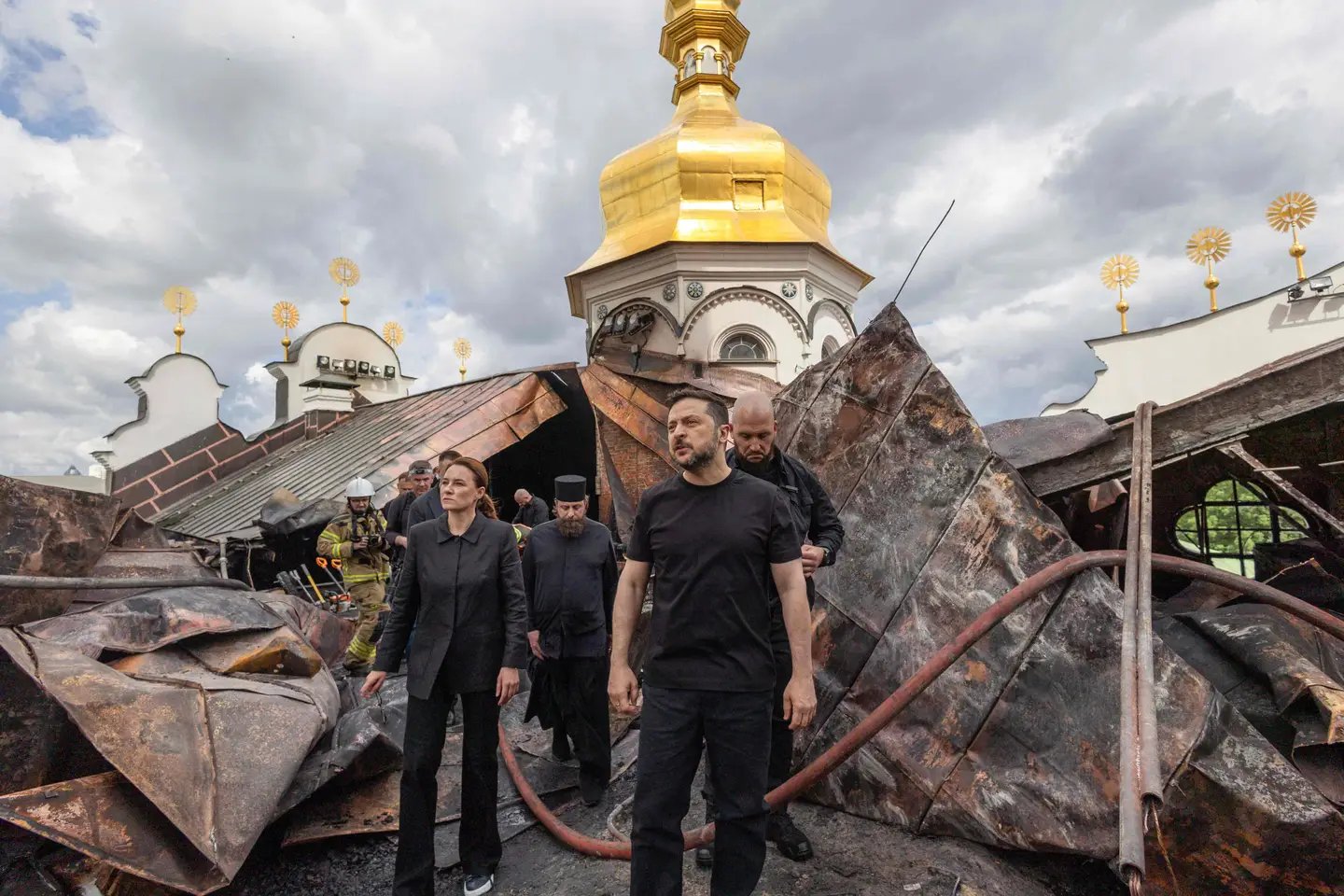
Ukrainian President Volodymyr Zelensky published an open letter to Vladimir Putin on Thursday proposing a face-to-face meeting to end the war, marking a rare moment of direct diplomatic outreach that arrives as Ukraine claims military momentum on the battlefield. The letter, distributed via diplomatic channels to the United States and other countries, combines pointed criticism of Putin's leadership with concrete peace proposals, forcing Russia to respond publicly to Ukraine's negotiating position.
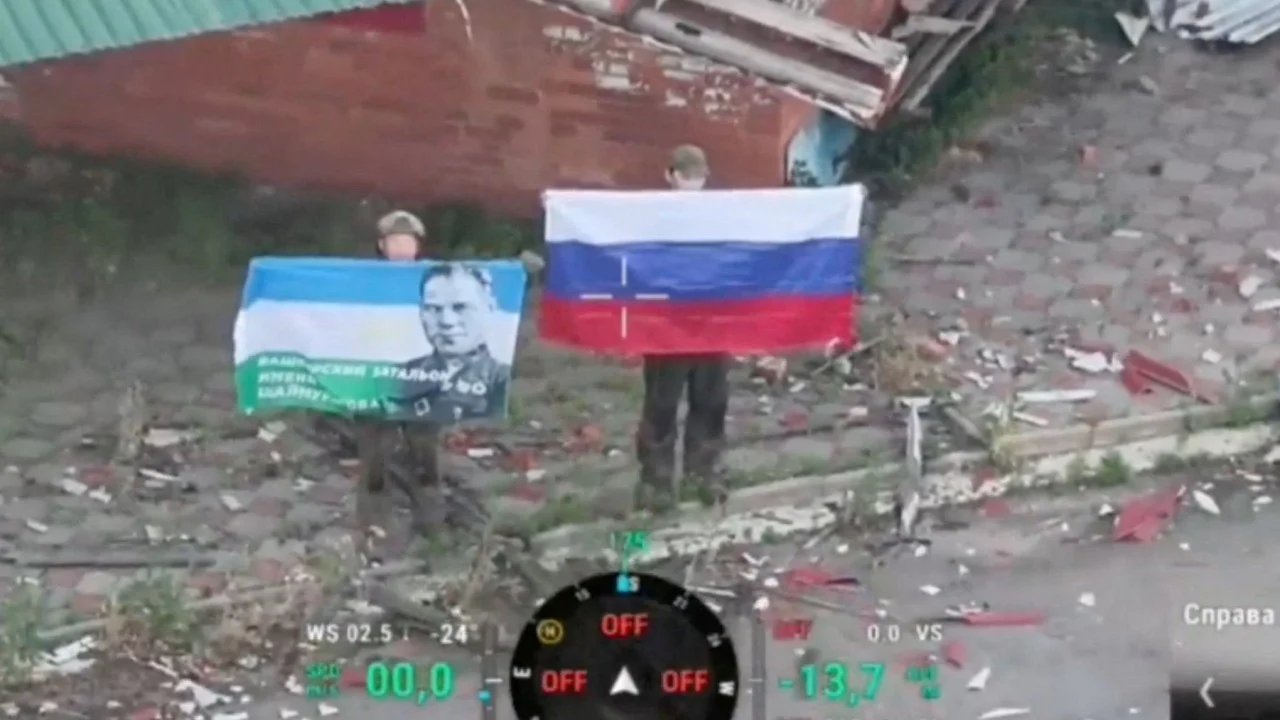
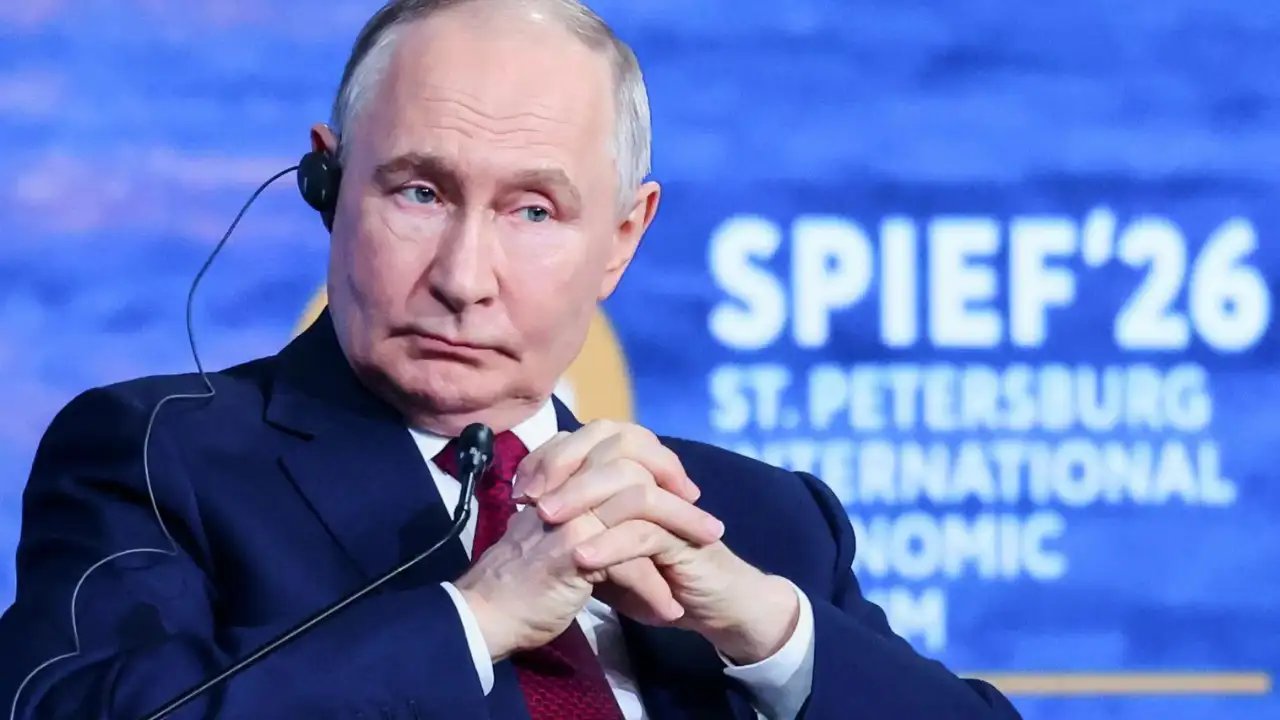
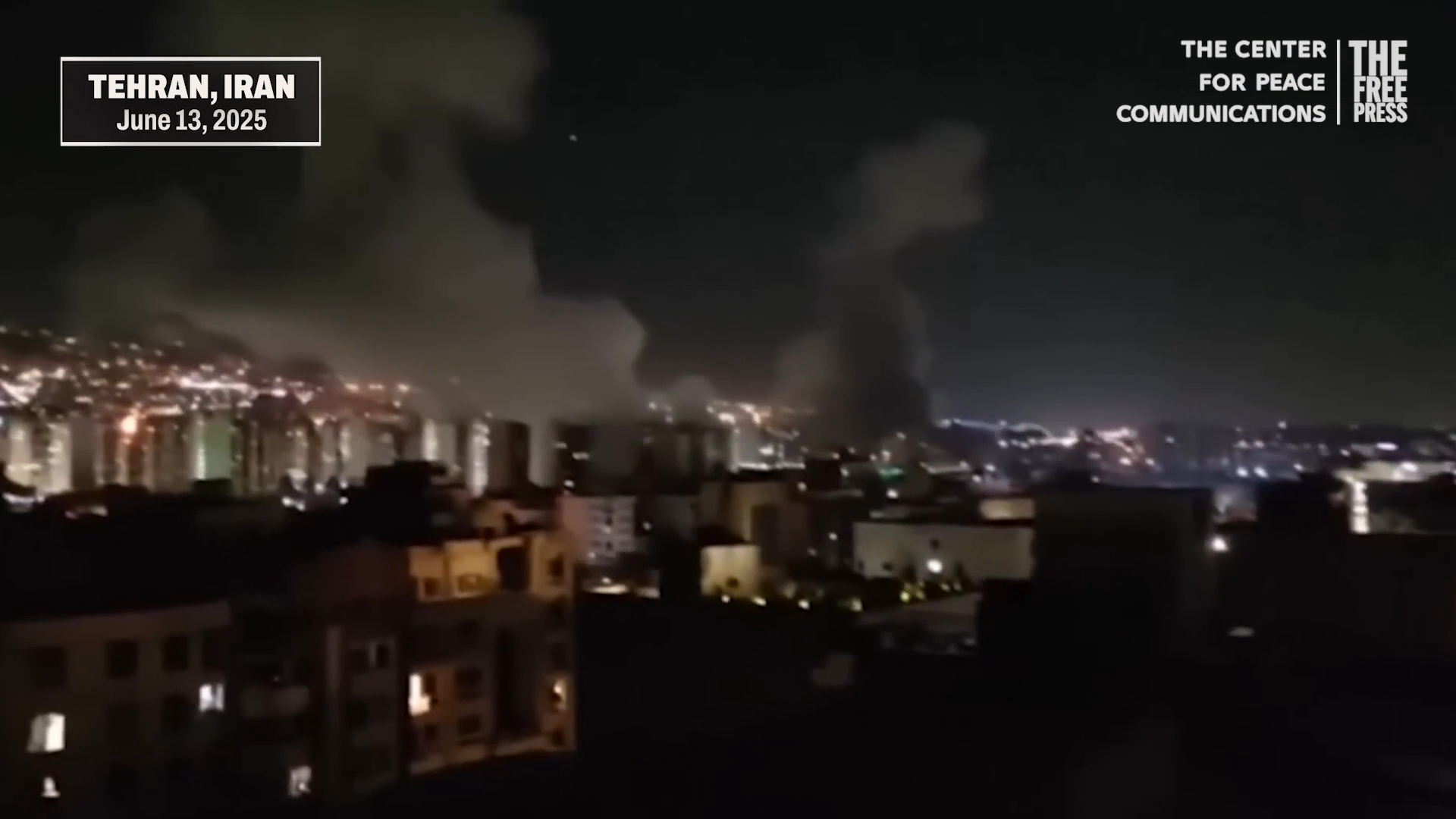
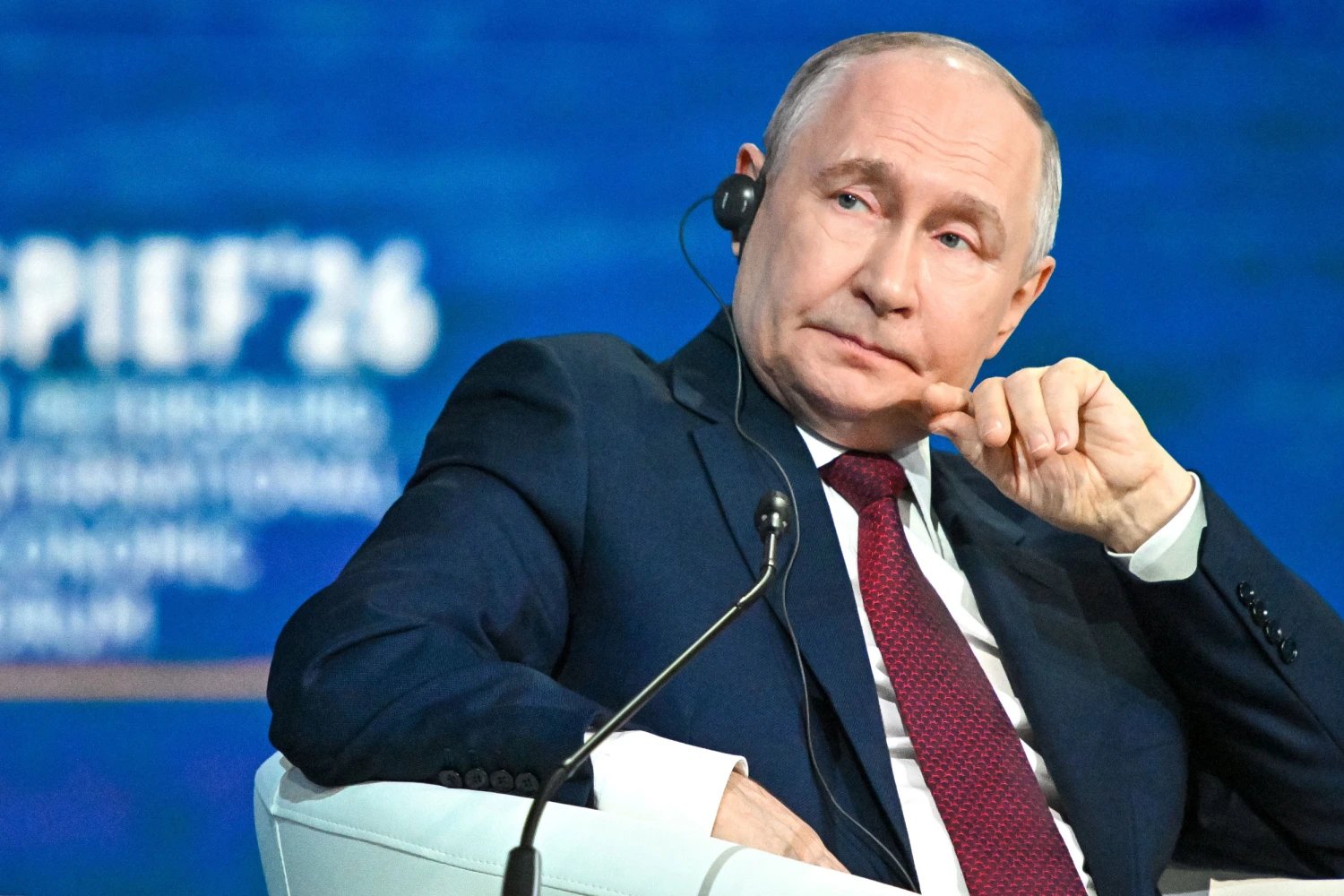
The 1,800-word letter arrived as Russian forces continue advancing in eastern Ukraine. Putin told reporters at an economic forum in St. Petersburg that Russia has taken full control of the Luhansk People's Republic and brought more than 85 percent of the Donetsk People's Republic under its control, along with 80 percent of the Zaporizhzhia region. Yet Zelensky's public appeal, timed to Putin's presence at the St. Petersburg forum, shifts the diplomatic narrative by placing Ukraine in the position of peace advocate.
The taunts embedded in diplomacy
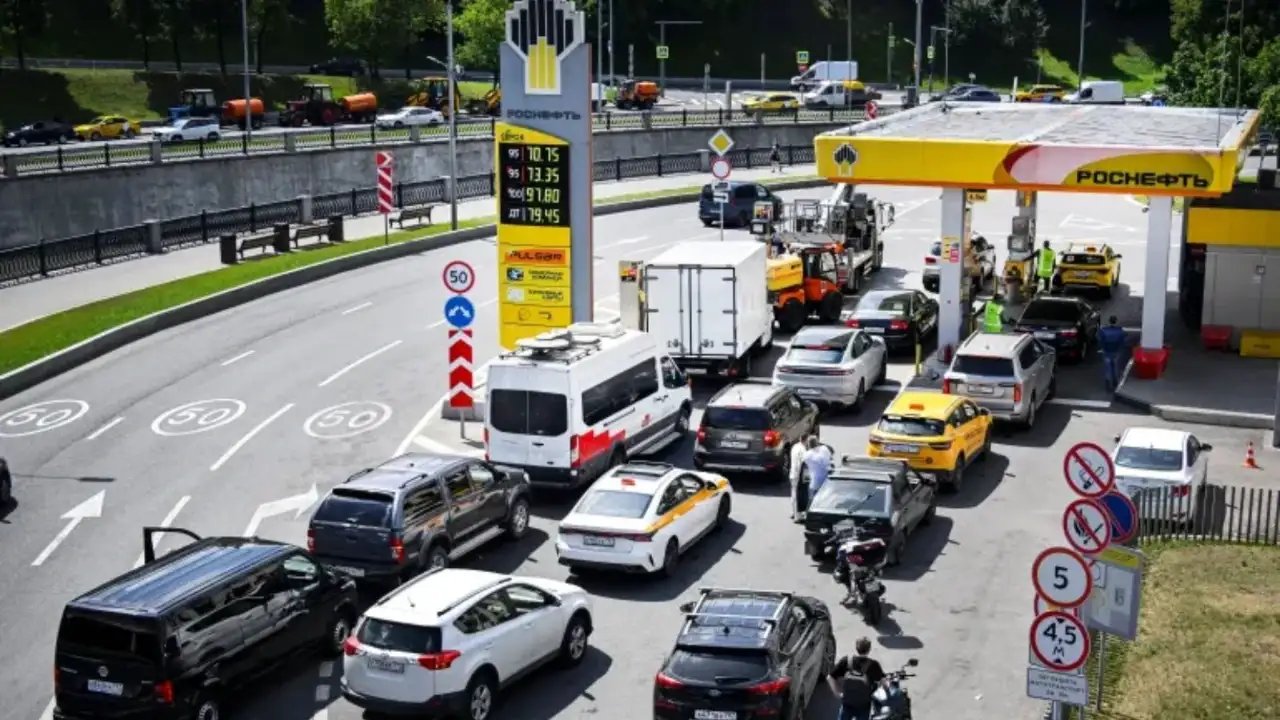
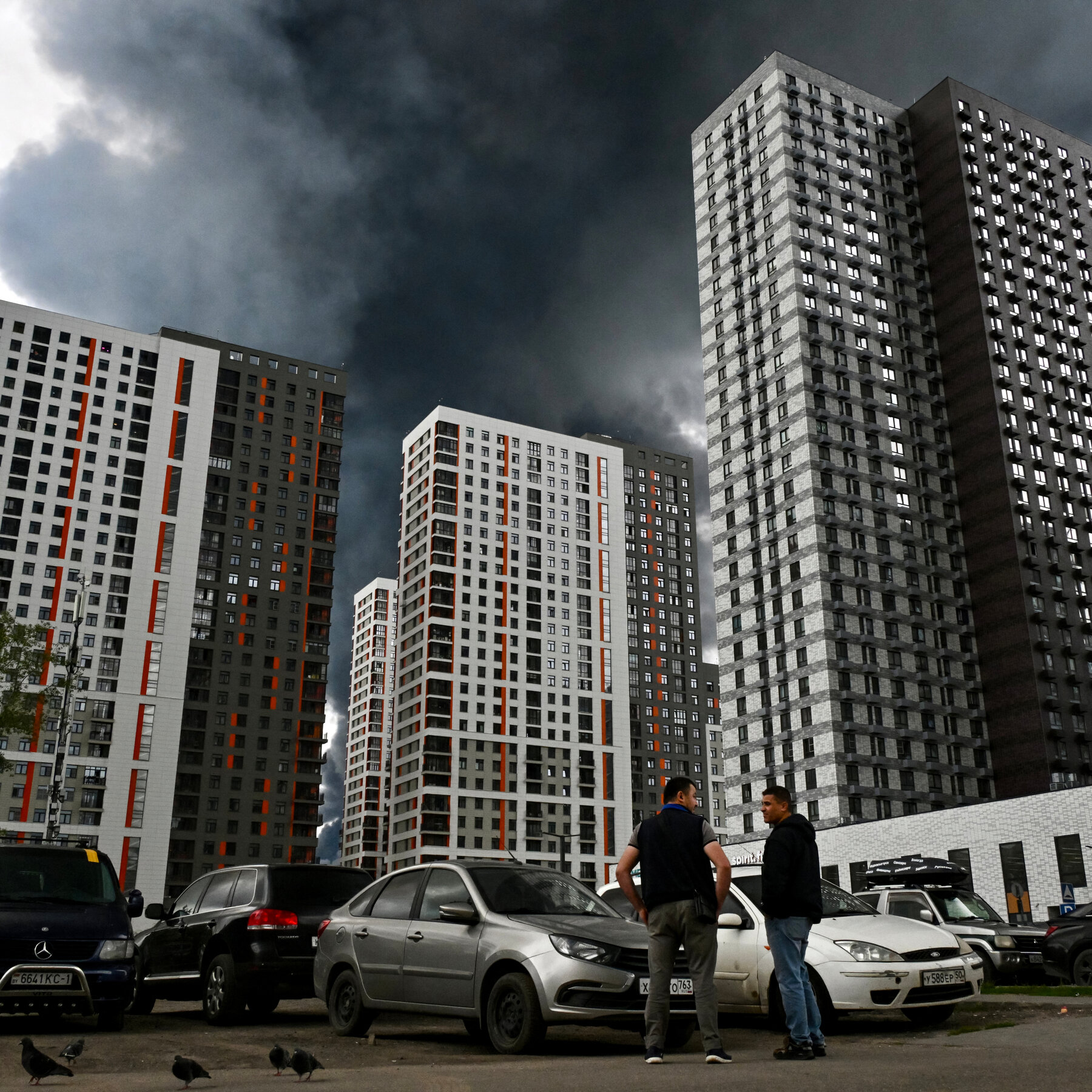
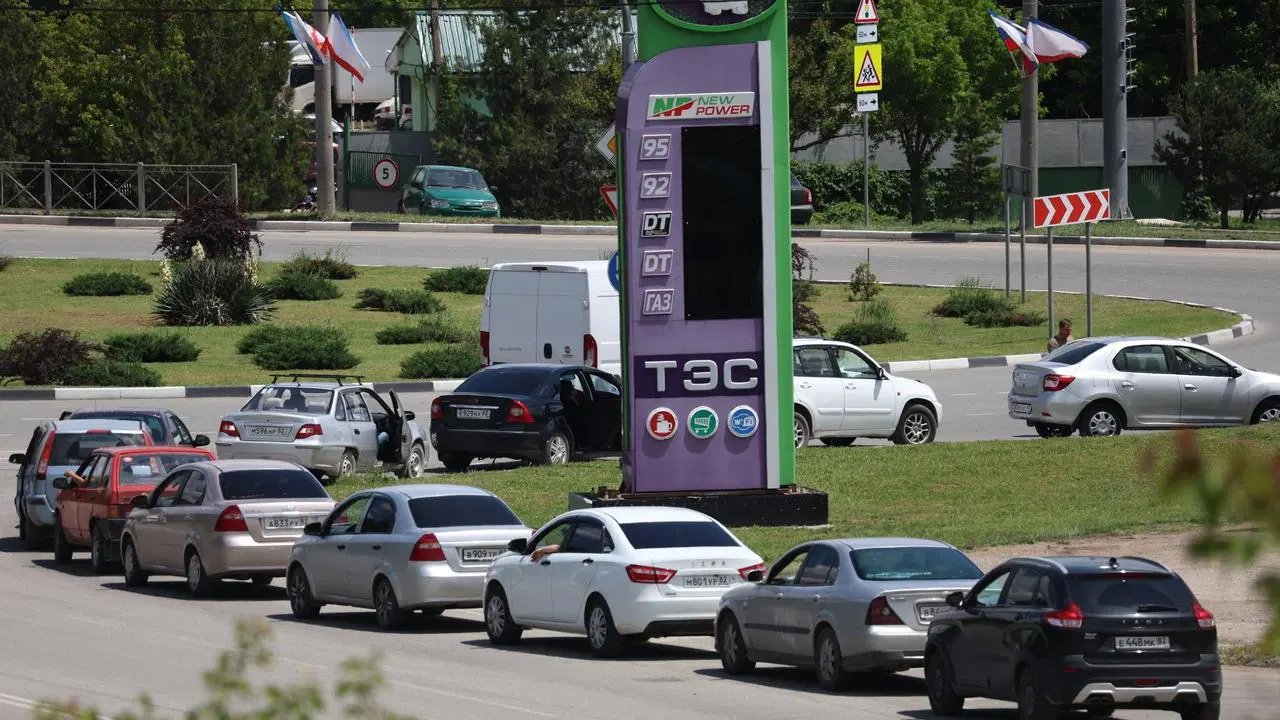
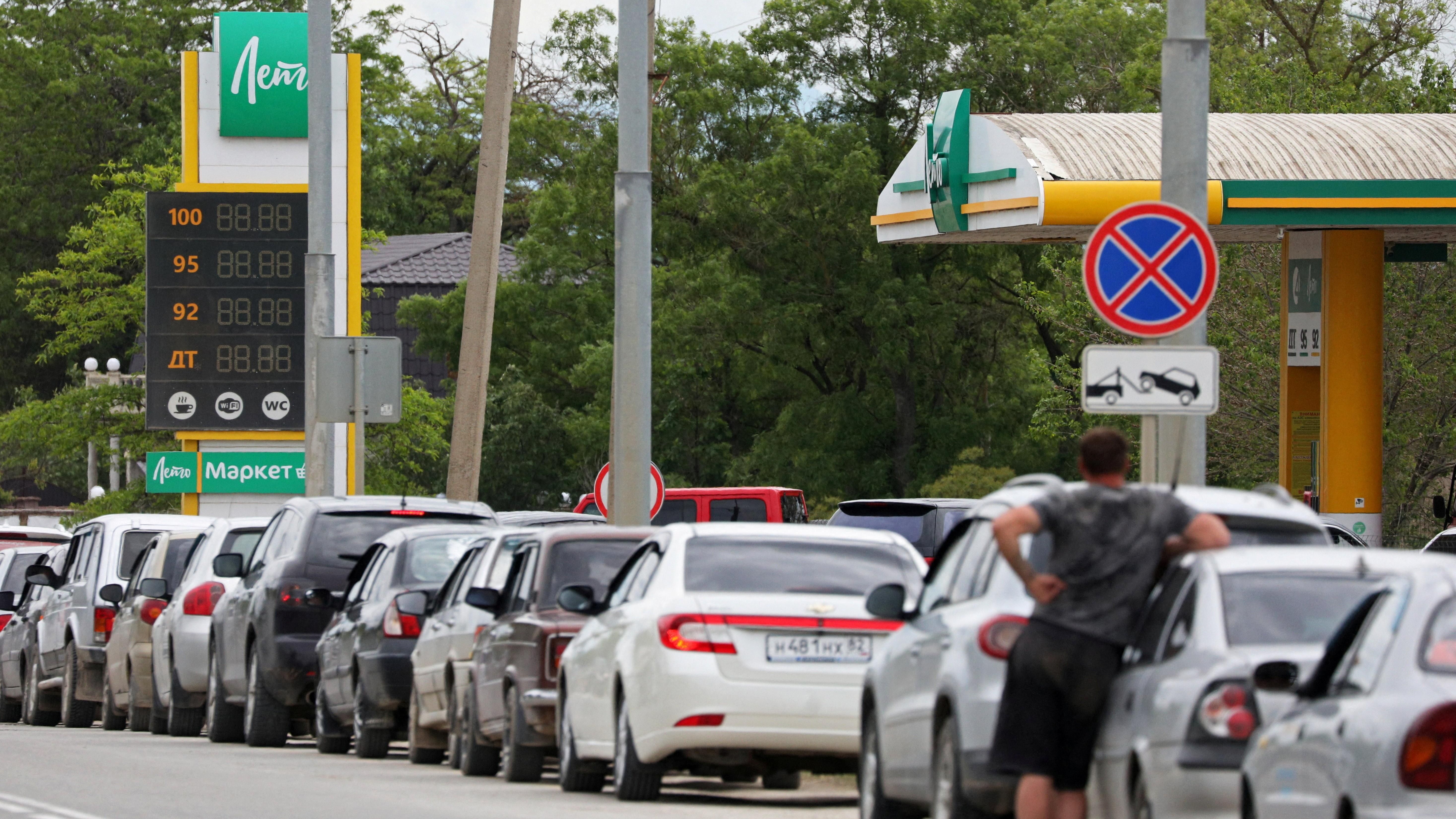
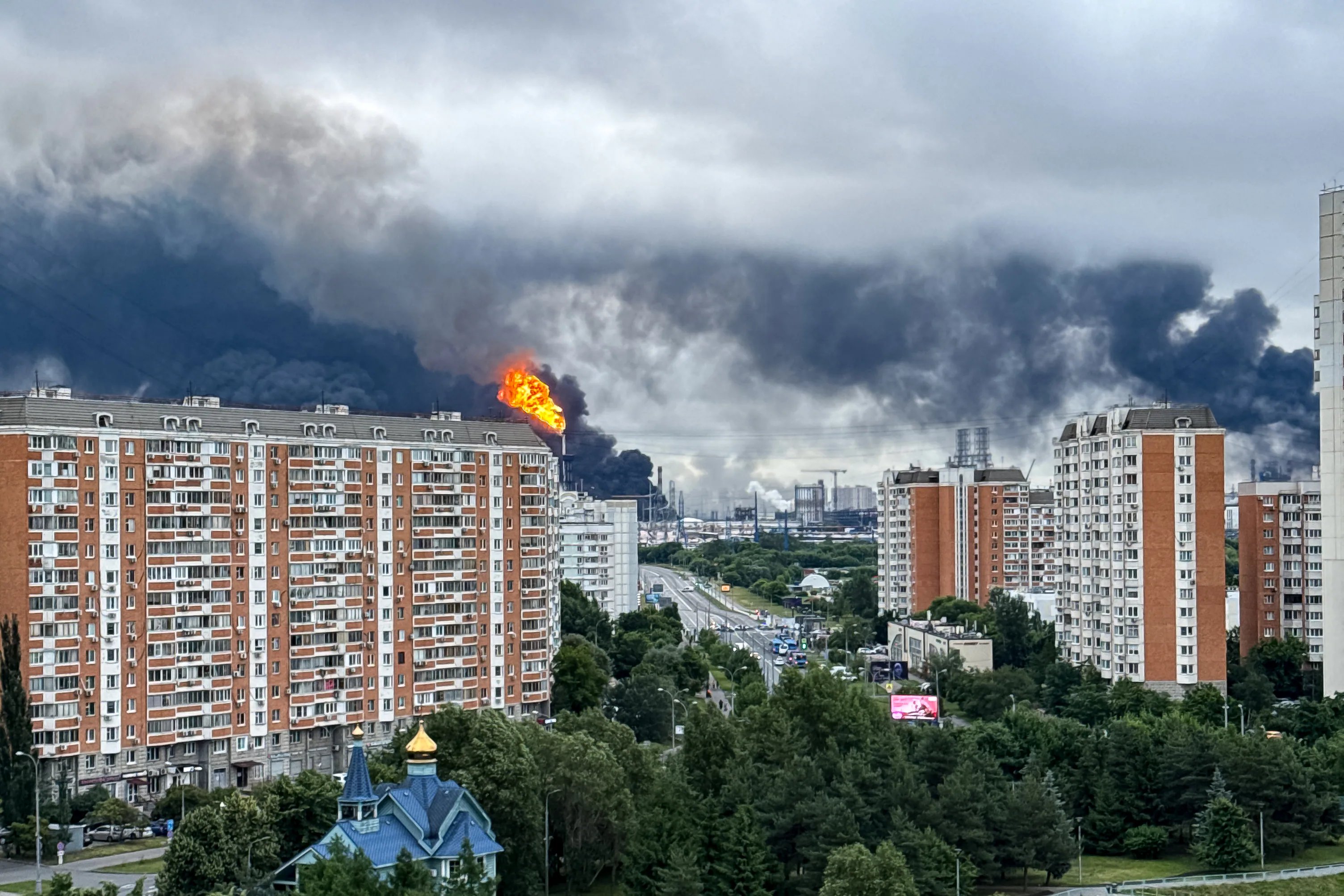
Zelensky's letter opens with mockery of Putin's age and endurance in power. "After 26 years in power, age is beginning to take its toll," Zelensky wrote, referencing a recent Ukrainian drone strike on the city's outskirts that he described as "paying a visit." The letter also highlighted Russian casualties and domestic hardship, stating that Russians grow increasingly tired of Ukrainian missile and drone attacks, inflation, and fuel shortages.
Zelensky warned that prolonged conflict threatens Putin's personal political position. "When Russia grows tired, change comes. It is a fact of Russian history that you know well," he wrote, adding that fatigue with Putin's leadership would only increase over time. The Ukrainian president also emphasized the human cost to his own country, noting that while he and Ukrainians are less concerned about Russian losses, every Ukrainian death matters. "Even when the ratio of Ukrainian losses to Russian losses is one to five or one to six, it still matters greatly," he stated.
The concrete proposal
Zelensky proposed ending the war "through direct engagement between us" and invited Putin to meet in a neutral country. Switzerland and Turkey were named as potential venues, with Zelensky noting that "countries of the Arab world" and others have traditionally hosted leaders to resolve war and peace issues. He called for a full ceasefire during proposed negotiations, though Putin had already ruled out that condition earlier on Thursday.
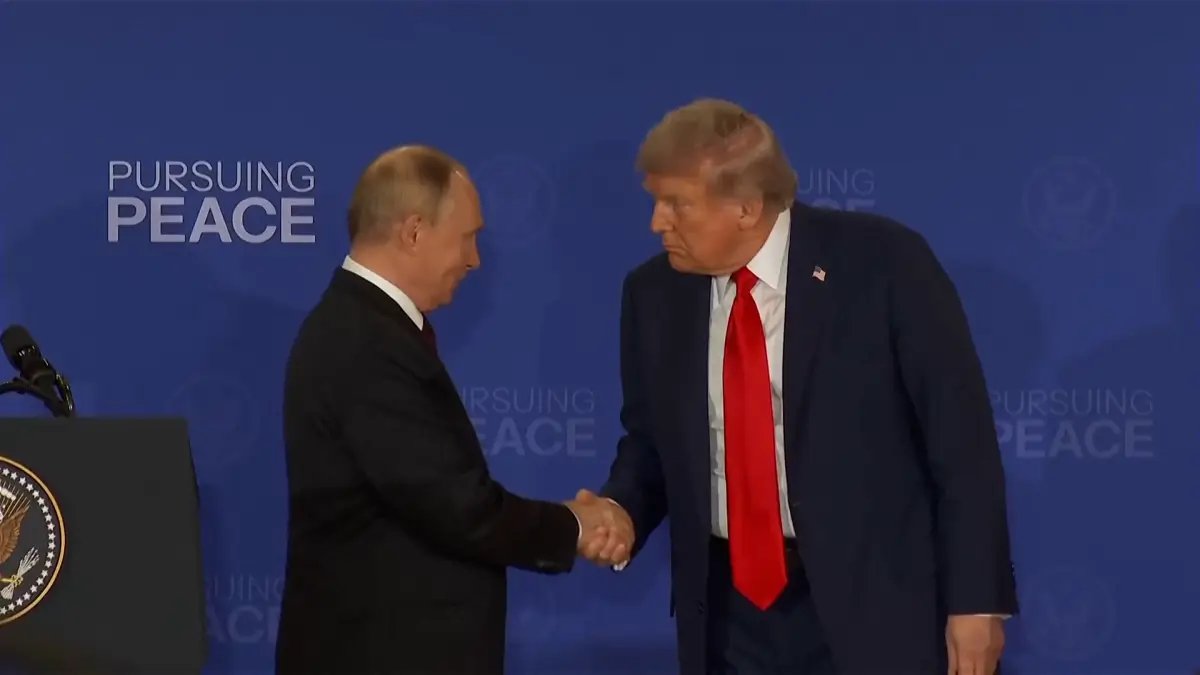
The letter also requested that Europe and the United States participate in shaping a new security architecture for the region. Zelensky emphasized that issues concerning Ukraine and Europe could not be decided elsewhere, directly referencing Putin's August 2025 summit with Trump in Anchorage that ended without agreement. "Since the war is taking place in Europe, and since Ukraine needs security guarantees, while you also seek security guarantees for yourself, it would be logical to involve those who can genuinely serve as guarantors," Zelensky wrote.
Putin's immediate response
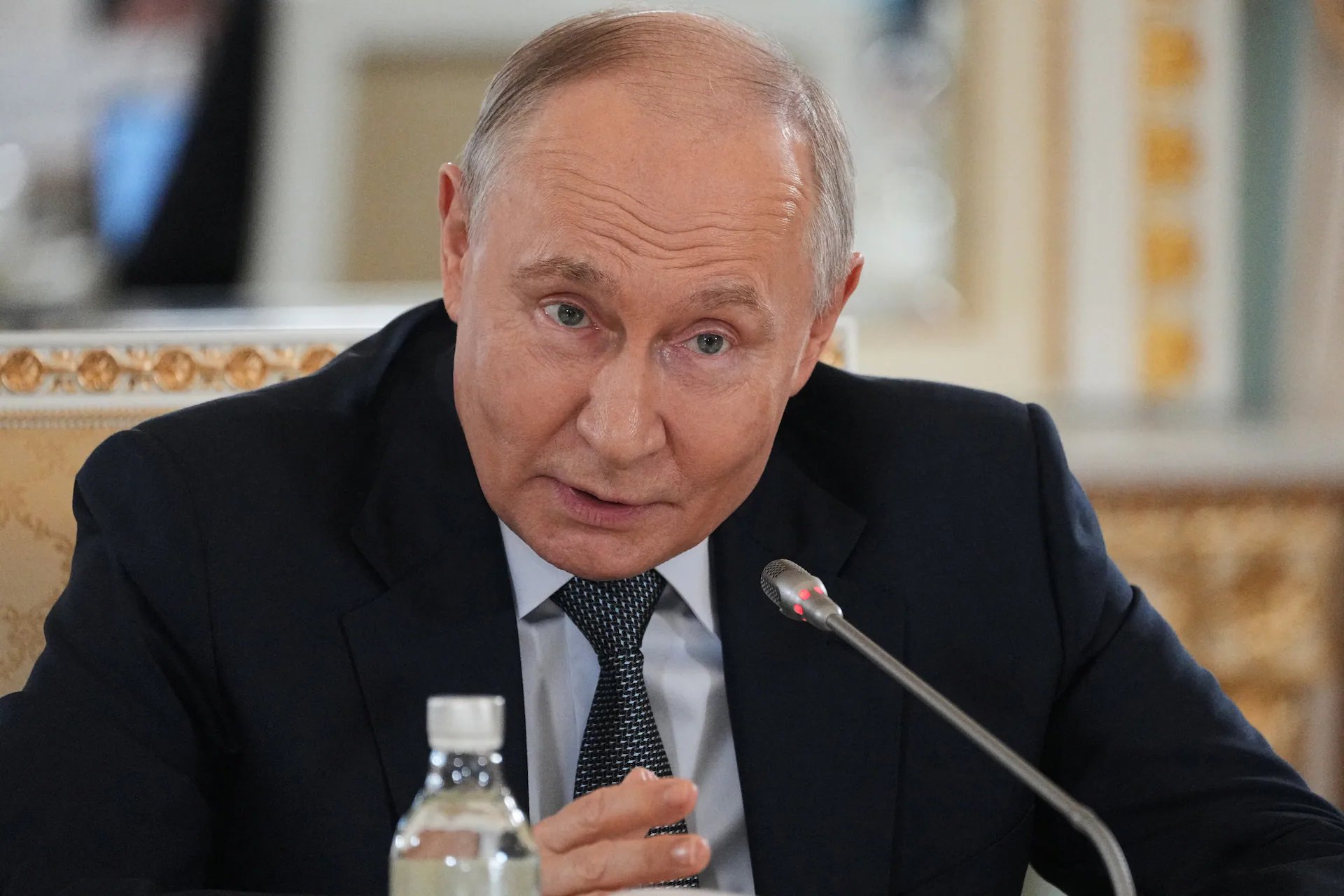
The Kremlin confirmed it had received the letter but said Putin had not yet been briefed on its full contents. Speaking to foreign journalists in St. Petersburg without apparently having reviewed the letter, Putin said he was "certainly prepared and willing to reach an agreement with Ukraine through peaceful means," but insisted that compromises were necessary. He referenced the Anchorage summit as the basis for any agreement.
Putin countered Zelensky's proposal by saying the Ukrainian leader was welcome to meet him in Moscow, a condition Zelensky had preemptively ruled out in his letter. Putin also suggested that as Trump focused on Iran, the European Union could persuade Zelensky to surrender territory. Putin's longstanding demand remains that Ukraine withdraw from four regions and abandon efforts to join NATO, positions Ukraine has rejected as emboldening further Russian invasion.
European and American positioning
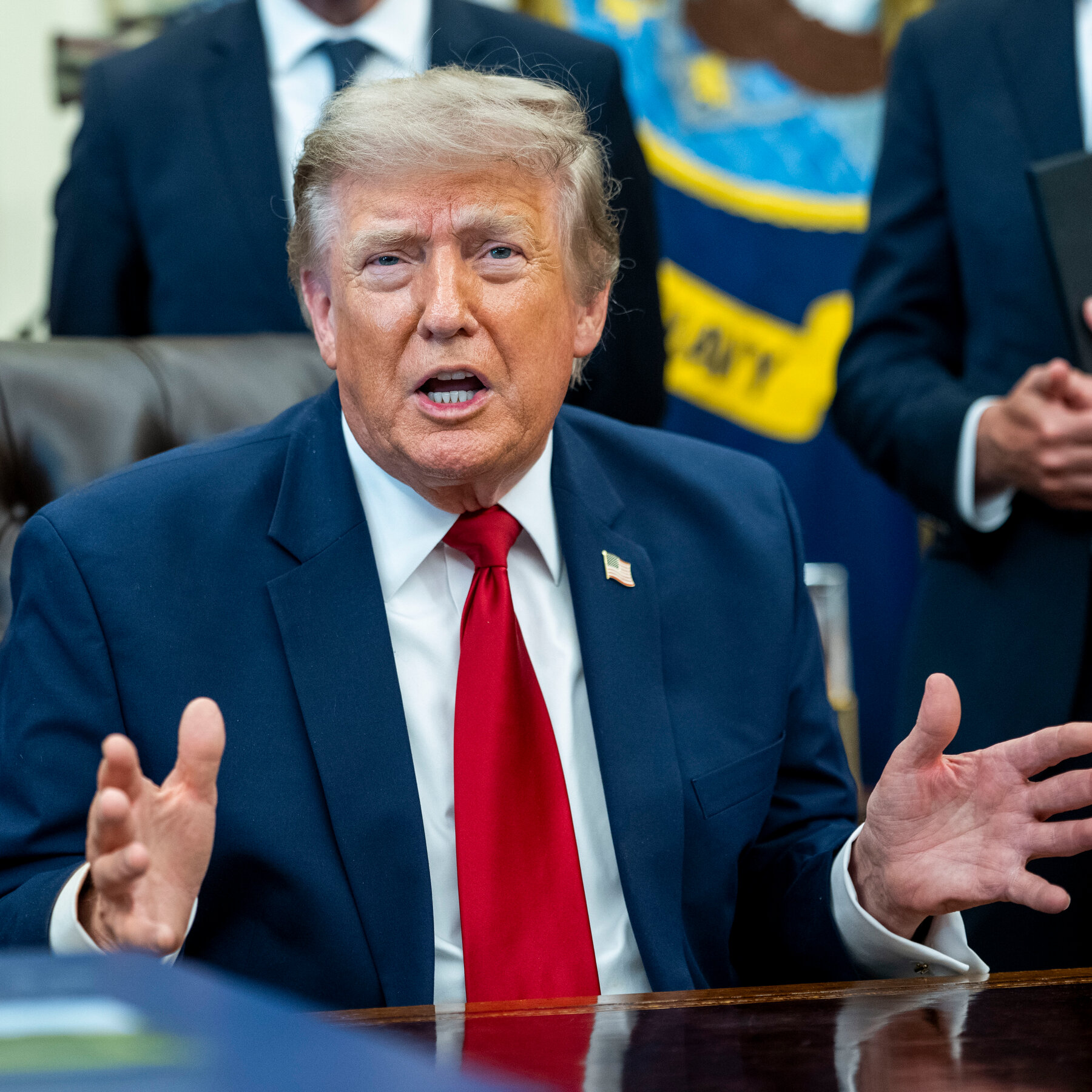
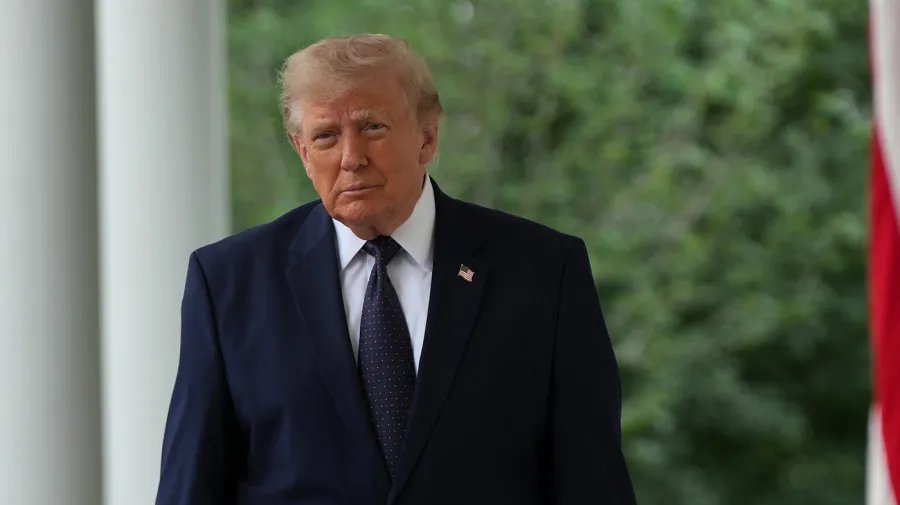
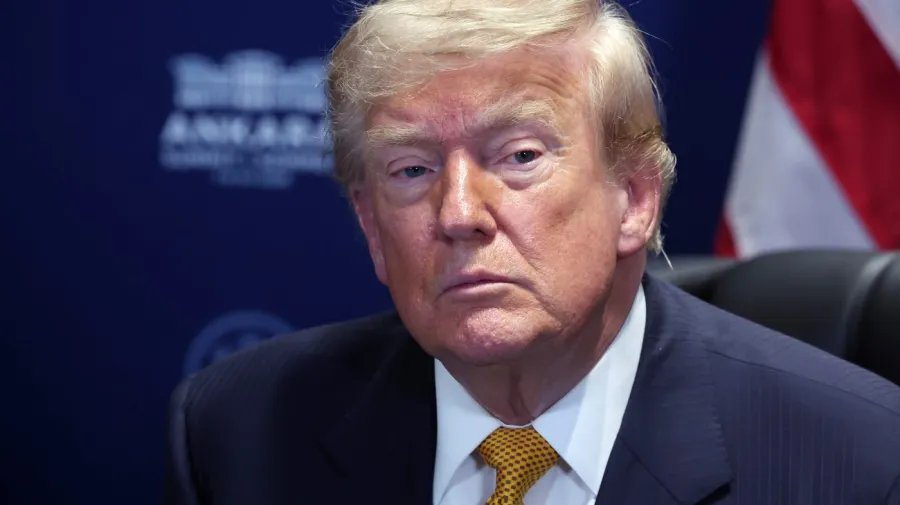
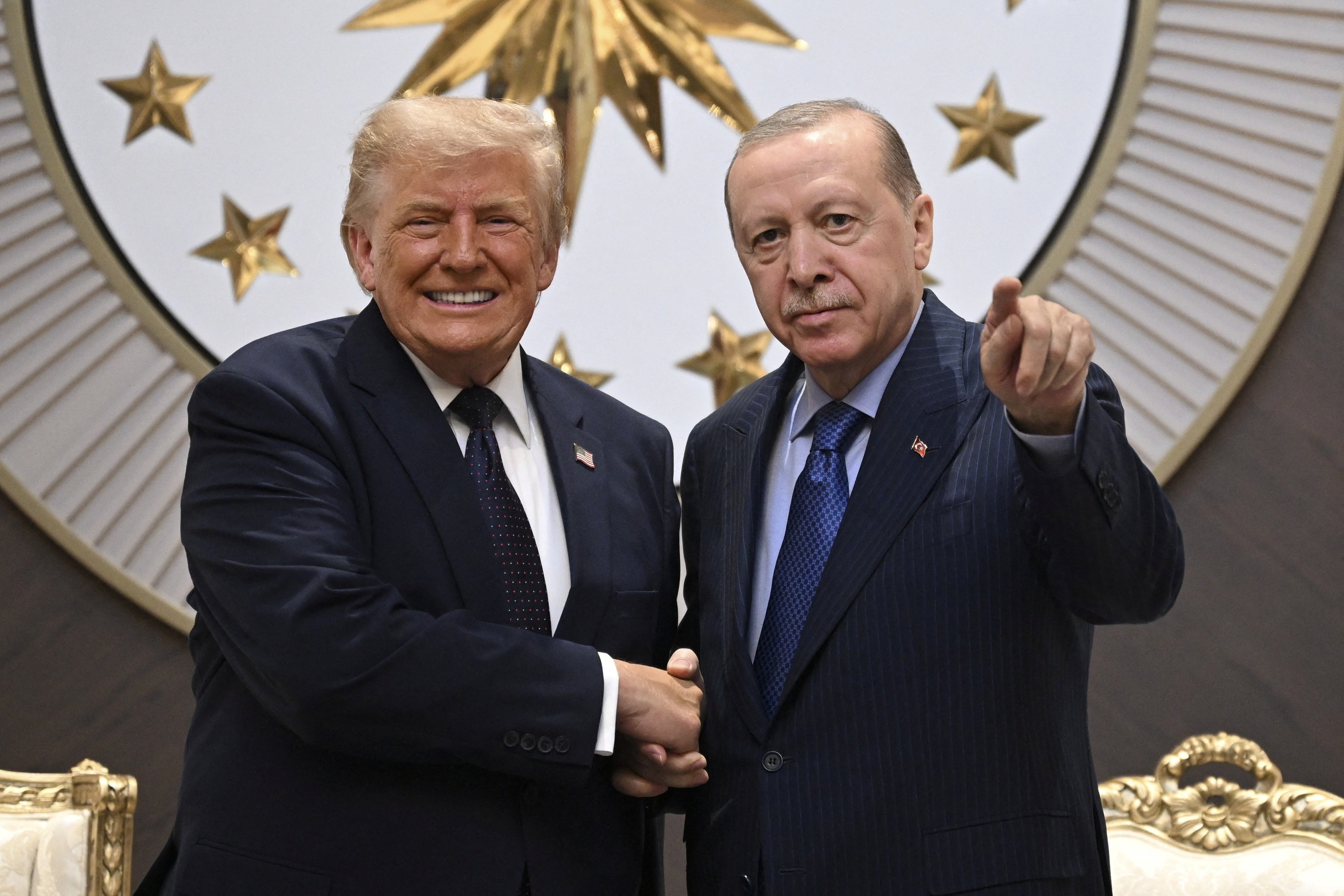
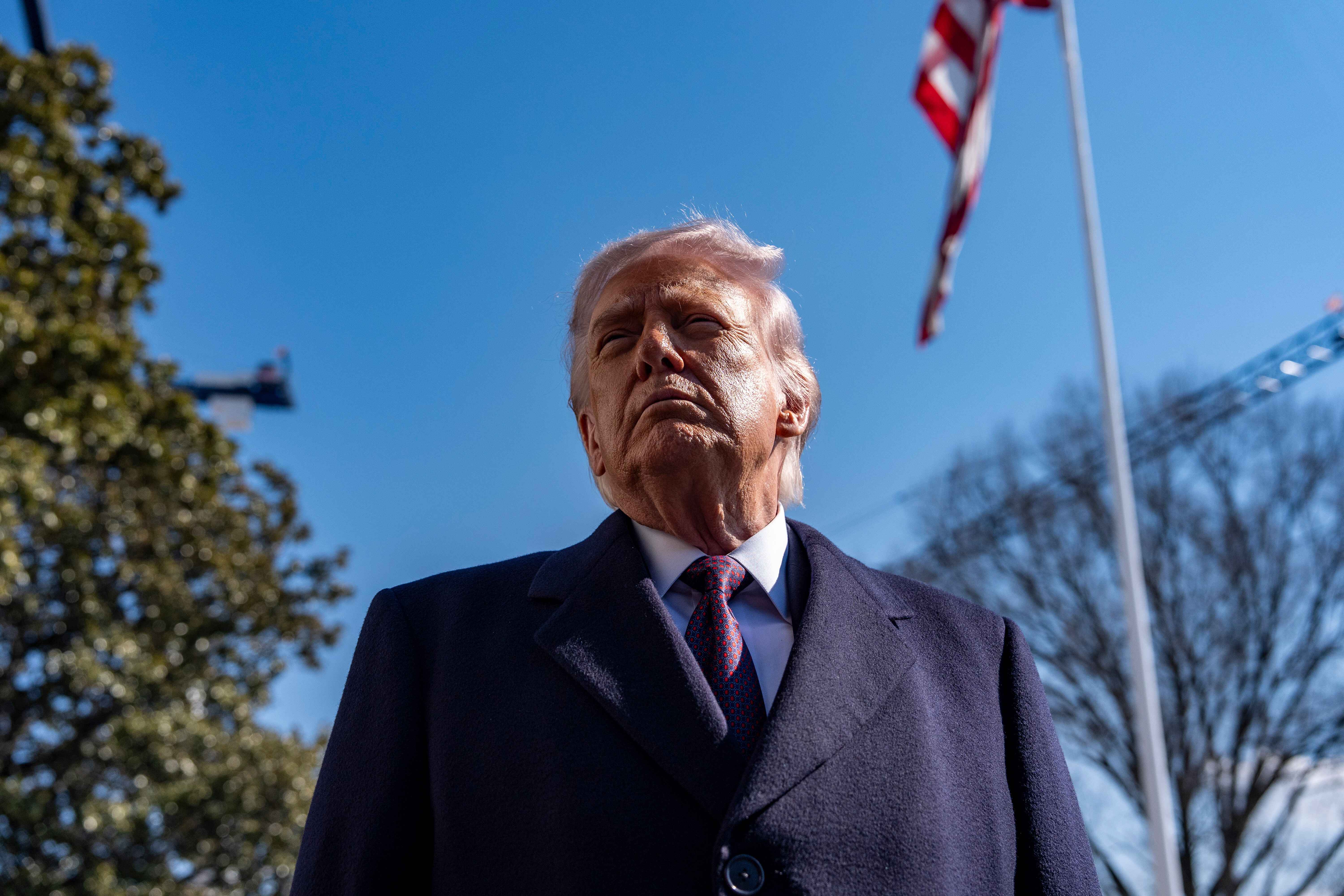
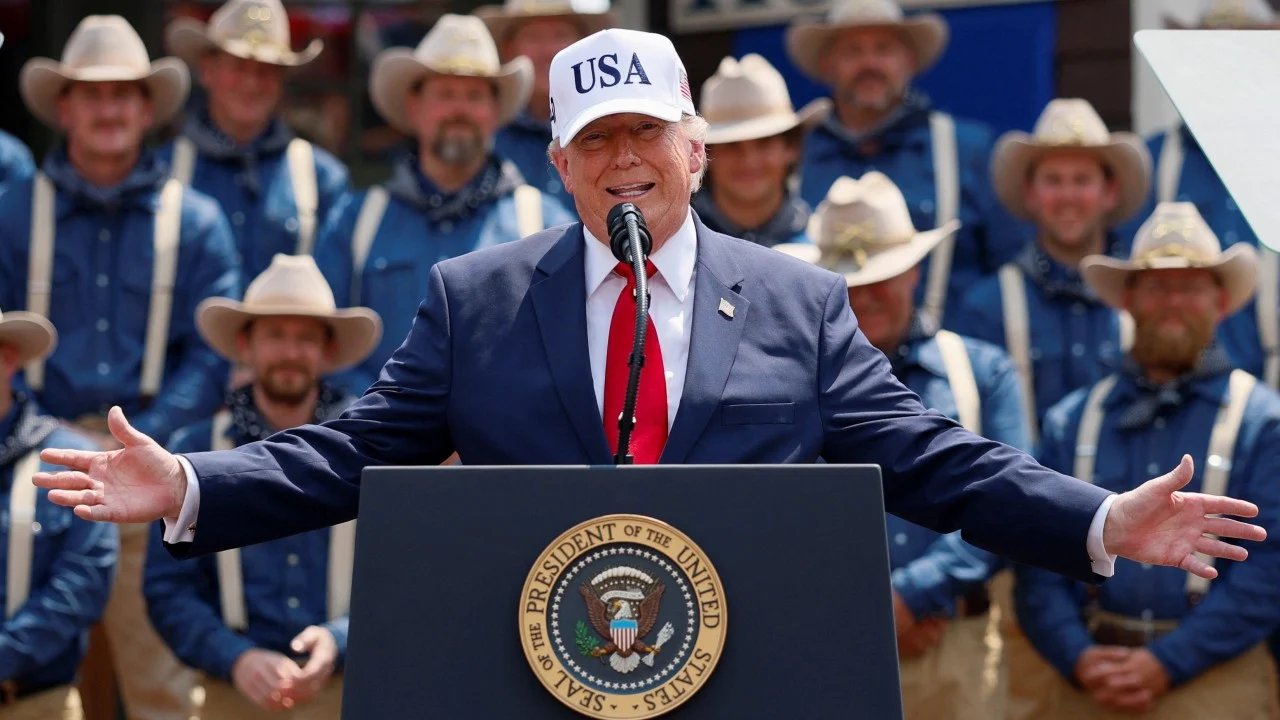
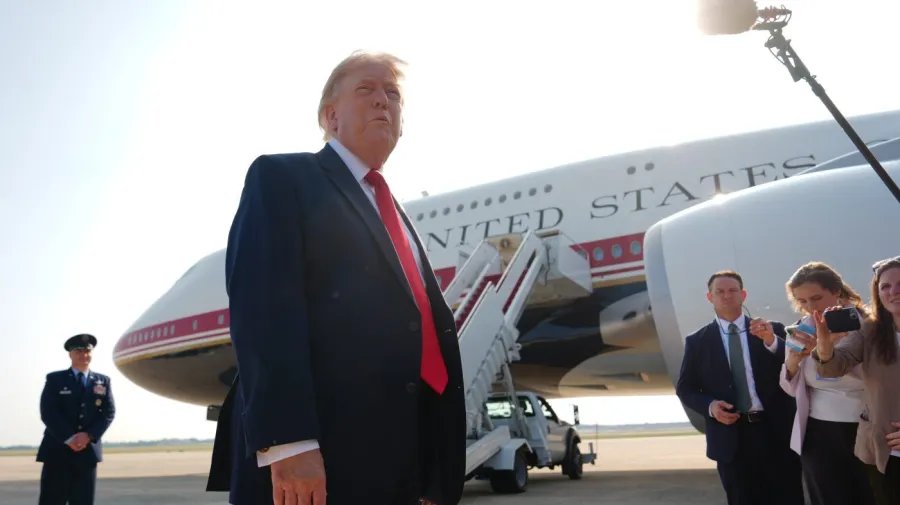
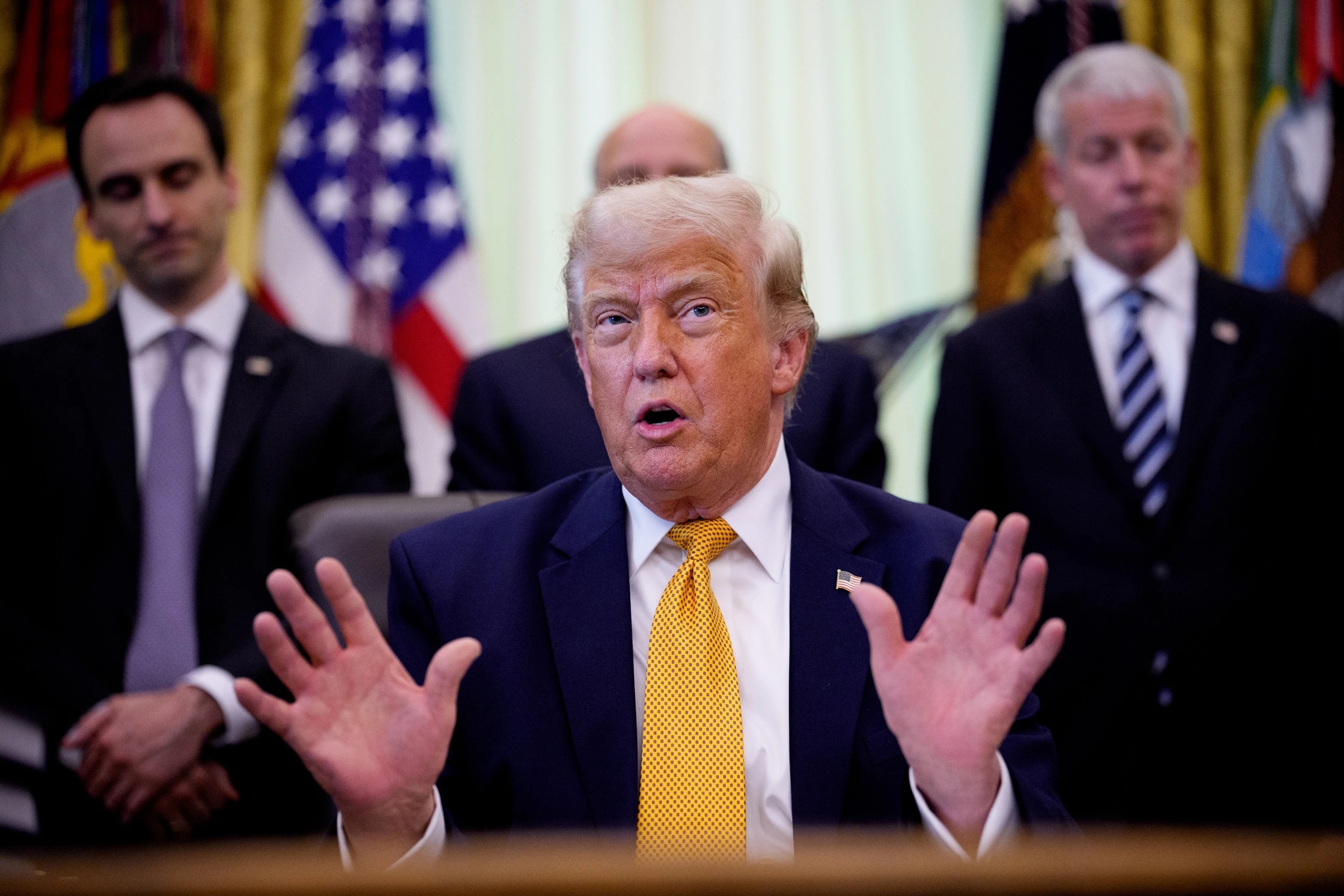
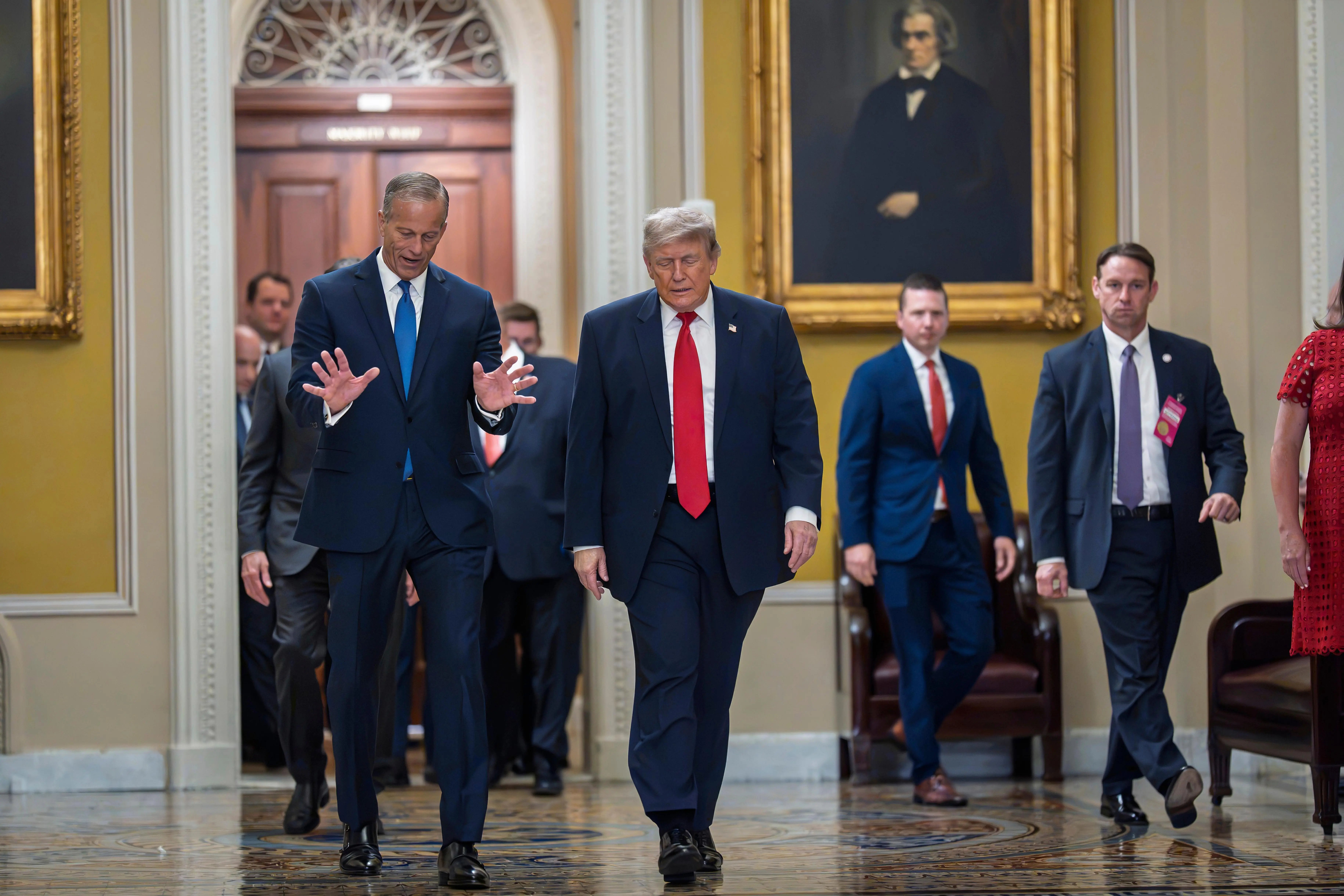
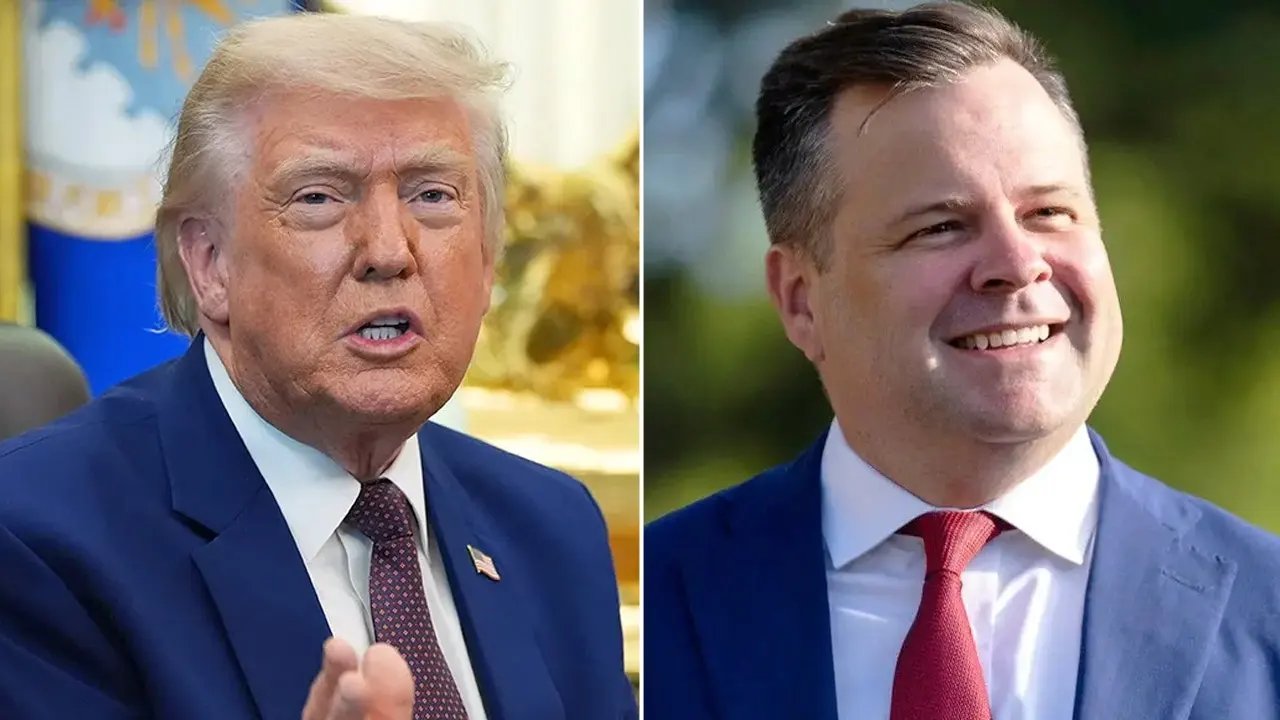
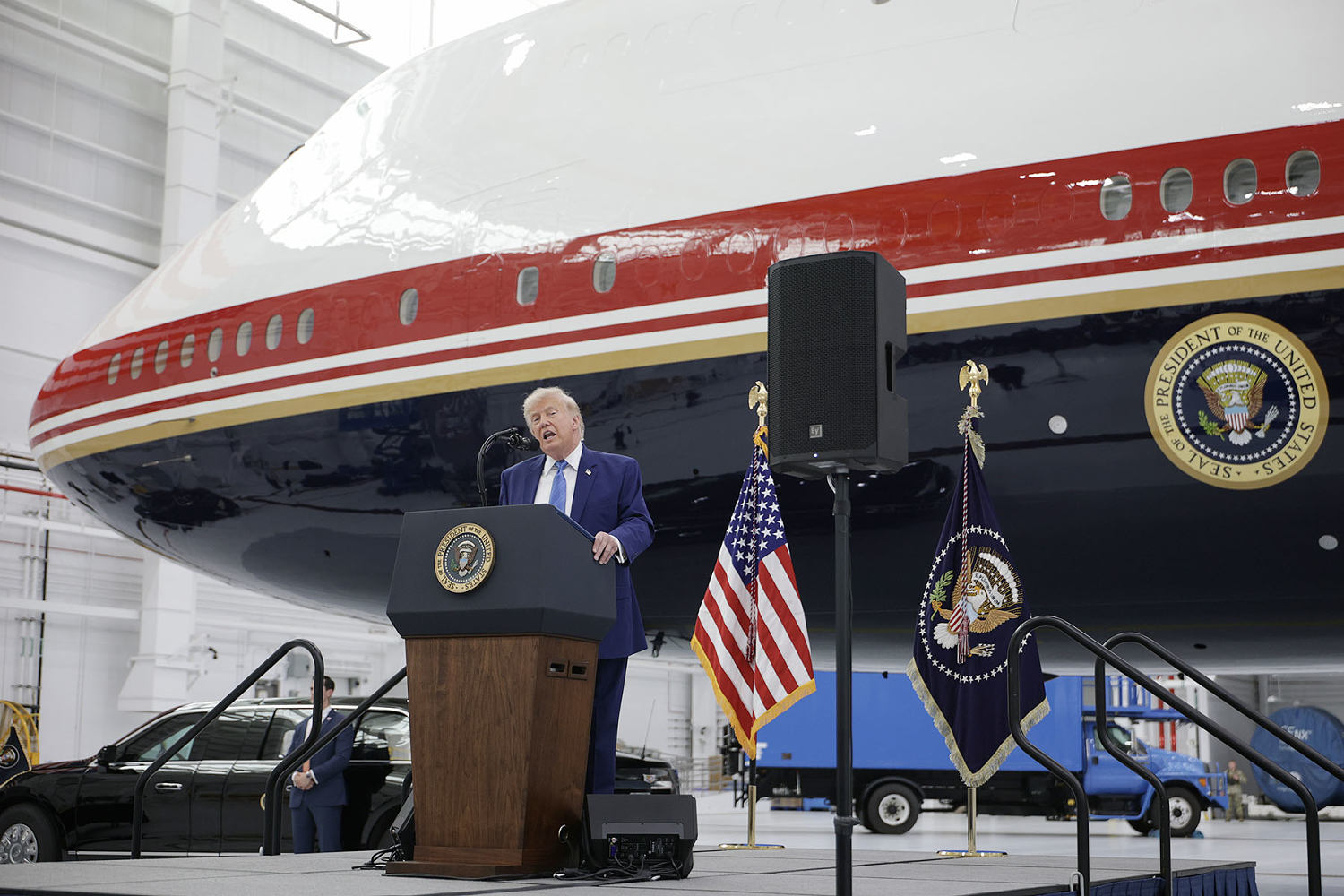
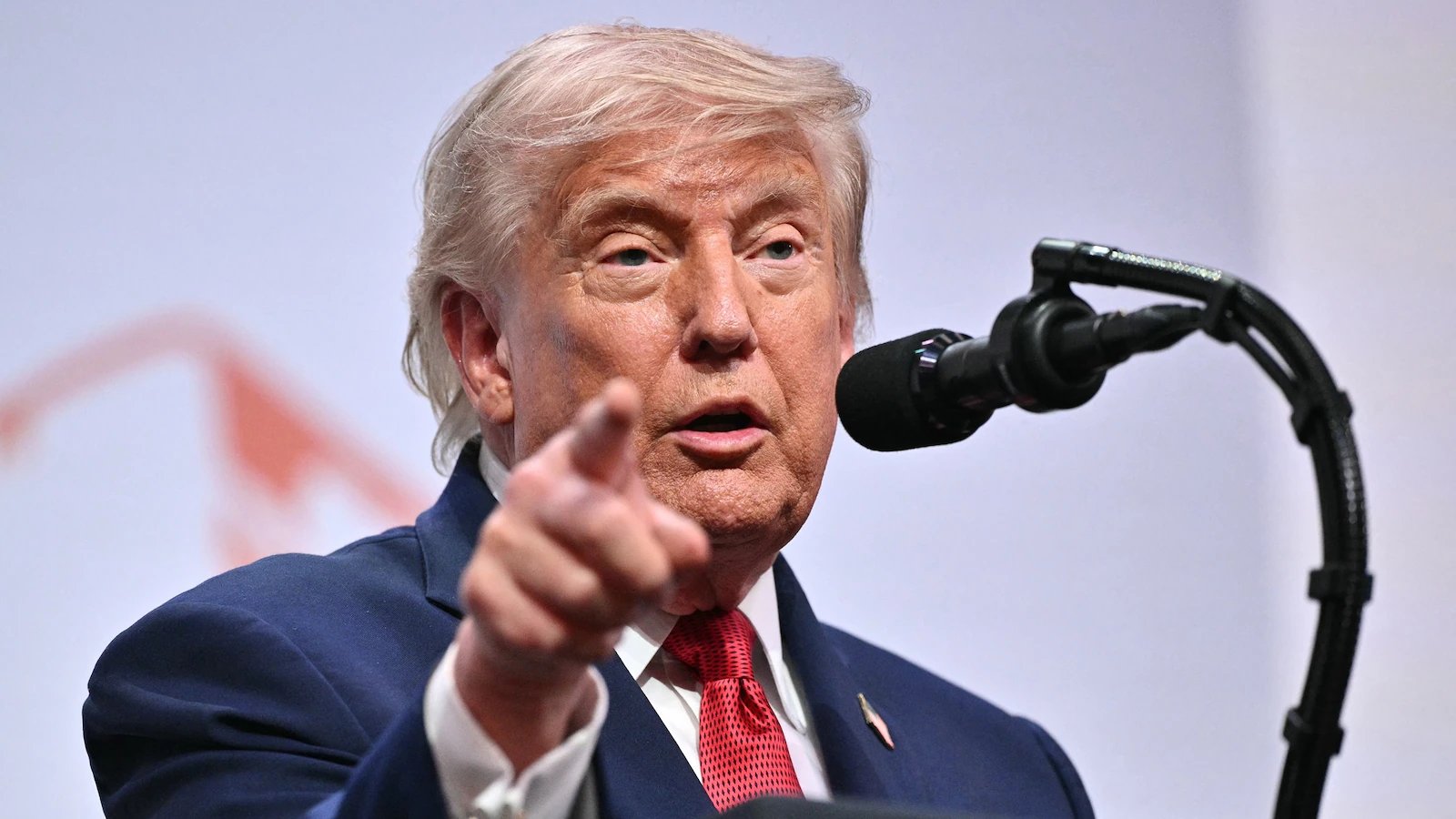
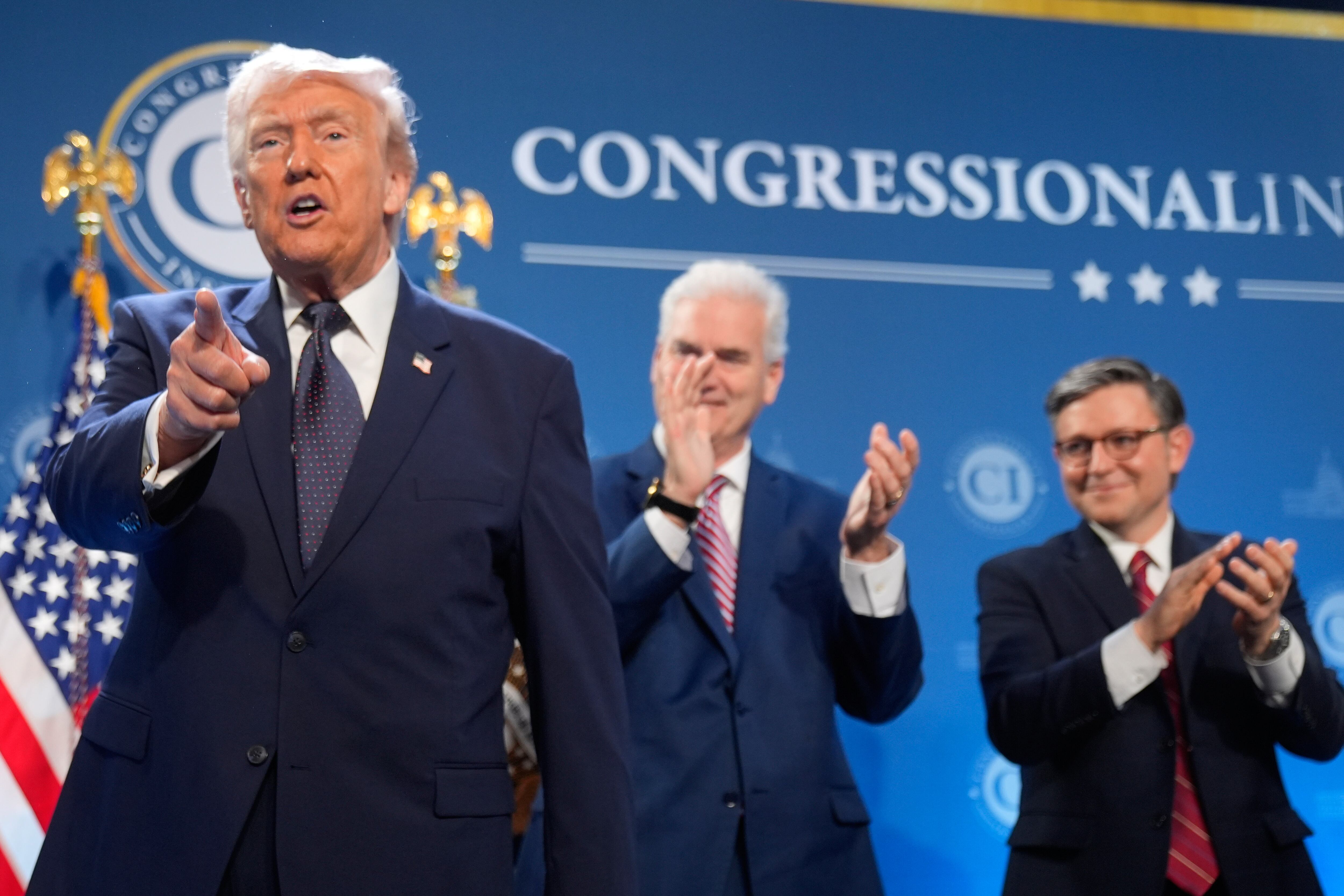
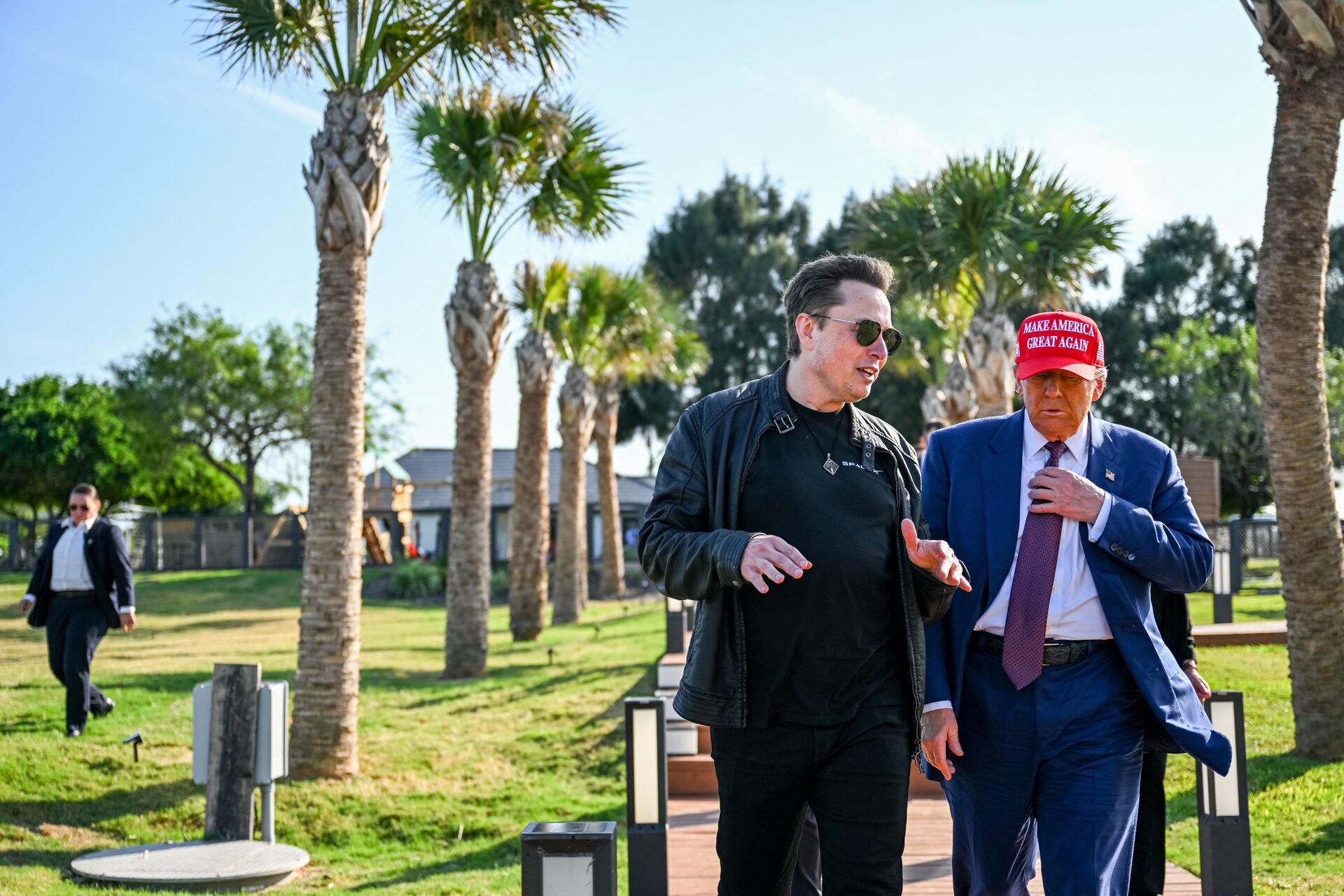
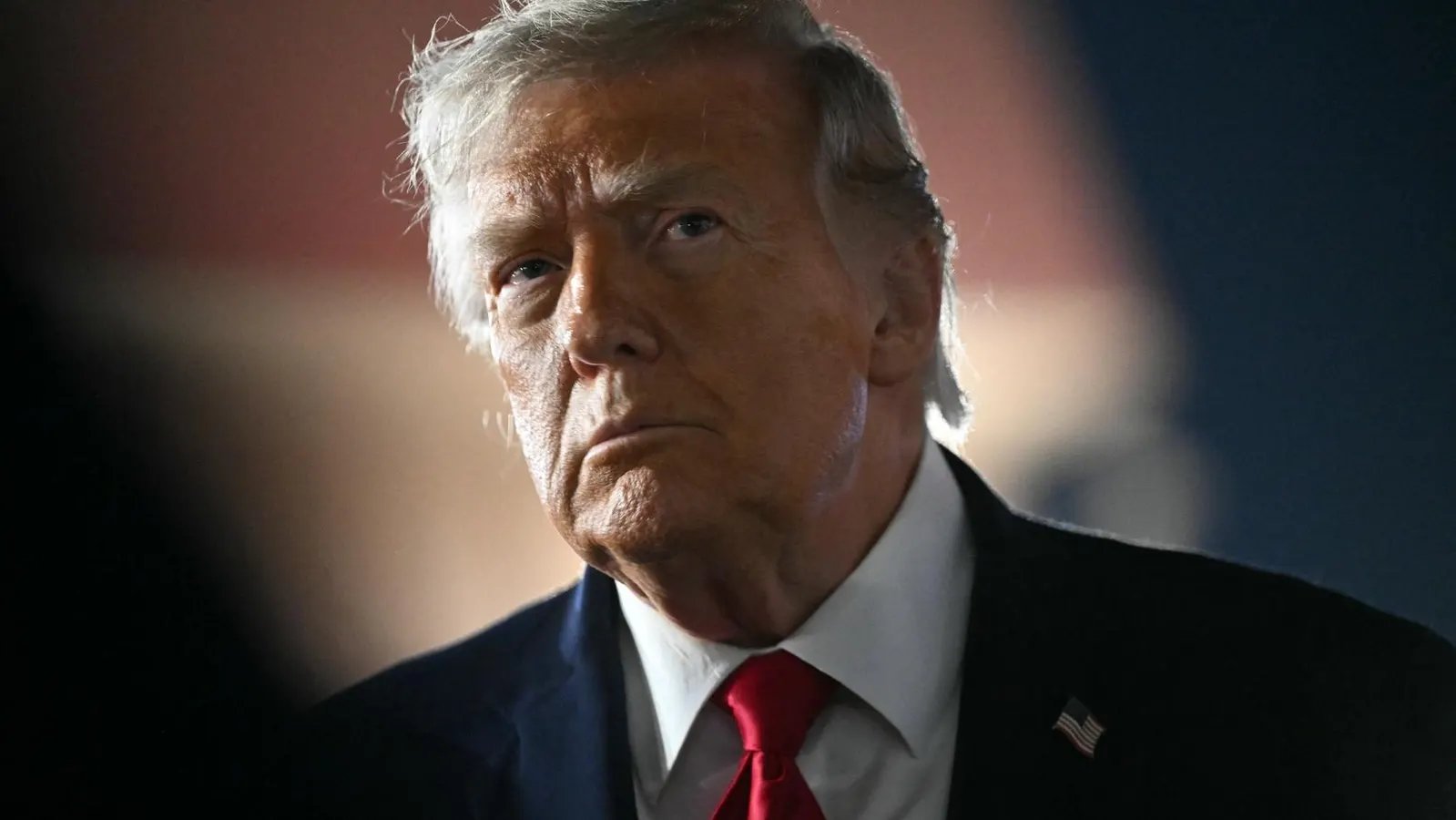
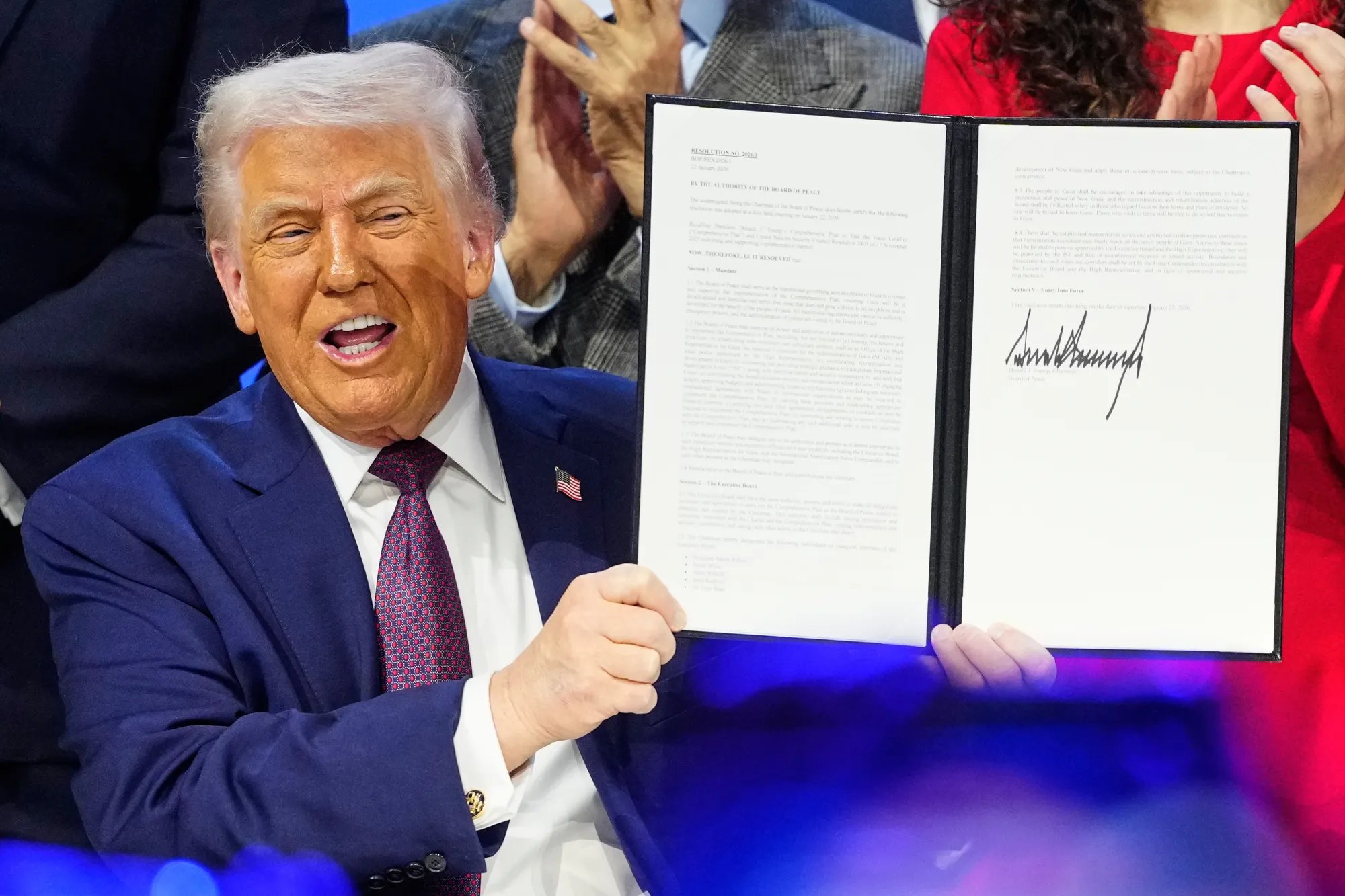
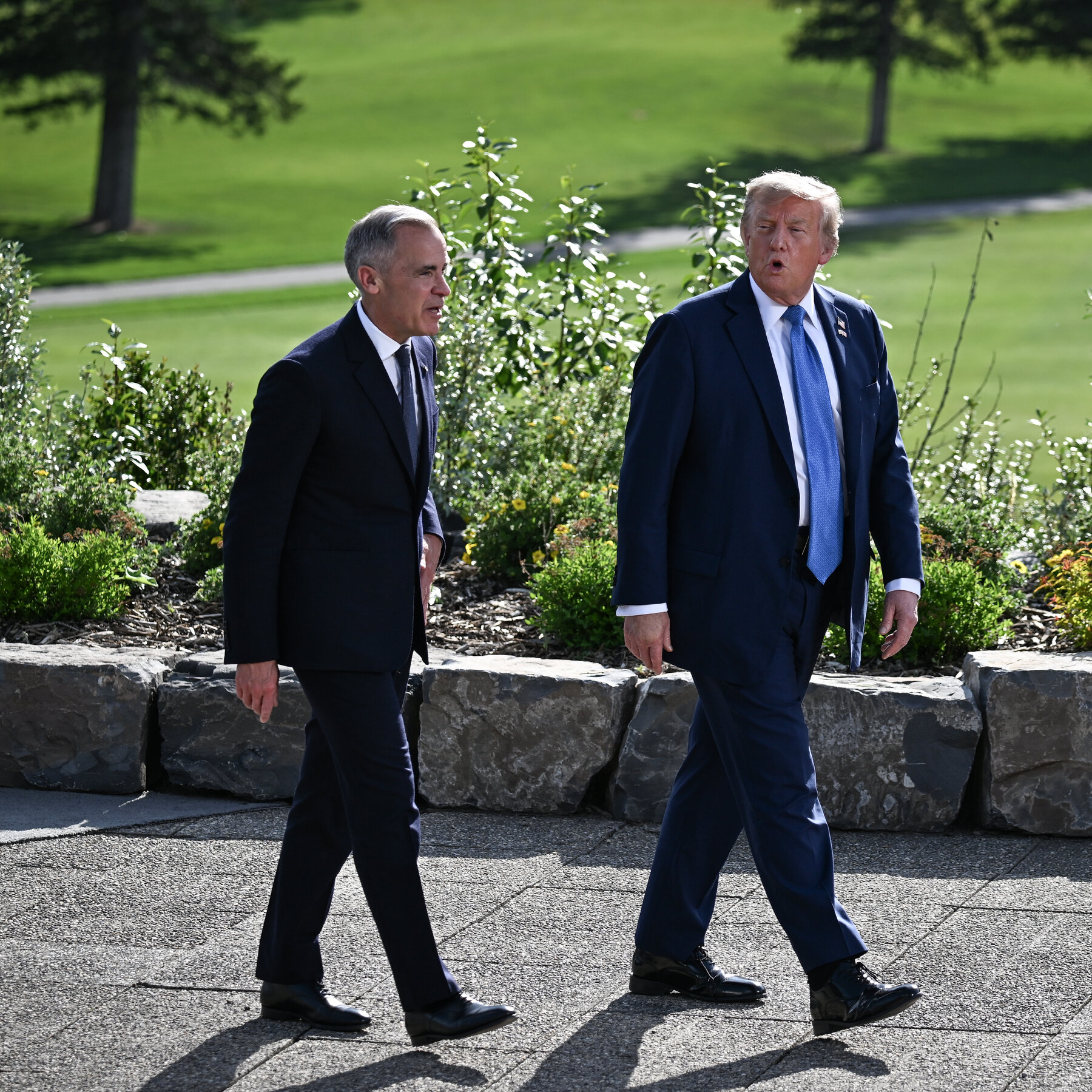
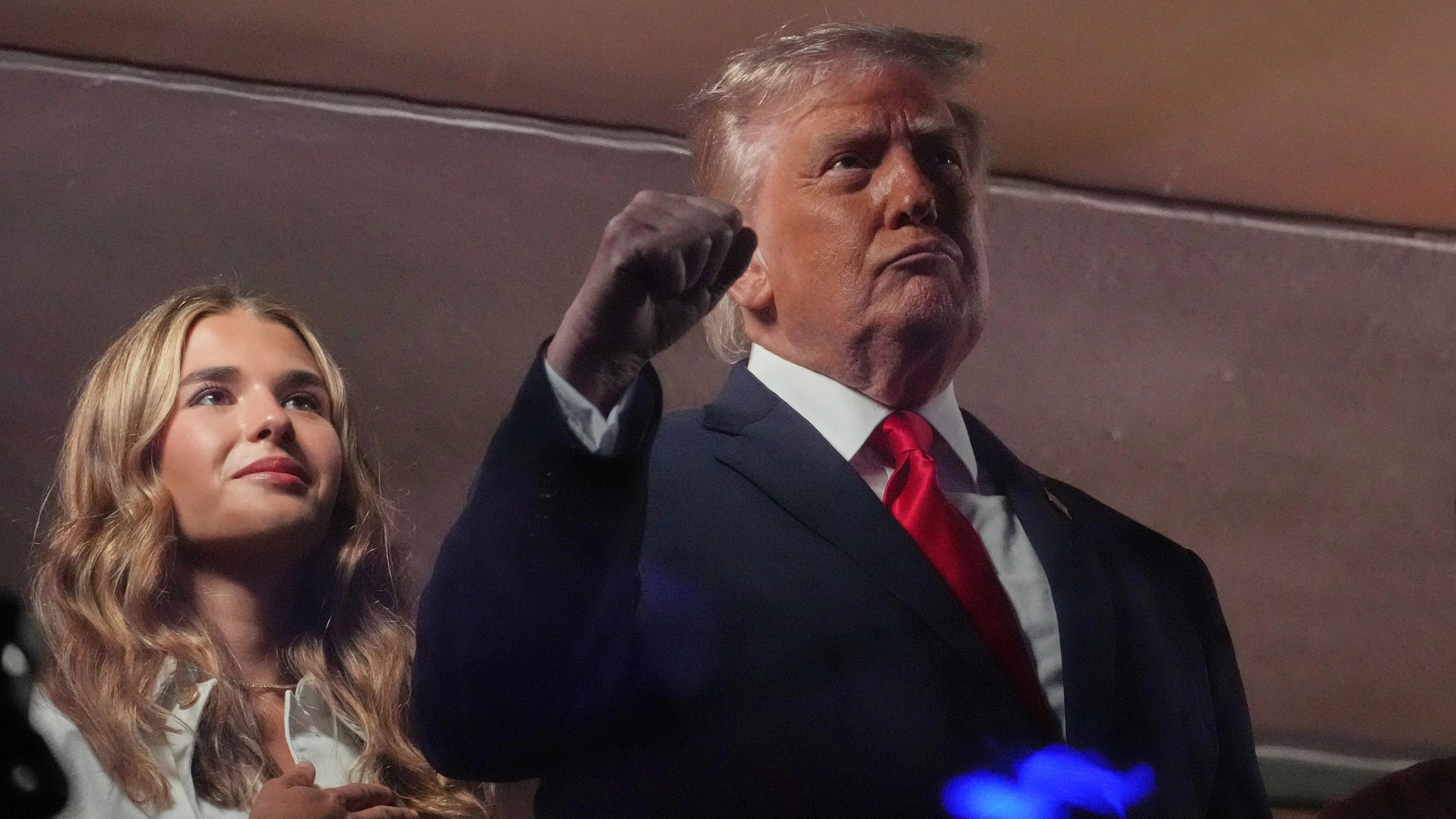
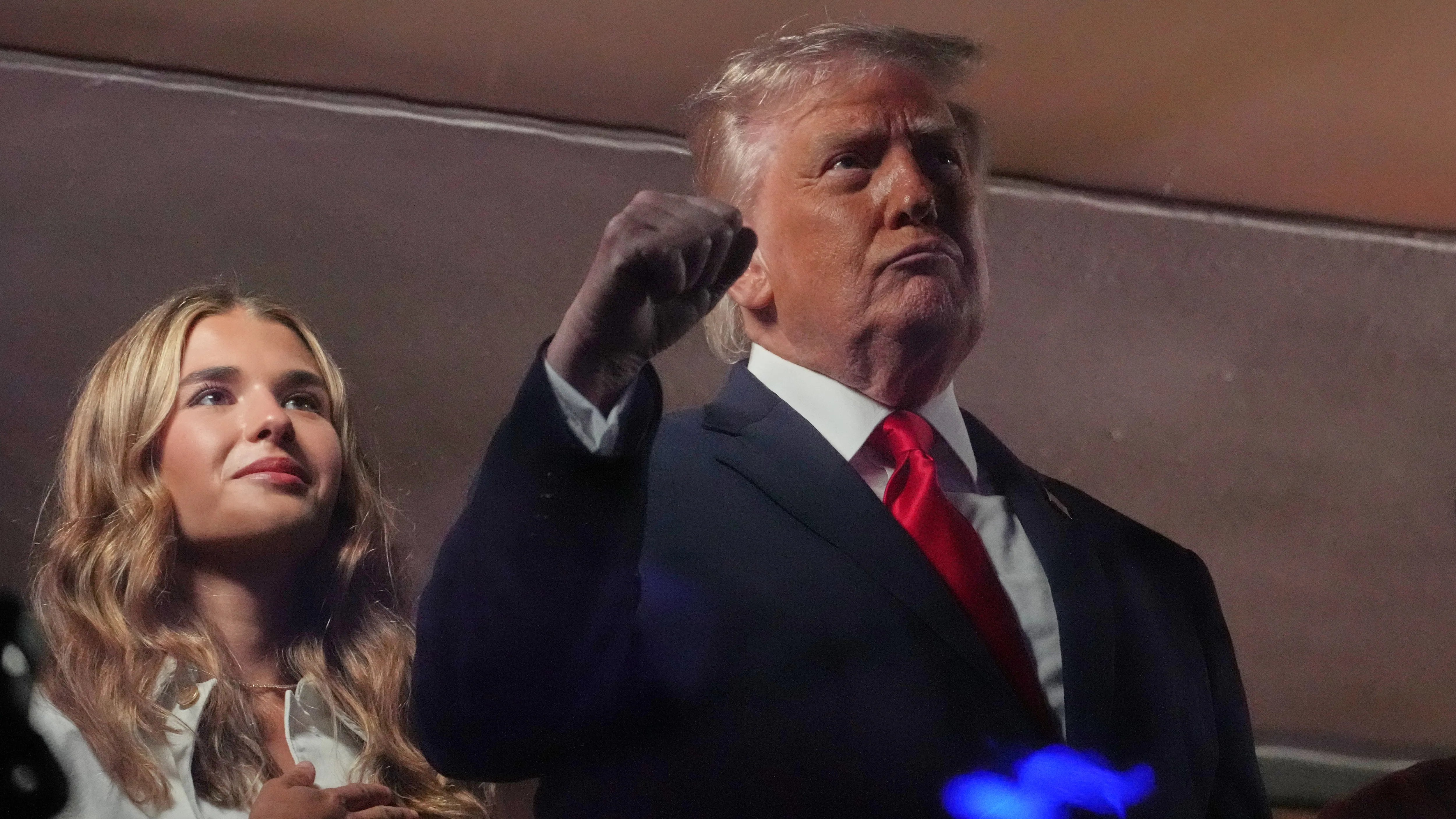
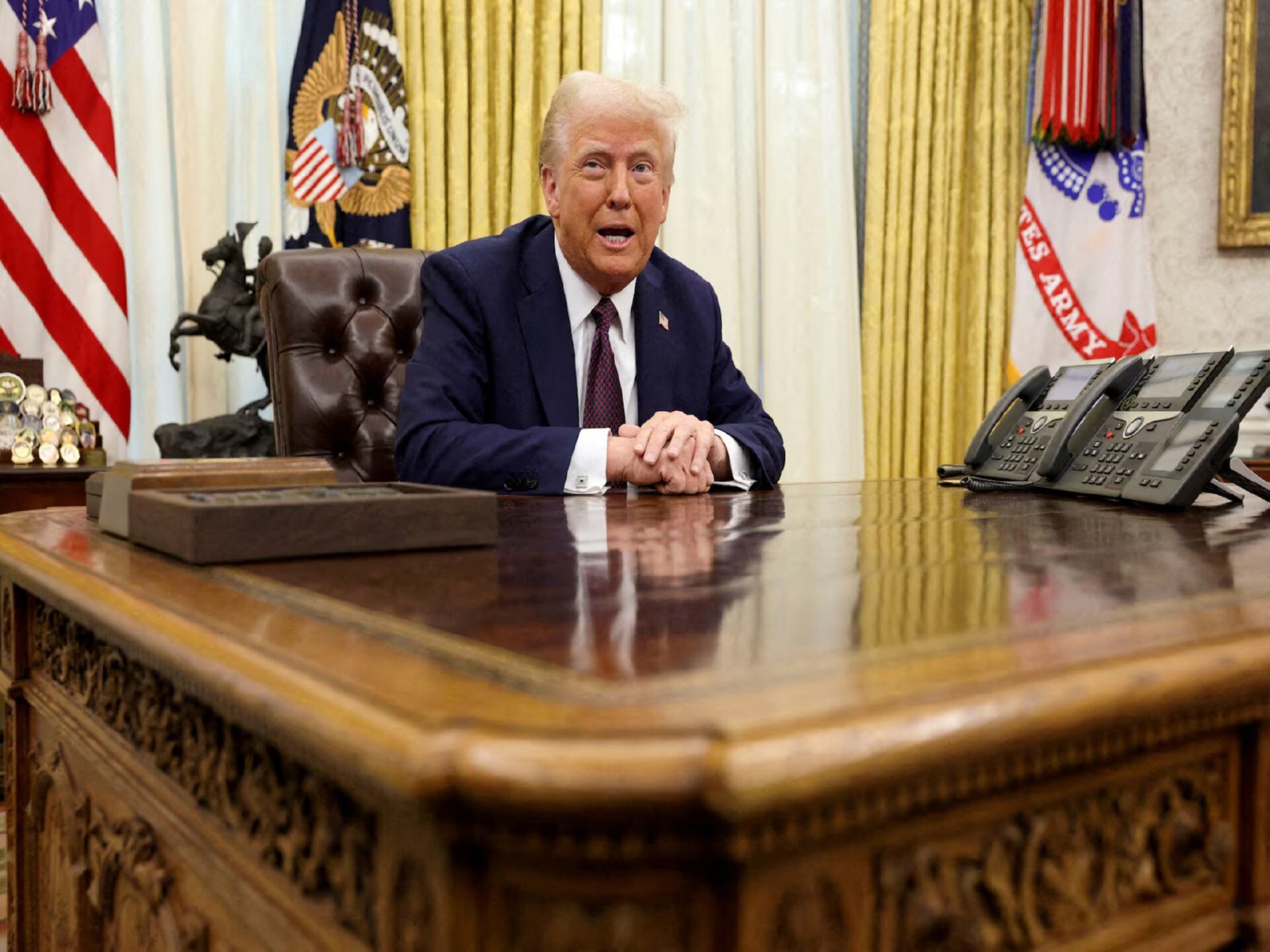
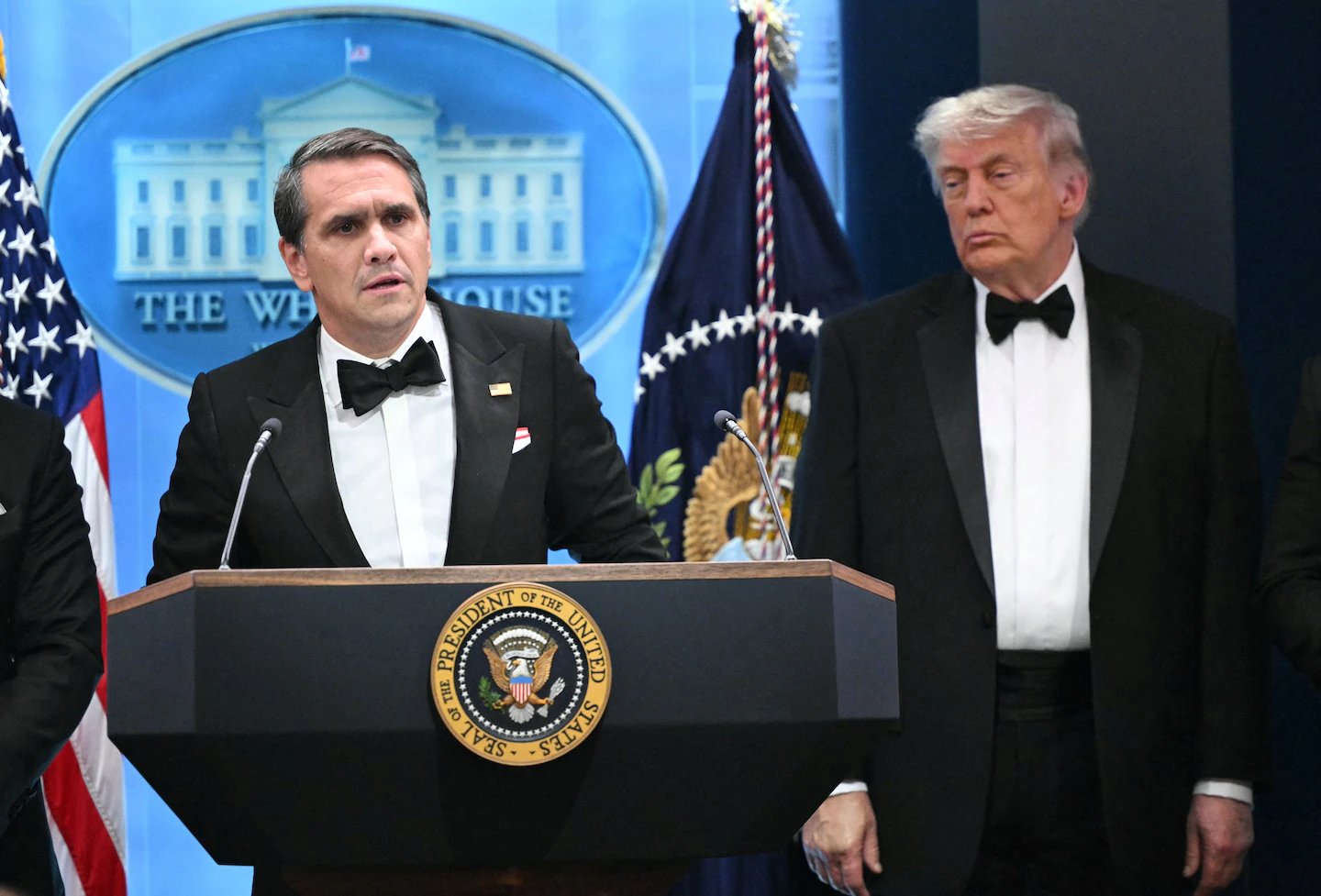
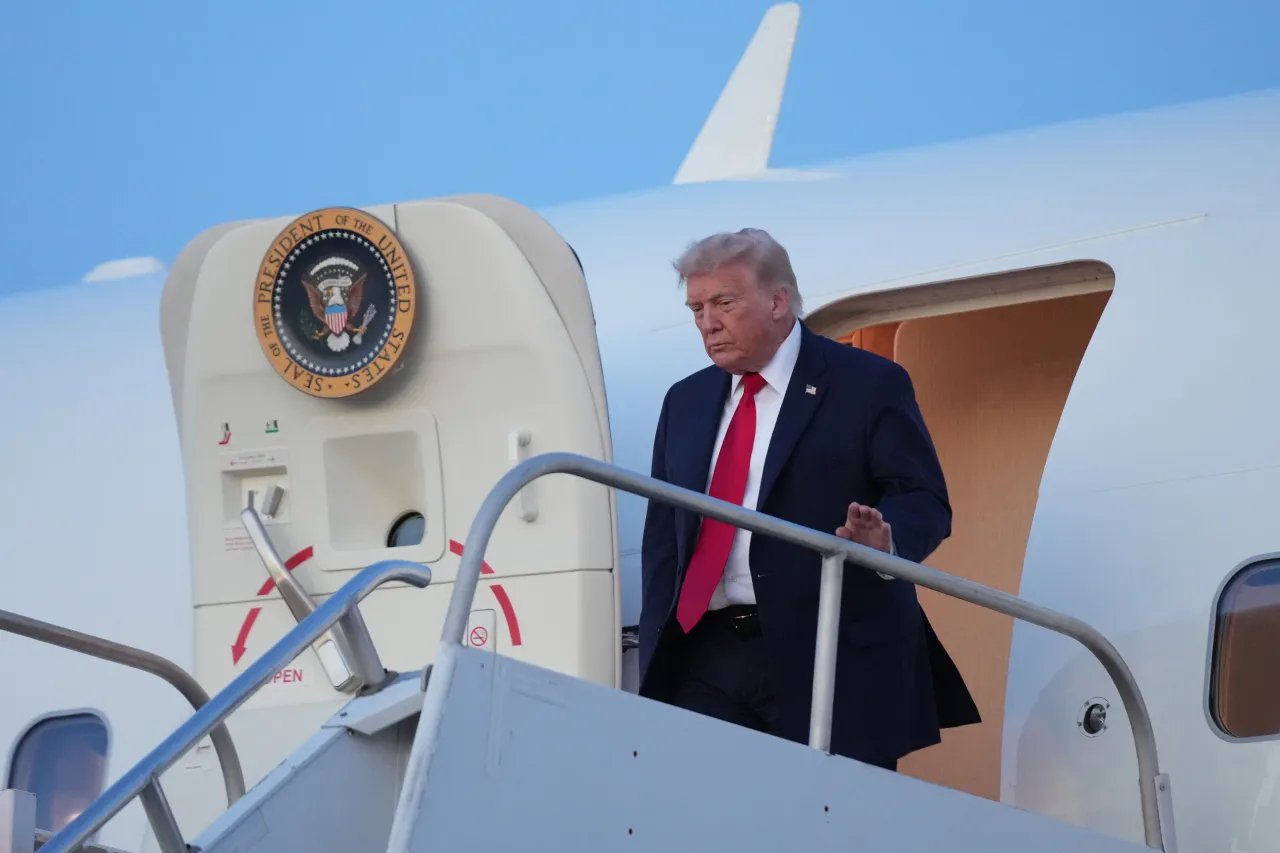
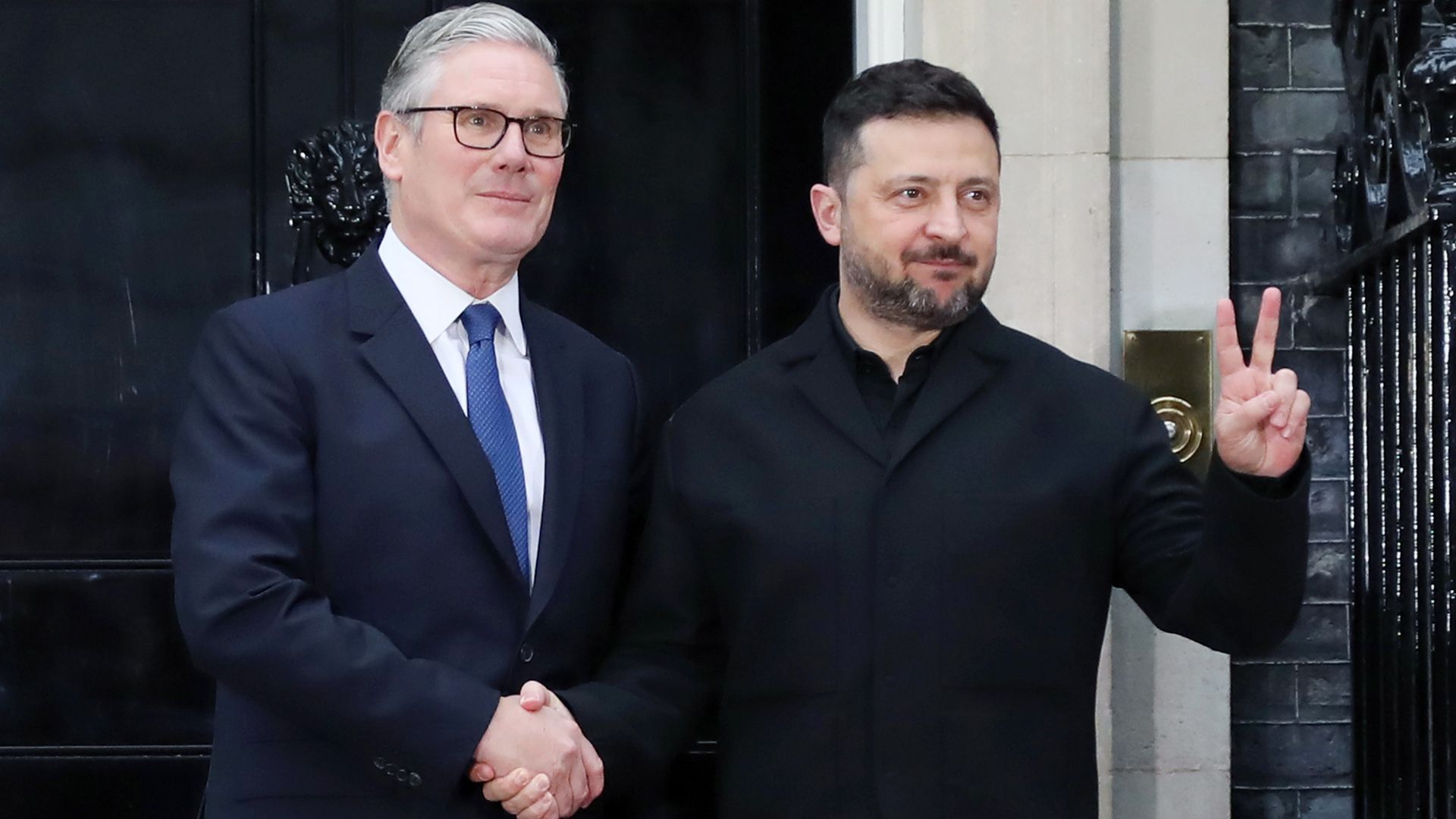
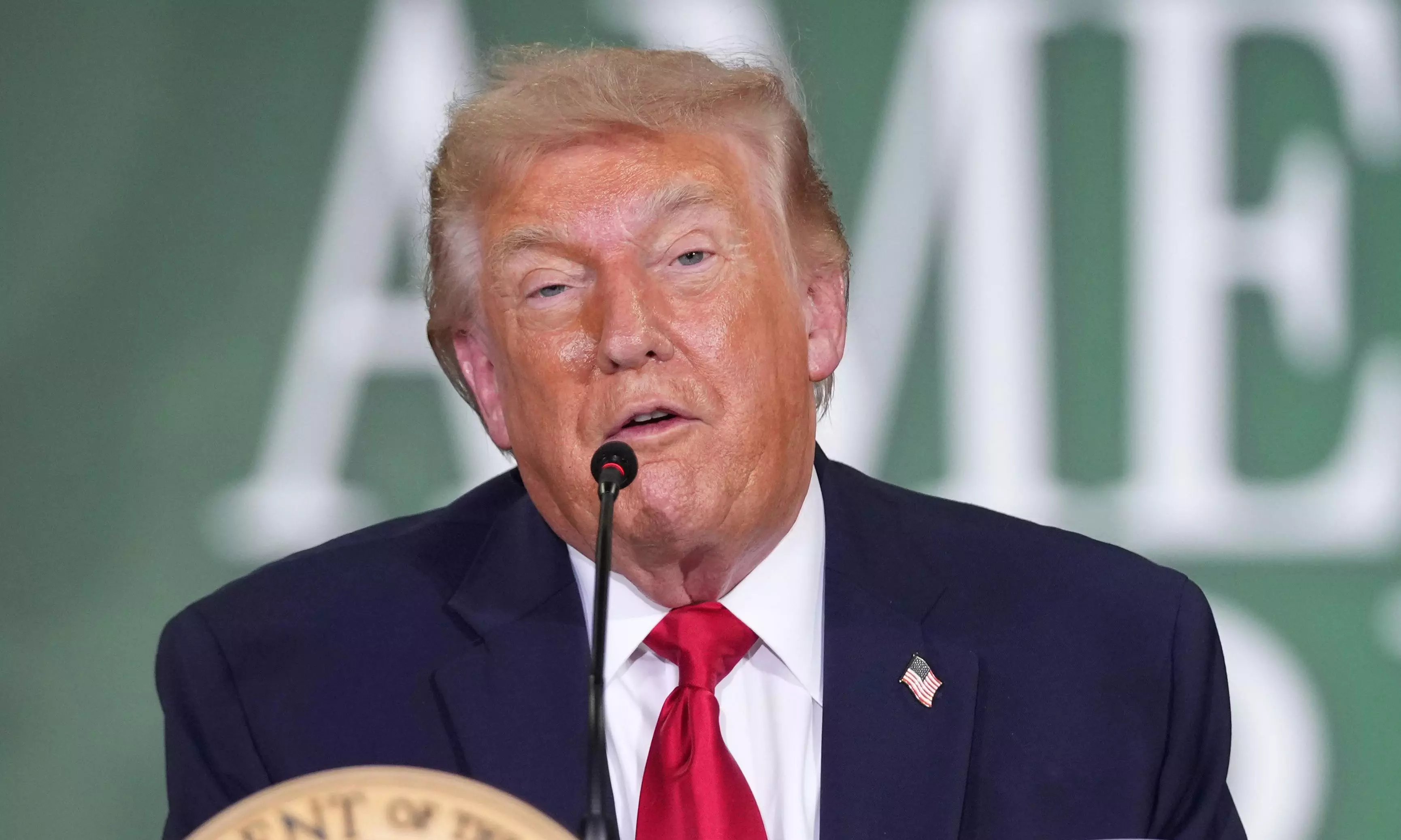
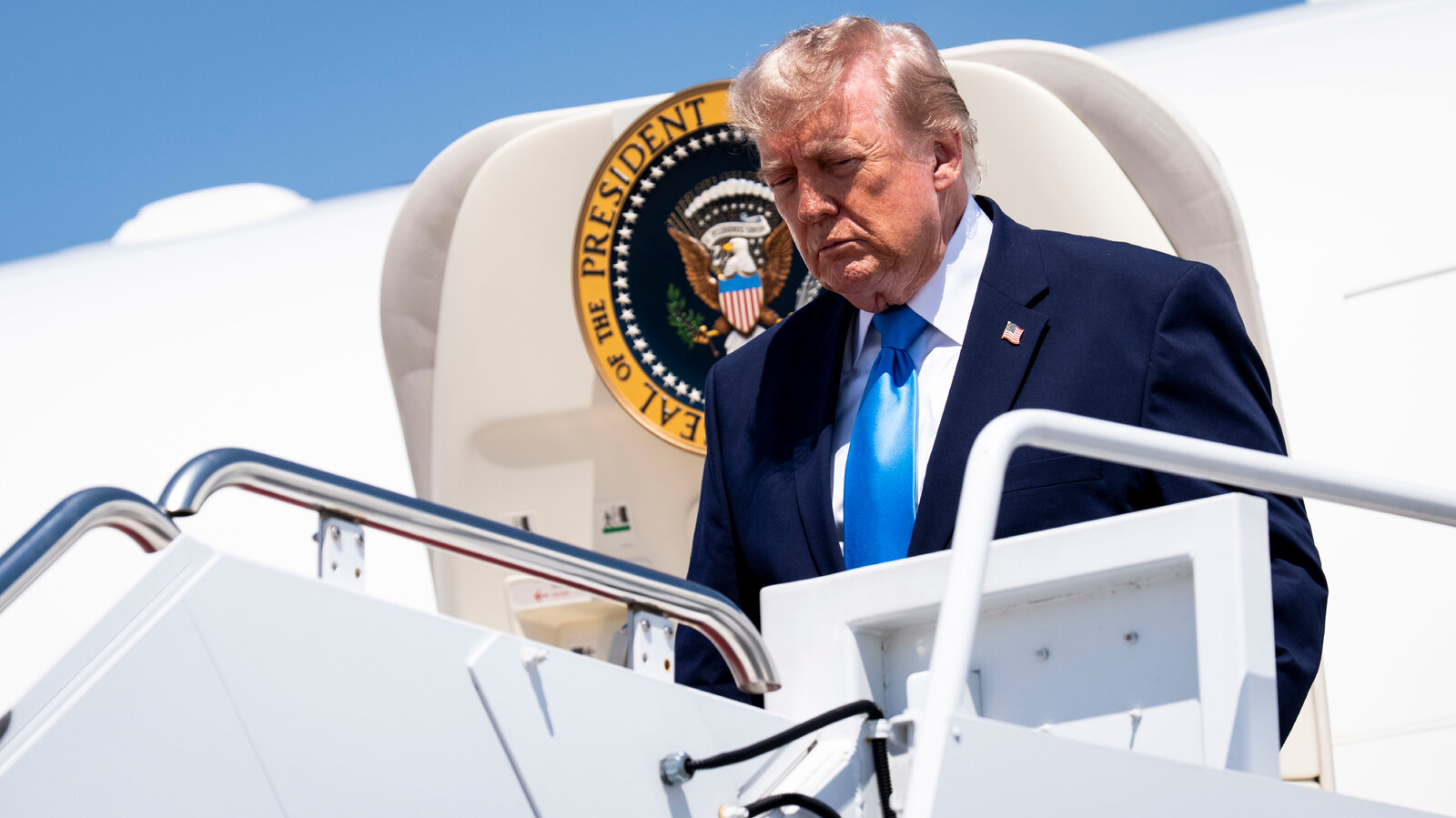
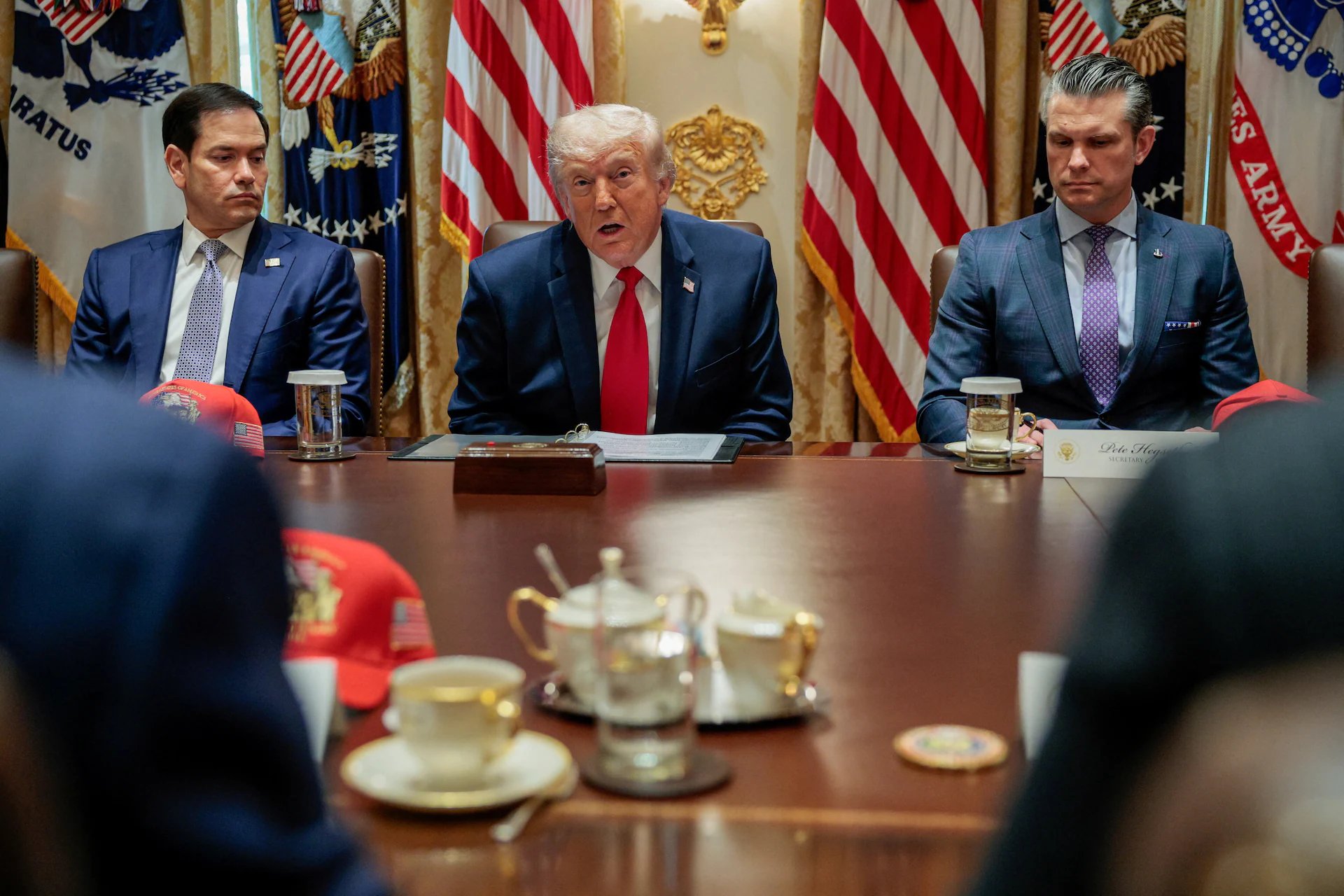
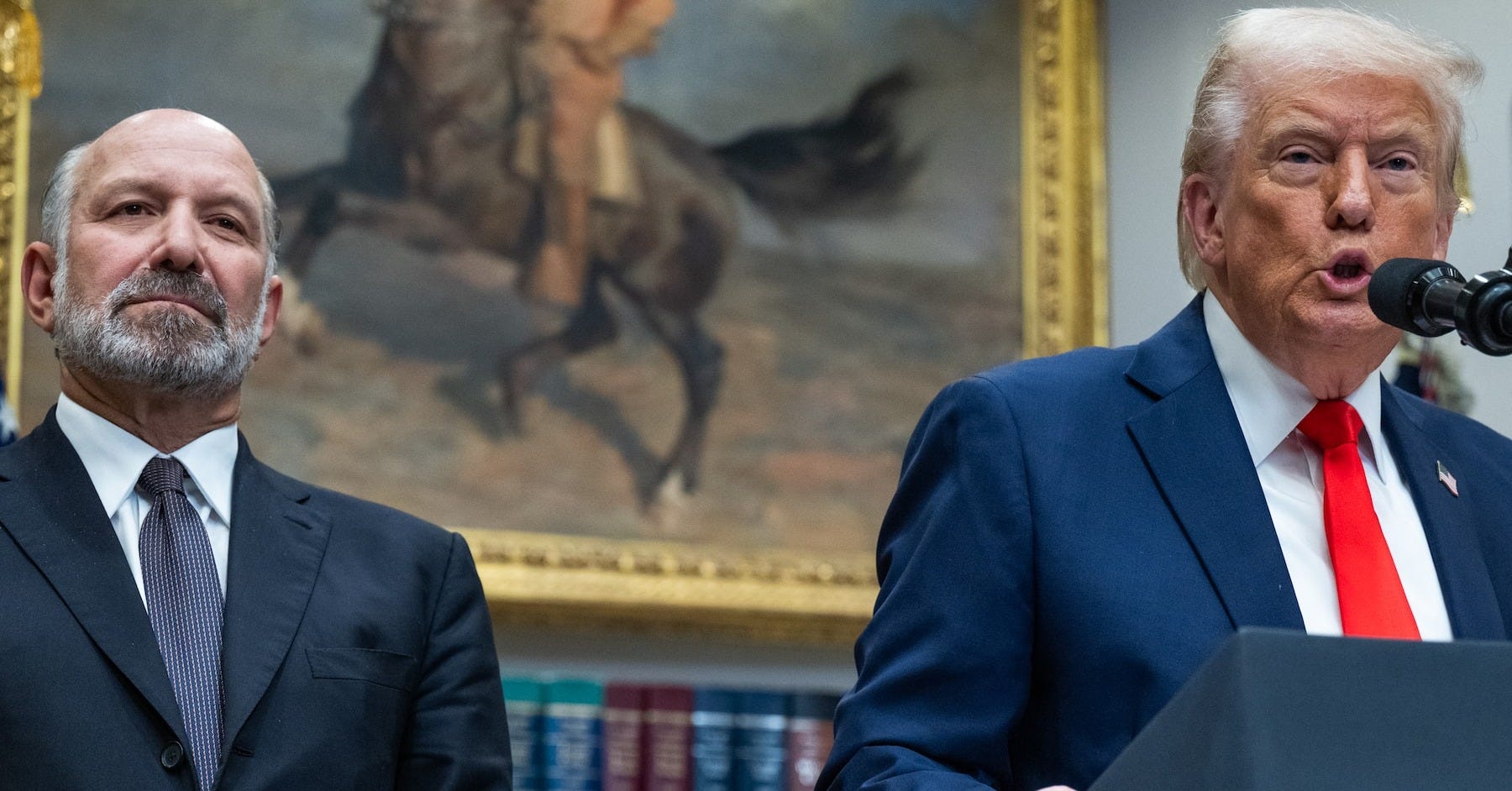
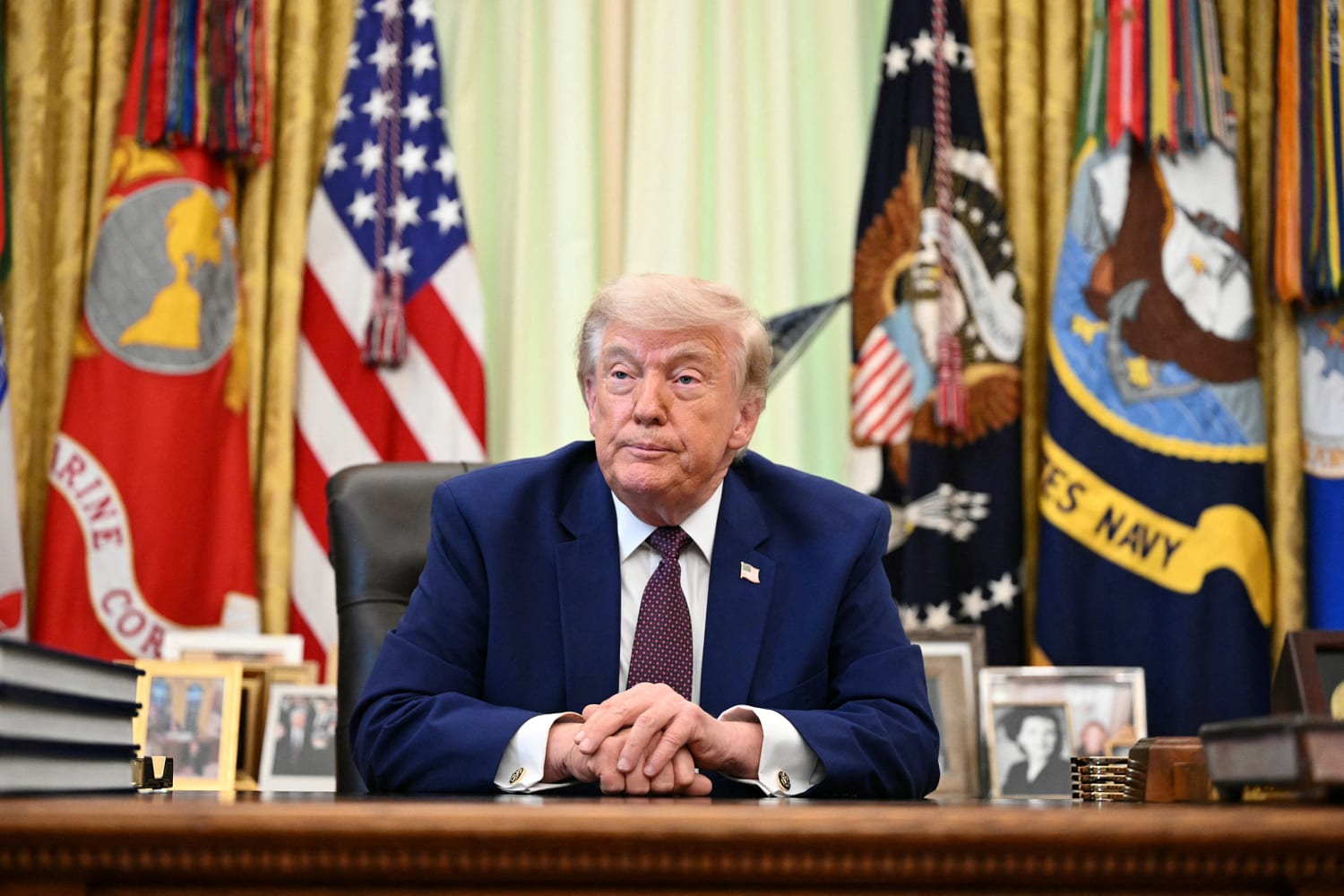
US President Donald Trump responded positively to Zelensky's initiative. "I think it would be great if they met. They should. Get it done," Trump said on Thursday, adding that he believed the US had been instrumental in bringing the two countries closer to peace. Trump said he wanted both sides to make compromises but declined to specify what those should be.
European leaders are preparing to engage directly on the issue. The leaders of the United Kingdom, France, and Germany plan to gather over the weekend with Zelensky to discuss a path to engage Russia in negotiations. On Thursday, as European leaders prepared to meet with Zelensky, Putin rejected their involvement in truce talks. Speaking at the St. Petersburg forum, he questioned how EU countries could mediate while directly assisting Ukraine. "Mediation implies neutrality," he said.
The strategic calculation
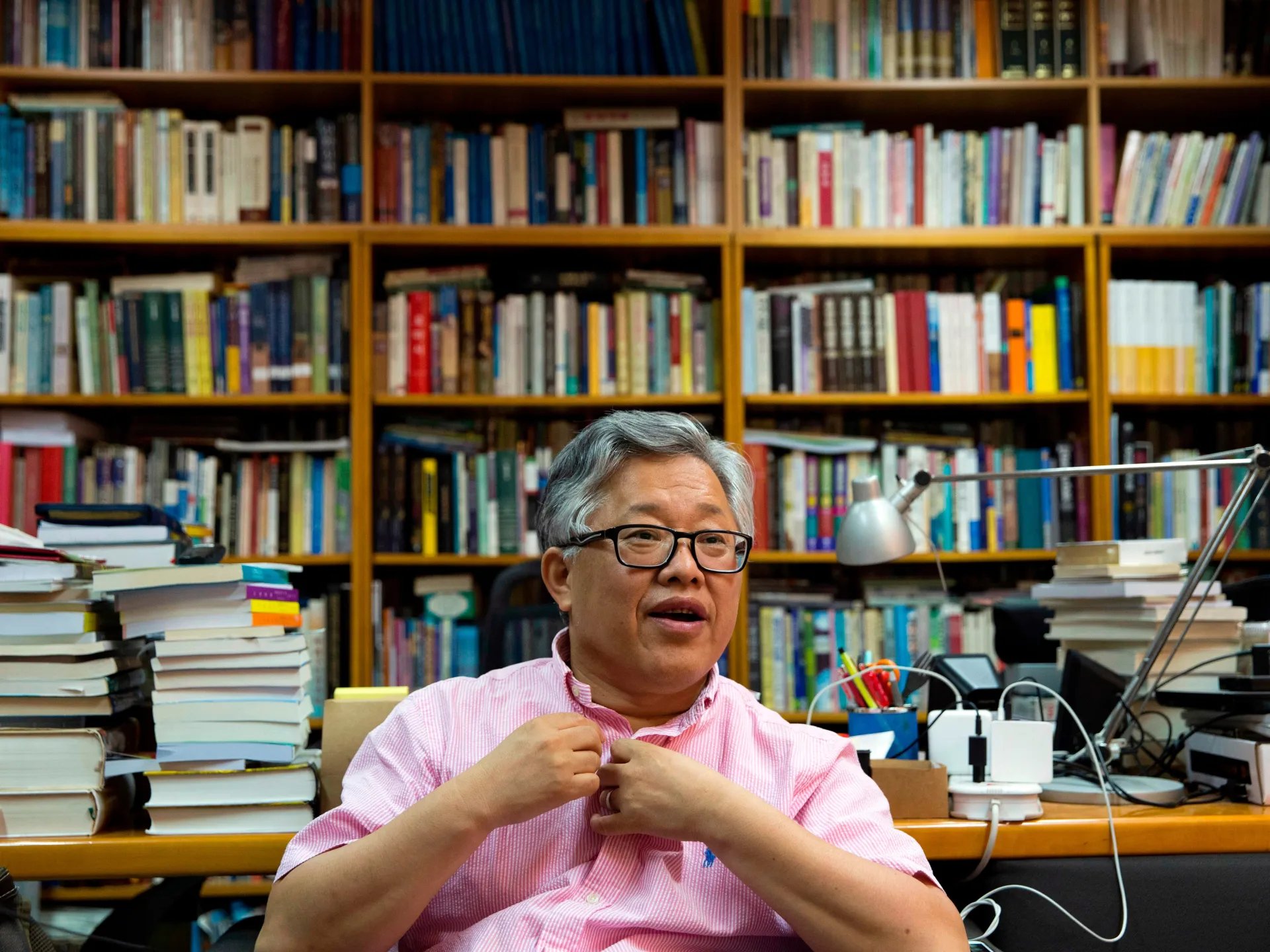
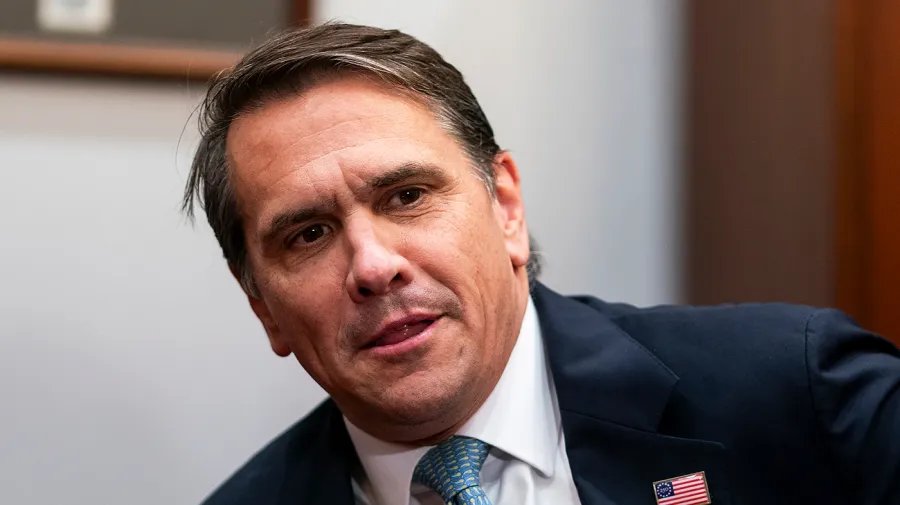
Markus Ziener, a senior visiting fellow at the German Marshall Fund of the United States Berlin office, told Al Jazeera that Zelensky's public letter forces Russia to openly show its hand while proving to the world that Ukraine is ready for diplomacy. "It places the moral high ground and the pressure to respond entirely on the Kremlin," Ziener said. He noted that Zelensky's emboldened tone reflects successful military pushbacks against Russian forces and successful strikes on Russian infrastructure far inside Russian territory.
However, Ziener assessed that Putin is unlikely to accept direct talks while Russia maintains military pressure. "Meeting Zelenskyy as an equal would undermine years of Kremlin propaganda aimed at delegitimising the Ukrainian president," he said. Ceasefire negotiations have stalled in recent months, with previous peace talks in Geneva, Abu Dhabi, and Istanbul producing no concrete outcomes. Russia and Ukraine have held indirect peace talks since February 2022 with little result.