




The Quake Strikes Early Monday Morning
A magnitude 7.8 earthquake struck off the southern Philippines early Monday, centered about 13 kilometers southwest of General Santos. The Philippine Institute of Volcanology and Seismology reported a depth of 10 kilometers, while the U.S. Geological Survey measured it at 55 kilometers (34 miles). Variations in measurements by different agencies are common in the immediate aftermath of an earthquake. The quake hit at 7:37 a.m. and was the strongest to strike the Philippines this year. Director Teresito Bacolcol told the Associated Press that "it's a major earthquake and we're expecting damages and we've already some damaged buildings based on videos we've seen."
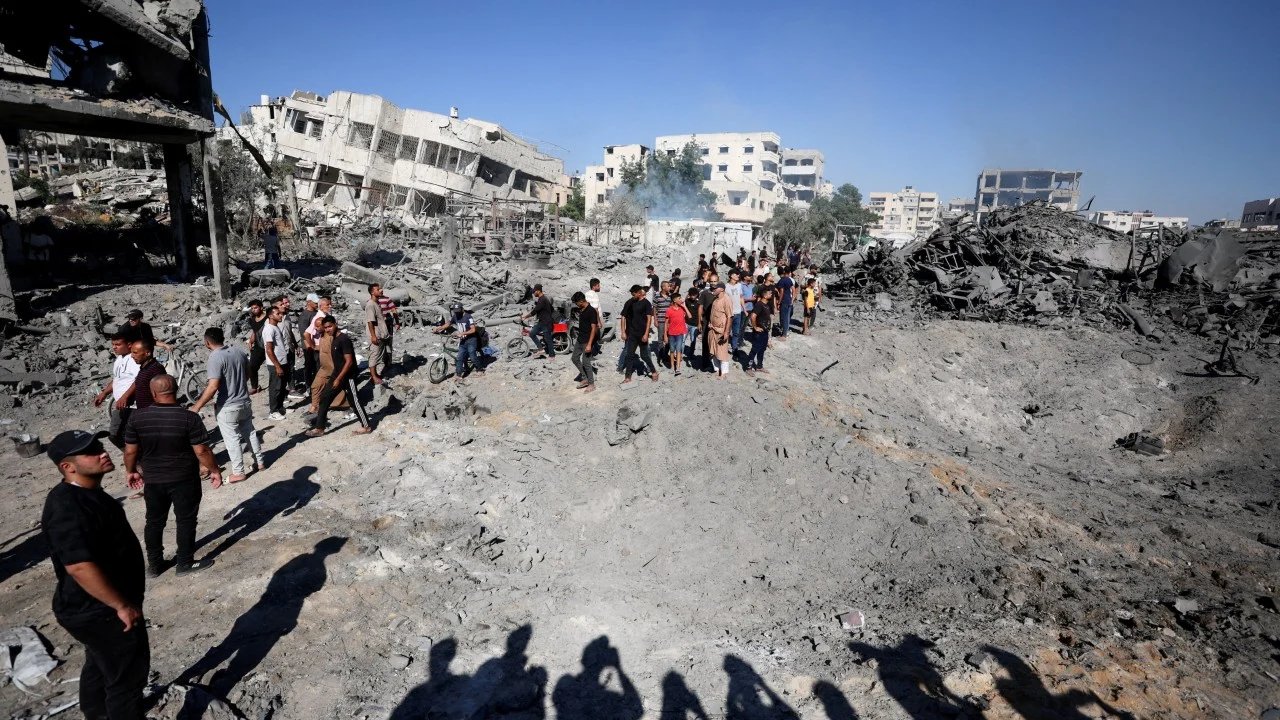
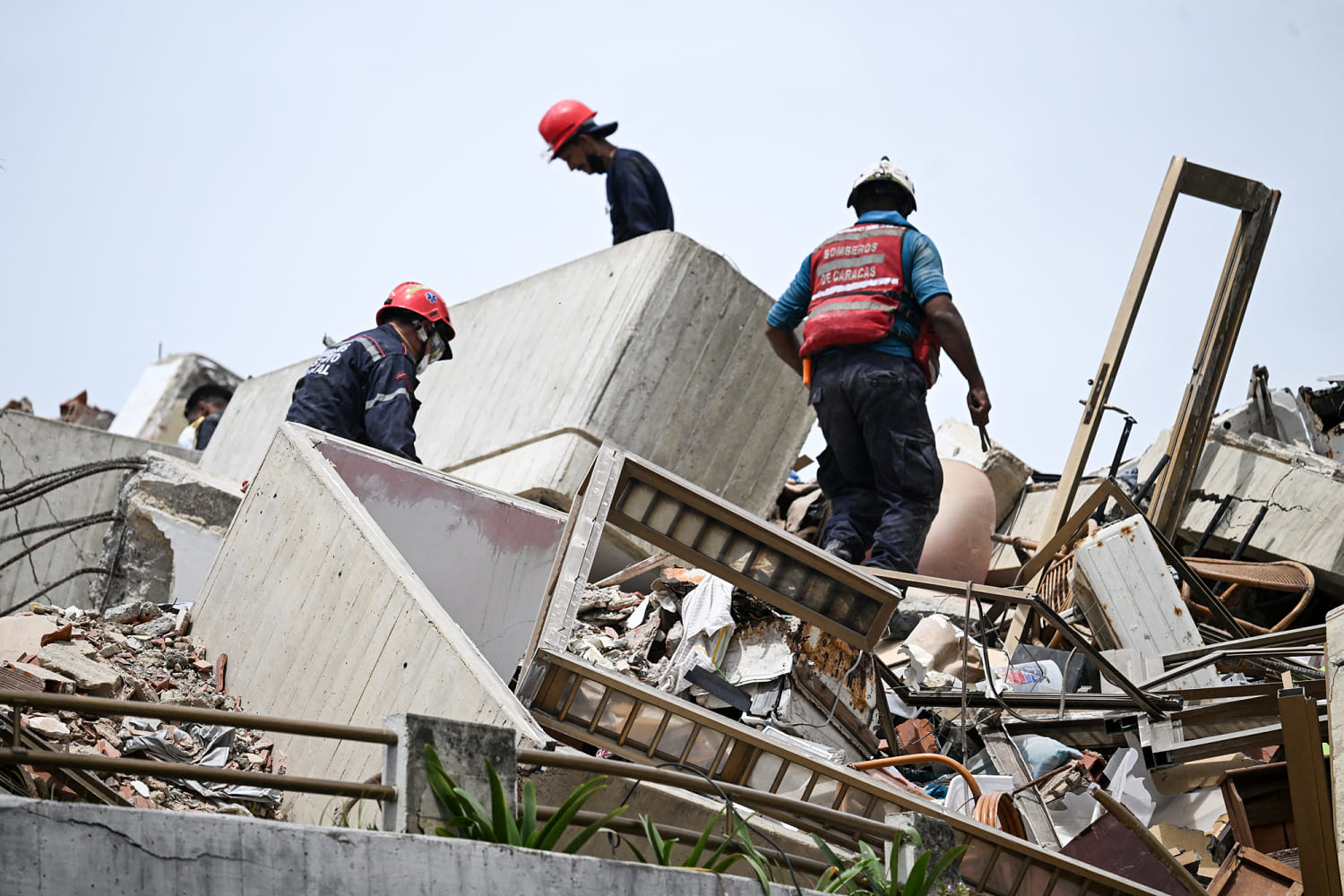
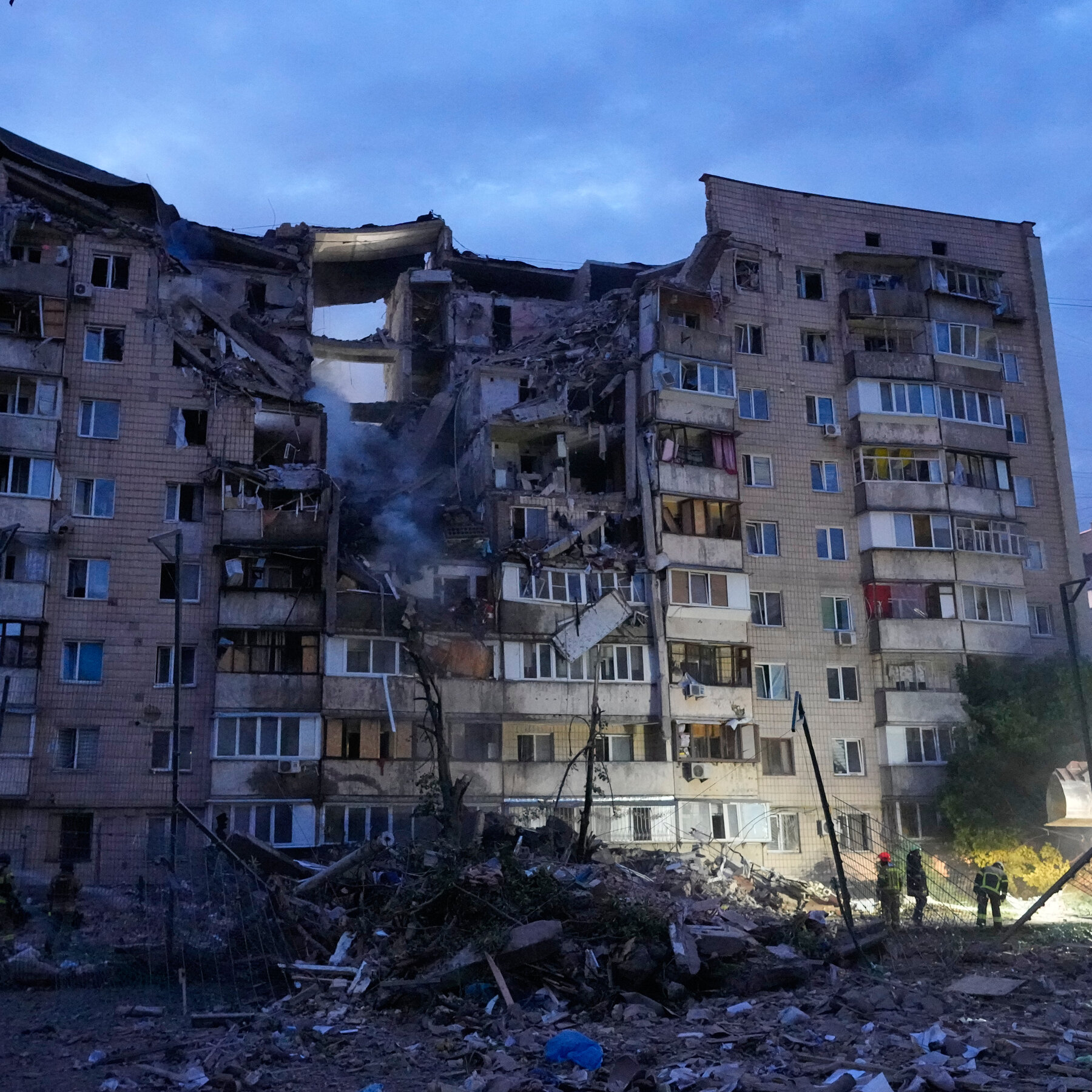
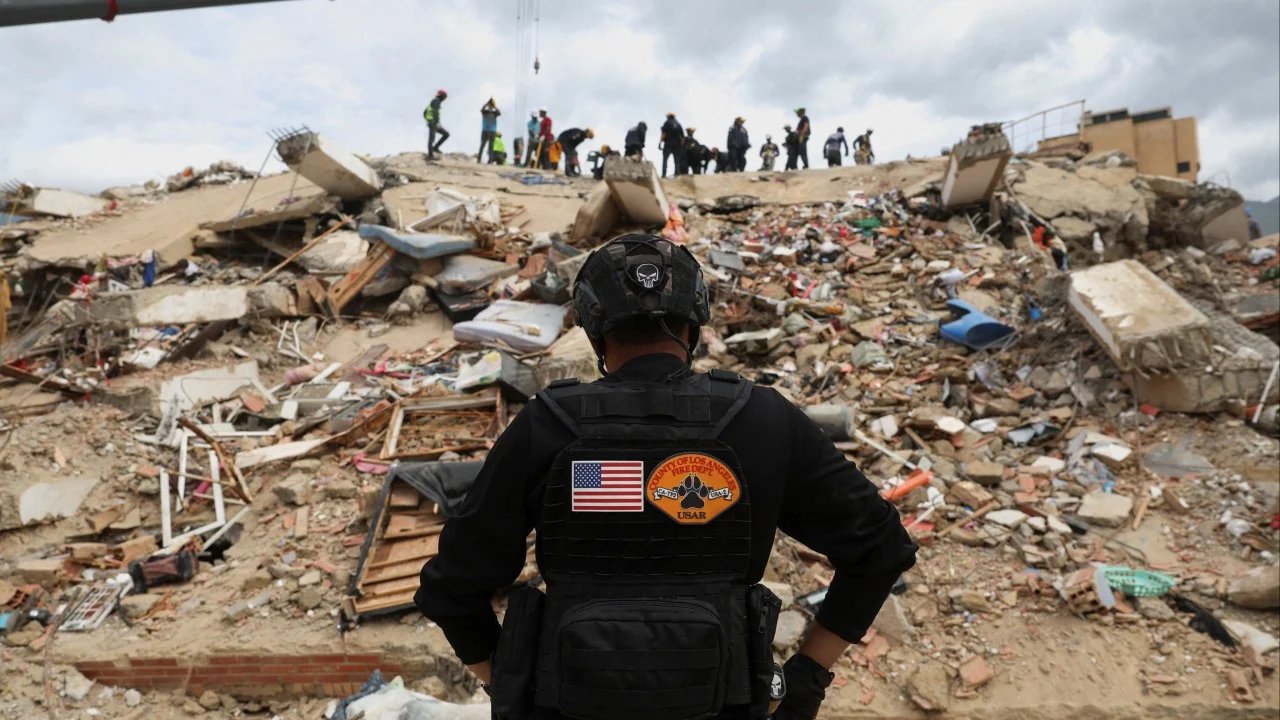
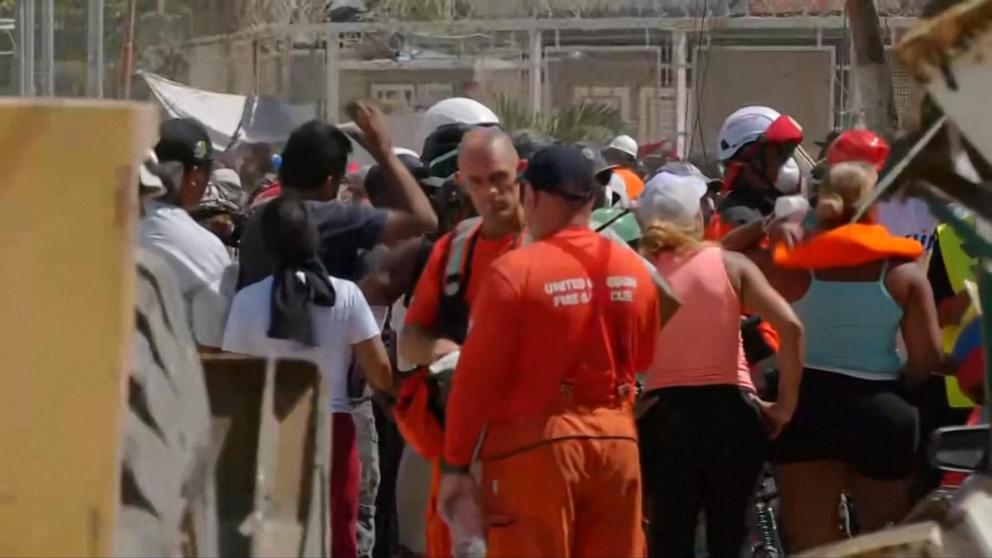
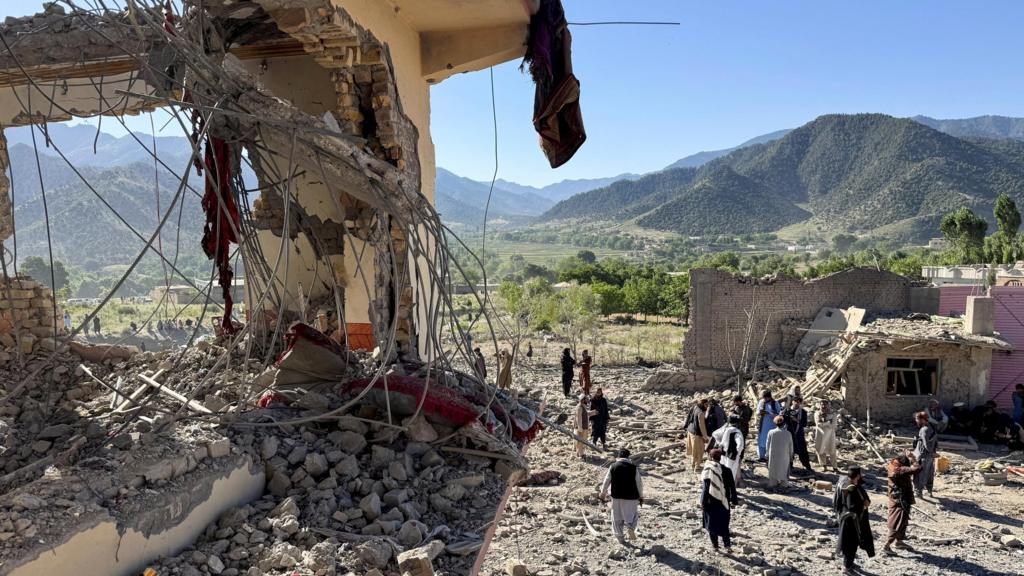
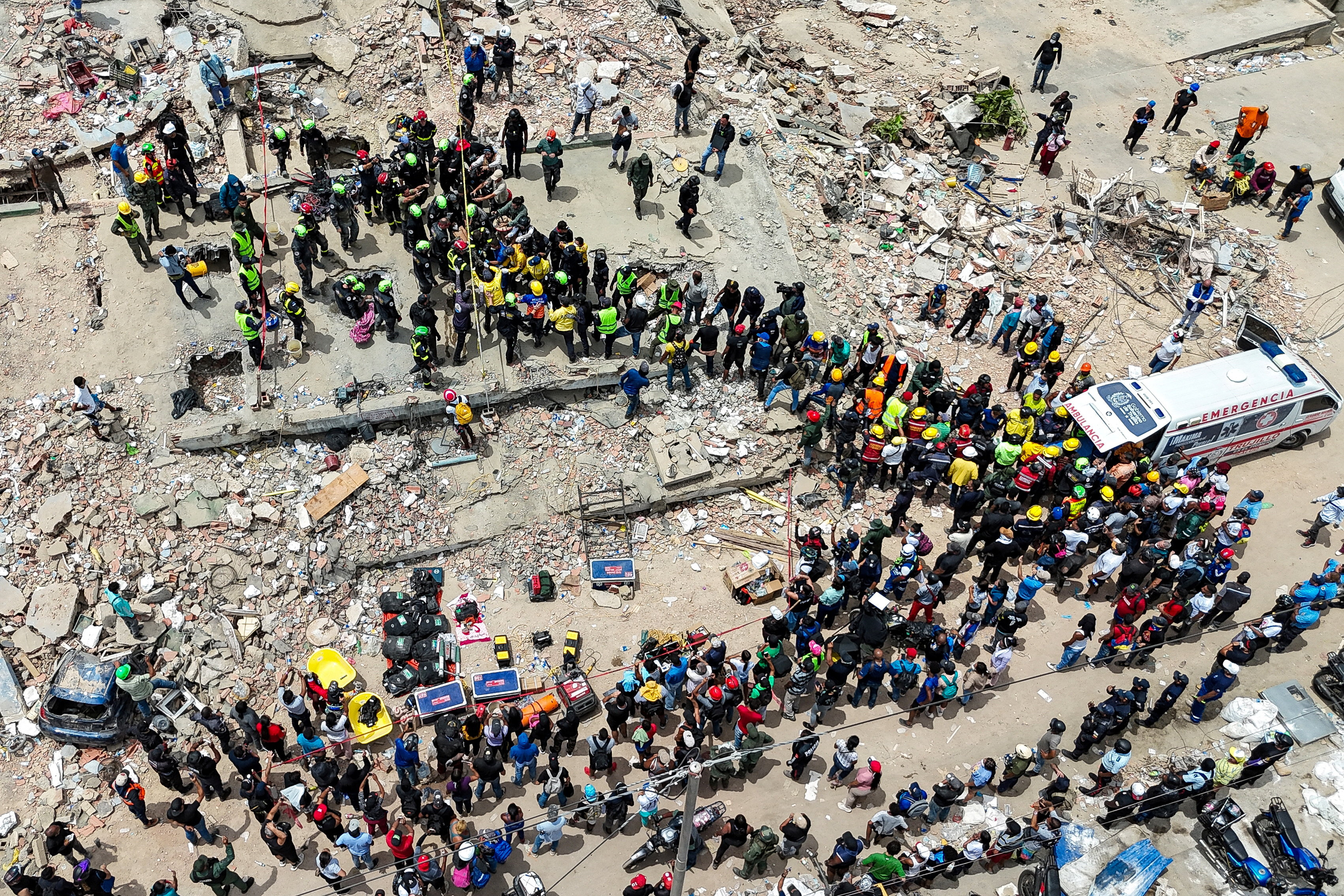
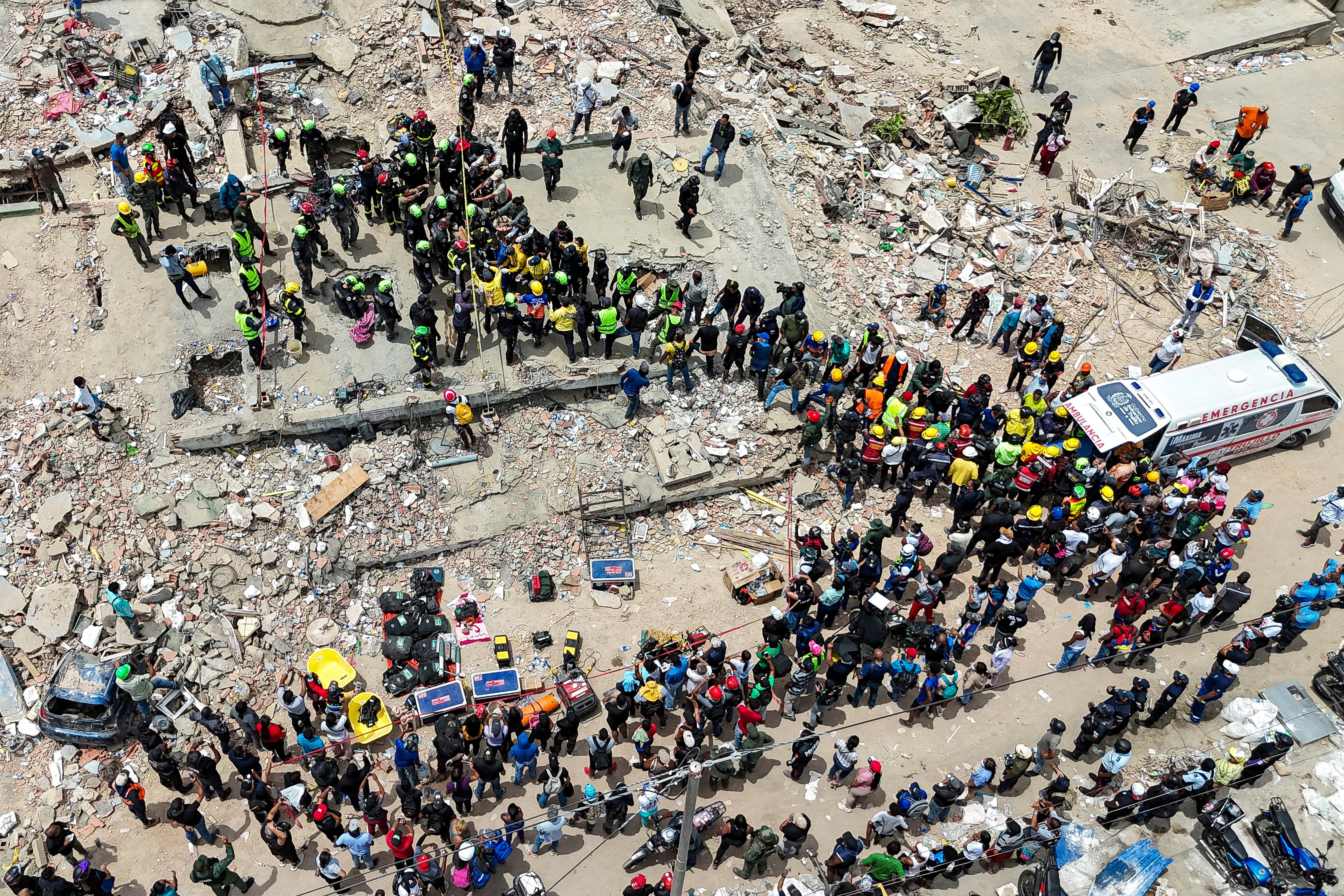
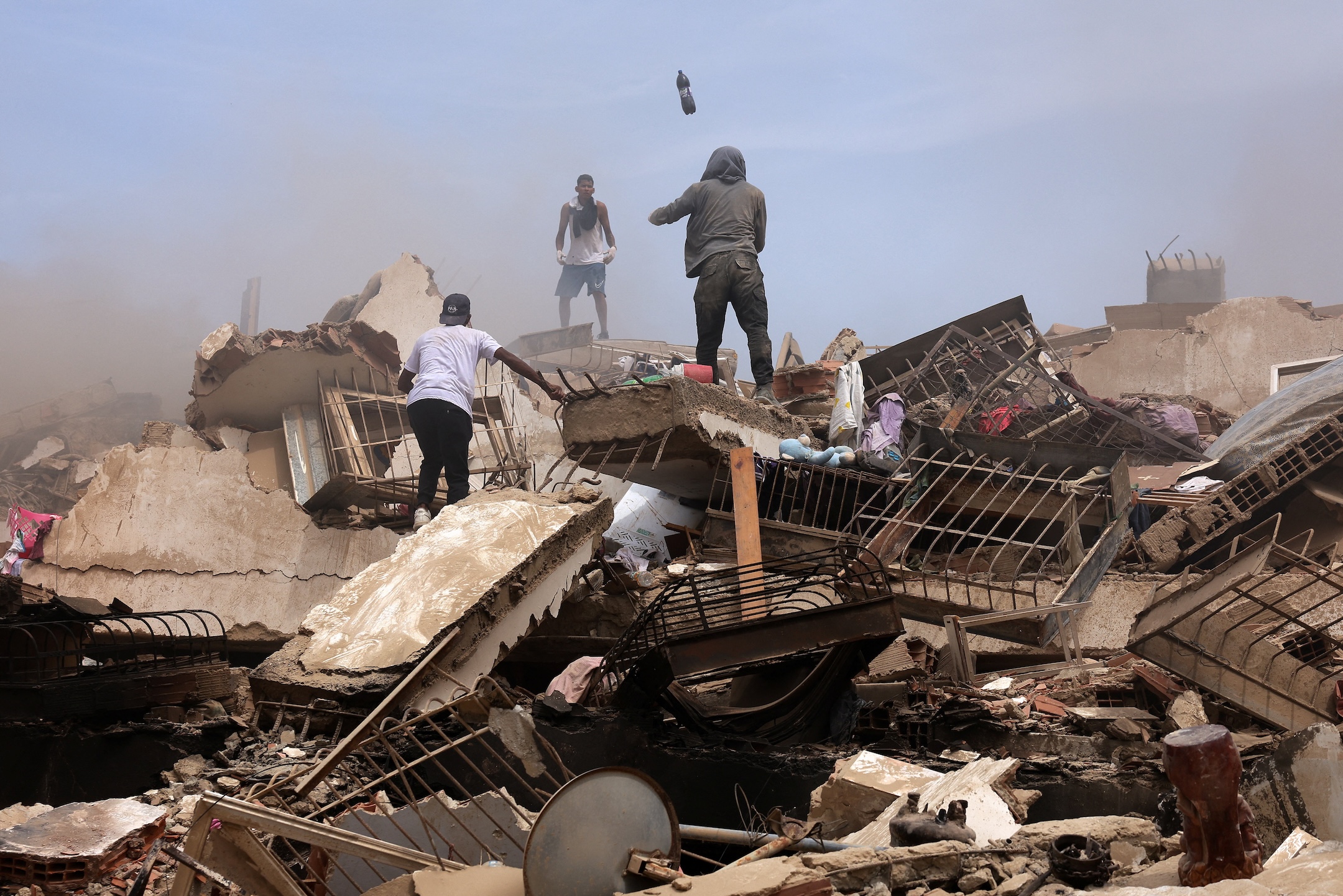
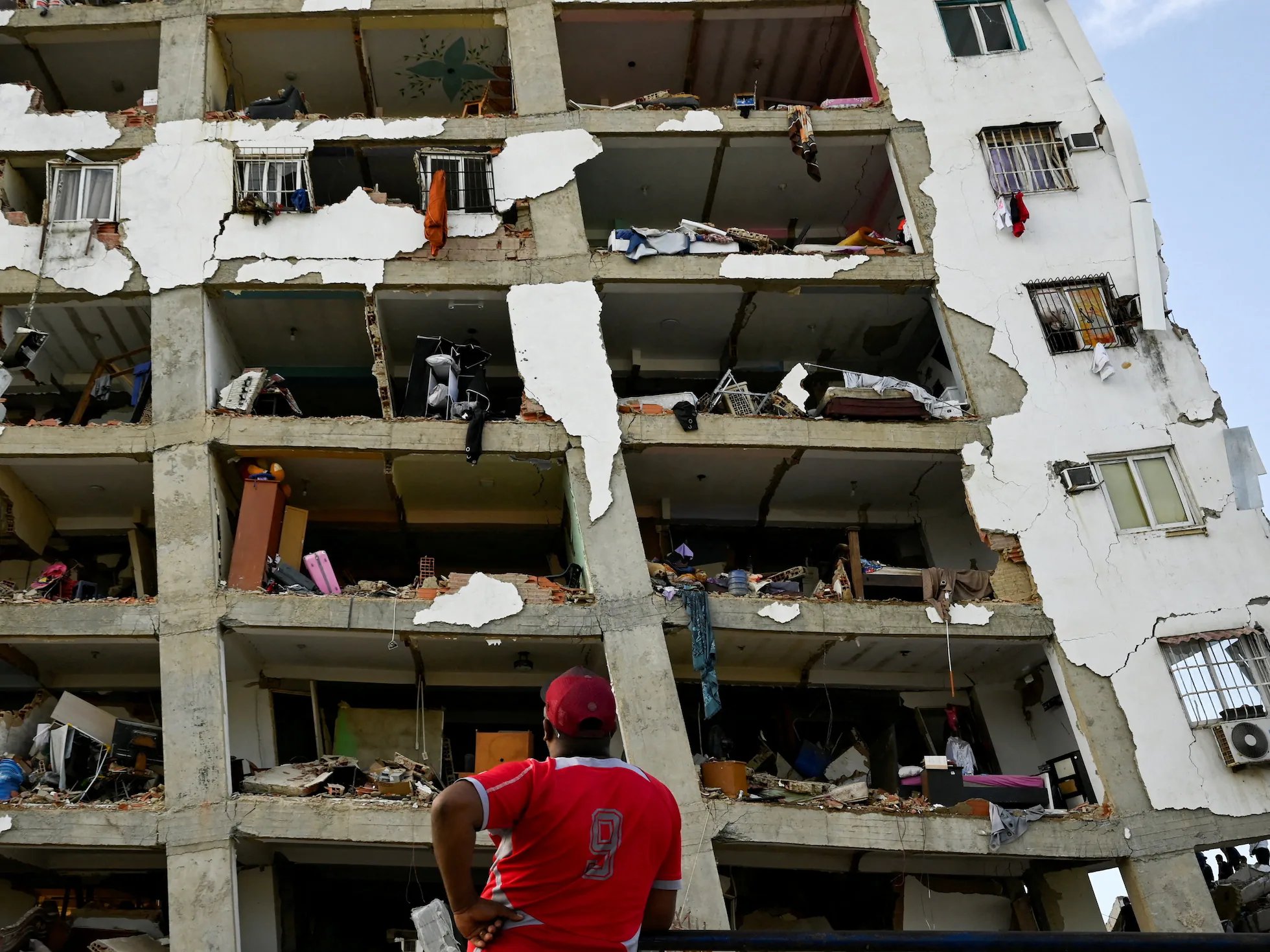
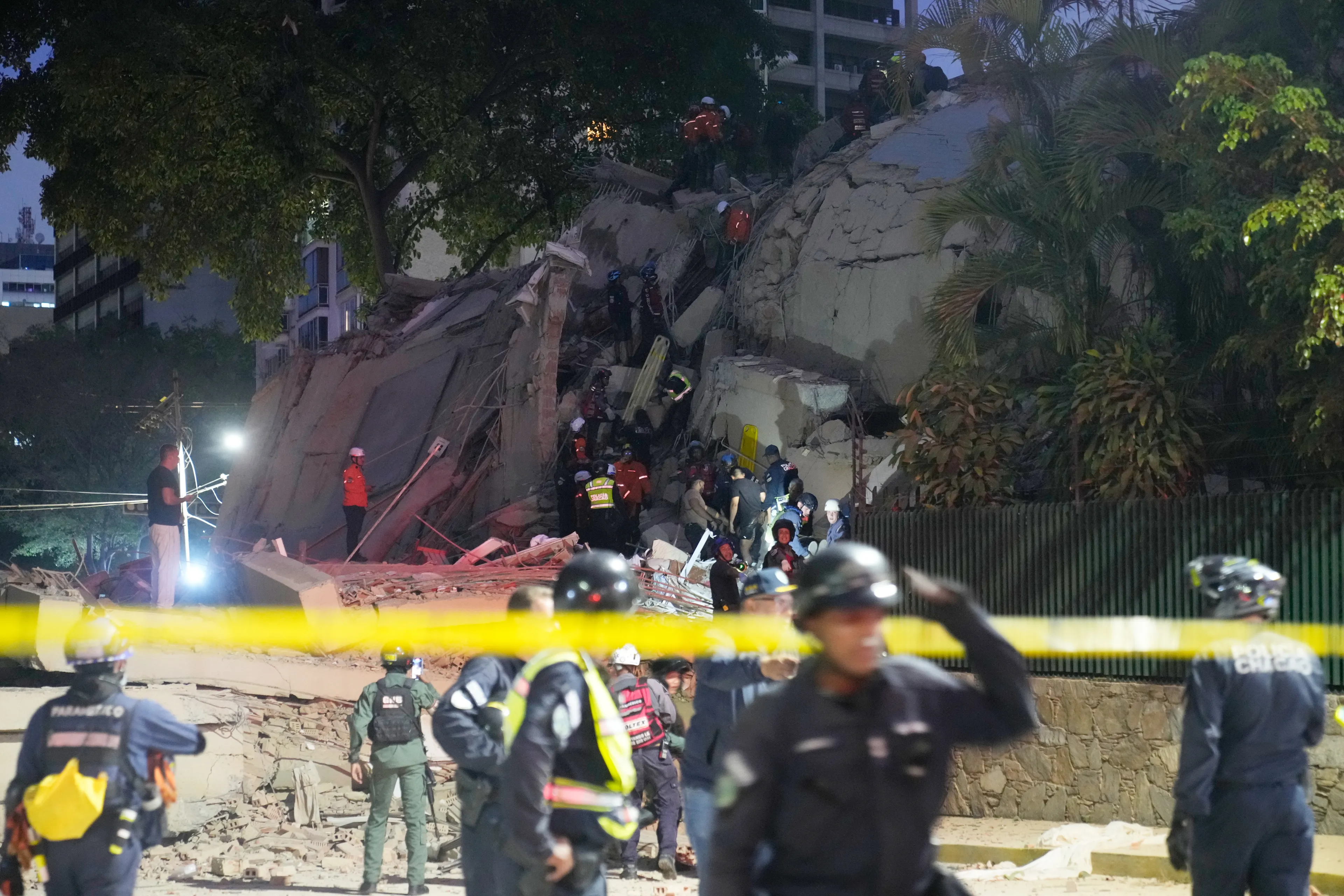
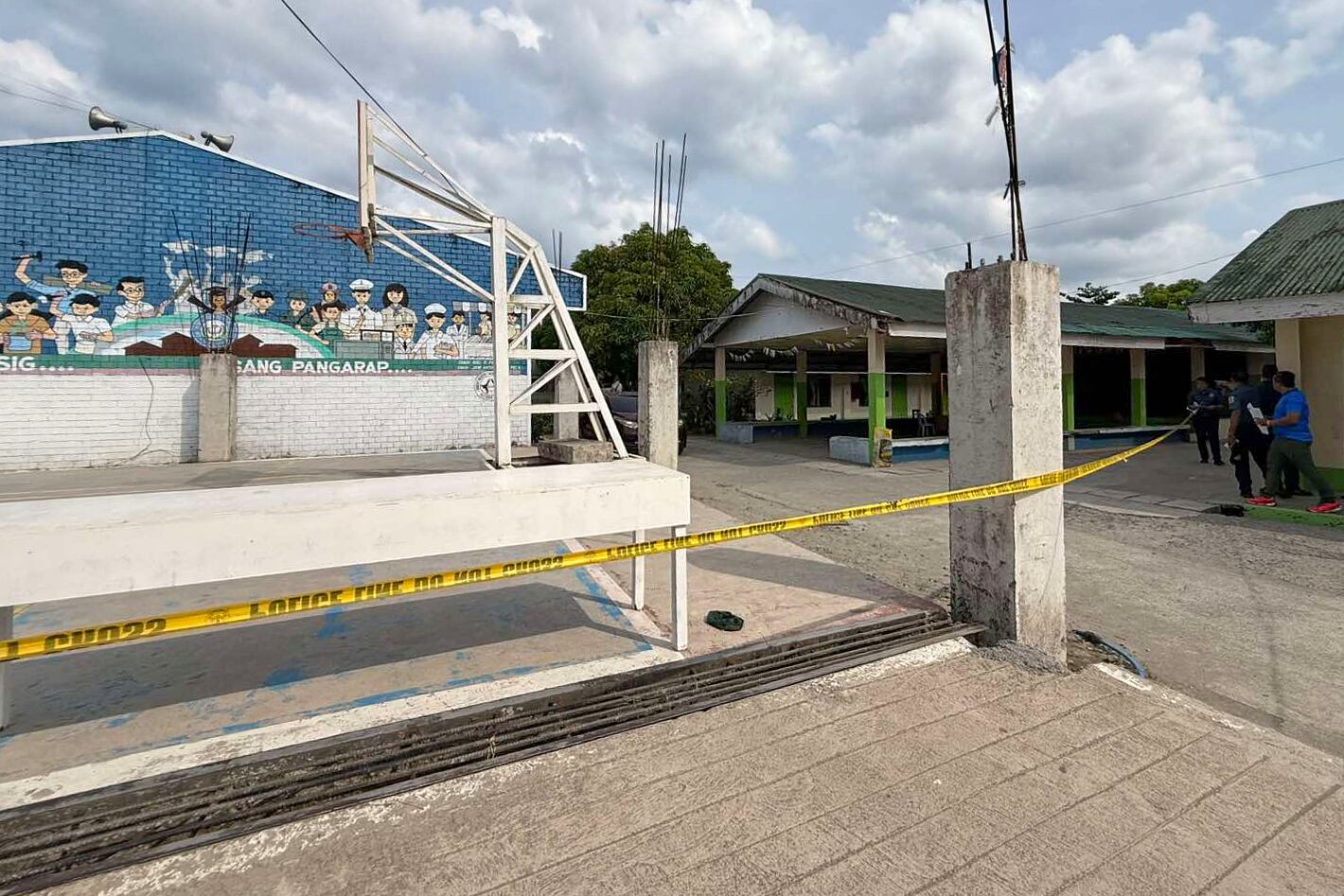
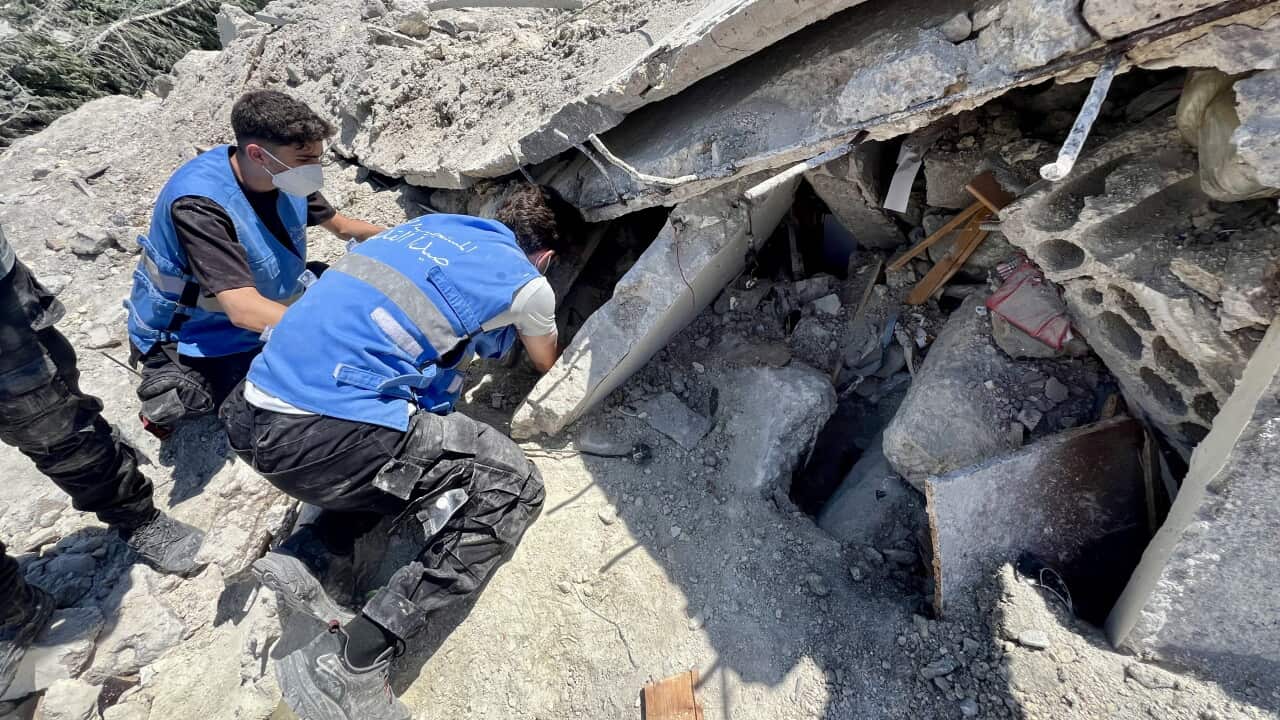
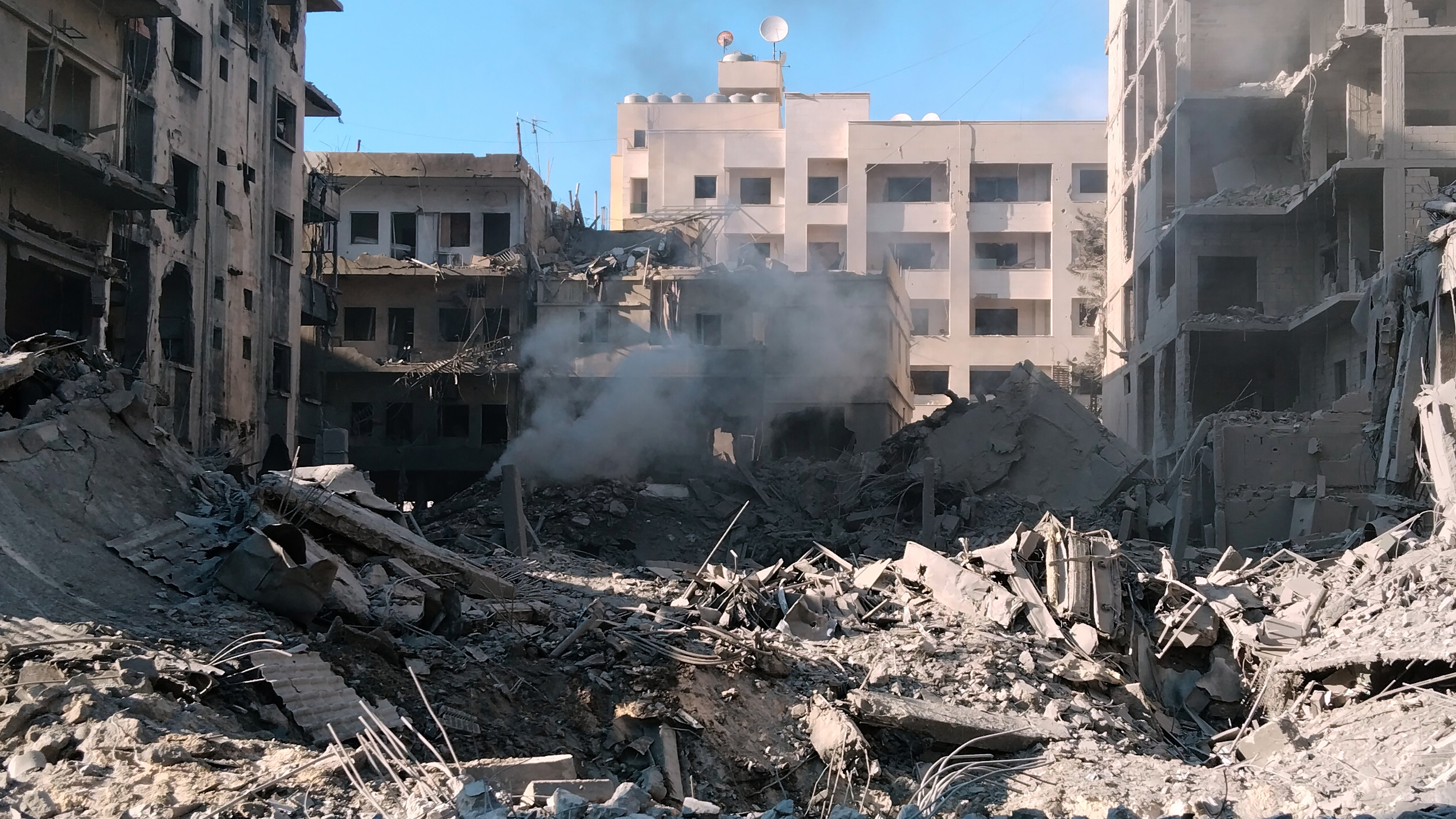
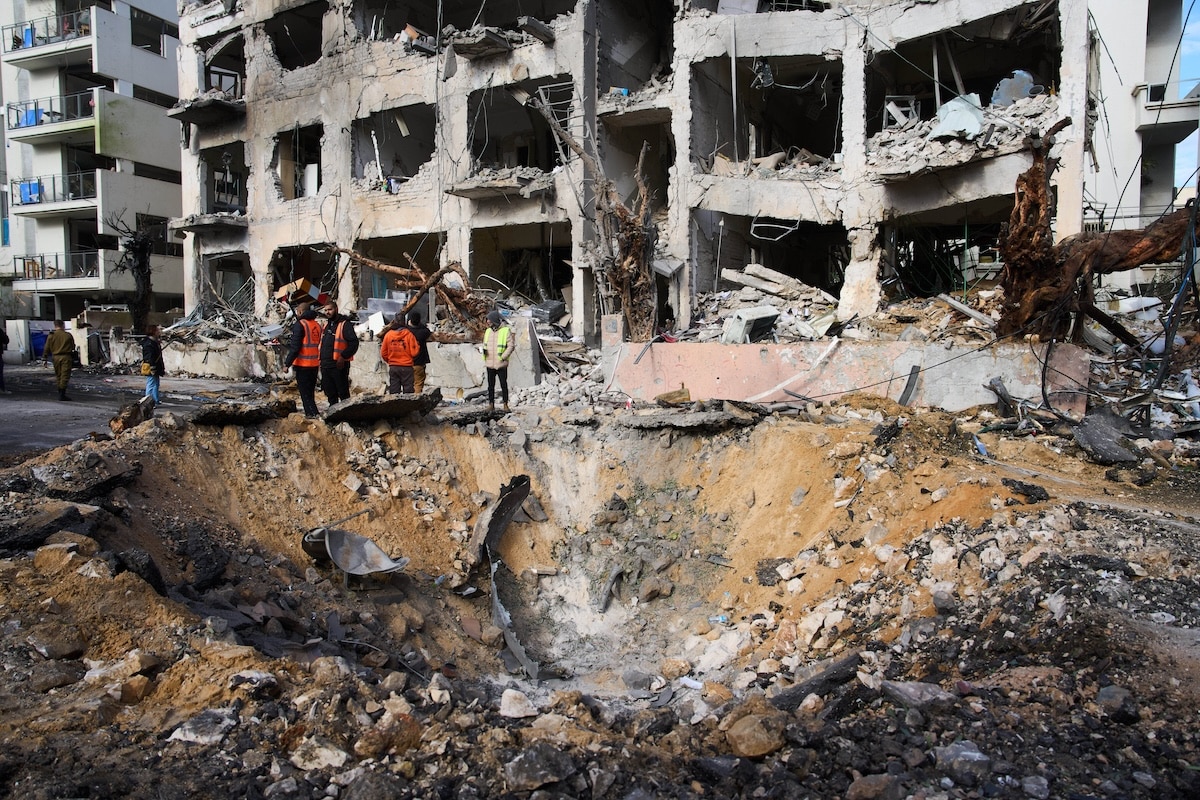
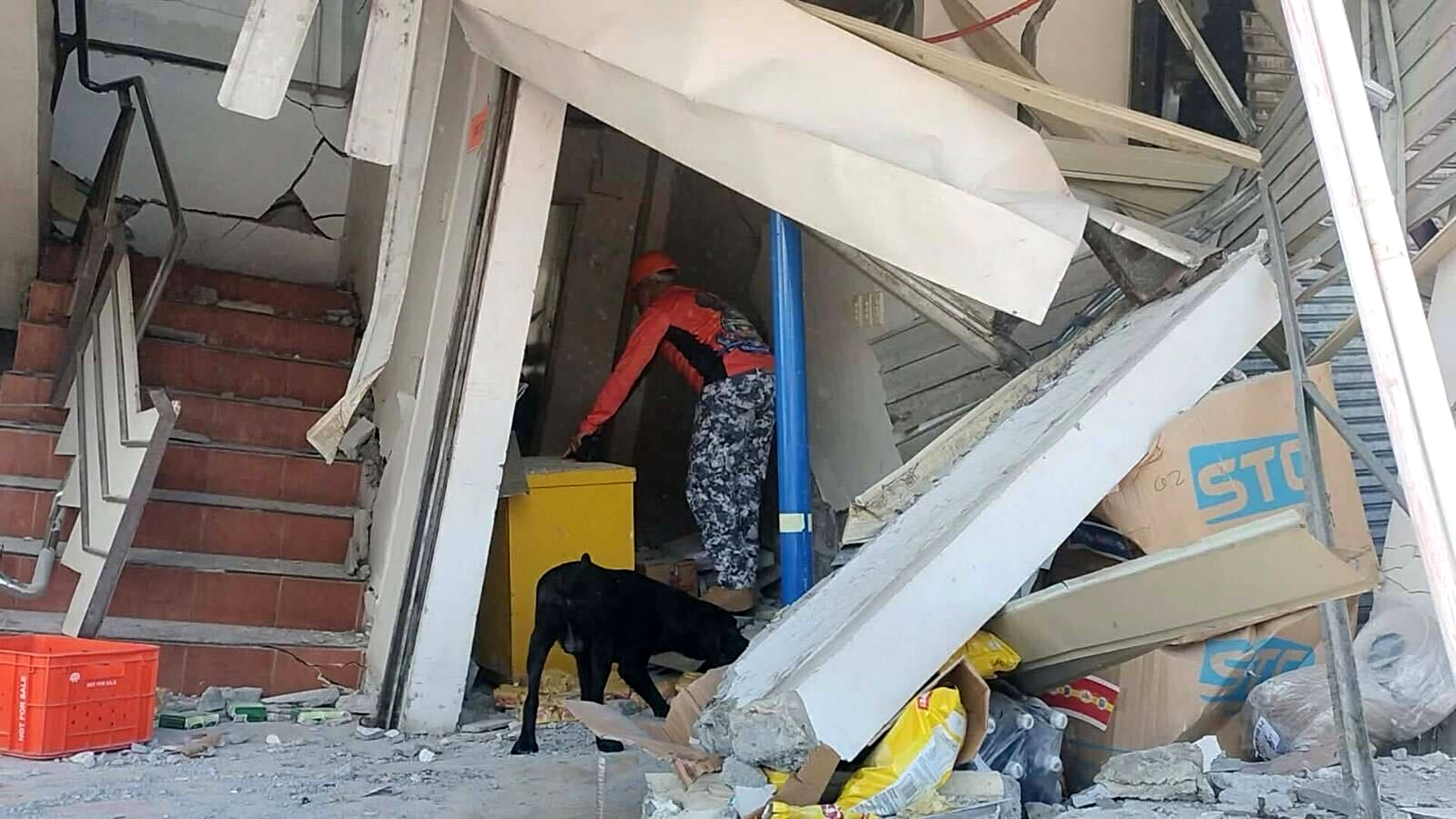
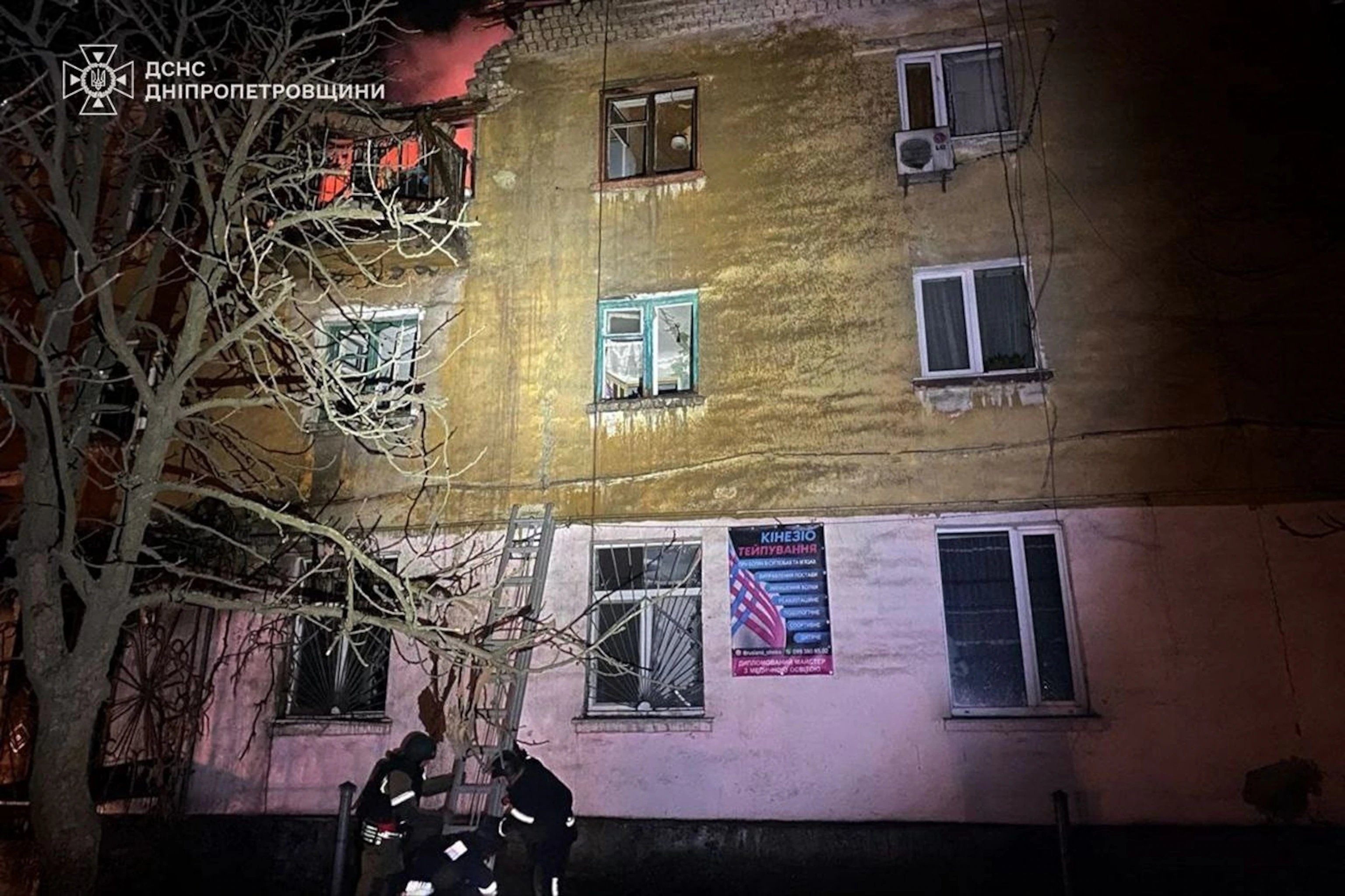
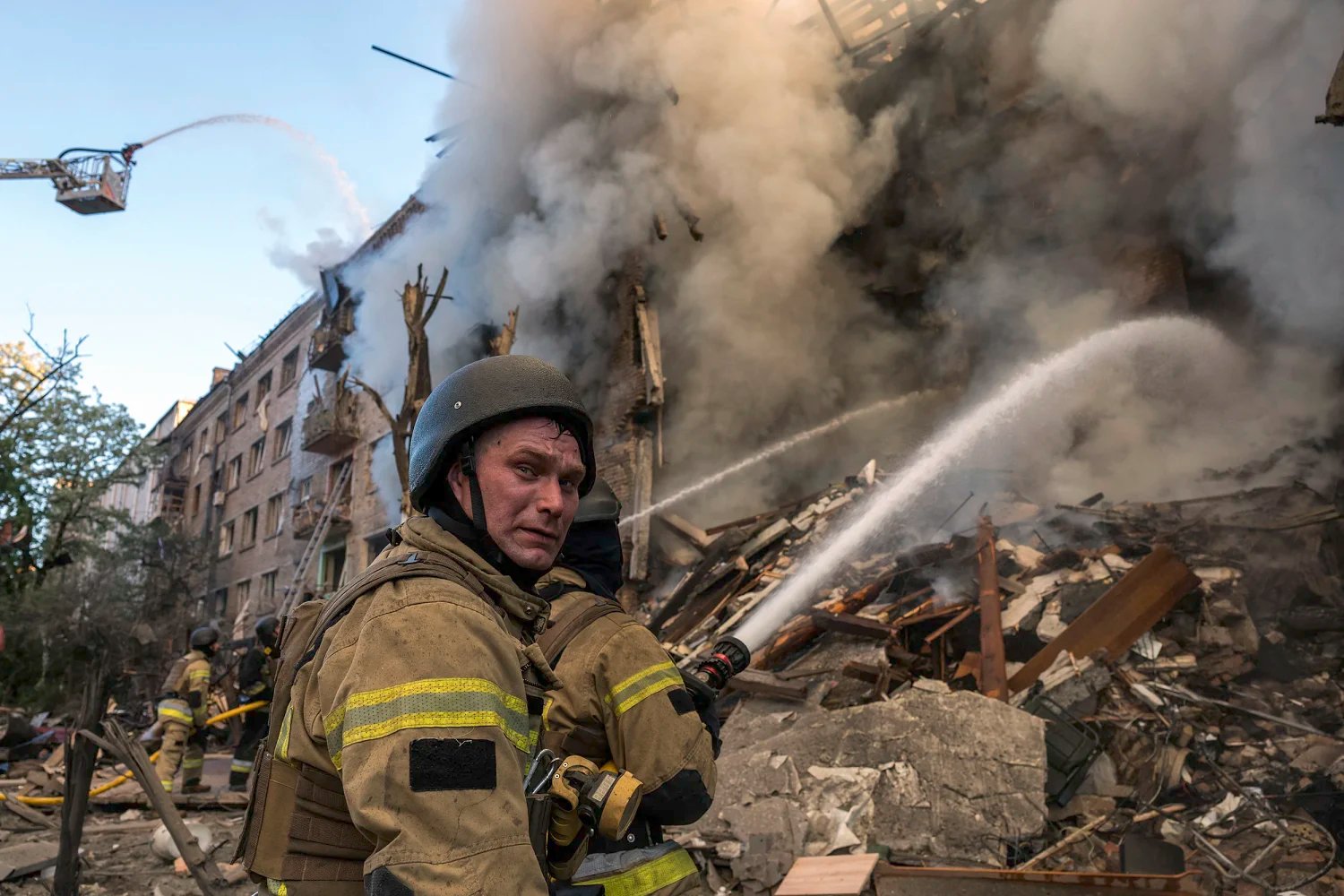
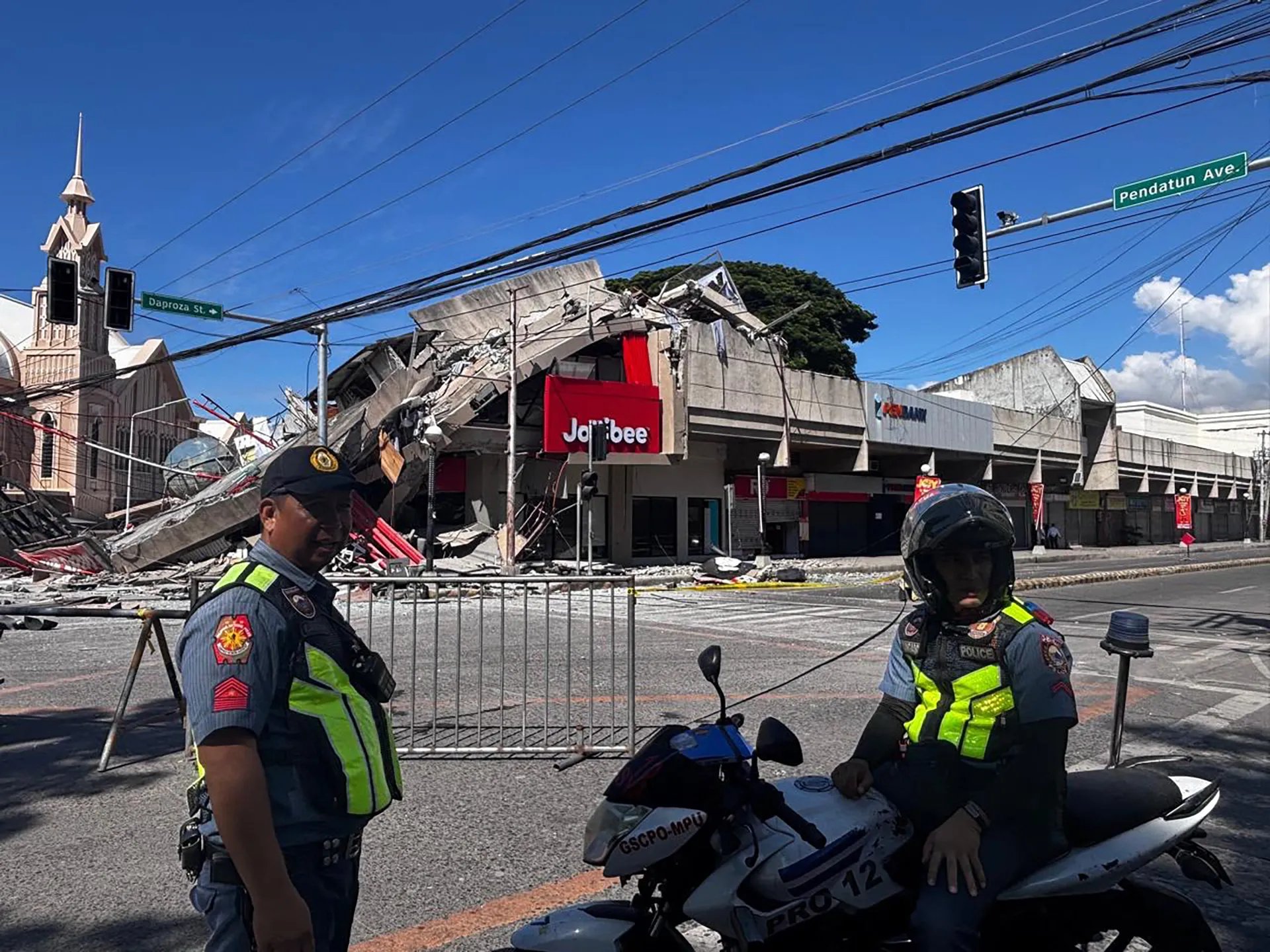
The tremor caused immediate destruction in General Santos, a coastal city of more than 700,000 people that serves as a commercial hub and tuna-processing center. A three-story building housing a Jollibee restaurant collapsed in a cloud of debris, and a four-story office building that housed a DZRH radio station provincial branch partly collapsed, though staffers reached the ground floor without injuries. Debris fell from other structures, striking tricycle taxis parked below.
Death Toll and Injuries Mount
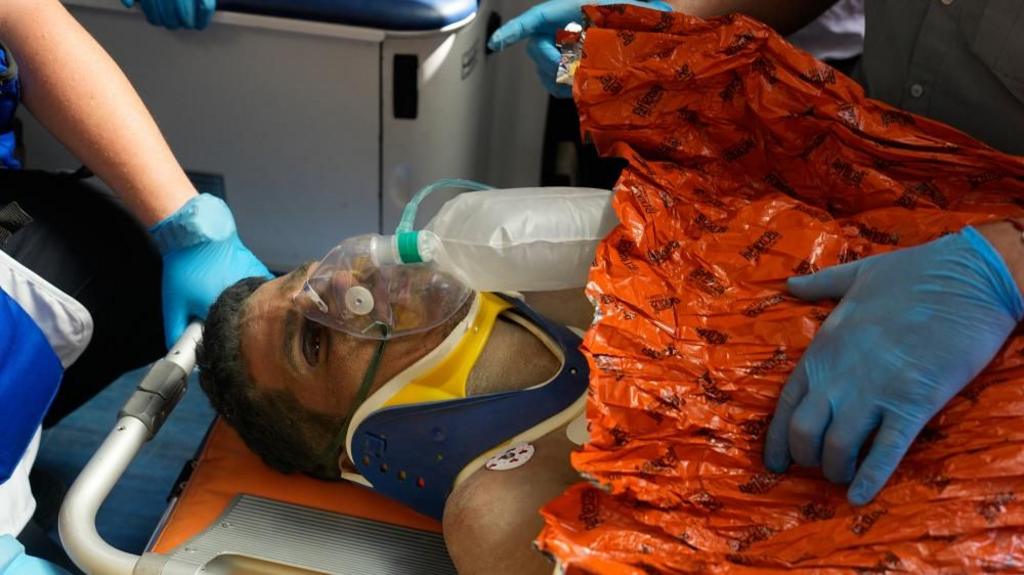
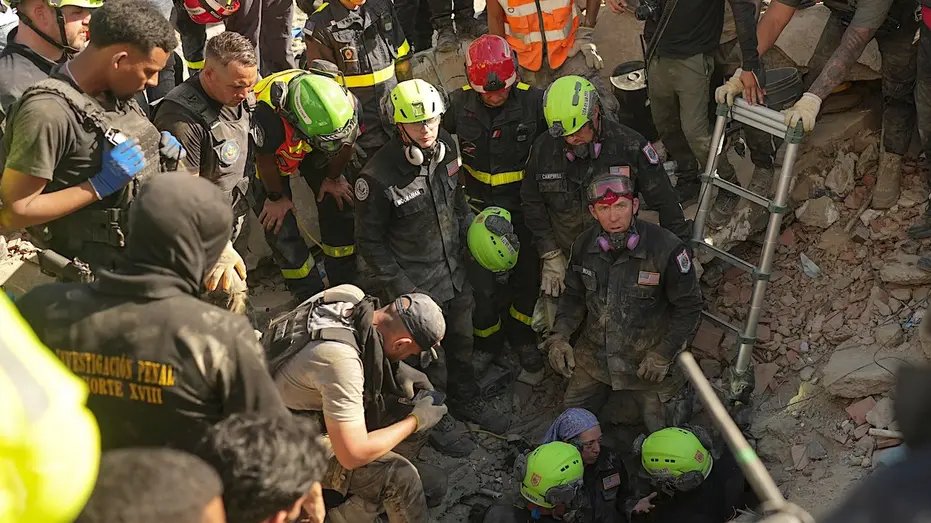
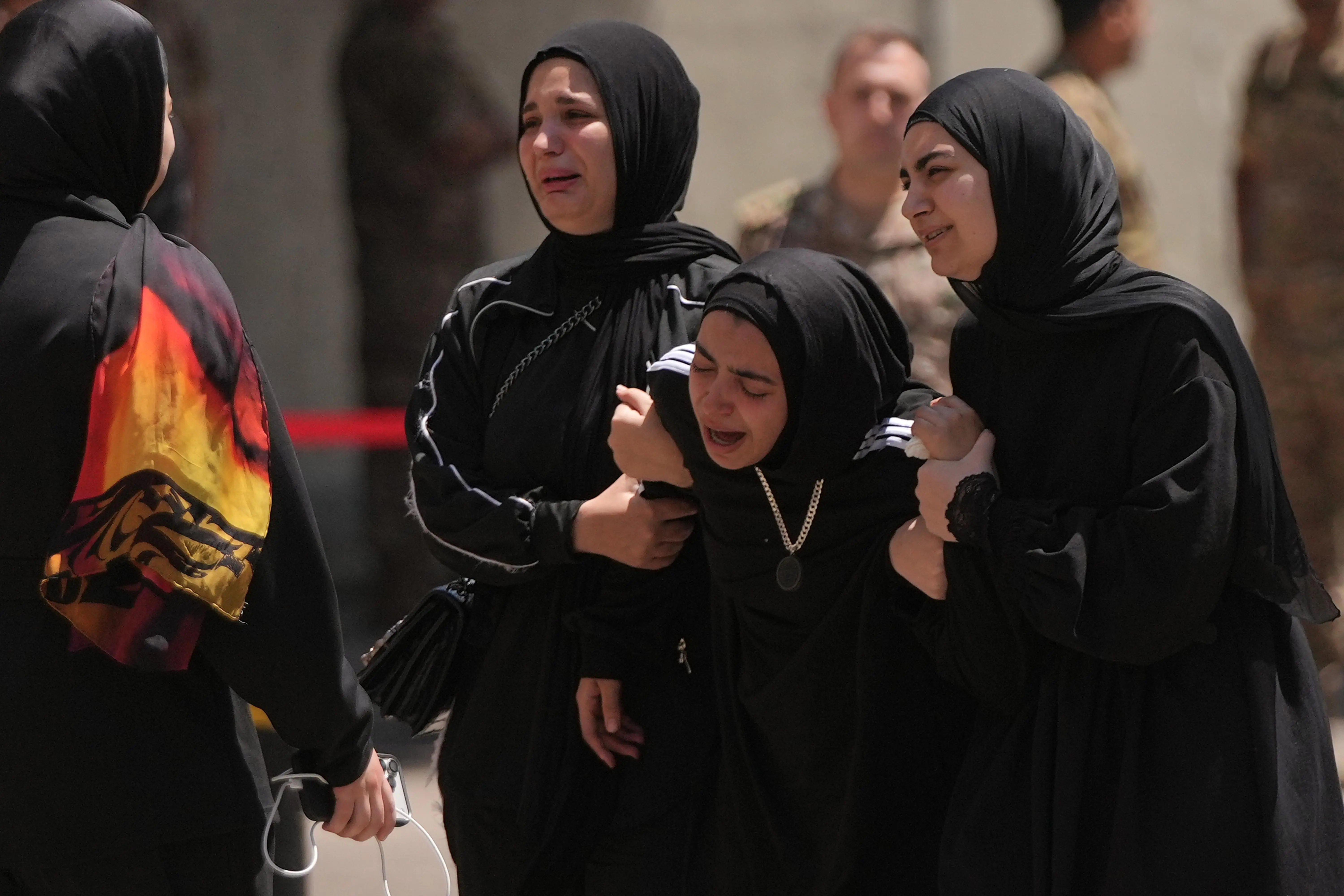
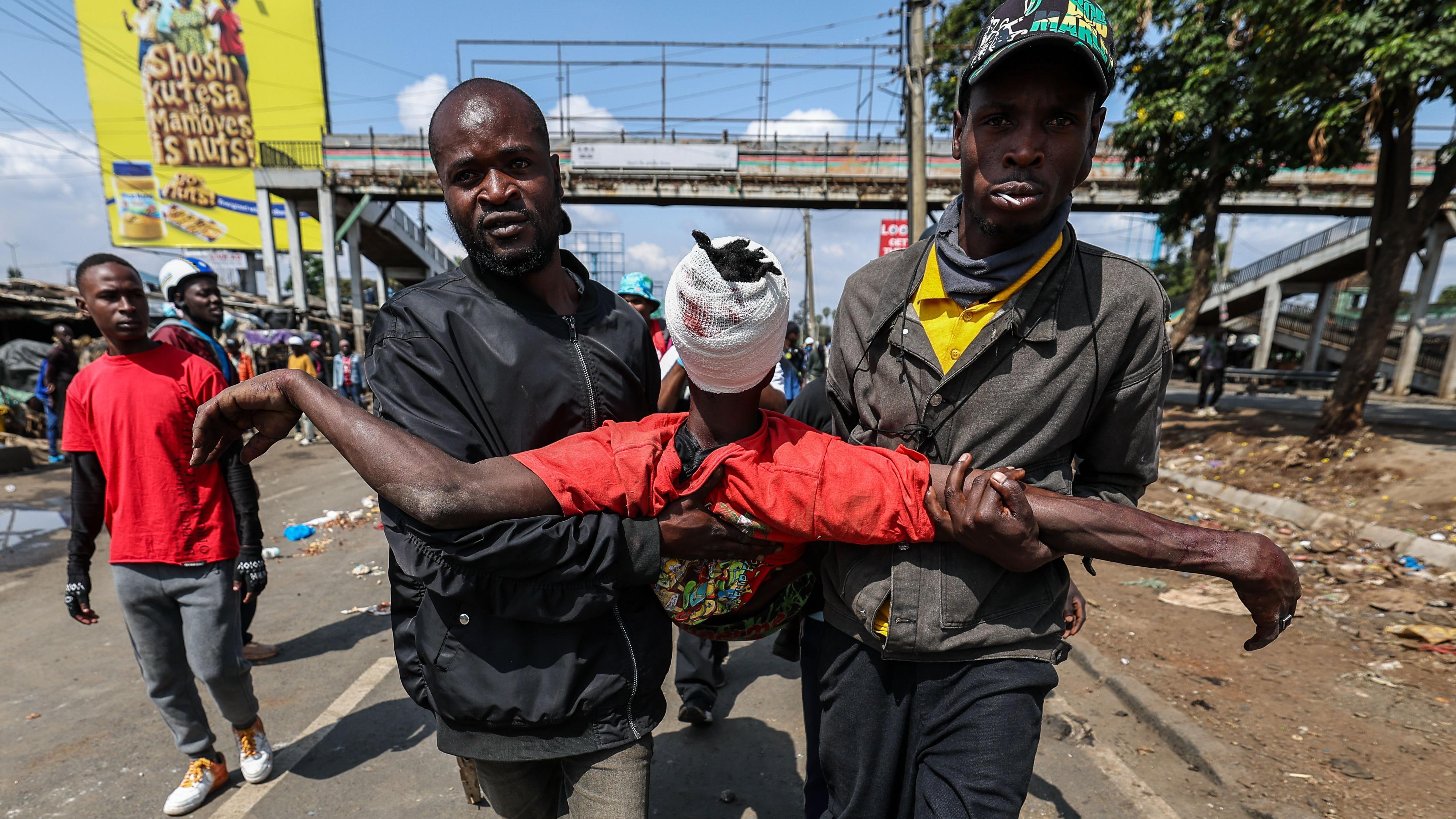
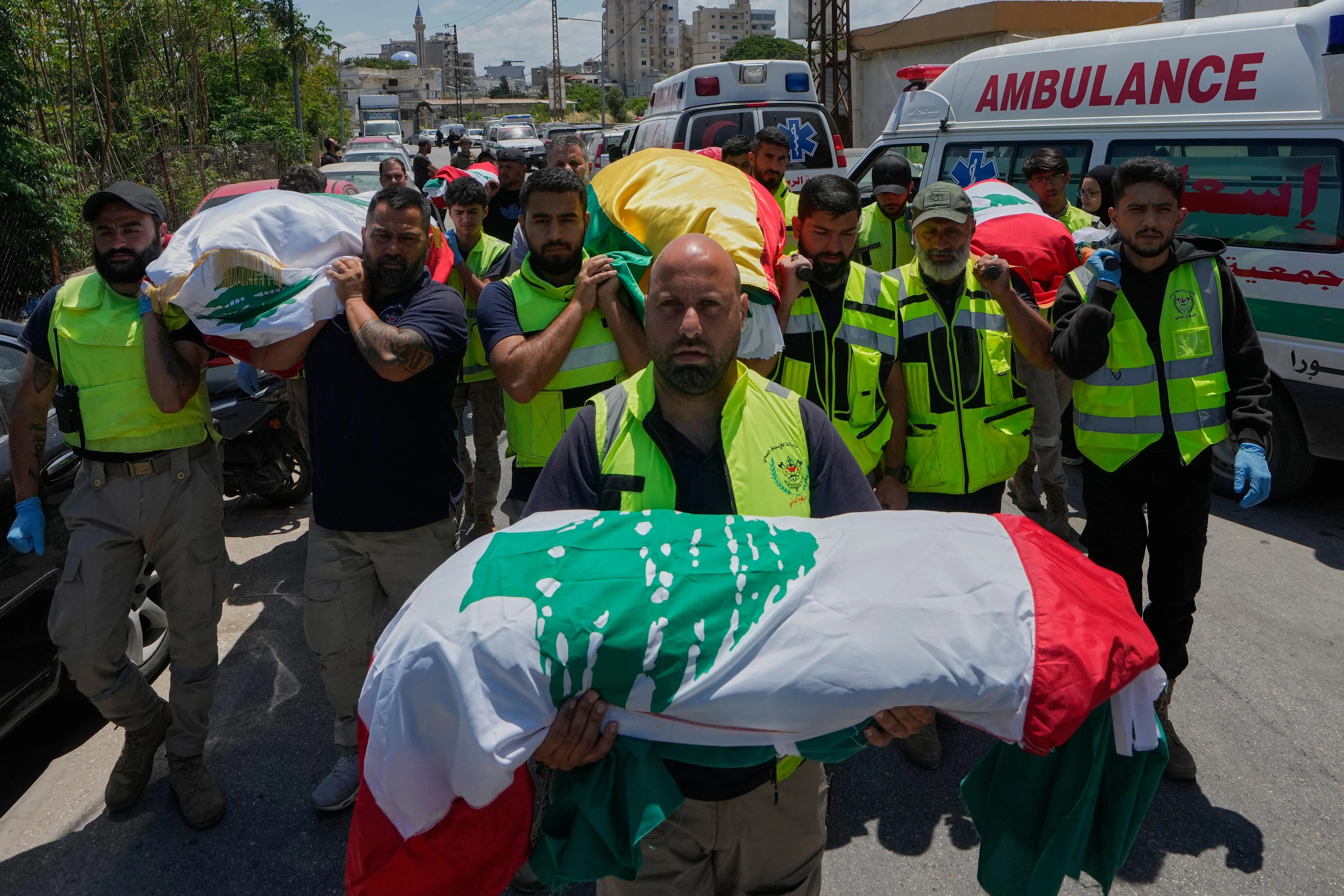
Casualty reports varied significantly in the immediate aftermath. ABC News reported at least 12 people dead and more than 200 injured, while Deutsche Welle reported at least three people killed. NPR initially reported no immediate reports of casualties. Rod Sosmeña, regional director of the Office of Civil Defense, reported that at least seven of the deaths and about 130 of the injuries occurred in General Santos alone. Five additional deaths occurred in the southern provinces of South Cotabato and Davao Occidental and on Balut Island. Authorities were checking reports of students trapped in a two-story school that collapsed in General Santos, with the national police reporting at least seven people missing in the city.
Ednar Dayanghirang, another official, said more than 100 students attending morning flag-raising ceremonies sustained bruises and some fainted in panic, as public schools had reopened nationwide Monday after the summer break. The international airport in General Santos was temporarily shut, and 17 domestic flights were canceled.
Tsunami Waves Spread Across the Region
The Pacific Tsunami Warning Center warned that tsunami waves up to 3 meters (10 feet) were possible on some coasts of the Philippines. Waves of 1 meter (3 feet) were monitored in the provinces of Sultan Kudarat and Sarangani, and waves up to 1 meter were possible on some coasts of Indonesia and Malaysia. An 83-centimeter tsunami was measured by a gauge off Indonesia's Sulawesi island, while tsunami waves up to 7 inches were recorded on some coasts of North Sulawesi and North Maluku provinces.
President Ferdinand Marcos Jr. urged people in vulnerable areas to move immediately to higher ground. "Please heed the tsunami warning. Move to higher ground now. Do not wait. Your life is more important than anything left behind," Marcos told residents. He added that "the national government is moving and we will not leave Mindanao behind." Philippine authorities identified nine provinces requiring immediate evacuation, including Sarangani, Davao Occidental, Tawi-Tawi, and Sulu.
Smaller sea changes were possible in Taiwan, Japan, Papua New Guinea, and several island nations and territories in the western Pacific, according to the Pacific Tsunami Warning Center. Tsunami warnings were issued for Japan's outlying islands, including Okinawa and the country's southern coast. Officials in the Northern Mariana Islands and Guam canceled earlier tsunami warnings but warned of strong currents and dangerous beach conditions. The threat to Hawaii was ruled out.
Aftershocks Continue as Rescues Proceed
The U.S. Geological Survey reported aftershocks up to 6.5 magnitude following the main quake. According to the Philippine Institute of Volcanology and Seismology, the initial earthquake was followed by more than an hour of aftershocks. Master Sergeant Robert Dagon of the General Santos City police reported that many buildings were affected and that a number of buildings collapsed.
Mary Ann Blanco Rhudy, a Catholic nun at Notre Dame of Dadiangas University in General Santos, described the violent shaking. "The cars on the road were moving erratically. I am lucky that they didn't crash against each other," she said. "The trees on the side of the road were also swaying violently." She reported that some buildings at the college had partially collapsed.
A Region Vulnerable to Natural Disasters
The Philippines sits on the Pacific "Ring of Fire," an arc of seismic faults that makes the country unusually prone to earthquakes and volcanic eruptions. The archipelago is also lashed by about 20 typhoons and tropical storms each year, making it one of the world's most disaster-prone countries. Disaster-response agencies were placed on standby as Marcos pledged that the national government would coordinate recovery efforts across the affected regions of Mindanao.