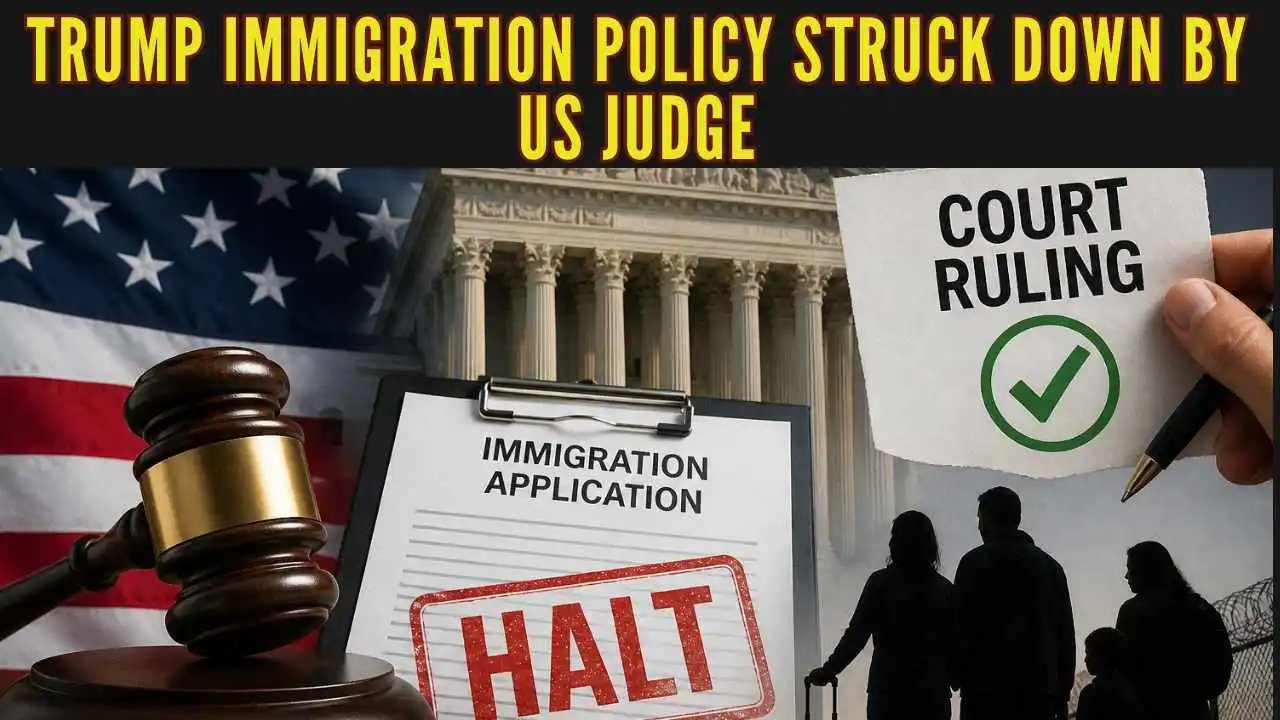
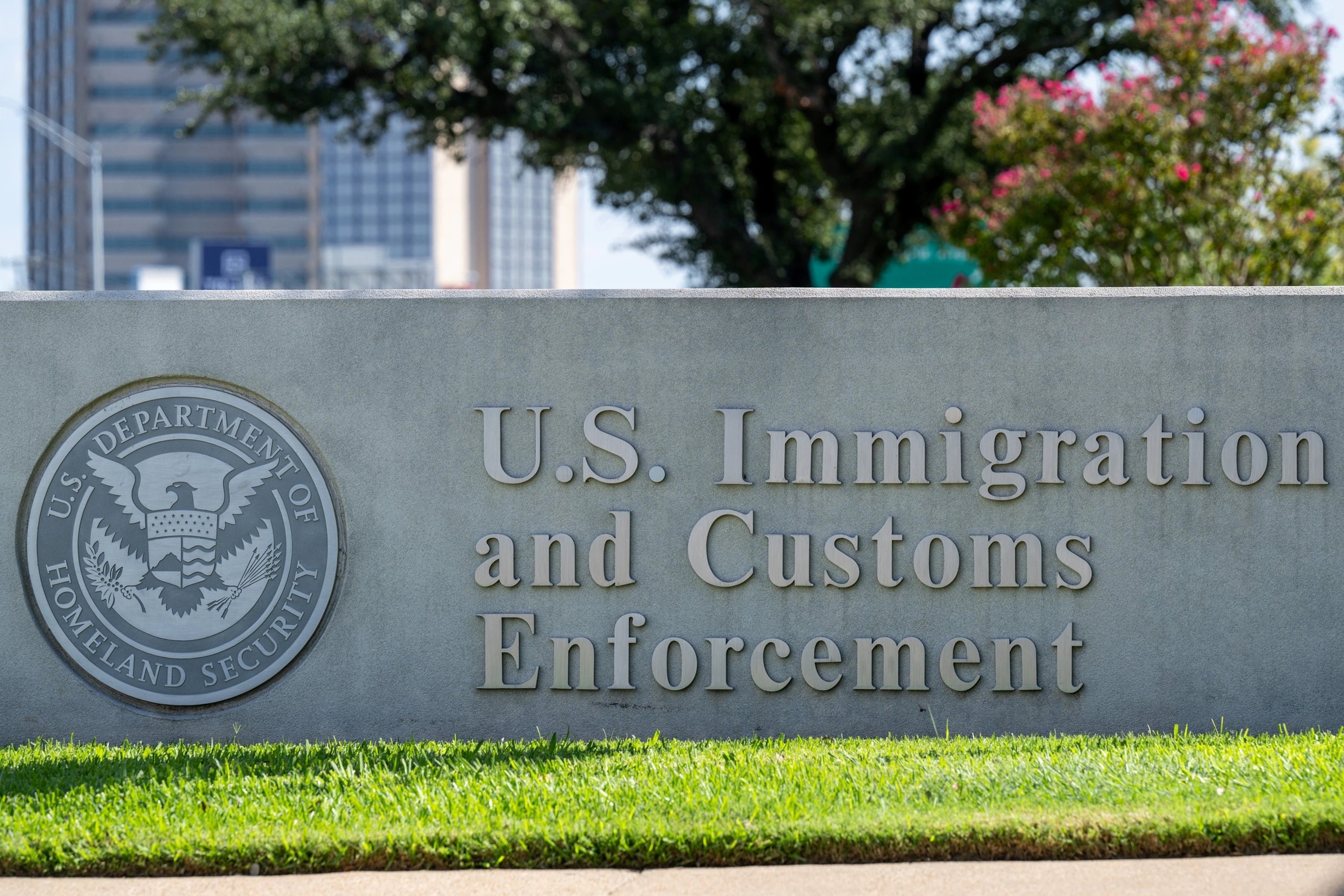
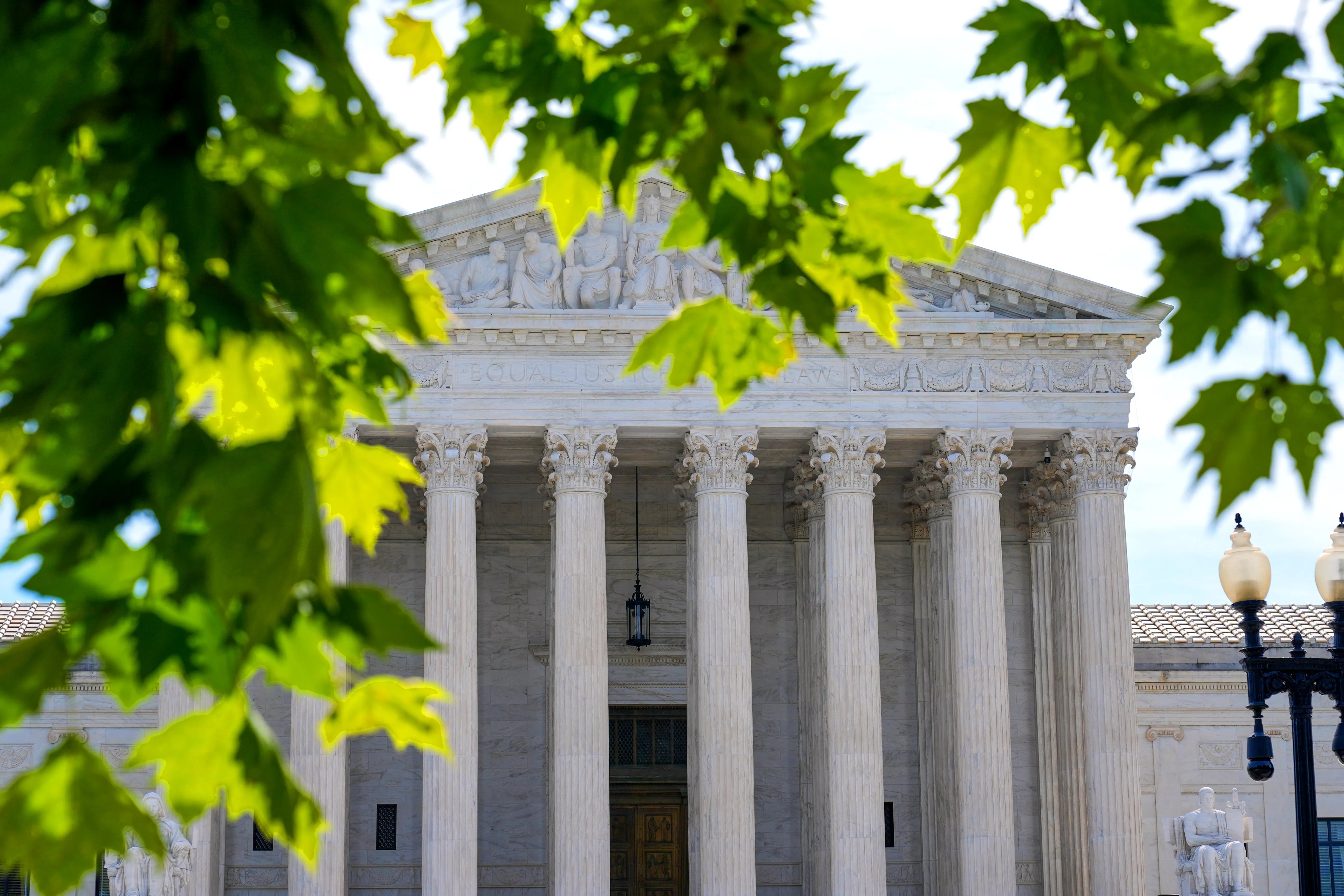
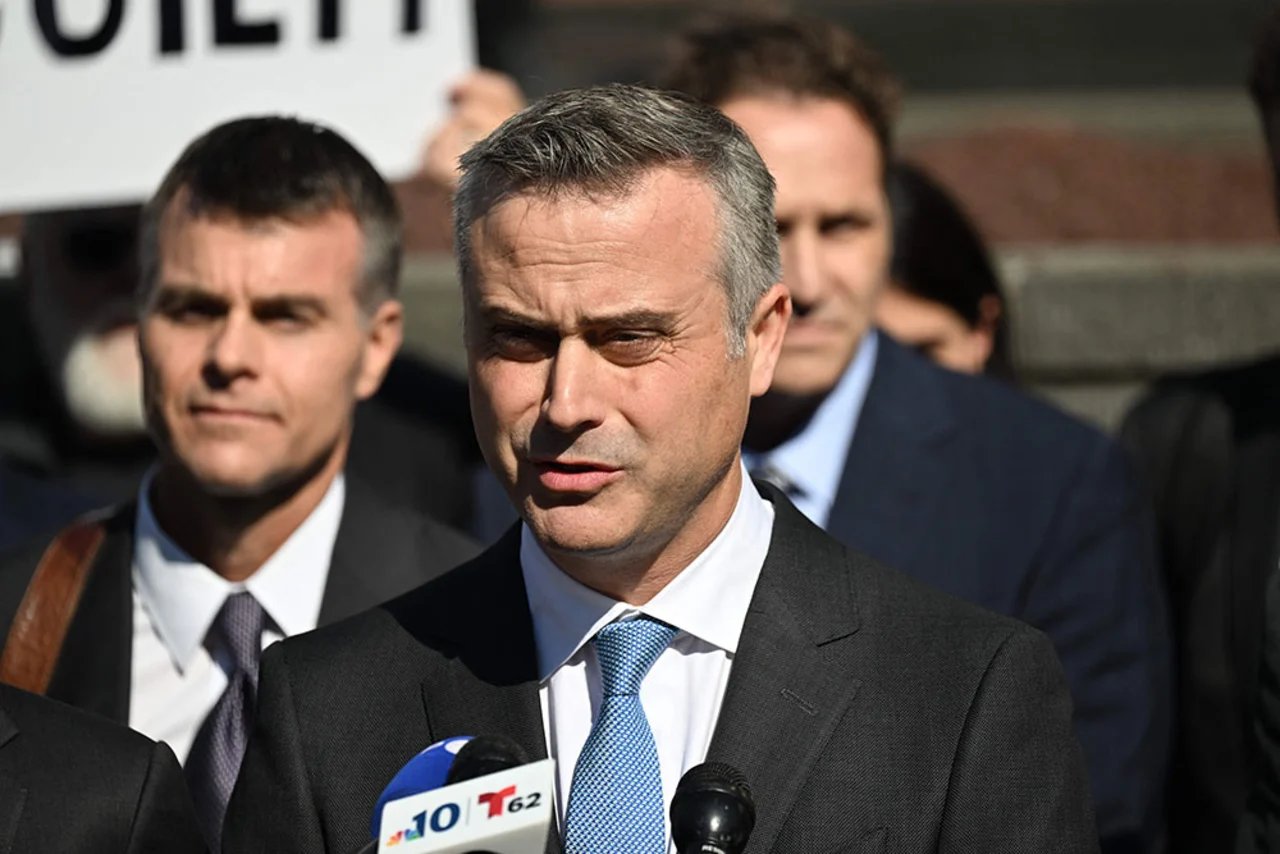
A federal judge in Rhode Island struck down Trump administration policies that suspended immigration processing for hundreds of thousands of applicants from nearly 40 countries. Judge John J. McConnell Jr. of the U.S. District Court for the District of Rhode Island ruled on Friday that U.S. Citizenship and Immigration Services violated federal law by imposing an indefinite pause on asylum petitions and applications for green cards, work permits, and citizenship.
McConnell wrote that the agency "has violated the very immigration laws that Congress has charged it with administering, as well as the administrative laws that govern the agency's actions." He found the restrictions to be "arbitrary and capricious." The judge emphasized that "the rule of law has to apply to everyone equally" and that USCIS had neither followed the law nor done things the right way.
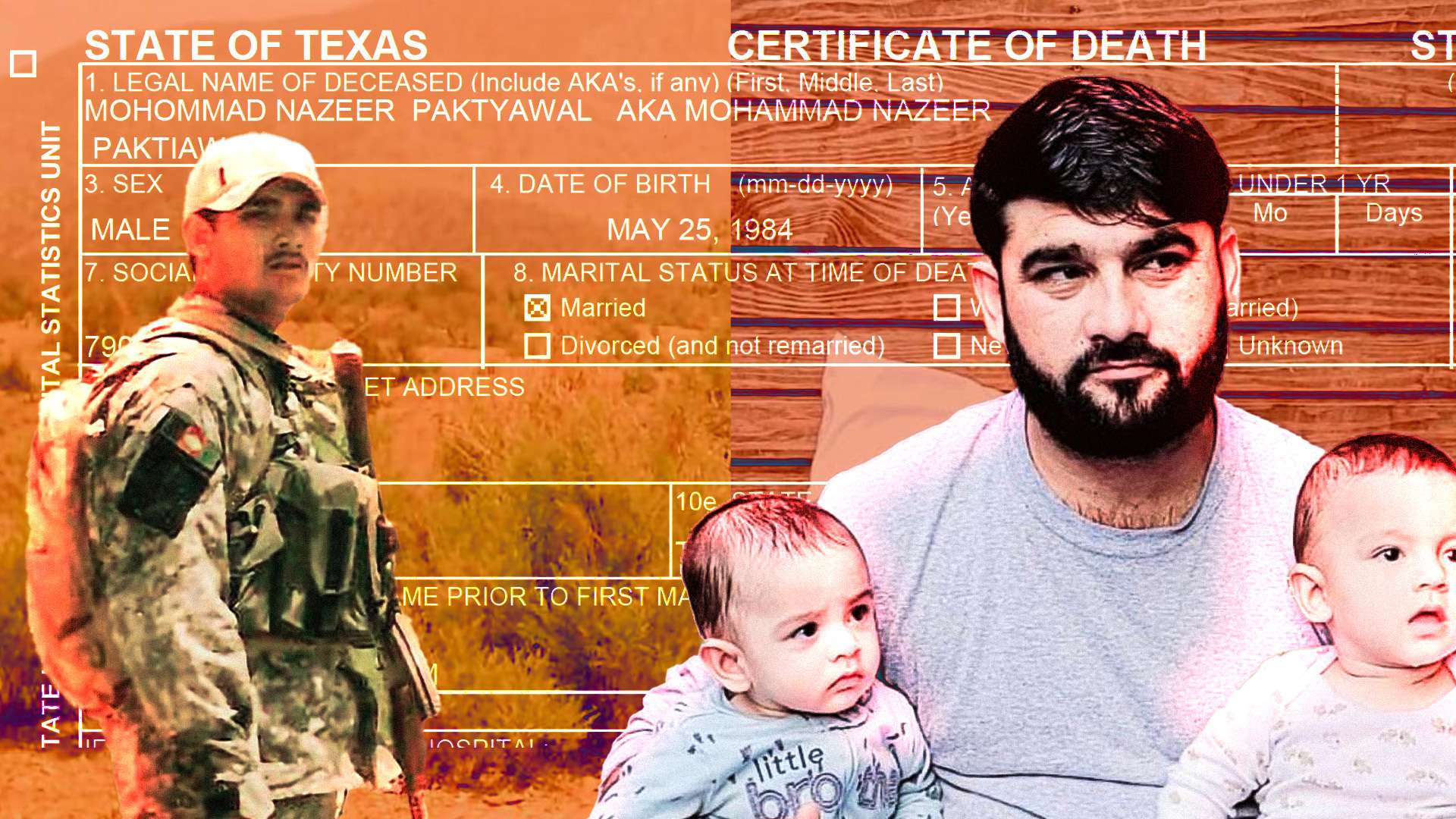
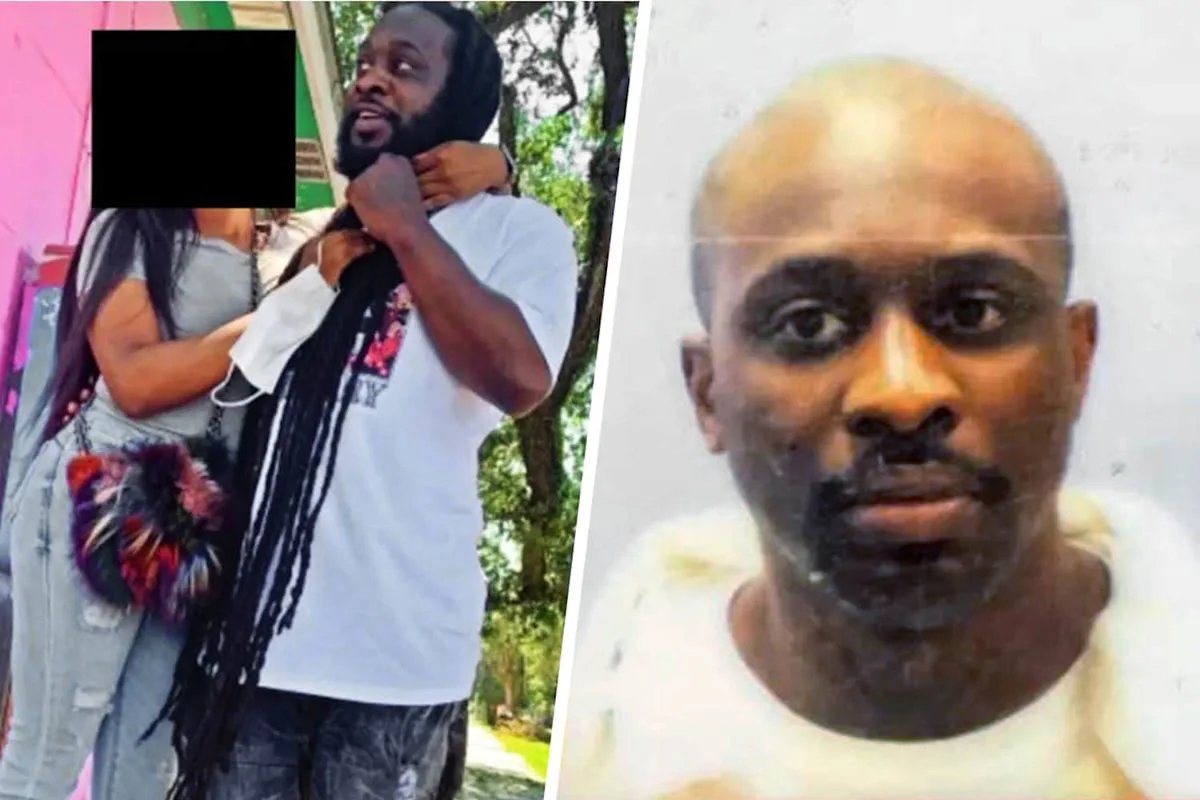
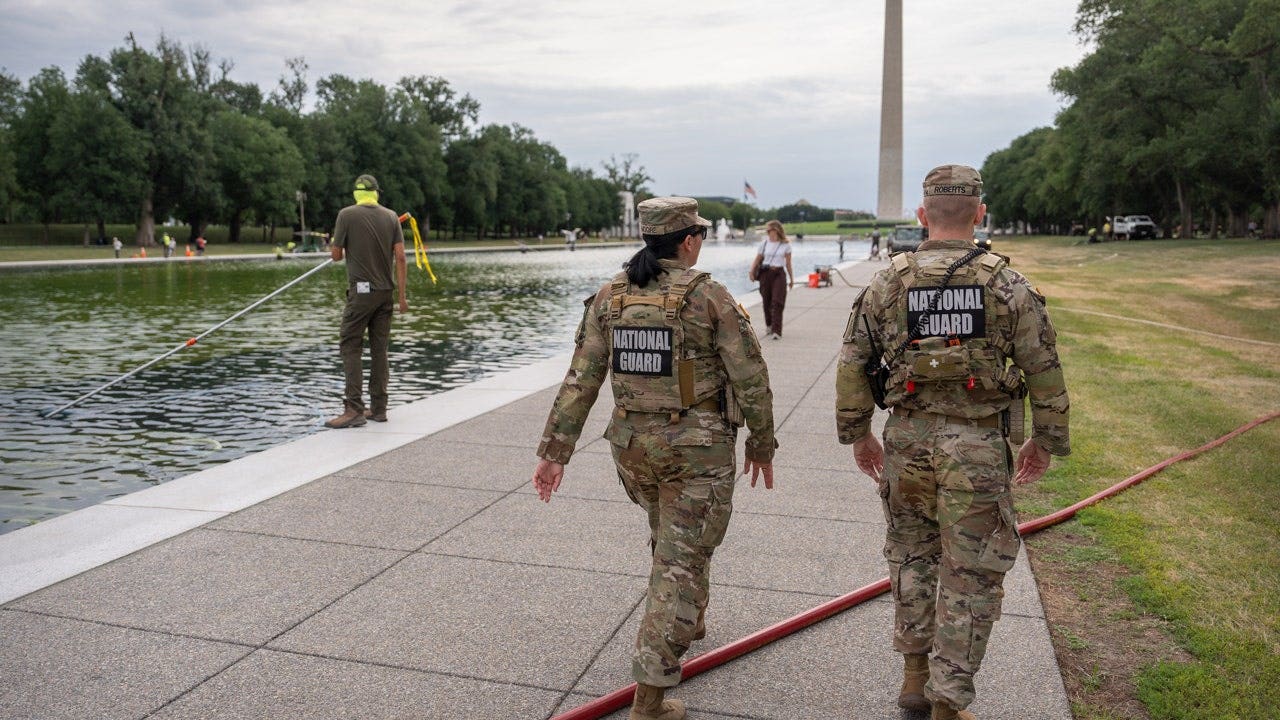
The Trump administration instituted the processing freeze in the days surrounding last Thanksgiving after Afghan migrant Rahmanullah Lakanwal allegedly shot two National Guard servicemembers, Andrew Wolfe and Sarah Beckstrom, the latter of whom died. The restrictions initially applied globally but were later narrowed to the 39 countries on the administration's travel ban list, which are mostly in Africa and Asia. USCIS stopped adjudicating applications from people in those nations, leaving applicants stranded regardless of their legal status.
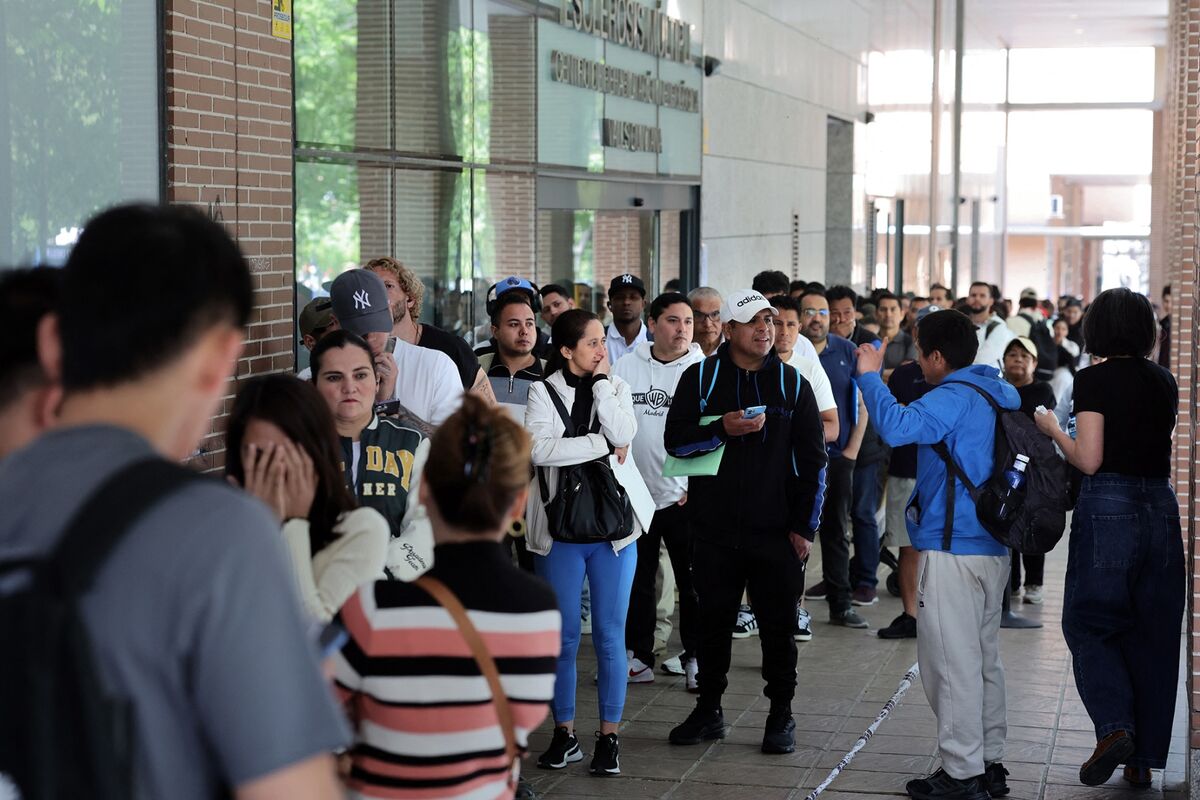
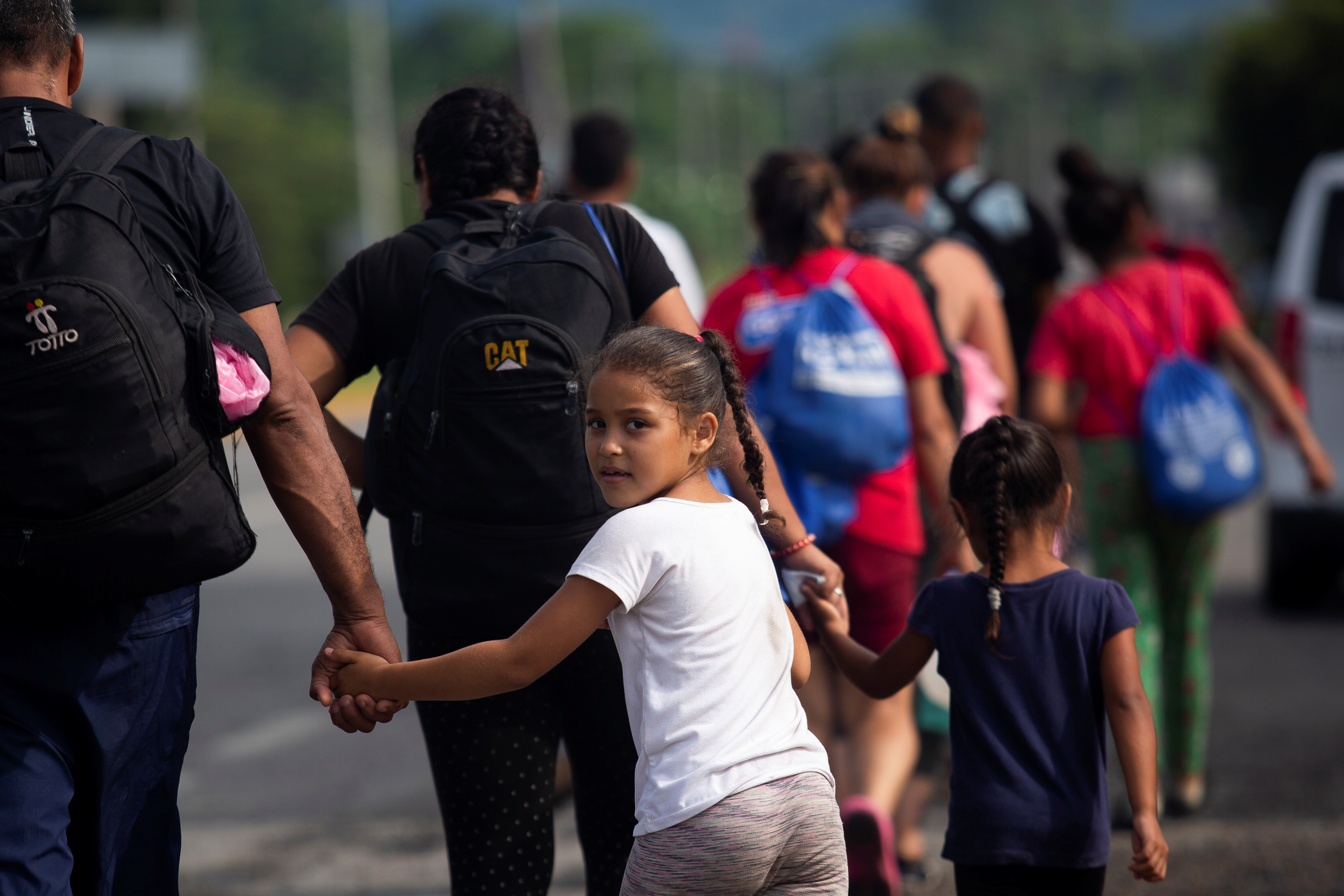
People already in the United States legally faced indefinite delays. According to McConnell's ruling, applicants "have filed the appropriate paperwork, paid the required filing fees, submitted to the requested biometrics collections, and attended the necessary inperson interviews. Even so, Plaintiffs and their members are stuck waiting, for months on end, for benefit requests that USCIS refuses to adjudicate."
Lakanwal came to the United States in 2021 through Operation Allies Welcome, an initiative offering refuge to Afghans who assisted CIA-affiliated units during military operations against the Taliban and al-Qaeda. He submitted to multiple screening rounds and was ultimately granted asylum under the Trump administration.
The processing freeze was part of a larger effort to restrict legal immigration pathways. The administration imposed a $100,000 supplemental fee for certain H-1B visa applications and announced a requirement forcing some green card applicants to apply from abroad, potentially forcing them to leave their families and jobs. The government later reversed that green card policy following widespread backlash.
The administration also applied expedited removal to humanitarian parolees from countries including Cuba and Venezuela, fast-tracking them for deportation despite their legal entry into the United States.
McConnell's ruling requires immigration agencies to resume processing applications from the affected nations, restoring access to legal immigration procedures that had been frozen for months.
A federal judge in Rhode Island struck down Trump administration policies that suspended immigration processing for hundreds of thousands of applicants from nearly 40 countries. Judge John J. McConnell Jr. of the U.S. District Court for the District of Rhode Island ruled on Friday that U.S. Citizenship and Immigration Services violated federal law by imposing an indefinite pause on asylum petitions and applications for green cards, work permits, and citizenship.
McConnell wrote that the agency "has violated the very immigration laws that Congress has charged it with administering, as well as the administrative laws that govern the agency's actions." He found the restrictions to be "arbitrary and capricious." The judge emphasized that "the rule of law has to apply to everyone equally" and that USCIS had neither followed the law nor done things the right way.
The Trump administration instituted the processing freeze last year following a deadly attack on National Guard members. The restrictions initially applied globally but were later narrowed to the 39 countries on the administration's travel ban list, which are mostly in Africa and Asia. USCIS stopped adjudicating applications from people in those nations, leaving applicants stranded regardless of their legal status.
People already in the United States legally faced indefinite delays. According to McConnell's ruling, applicants "have filed the appropriate paperwork, paid the required filing fees, submitted to the requested biometrics collections, and attended the necessary inperson interviews. Even so, Plaintiffs and their members are stuck waiting, for months on end, for benefit requests that USCIS refuses to adjudicate."
The processing freeze was part of a larger effort to restrict legal immigration pathways. The administration imposed a $100,000 supplemental fee for certain H-1B visa applications and announced a requirement forcing some green card applicants to apply from abroad, potentially forcing them to leave their families and jobs. The government later reversed that green card policy following widespread backlash.
The administration also applied expedited removal to humanitarian parolees from countries including Cuba and Venezuela, fast-tracking them for deportation despite their legal entry into the United States.
The halt followed an incident involving Afghan migrant Rahmanullah Lakanwal, who allegedly shot two National Guard servicemembers, Andrew Wolfe and Sarah Beckstrom, the latter of whom died. Lakanwal came to the United States in 2021 through Operation Allies Welcome, an initiative offering refuge to Afghans who assisted CIA-affiliated units during military operations against the Taliban and al-Qaeda. He submitted to multiple screening rounds and was ultimately granted asylum under the Trump administration.
McConnell's ruling requires immigration agencies to resume processing applications from the affected nations, restoring access to legal immigration procedures that had been frozen for months.
Highlighted text was flagged by the council. Tap to see feedback.