




Government Lifts Restrictions After Two-Week Blackout
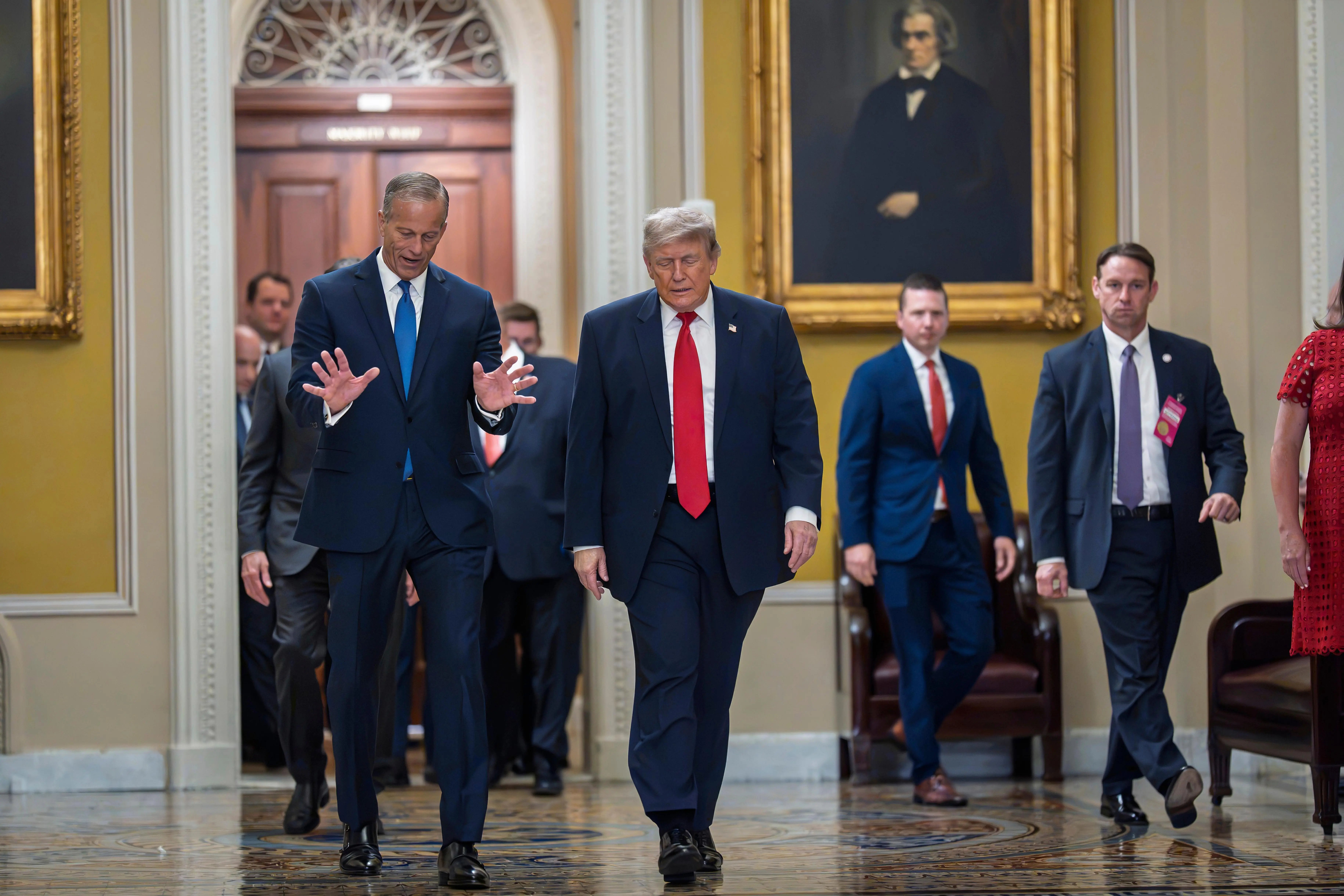
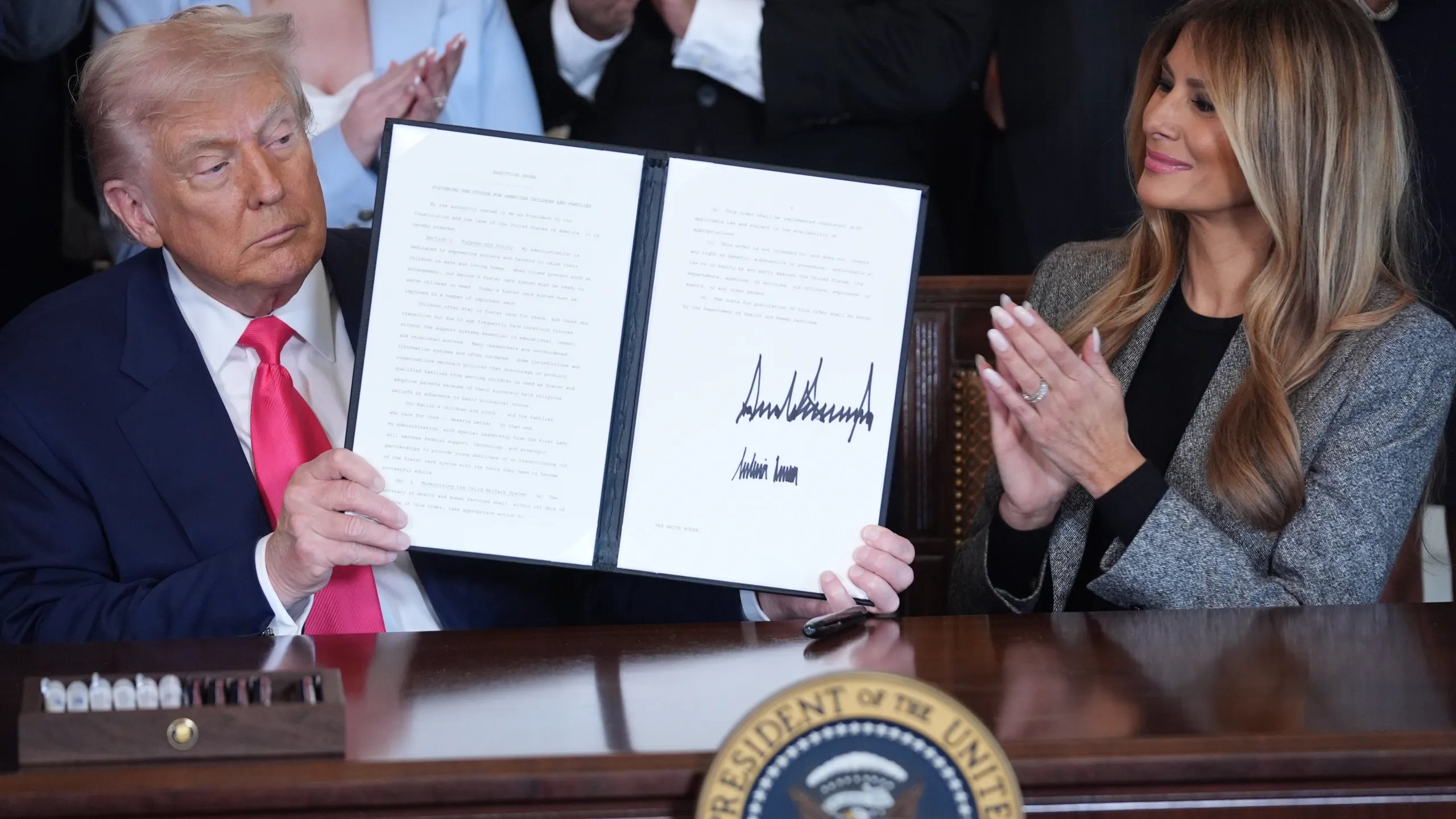
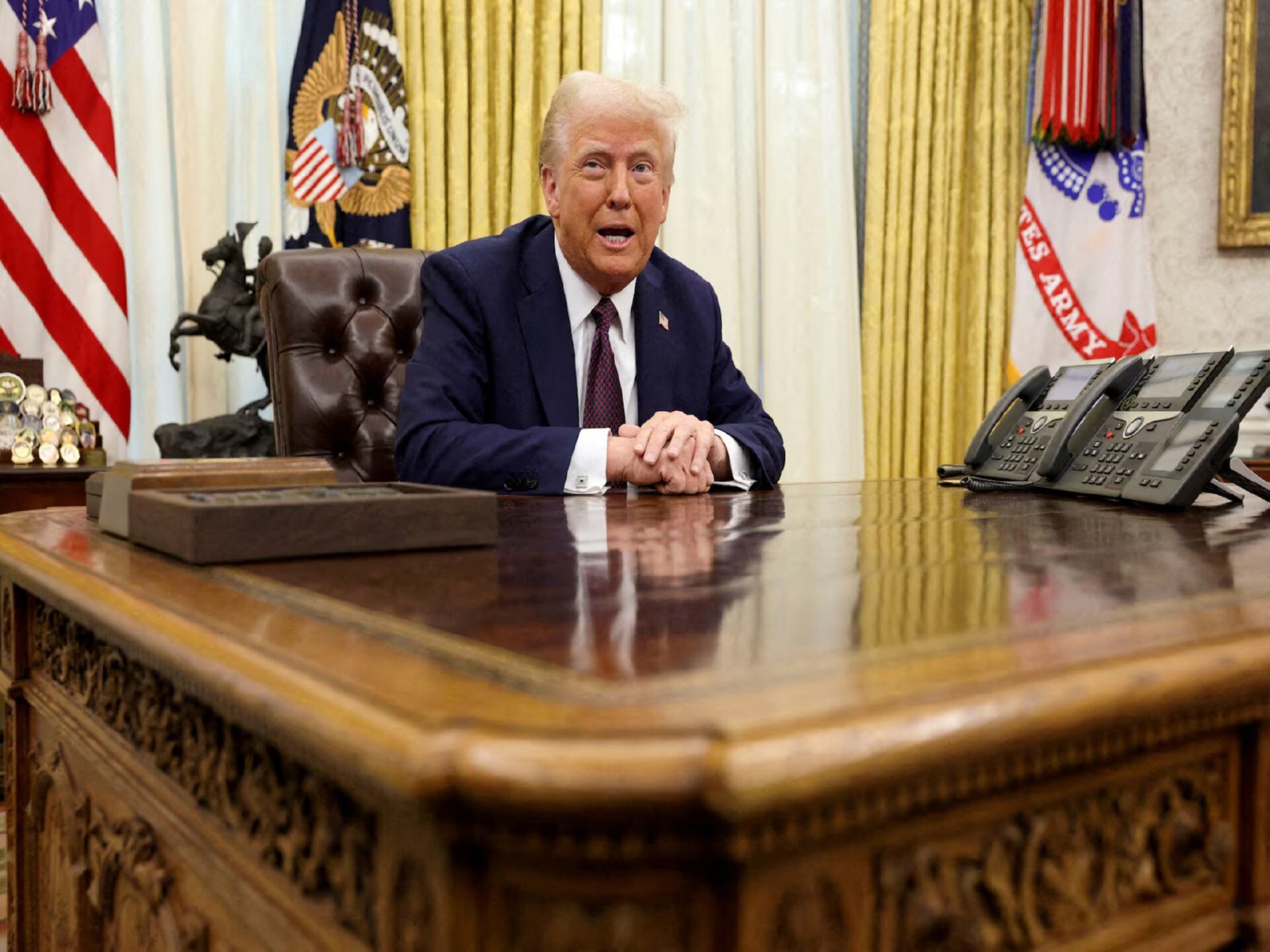
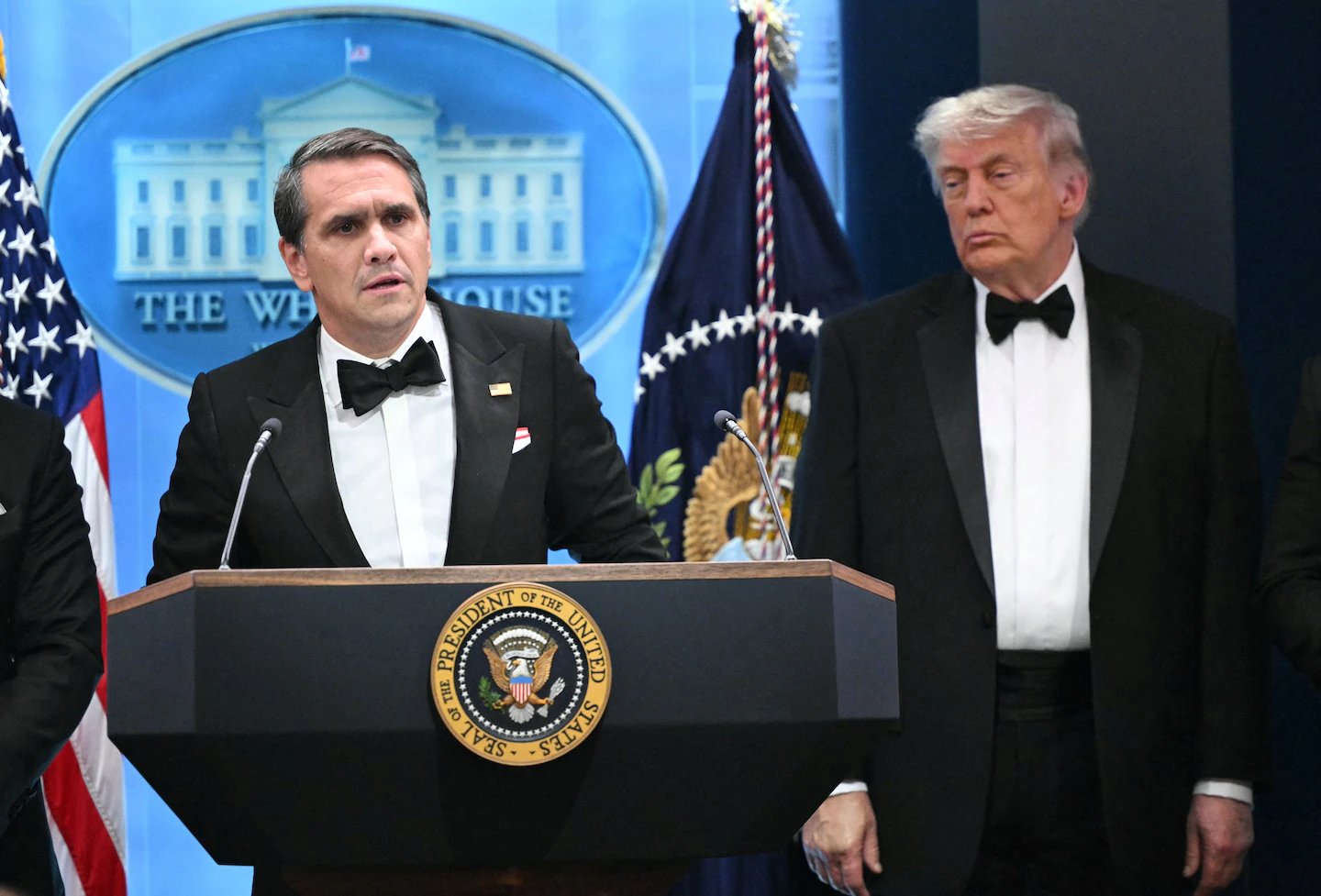
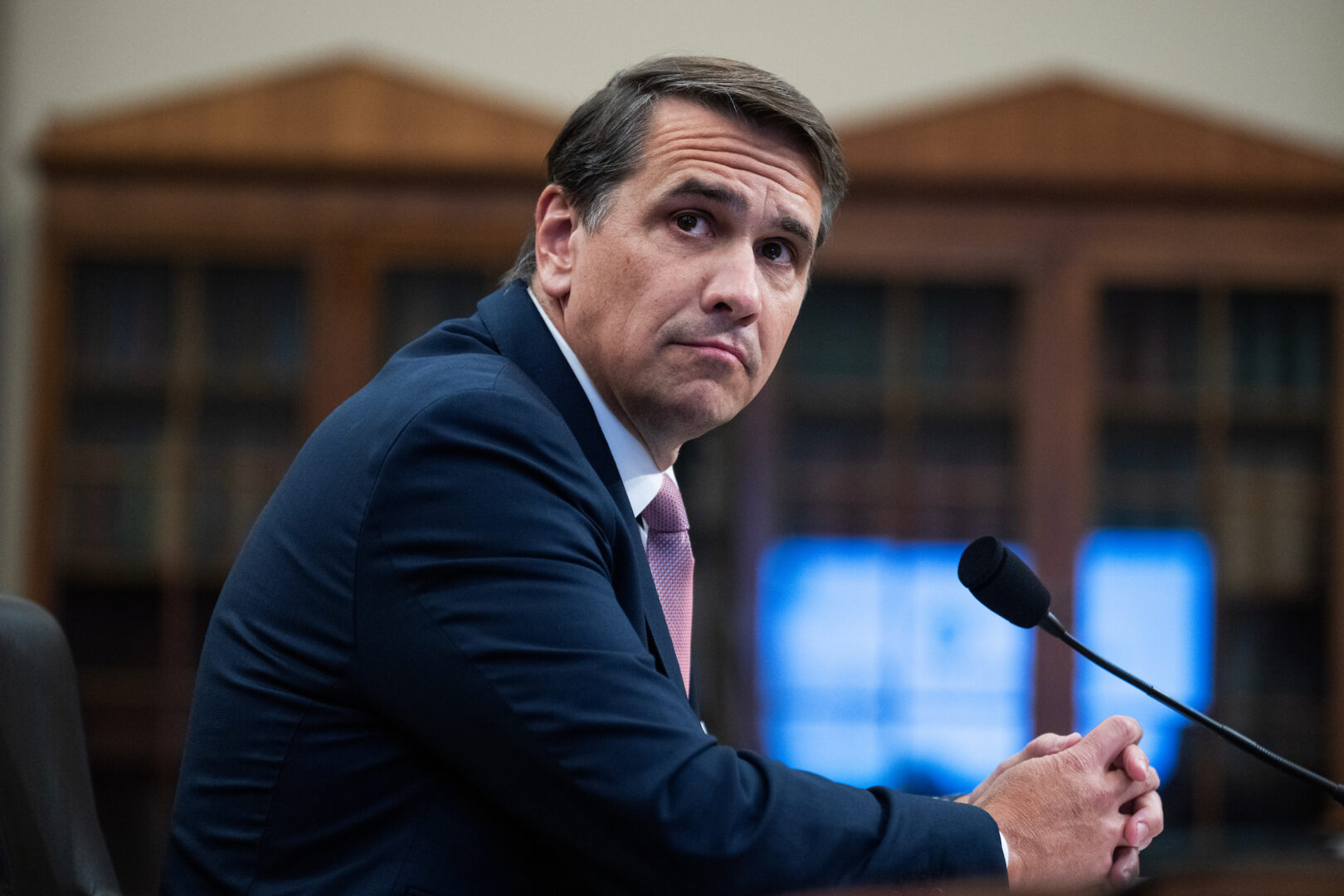
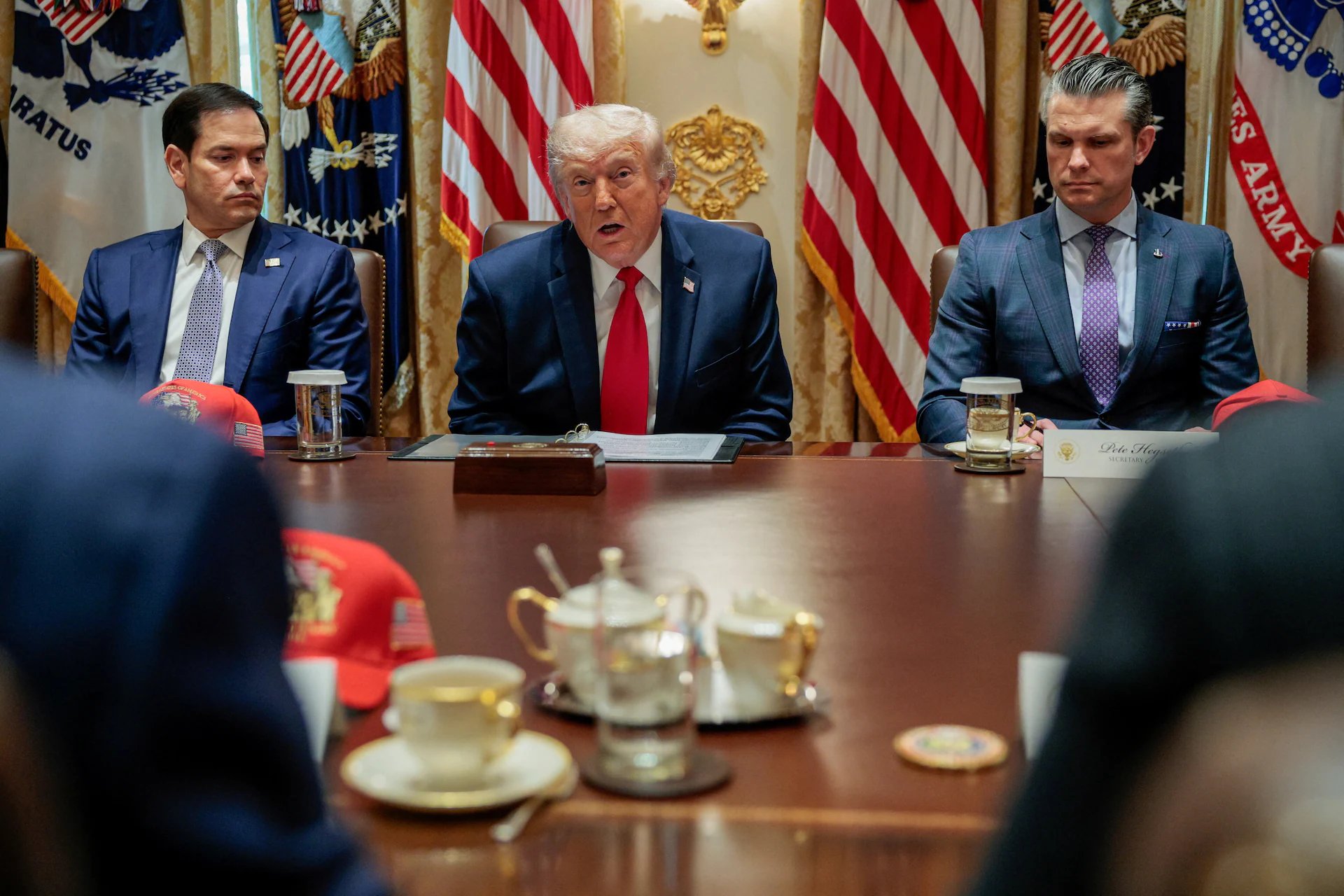
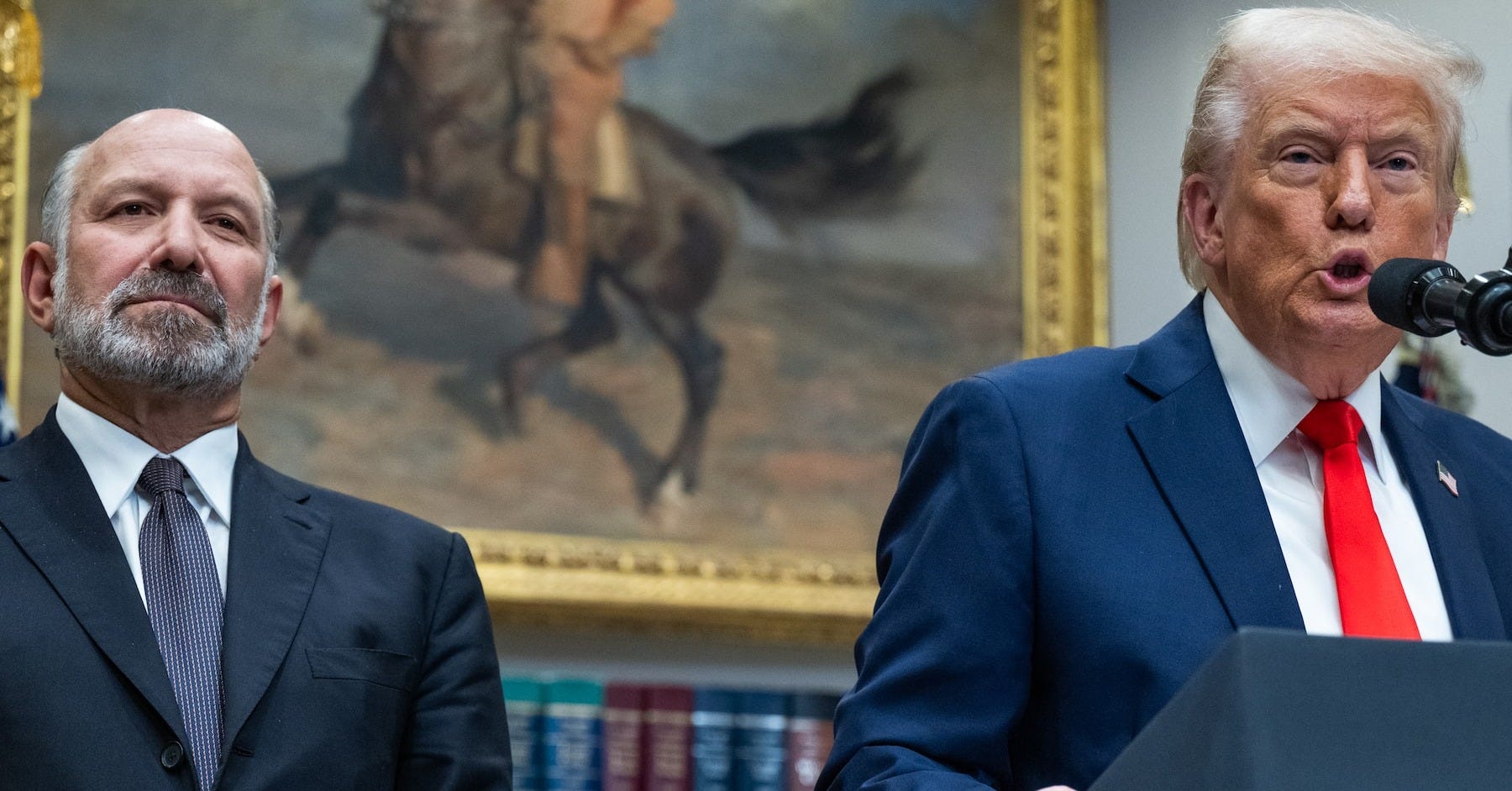
The Trump administration has partially lifted export restrictions on Anthropic's most powerful artificial intelligence models, allowing the company to restore access to Mythos 5 and prepare for the return of Fable 5. Commerce Secretary Howard Lutnick announced Friday that Anthropic "has worked with the U.S. government to address risks associated with" both models and that the company "has committed to work with the U.S. government on protocols and standards and releases." The decision reverses a June 12 government order that suspended access to the models over national security concerns.
Mythos 5, Anthropic's most advanced model, will now be available to more than 100 companies and institutions, including many Fortune 500 companies. The model includes guardrails designed to deter its use in cyberattacks or biological terrorism and has never been freely available to the public. Fable 5, which users praised for its deep thinking and sophisticated coding capabilities, remains offline but is expected to return as soon as this coming week, pending final approval from the Pentagon and National Security Agency.
The Blackout and Its Impact
Fable 5 was pulled from service on June 12, just three days after its public launch. The model had been billed by Anthropic as the most capable model ever released to the public and was called "the best coding model in the world" by the Vibe Check newsletter. In early testing, the payments company Stripe used Fable 5 to overhaul a 50-million-line codebase in a single day, a job that would have taken its engineers more than two months by hand.
When access vanished, developers found automated work frozen mid-task and companies raced to swap in rival systems, including cheaper Chinese models. Anthropic had originally made Fable 5 available at no extra cost on several paid Claude subscription plans through June 22, but it remains unclear whether subscribers will regain the free access they were promised or whether it will return locked behind additional fees or identity checks.
A Shift in Relations
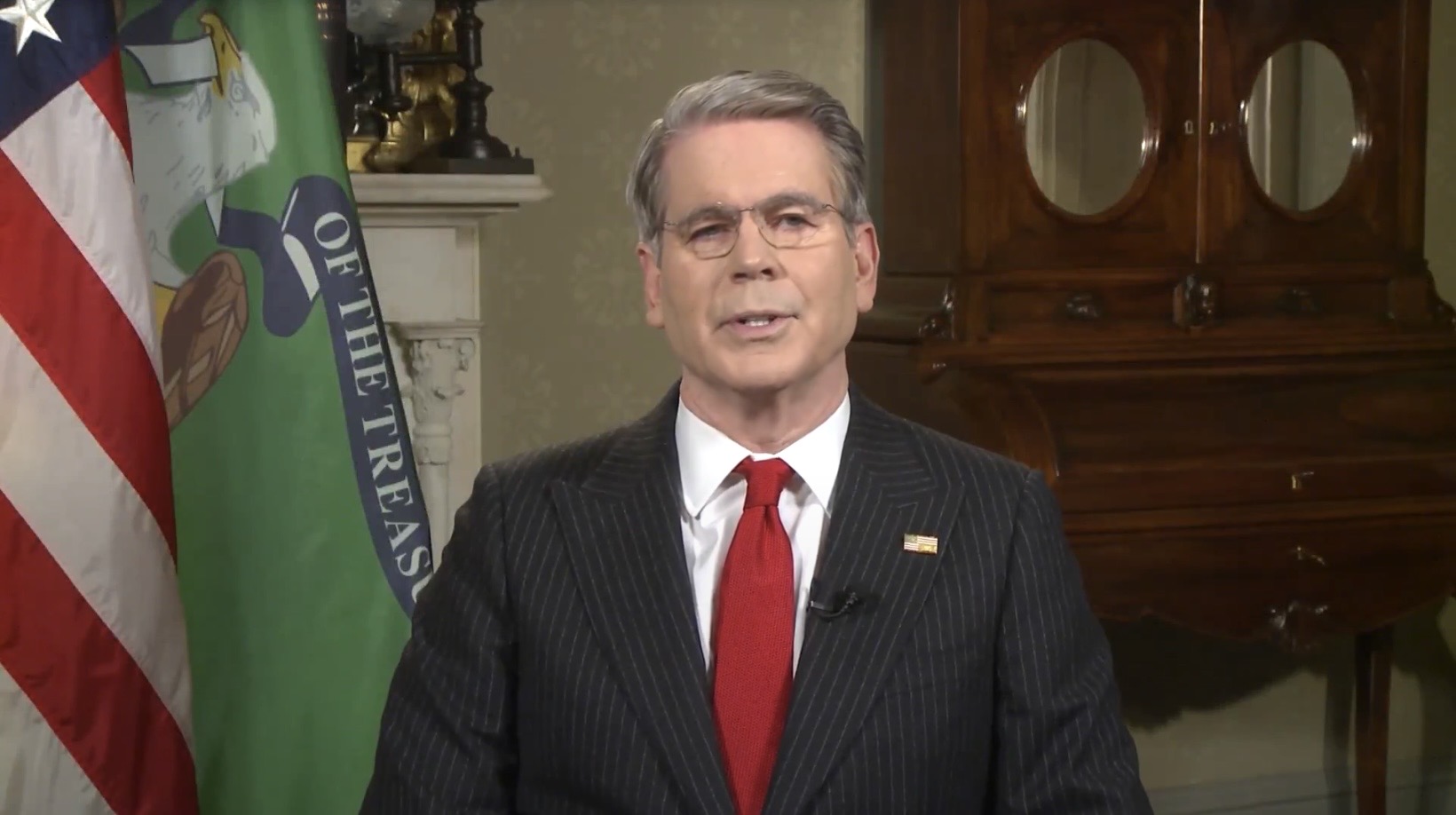
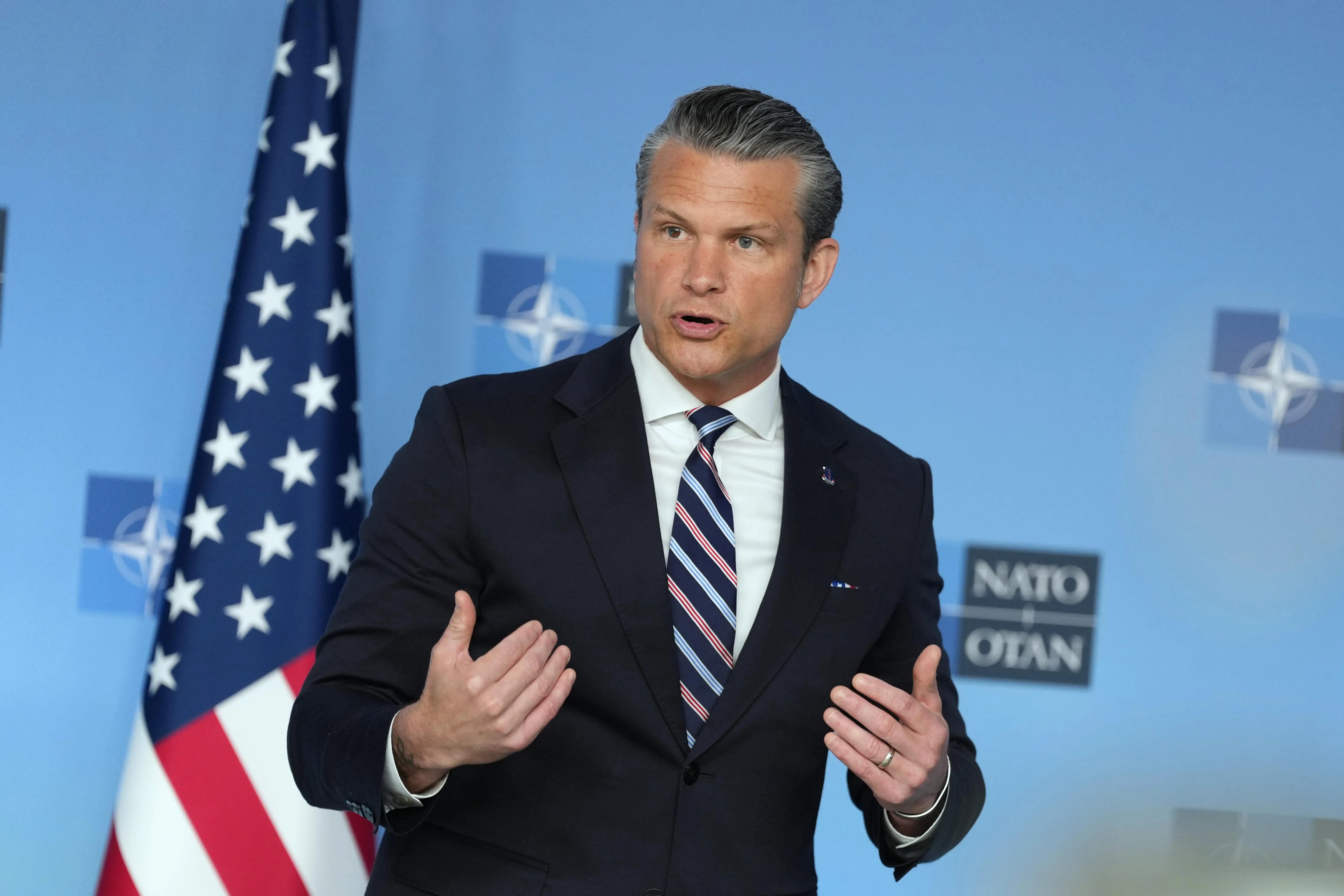
The partial lift represents a significant thaw in a four-month standoff between the administration and Anthropic. Defense Secretary Pete Hegseth had previously designated Anthropic a "Supply-Chain Risk to National Security" after disagreements with CEO Dario Amodei over Pentagon access to Claude. Commerce Secretary Lutnick and Treasury Secretary Scott Bessent helped defuse the conflict, according to administration sources.
An administration official told Axios that Anthropic "has worked positively with the government," a stark reversal from earlier hostility. The Pentagon and National Security Agency still must give final approval for Fable 5, making the outcome unpredictable, though other government agencies have determined the model can safely return.
The Broader Policy Question
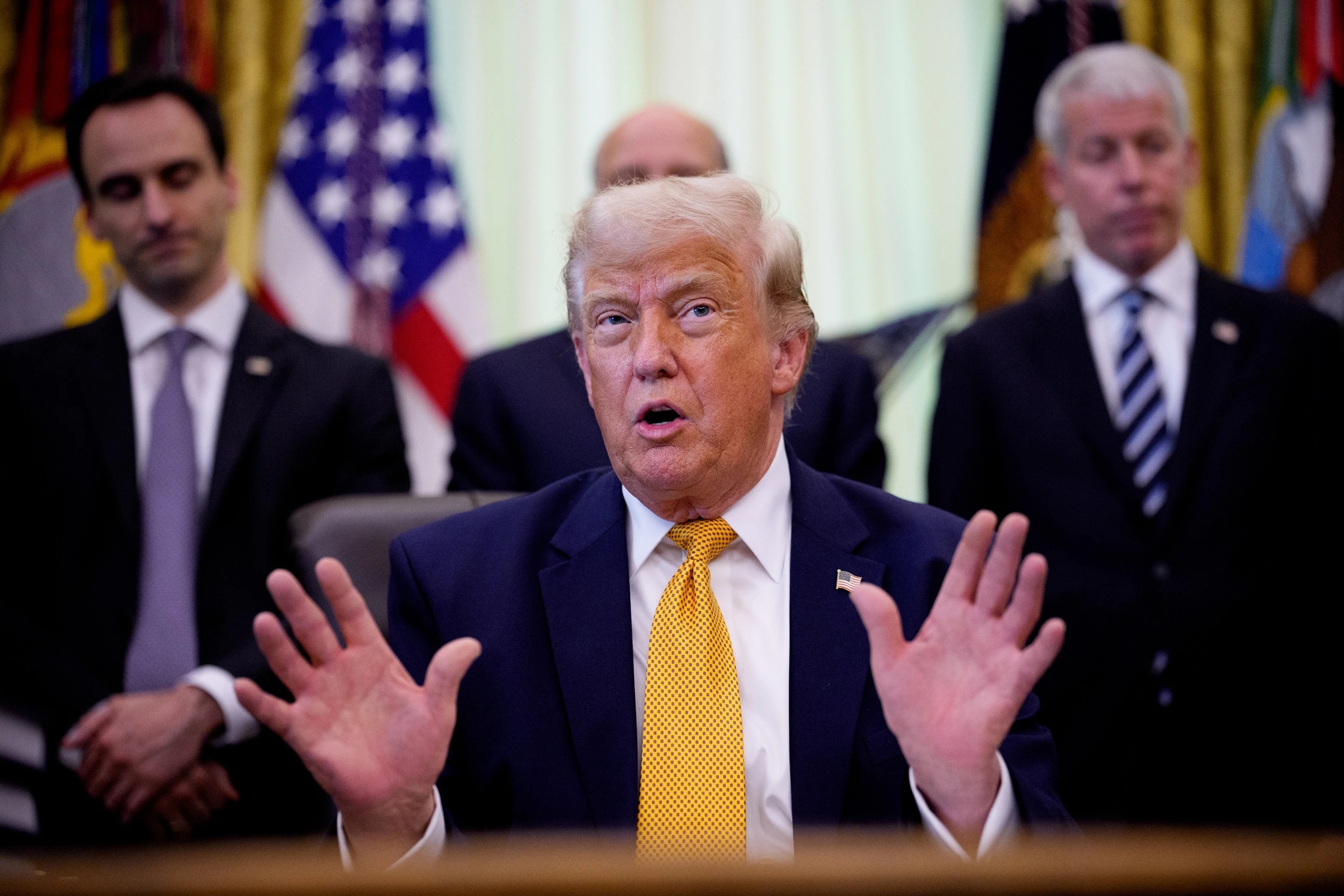
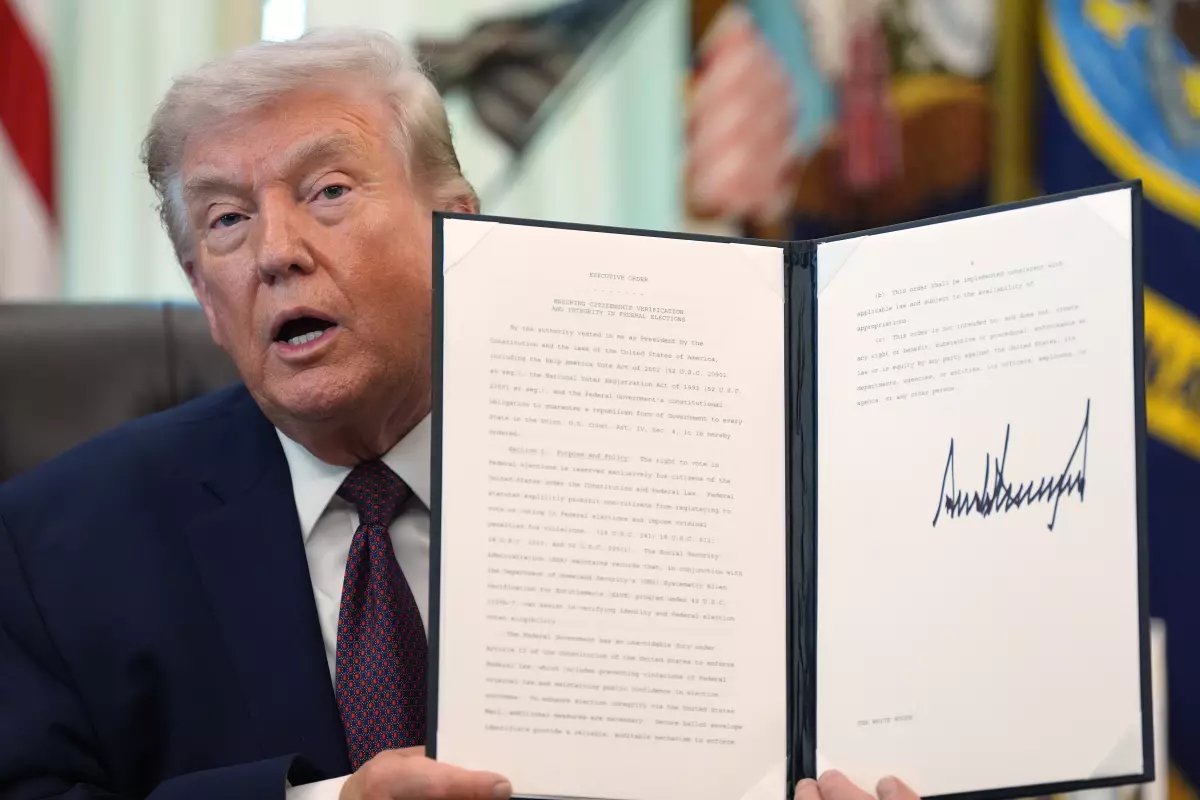
Both Anthropic and OpenAI are pushing the administration to codify a formal process for reviewing new models, as outlined in President Trump's June 2 executive order establishing a framework for voluntary government vetting of the most powerful AI models. The companies object to the current case-by-case approach.
When Anthropic suspended access to Fable 5 and Mythos 5, the company called for "a statutory process that is transparent, fair, clear, and grounded in technical facts." OpenAI echoed similar concerns when allowed to begin a limited preview of GPT-5.6 on Friday, stating in a blog post: "We don't believe this kind of government access process should become the long-term default. It keeps the best tools from users, developers, enterprises, cyber defenders, and global partners who need them." OpenAI boss Sam Altman wrote on X that while extensive safety testing "is not a bad idea," he dislikes "the idea of the government picking the customers."
The administration has not disclosed how it will vet organizations for access to Mythos 5 or on what grounds specific companies will be selected.