




A Possible Deal on the Horizon
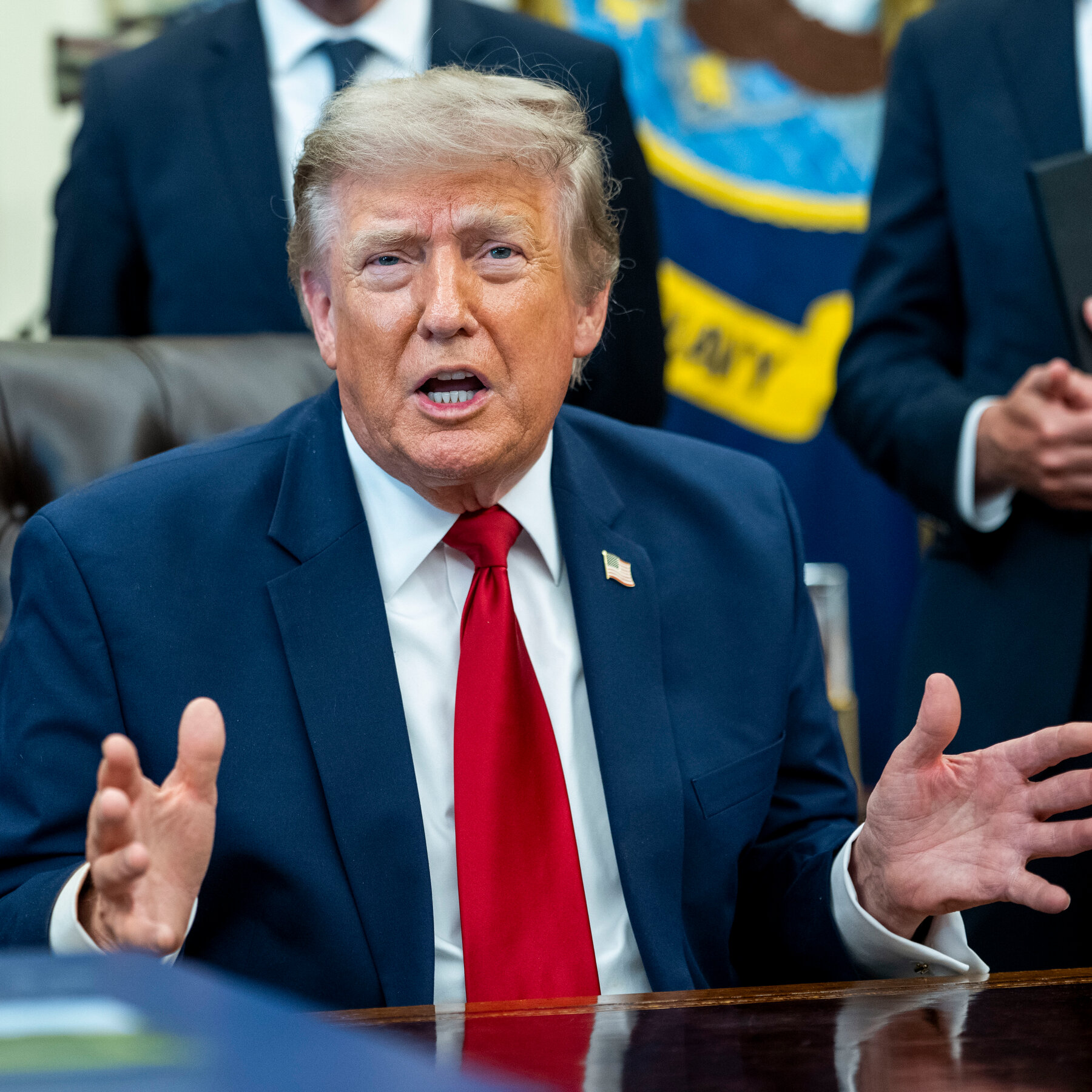
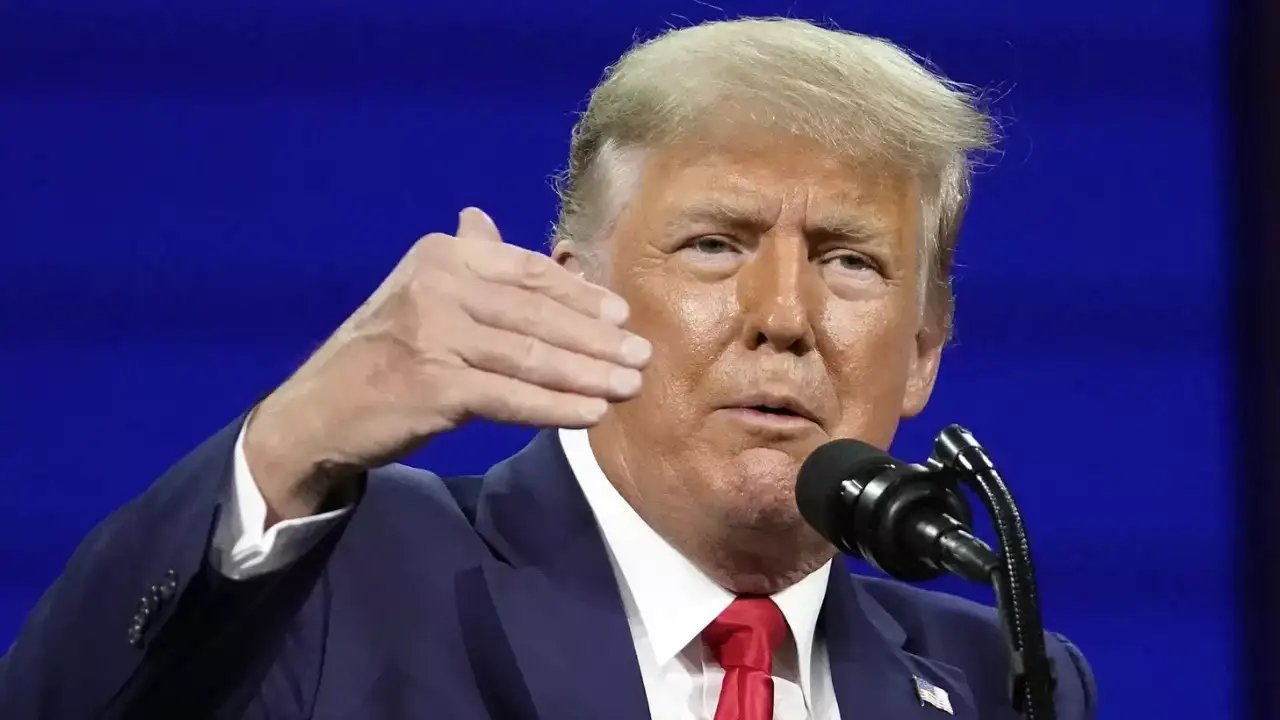
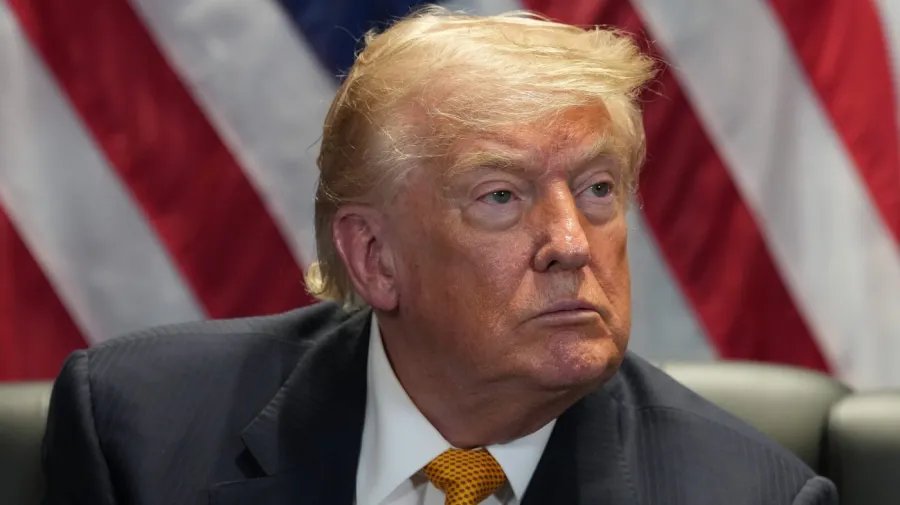
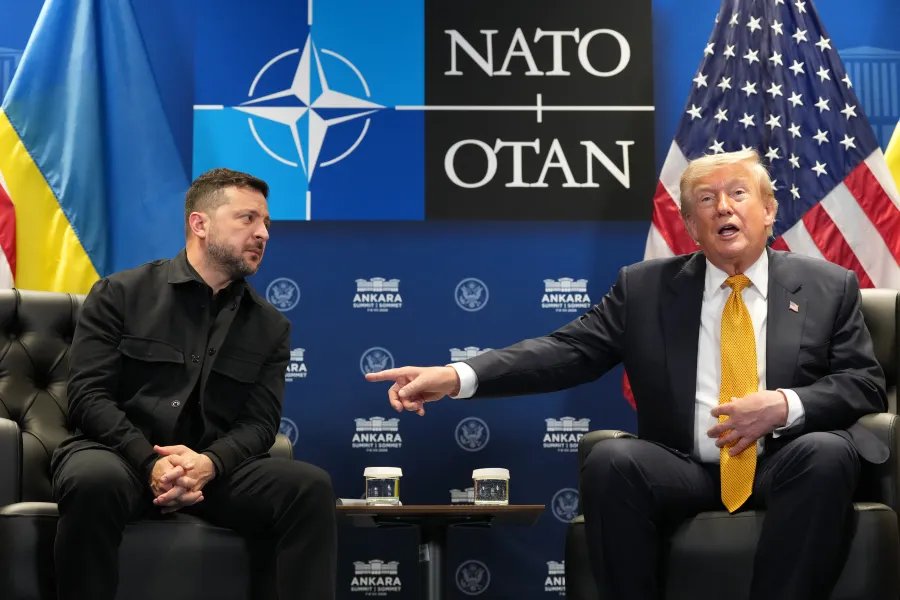
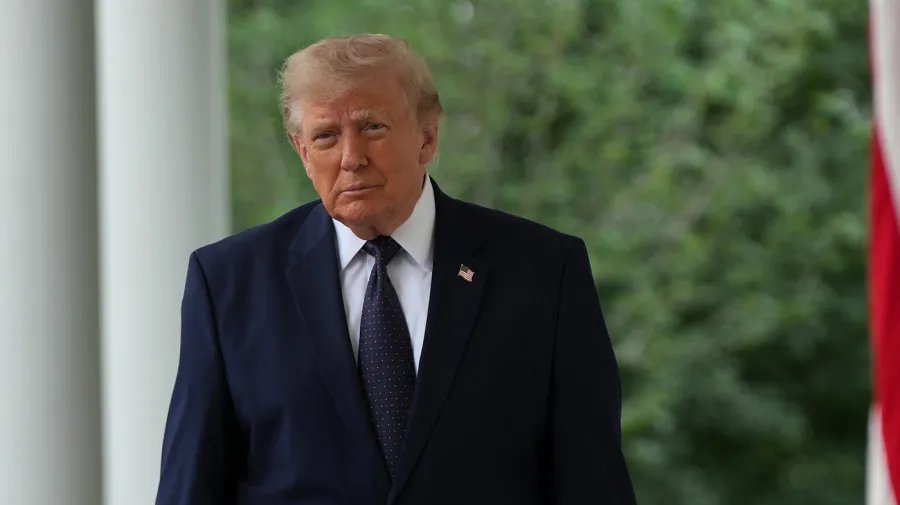
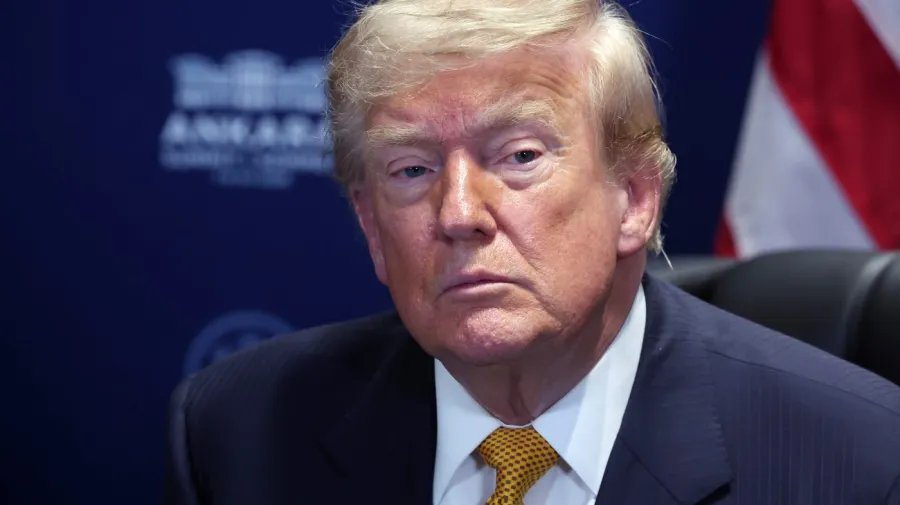
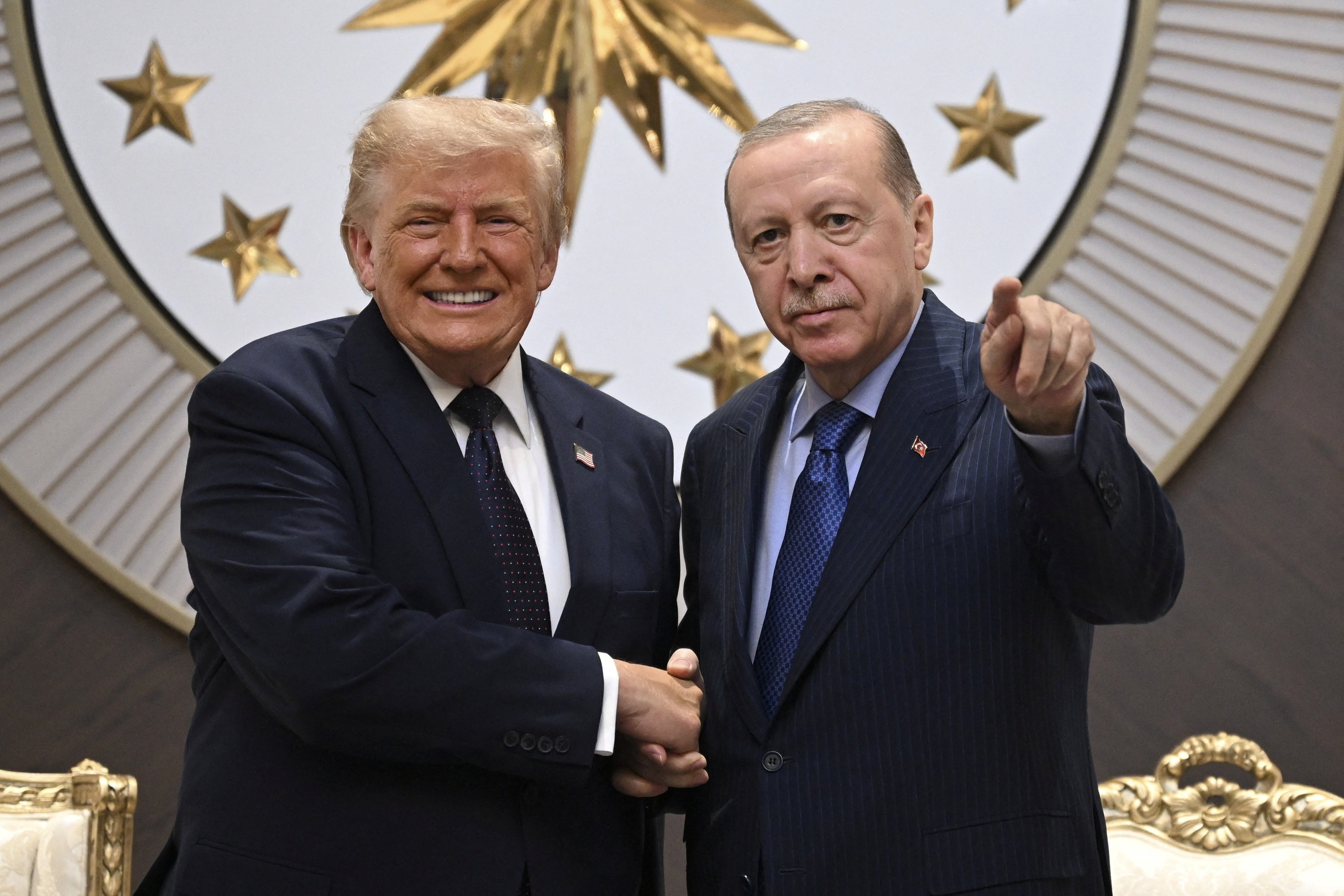
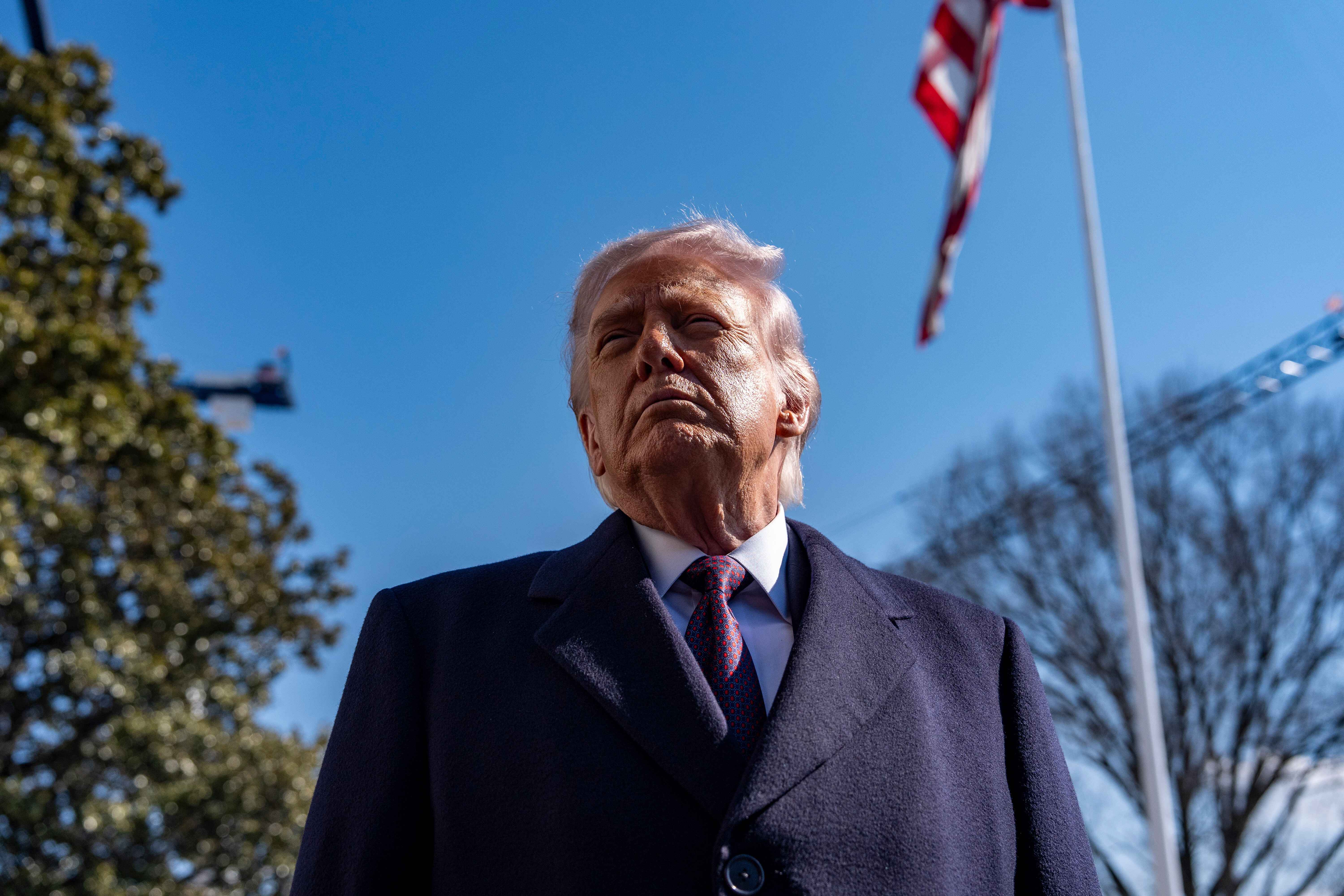
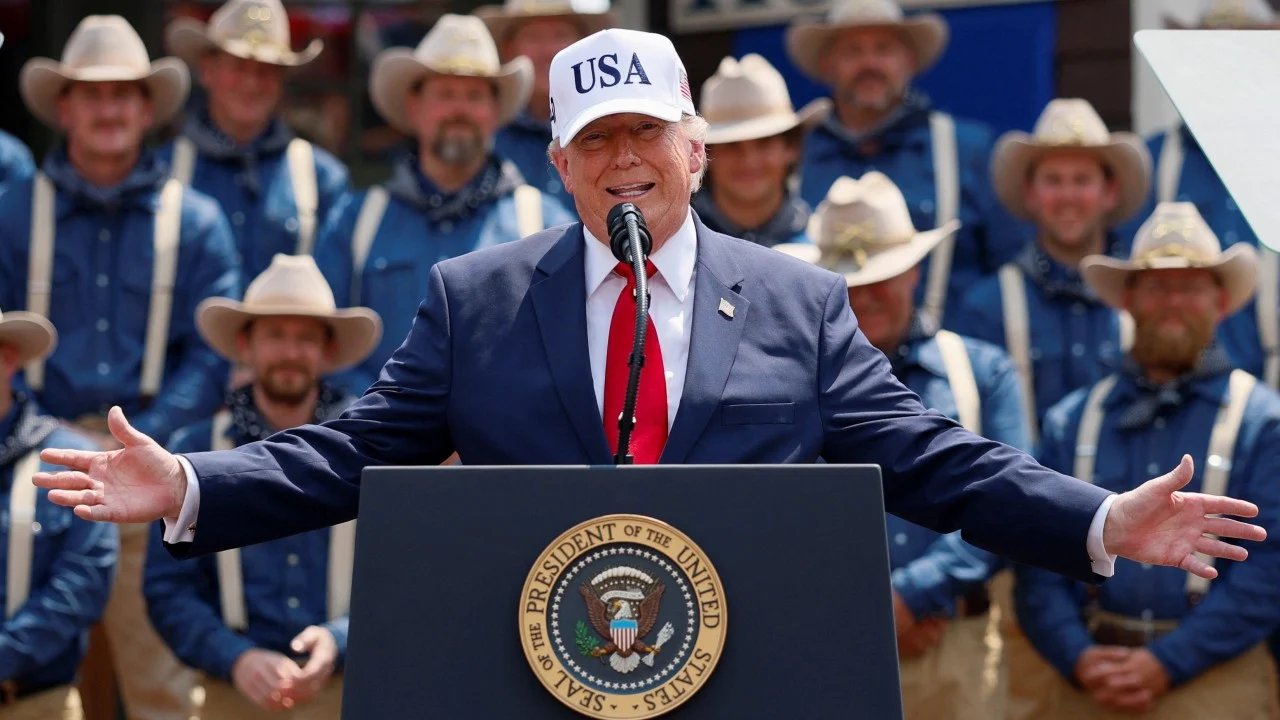
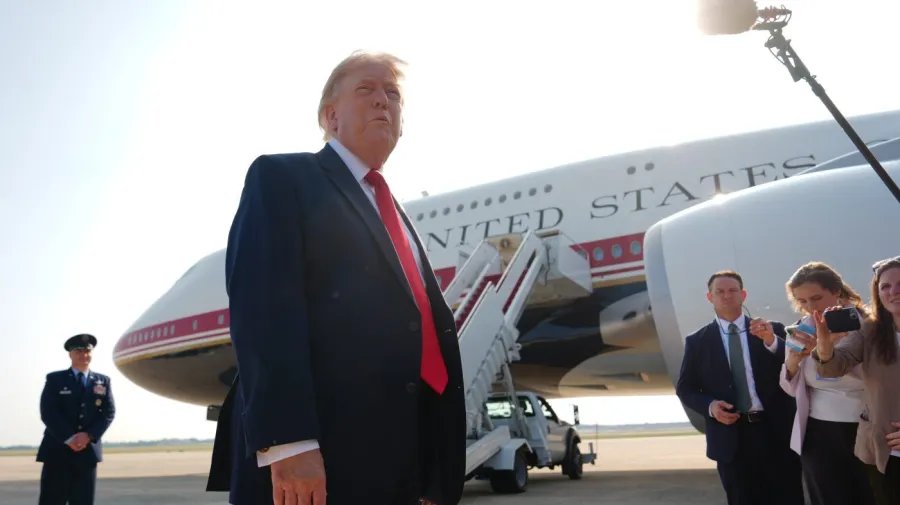
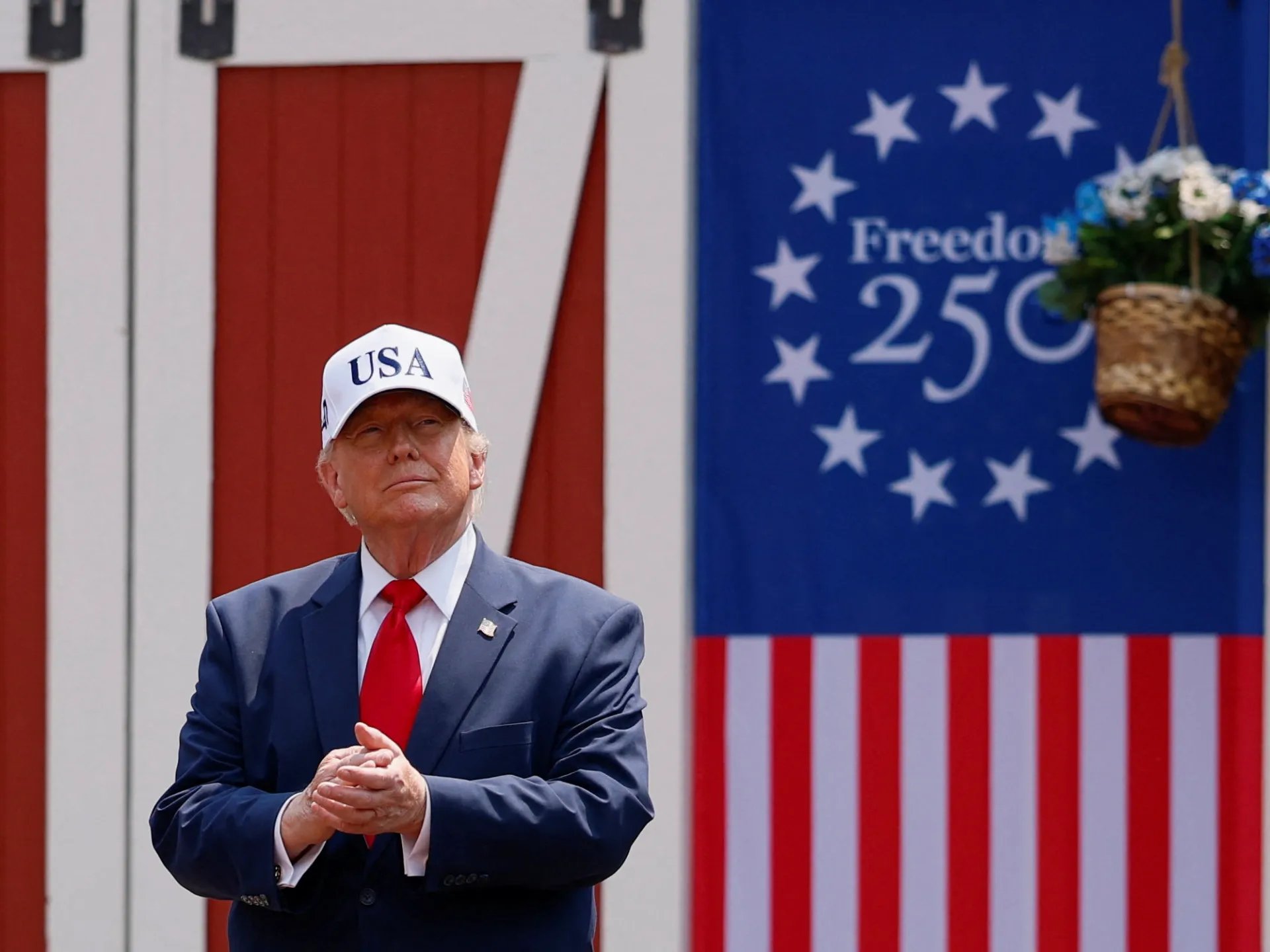
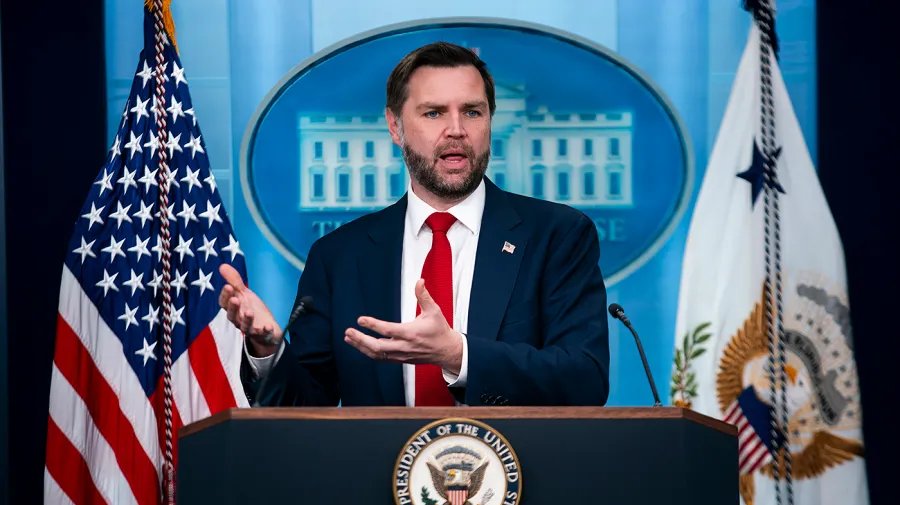
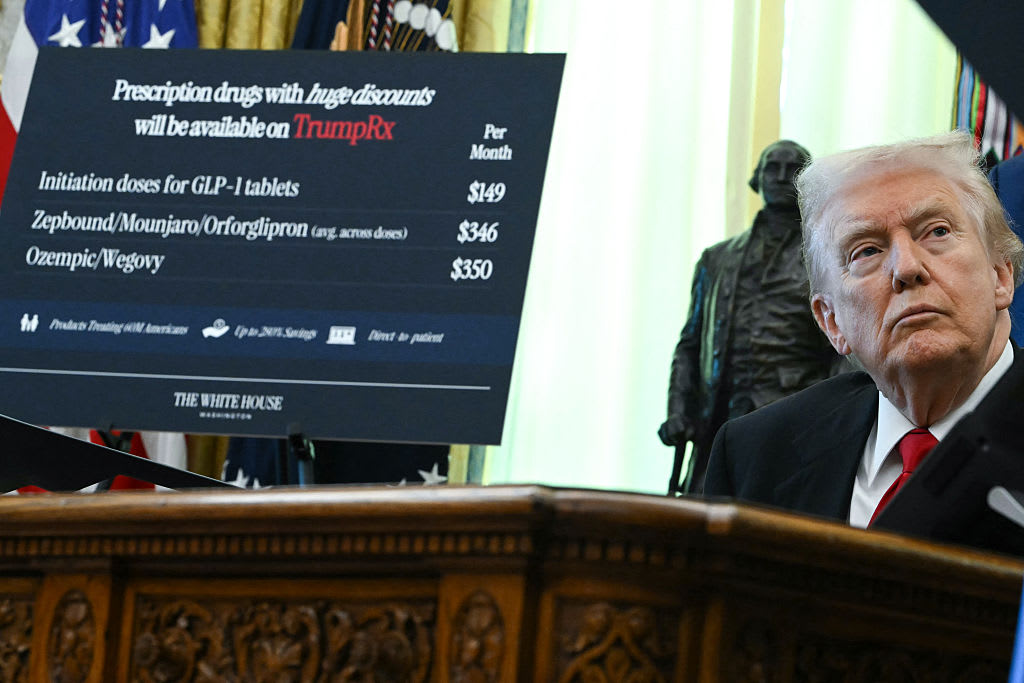
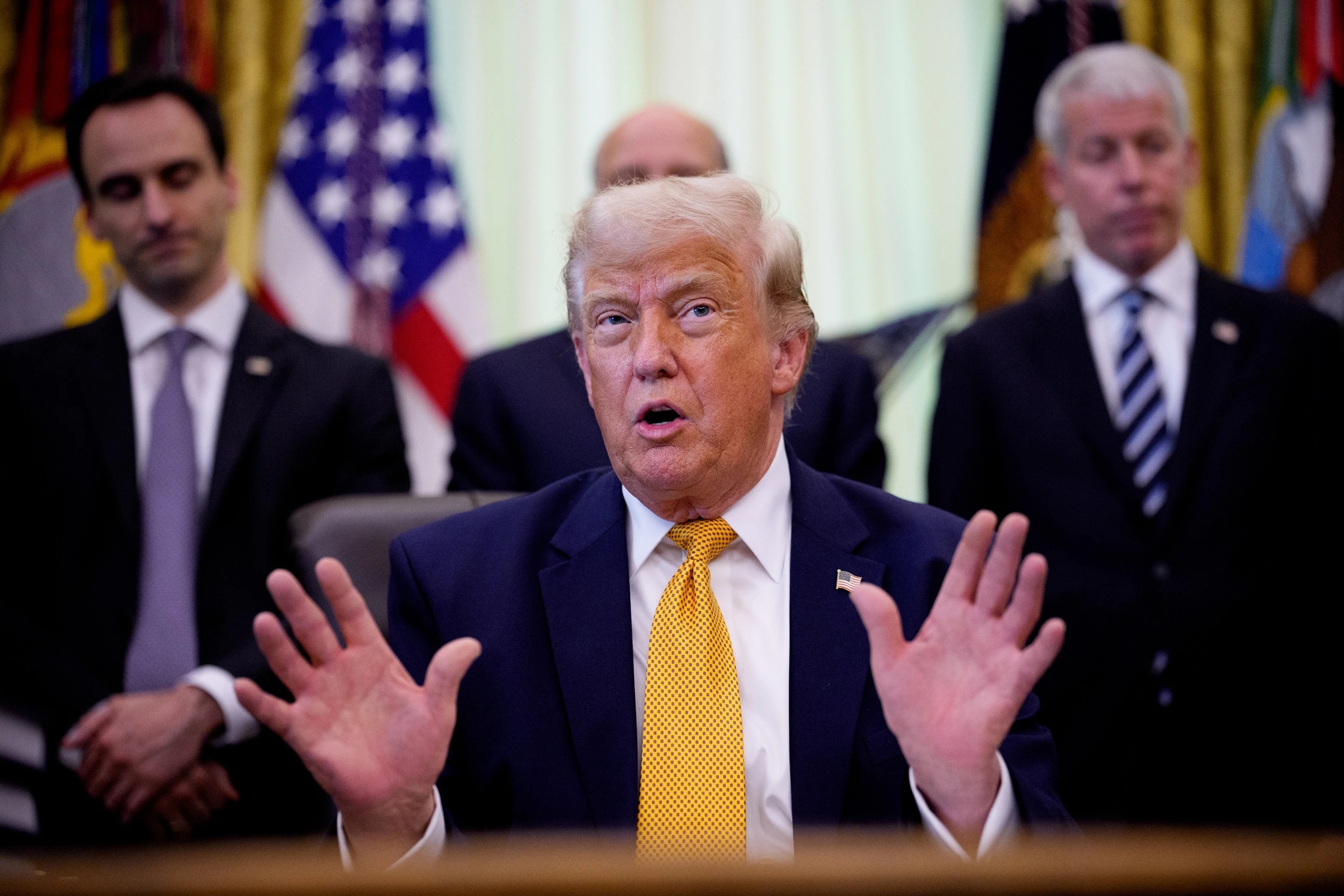
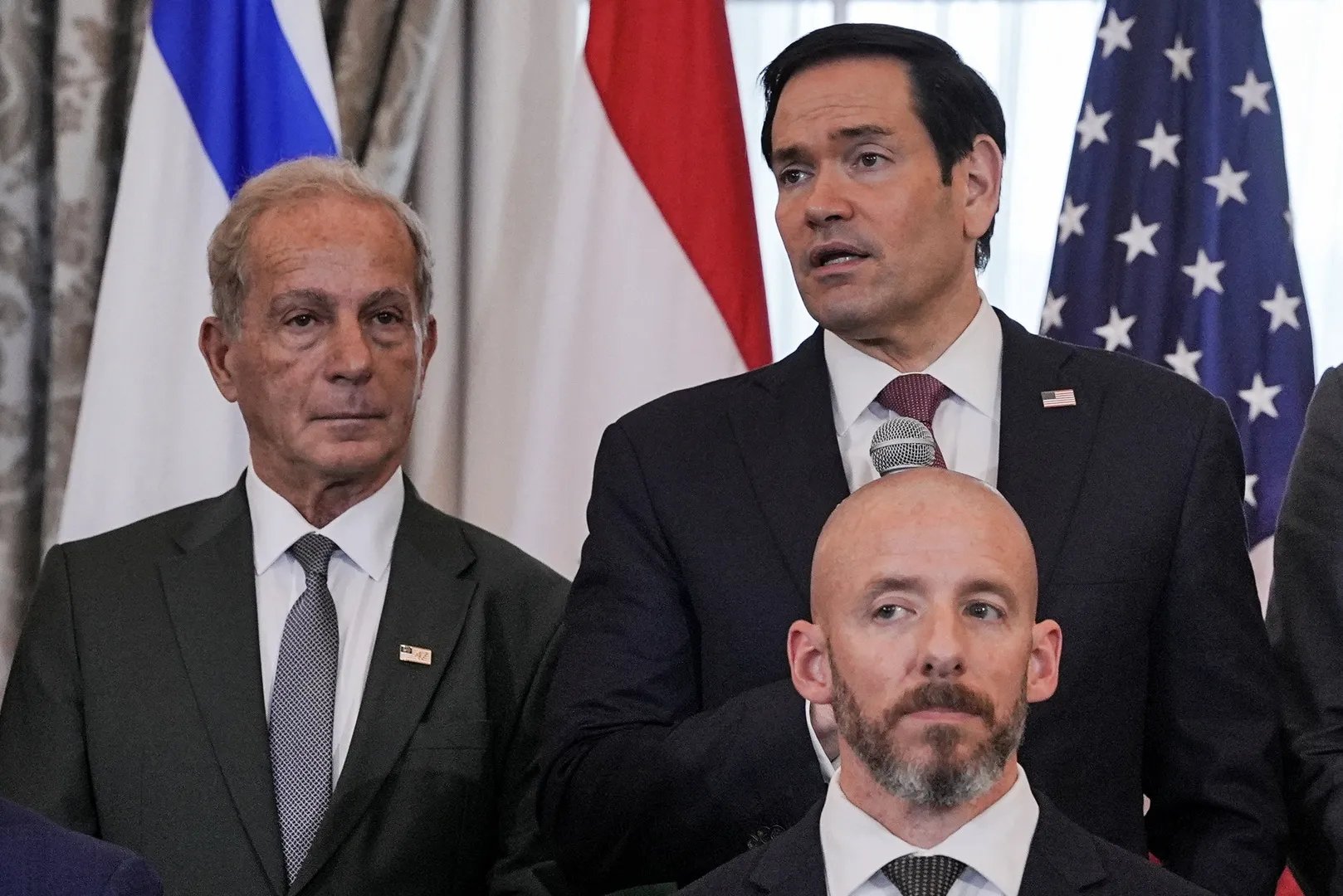
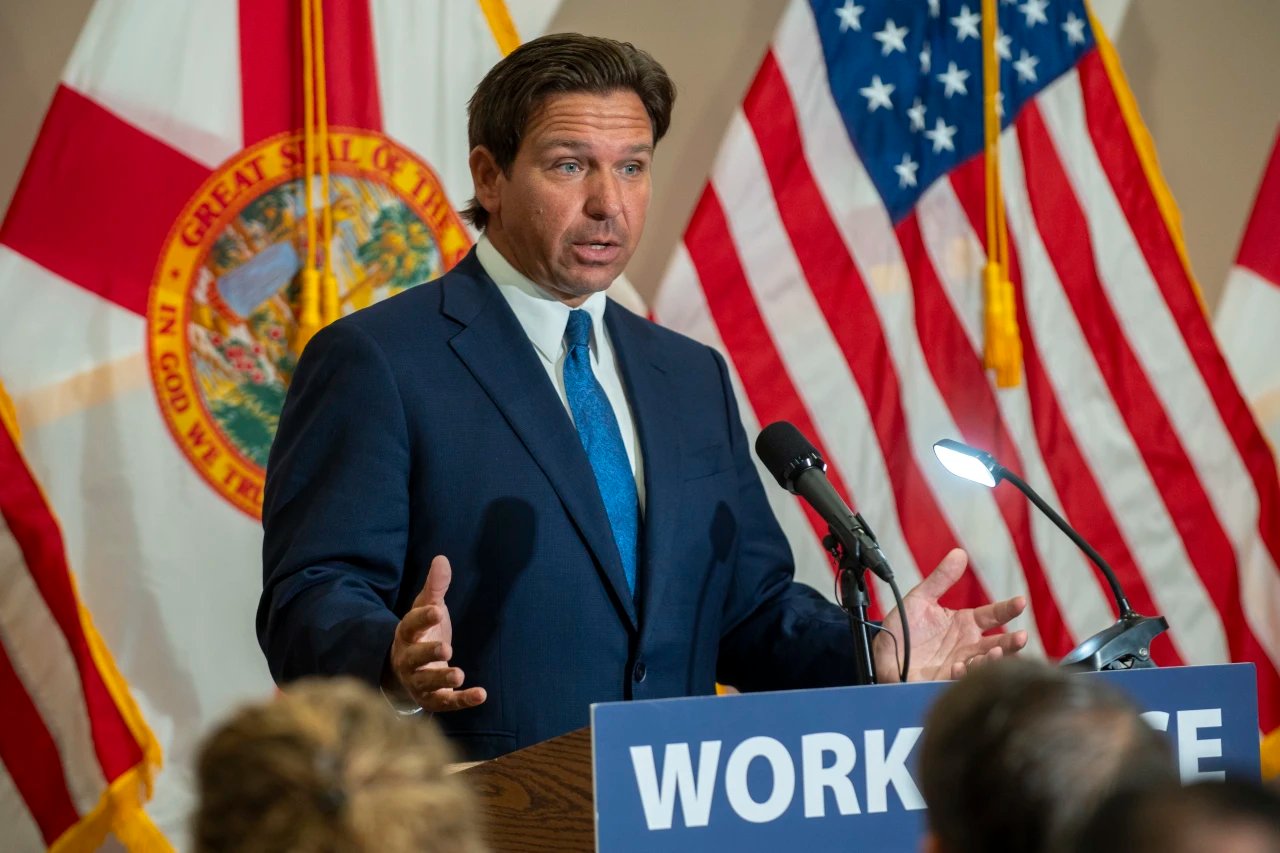
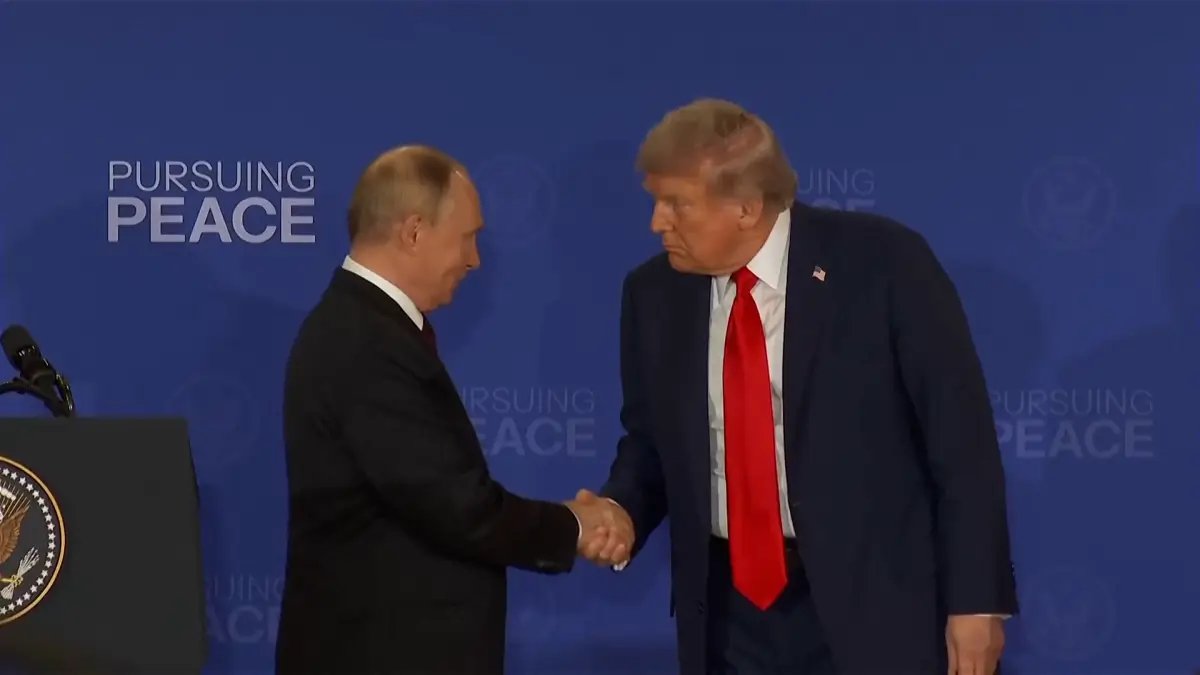
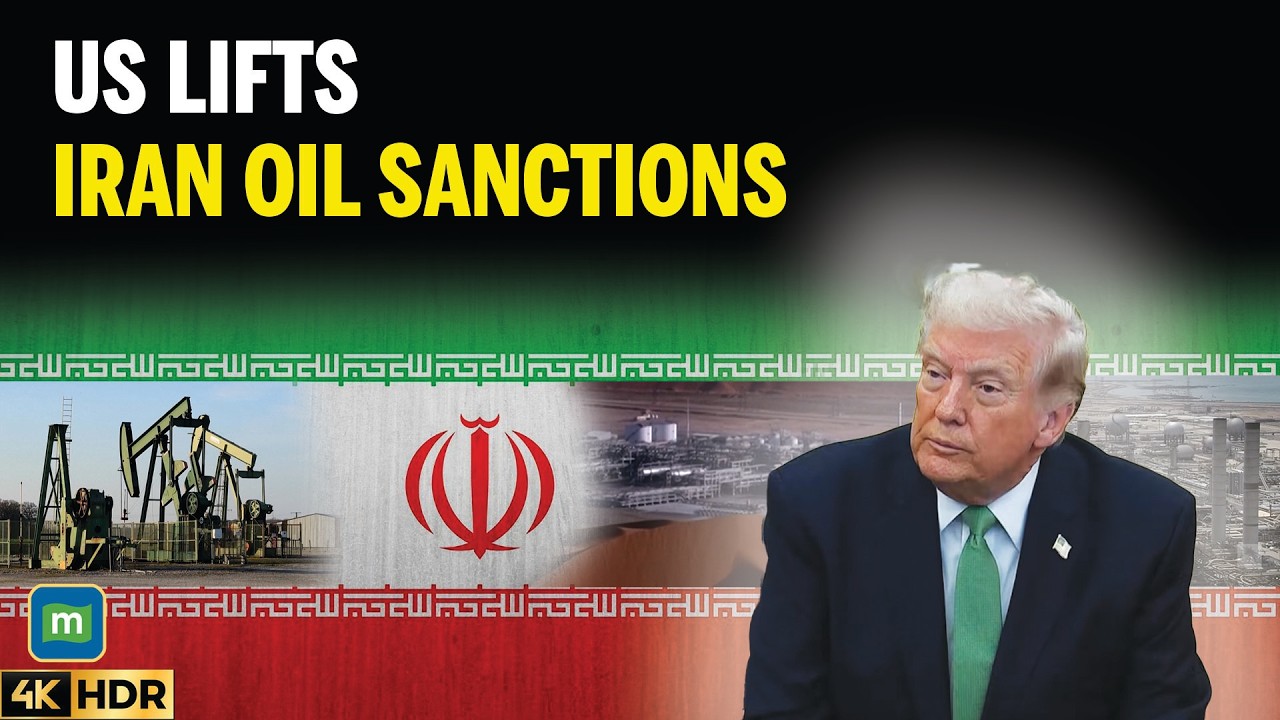
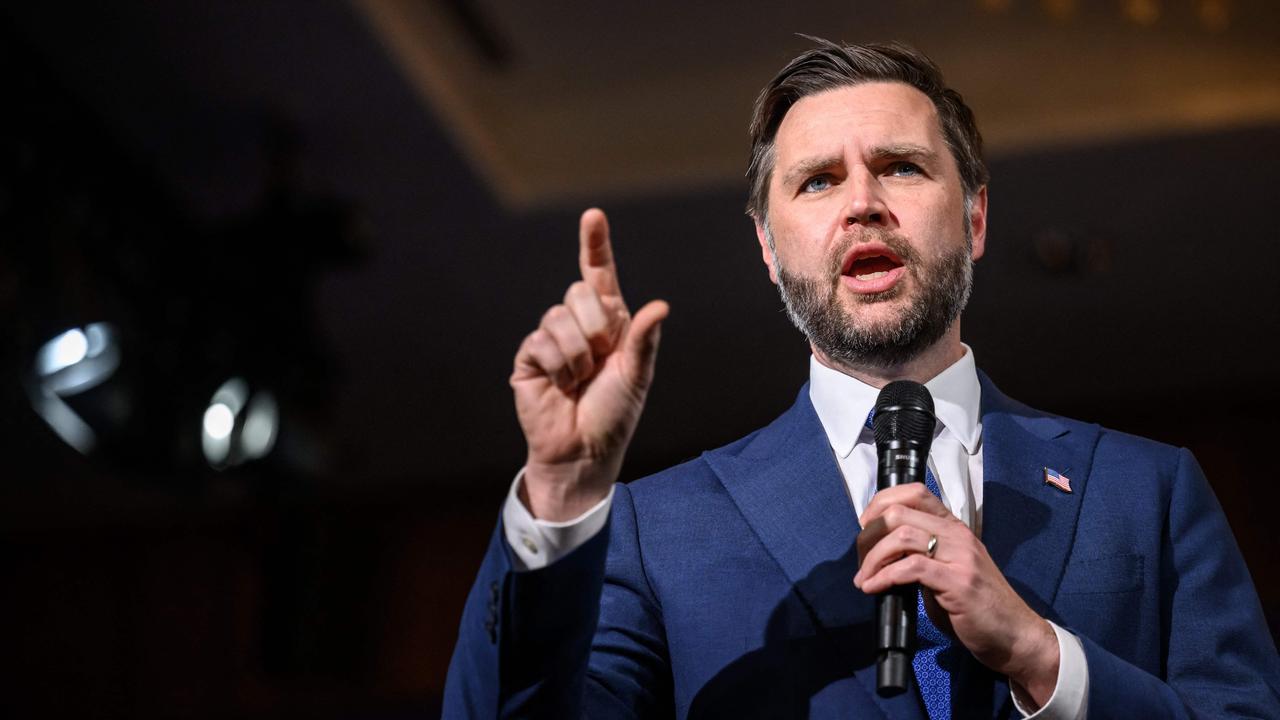
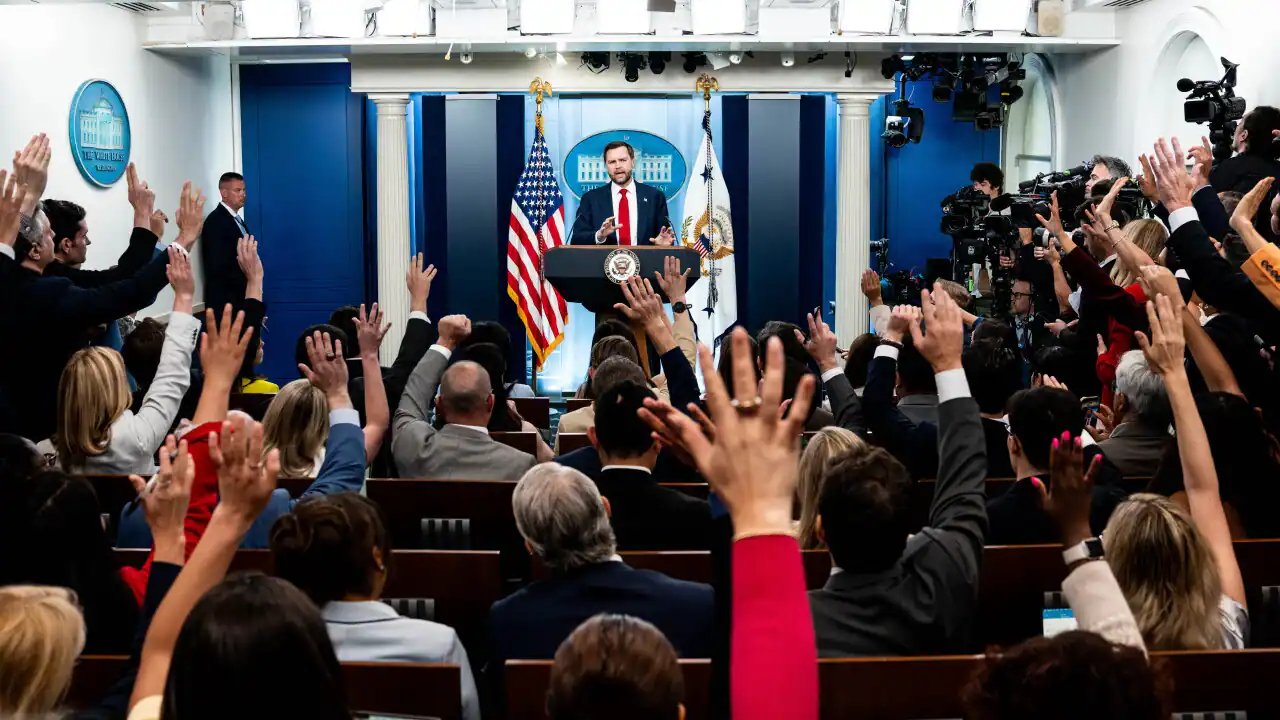
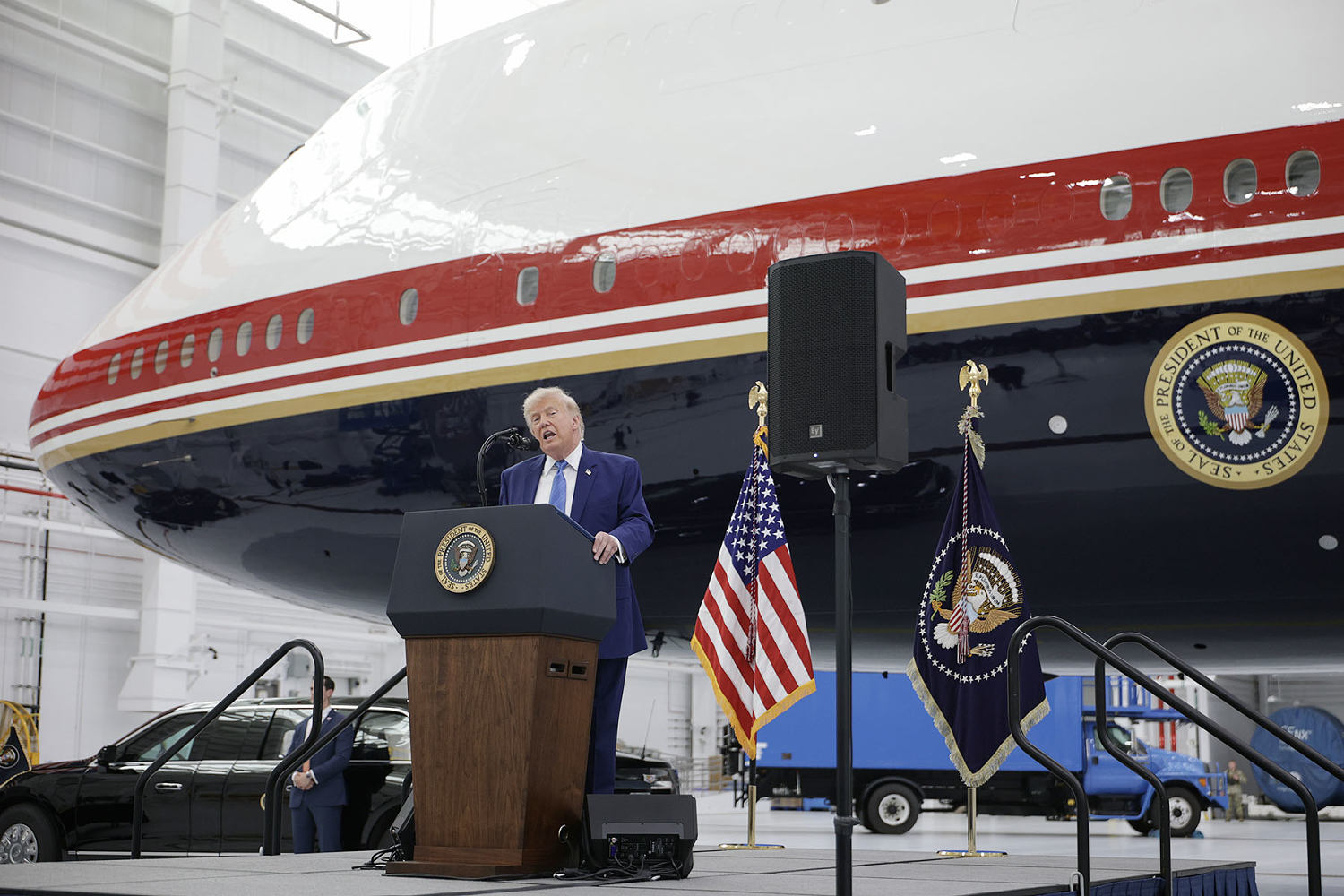
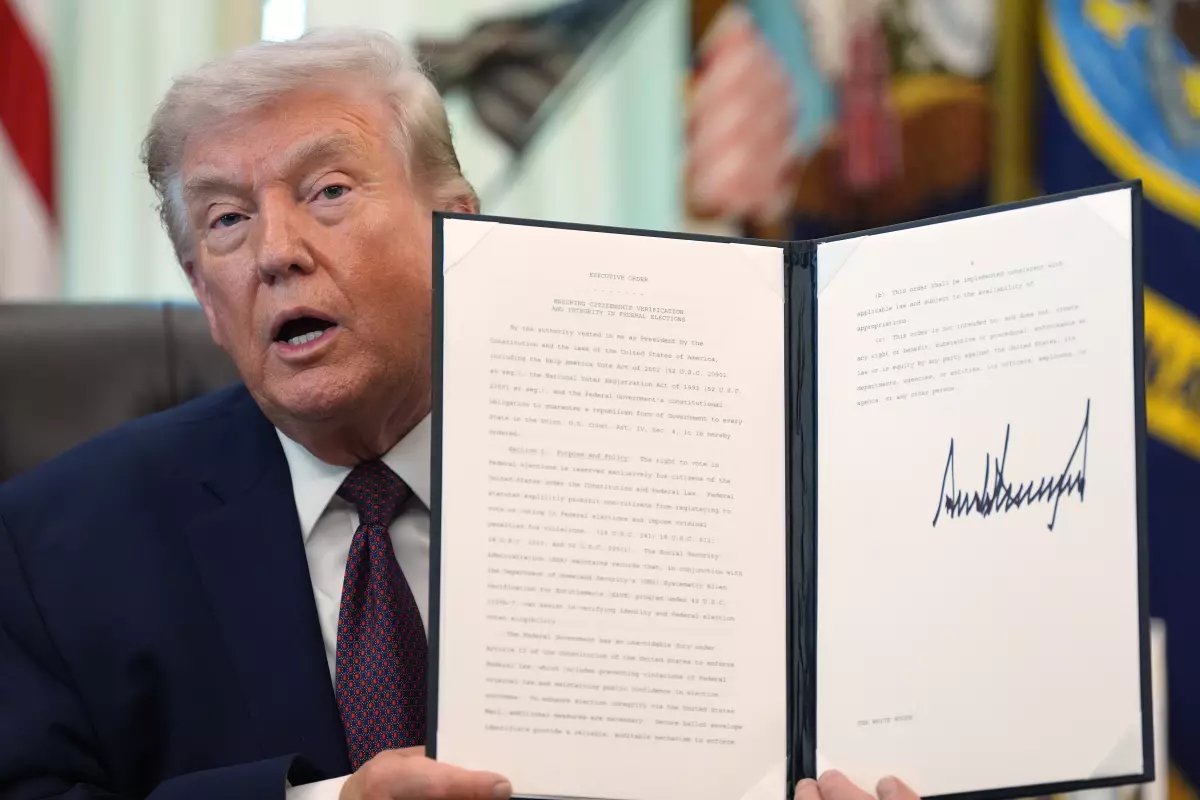
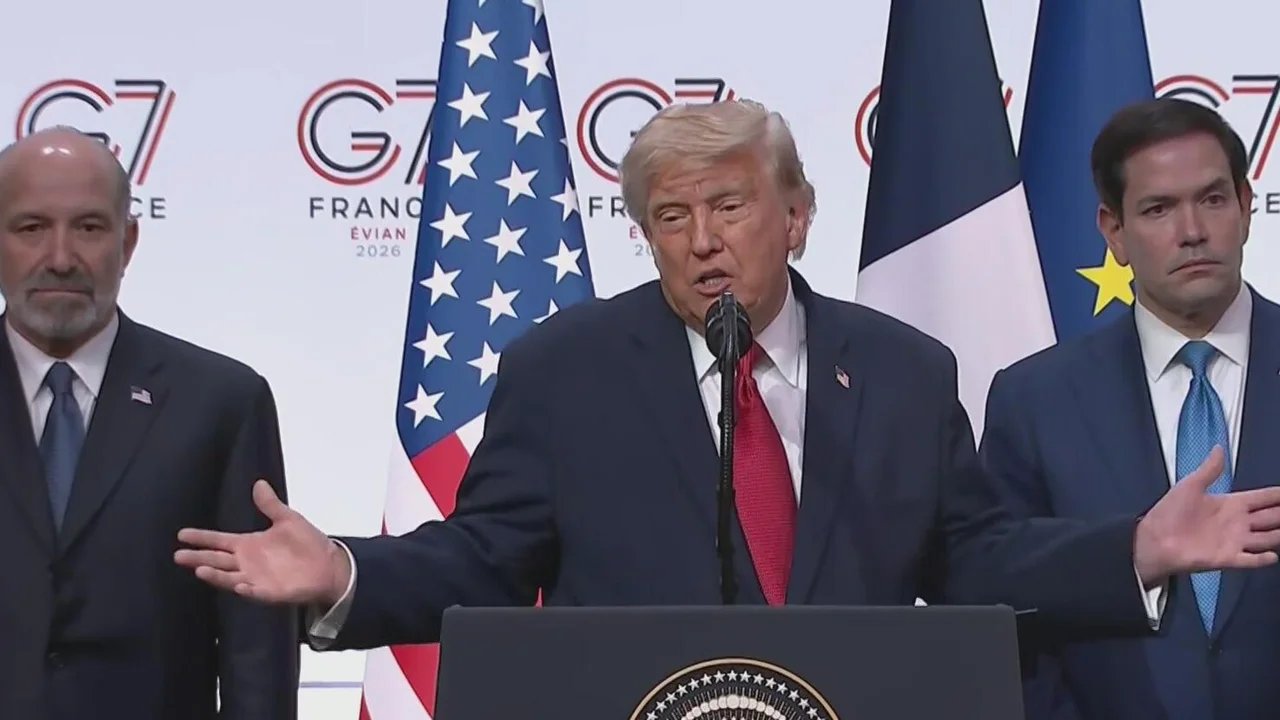
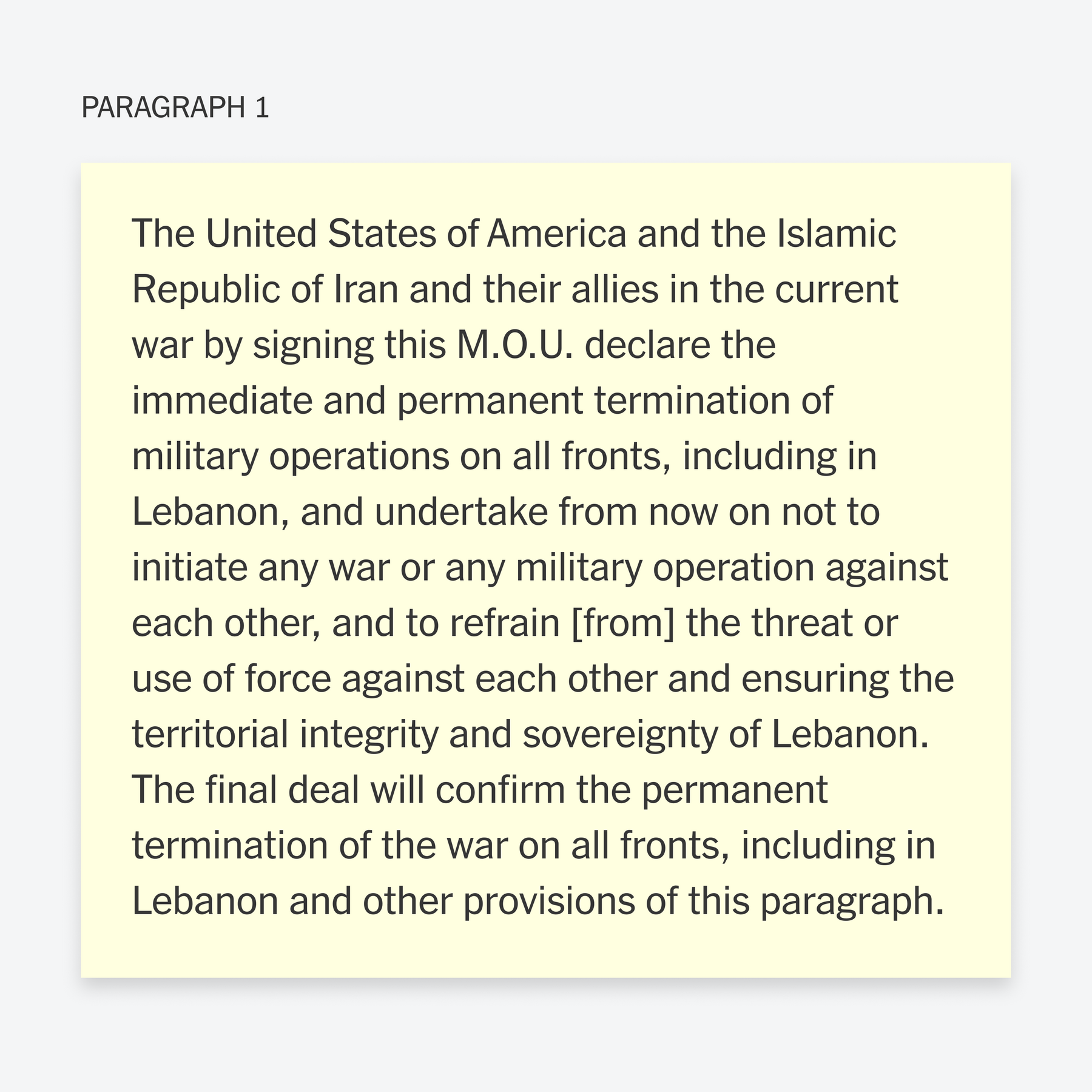
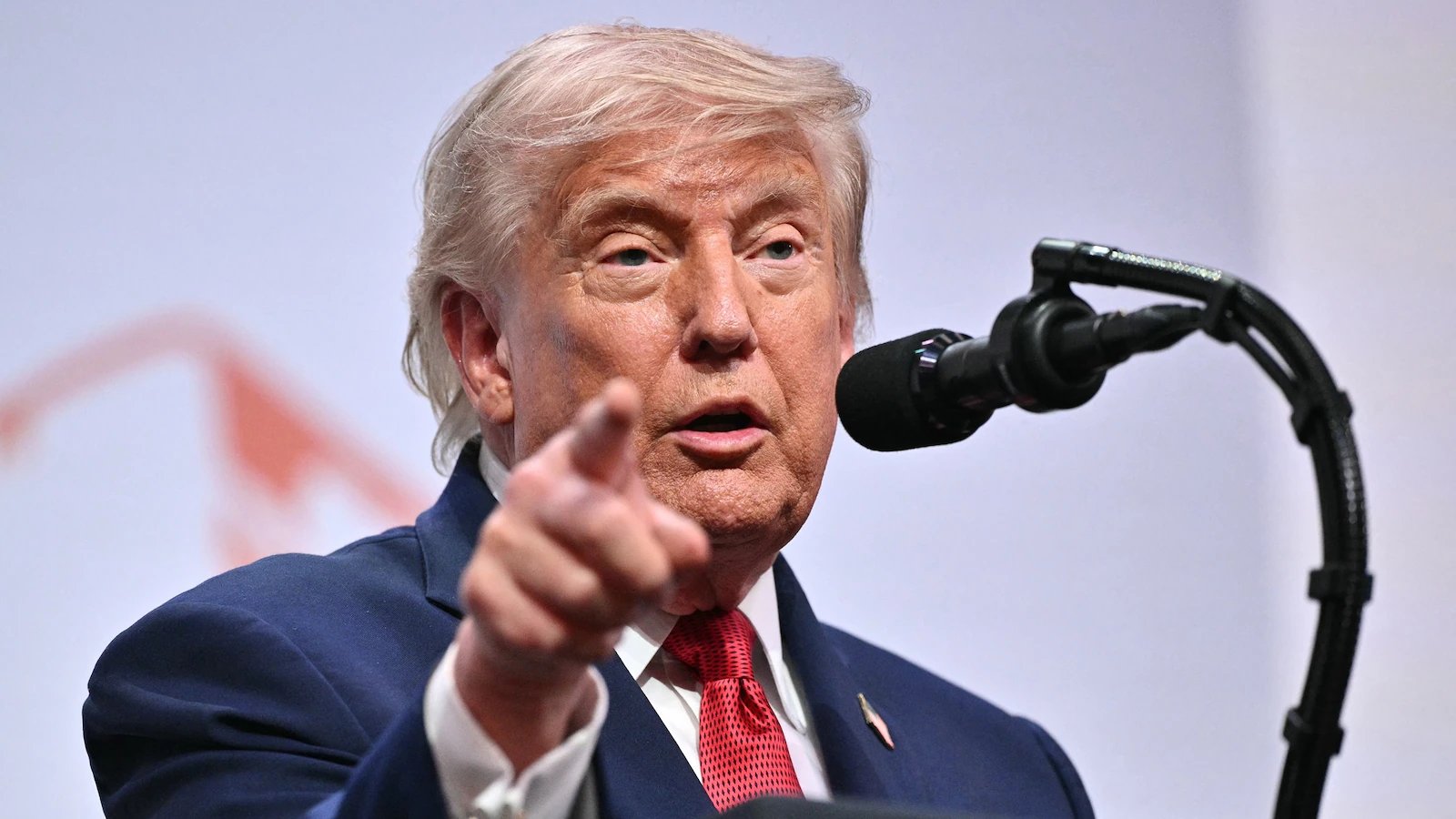
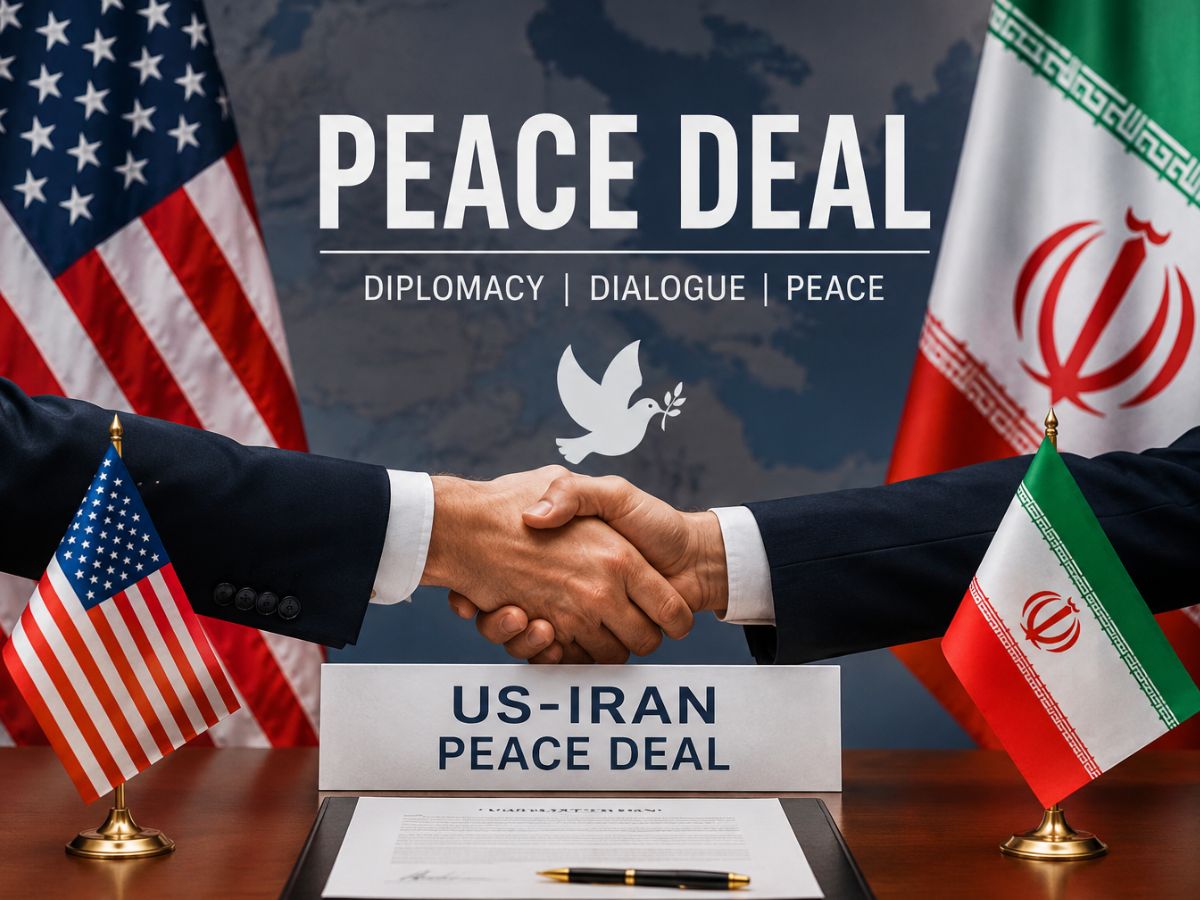
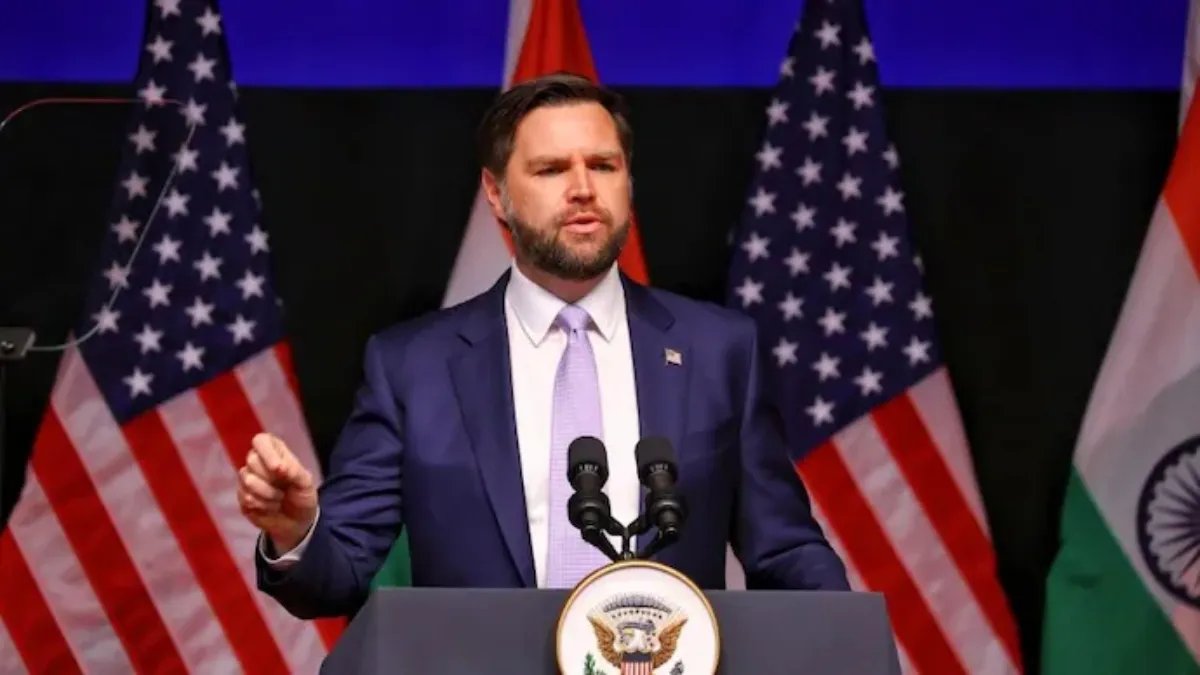
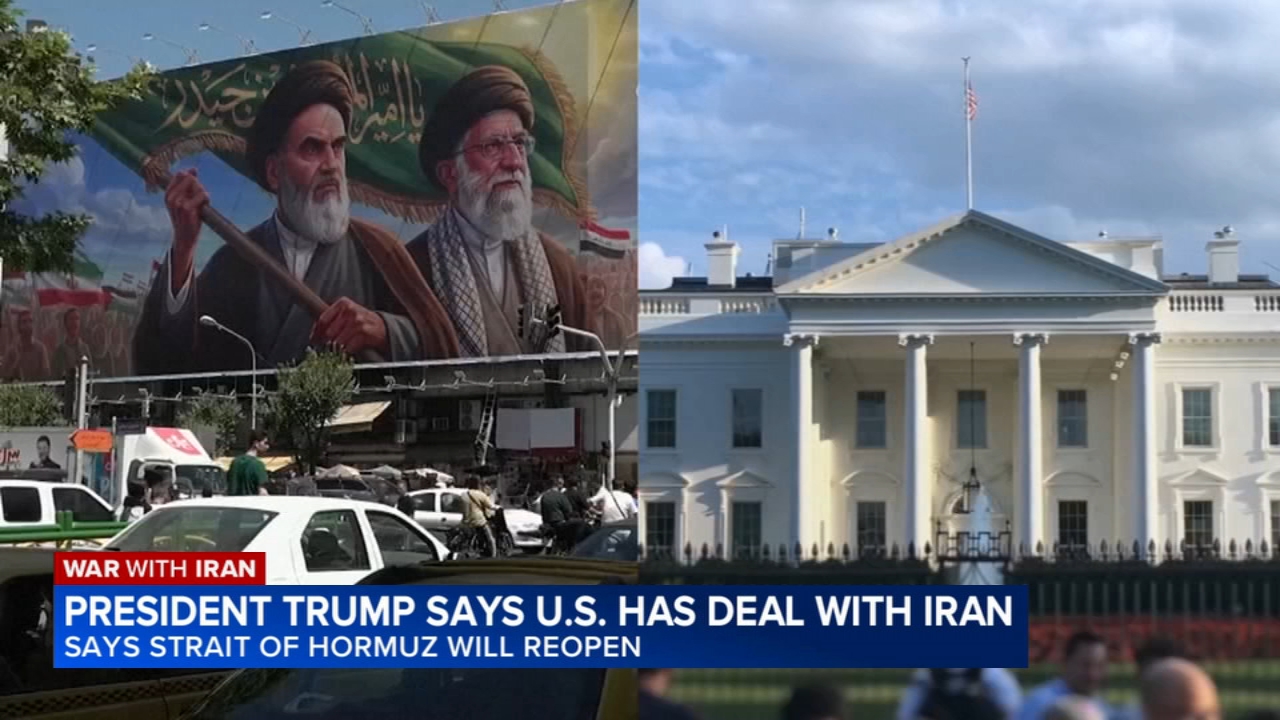
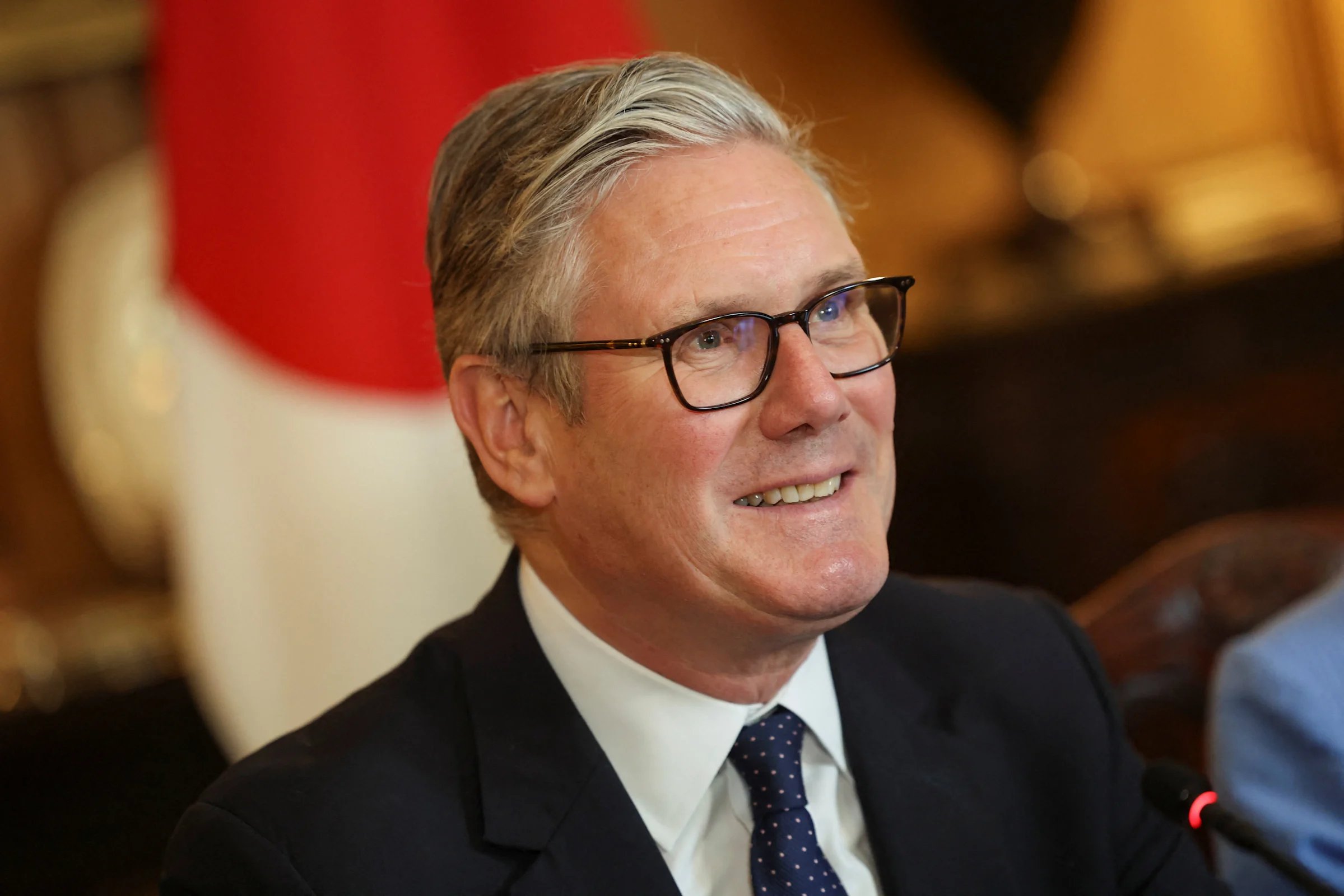
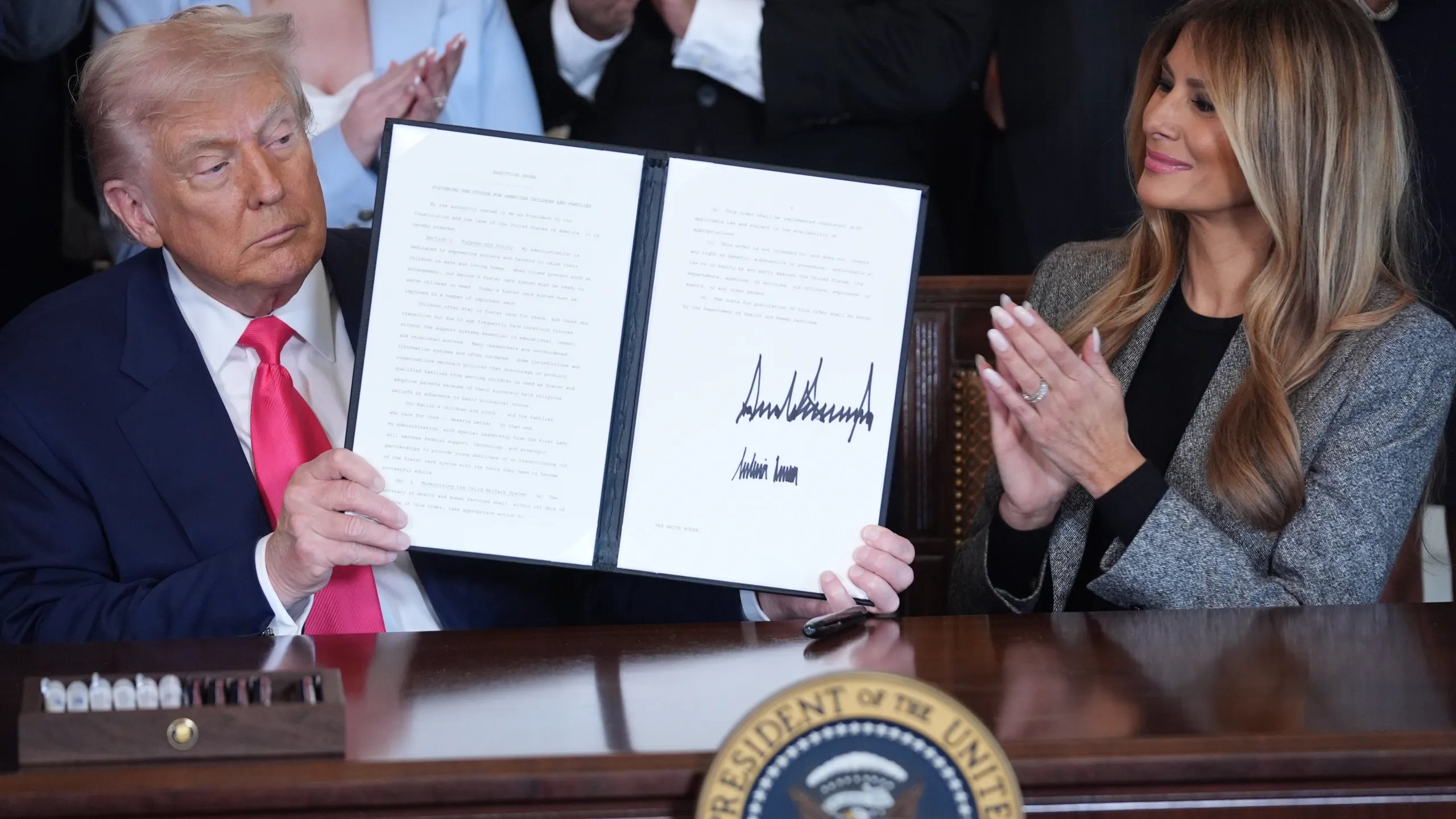
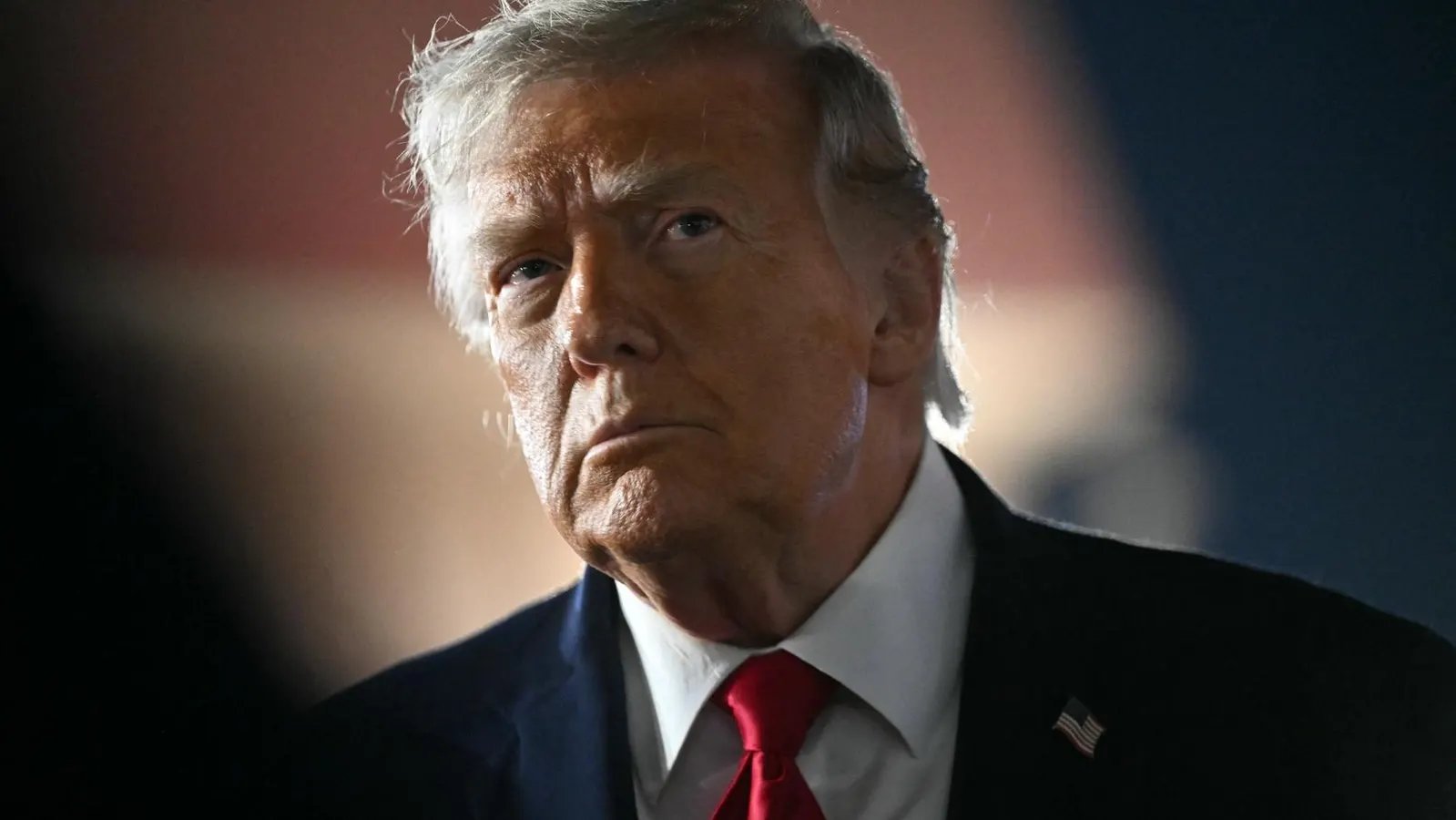
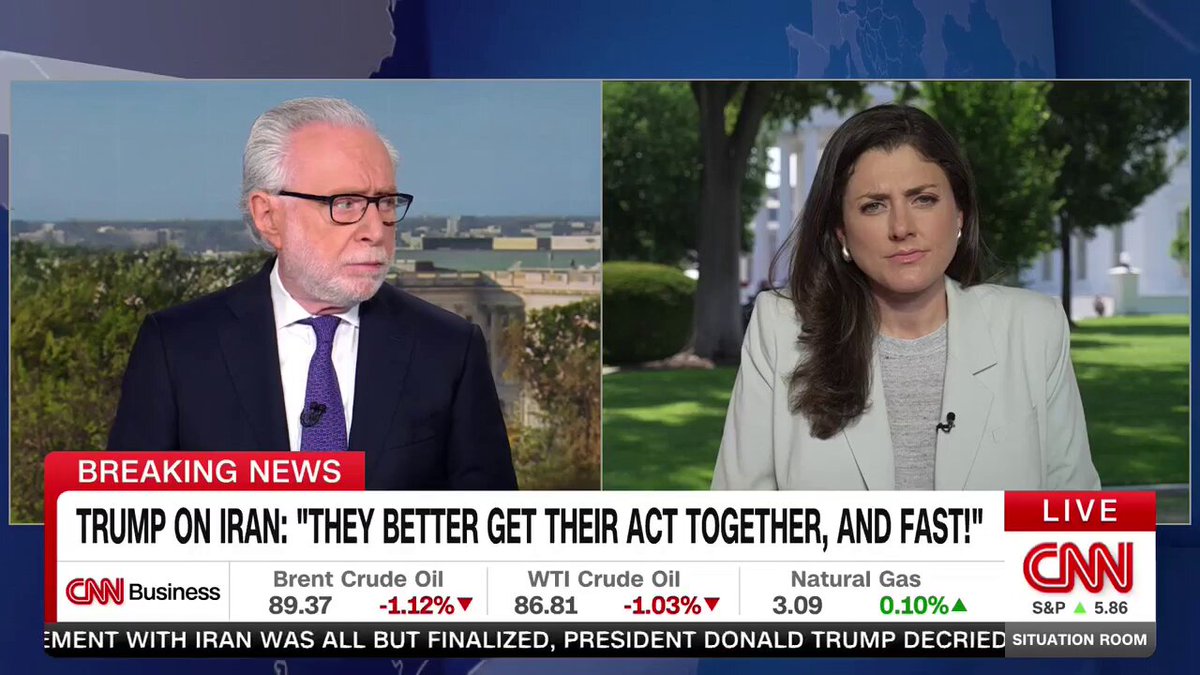
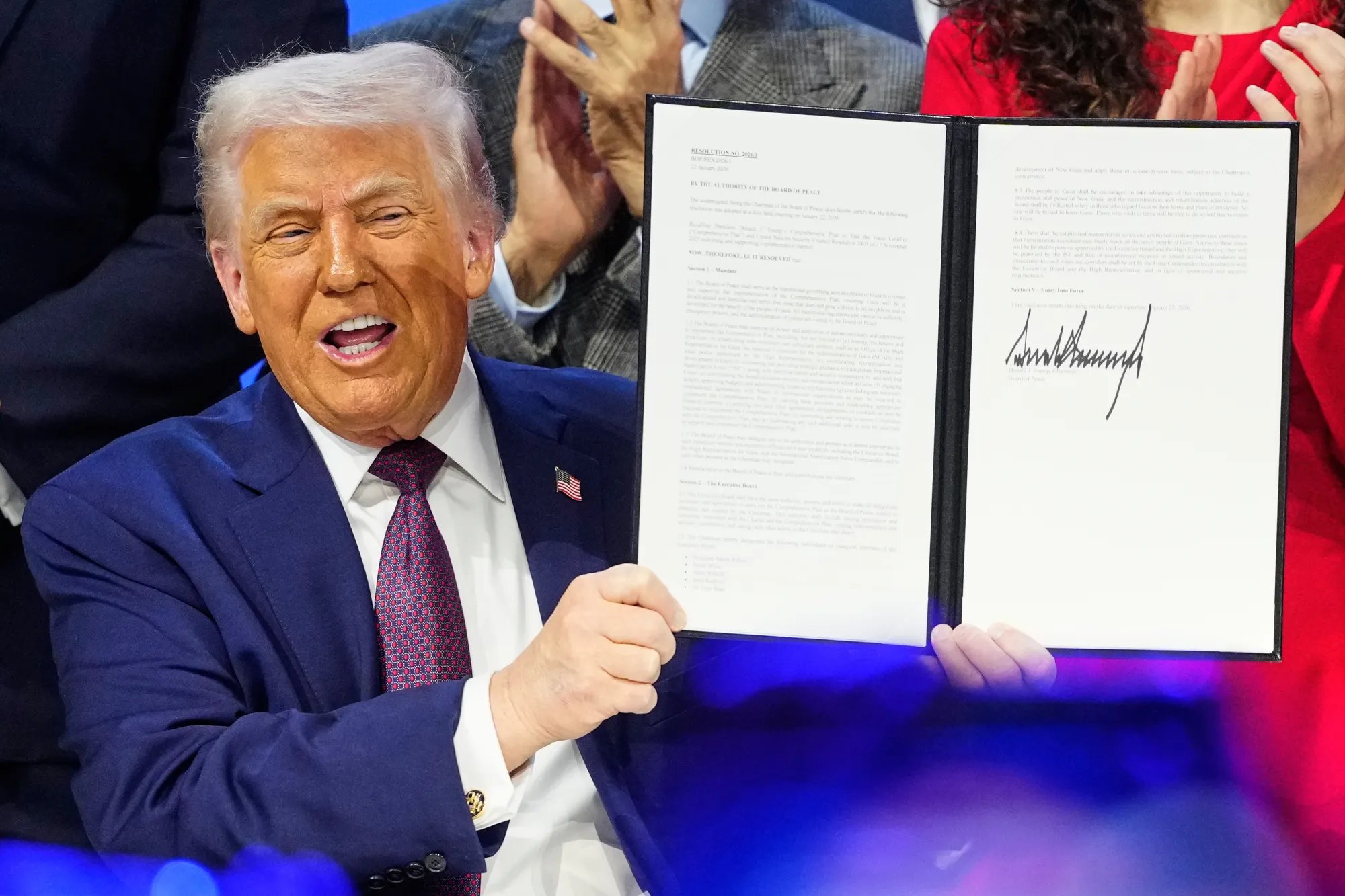
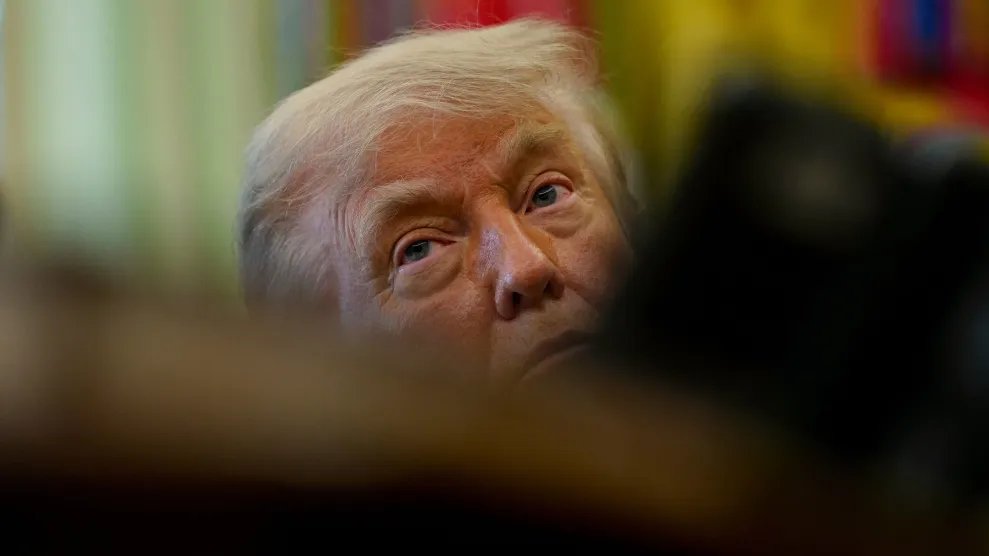
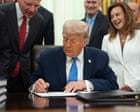
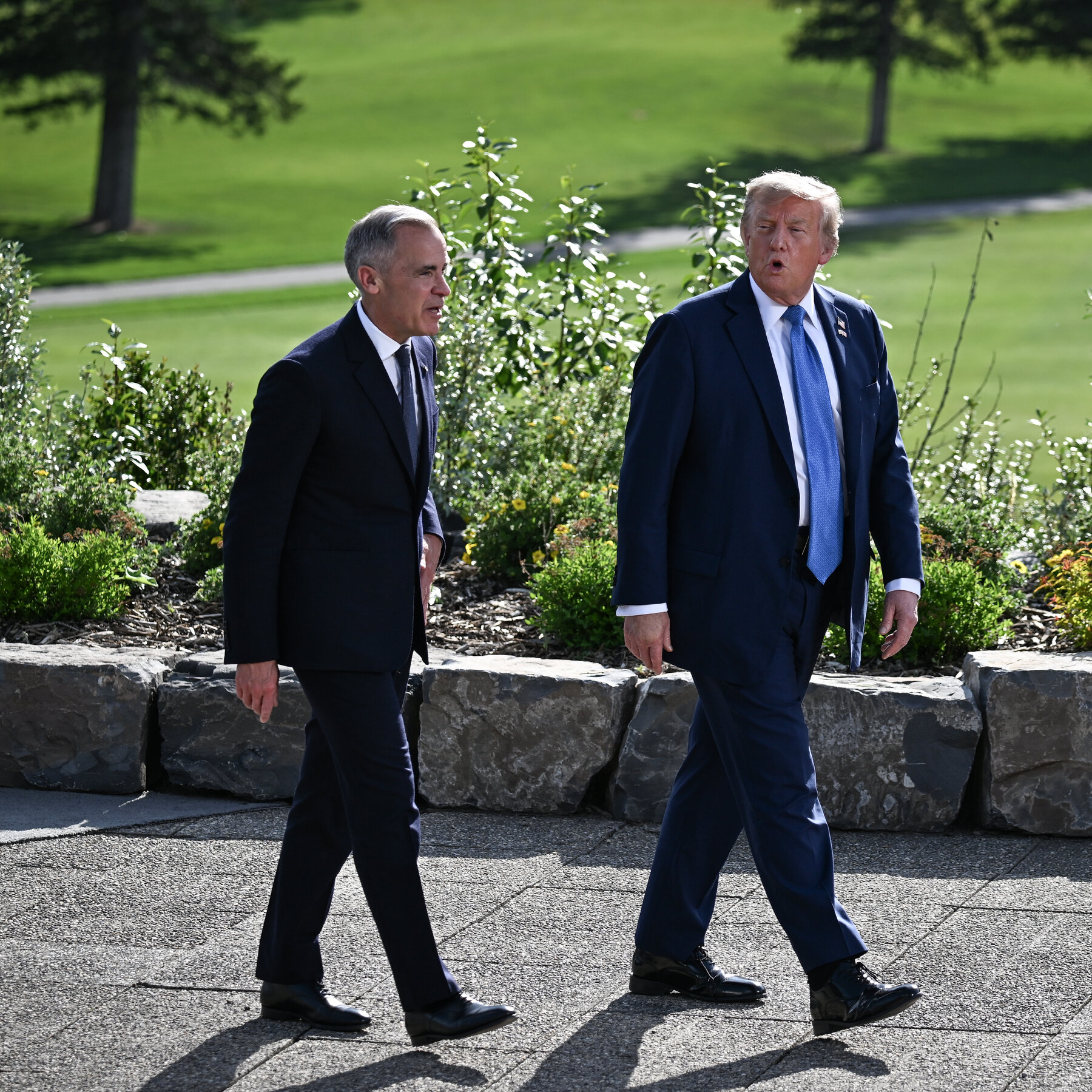
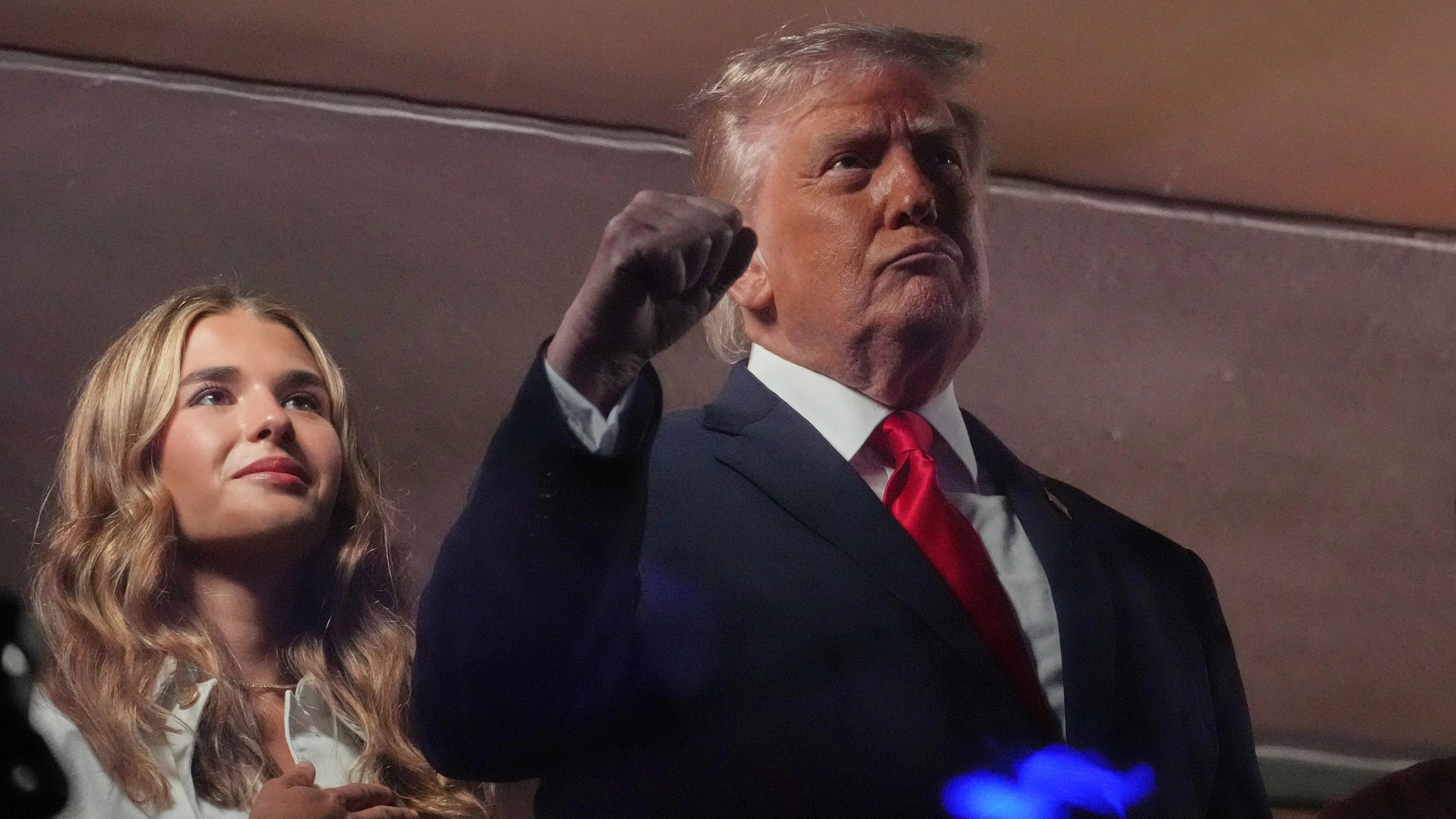
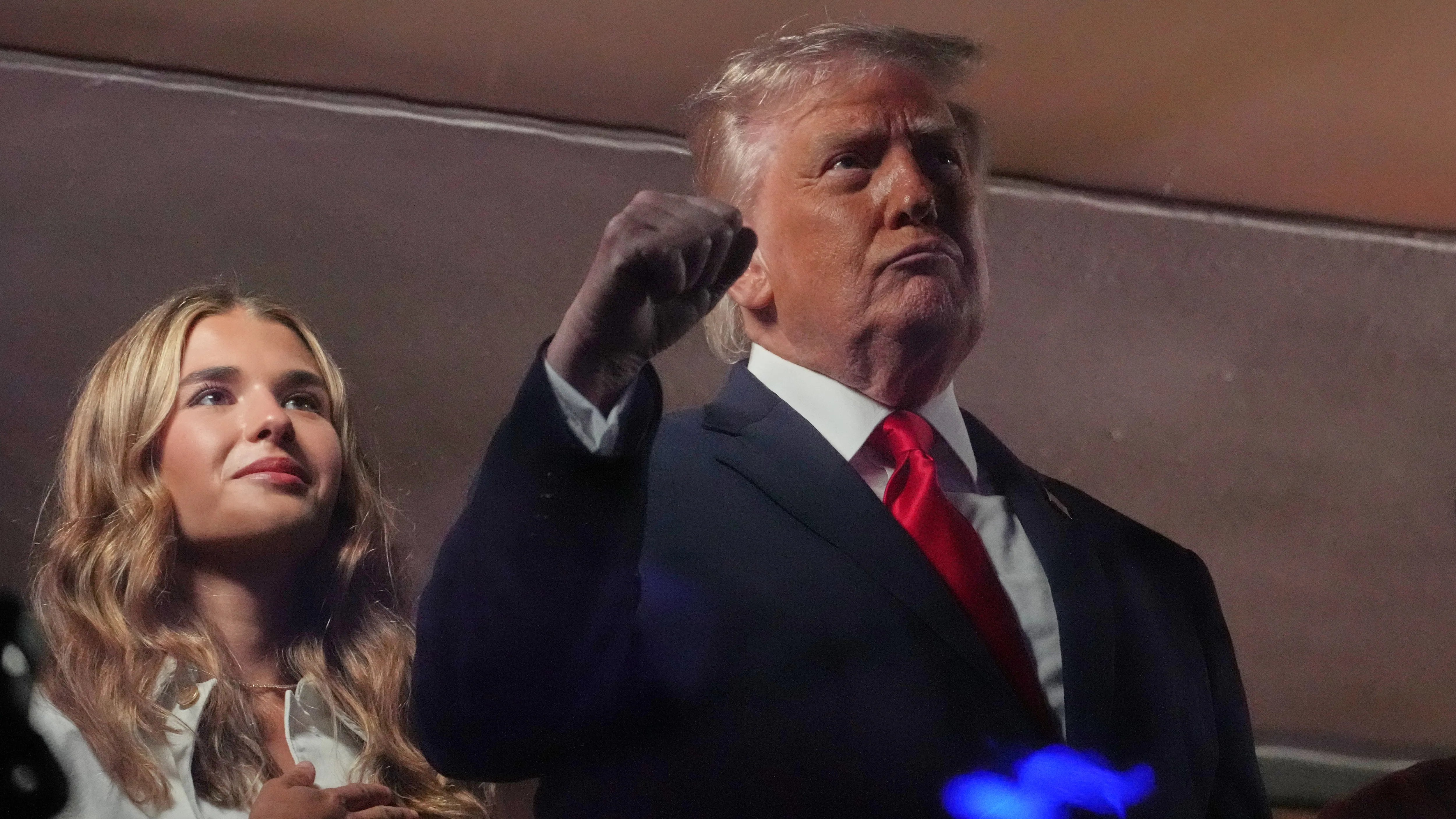
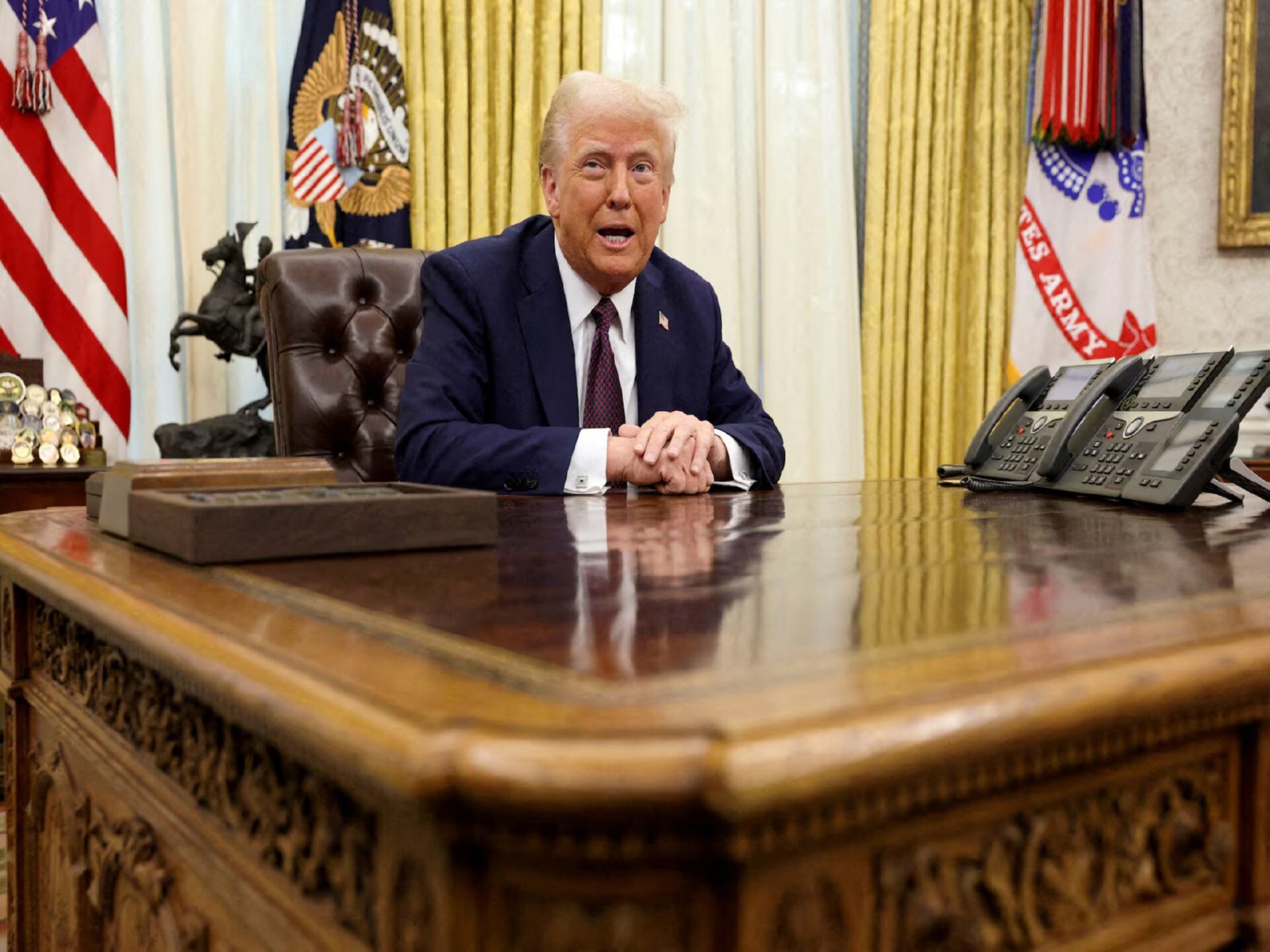
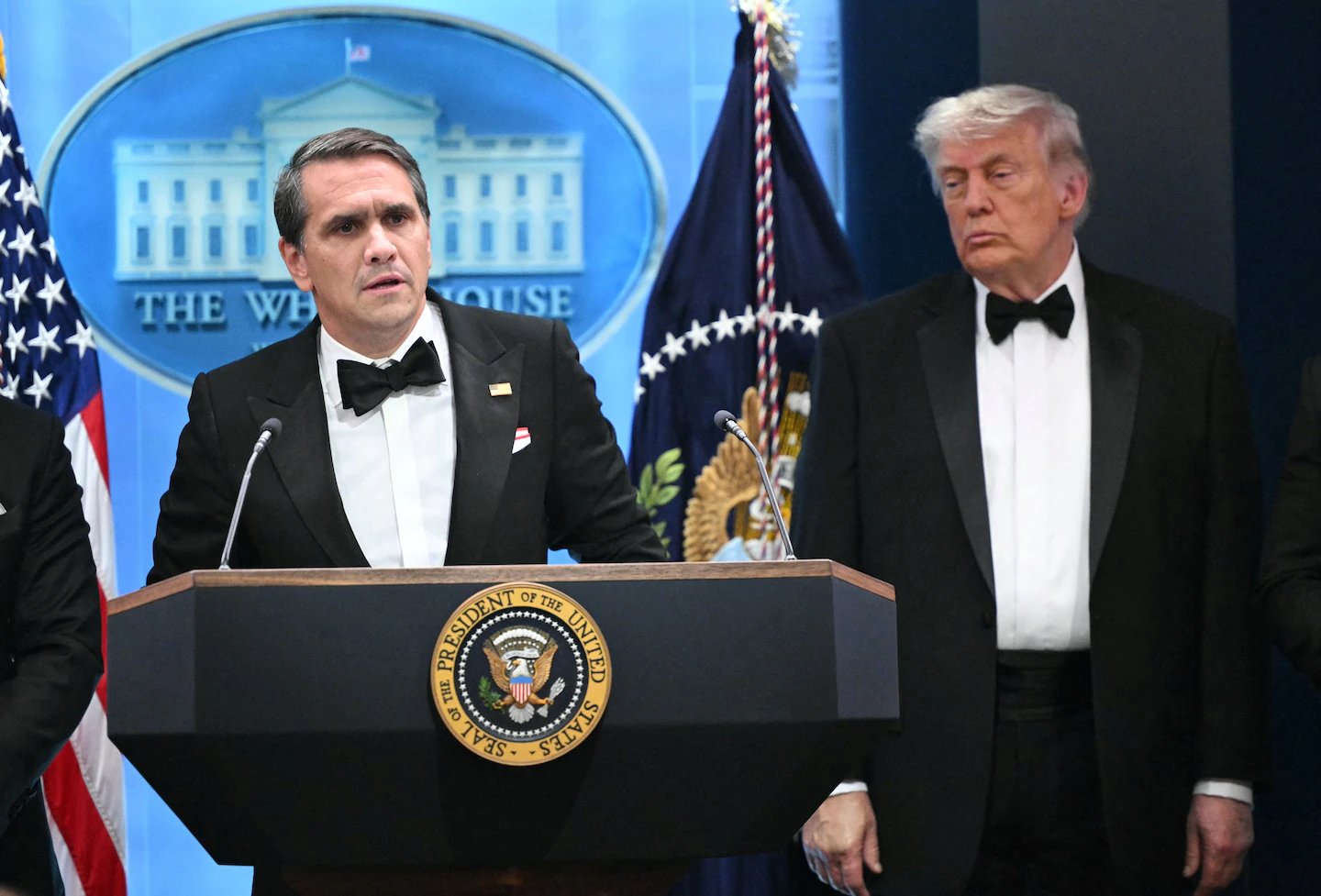
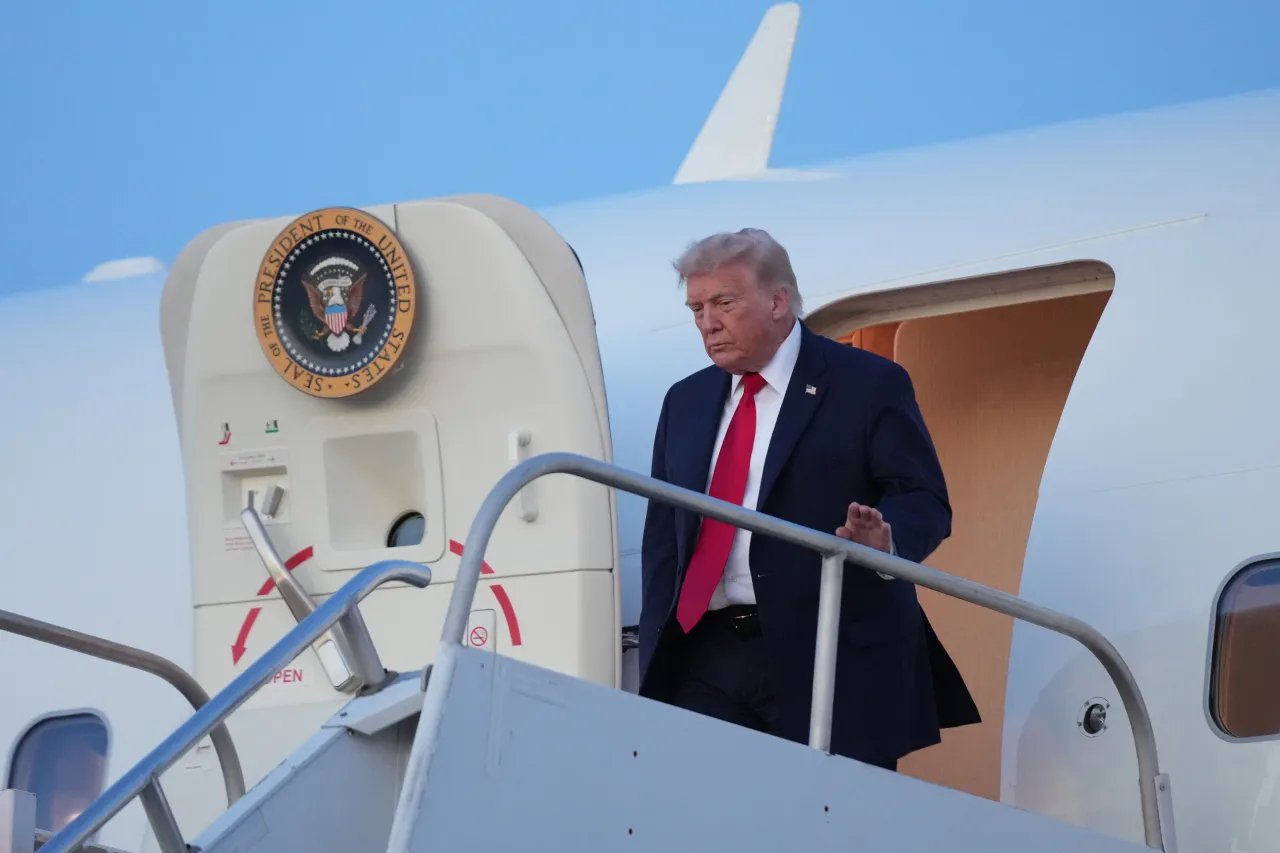
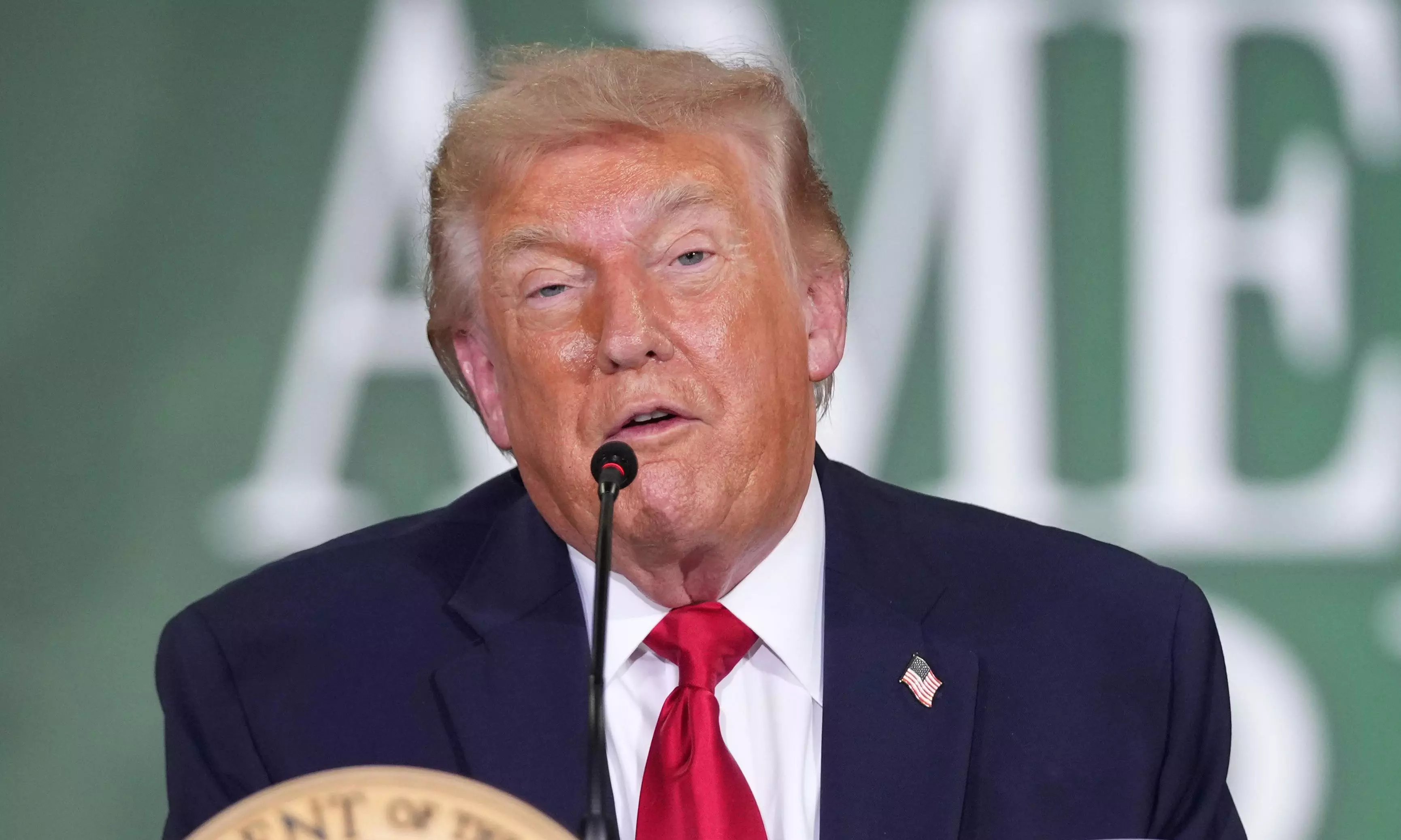
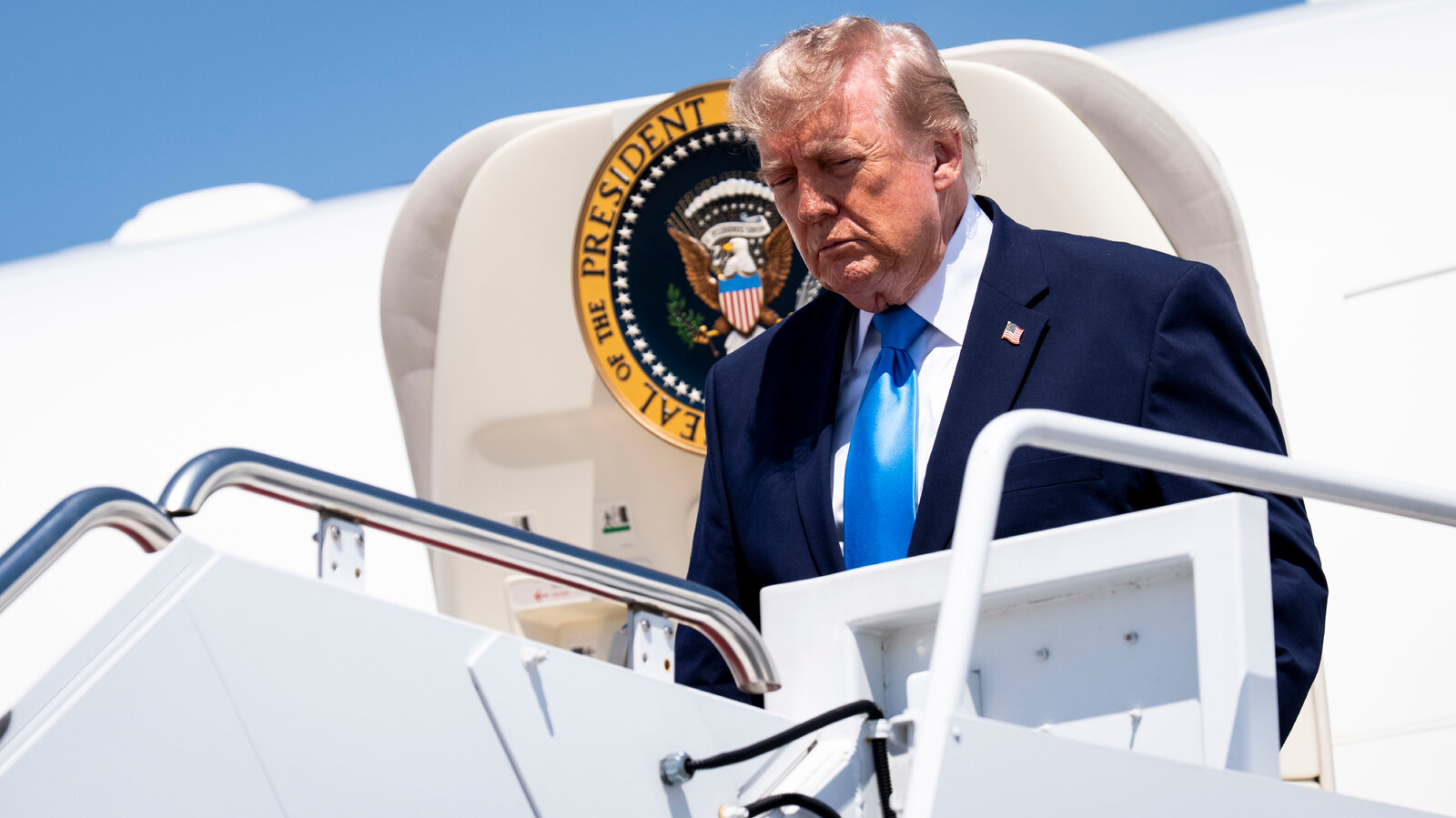
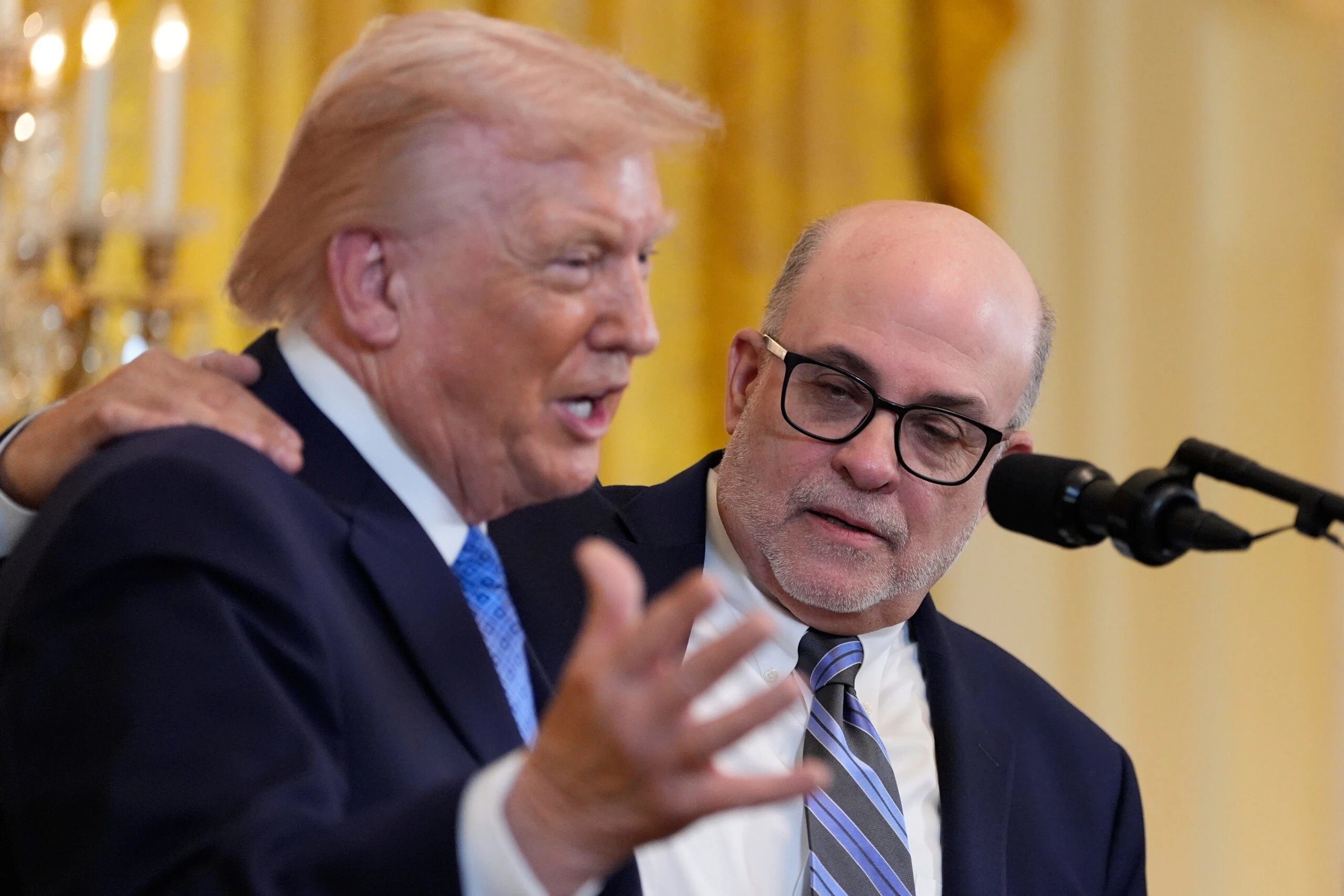
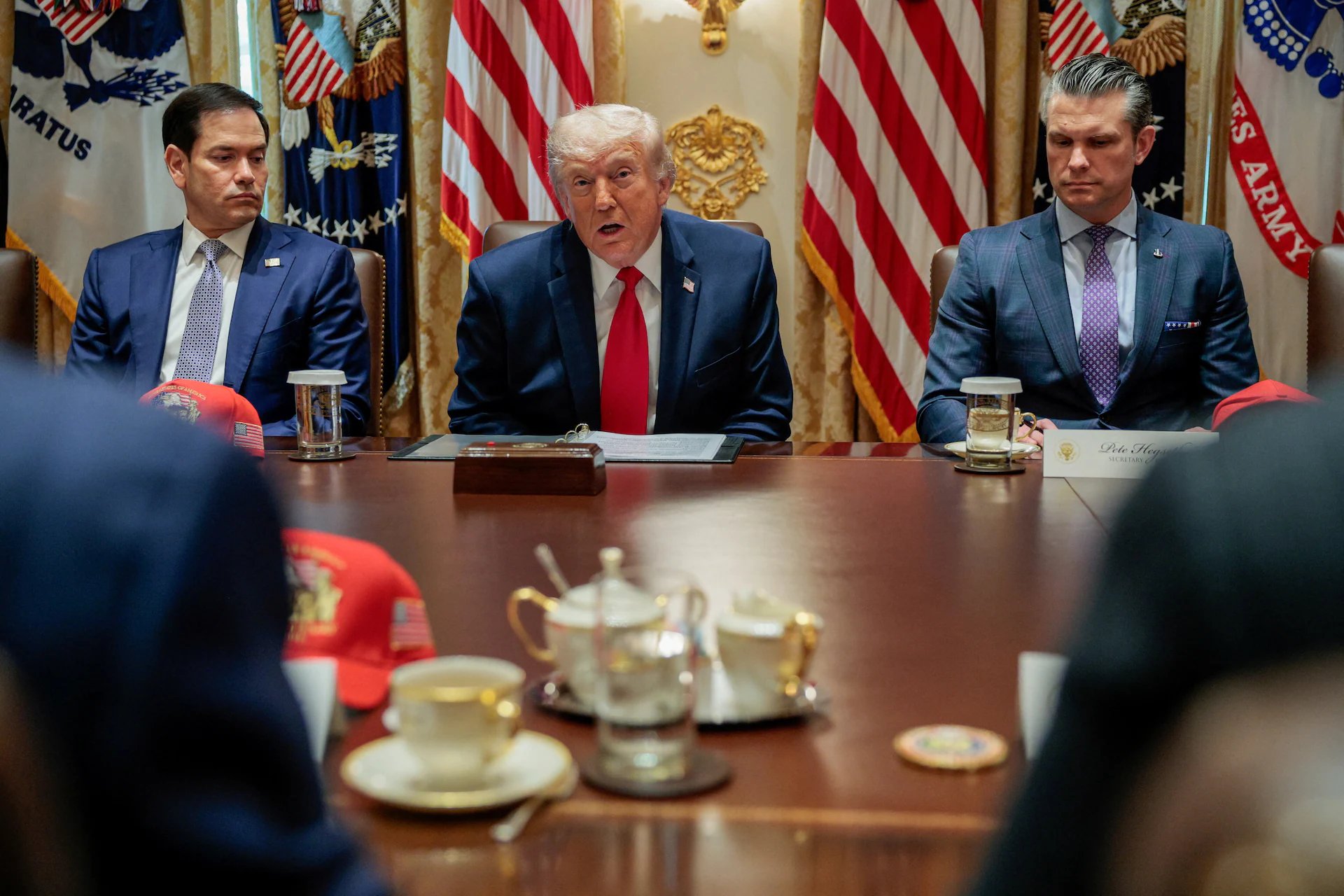
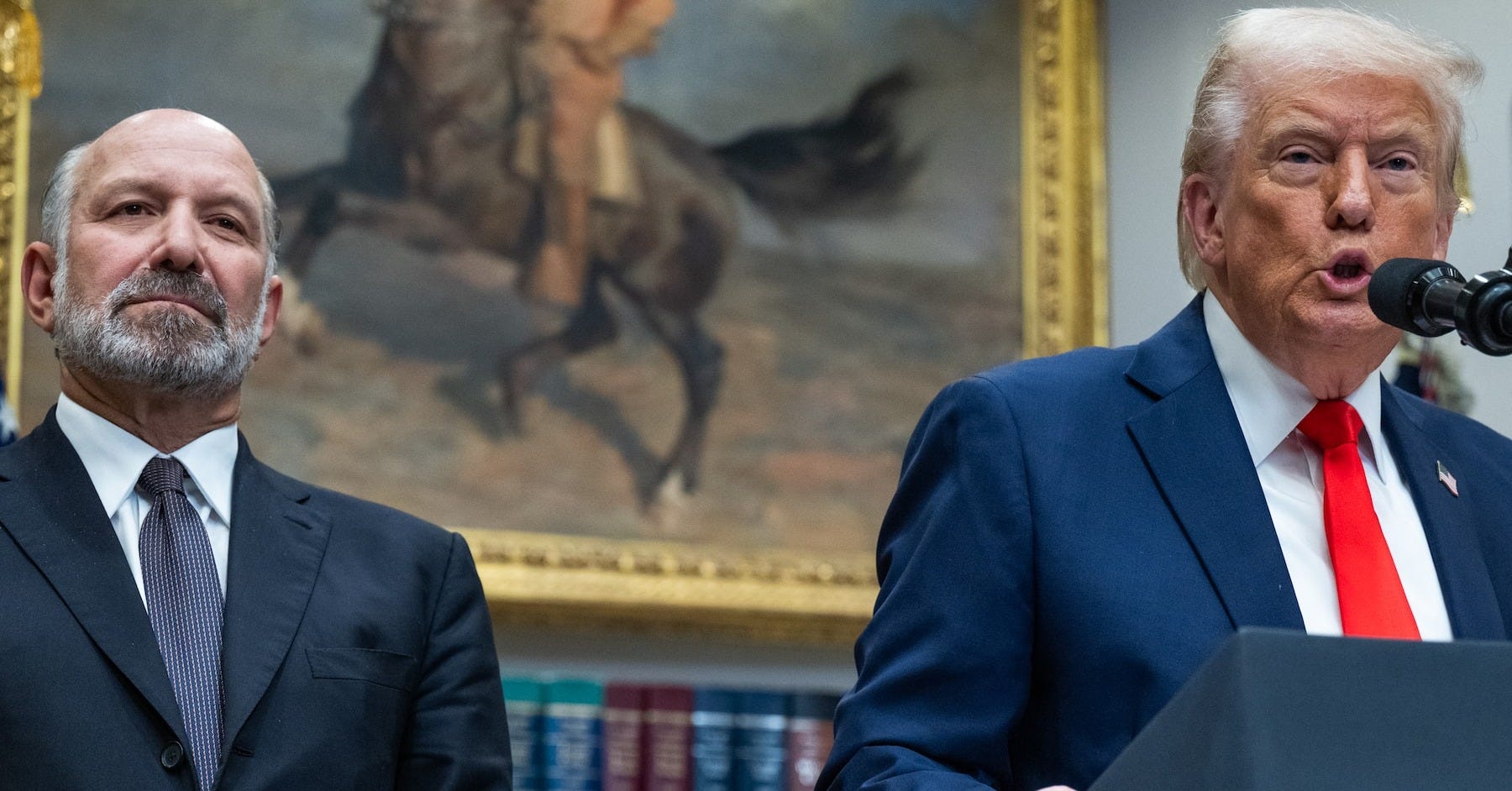
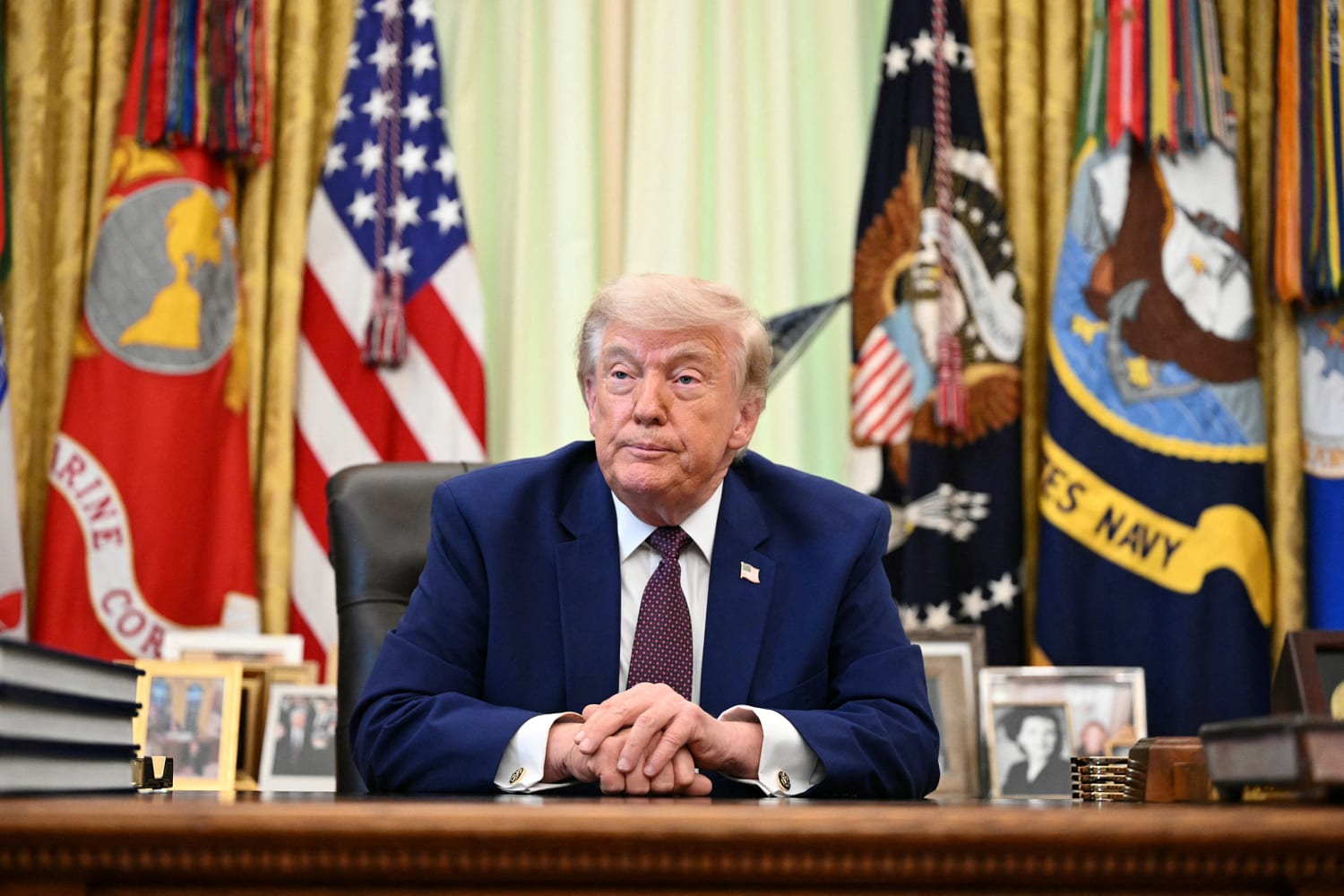
President Donald Trump stated on Thursday that a "great settlement" with Iran could be finalized as early as this weekend. Speaking from the Oval Office, Trump emphasized that the agreement is "subject to finalization of documents" and expressed optimism about the negotiations, suggesting that both sides are eager to reach a conclusion. He noted that the signing ceremony might take place in Europe, with Vice President JD Vance representing the U.S.
Ceasefire and Military Actions
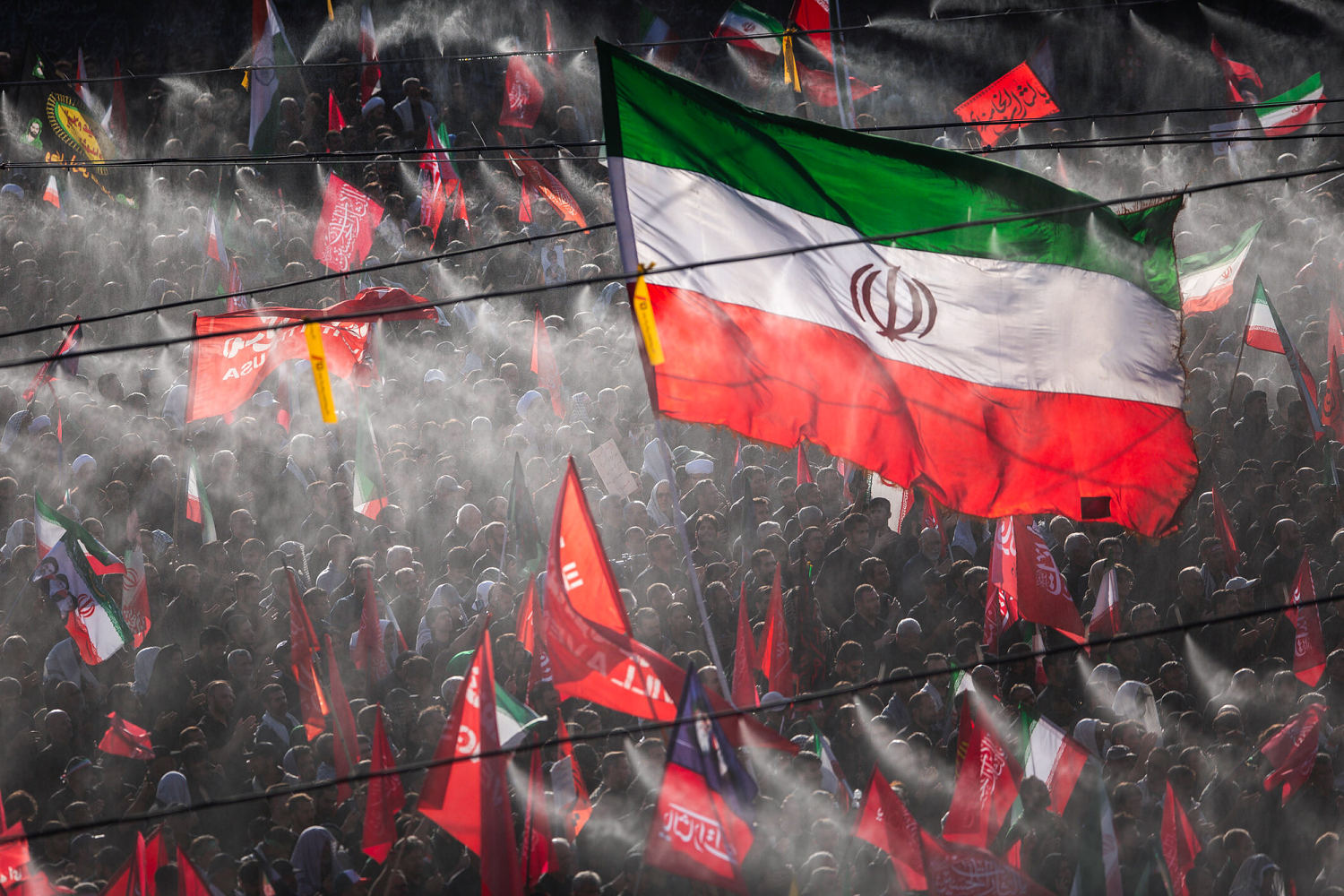
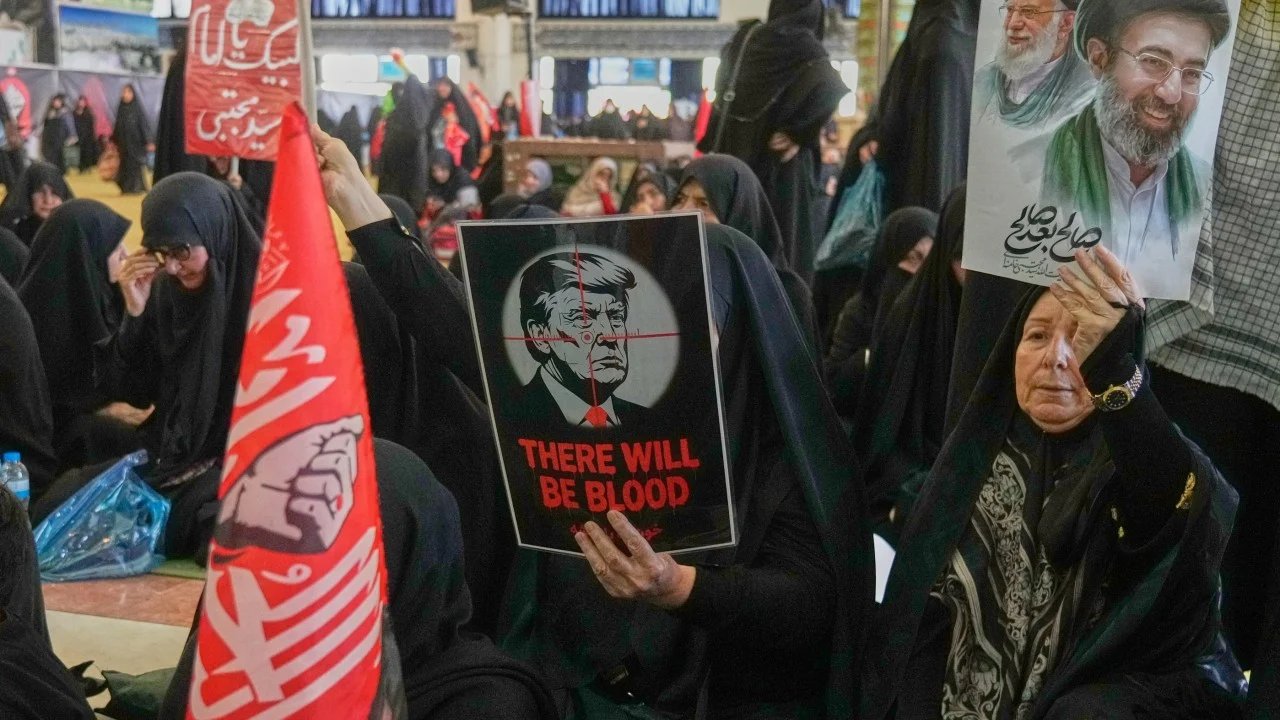
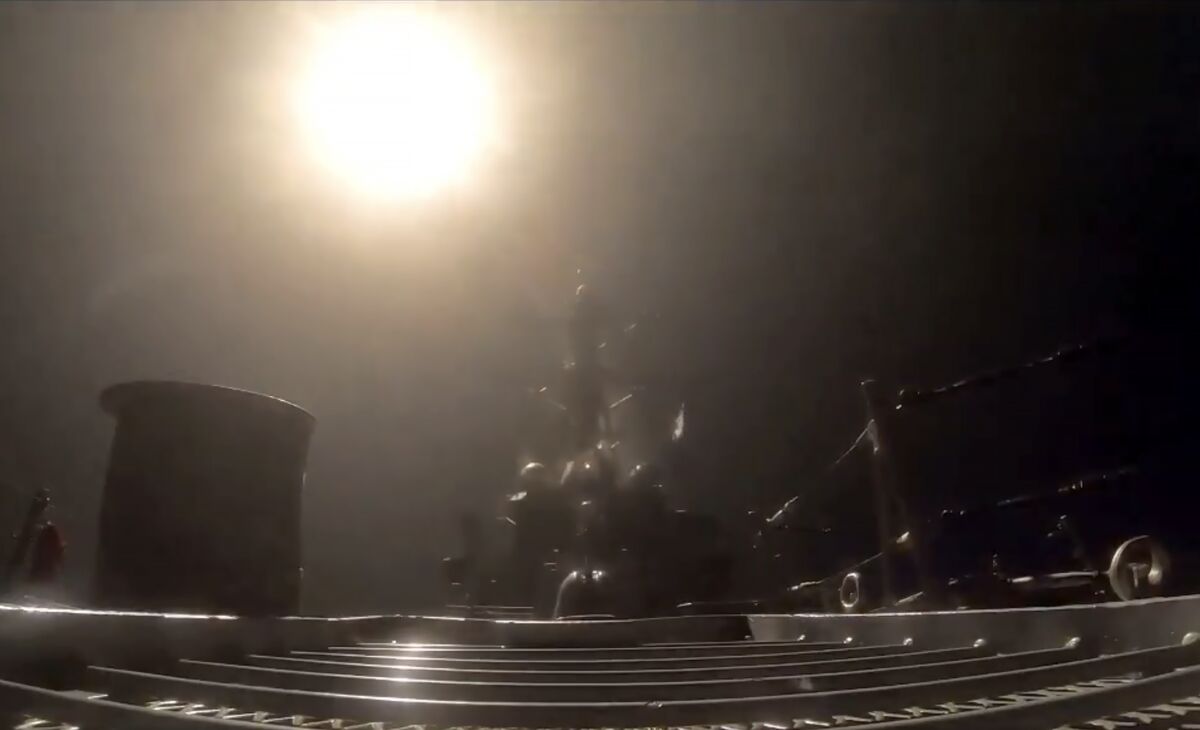
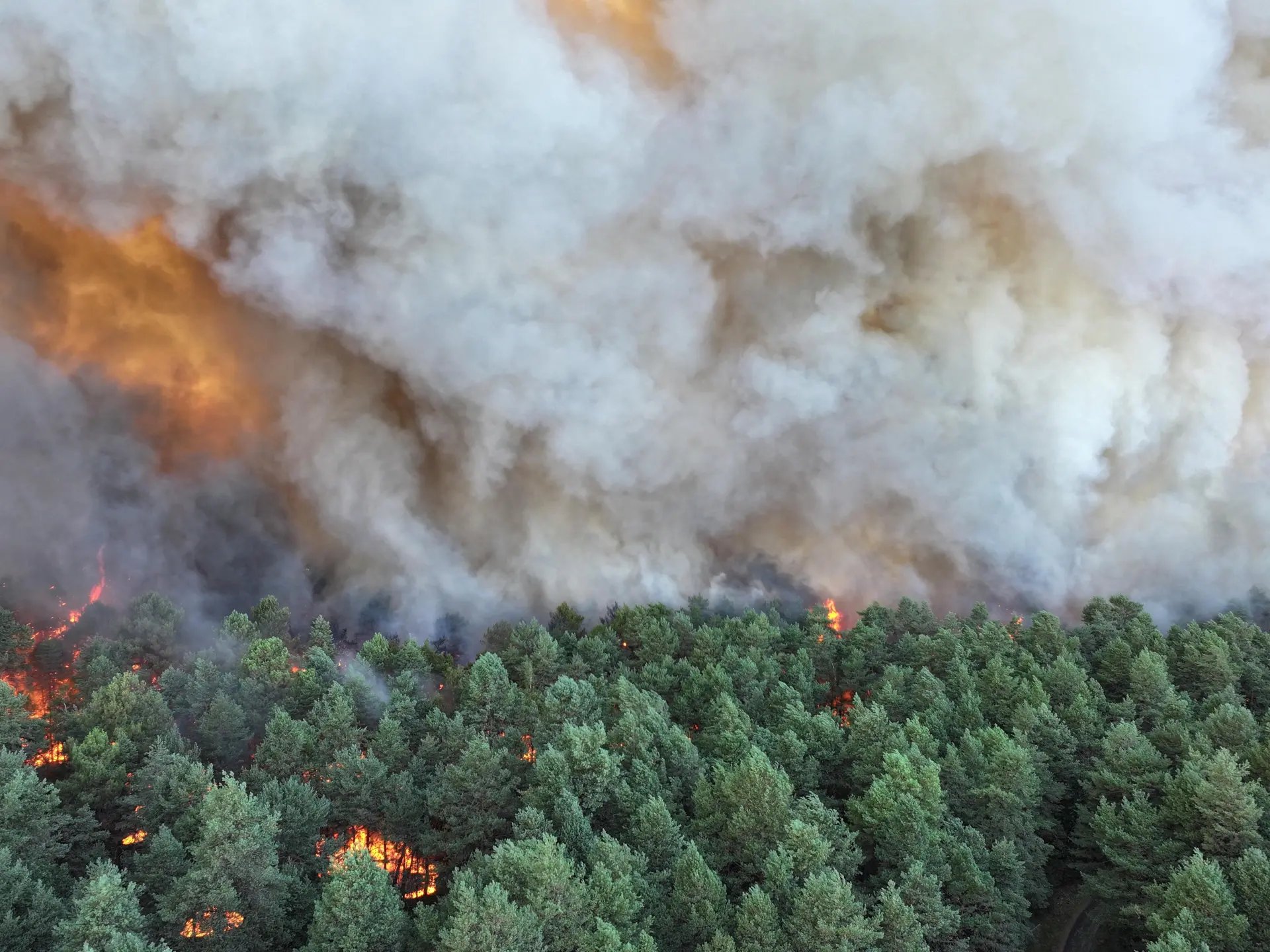
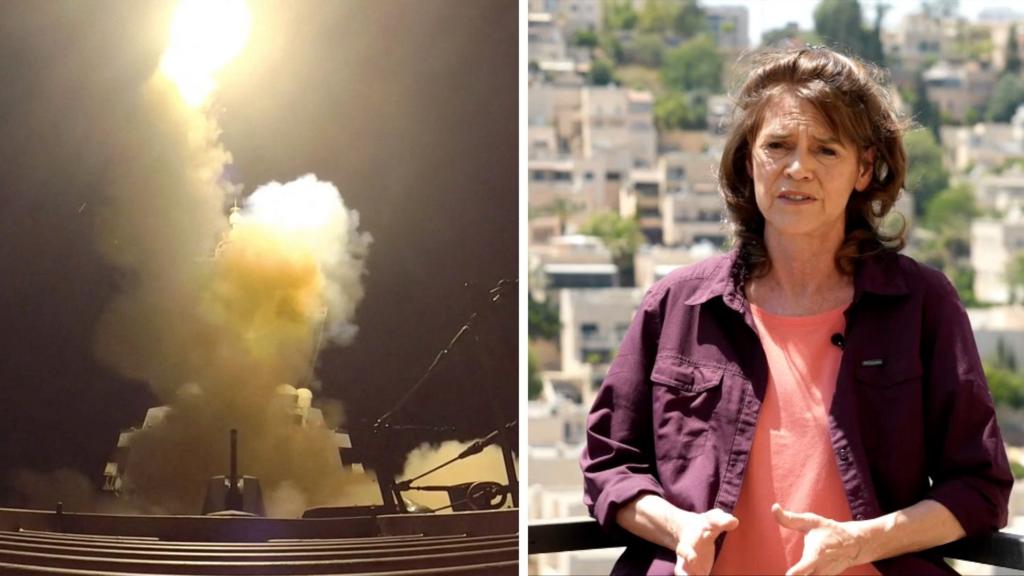
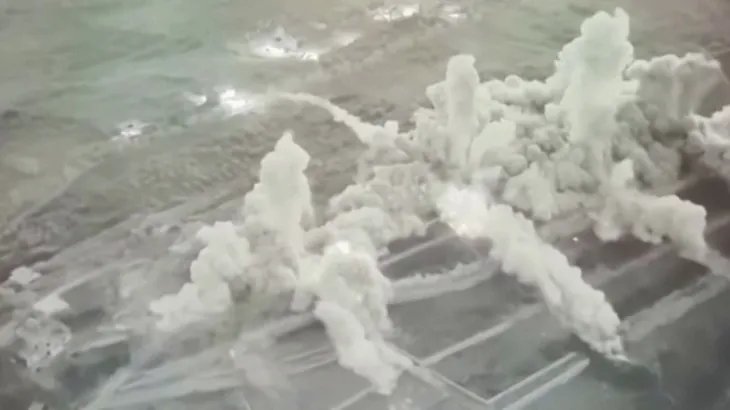
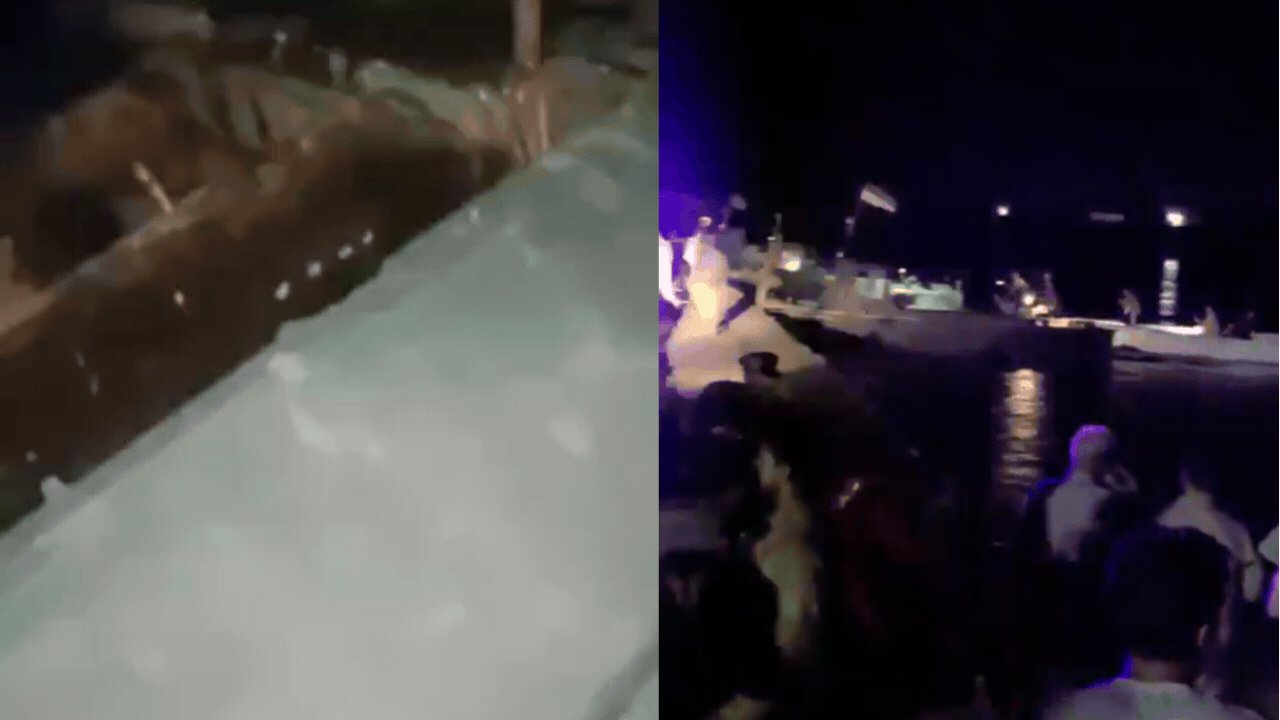
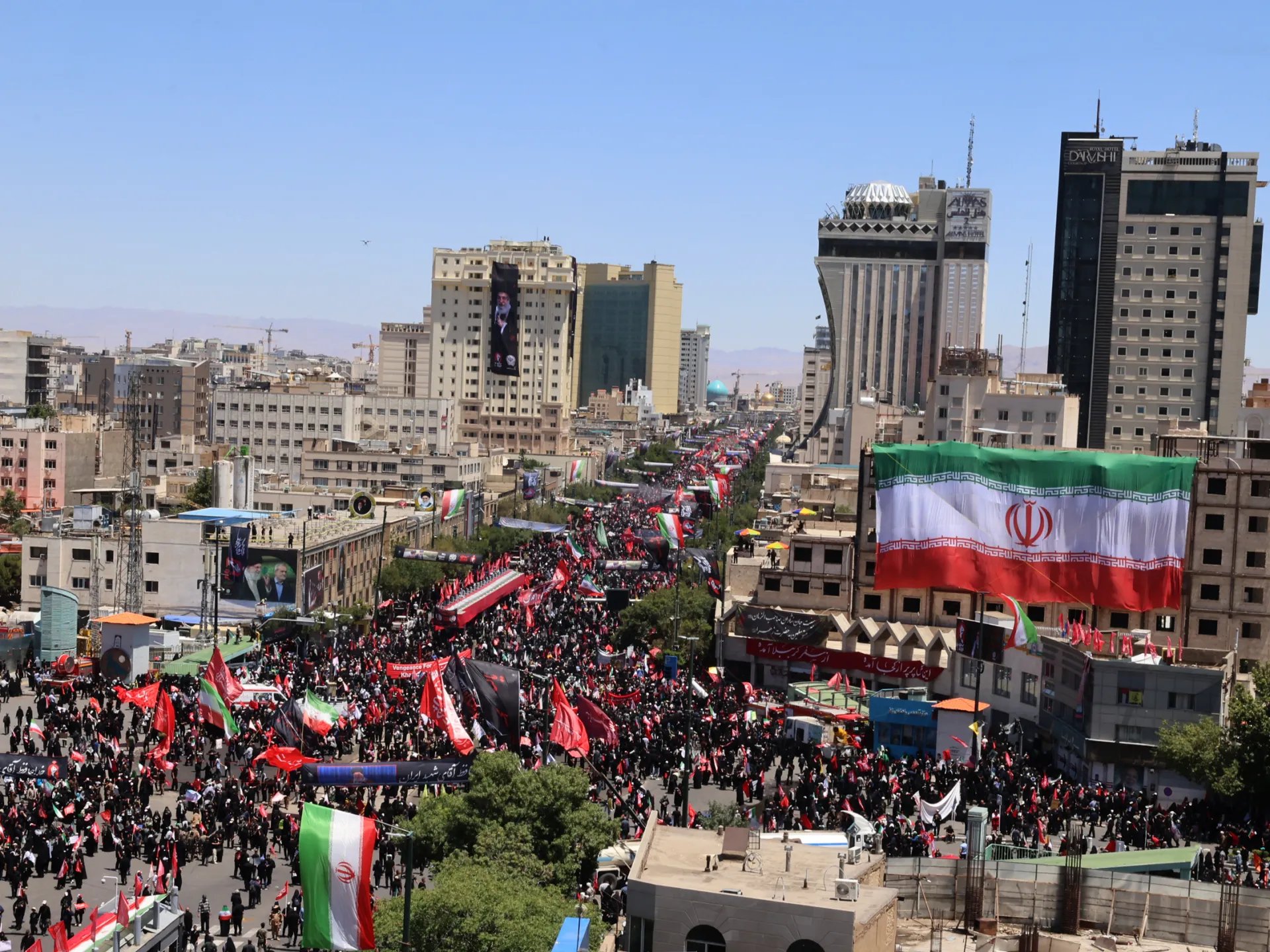
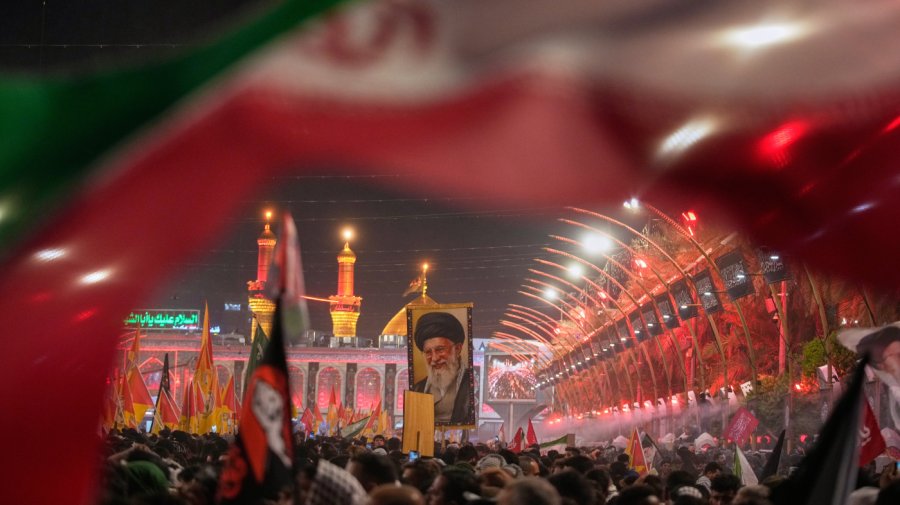
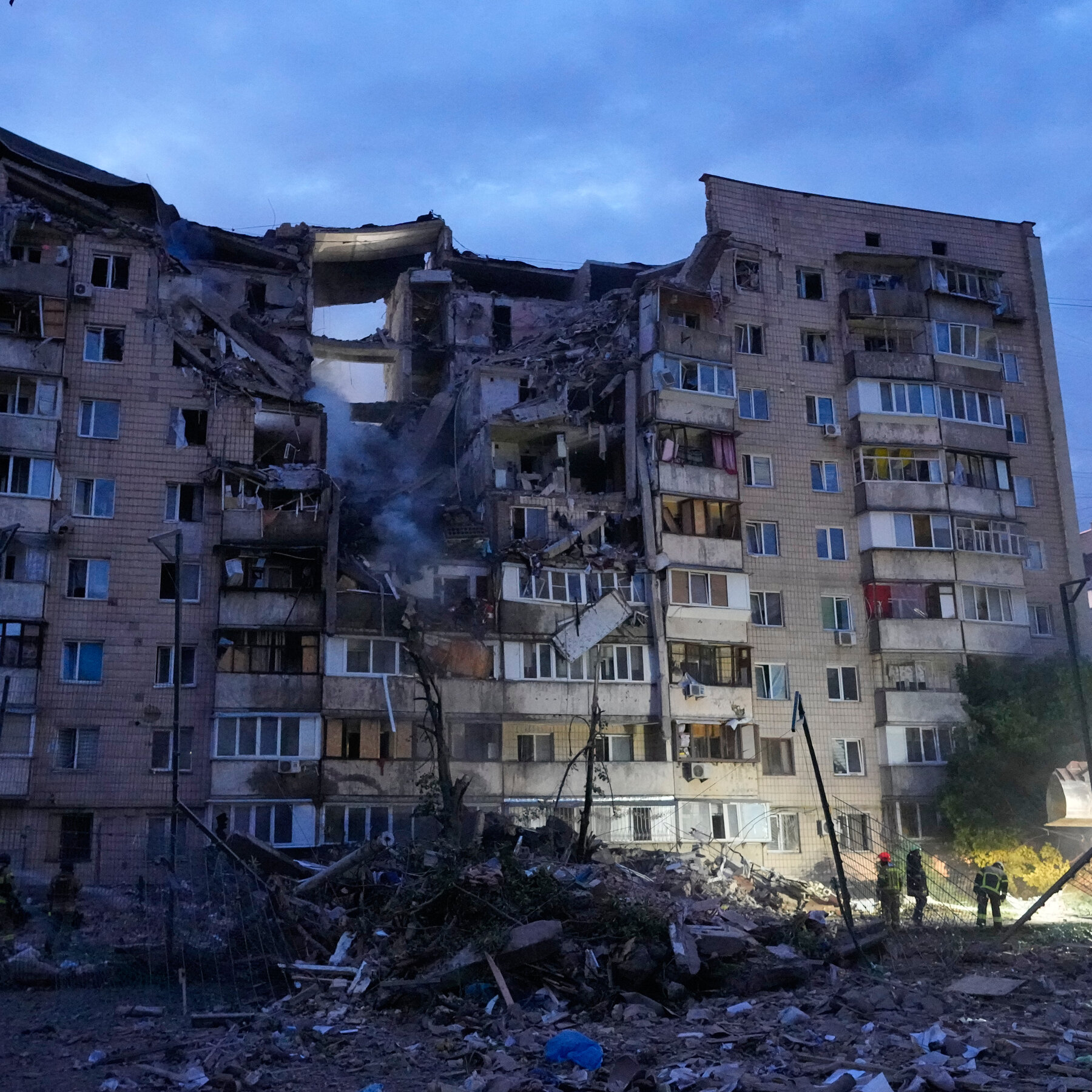
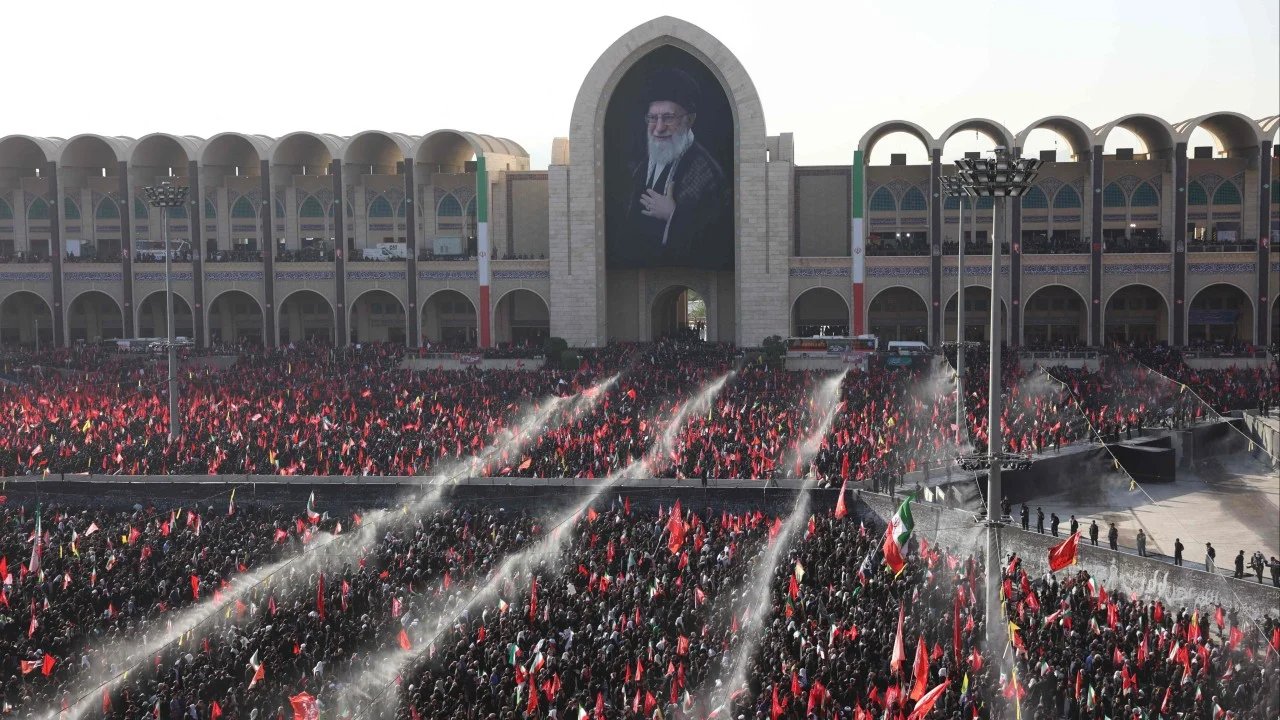
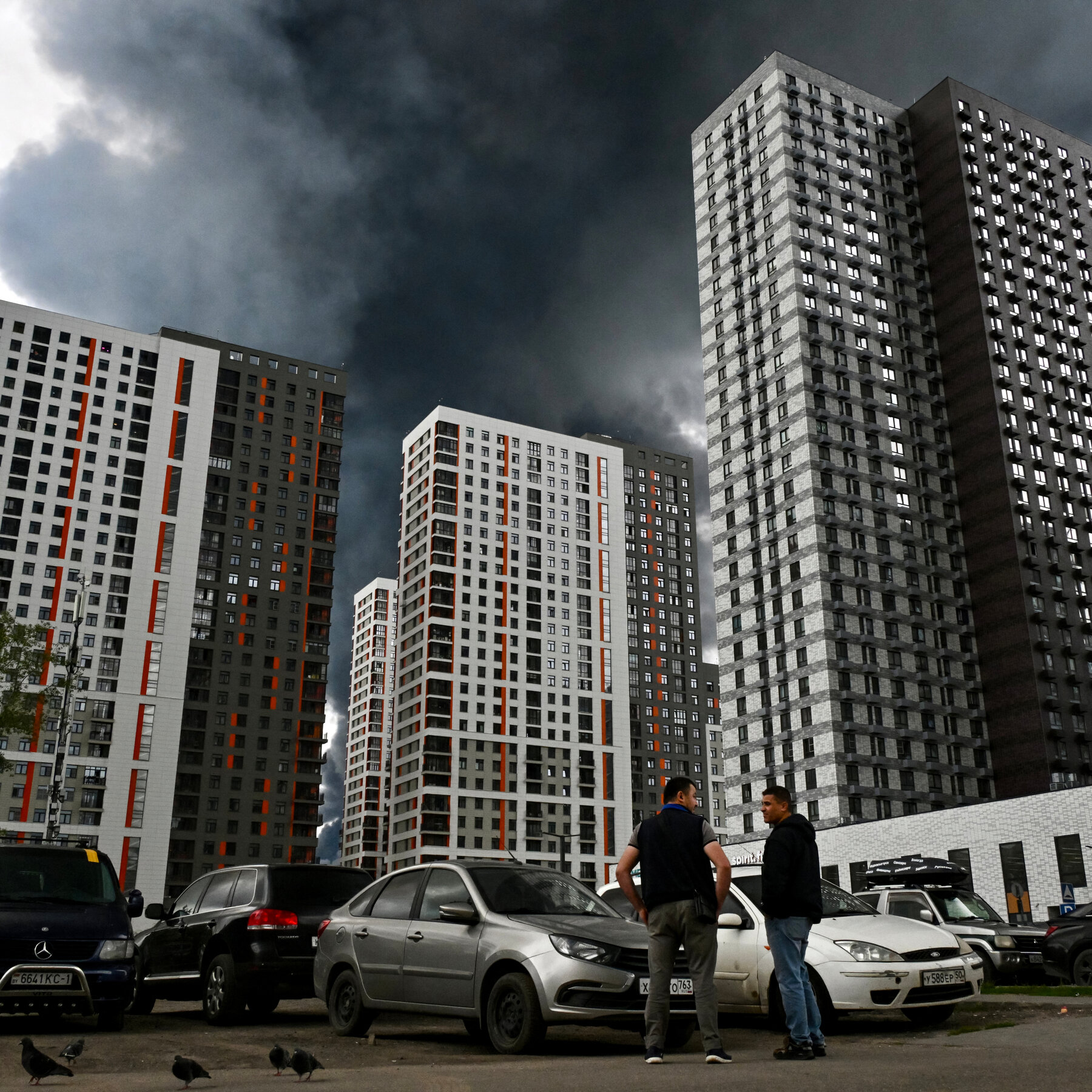
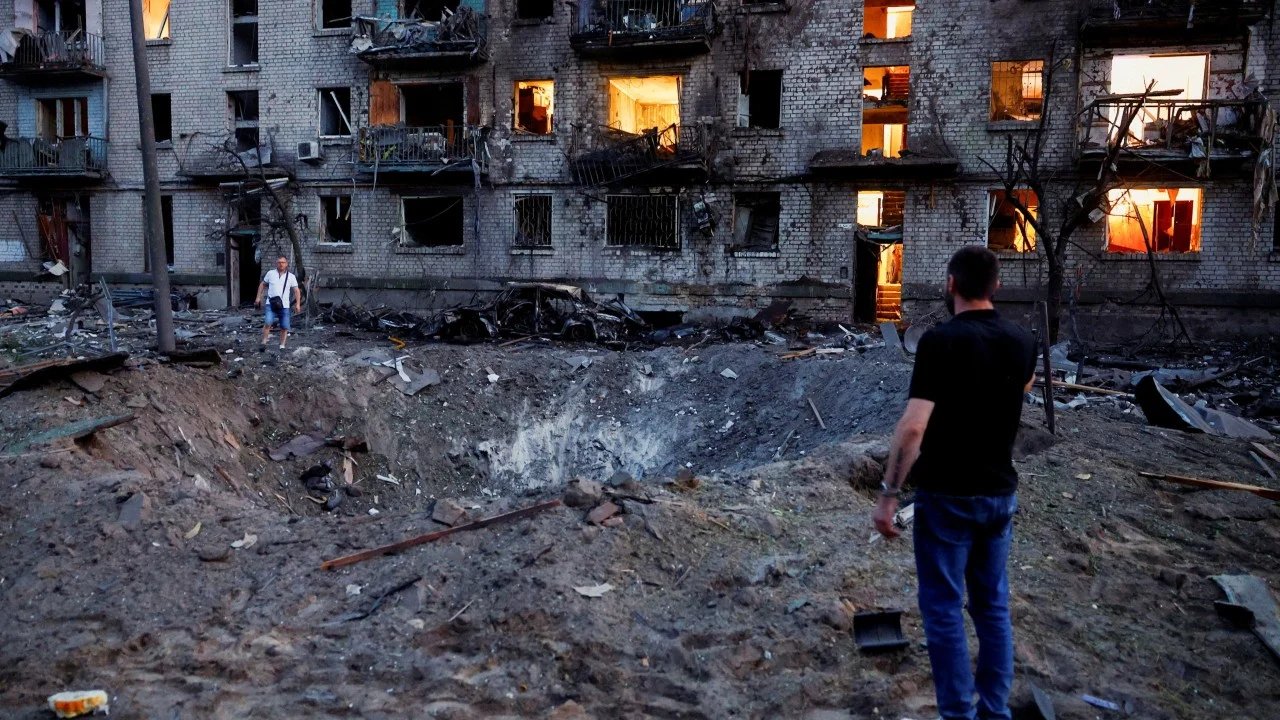
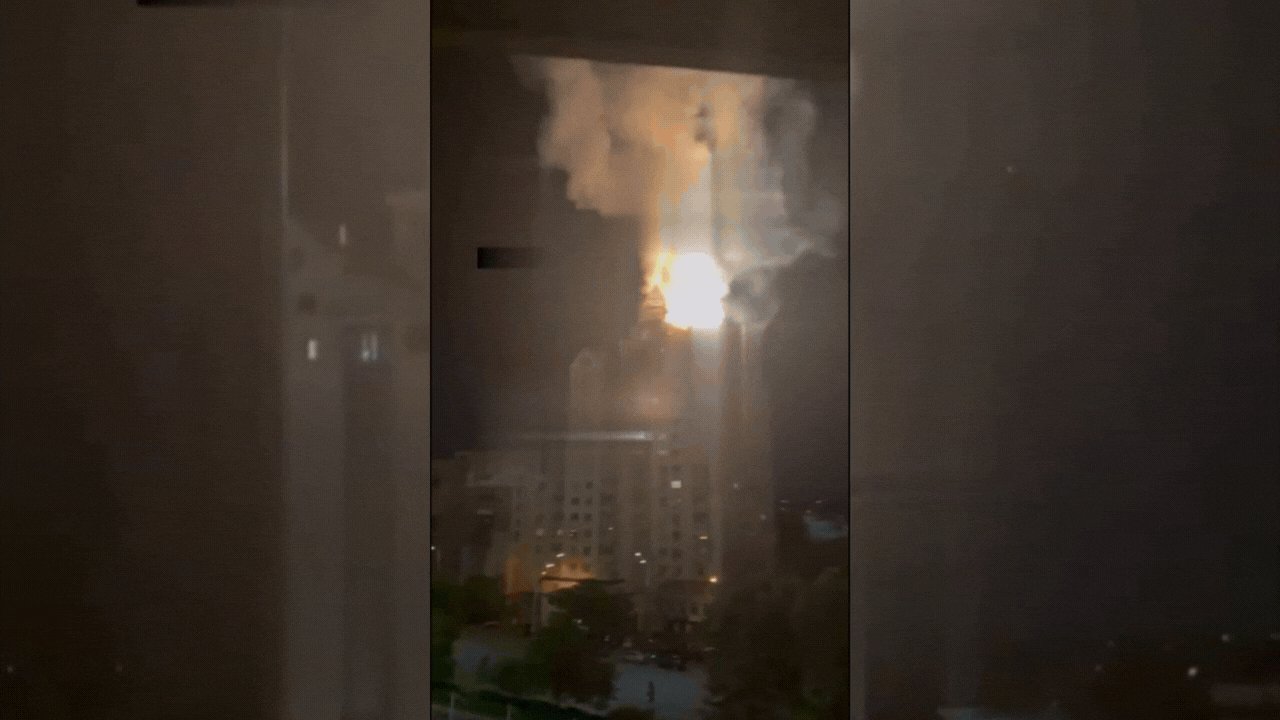
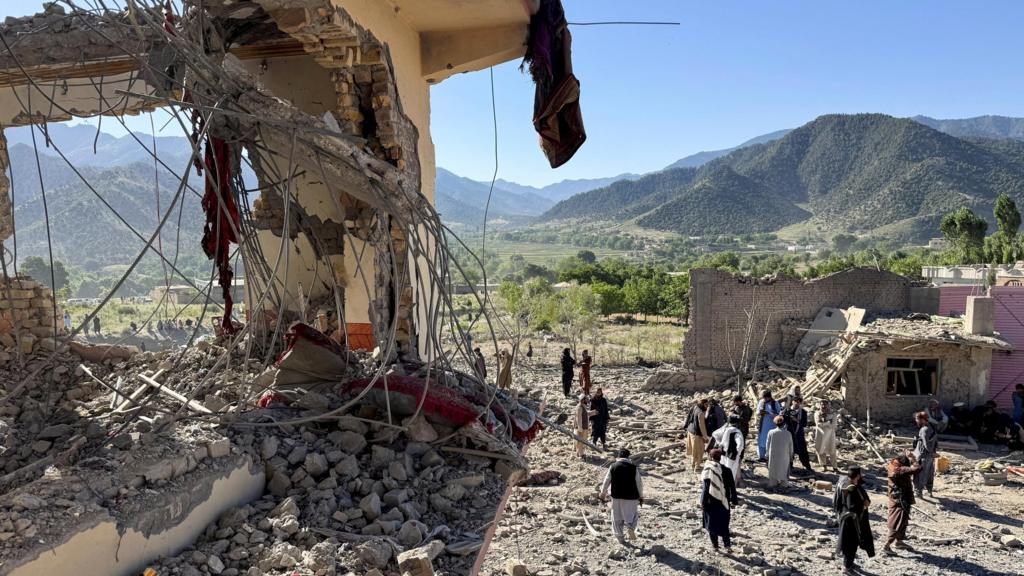
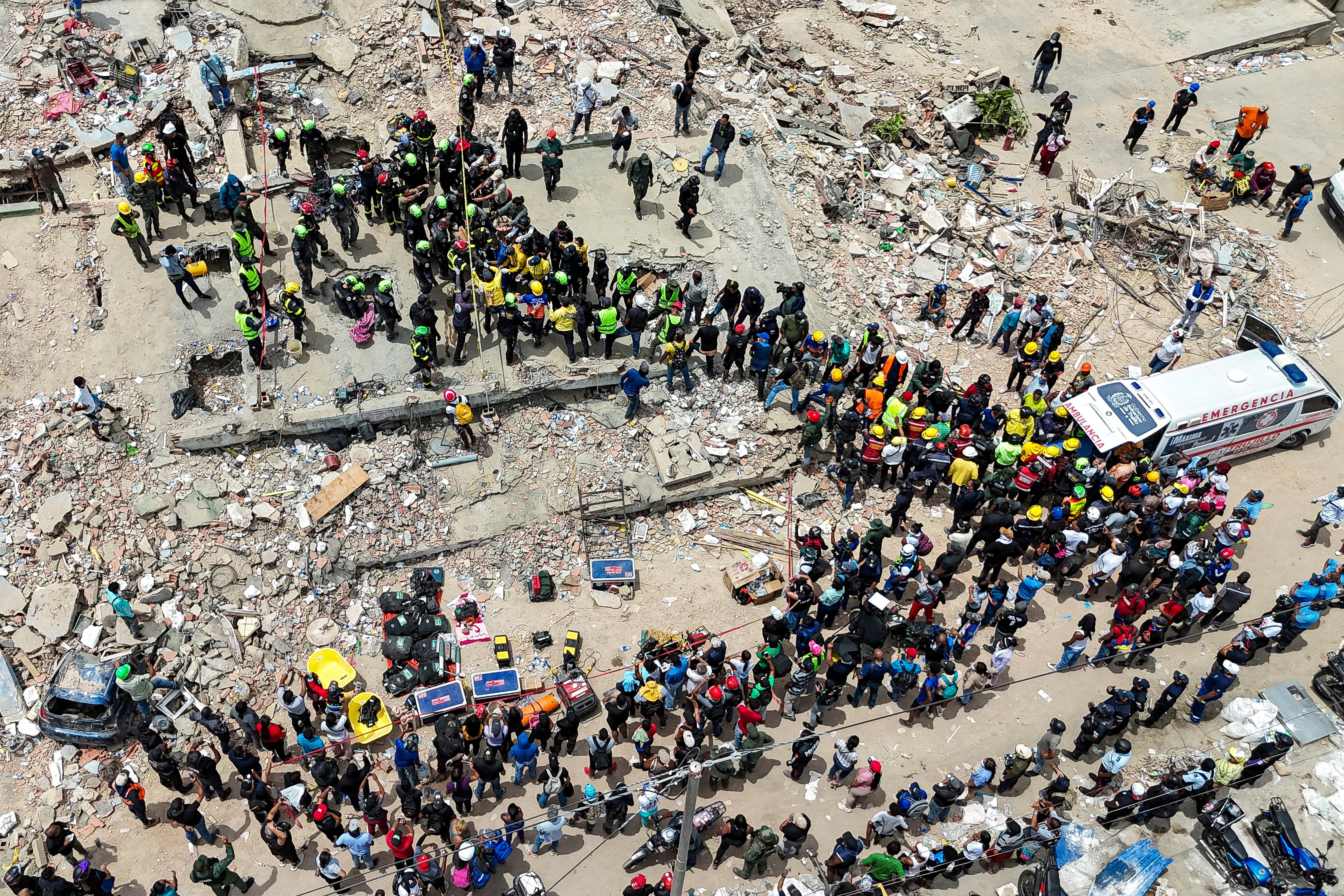
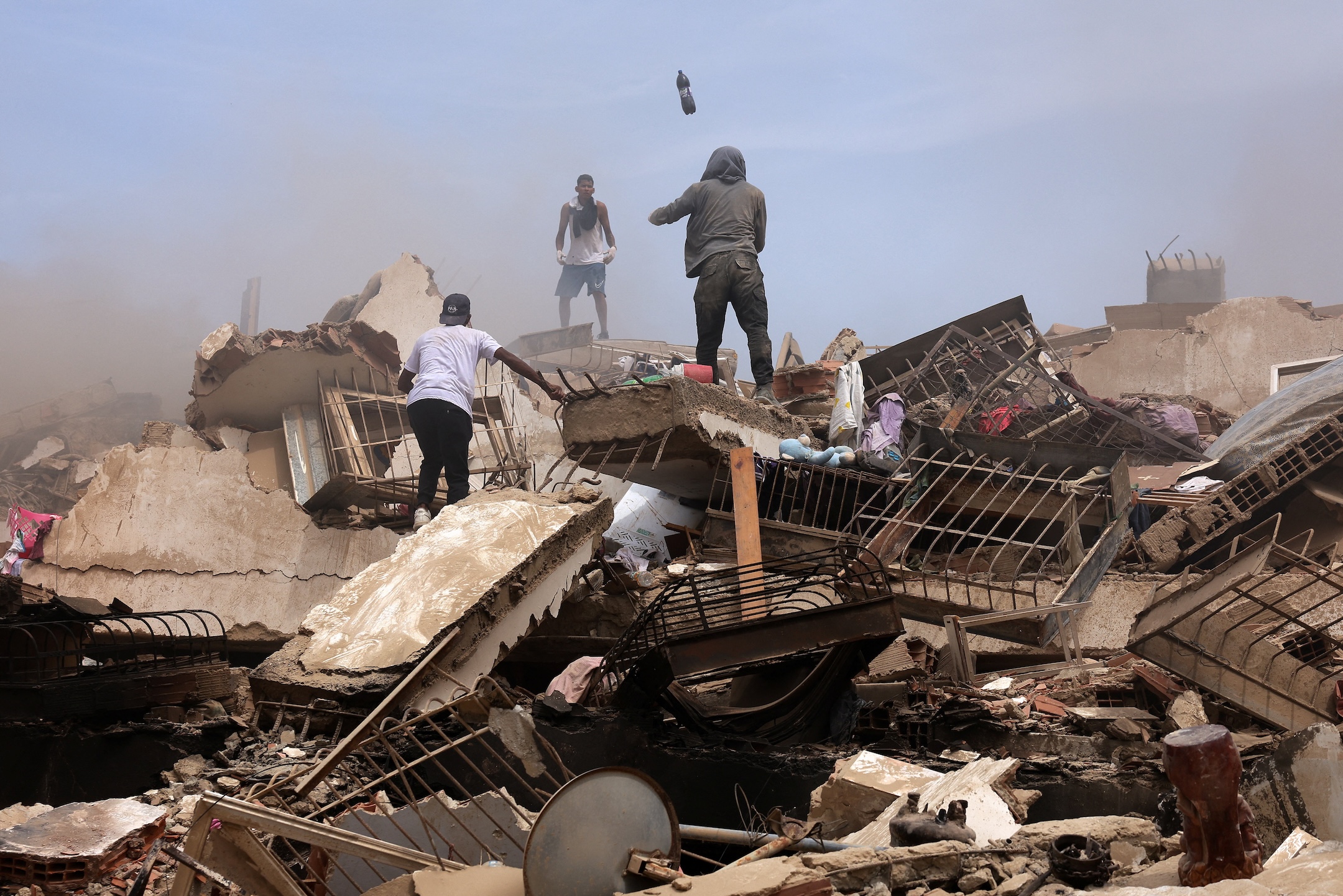
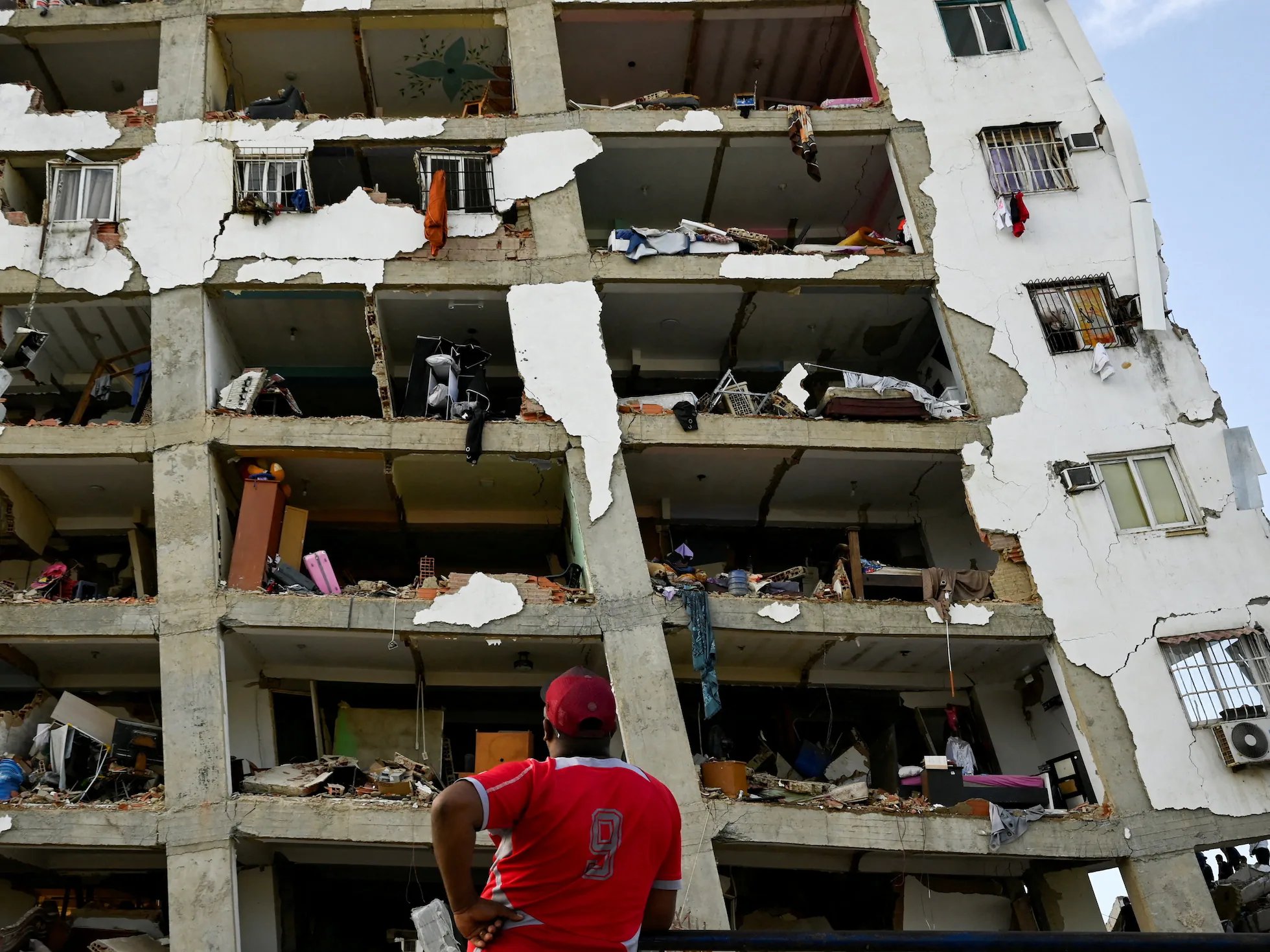
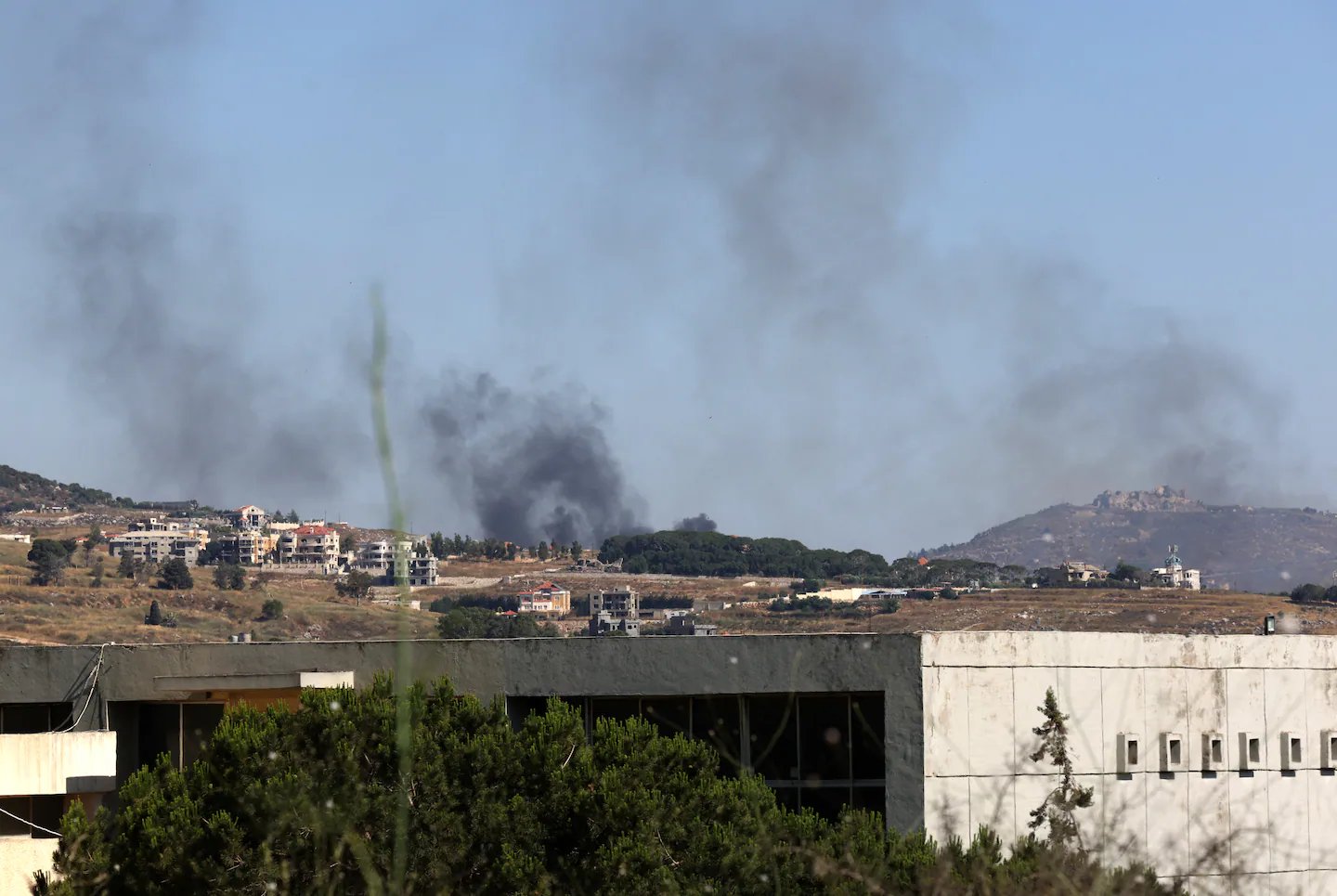
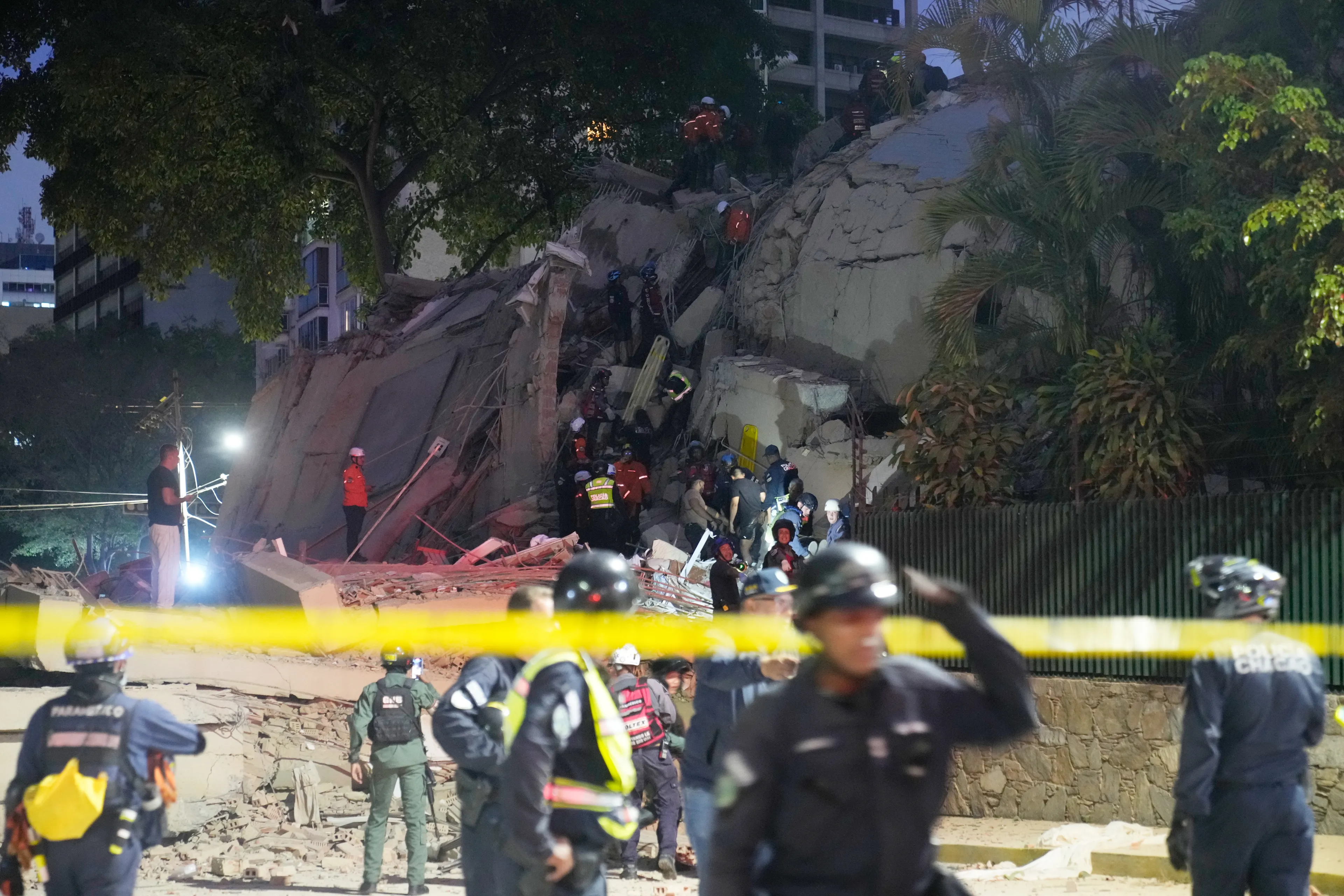
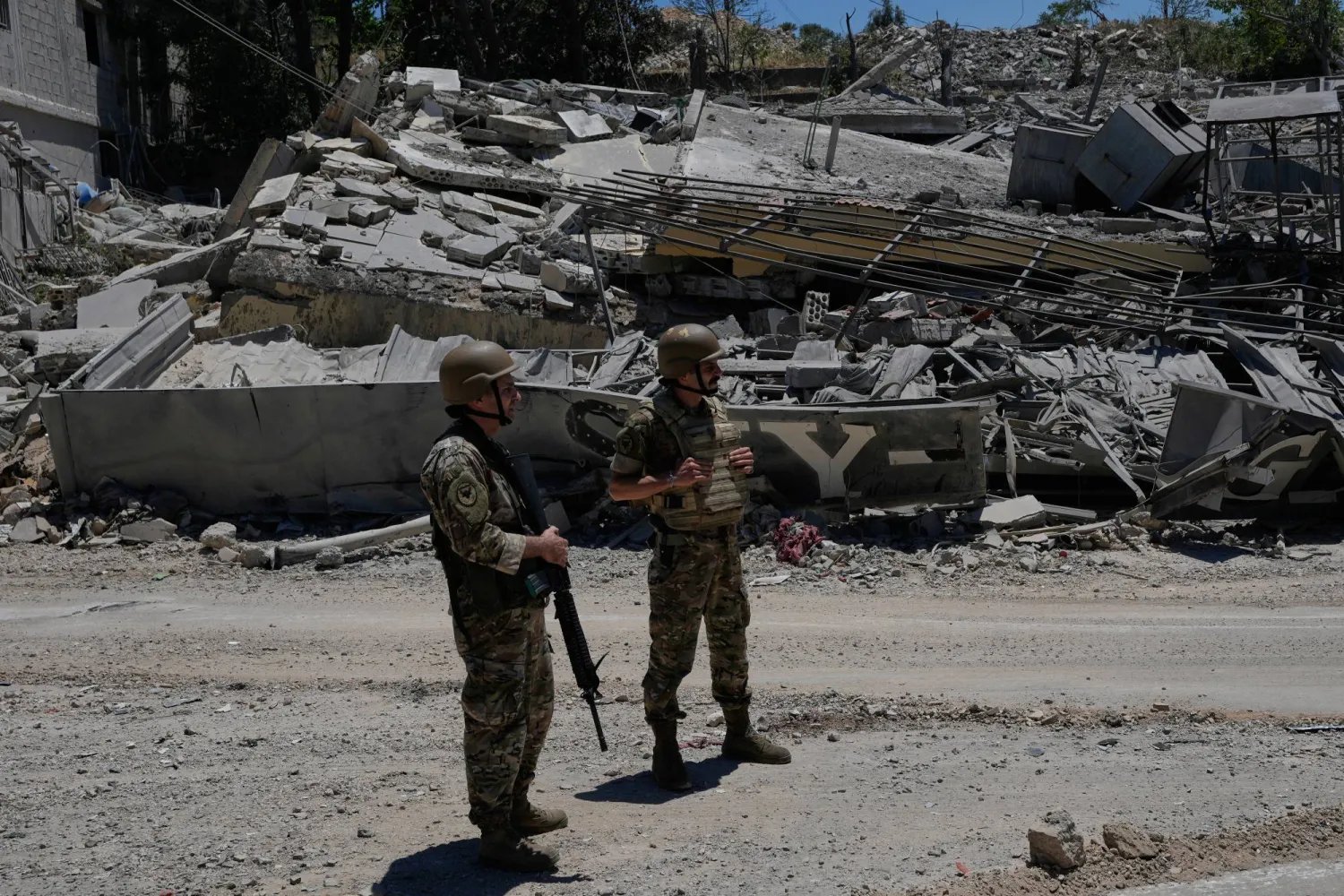
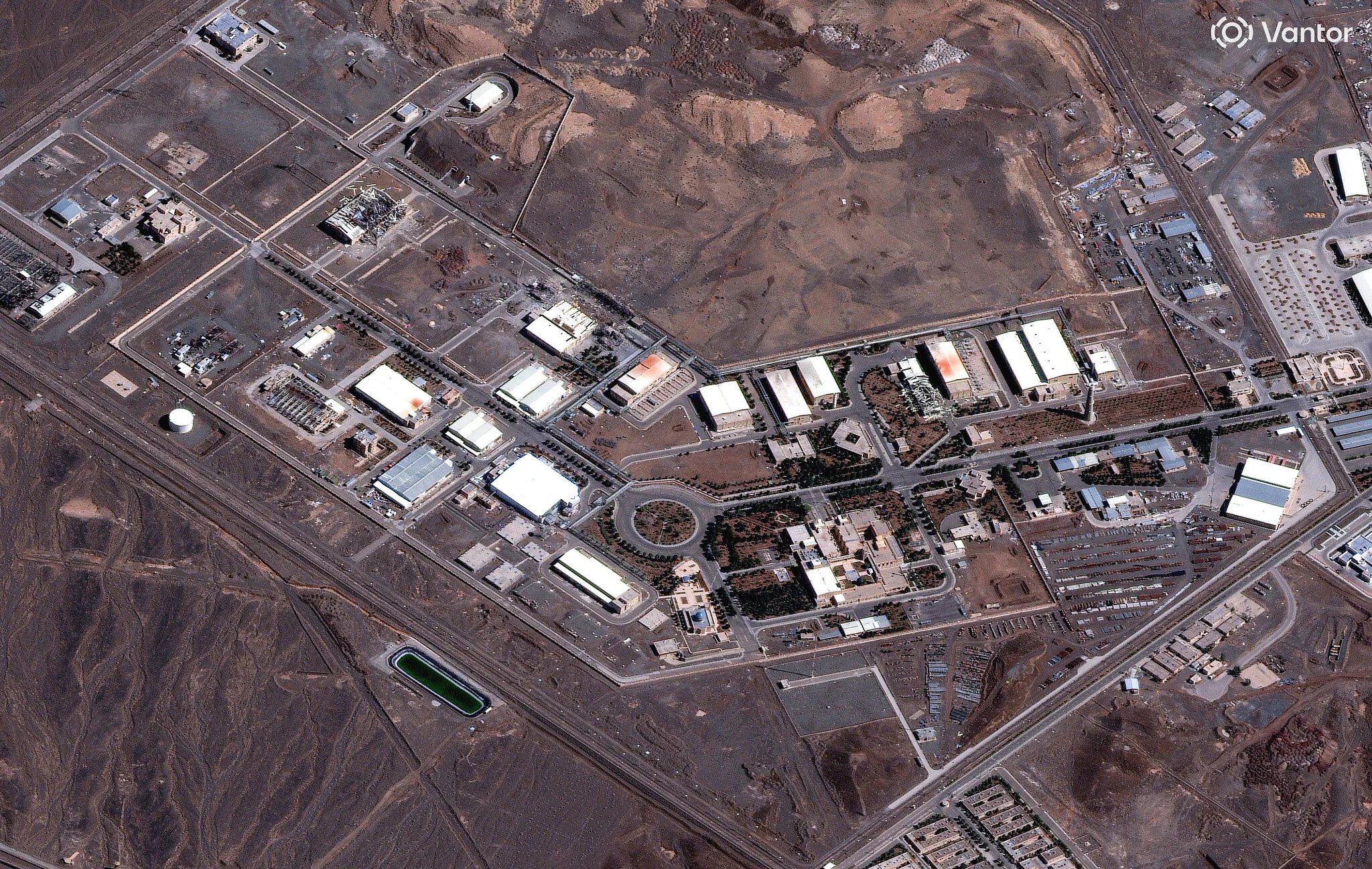
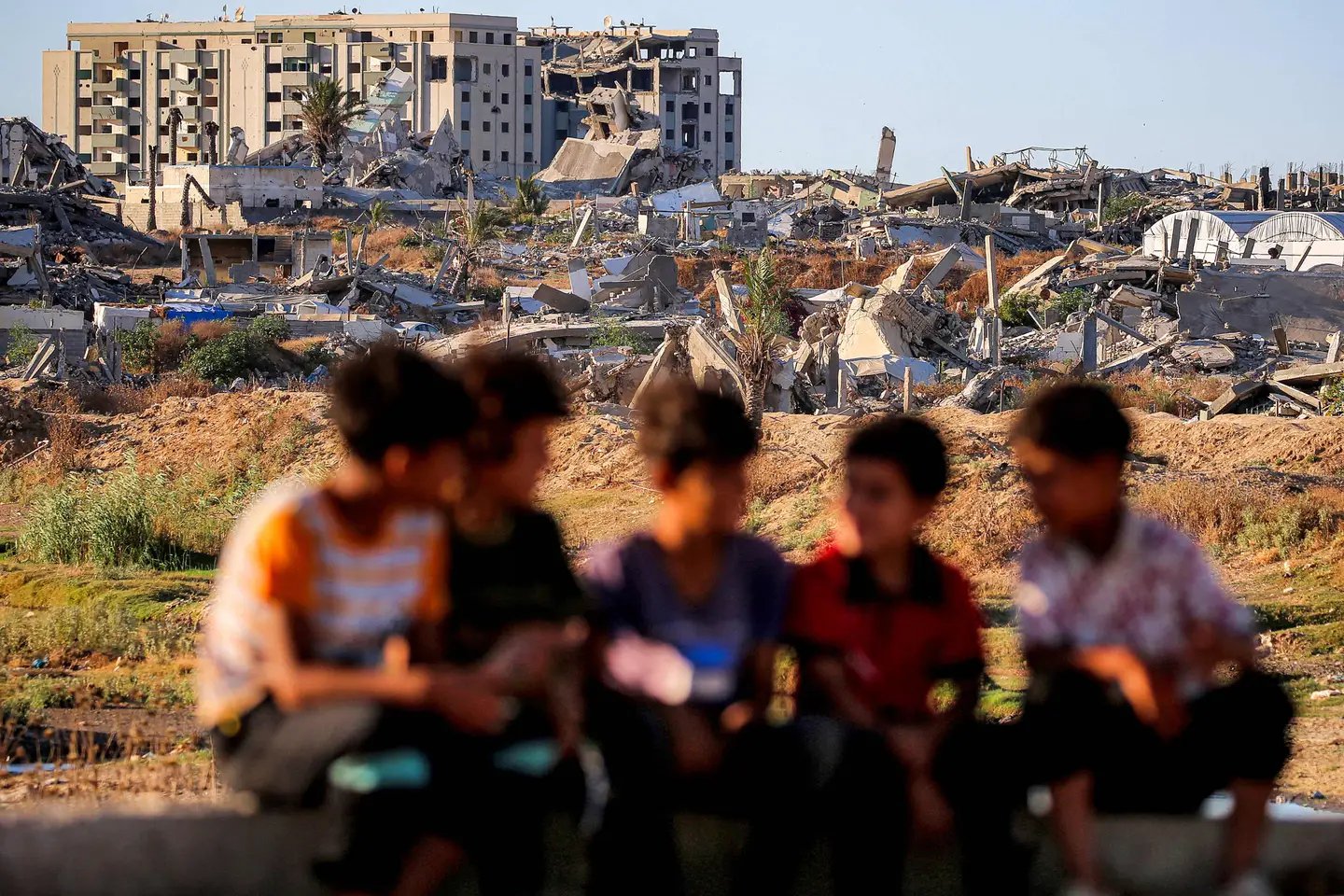
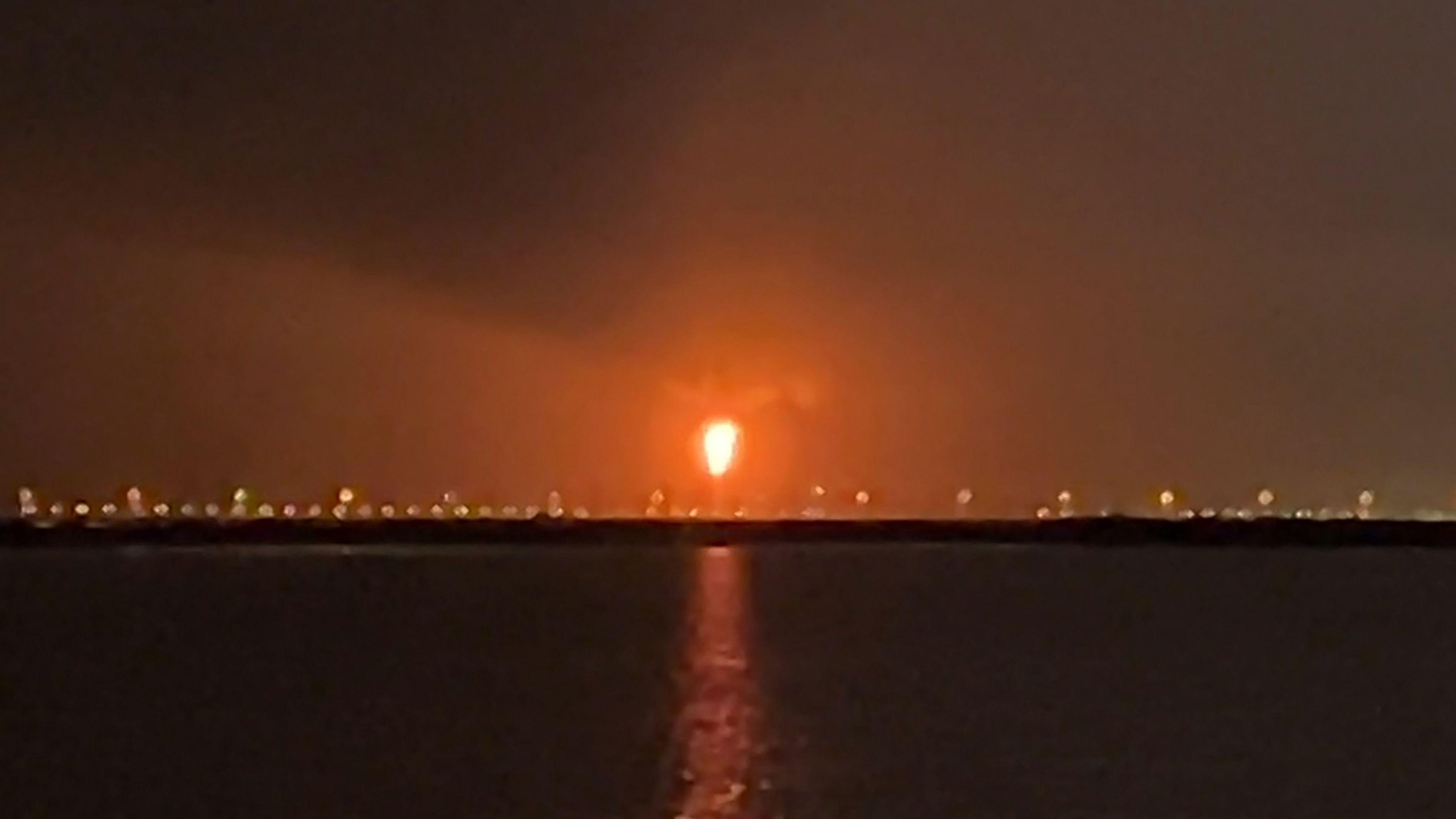
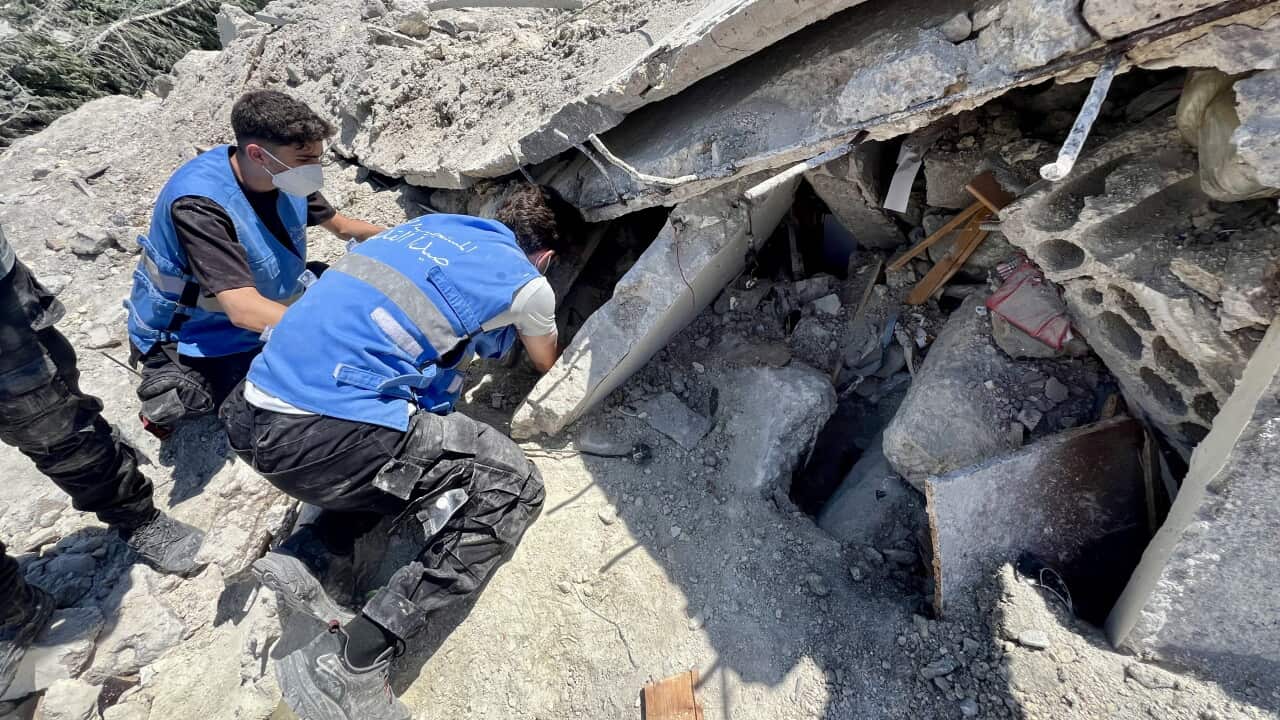
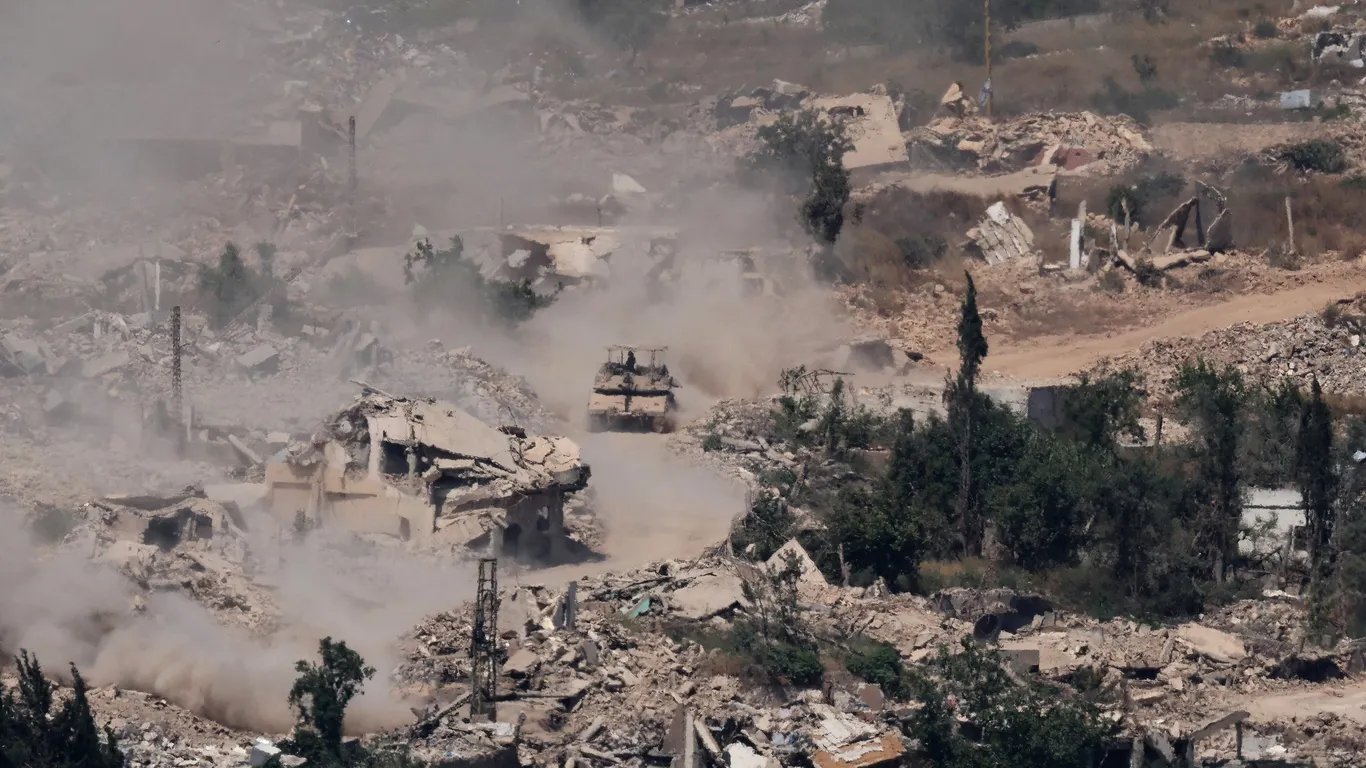
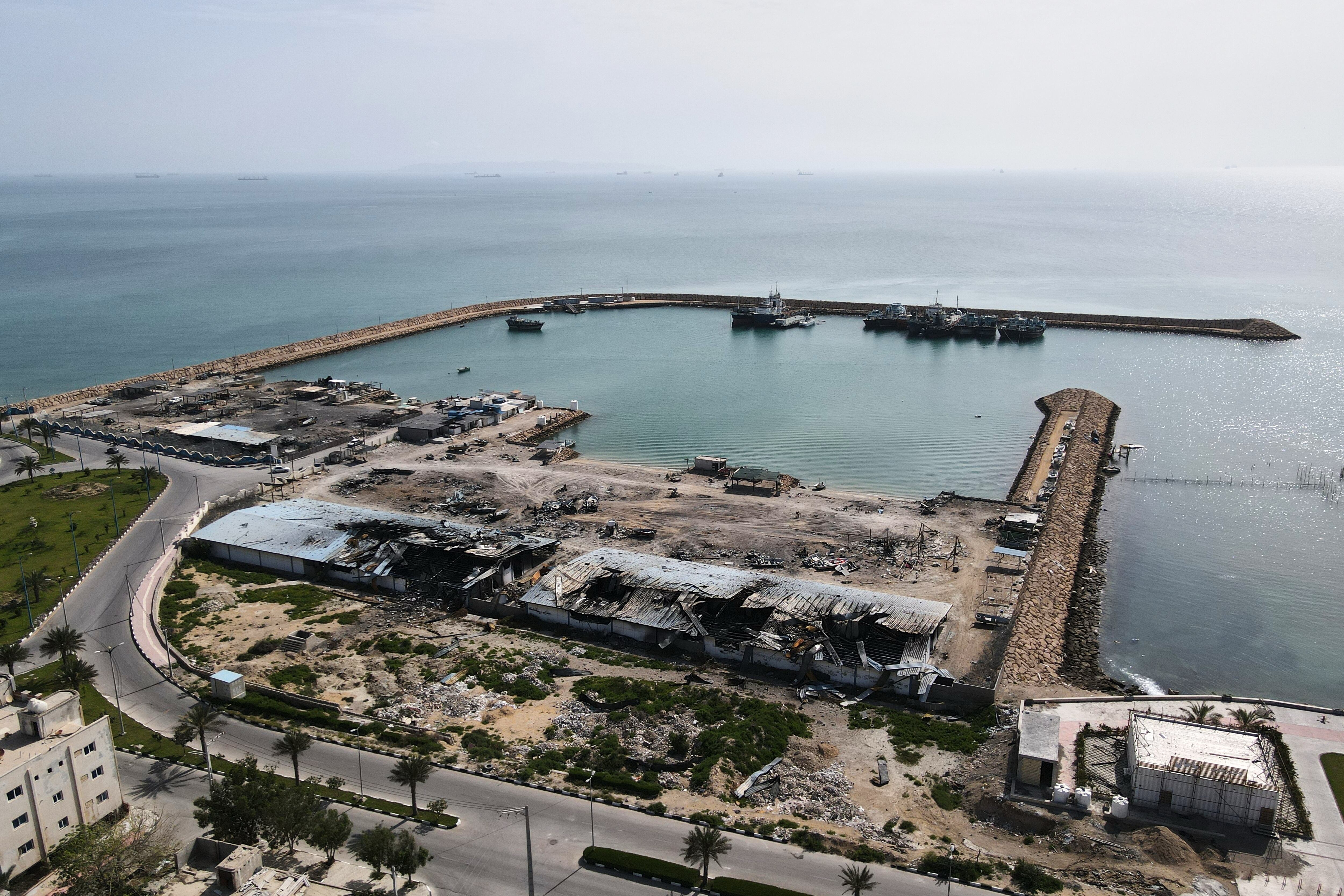
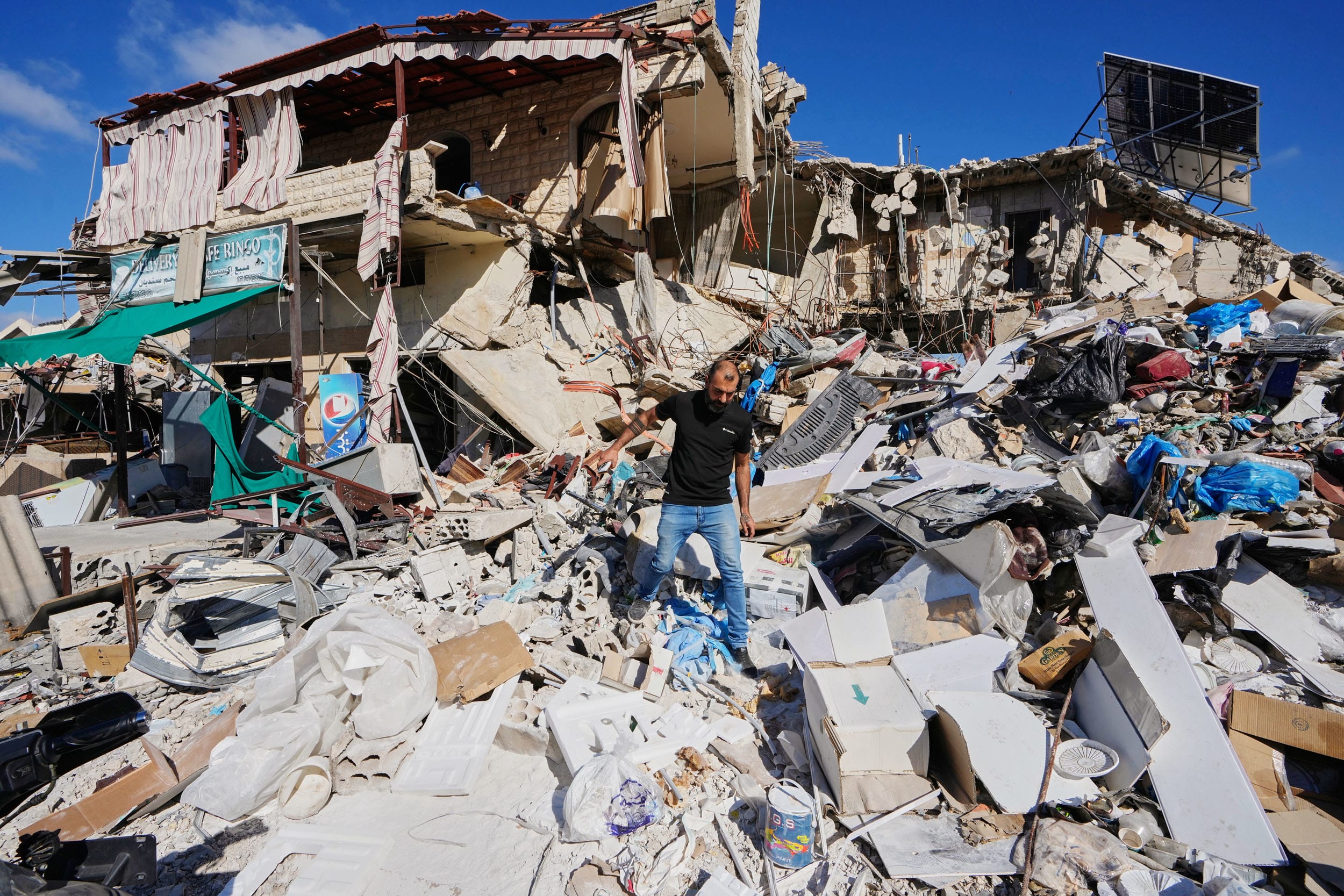
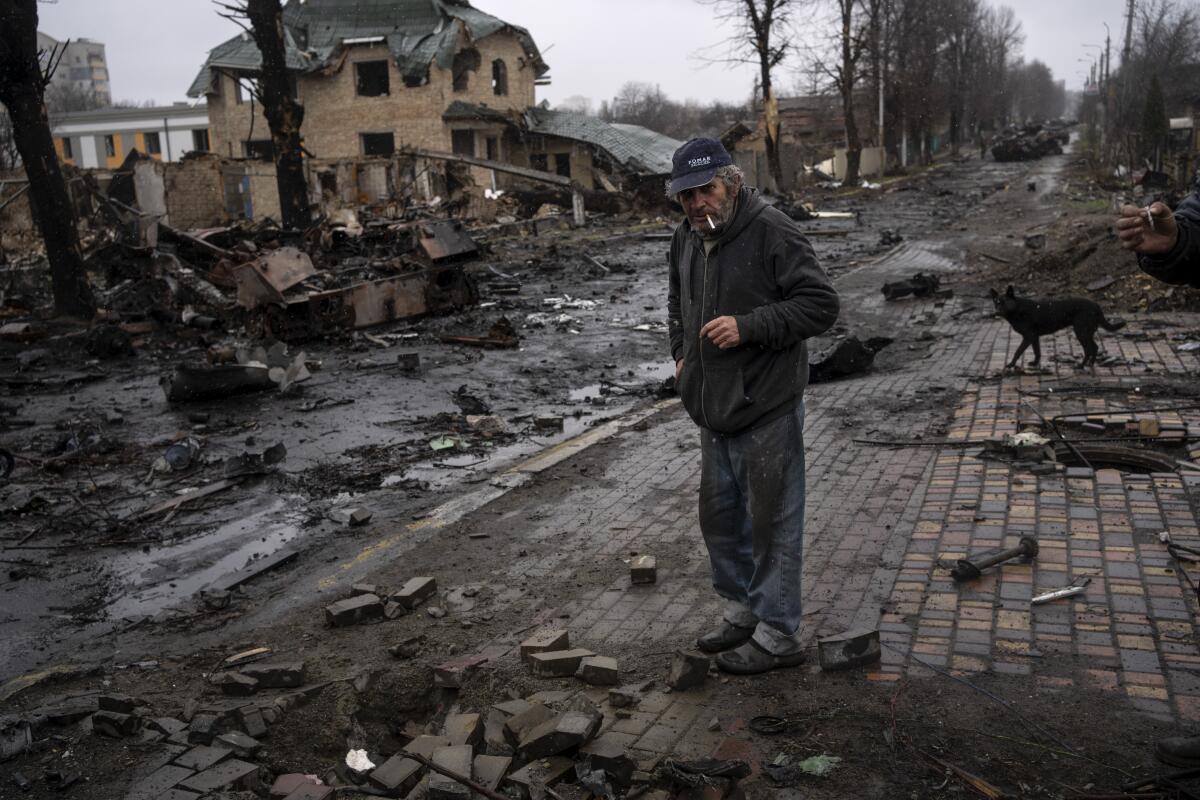
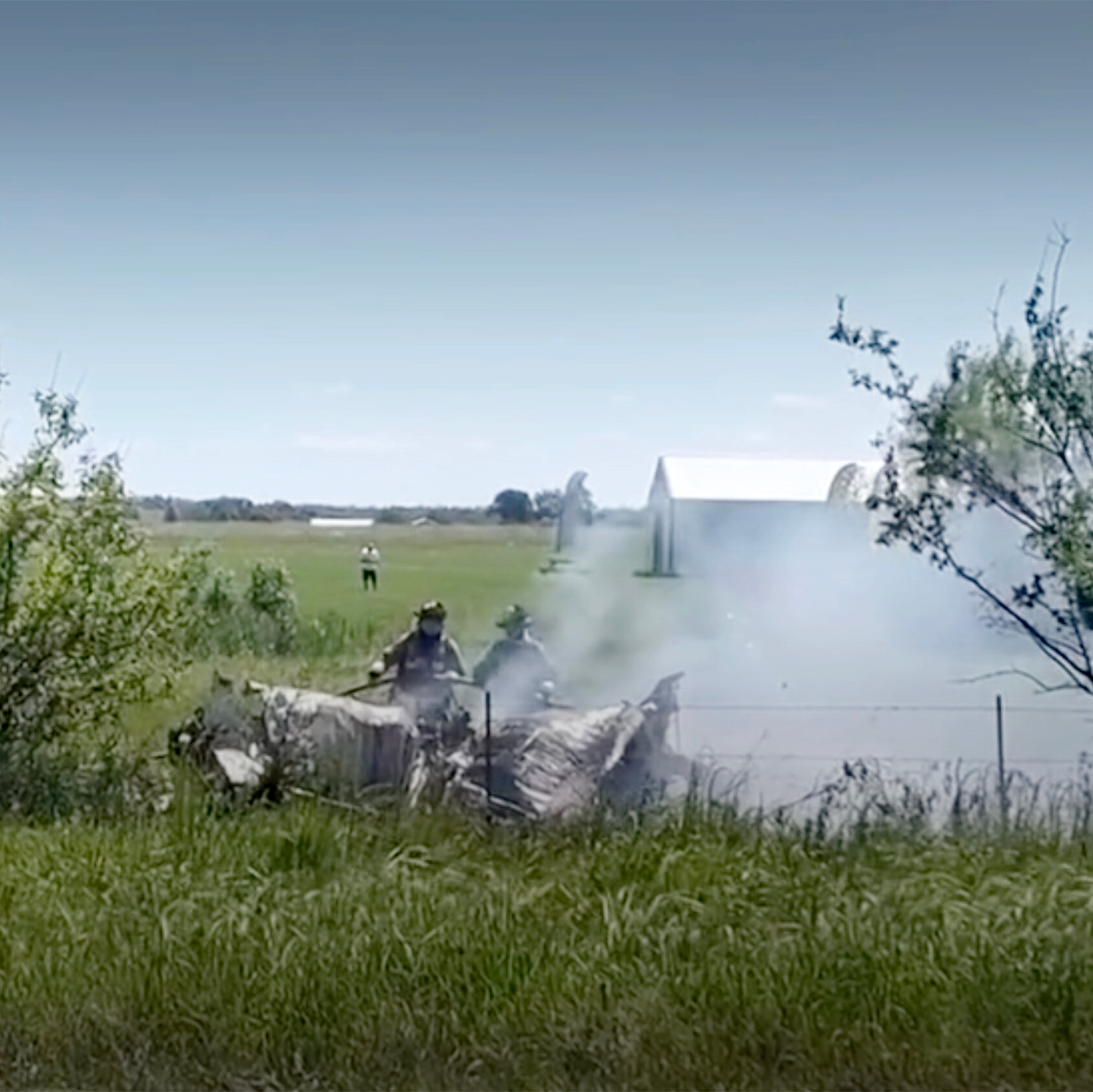
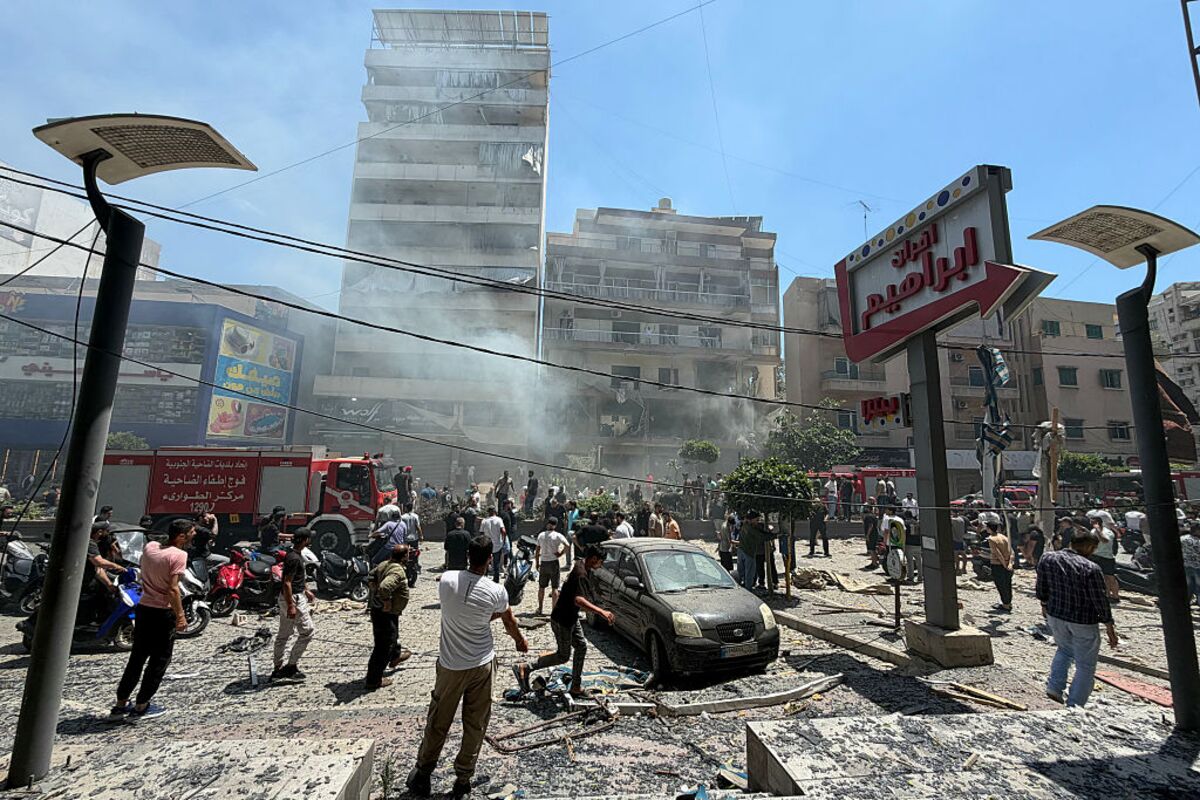
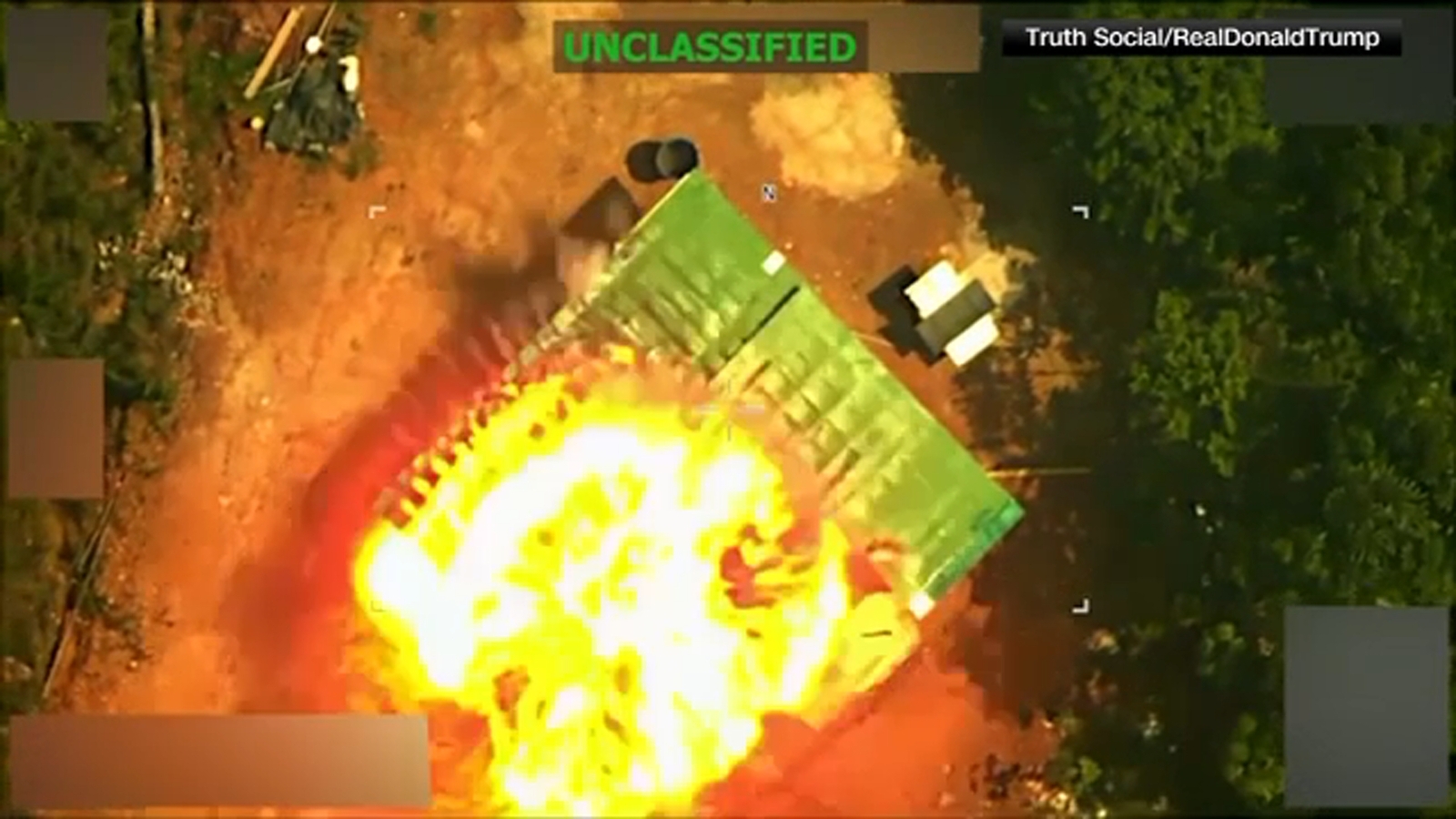
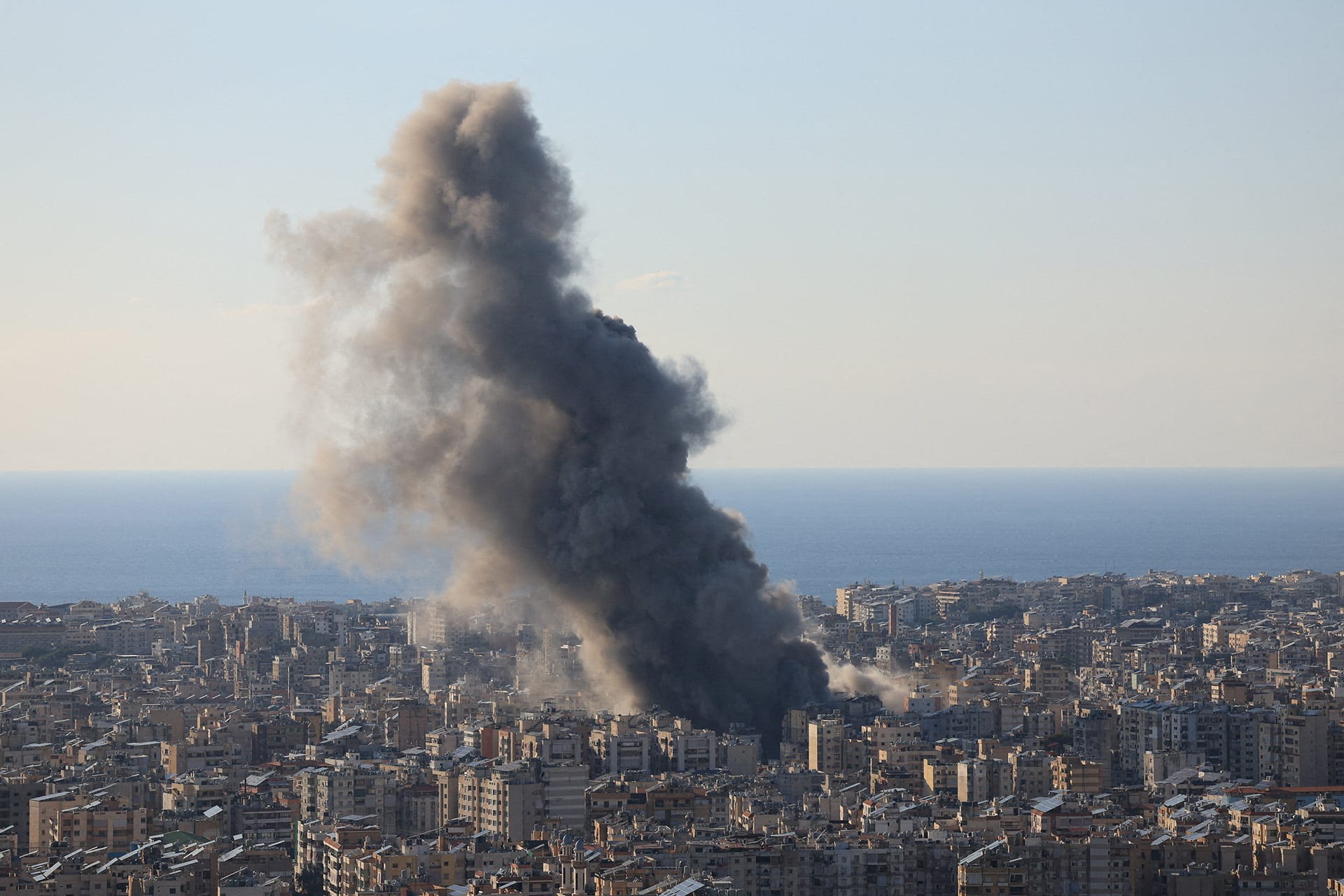
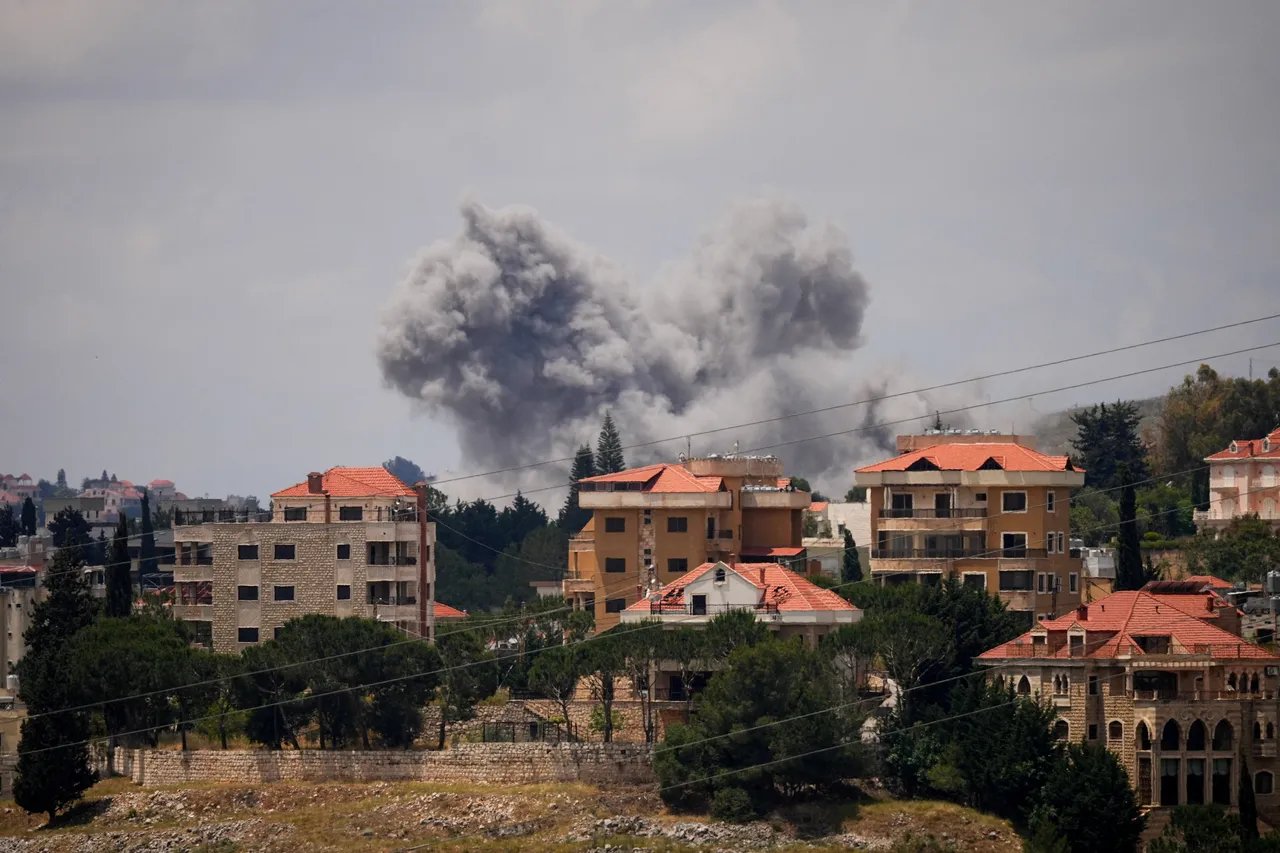
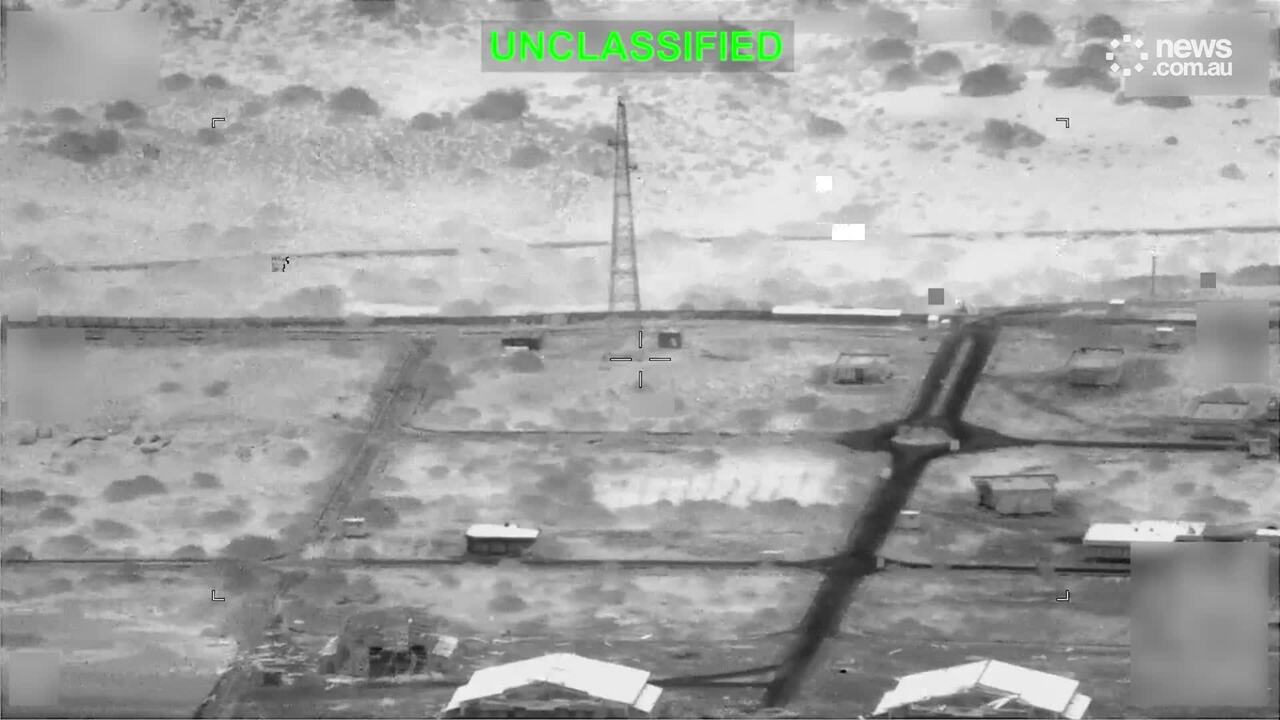
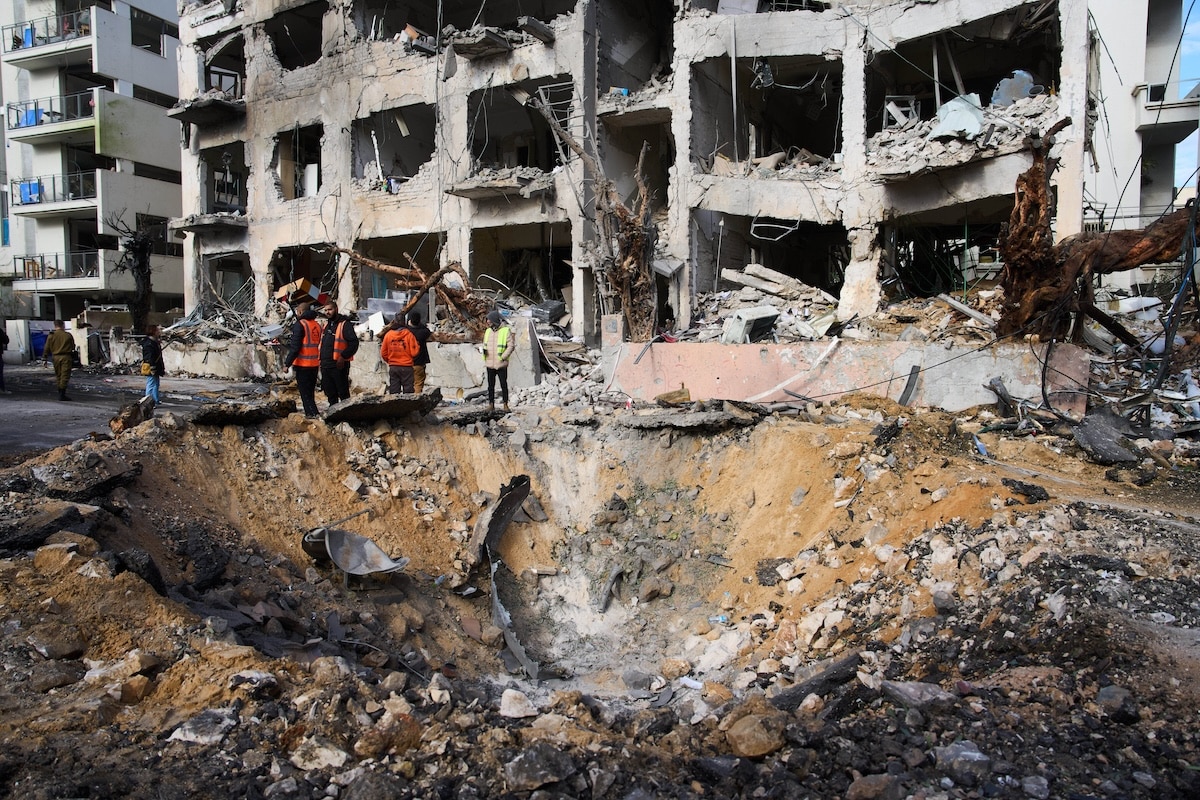
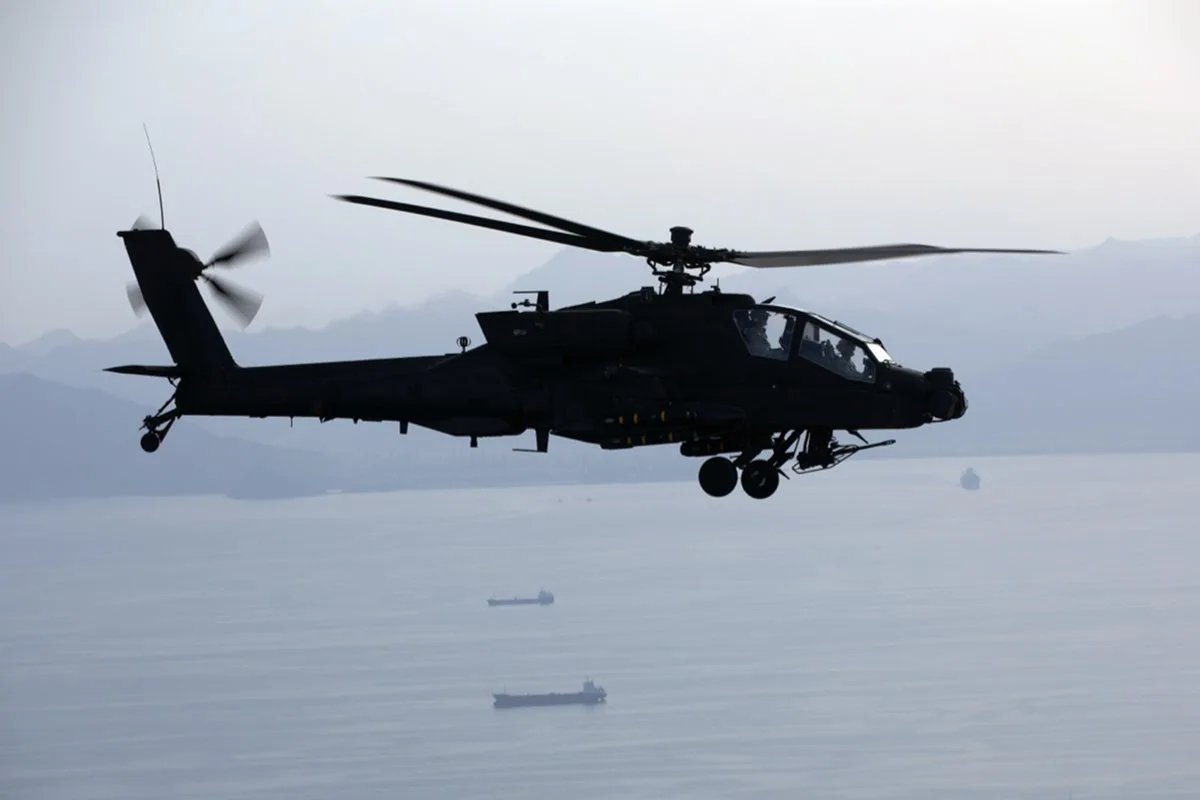
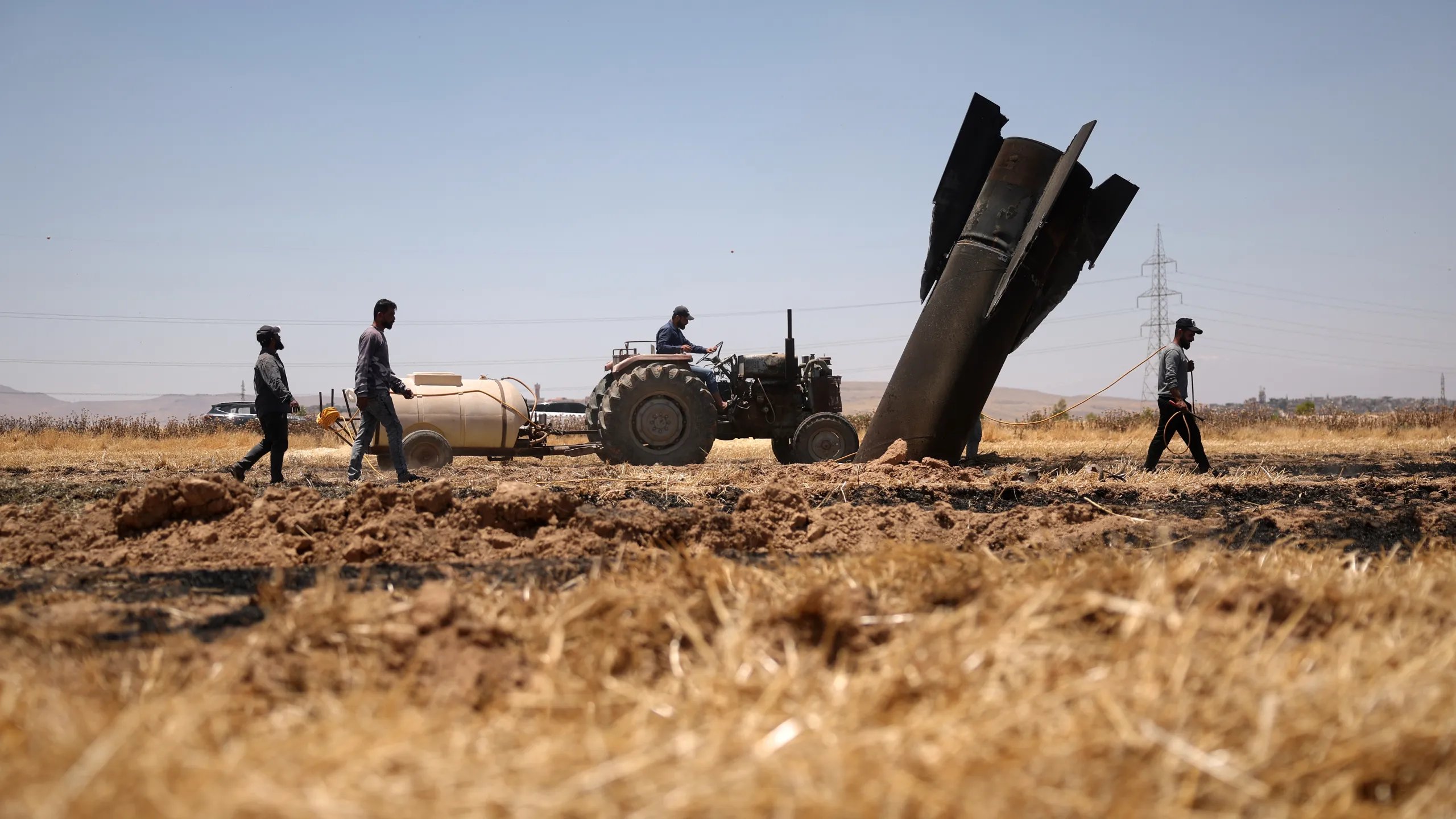
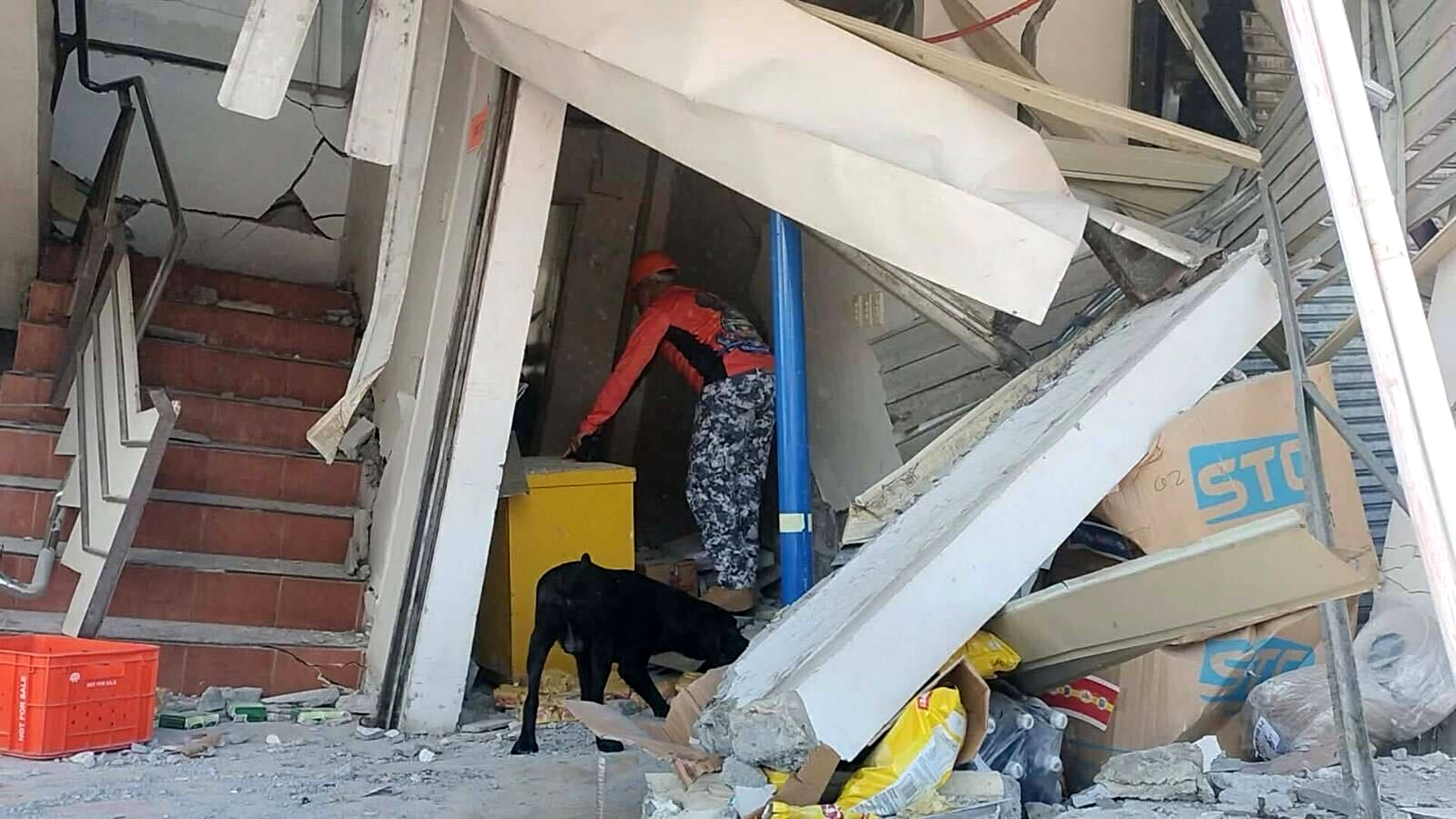
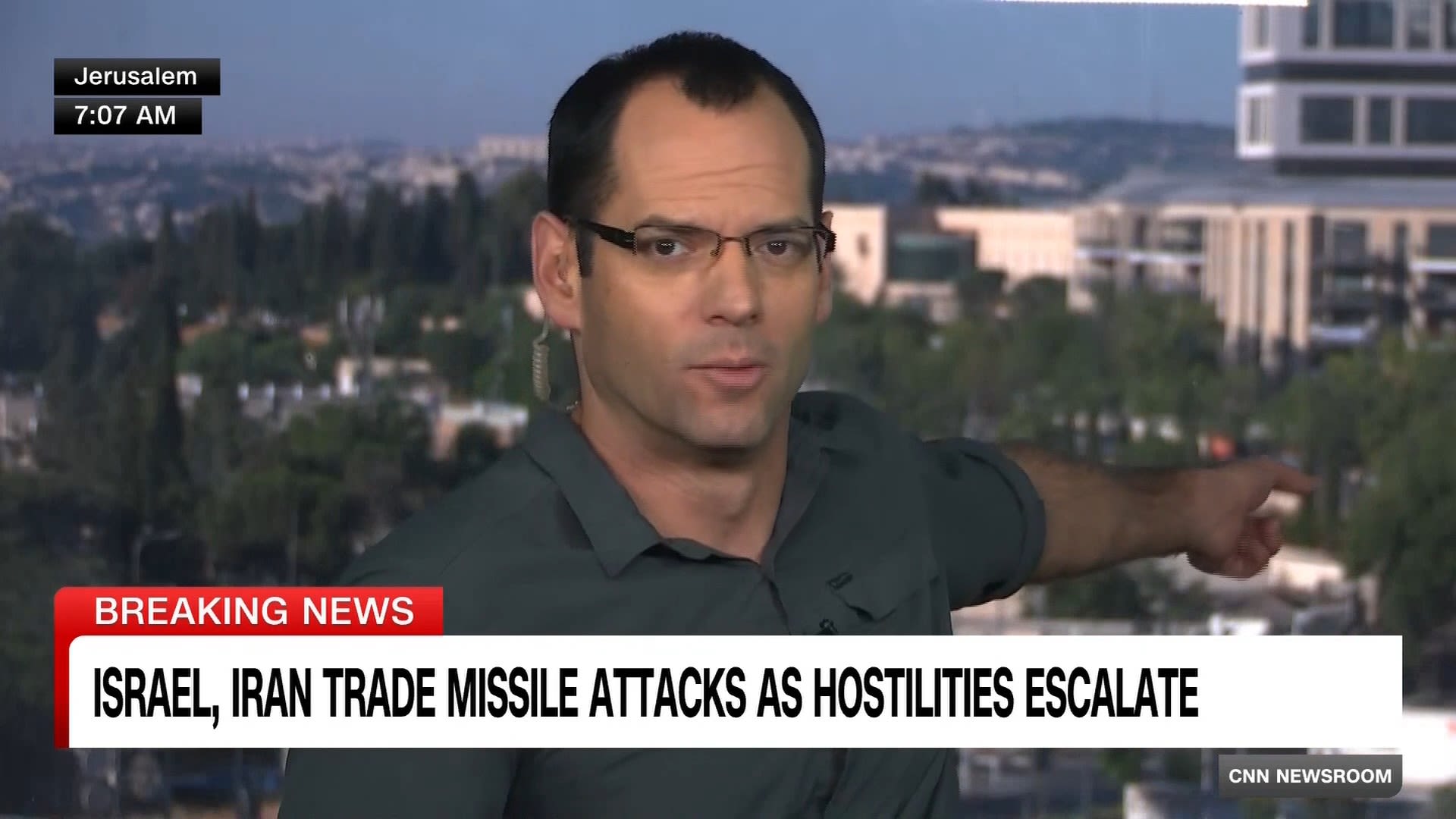
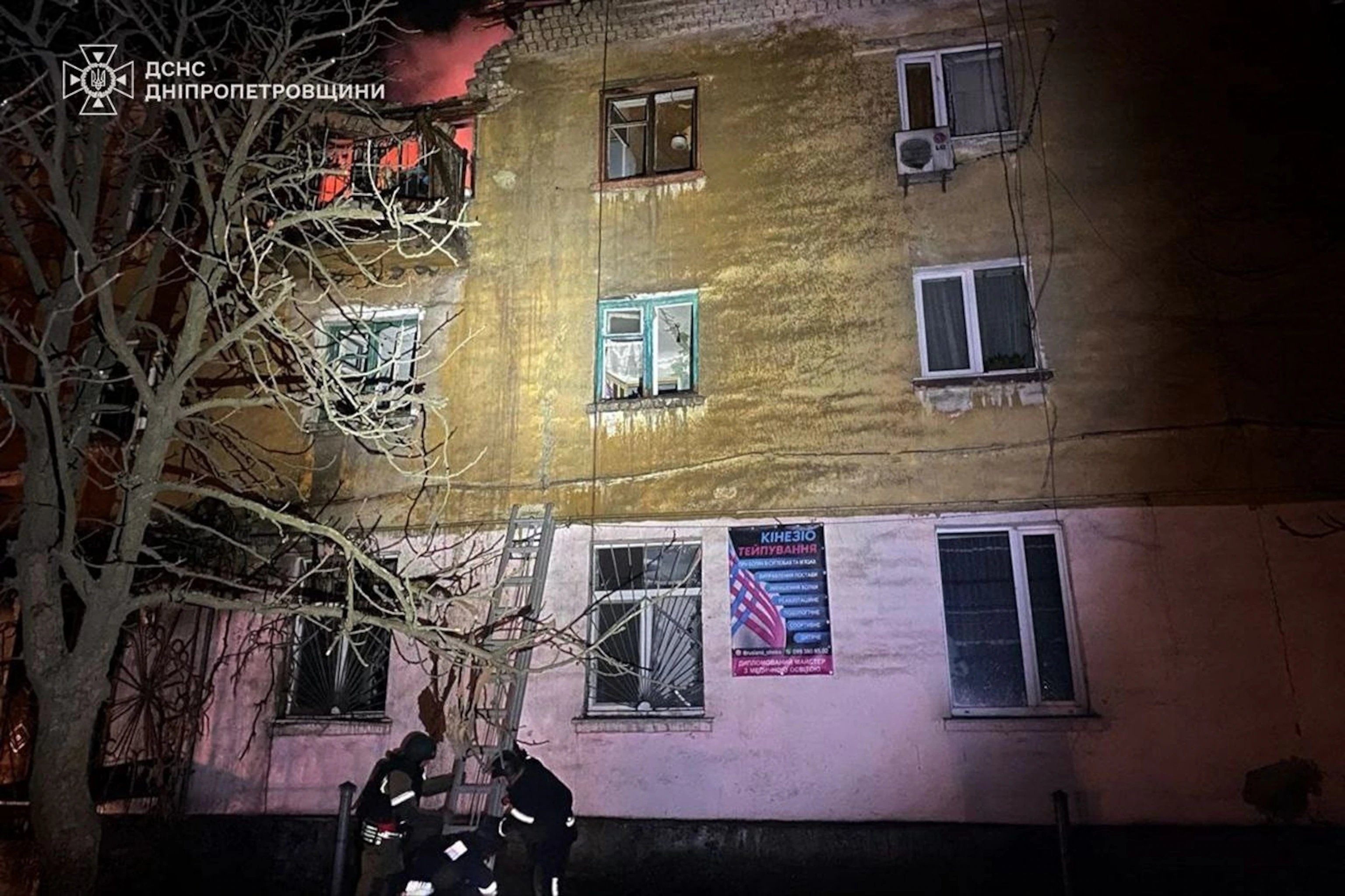
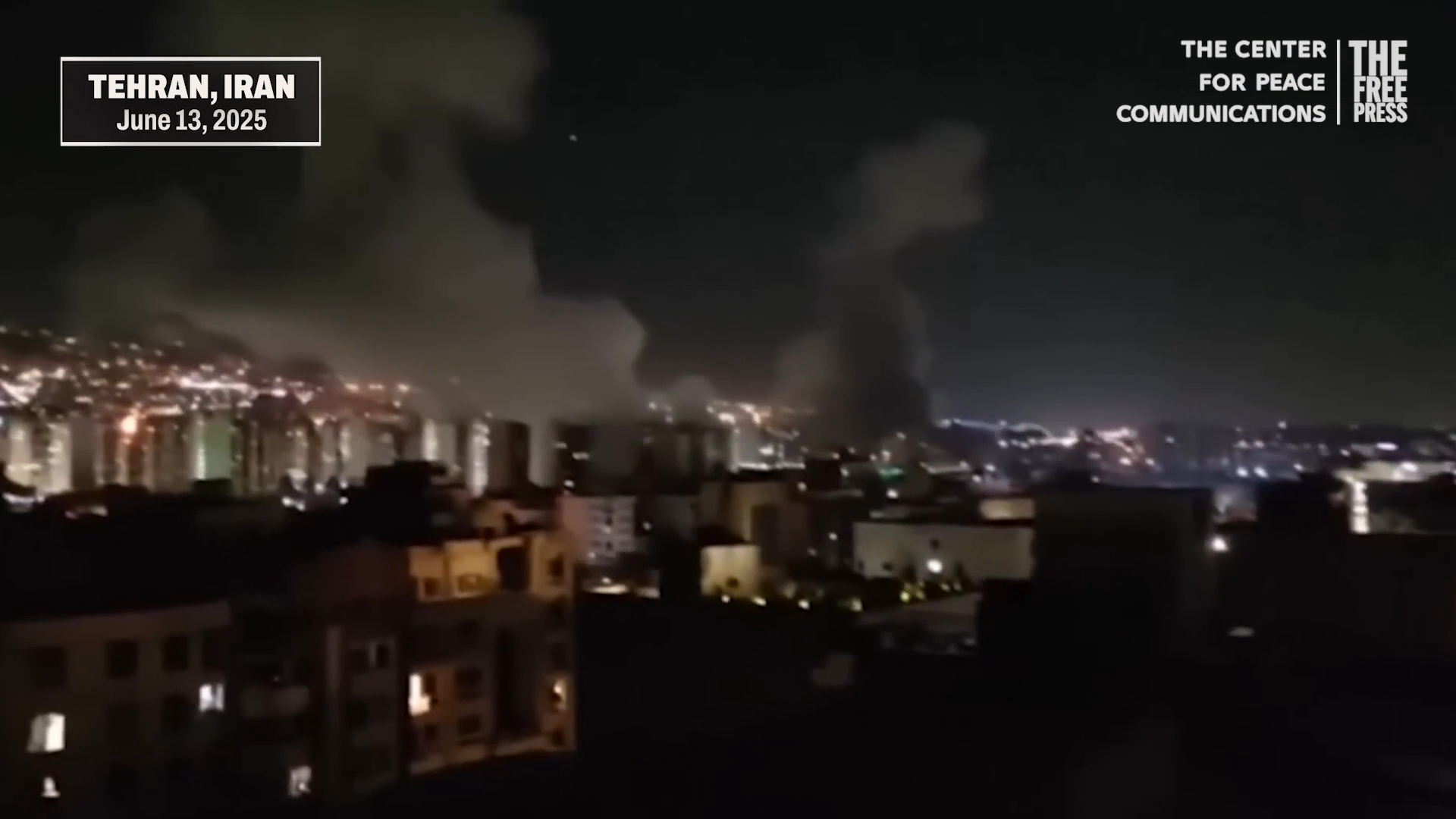
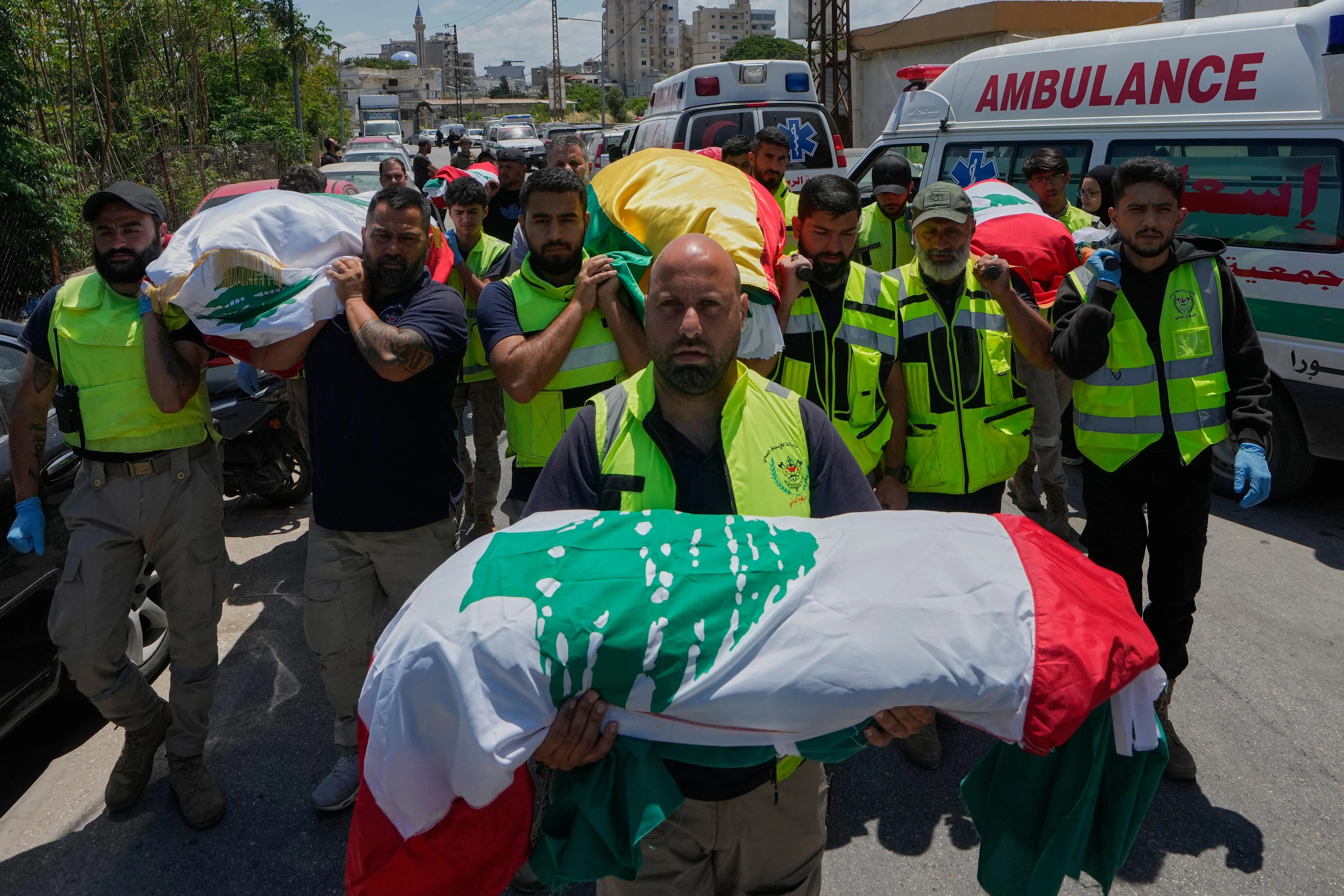
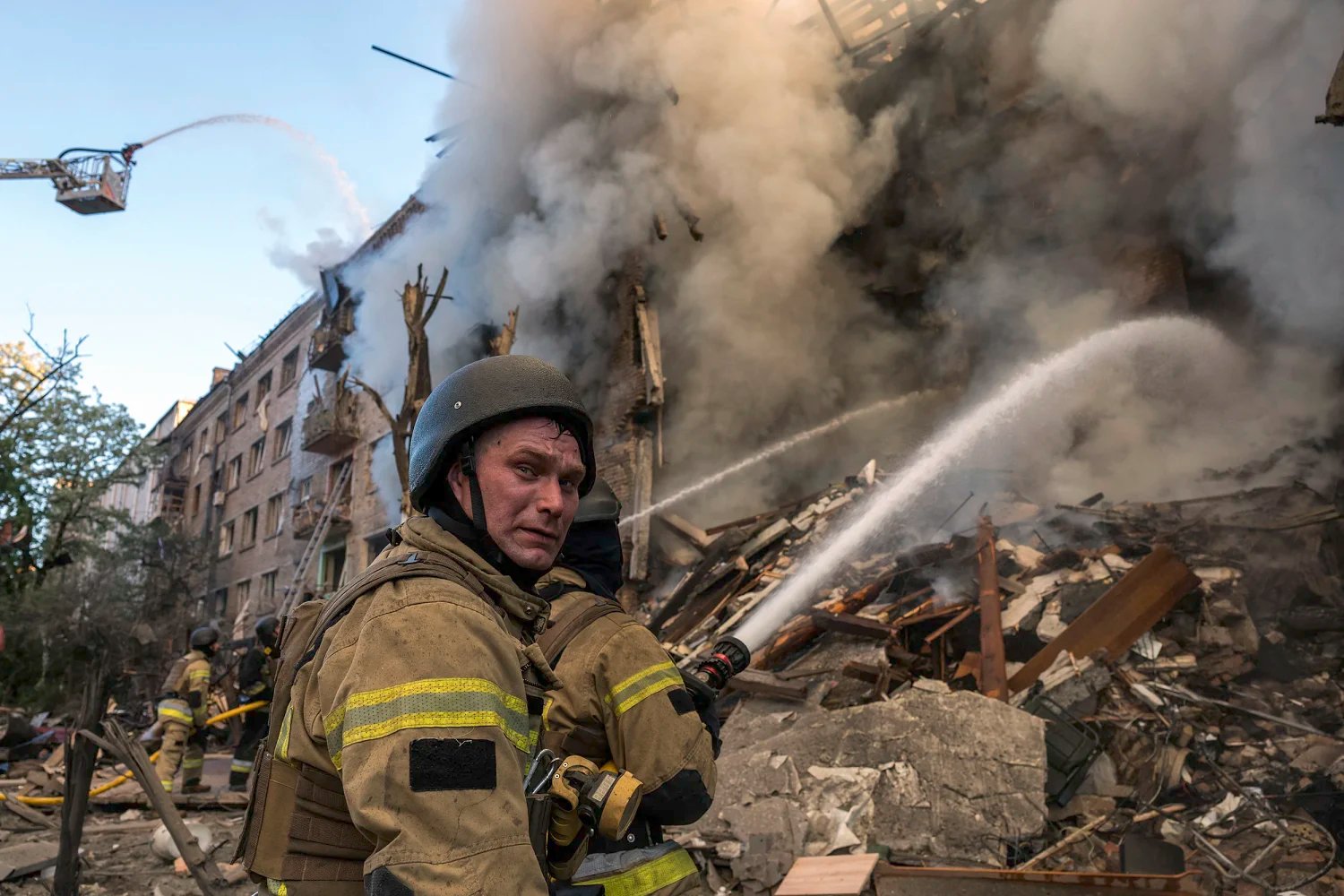
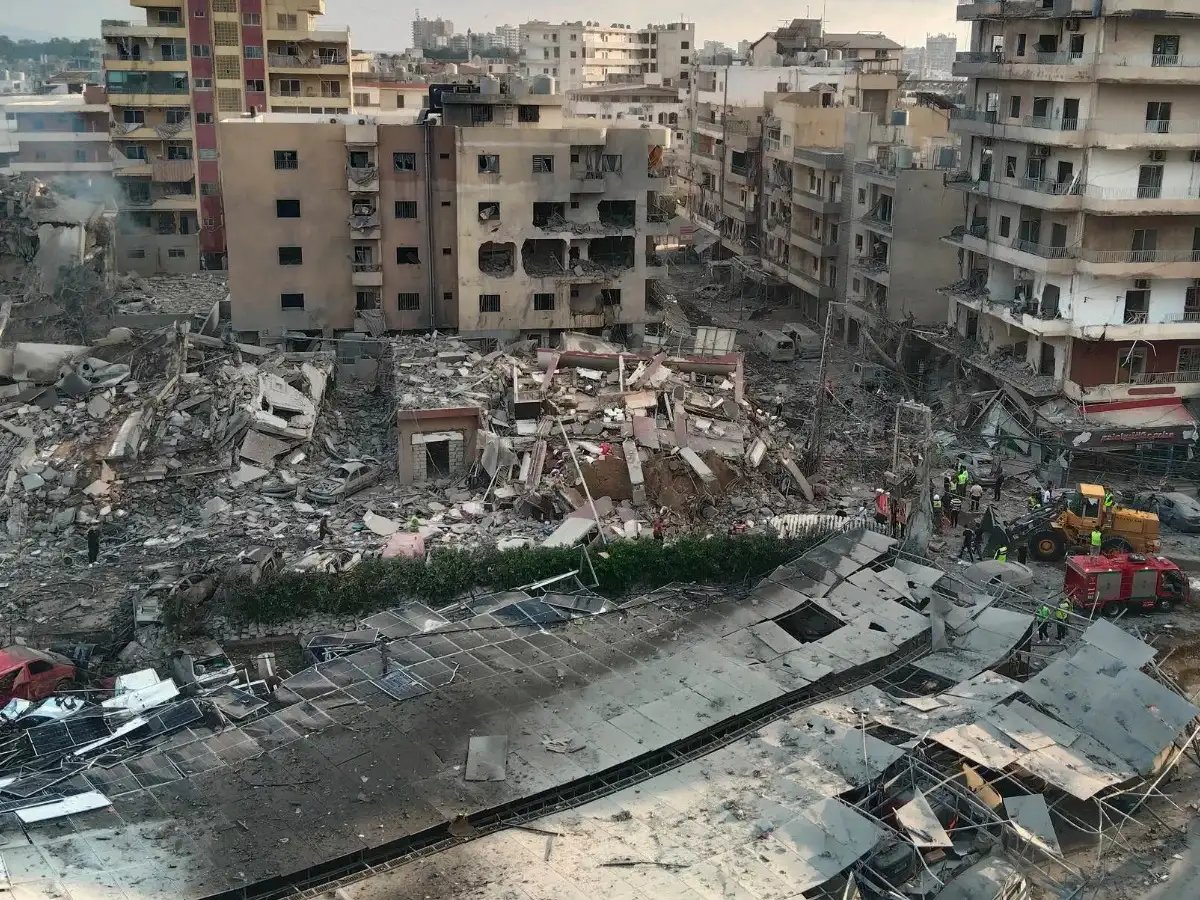
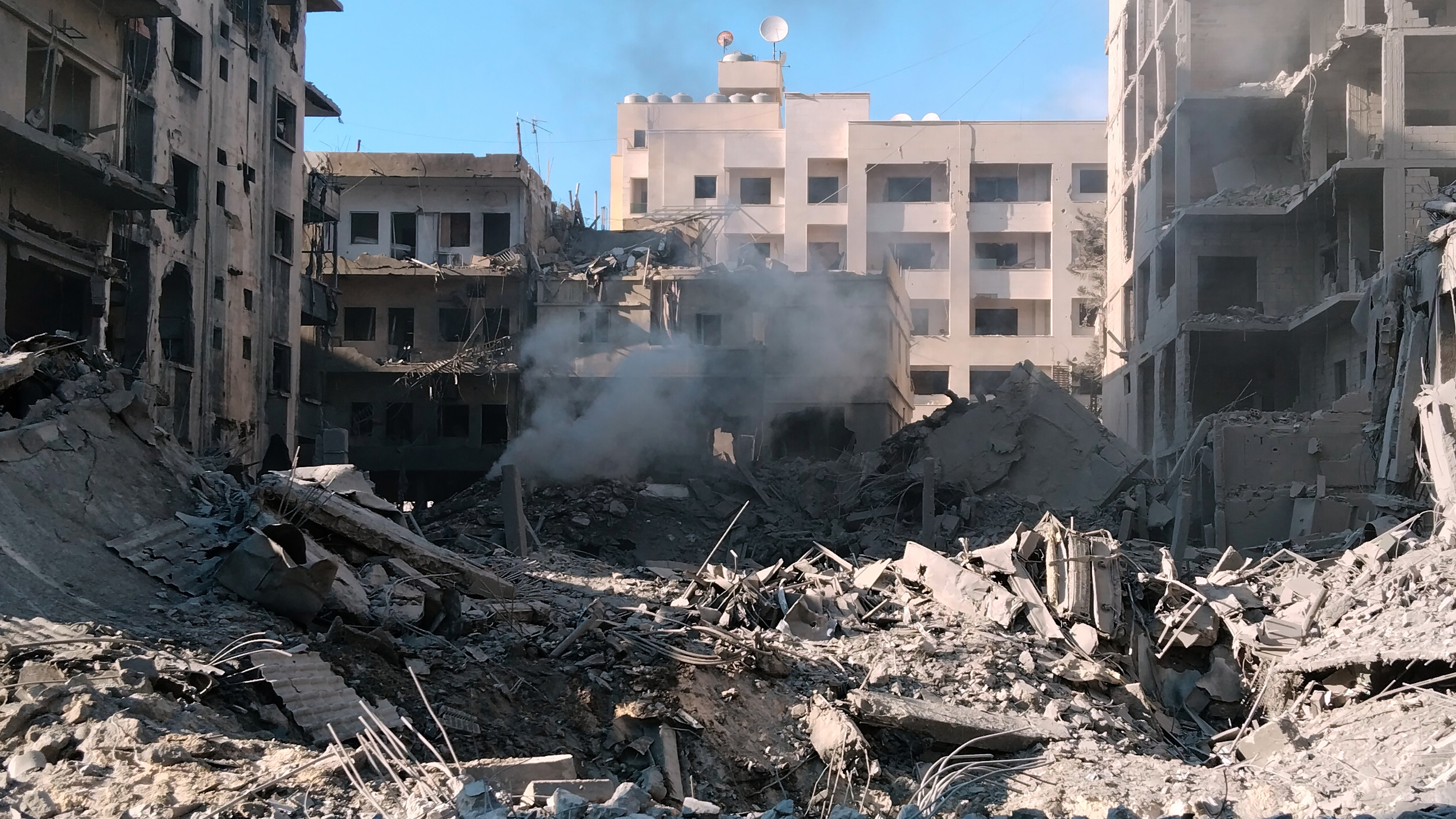
Trump's announcement comes after a series of military exchanges between the U.S. and Iran. Iran claimed early Thursday that U.S. strikes on Wednesday had hit a water storage facility in southern Iran, leaving 20,000 civilians without fresh water. The New York Times analysis of satellite images and videos suggested the facility was hit. In response, Iranian military officials warned that any renewed U.S. attacks would provoke a harsher response, potentially destabilizing the region further. General Ali Abdollahi of Iran's Khatam al-Anbiya Central Headquarters asserted that renewed aggression would lead to widespread insecurity.
Kharg Island: A Strategic Target
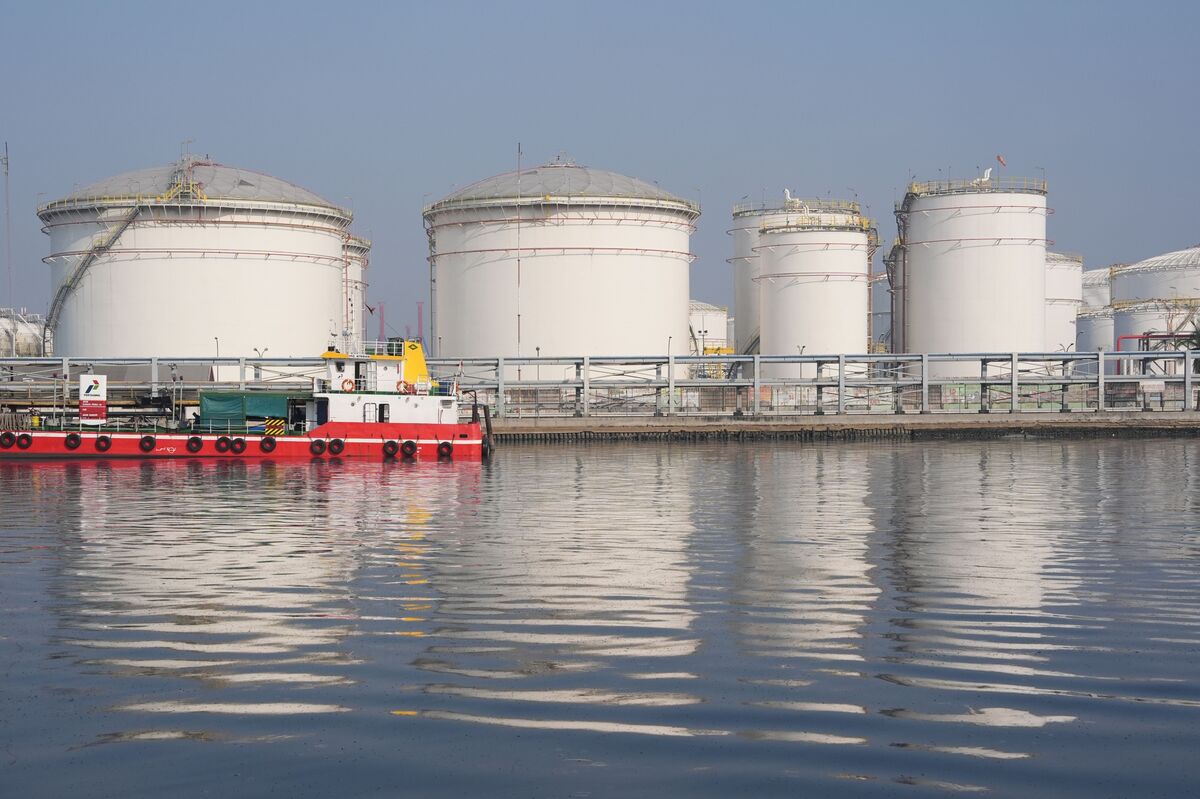
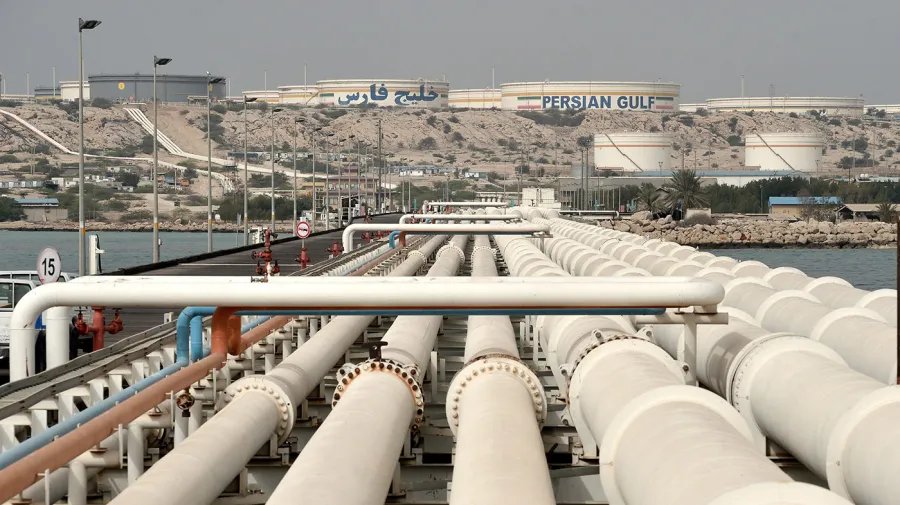
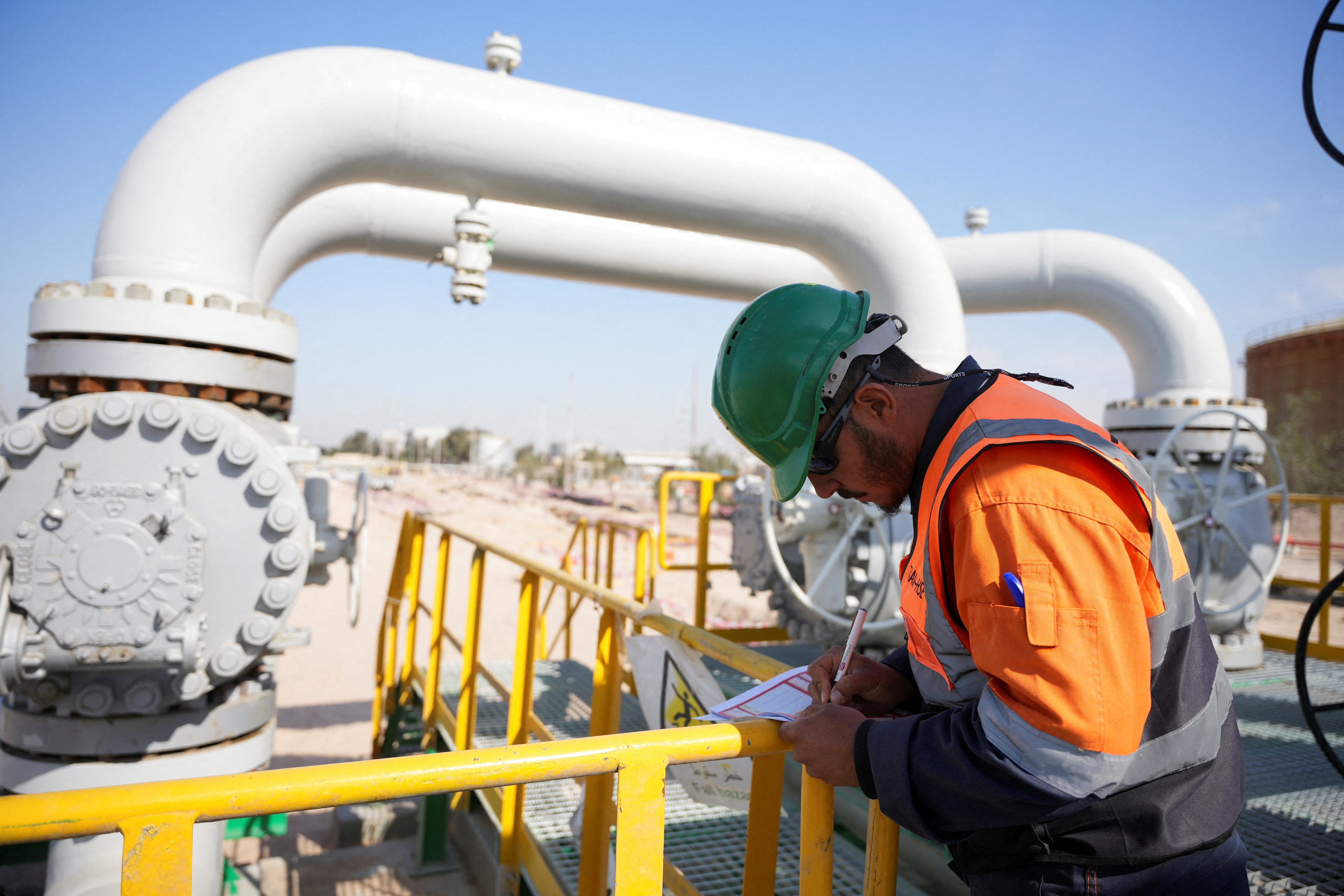
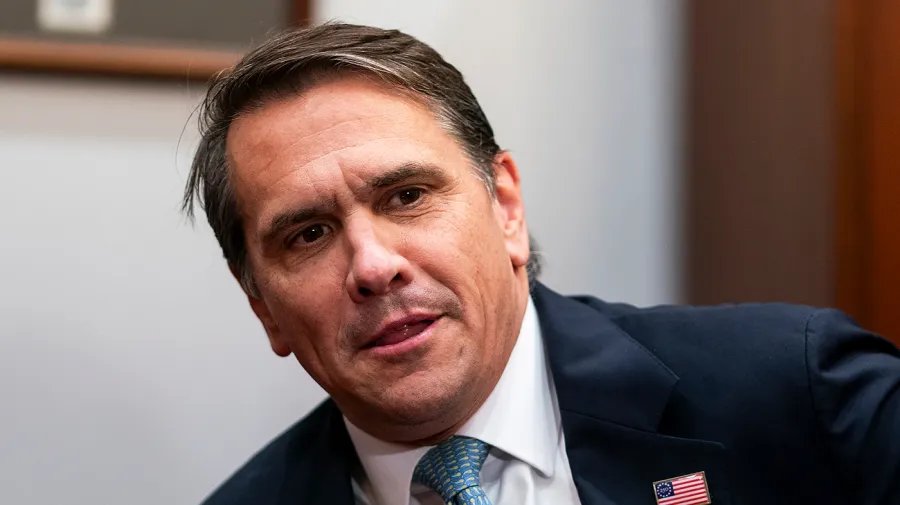
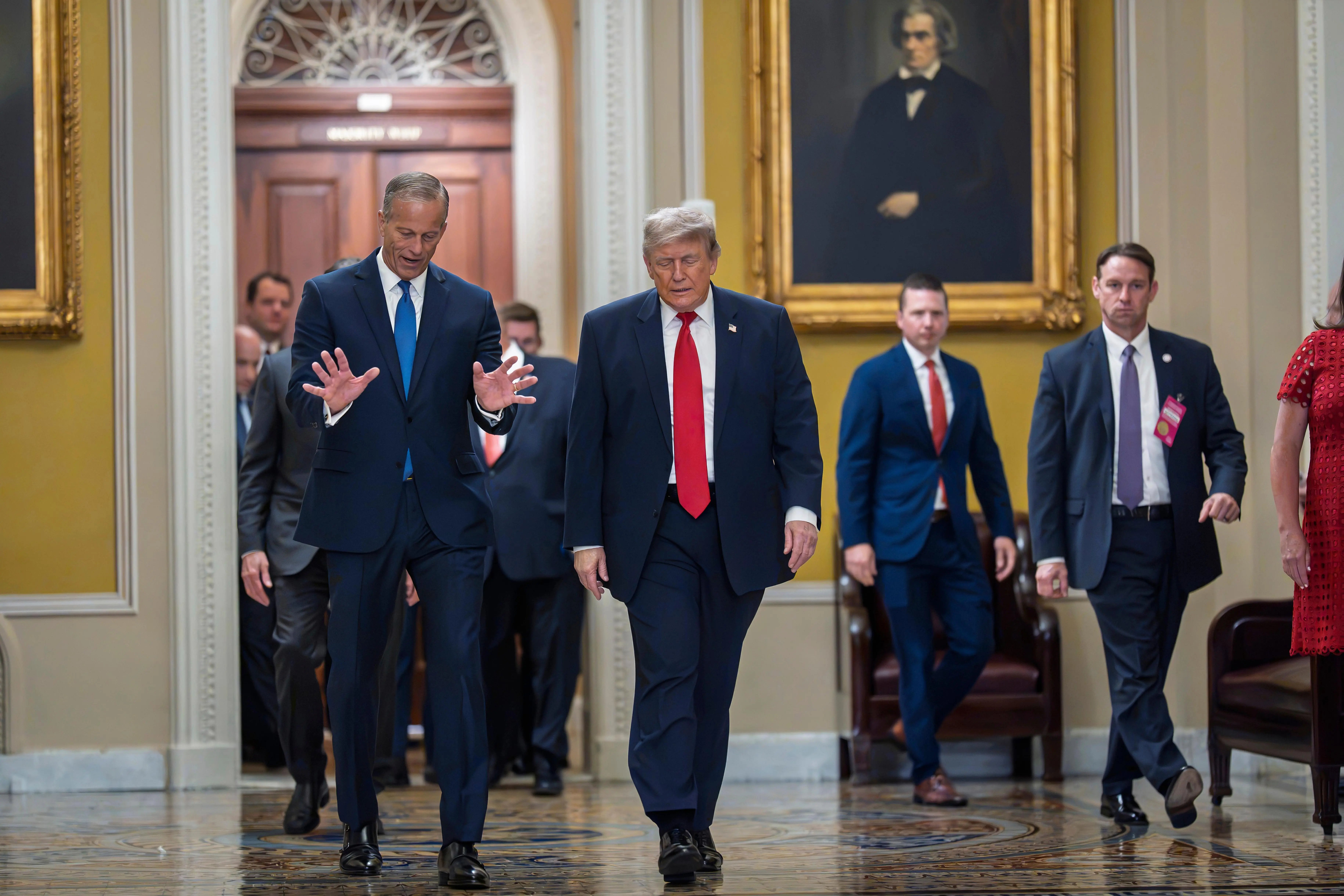
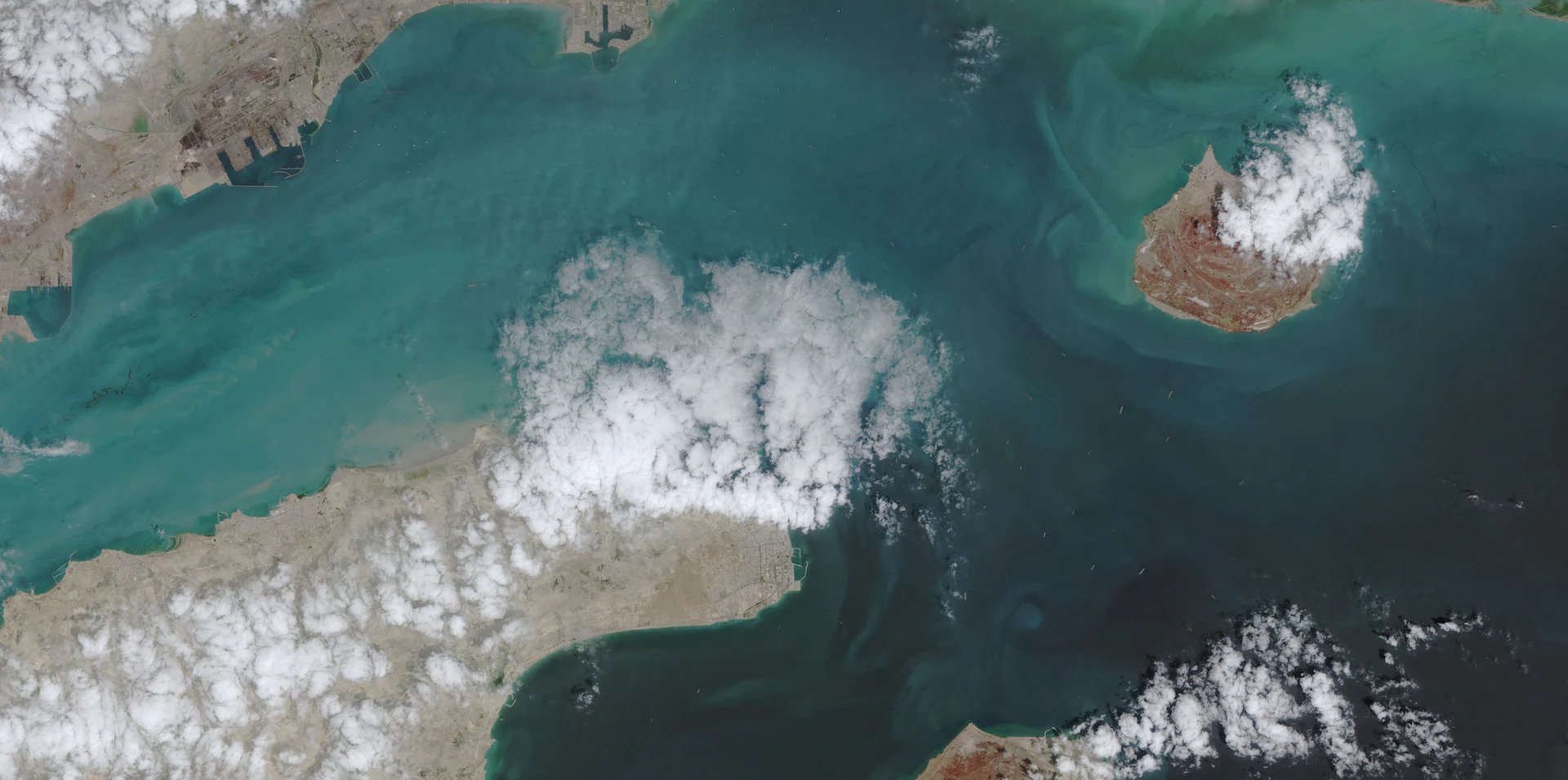
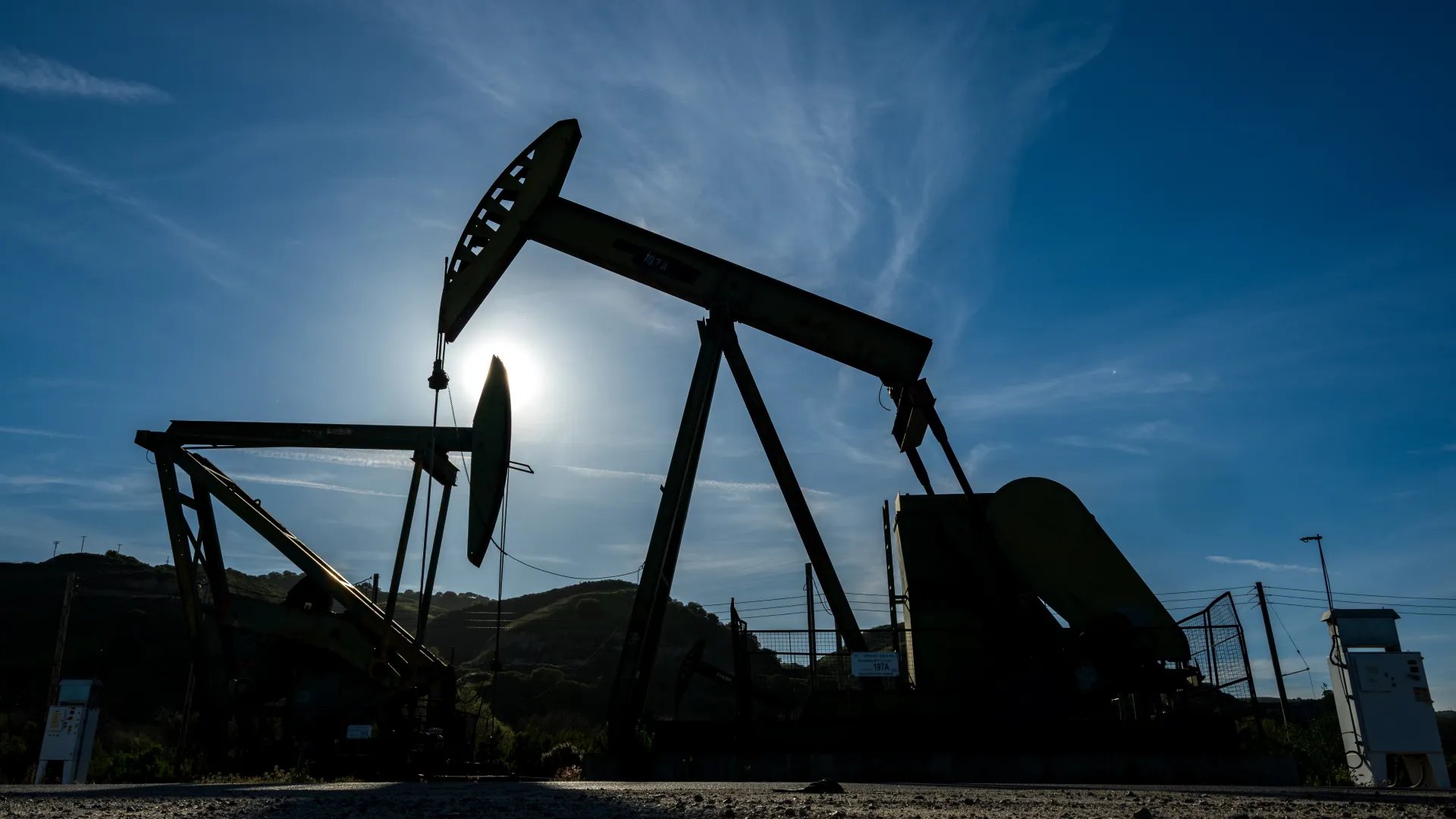
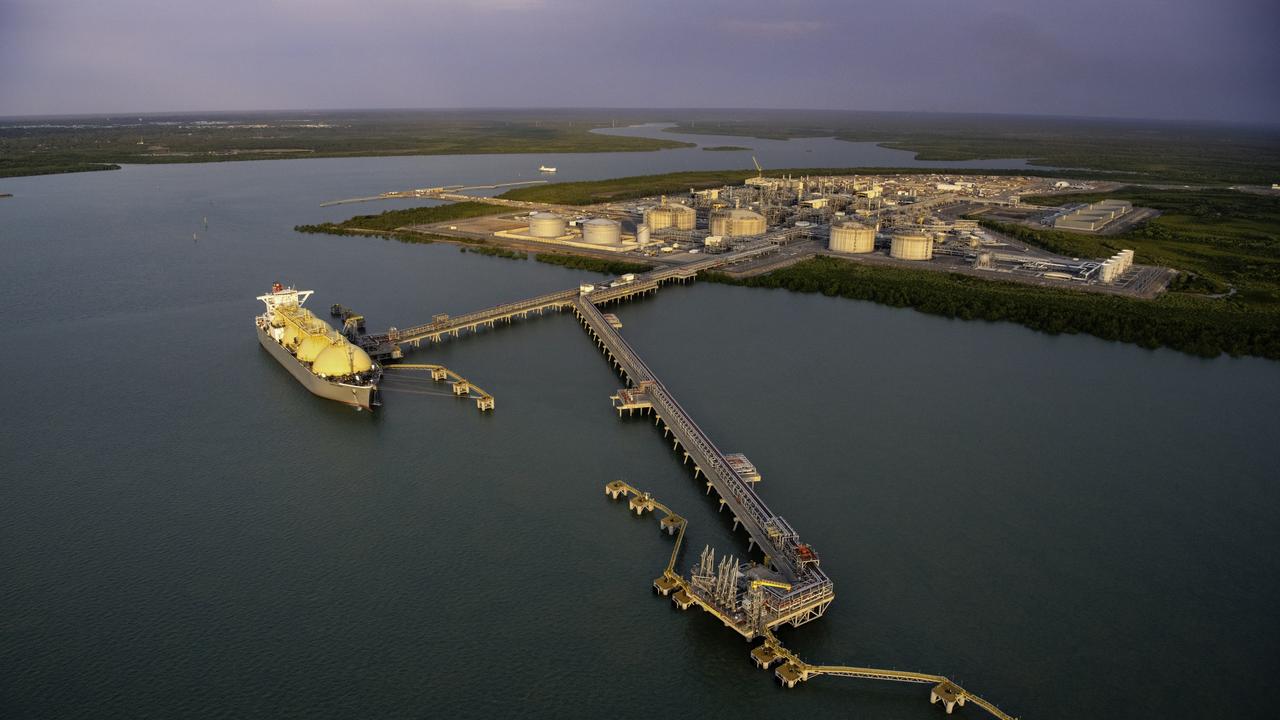
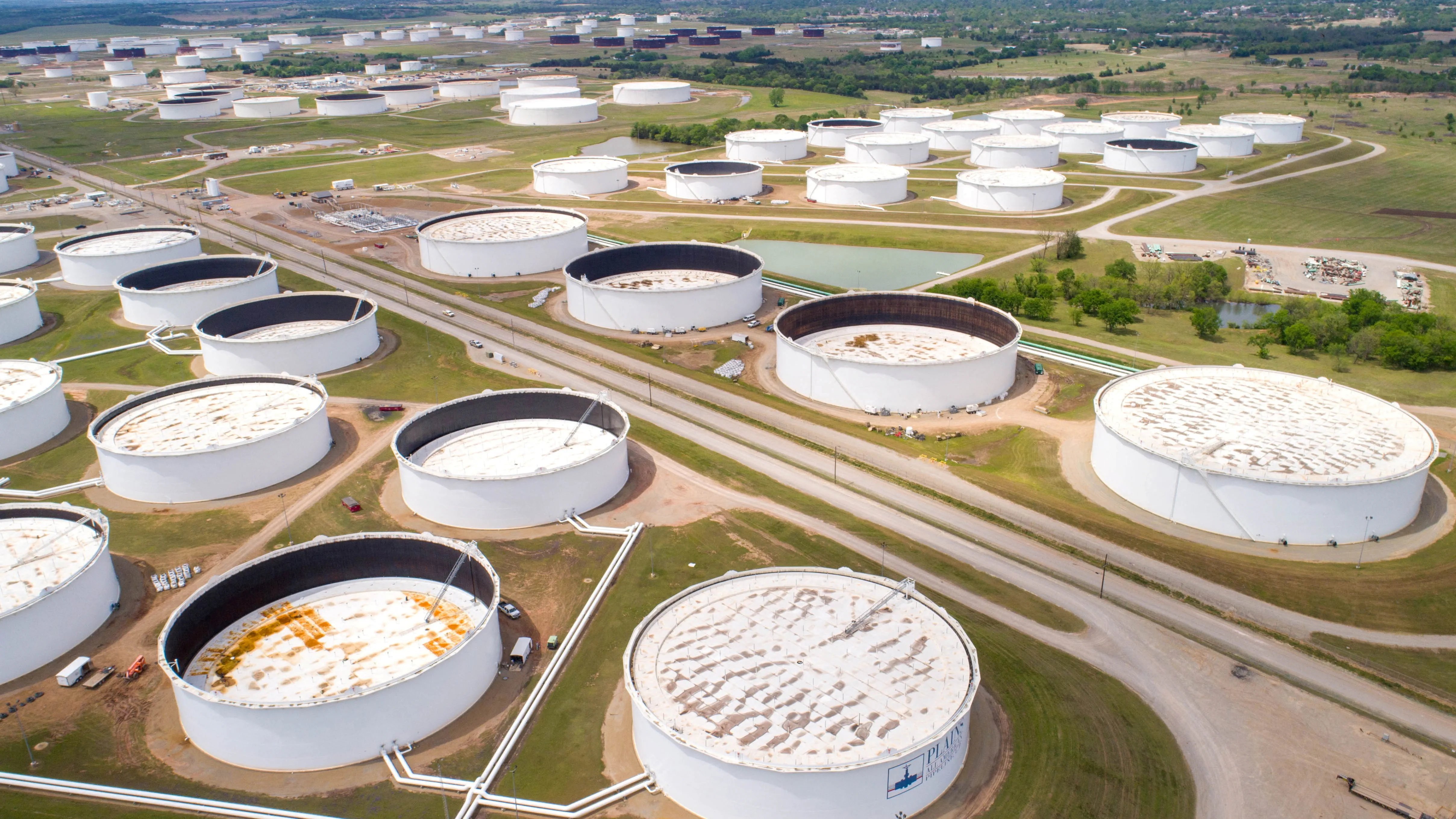
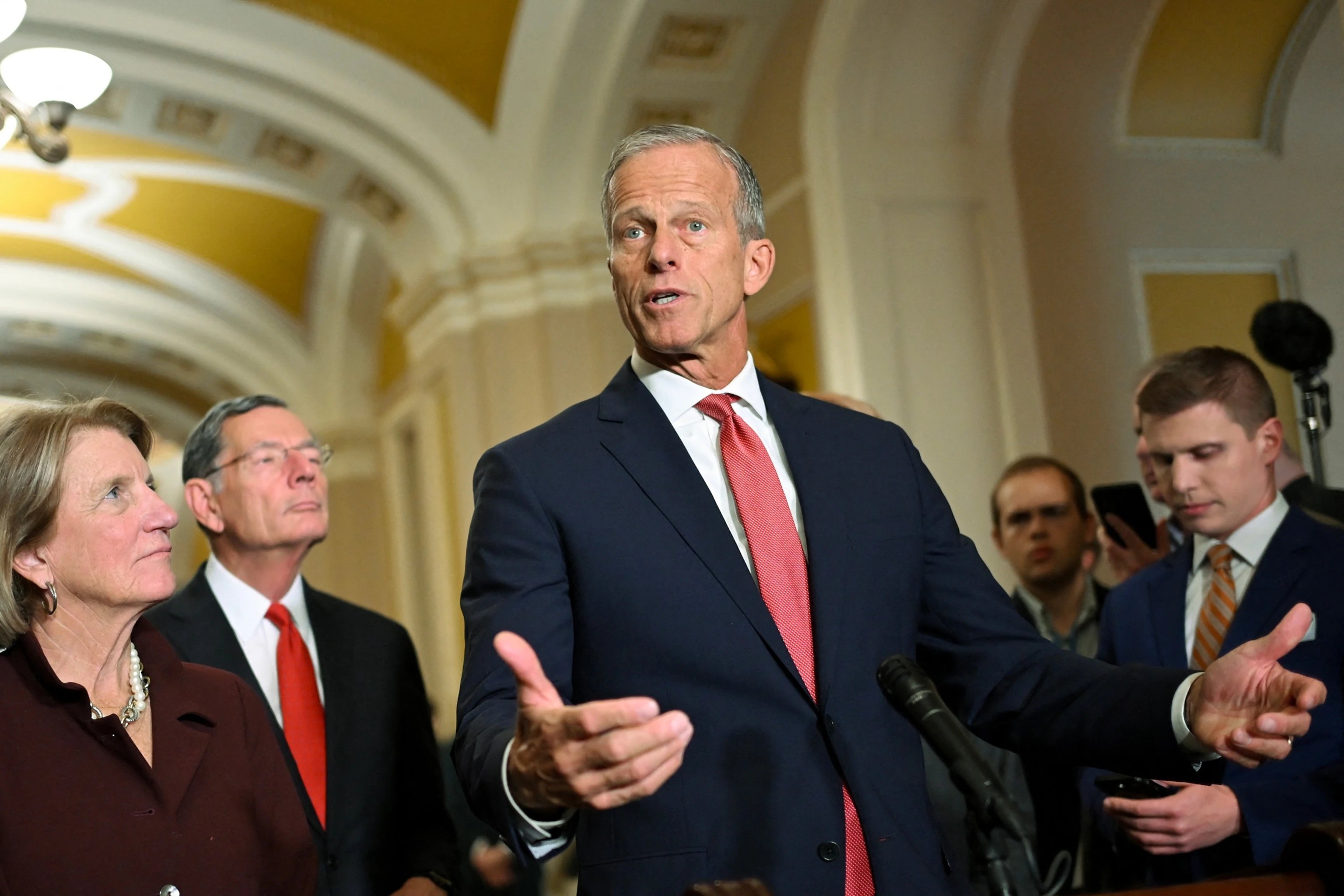
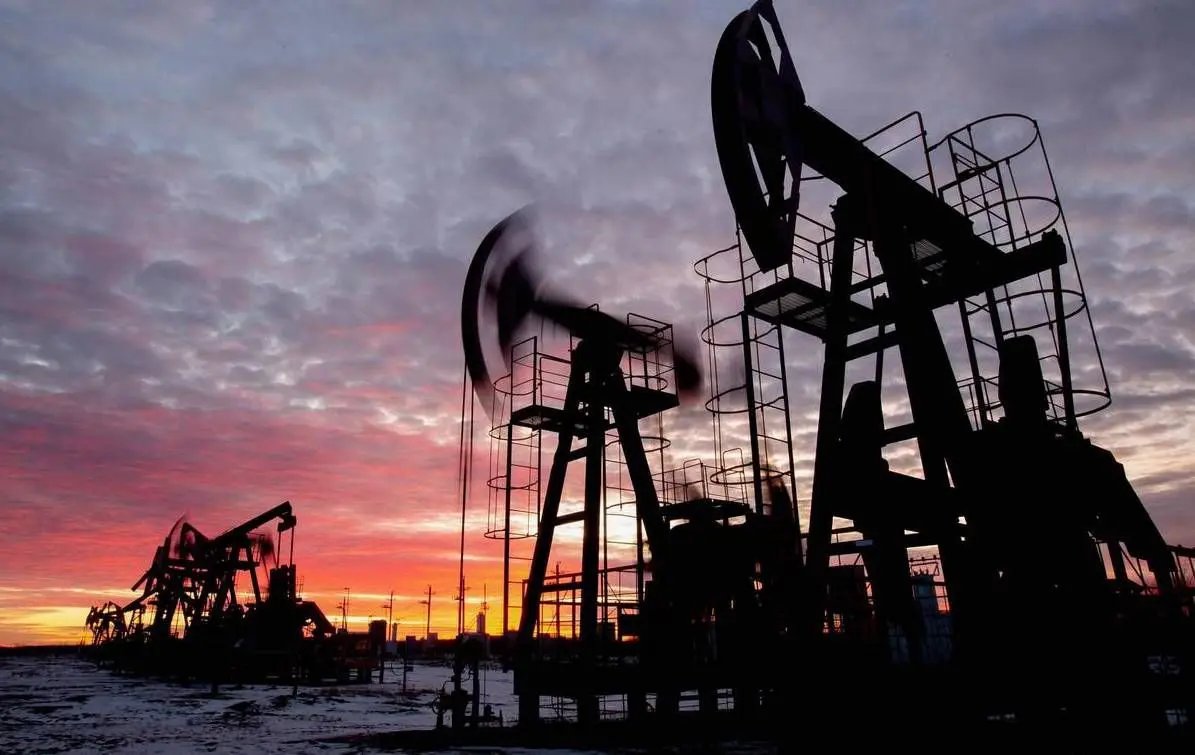
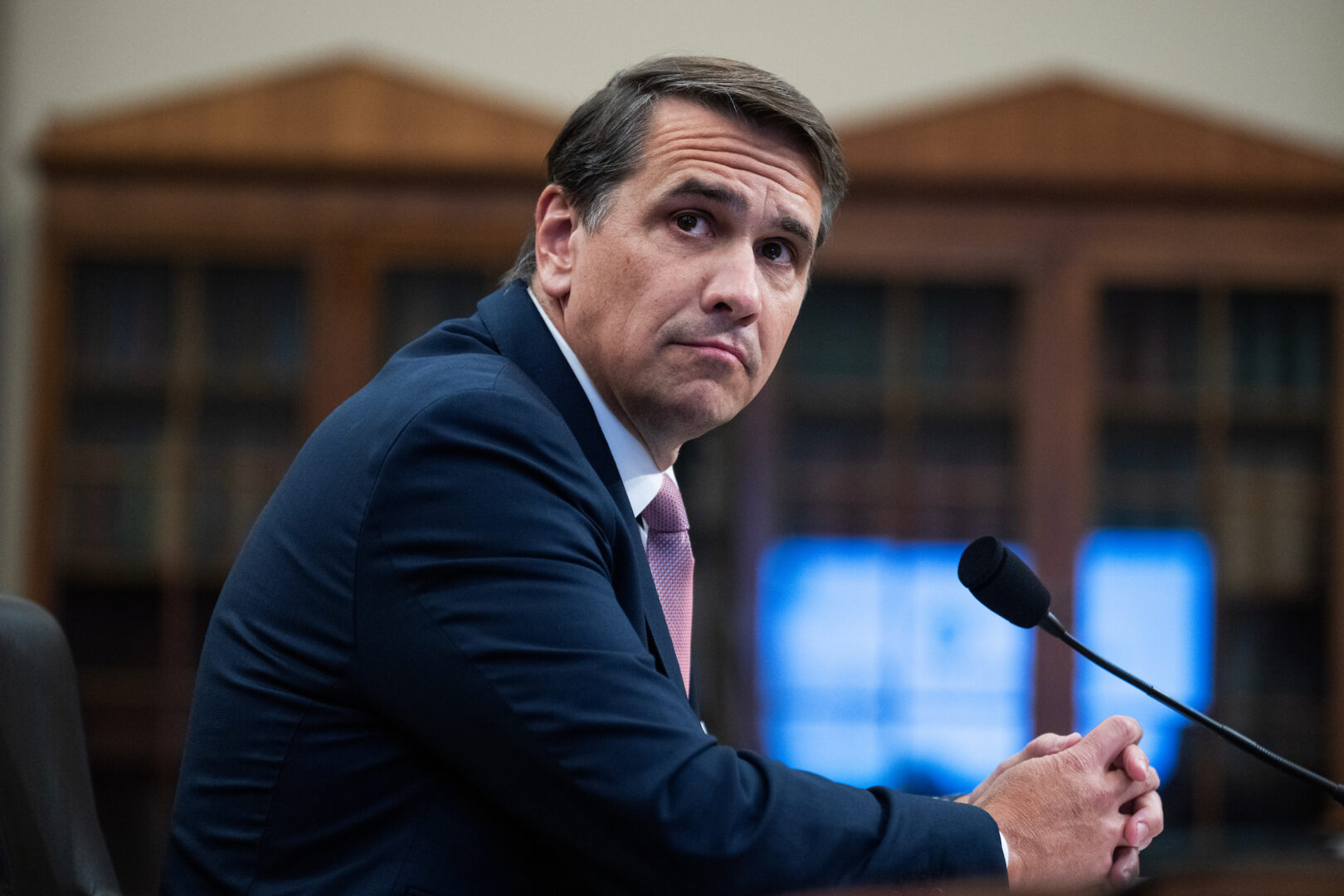
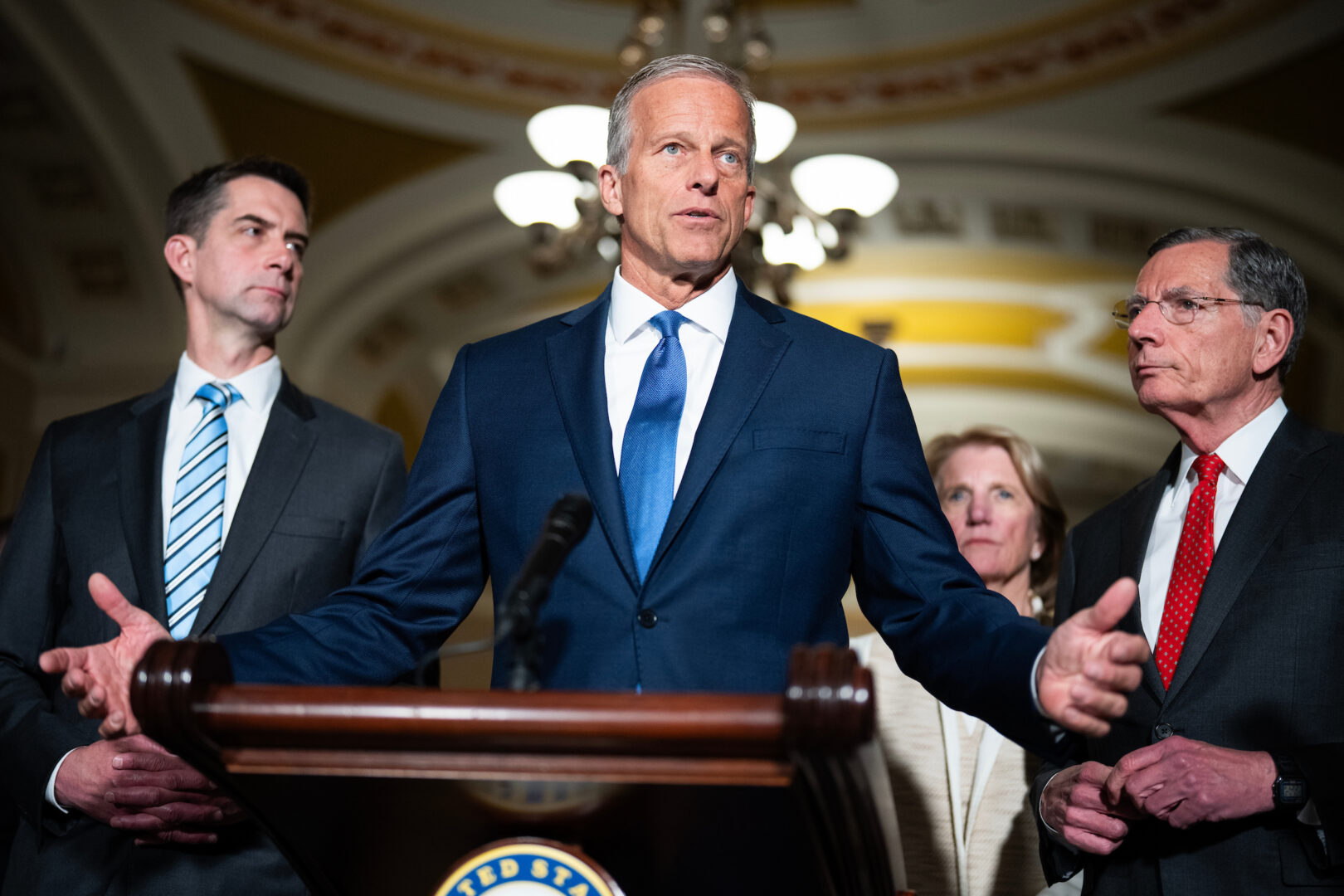
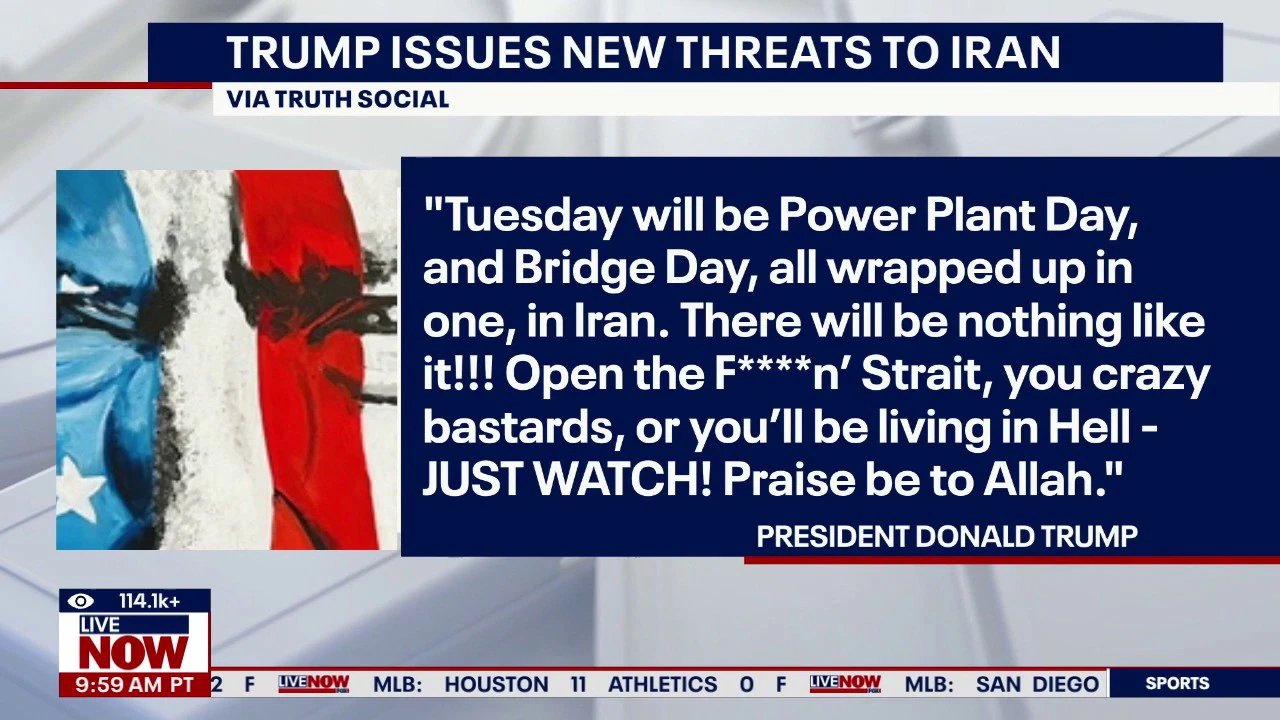
Amid these developments, Trump reiterated his intention to potentially seize Kharg Island, Iran's main oil export hub. The island, which handles roughly 90% of Iran's crude exports, is a key target due to its strategic importance in the ongoing conflict. Trump threatened that the U.S. would "be taking Kharg Island, and other oil infrastructure points," but acknowledged uncertainty, saying "I don't know that America has the appetite to do what I would really much prefer doing." The president's aggressive stance drew concern from some Senate Republicans, including Senator John Kennedy, who likened the situation to the Vietnam War and cautioned against committing U.S. troops.
Iran's Response to Negotiations
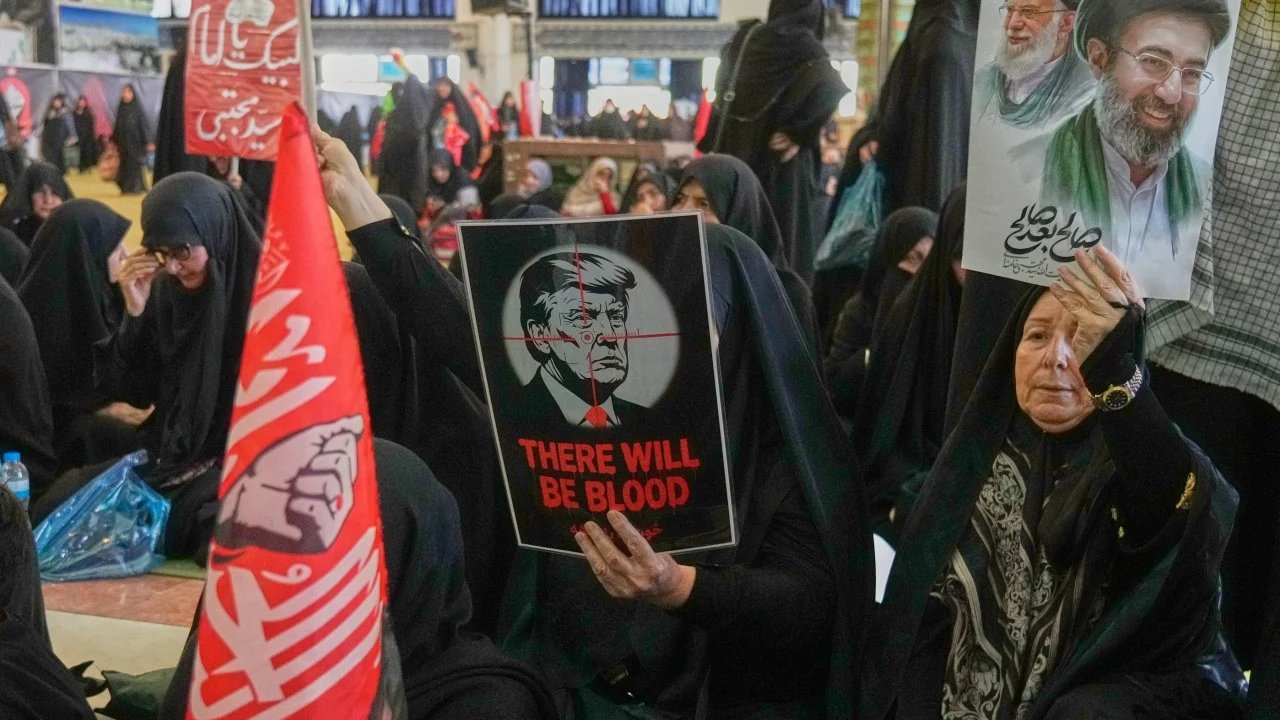
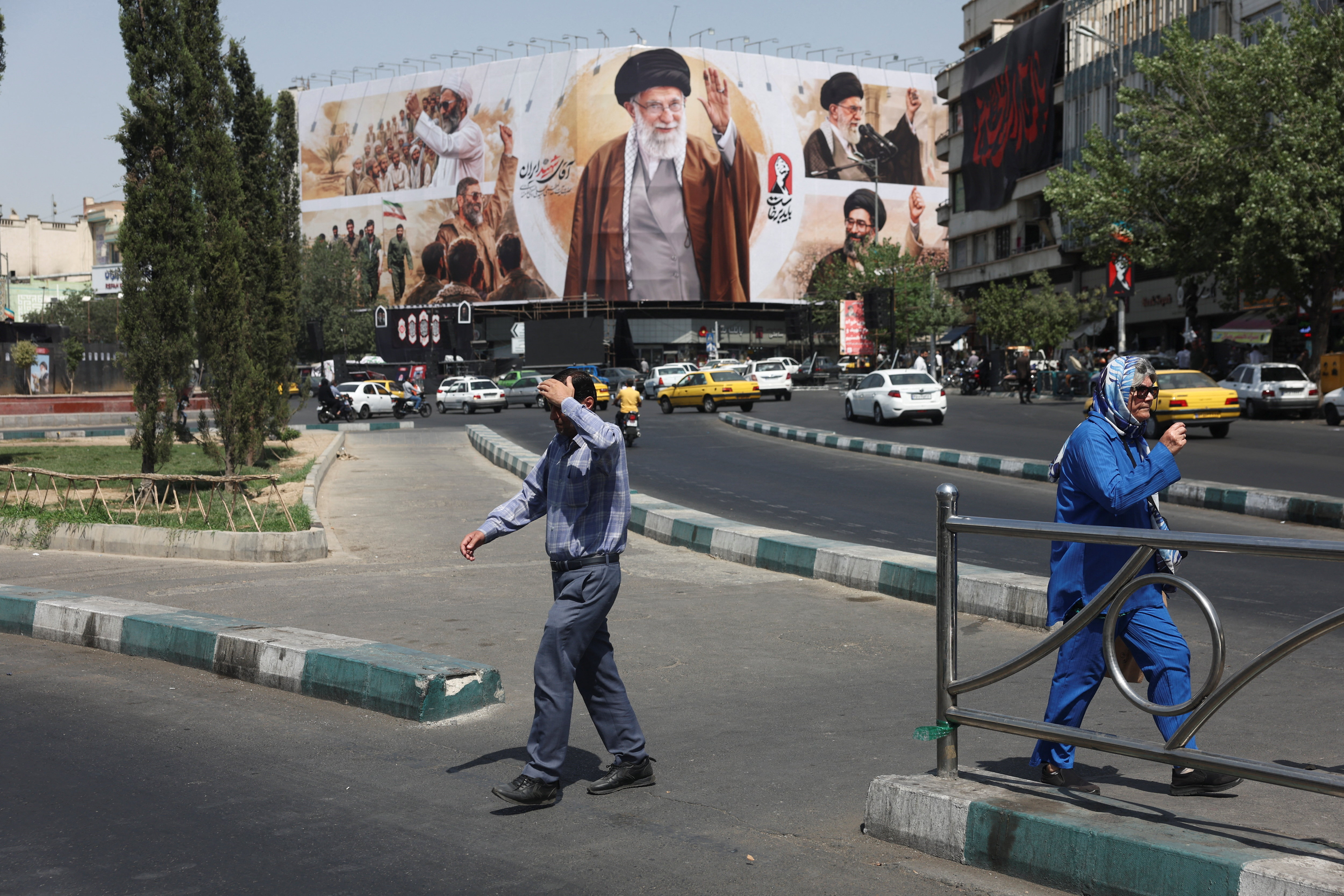
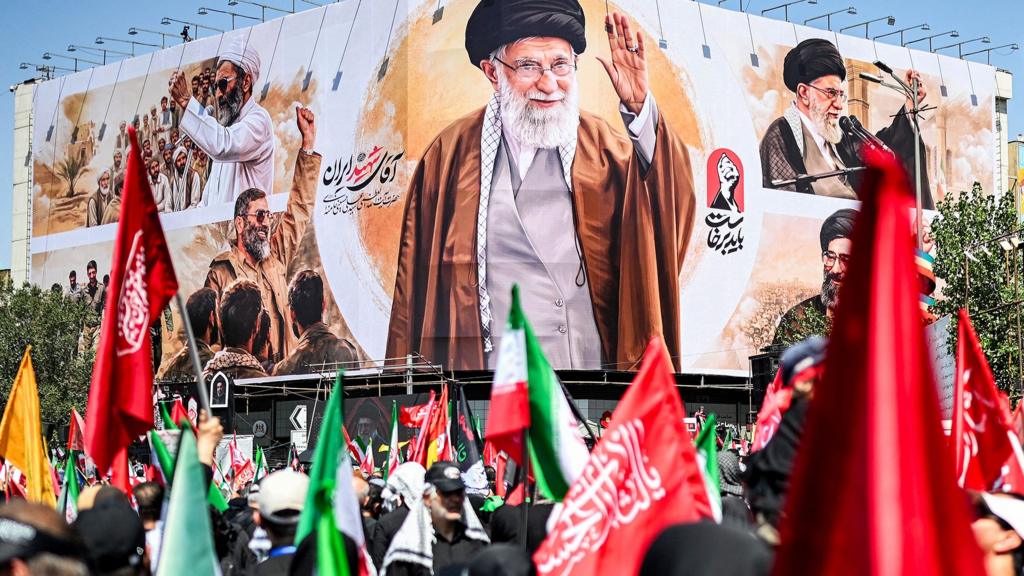
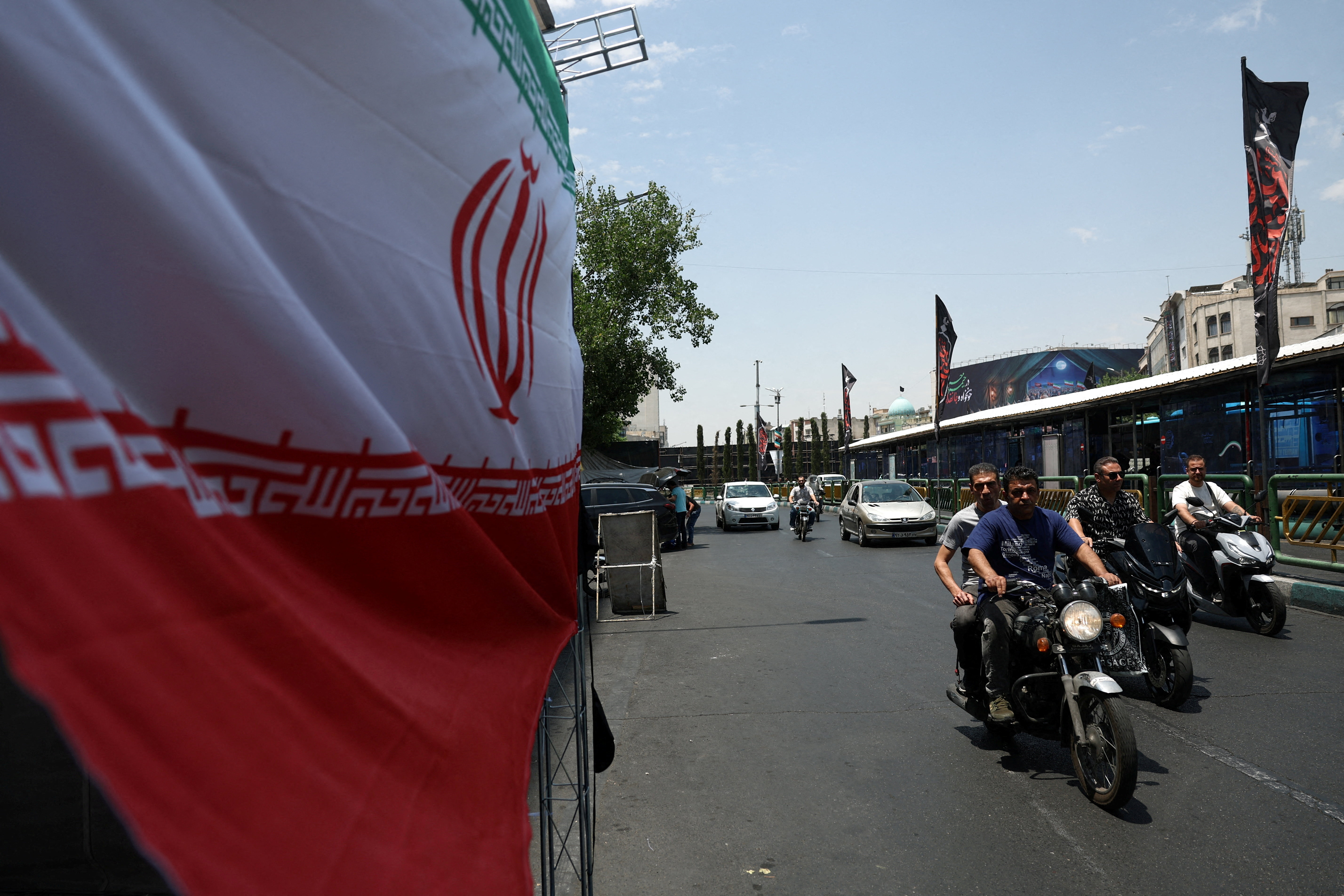
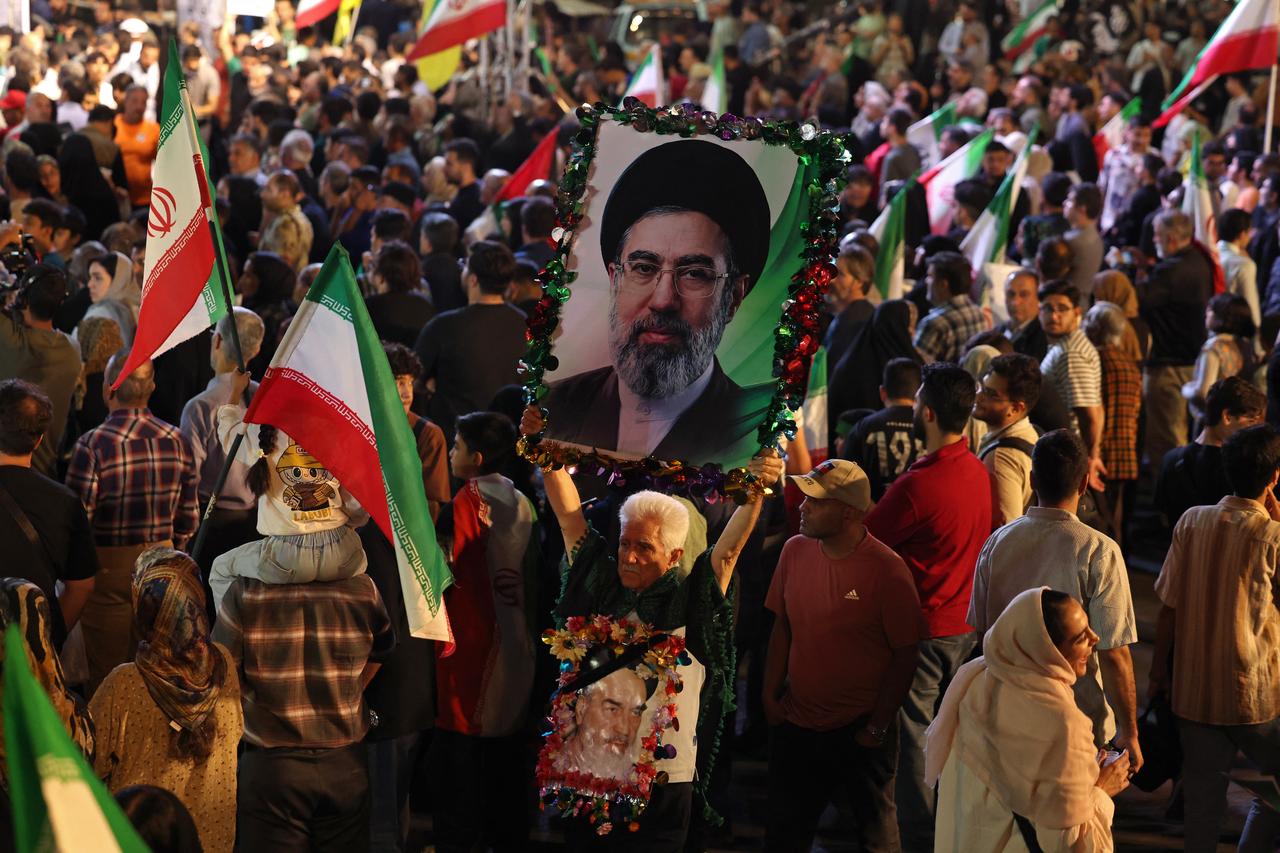
While Trump expressed confidence in the potential deal, Iranian officials have yet to confirm any agreement. Iran's semi-official Fars news agency reported that no final agreement had been reached, despite claims from the U.S. Trump insisted that the Iranian leadership had approved the final points of the negotiations, but Iran's top military commander warned that the U.S. would face severe consequences for any further military actions.
Economic Implications of the Conflict
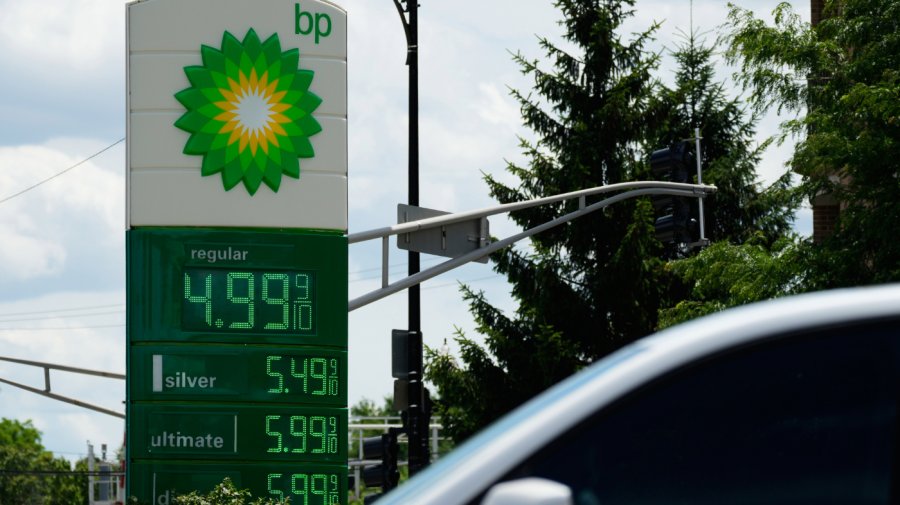
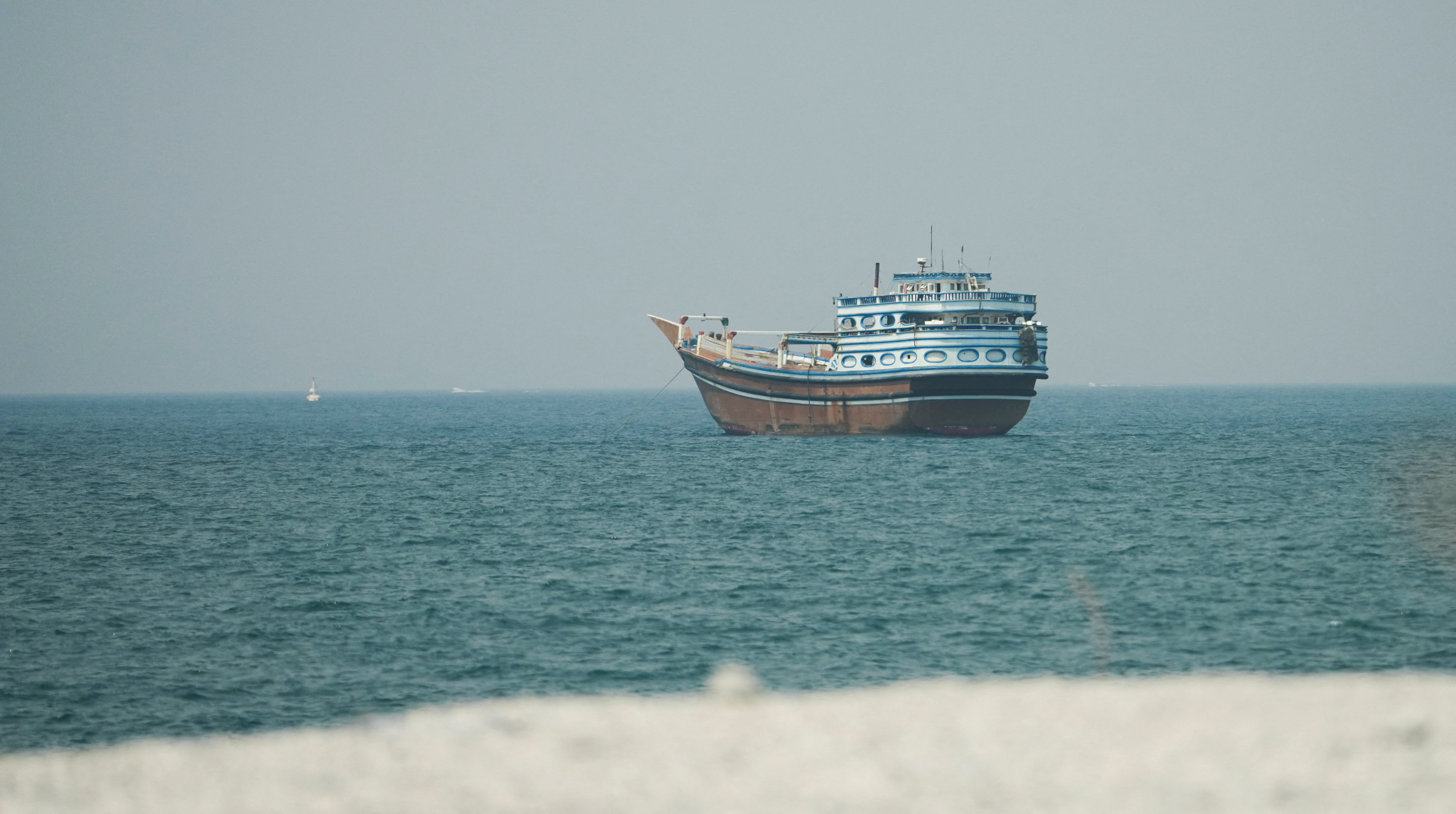
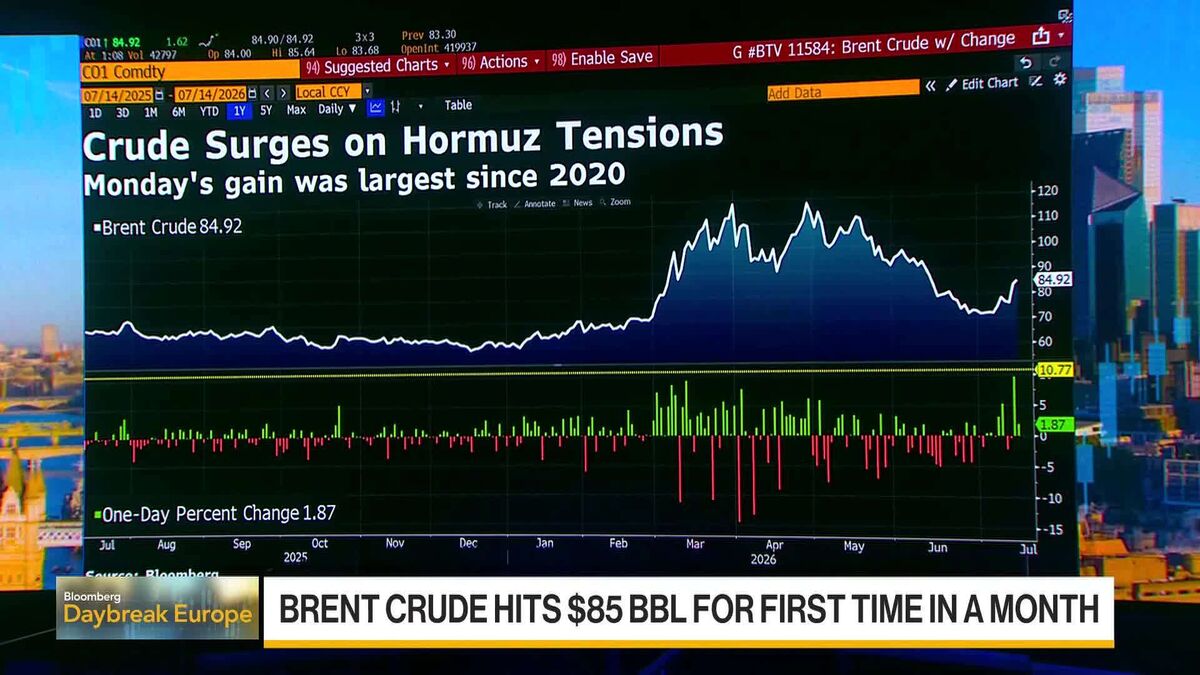
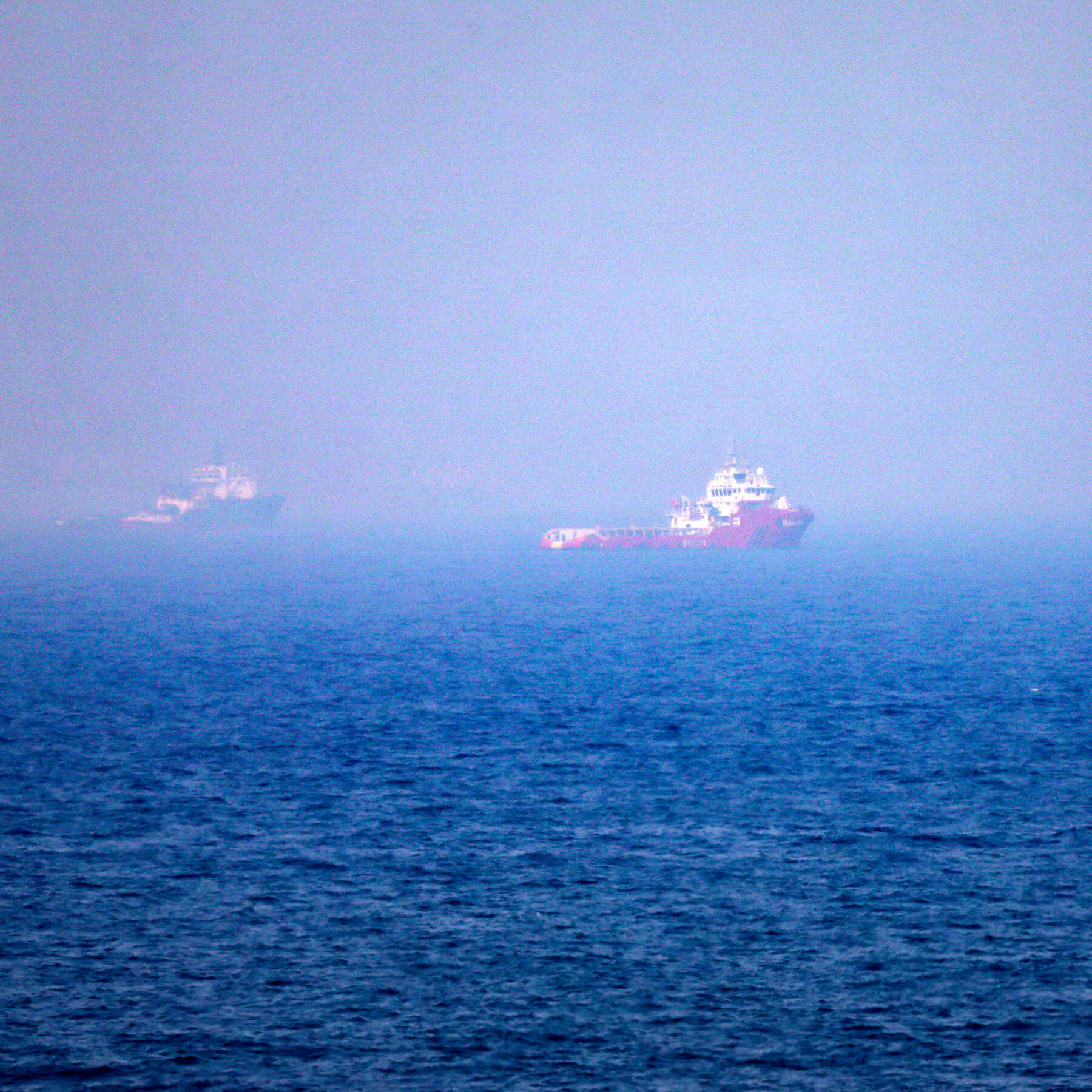
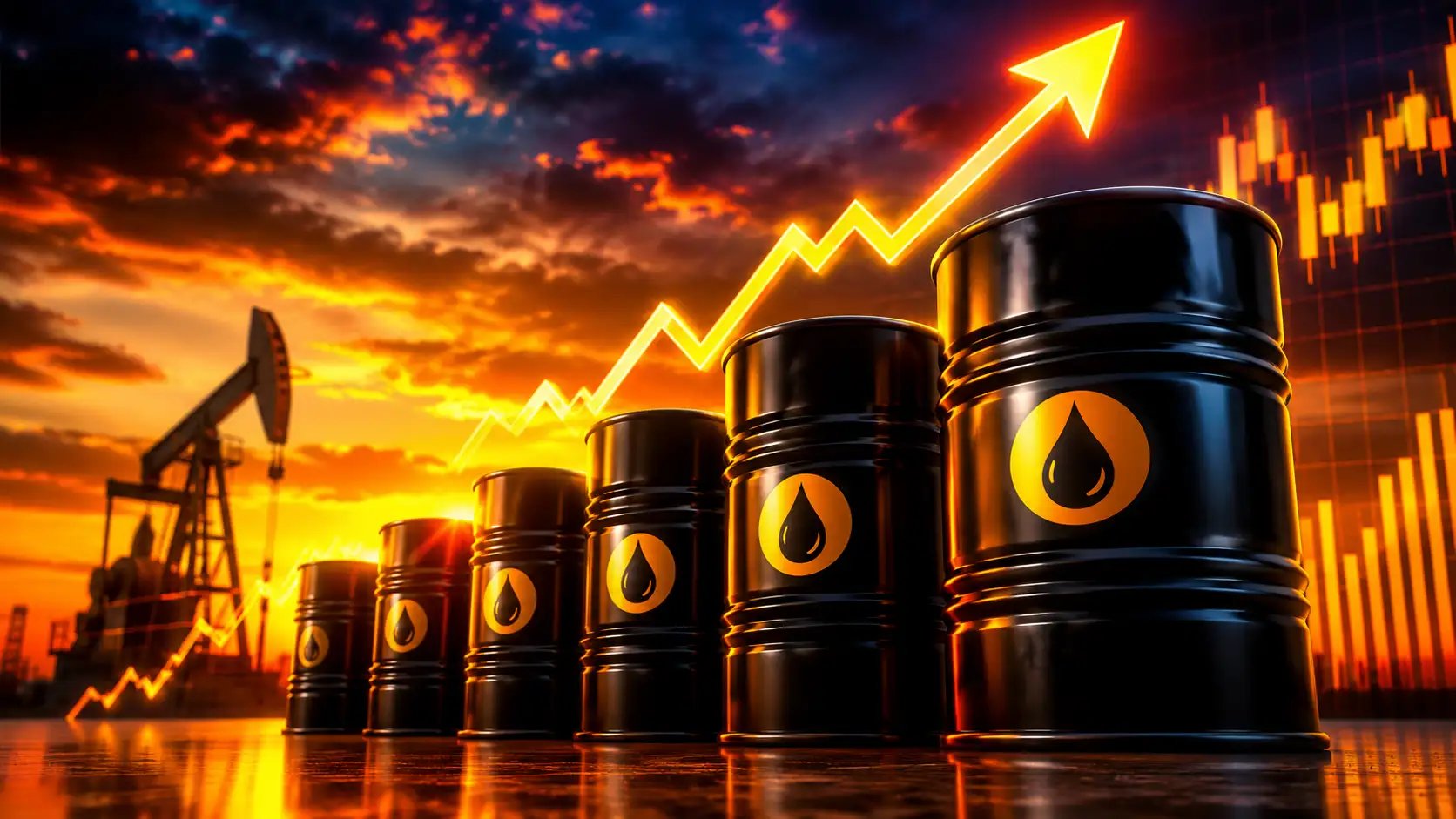
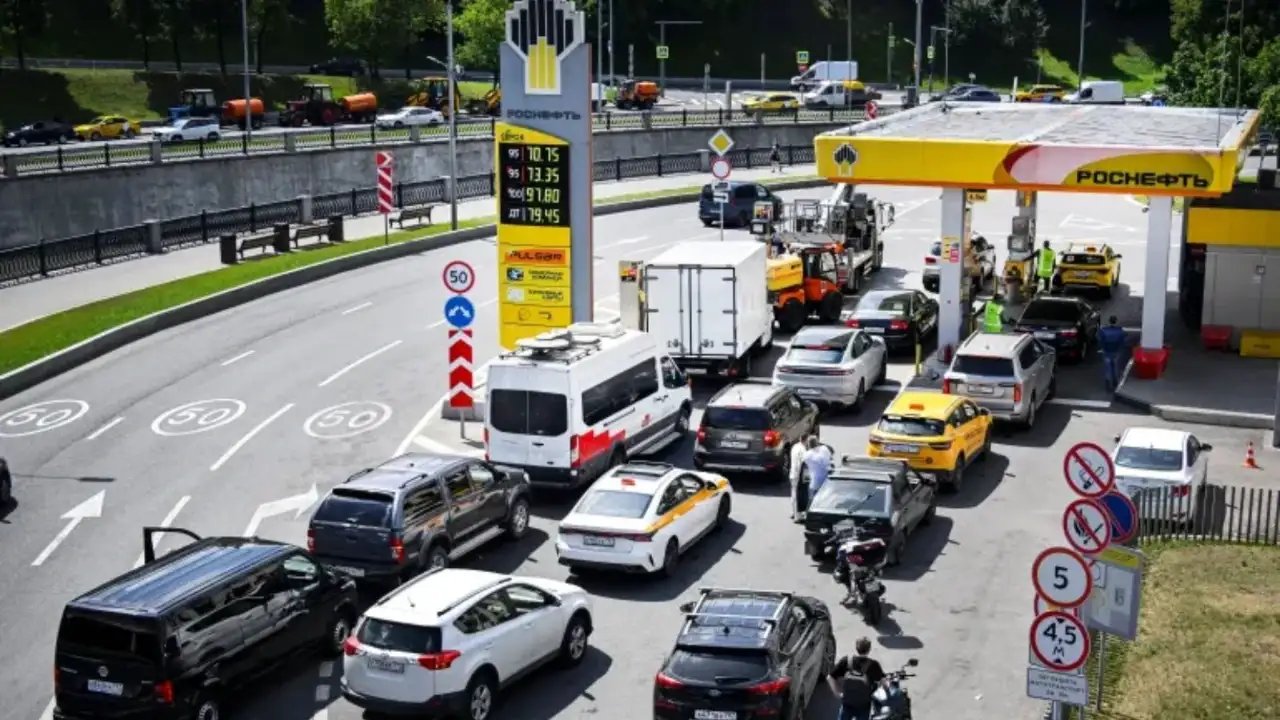
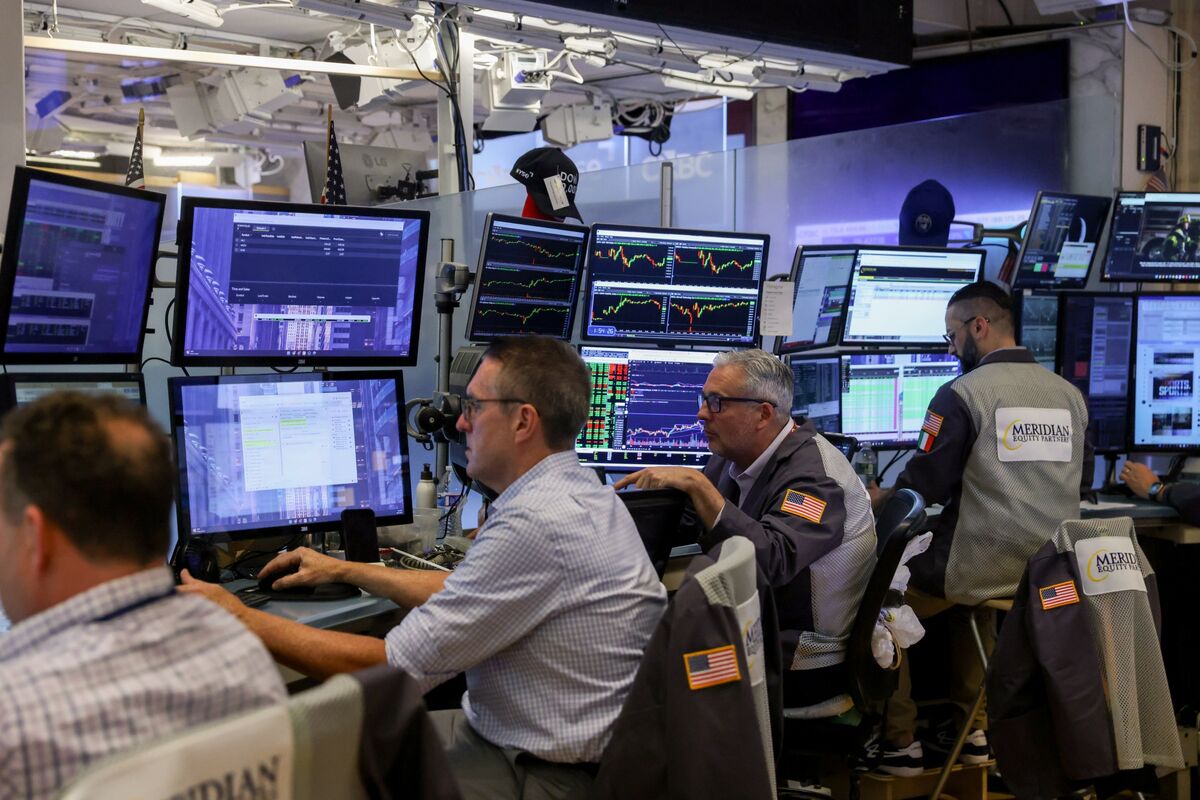
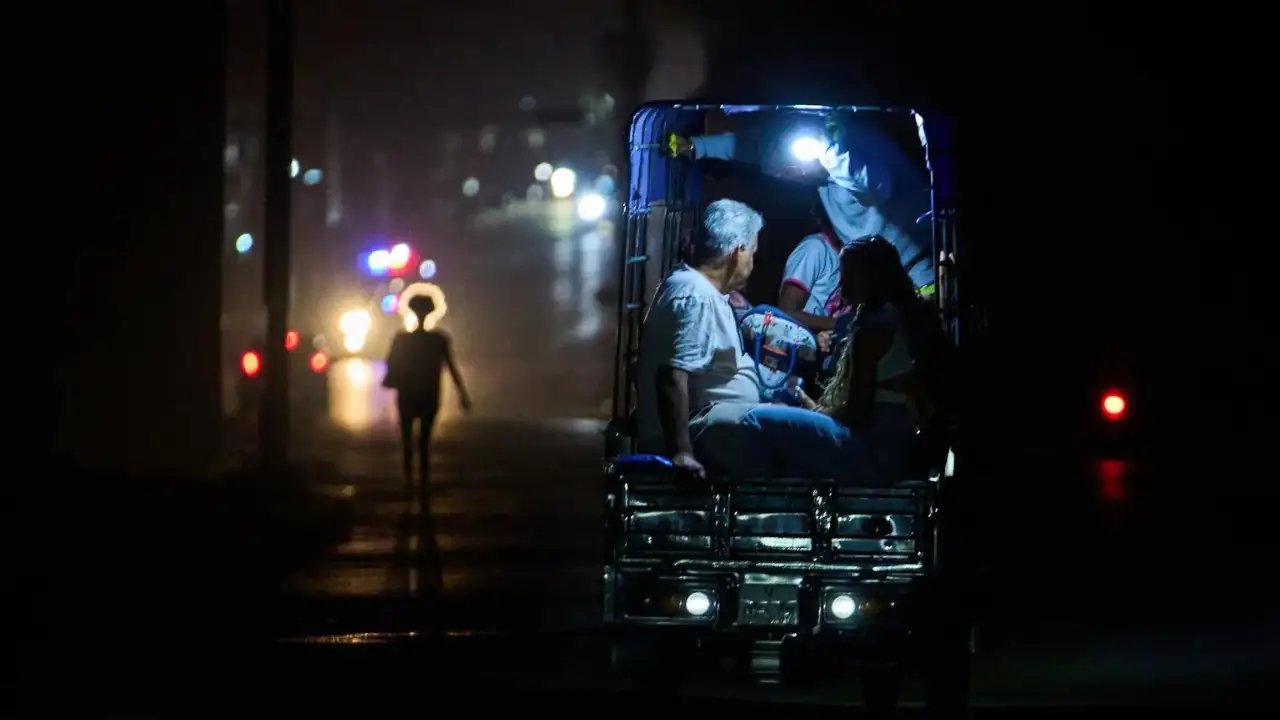
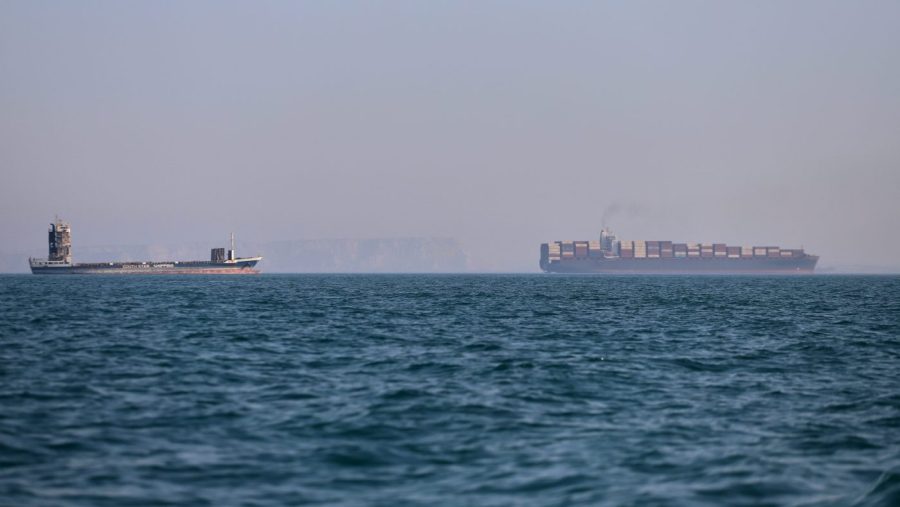
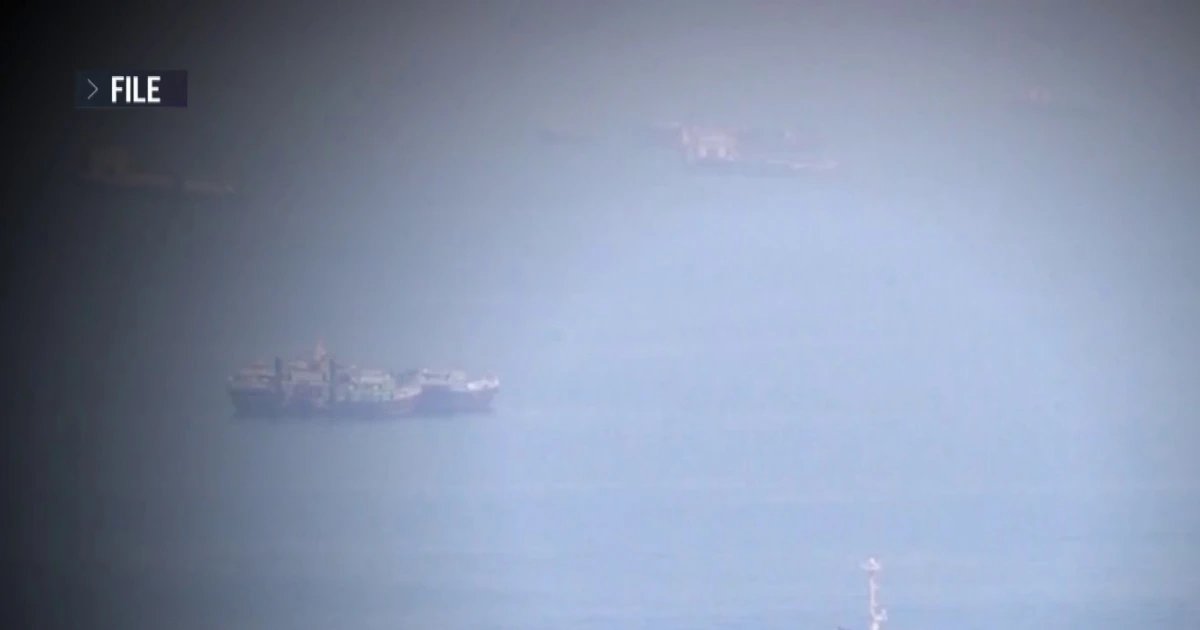
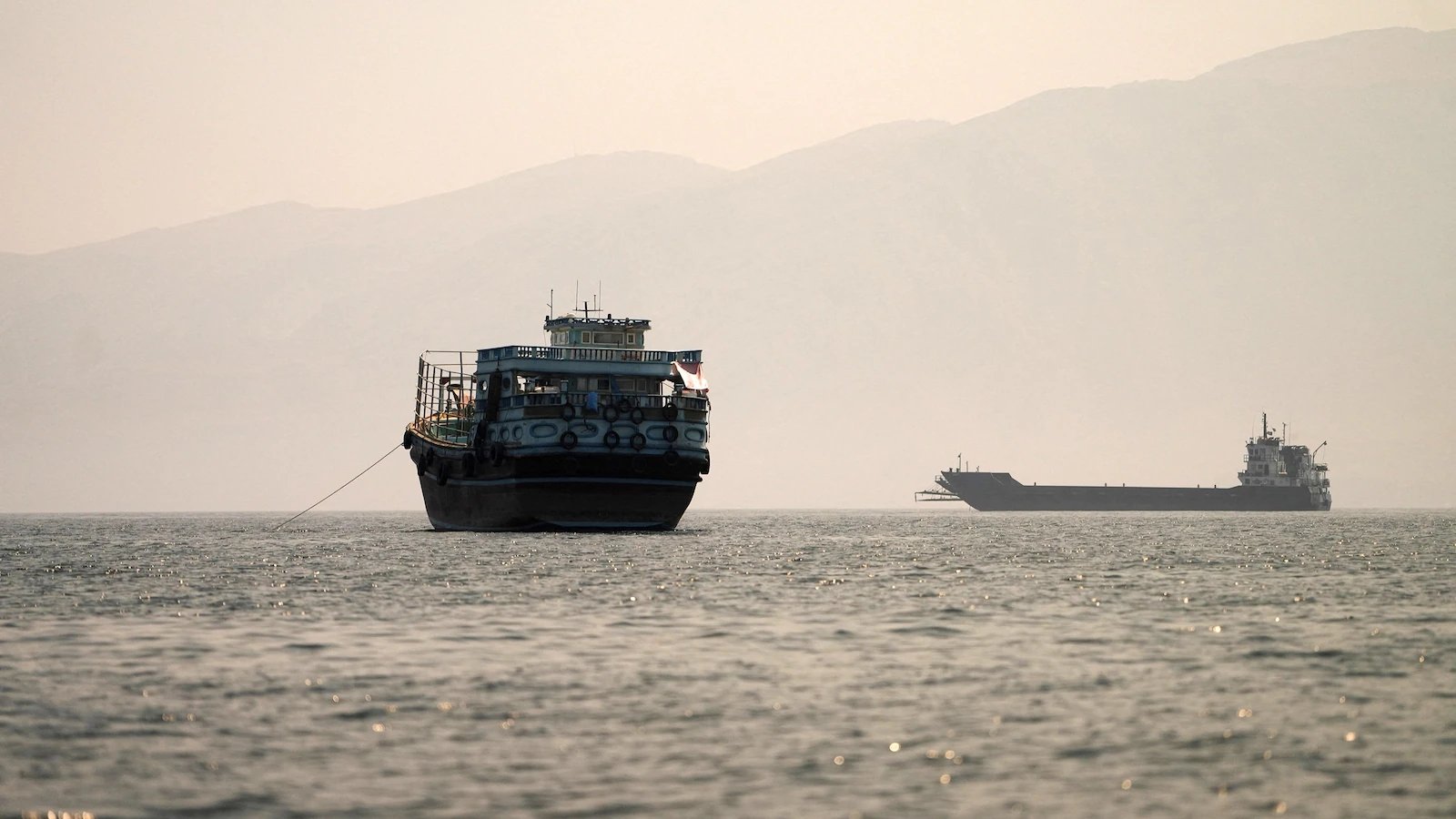
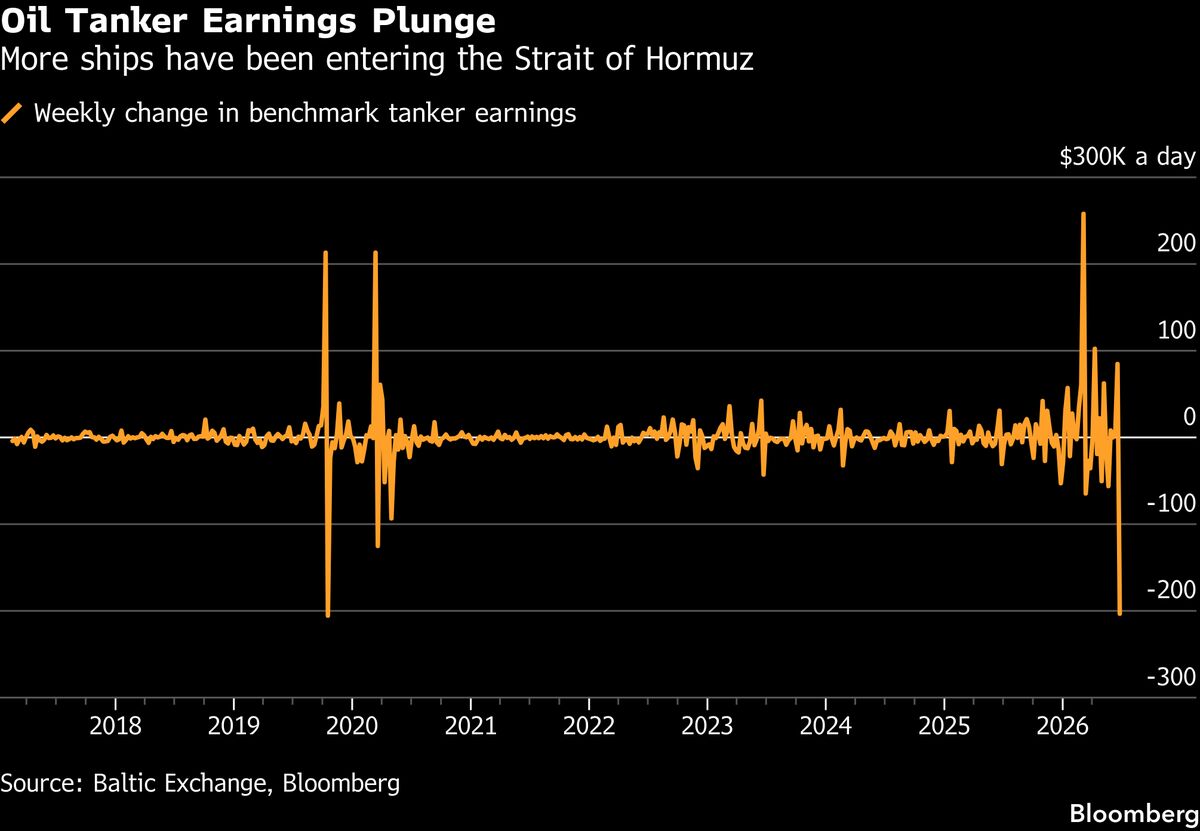
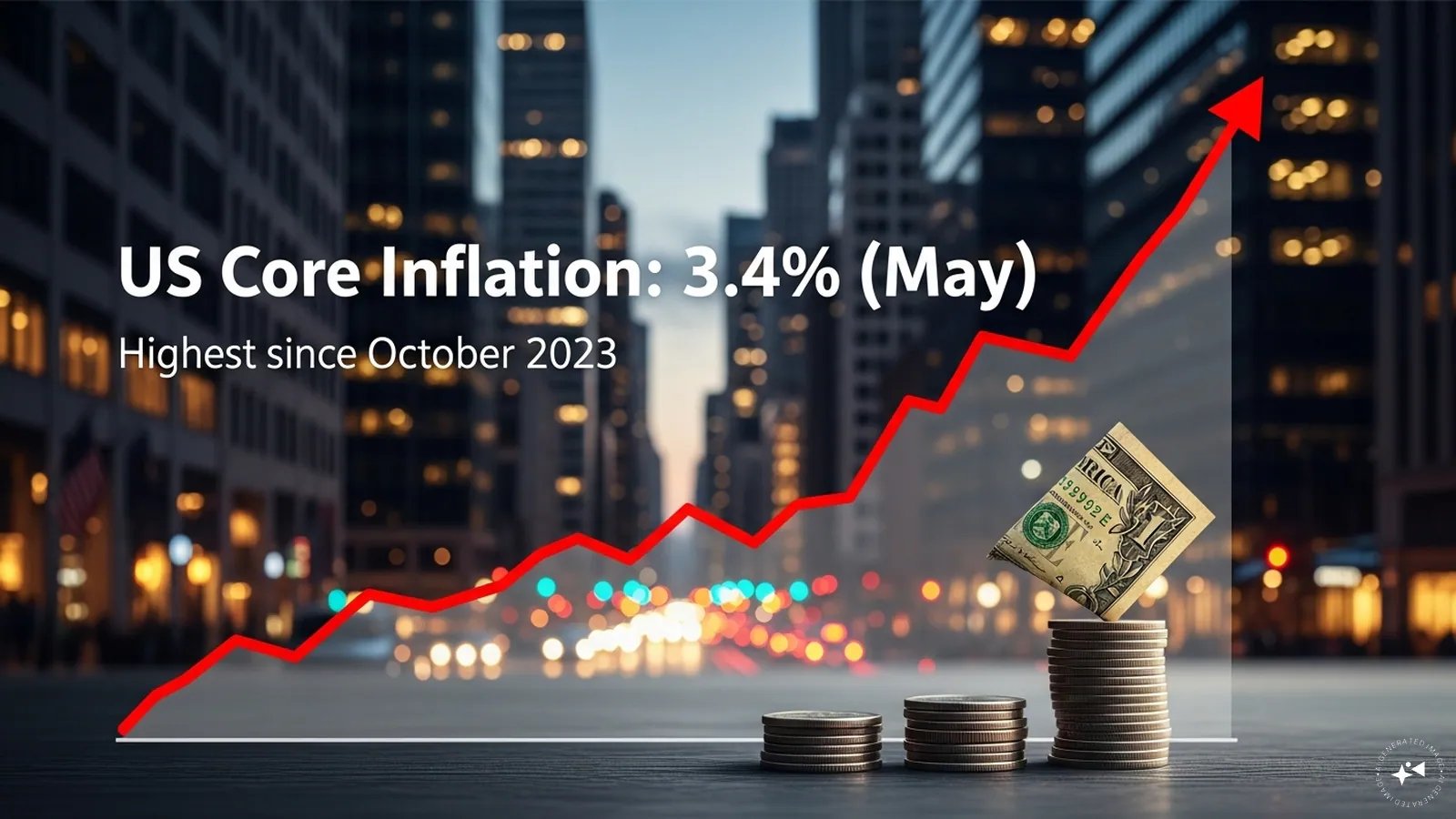
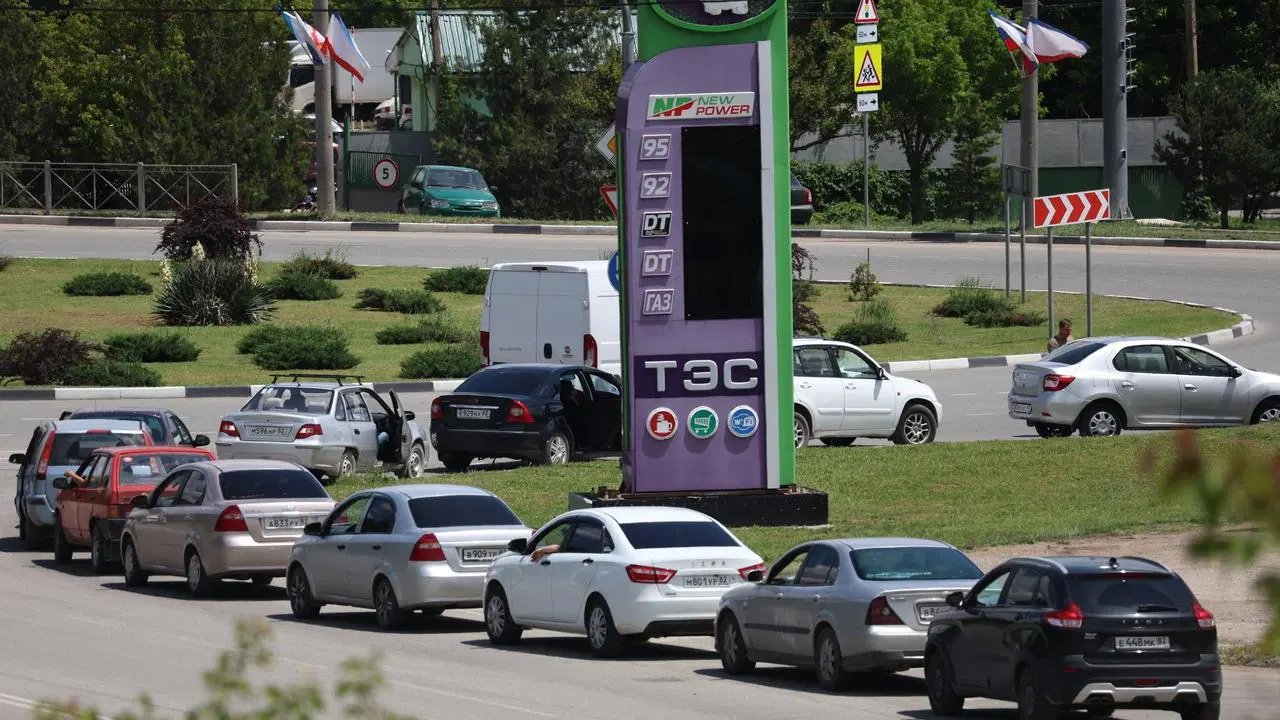
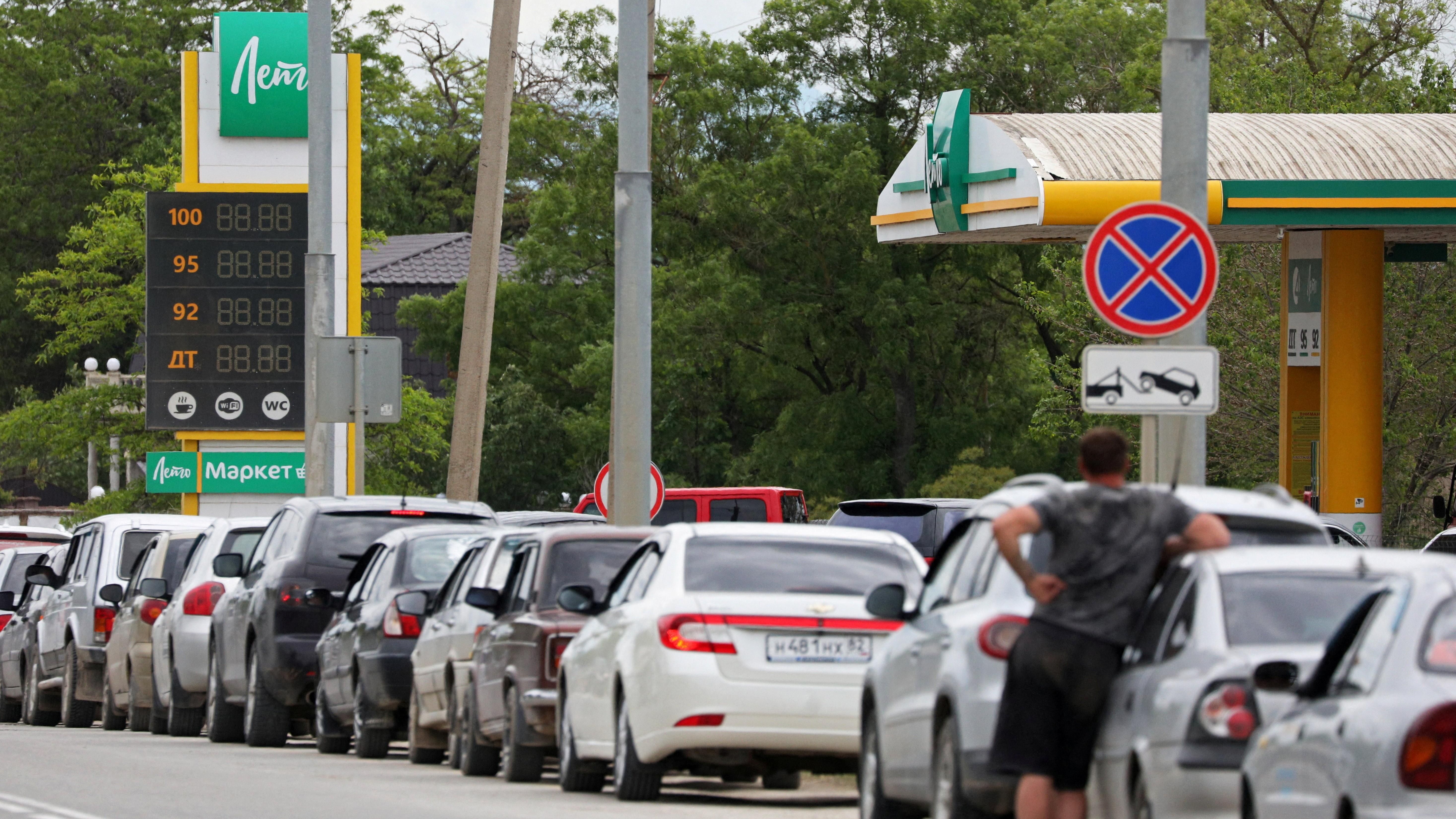
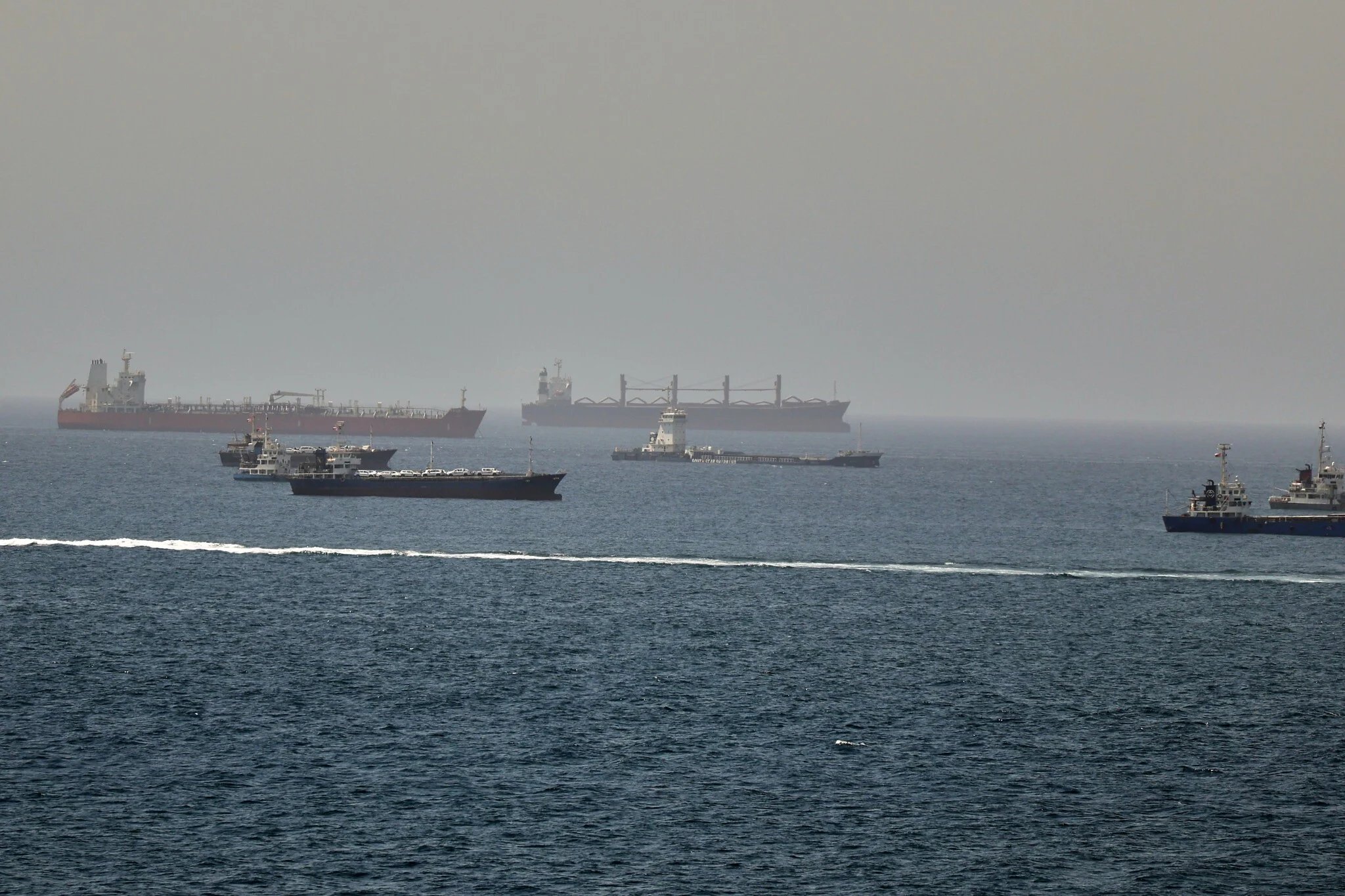
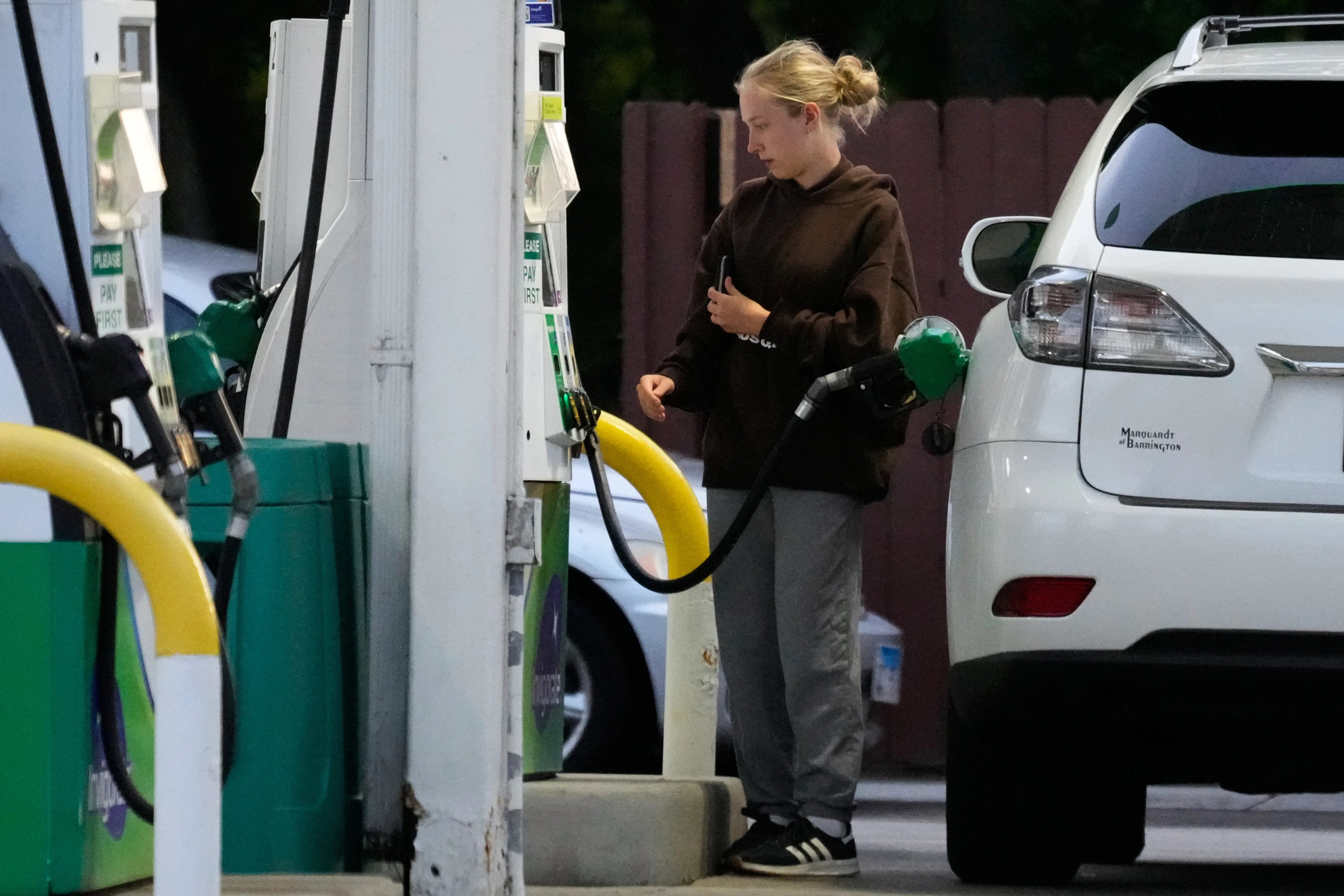
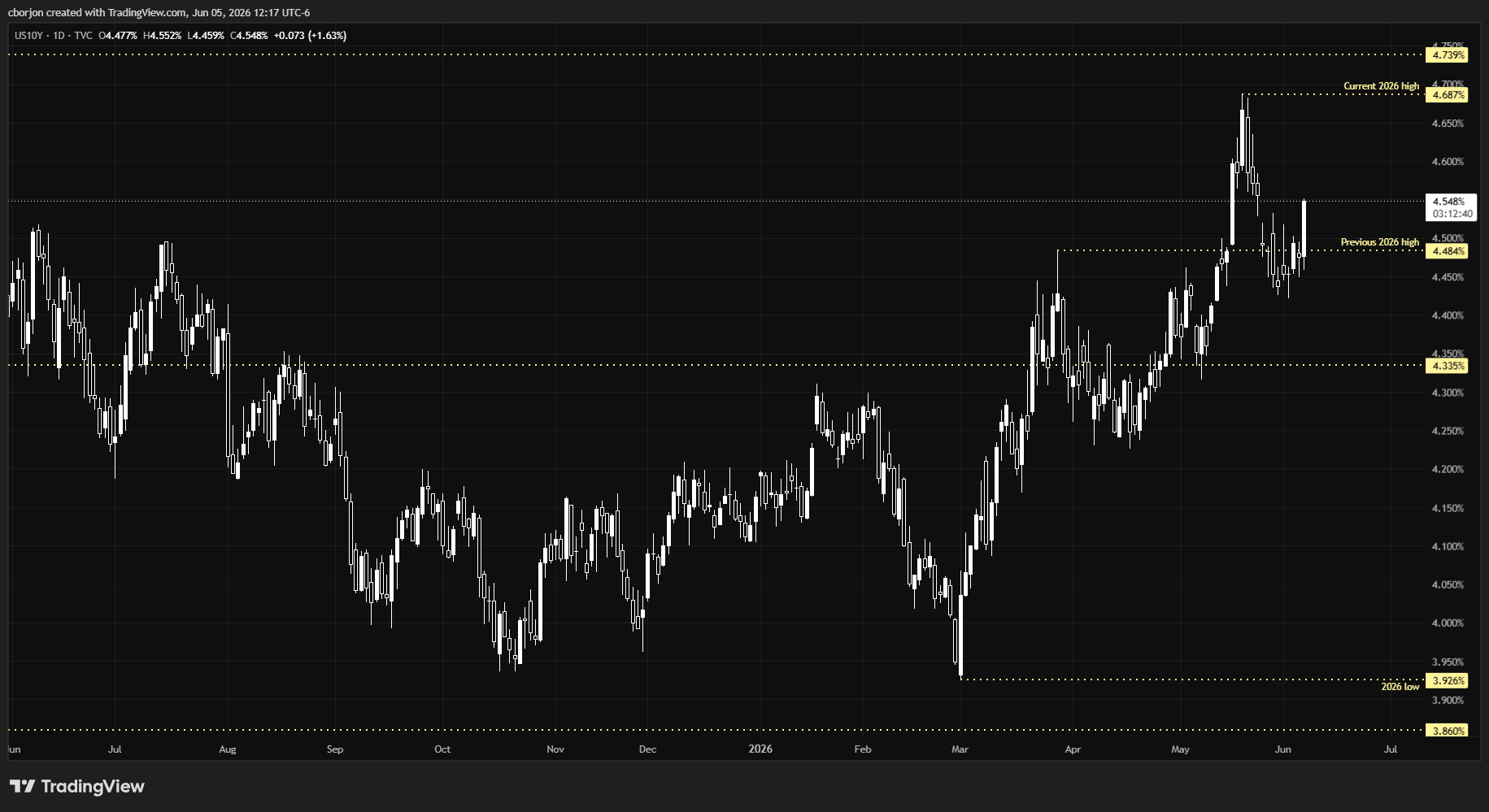
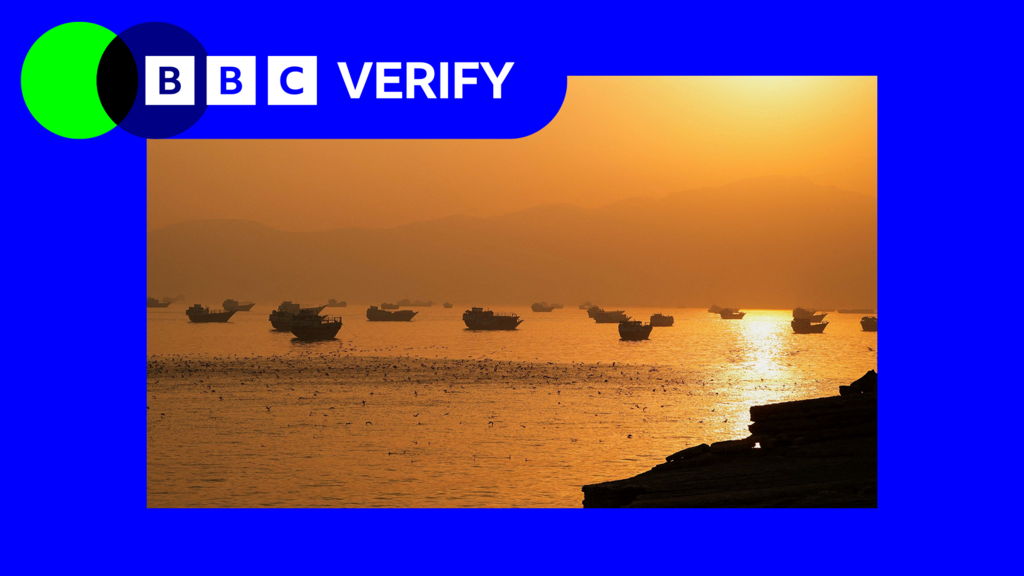
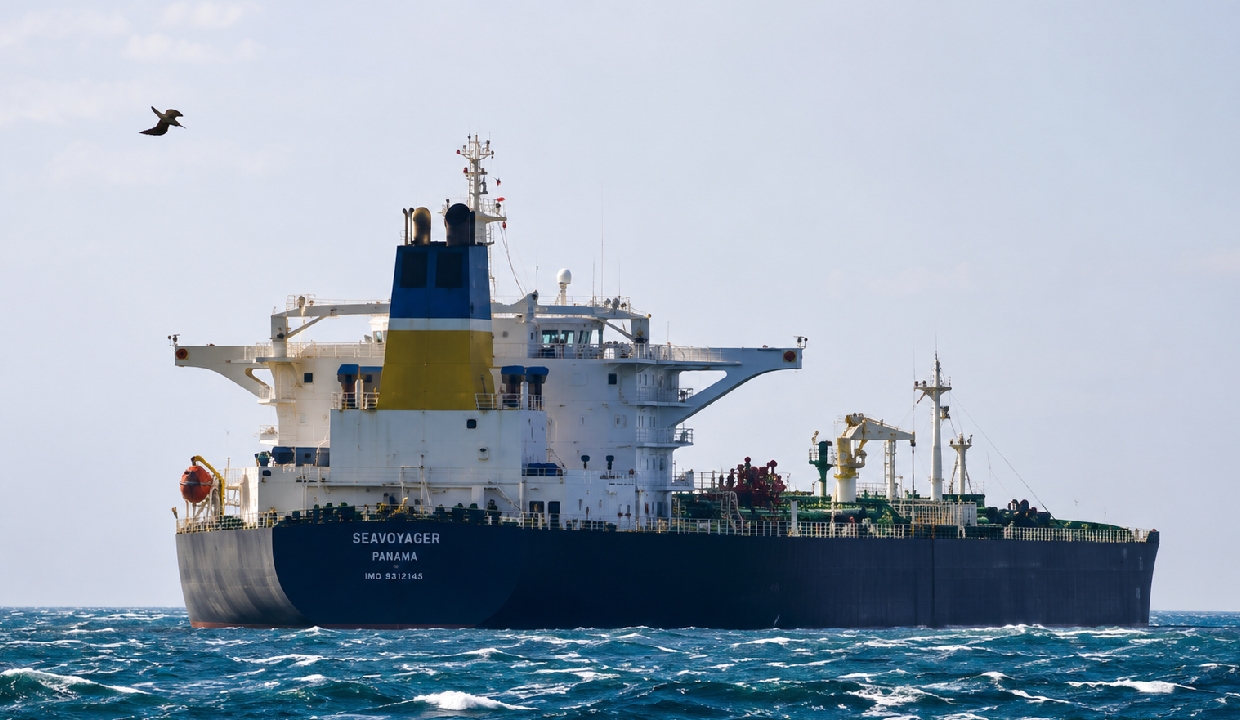
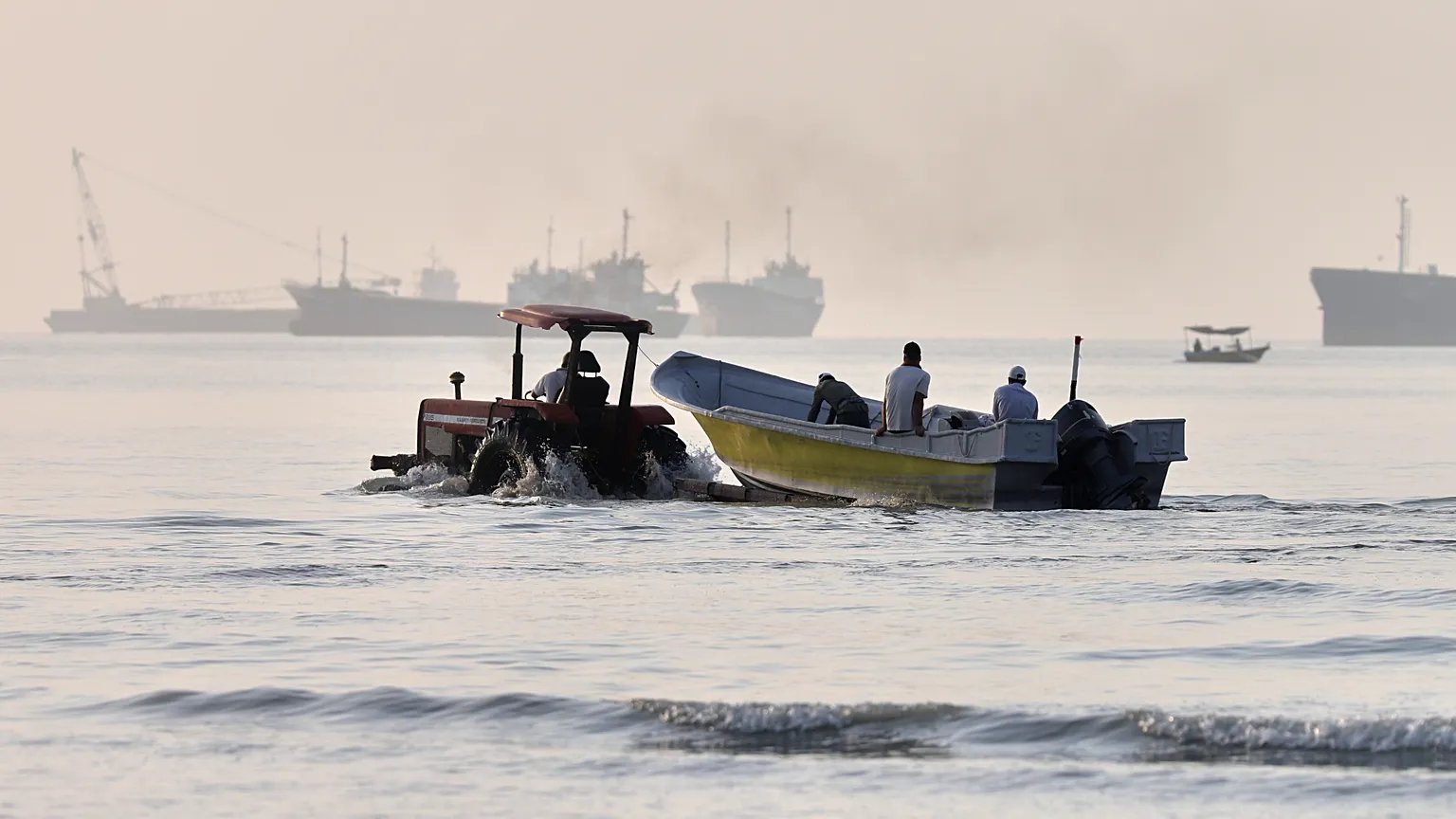
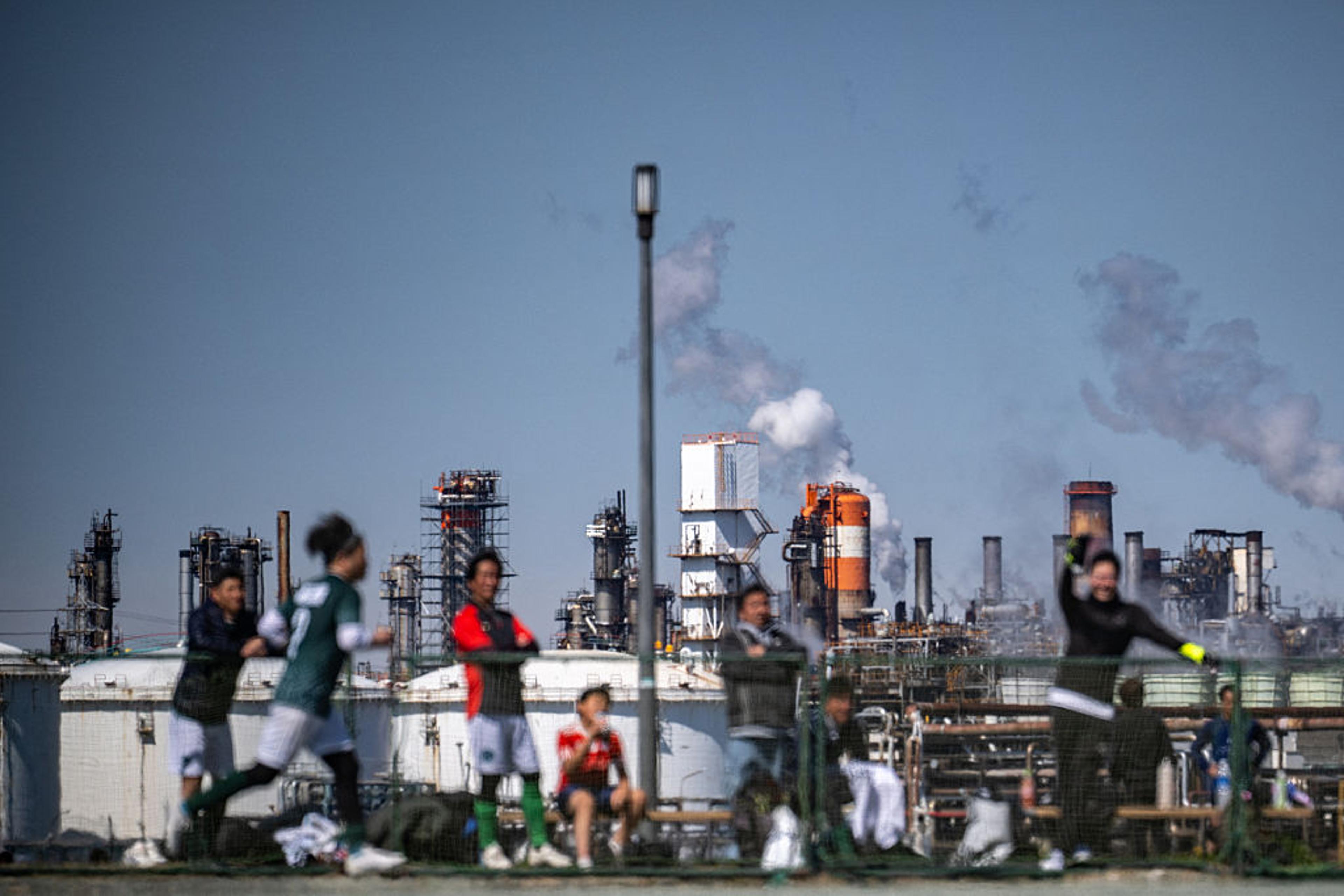
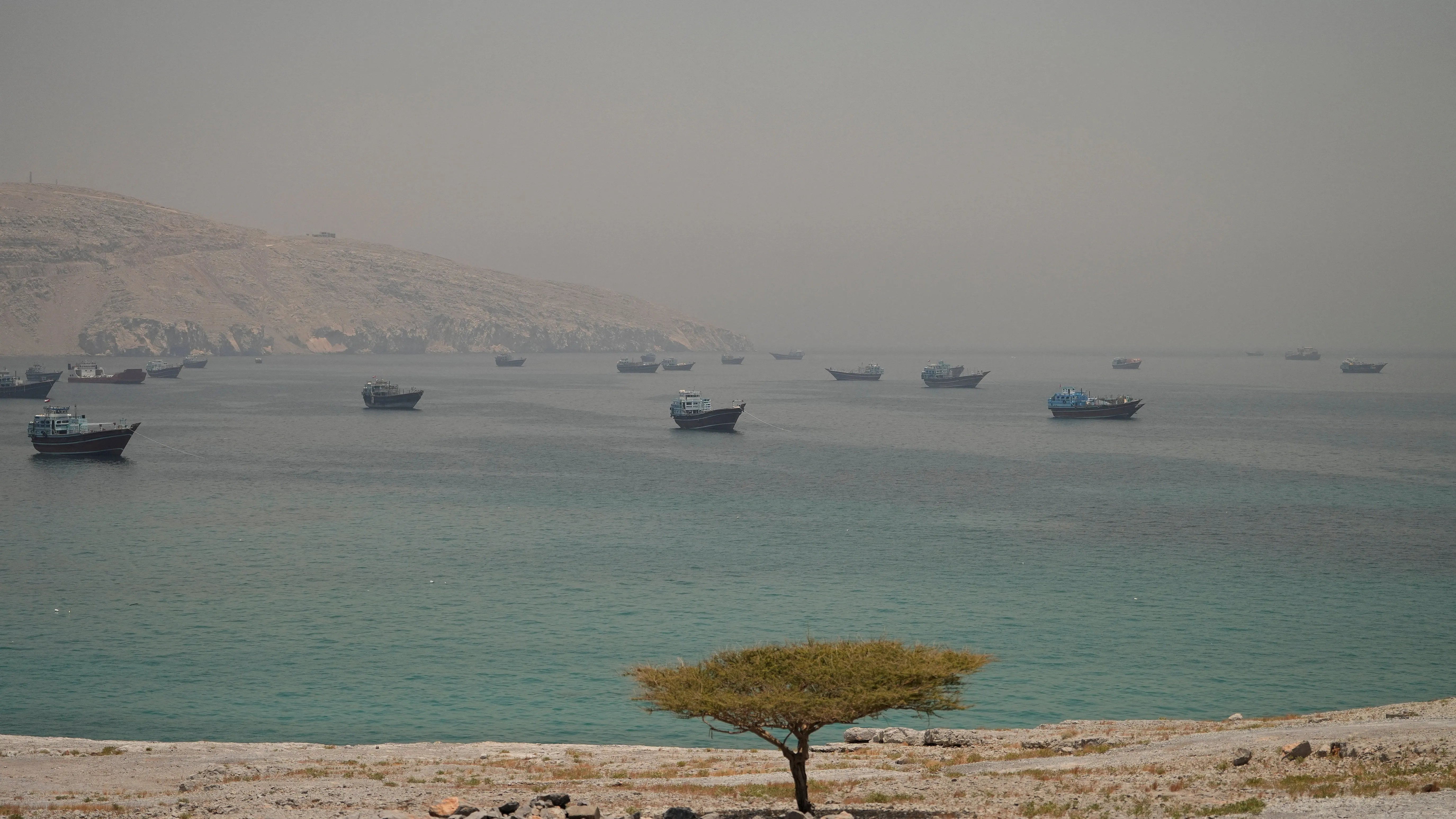
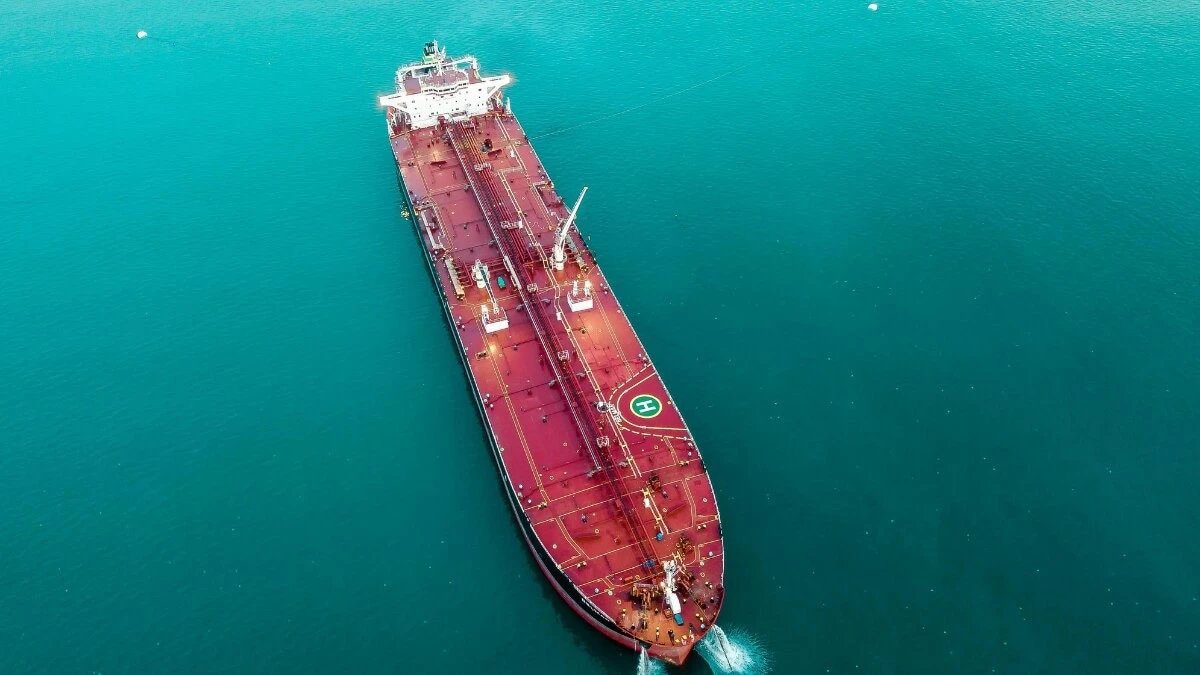
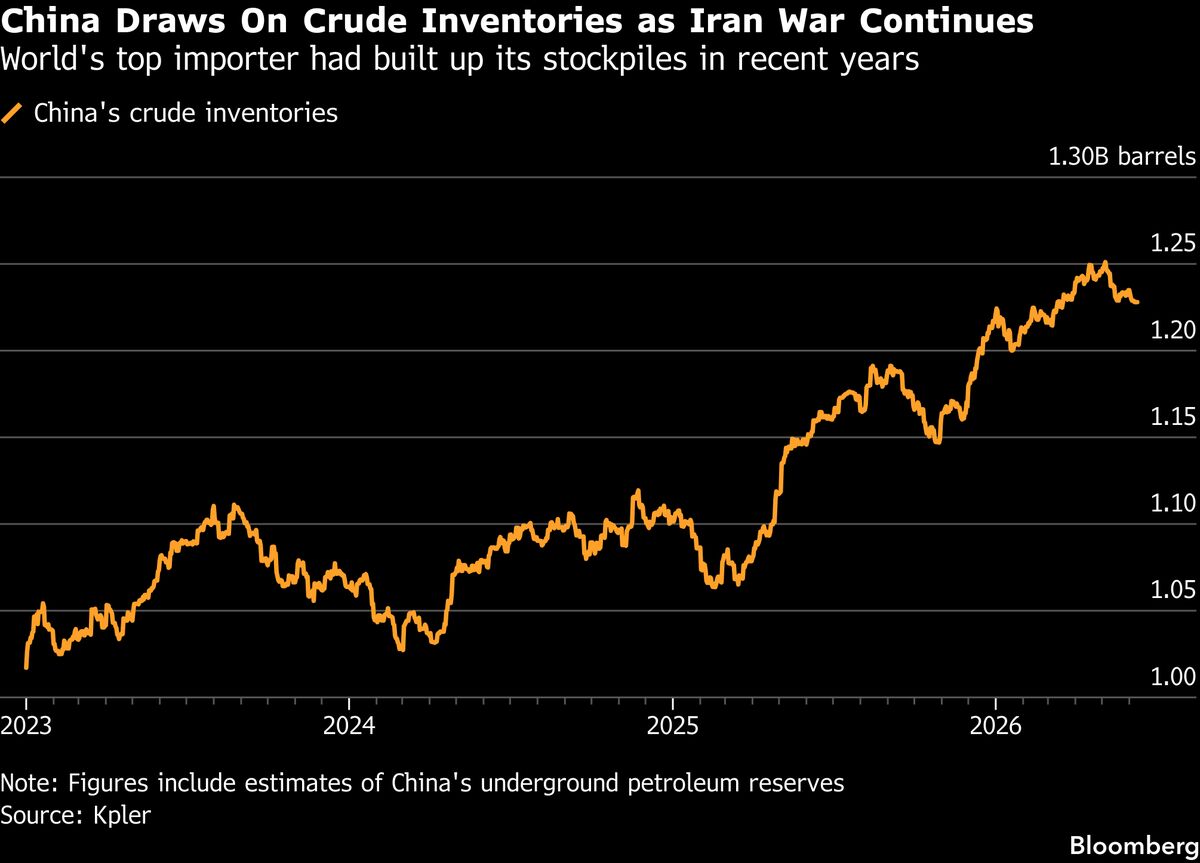
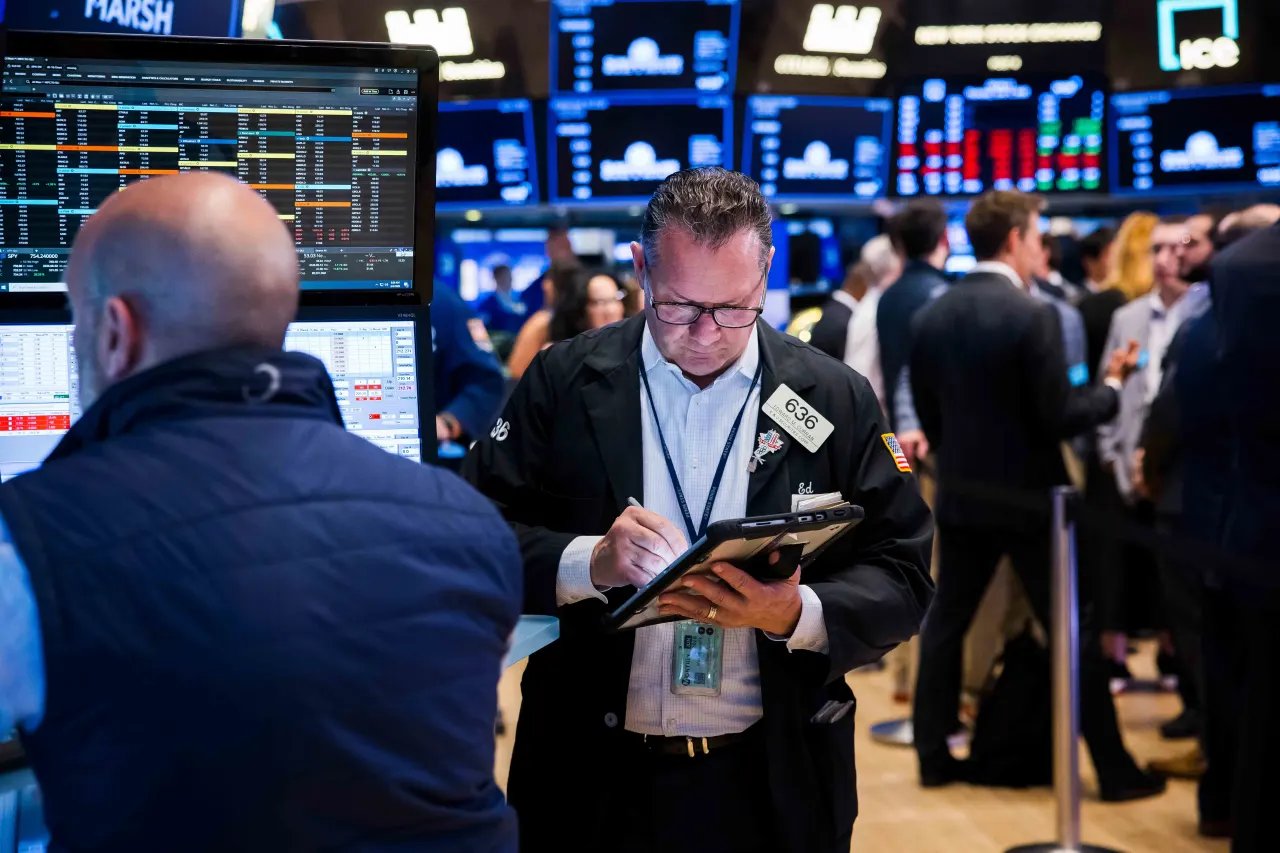
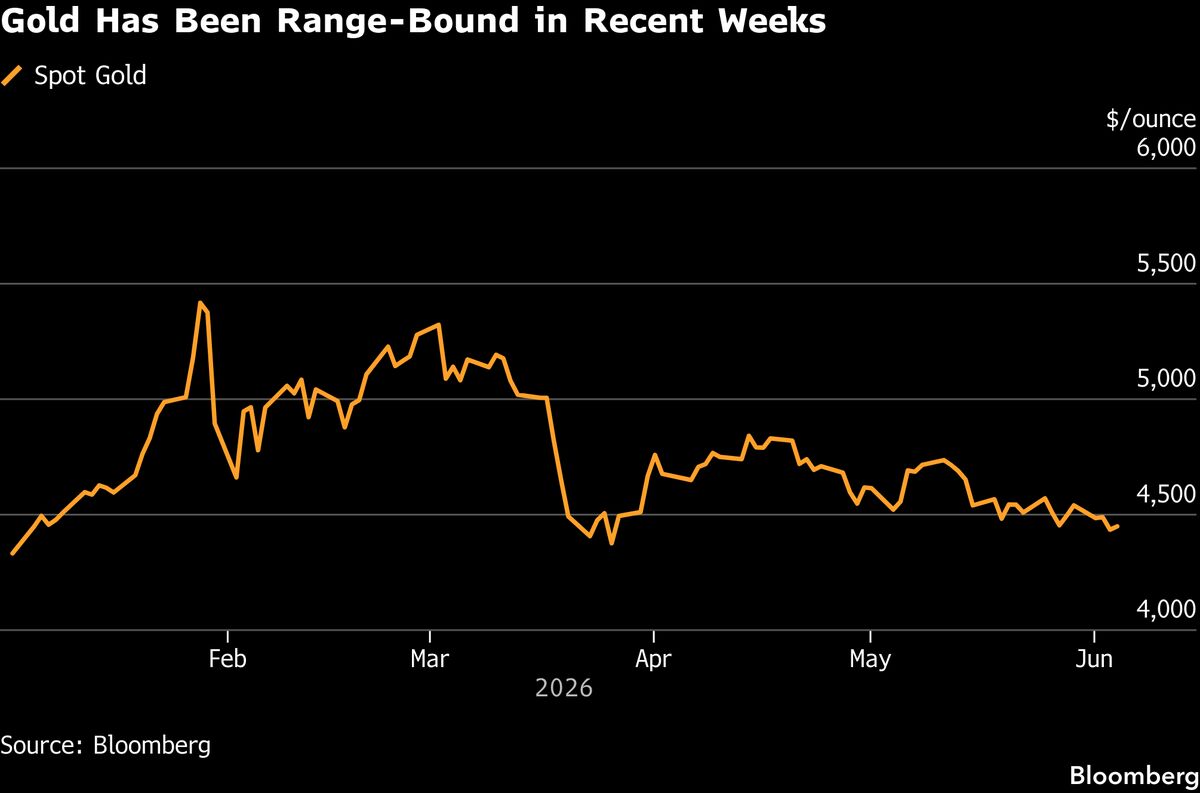
The World Bank downgraded its global growth forecast to 2.5% for 2026, down from 2.9% a year earlier, citing the war's impact on energy prices. Headline inflation is now forecast to average 4%. U.S. gas prices topped $4 per gallon on March 31 for the first time since 2022. Trump claimed that the agreement would open the Strait of Hormuz and oil prices would "drop like a rock" once a deal is signed. However, Iran's military said the Strait is closed to all traffic, while U.S. Central Command disputed Iran's claim, stating that "commercial ships are continuing to transit in and out of the Strait of Hormuz."
Broader Diplomatic Efforts
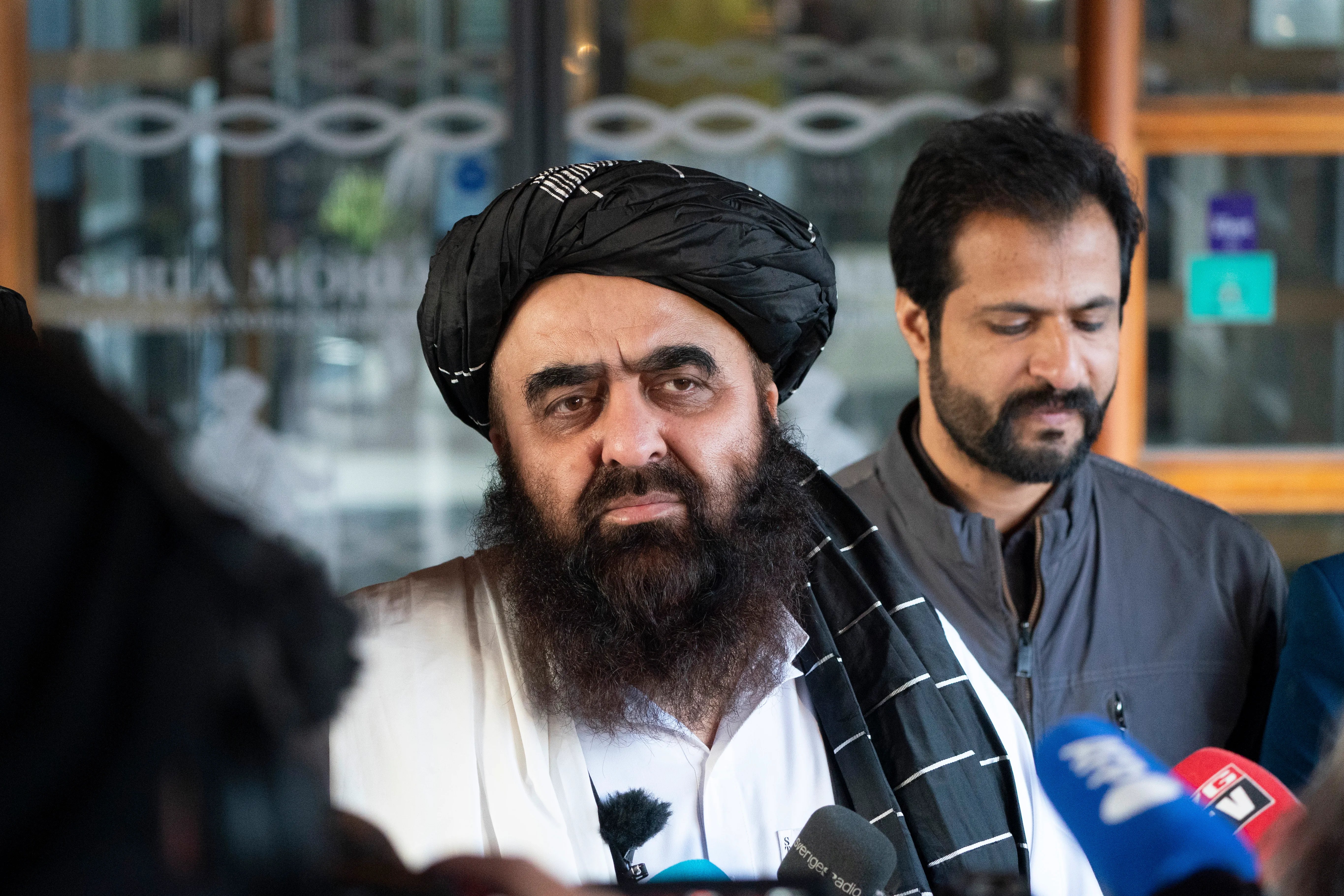
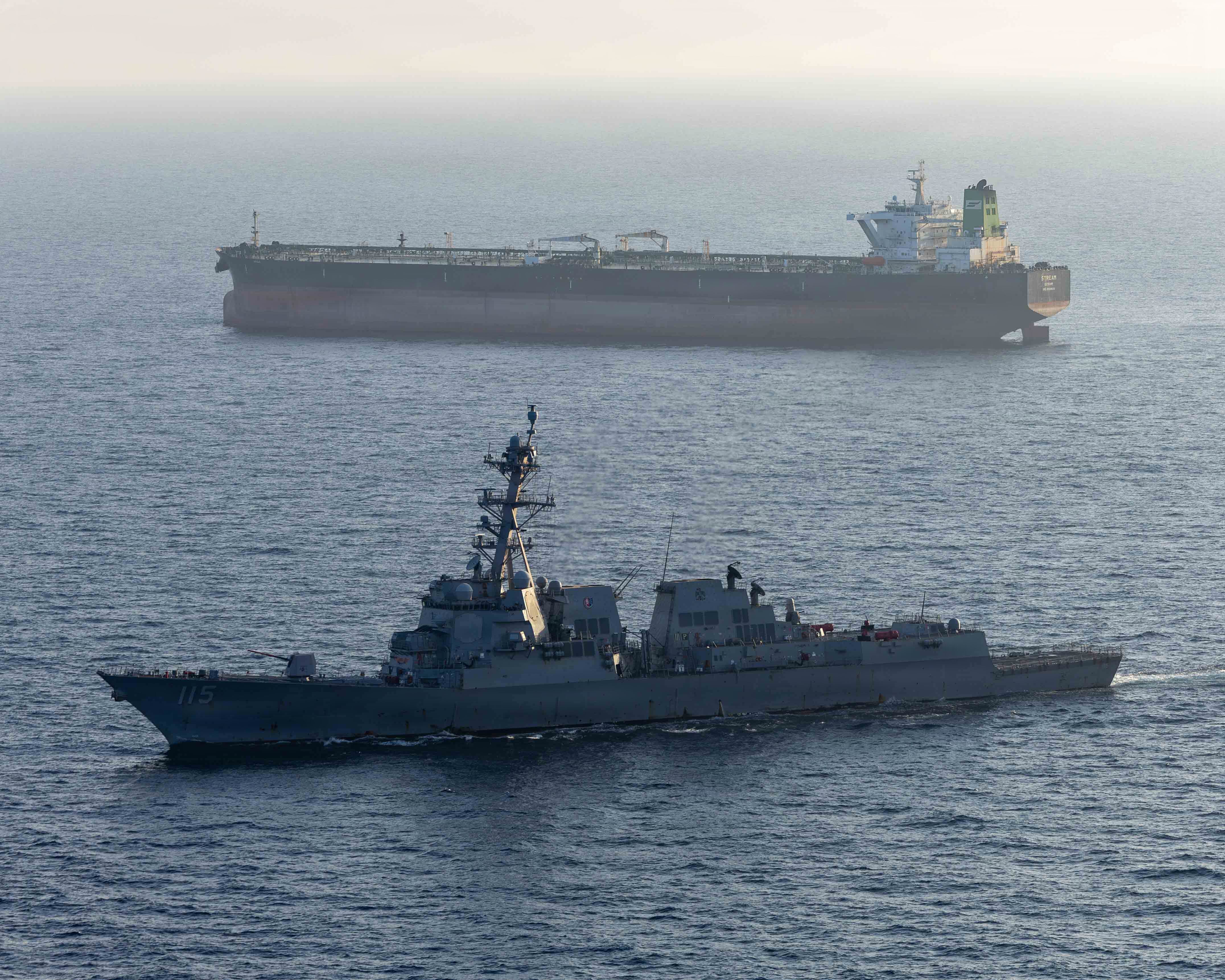
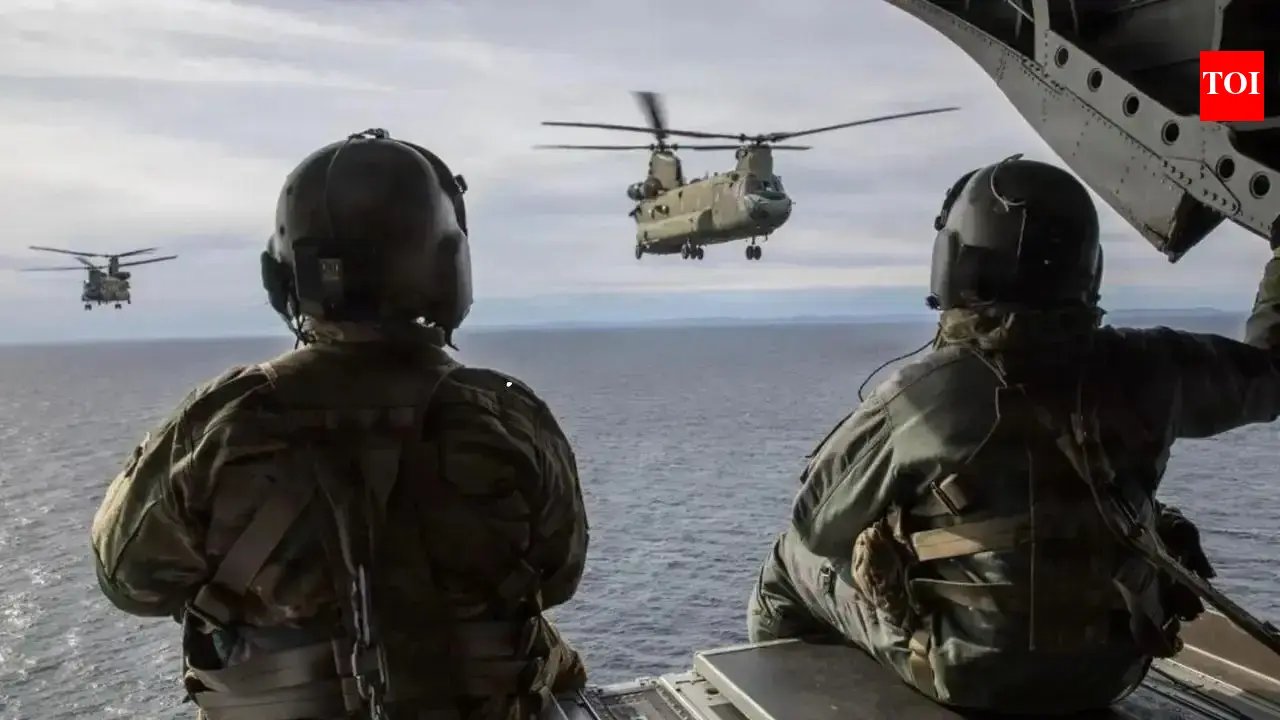
Diplomatic efforts continue, with Qatari and Pakistani officials engaged in mediation to facilitate a deal between the U.S. and Iran. A source close to Iran's negotiating team, quoted by the semi-official Fars news agency, said Tehran had not approved the U.S. draft memorandum and remained firm on its positions. Meanwhile, the U.S. has maintained its naval blockade of Iranian ports, emphasizing that it will remain in effect until a comprehensive agreement is reached.
Conclusion: A Critical Moment for U.S.-Iran Relations
As the potential signing of the agreement approaches, the situation remains precarious. Both sides have much at stake, and the outcome could reshape U.S.-Iran relations and the geopolitical landscape of the region. With the possibility of further military escalation looming, the international community watches closely as negotiations unfold.