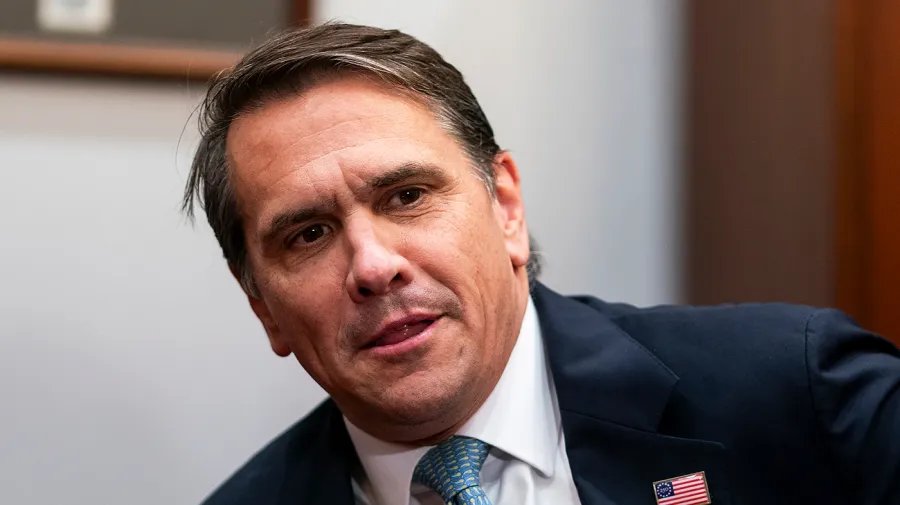
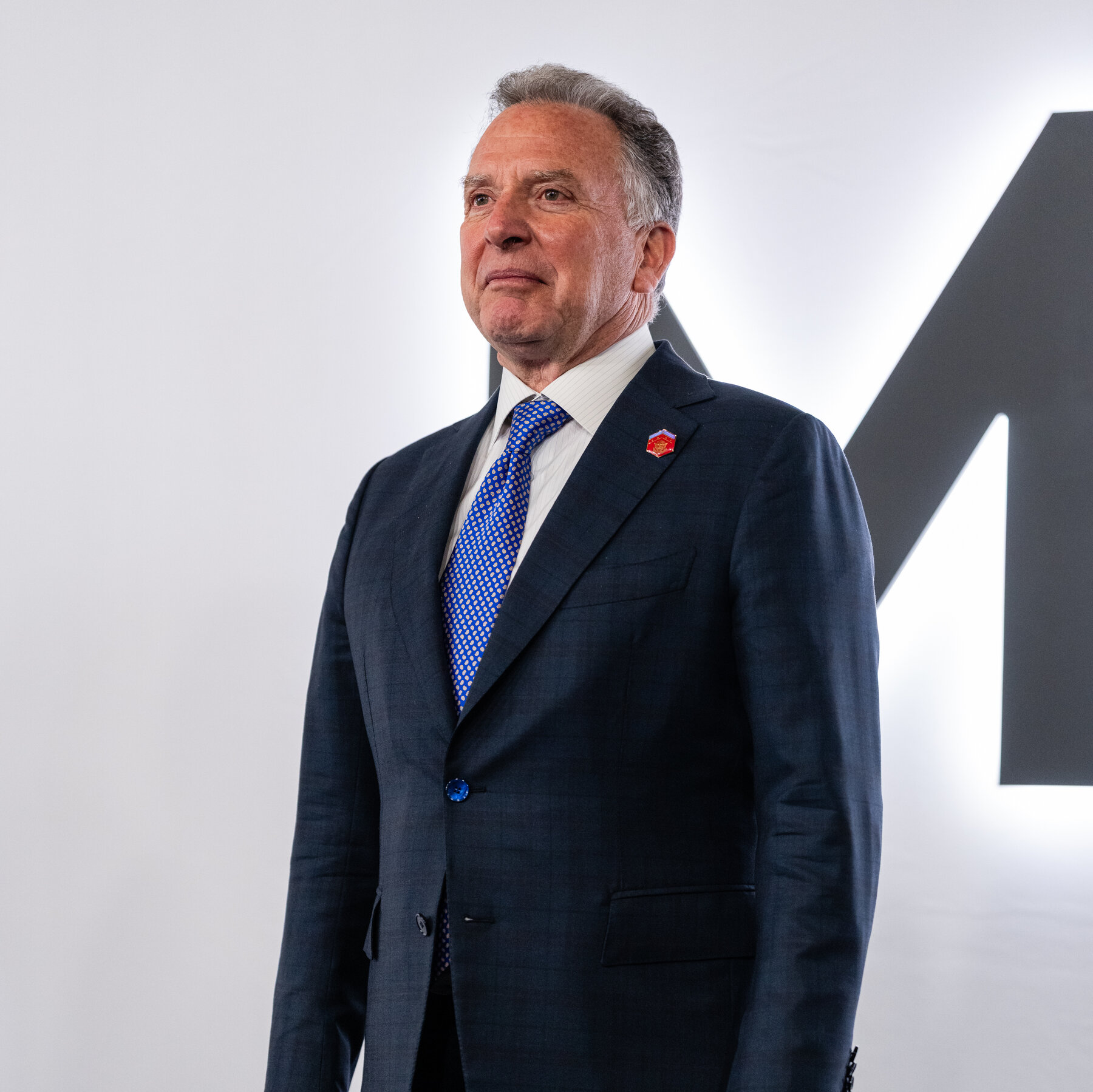
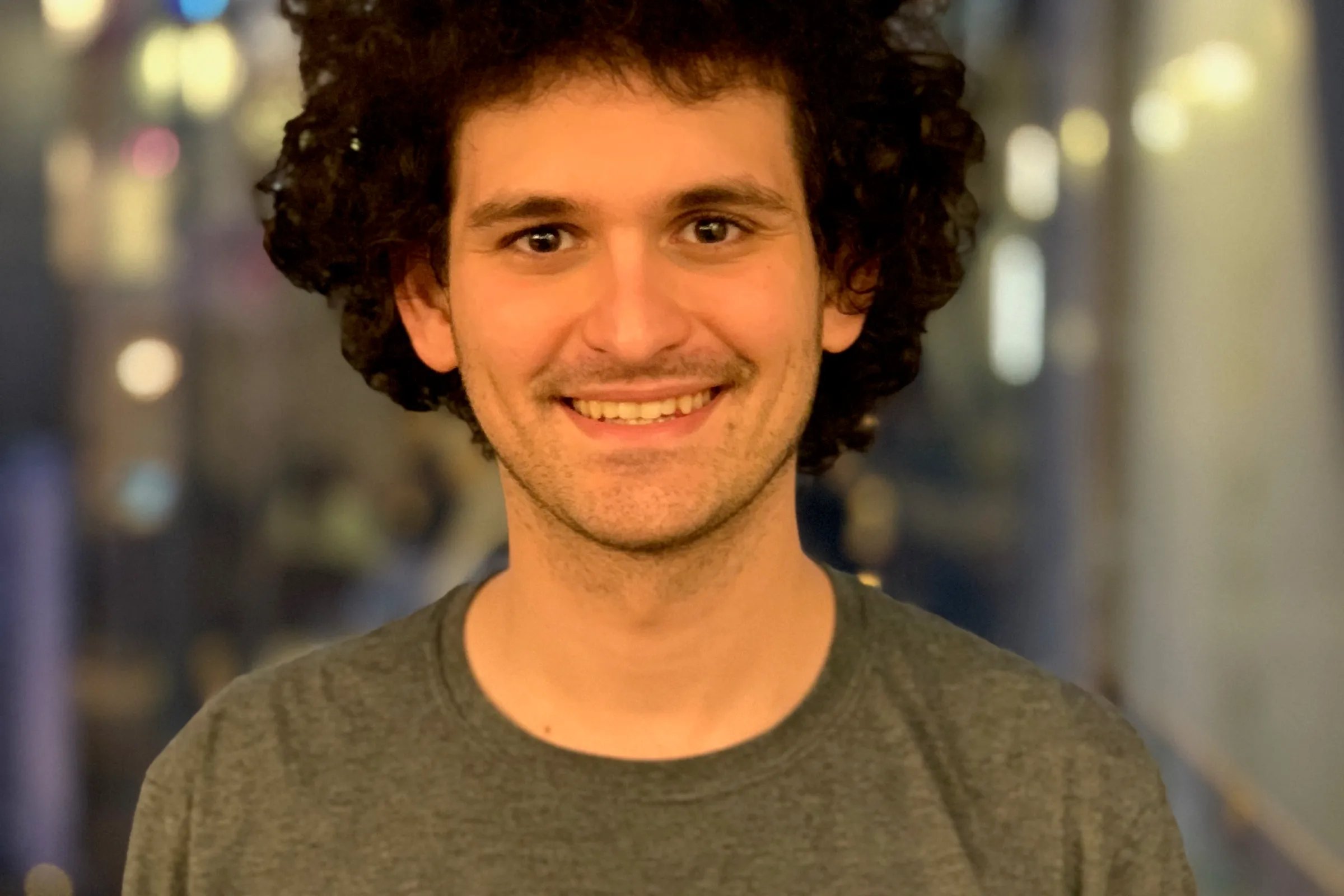
China has detained Min Zin, a U.S. citizen and prominent scholar focusing on Myanmar, on espionage charges, according to the Chinese government. The arrest occurred on June 3 at Kunming Changshui International Airport in Yunnan province, where he was reportedly invited by a Chinese academic institution. Chinese Foreign Ministry spokesperson Lin Jian stated that Min Zin is suspected of "espionage and endangering Chinese national security." China rarely detains U.S. citizens on national security charges, with only a few such known cases in recent years.
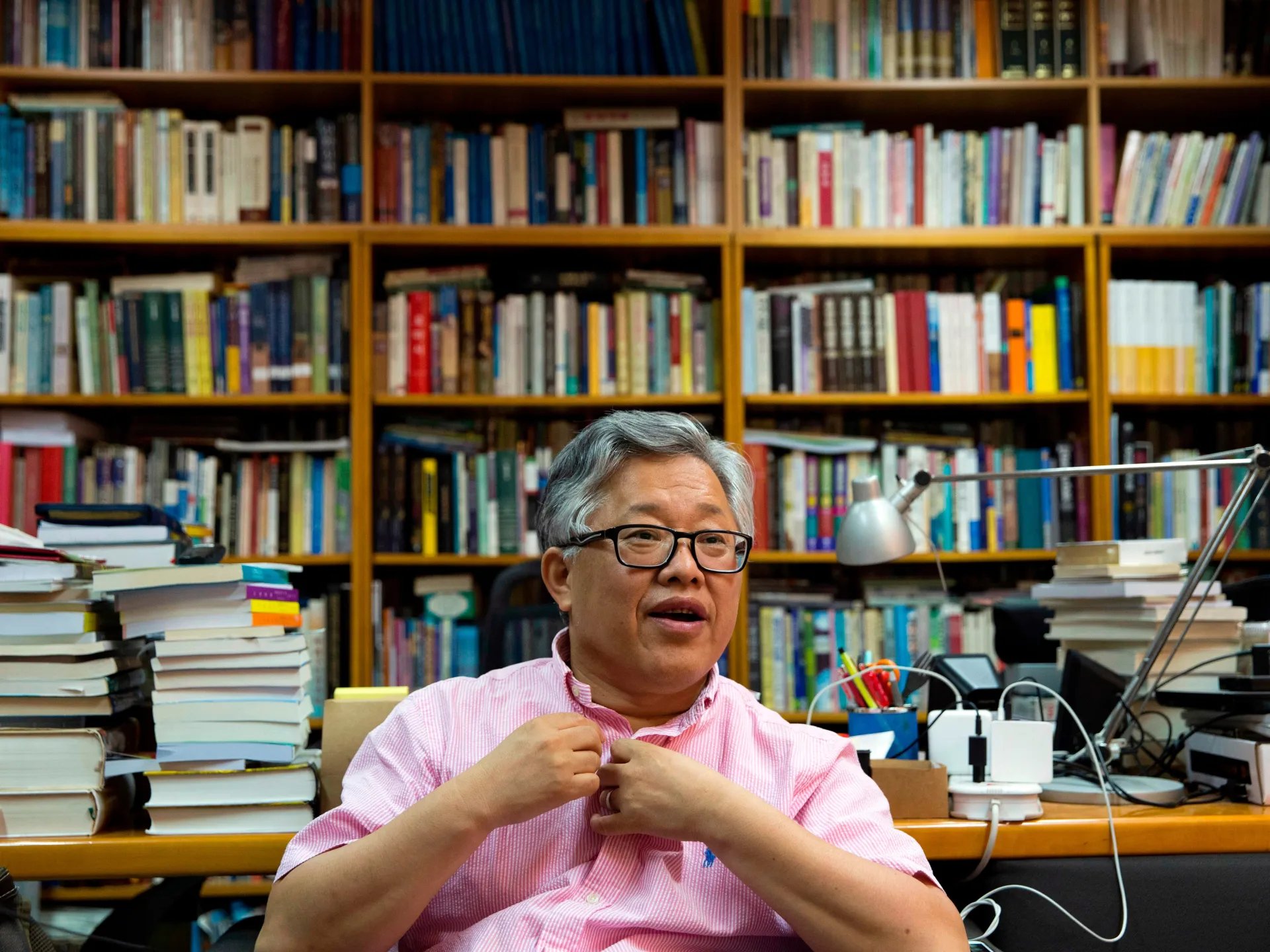
Min Zin is the executive director of the Institute for Strategy and Policy-Myanmar, a think tank that analyzes conflict dynamics and governance in Myanmar. He was a student activist during the 1988 democracy movement in Myanmar and is currently a Ph.D. candidate in political science at the University of California, Berkeley. His insights on Myanmar have been featured in major publications, including The New York Times and Foreign Policy. His work has increasingly focused on the relationship between Myanmar and China, especially following the military coup in Myanmar in 2021.
The U.S. State Department confirmed it is aware of the arrest and emphasized its commitment to the safety and security of American citizens abroad. A spokesperson stated, "Whenever a U.S. citizen is detained, we work to provide the appropriate consular assistance." However, the department did not provide further details regarding Min Zin's situation.
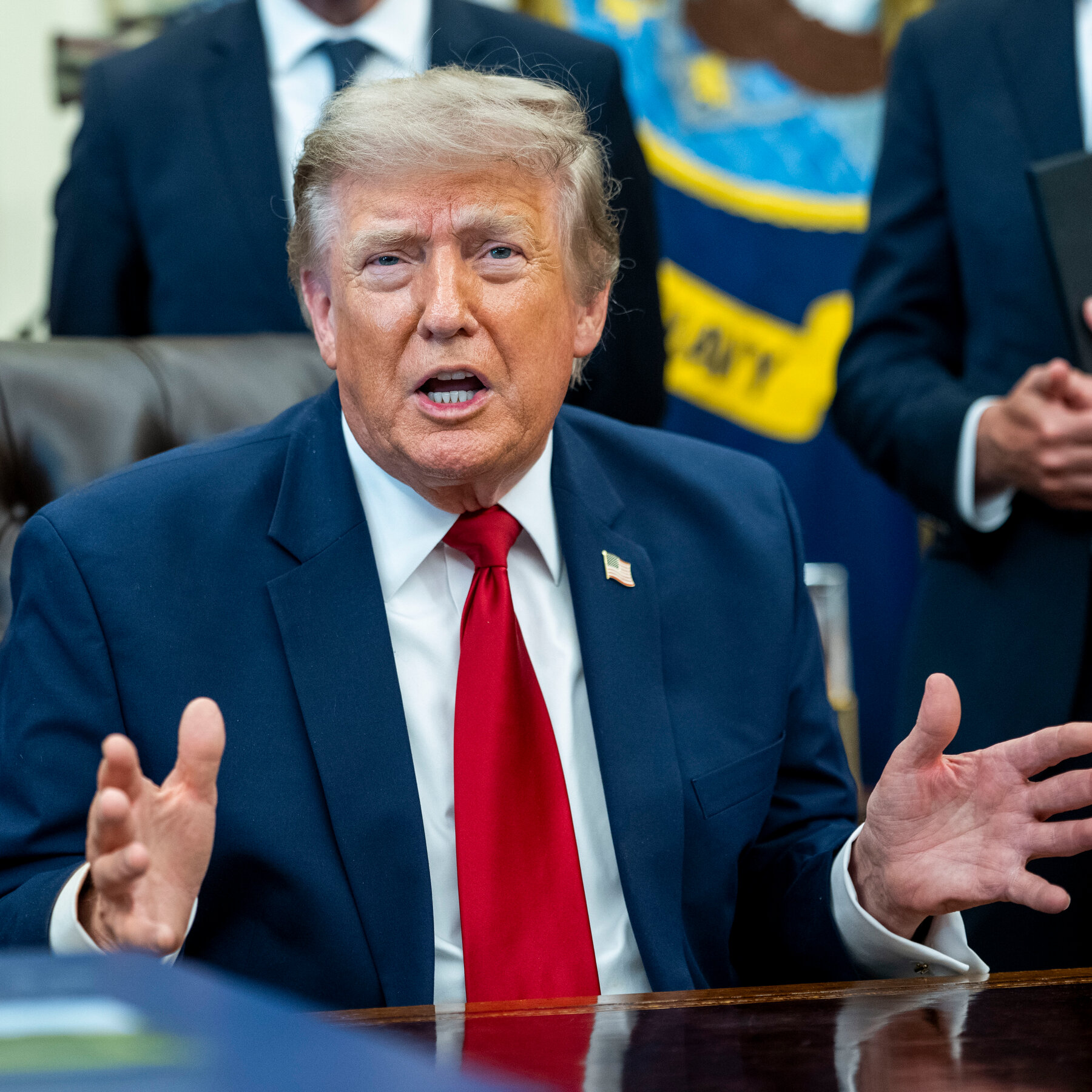
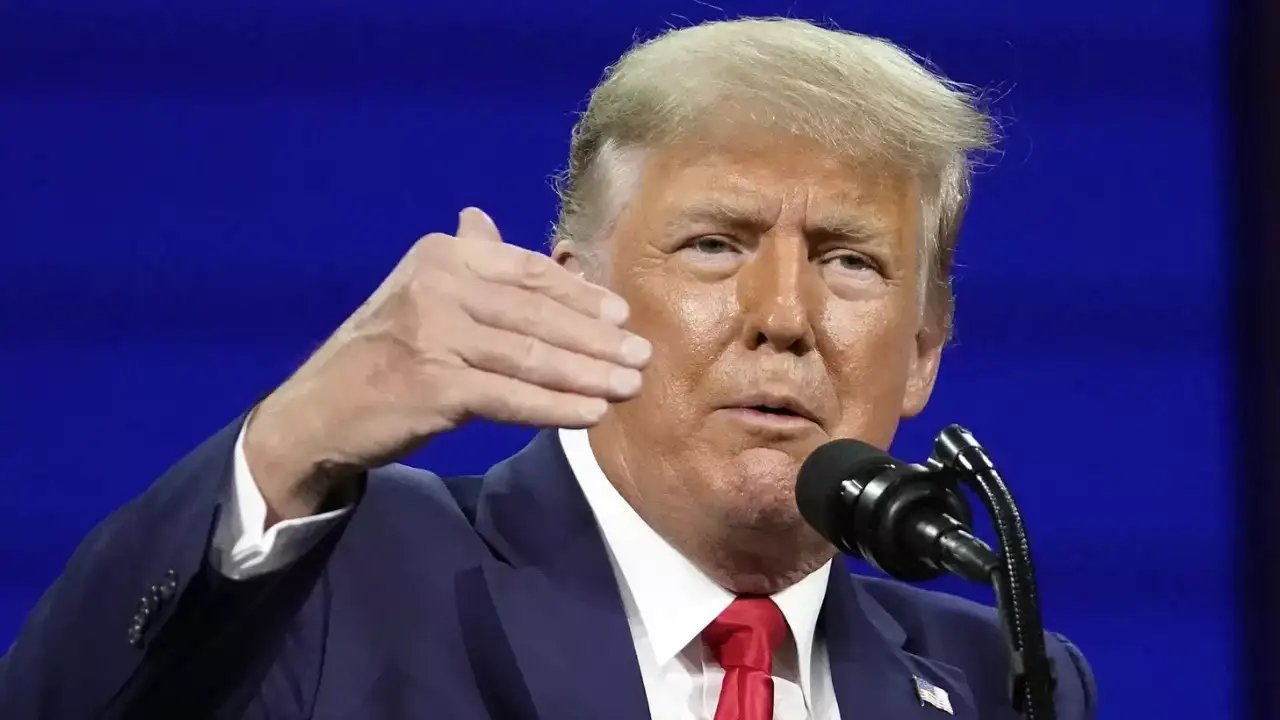
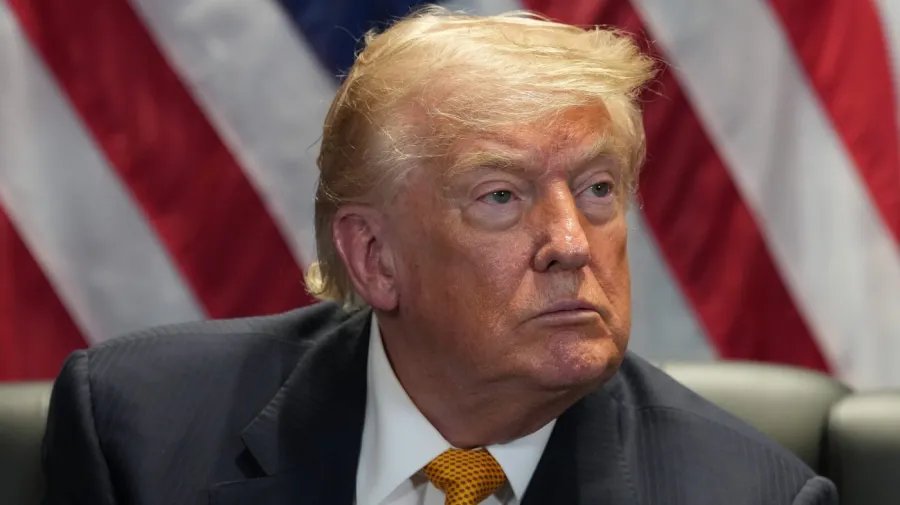
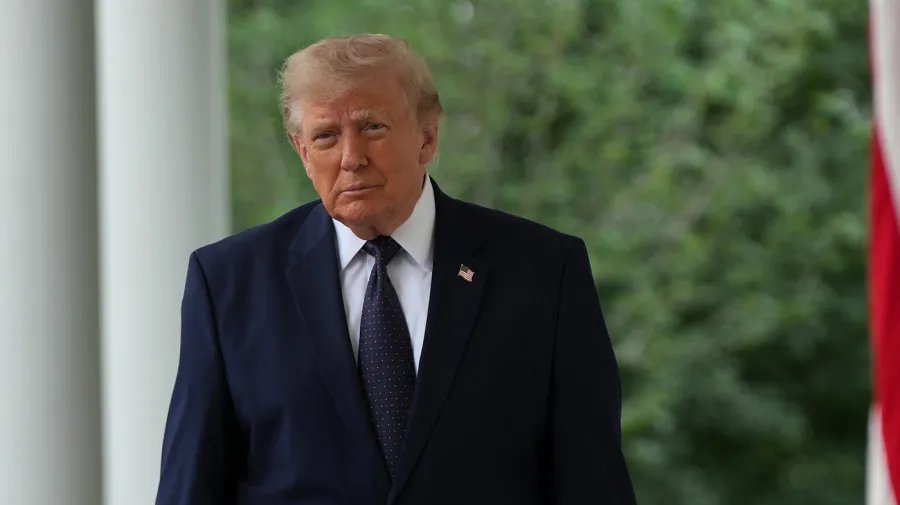
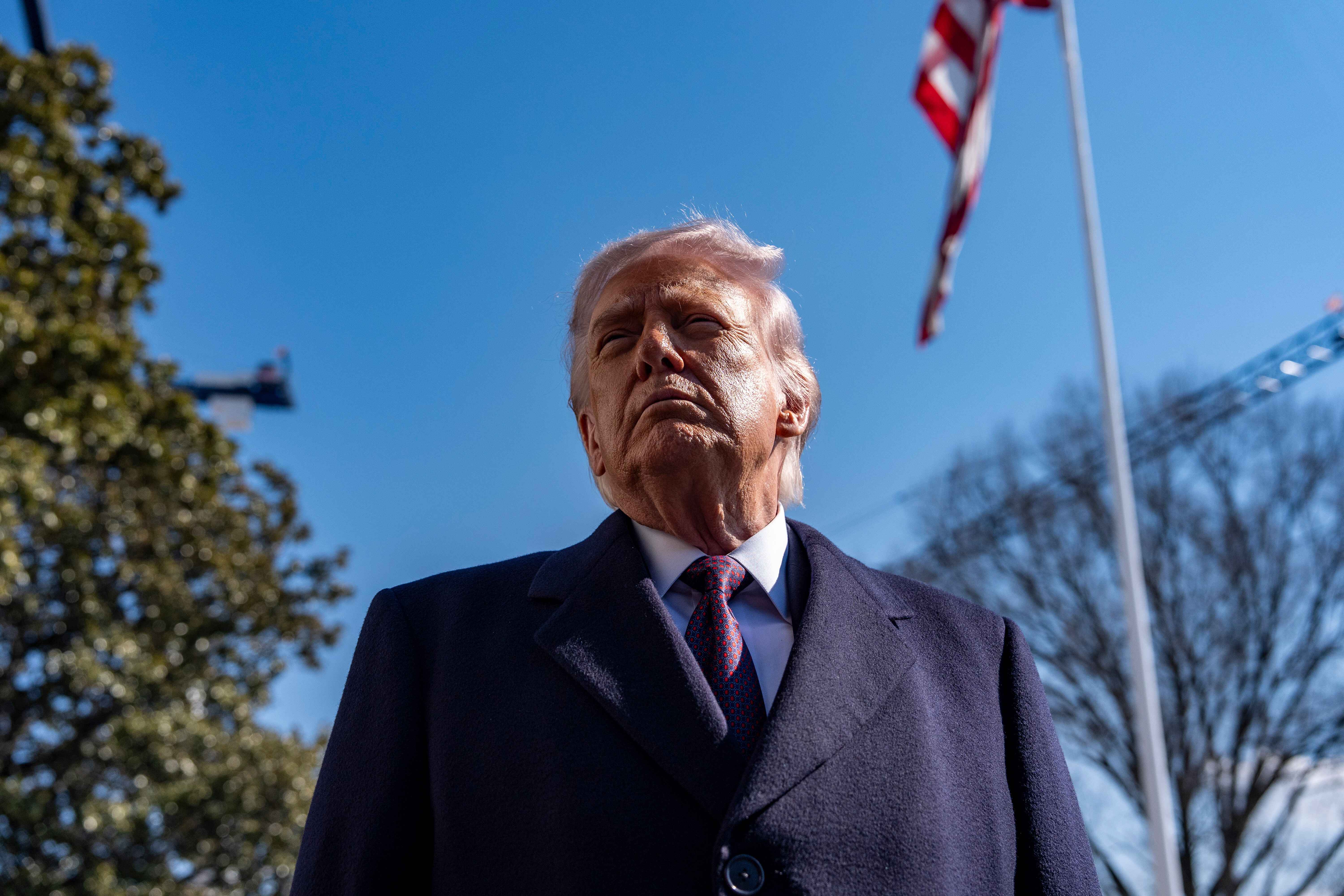
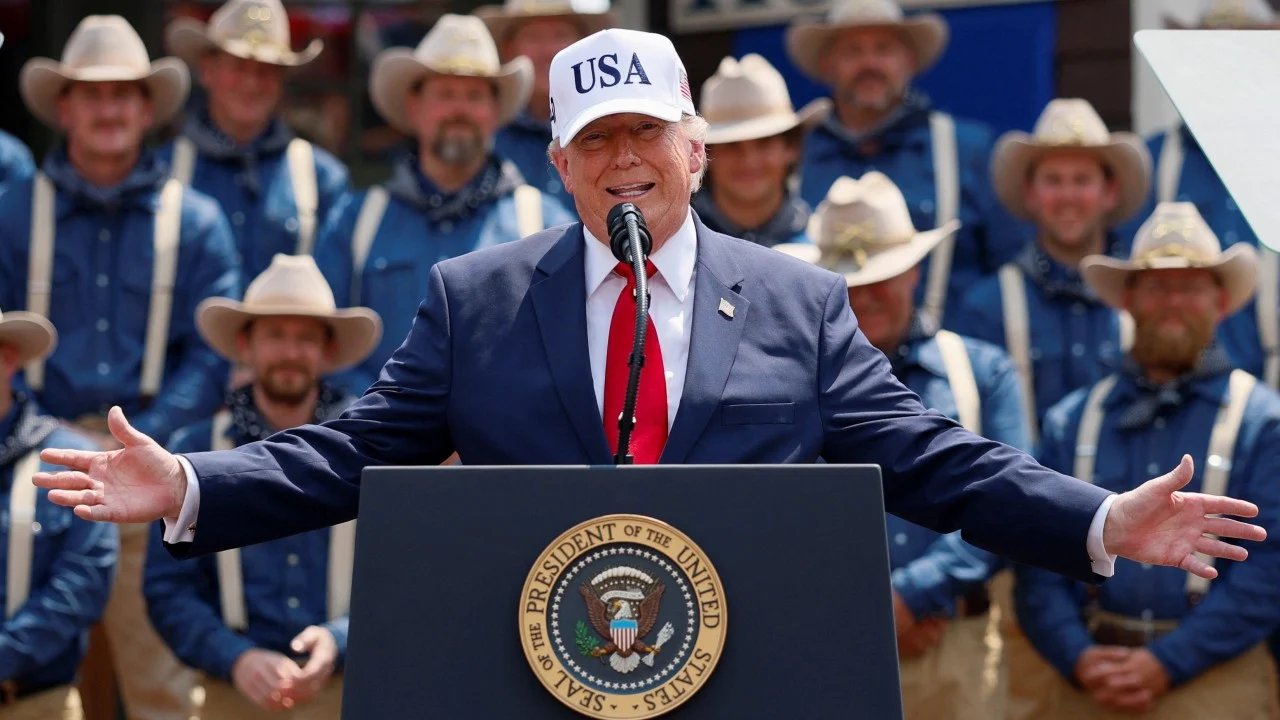
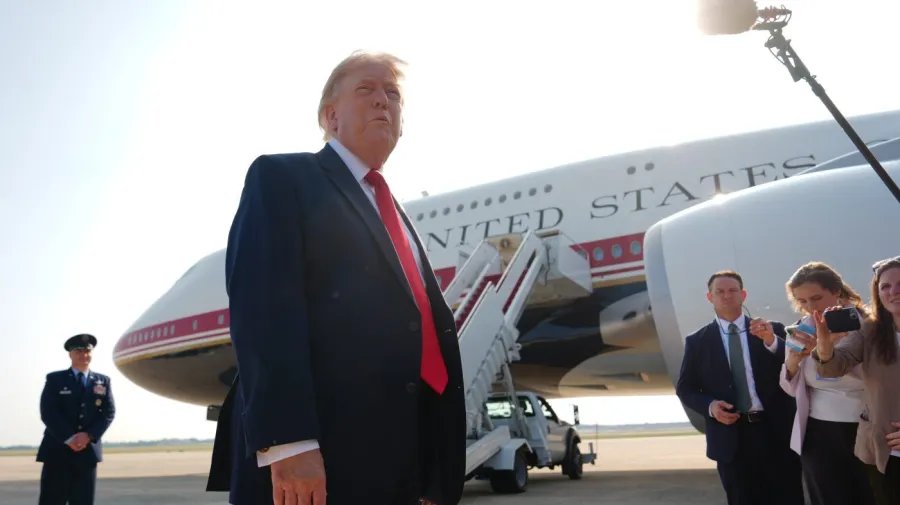
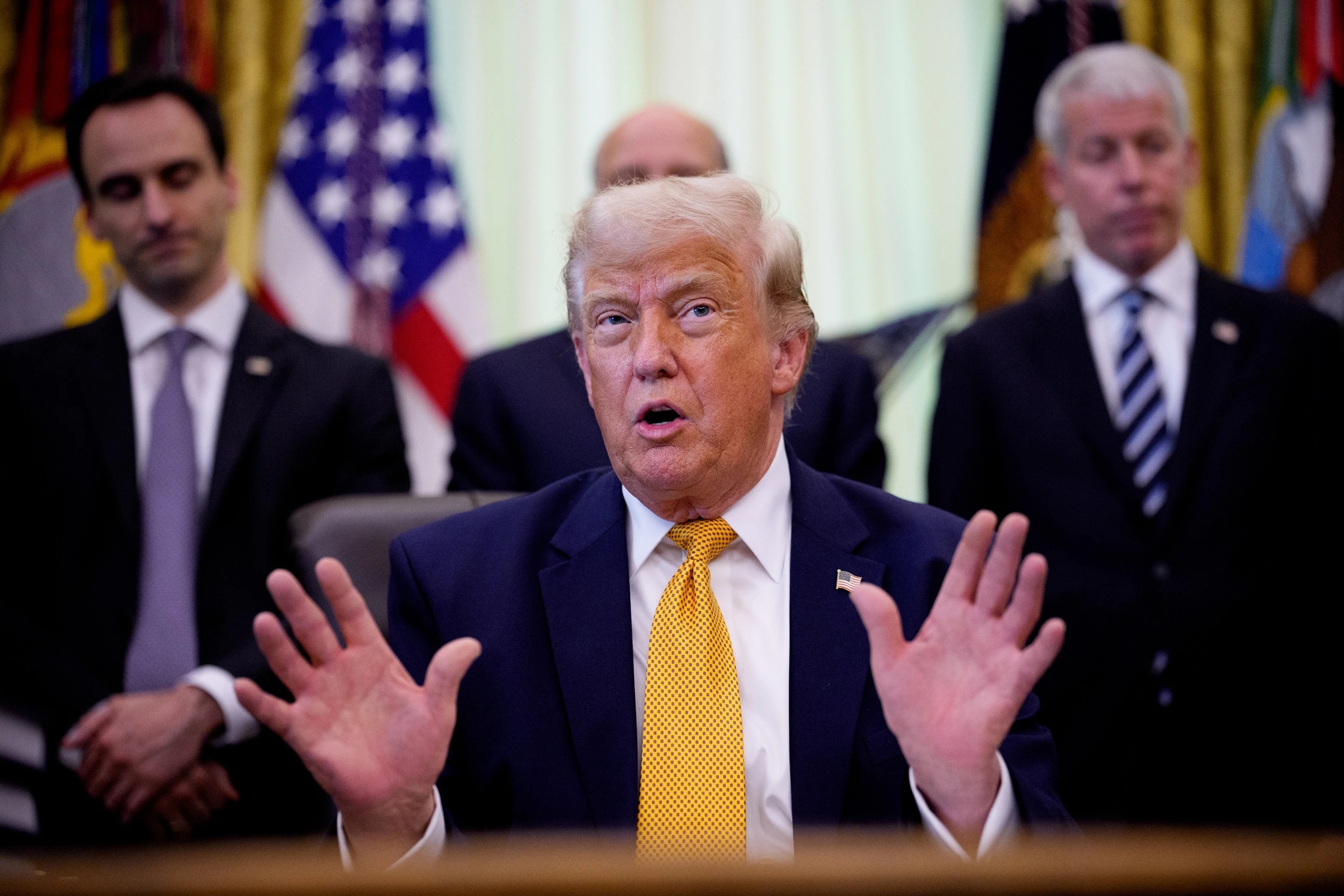
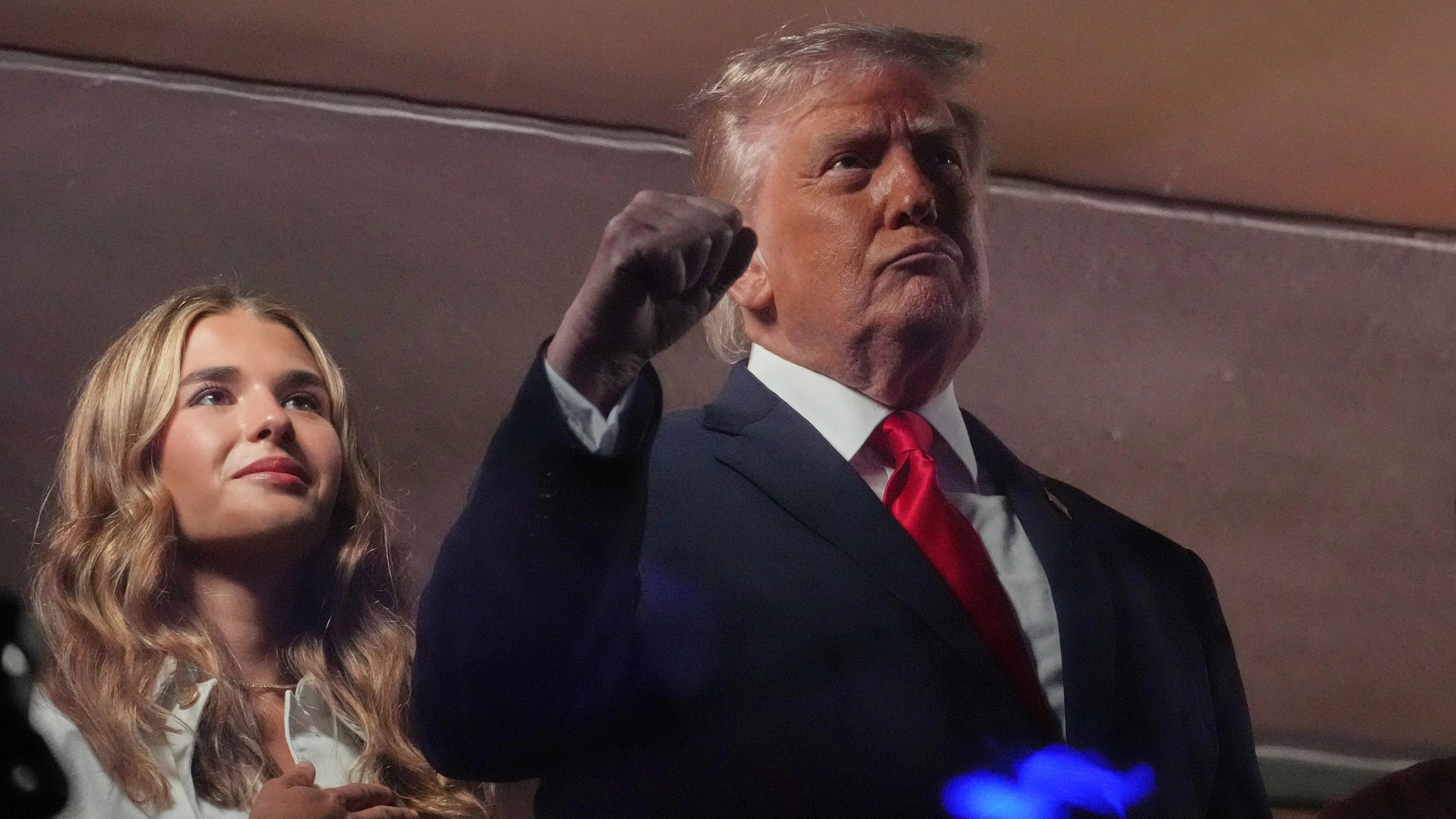
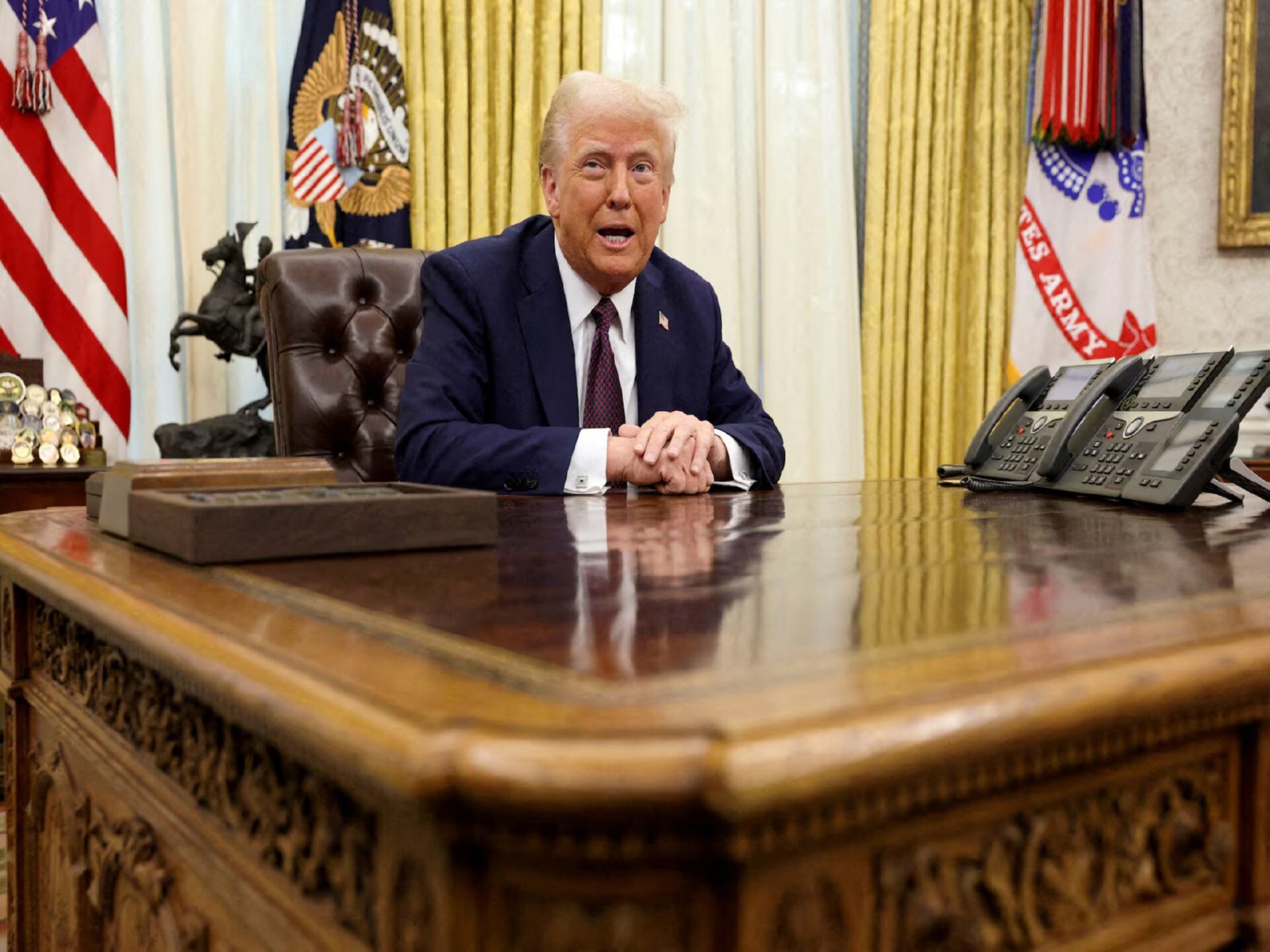
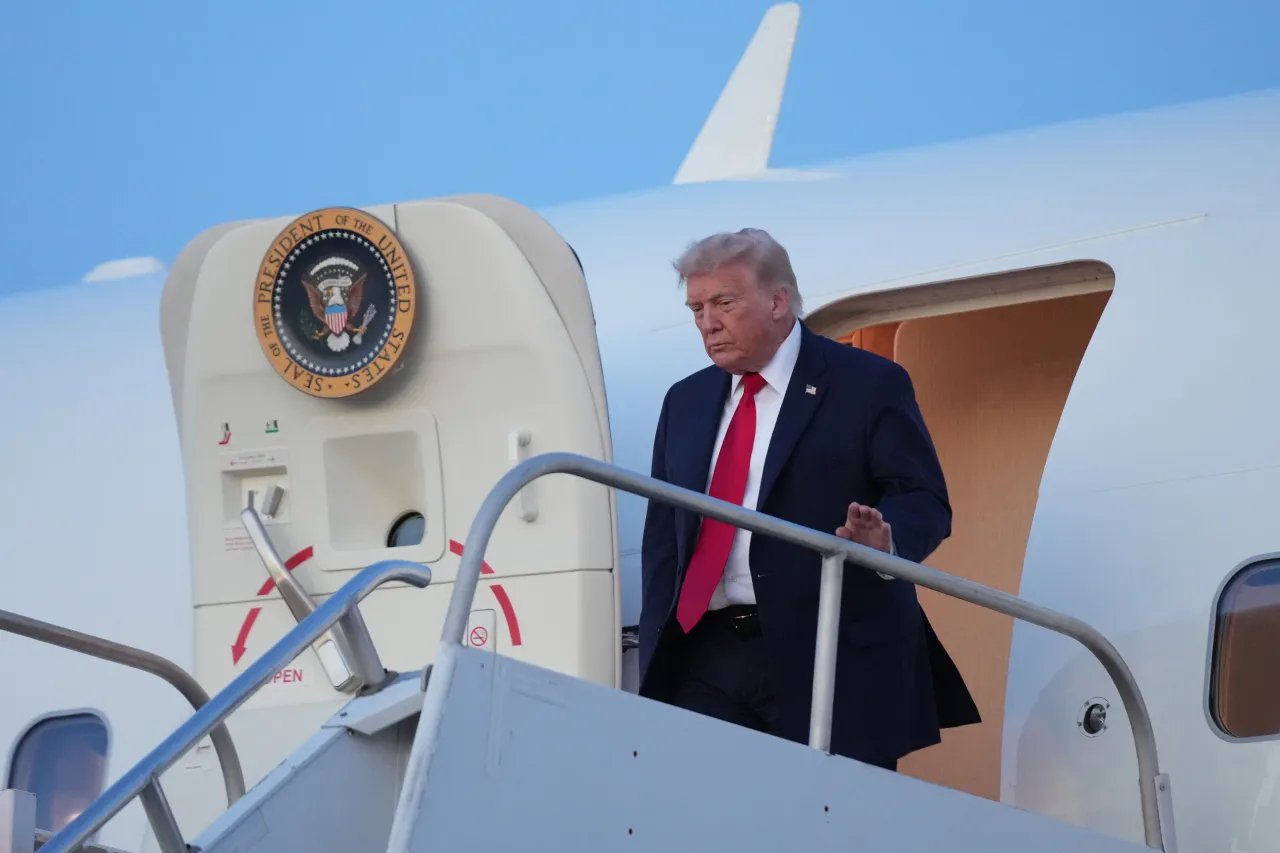
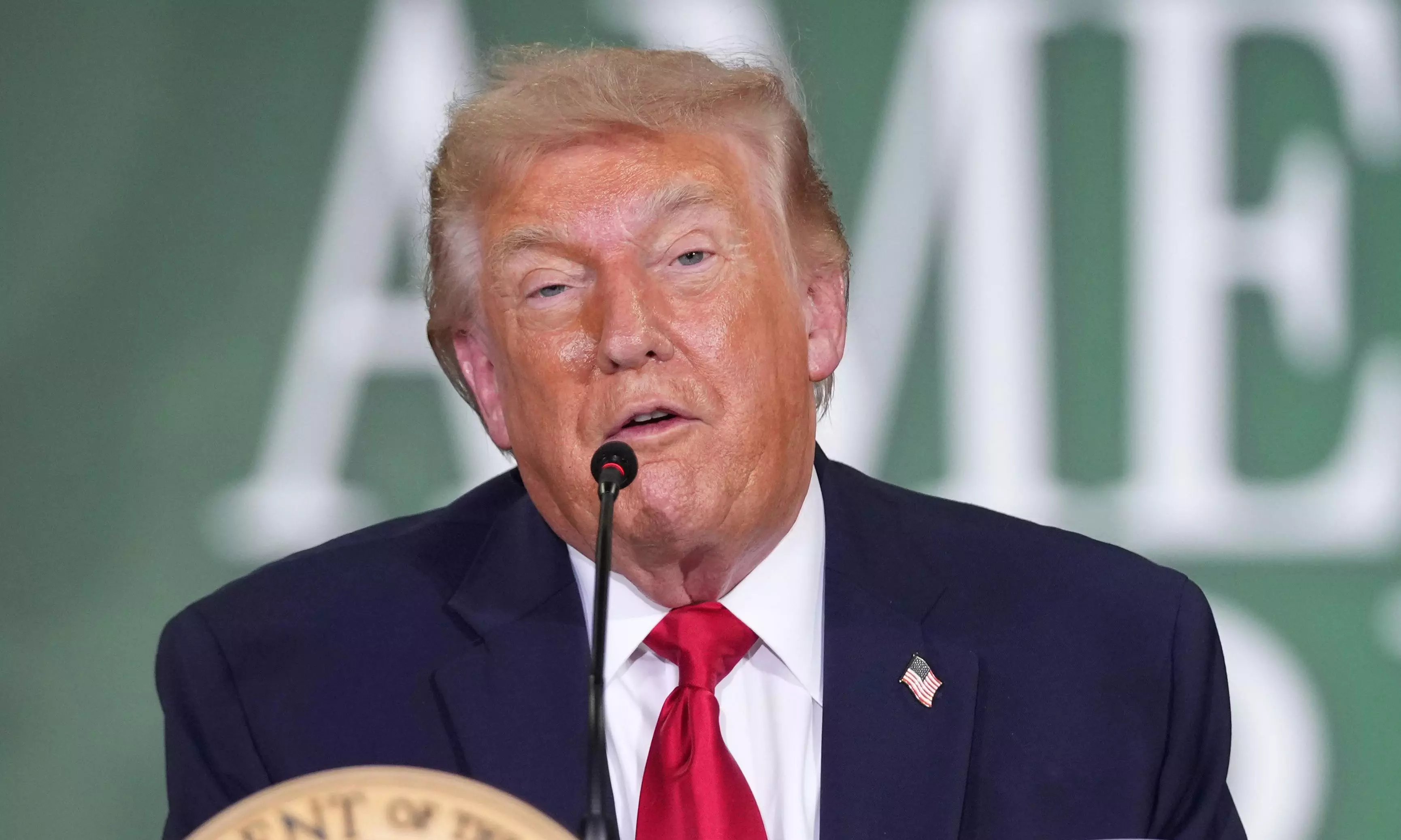
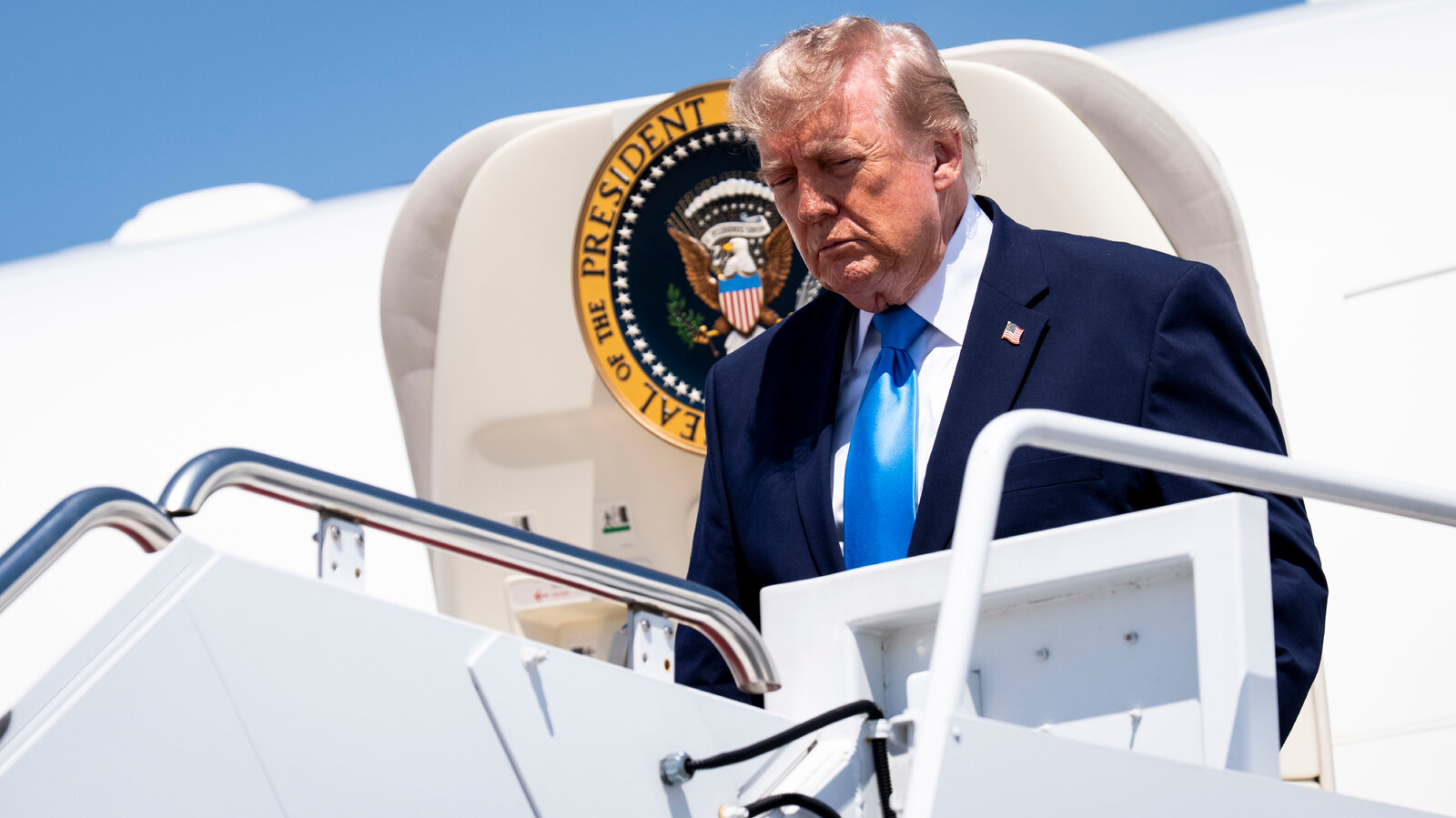
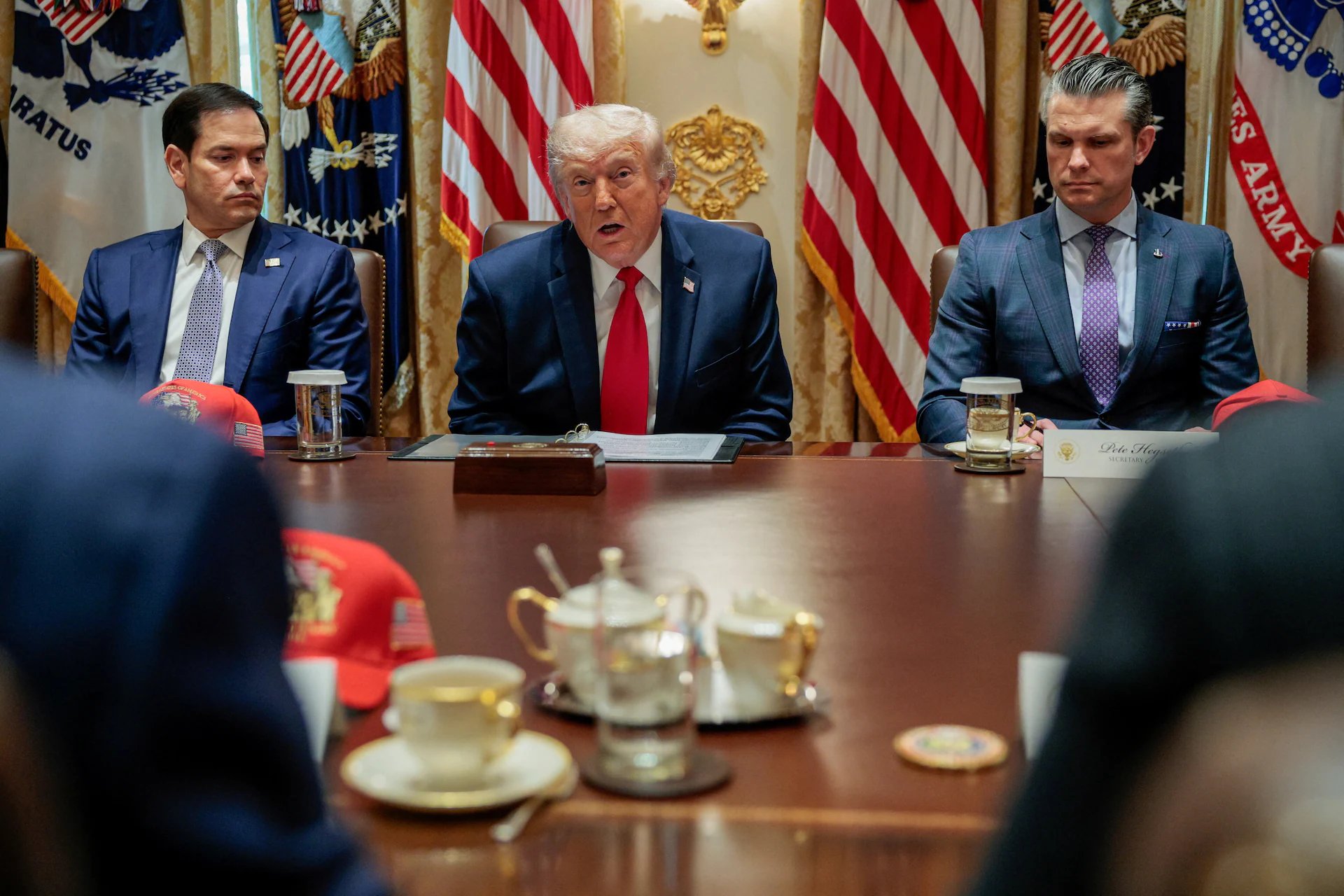
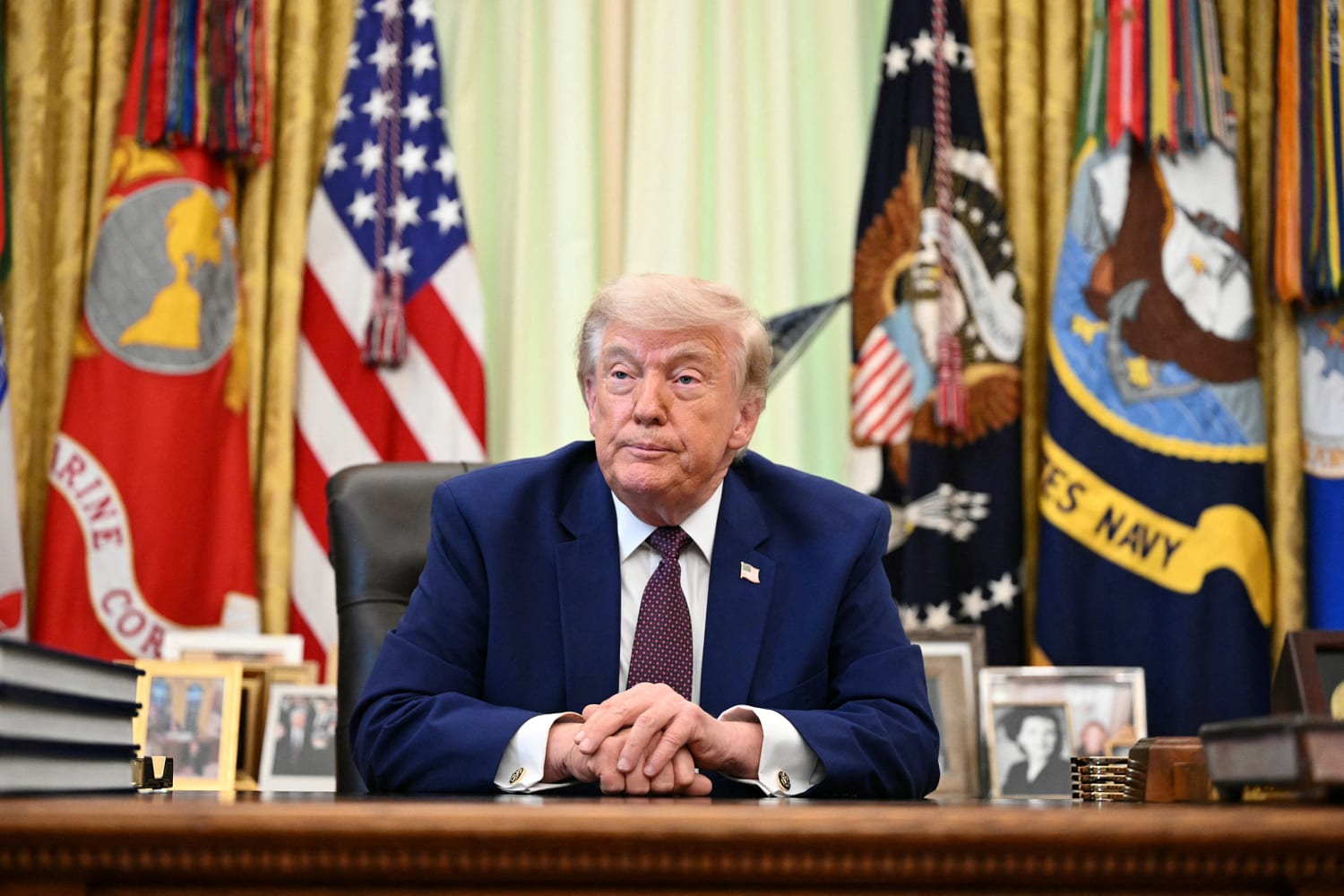
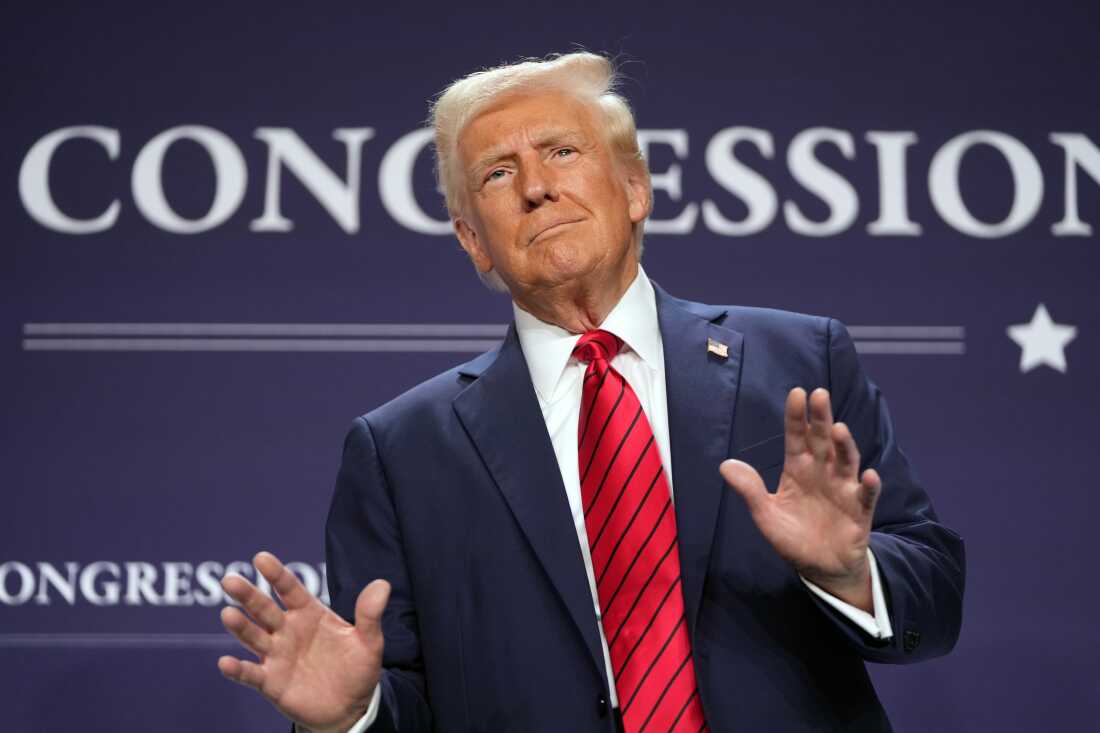
The arrest comes shortly after a summit between President Trump and Chinese leader Xi Jinping aimed at easing tensions between the two nations. It raises concerns about the broader implications for U.S.-China relations, especially in light of the upcoming state visit by Myanmar's president, Min Aung Hlaing, to China.
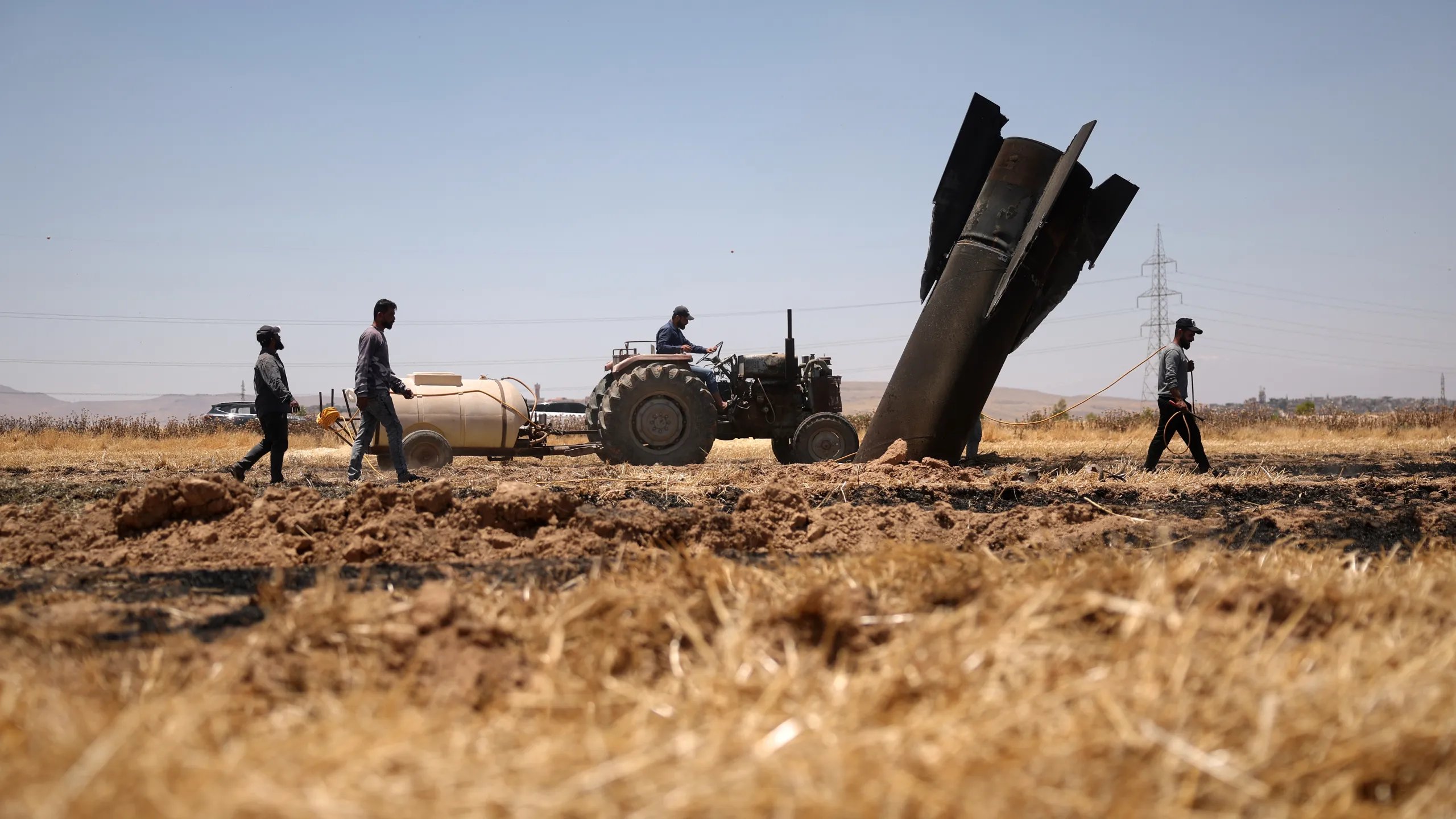
ISP-Myanmar has focused on relations between Myanmar and China. China has armed Myanmar's military as it wages war against its own people.
China's detention of foreign nationals on espionage charges is infrequent but has raised alarms in the international community. Analysts suggest such arrests often serve as leverage in diplomatic negotiations. Min Zin's case highlights the precarious position of scholars and activists who engage with contentious political issues in regions under authoritarian control, increasing risks for those involved in advocacy and research.
As Min Zin's case unfolds, advocacy groups and human rights organizations may intensify calls for his release and for greater protections for scholars working in sensitive areas. The situation underscores the need for vigilance and support for individuals engaged in academic and activist work, particularly in politically charged environments. The U.S. government and various NGOs are expected to monitor the situation closely, as Min Zin's arrest could set a precedent for future cases involving U.S. citizens abroad.
China has detained Min Zin, a U.S. citizen and prominent scholar focusing on Myanmar, on espionage charges, according to the Chinese government. The arrest occurred on June 3 at Kunming Changshui International Airport in Yunnan province, where he was reportedly invited by a Chinese academic institution. Chinese Foreign Ministry spokesperson Lin Jian stated that Min Zin is suspected of "espionage and endangering Chinese national security." This incident marks a rare case of a U.S. citizen being arrested in China on national security grounds.
Min Zin is the executive director of the Institute for Strategy and Policy-Myanmar, a think tank that analyzes conflict dynamics and governance in Myanmar. He was a student activist during the 1988 democracy movement in Myanmar and is currently a Ph.D. candidate in political science at the University of California, Berkeley. His insights on Myanmar have been featured in major publications, including The New York Times and Foreign Policy. His work has increasingly focused on the relationship between Myanmar and China, especially following the military coup in Myanmar in 2021.
The U.S. State Department confirmed it is aware of the arrest and emphasized its commitment to the safety and security of American citizens abroad. A spokesperson stated, "Whenever a U.S. citizen is detained, we work to provide the appropriate consular assistance." However, the department did not provide further details regarding Min Zin's situation.
The arrest comes shortly after a high-profile summit between President Trump and Chinese leader Xi Jinping, aimed at reducing tensions between the two nations. It raises concerns about the broader implications for U.S.-China relations, especially in light of the upcoming state visit by Myanmar's president, Min Aung Hlaing, to China. This incident could complicate diplomatic efforts, as both China and the U.S. navigate a delicate geopolitical landscape.
Min Zin's think tank, ISP-Myanmar, has produced critical analysis on the ongoing civil strife in Myanmar and the junta's relationship with China, which has supported the military regime amidst international condemnation. His arrest may be perceived as an attempt by China to control narratives surrounding its influence in Myanmar, especially as the region grapples with ongoing violence and political instability.
China's detention of foreign nationals on espionage charges is infrequent but has raised alarms in the international community. Analysts suggest such arrests often serve as leverage in diplomatic negotiations. Min Zin's case highlights the precarious position of scholars and activists who engage with contentious political issues in regions under authoritarian control, increasing risks for those involved in advocacy and research.
As Min Zin's case unfolds, advocacy groups and human rights organizations may intensify calls for his release and for greater protections for scholars working in sensitive areas. The situation underscores the need for vigilance and support for individuals engaged in academic and activist work, particularly in politically charged environments. The U.S. government and various NGOs are expected to monitor the situation closely, as Min Zin's arrest could set a precedent for future cases involving U.S. citizens abroad.
Highlighted text was flagged by the council. Tap to see feedback.