




The Disaster Unfolds
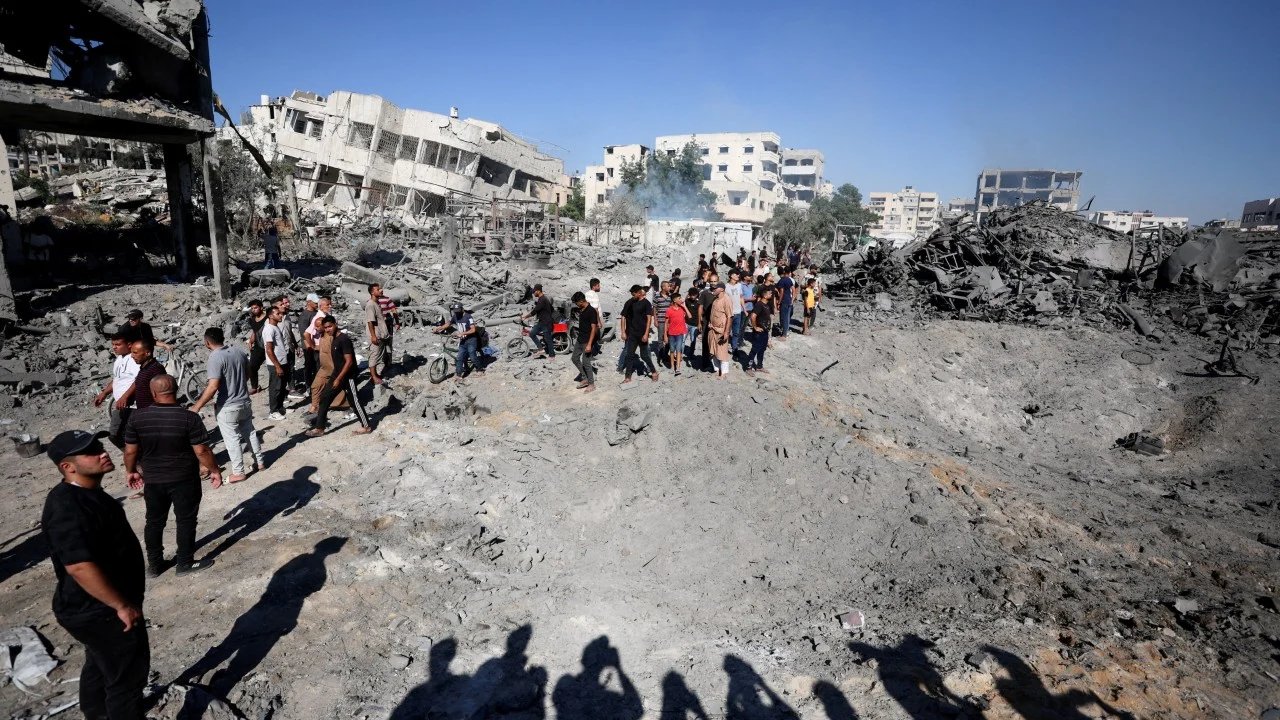
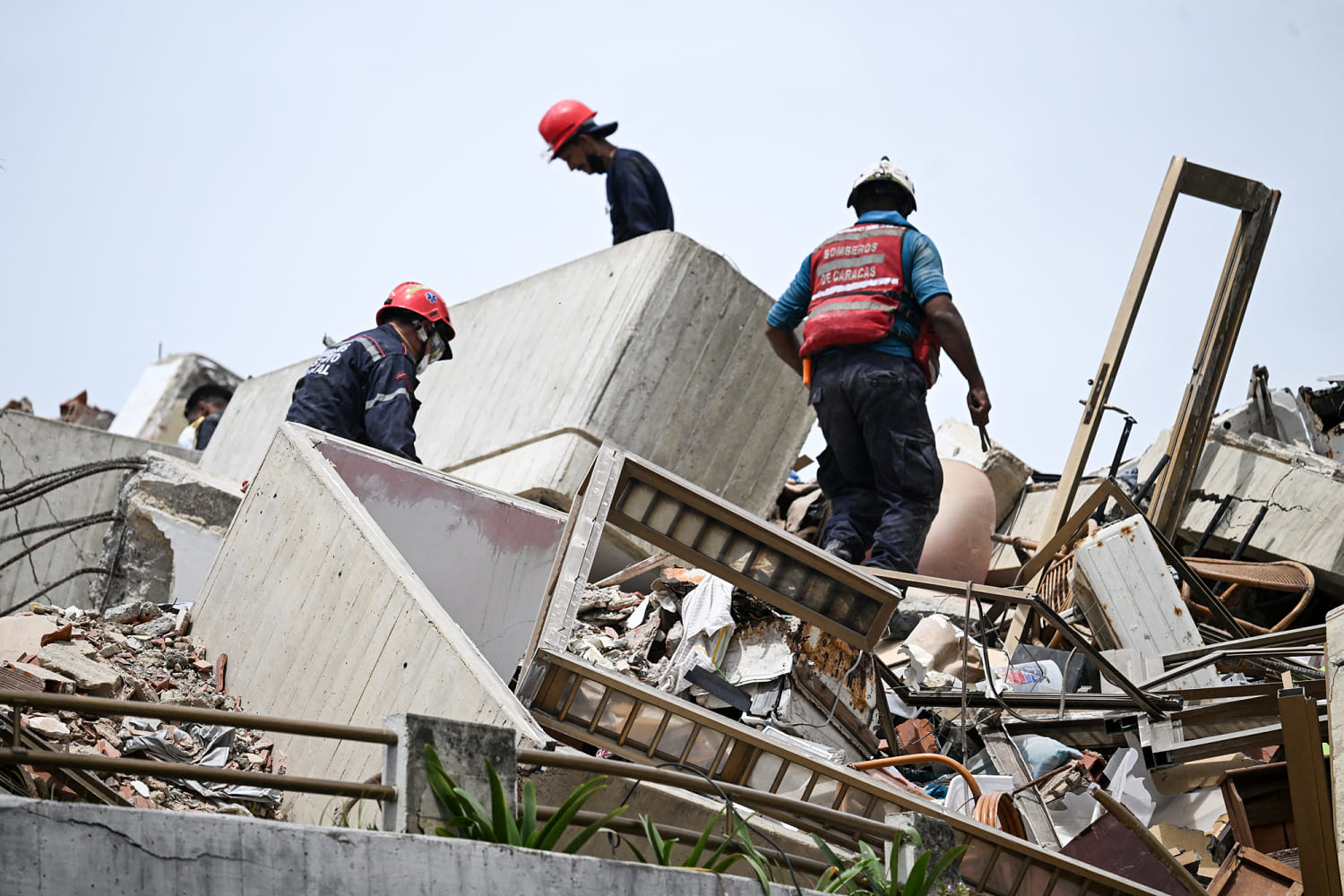
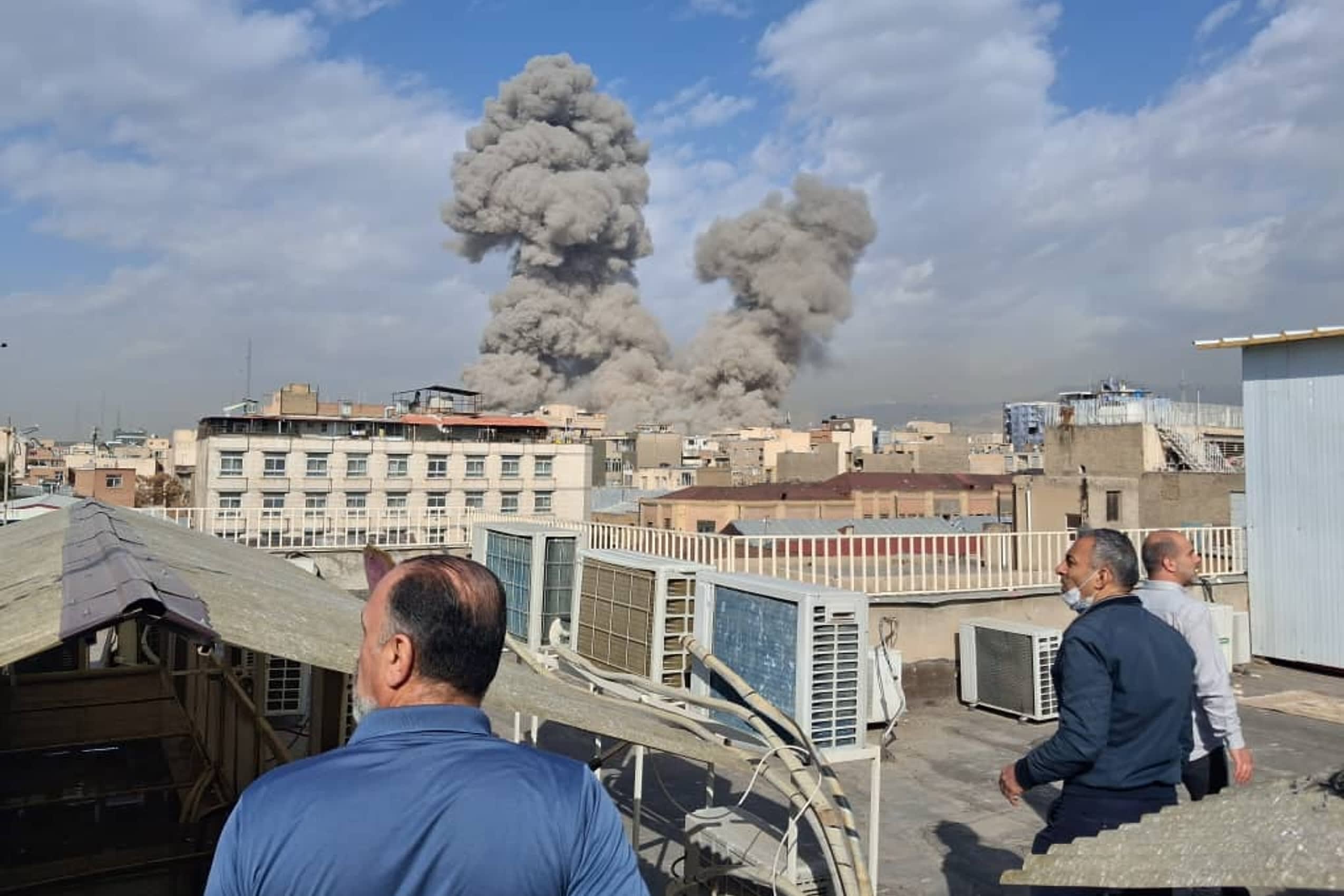
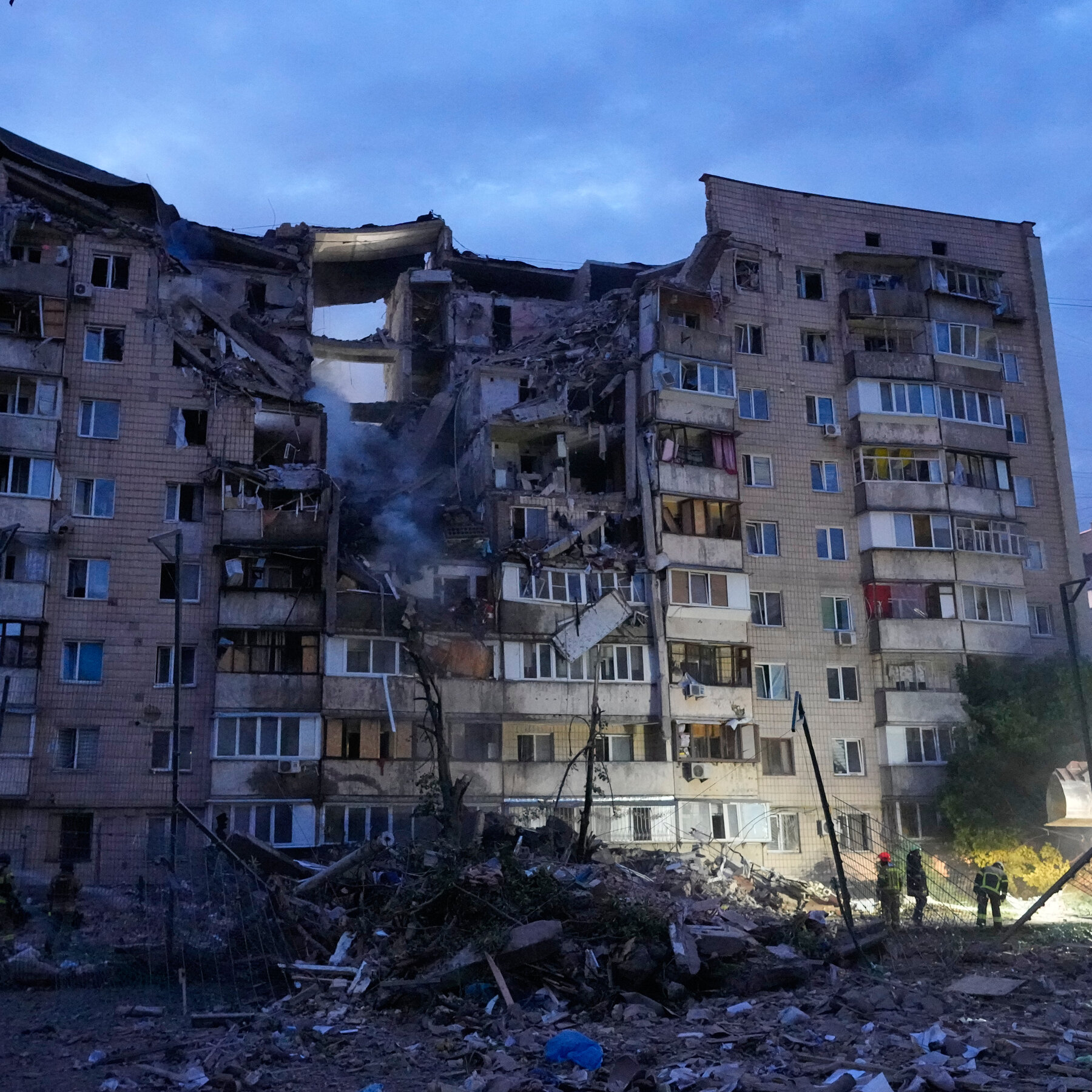
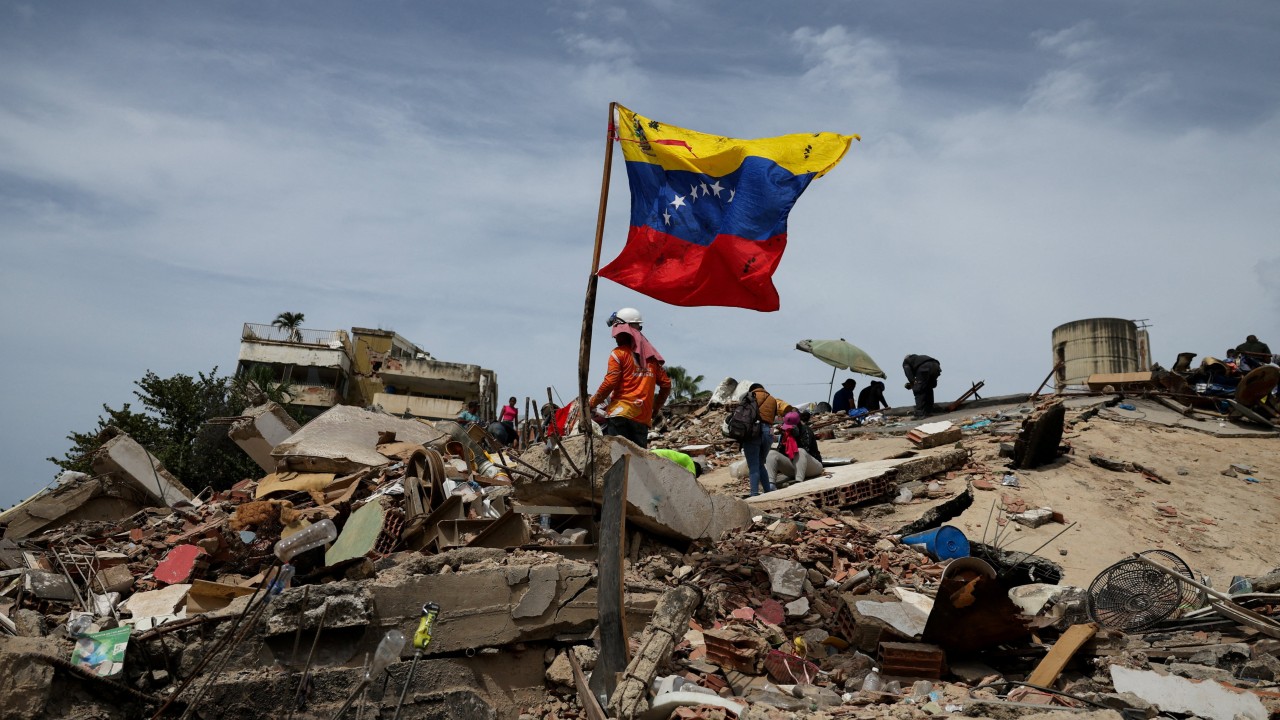
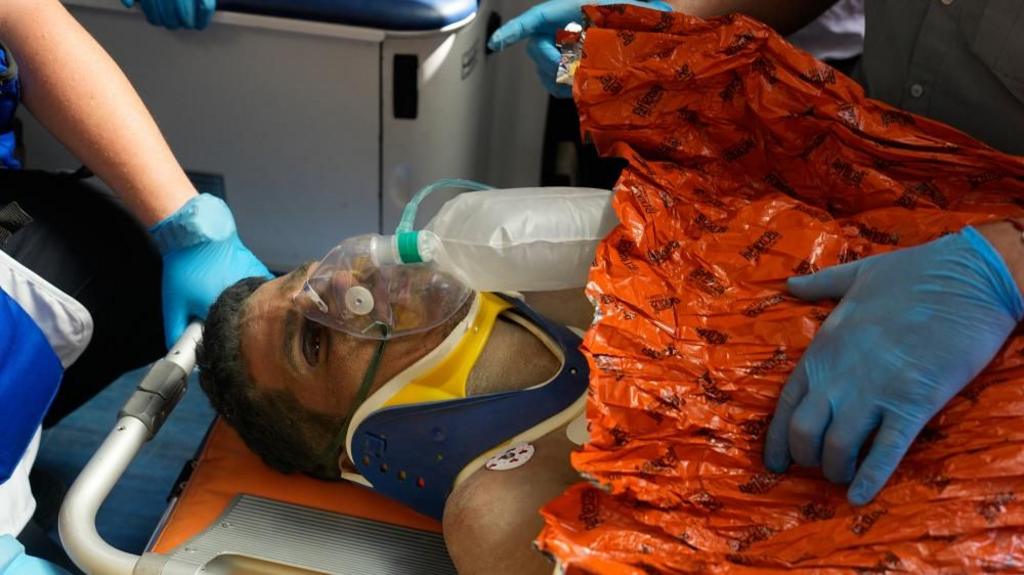
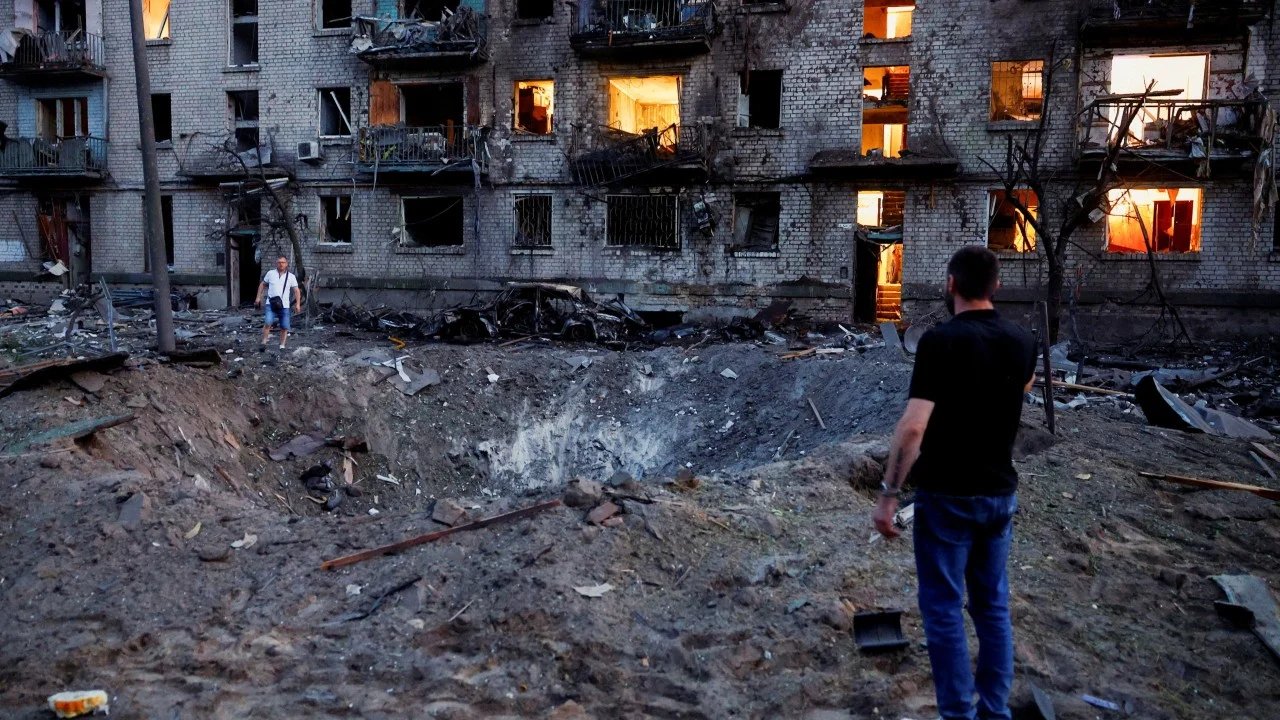
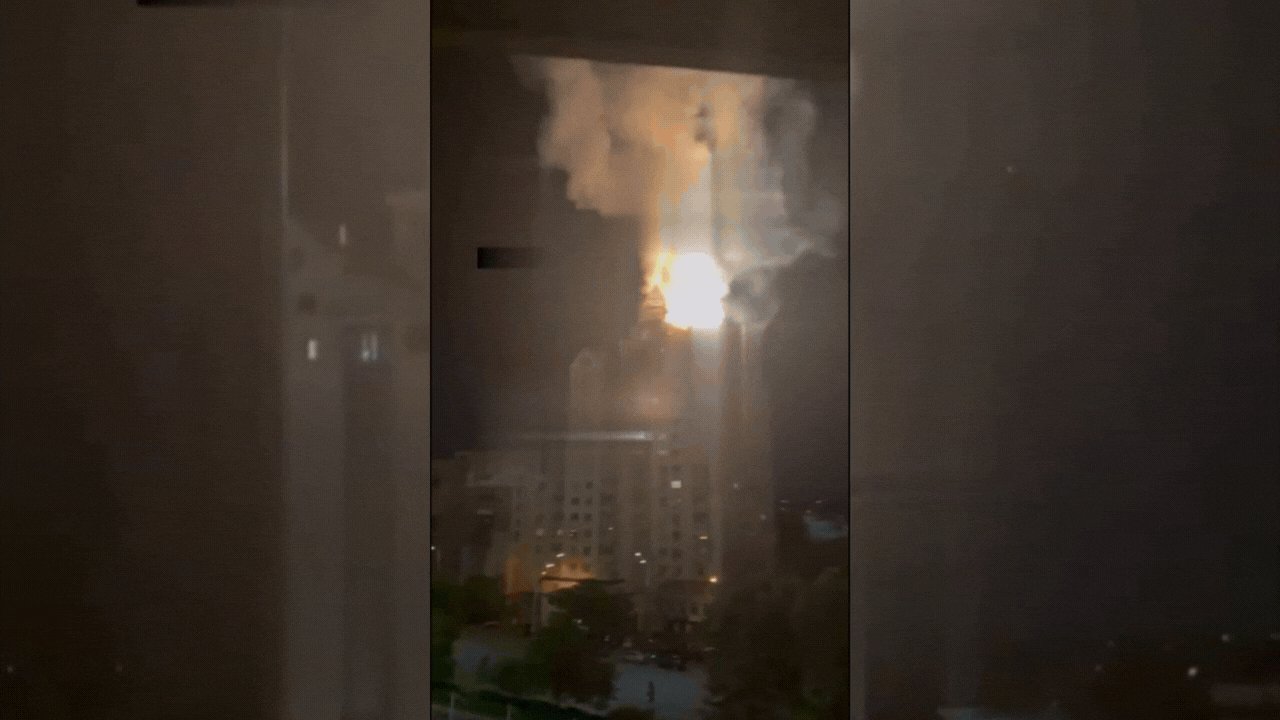
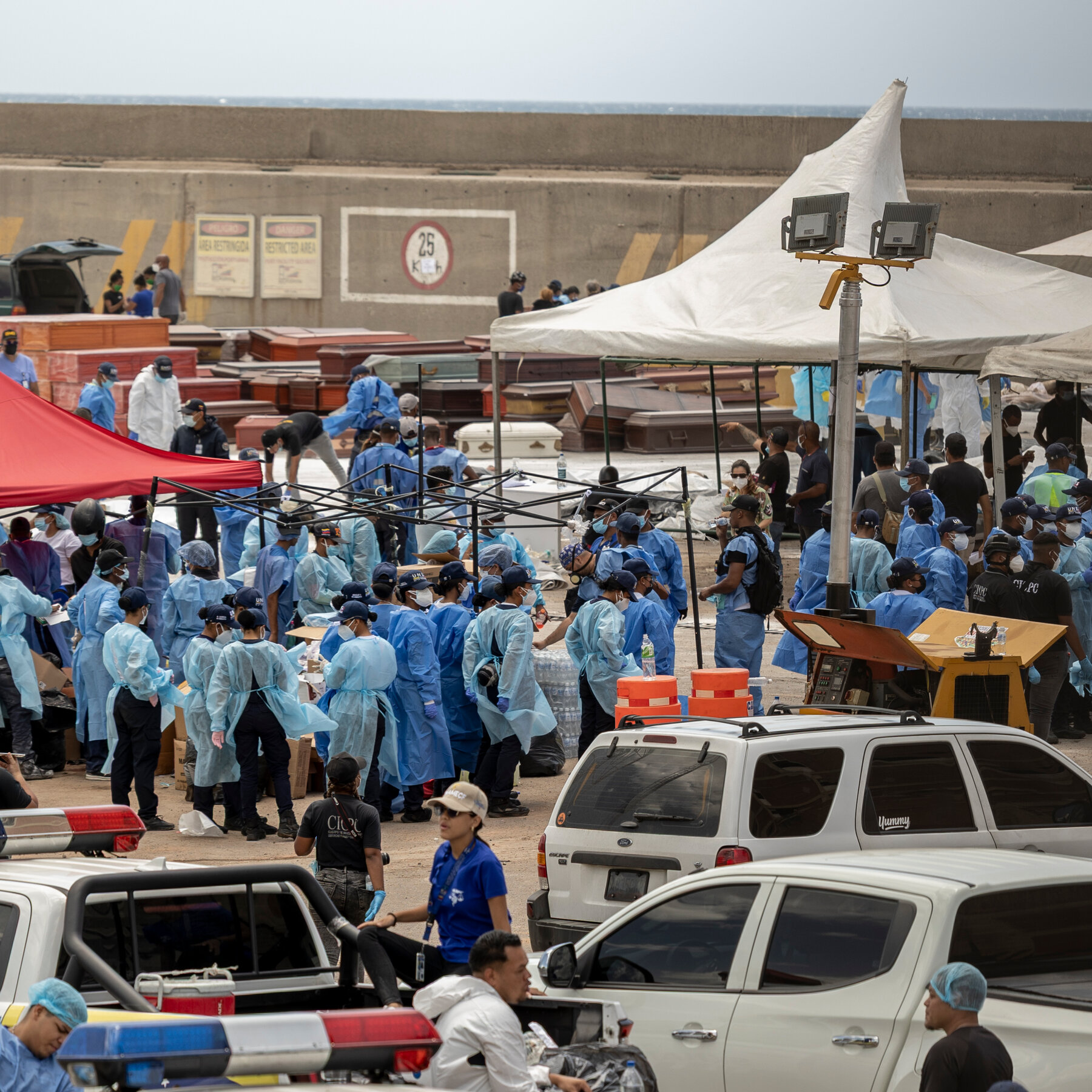
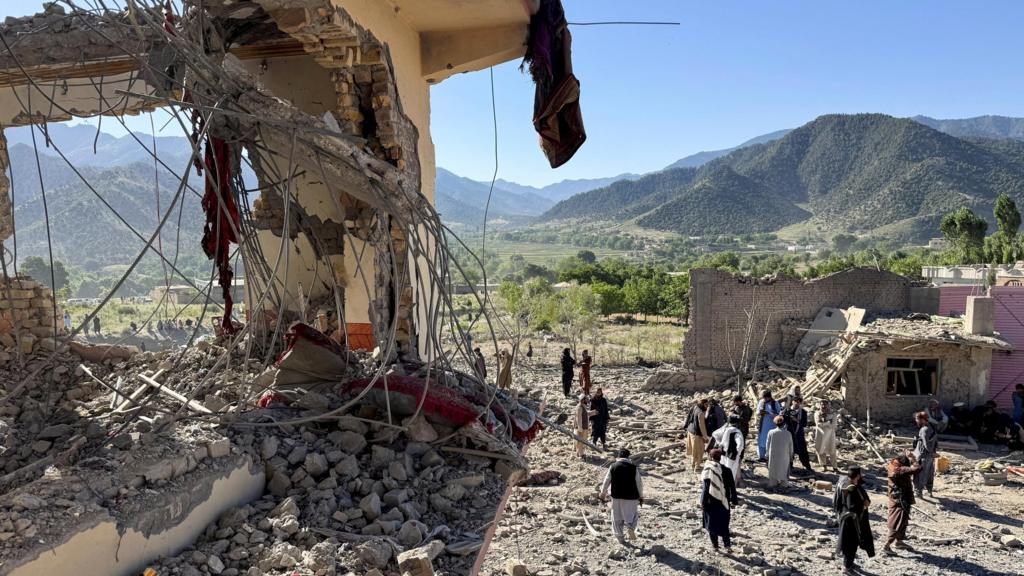
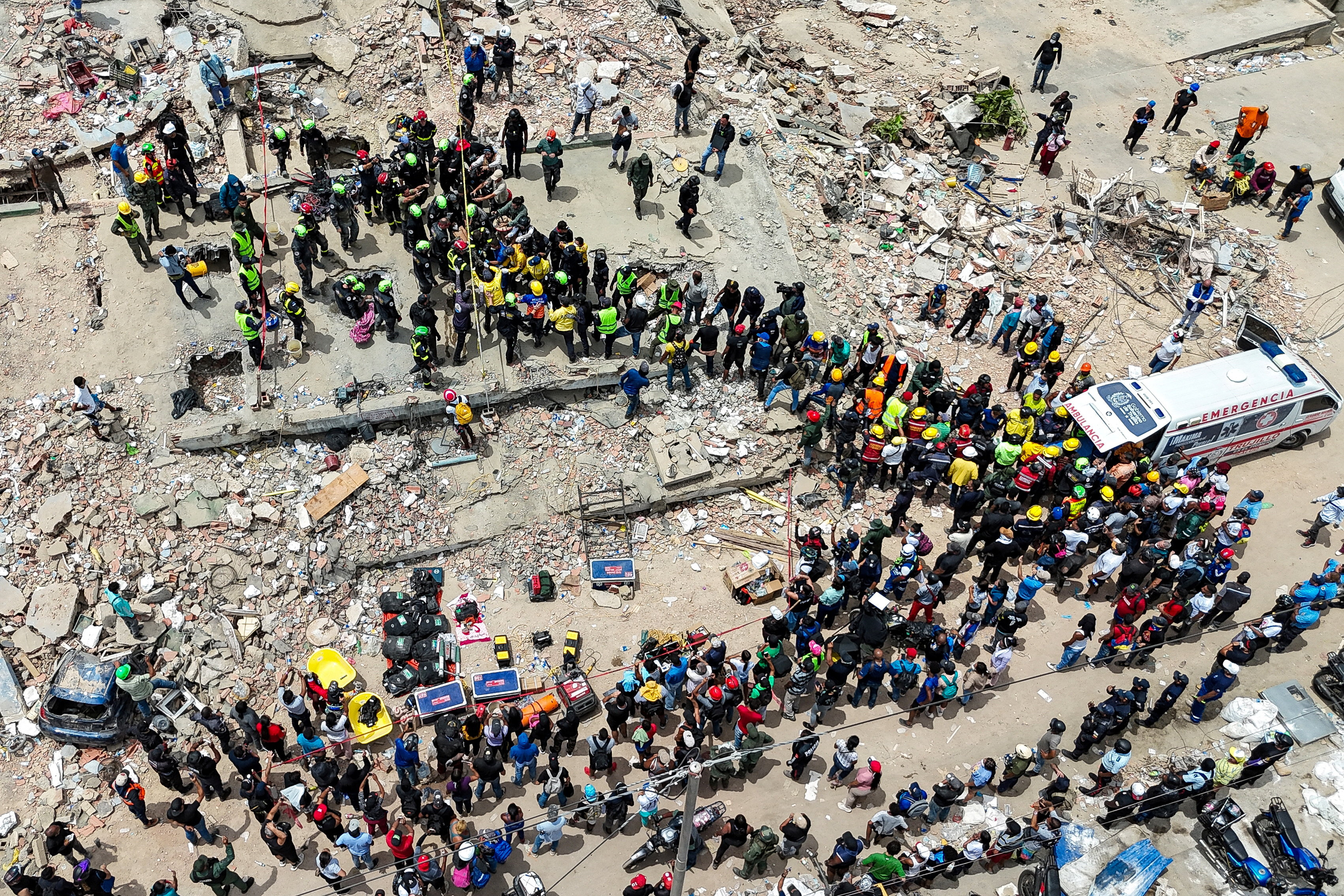
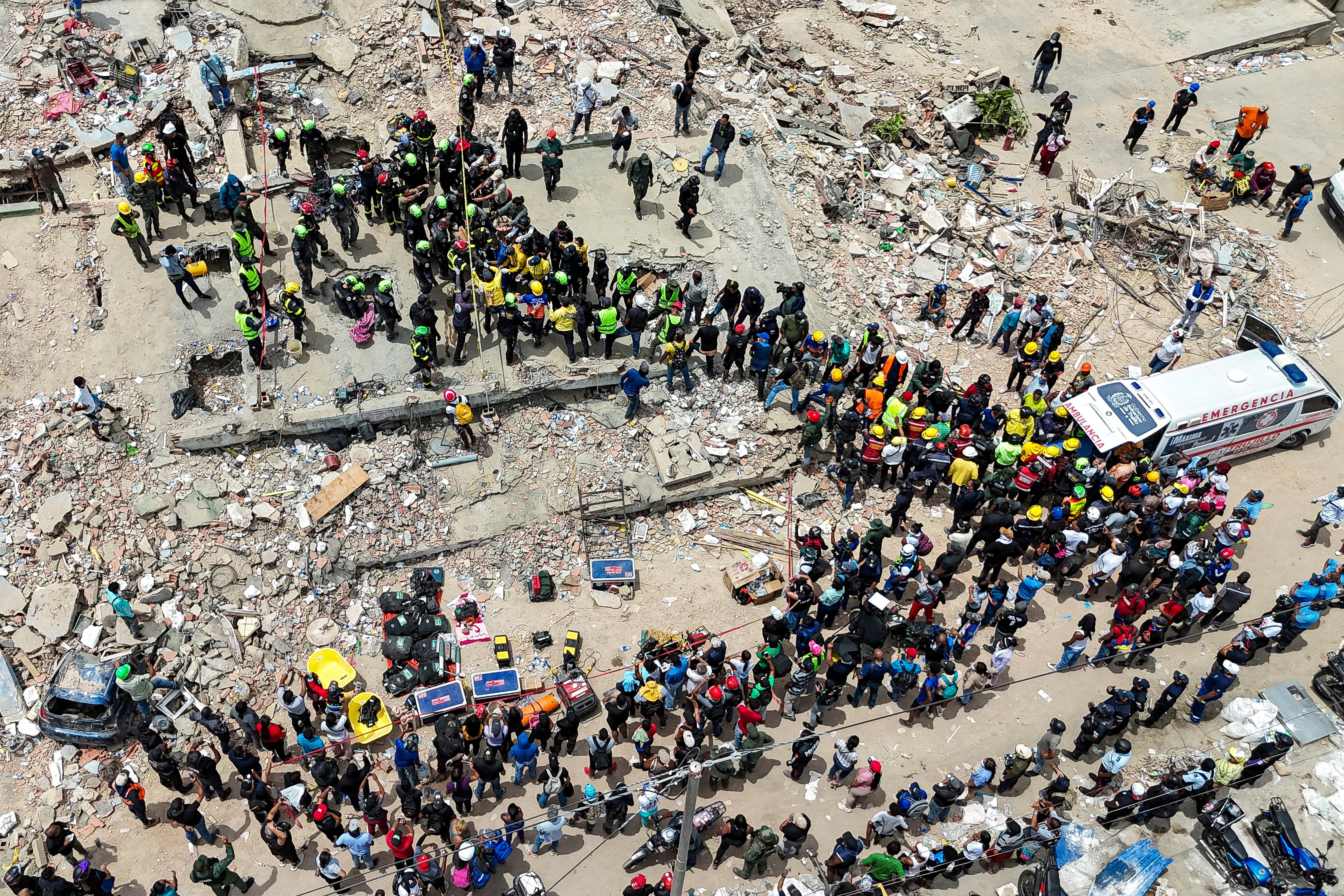
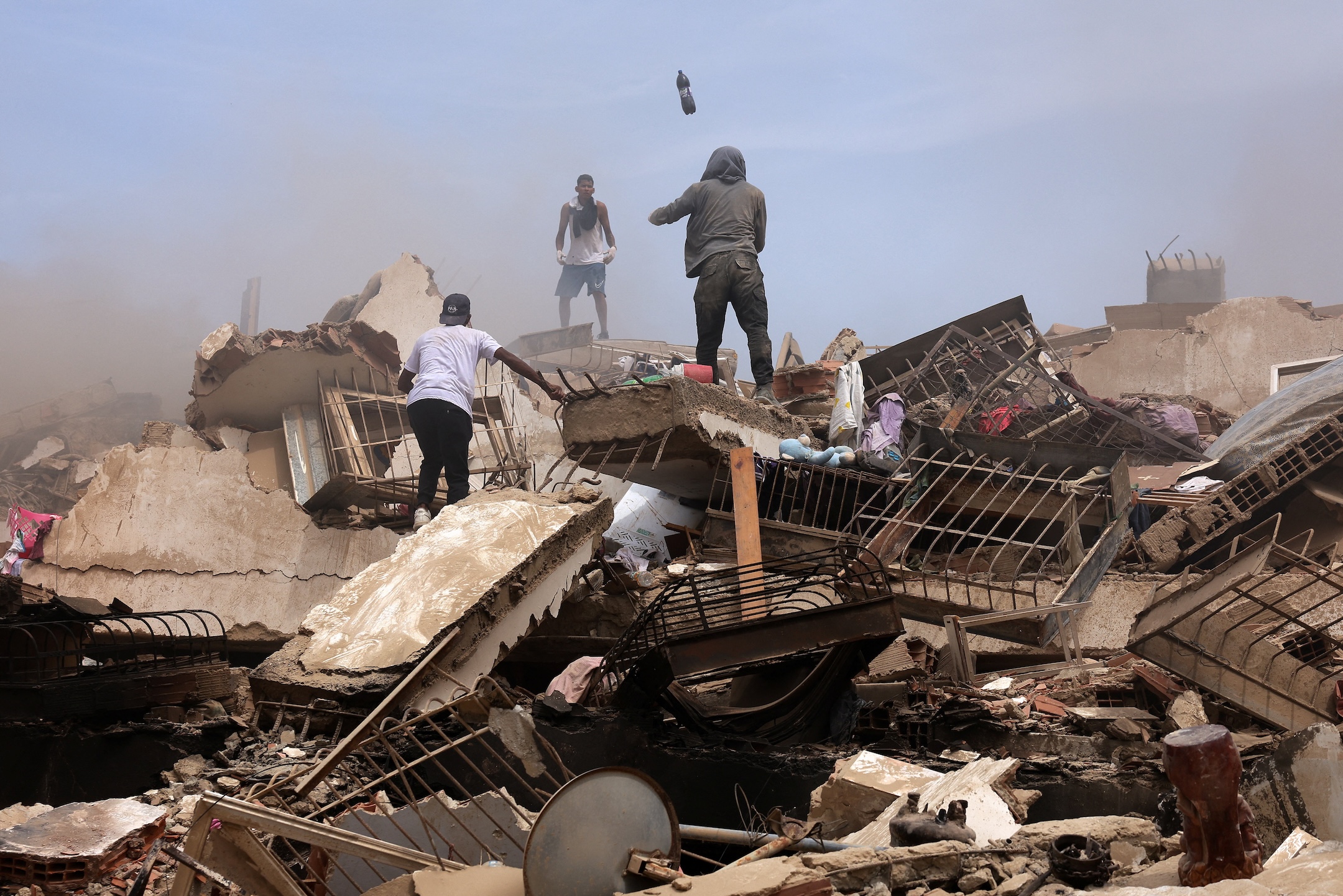
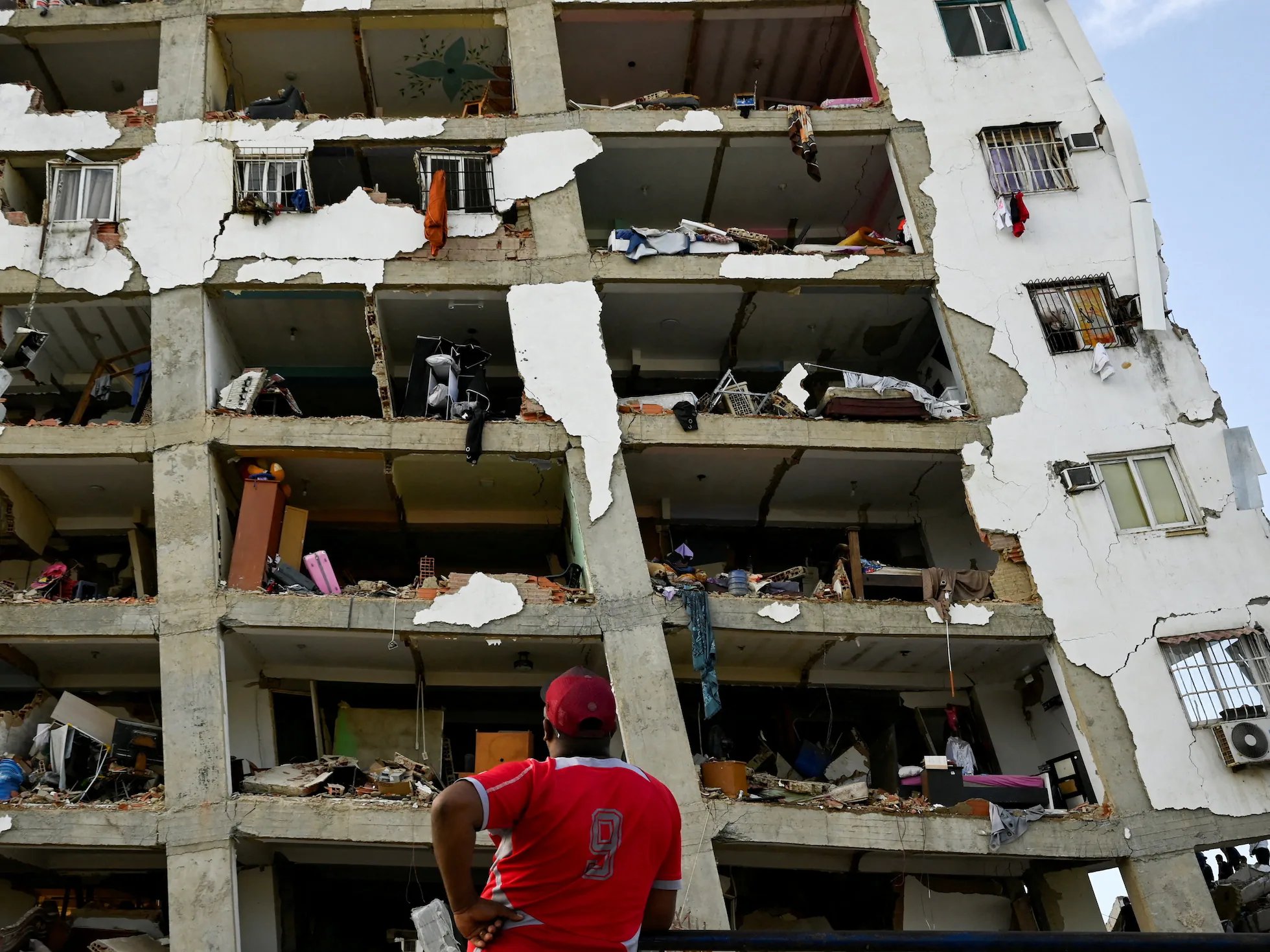
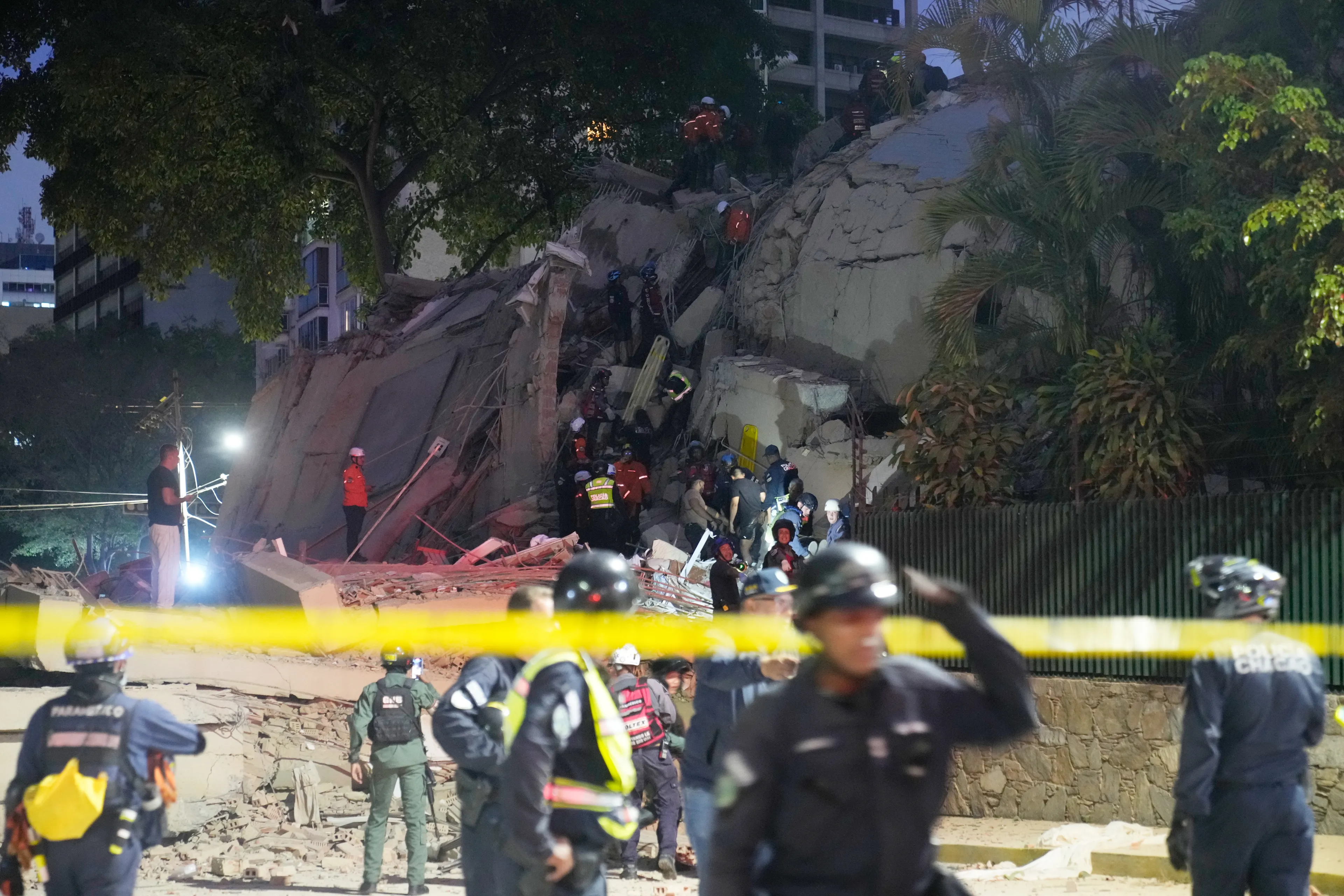
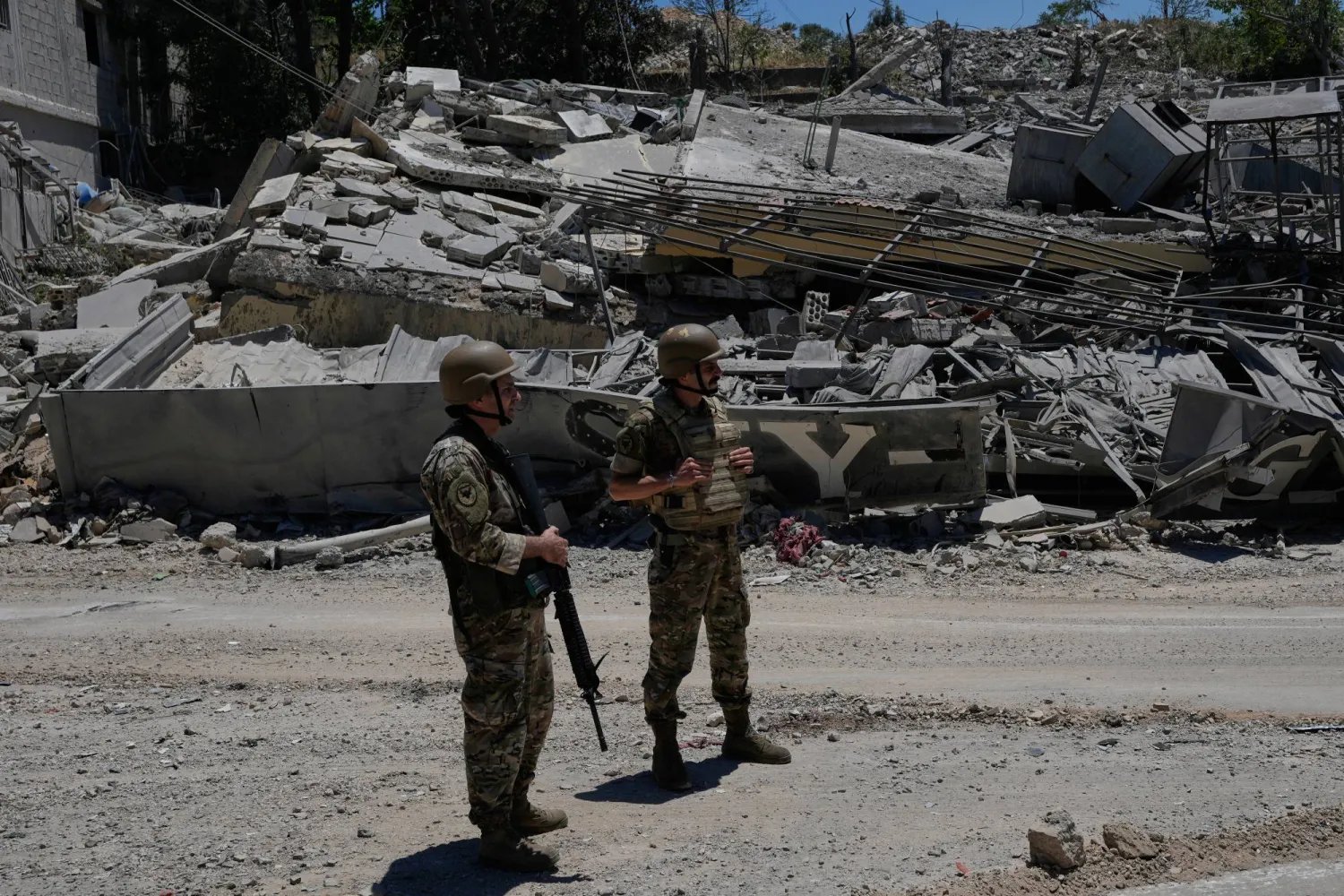
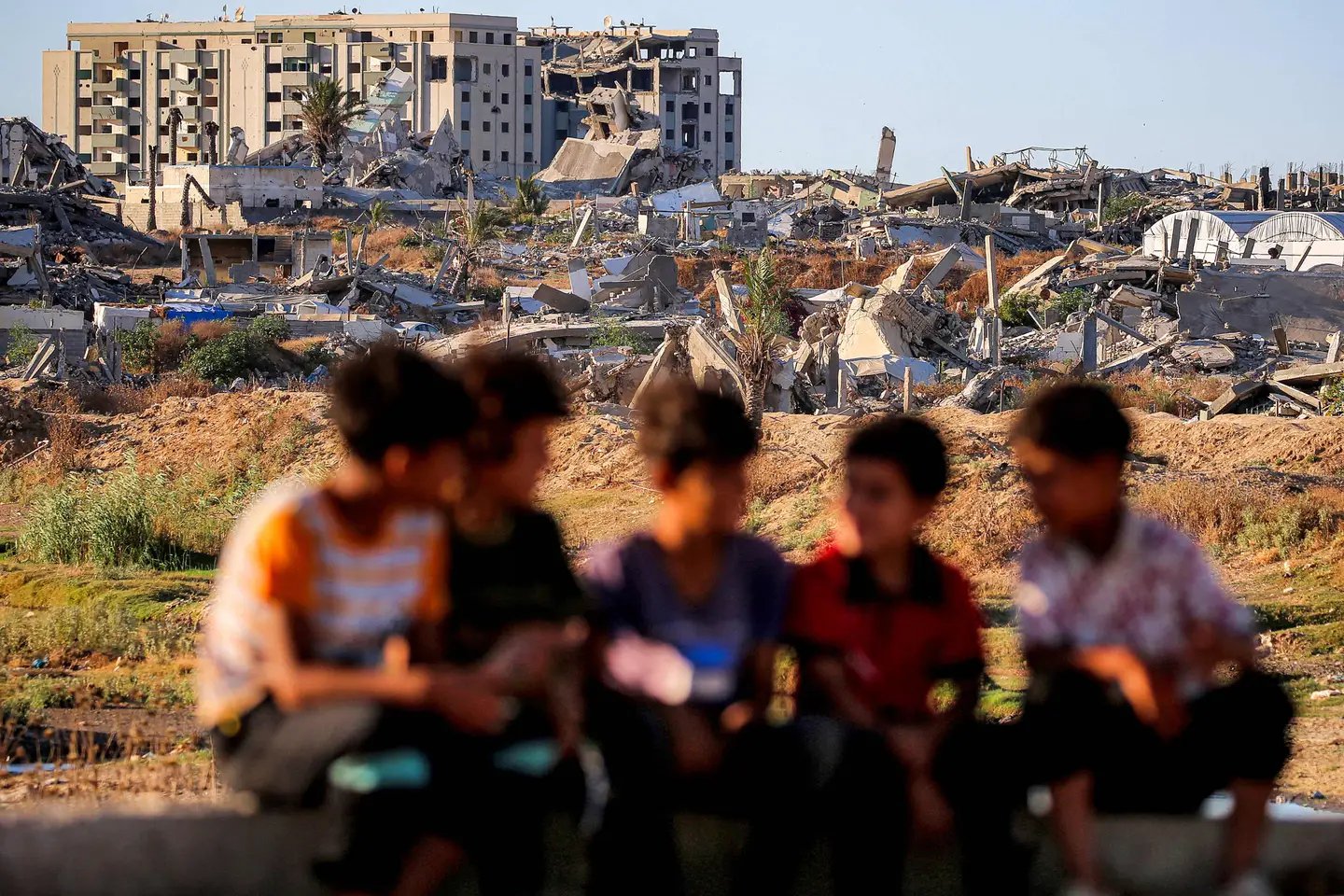
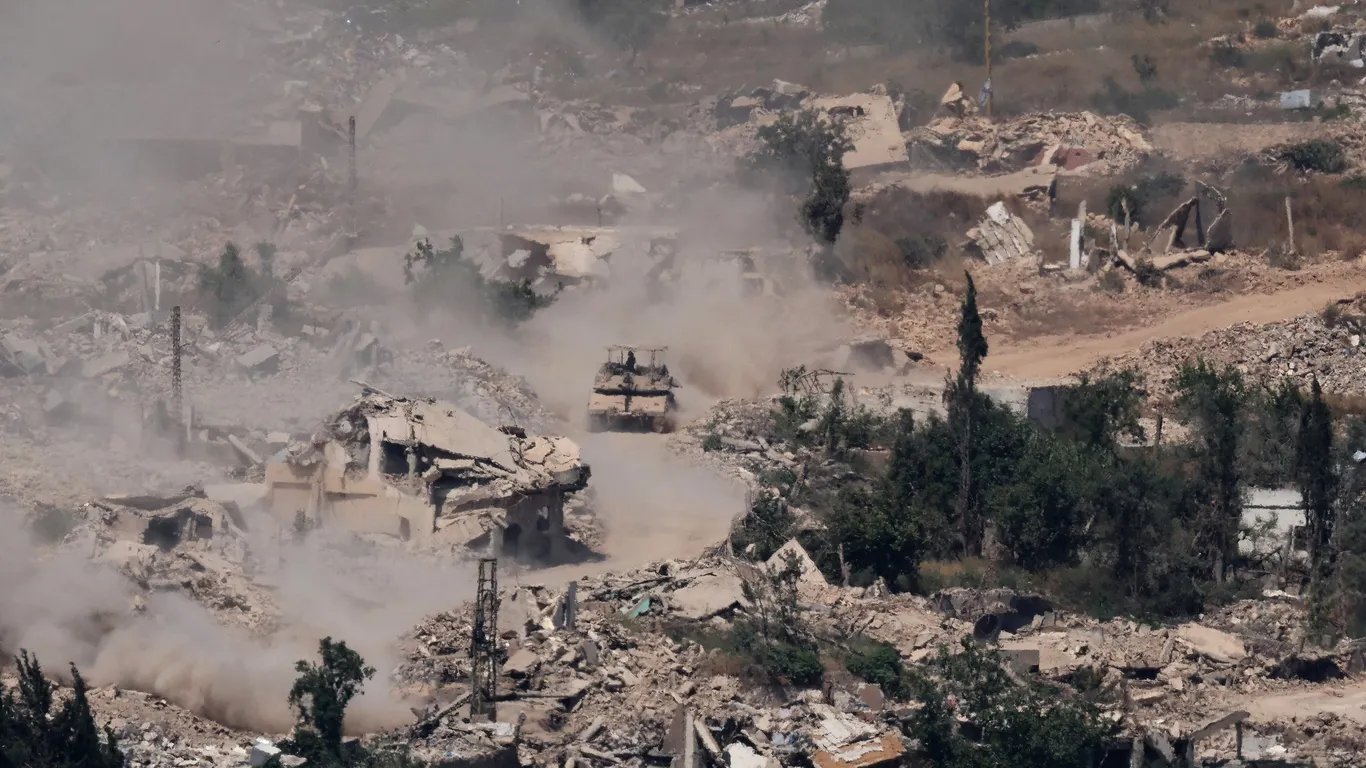
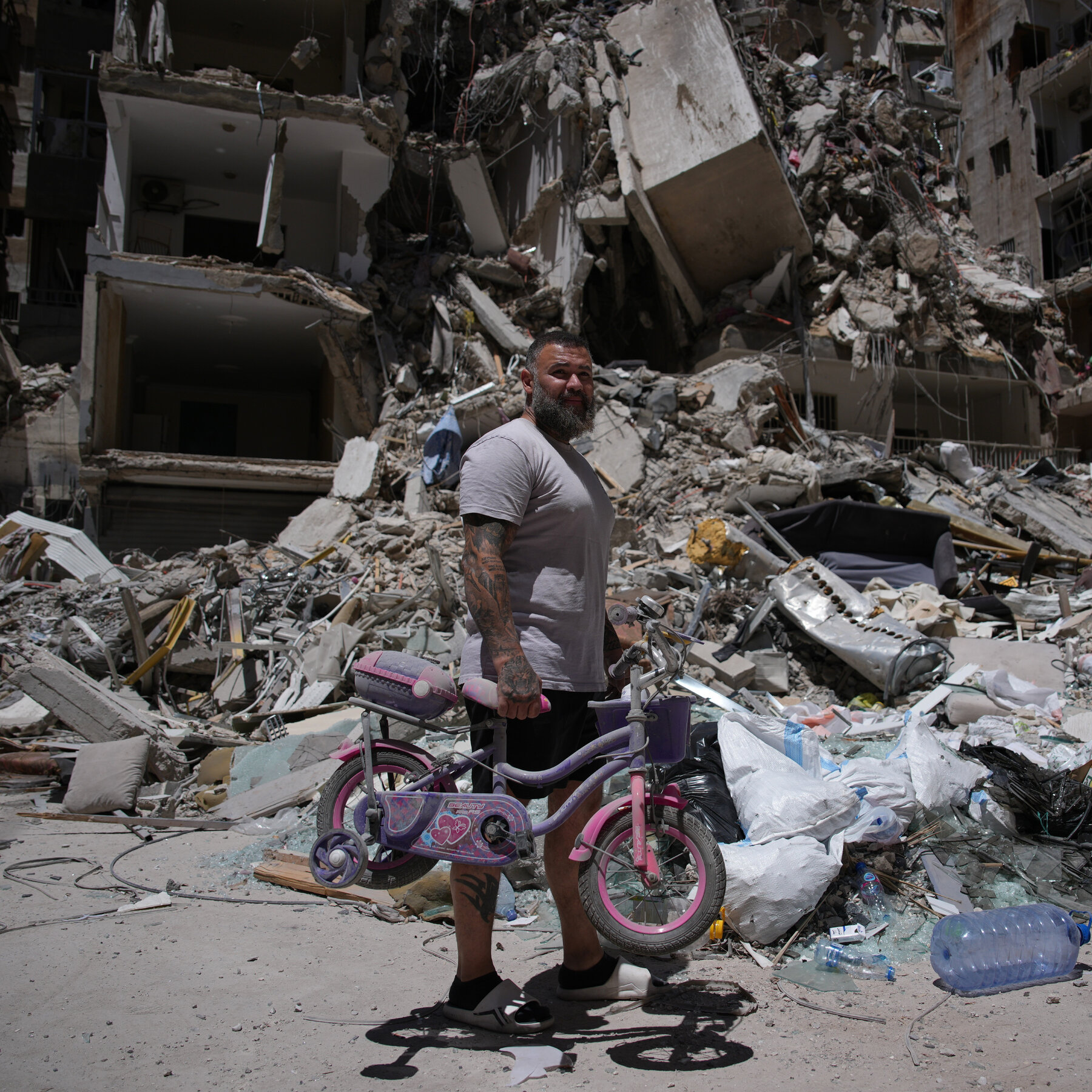
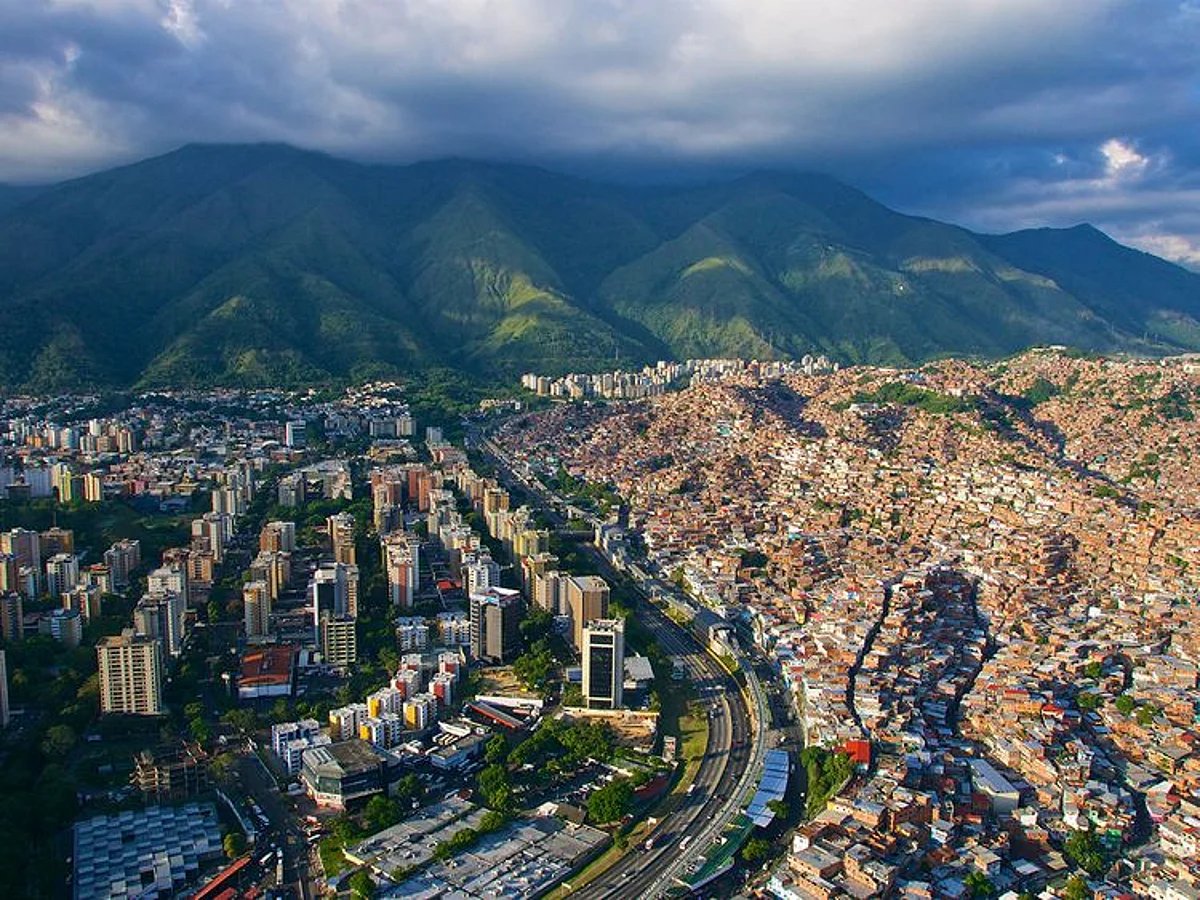
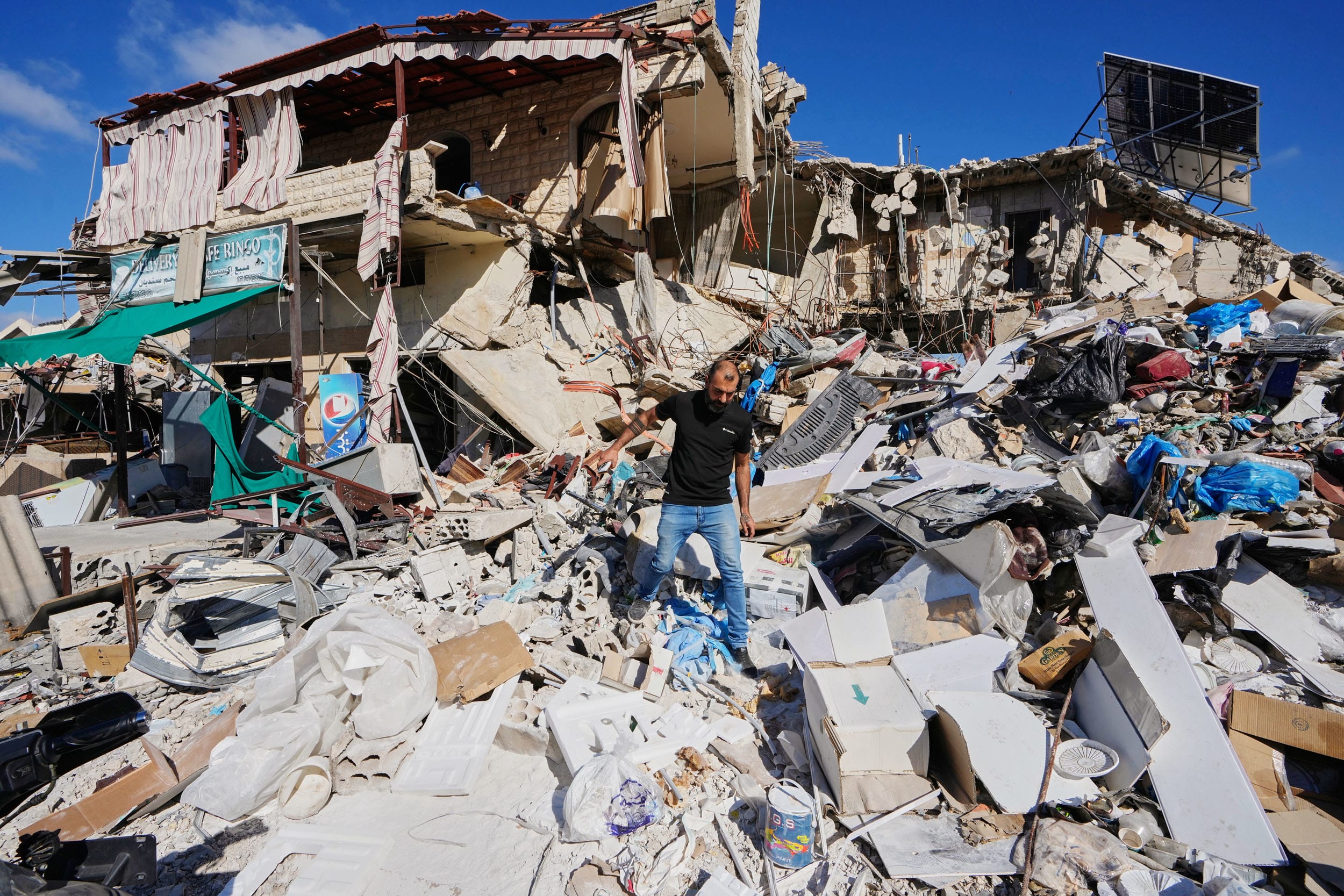
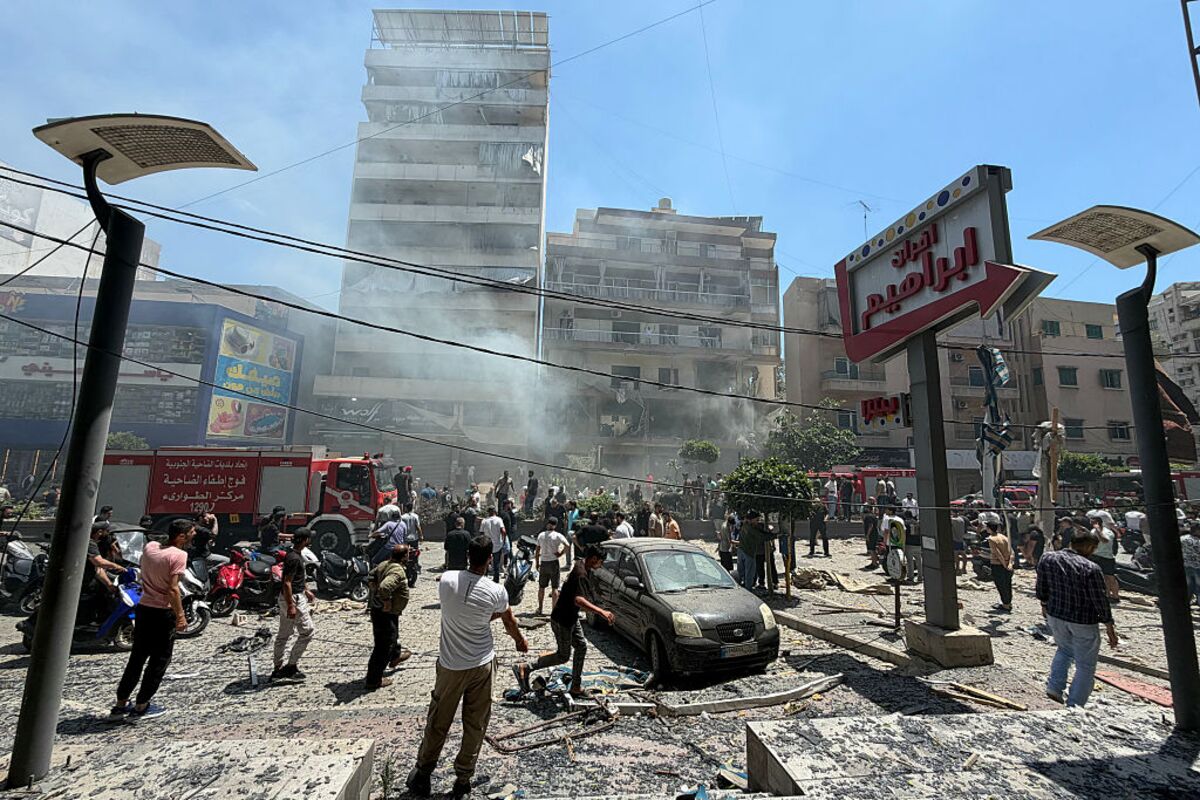
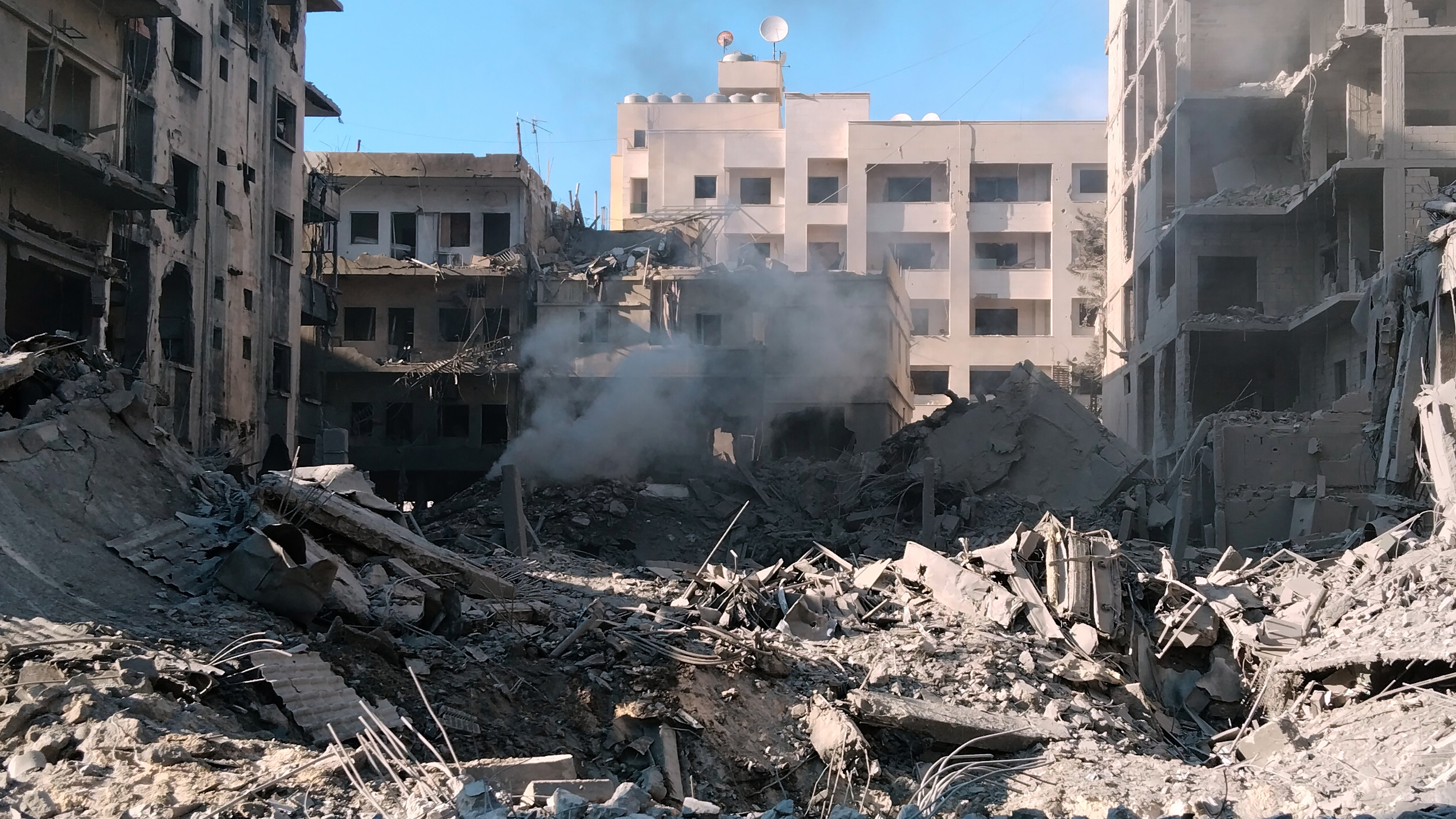
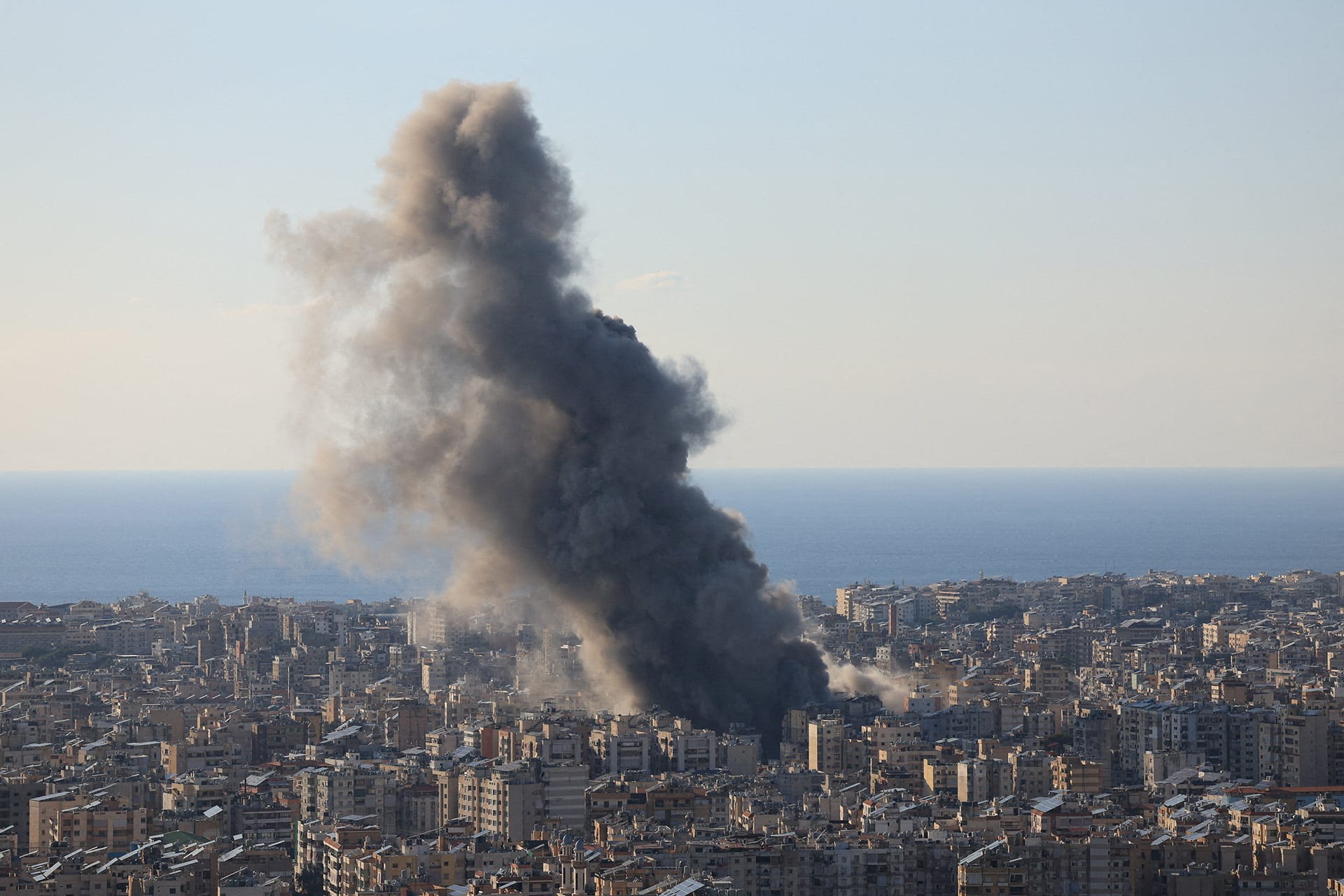
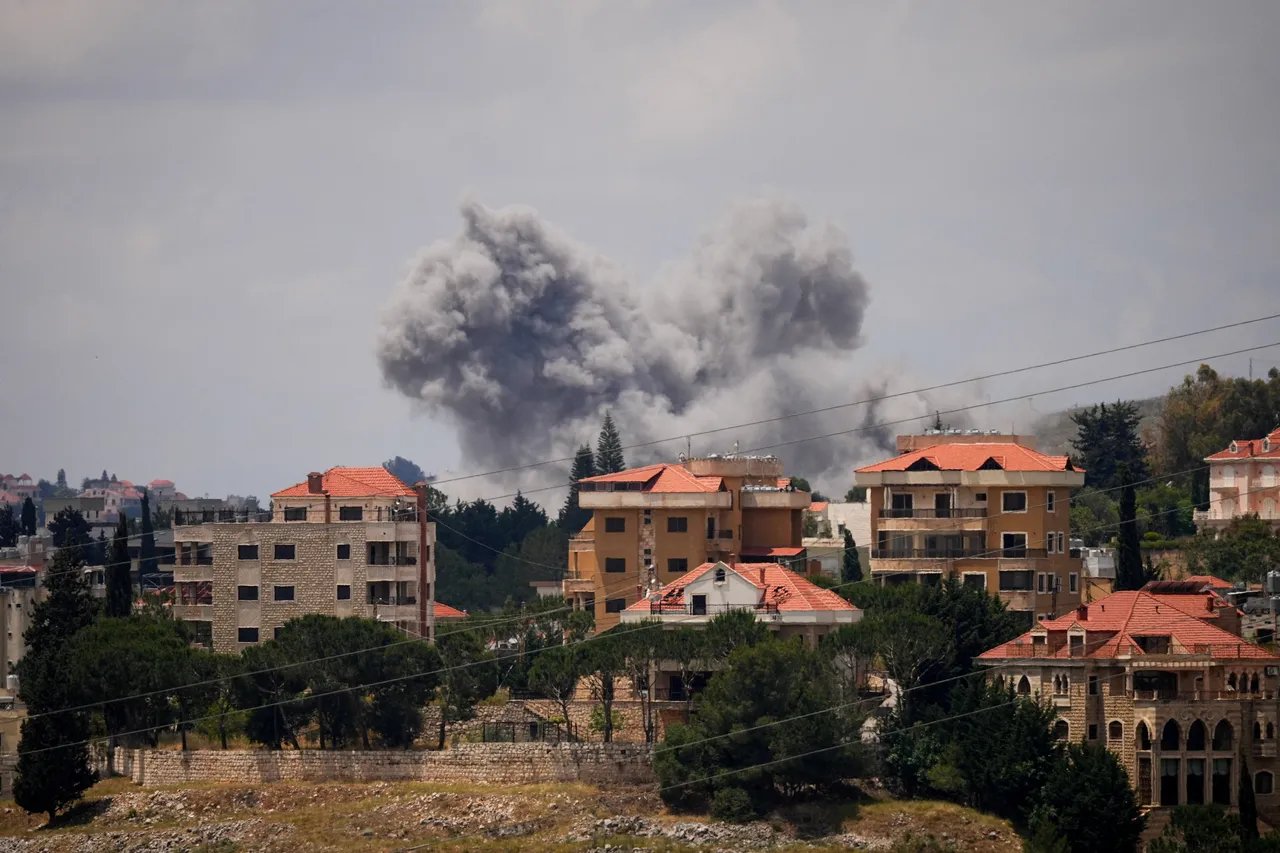
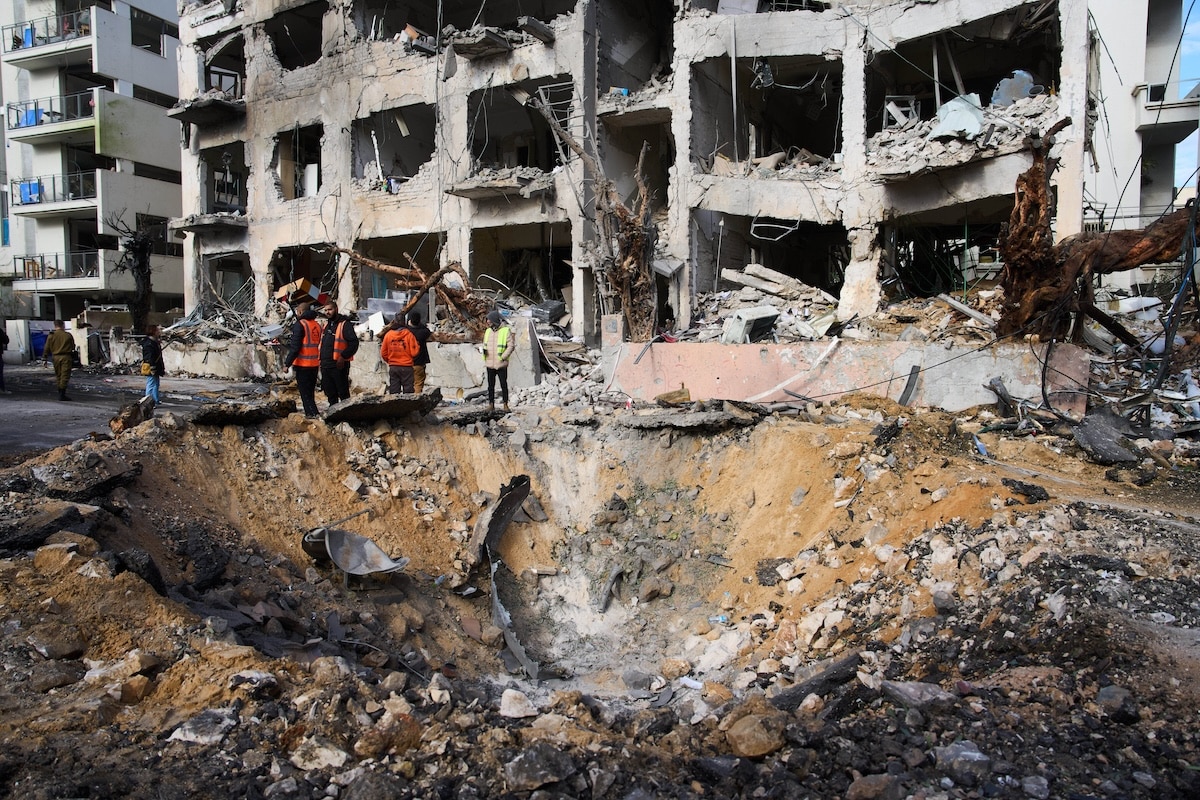
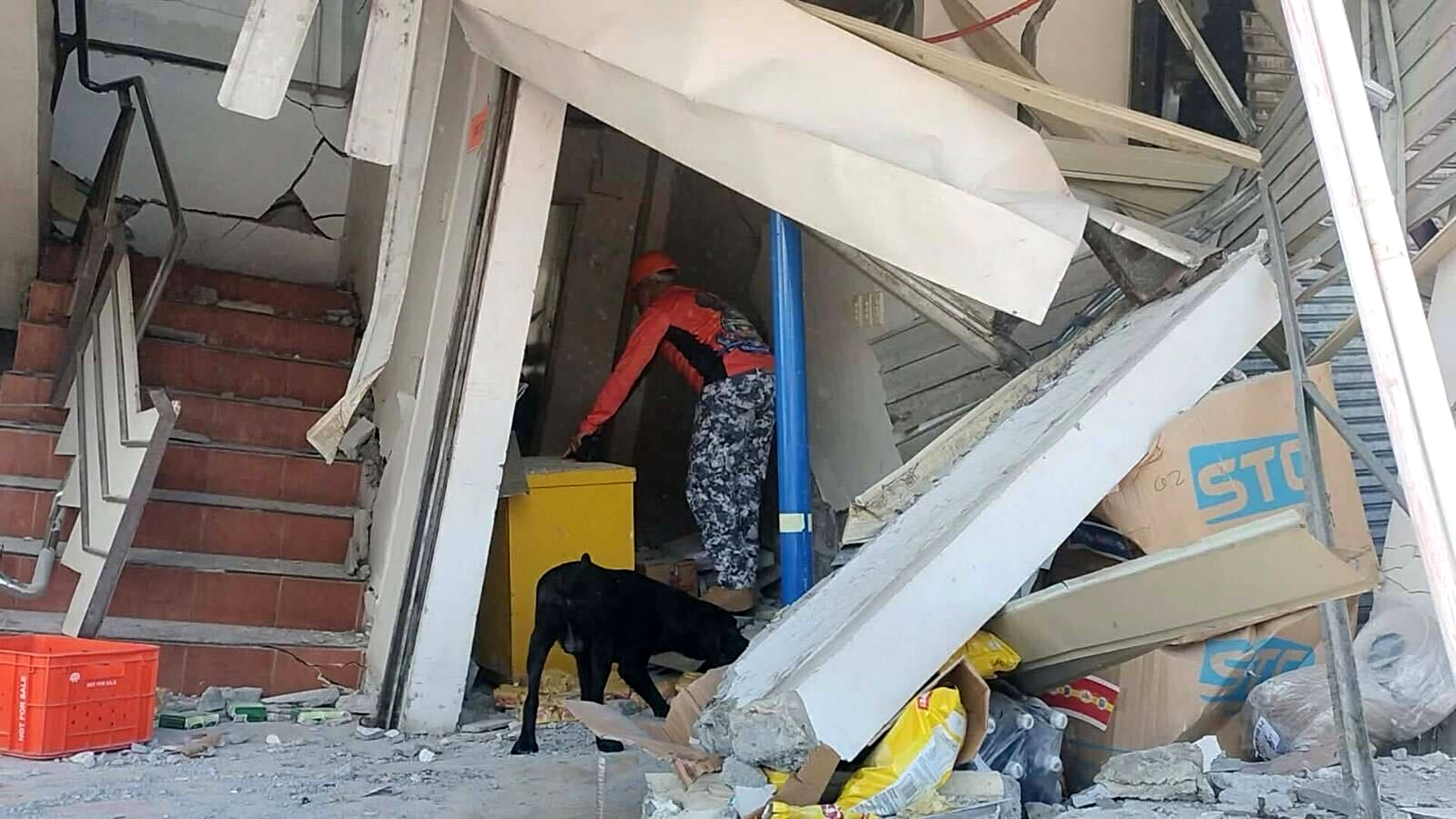
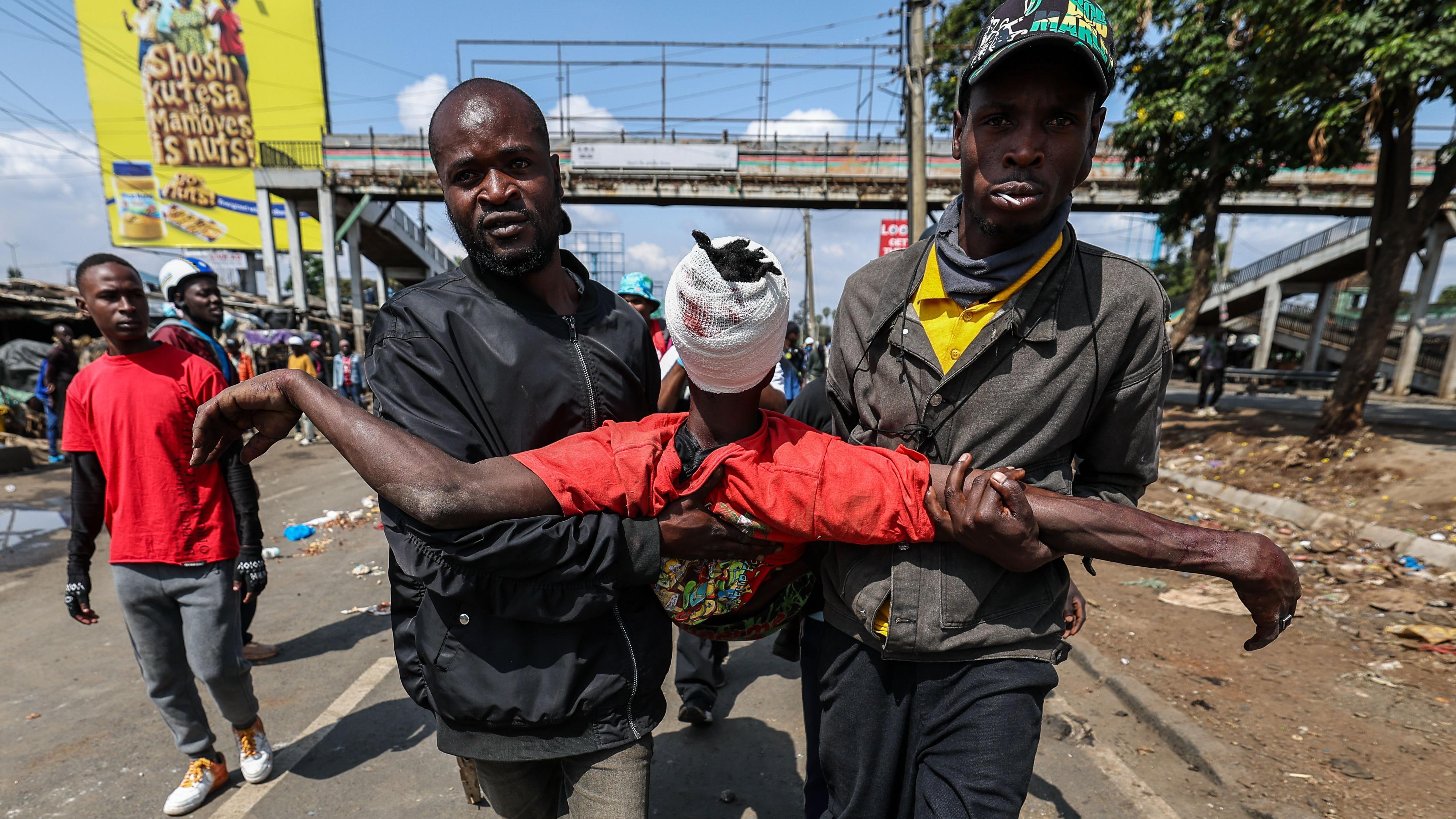
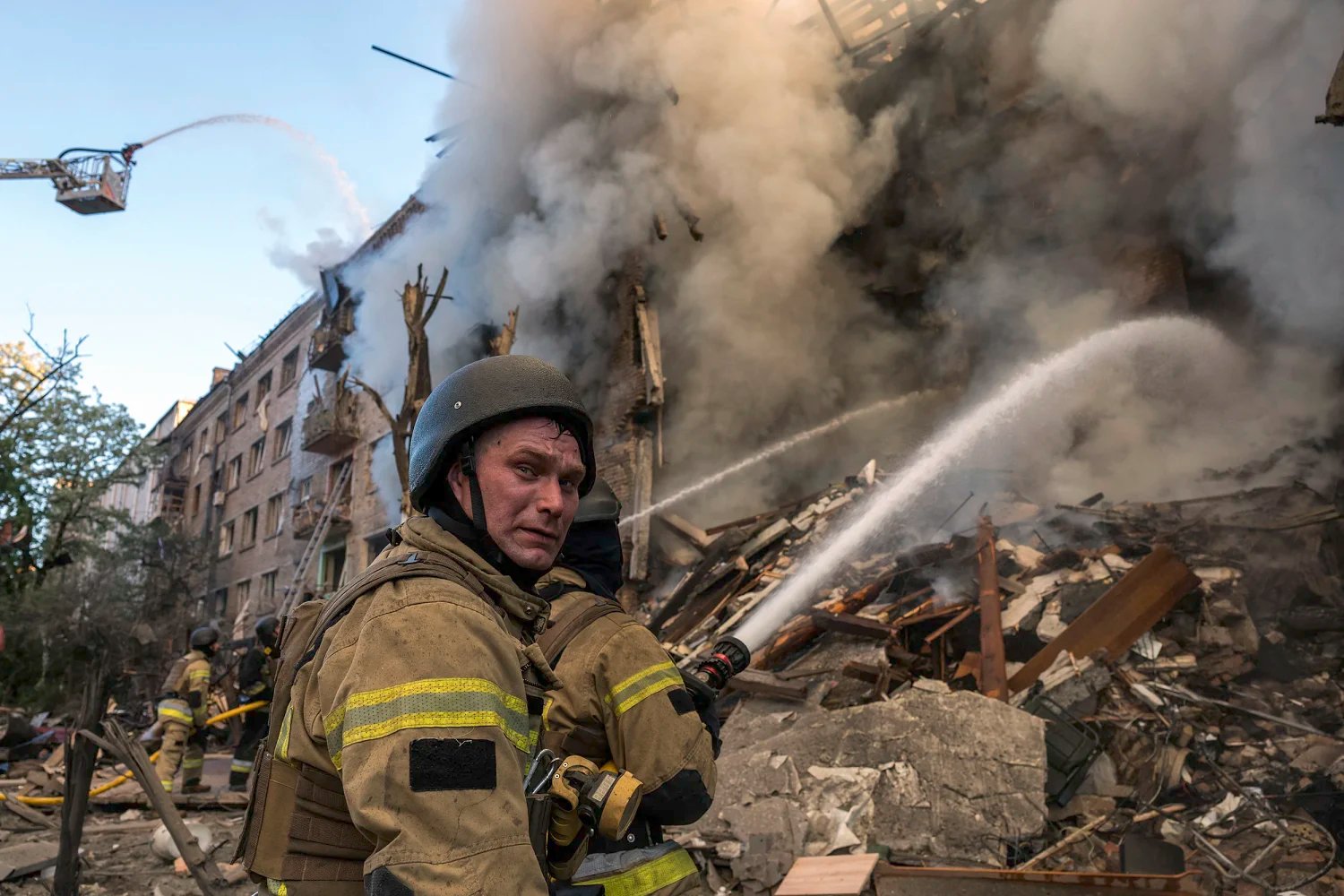
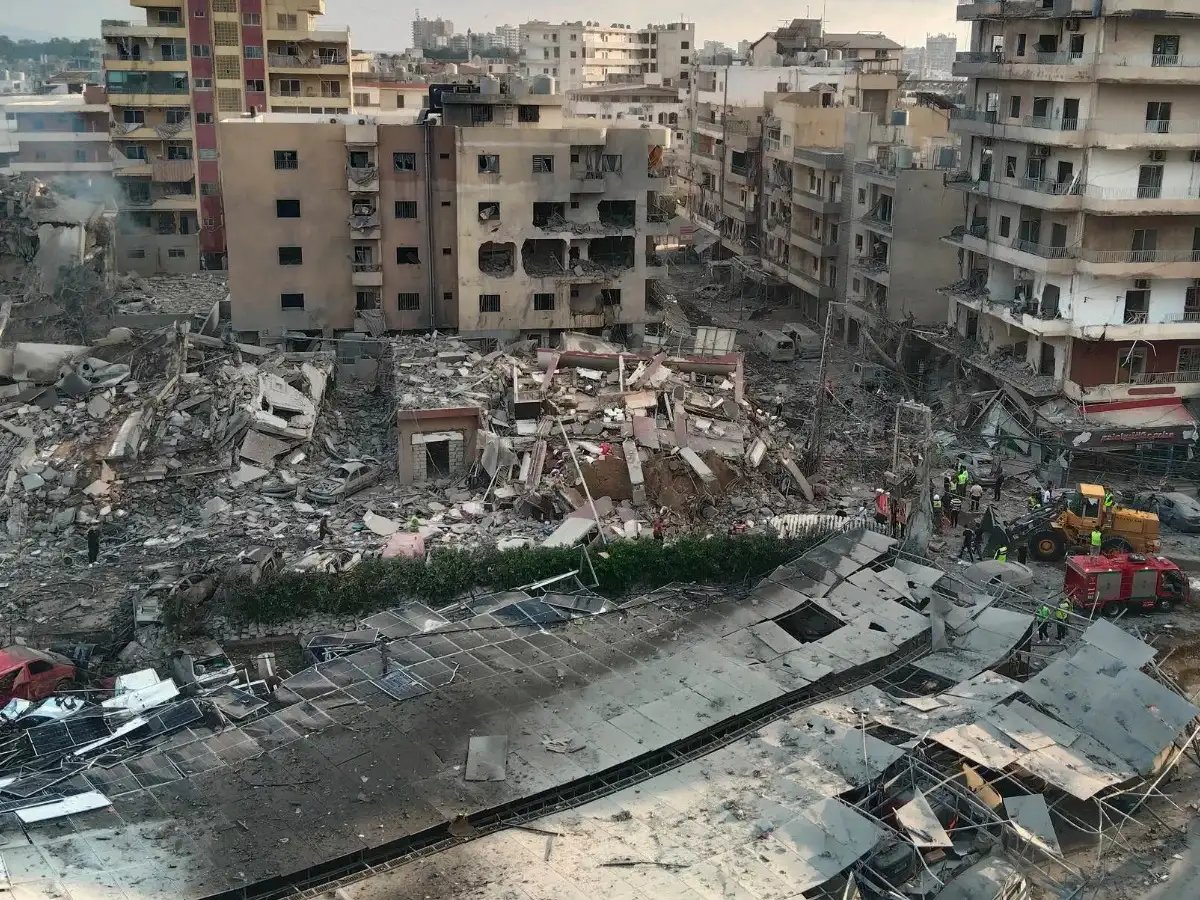
Two powerful earthquakes struck northern Venezuela on Wednesday evening, with a 7.2 magnitude temblor followed 39 seconds later by a 7.5 magnitude quake. The twin shocks, centered near Montalbán roughly 120 miles west of Caracas, killed at least 235 people and injured more than 4,300, according to Health Minister Carlos Alvarado. The earthquakes were among the strongest to hit Venezuela in more than a century, collapsing buildings across the capital and damaging Simón Bolívar International Airport severely enough to force its closure.
The U.S. Geological Survey's predictive modeling suggested far worse outcomes. The agency estimated a 42 percent chance that at least 10,000 people died in the disaster, though that calculation relies on historical averages and does not account for factors specific to this event. Acting President Delcy Rodriguez declared a nationwide state of emergency, saying the northern state of La Guaira had "become a disaster zone" with dozens of collapsed buildings.
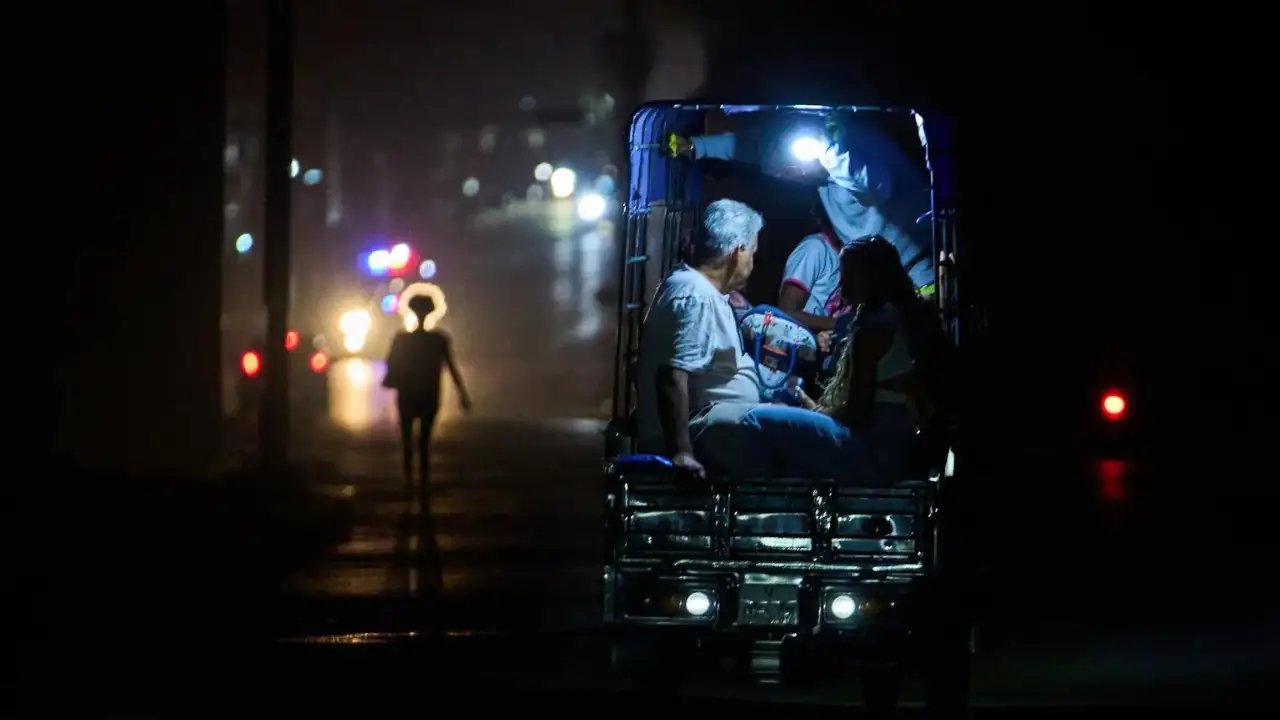
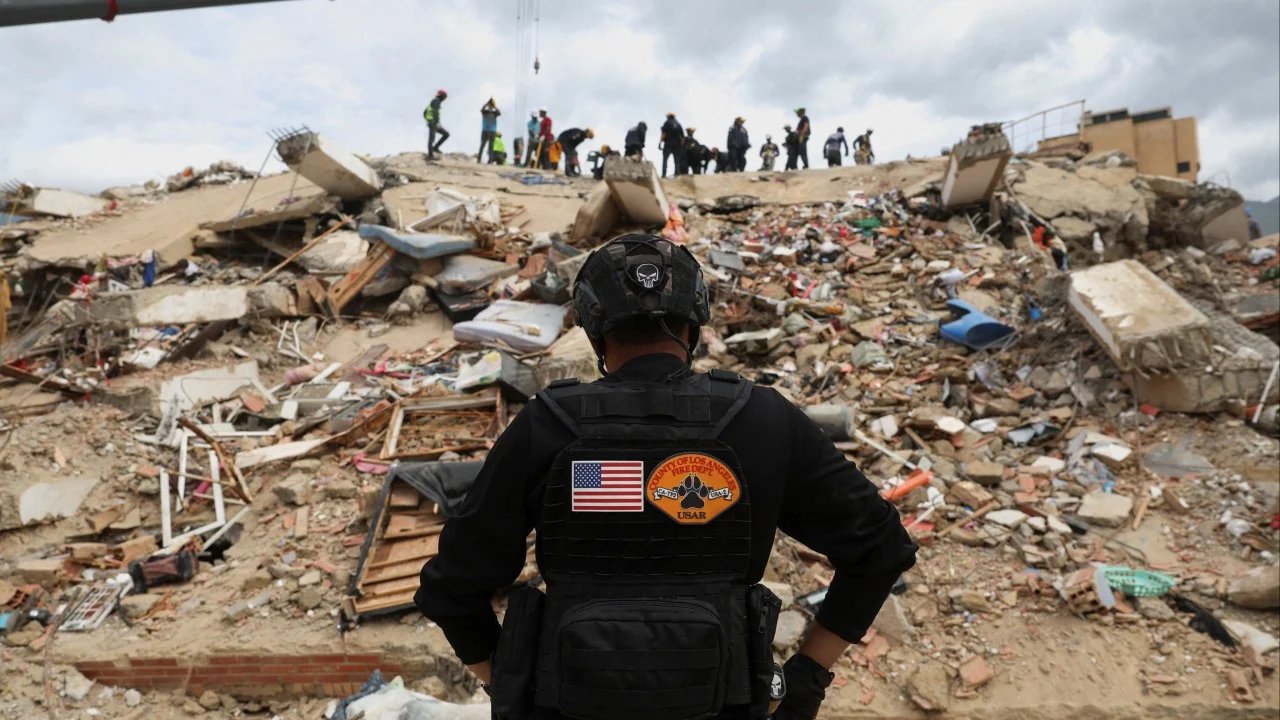
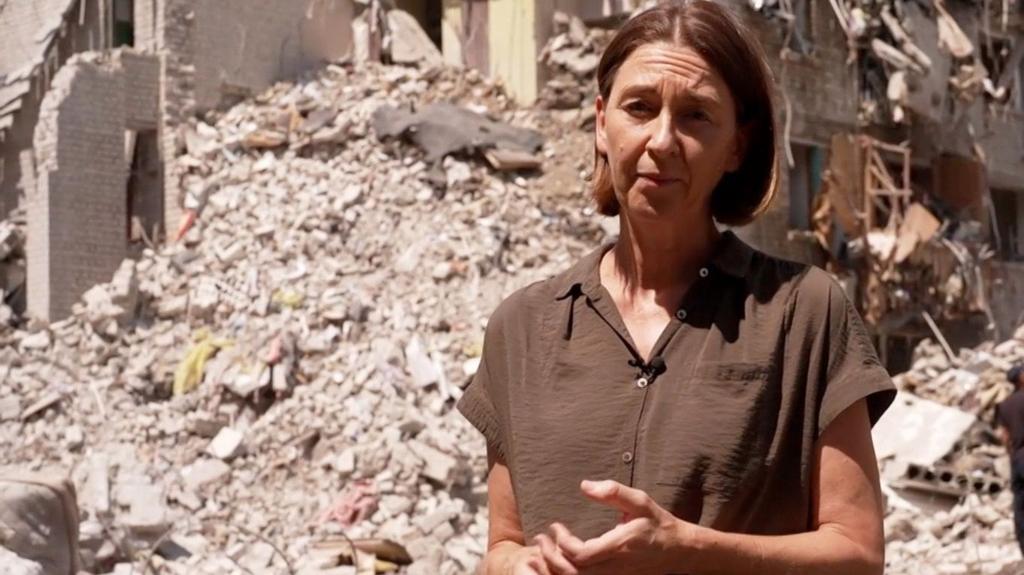
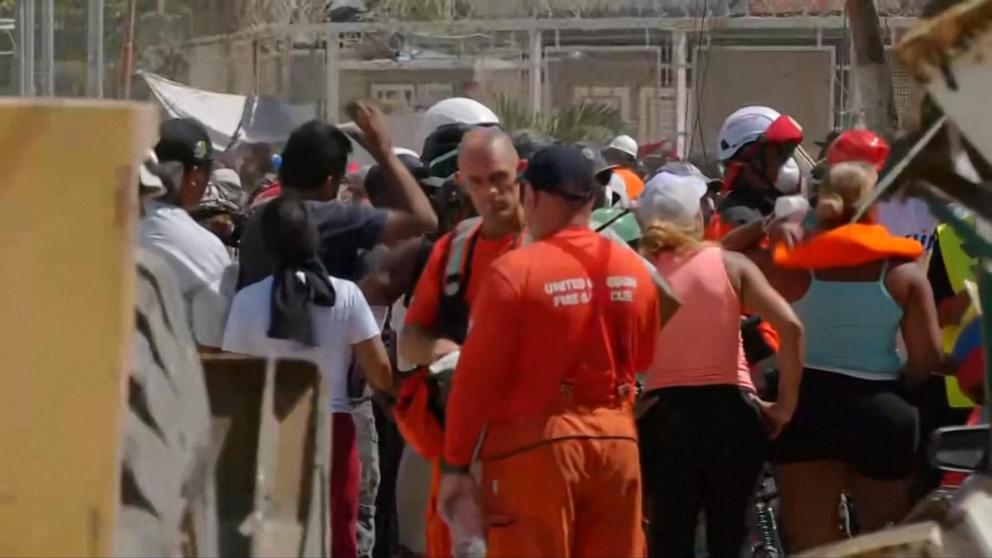
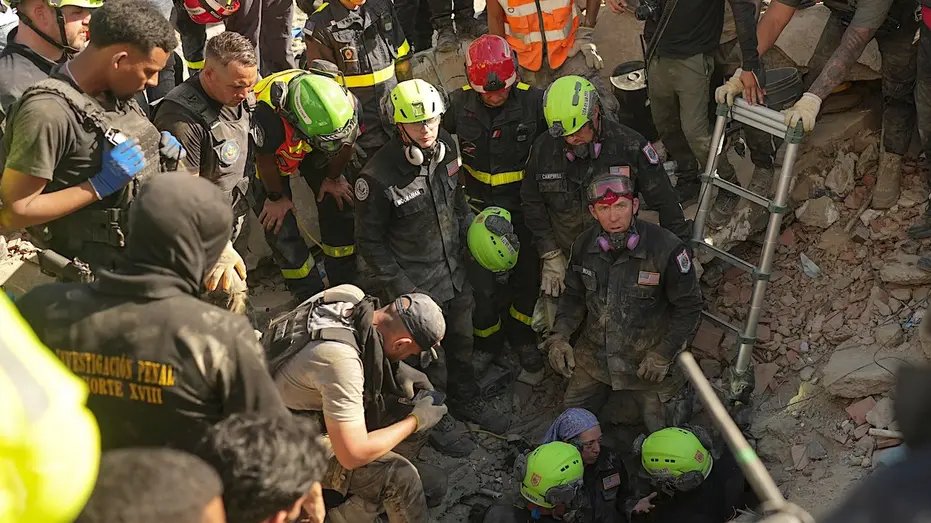
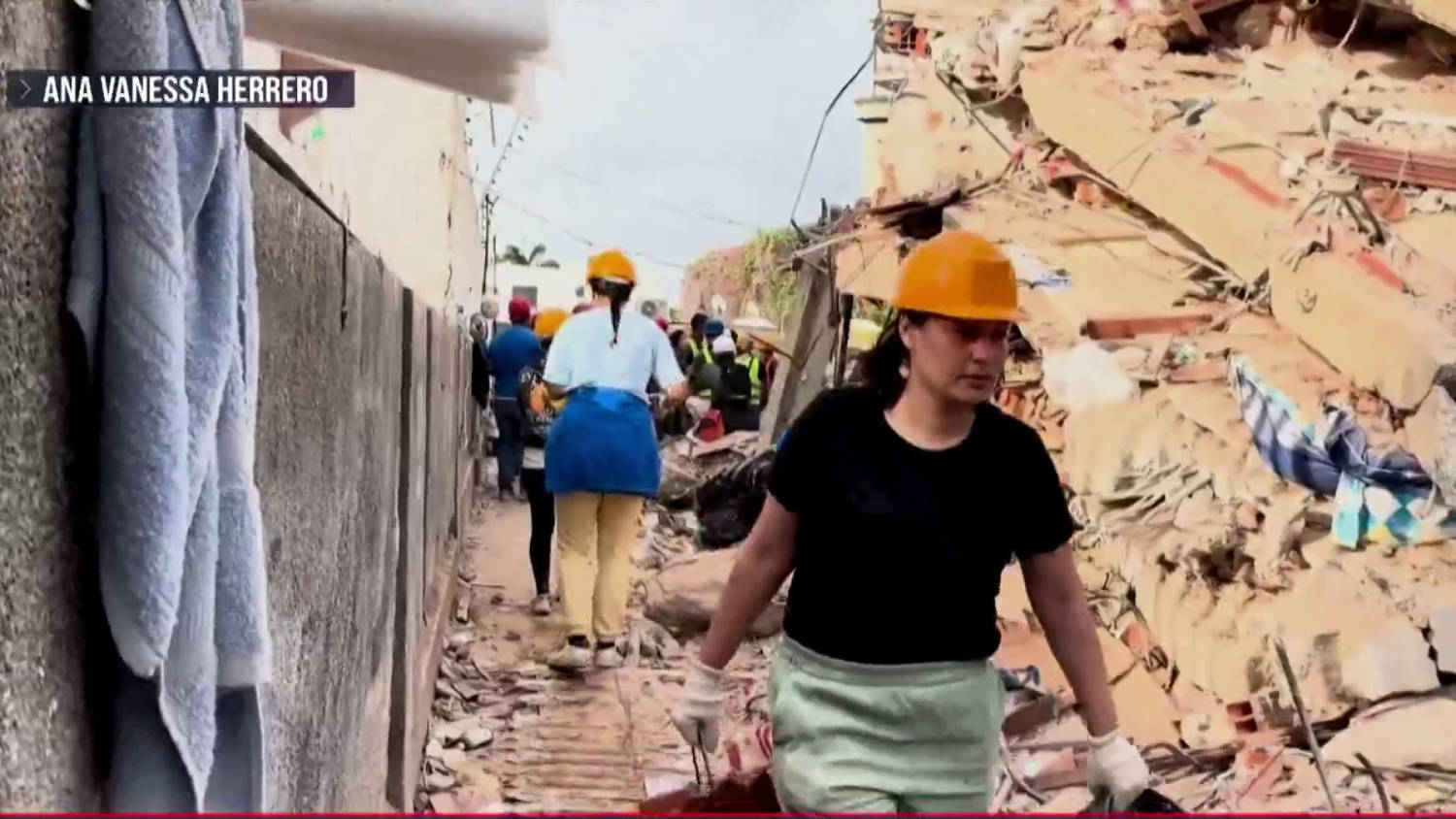
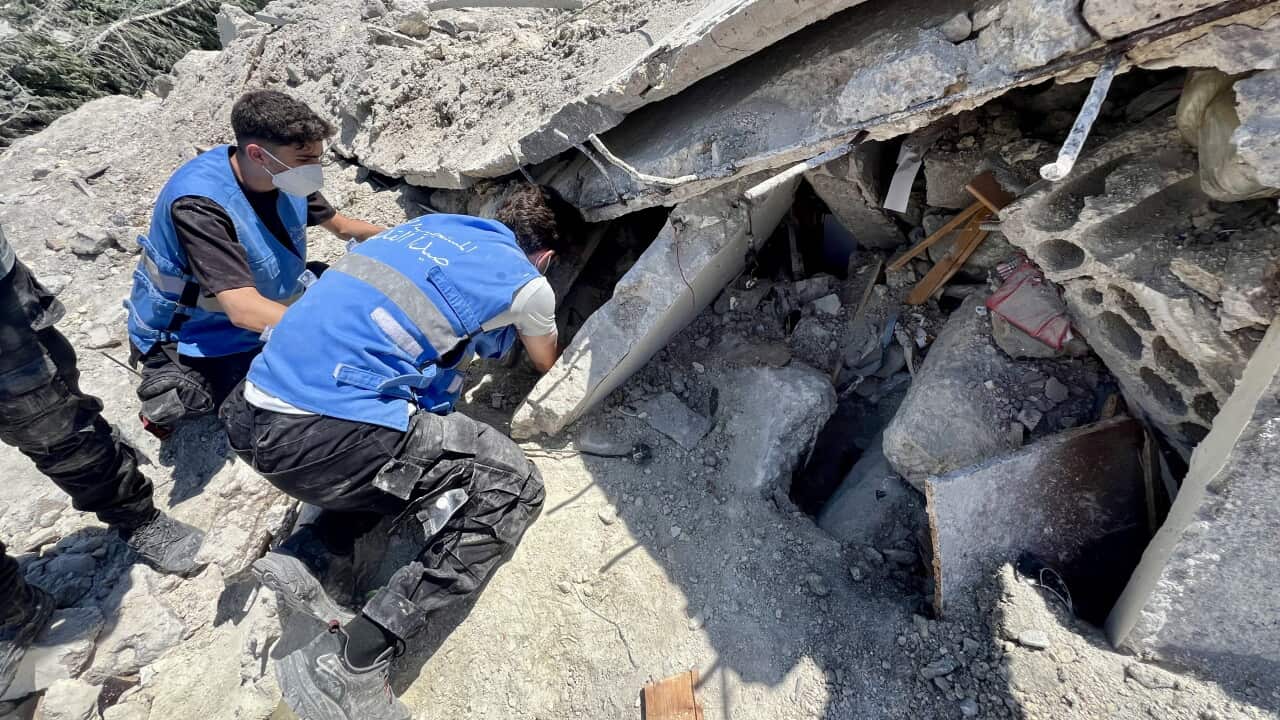
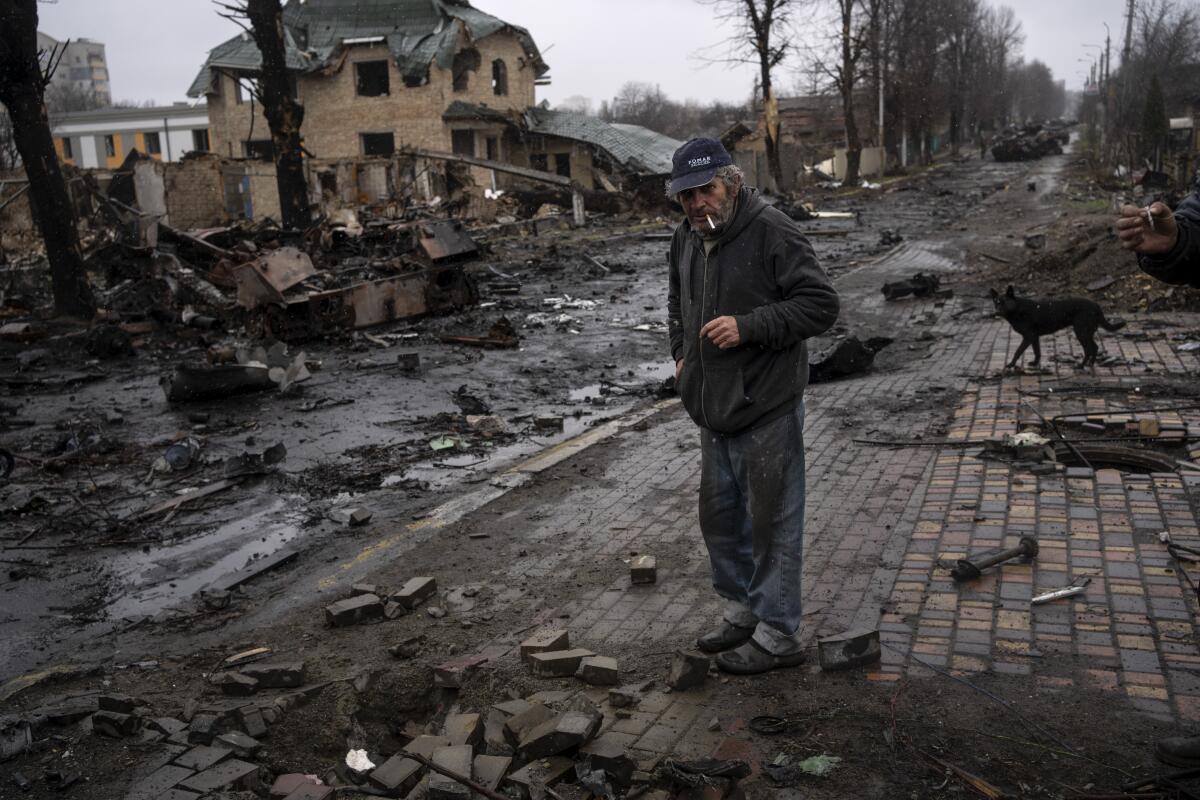
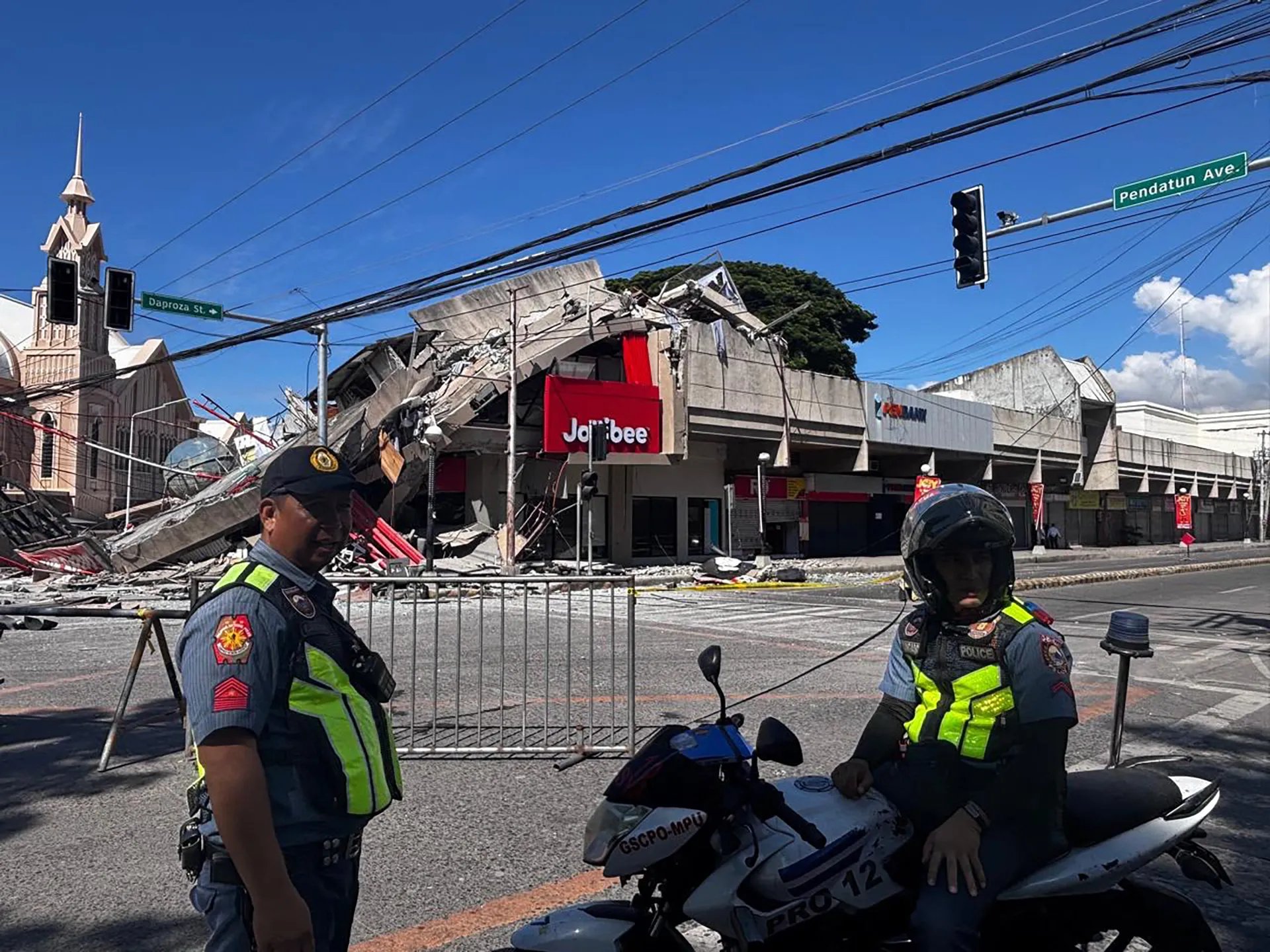
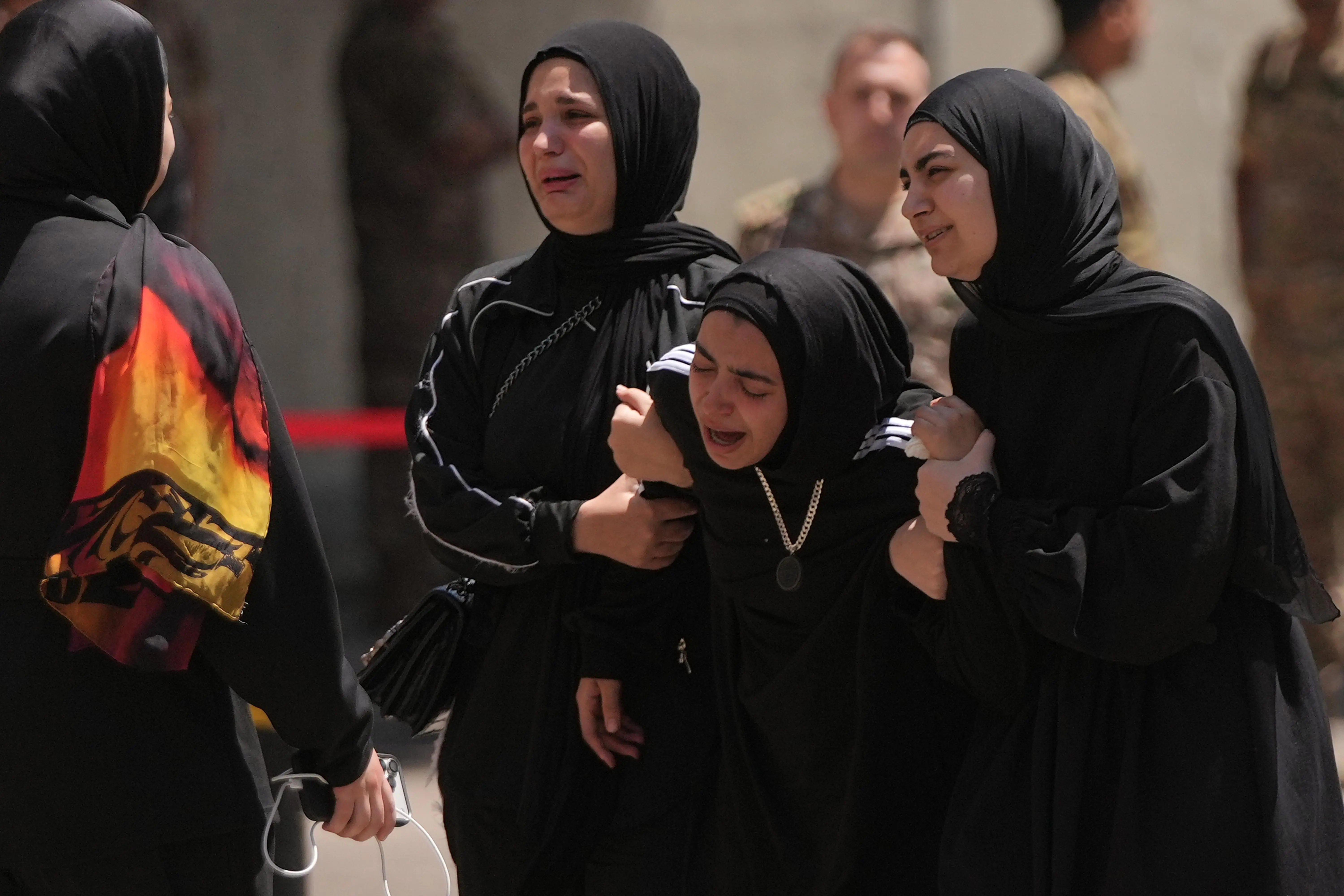
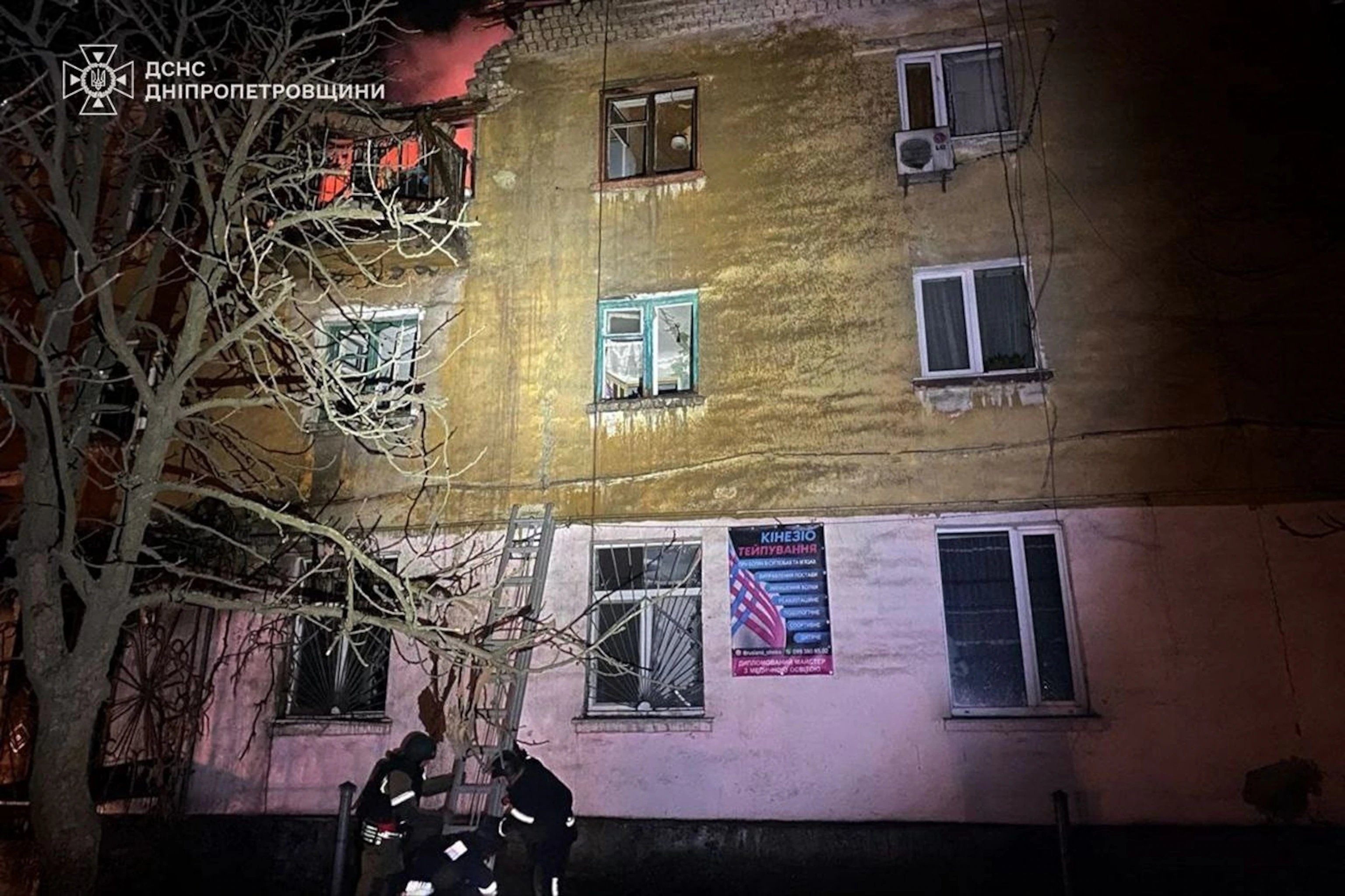
Residents described the violence of the shaking. Caracas resident Roberto Damas said the building "really shook from side to side" with "incredibly strong" force that tossed people around as they walked. Maria Alejandra, who escaped a collapsed building in the capital, described "a cloud of smoke that wouldn't let us see" when she fled downstairs, where "the scene was like a horror movie." An Agence France-Presse journalist witnessed a 22-story building completely destroyed in Caracas's Altamira neighborhood, where people cried out relatives' names as volunteers climbed over rubble.
U.S. Military and Aid Mobilization
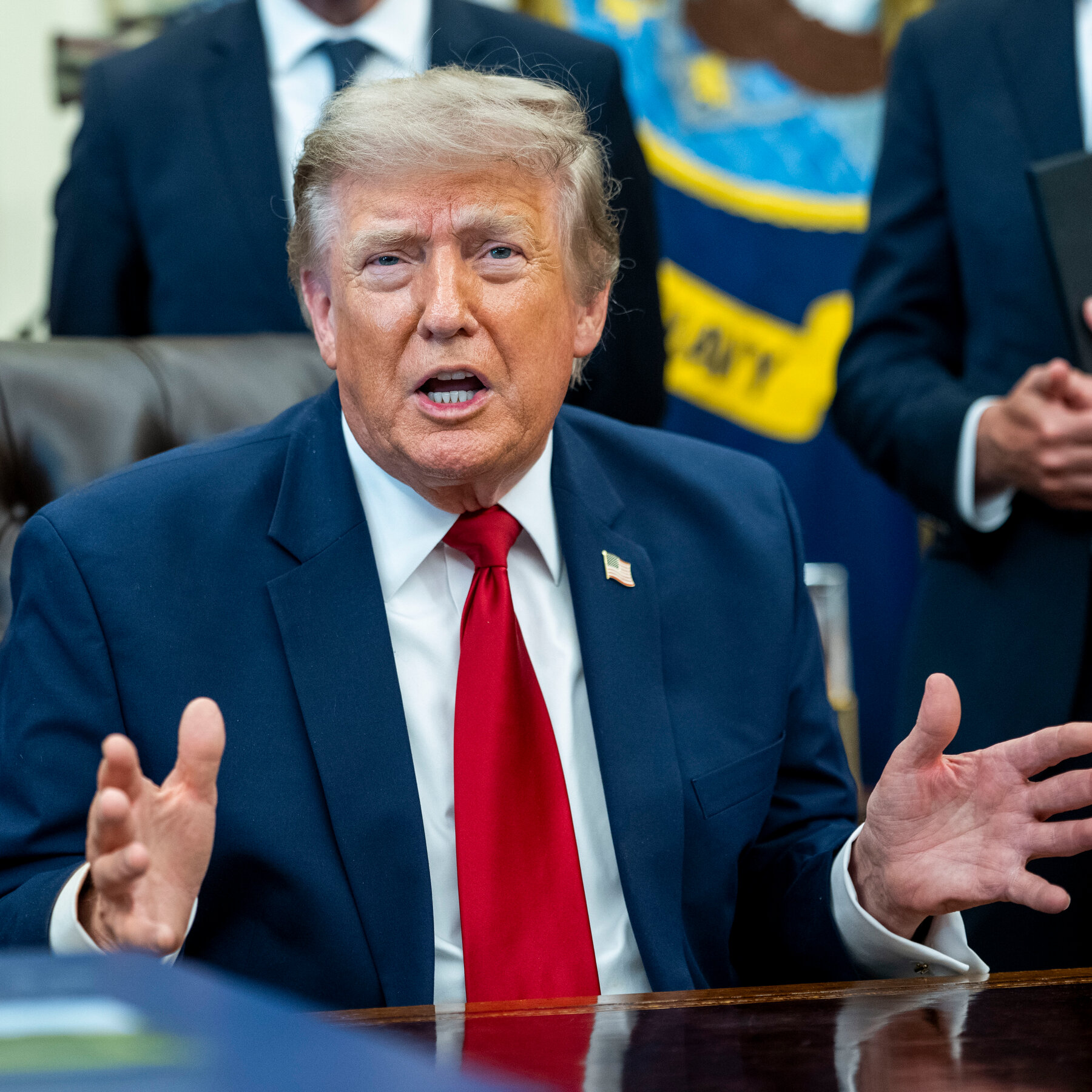
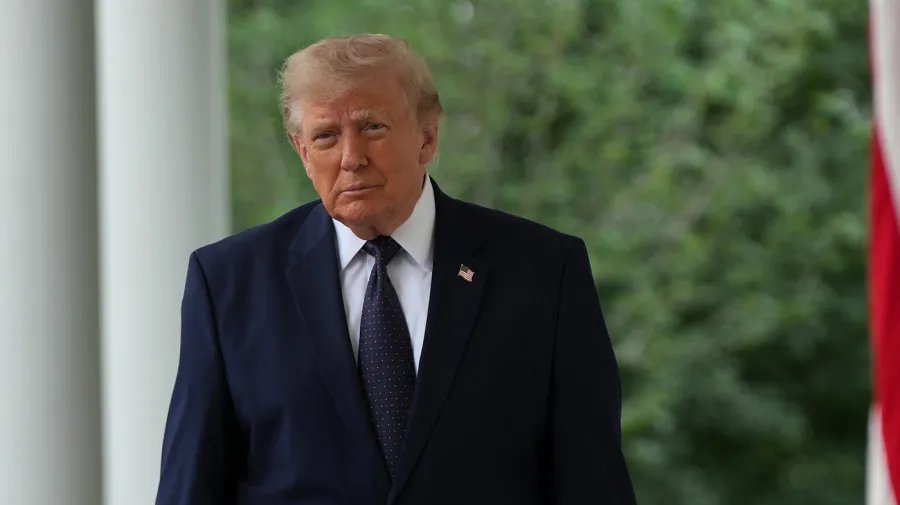
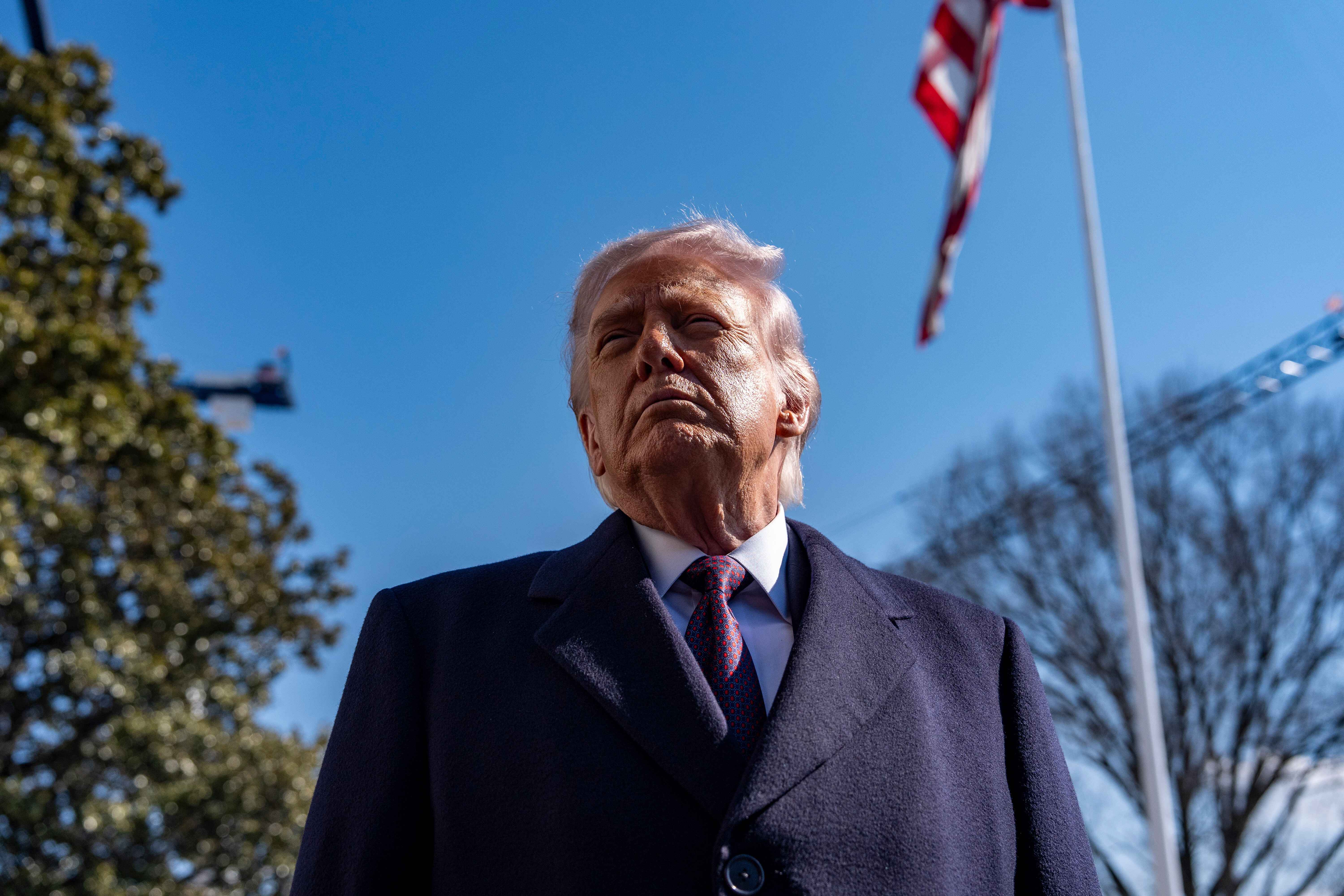
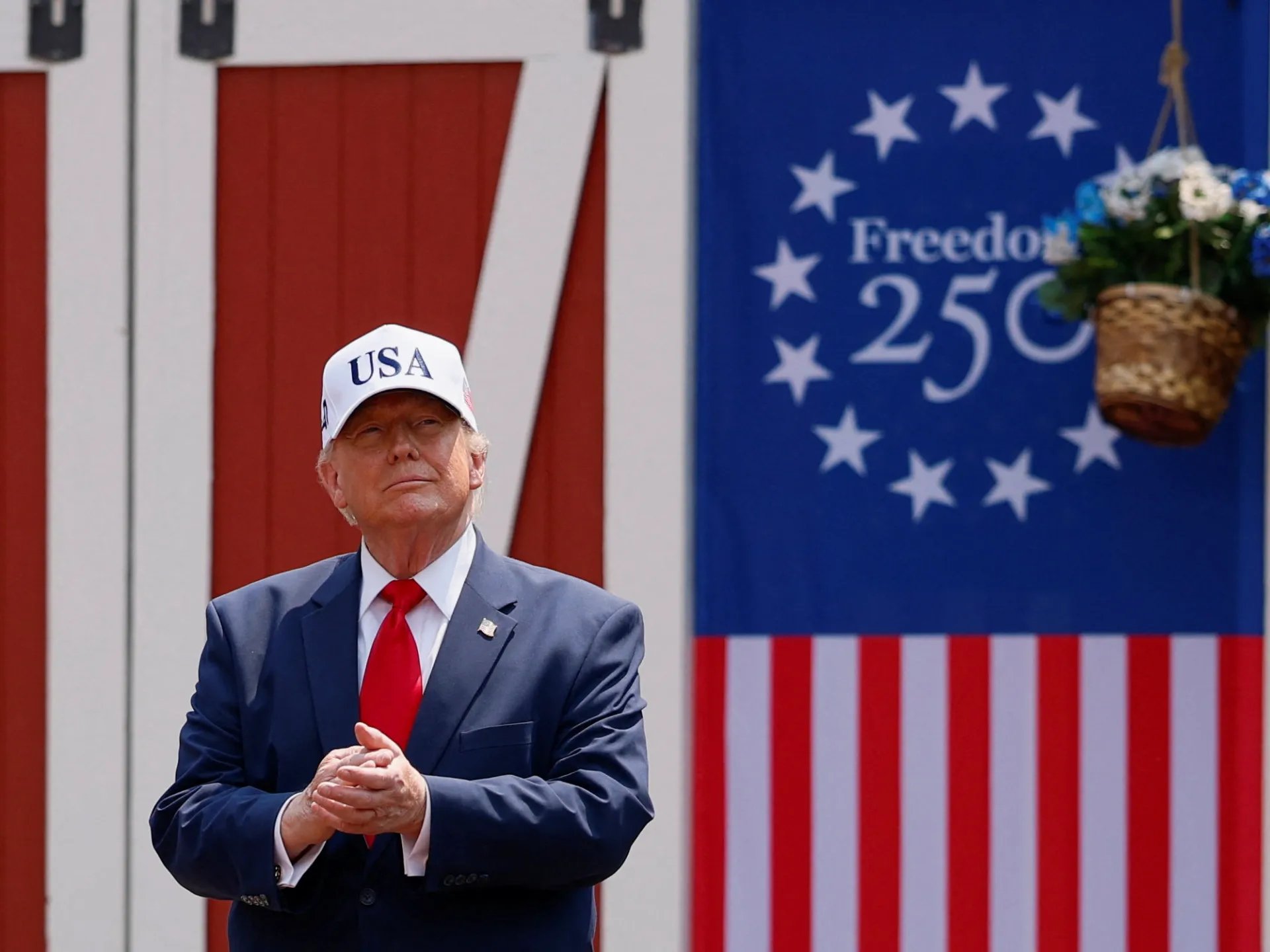
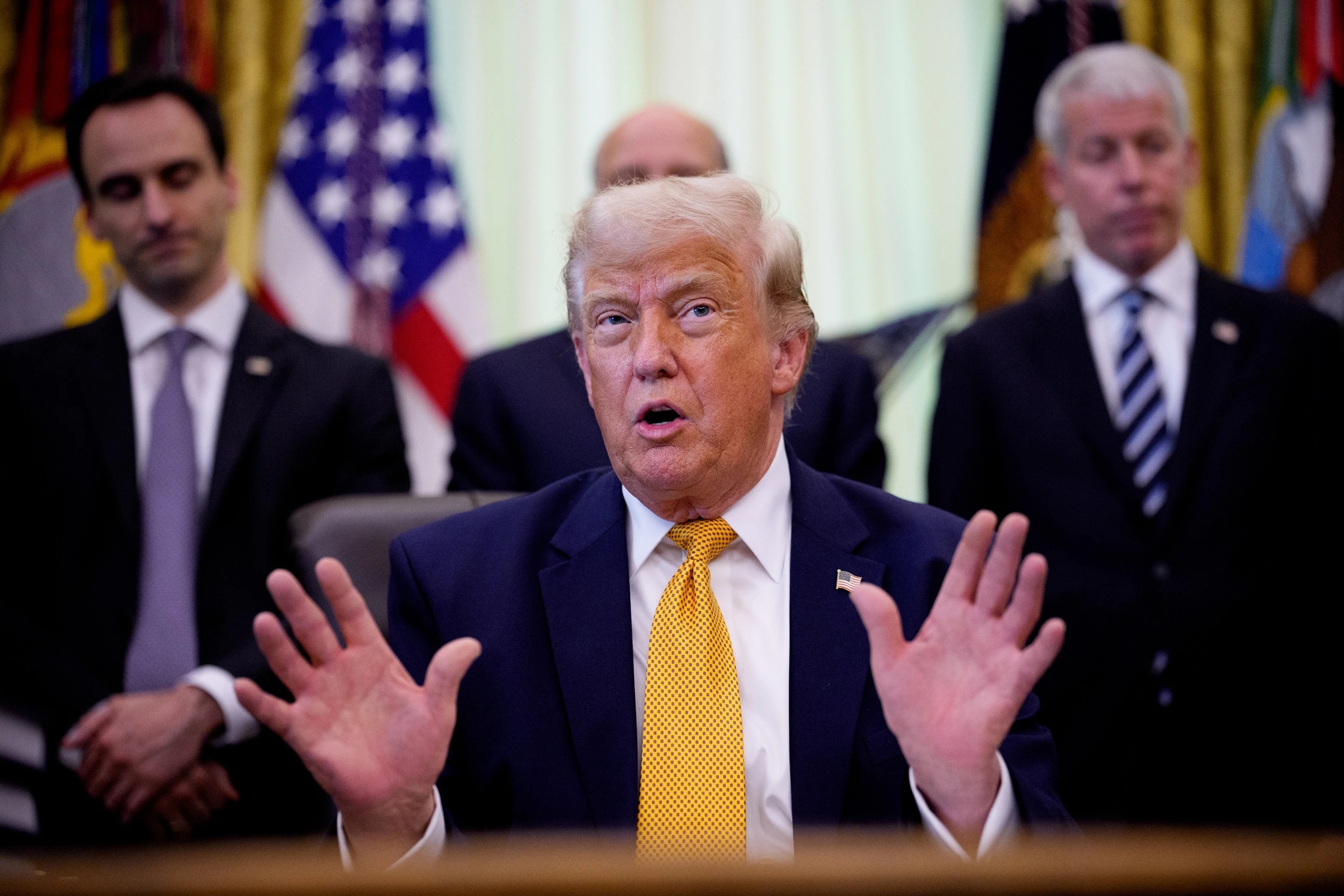
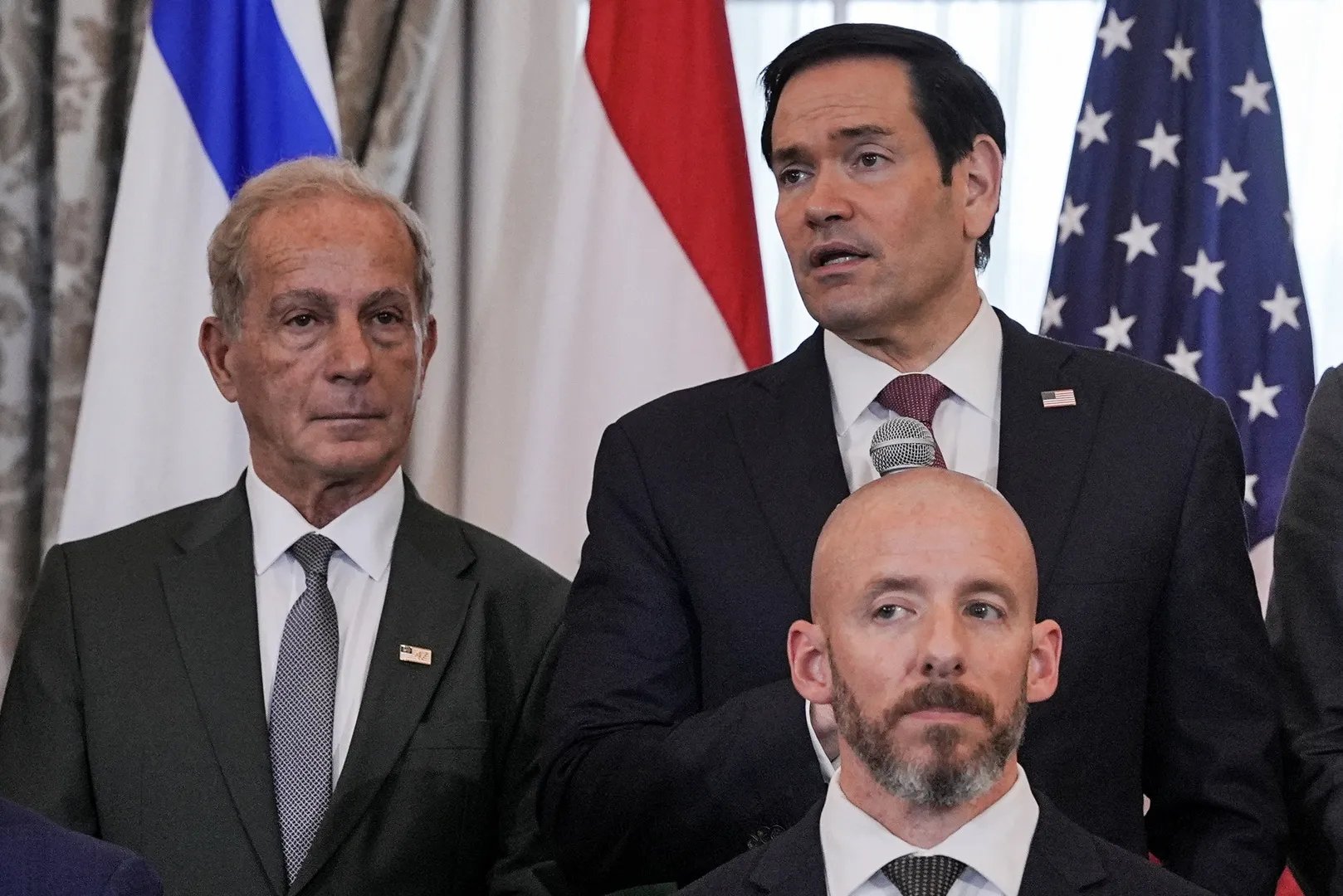
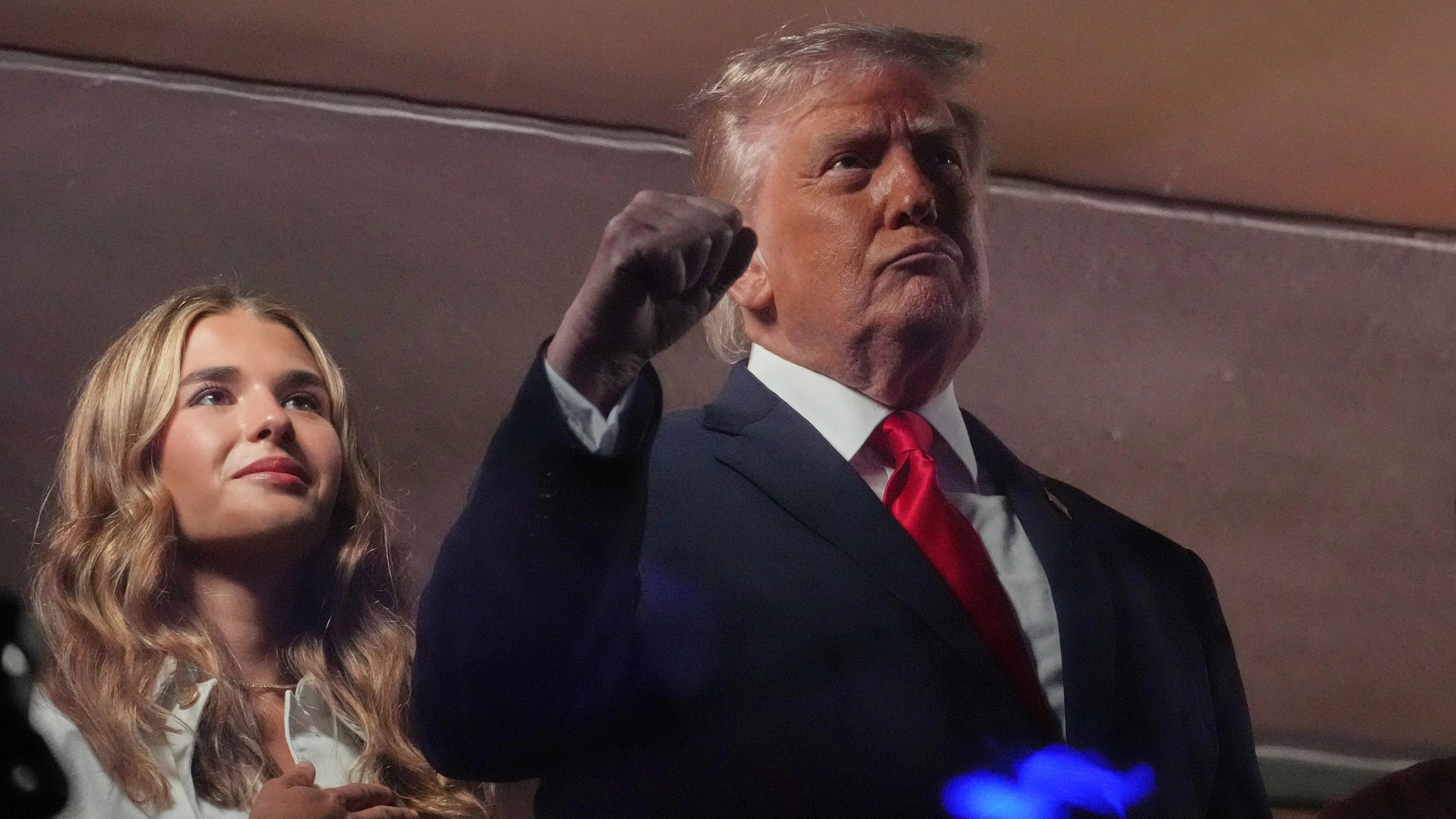
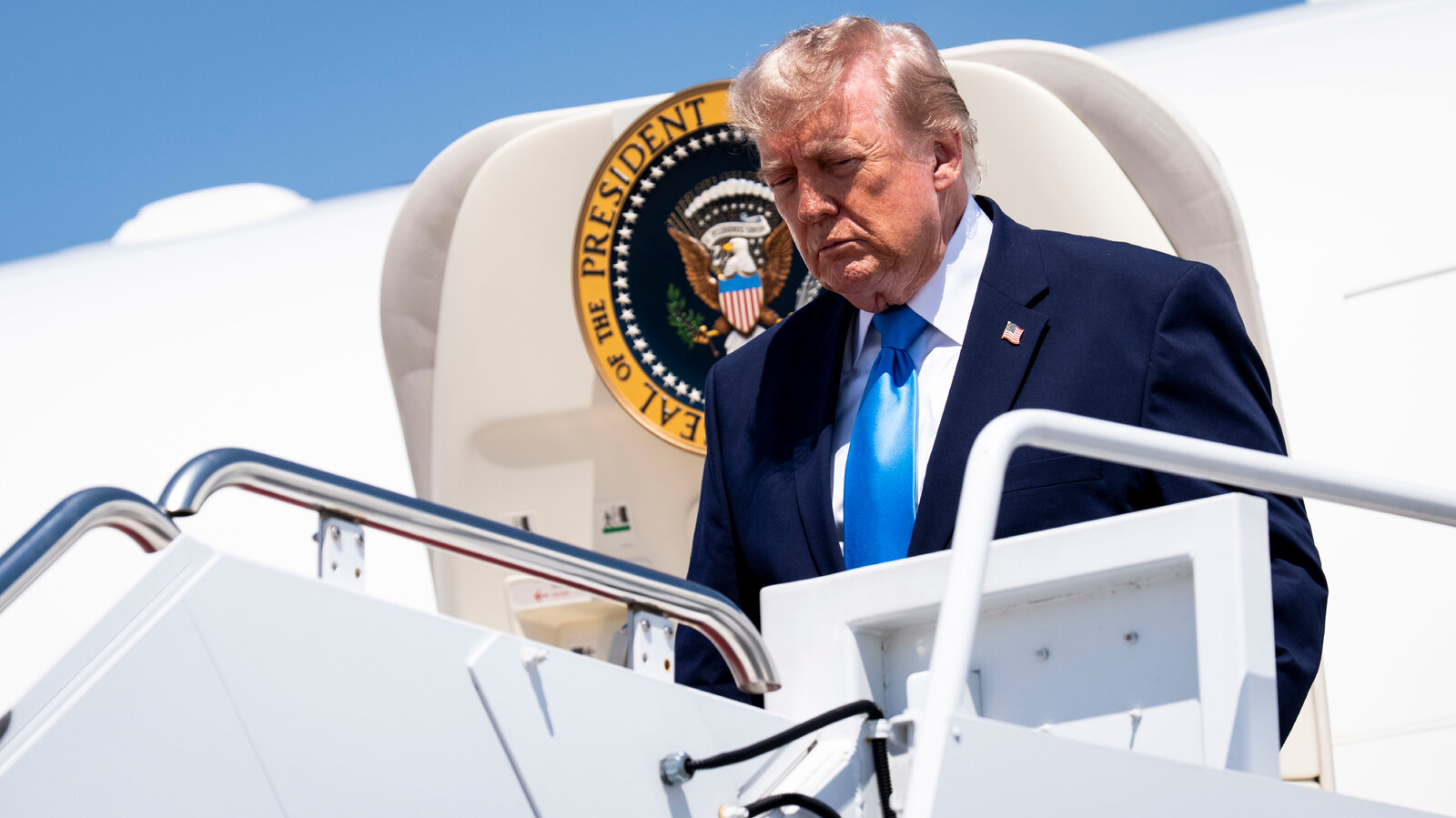
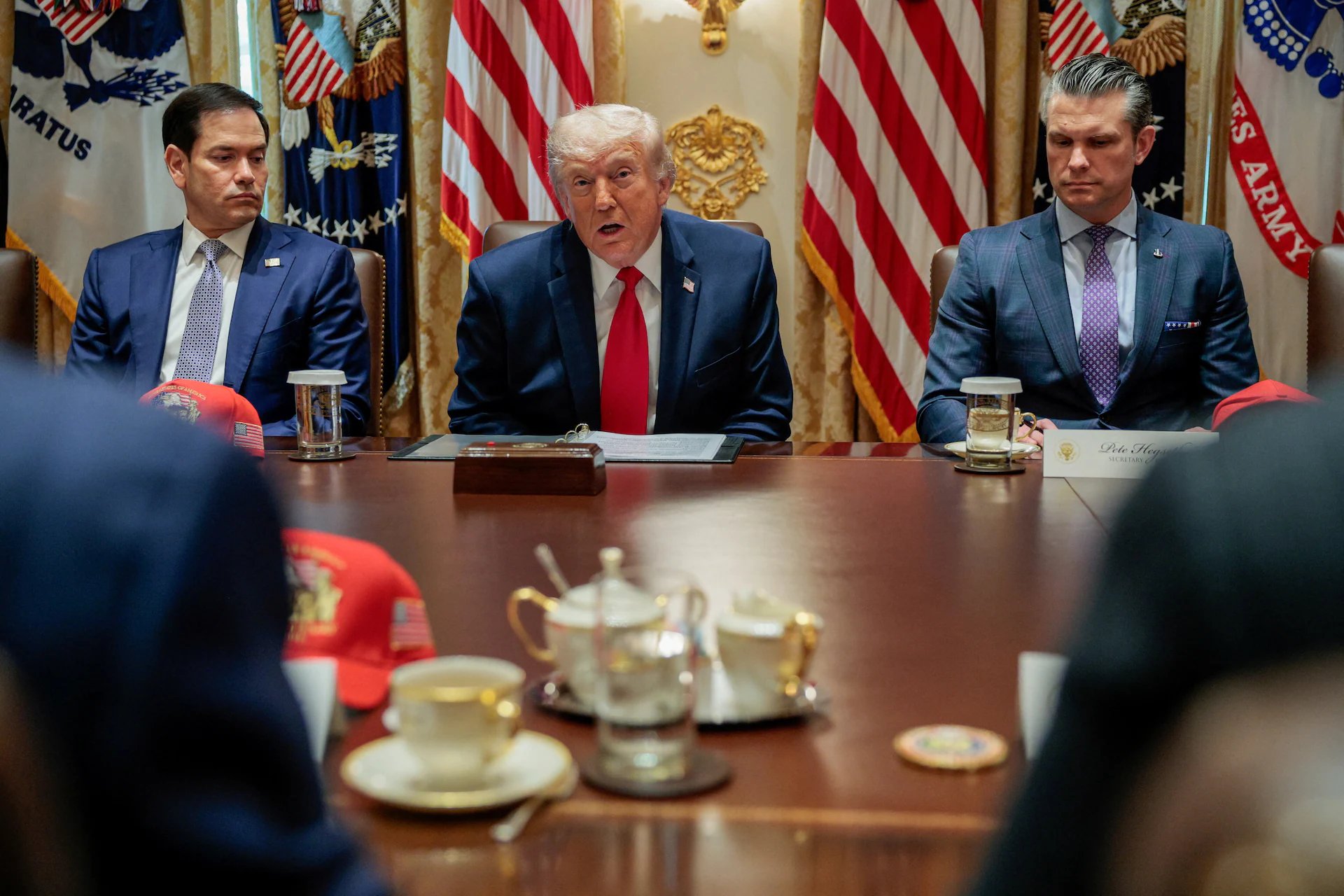
The Trump administration moved swiftly to deploy resources. Secretary of State Marco Rubio announced that at President Trump's direction, the U.S. would deploy search teams, medical resources and humanitarian aid. The State Department mobilized $150 million in aid, including $50 million in bilateral awards to relief partners such as Samaritan's Purse, Catholic Relief Services and World Vision, plus a $100 million contribution to a United Nations humanitarian pooled fund.
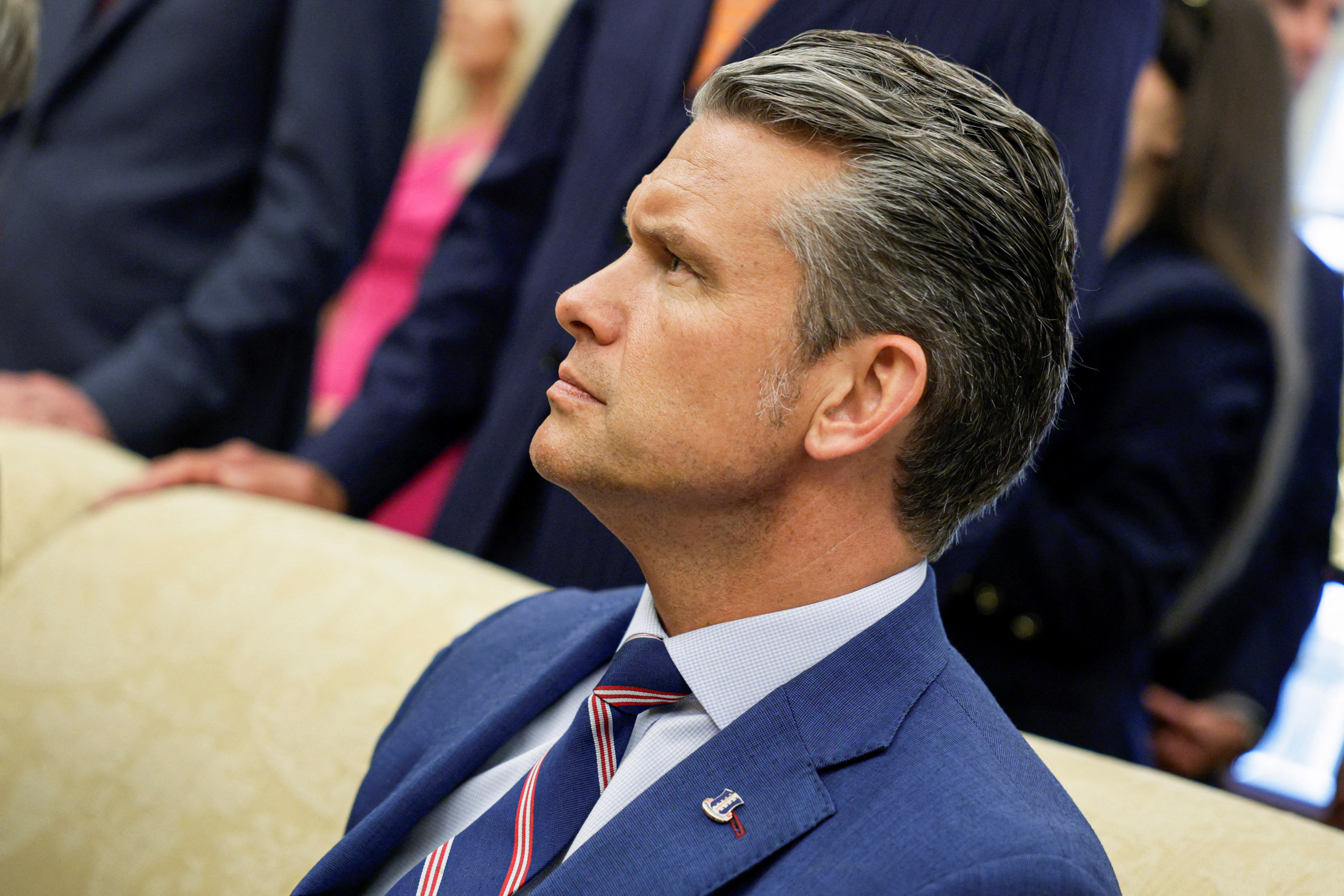
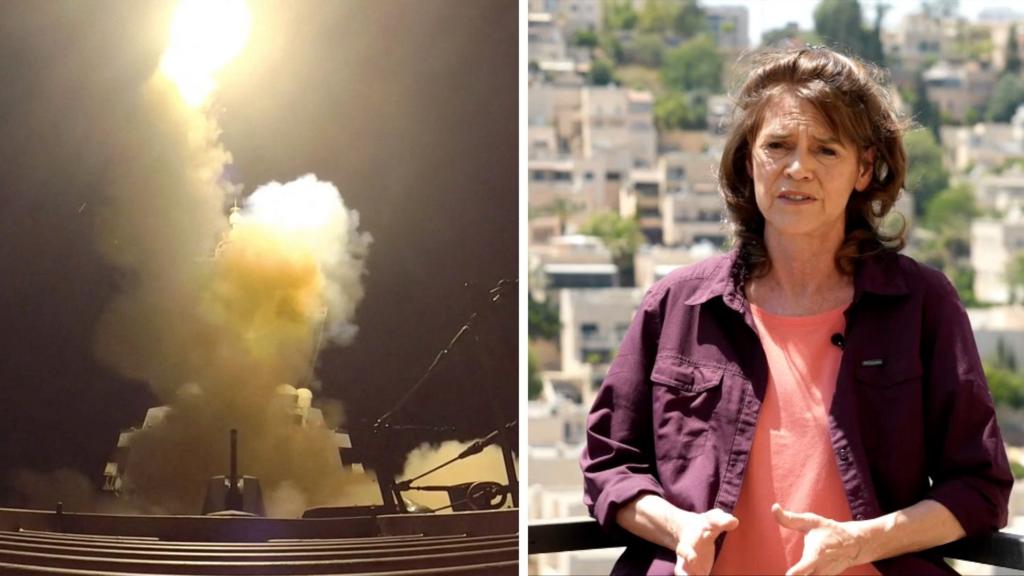
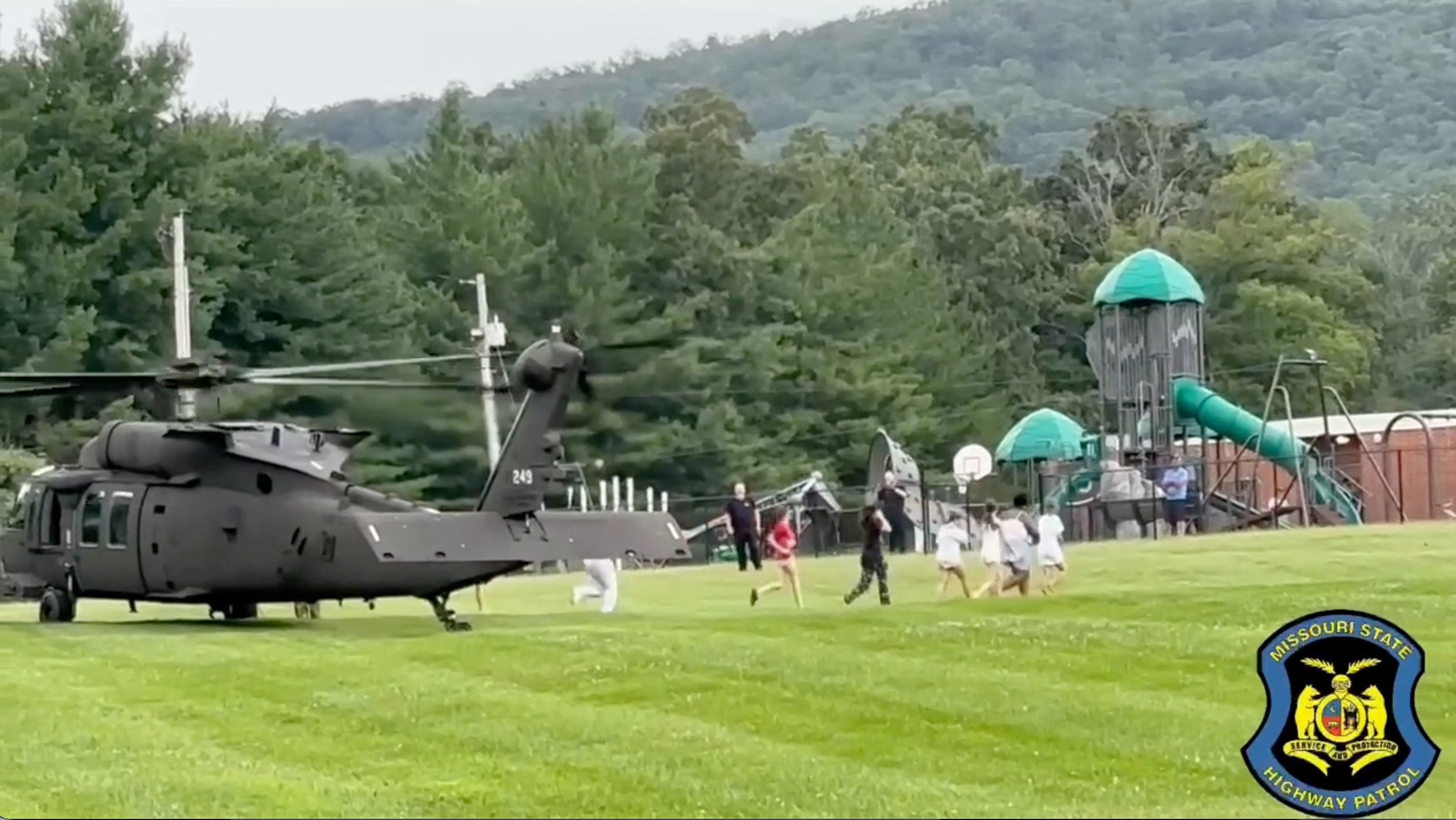
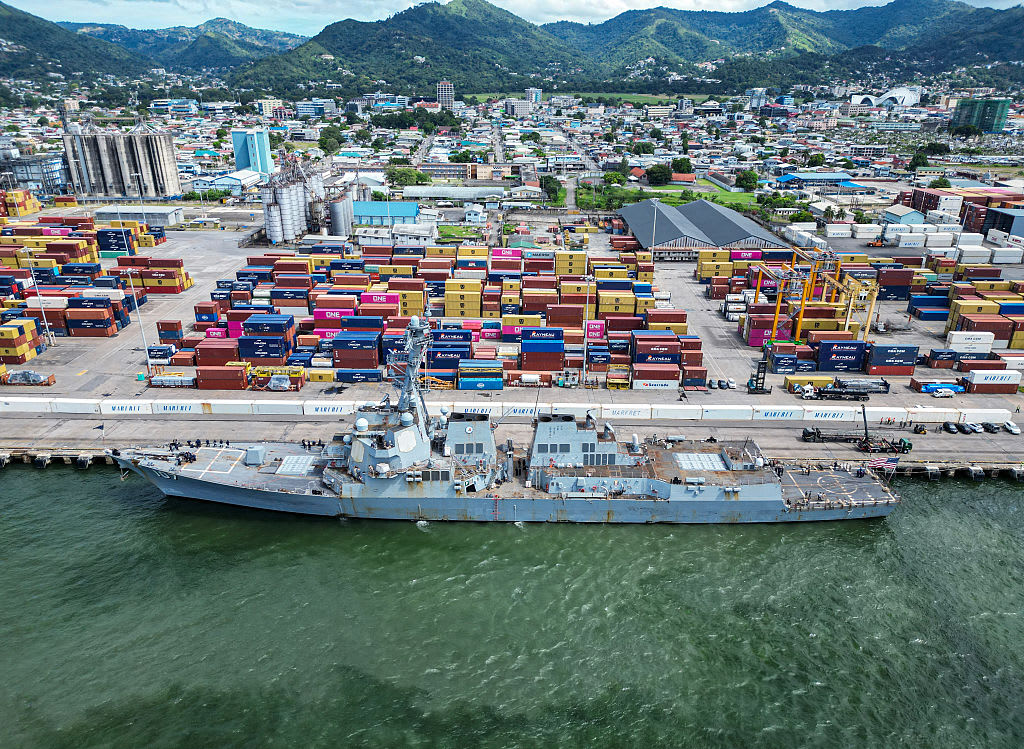
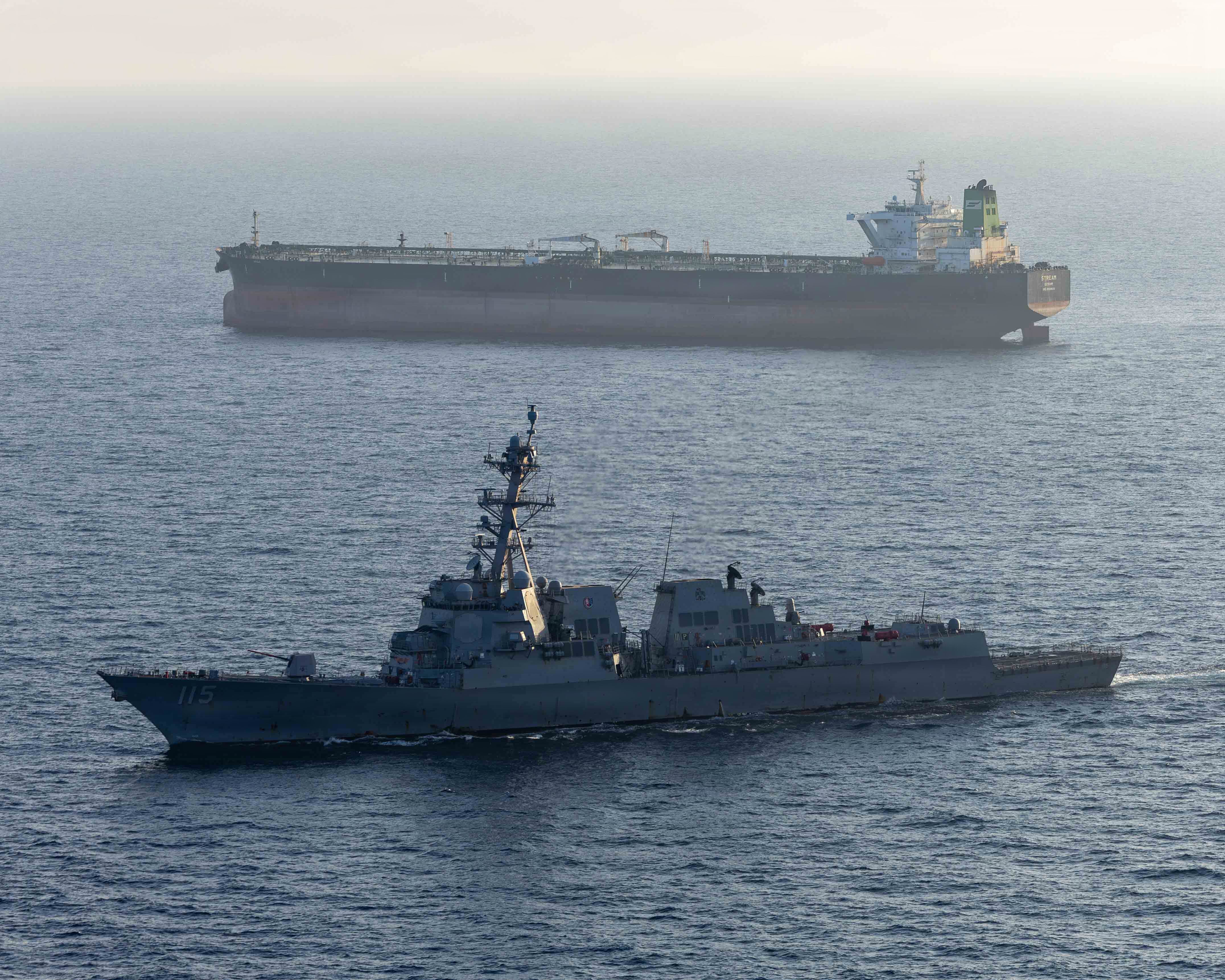
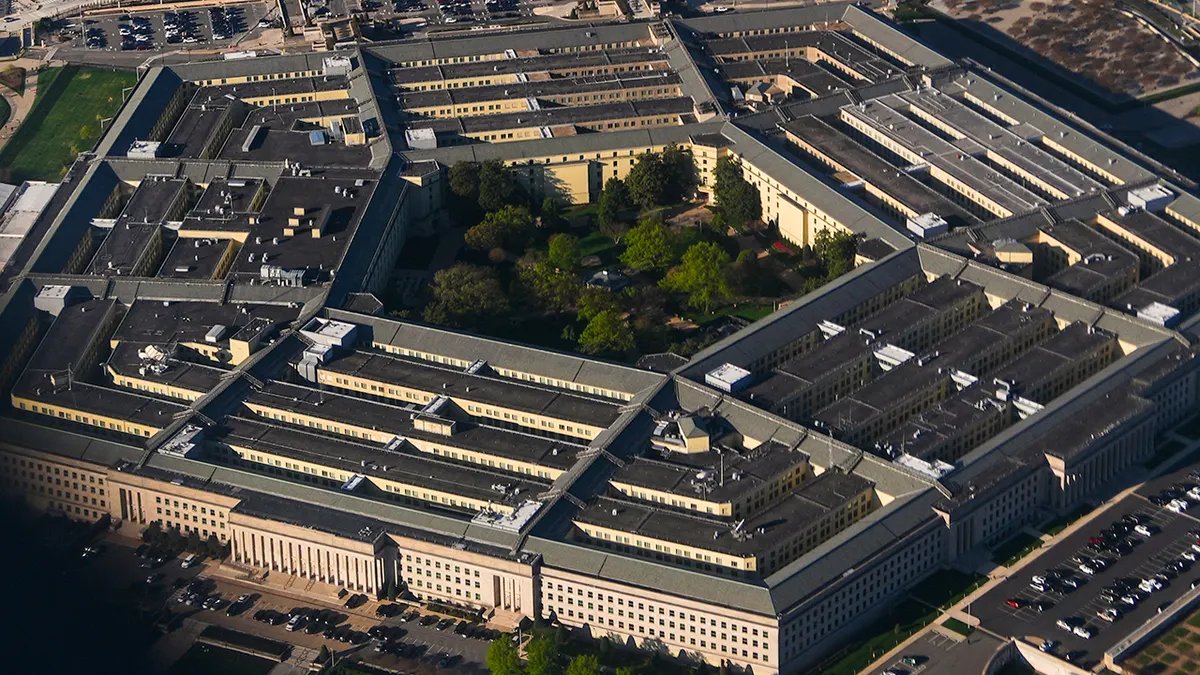
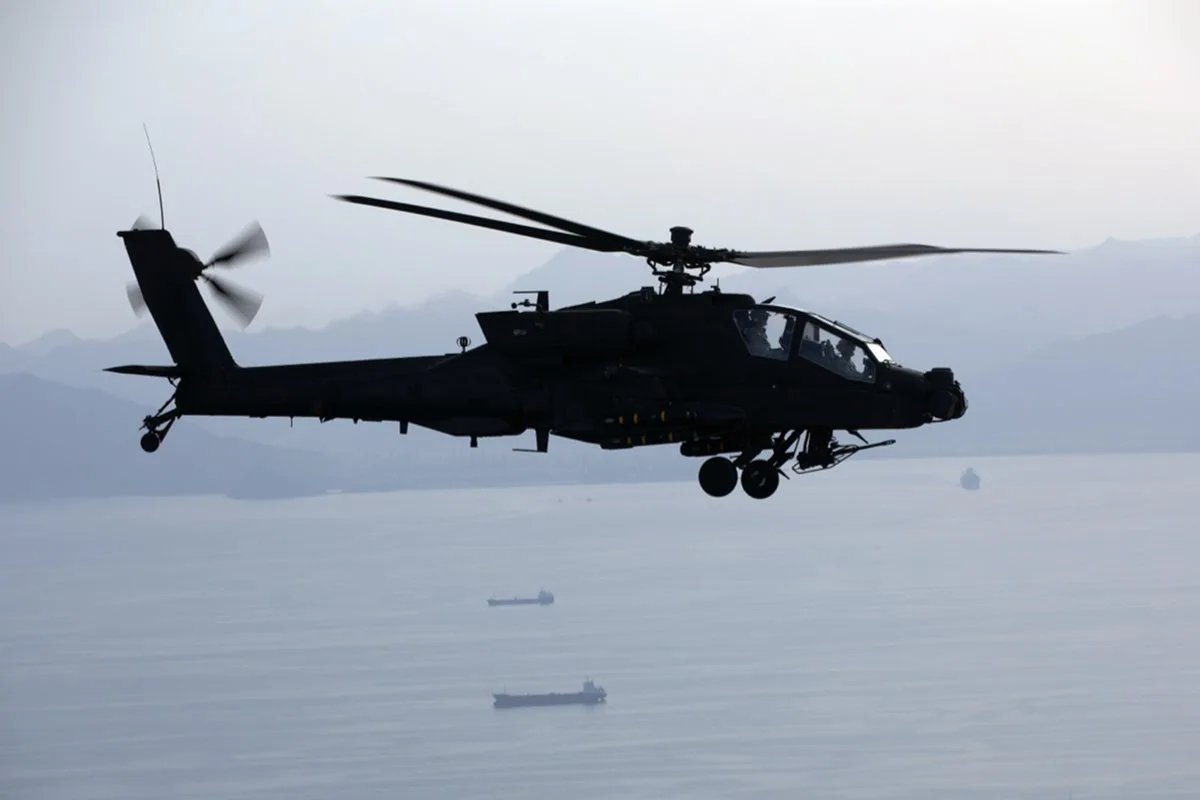
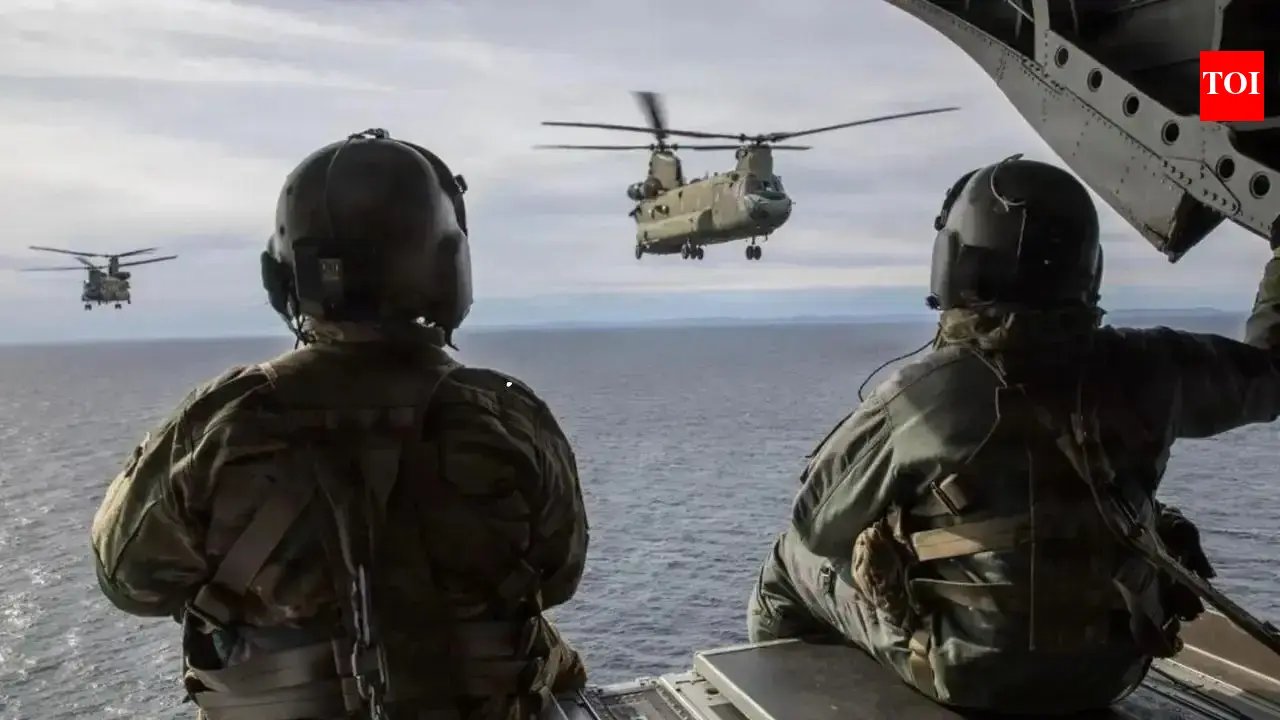
U.S. Southern Command surged military assets to the region. The USS Fort Lauderdale and USS Billings were directed to Venezuela to support State Department-led relief operations. The amphibious ship Fort Lauderdale would serve as a "floating command center" with a flight deck for heavy-lift helicopters and a well deck to launch landing craft, while the littoral combat ship Billings would provide support close to shorelines. Transport aircraft and helicopters were also being sent to provide airlift support and specialized mobility services.
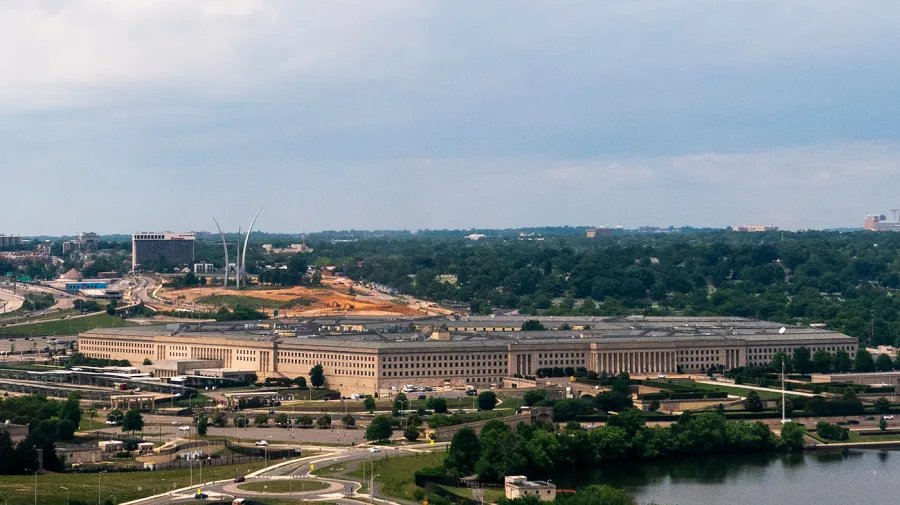
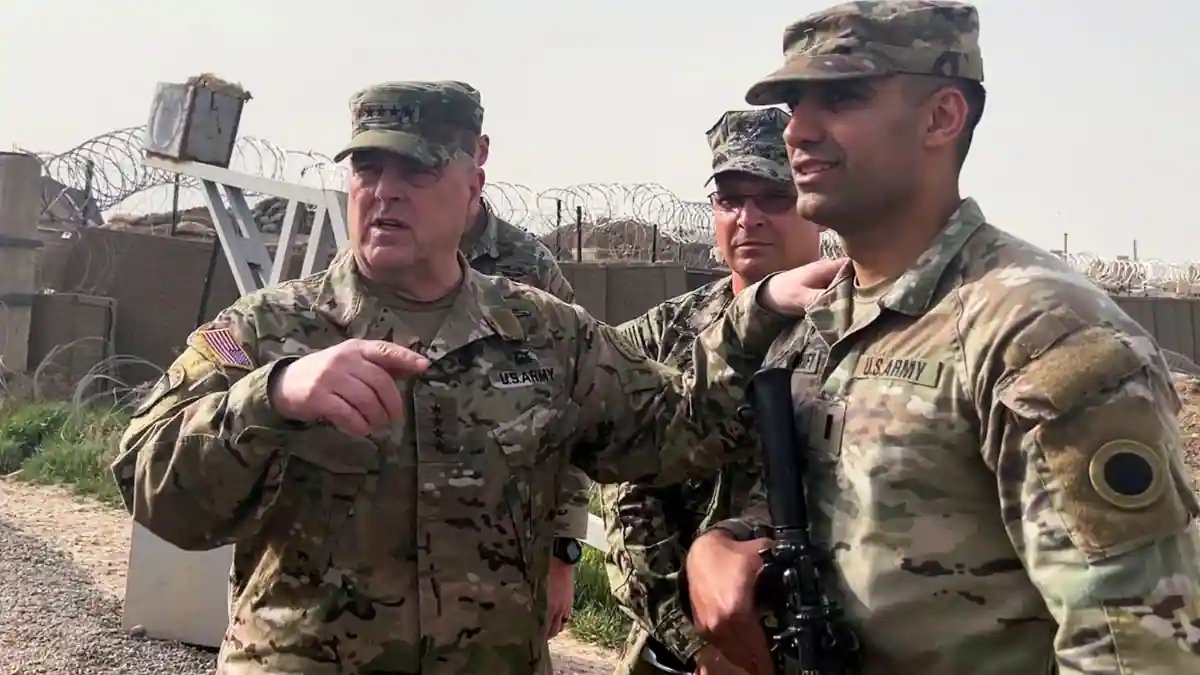
U.S. Marine Corps Maj. Gen. Kevin J. Jarrard arrived in Caracas on Friday to oversee Pentagon earthquake relief efforts. Two specialized urban search-and-rescue teams mobilized for deployment: Fairfax County, Virginia sent 80 people and six dogs, while Los Angeles County Fire Department dispatched 71 people and six canines. The U.S. Treasury waived some sanctions until October 23 to allow transactions related to earthquake relief that would otherwise be prohibited.
International Response and Houston's Solidarity
Offers of humanitarian assistance came from governments across the Americas, including Argentina, Bolivia, Brazil, Chile, China, Ecuador, El Salvador, Mexico, Panama and Uruguay. Some of these nations had broken off diplomatic relations with Caracas less than two years ago, yet moved quickly to offer rescue teams and aid following the disaster.
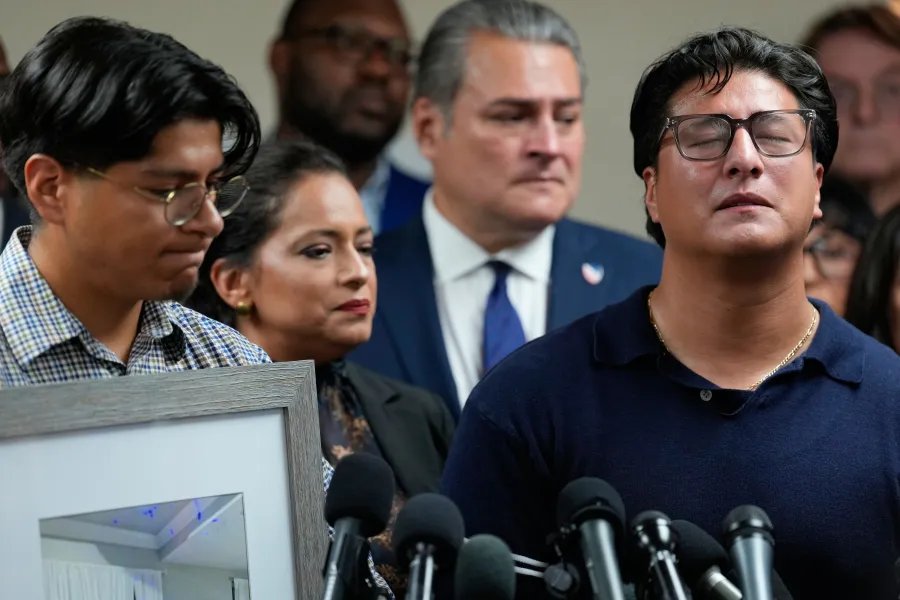
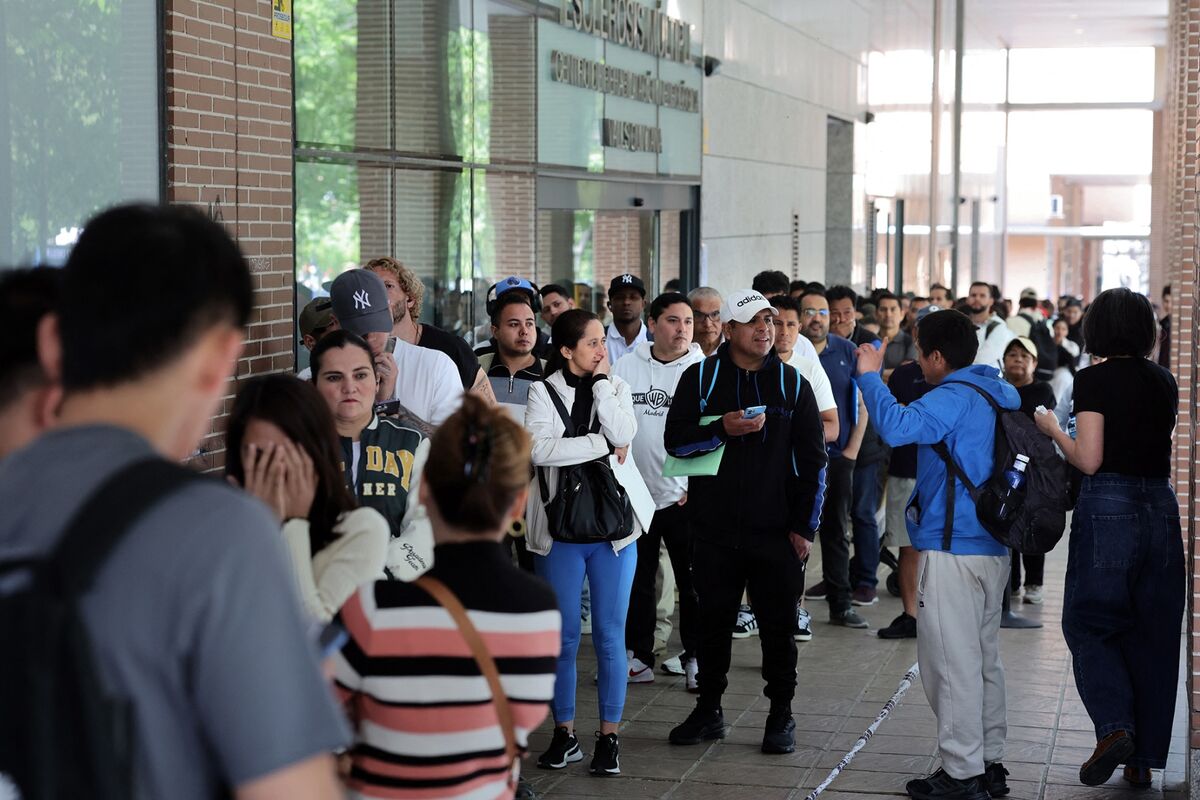
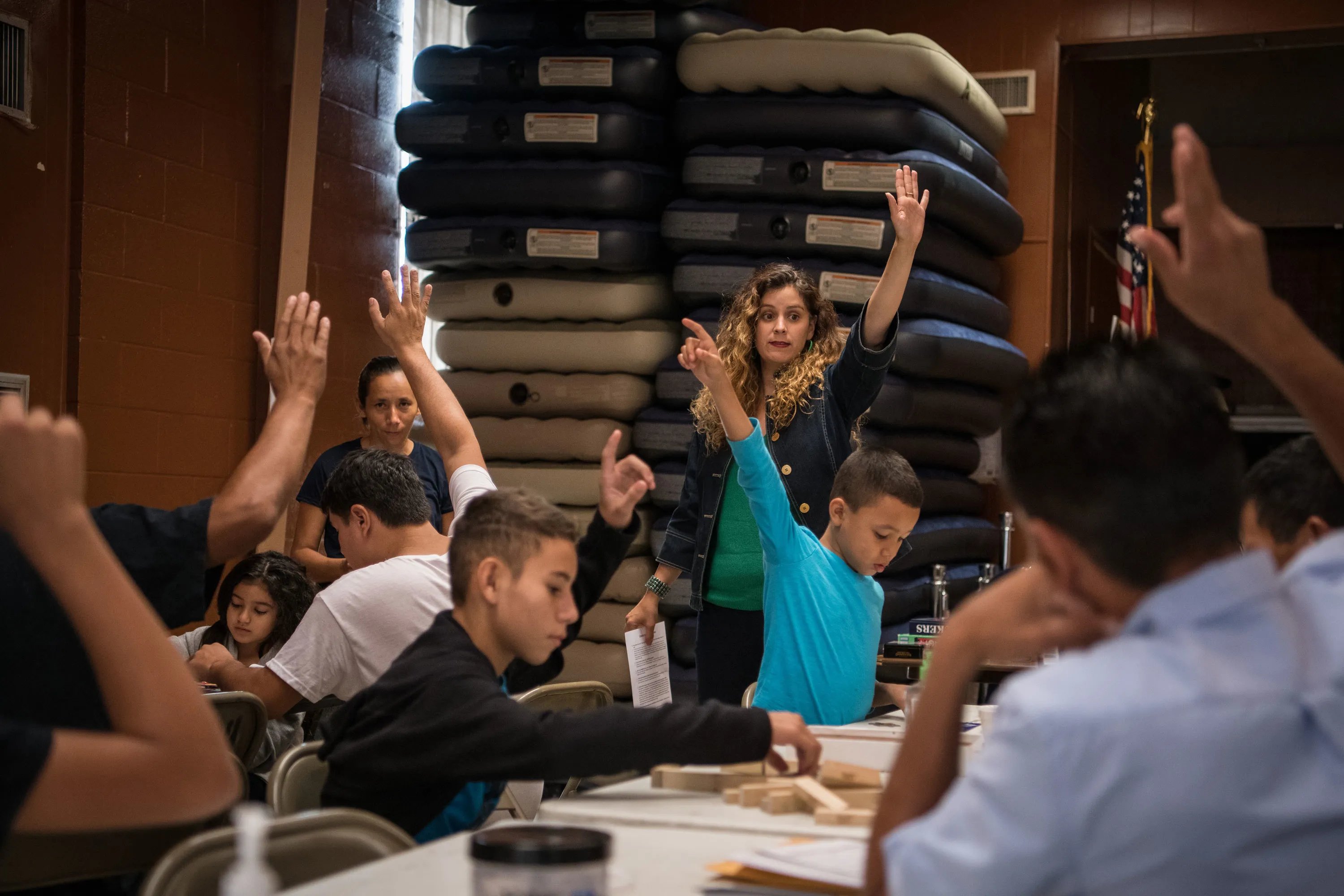
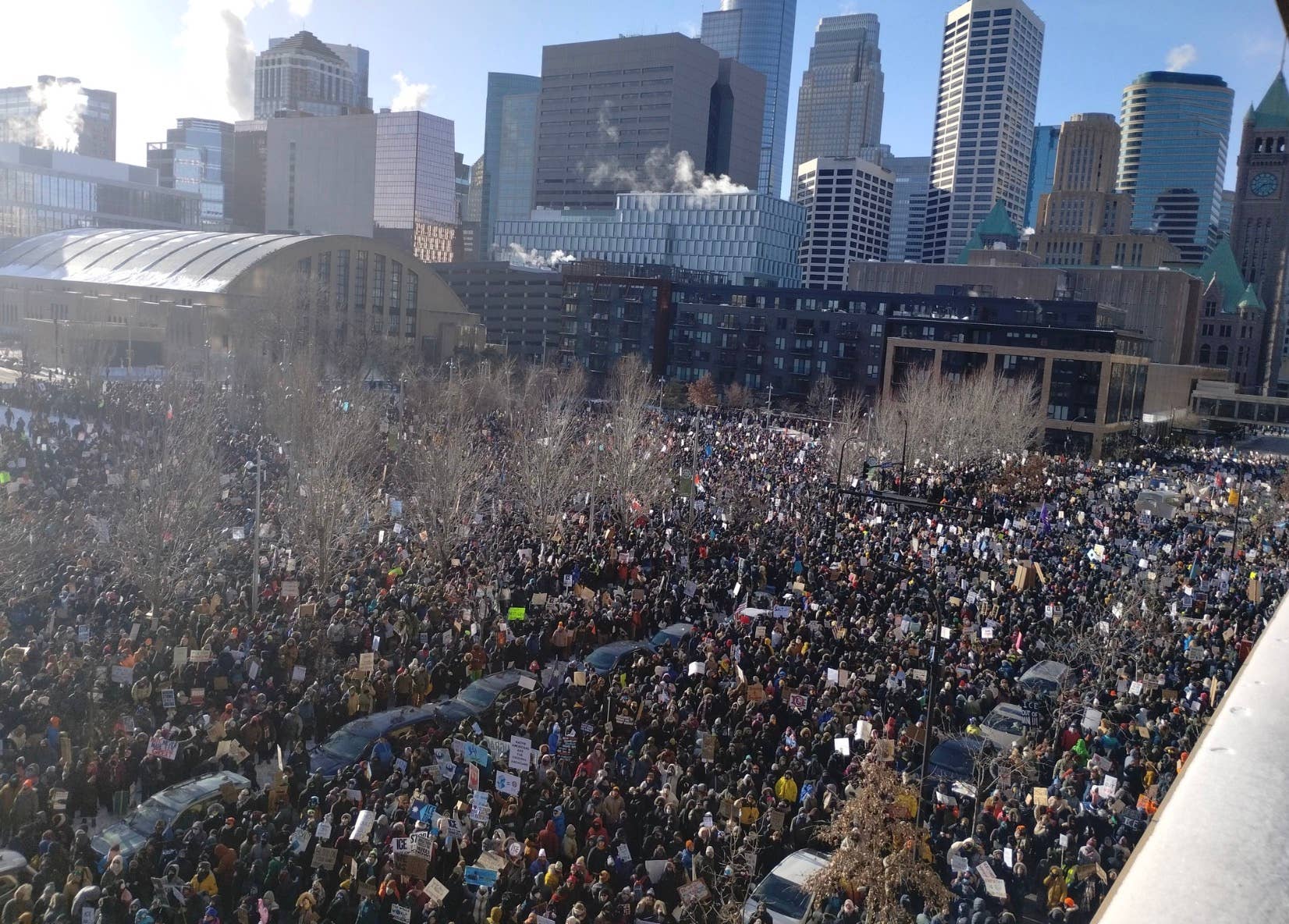
Within the United States, the Venezuelan diaspora mobilized to help. In Houston, home to a significant Venezuelan community, residents organized donation drives and rallies to support those affected by the earthquakes. The Houston community's response reflected broader efforts by Venezuelans abroad to channel aid and supplies to families devastated by the disaster. Opposition leader María Corina Machado, in exile, encouraged diaspora members to help distribute supplies efficiently and support the elderly and children who had lost homes and relatives.
The tremors were felt as far as Brazil's Amazon region, roughly 1,050 miles from Caracas, where buildings in Manaus, Belém and Macapá were evacuated. Colombia's Caribbean coast reported no damage or injuries, and the Colombian Maritime Authority said the region faced no tsunami risk.