






The End of SAVE and the Shift to Costlier Plans
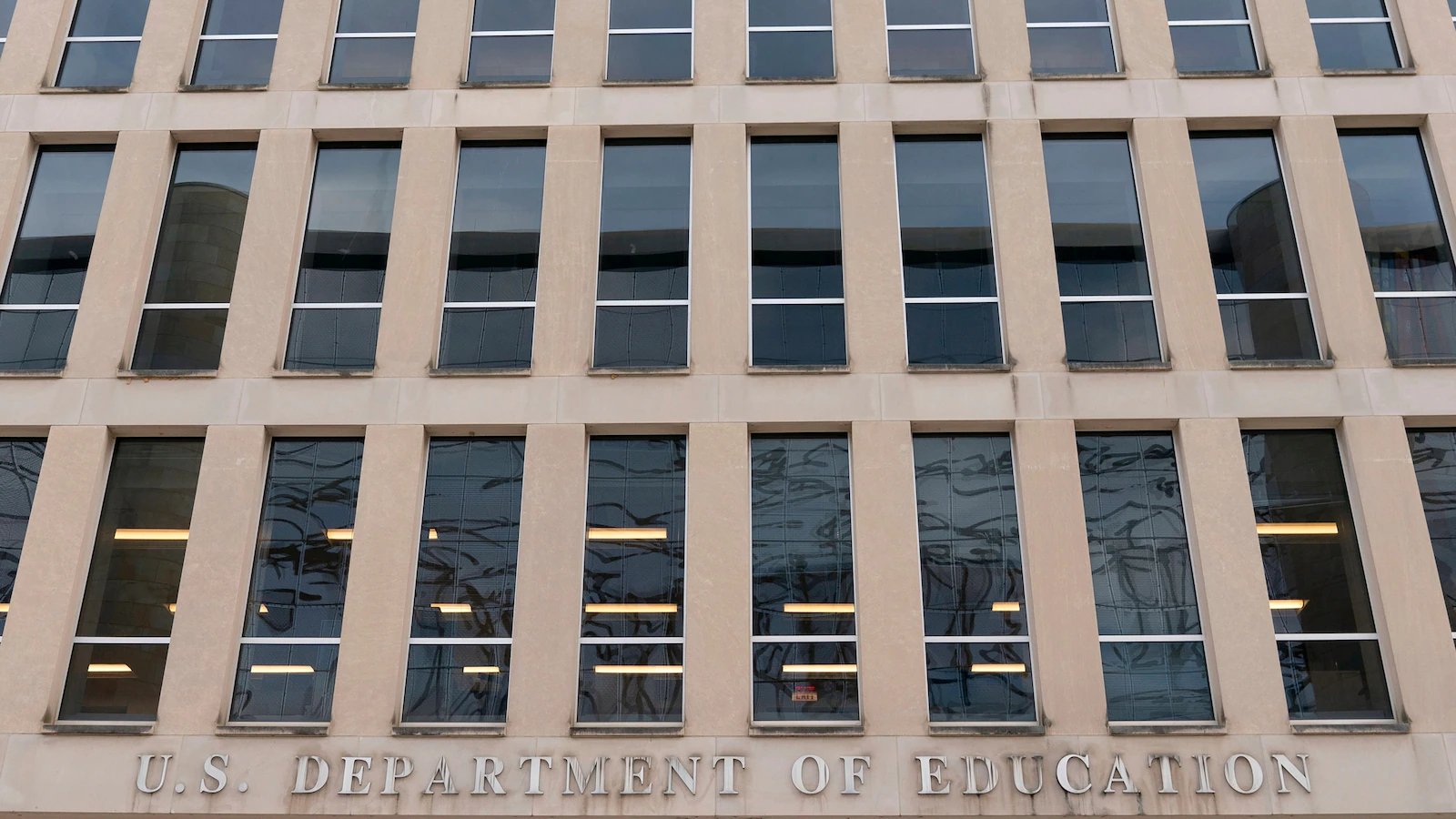
More than 7 million borrowers enrolled in the Saving on a Valuable Education (SAVE) plan will lose access to what financial aid experts describe as the most flexible and generous income-driven repayment option available. Starting July 1, the U.S. Department of Education will begin a roughly 90-day process to automatically enroll borrowers who do not act into one of the least flexible repayment plans, according to NPR reporting on the One Big Beautiful Bill Act.
The SAVE plan allowed many low-income borrowers to qualify for $0 monthly payments. Financial aid experts told NPR that pushing millions of borrowers into repayment and into new plans that will cost more than SAVE could worsen an already alarming rise in student loan defaults. About 43 million Americans carry approximately $1.7 trillion in federal student debt.
Borrowers who received notices from their loan servicer have 90 days to choose a new repayment plan. If they do nothing, the department will make the choice for them.
New Plans and Stricter Limits for Future Borrowers
The One Big Beautiful Bill Act introduces two Republican-designed repayment plans that will become the only options for borrowers taking out loans on or after July 1. The Repayment Assistance Plan (RAP) and the Tiered Standard Plan become the only options for borrowers taking out loans on or after July 1.
Graduate students face the most dramatic borrowing restrictions. Previously able to borrow up to the full cost of their programs, grad students will be limited to $20,500 per year and $100,000 total starting July 1. Only borrowers pursuing 11 specific professional degrees—including medicine, law, dentistry, and veterinary medicine—will qualify for $50,000 annually and $200,000 total.
The Education Department will exempt grad students already enrolled by June 30 who have received at least one loan for their program, allowing them to continue borrowing under the old limits for either three academic years or the remaining length of their program, whichever is smaller. Undergraduate borrowing limits remain unchanged, with dependent and independent undergraduates able to borrow up to $31,000 and $57,500 respectively.
Pell Grants Expand to Workforce Training
For the first time, Pell Grants will extend to short-term workforce training programs lasting between eight and 15 weeks. The largest grant available for traditional programs in 2026-27 is $7,395, with awards for short-term training prorated based on program length.
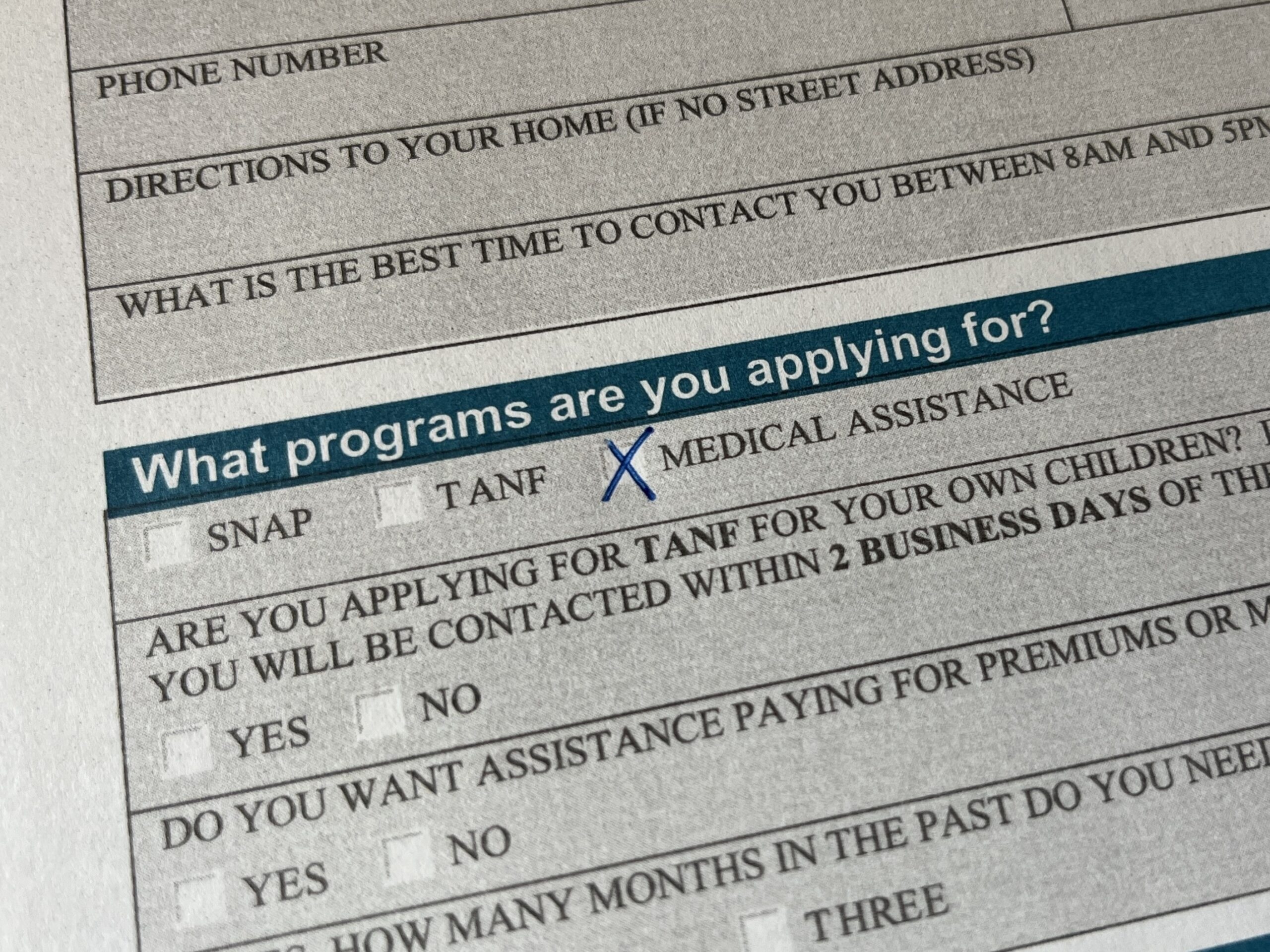
The expansion targets workers seeking credentials like certified nursing assistant or welder certifications. However, many current training programs may not qualify, and some never will due to strict federal guardrails. Students must complete the Free Application for Federal Student Aid (FAFSA) to access these grants. The Education Department and states will need time to determine which programs meet the new requirements.
Public Service Loan Forgiveness Faces New Restrictions
The Public Service Loan Forgiveness program continues to operate under its existing terms: 10 years of full-time work in public service with 120 monthly payments through a qualifying plan results in forgiveness of remaining debt. Income-driven plans including IBR, ICR, PAYE, and the forthcoming RAP all qualify.
However, effective July 1, the Education Department can deny forgiveness to workers whose government or nonprofit employers engage in activities with a "substantial illegal purpose." The education secretary holds authority to define that term. The department's initial list included terrorism, child trafficking, and what it described as "transgender procedures that are doing irreversible harm to children."
Several large cities including Boston and Chicago sued in late 2025 over the rule change, concerned the administration might use a city's politics to exclude its public workers from forgiveness. That legal fight continues.
Repayment Options for Existing Borrowers
Borrowers with loans issued before July 1 who do not plan to borrow more money retain access to multiple repayment plans. The Standard Repayment Plan divides loan balances into equal monthly payments over 10 years, or up to 30 years for consolidated loans. The Graduated Repayment Plan starts with lower payments that increase every two years over 10 years. The Extended Repayment Plan stretches payments over 25 years, reducing monthly amounts but increasing total interest paid.
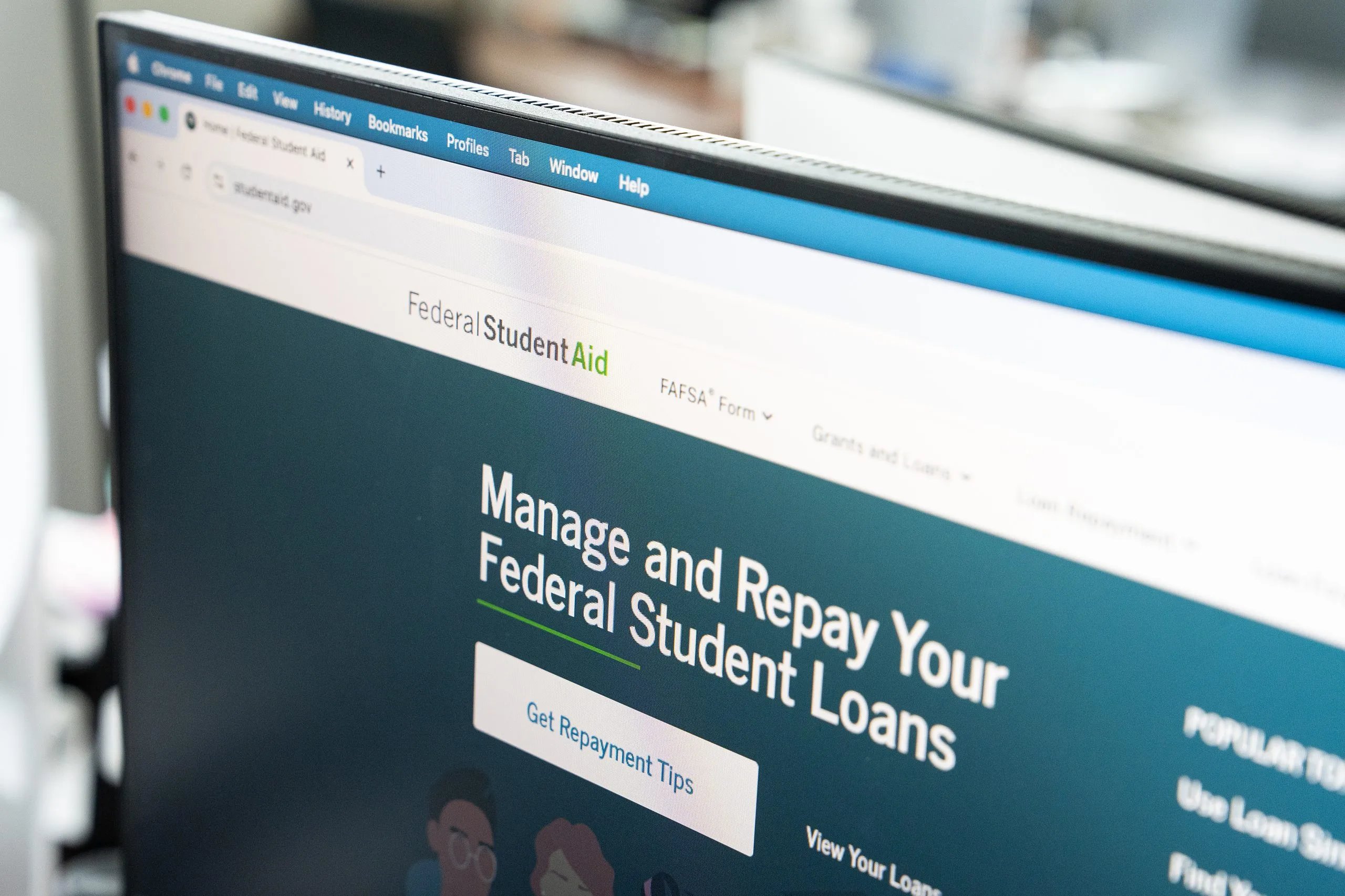
Income-driven plans calculate payments based on borrower earnings and offer additional benefits. The Department of Education's Loan Simulator tool helps borrowers compare which plan minimizes payments over the next decade.


































































































































































































































































































































































For example, the specific professional degrees exempt from lower borrowing limits include chiropractic, clinical psychology, dentistry, law, medicine, optometry, osteopathic medicine, pharmacy, podiatry, theology, and veterinary medicine.