




Jobs surge in hospitality and healthcare
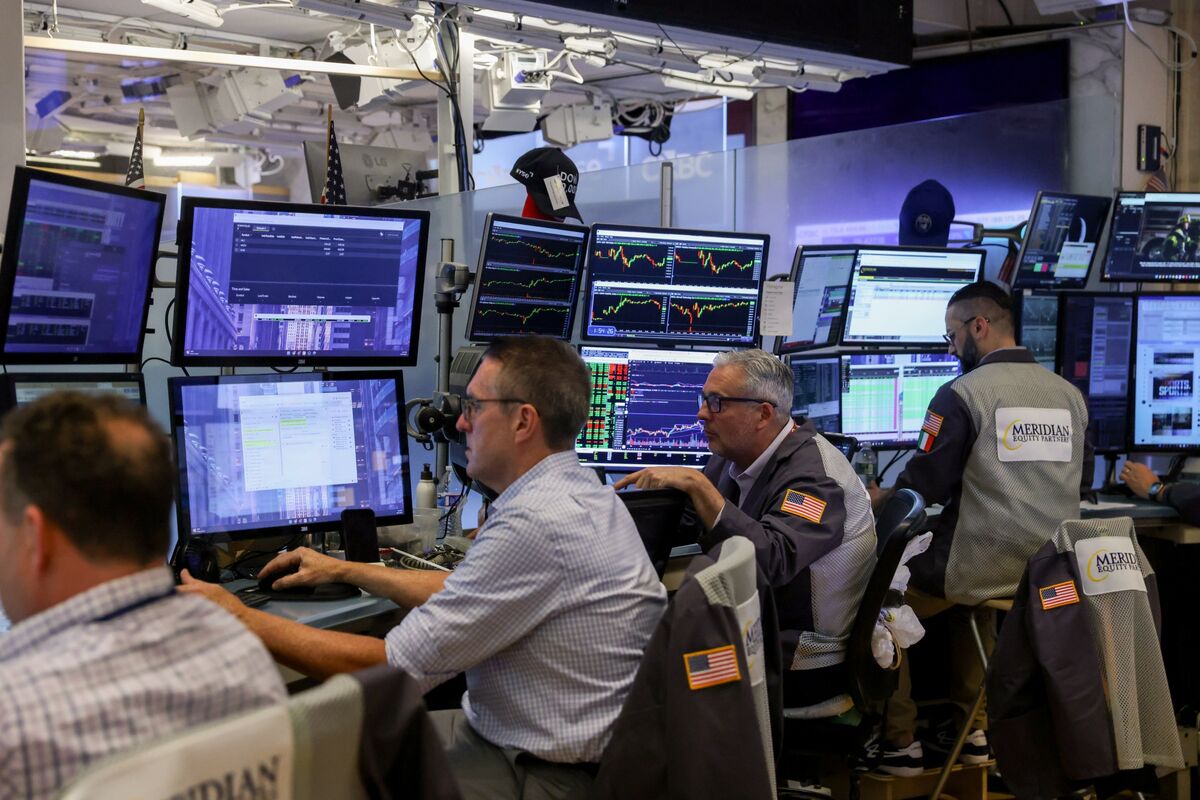
U.S. employers added 172,000 jobs in May, significantly exceeding economist expectations. Economists polled by FactSet had predicted 105,000 jobs, while other forecasts ranged from 80,000 to 88,000. The unemployment rate held steady at 4.3%. Restaurants and bars led the way with 48,000 new jobs, while the broader leisure and hospitality sector added 70,000 positions in anticipation of summer demand. Healthcare companies hired 35,000 workers, and local governments added 55,000 jobs. The financial sector moved in the opposite direction, cutting 22,000 jobs in May.
Hiring rebounds after weak year
This marks the third consecutive month of job growth. From March through May, employers added an average of 188,000 jobs each month, a sharp reversal from last year when the economy added only 9,700 jobs per month. The Labor Department also revised upward job figures for March and April by a combined 93,000, signaling sustained momentum in the labor market.
Heather Long, chief economist at Navy Federal Credit Union, said the data shows "the hiring recession is over. American firms are hiring again." The job rebound is happening across almost every industry, she added.
Wage growth lags behind inflation
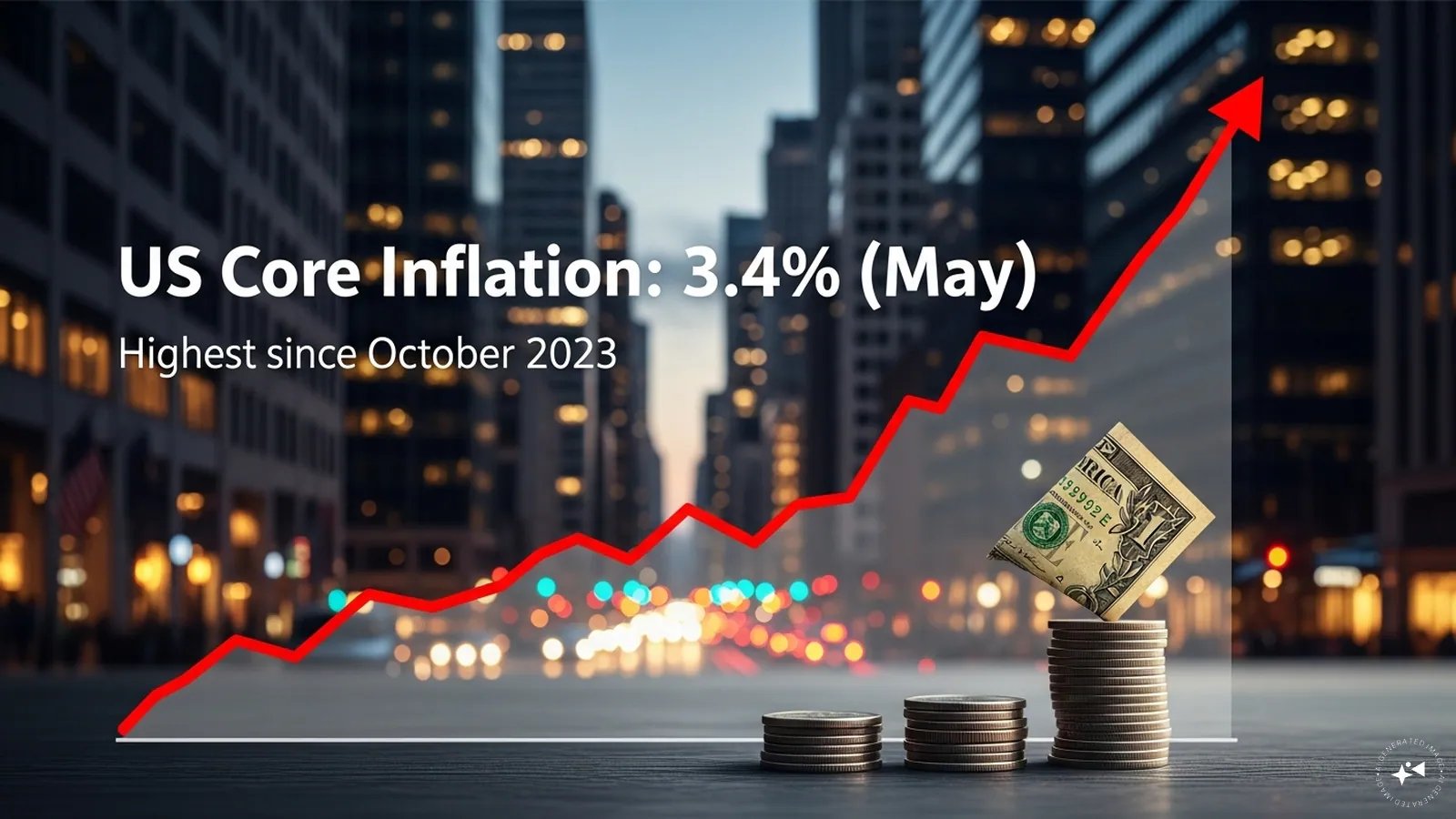
Despite robust hiring, wage gains remain modest. Average hourly wages rose 3.4% over the past year, below the inflation rate of 3.8% for the 12 months ending in April. Prices have accelerated since the United States and Israel attacked Iran in late February, driven partly by surging energy costs.
In a recent CBS News poll, three-quarters of Americans said their wages are not keeping pace with inflation. Long noted that "it's getting easier to find a job, but not a job that will offer raises above inflation."
Fed faces pressure to hold rates steady
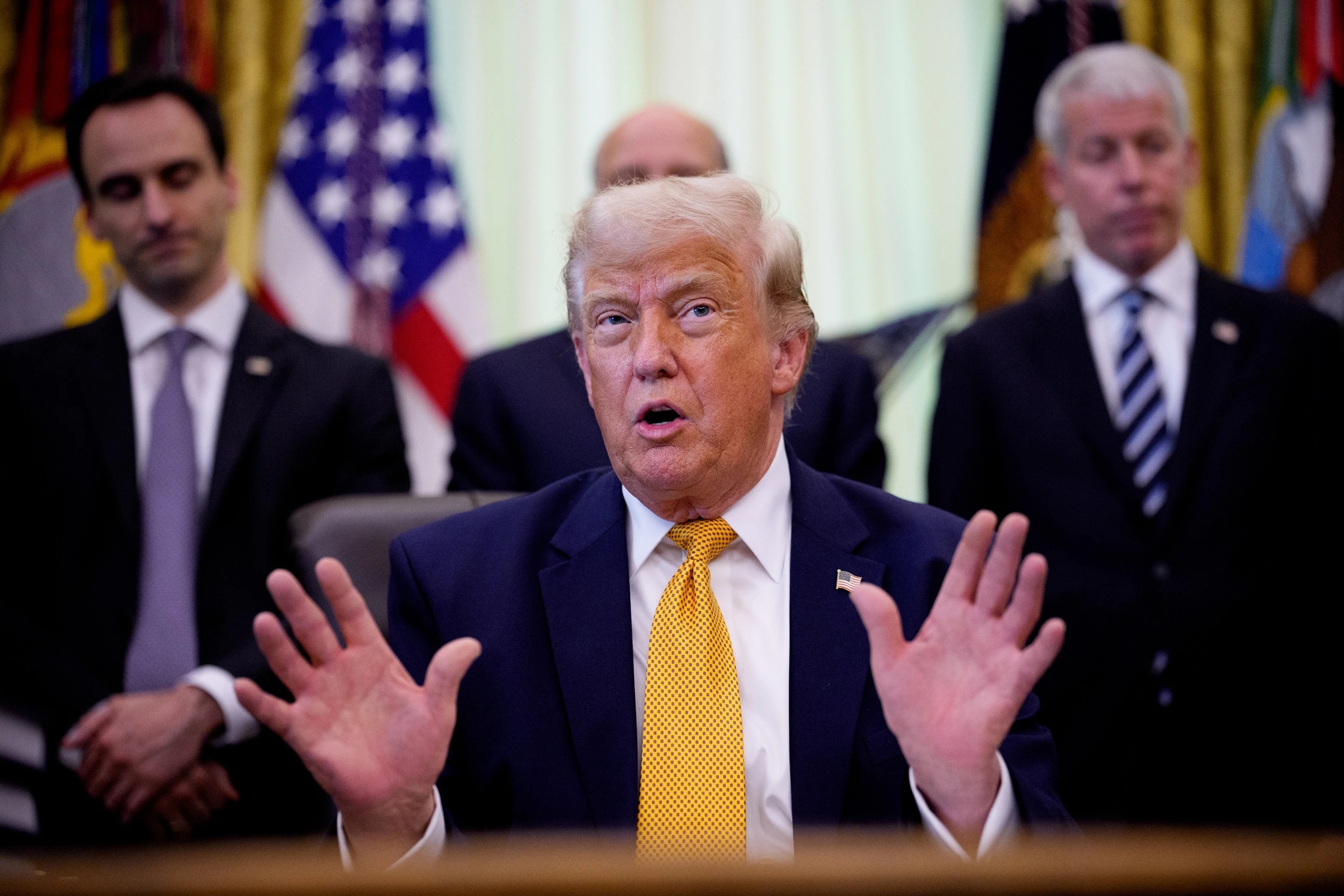
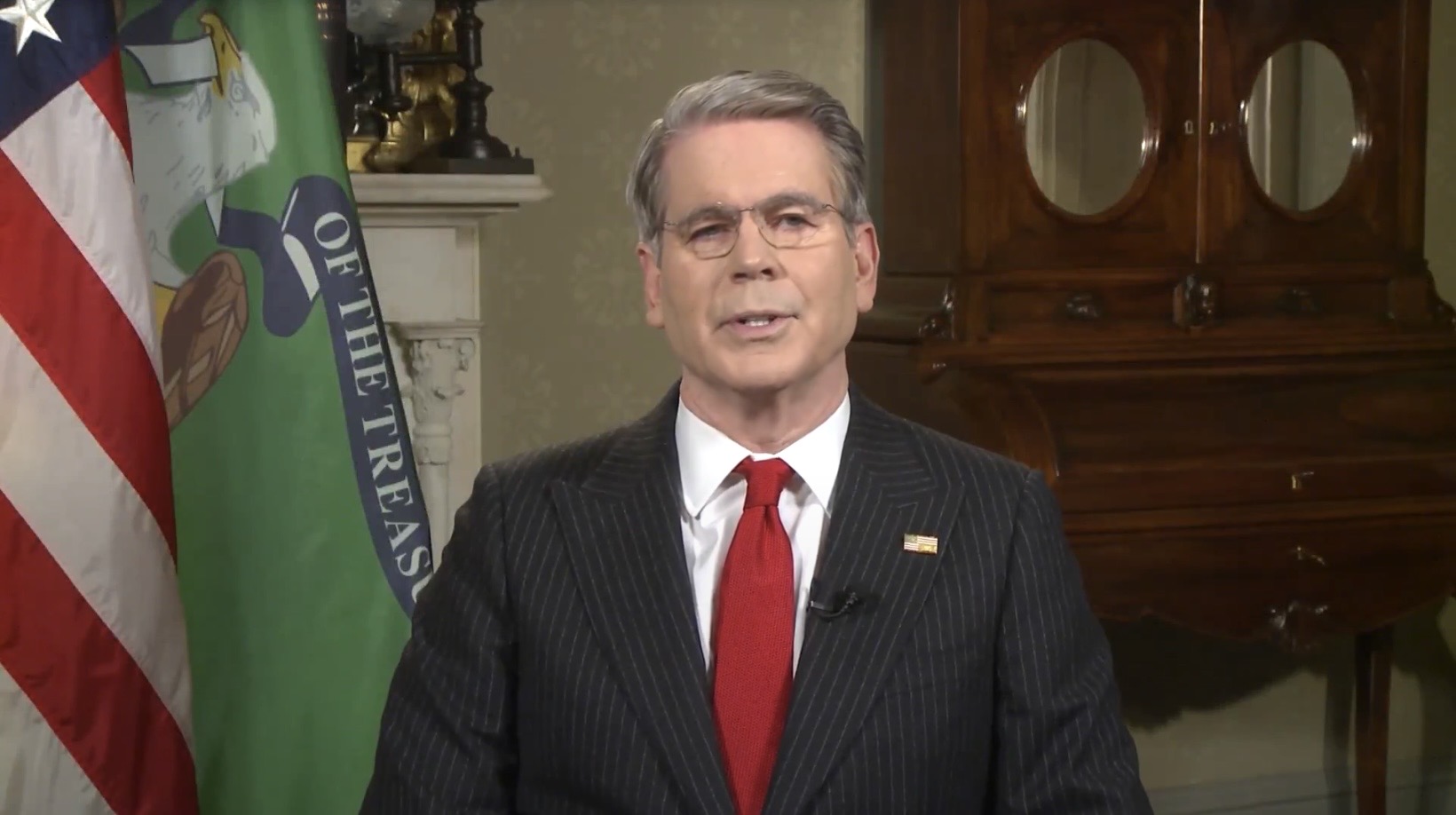
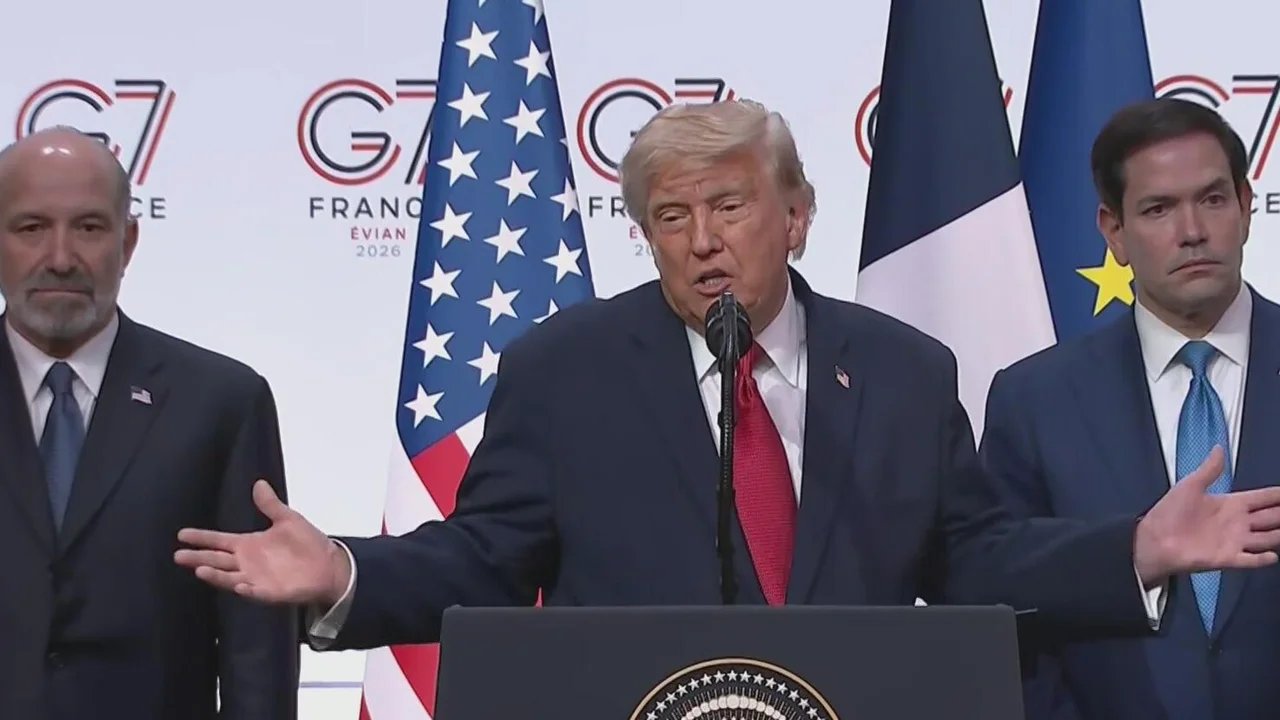
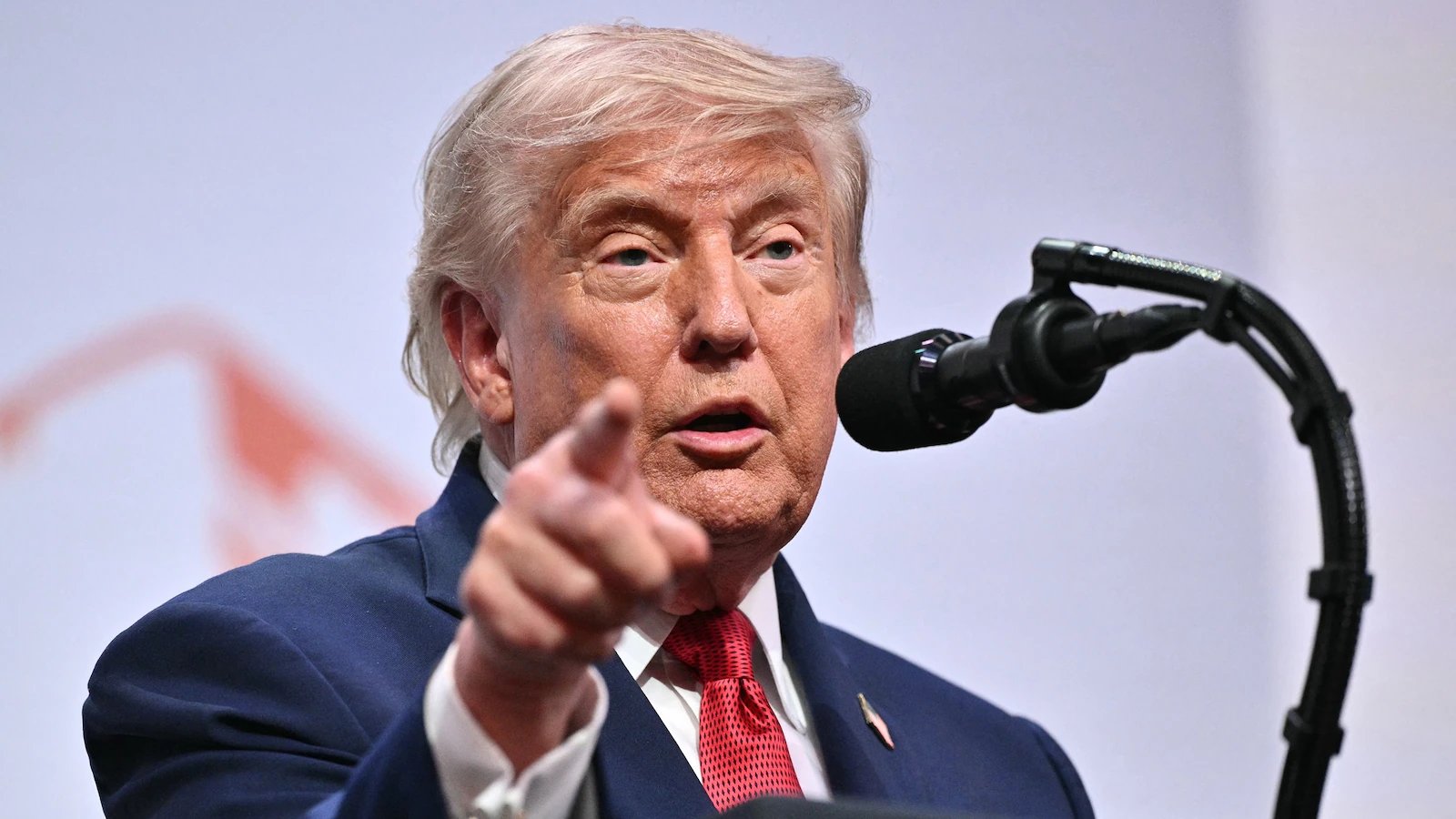
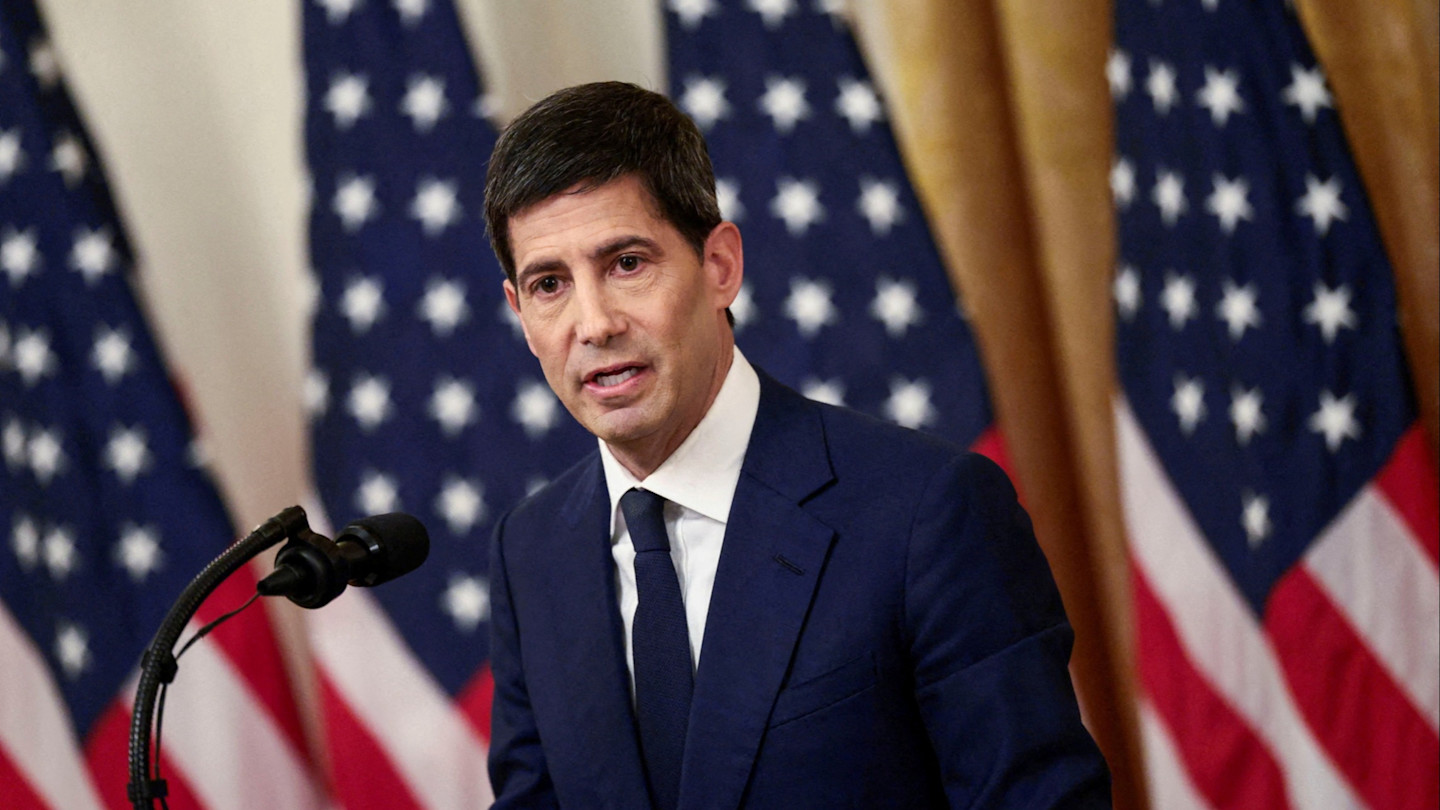
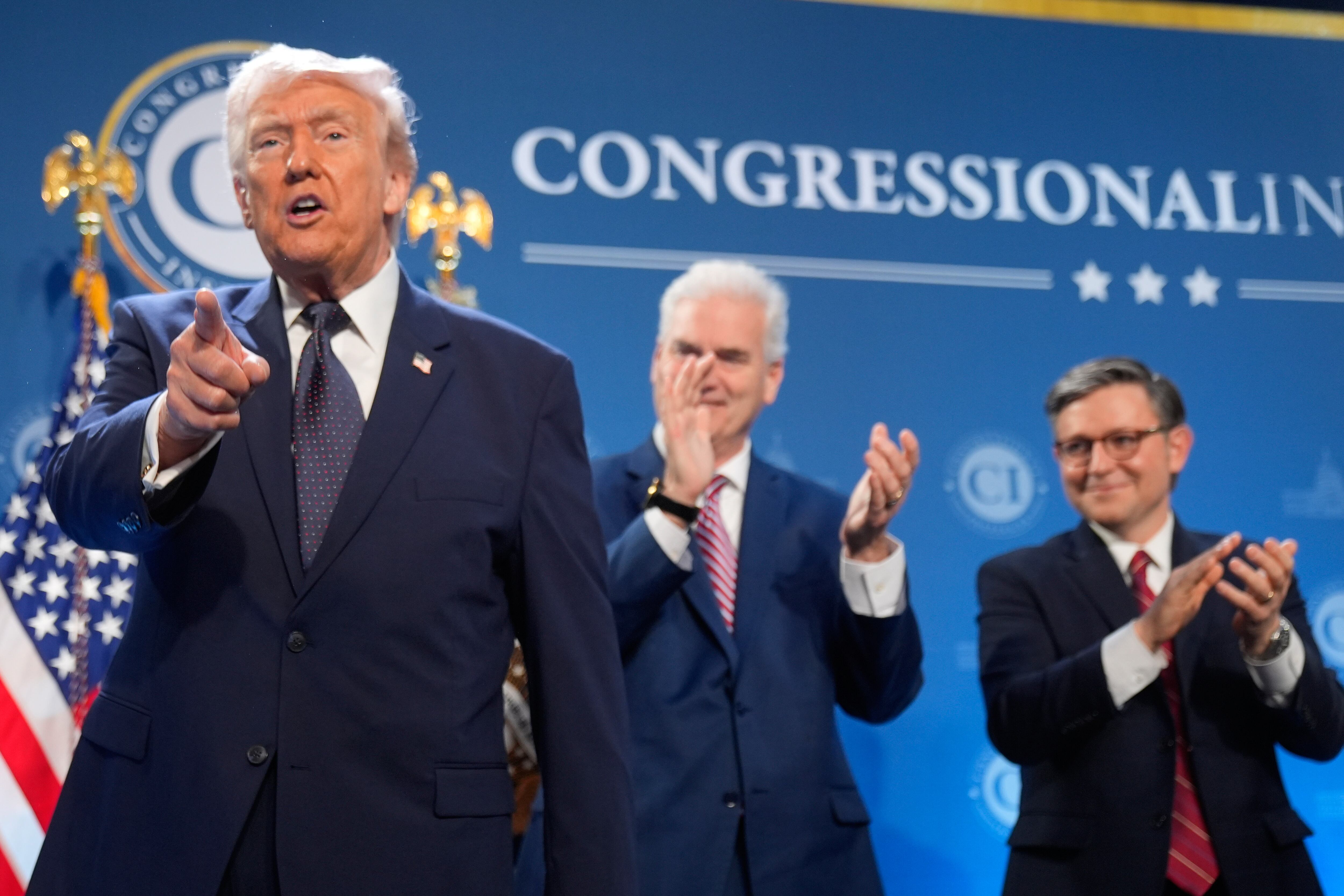
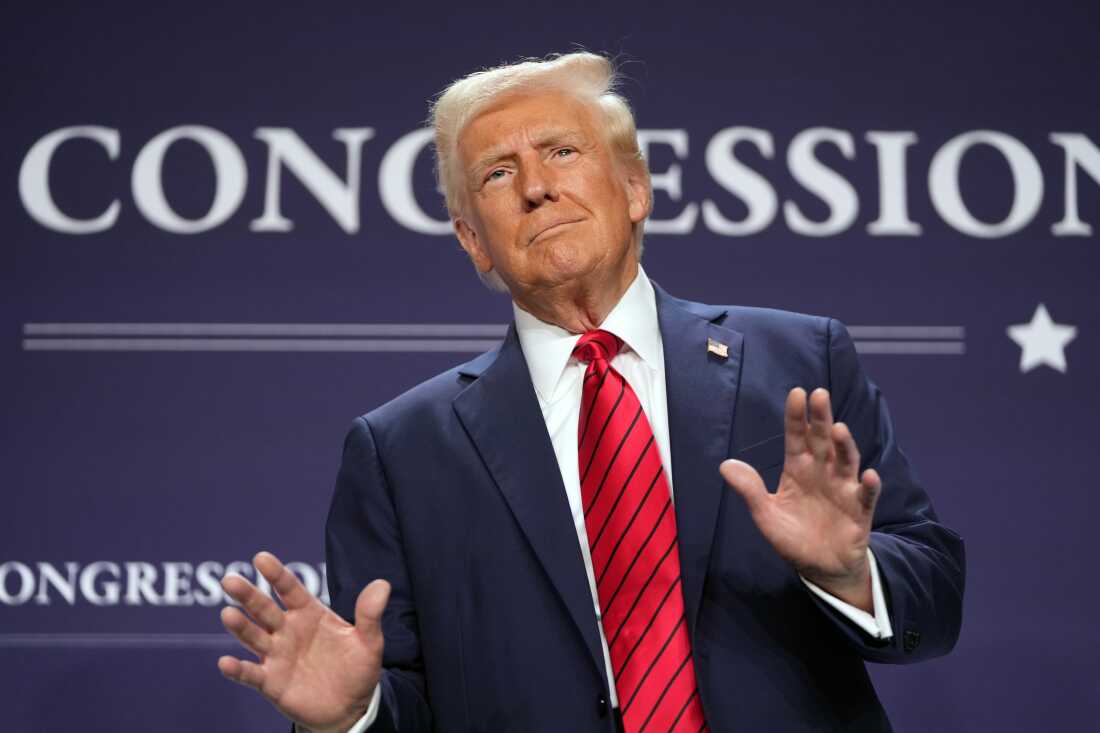
The strong jobs report complicates the Federal Reserve's path forward. Federal Reserve Chair Kevin Warsh faces pressure from President Trump and Treasury Secretary Scott Bessent to cut interest rates at the central bank's mid-June meeting. However, robust hiring combined with rising prices makes rate cuts unlikely, according to economists.
Olu Sonola, head of U.S. economics at Fitch Ratings, called the report "a blowout jobs report" that keeps the Fed focused on inflation control. "That makes it much harder to argue for lower interest rates anytime soon," Sonola said. At the Fed's April meeting, just one voting member voted for lowering the target range for rates.
Labor market shows uneven recovery
While headline job growth appears strong, some economists caution the data masks deeper problems. Laura Ullrich, director of economic research at Indeed, said the market remains "a low-hire, low-fire market" where "the calm on the surface reflects stillness underneath, rather than genuine momentum."
Long-term unemployment has worsened. More than one-quarter of unemployed workers in April had been jobless for more than six months, up from less than 20% two years ago. Young people face particular difficulty breaking into the job market, and workers laid off struggle to return to employment. In April, the number of people quitting jobs dropped to its lowest level since August 2020.