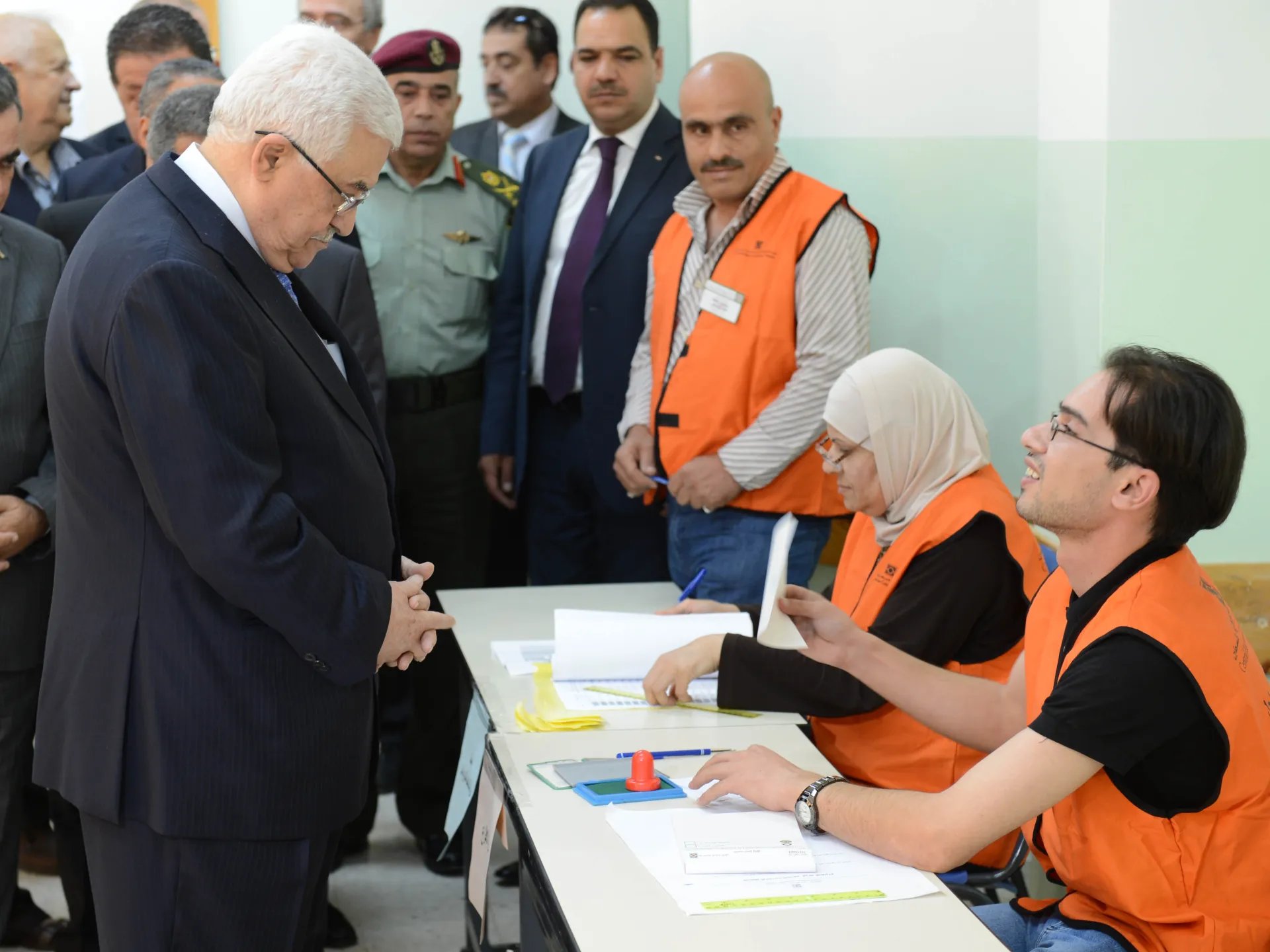
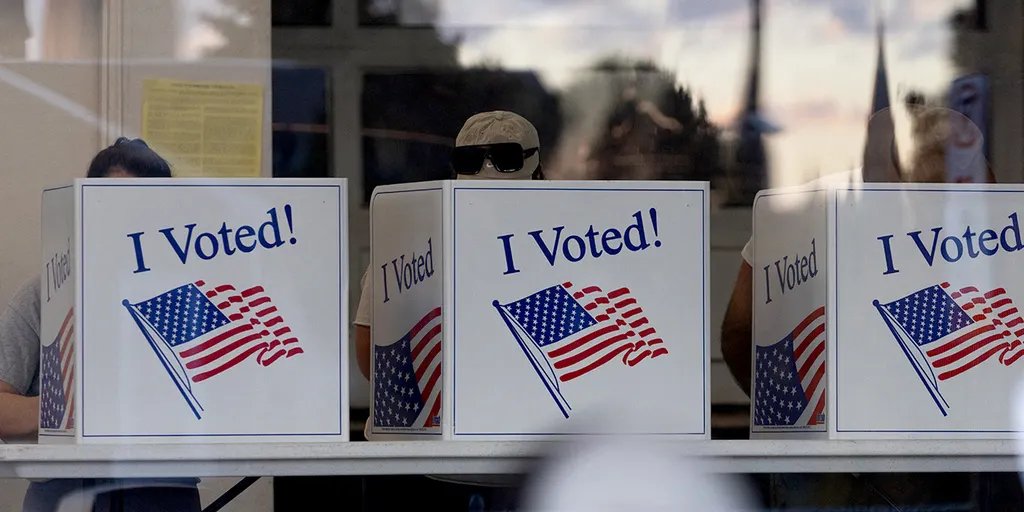
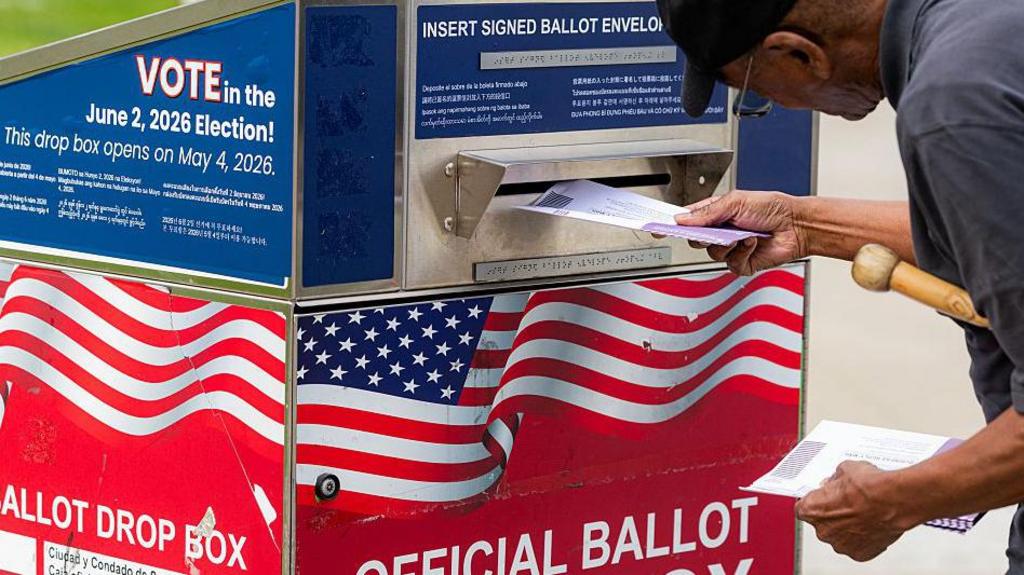
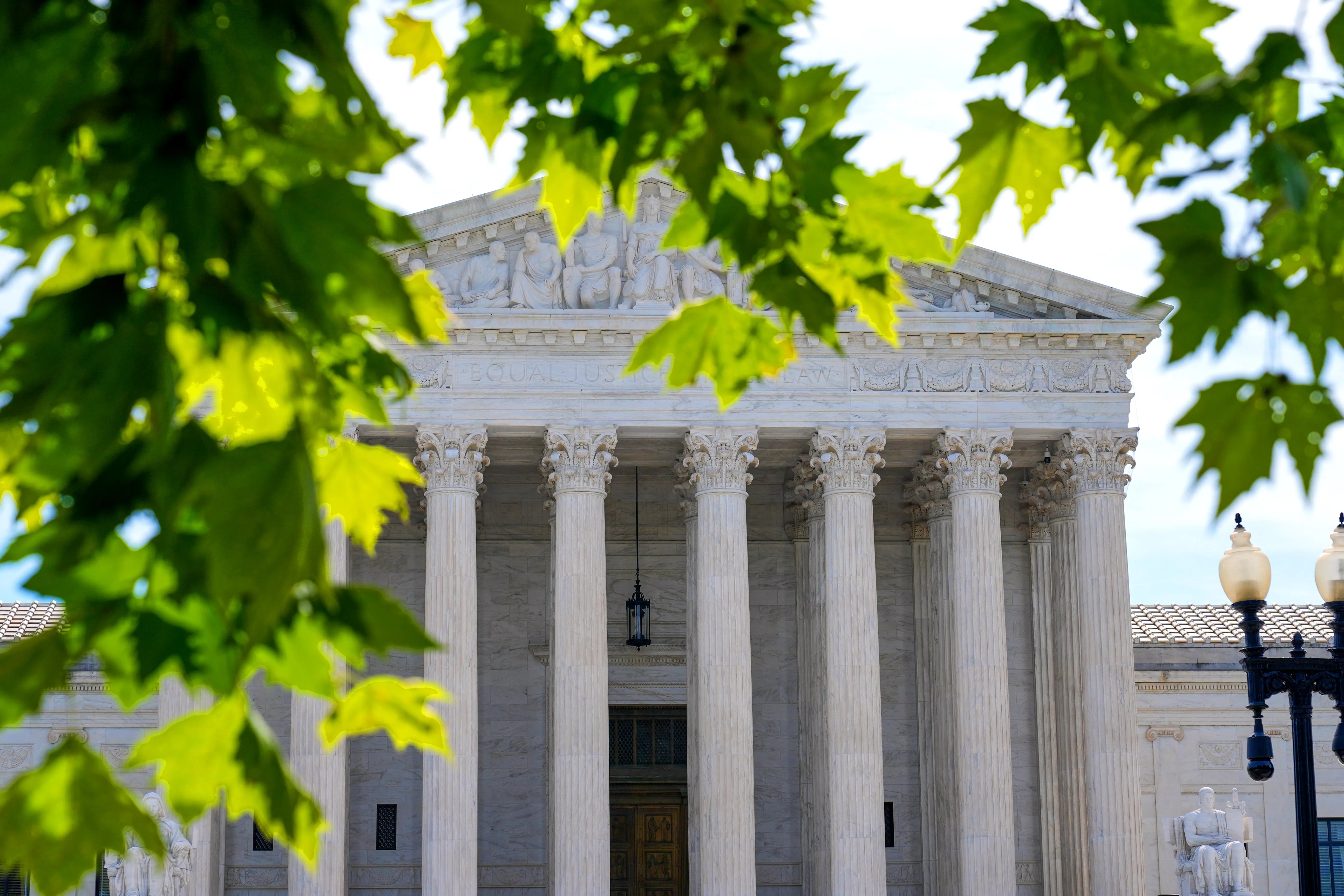
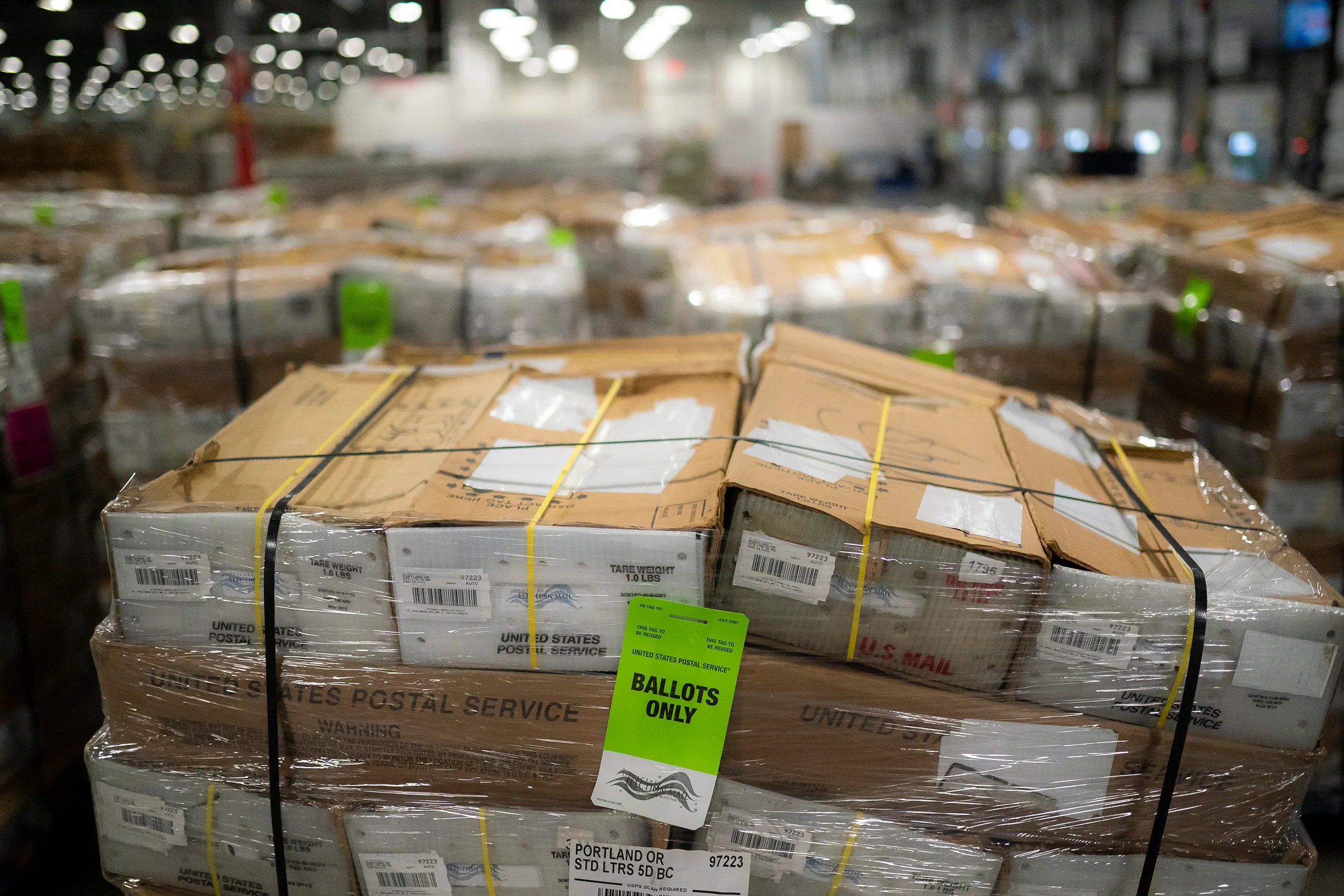
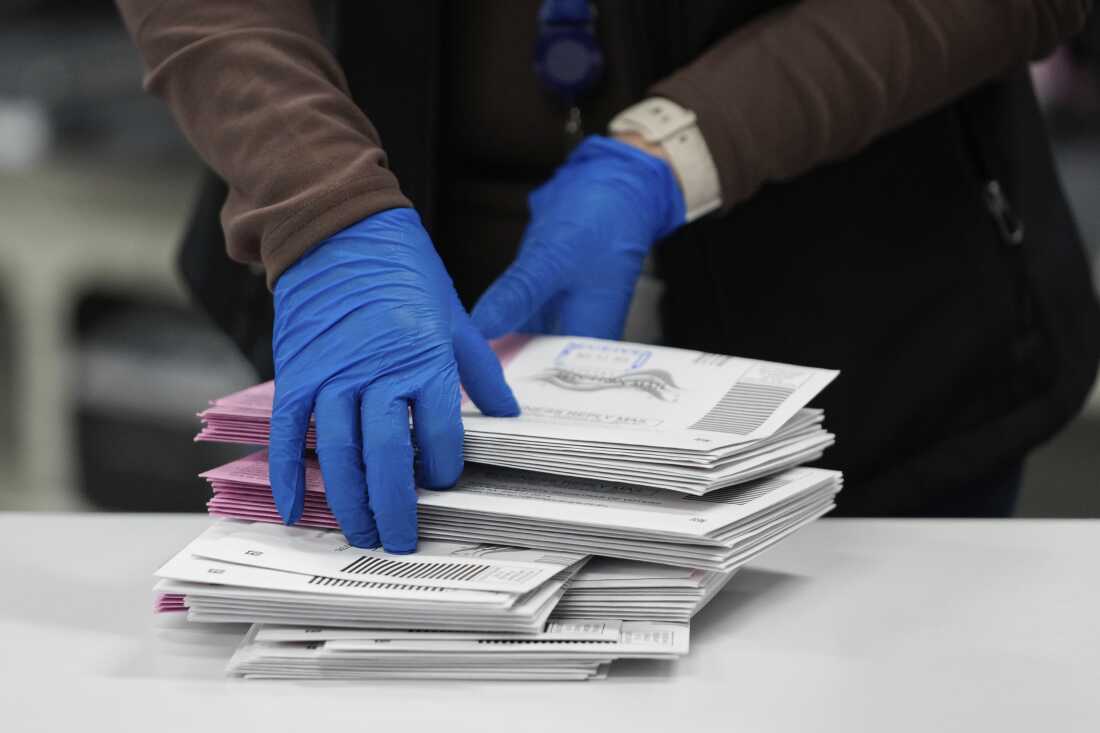
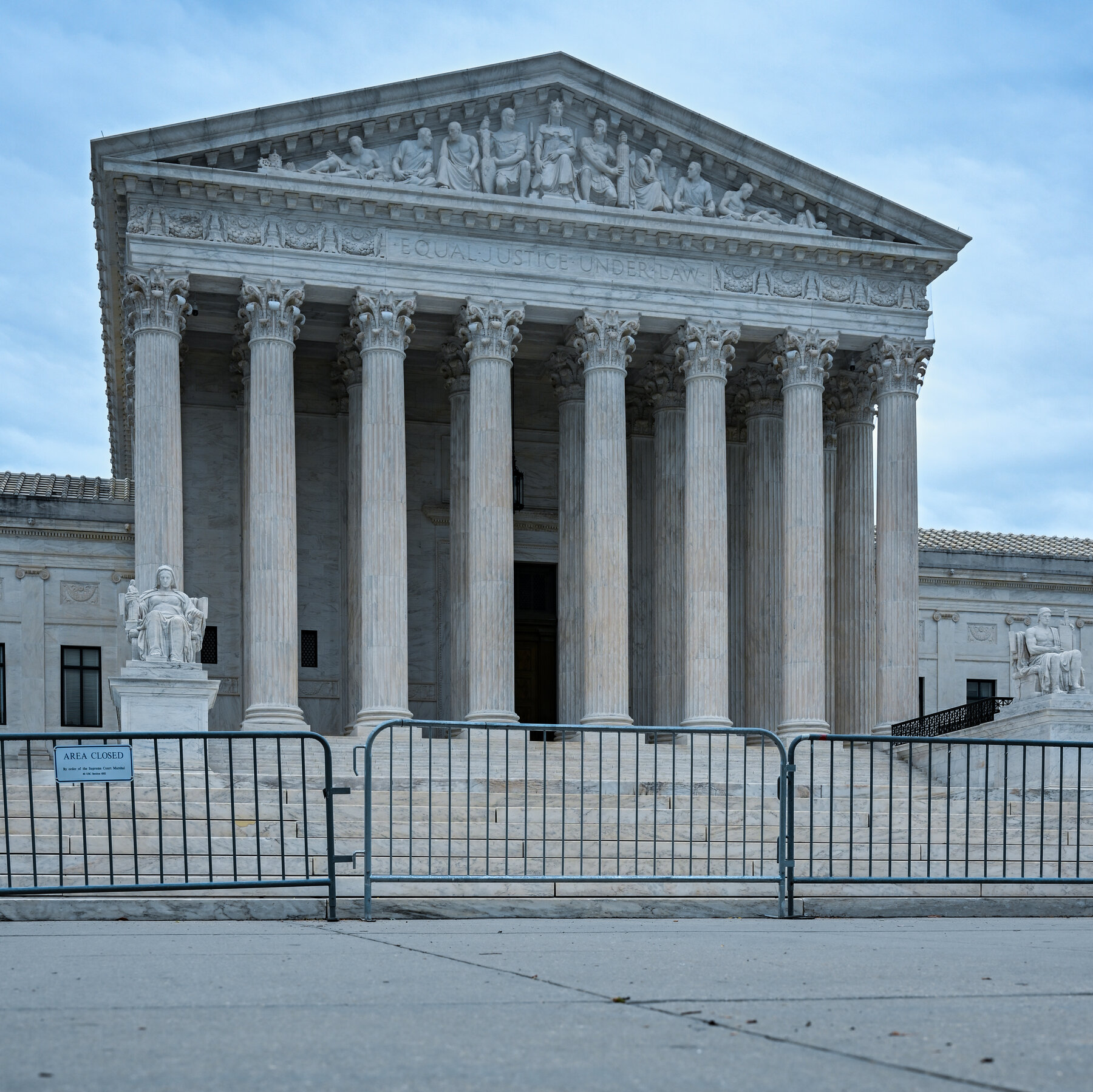
The U.S. Supreme Court has declined to review a ruling that strikes down a crucial enforcement mechanism of the Voting Rights Act in seven states, impacting millions of voters. By allowing an Arkansas-based lawsuit to stand, the court has effectively removed a "private right of action" under Section 208, which permitted voters with disabilities or language barriers to receive assistance from a person of their choice at the polls. This decision affects states covered by the 8th U.S. Circuit Court of Appeals, including Arkansas, Iowa, Minnesota, Missouri, Nebraska, North Dakota, and South Dakota.
The ruling follows a broader trend of diminishing protections for minority voters under the Voting Rights Act, which has been weakened by previous Supreme Court decisions. The appeals panel's ruling stated that private individuals and organizations can no longer sue to enforce these rights, a shift that could lead to a sharp decline in voting rights lawsuits. Legal experts worry that this interpretation will limit access to the polls, particularly for voters with disabilities and those requiring language assistance.
The lawsuit in question was brought by Arkansas United, an immigrant advocacy group that challenged a state law limiting assistance at polling places. The 8th Circuit Court ruled that Arkansas United did not have the right to bring this lawsuit, diverging from decades of legal precedent allowing private enforcement of the Voting Rights Act. This recent ruling raises concerns about the future of voting rights litigation, particularly given the Justice Department's limited resources to pursue cases under the current administration.
The Supreme Court's decision comes on the heels of other rulings that have reduced protections against racial discrimination in voting and redistricting. Legal analysts suggest that these decisions collectively create a precarious landscape for minority representation, particularly as redistricting efforts intensify across the nation. The recent changes could have lasting effects on voter turnout and representation in Congress.
Voting rights advocates are mobilizing in response to this ruling, emphasizing the need for legislative solutions to restore protections for minority voters. As the legal landscape evolves, the fight for equitable access to the ballot box continues, underscoring the importance of advocacy in safeguarding voting rights for all citizens.
The U.S. Supreme Court has declined to review a ruling that strikes down a crucial enforcement mechanism of the Voting Rights Act in seven states, impacting millions of voters. By allowing an Arkansas-based lawsuit to stand, the court has effectively removed a "private right of action" under Section 208, which permitted voters with disabilities or language barriers to receive assistance from a person of their choice at the polls. This decision affects states covered by the 8th U.S. Circuit Court of Appeals, including Arkansas, Iowa, Minnesota, Missouri, Nebraska, North Dakota, and South Dakota.
The ruling follows a broader trend of diminishing protections for minority voters under the Voting Rights Act, which has been weakened by previous Supreme Court decisions. The appeals panel's ruling stated that private individuals and organizations can no longer sue to enforce these rights, a shift that could lead to a sharp decline in voting rights lawsuits. Legal experts worry that this interpretation will limit access to the polls, particularly for voters with disabilities and those requiring language assistance.
The lawsuit in question was brought by Arkansas United, an immigrant advocacy group that challenged a state law limiting assistance at polling places. The 8th Circuit Court ruled that Arkansas United did not have the right to bring this lawsuit, diverging from decades of legal precedent allowing private enforcement of the Voting Rights Act. This recent ruling raises concerns about the future of voting rights litigation, particularly given the Justice Department's limited resources to pursue cases under the current administration.
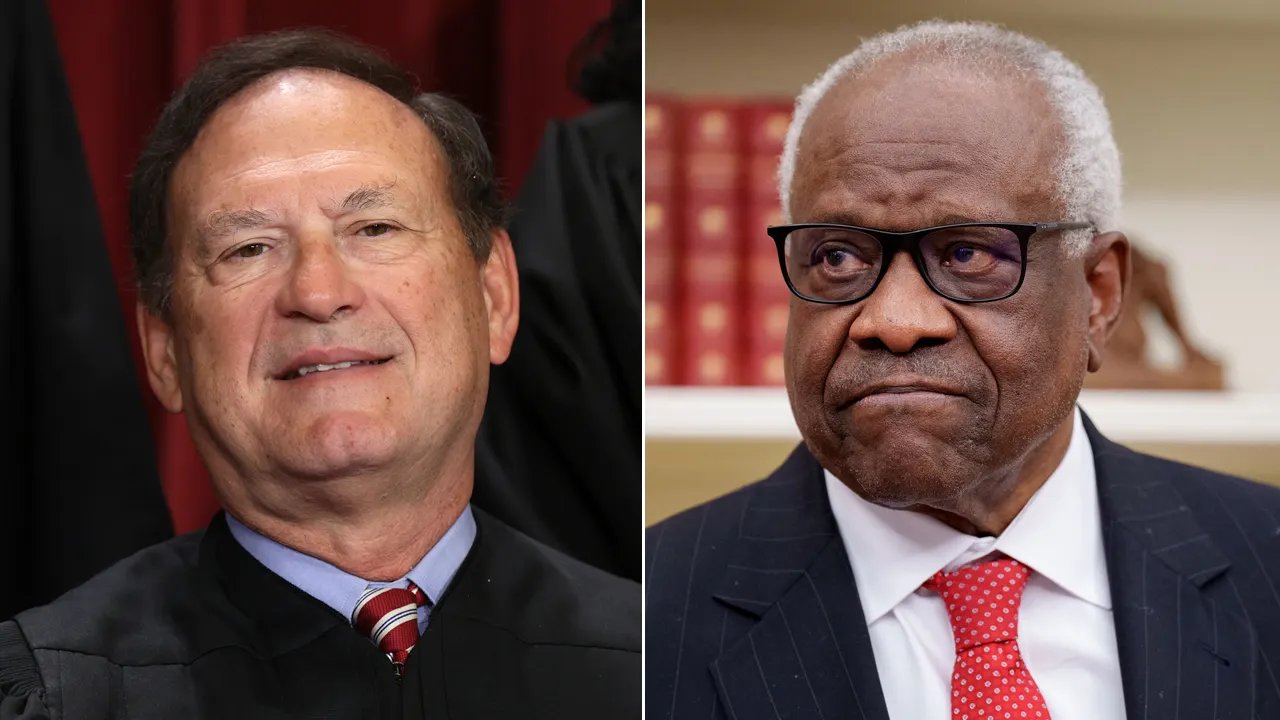
In response to the Supreme Court's decision, dissenting voices have raised alarms about the implications for law enforcement and civil rights. Justices Samuel Alito and Clarence Thomas warned that the ruling could force police to adopt race-based approaches to law enforcement, undermining the principle of equal treatment under the law. They argued that such a precedent could lead to an environment where individuals are treated differently based on perceived racial biases, rather than their actions.
The Supreme Court's decision comes on the heels of other rulings that have reduced protections against racial discrimination in voting and redistricting. Legal analysts suggest that these decisions collectively create a precarious landscape for minority representation, particularly as redistricting efforts intensify across the nation. The recent changes could have lasting effects on voter turnout and representation in Congress.
Voting rights advocates are mobilizing in response to this ruling, emphasizing the need for legislative solutions to restore protections for minority voters. Organizations such as the Mexican American Legal Defense and Educational Fund are exploring their options to challenge the 8th Circuit's interpretation in future cases. As the legal landscape evolves, the fight for equitable access to the ballot box continues, underscoring the importance of advocacy in safeguarding voting rights for all citizens.
Highlighted text was flagged by the council. Tap to see feedback.