




Policy Implementation
The European Union's Pact on Migration and Asylum, five years in the making, has come into effect. This reform, known as the Common European Asylum System (CEAS), requires asylum seekers to undergo mandatory preliminary screening at the EU's external borders to expedite procedures for those from countries with low asylum acceptance rates.
Impact on Asylum Seekers
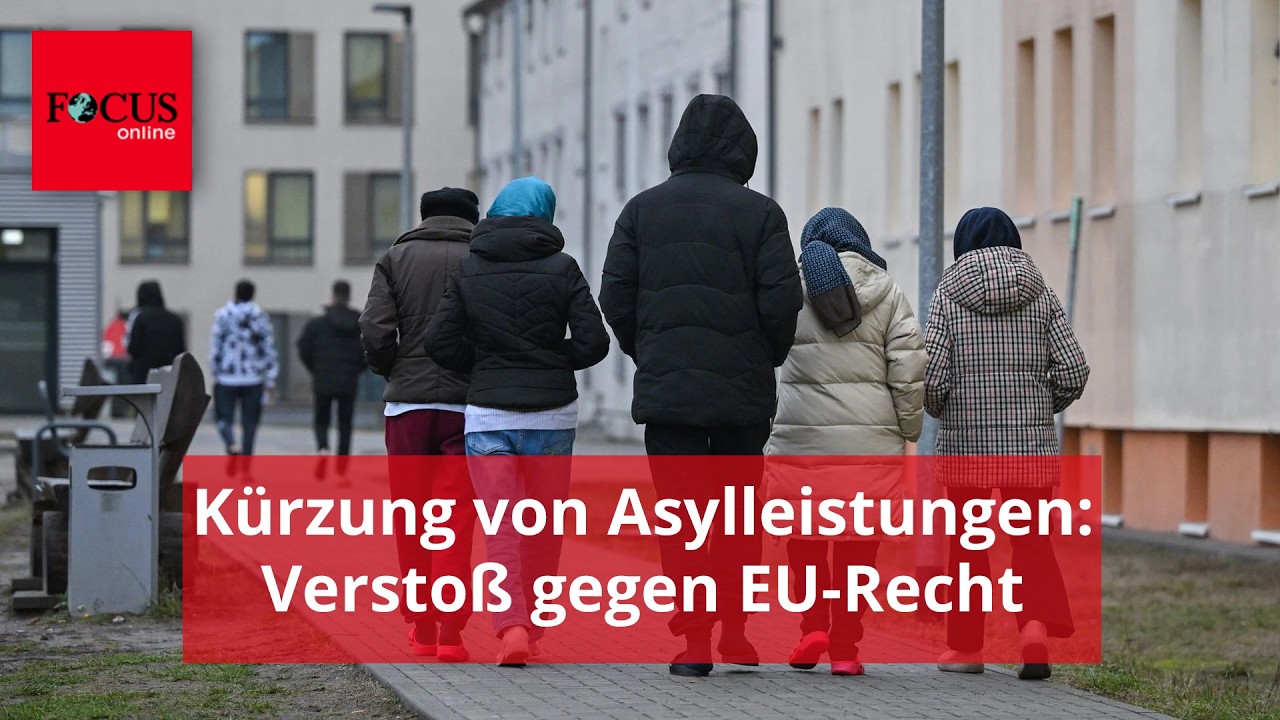
Asylum seekers from countries like Pakistan, Iran, Russia, Turkey, and Nigeria will face fast-track border procedures in largely closed camps, as fewer than 20% of their asylum applications are recognized, according to Eurostat. Immigration expert Gerald Knaus doubts the system will work. He notes that responsibility for processing asylum applications has always rested with countries of first entry but "just hasn't worked out that way." He questions why it should work now, pointing out that rejected asylum seekers will likely move to another EU country.
German Perspective
German Interior Minister Alexander Dobrindt believes the new CEAS rules will facilitate transferring asylum seekers to their first EU point of entry. The CEAS mandates "mandatory solidarity" from other EU states to process these cases. However, Poland and Hungary have previously refused to participate on principle. Germany, currently overwhelmed, does not intend to accept asylum seekers and plans "return centers" to facilitate deportations back to responsible EU countries.
EU Cooperation and Challenges
The European Commission has been tasked with coordinating the solidarity process. However, the Commission noted in a report that Germany, Greece, Italy, and many other EU member states do not yet meet CEAS requirements. EU Commissioner Magnus Brunner acknowledged this, stating that the June 12 rollout was "the beginning of the journey, not the end" and that "not everything is going to be perfect at the start."
Future Outlook
The number of first-time asylum applications has dropped in Europe and Germany over the past two years. Interior Minister Dobrindt attributes this to comprehensive border controls. However, immigration expert Gerald Knaus argues the decline is driven by conditions in asylum seekers' countries of origin. He points to Syria's regime change at the end of 2024, which caused a sharp decline in people leaving the country, as evidence that EU law and border controls are not the primary drivers. Despite the new CEAS, Dobrindt insists on maintaining these controls to prevent being overwhelmed by illegal migration. The policy's success hinges on cooperation and effective implementation, with the potential to significantly reshape the asylum process across the EU.