




Execution Halted for Jeffery Lee
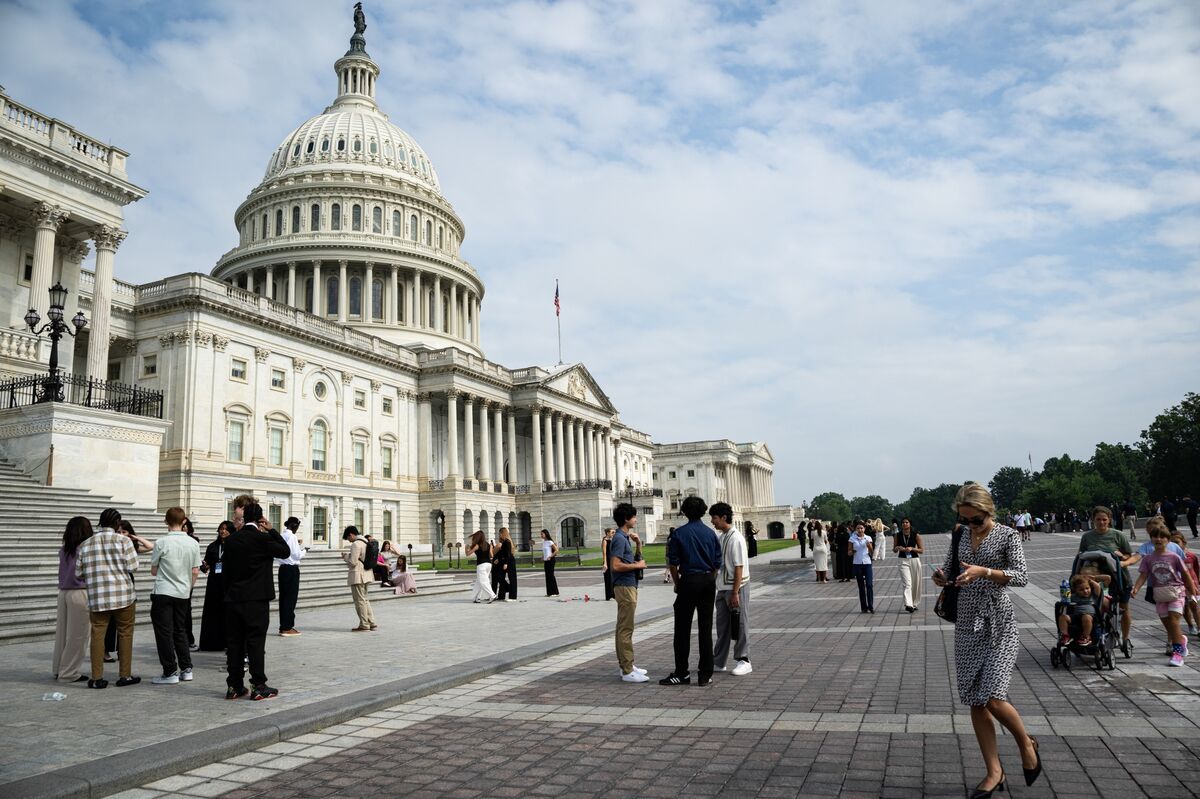
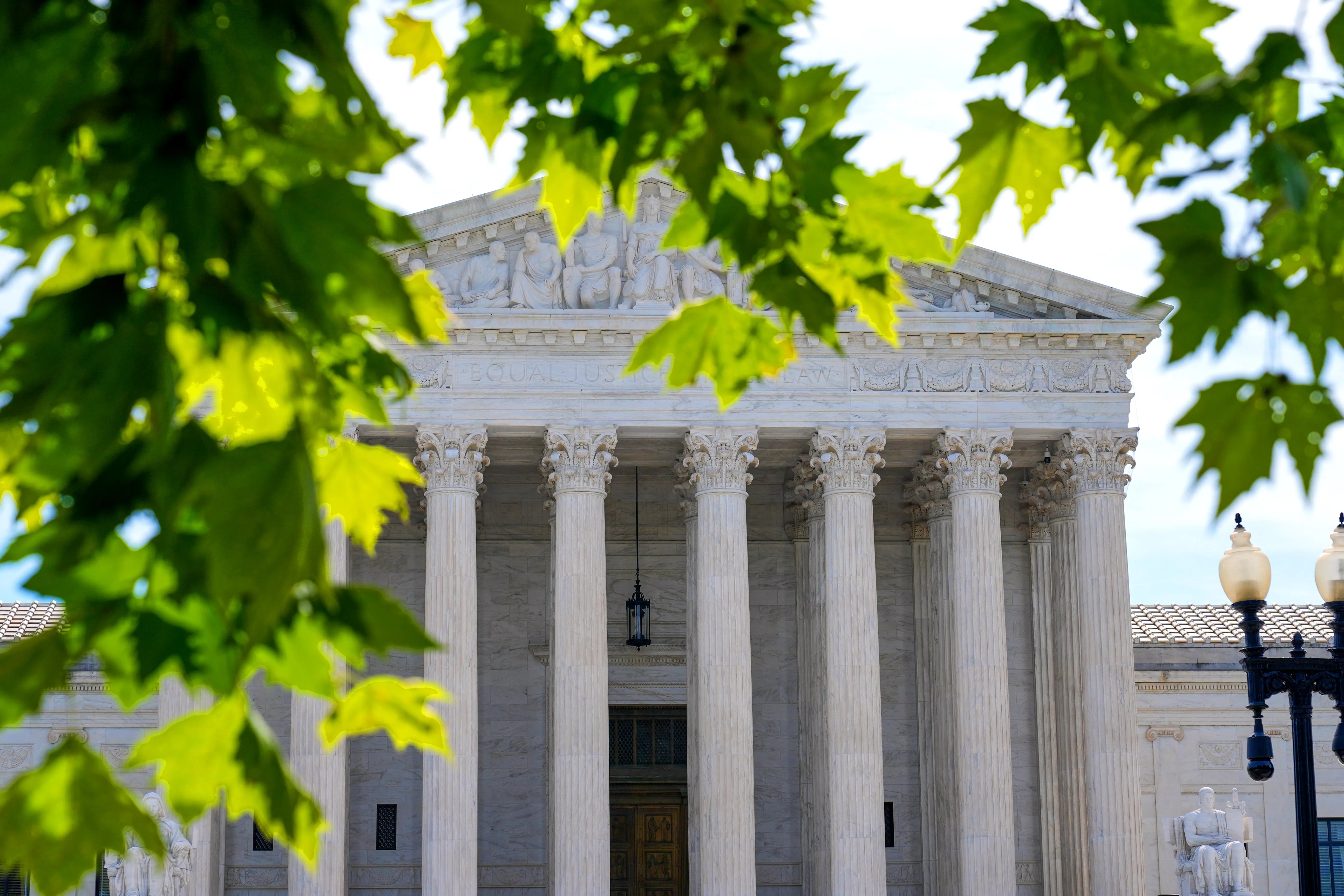
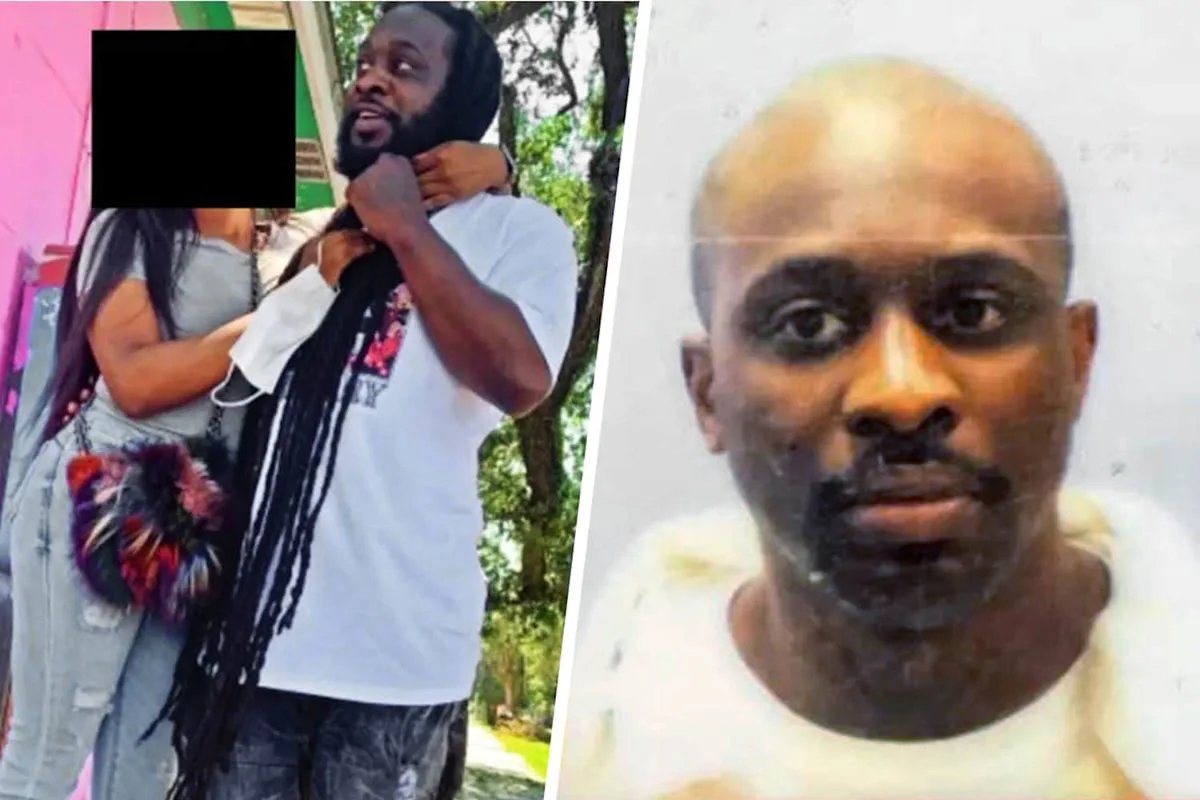
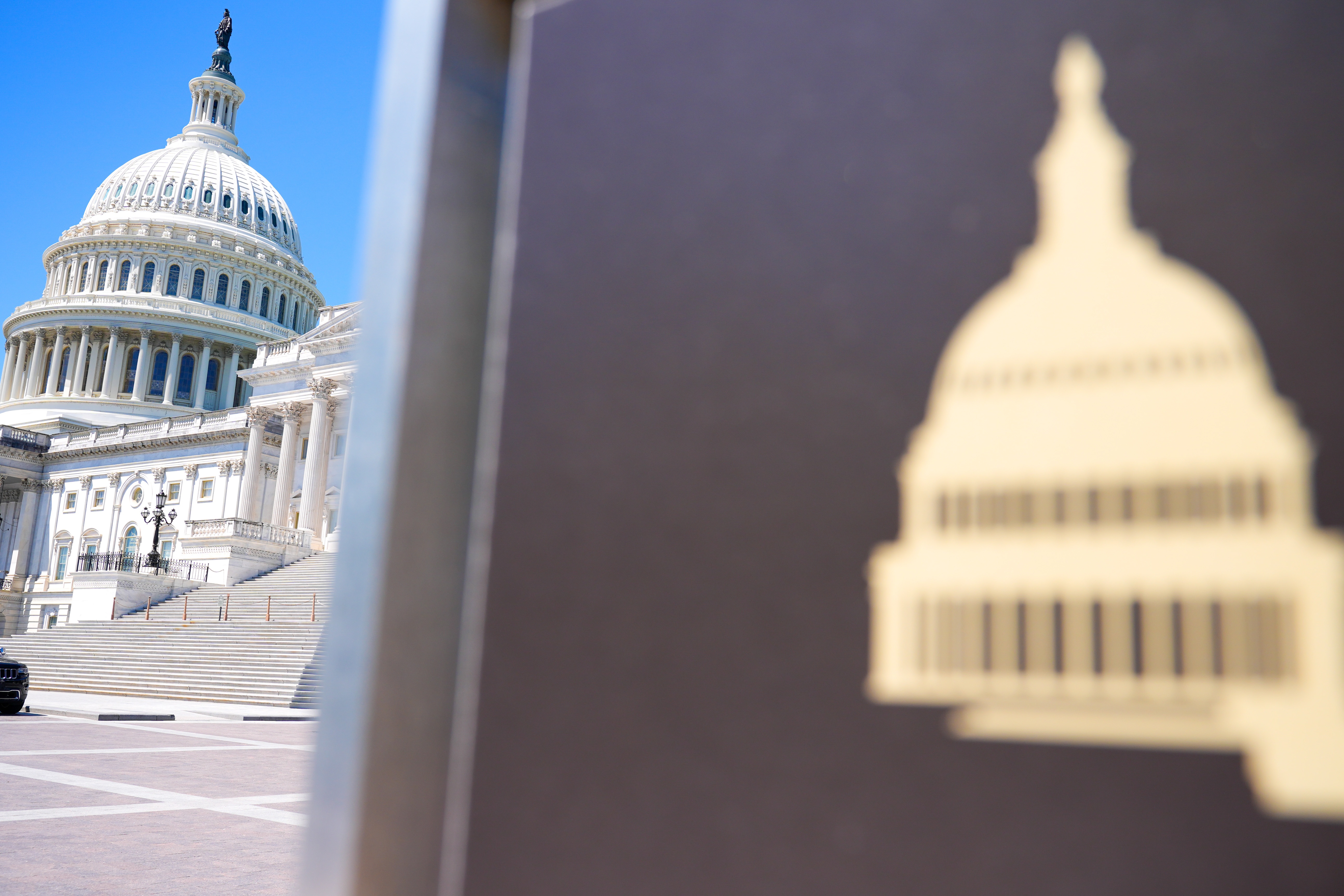
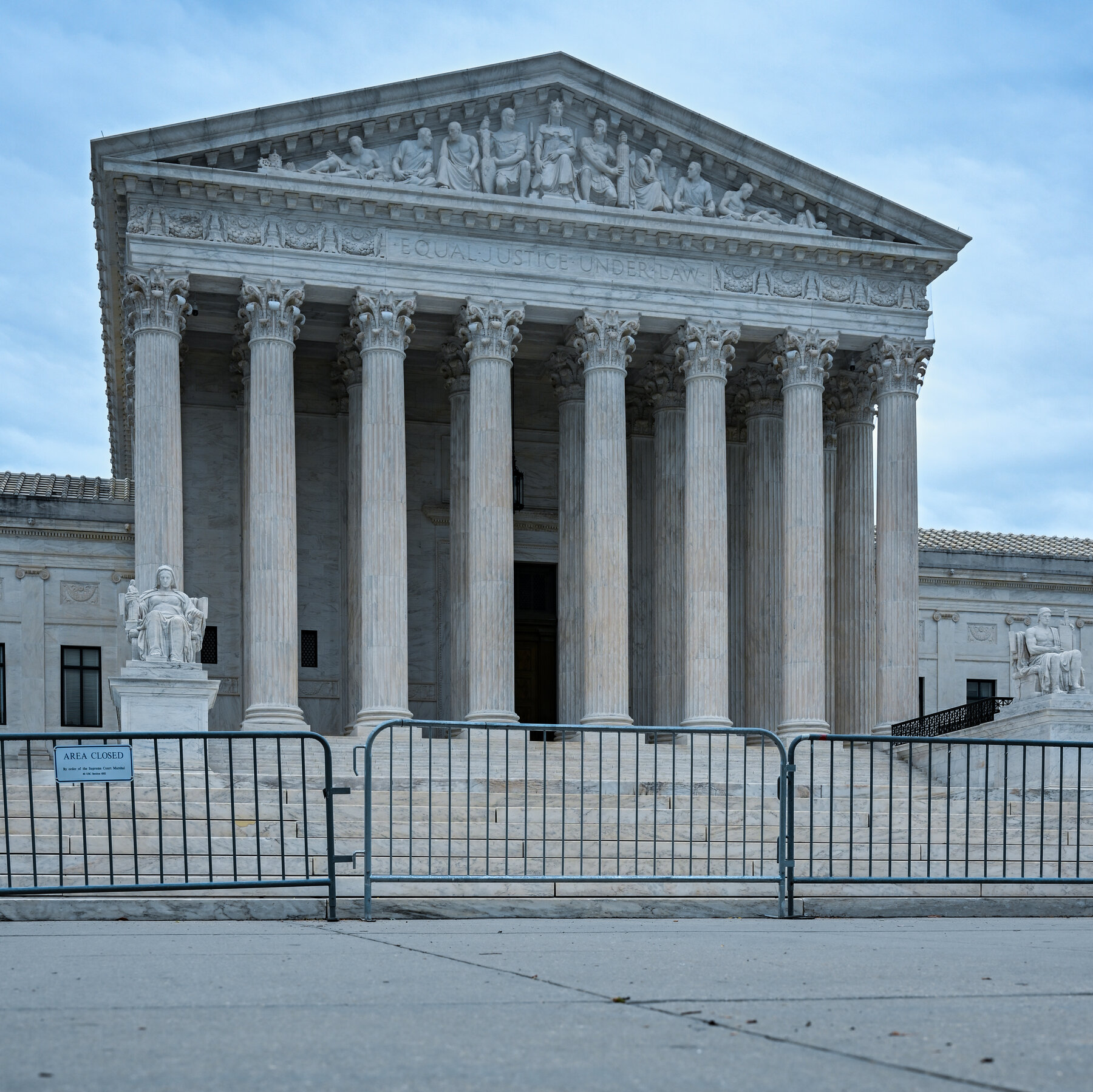
The Supreme Court's recent decision to reject Alabama's request for the execution of Jeffery Lee using nitrogen hypoxia marks a pivotal moment in the state's capital punishment practices. The court's ruling came just hours before Lee was scheduled to die by this controversial method, which Alabama first introduced in 2024. The ruling upheld two lower court decisions that found nitrogen hypoxia unconstitutional, citing it as potentially cruel and unusual punishment under the Eighth Amendment. Justices Clarence Thomas, Samuel Alito, and Neil Gorsuch dissented, advocating for the state's right to proceed.
Legal Background and Controversy
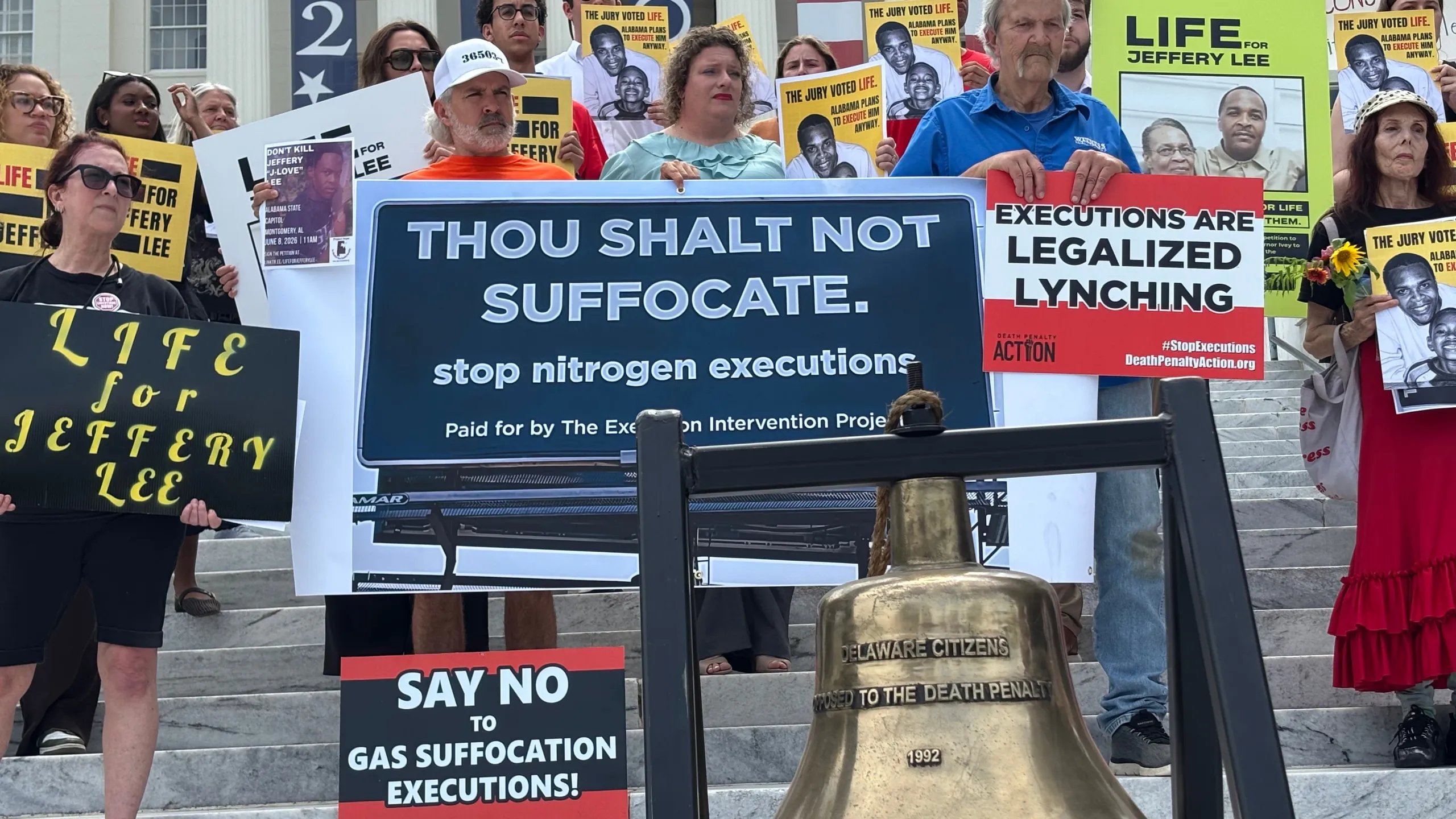
Lee's legal team argued that his jury had already voted for a life sentence, emphasizing that "his jury voted for his life." They contended that two courts had ruled the nitrogen execution method unconstitutional, thereby upholding Lee's right to a life sentence without parole. The Alabama Attorney General's Office had sought to overturn these rulings, but the Supreme Court upheld the lower court decisions. A federal judge had previously found that nitrogen hypoxia executions posed "a substantial risk of serious harm," leading to severe emotional distress and discomfort before death.
Alabama's Nitrogen Hypoxia Protocol
Nitrogen hypoxia involves strapping an inmate to a gurney and forcing them to inhale pure nitrogen through a gas mask, leading to death by asphyxiation. Critics have expressed serious concerns about the method, describing it as experimental and torturous. Witness accounts from previous executions have documented severe suffering. During the most recent nitrogen execution in Alabama, witnesses said inmate Anthony Boyd gasped, shook and heaved for approximately 15 minutes before he stopped moving. According to media witnesses, it took 30 minutes for Boyd to be declared dead. This has led to growing opposition against its use, with organizations like the American Thoracic Society arguing that nitrogen hypoxia causes inhumane suffering.
State Officials Respond
Alabama Governor Kay Ivey expressed disappointment over the Supreme Court's ruling, stating, "While I am disappointed the Supreme Court did not allow the state to proceed with Lee's chosen method of execution, I remain committed to ensuring that justice is ultimately served for his victims." Attorney General Steve Marshall criticized the ruling as a "miscarriage of justice," underscoring the state's commitment to seek justice for the victims of Lee's crimes. Lee was convicted in 2000 for the 1998 murders of Jimmy Ellis and Elaine Thompson during a pawnshop robbery.
Future of Execution Methods
The state of Alabama has executed eight inmates using nitrogen gas, with seven of those executions taking place in Alabama and one in Louisiana. Despite the Supreme Court's ruling, the state retains the option to pursue other execution methods, although it remains unclear how quickly they might seek alternatives. An upcoming series of legal claims challenging the nitrogen method is set to go to trial in 2027.
Human Rights Concerns
Human rights advocates have condemned nitrogen hypoxia as an untested and potentially torturous method of execution. The lack of transparency surrounding the procedure raises serious ethical questions about its use. International leaders have described the method as violent, with significant concerns over its implementation and the psychological impact on condemned inmates. As debates around the morality and legality of execution methods continue, this Supreme Court ruling may signal a broader shift in how states approach capital punishment.
Implications for Capital Punishment
The ruling reinforces the legal principle that execution methods must adhere to constitutional standards, potentially influencing how states develop and implement their capital punishment protocols. As the nation grapples with the complexities of executing condemned individuals, this ruling may pave the way for further legal challenges and discussions surrounding the death penalty.
The Supreme Court's intervention has halted a specific execution, but it also raises broader questions about the future of capital punishment in America. As states navigate the legal landscape, the implications of this ruling will resonate in the ongoing debates over justice, morality, and the rights of condemned inmates.