




Decision on USMCA Renewal Announced
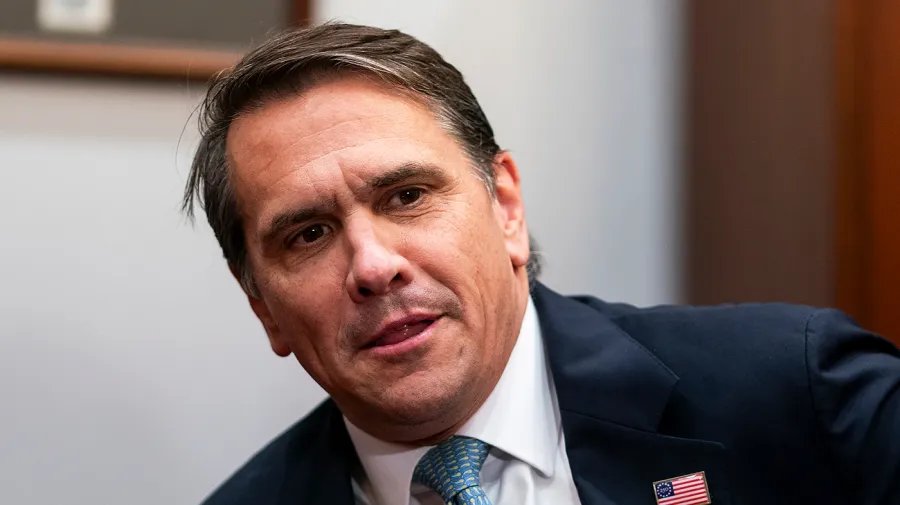
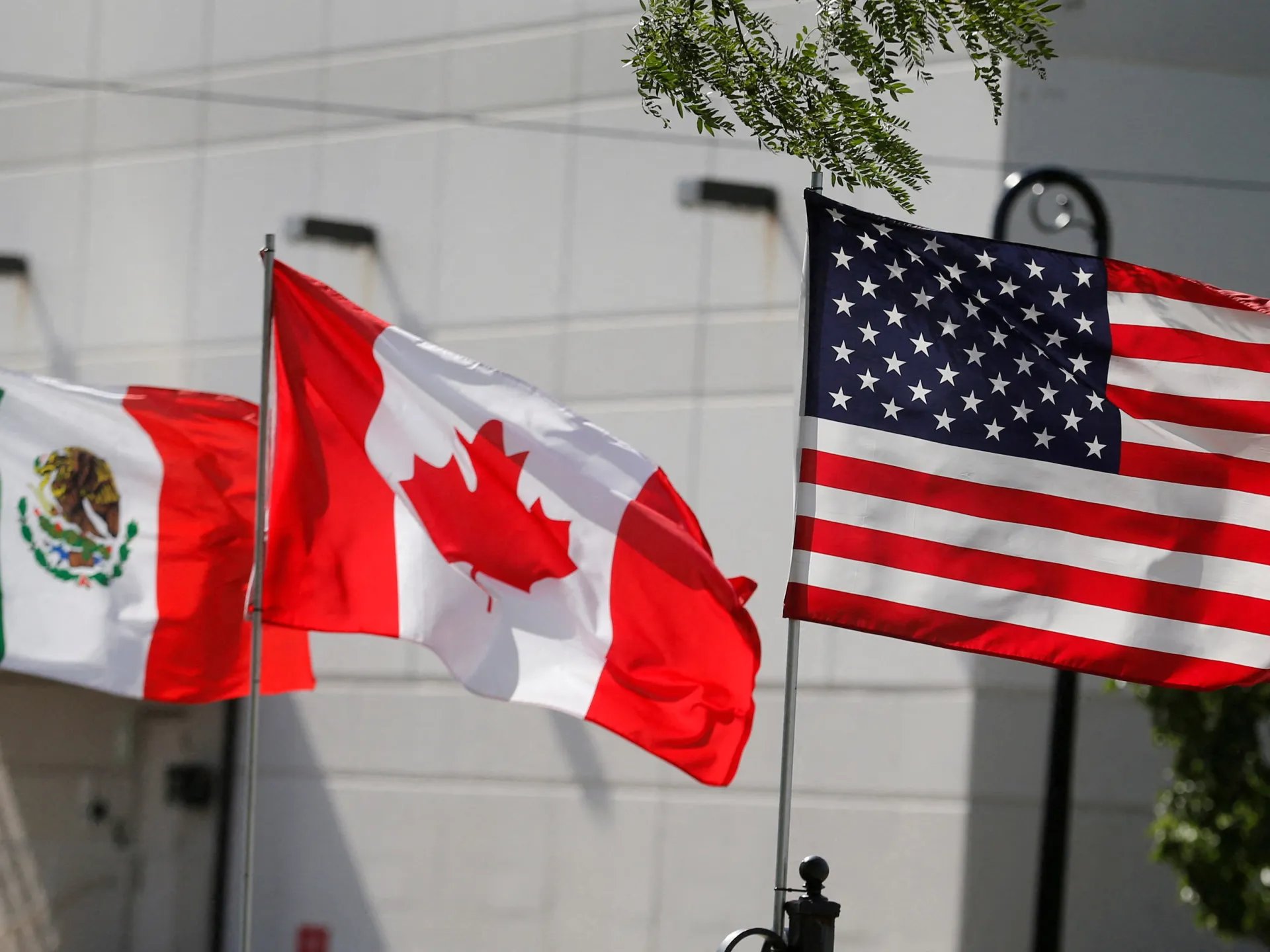
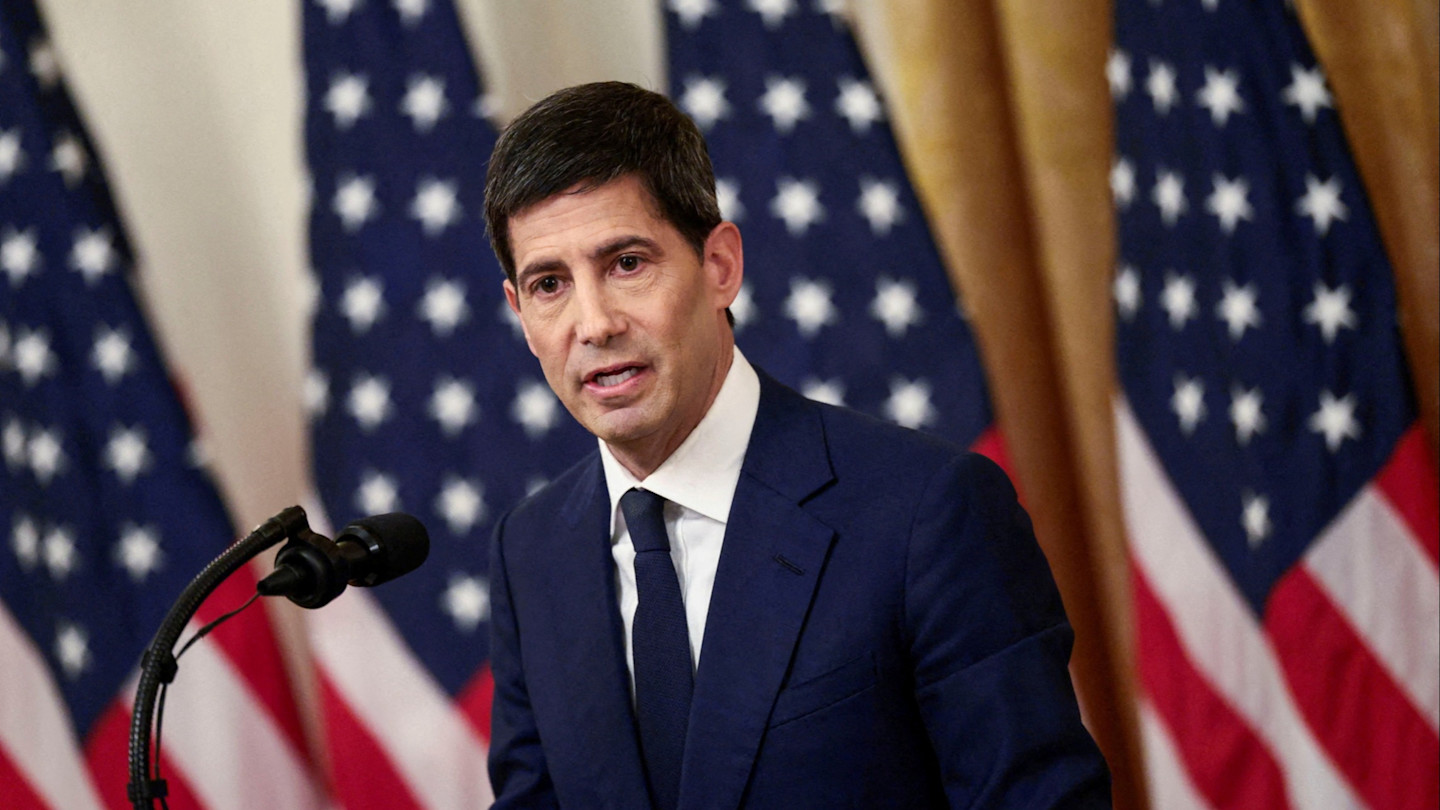
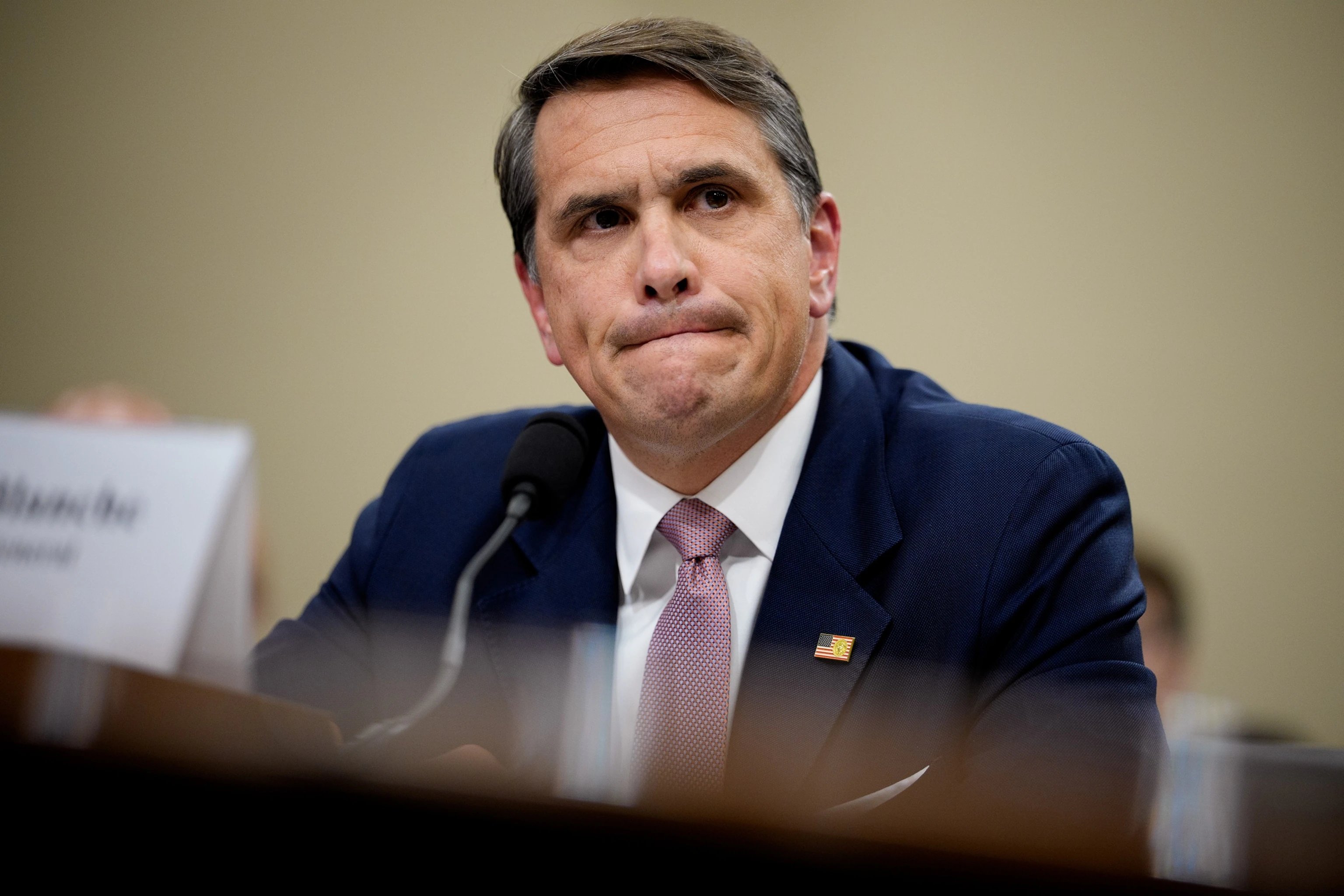
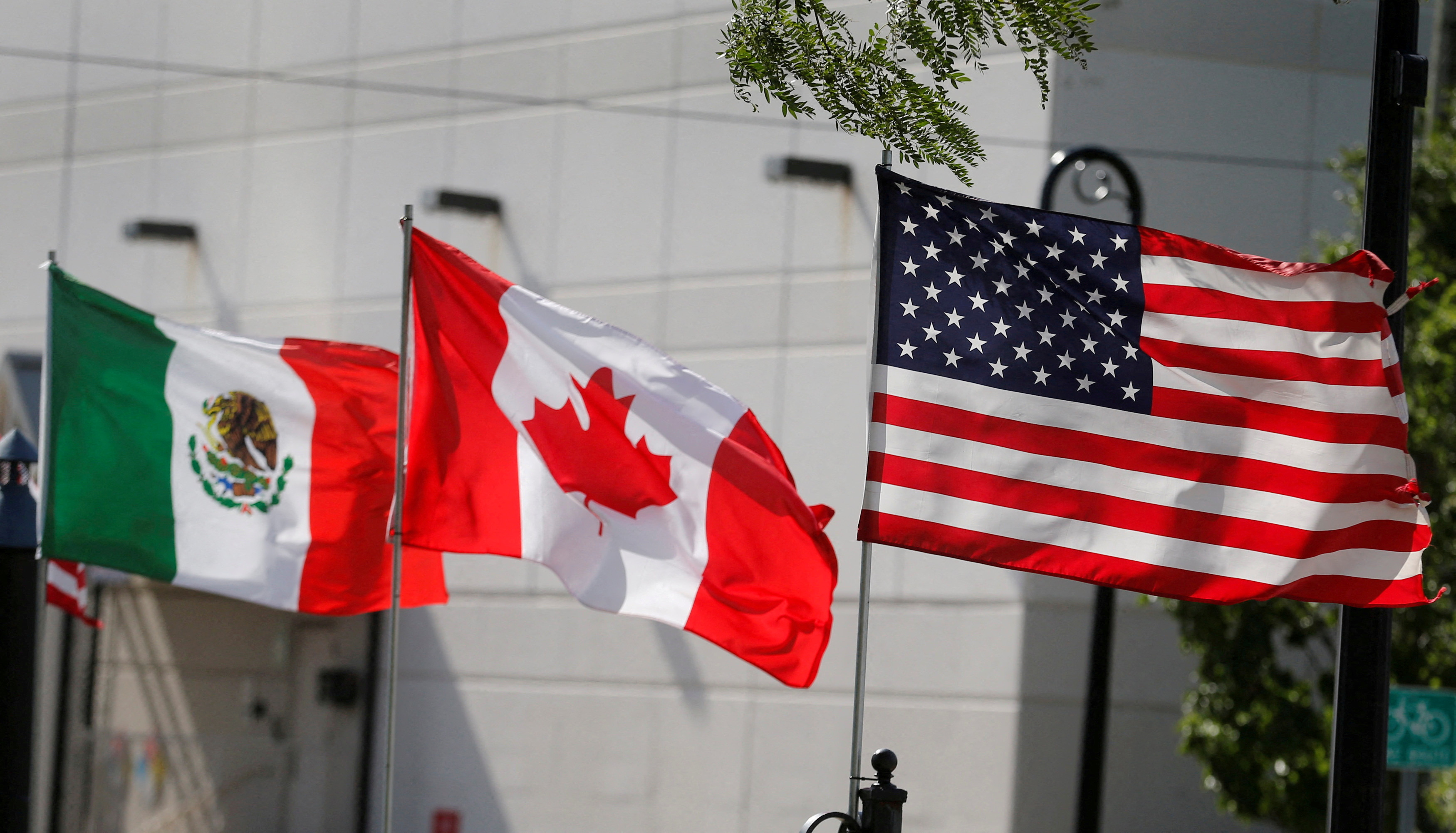
The United States confirmed it will not extend the United States-Mexico-Canada Agreement (USMCA), leaving businesses in a state of uncertainty. The decision, made by U.S. Trade Representative Jamieson Greer, means that the USMCA remains in effect until it expires in 2036, unless the countries negotiate a new agreement. The deadline for renewal was July 1, and the refusal to renew prevents an automatic 16-year extension that would have kept the deal in place until 2042.
Economic Implications for Businesses
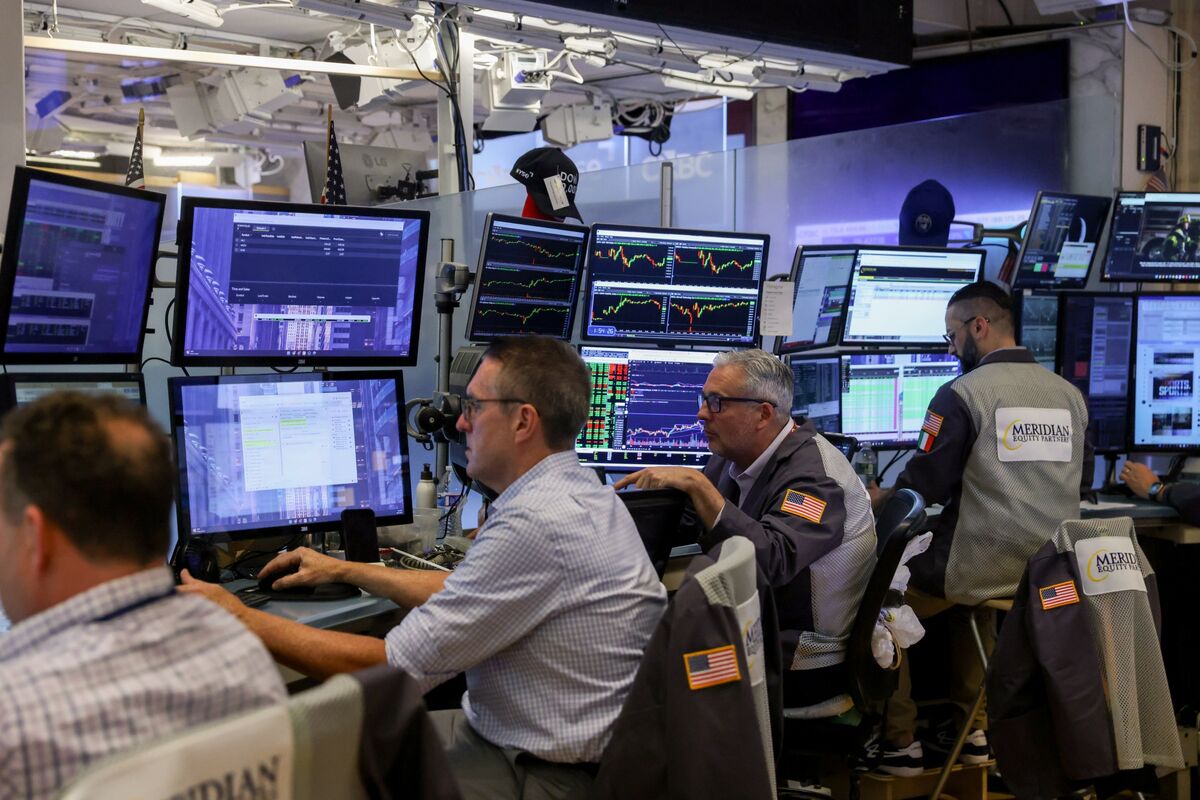
The USMCA, which underpins approximately $2 trillion in trade annually, will now be subject to annual reviews. This change could disrupt trade flows and pricing for American consumers and businesses, as ongoing negotiations may introduce new tariffs or alter existing trade terms. The U.S. Chamber of Commerce warned that sectors such as manufacturing and agriculture rely heavily on cross-border certainty.
Trade Deficits and Unresolved Issues
The U.S. trade deficit with Mexico reached nearly $197 billion, while the gap with Canada exceeded $46 billion in 2025. A senior official stated that the USMCA has not succeeded in controlling these deficits as intended. The administration has raised concerns over automotive rules of origin and access to dairy markets, indicating that these issues must be addressed before any long-term commitment to the agreement is made.
Annual Reviews and Future Negotiations
With the USMCA not renewed, the three countries will engage in annual negotiations addressing the agreement's shortcomings. The first discussions are scheduled for the week of July 20, where topics will include rules of origin and intellectual property. Trade experts suggest that the U.S. could withdraw from the USMCA entirely before its expiration, depending on the outcomes of these negotiations.
Mixed Reactions from Trade Groups
The decision has drawn mixed reactions from various trade groups. While the American Iron and Steel Institute and the Steel Manufacturers Association welcomed the shift, arguing that annual reviews provide leverage for U.S. negotiators, business groups across the continent had urged for a renewal to avoid economic instability. The lack of a long-term commitment has created fresh uncertainty in North America's trade landscape.
Blame on Canadian Investment
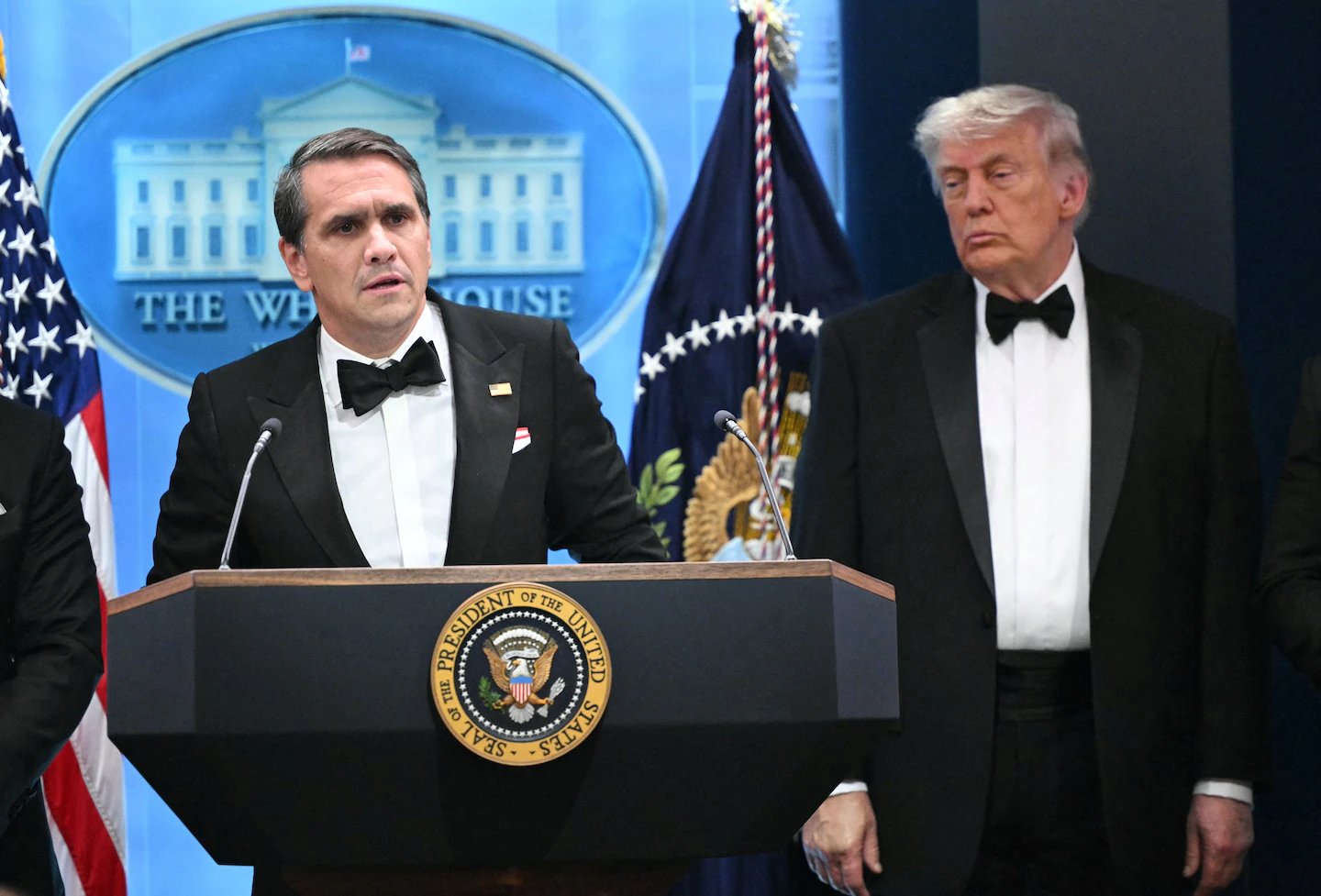
U.S. Trade Representative Jamieson Greer cited Canada's pursuit of Chinese investment as a significant factor in the decision not to renew the USMCA. This concern reflects ongoing tensions in the trilateral relationship, as the U.S. seeks to prevent third-party countries from exploiting the trade agreement. The future of the USMCA now hinges on the outcome of annual reviews and the ability of the three nations to address these complex issues.
Looking Ahead
Businesses and consumers alike may face rising costs and fluctuating prices as negotiations unfold. The next steps will be crucial in determining whether the U.S., Canada, and Mexico can reach a consensus that fosters economic stability or if the growing uncertainty will lead to further complications in cross-border trade.