




Ceasefire on the Brink of Collapse
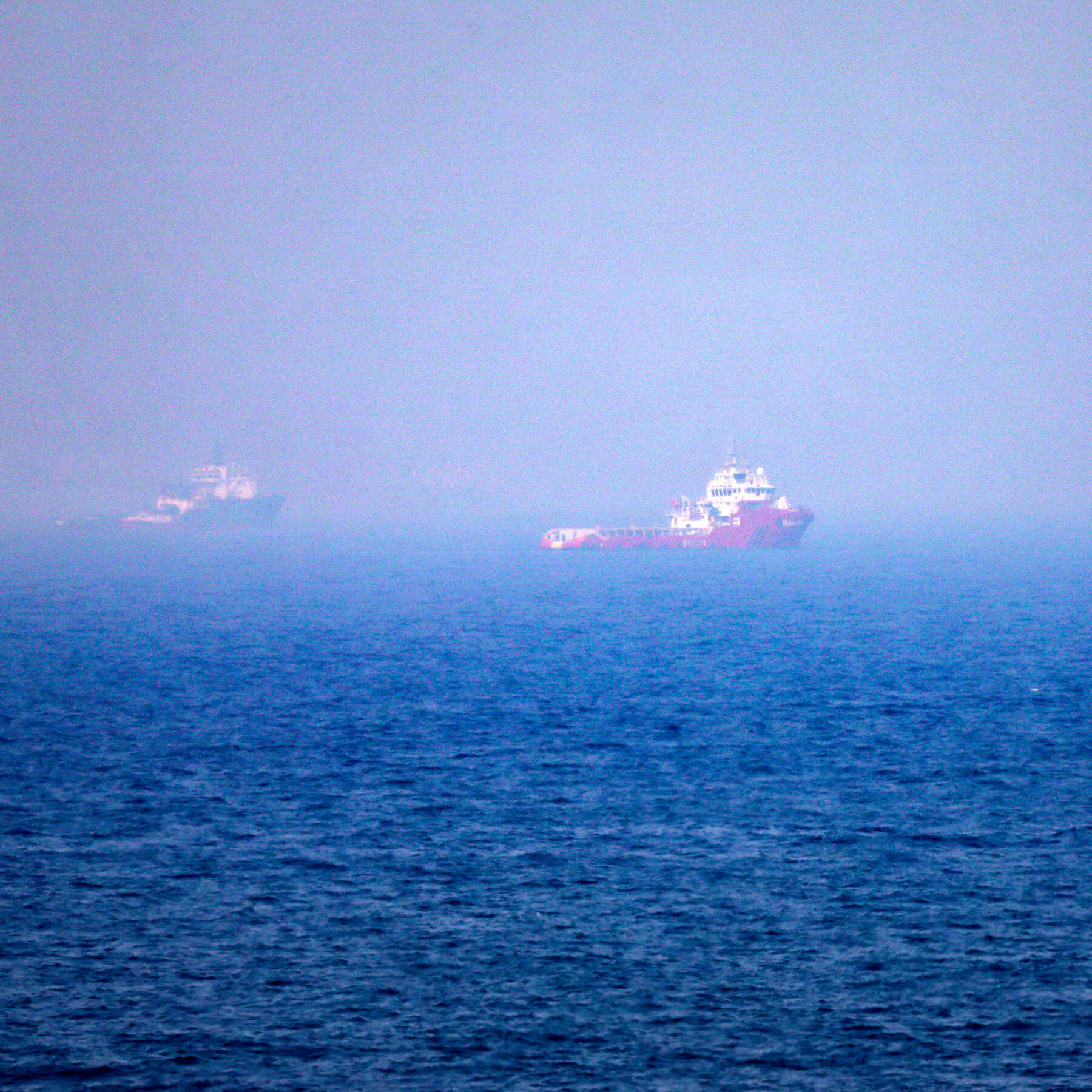
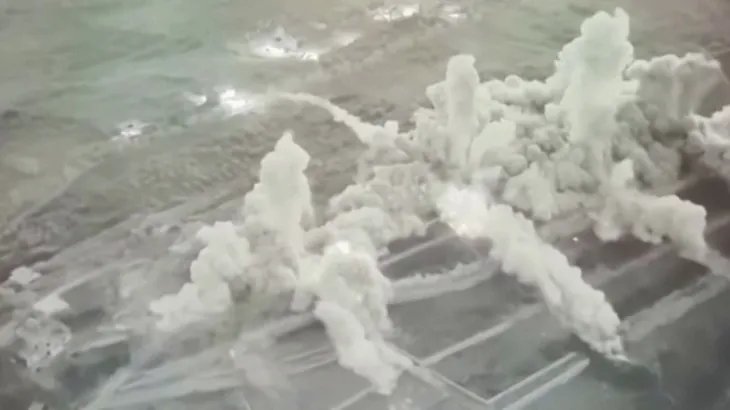
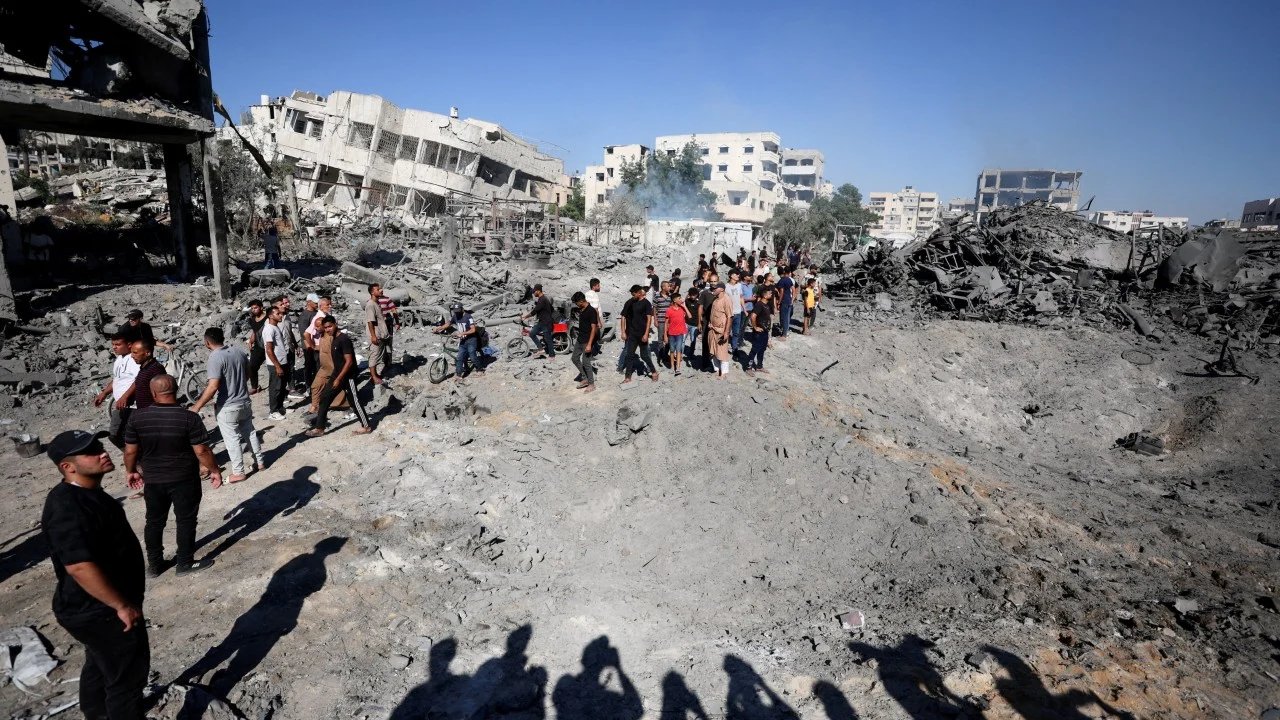
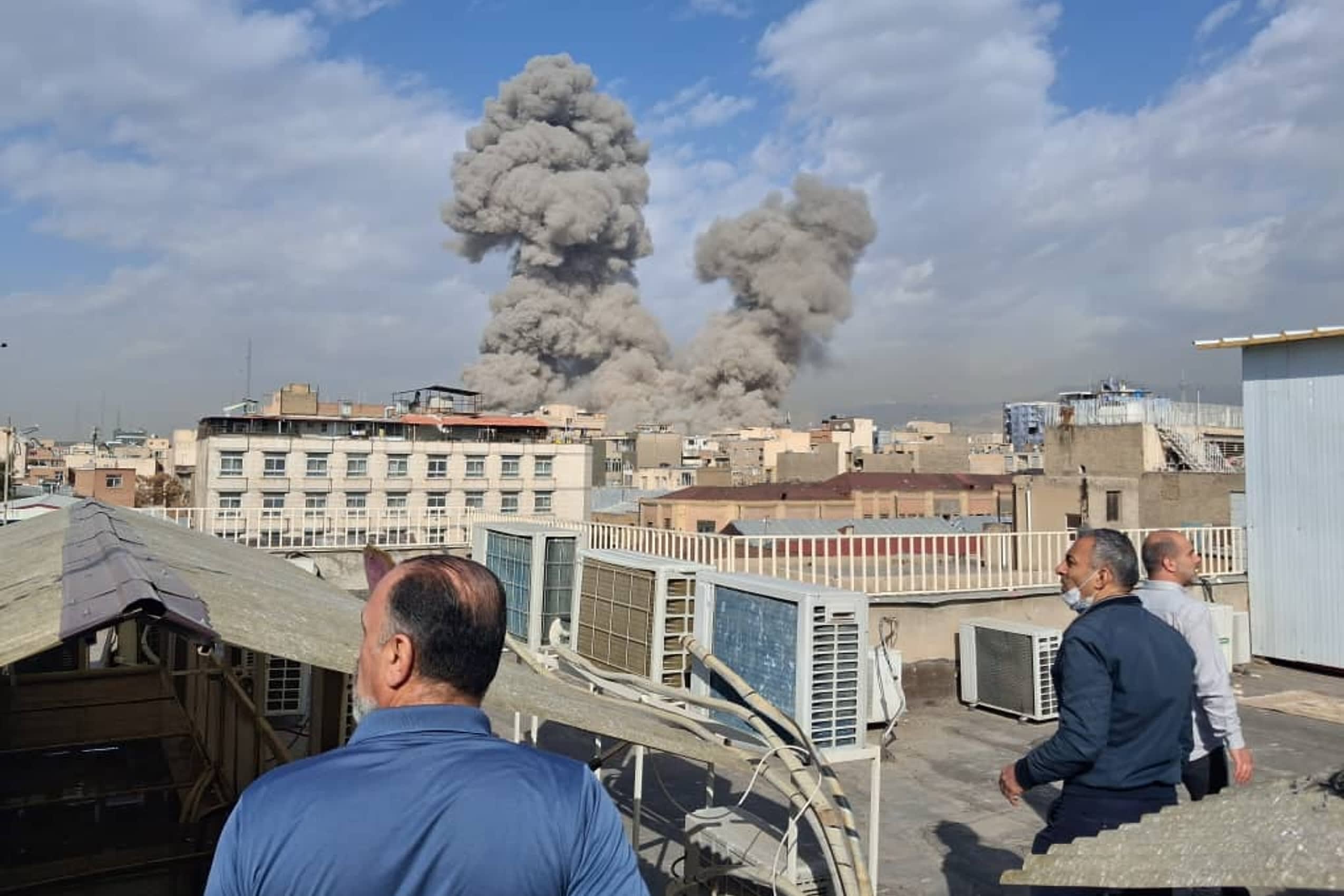
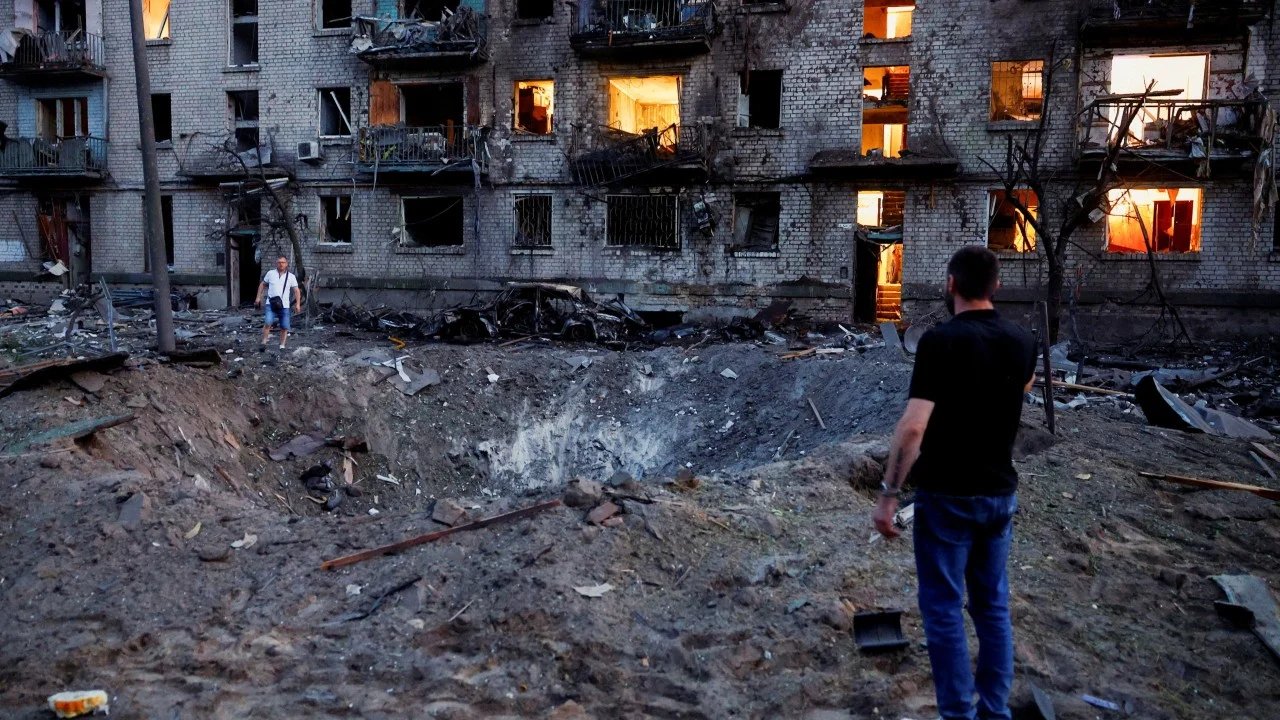
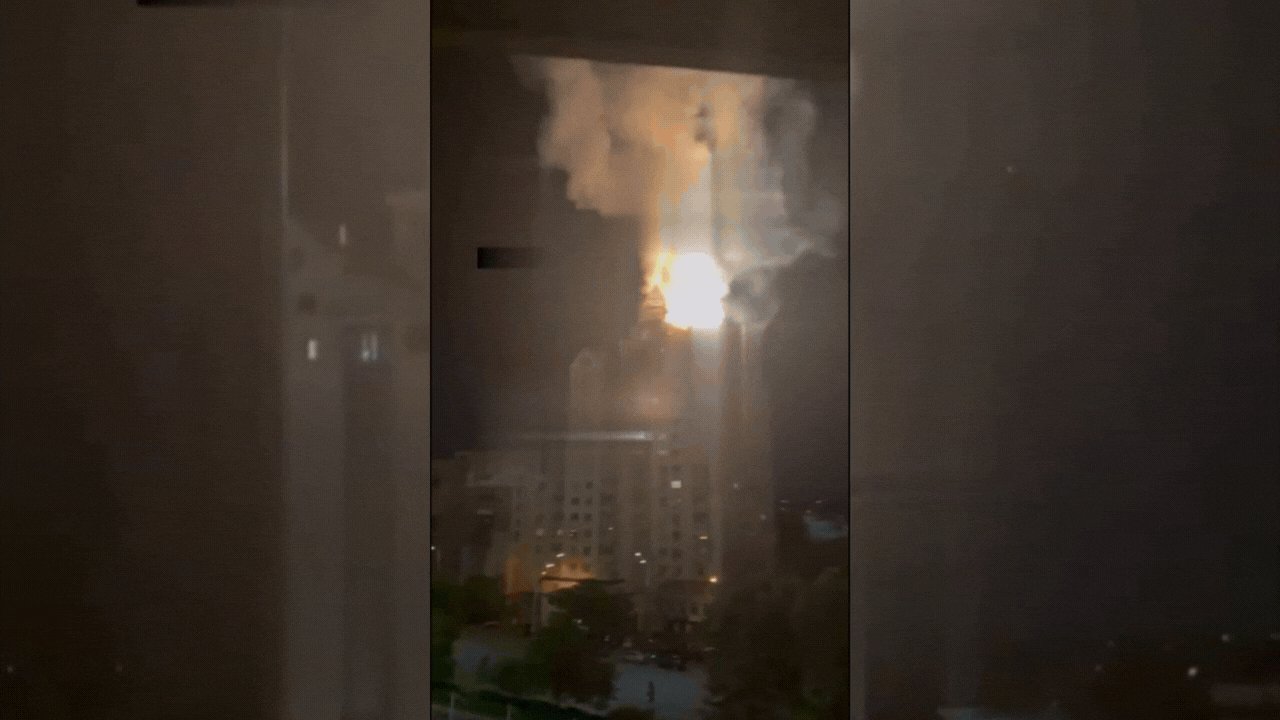
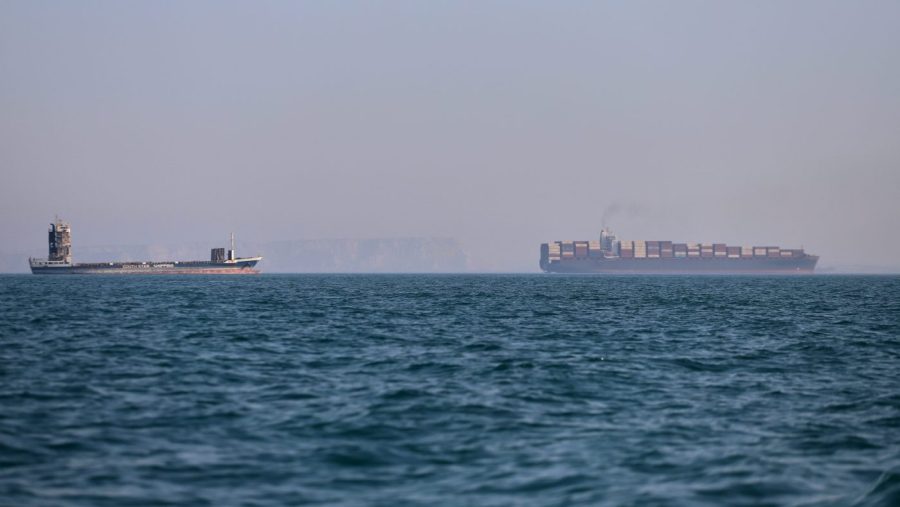
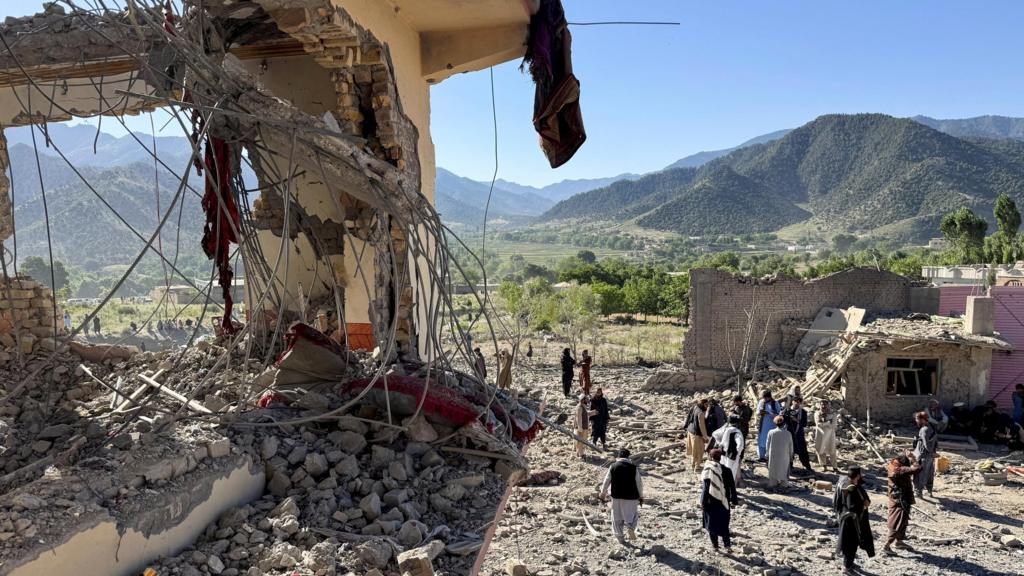
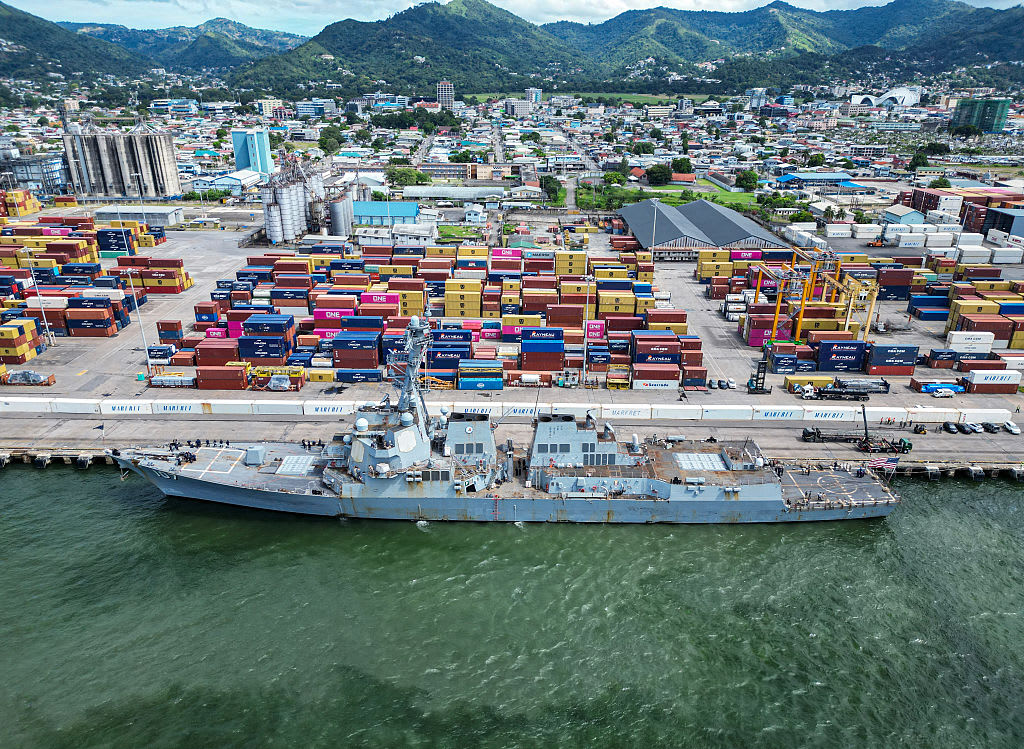
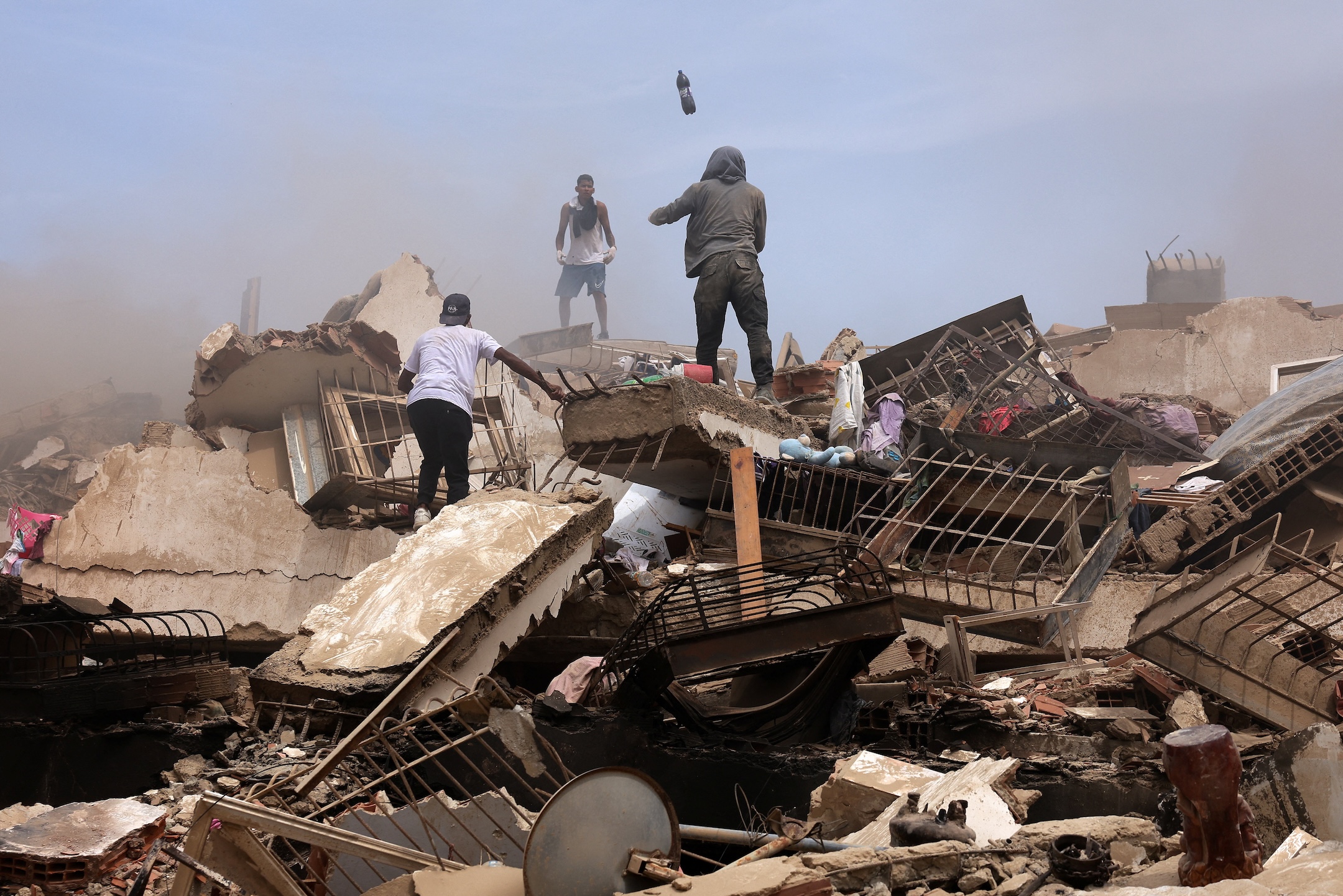
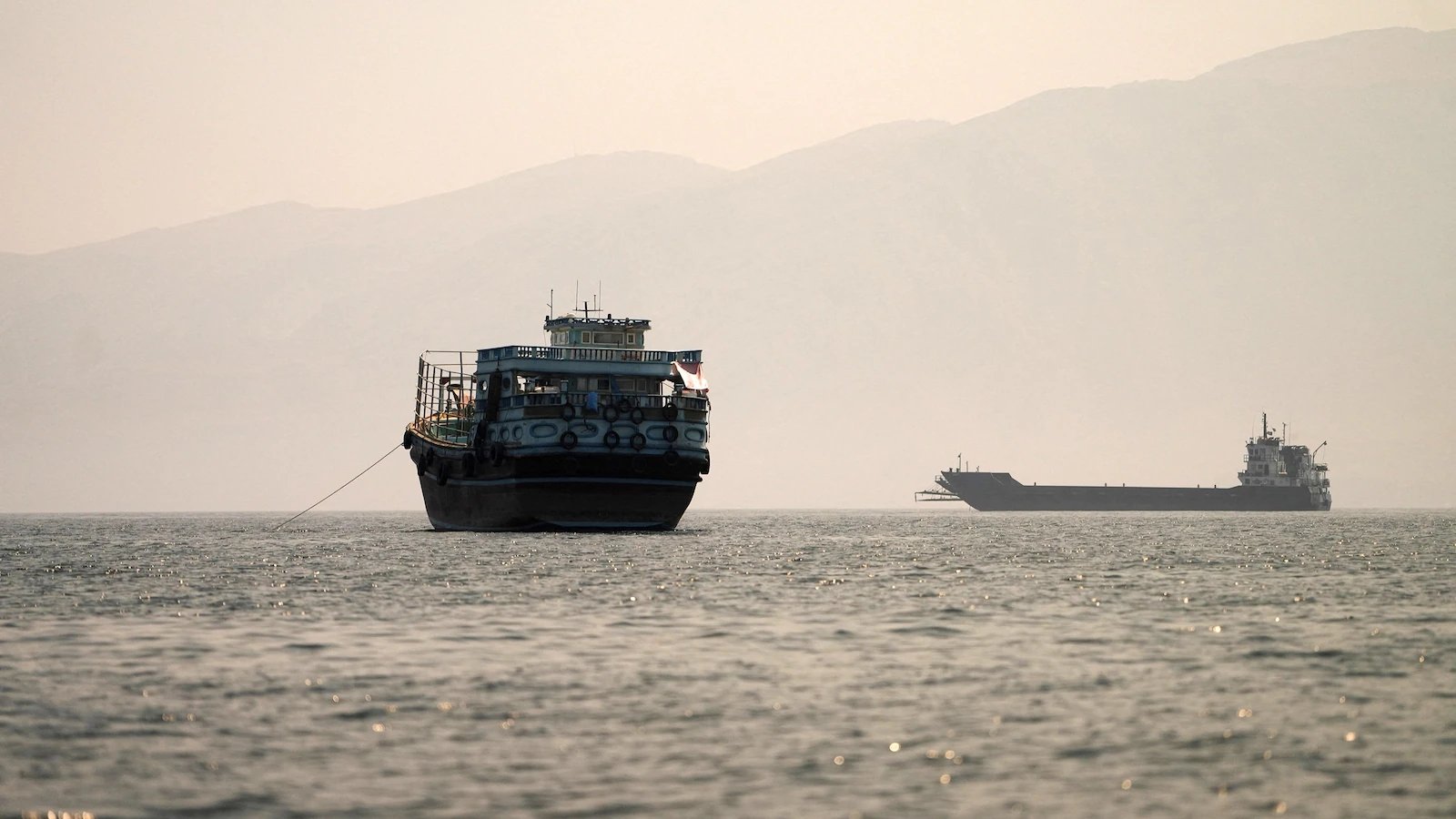
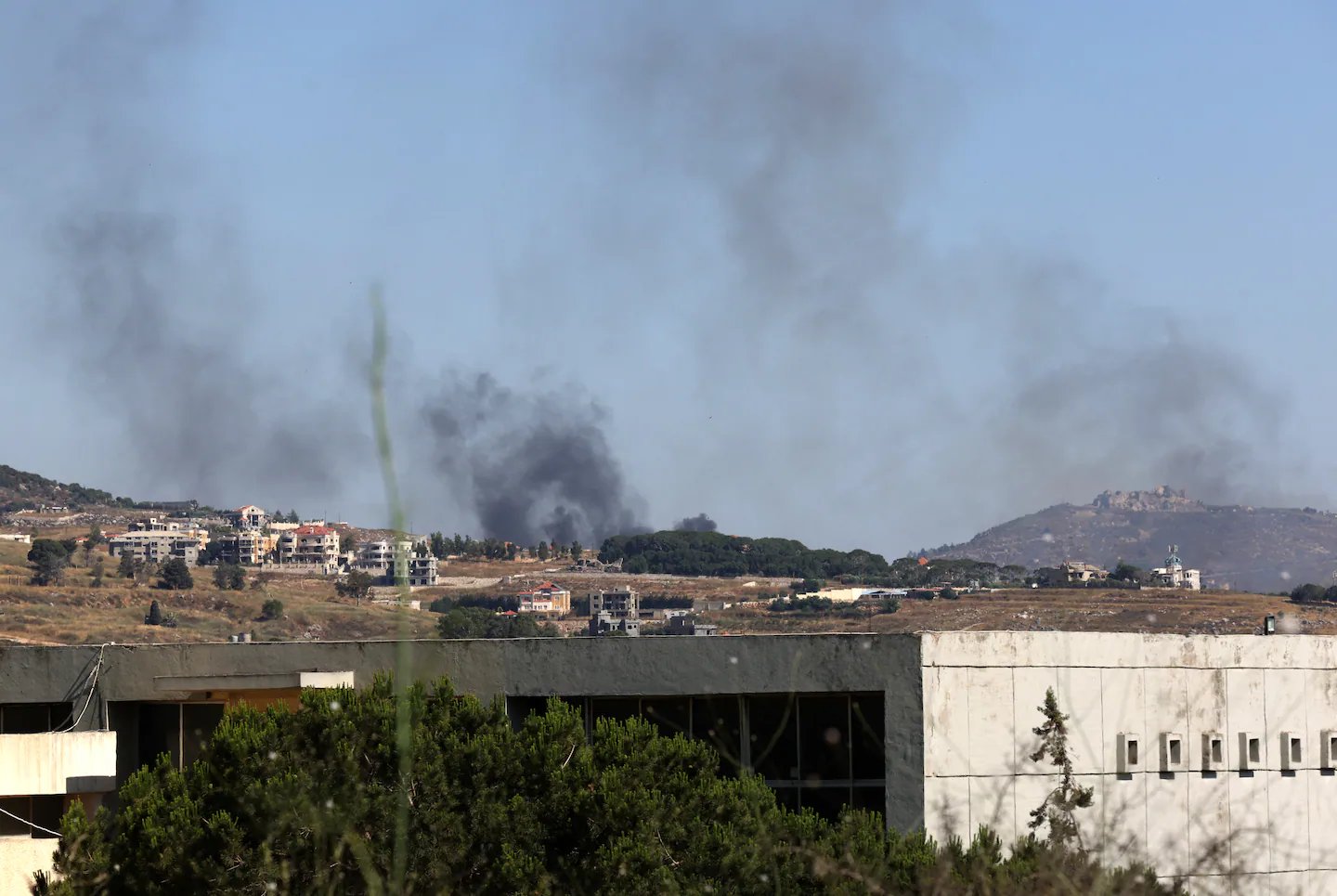
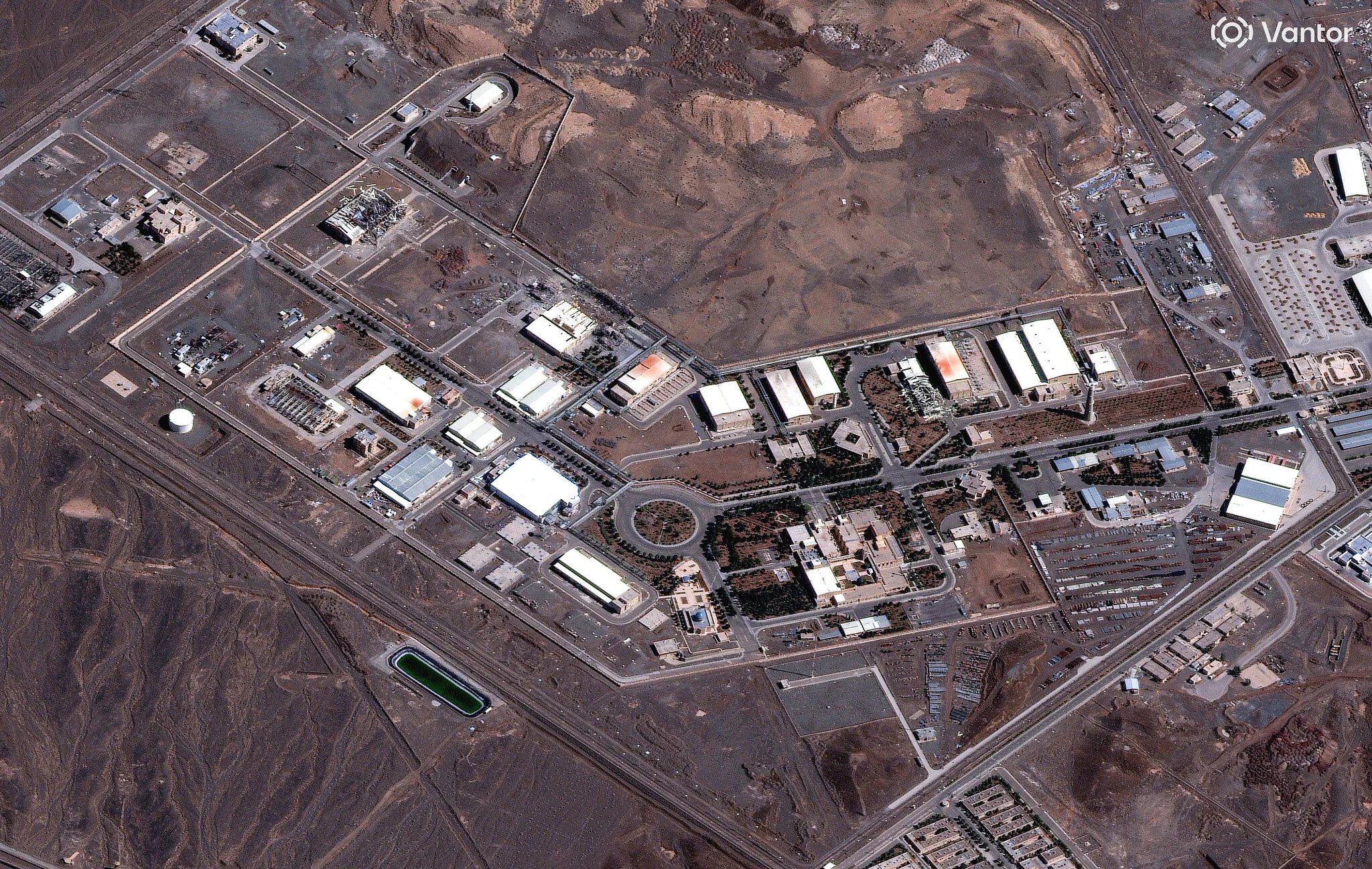
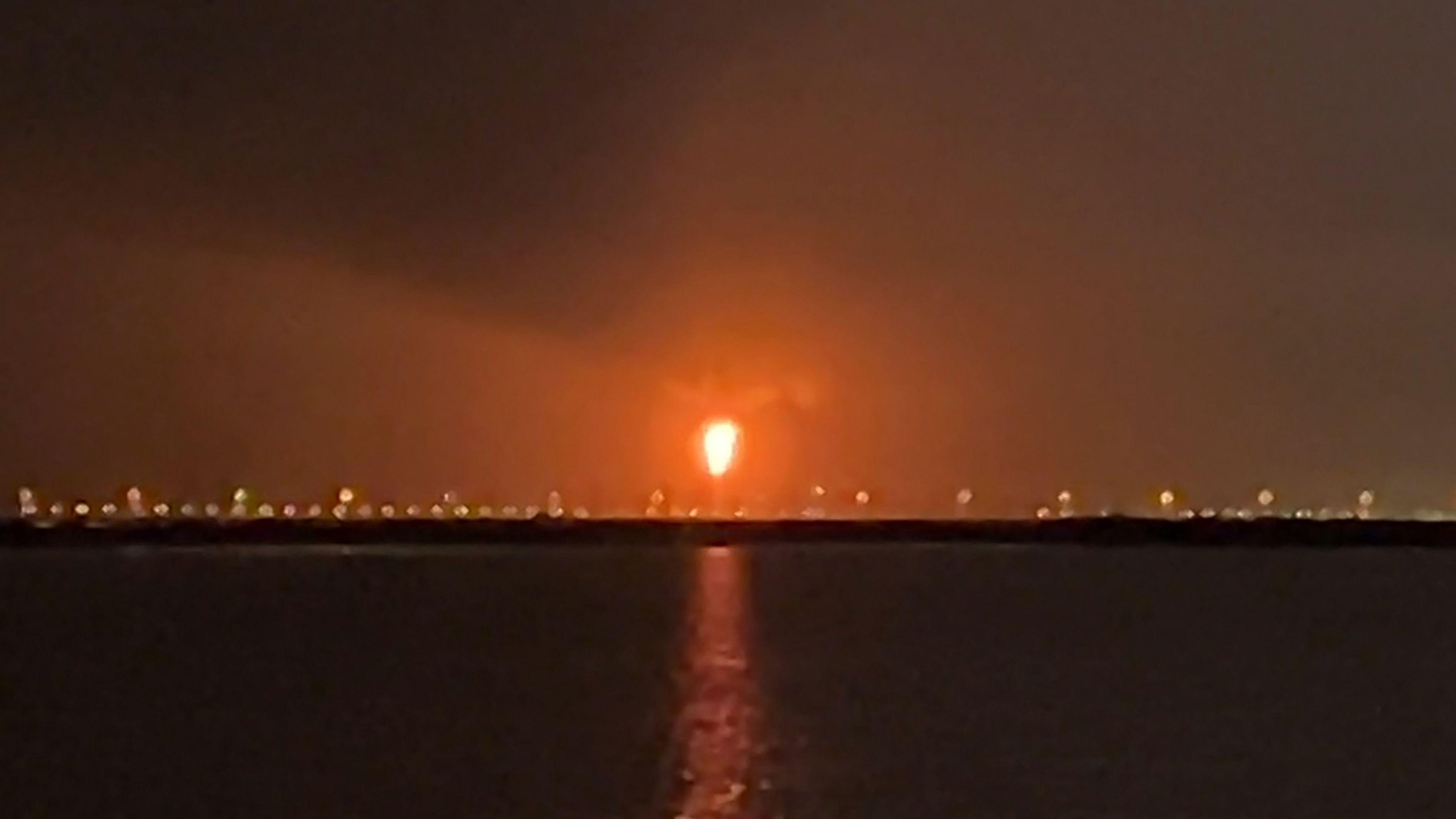
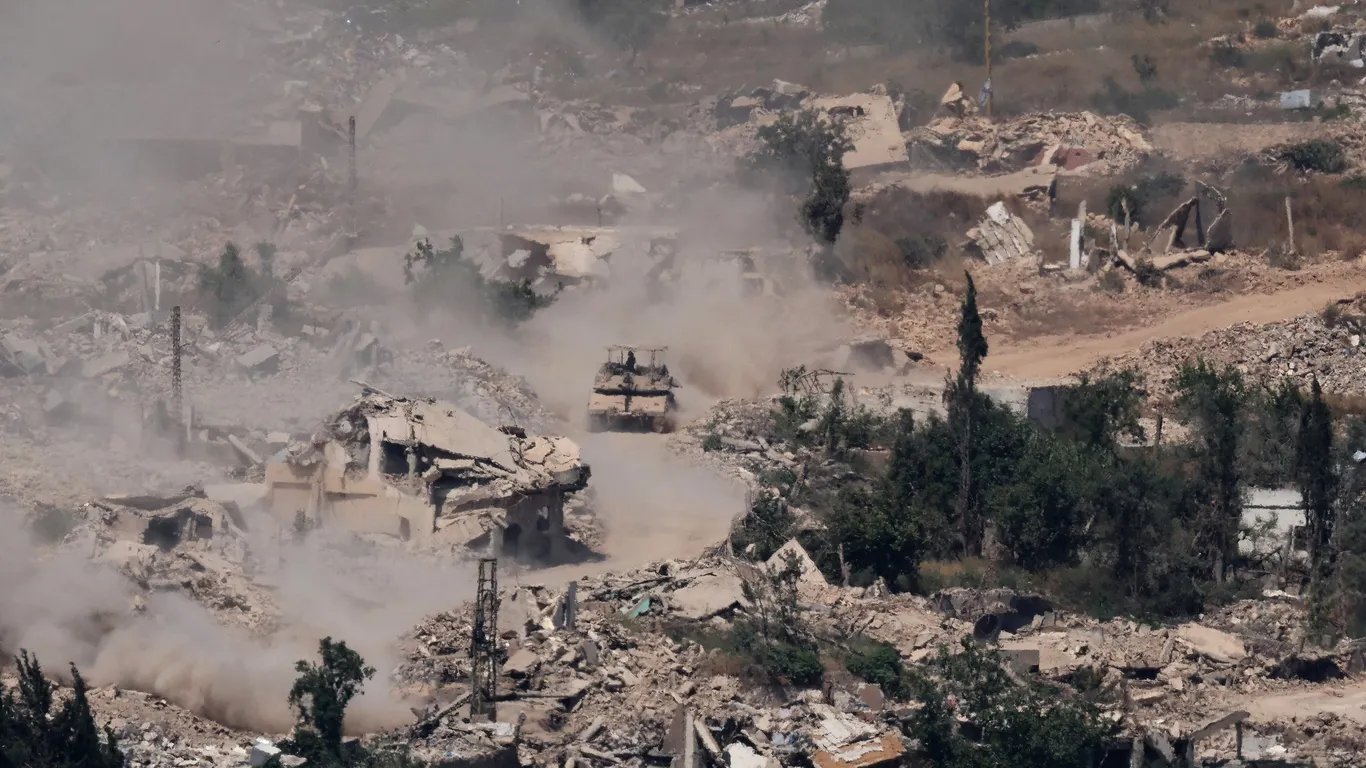
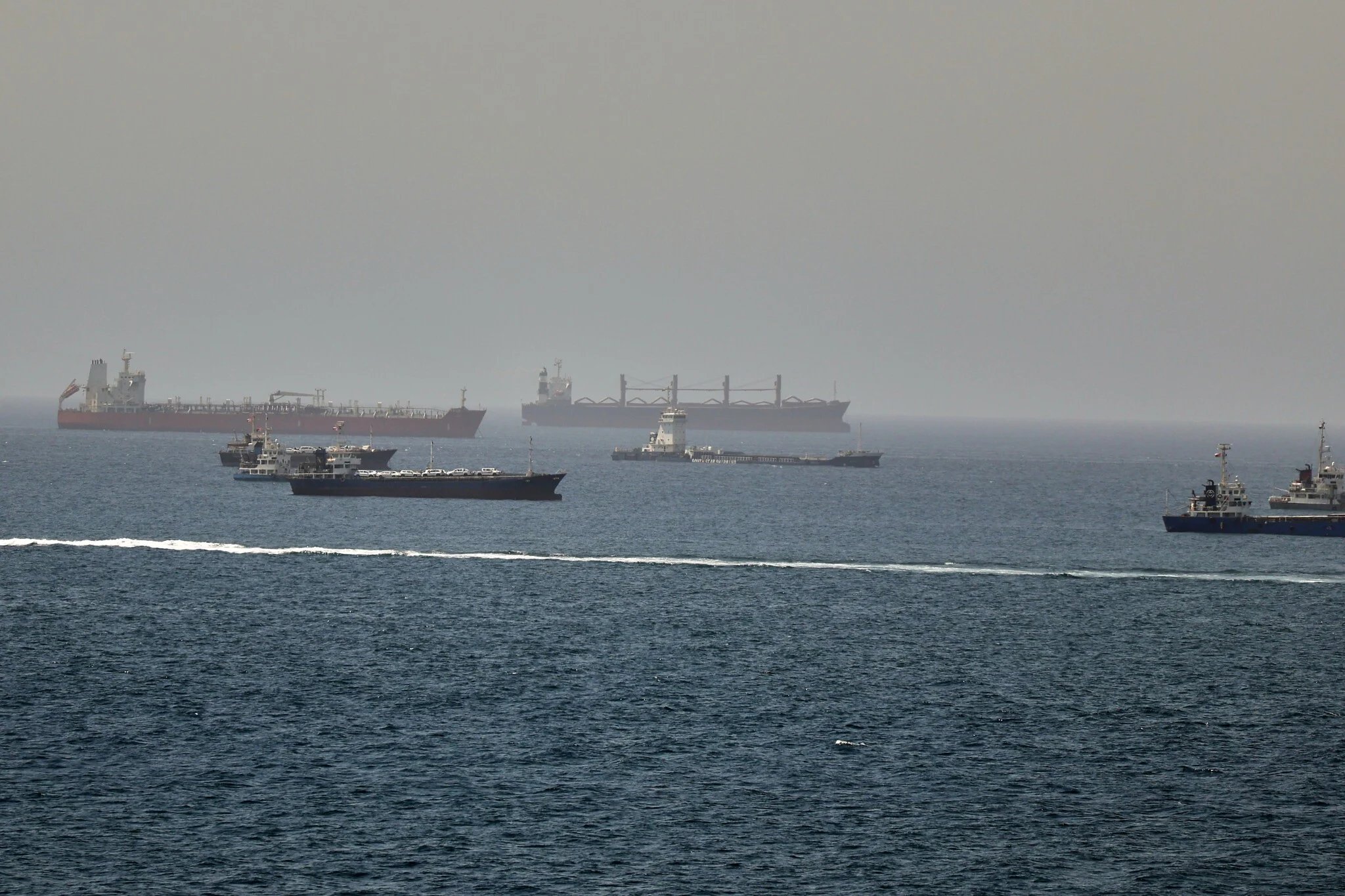
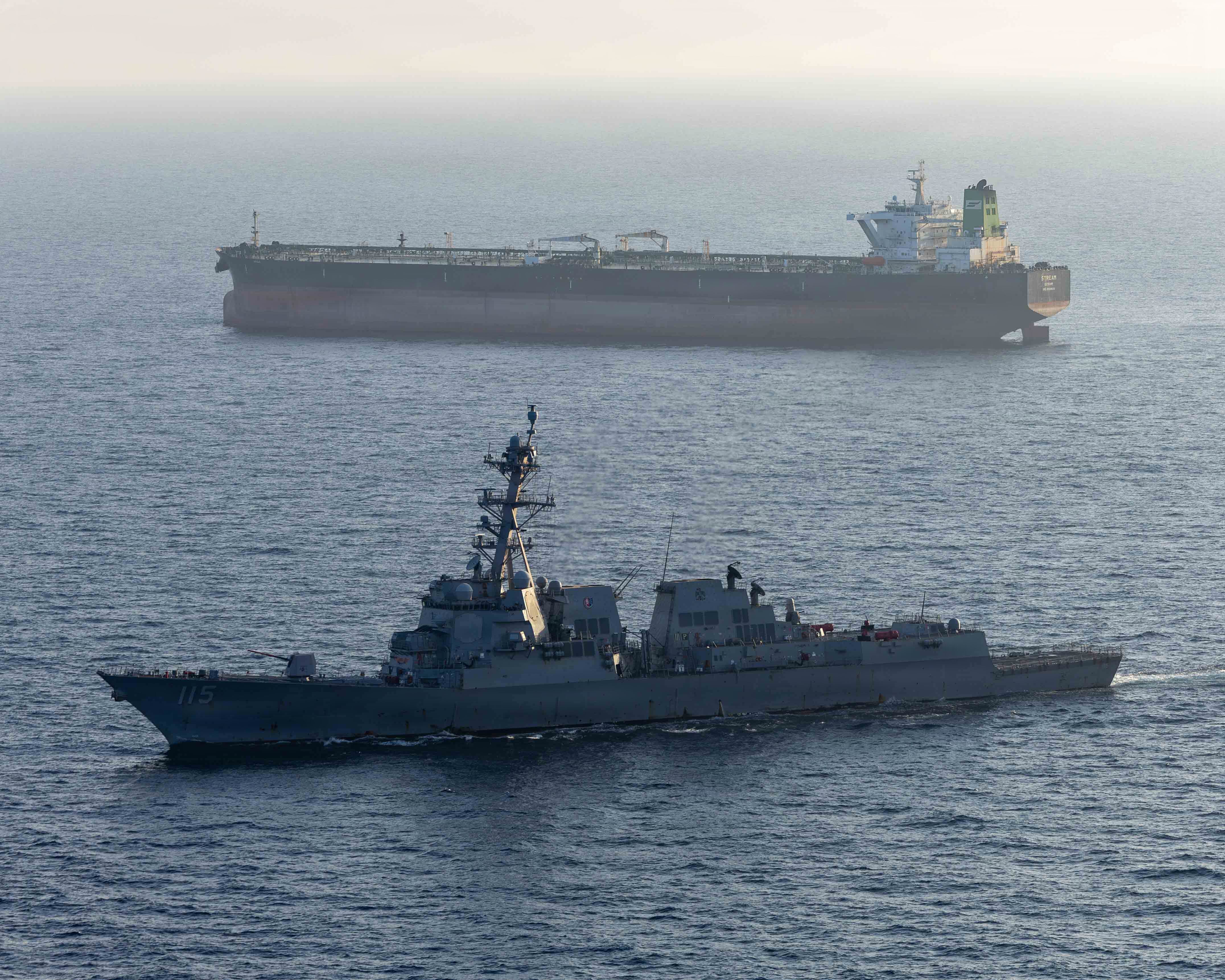
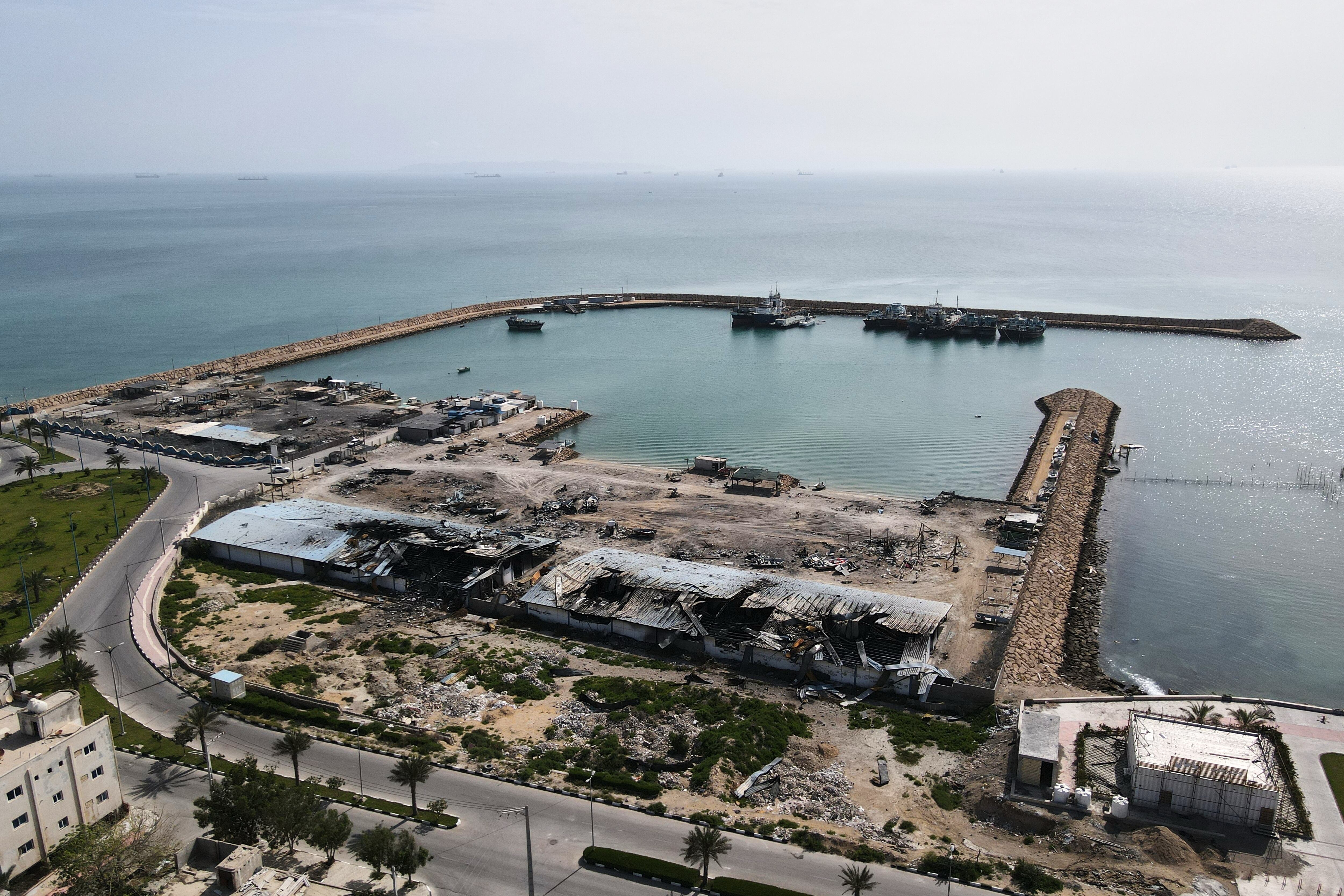
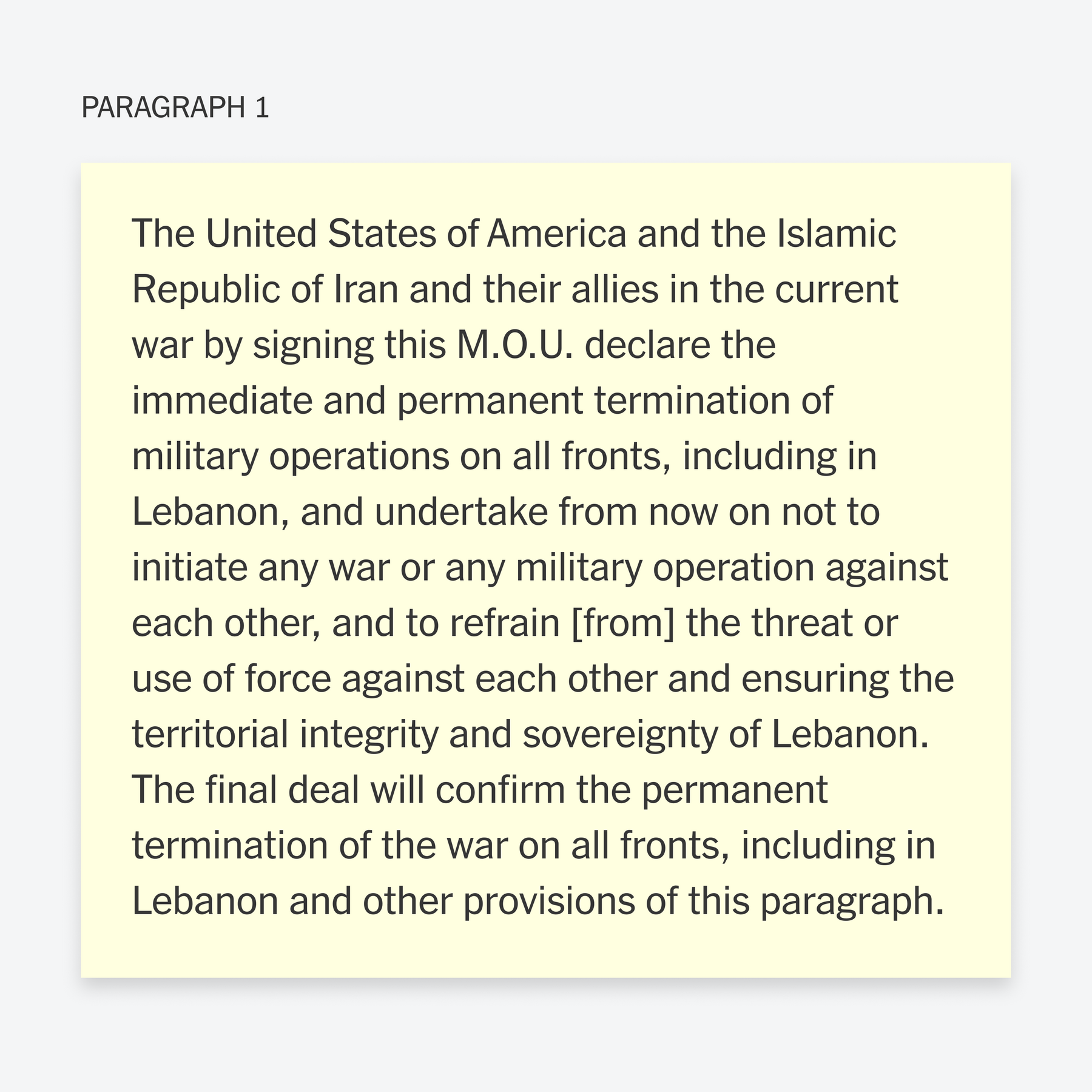
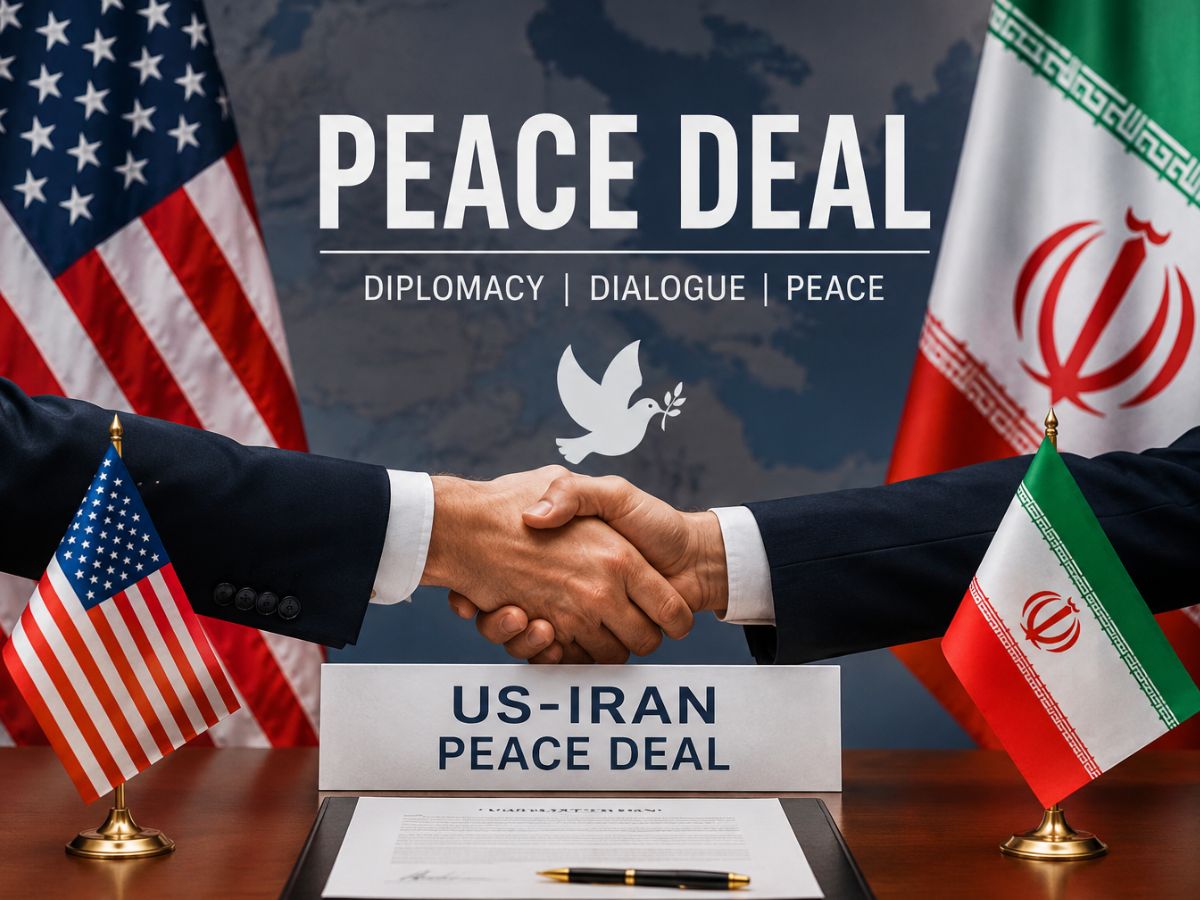
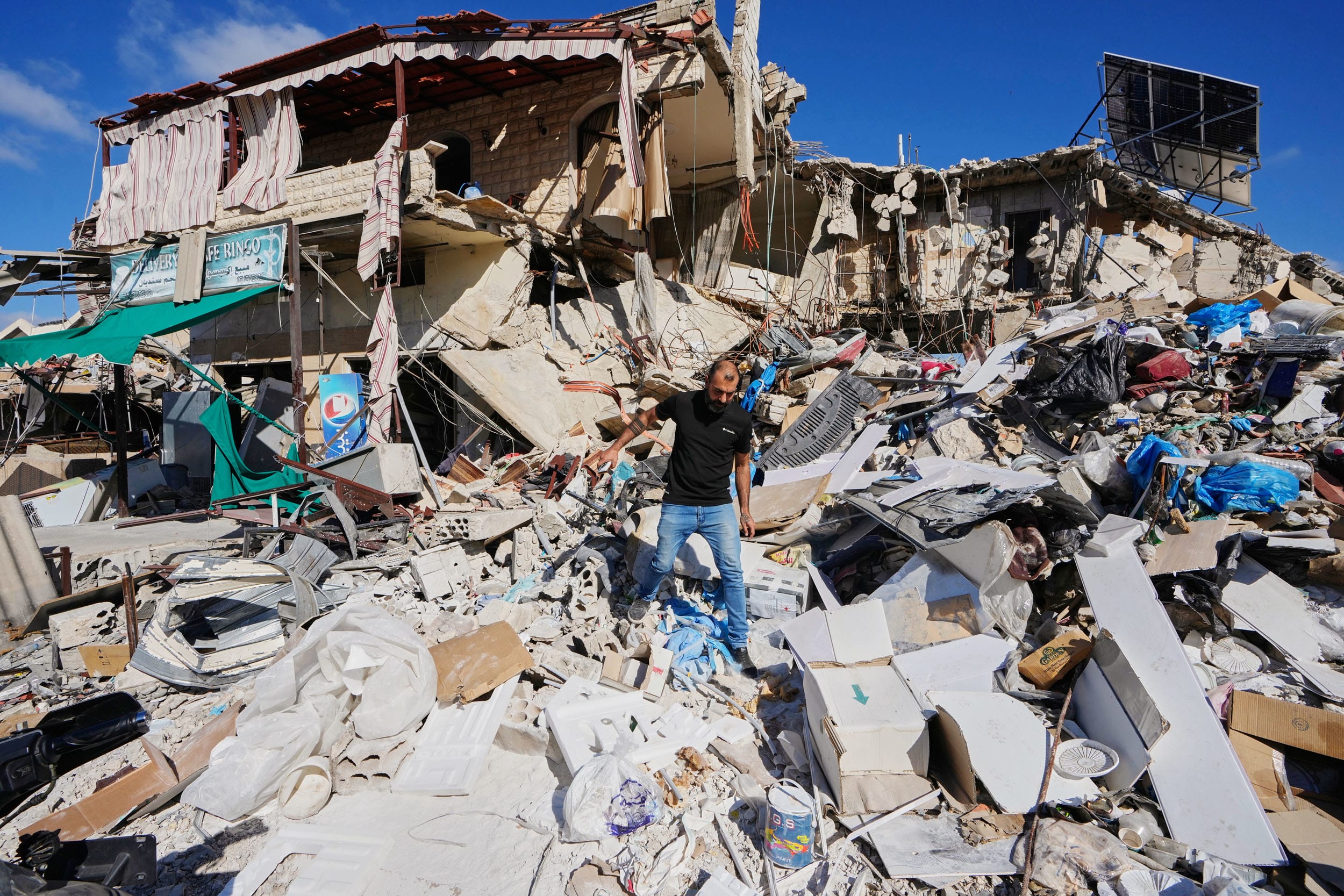
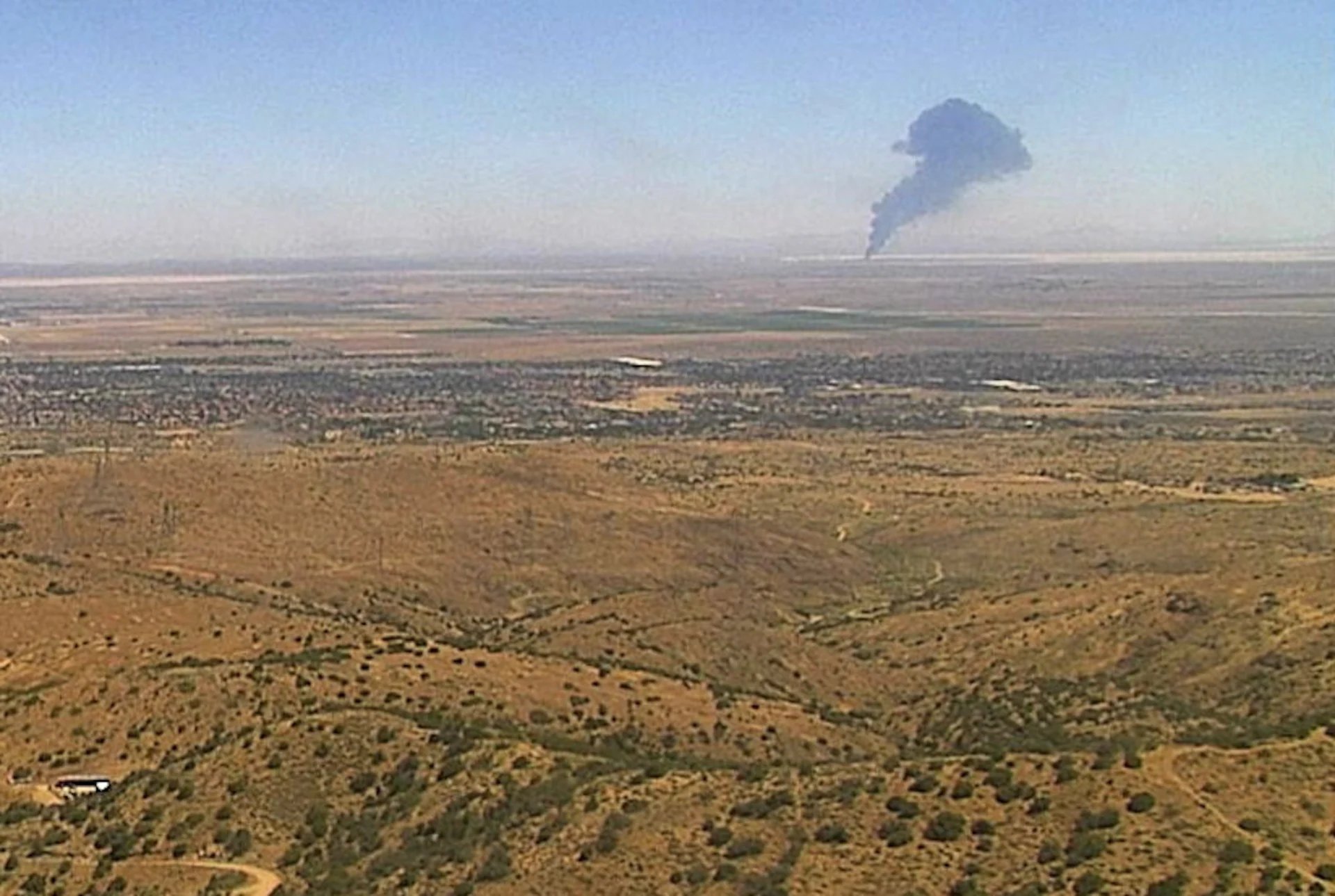
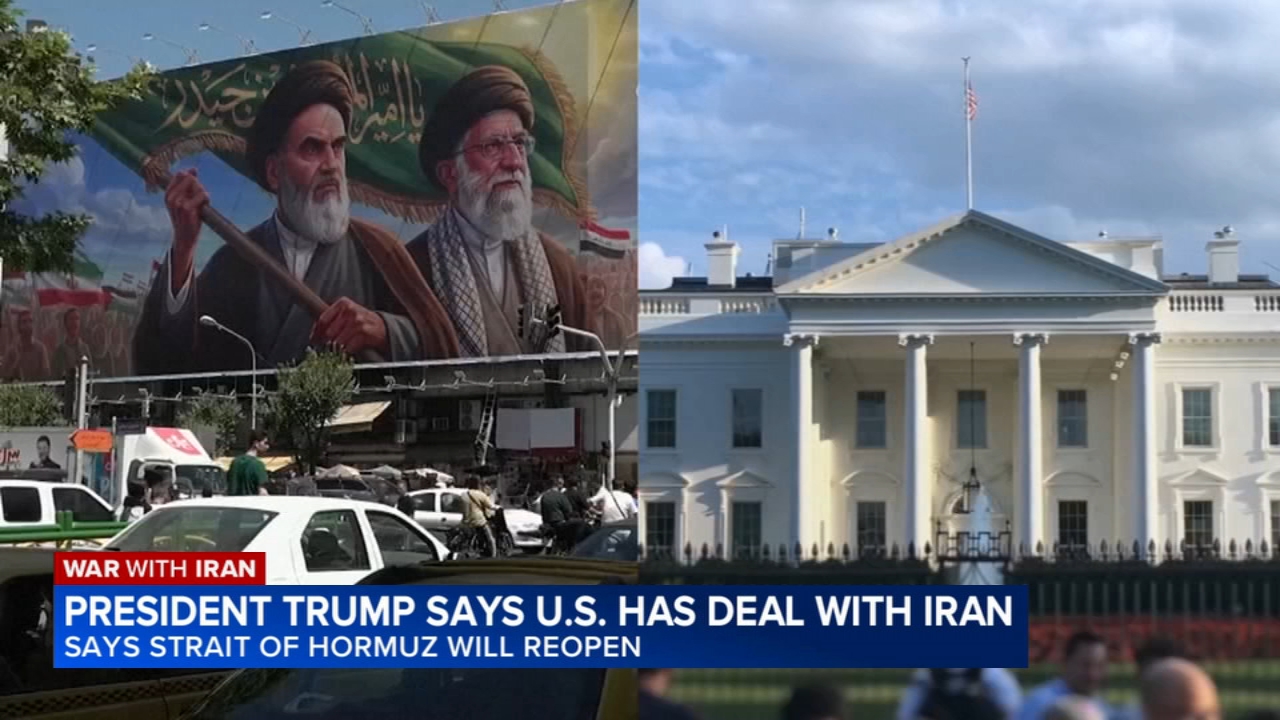
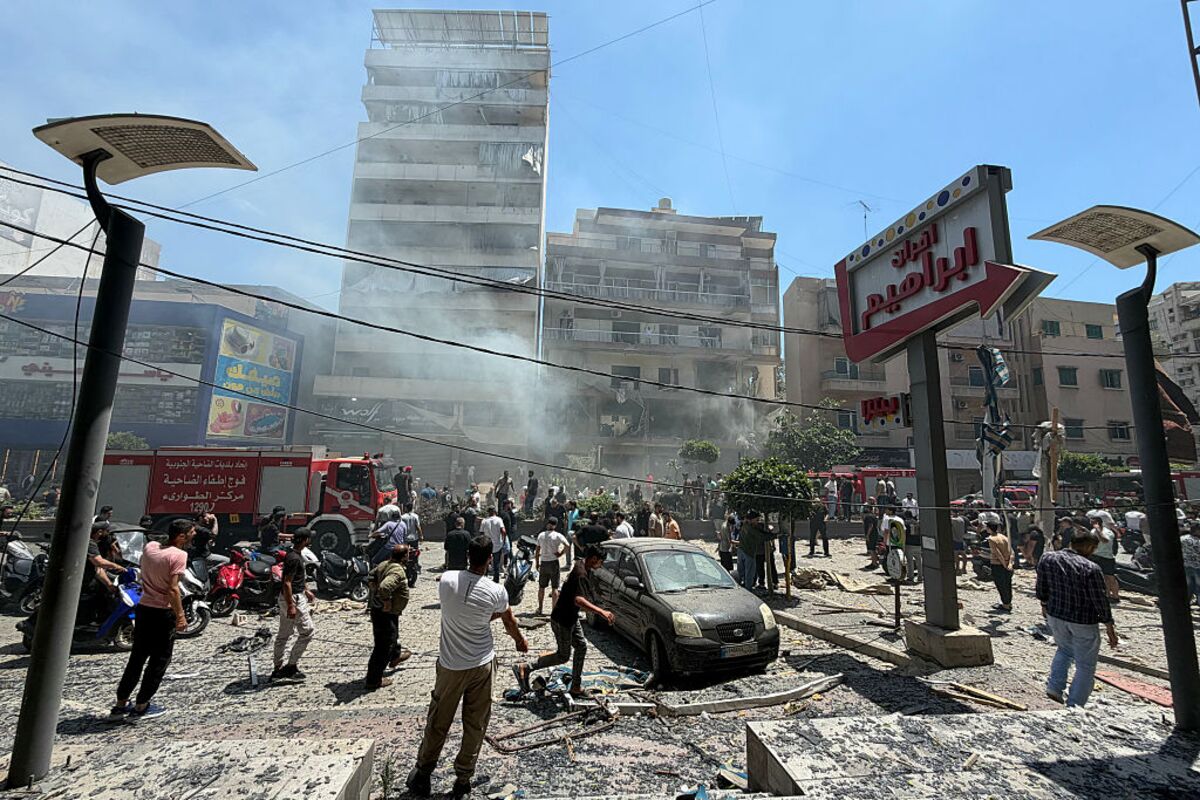
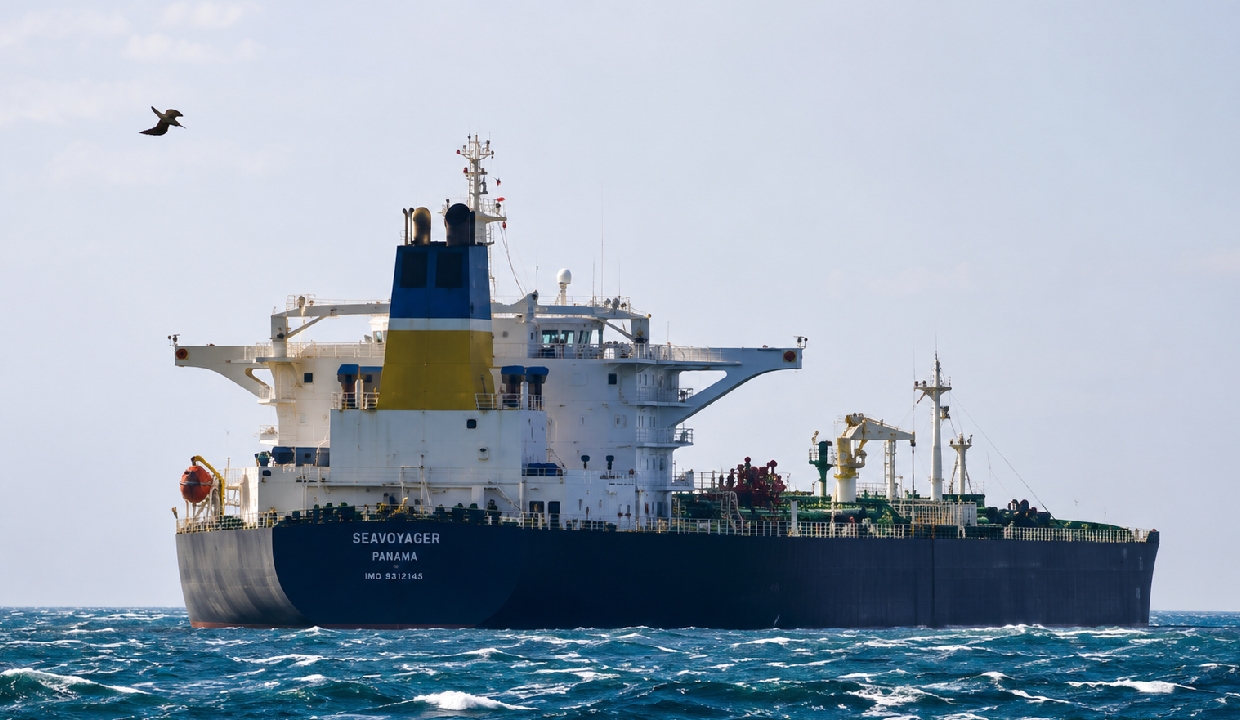
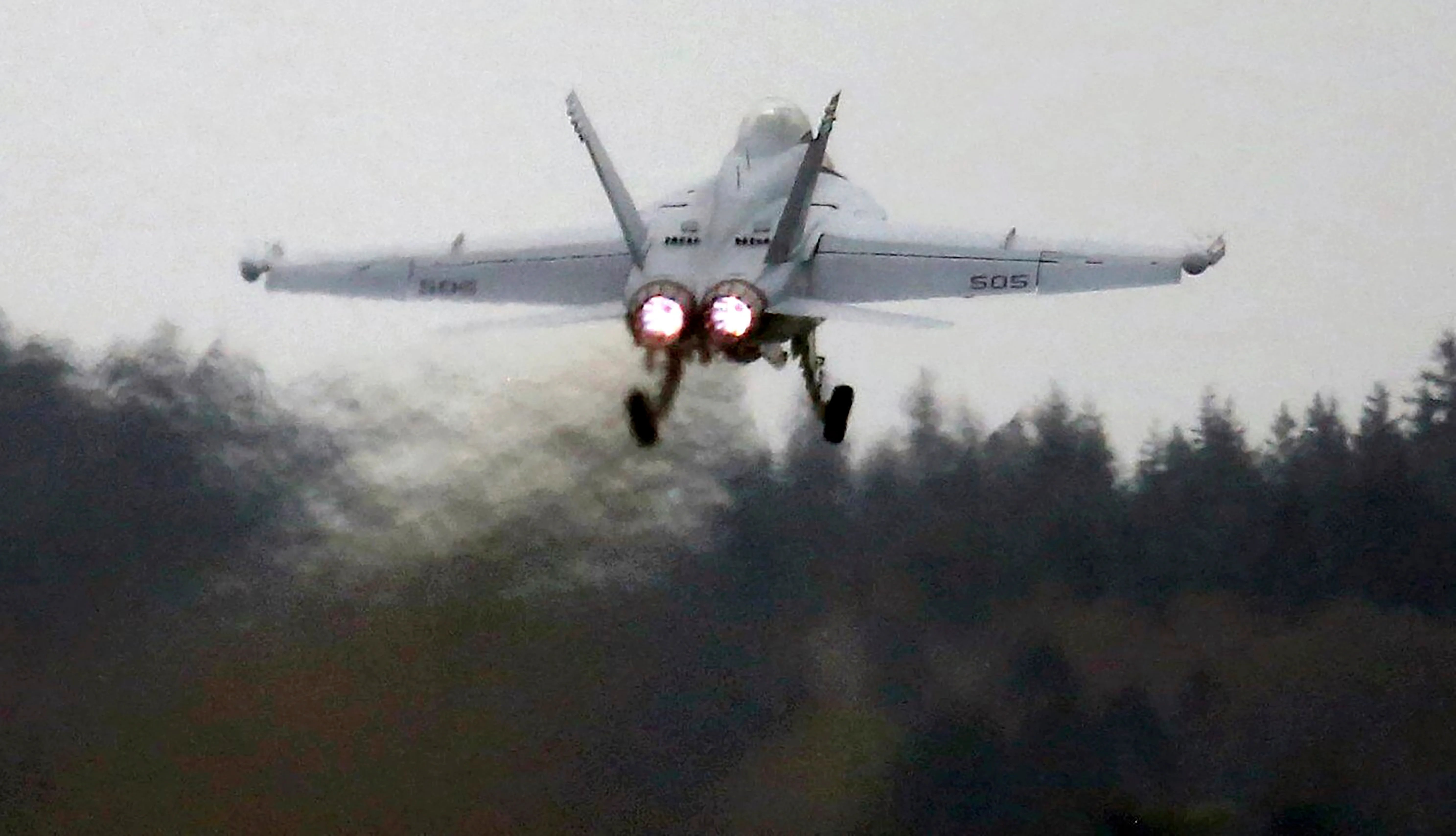
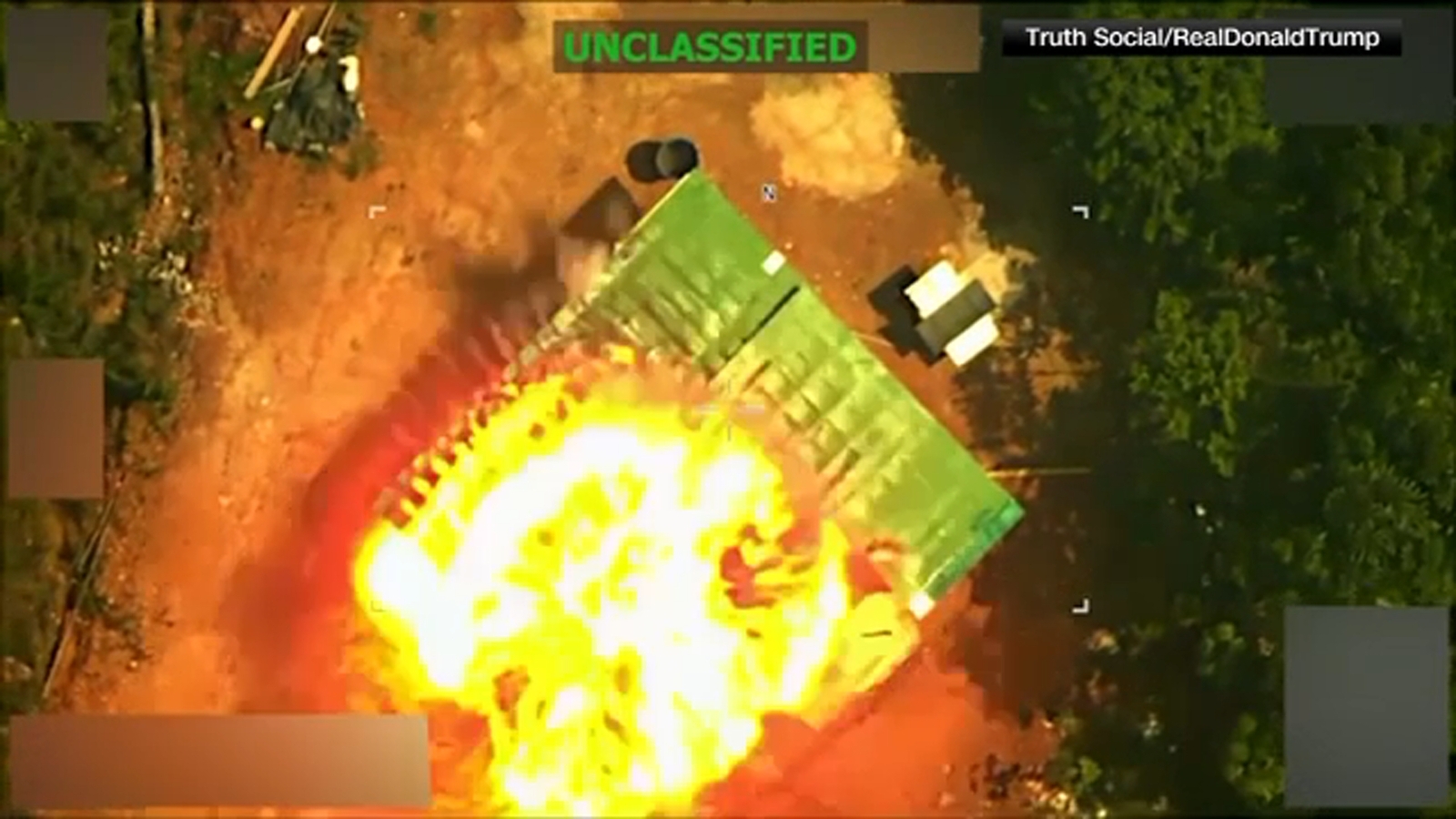
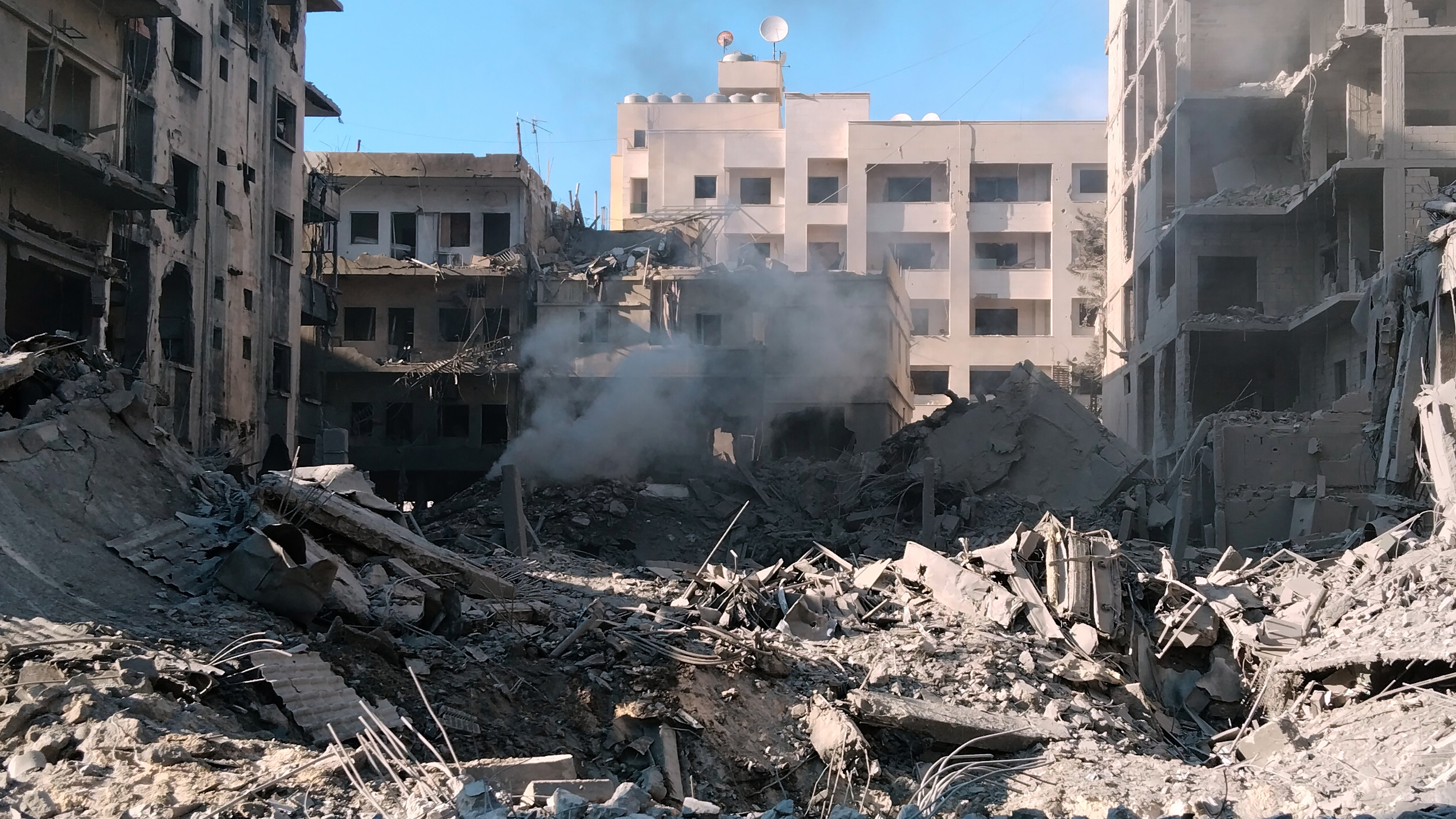
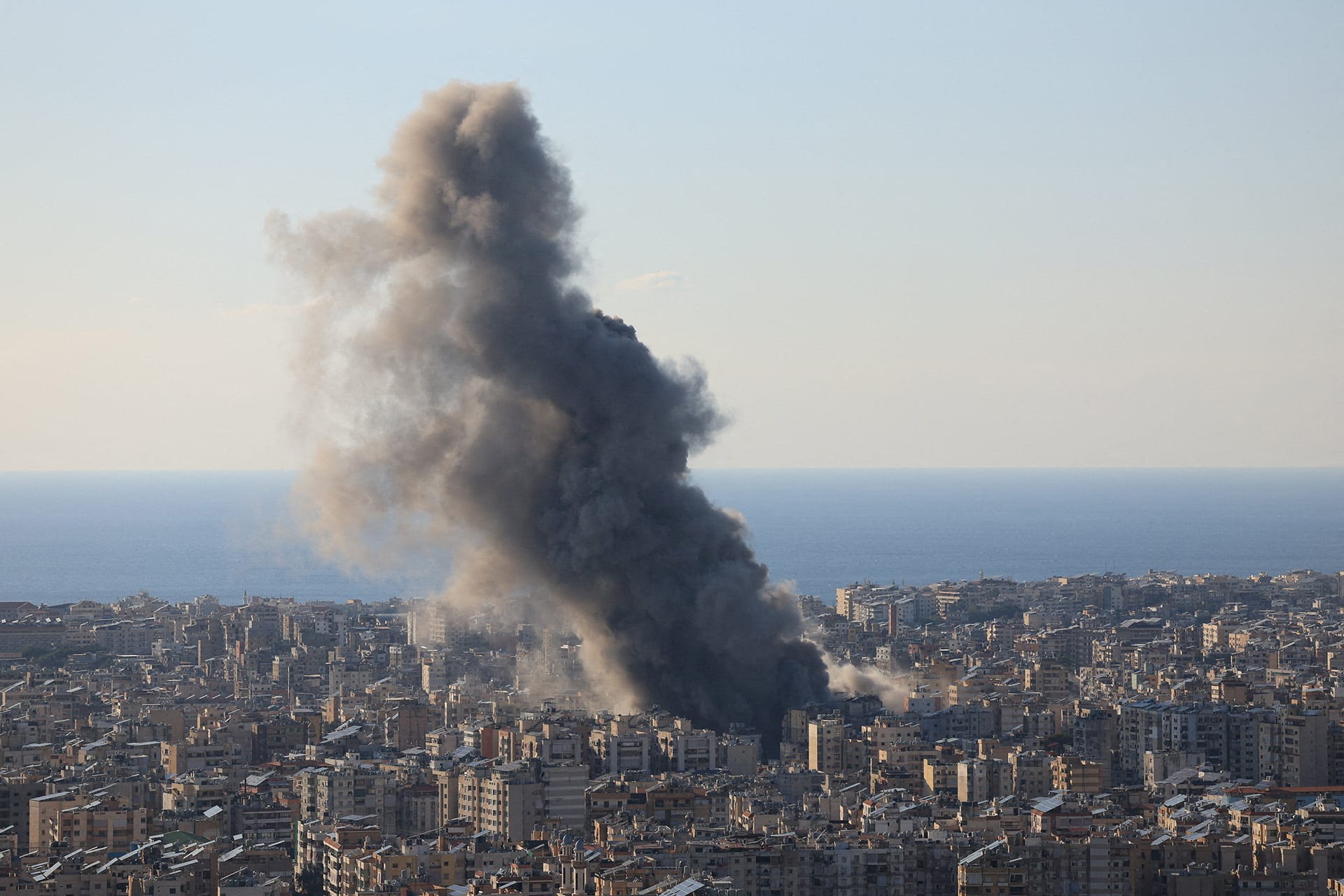
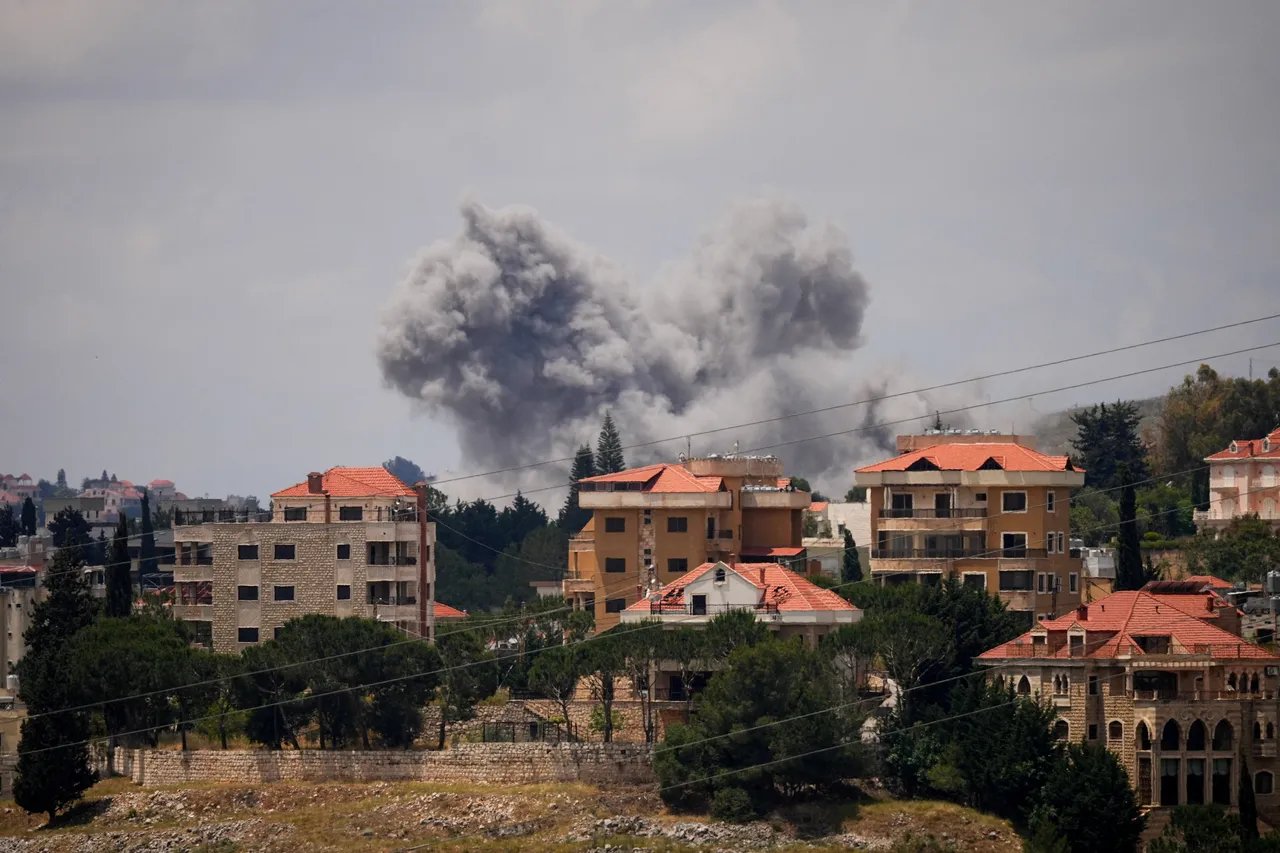
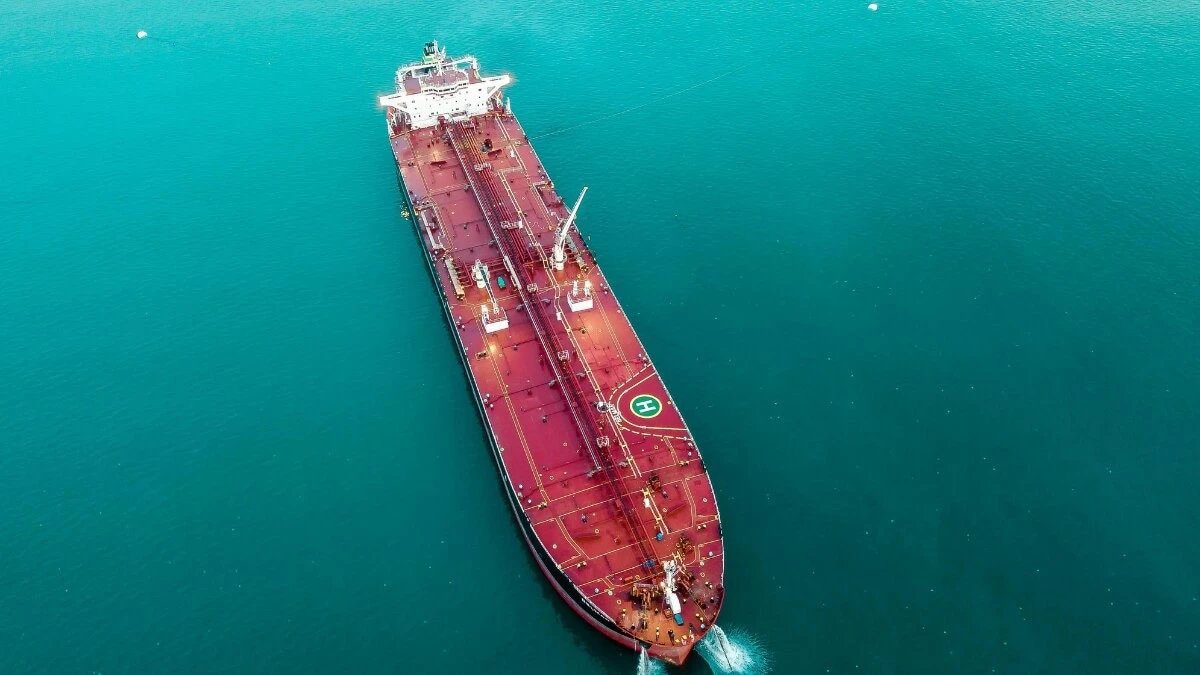
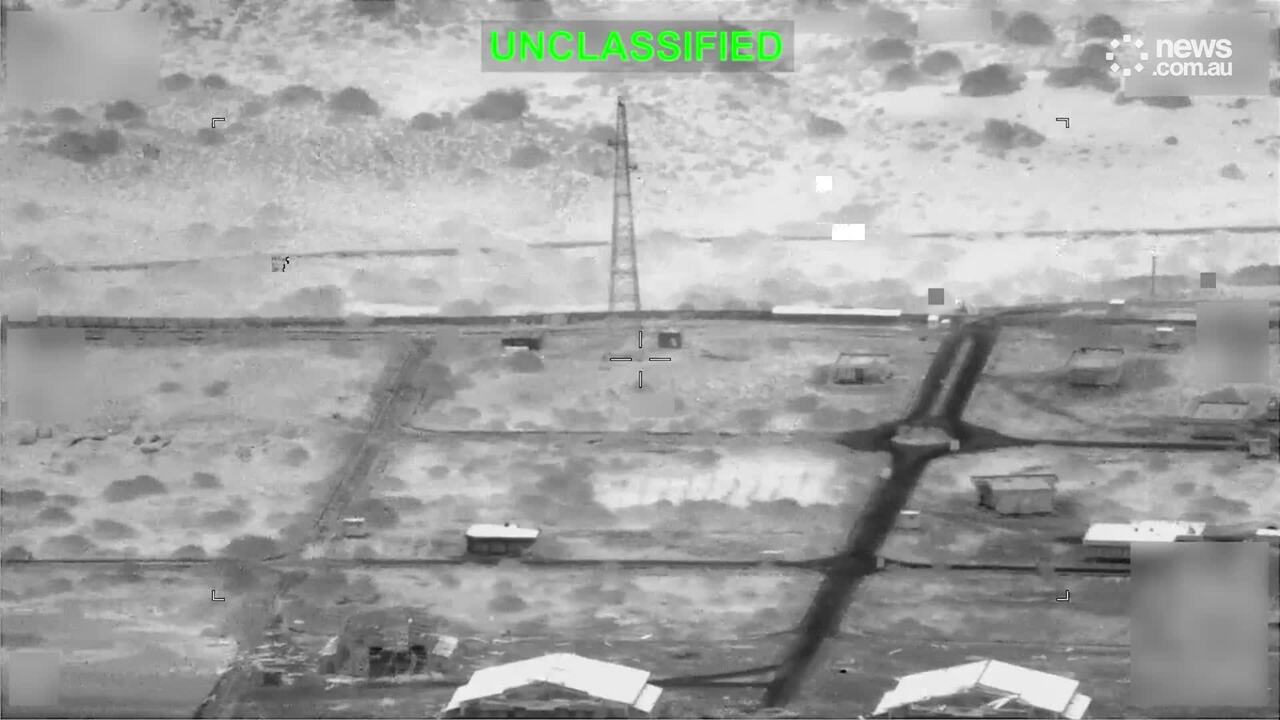
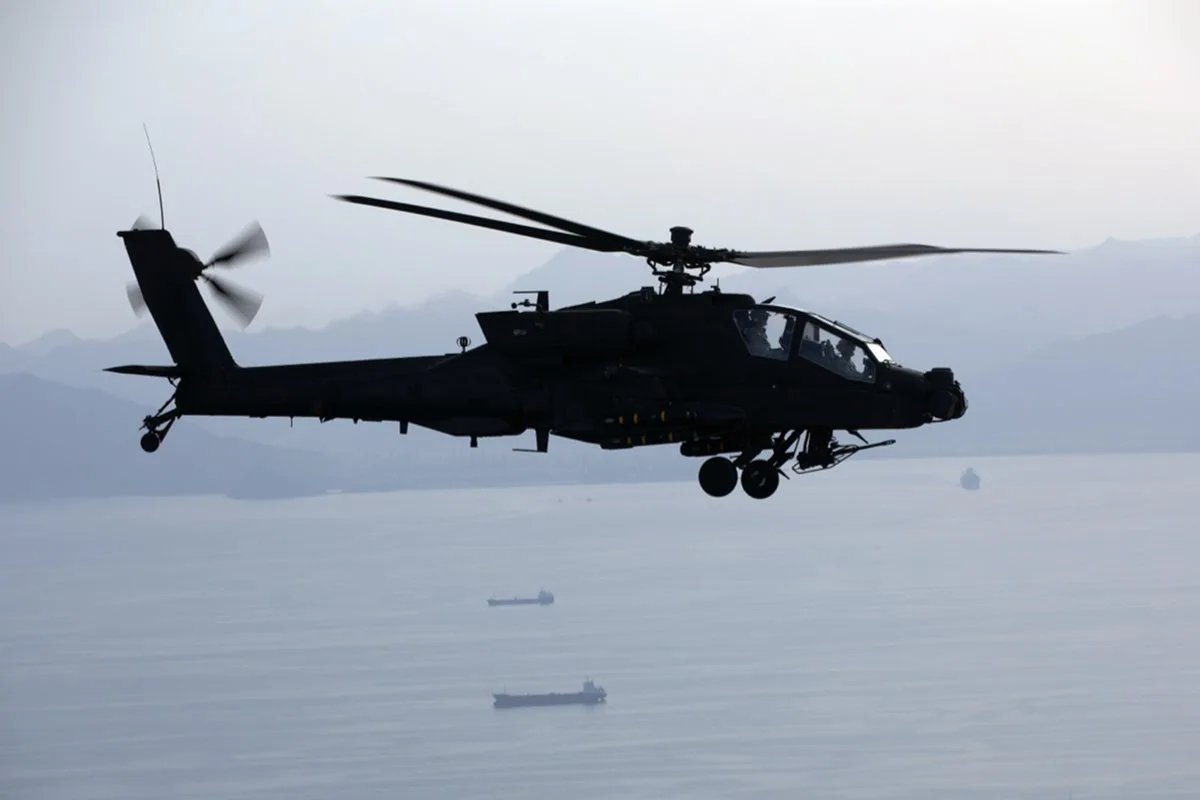
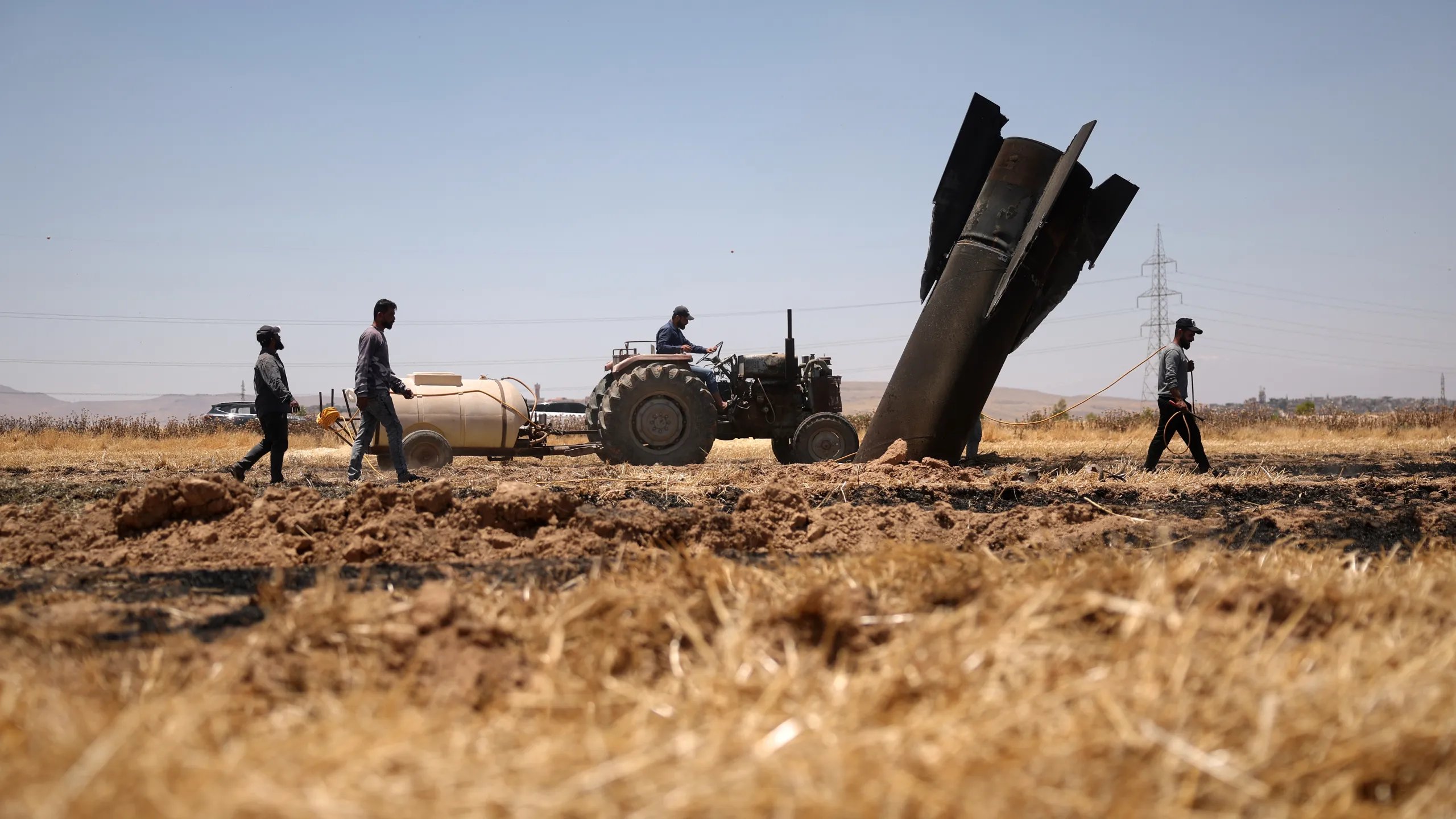
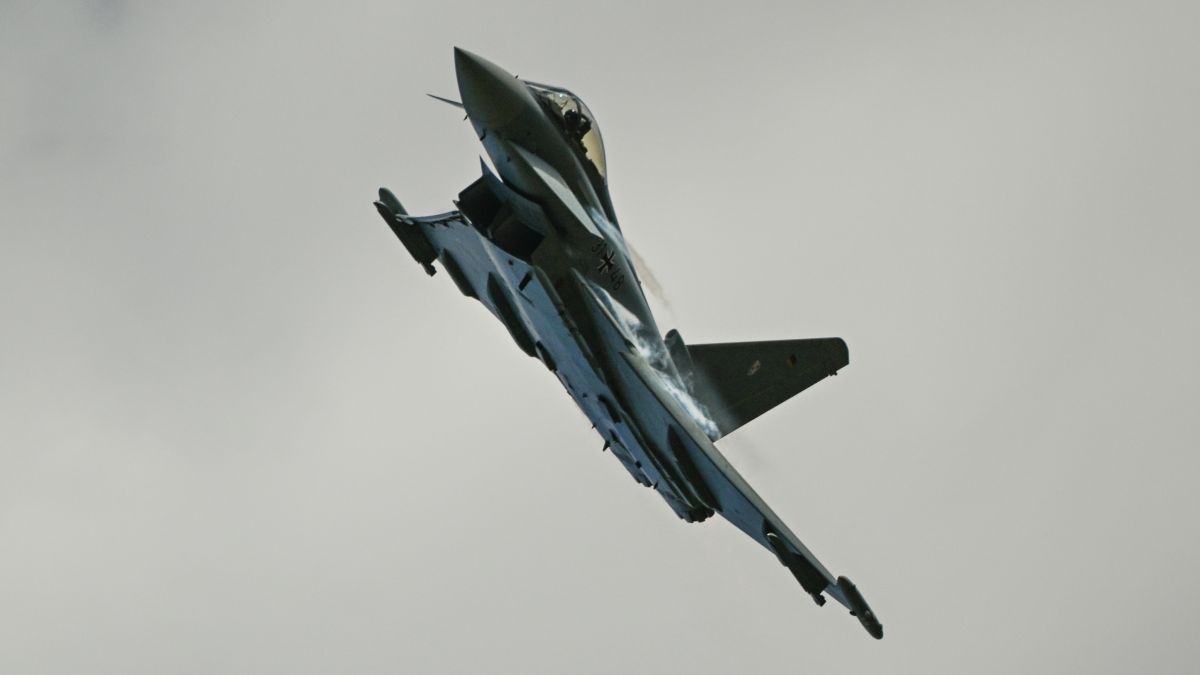
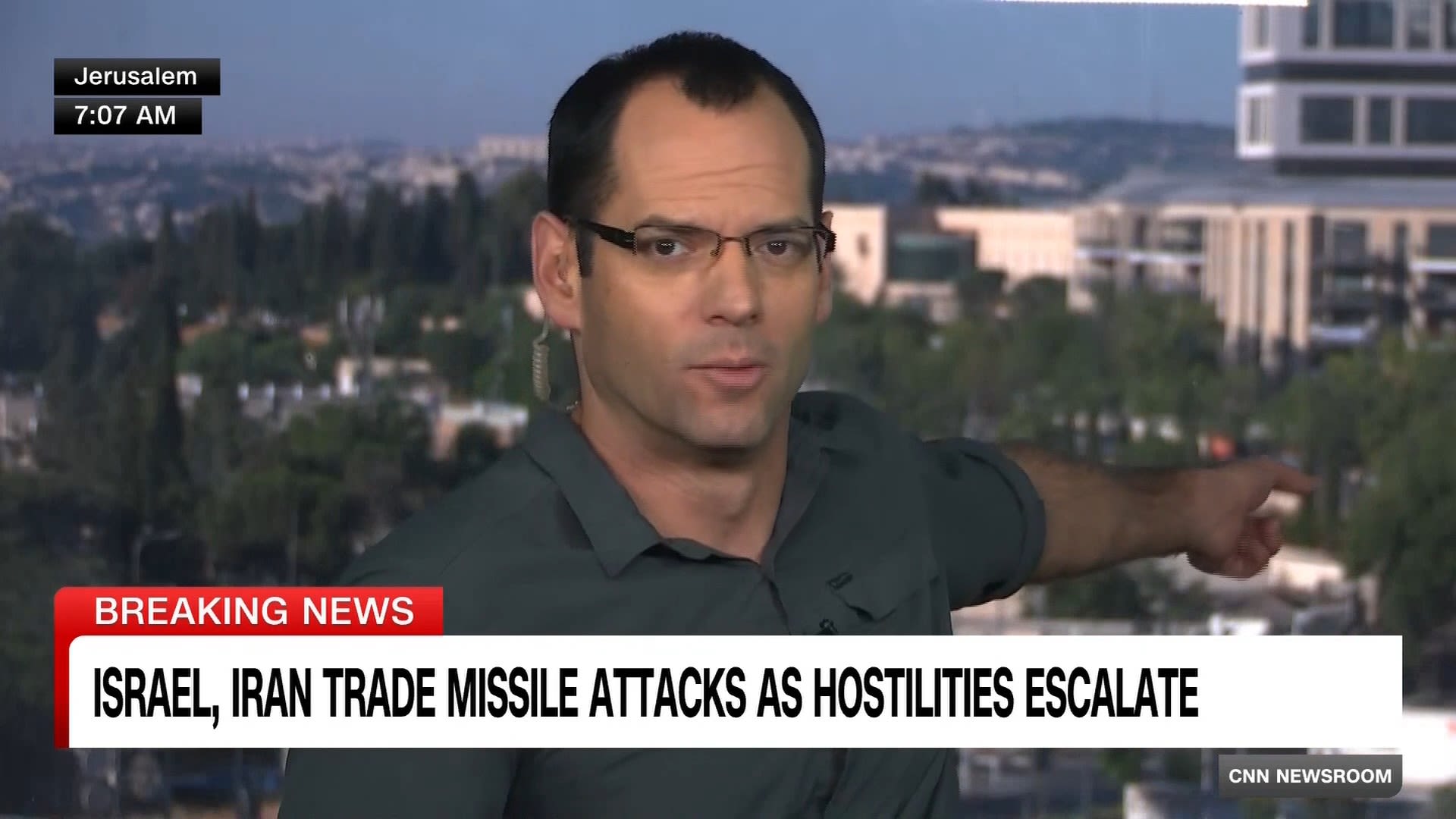
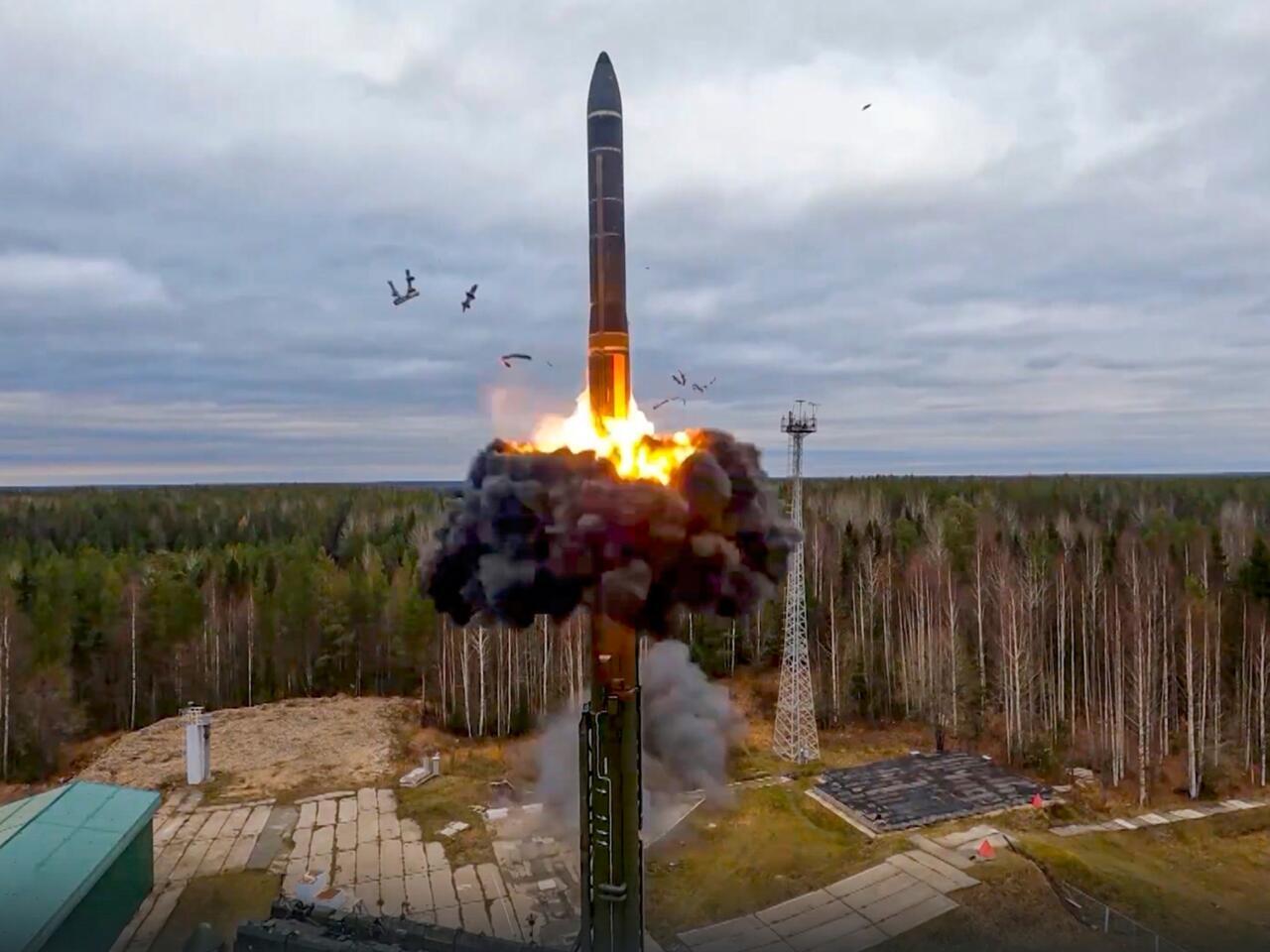
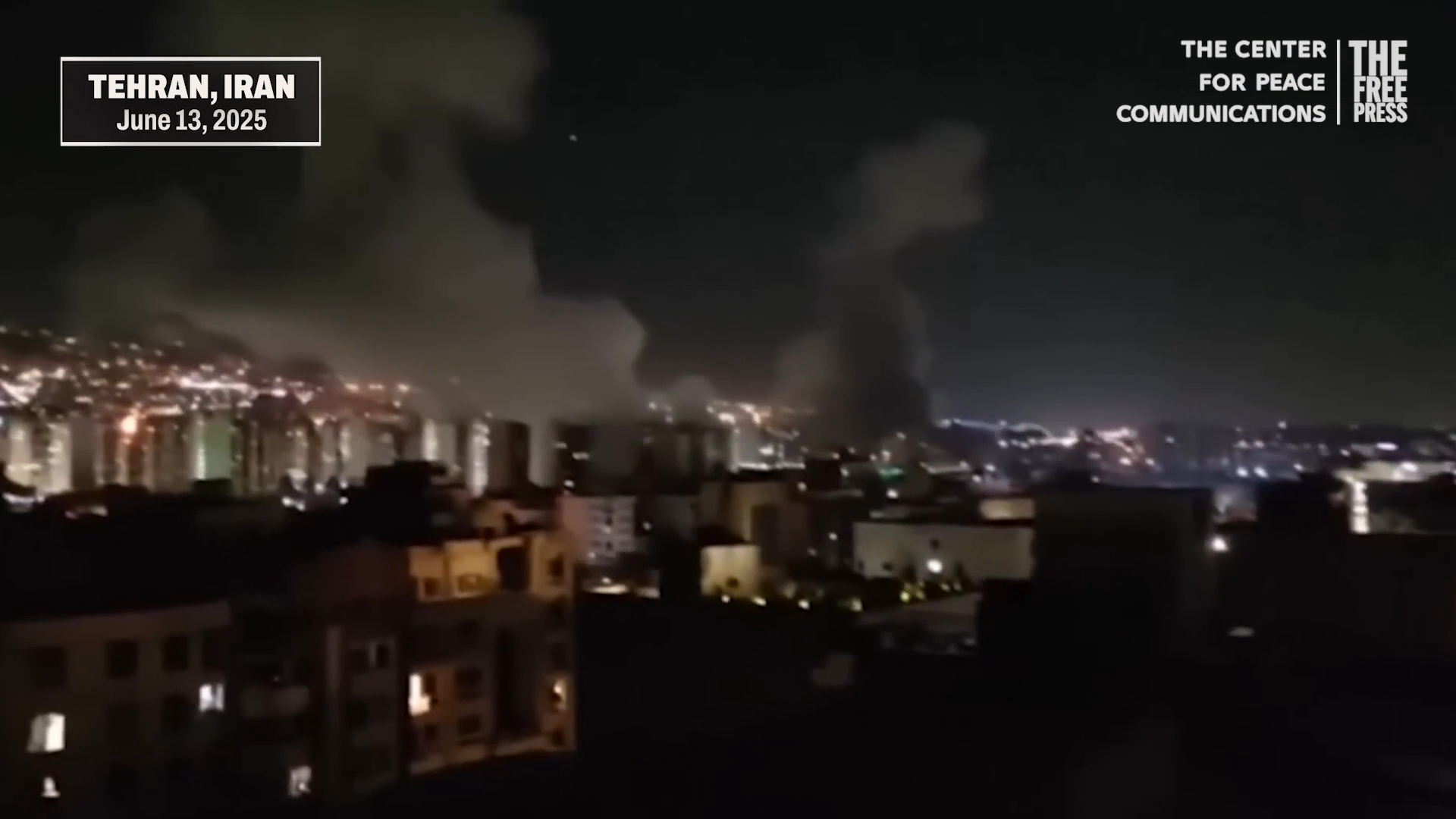
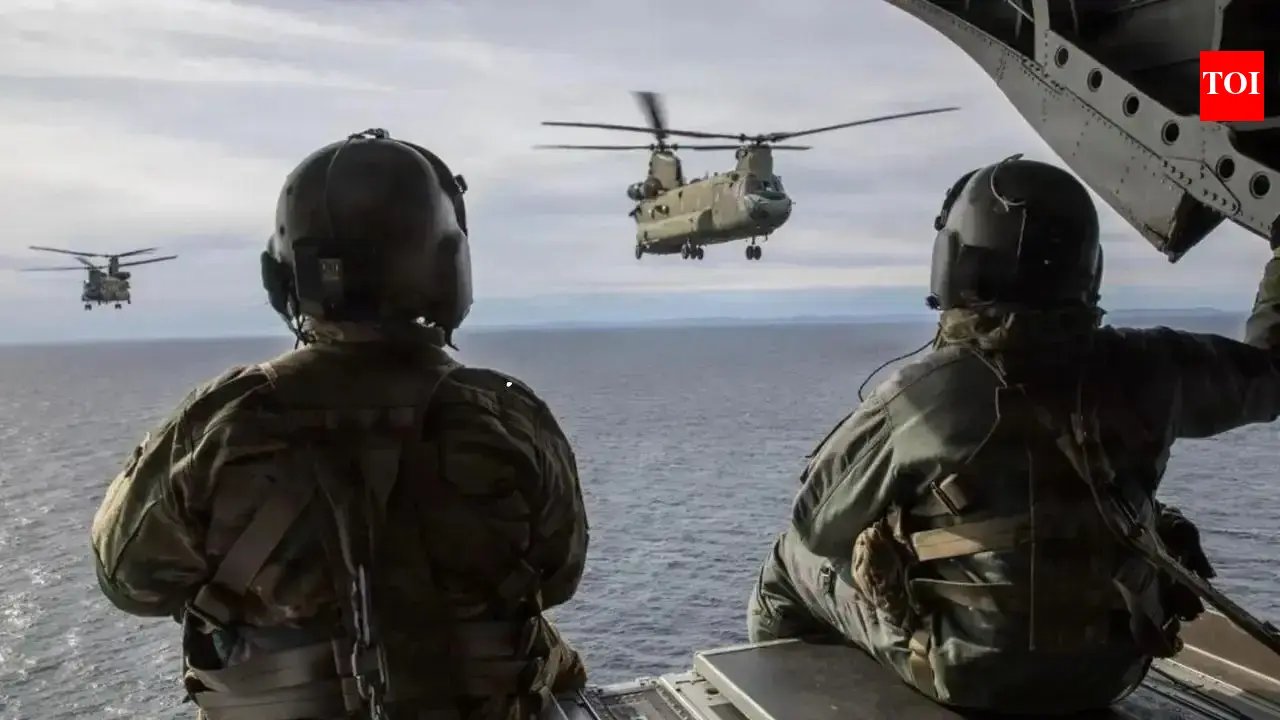
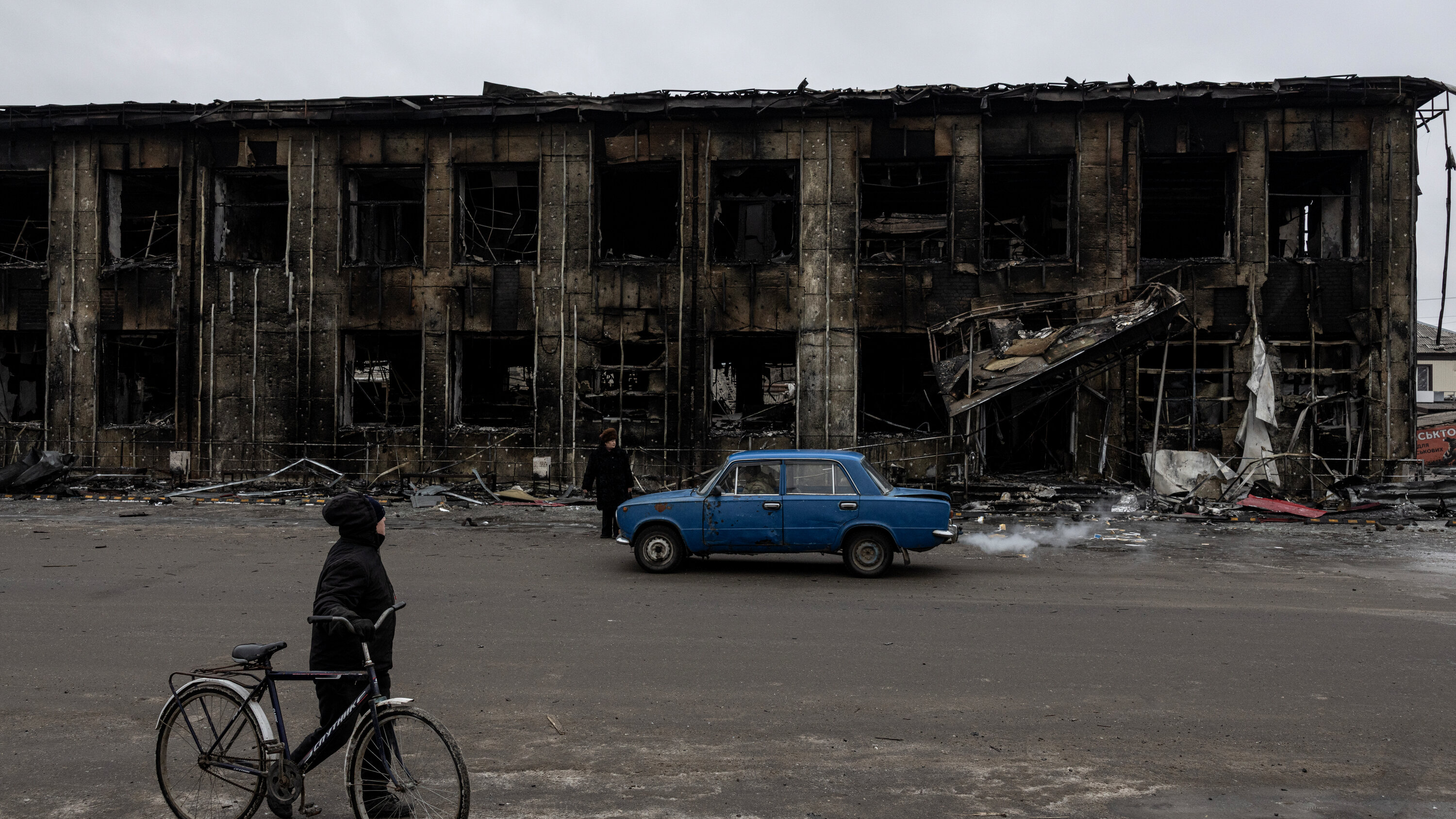
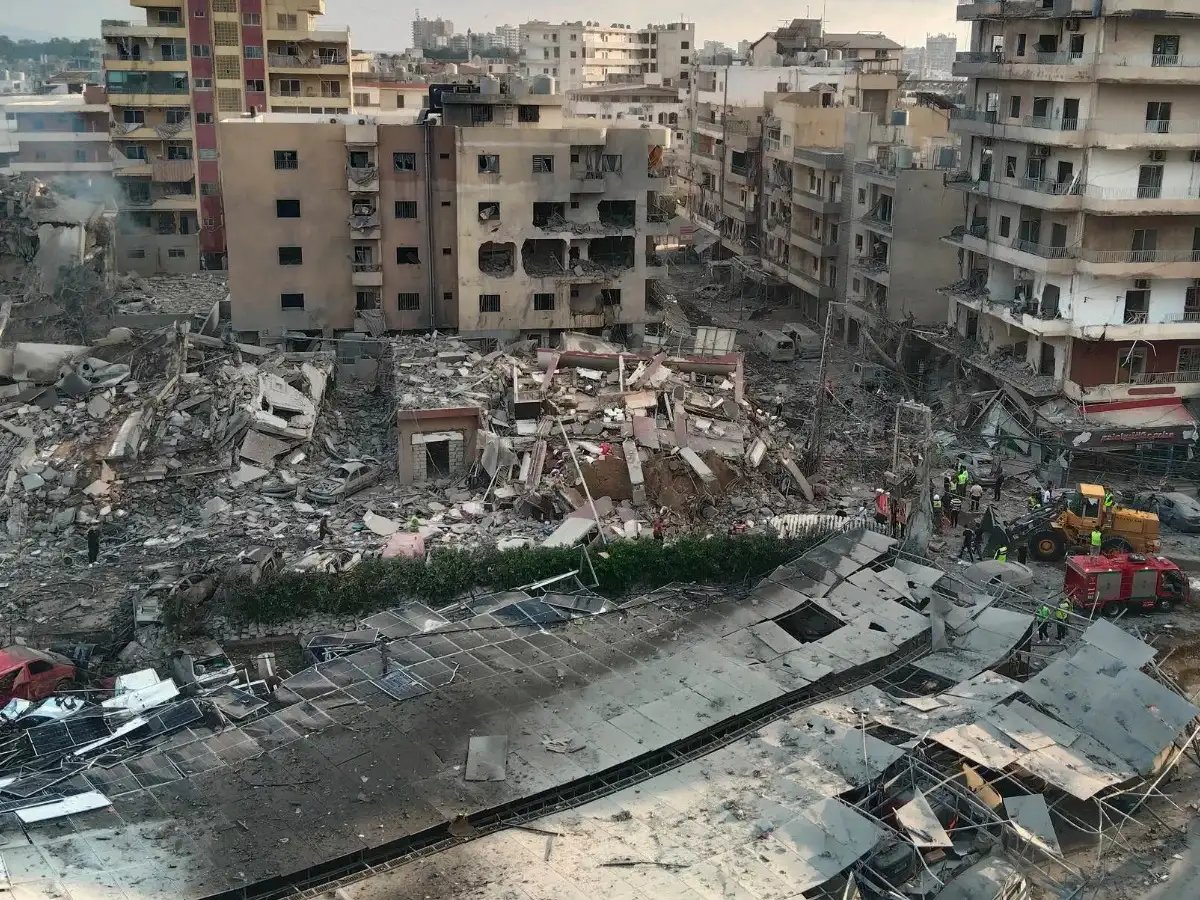
The fragile ceasefire between the U.S. and Iran is teetering on the edge after both nations engaged in extensive military exchanges. On Tuesday, Iran struck three commercial vessels in the Strait of Hormuz, prompting a swift U.S. military response. The U.S. Central Command reported that they targeted 80 Iranian sites overnight, asserting the operations aimed to “further degrade” Iran's capability to threaten maritime navigation. This escalation comes just weeks after an interim deal was signed, intended to stabilize relations.
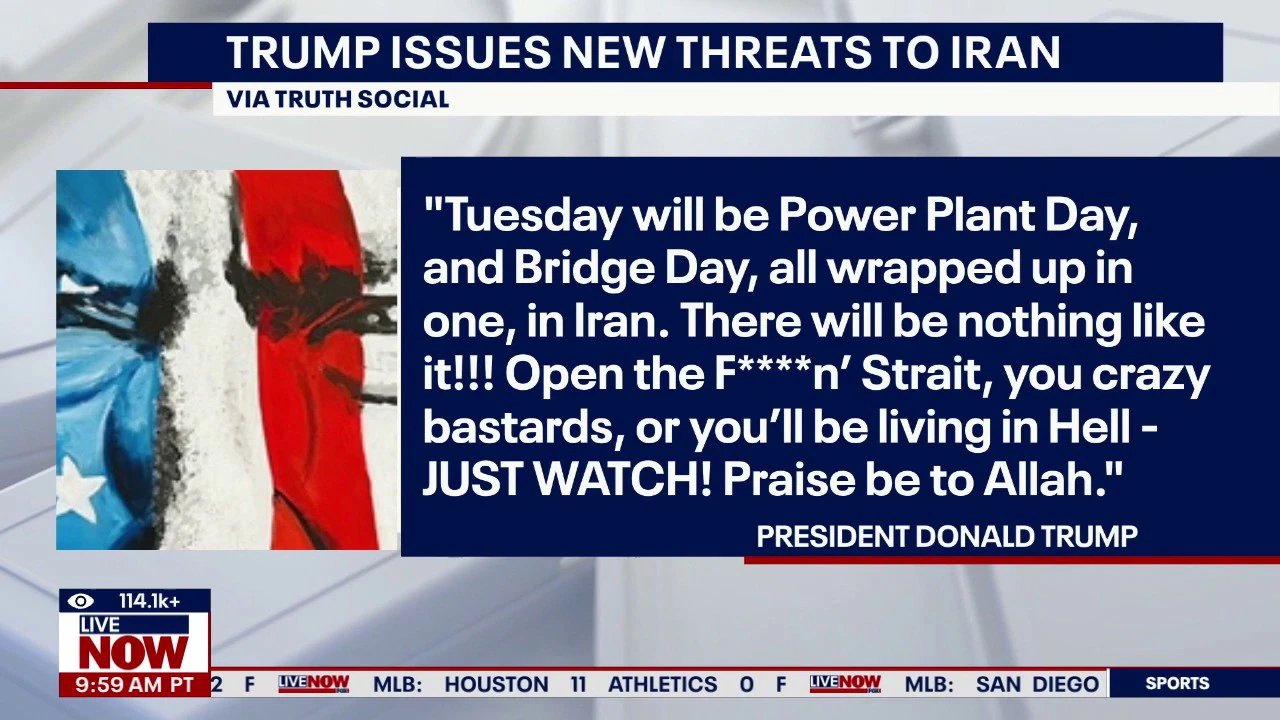
Trump Issues Threats Amid Tensions
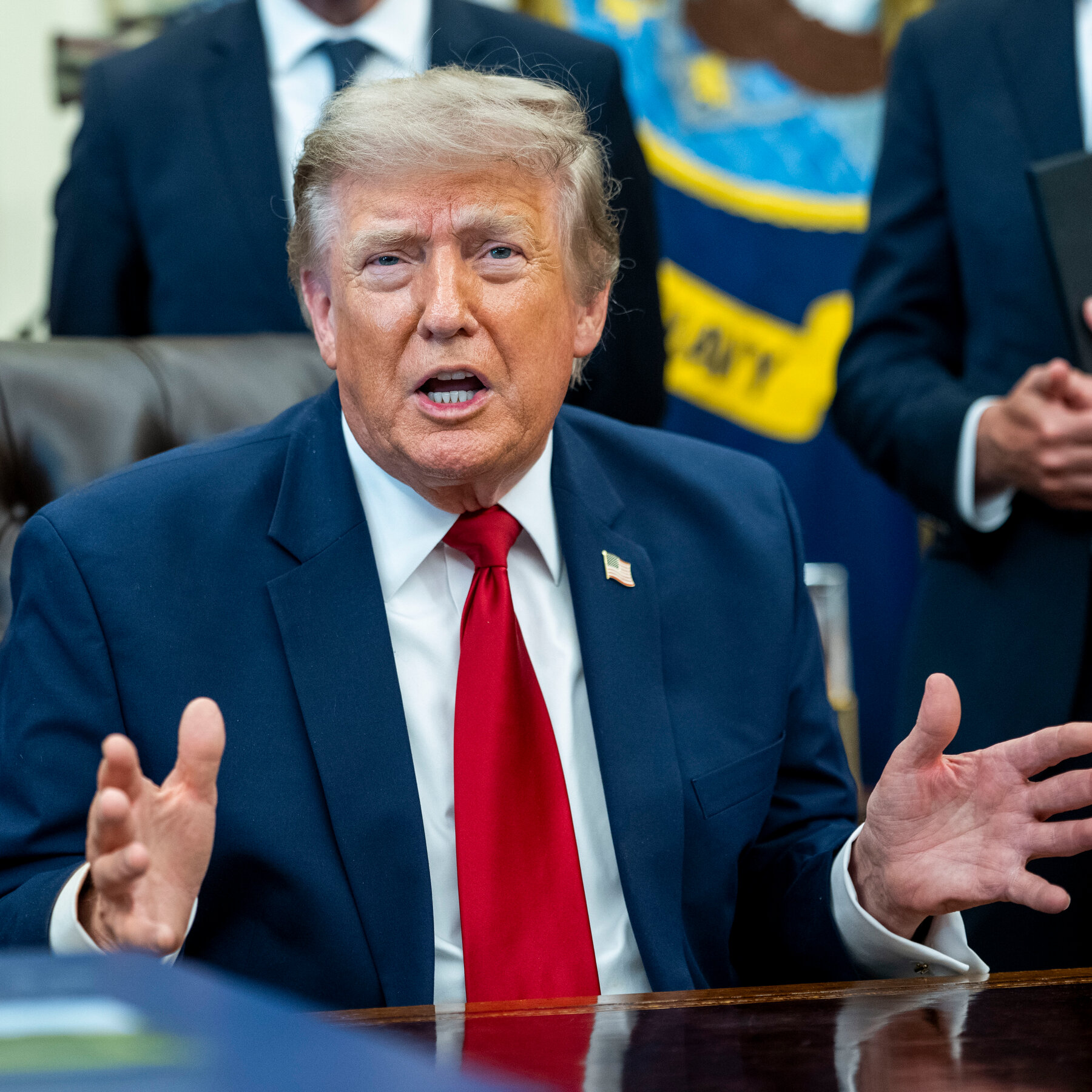
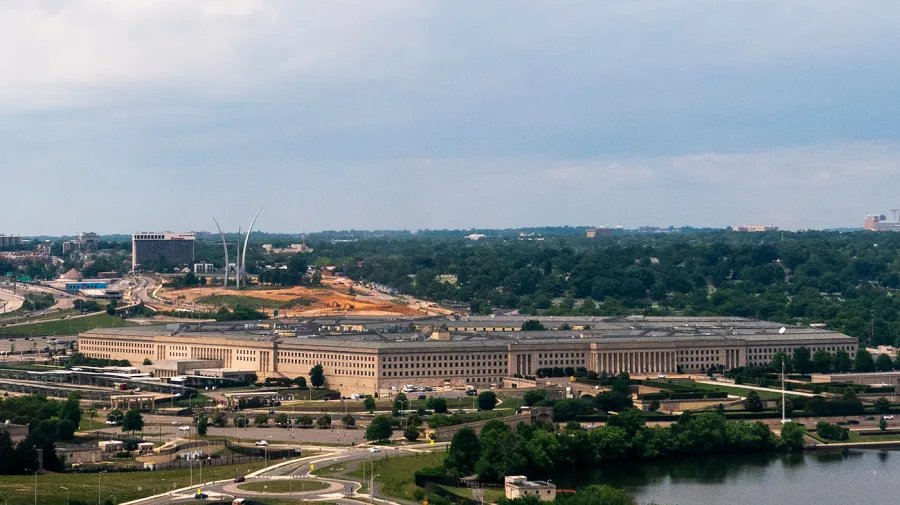
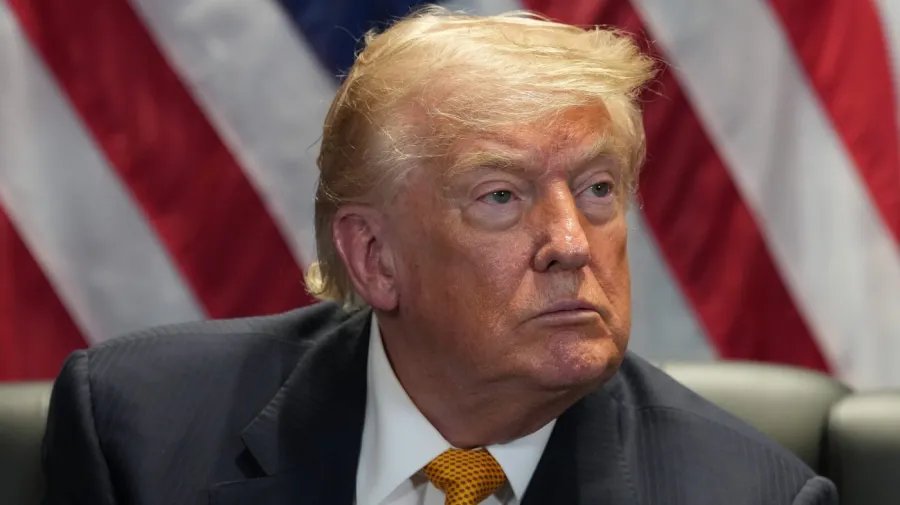
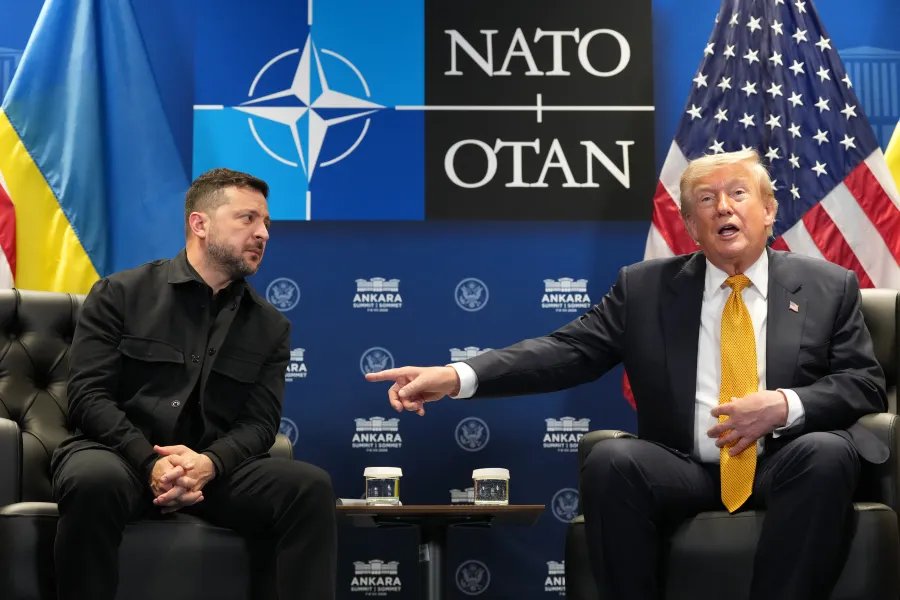
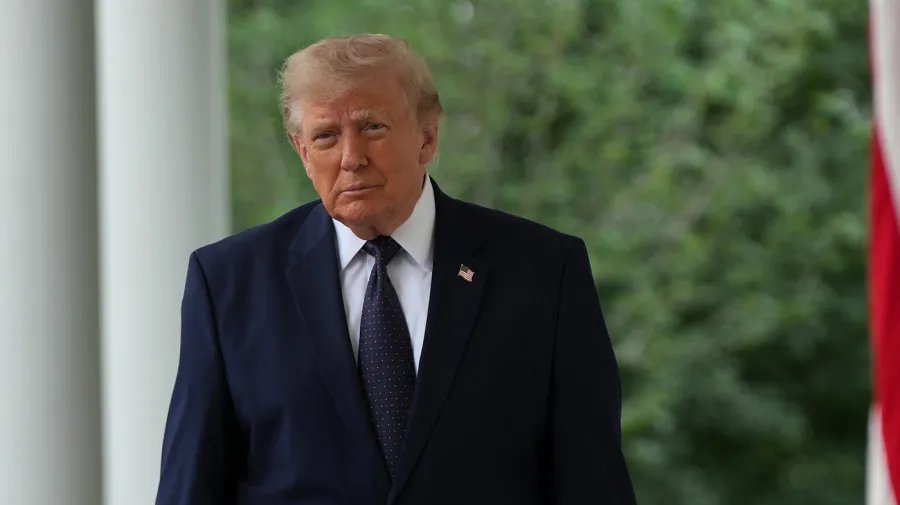
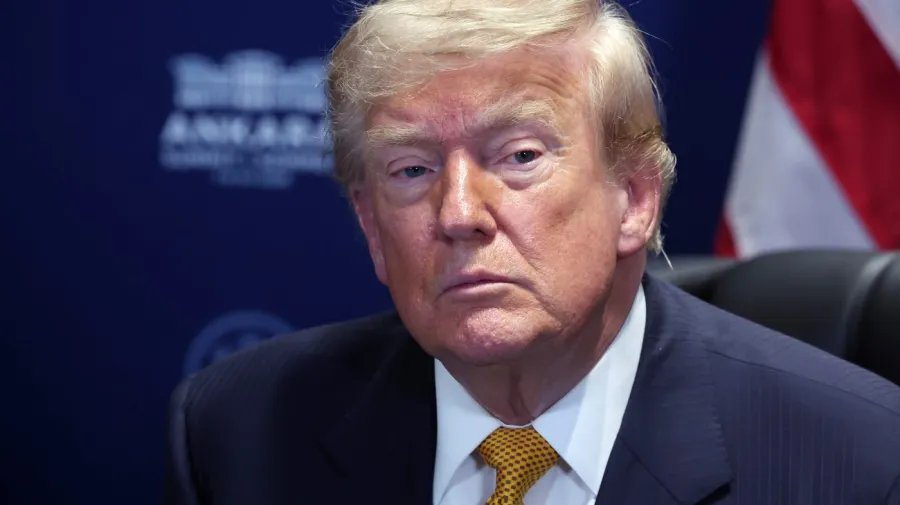
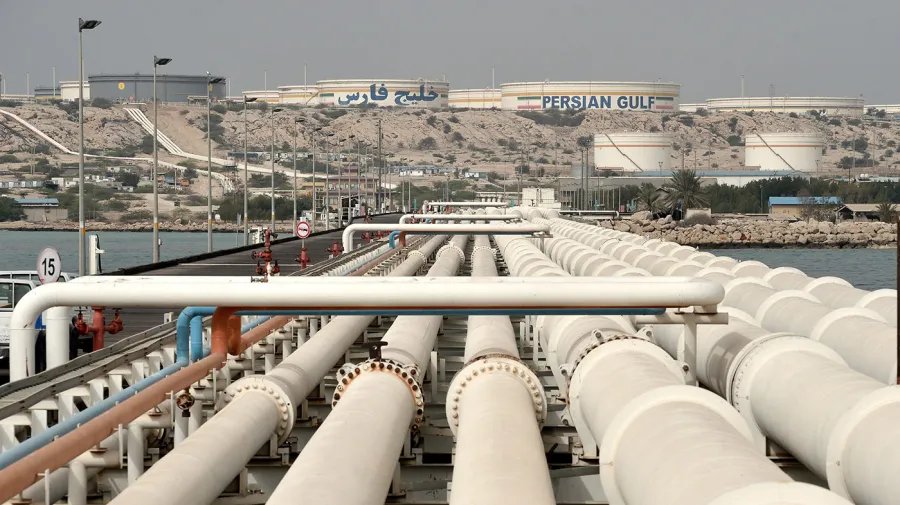
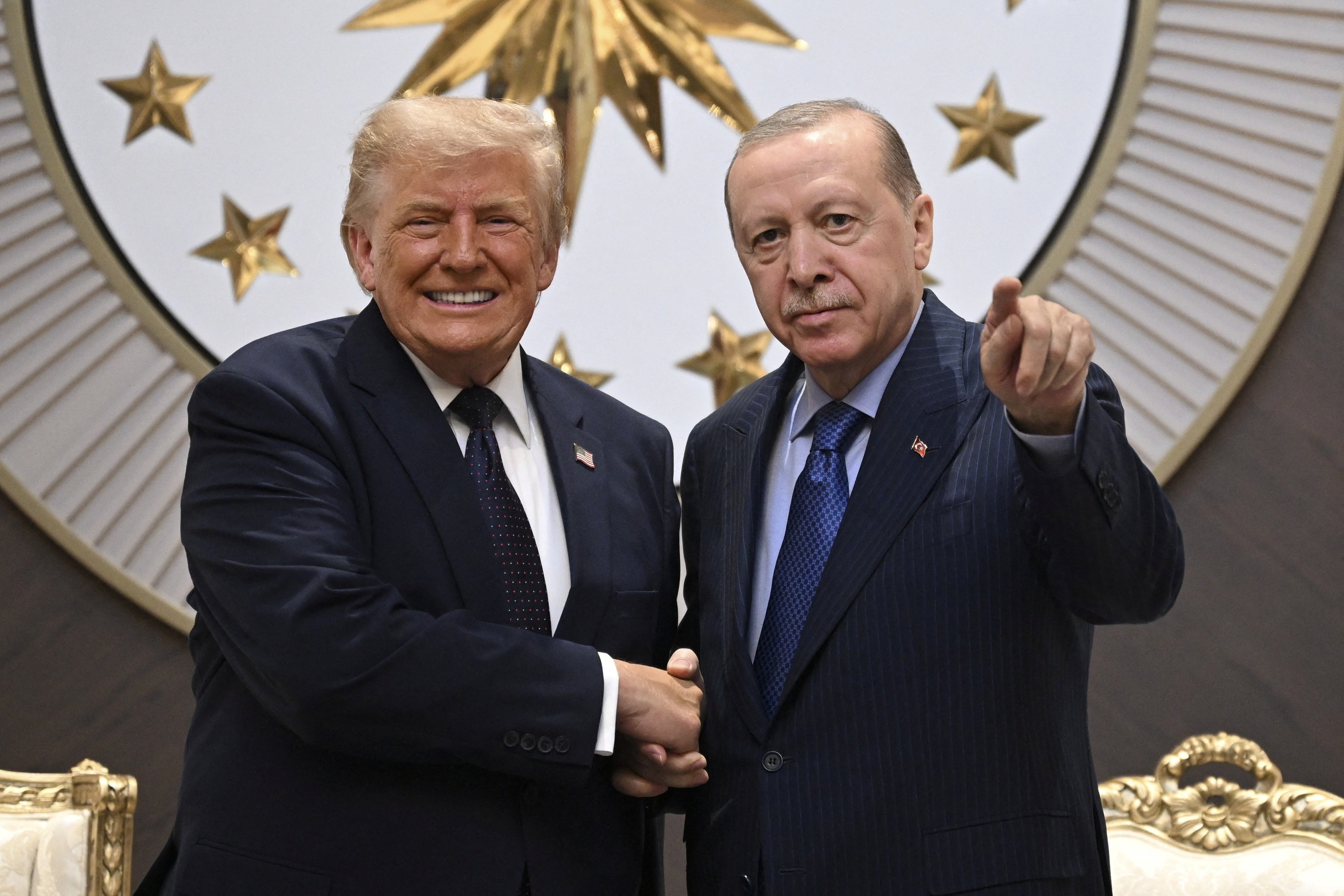
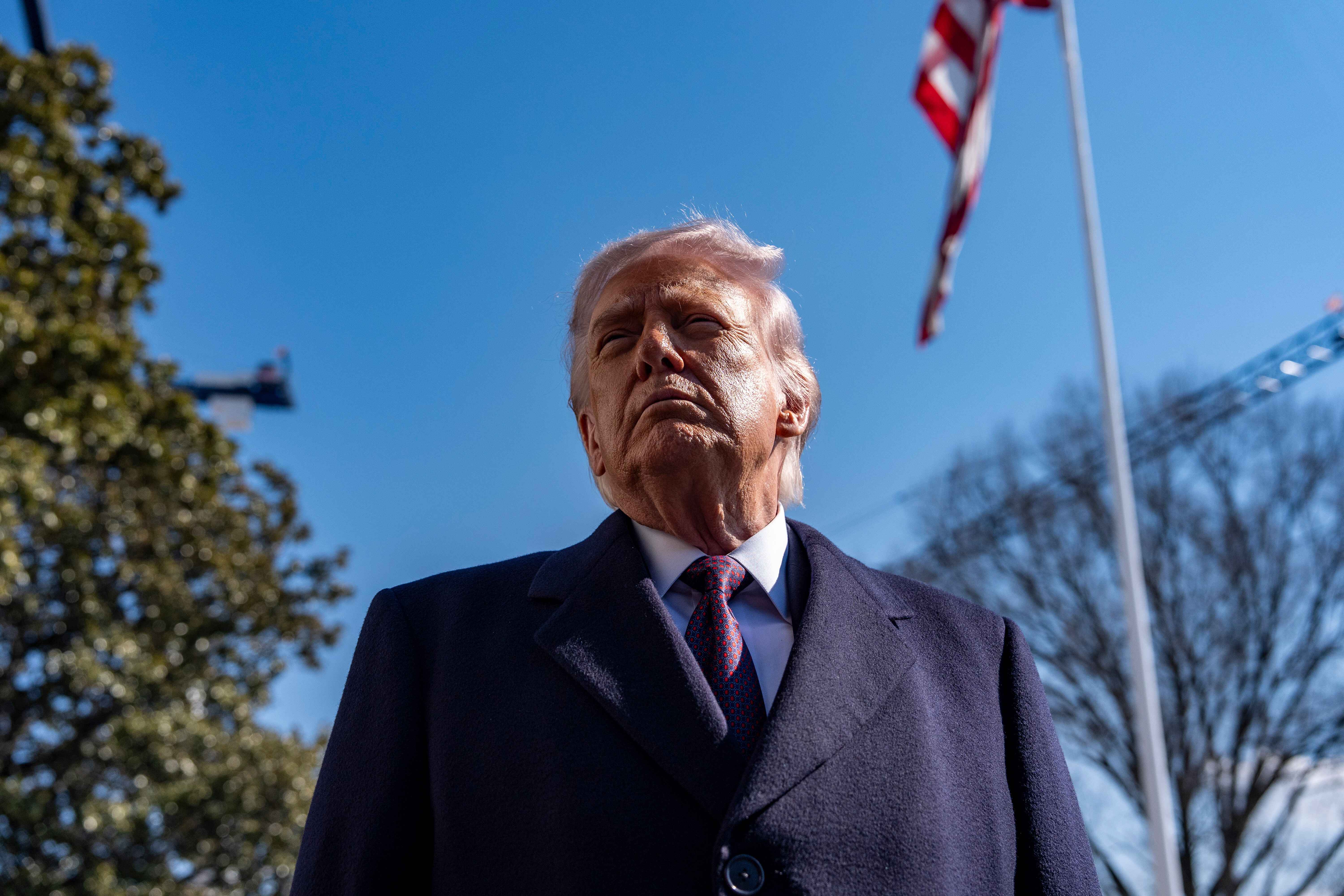
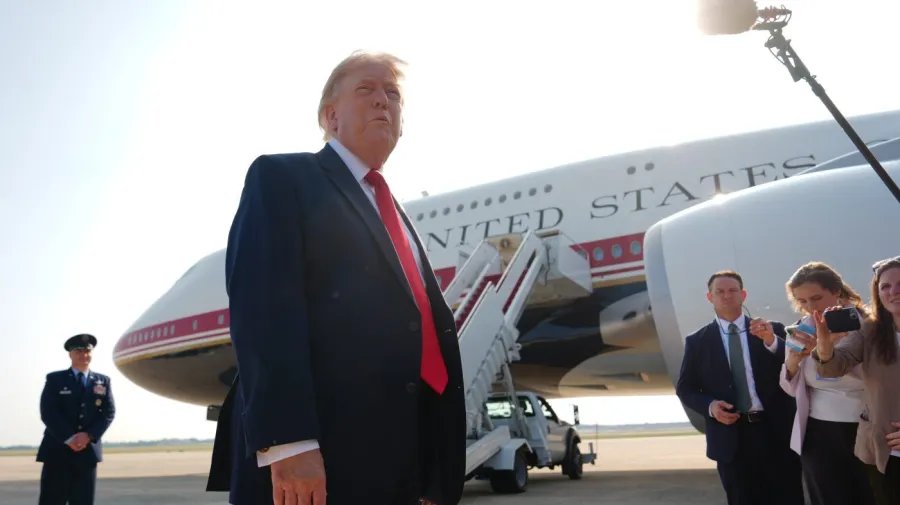
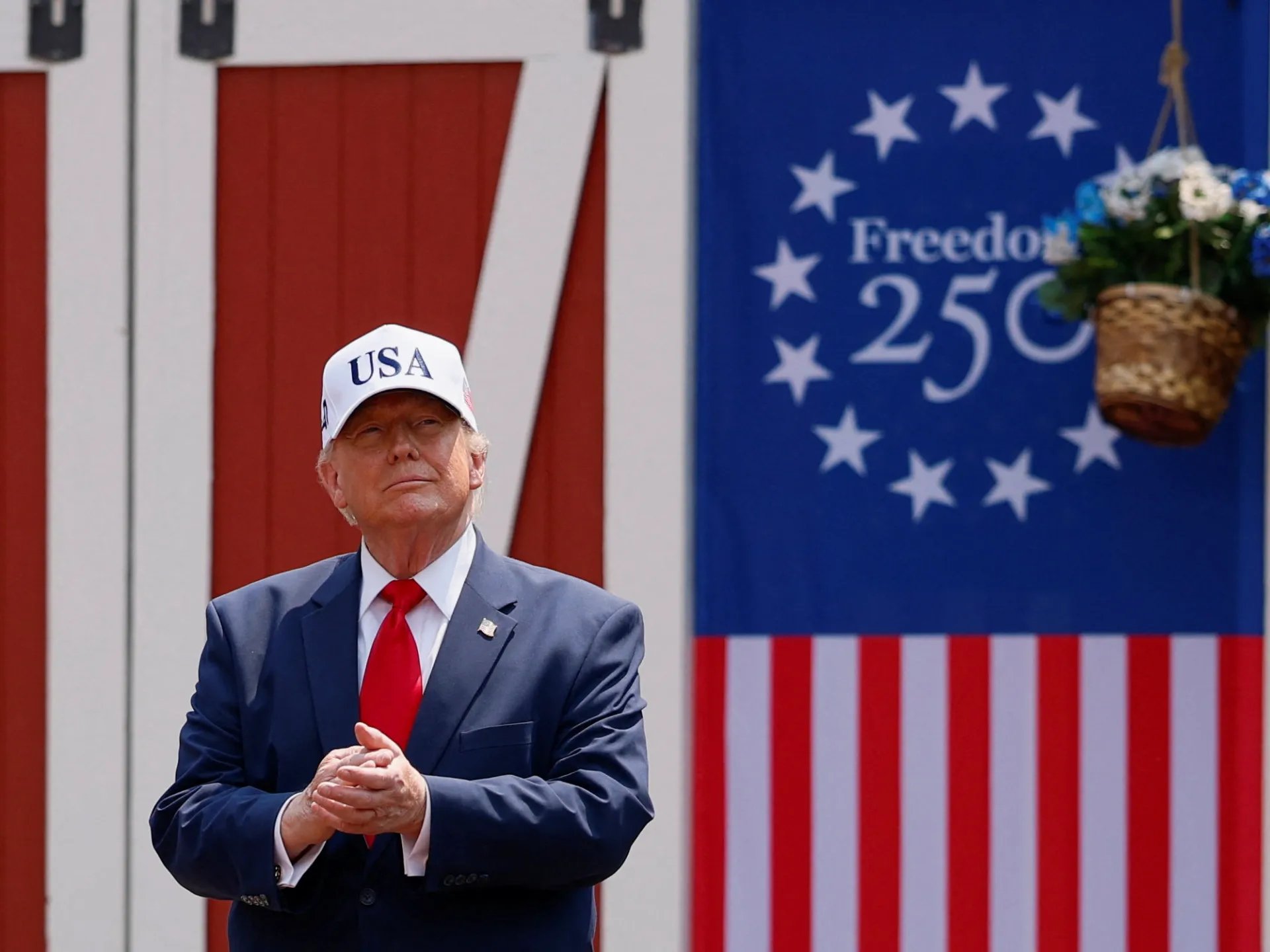
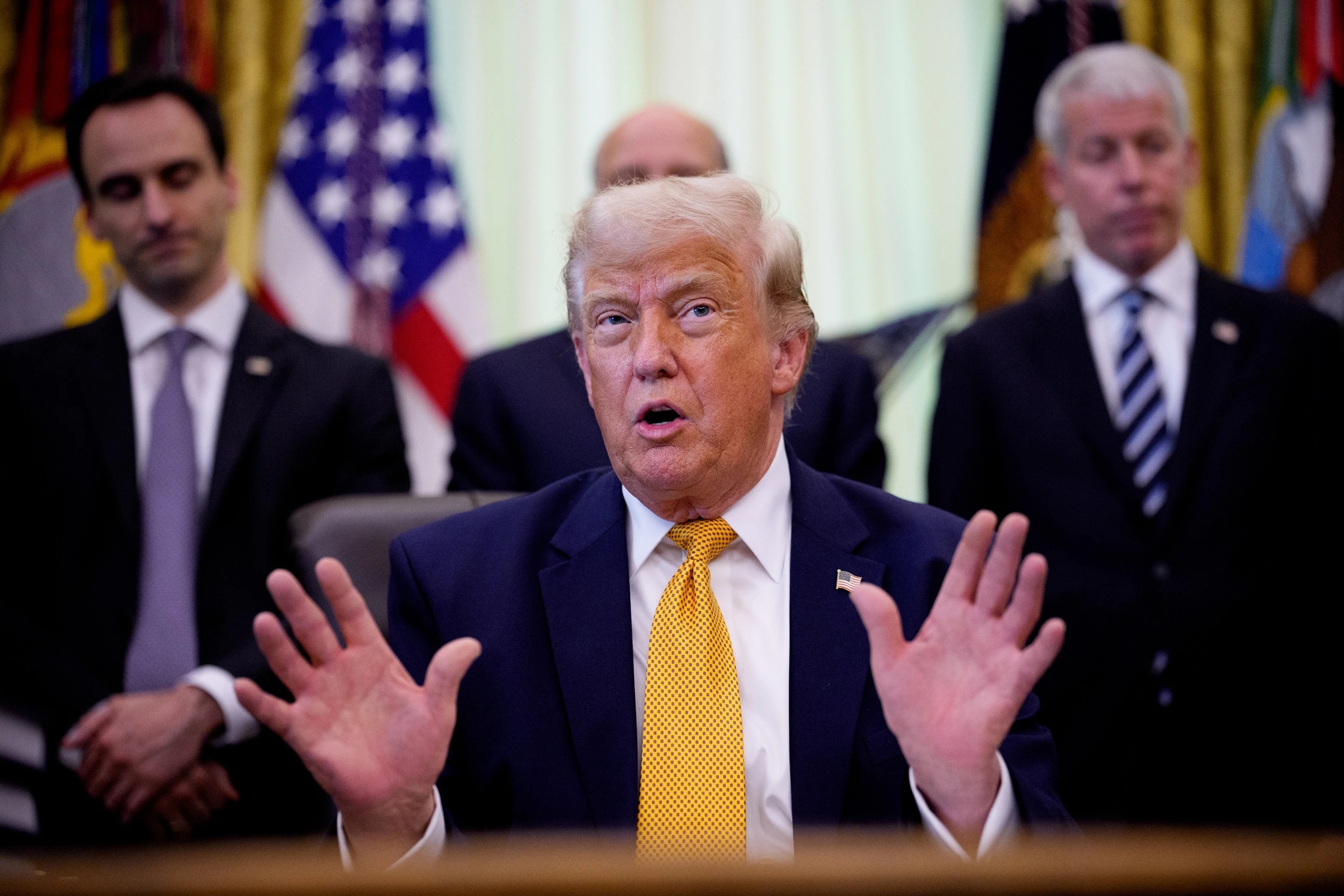
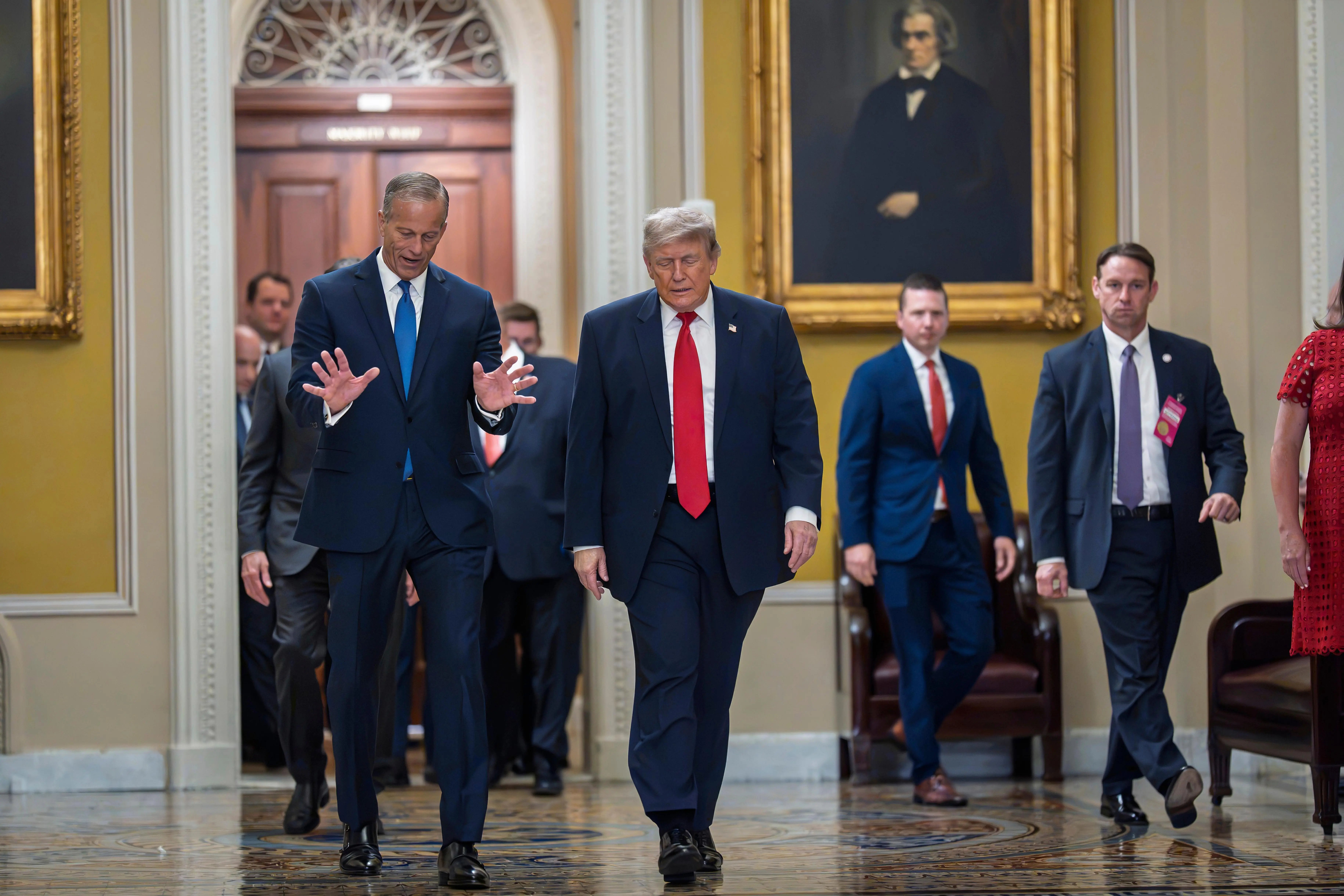
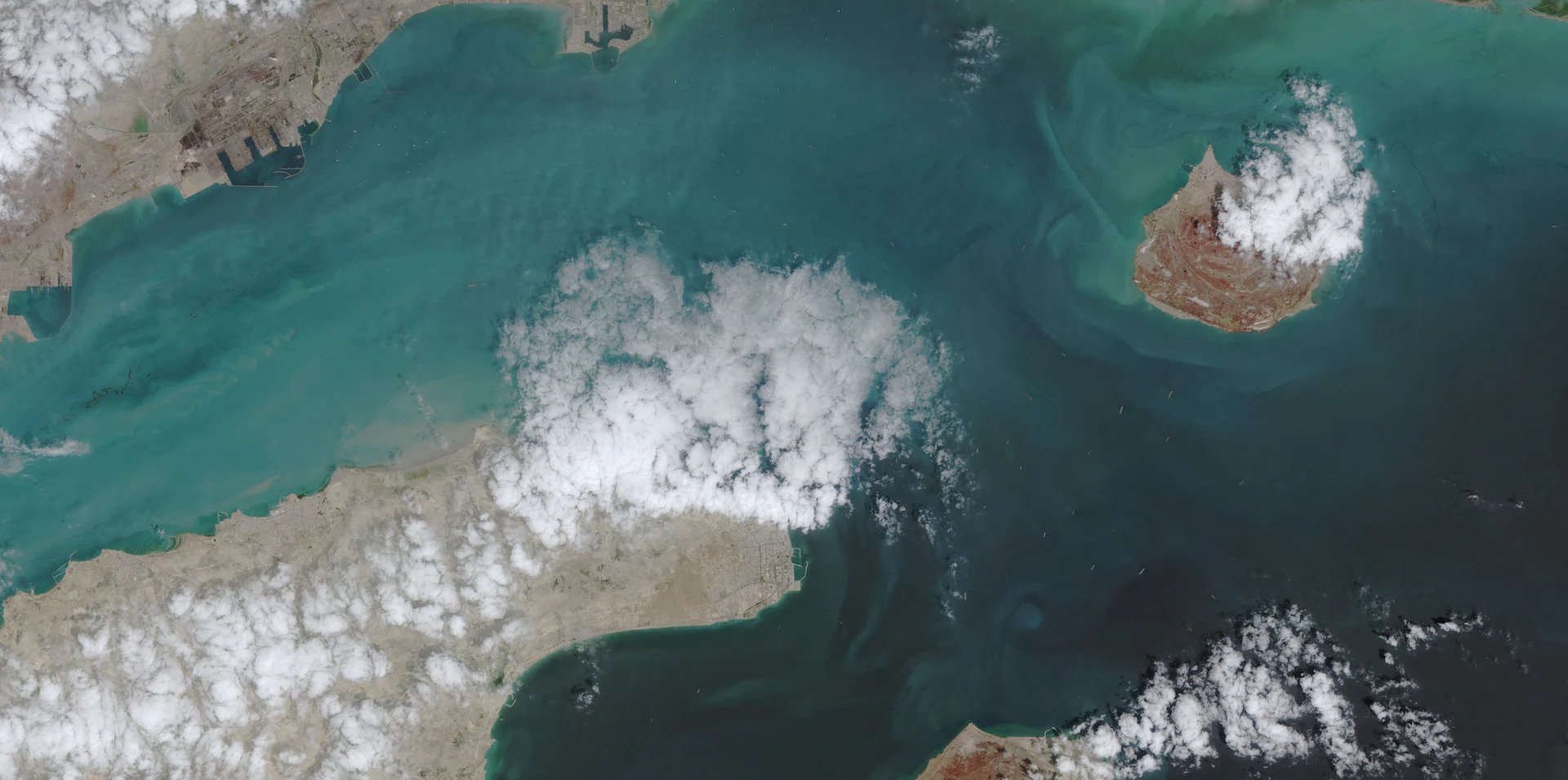
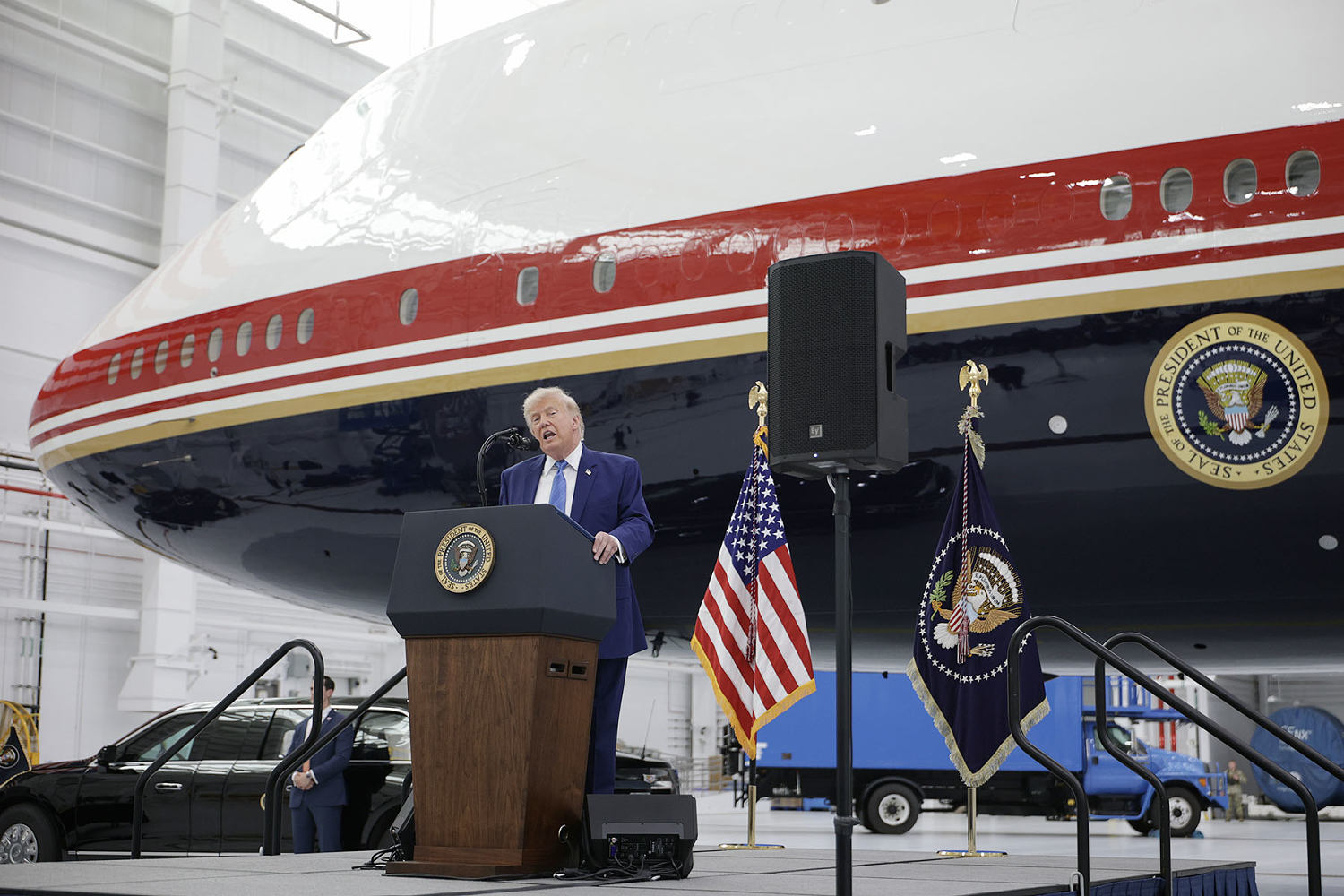
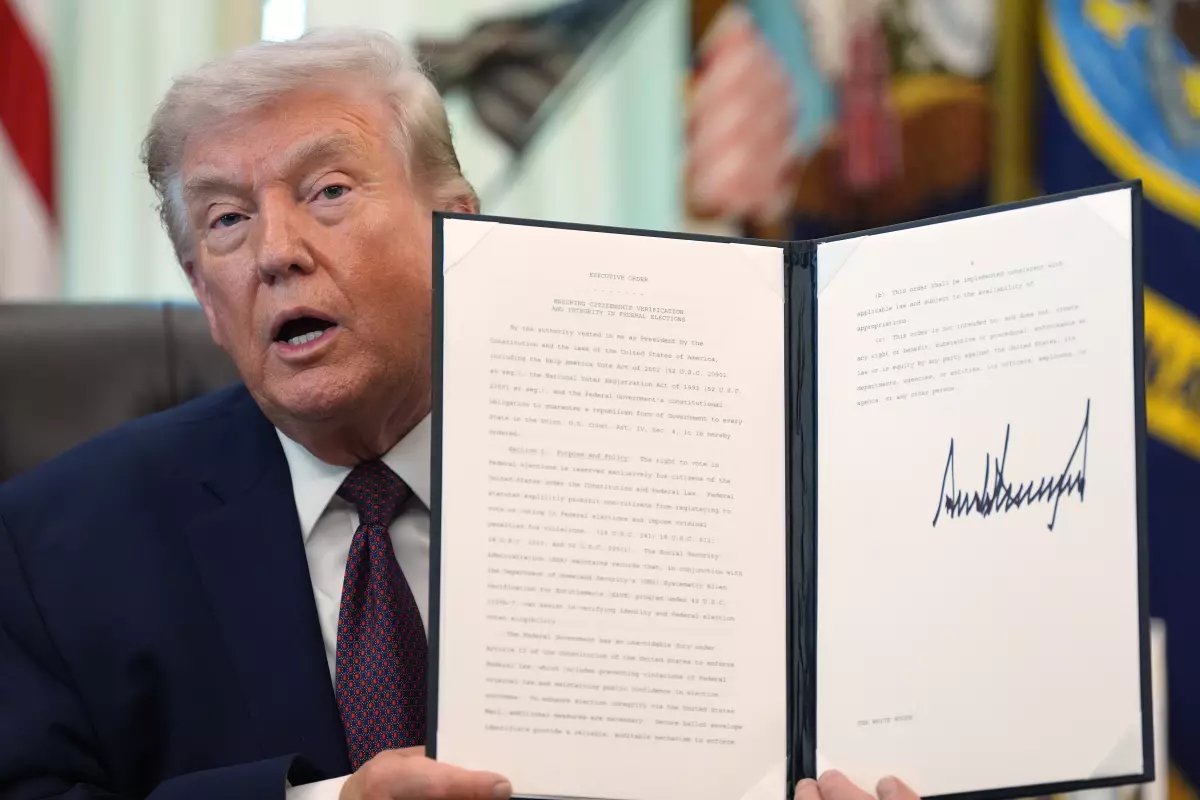
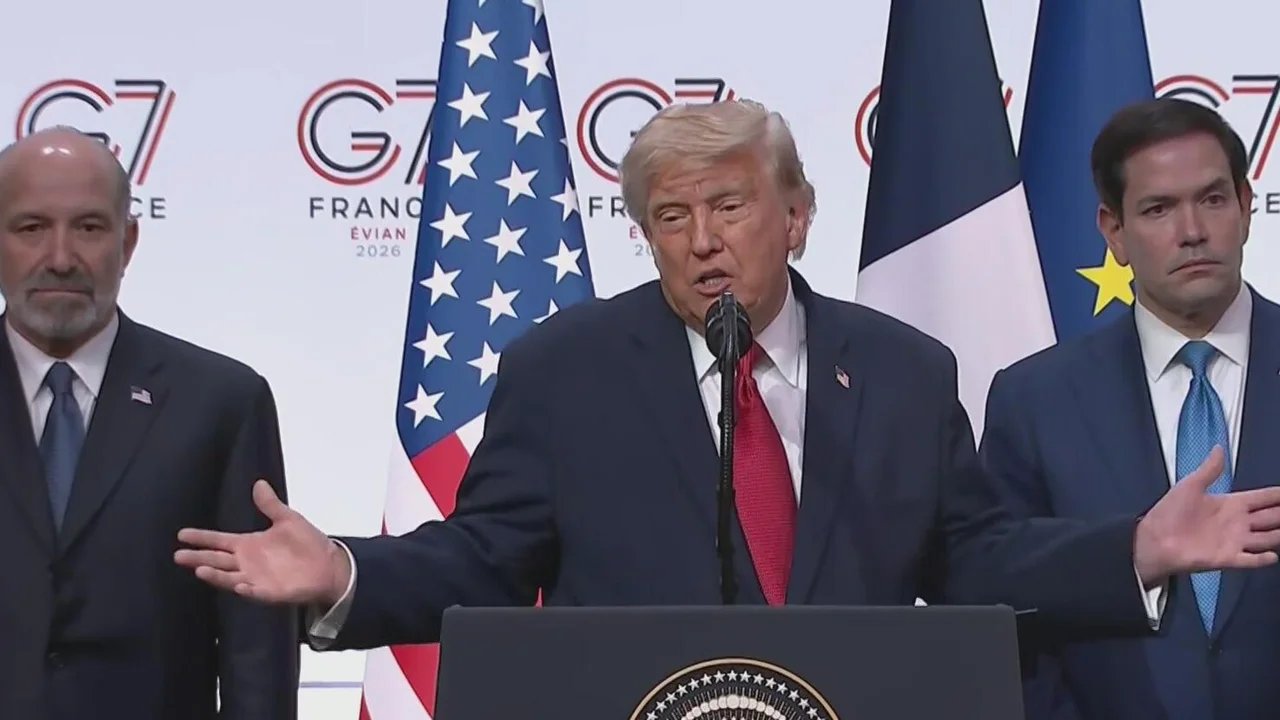
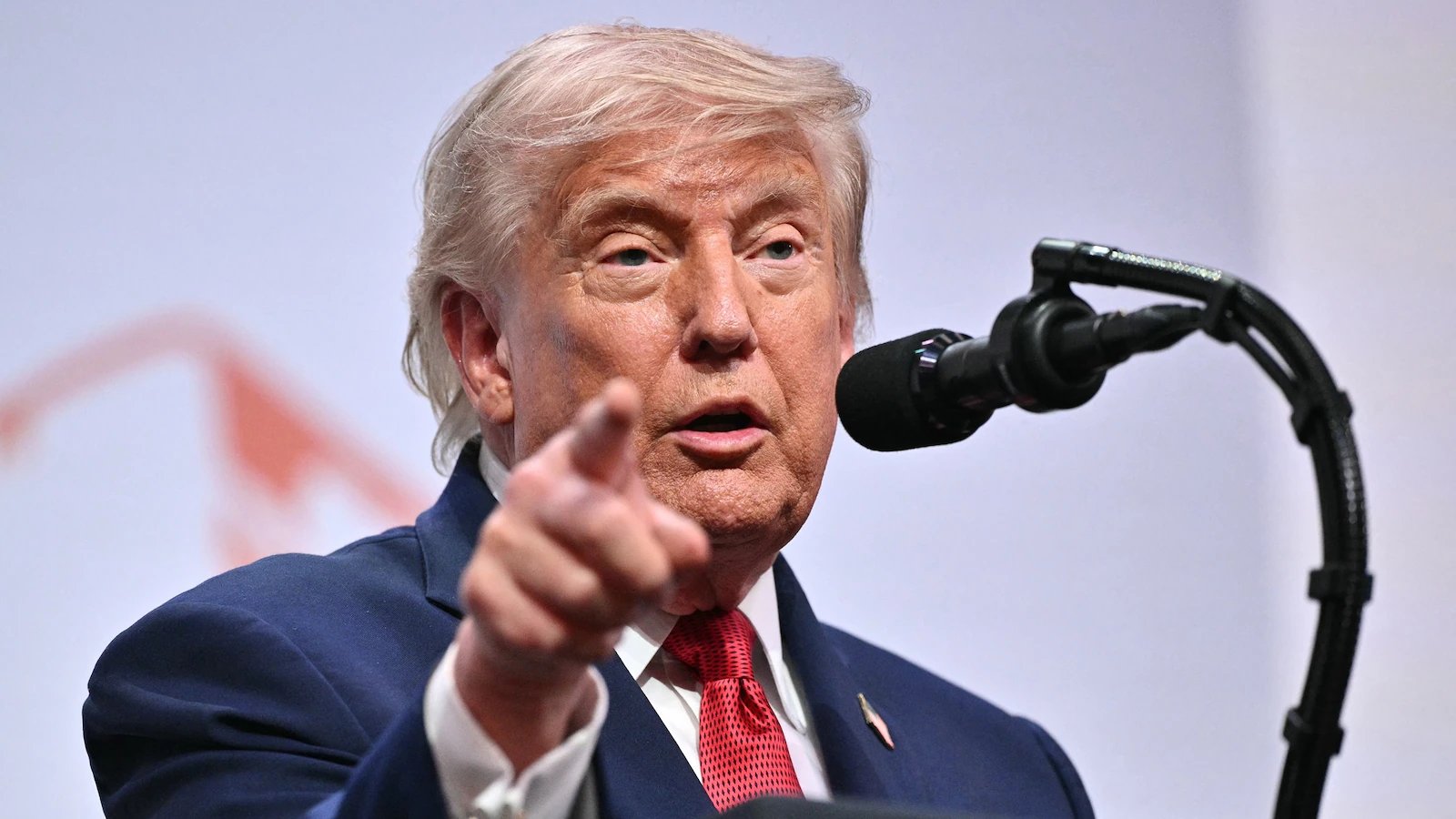
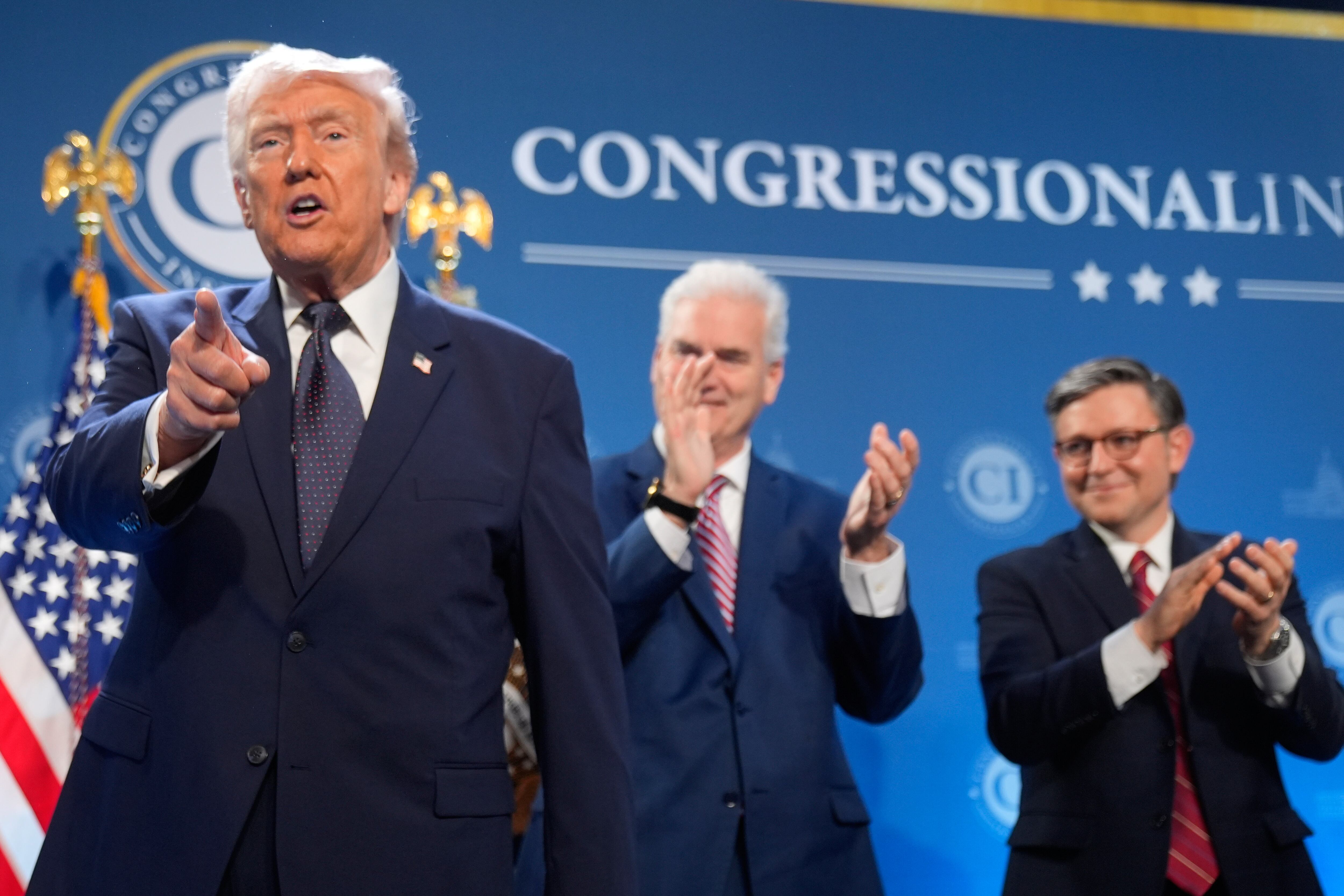
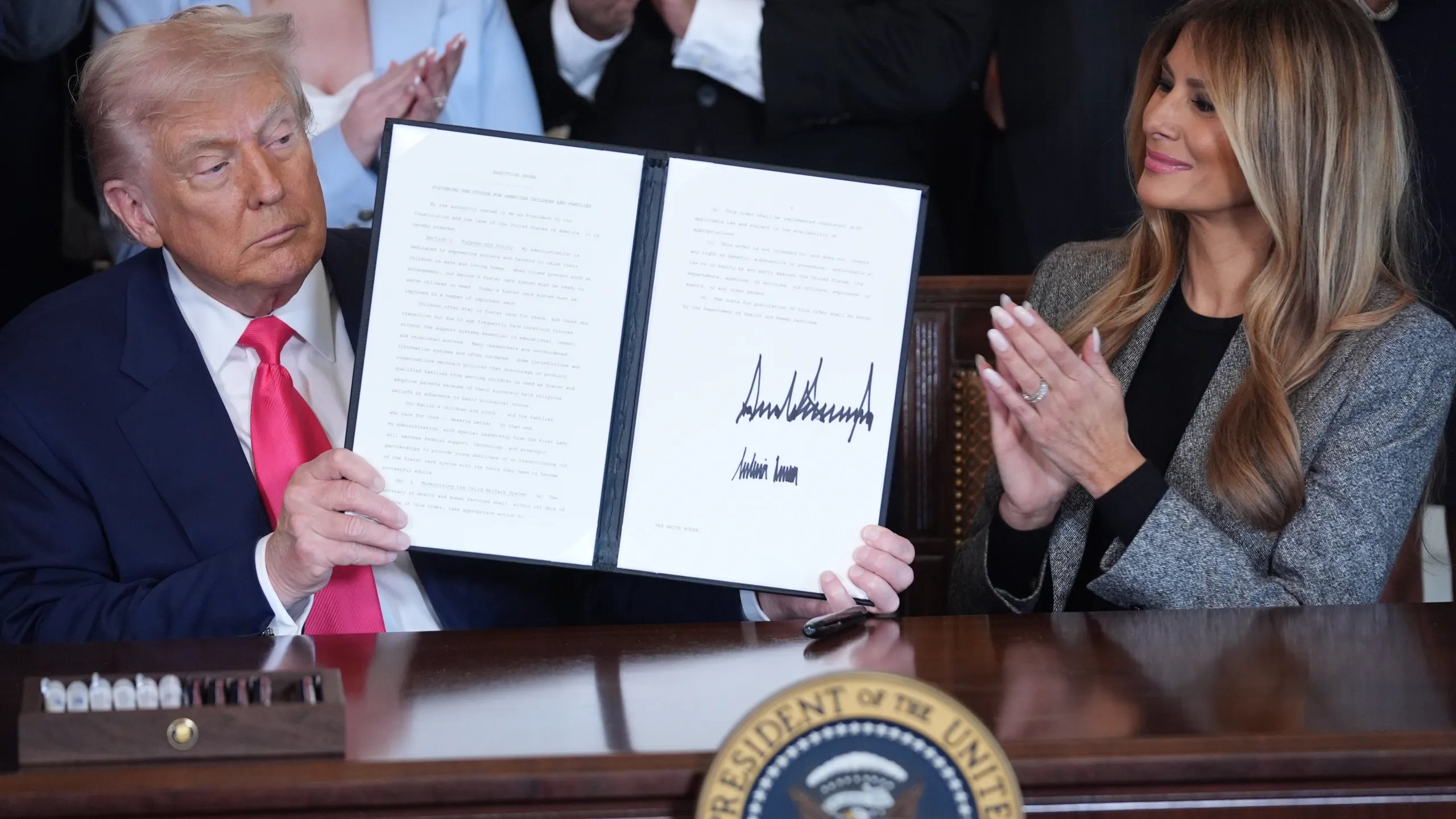
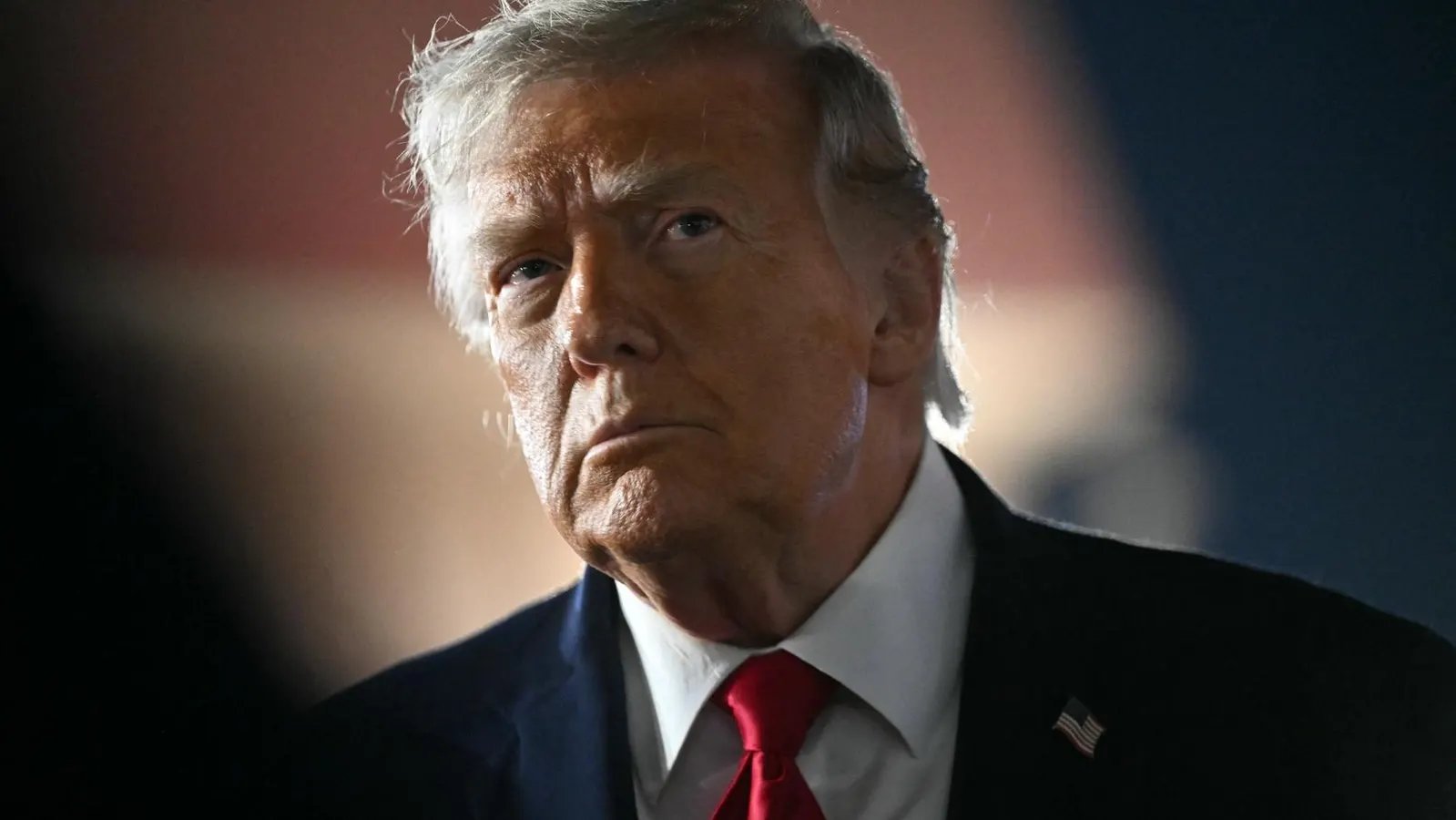
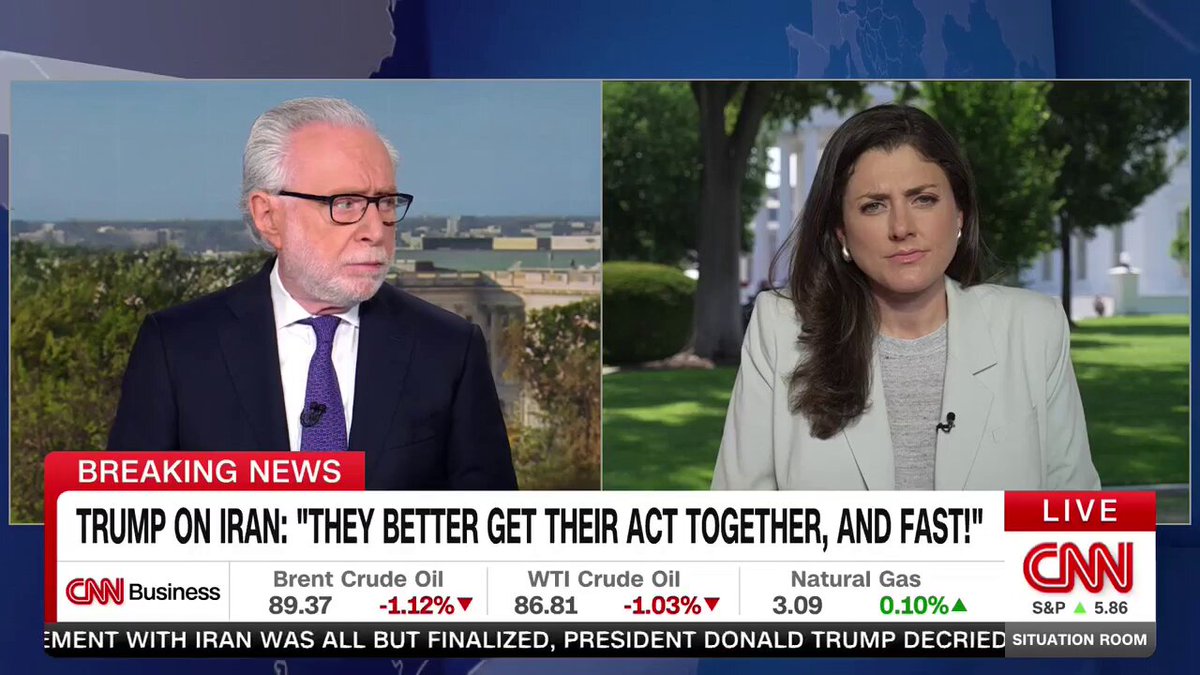
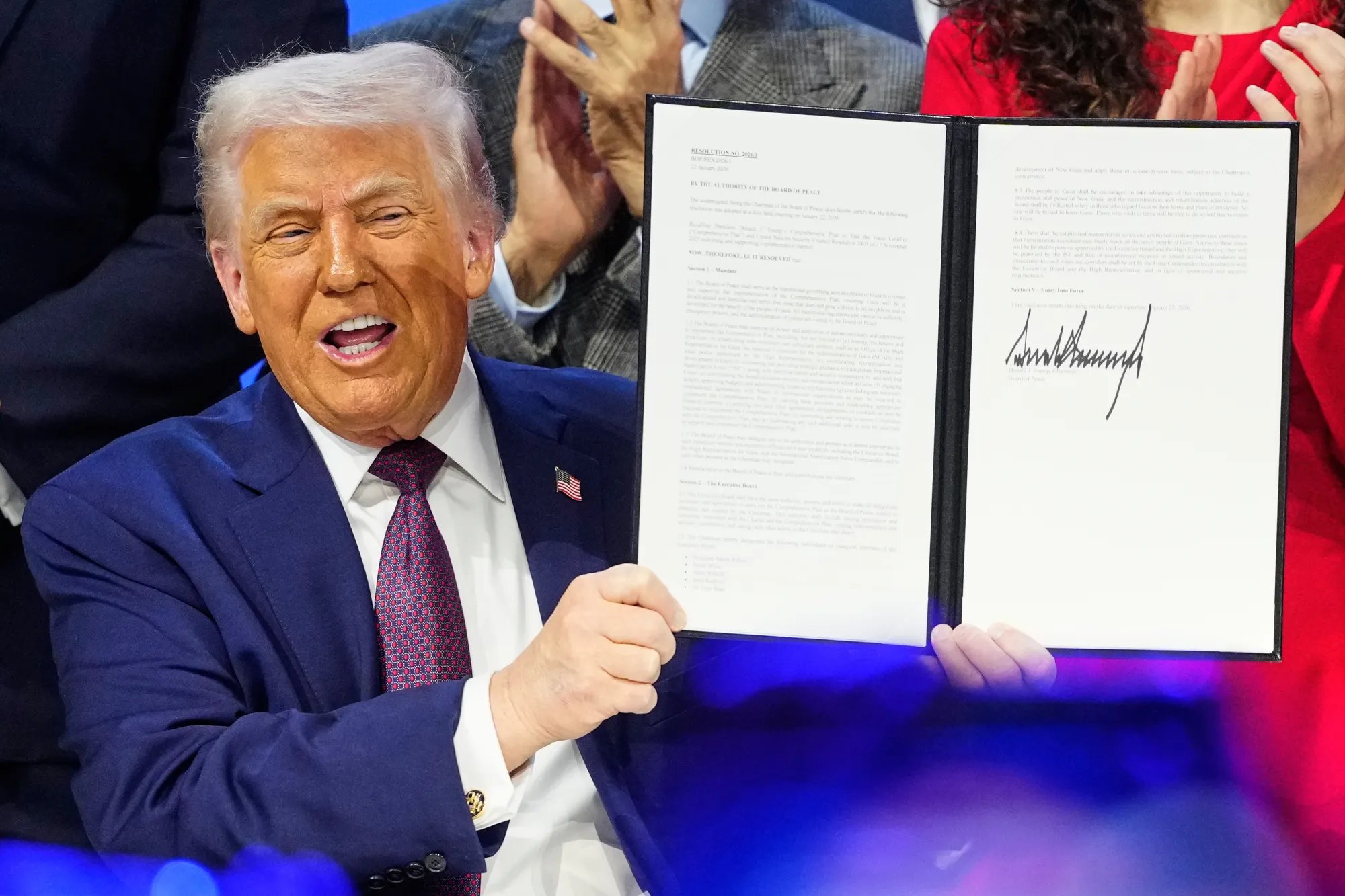
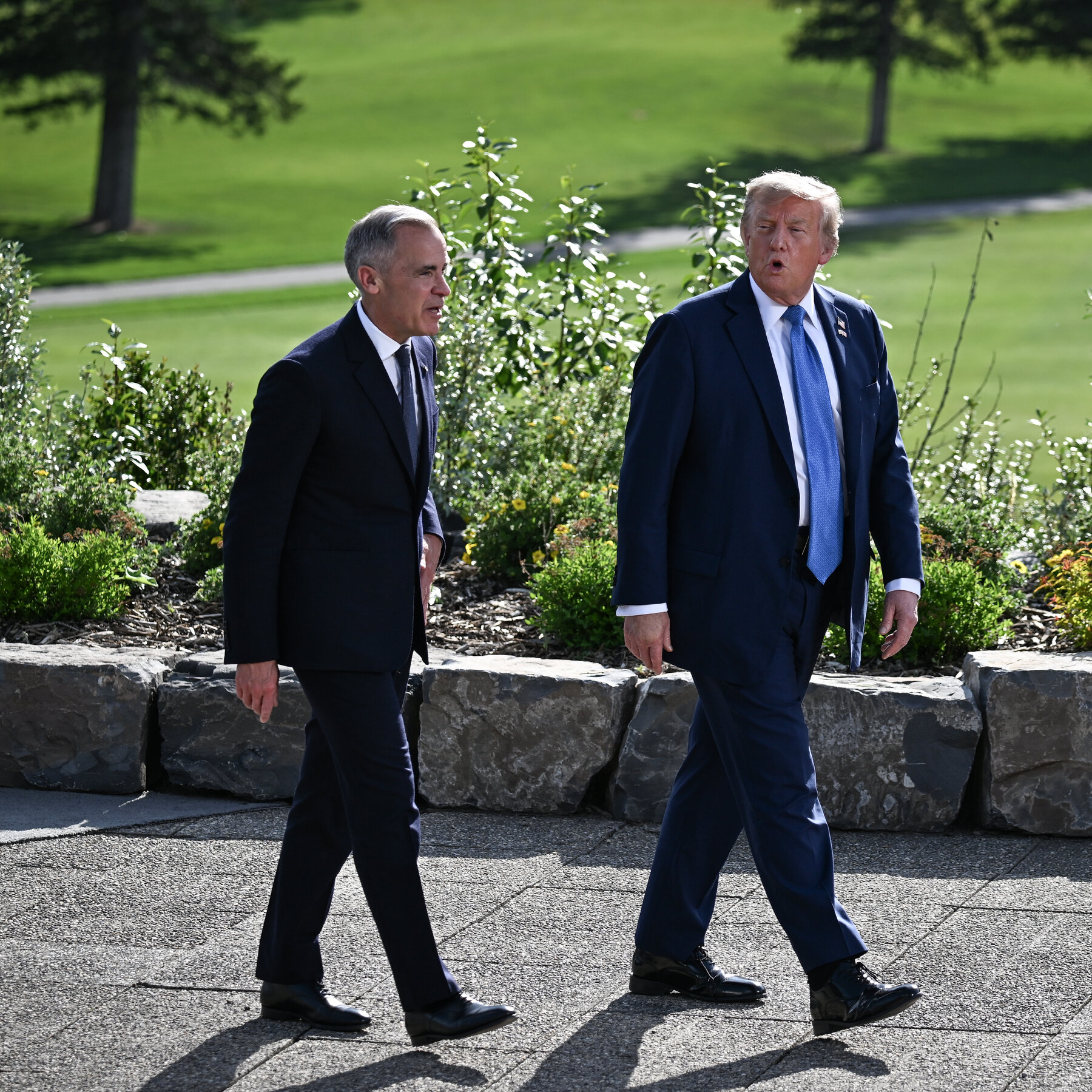
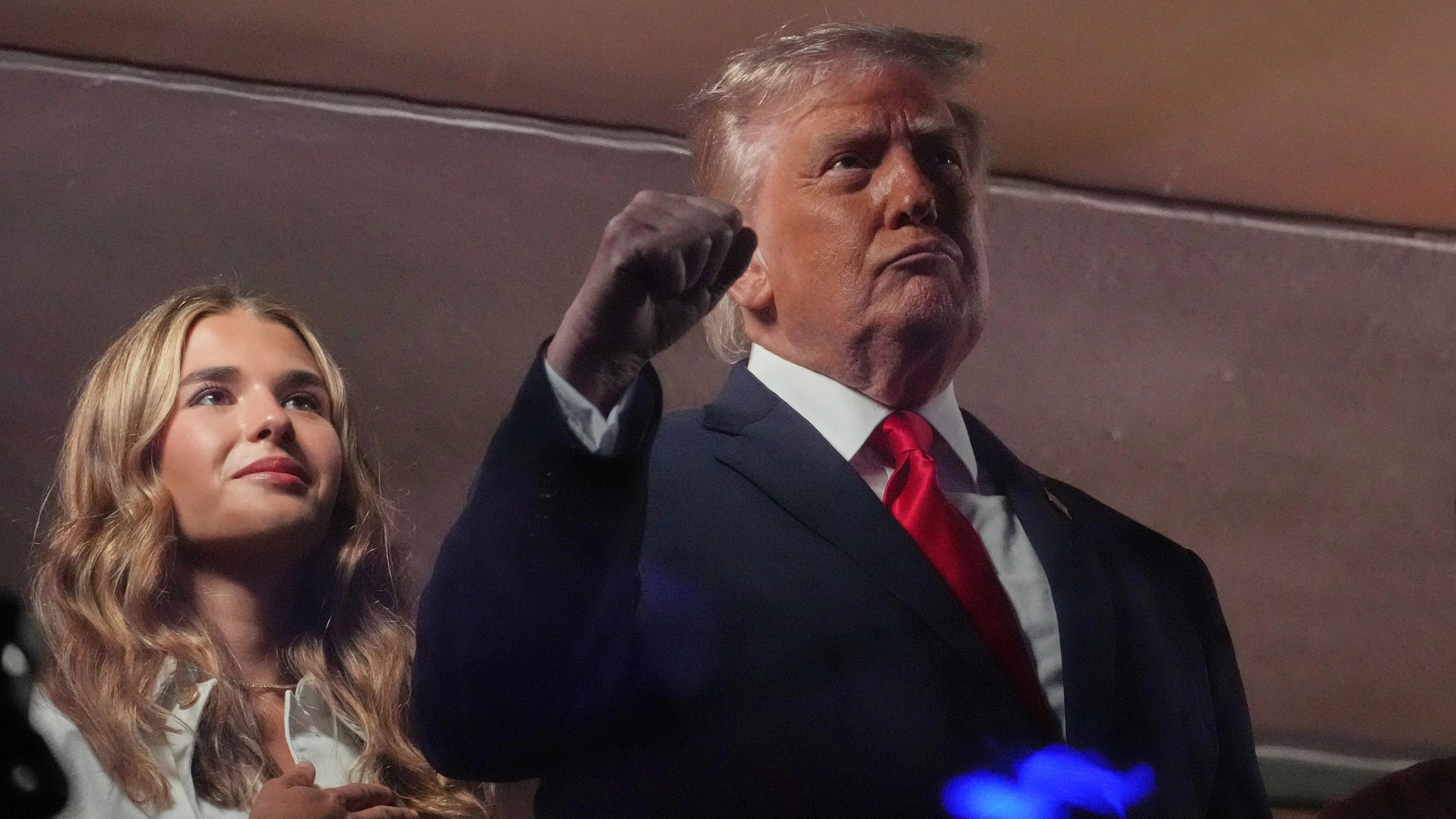
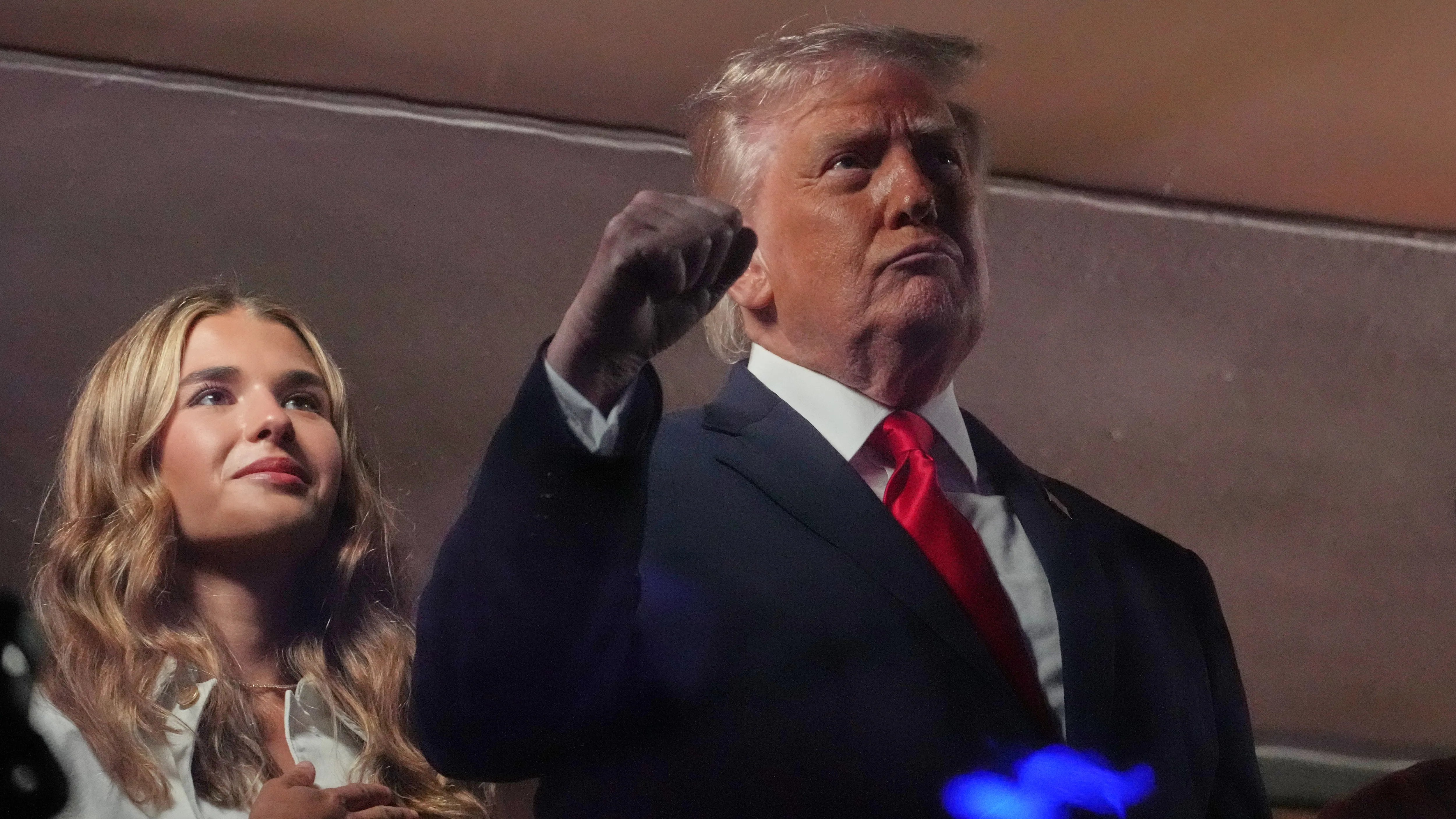
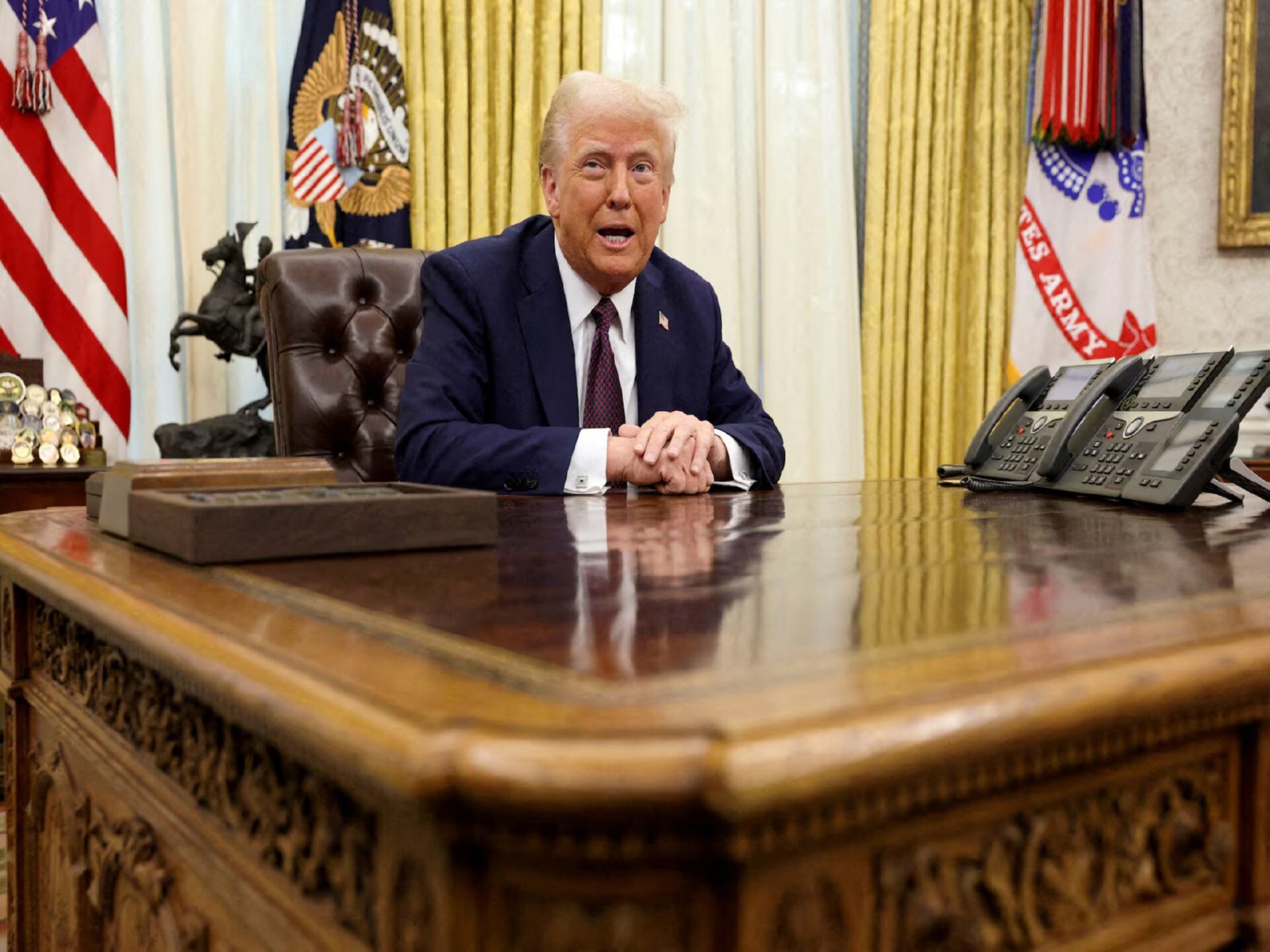
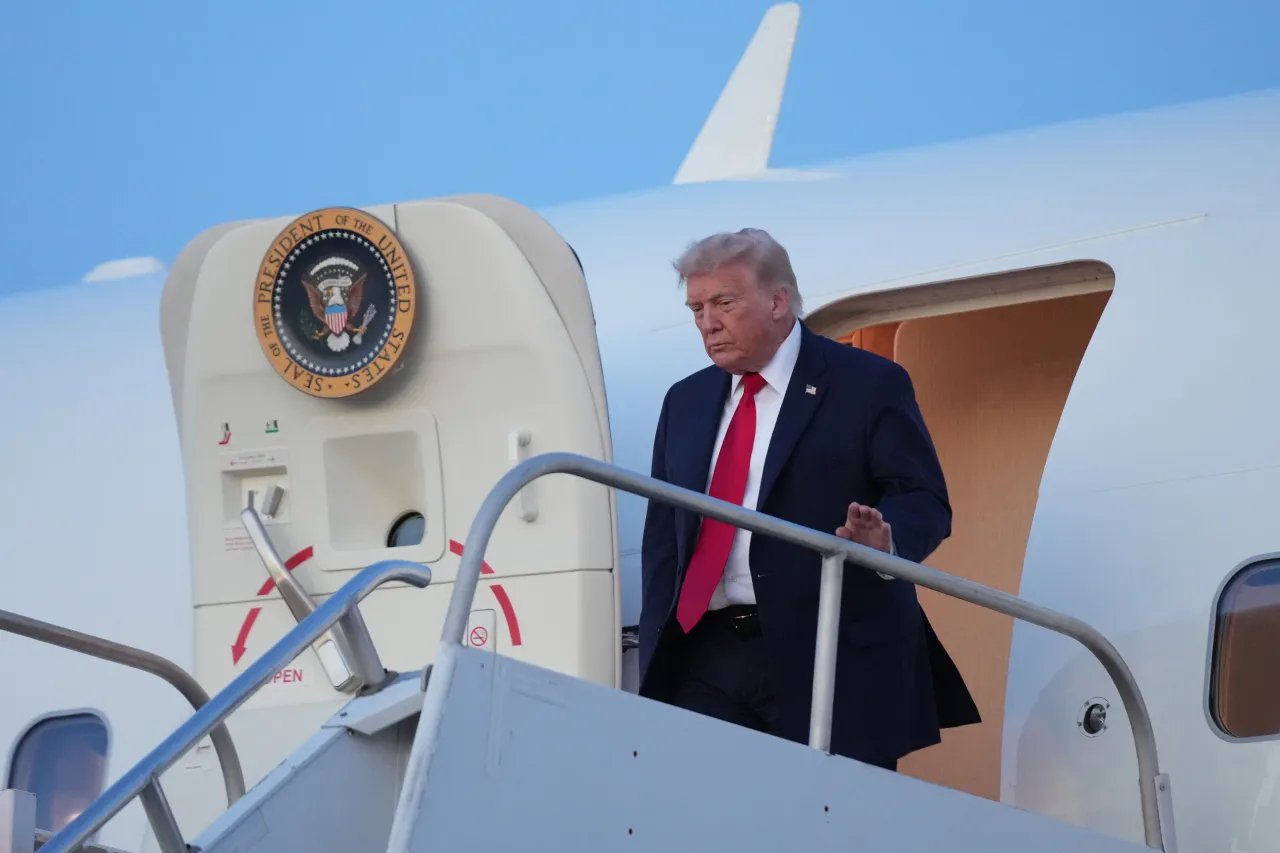
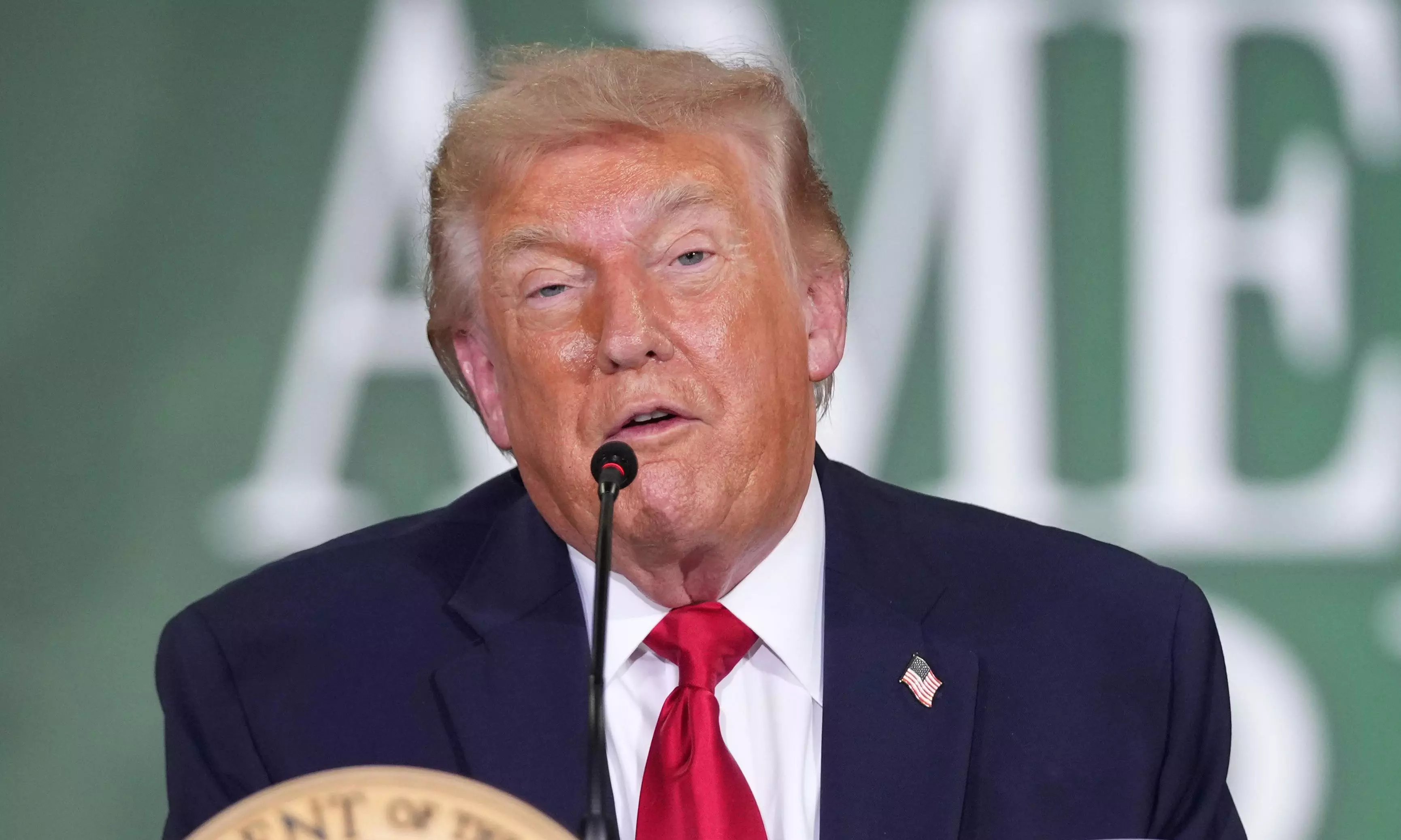
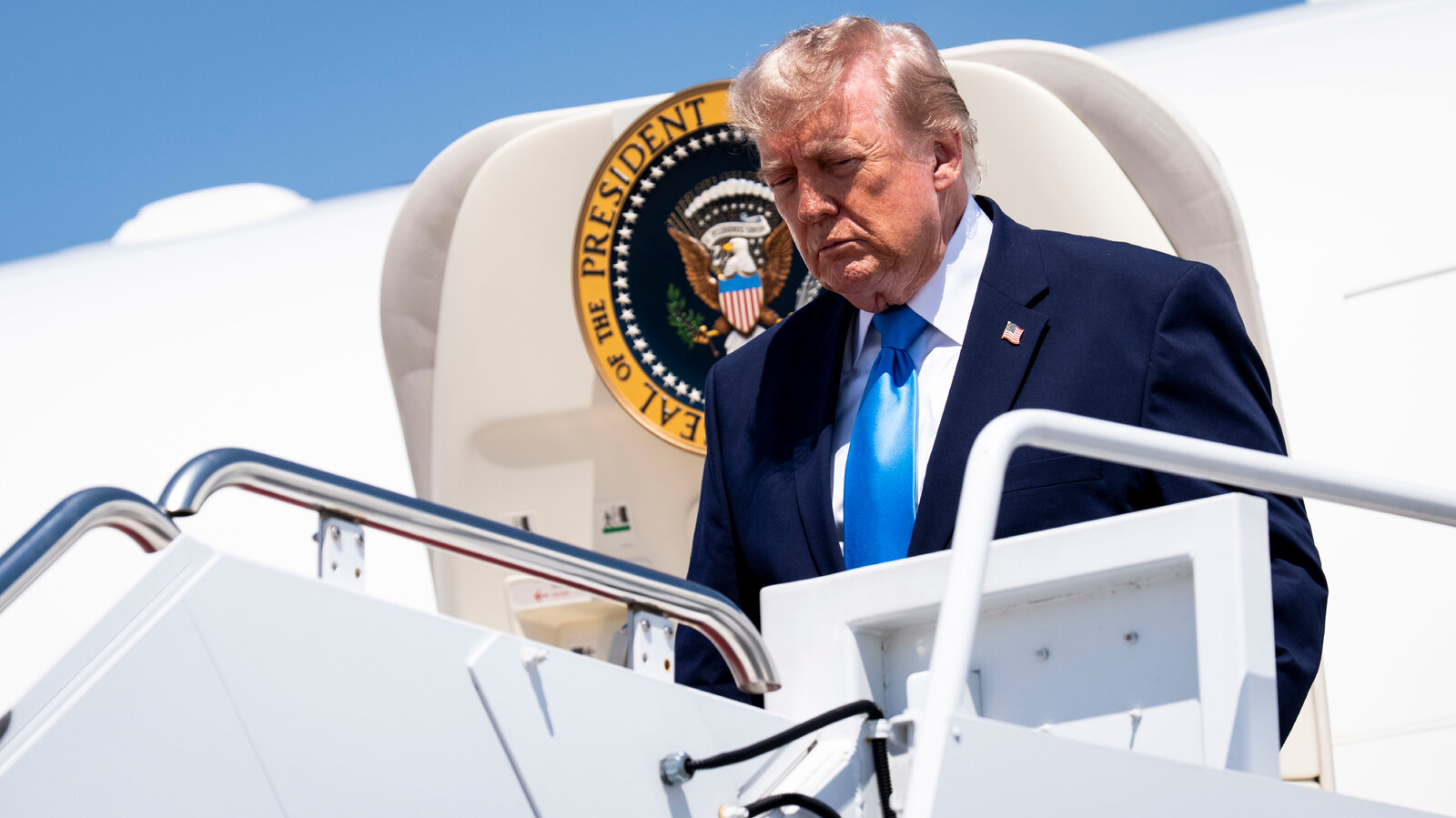
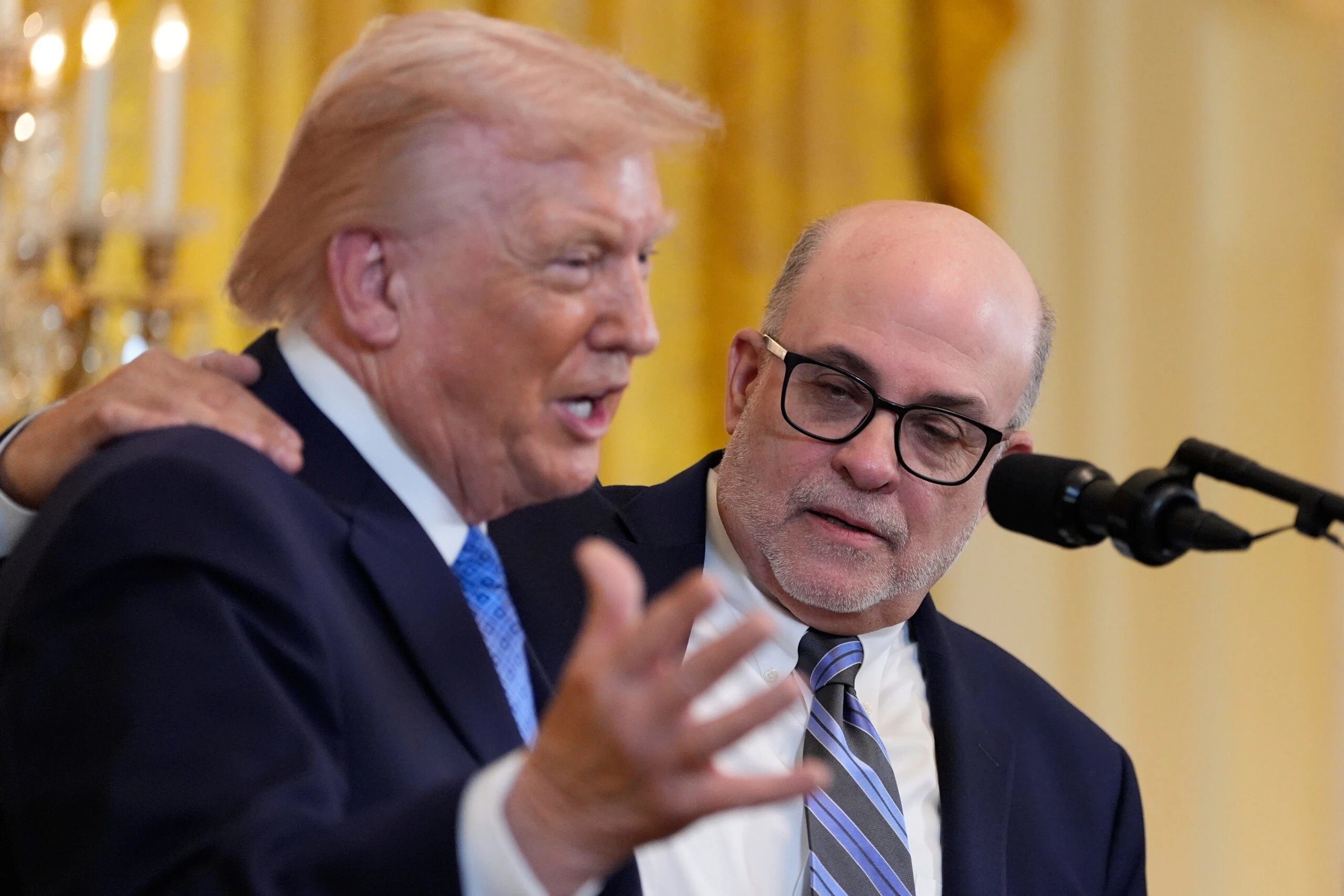
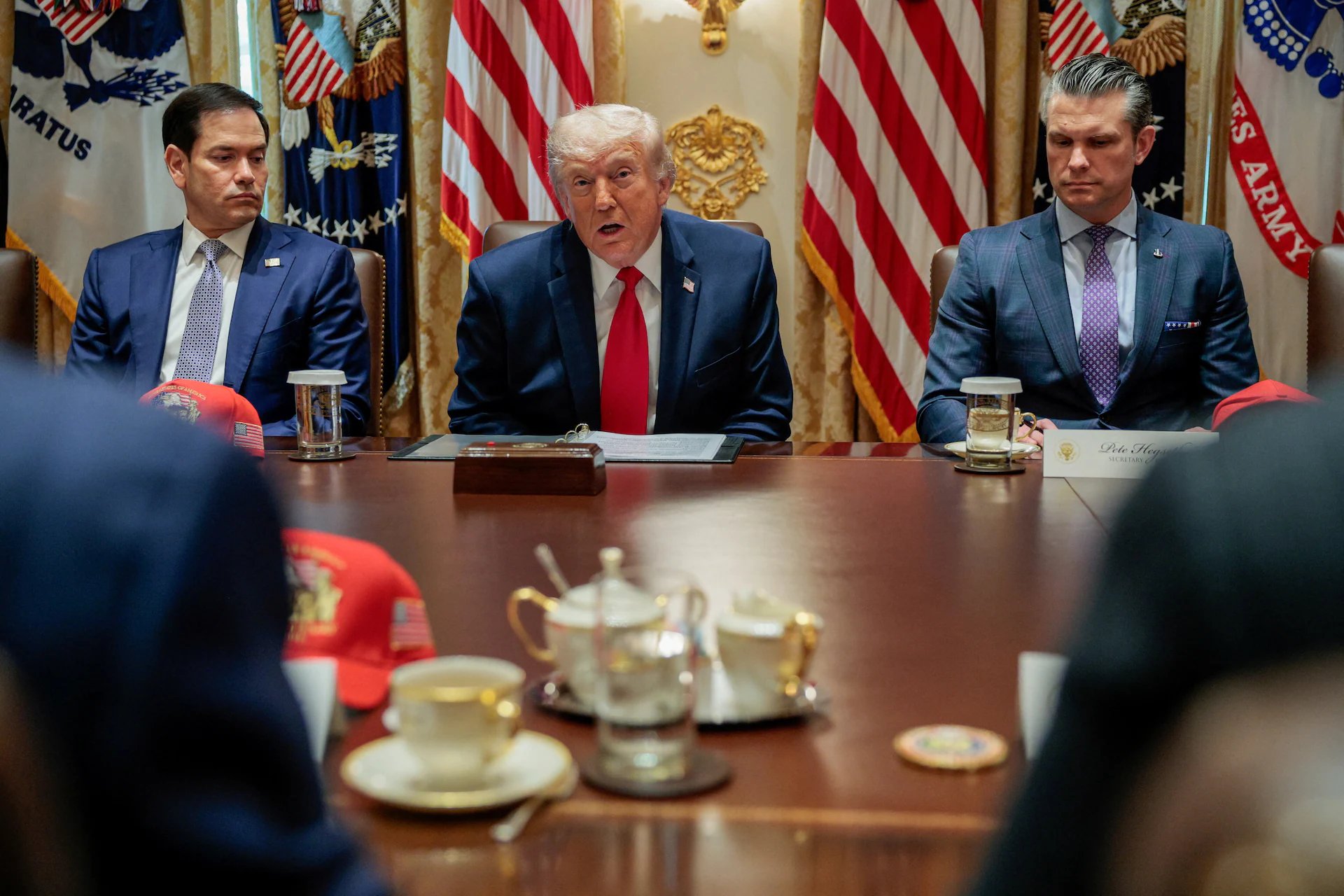
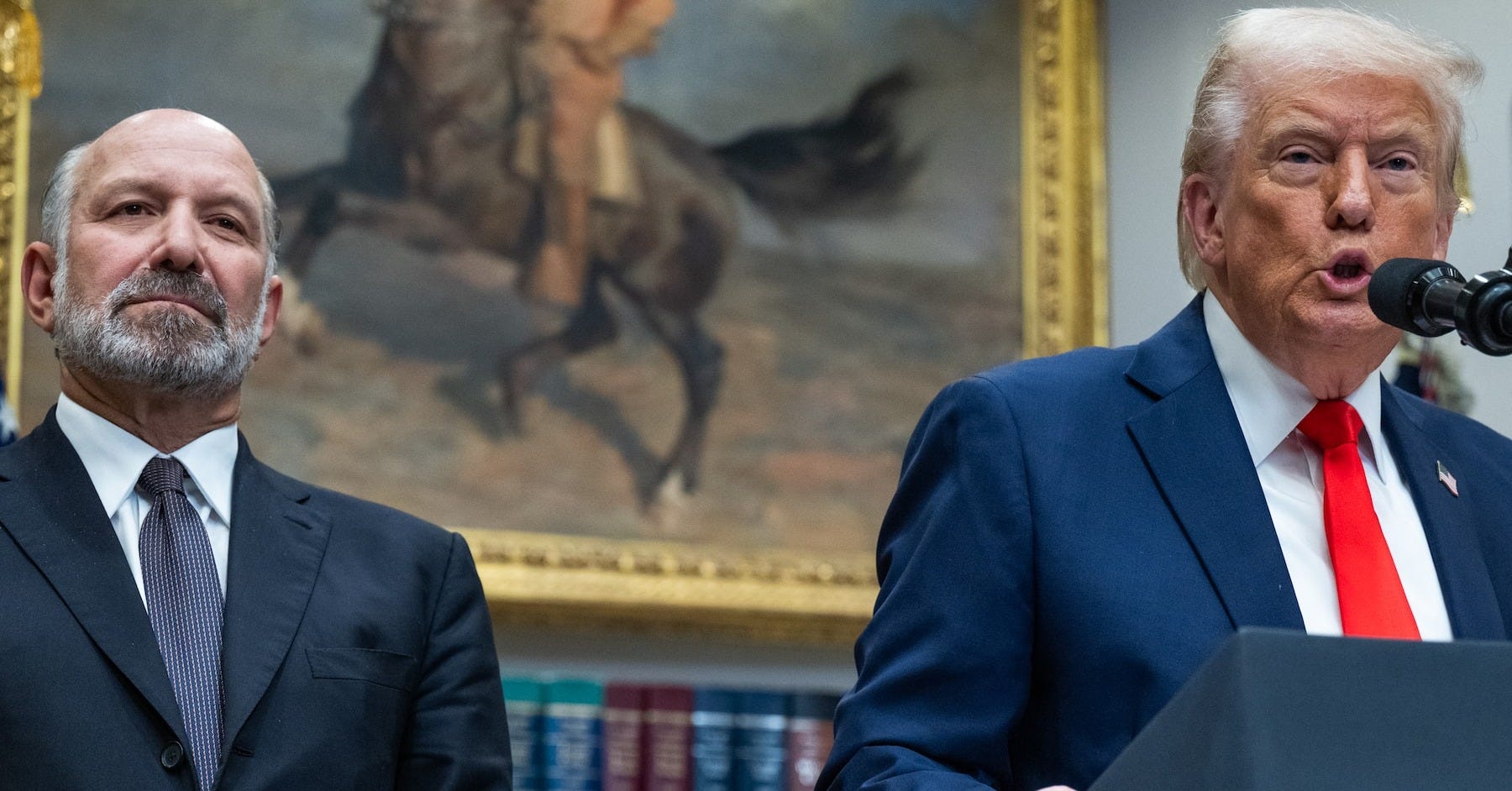
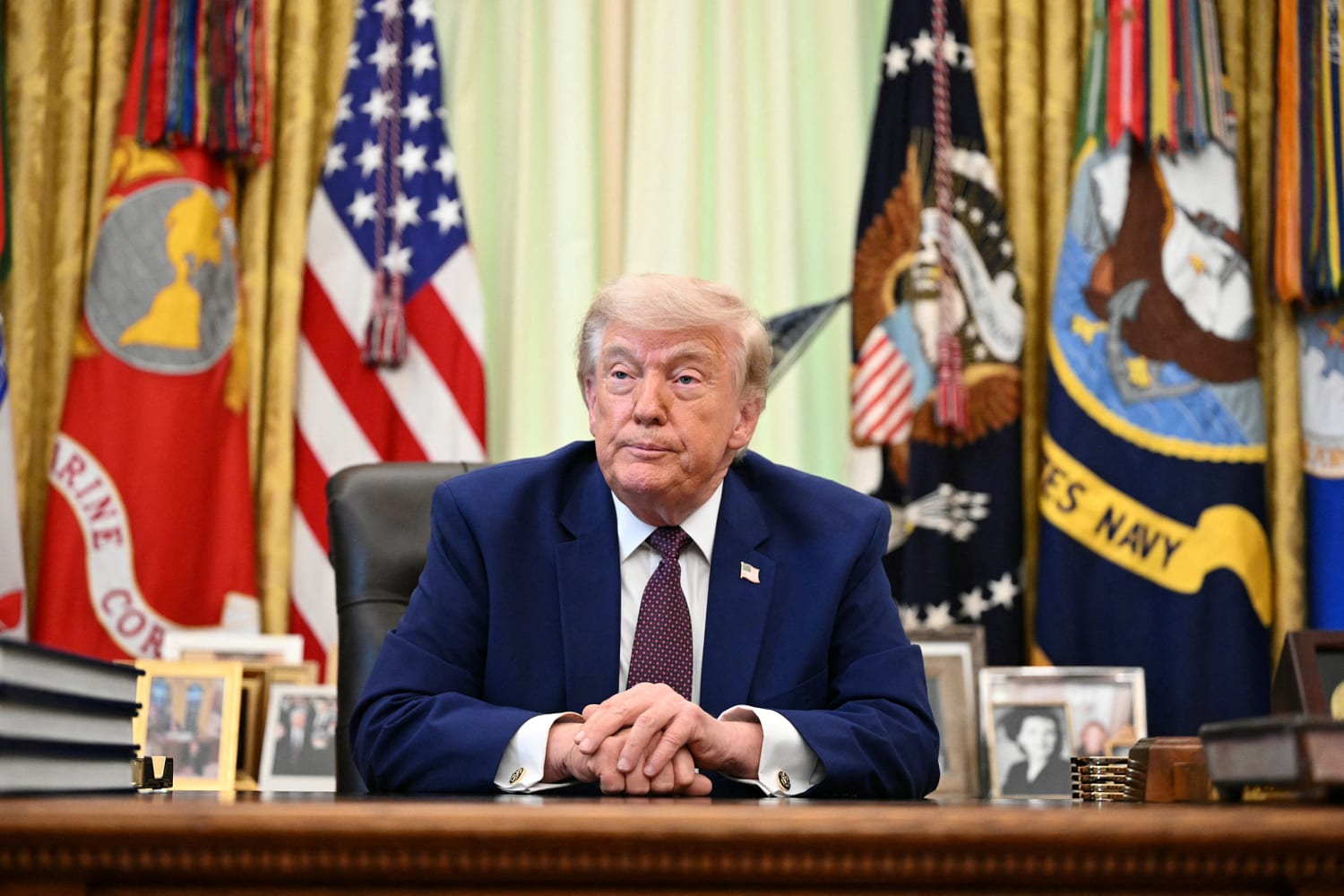
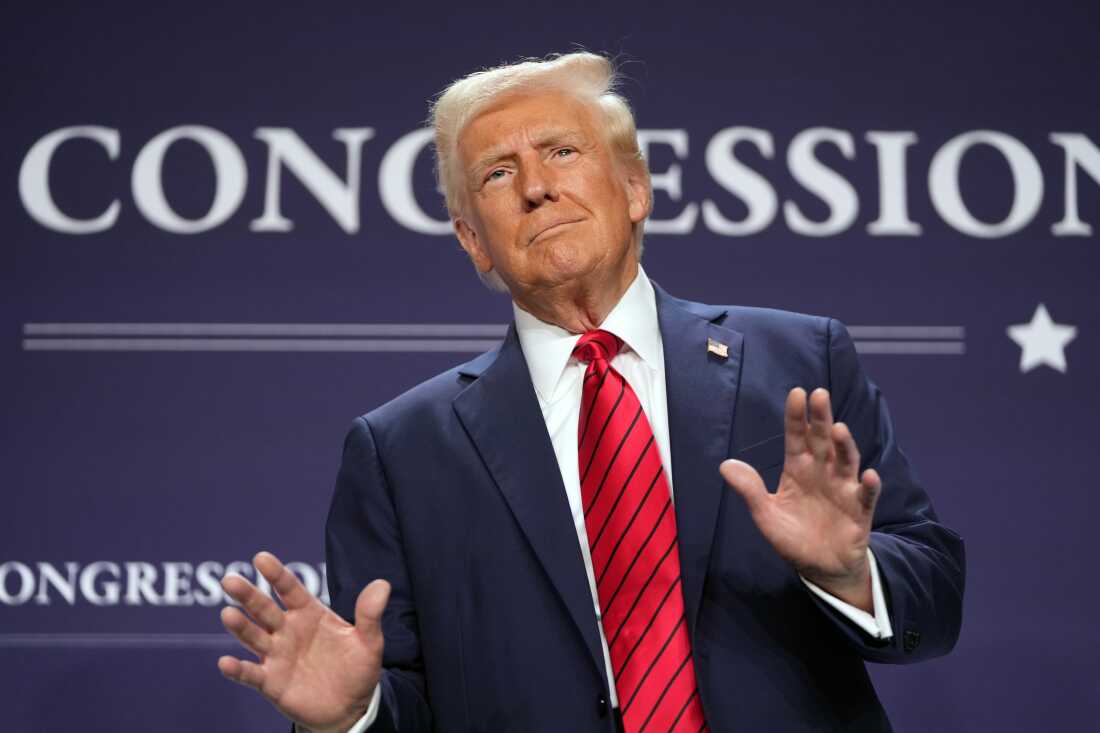
During a NATO summit in Ankara, President Donald Trump indicated that the U.S. would likely conduct further military actions against Iran. He specifically mentioned the strategic Kharg Island, suggesting it could be taken under U.S. control, a move that may provoke Iranian retaliation against energy installations across the Gulf states. Trump claimed that the overnight strikes had a “huge impact,” destroying Iranian surveillance radar sites and stated, “If we have to do it, we will destroy them.”
Iranian Response and Strategic Objectives
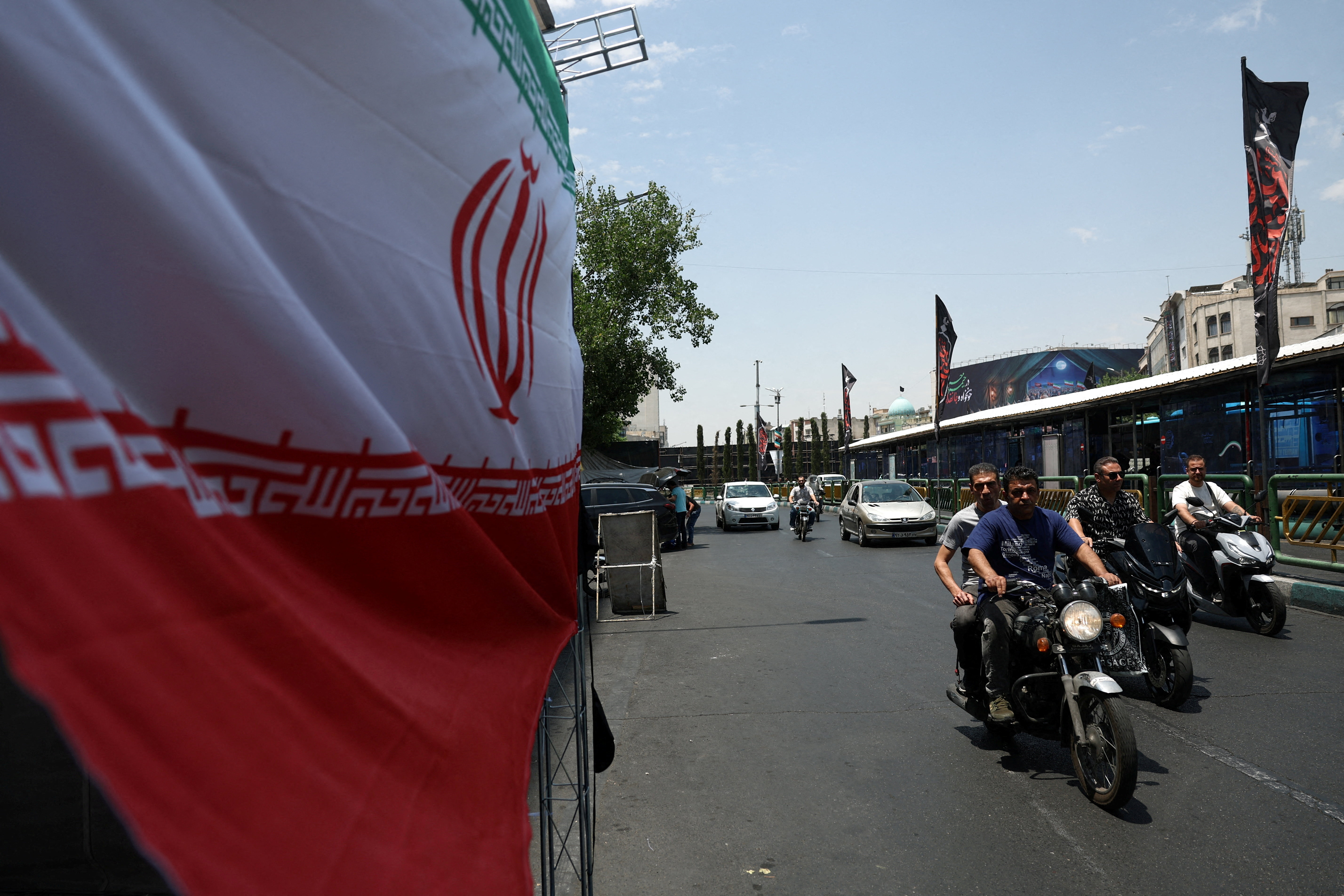
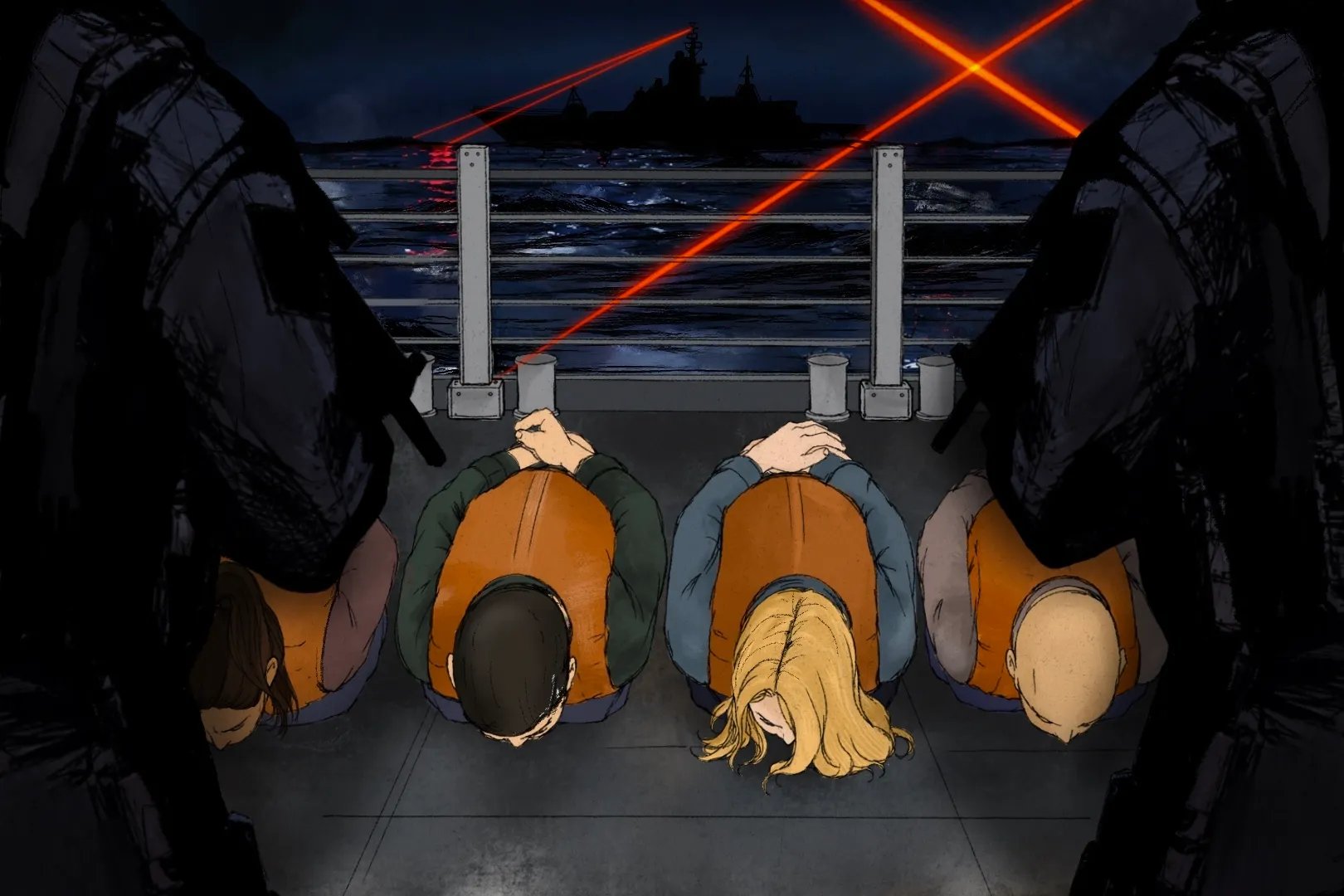
In response to the U.S. strikes, Iran announced a shift in its military doctrine, declaring it would no longer differentiate between the U.S. and its allies in the region. The Islamic Revolutionary Guard Corps stated that 85 facilities had been targeted in retaliatory strikes against U.S. military sites in Bahrain and Kuwait. Iranian officials confirmed that the attacks on commercial vessels were a demonstration of their control over the Strait of Hormuz, a critical chokepoint for global oil supply.
Economic Implications of Renewed Conflict
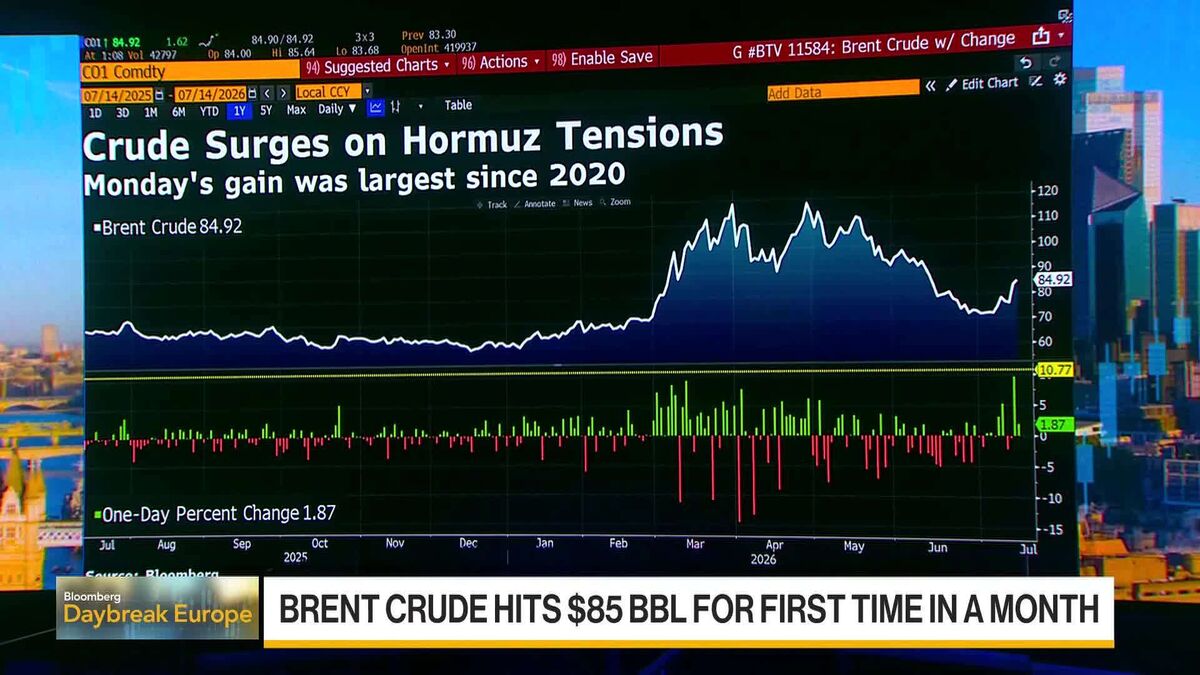
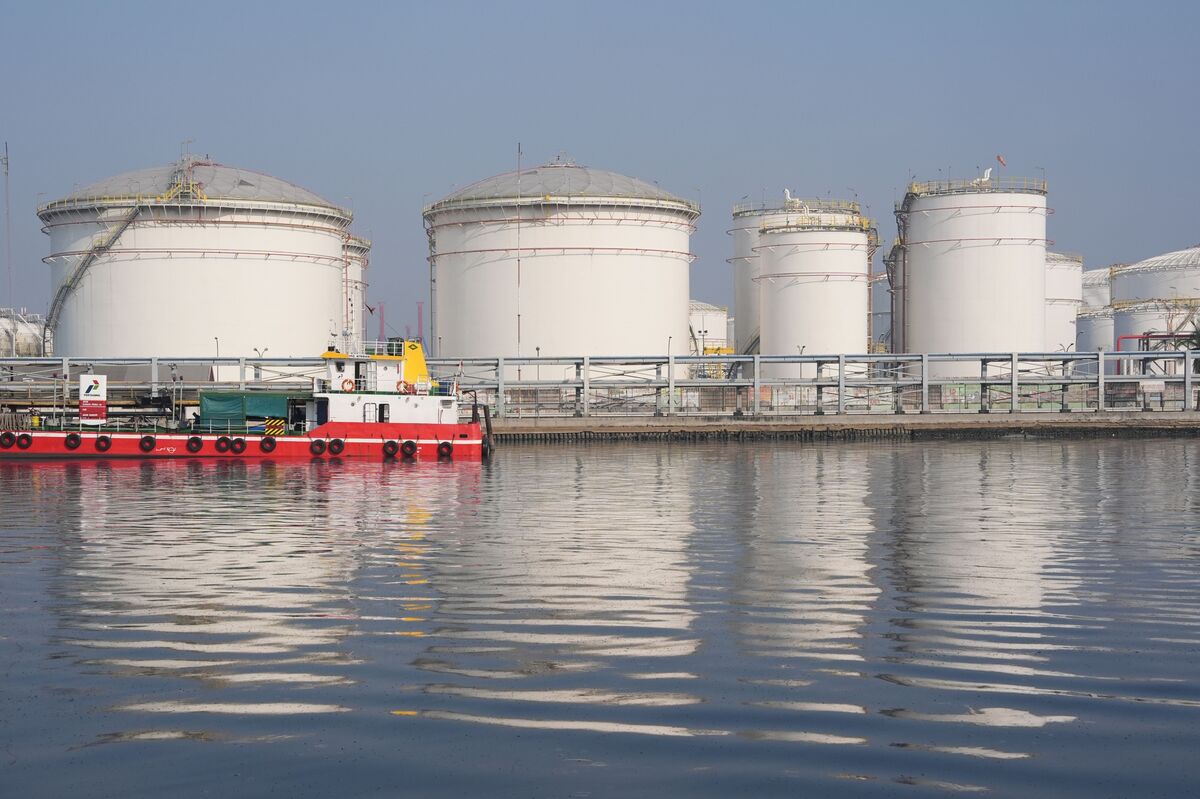
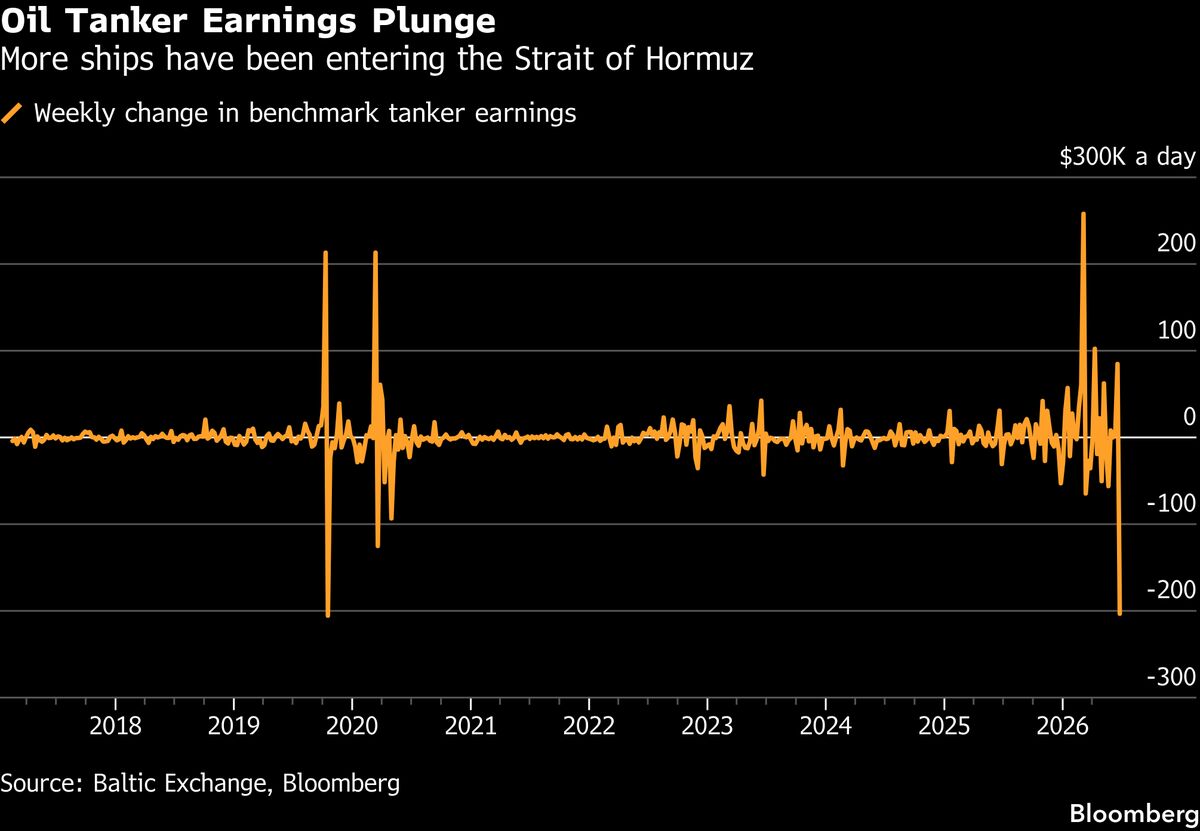
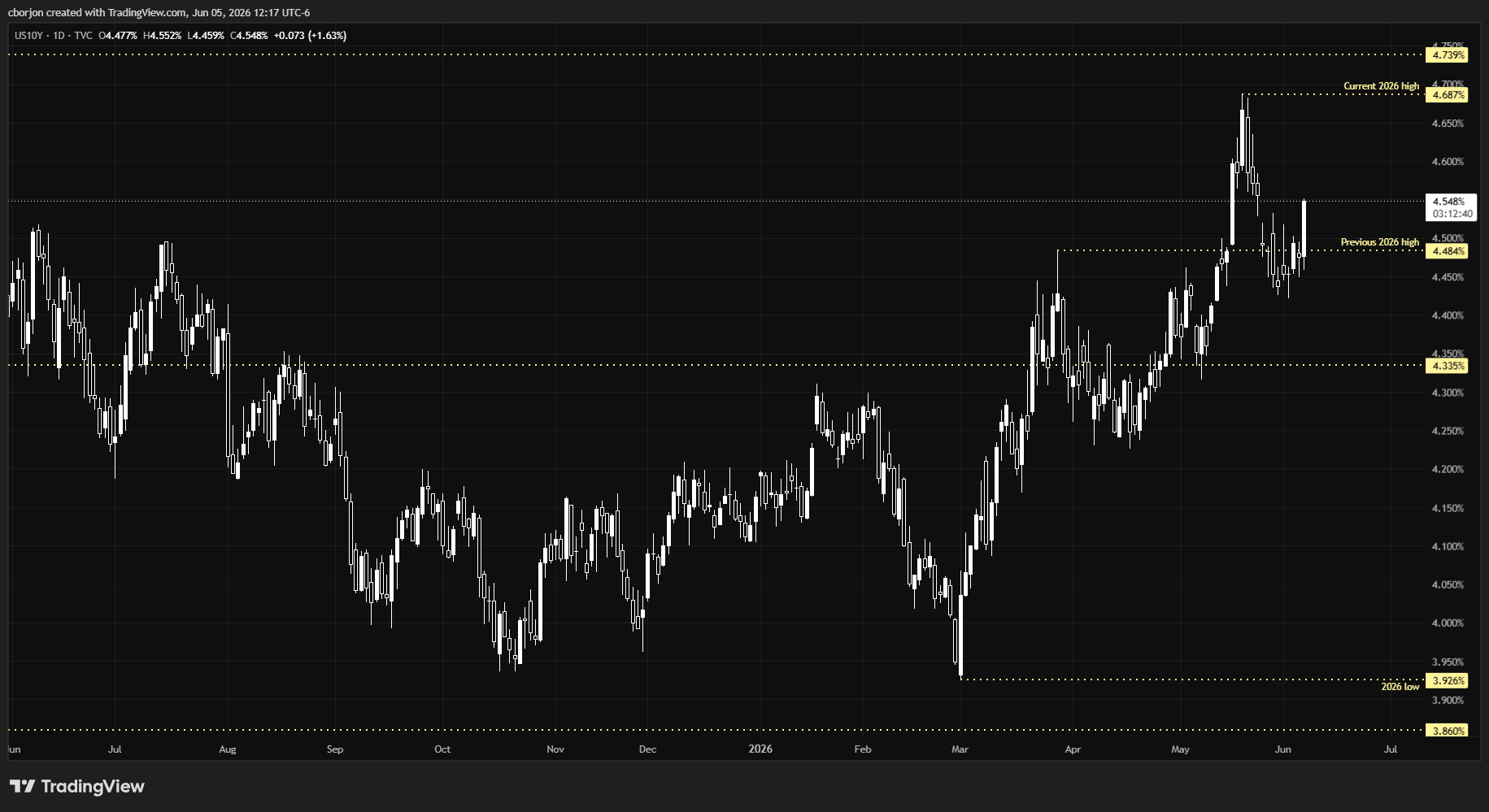
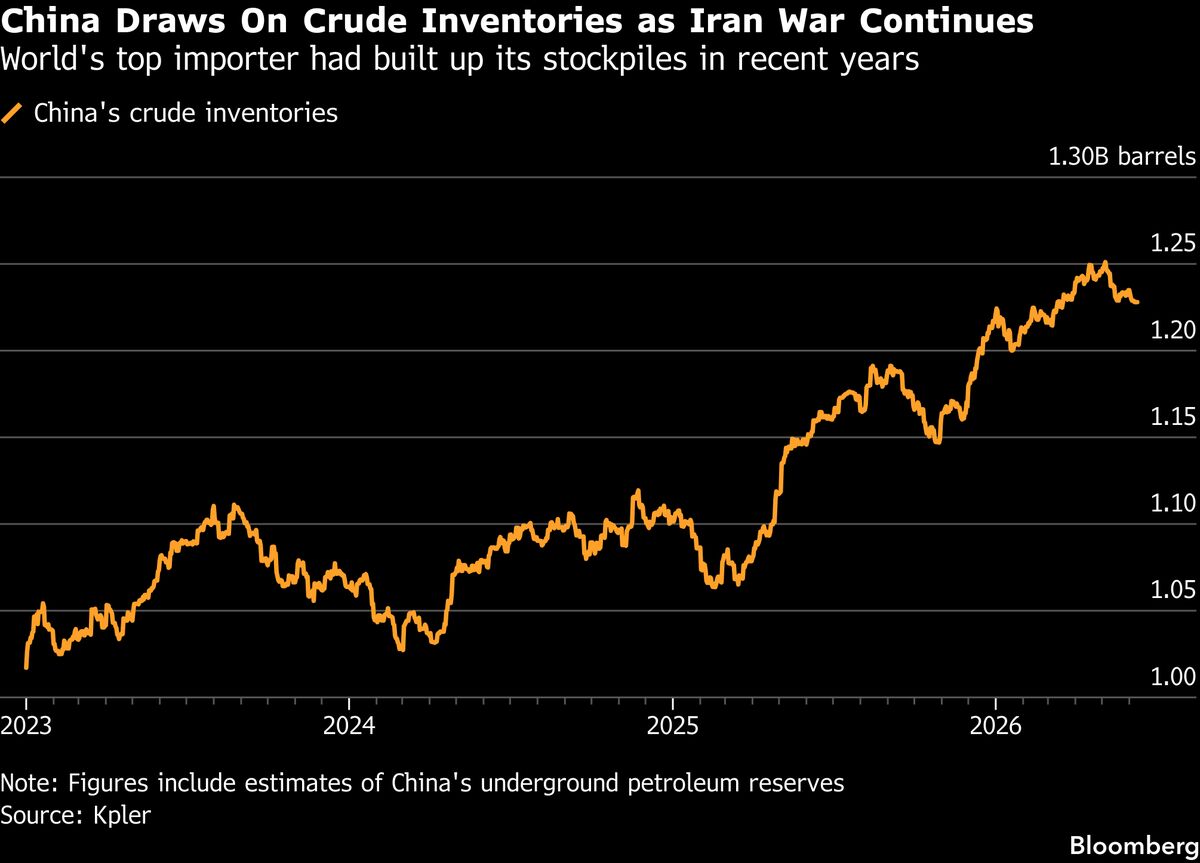
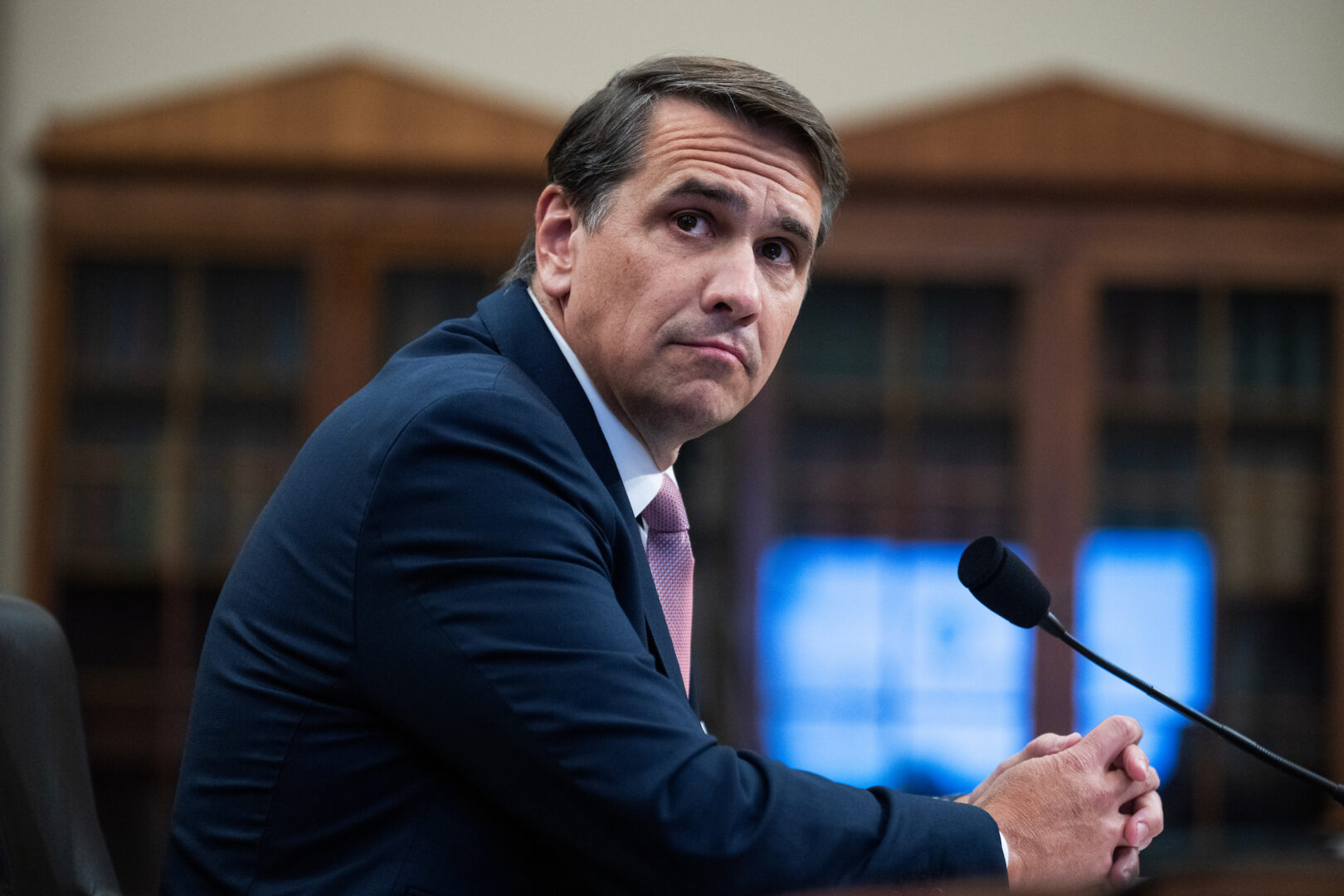
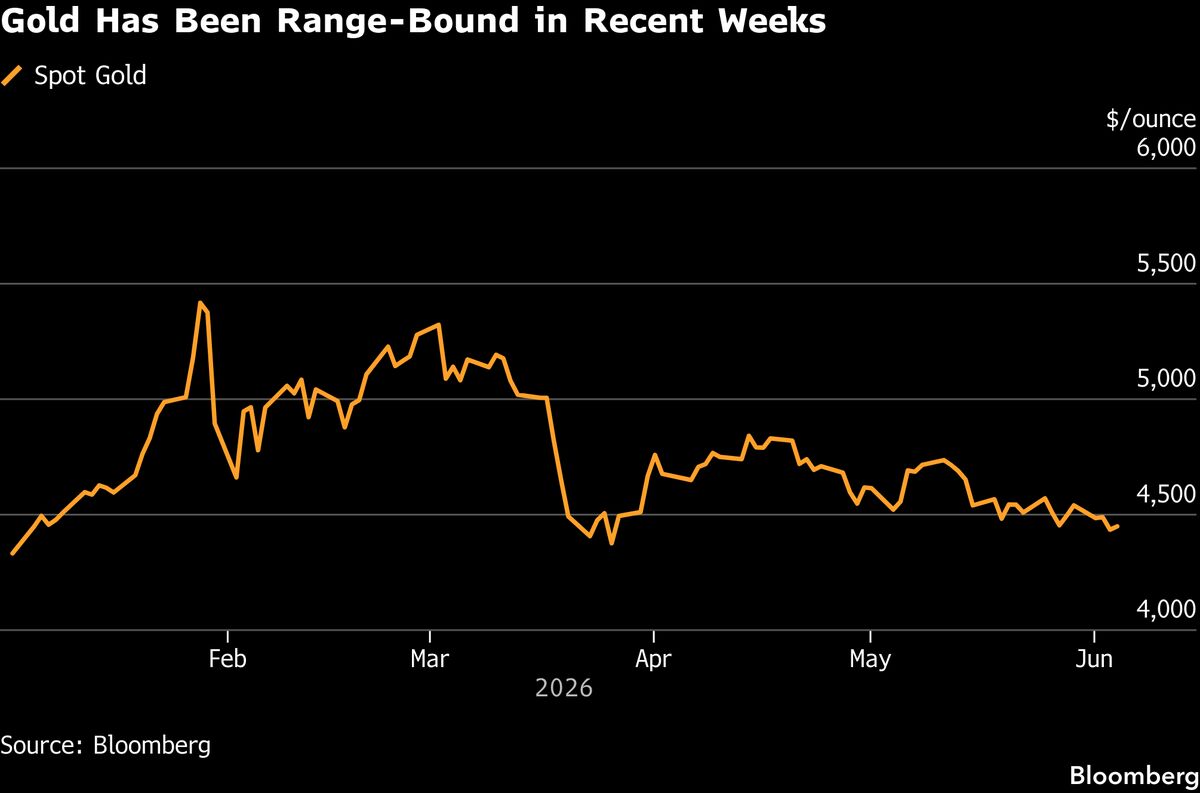
The renewed hostilities have already begun to affect global oil prices, which surged sharply following the military exchanges. Analysts from the Center for Strategic and International Studies (CSIS) noted that while both nations are engaged in low-level conflict, the economic costs of an all-out war could deter further escalation. CSIS’s Will Todman emphasized Iran's strategic interest in maintaining control over the Strait of Hormuz as a bargaining chip in future negotiations.
Calls for Diplomatic Solutions
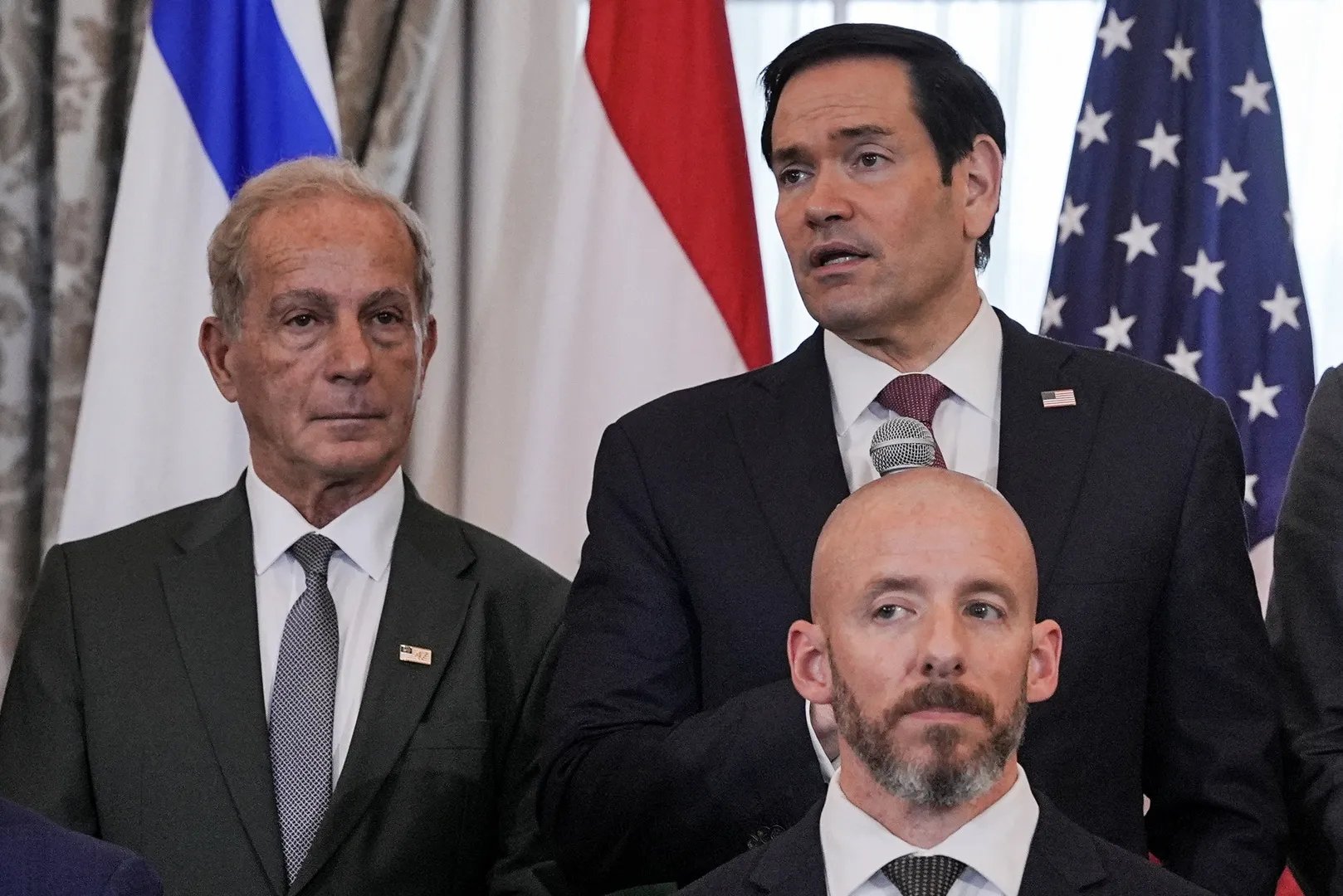
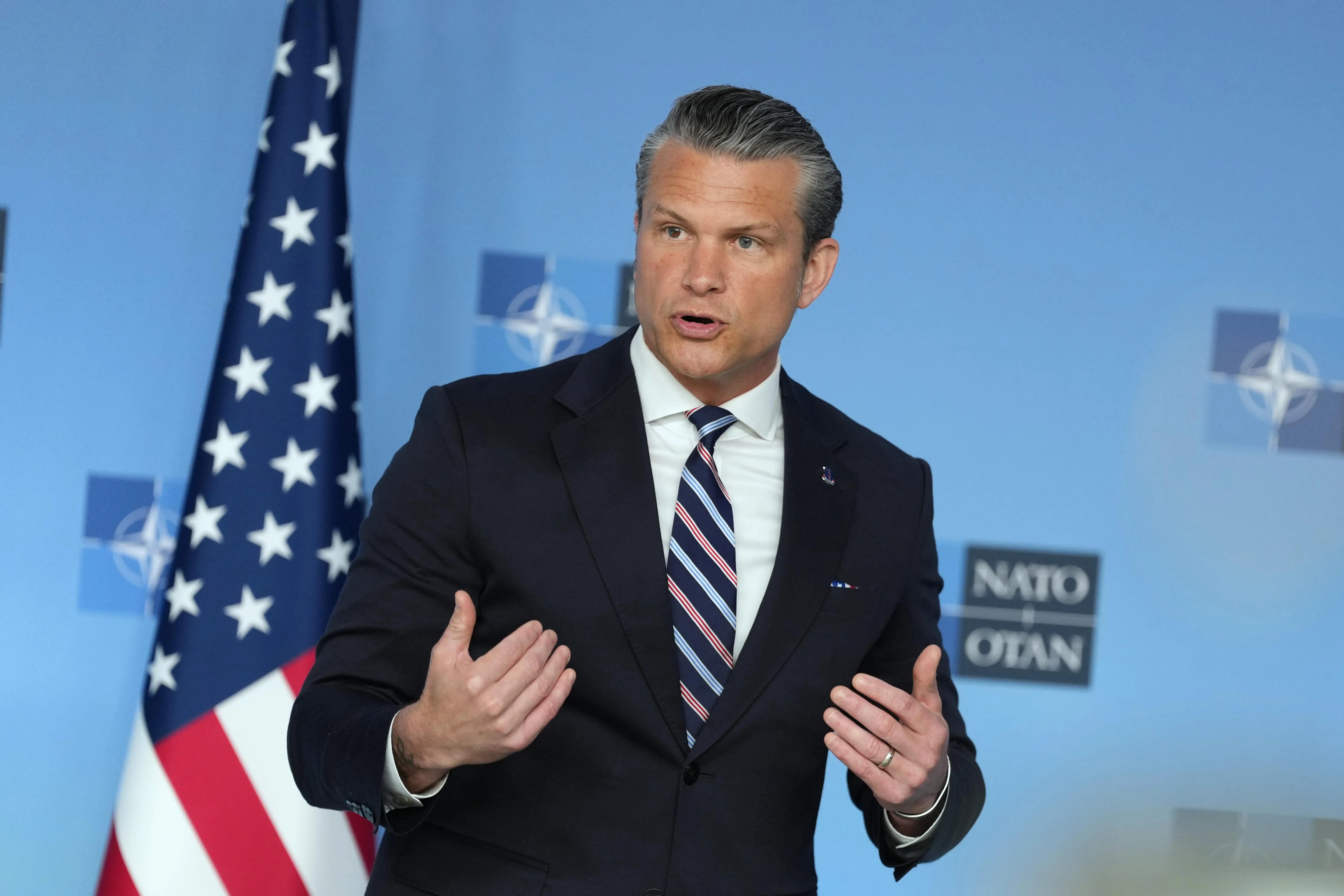
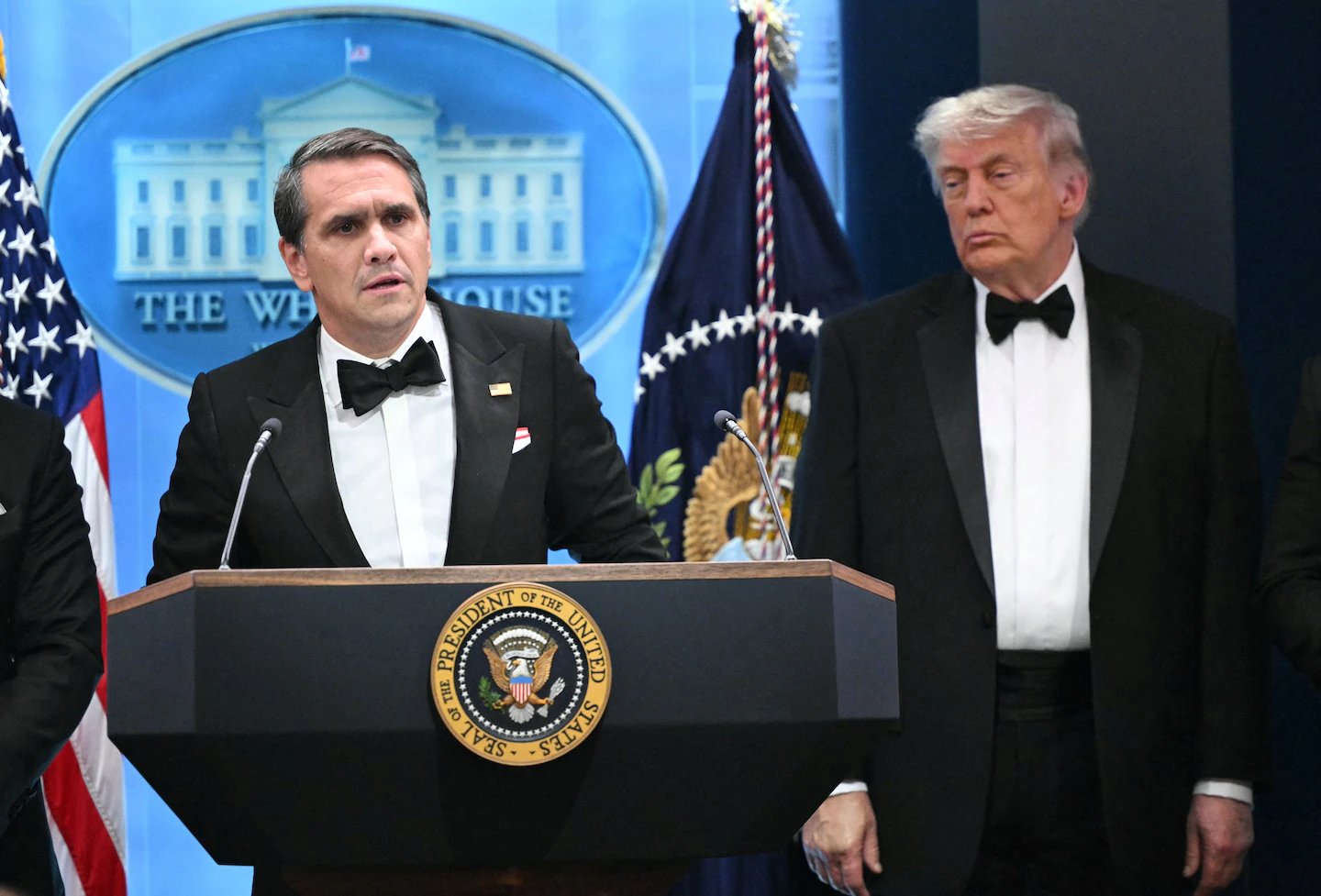
Despite the escalating military actions, NATO Secretary General Mark Rutte supported the U.S. strikes but emphasized the need for a diplomatic resolution to avoid further conflict. The ceasefire, which was supposed to initiate 60 days of negotiations regarding Iran's nuclear program and lifting of sanctions, now faces significant challenges. The Iranian foreign ministry accused the U.S. of violating the terms of the ceasefire by attempting to establish new shipping lanes without their consent, which they argue undermines Iran's authority over the strait.
Human Impact and Regional Stability
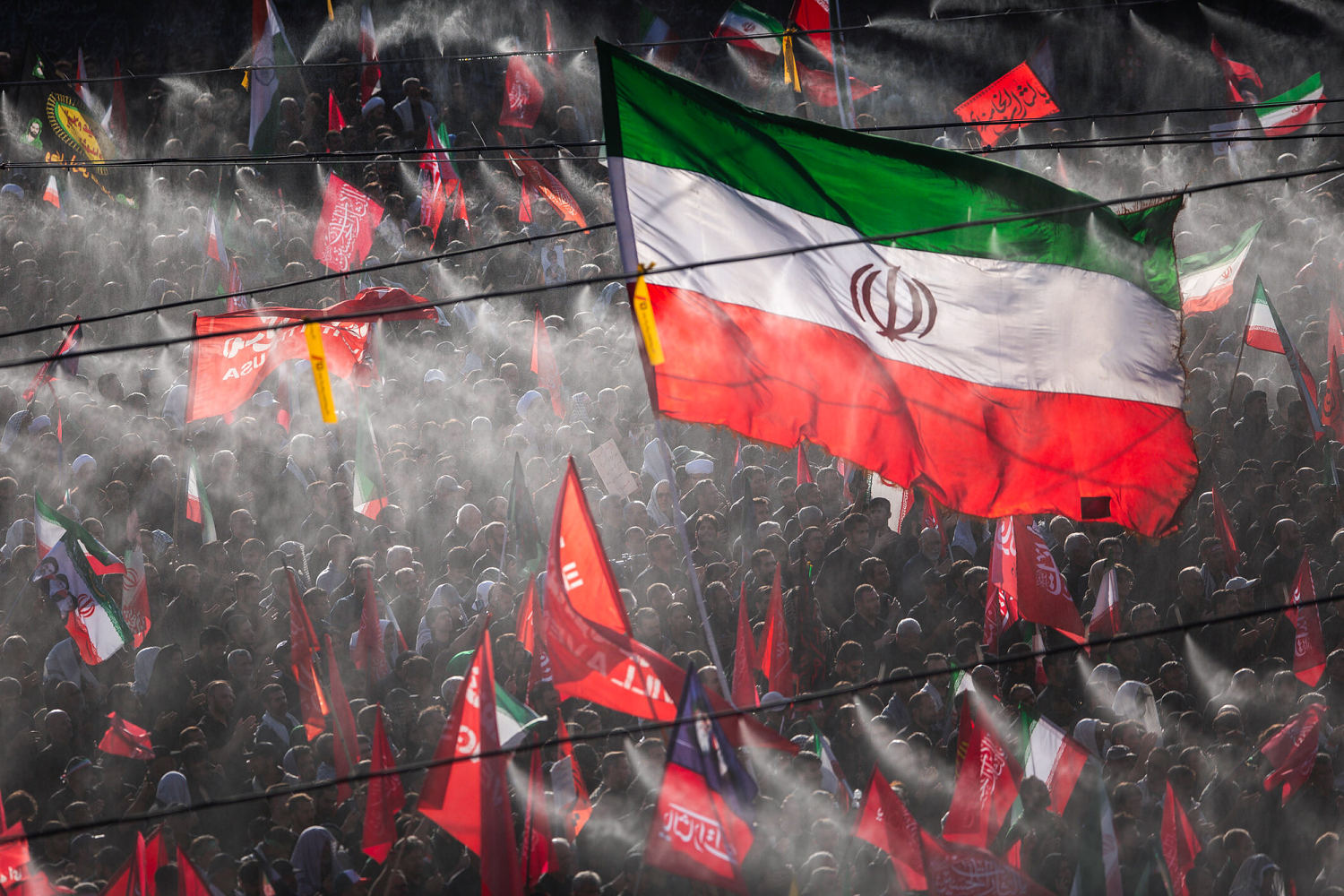
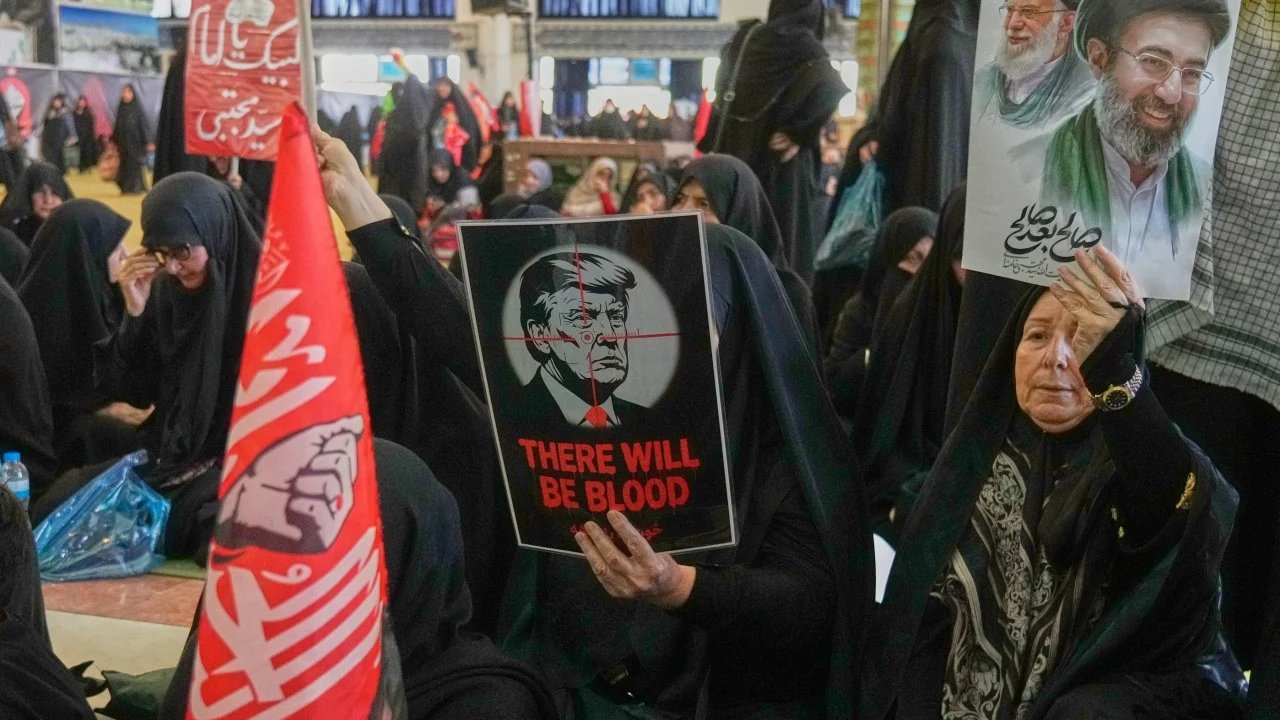
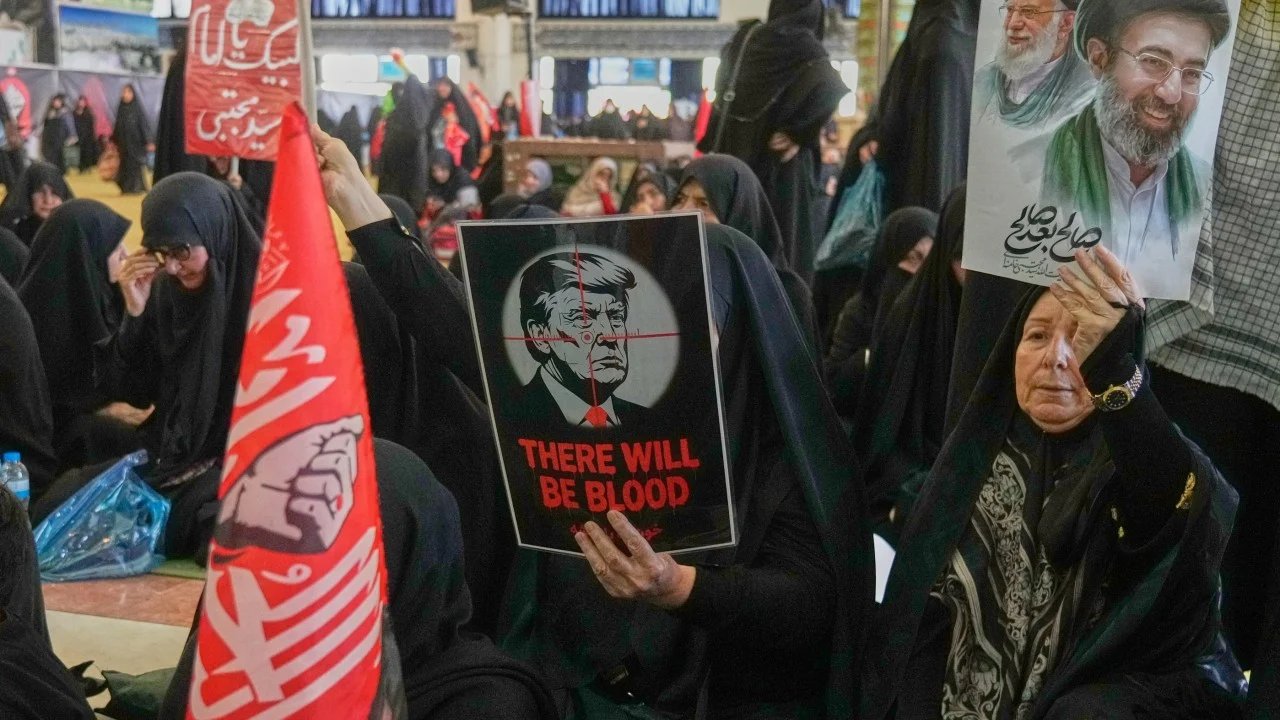
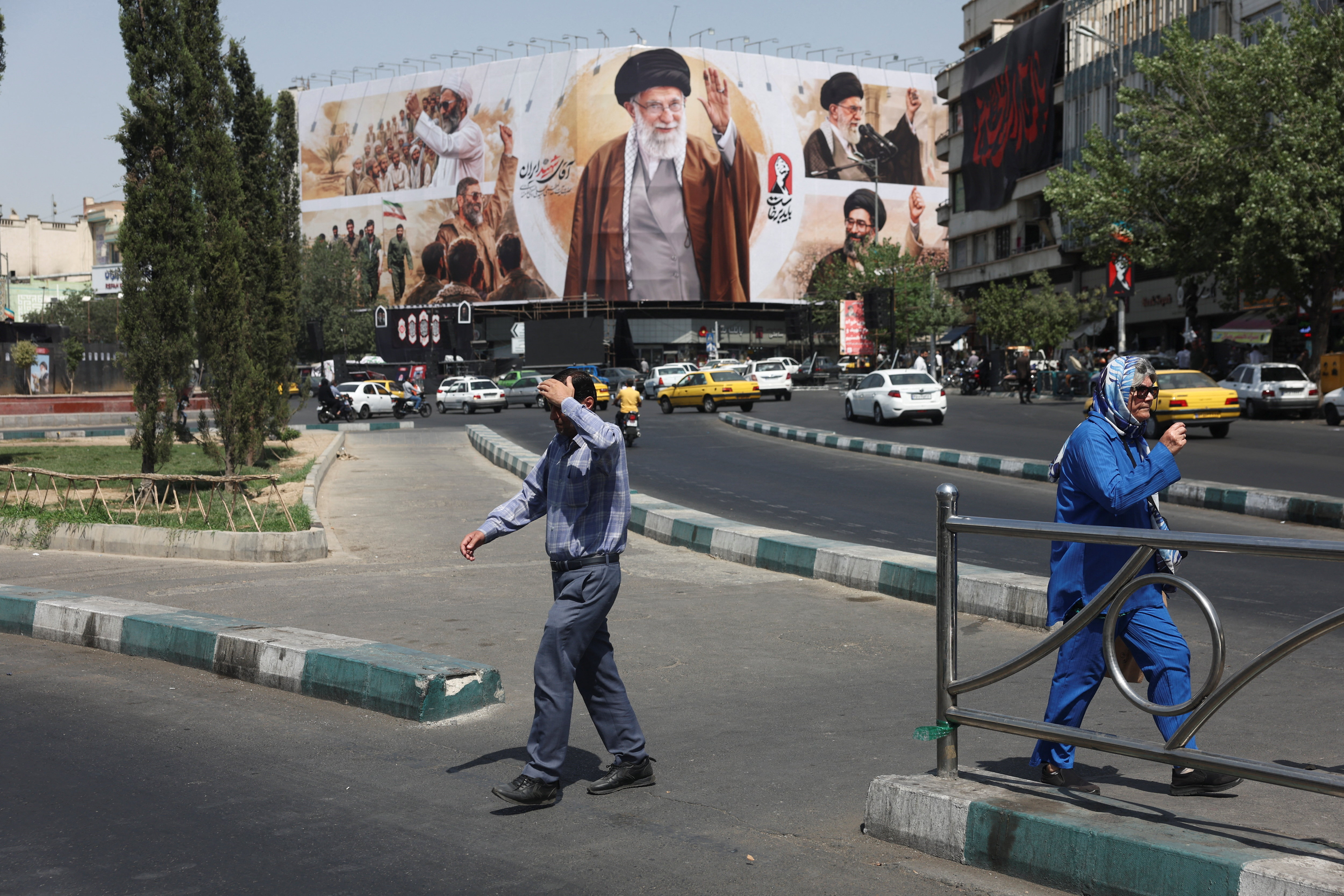
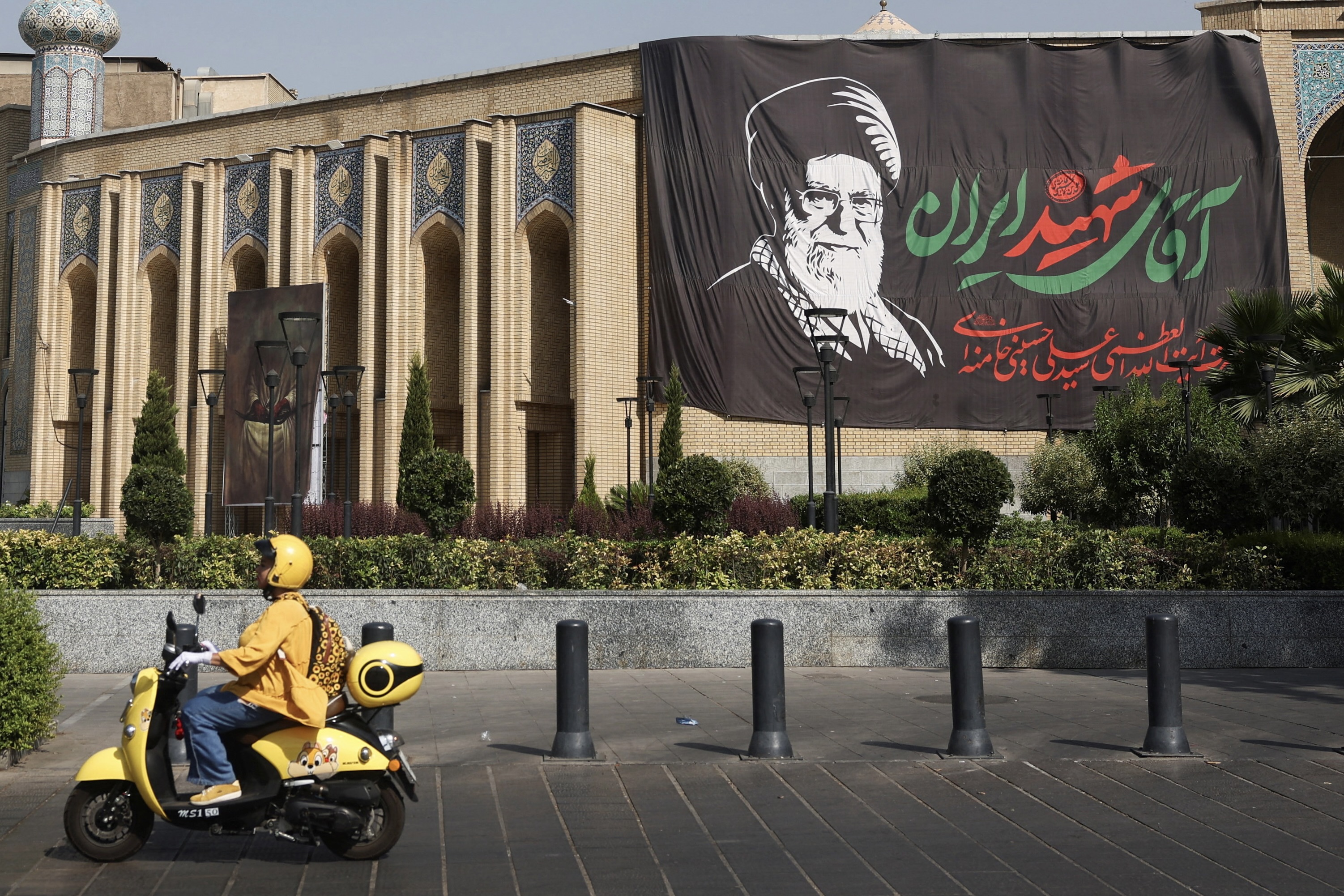
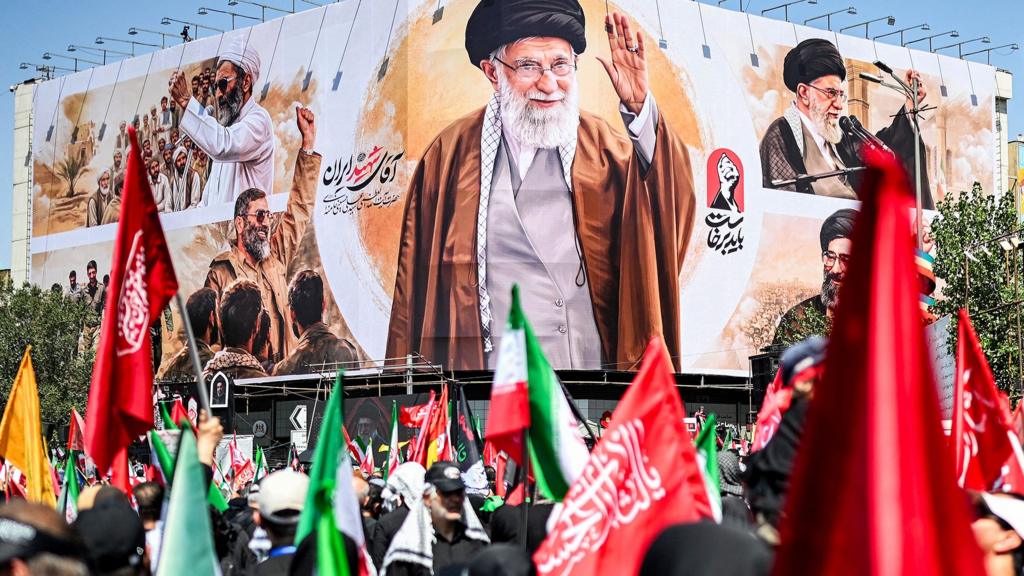
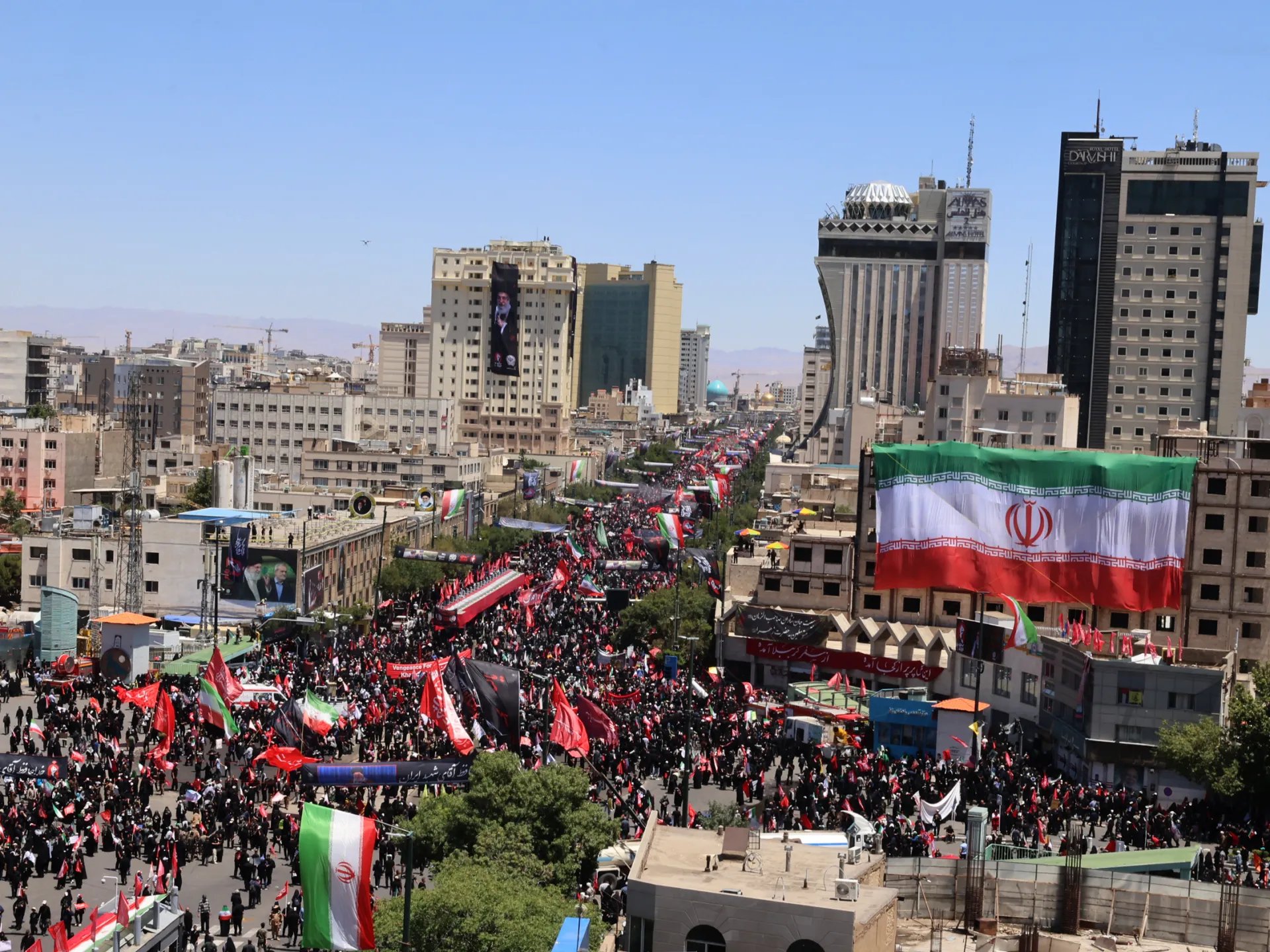
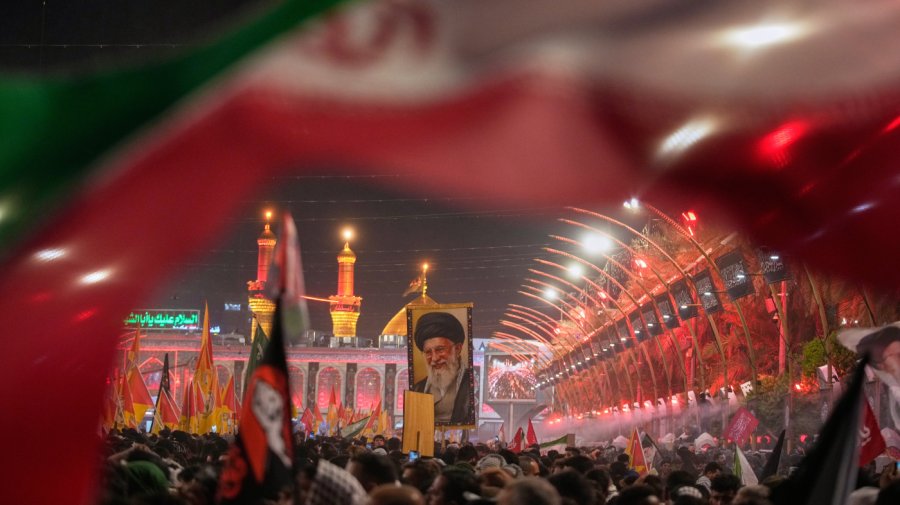
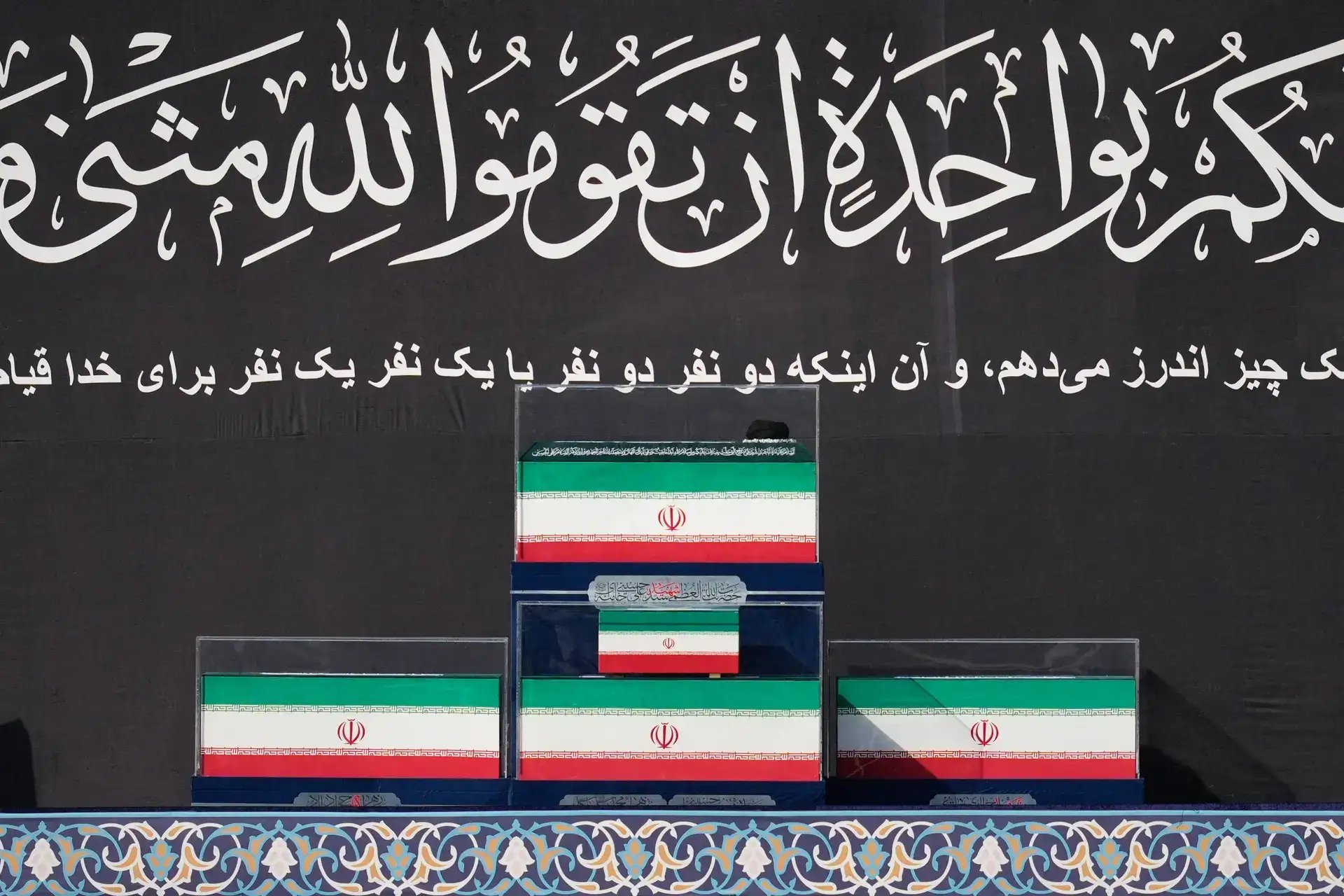
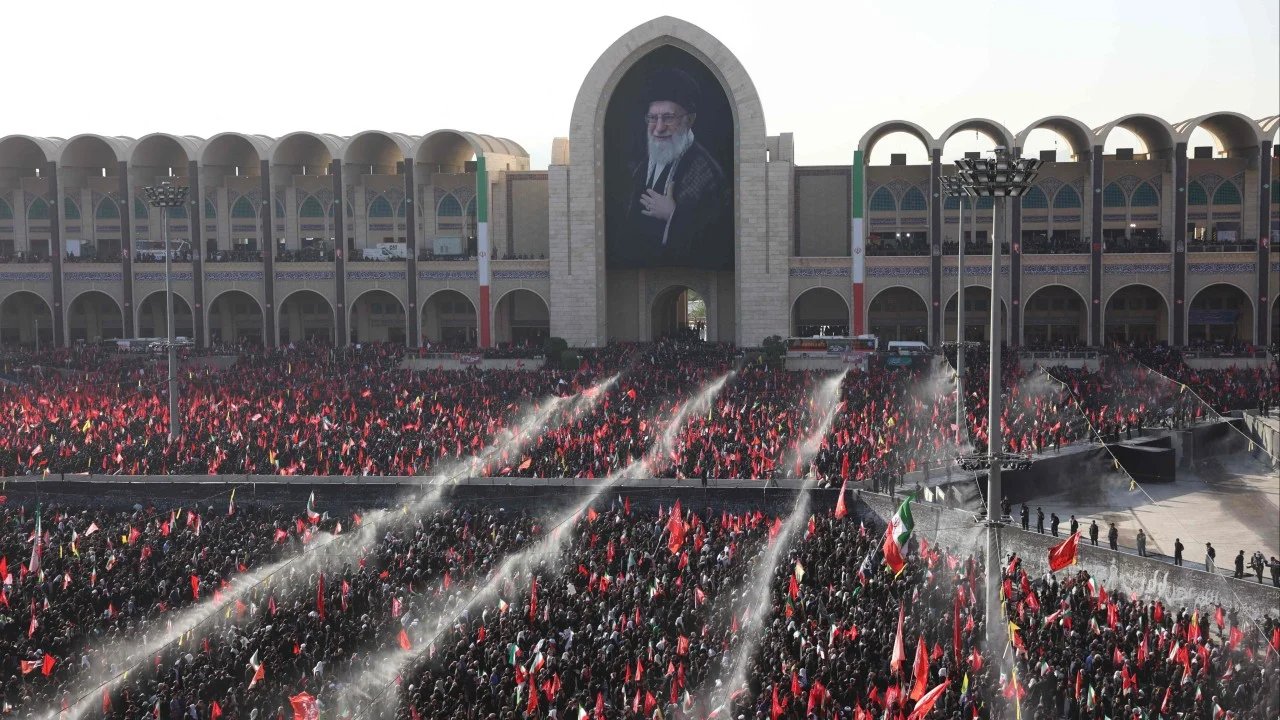
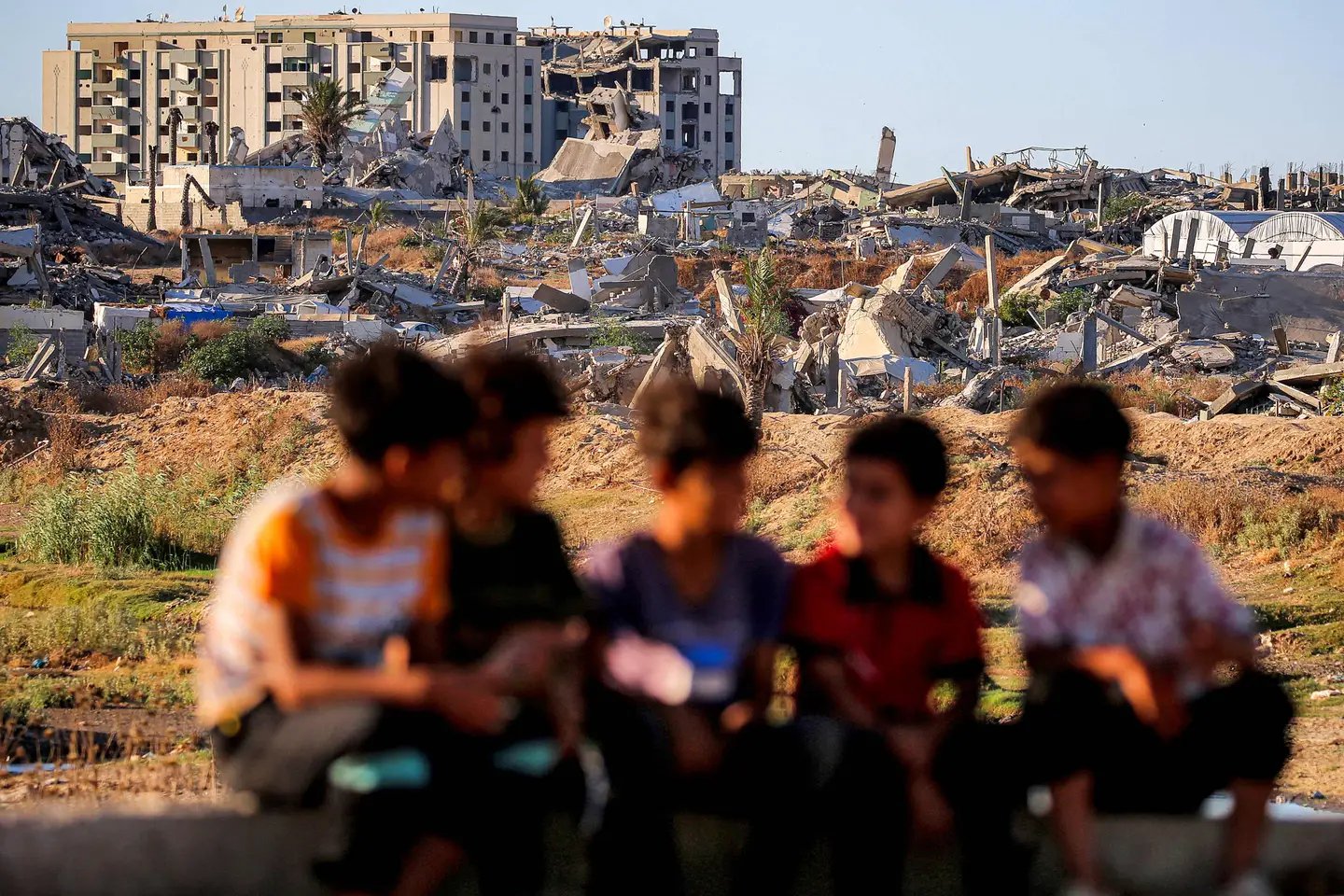
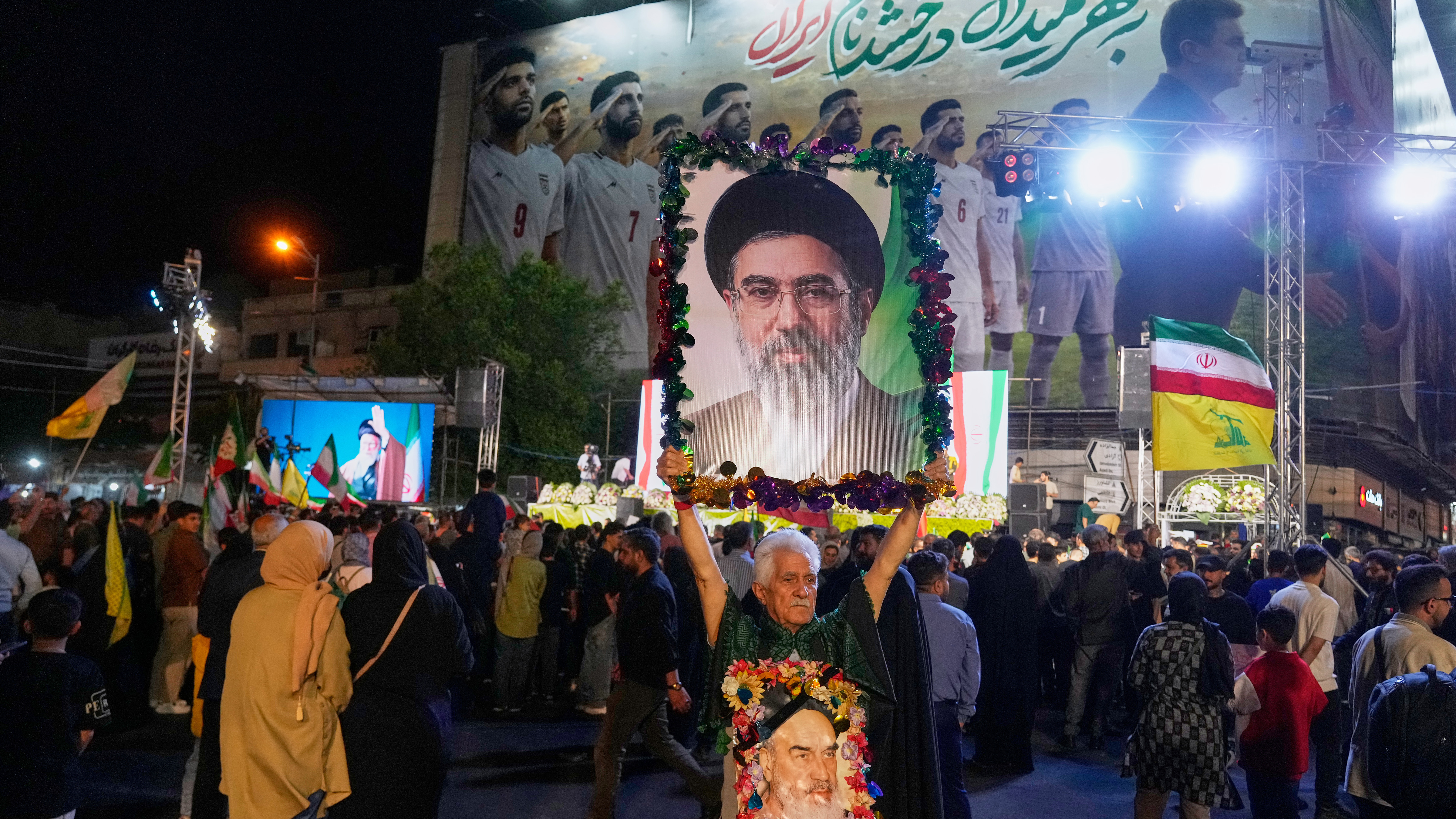
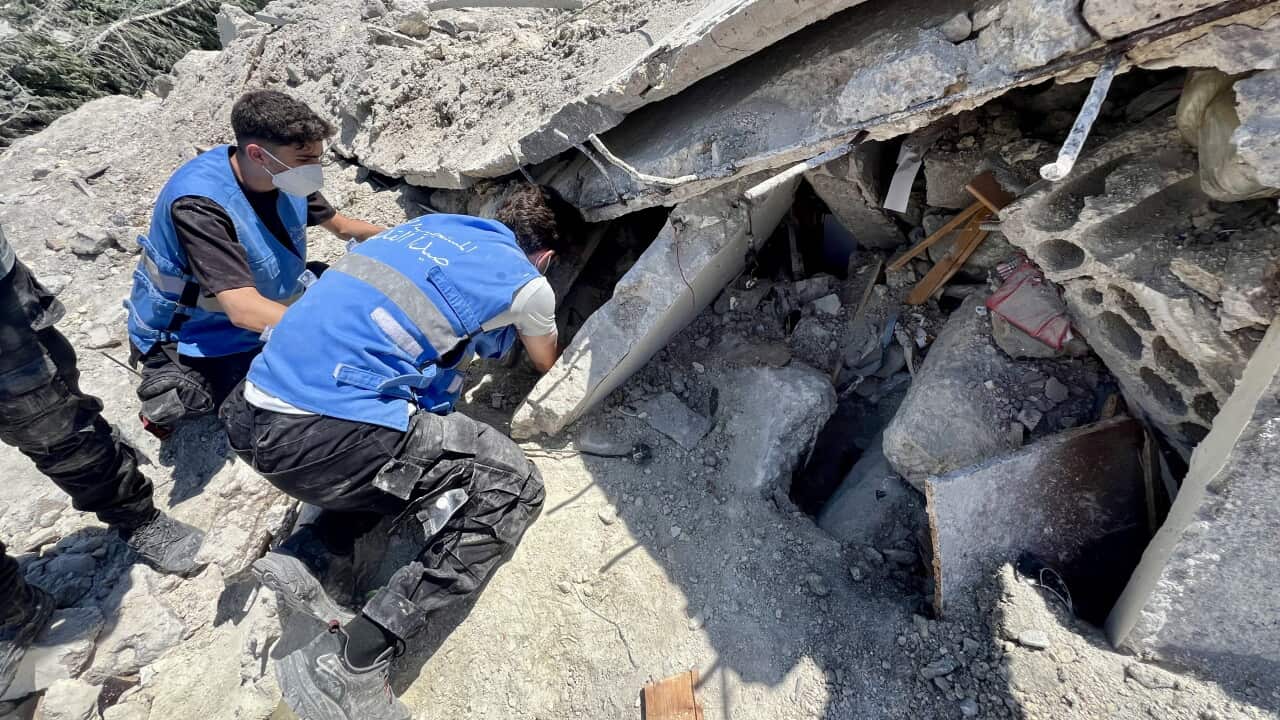
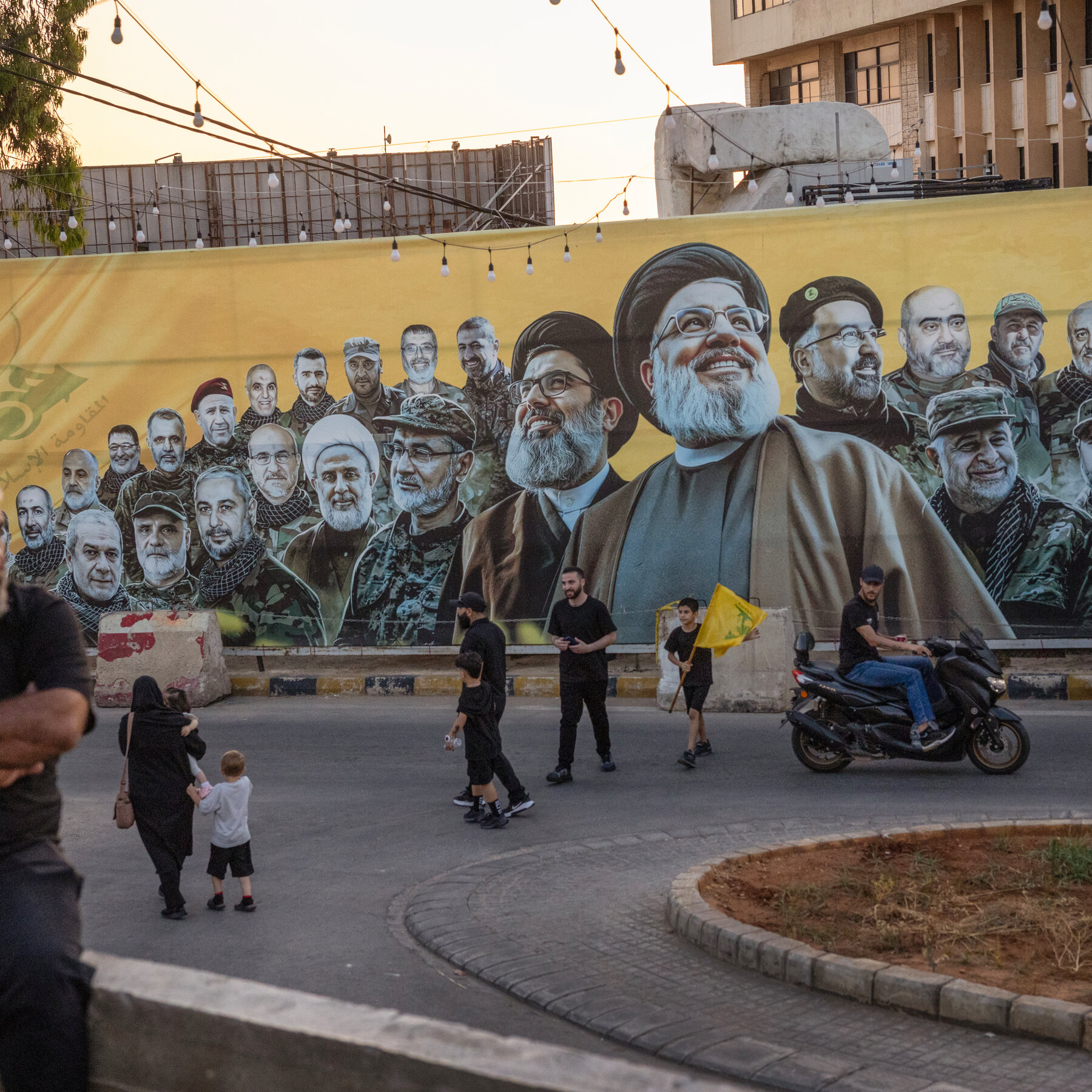
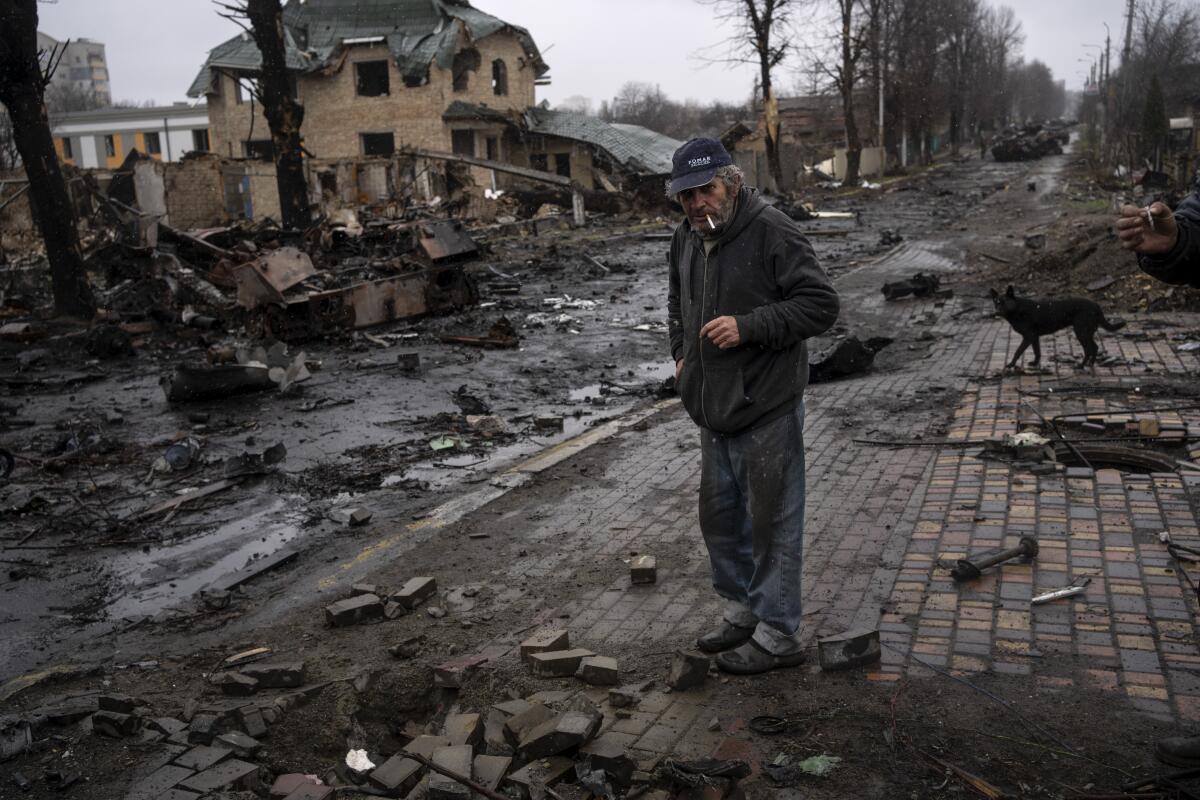
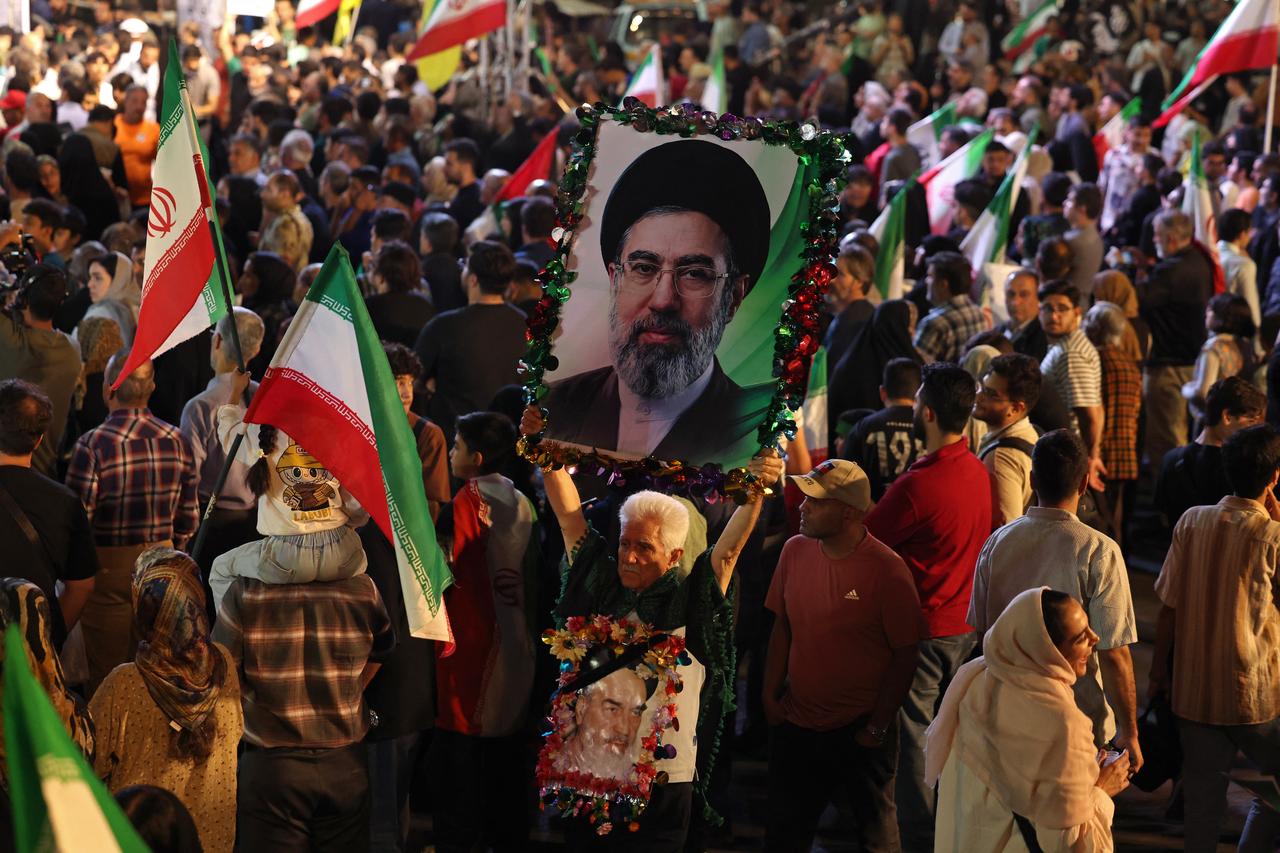
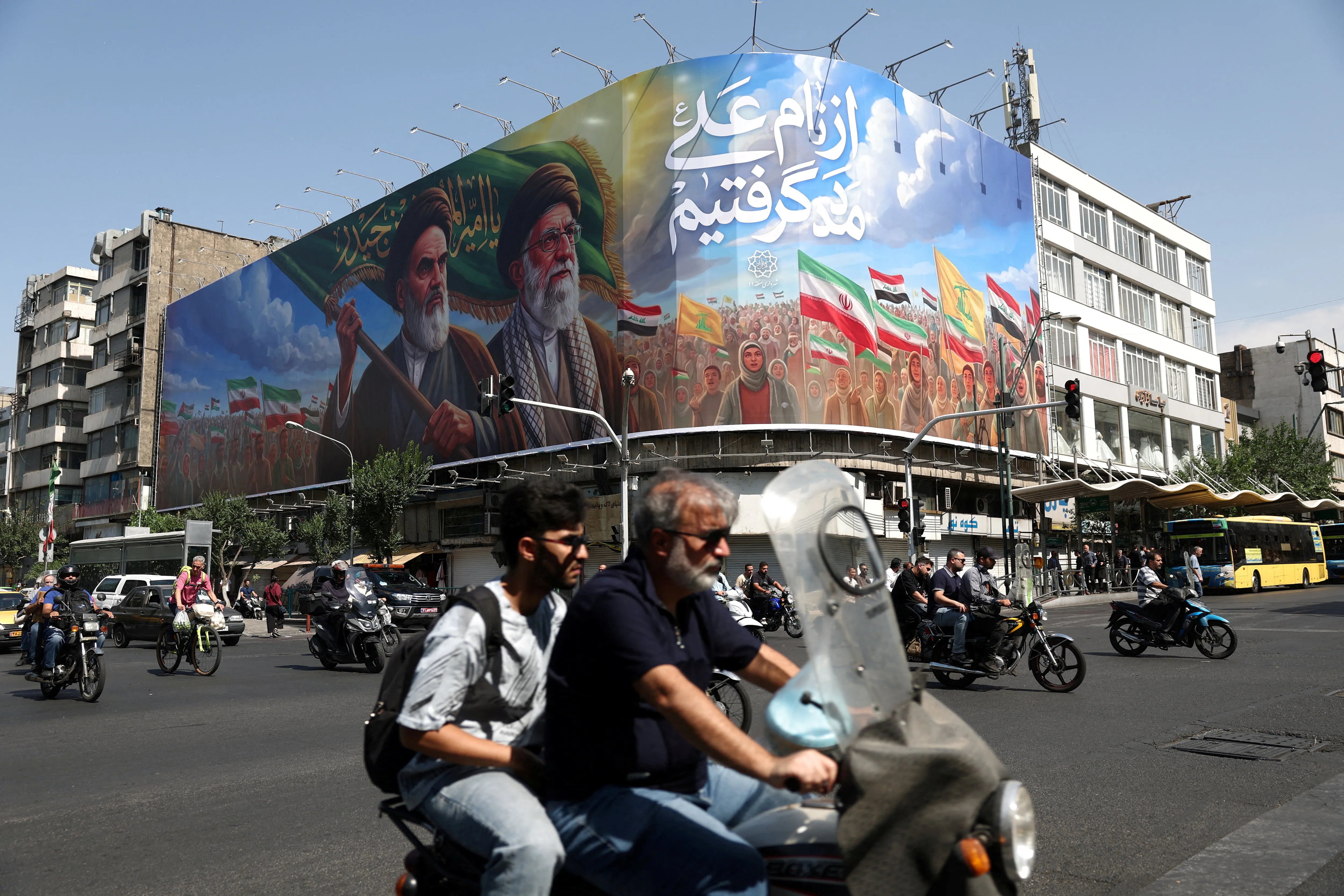
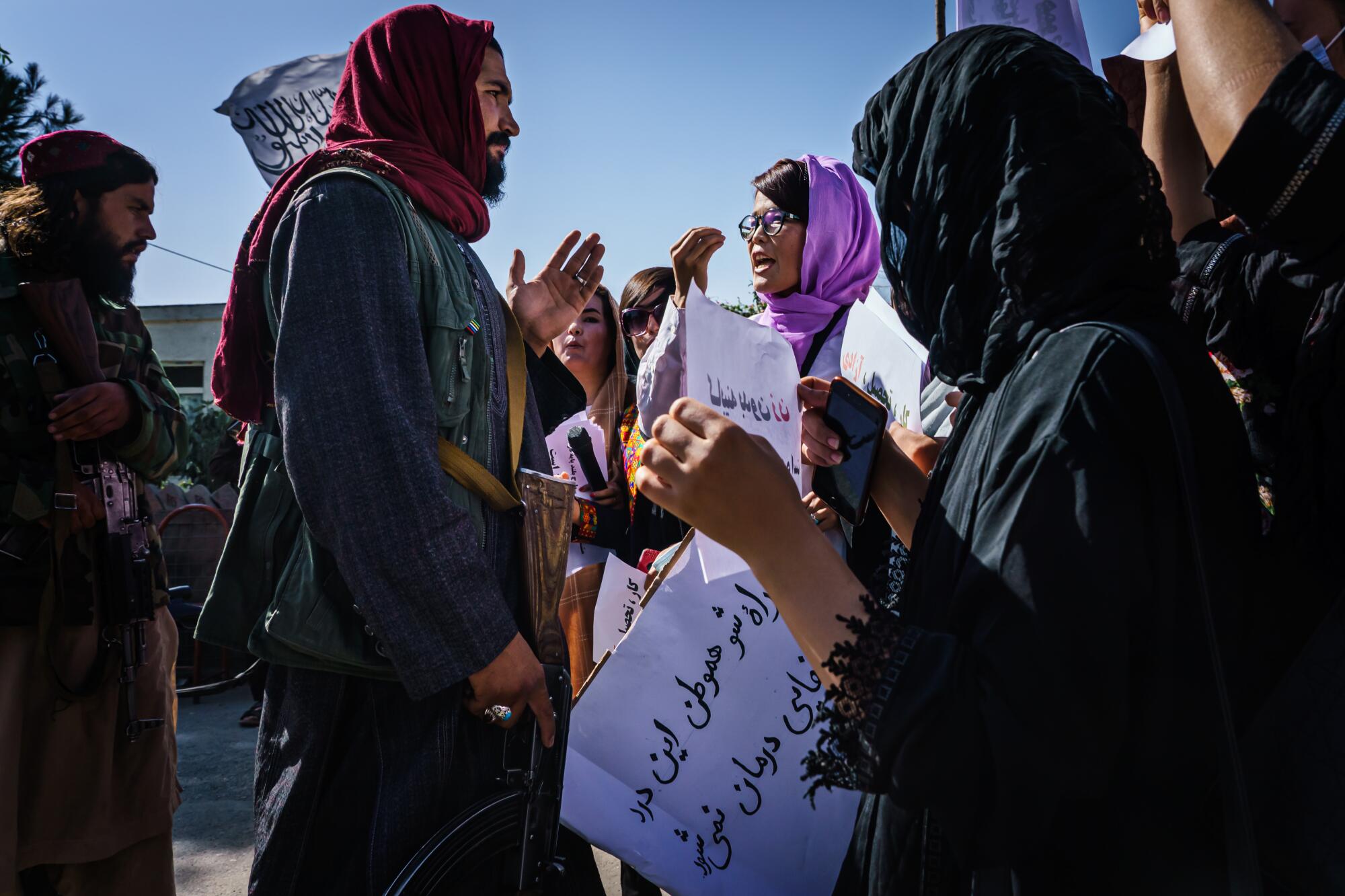
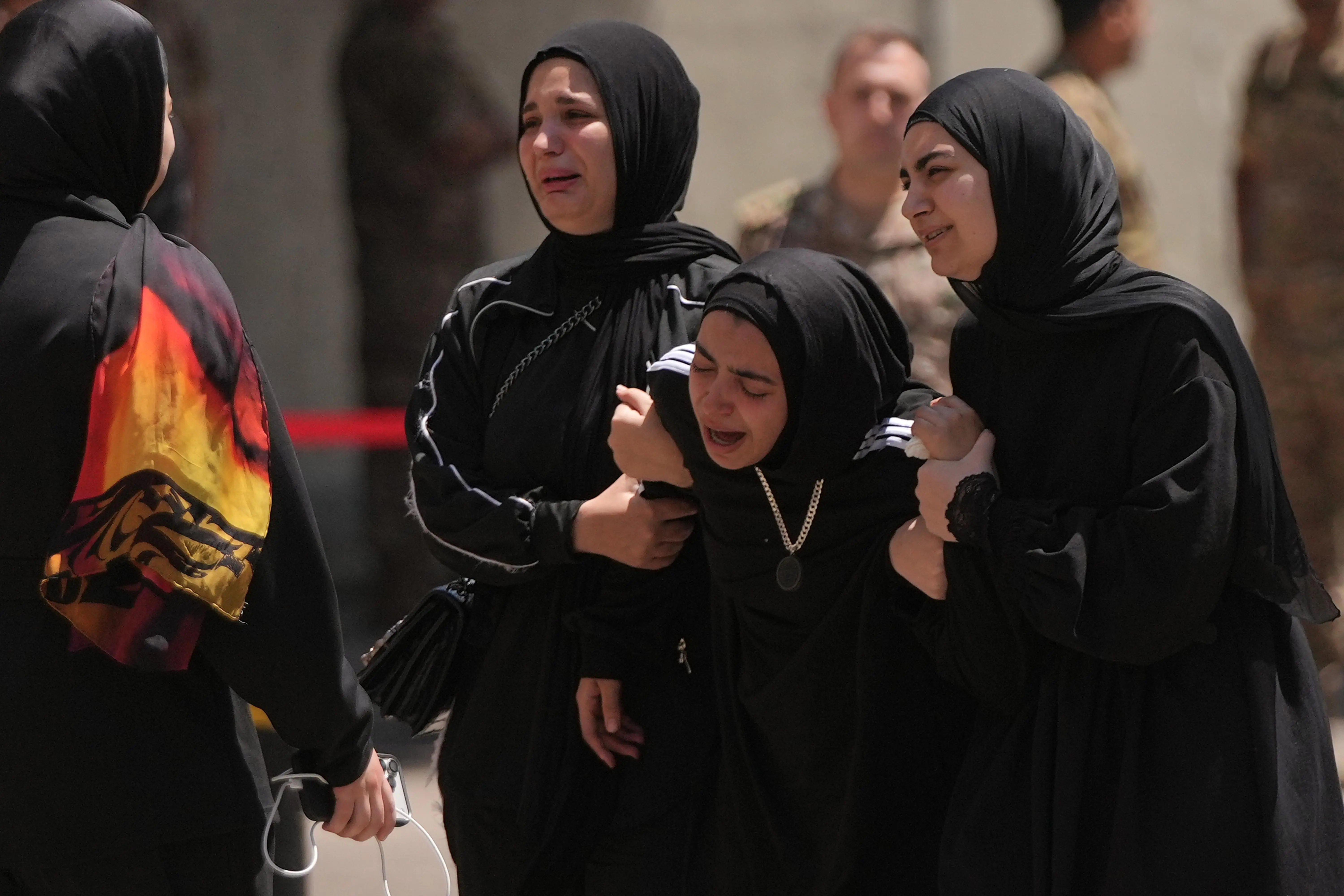
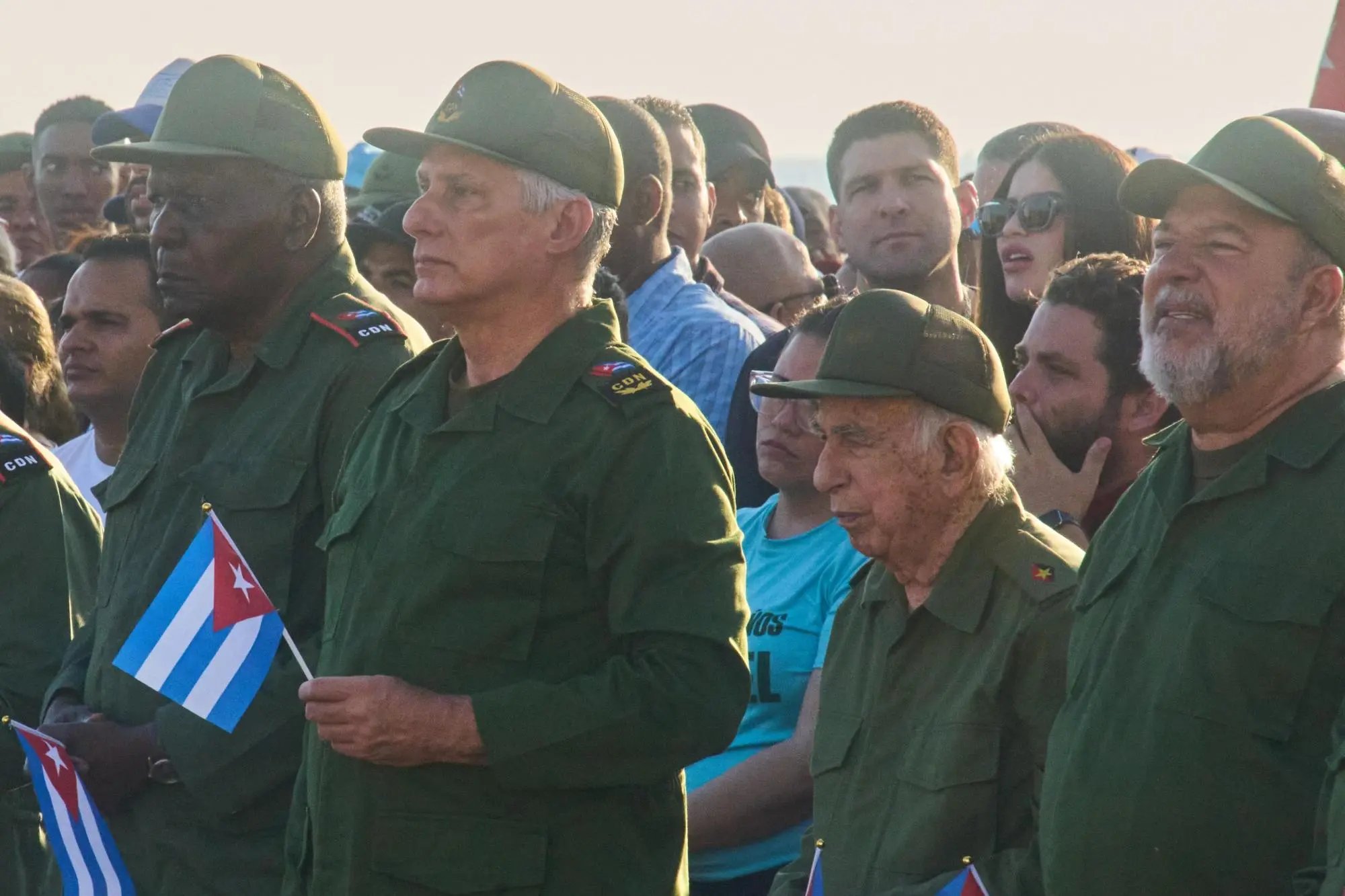
The resurgence of hostilities has heightened tensions in the region, with significant public sentiment in Iran calling for revenge following the assassination of Supreme Leader Ali Khamenei. As crowds gathered for his funeral, many expressed anger towards the U.S. and its allies. The ongoing conflict not only threatens regional stability but also impacts global energy markets, making the situation critical for both local and international stakeholders.
The future of U.S.-Iran relations hangs in the balance as military actions escalate and diplomatic efforts falter. The international community continues to watch closely, recognizing that the stakes are high for global peace and security.