




Vulnerabilities Exposed by Recent Attacks
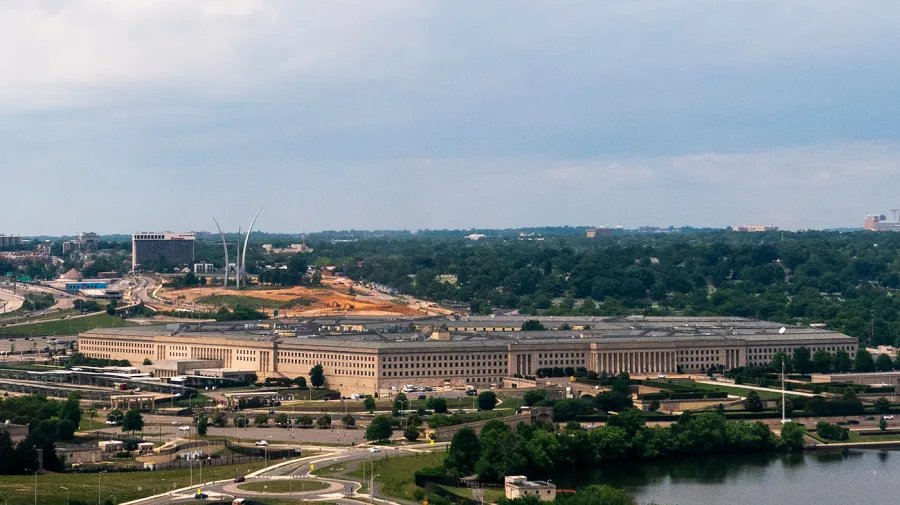
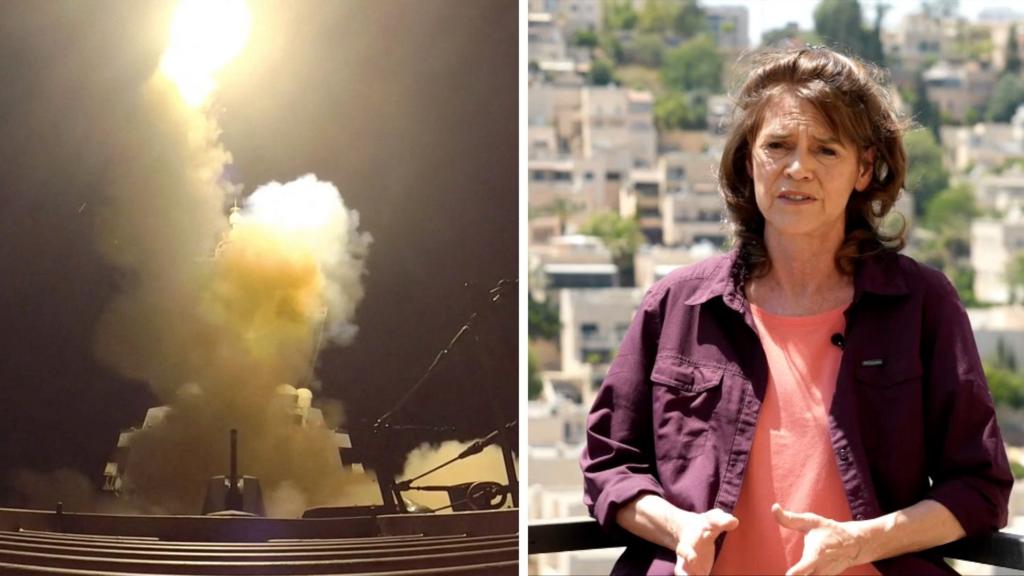
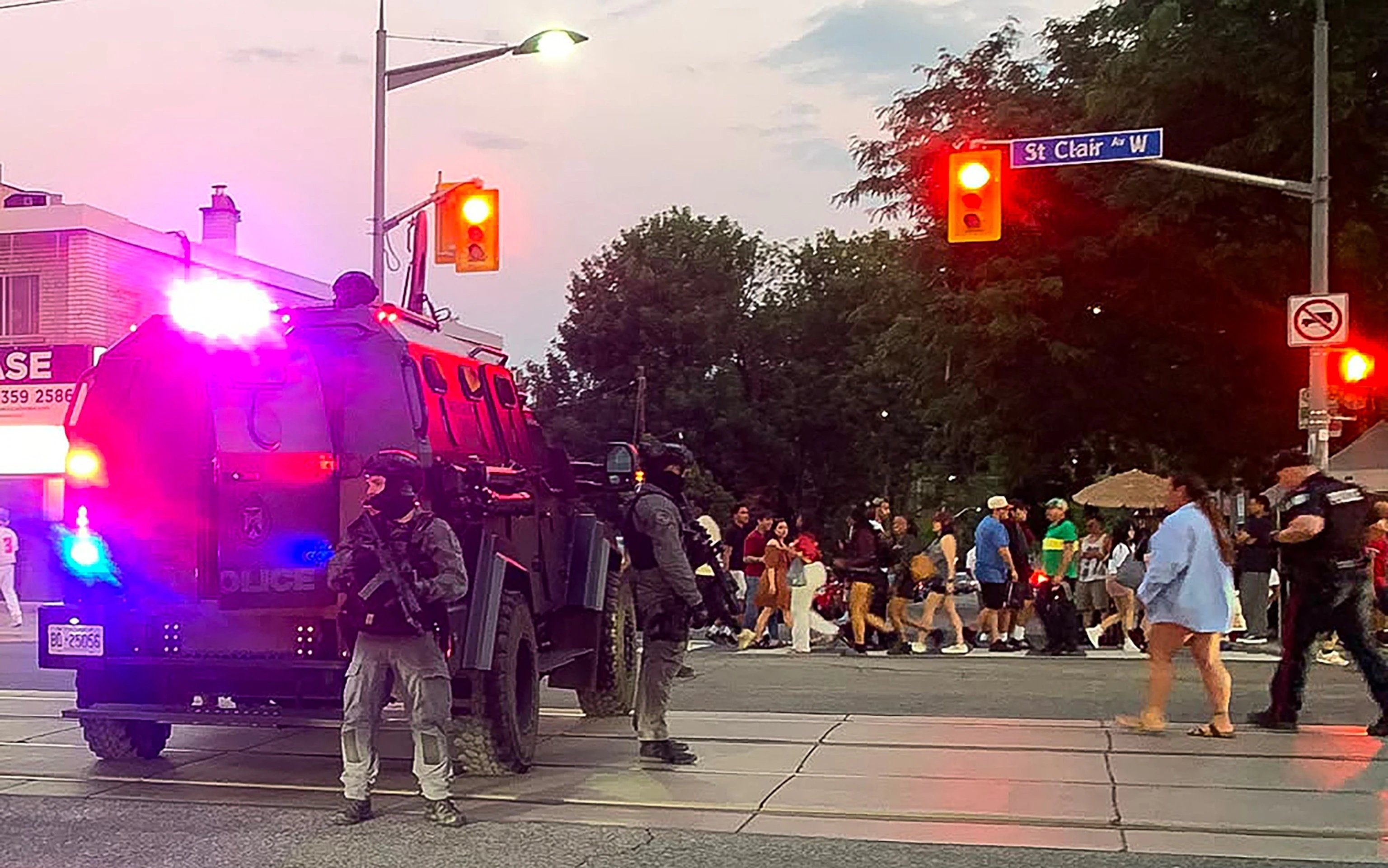
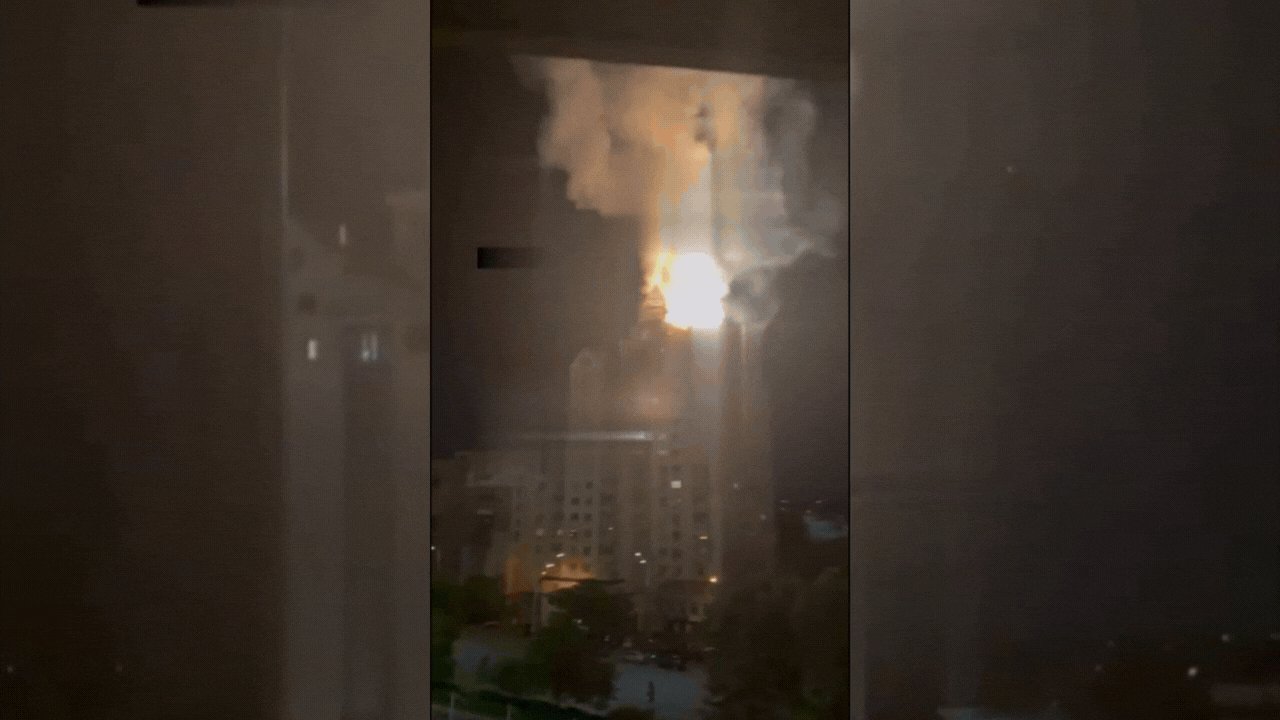
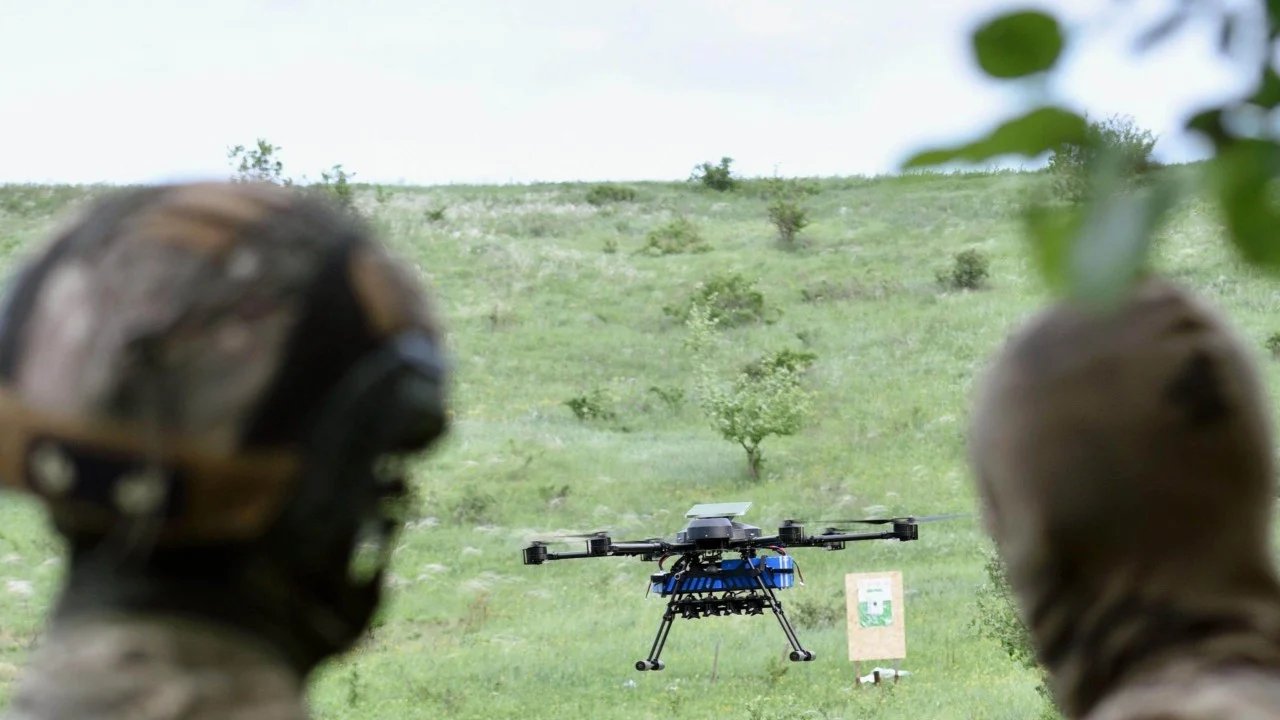
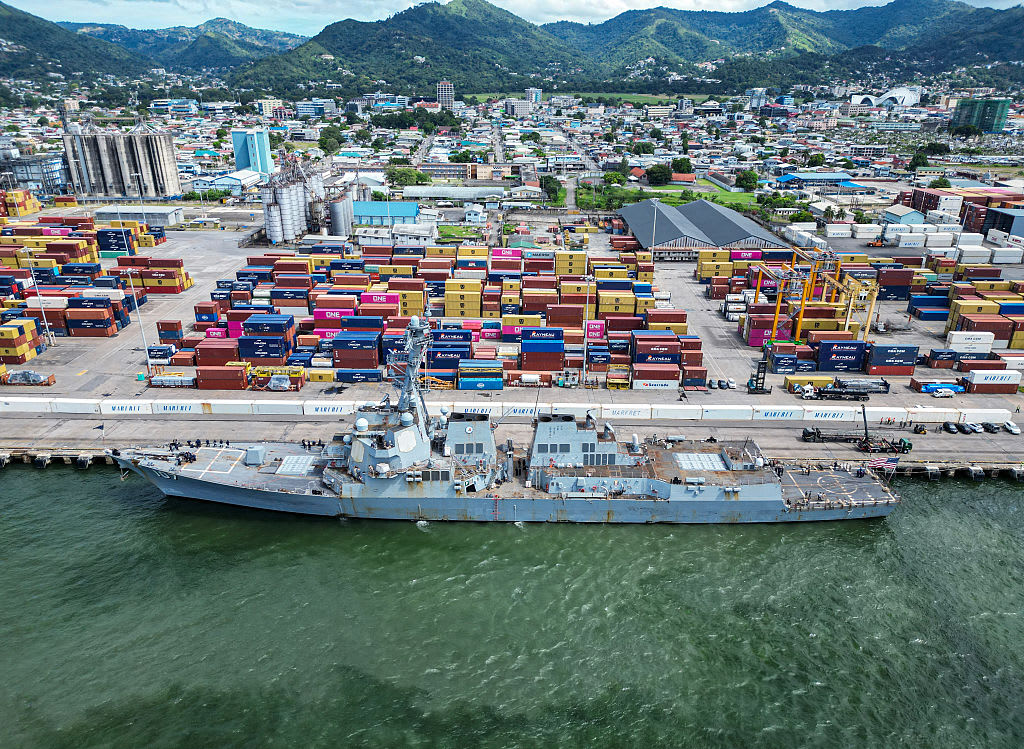
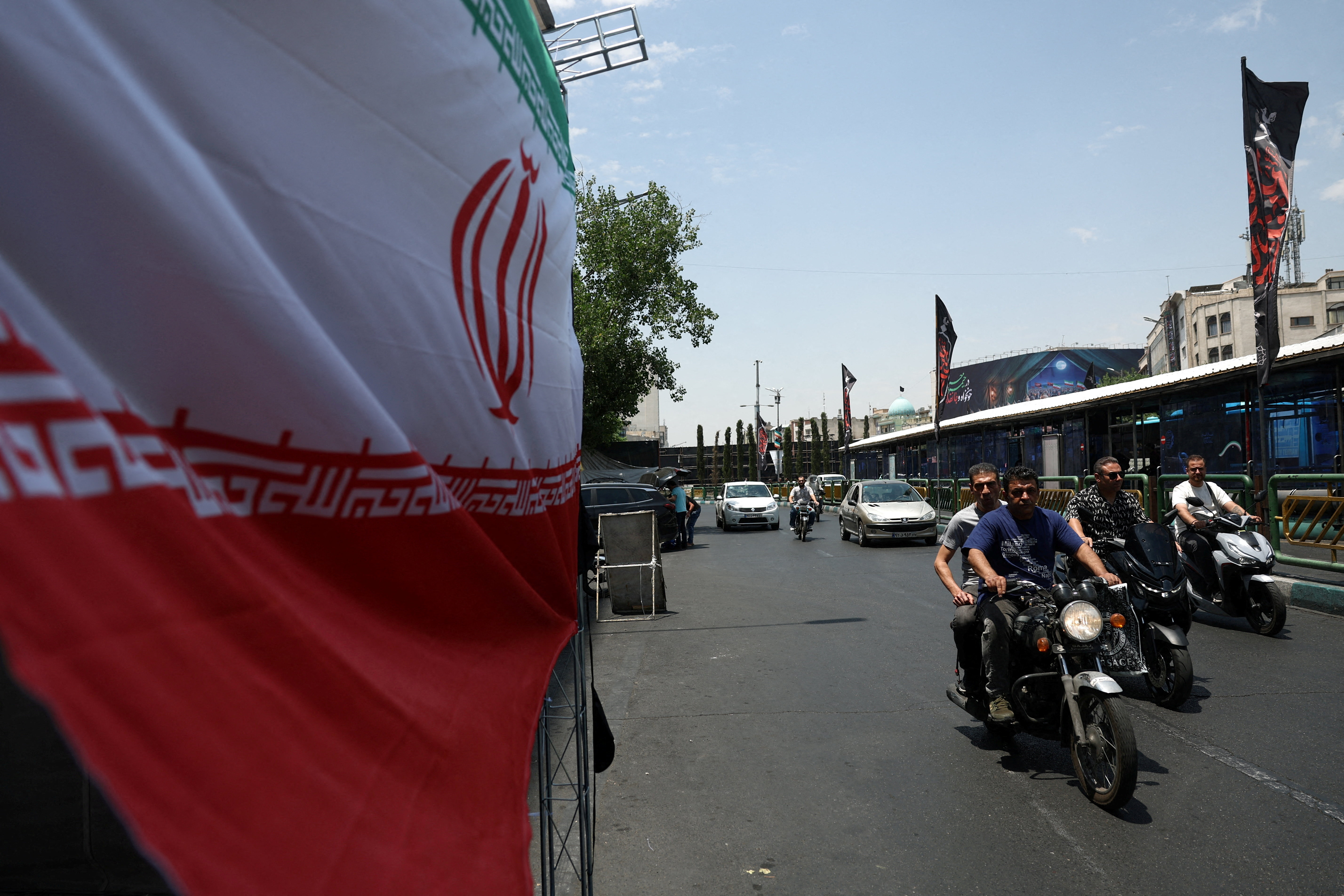
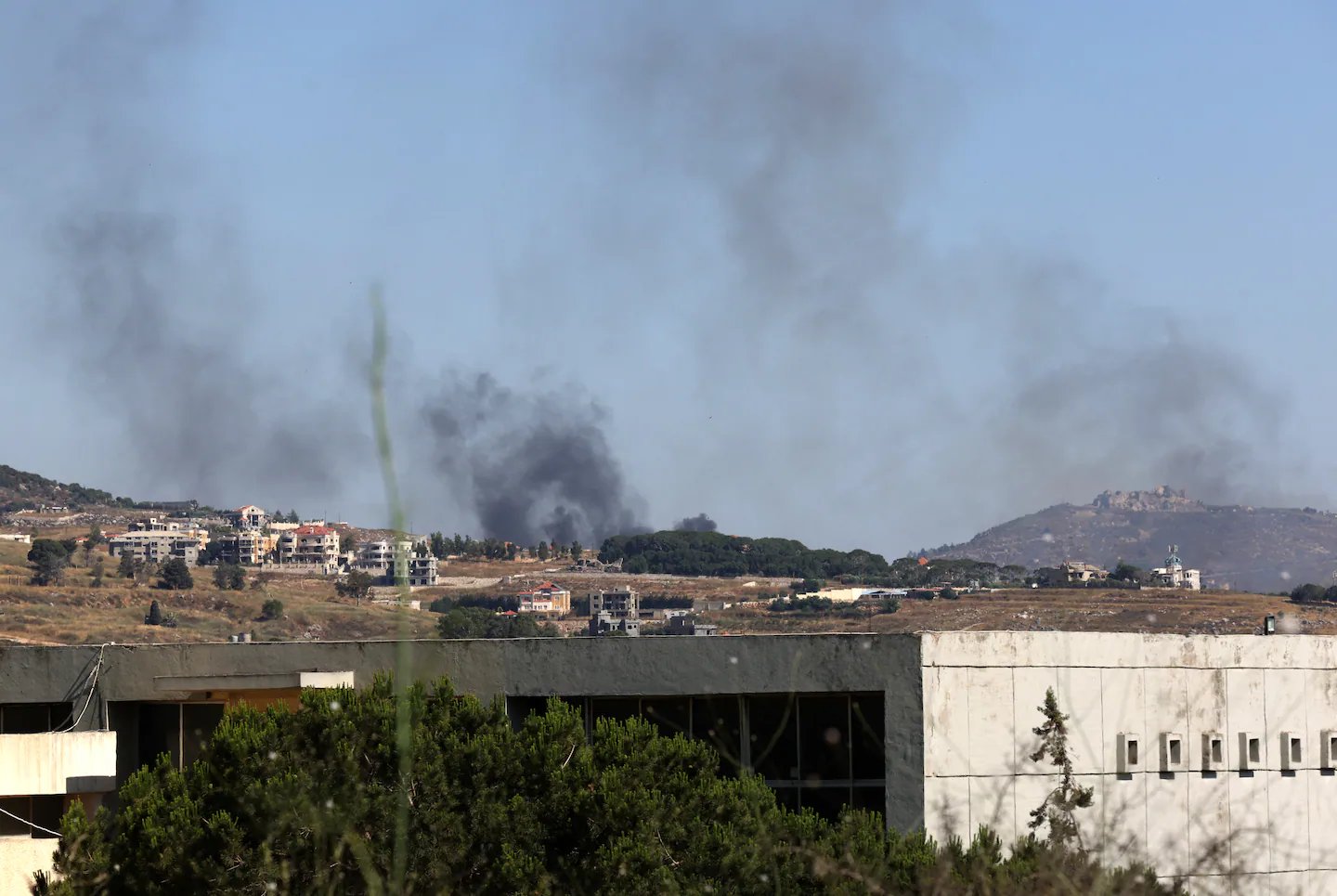
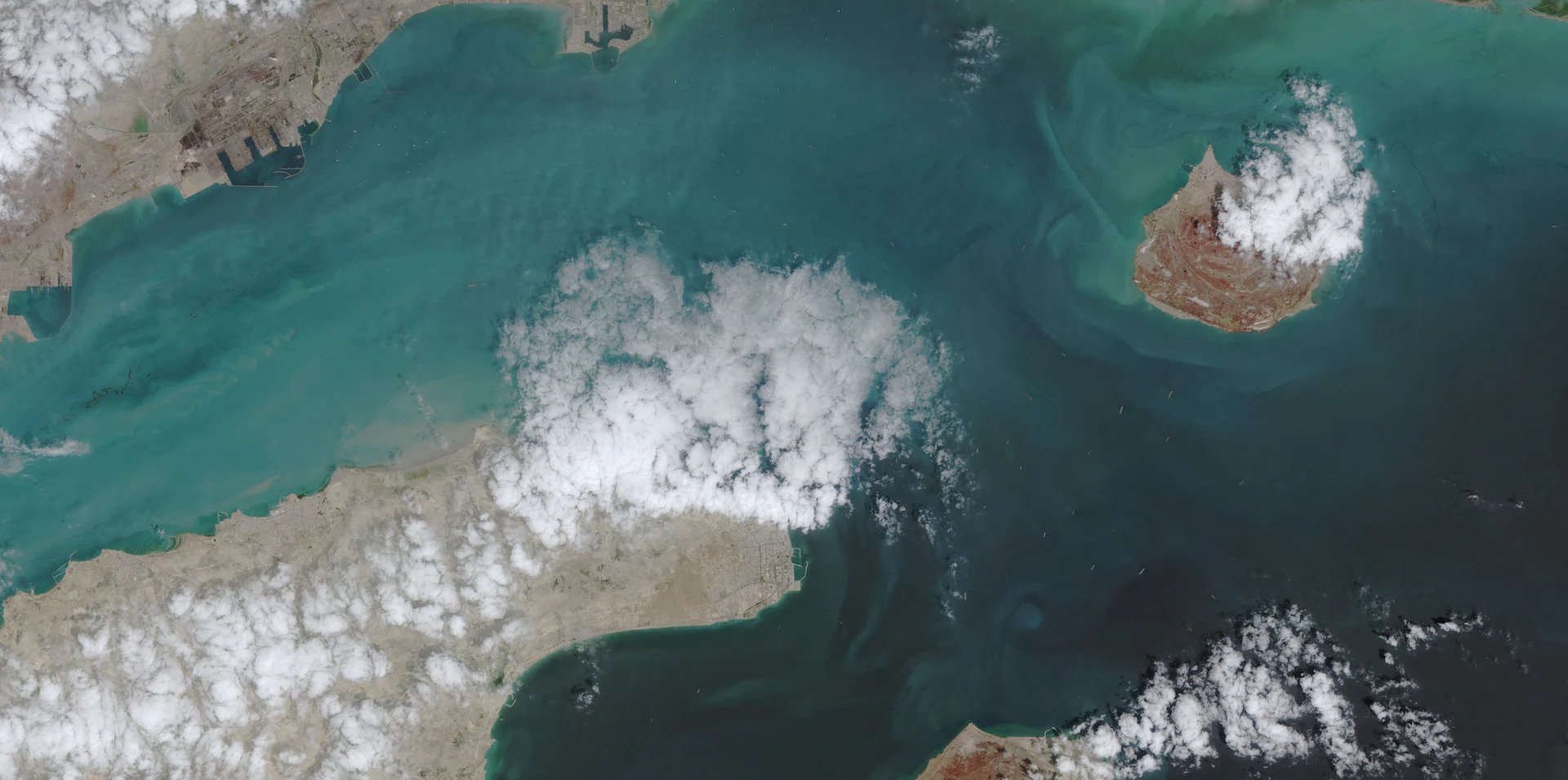
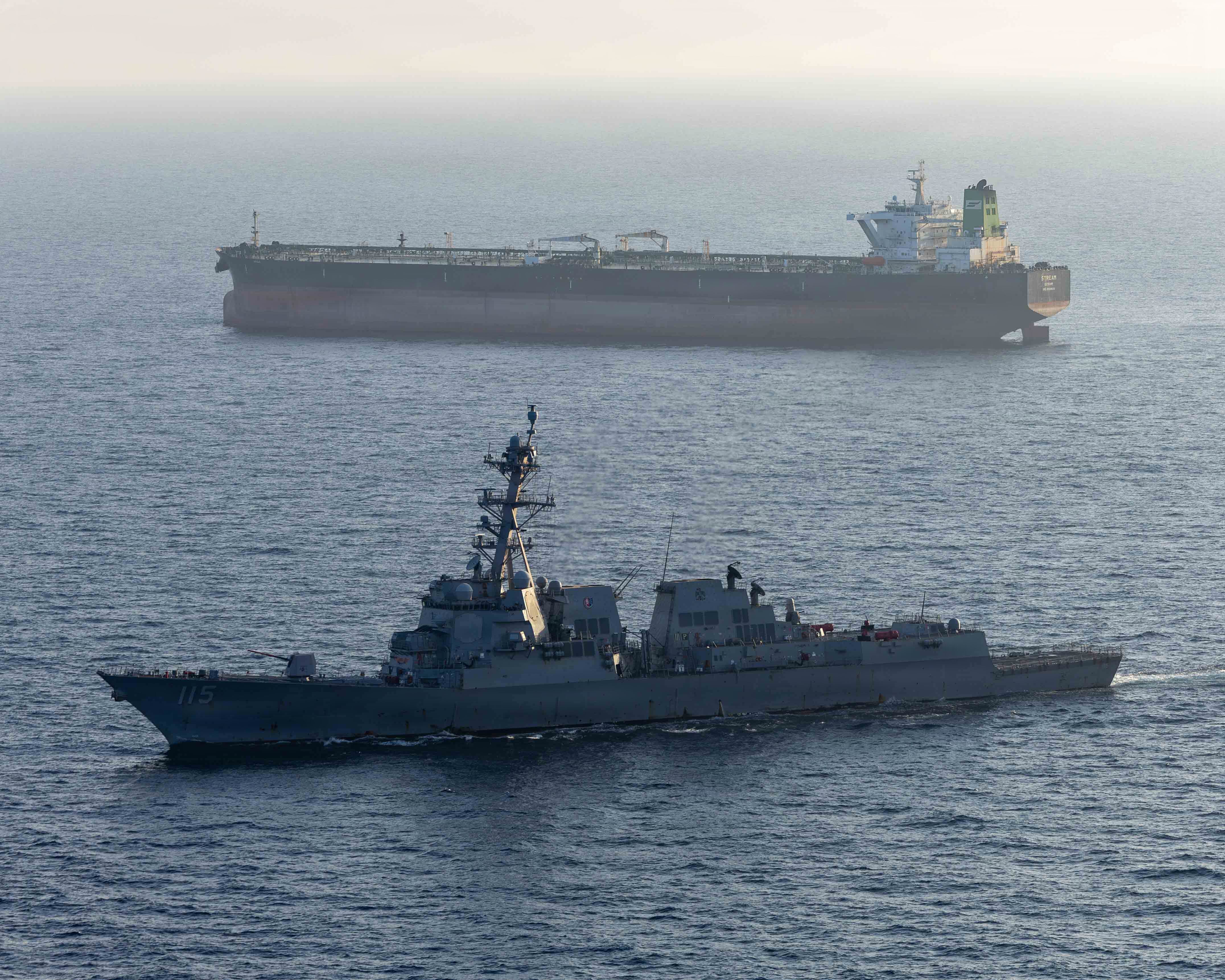
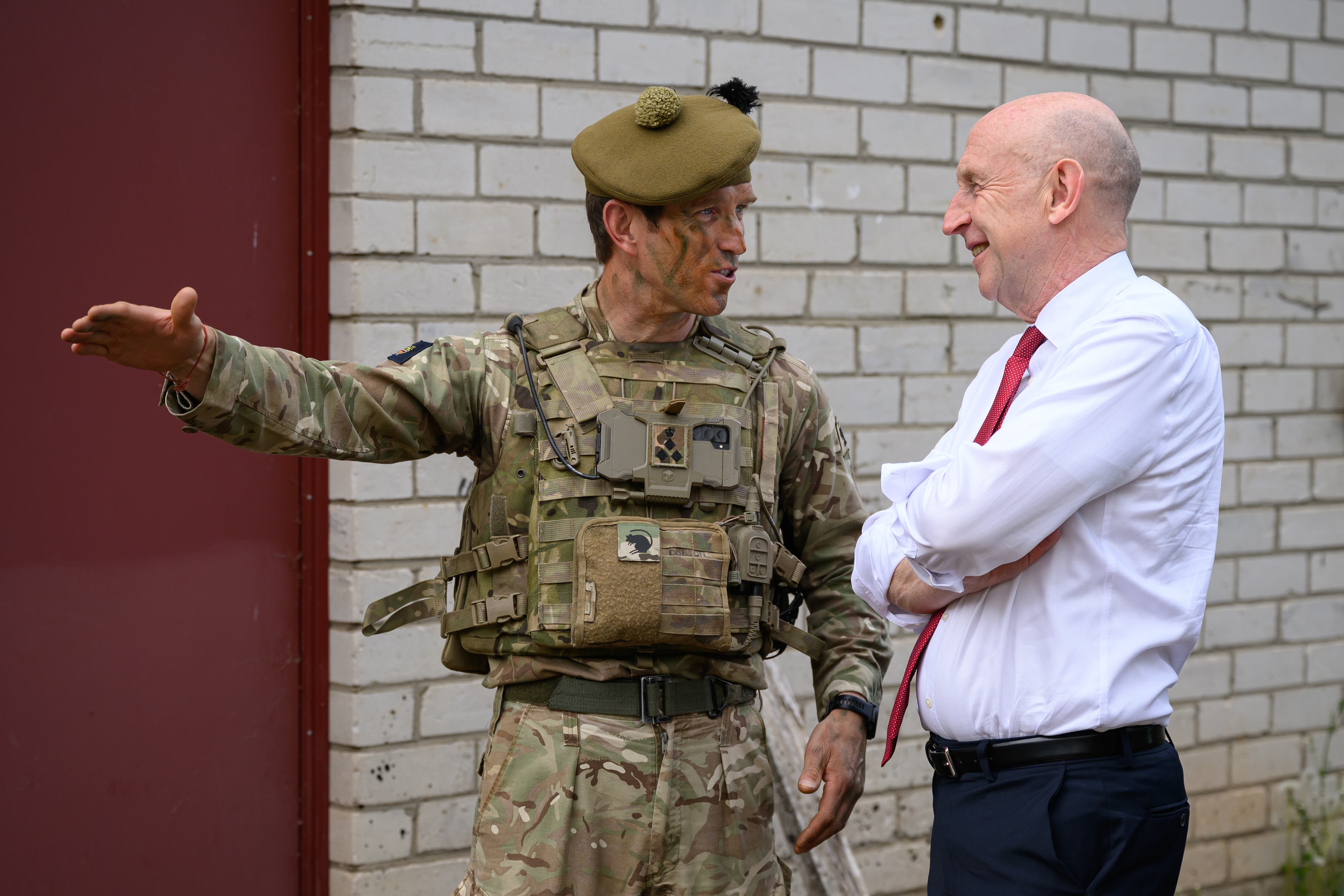
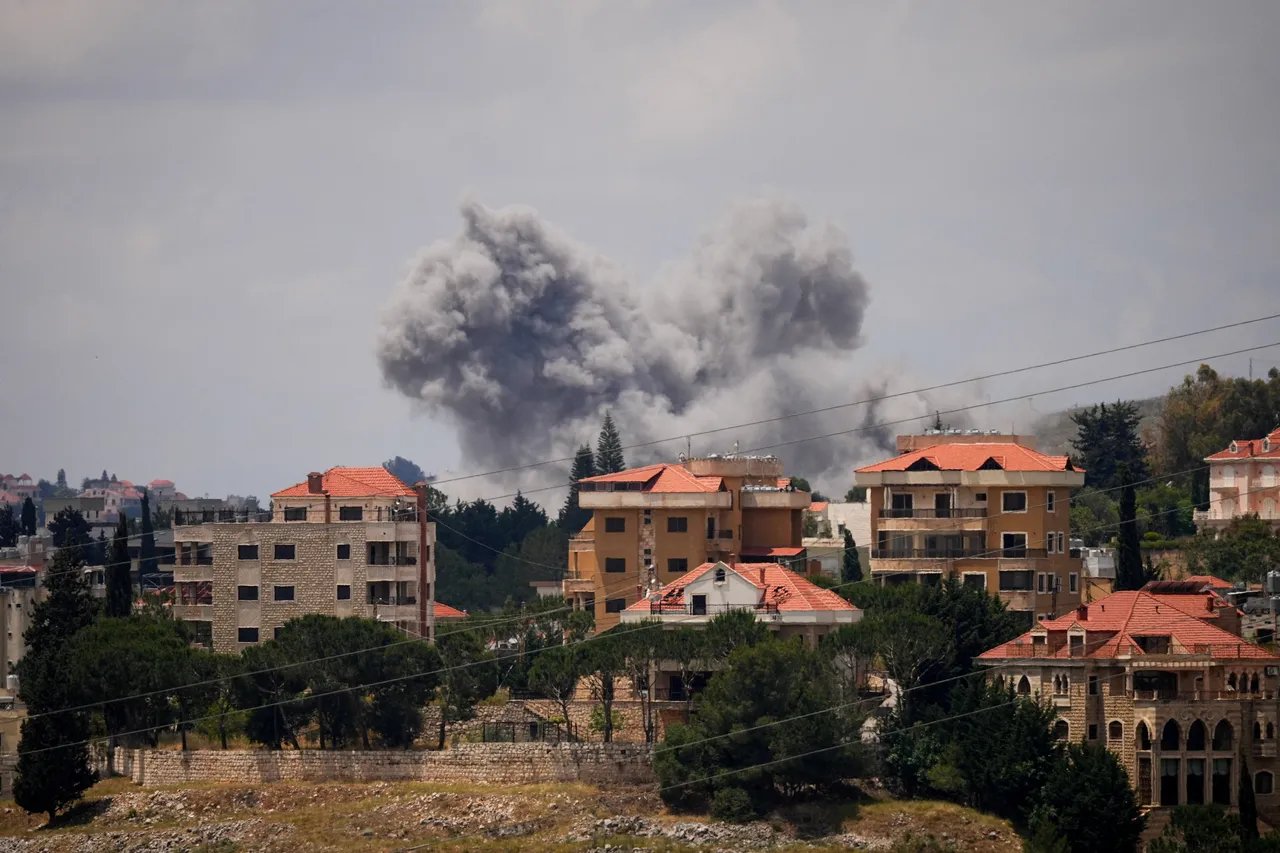
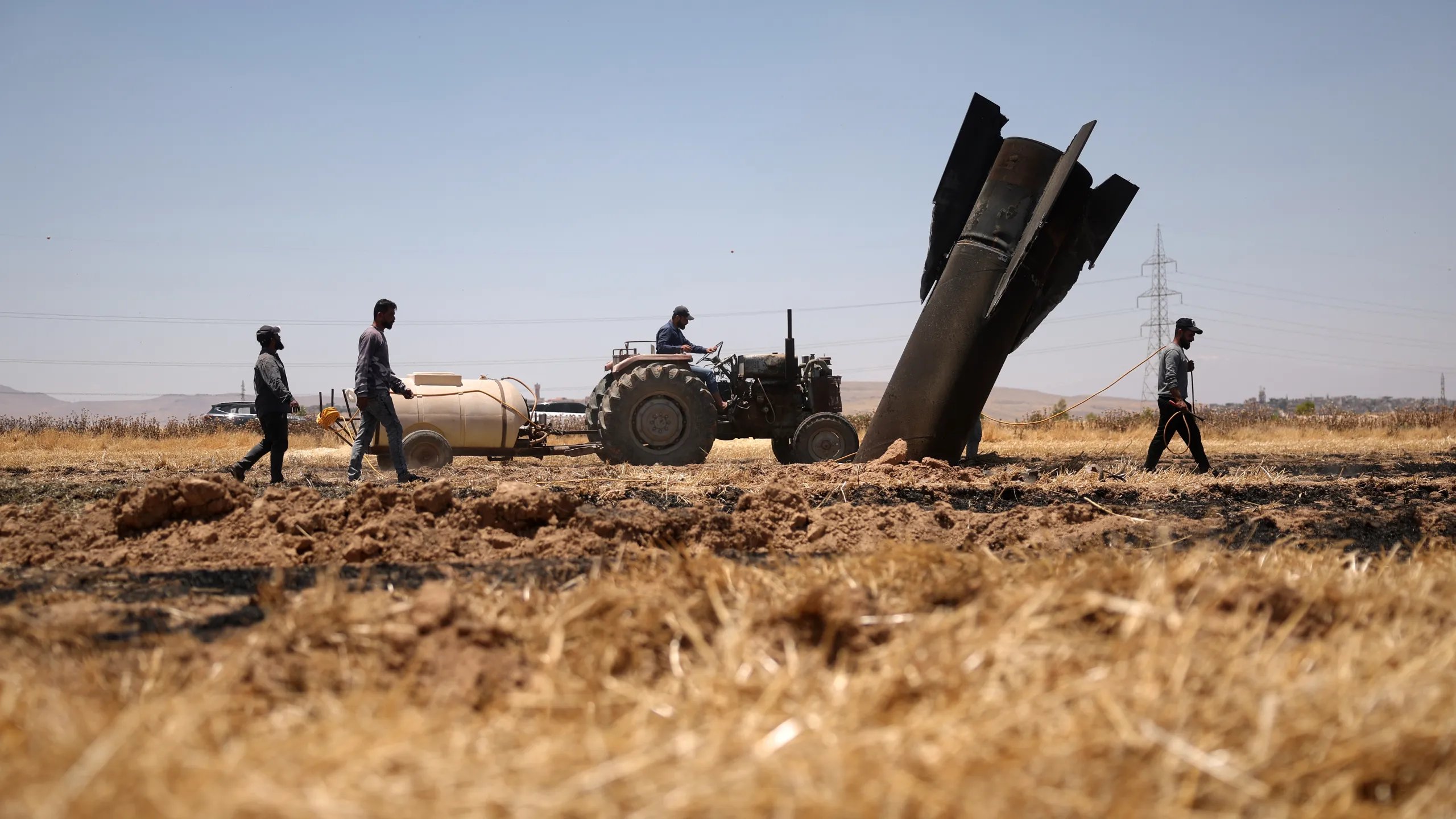
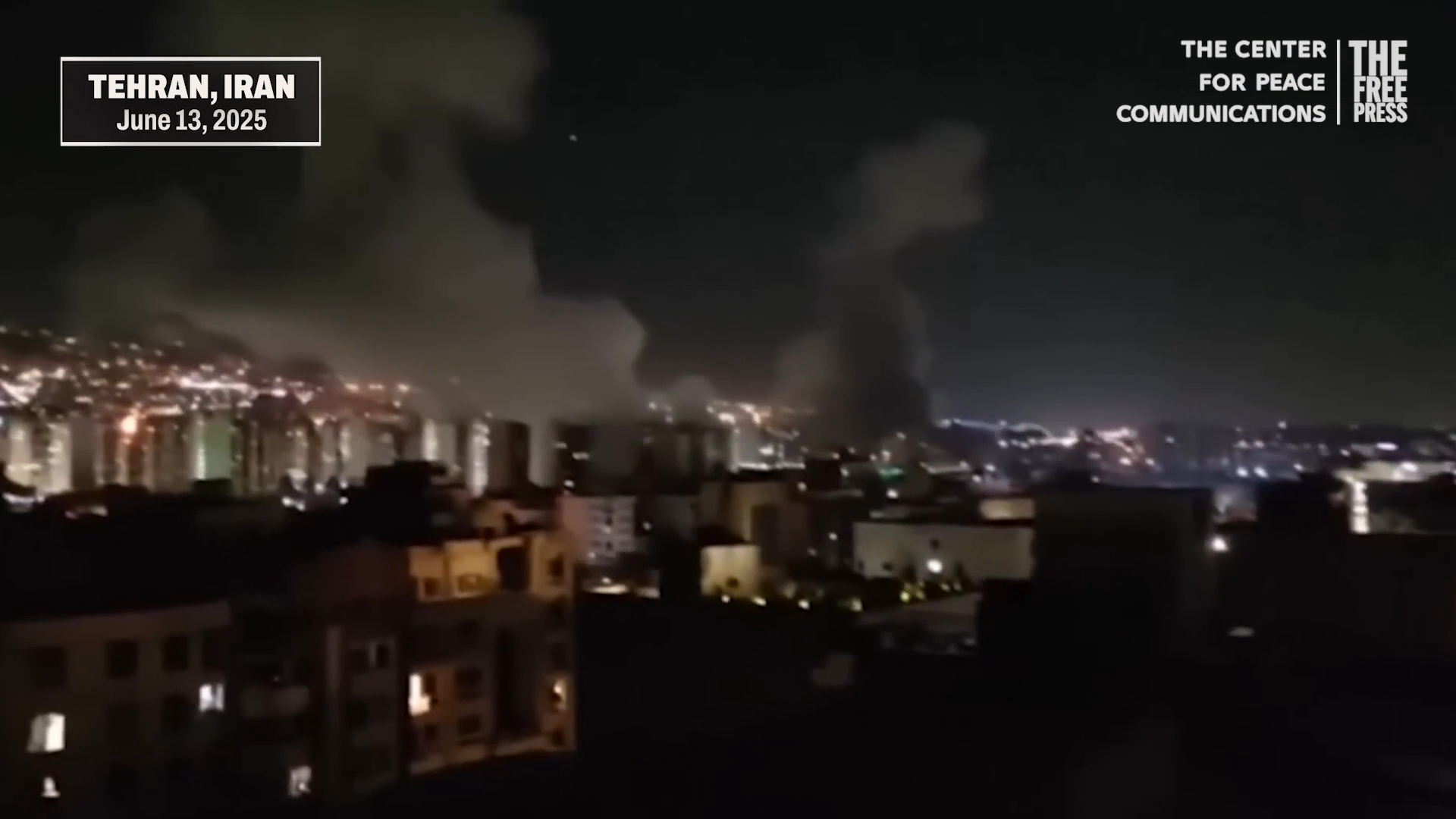
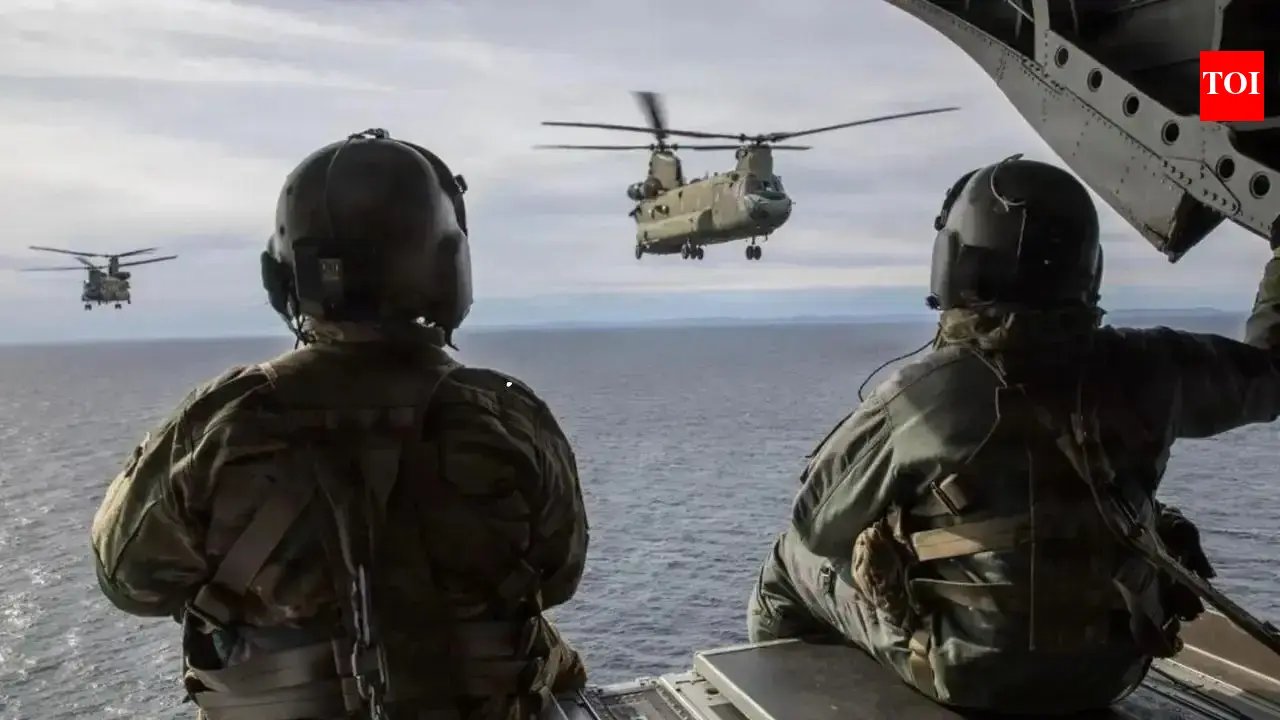
The Pentagon is reevaluating its long-standing military base strategy in the Middle East following a series of Iranian missile and drone attacks that highlighted vulnerabilities at key installations. Major bases such as Al Udeid Air Base in Qatar and Naval Support Activity Bahrain, home to the U.S. Fifth Fleet, were targeted during Operation Epic Fury, prompting defense officials to reconsider the concentration of U.S. forces in the region. Retired Navy Rear Adm. Mark Montgomery indicated that the military is already moving toward using alternate command-and-control locations and rotating forces rather than relying solely on large installations.
Casualties and Damage
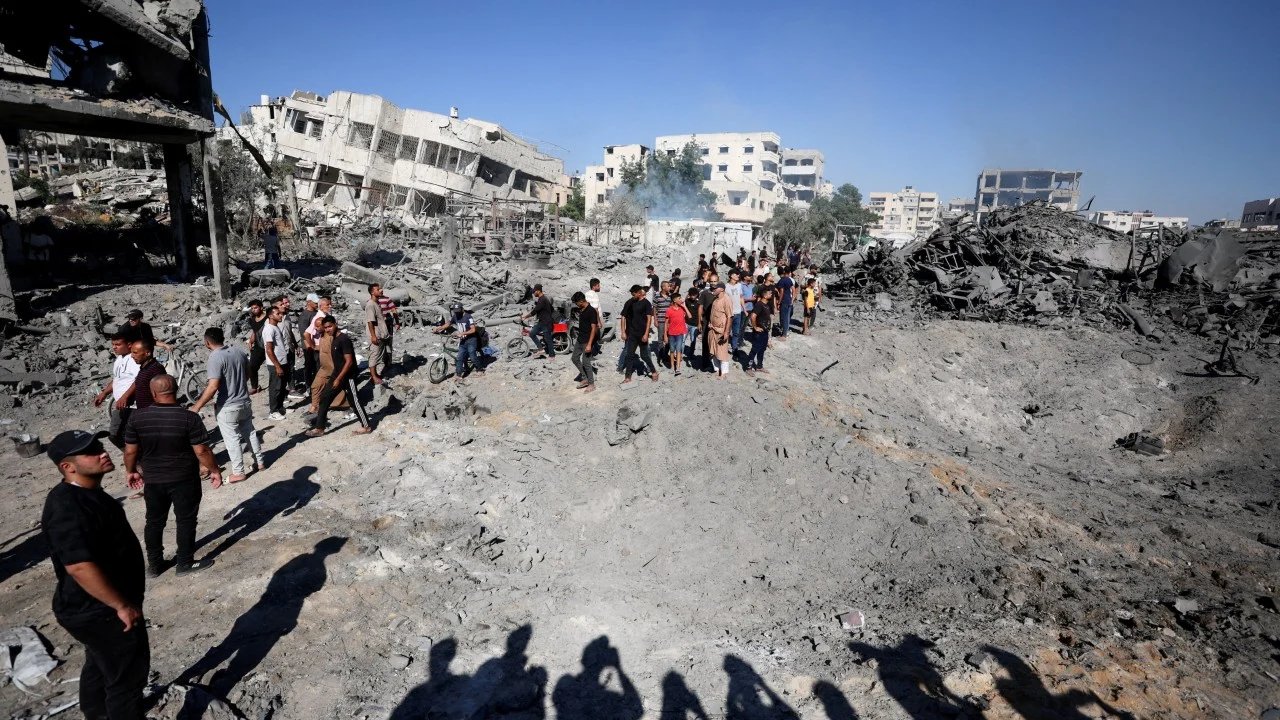
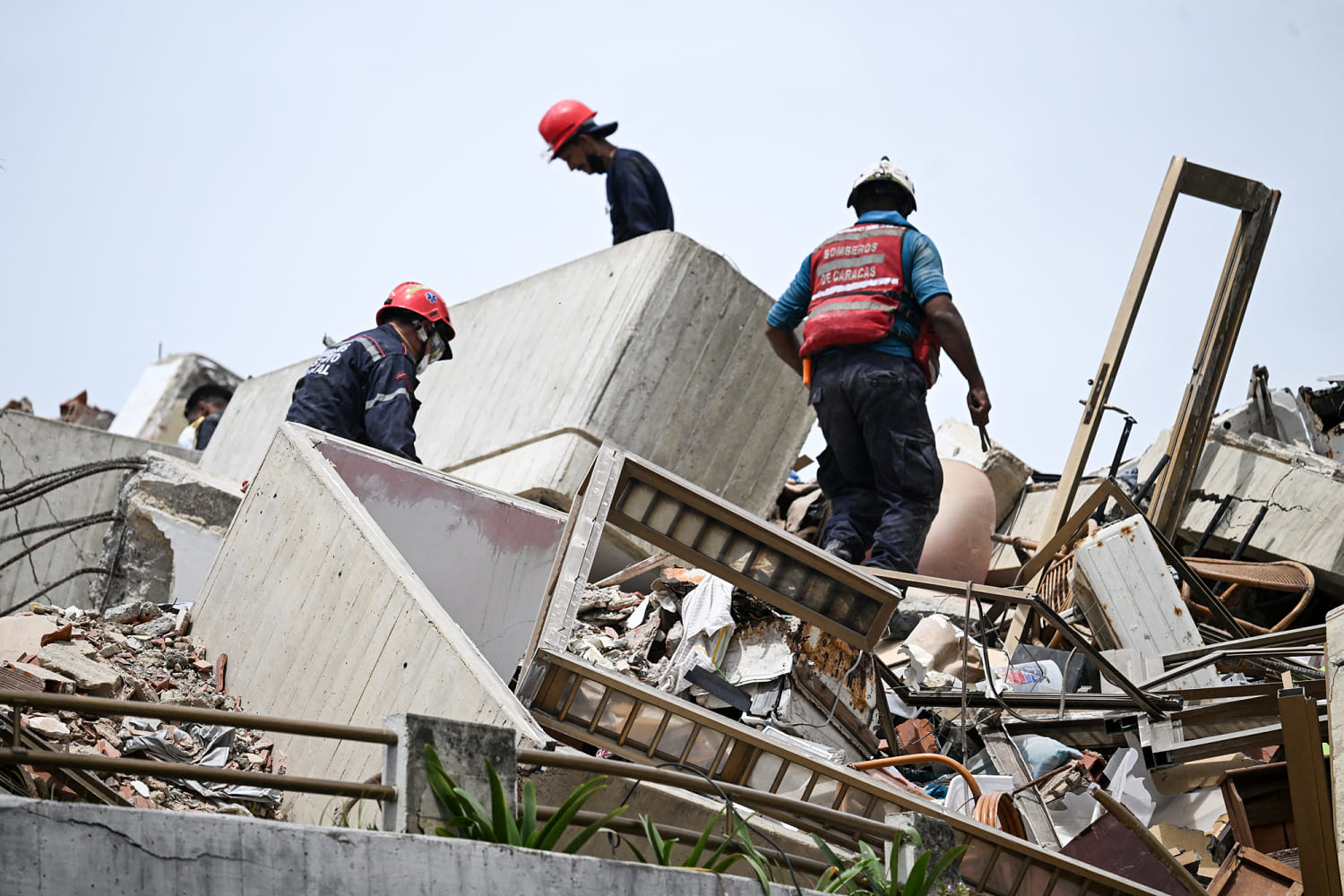
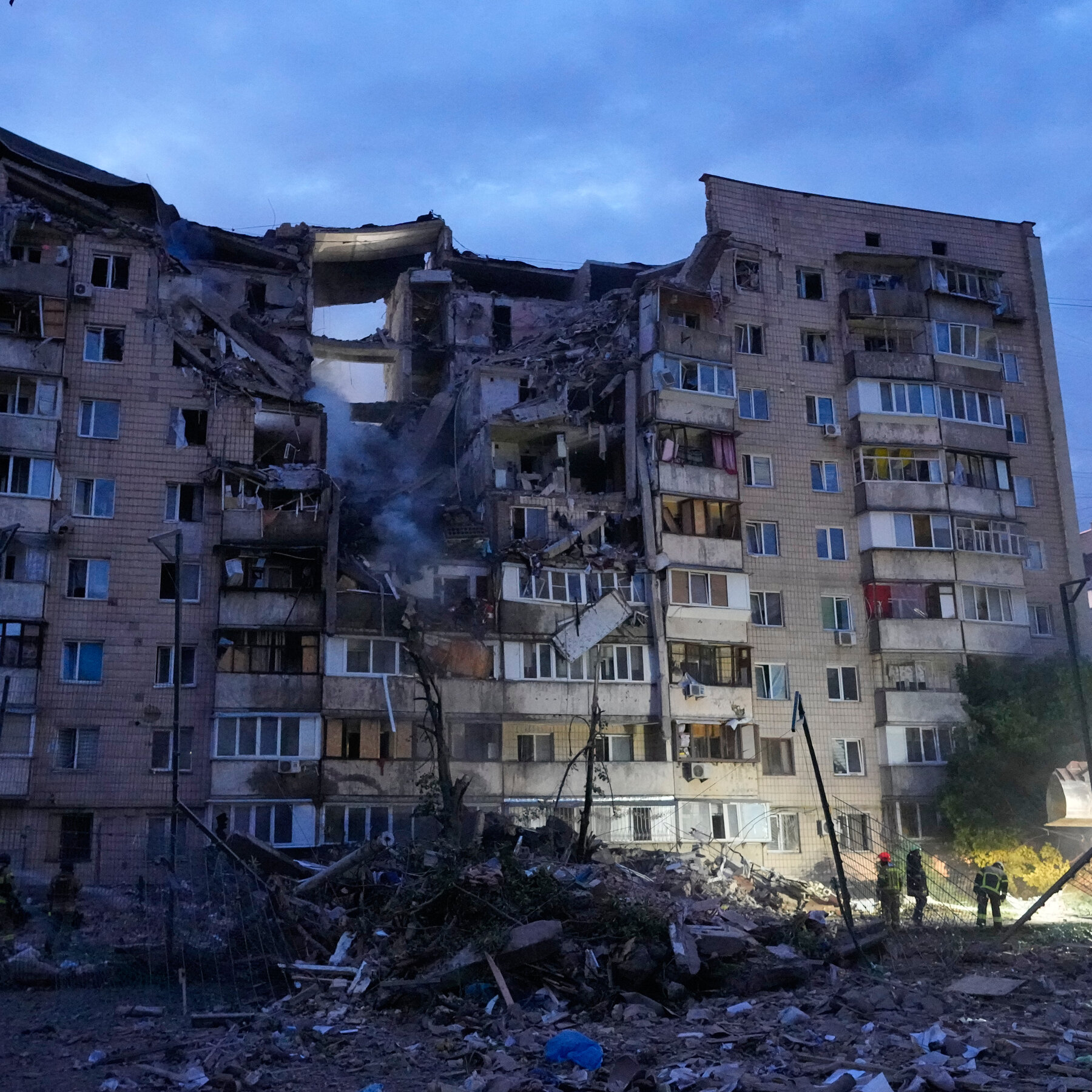
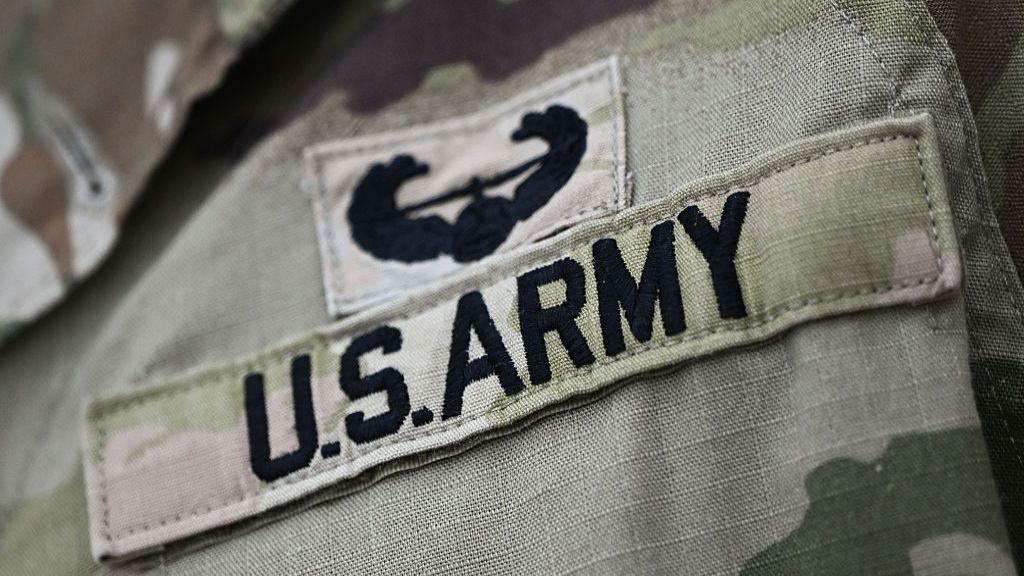
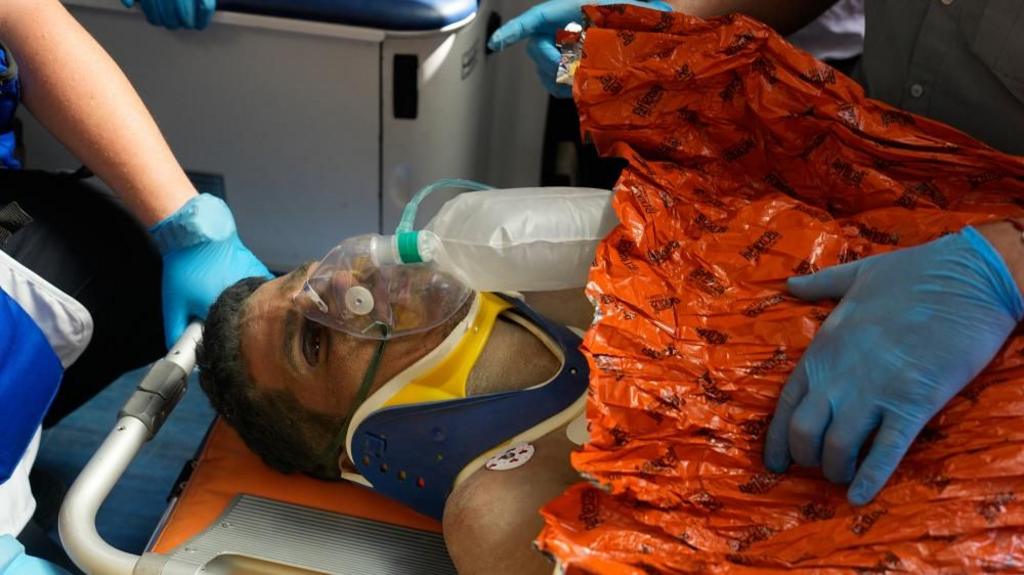
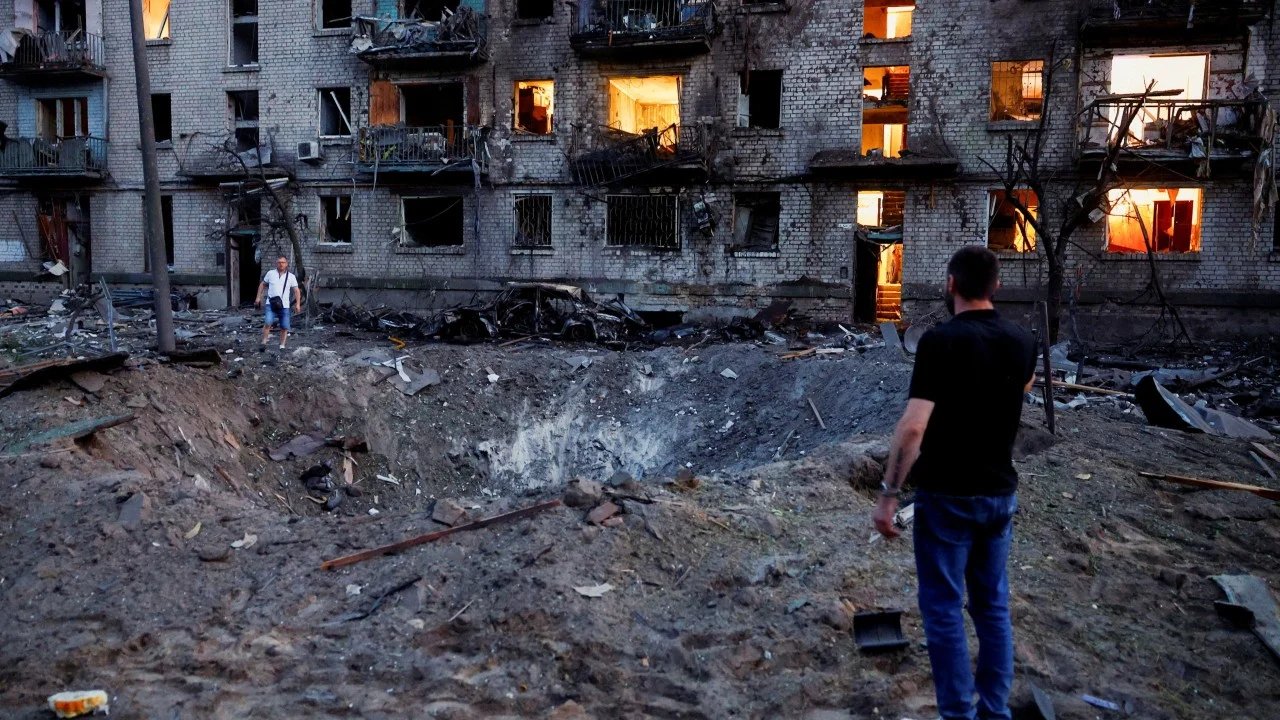
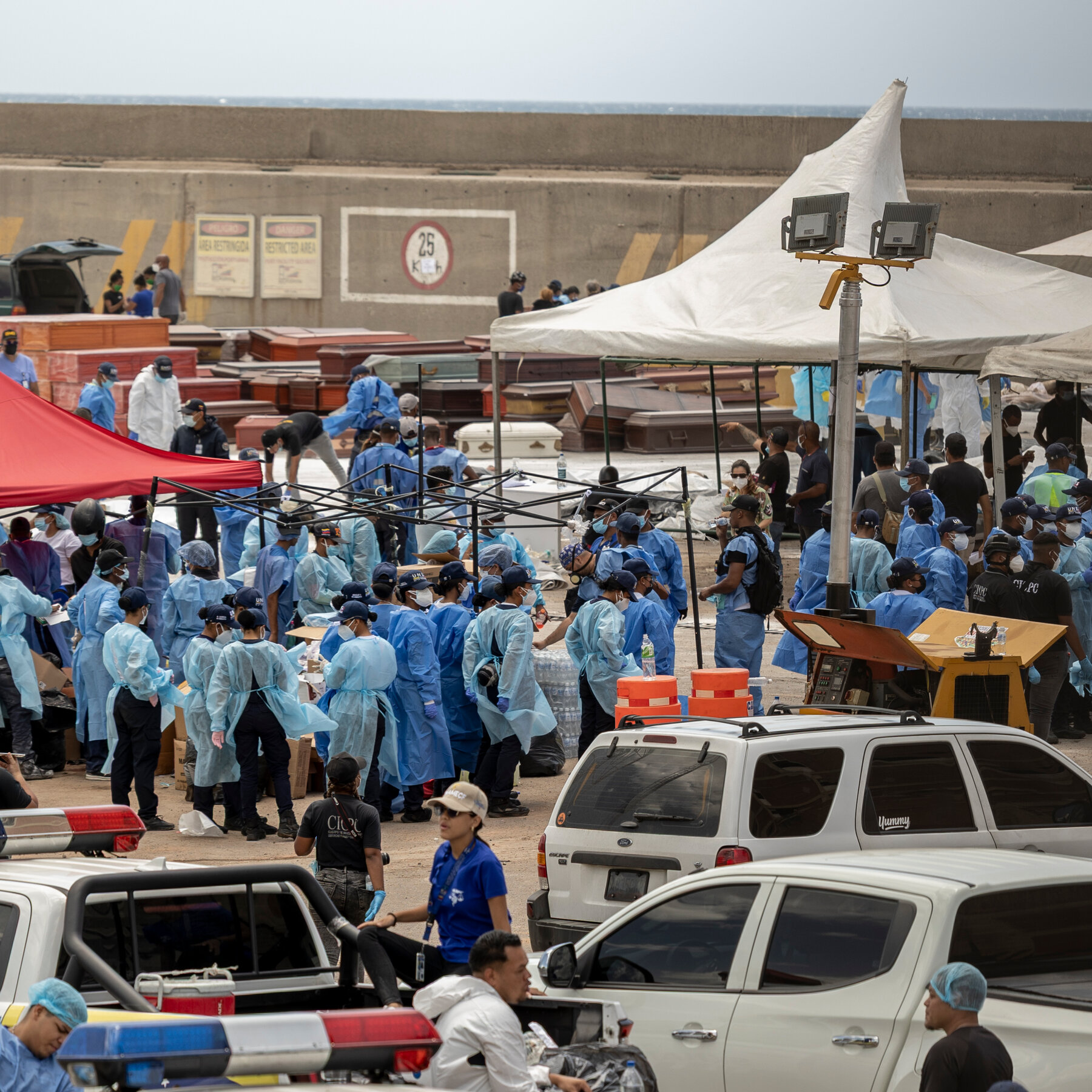
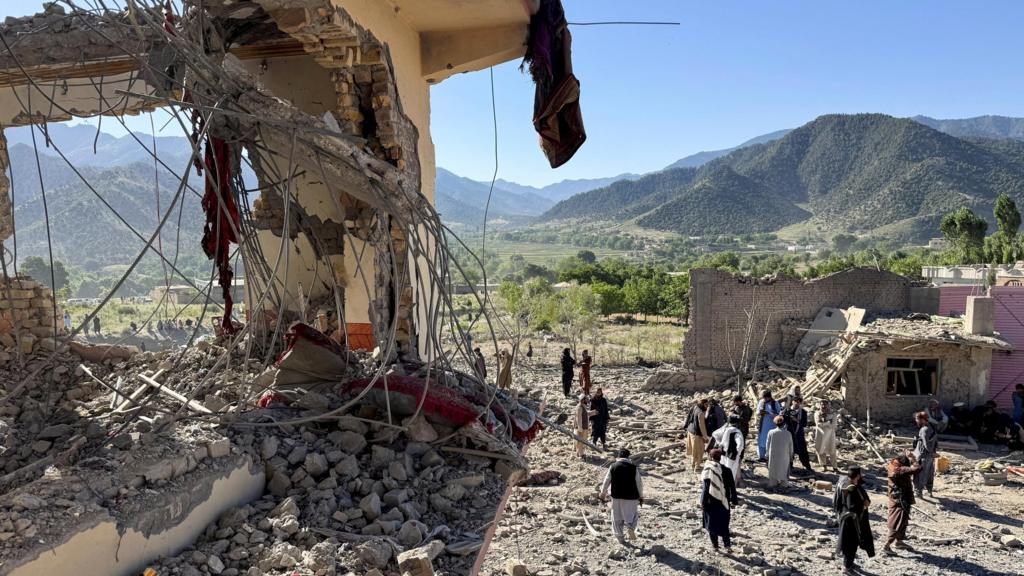
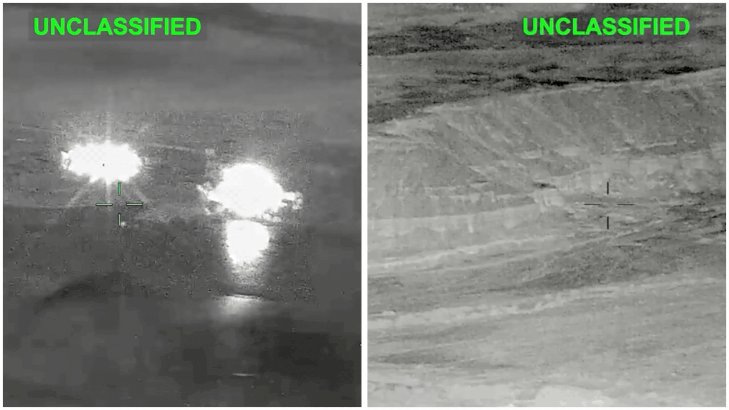
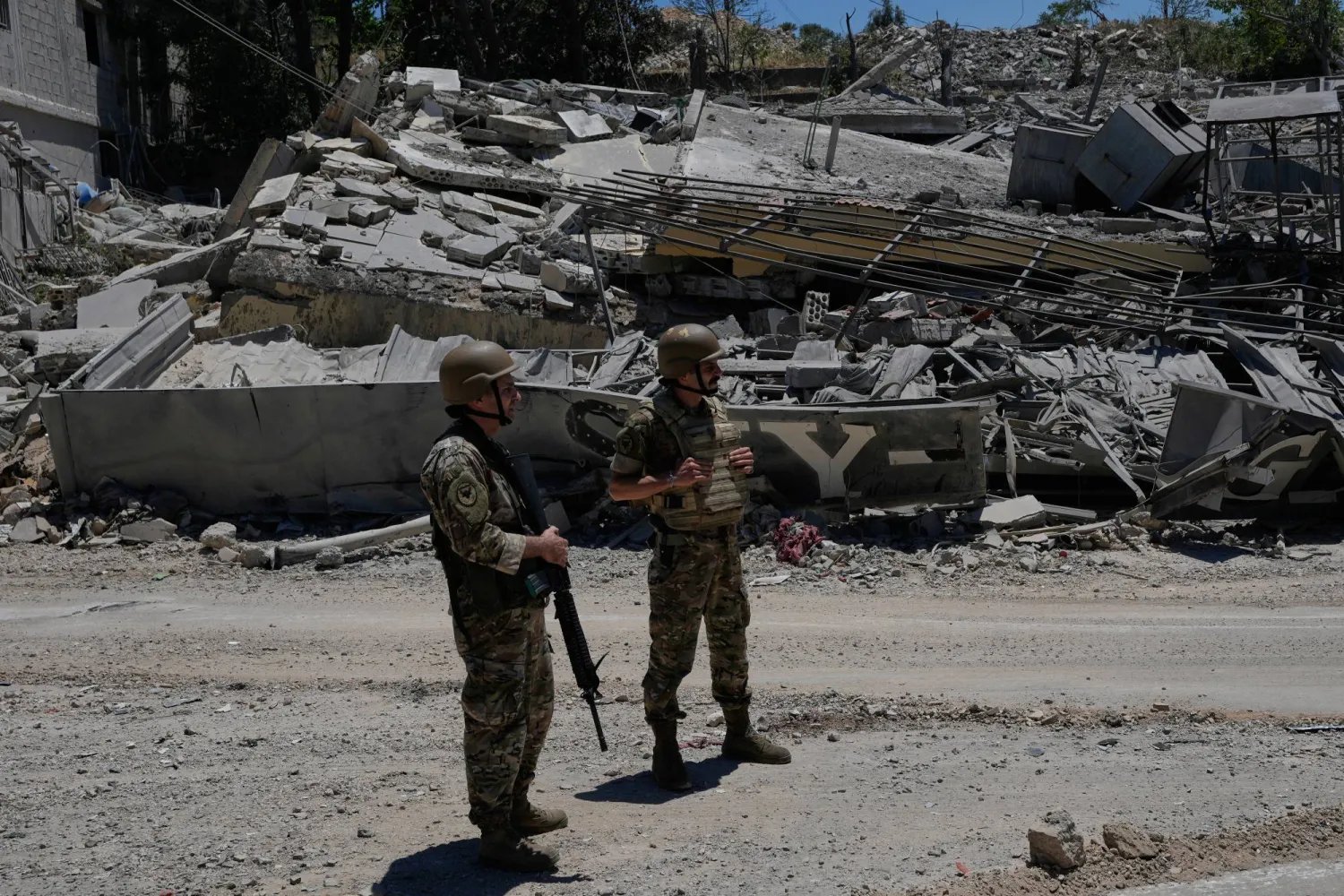
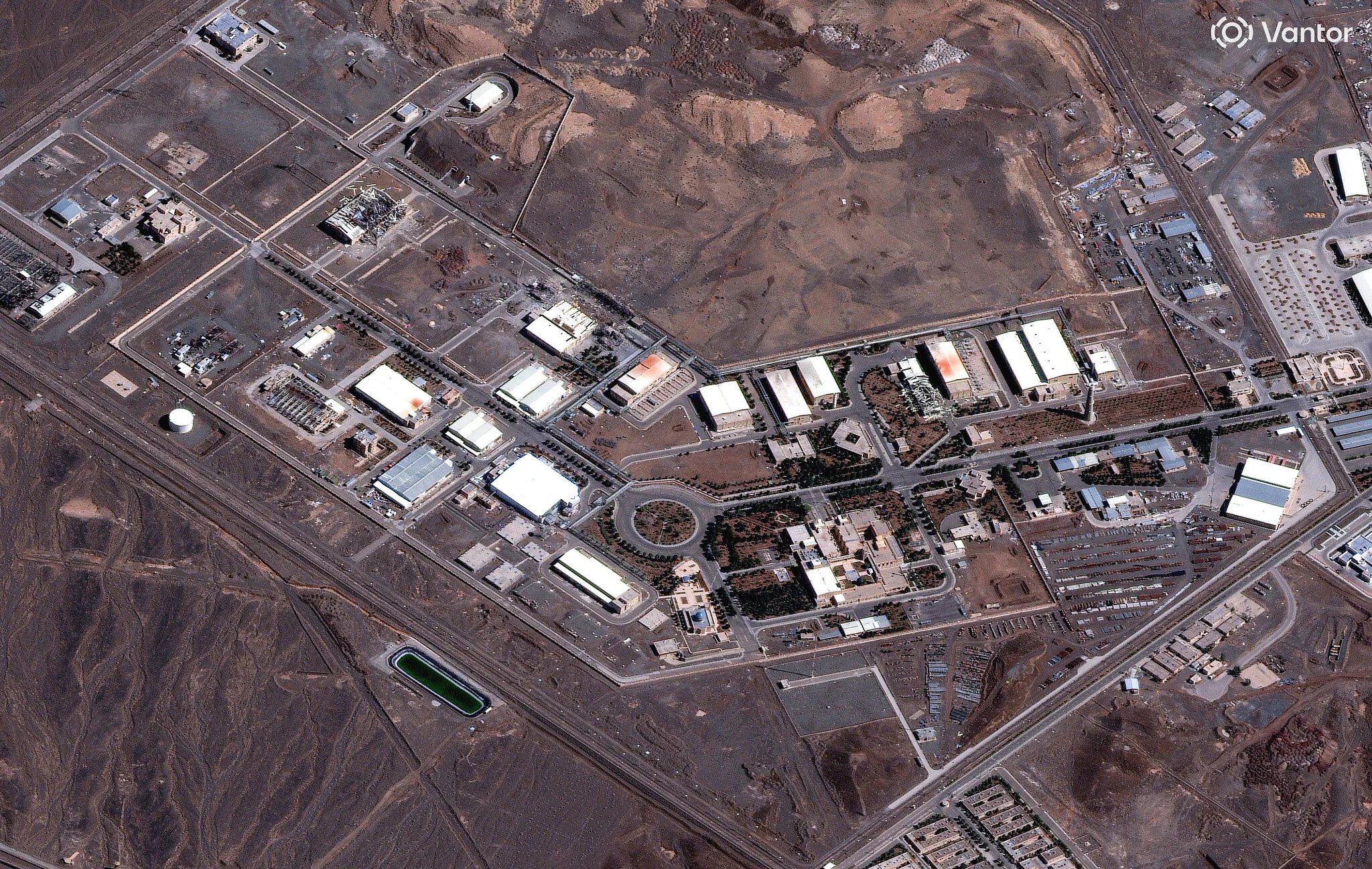
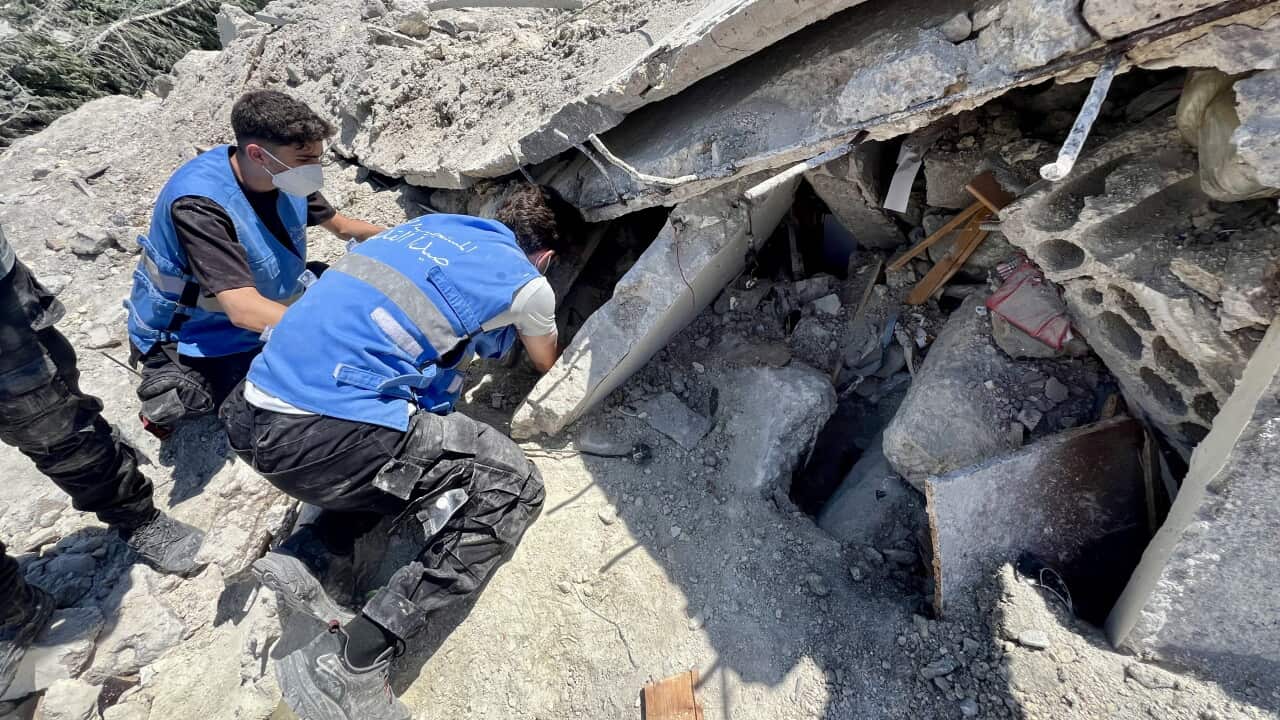
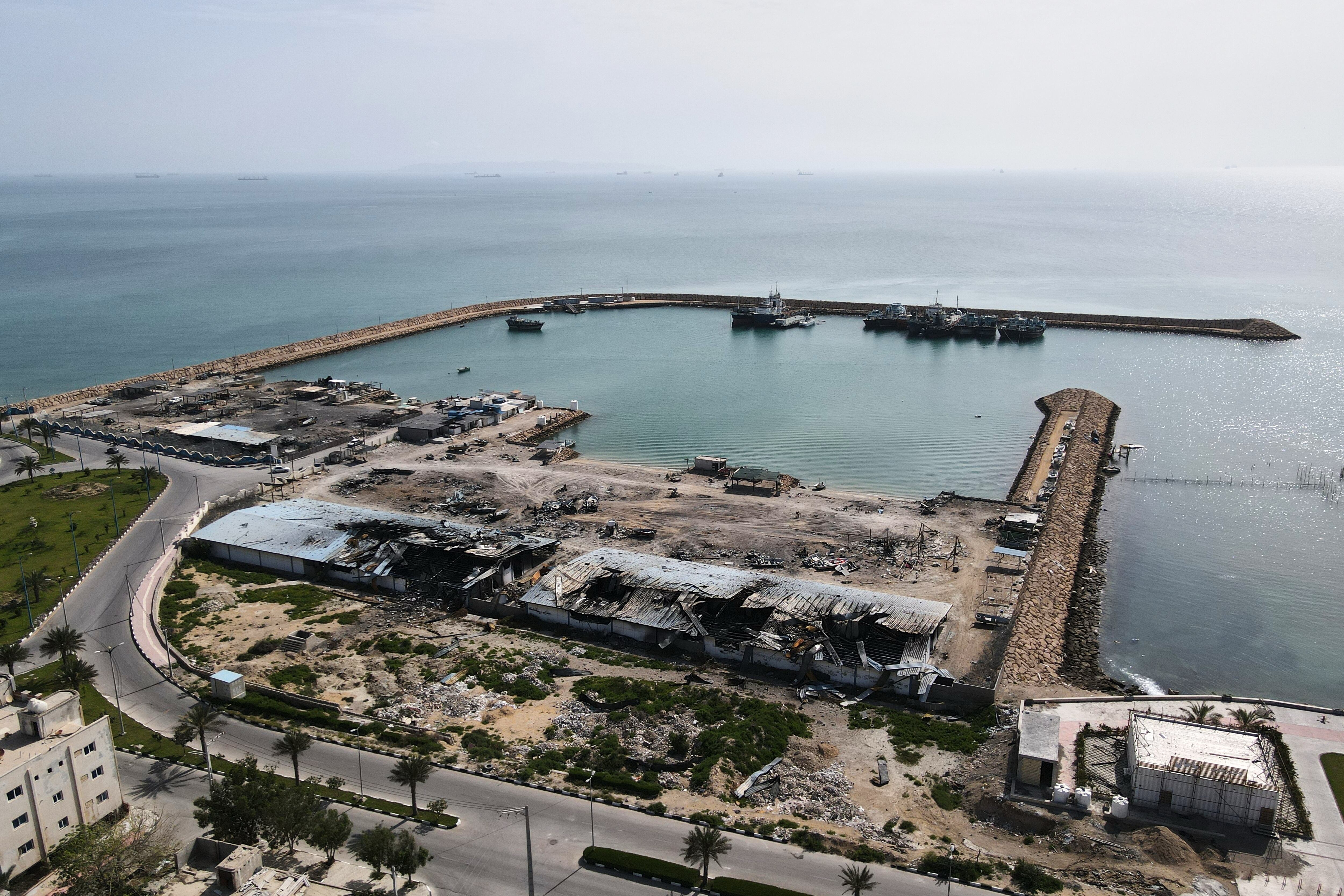
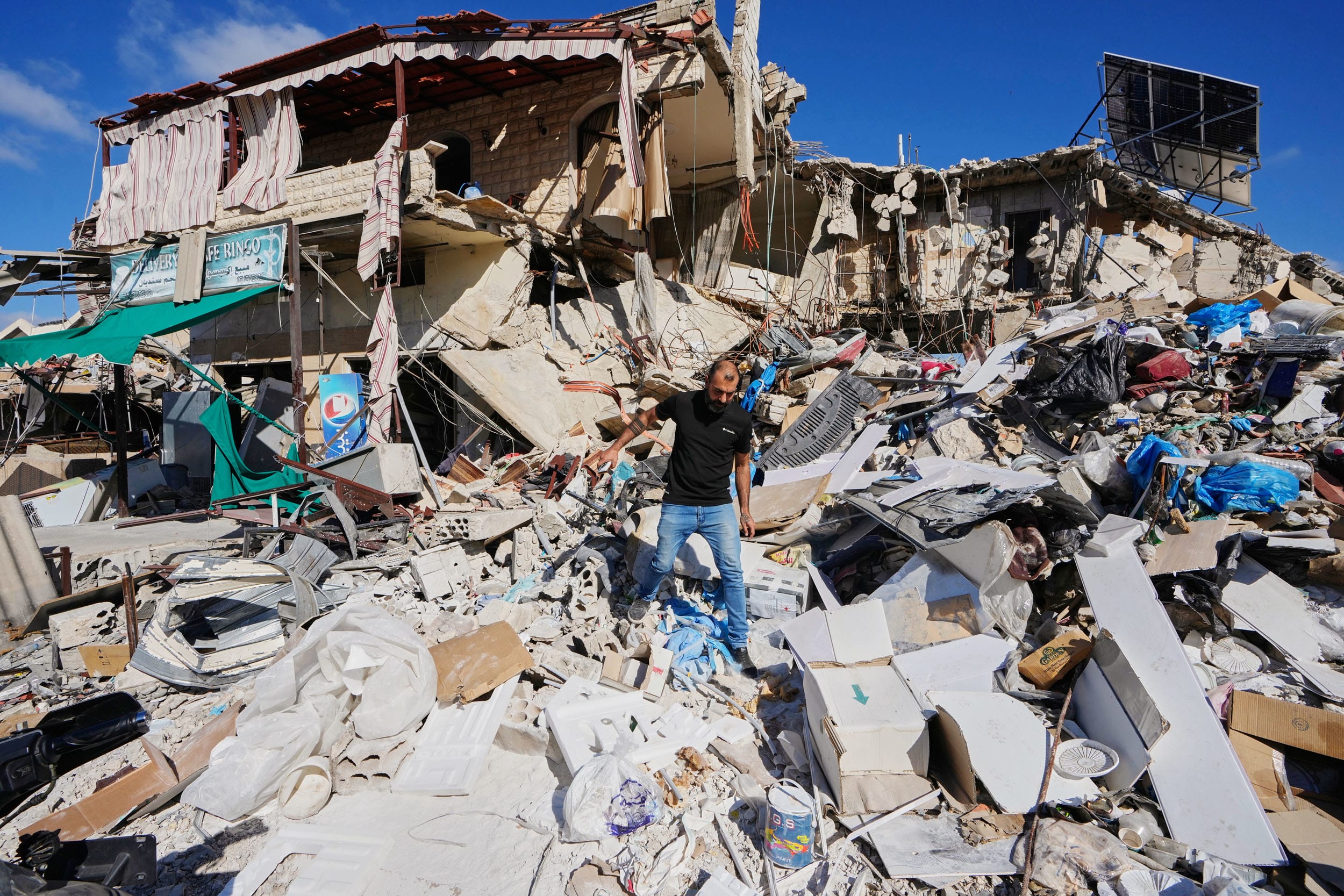
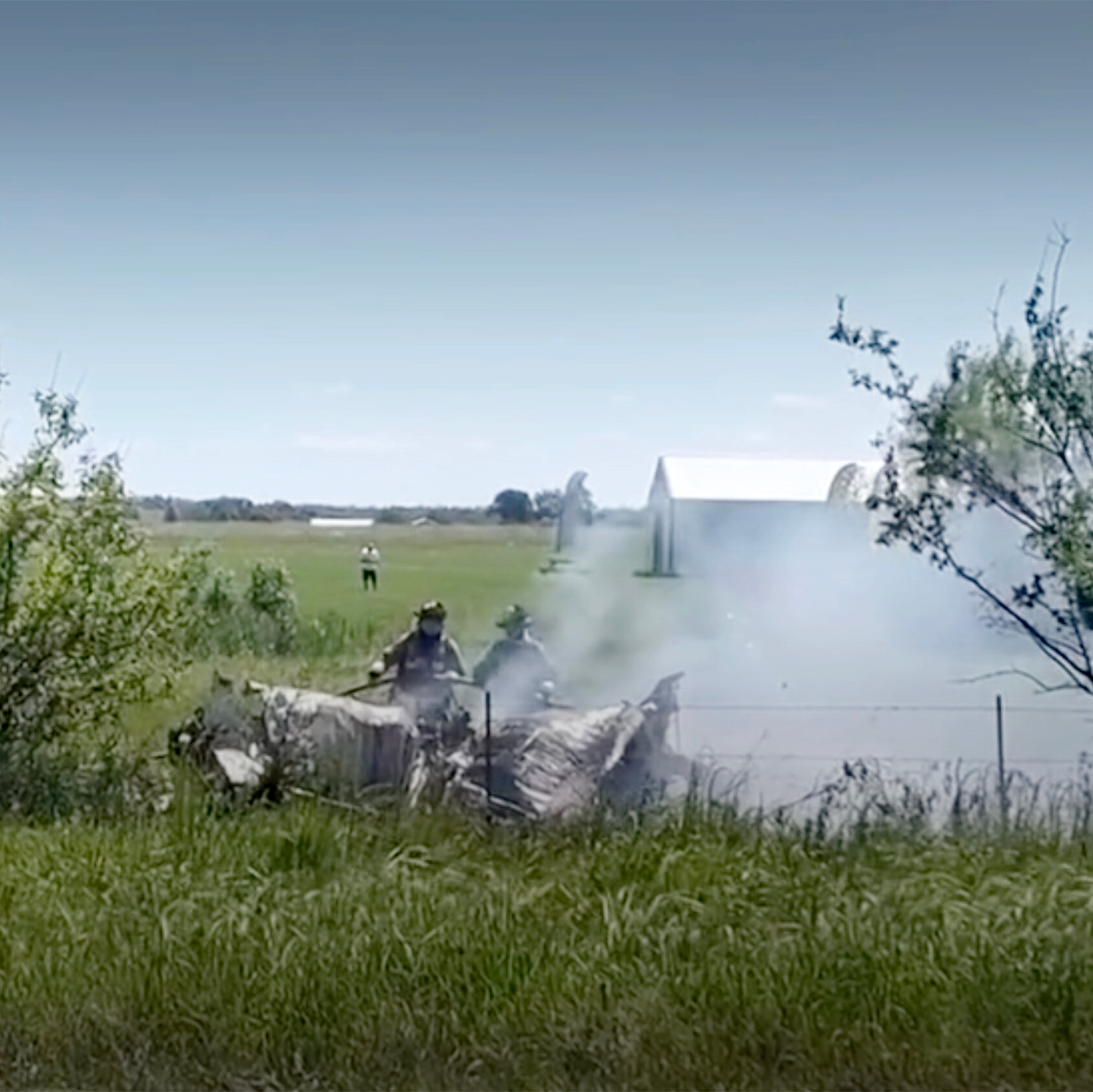
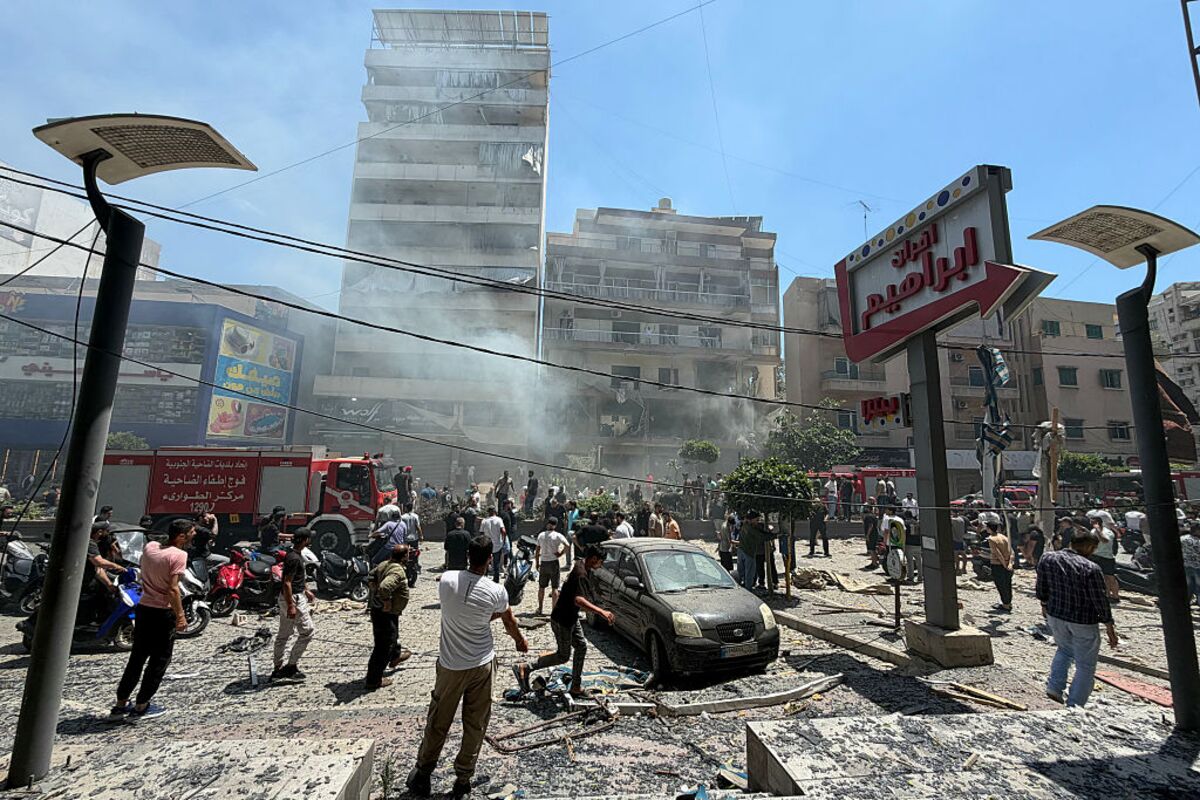
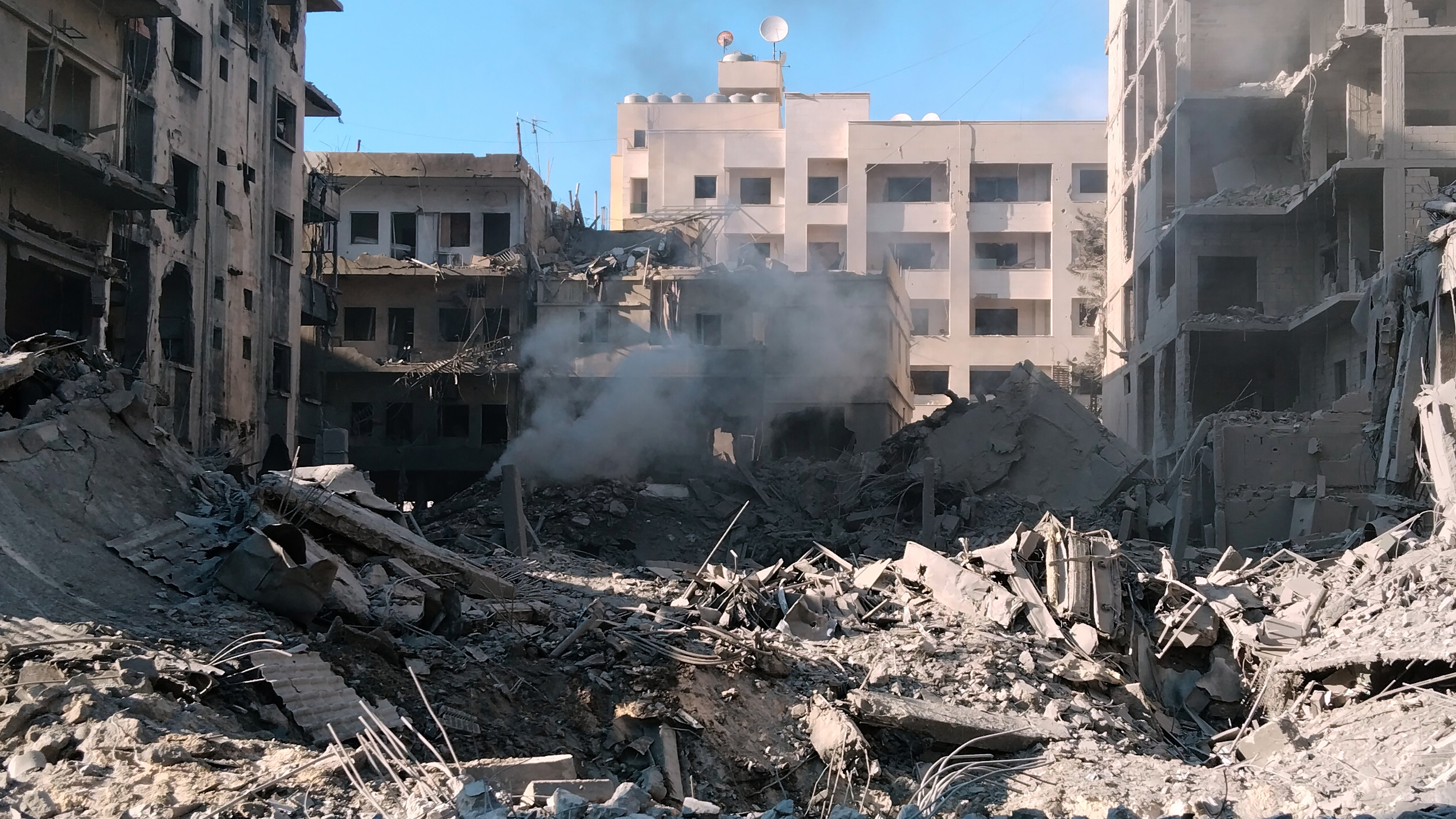
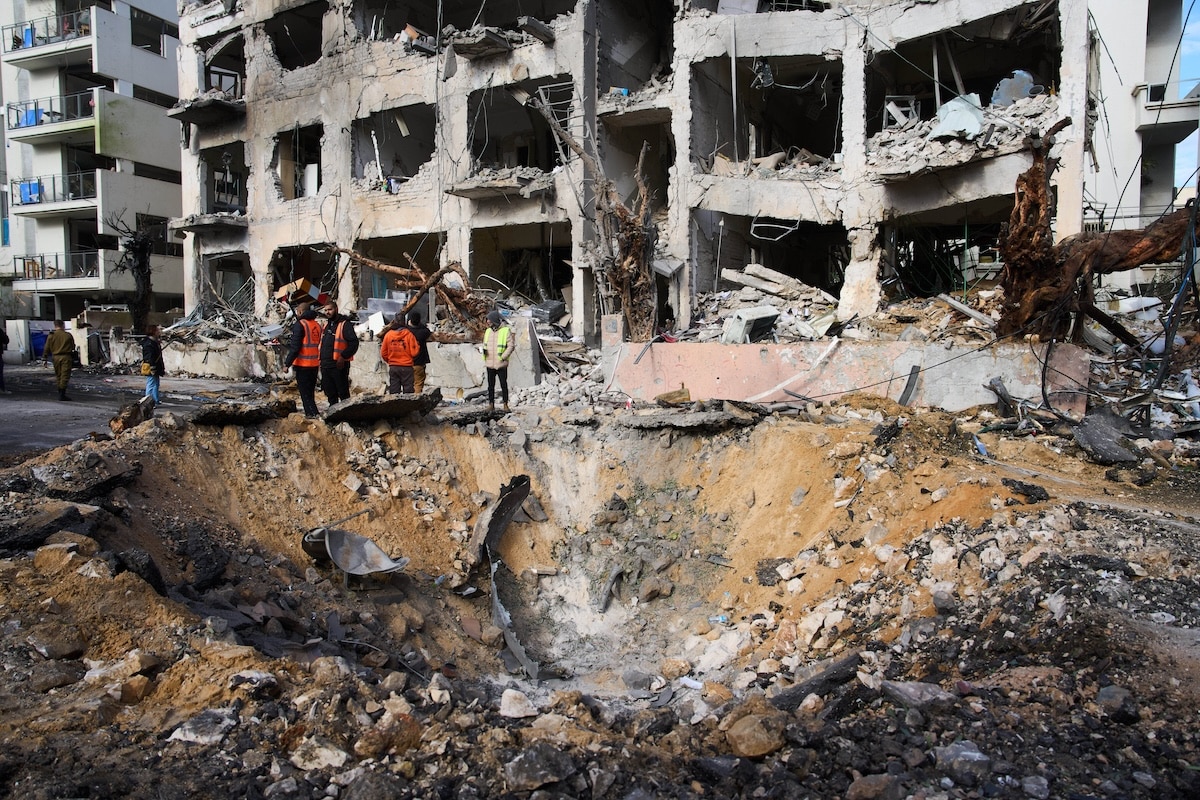
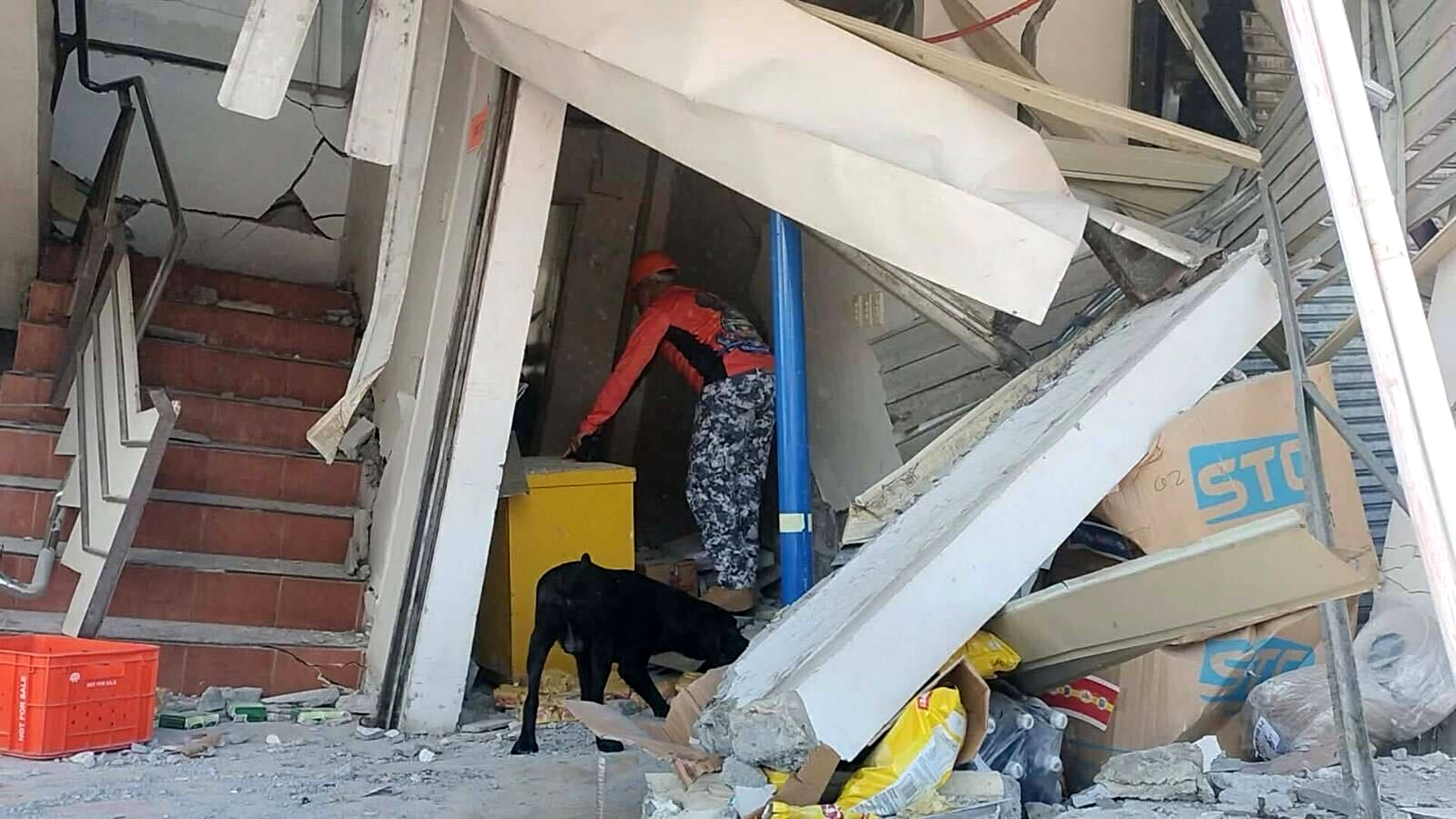
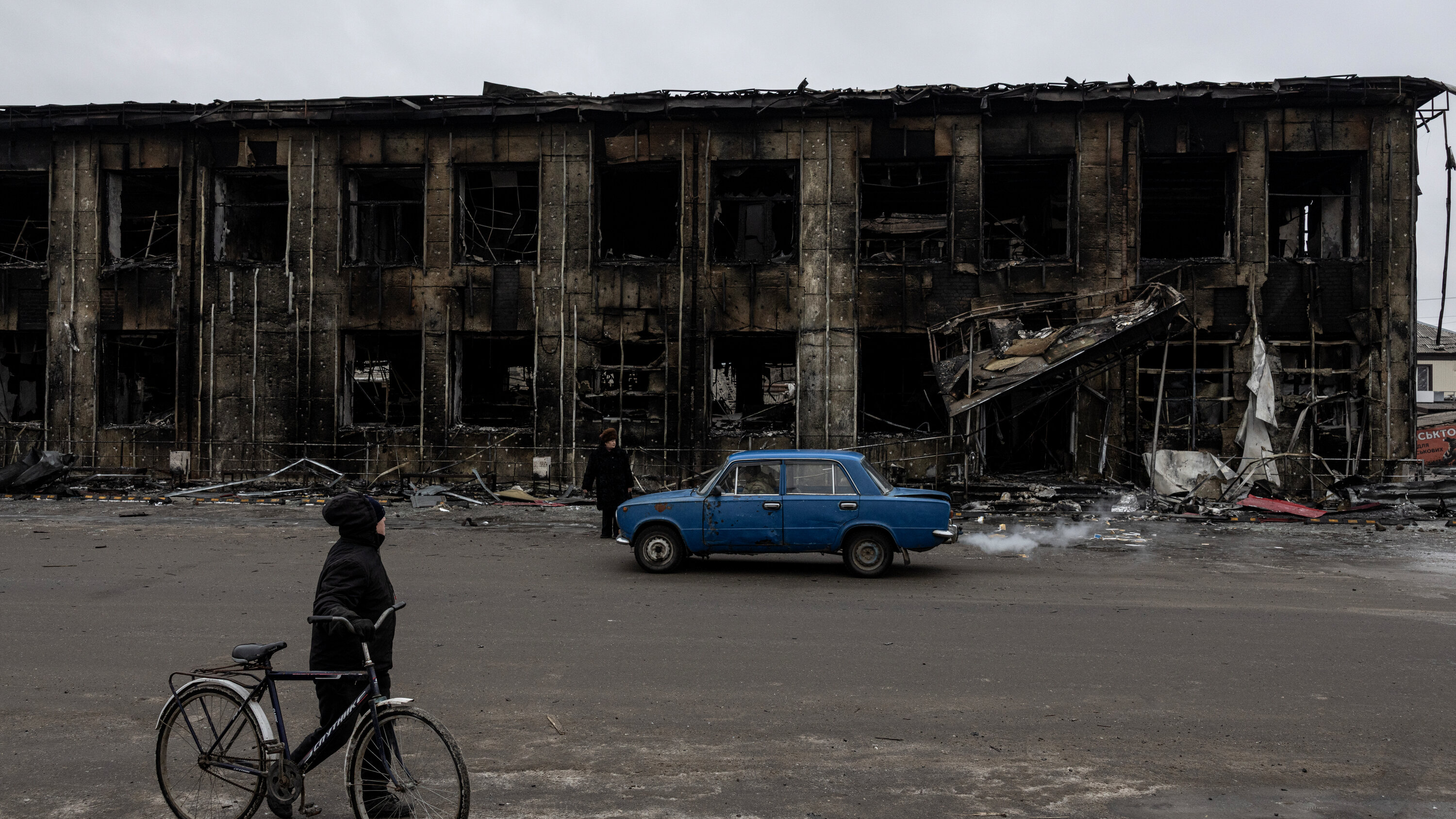
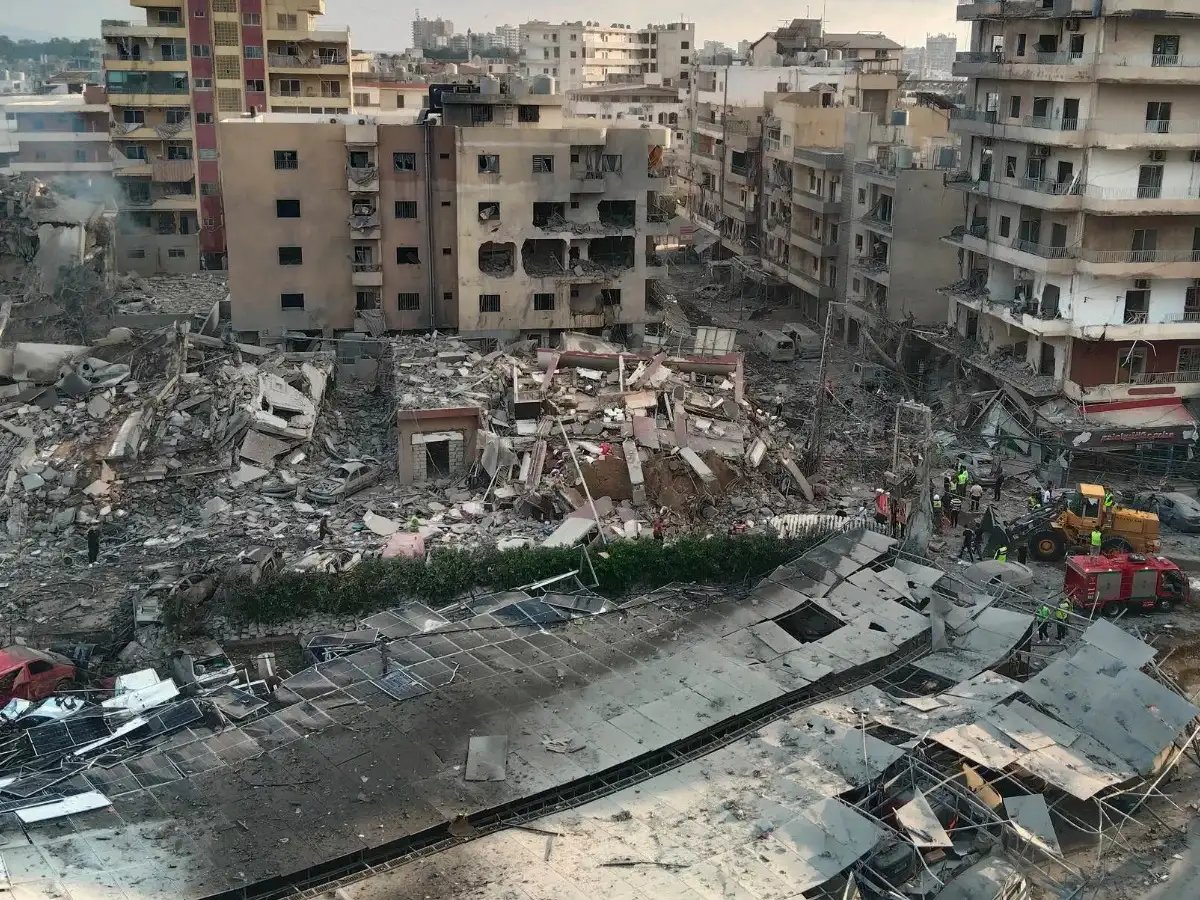
Since the conflict began Feb. 28, 13 U.S. service members have been killed, and around 400 have been wounded, with most returning to duty. Notably, the Naval Support Activity Bahrain sustained extensive damage to its command facilities and communications infrastructure. Although air defenses intercepted many threats, the attacks exposed the risk posed by Iran's missile capabilities, as nearly every major U.S. operating hub in the Gulf is now within range of Iranian weapons.
Potential Strategic Changes
As a result of these vulnerabilities, the Pentagon is considering dispersing military capabilities across a broader network of facilities. This may involve relocating some operations further west or even moving certain command structures underground. A senior U.S. official told Fox News Digital: "As a planning organization, we continually assess the security environment and make adjustments to best support operations and protect our troops." However, no specific changes to force posture have been announced as of now.
The Debate on Base Concentration
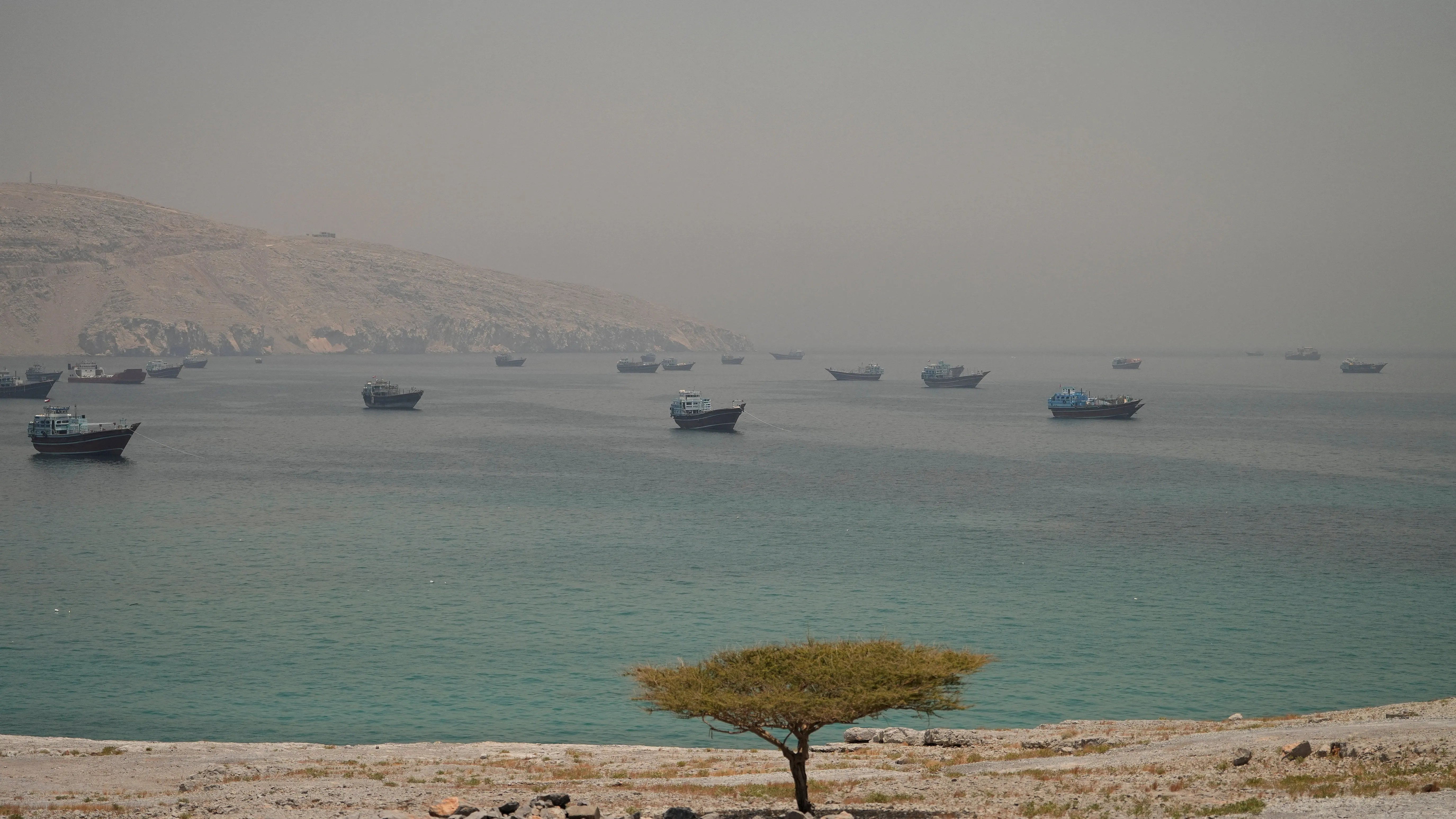
The traditional strategy of concentrating U.S. forces within minutes of potential crises is under scrutiny. Montgomery pointed out that many Gulf bases are only about 90 miles from Iranian launch sites, making them susceptible to quick strikes. Dispersing forces could make it harder for Iran to target U.S. capabilities but would also complicate rapid responses in a crisis. A former commander of the U.S. Navy's Fifth Fleet, Adm. Kevin Donegan, noted that while dispersing forces might mitigate some risks, it does not eliminate them entirely.
Perspectives on Military Presence
Former counterterrorism director Joe Kent has argued that U.S. bases in the Middle East may serve as strategic liabilities. He advocates for a reduced military presence, suggesting that fewer bases would mean fewer targets for Iran, thereby decreasing U.S. vulnerability. The conversation around military strategy is evolving, reflecting the changing dynamics of regional security and the growing threat from Iranian capabilities.
Broader Implications for U.S. Forces
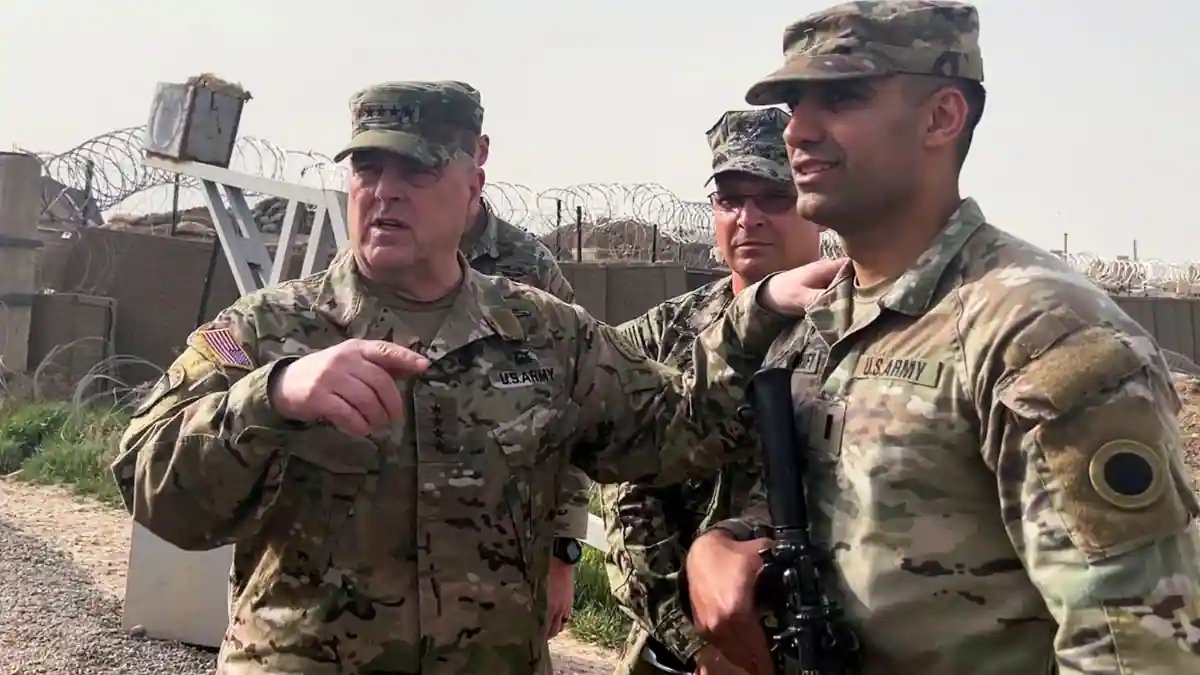
The U.S. maintains about 40,000 troops across the Middle East, supported by a network of major bases established during the post-9/11 wars. These installations have been crucial for American military operations, including air, naval, and logistics support. The Pentagon's reassessment comes at a time when maintaining stability in the region is essential for countering threats from groups like ISIS and al-Qaeda.