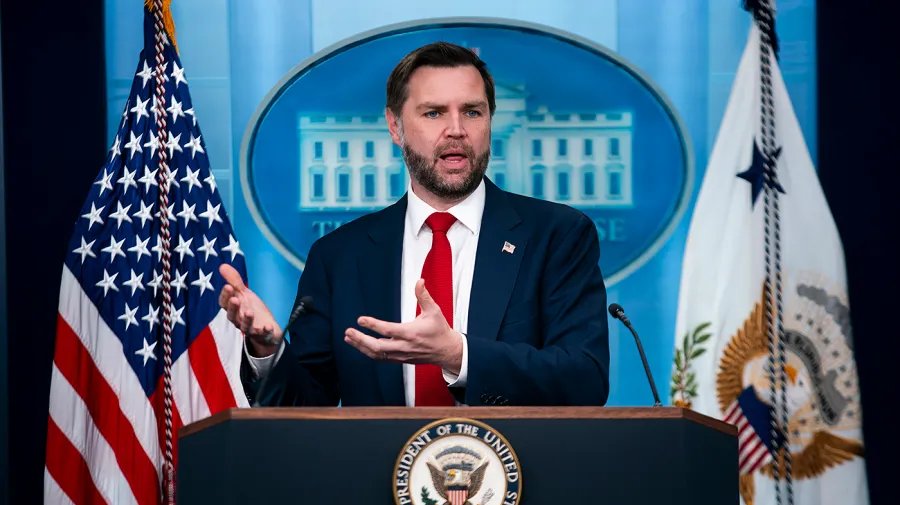
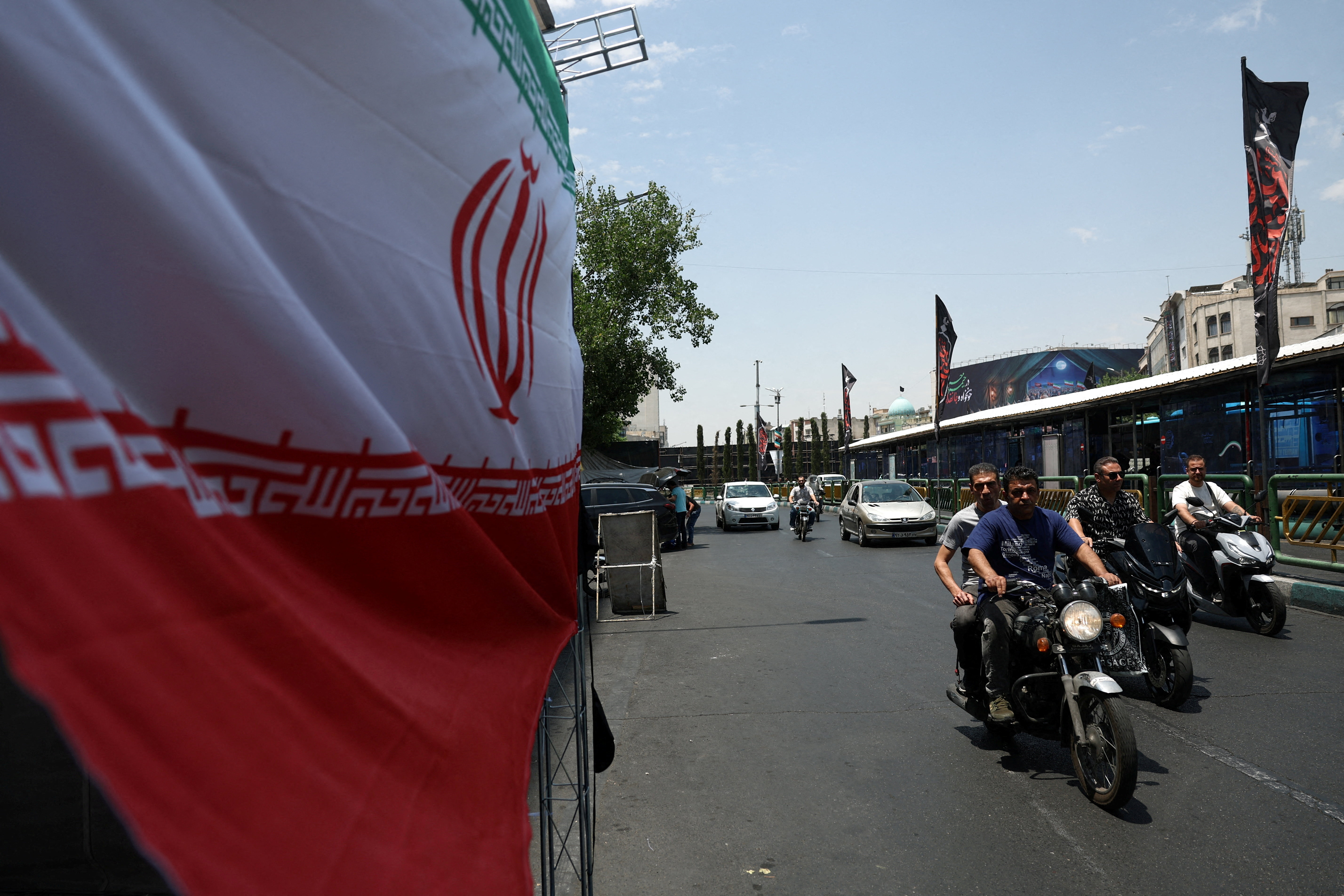
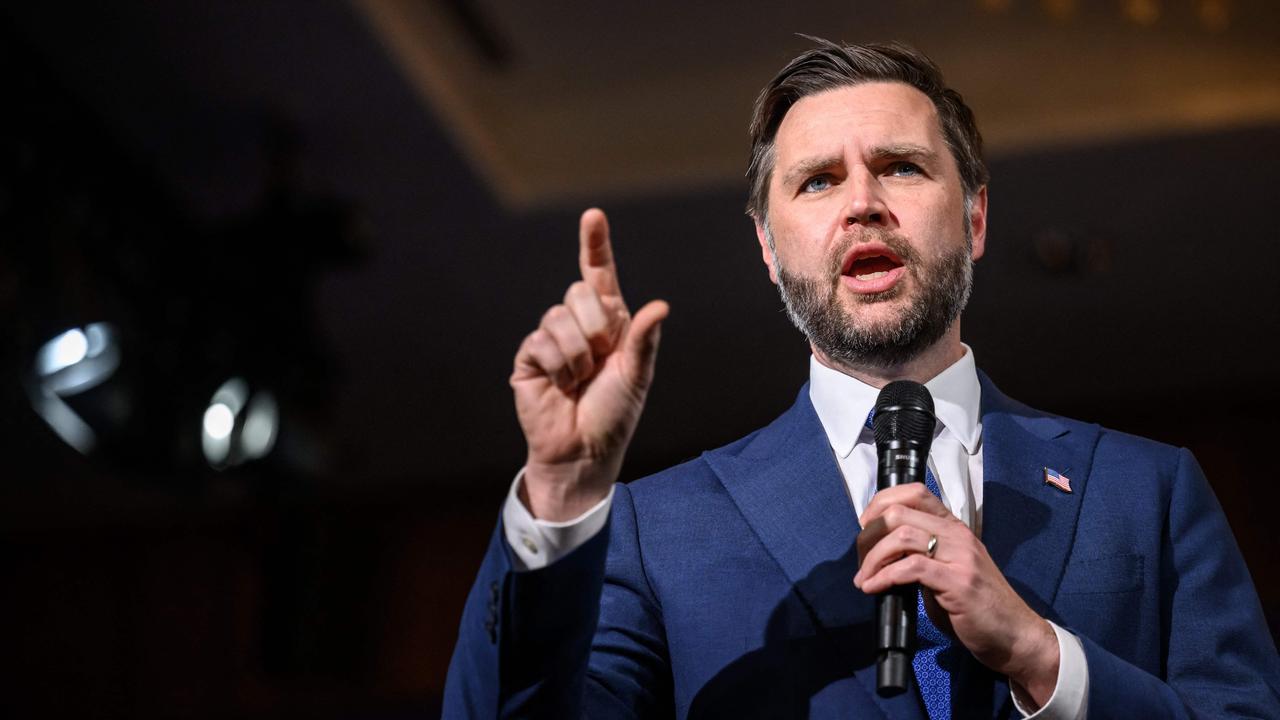
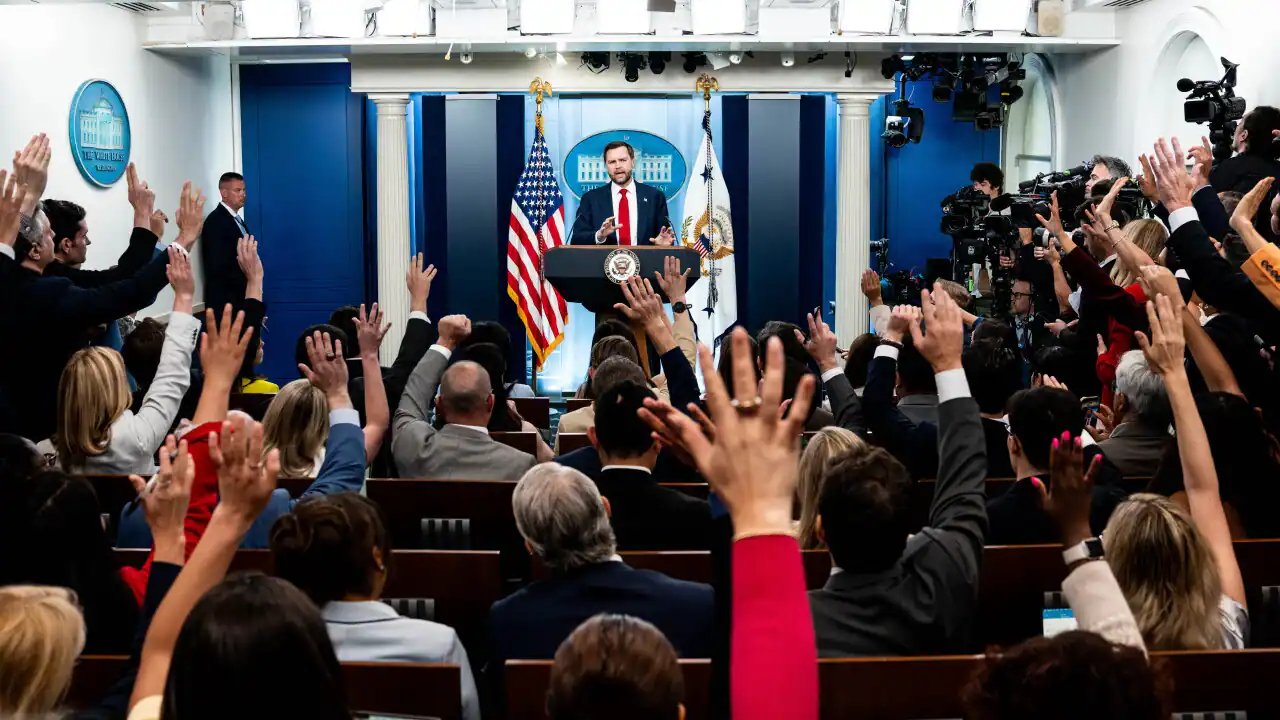
Iran's foreign ministry has contradicted US Vice-President JD Vance's claim that Iran will allow nuclear inspectors back into the country, stating it made "no new commitments" on nuclear inspections following the first round of talks in Switzerland.
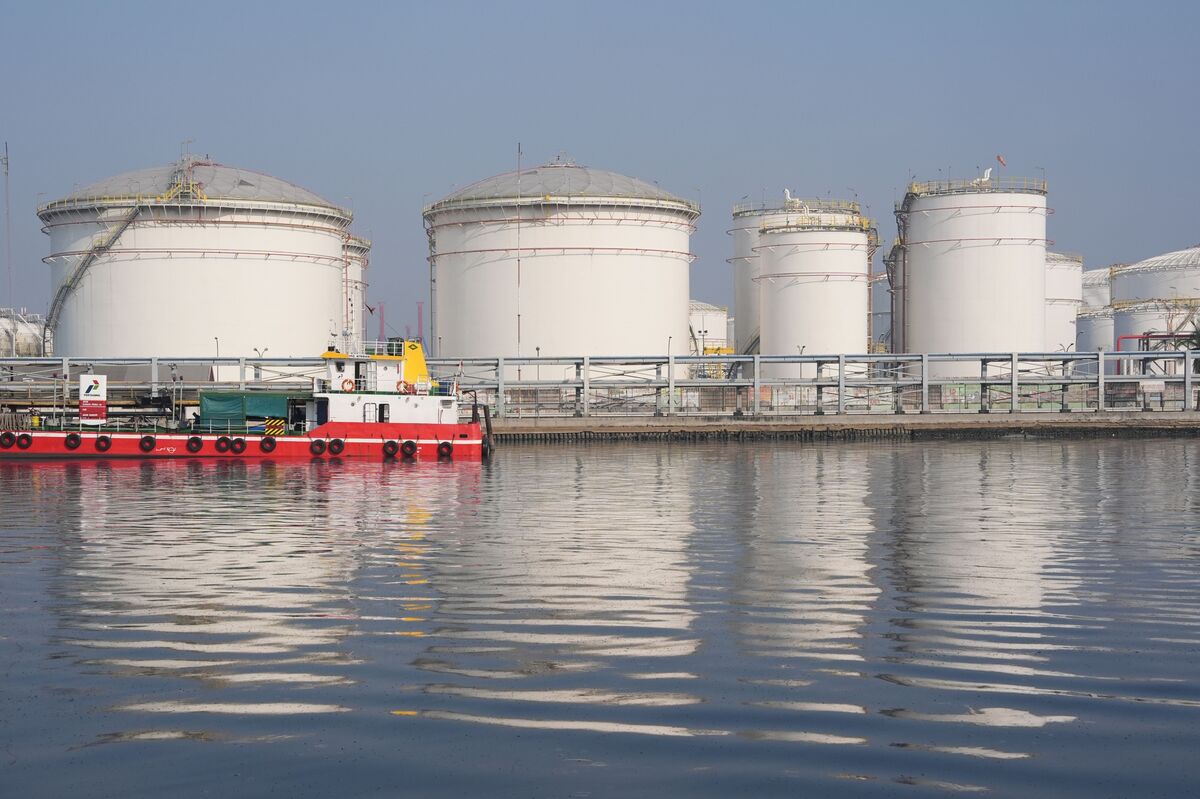
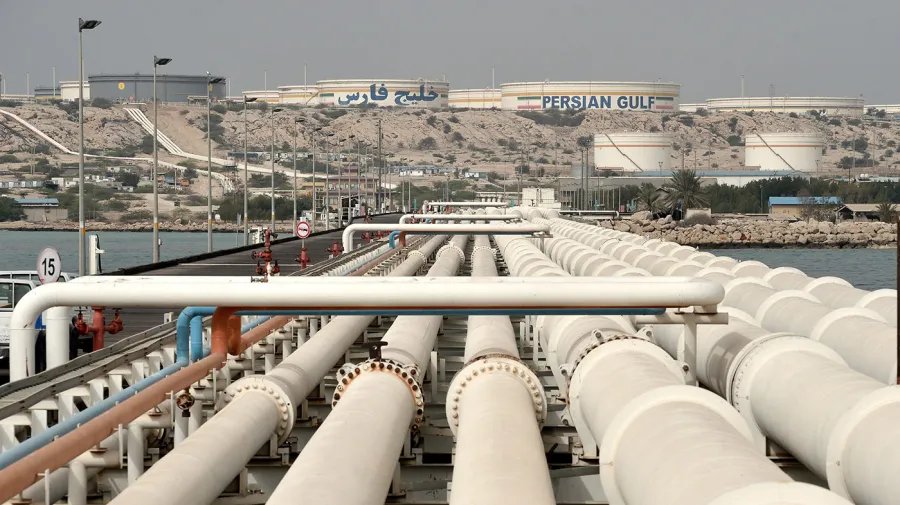
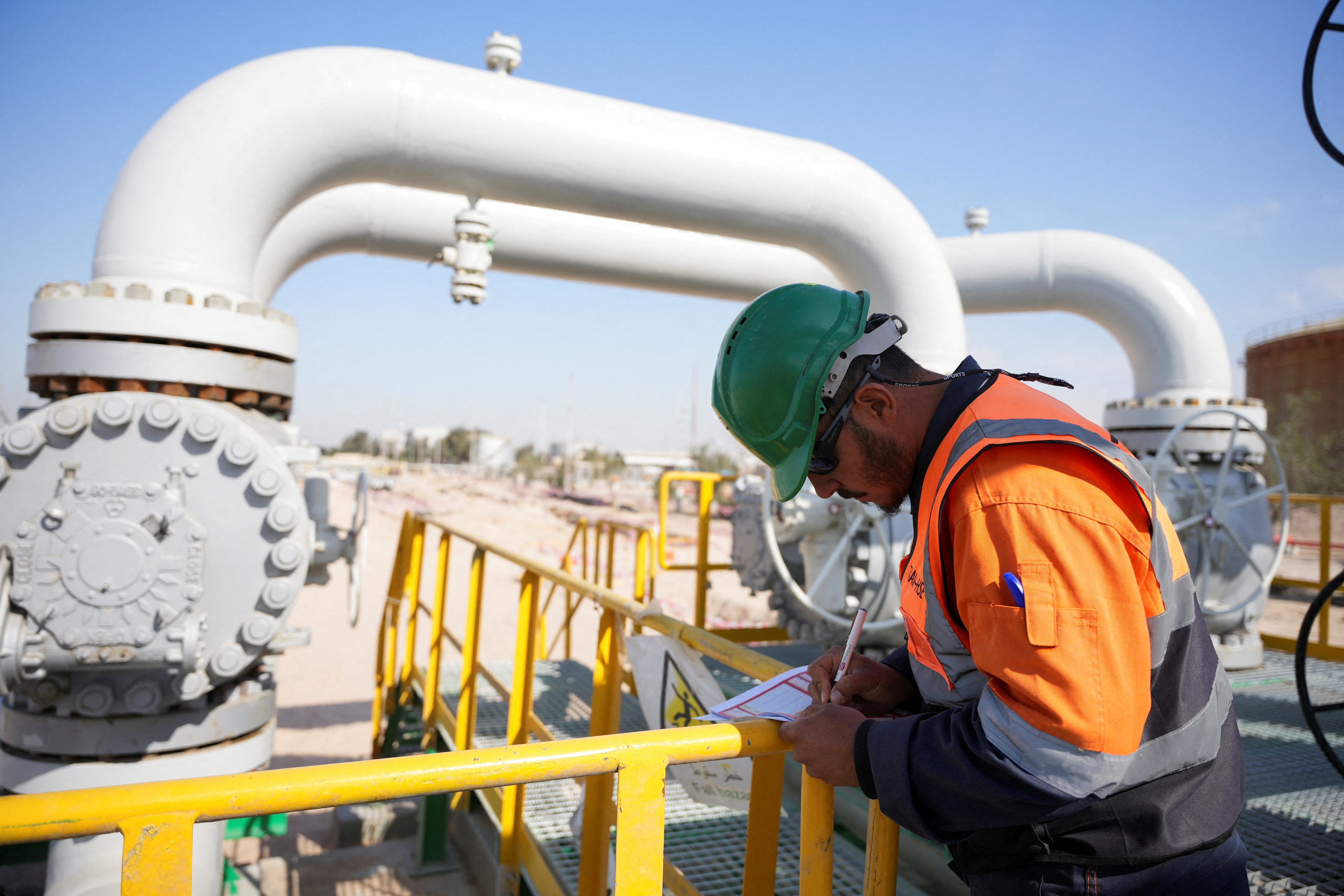
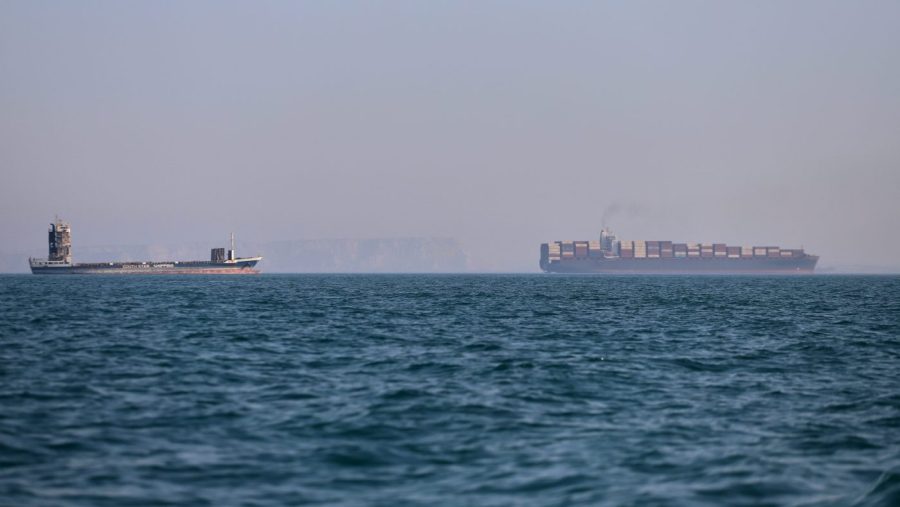
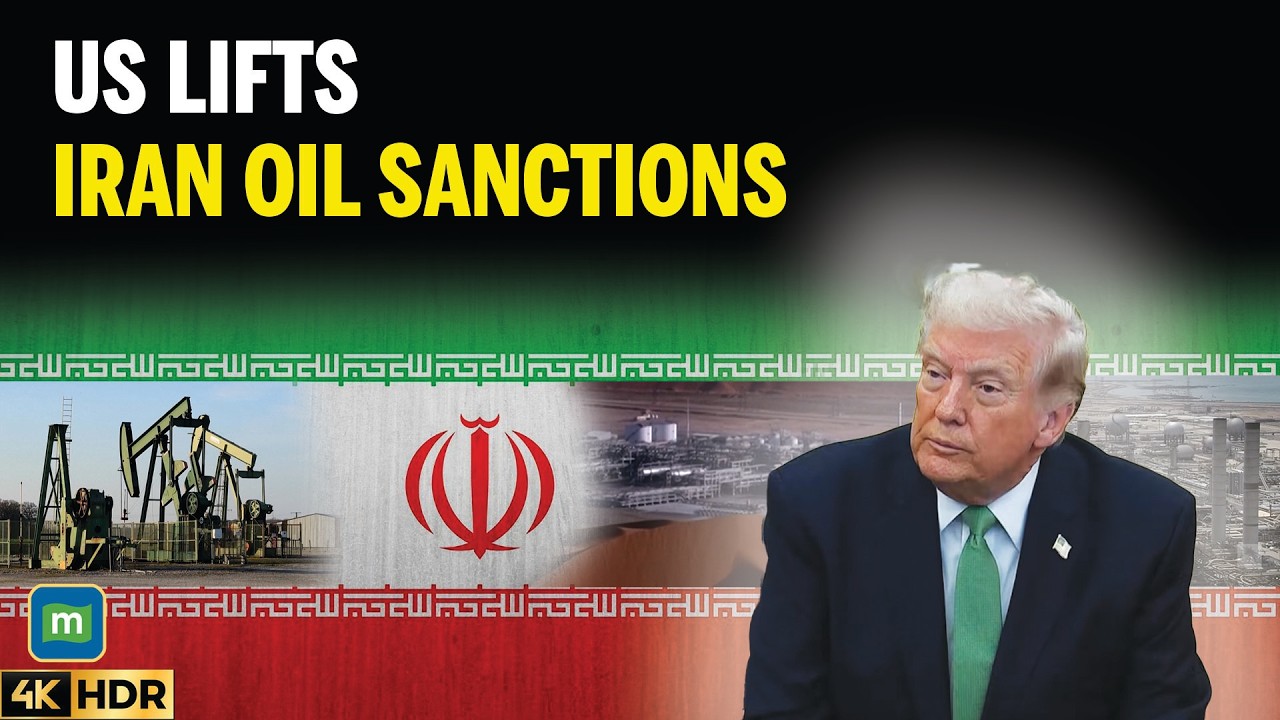
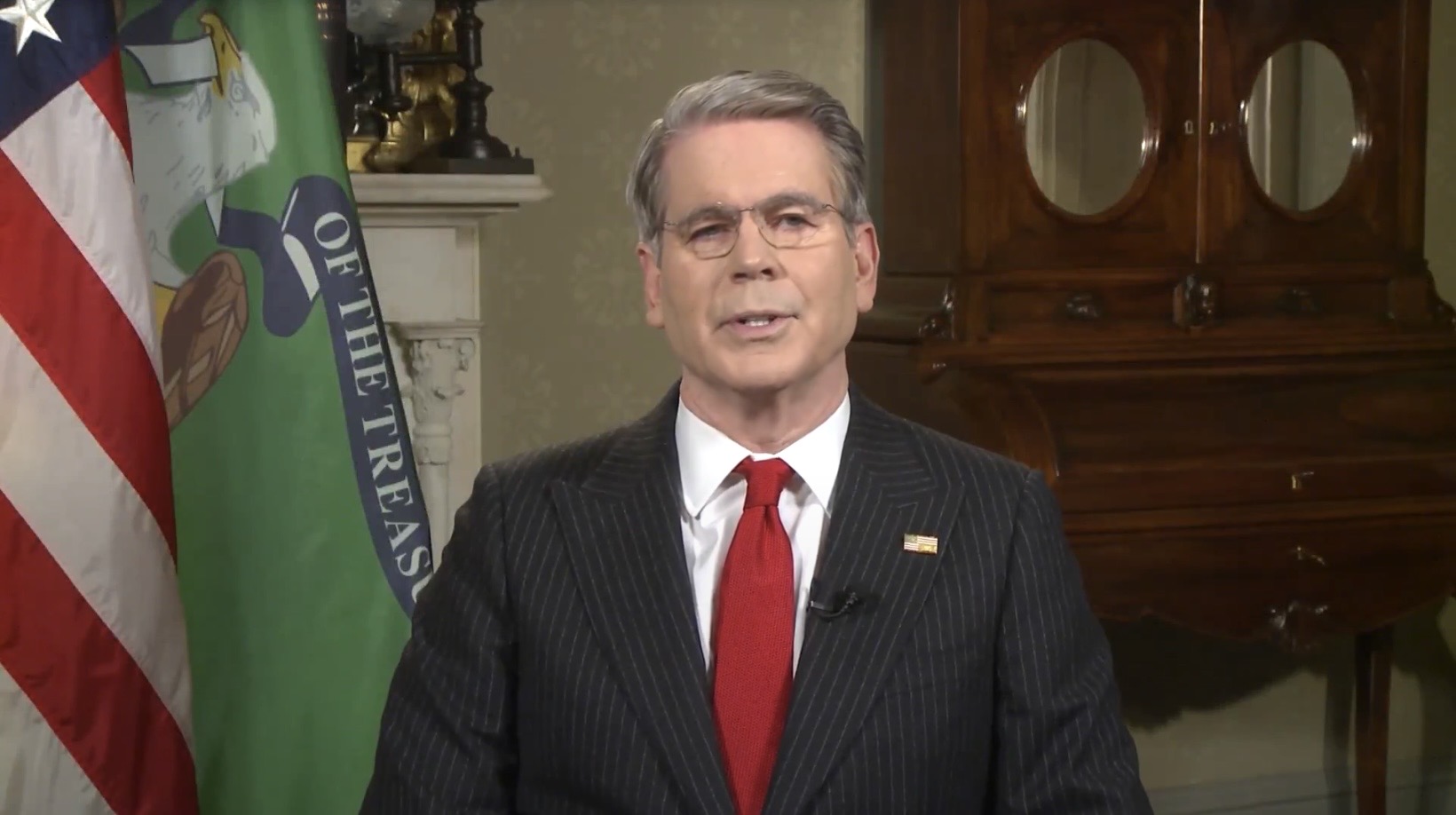
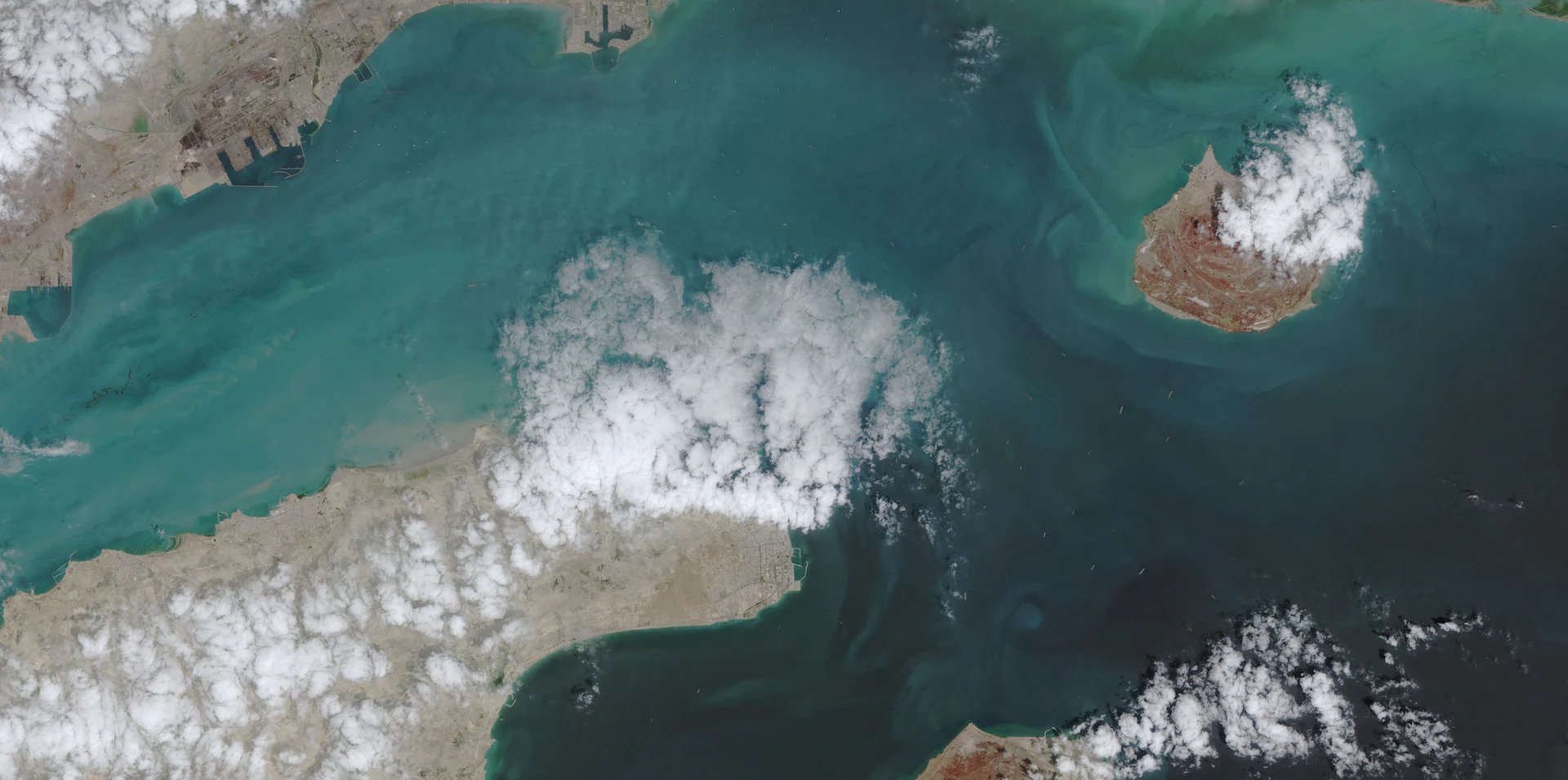
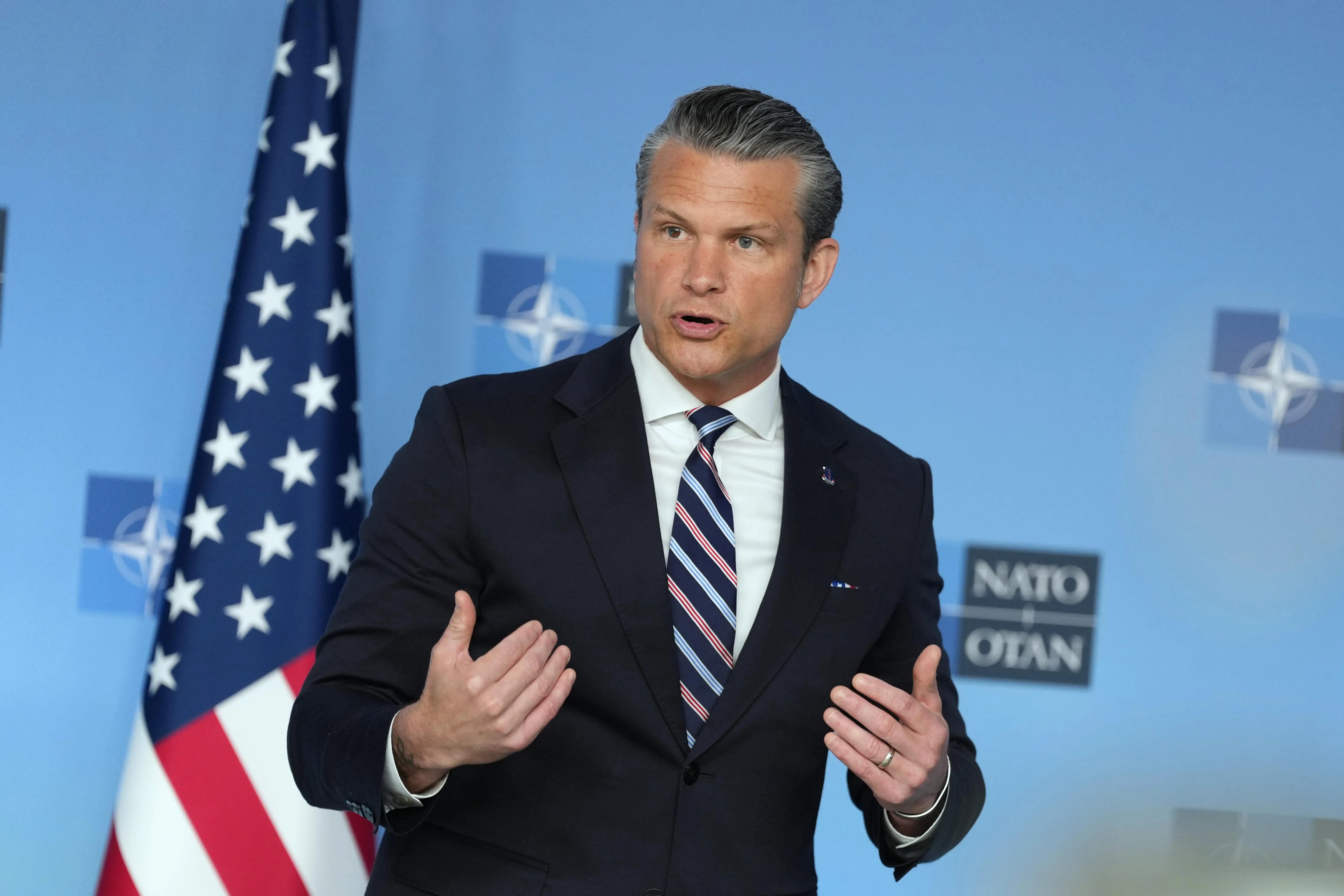
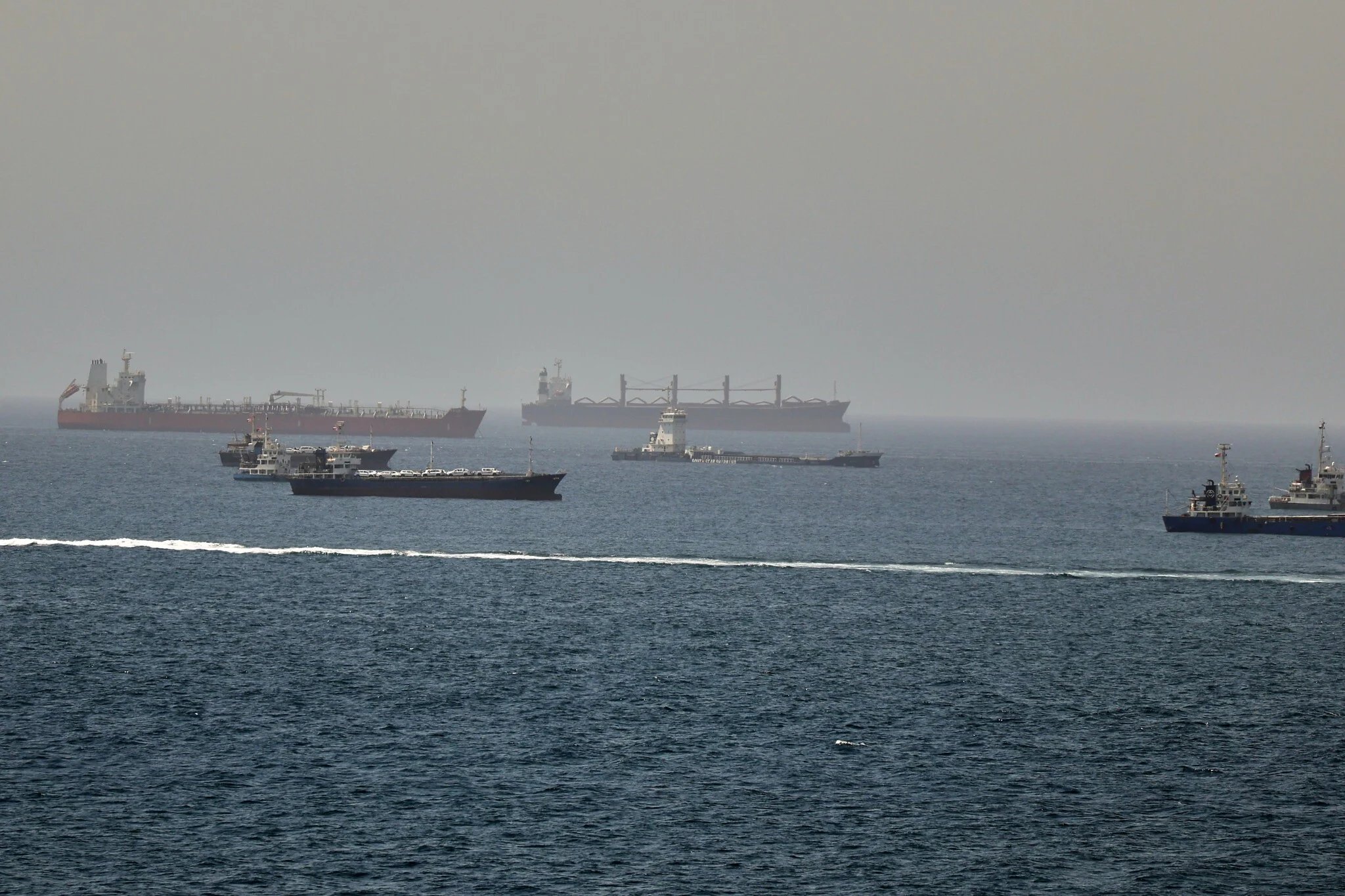
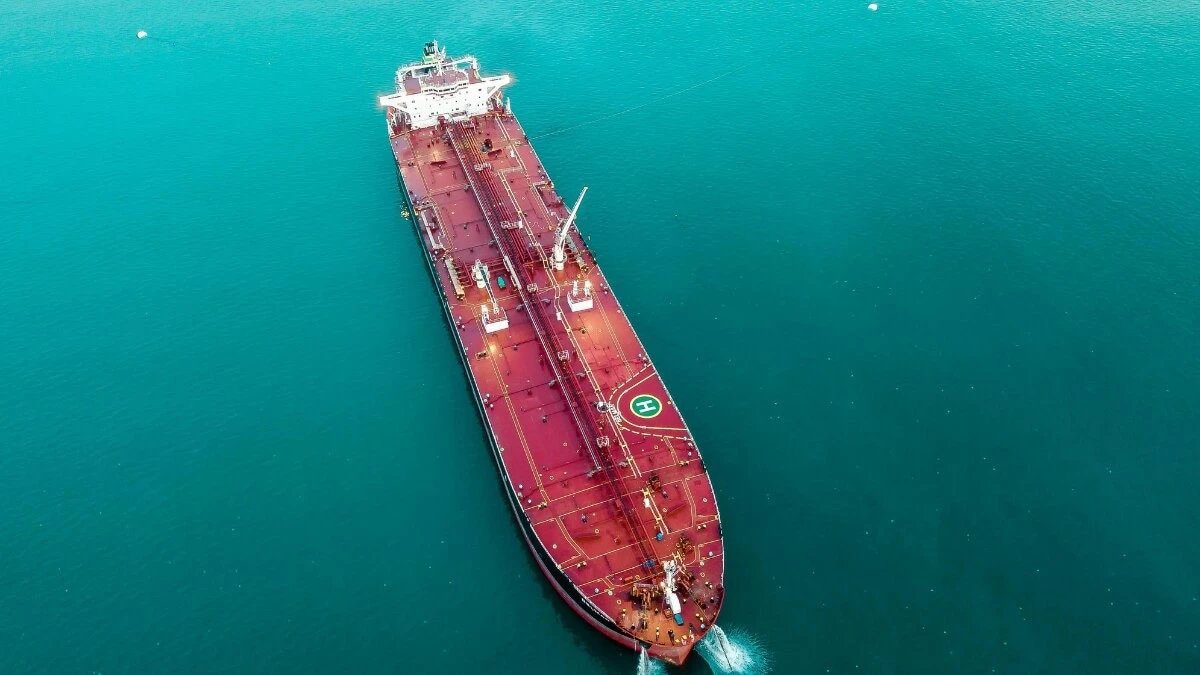
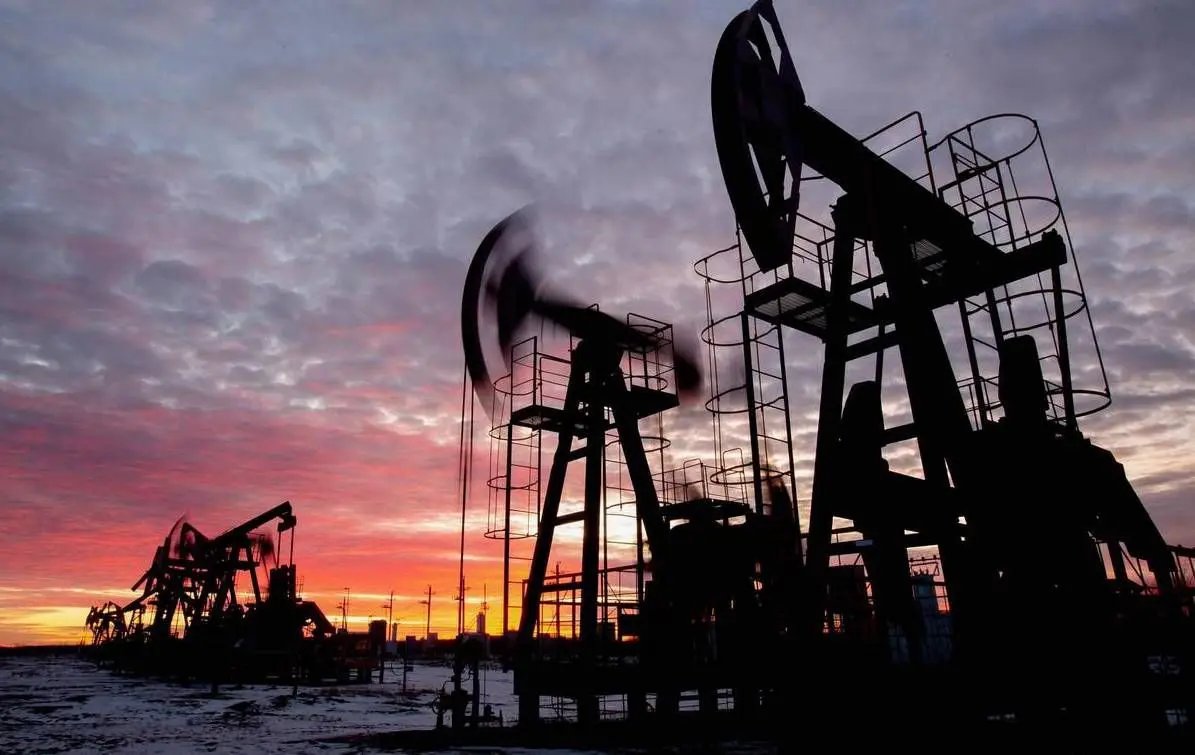
The US has temporarily waived sanctions, permitting Iran to sell oil in US dollars for the first time in decades. This 60-day sanctions waiver, issued by the US Treasury, dismantles central pillars of Washington's long-running embargo and unlocks banking transactions, insurance, and transportation for Iranian crude and petrochemicals. Treasury Secretary Scott Bessent said Tehran had committed to keeping the Strait of Hormuz open and allowing IAEA nuclear inspectors back. Iran's foreign ministry spokesman Esmaeil Baqaei contradicted this, stating Tehran made no new commitments on nuclear inspections.
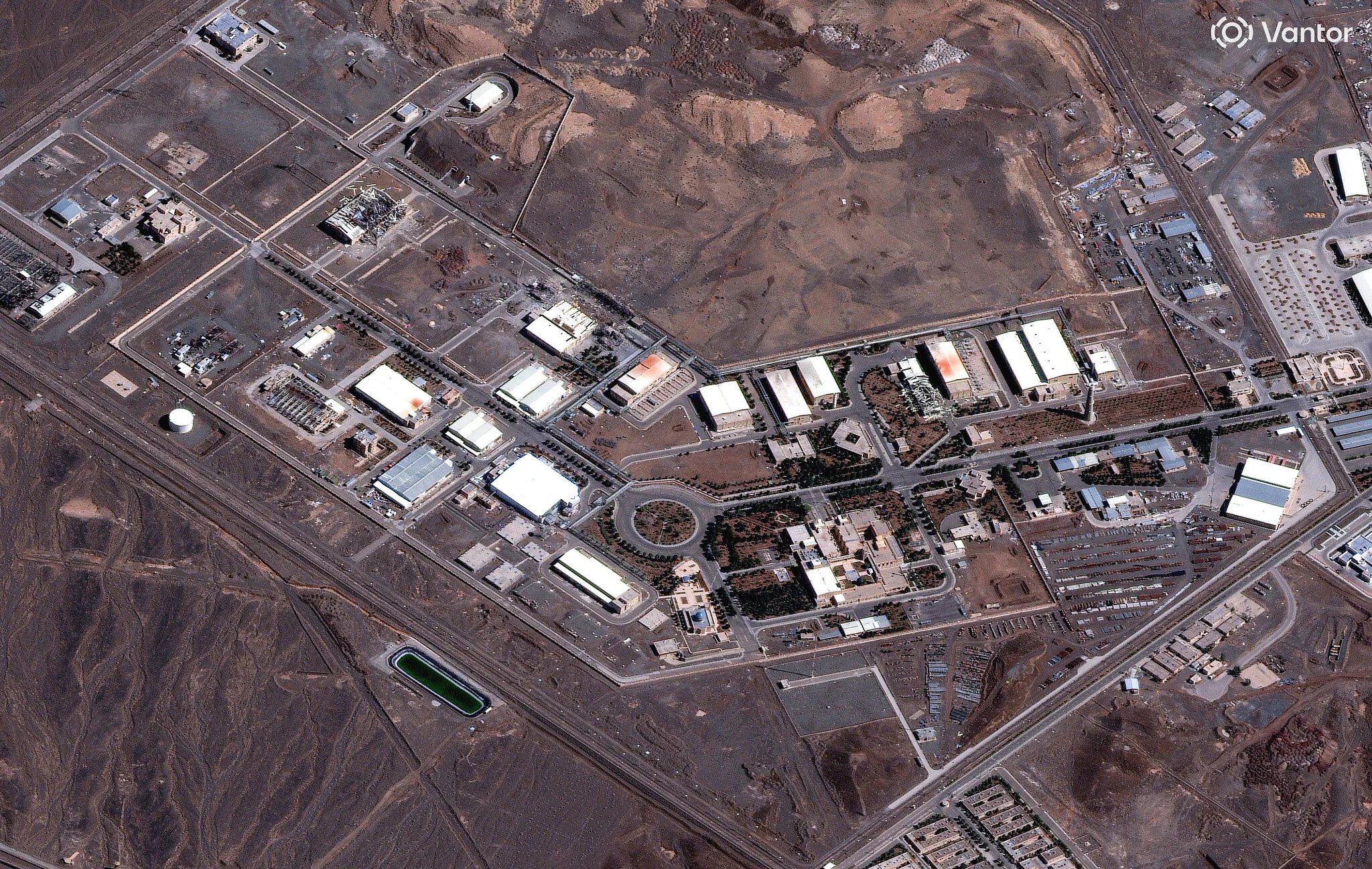
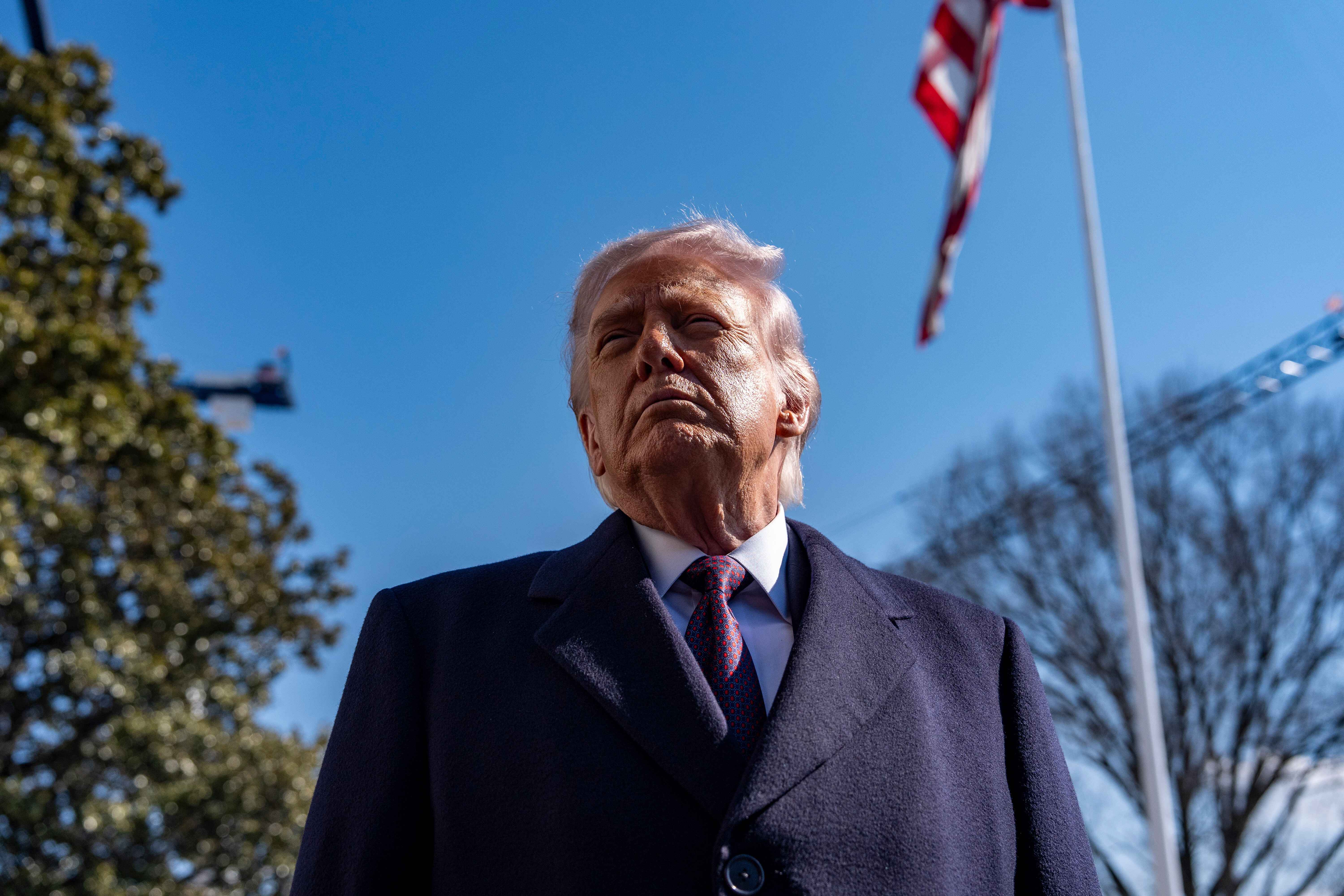
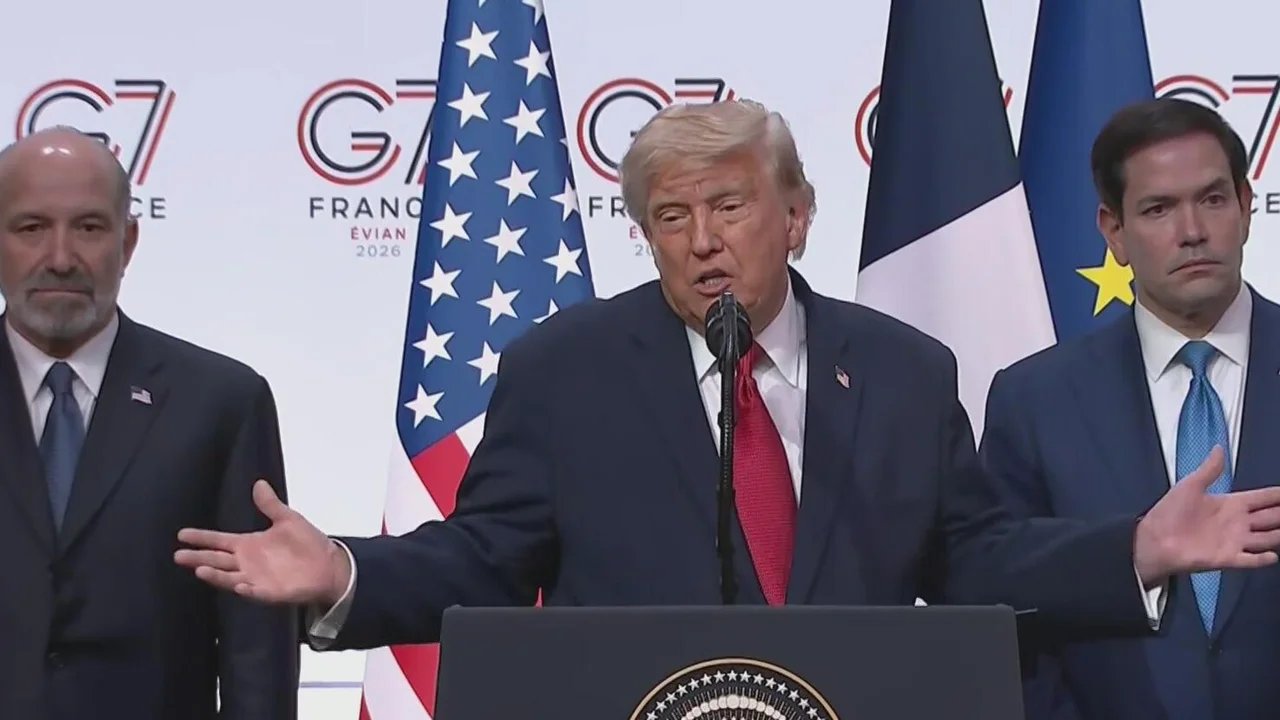
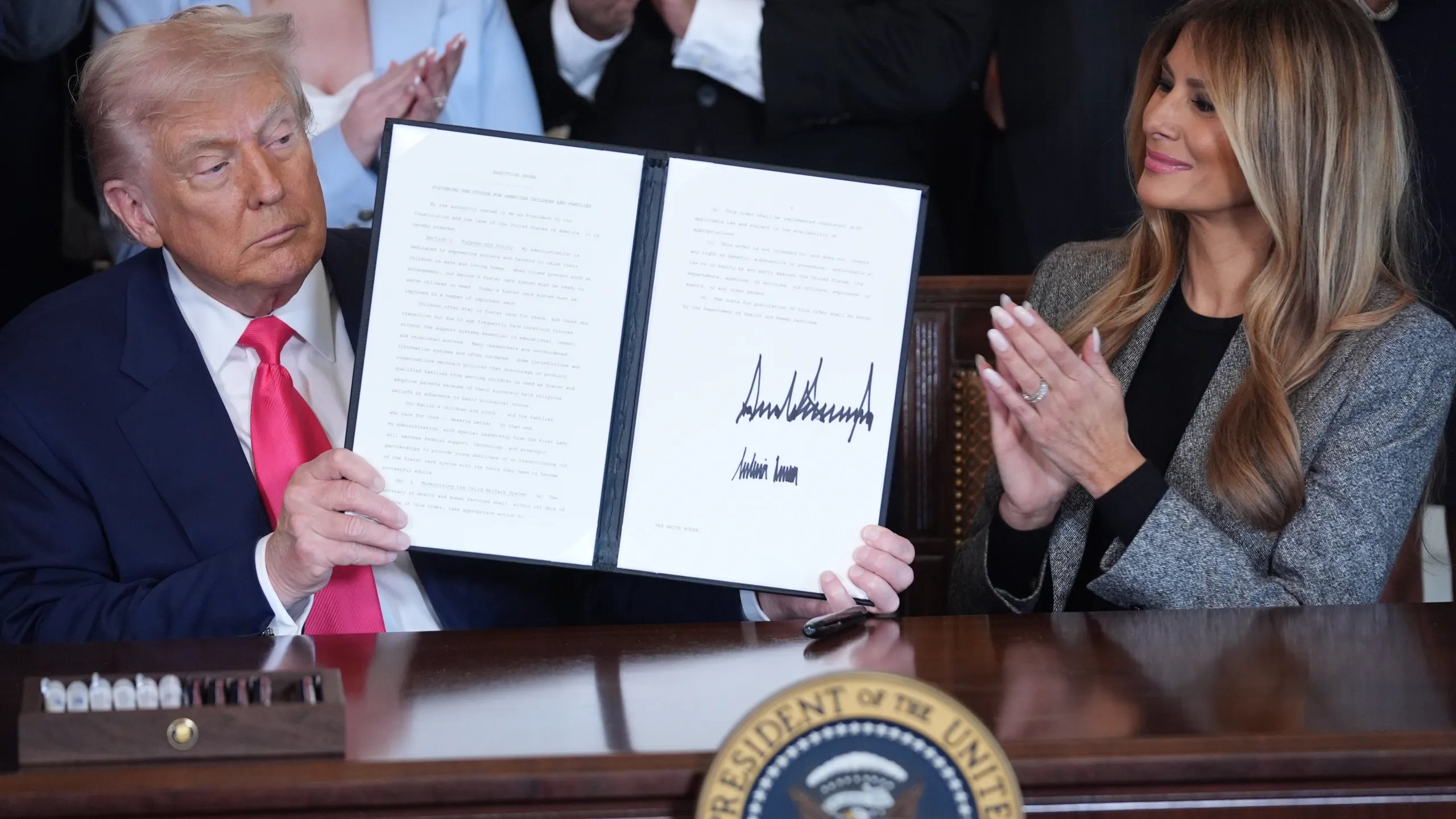
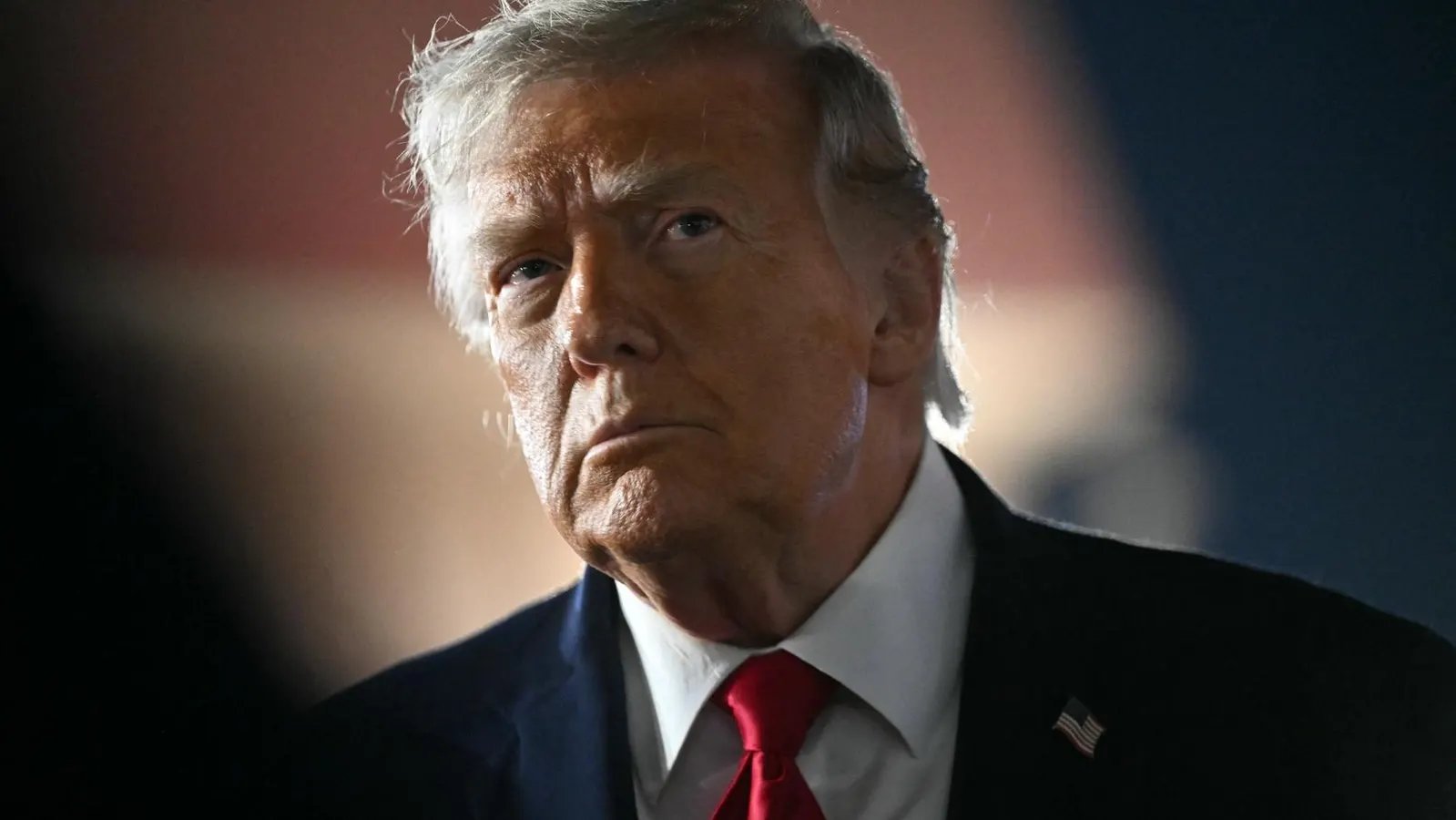
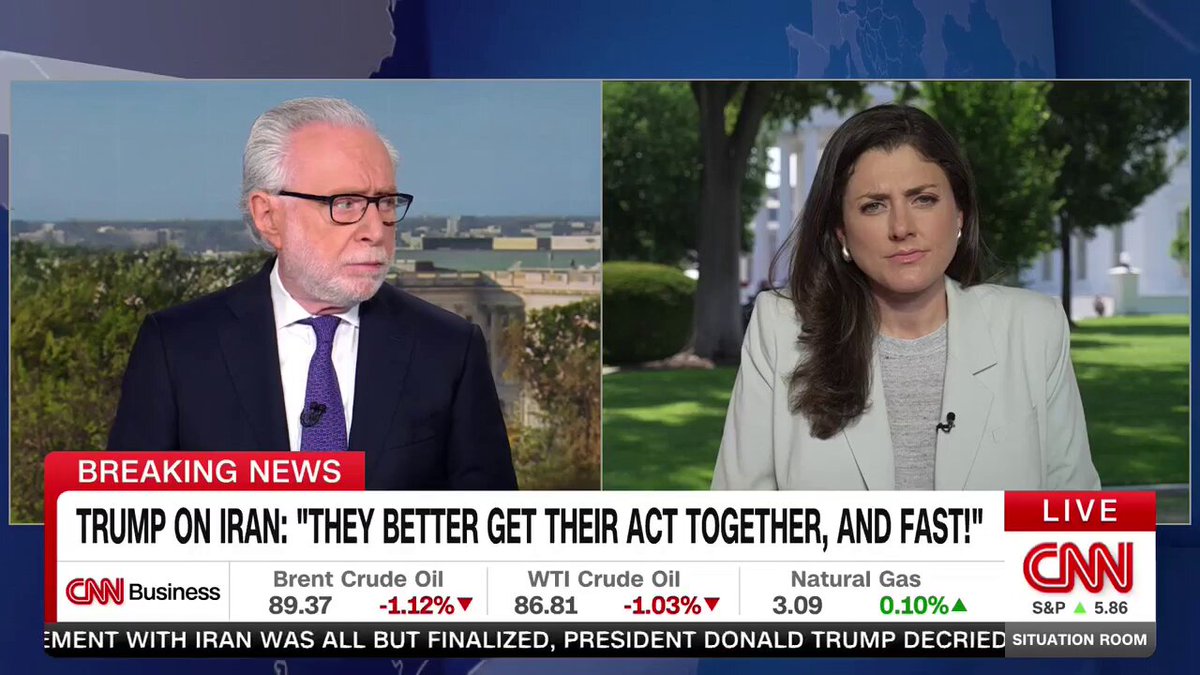
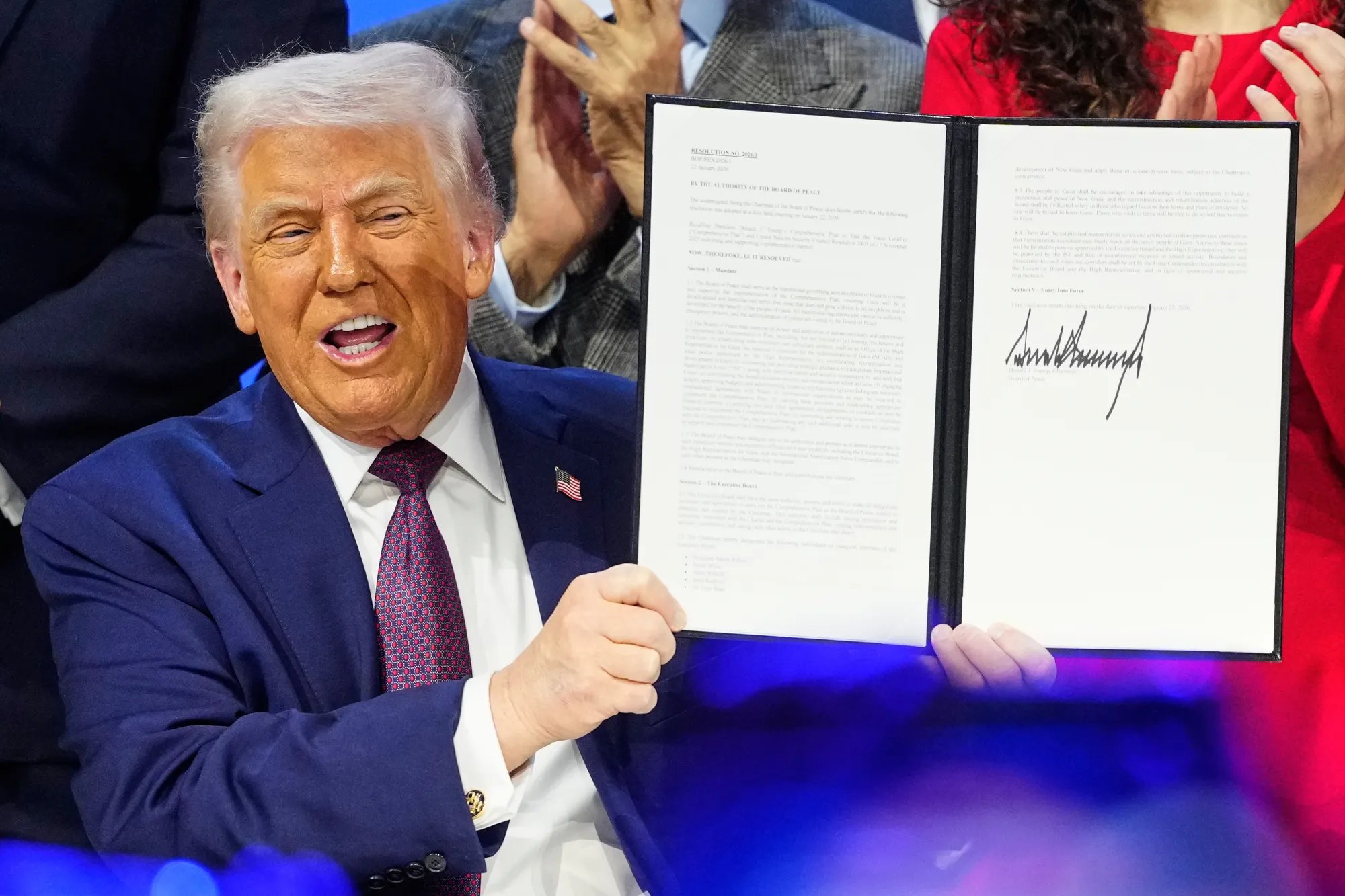
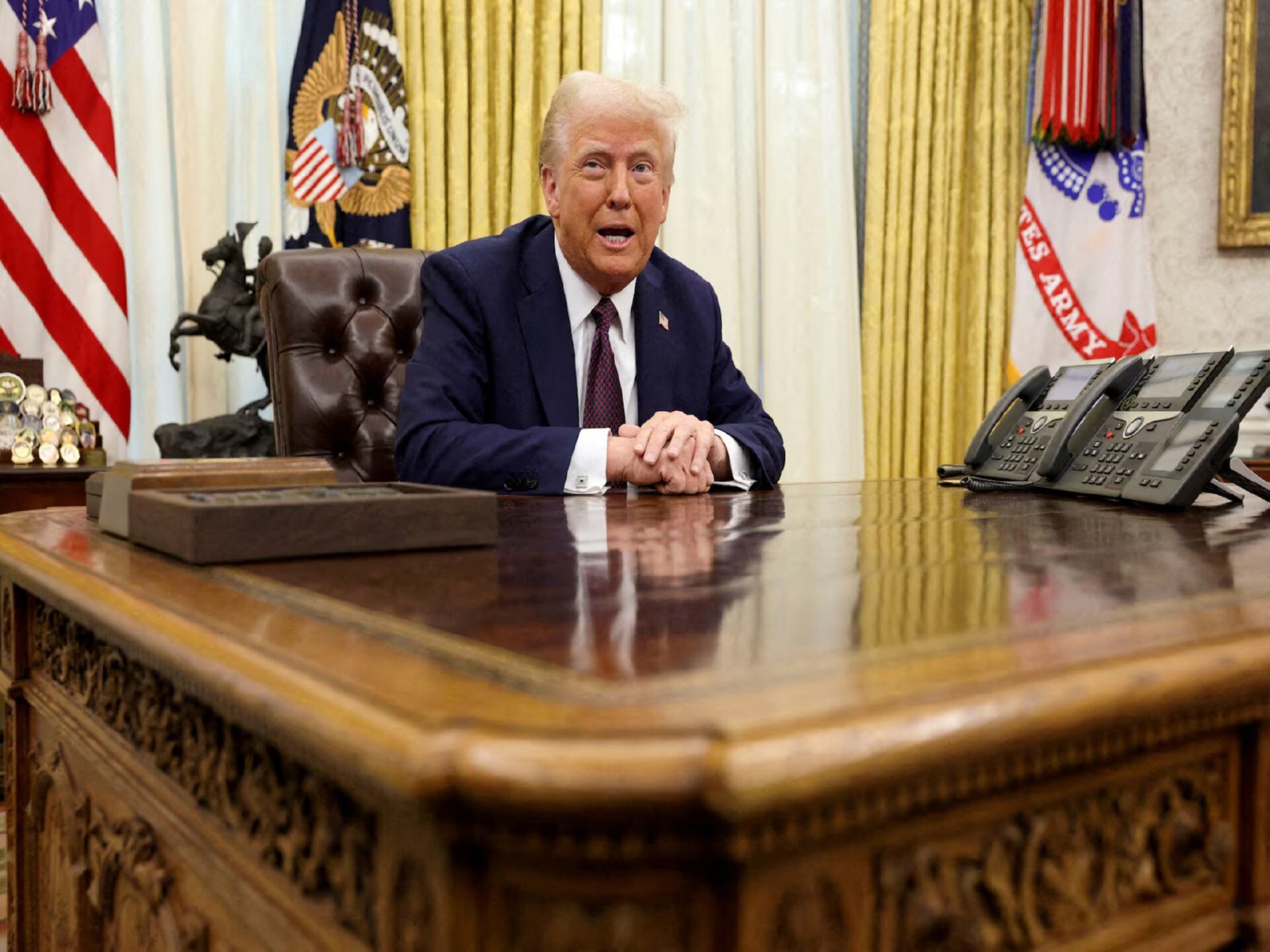
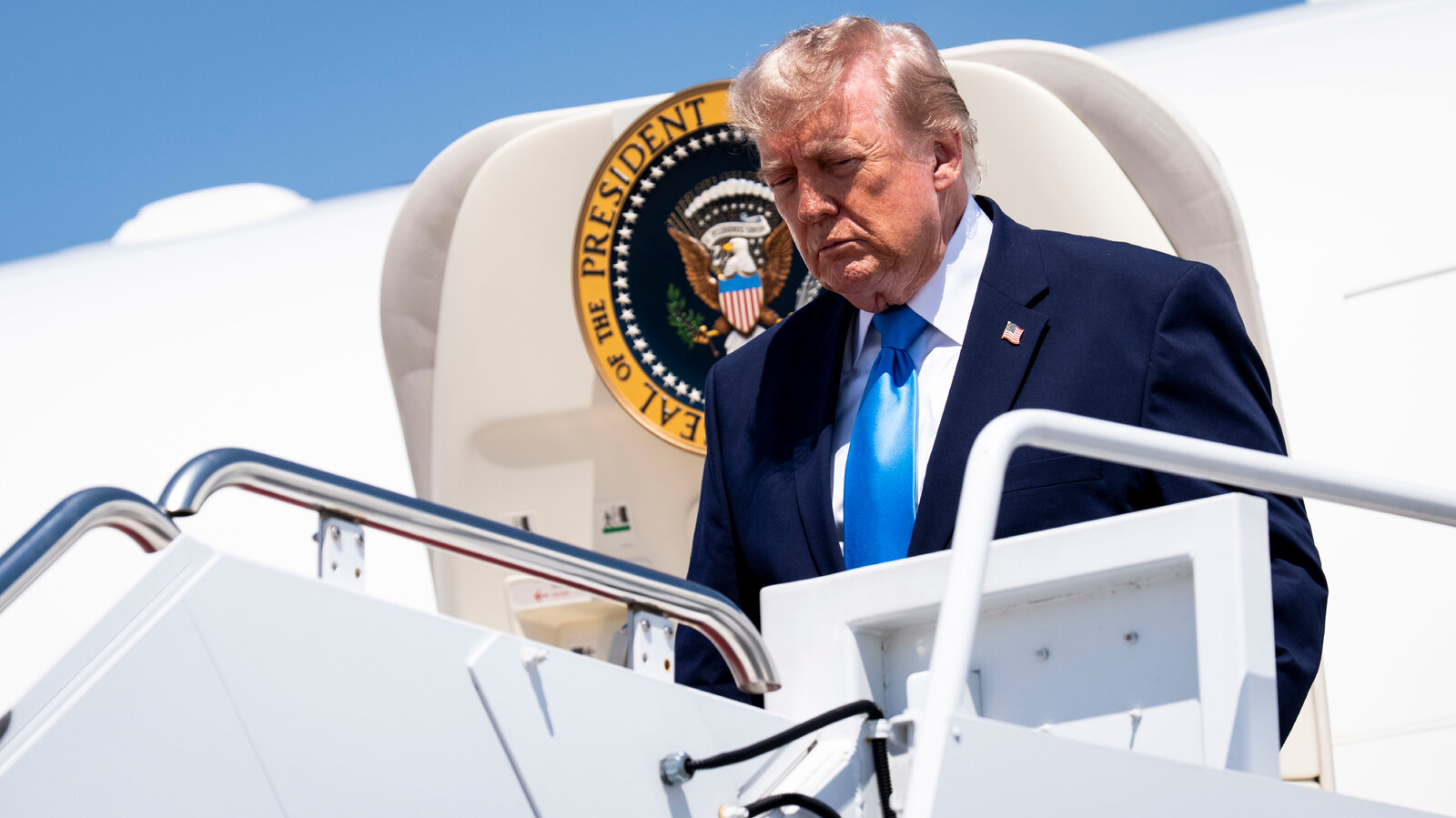
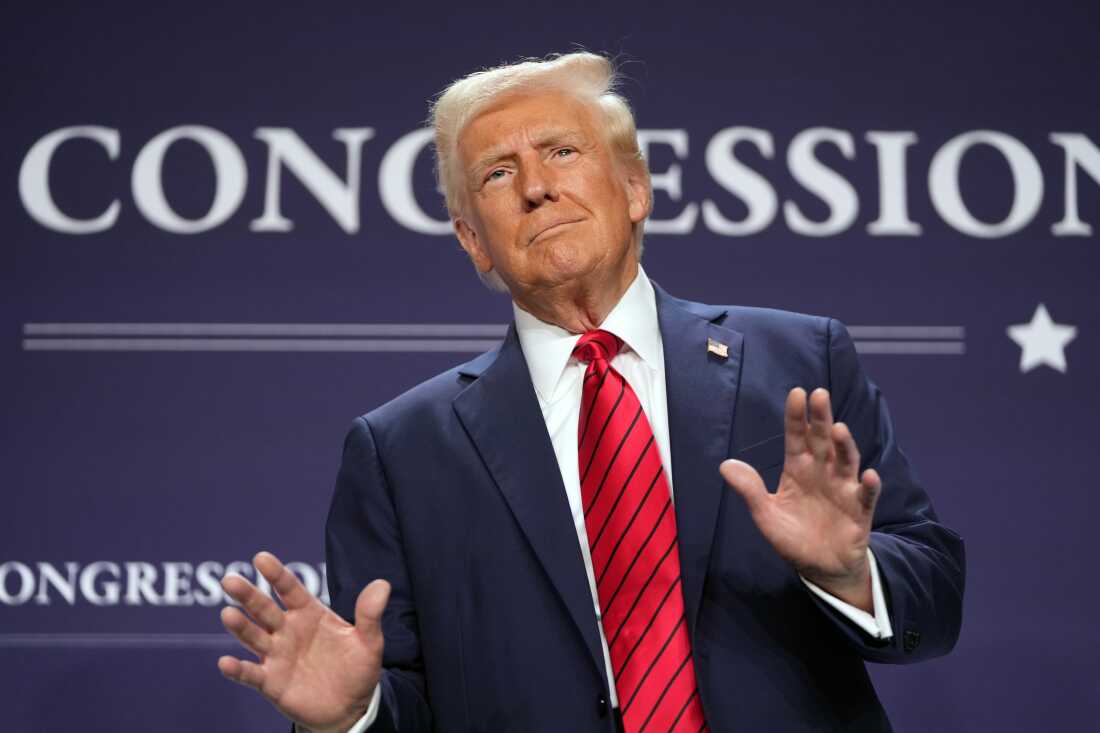
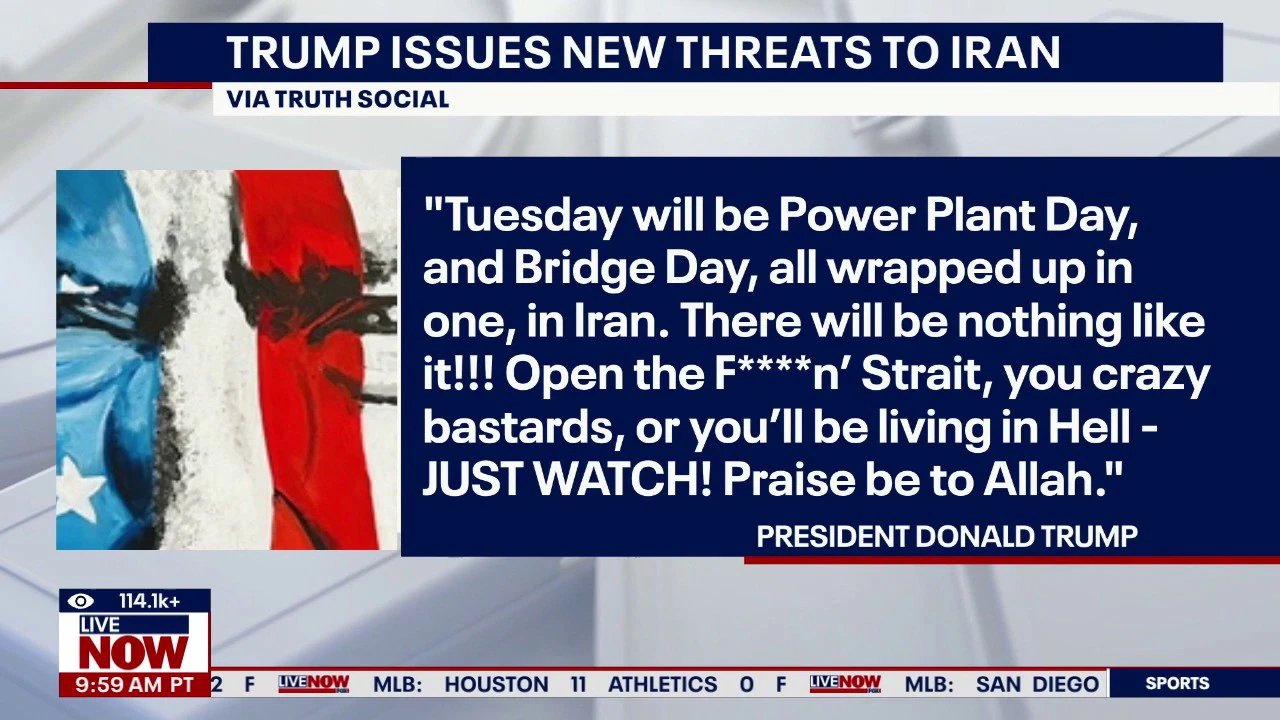
Iran's foreign ministry spokesman Esmaeil Baqaei said Tehran had no plans to allow inspectors to access nuclear sites bombed by the US and Israel last year. US President Donald Trump posted on social media that Iran had "fully and completely agreed" to inspections, warning that without such agreement, there would be no further negotiations.
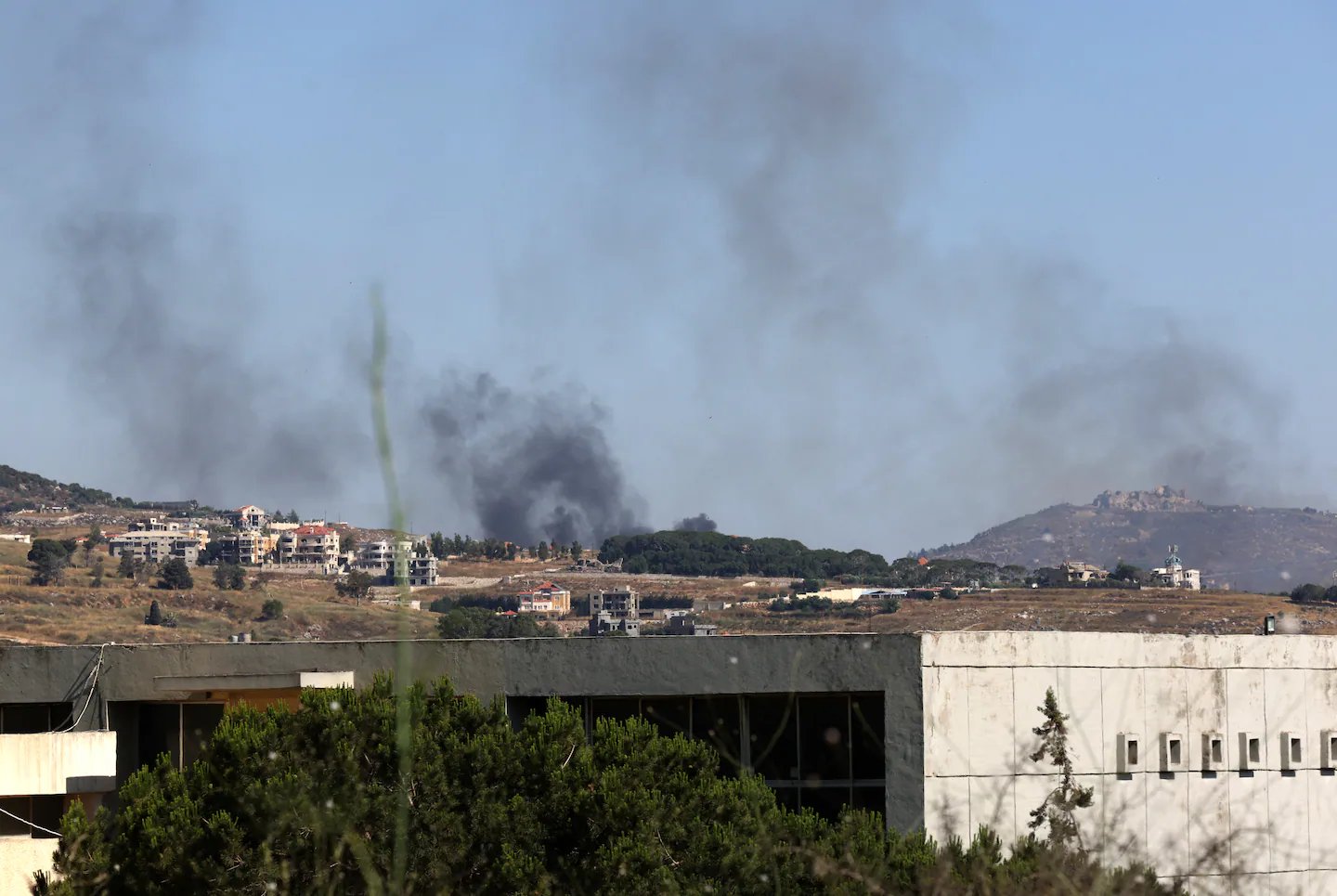
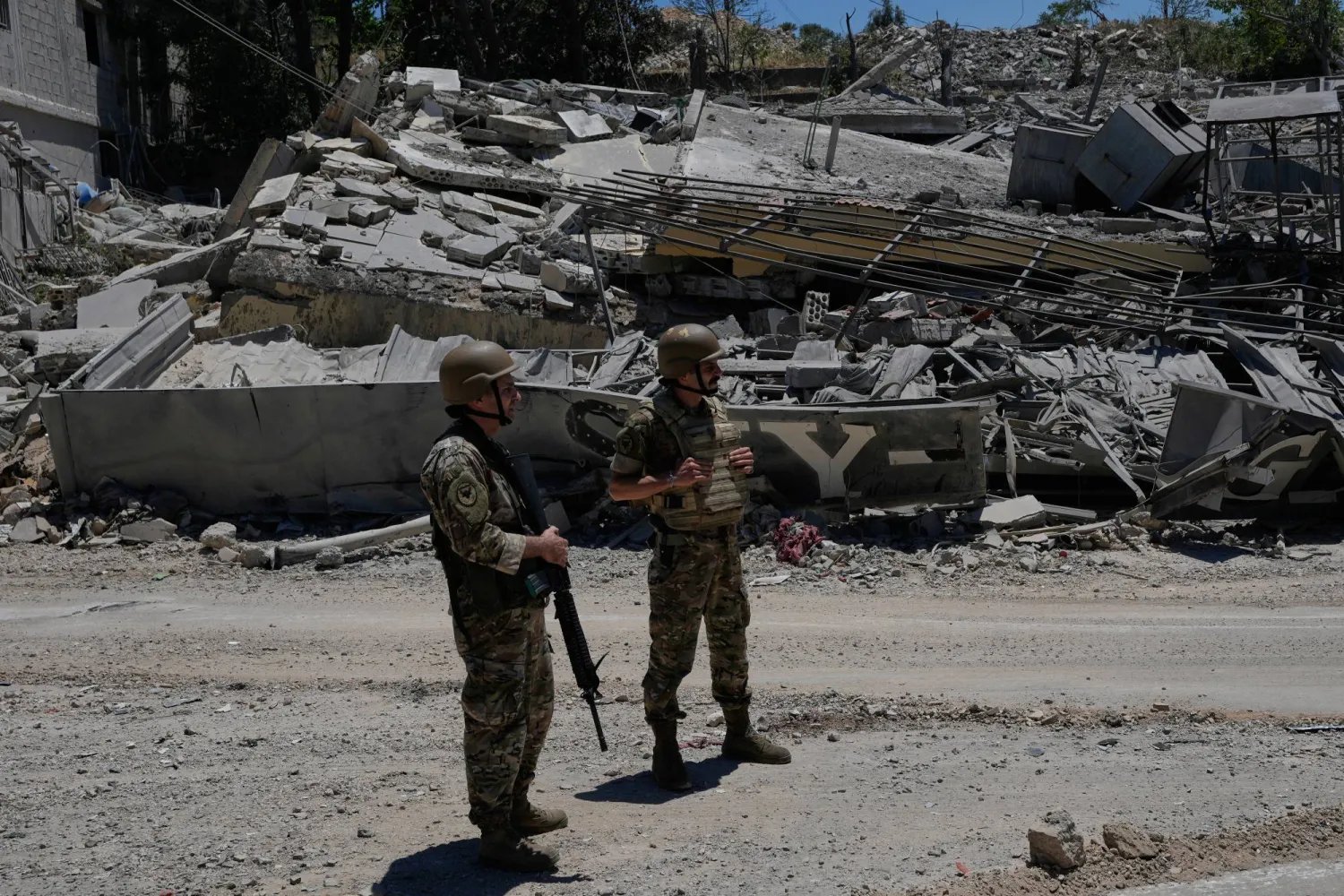
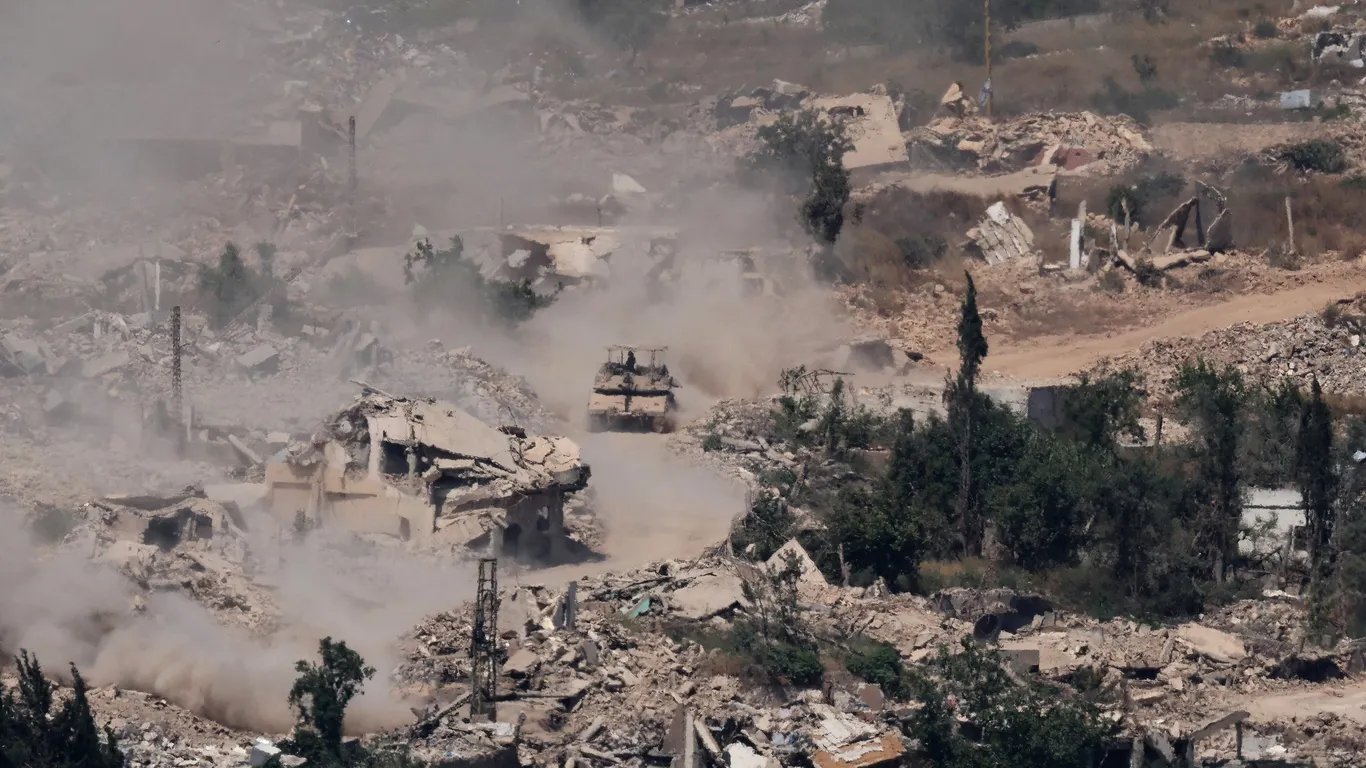
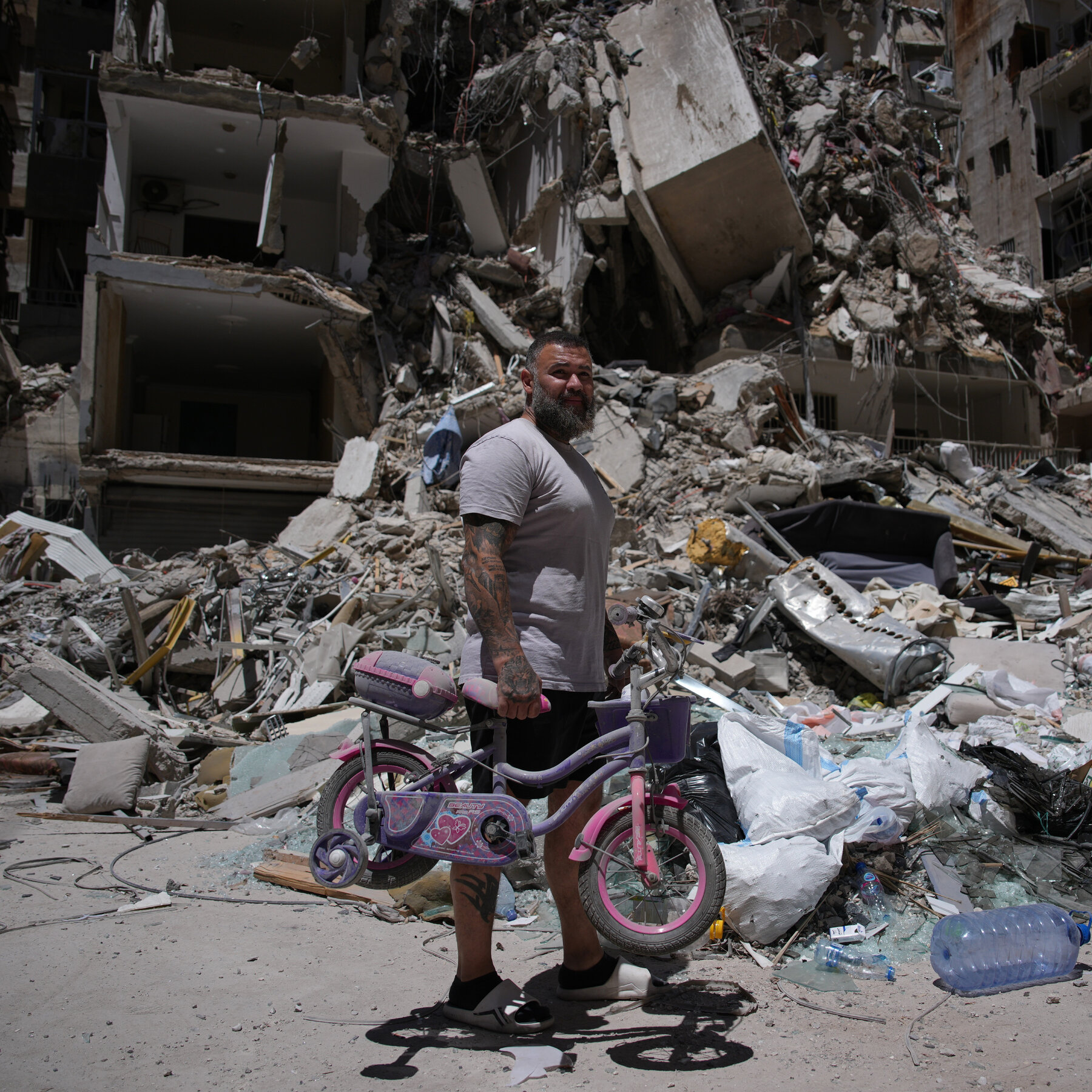
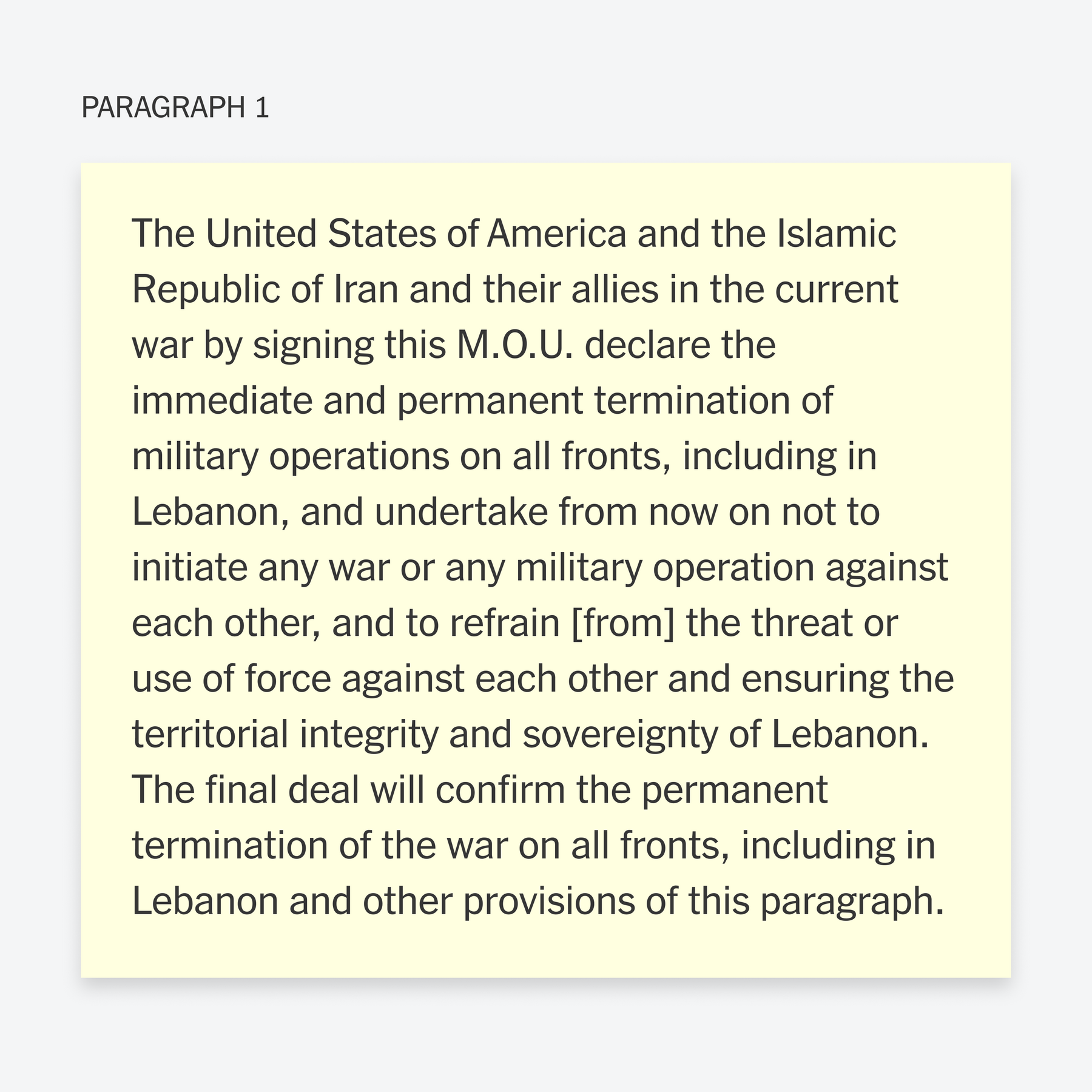
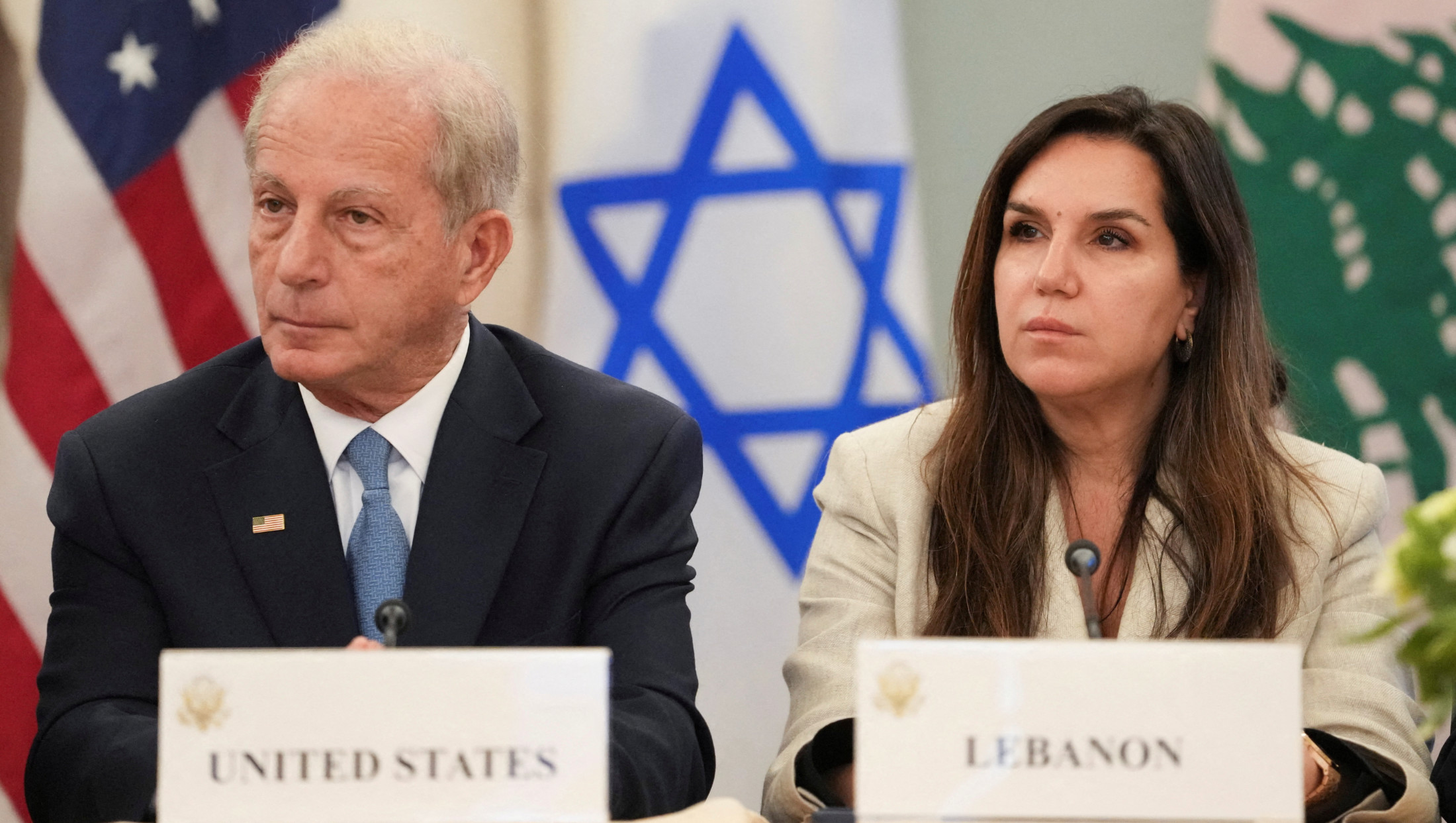
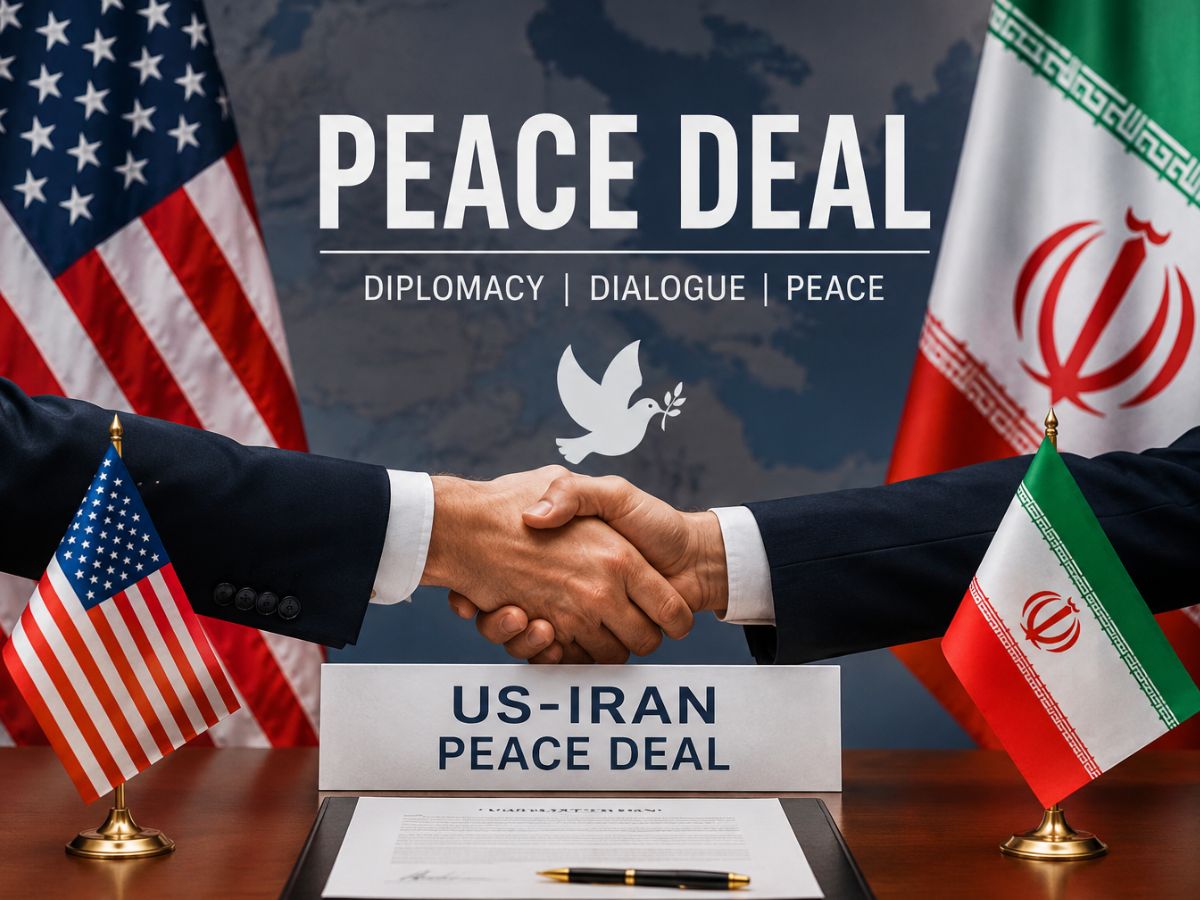
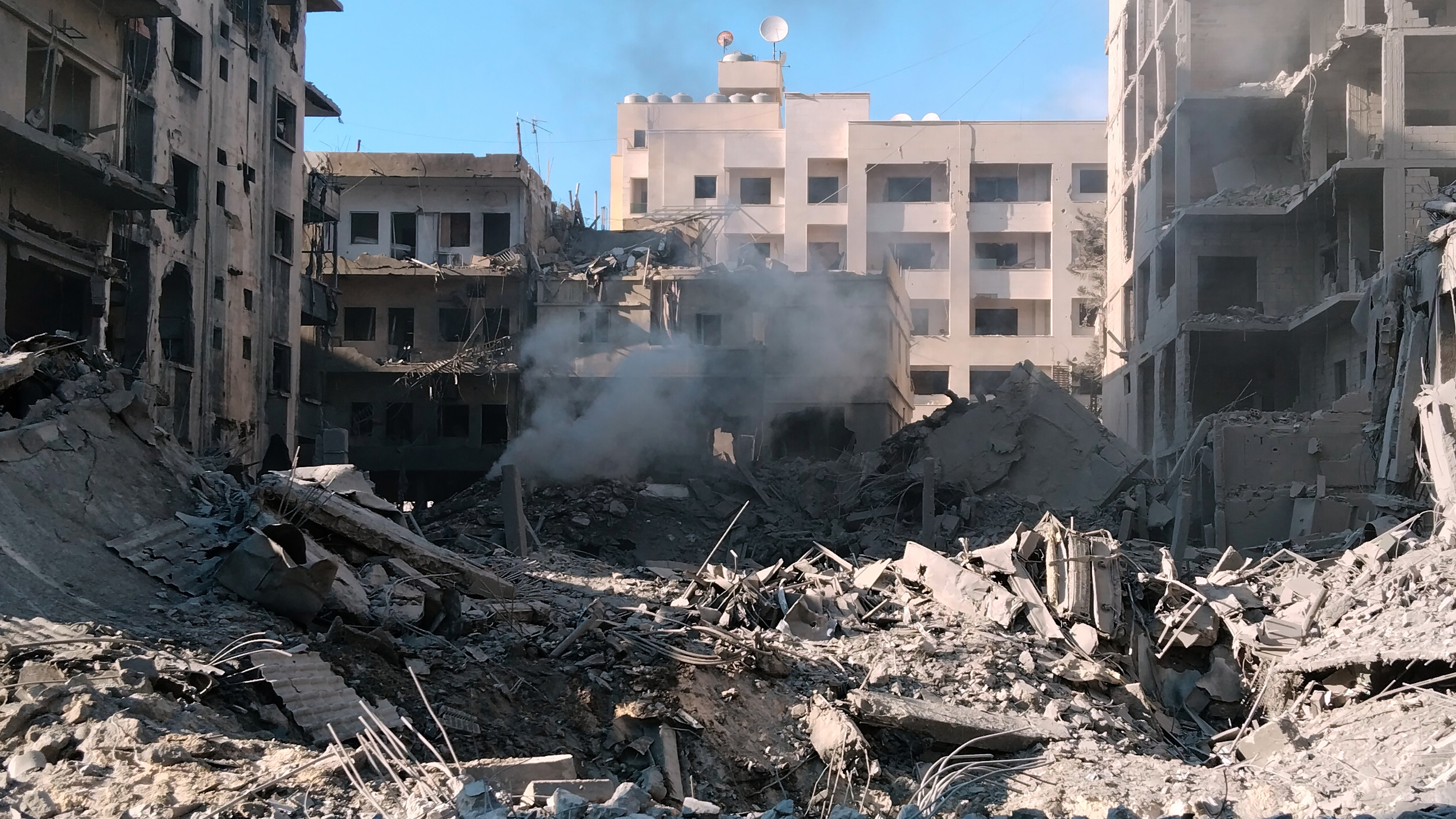
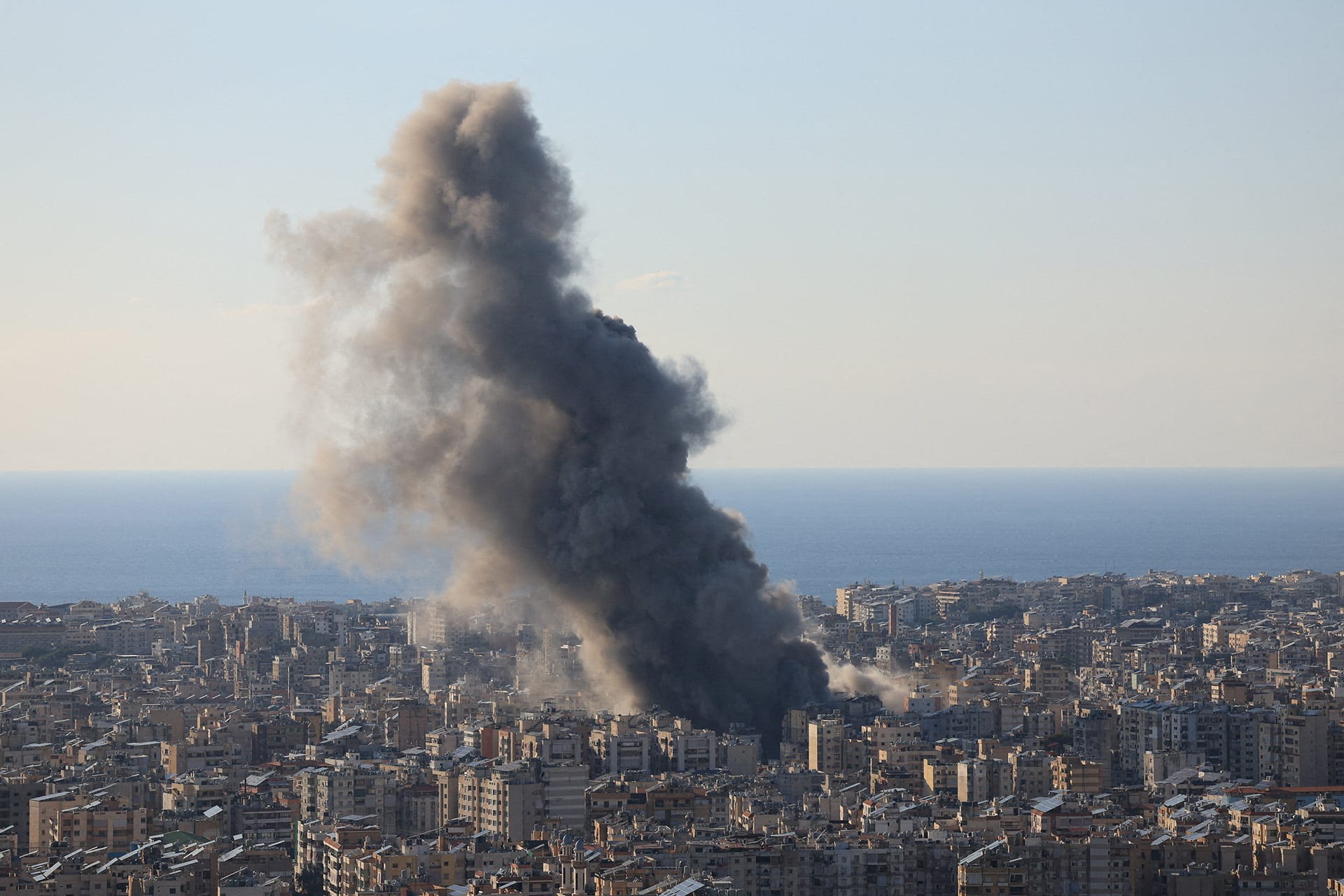
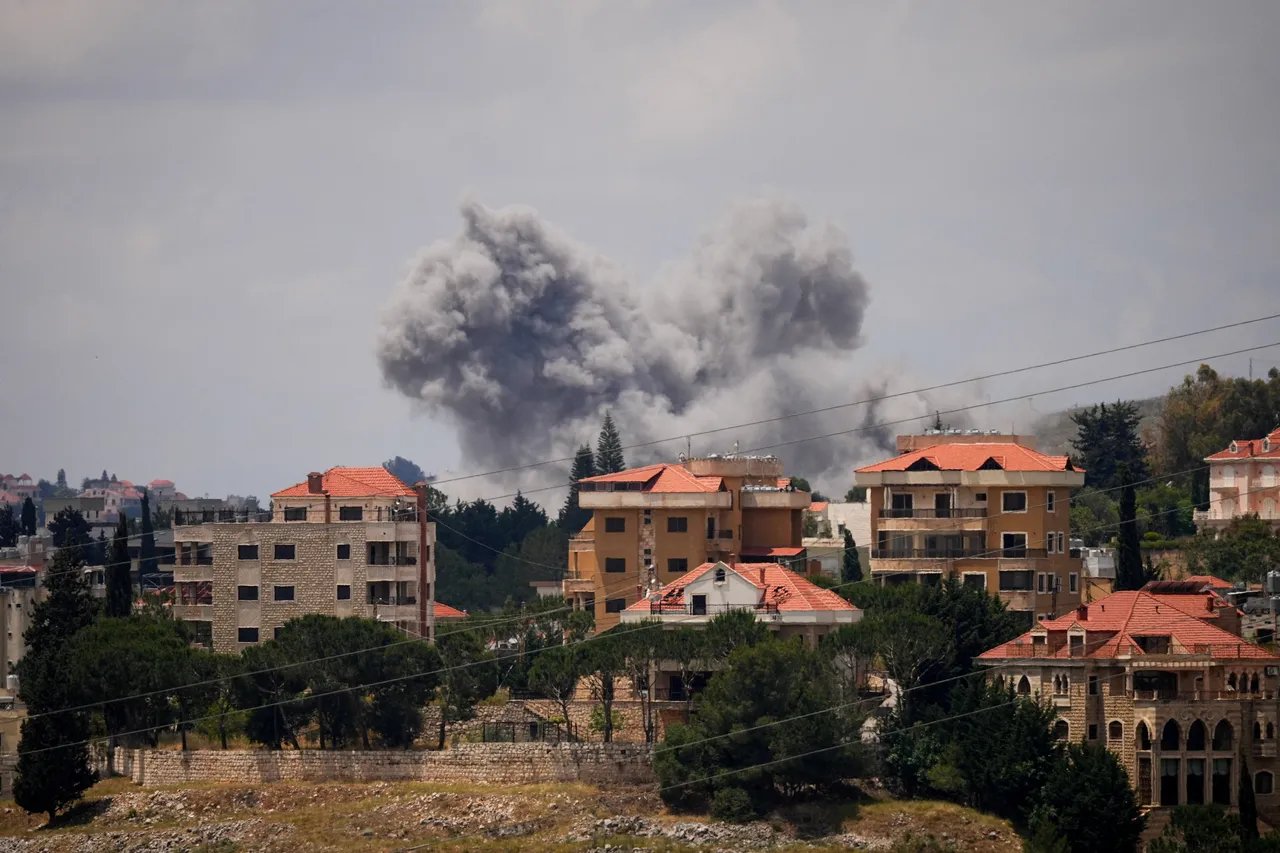
Mediators Qatar and Pakistan released a joint statement following the first round of talks, indicating that the US and Iran had agreed to "a roadmap towards reaching a final deal within 60 days." They also mentioned the establishment of a "de-confliction cell" between the US, Iran, and Lebanon, facilitated by the mediating countries, to end military operations in Lebanon. As negotiations continue, Iran's Foreign Minister Seyed Abbas Araghchi identified Lebanon as the first "real test" of these talks.
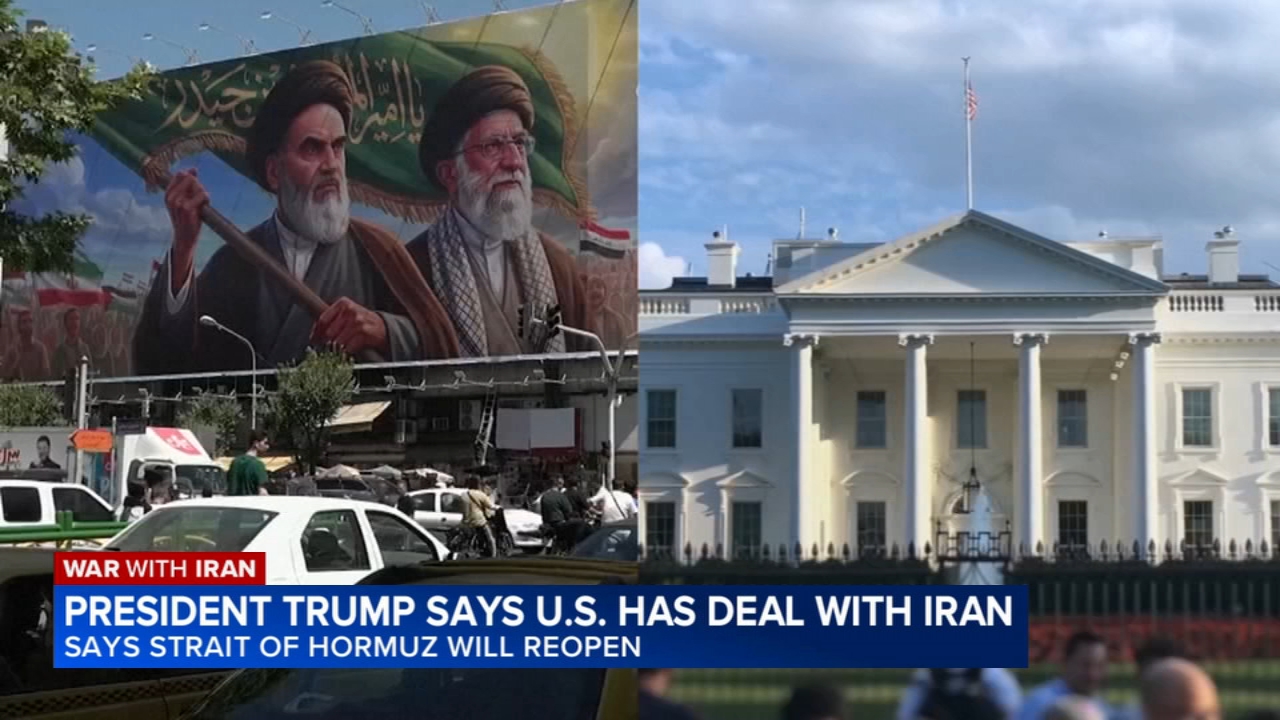
Iran and the US offered conflicting accounts of what was agreed regarding nuclear inspections. The temporary sanctions relief and the roadmap towards a final deal within 60 days represent the immediate outcomes of the first round of negotiations.
Iran's foreign ministry has contradicted US Vice-President JD Vance's claim that Iran will allow nuclear inspectors back into the country, stating it made "no new commitments" on nuclear inspections following the first round of talks in Switzerland. This discrepancy highlights the ongoing tensions between Iran and the US regarding nuclear inspections and the potential implications for global security and diplomacy.
Despite Iran's denial, the US has temporarily waived sanctions, permitting Iran to sell oil in US dollars for the first time in decades. This 60-day sanctions waiver, issued by the US Treasury, dismantles central pillars of Washington's long-running embargo and unlocks banking transactions, insurance, and transportation for Iranian crude and petrochemicals. In exchange, Tehran has reportedly committed to keeping the Strait of Hormuz open and allowing IAEA nuclear inspectors back into the country.
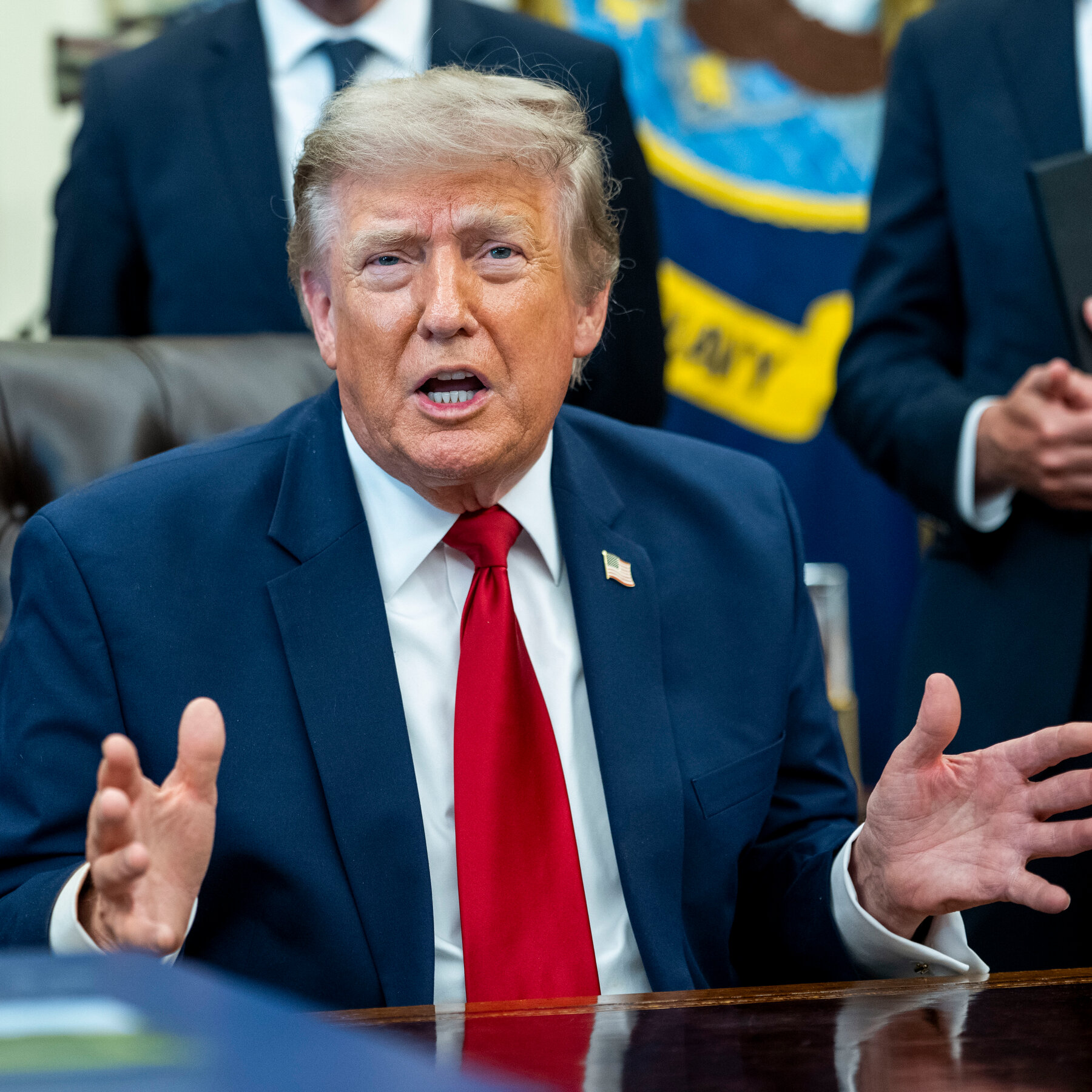
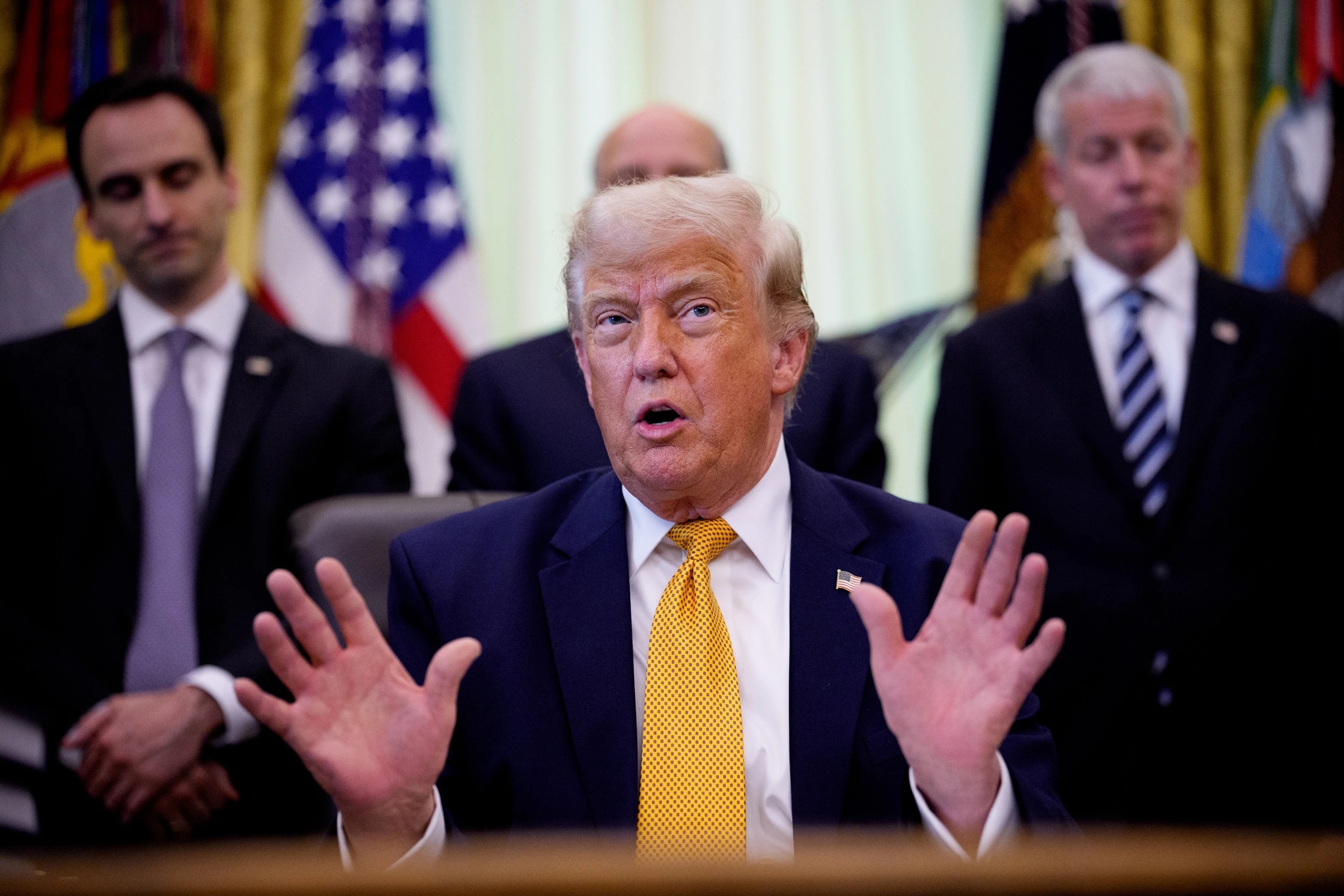
The conflicting remarks between Iran and the US continue to escalate. While Iran's foreign ministry spokesman Esmaeil Baqaei stated there are no plans to allow inspectors access to nuclear sites bombed by the US and Israel last year, US President Donald Trump asserts that Iran has "fully and completely agreed" to inspections. Trump warned that if Iran does not comply, there would be no further negotiations.
Mediators Qatar and Pakistan released a joint statement following the first round of talks, indicating that the US and Iran had agreed to "a roadmap towards reaching a final deal within 60 days." They also mentioned the establishment of a "de-confliction cell" between the US, Iran, and Lebanon, facilitated by the mediating countries, to end military operations in Lebanon. As negotiations continue, Iran's Foreign Minister Seyed Abbas Araghchi identified Lebanon as the first "real test" of these talks.
The conflicting statements from Iran and the US on the issue of nuclear inspections underscore the complexities of the ongoing negotiations. The temporary sanctions relief and the roadmap towards a final deal within 60 days are significant steps, but the divergence in public statements suggests that the path to a resolution is fraught with challenges. The world watches as these talks could potentially reshape international relations and nuclear non-proliferation efforts.
Highlighted text was flagged by the council. Tap to see feedback.