






Disruption in the Strait of Hormuz
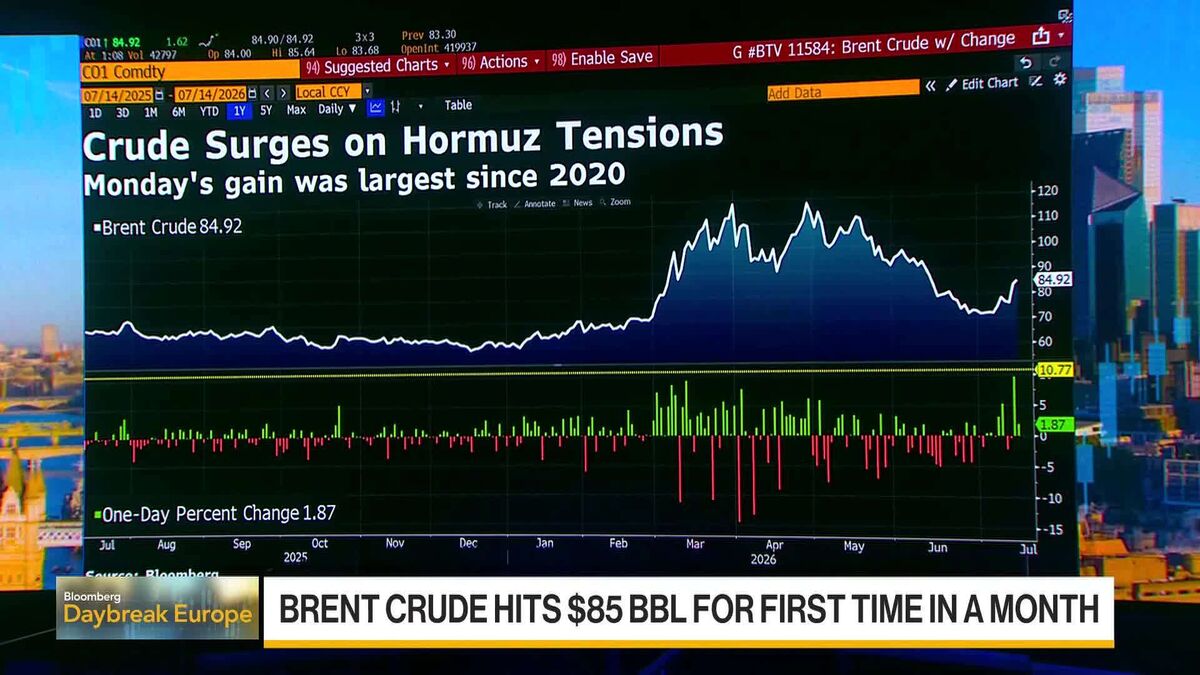
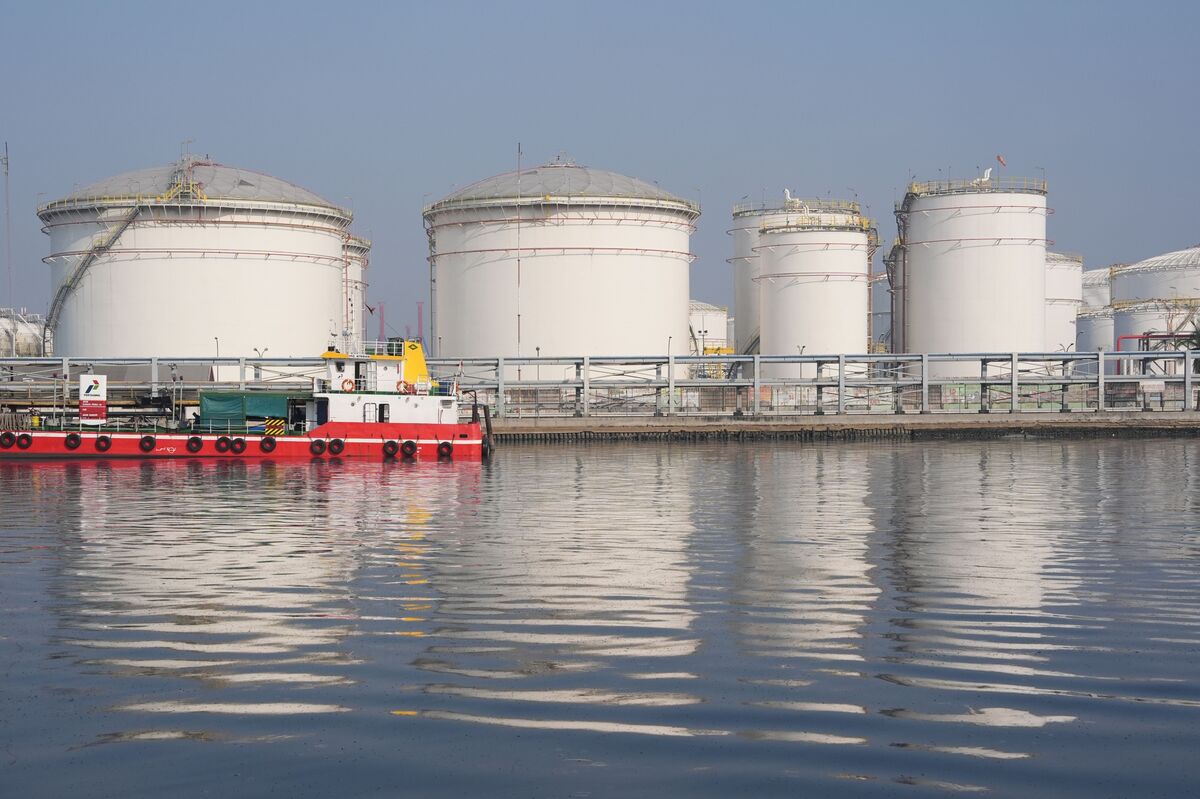
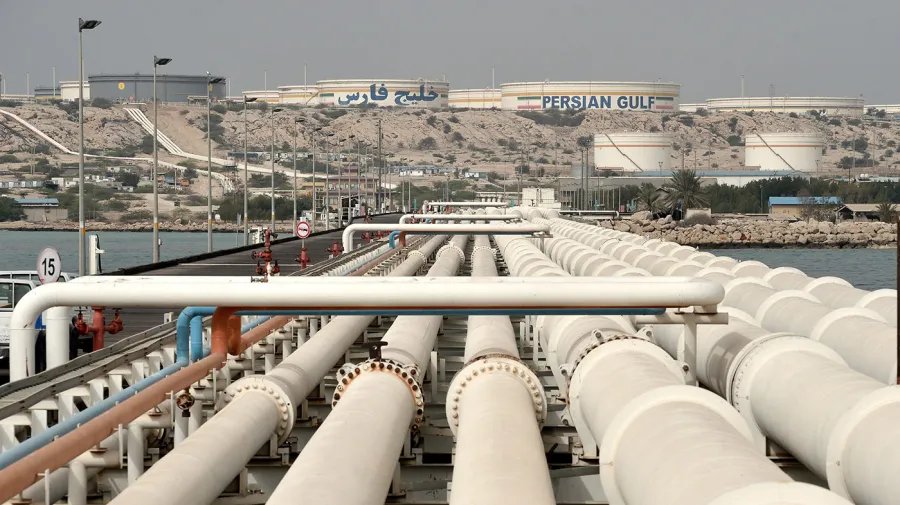
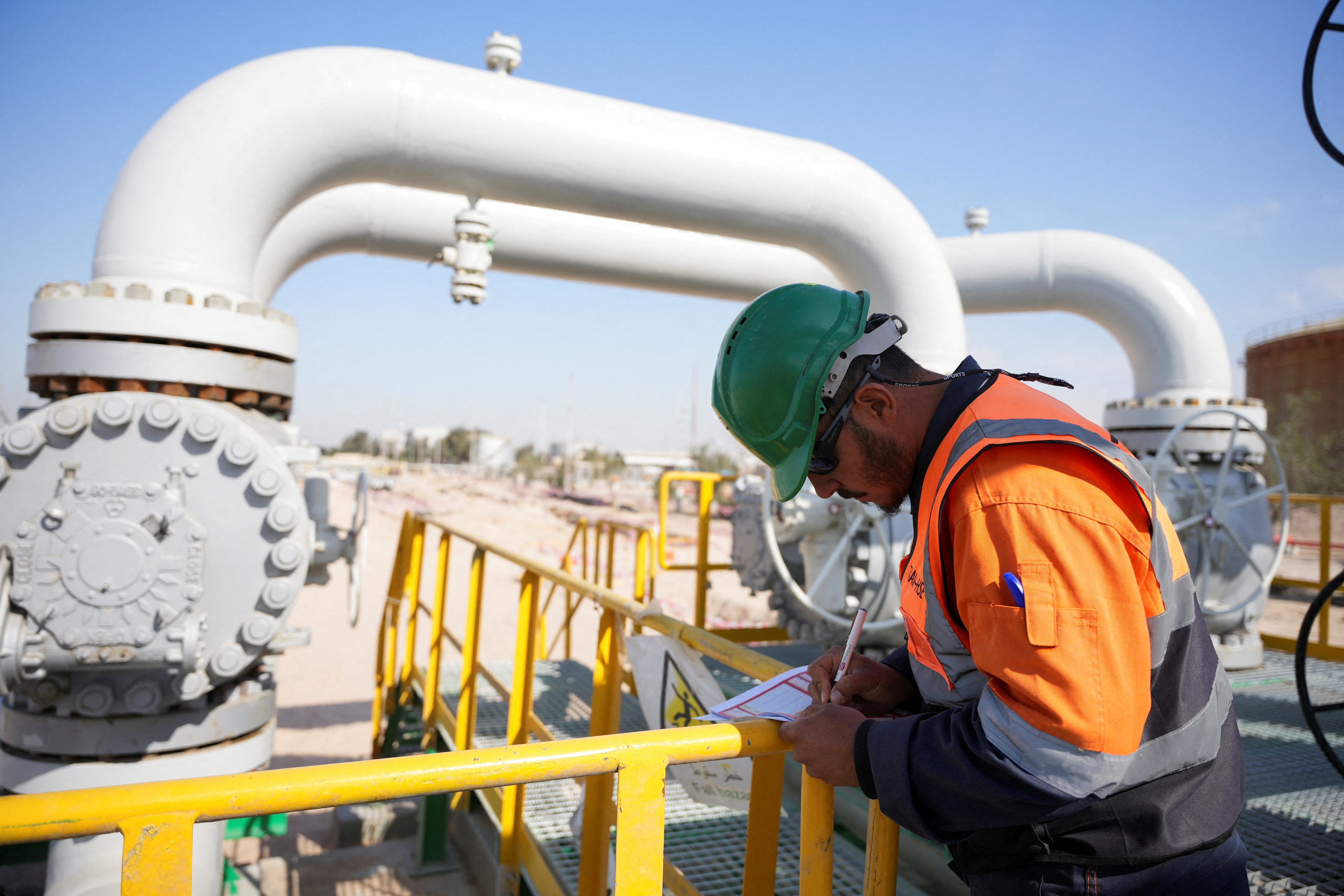
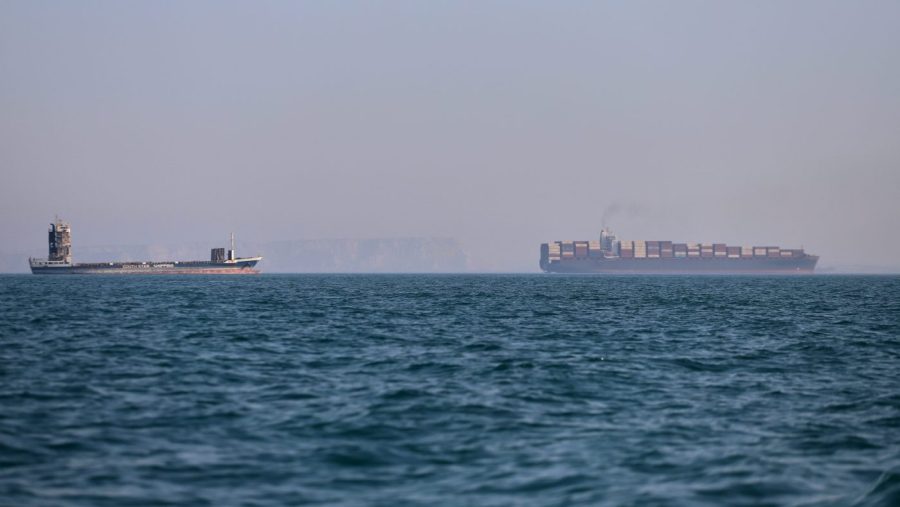
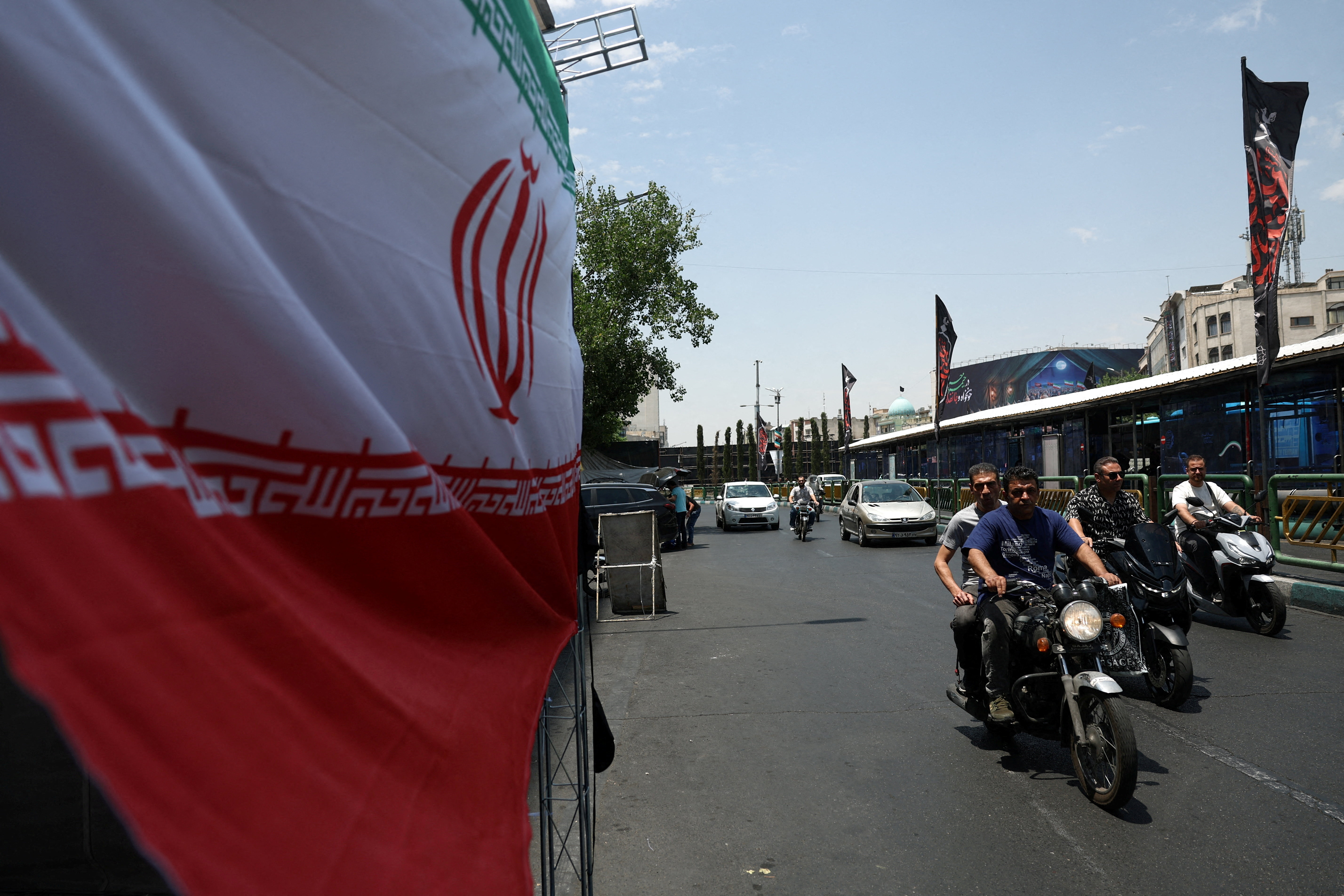
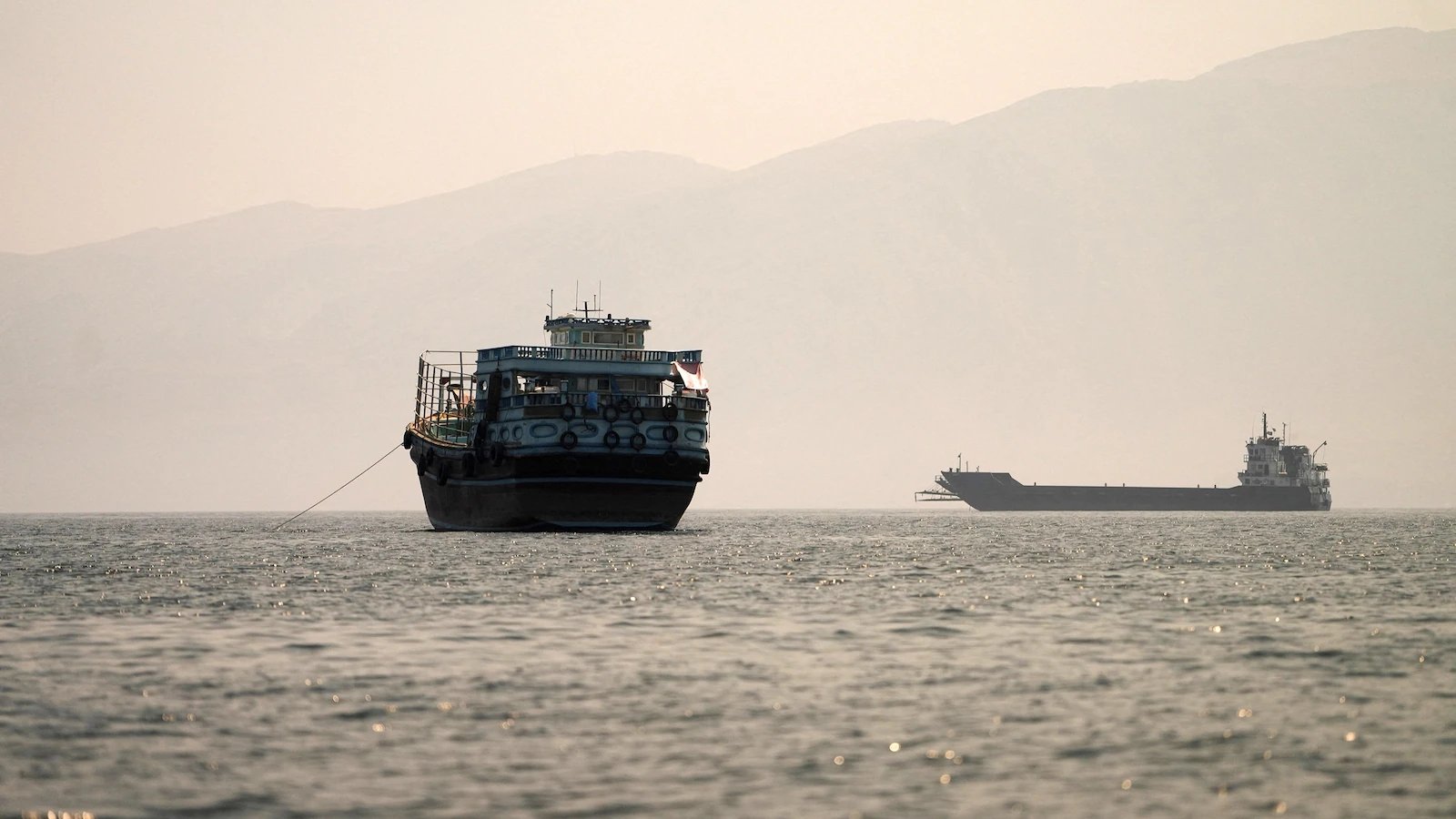
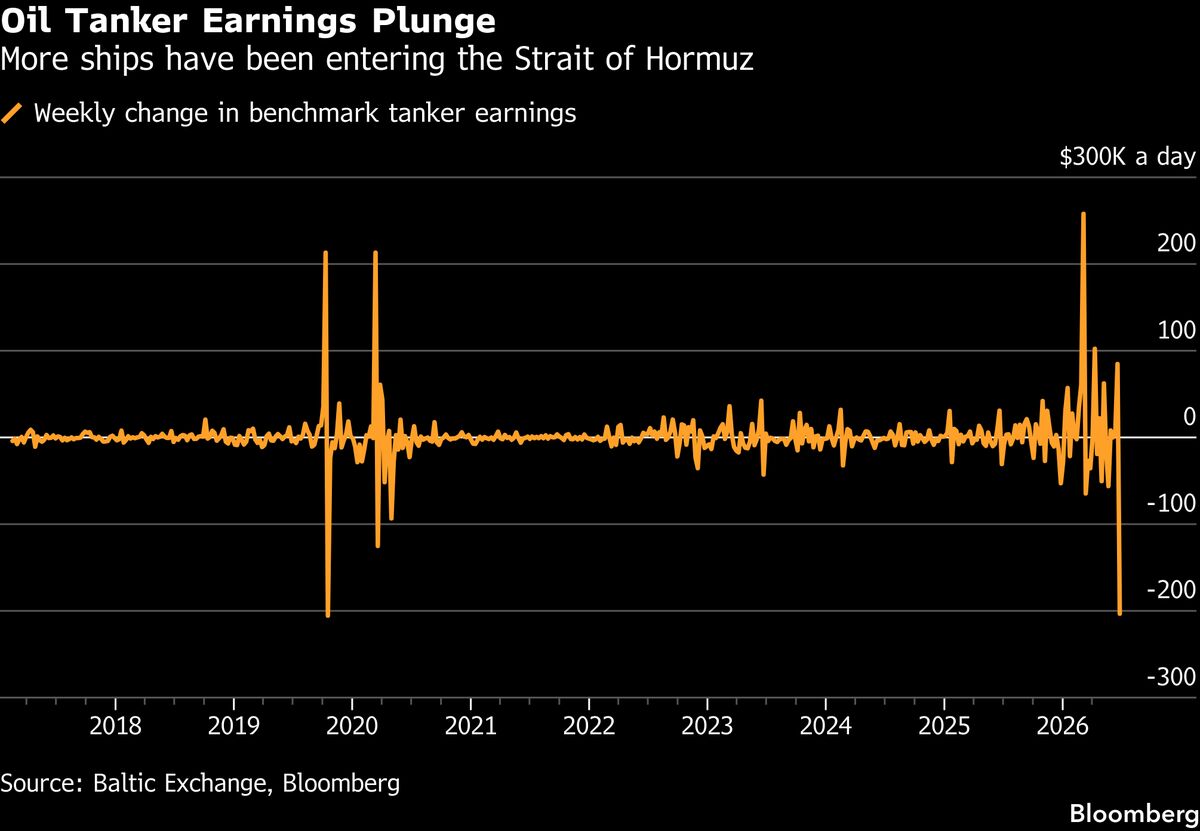
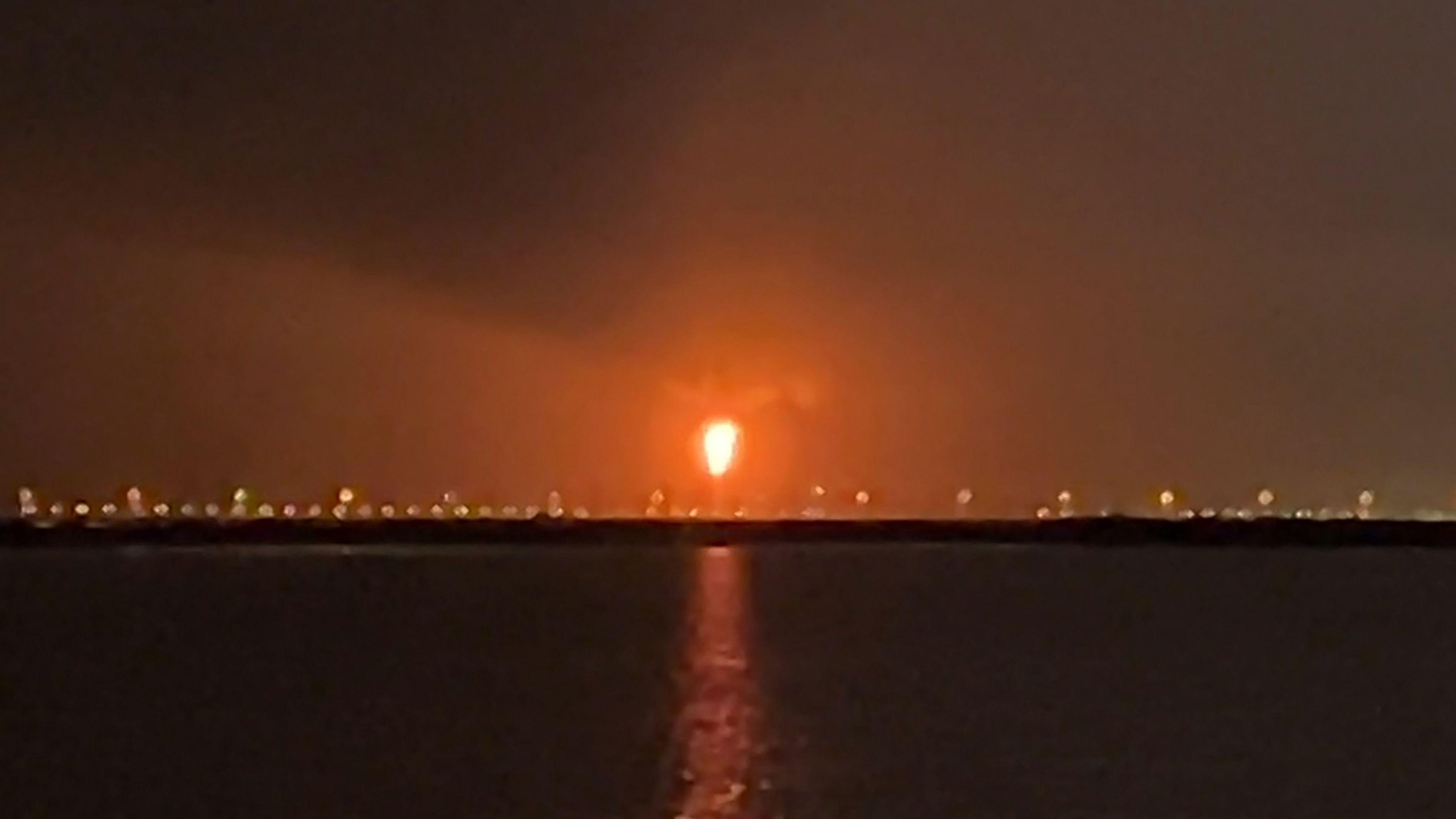
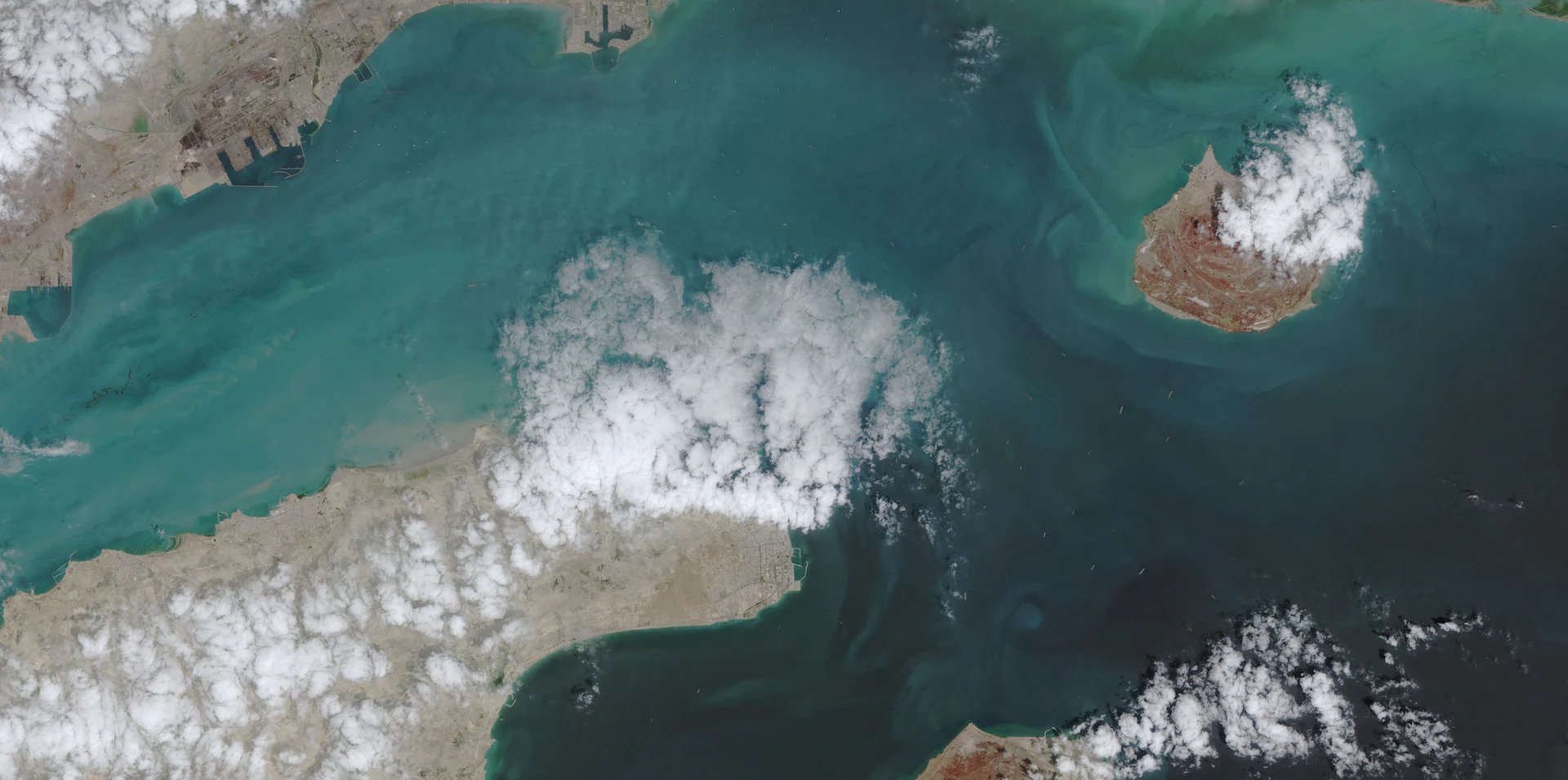
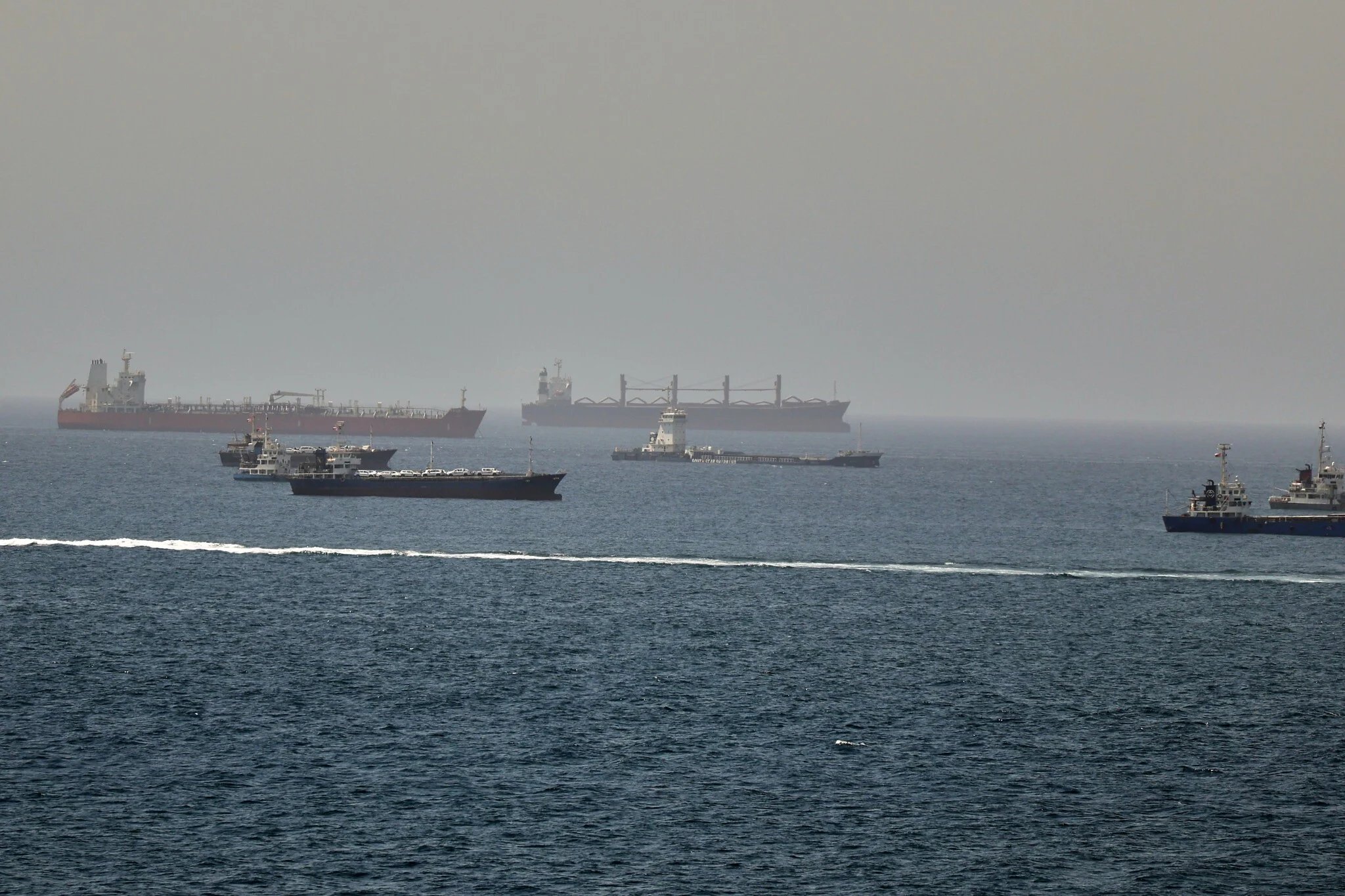
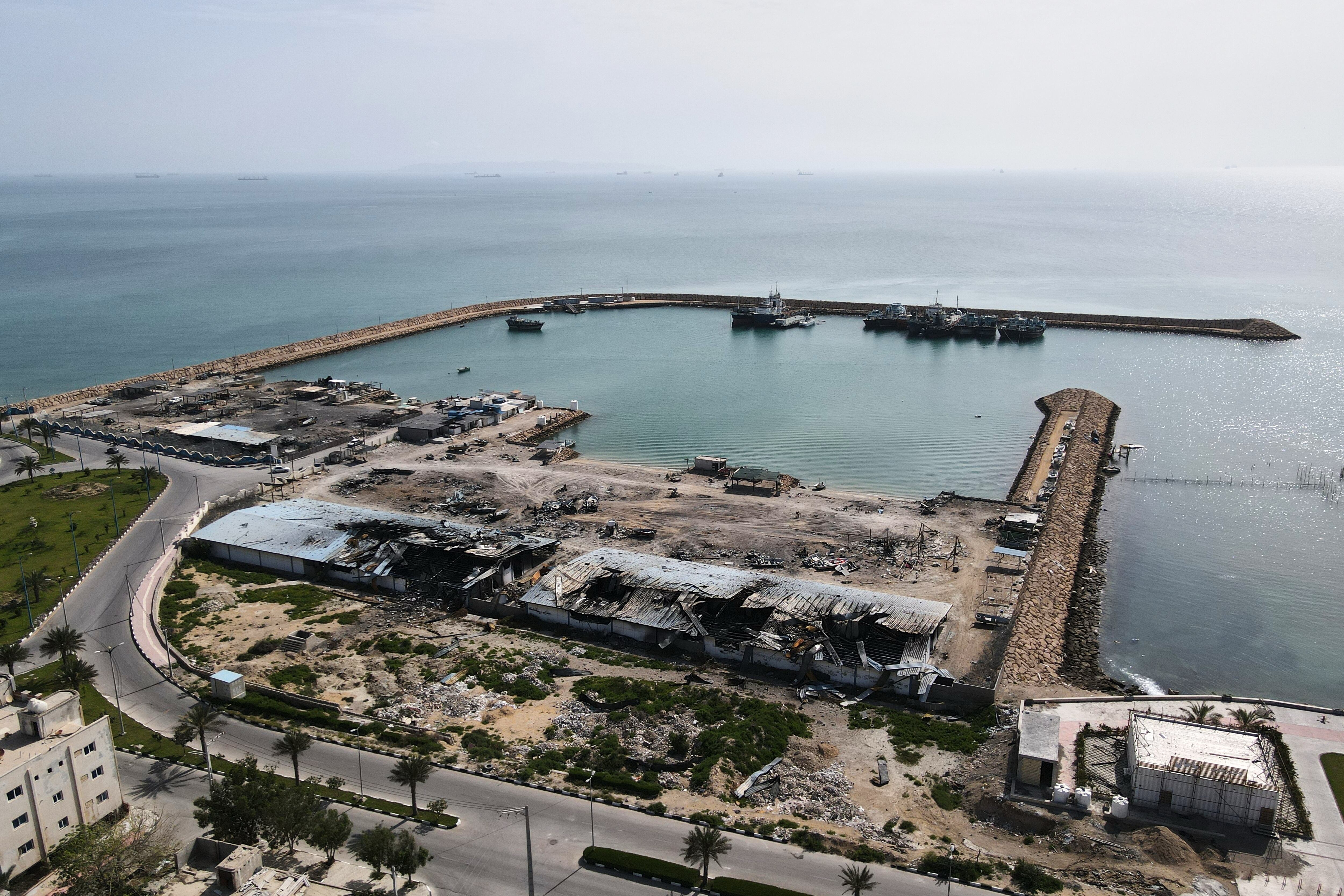
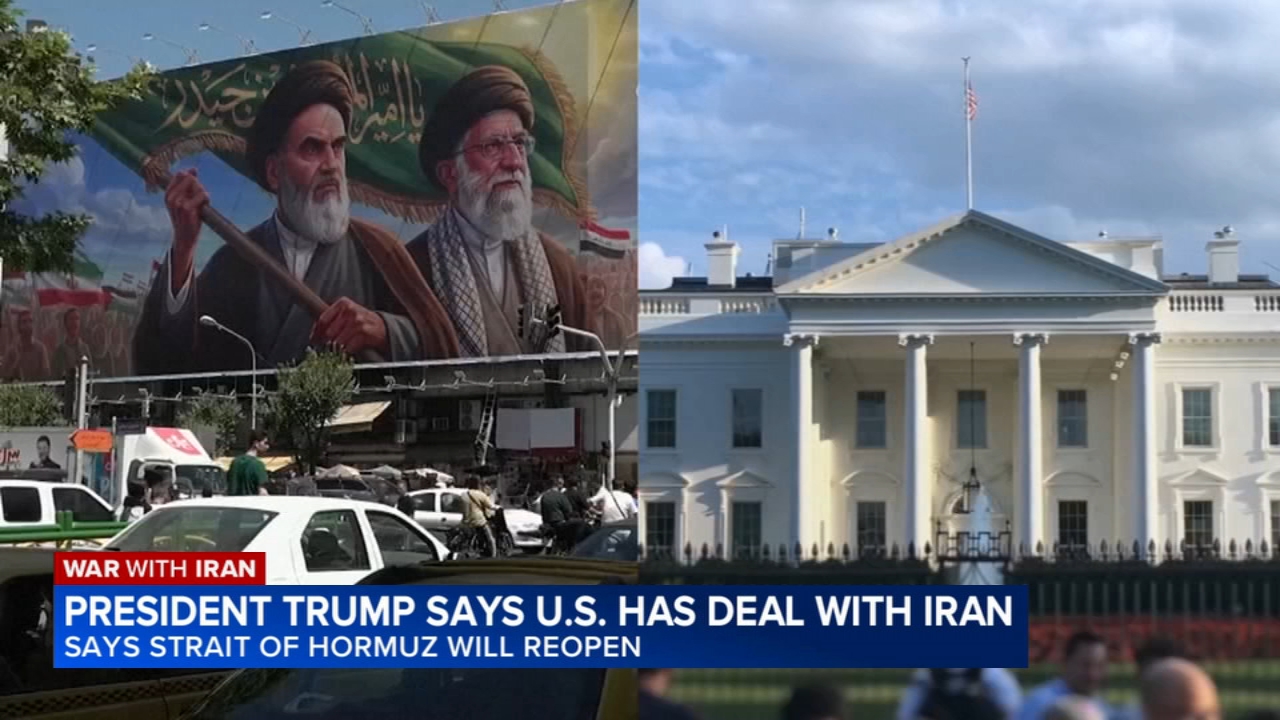
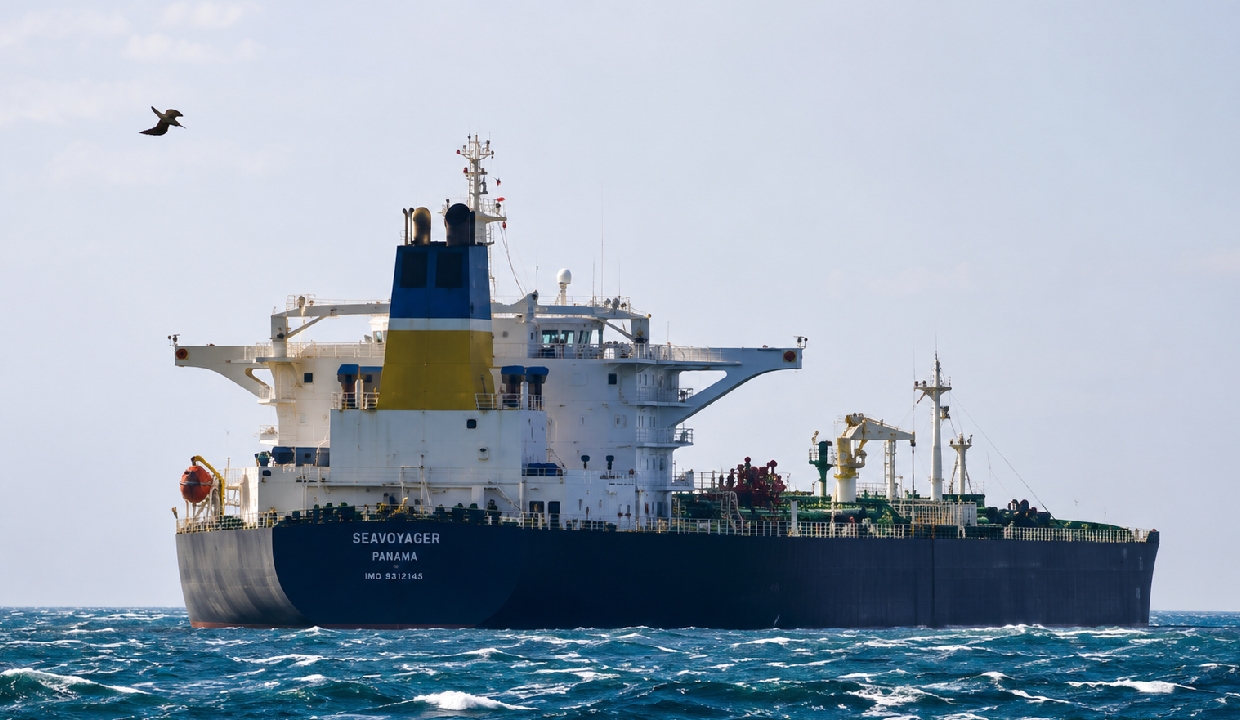
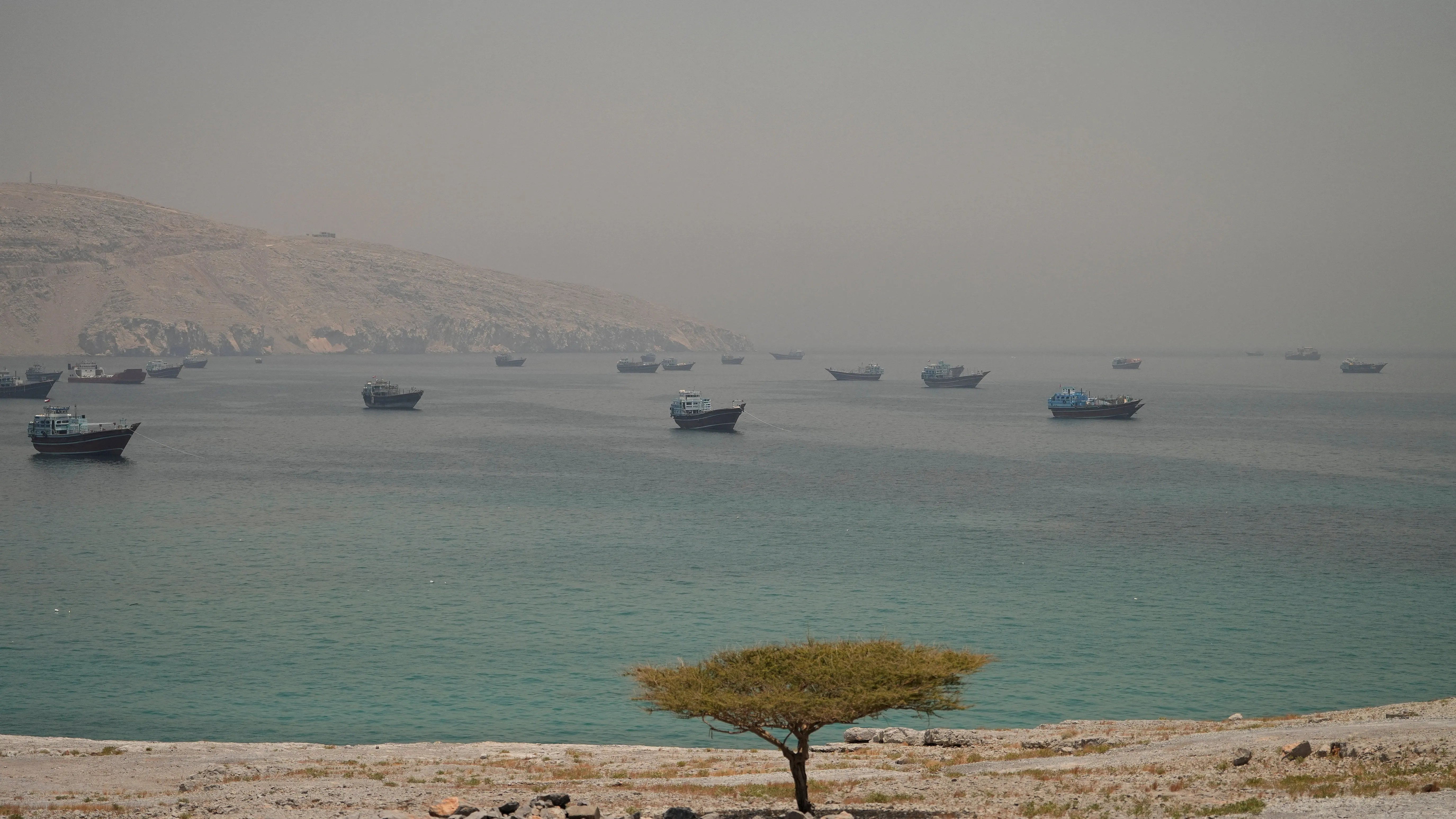
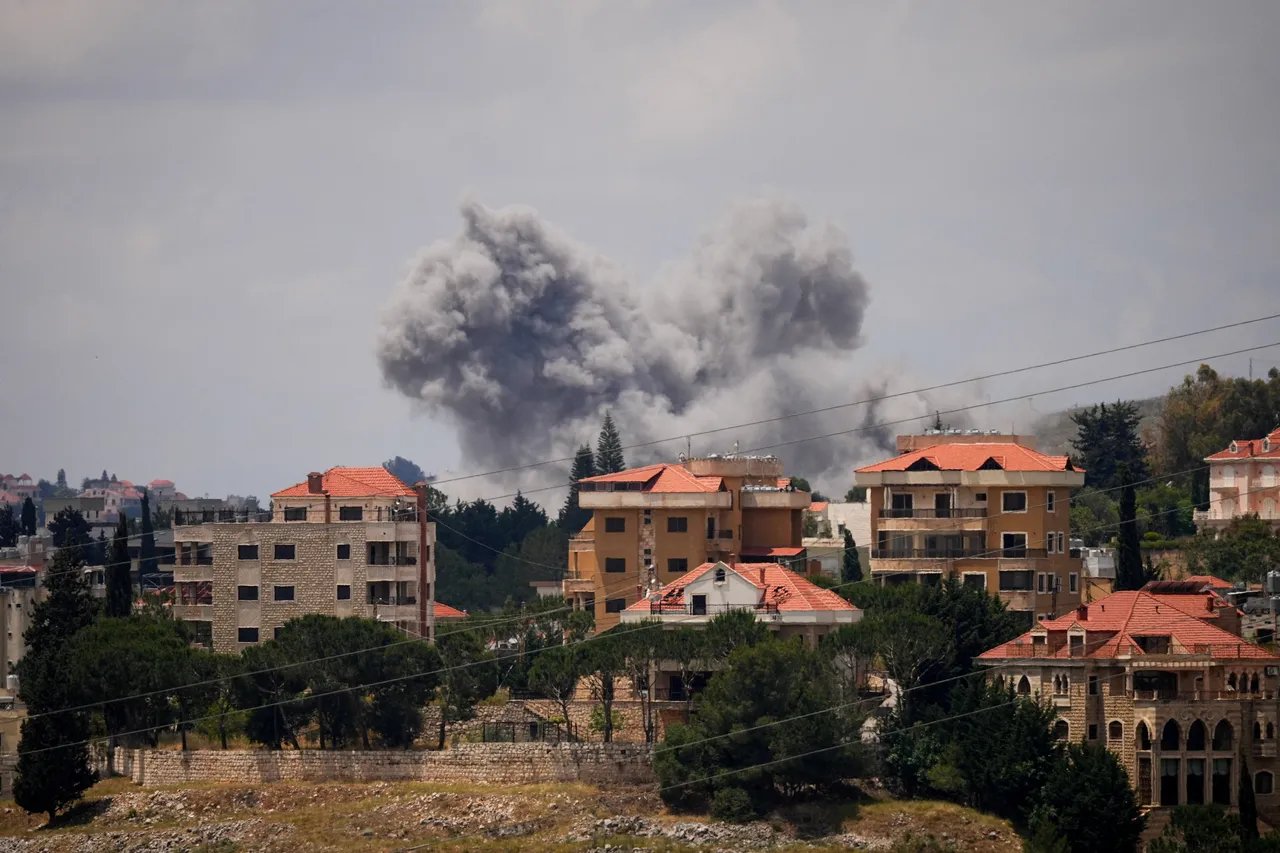
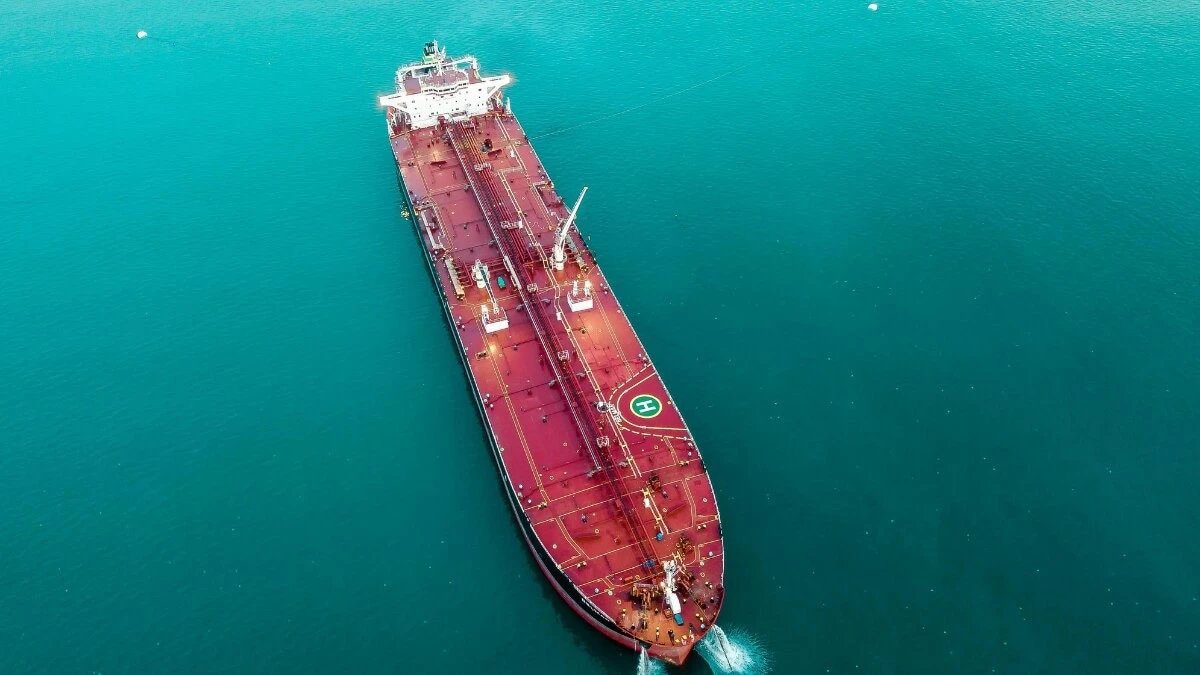
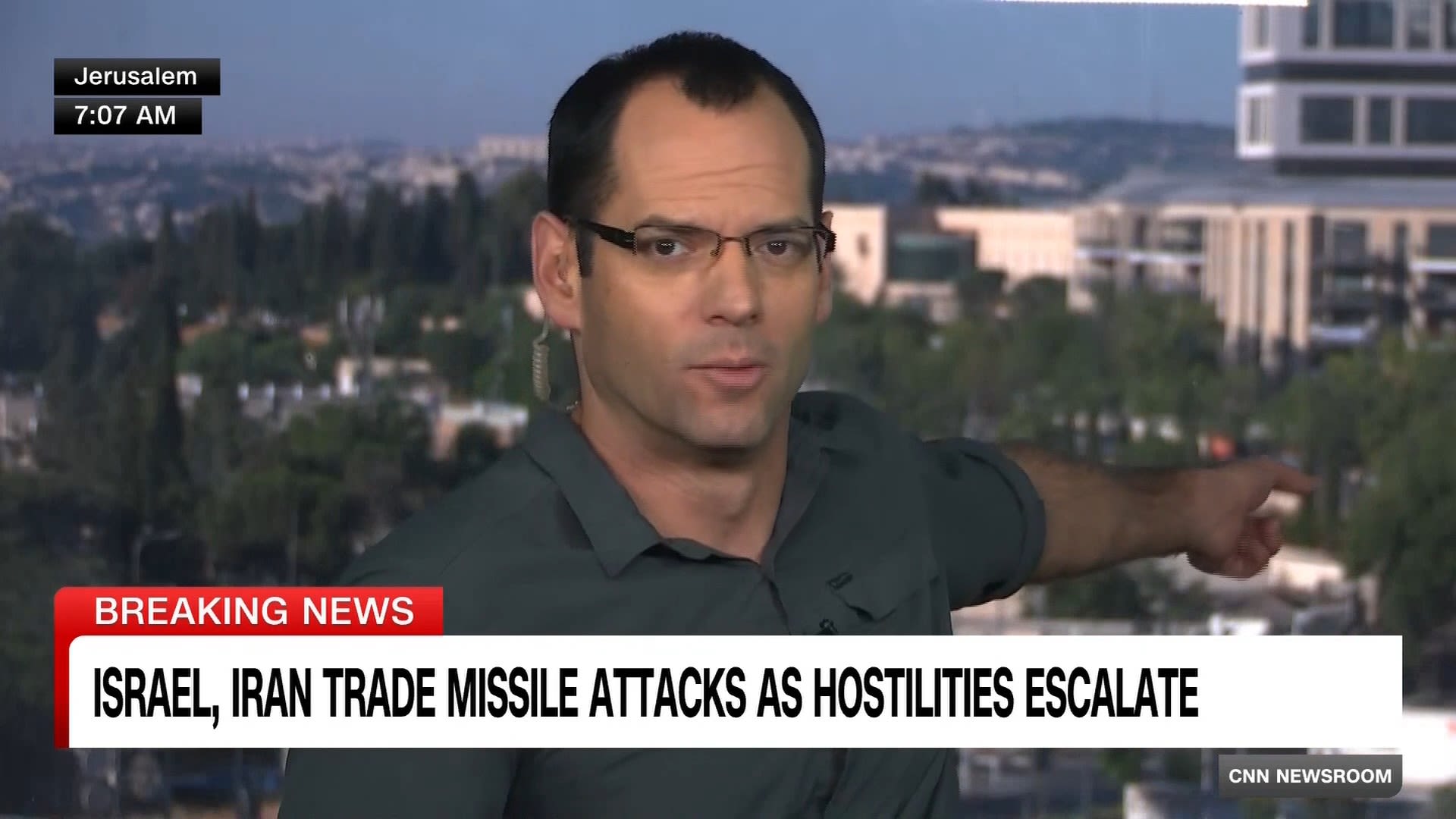
The ongoing war with Iran has severely disrupted global fertilizer shipments, particularly through the critical shipping lane of the Strait of Hormuz, which used to facilitate one-third of the world's fertilizer exports. The closure of this waterway has led to a significant decline in fertilizer availability and an increase in prices, creating challenges for U.S. farmers just as they prepare for planting. Farmers have reported that high fertilizer prices, exacerbated by the war, add to the existing burdens of severe weather, tariffs, and rising fuel costs.
Impact on U.S. Farmers
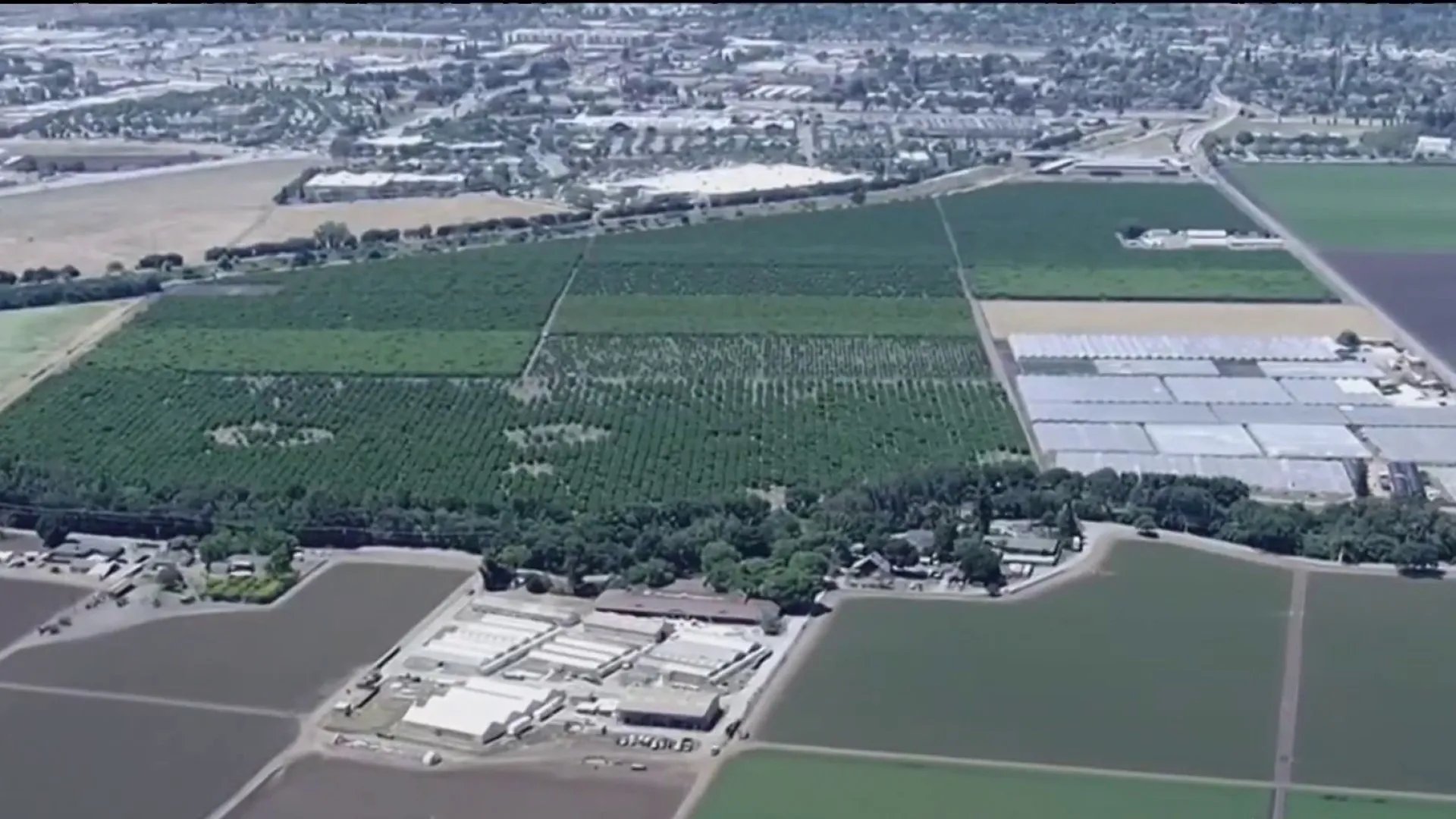
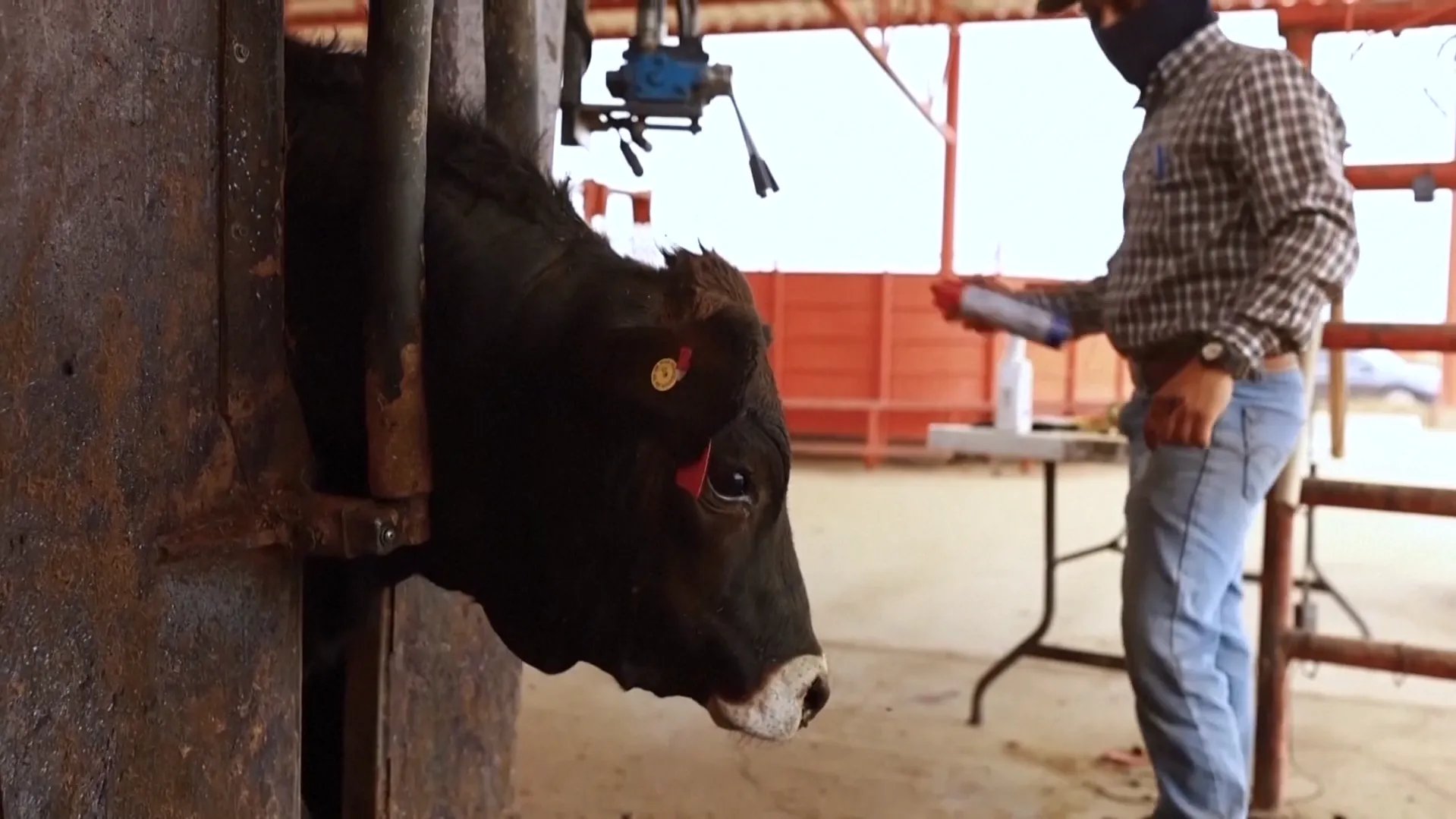
A survey by the American Farm Bureau Federation revealed that 70% of farmers feel they cannot afford the necessary amount of fertilizer for their crops this season. Producers of nitrogen-intensive crops like corn and wheat may spend nearly one-third of their operating costs on fertilizer alone. The National Corn Growers Association indicated that half of the surveyed corn farmers planned to apply less fertilizer due to rising costs and limited availability. The USDA projects a decrease in corn acreage planted this year, from 98.8 million acres to 95.3 million acres, while soybean planting is expected to increase.
Retail Price Predictions
Experts suggest that while farmers are struggling with higher fertilizer costs, these expenses may not translate directly to increased grocery prices. Chris Barrett, an agricultural economics professor at Cornell University, noted that food inflation is influenced by multiple factors beyond fertilizer, including labor shortages and fuel costs. He predicts consumers may see modest price hikes from September to January when harvests begin, but these will not be solely attributable to fertilizer costs.
Global Context and Future Risks
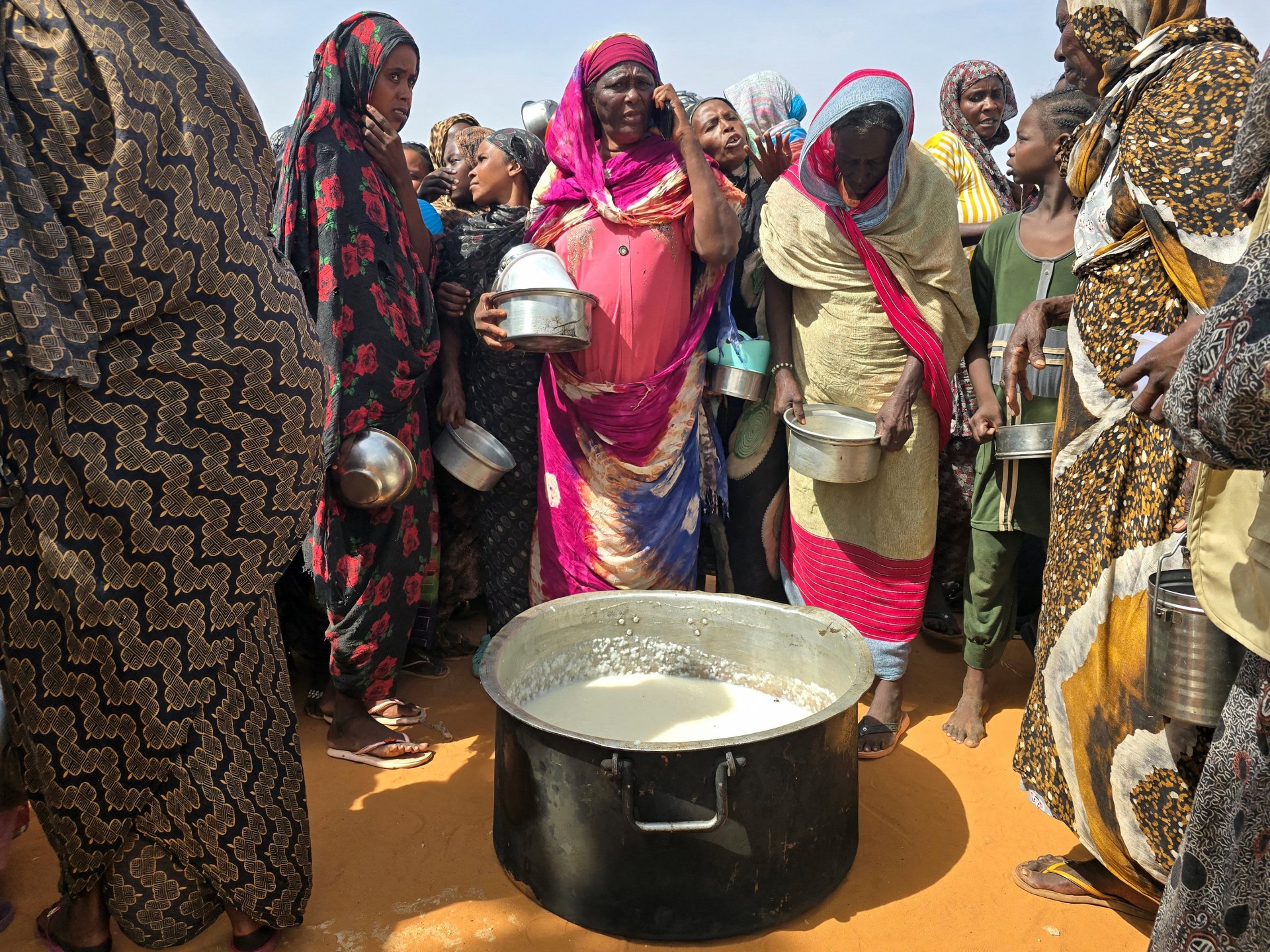
The fertilizer shortage's effects are more pronounced in less-developed countries that depend heavily on imports from the Persian Gulf. Jorge Moreira da Silva, Executive Director of the UN Office for Project Services, warned that countries like Sudan, Sri Lanka, and Tanzania could face severe consequences due to reduced fertilizer availability. In contrast, U.S. farmers are exploring alternative soil replenishment methods, such as compost and manure, to mitigate the risks of future supply chain disruptions.
Recent Developments and Outlook
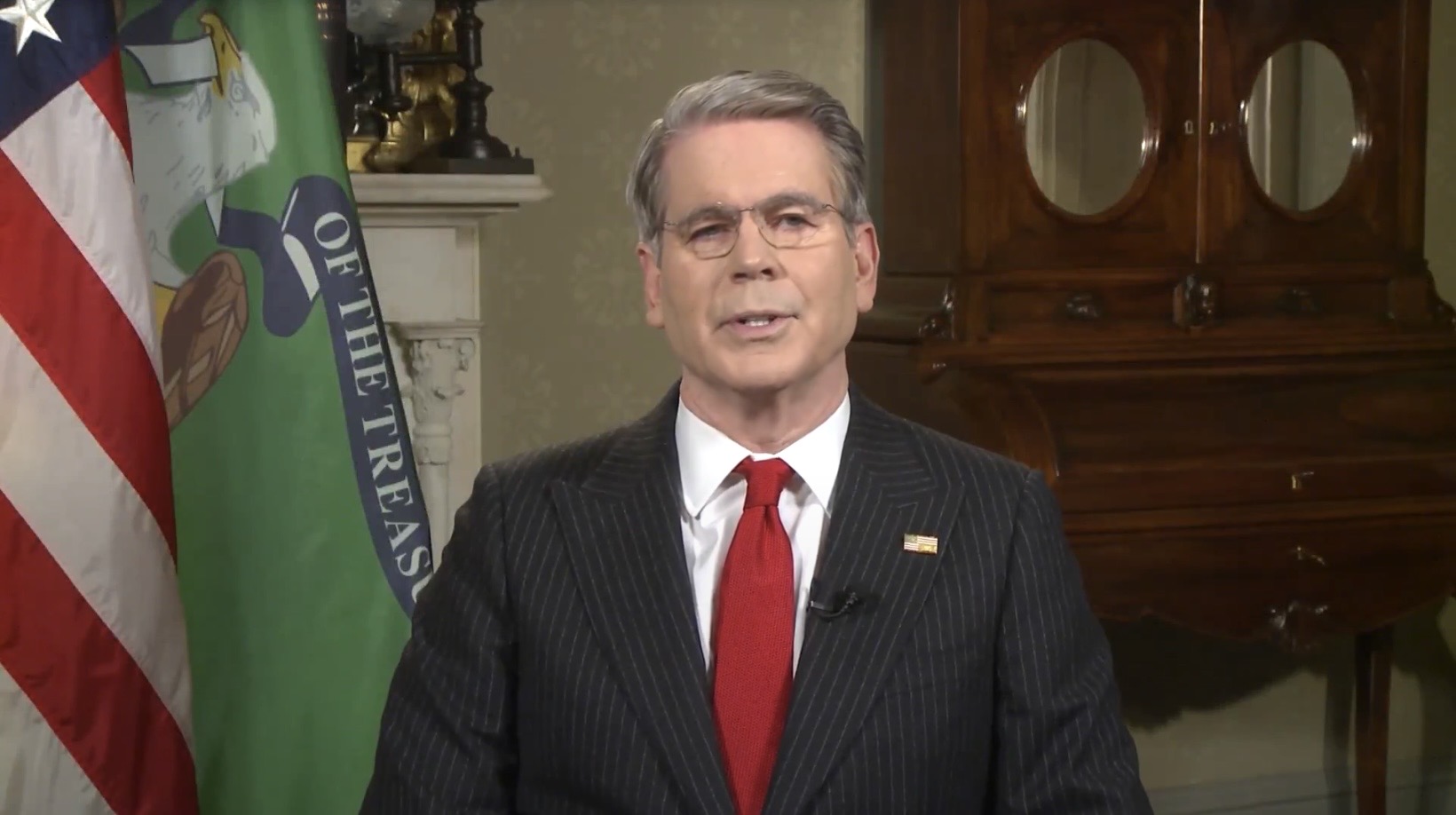
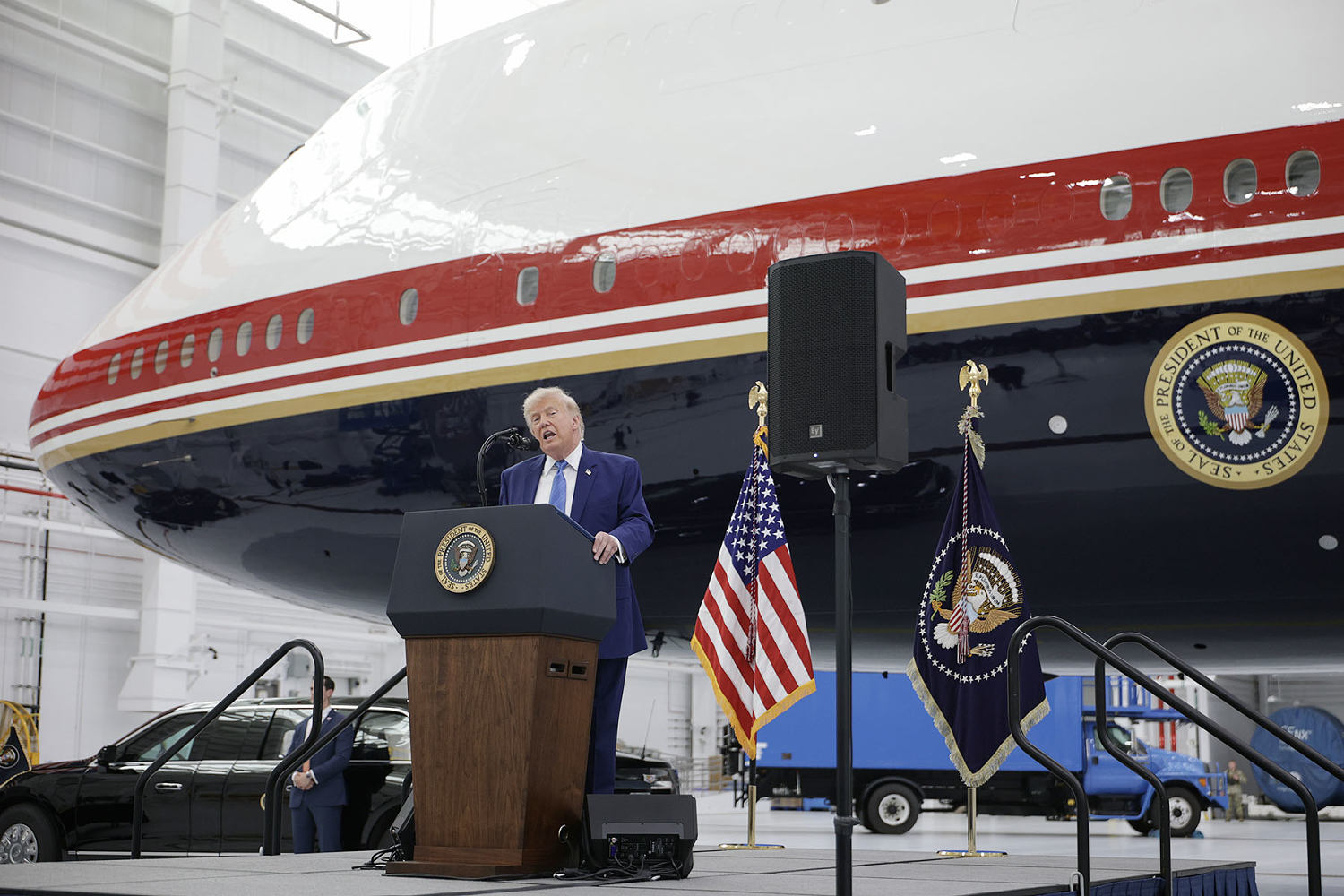
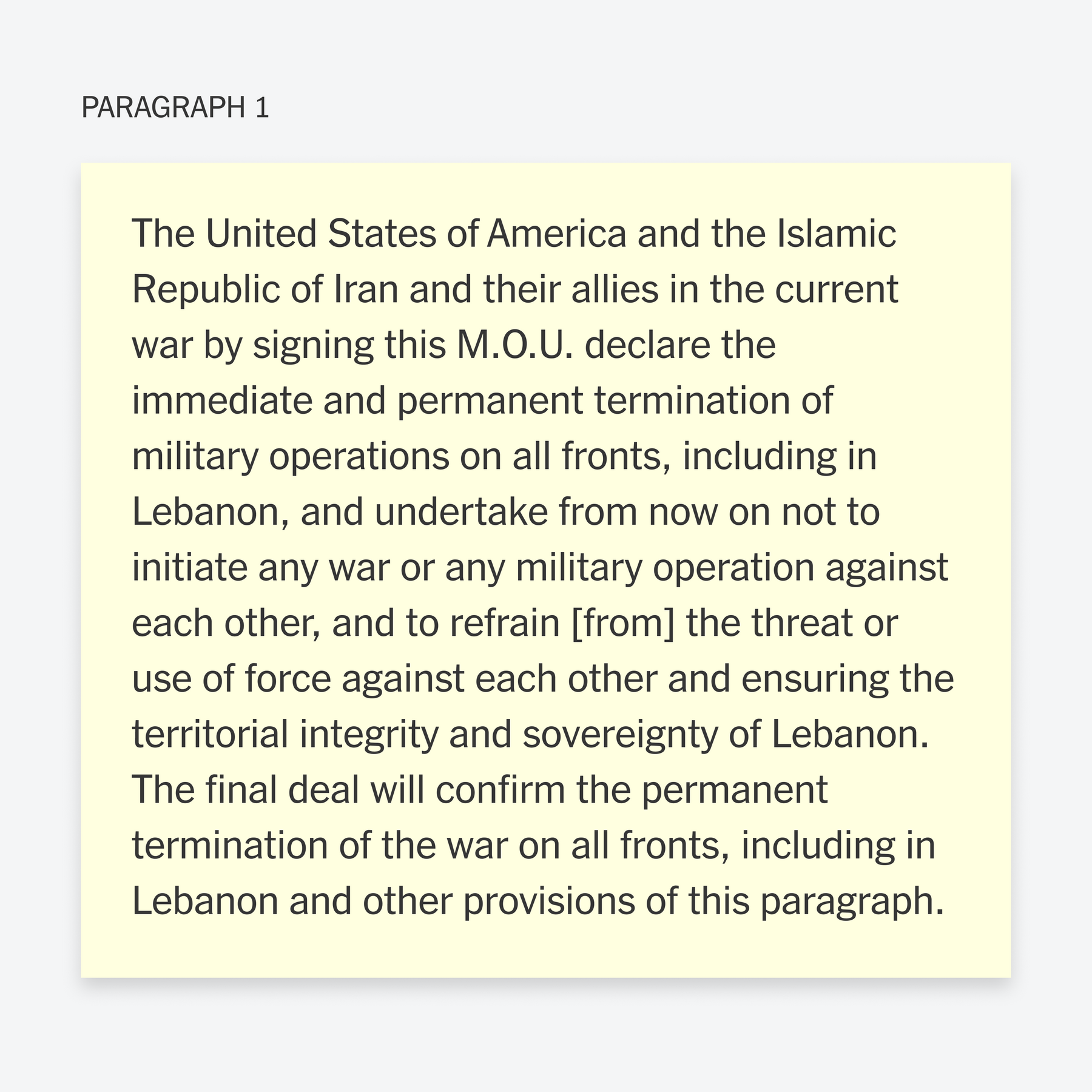
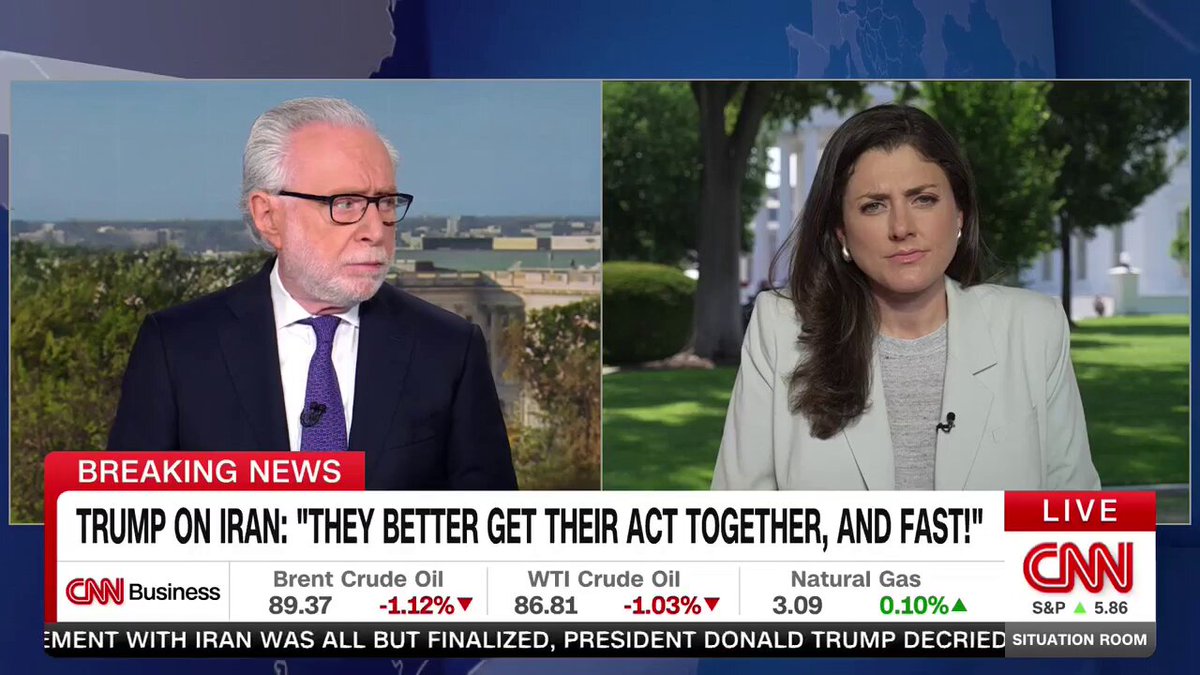
Some fertilizer prices have started to decline following a recent agreement to reopen the Strait of Hormuz. The Trump administration has also acted to alleviate costs by temporarily suspending countervailing duties on certain phosphate imports. However, experts caution that it may take weeks or months for fertilizer production to stabilize. Rob Vos, a senior research fellow at the International Food Policy Research Institute, emphasized that while the immediate pressures are significant, the long-term impacts on farming practices may lead to a shift in how farmers manage soil nutrients.
Consumer Awareness and Future Steps
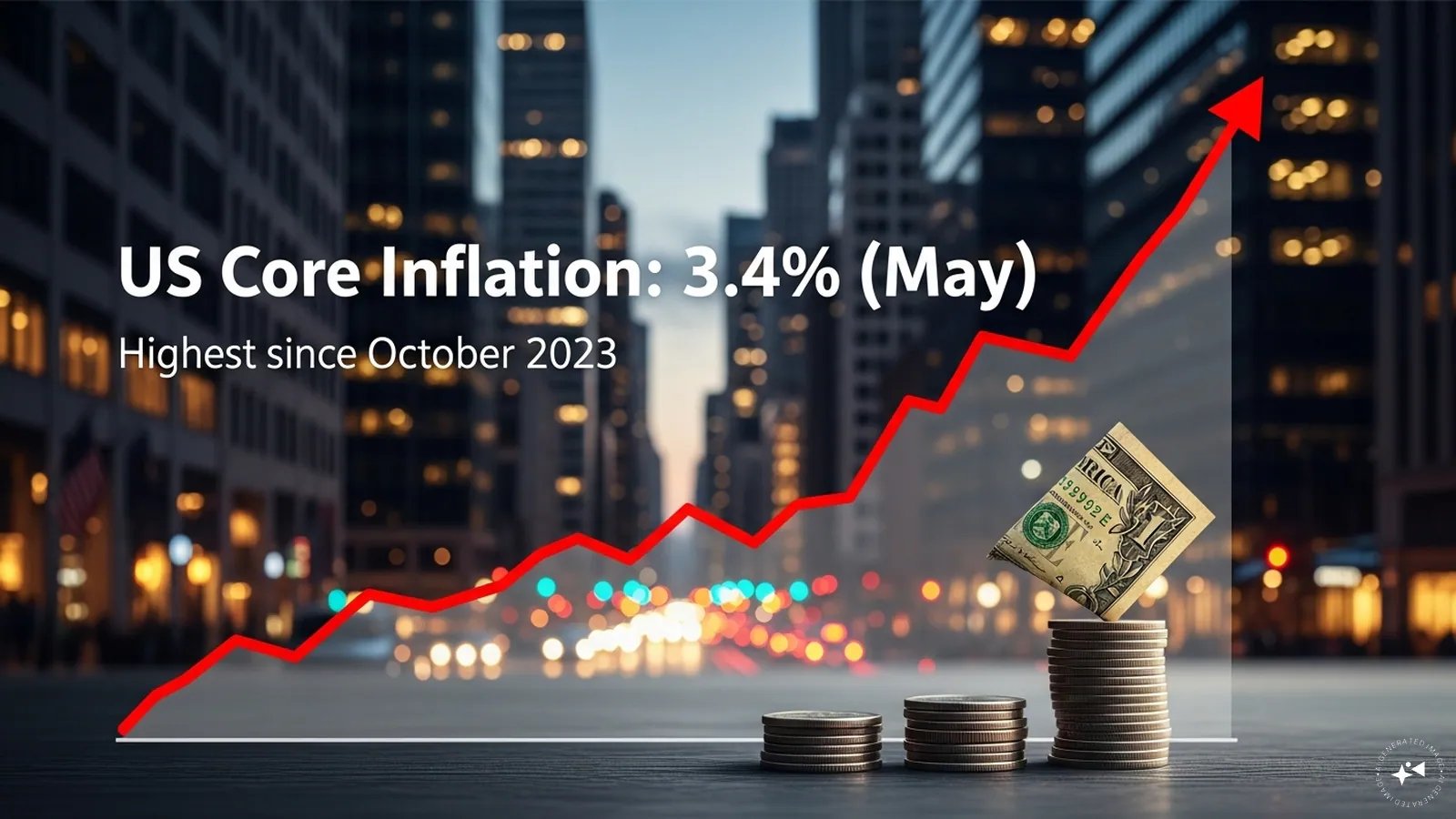
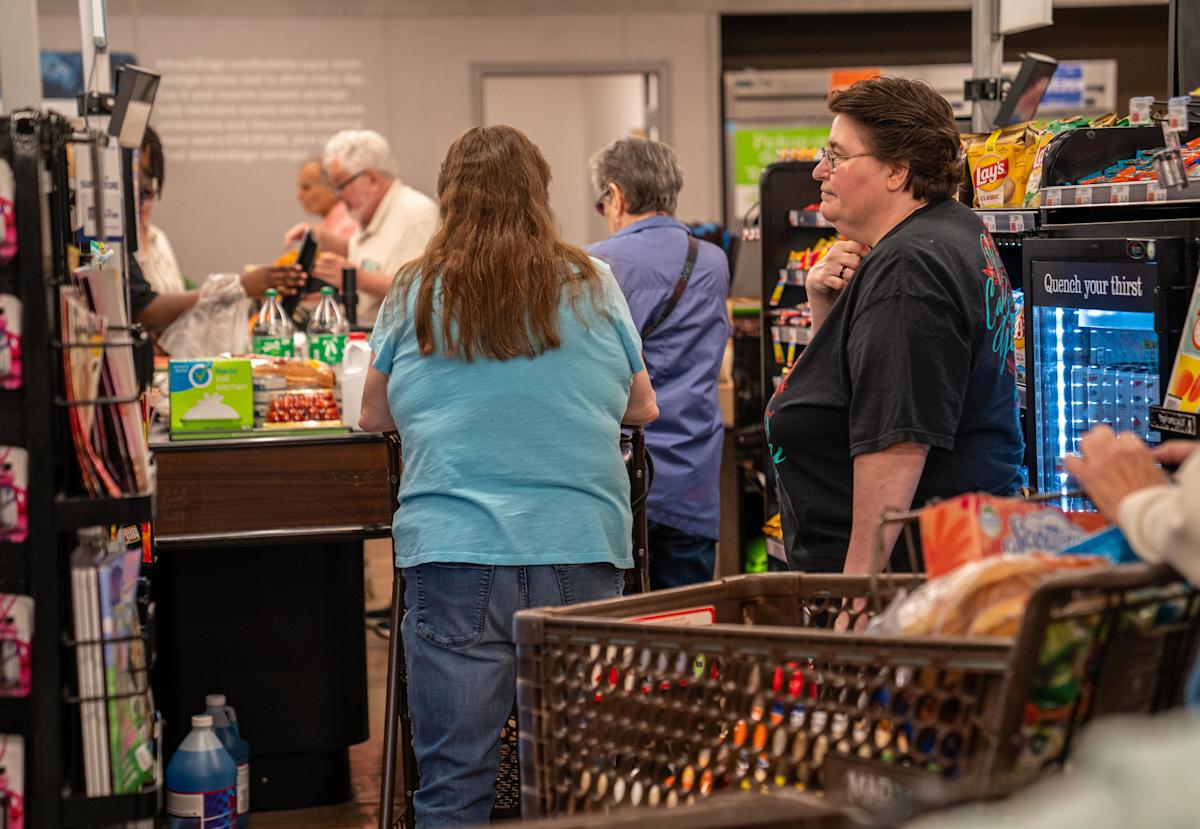
As the agricultural sector navigates this turmoil, consumers should remain aware of potential price changes in the upcoming months. Although the direct impact of the fertilizer shortage on retail prices may be limited, the broader economic pressures could lead to slight increases. Farmers are adapting their strategies to ensure resilience against future disruptions, which may ultimately affect the types of crops available in grocery stores.





















































































































































































































































































































































































































The sources also report that half of the farmers surveyed by the National Corn Growers Association planned to apply less fertilizer due to rising costs and limited availability.