




Court Ruling Protects Voting Rights Ahead of Elections
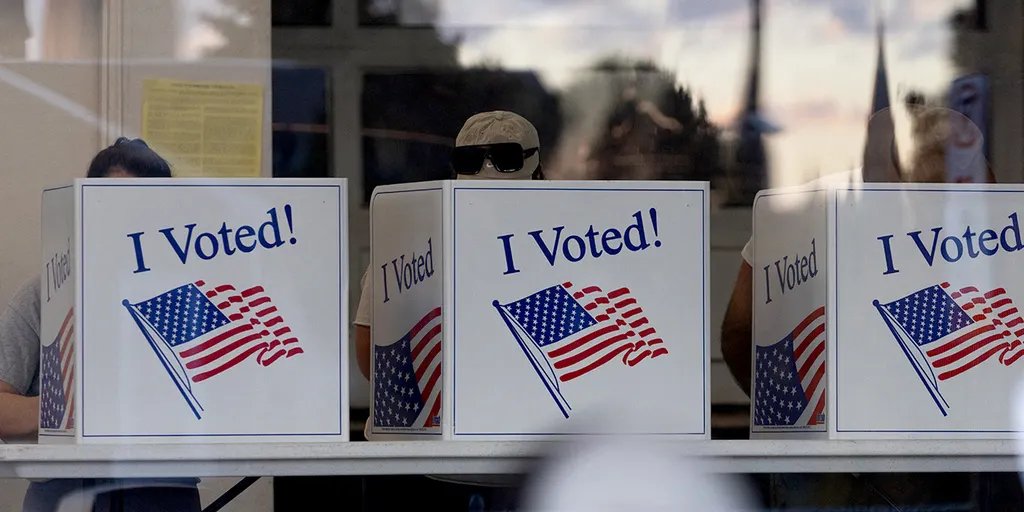
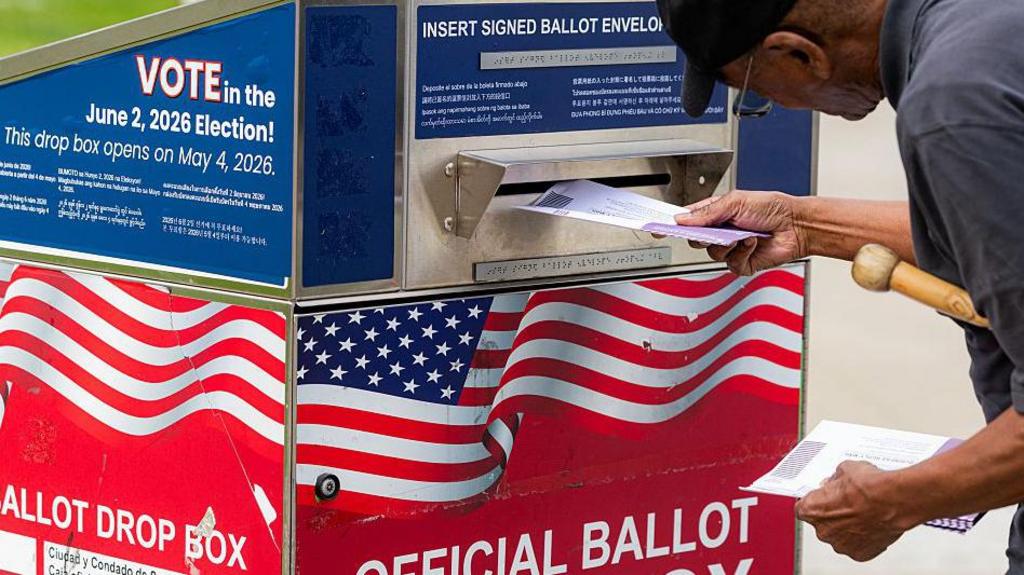
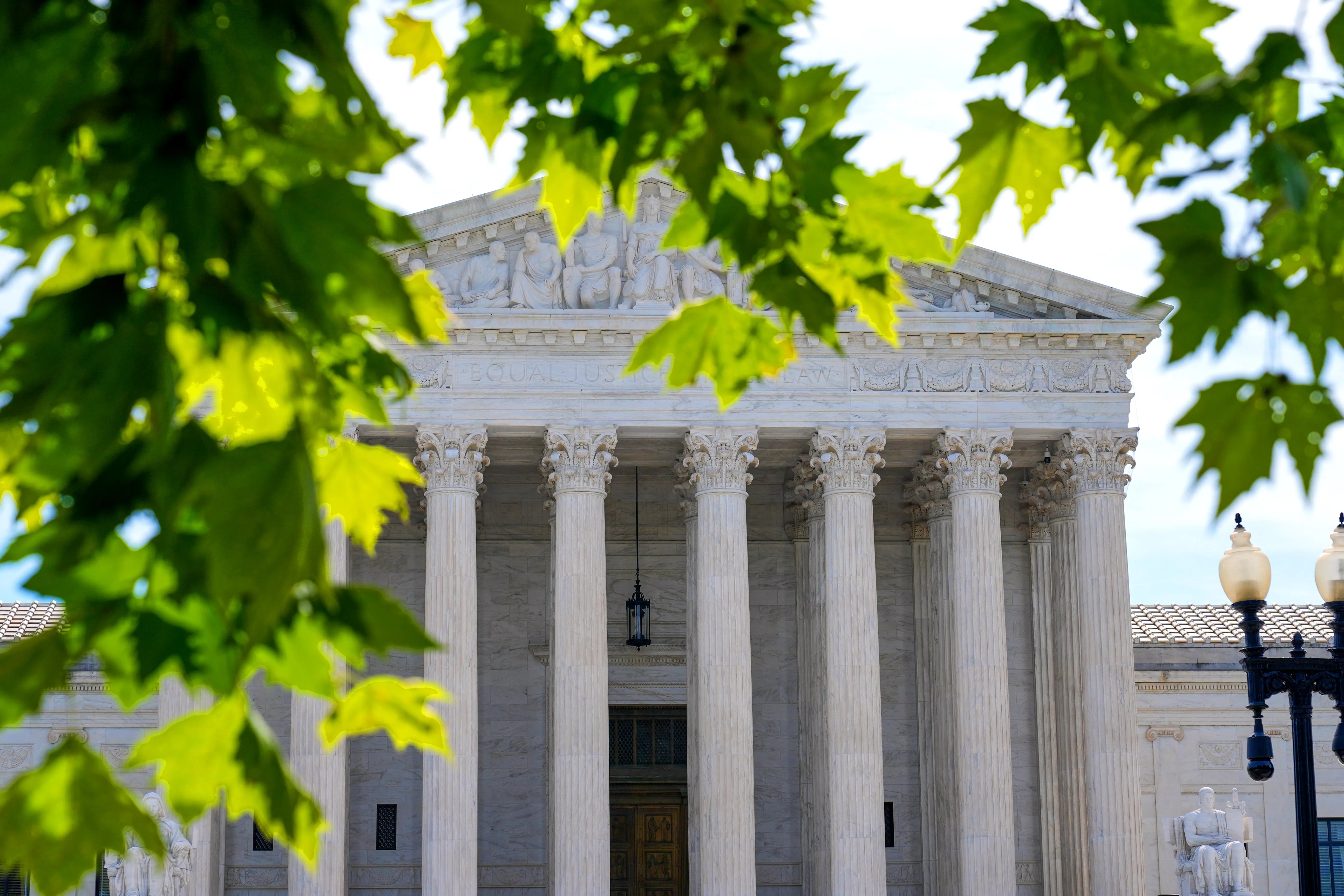
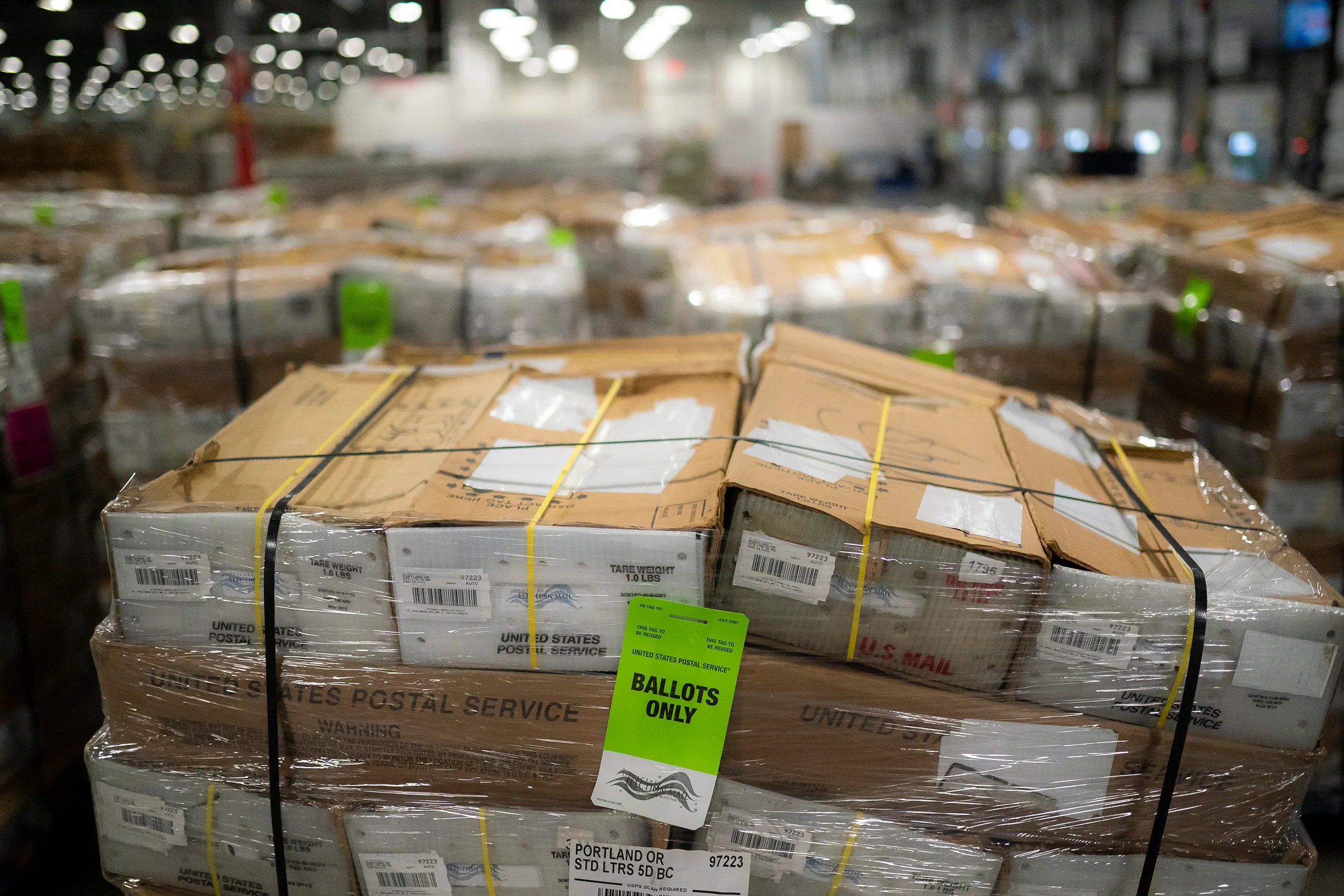
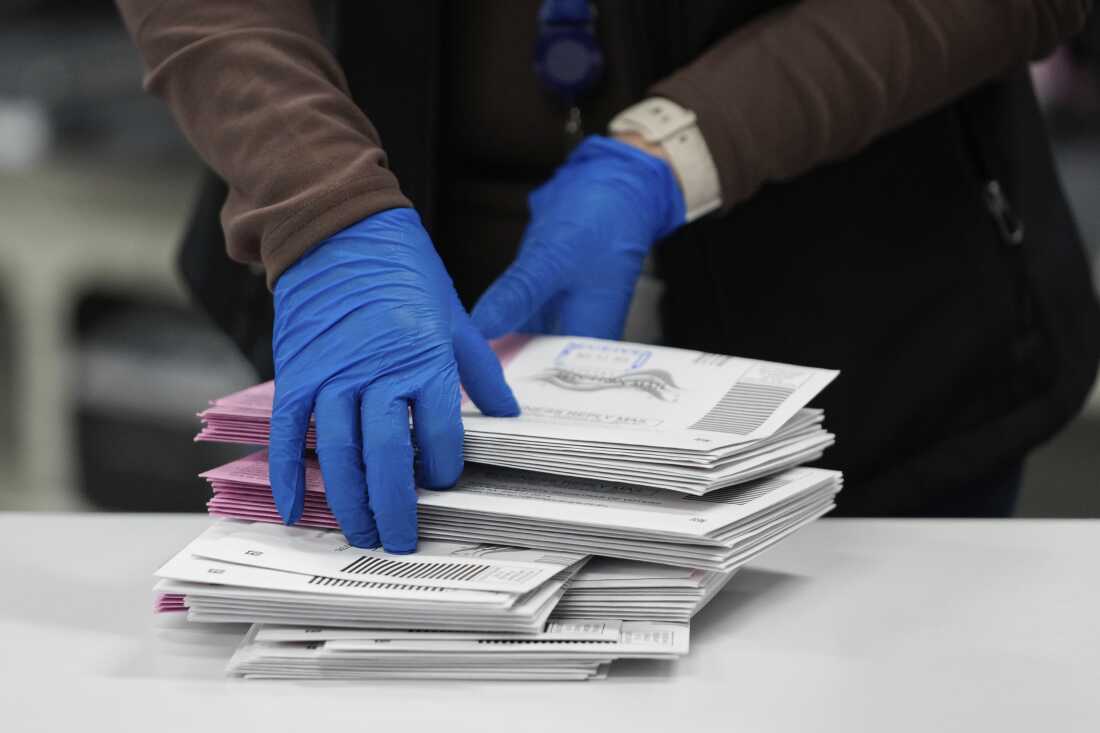
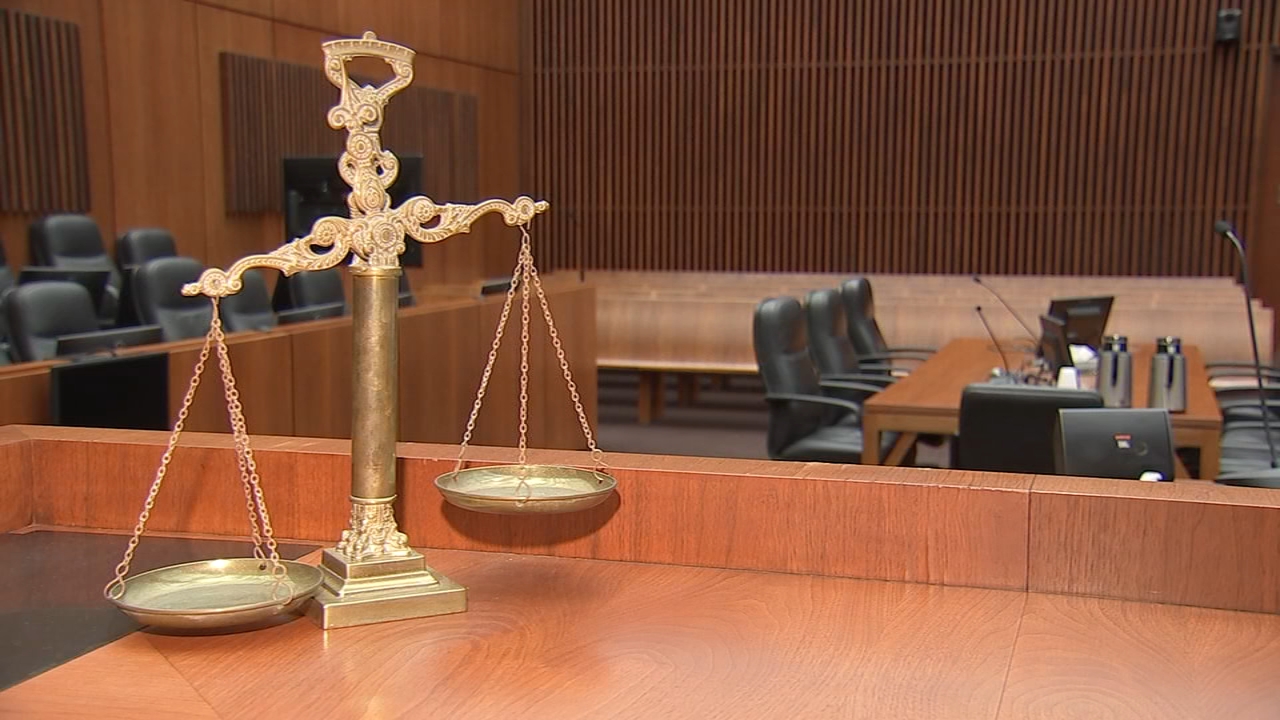
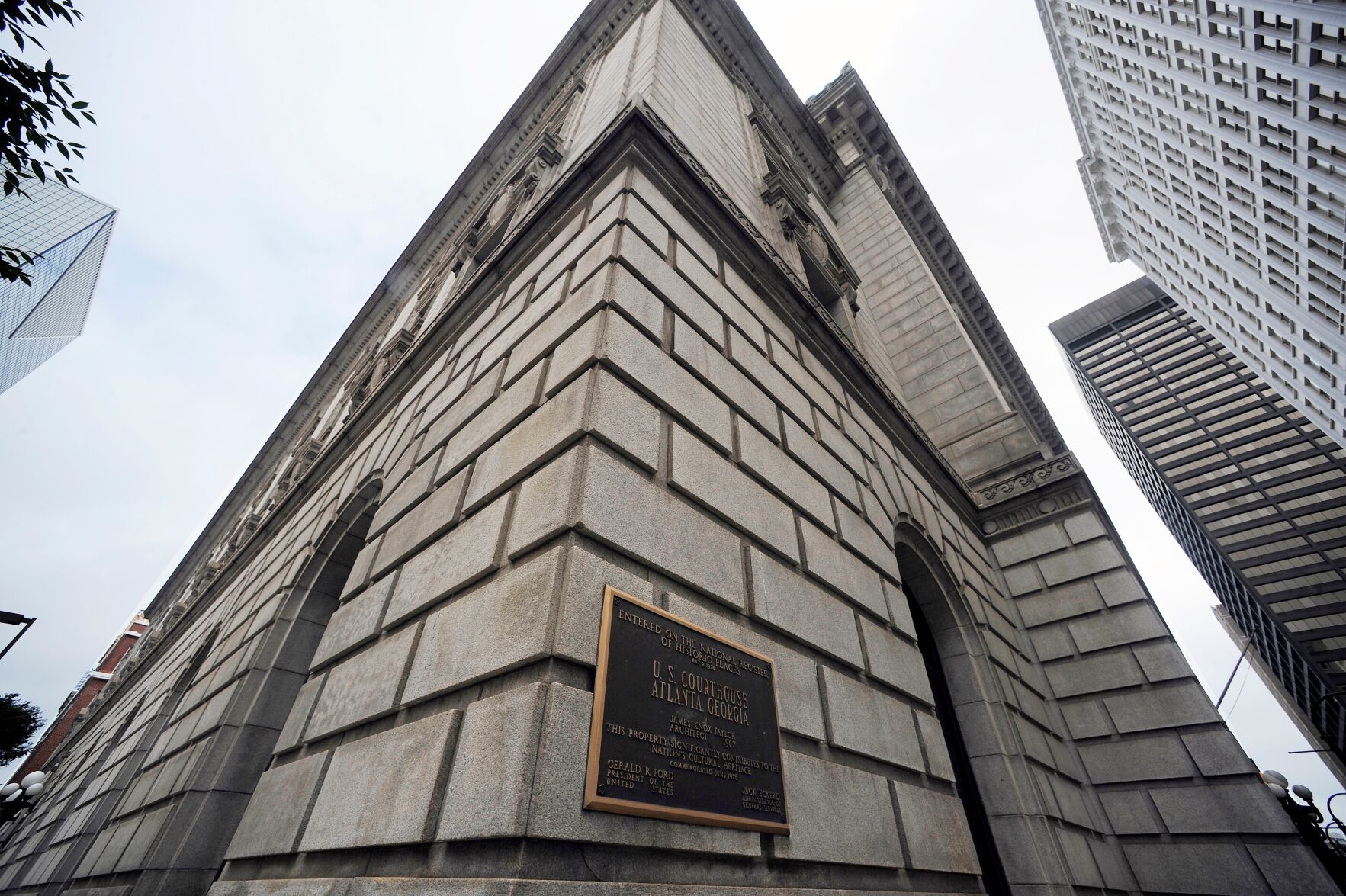
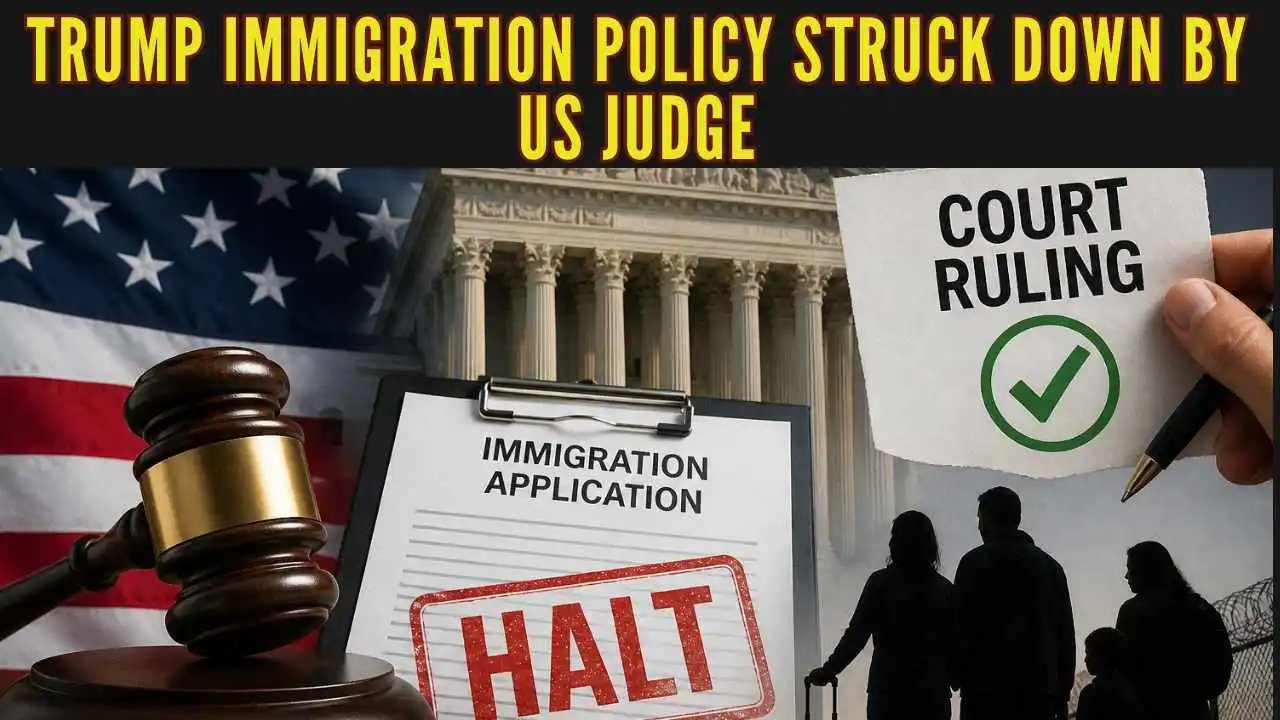
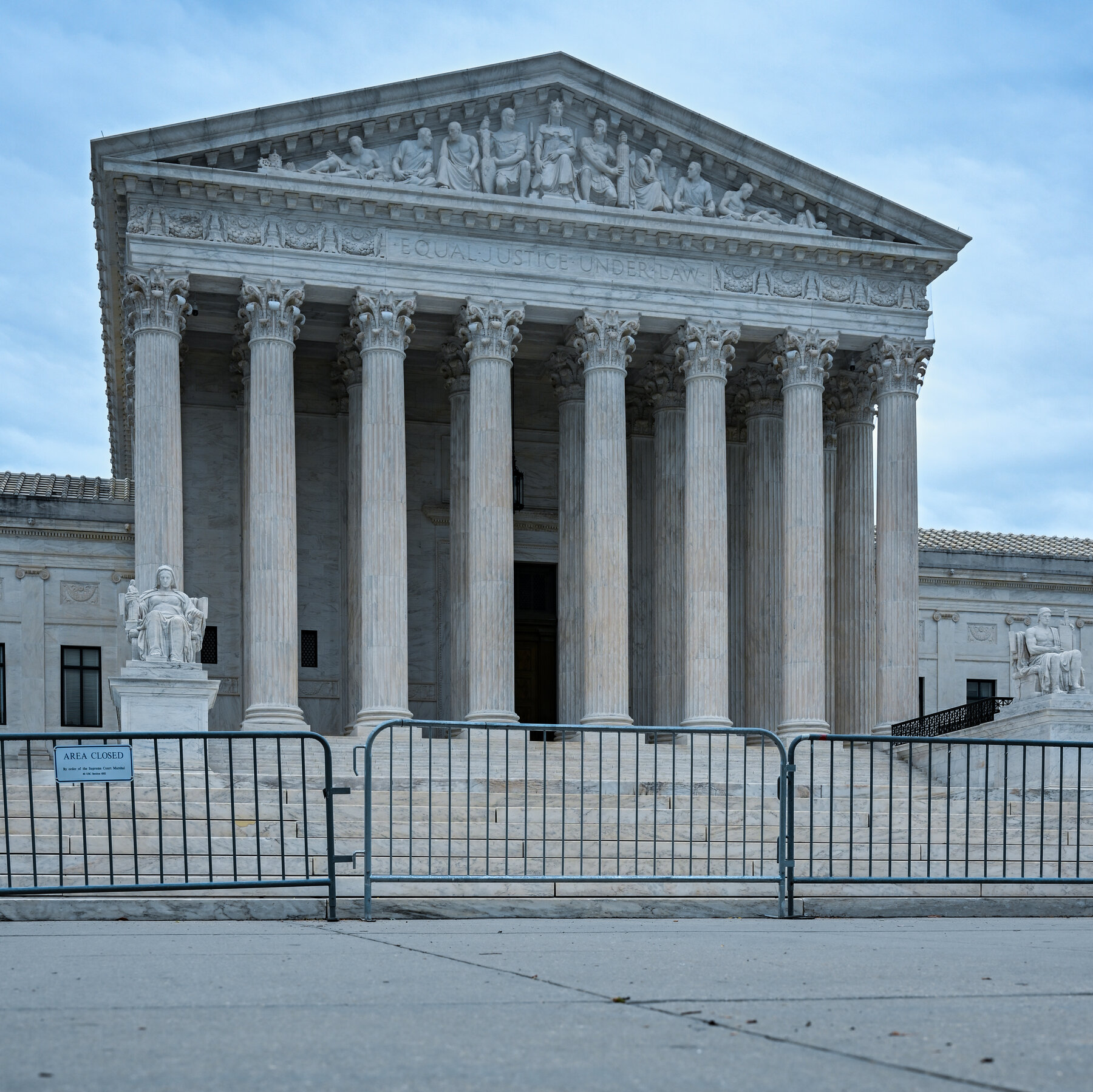
A federal judge has blocked proposed restrictions on mail-in voting, a decision that safeguards access to ballots for millions of voters. Judge Emmet Sullivan of the U.S. District Court for the District of Columbia ruled that the USPS plan should not proceed. The plan would have required states to provide voter rolls to the federal government and adopt new balloting procedures and envelope designs, or face refusal of ballot delivery. This ruling represents a significant legal victory for civil rights groups, particularly the National Association for the Advancement of Colored People (NAACP), which argued that the proposed restrictions would violate a 2021 settlement requiring the USPS to prioritize timely delivery of election mail.
Proposed Rules and Their Implications
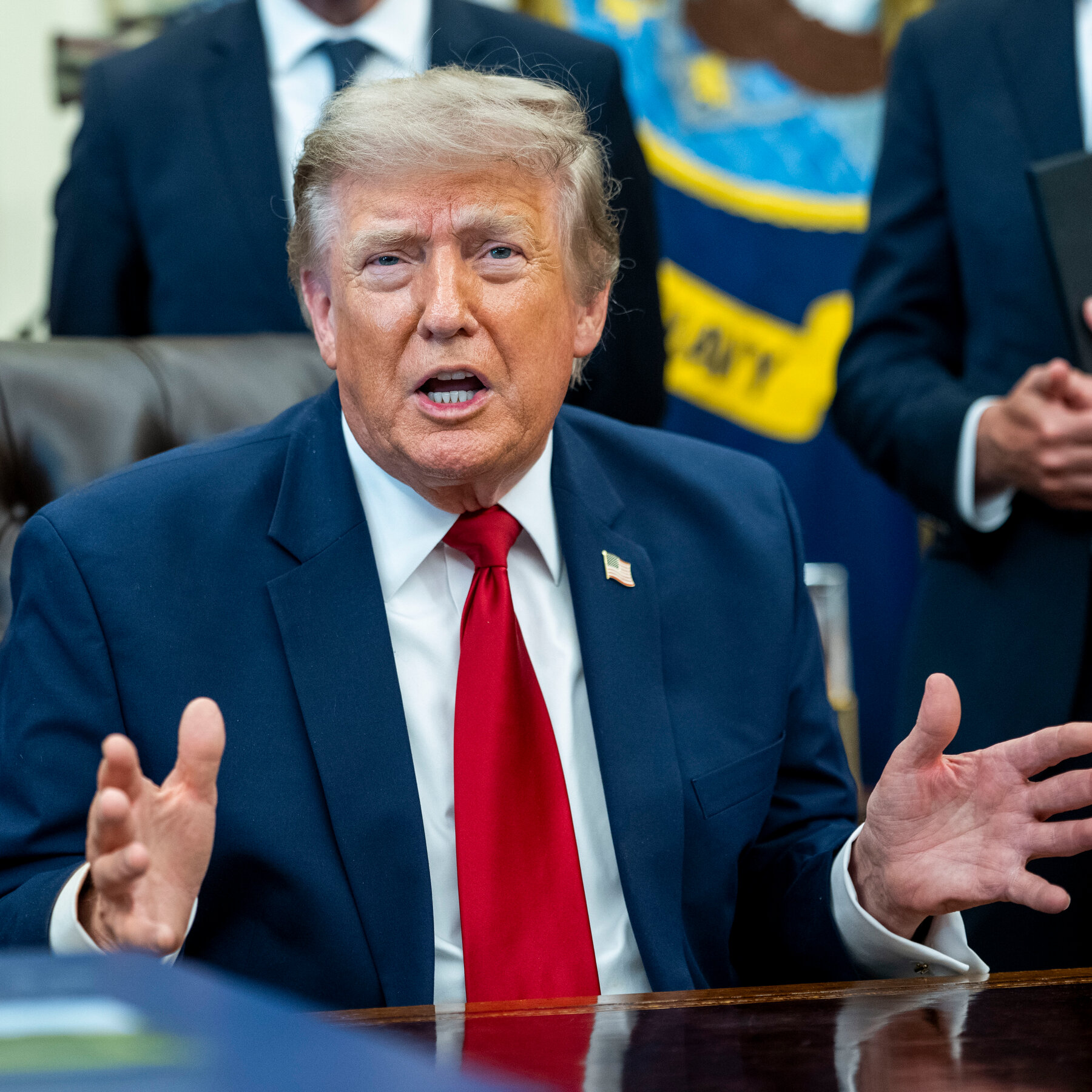
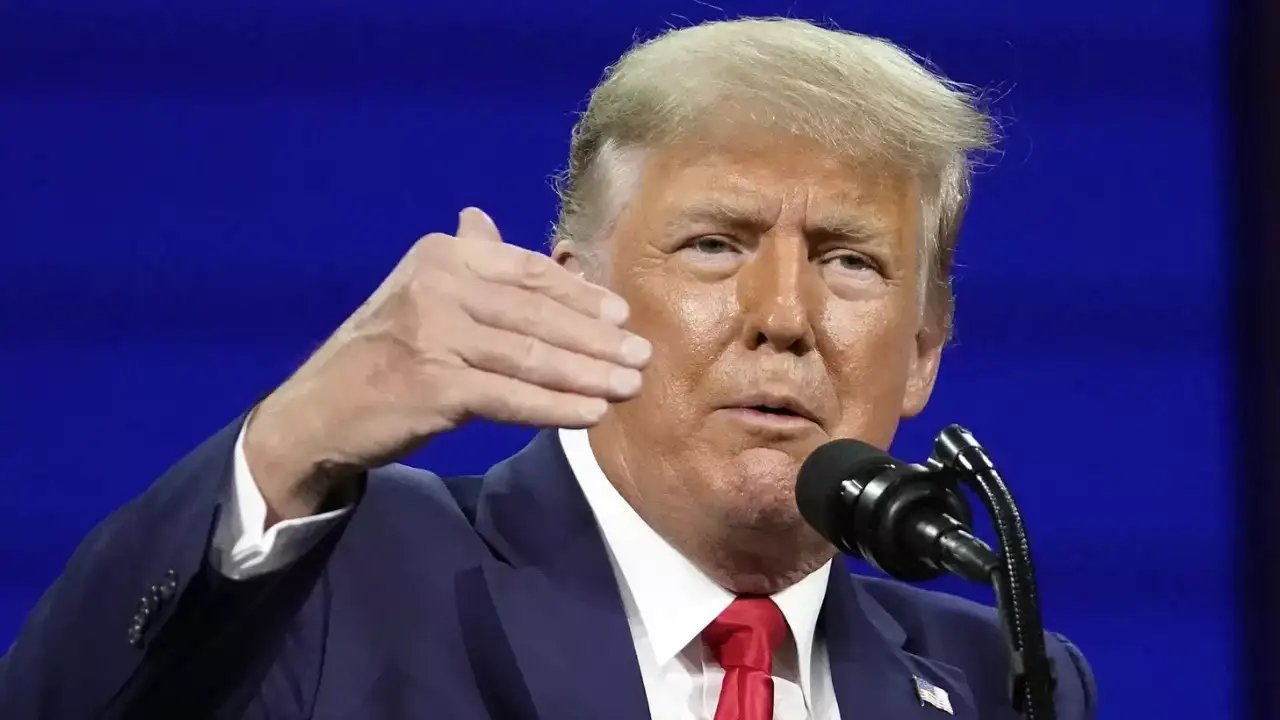
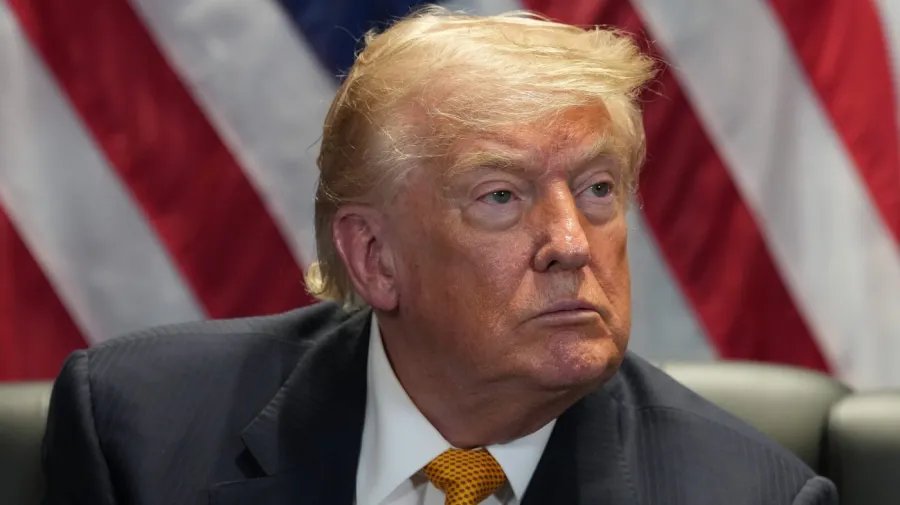
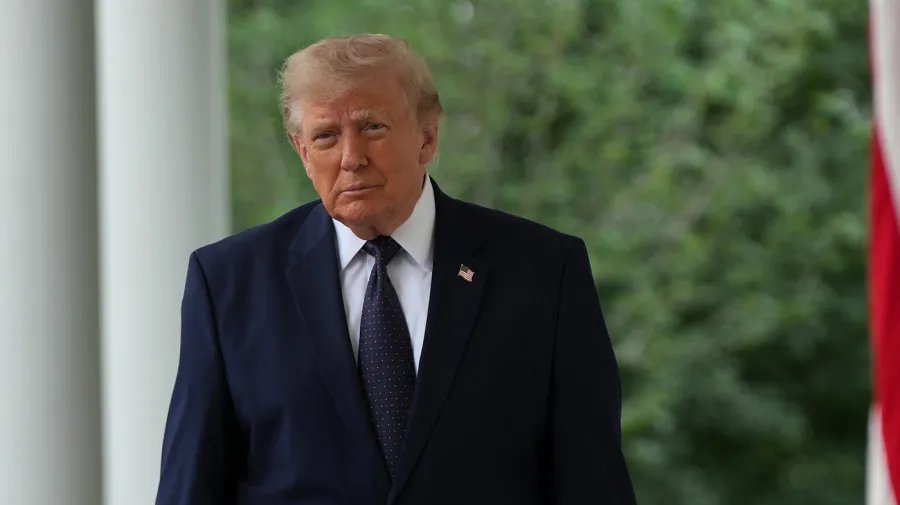
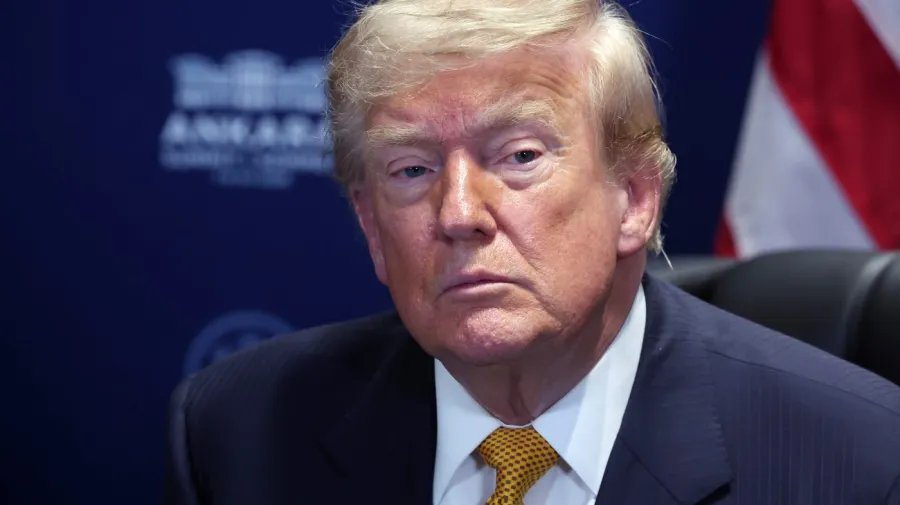
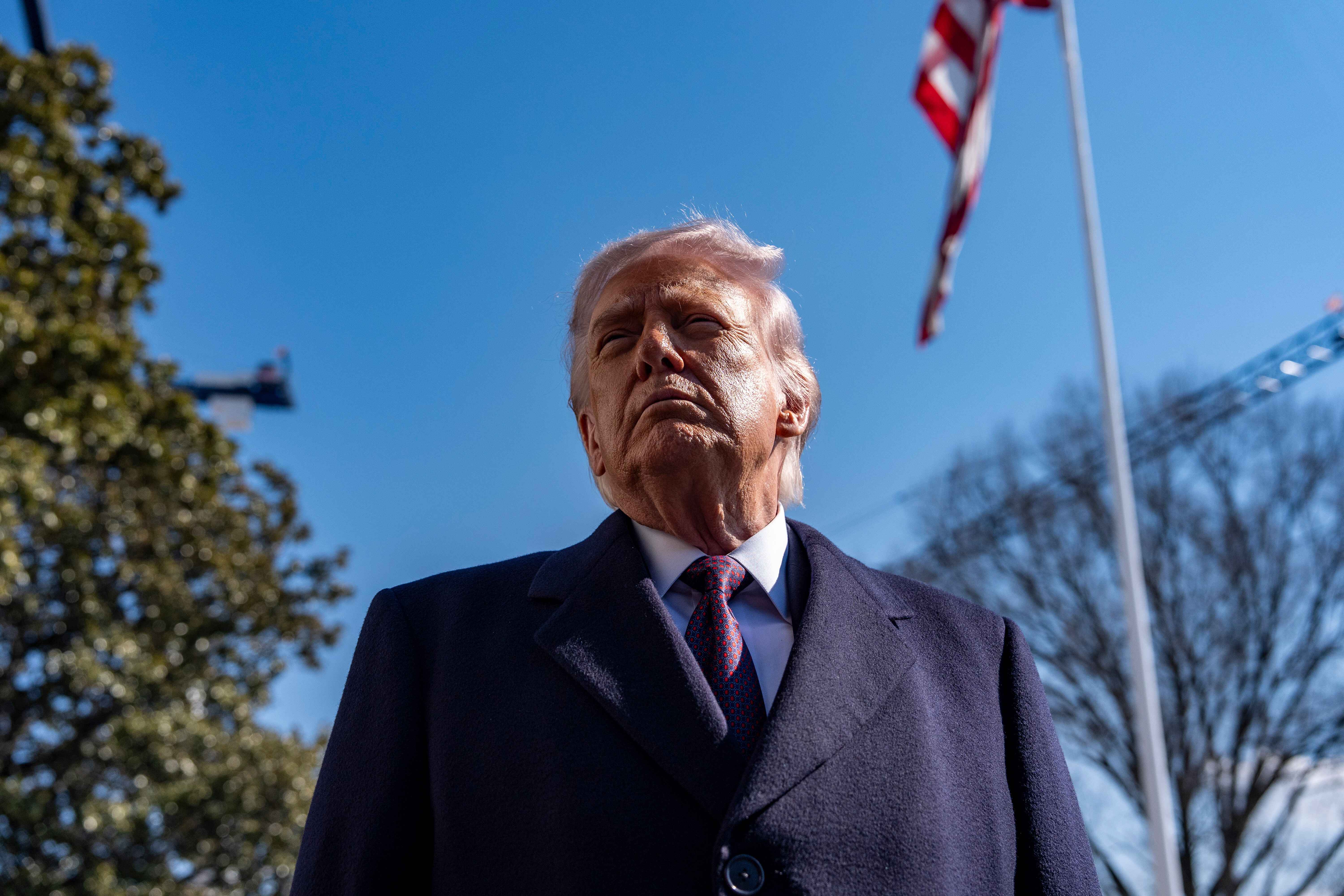
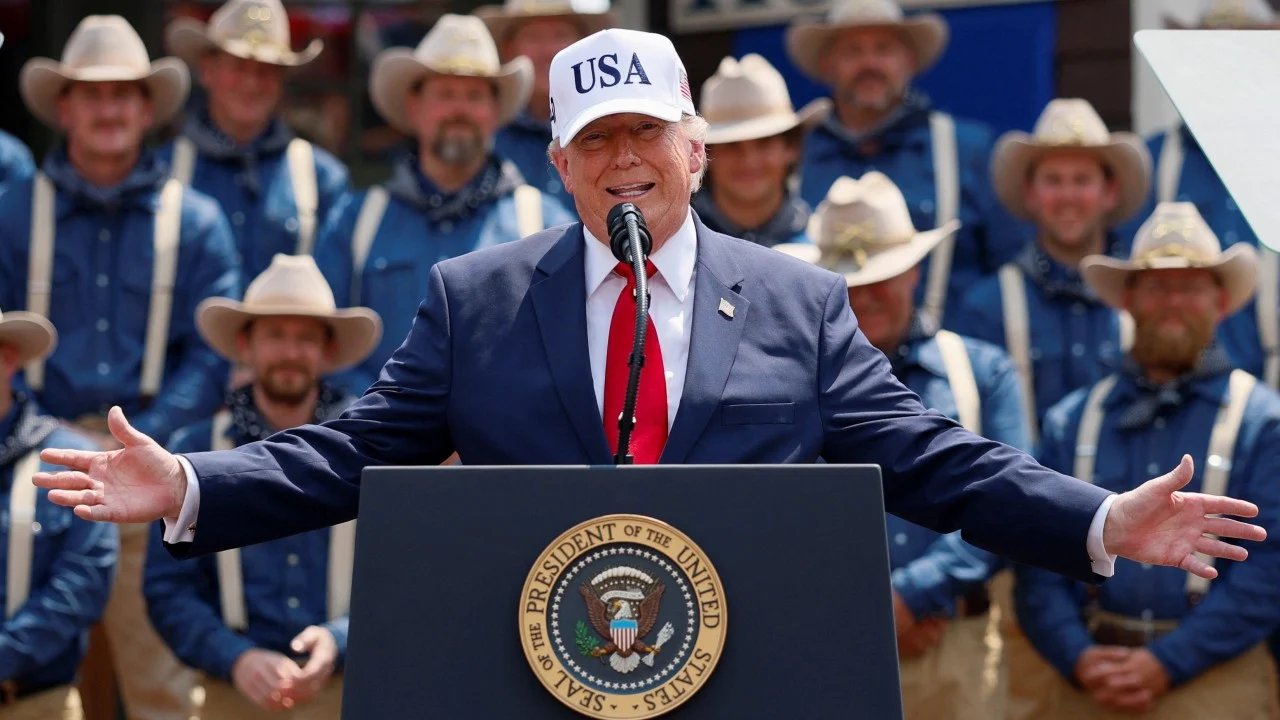
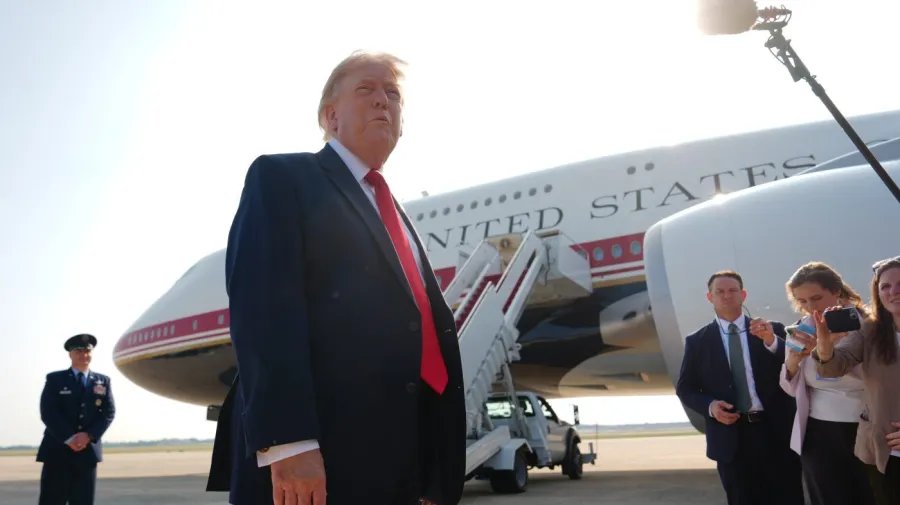
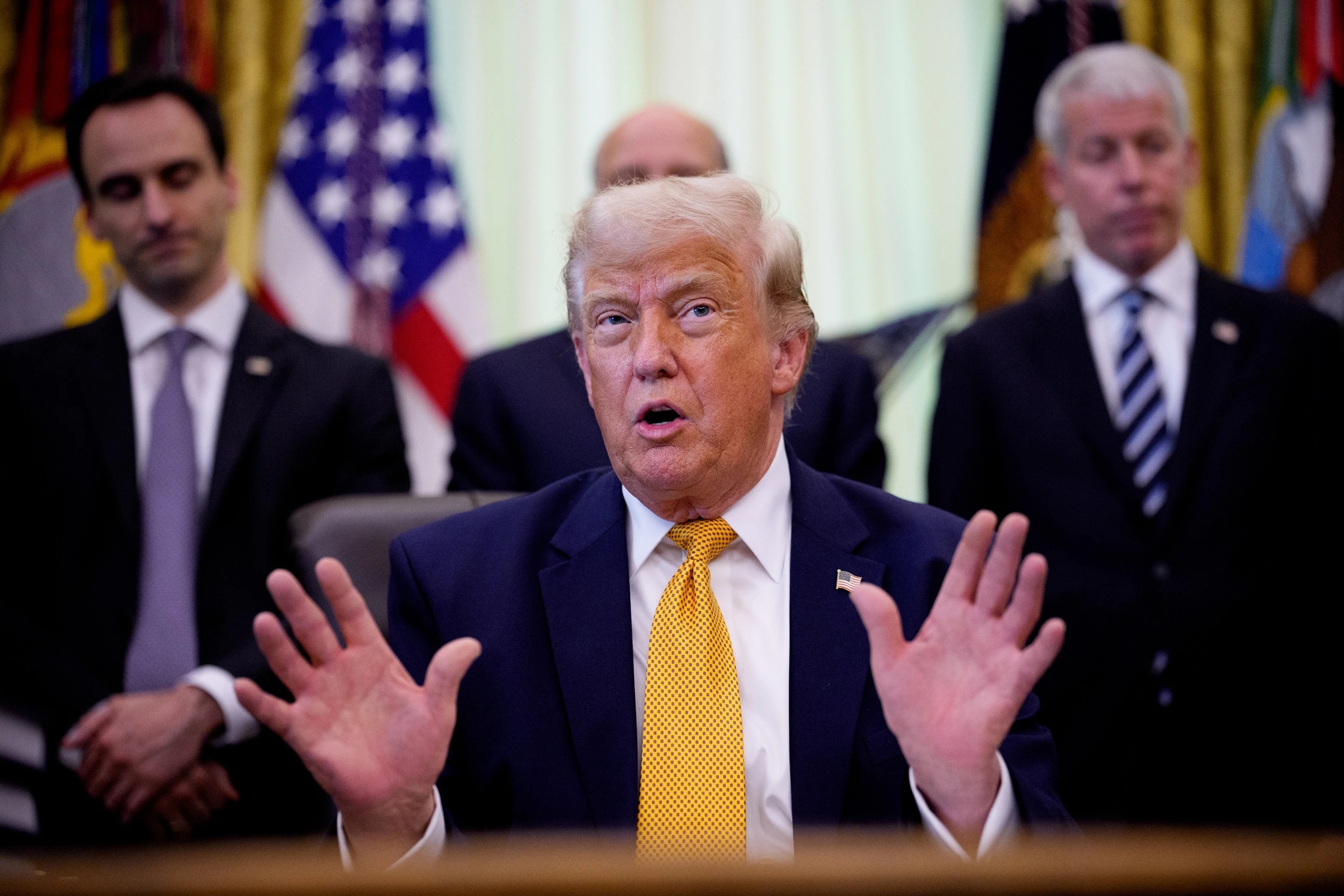
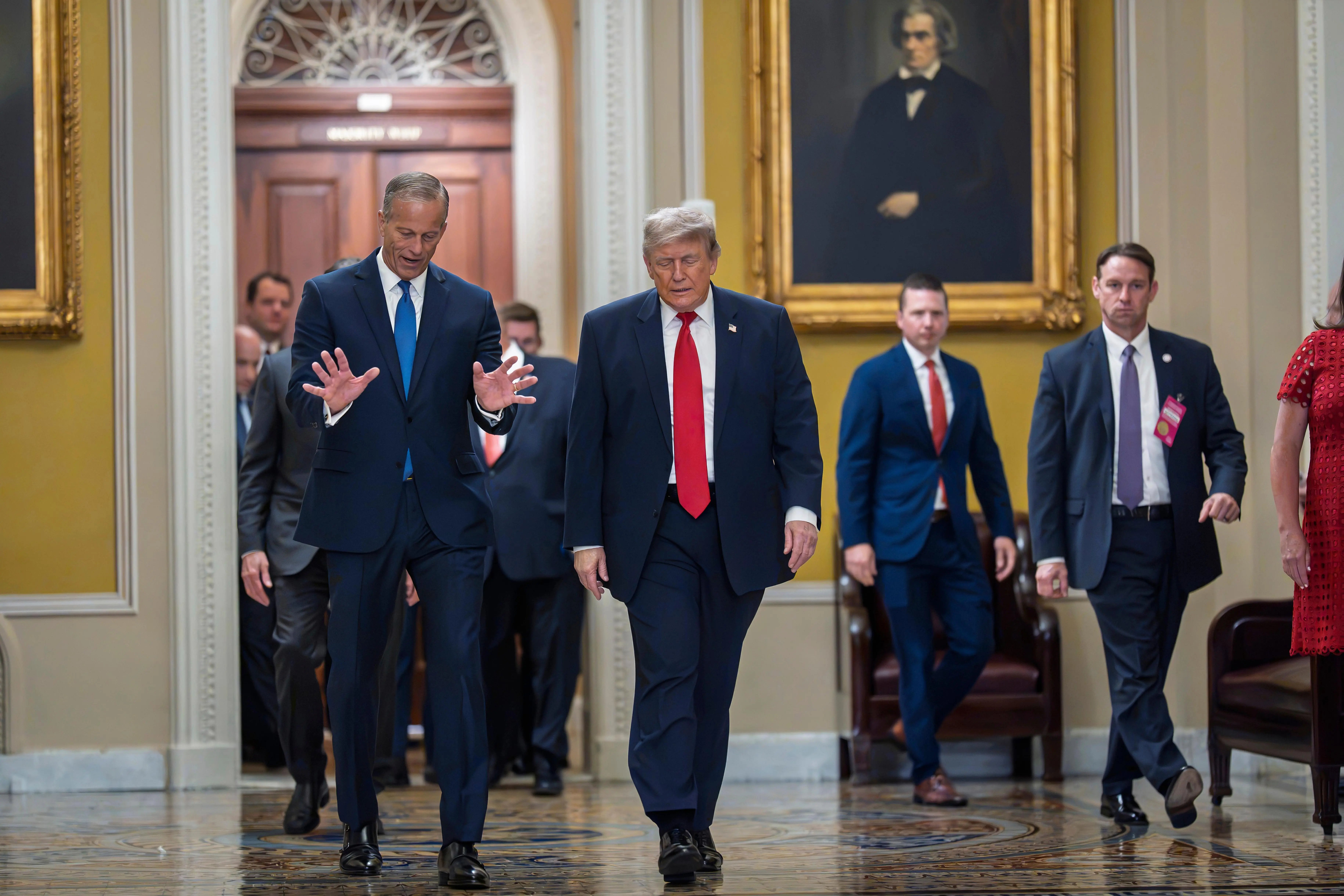
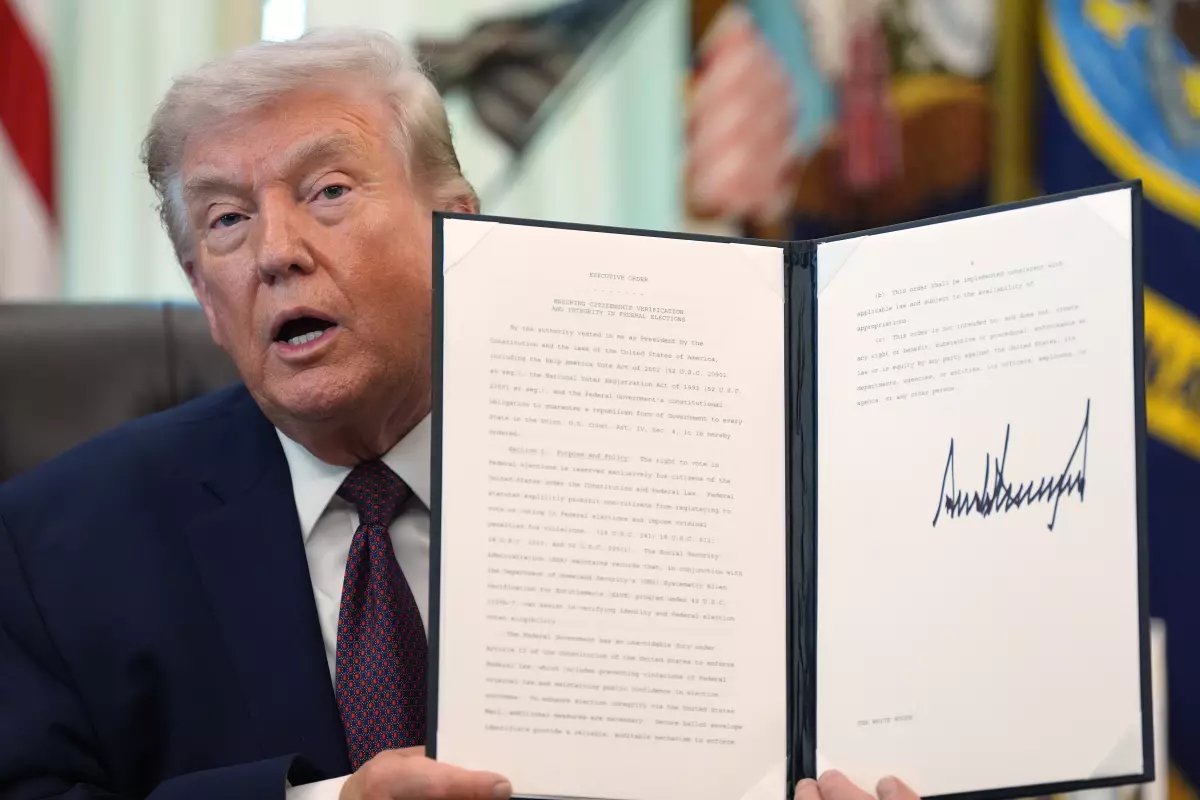
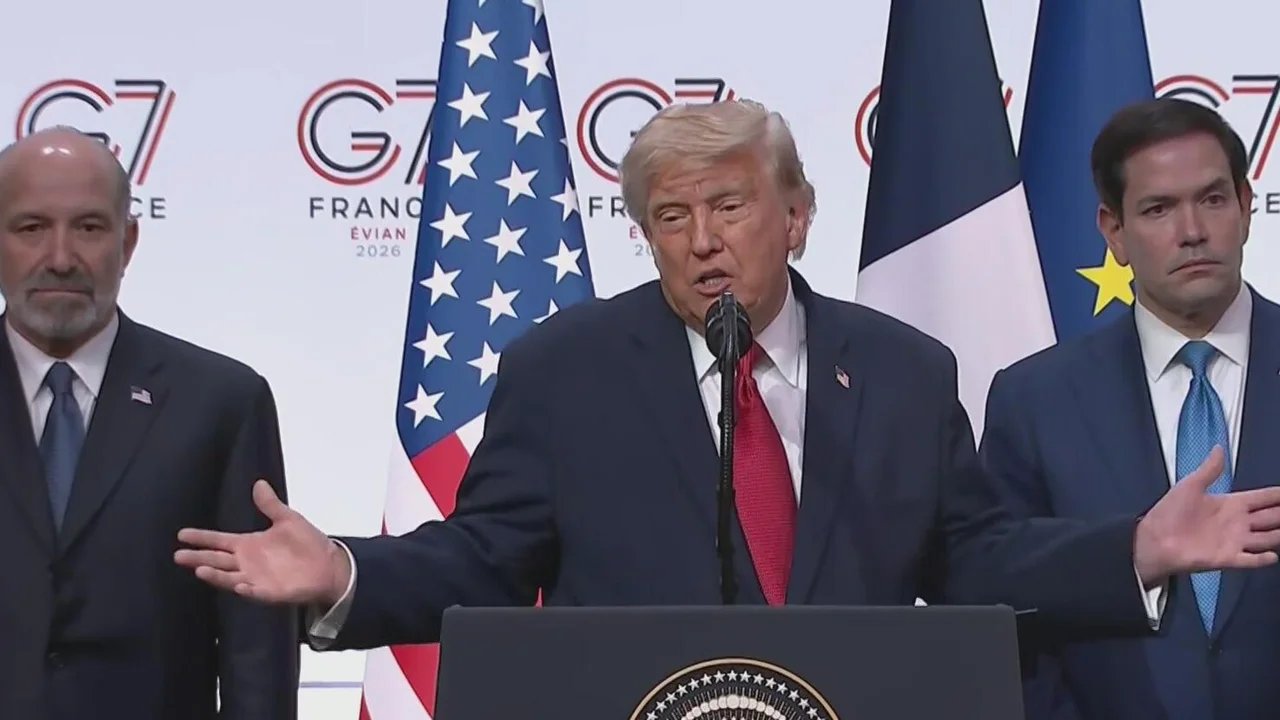
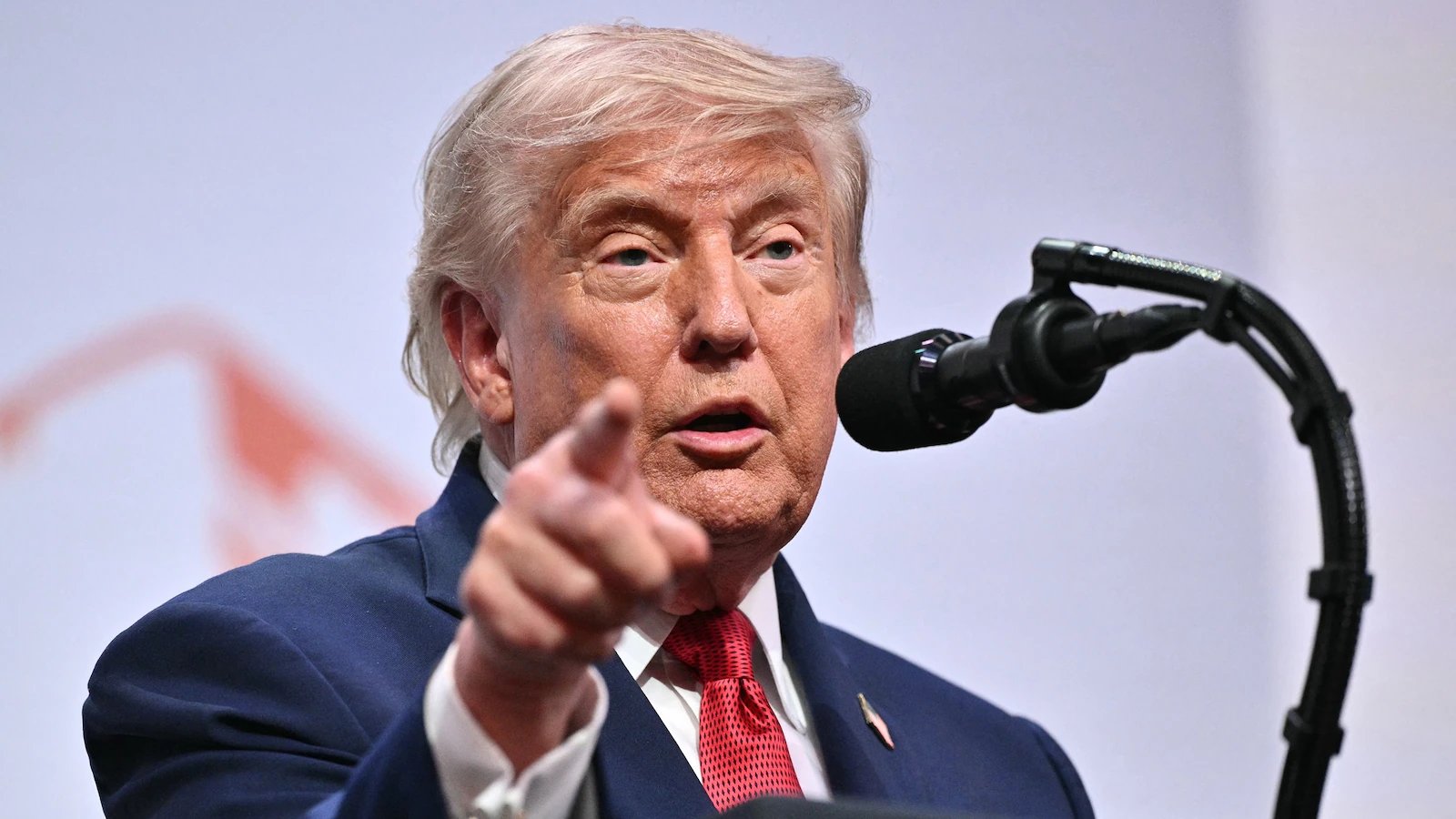
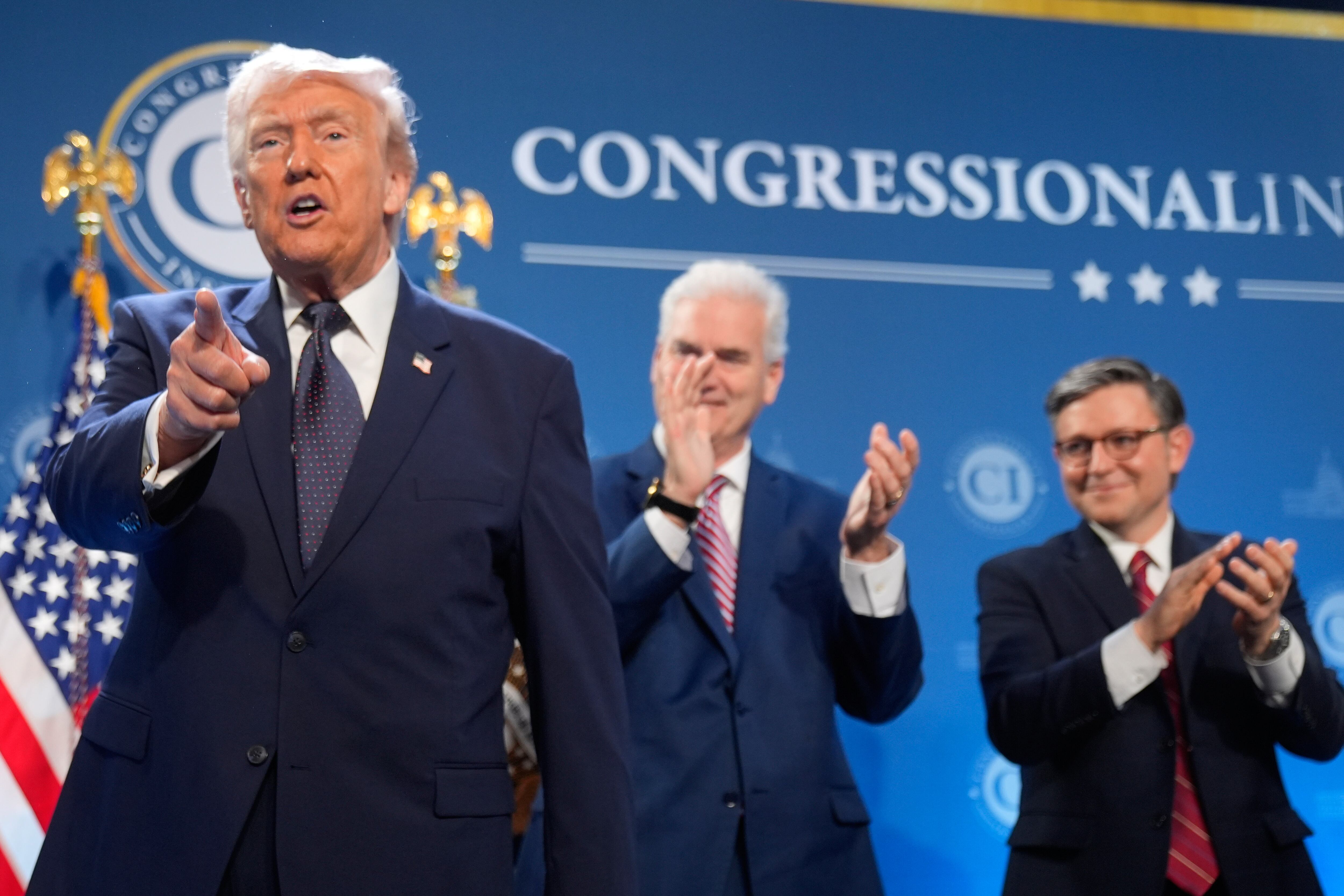
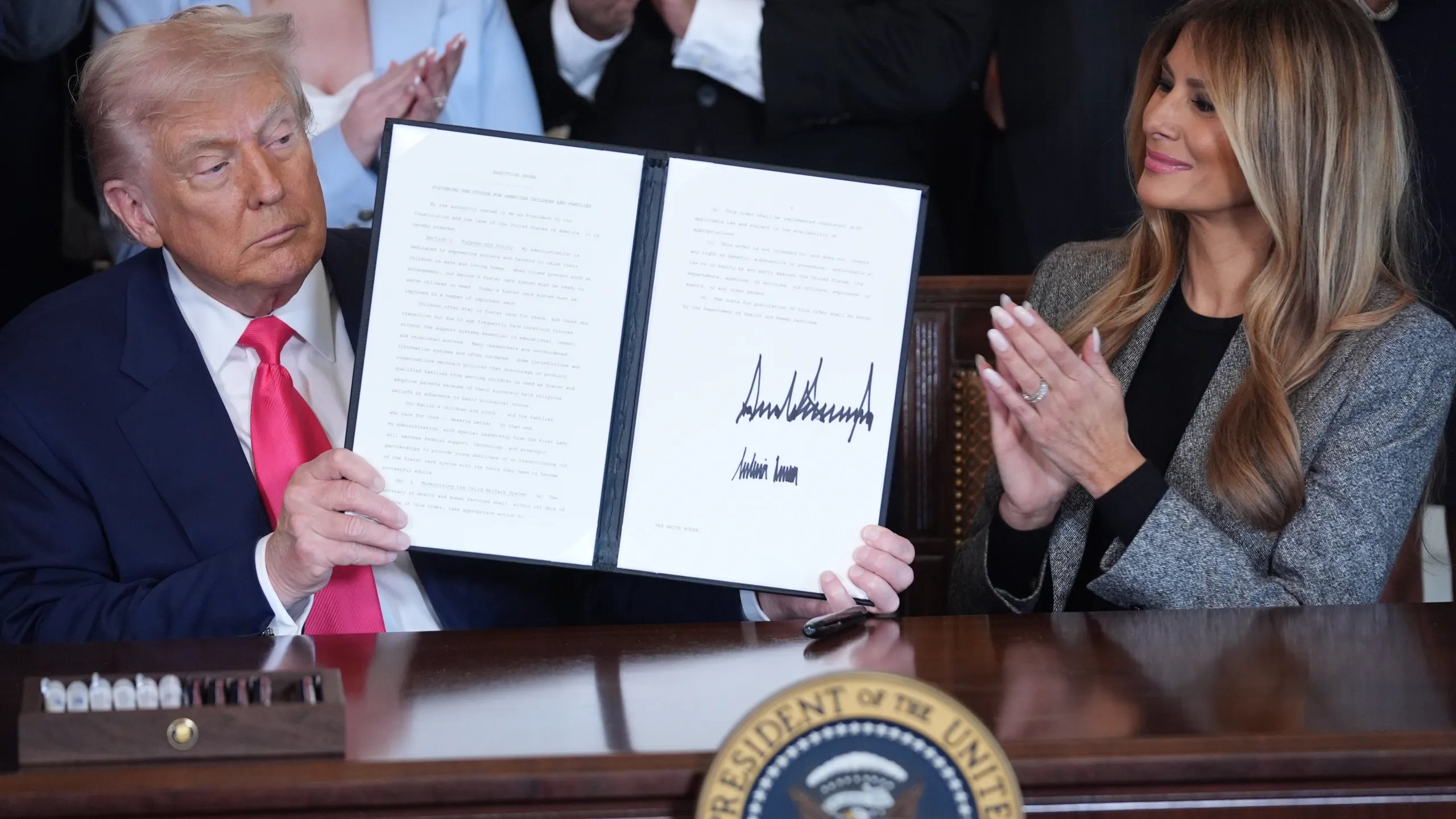
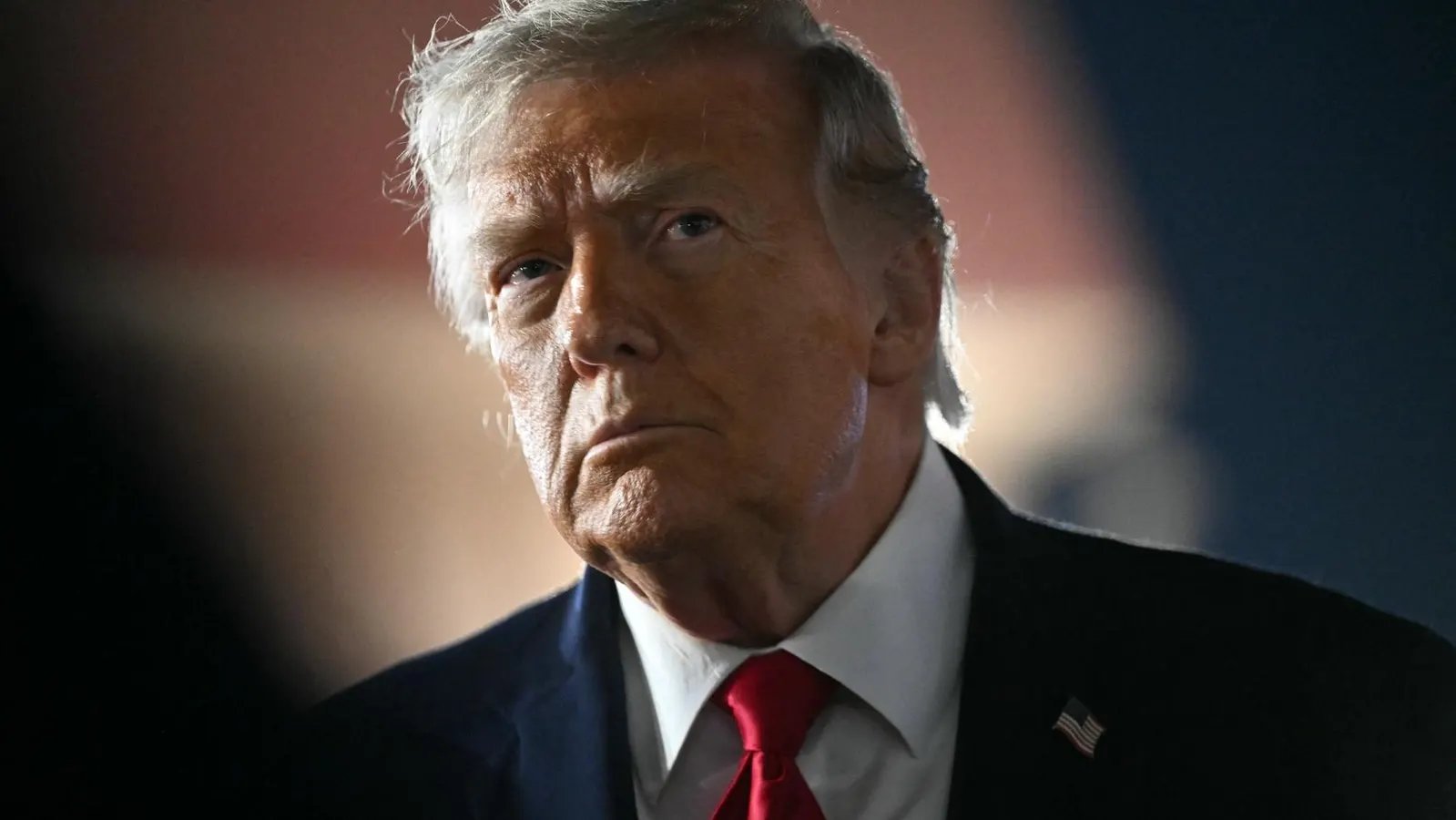
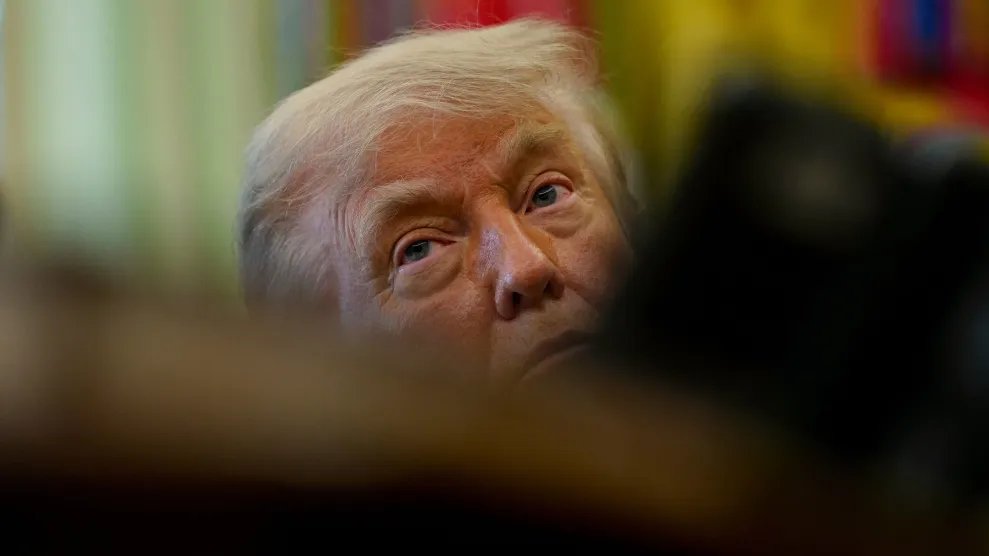
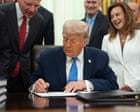
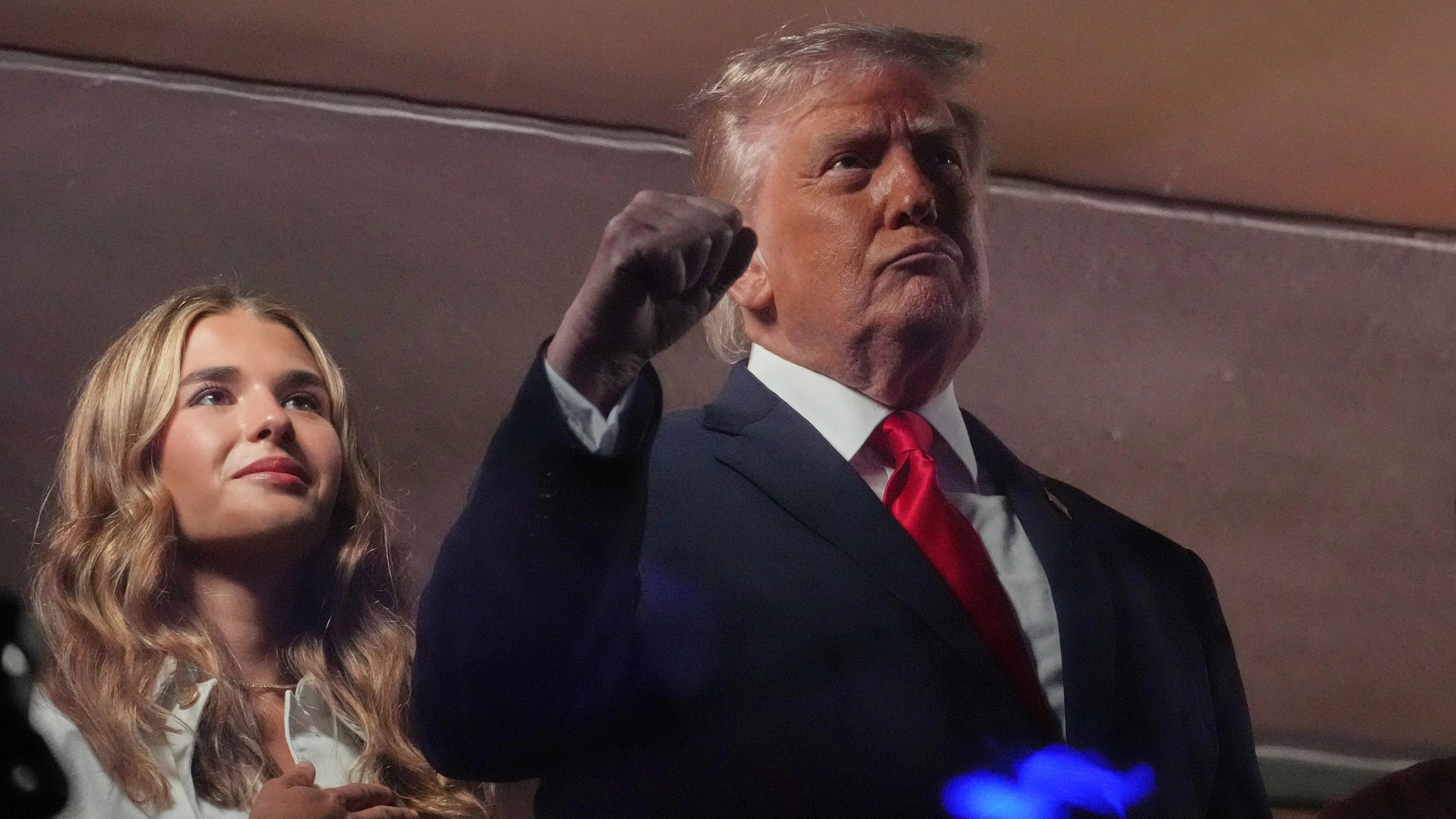
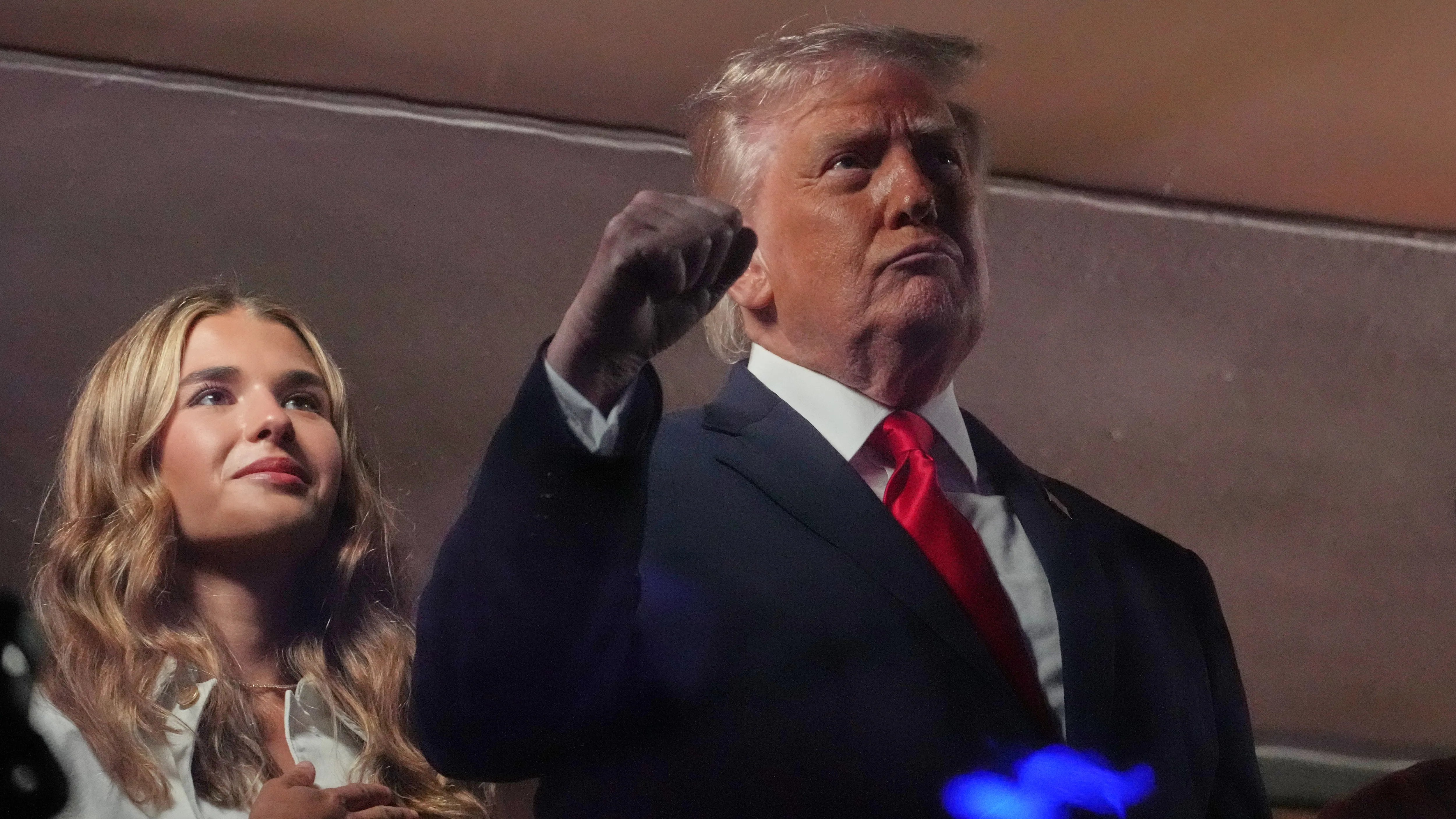
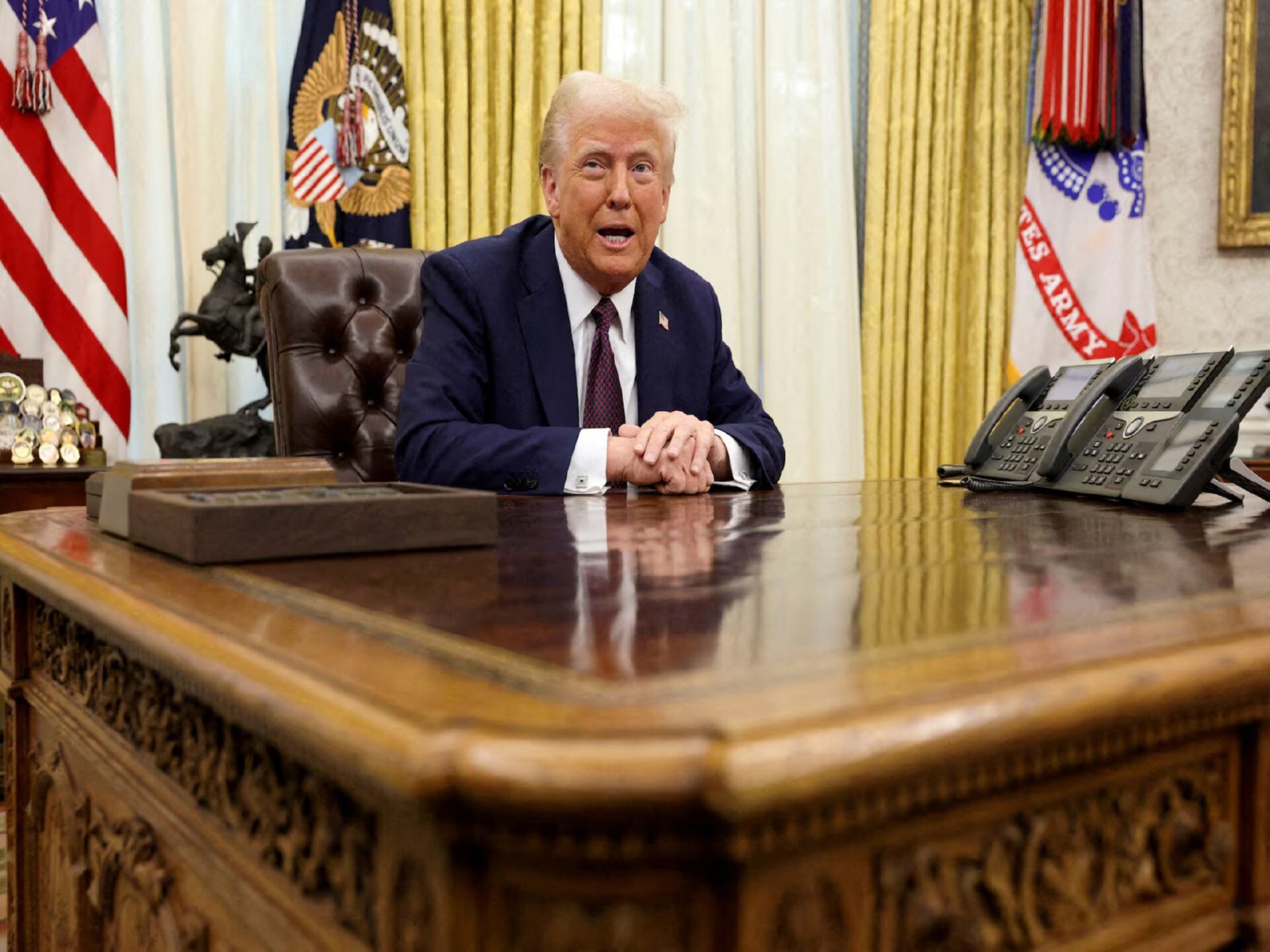
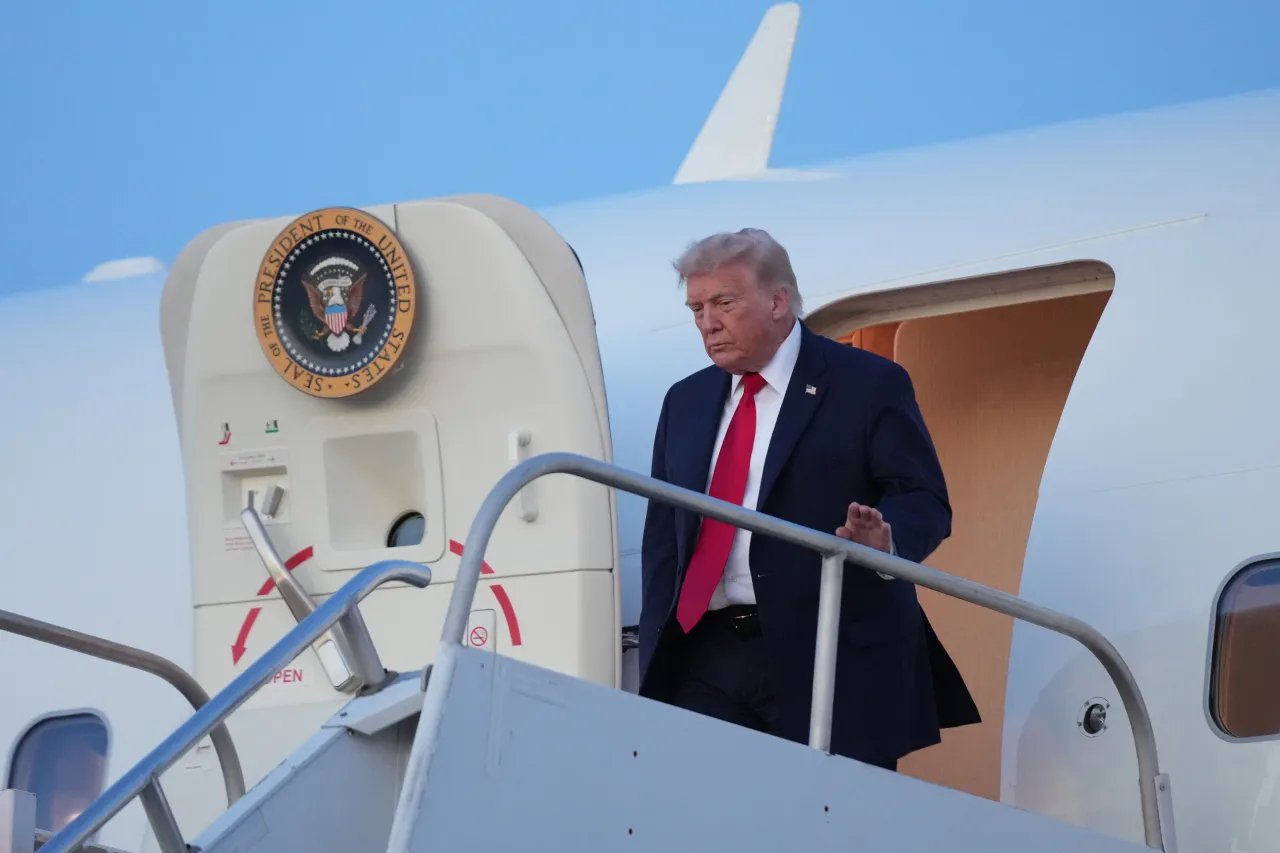
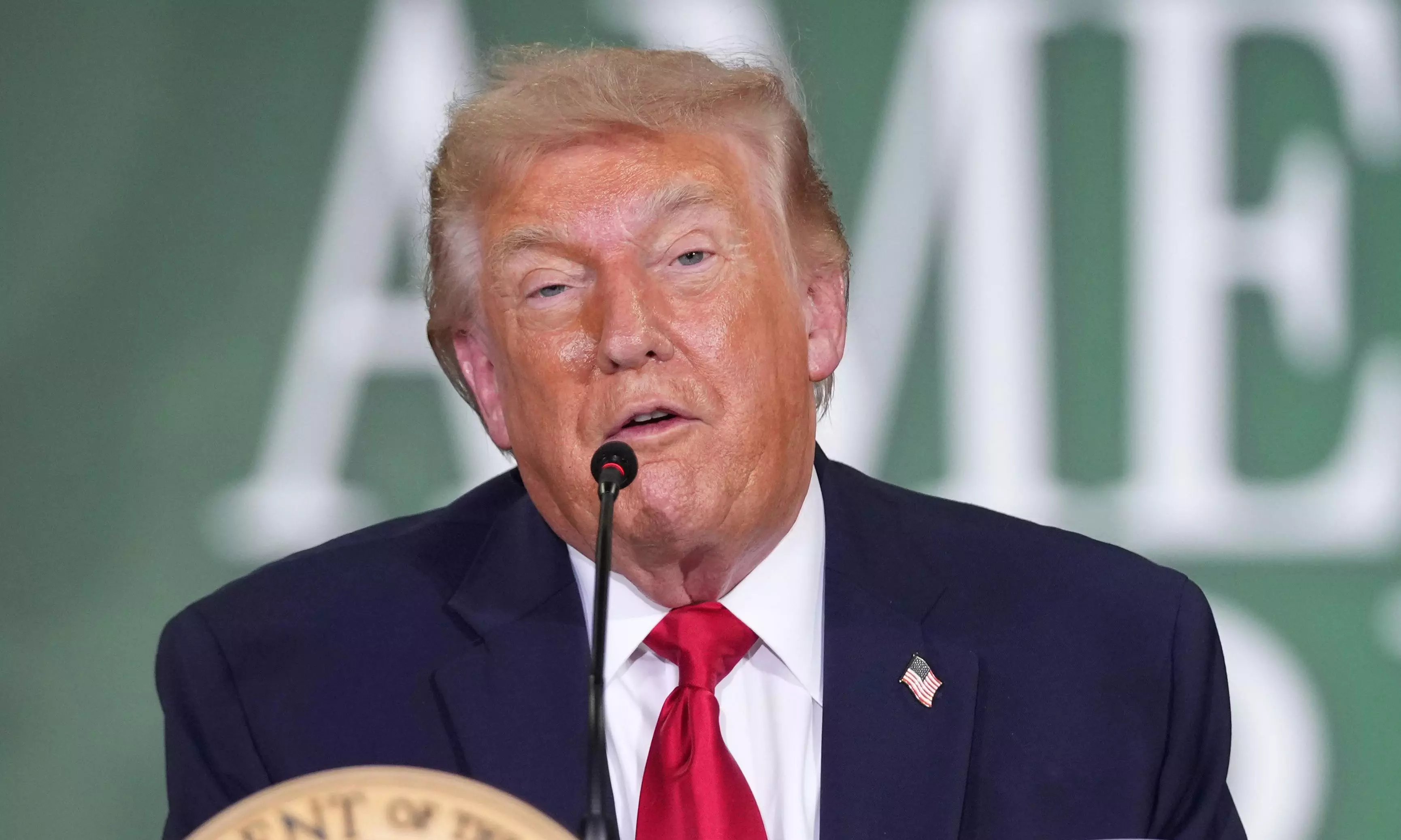
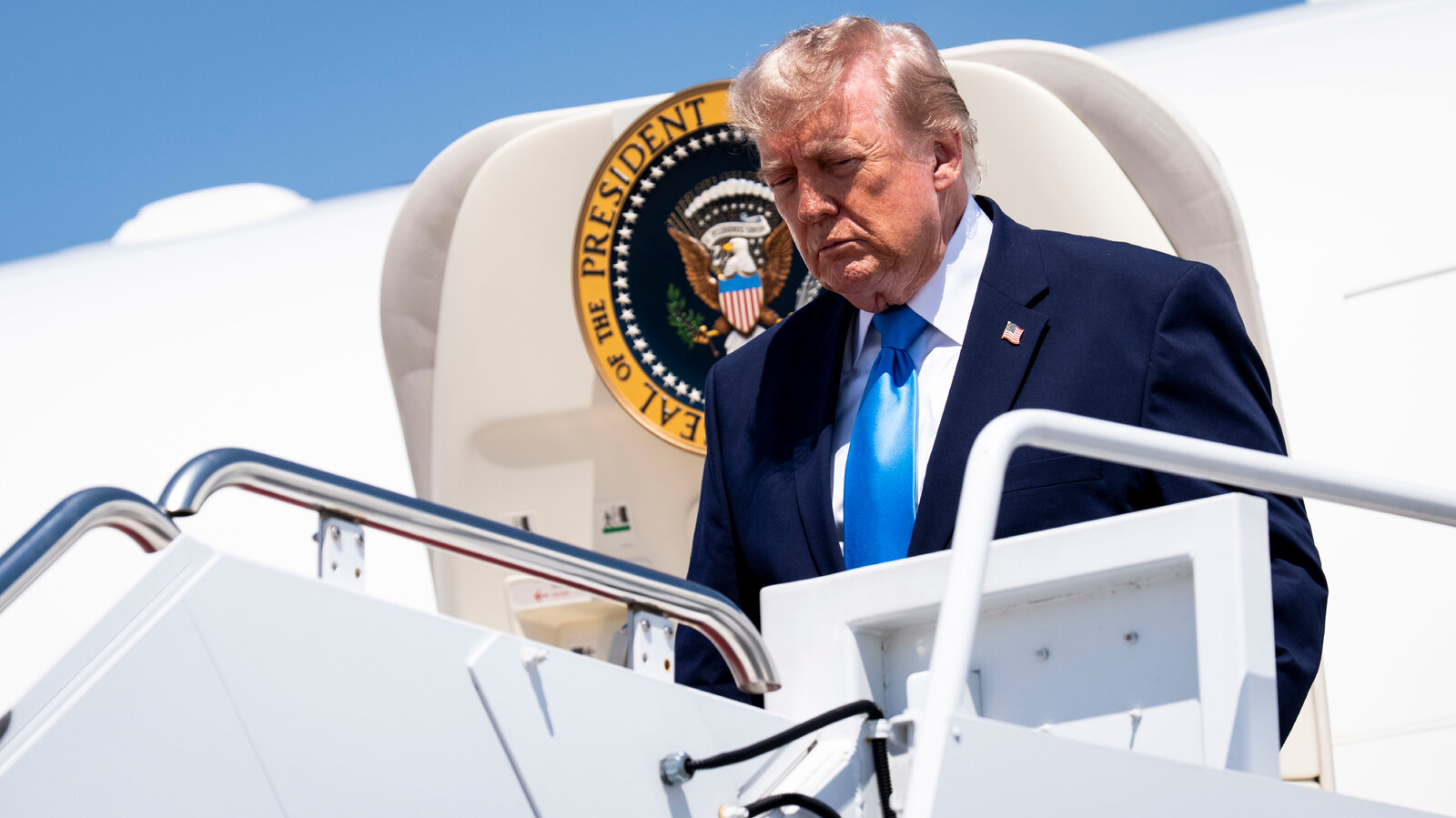
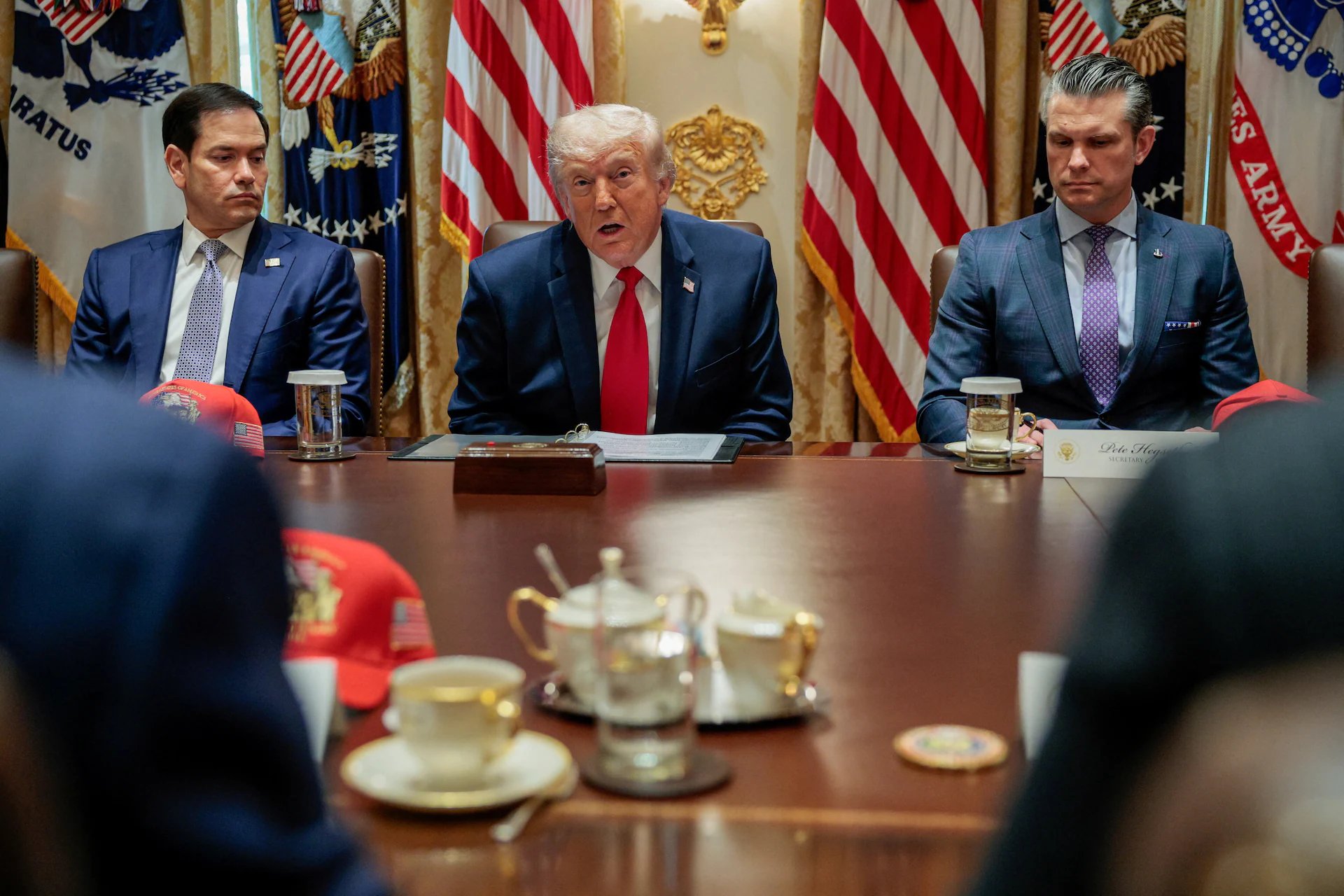
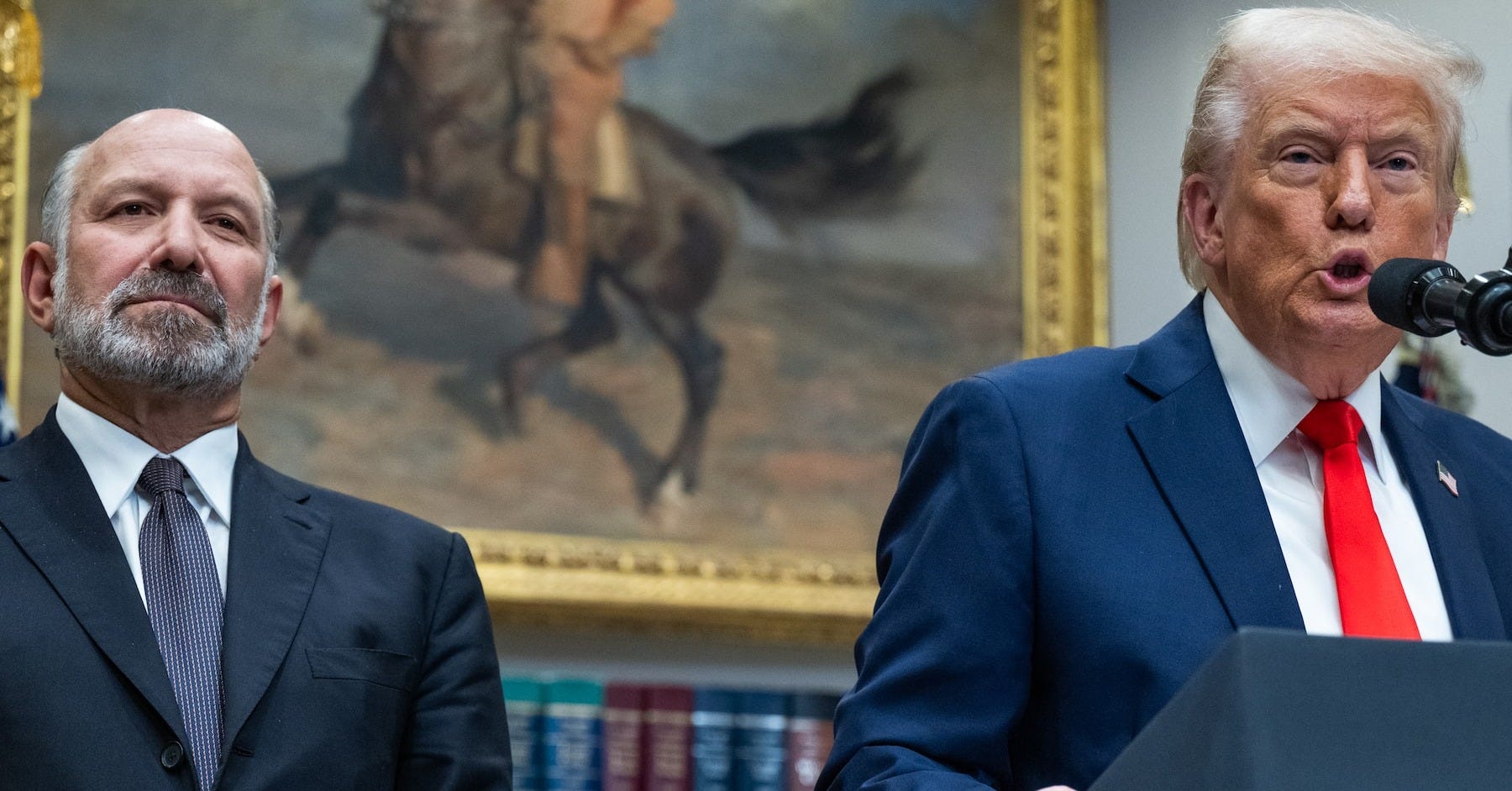
The restrictions were part of an executive order issued by President Donald Trump in March, which aimed to impose new standards on mail-in voting across the nation. The proposed rule, issued on June 2, would have required states to provide lists of absentee voters and change the design of mail-in ballots. If states did not comply, the USPS would have refused to deliver those ballots. Sullivan emphasized that the proposed rule would likely violate the 2021 legal settlement that mandates the USPS to take "extraordinary measures" to ensure the timely delivery of mail-in ballots.
NAACP's Role in the Legal Challenge
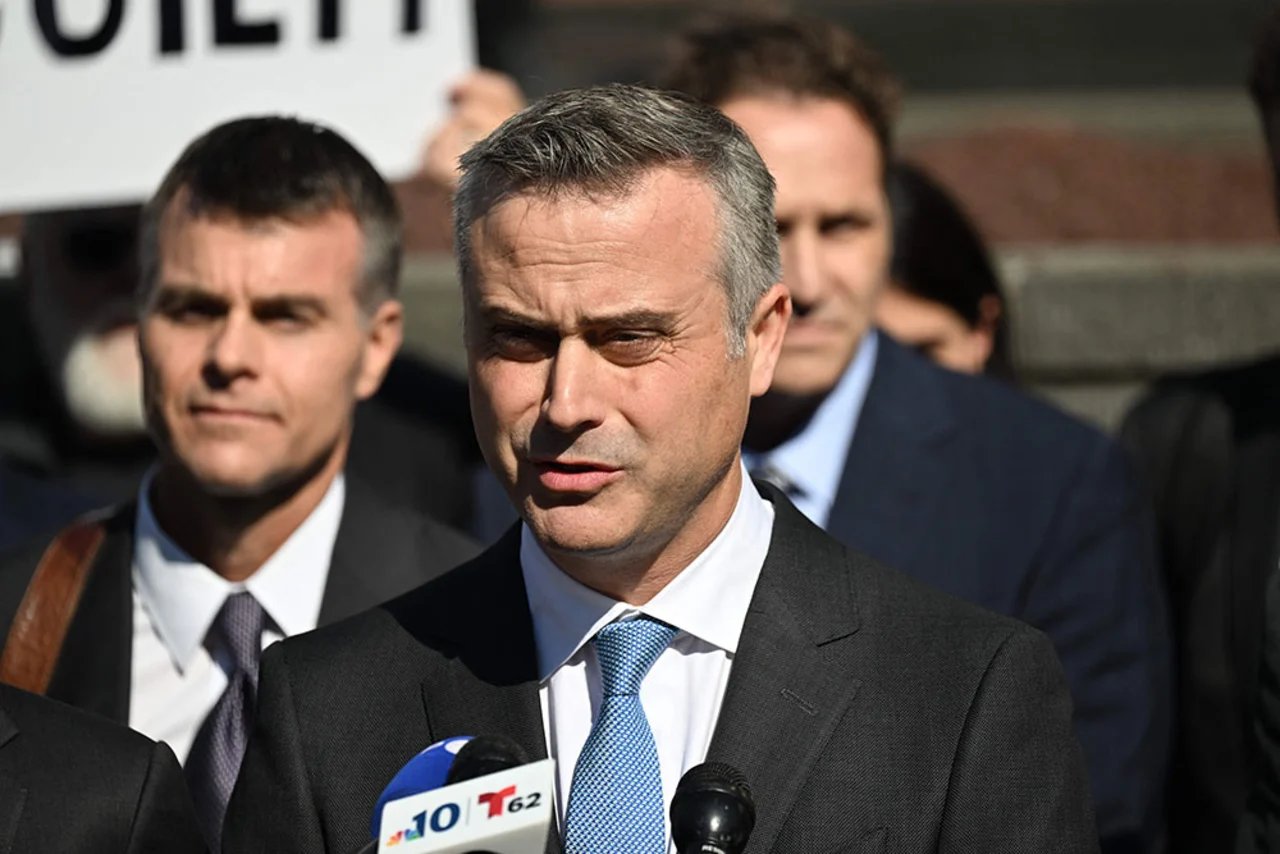
The NAACP played a crucial role in challenging the proposed restrictions, arguing that they would disproportionately harm Black voters who rely on mail-in voting due to systemic inequities. Anthony Ashton, senior associate general counsel at the NAACP, stated, "This ruling is a critical step in protecting the rights of voters who rely on the timely delivery of mail-in ballots to participate in our democracy." The court's decision reinforces the importance of maintaining access to mail-in voting, especially less than five months before the midterm elections.
Broader Context of Voting Restrictions
This ruling marks the second setback for Trump's efforts to limit mail-in voting, following a similar decision by Judge Indira Talwani, who blocked the administration's plan for 23 states and the District of Columbia. Sullivan's decision extends this injunction nationwide, ensuring that the USPS cannot implement barriers to mail-in voting that could disenfranchise voters. Civil rights advocates have welcomed the ruling, asserting that the proposed changes posed an unlawful threat to the democratic process.
Responses from Legal Experts
Allison Zieve, director of the Public Citizen Litigation Group, expressed satisfaction with the court's recognition of the USPS's legal obligations. "USPS's plan was unwise, unlawful, and a threat to the millions of voters who rely on mailed ballots to participate in our democracy," she said. Sam Spital, associate director-counsel of the Legal Defense Fund, echoed these sentiments, calling the proposed plan a blatant attempt to disenfranchise voters. The court's decision underscores the ongoing struggle to protect voting rights in the face of legislative and administrative challenges.
Next Steps for Voters
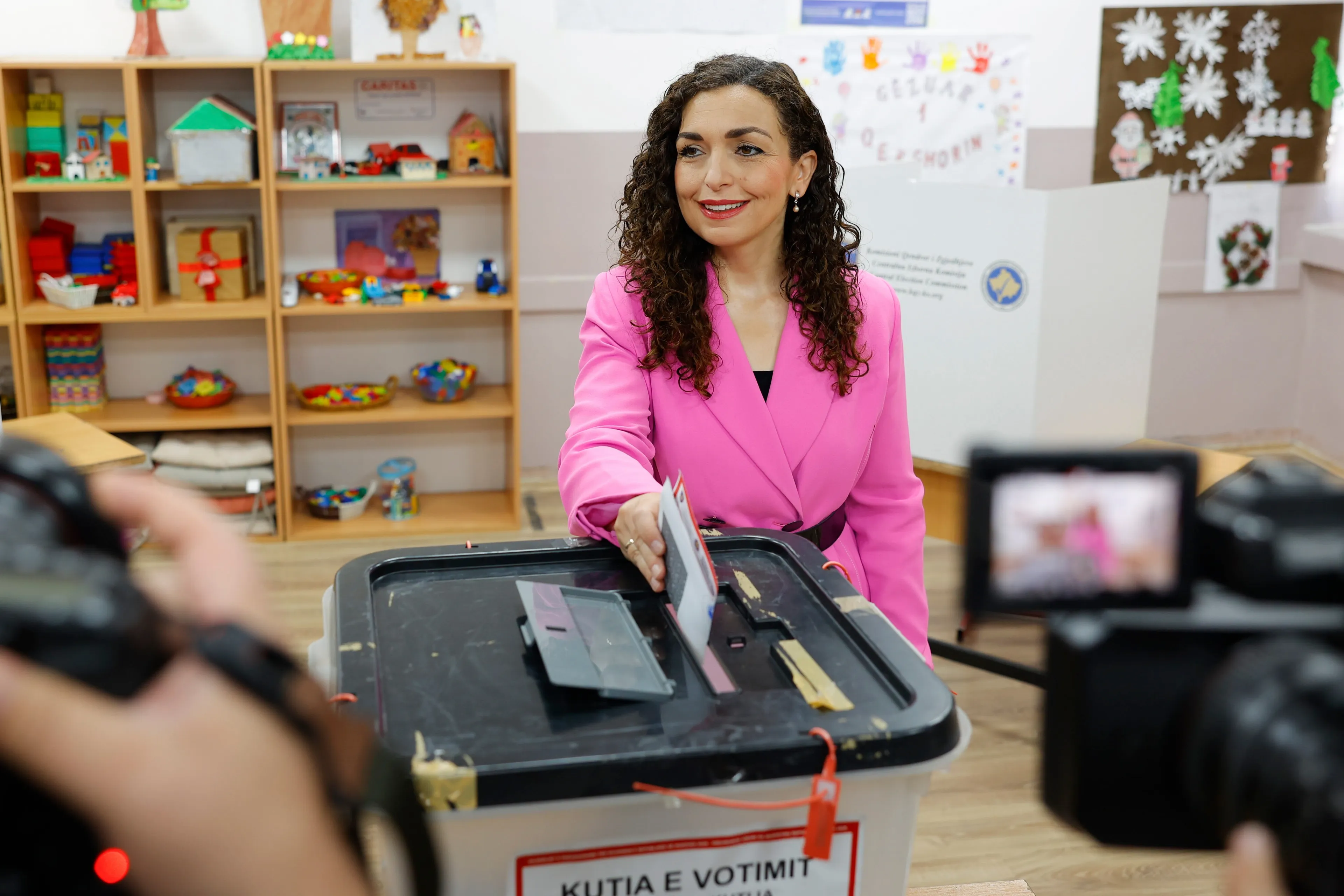
As the midterm elections approach, this ruling serves as a reminder of the critical importance of accessible voting. Voters can feel assured that the USPS must adhere to its commitment to timely deliver election mail, ensuring their ballots are counted. With the legal landscape shifting, it is essential for voters to stay informed about their rights and the voting process in their states.