




Supreme Court Ruling Impacts TPS Holders
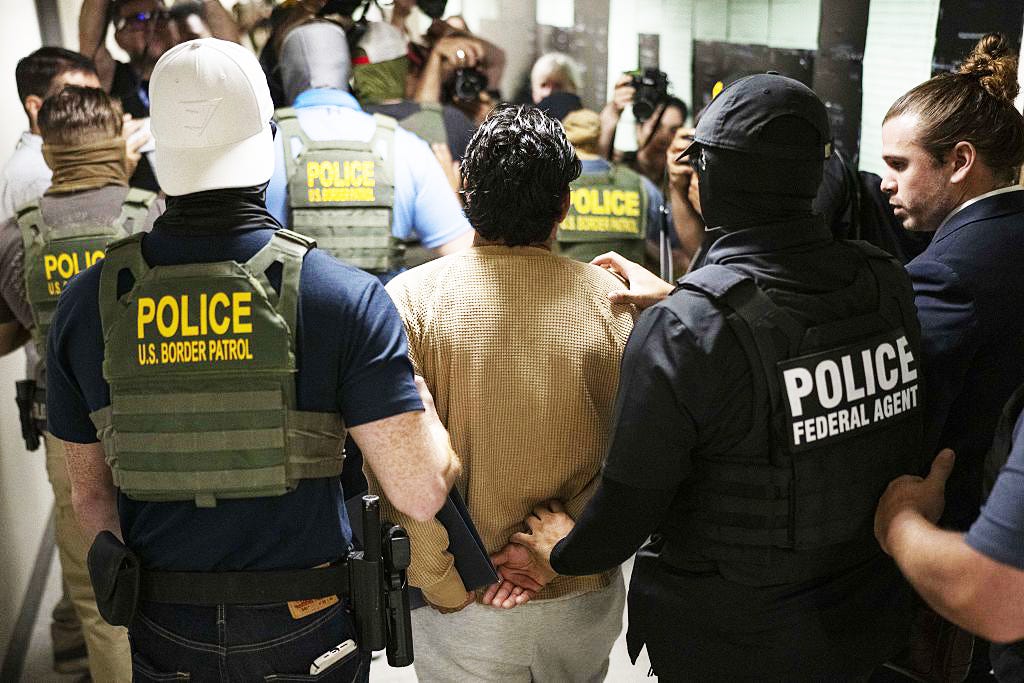
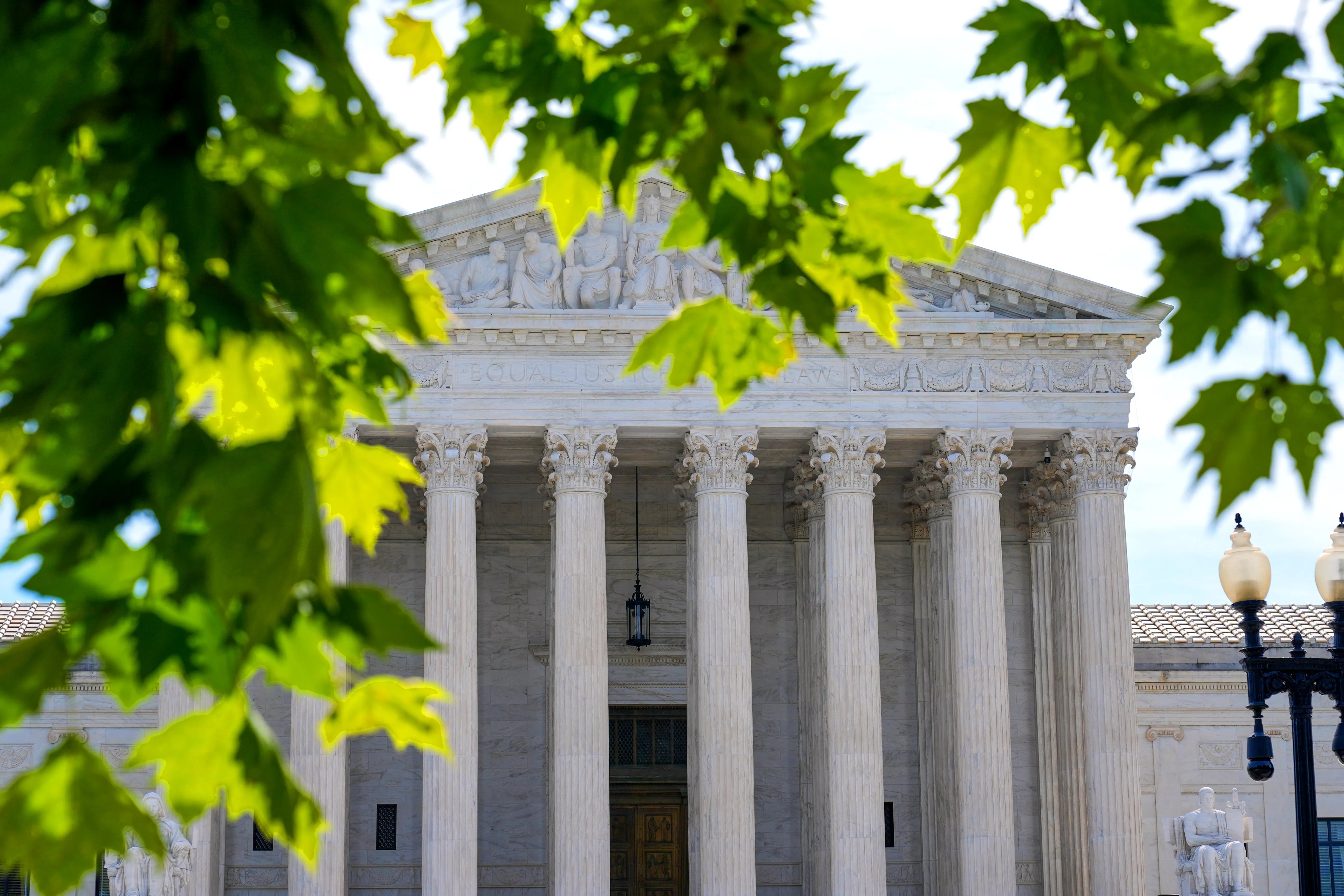
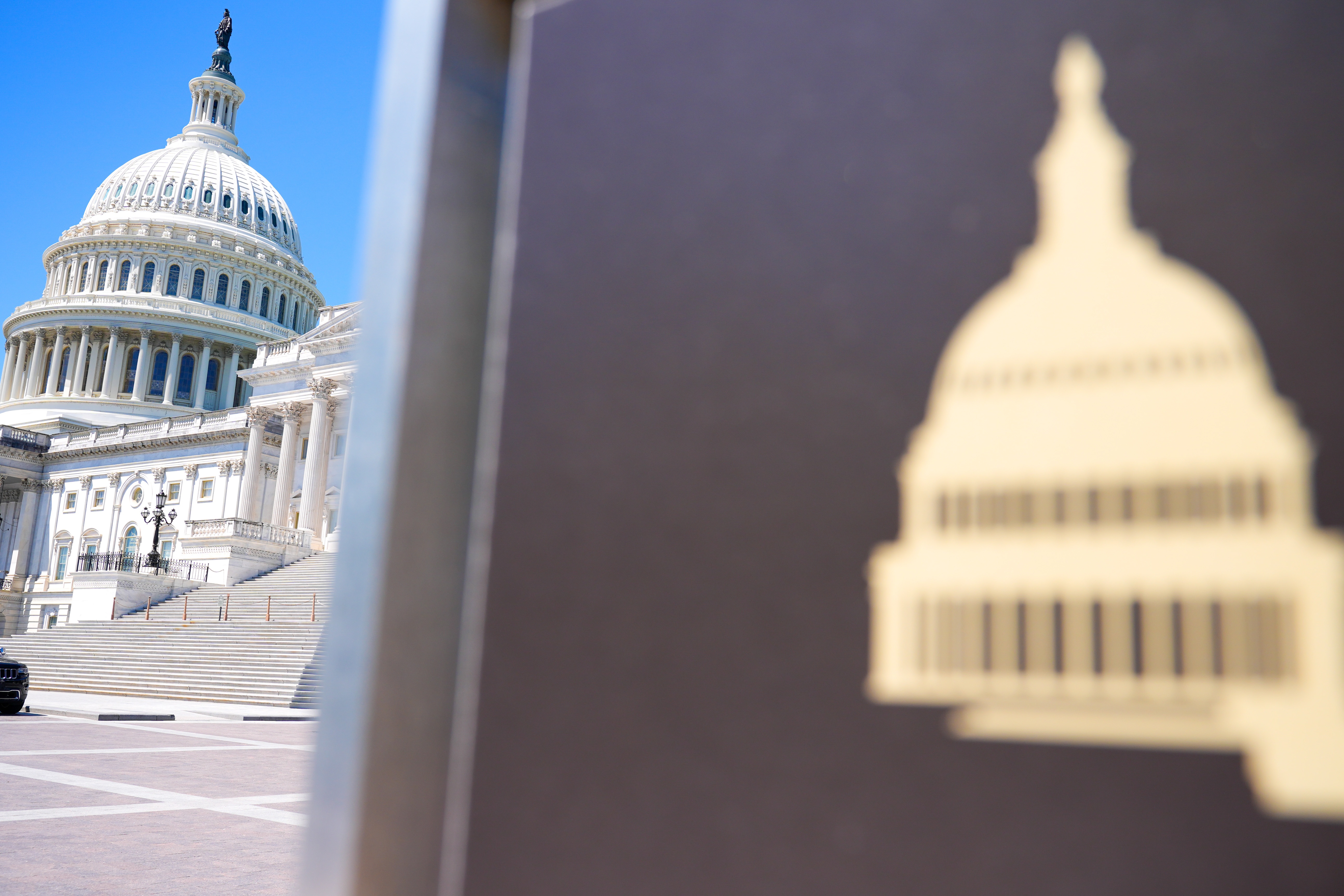
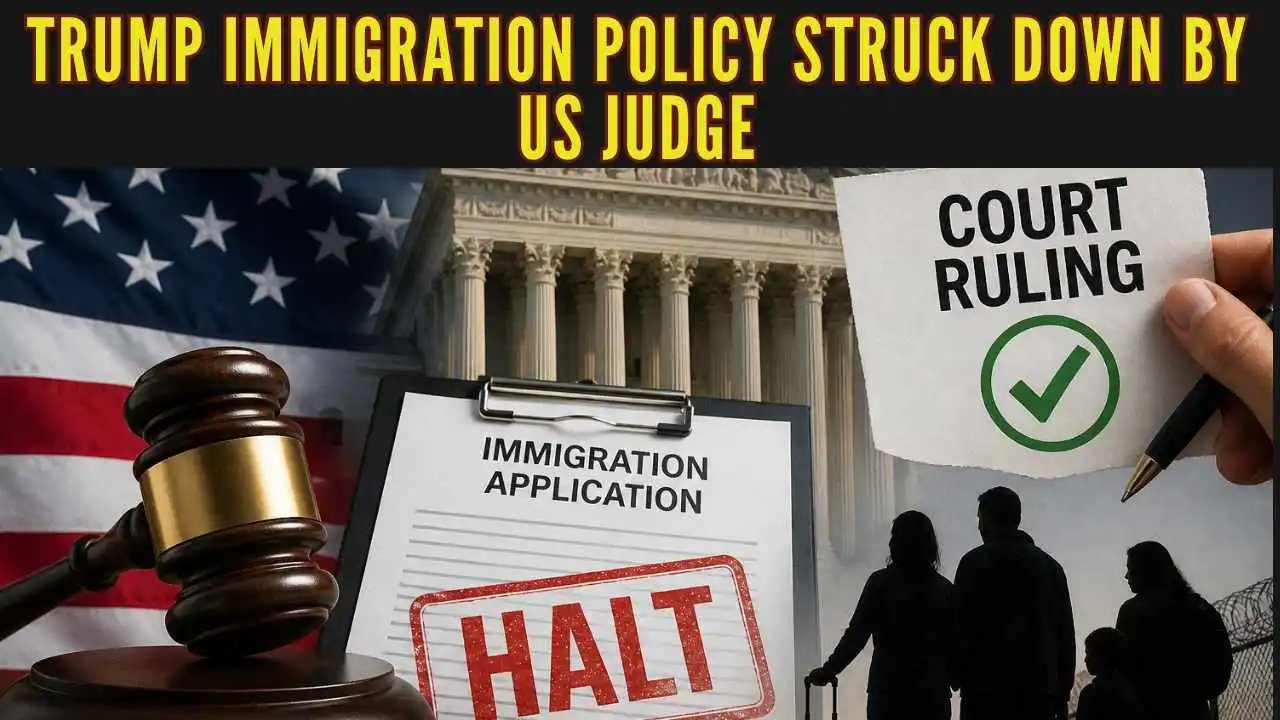
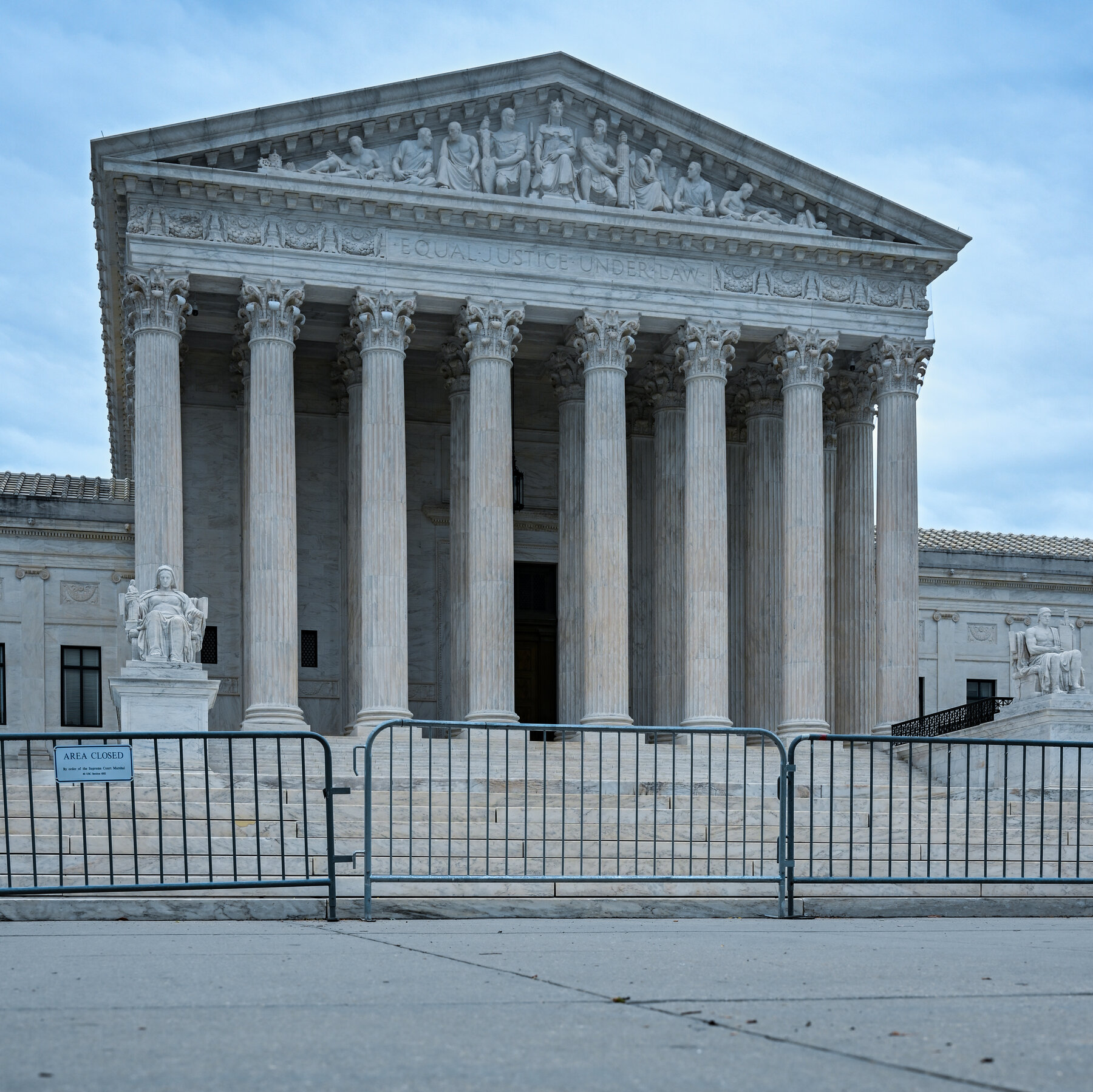
The future of the Temporary Protected Status program is in jeopardy following a Supreme Court ruling that favors the Trump administration's efforts to terminate protections for Haitians and Syrians. The ruling allows for the cancellation of TPS, which currently safeguards around 270,000 individuals from deportation. This decision underscores that the Department of Homeland Security (DHS) holds the authority to grant or revoke TPS, effectively giving the administration space to impact many more individuals across various countries.
A Program at Risk
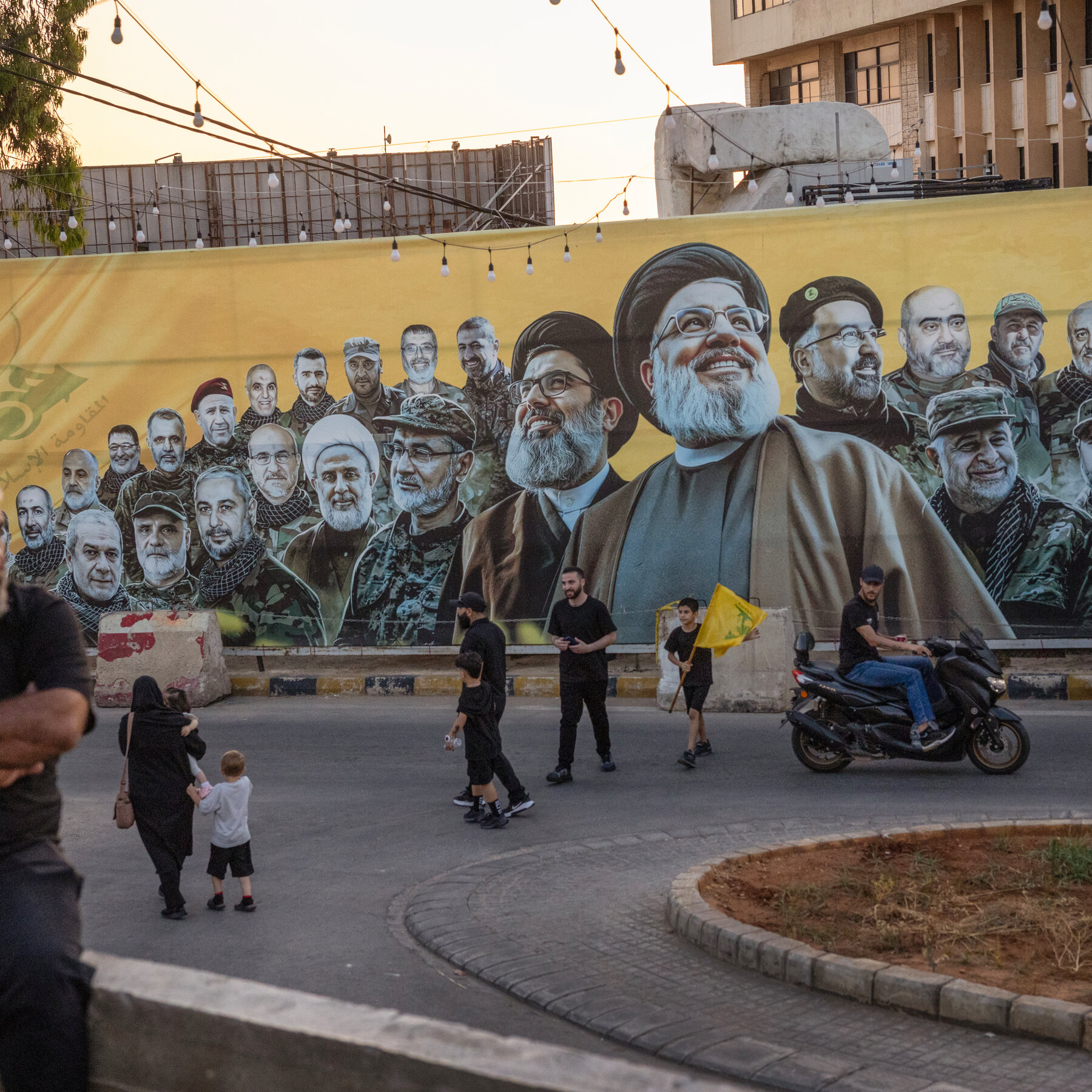
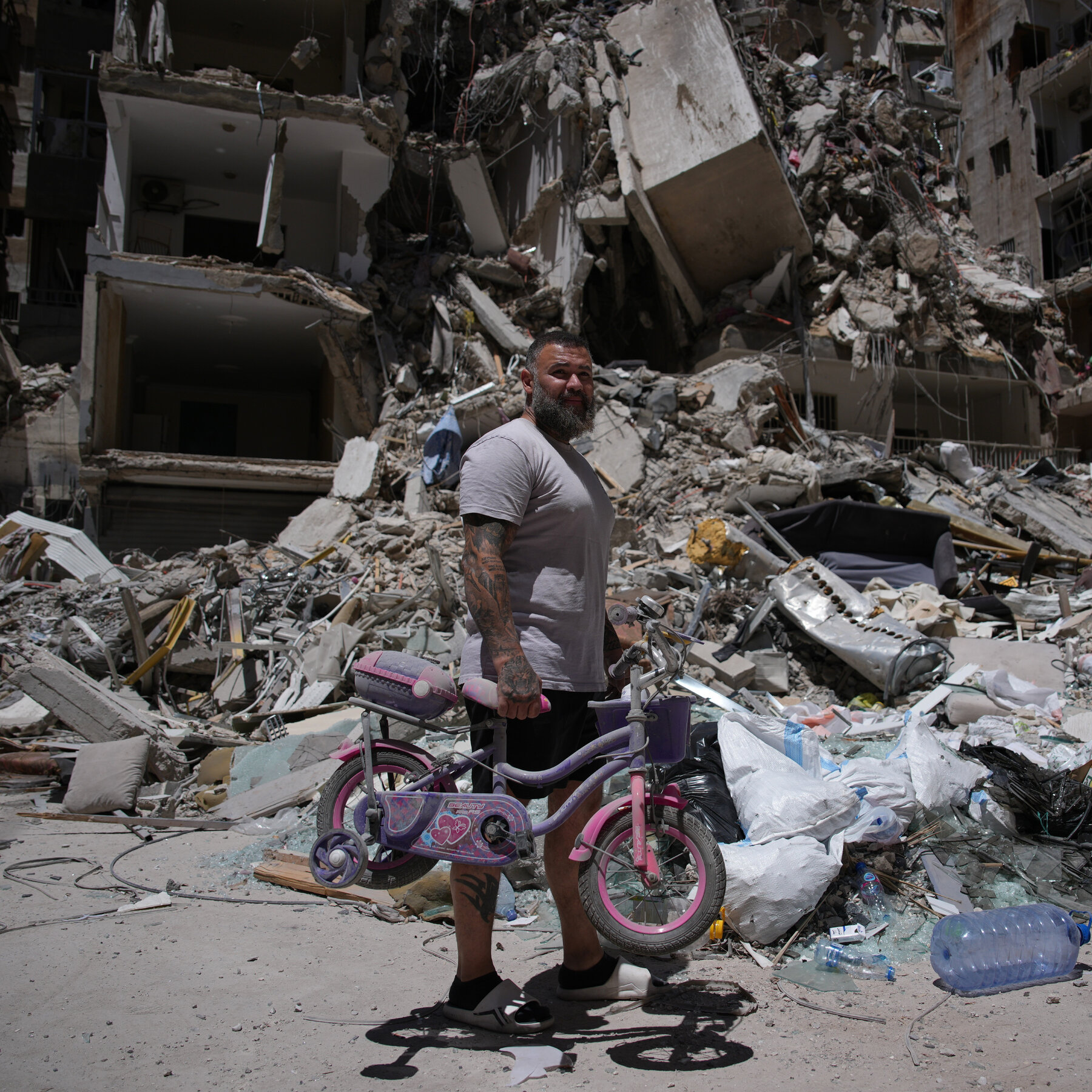
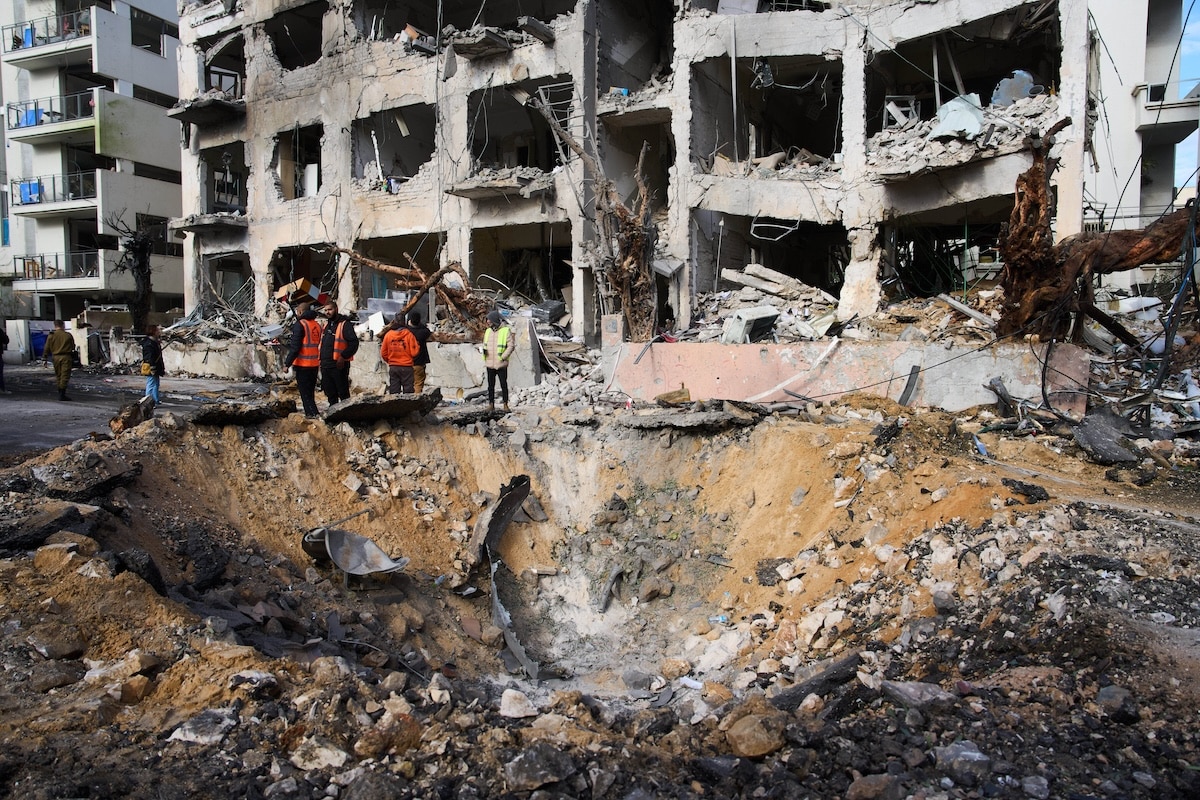
Since its inception in 1990, TPS has provided essential protection for individuals from countries experiencing crises, such as political instability or natural disasters. Currently, TPS remains for only four countries: Lebanon, El Salvador, Sudan, and Ukraine, all of which have designations set to expire later this year. Julia Gelatt, associate director of U.S. immigration policy at the Migration Policy Institute, noted that the number of TPS holders may dwindle significantly, potentially leading to a scenario where no individuals hold TPS by the end of this year.
Consequences for Long-Term Residents
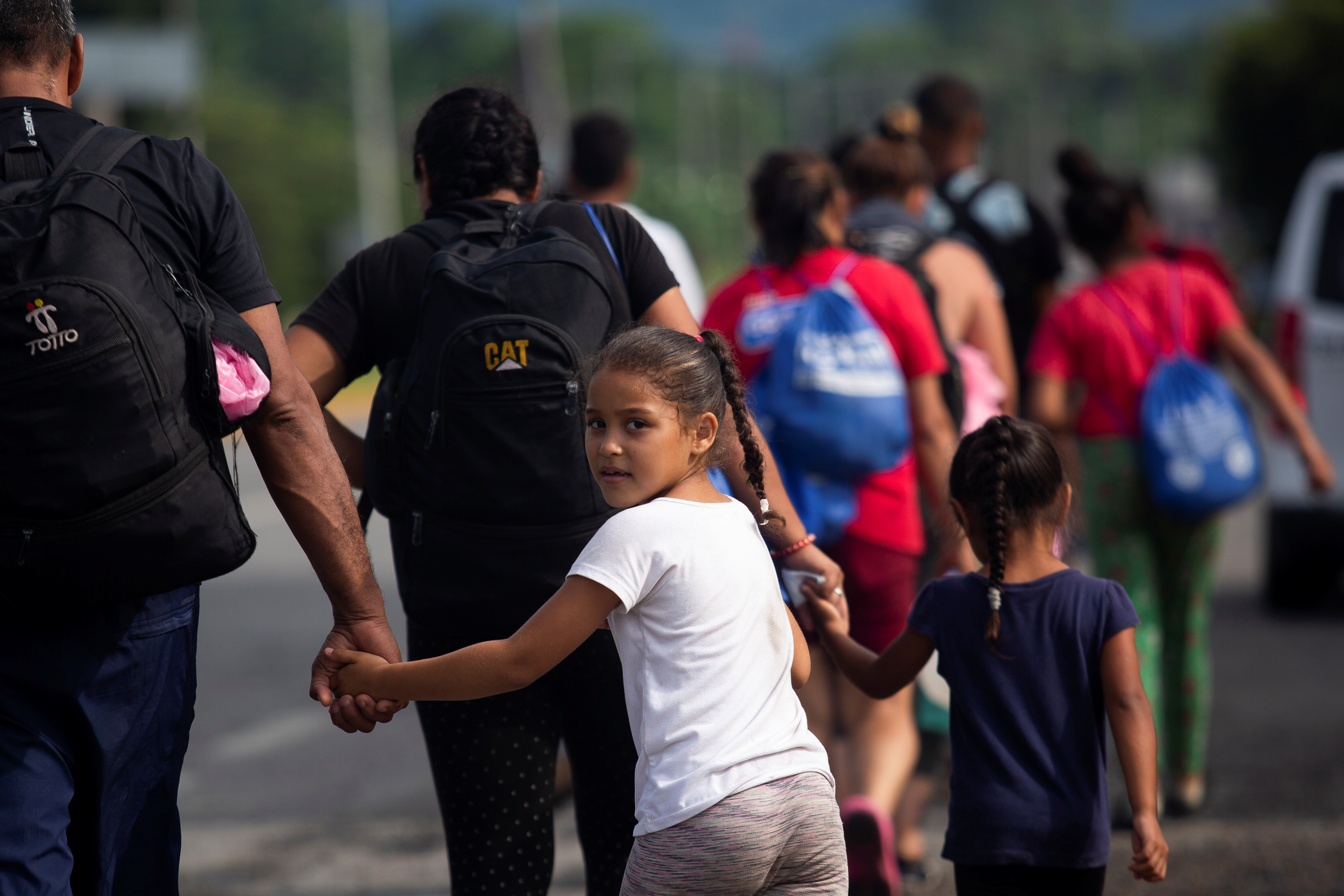
Over 330,000 people from Haiti and Syria are immediately affected by the recent ruling. Todd Schulte, president of FWD.us, highlighted the deep ties many of these individuals have formed in the U.S., stating, "They live with hundreds of thousands of U.S. citizens, family members and spouses." Many have lived in the U.S. for years, with El Salvadoran TPS holders having been protected for over 26 years. The revocation of TPS raises concerns about the legal status and future of families integrated into American society.
Limited Paths to Legal Status
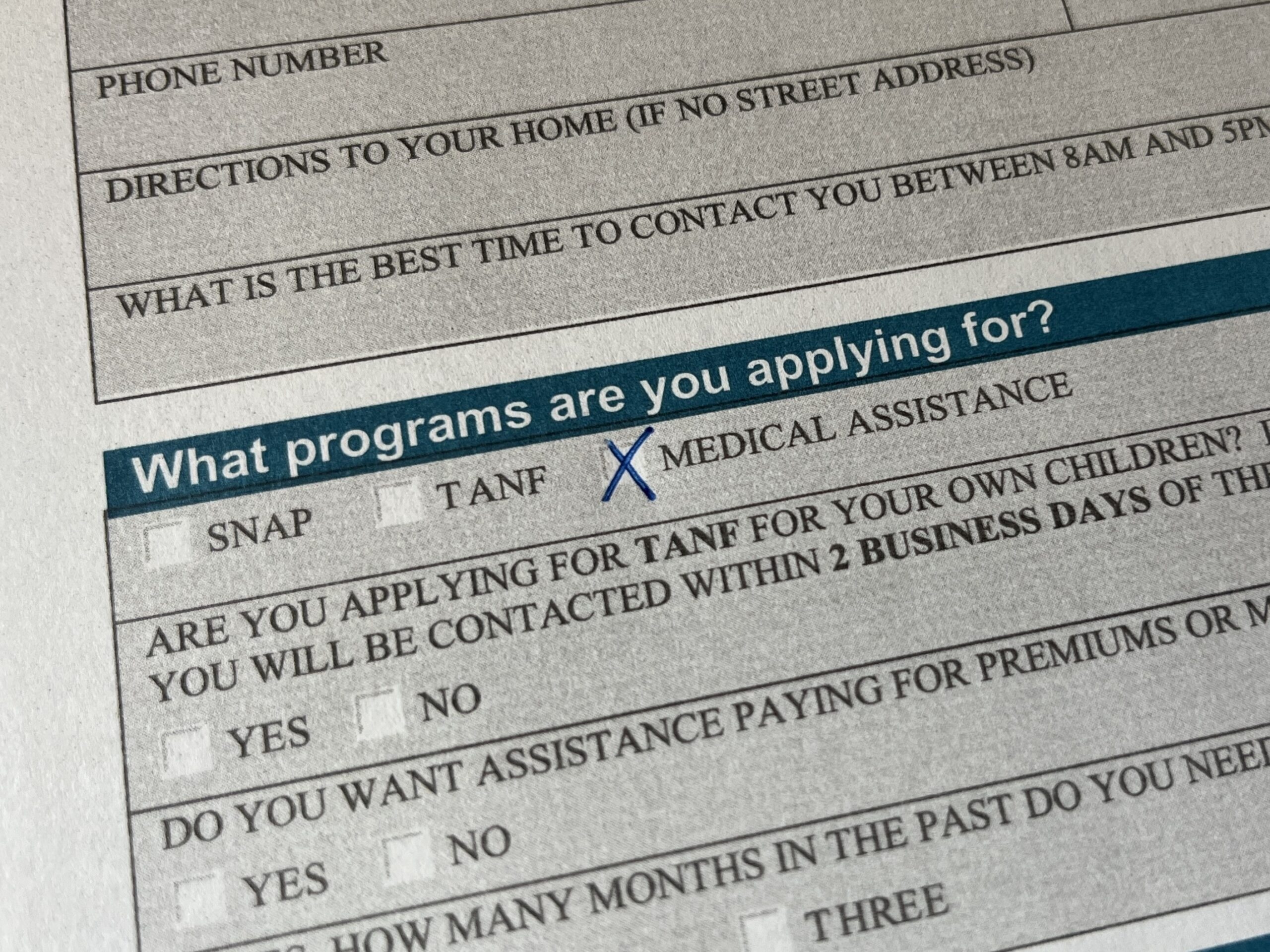
TPS does not lead to permanent legal status. Most people who have held TPS for years have no pathway to permanent residency. Some could adjust status through marriage to a U.S. citizen or employer sponsorship, but these options are costly and limited. People who entered without legal status must spend up to 10 years outside the U.S. before applying for a green card.
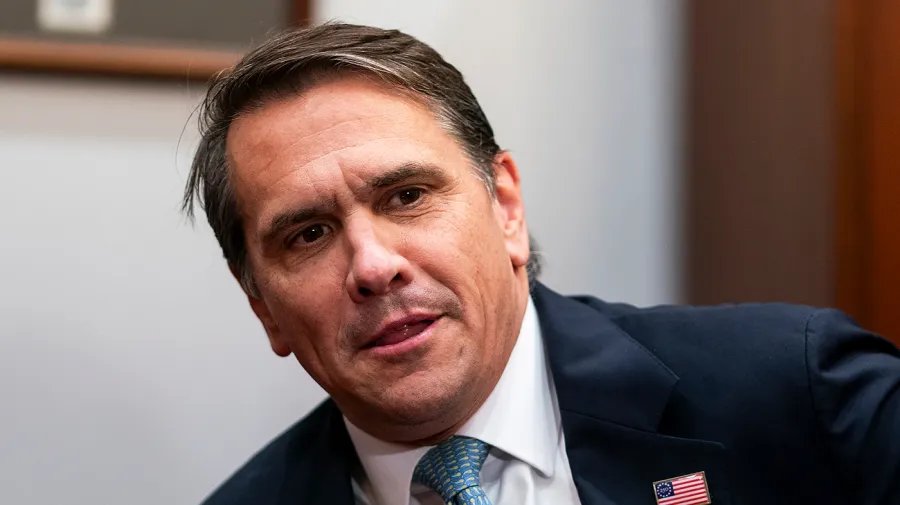
DHS Secretary Markwayne Mullin argued that TPS holders should have applied for other legal status forms, such as green cards, or should leave the U.S. entirely. He stated: "Either try to fill out the paperwork and be here under permanent status or we'll help you get back to your home country." However, Todd Schulte countered that there is no direct pathway from TPS to a green card, and asylum claims can mostly only be filed within a year of arrival—making alternative pathways unavailable to most long-term TPS holders.
Uncertainty in Immigration Courts
The Supreme Court decision threw into limbo other lawsuits against the administration's terminations of TPS for Ethiopia, Honduras, Nepal, Nicaragua, and some people from Venezuela. Legal challenges are ongoing for these countries, with many federal judges previously pausing terminations. Jessica Bansal, TPS counsel with the National Day Laborer Organizing Network, expressed that the ruling introduces significant uncertainty for those involved in pending cases, stating, "There's a lot of uncertainty right now."
Next Steps for Affected Individuals
With the end of TPS looming, many individuals face an unclear path forward regarding their legal status. Gelatt pointed out that some employers may be willing to sponsor TPS holders for different work visas, but the process can be costly and complicated.