




The Airstrike
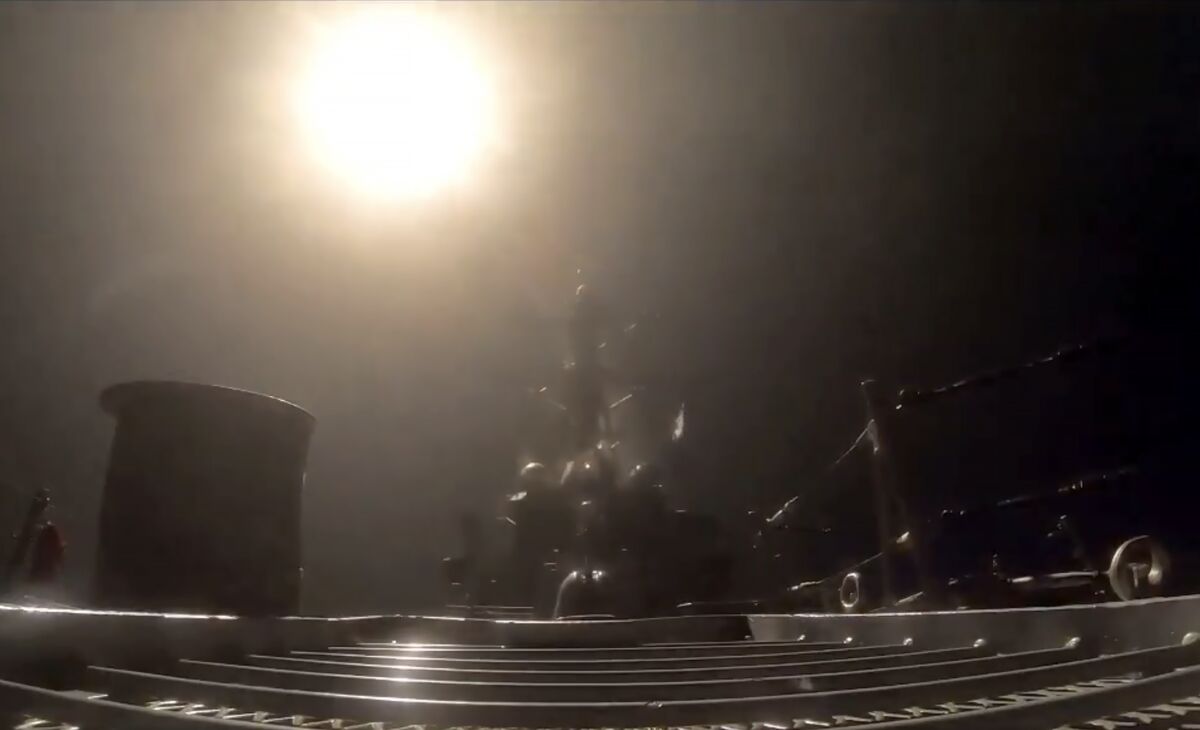
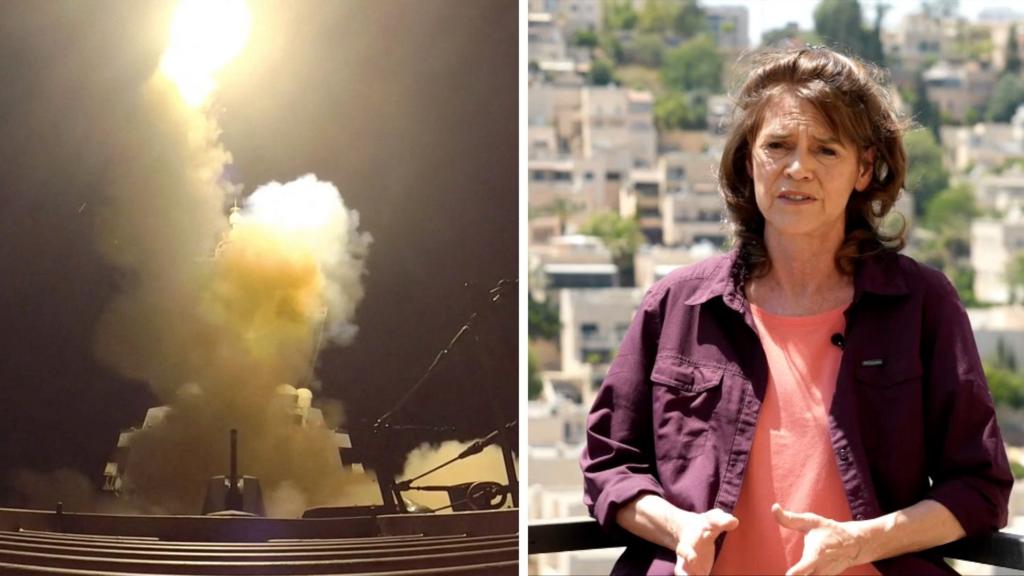
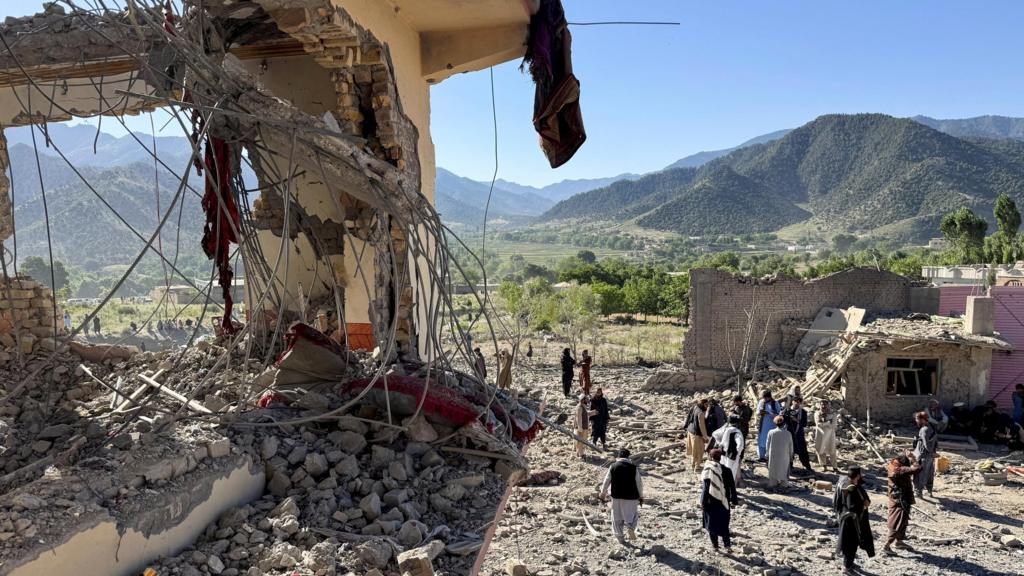
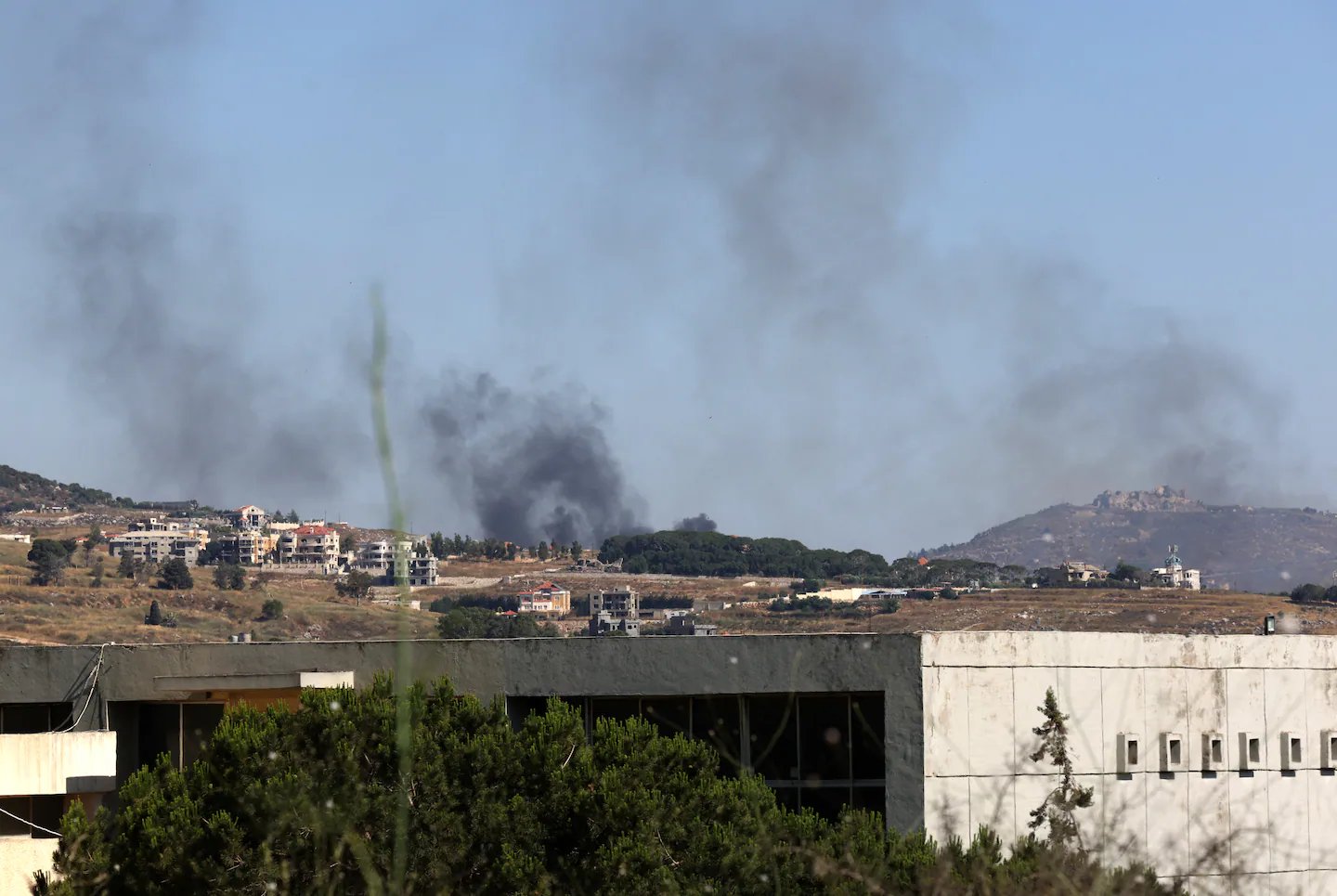
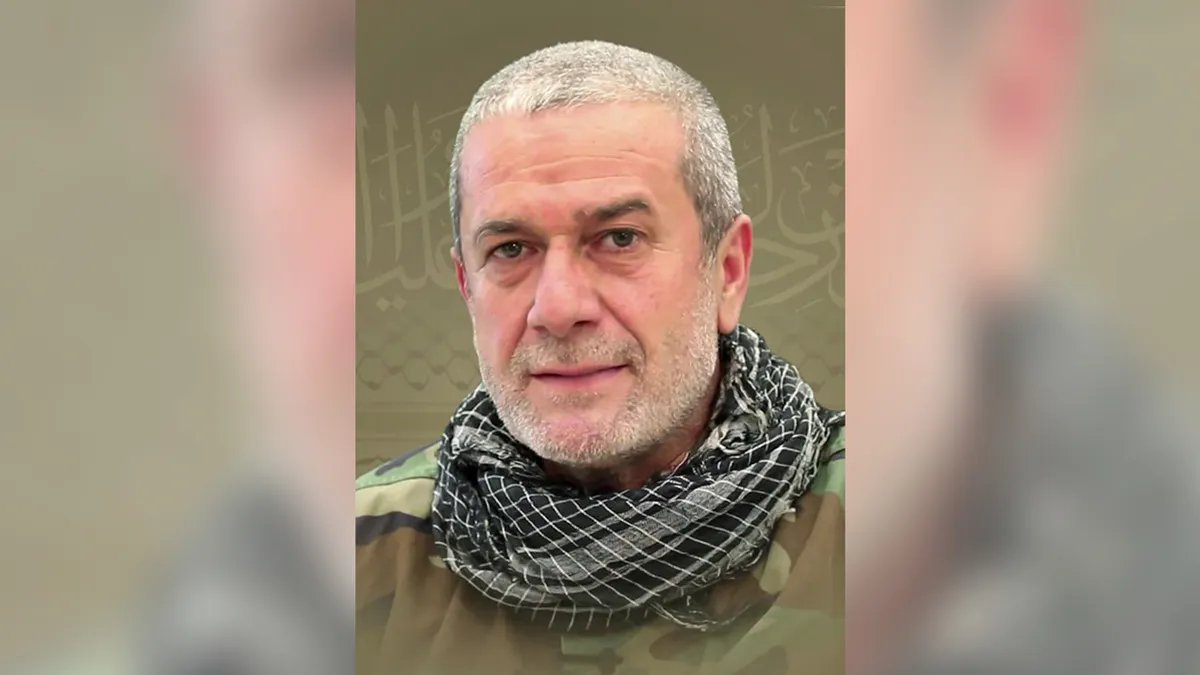
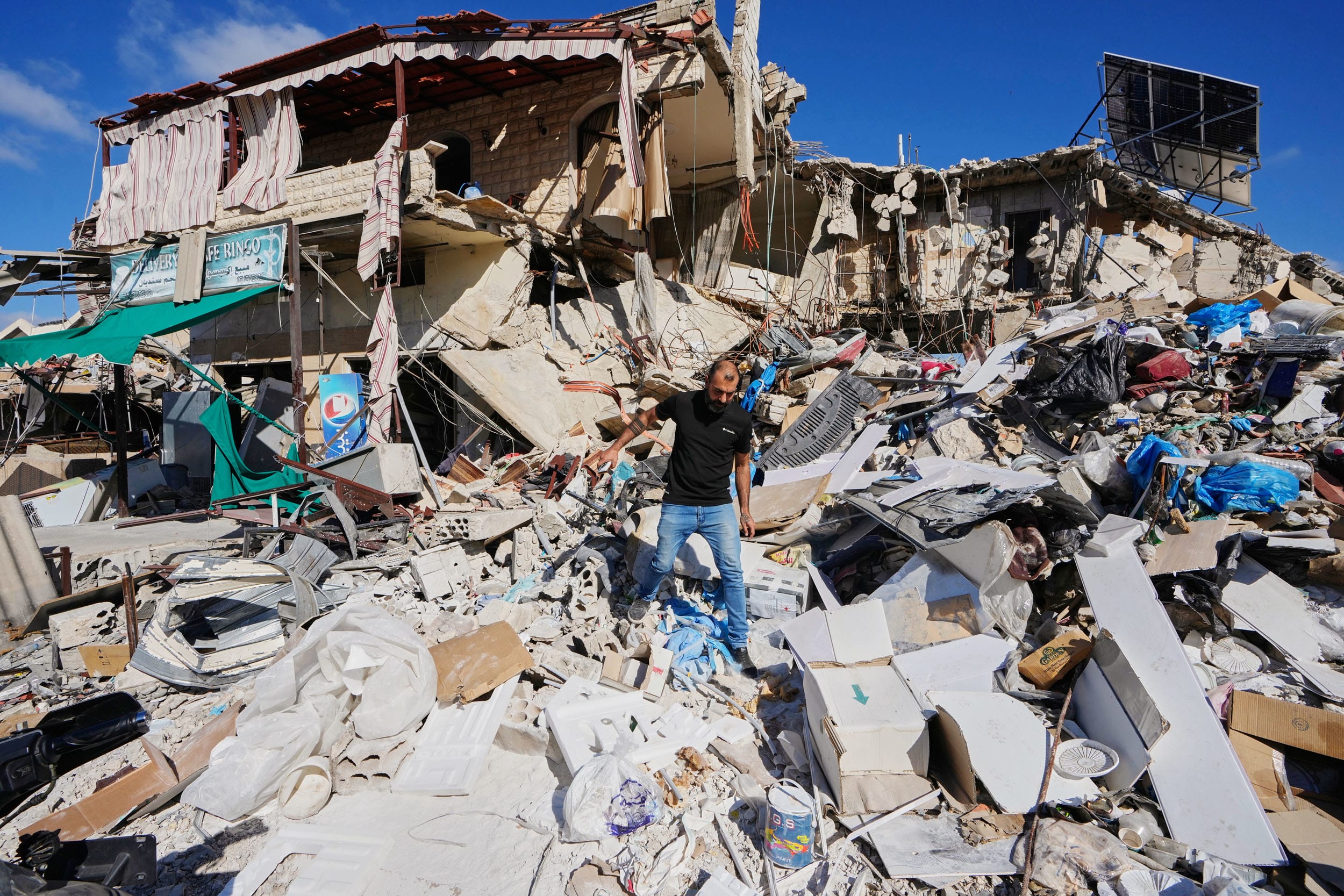
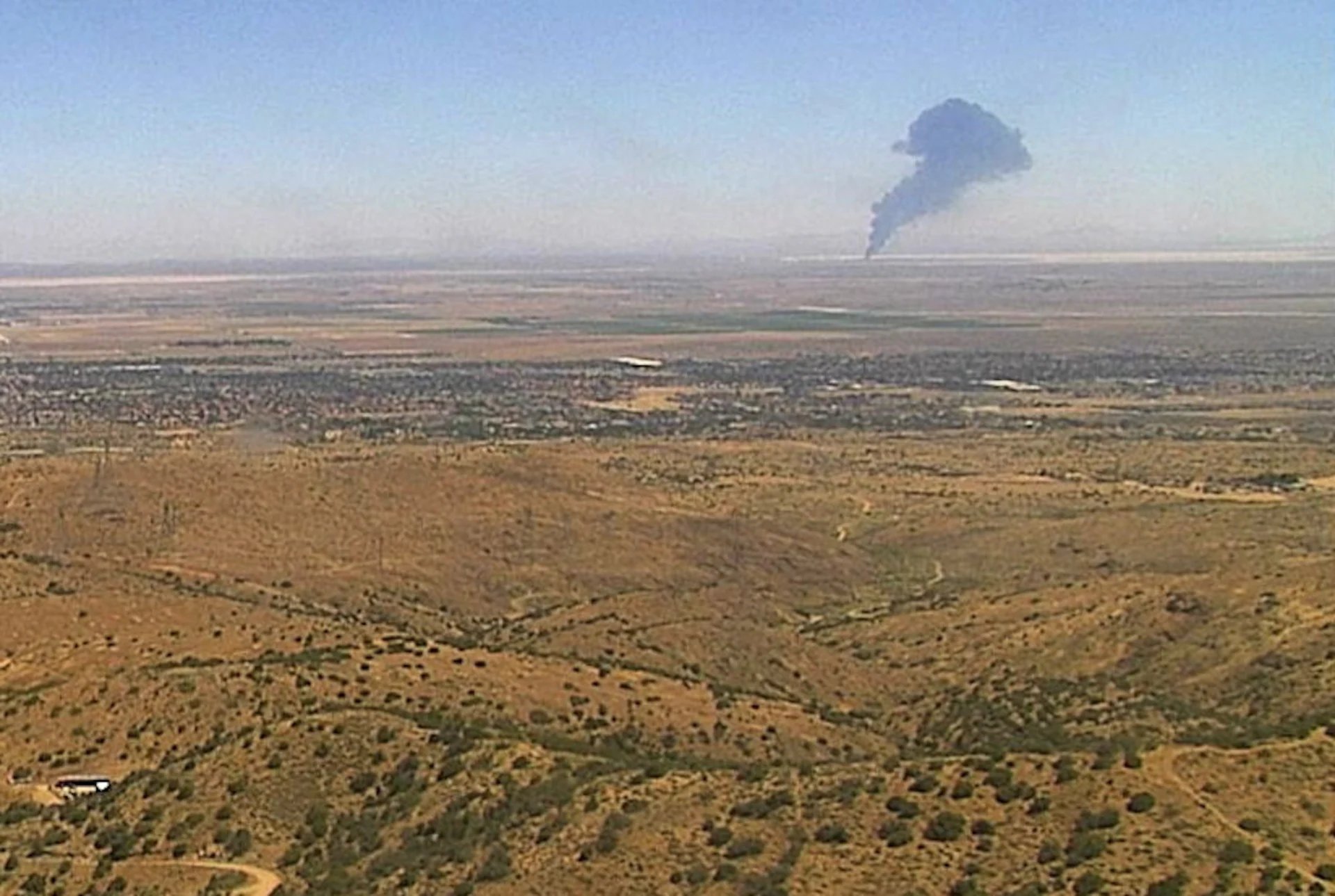
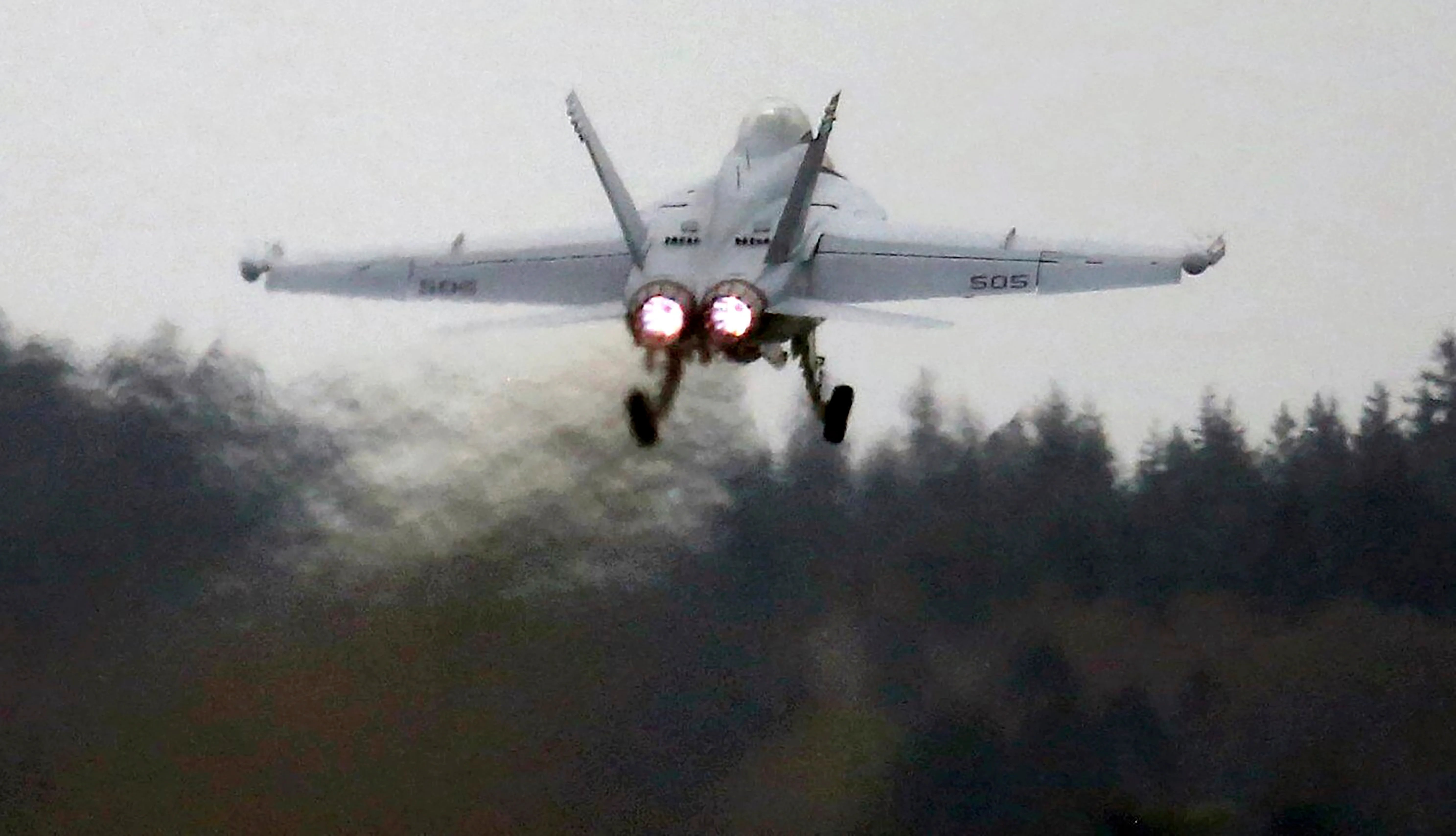
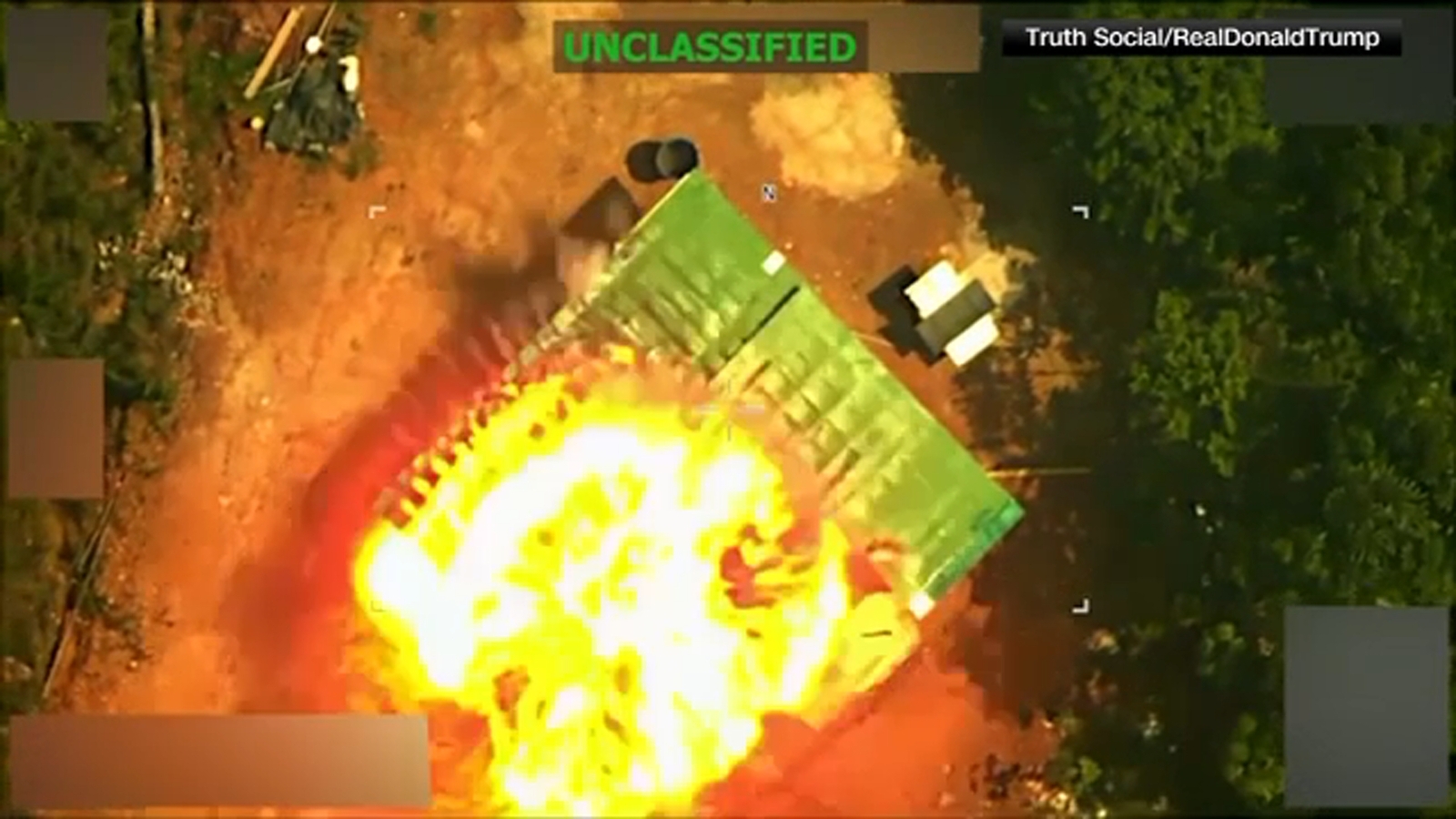
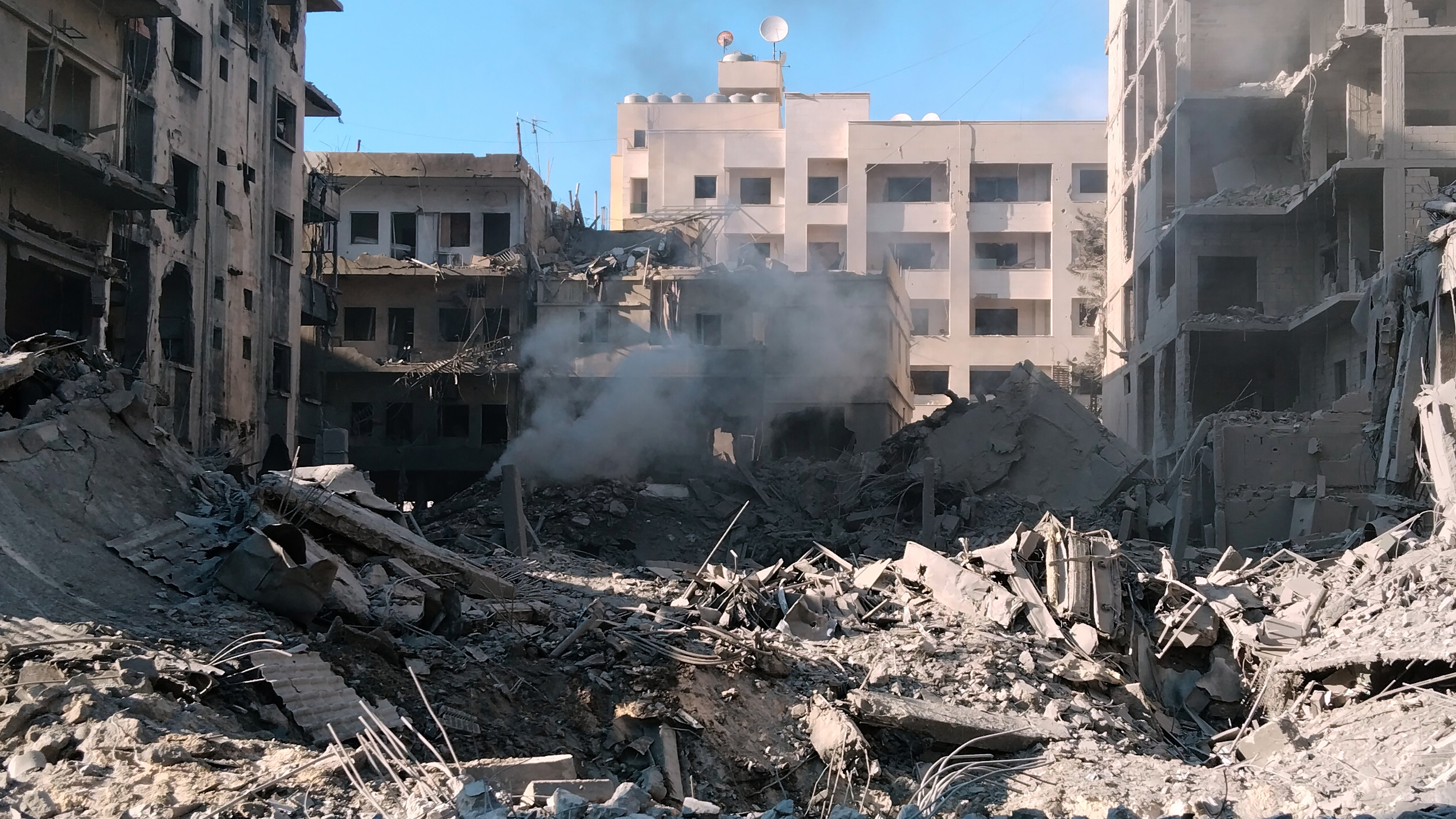
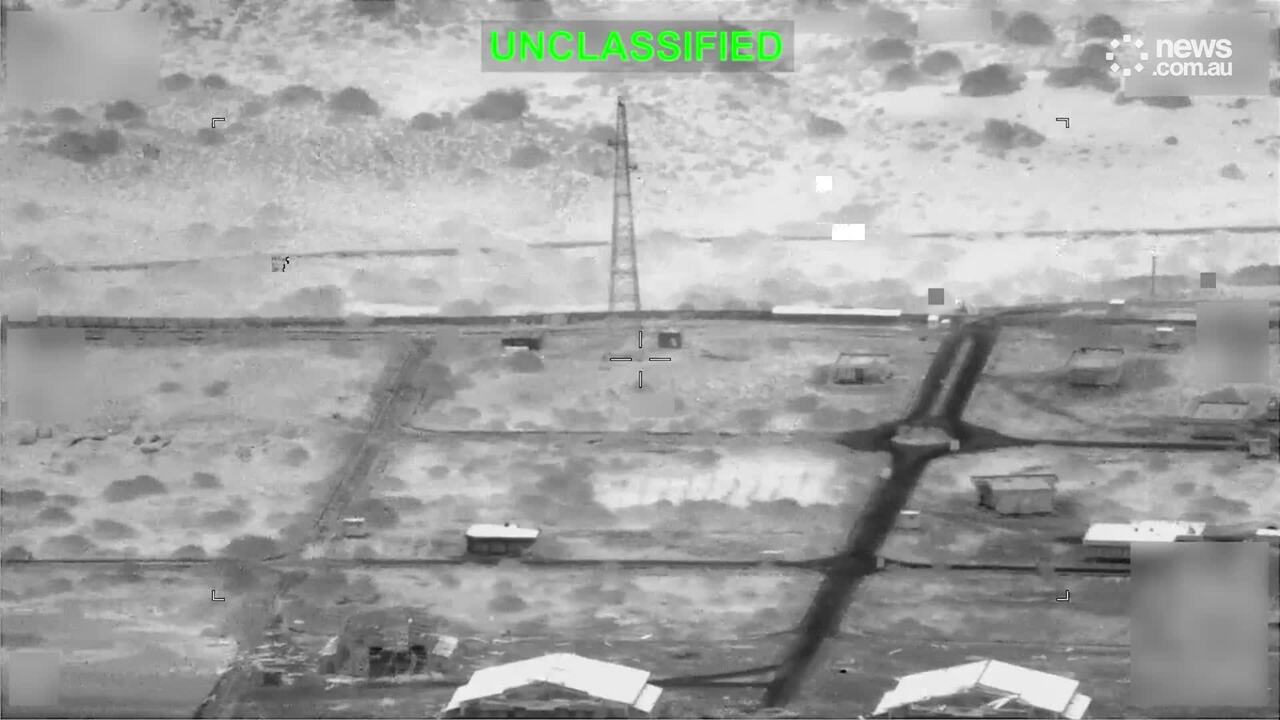
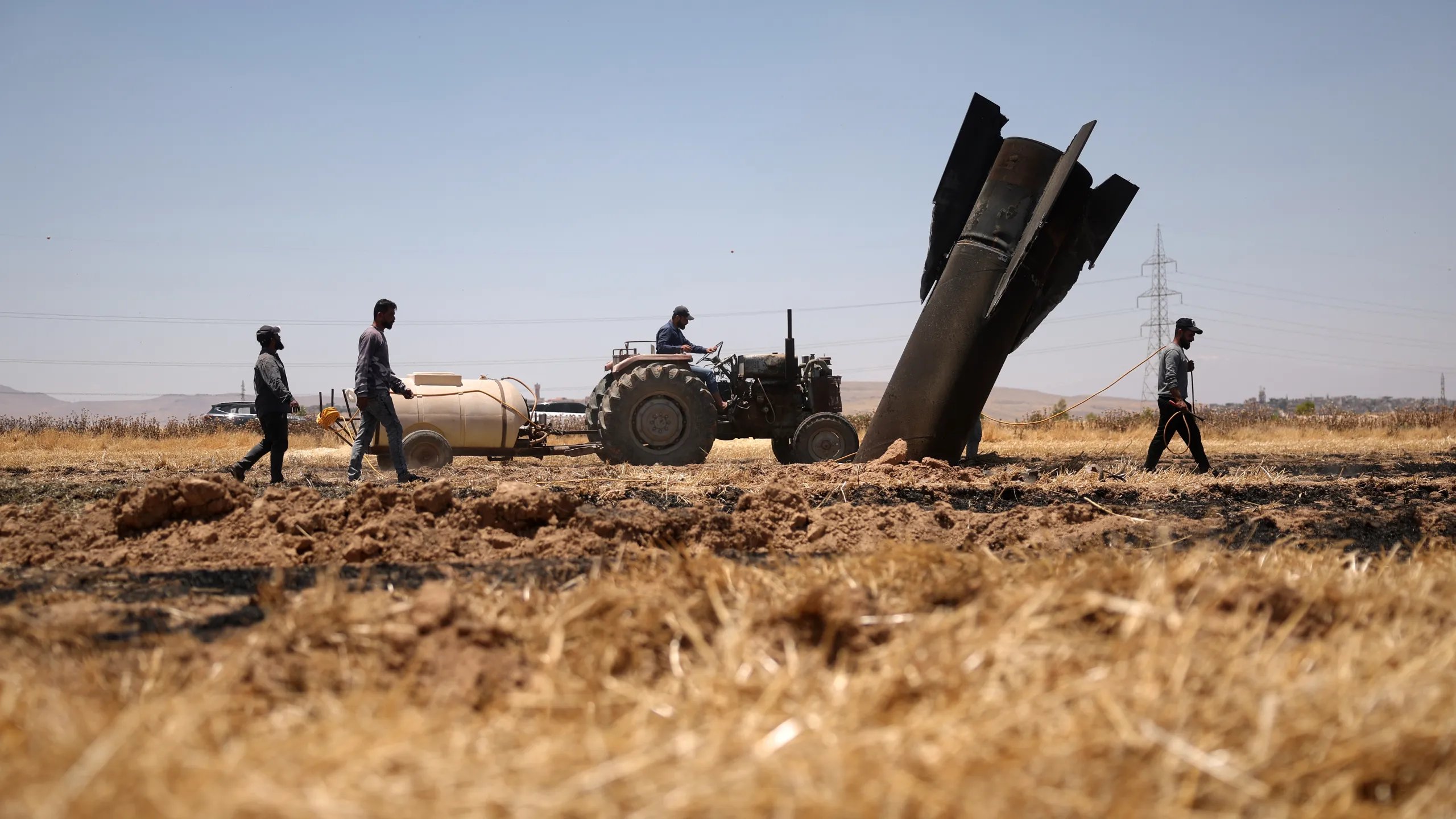
US Central Command (Centcom), responsible for overseeing American forces in the Middle East, announced on Wednesday that a June 19 airstrike in northwest Syria resulted in the death of a senior Islamic State leader, Ali Husayn al-‘Ulaywi. This action is part of the ongoing US efforts to disrupt and eliminate terrorists seeking to destabilize the region.
Implications for Regional Security
The elimination of al-‘Ulaywi signifies a significant blow to ISIS leadership, potentially impacting their operational capabilities and influence in the region. This military action underscores the US commitment to combating terrorism and preserving regional stability, which has direct implications for global security and the safety of US allies in the Middle East.
Ongoing US Military Strategy
The airstrike demonstrates the continued US military strategy of targeted operations against high-value terrorist targets. By focusing on eliminating key leaders, the US aims to削弱 ISIS's ability to plan and execute attacks, thereby reducing the threat they pose to both regional and international security.
International Response
While the international community closely monitors US military actions in the Middle East, this airstrike is likely to be viewed as a necessary measure in the ongoing fight against terrorism. It highlights the complexity of military engagements in the region and the delicate balance of maintaining peace and security.
Next Steps in the Fight Against ISIS
With the removal of a senior leader, ISIS may face a period of reorganization and potential power struggles. This could present opportunities for further US and coalition operations, as well as challenges in maintaining the pressure on the group. The focus now shifts to how ISIS will respond and adapt to this loss, and what the implications might be for future counter-terrorism efforts.