




Humanitarian Crisis for Mariners
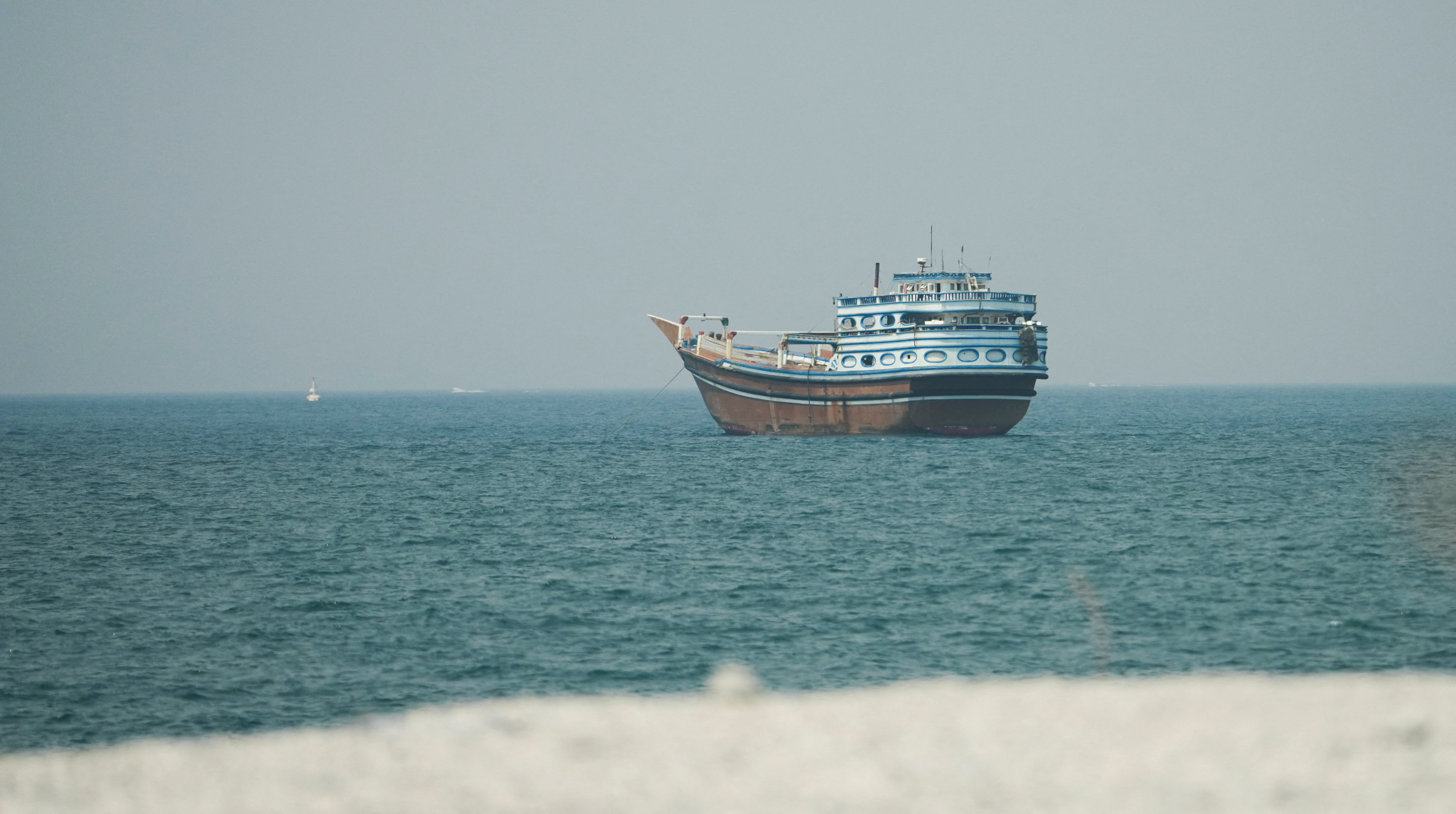
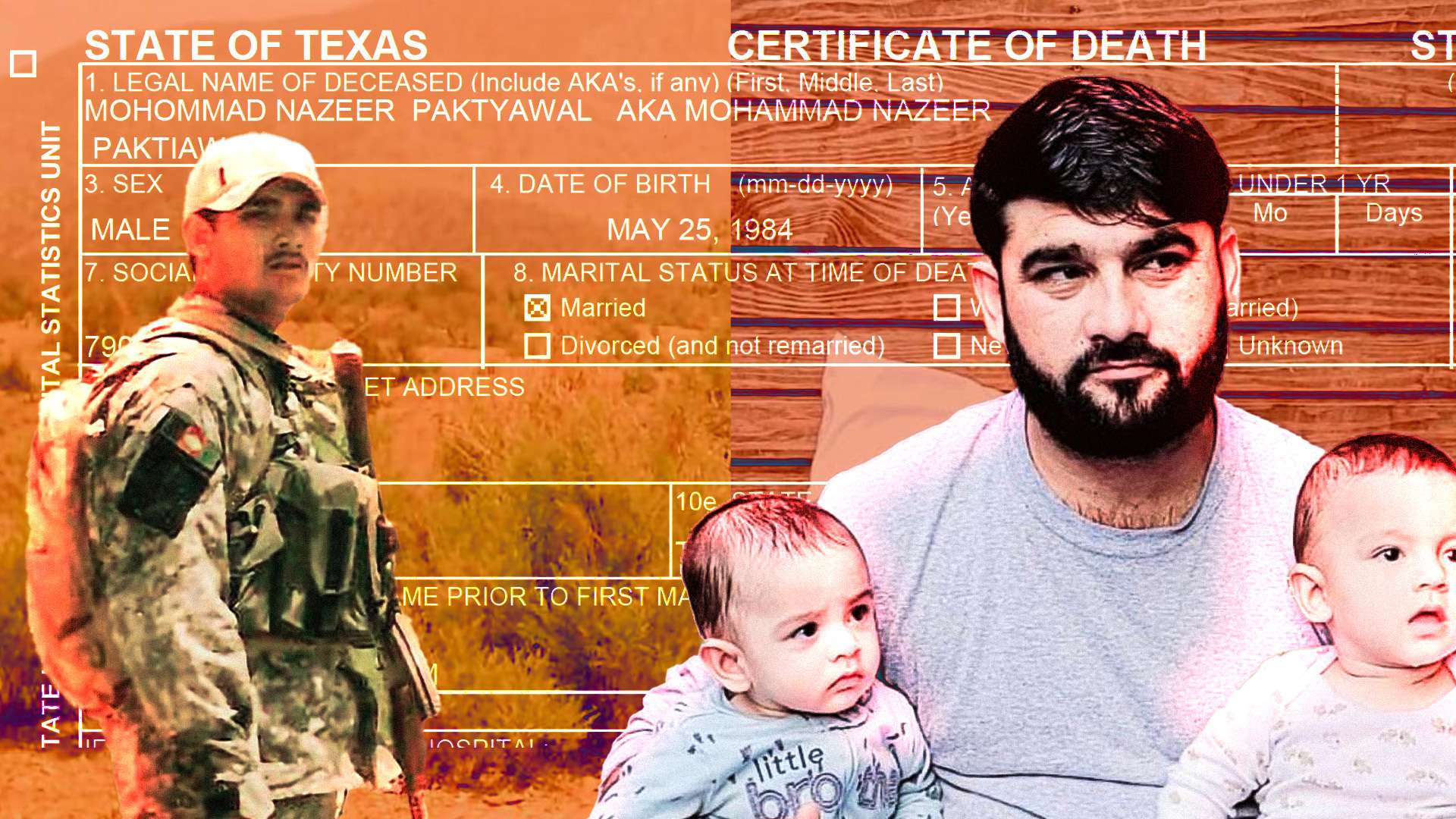
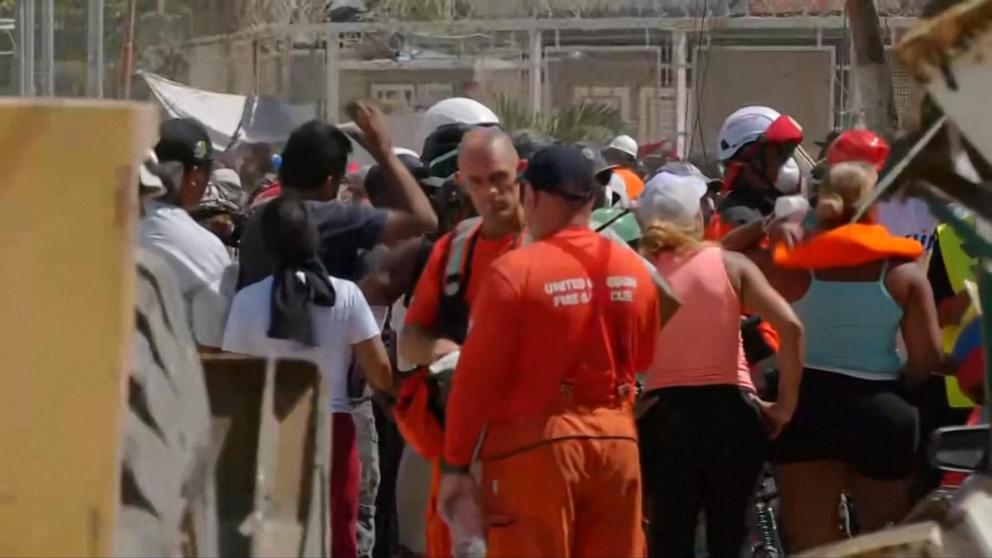
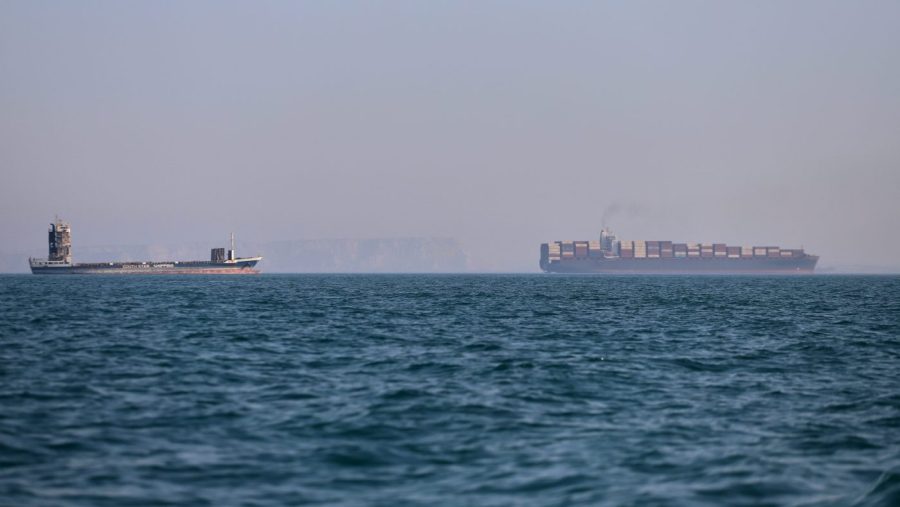
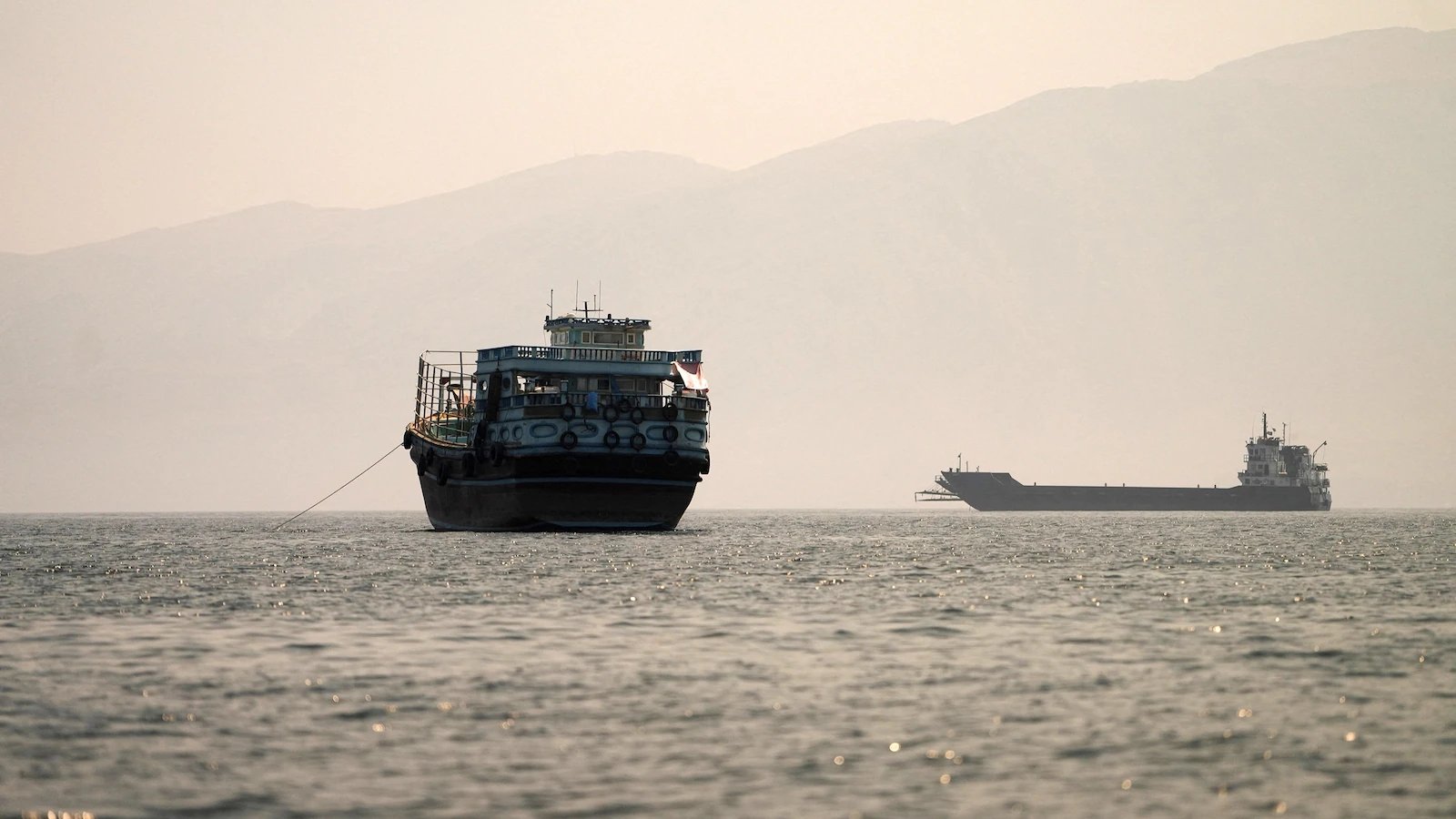
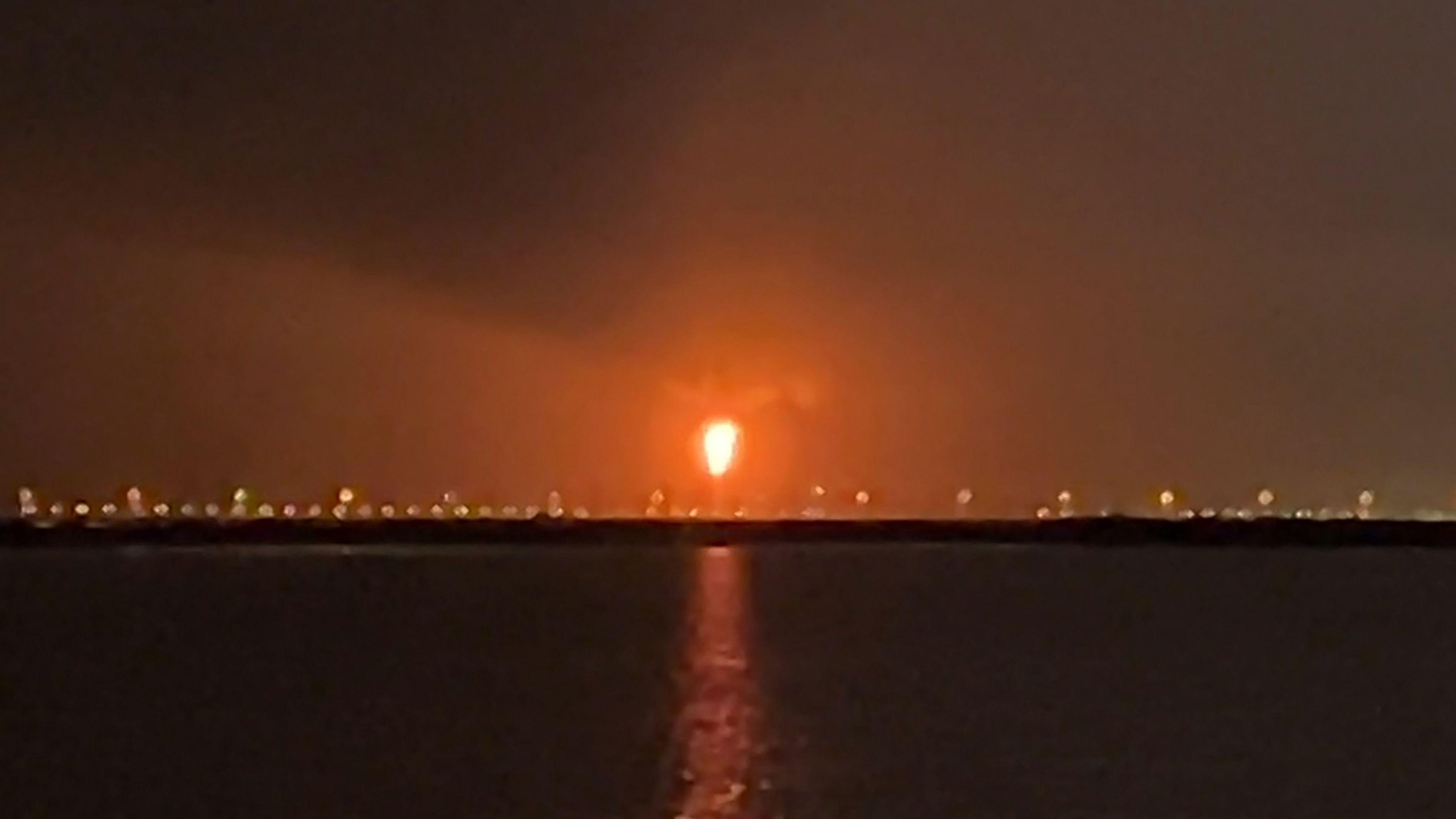
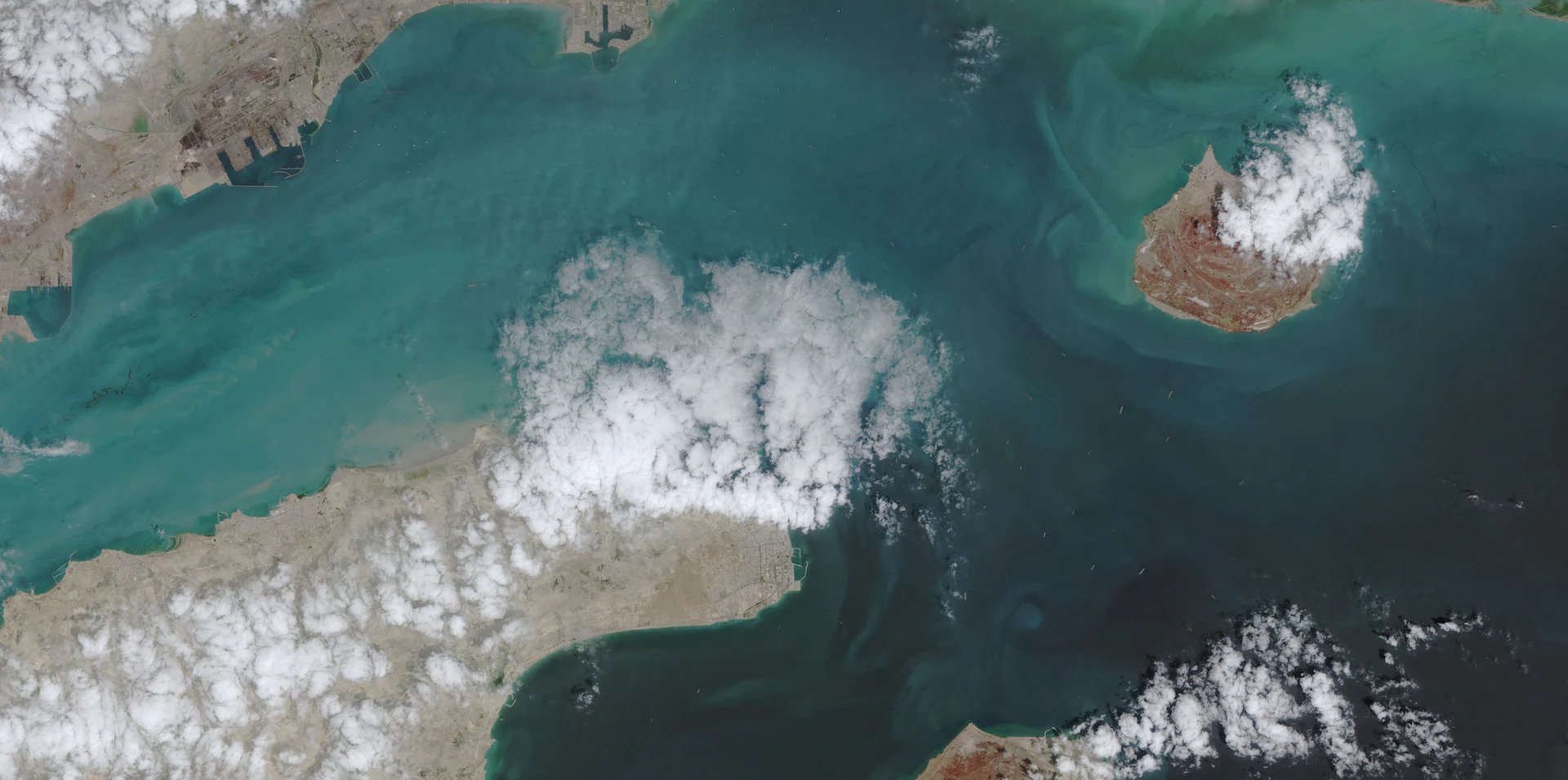
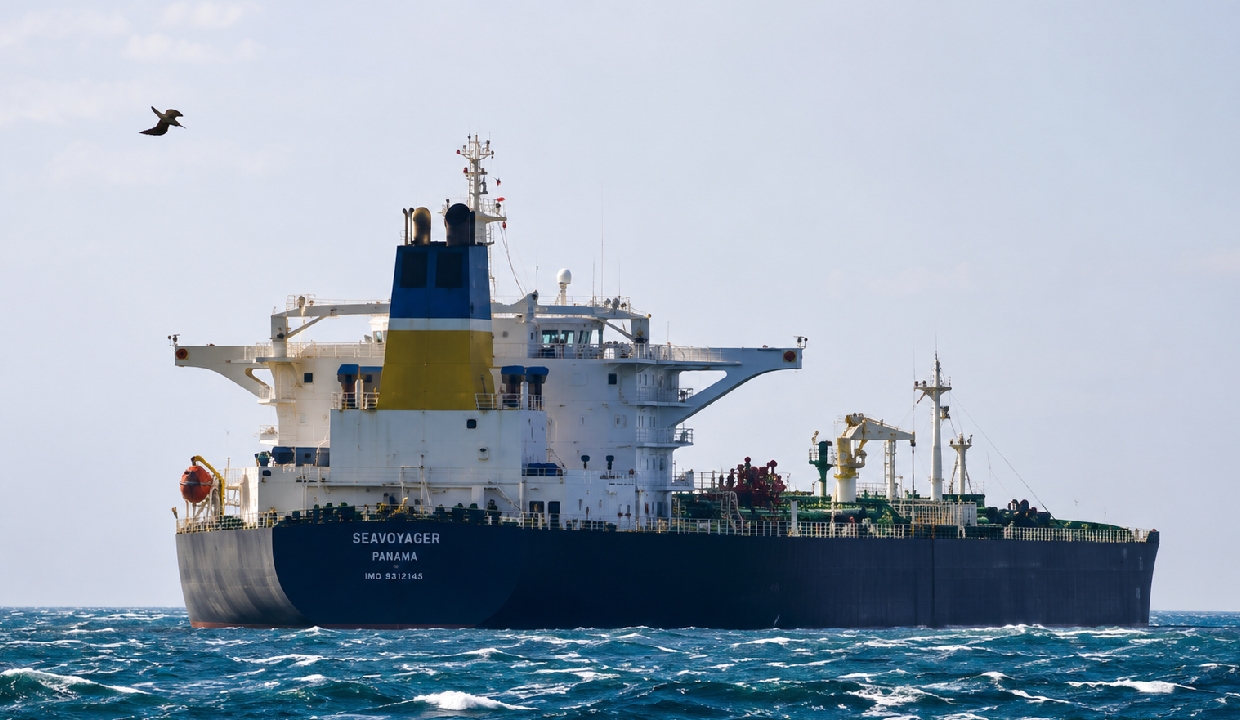
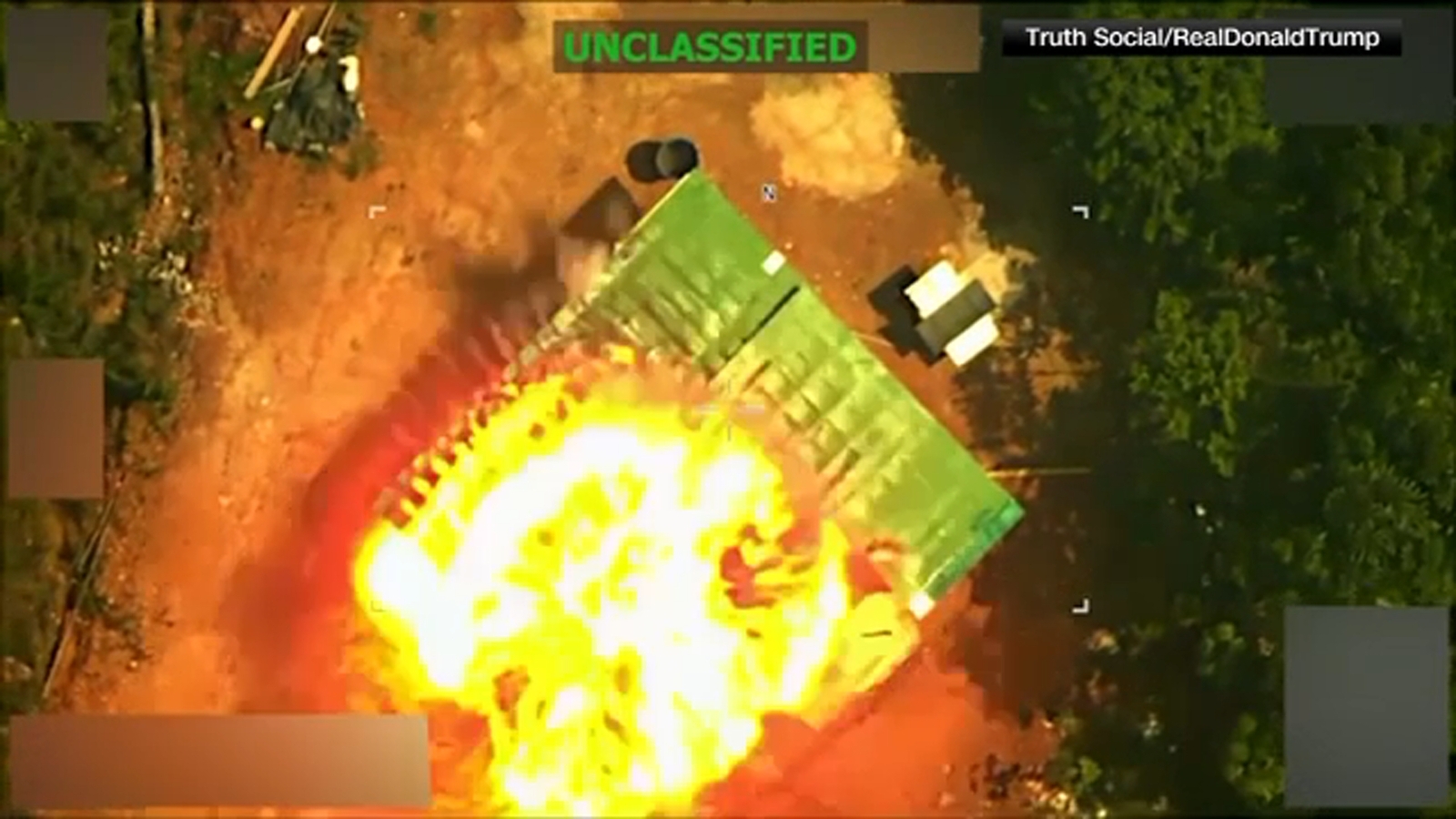
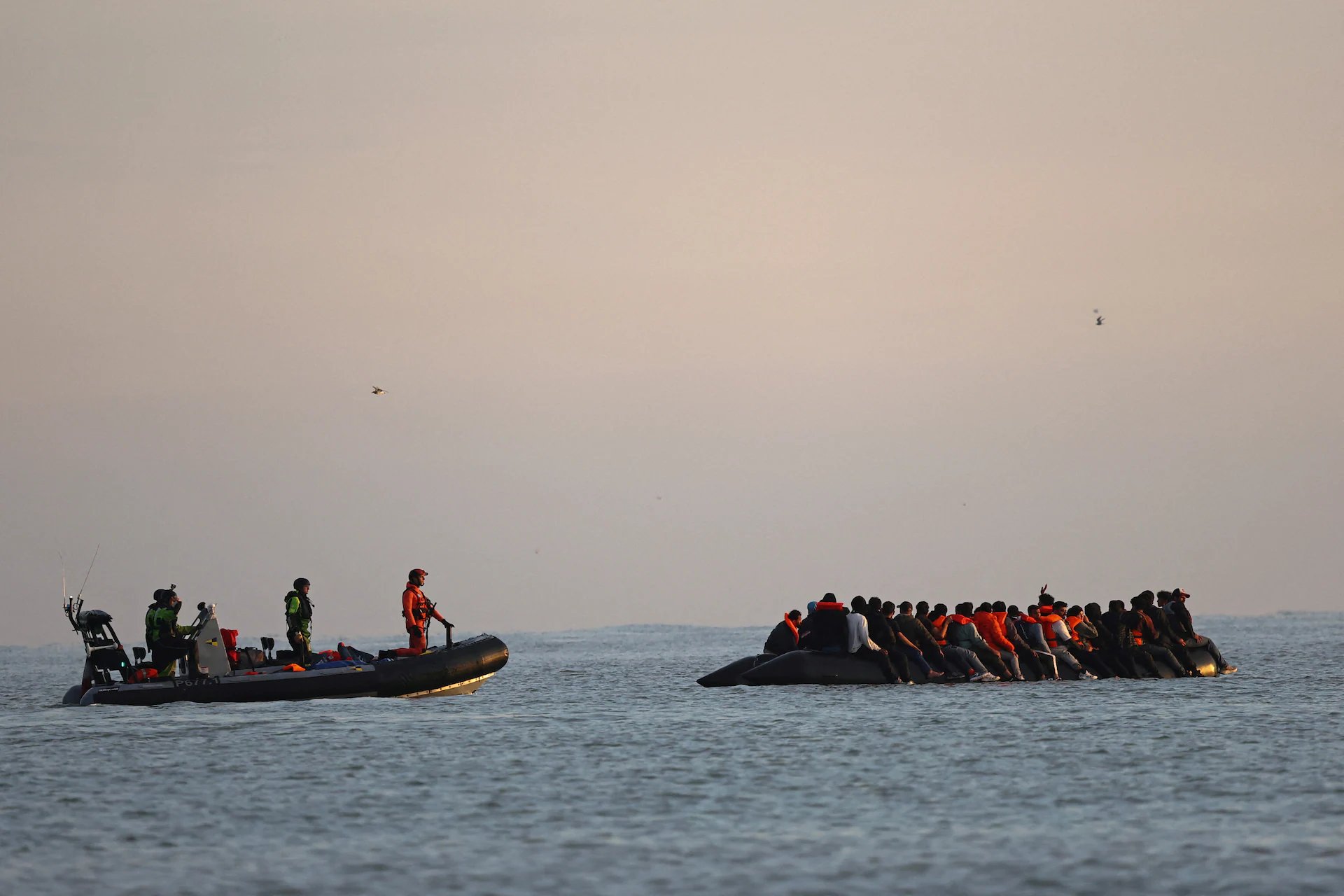
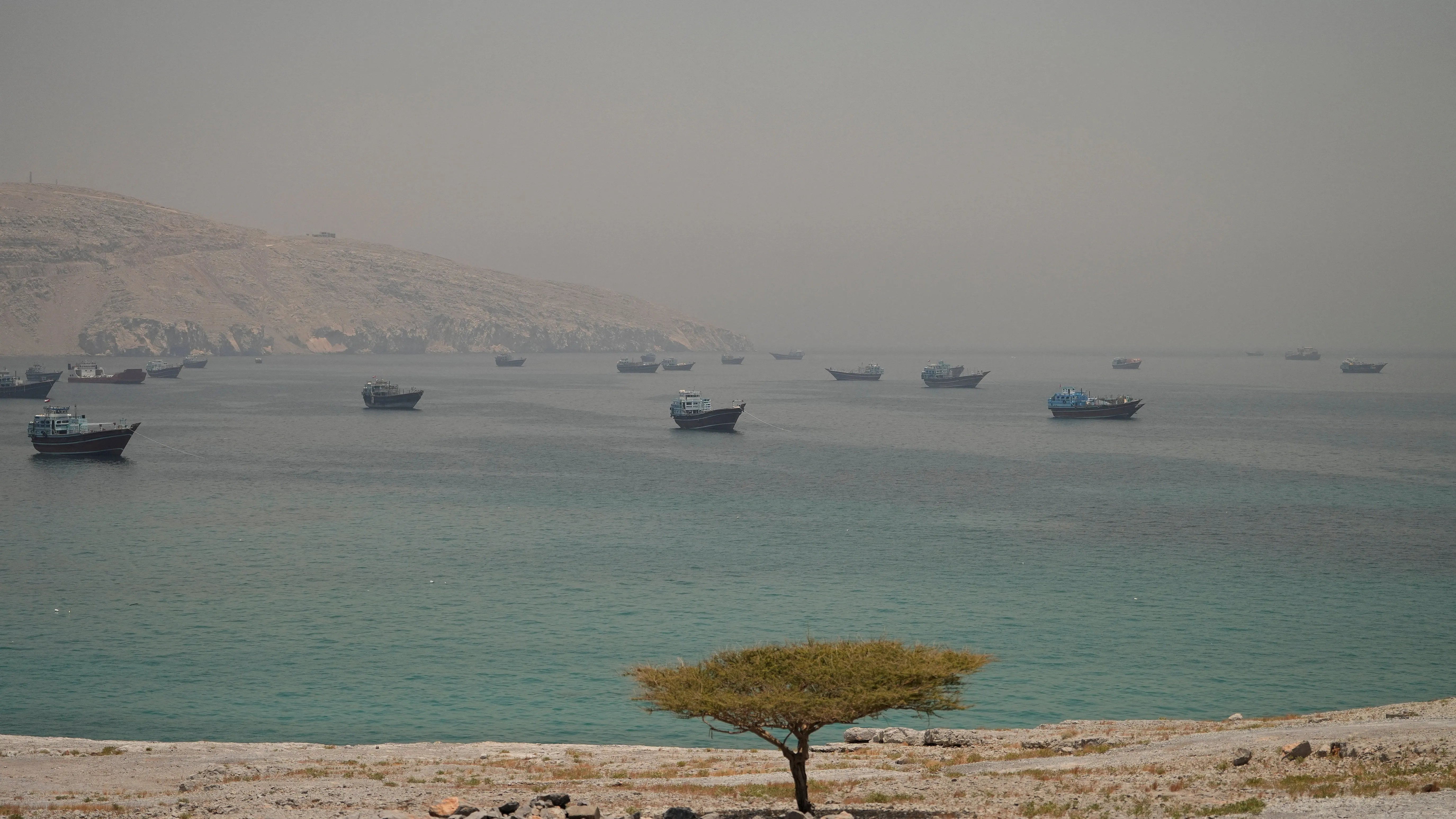
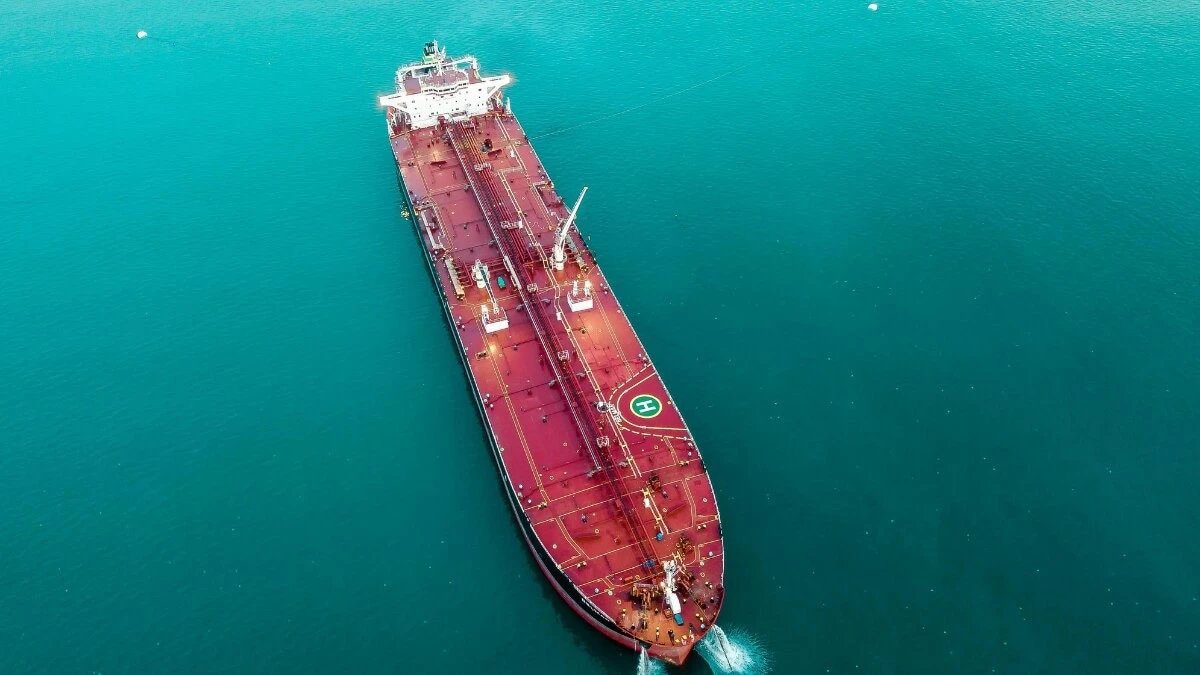
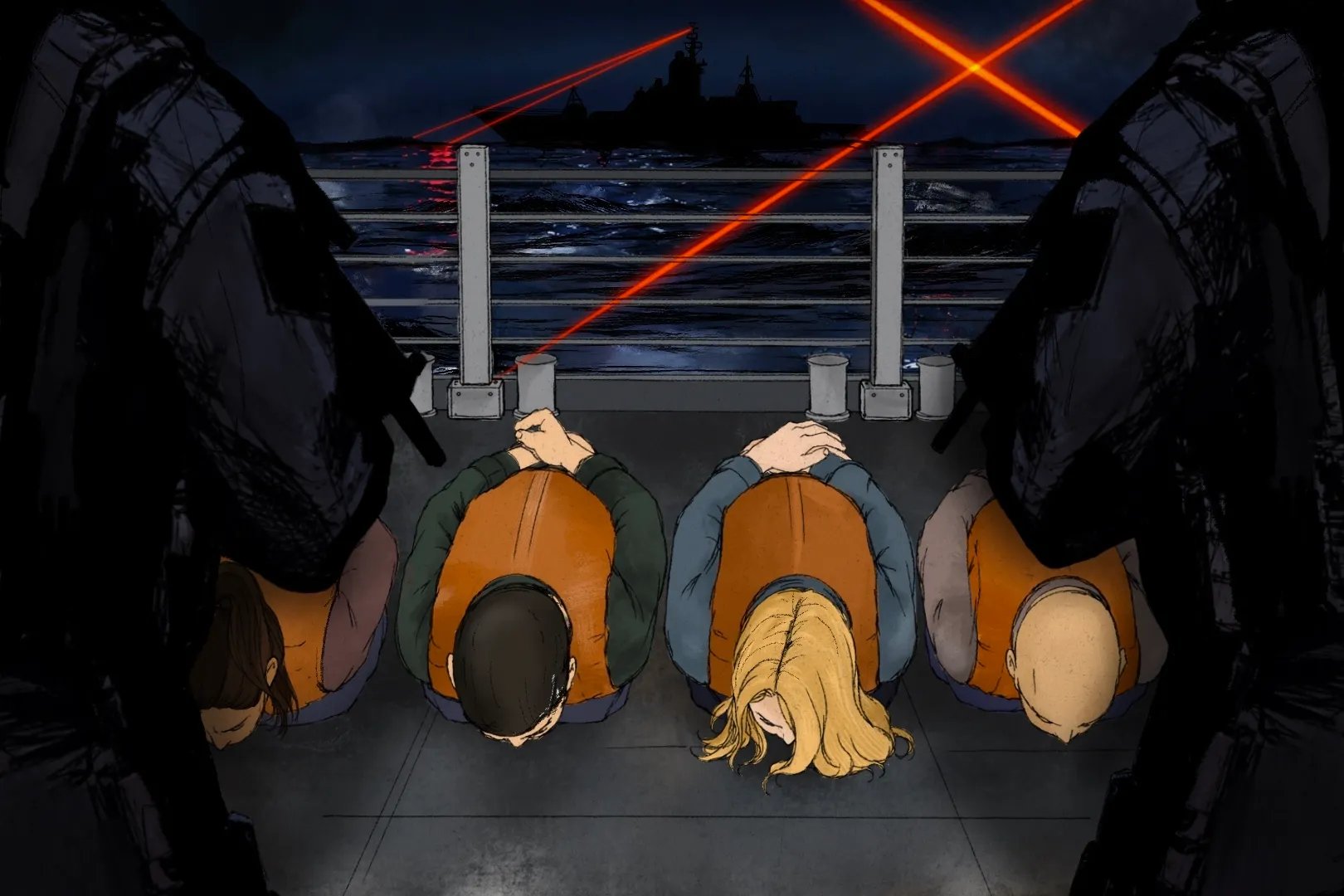
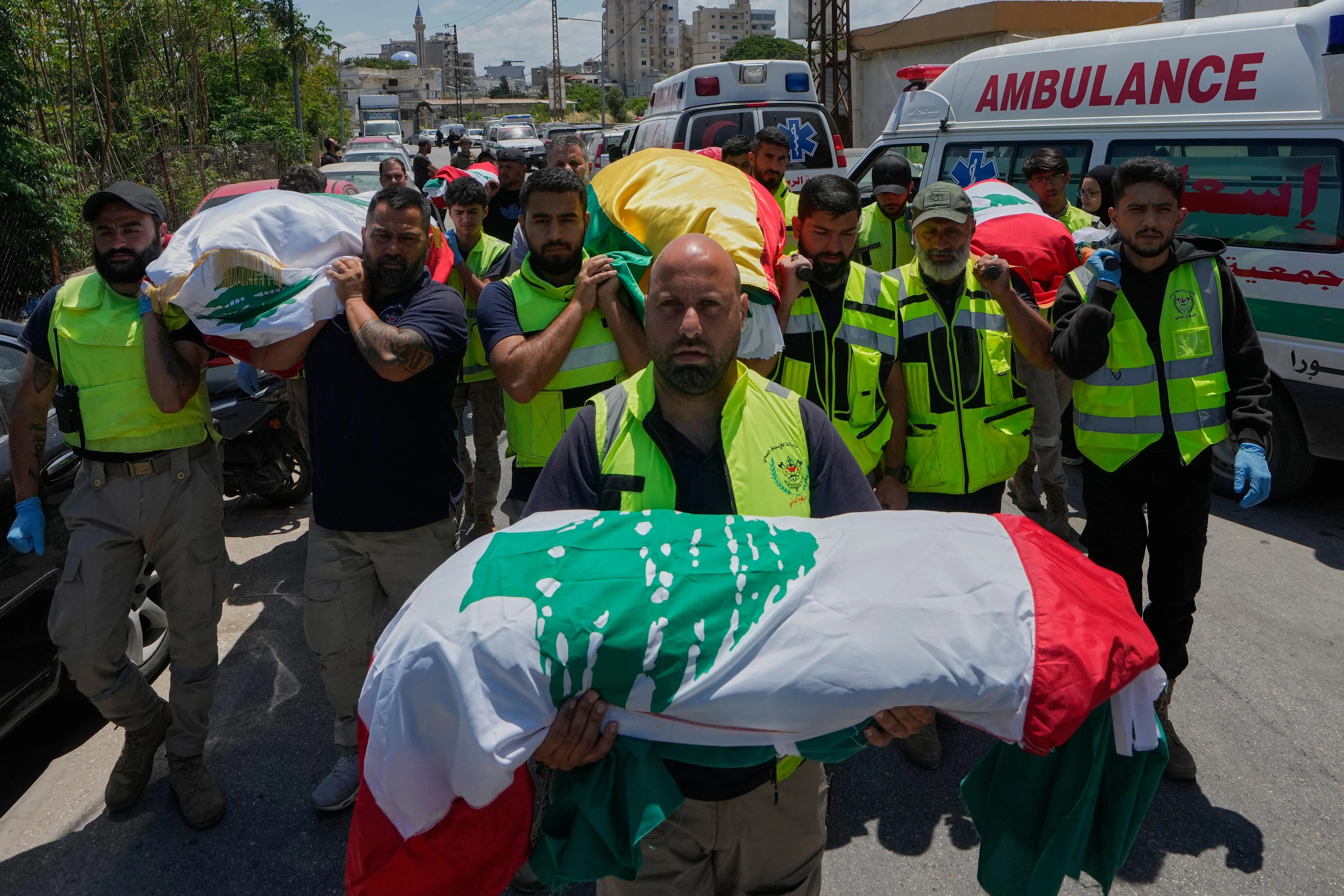
Tens of thousands of commercial sailors find themselves trapped in the Strait of Hormuz, enduring dire conditions as the ongoing conflict between the U.S. and Iran escalates. India's commercial shipping ministry reported that nearly 18,000 Indian mariners remain in the Persian Gulf region, with many describing their situation as akin to being "in jail." At least 14 commercial mariners have died since the conflict began, including four Indian nationals—three killed in a U.S. strike on the M/T Settebello and a fourth who died aboard the MT Celestial Sea.
Stranded Vessels and Safety Concerns
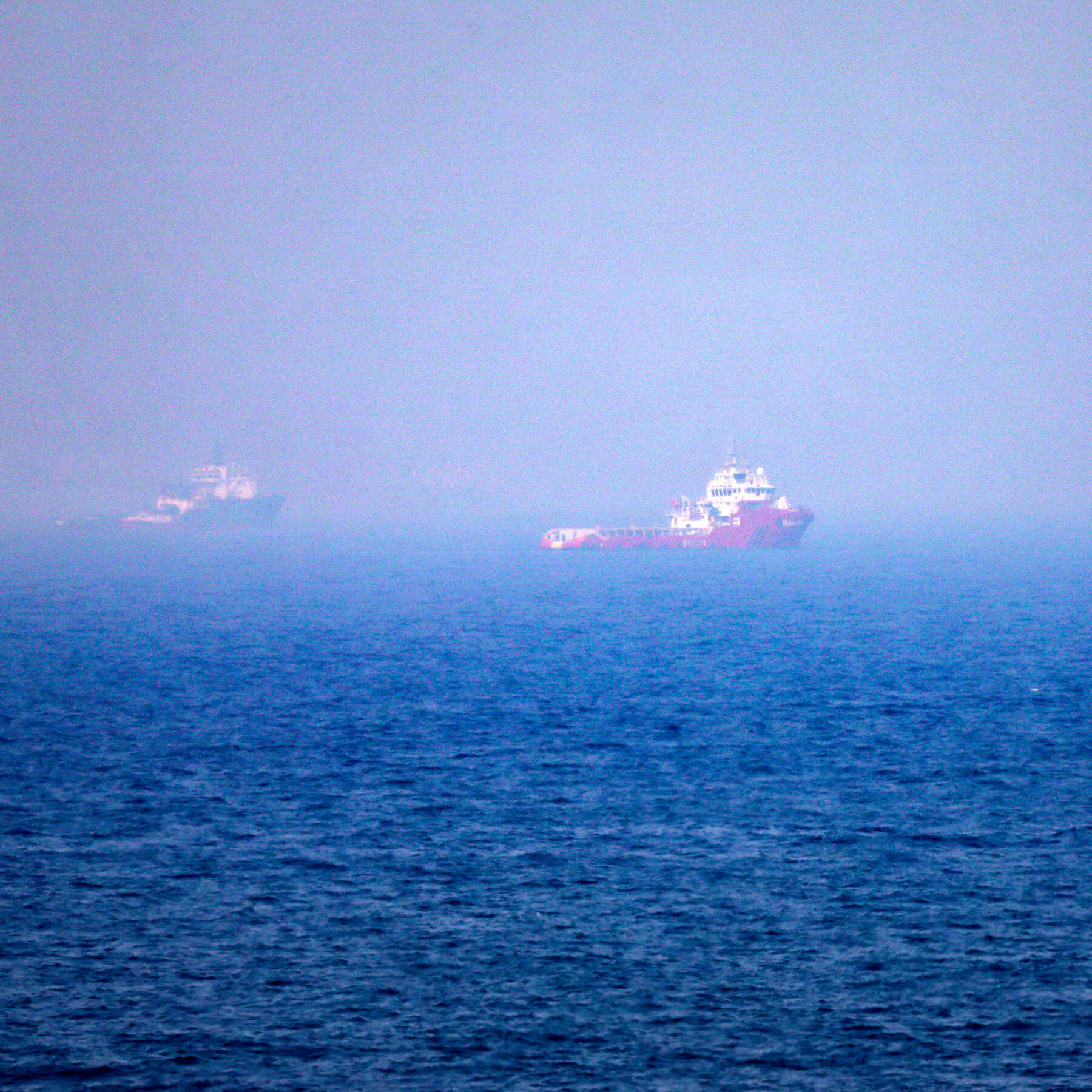
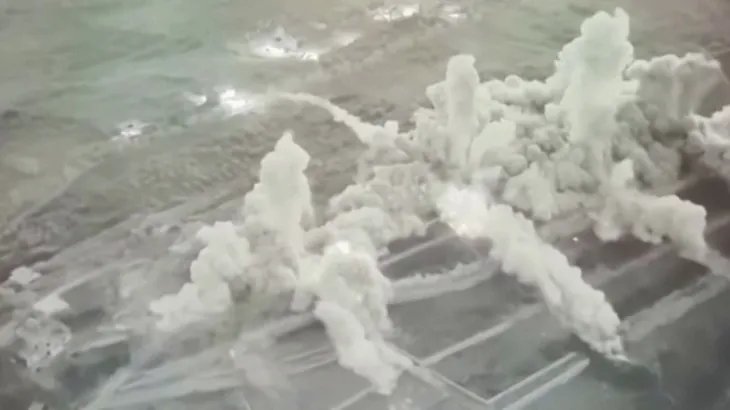
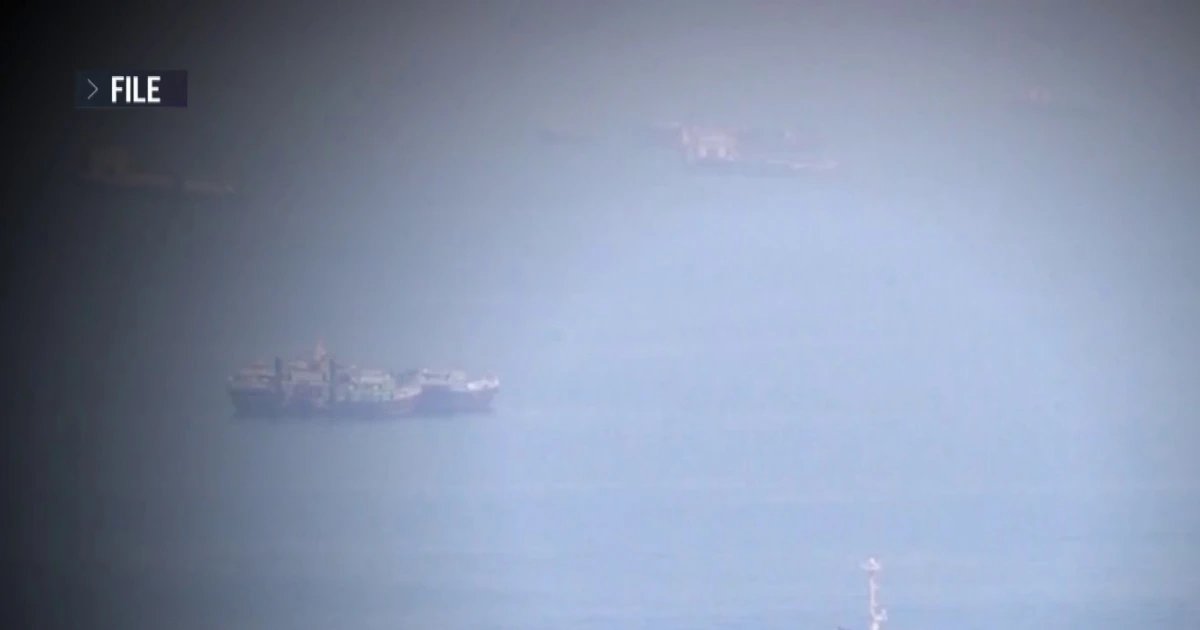
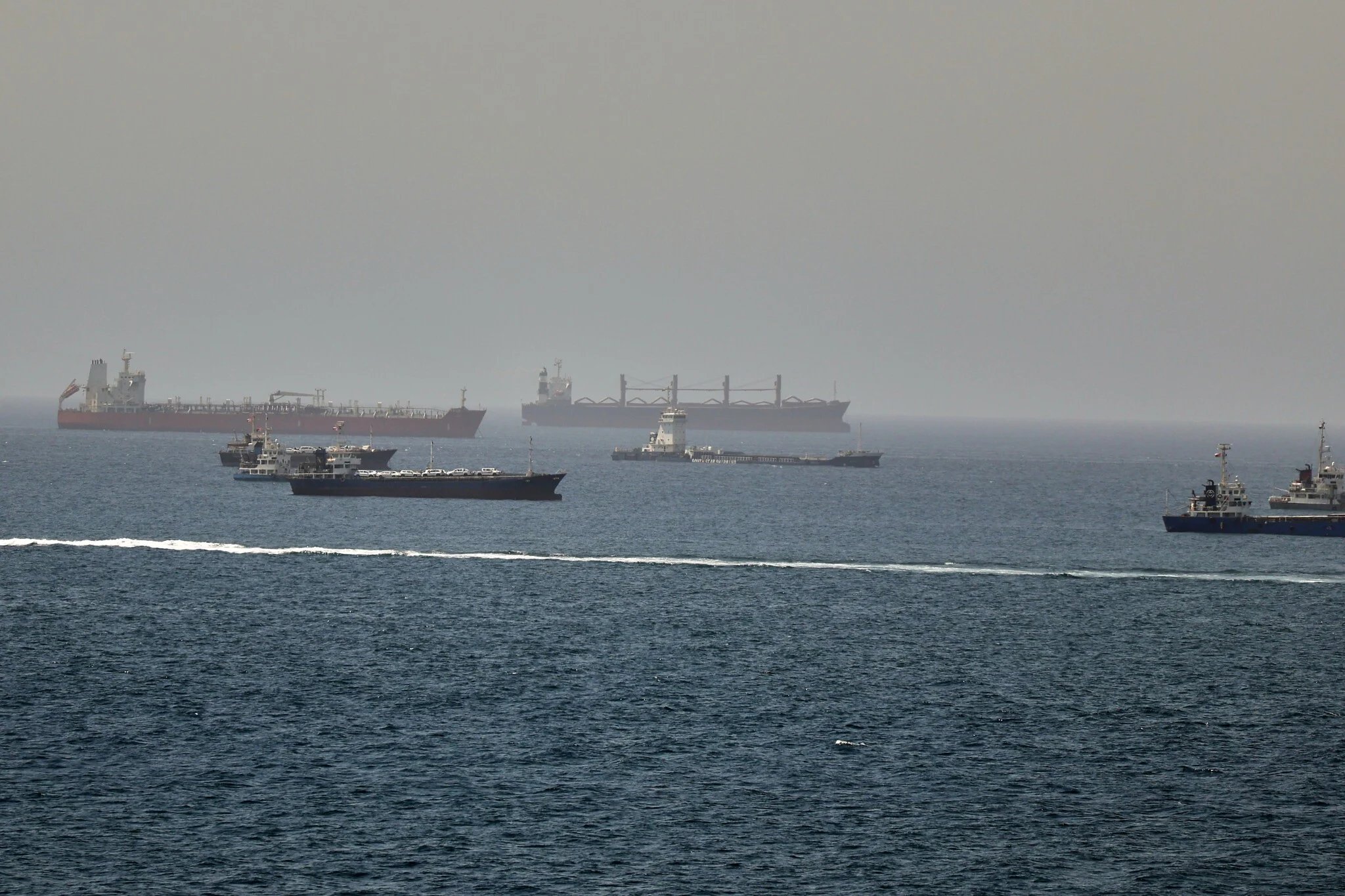
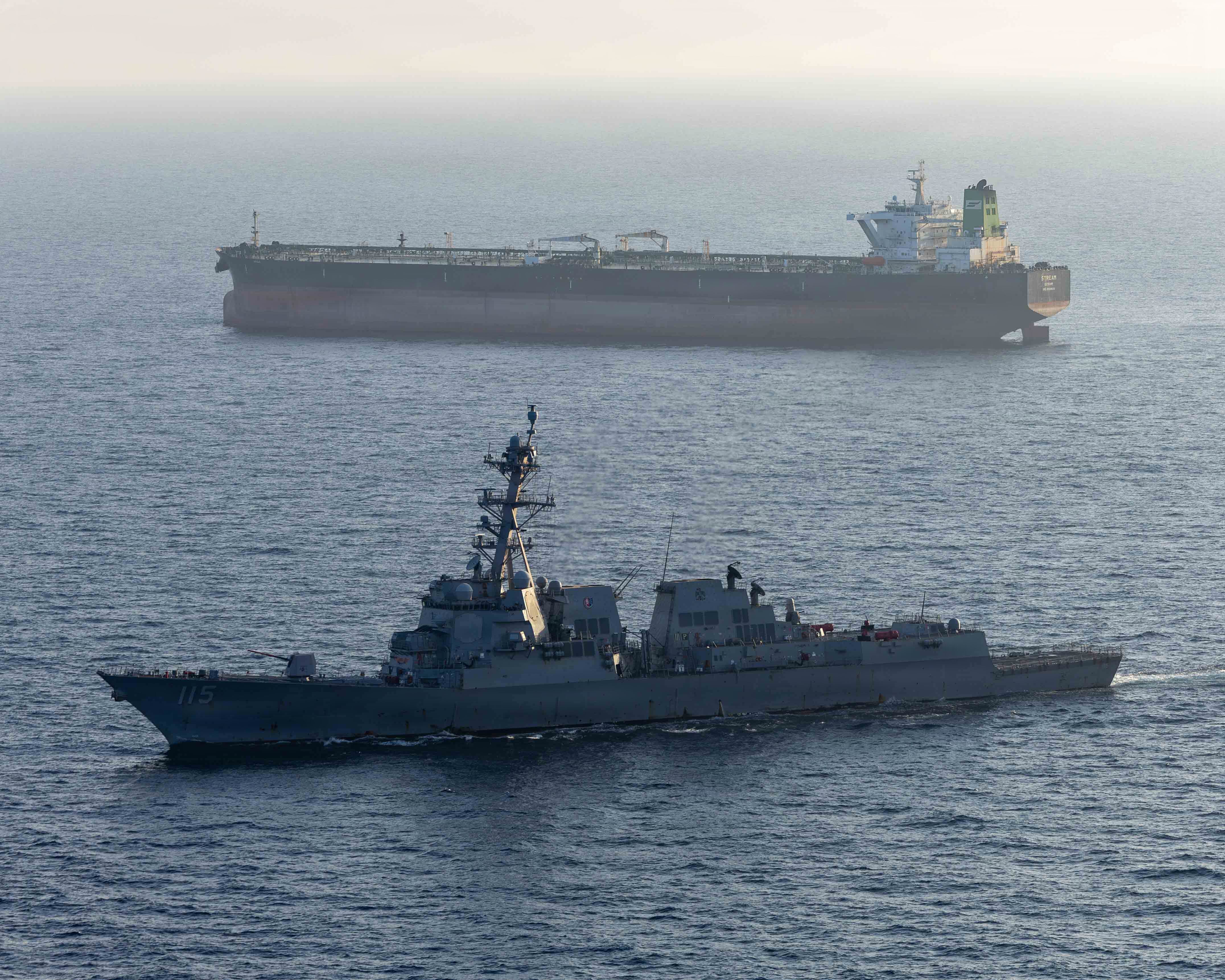
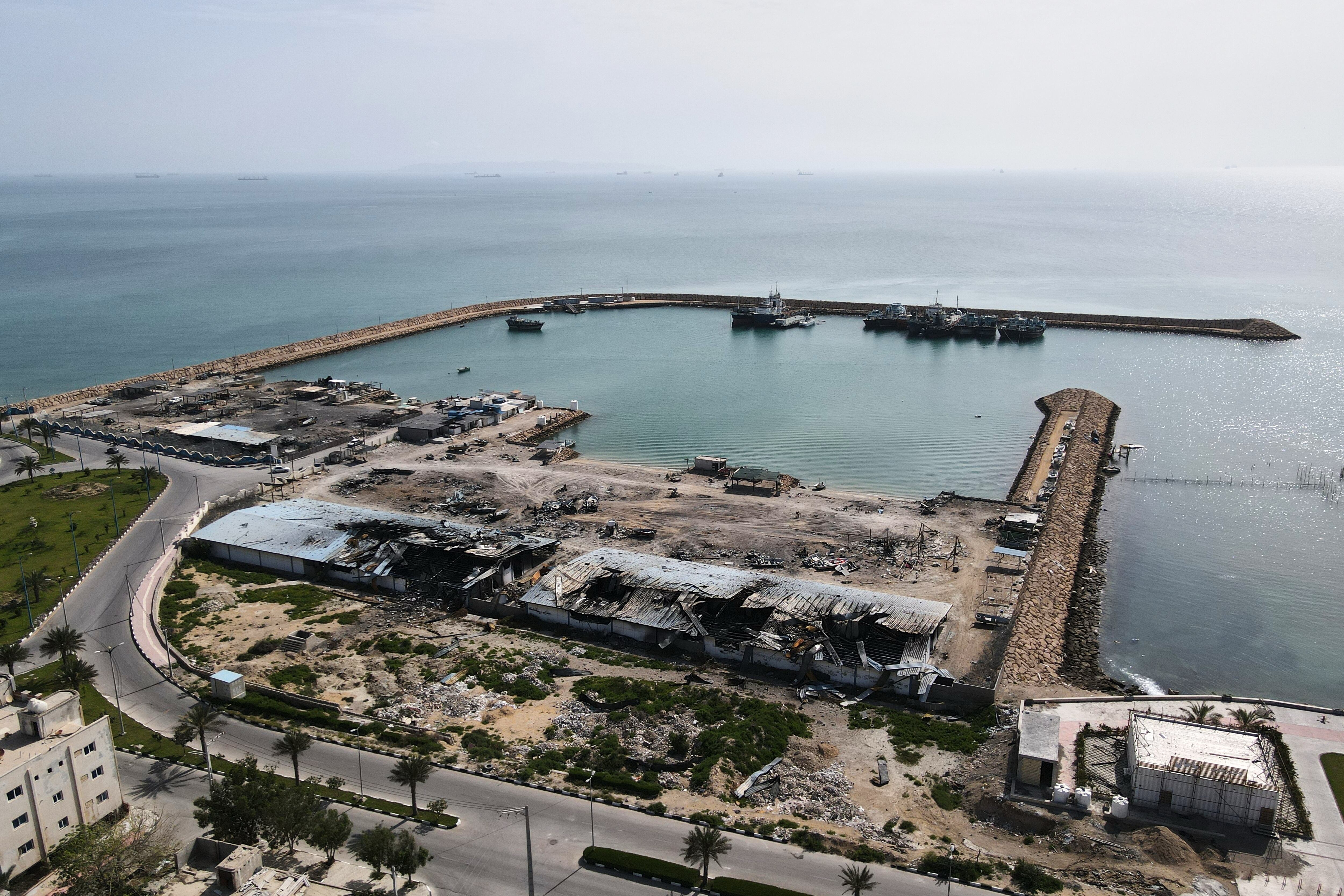
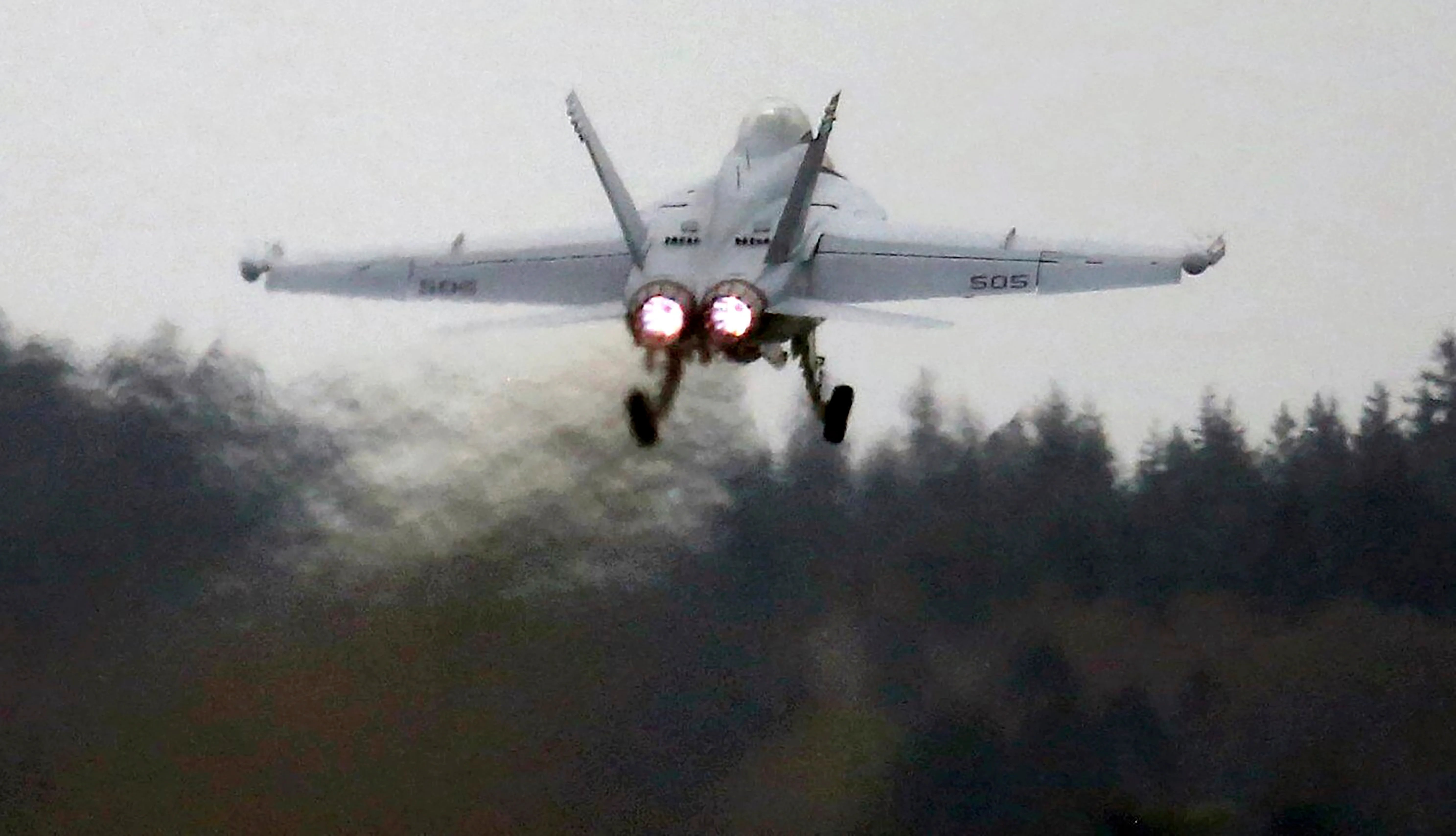
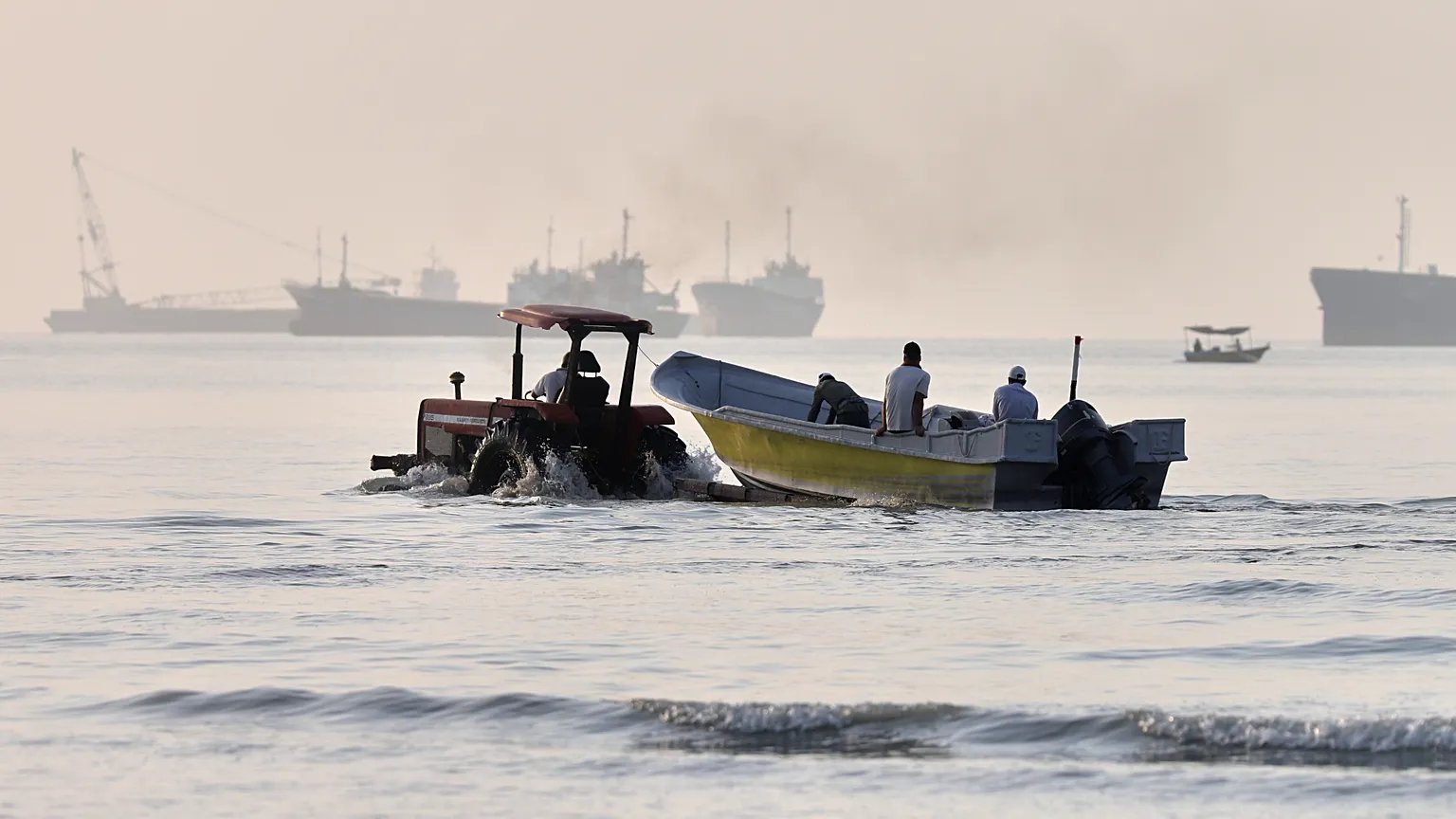
According to ship-tracking data from MarineTraffic, more than 250 tankers and more than 330 cargo ships remain inside the Gulf, with about 75% of tankers stationary. Major shipping companies remain hesitant to resume operations through the strait, citing a "very risky" environment. The U.S. military's Central Command has disabled nine ships for violating its blockade and turned back 135 others since the conflict intensified. The Joint Maritime Information Center warns that the maritime security threat level in the Strait of Hormuz remains severe.

Currently, approximately 600 vessels are trapped in the Persian Gulf, according to business intelligence firm Kpler.→According to ship-tracking data from MarineTraffic, more than 250 tankers and more than 330 cargo ships remain inside the Gulf, with about 75% of tankers stationary.
Outdated or imprecise figure. The CBS source states 'About 600 vessels remain trapped in the Persian Gulf' but the BBC source (dated Tuesday, June 15/16) provides more current data: 'Ship-tracking data from MarineTraffic on Tuesday shows there are more than 250 tankers and more than 330 cargo ships inside the Gulf'—totaling 580+ vessels. The summary uses the older 600 figure without noting the more recent breakdown.
Evacuation Plans in Jeopardy
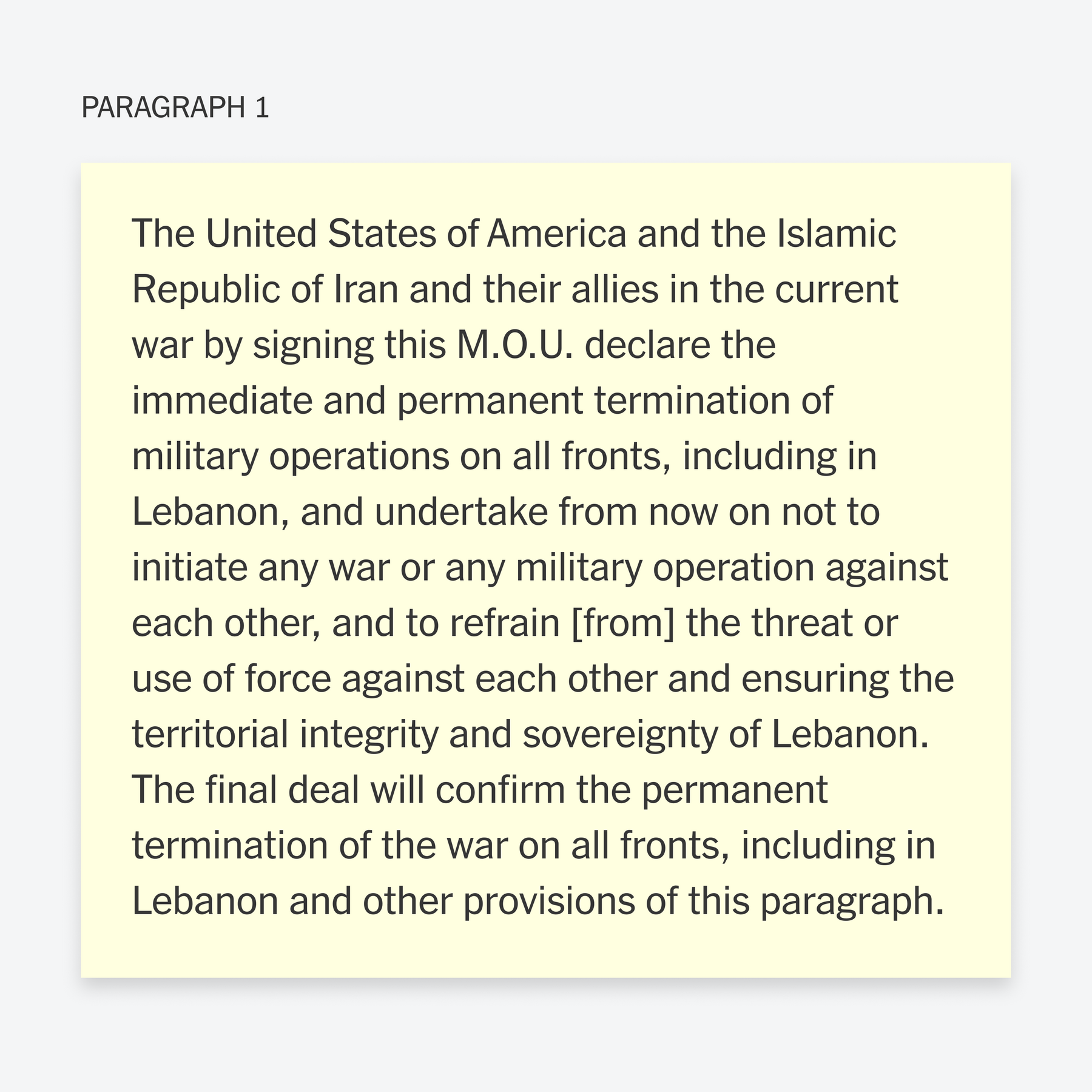
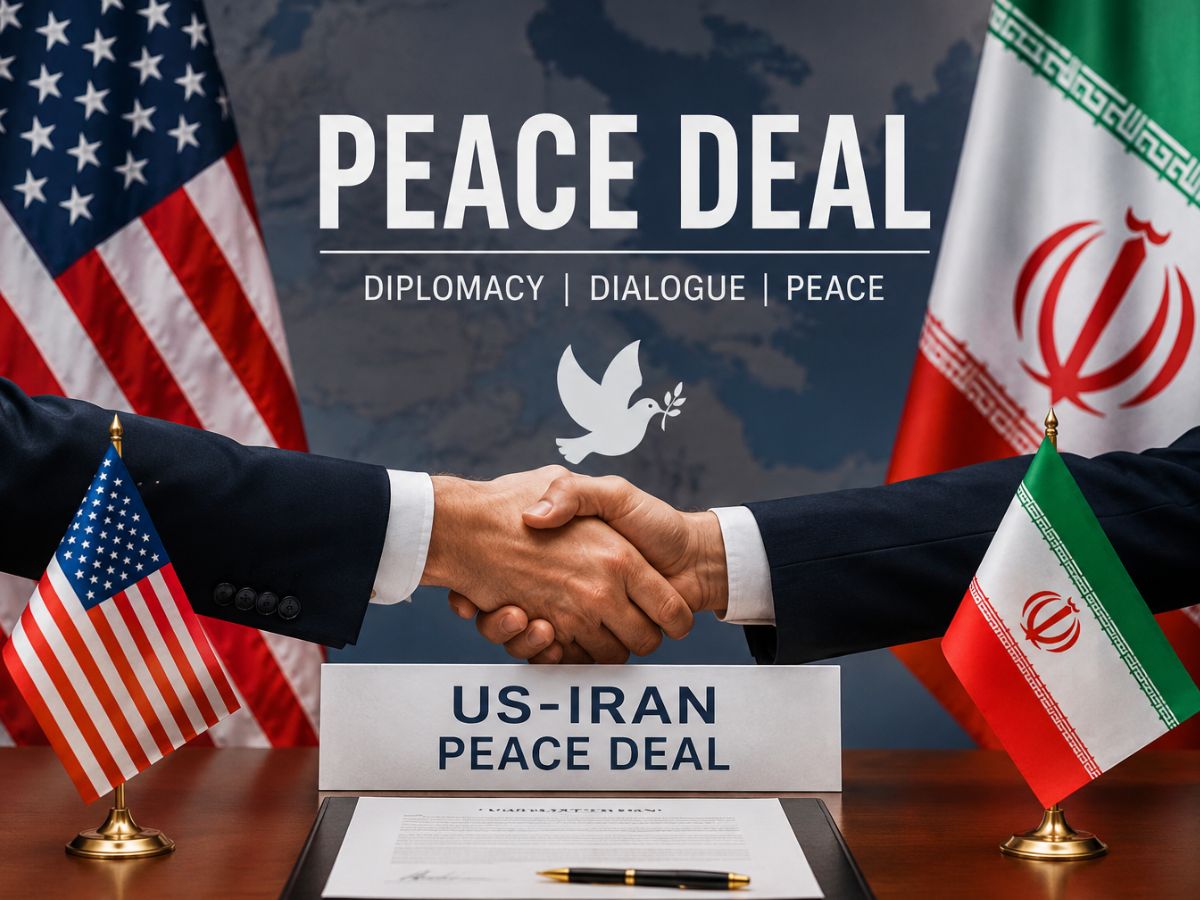
While a tentative U.S.-Iran peace deal is set to be signed, evacuation and repatriation for stranded sailors appear unlikely in the immediate future. Manoj Yadav, general secretary of the Forward Seamen's Union of India, described conditions on ships last week as "unbearable," with mariners facing shortages of food, water, and medical care. The union is currently collaborating with the U.N.'s International Maritime Organization to develop evacuation plans, but concrete action remains to be seen.

For example, the Forward Seamen's Union of India reported that many mariners have expressed feeling like they are 'in jail' due to their dire circumstances.
Economic Impact on Global Shipping
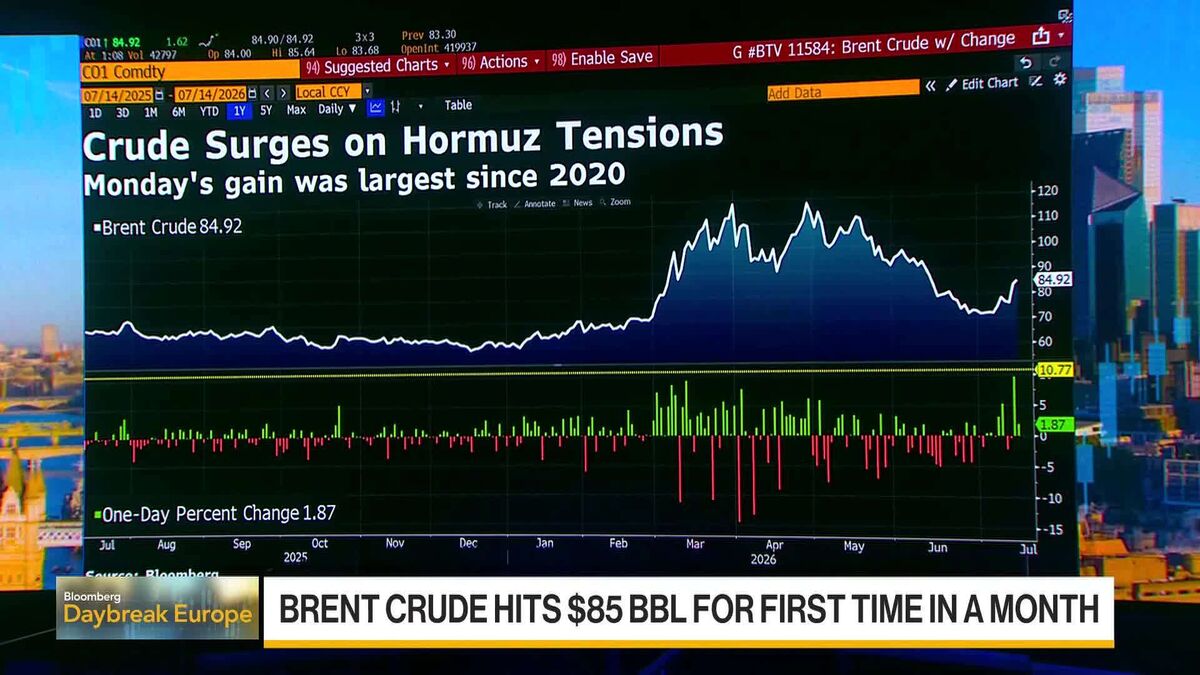
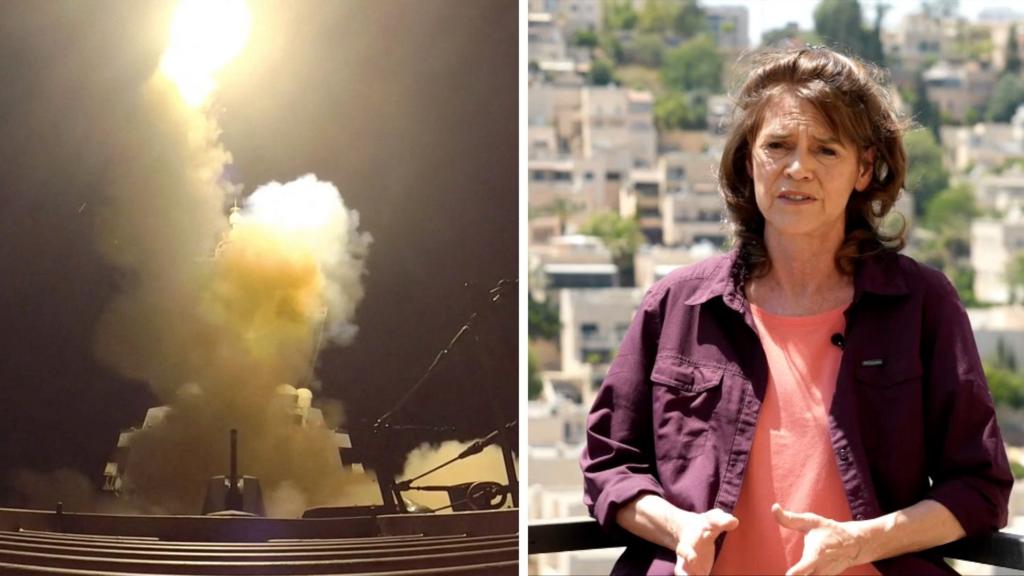
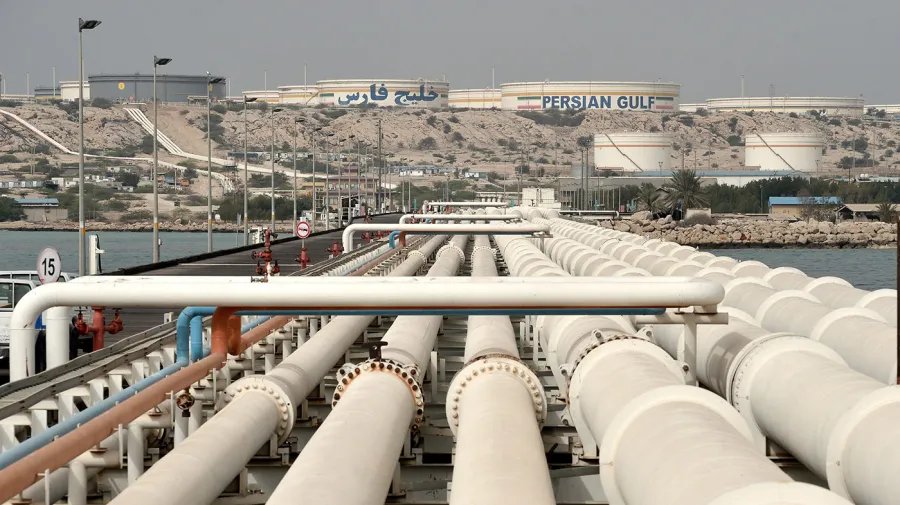
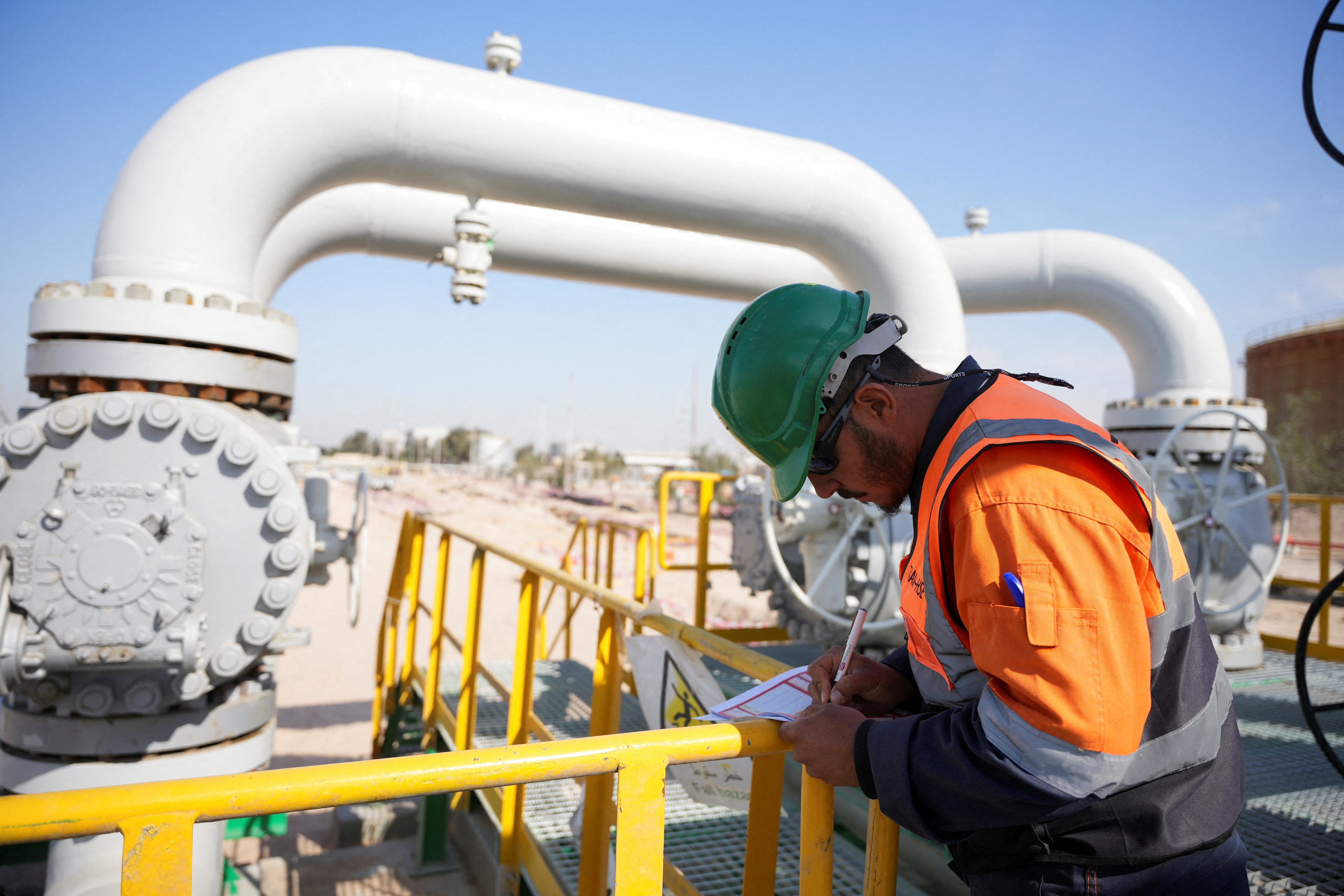
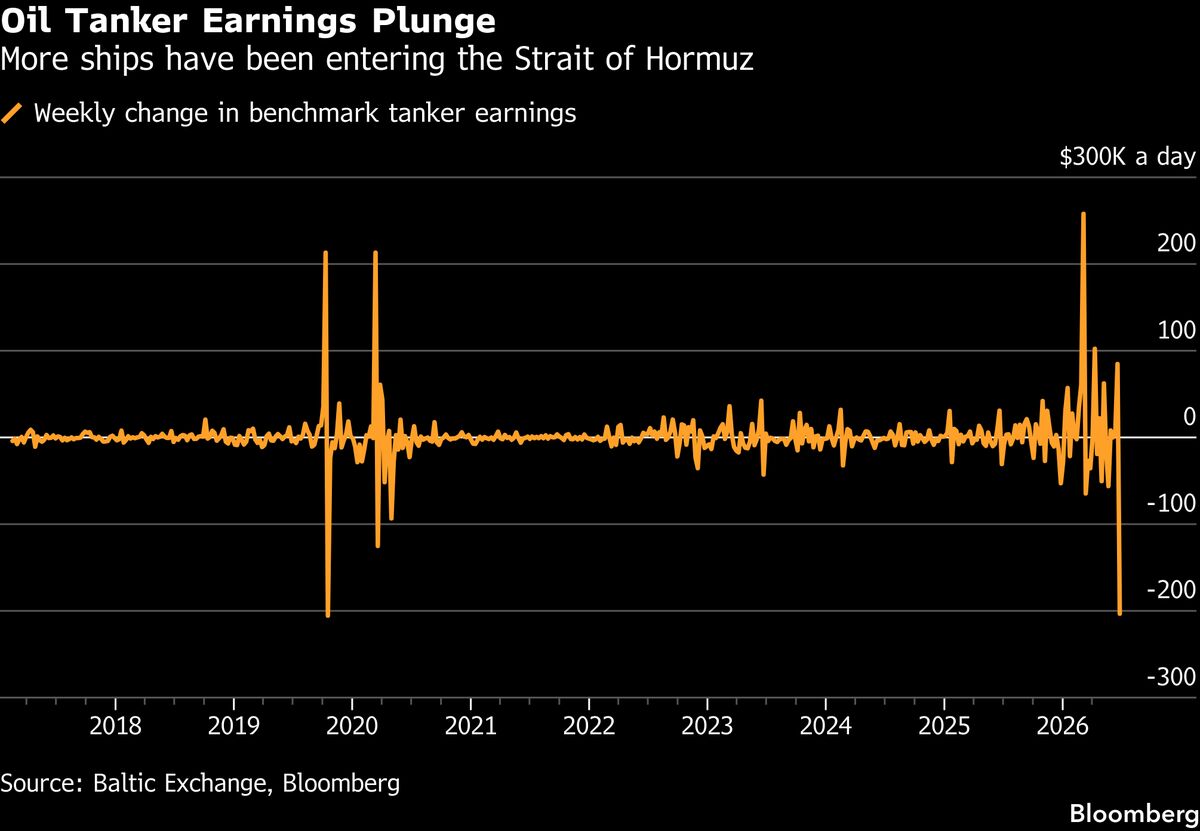
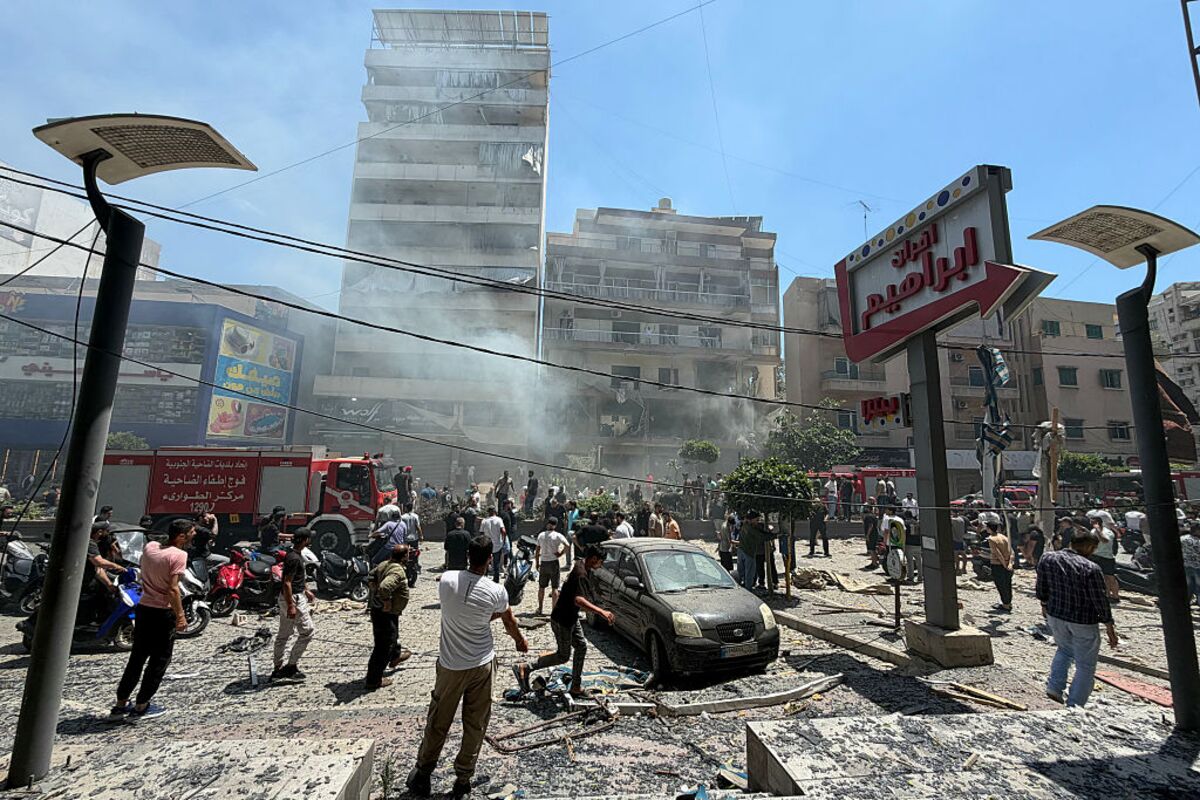
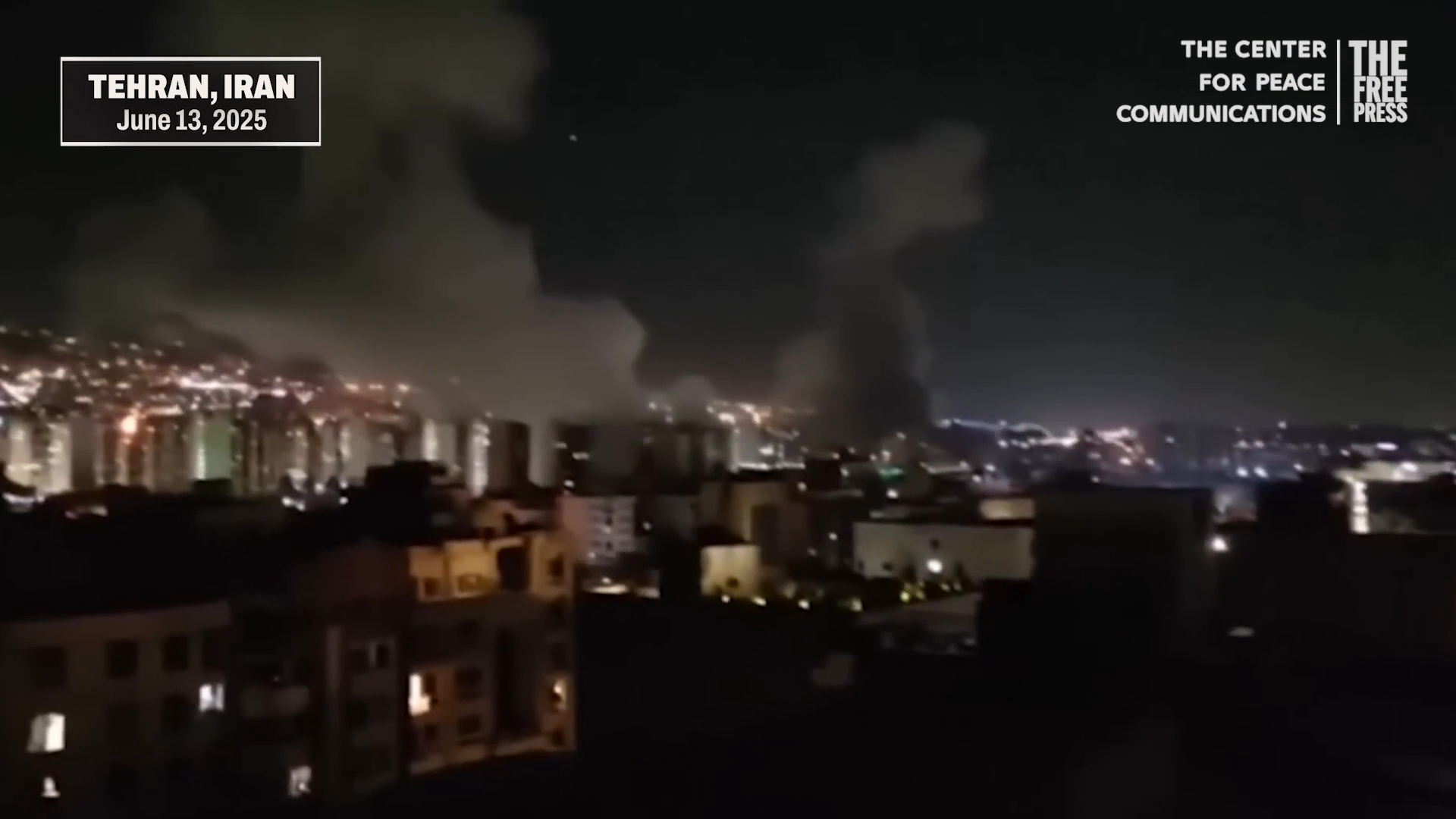
The Strait of Hormuz is a critical artery for global oil and gas supplies, with about a fifth of the world's energy flowing through it. Following U.S. and Israeli strikes on February 28, Iran attacked and threatened commercial vessels in retaliation. The U.S. imposed its own naval blockade of Iranian ports on April 13. Together, these actions brought traffic through the strait to a virtual standstill and drove global energy prices up significantly. Shipping analyst Richard Meade from Lloyd's List notes that the current situation should not be mistaken for a return to normalcy, as companies wait for firm security guarantees before resuming operations.
Mixed Messages from U.S. Officials
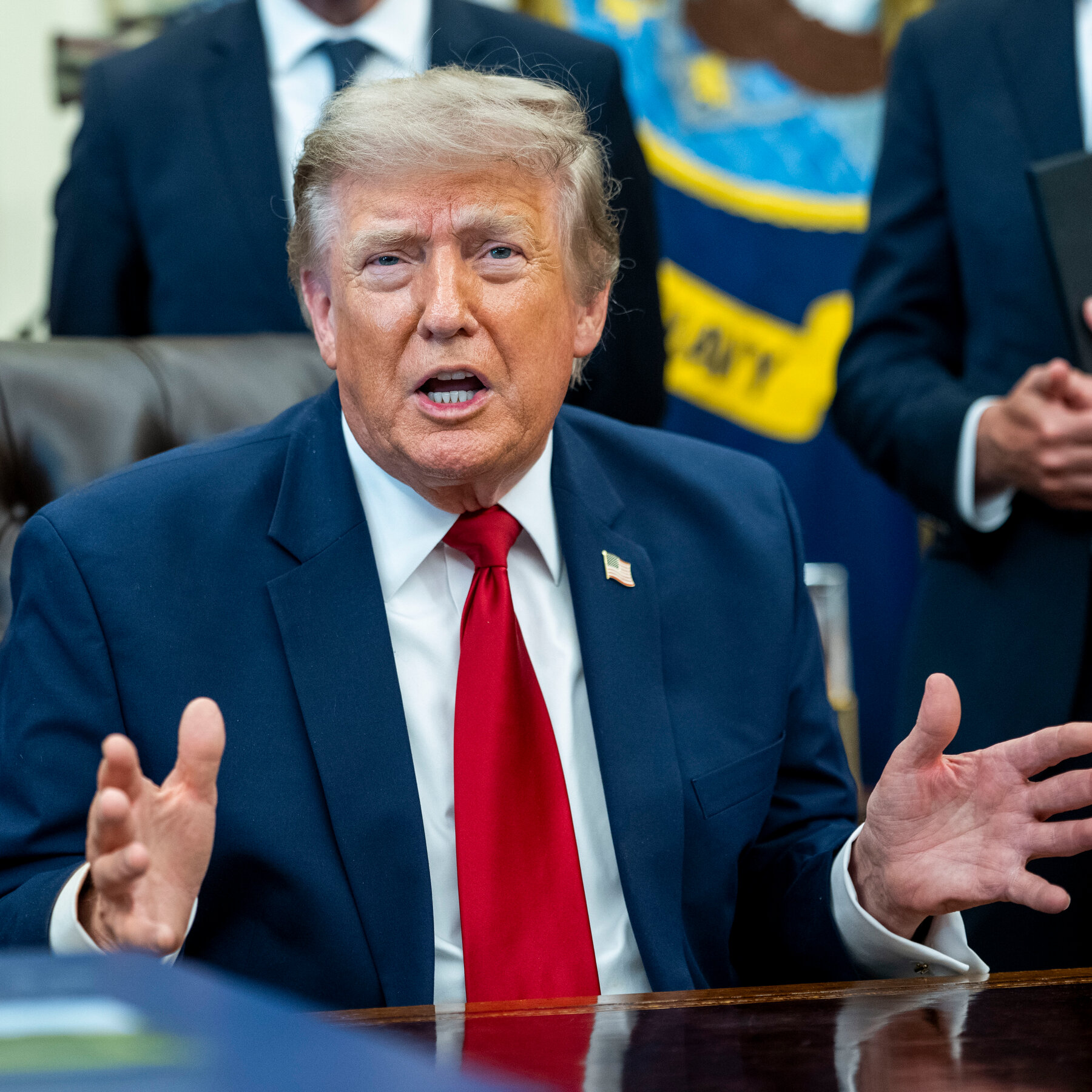
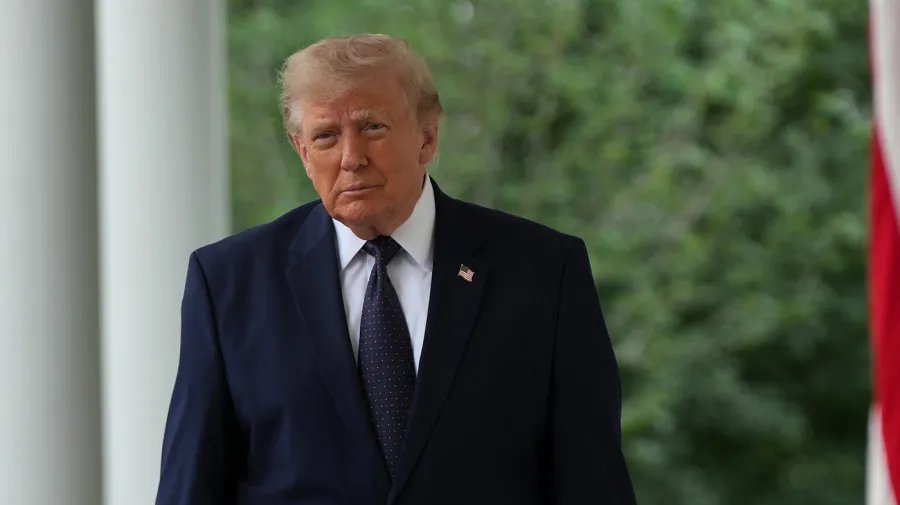
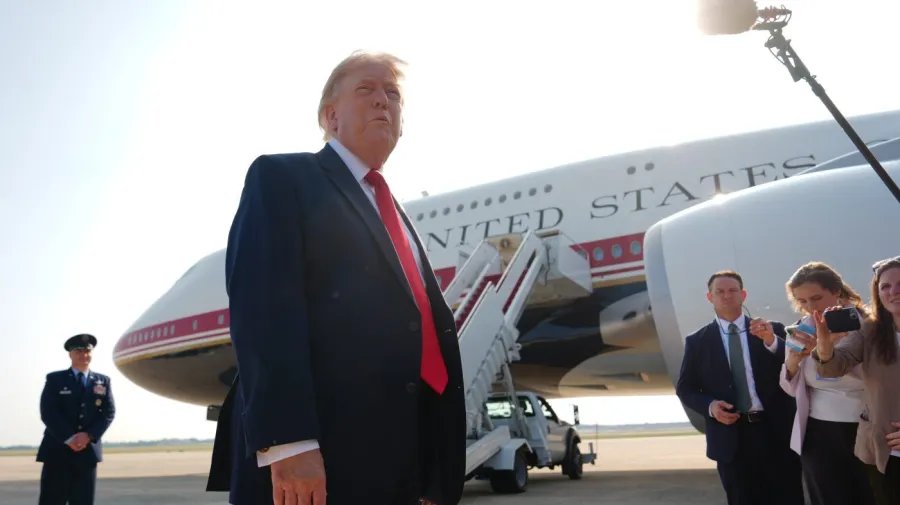
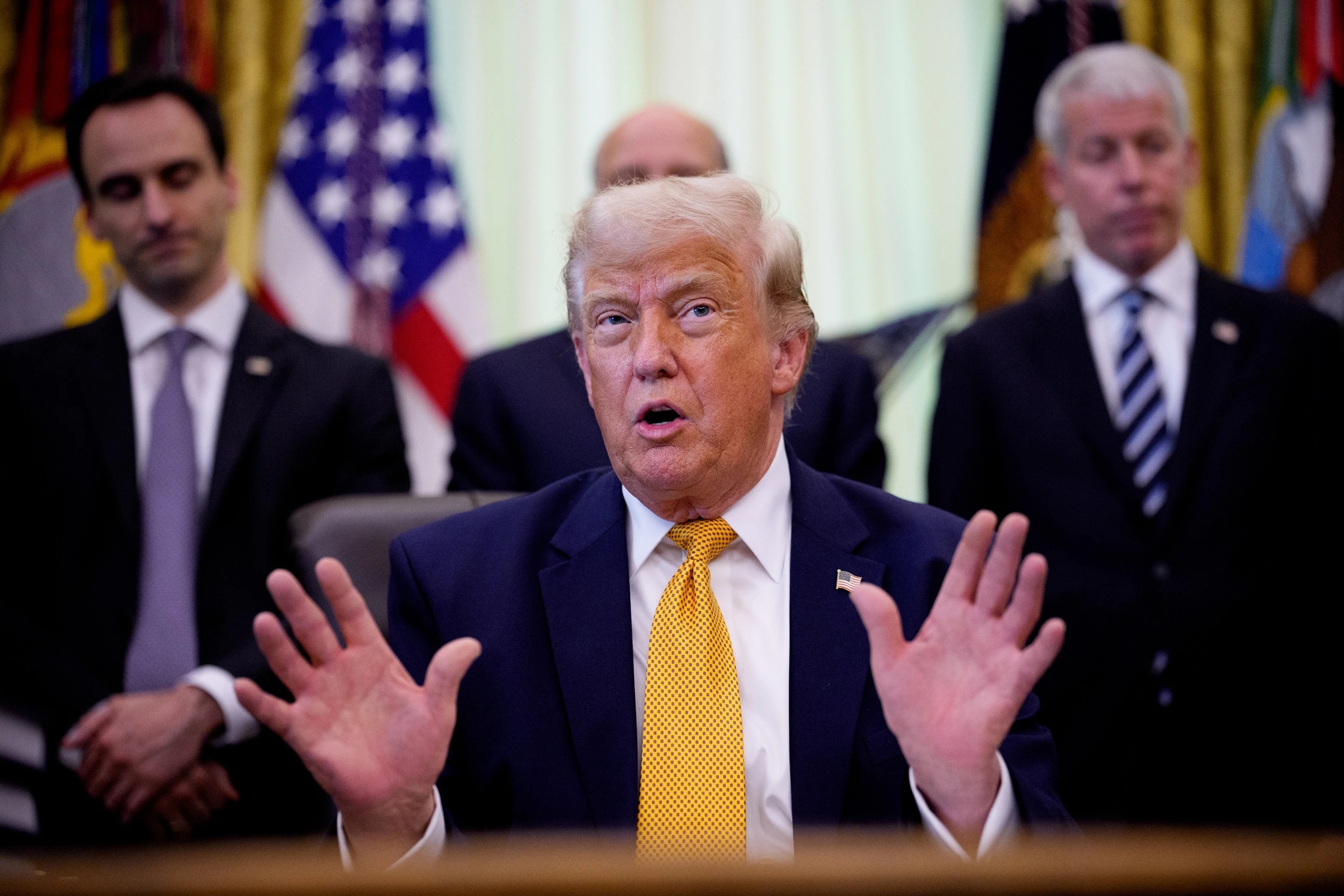
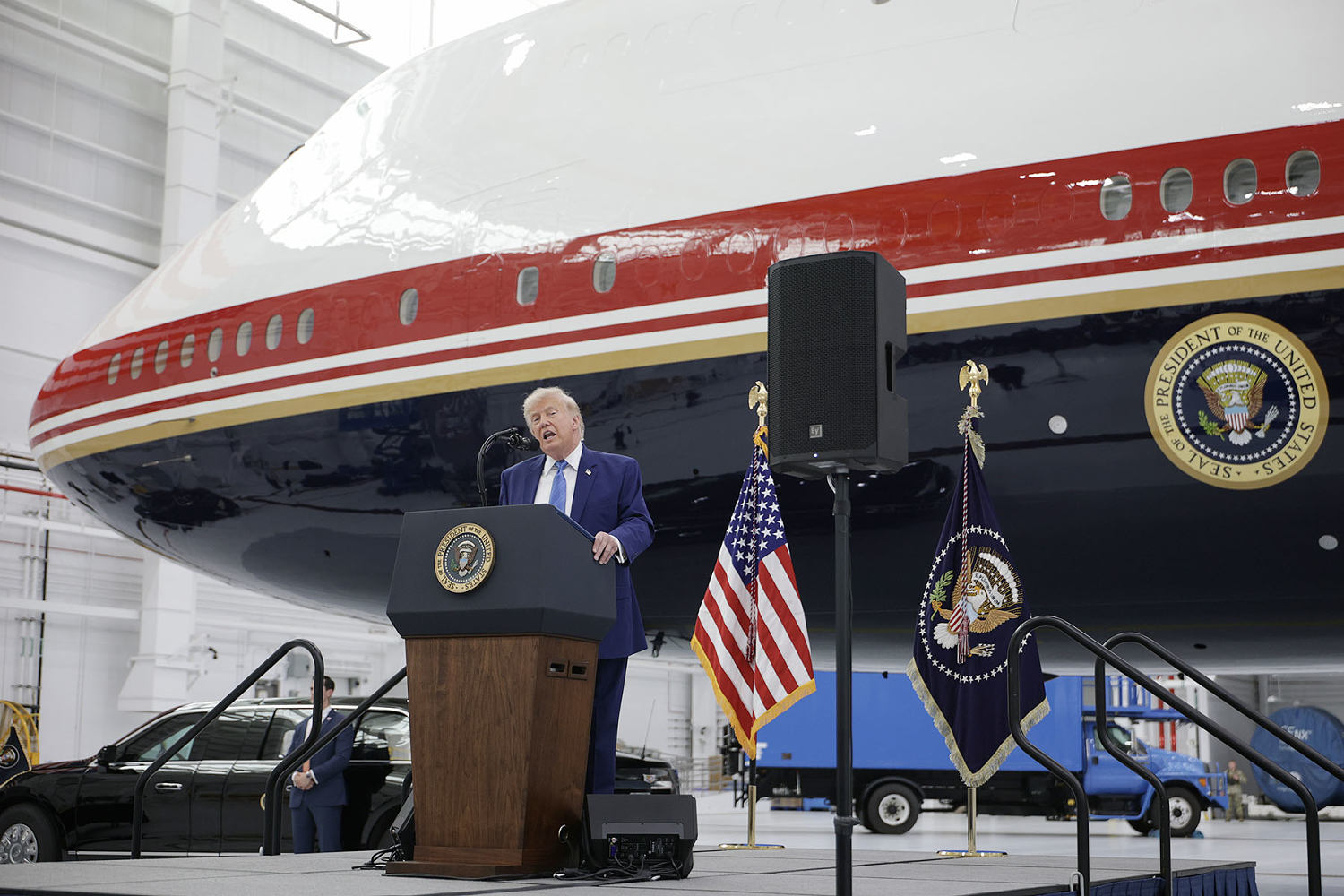
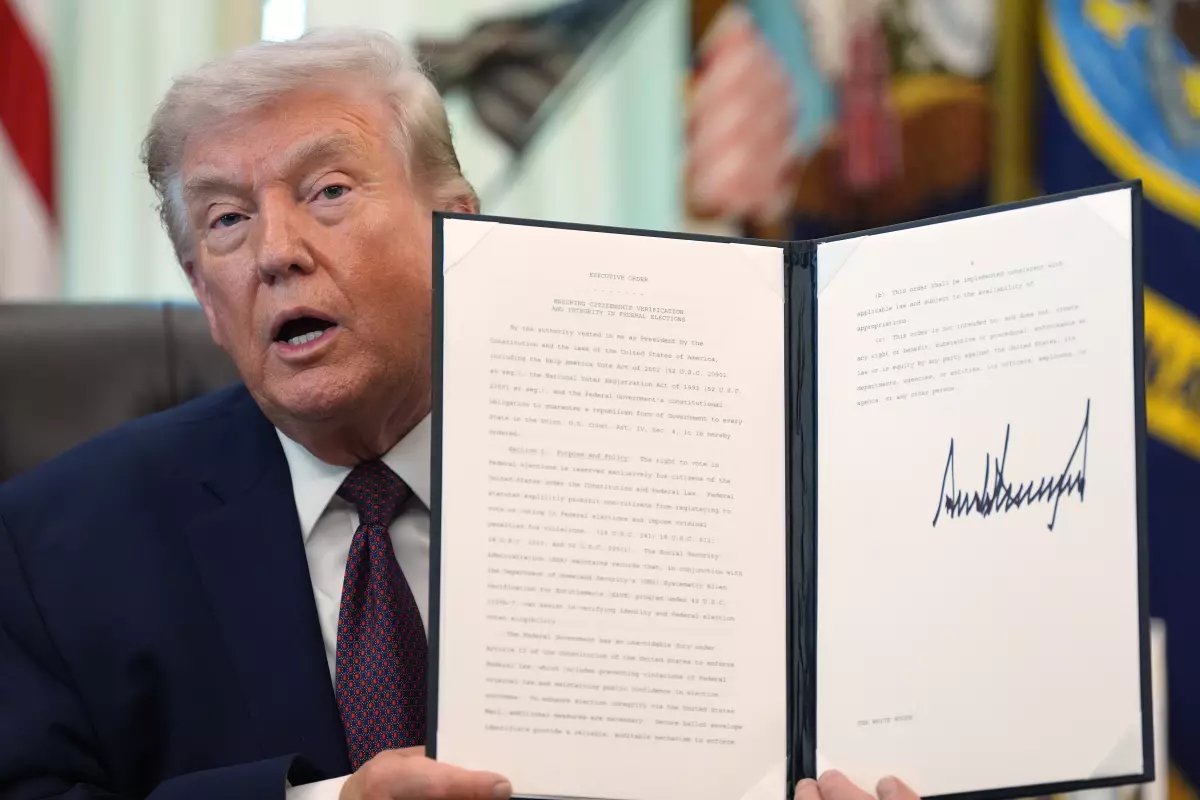
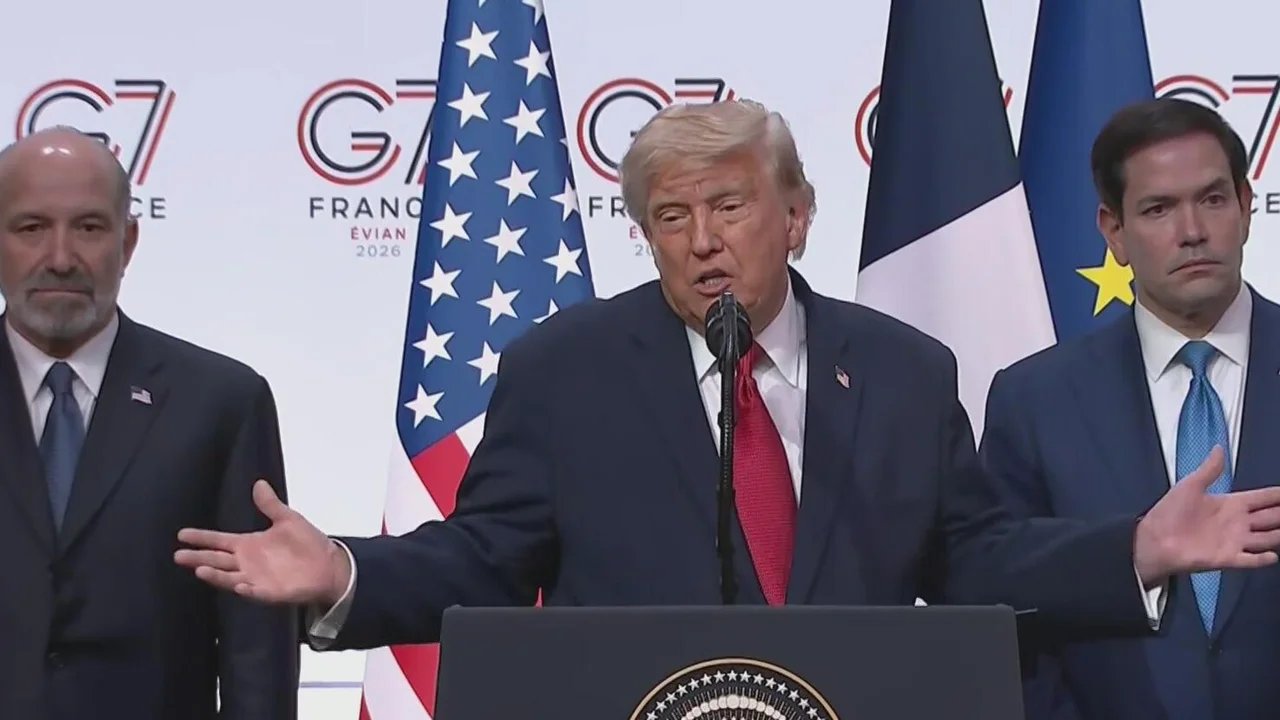
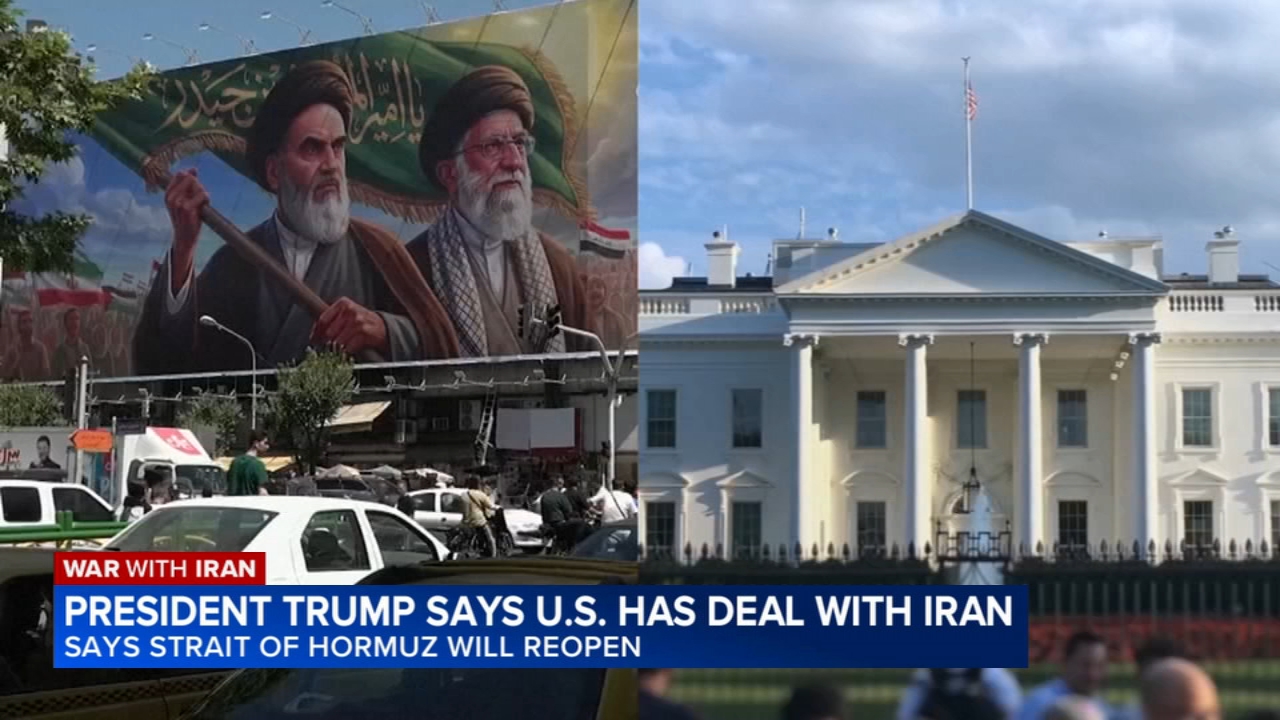
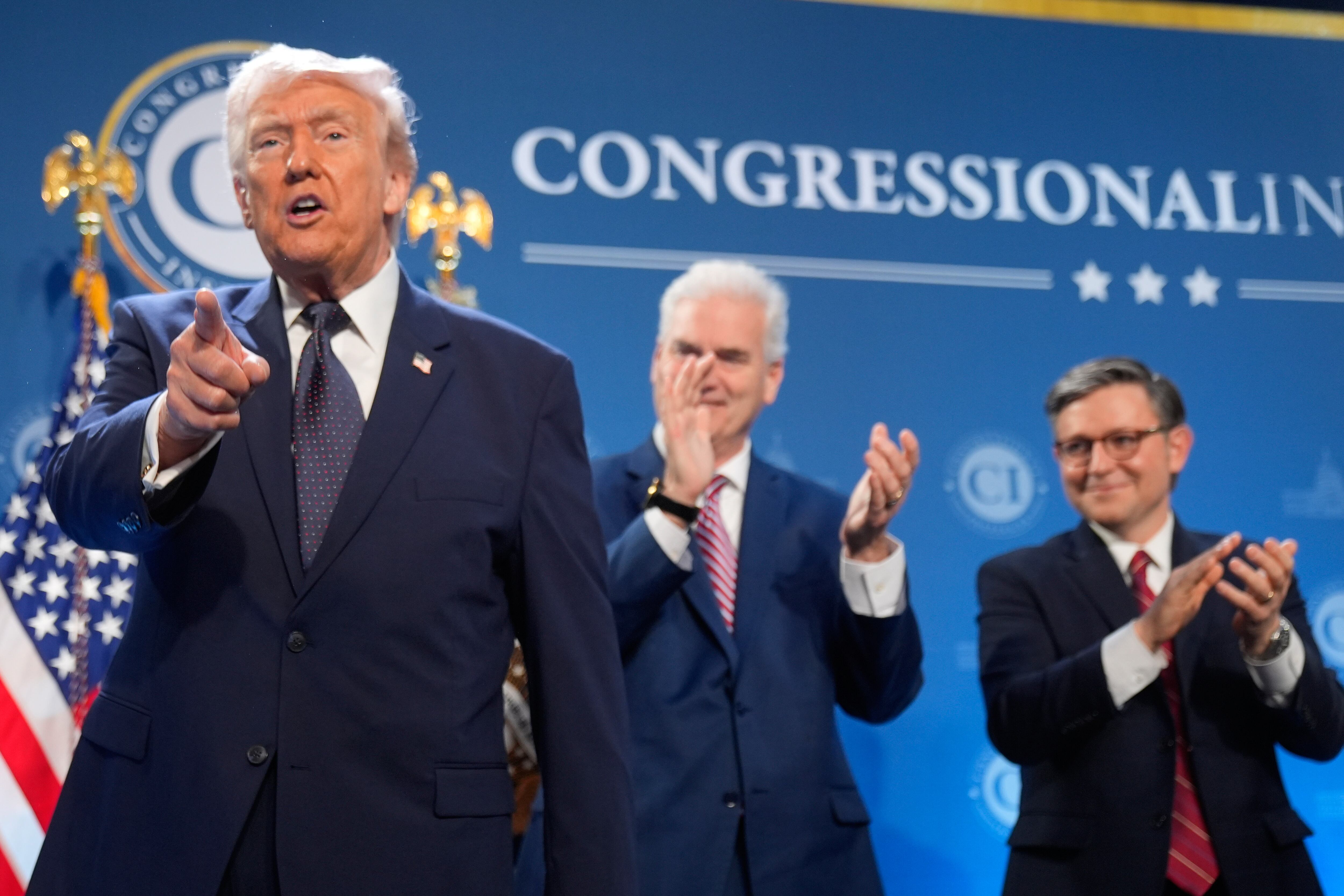
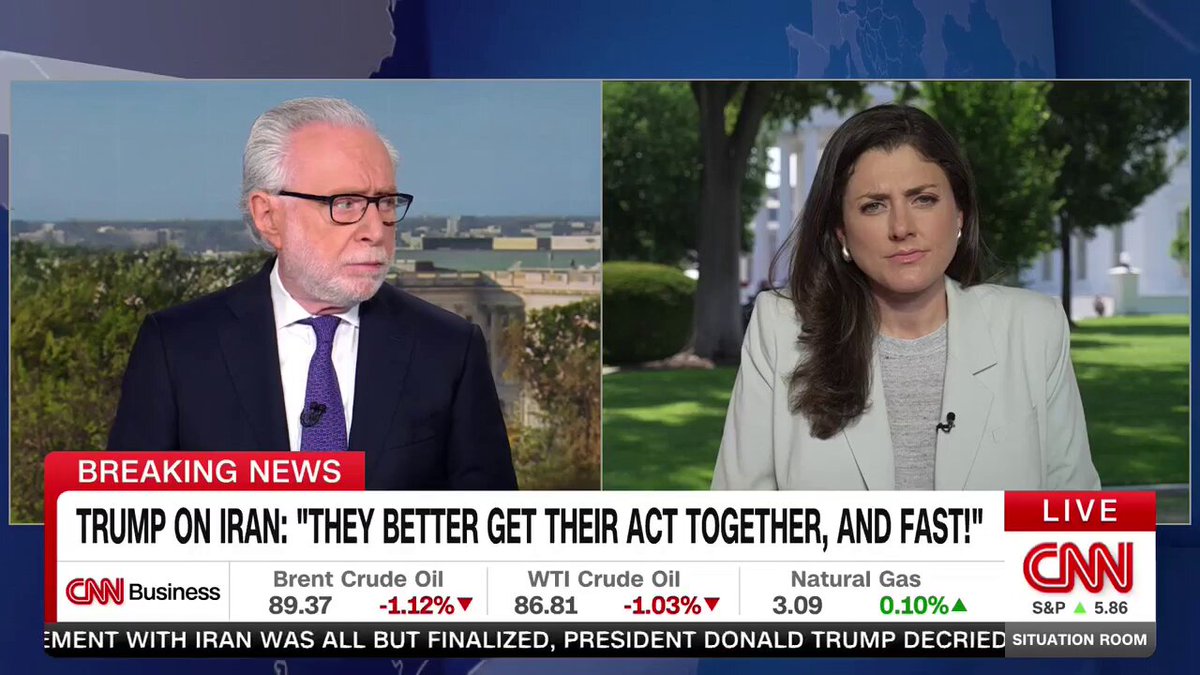
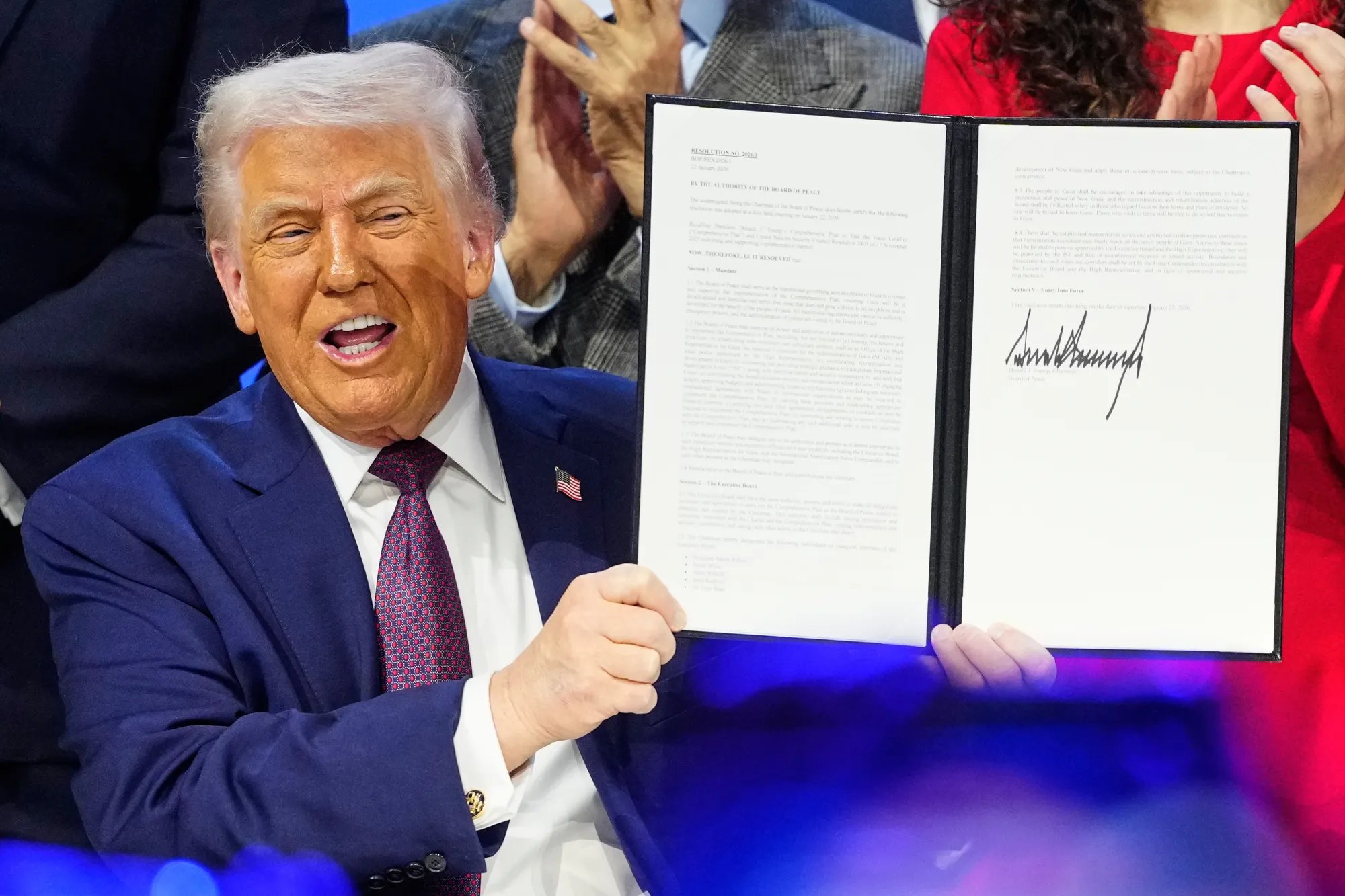
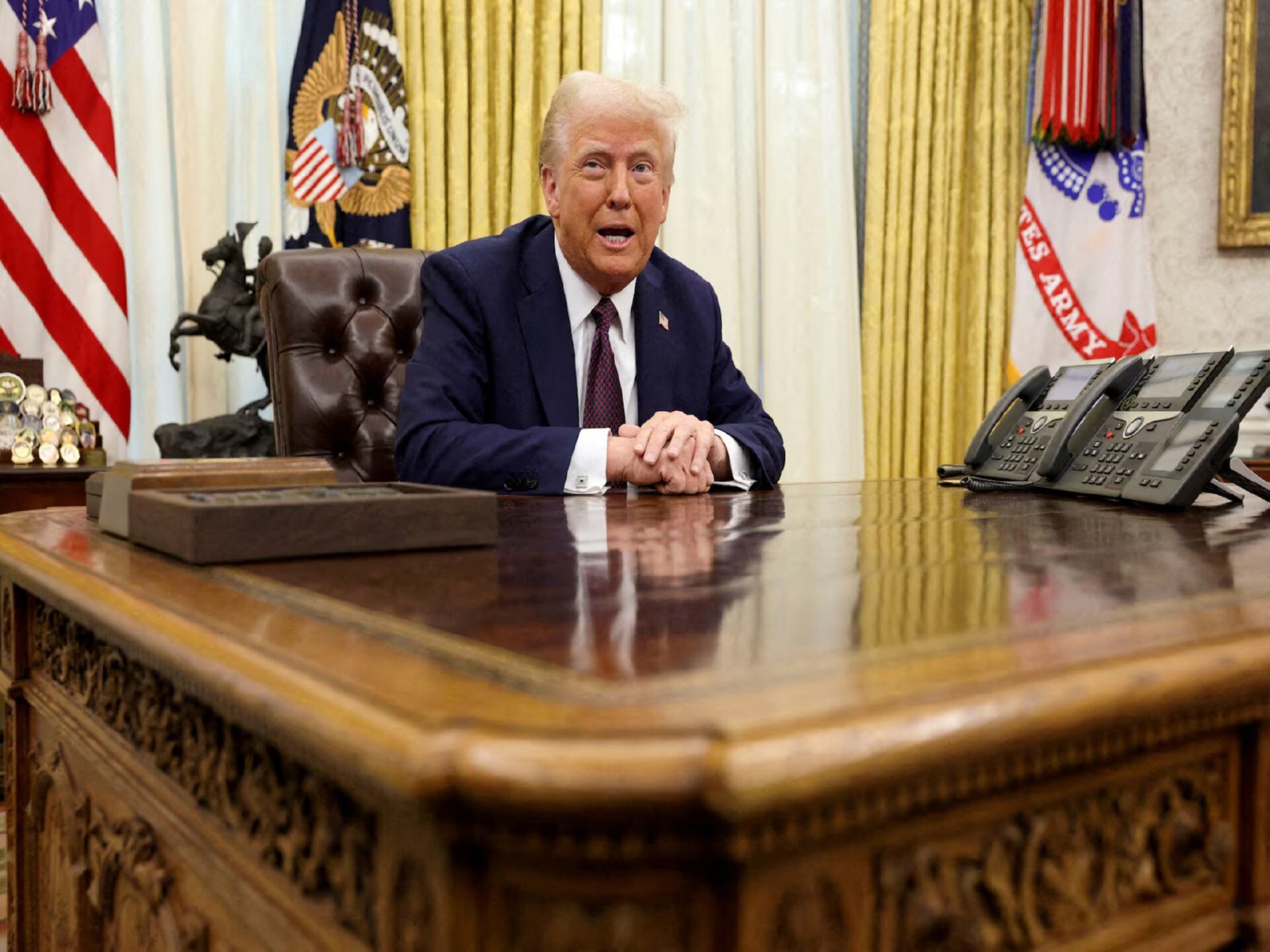
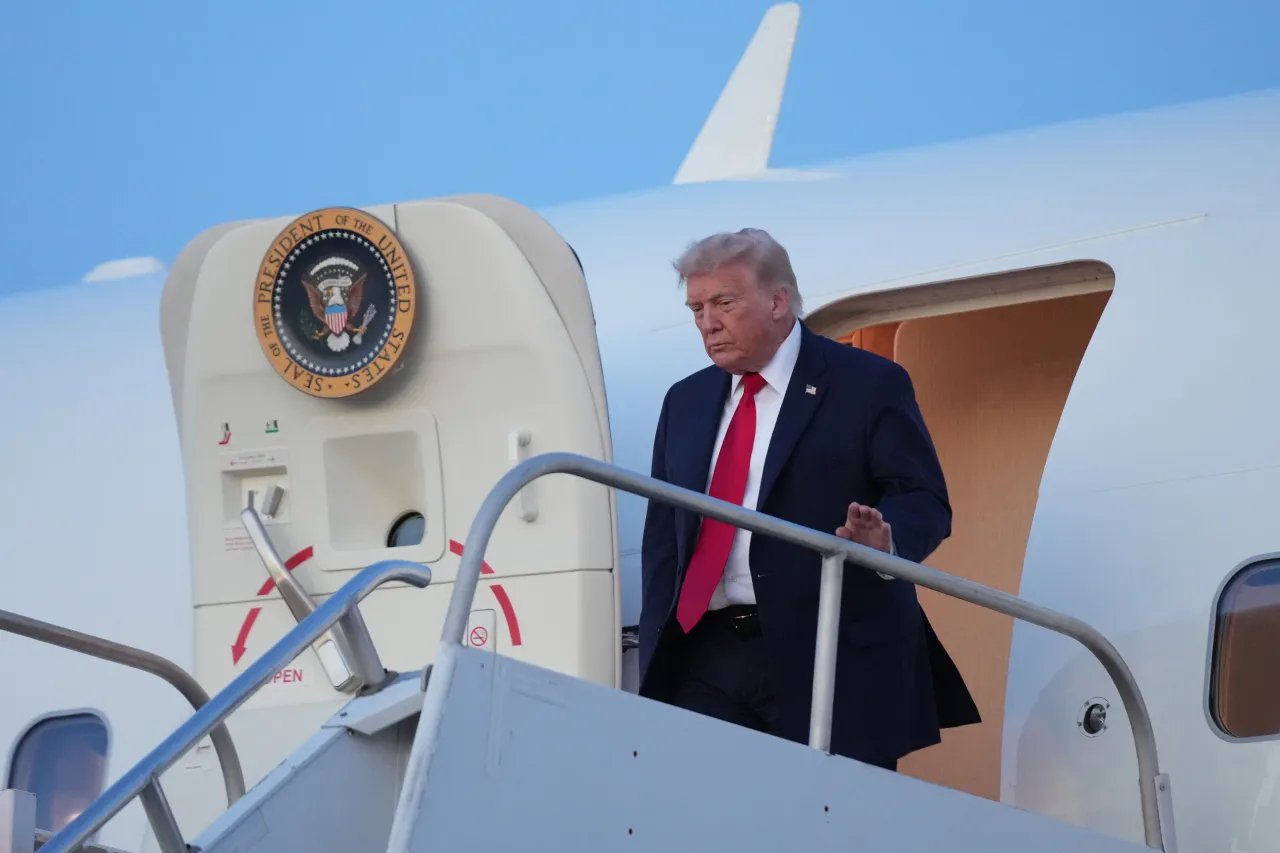
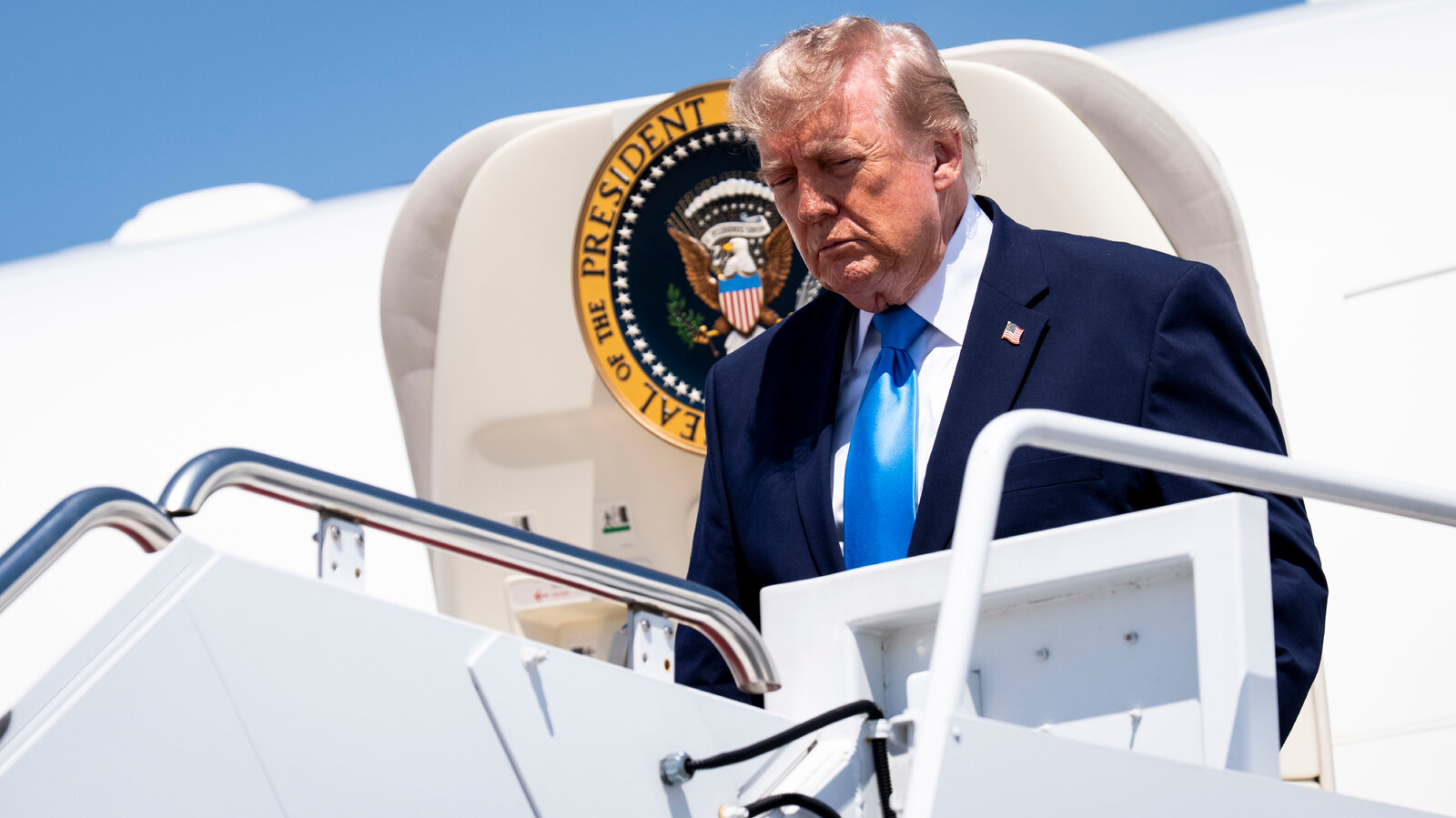
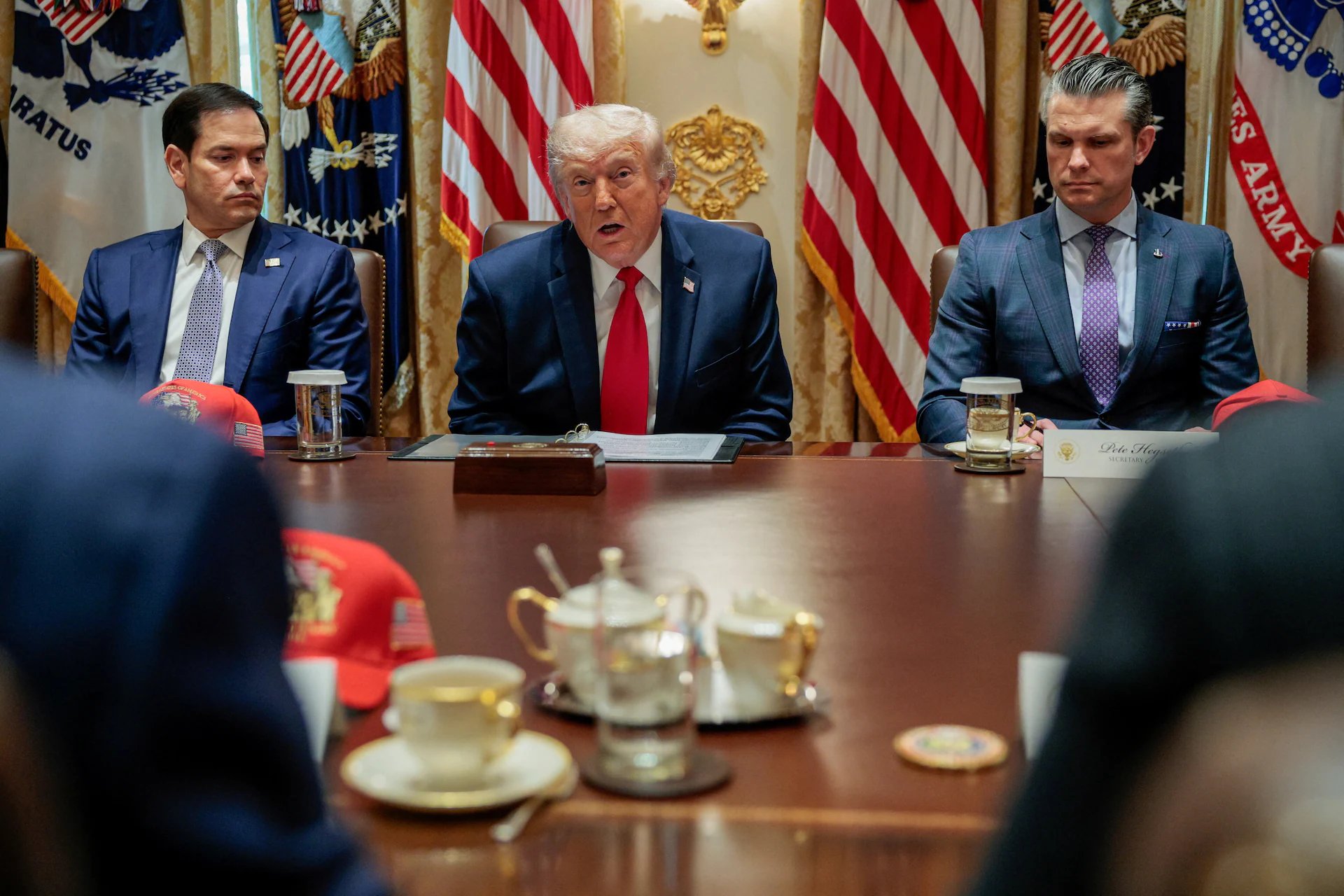
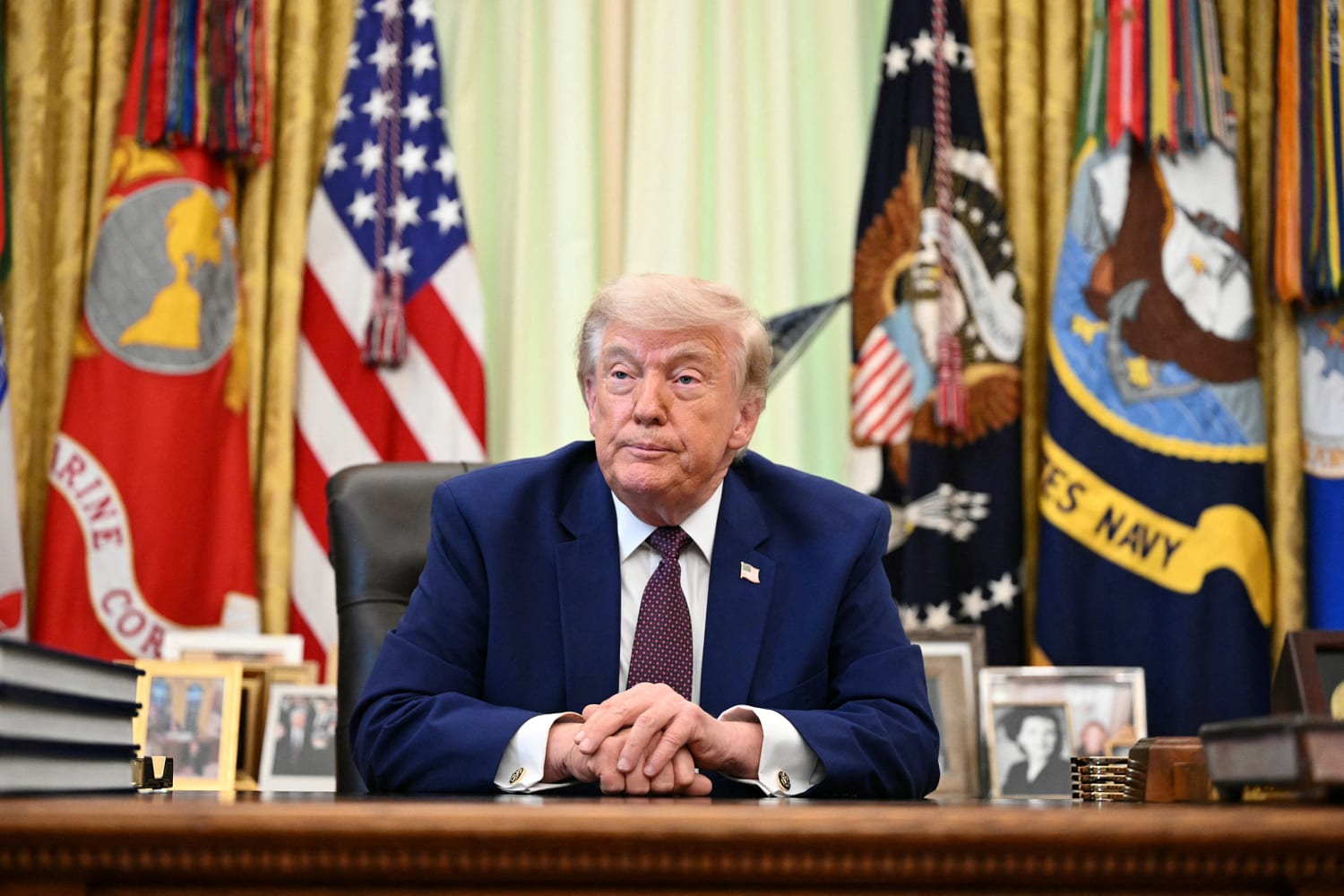
Despite President Trump's assurances of a "safe, secure, and pristine" route through the strait, the reality on the ground is far more complicated. The U.S. blockade of Iranian ports remains in effect pending the execution of the ceasefire deal, which leaves many shipowners uncertain. A spokesperson for Mitsui OSK Lines stated that their operations would not resume until safety has been sufficiently confirmed.
The Role of Mines and Military Presence
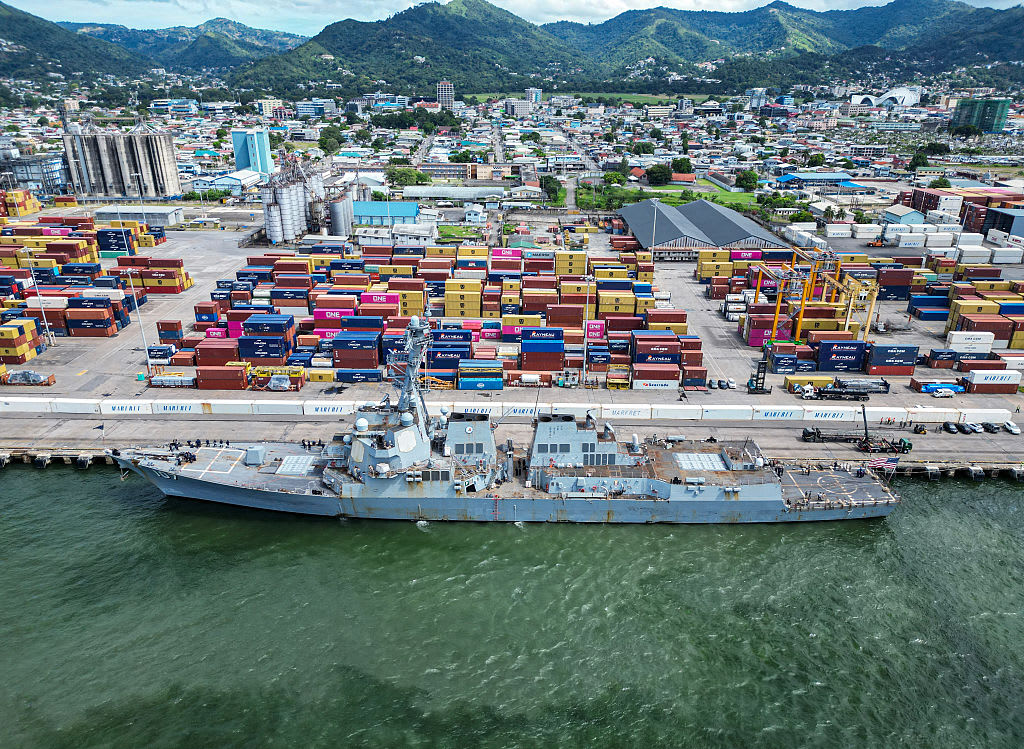
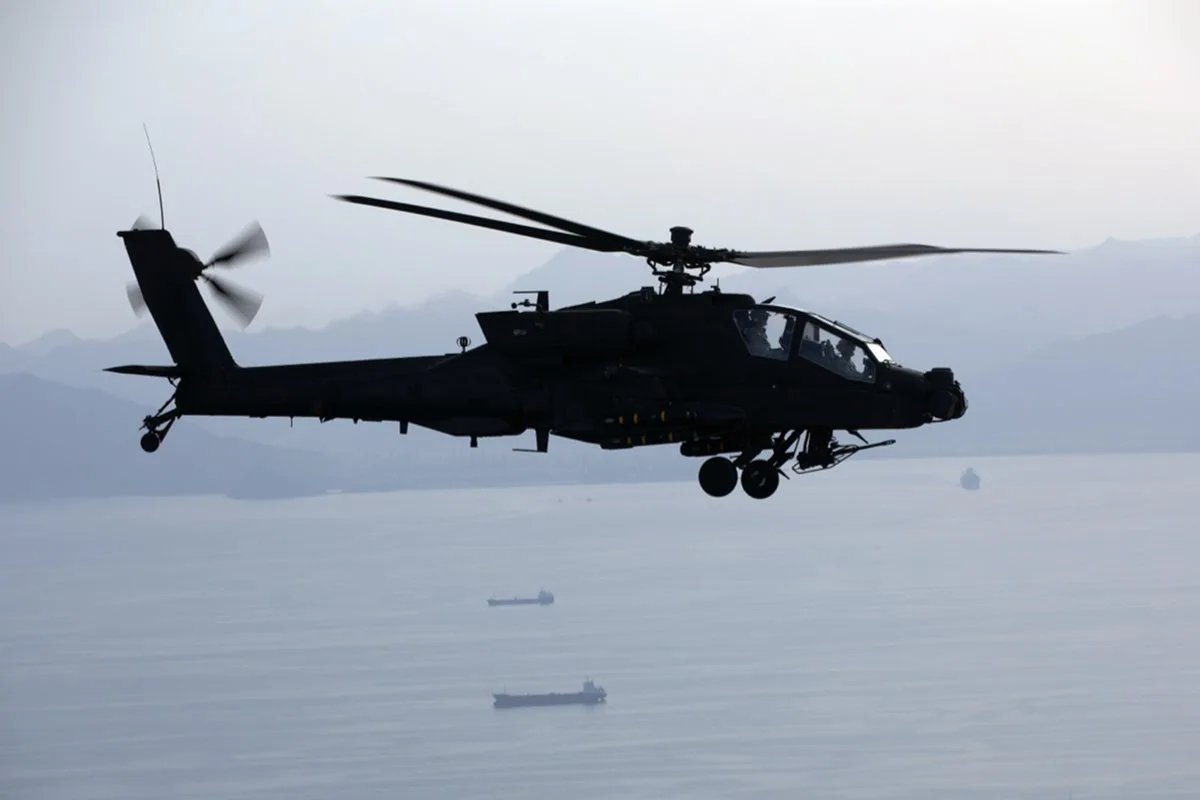
The presence of mines in the Strait poses another significant barrier to reopening the shipping lane. Experts estimate that clearing these mines could take anywhere from 30 days to six months. U.S. warships remain deployed near the blockade line, and both the UK and France are preparing for potential mine-clearing operations. This ongoing military presence contributes to the overall perception of risk among shipping companies.
Potential Benefits of a Peace Agreement
While the humanitarian situation remains critical, a successful peace agreement could stabilize oil prices and improve conditions for both sailors and global markets. Economies in regions like East Africa, heavily reliant on imports that pass through the Strait of Hormuz, could see relief from soaring transport costs. However, experts caution that any economic benefits may take time to materialize, as the normalization of shipping operations is likely to be gradual.
Next Steps for Stranded Sailors
As the world awaits the signing of the U.S.-Iran deal, the plight of the stranded sailors remains urgent. The International Transport Workers' Federation emphasizes that words must translate into action to address the suffering of those caught in this conflict. Until concrete measures are implemented to ensure their safety and facilitate their return home, the situation for thousands of mariners remains precarious.




















































































































































































































































































































Incomplete accounting. The sources specify: three Indian nationals killed in a U.S. strike on the M/T Settebello, plus a fourth Indian mariner (Second Officer Nishanth Uirthanathan) who died on the MT Celestial Sea. The summary says 'three Indian nationals' but the sources document four Indian deaths total. The phrasing 'including three' obscures the fourth death.