




Sanctions Target Cuban Leadership
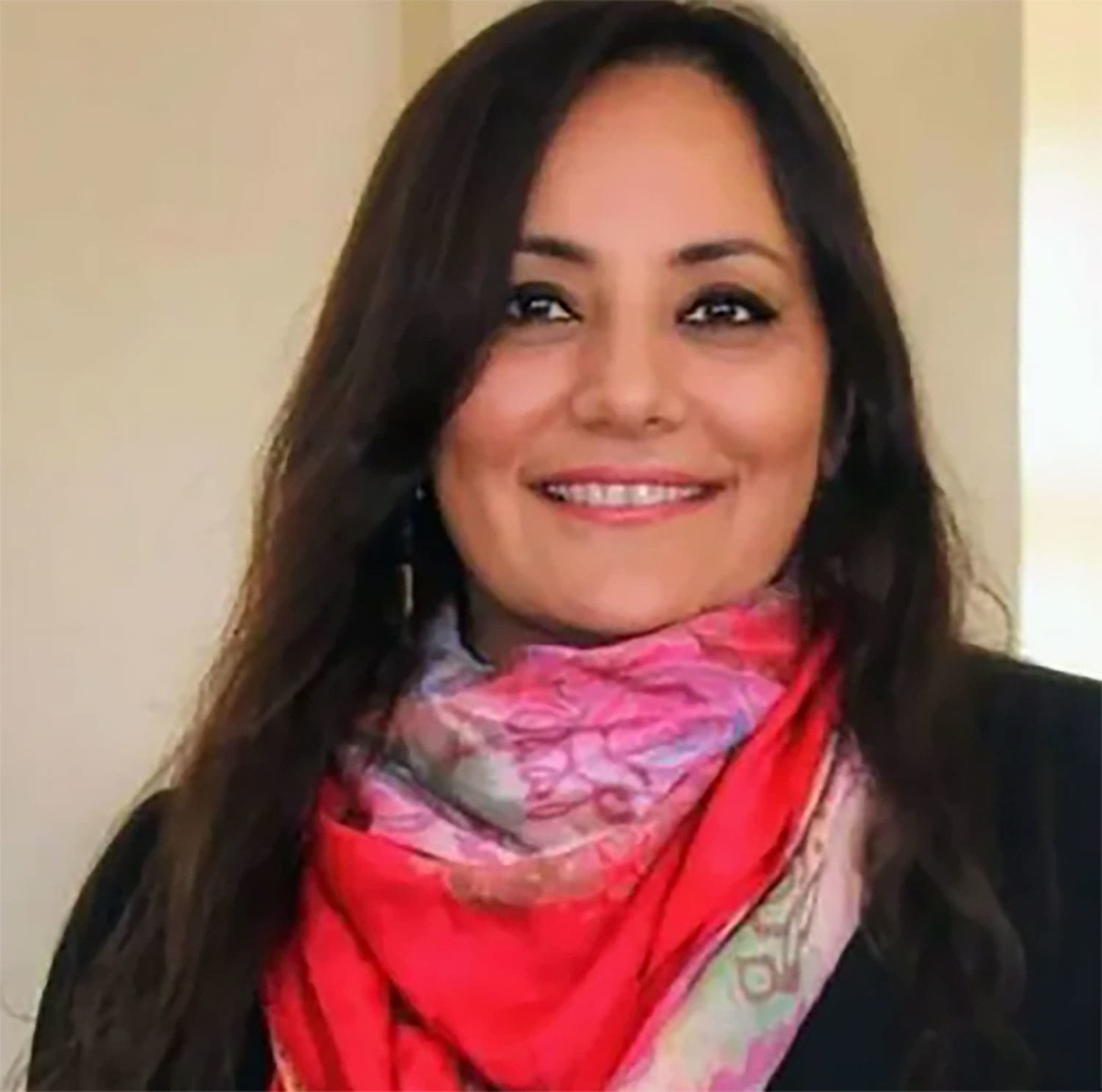
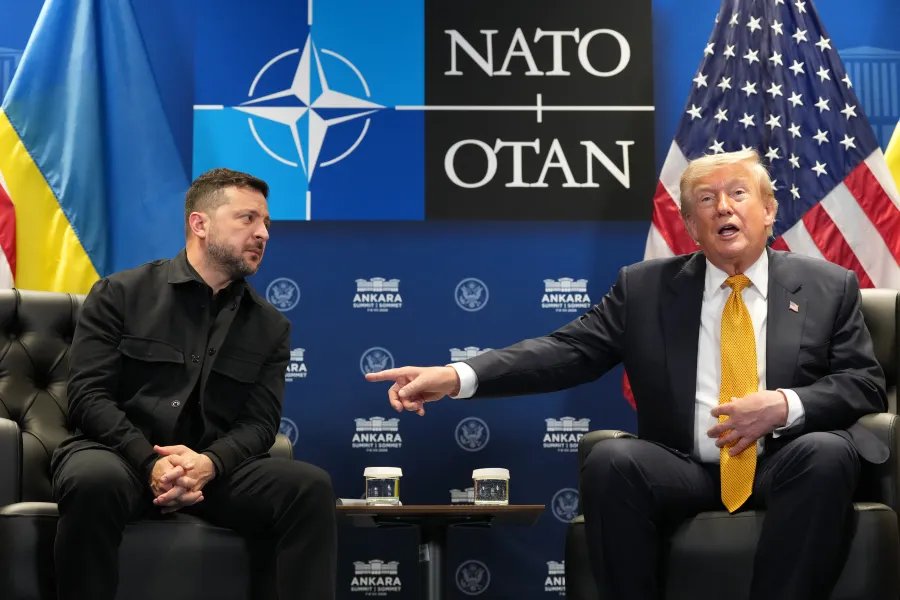
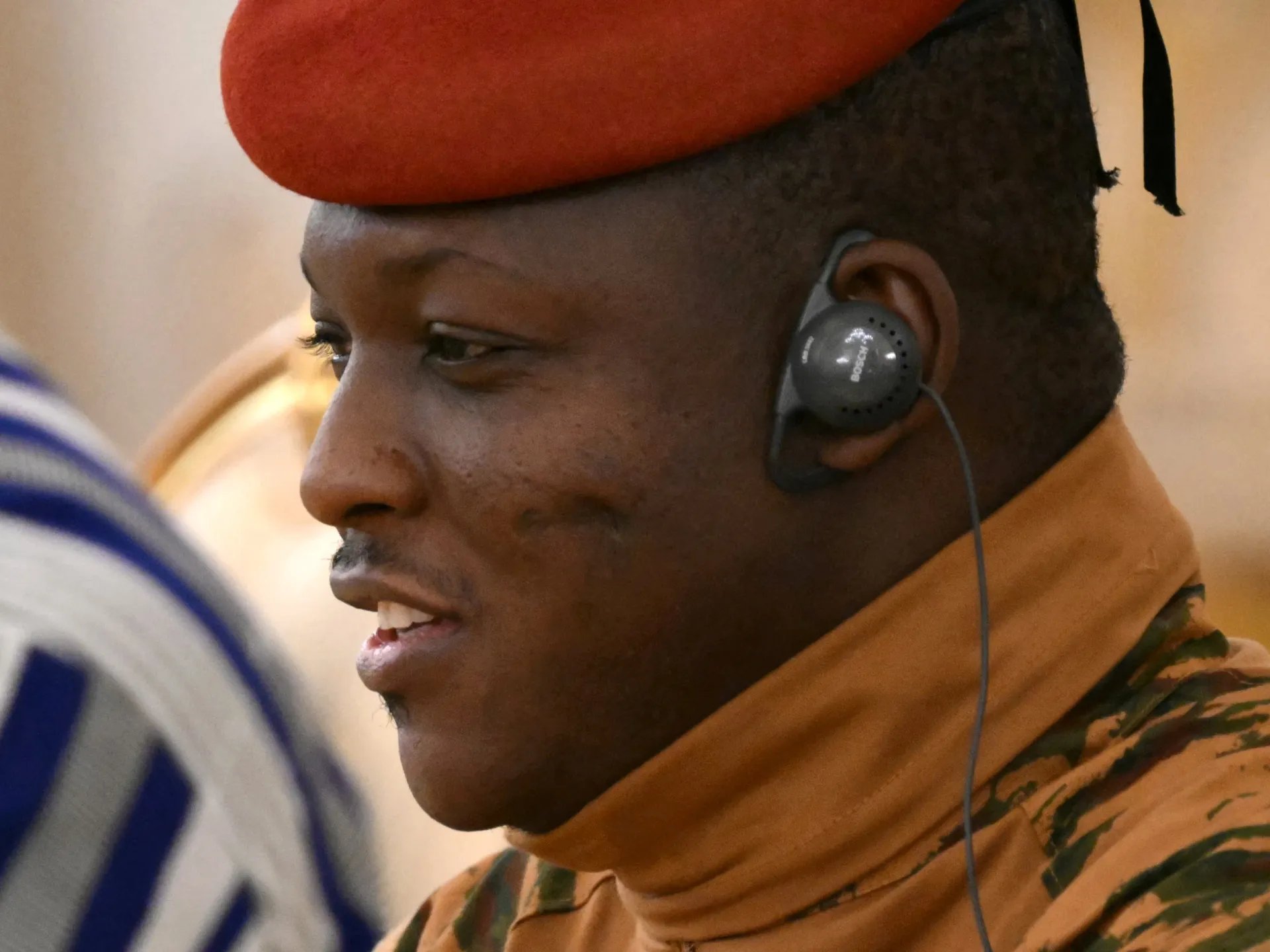
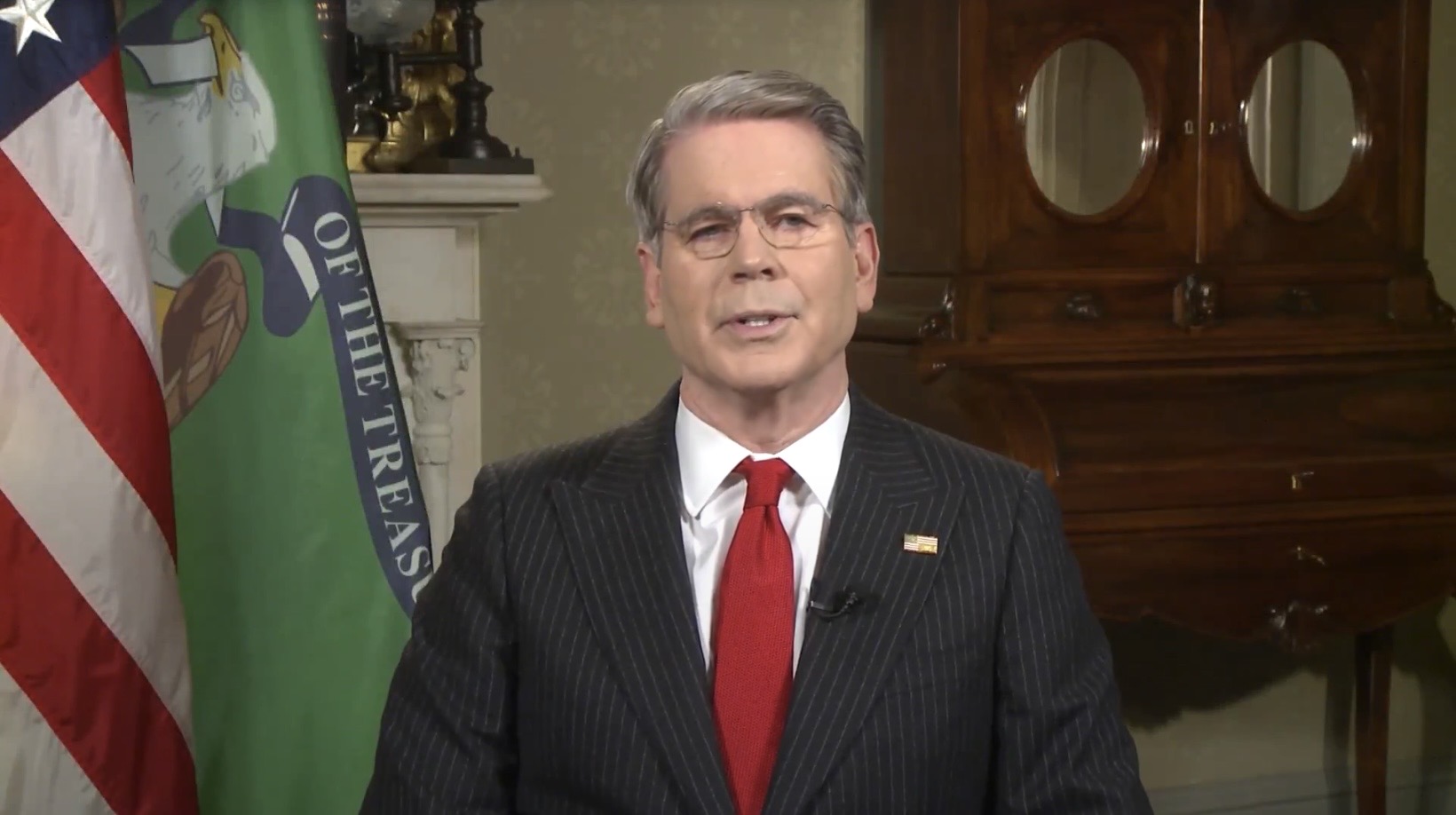
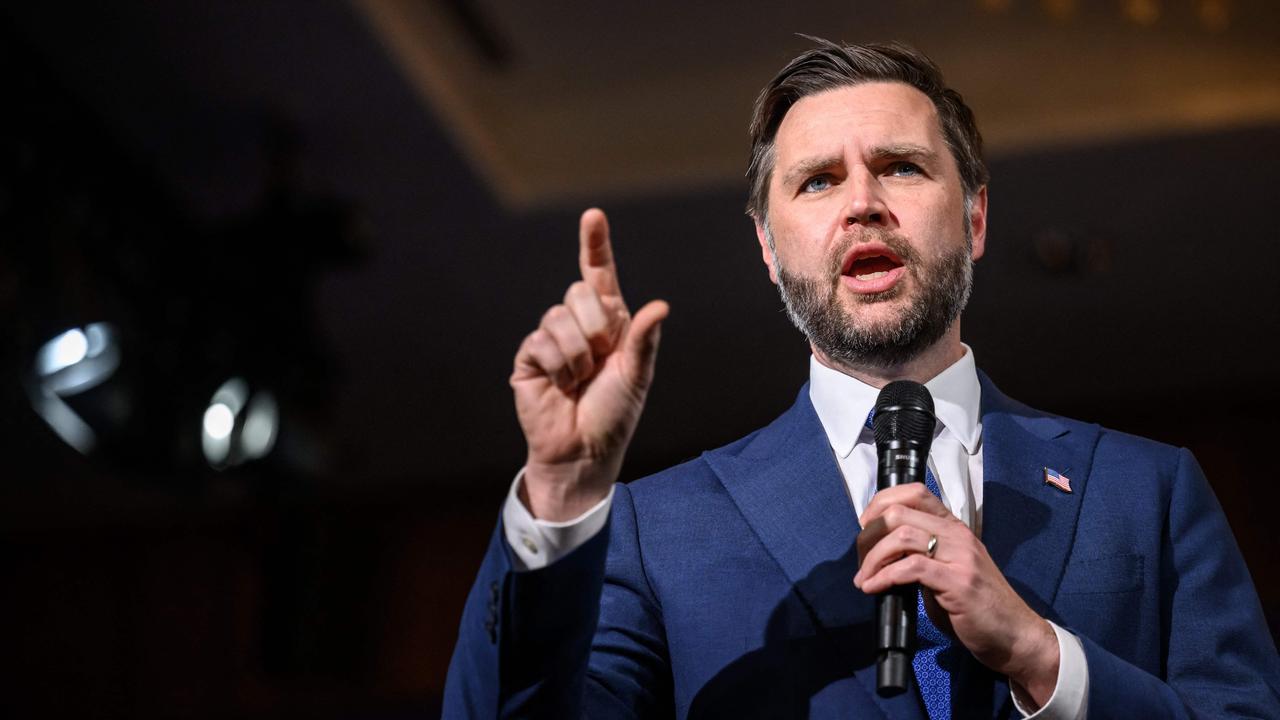
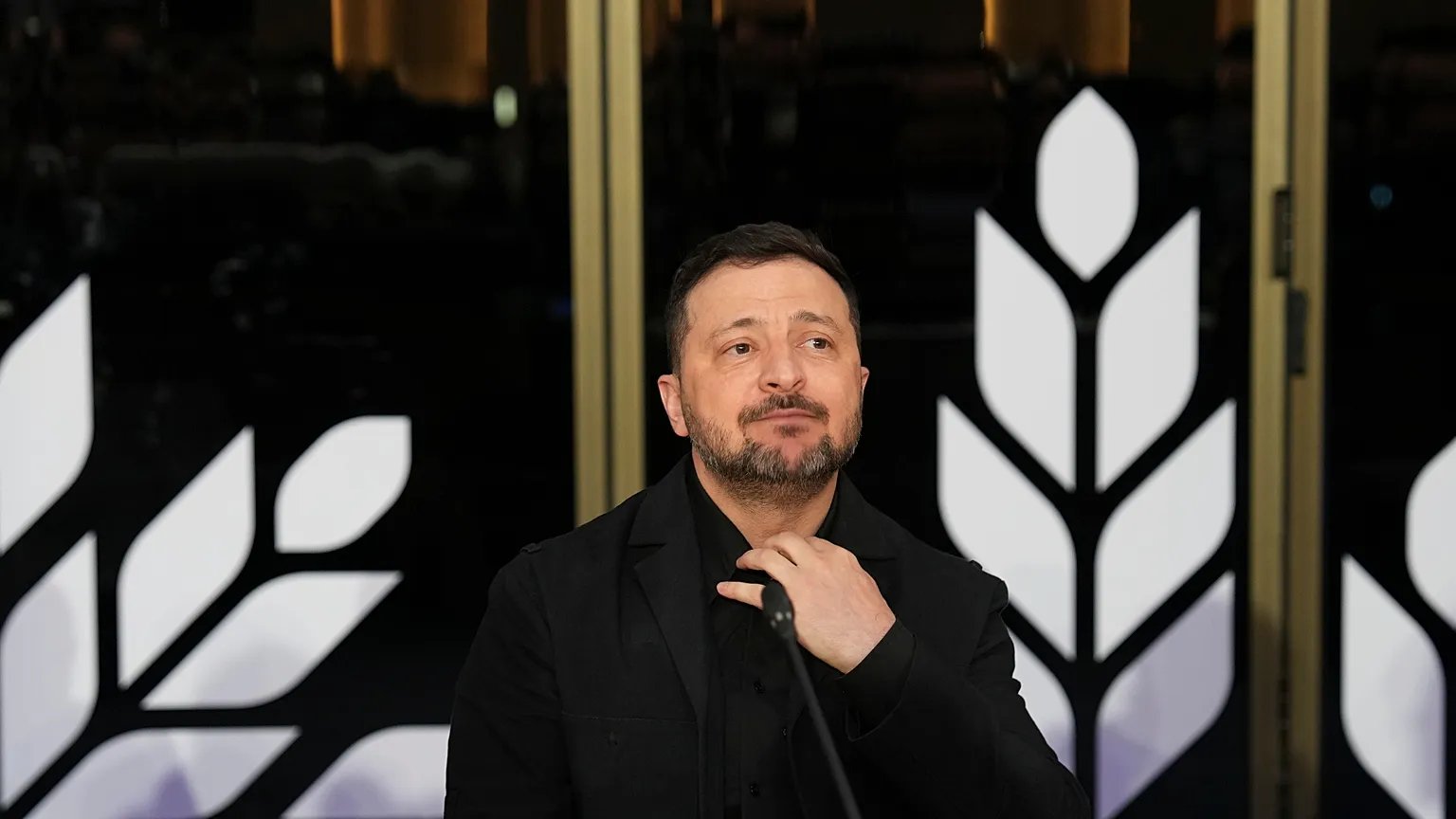
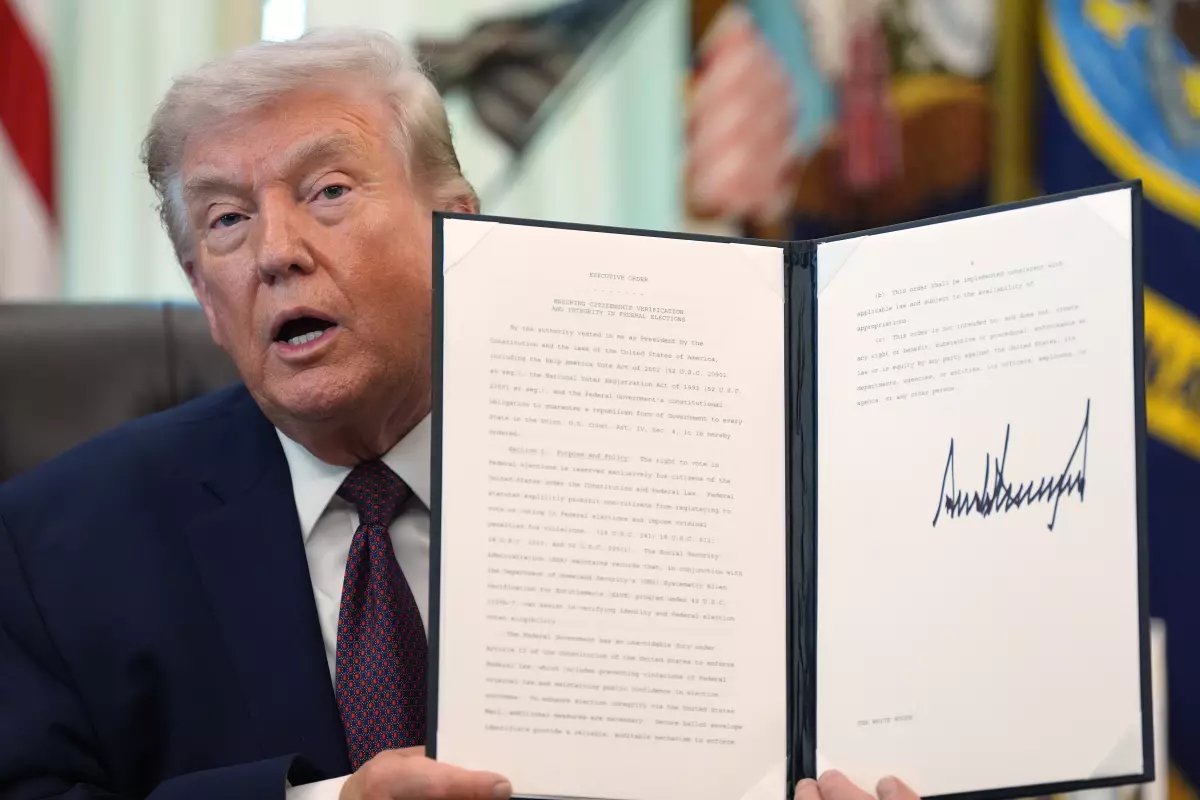
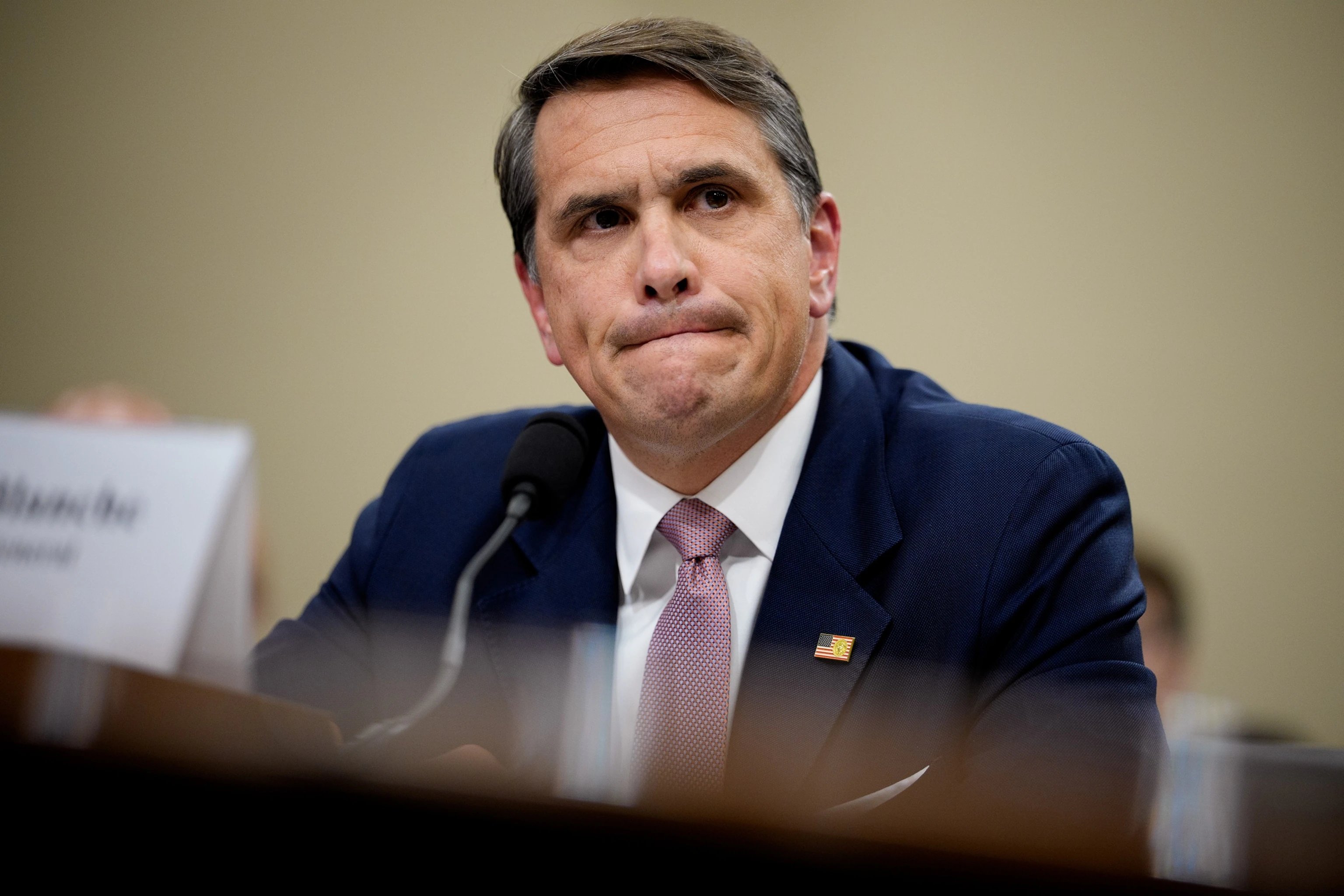
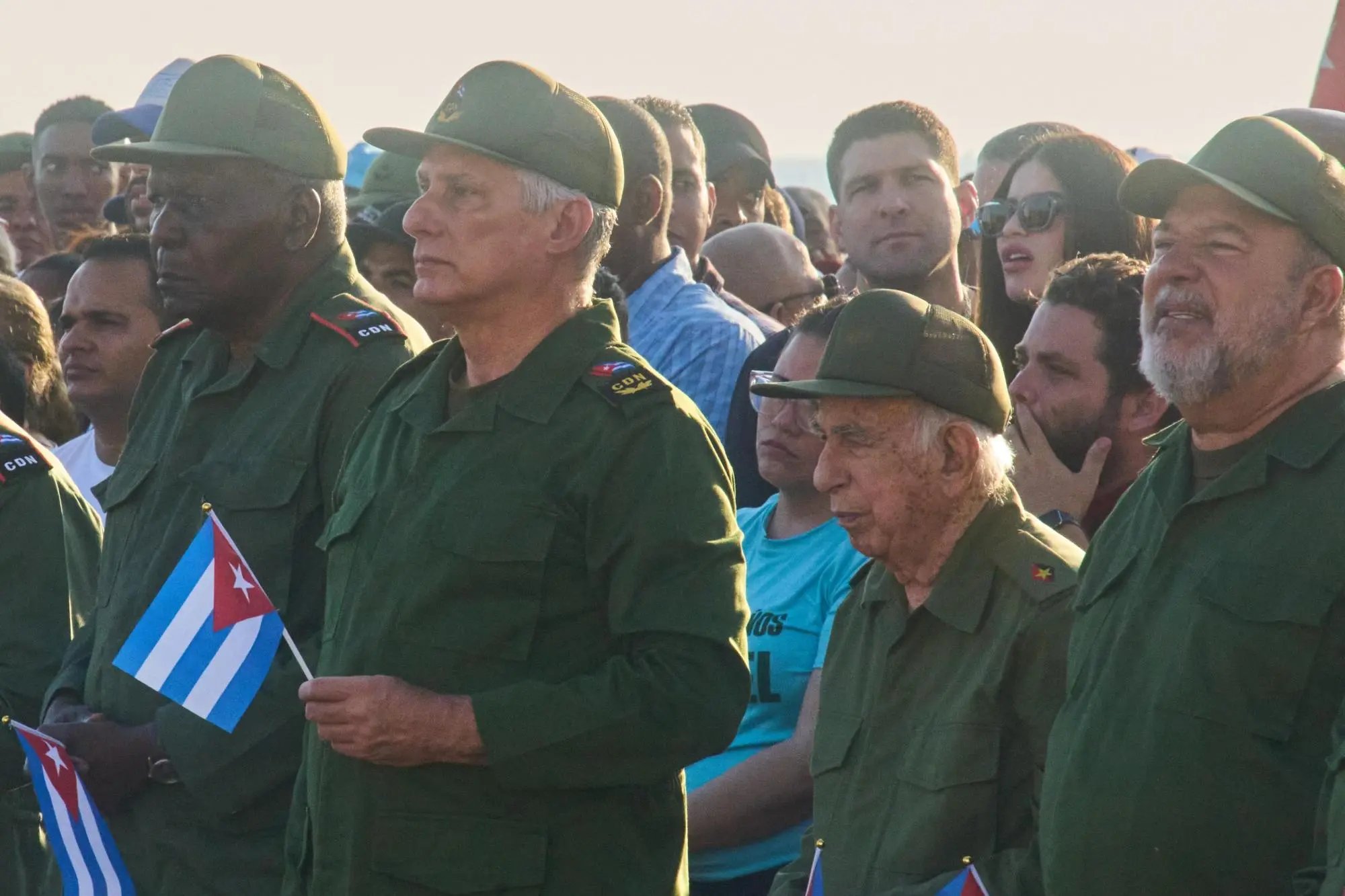
The United States has imposed sanctions on Cuban President Miguel Díaz-Canel, his wife Lis Cuesta Peraza, and three other individuals, according to a filing from the U.S. Treasury Department. The list includes Alejandro Castro Espín, the only son of former President Raúl Castro, who served as an advisor to Cuba's Defense and National Security Commission. These sanctions come as part of the Trump administration's intensified pressure on Cuba, following an executive order that expanded sanctions against the island.
Economic Crisis Worsens
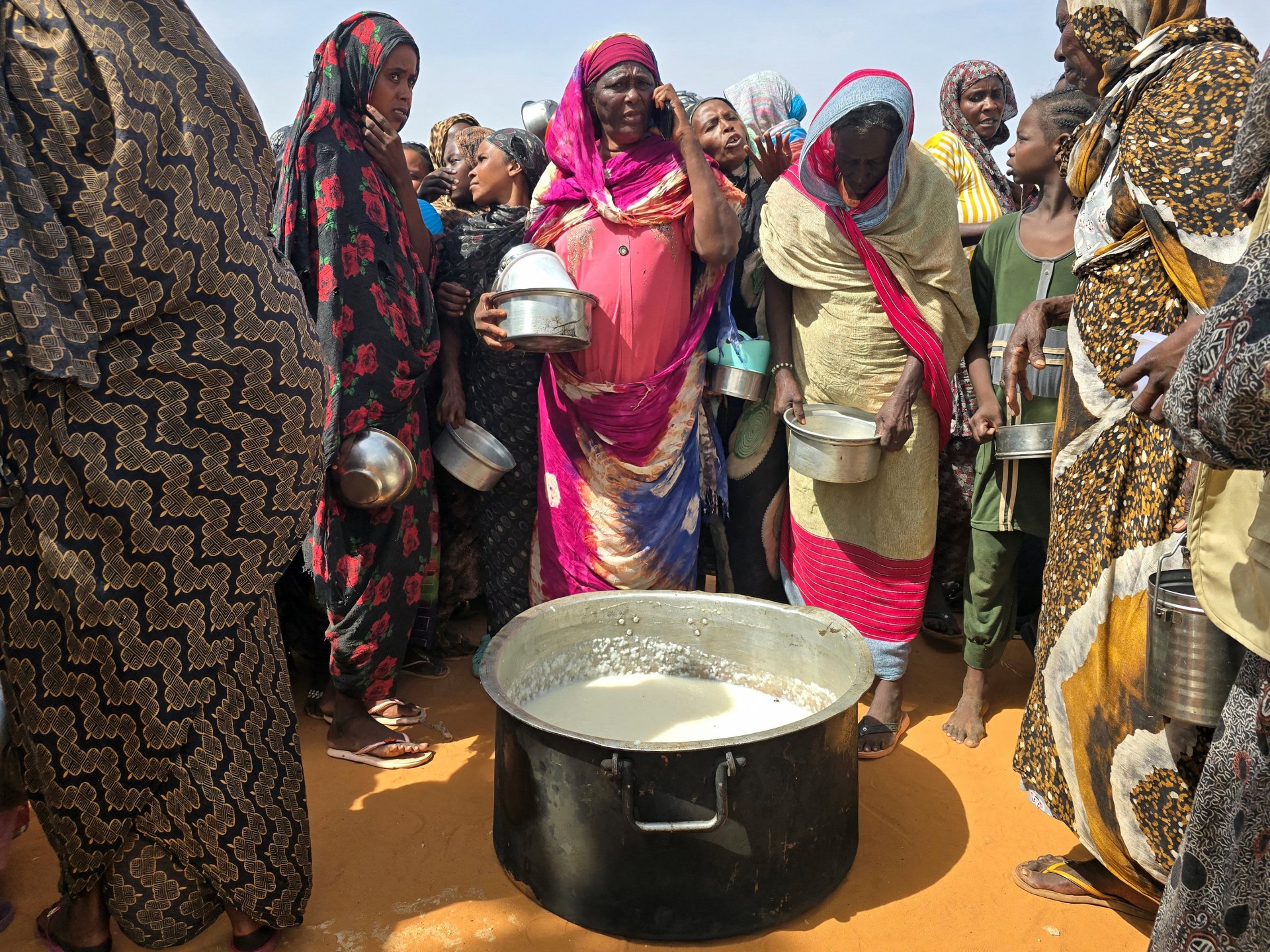
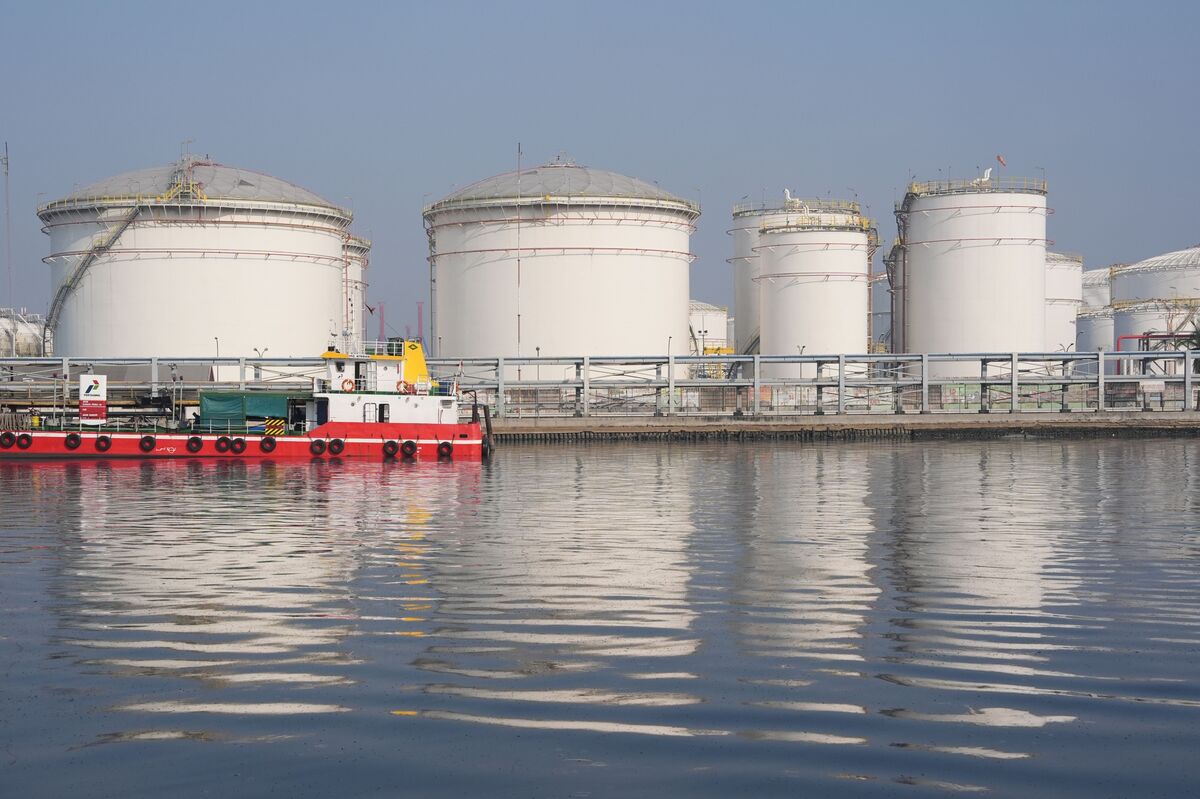
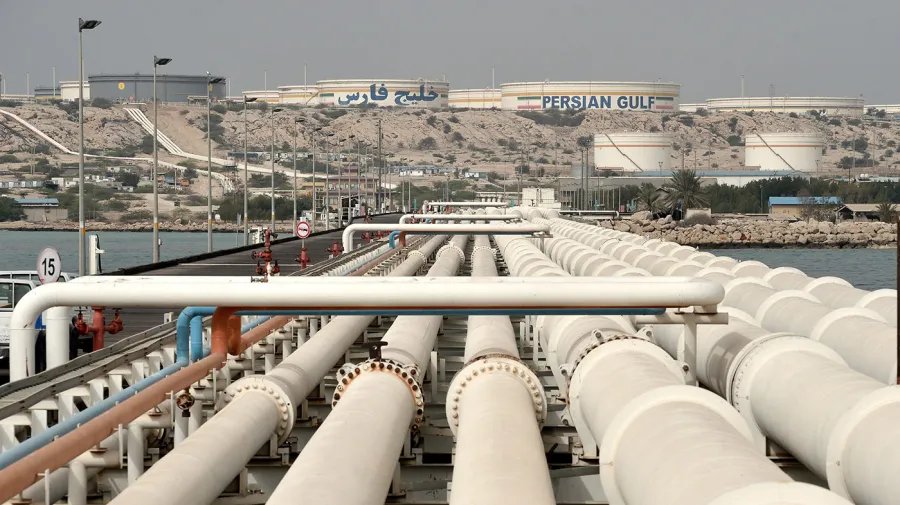
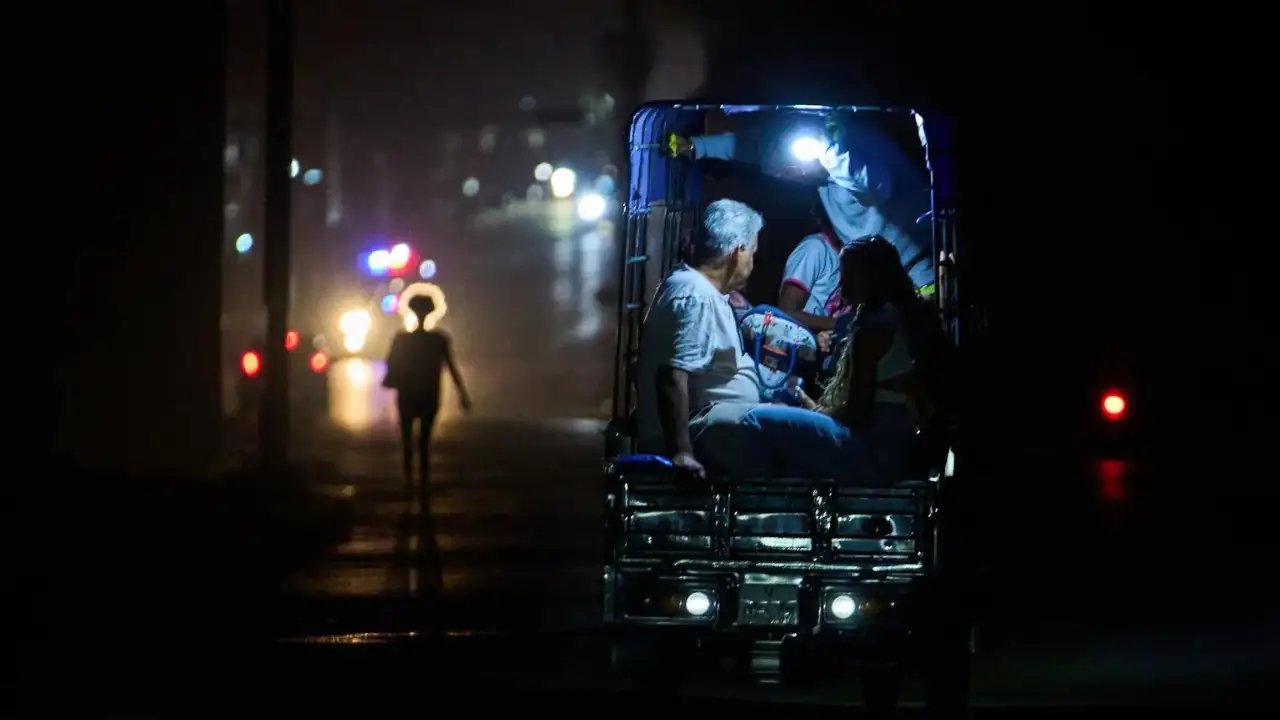
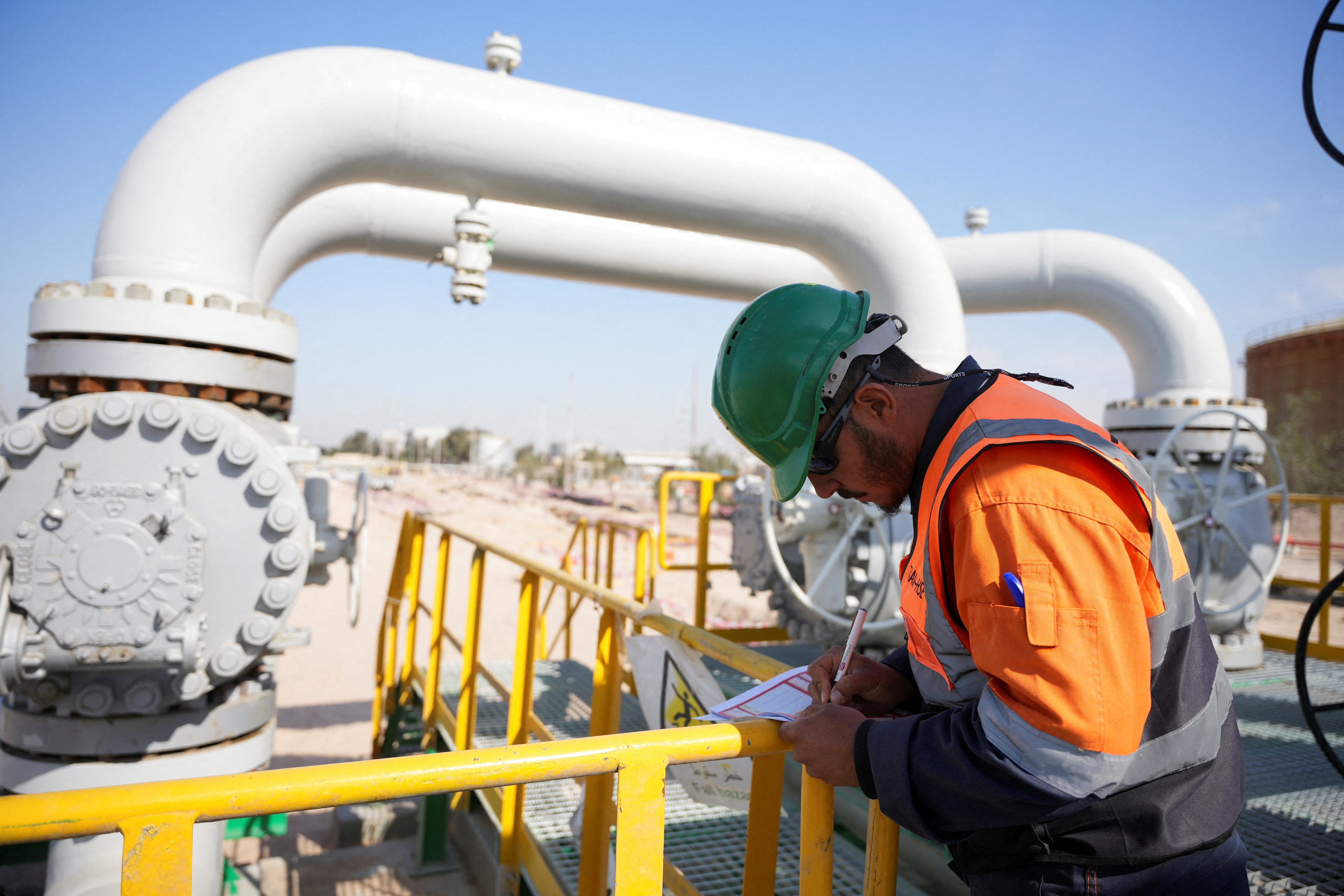
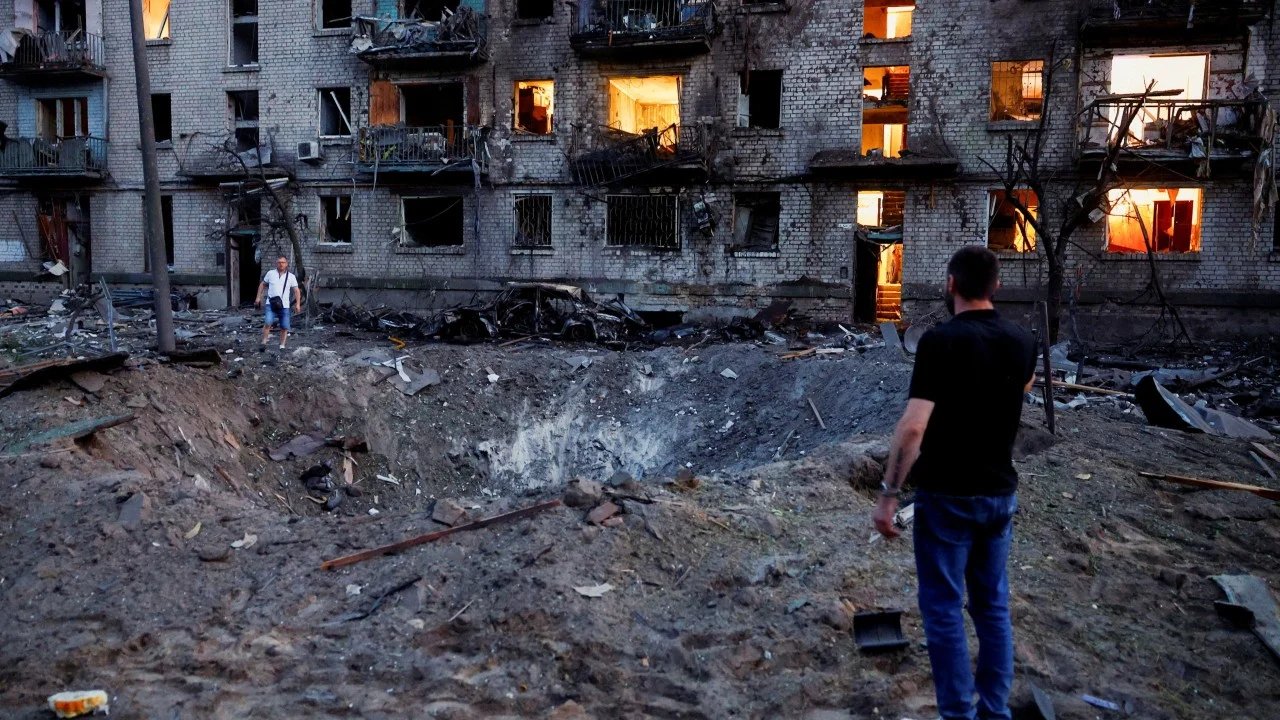
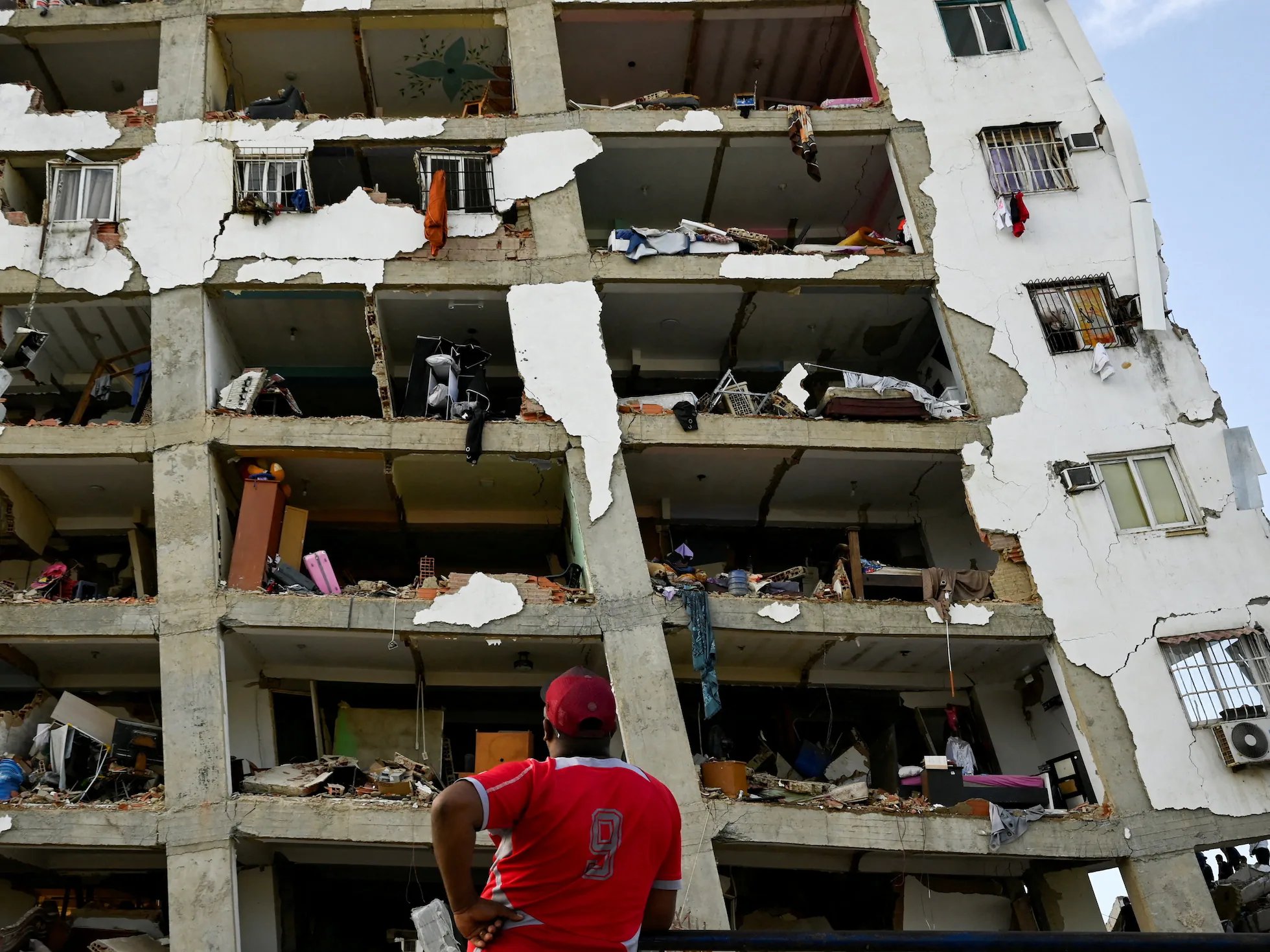
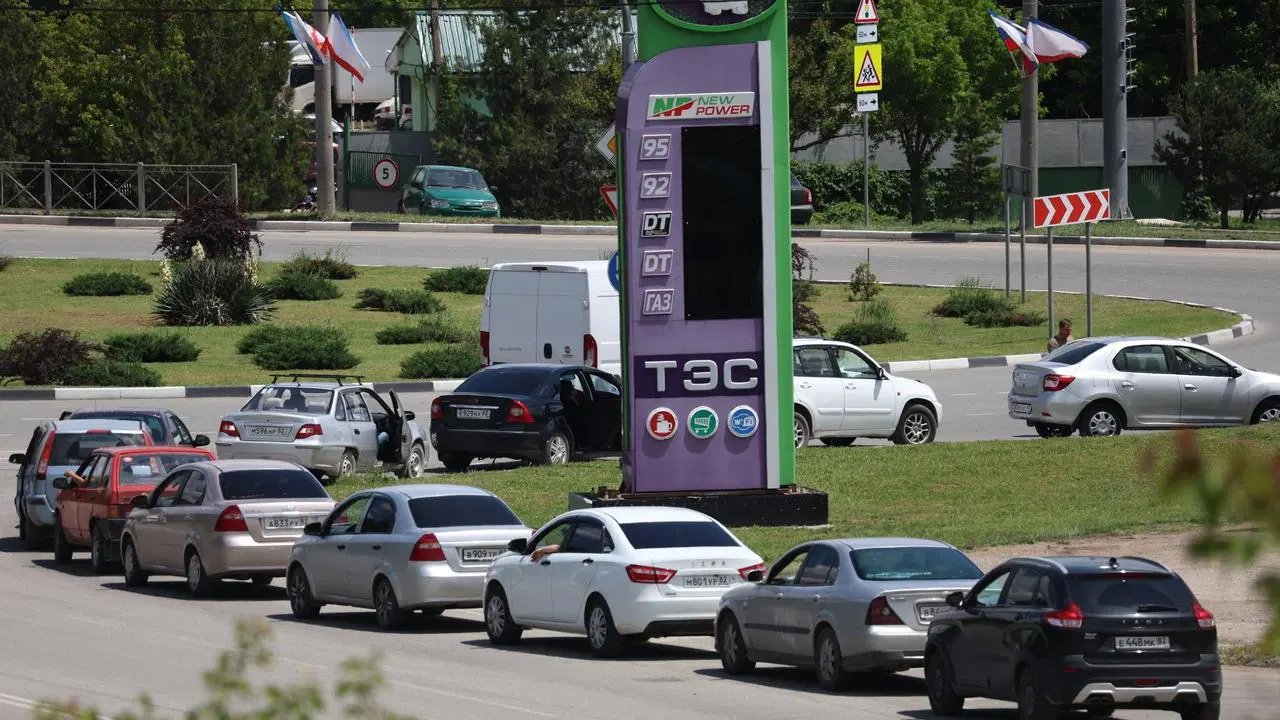
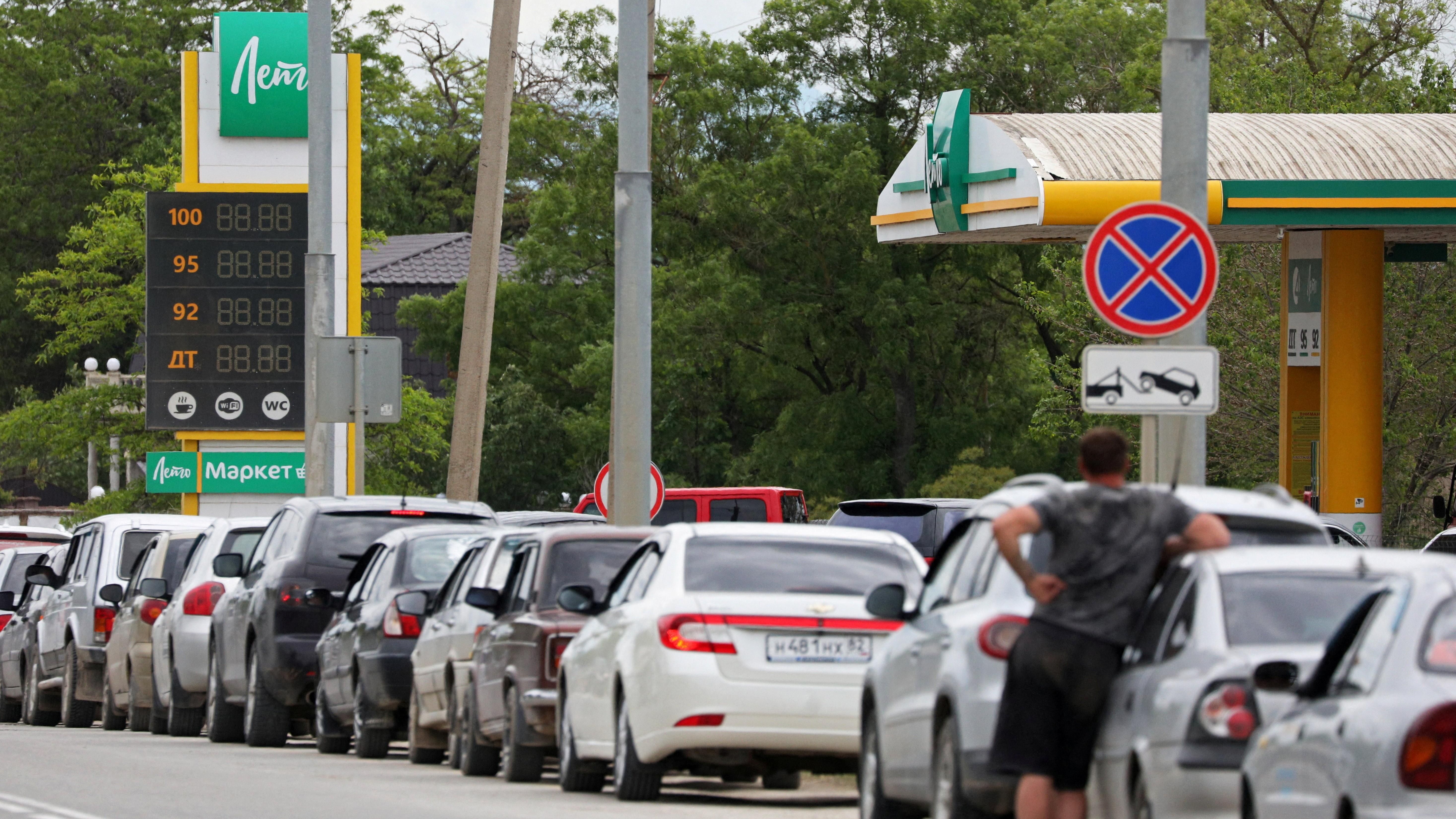
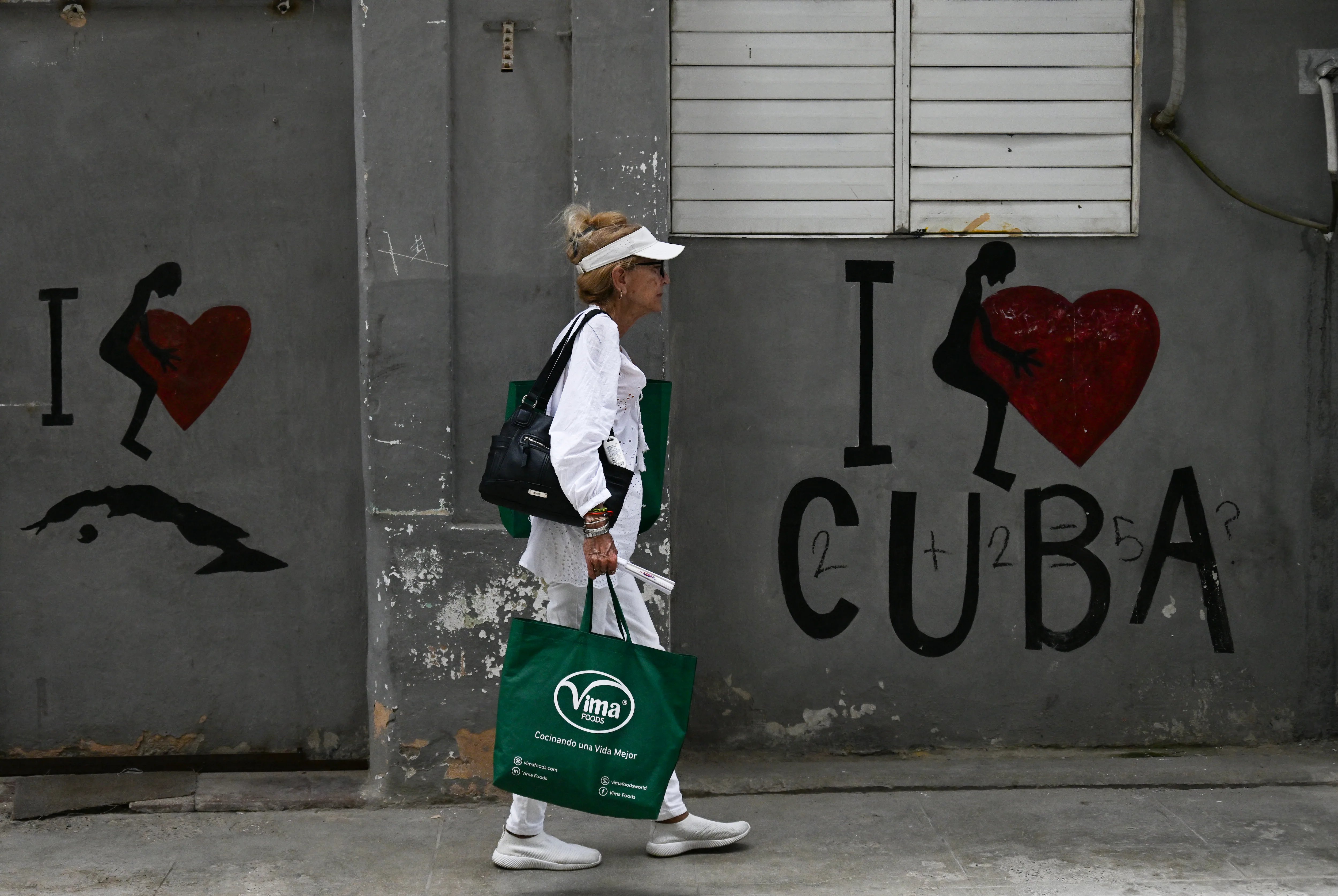
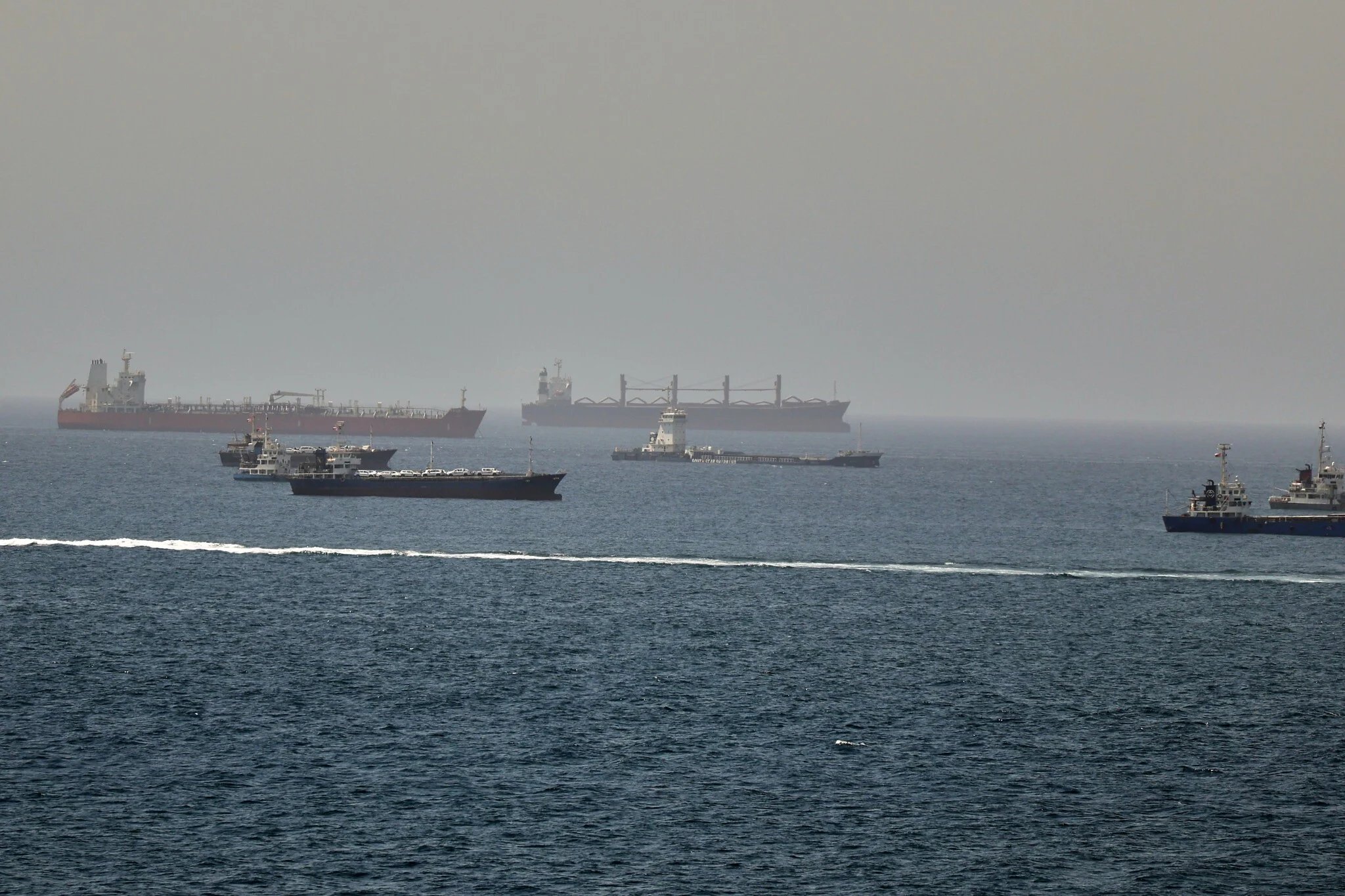
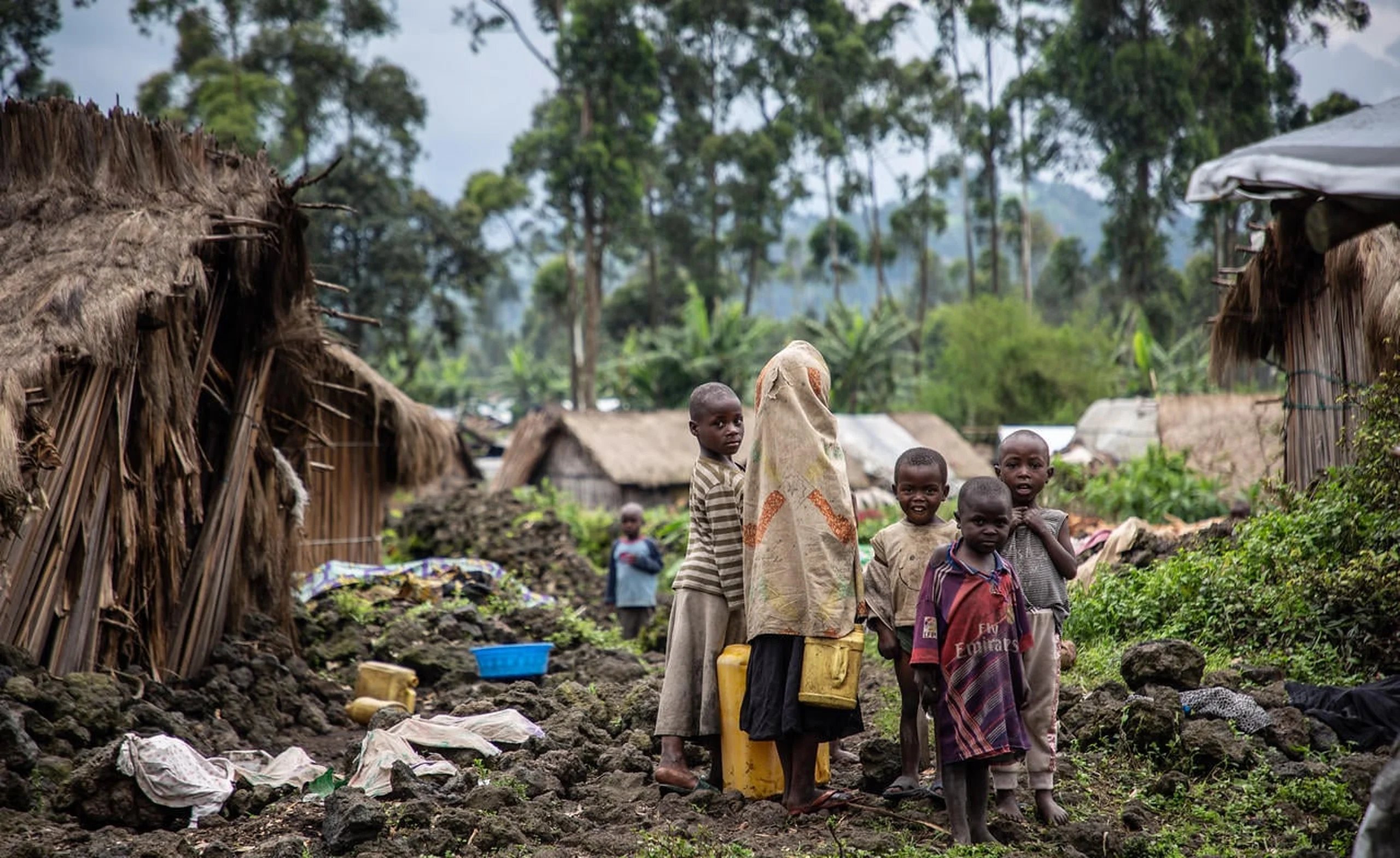
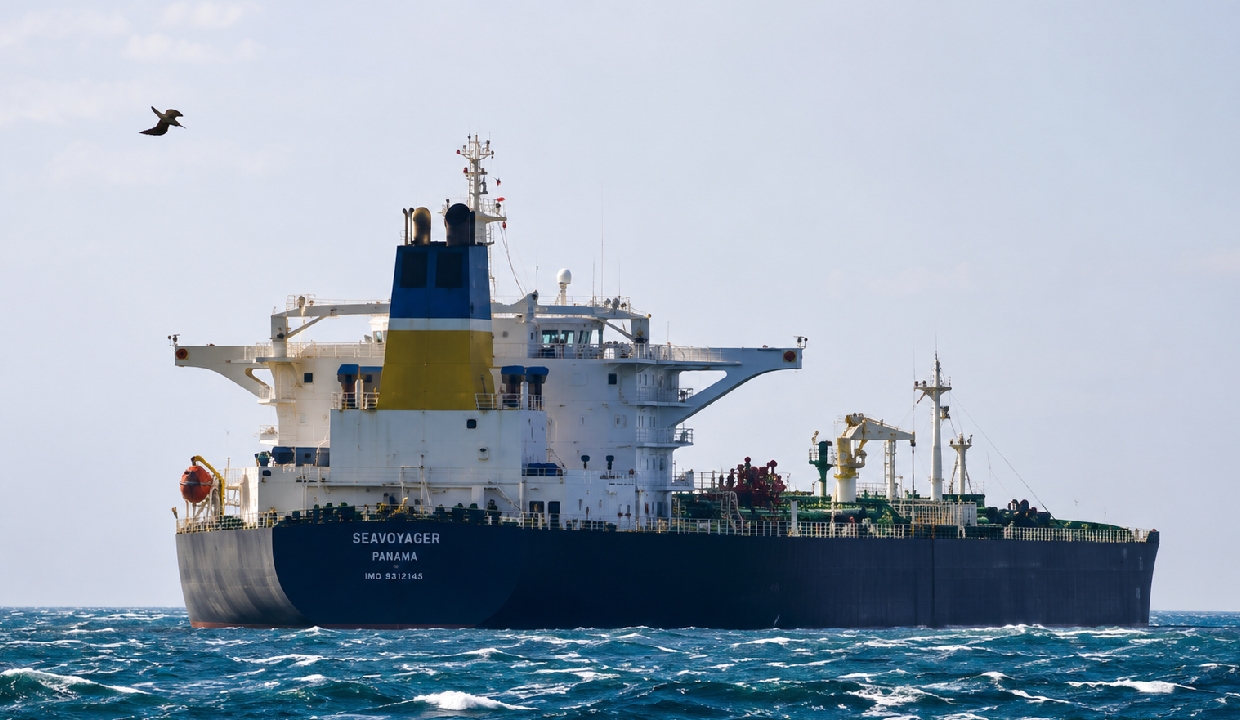
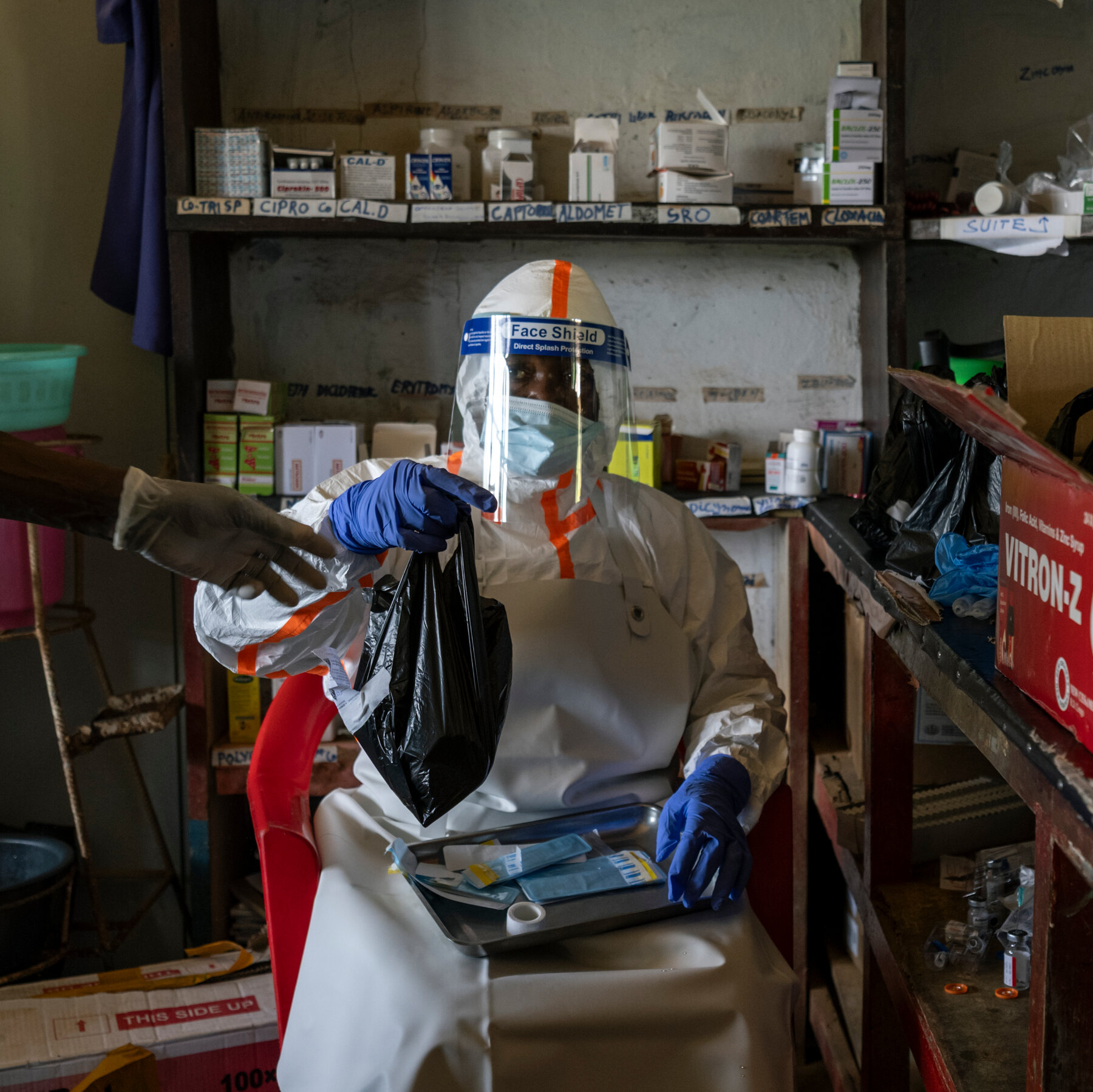
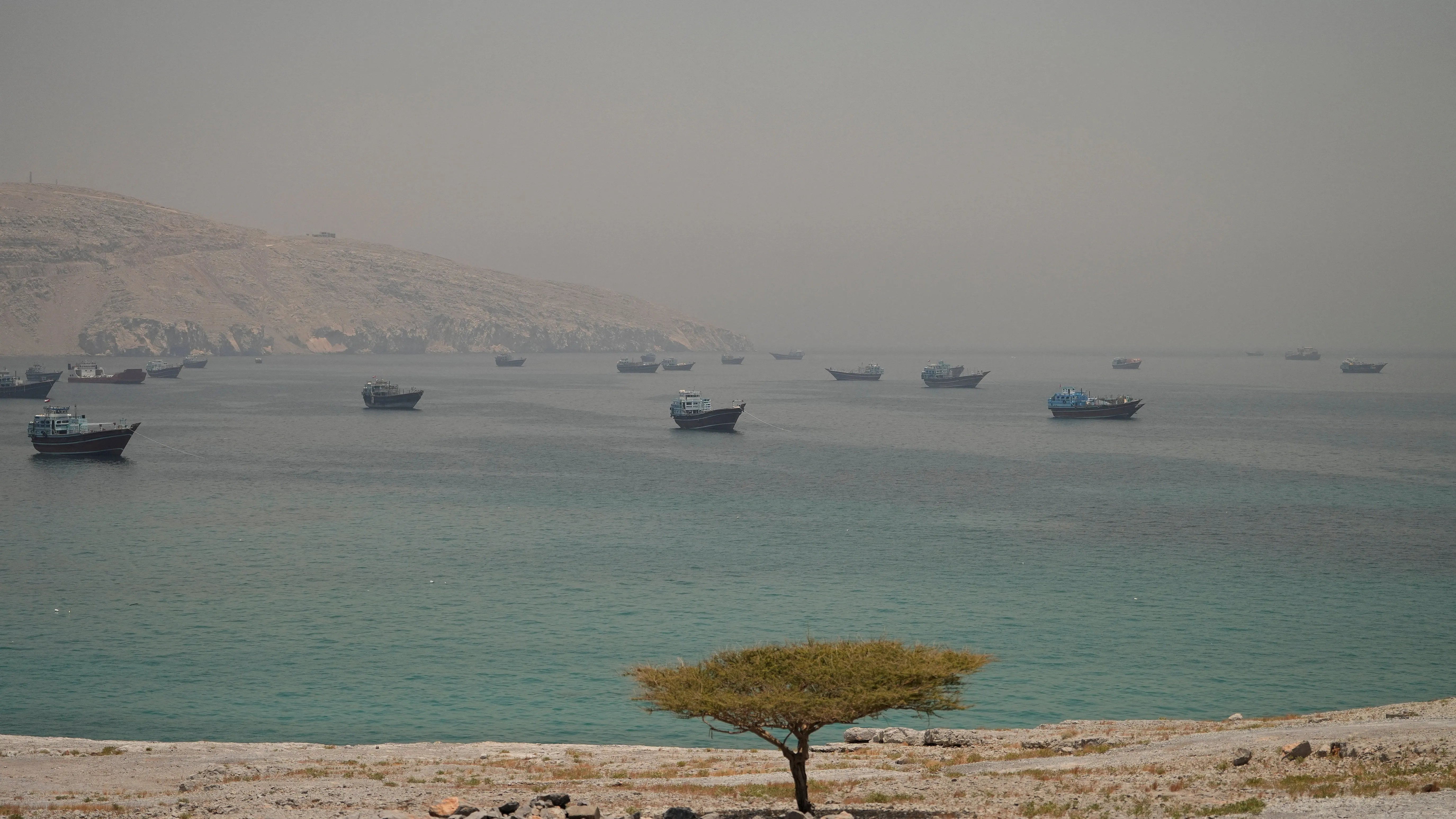
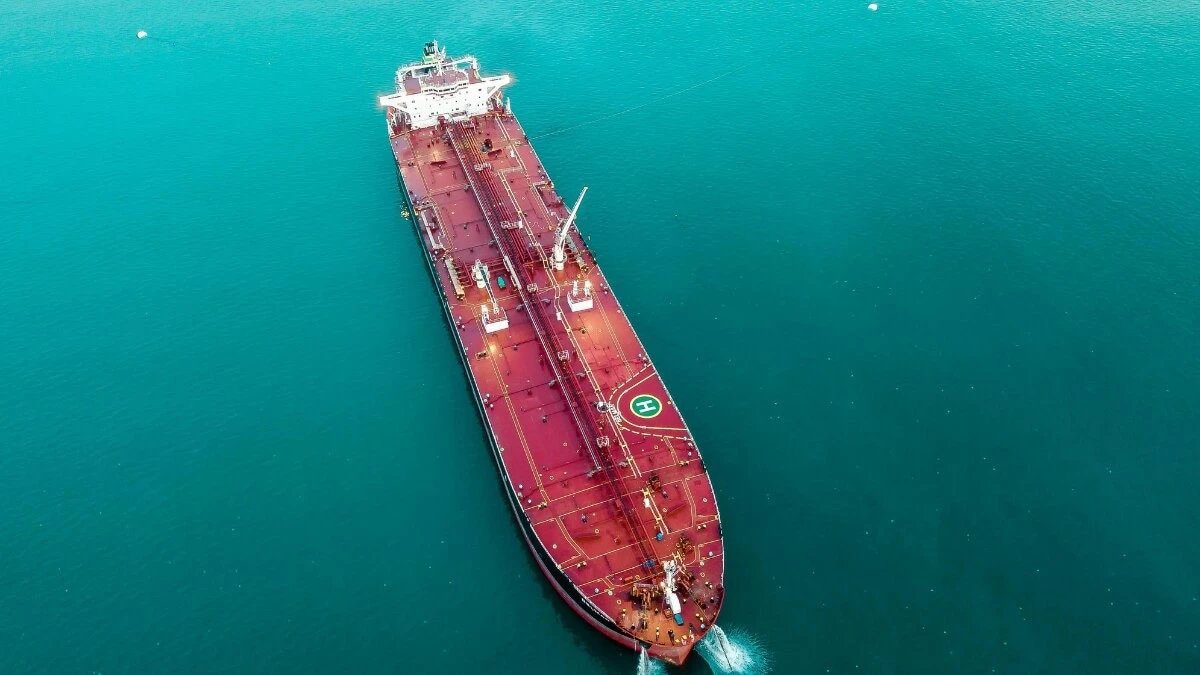
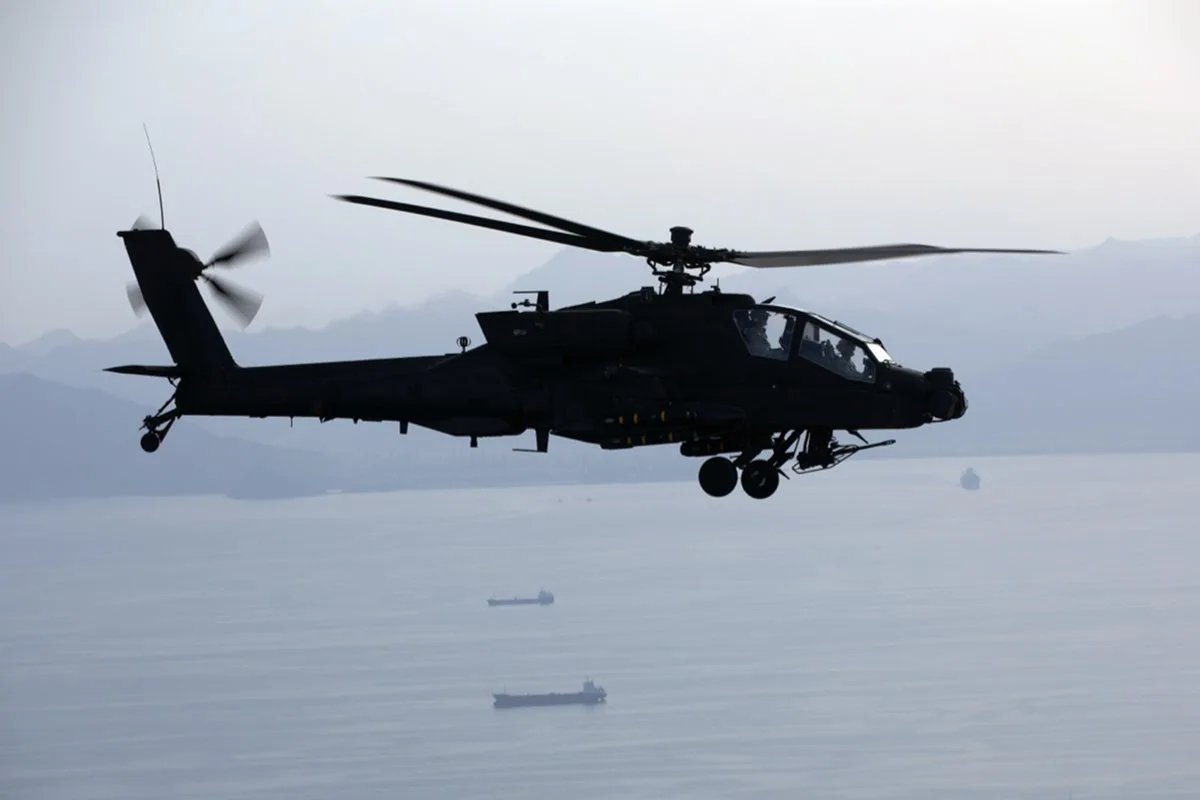
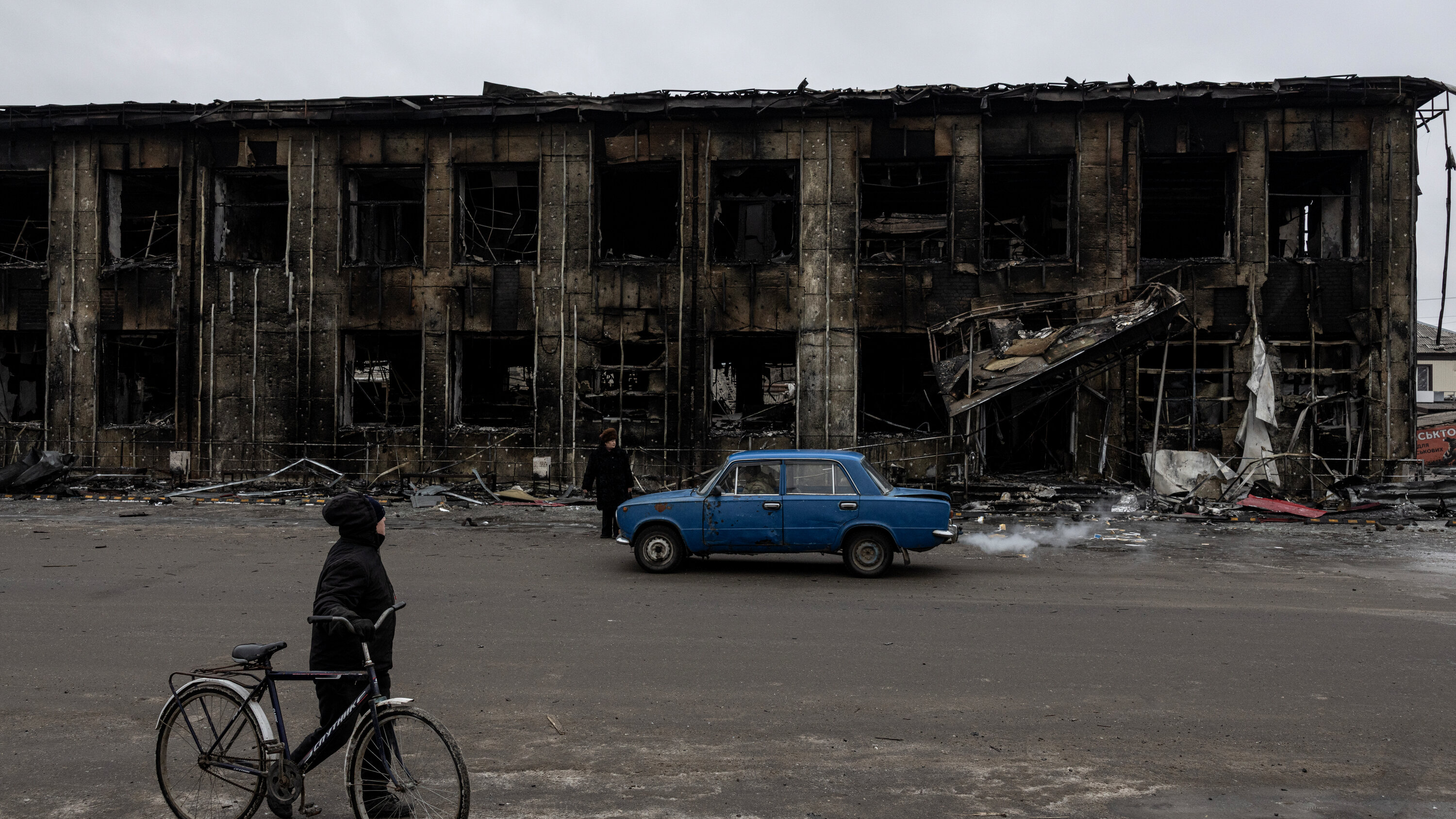
The sanctions coincide with a severe economic crisis in Cuba, characterized by blackouts, food shortages, and an overall economic collapse. Díaz-Canel has stated that Cuba is "ready" for potential military action from the U.S., reflecting the heightened tensions following President Trump's threats since he ousted Venezuelan leader Nicolás Maduro in January. The U.S. has also implemented an energy blockade that has further restricted fuel shipments to the island.
Warnings of Regime Change
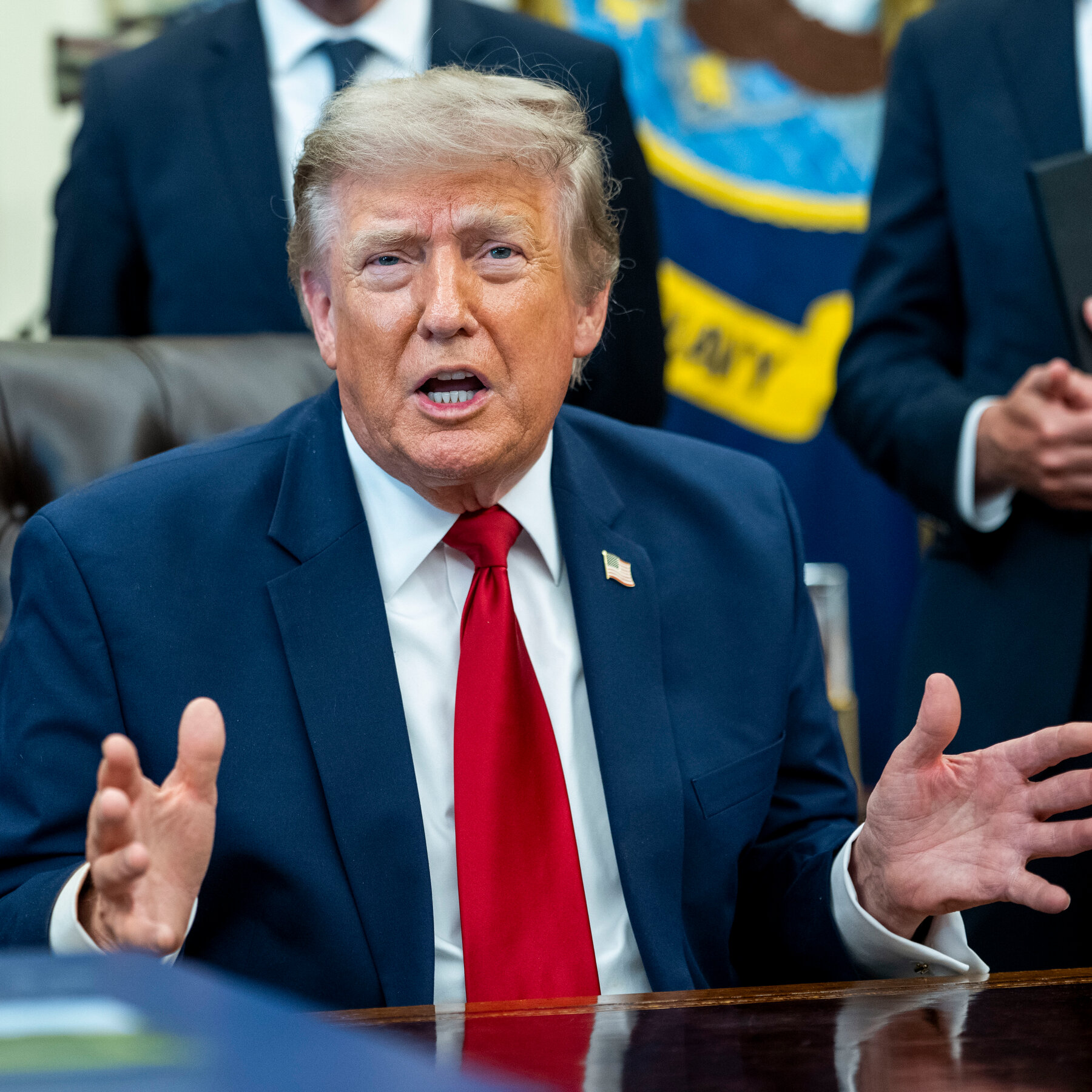
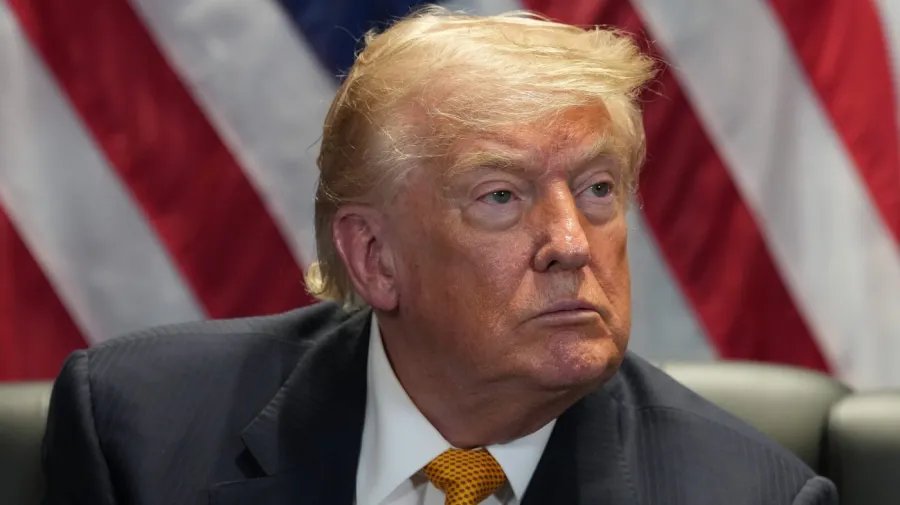
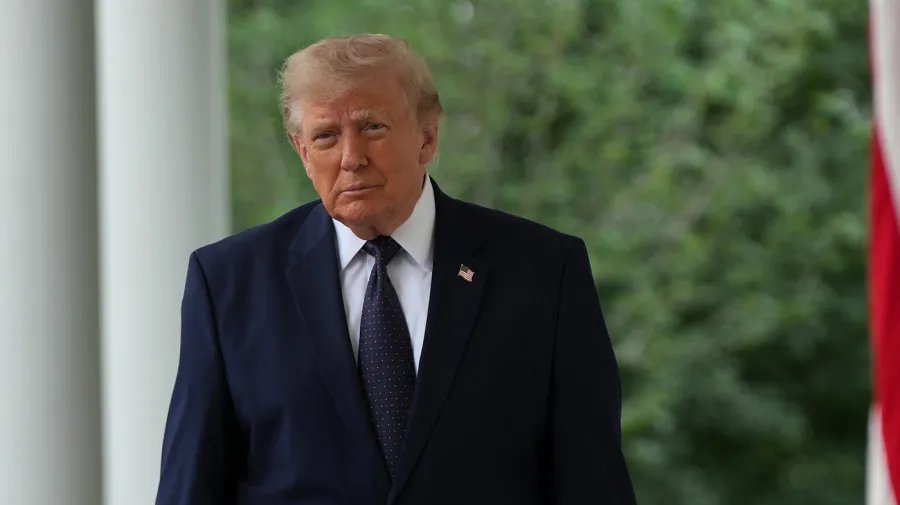
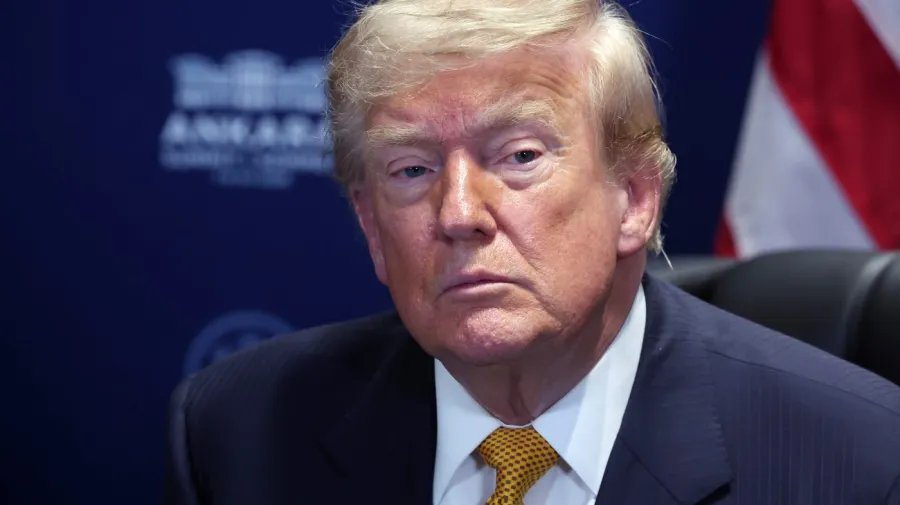
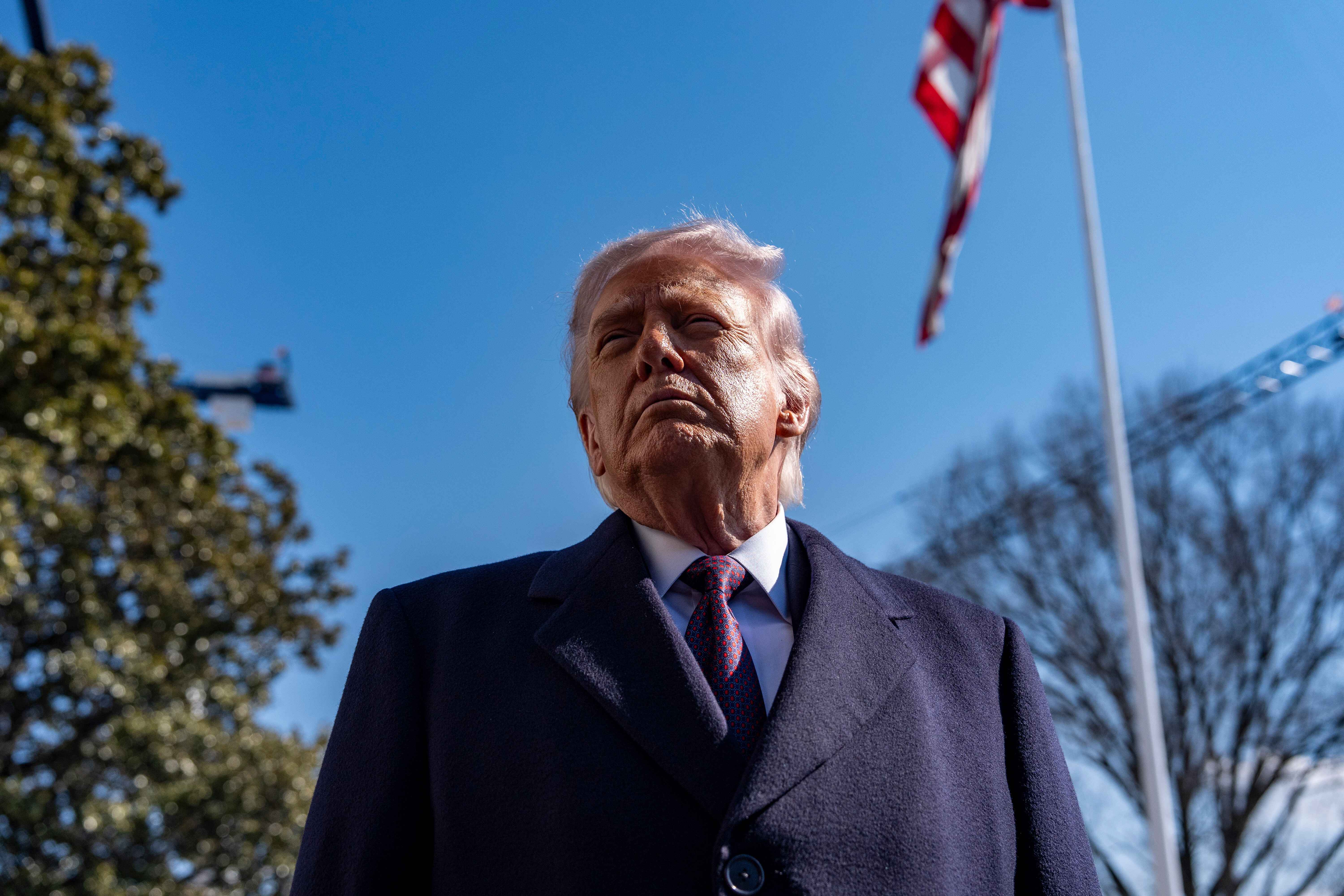
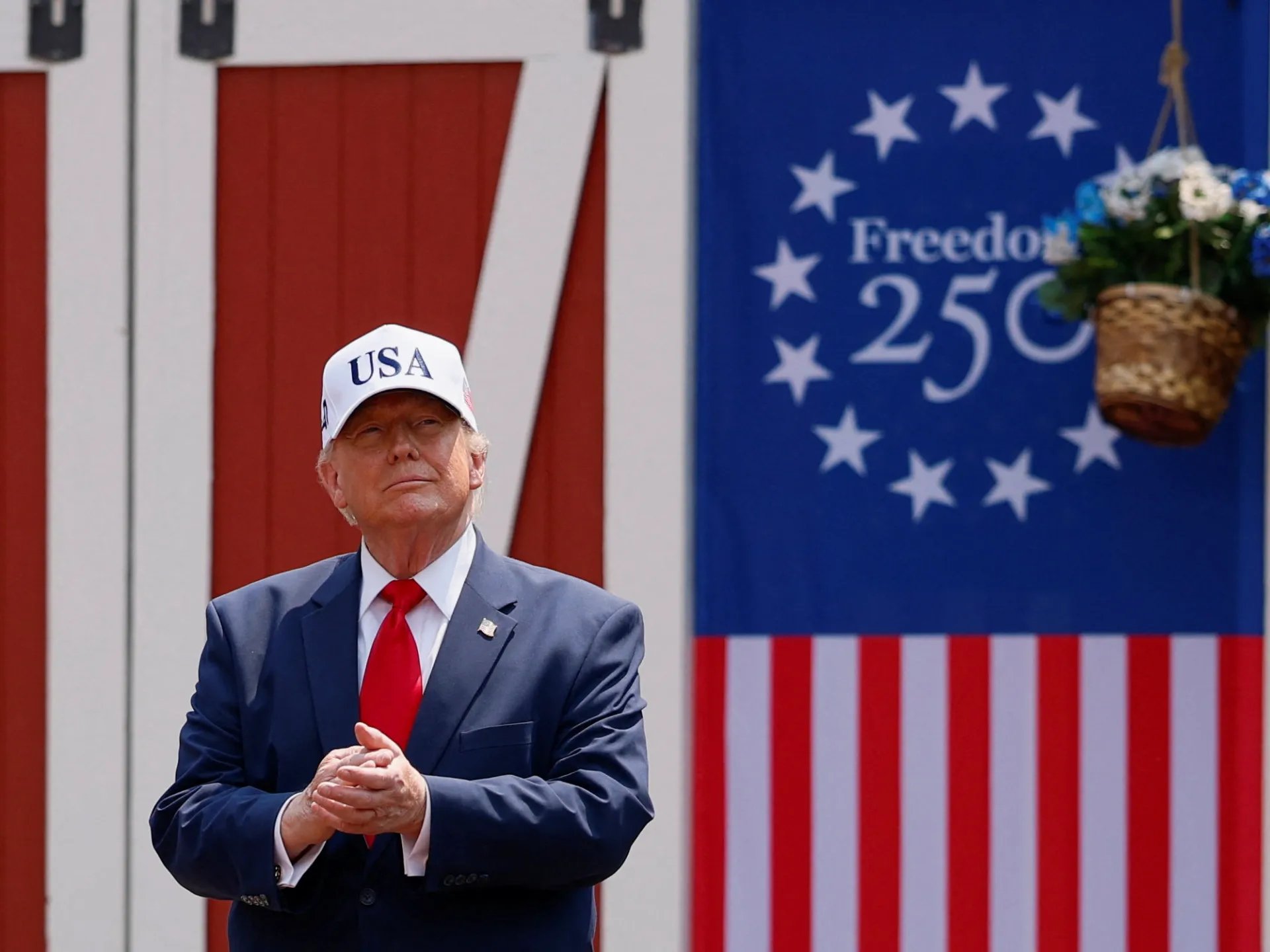
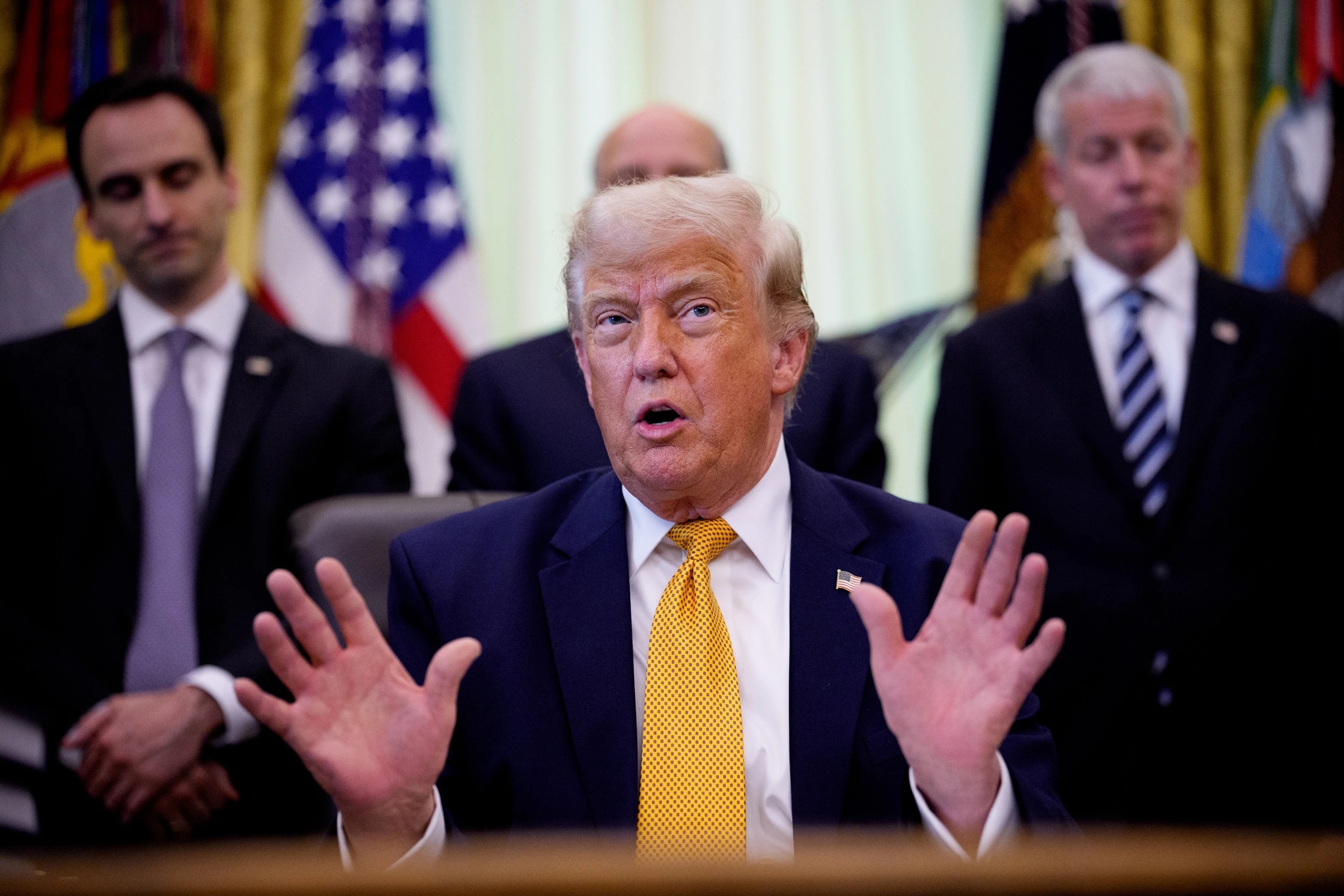
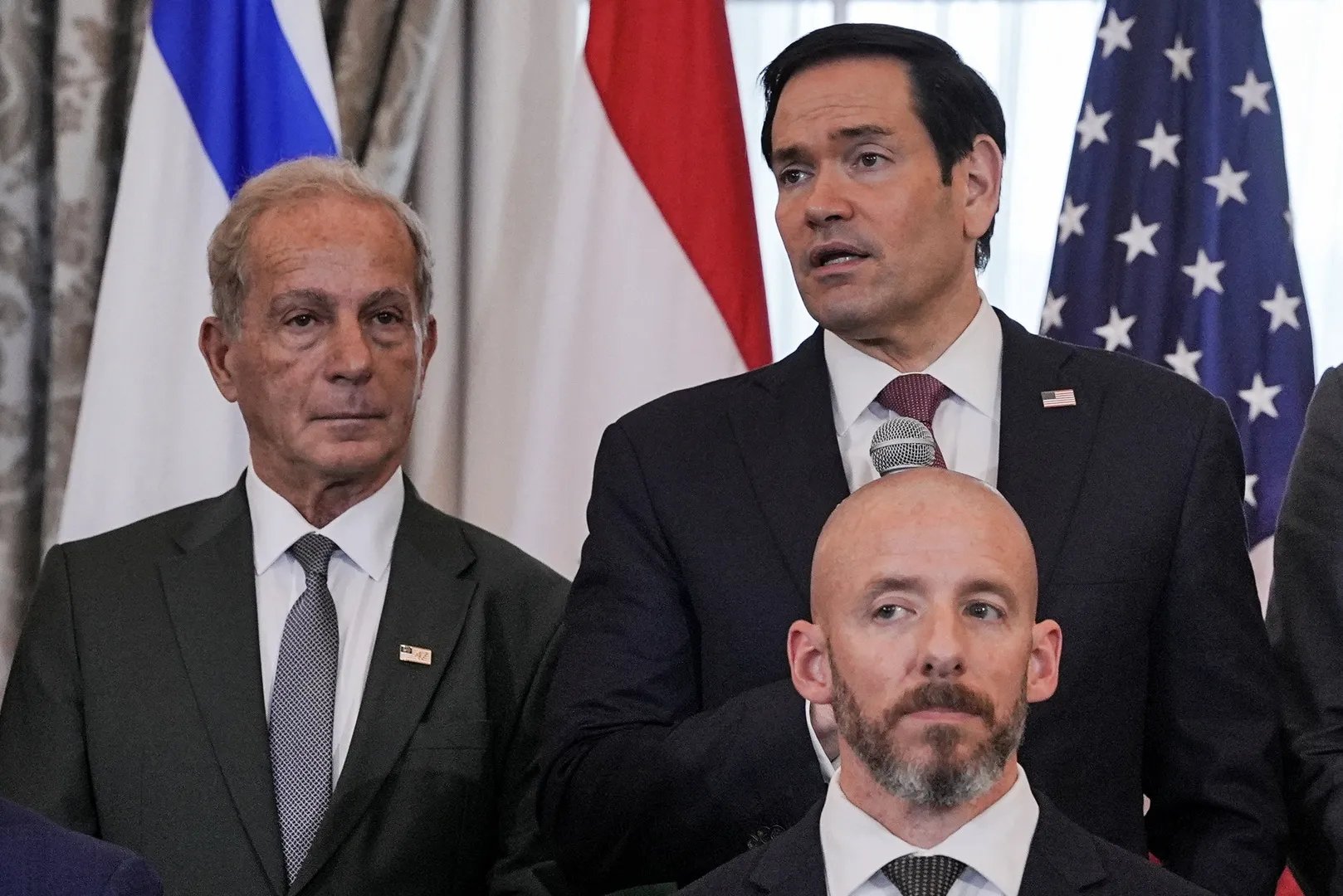
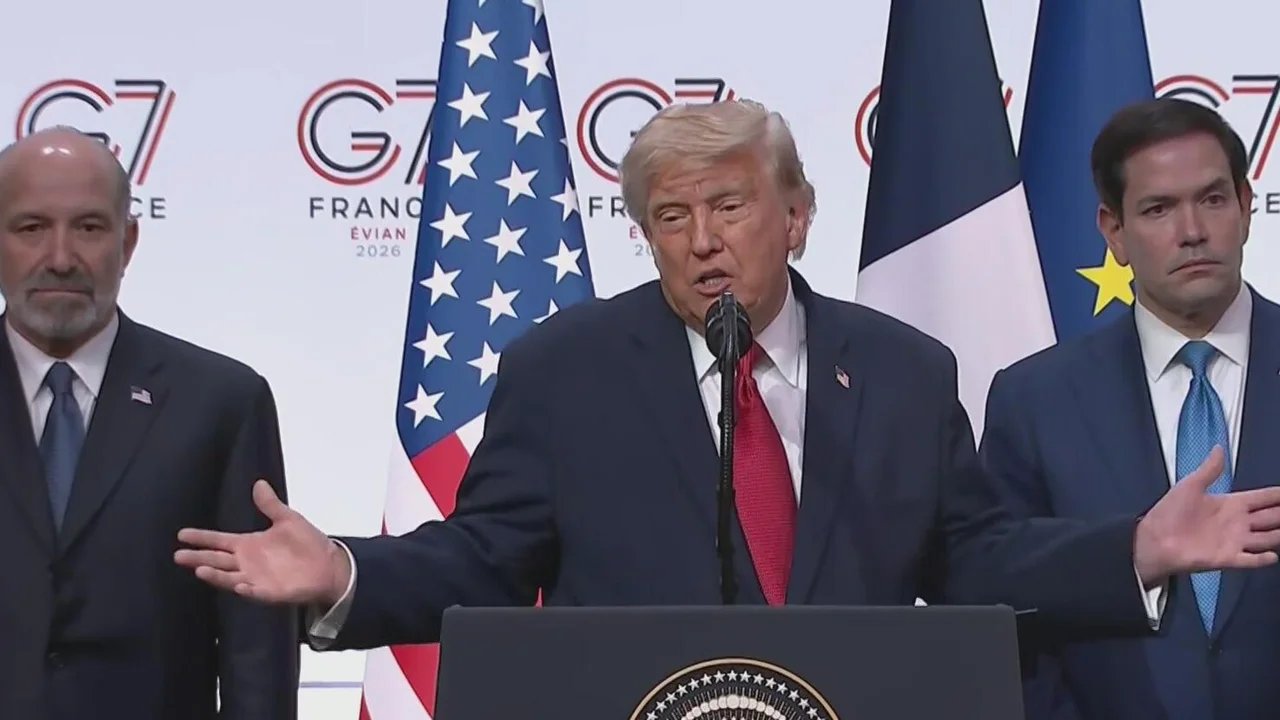
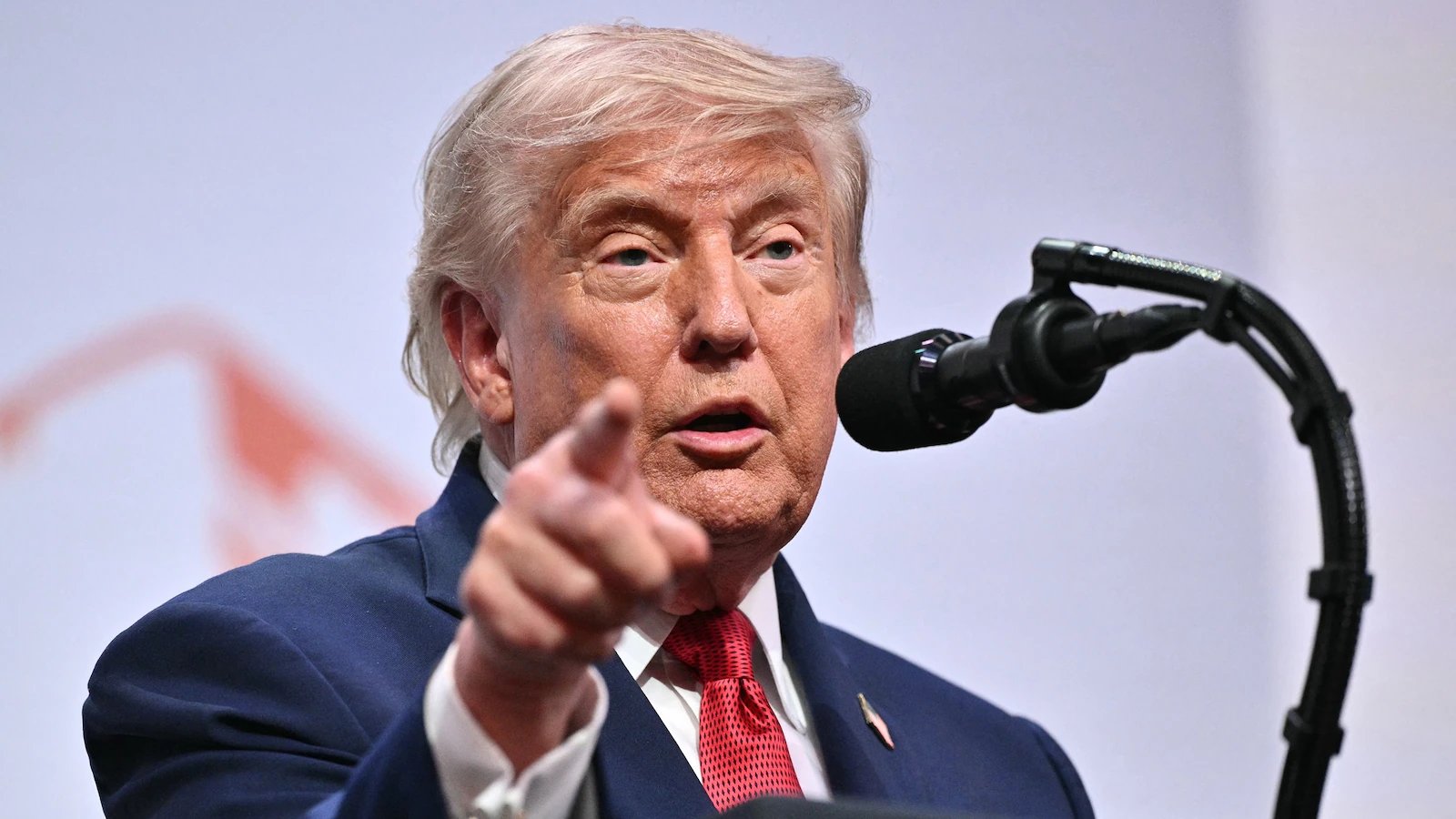
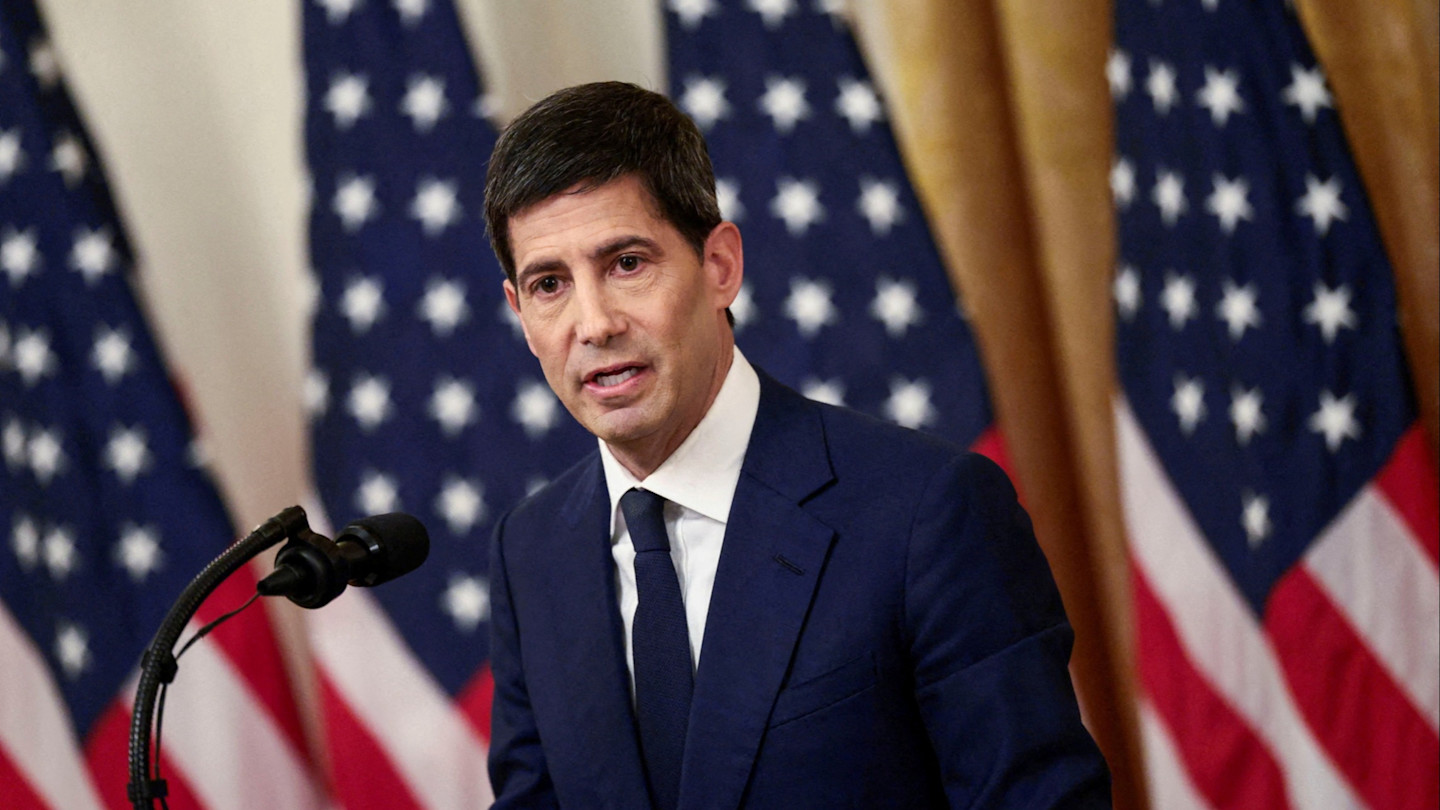
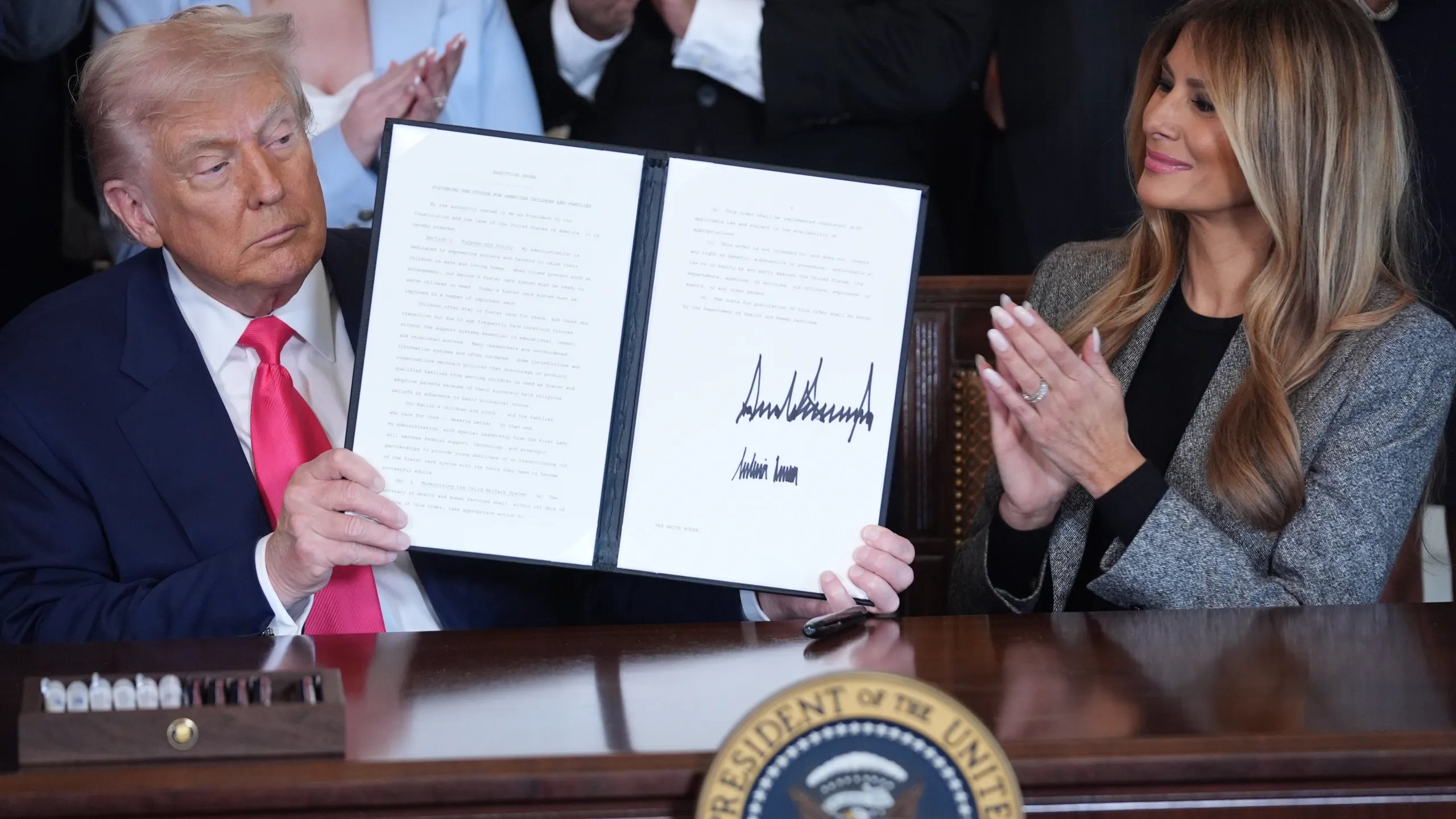
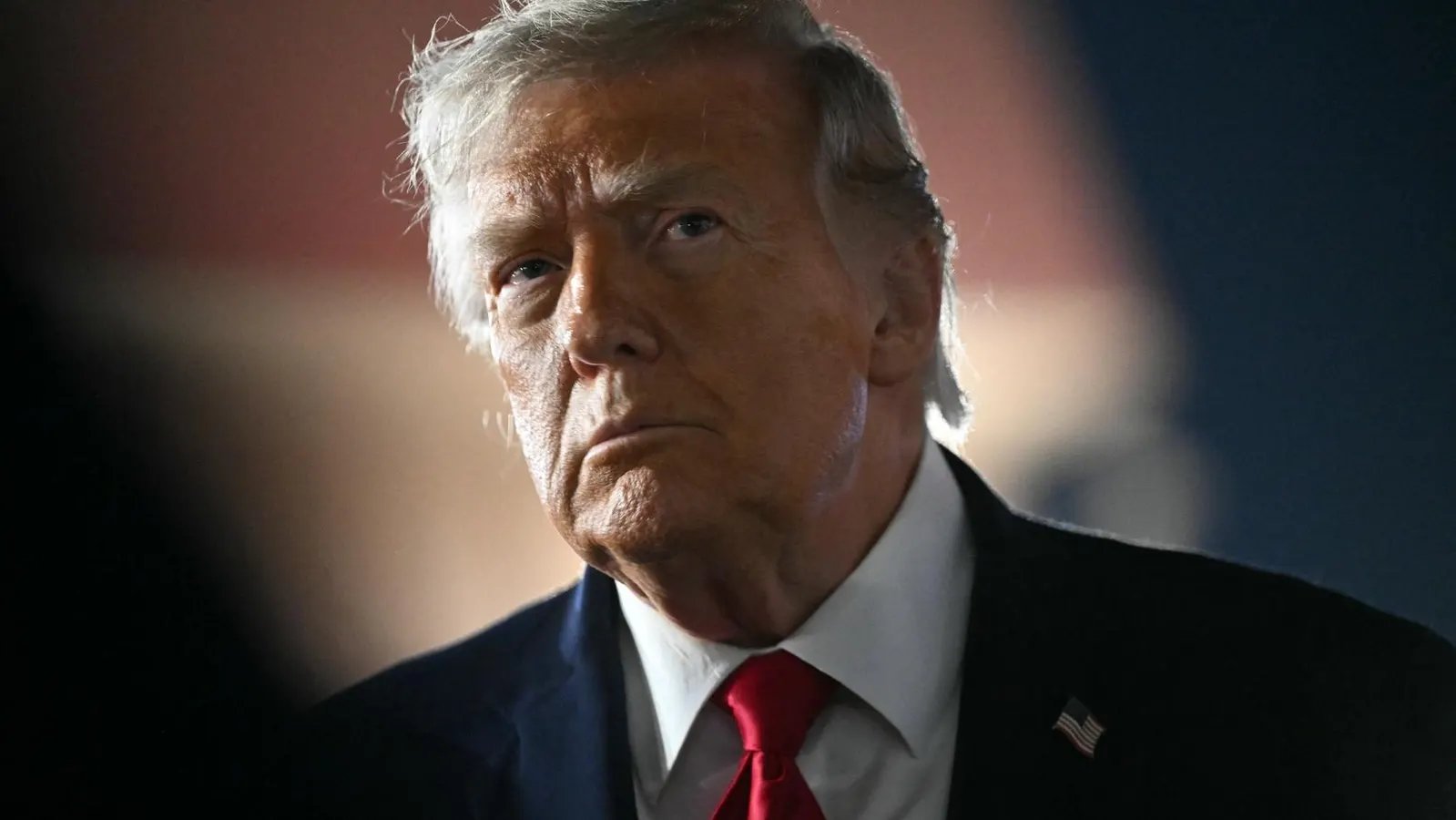
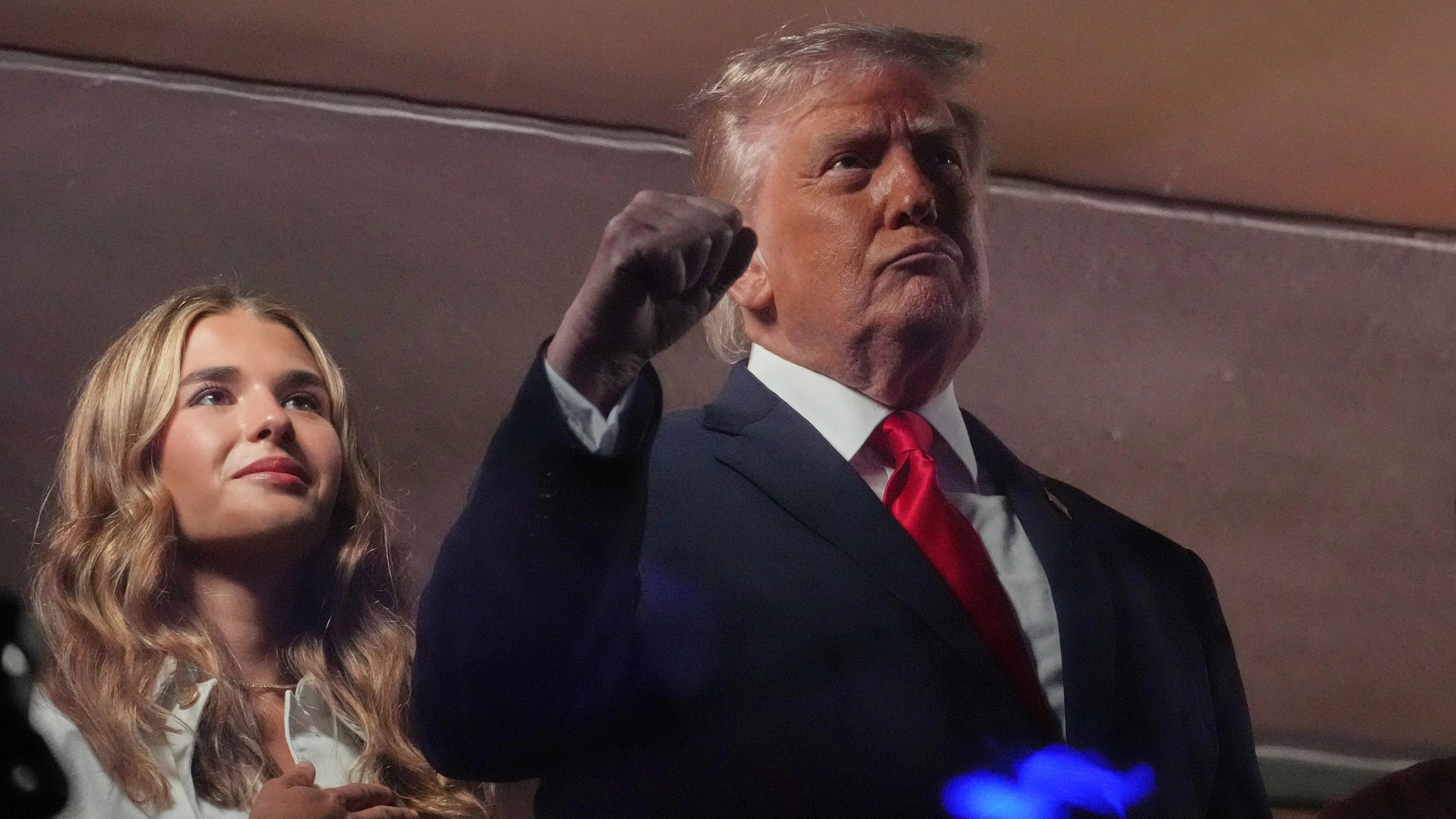
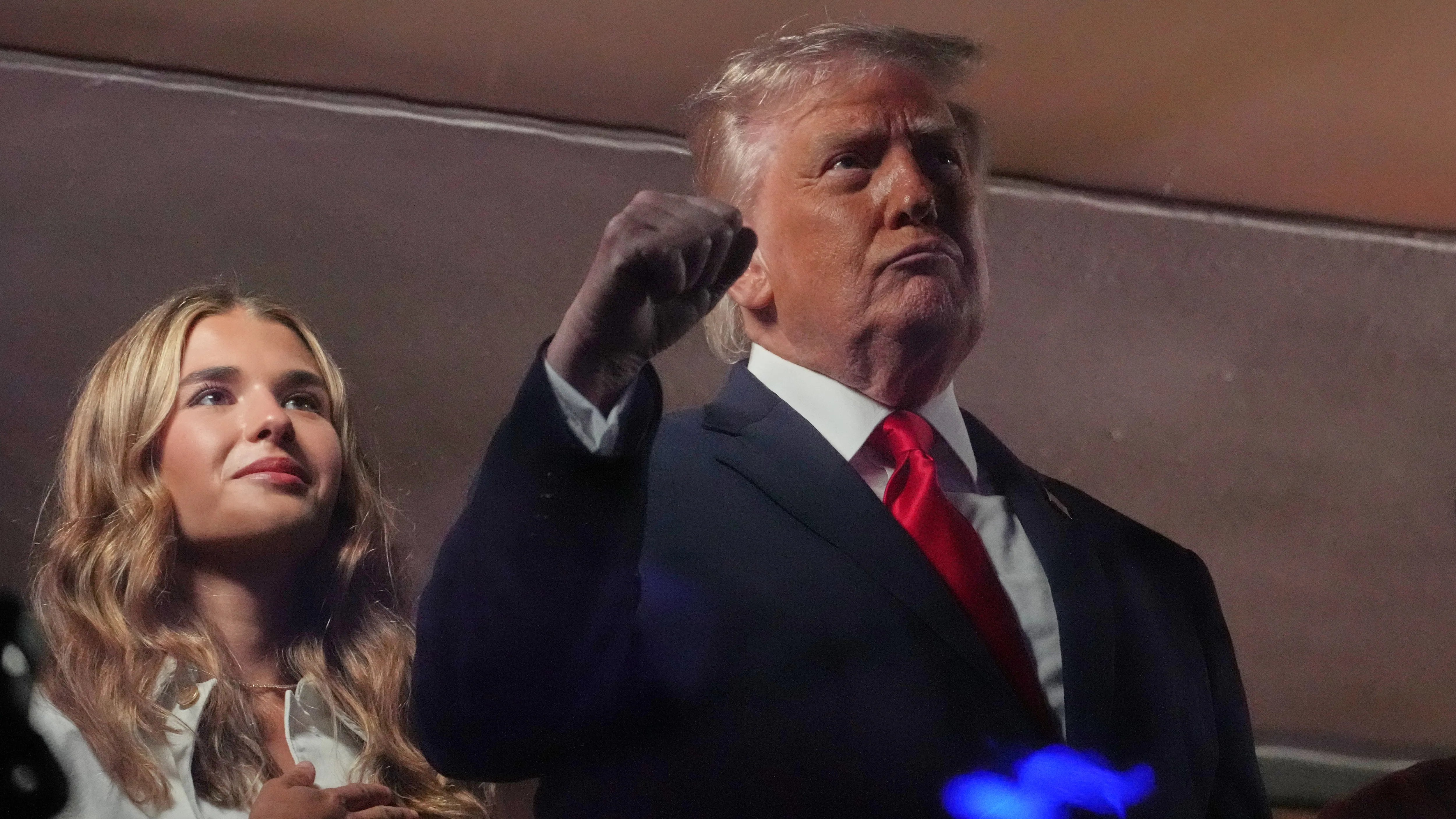
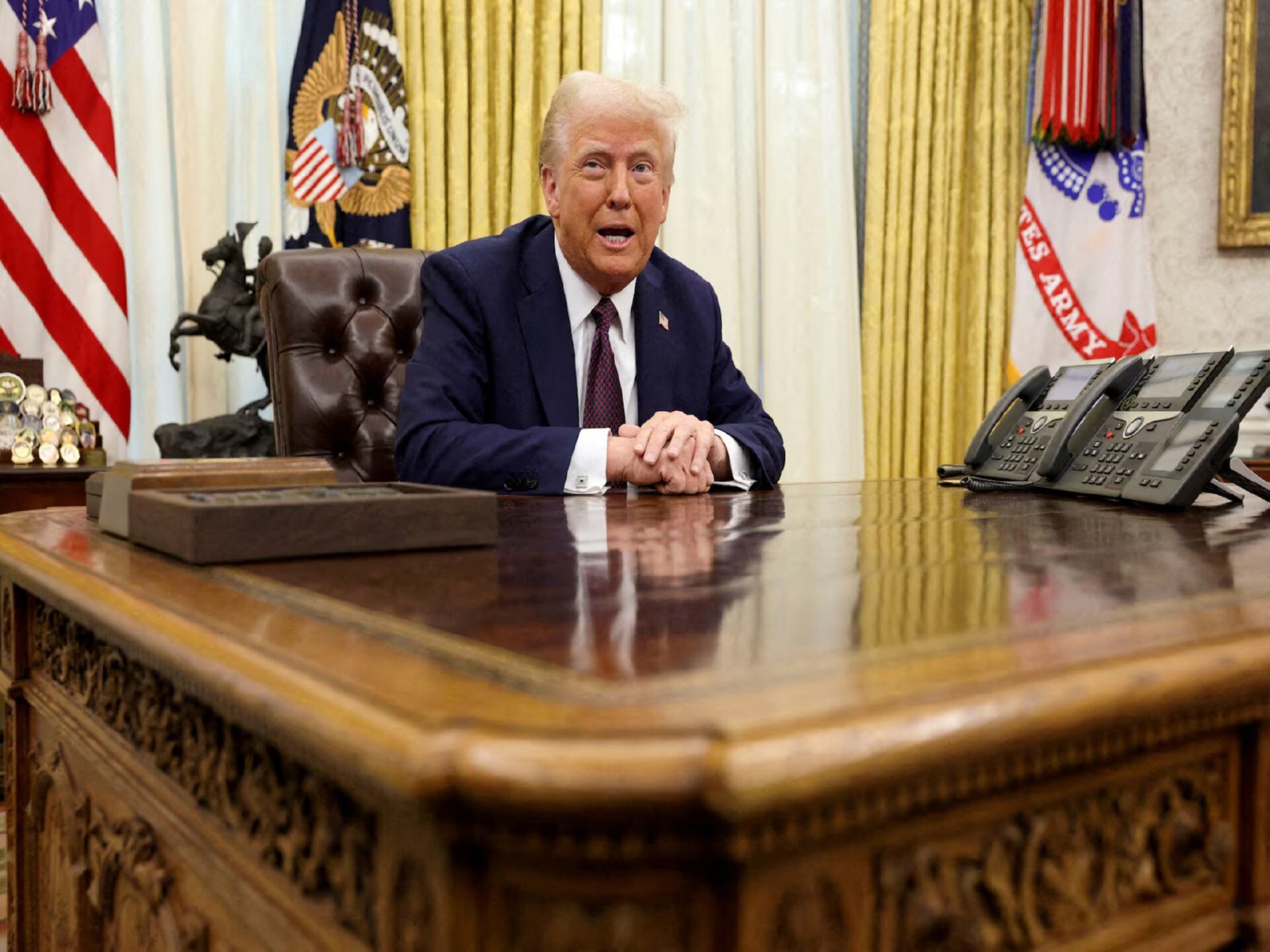
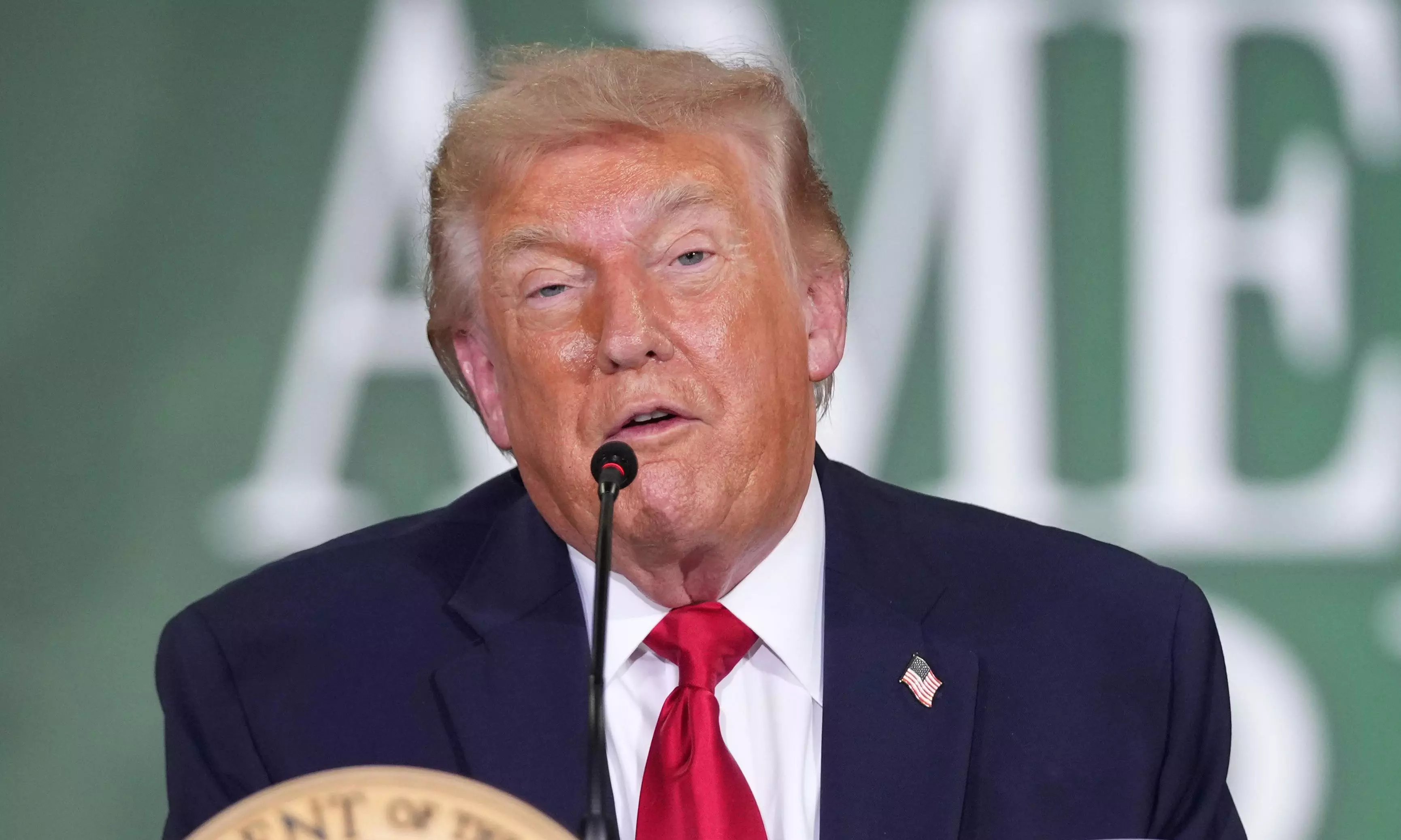
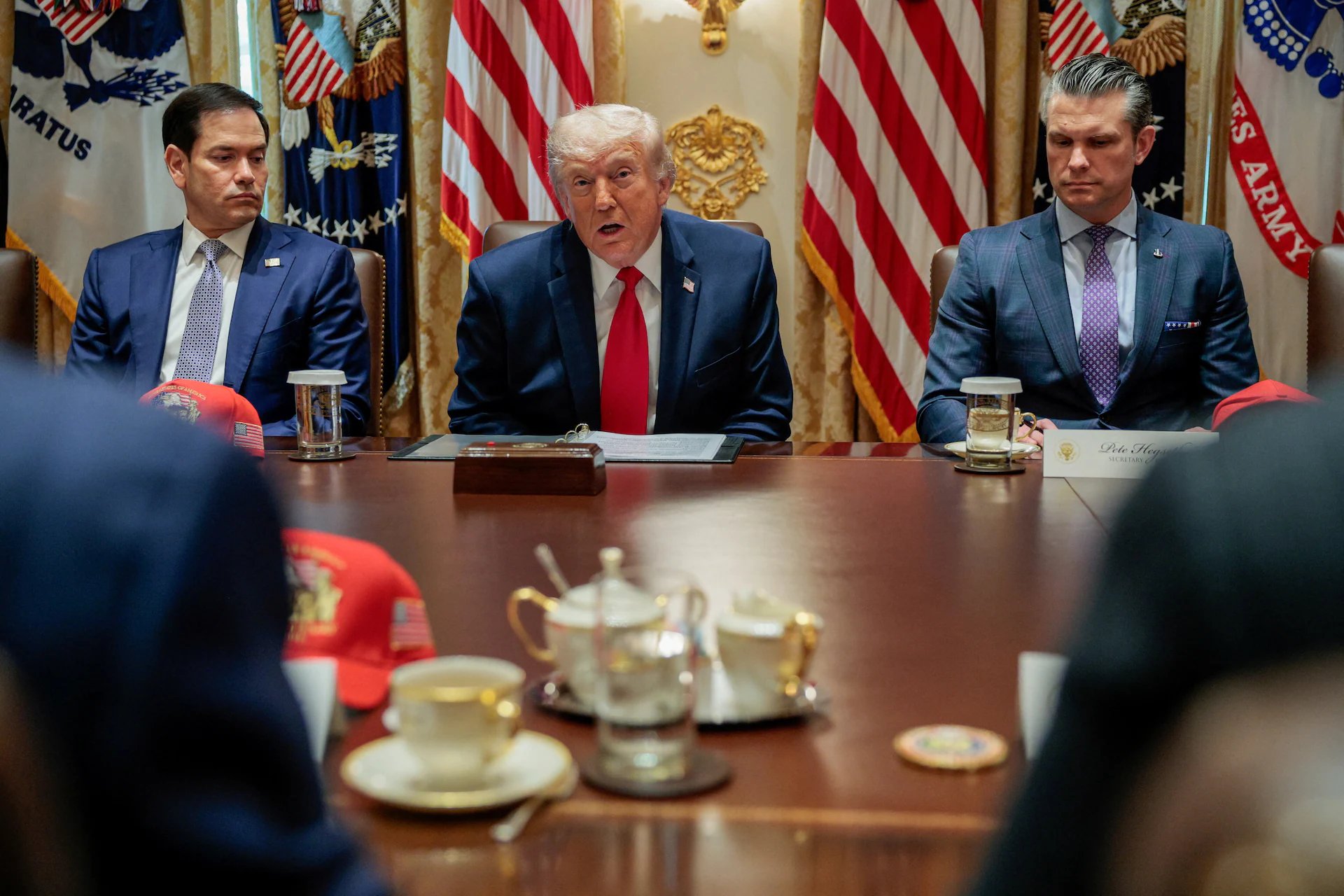
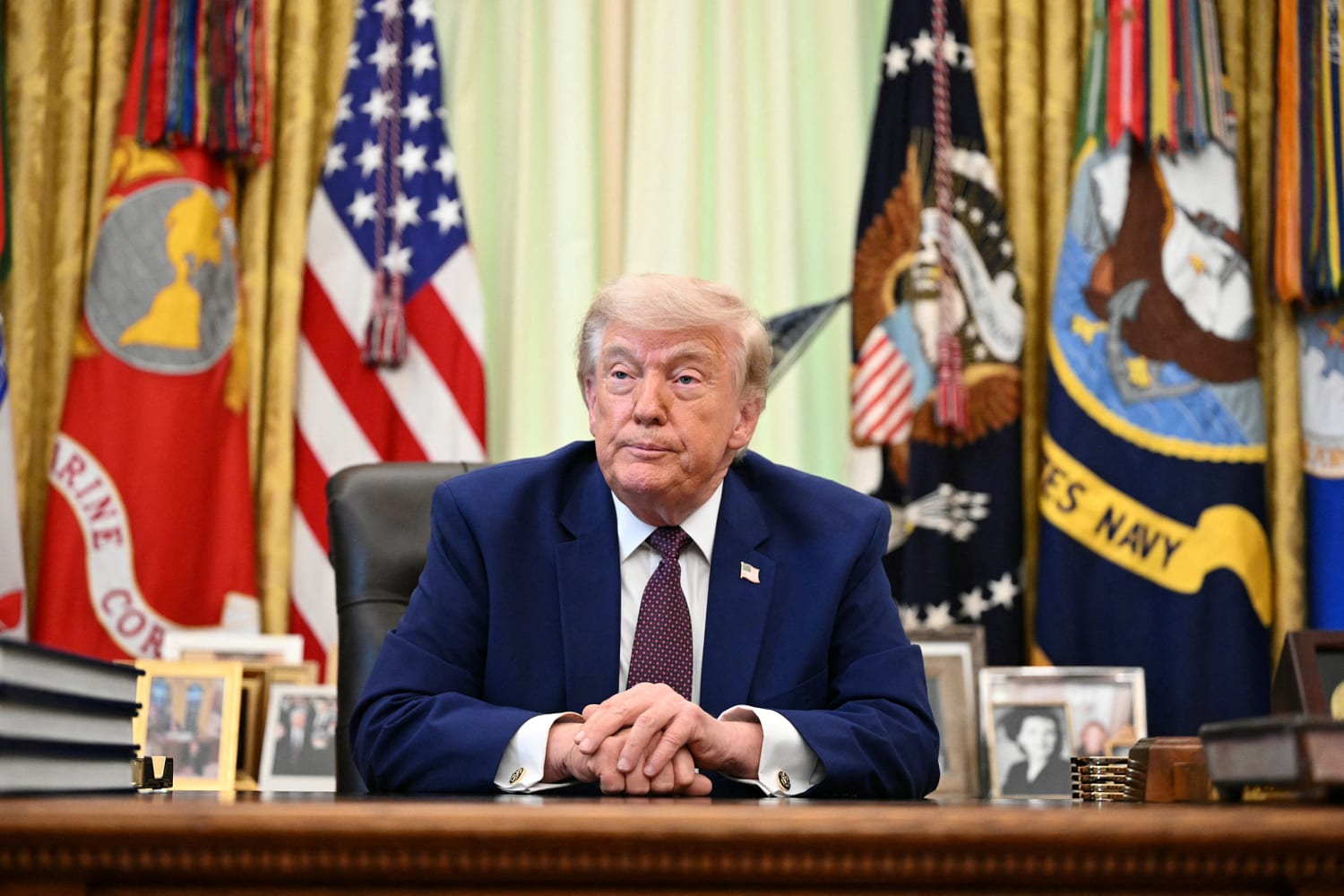
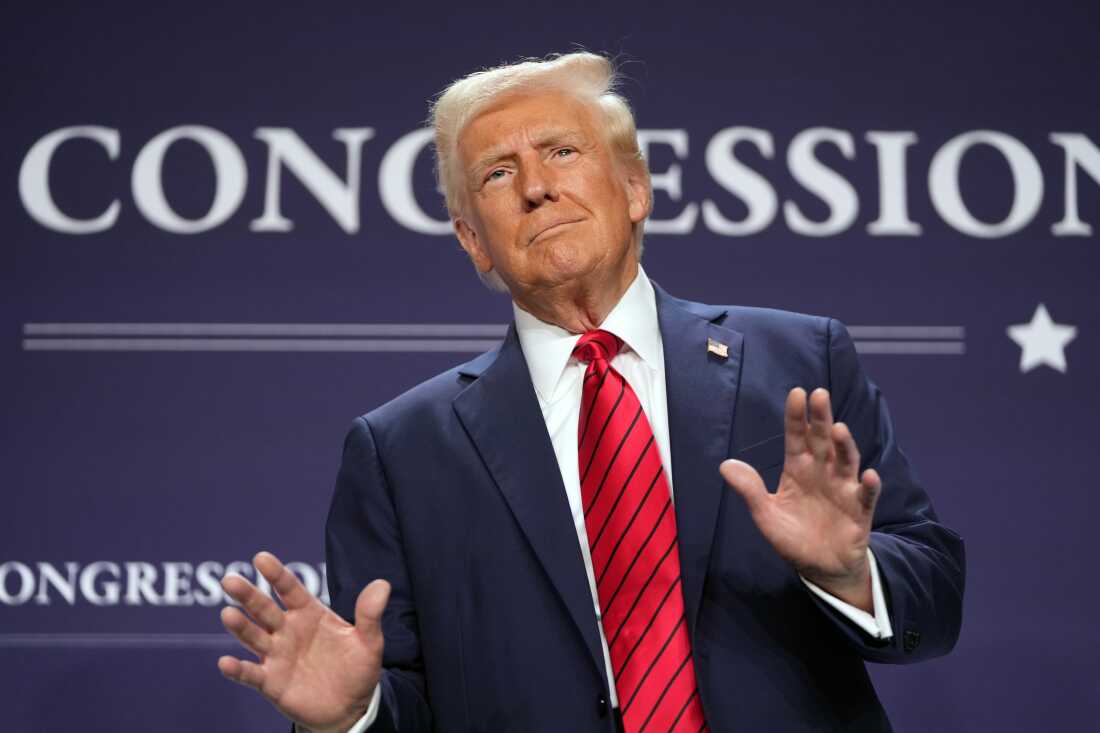
President Trump has ramped up discussions of regime change in Cuba, expressing intentions for a "friendly takeover" if the Cuban leadership does not open the economy to American investment. Secretary of State Marco Rubio has expressed skepticism regarding the possibility of reaching a diplomatic resolution with the current Cuban government, emphasizing that the sanctions are aimed at entities that support the regime's activities.
Impact on Cuban Entities
Among the sanctioned entities is Grupo de Administración Empresarial S.A., a conglomerate operated by the Cuban Revolutionary Armed Forces, which Rubio claims controls 70% of the Cuban economy and is linked to $18 billion in assets. The sanctions freeze the assets of those designated in the U.S., although it remains unclear how directly their finances are tied to the U.S. financial system.
U.S. Organizations Under Scrutiny
The sanctions are not limited to individuals; they also target organizations that have historically engaged with Cuba. Rubio has placed U.S. organizations on notice that they can no longer do business with the Cuban Institute of Friendship with the Peoples (ICAP), which has been accused of supporting Cuba's intelligence operations. Rubio stated, "Today, we are targeting the network that enables and funds Cuba's subversive and radical operations."
Cuban Government Responds
The Cuban government condemned the new sanctions, with Díaz-Canel accusing the U.S. of escalating economic pressure and attempting to fuel conflict. He described the sanctions list as "illegitimate" and claimed they reinforce the blockade against Cuba. The Cuban leadership has consistently maintained that they are prepared to defend the country against U.S. aggression.
Historical Context of Sanctions
These recent sanctions are part of a broader trend. The U.S. hit former Sudanese President Omar Bashir and former Zimbabwean President Robert Mugabe in the early 2000s, and more recently targeted former Venezuelan President Nicolás Maduro and his wife with sanctions.
Next Steps for U.S.-Cuba Relations
As tensions escalate, the future of U.S.-Cuba relations remains uncertain. The Trump administration's approach suggests a continued focus on economic sanctions and diplomatic isolation of the Cuban government.