




The vote that blocked renewal
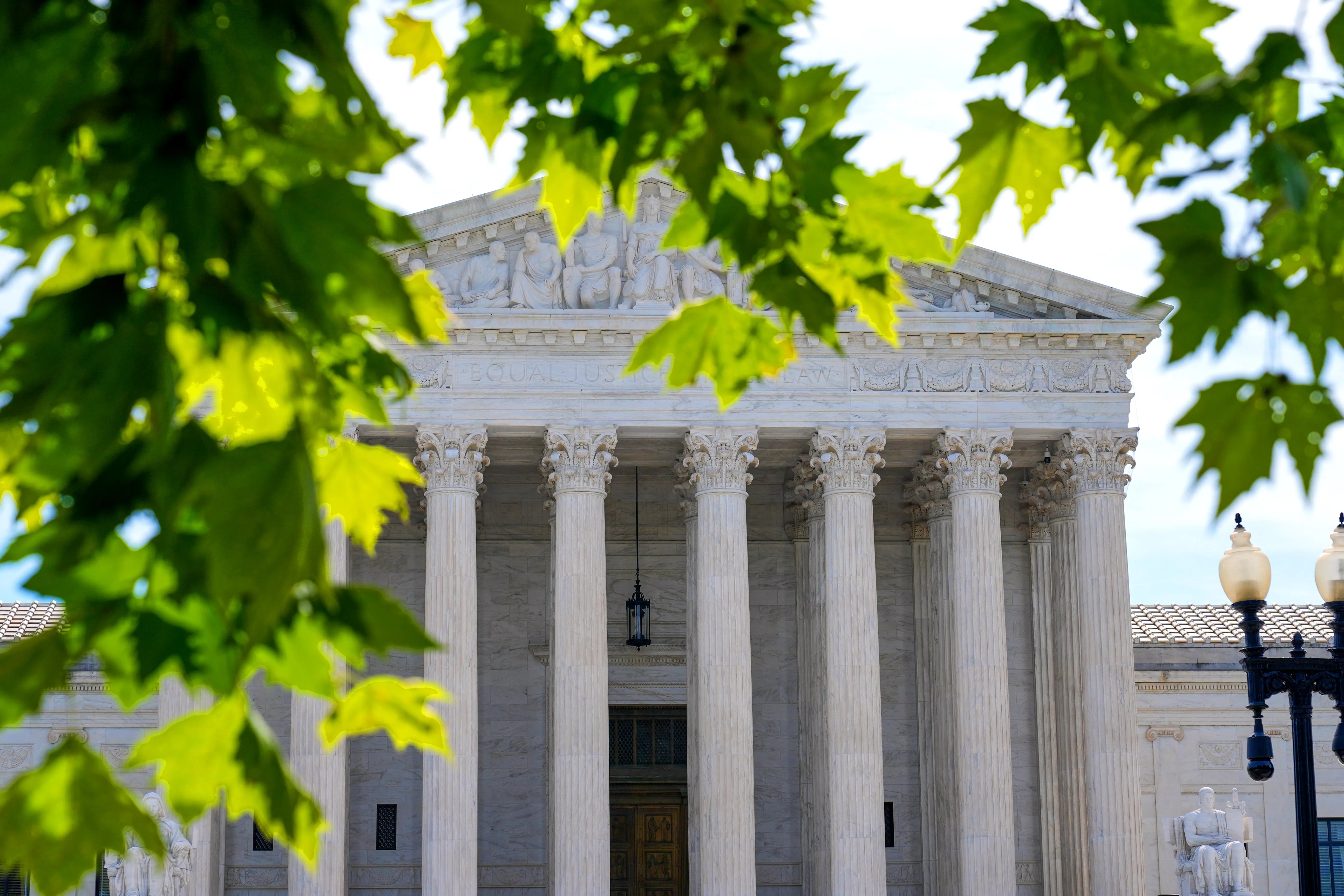
The House rejected a short-term extension of Section 702 of the Foreign Intelligence Surveillance Act on Thursday in a 198-218 vote, falling well short of the two-thirds majority required. Nineteen House Republicans and nearly all House Democrats opposed the measure. The Senate made three separate attempts to pass extensions by unanimous consent, but all failed. Congress is now expected to leave town, allowing the surveillance authority to lapse for the first time in the program's history.
Section 702 feeds more than half of the president's daily briefing and has been credited with helping thwart terror plots and other national-security threats. It was enacted in the wake of 9/11.
Why Democrats blocked the extension
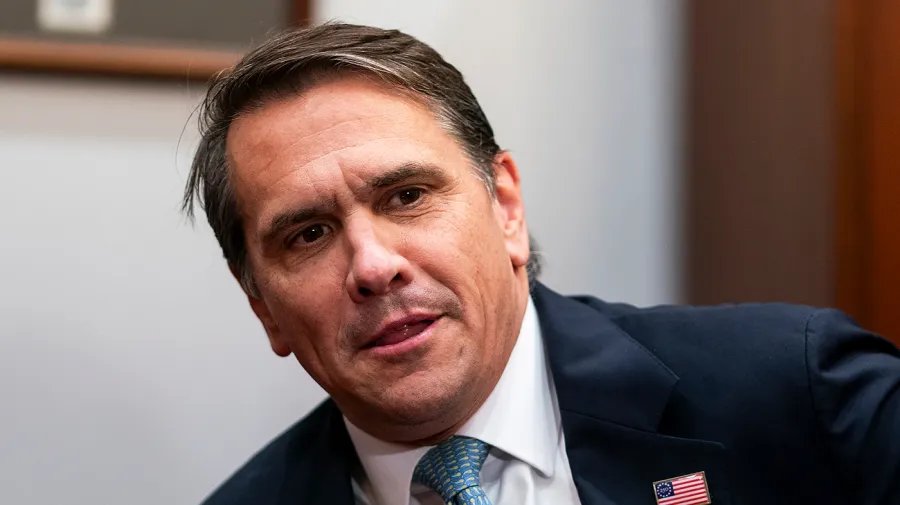
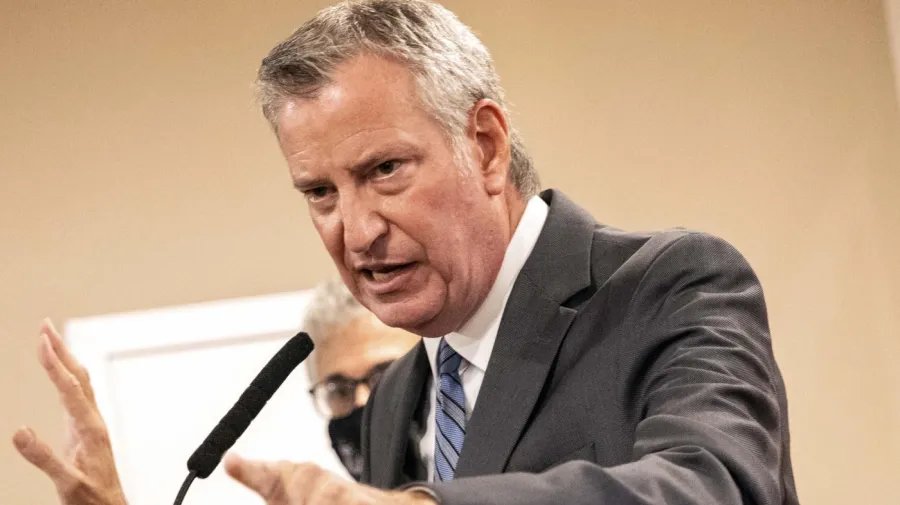
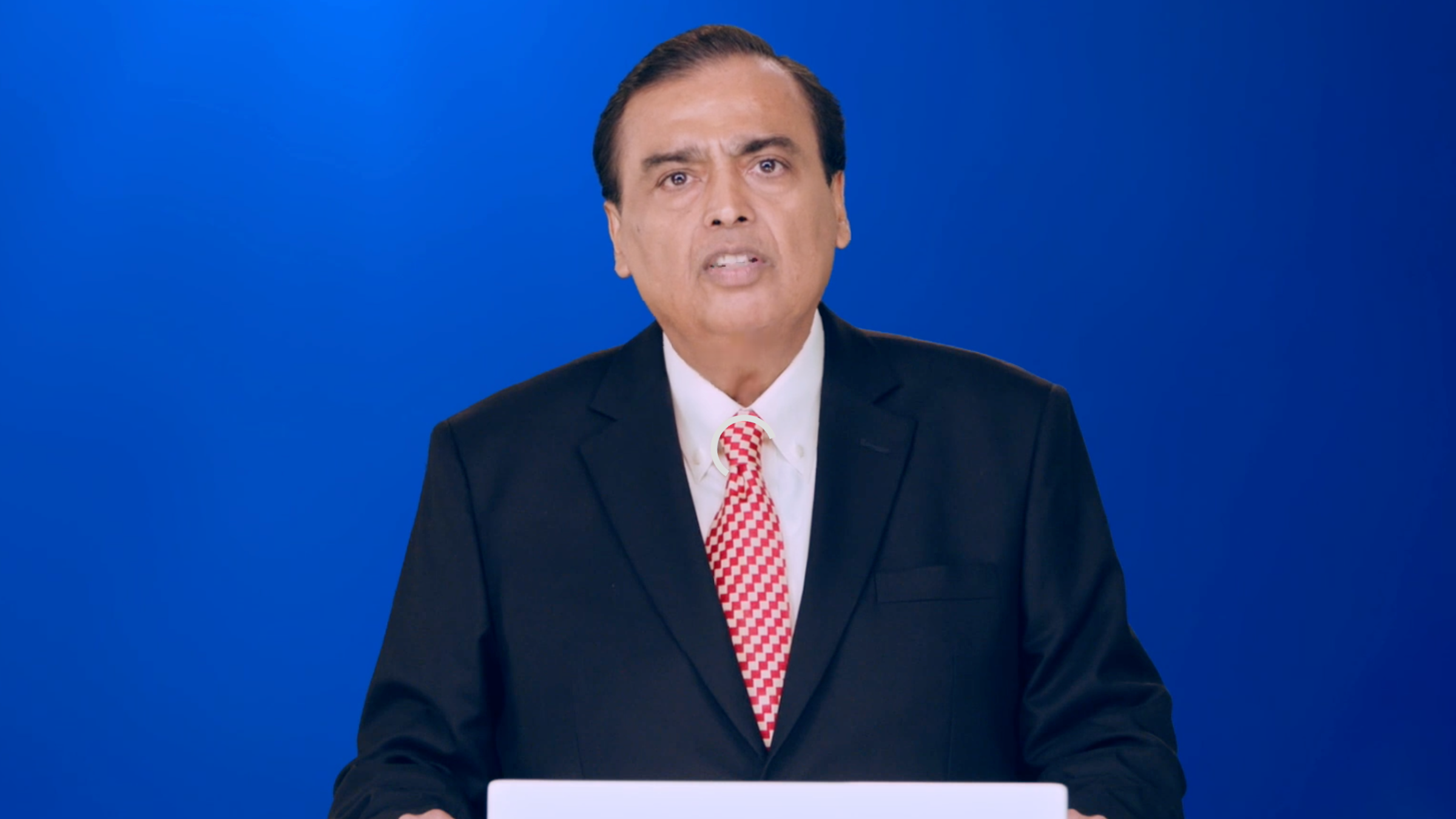
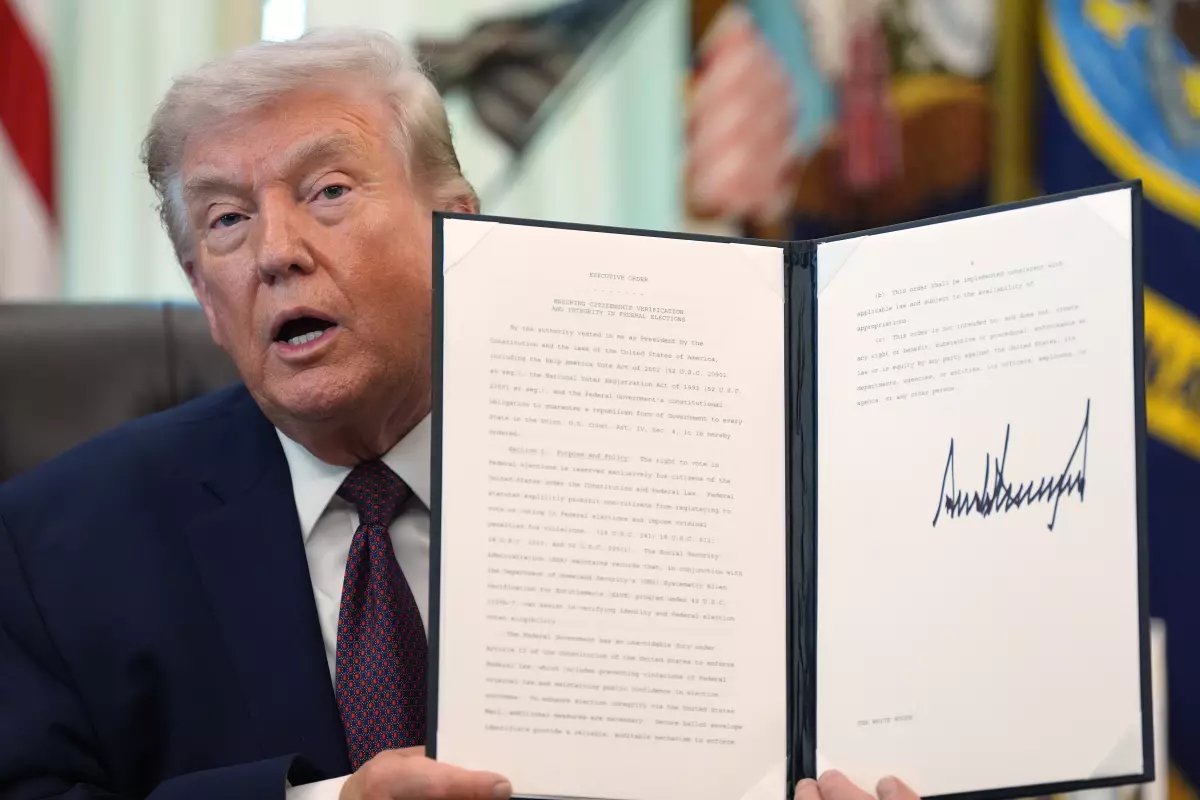
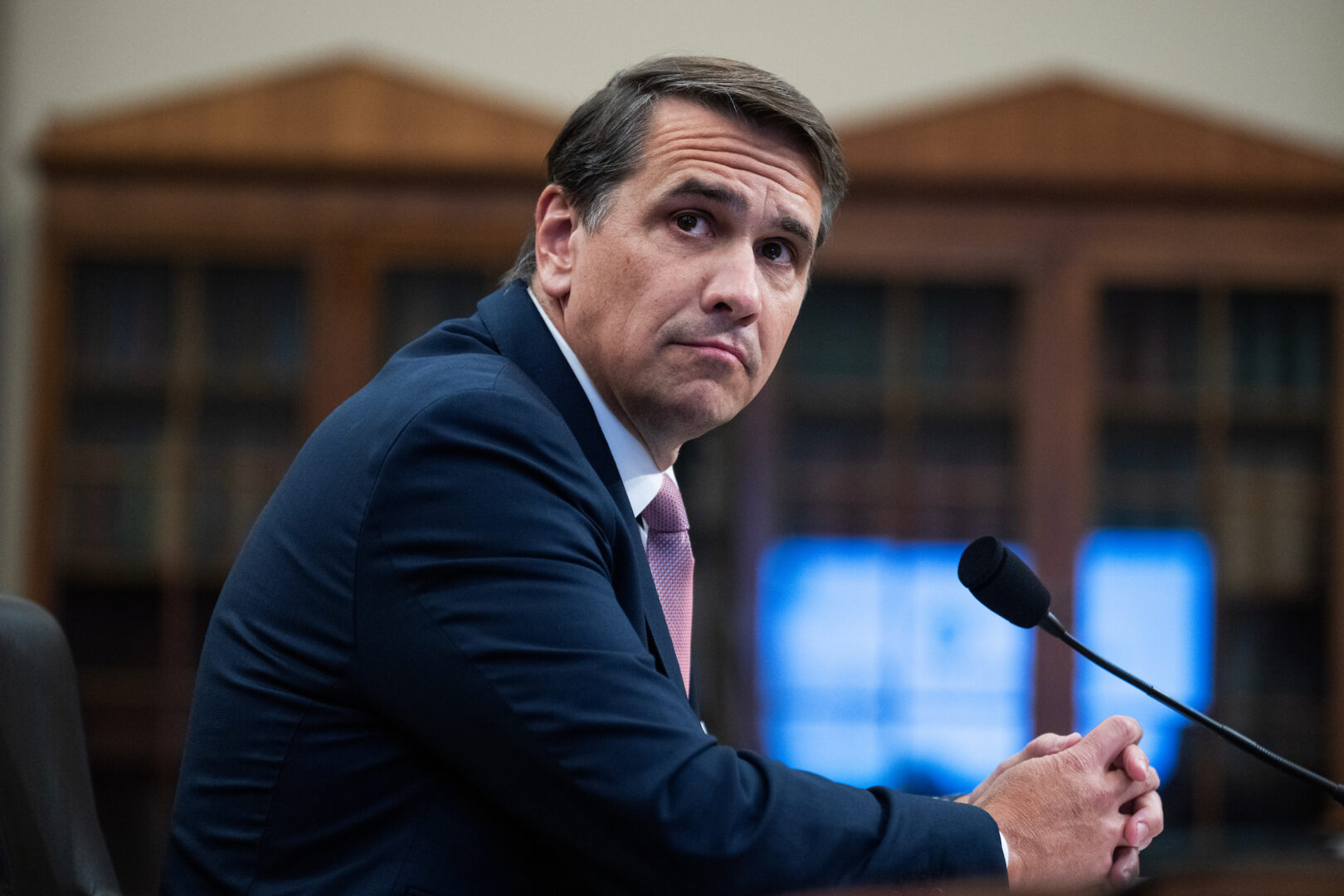
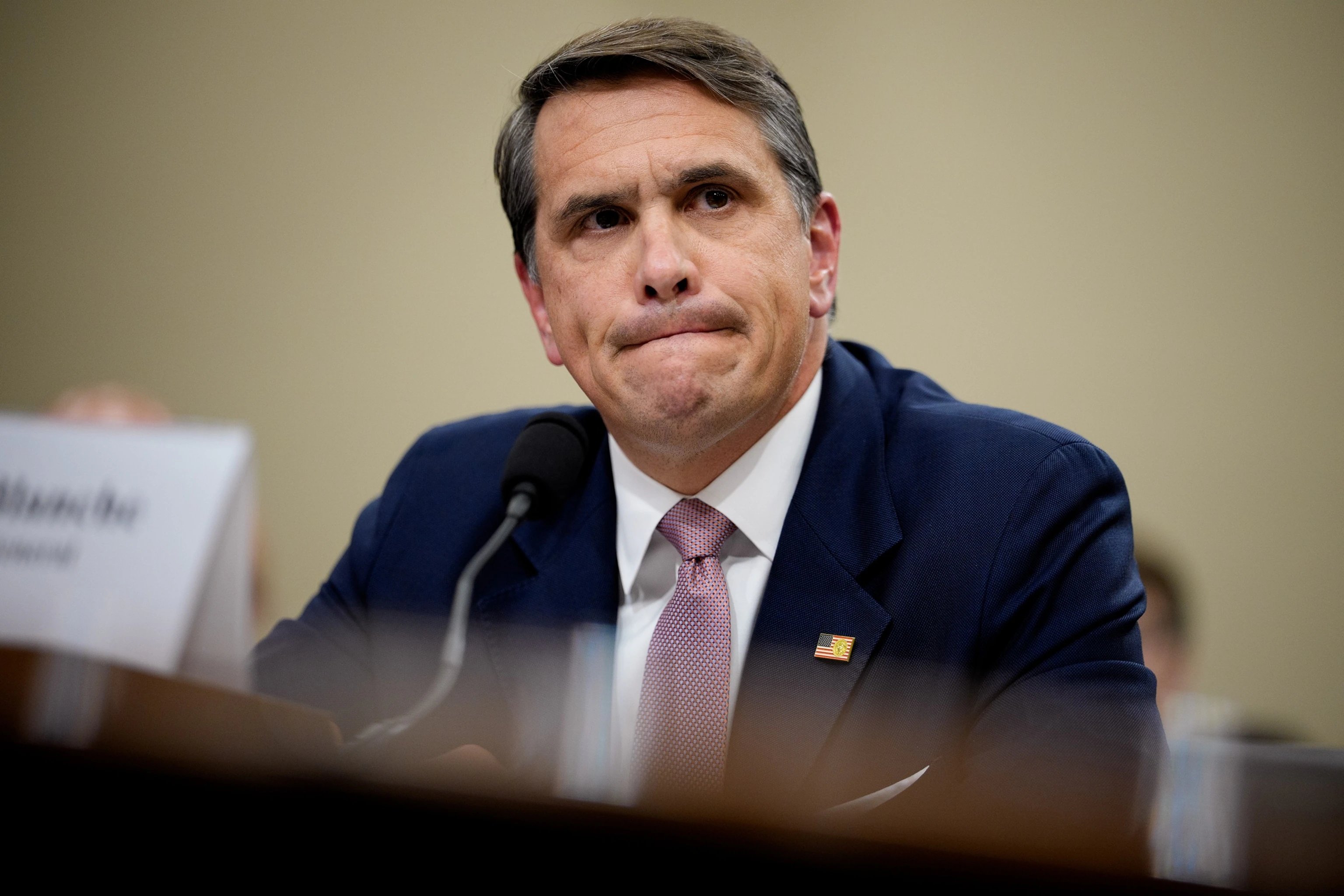
House Democrats announced they would block renewal of the law in protest of President Trump's appointment of Bill Pulte as acting director of national intelligence. Pulte, the head of the Federal Housing Finance Agency and heir to a home construction company fortune, lacks any national security experience.
House Minority Leader Hakeem Jeffries said Pulte "has no national security experience, no law enforcement experience and no military experience." He added: "Bill Pulte cannot serve a minute as acting director of national intelligence, and until that elevation is abandoned, there's nothing really to talk about."
Top House Democrats including Jeffries, Whip Katherine Clark, Democratic caucus chair Pete Aguilar, Intelligence ranking member Jim Himes, and Judiciary ranking member Jamie Raskin stated in a joint statement that "the apparent motivation for his elevation is the demonstrated willingness of Bill Pulte to search government databases for alleged dirt on President Trump's chosen political enemies." The targets of Pulte's investigations include Federal Reserve Governor Lisa Cook, New York Attorney General Letitia James, Democratic Senator Adam Schiff, and former Democratic Representative Eric Swalwell. They have all denied wrongdoing. The Department of Justice investigated whether Pulte and his team were interfering in ongoing investigations, but Pulte has not been accused of wrongdoing.
Republican arguments for the extension
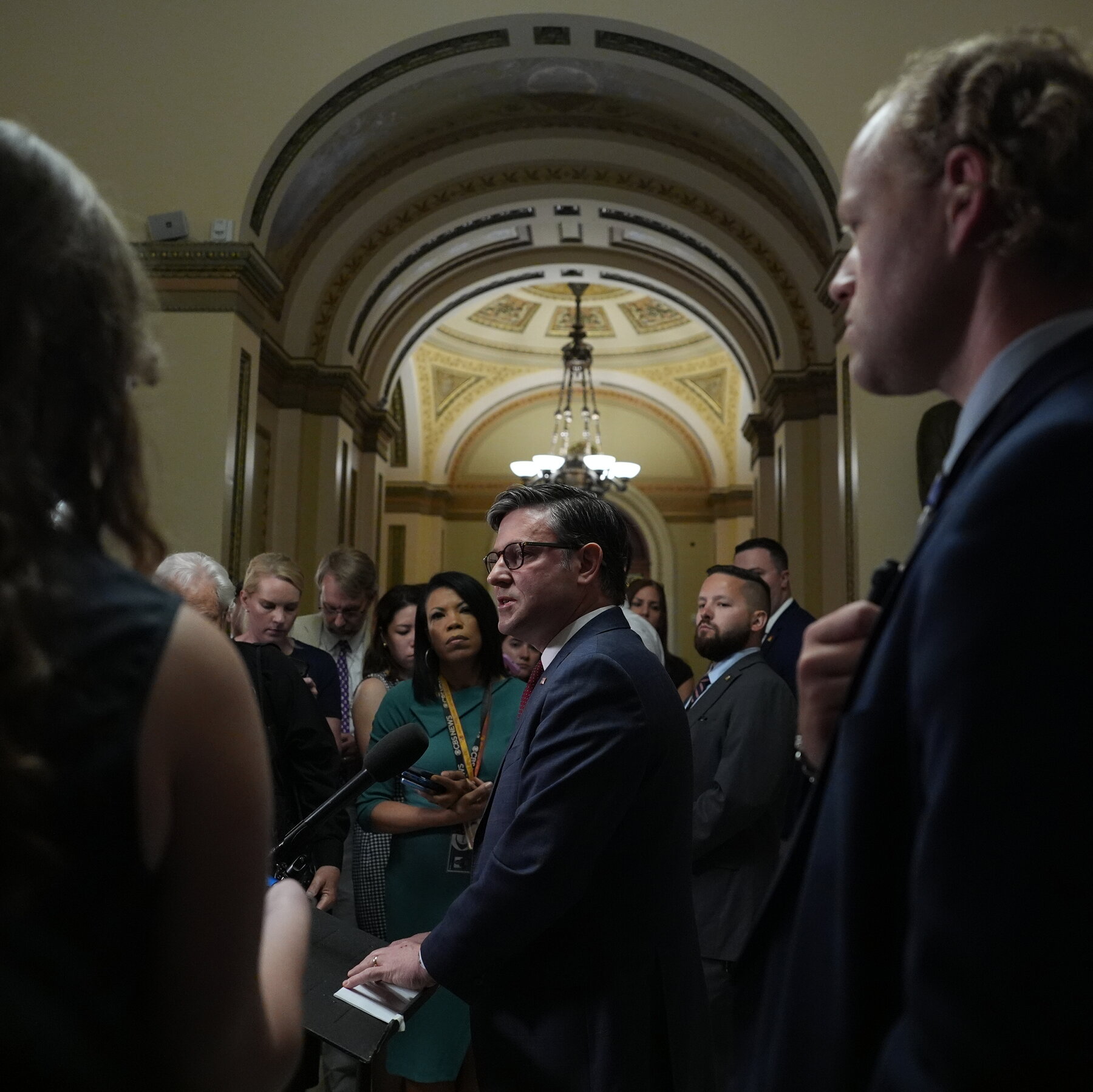
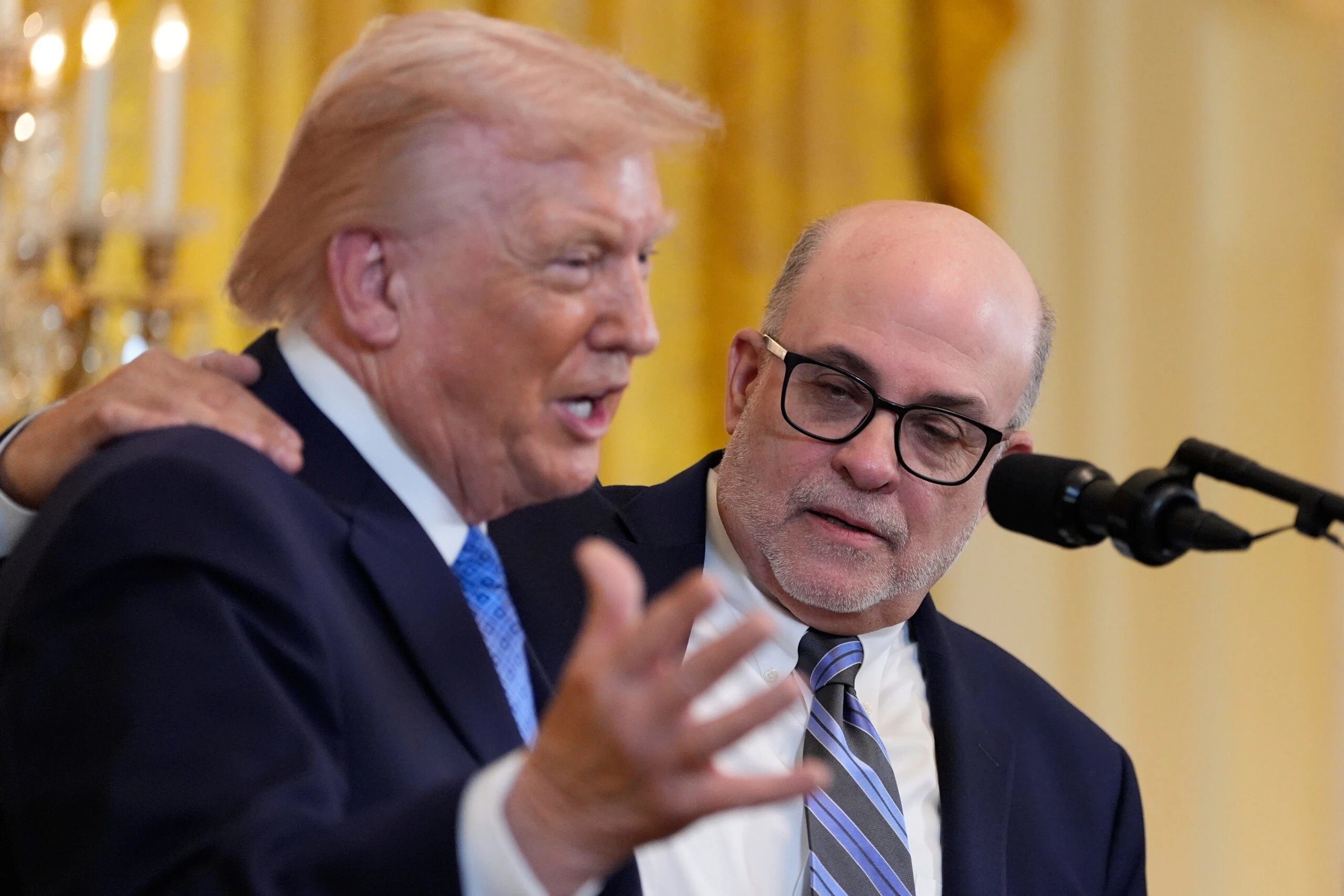
House Speaker Mike Johnson called the extension "simple" and "clean," saying Democrats voted against it "for political purposes." He told reporters: "This is a program that saves American lives. And I have to ask the question: I can't for the life of me figure out why the Democrats continue to support policies that make this country less safe."
Representative Brian Fitzpatrick of Pennsylvania told Axios that Section 702 "is critical to the president's daily brief" and "the single most important 9/11 commission recommendation that we have, and it's at risk of going dark due to foolishness." Fitzpatrick said he does not support Trump naming Pulte for the role but disagreed with Democrats opposing FISA because of it.
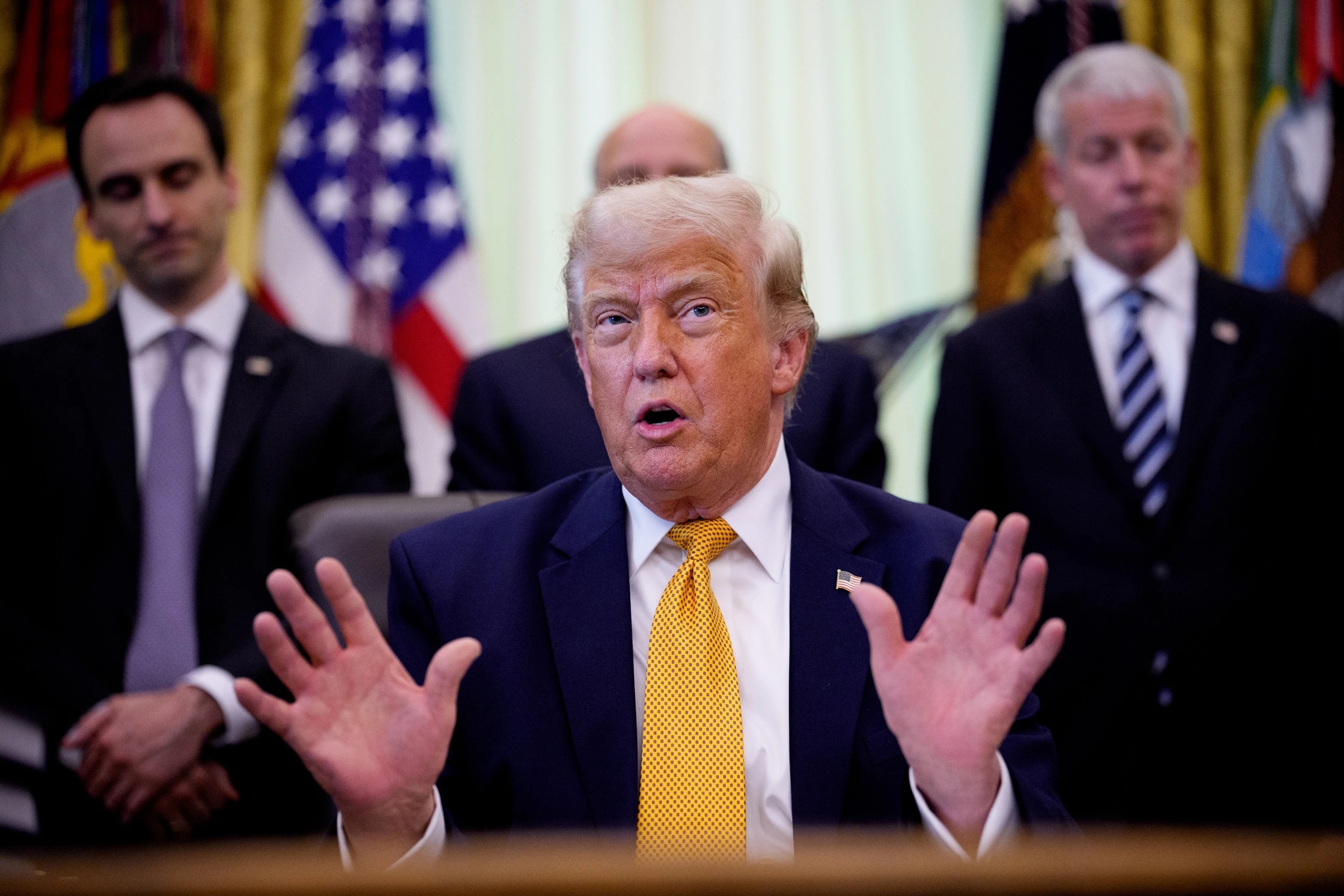
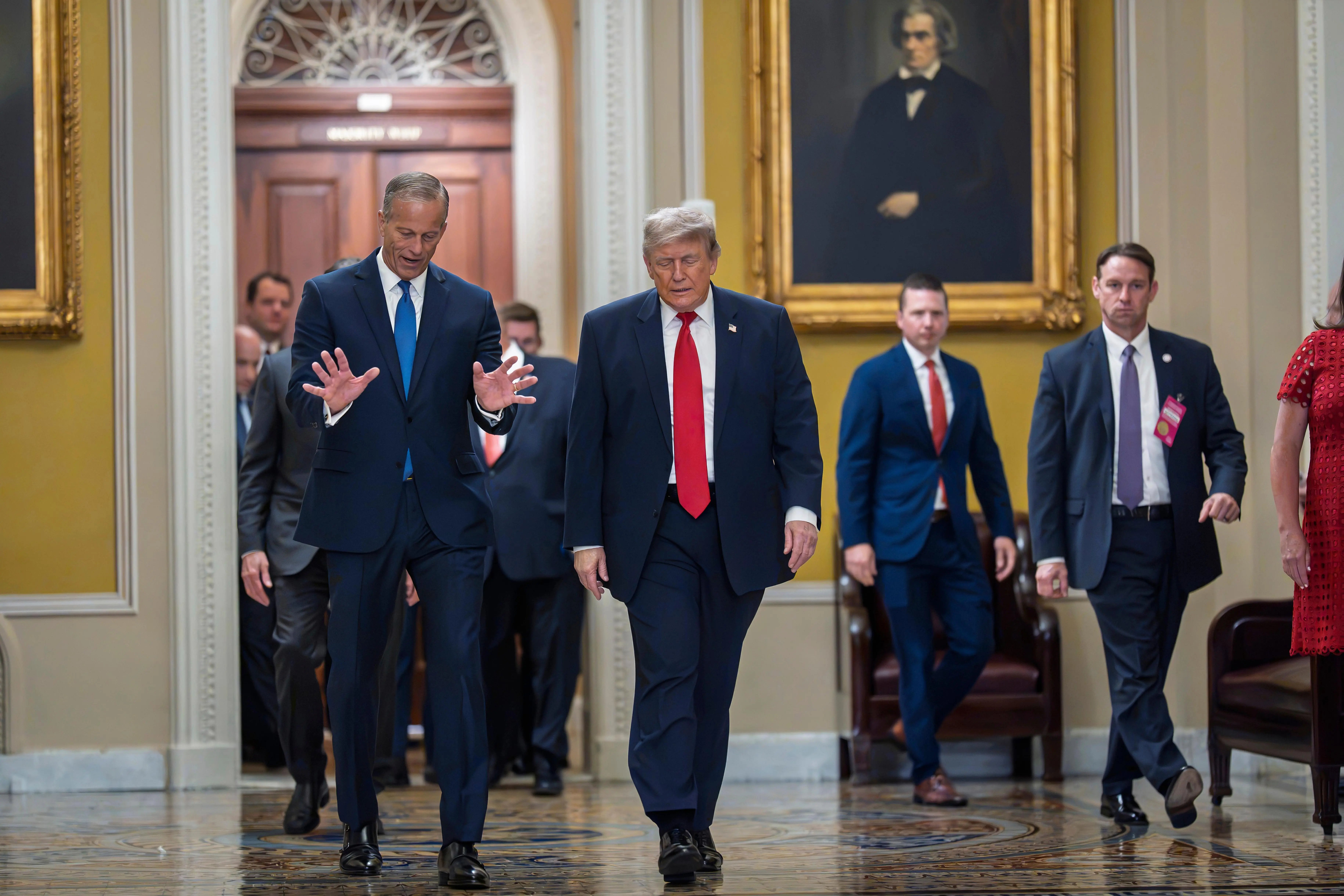
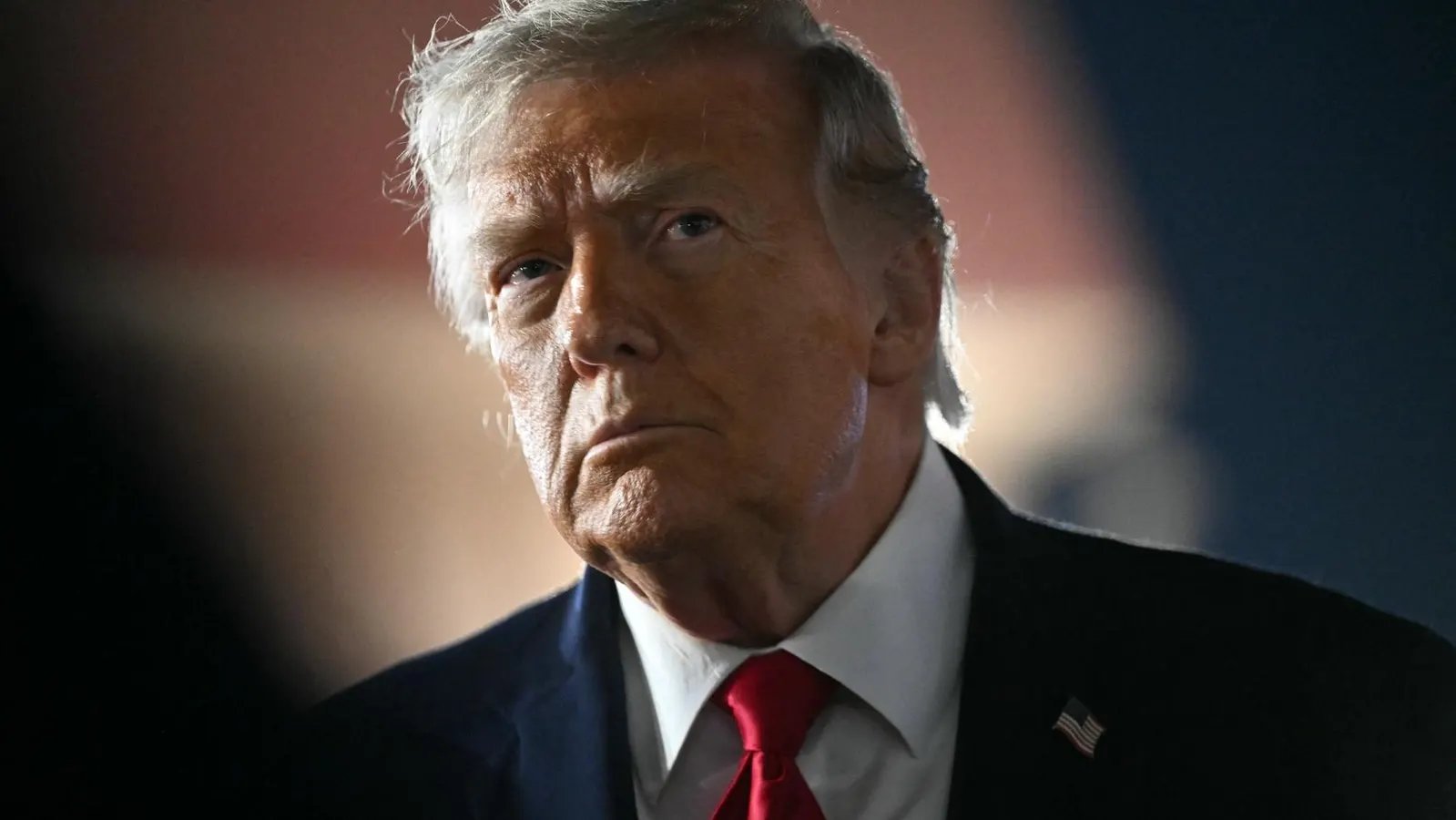
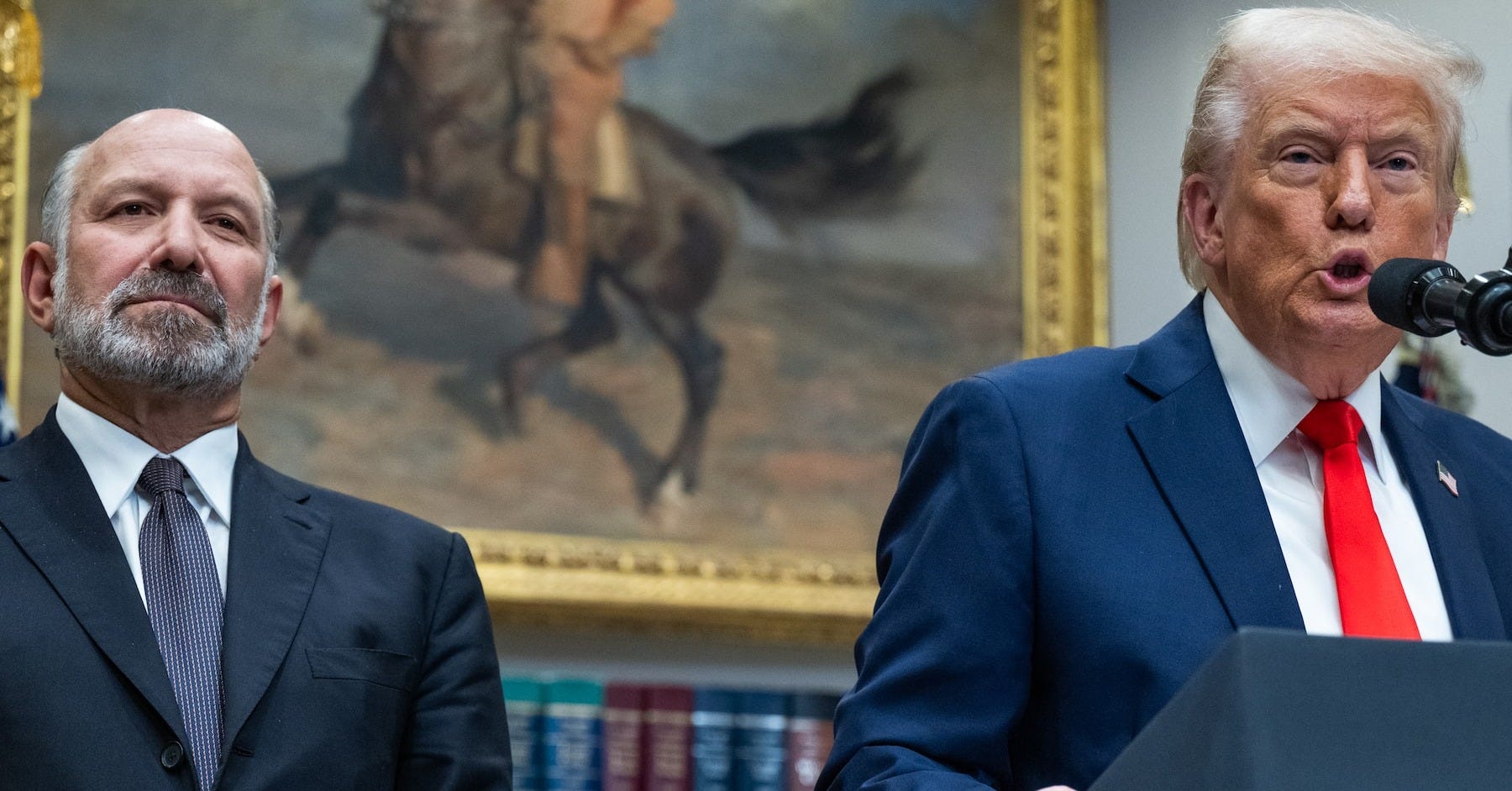
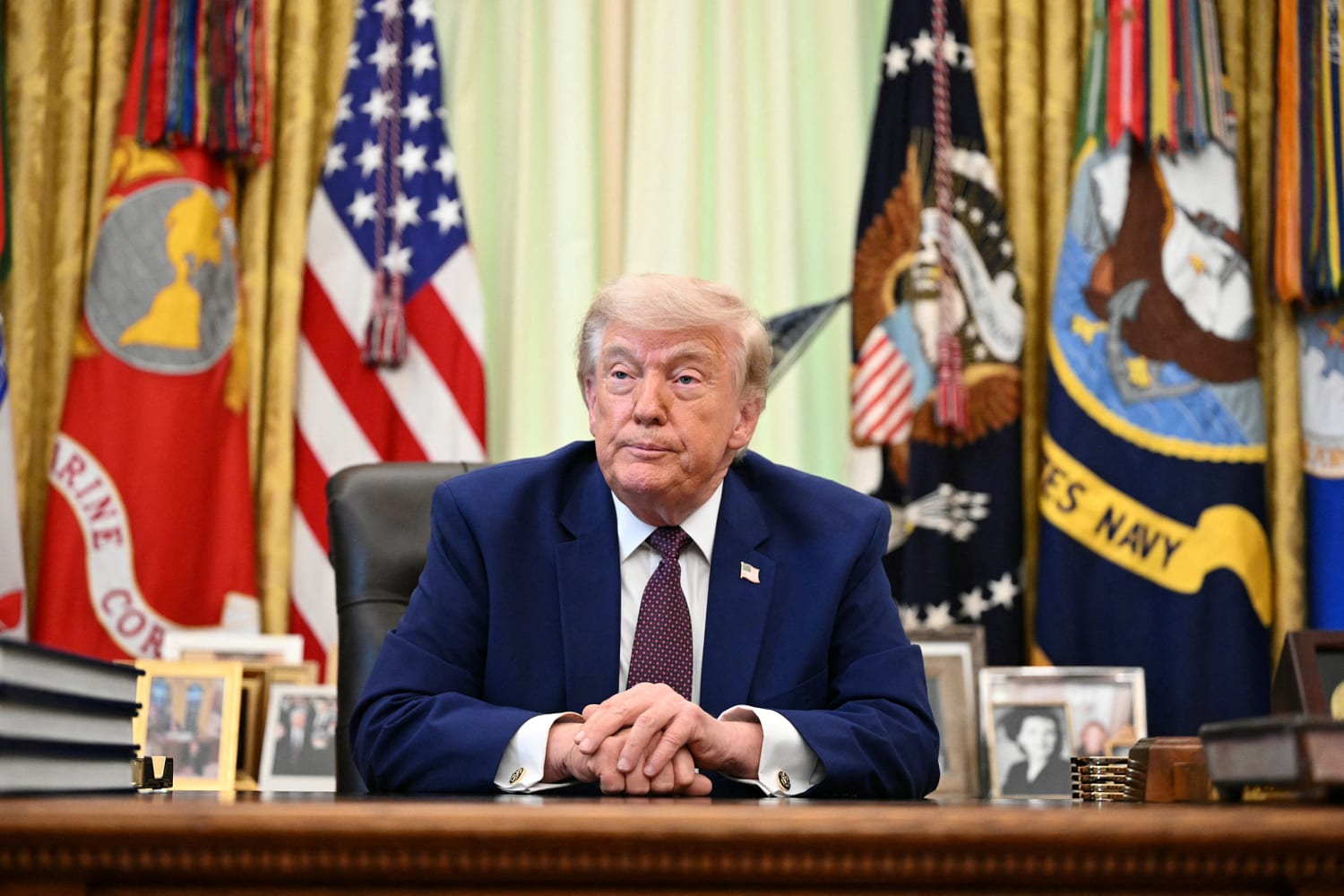
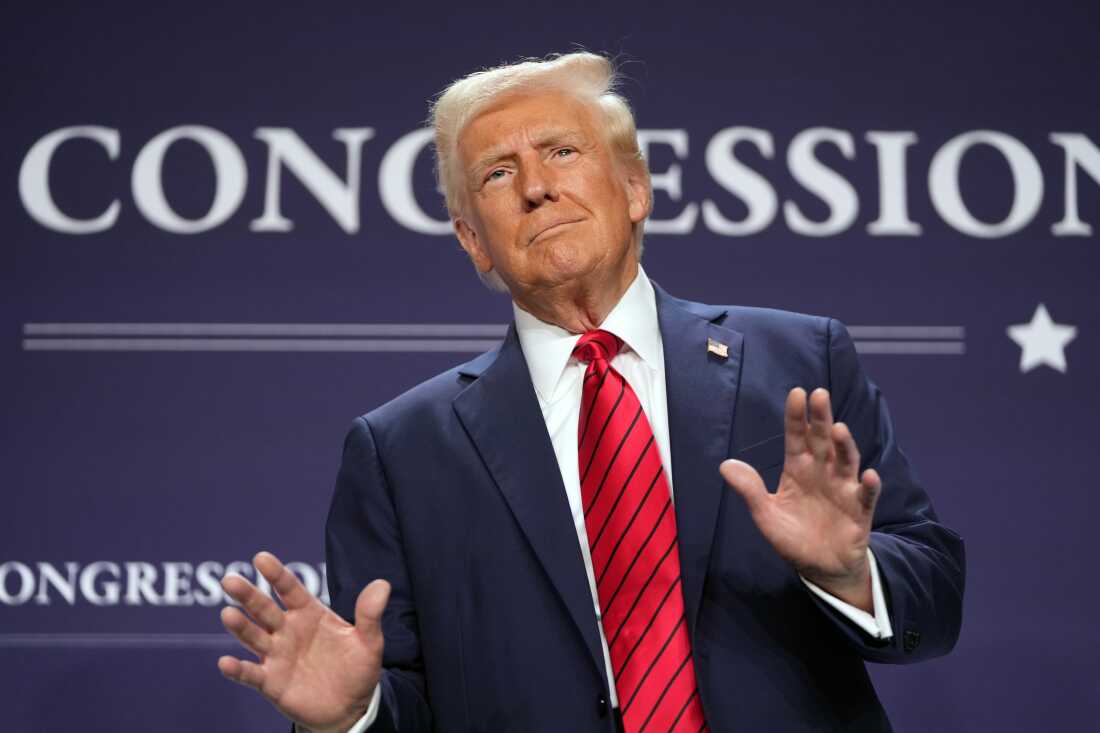
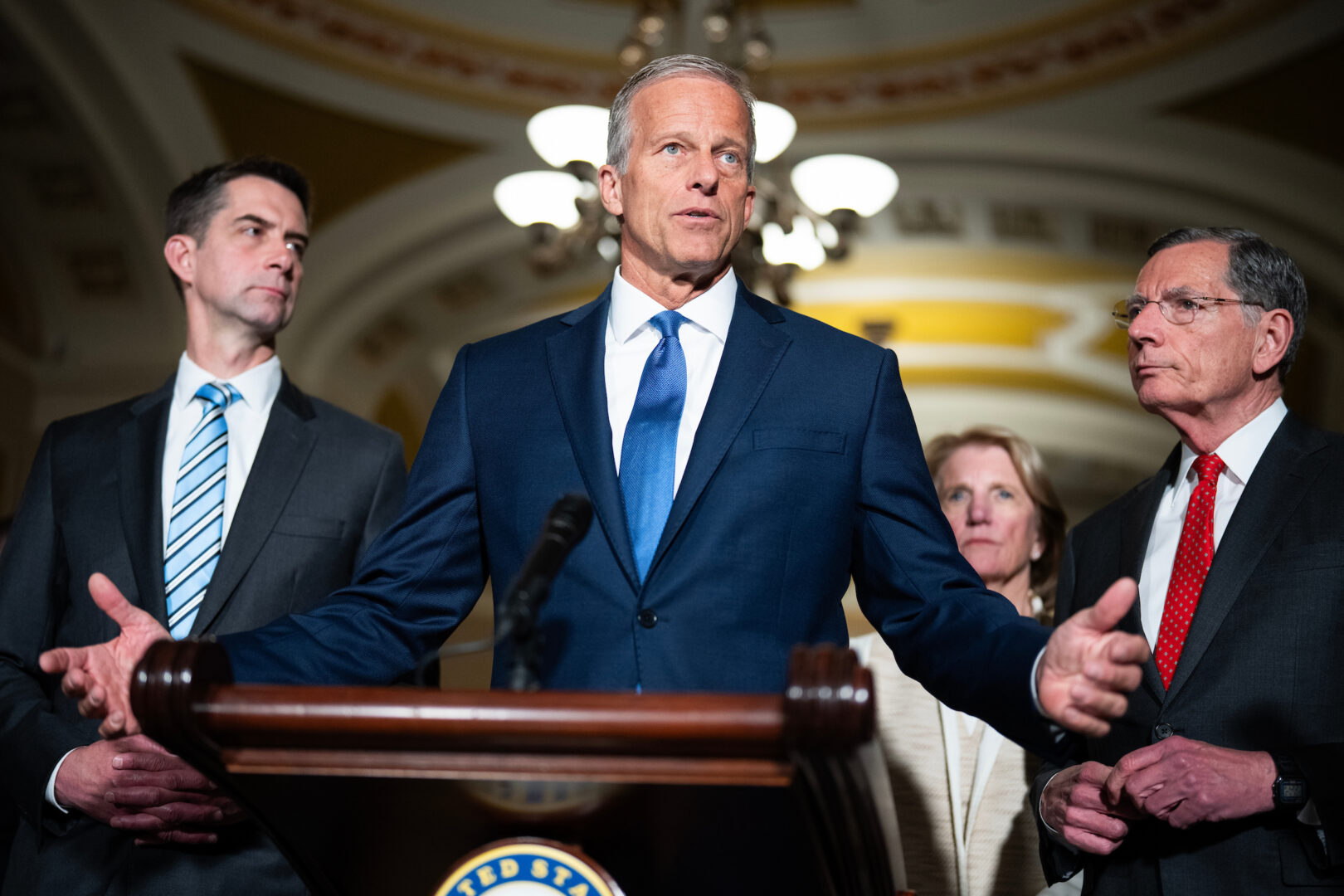
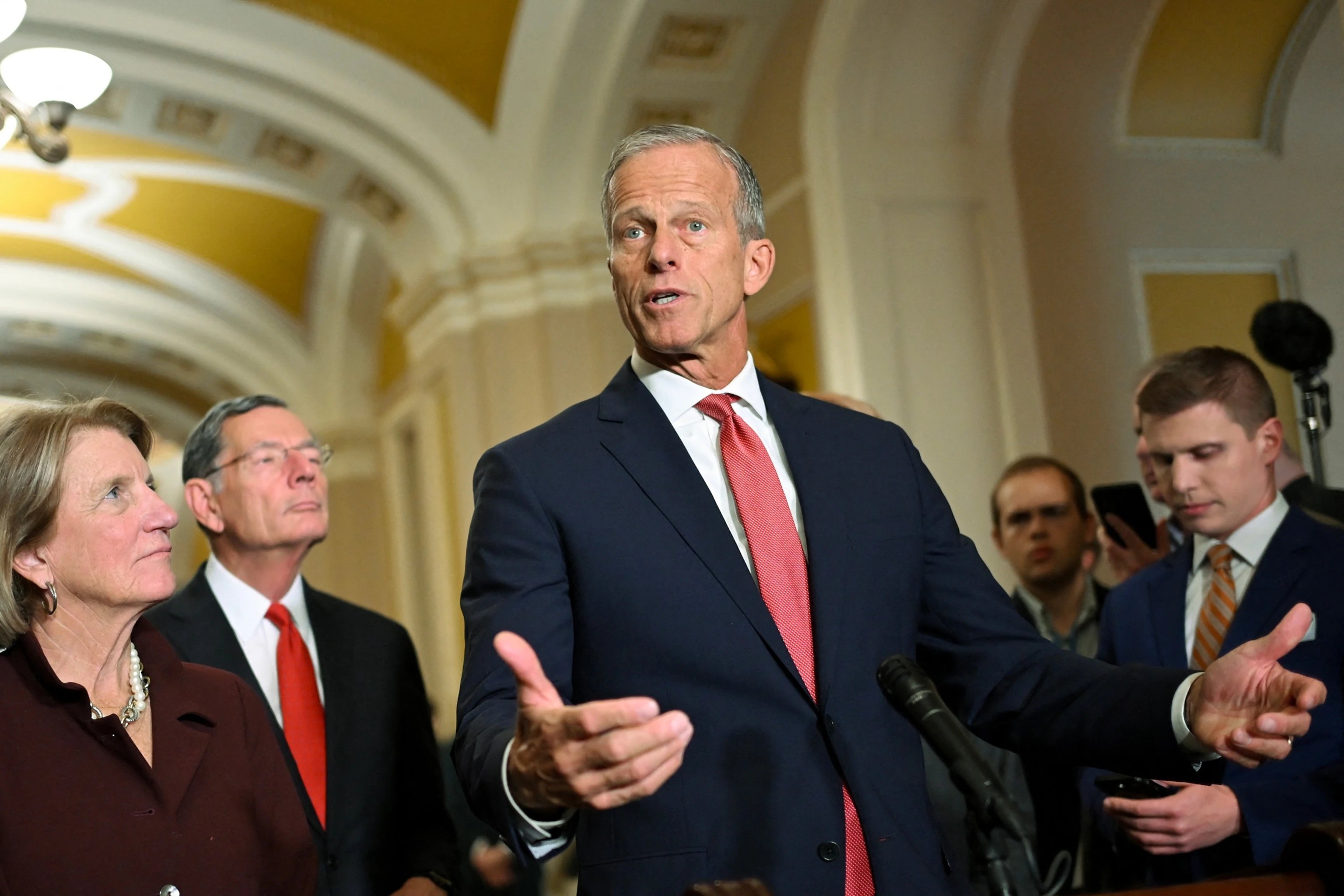
Senate Majority Leader John Thune led an effort to extend the program for one week. Johnson met with Trump twice this week to try to hammer out a deal, but Trump on Wednesday repeated his praise for Pulte, saying "He's going to do a good job" and that he would serve "for a very short period of time."
What happens next
The Foreign Intelligence Surveillance Court re-certified Section 702 procedures through 2027 earlier this year, and the statute contains a provision allowing collection to continue under that order even if the law lapses. However, intelligence agencies and telecommunications companies will face immediate legal uncertainty over what collection activities may continue.
Republican chairs of the Senate intelligence and judiciary committees sent a letter to Secretary of State Marco Rubio asking the administration to prepare for a "potential significant gap in foreign intelligence collection." Trump announced a new permanent pick for director of national intelligence on Thursday afternoon, after the FISA votes failed: Jay Clayton.