




Attack Overview
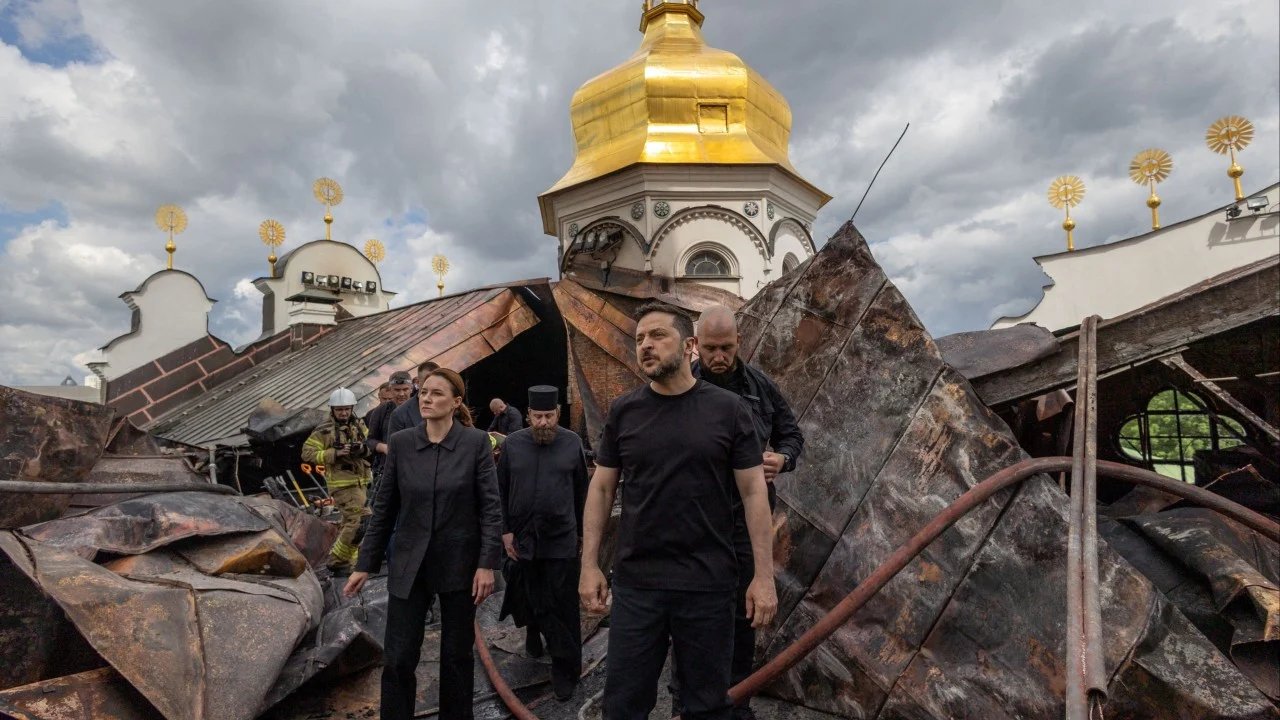
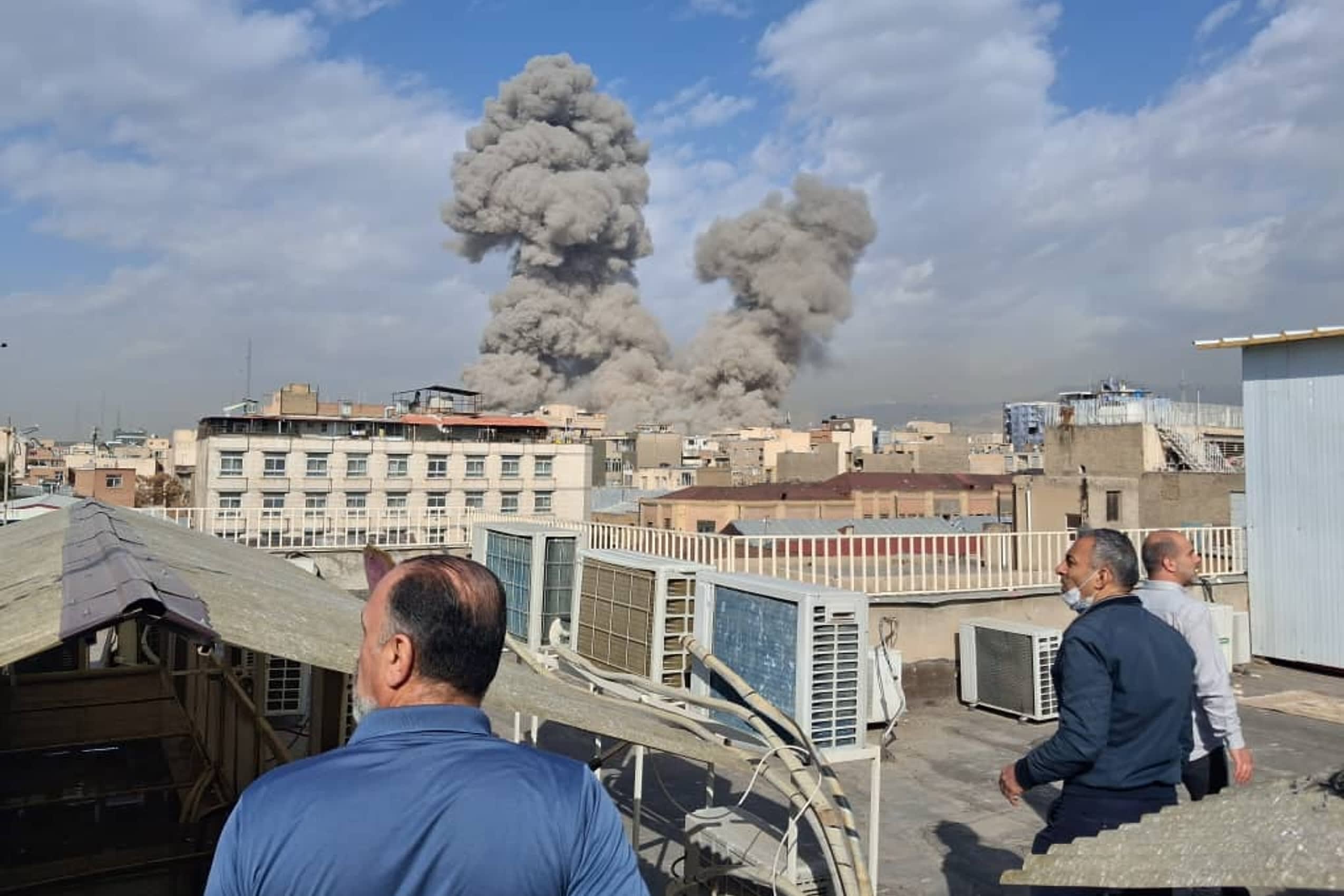
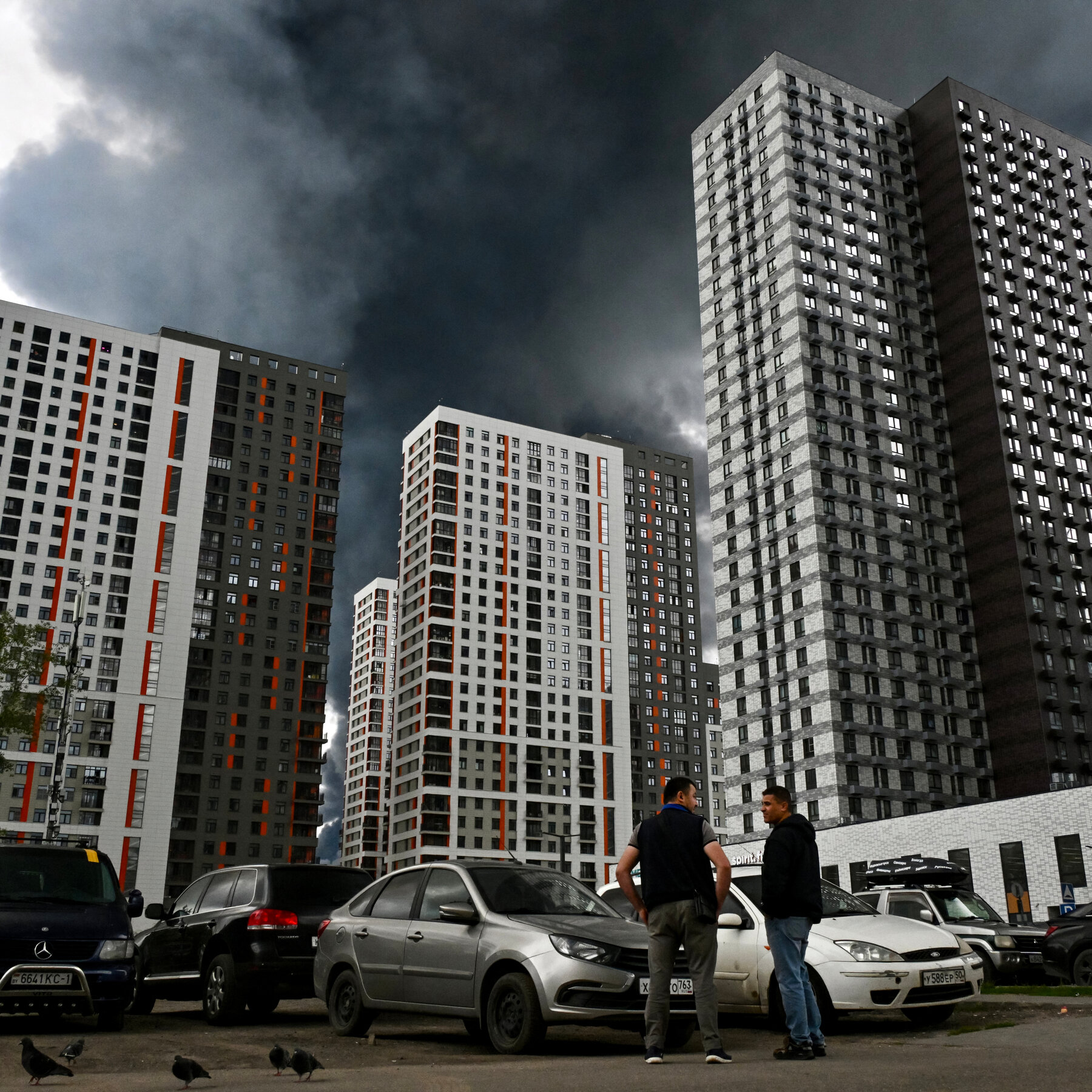
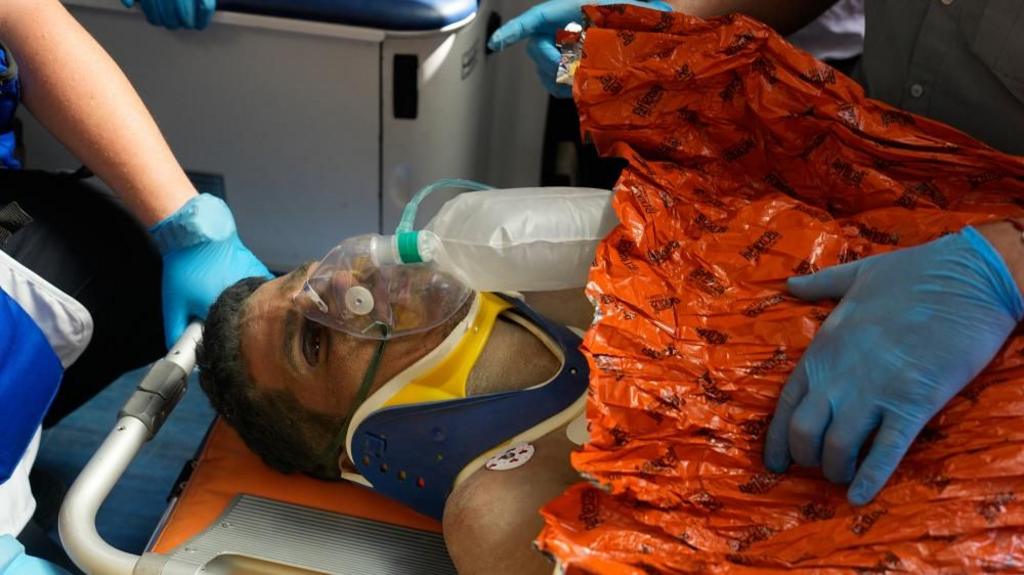
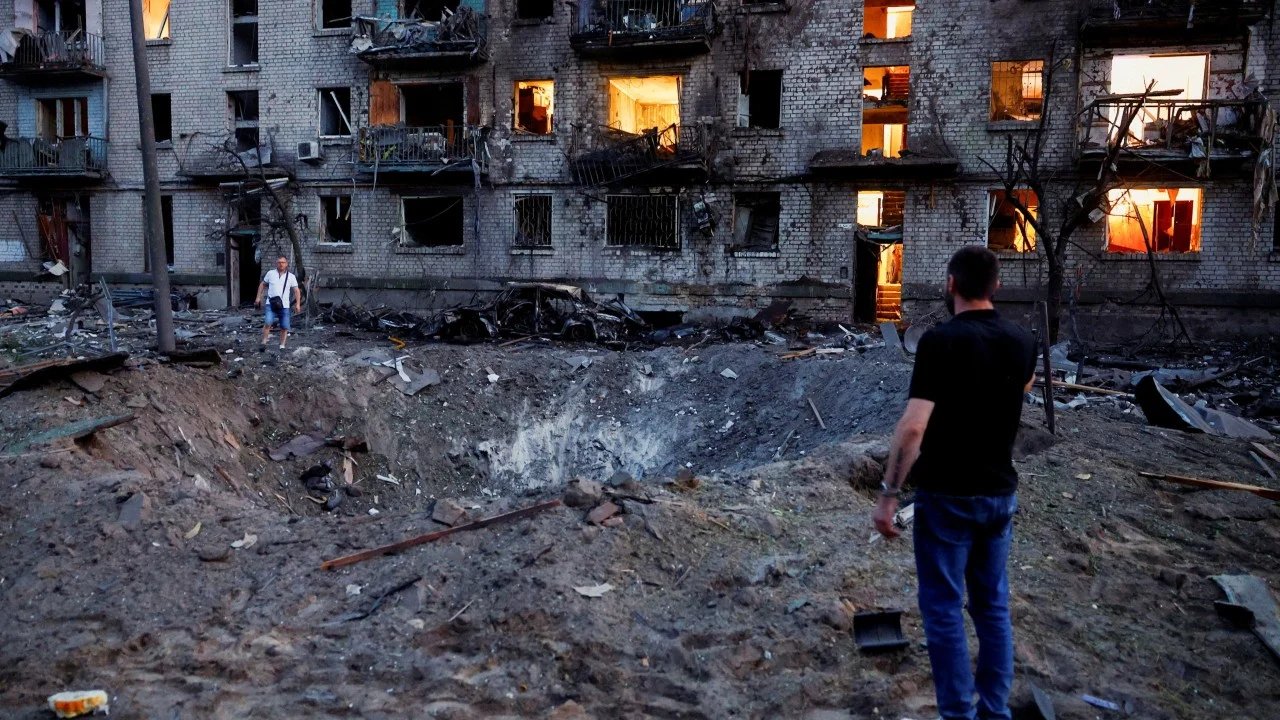
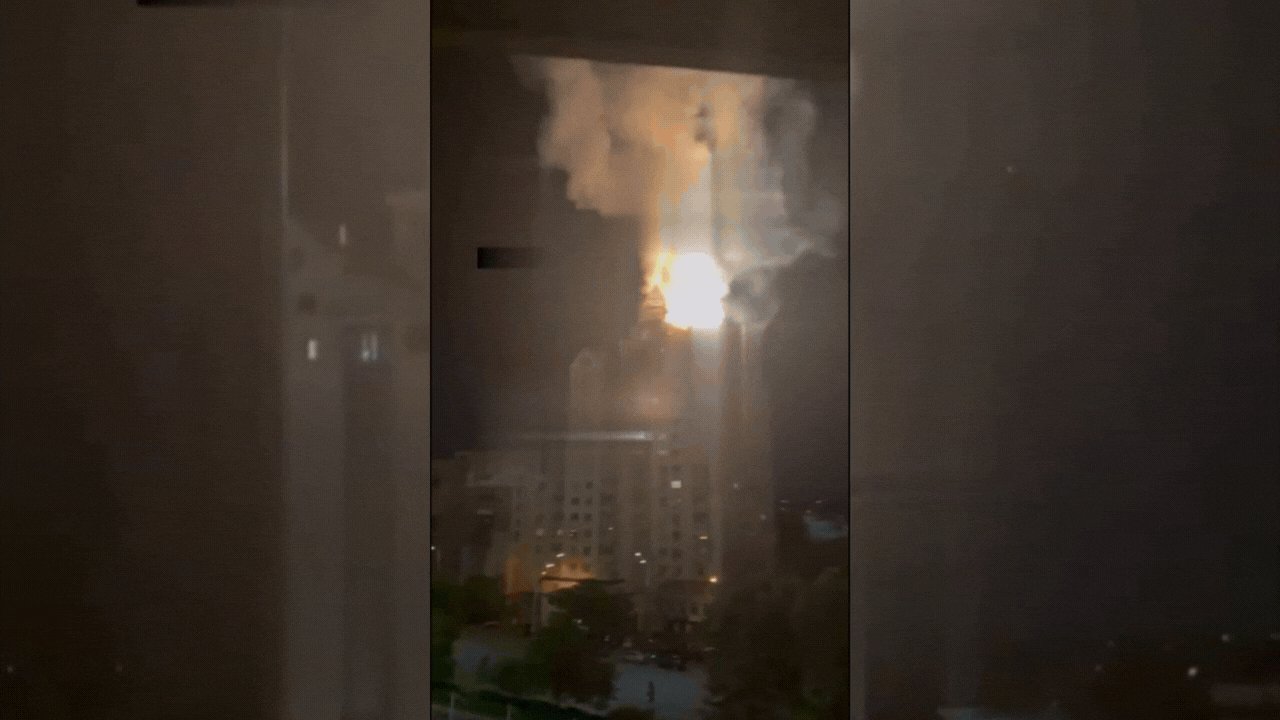
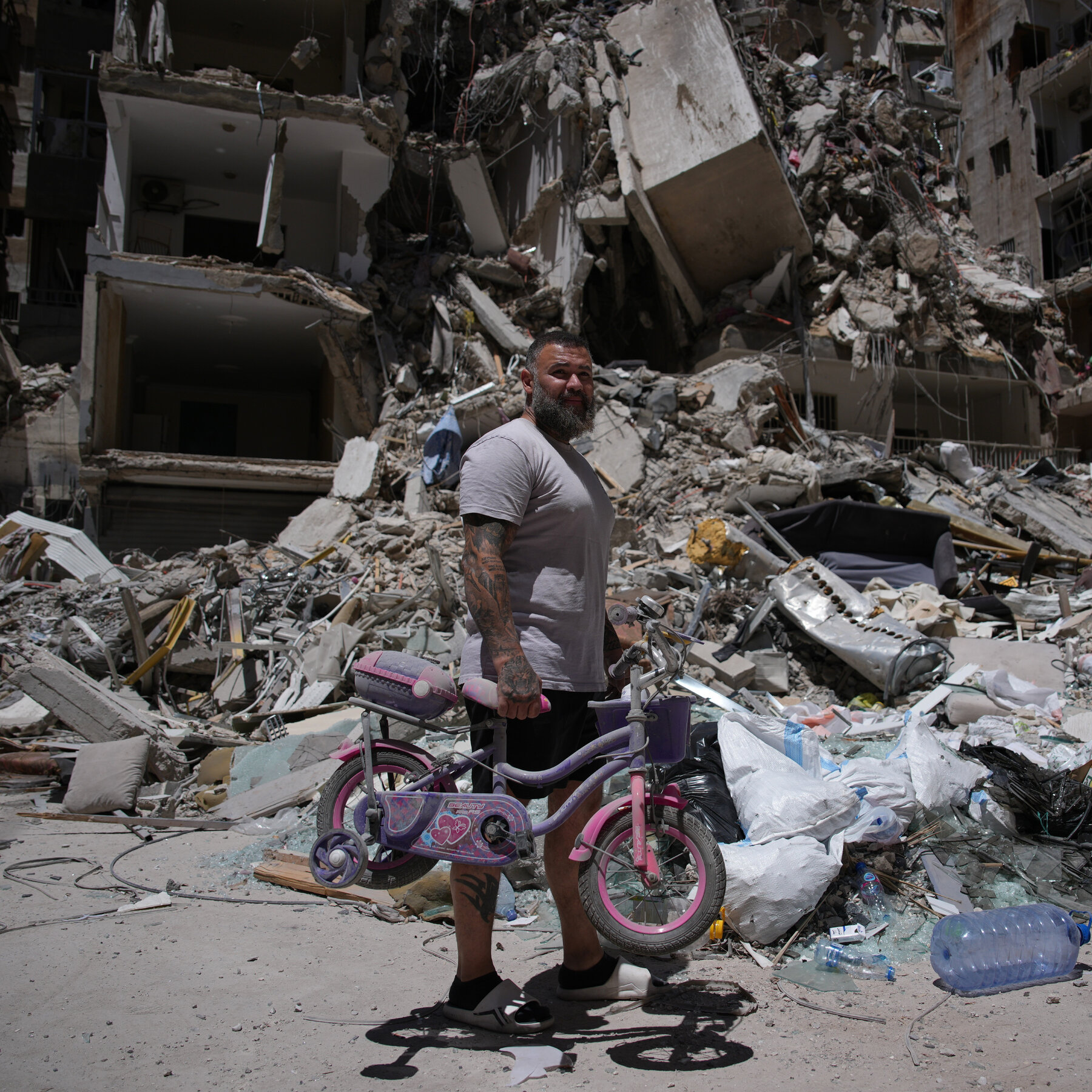
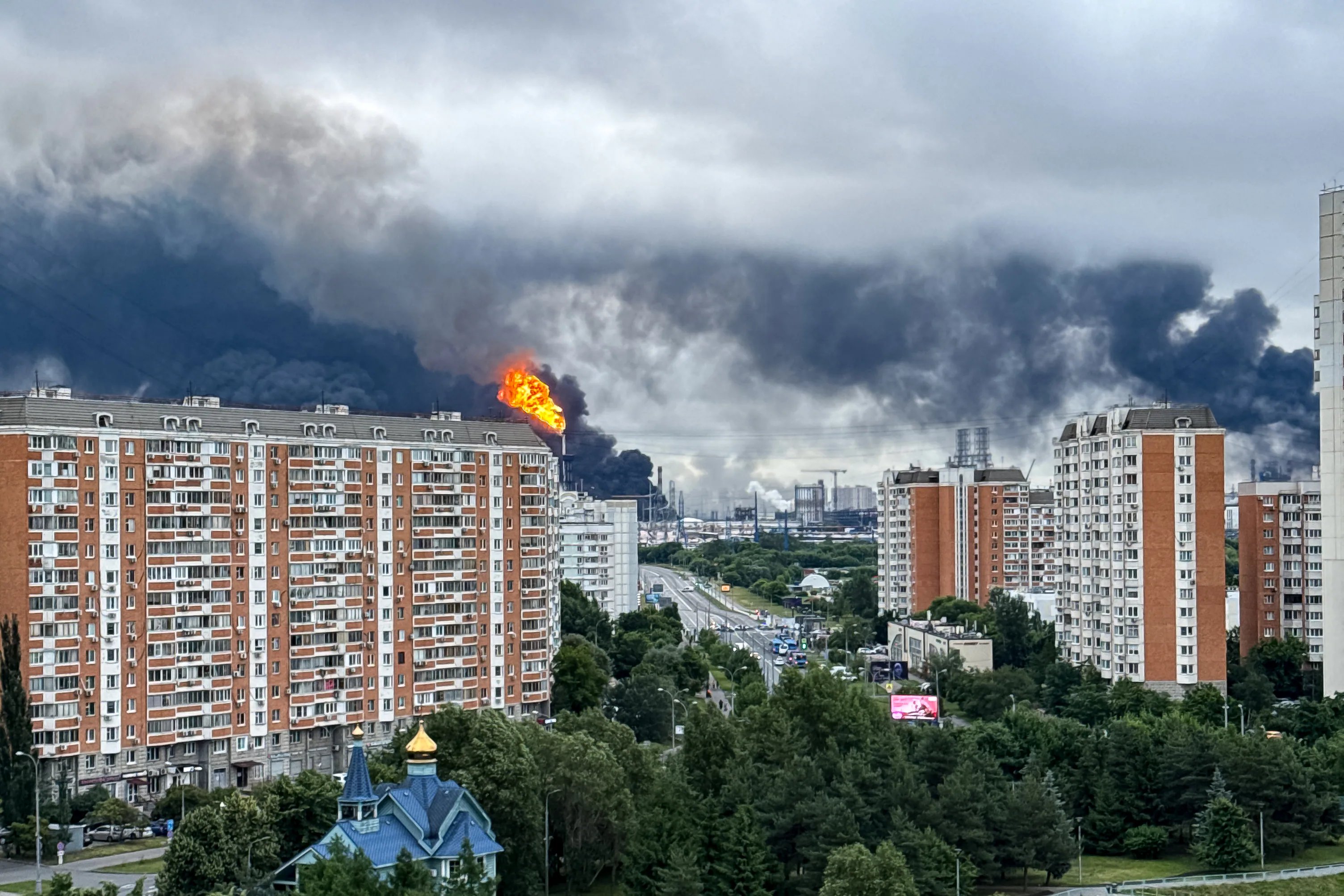
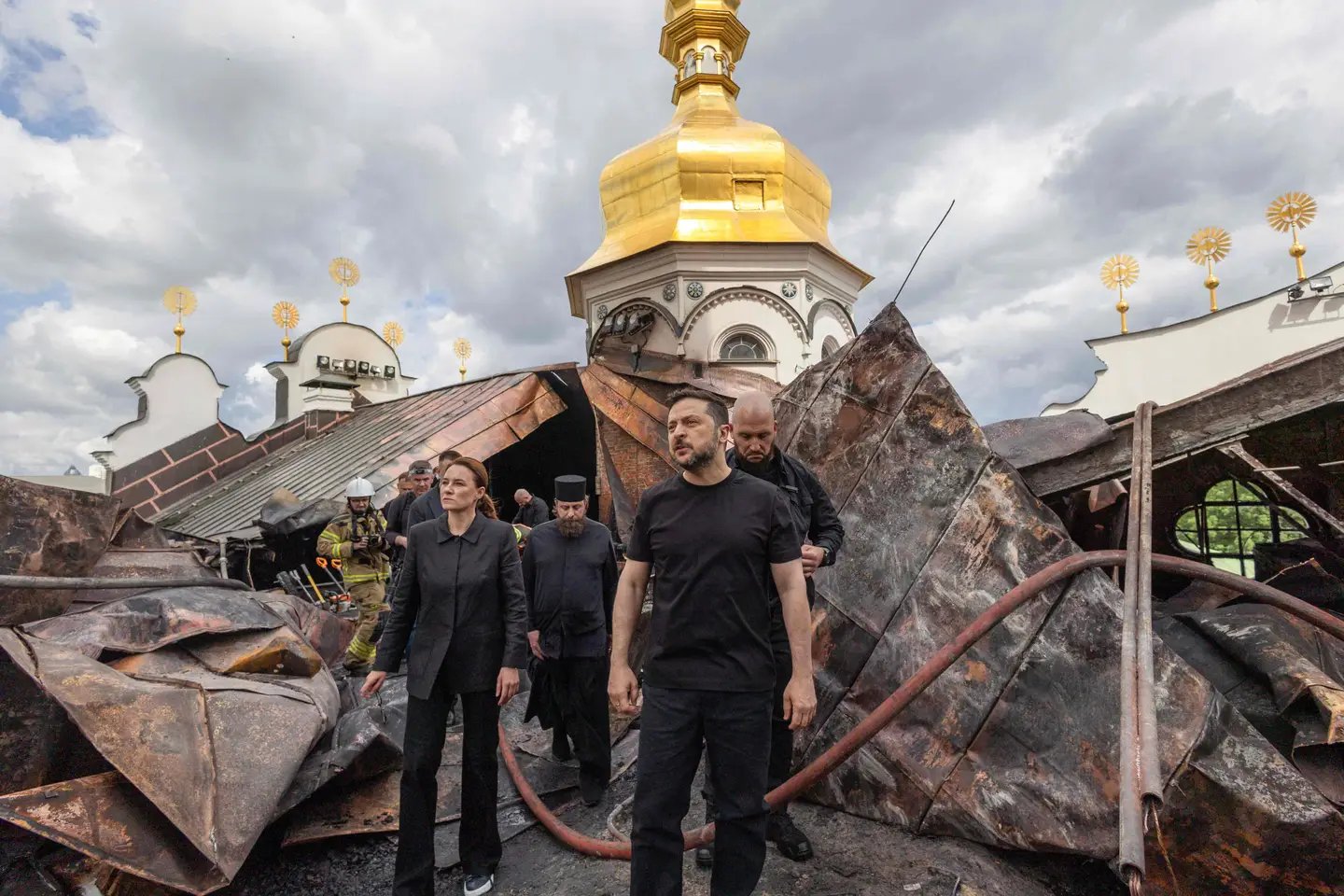
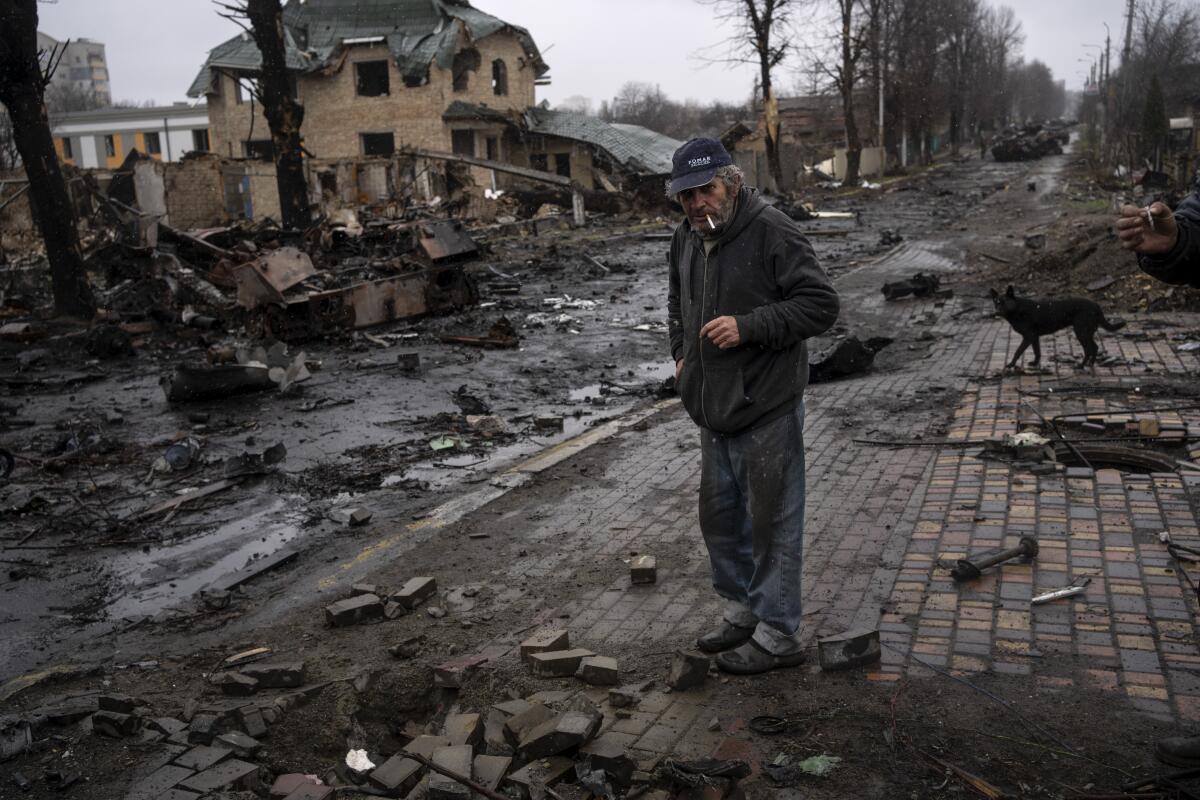
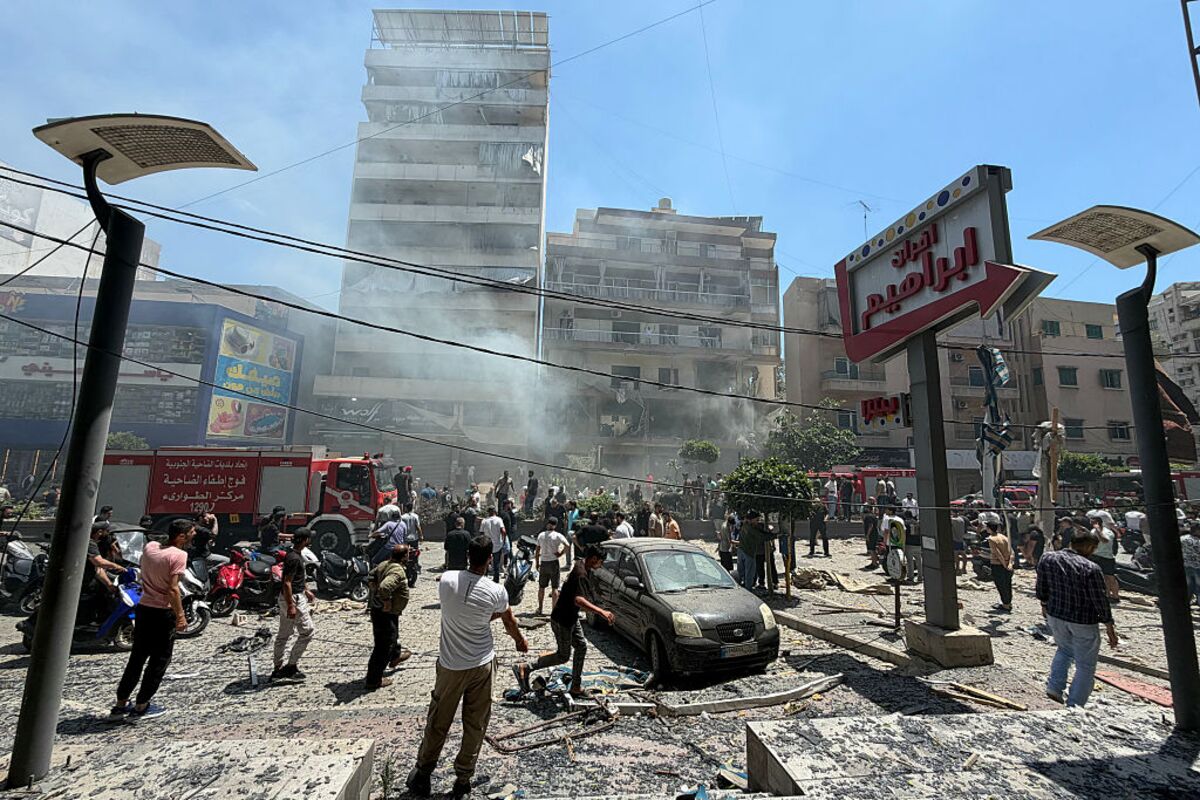
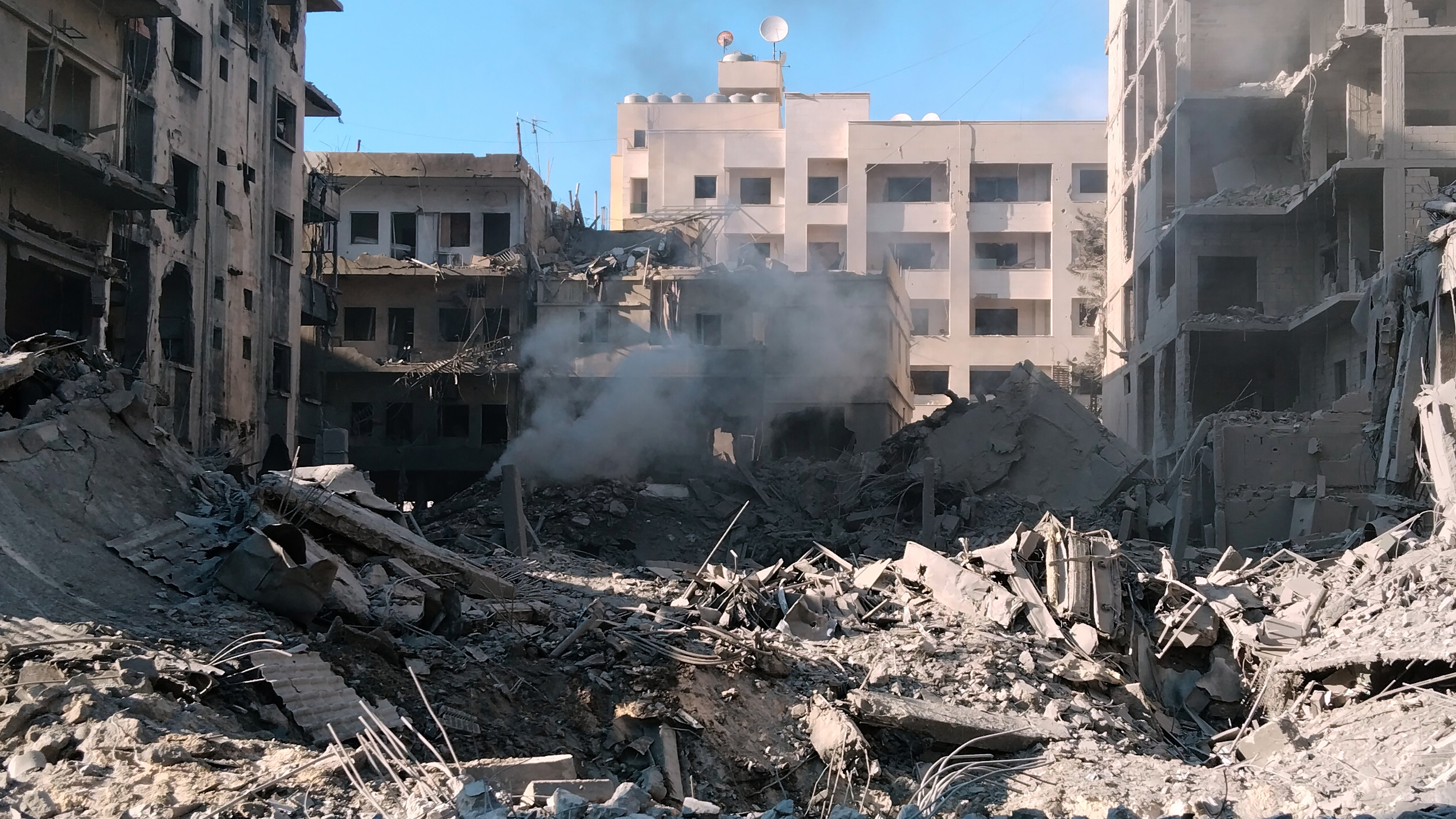
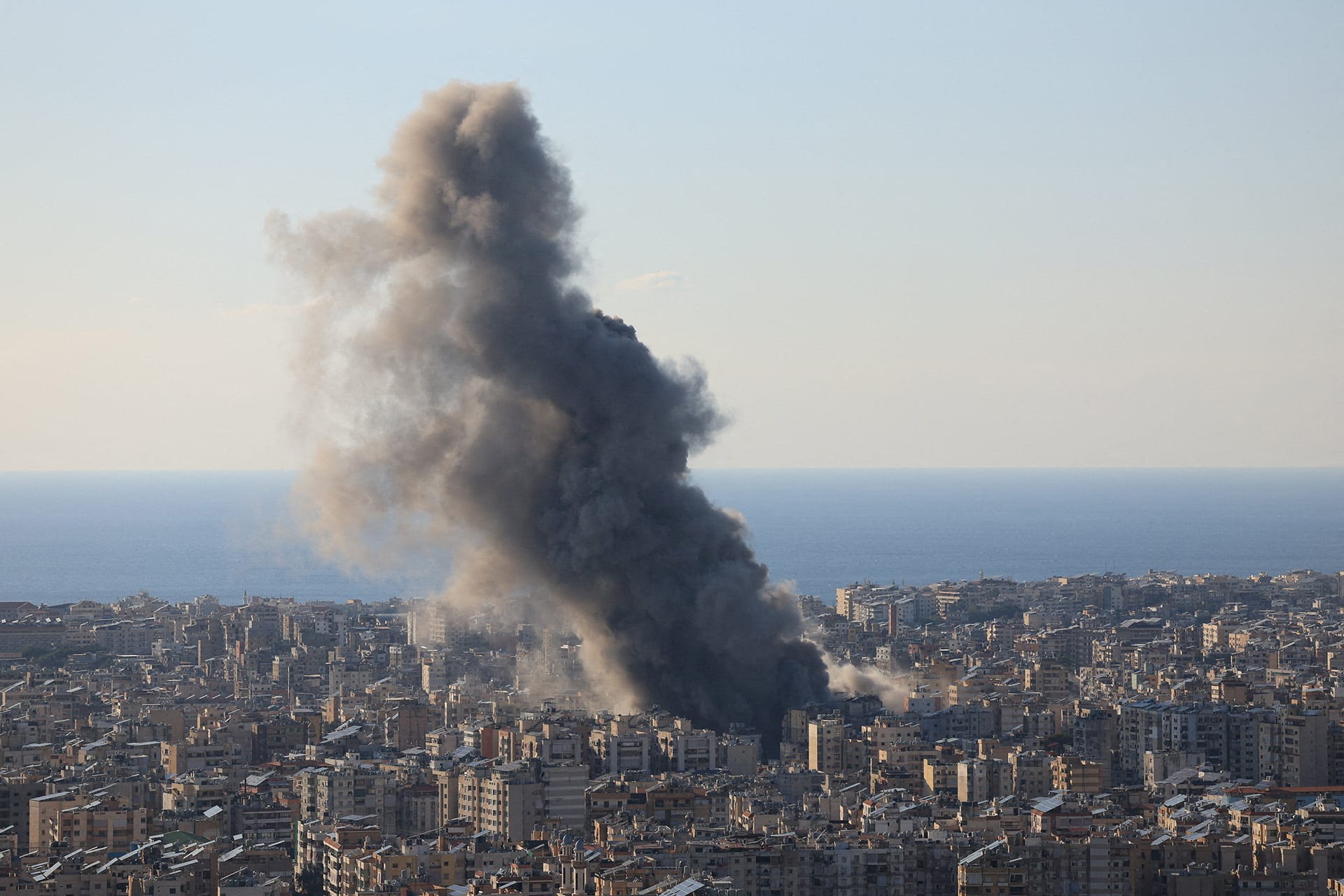
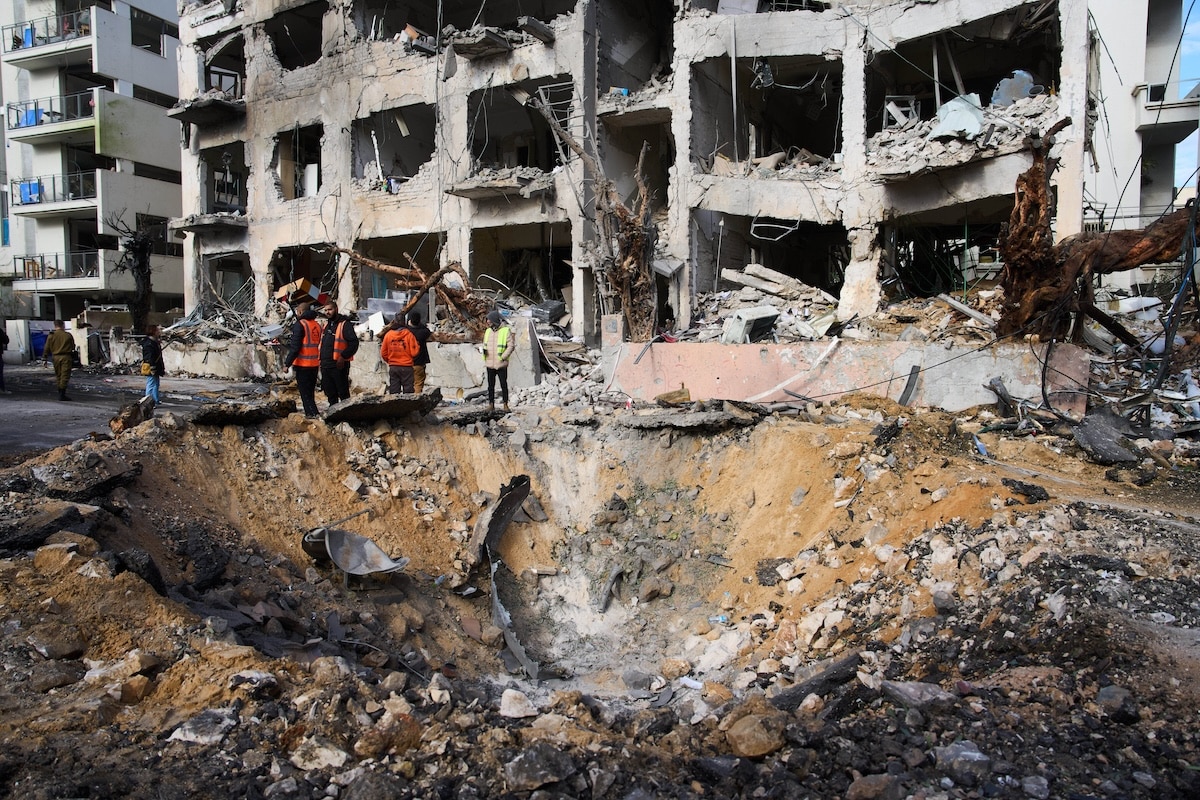
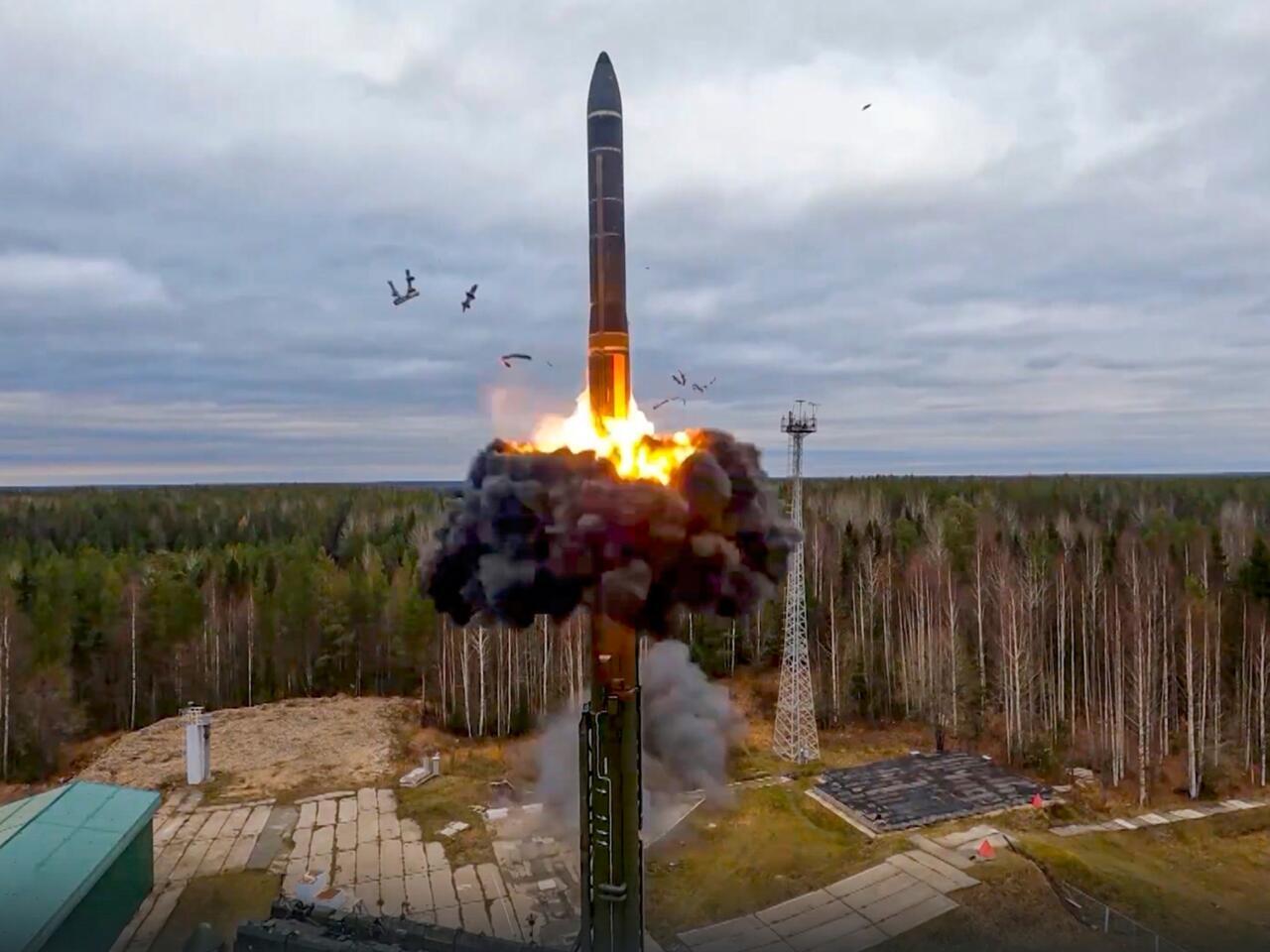
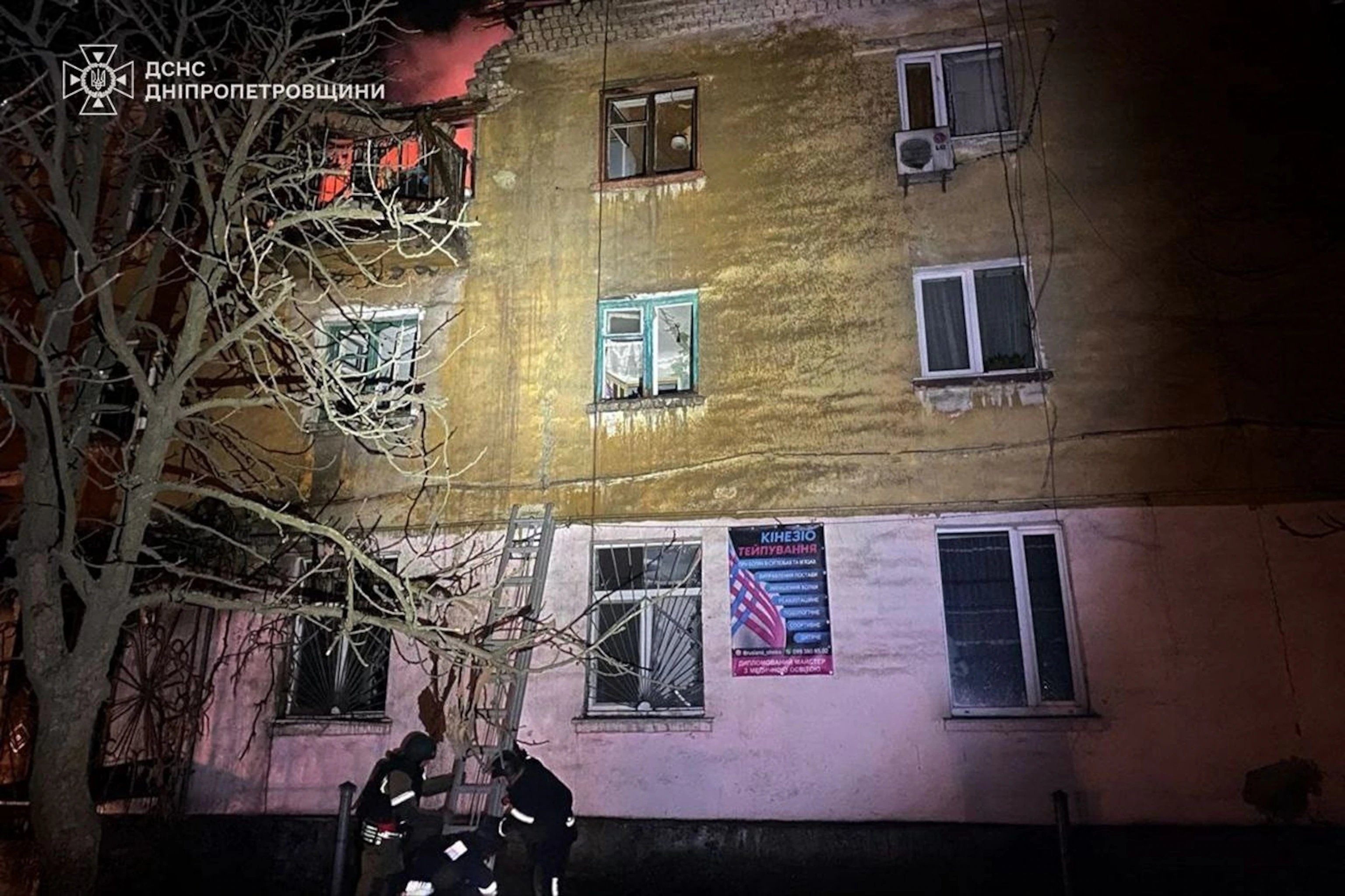
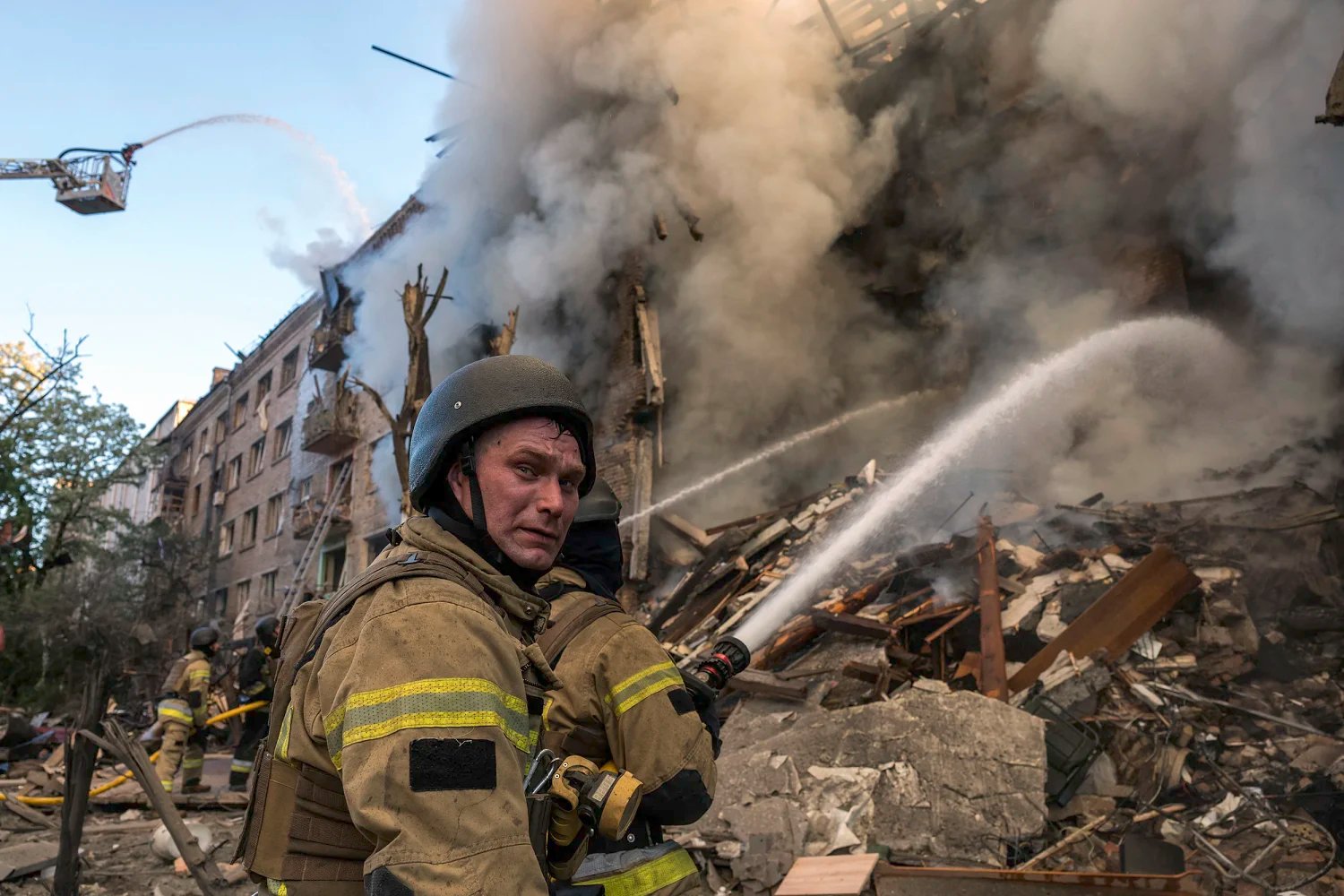
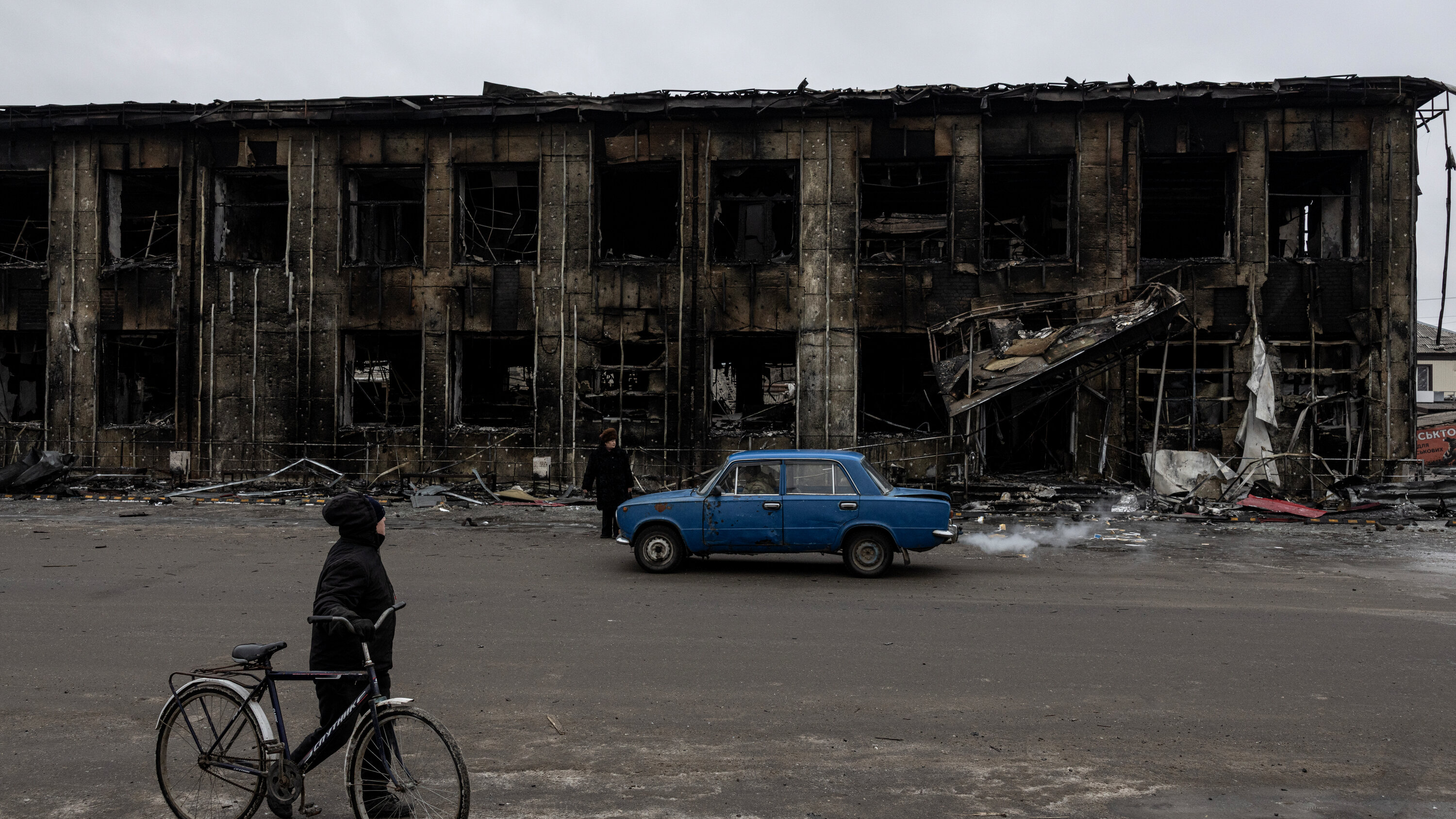
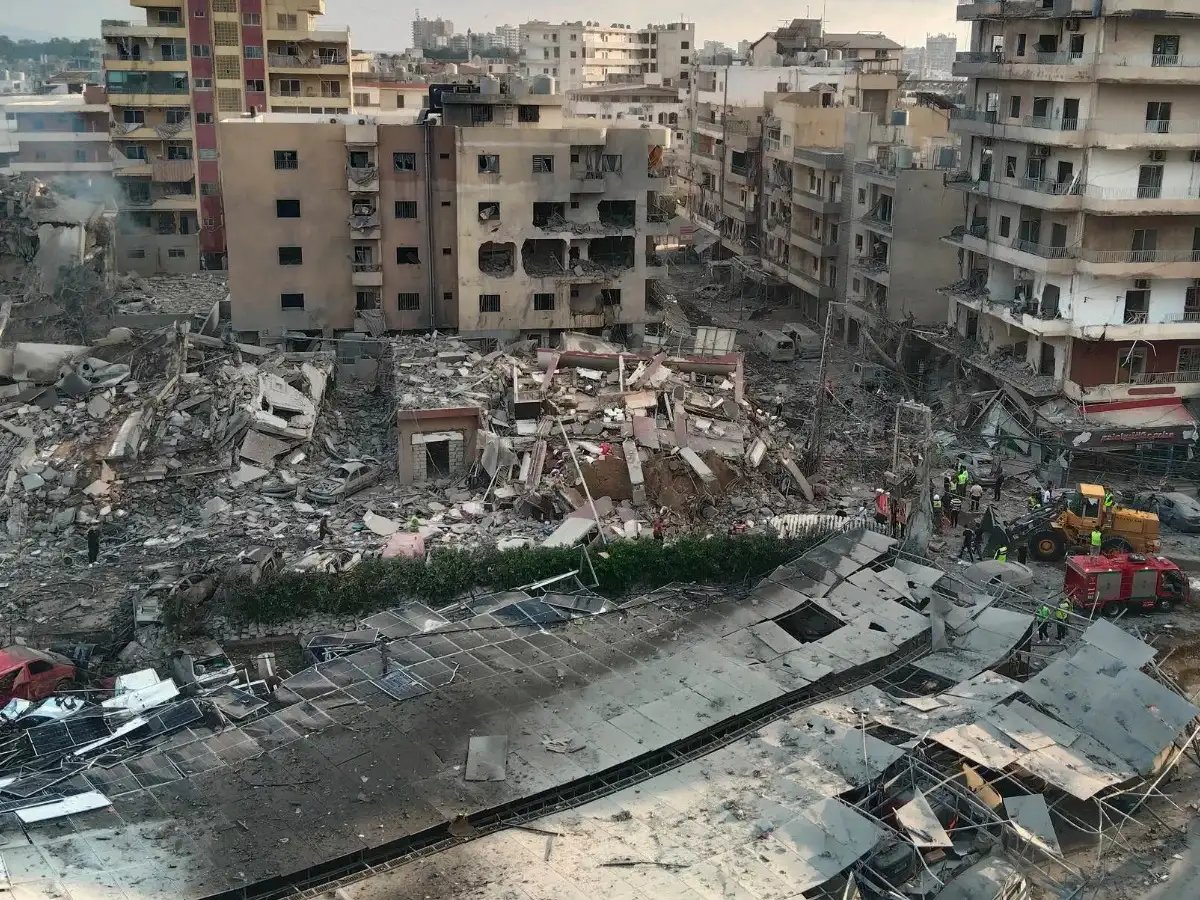
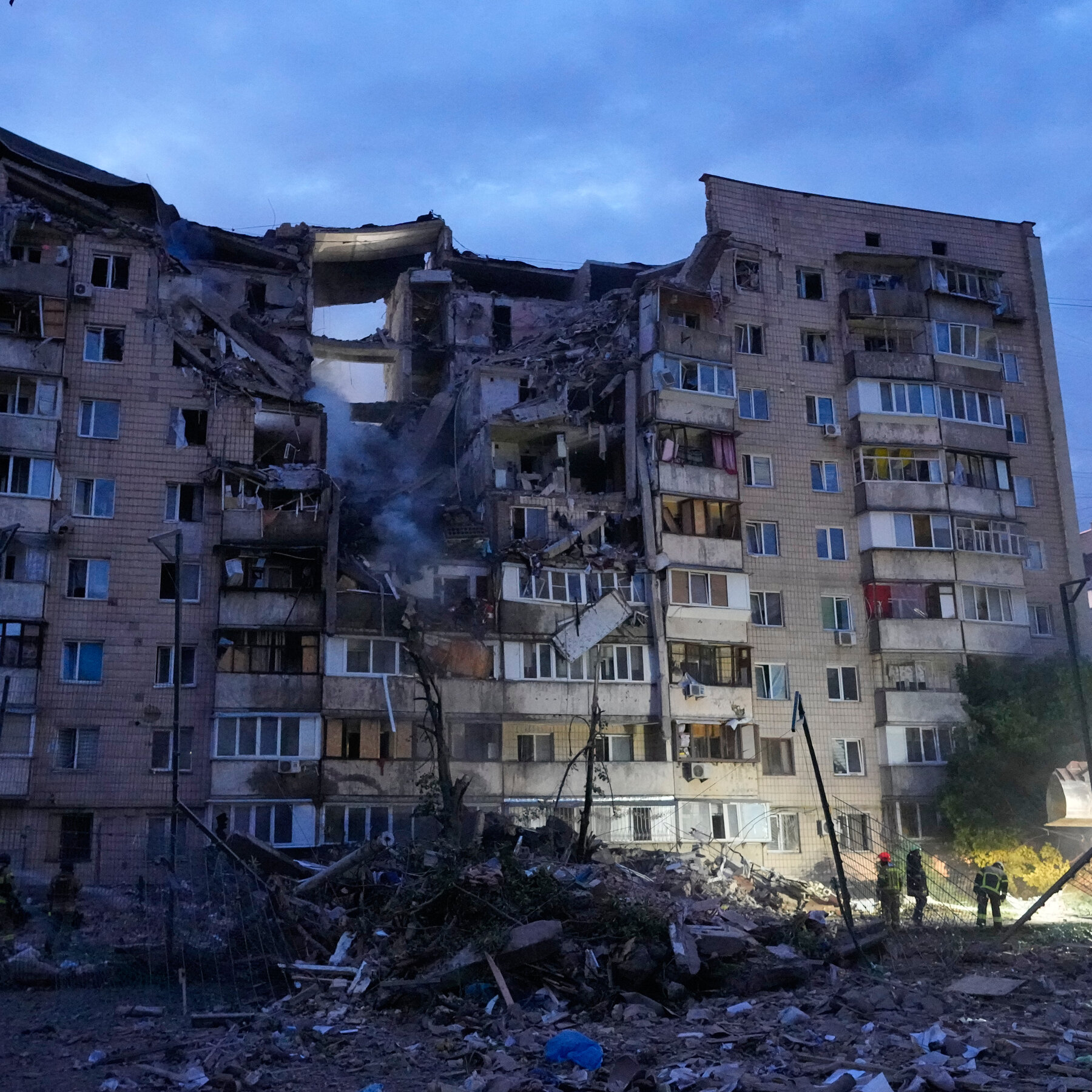
Early on Monday, Russia unleashed a devastating wave of missile and drone strikes on Kyiv, resulting in at least 20 fatalities, according to local officials. The barrage included 68 missiles—23 of which were ballistic—and 351 drones, with Ukraine's air force reporting that they were unable to intercept any of the ballistic or hypersonic missiles. Kyiv's Mayor Vitali Klitschko confirmed that more than 50 people sustained injuries from the attacks, which struck residential buildings and other civilian infrastructure.
Context of the Assault
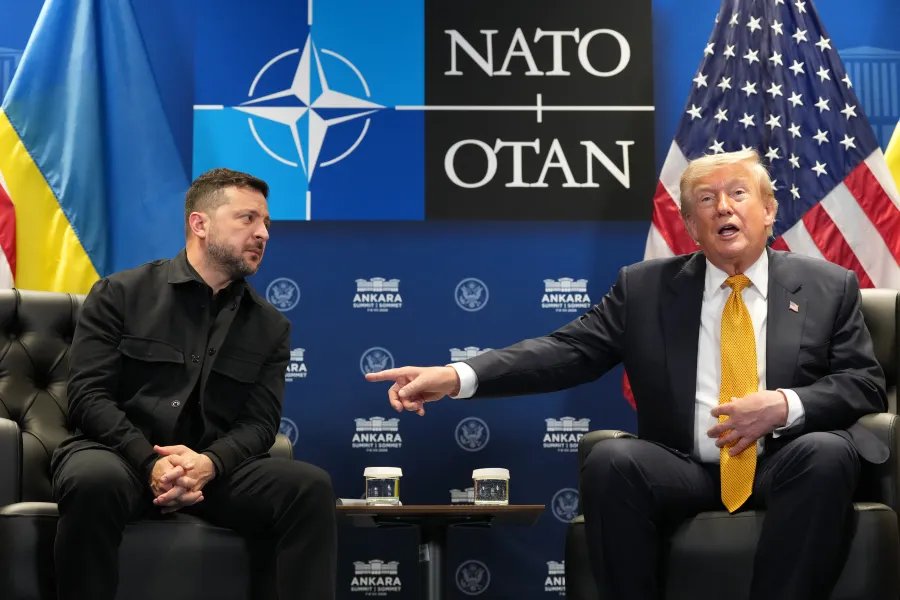
This attack marks Russia's second major offensive against Kyiv in less than a week, occurring just days after a previous strike that killed at least 31 people. The intensification of Russian military action comes as Ukraine struggles with a critical shortage of U.S.-made interceptors, hampering its ability to defend against such aggressive assaults. The timing of the attack coincides with an upcoming NATO summit in Turkey, where U.S. President Donald Trump is expected to discuss renewed efforts to end the ongoing conflict with Ukrainian President Volodymyr Zelensky.
Rescue Efforts and Civilian Impact
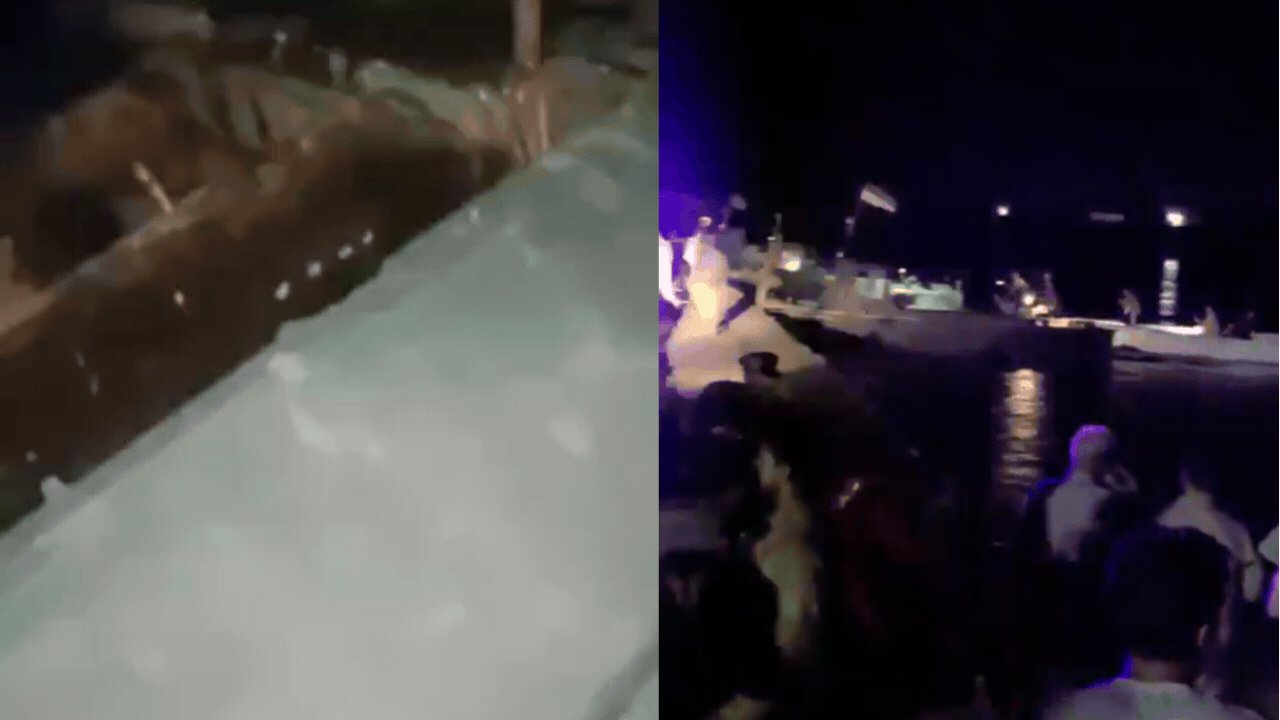
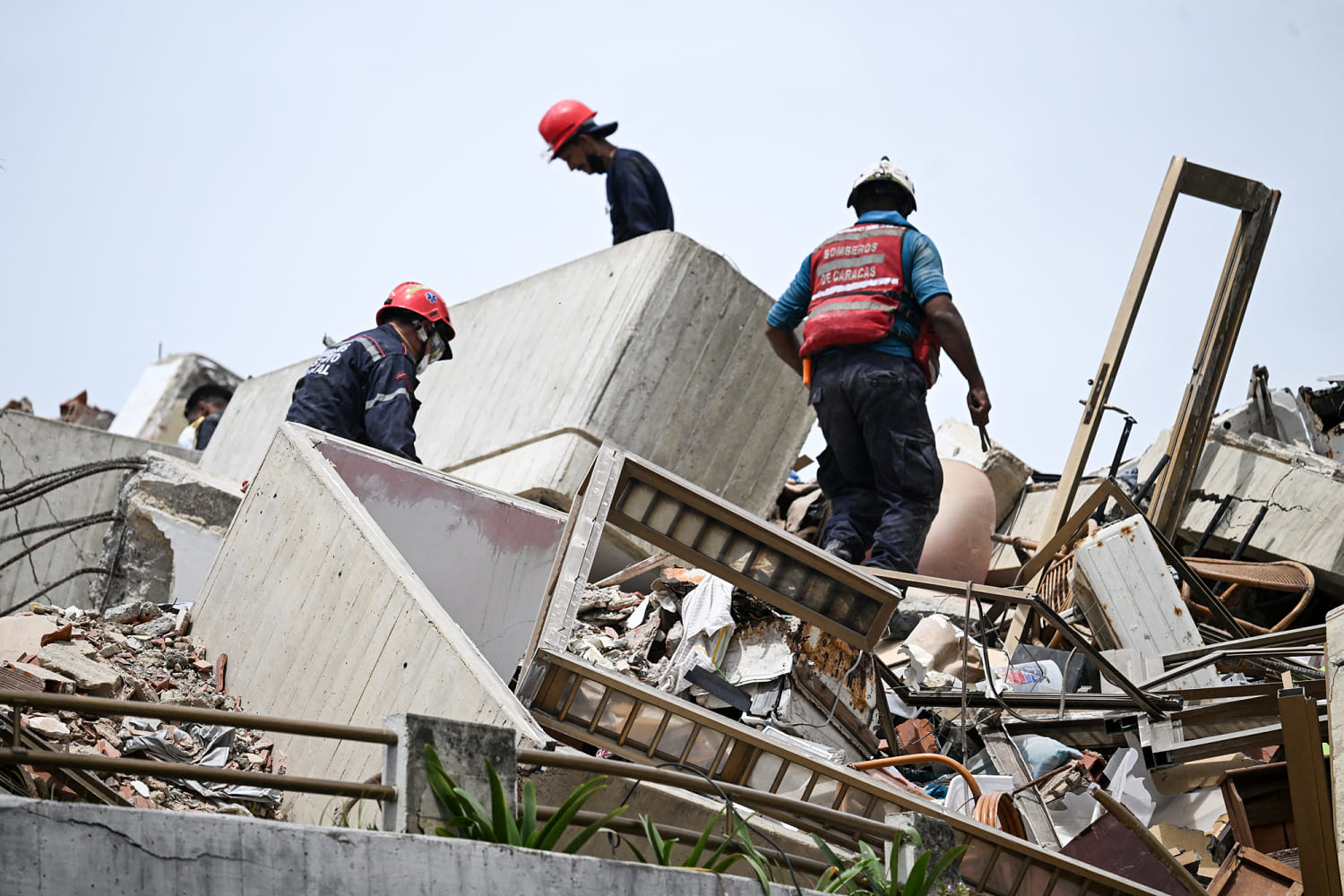
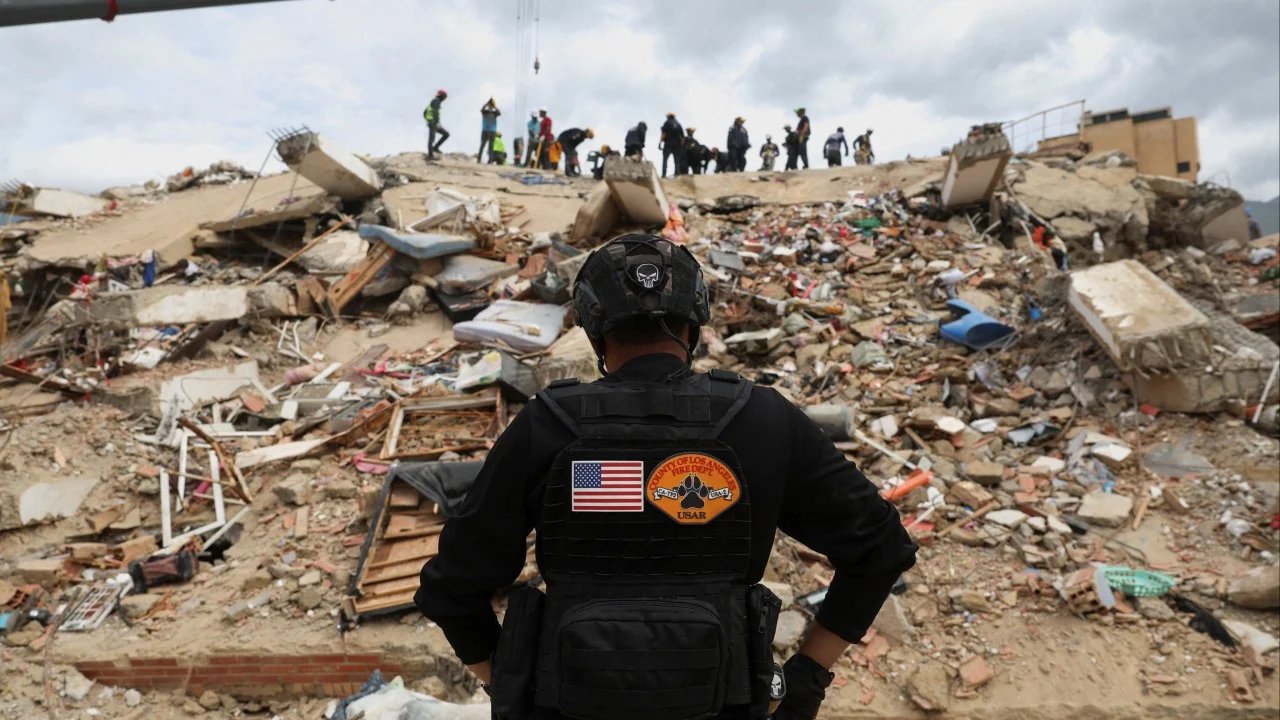
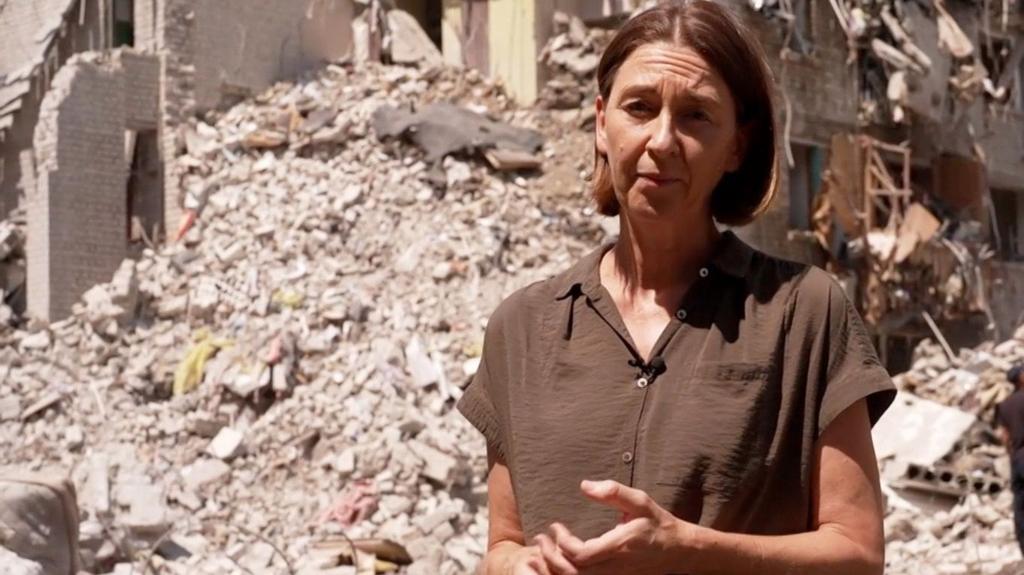
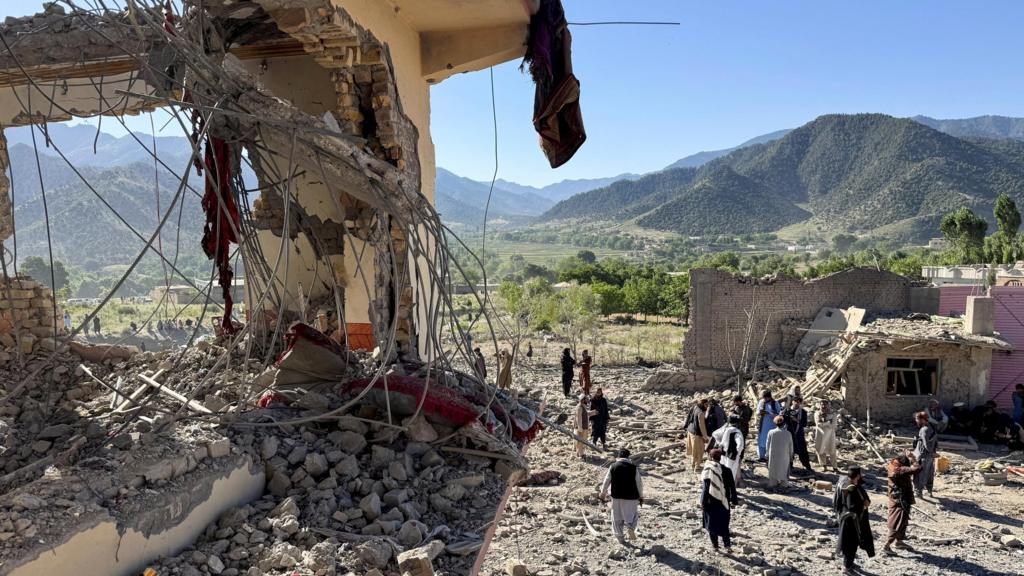
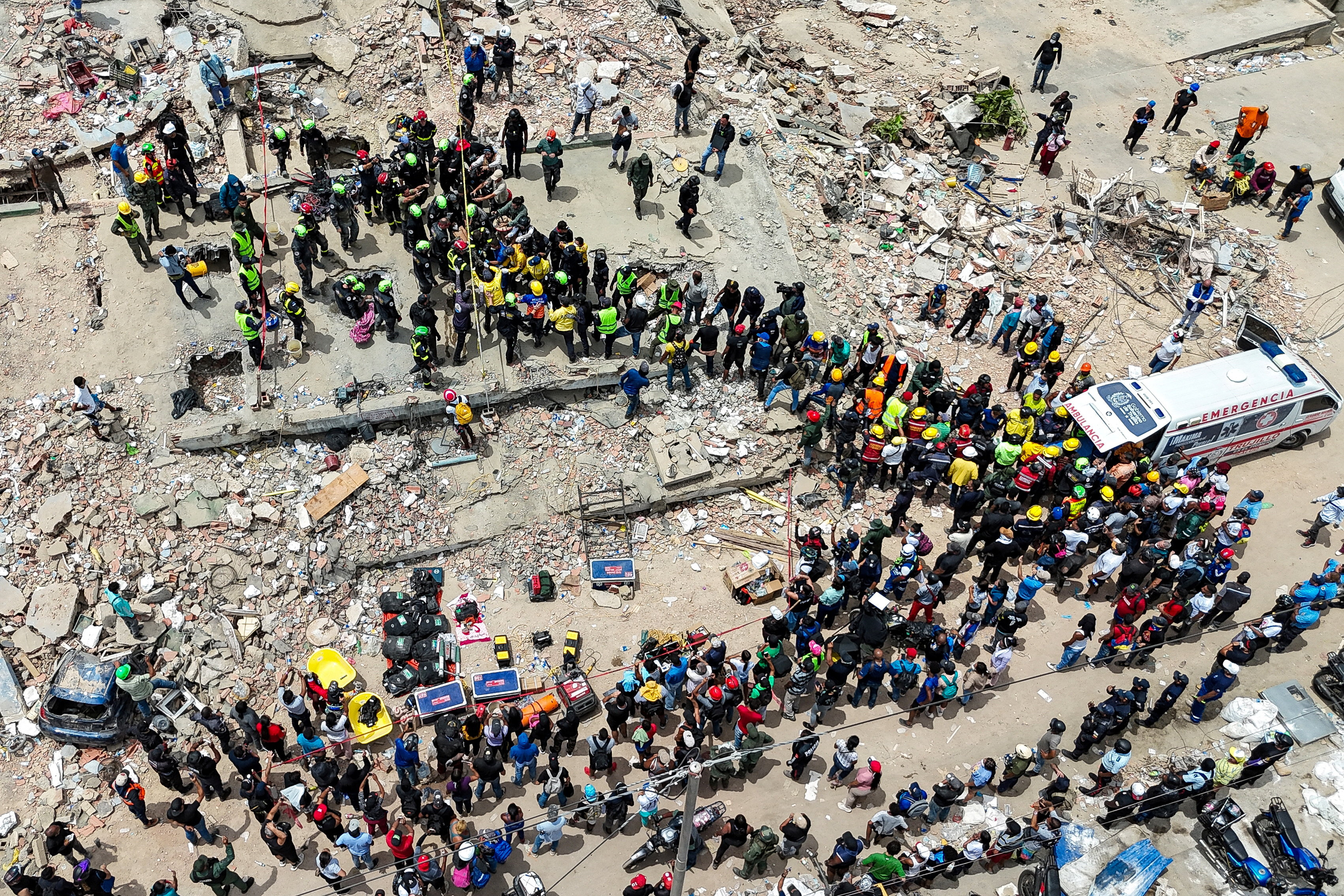
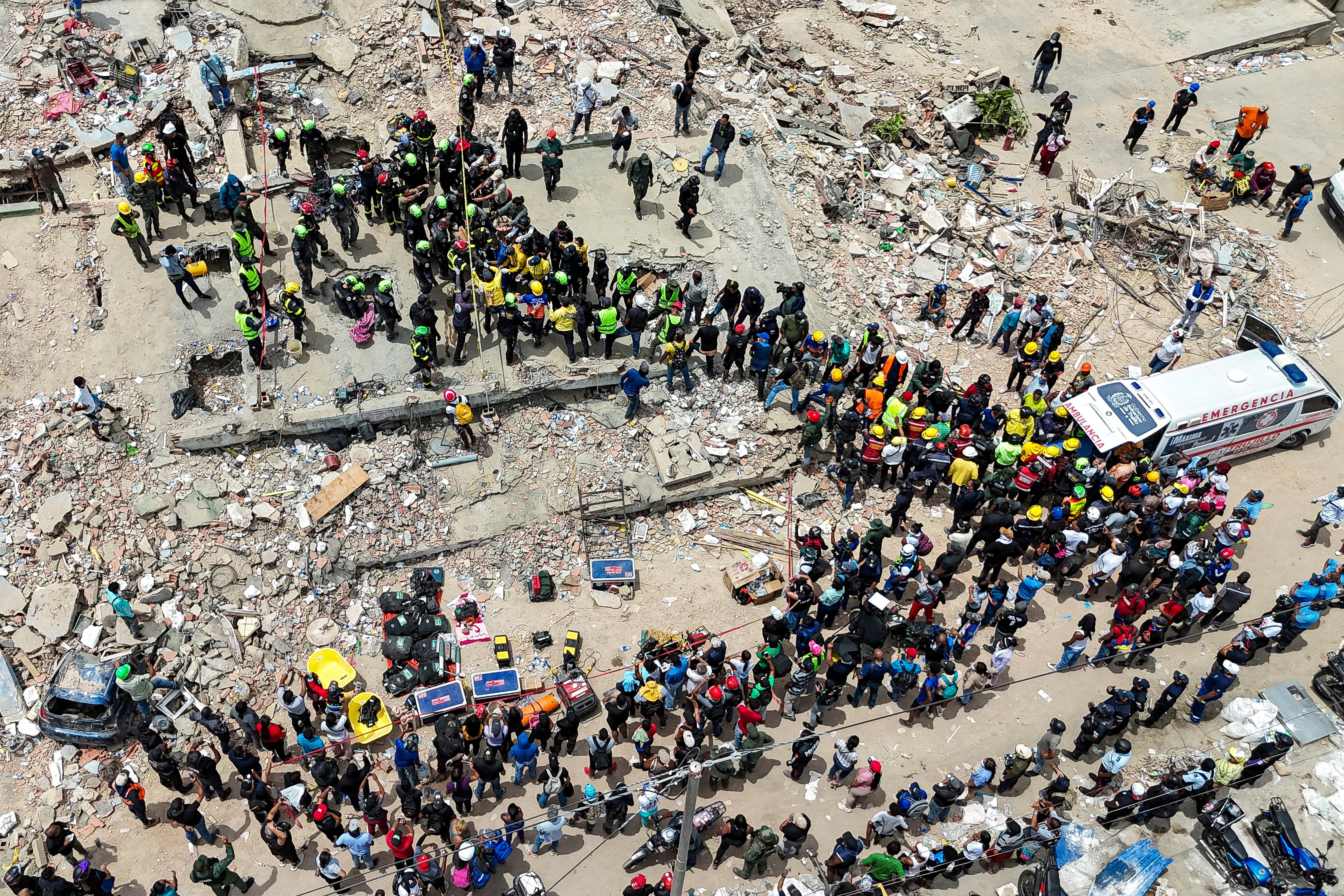
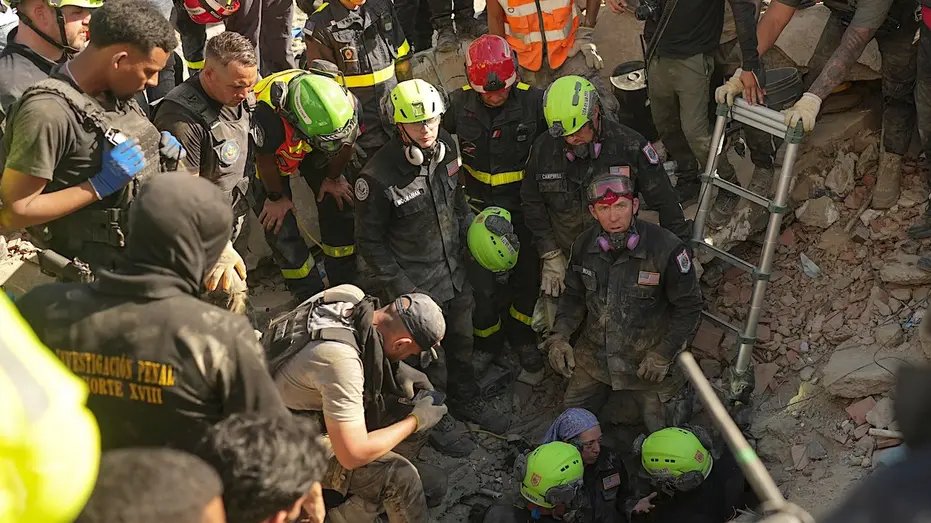
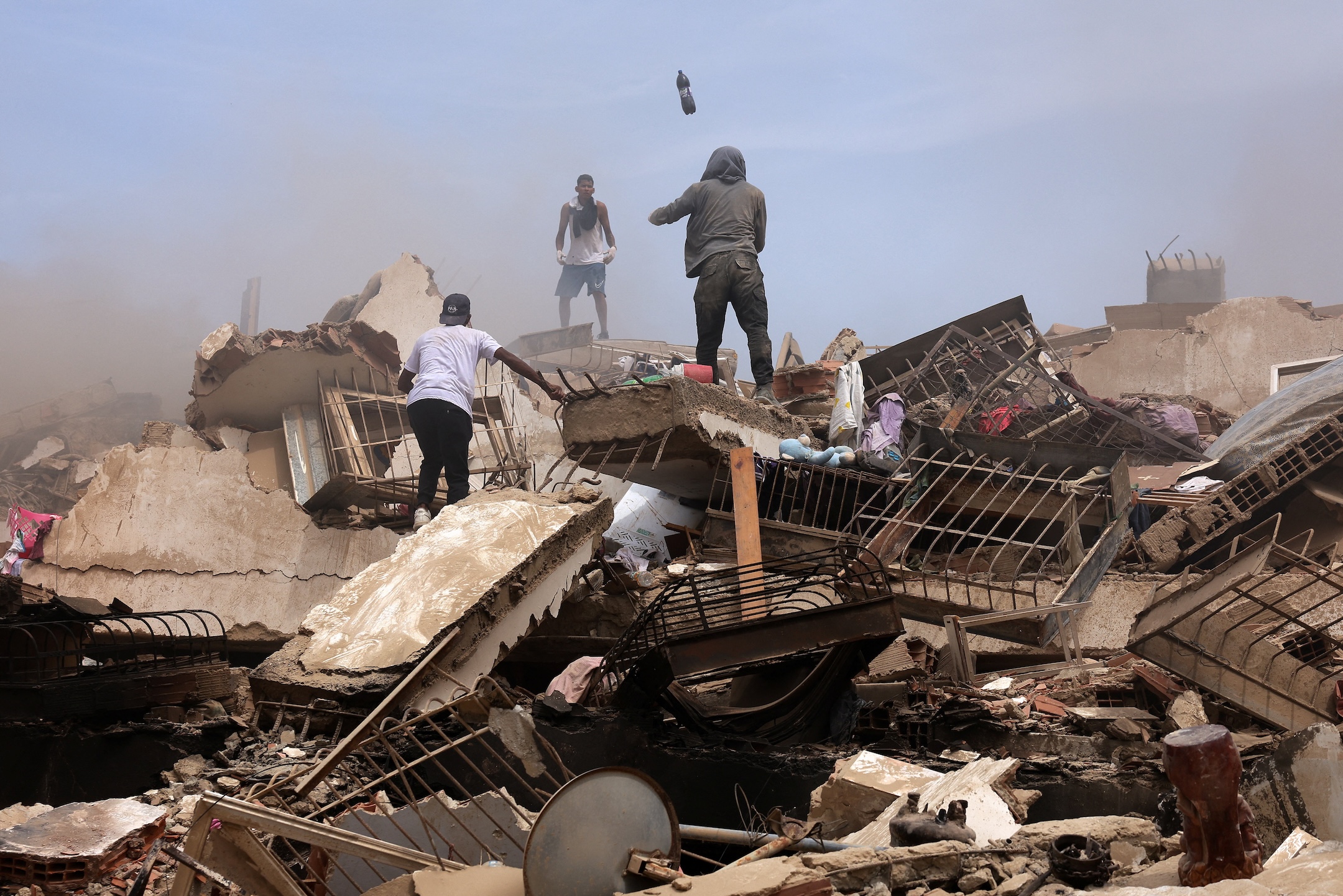
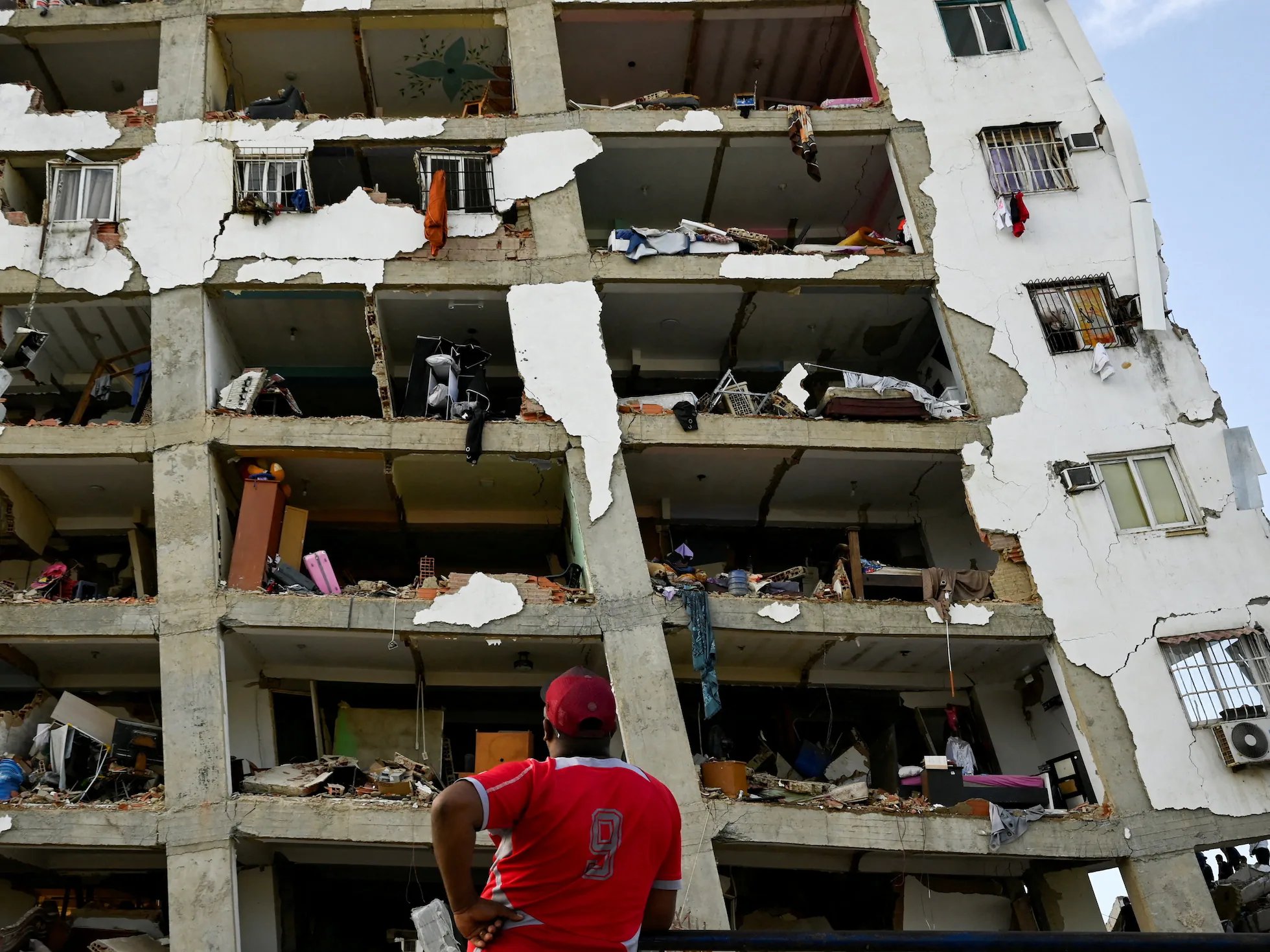
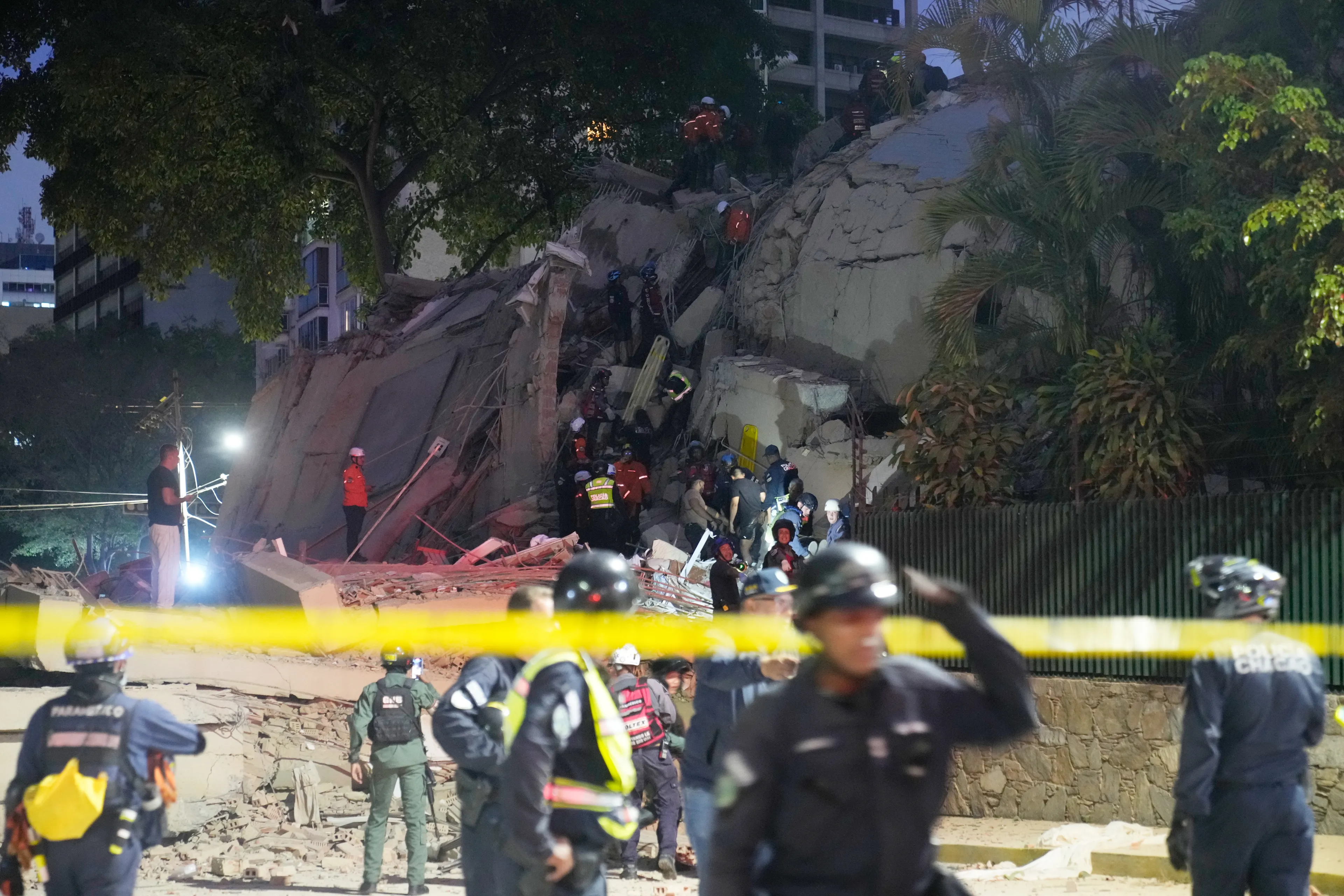
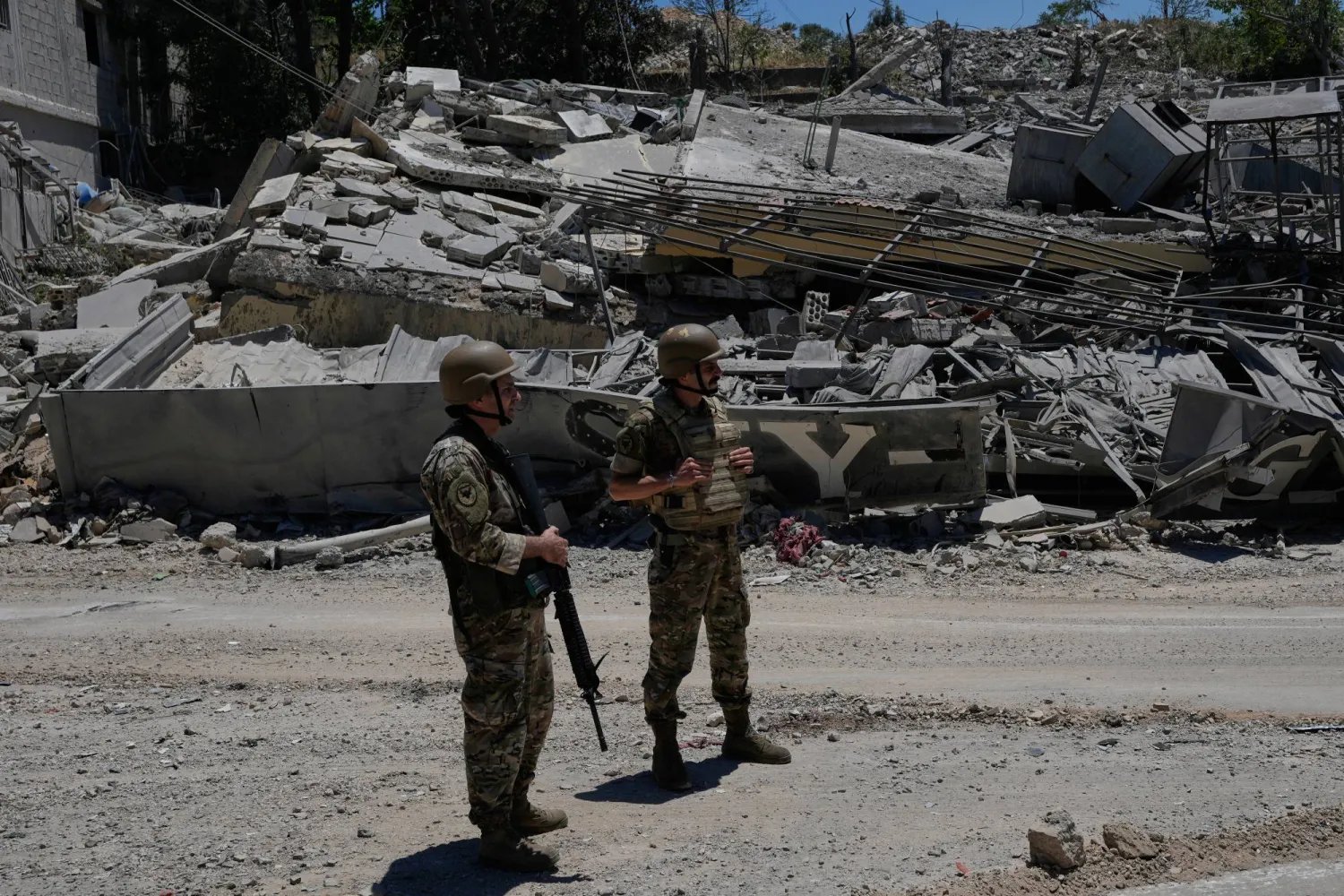
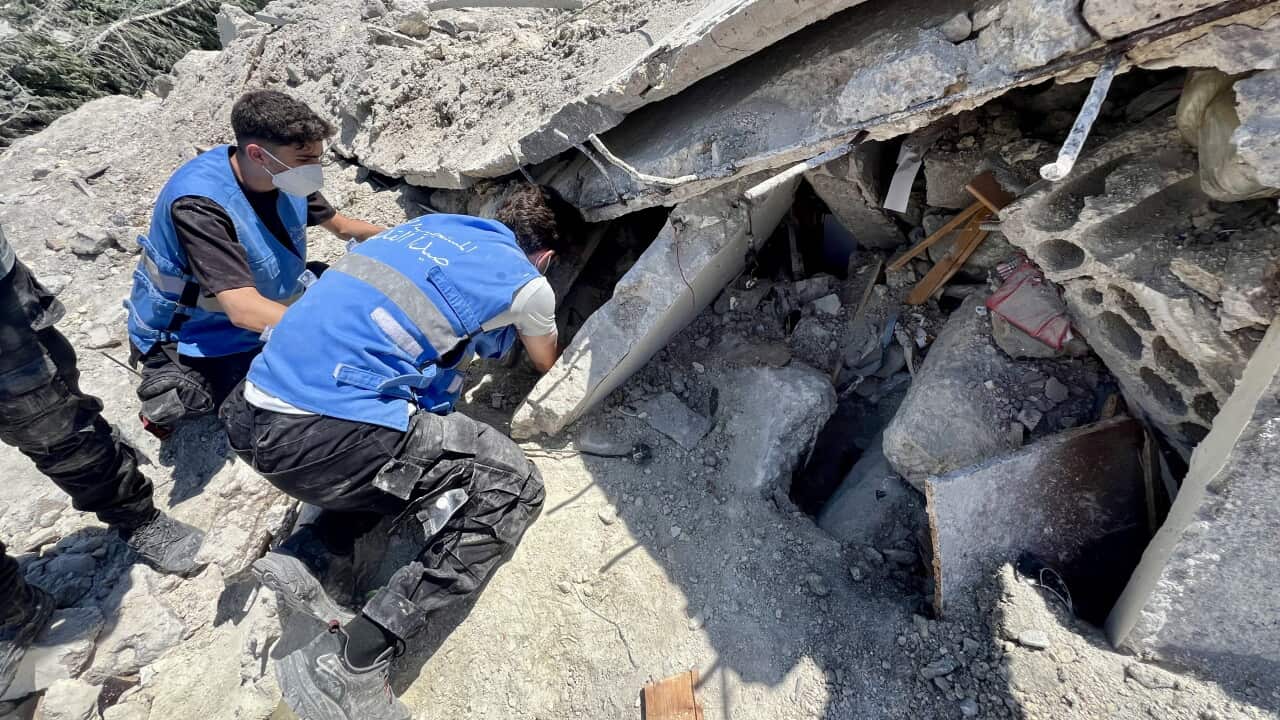
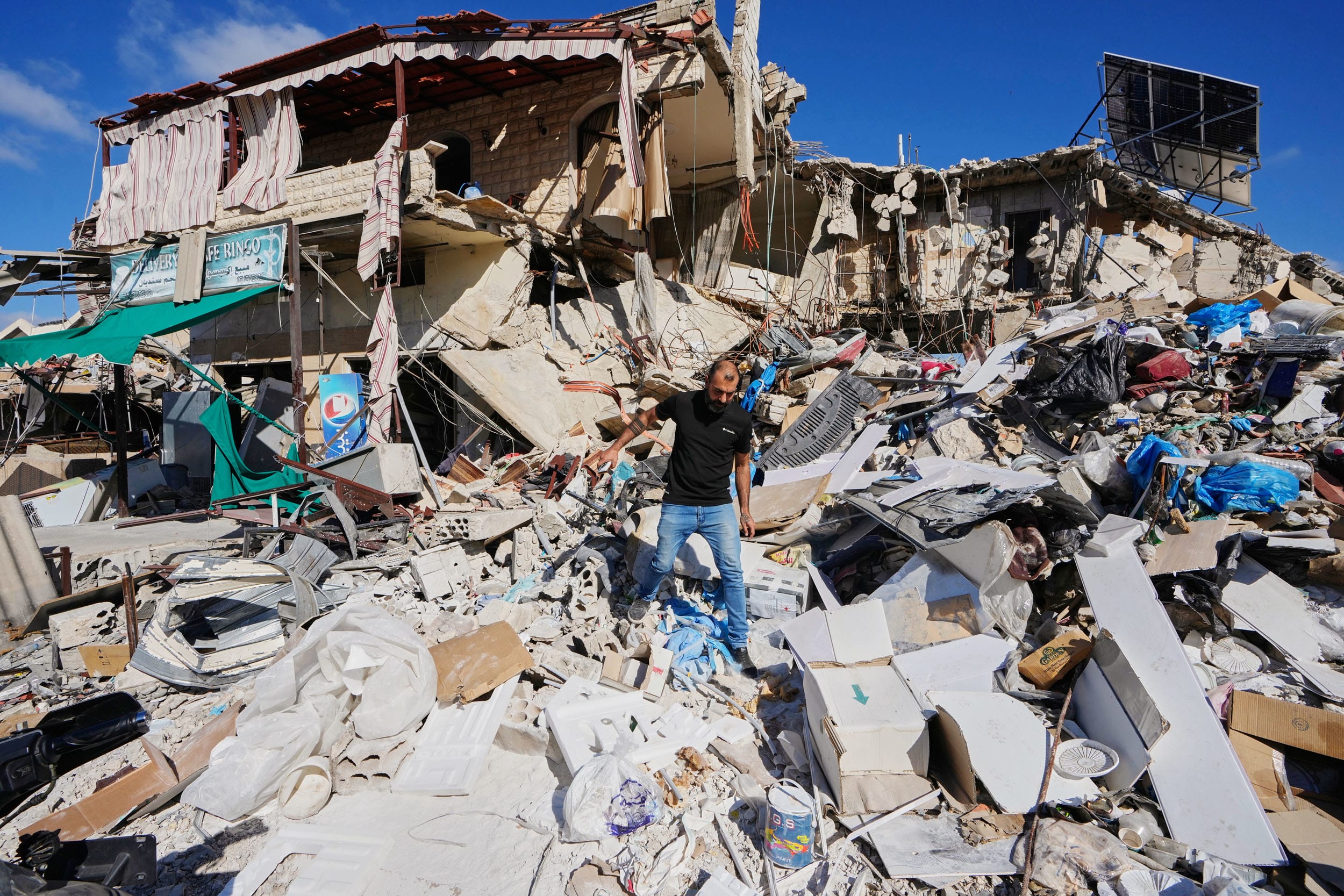
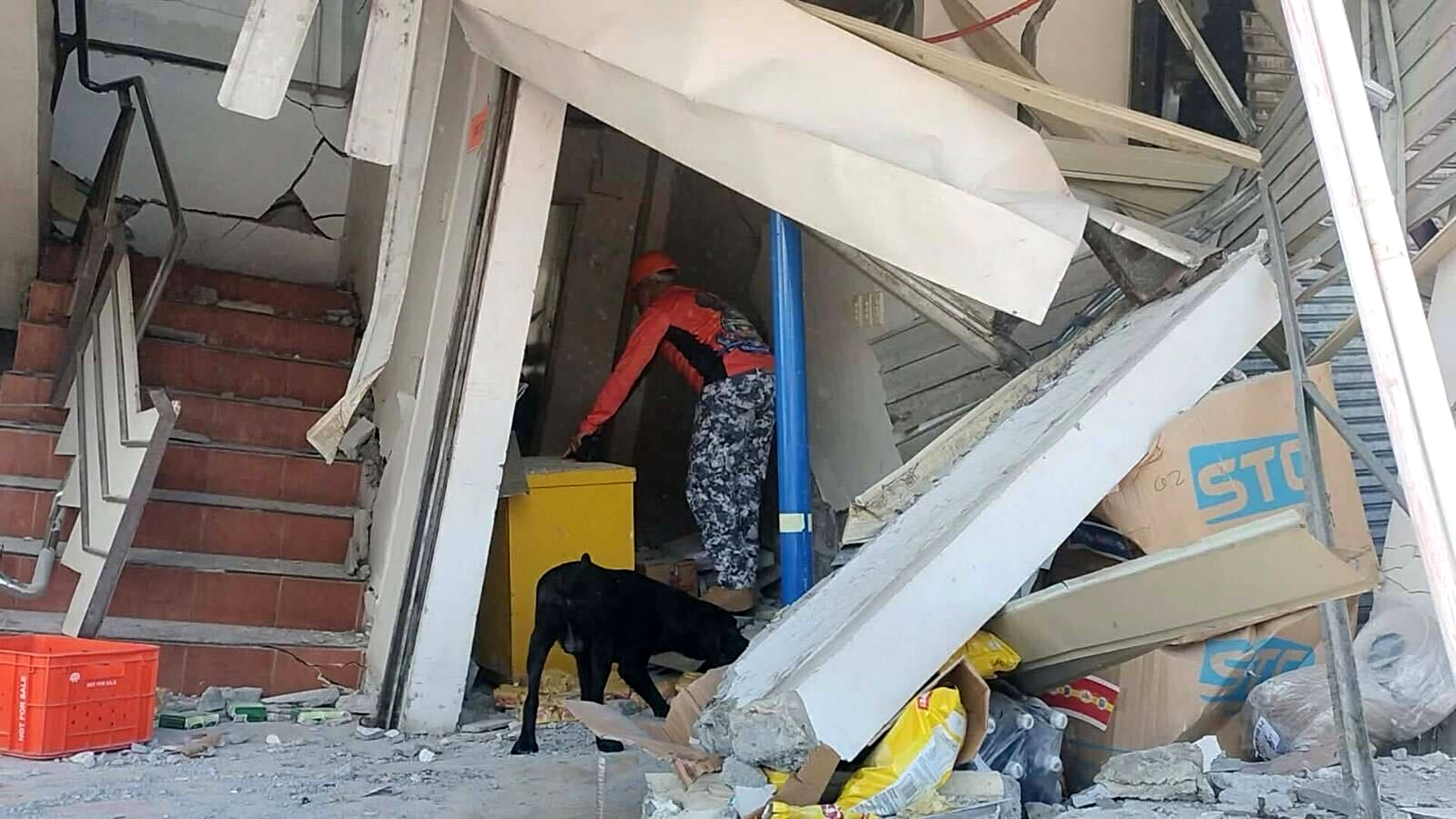
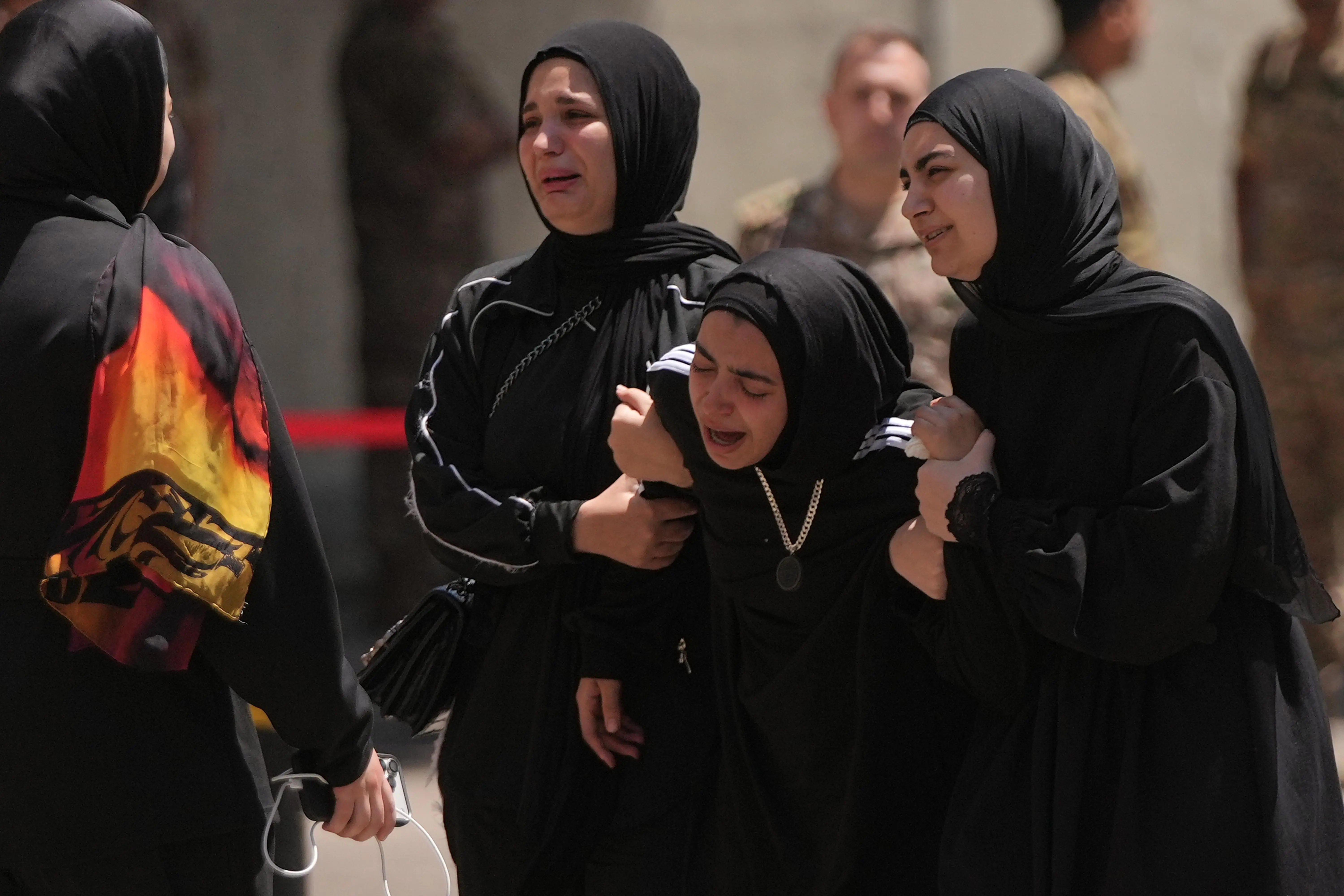
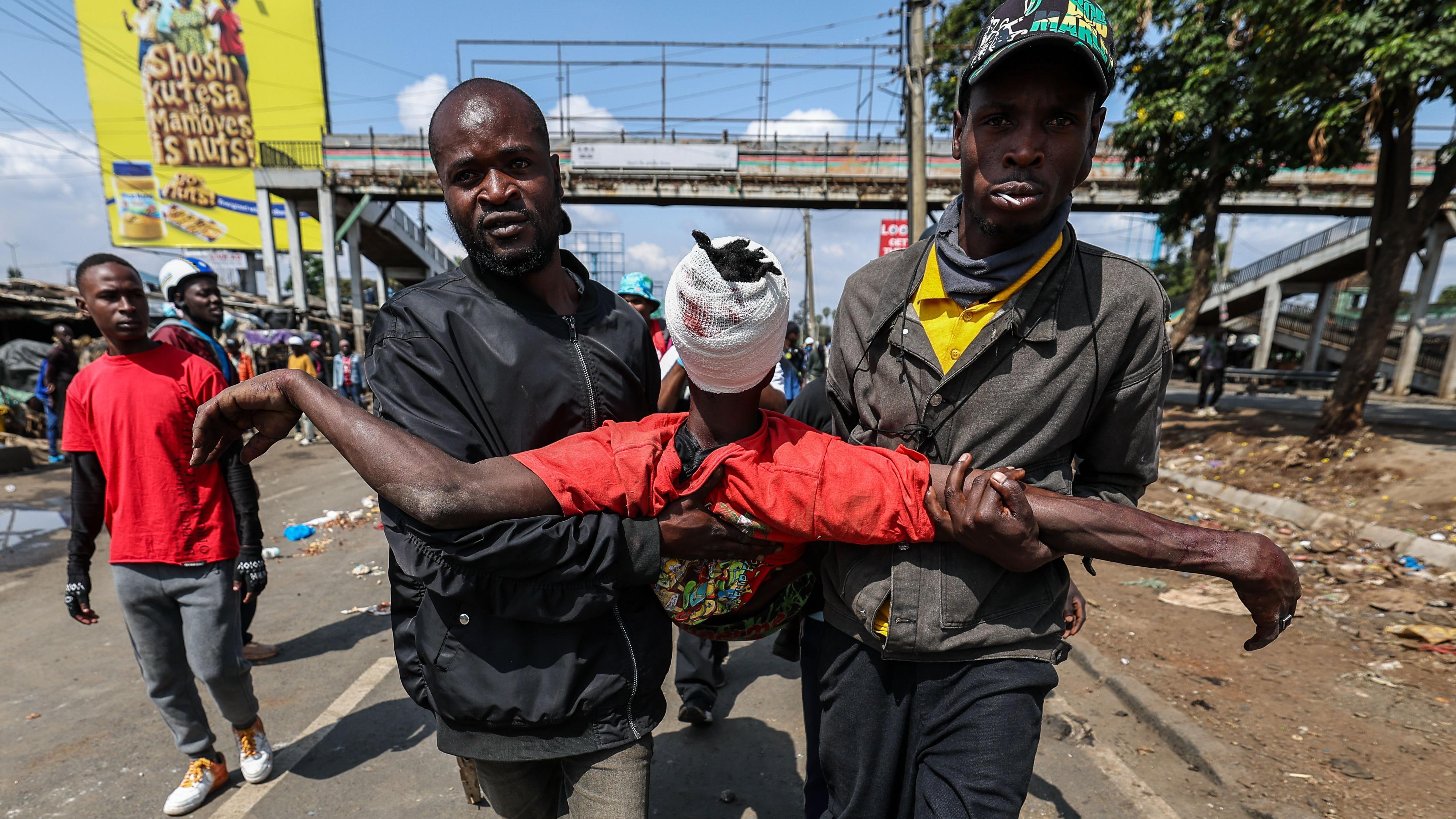
In the aftermath of the strikes, rescue crews worked tirelessly to pull trapped residents from the rubble of damaged buildings. Mayor Klitschko shared updates via Telegram, highlighting the urgency of the situation as emergency services navigated the destruction. Eyewitness accounts describe scenes of chaos and panic, with civilians rushing to shelters as air raid sirens blared throughout the city.
Military Implications
The scale of this attack illustrates the increased intensity of Russia's air campaign as its ground offensive has faced challenges in recent months. Ukrainian air force data revealed that while 37 missiles and 326 drones were neutralized, the failure to down any of the ballistic missiles underscores the pressing need for enhanced air defense capabilities. This situation raises critical questions about the effectiveness of current military support for Ukraine and its implications for future engagements.
Broader Conflict Dynamics
As the conflict continues to escalate, the international community watches closely. The bombardment of Kyiv not only impacts the immediate civilian population but also signals a potential shift in the military dynamics of the ongoing war. The need for robust defensive measures is becoming increasingly apparent, particularly as Russia ramps up its aerial assaults ahead of high-stakes diplomatic discussions at the NATO summit.
Next Steps for Ukraine
In light of these recent developments, Ukraine must urgently seek additional military support to bolster its air defense systems. The upcoming NATO summit presents an opportunity for President Zelensky to advocate for more advanced weaponry and support from allied nations. The urgency of the situation is clear—without enhanced capabilities, the civilian population of Kyiv and other affected regions may face further devastating attacks.