




Excess Deaths Recorded Amid Rising Temperatures
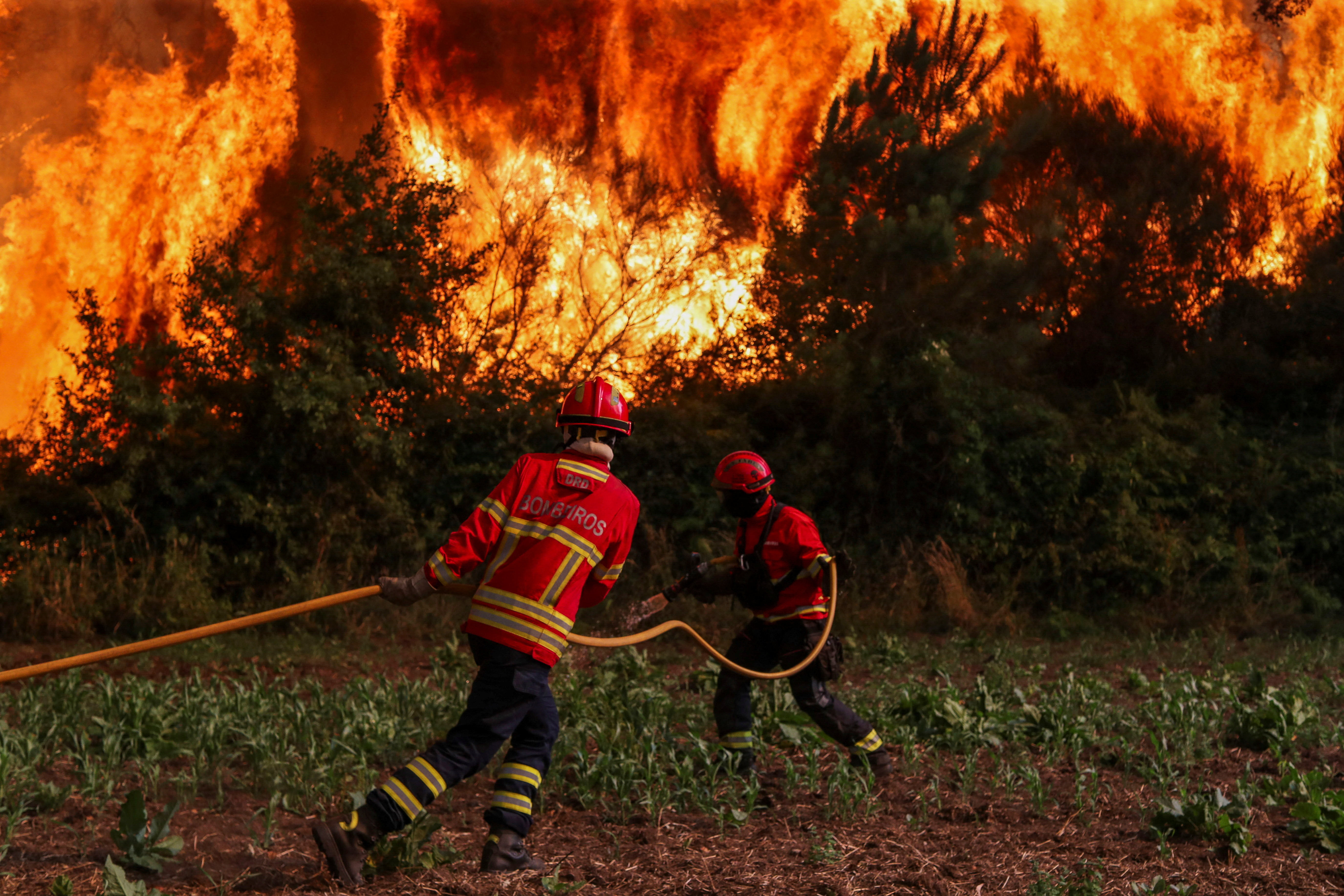
Spain has attributed 1,029 excess deaths to a severe heatwave that struck the country in June, marking a drastic increase from the 407 heat-related fatalities reported in June 2025. This year's toll reflects the most deaths from heat recorded in June since 2015, according to the Carlos III Health Institute. The heatwave pushed average temperatures to 3.2 degrees Celsius above normal, making it the second-hottest June on record.
Health Risks for Millions
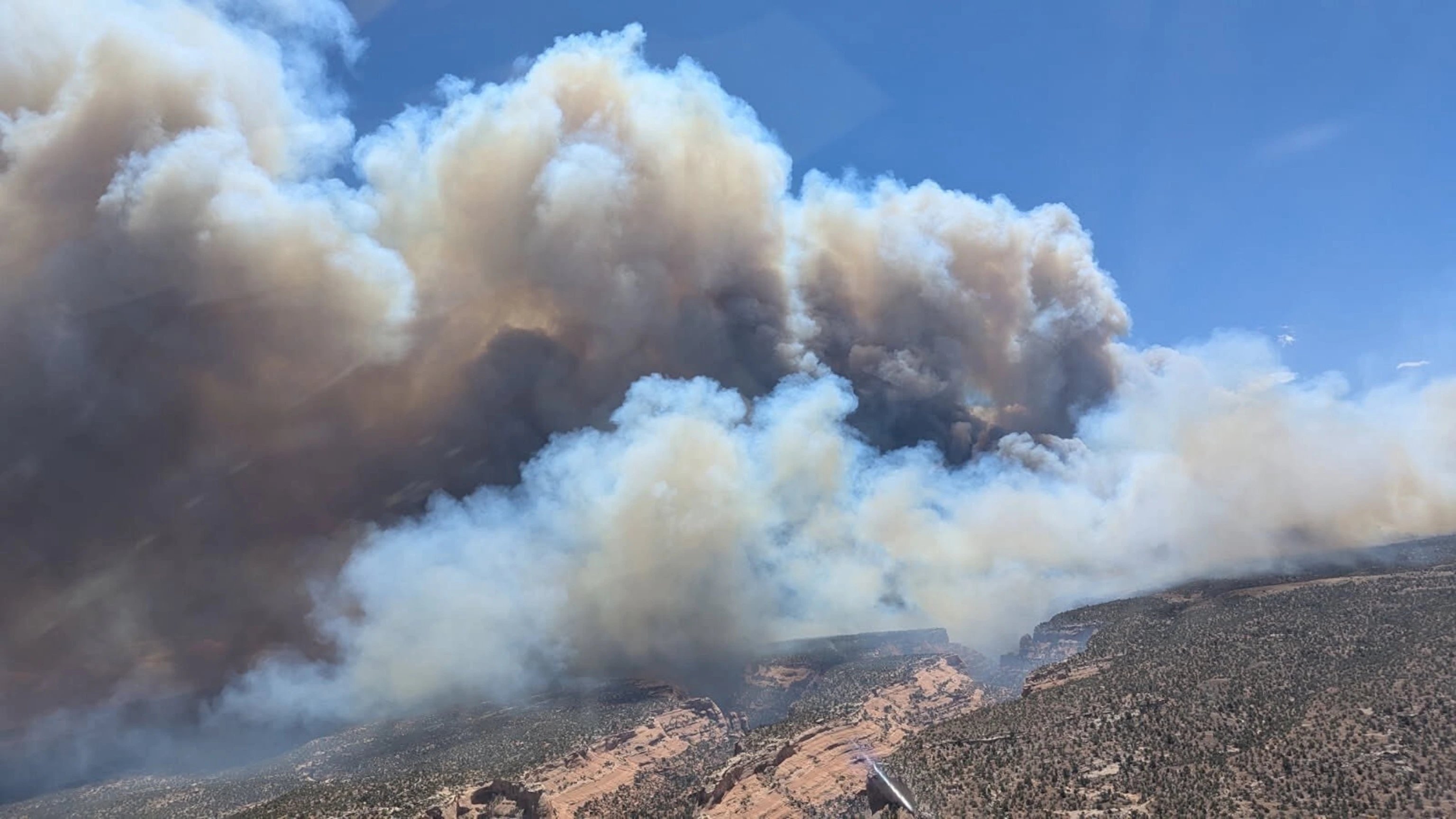
At the peak of the heatwave on June 23, approximately 35.7 million people, or about 73% of Spain's population, were exposed to health risks due to extreme heat. Of those, 38% faced a high risk of heat-related health issues. The intense heat, which saw temperatures soar above 40 degrees Celsius (104 degrees Fahrenheit), highlights the urgent public health implications of climate change in the region.
Climate Change as a Driving Force
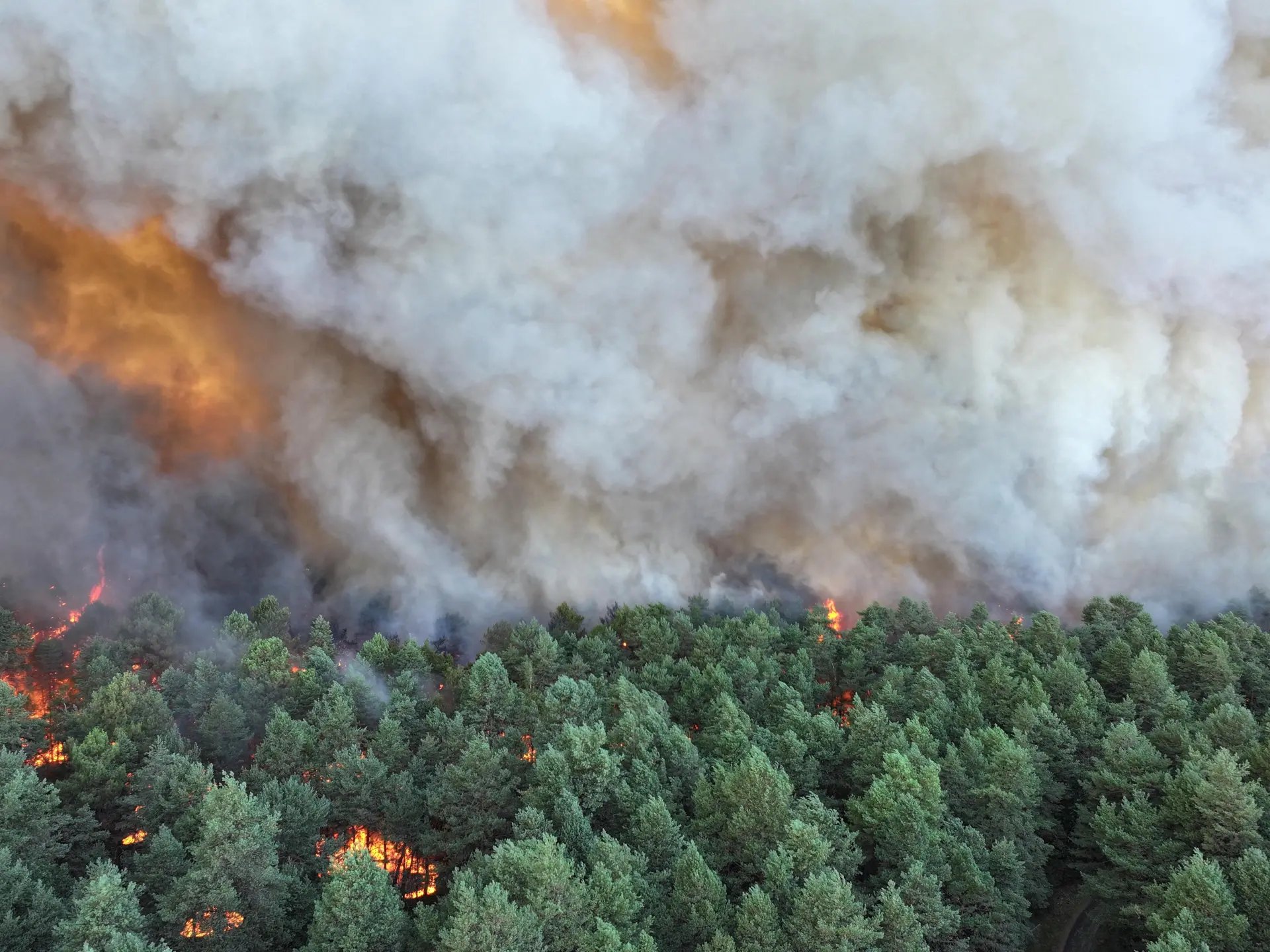
Scientists attribute the extreme heat across Europe to climate change, which has intensified temperatures. A report from the World Health Organization indicates that the ongoing heatwave has resulted in over 1,300 additional deaths across Europe, a figure that may continue to rise. The phenomenon has been linked to a high-pressure system known as the "African anticyclone," which traps hot air over Western and Central Europe.
Impacts Across Europe
Spain's experience is part of a broader trend affecting several European nations, where record temperatures have been reported. France, Germany, and other countries have experienced similar conditions, with France alone accounting for more than 1,000 heat-related deaths.
Historical Context of Heatwaves
June 2026 marks a significant turning point, as it is now recorded as the warmest first half of the year in Spain since records began. The increasing frequency of heatwaves is alarming, with half of the 12 heatwaves recorded in June since 1975 occurring in the past decade. This trend raises concerns about future public health crises as climate patterns continue to shift.
Preparing for Future Heatwaves
As the health risks of extreme temperatures become increasingly evident, experts are calling for better preparedness. The ongoing challenges highlight the need for infrastructure adaptations to cope with rising summer temperatures. Governments and health agencies are urged to implement strategies to protect vulnerable populations from the impacts of heatwaves, particularly as climate change continues to drive extreme weather events.