




May's sharp price increase marks three-year high
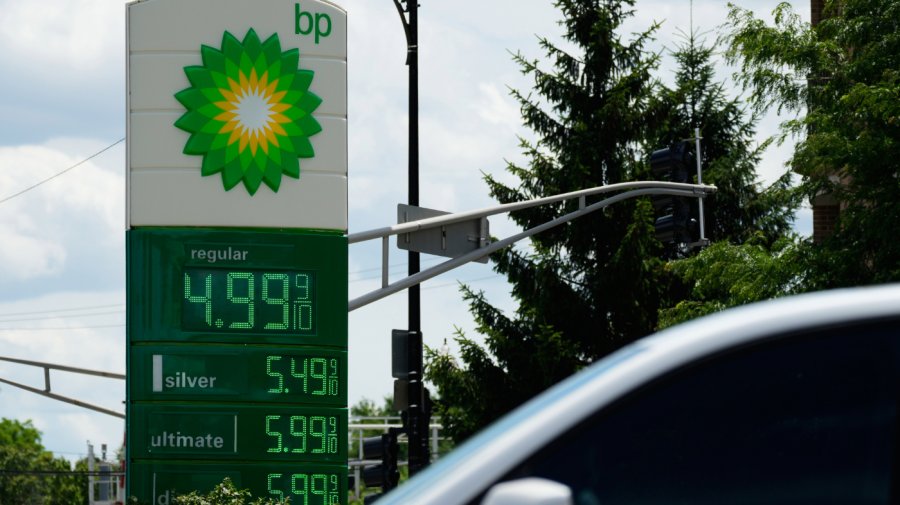
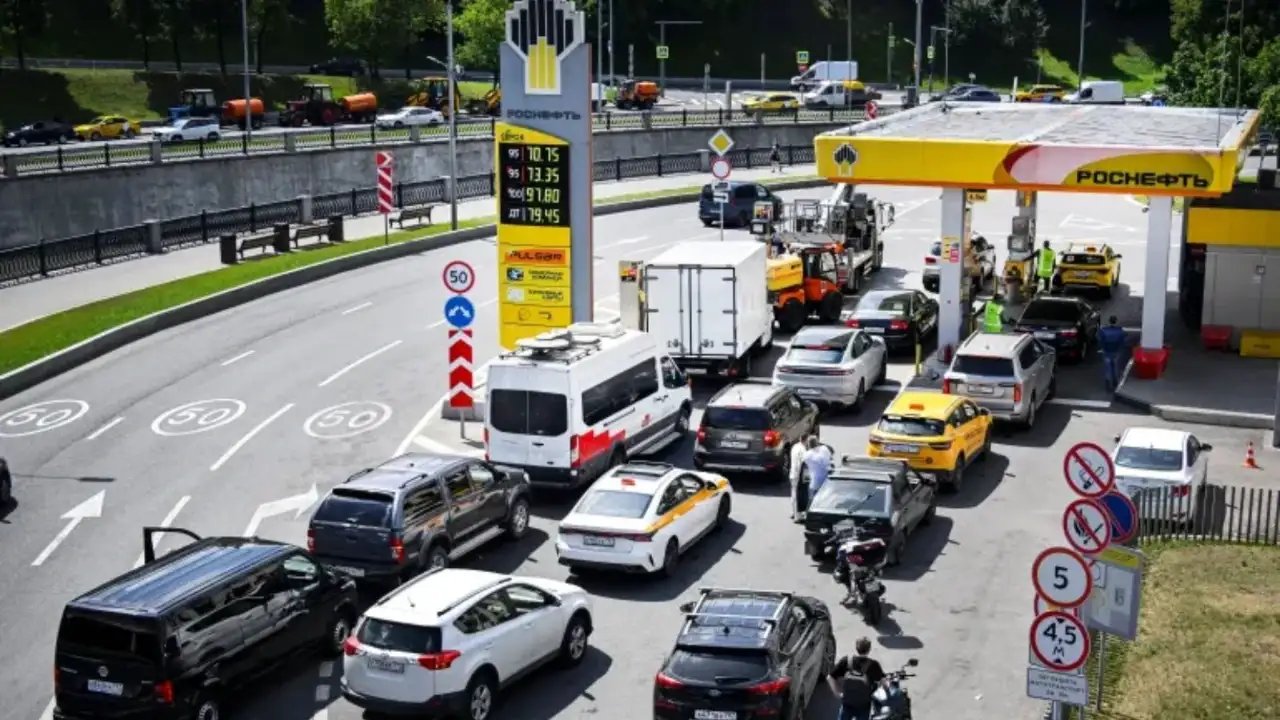
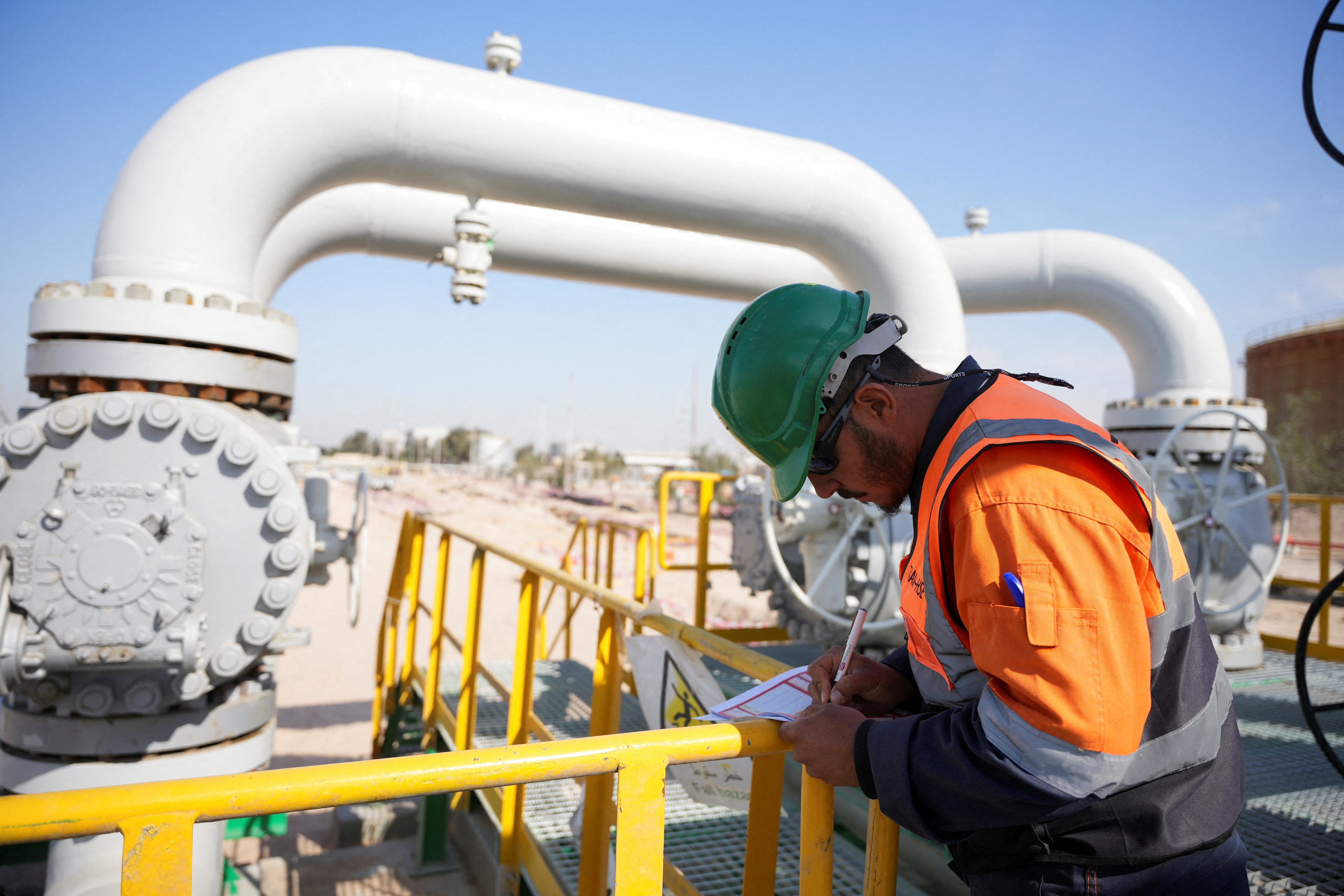
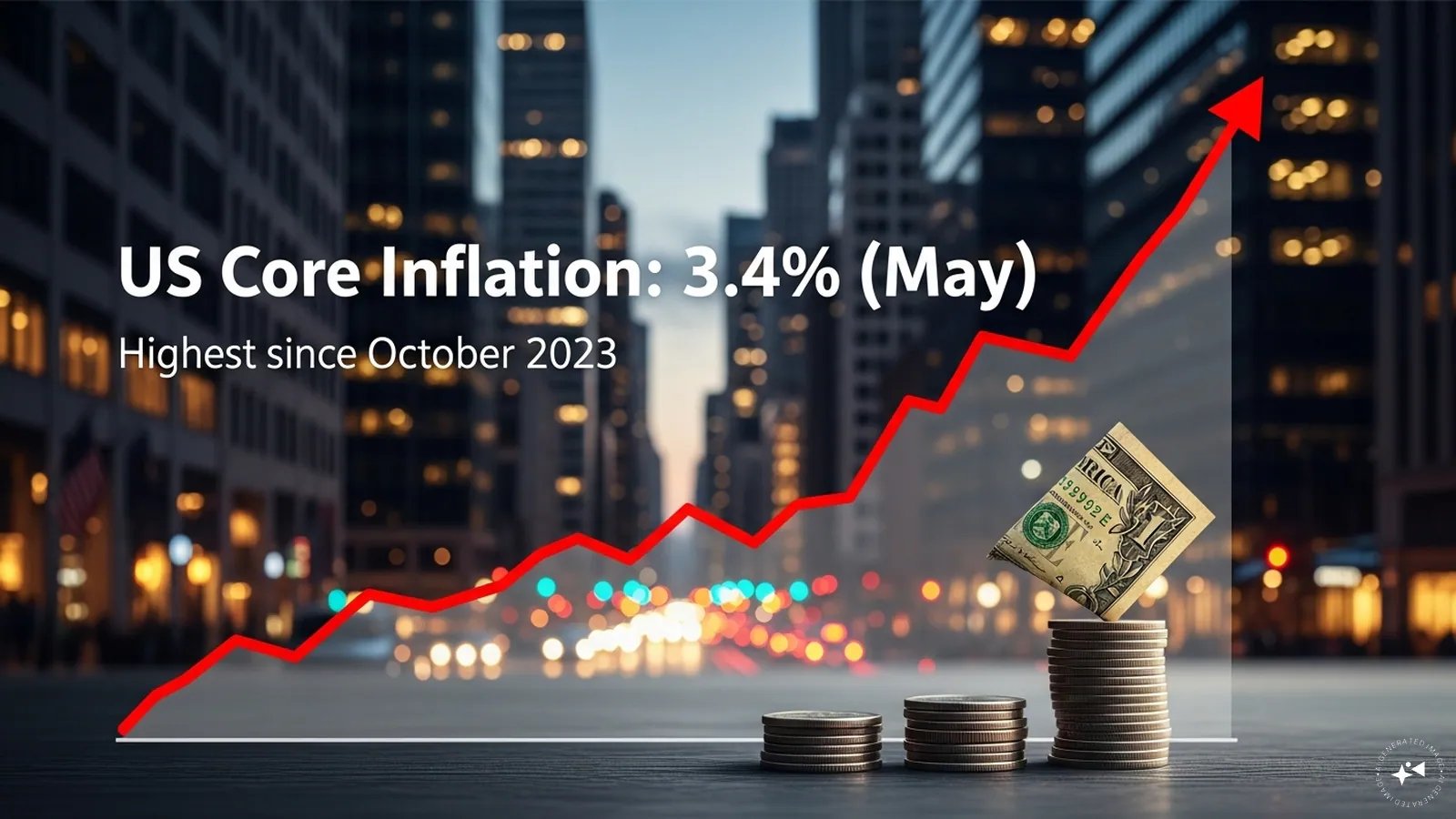
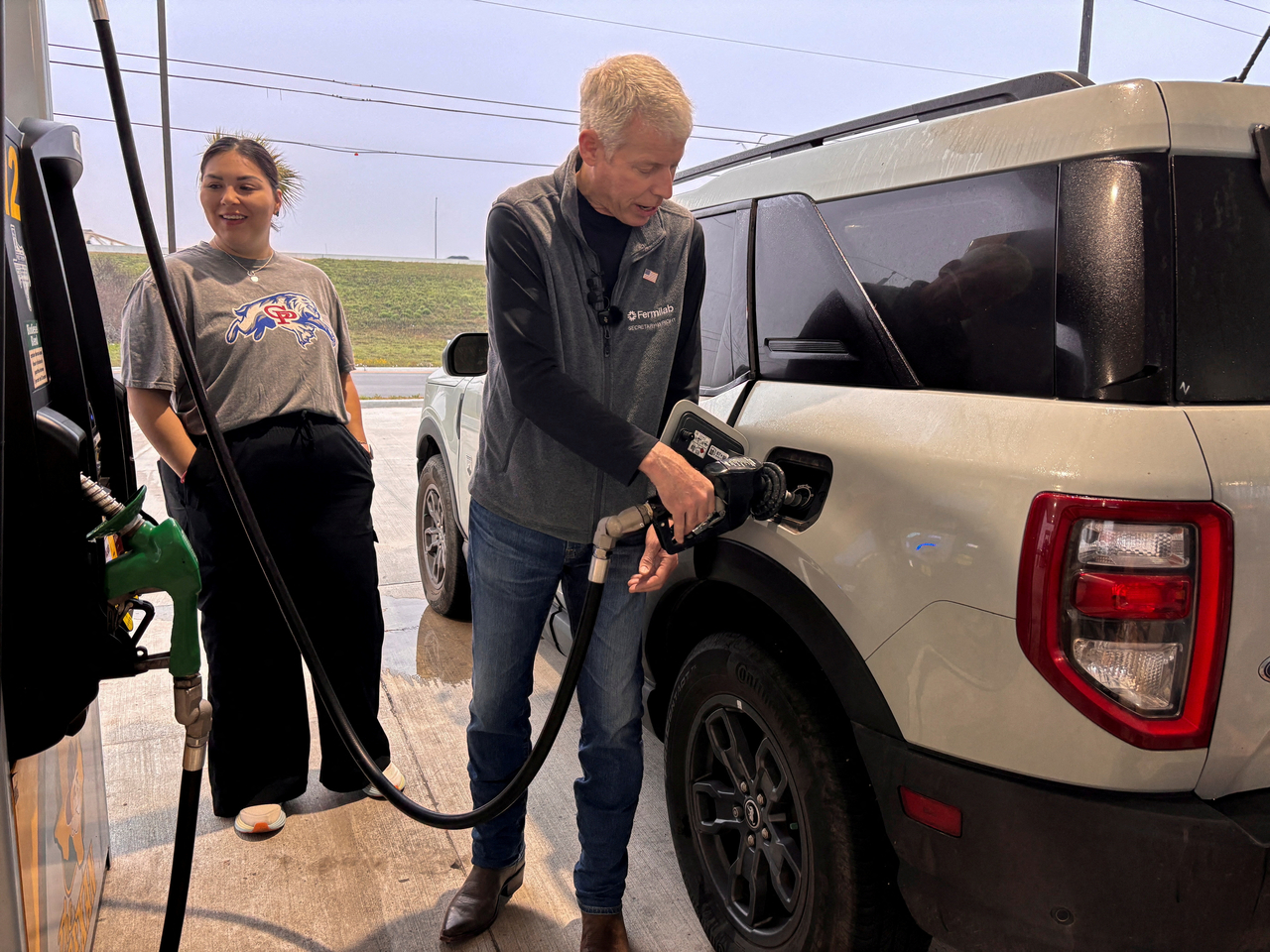
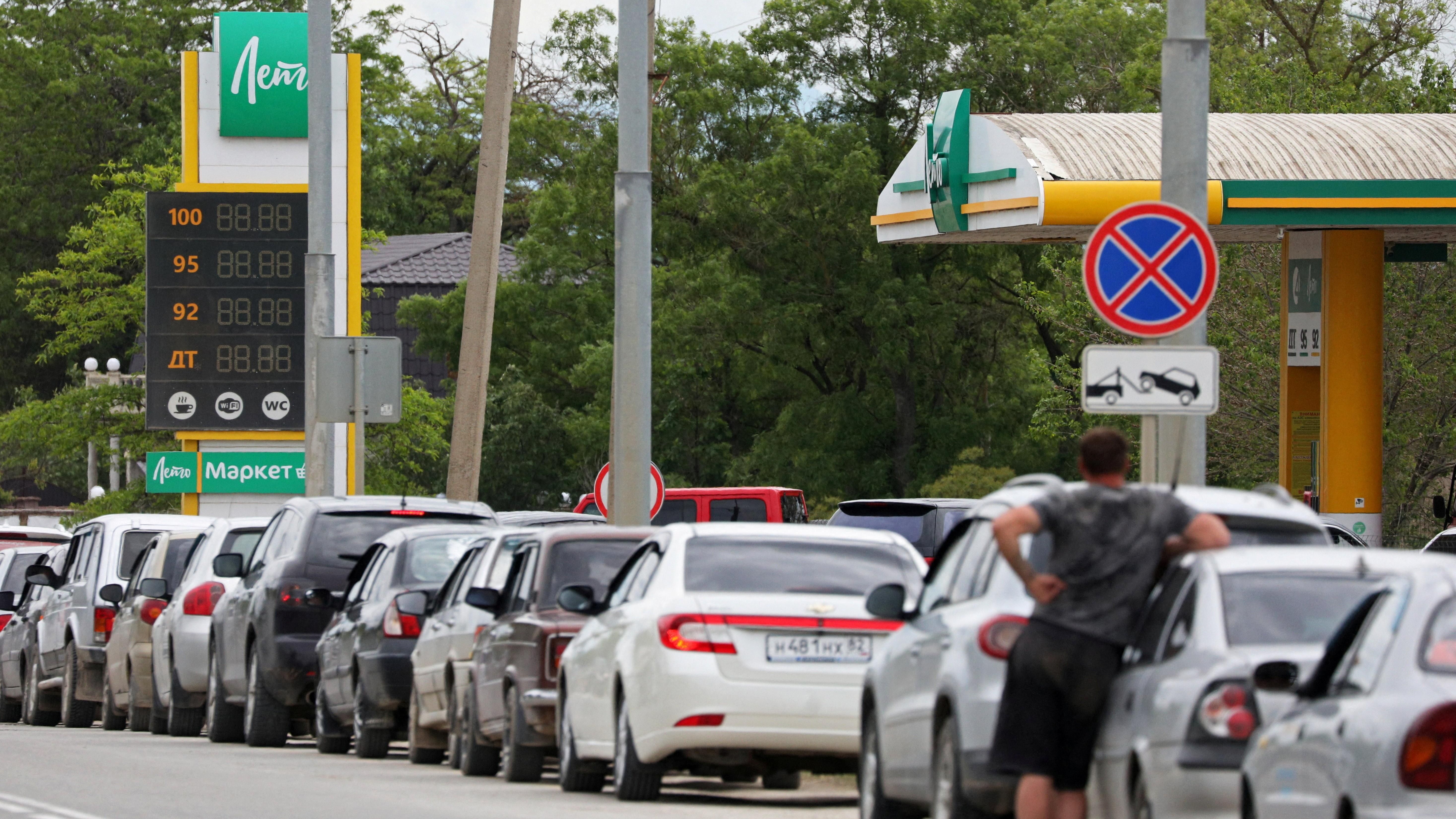
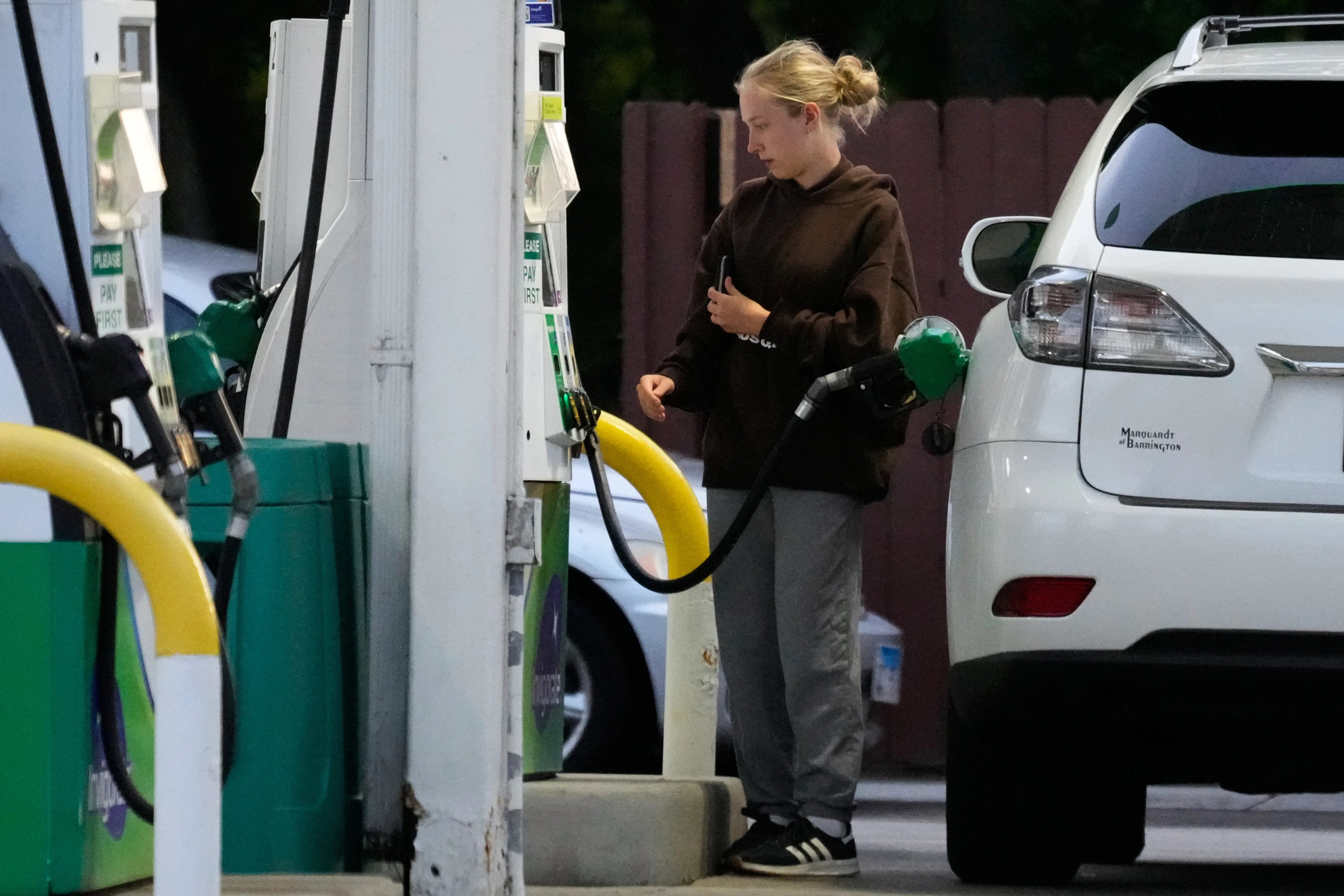
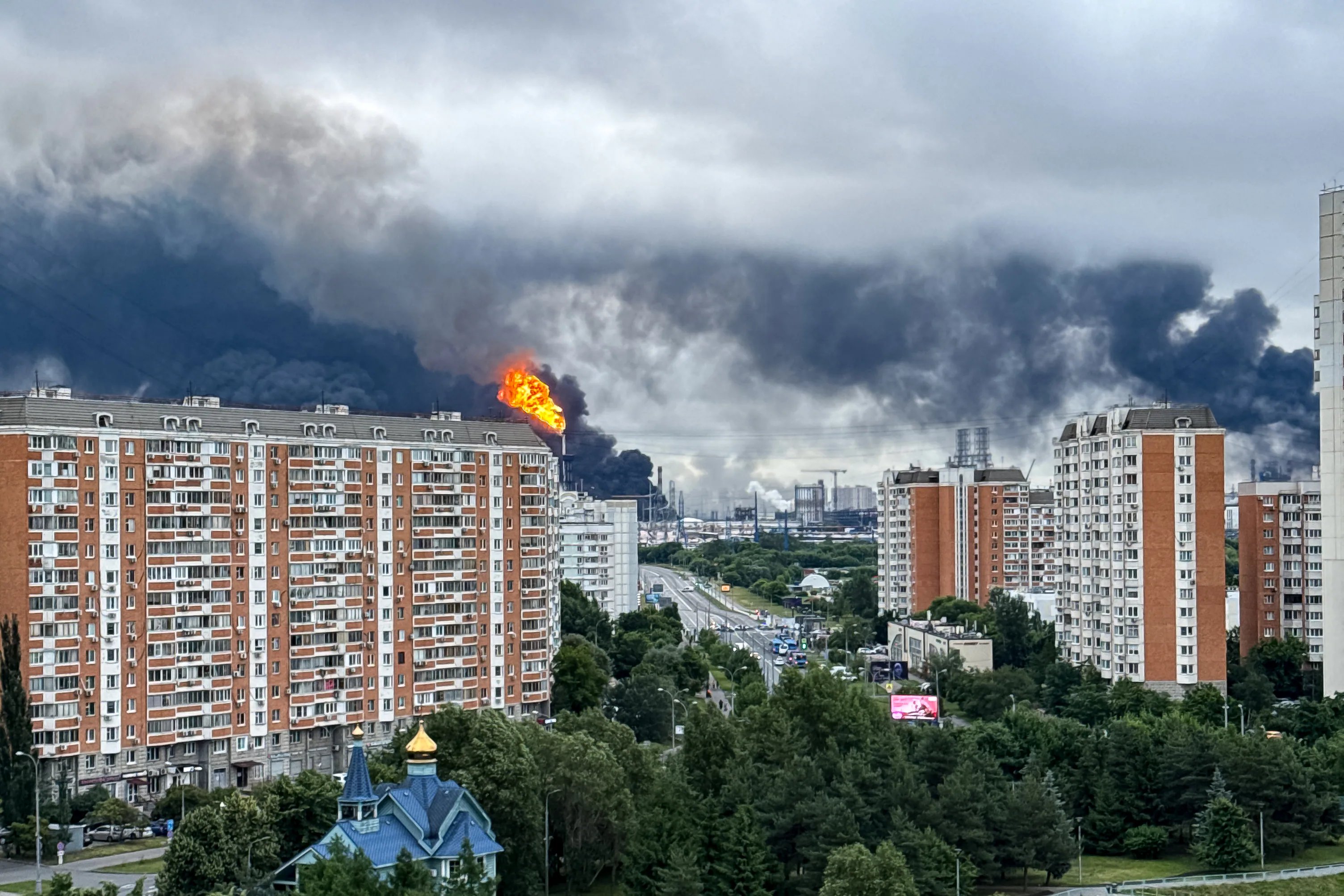
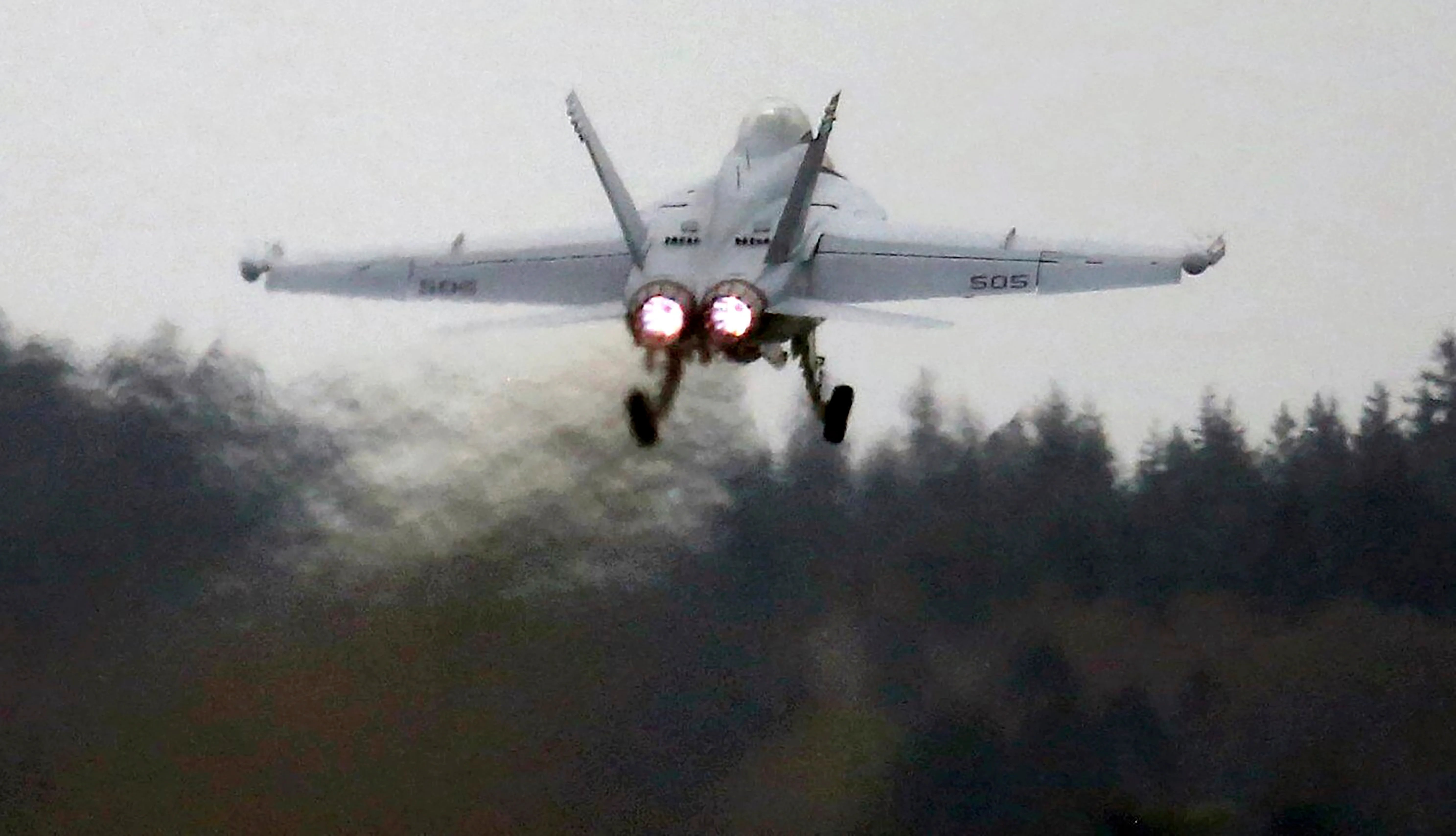
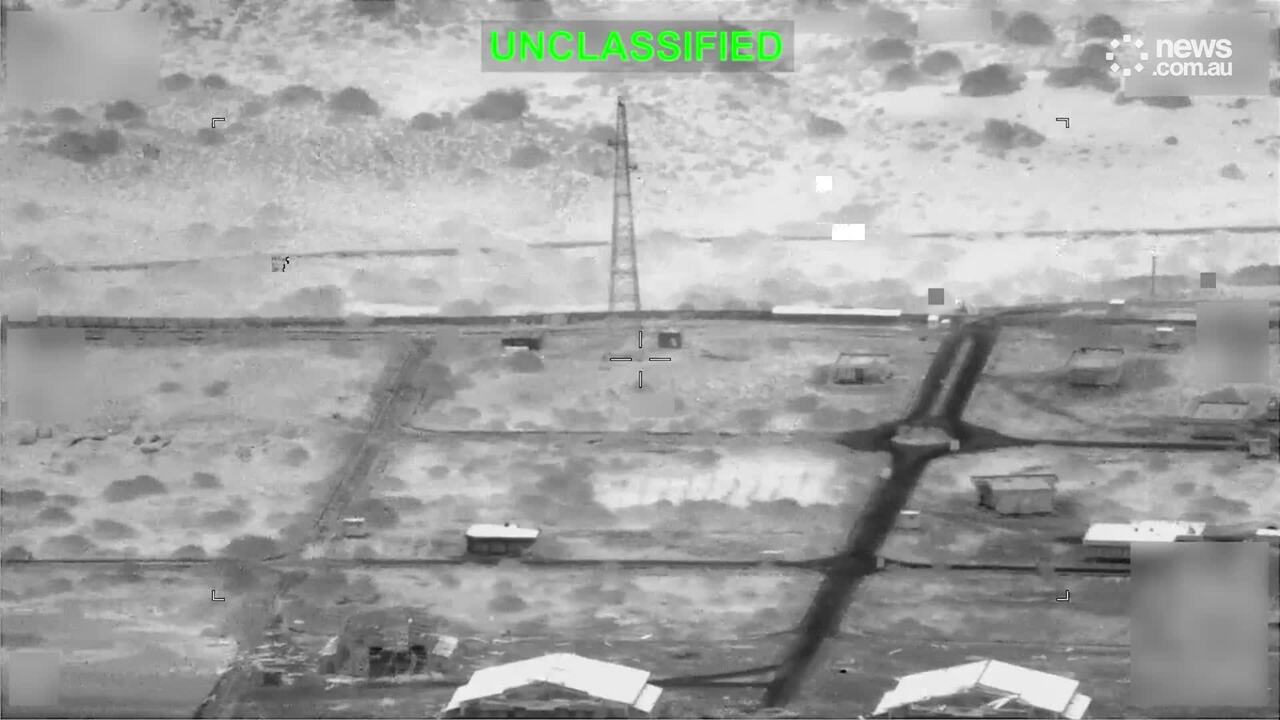
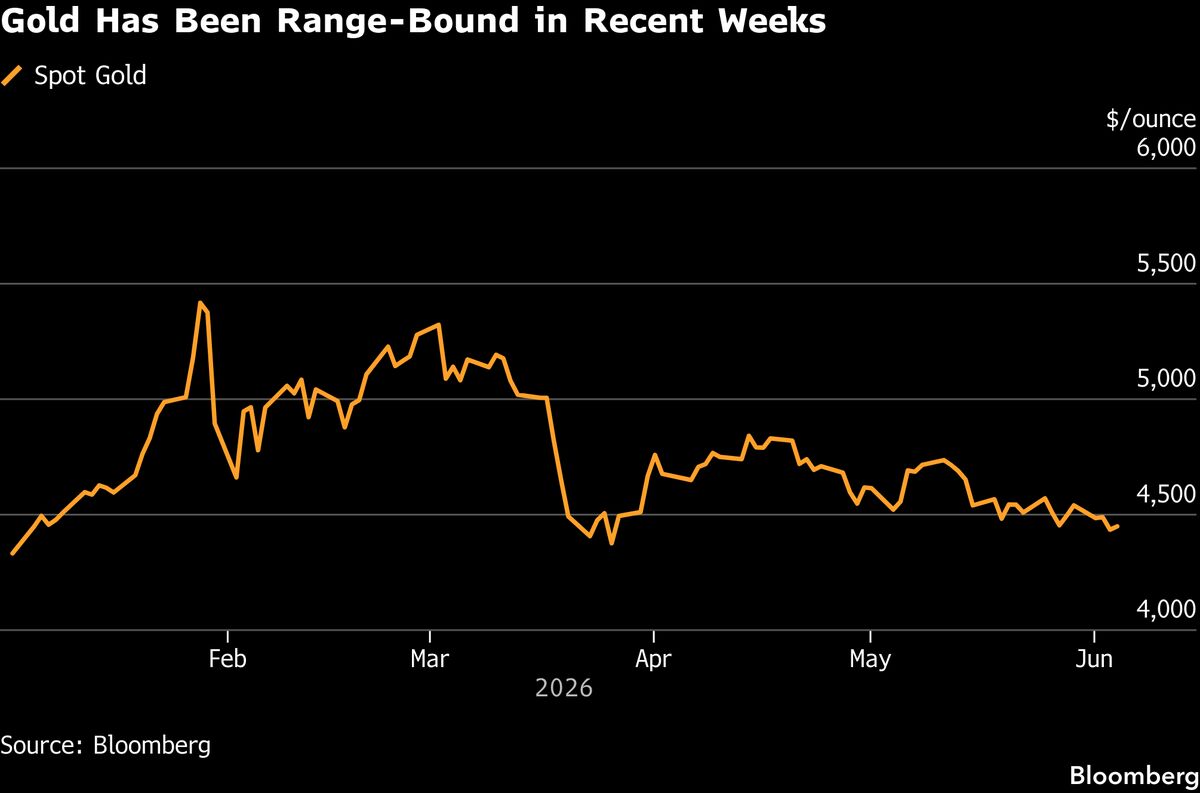
The U.S. inflation rate jumped to 4.2% in May, the highest level in three years, driven by a spike in energy prices tied to the ongoing conflict in Iran. The Bureau of Labor Statistics reported the increase from 3.8% in April, marking the third consecutive monthly rise since the war began in March. Energy costs alone accounted for over 60% of the overall monthly increase, with the average price of regular gasoline reaching $4.15 per gallon compared to $2.98 on February 28, when the Trump administration launched initial strikes on Iran.
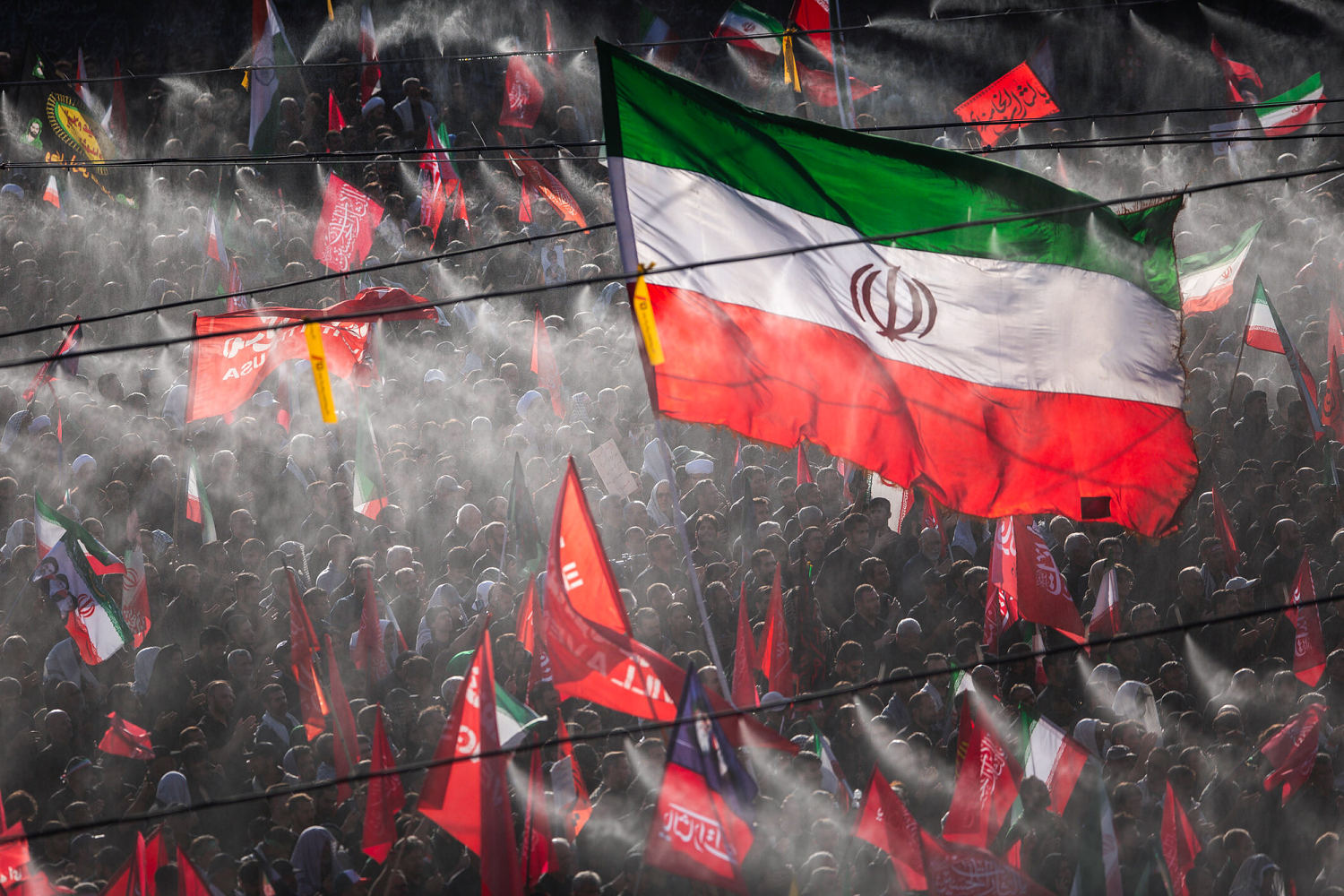
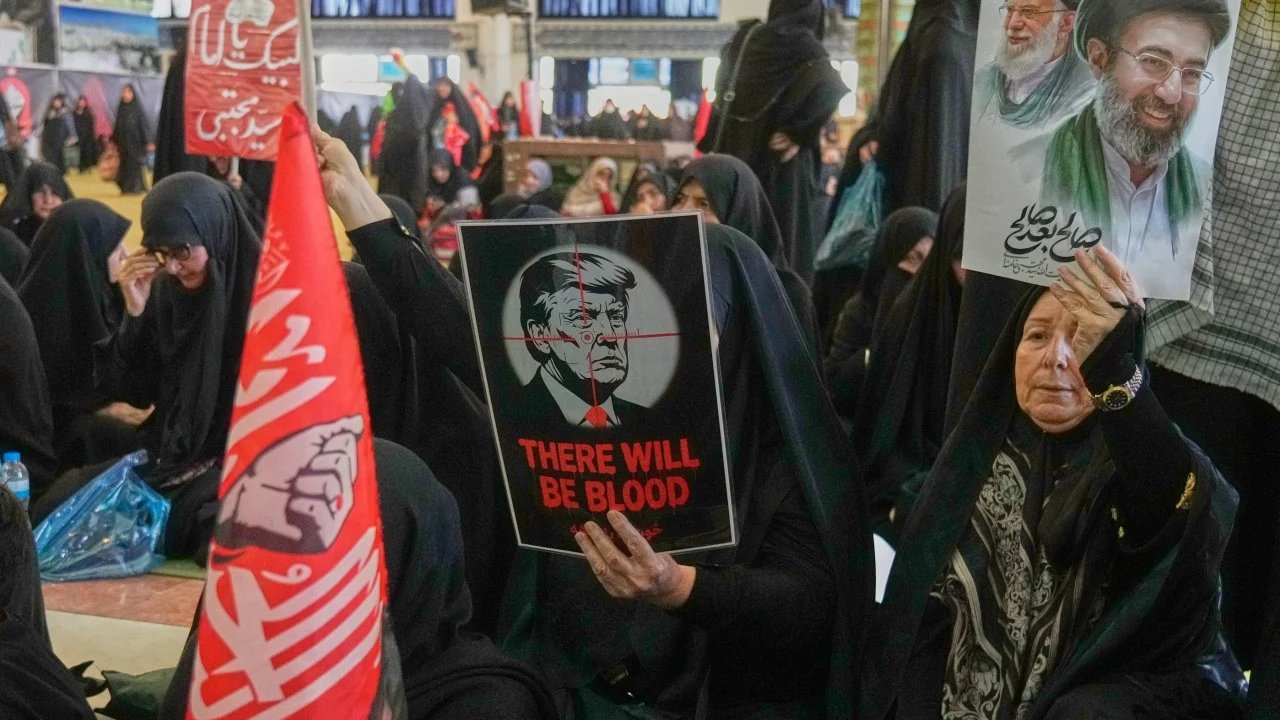
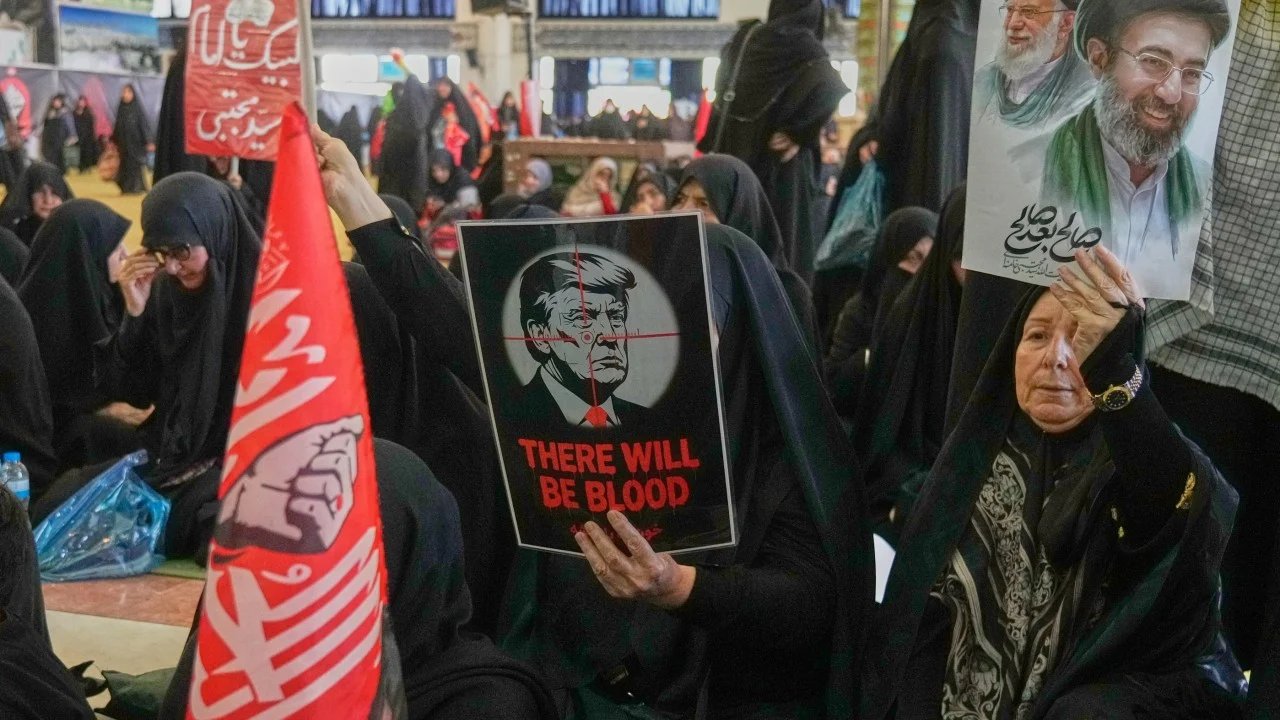
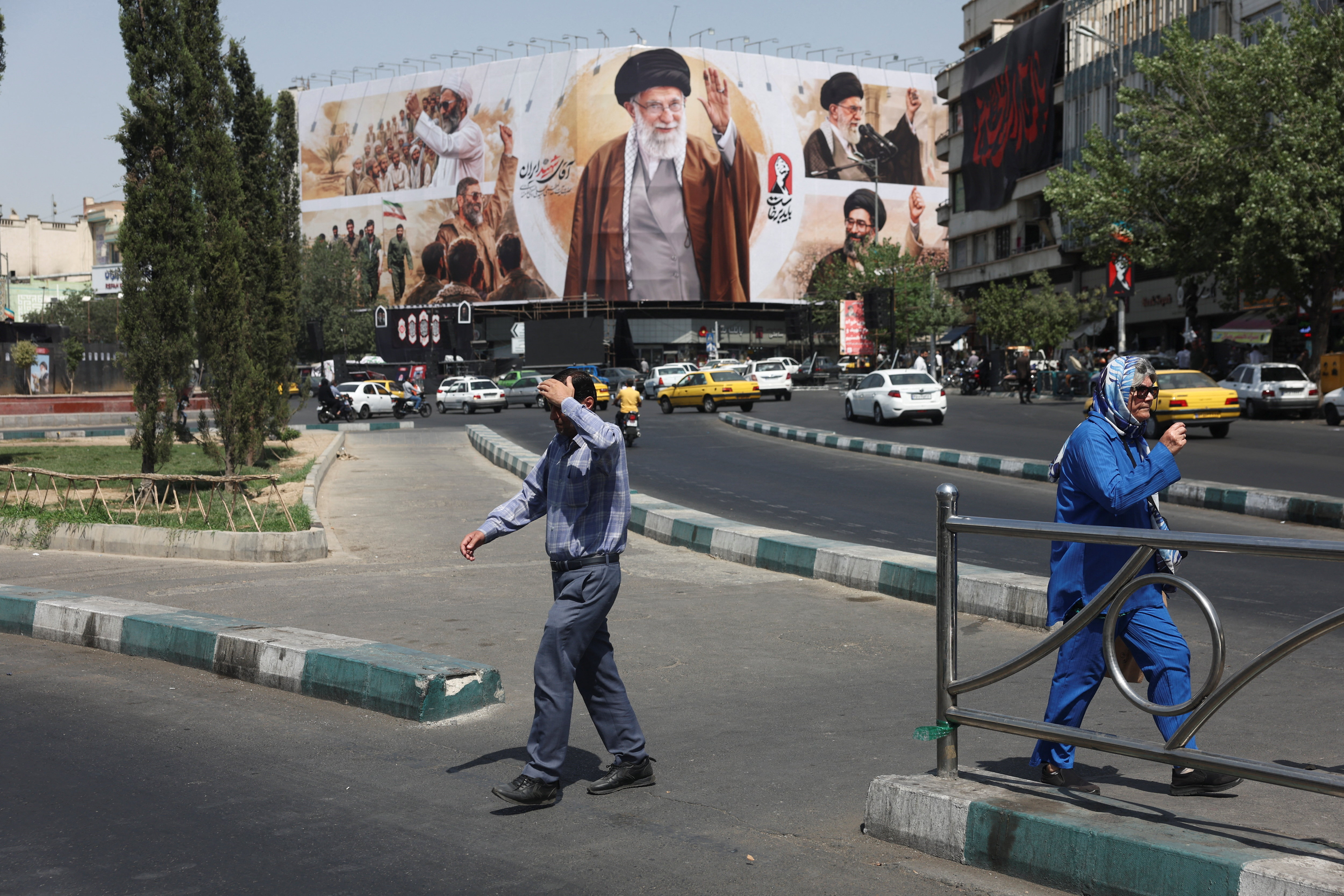
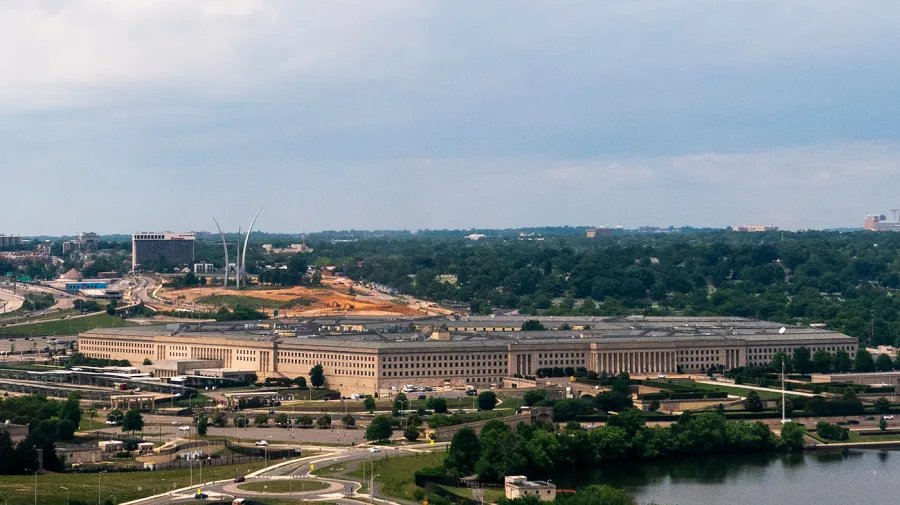
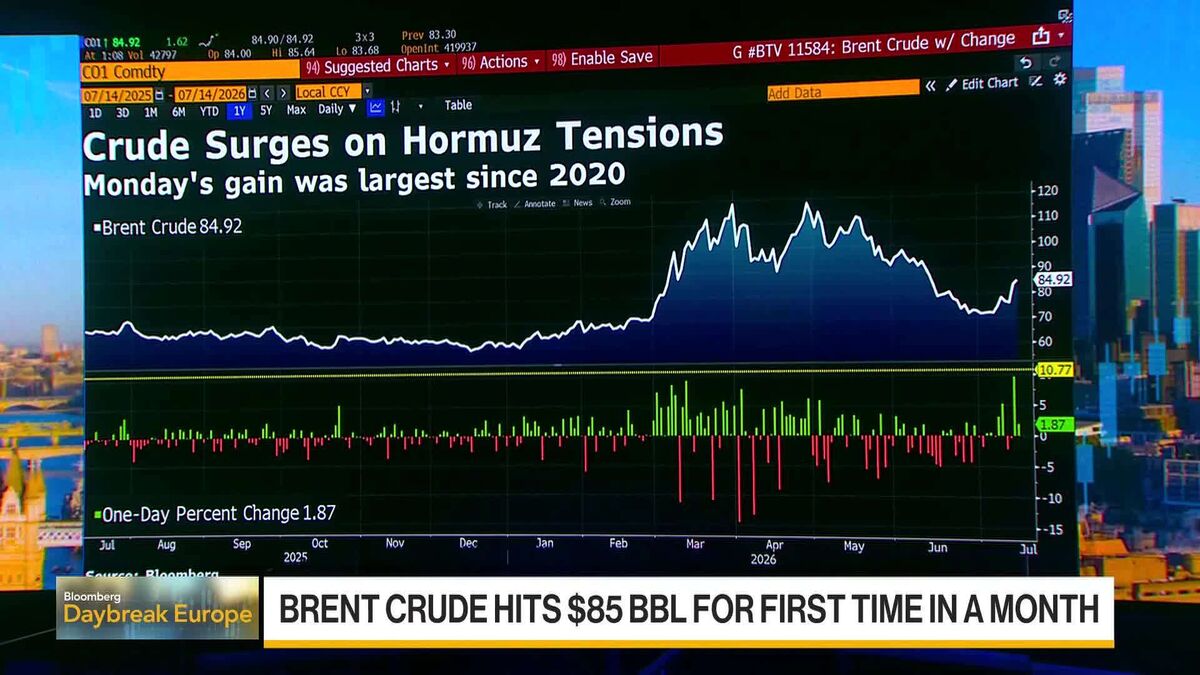
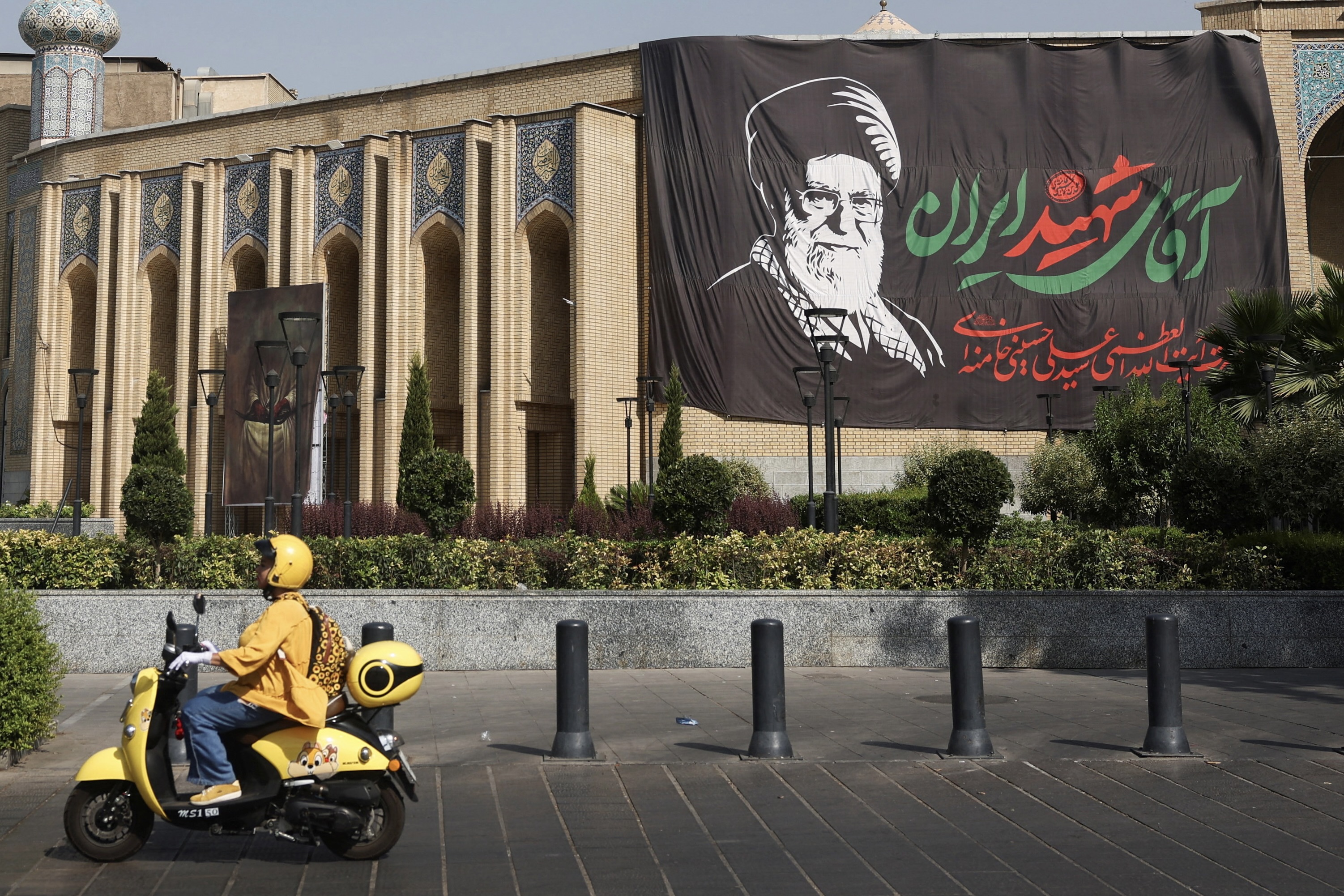
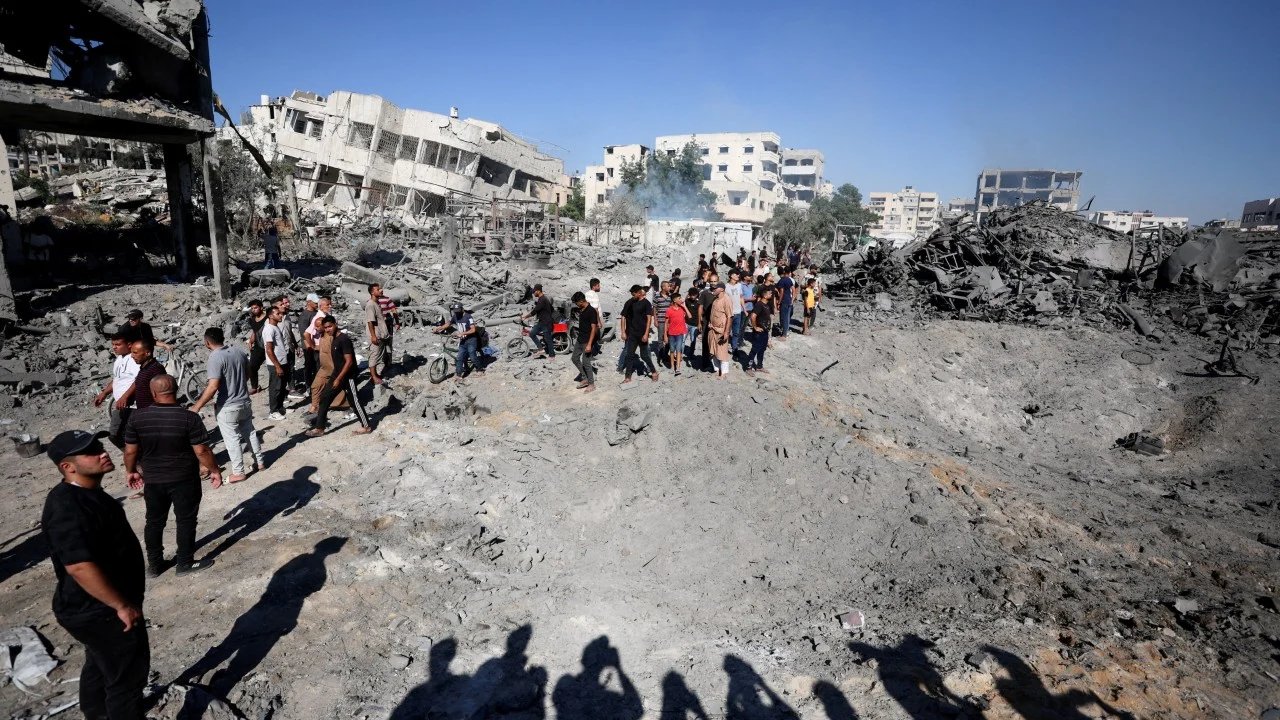
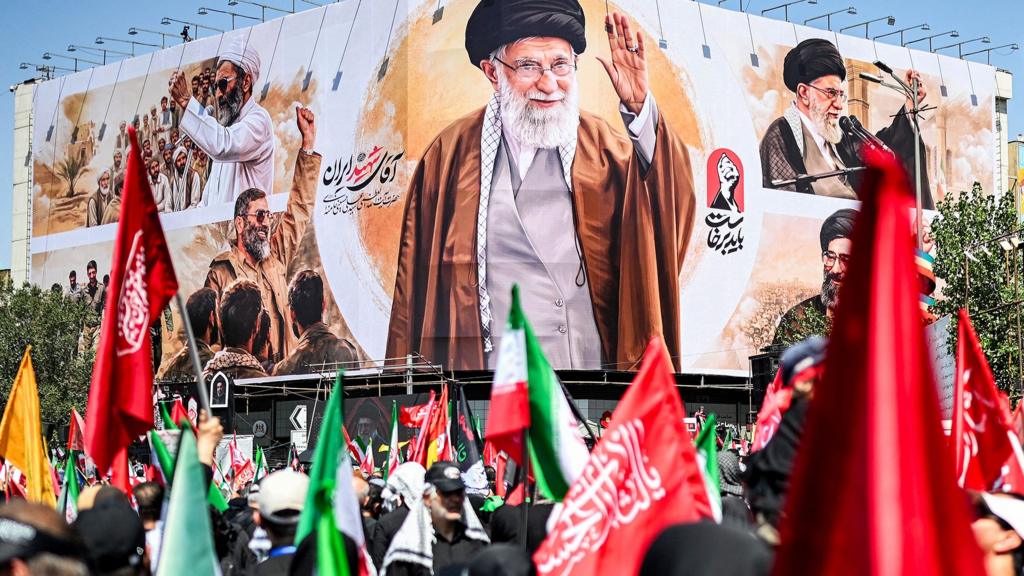
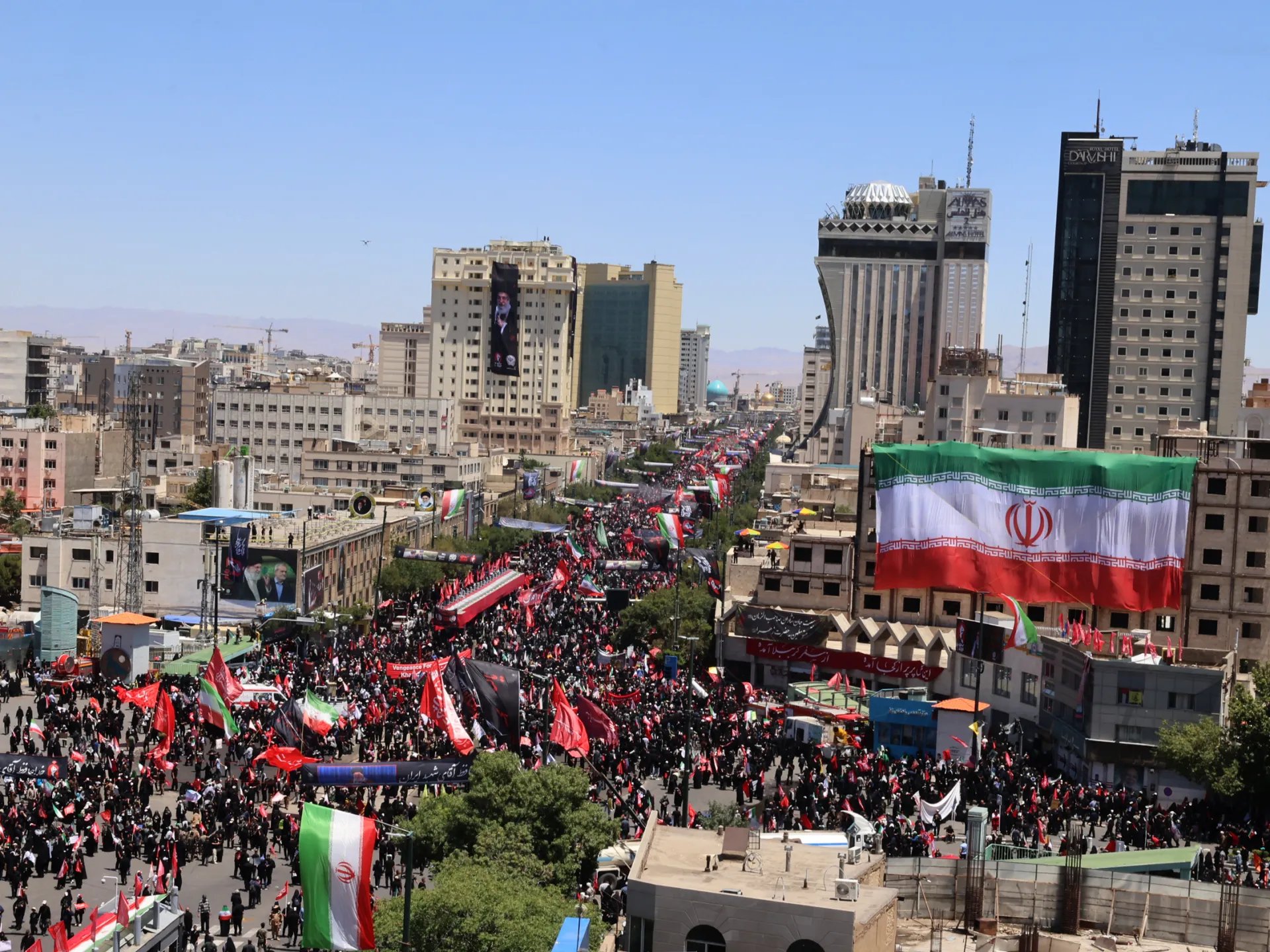
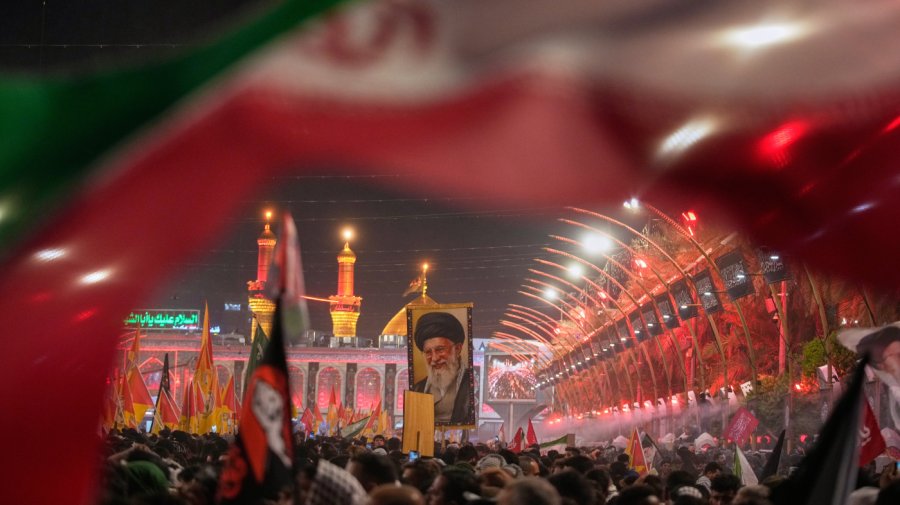
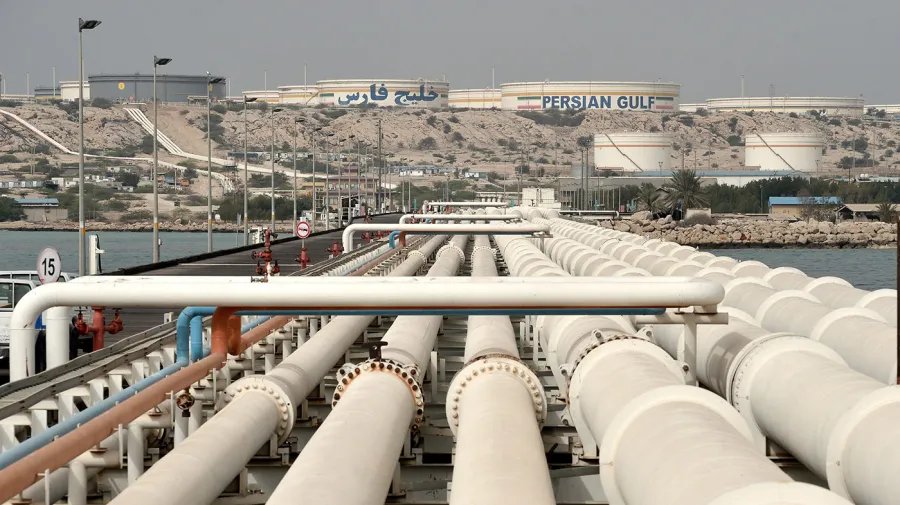
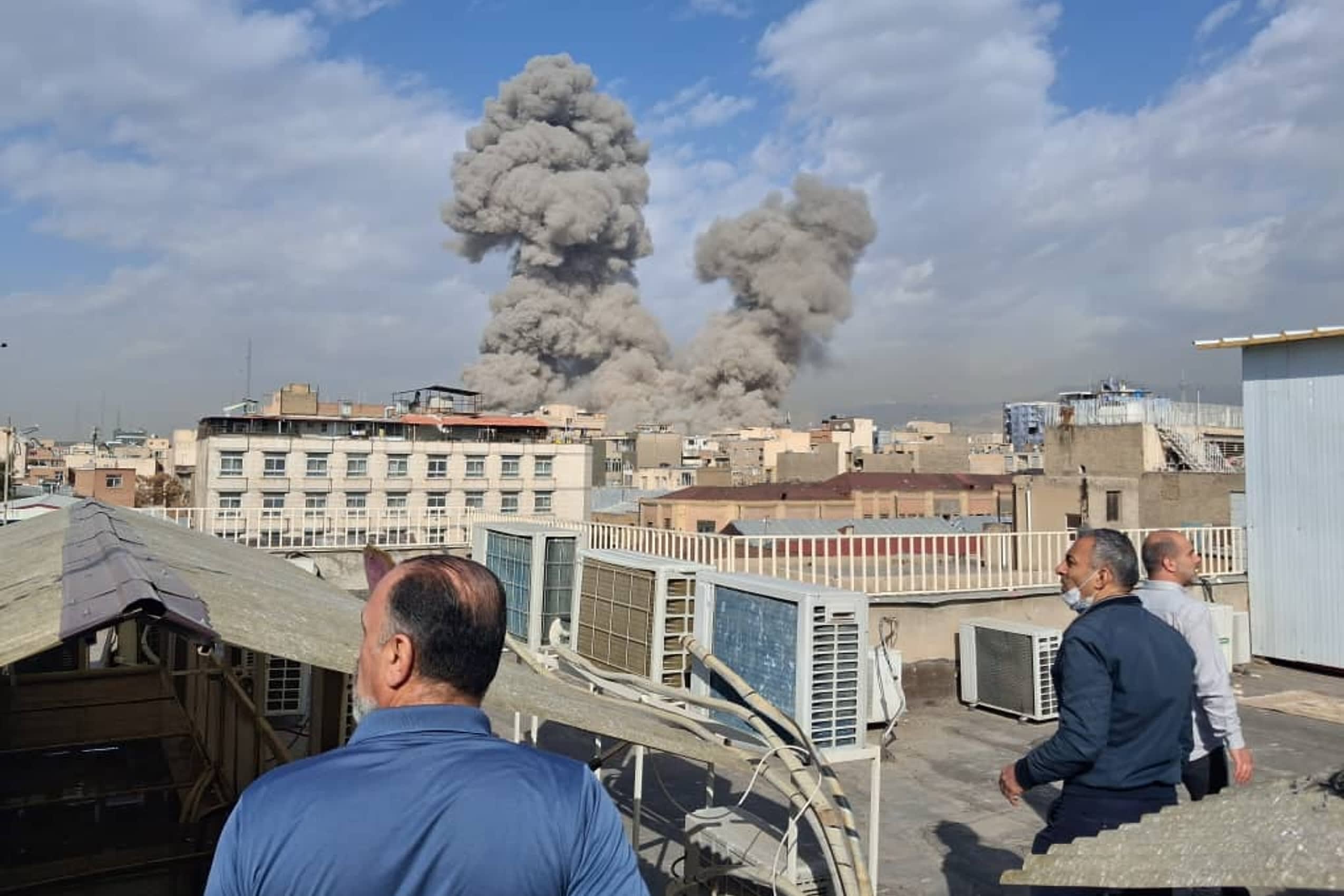
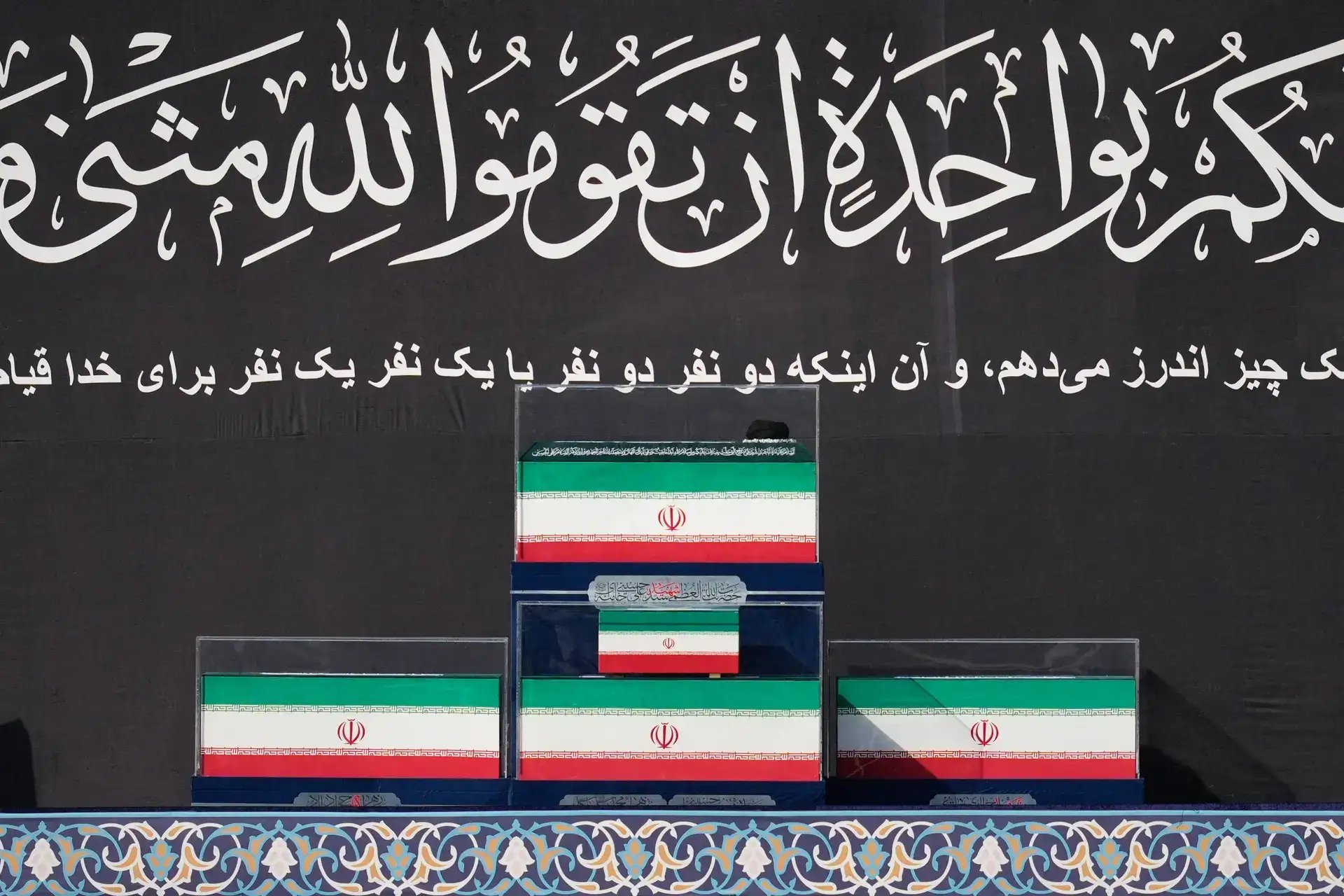
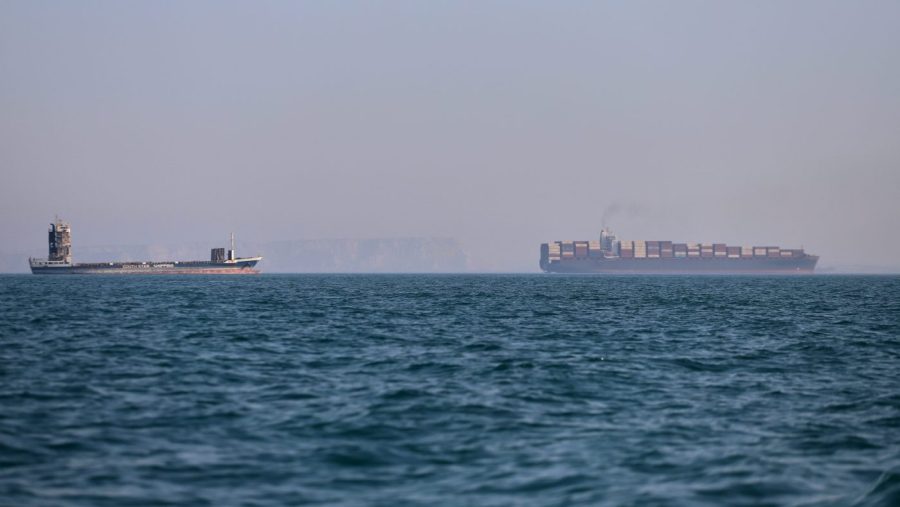
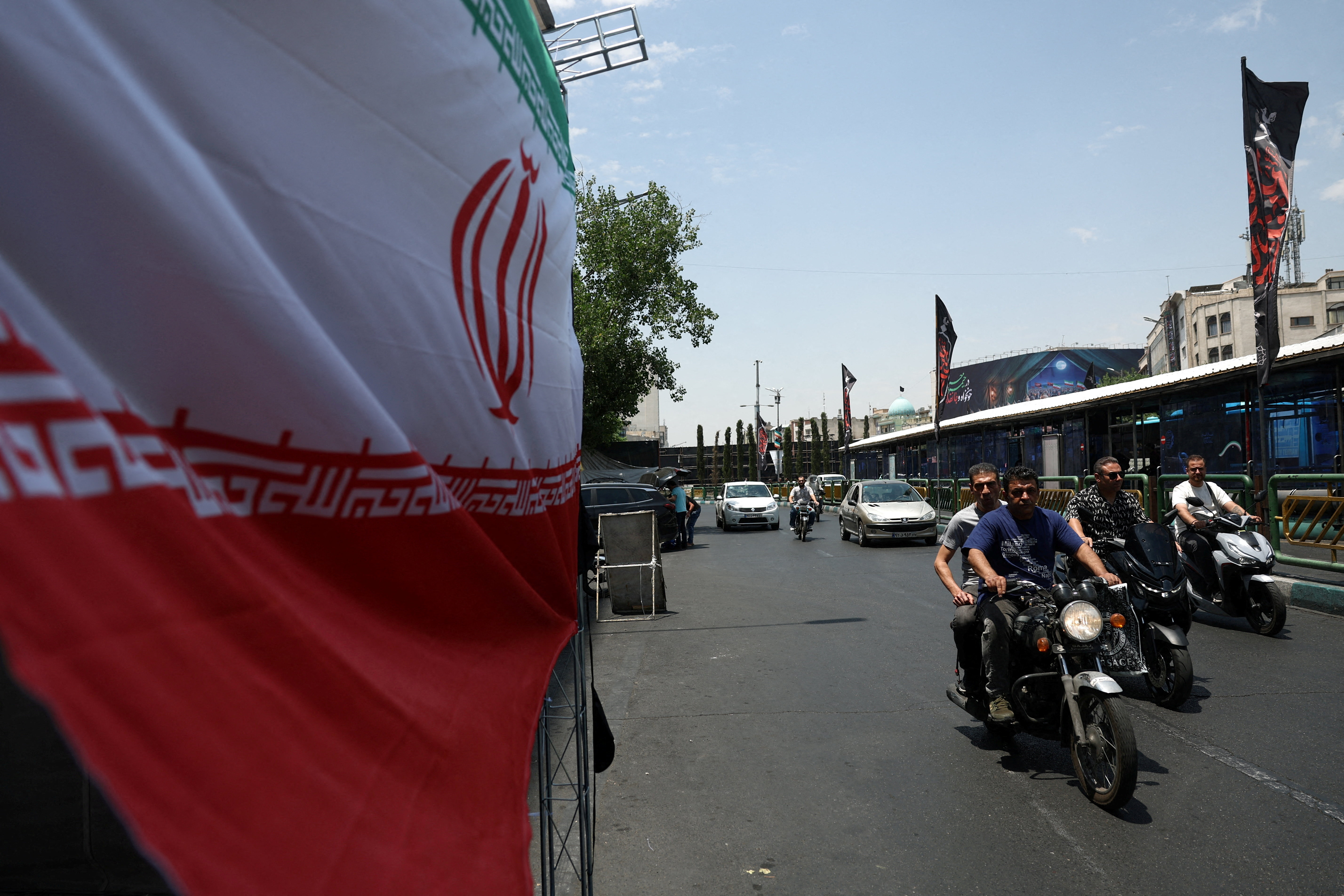
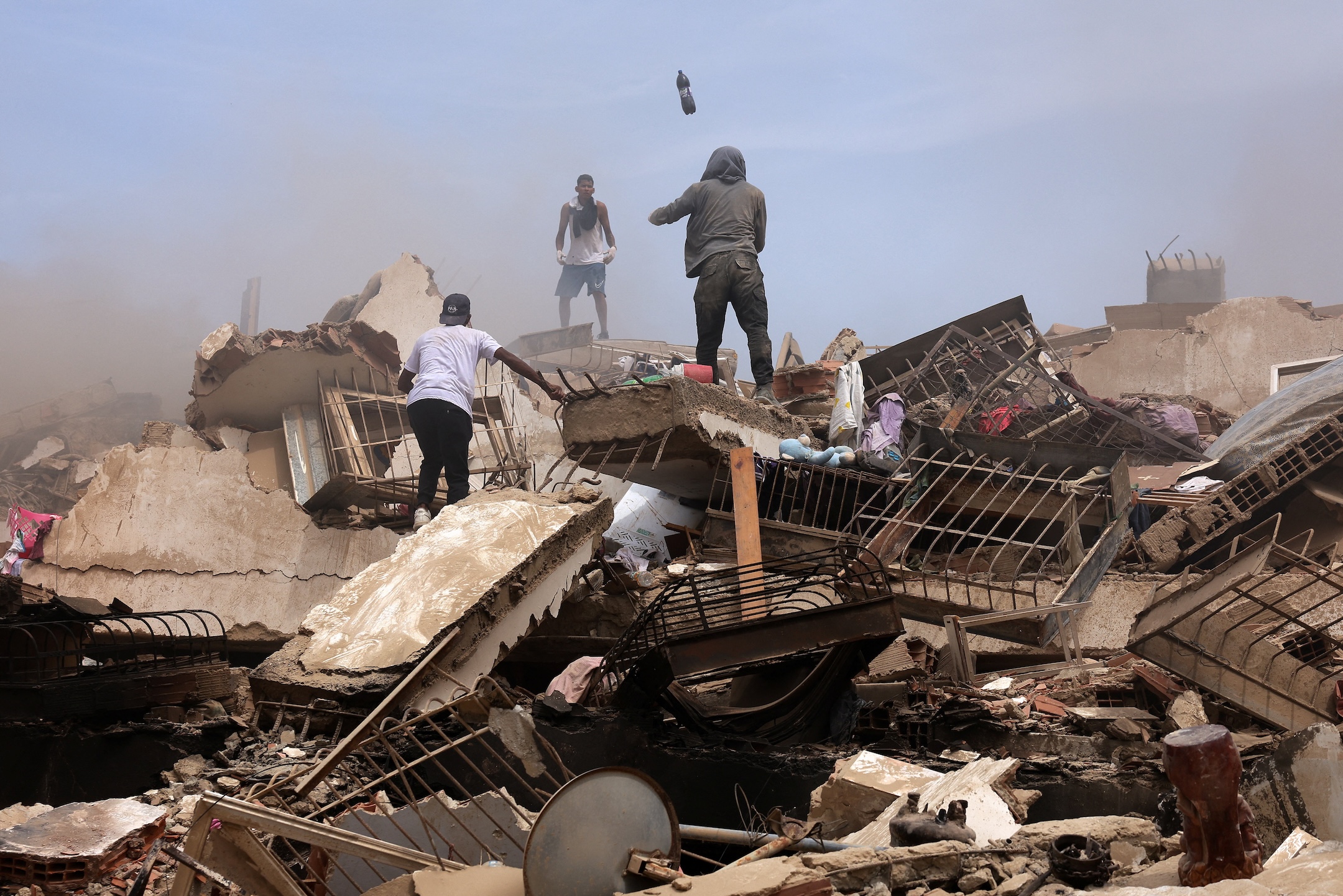
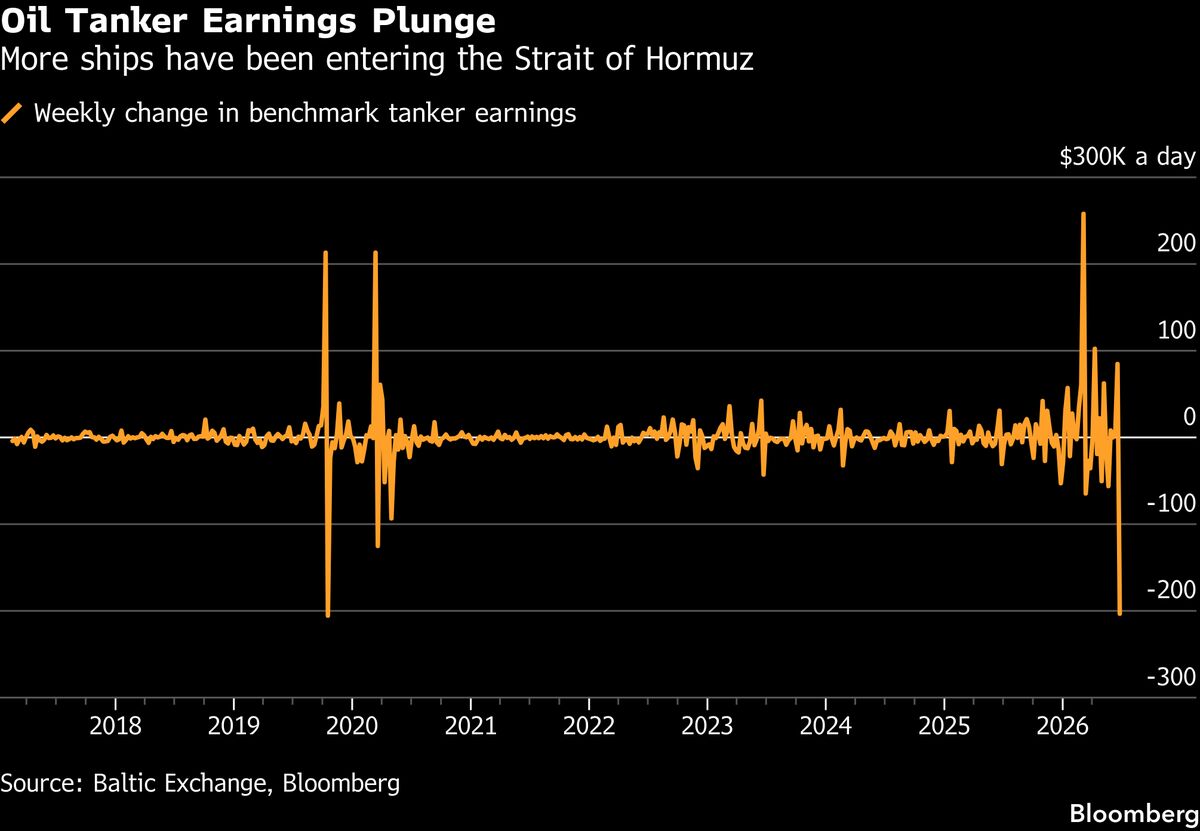
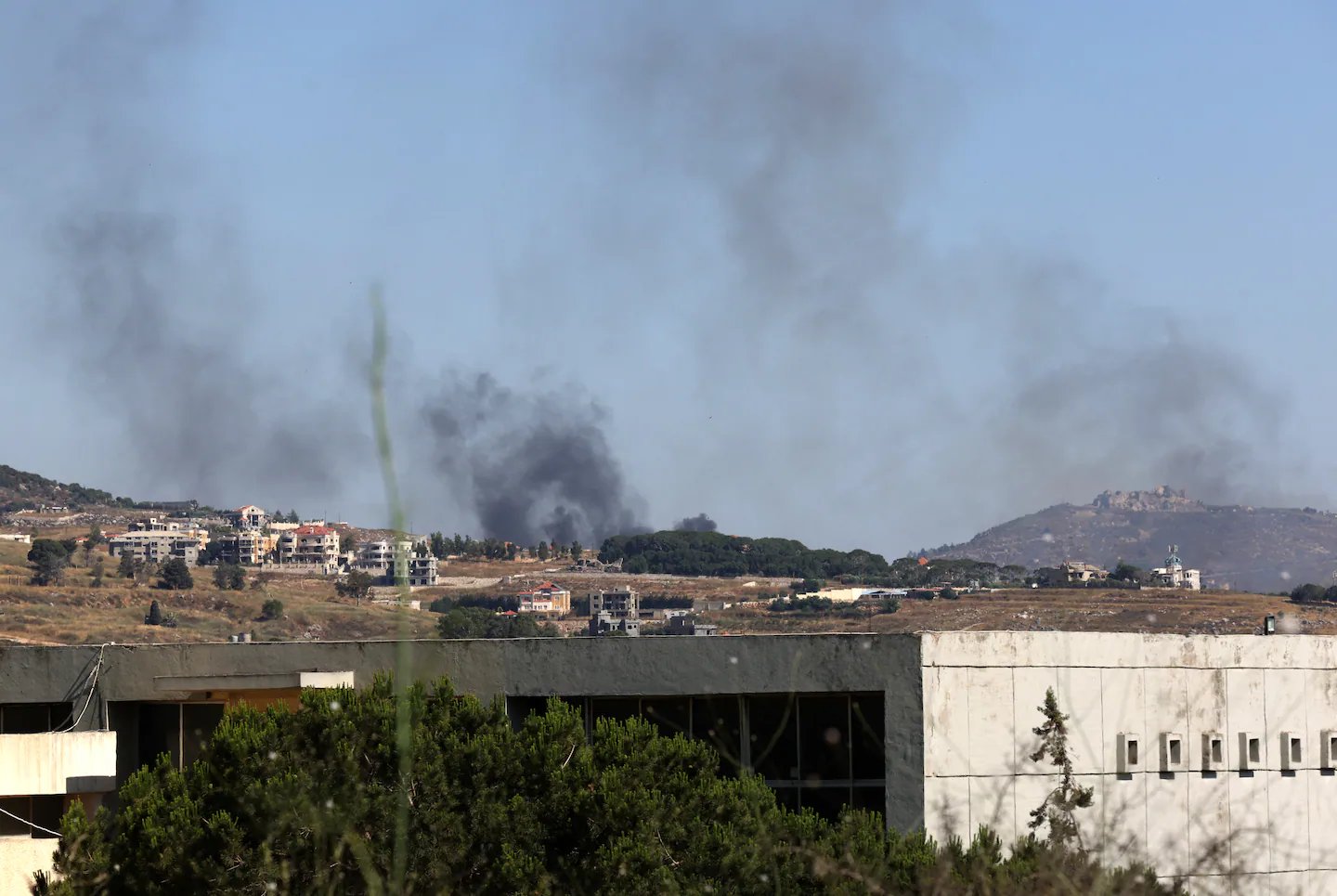
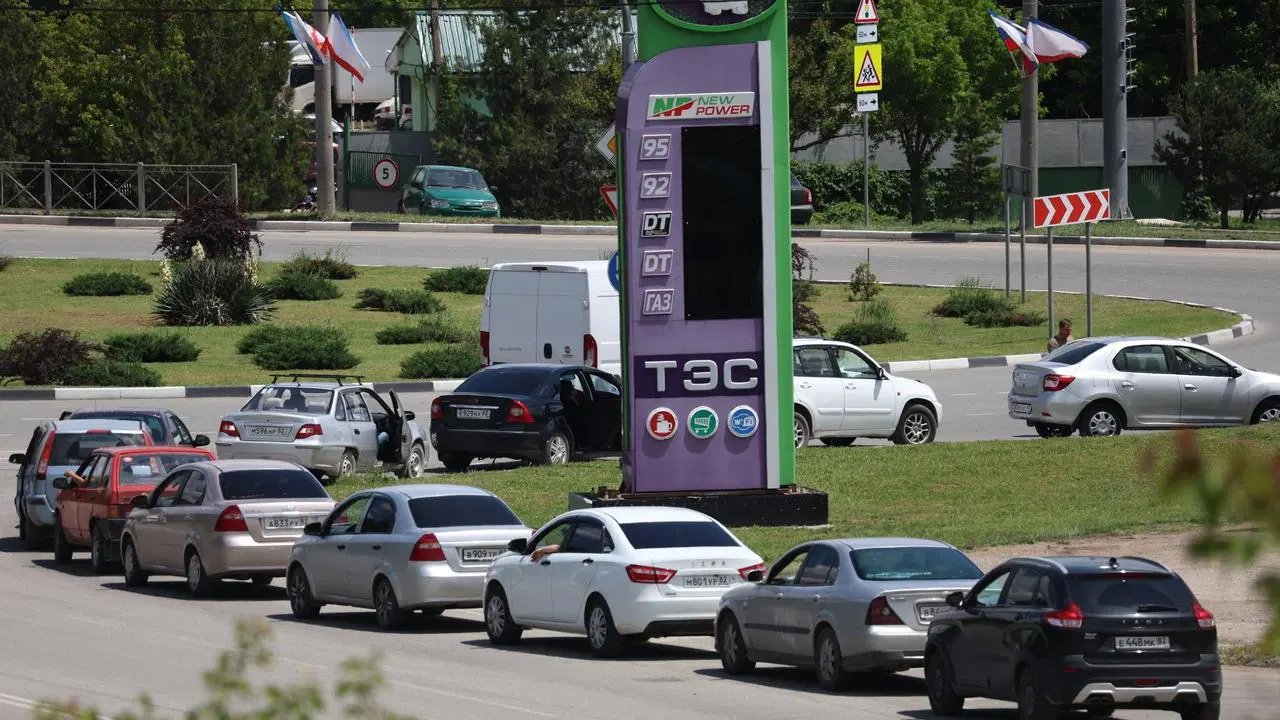
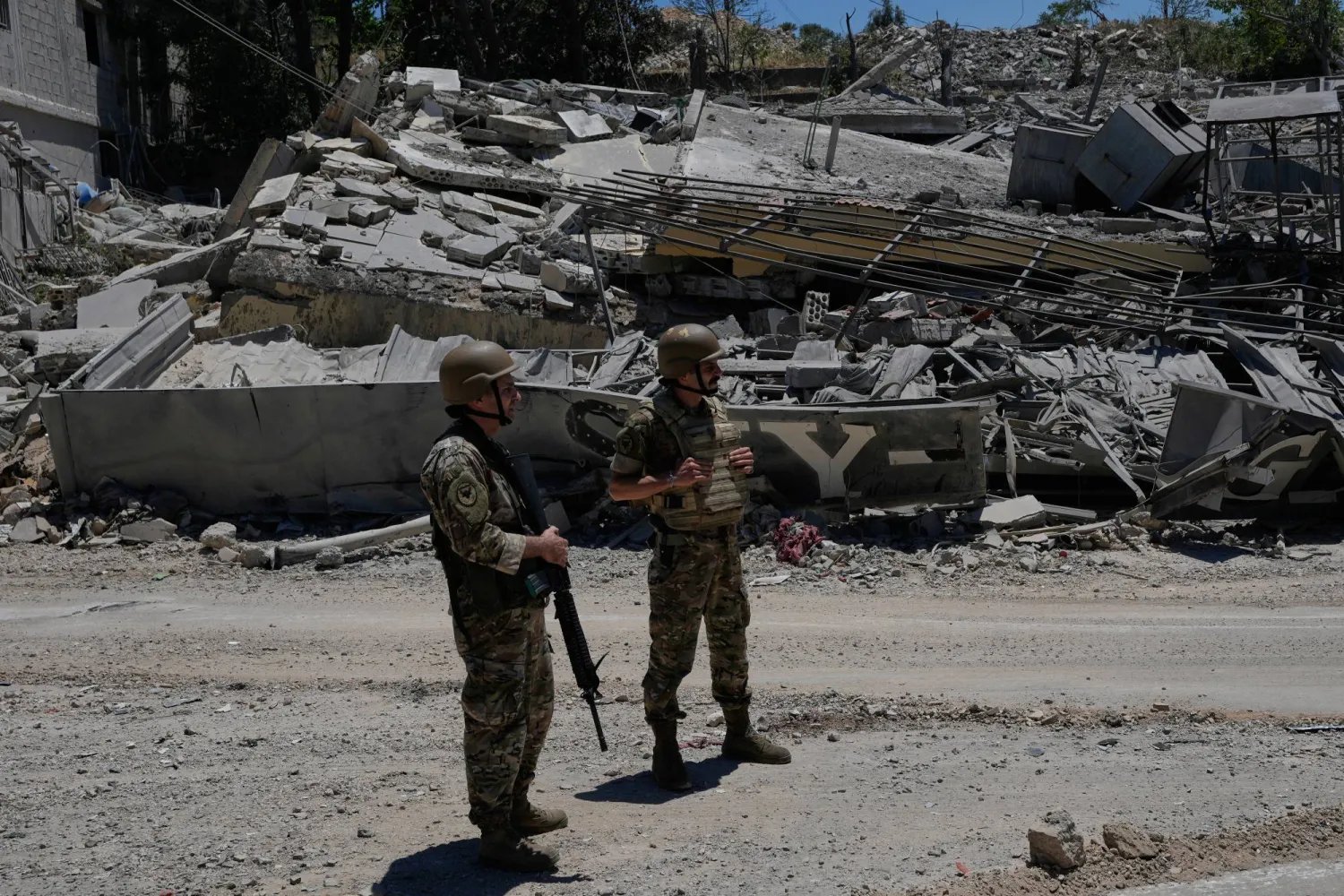
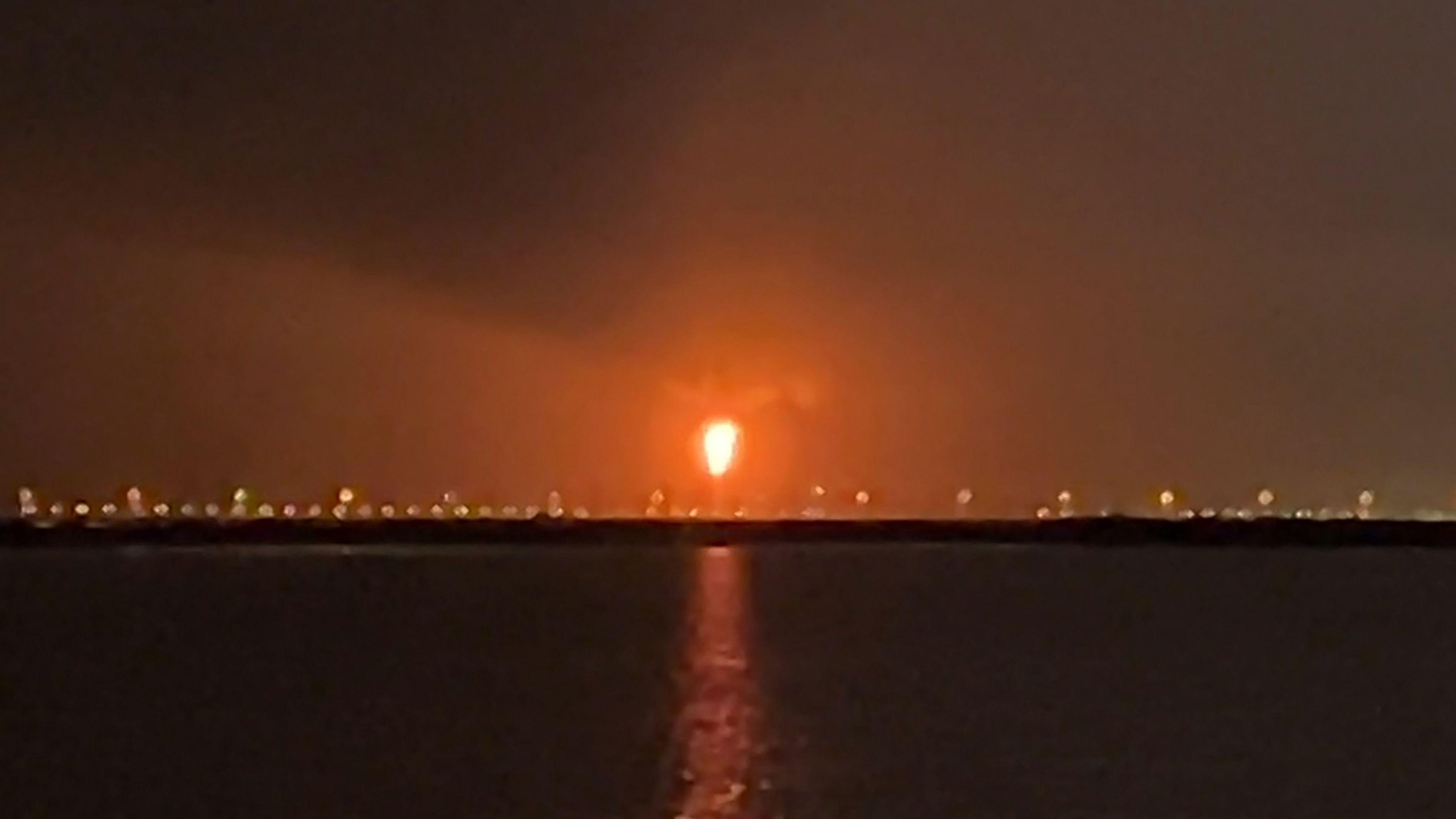
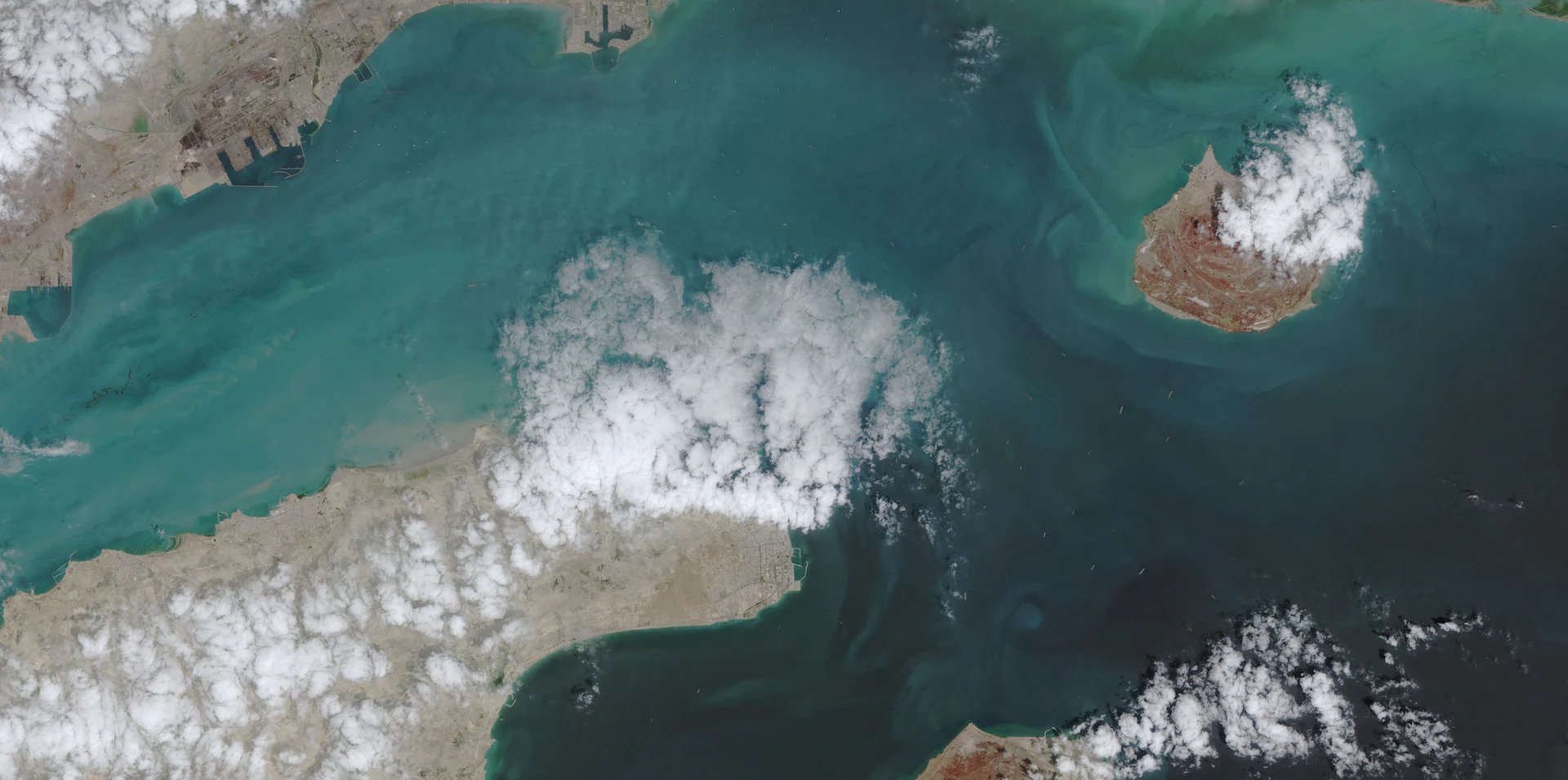
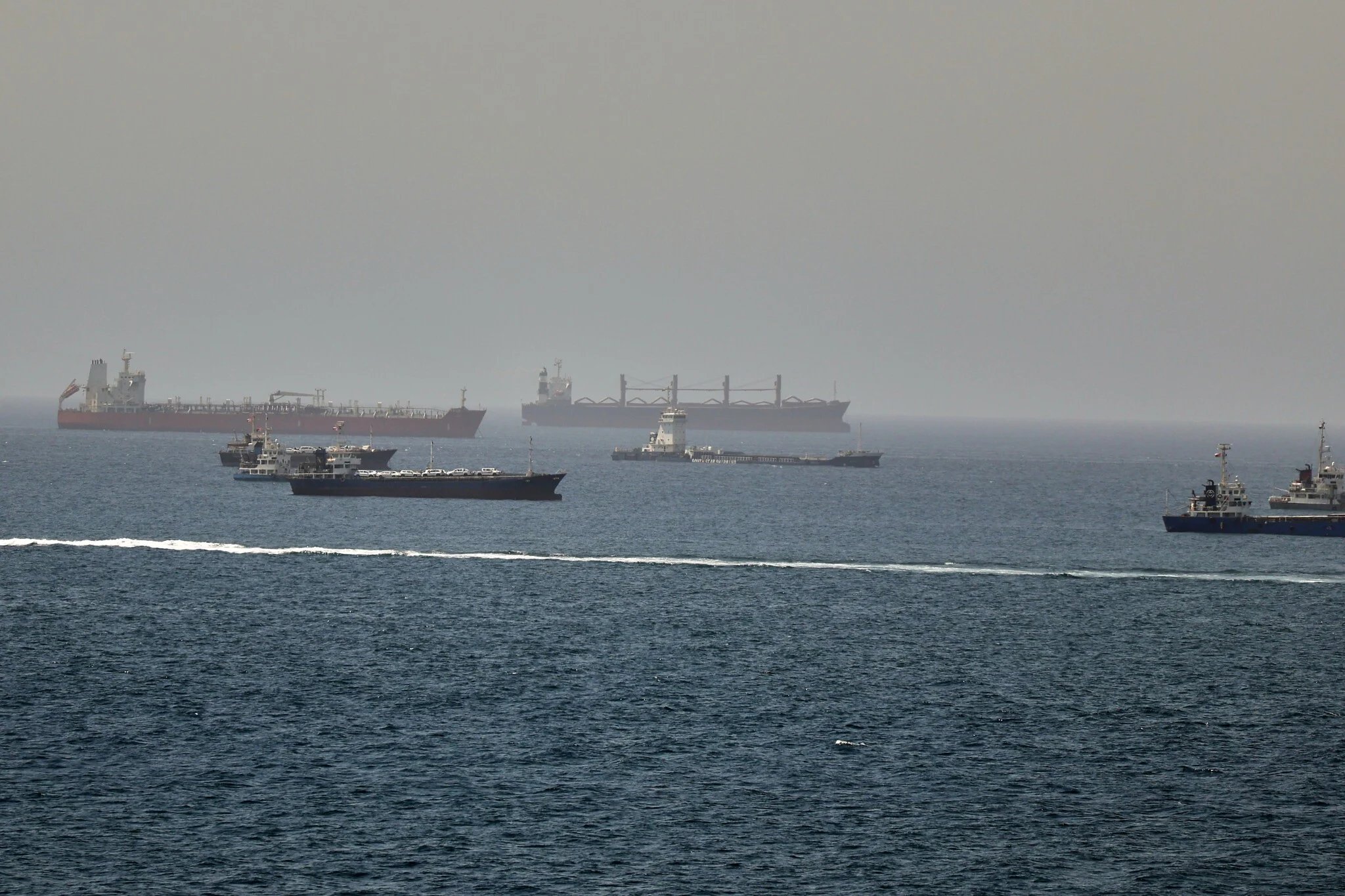
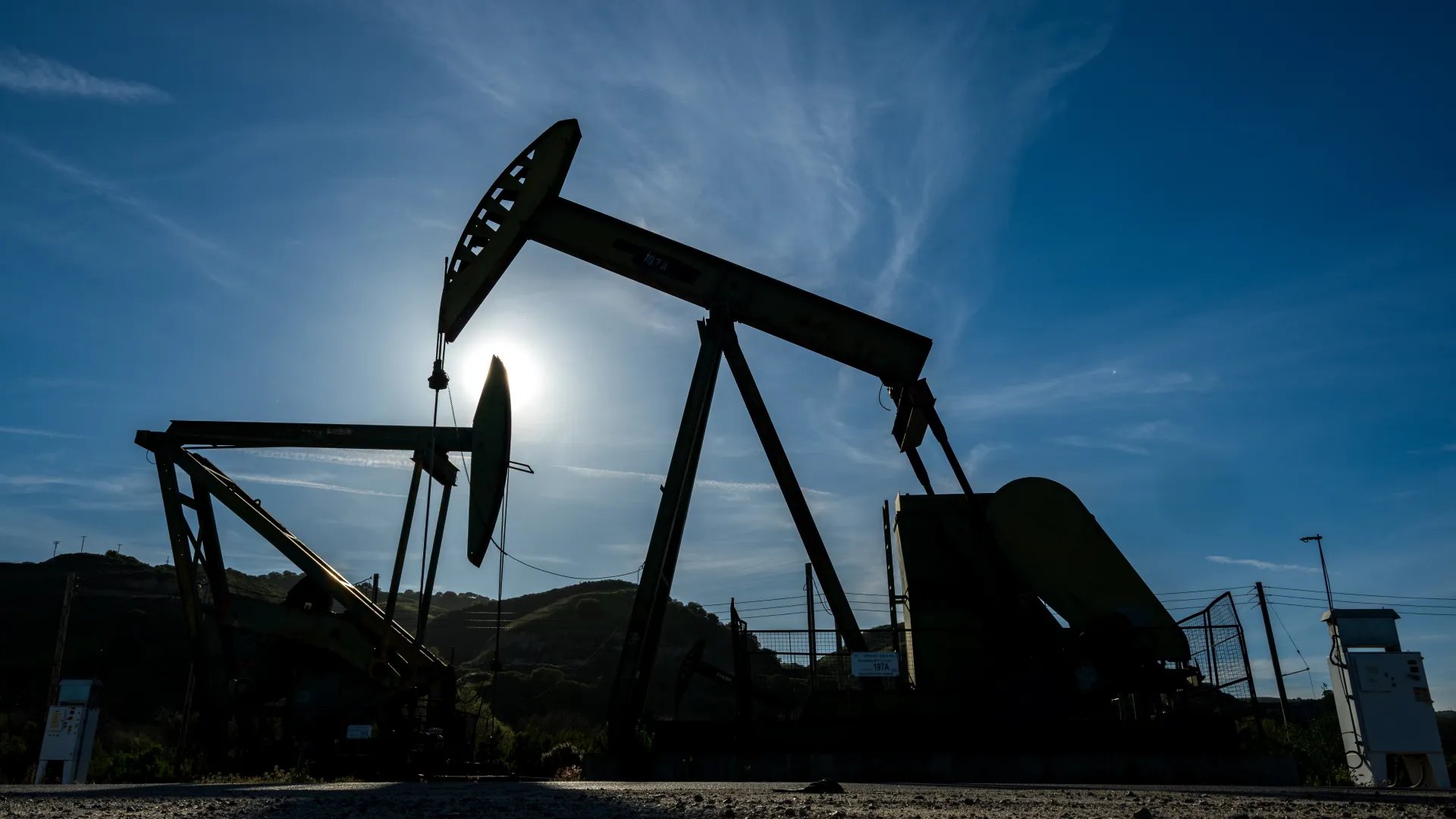
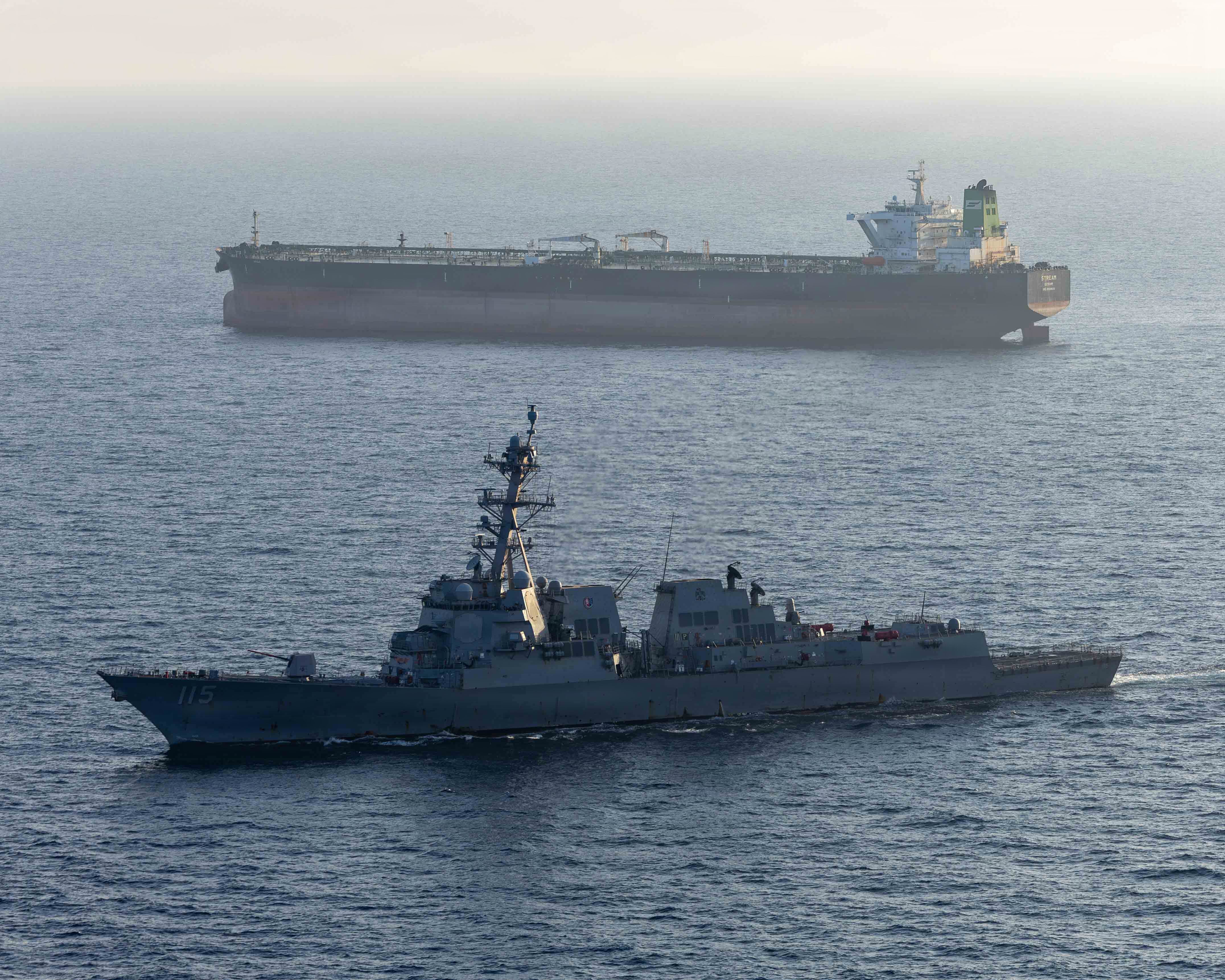
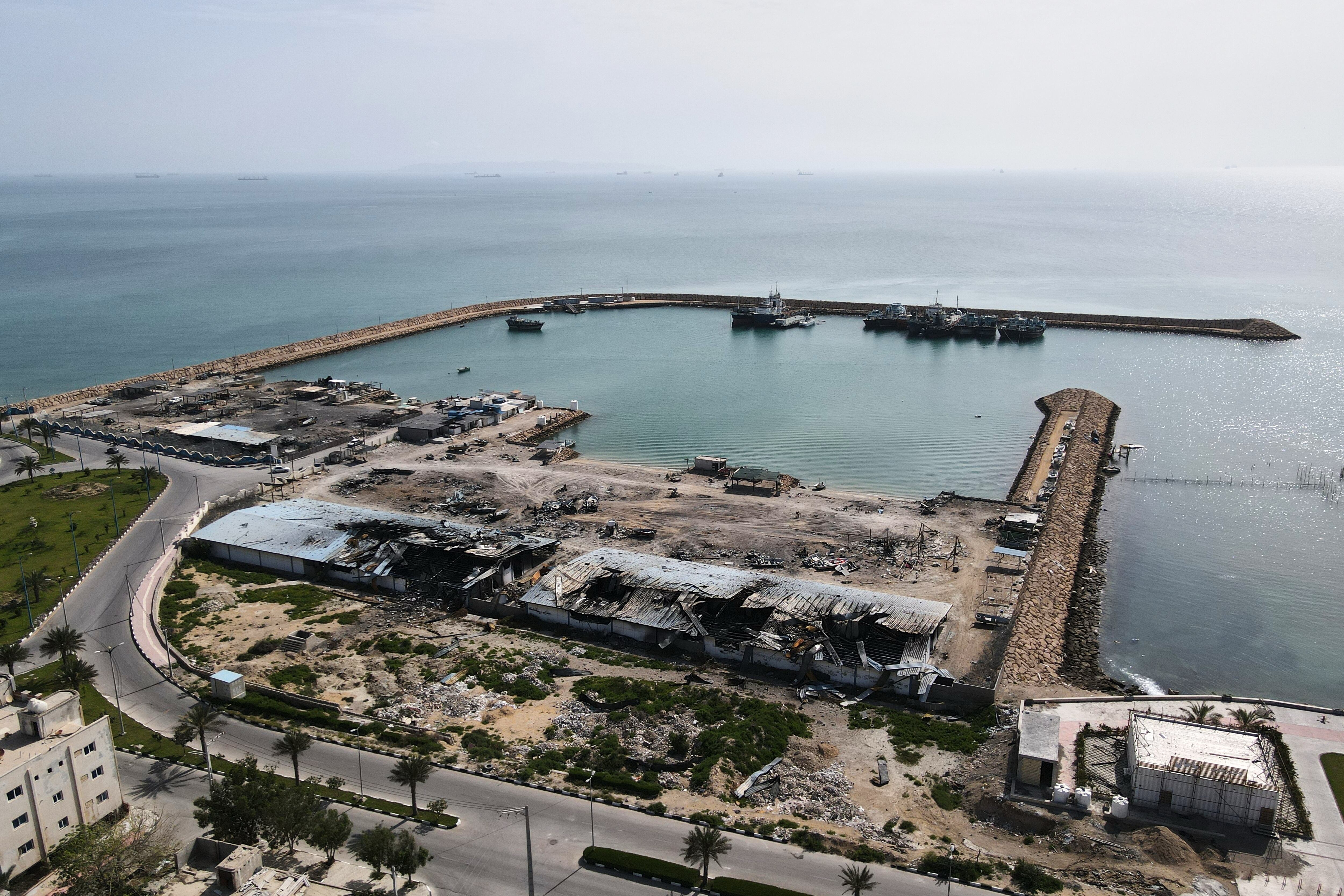
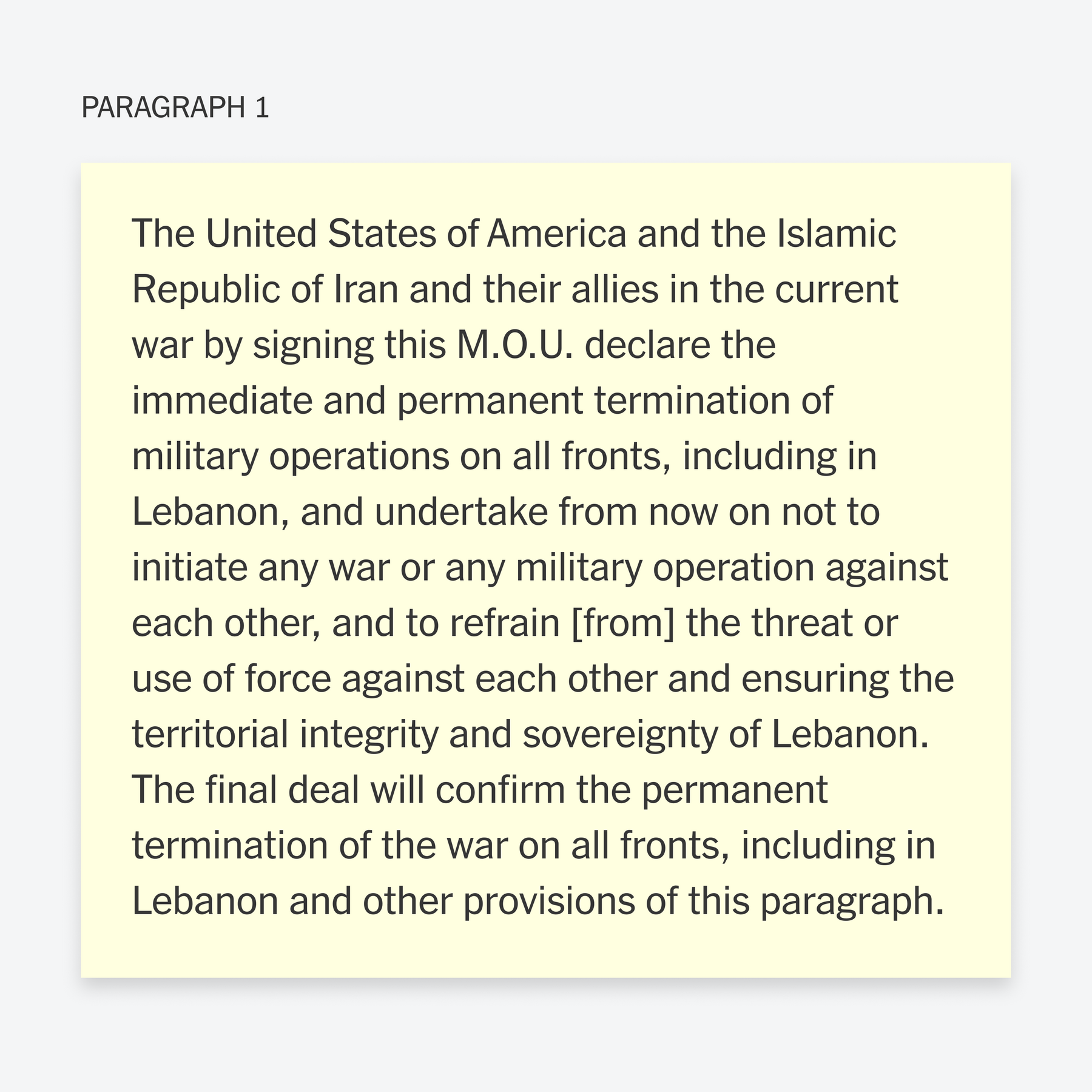
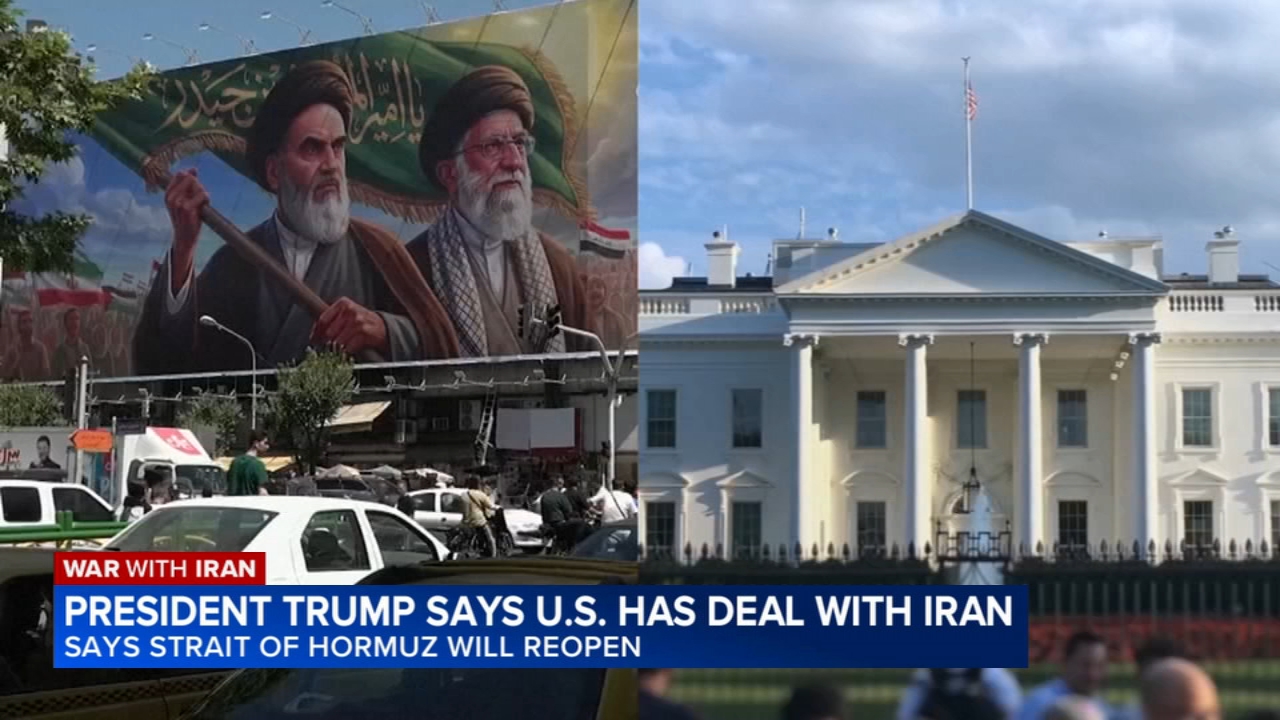
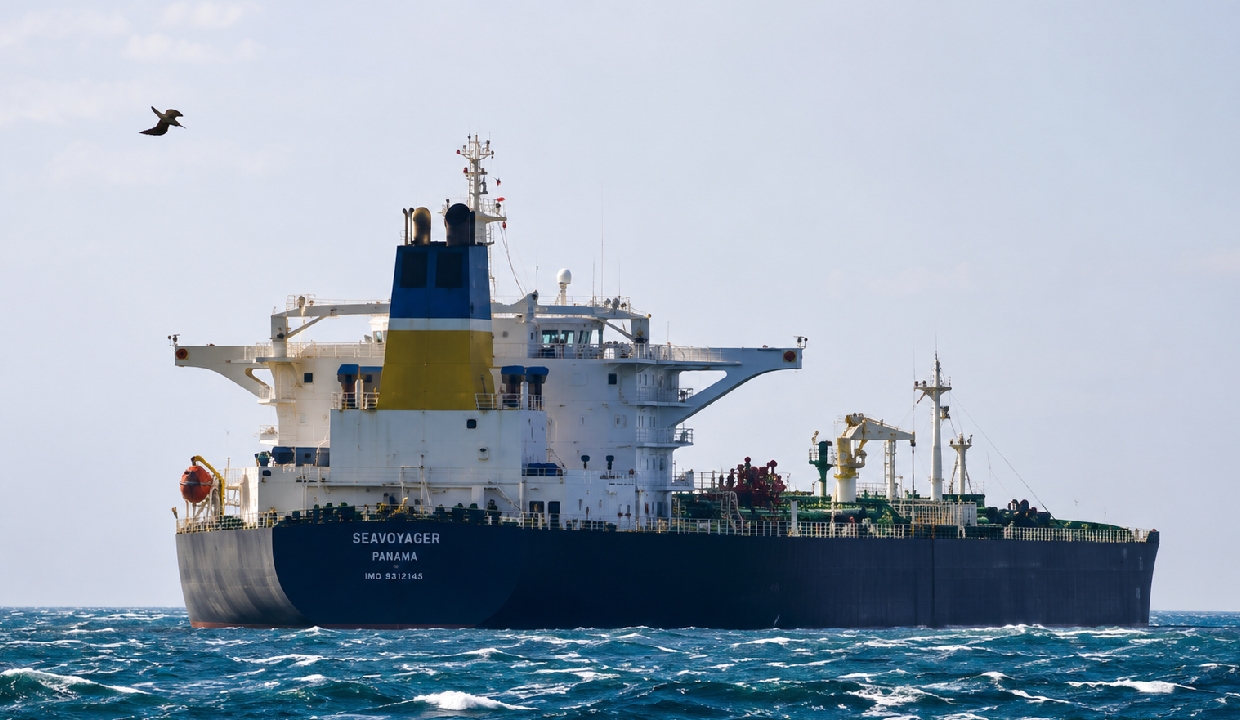
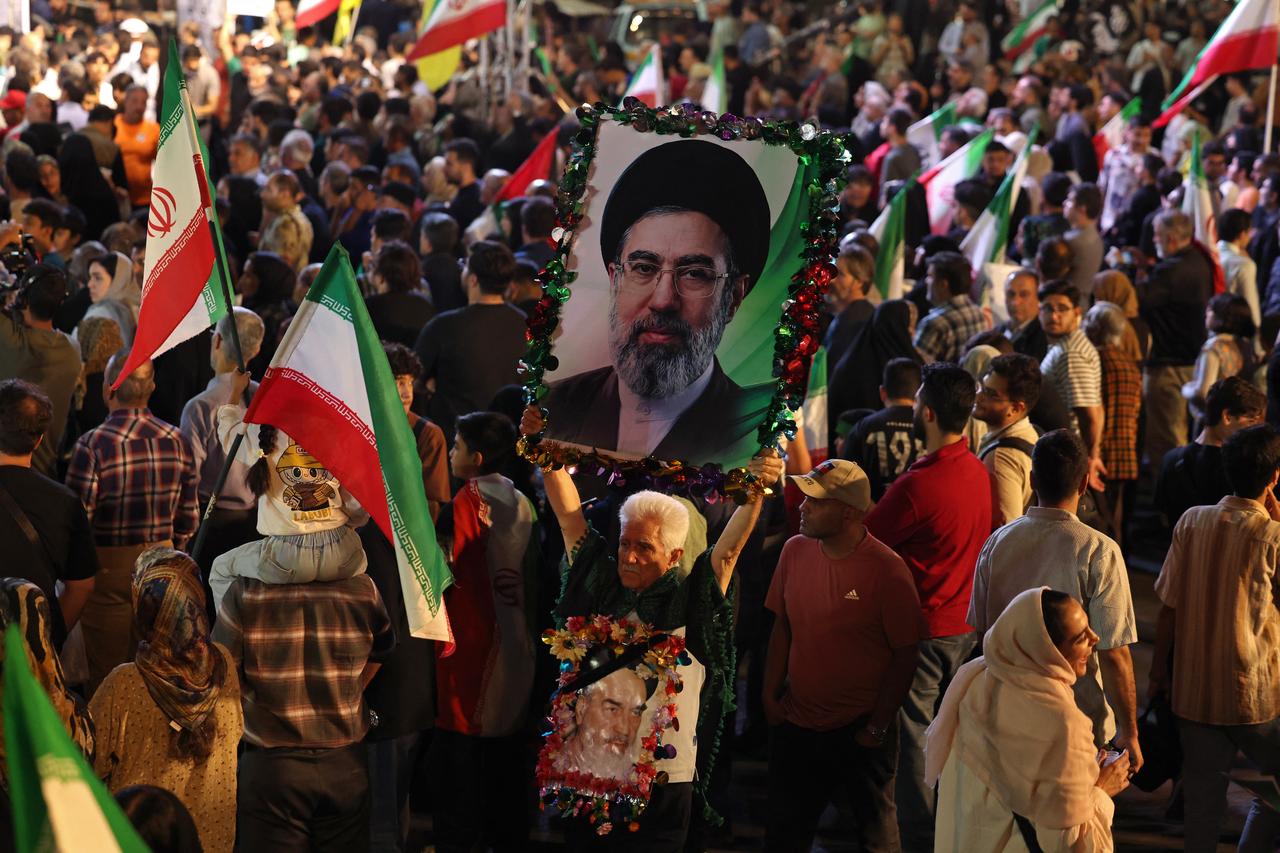
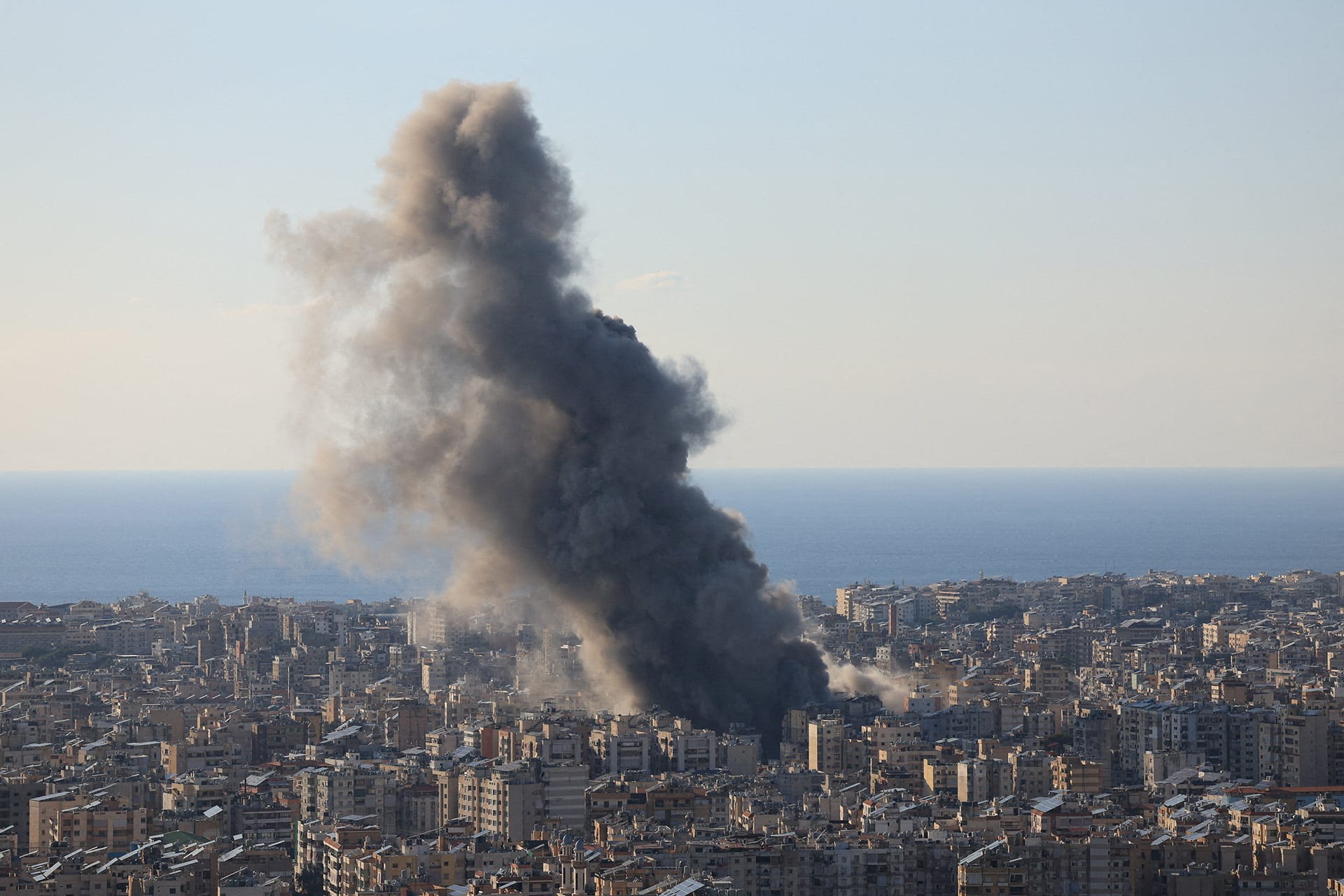
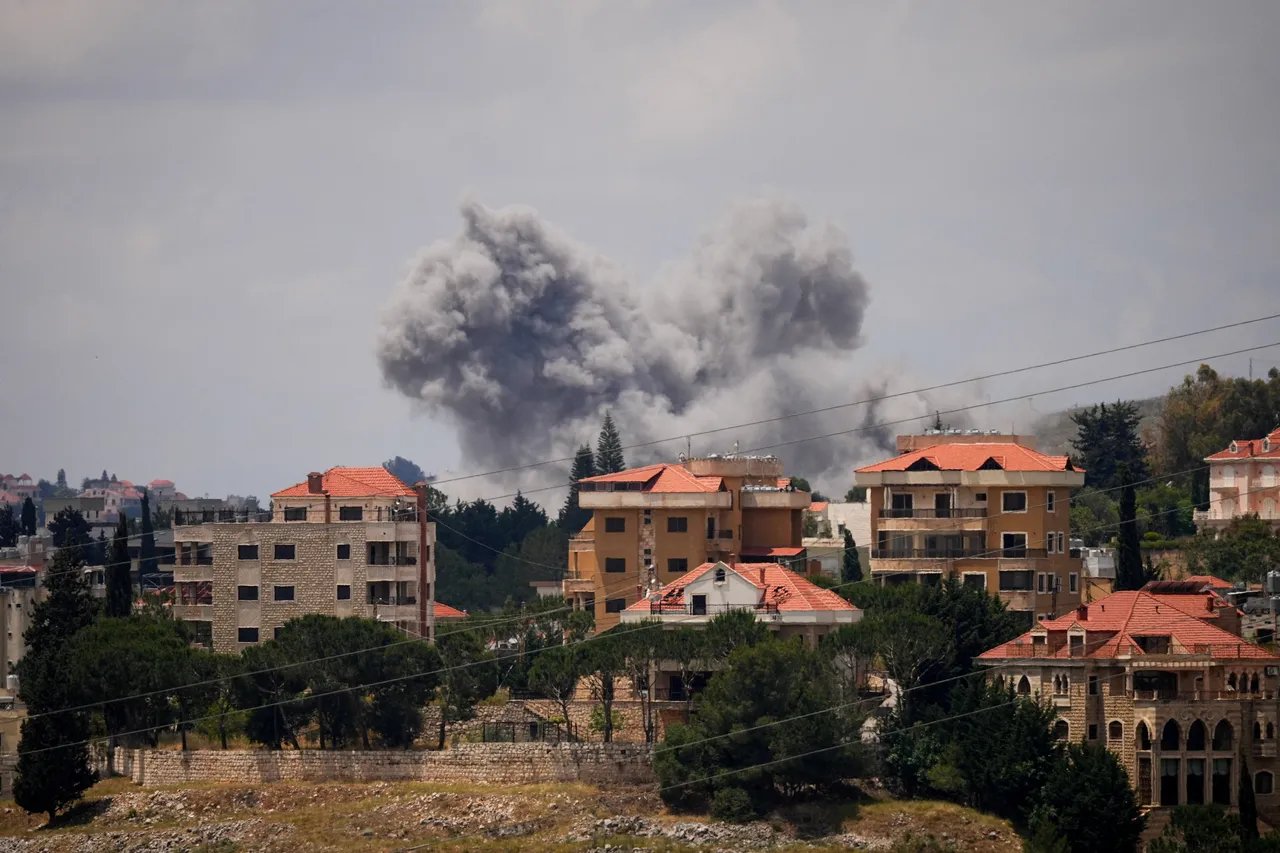
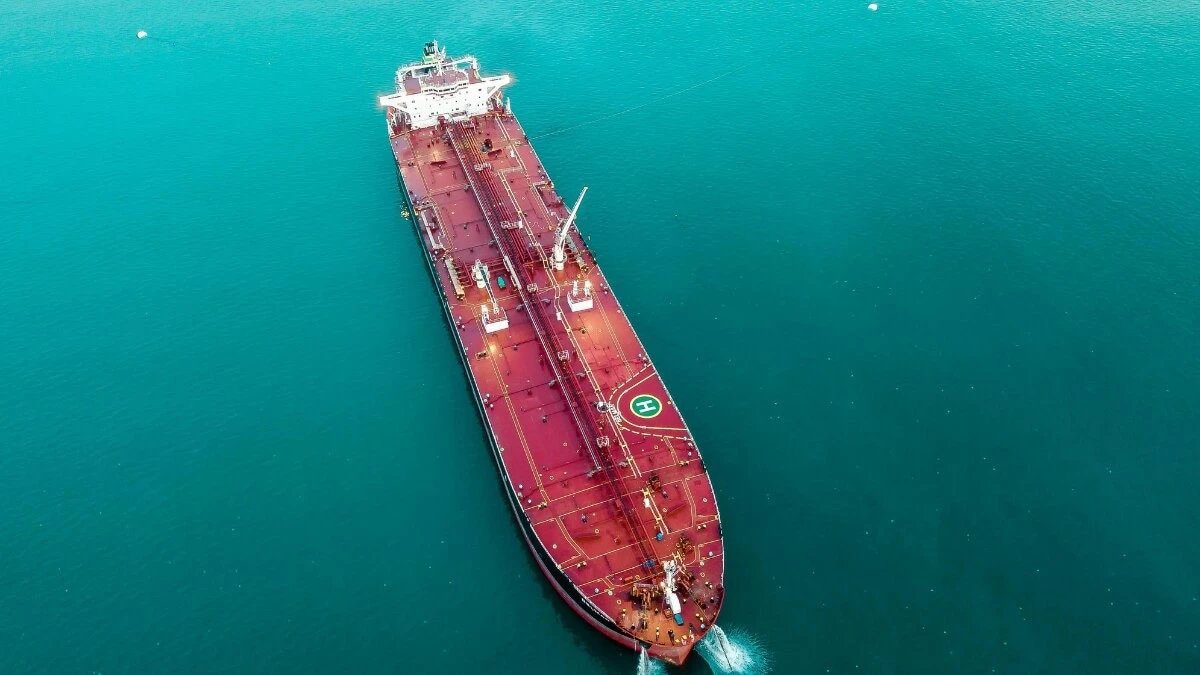
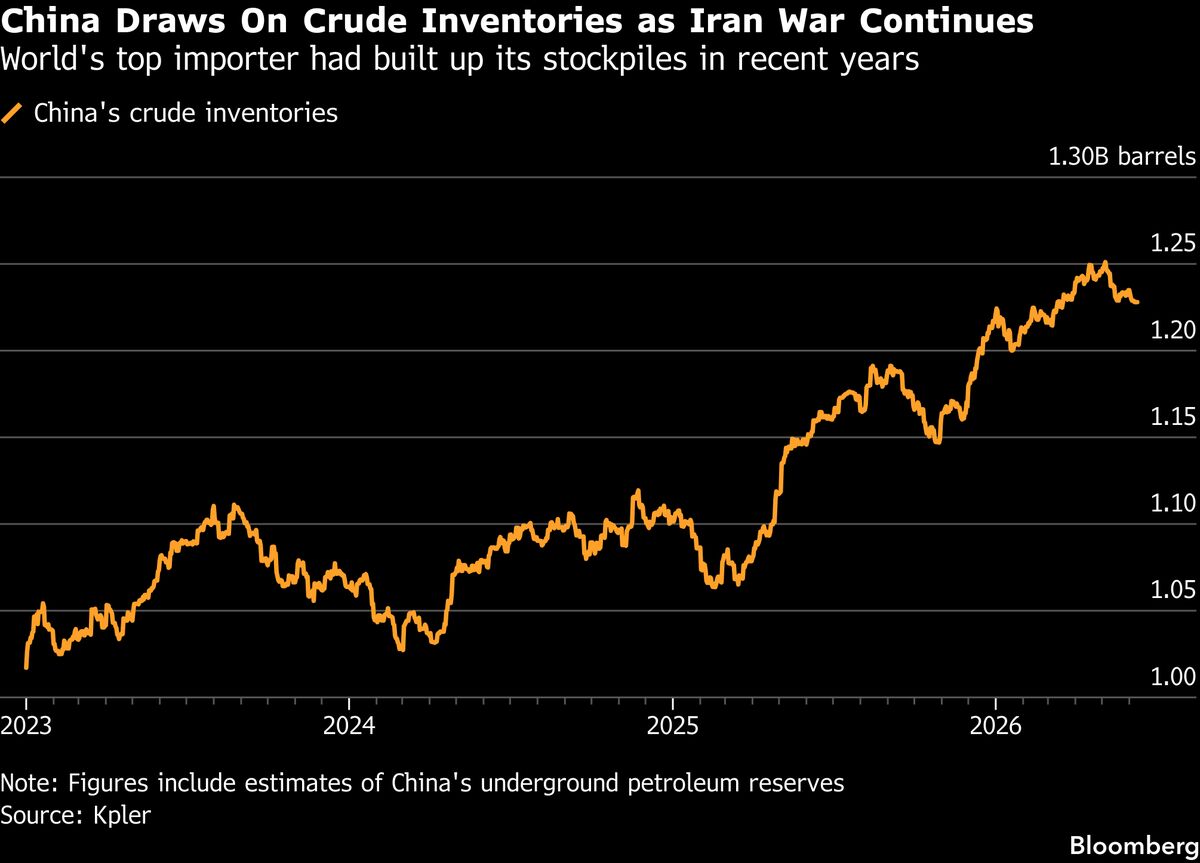
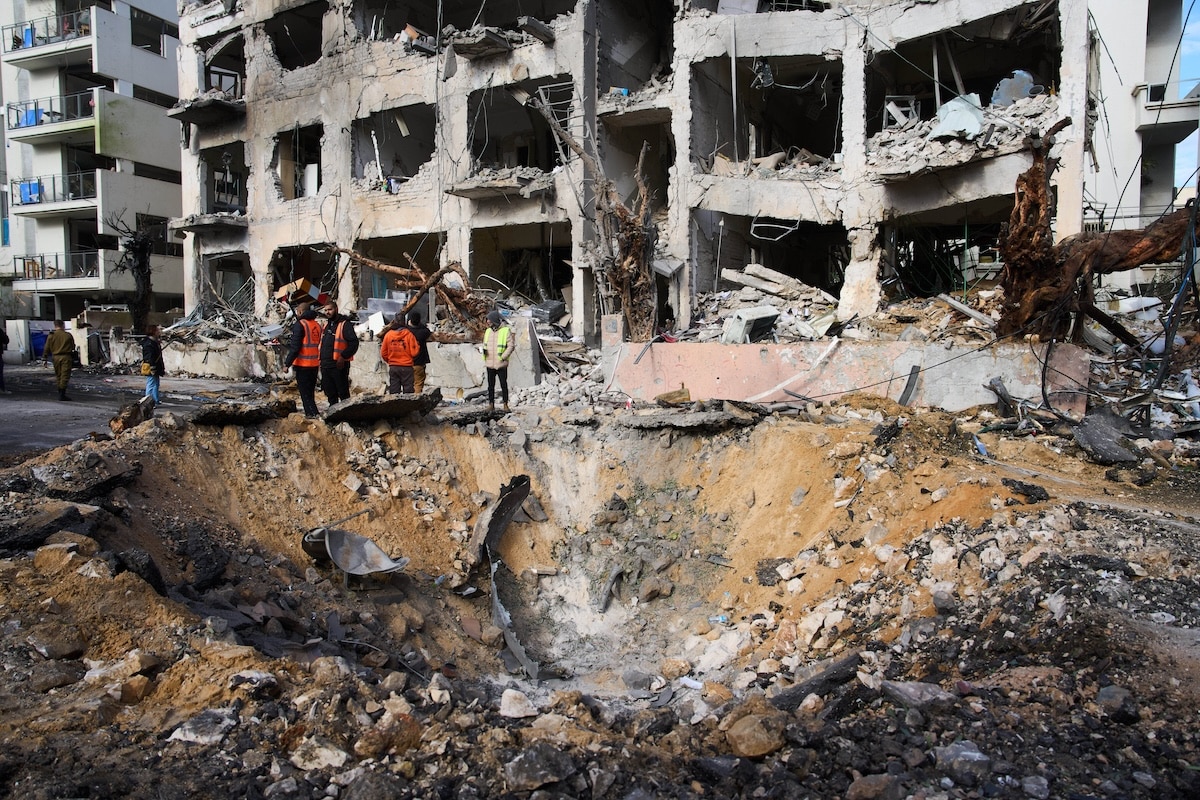
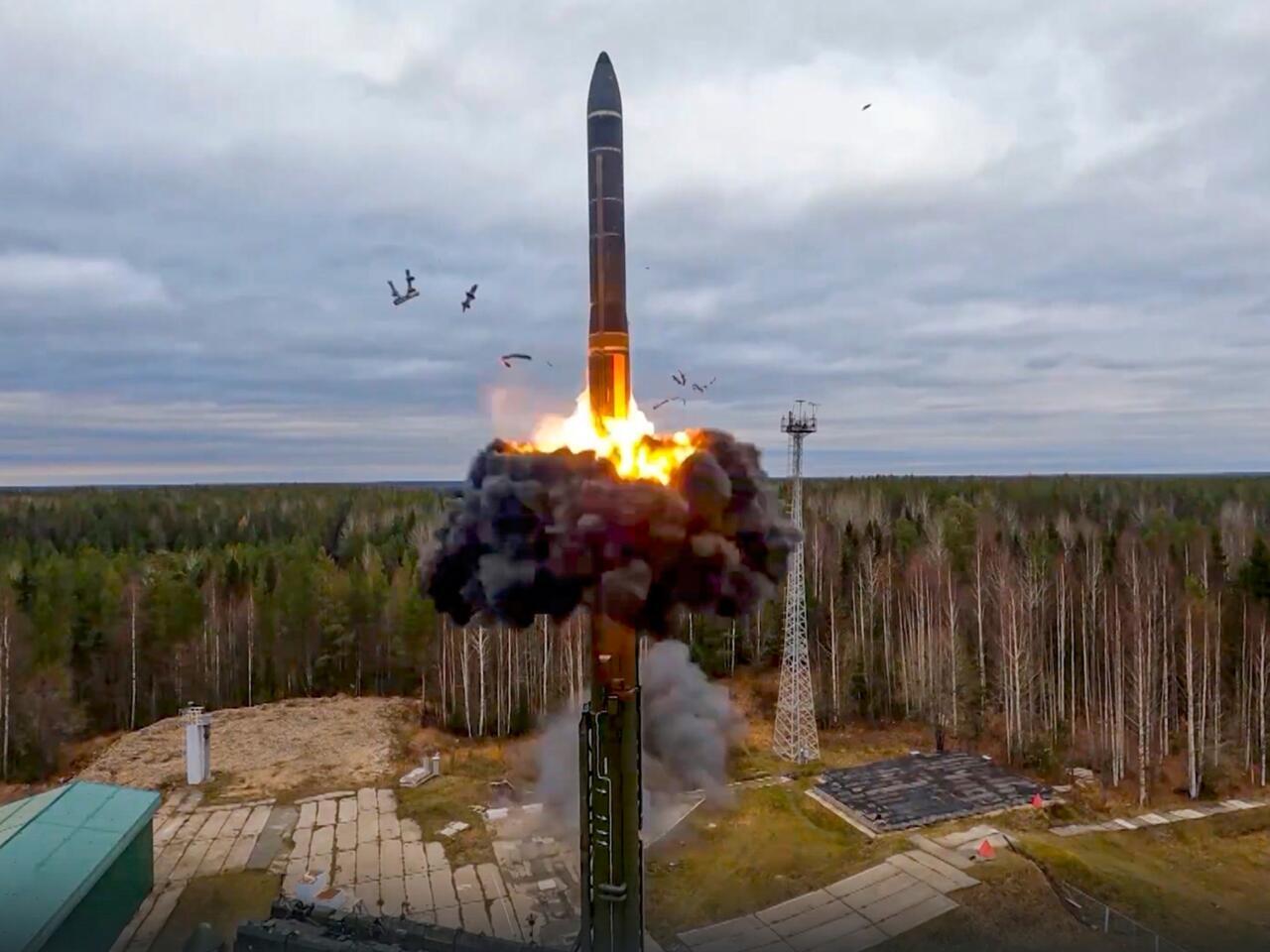
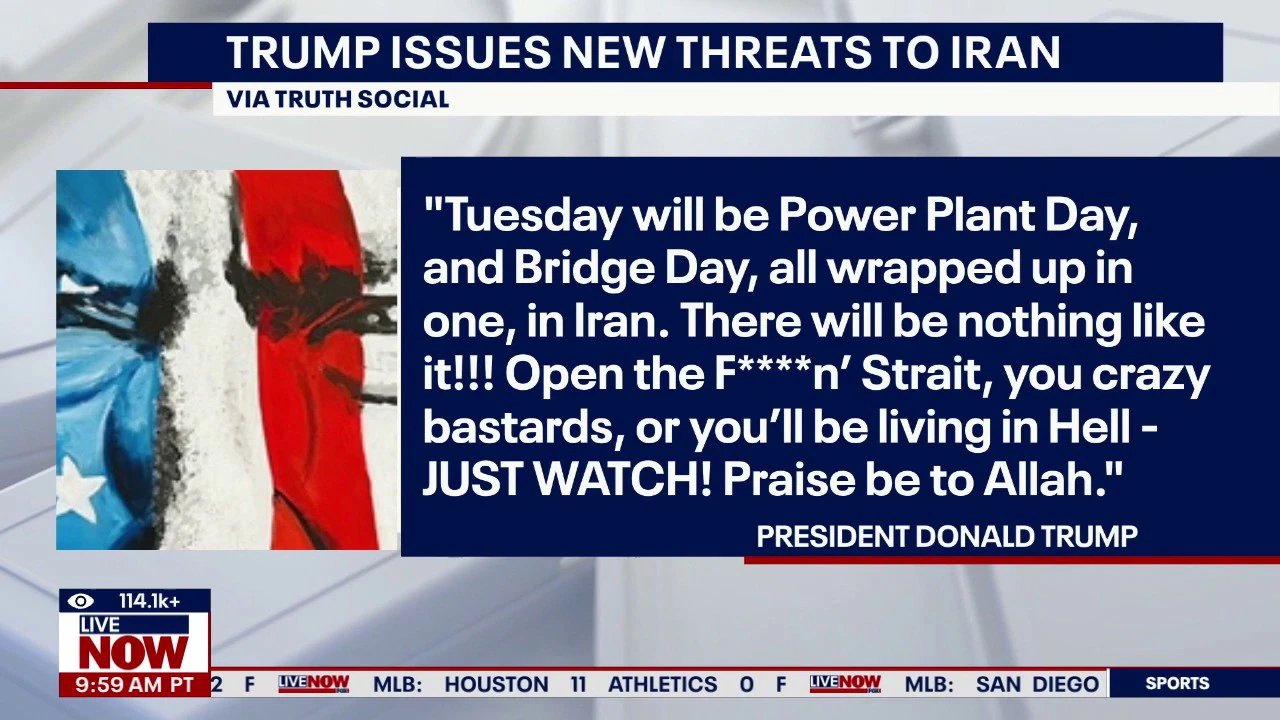
The conflict has disrupted global oil supplies. In response to U.S. strikes, Iran effectively shut down the Strait of Hormuz, a waterway that typically ships around a fifth of the world's oil and gas. Economists have warned that even with a swift end to the war, it could take until 2027 for normal goods flow through the strait to be restored.
Trump's contradictory messaging on rising prices
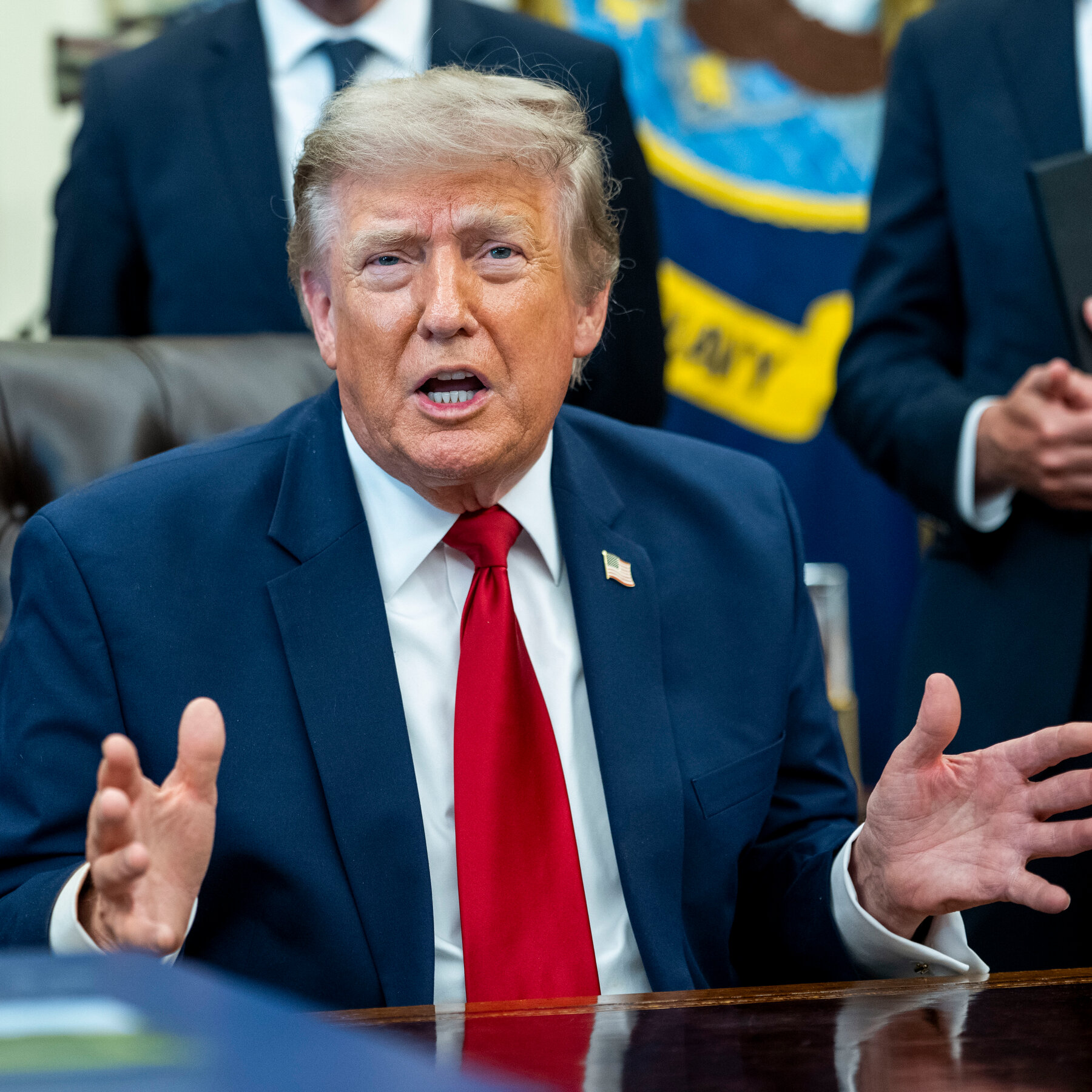
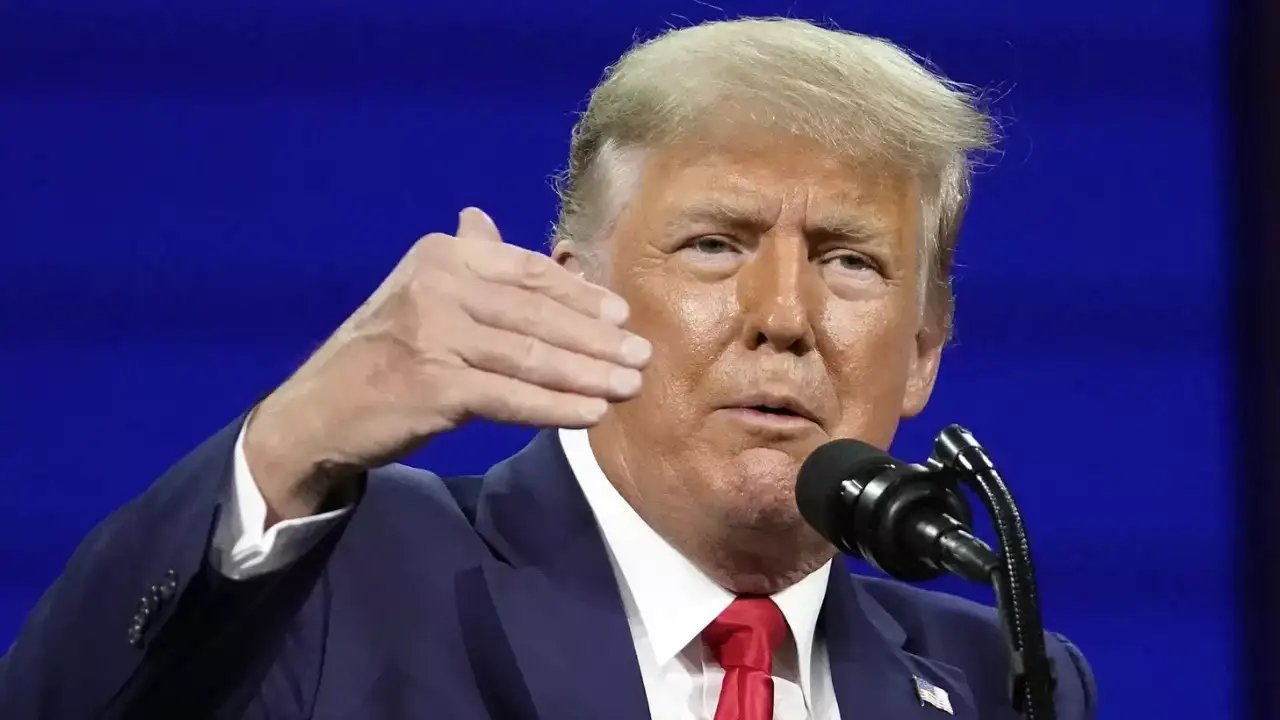
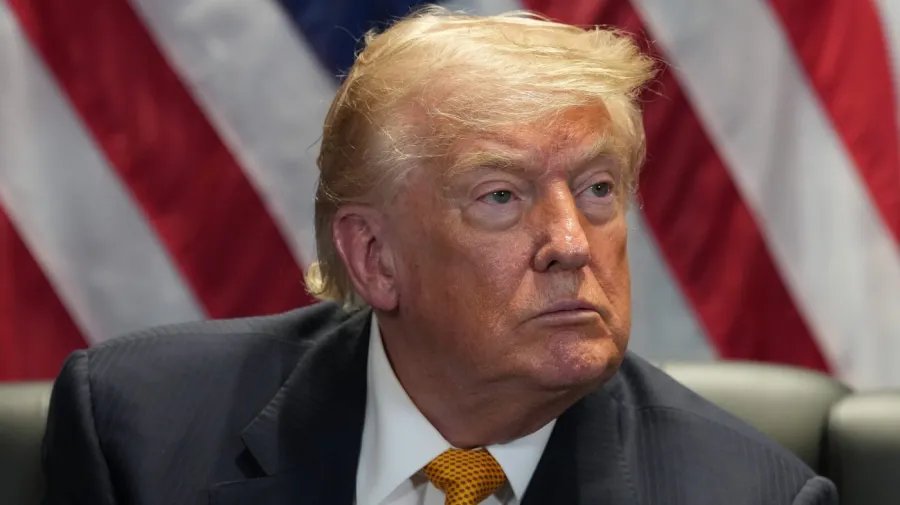
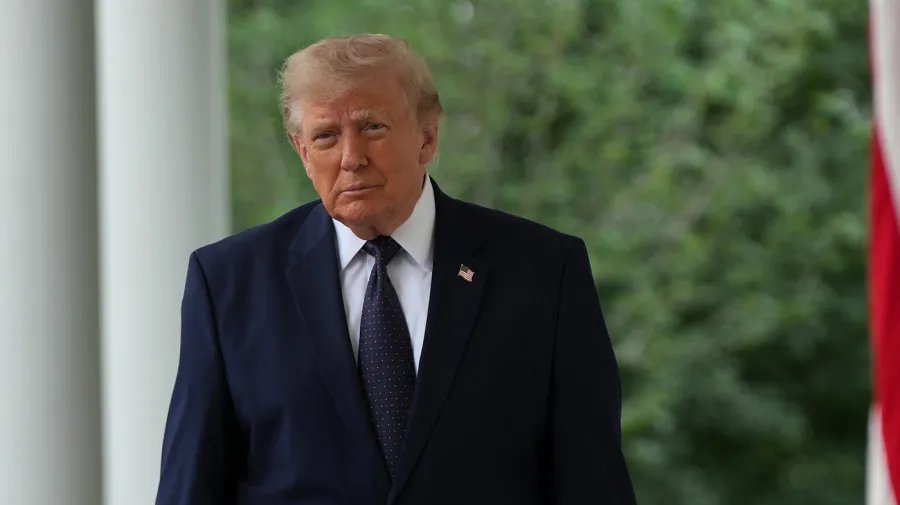
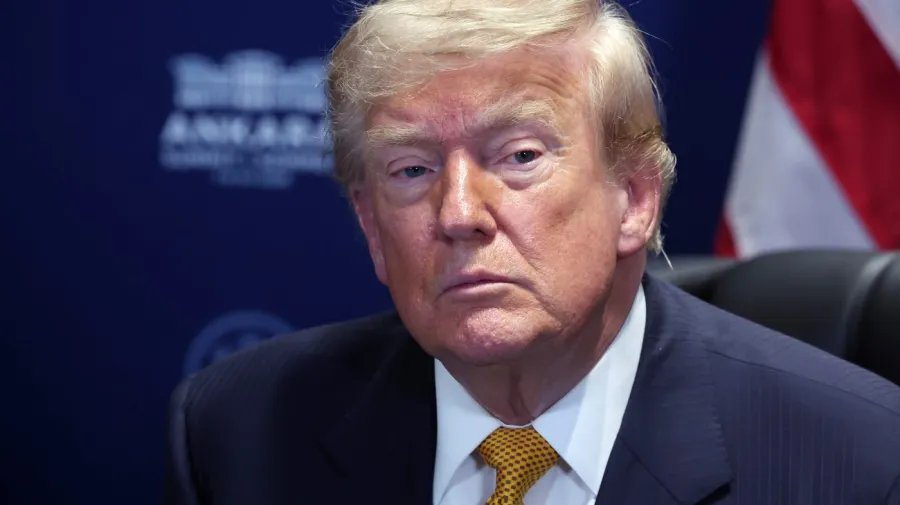
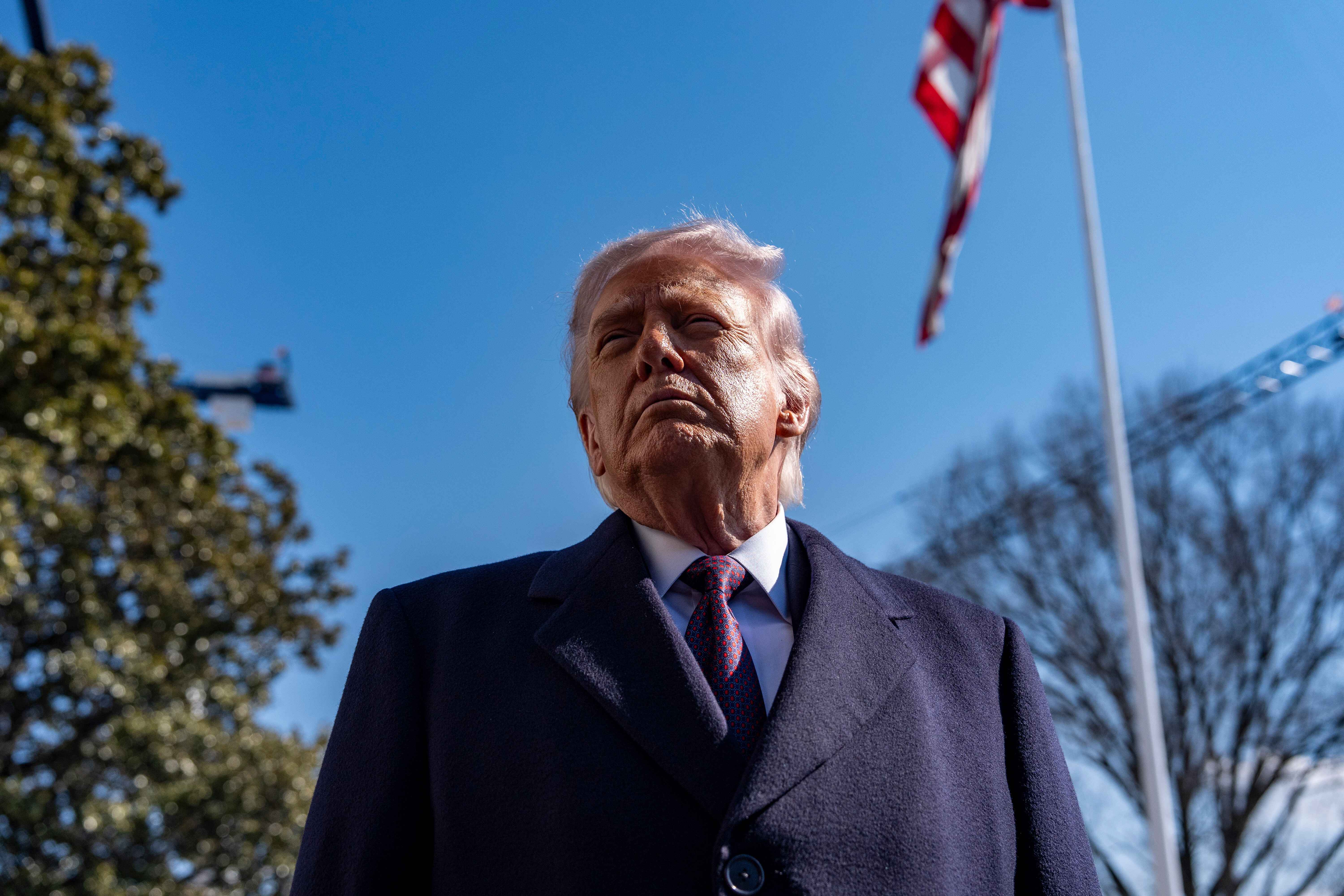
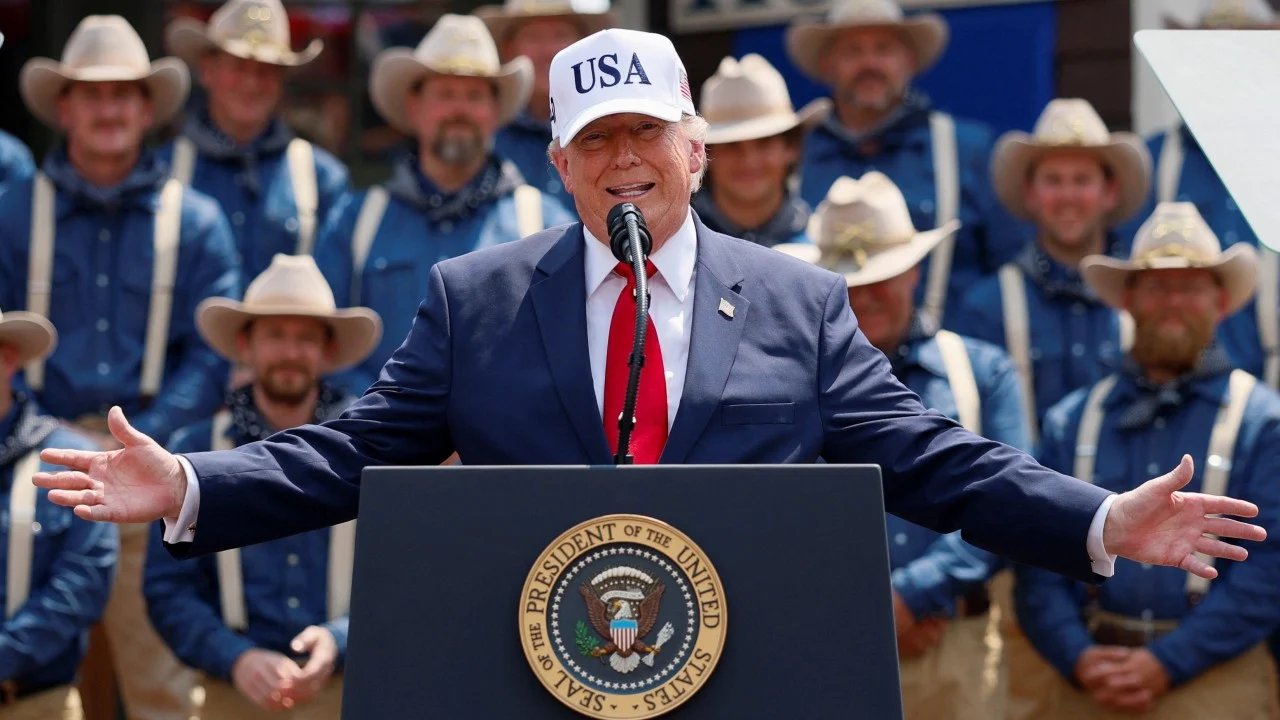
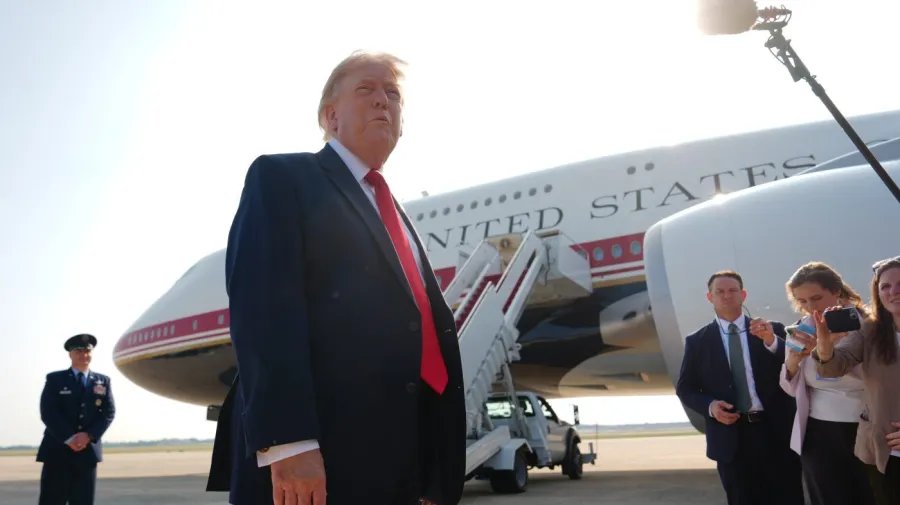
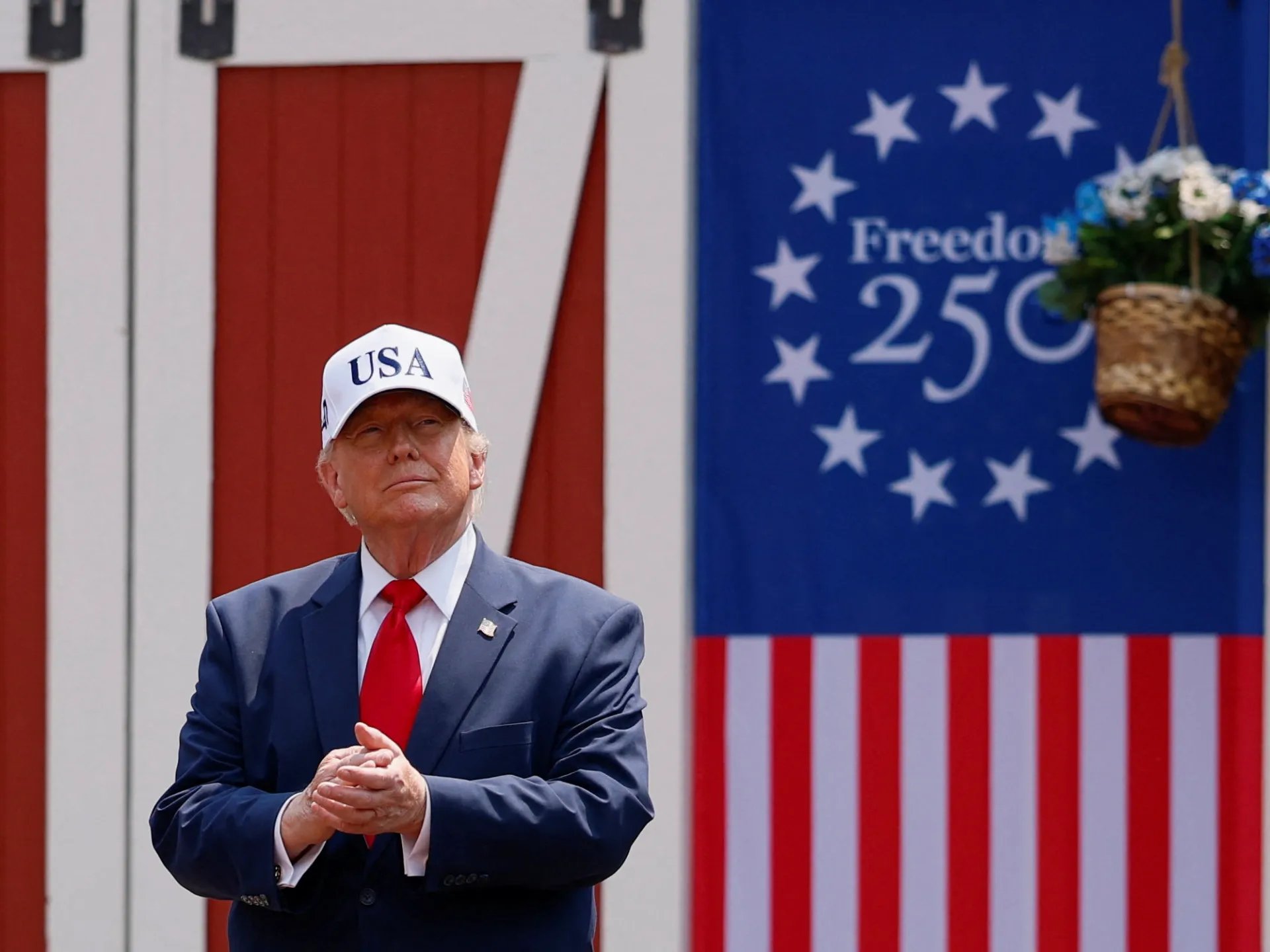
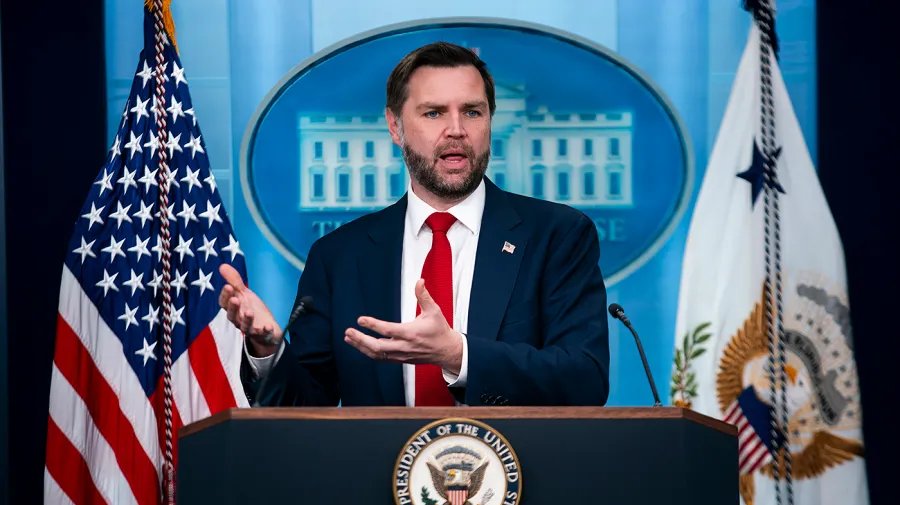
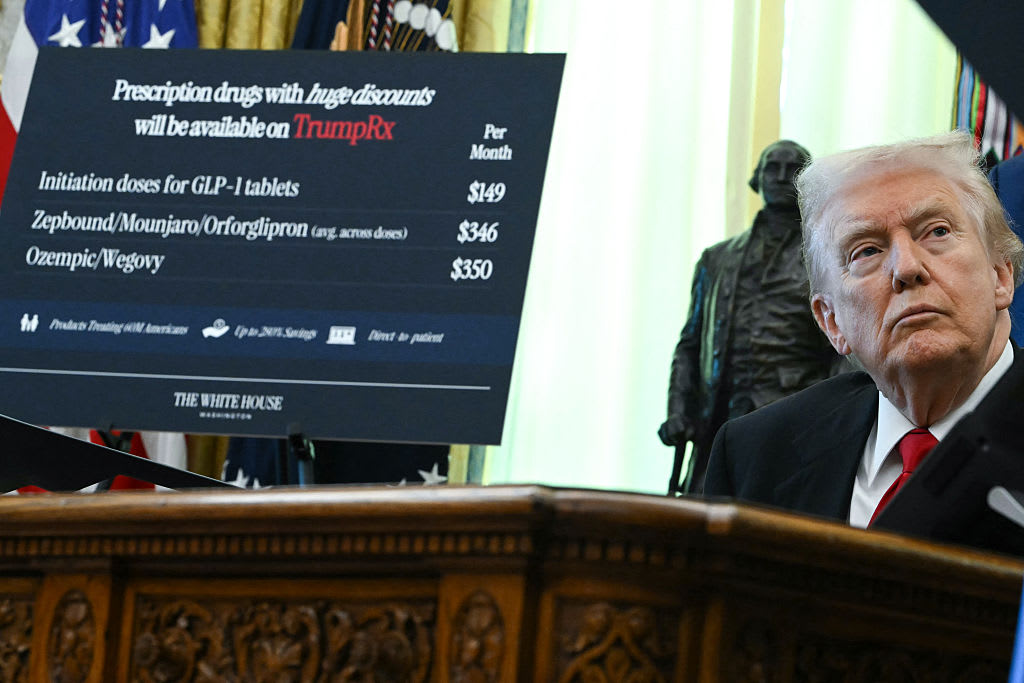
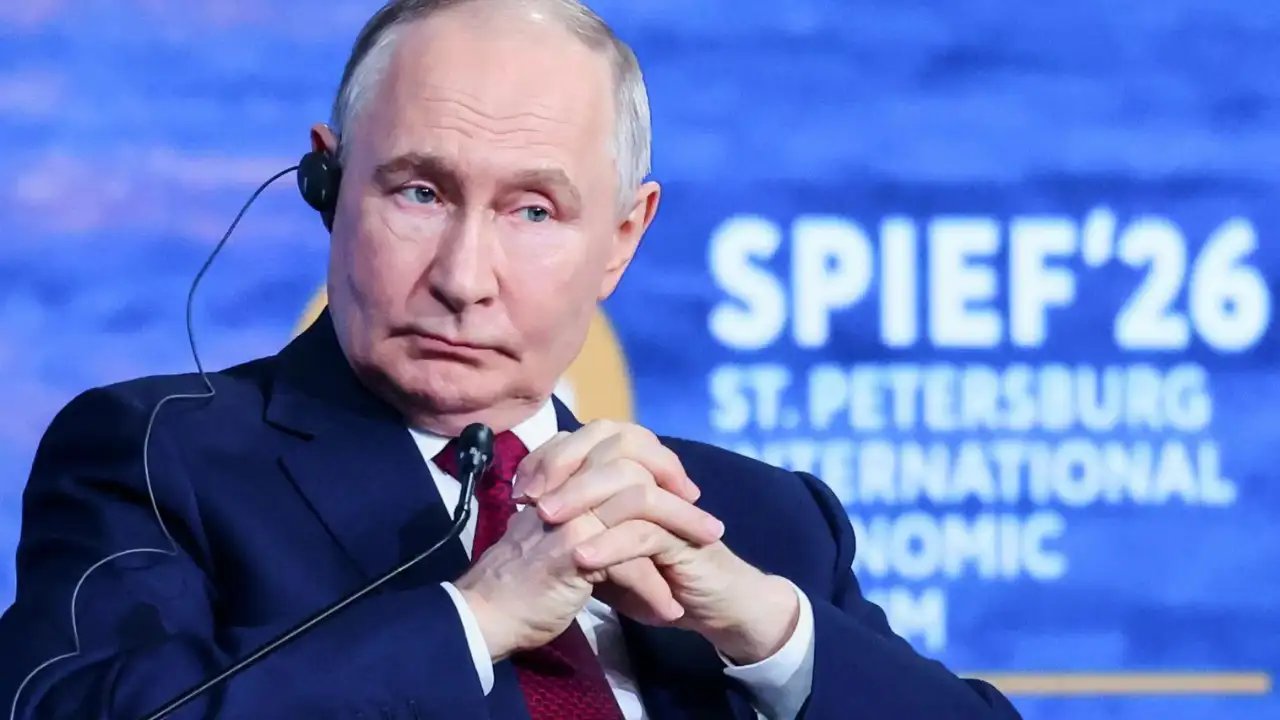
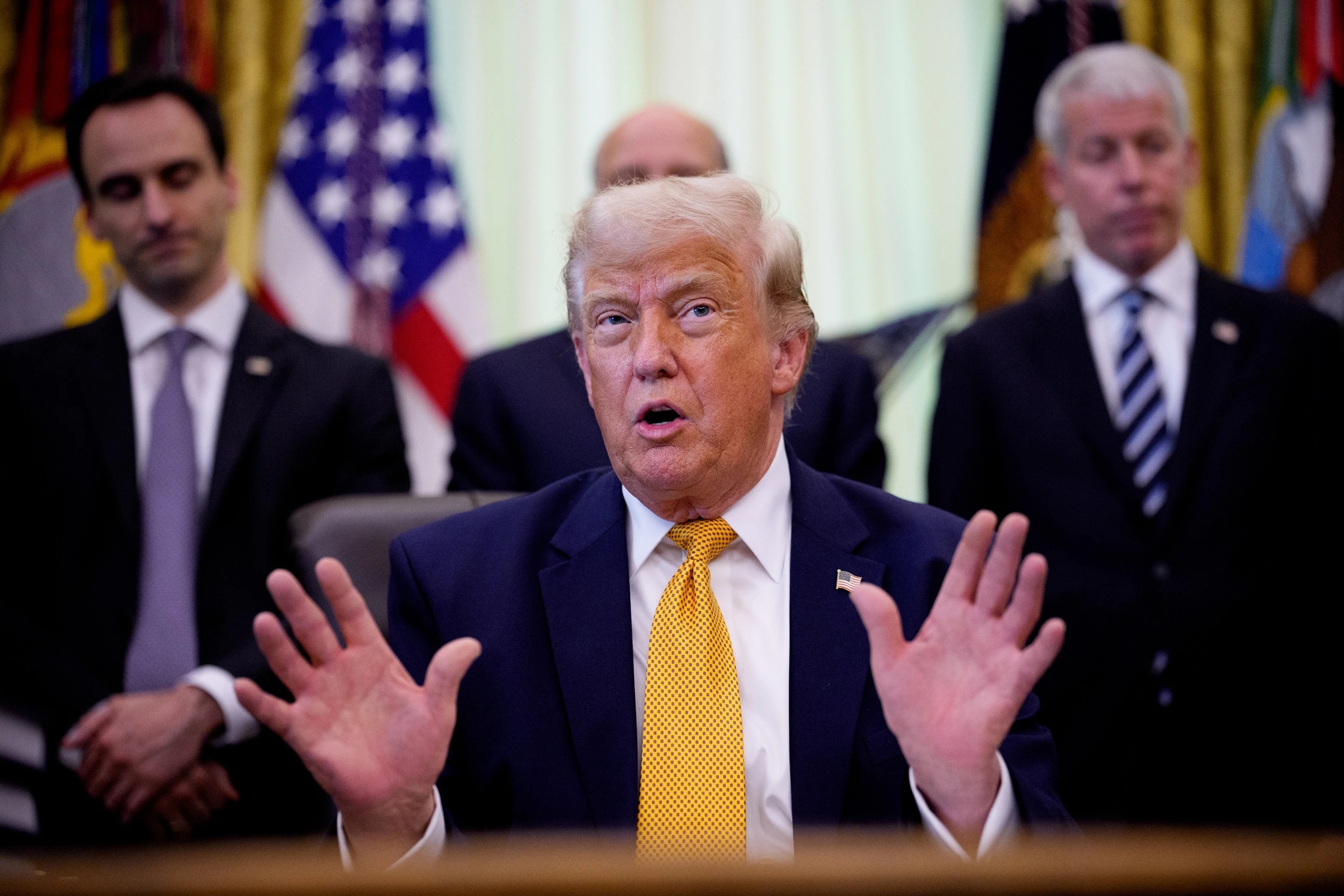
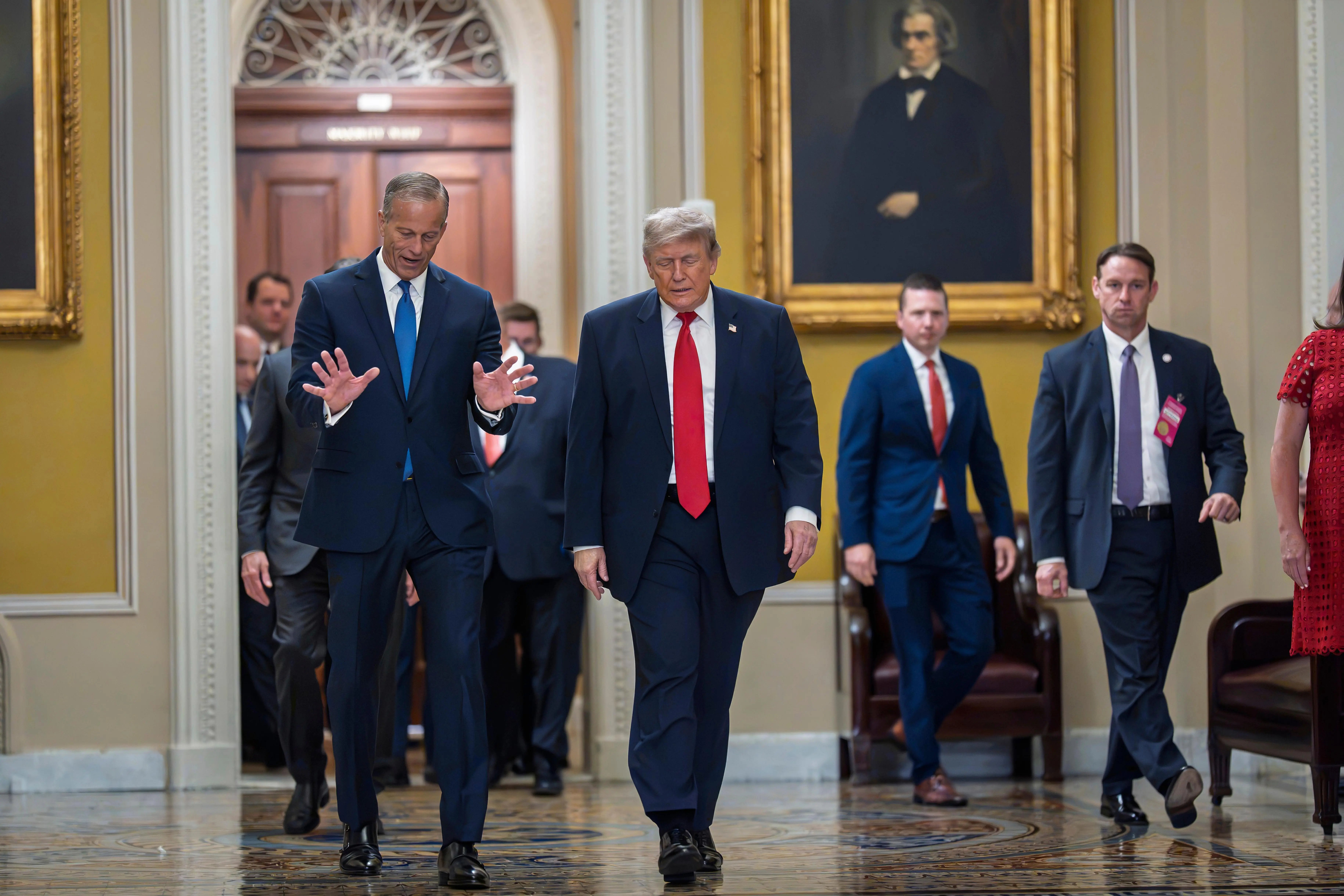
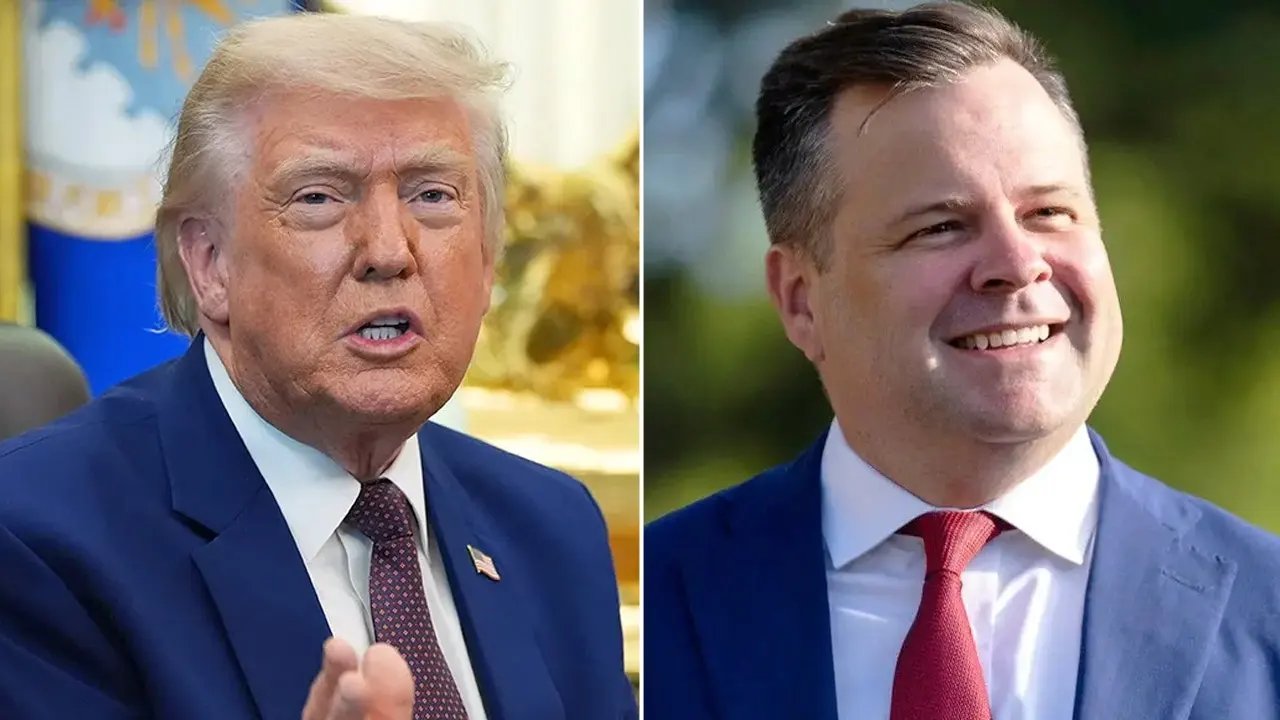
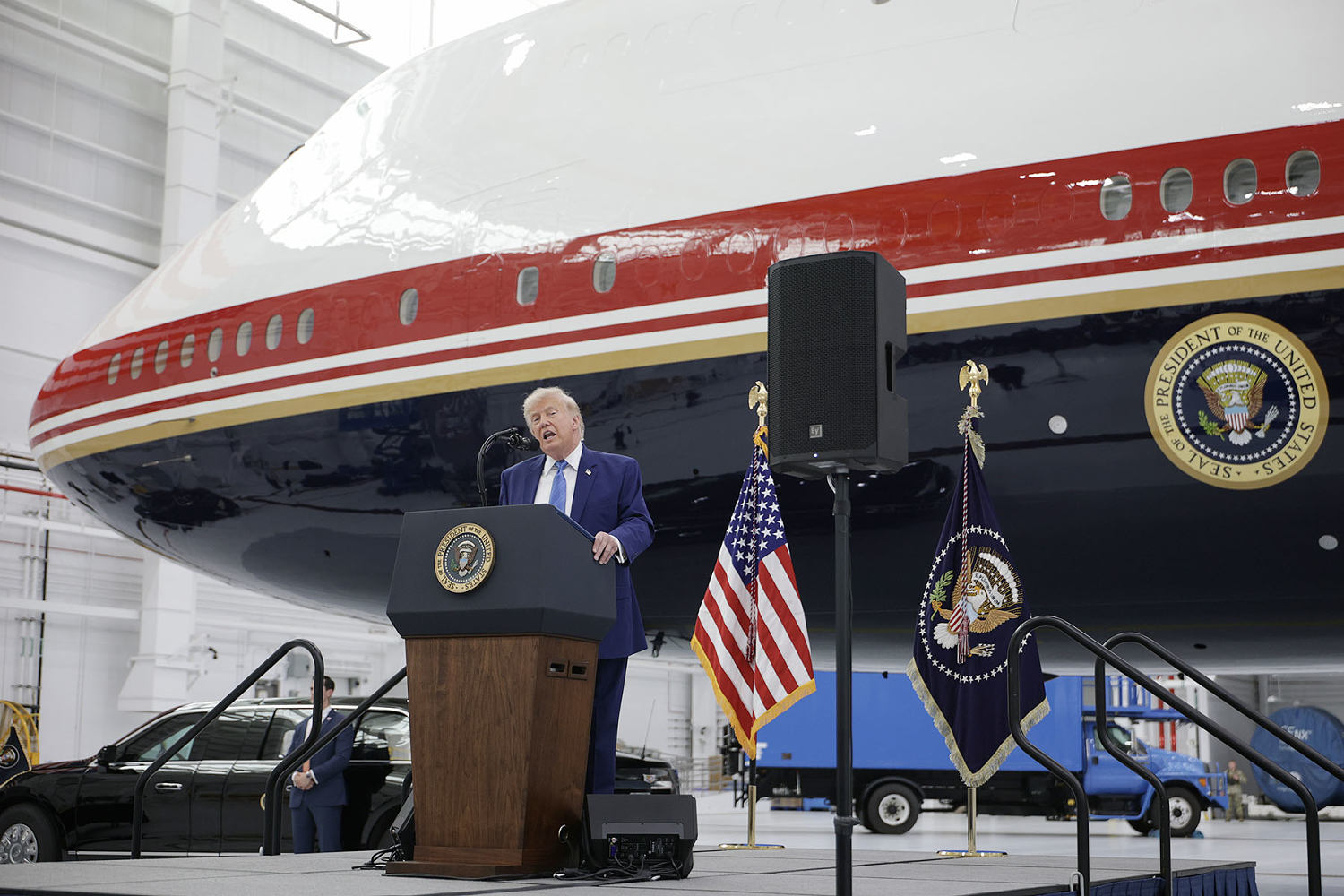
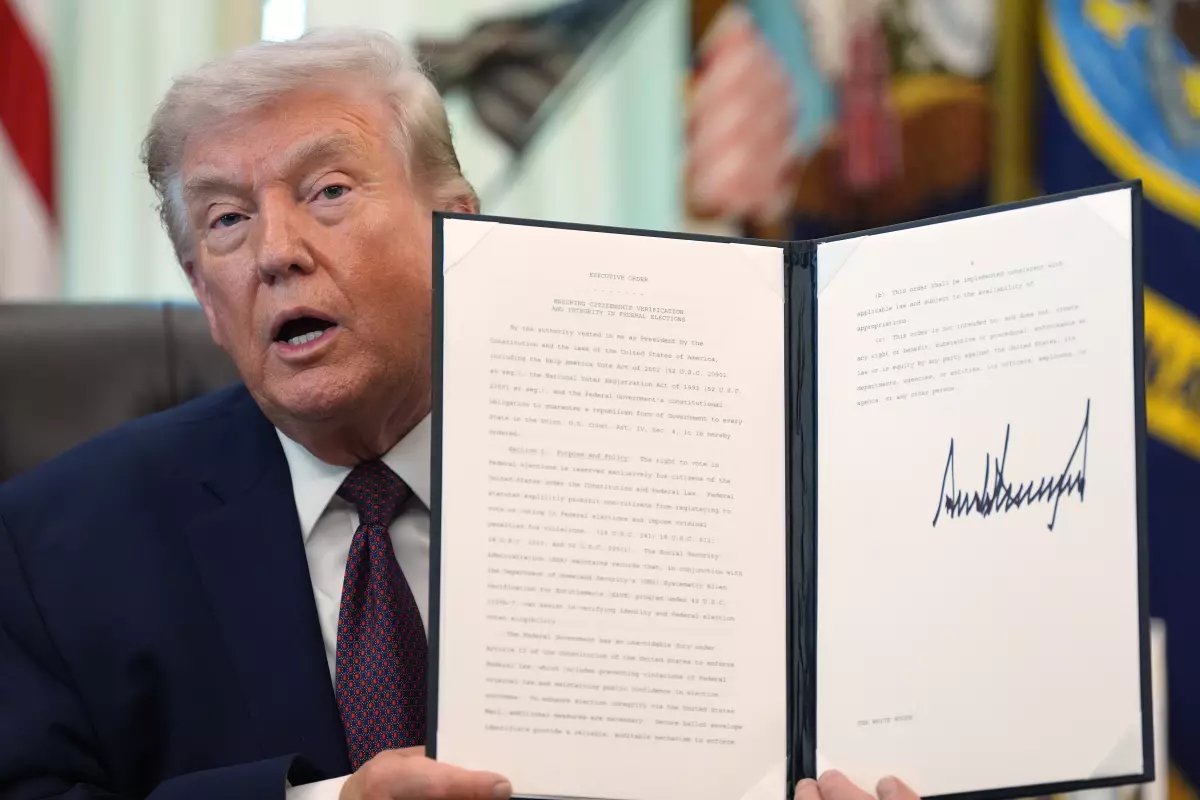
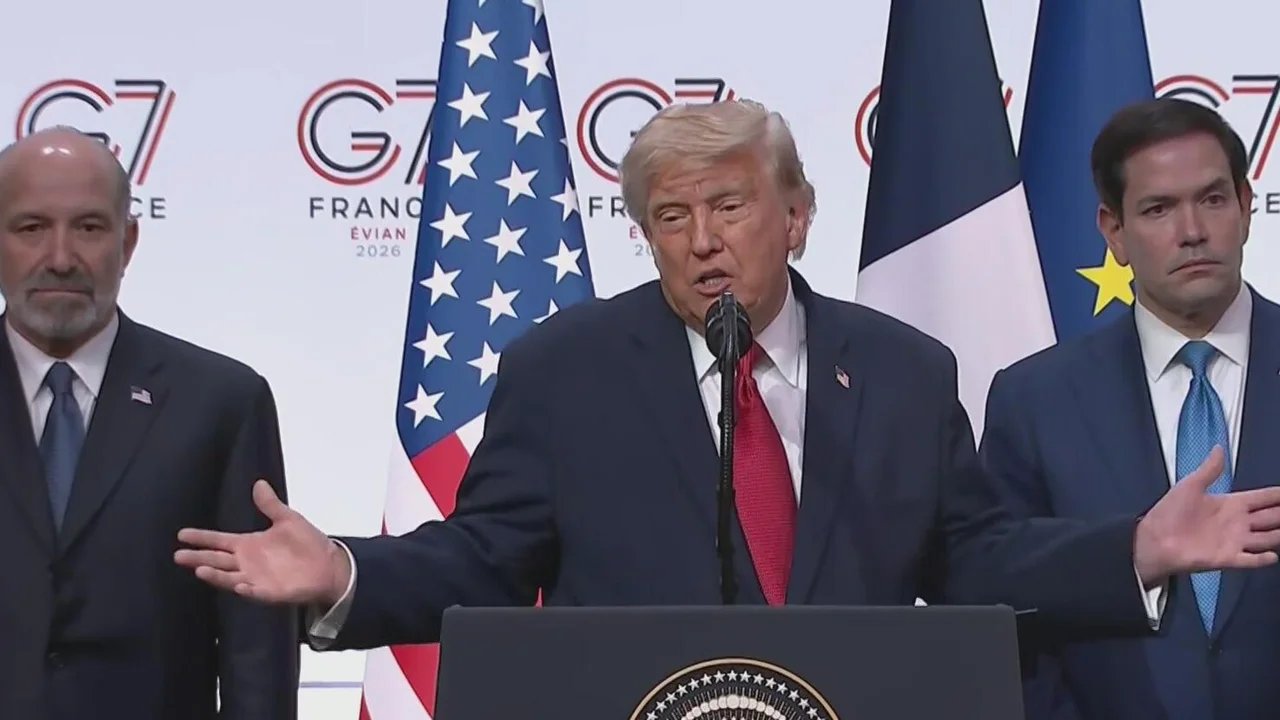
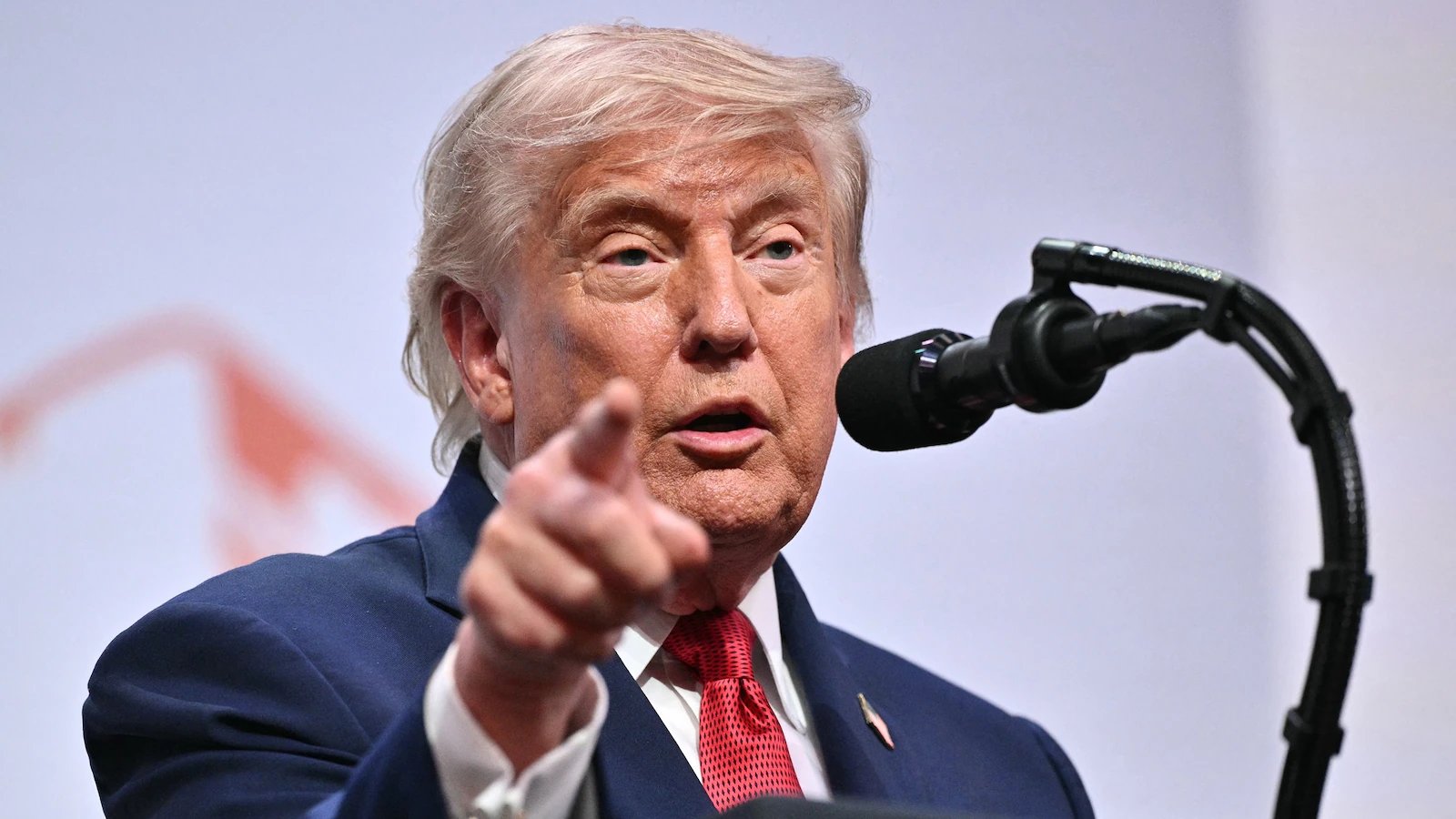
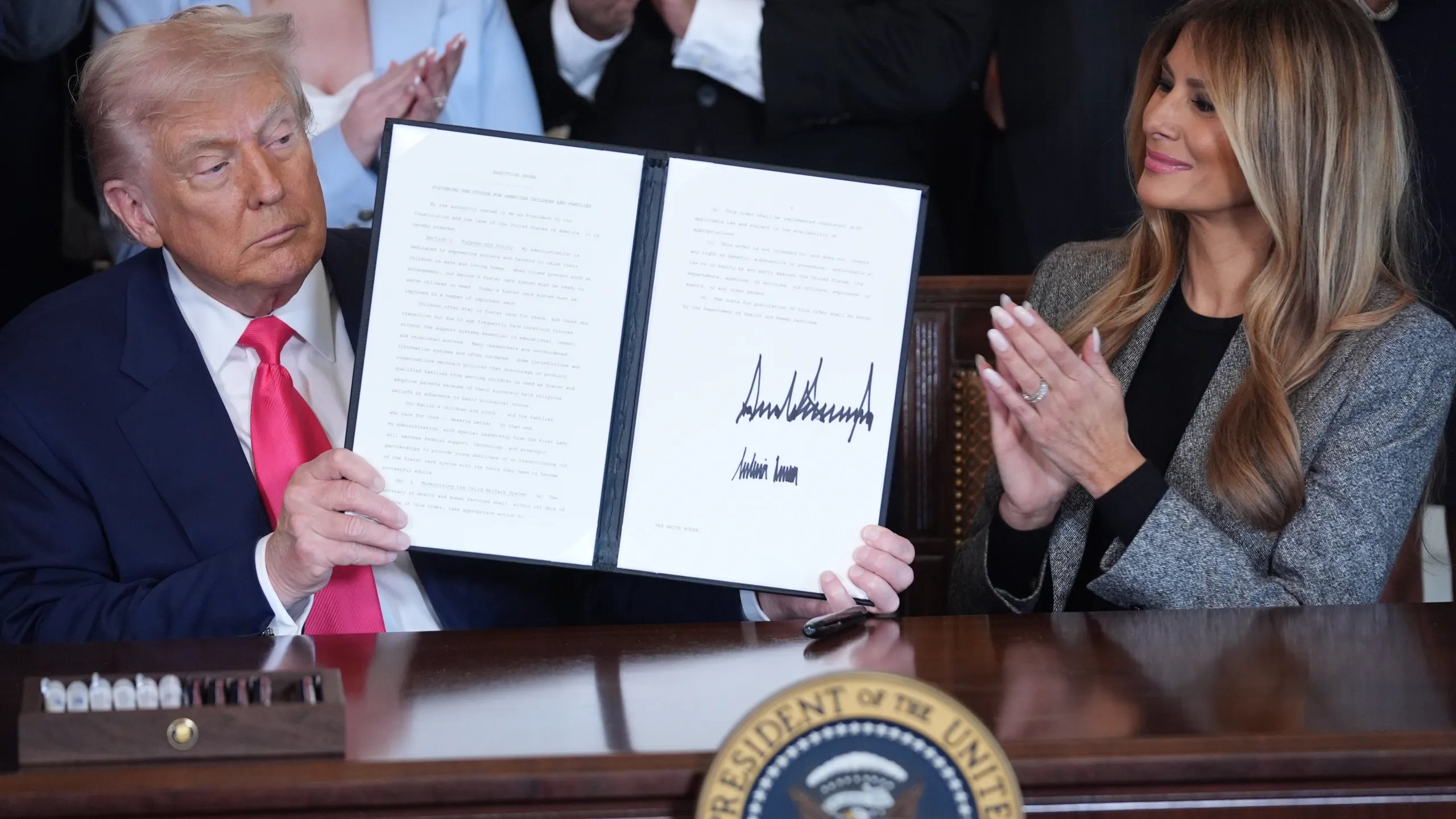
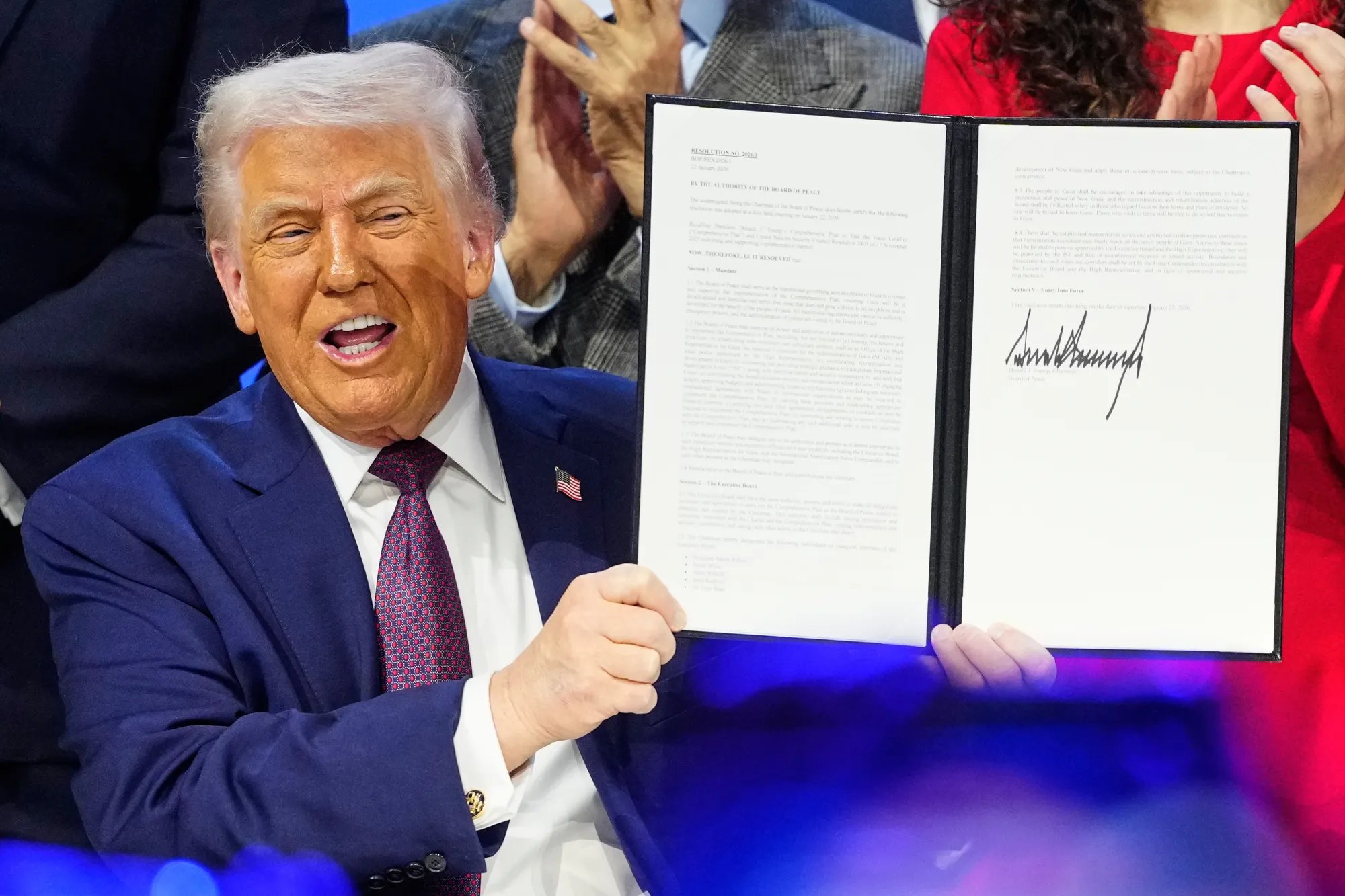
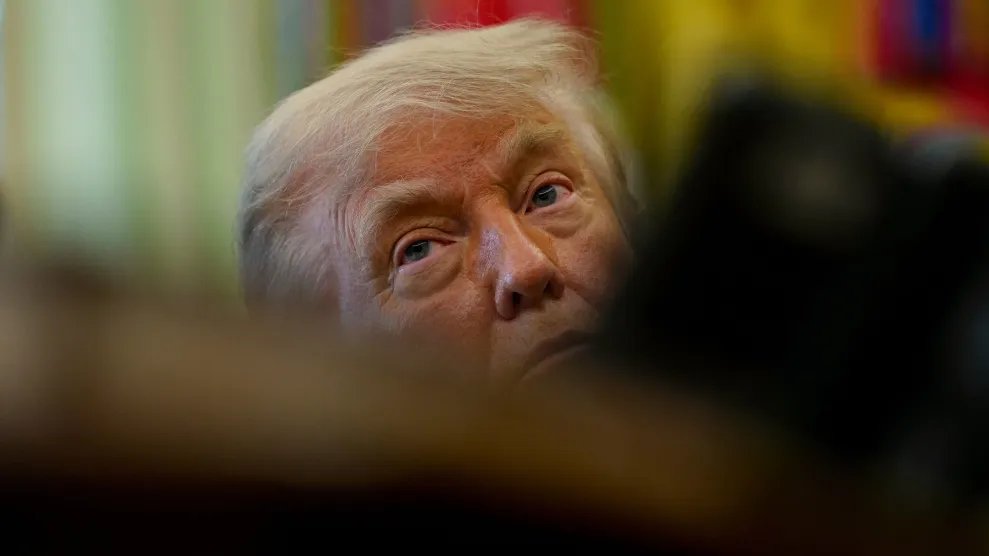
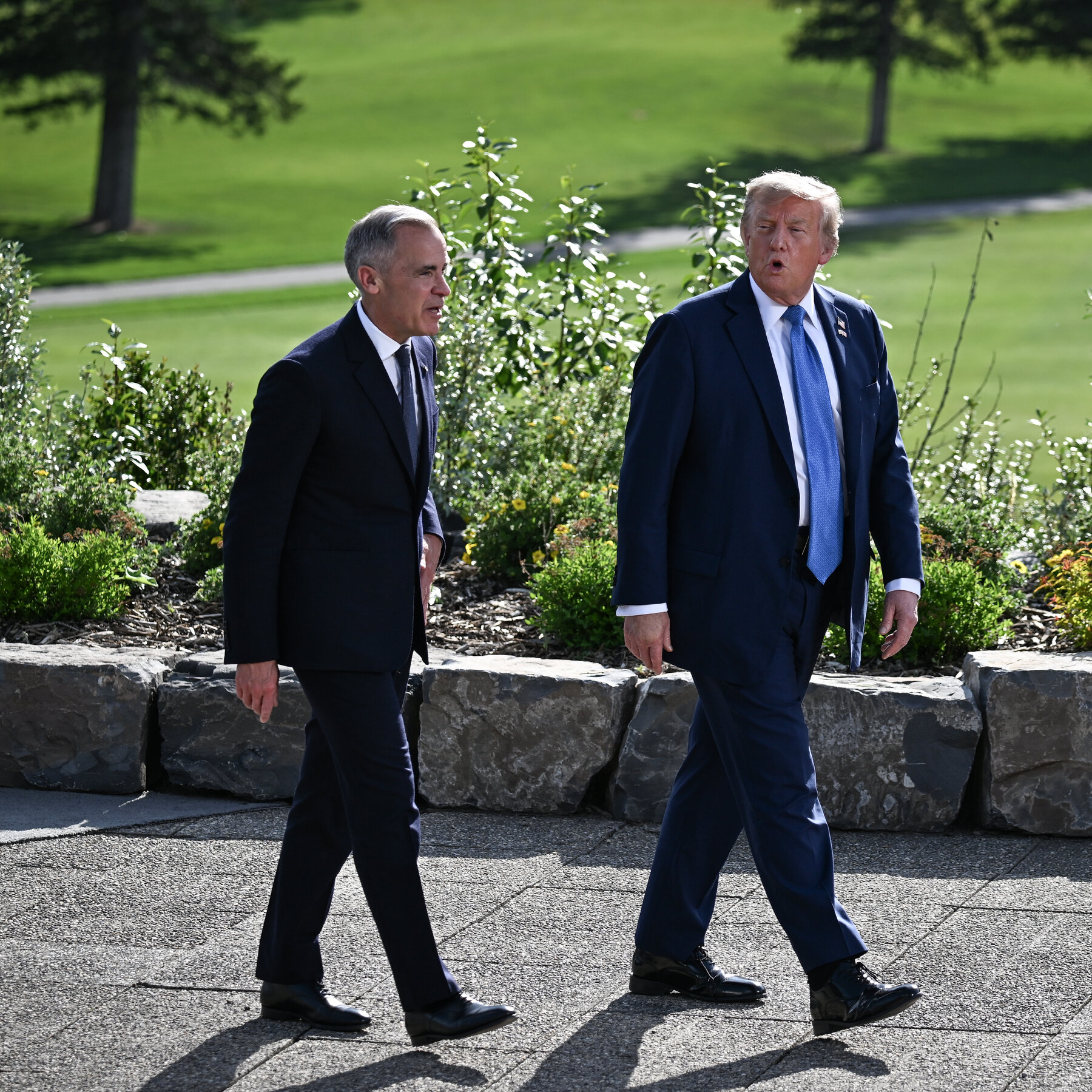
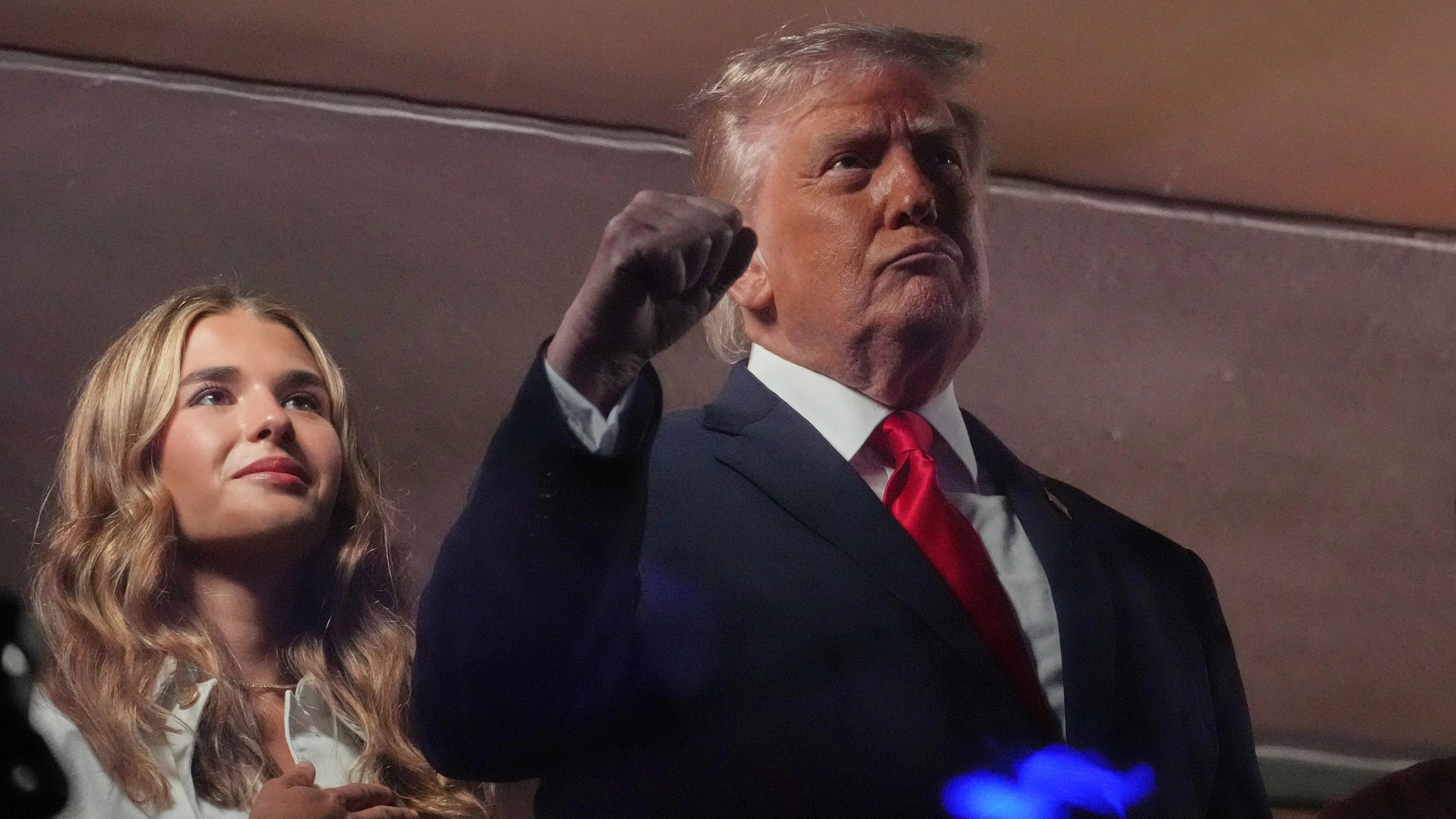
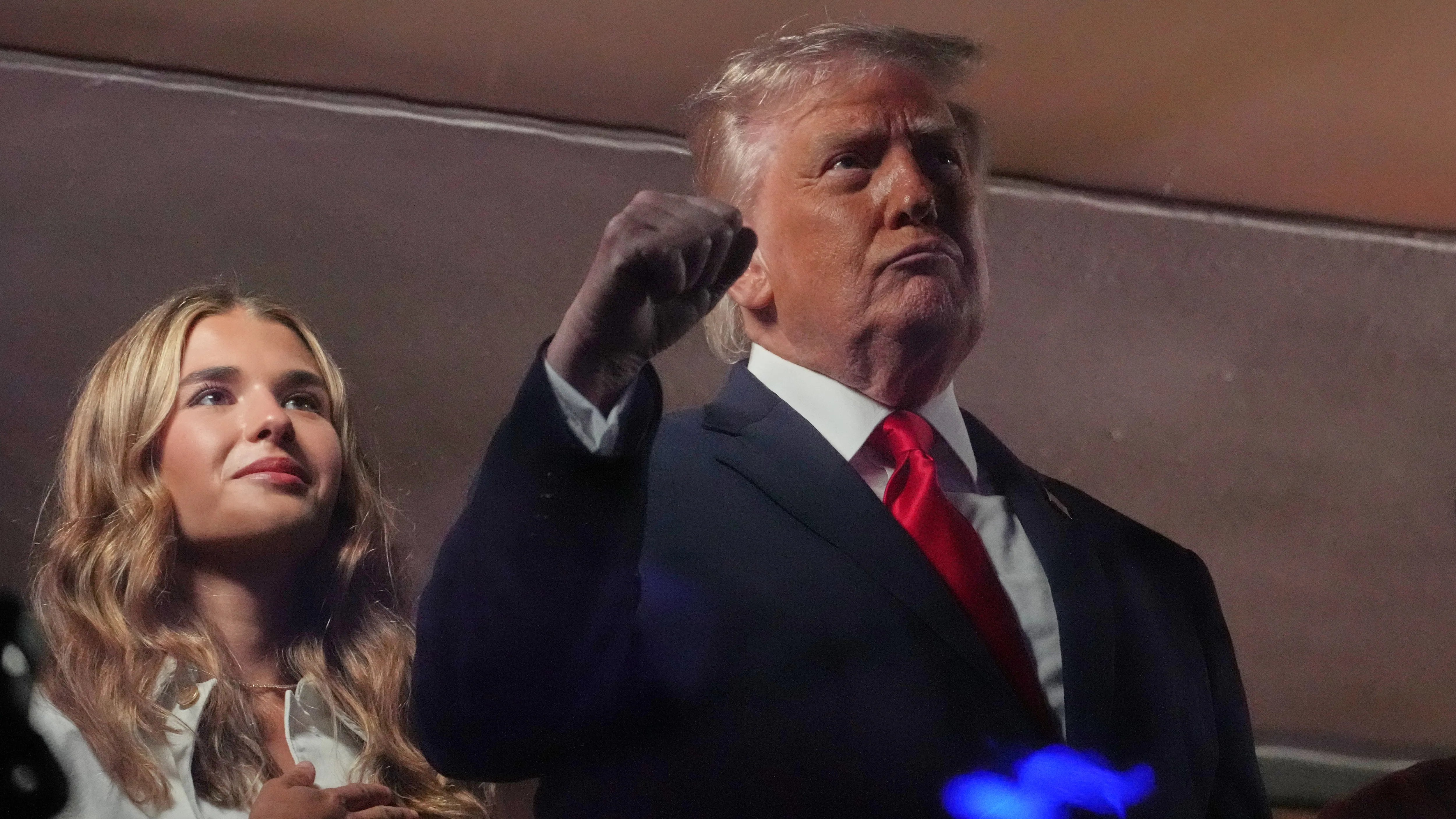
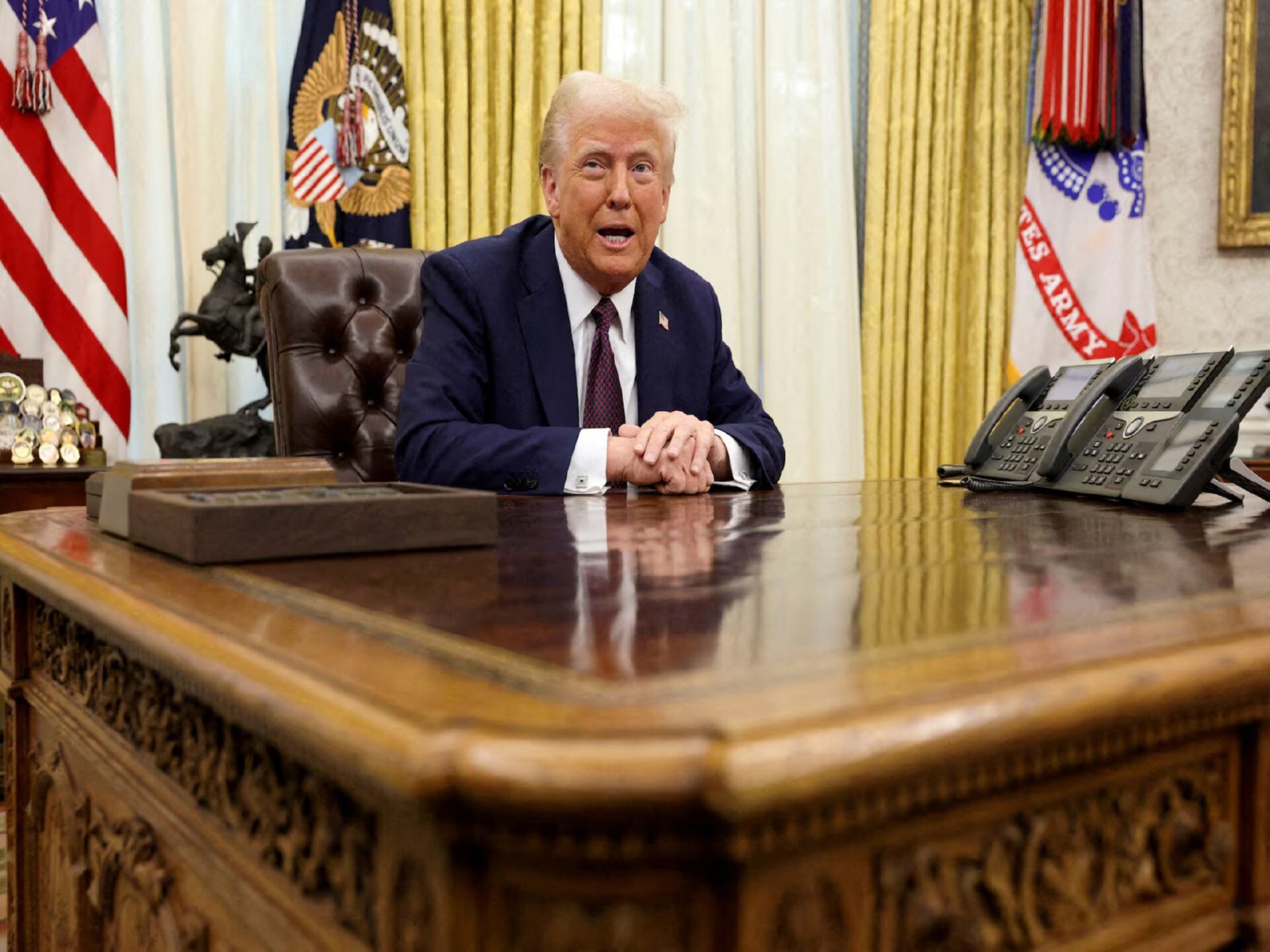
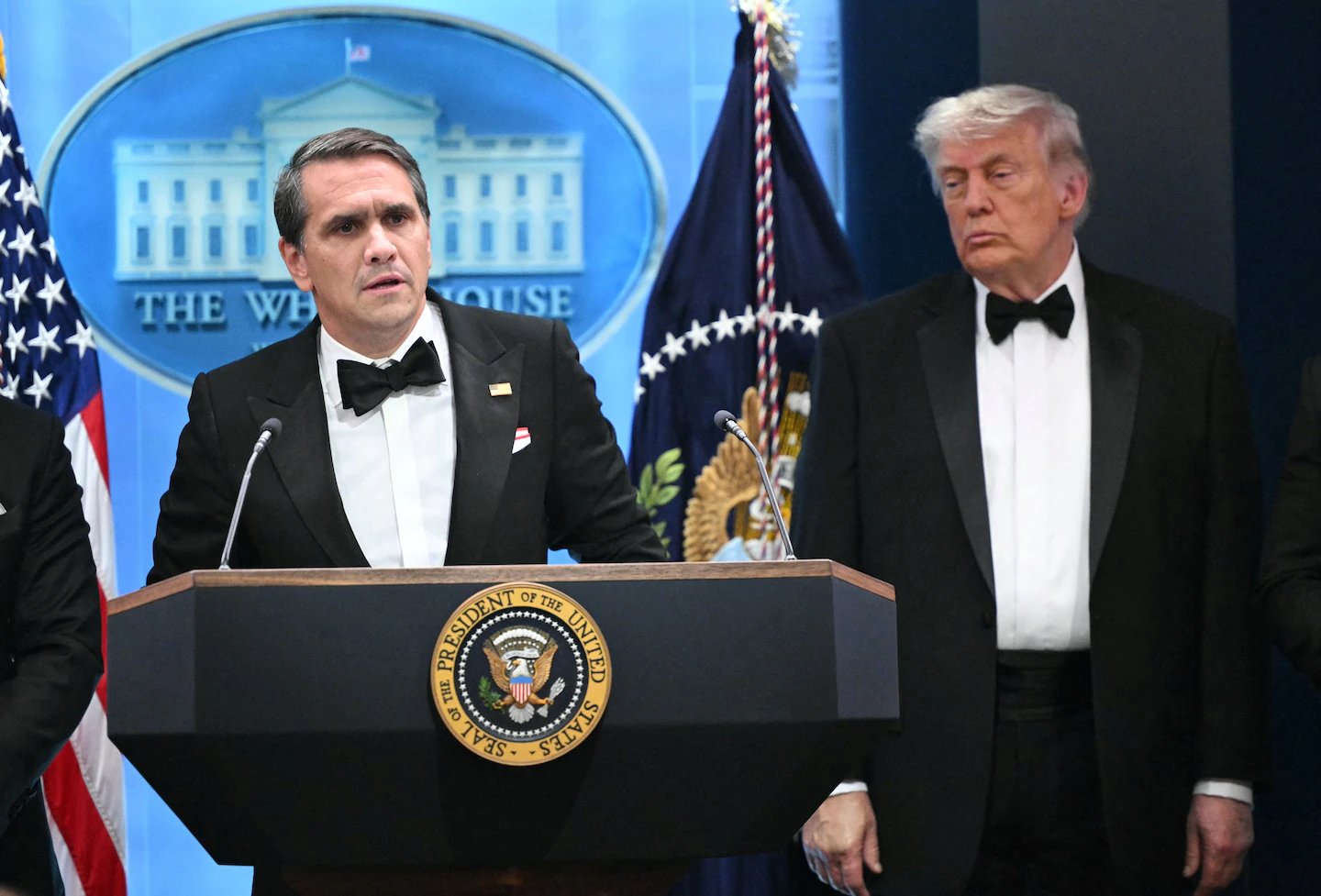
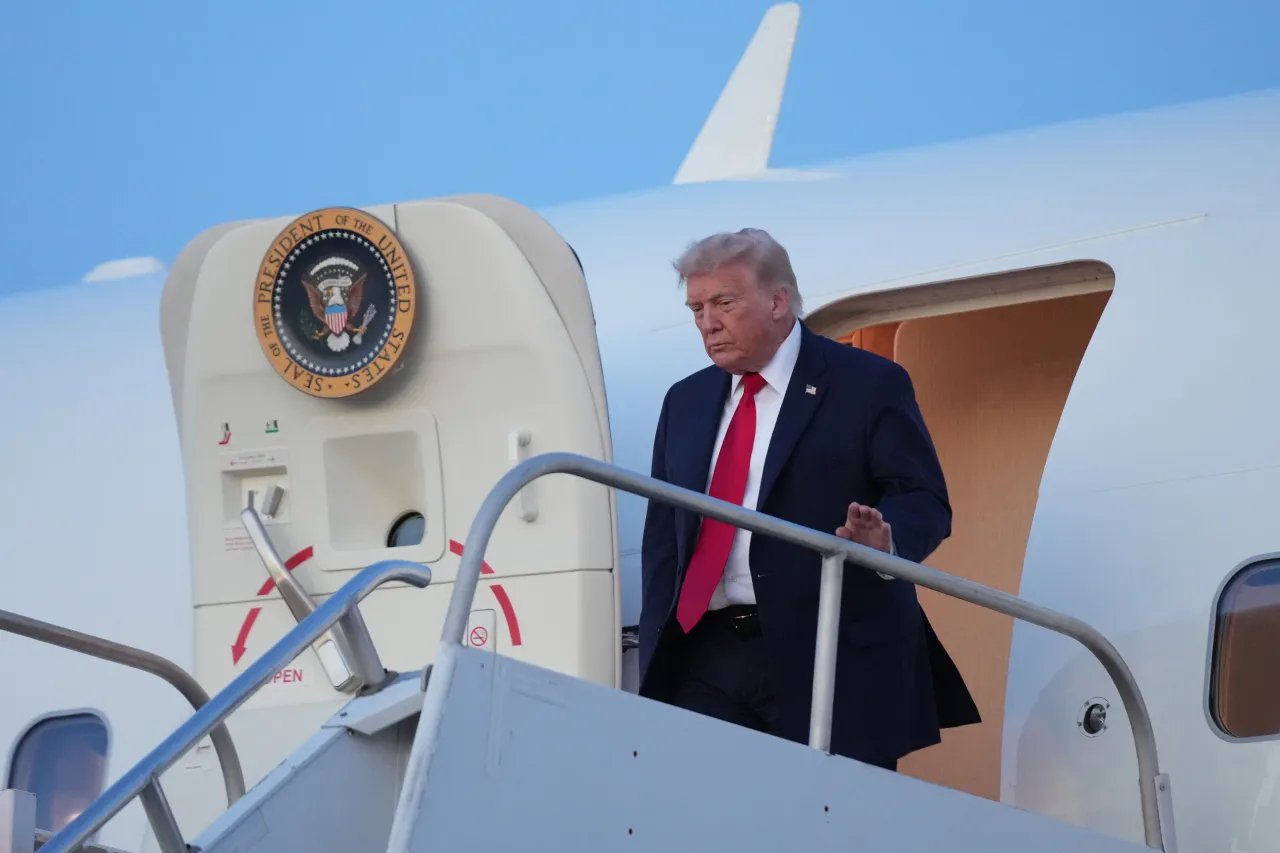
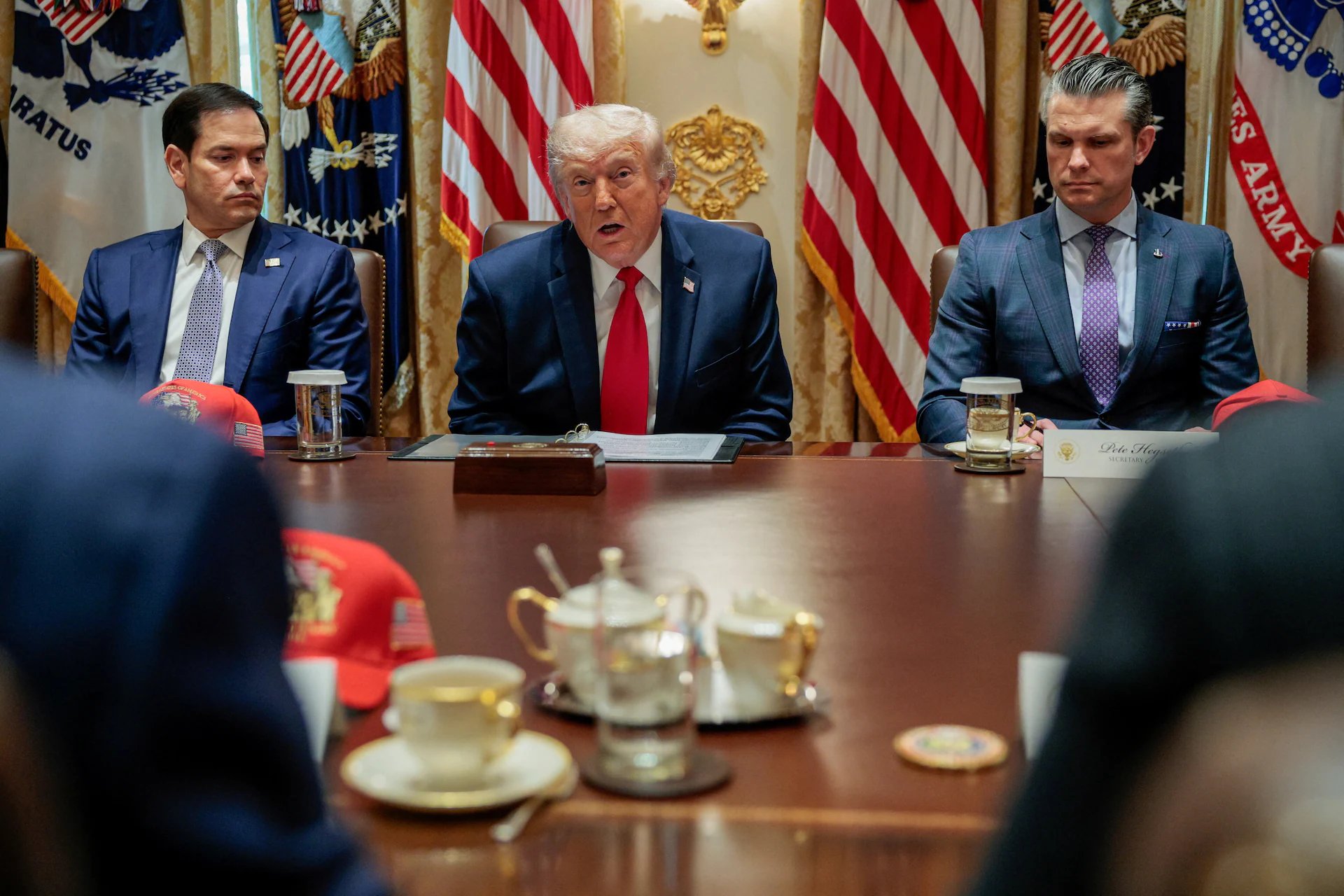
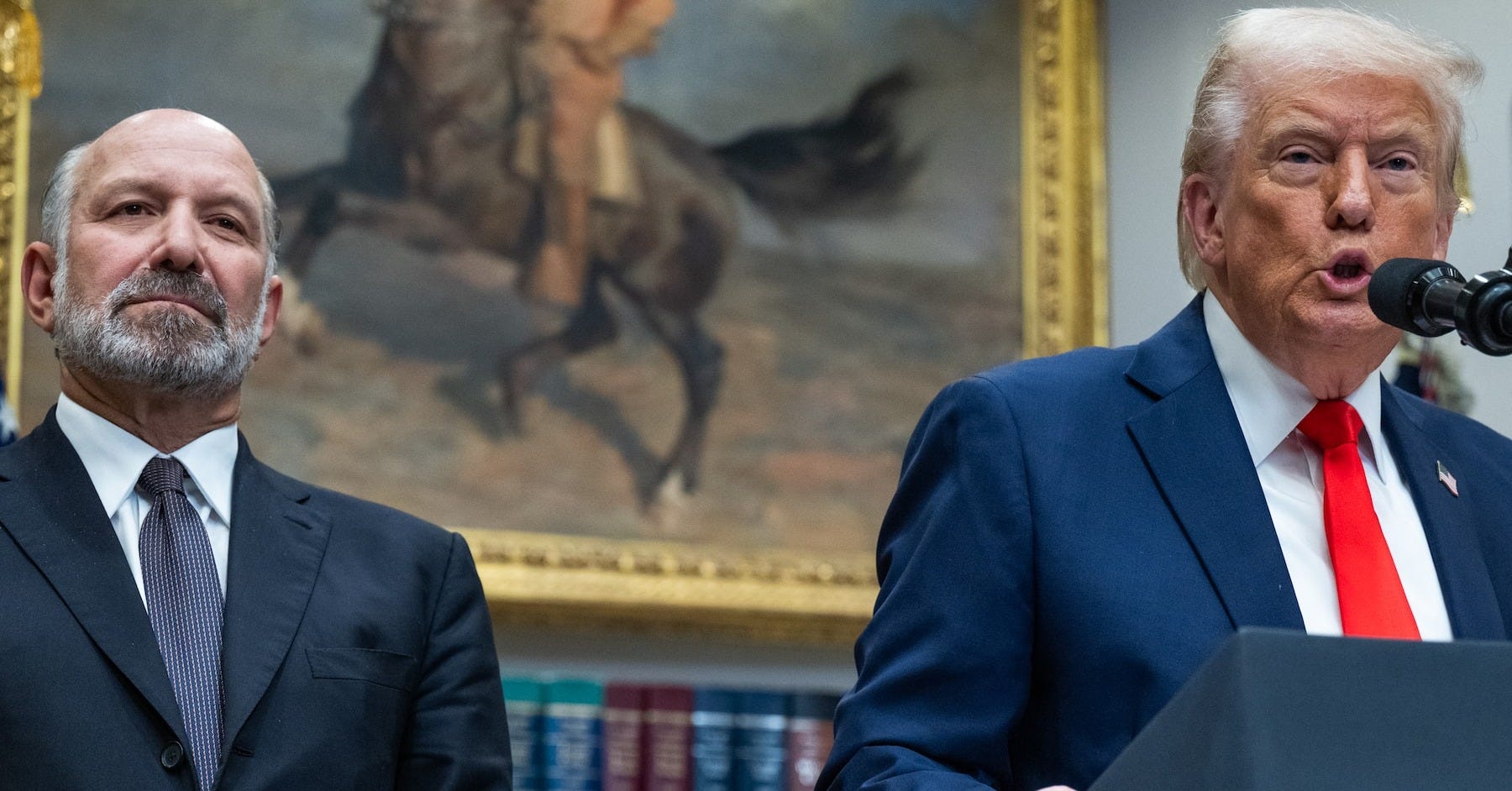
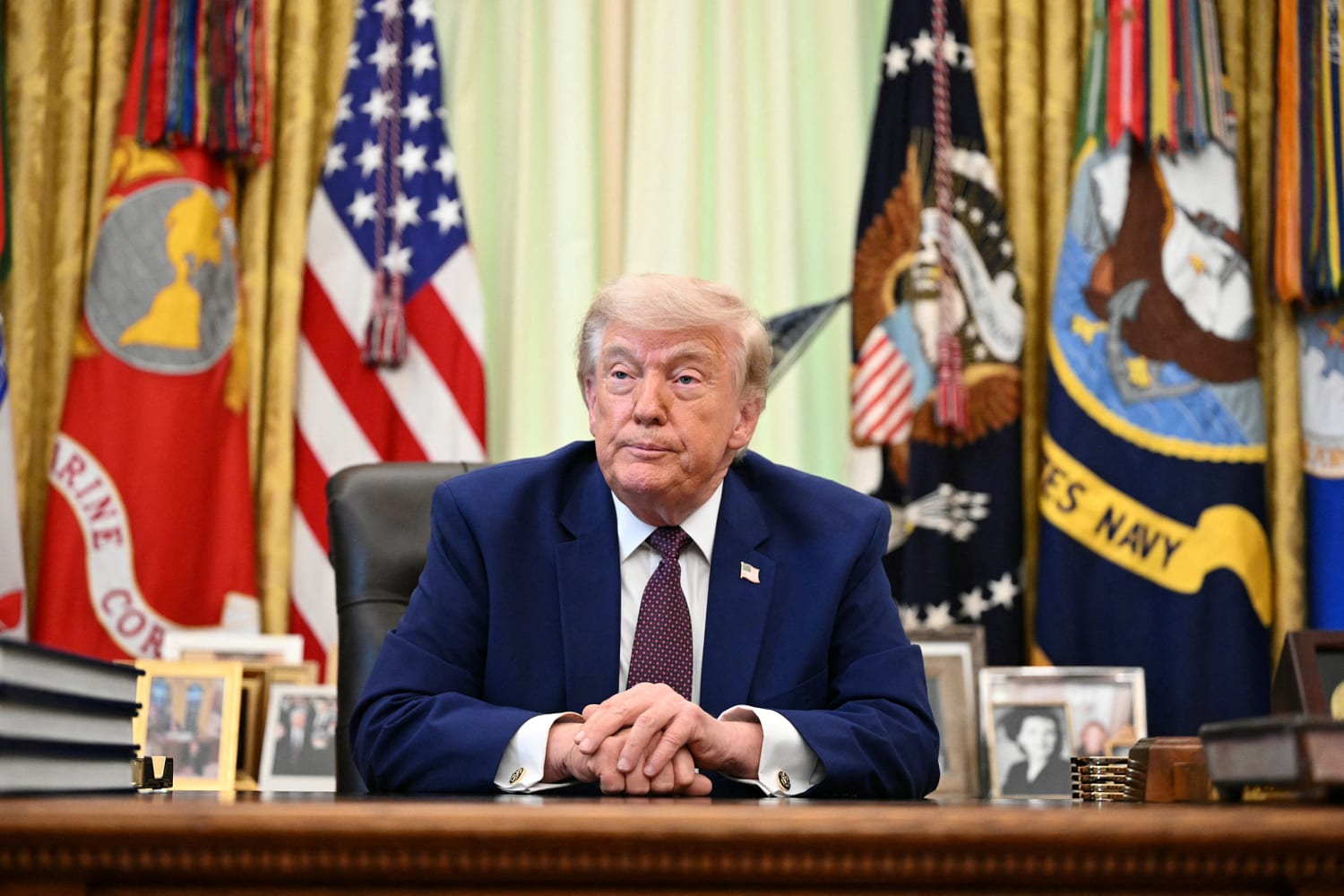
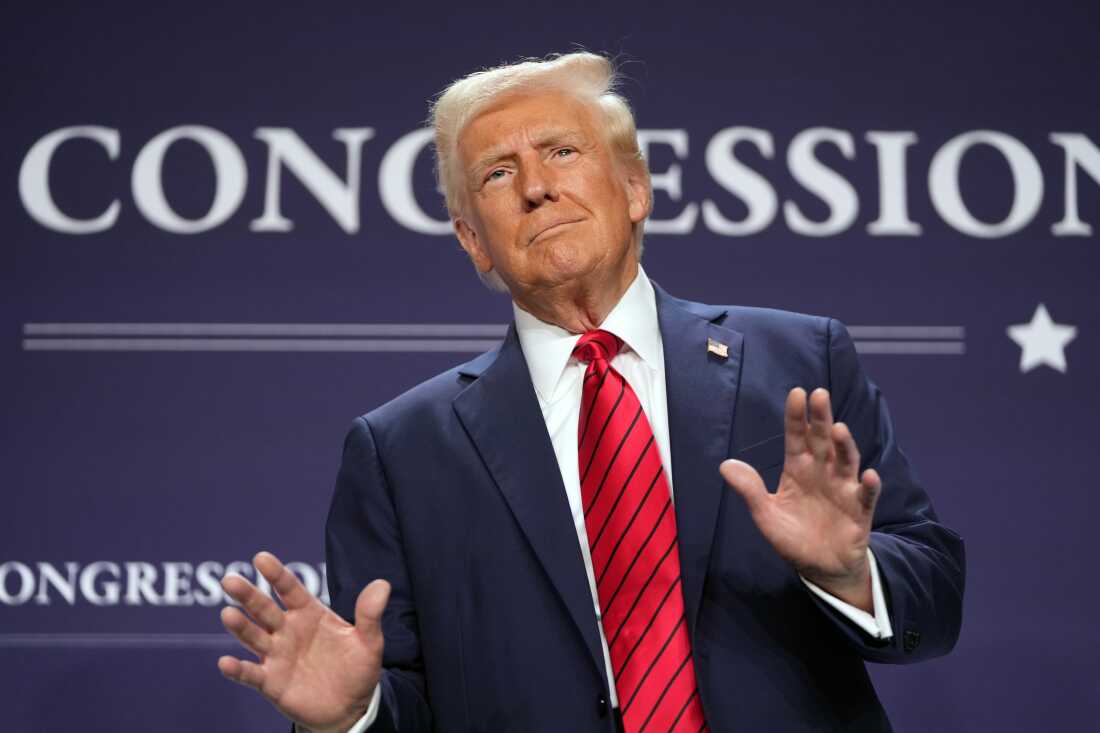
President Donald Trump said he "loves the inflation," calling the figures "great" at a White House statement on Wednesday. He promised that prices would "come down like a rock" once the war with Iran ended. Later that day, Trump told the New York Post his remarks were taken out of context and he meant inflation is "much lower than anticipated" despite the Iran war.
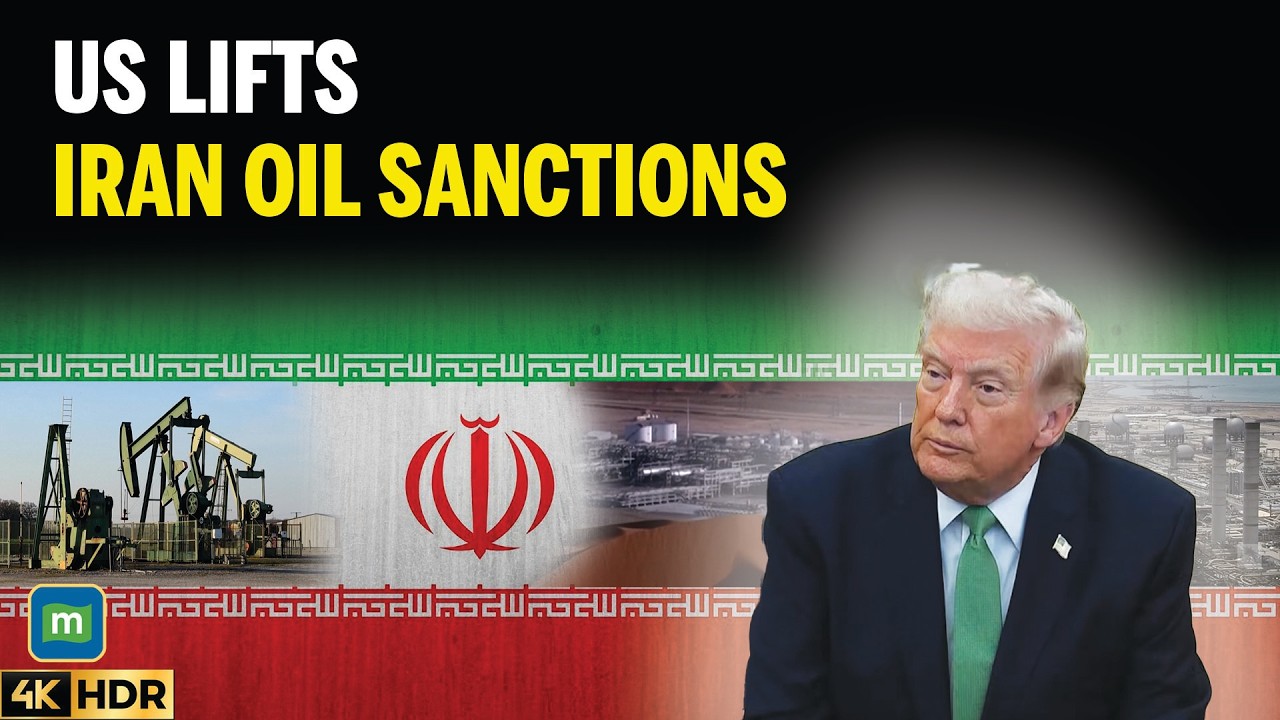
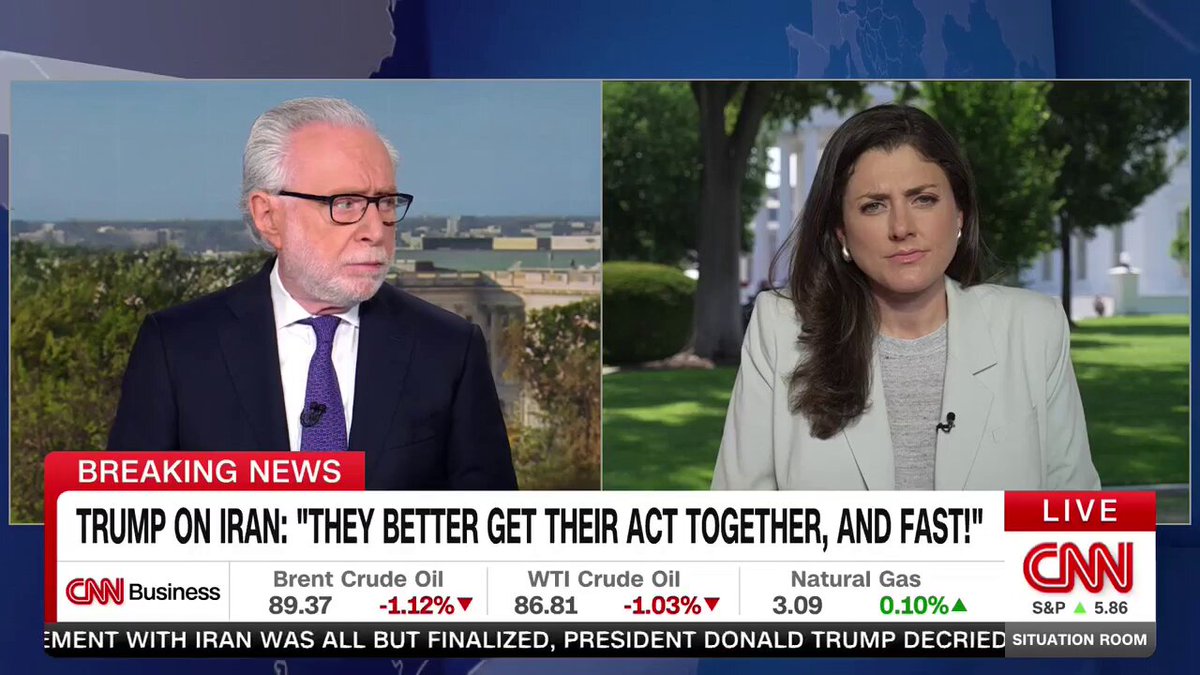
The president claimed U.S. military operations had taken "millions of barrels" of oil from Iran, contributing to a slight drop in oil prices. Trump has previously said inflation would rapidly cool once the conflict ends, though Brent crude oil remains significantly higher than pre-war levels.
Workers' paychecks falling behind prices
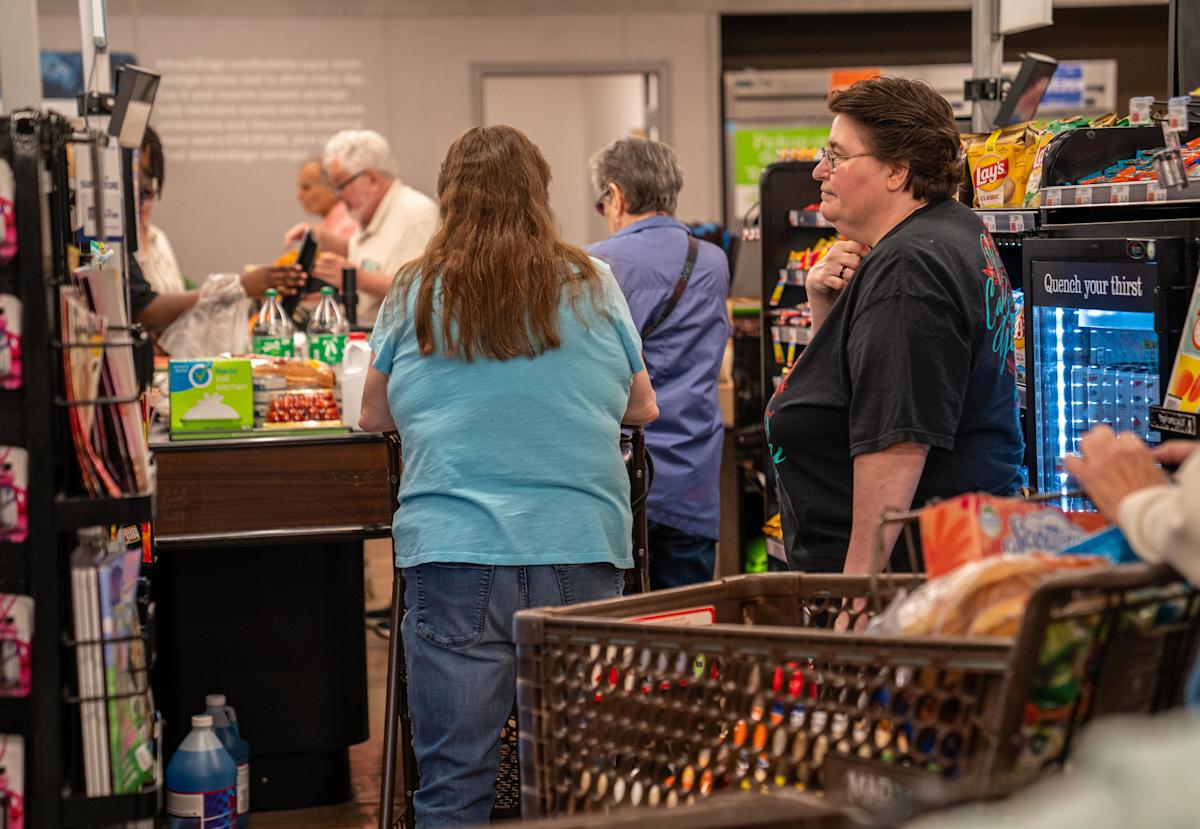
Wages grew by 3.4% over the past year, while inflation climbed 4.2%, leaving workers with less purchasing power. The Bureau of Labor Statistics reported that real average hourly earnings, which account for inflation, were down 0.3% in May. Ryan Young, a senior economist at the Competitive Enterprise Institute, said the two main causes of rising prices "were both avoidable: tariffs and the Iran war."
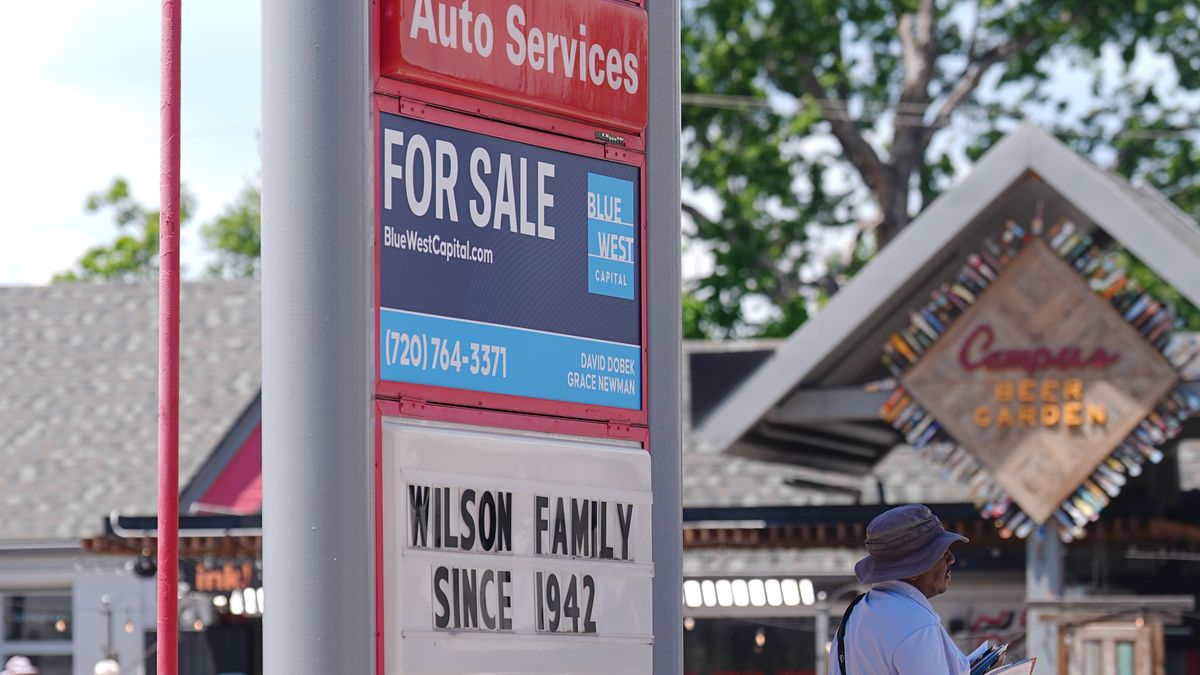
The cost increases extend beyond energy. The BLS figures pointed to rising prices for plane tickets, personal and medical care, recreation, and communication. Overall energy bills including gas and electricity were almost a quarter higher in May than a year earlier.
Political pressure and Federal Reserve decisions
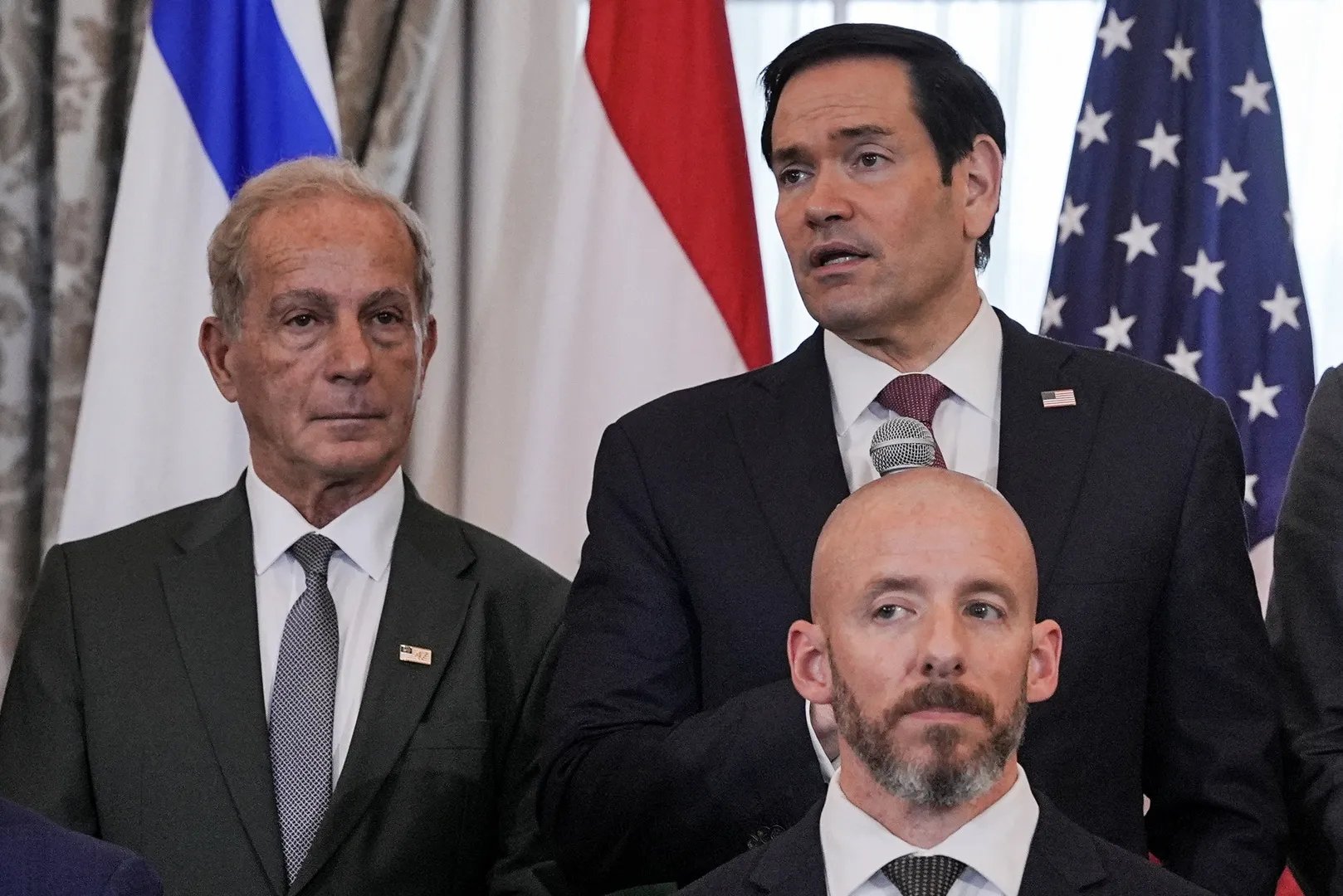
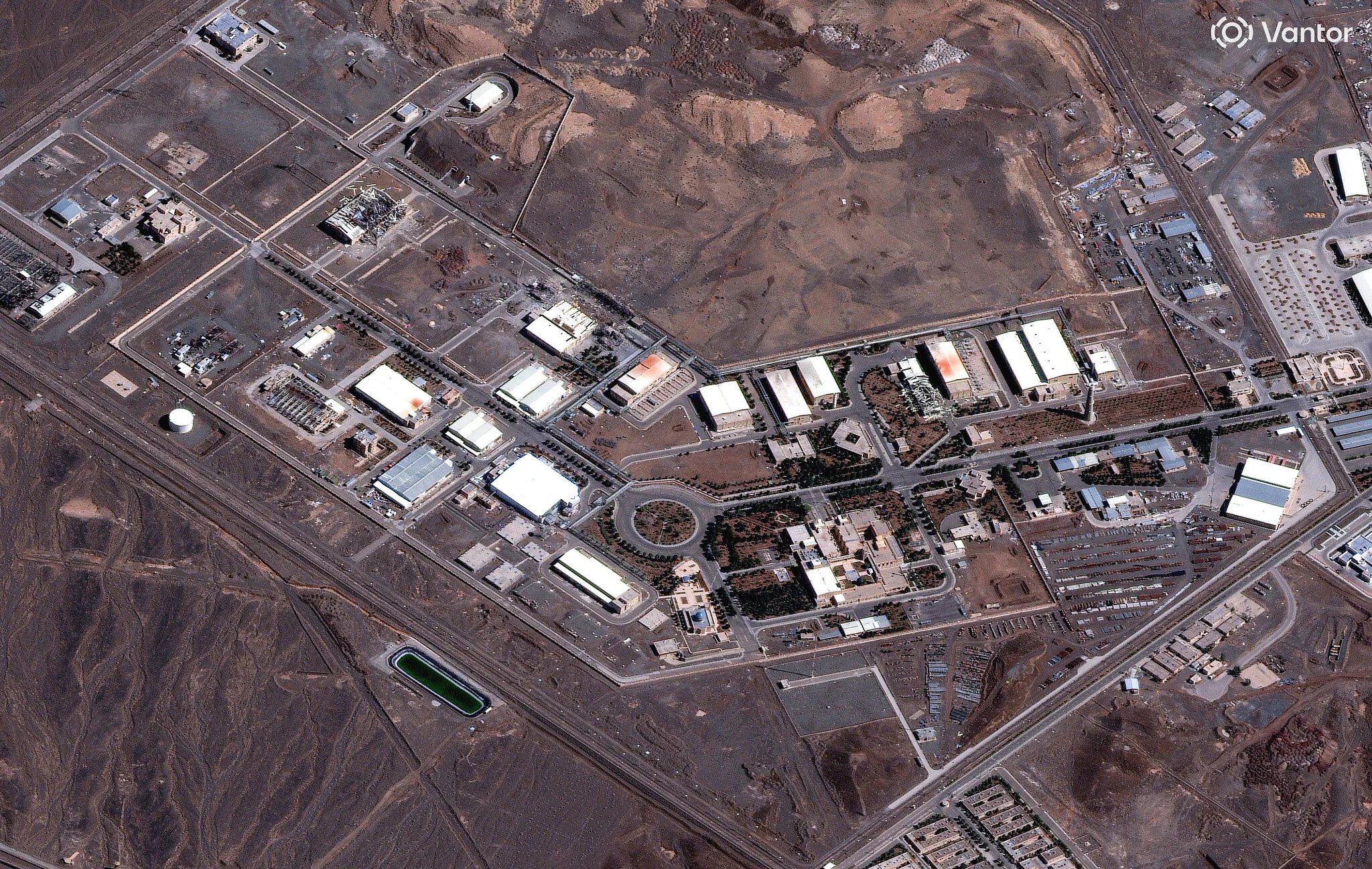
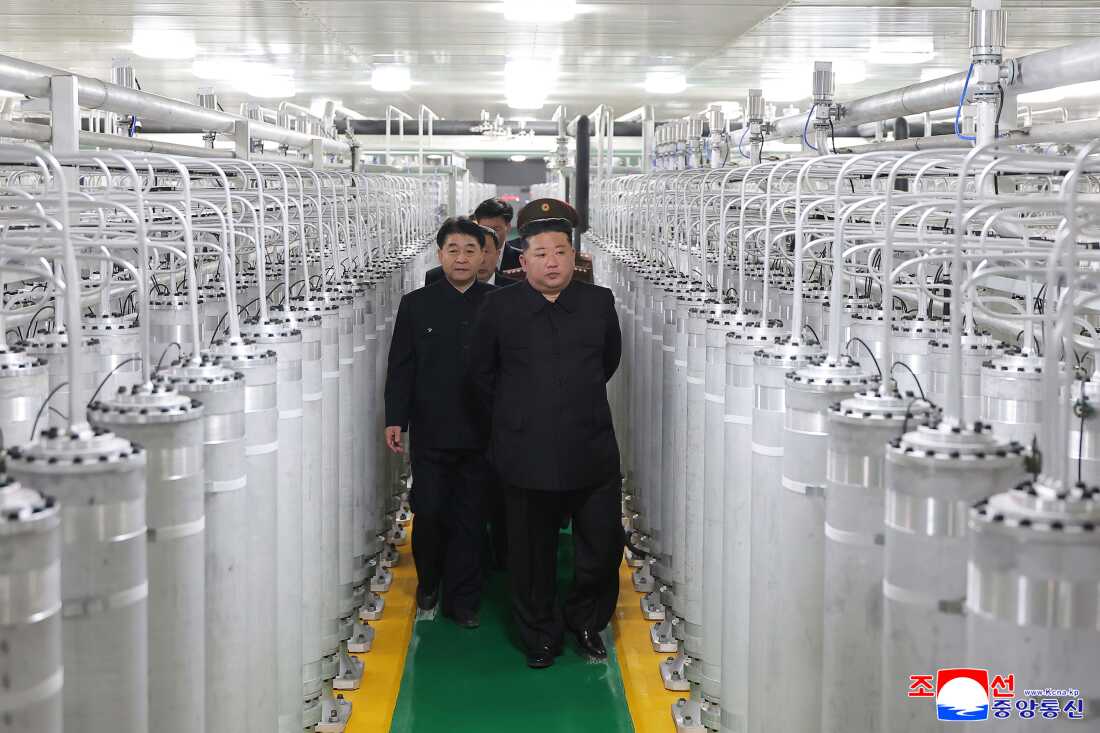
Senate Democratic Leader Chuck Schumer responded to Trump's inflation comments on X, writing: "His contempt for you knows no bounds." Trump has faced criticism for saying he was "not even a little bit" influenced by Americans' financial situation when it came to ensuring Iran did not develop nuclear weapons.
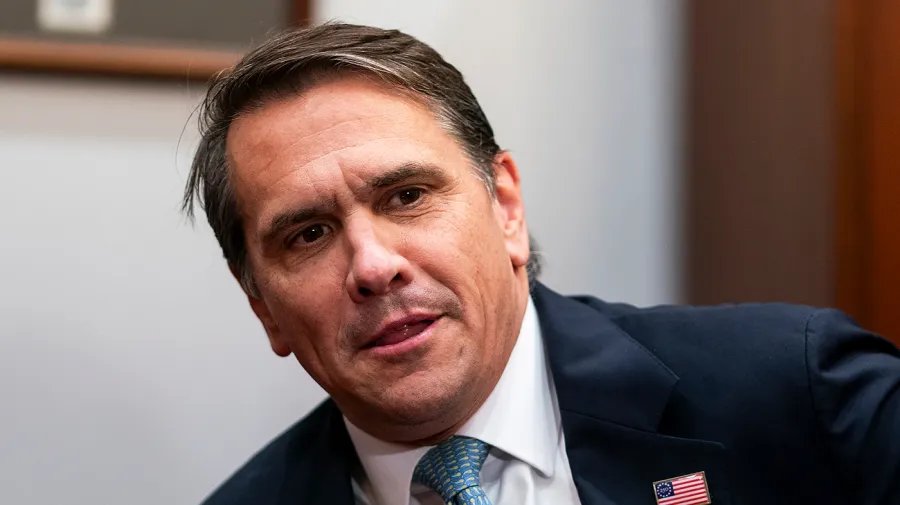
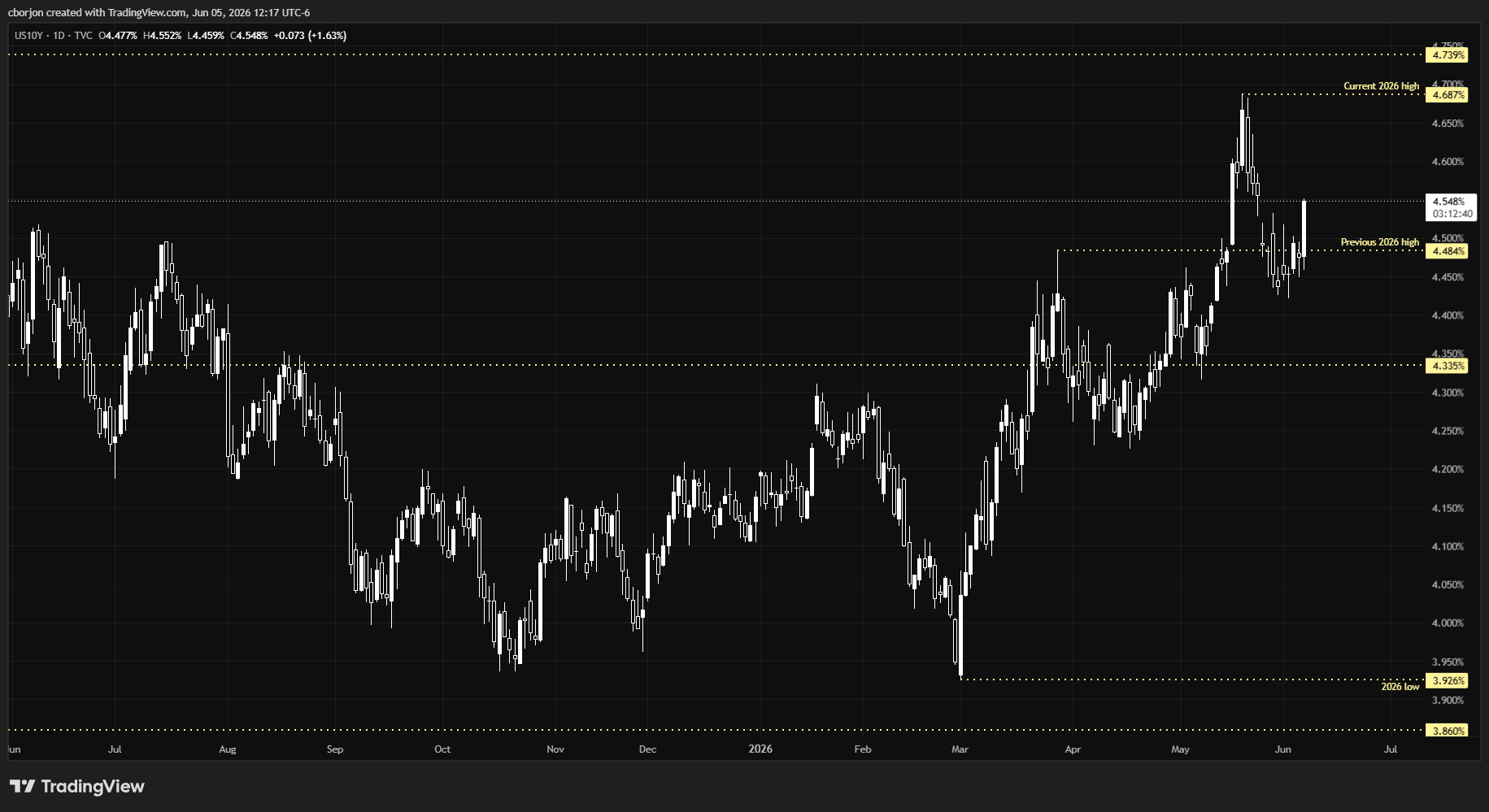
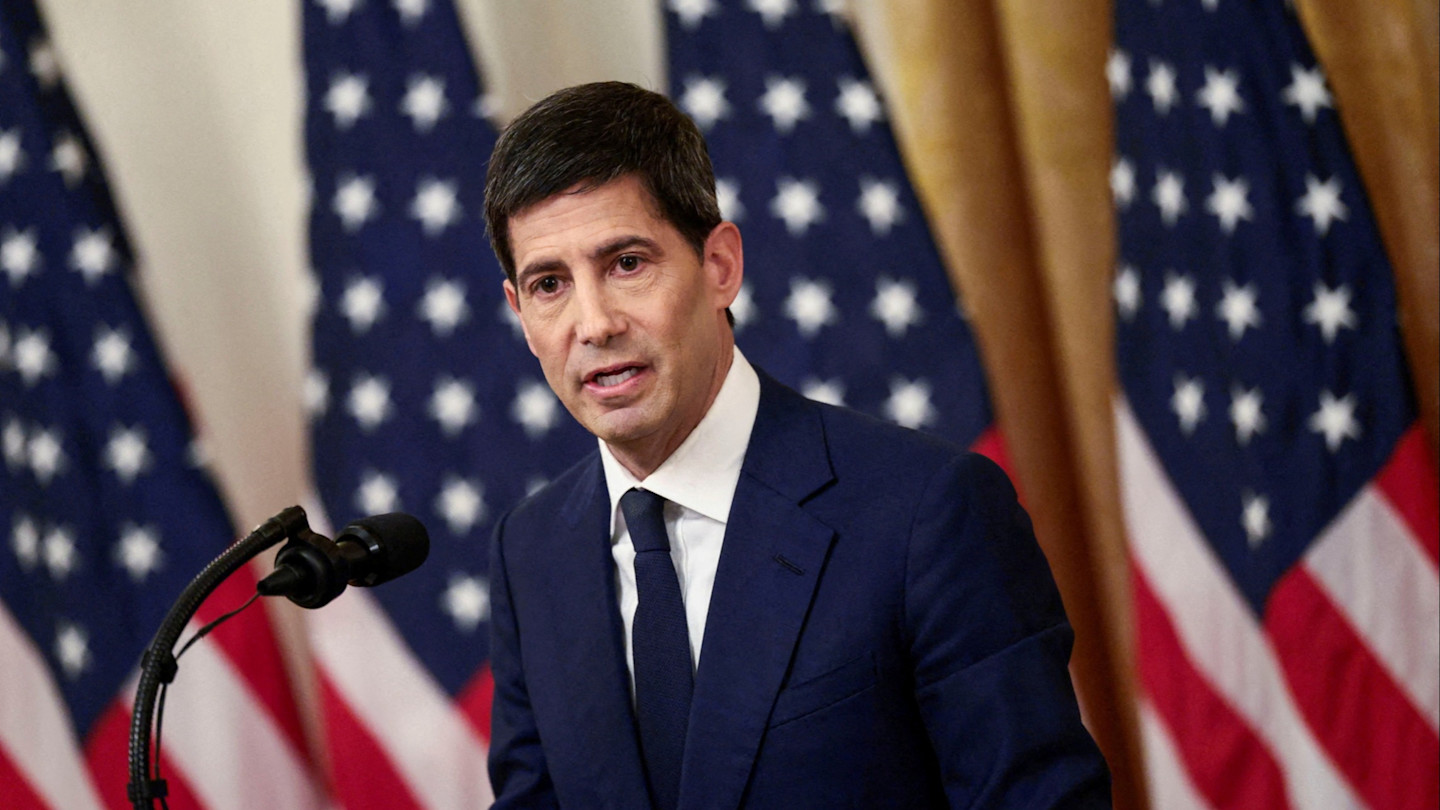
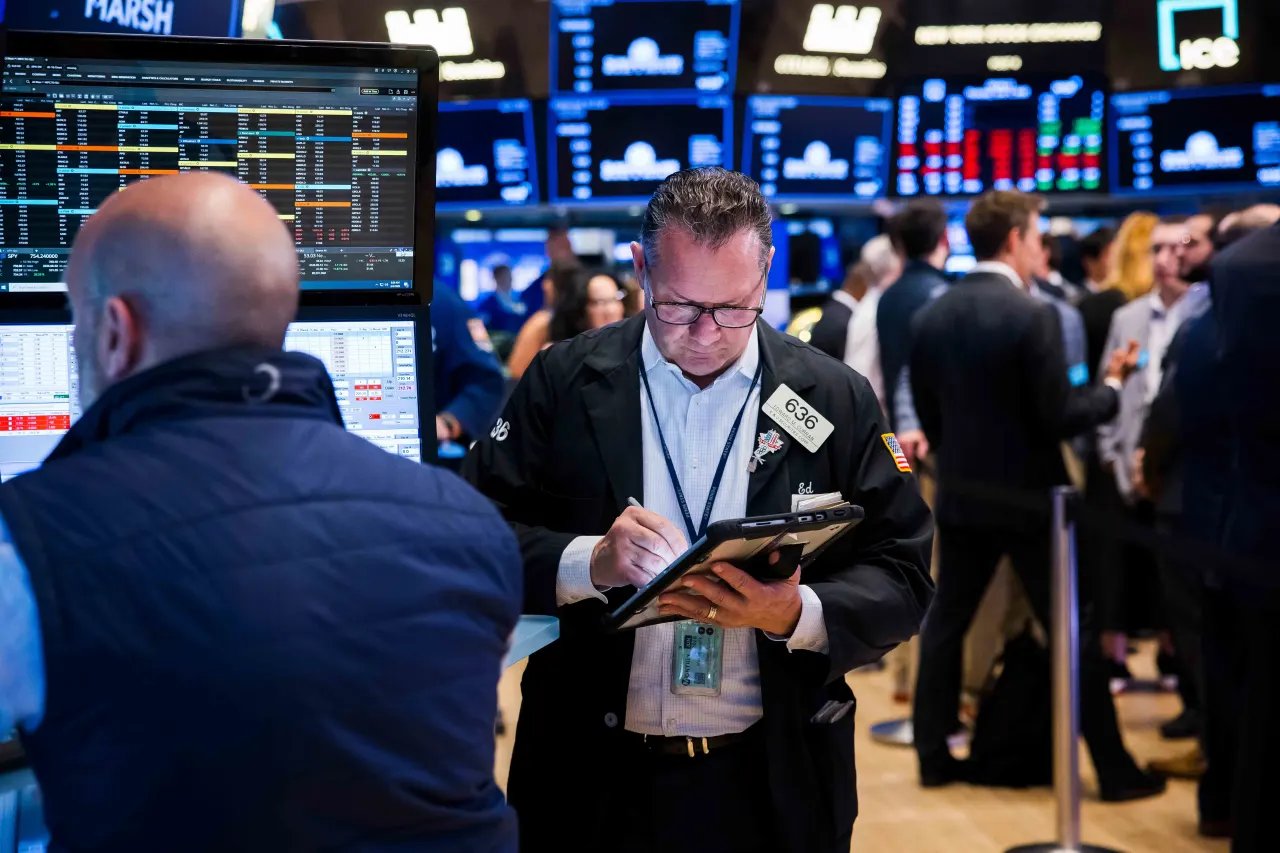
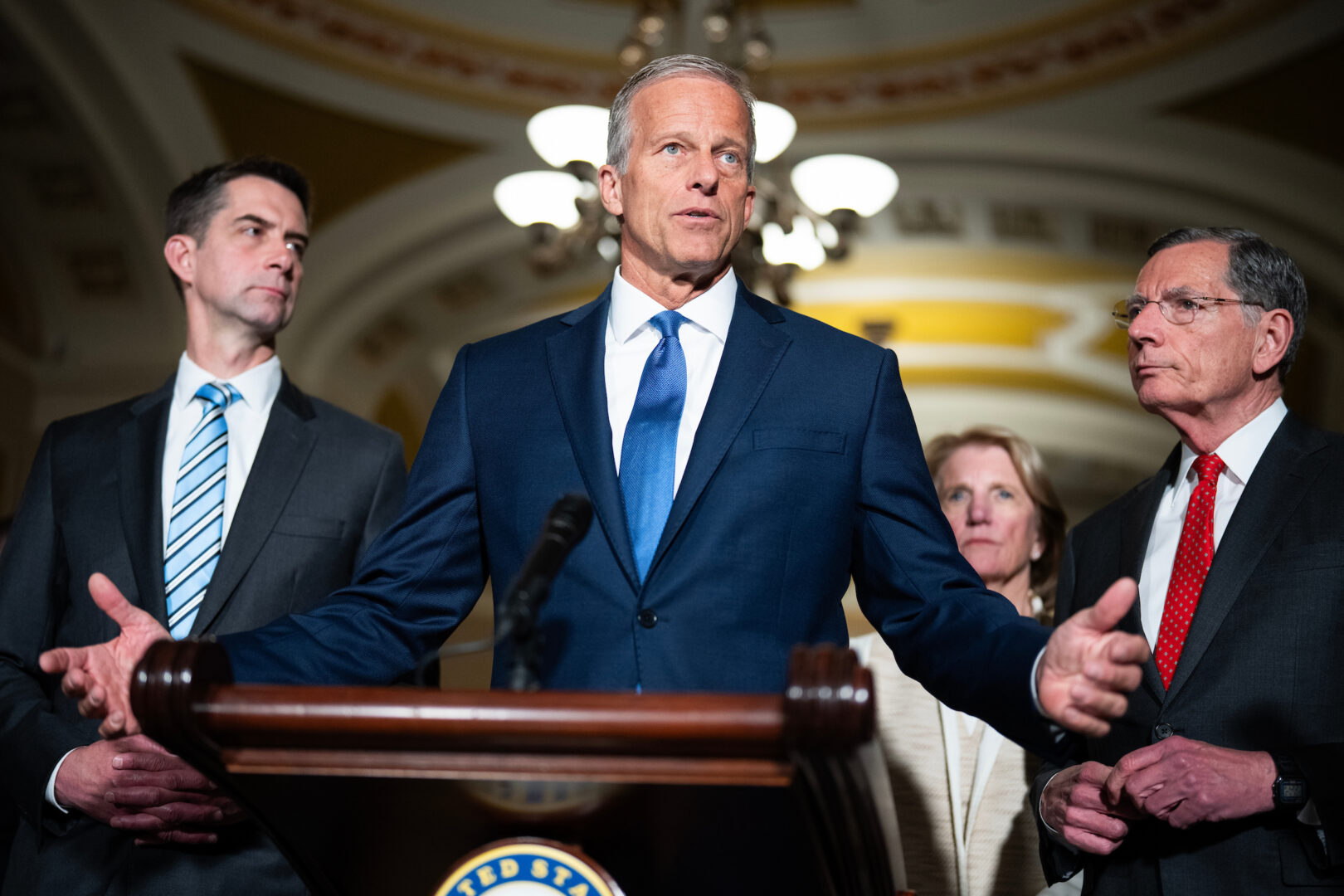
Kevin Warsh, the new governor of the Federal Reserve, faces pressure ahead of his first interest rate decision next week. Economists expect rates to remain at their current level, between 3.5% and 3.75%, though some warn that persistent inflation could force a rate increase. Stephen Brown, chief North America economist at Capital Economics, said May's rise alone was "not large enough to prove any ammo" to those on the Fed's rate-setting committee who want to push rates up. Isaac Stell, investment manager at Wealth Club, said an interest rate hike is "the most logical conclusion from today's data combined with last week's healthy jobs numbers."