Court Dismisses Final Claims Against Marcos Family
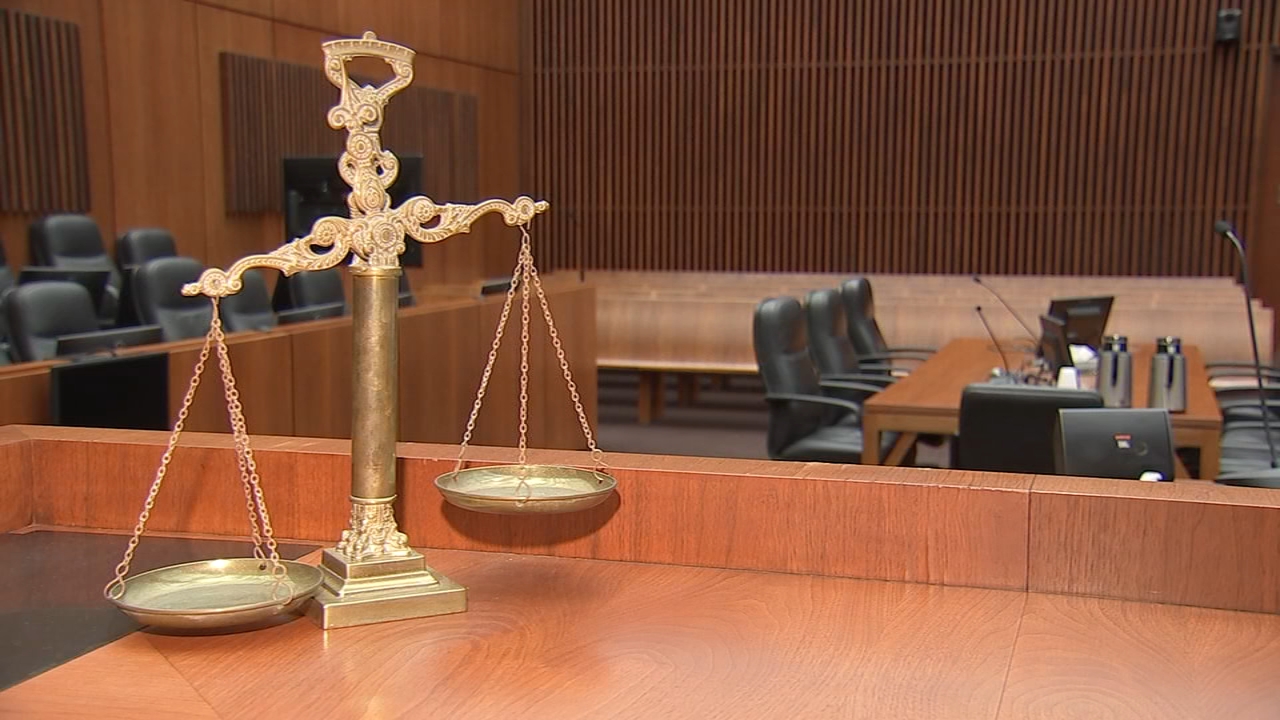
The Philippine anti-graft court has officially dismissed the last remaining claims in a civil case aimed at recovering assets linked to the late former President Ferdinand Marcos and his family. This ruling marks the conclusion of a prolonged legal effort that sought to reclaim what is believed to be wealth amassed through corruption during Marcos's presidency. The decision has implications for the ongoing discussions surrounding accountability and historical justice in the Philippines.
Impact on Asset Recovery Efforts
This dismissal effectively halts any further attempts to recover the alleged ill-gotten wealth of the Marcos family, which has been estimated at billions of dollars. The Philippine government has pursued asset recovery since the fall of Marcos in 1986, but the conclusion of this case signifies a potential shift in public perception regarding the Marcos legacy. Critics of the ruling fear that it may embolden political figures linked to the Marcos family, while supporters argue it allows the nation to move forward.
Political Ramifications
The dismissal could alter the political landscape in the Philippines. With the Marcos family having regained significant political power in recent years, including the election of Ferdinand "Bongbong" Marcos Jr. as president, this ruling may further entrench their influence. Observers note that this development could affect the public's trust in government institutions and the judicial system, particularly among those advocating for justice and accountability for past abuses.
Reactions from Advocacy Groups
Advocacy groups and civil society organizations have expressed disappointment over the court's decision. They argue that the dismissal undermines years of struggle for justice for victims of martial law under the Marcos regime. A spokesperson from a prominent human rights organization stated, "This ruling is a step back for accountability and sends a message that corruption can go unpunished."
Broader Context of Corruption Cases
The dismissal of the Marcos case comes at a time when various corruption cases are being scrutinized in the Philippines. The legal landscape is complicated, with different factions vying for power and influence. The Marcos family's return to prominence has reignited debates about governance and the rule of law in the country. As public sentiment evolves, the implications of this ruling may resonate beyond the courtroom, impacting future electoral outcomes and governance policies.
Next Steps for Citizens
As the dust settles on this legal ruling, citizens must consider its implications for their rights and the future of governance in the Philippines. Engaging in civic discourse and holding leaders accountable will be crucial as the nation navigates the aftermath of this decision. Citizens are encouraged to participate in discussions about transparency and integrity in leadership, ensuring that the lessons of the past inform the path forward.