




Cook cites chip shortage as reason for hikes
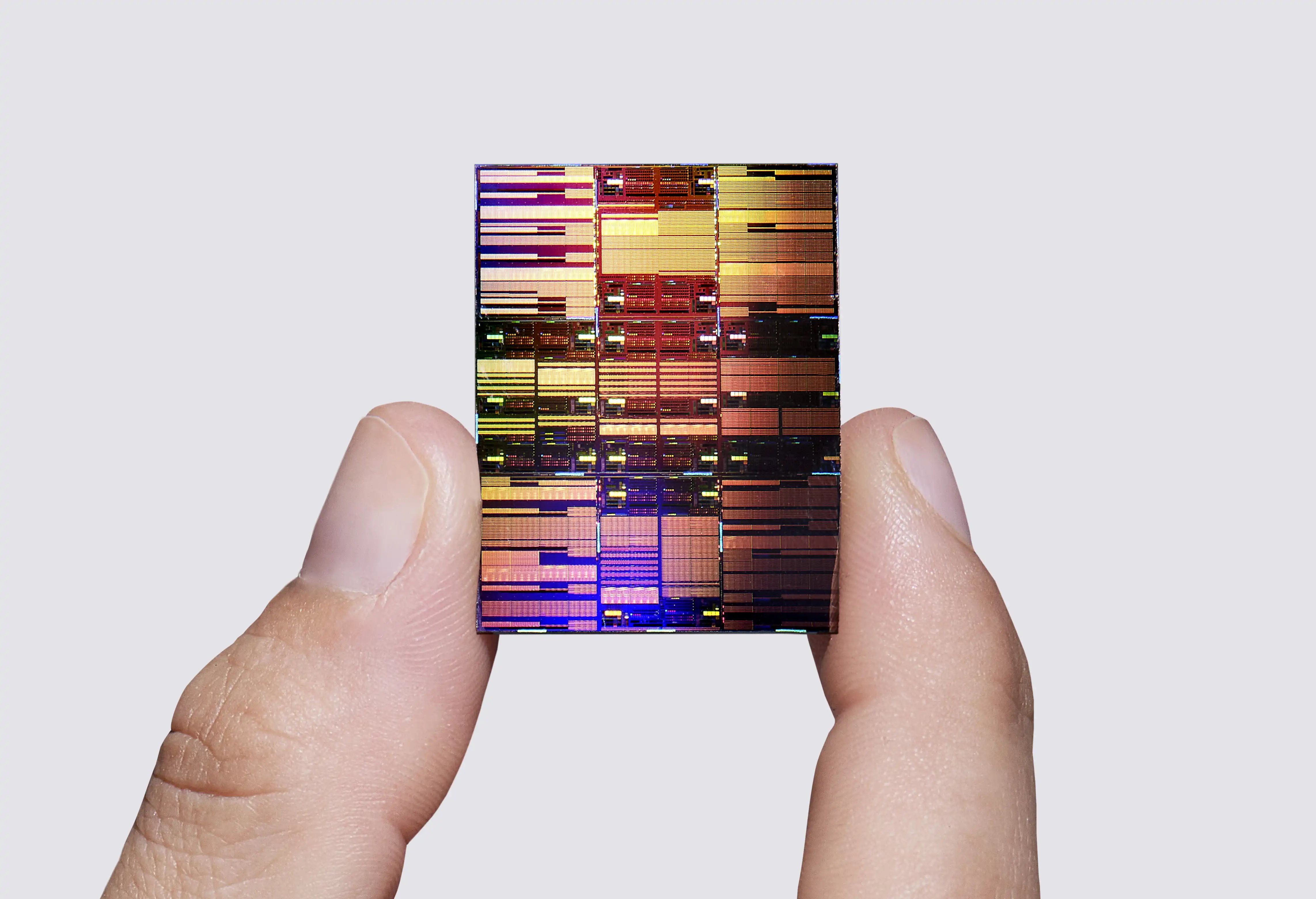
Apple will raise prices on its products to offset surging costs for memory chips, CEO Tim Cook told the Wall Street Journal. Cook described the situation as "unsustainable" and said the company had been attempting to shield customers from increases but could no longer do so. "There's less supply at a time when consumers want devices and the memory guys are passing along huge price increases," Cook said. He did not specify which products would be affected or when the increases would take effect.
The price of RAM has more than doubled since October 2025, driven partly by the artificial intelligence boom that has created unprecedented demand for memory chips. Cook acknowledged that Apple had been absorbing these costs internally but reached a breaking point. "We're doing our best to mitigate the huge increases that are being passed to us, and we've been trying to shield our customers from the increases, but the situation has become unsustainable," he said.
Industry-wide pressure reshaping consumer electronics
Apple is not alone in raising prices. Samsung warned earlier this year that memory chip supply shortages would make electronic devices more expensive. Sony raised PlayStation 5 console prices by $100 in the US and £90 in the UK due to global economic pressures. Nintendo announced it would increase Switch 2 pricing from September because of "changes in market conditions."
Research firm Omdia projects that average smartphone prices globally will rise by around 20% in 2026 to an all-time high. Apple's new phones are expected to cost up to $150 more than the iPhone 17 models, partly because the company plans to upgrade specifications to support new AI features, according to Chiew Le Xuan, Omdia's smartphone market analyst. "Most smartphone brands have already raised prices, pulled back on promotions or cut specifications to protect their profit margins in response to rising costs," Le Xuan told the BBC. "This is the new pricing reality, not a temporary spike."
Geopolitical factors compounding chip costs
Beyond AI demand, the war in Iran has disrupted the global supply of helium, a gas crucial in semiconductor manufacturing. This supply constraint has added further pressure to chip costs across the industry. Taiwan Semiconductor Manufacturing Company, which produces the most advanced chips for Apple, Nvidia, and AMD, would not rule out its own price increases when speaking to the BBC this month, citing inflation pushing up its costs.
Apple reported strong sales growth in the first three months of 2026, with device sales rising 17% compared with the same period a year ago, driven by demand in China. The company already raised the starting price of its Mac Mini compact computers by about $200 earlier this year after removing the entry-level option.