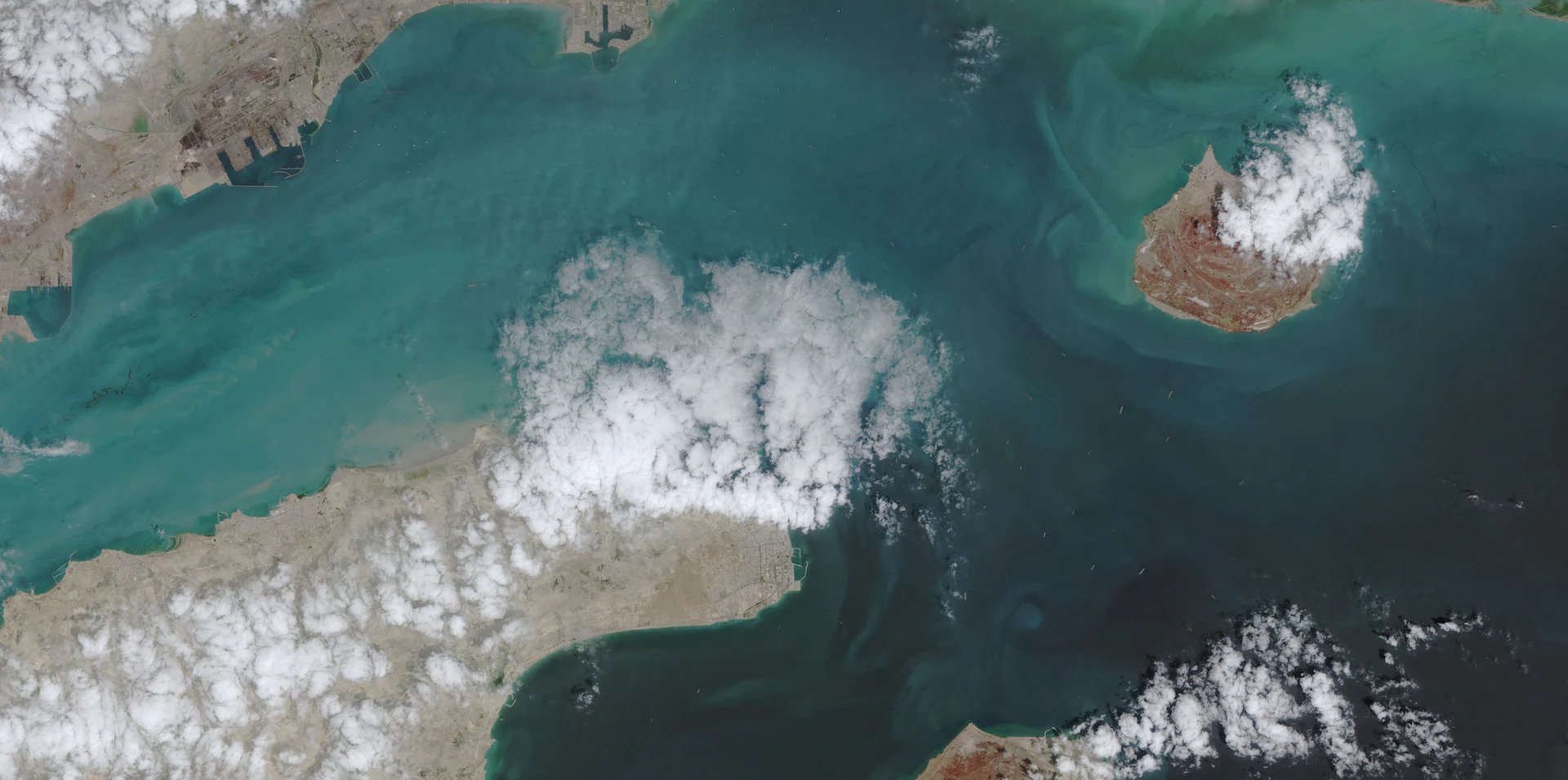
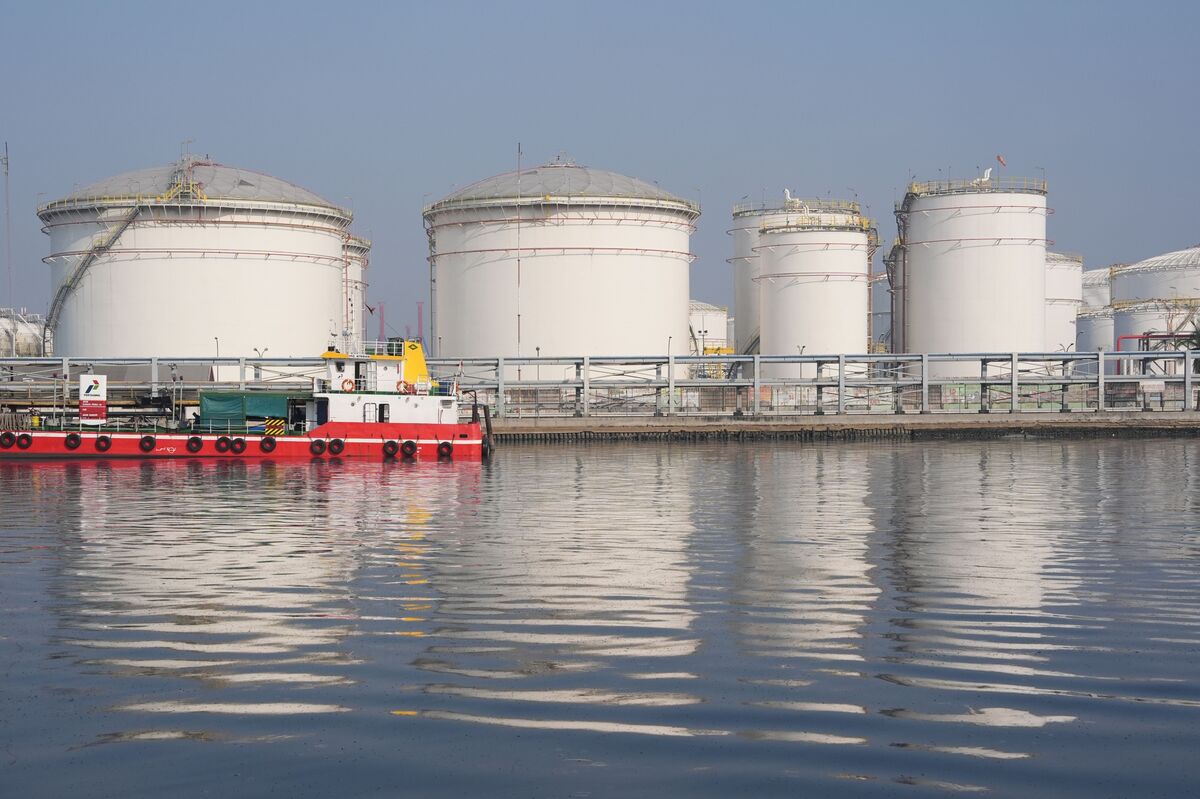
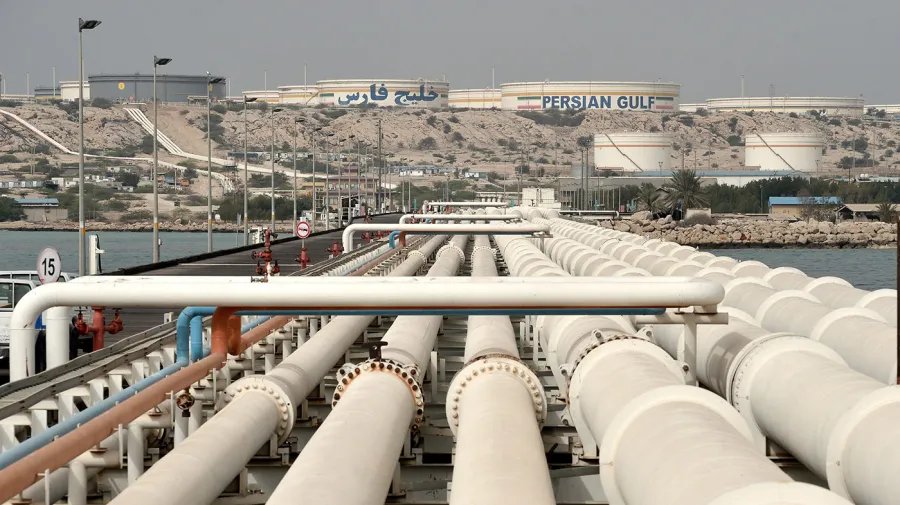
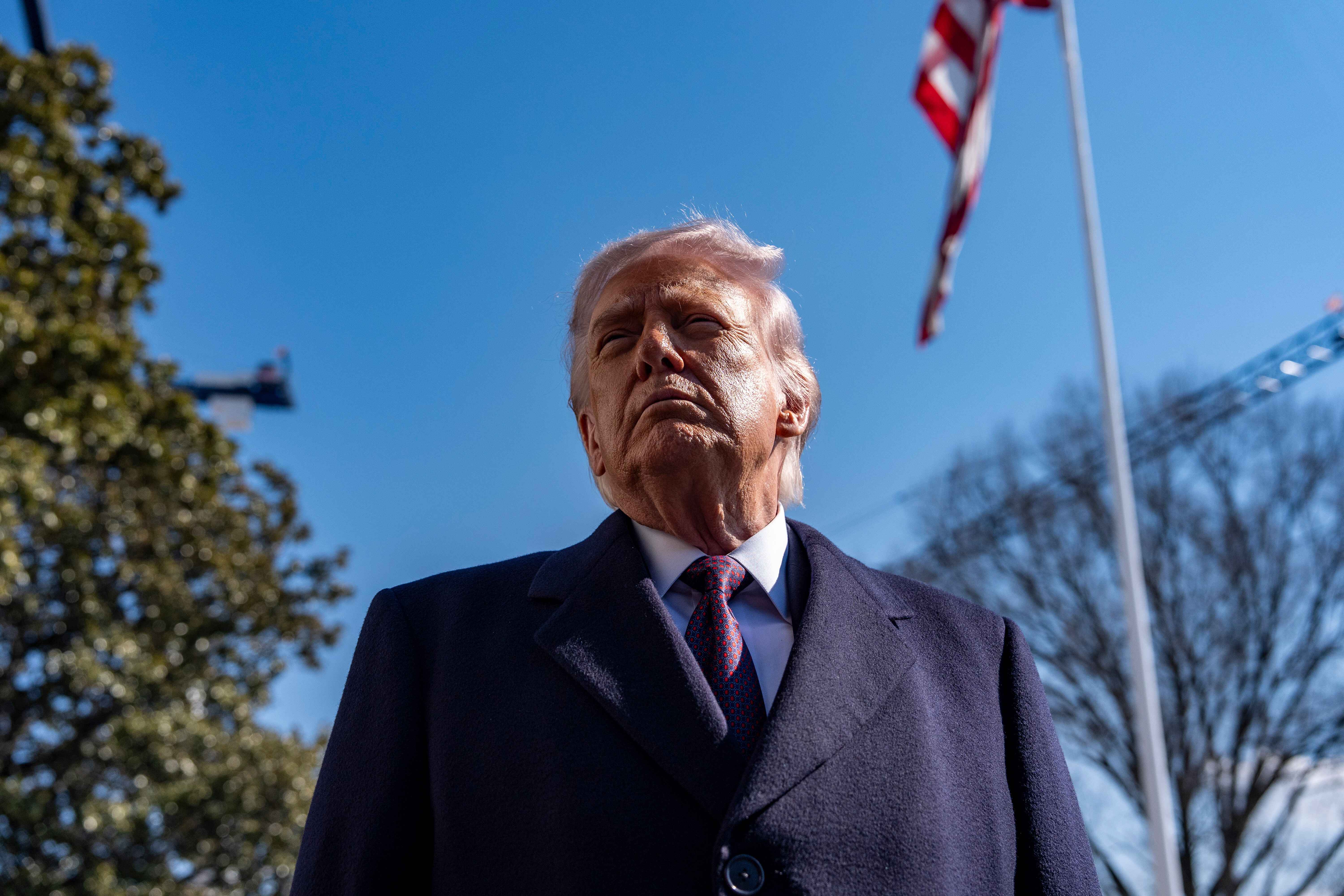
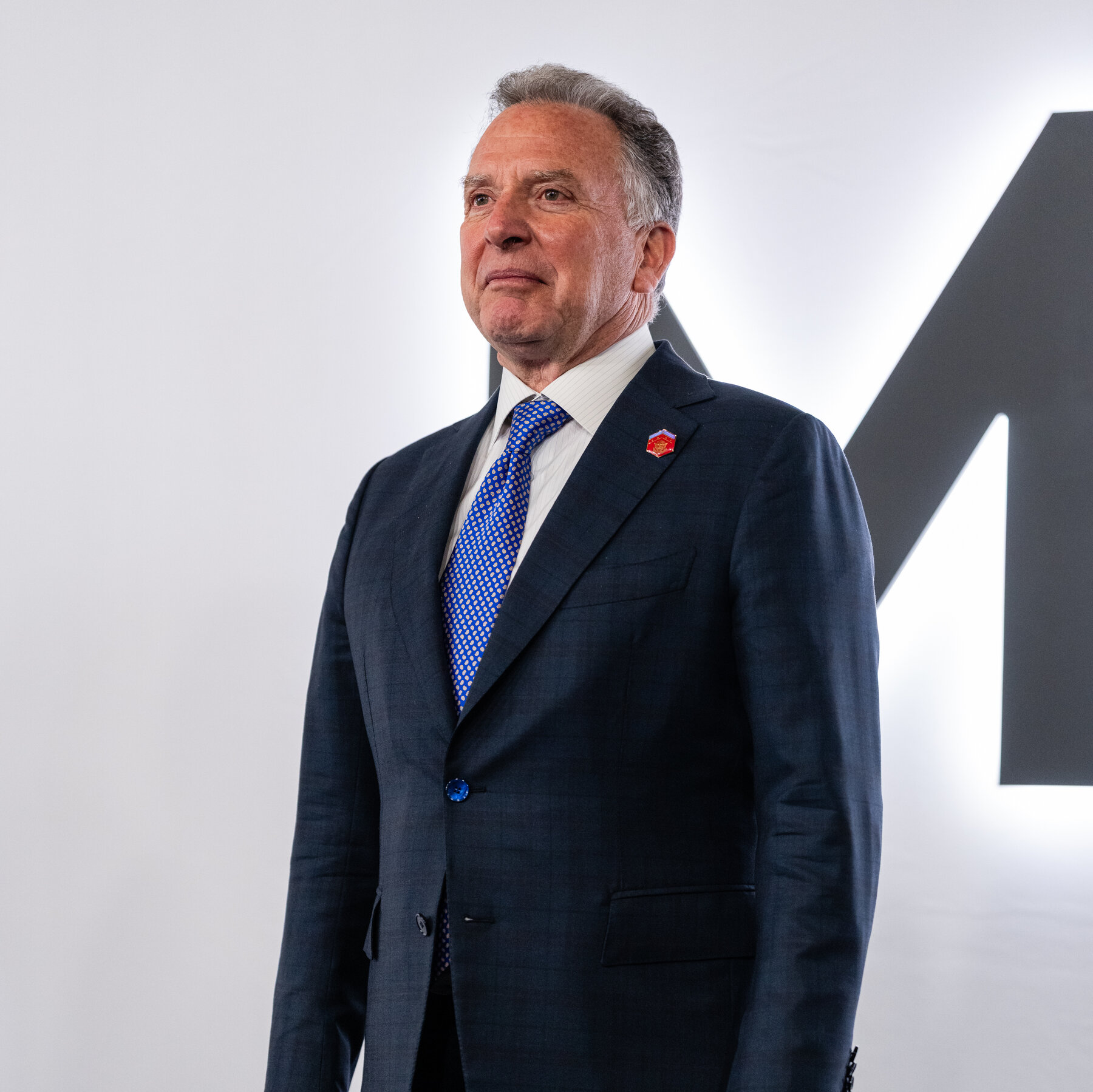
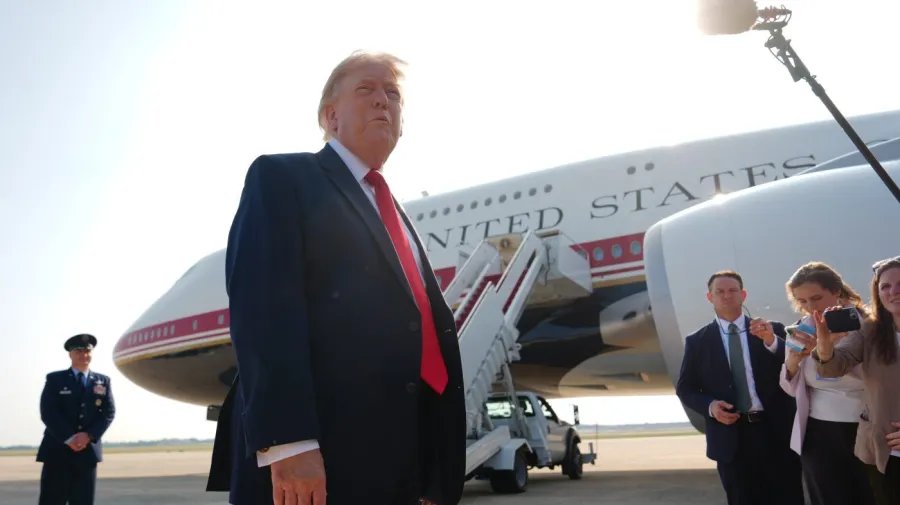
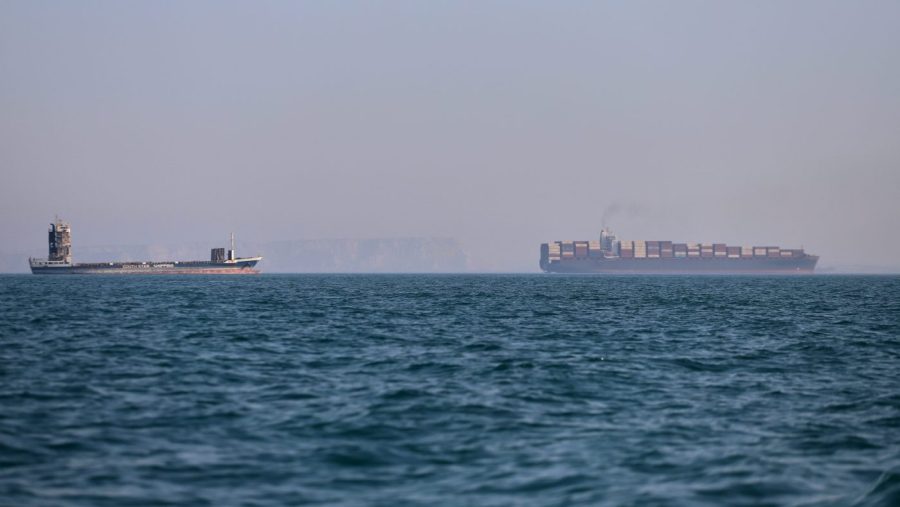
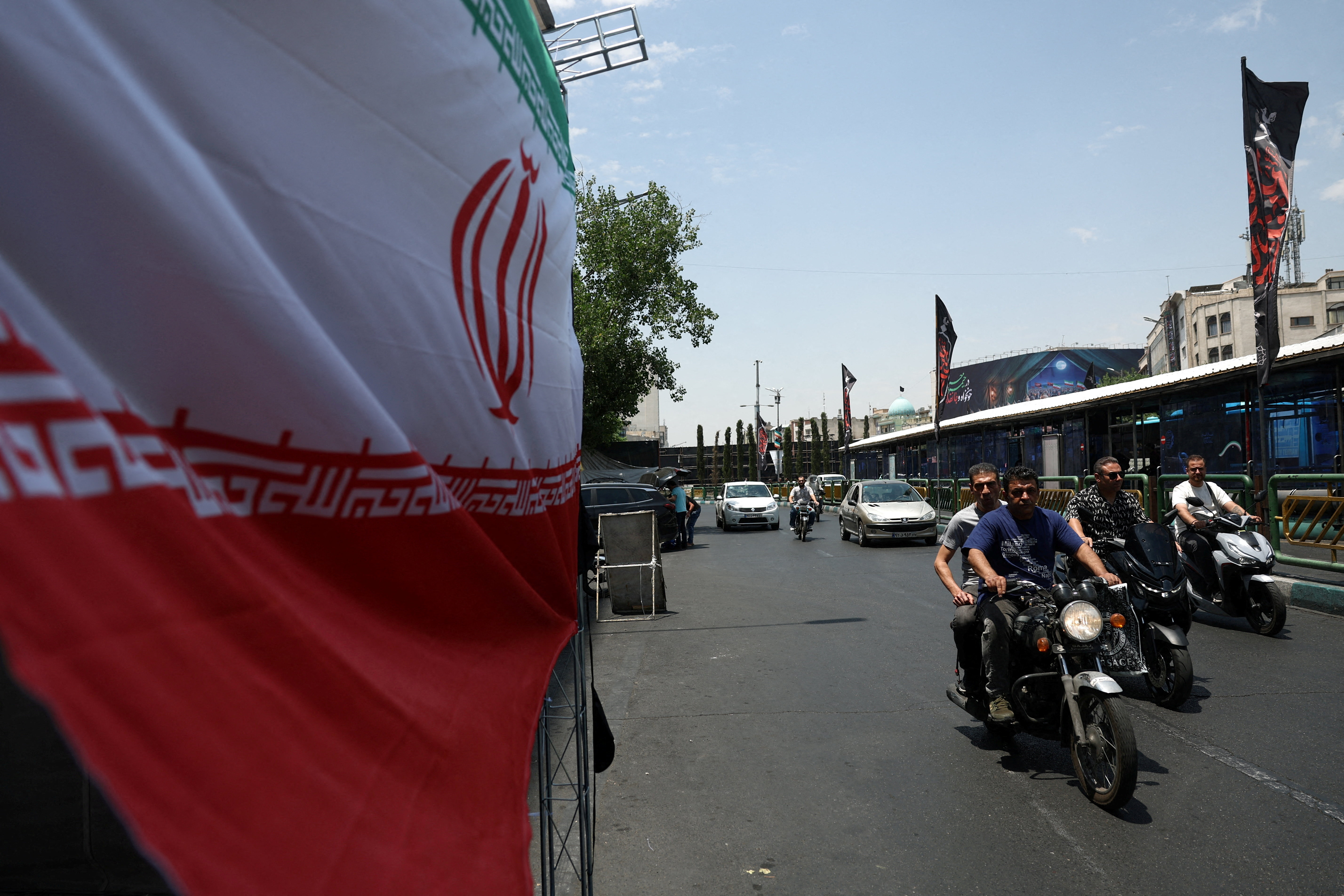
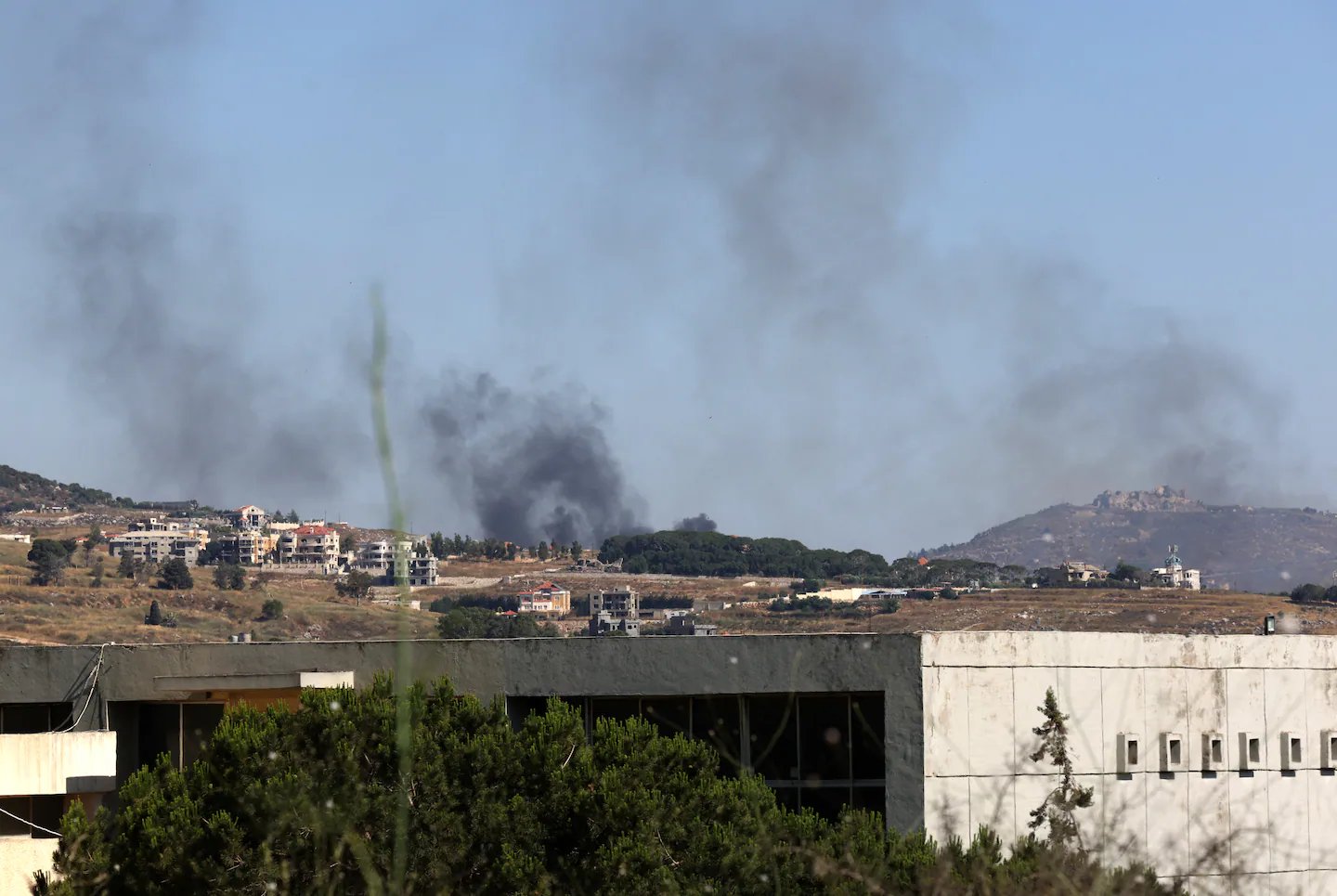
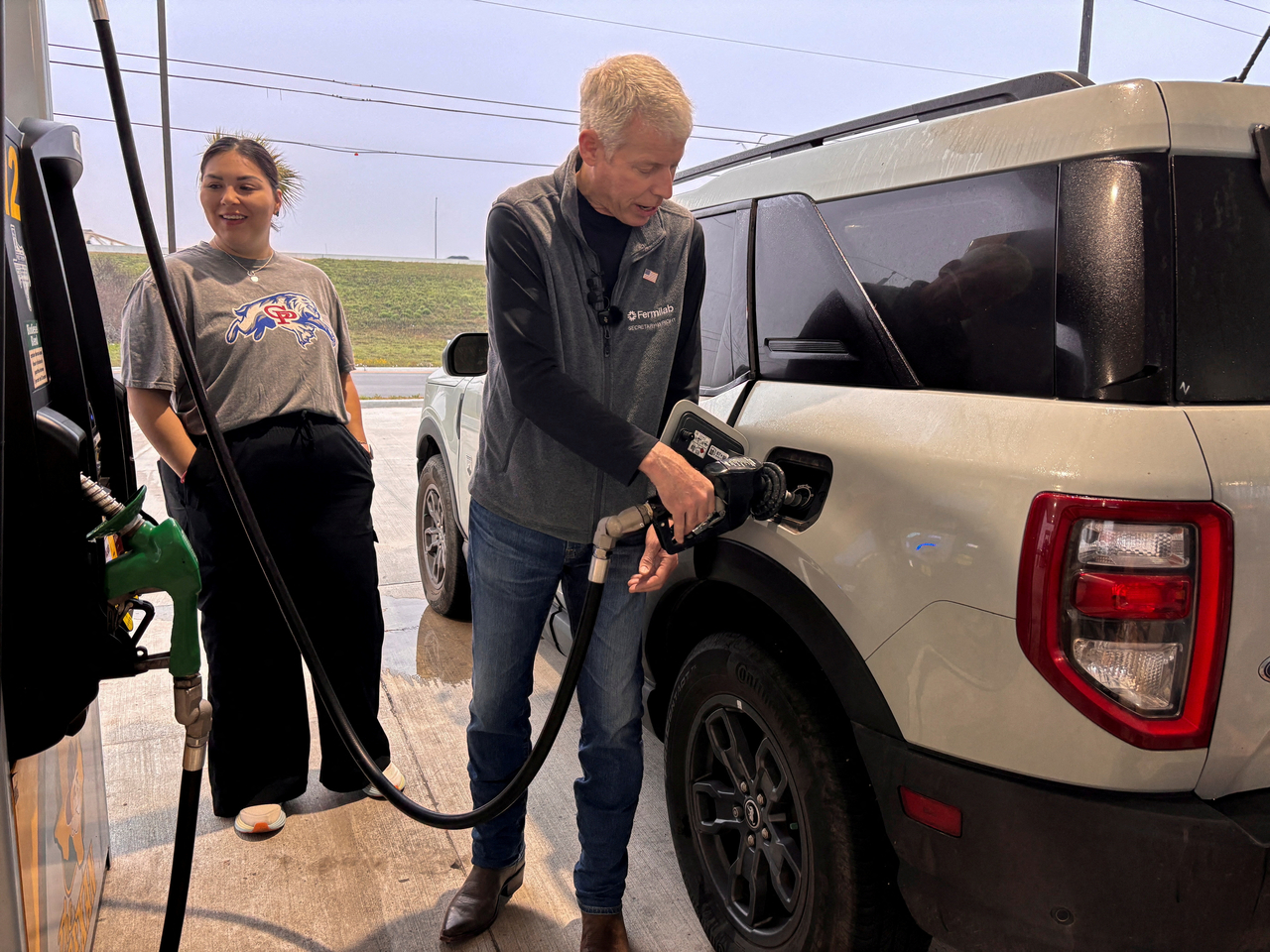
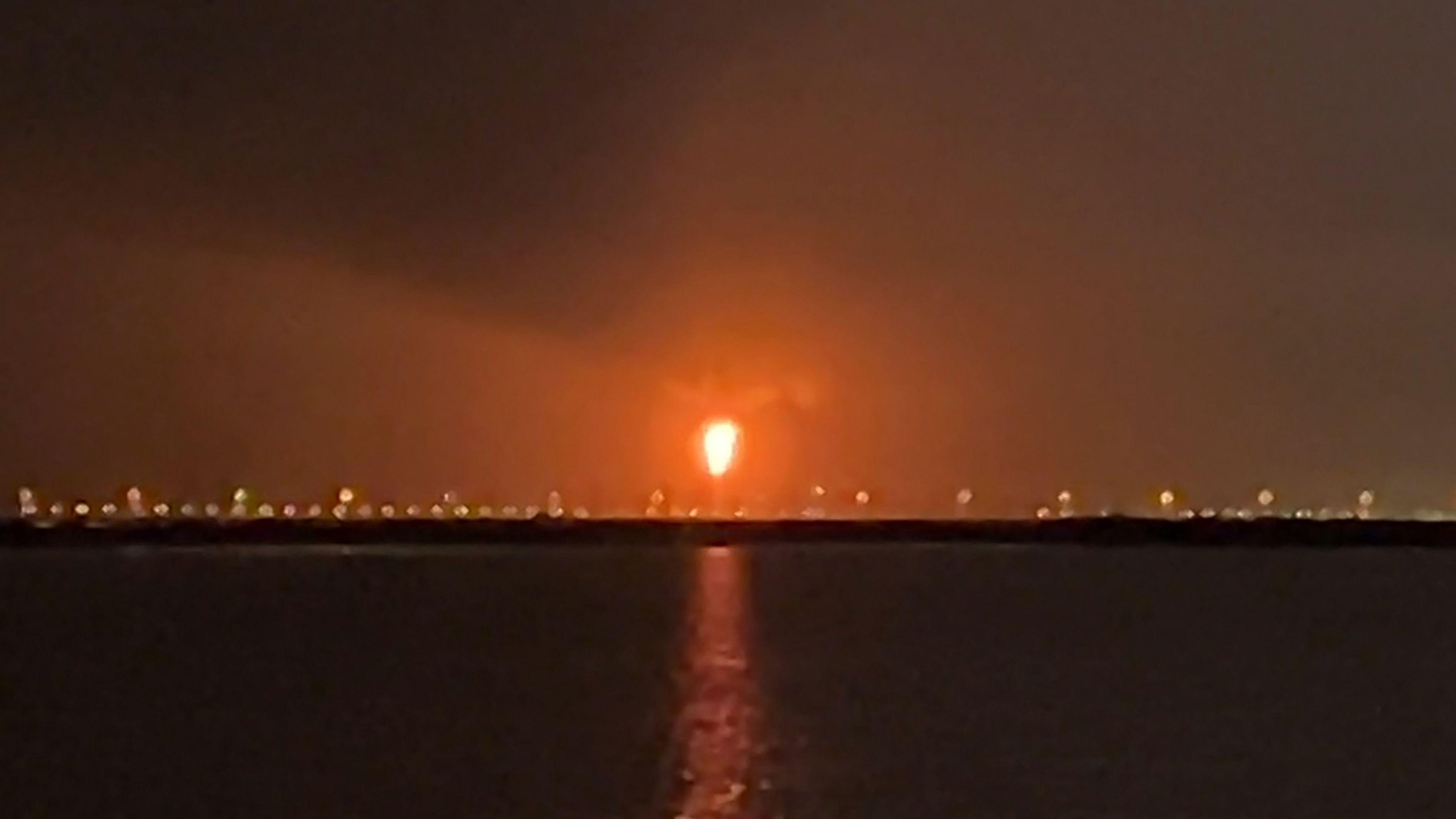
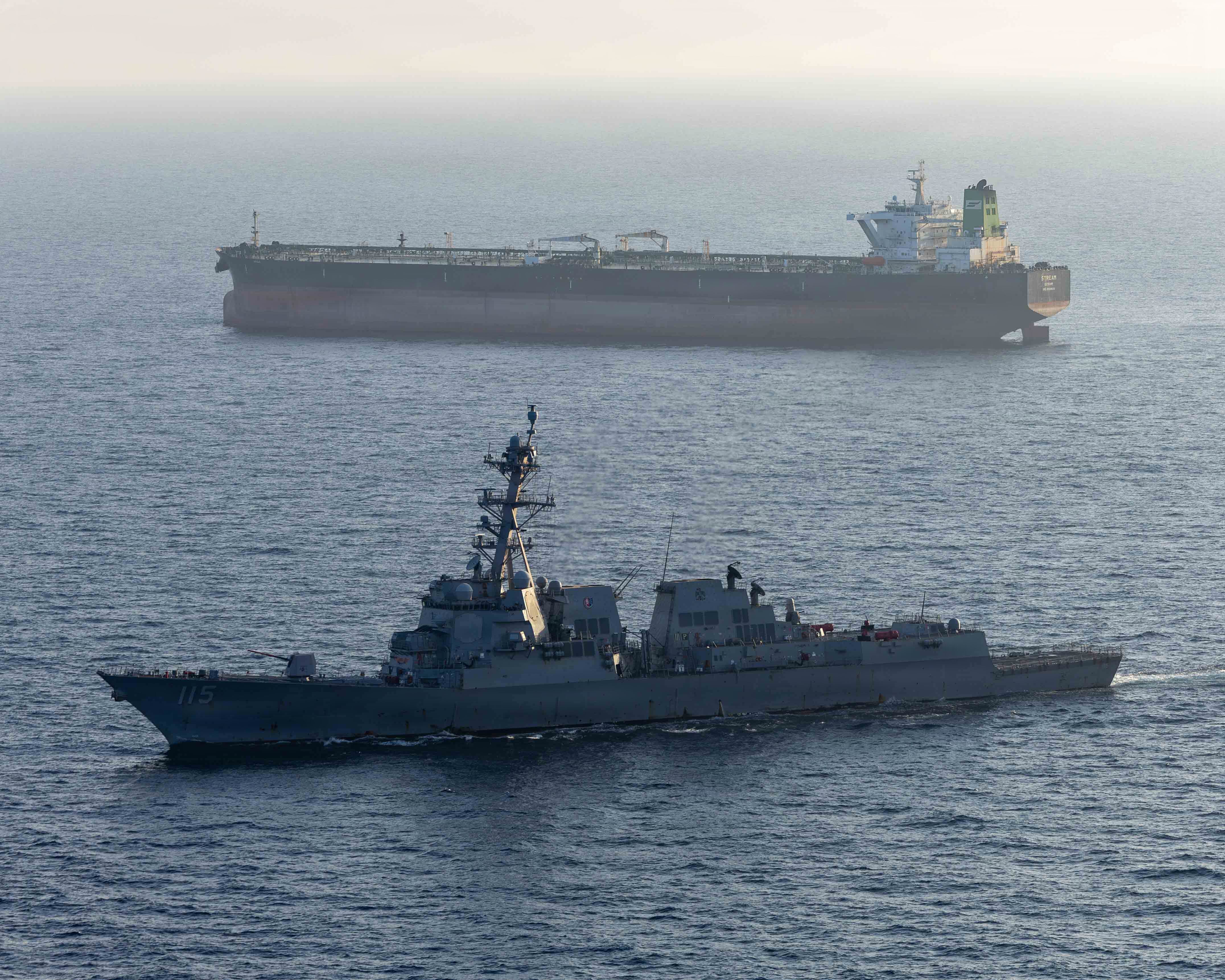
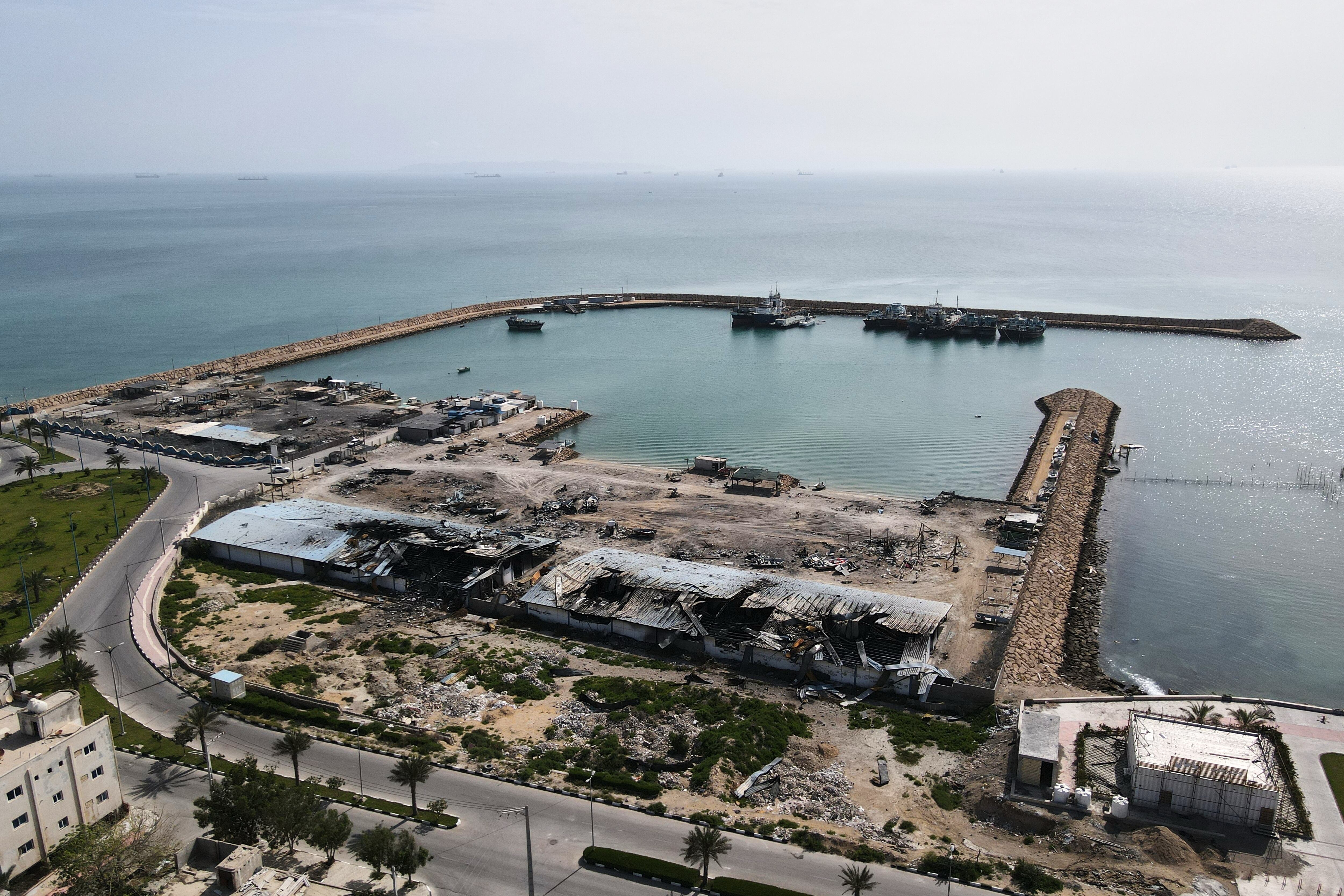
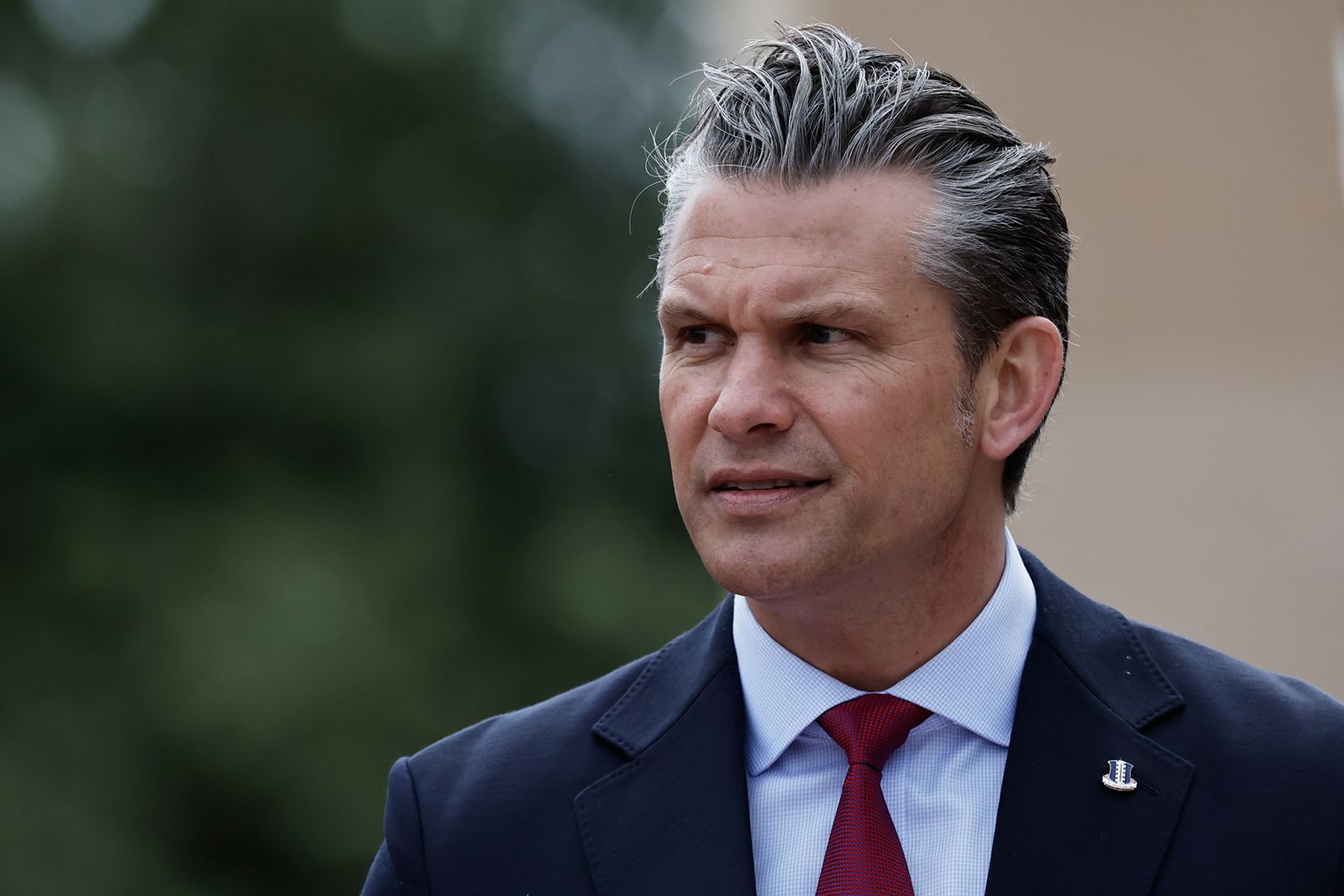
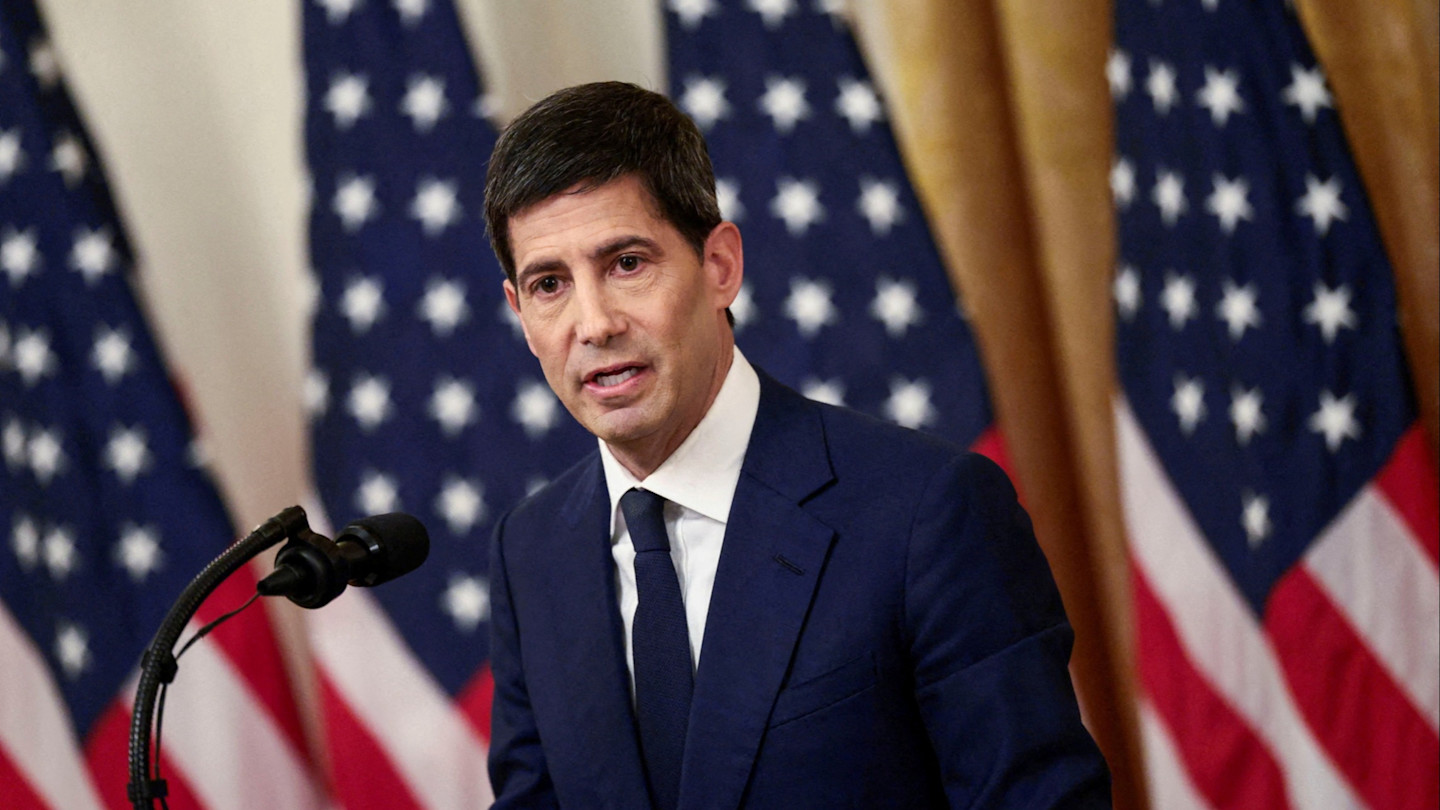
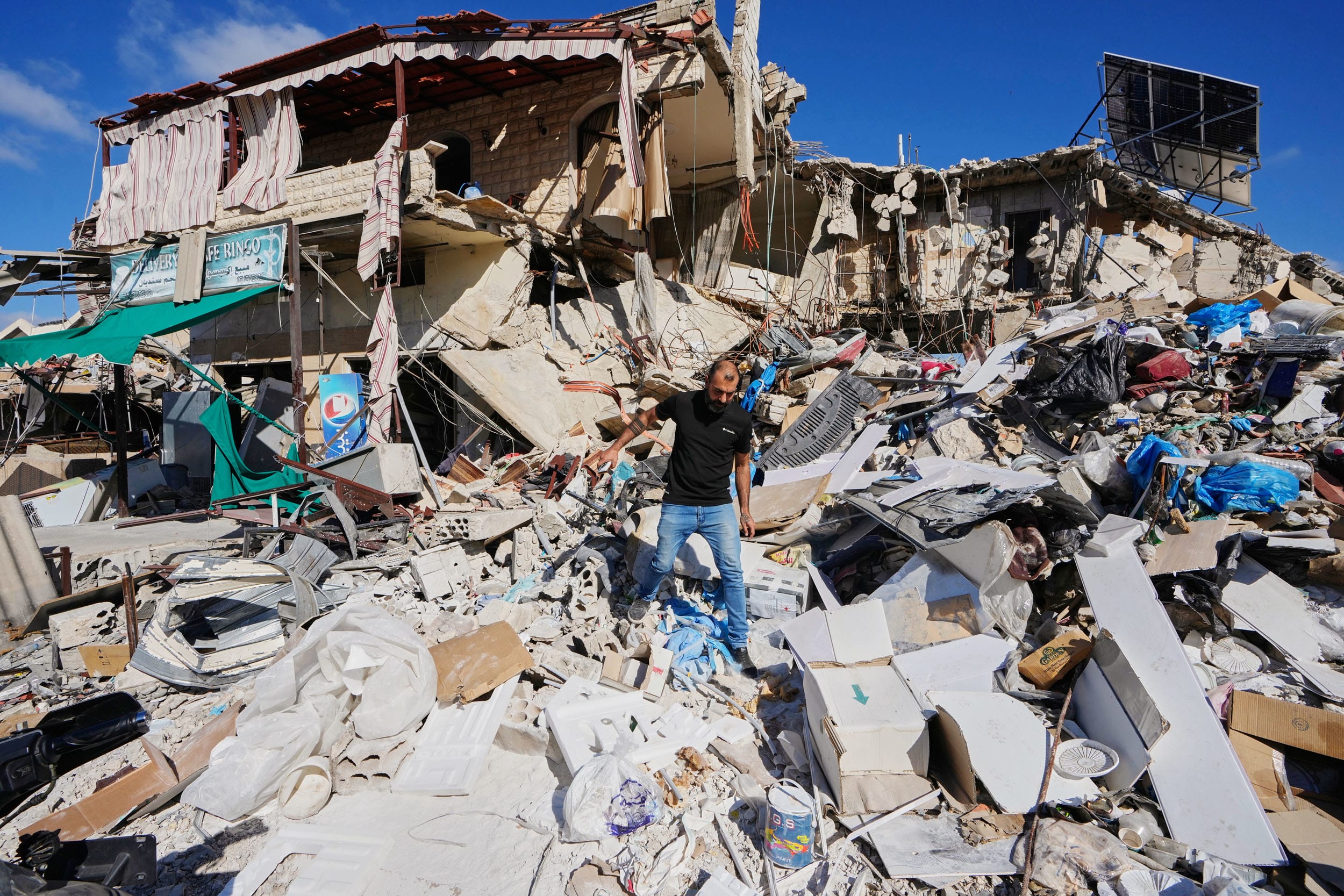
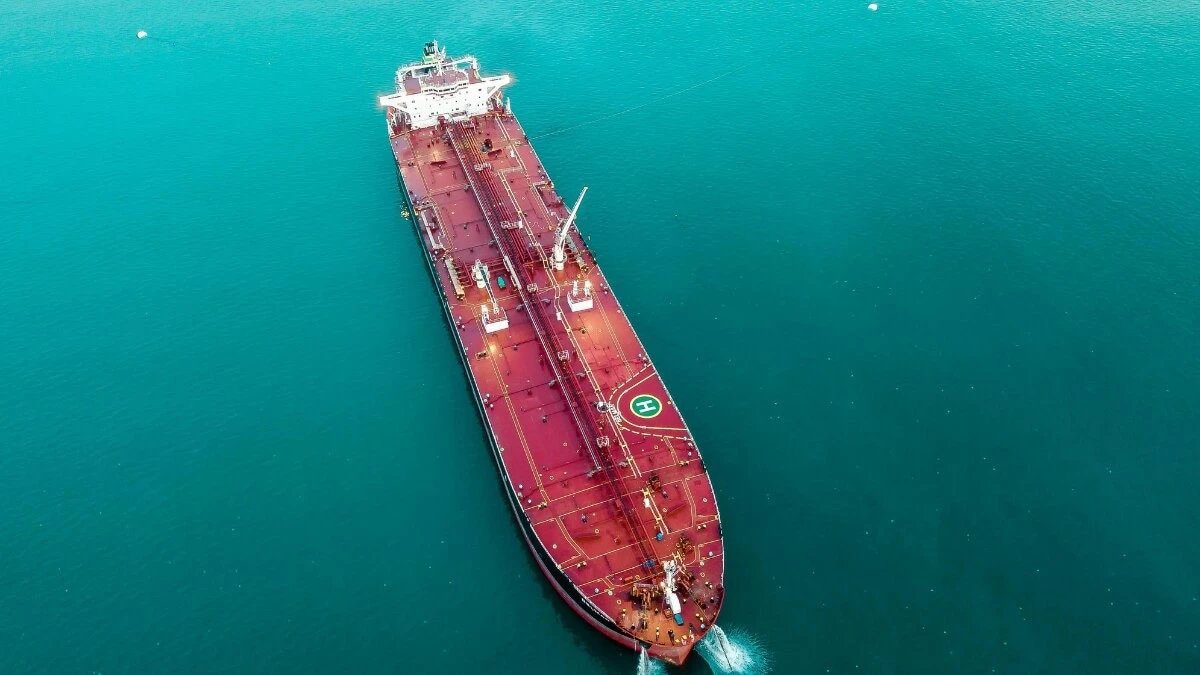
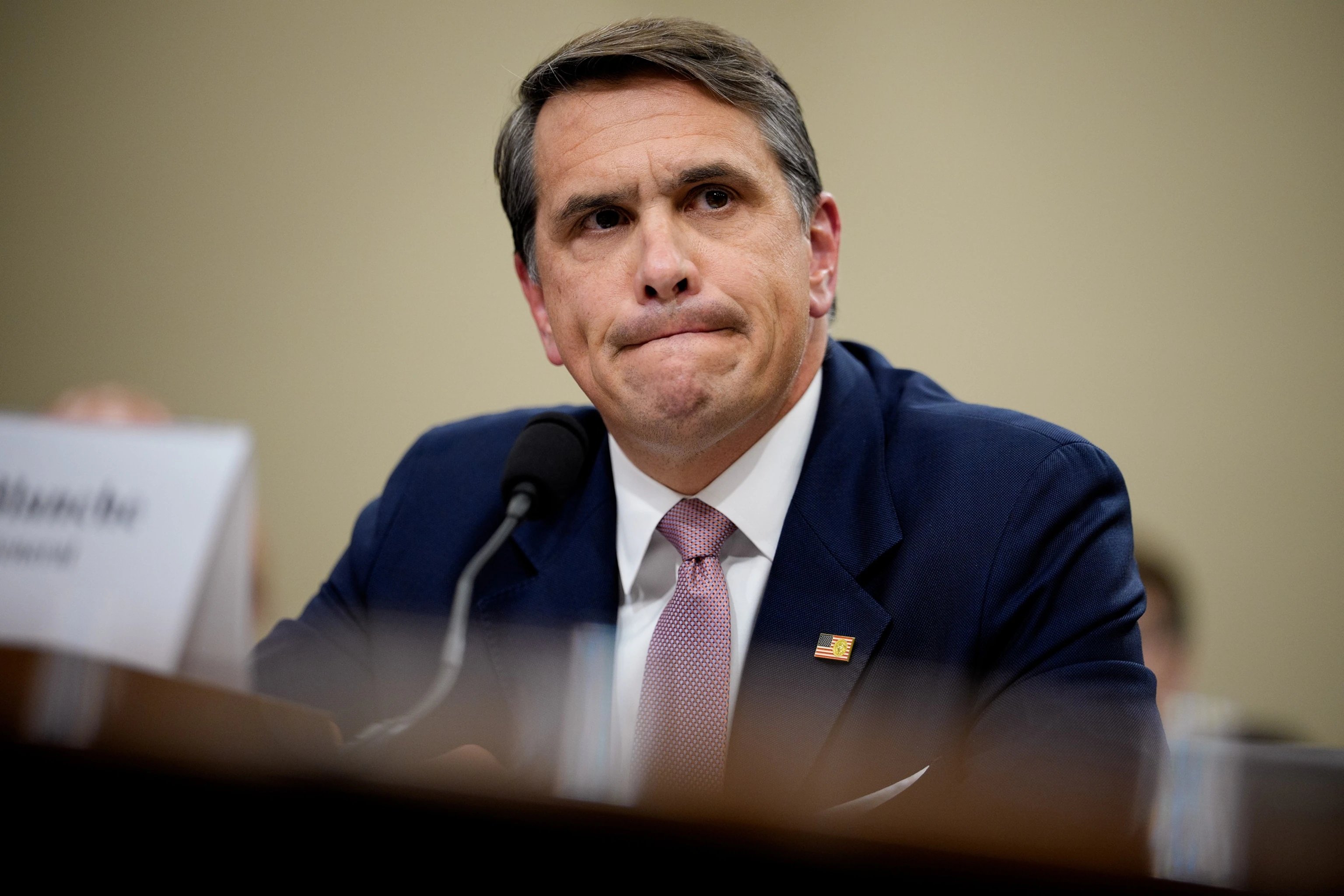
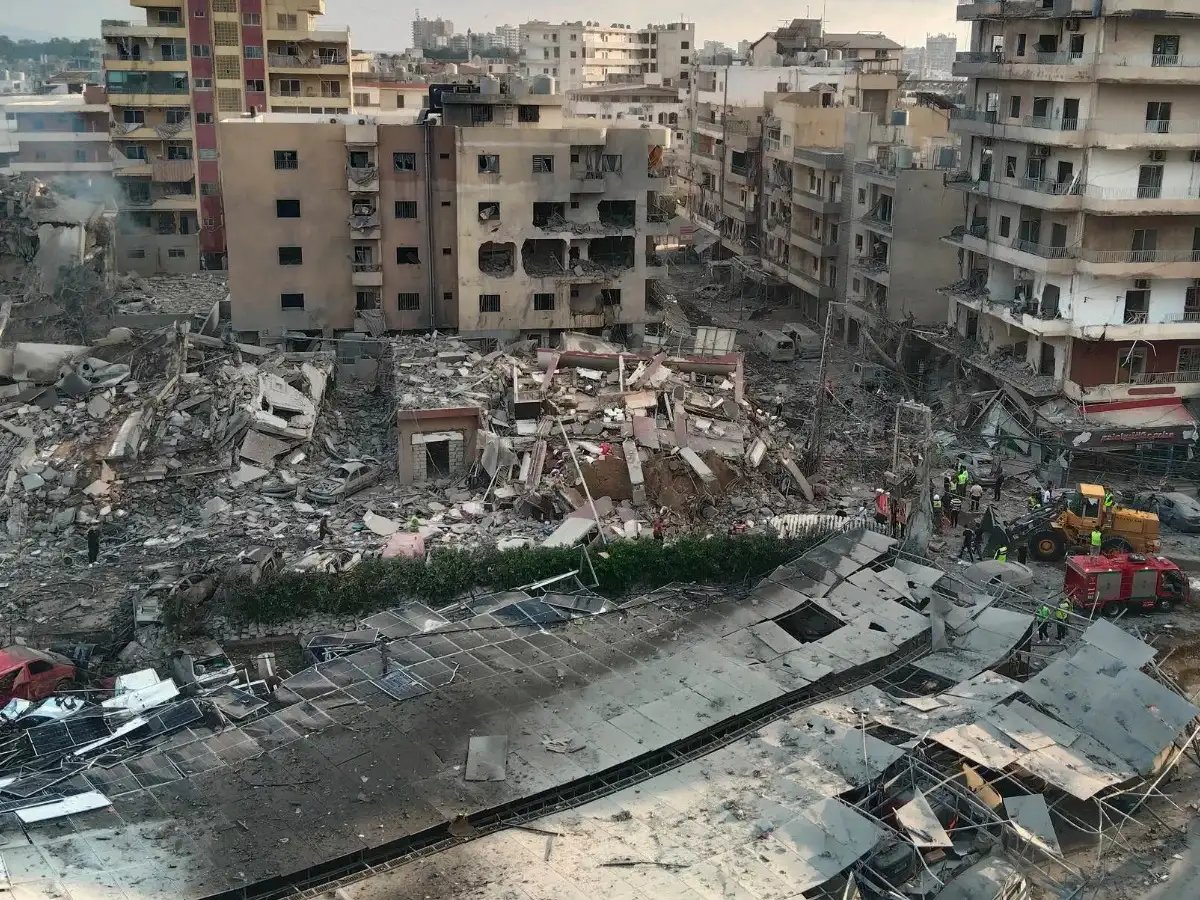
US Energy Secretary Chris Wright announced on Sunday that oil flow through the Strait of Hormuz is "back towards normal," following a period of tension after Iranian officials indicated they would close the crucial waterway due to Israeli strikes in Lebanon, as reported by The Hill. Despite Iran's claim to have closed the waterway, millions of barrels of oil continued to flow through the Strait of Hormuz, according to Bloomberg.
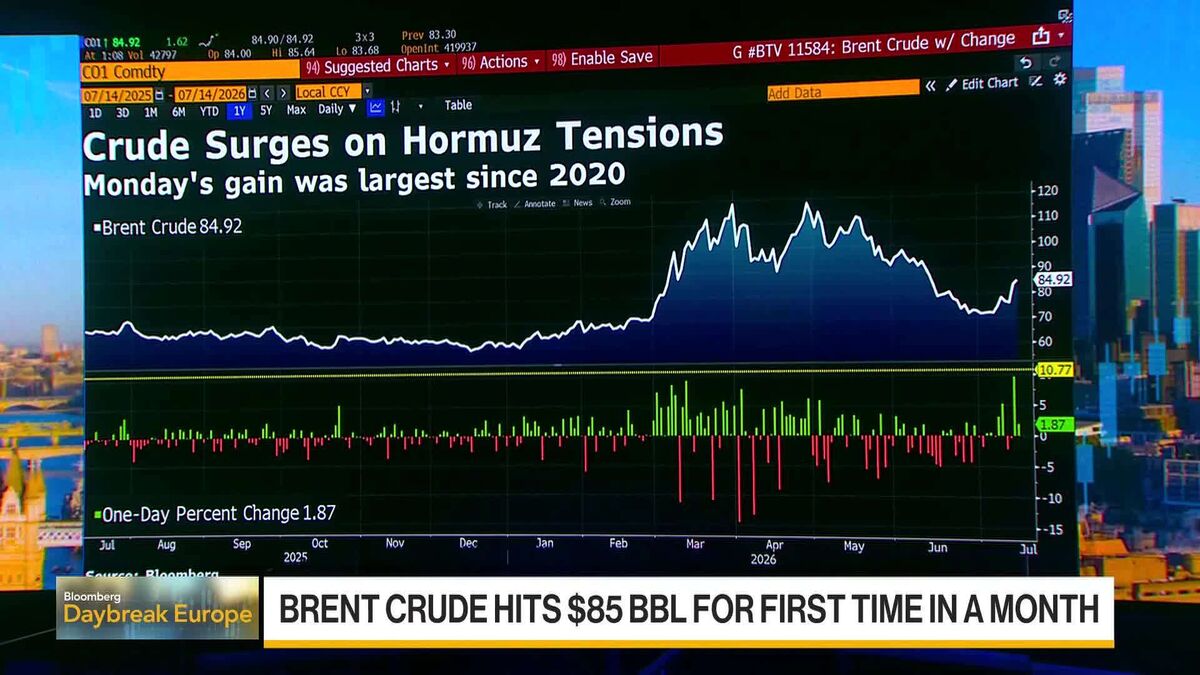
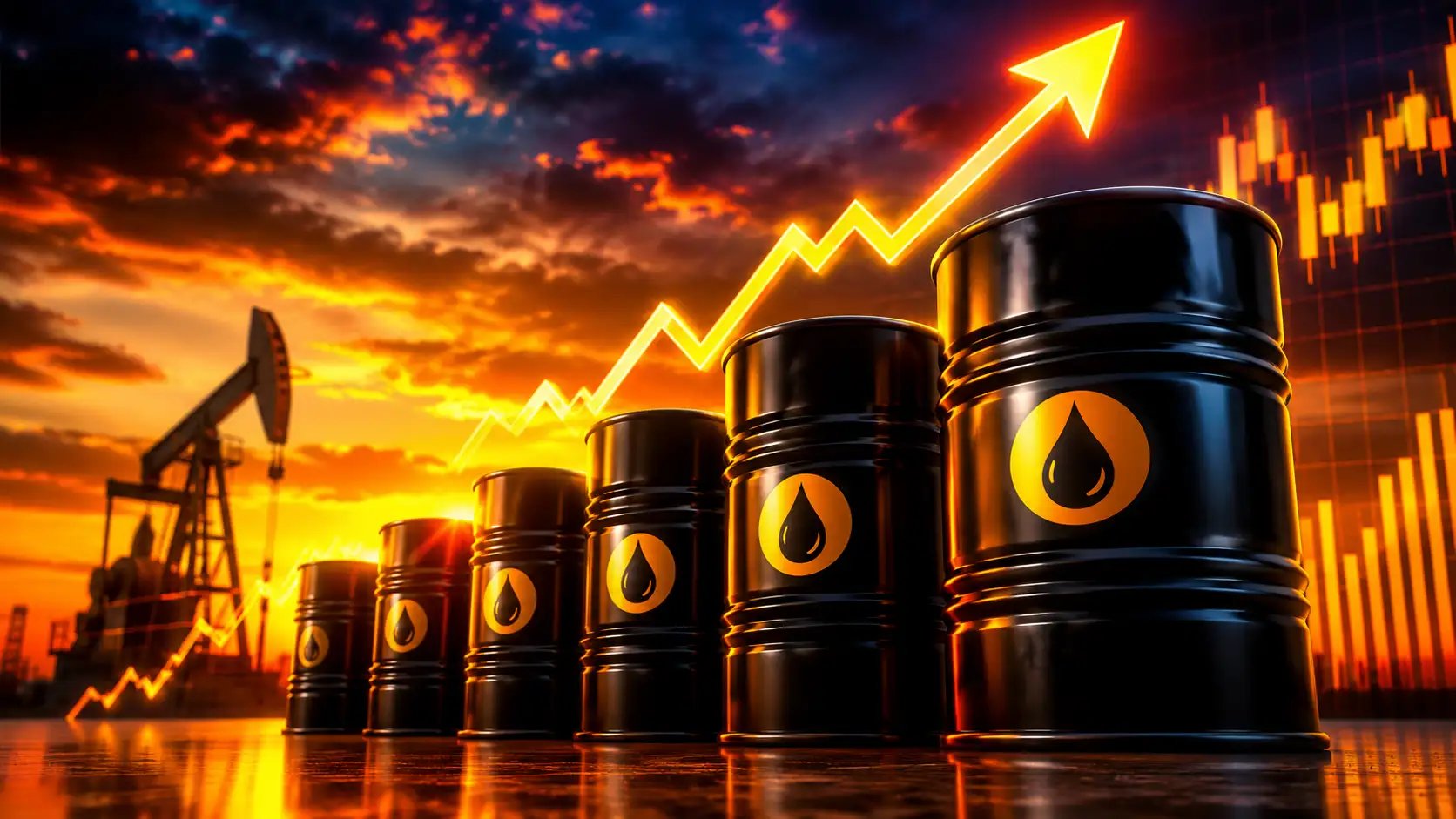
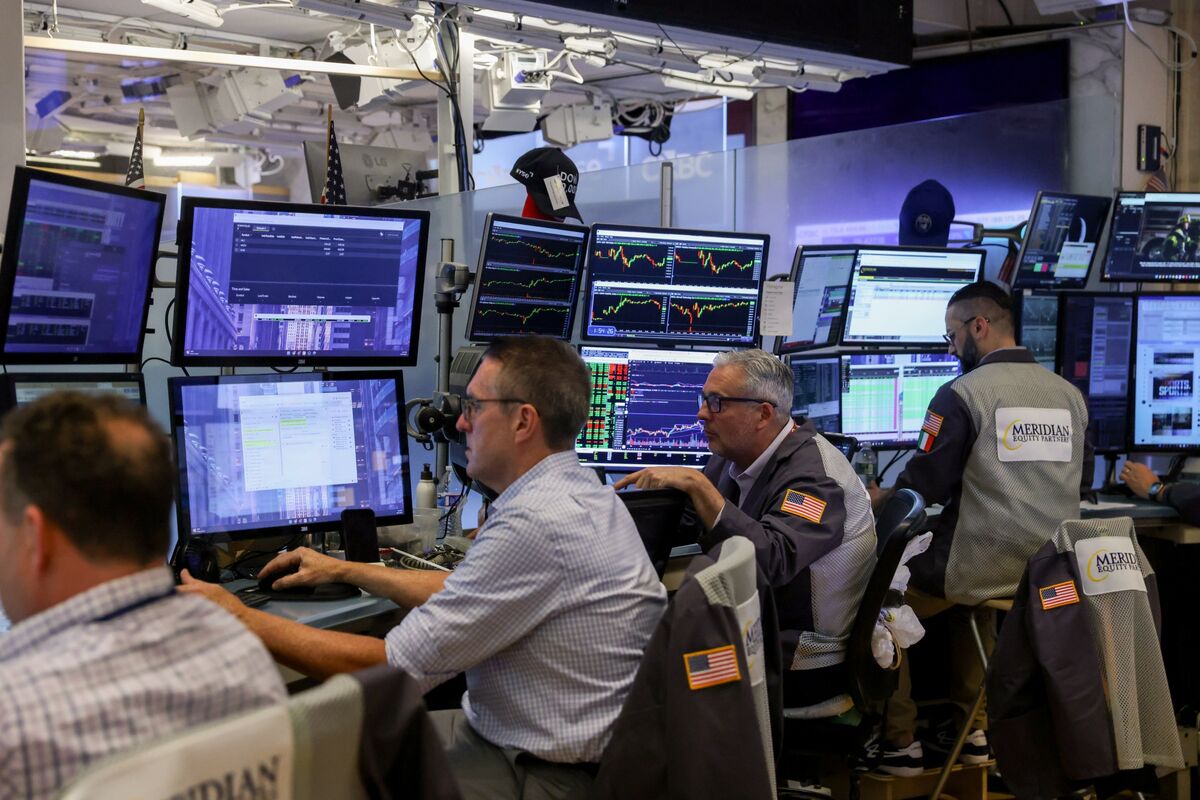
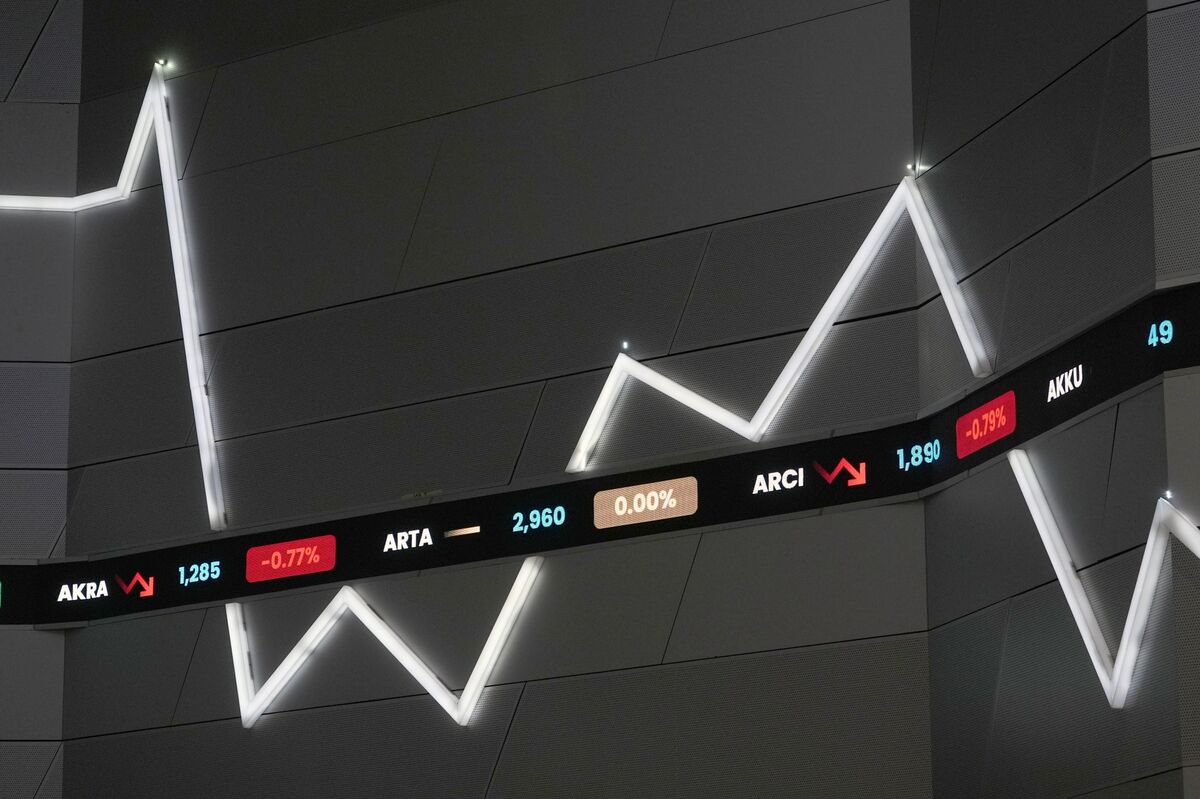
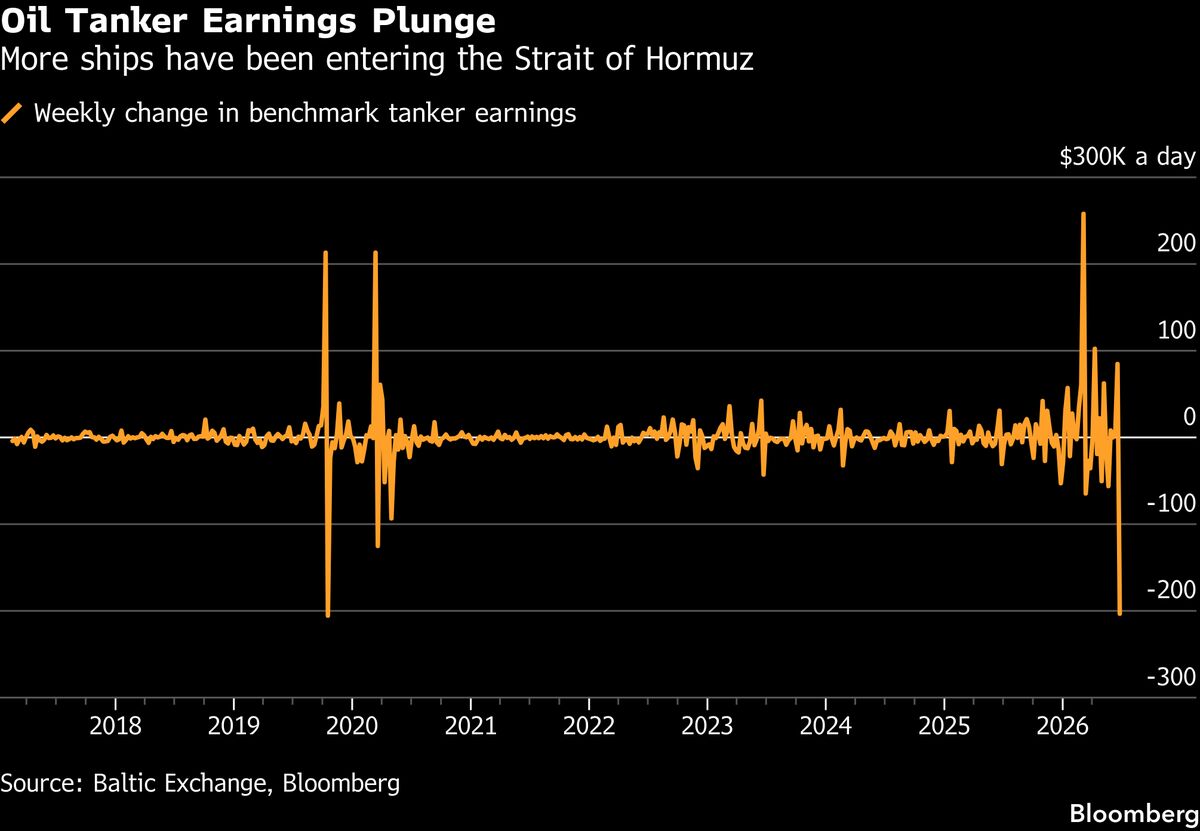
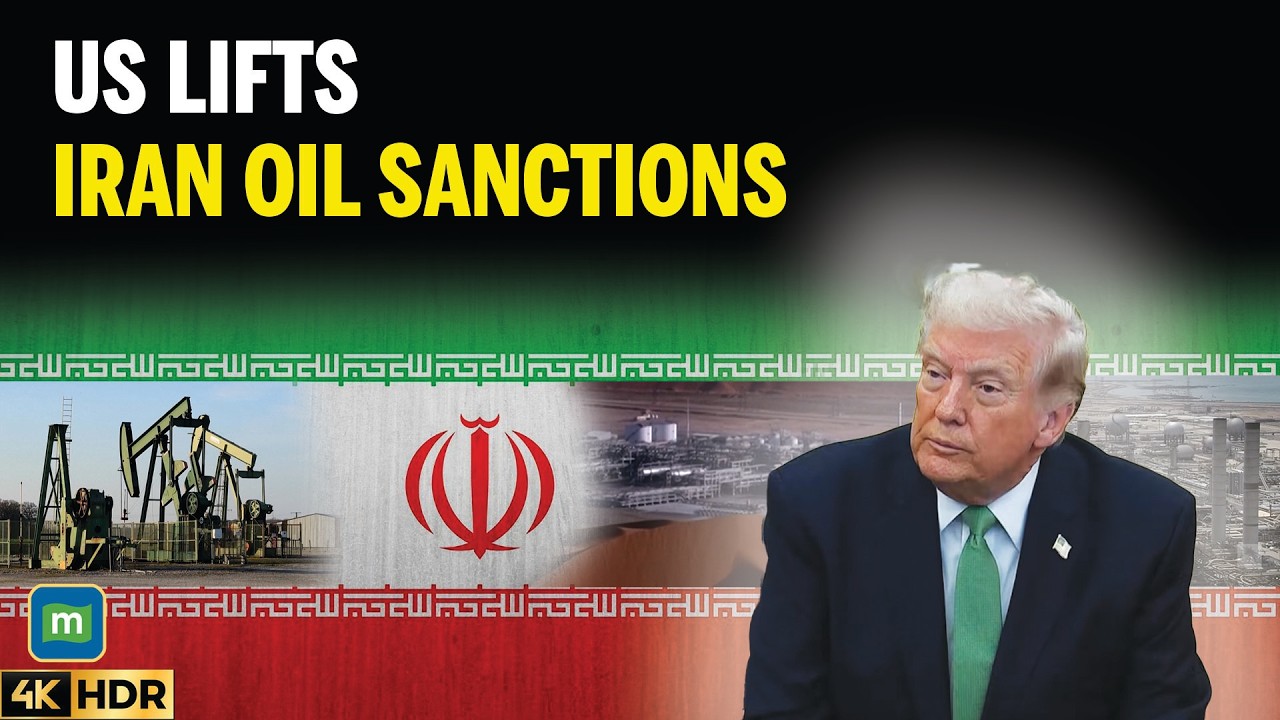
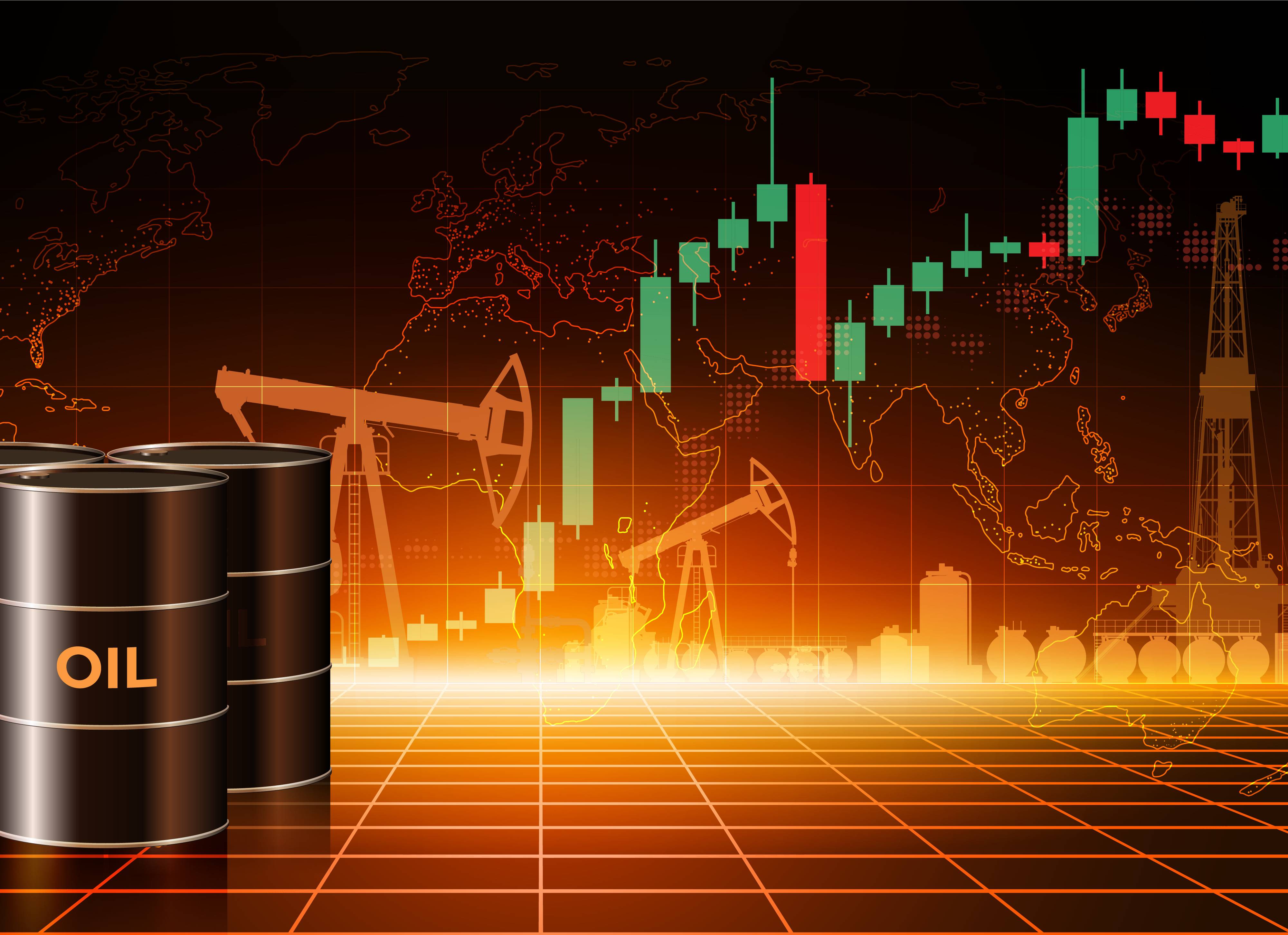
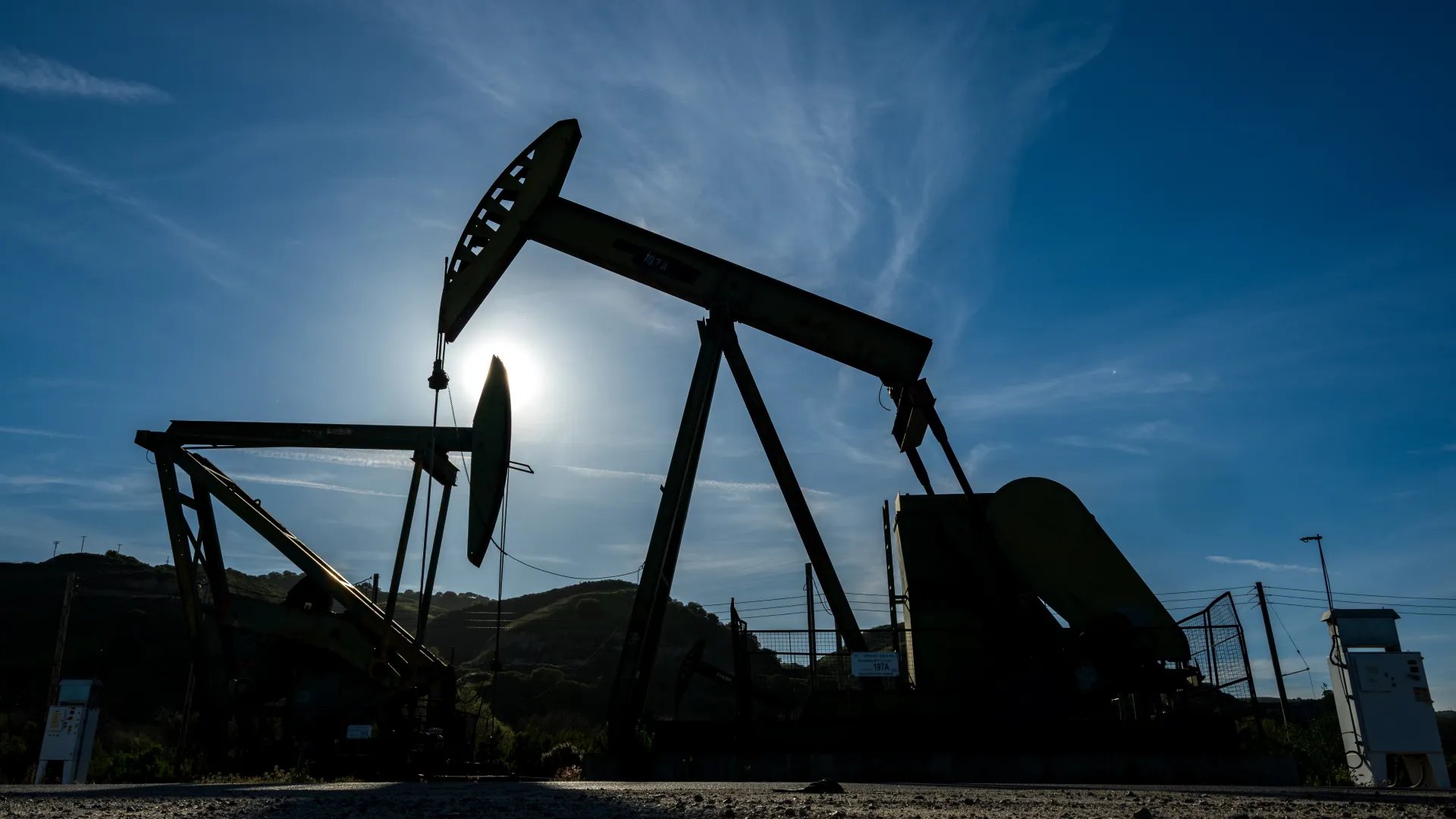
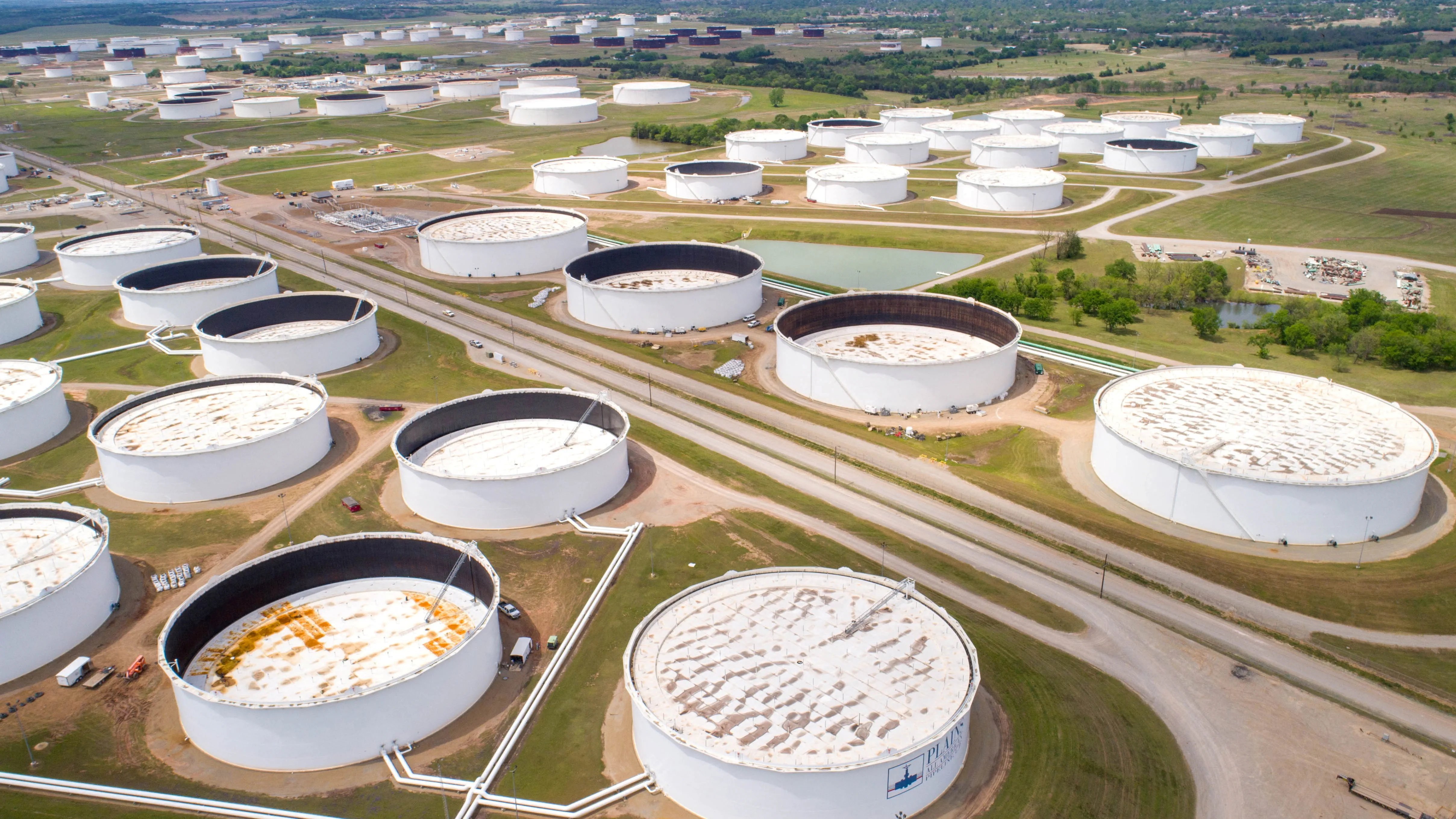
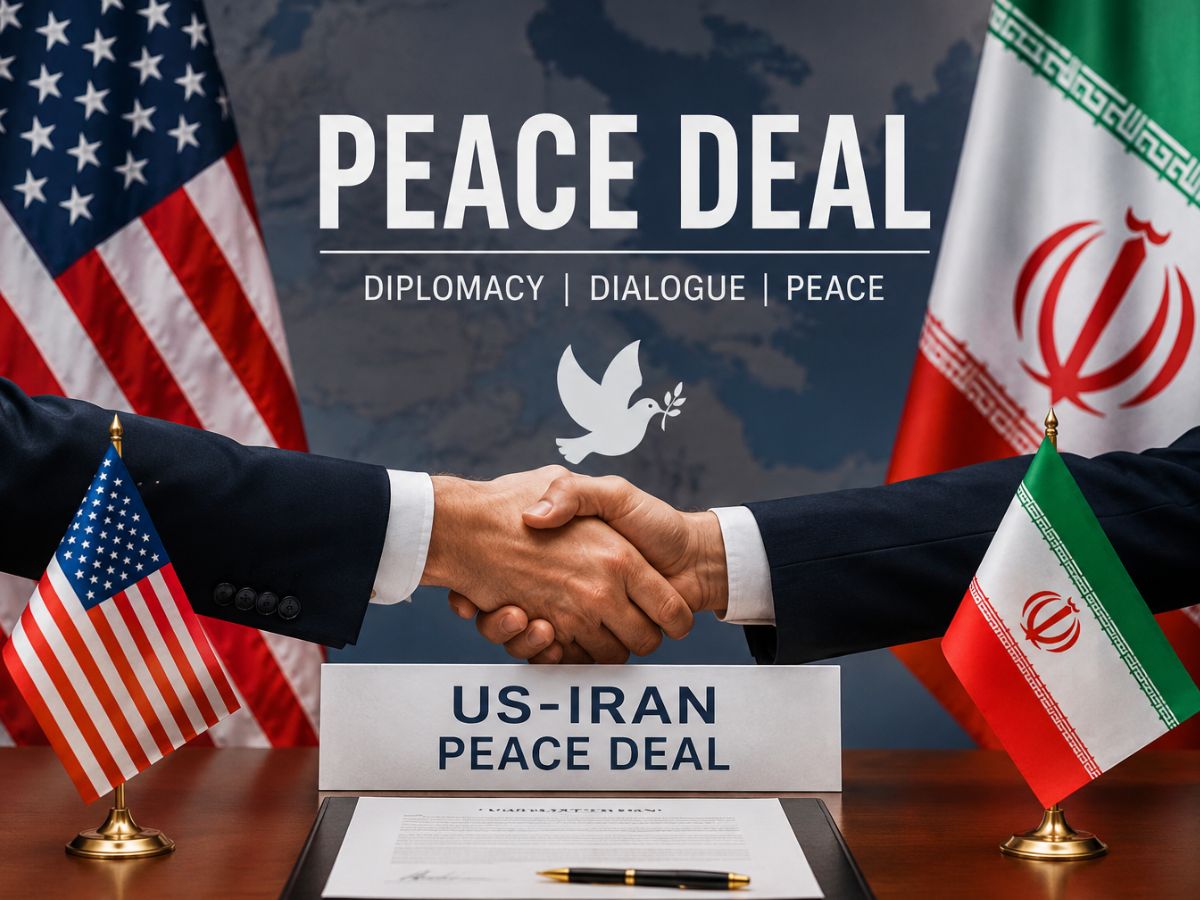
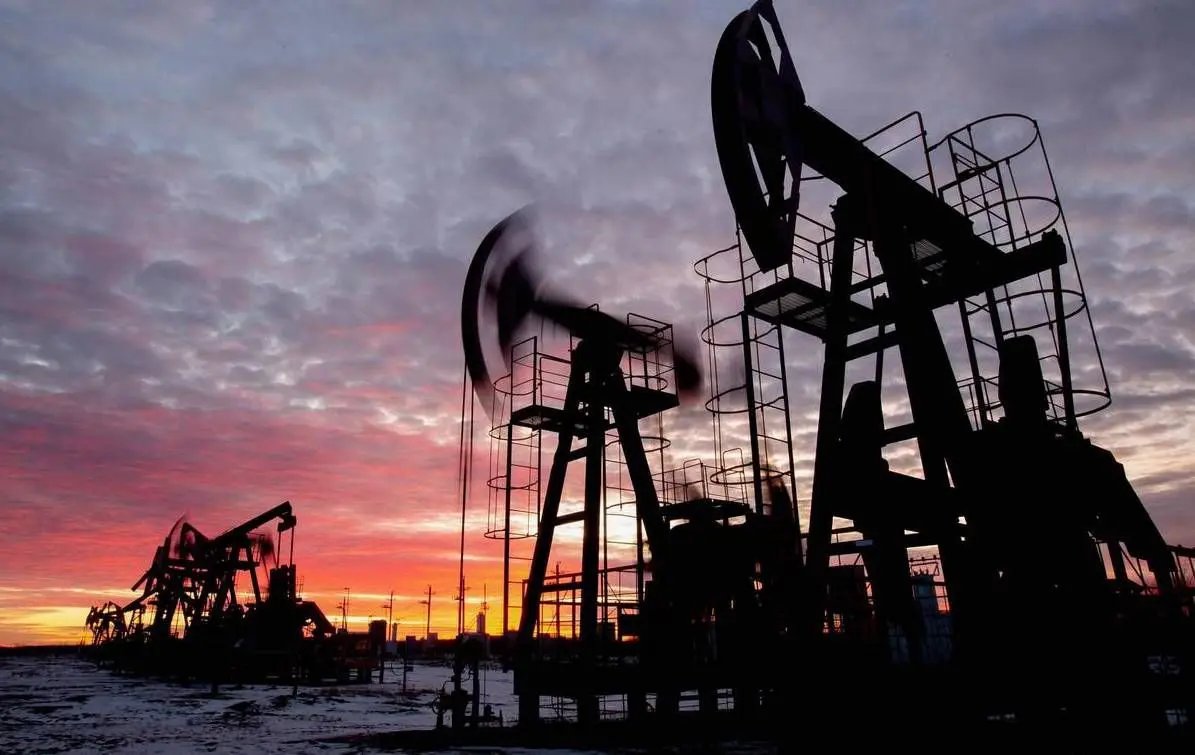
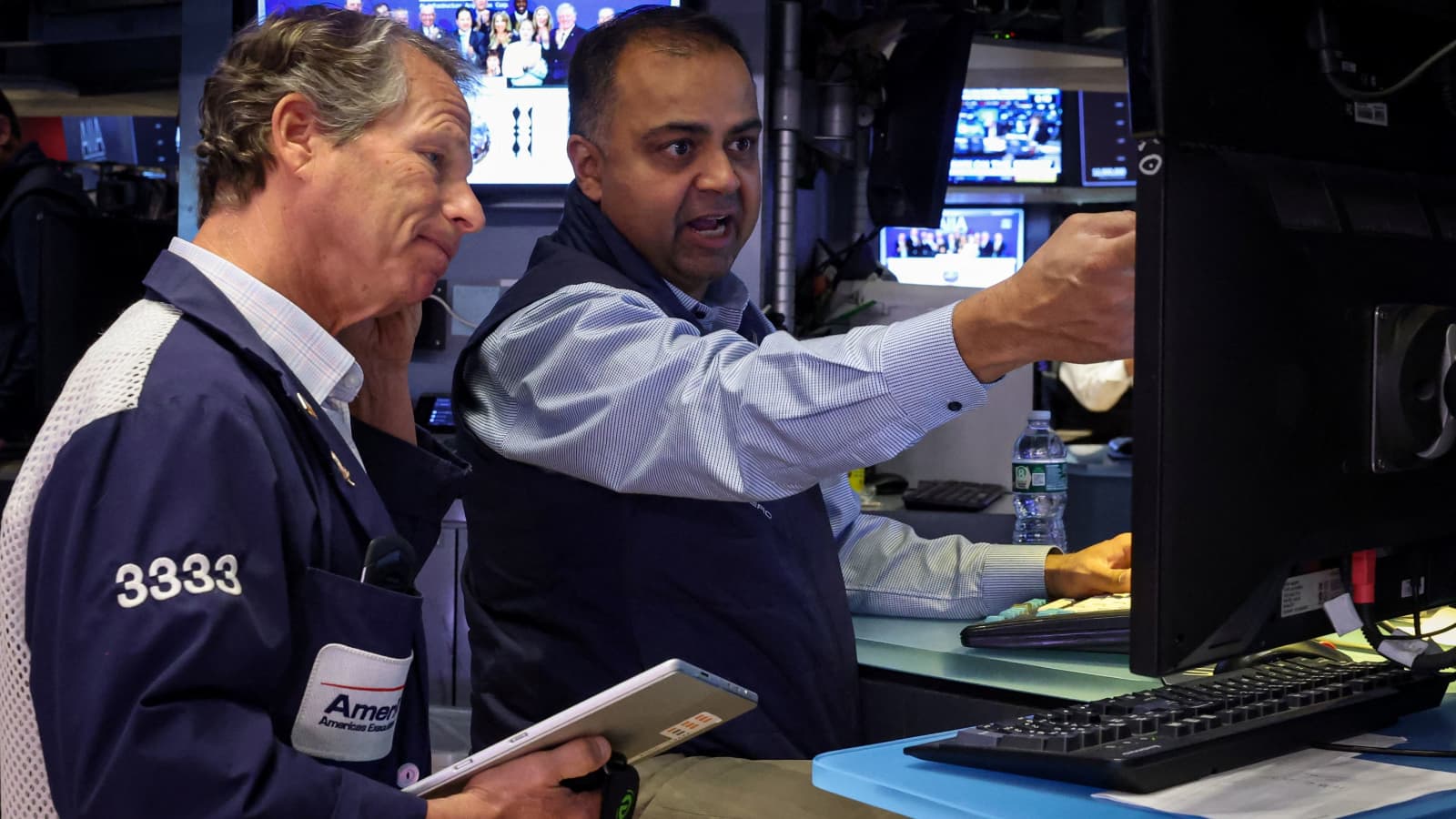
Bloomberg reports that crude futures have slumped following reports of a US-Iran peace deal, with oil glut bets resurfacing in markets.
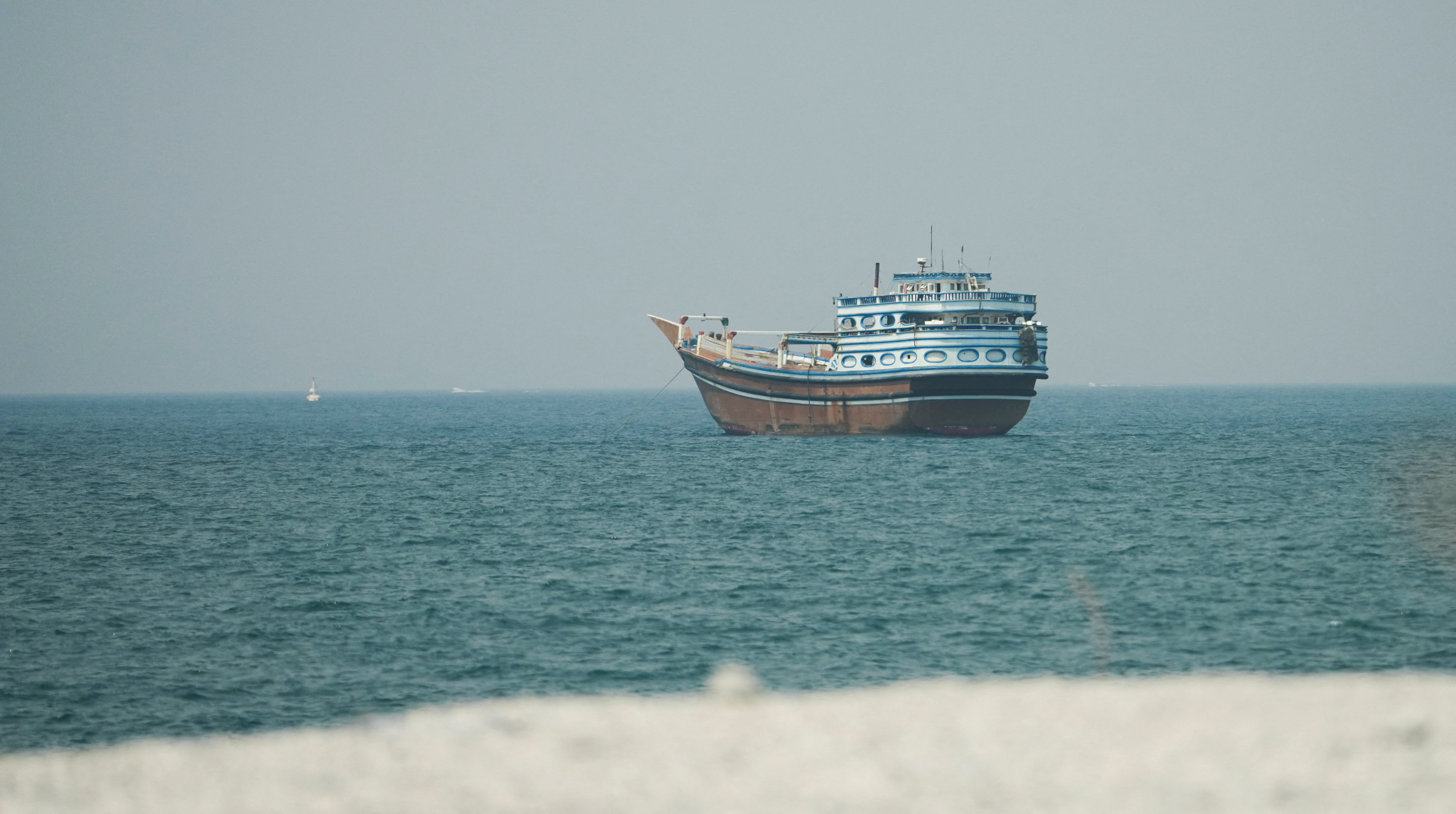
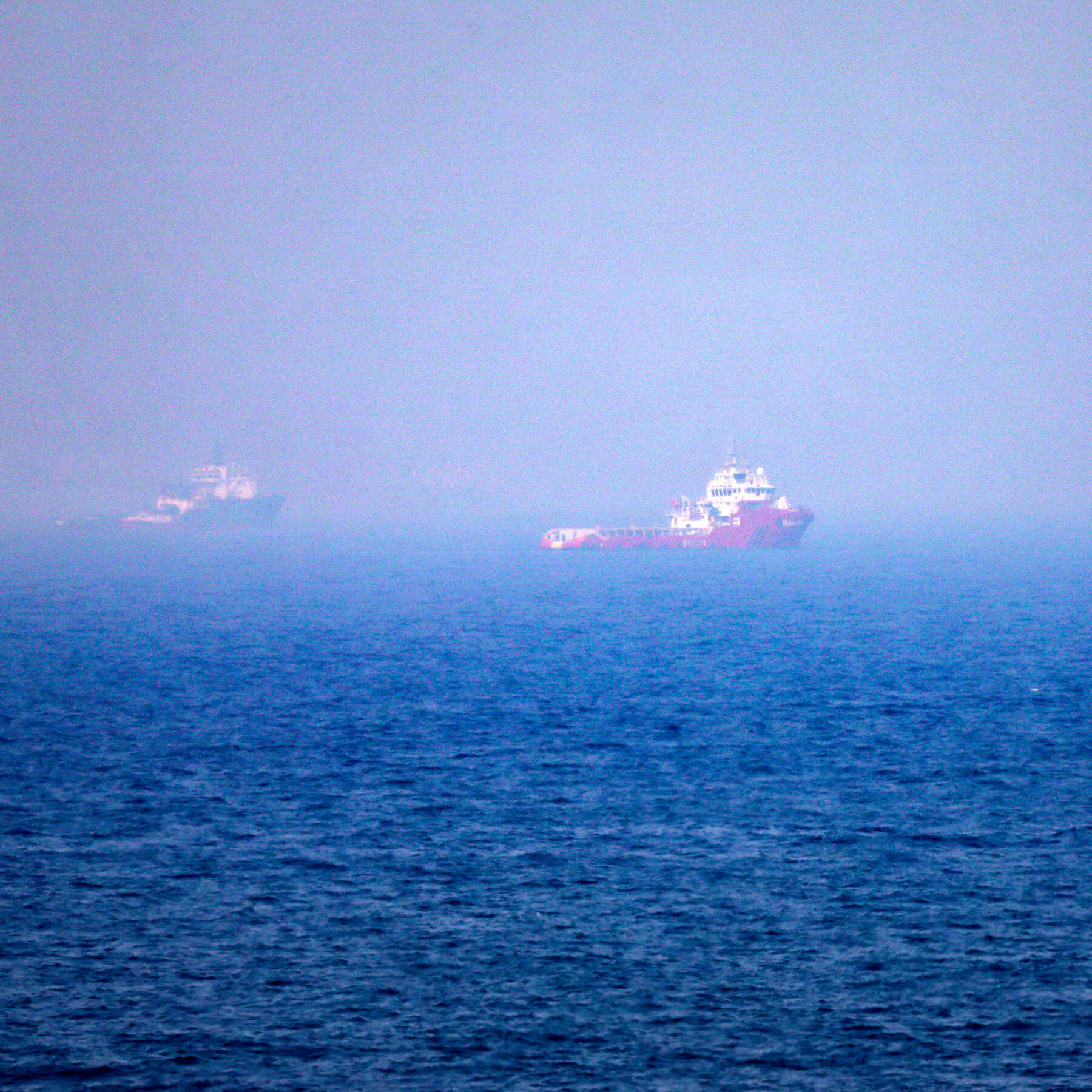
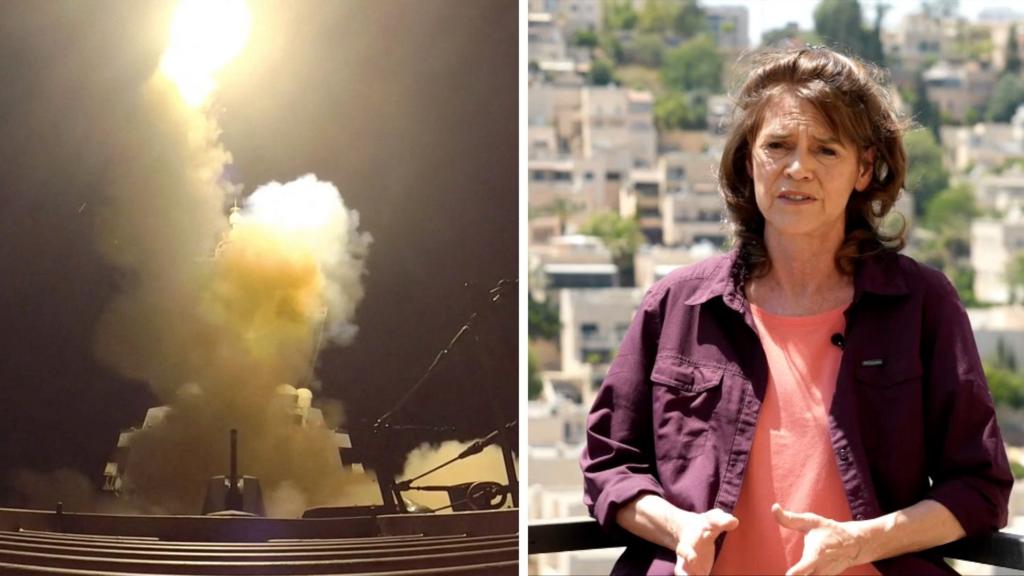
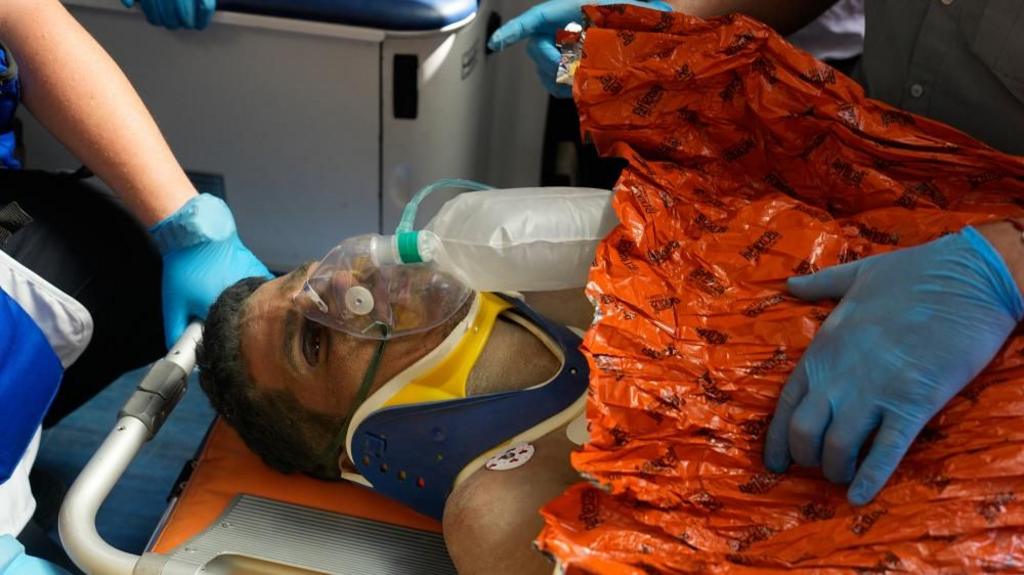
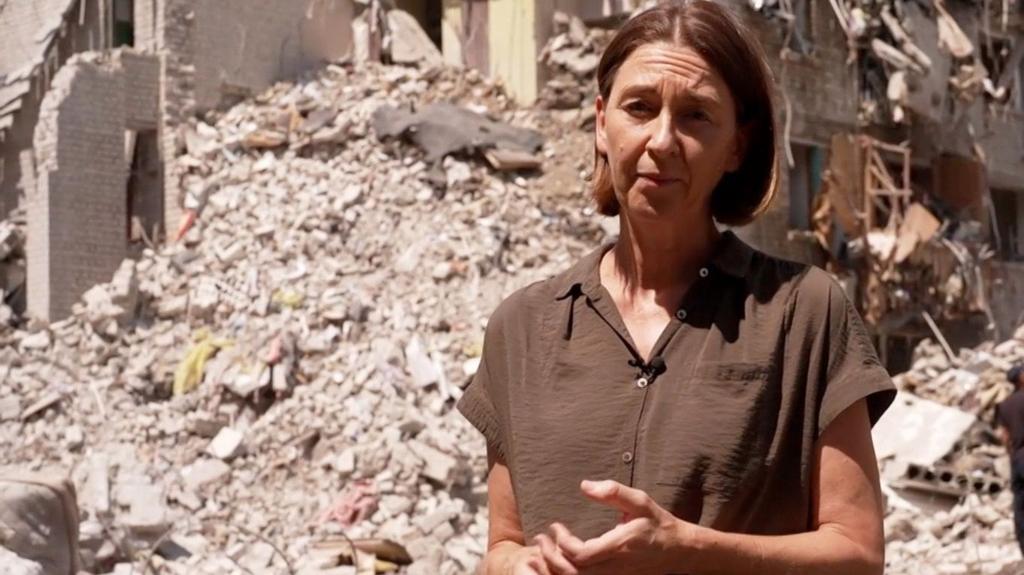
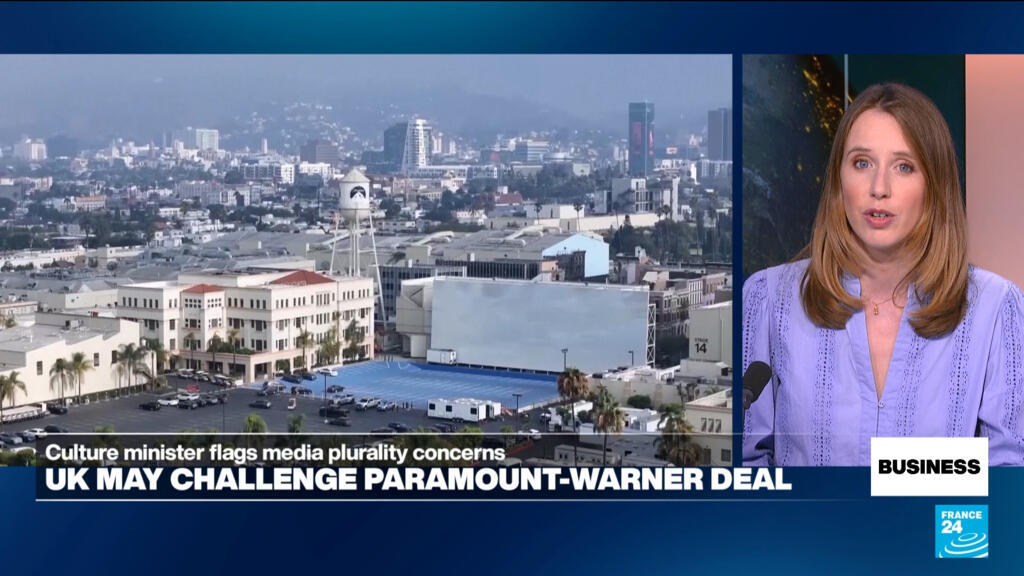
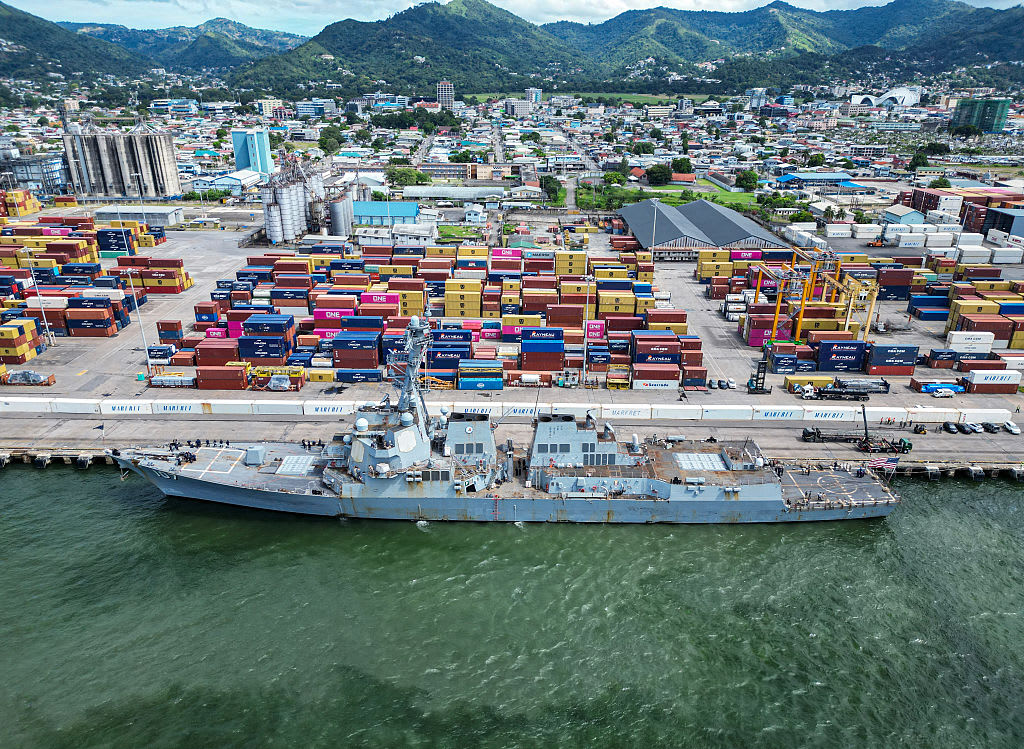
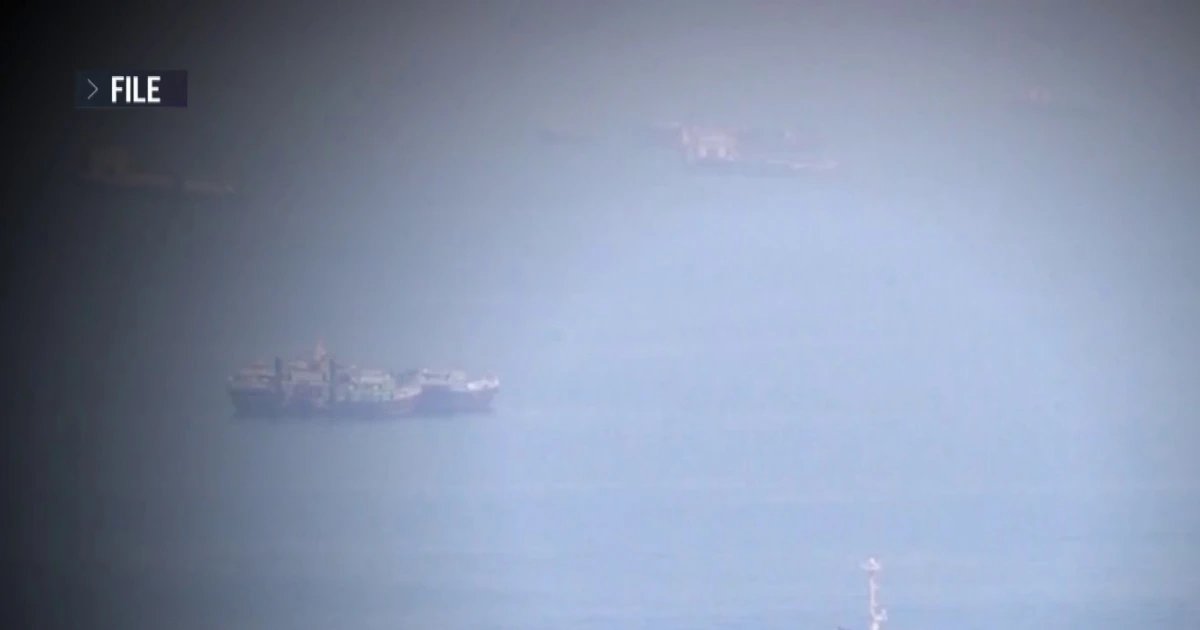
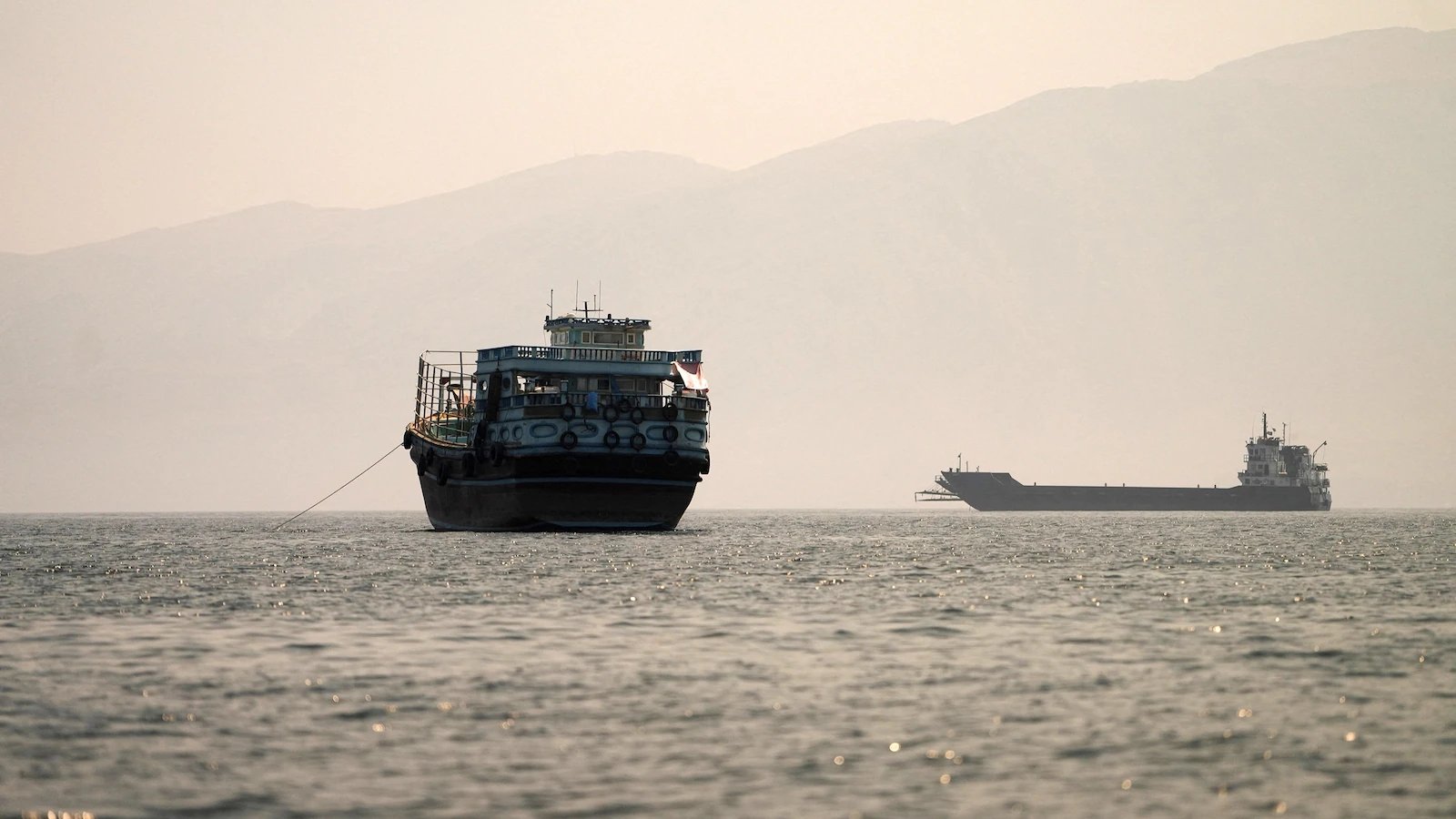
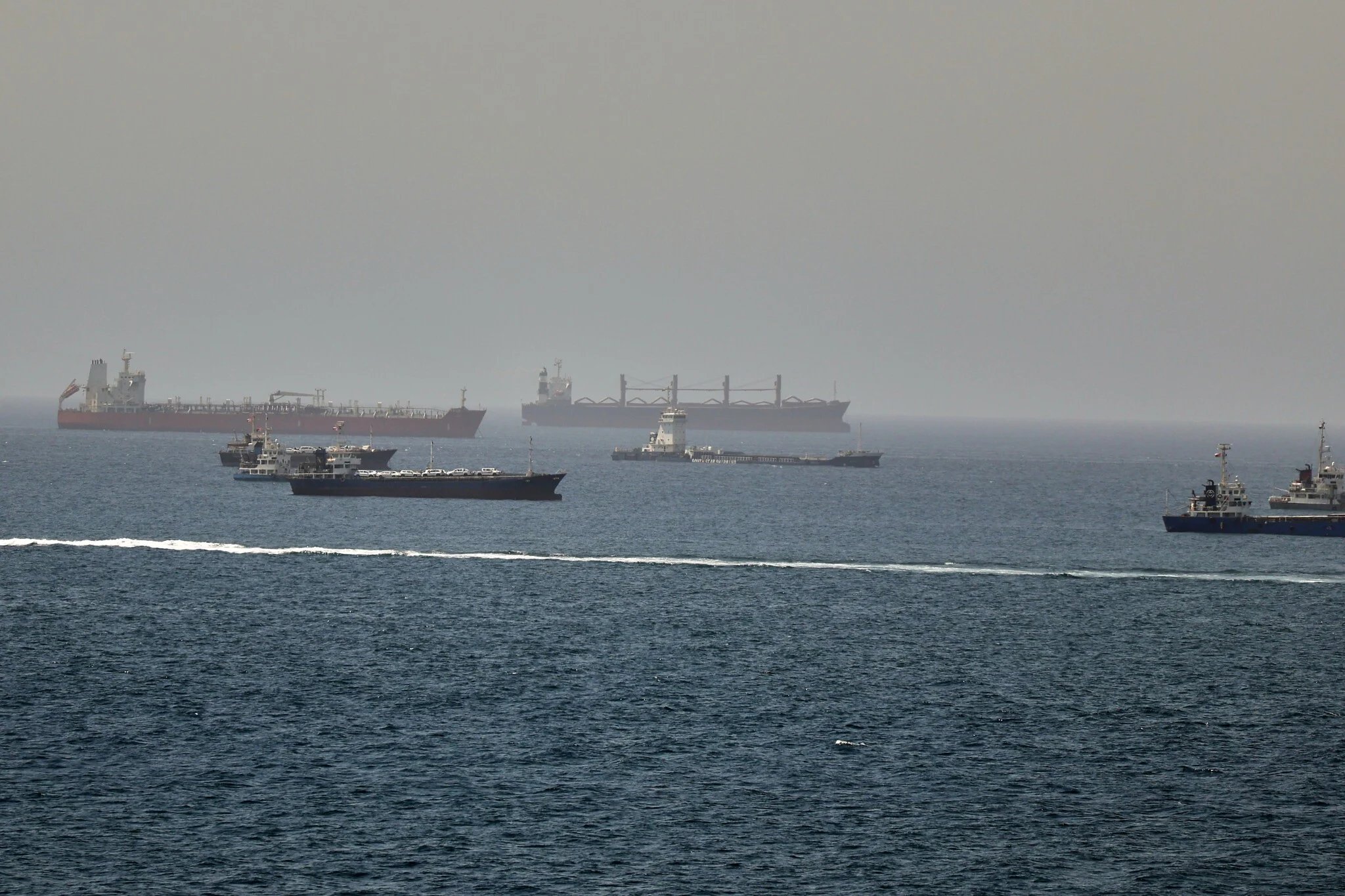
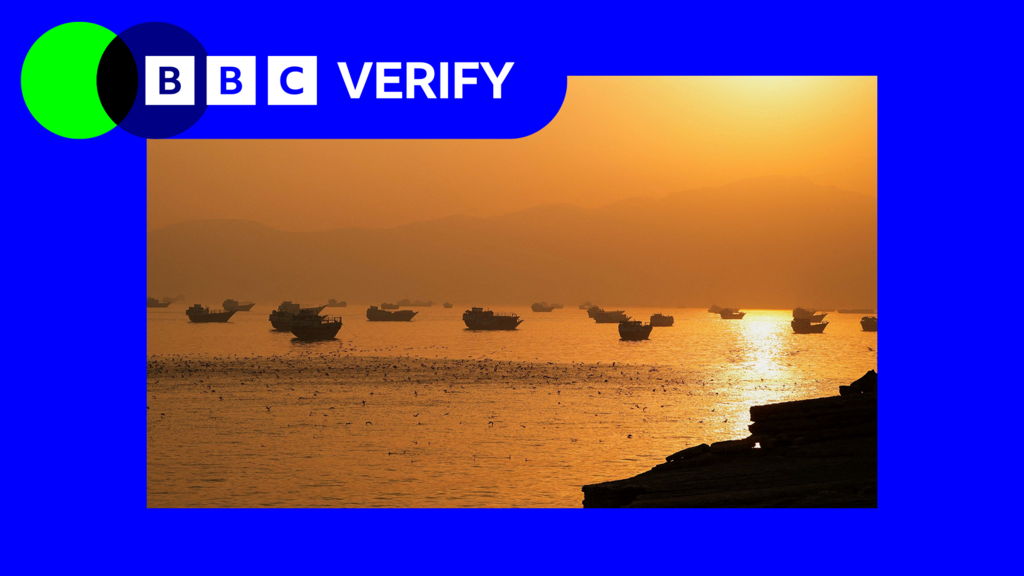
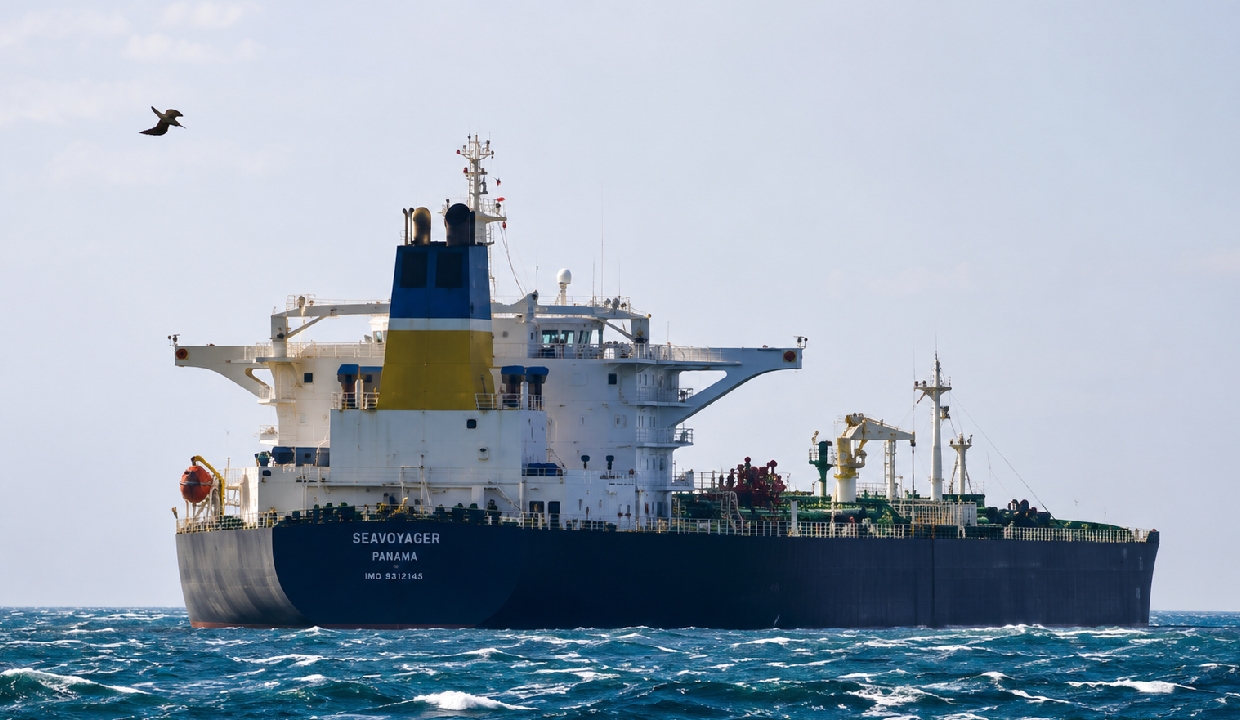
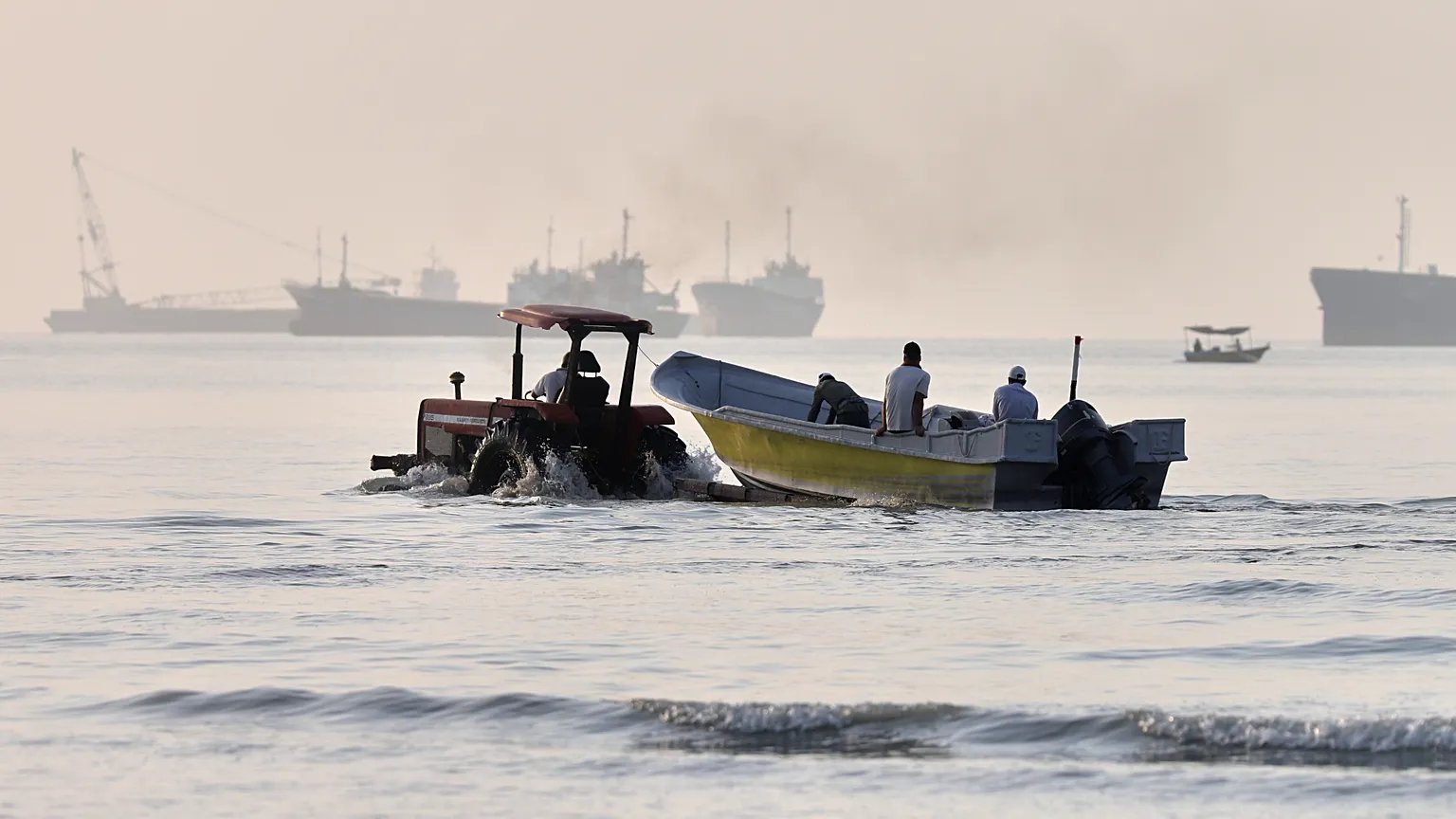
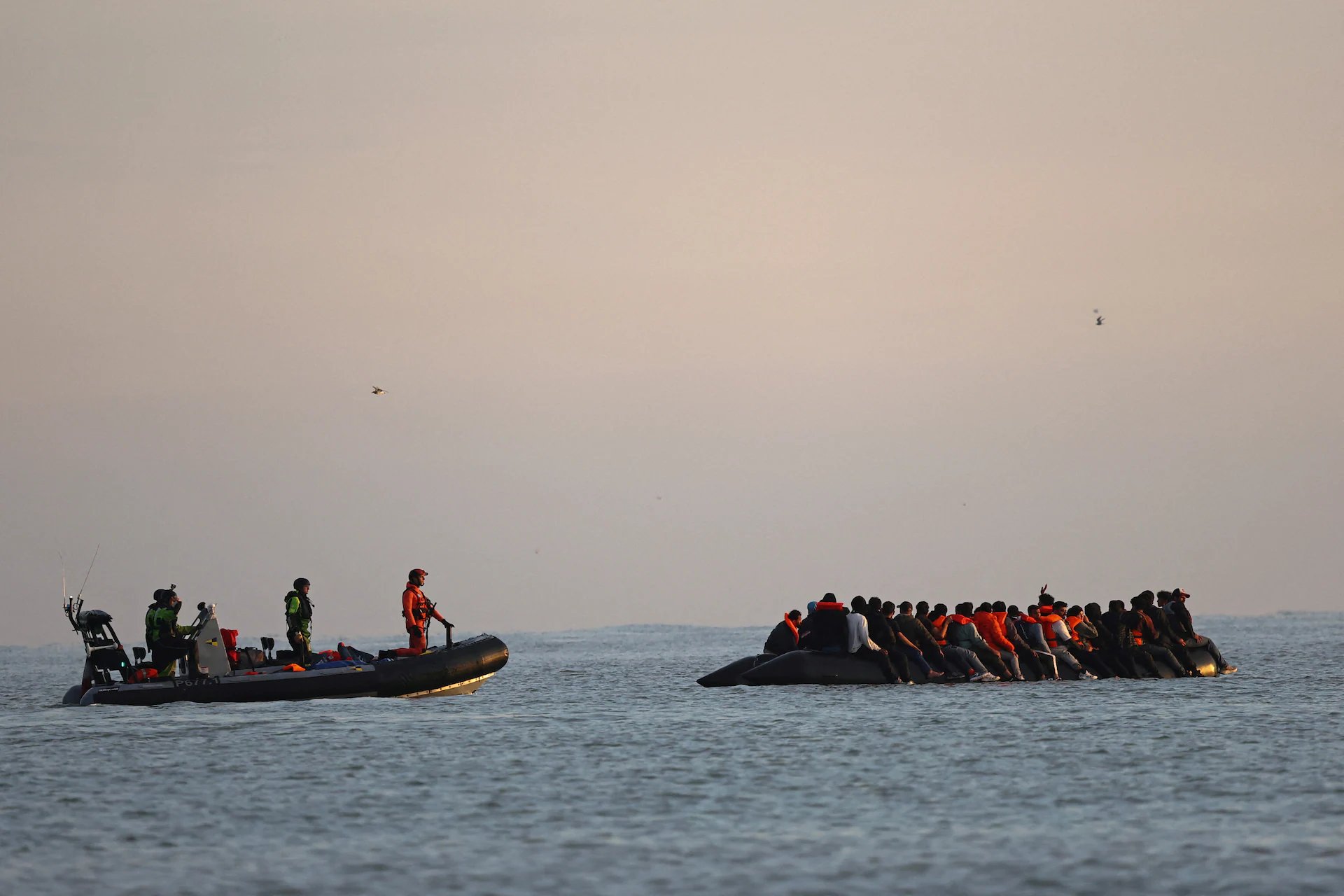
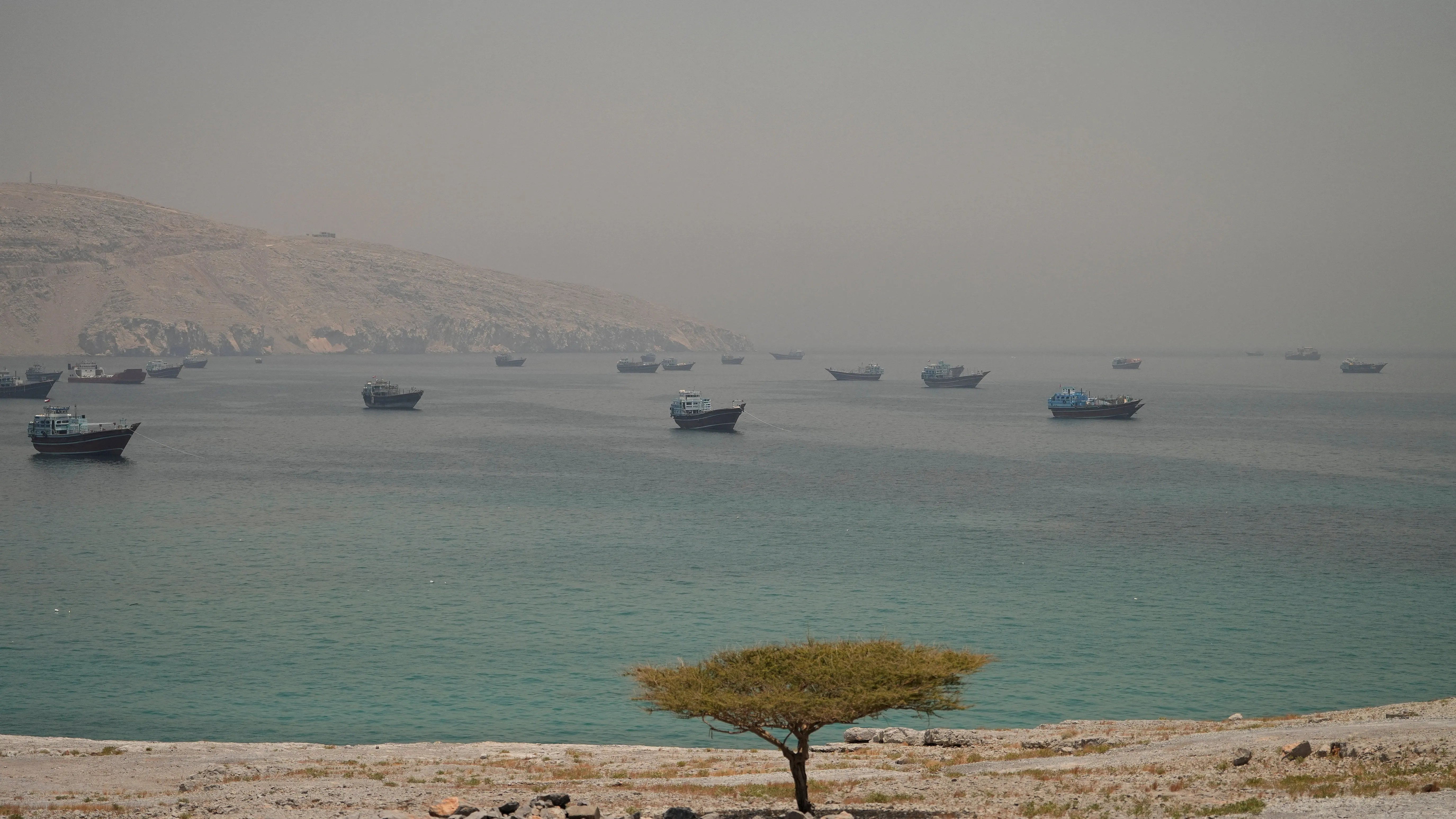
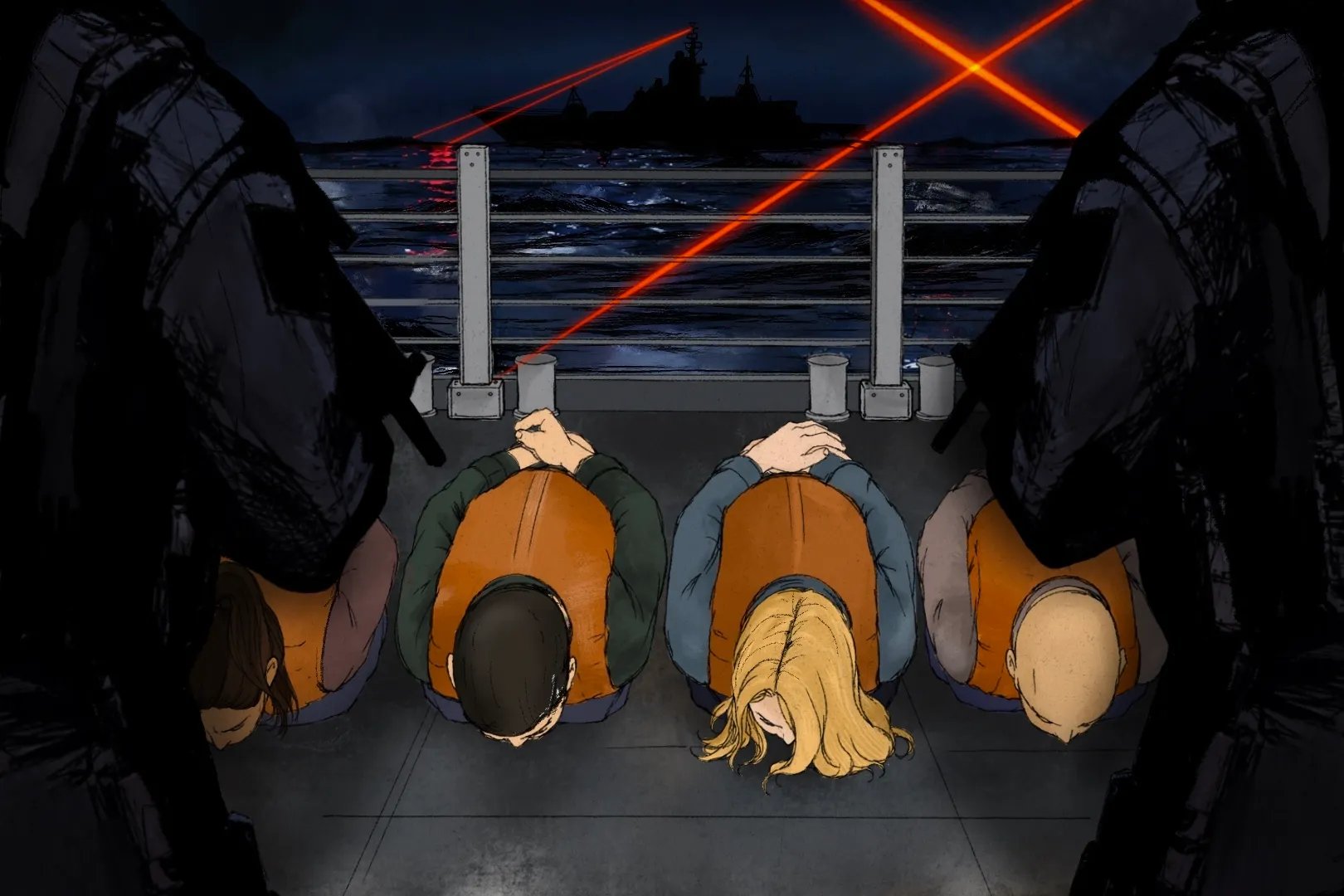
Despite the ongoing US-Iran talks, sailors have been trapped in the Strait, facing the dual challenges of an active conflict zone and the need to ration food, as highlighted by France 24 in their interview with Phil Belcher, the marine director at the International Association of Independent Tanker Owners (Intertanko). The situation has underscored the human cost of geopolitical tensions in this critical shipping lane.
The International Maritime Organization's Secretary-General Arsenio Dominguez discussed coordination efforts for vessel safety in the Strait of Hormuz on Bloomberg This Weekend.
This development not only affects the world's economy but also has direct implications for the safety and well-being of sailors caught in the crosshairs of geopolitical disputes. As the situation evolves, the international community continues to navigate the complex dynamics of energy supply, security, and humanitarian concerns in one of the world's most critical shipping chokepoints.
US Energy Secretary Chris Wright announced on Sunday that oil flow through the Strait of Hormuz is "back towards normal," following a period of tension after Iranian officials indicated they would close the crucial waterway due to Israeli strikes in Lebanon, as reported by The Hill. The Strait's closure would have had a significant impact on the global economy and energy supply dynamics, with millions of barrels of oil passing through it daily.
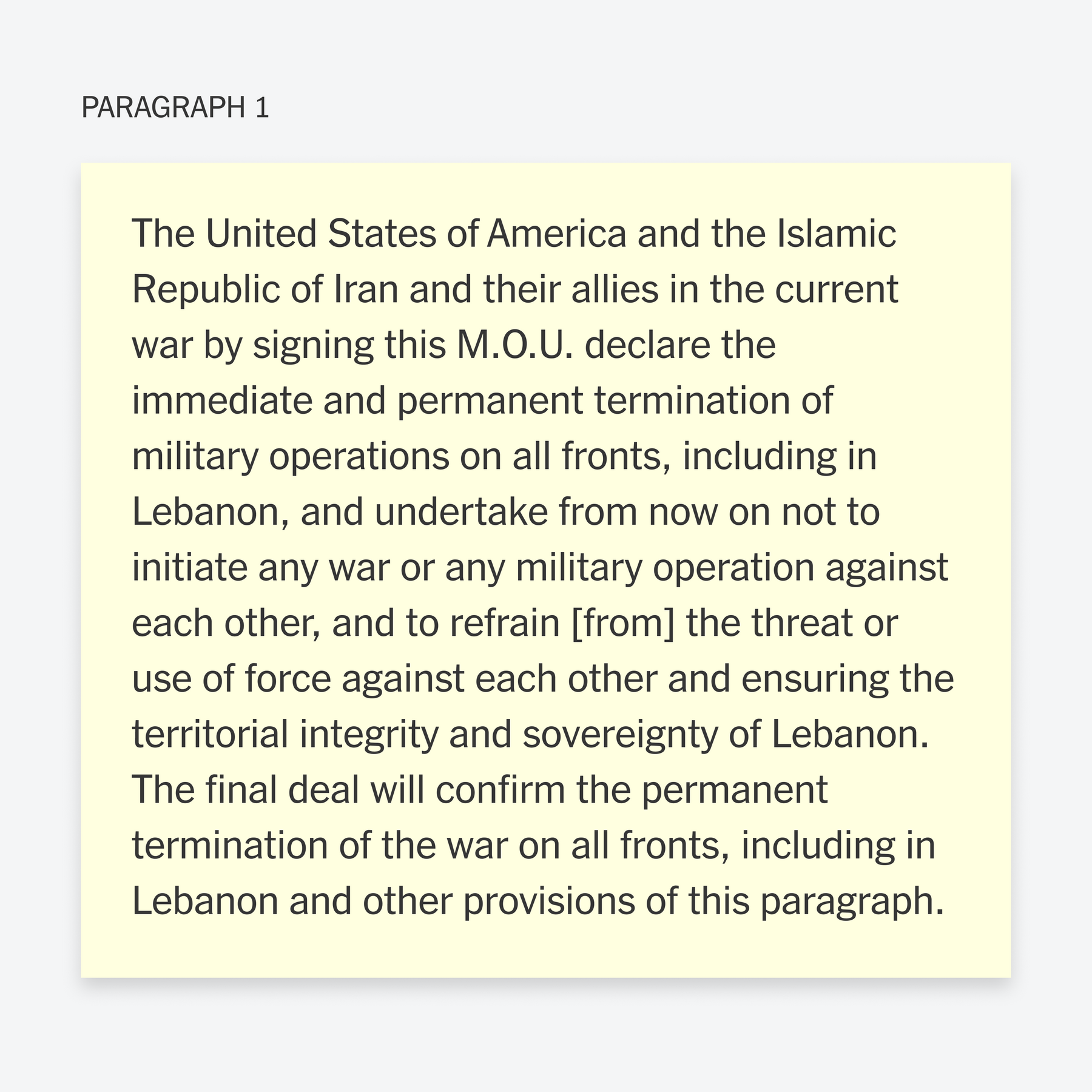
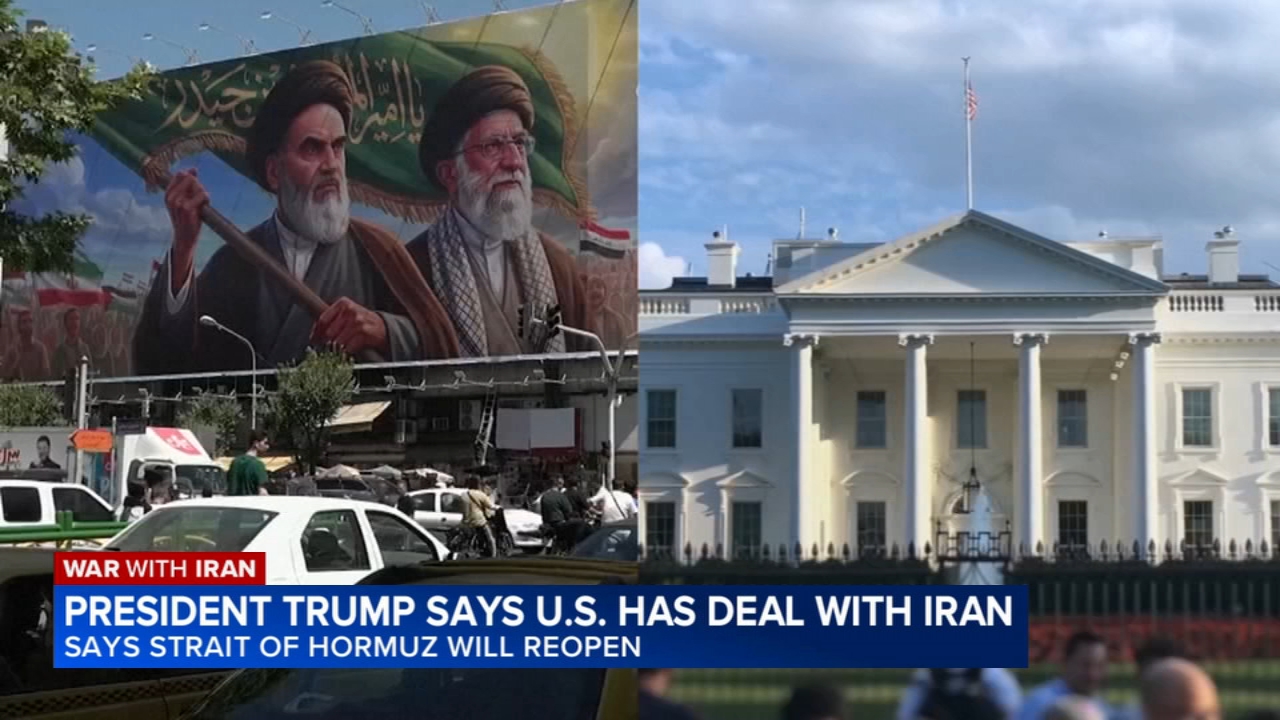
The return to normalcy in the Strait of Hormuz oil flow indicates a substantial shift in global energy supply concerns and potential effects on international markets. This development comes after a peace deal was reached between the US and Iran, leading to a slump in crude futures and oil glut bets resurfacing, as detailed in Bloomberg's report on the economic repercussions of the US-Iran deal.
Despite the ongoing US-Iran talks, sailors have been trapped in the Strait, facing the dual challenges of an active conflict zone and the need to ration food, as highlighted by France 24 in their interview with Phil Belcher, the marine director at the International Association of Independent Tanker Owners (Intertanko). The situation has underscored the human cost of geopolitical tensions in this critical shipping lane.
Efforts to establish a safe evacuation route for vessels stranded in the Strait of Hormuz are underway, as discussed by the Secretary-General of the International Maritime Organization, Arsenio Dominguez, on Bloomberg This Weekend. This underscores the international community's response to the crisis and the importance of ensuring the safety of maritime traffic in the region.
The reopening of the Strait of Hormuz and the resumption of oil flow to near-normal levels mark a pivotal moment in global energy markets. This development not only affects the world's economy but also has direct implications for the safety and well-being of sailors caught in the crosshairs of geopolitical disputes. As the situation evolves, the international community continues to navigate the complex dynamics of energy supply, security, and humanitarian concerns in one of the world's most critical shipping chokepoints.
Highlighted text was flagged by the council. Tap to see feedback.