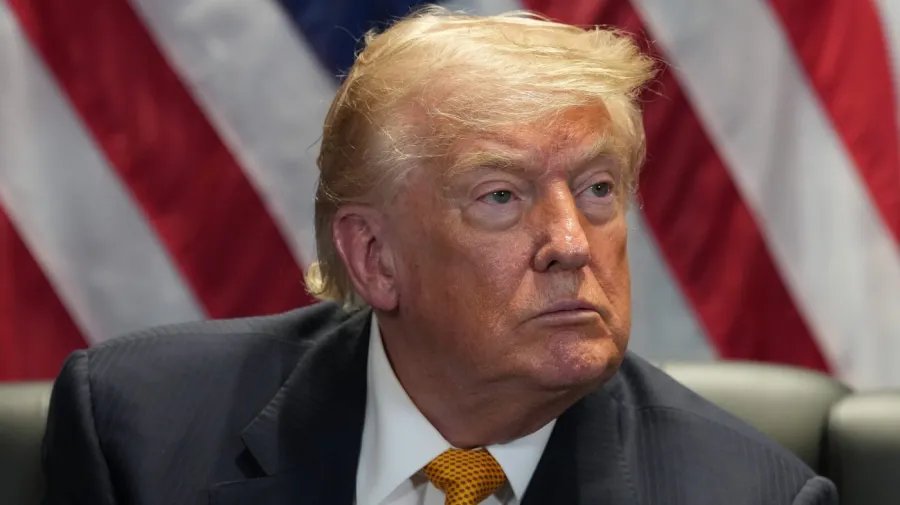
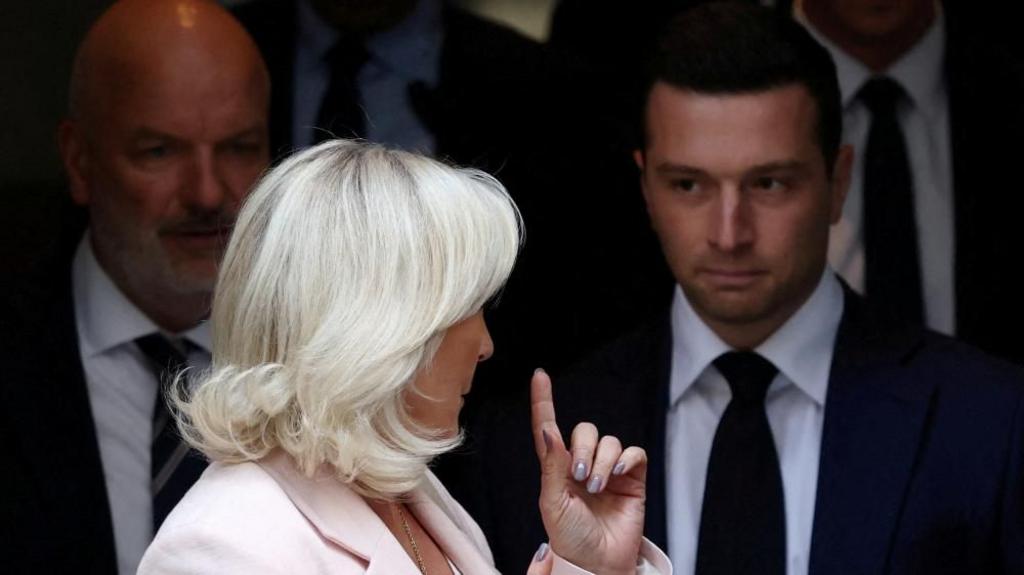
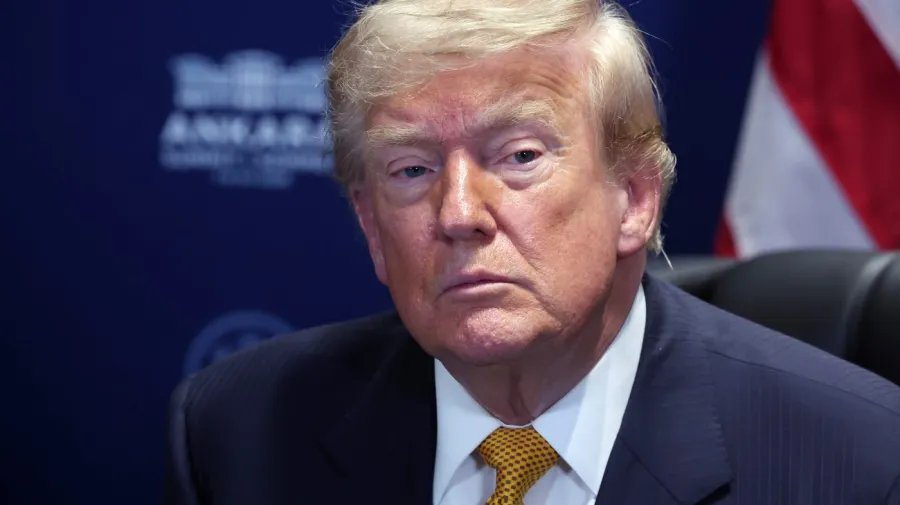
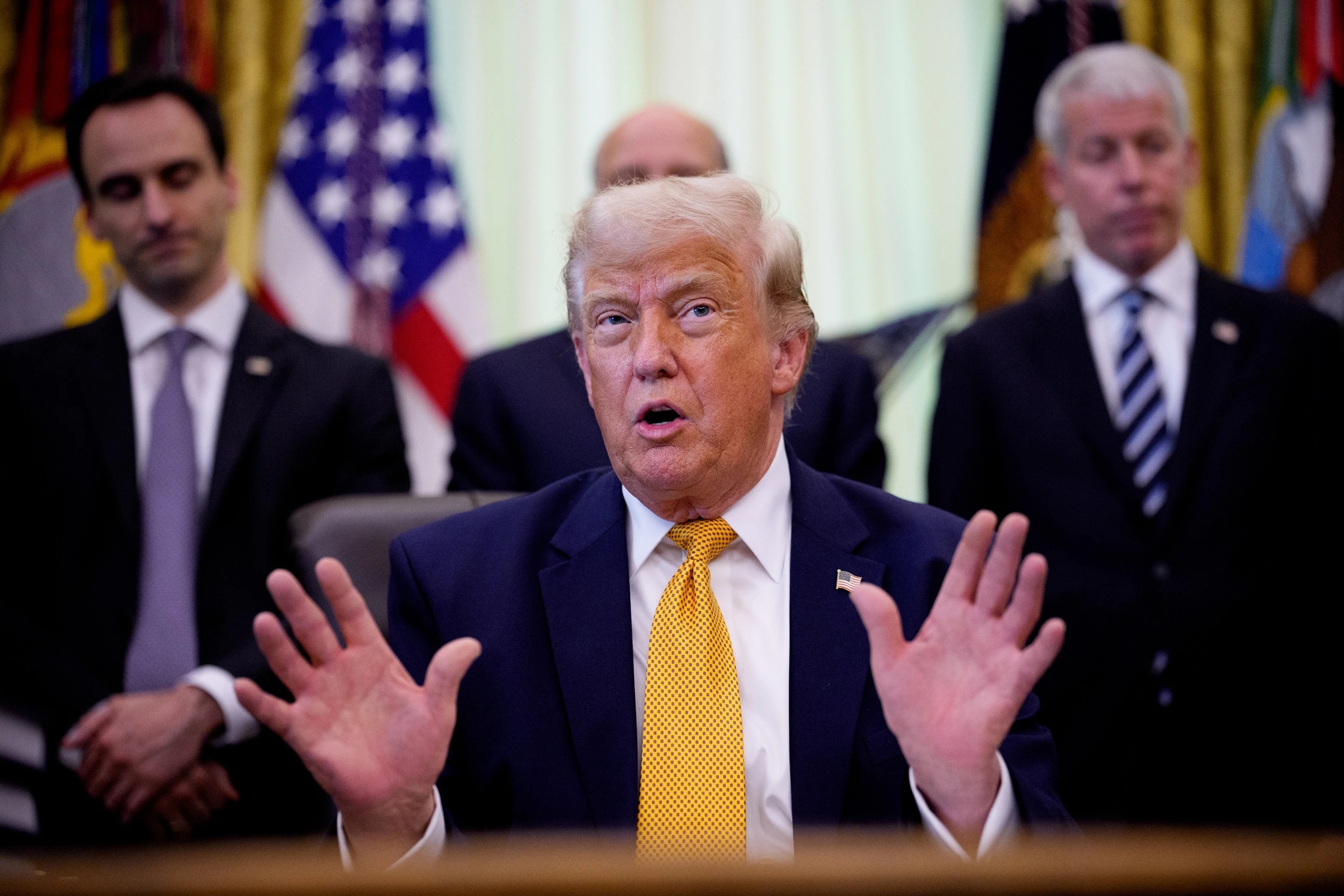
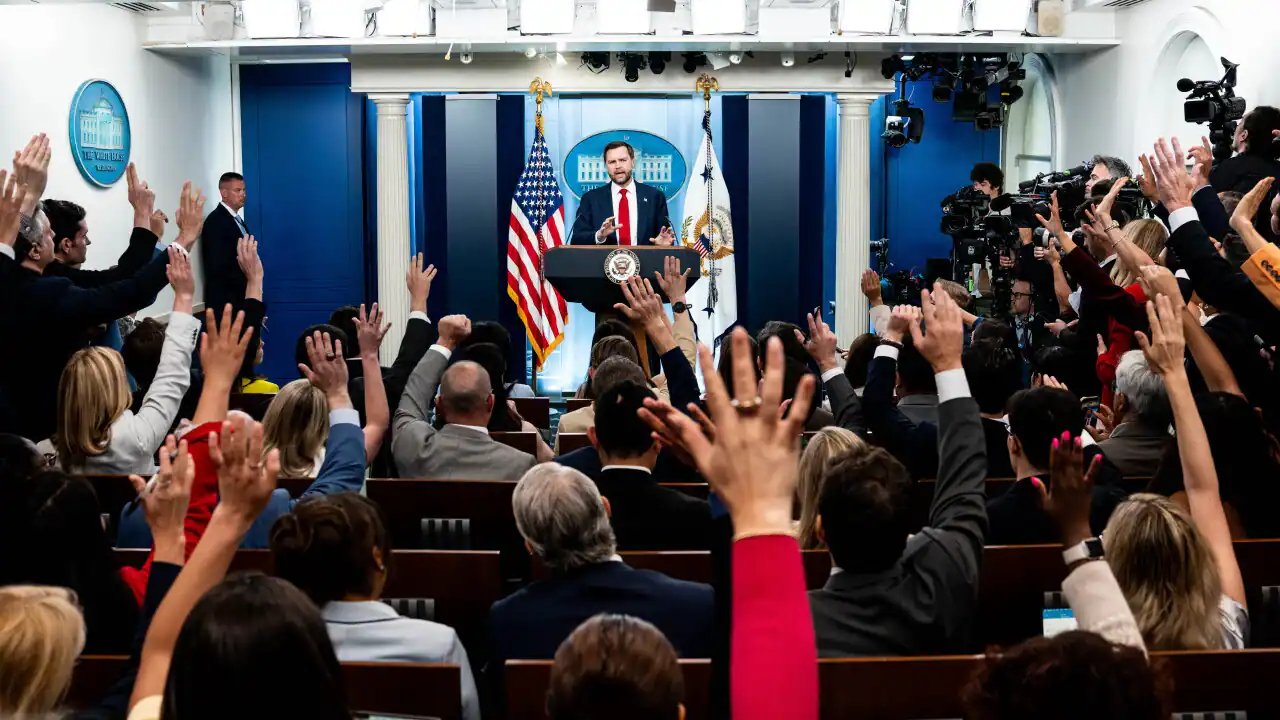
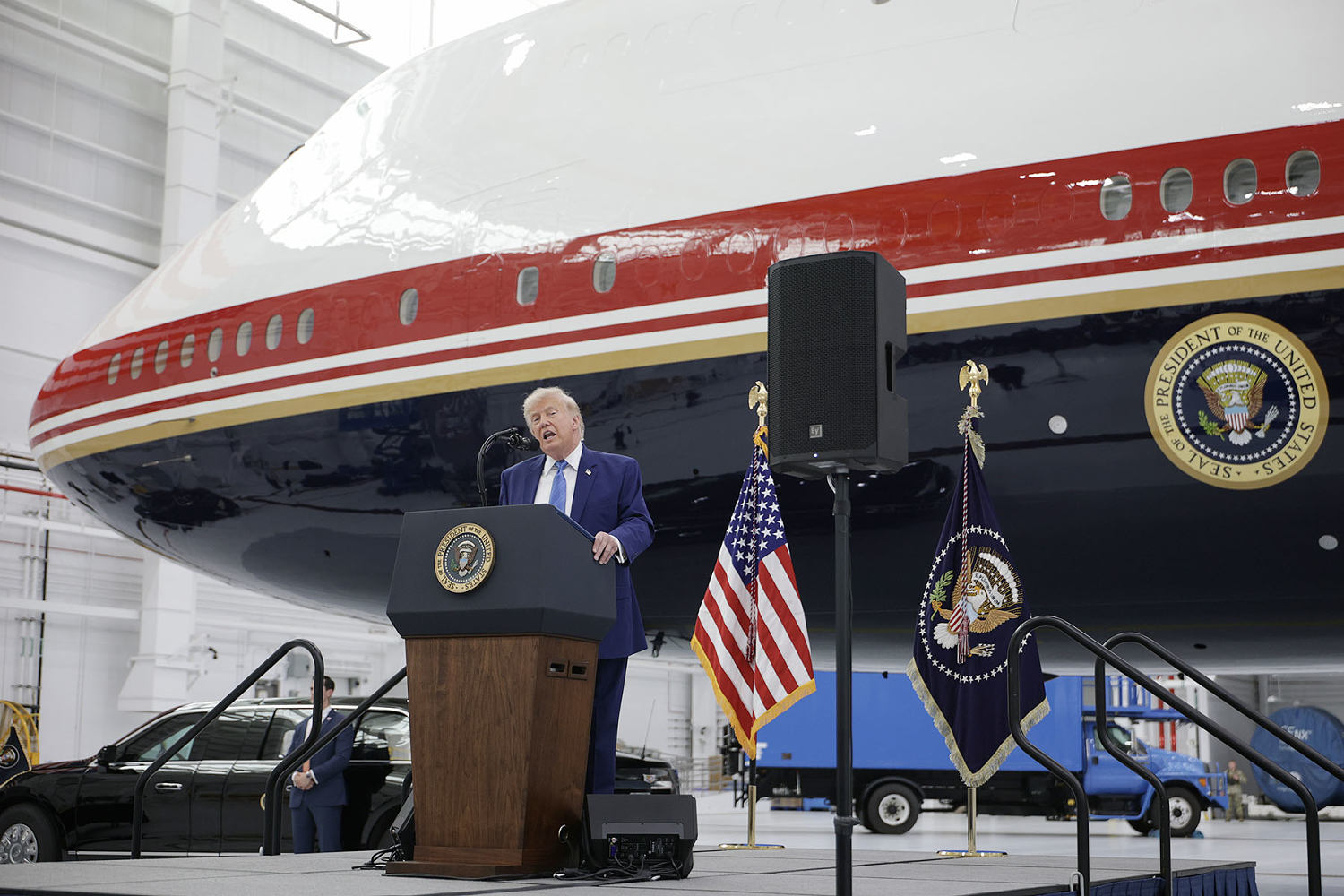
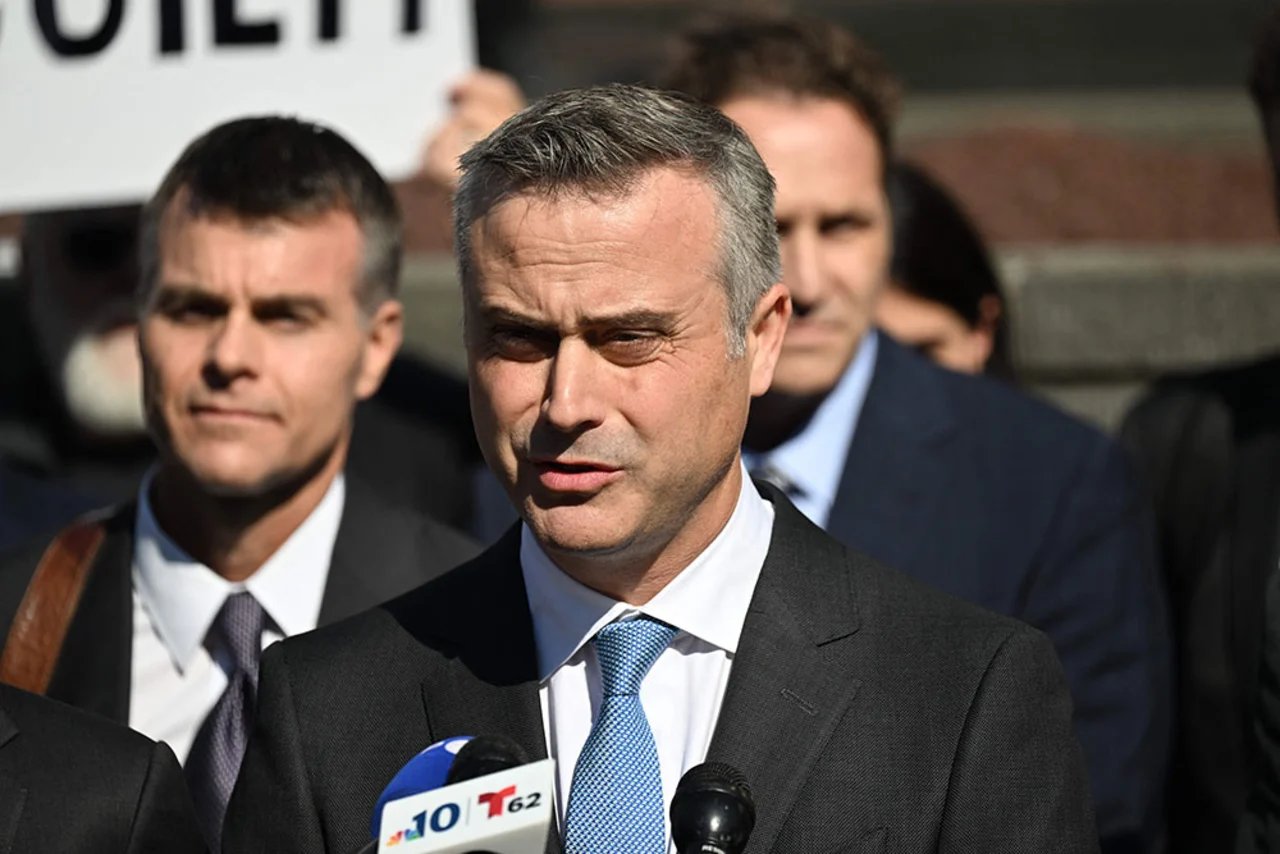
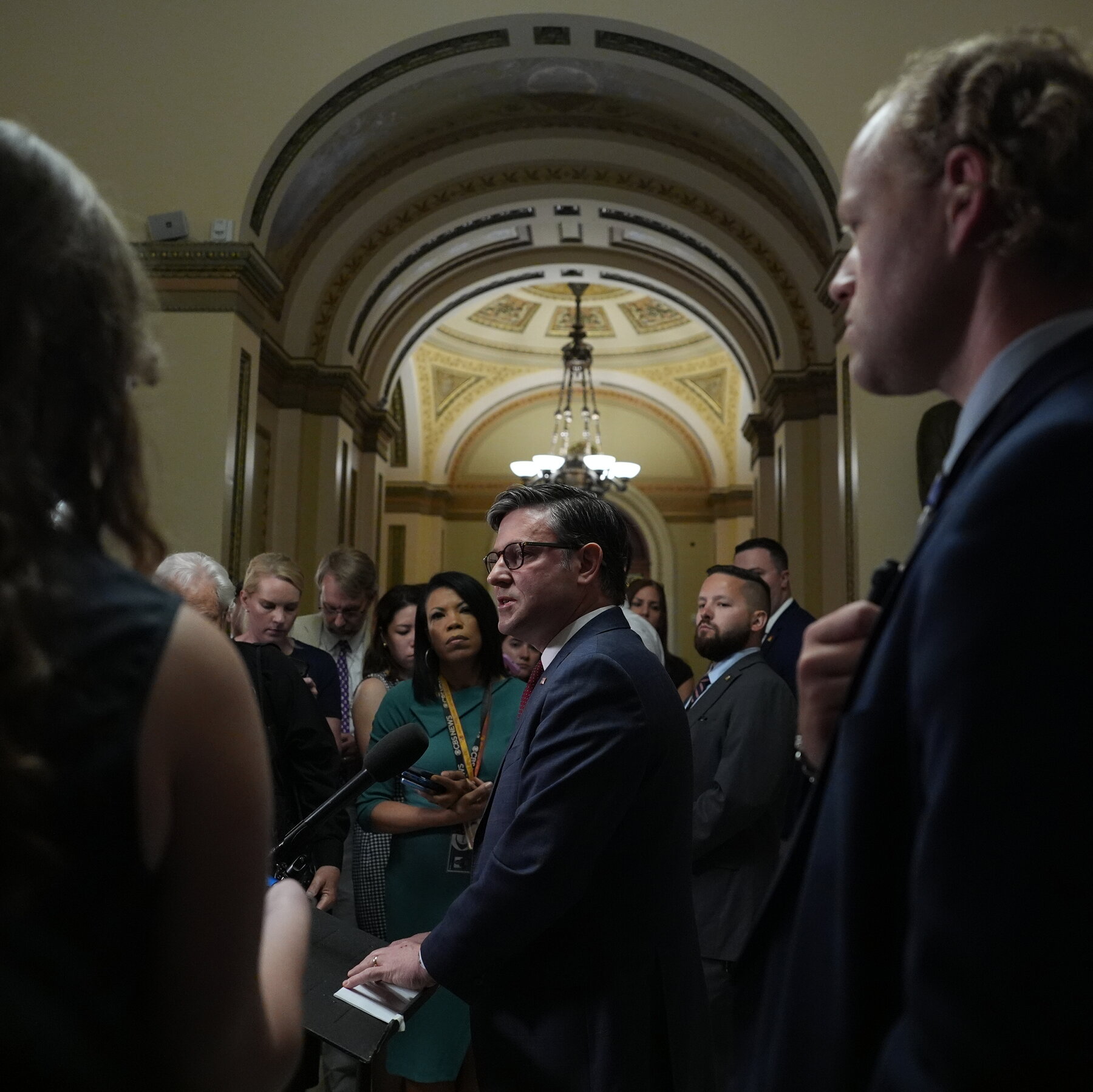
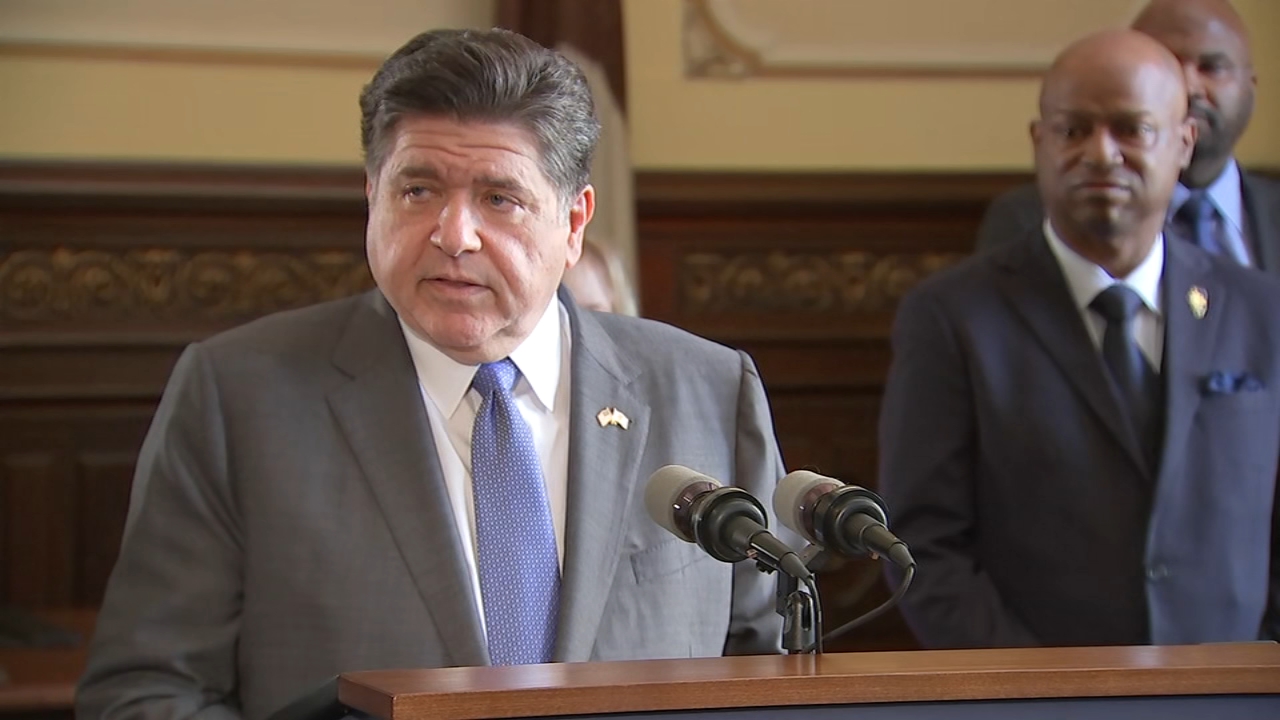
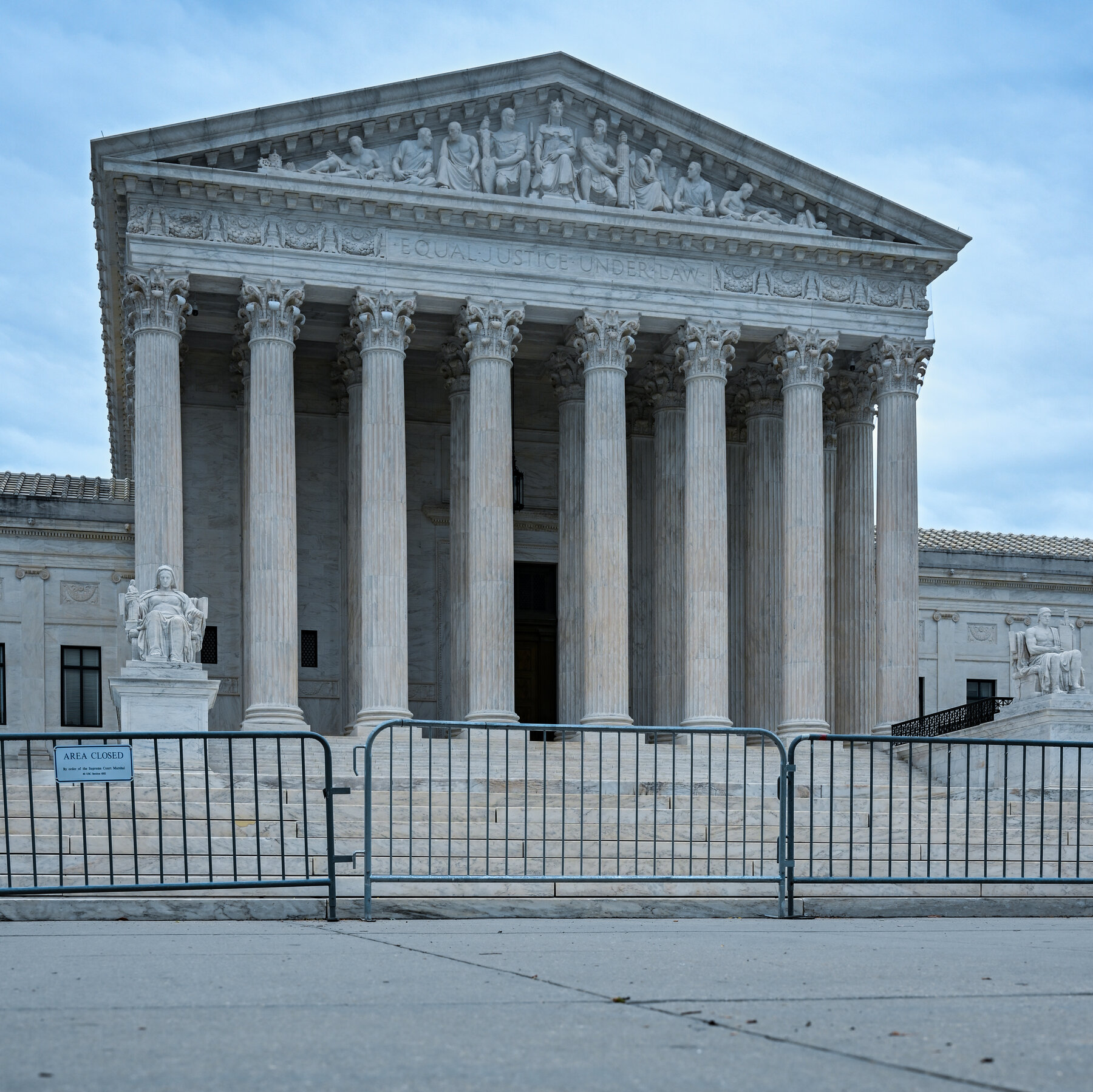
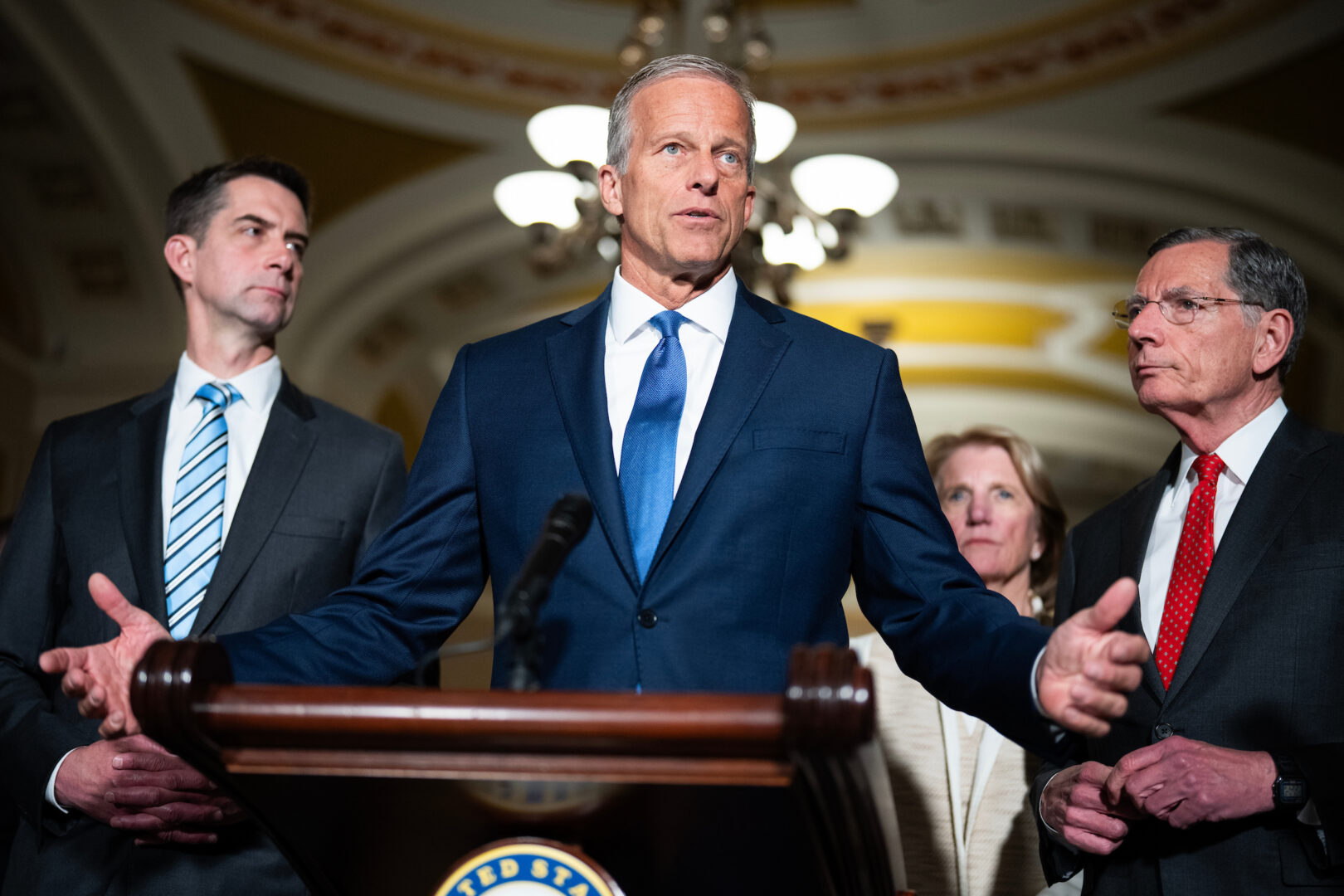
The House forced a measure to the floor against the speaker's wishes after six Republicans and an independent joined Democrats.
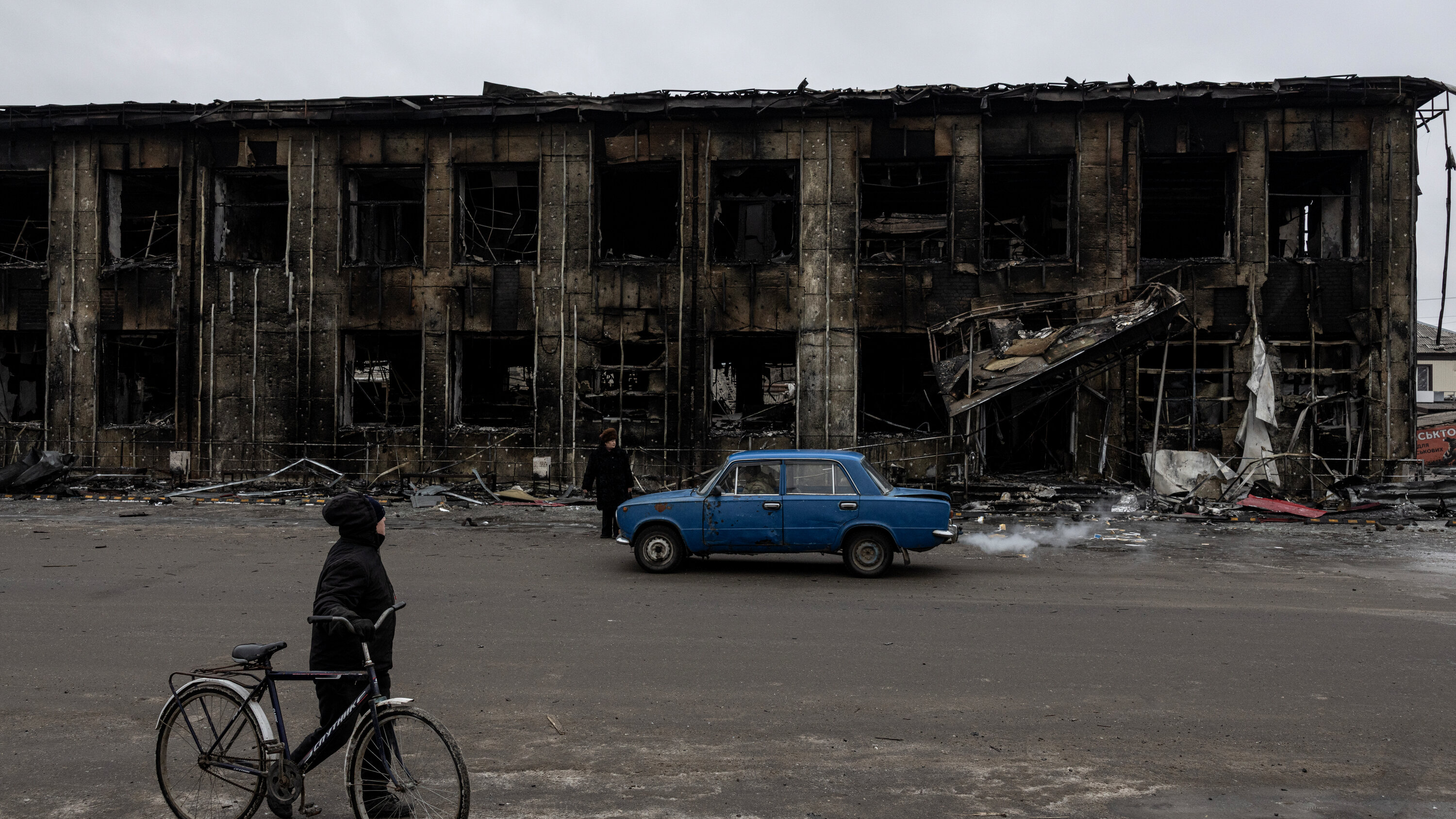
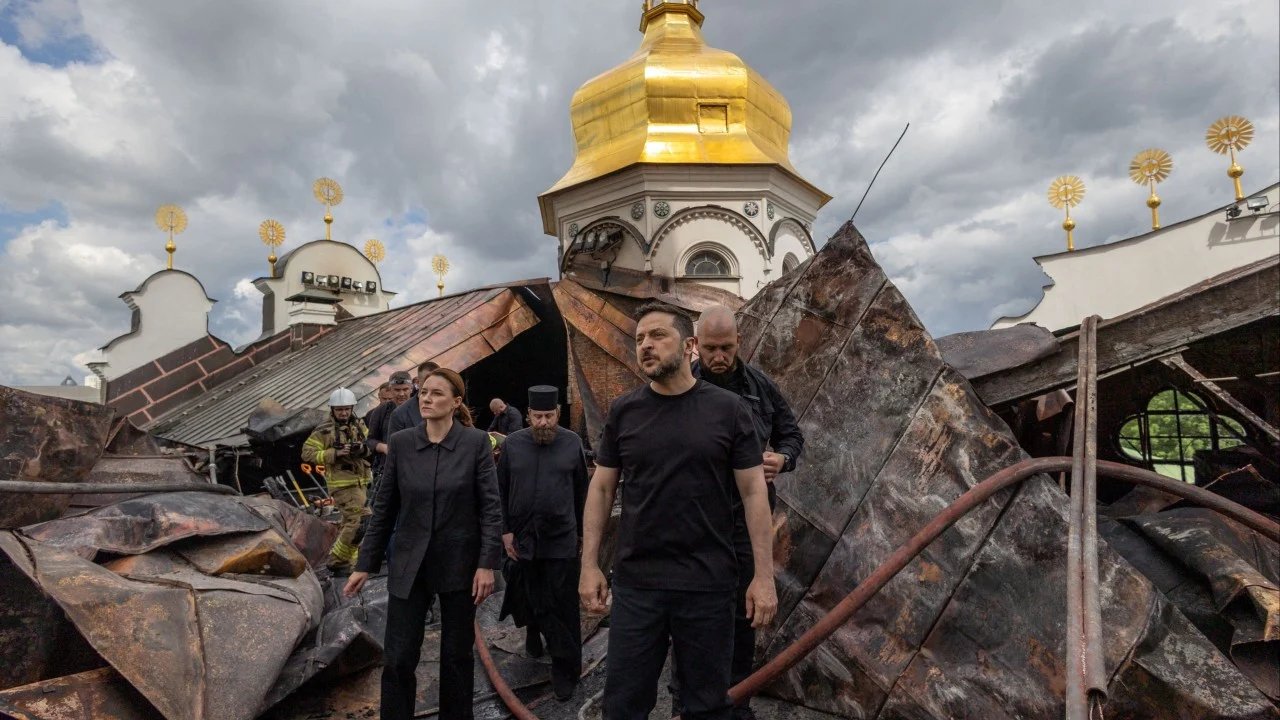
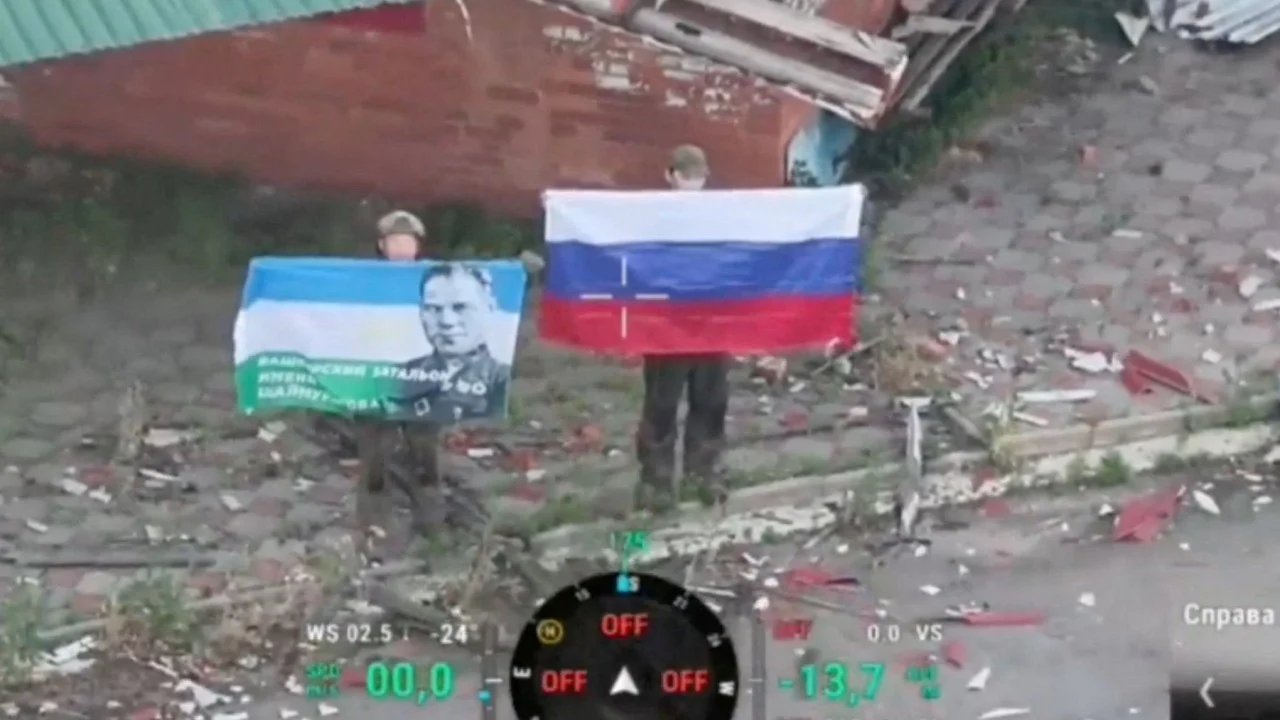
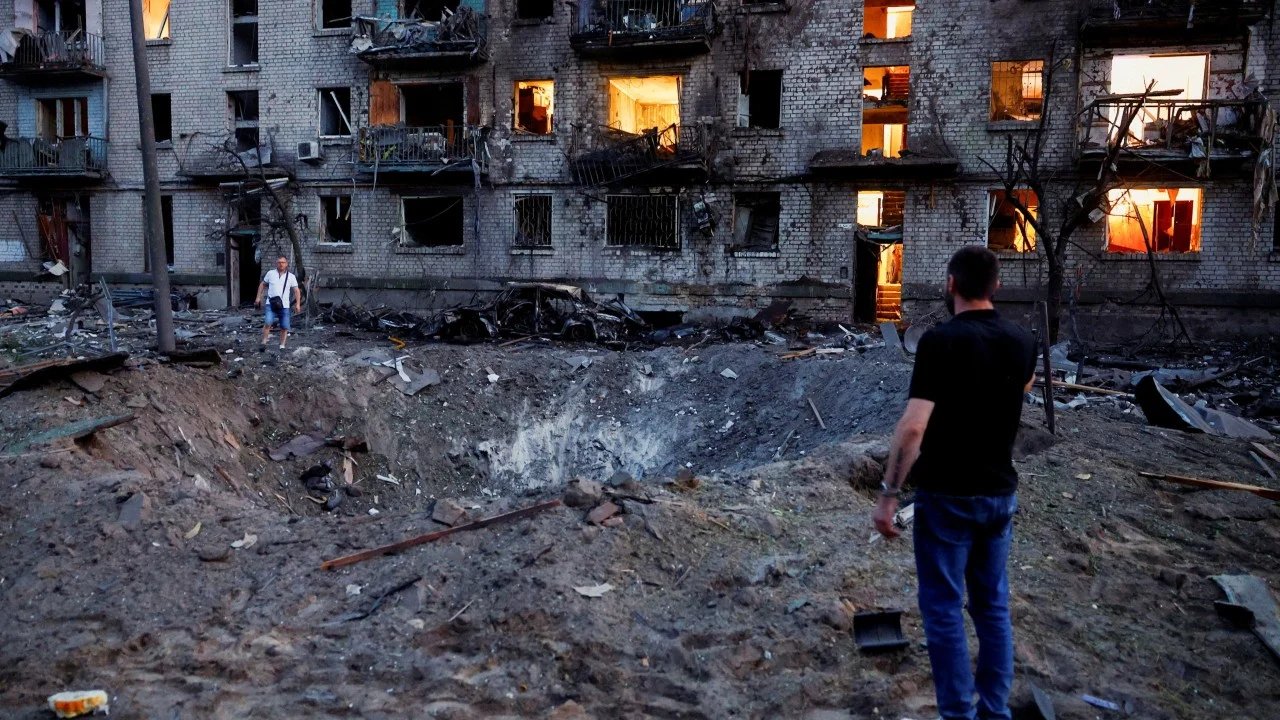
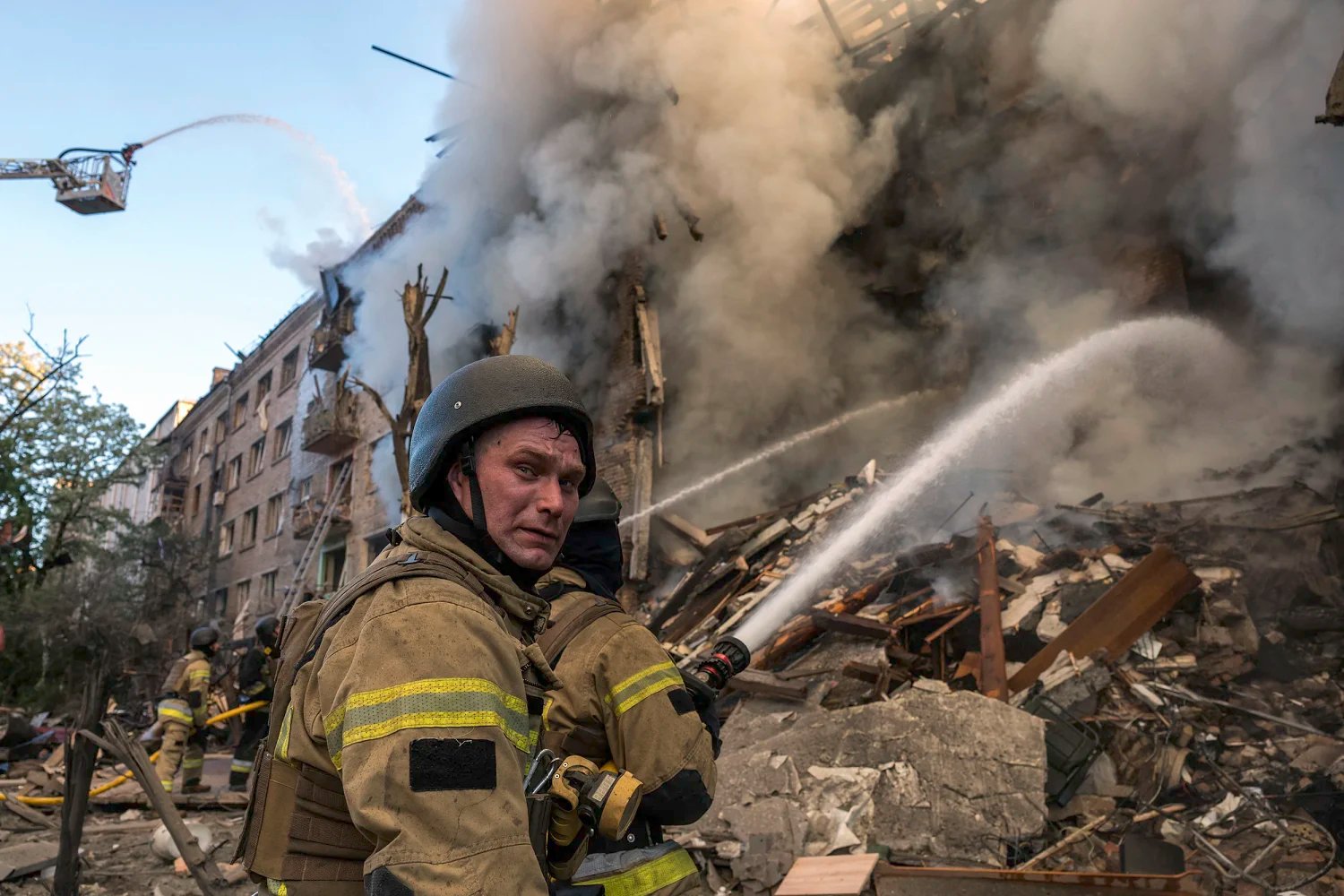
Ukraine recaptured more territory than it lost to Russian forces in May for the second consecutive month, according to data from the Institute for the Study of War. Christina Harward, Russia Deputy Team Lead at ISW, attributed the gains to tactical counterattacks and increased strikes, stating they have slowed Moscow's advance in Eastern Ukraine.
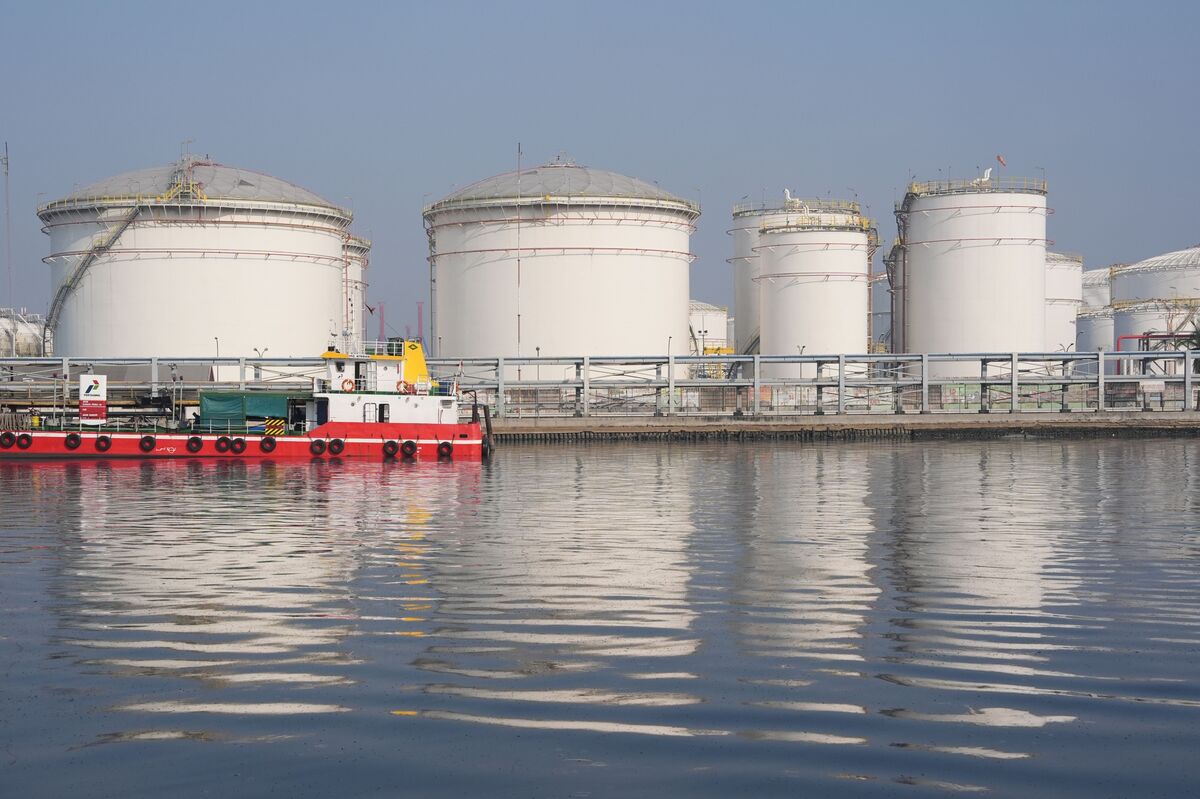
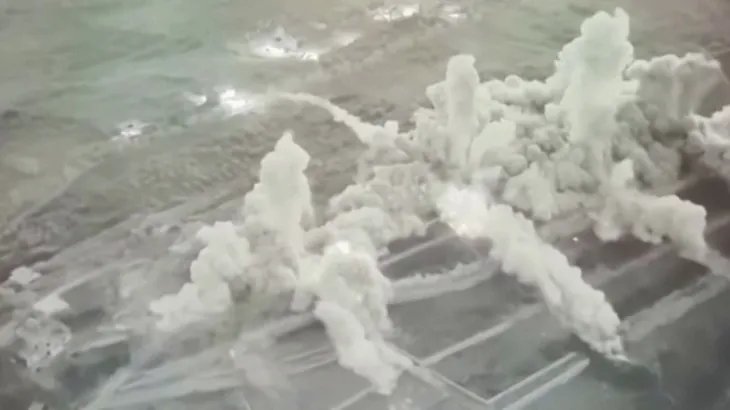
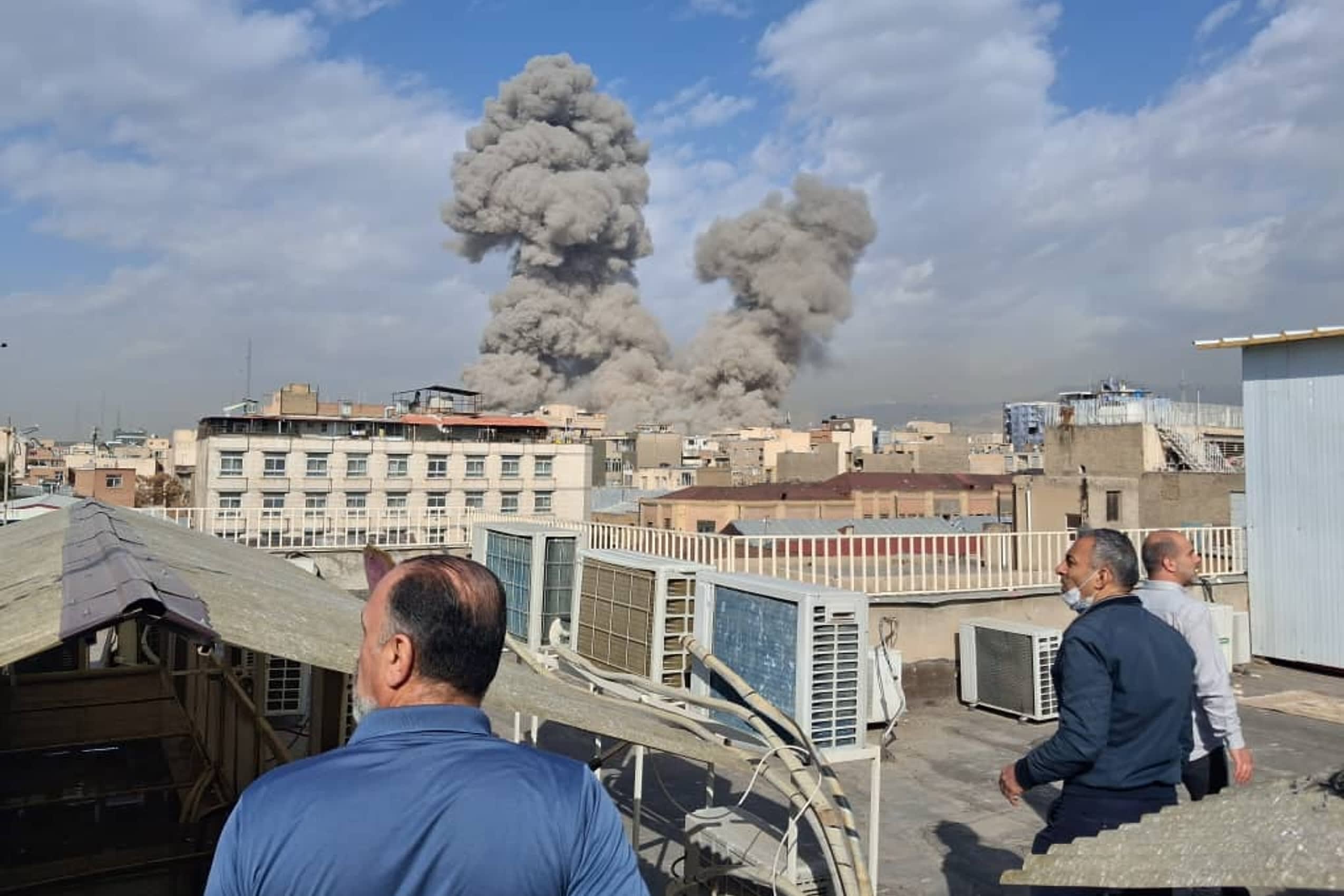
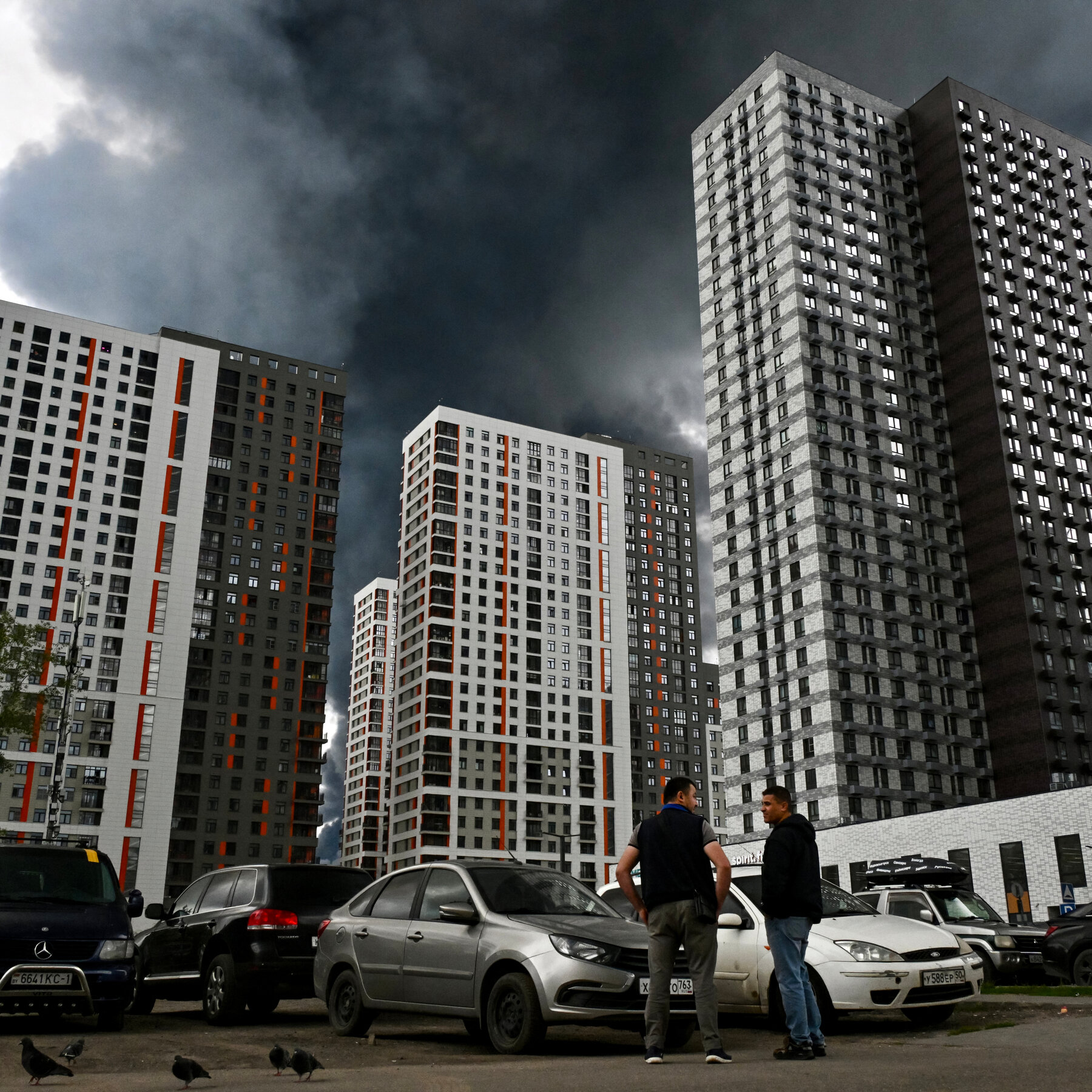
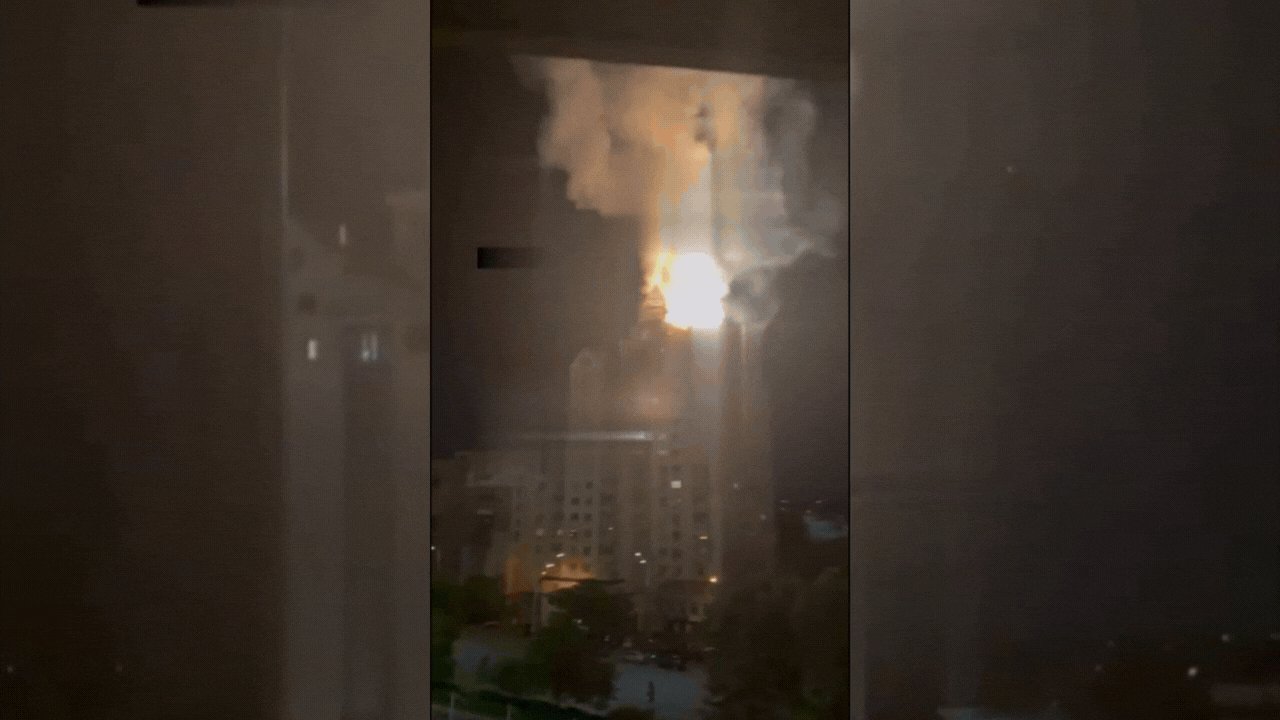
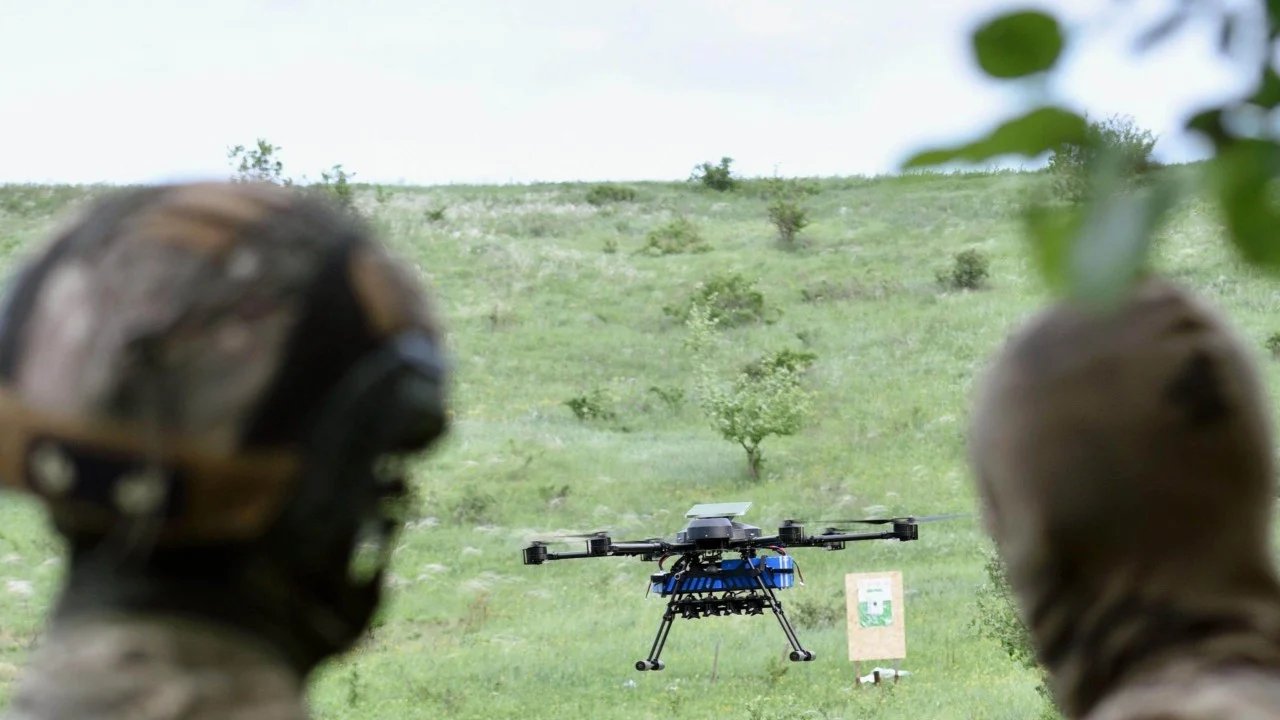
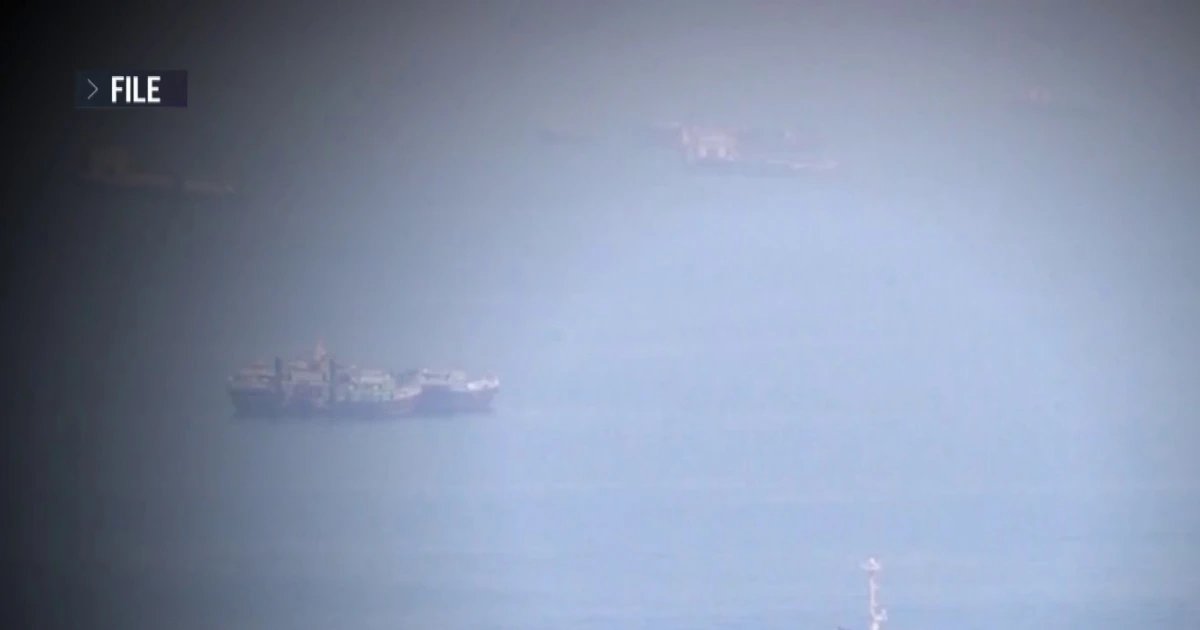
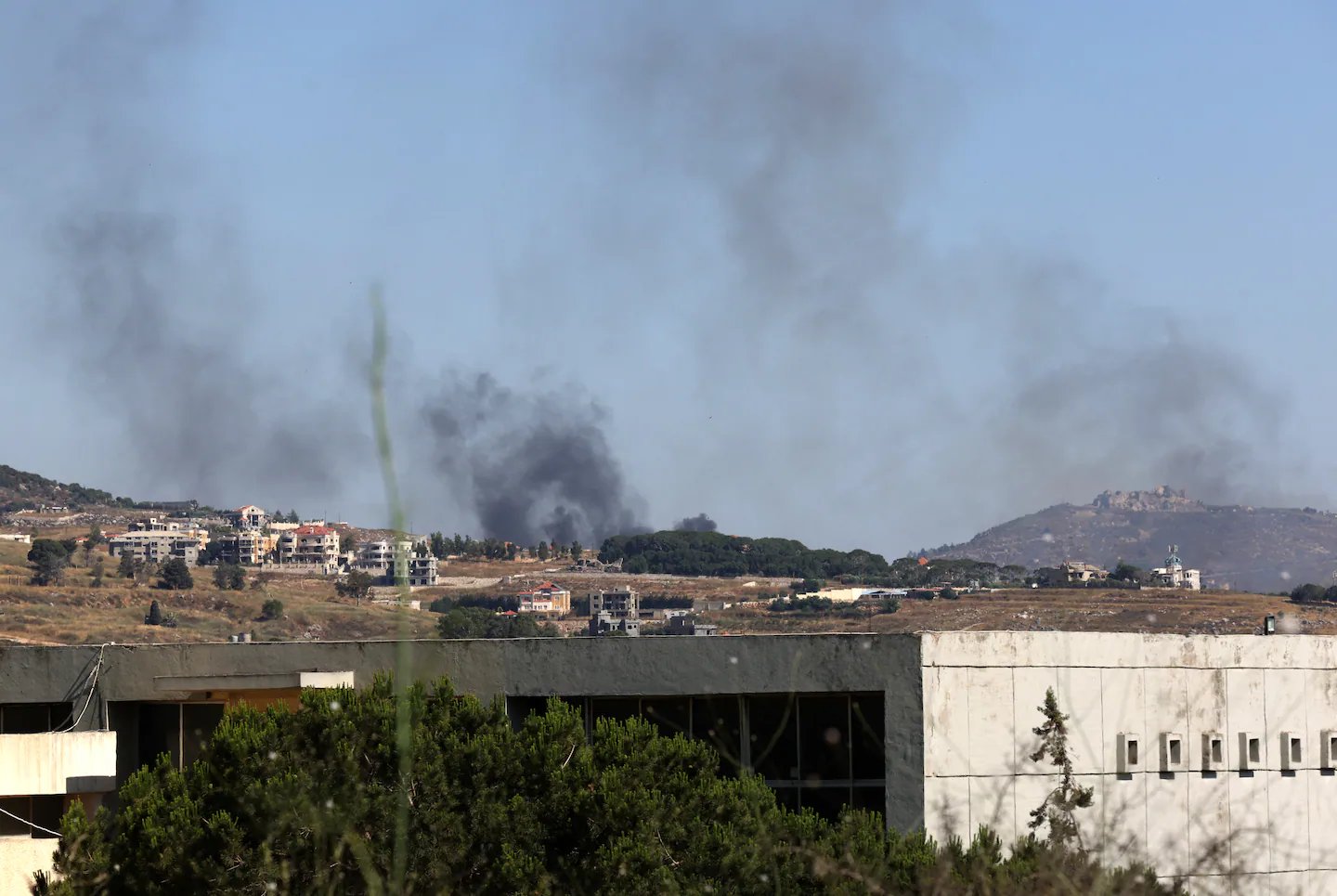
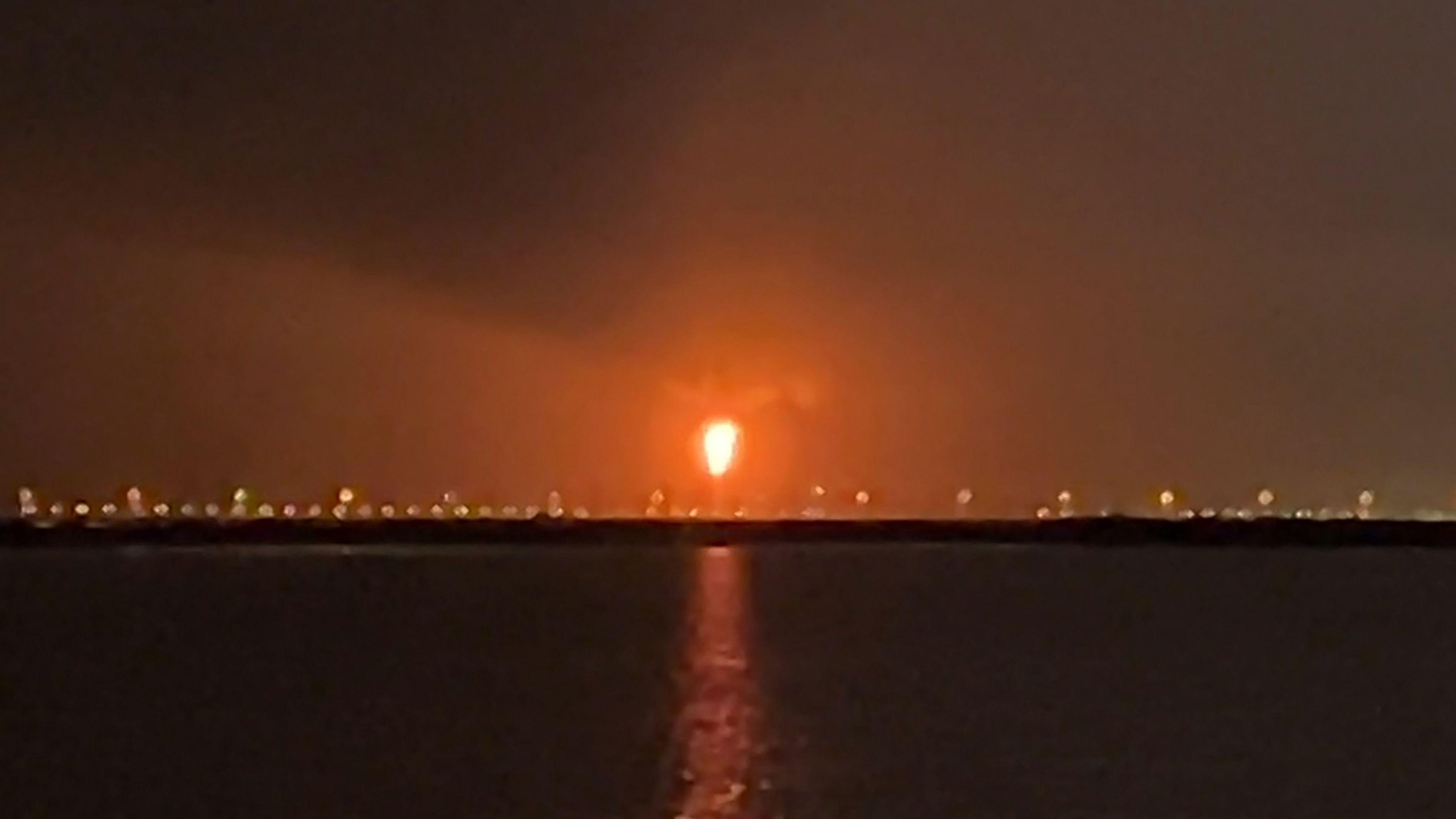
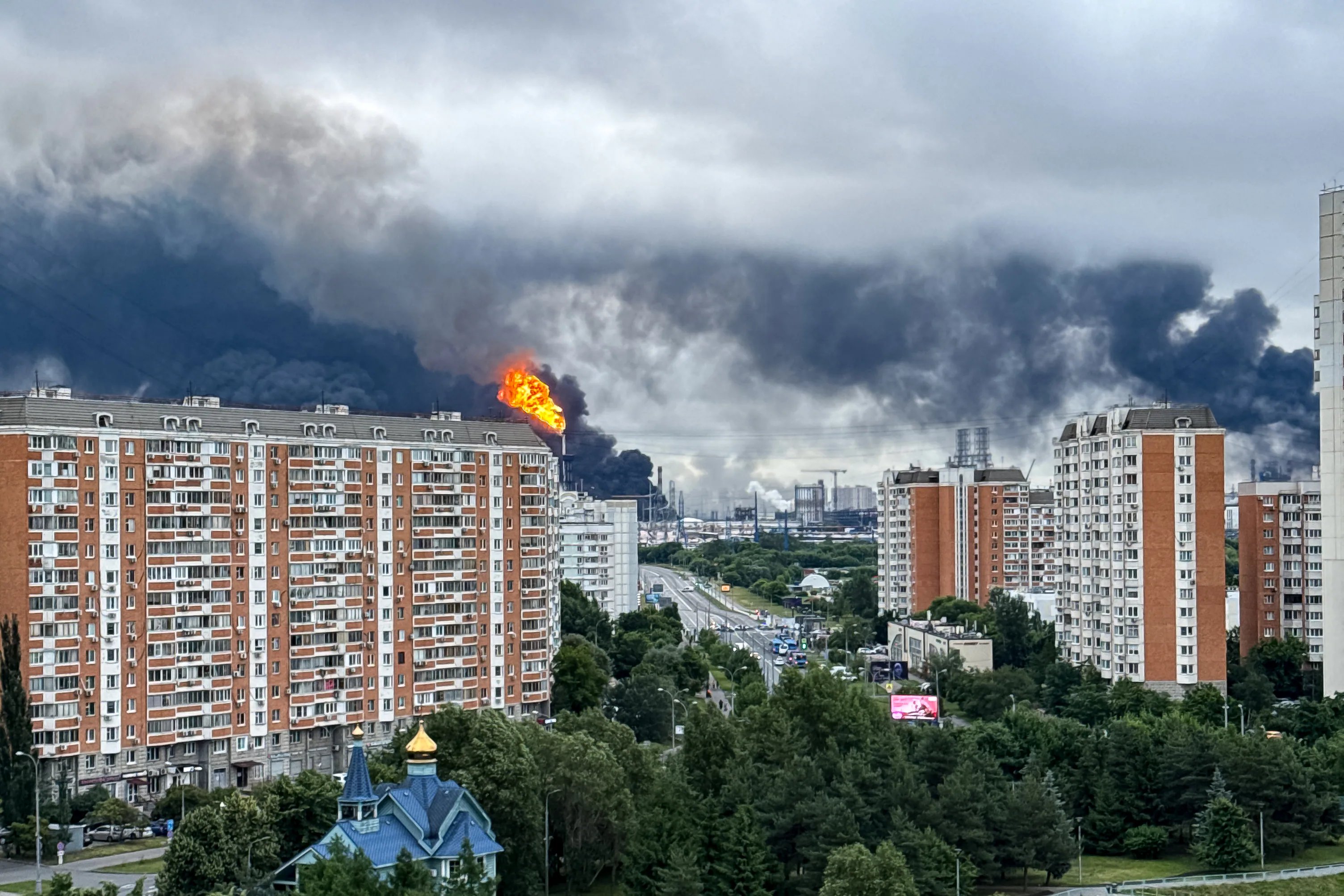
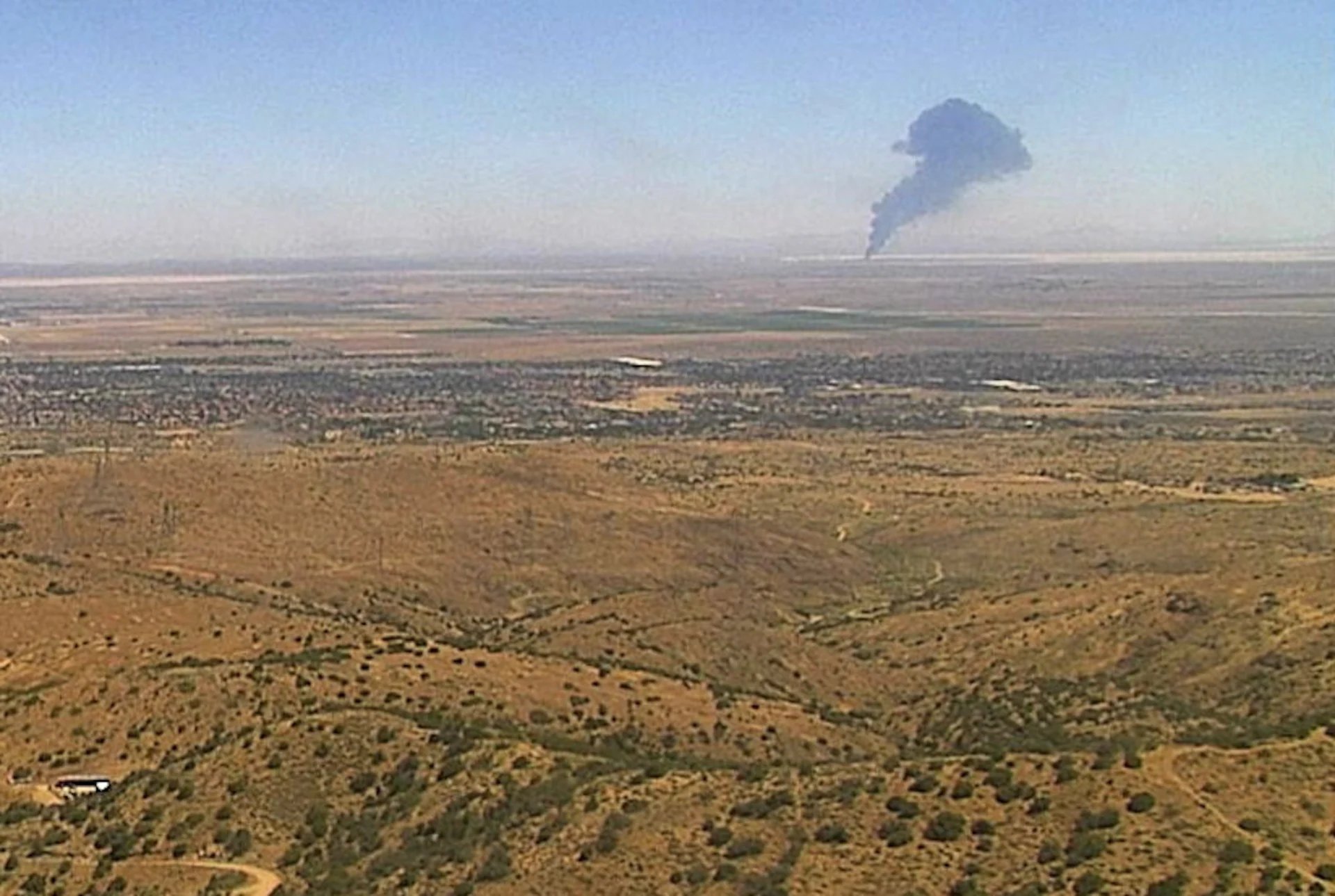
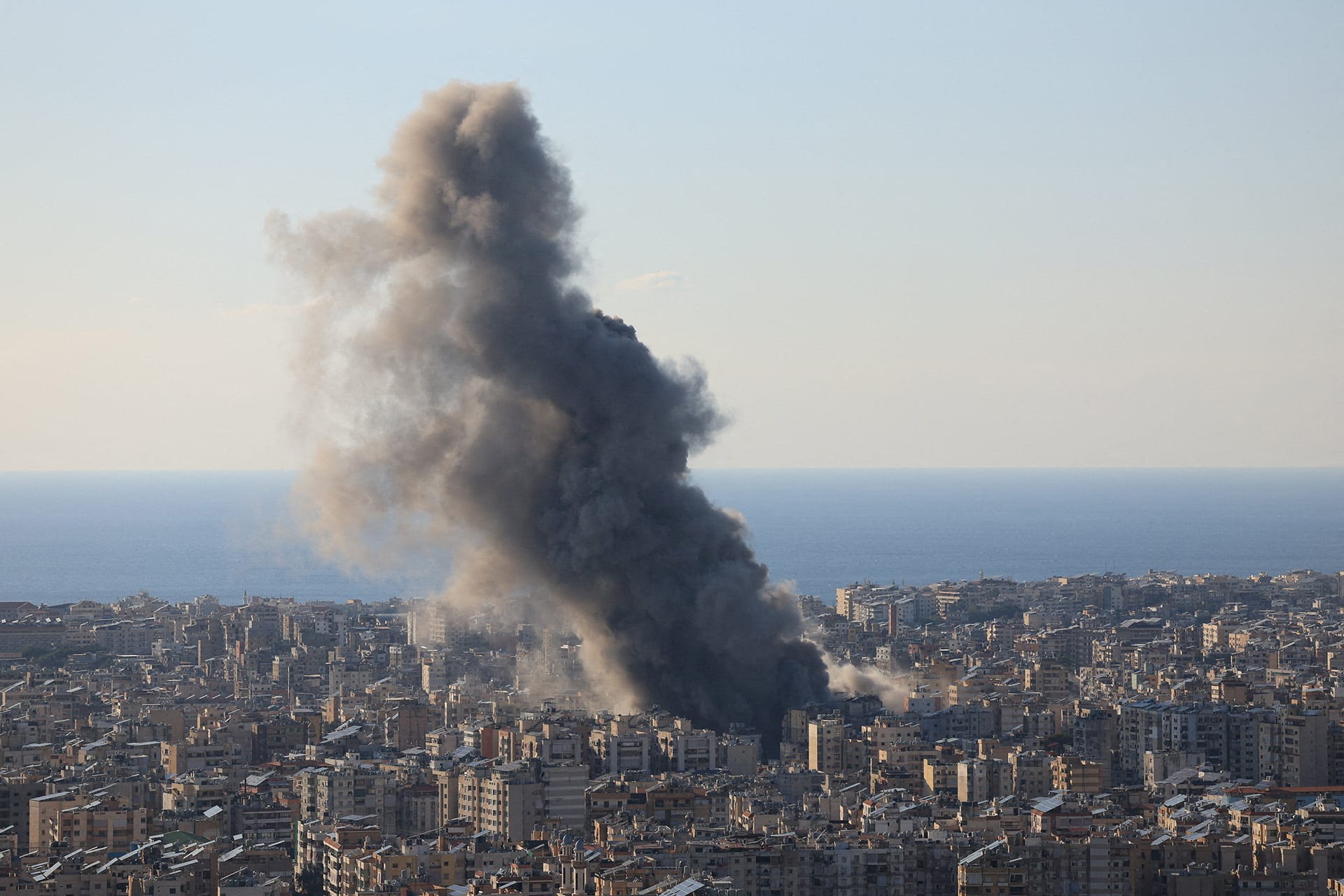
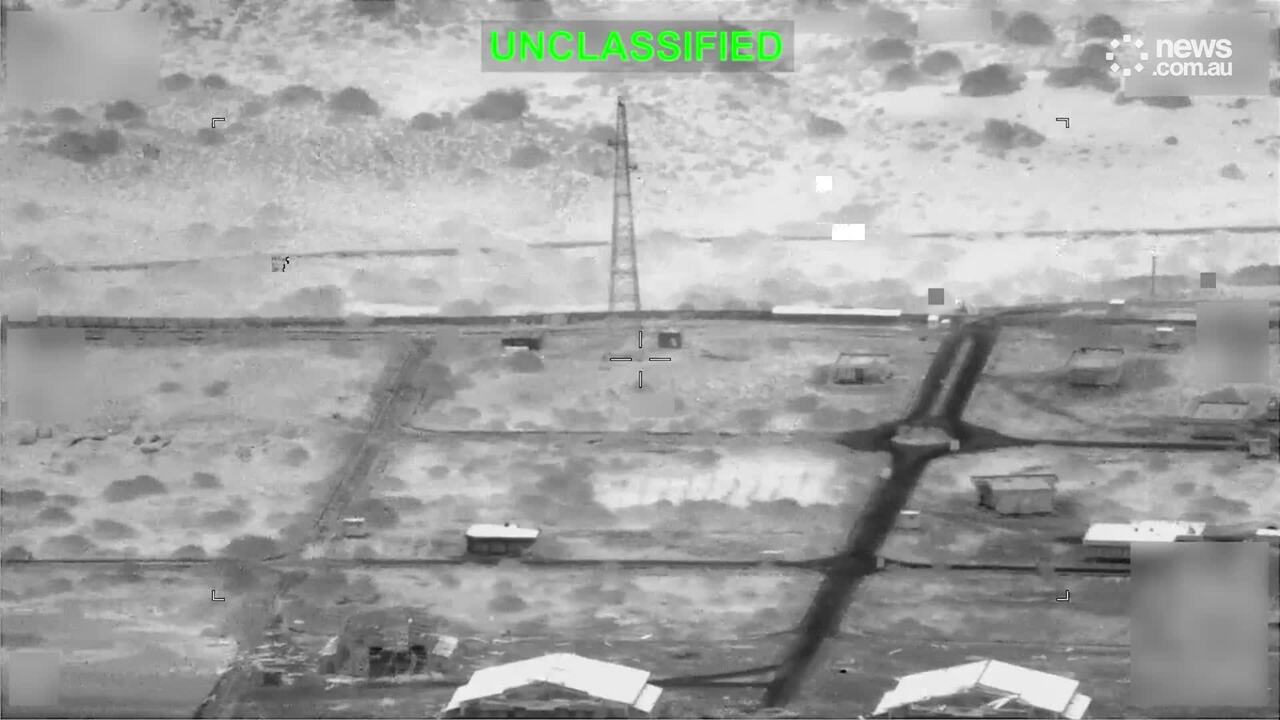
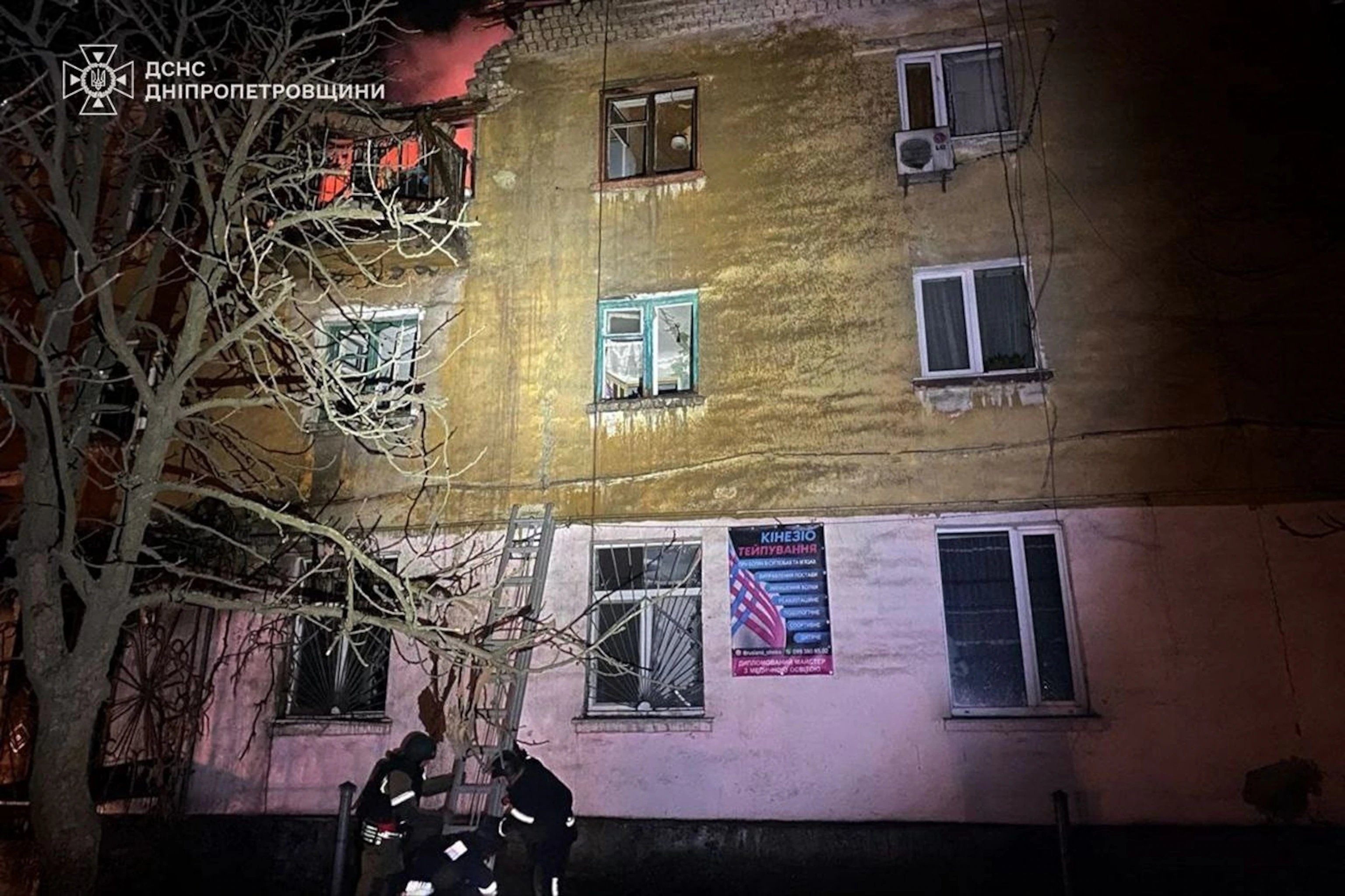
The tactical momentum extends to strikes far behind enemy lines. Ukraine struck an oil depot in St. Petersburg with long-range drones that flew more than 600 miles to reach their target, sending thick smoke rising over Russia's second-largest city. The attack also damaged a ship at a naval base west of St. Petersburg, as confirmed by satellite imagery.
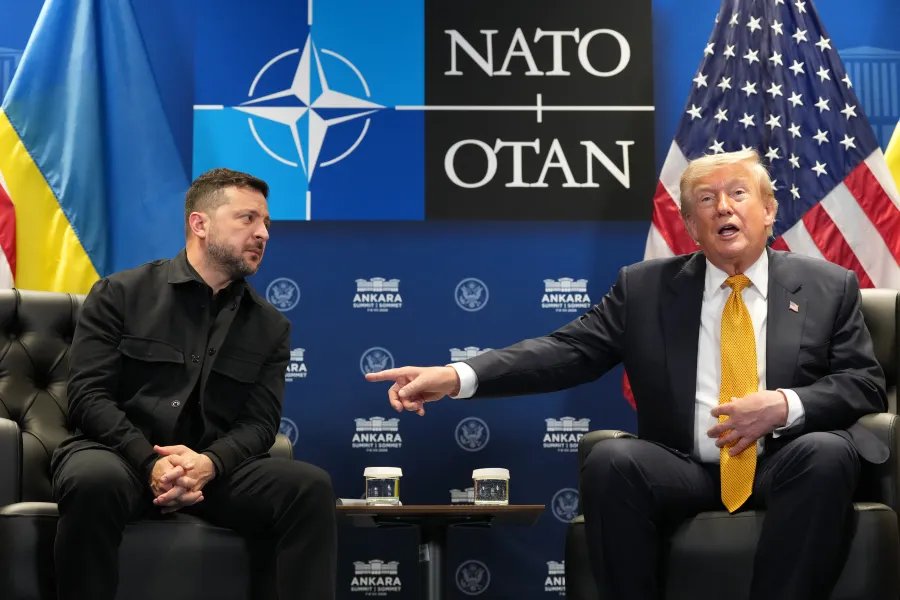
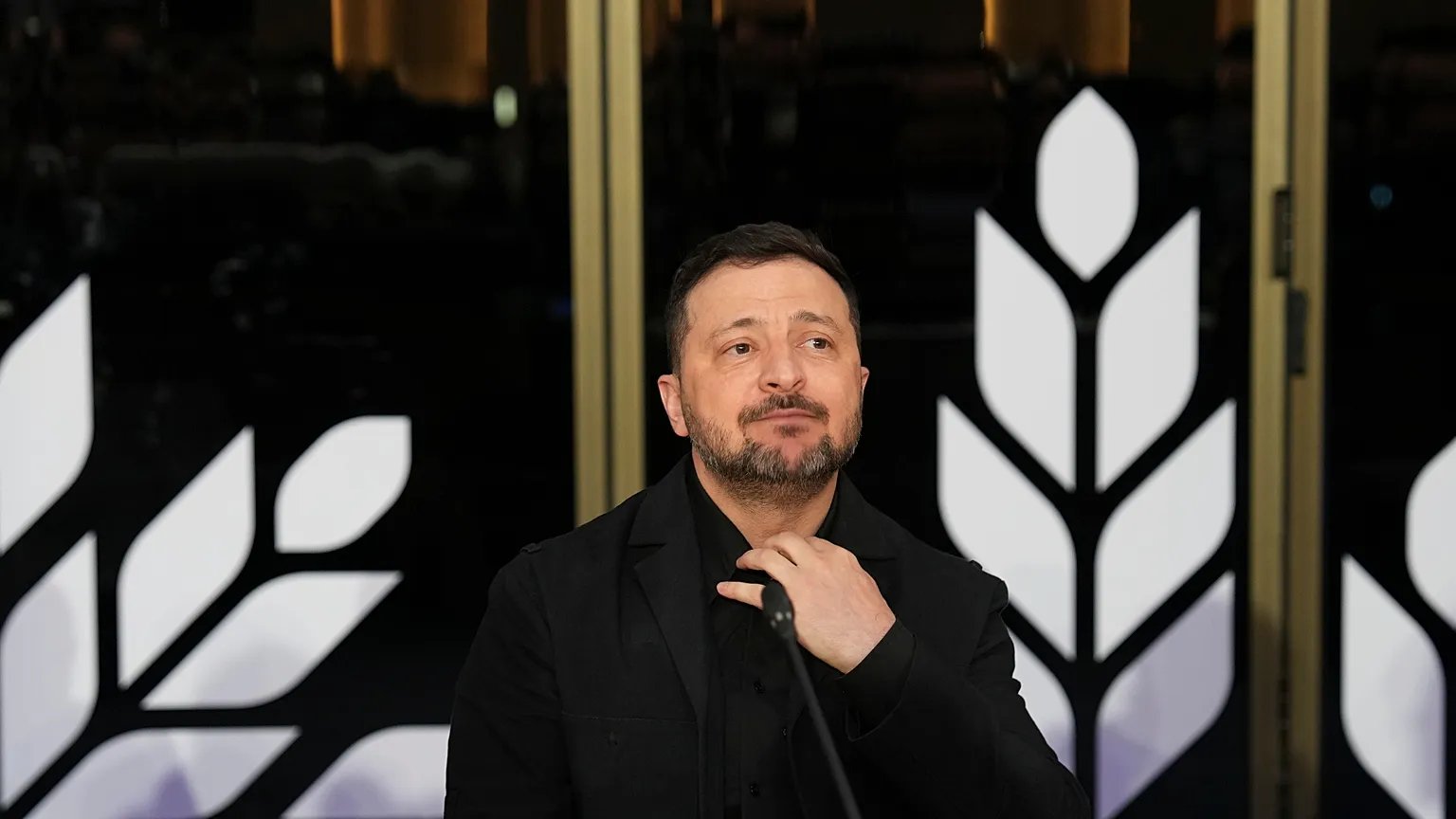
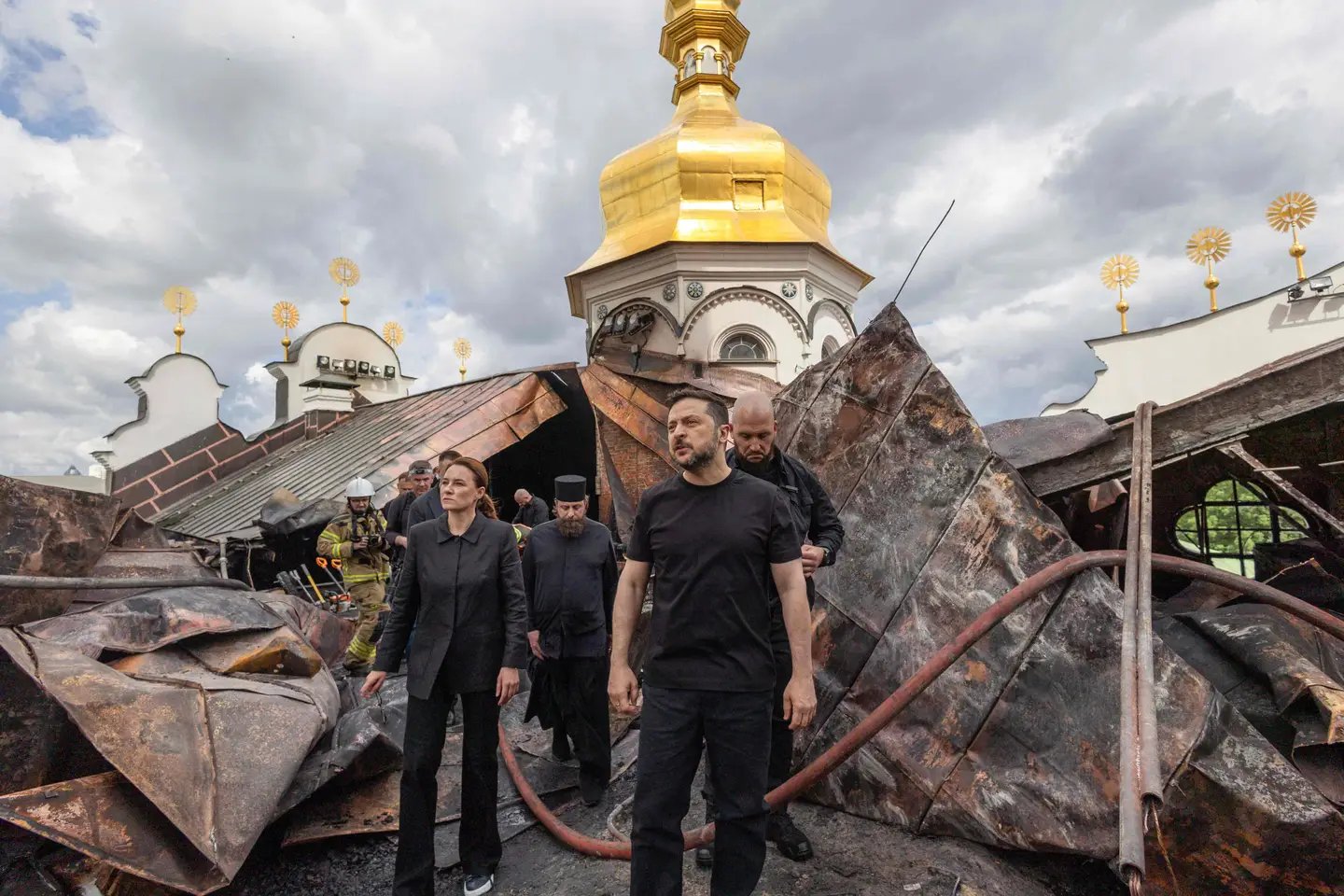
President Volodymyr Zelenskyy said the strikes give Ukraine leverage at the negotiating table. Speaking alongside NATO's secretary-general in Kyiv, Zelenskyy stated through an interpreter: "Thank God our strength is being felt on the battlefield. This isn't an isolated incident. It's a specific target and a concrete result. Today, we have security guarantees that allow us to end this war on equal footing with Russians in any diplomatic format."
The operation challenged Moscow's narrative of resilience and demonstrated Ukraine's advancing capability to strike critical infrastructure deep within enemy territory.
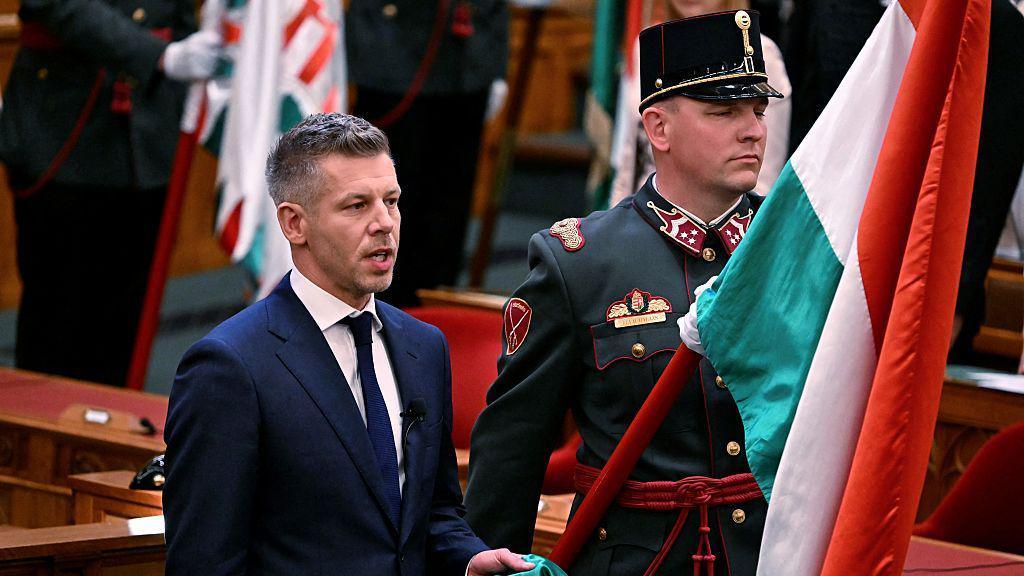
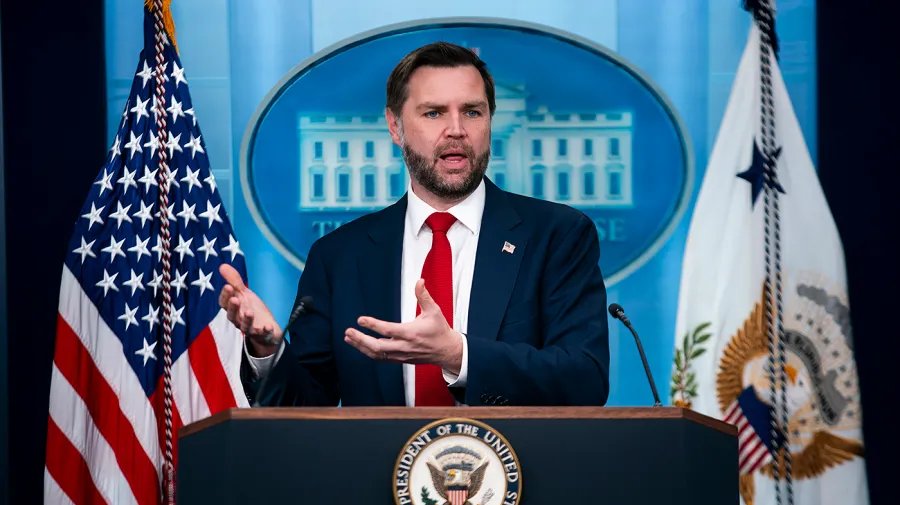
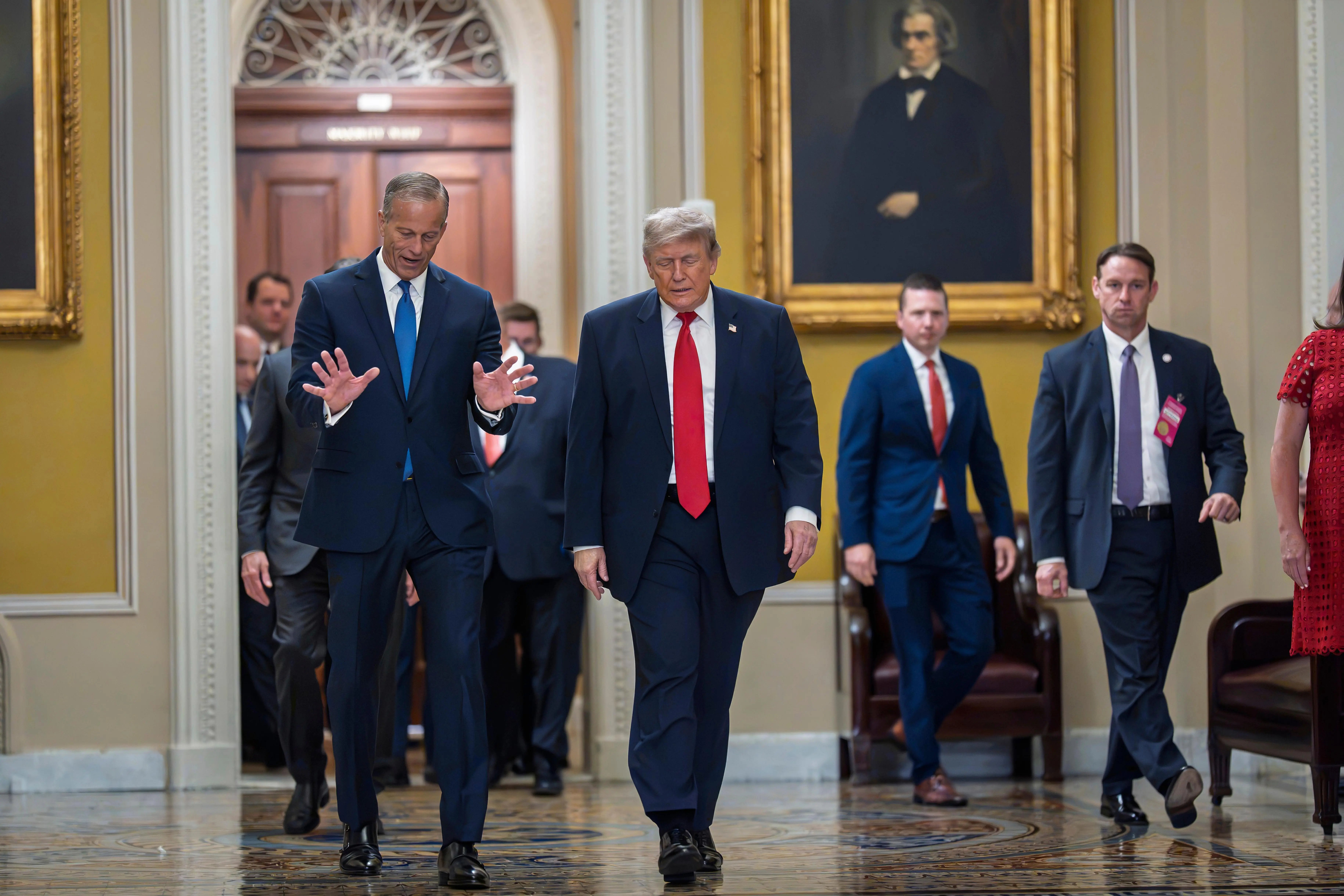
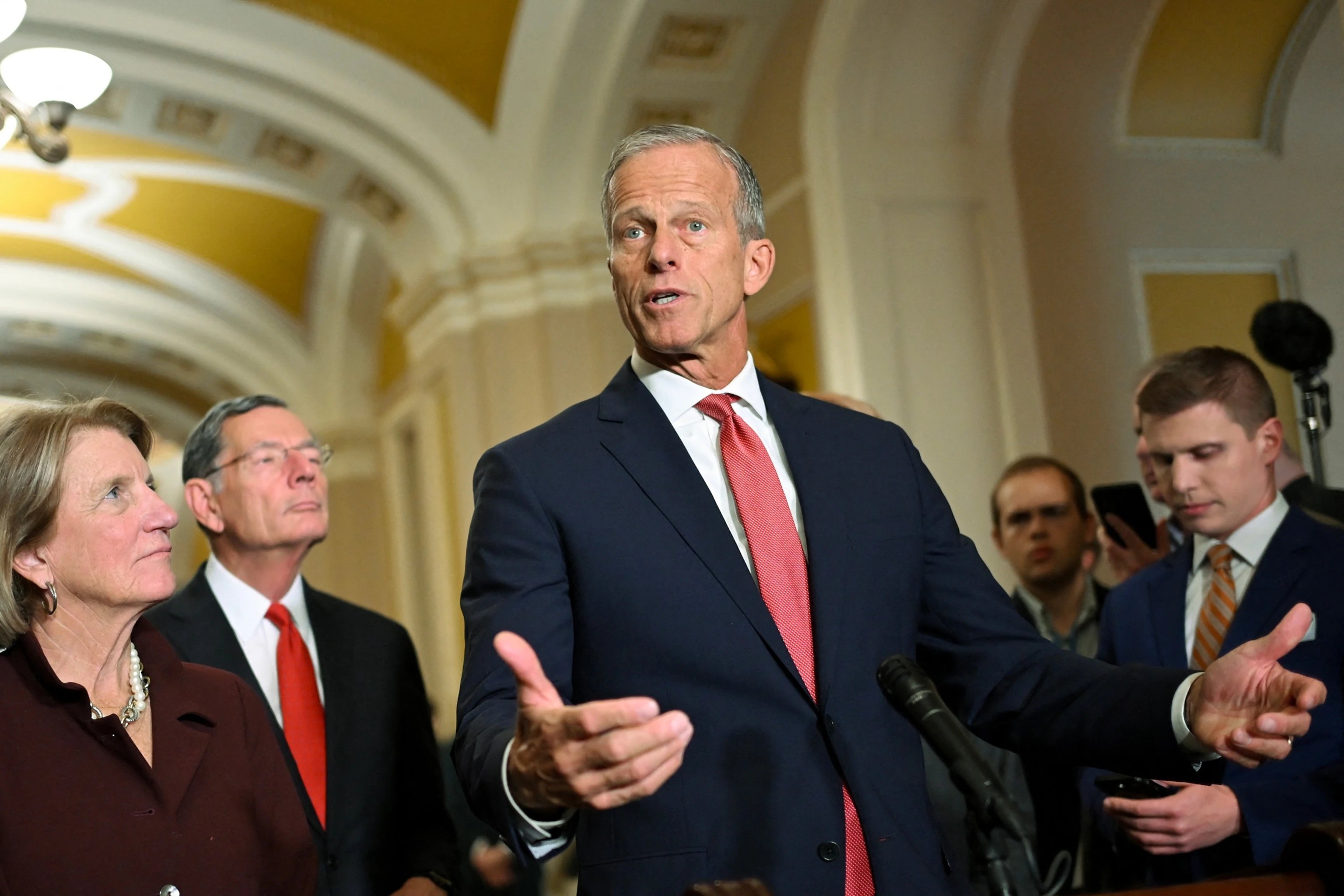
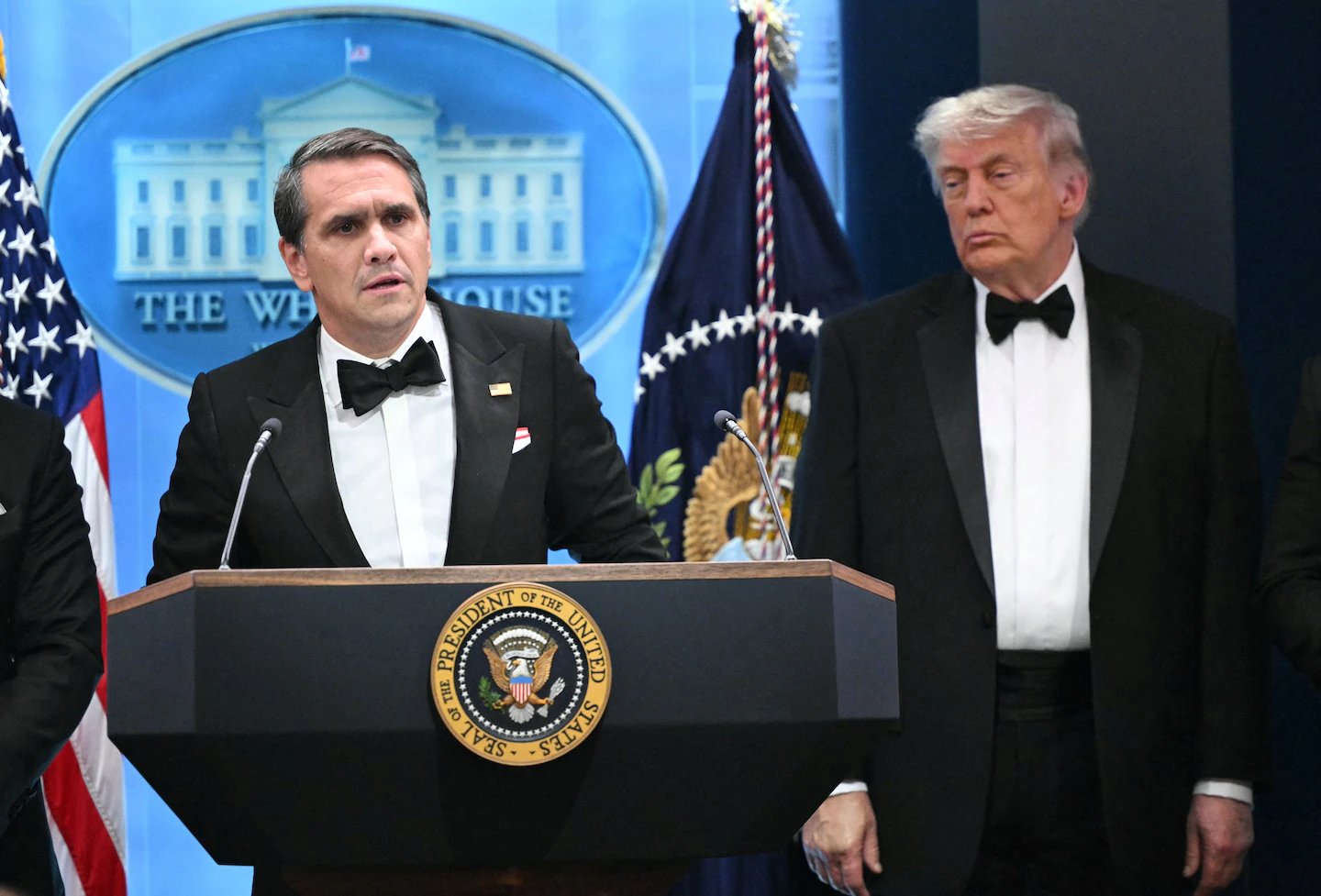
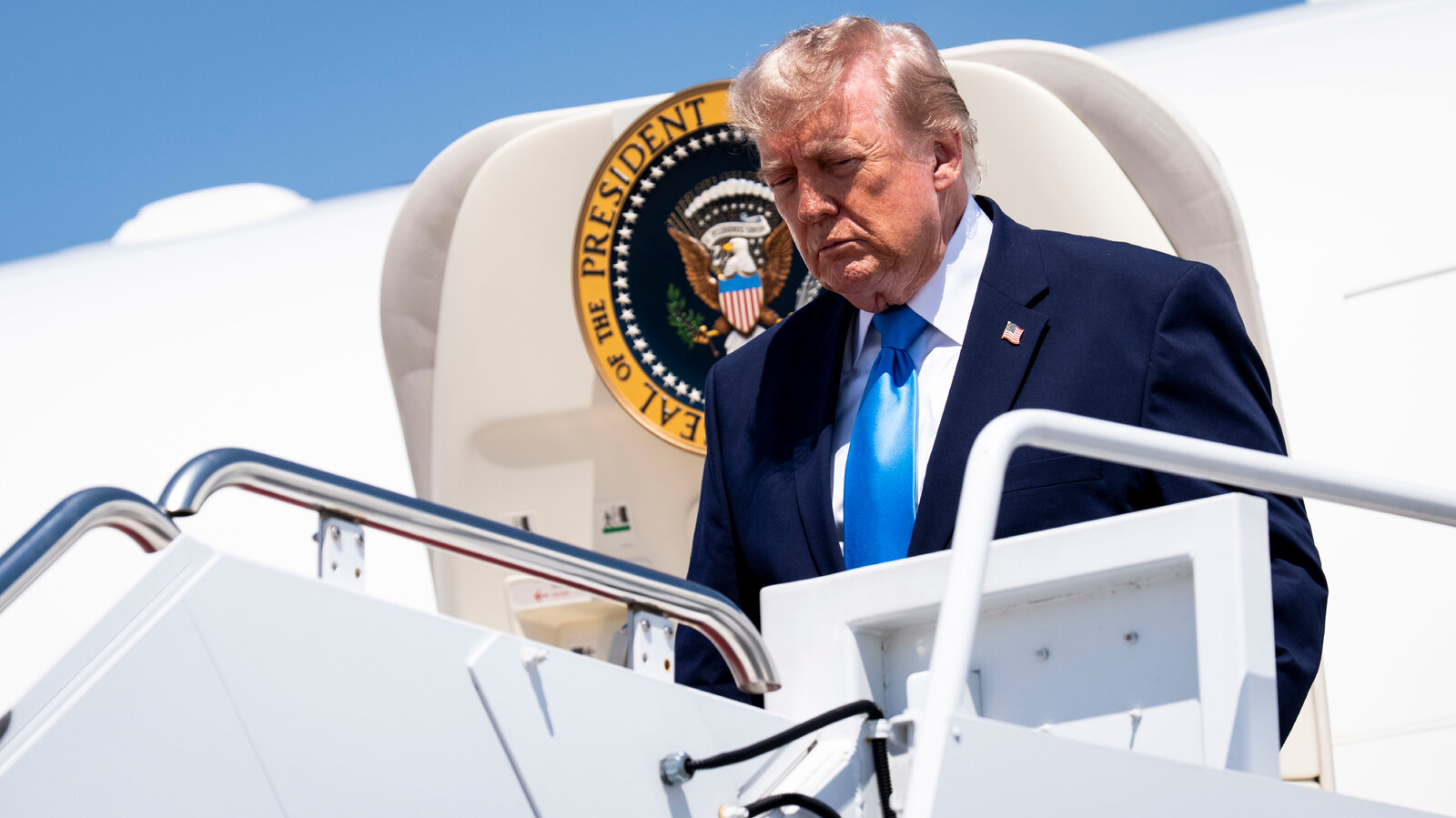
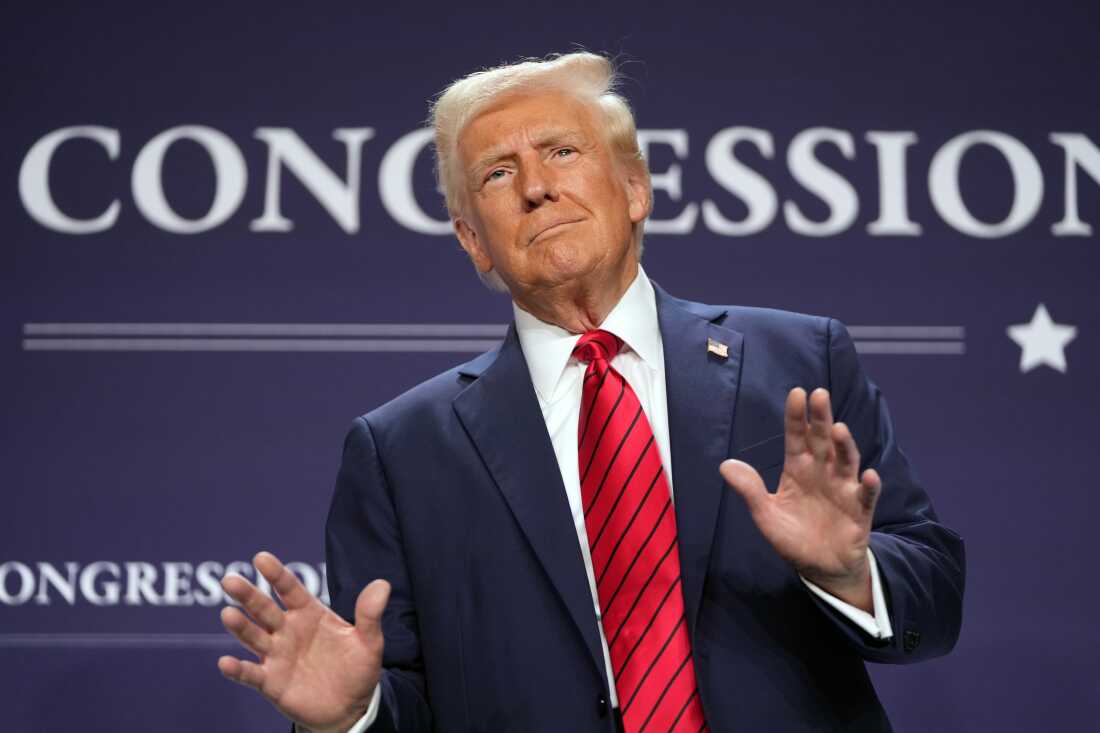
The House forced a measure to the floor against the speaker's wishes after six Republicans and an independent joined Democrats to advance new sanctions on Russia and additional aid to Ukraine. The action represents a rare breach in GOP unity on a major foreign policy question, with party leaders having previously blocked the Ukraine assistance.
Ukraine recaptured more territory than it lost to Russian forces in May for the second consecutive month, according to data from the Institute for the Study of War. Christina Harward, Russia Deputy Team Lead at ISW, attributed the gains to successful tactical counterattacks and increased long-range missile and drone strikes deep within Russian territory that have slowed Moscow's advance in Eastern Ukraine.
The tactical momentum extends to strikes far behind enemy lines. Ukraine struck an oil depot in St. Petersburg with long-range drones that flew more than 600 miles to reach their target, sending thick smoke rising over Russia's second-largest city. The attack also damaged a ship at a naval base west of St. Petersburg, as confirmed by satellite imagery.
President Volodymyr Zelenskyy said the strikes give Ukraine leverage at the negotiating table. Speaking alongside NATO's secretary-general in Kyiv, Zelenskyy stated through an interpreter: "Thank God our strength is being felt on the battlefield. This isn't an isolated incident. It's a specific target and a concrete result. Today, we have security guarantees that allow us to end this war on equal footing with Russians in any diplomatic format."
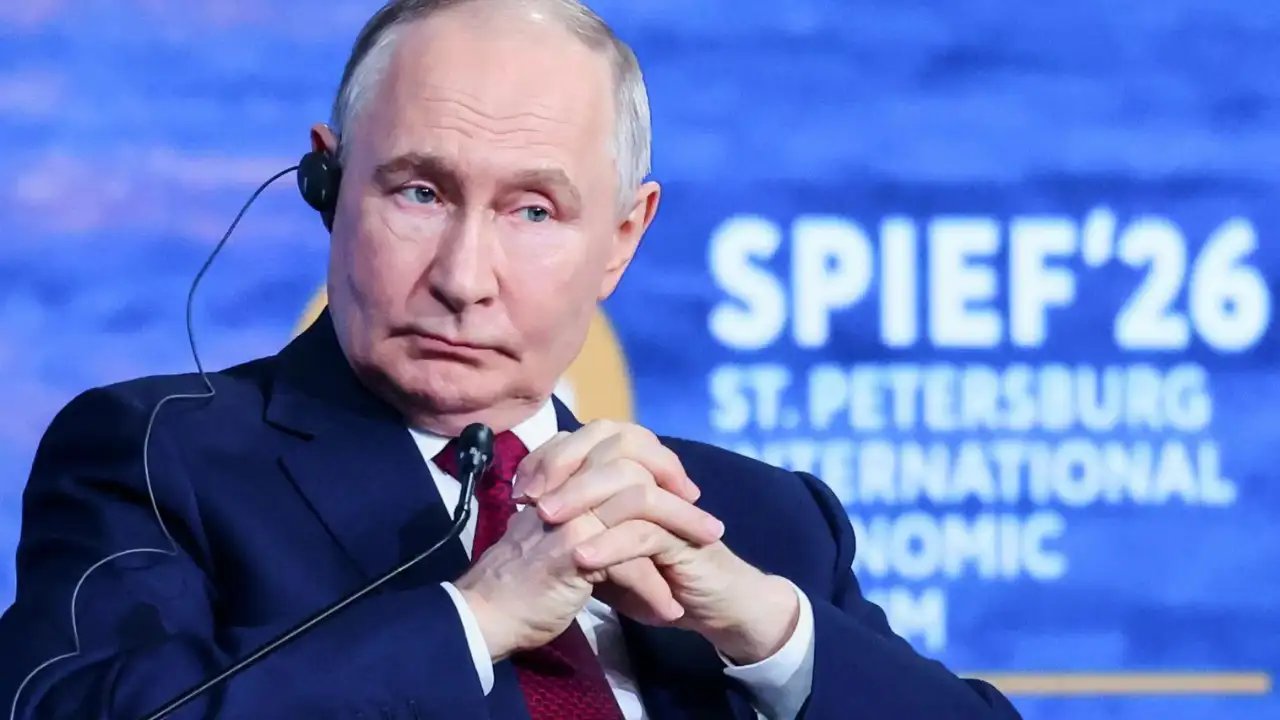
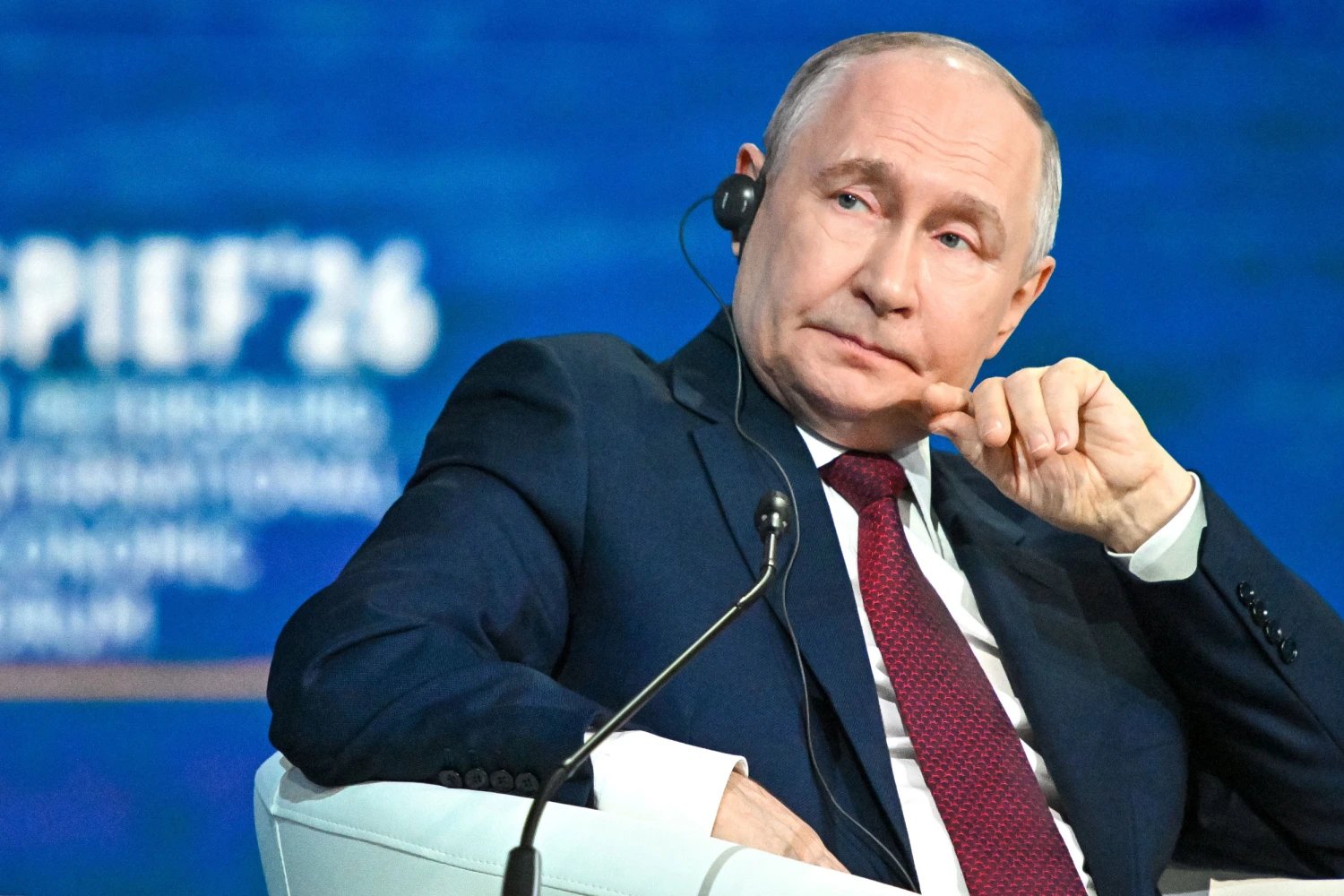
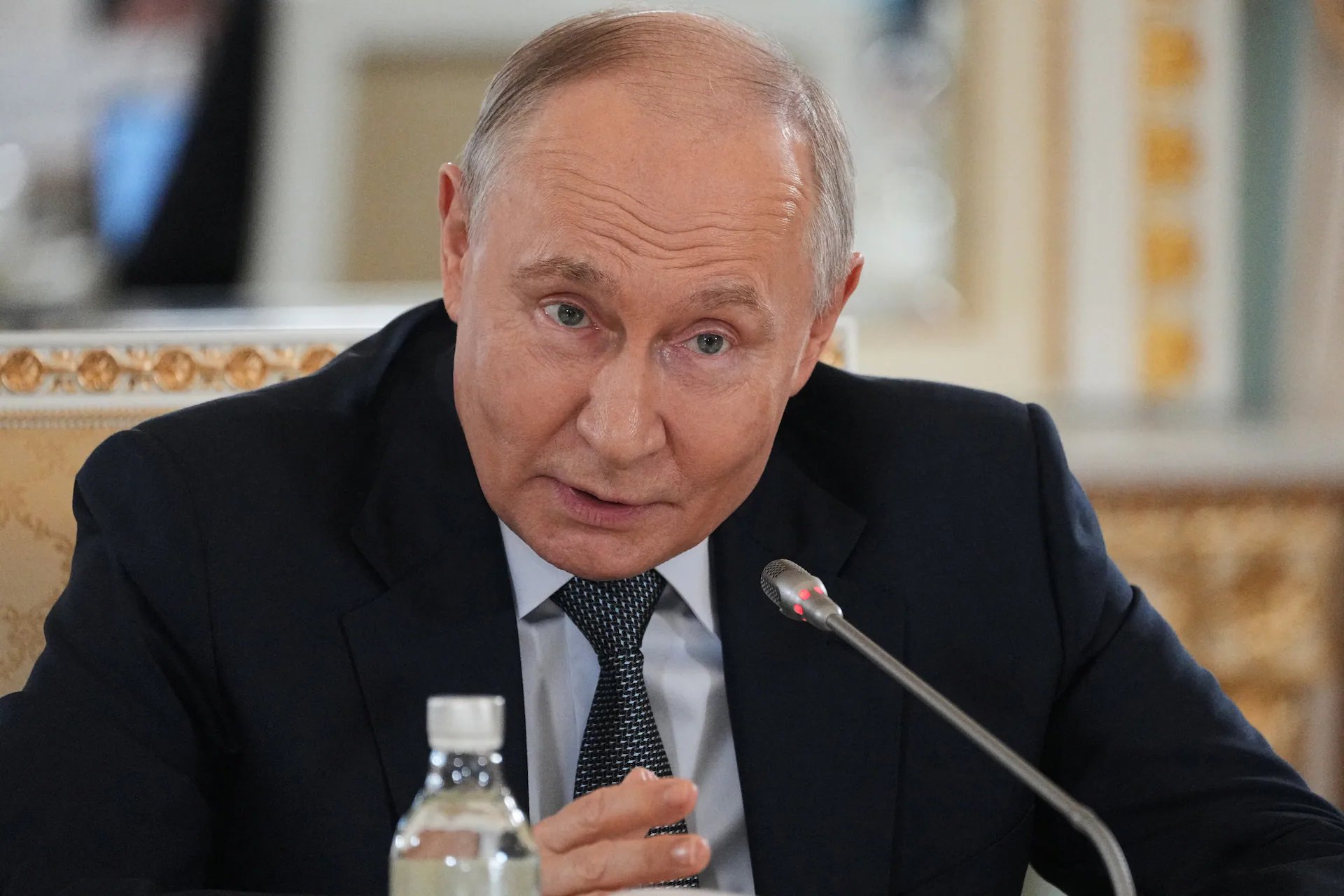
The timing of the St. Petersburg strike coincided with Russia hosting a major economic forum in the city, where President Vladimir Putin is based. The operation effectively challenged Moscow's narrative of resilience against Western pressure and demonstrated Ukraine's advancing capability to strike critical infrastructure deep within enemy territory.
Highlighted text was flagged by the council. Tap to see feedback.