




A fragile truce with strict conditions
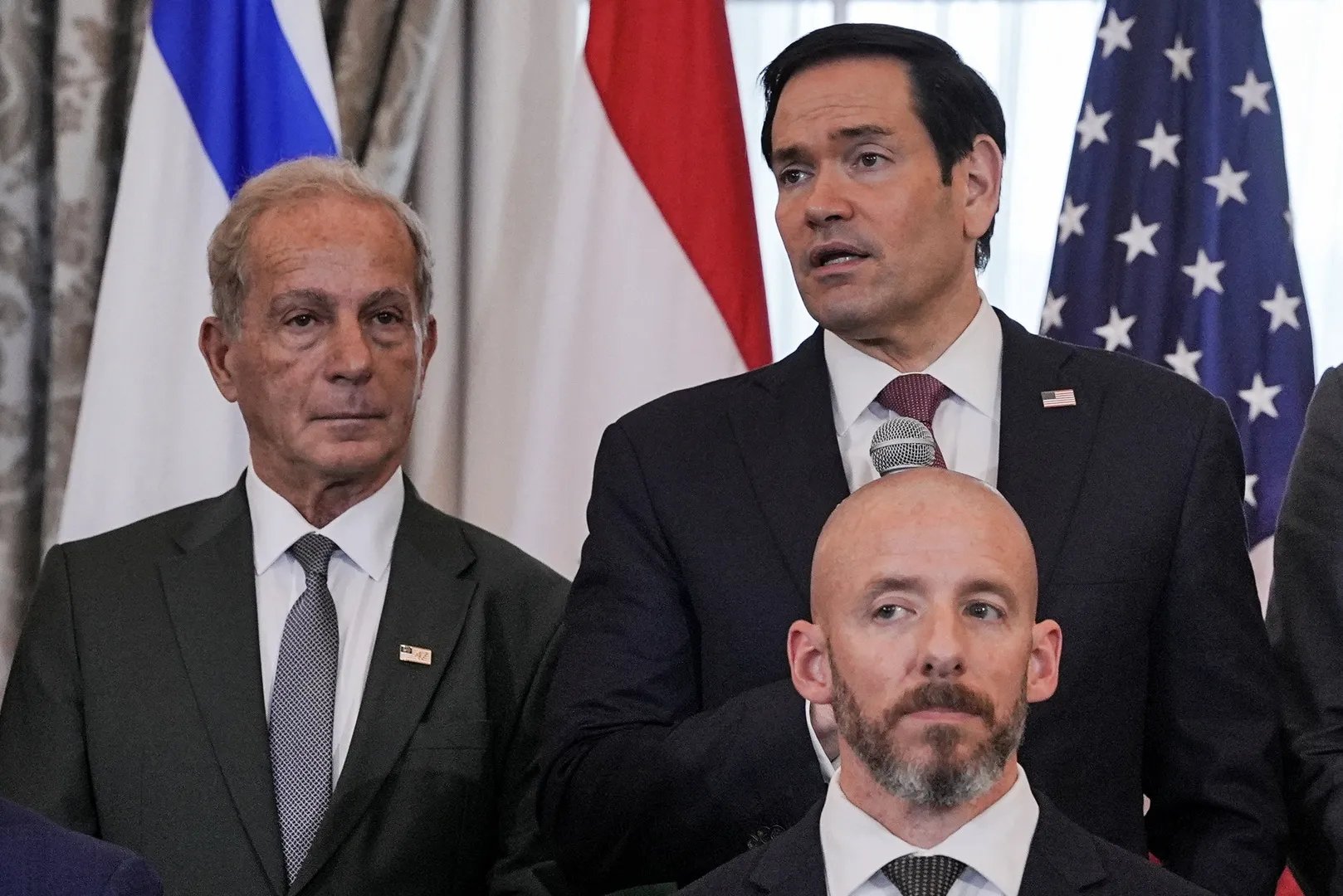
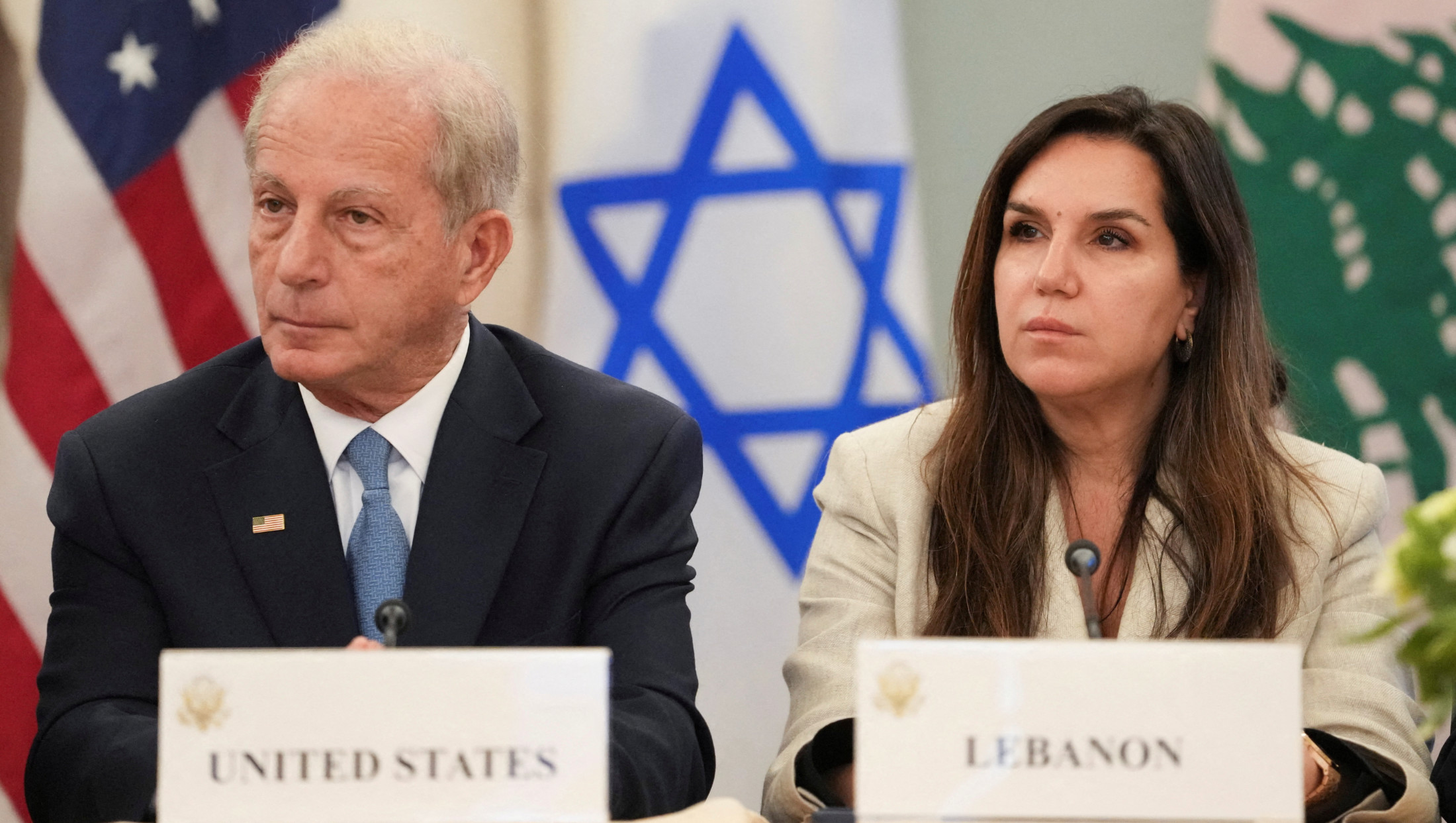
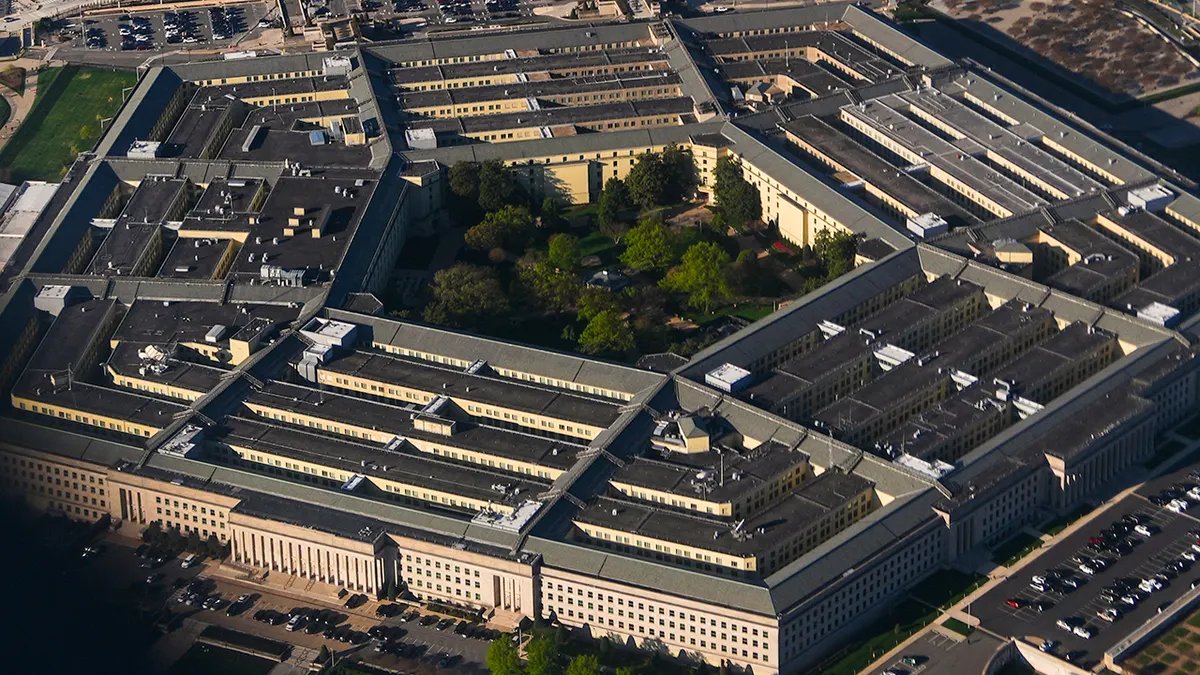
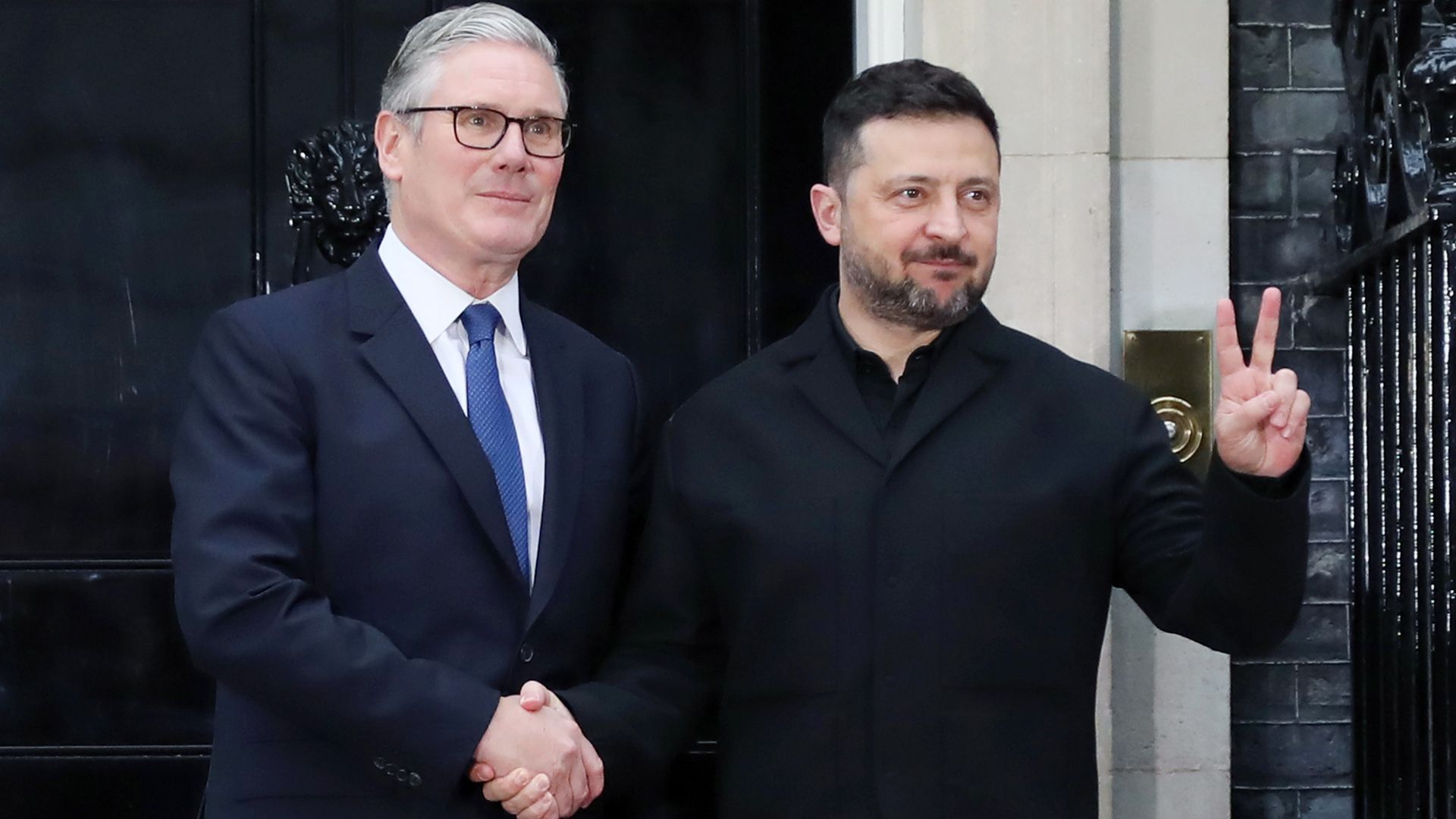
Israel and Lebanon agreed Wednesday to renew their ceasefire after two days of negotiations at the U.S. State Department, contingent on the Iran-backed militant group Hezbollah halting all attacks and withdrawing from southern Lebanon. The joint statement from Israeli, Lebanese and American officials said the ceasefire "is contingent on a complete cessation of Hezbollah fire and the evacuation of all Hezbollah operatives" from areas south of the Litani River, a strategic boundary in southern Lebanon.
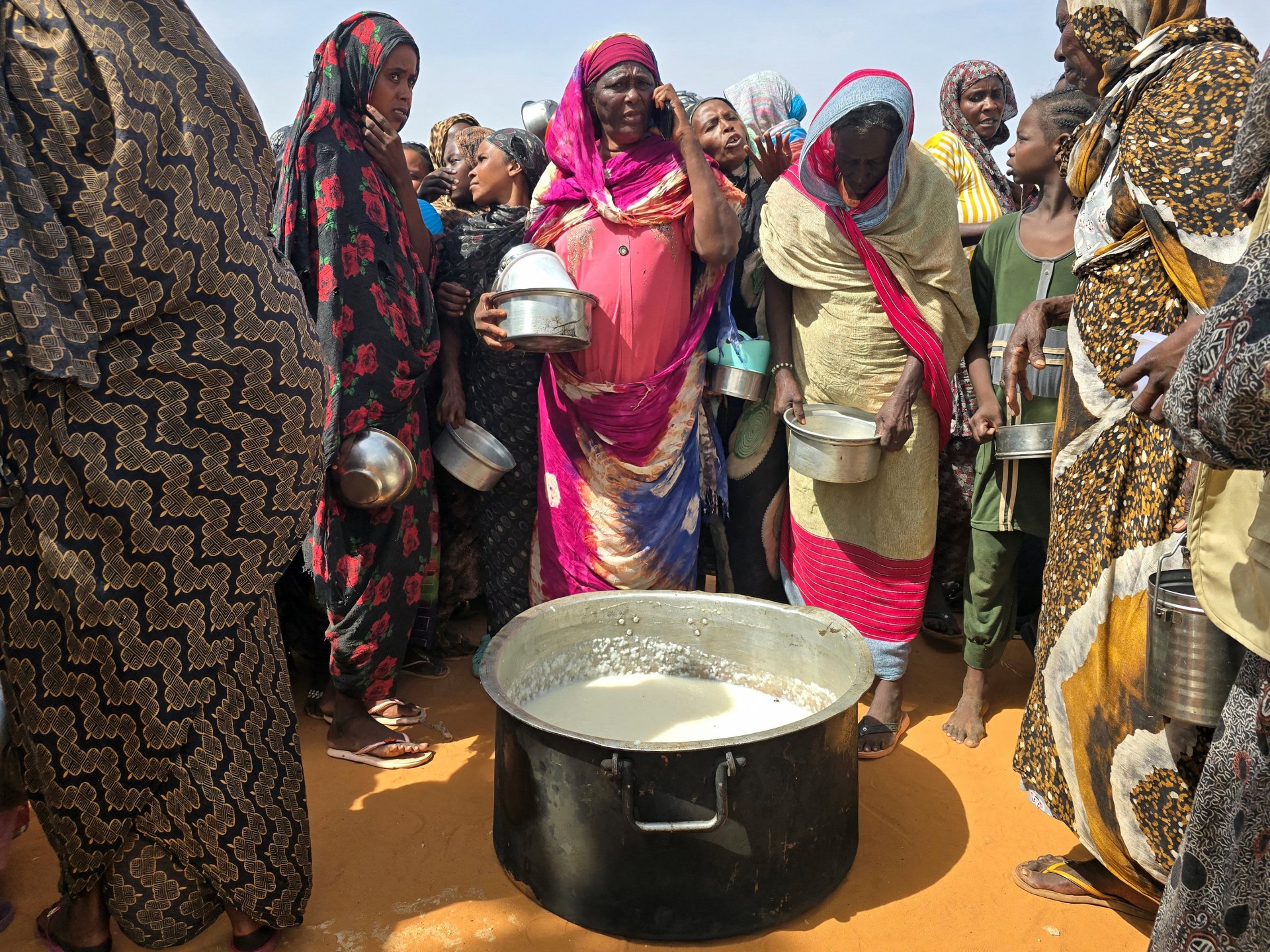
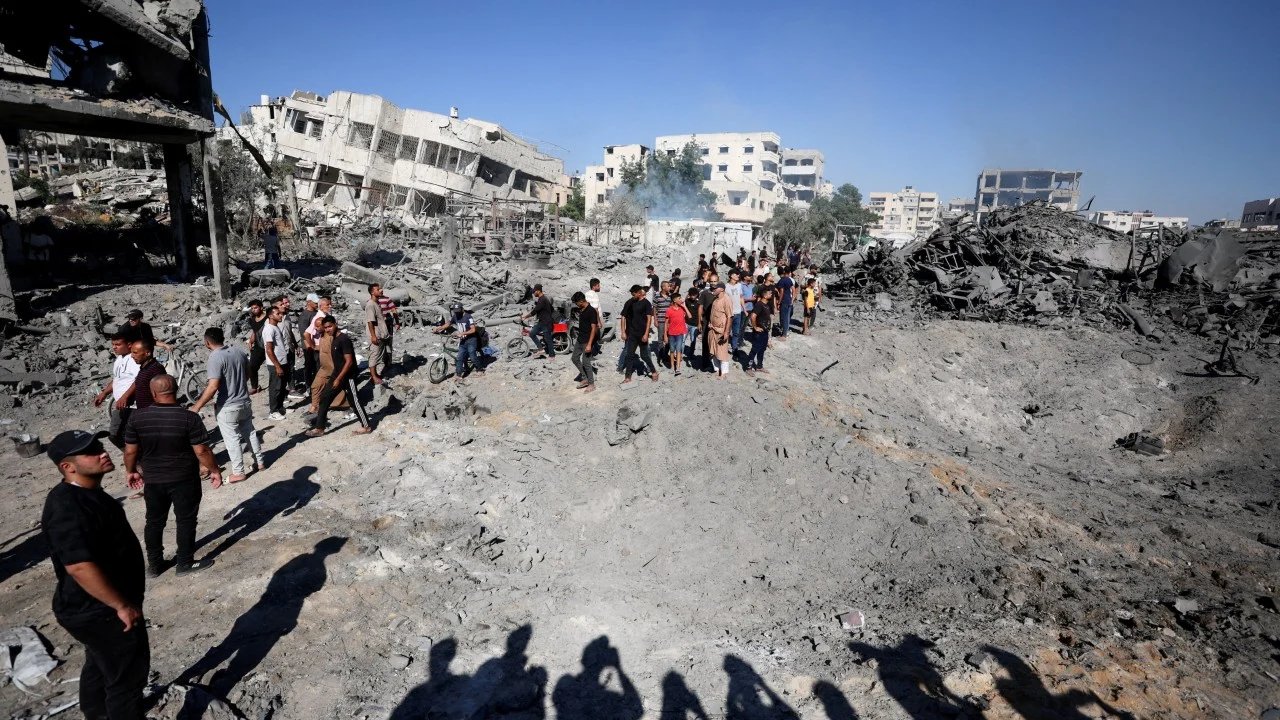
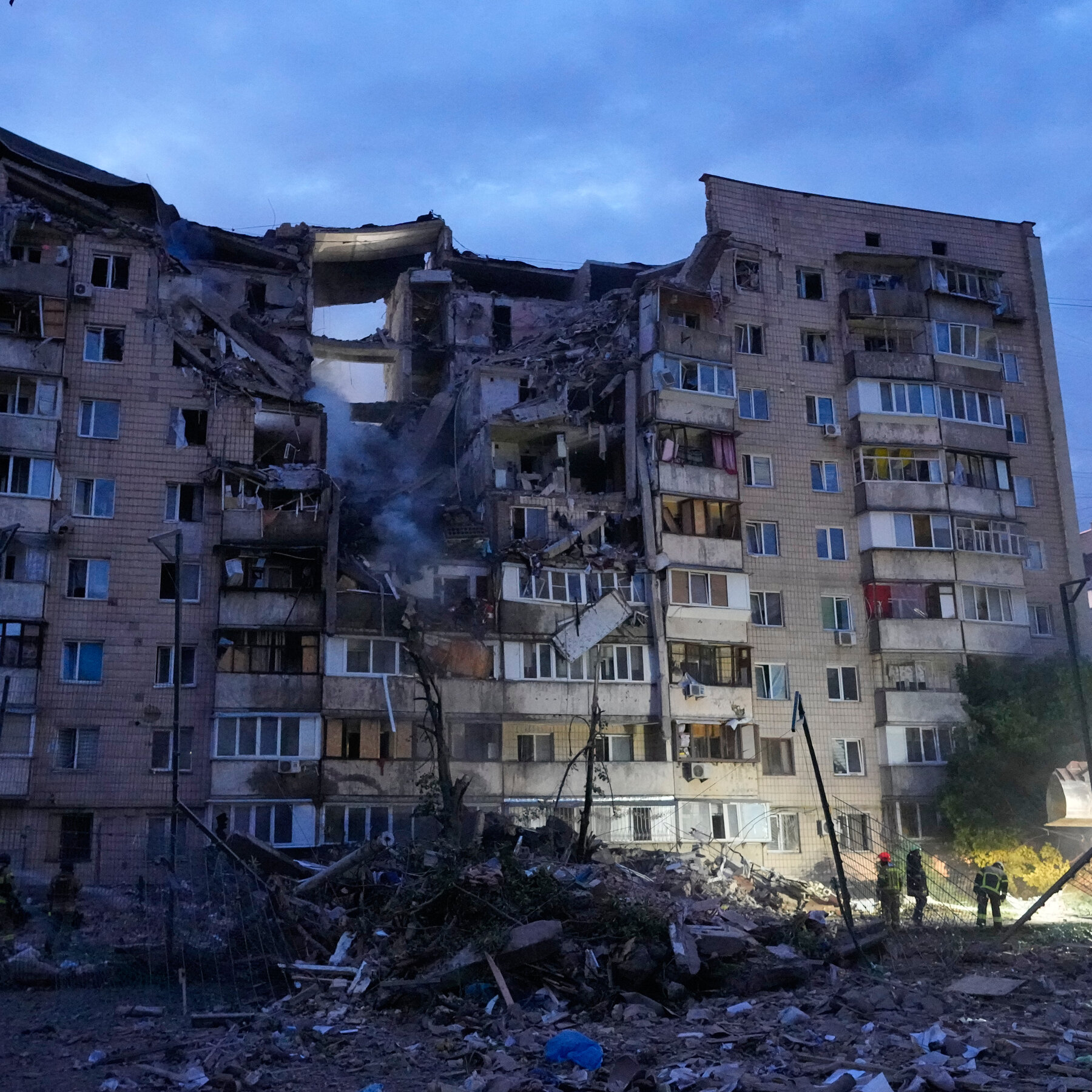
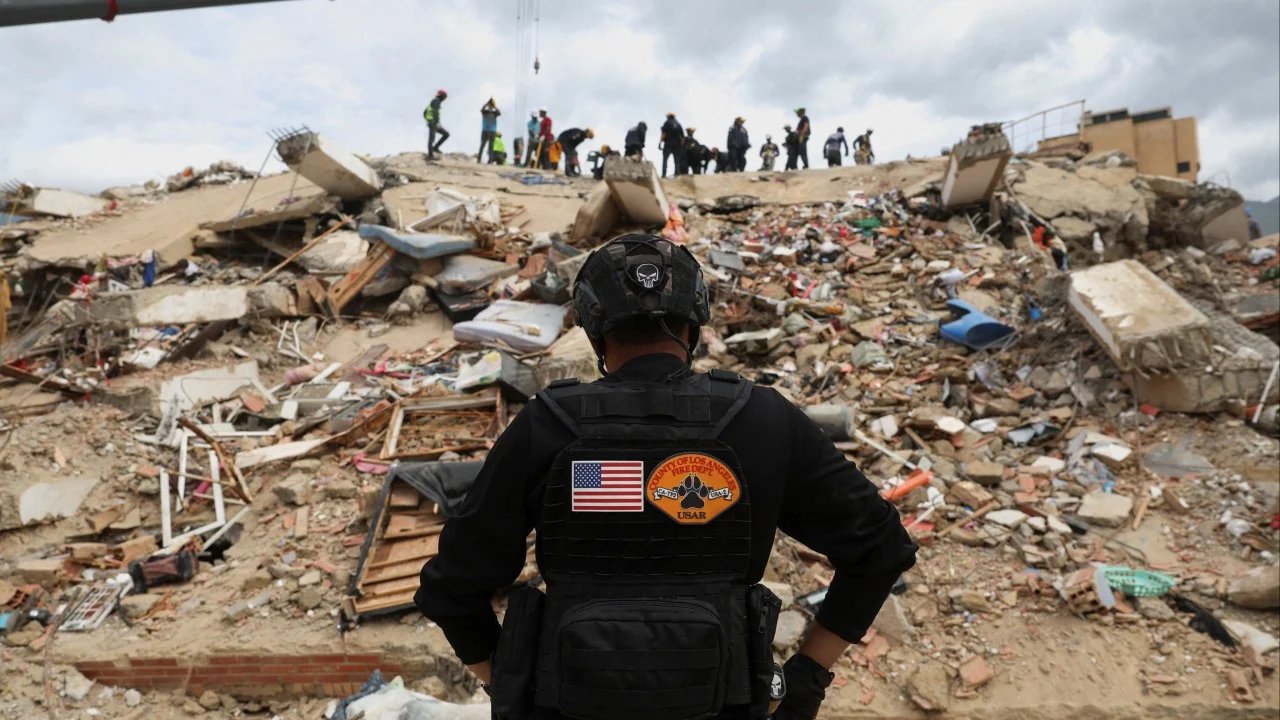
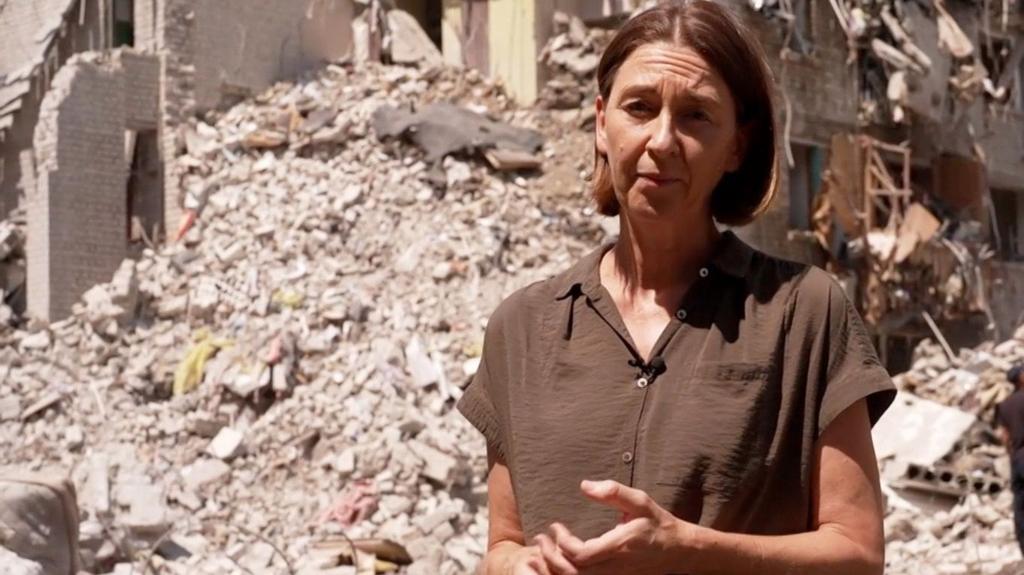
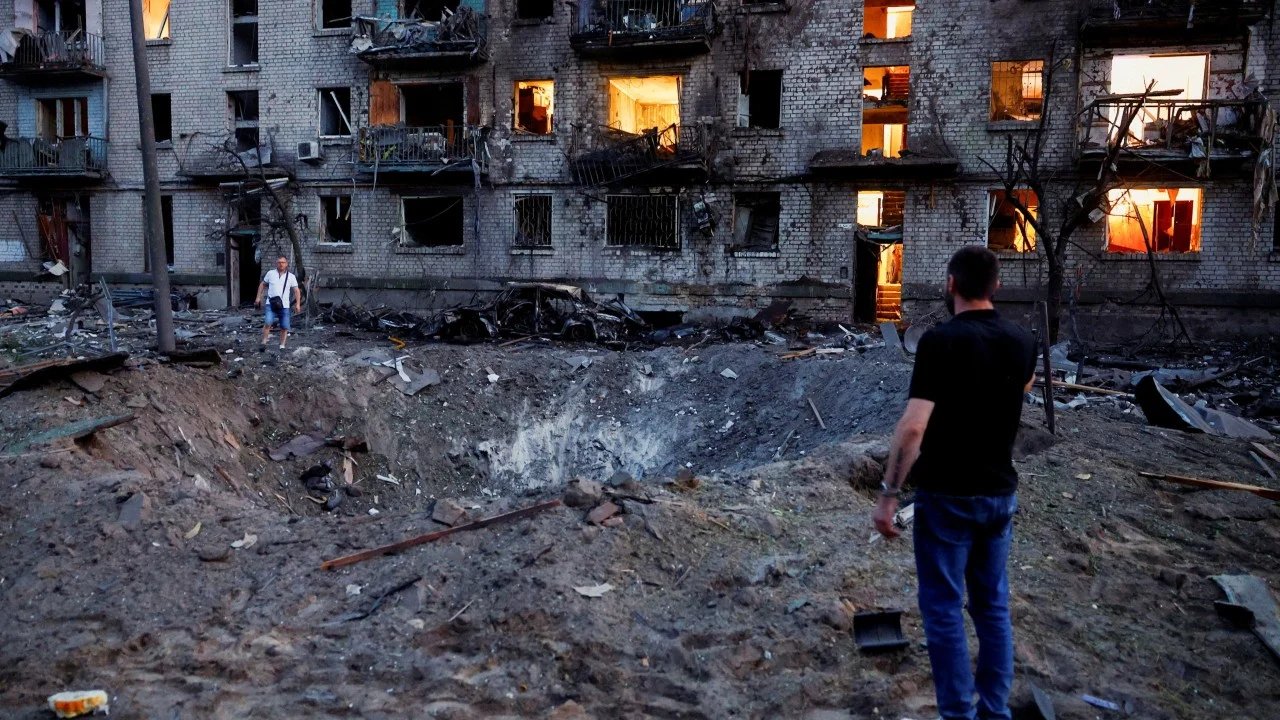
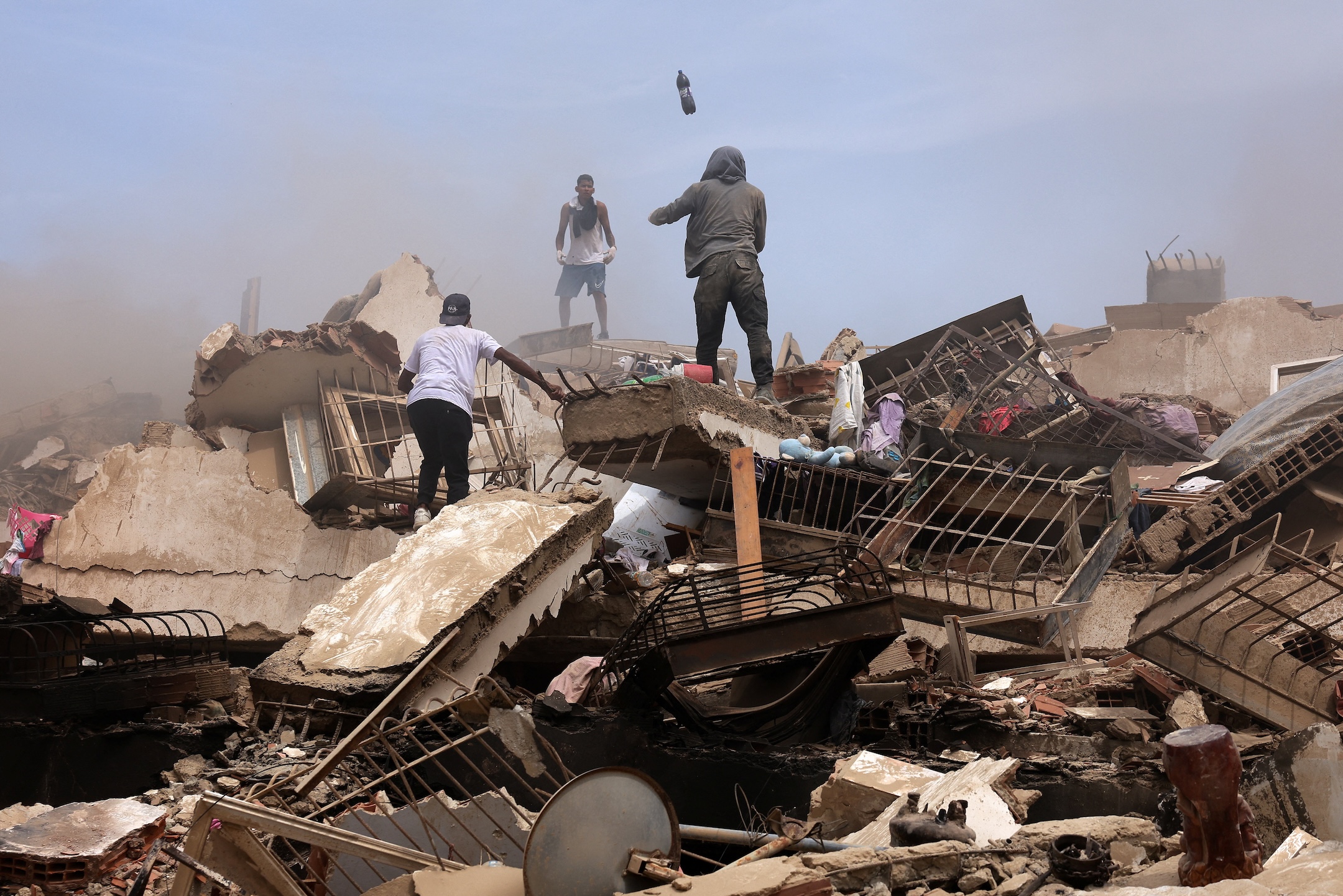
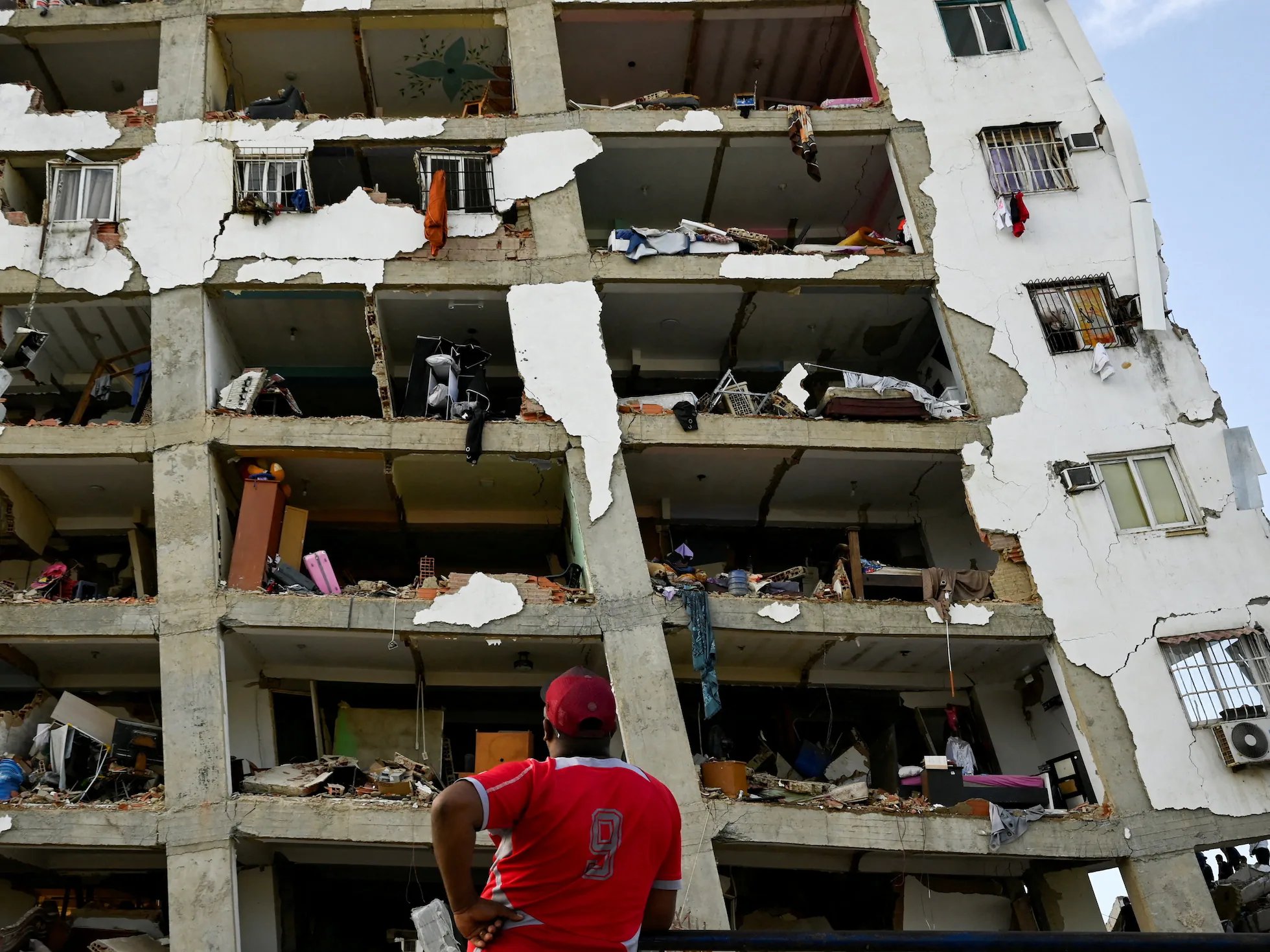
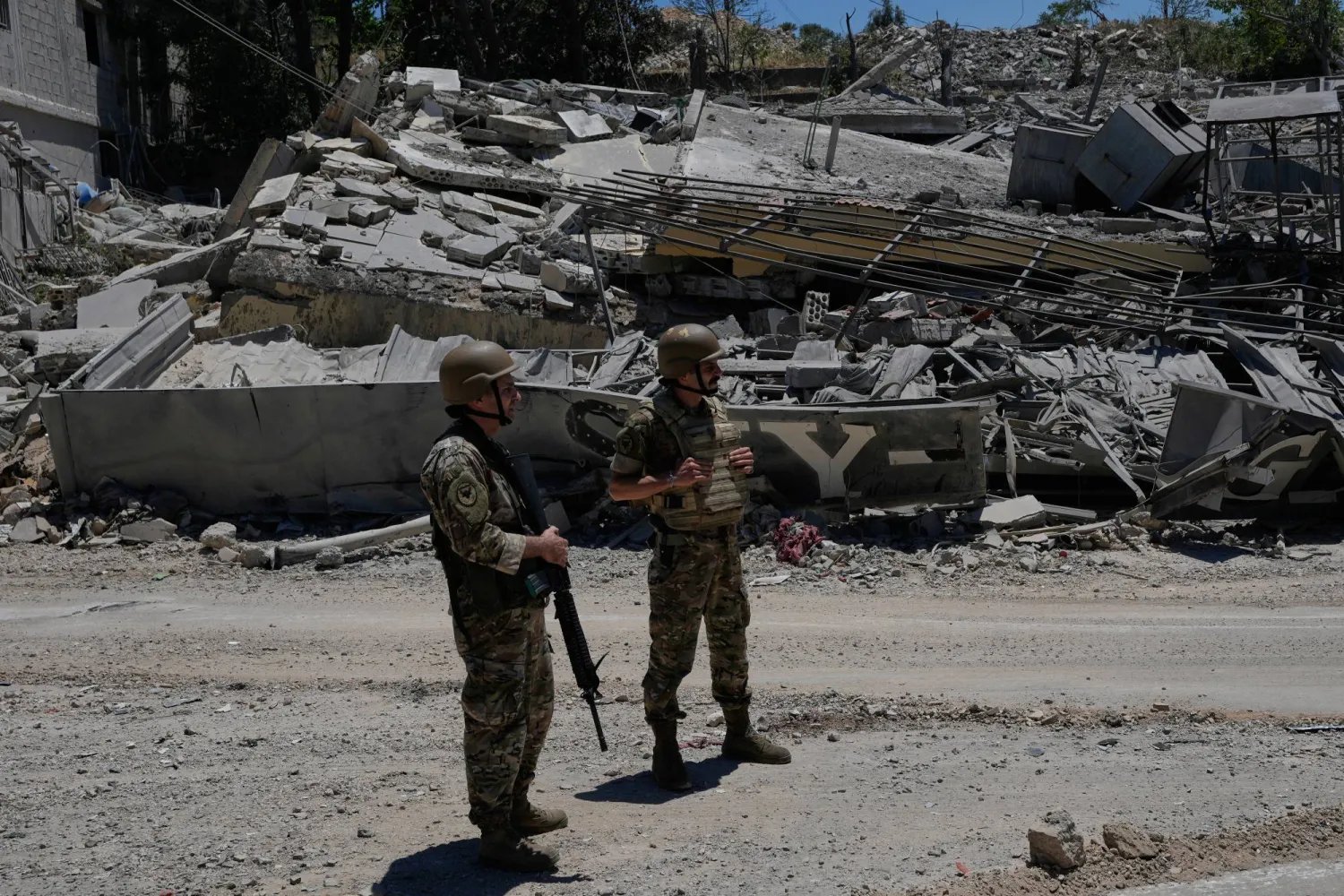
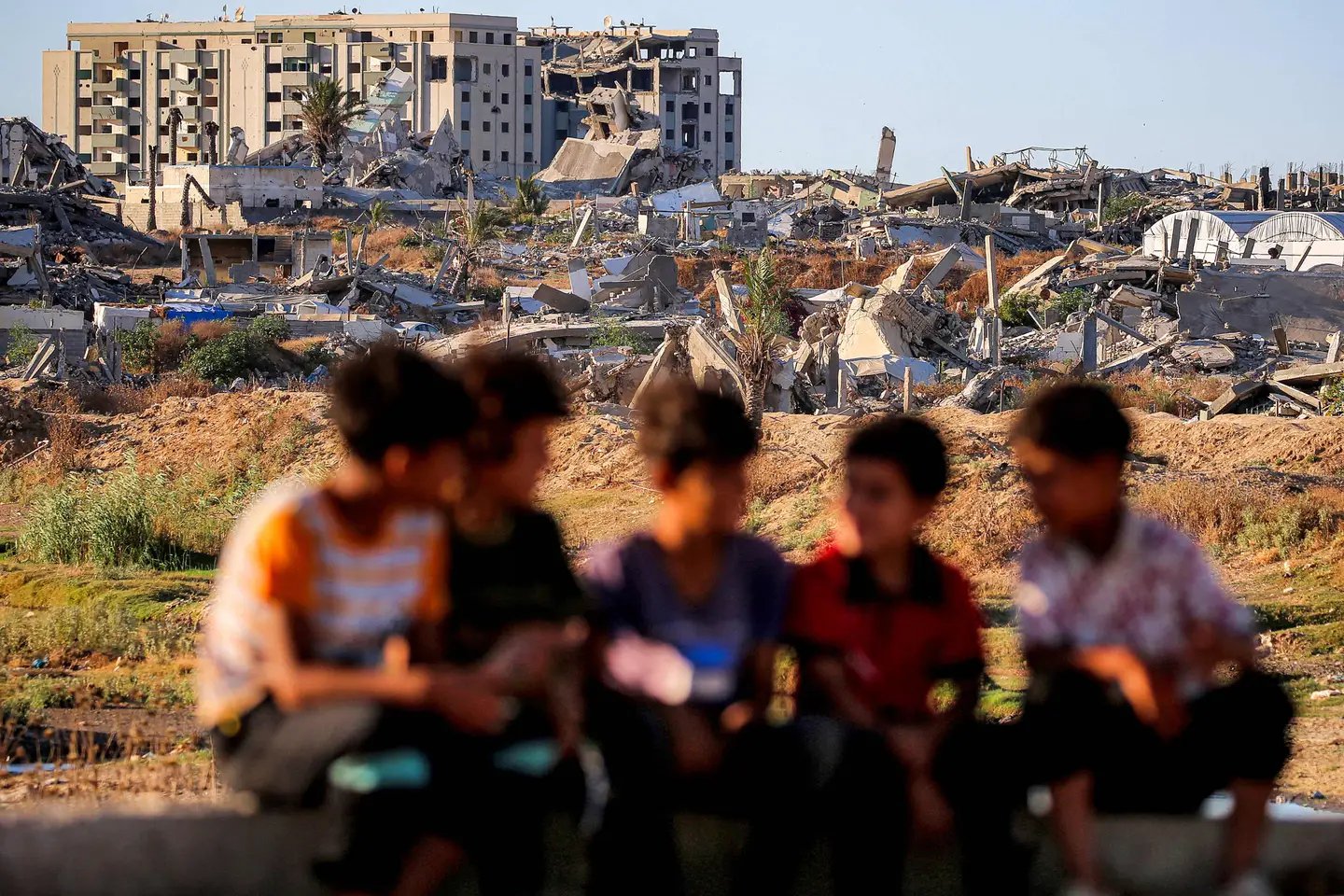
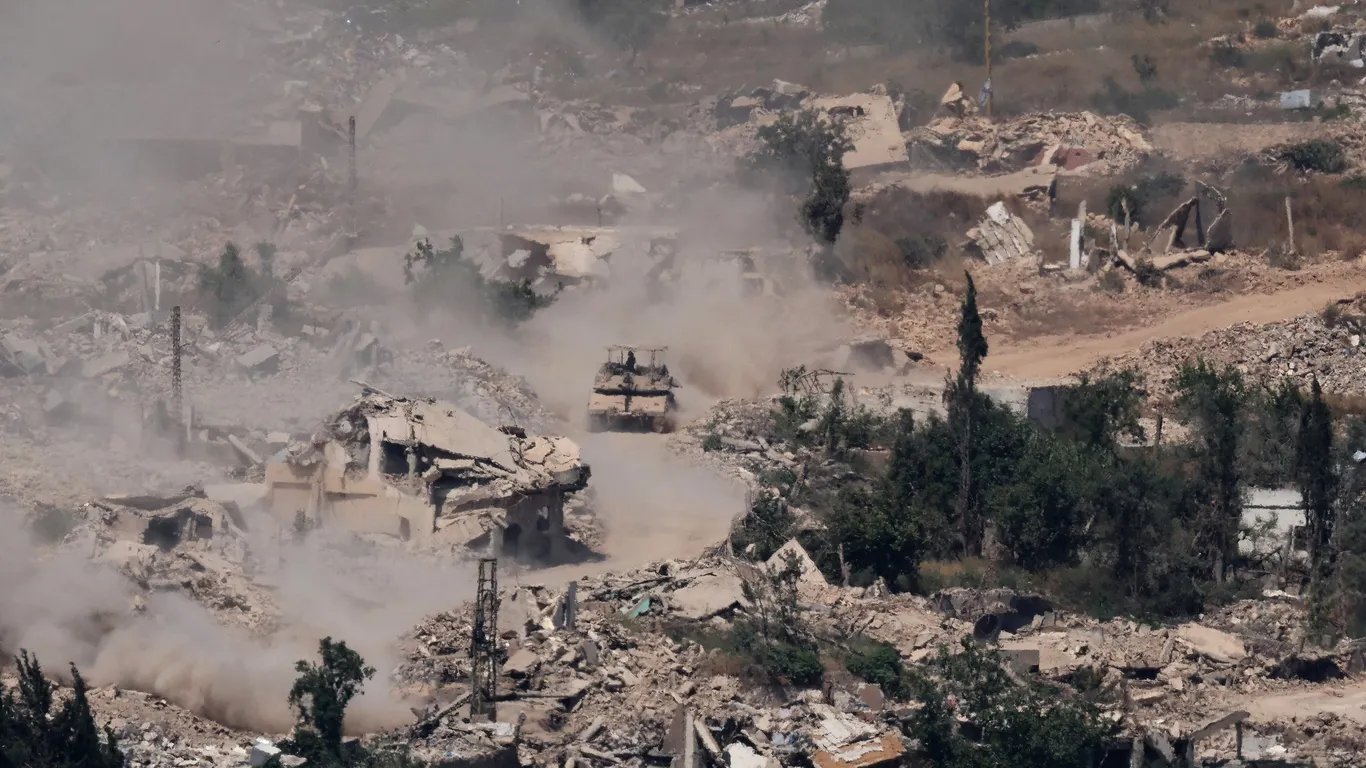
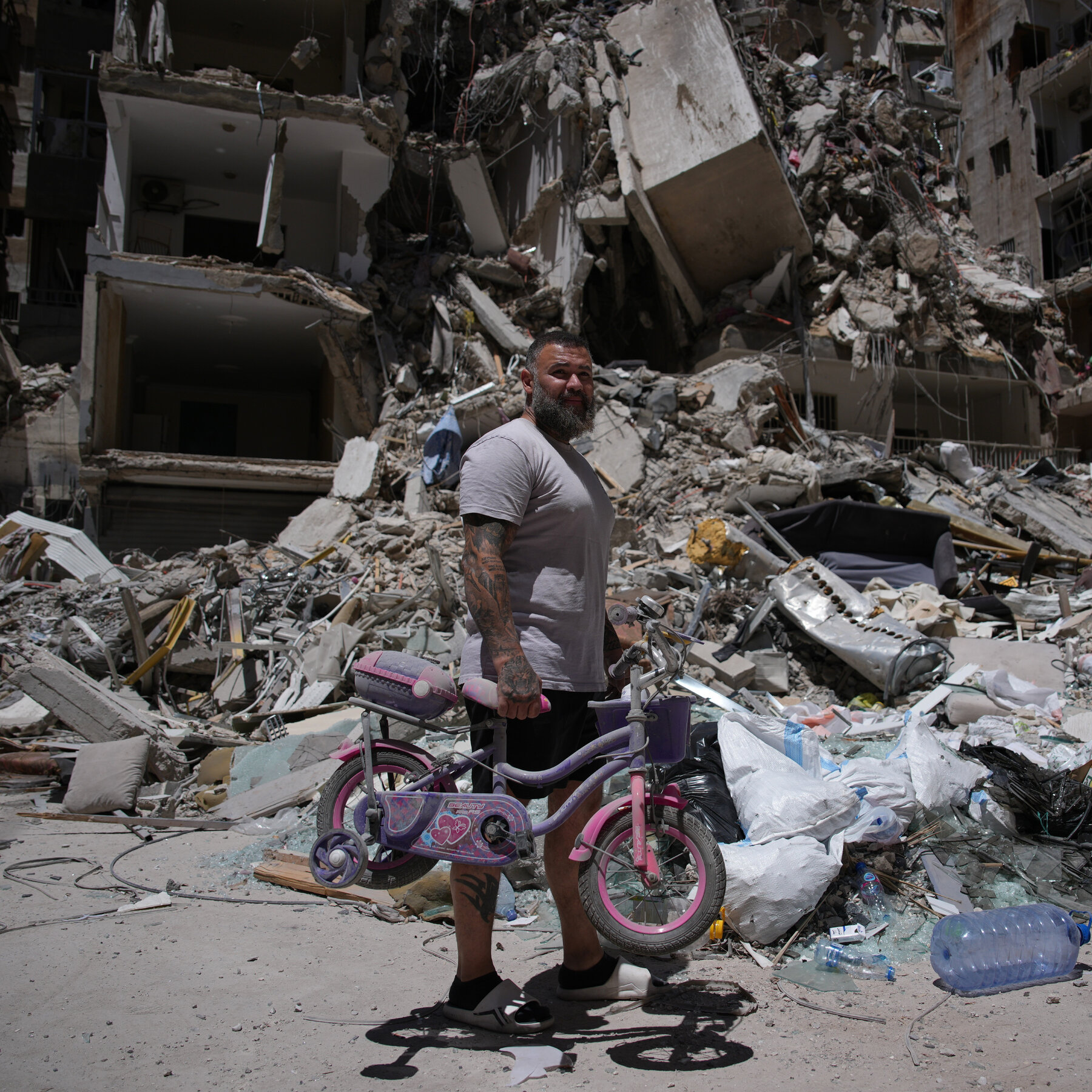
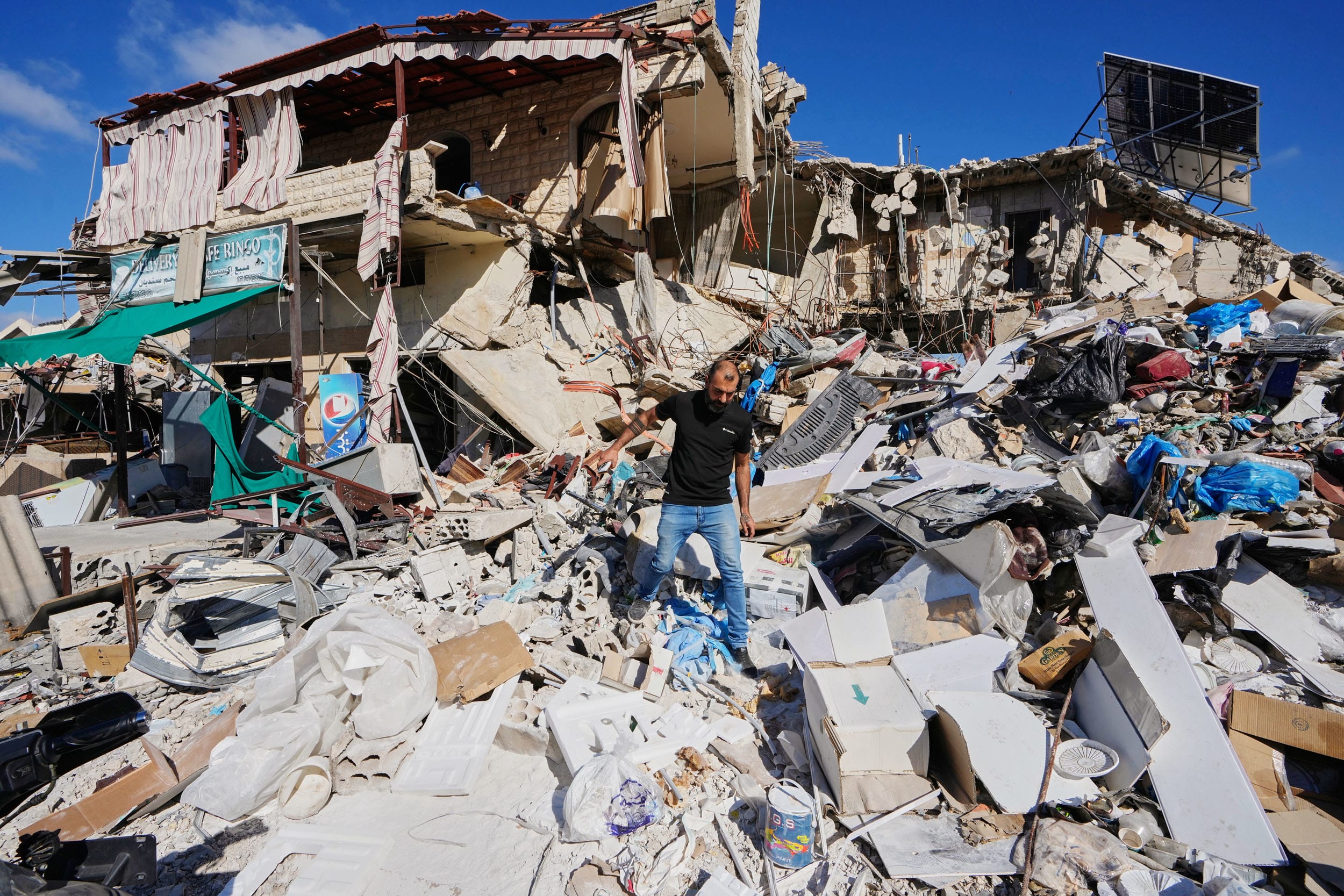
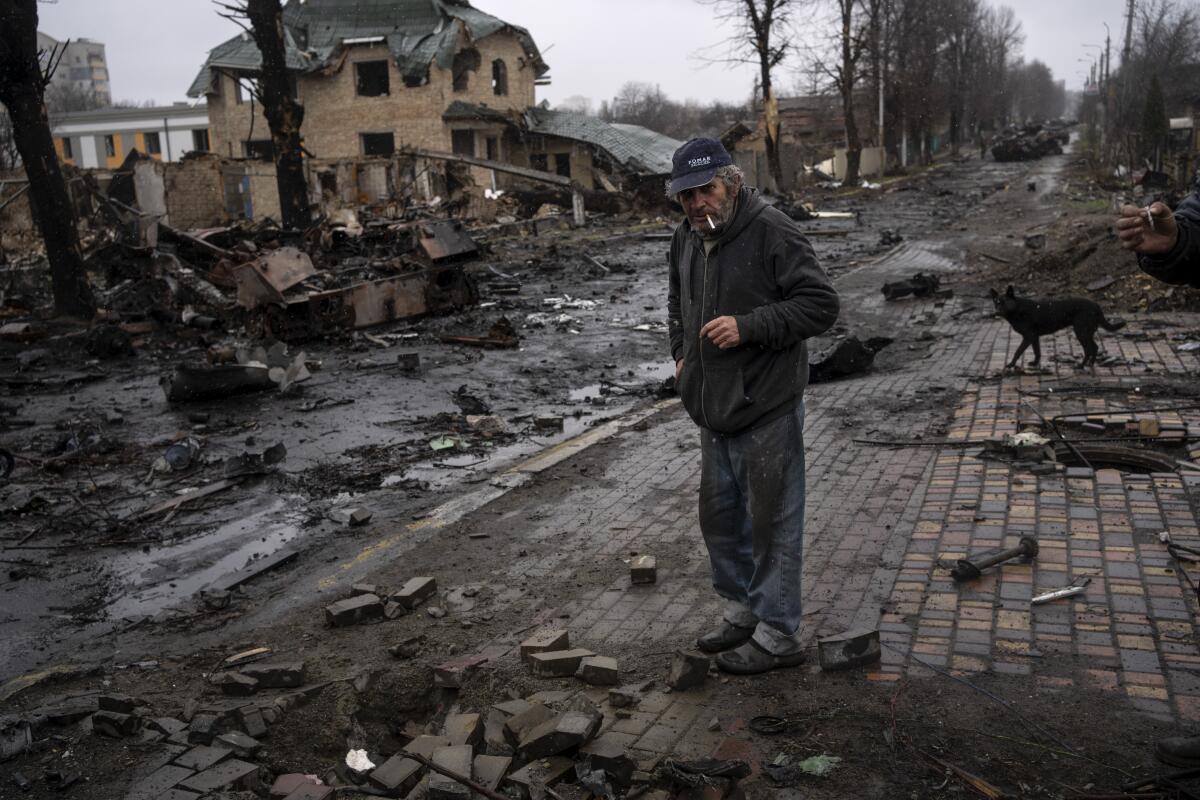
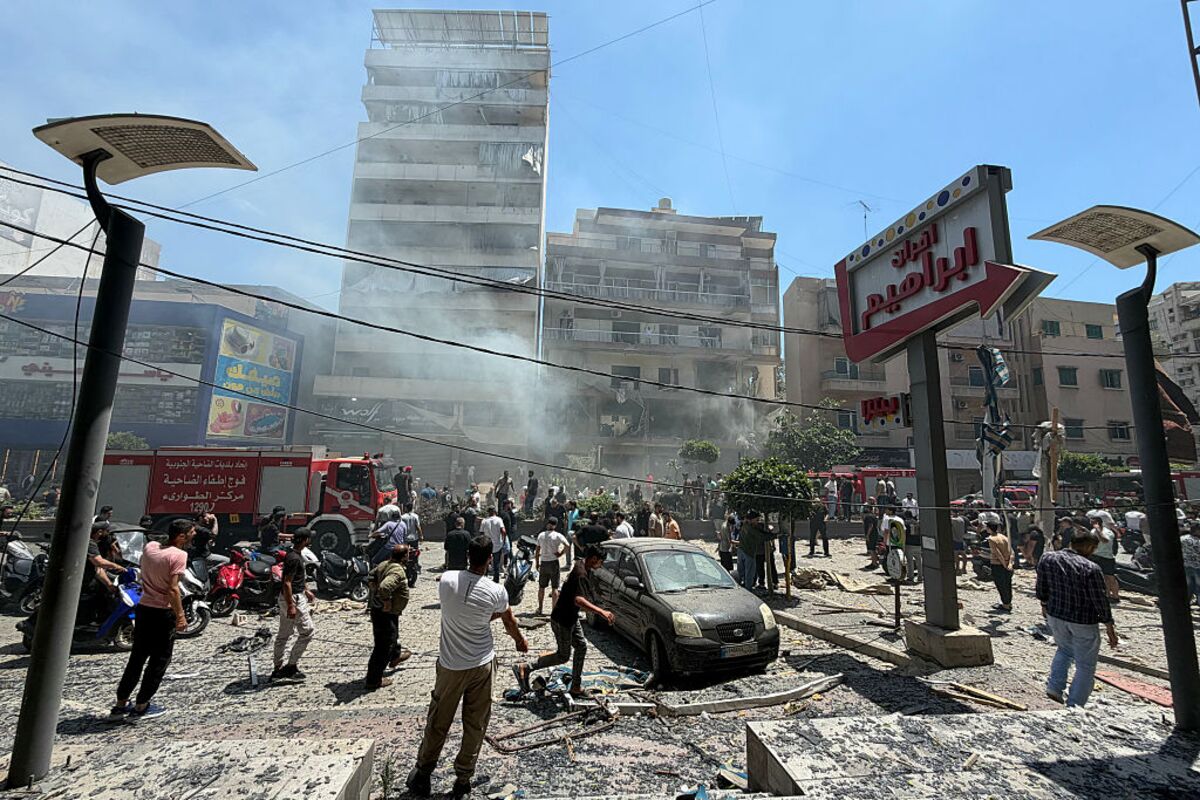
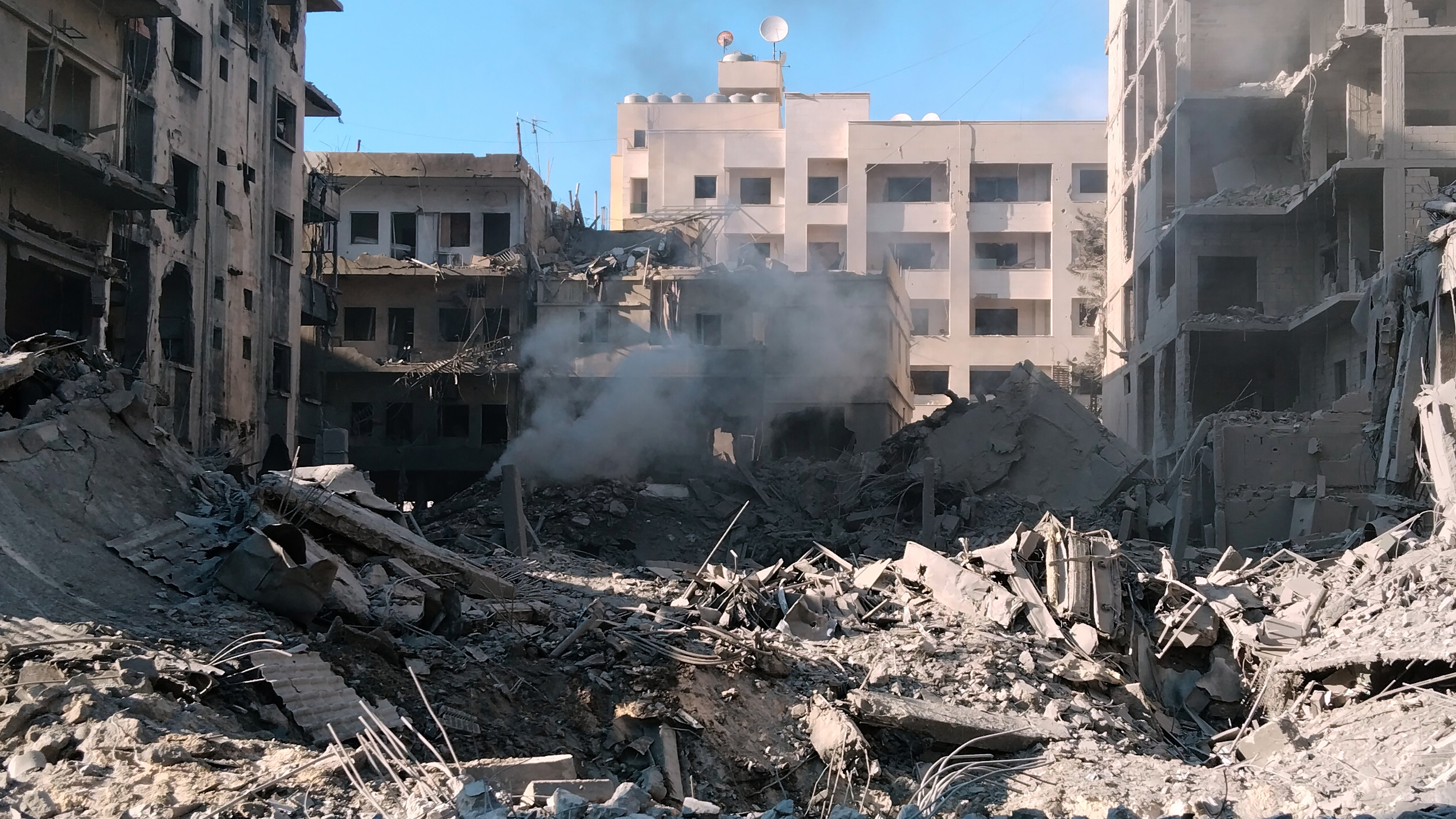
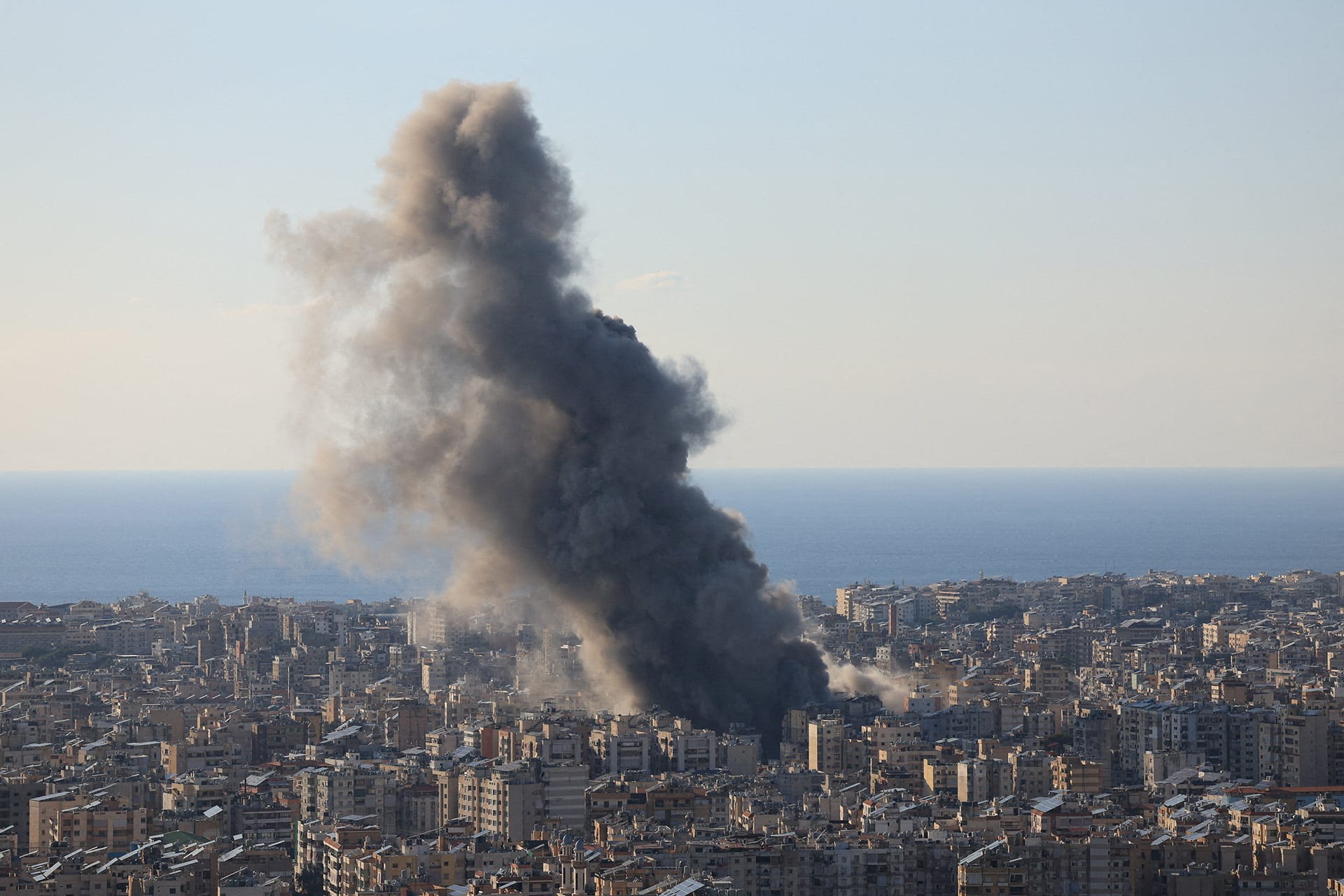
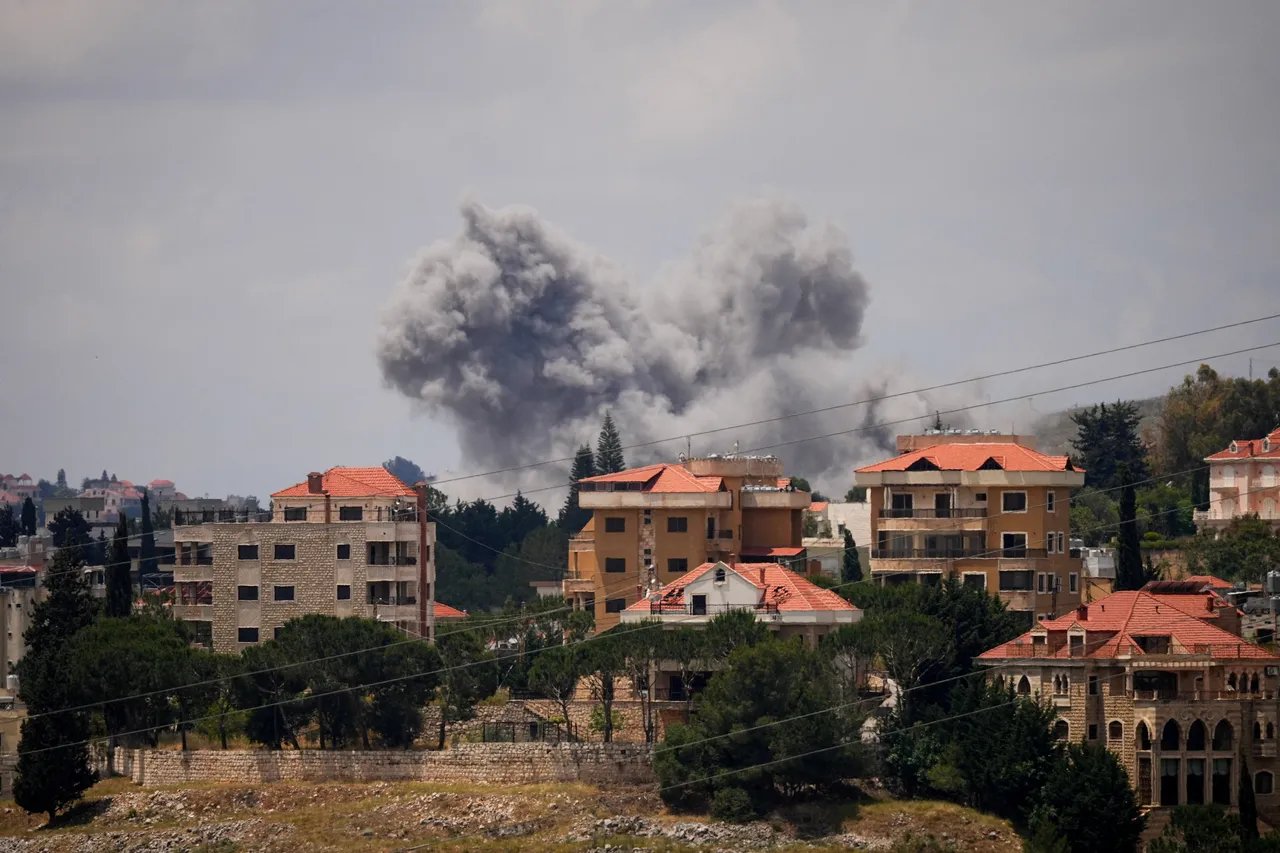
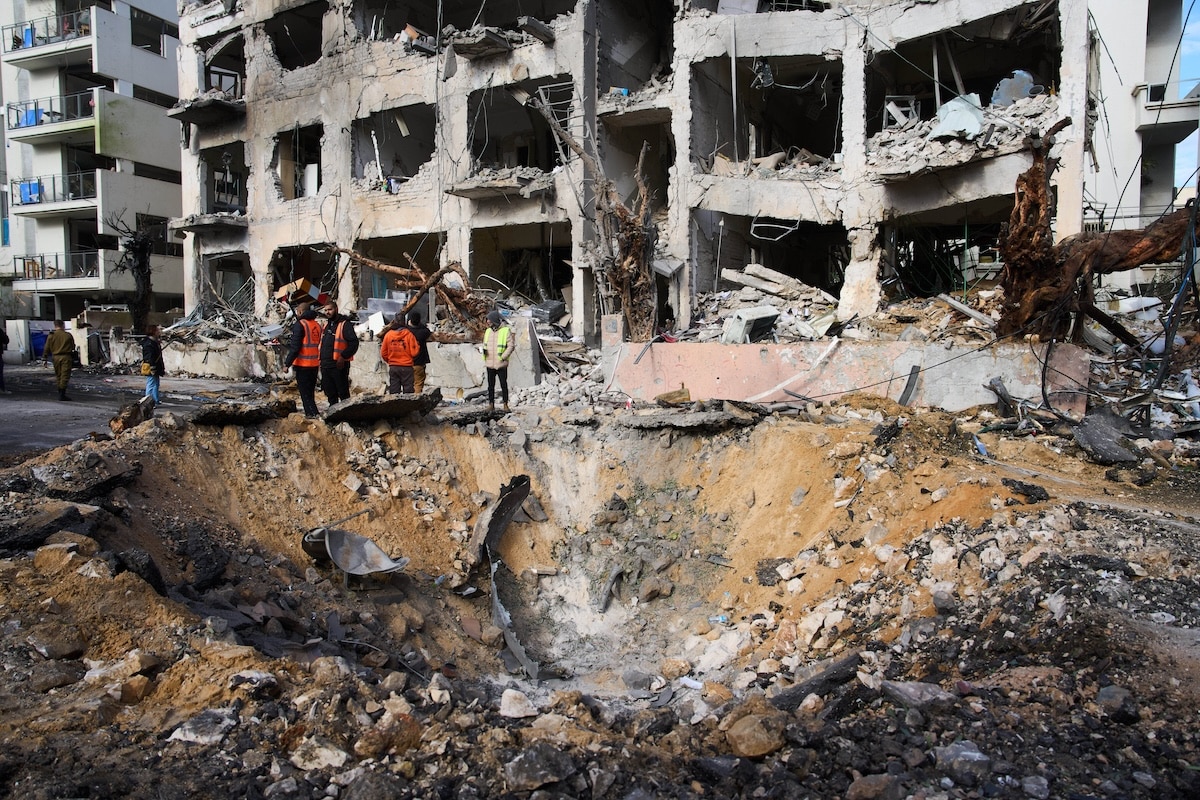
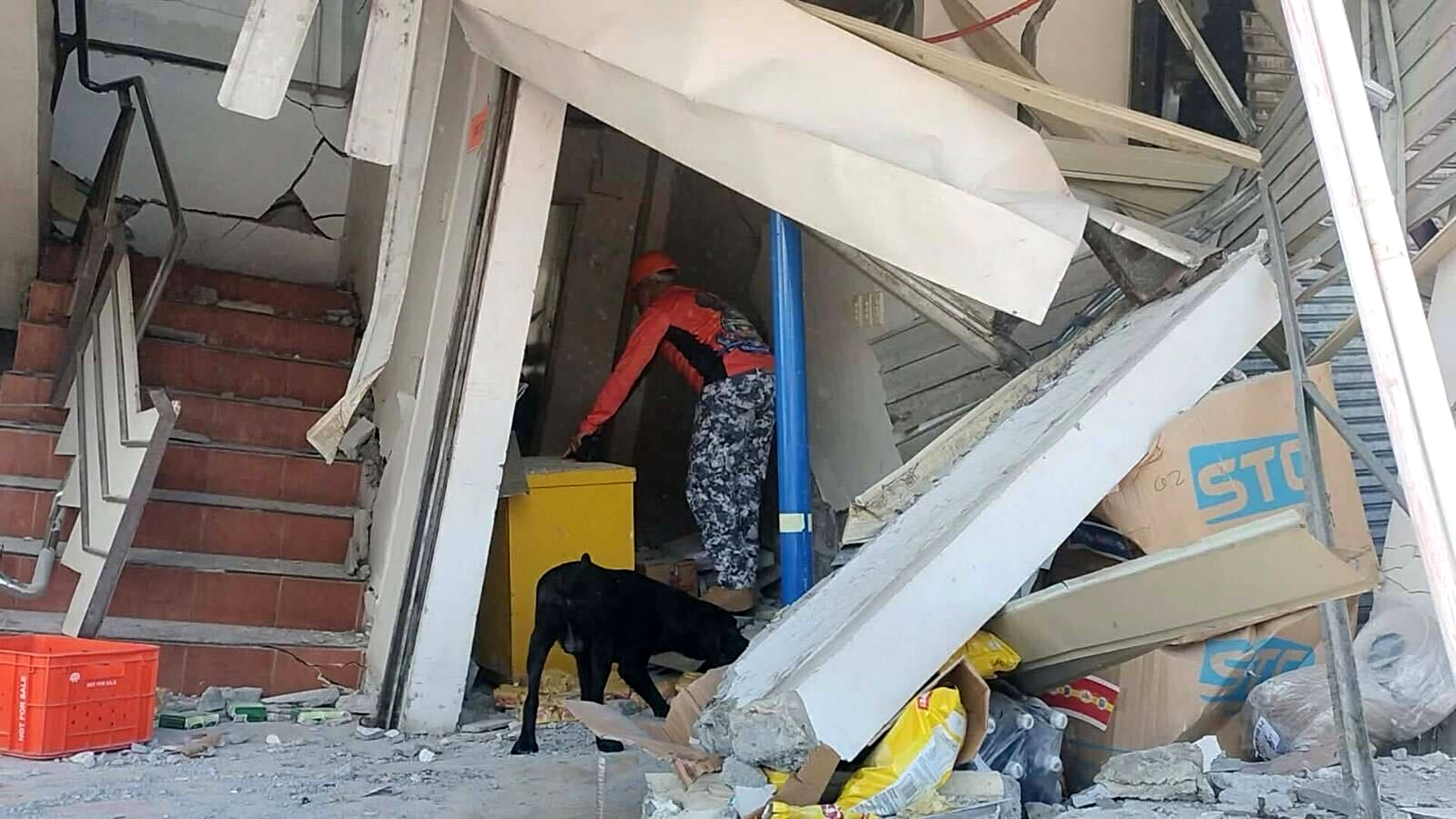
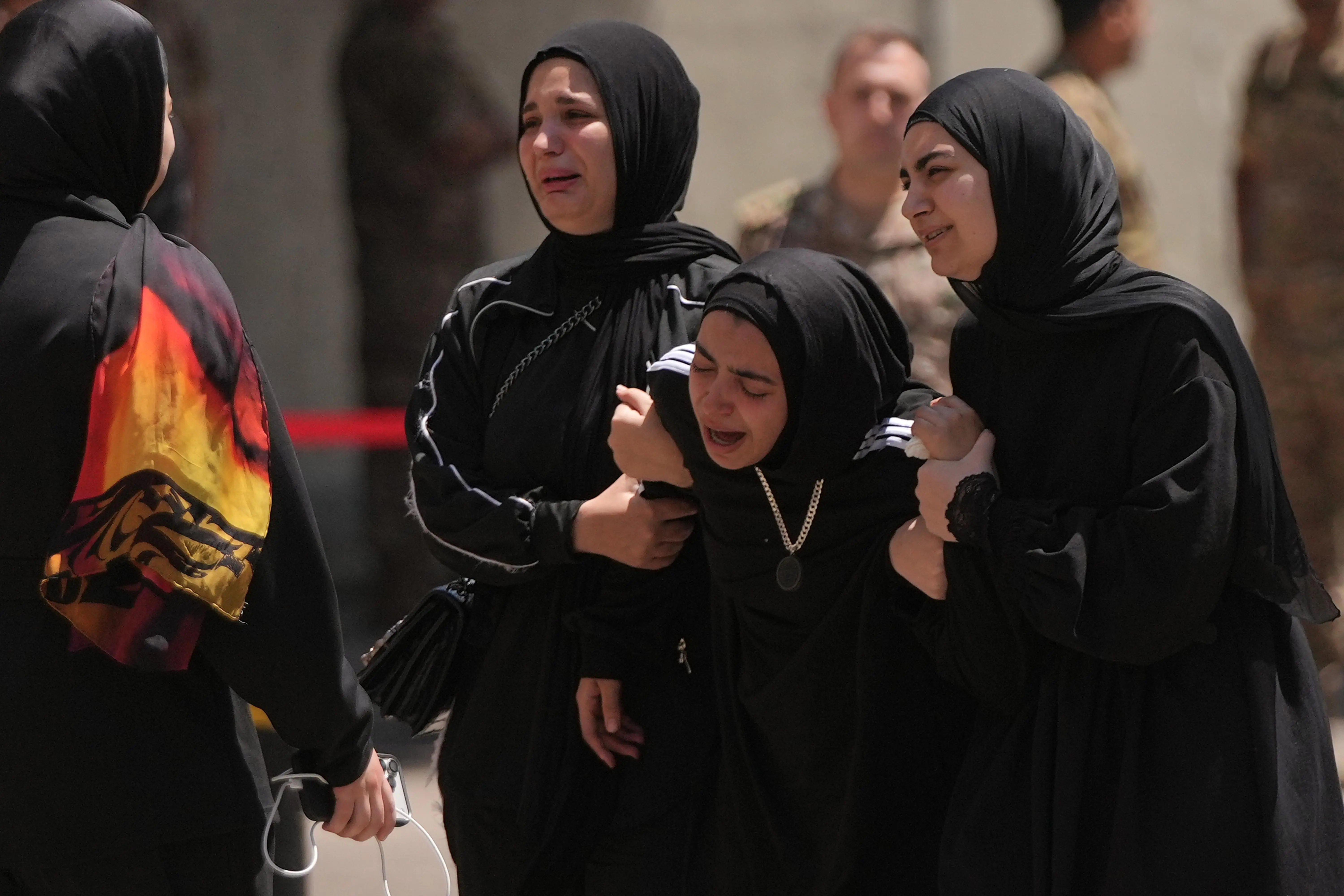
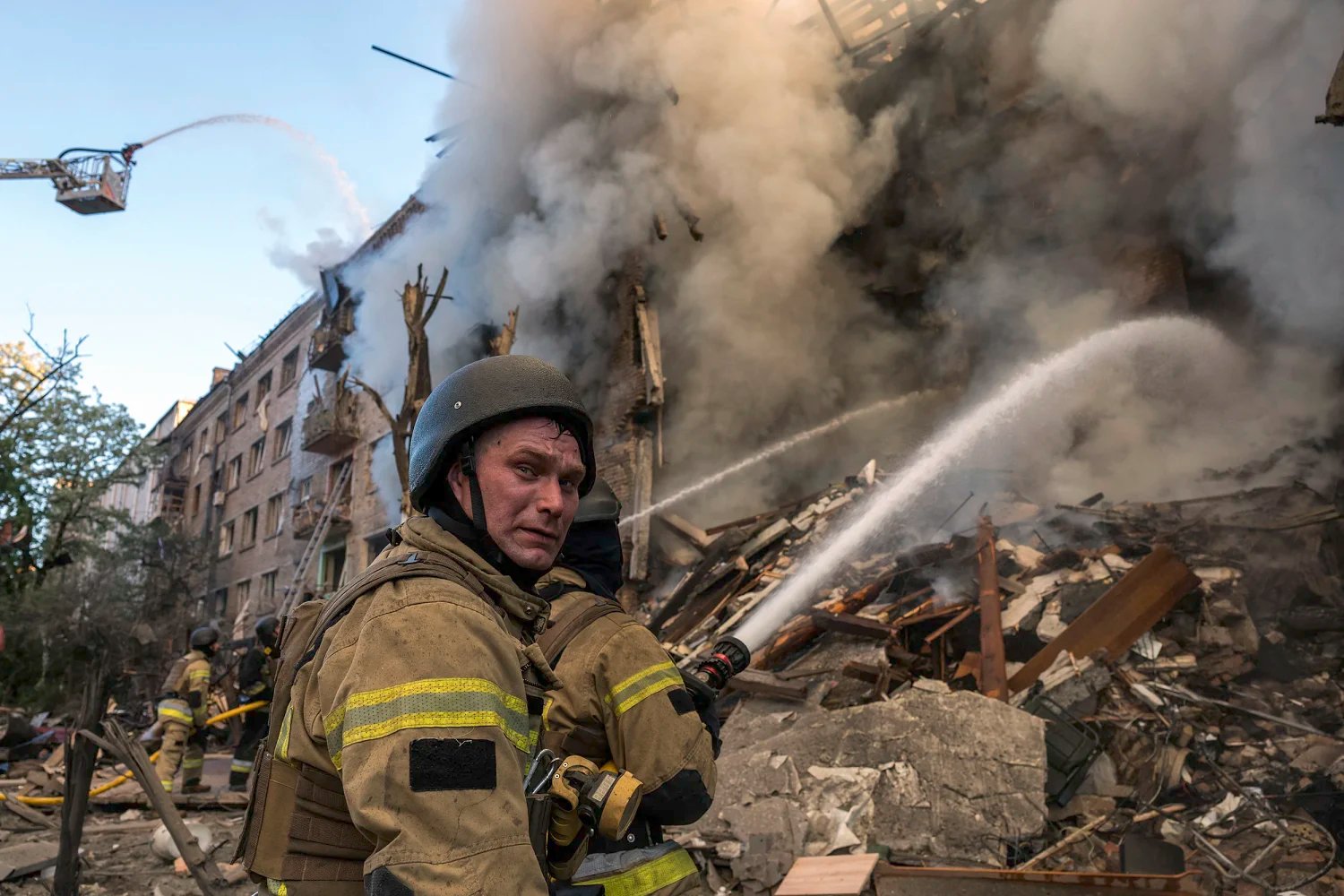
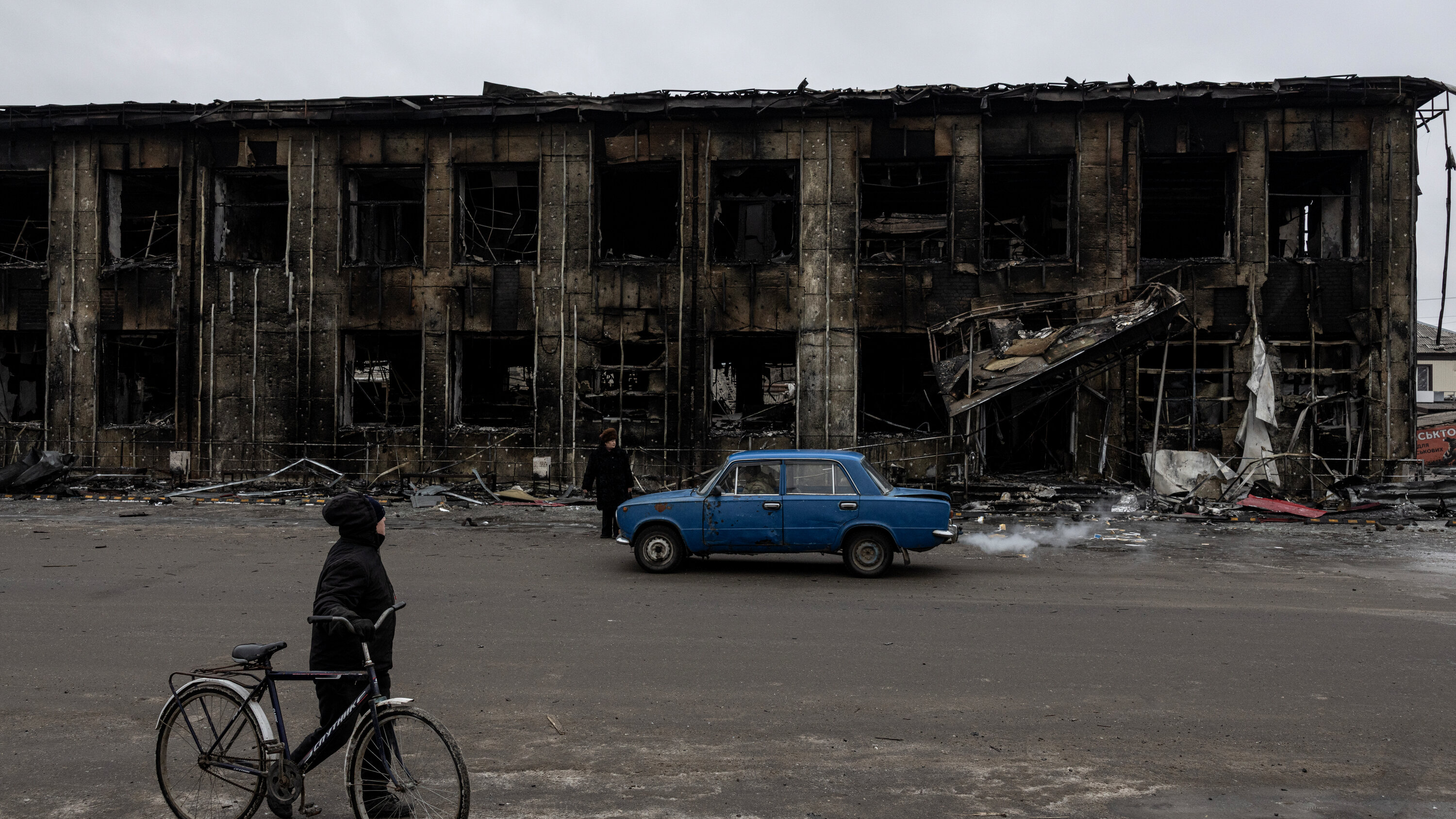
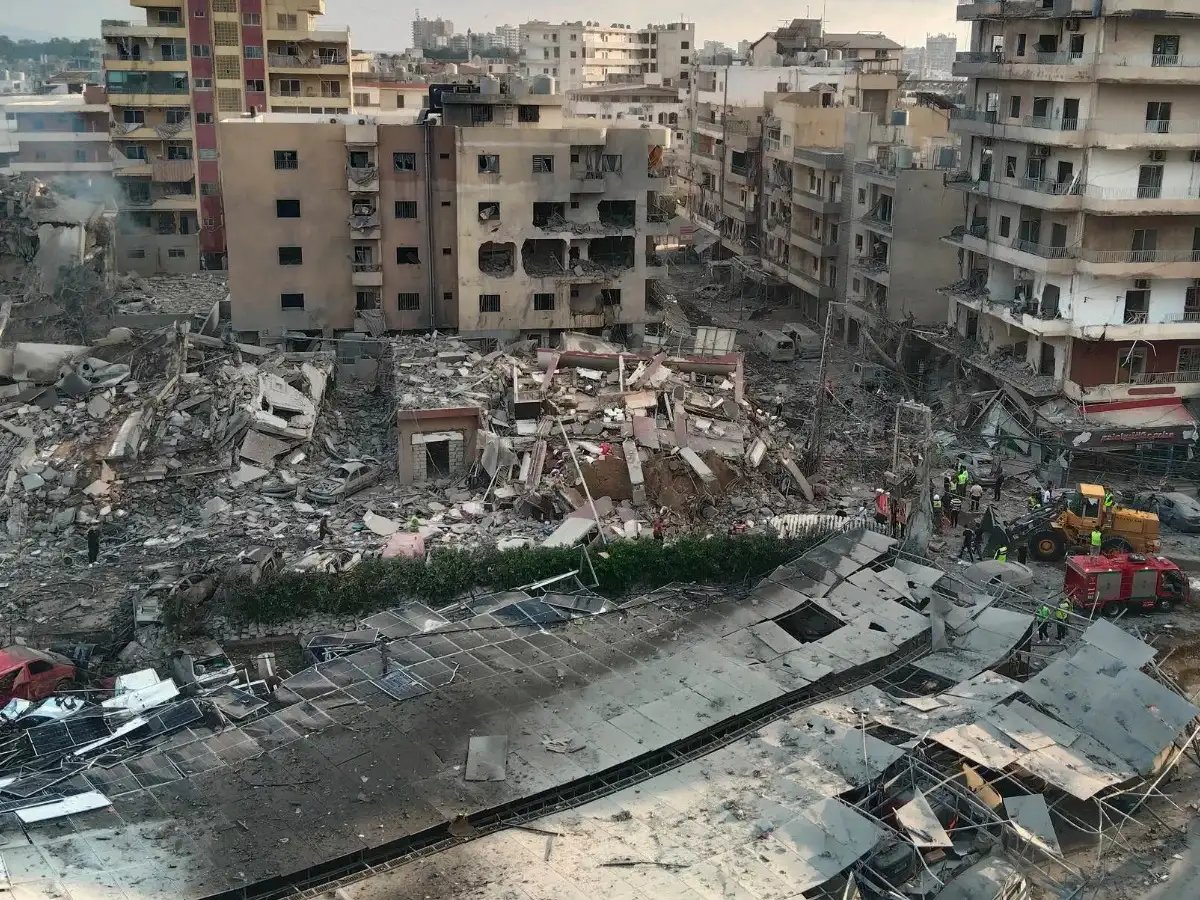
The agreement emerged after weeks of deadly fighting between Israel and Hezbollah that had threatened broader U.S. negotiations with Iran to end their conflict. More than 3,000 deaths have been reported in Lebanon since fighting began in early March, and over 1 million people in a country of just under 6 million have been displaced, according to the Lebanese government.
"Pilot zones" and Lebanese military control
Under the agreement, Israel and Lebanon will establish "pilot" security zones in southern Lebanon where the Lebanese Armed Forces will take exclusive control "to the exclusion of all non-state actors." Under the agreement, the Lebanese military will take exclusive control of these zones while Israeli forces withdraw.
"These steps will enable progress towards a comprehensive peace and security agreement," the parties said in their statement. Both sides committed to "continuing direct negotiations to build confidence, resolve all outstanding issues, and work toward a comprehensive agreement between the two countries," with negotiations scheduled to resume on June 22 in Washington.
Trump's pressure and Netanyahu's pushback
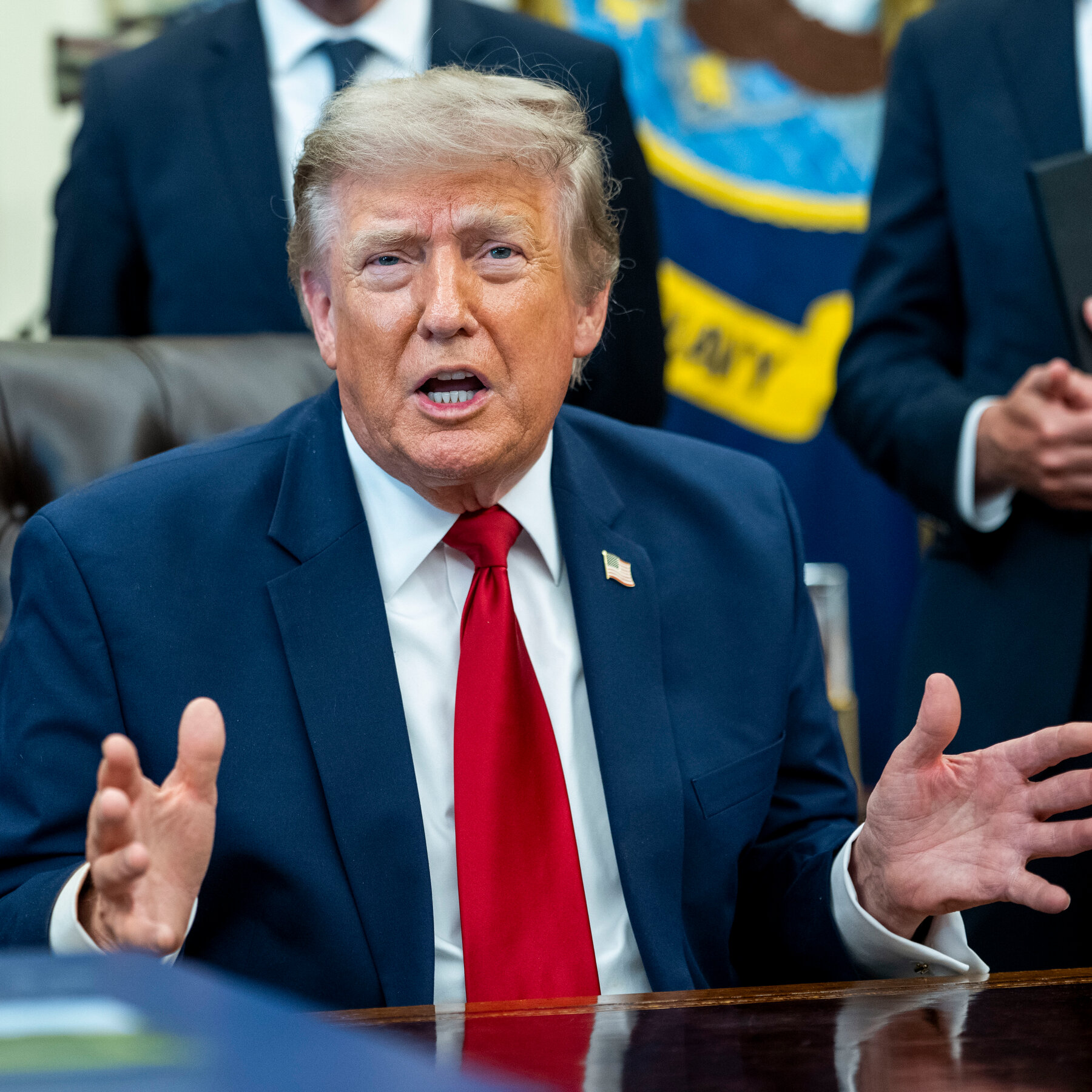
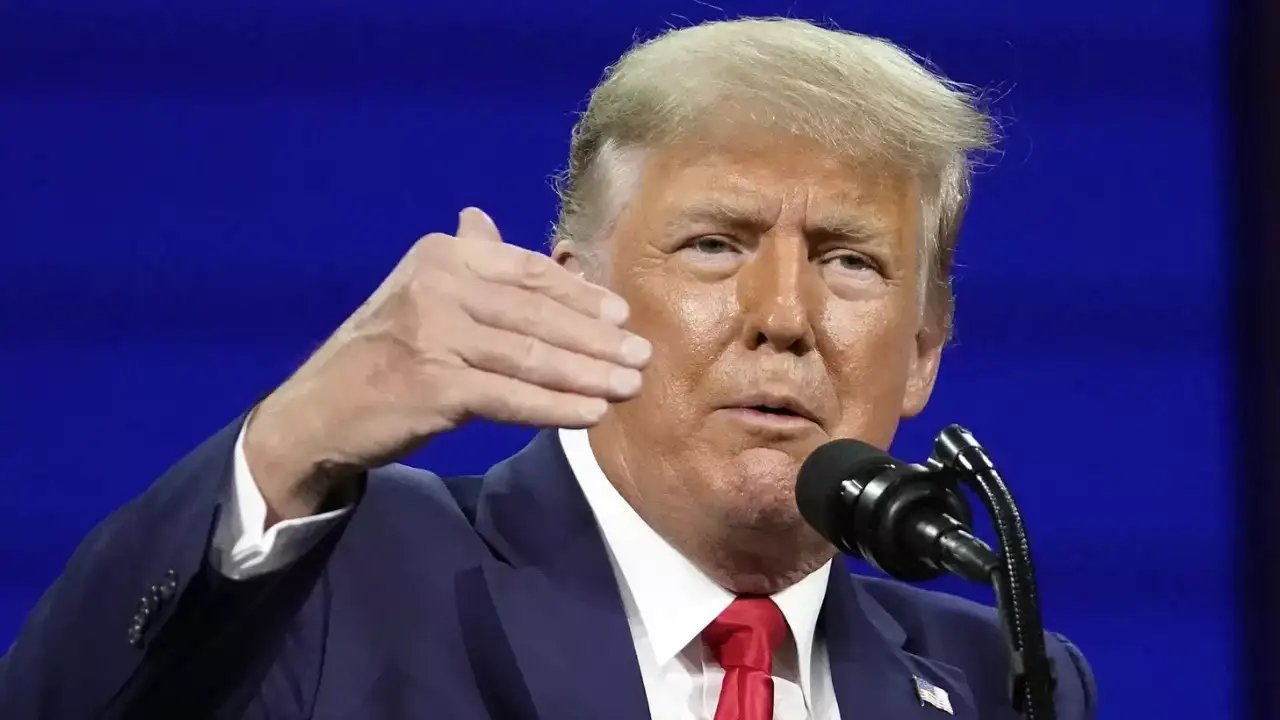
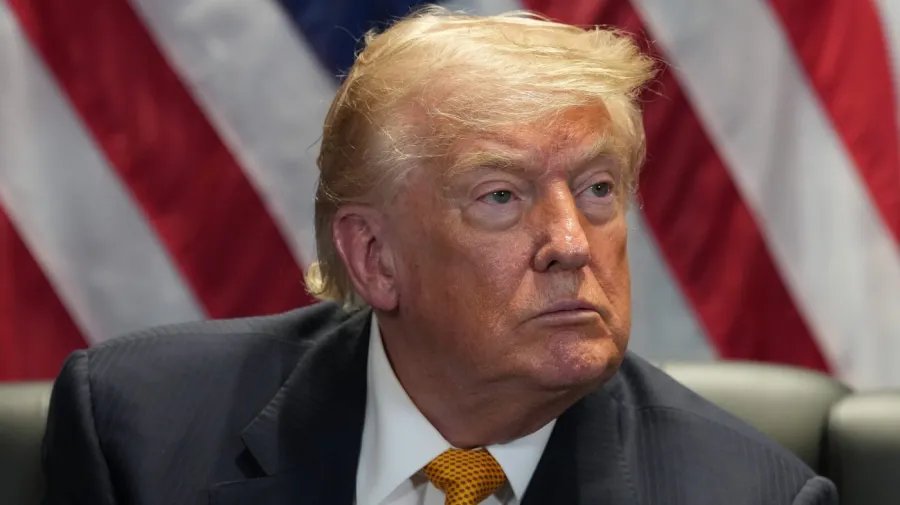
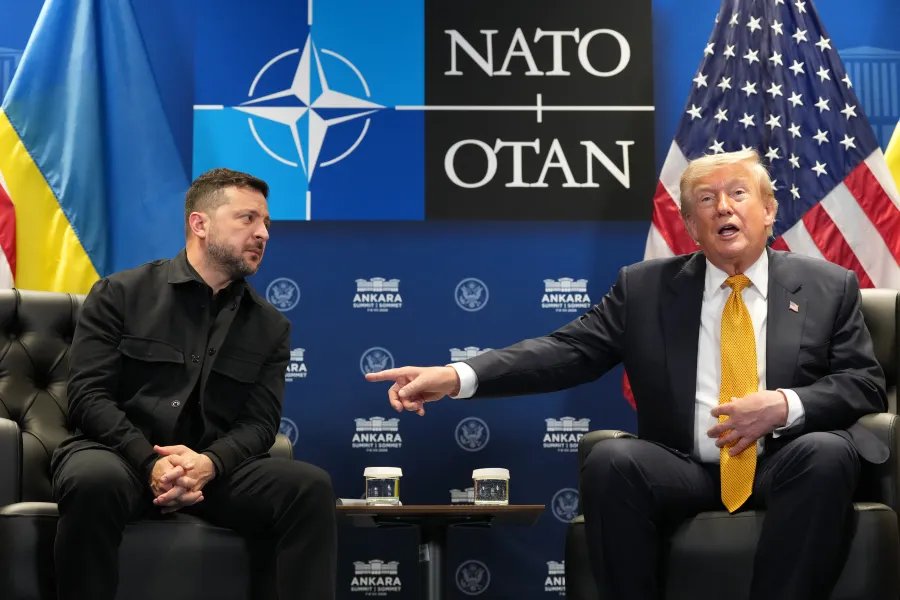
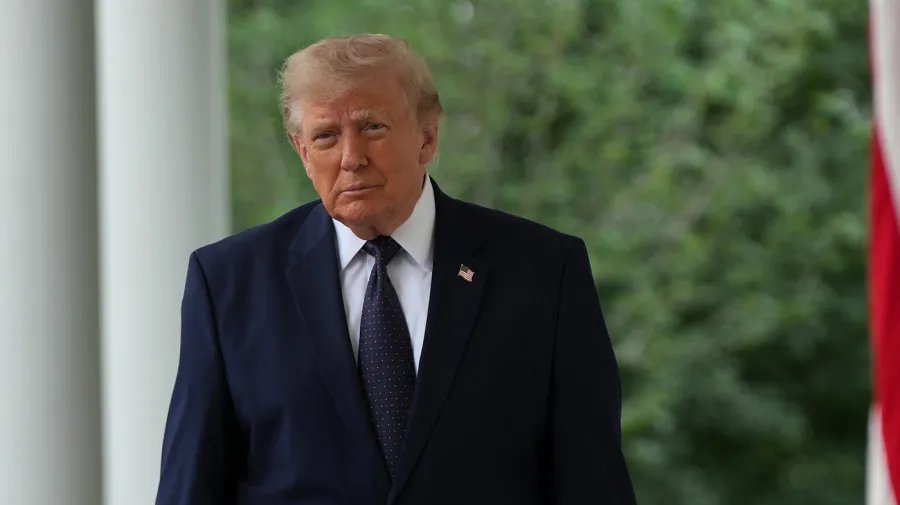
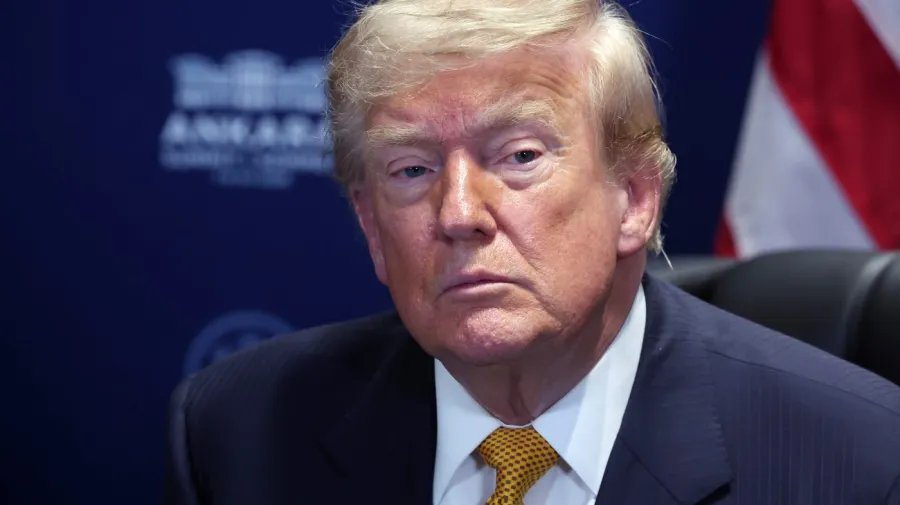
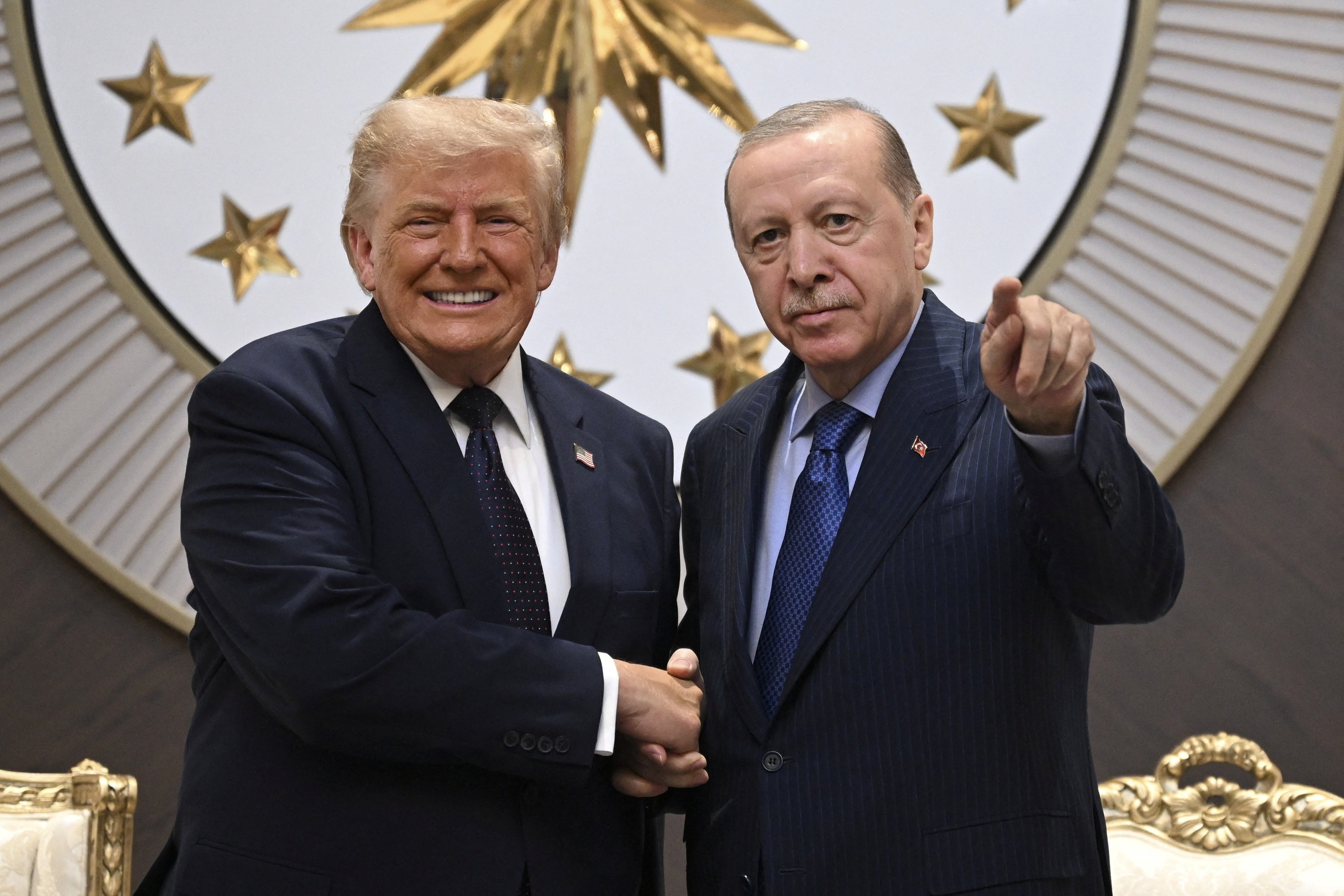
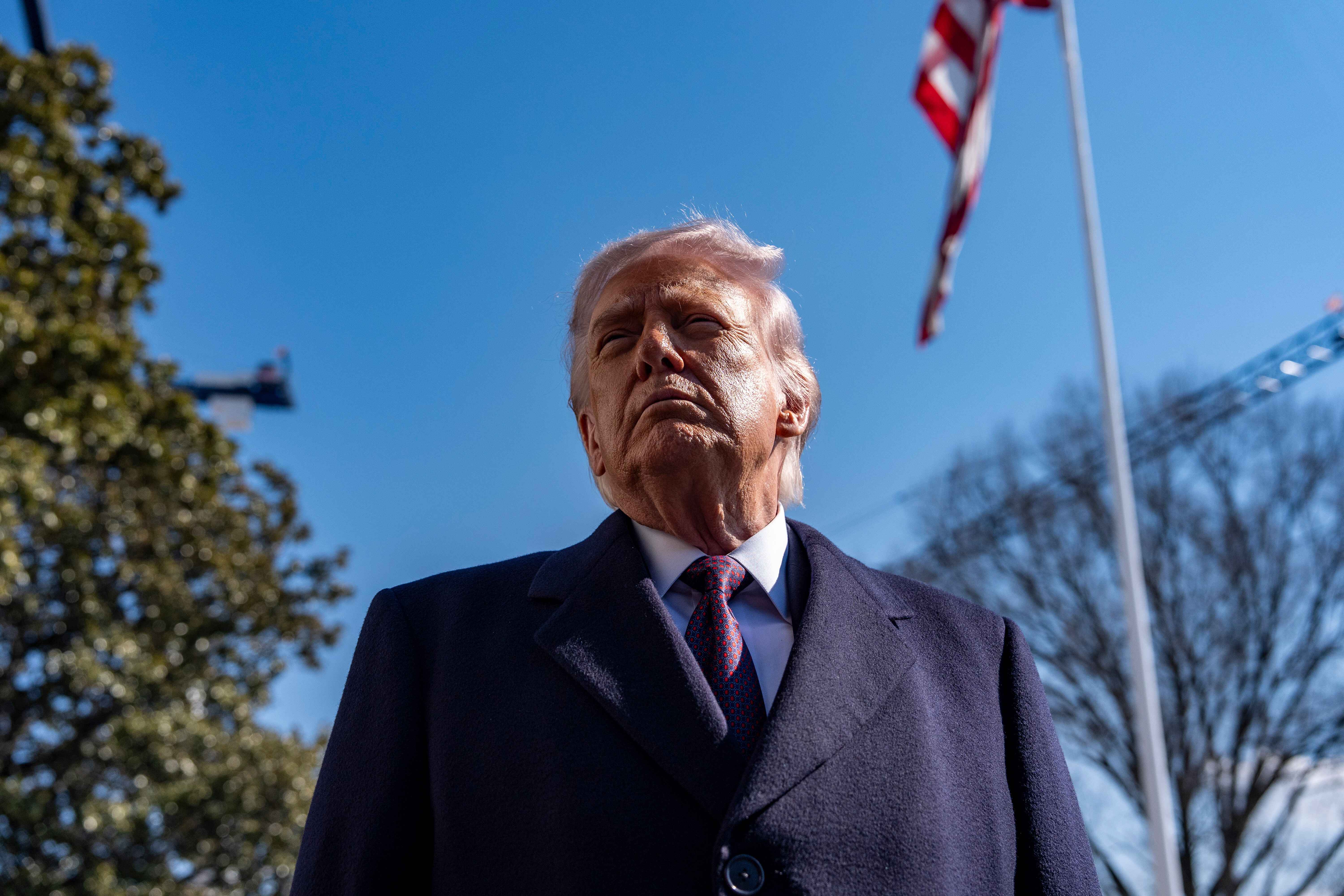
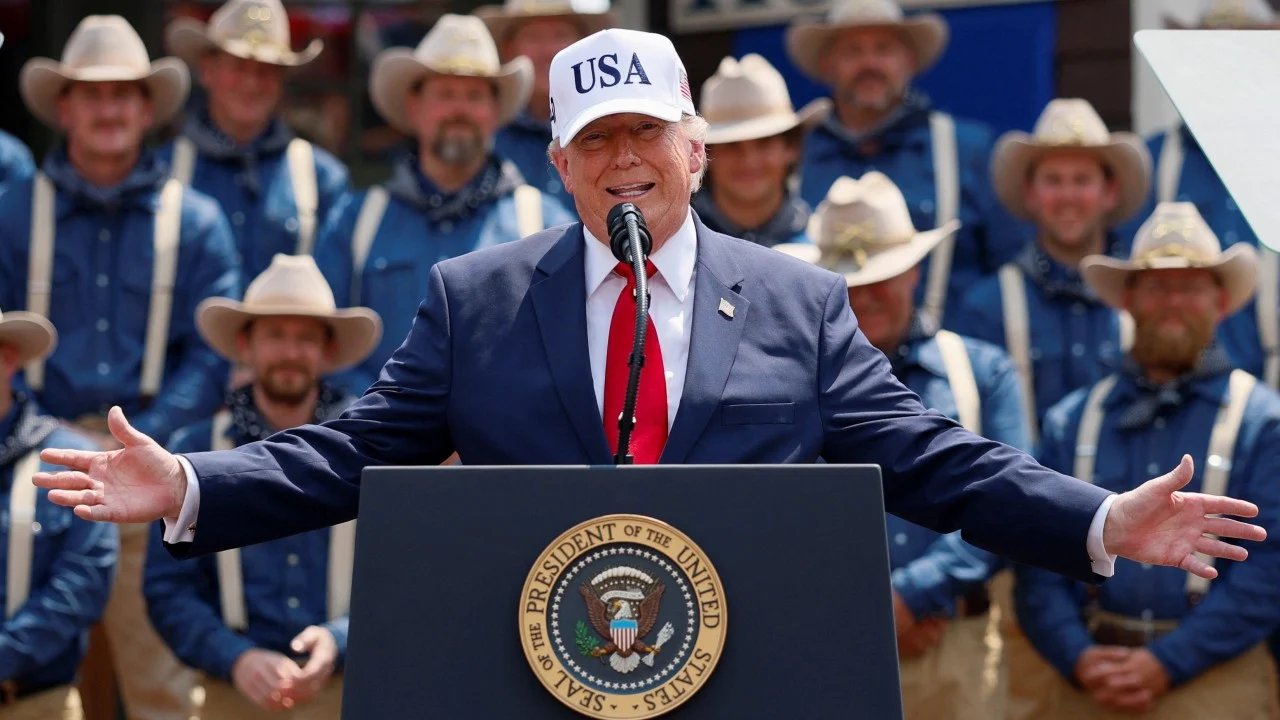
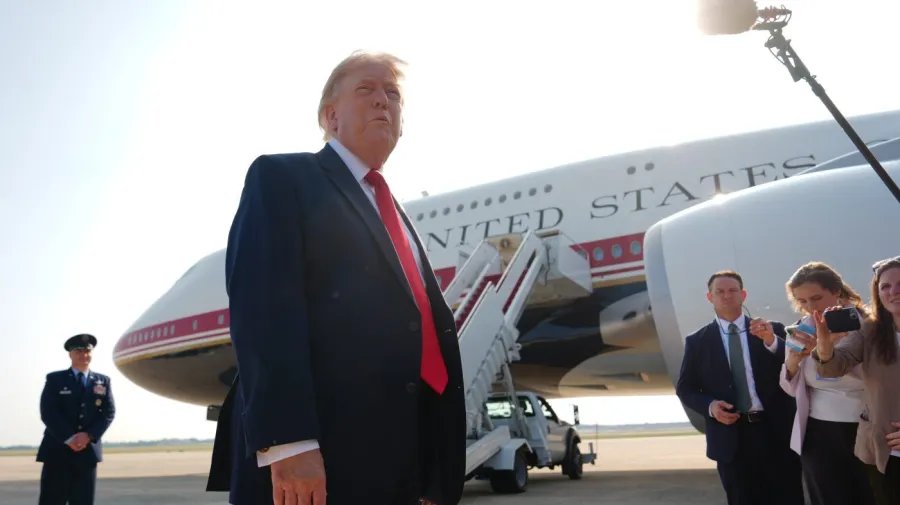
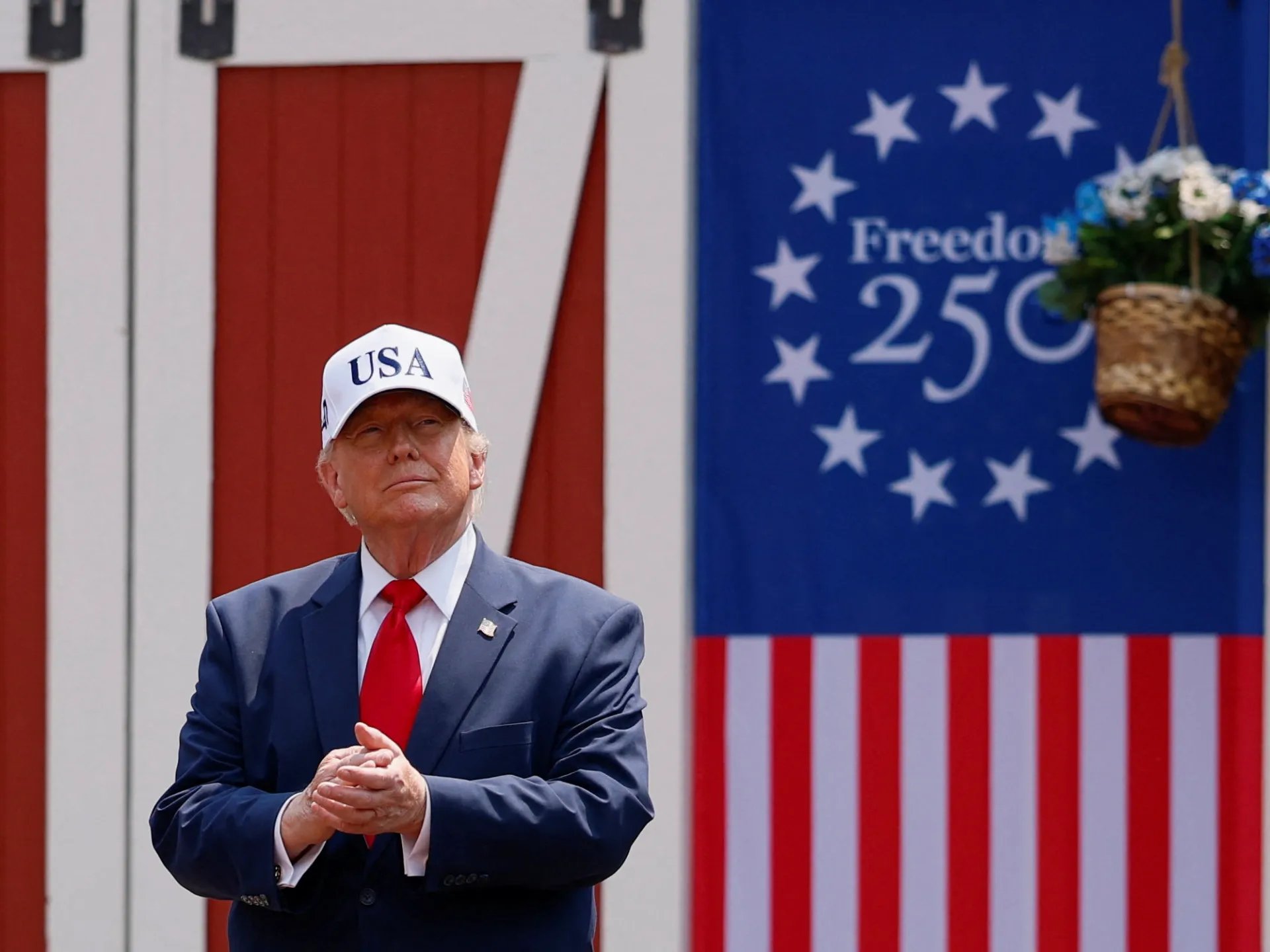
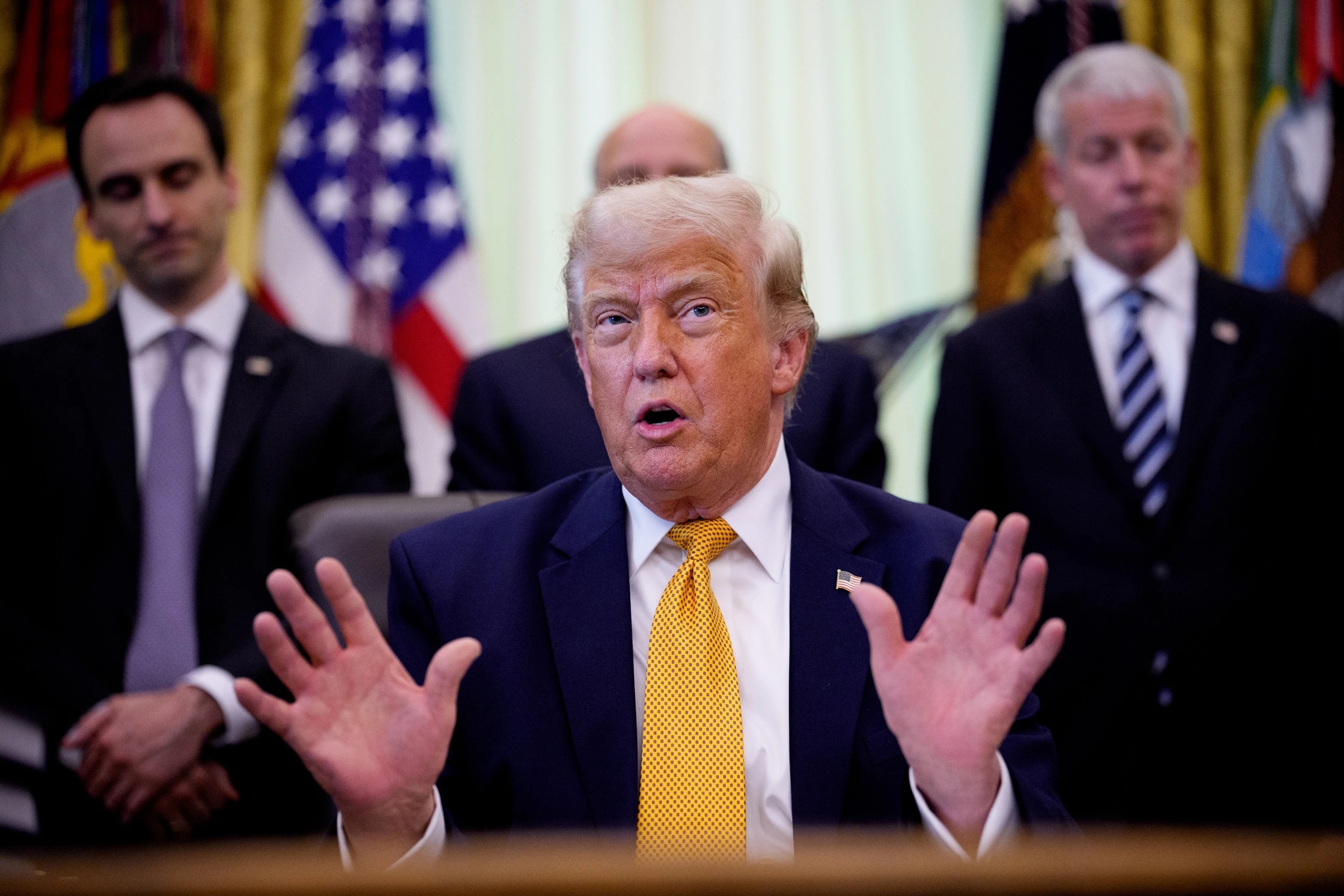
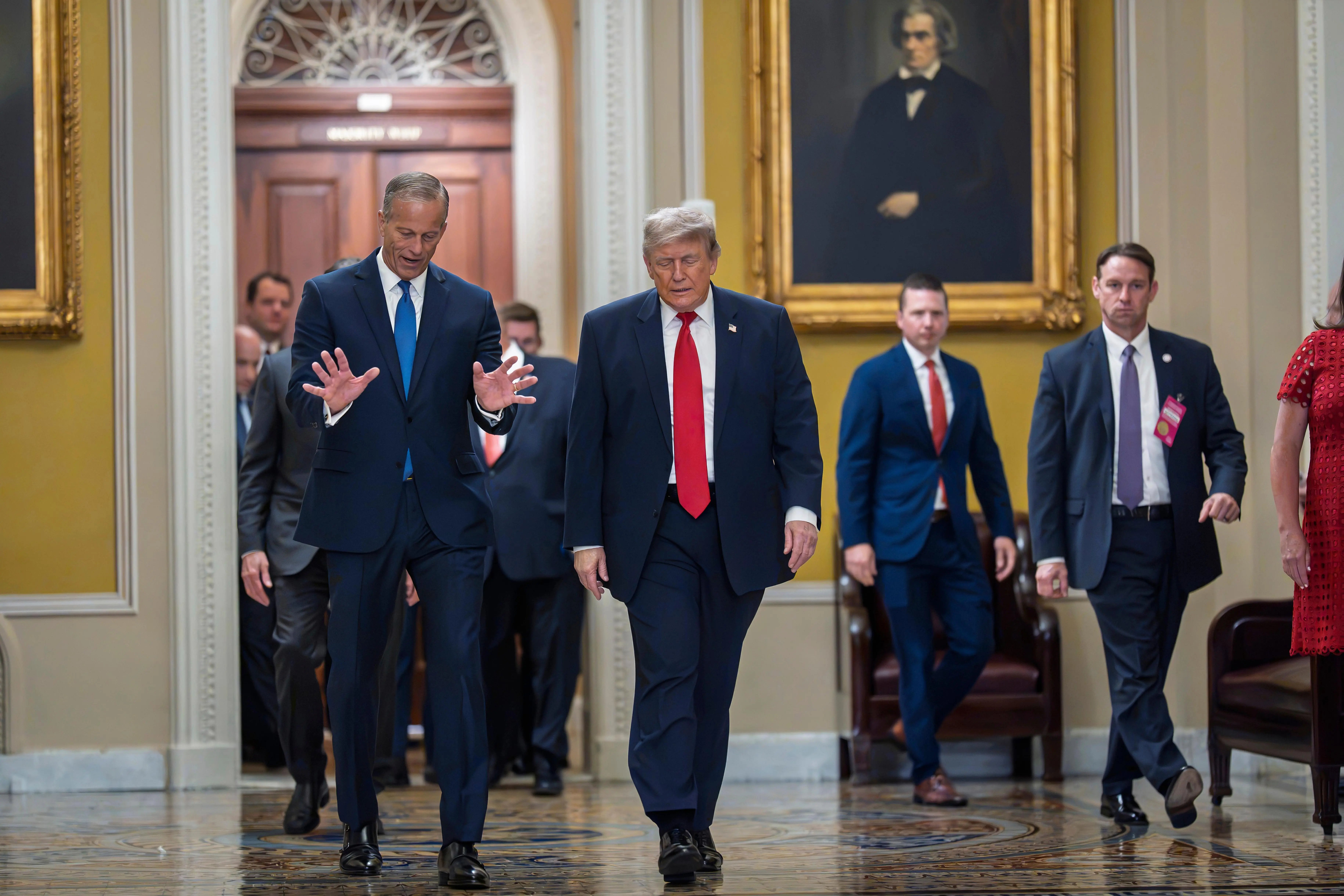
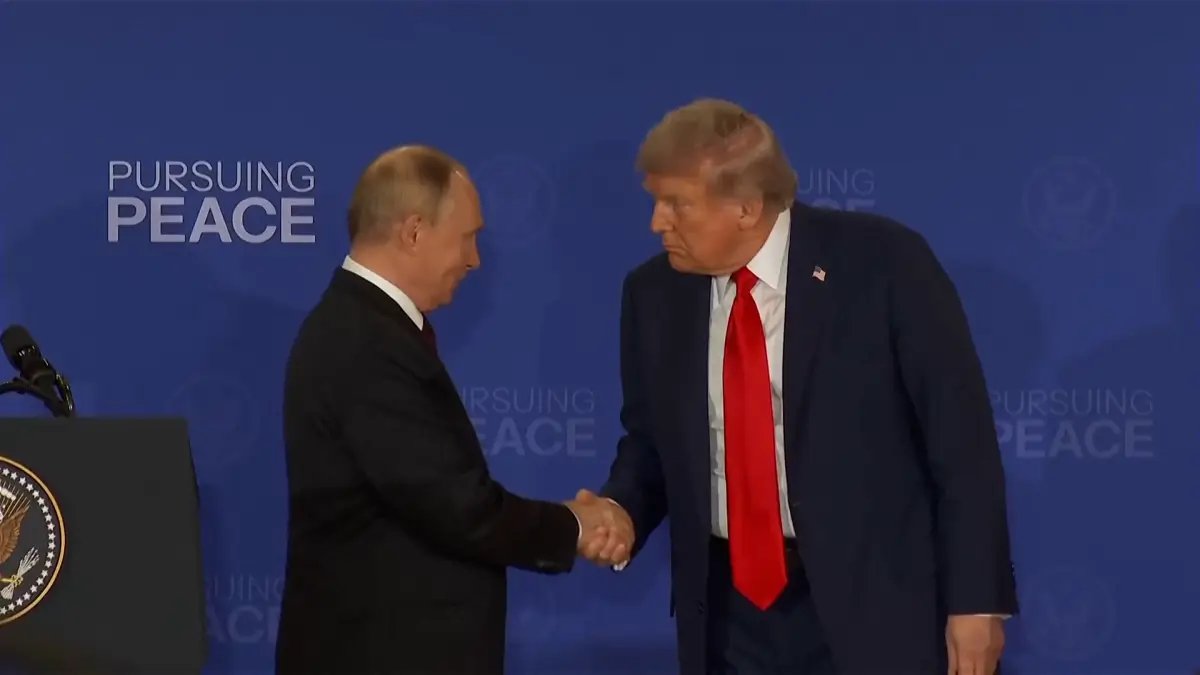
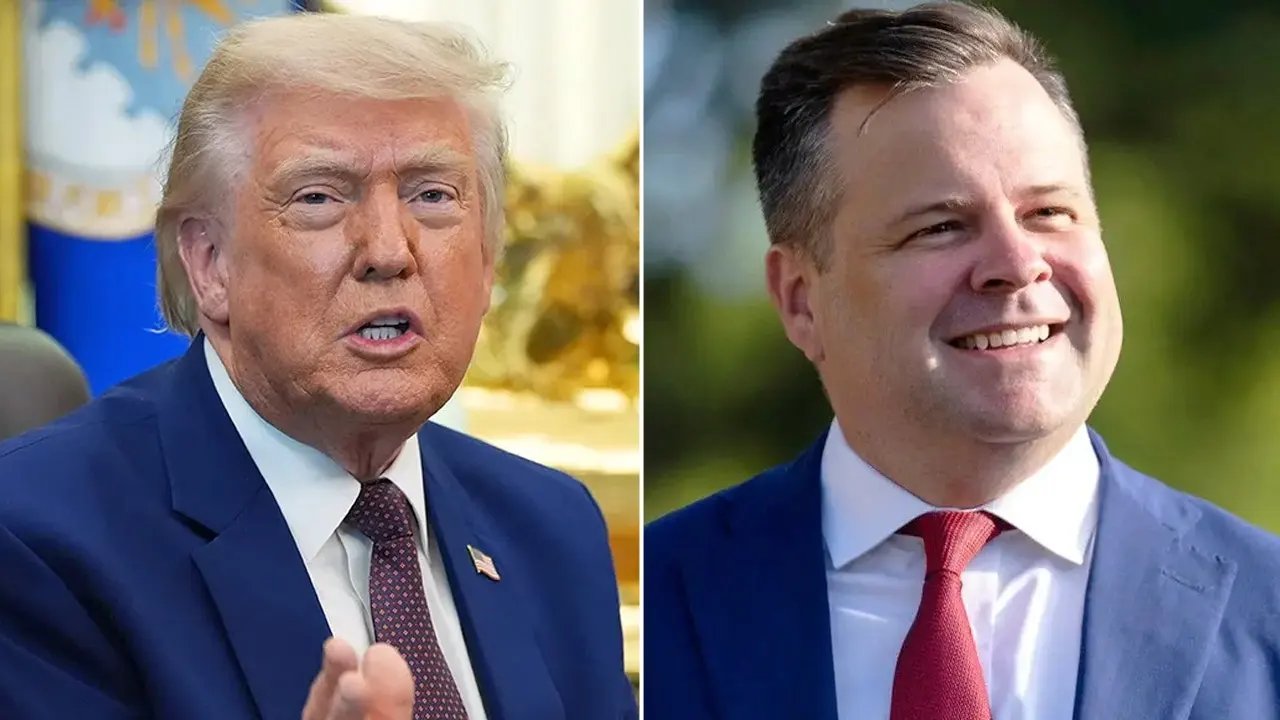
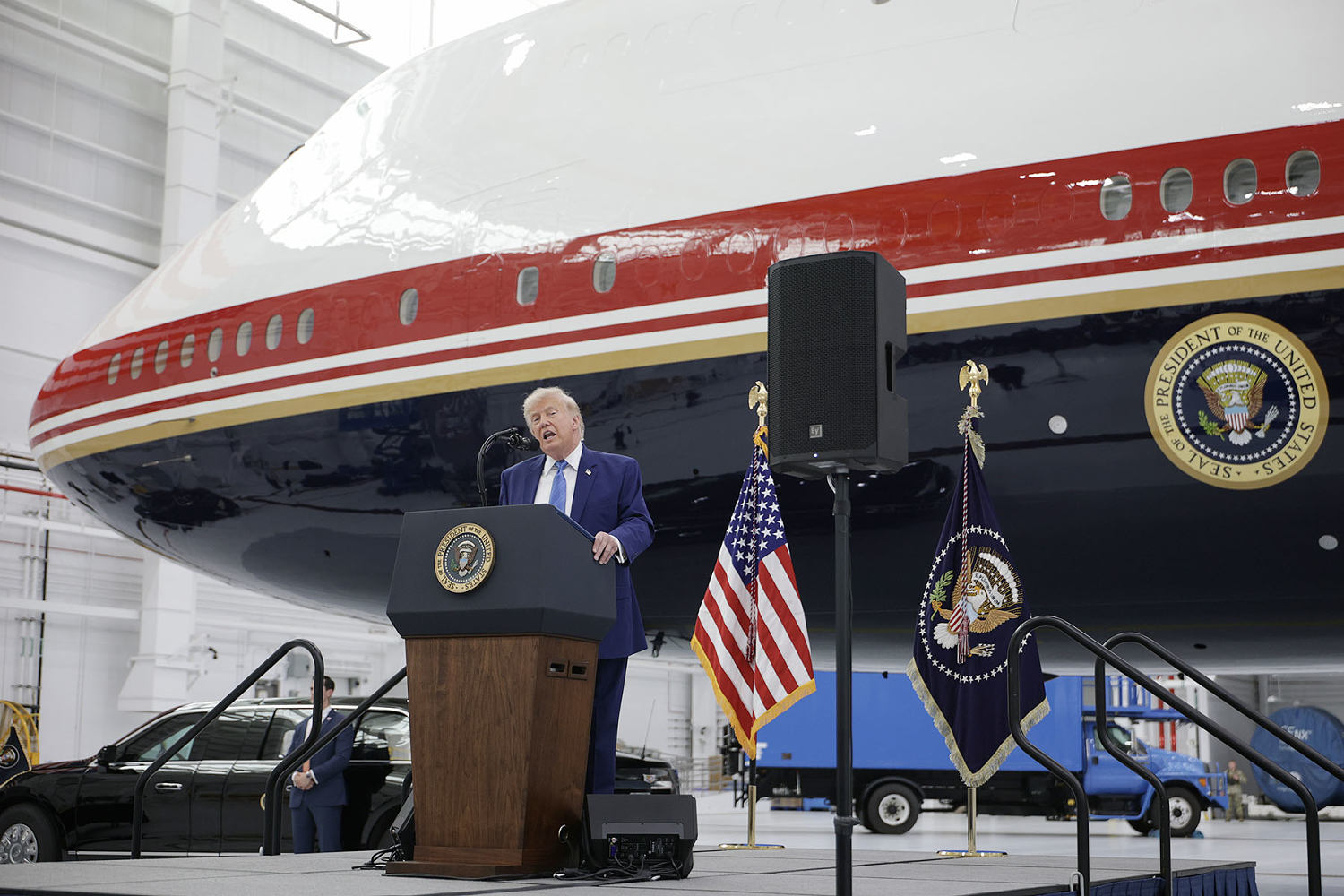
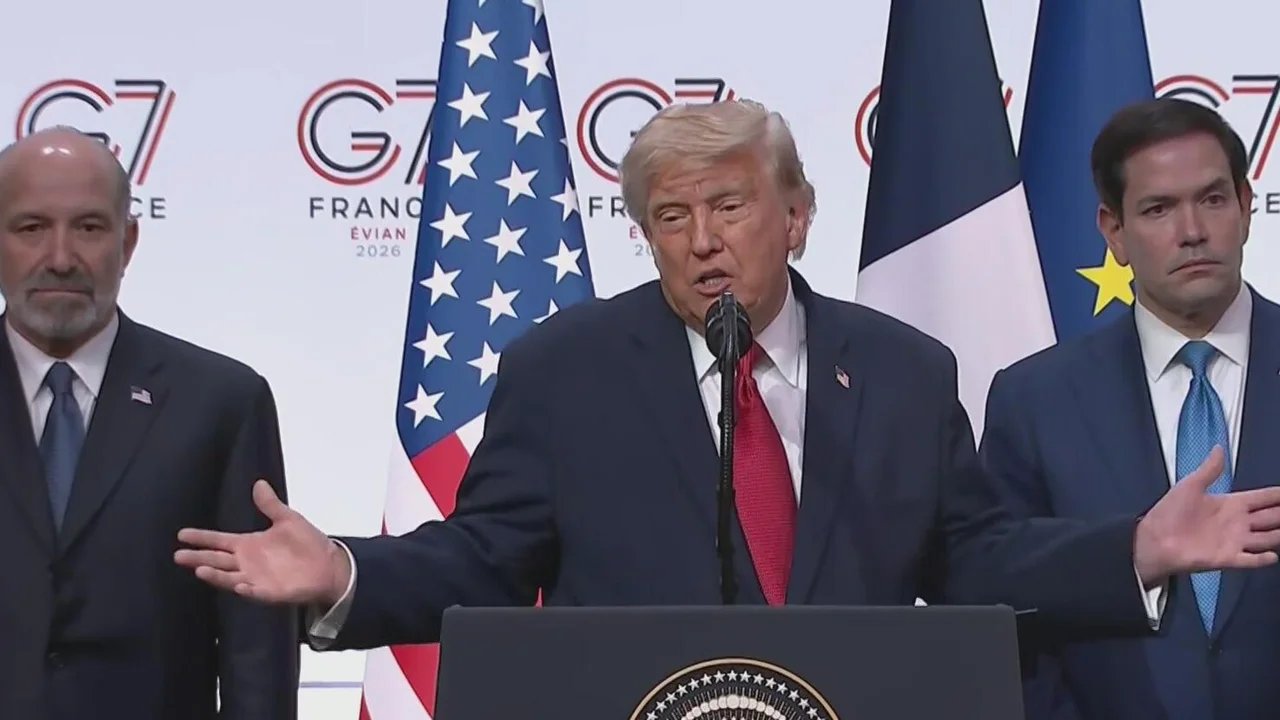
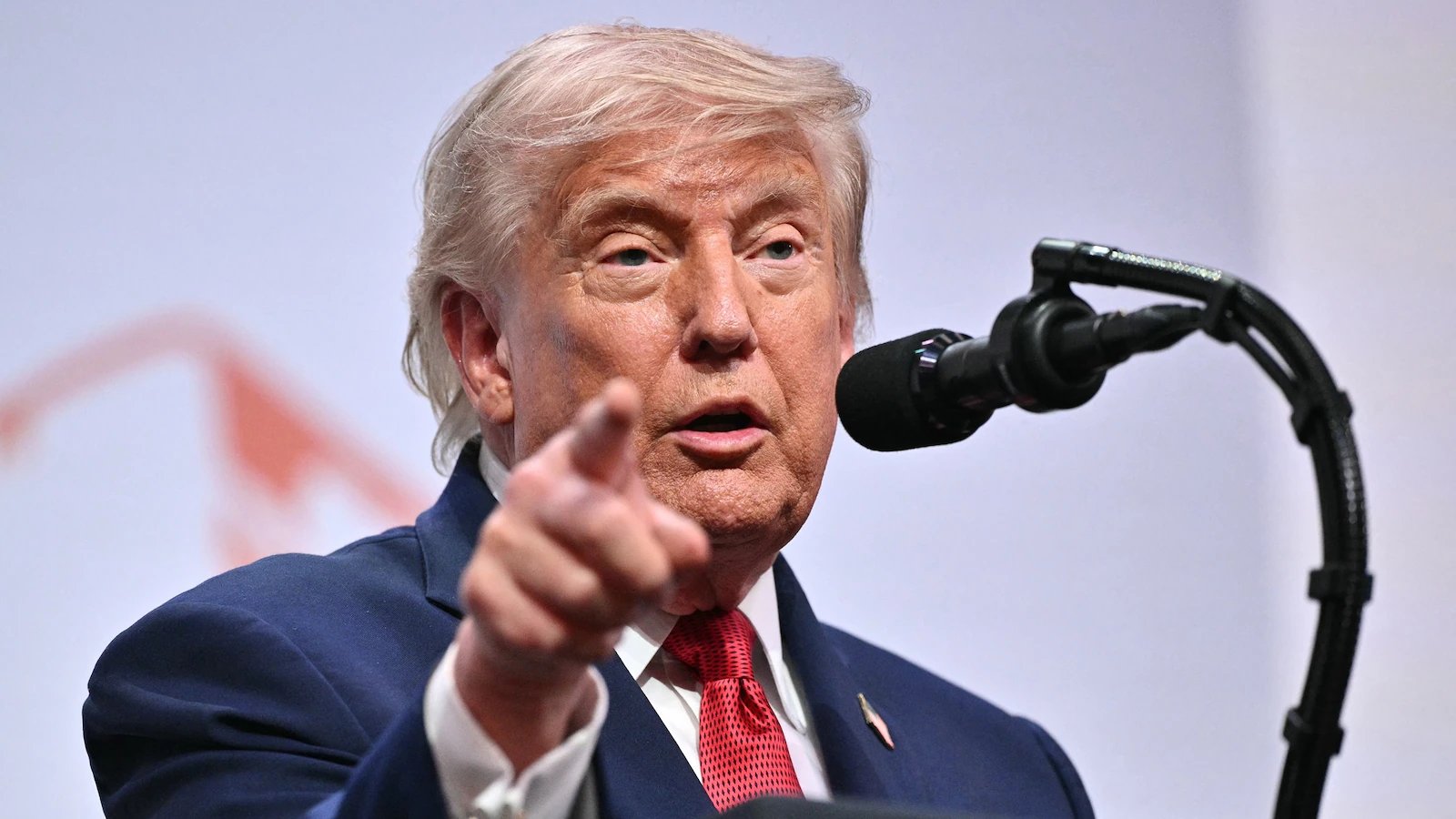
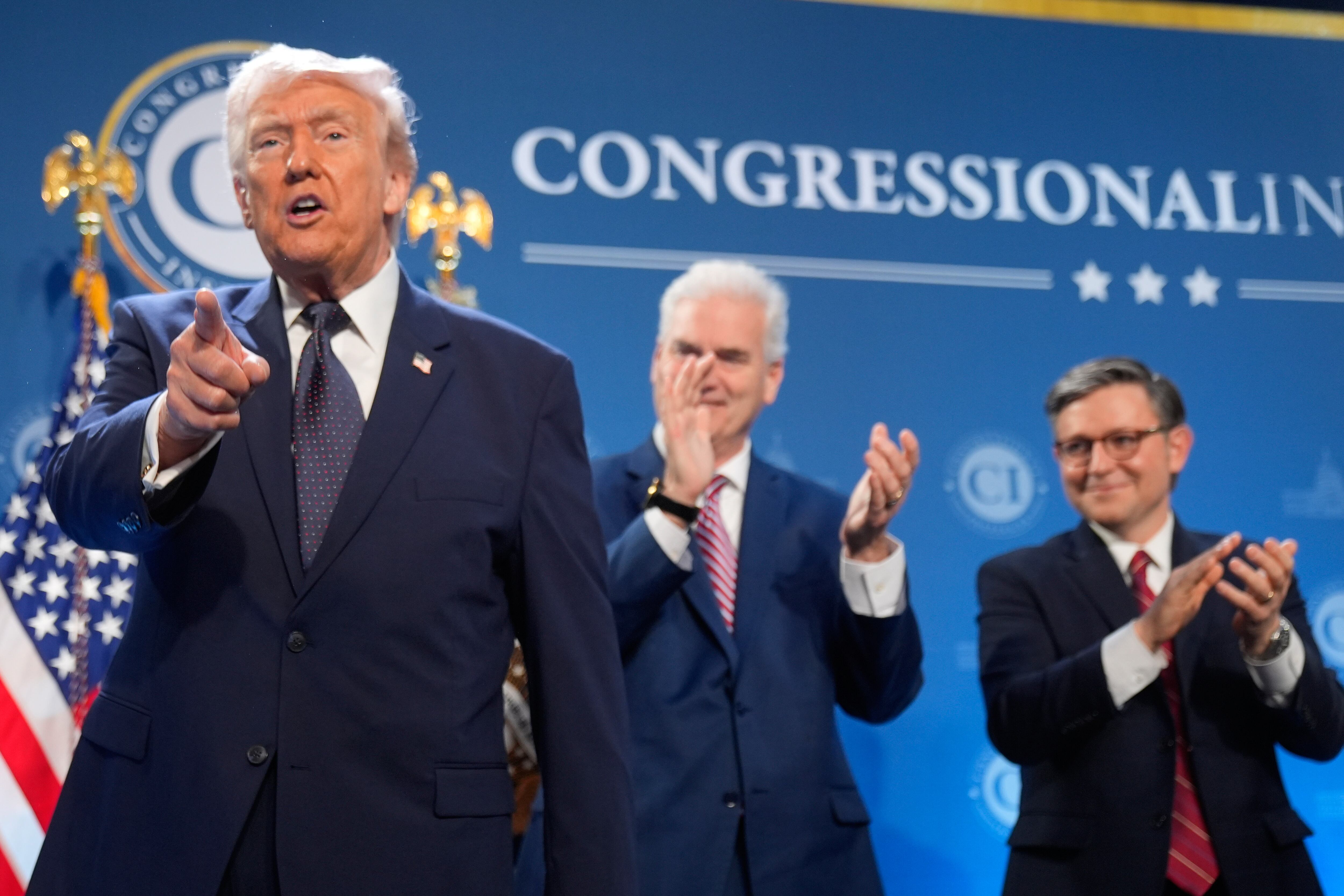
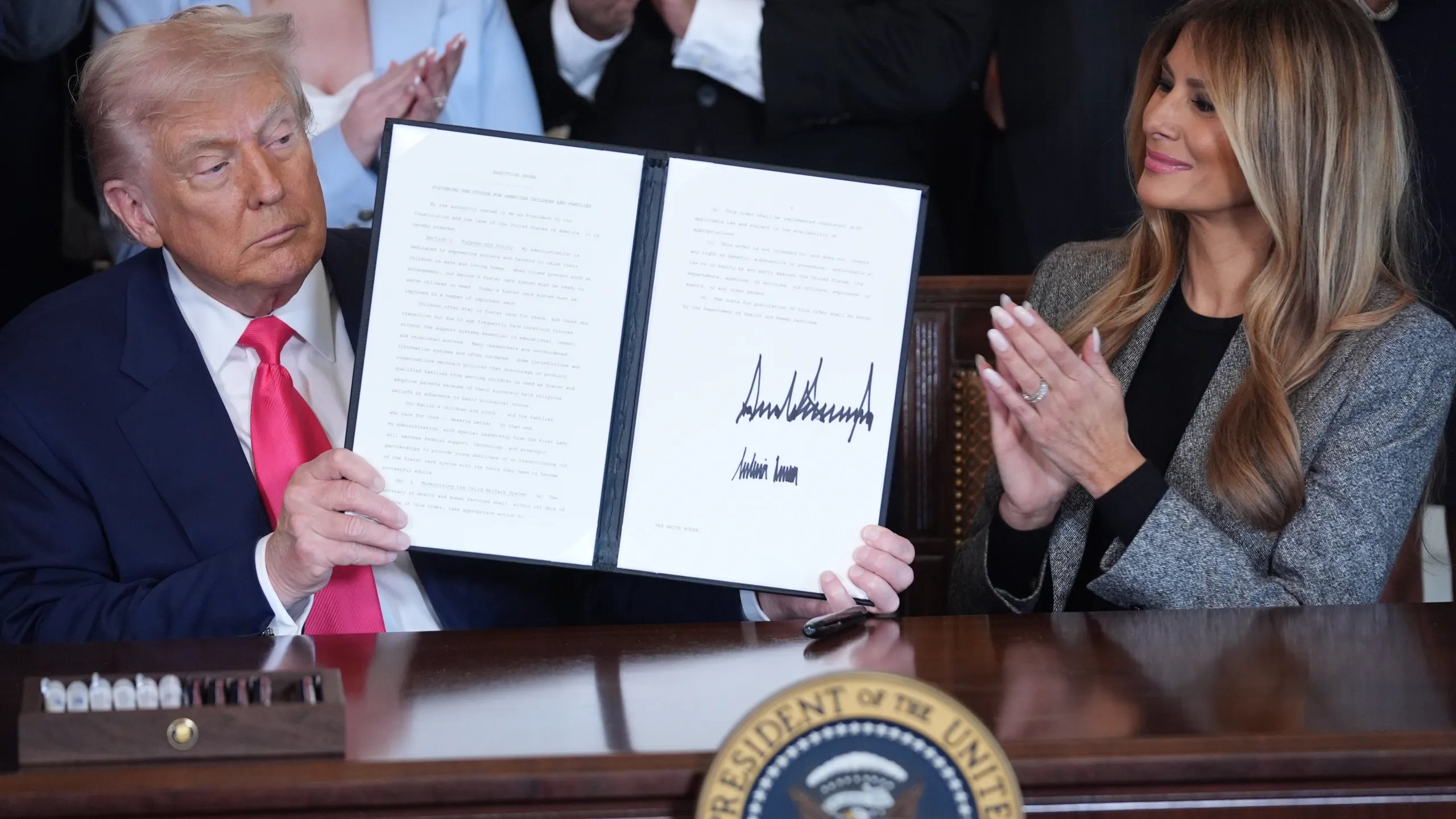
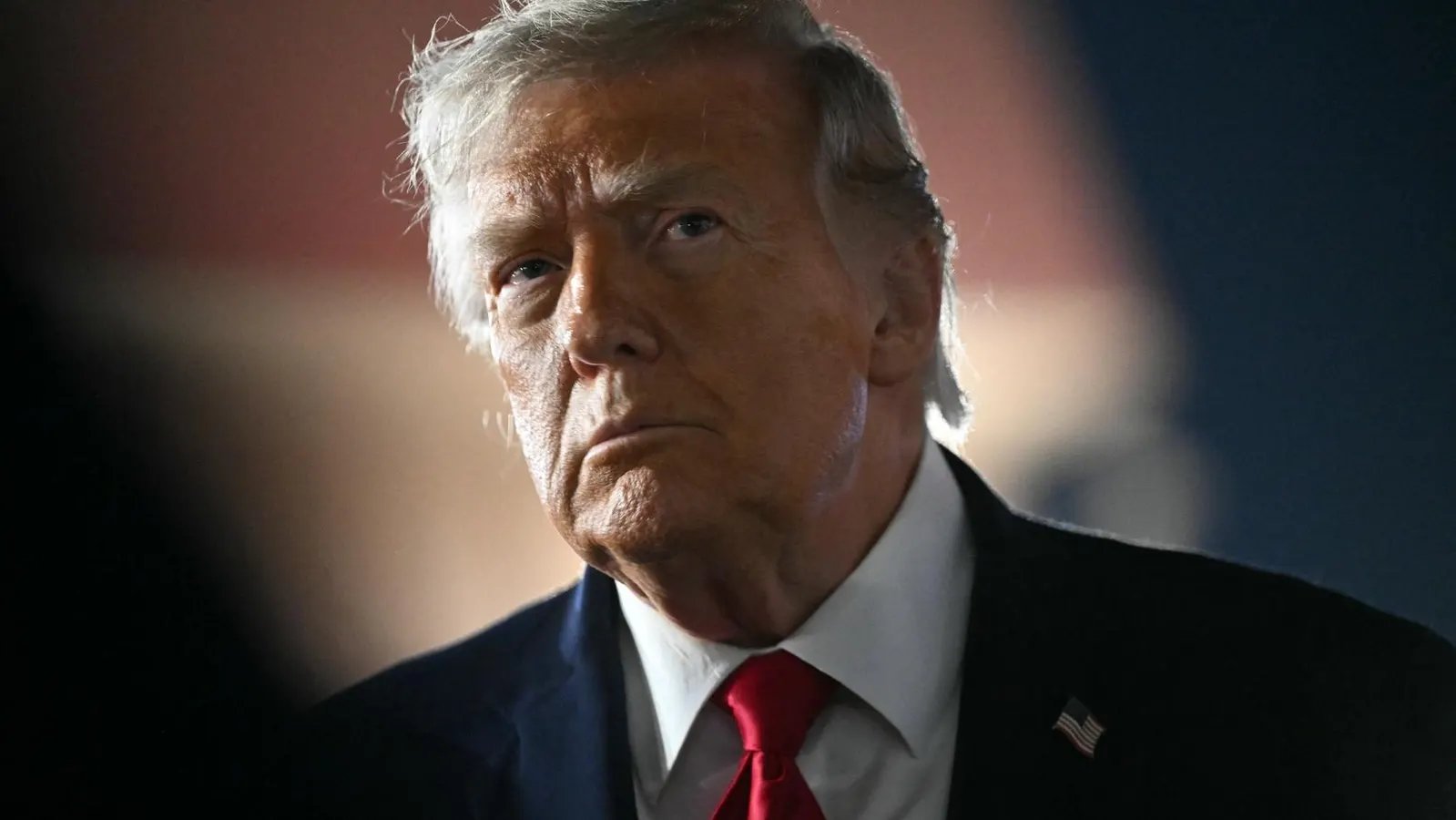
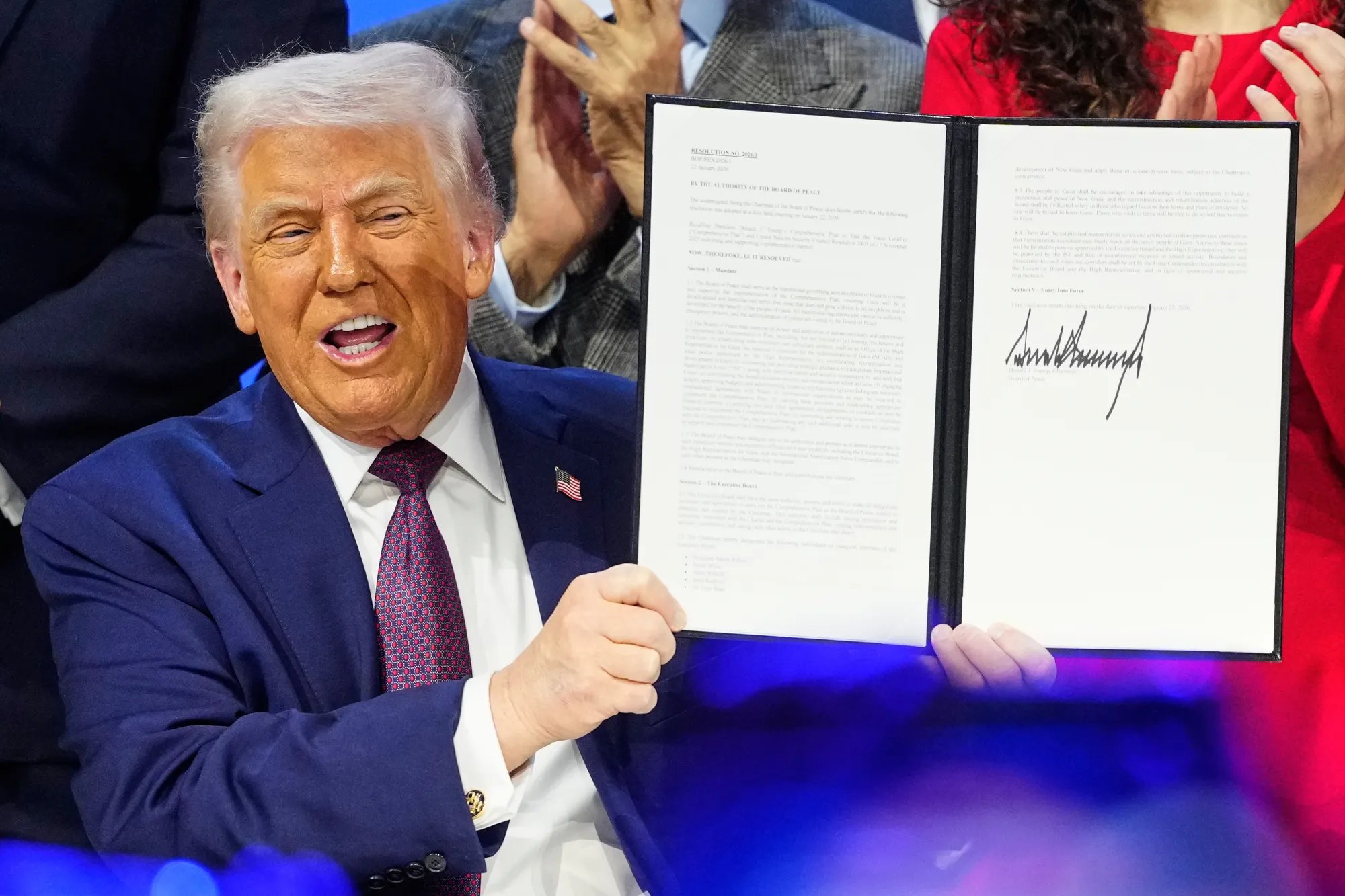
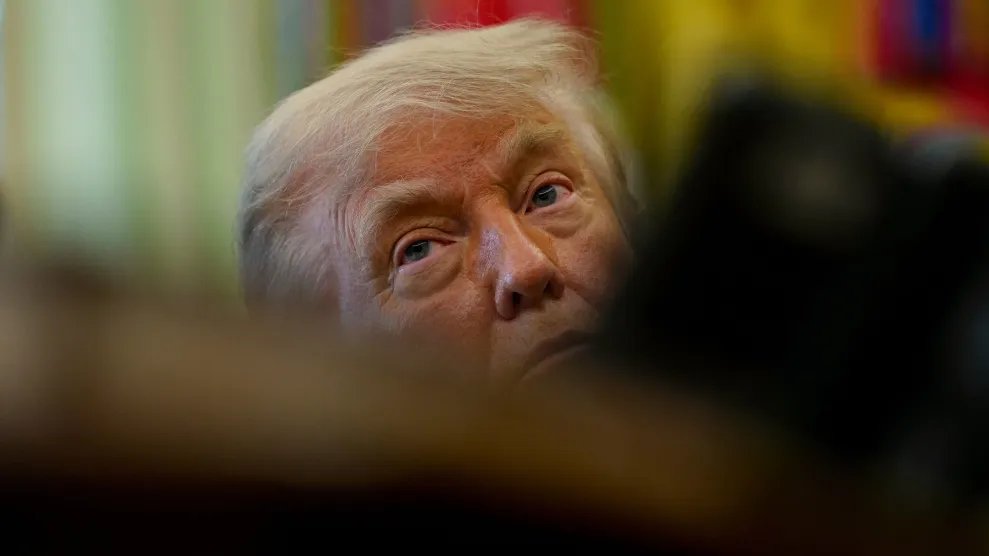
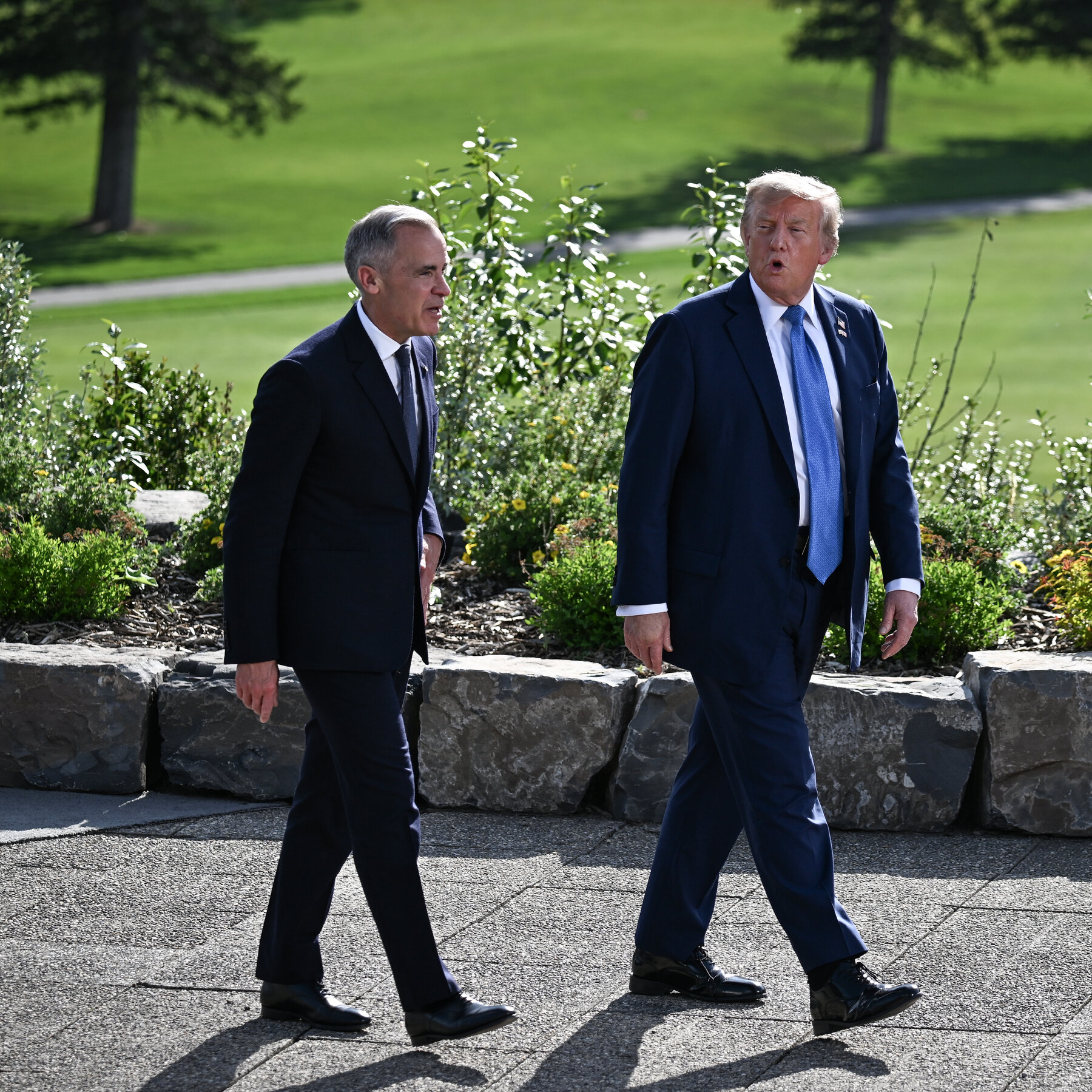
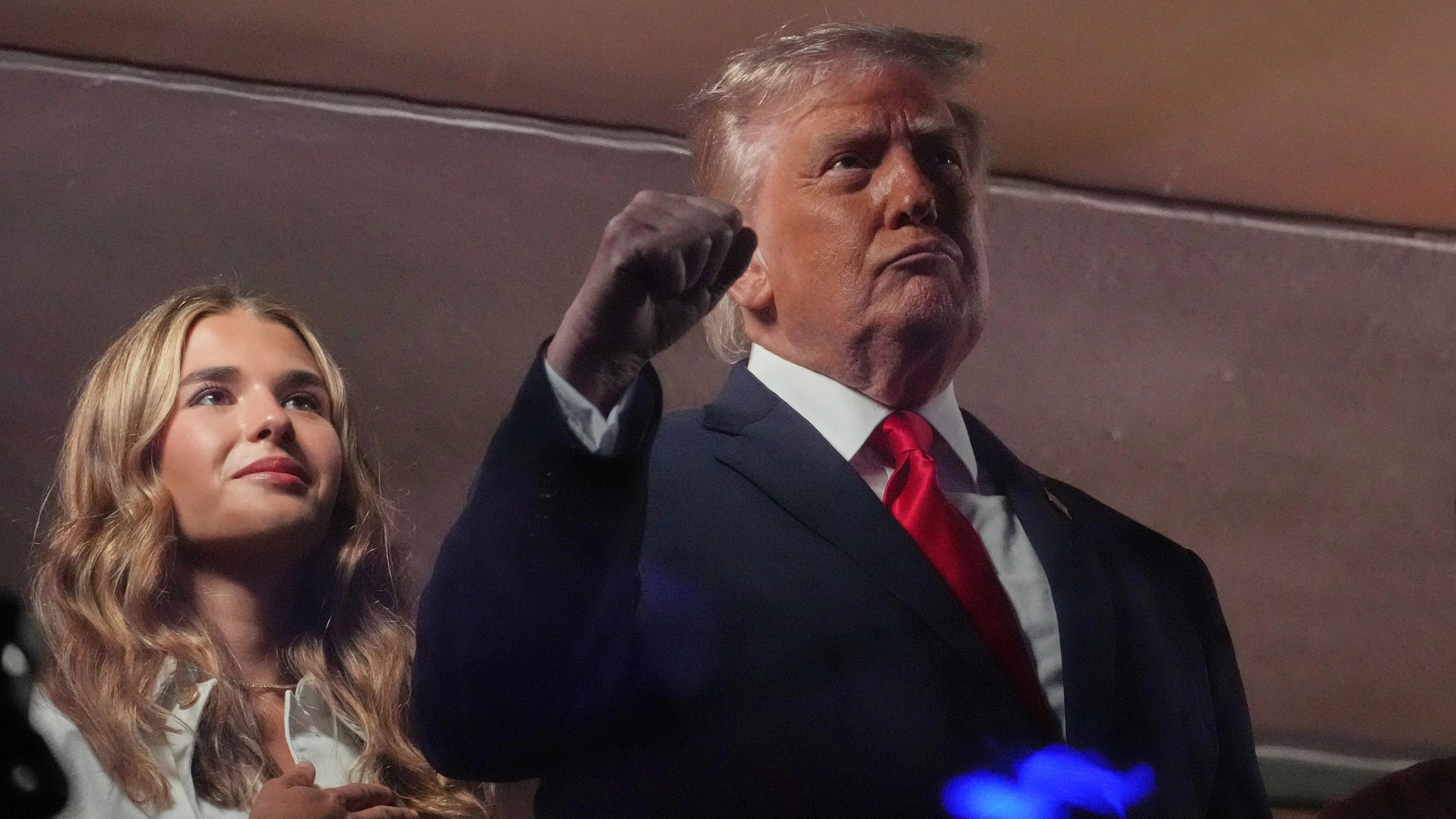
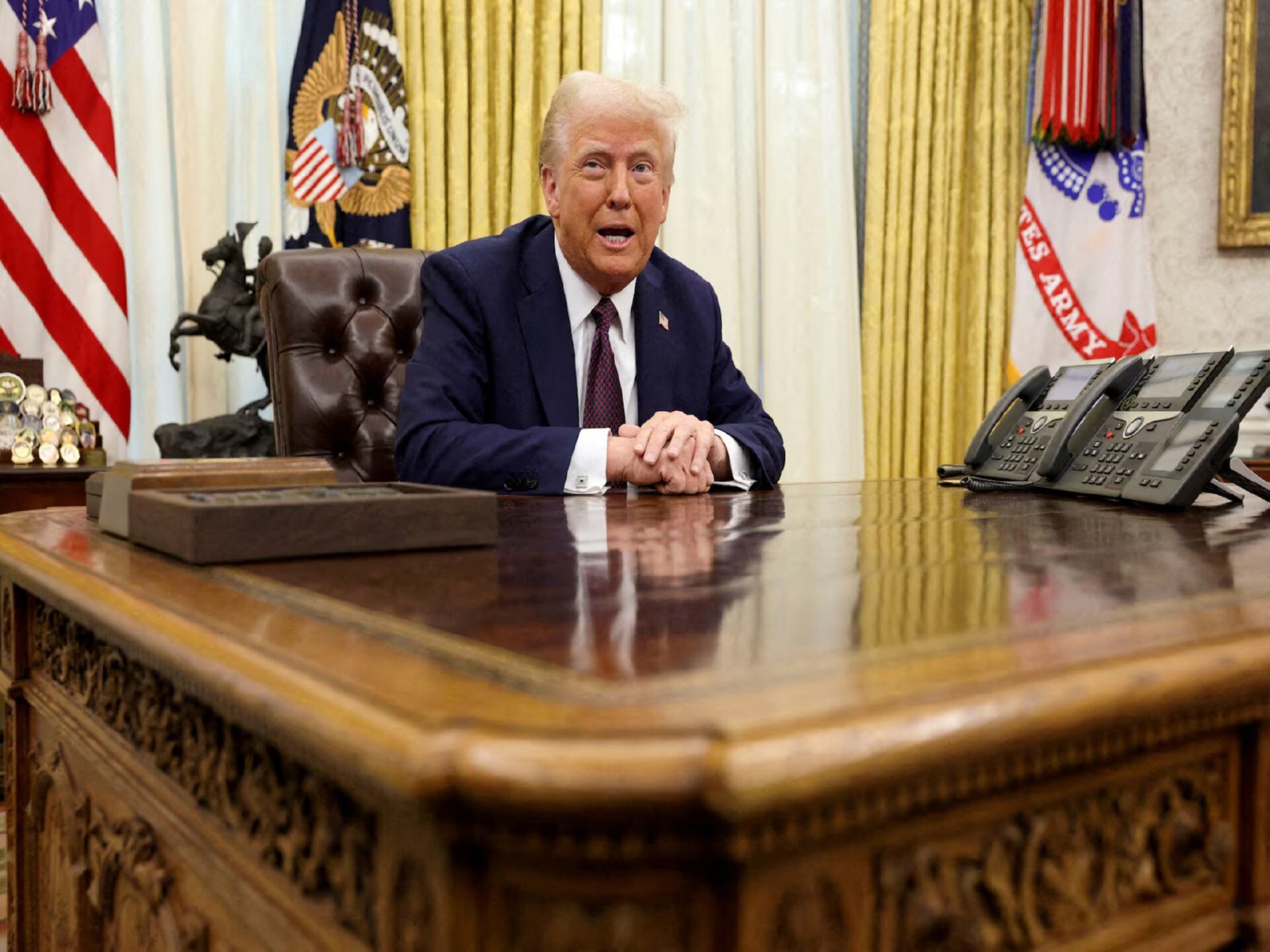
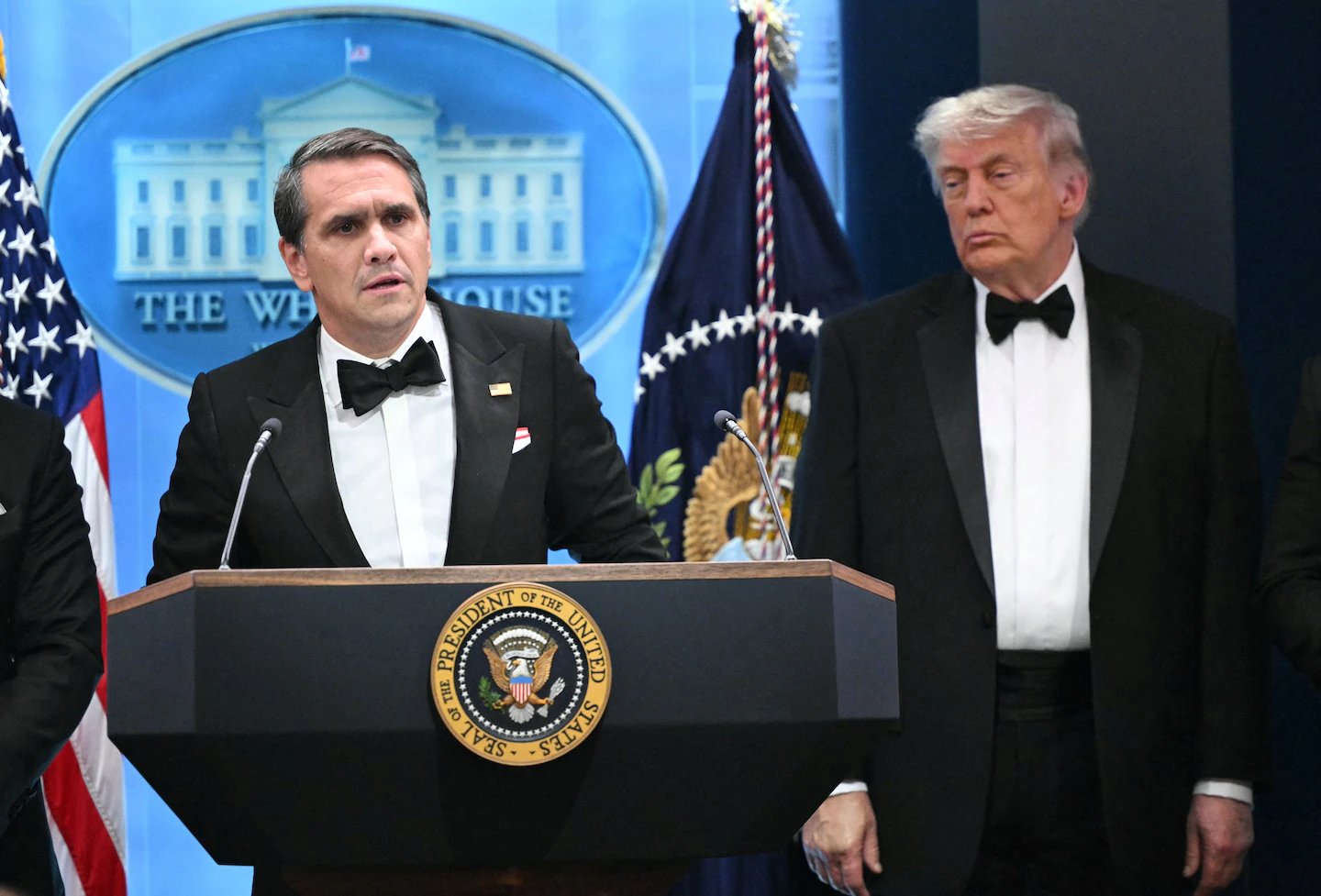
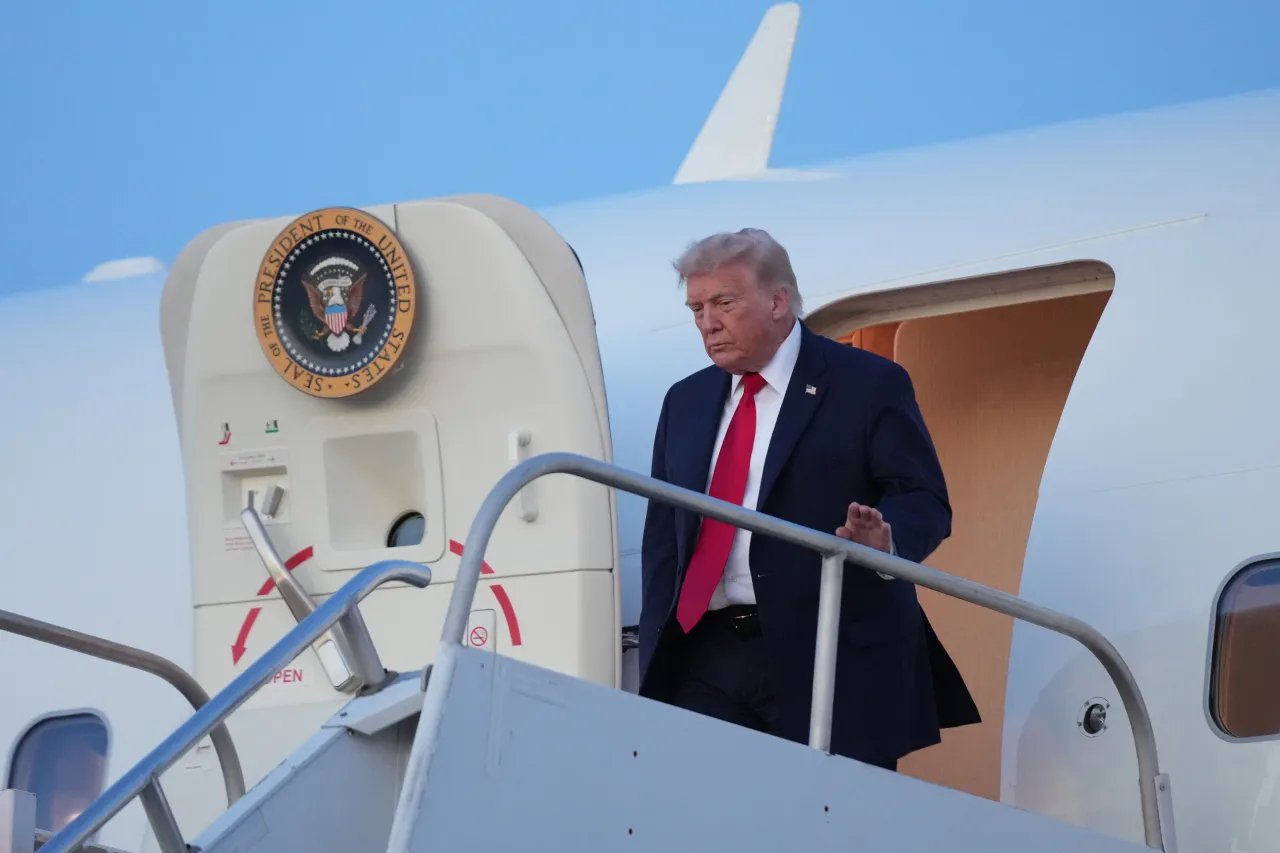
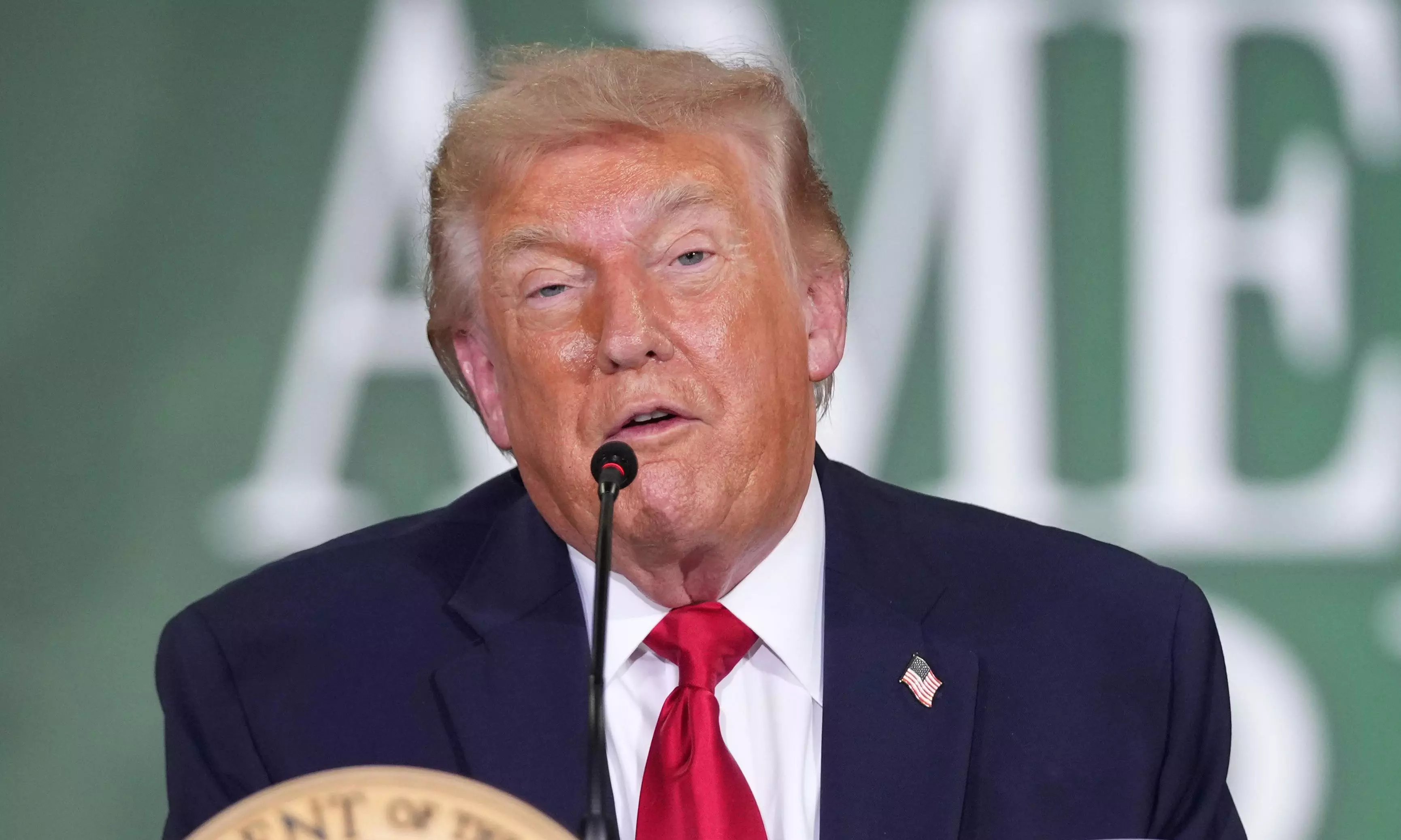
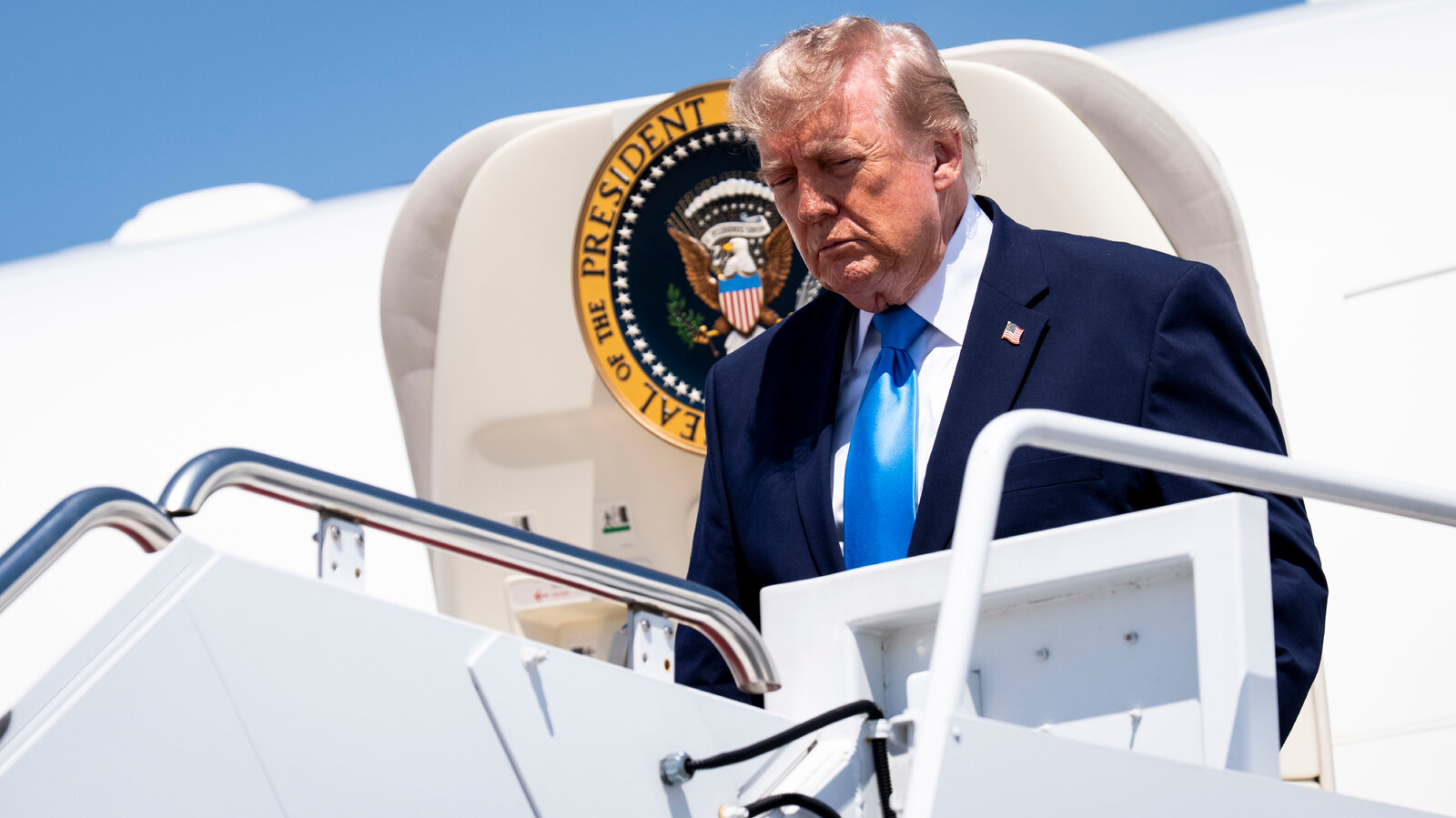
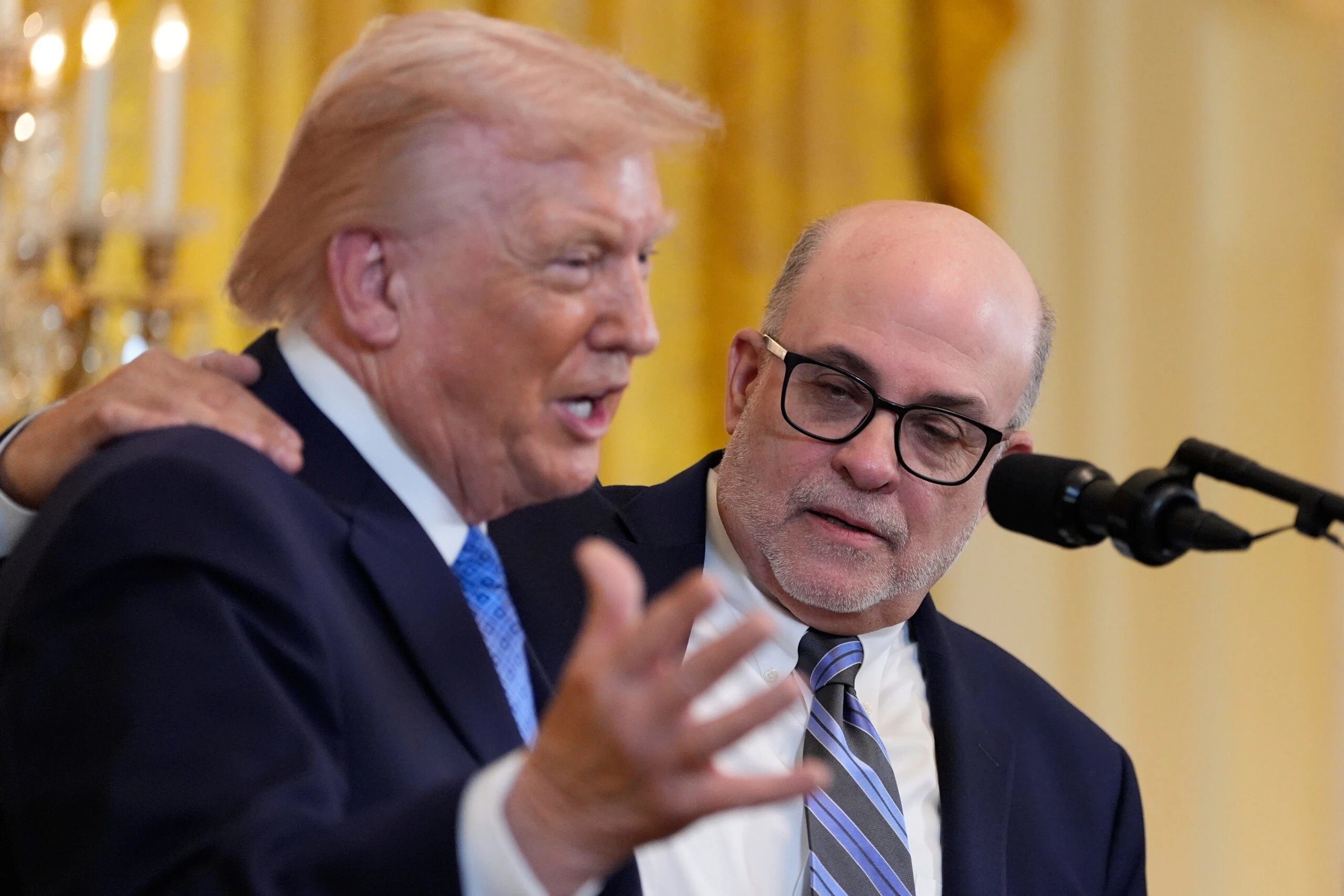
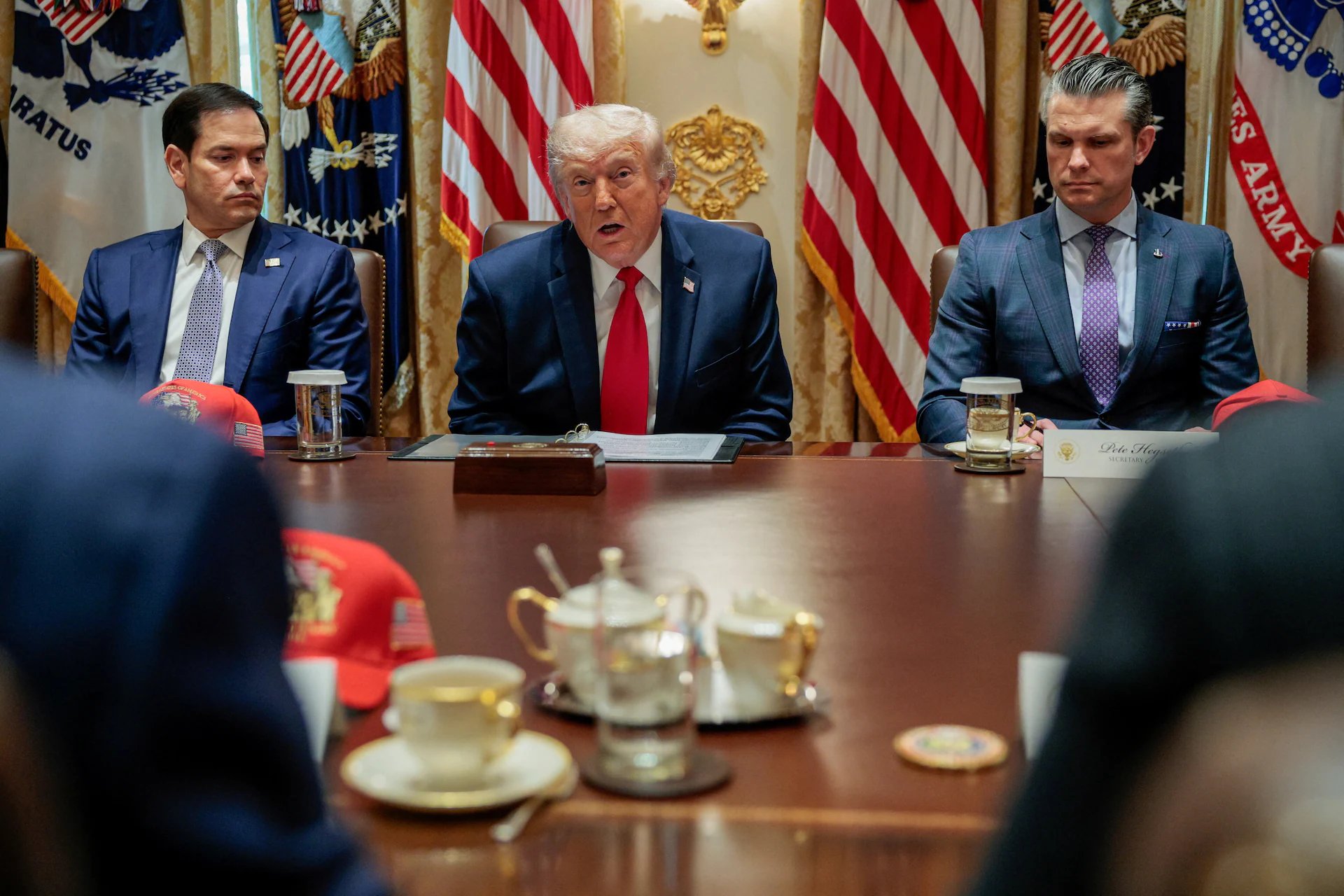
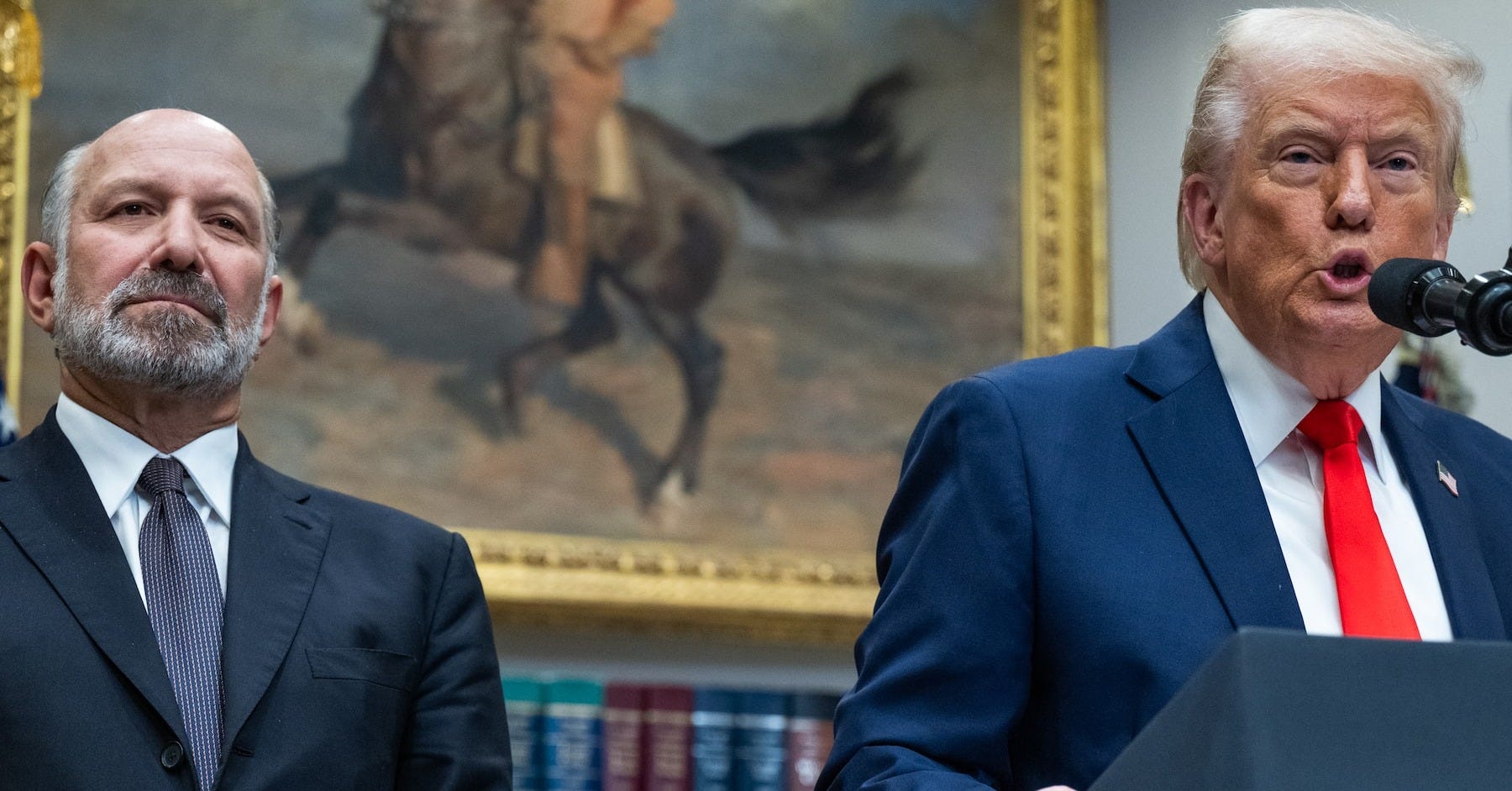
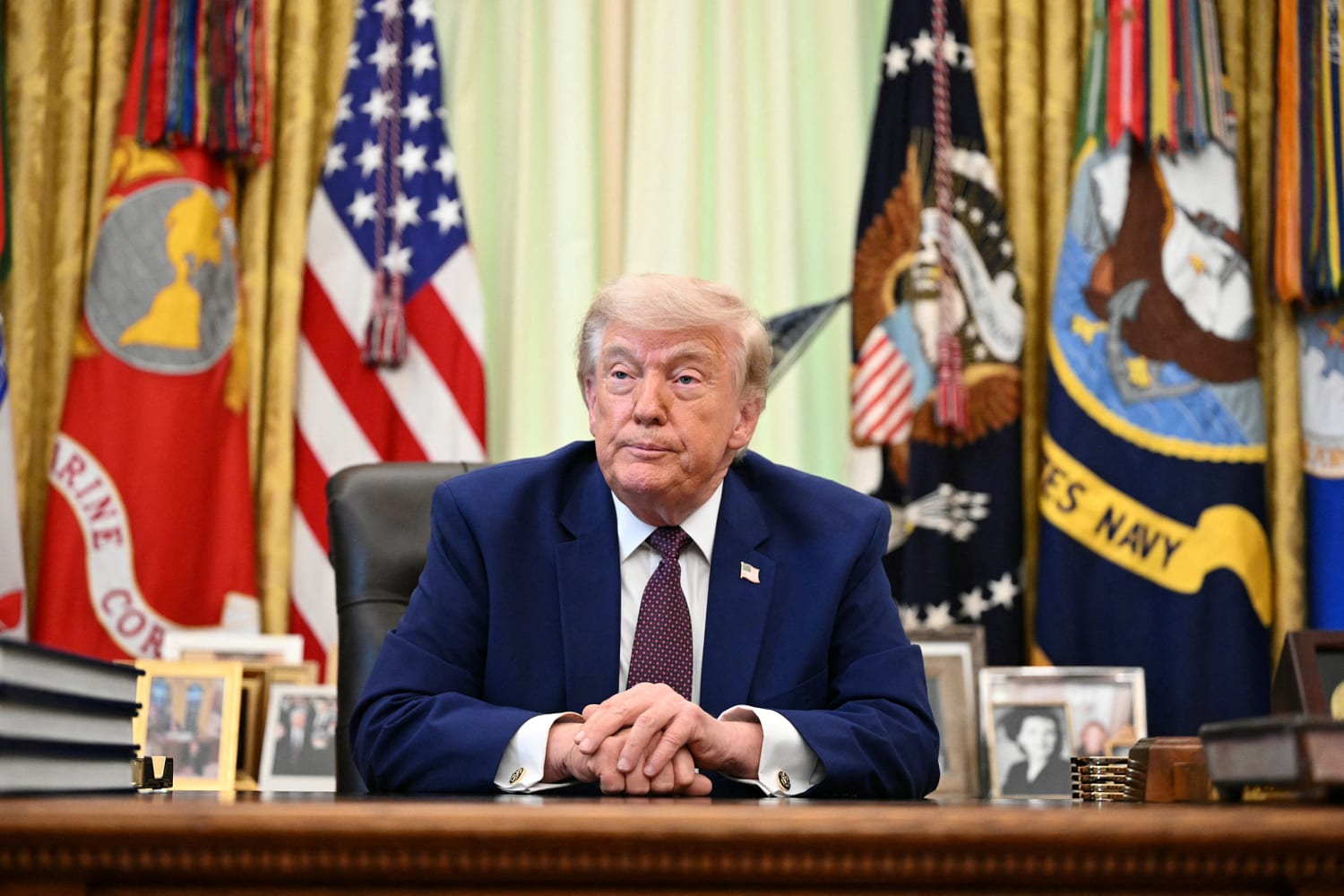
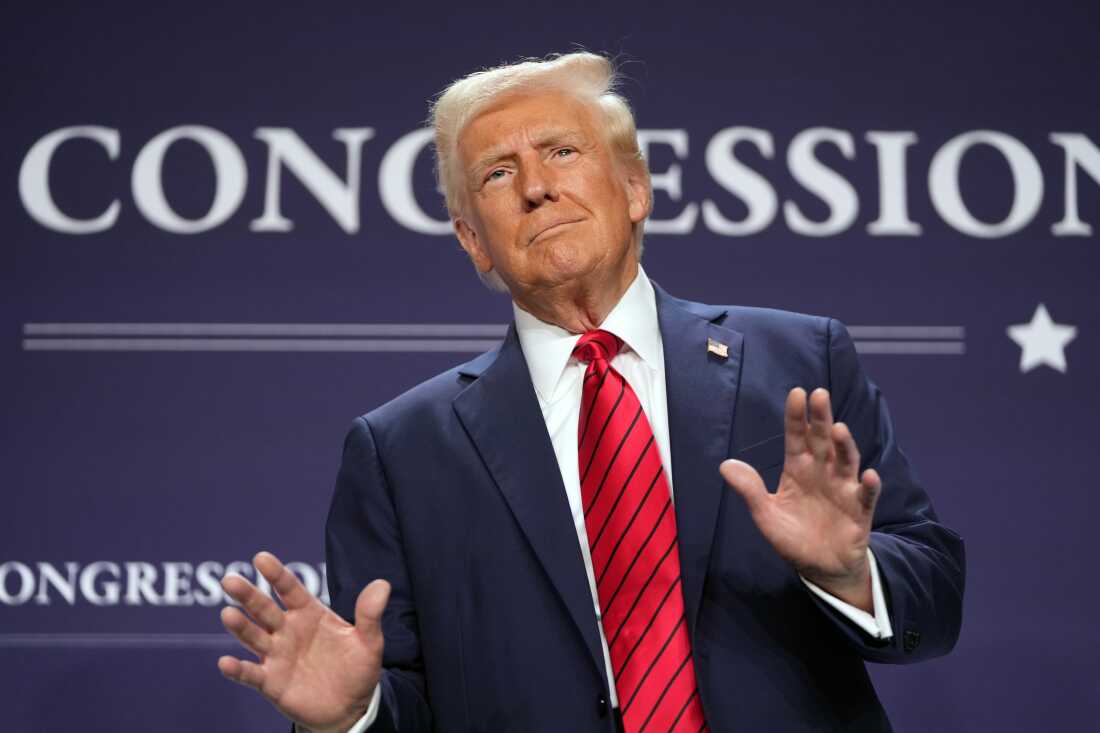
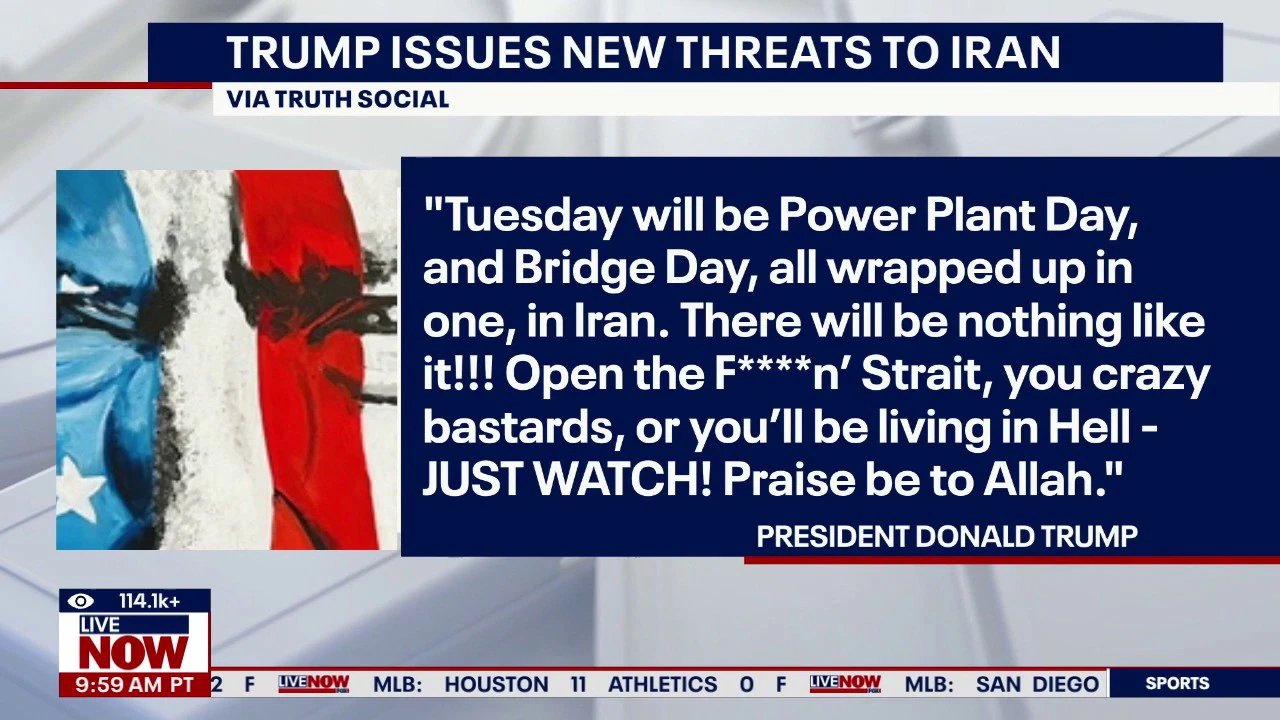
President Trump played a central role in brokering the agreement, having pressed both sides to reach a deal. On Monday, Trump announced a partial ceasefire after what he confirmed was an expletive-laden call with Israeli Prime Minister Benjamin Netanyahu. Trump told the New York Post's "Pod Force One" podcast that he was "a little bit perturbed" by Israel's fighting with Hezbollah in Lebanon and told Netanyahu, "we gotta stop this."
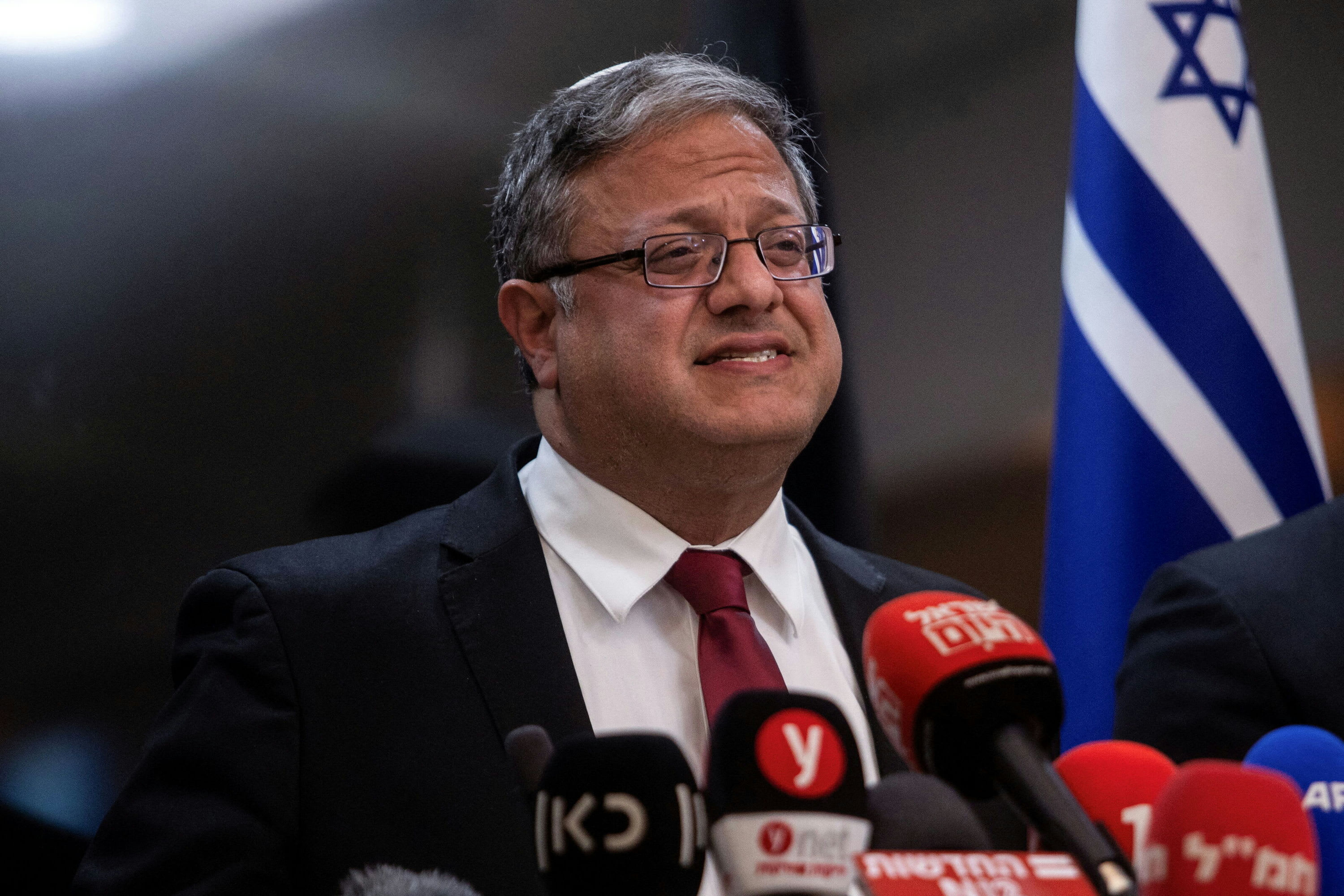
Axios reported that Trump had called Netanyahu "f***ing crazy" during the Monday conversation. Netanyahu later addressed the criticism in a CNBC interview, characterizing the exchange as typical disagreements. "Sometimes, as in the best of families, we have these tactical disagreements. We always find a way to work them out," Netanyahu said, adding that he and Trump "always find a way to work out our differences."
Hezbollah's uncertain compliance
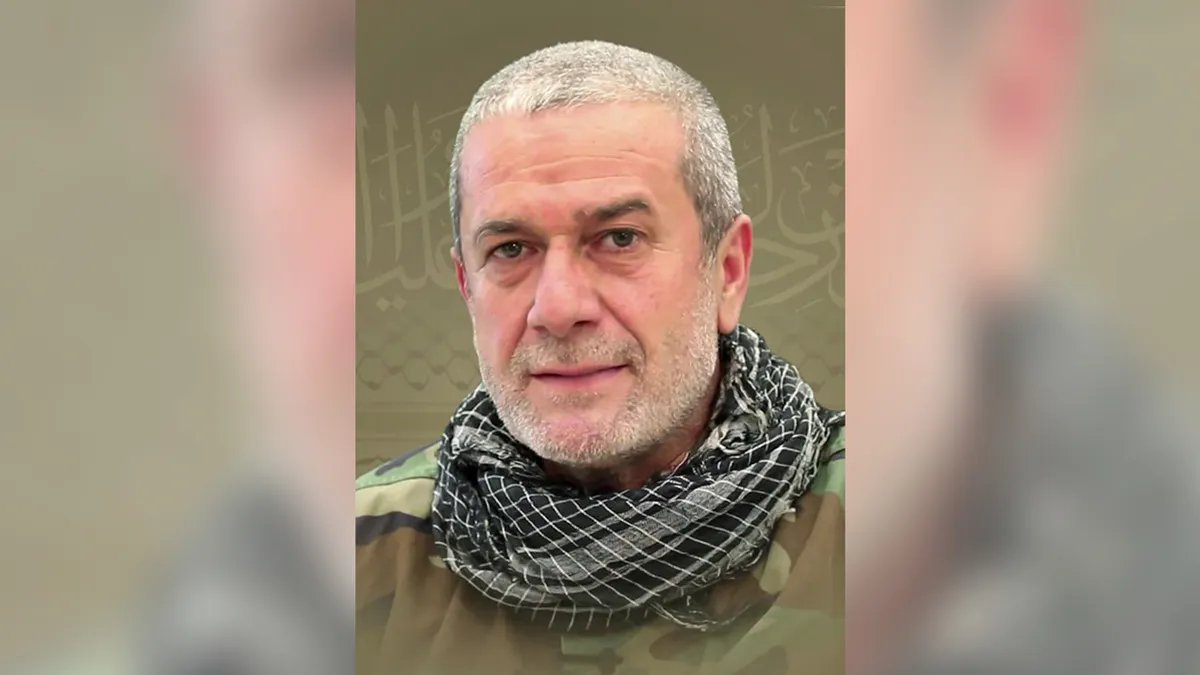
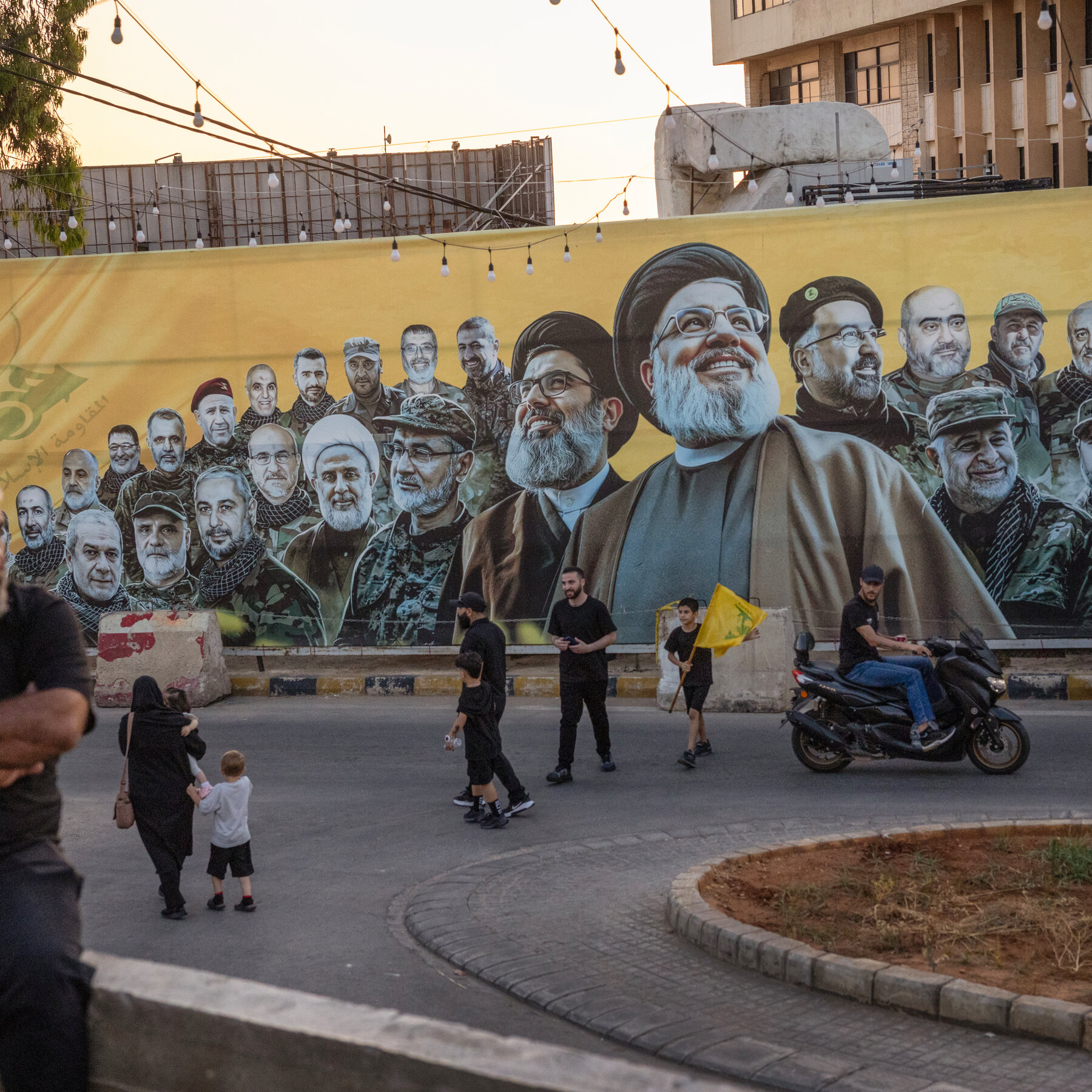
Hezbollah has not been party to the Israel-Lebanon negotiations and has not officially commented on the new agreement. A member of Hezbollah's political council, Mahmoud Qamati, told the BBC the group rejected the talks on principle, though Hezbollah has not issued an official statement on the agreement. "We think these negotiations do not concern us, nor do we recognise their findings or decisions, because we have rejected them on principle," Qamati said.
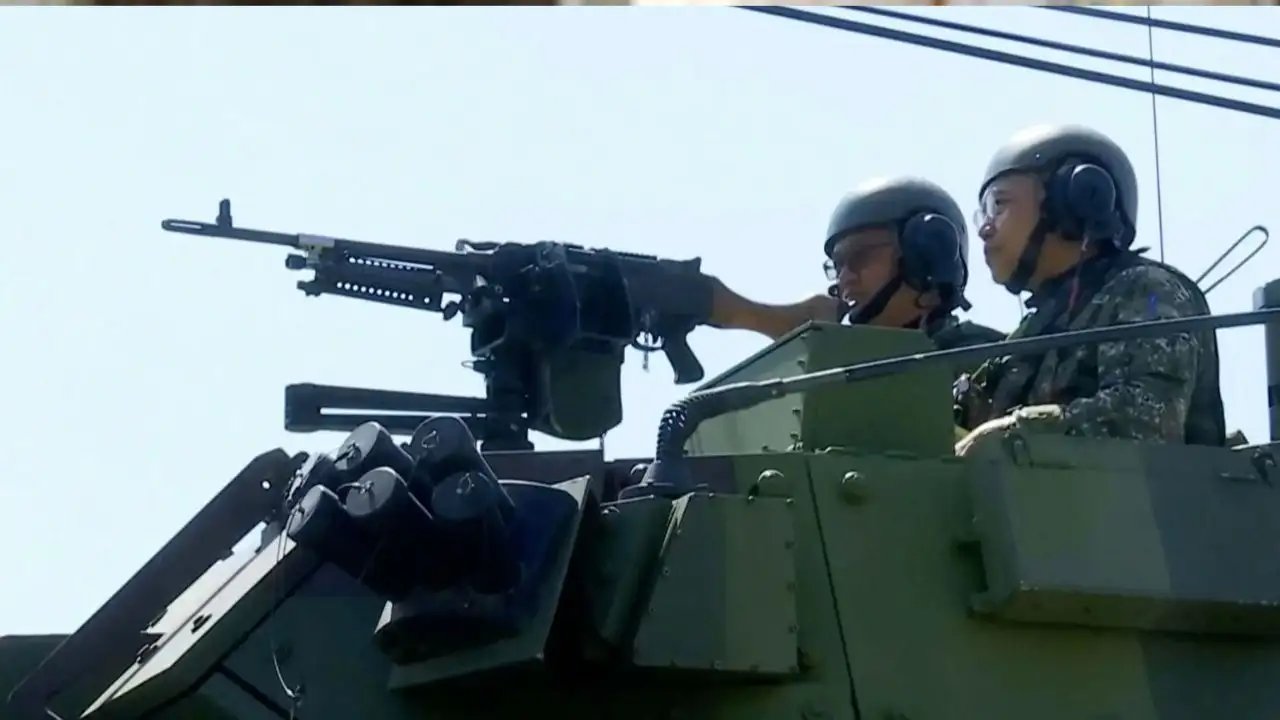
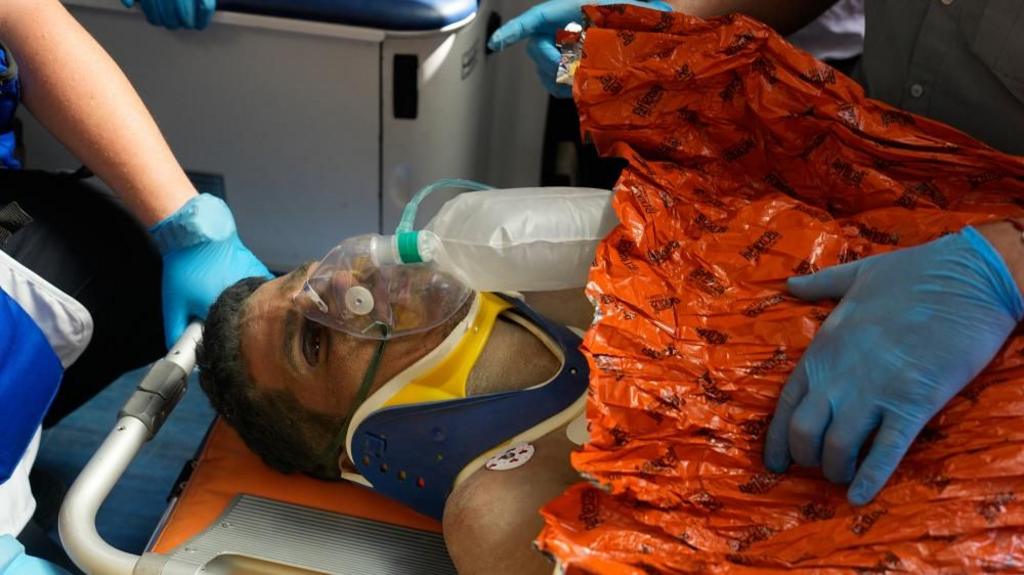
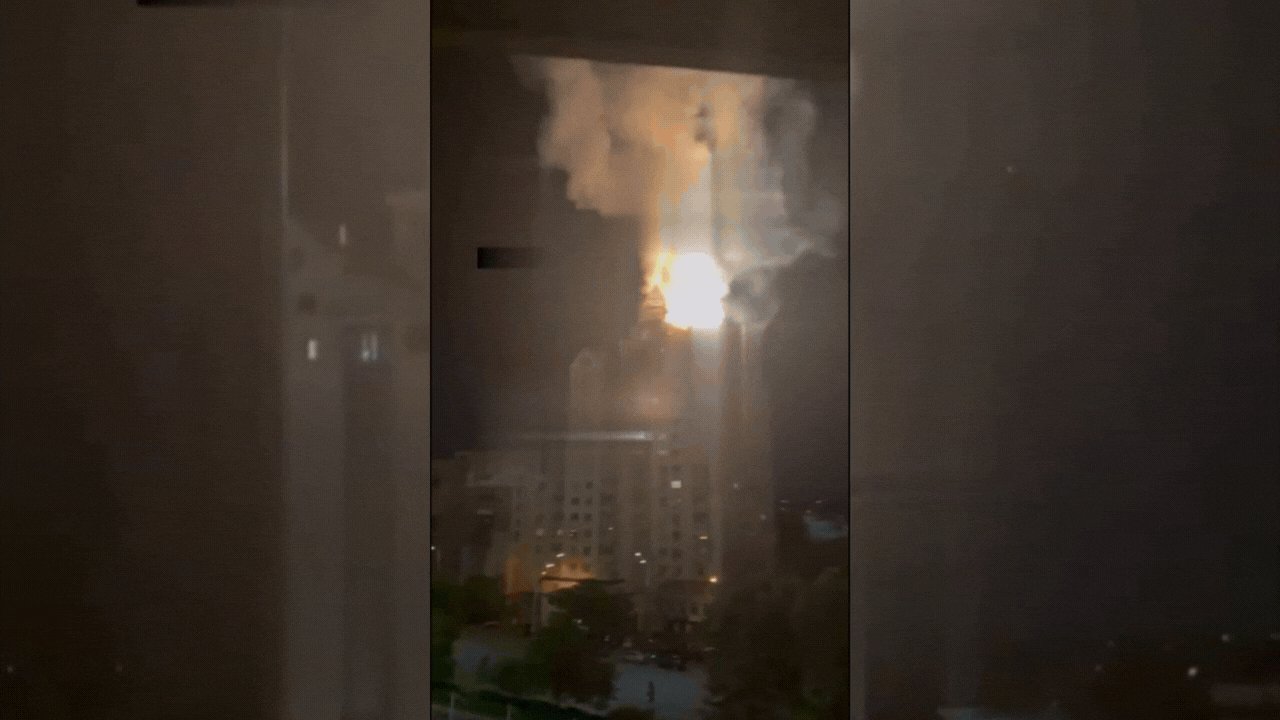
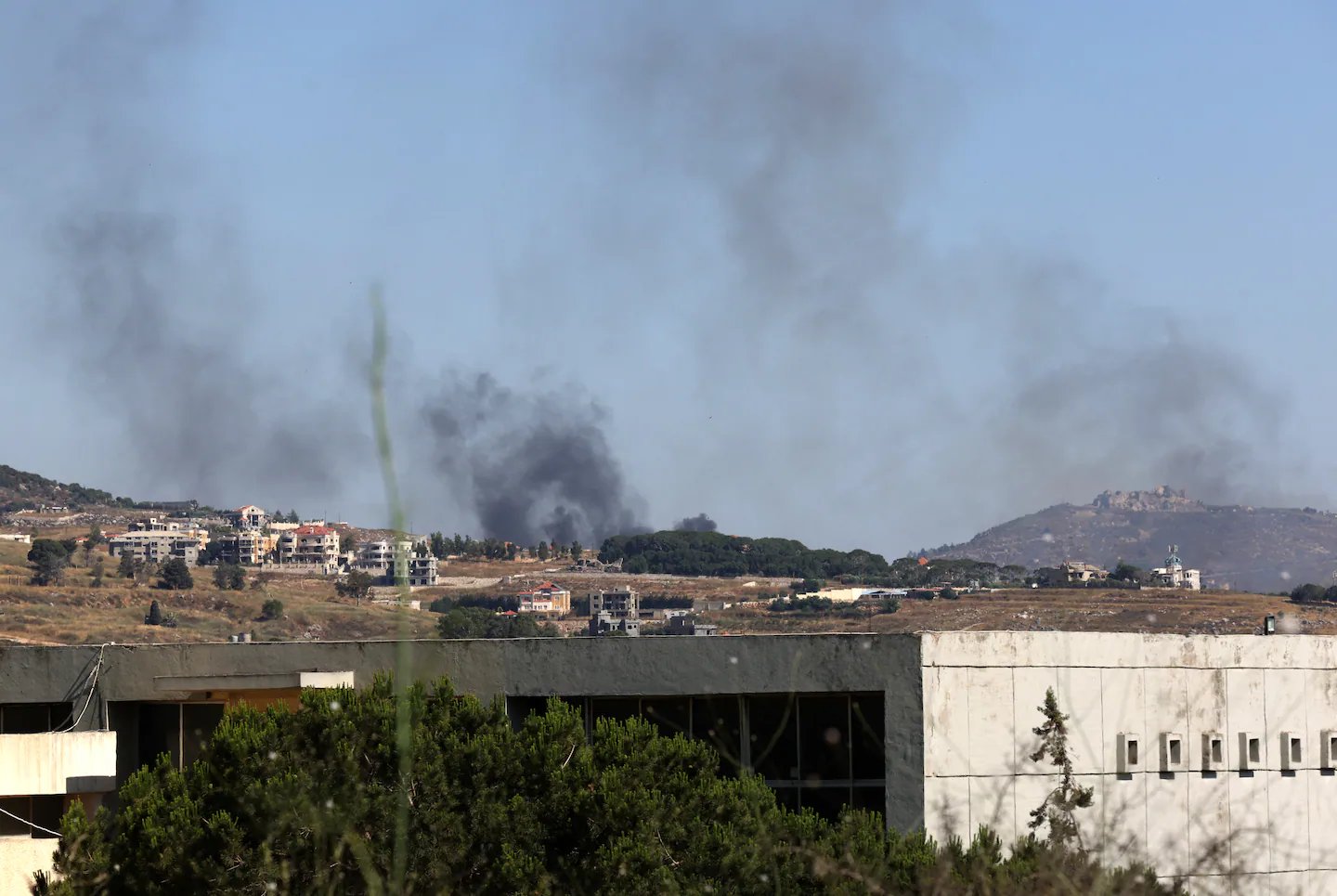
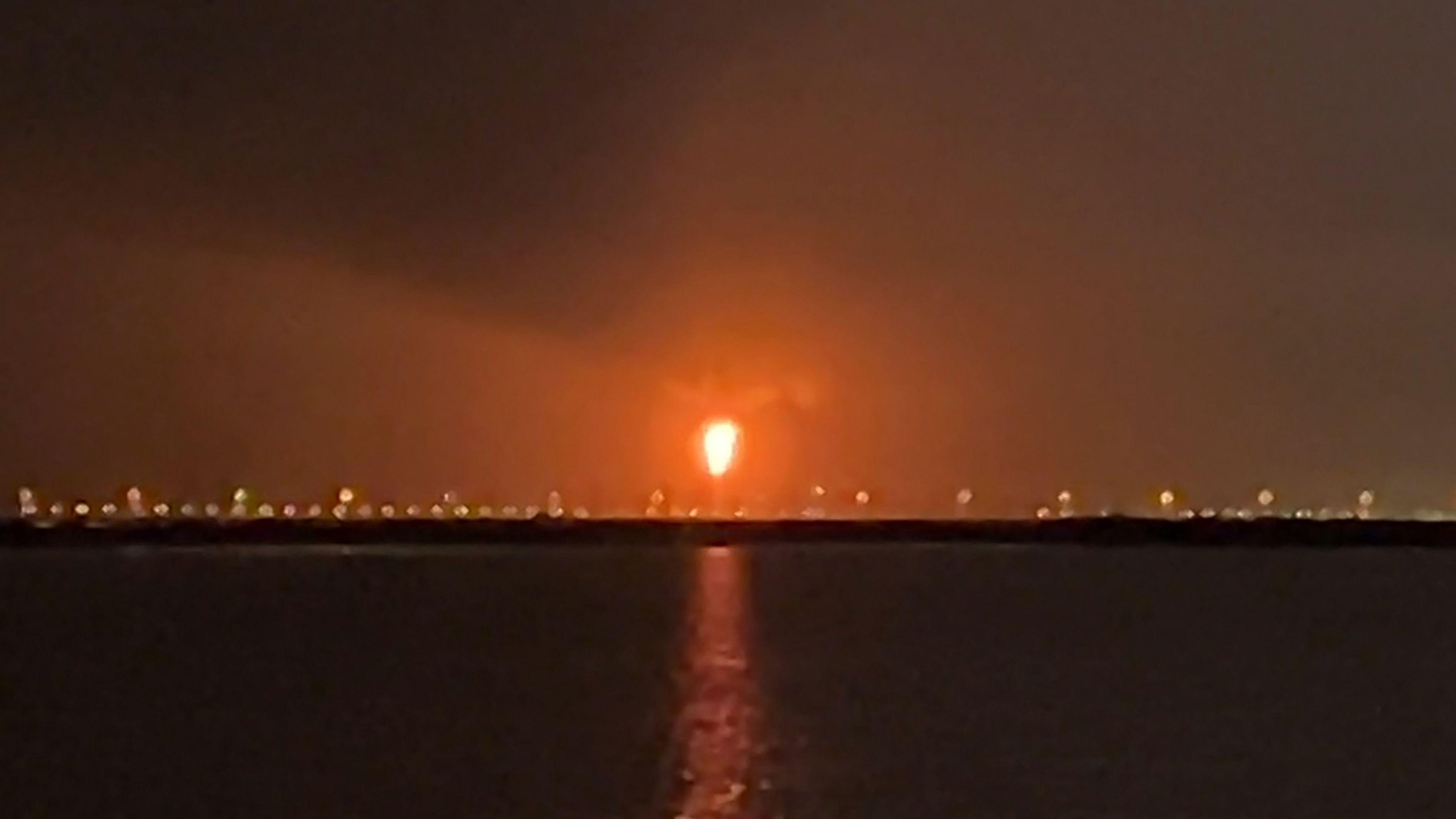
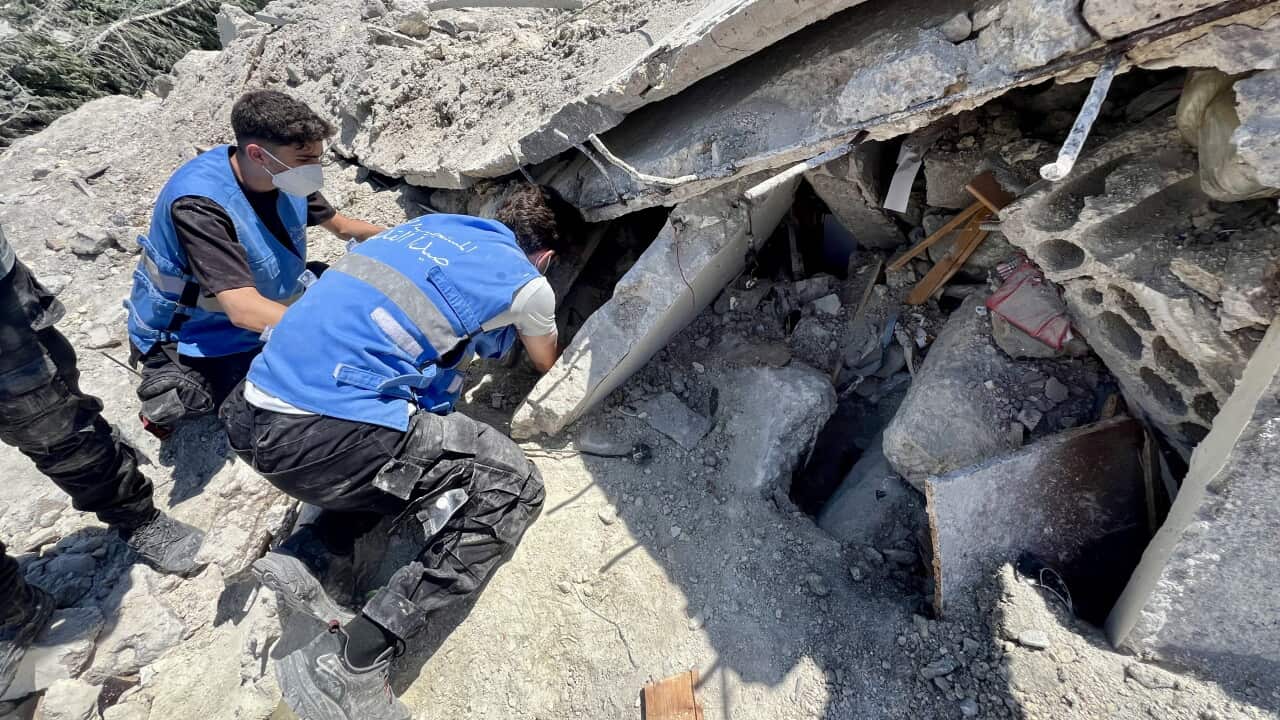
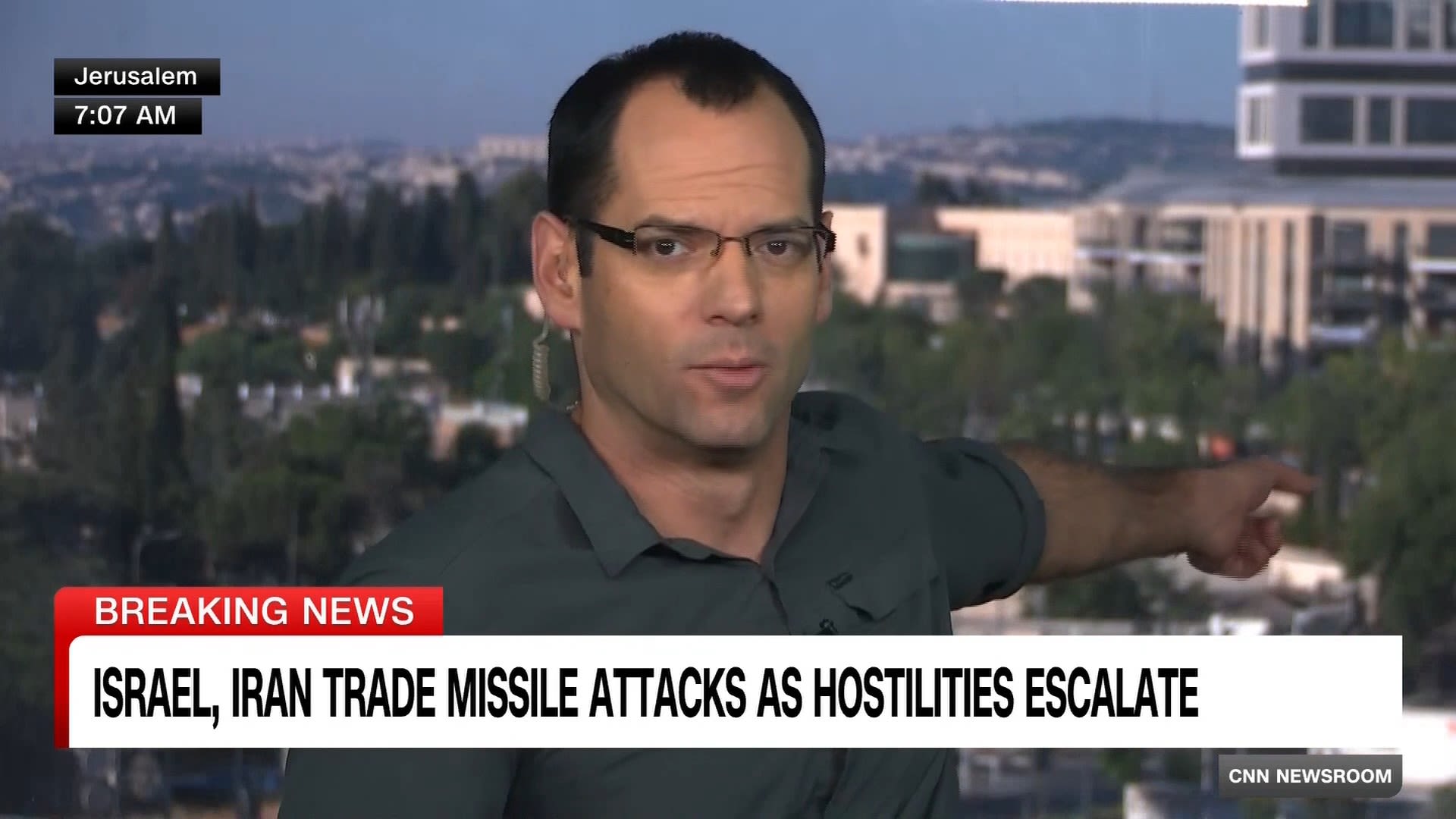
The partial ceasefire announced Monday was tested almost immediately. Despite Israel's commitment to avoid bombing Beirut's southern suburbs in exchange for Hezbollah halting attacks, both sides traded fire within 24 hours. On Wednesday, Israeli strikes killed at least nine people in southern Lebanon, including two paramedics whose ambulance was hit in the Chehour area. Hezbollah responded by firing rockets into northern Israel.
Iran's demands and regional stability
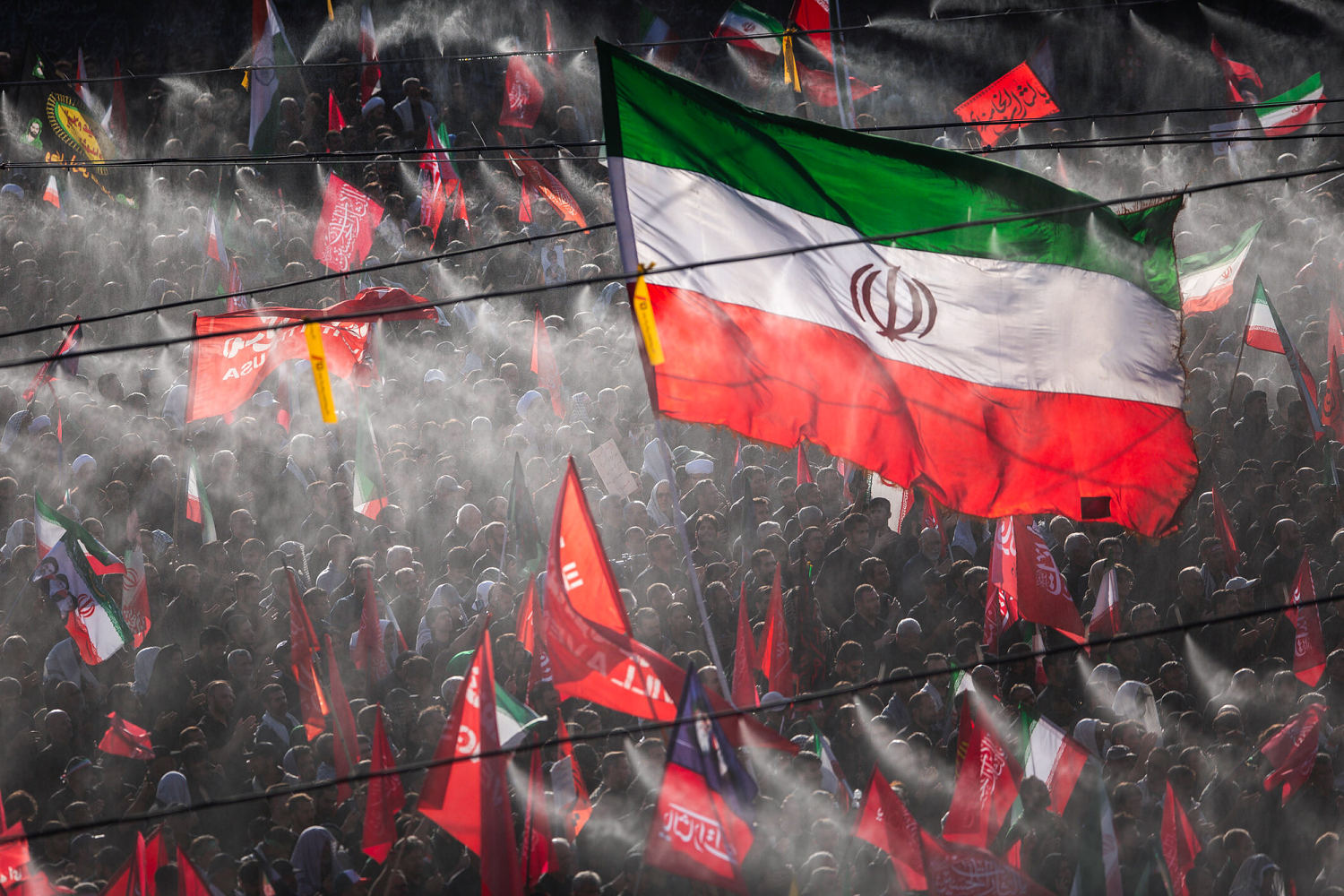
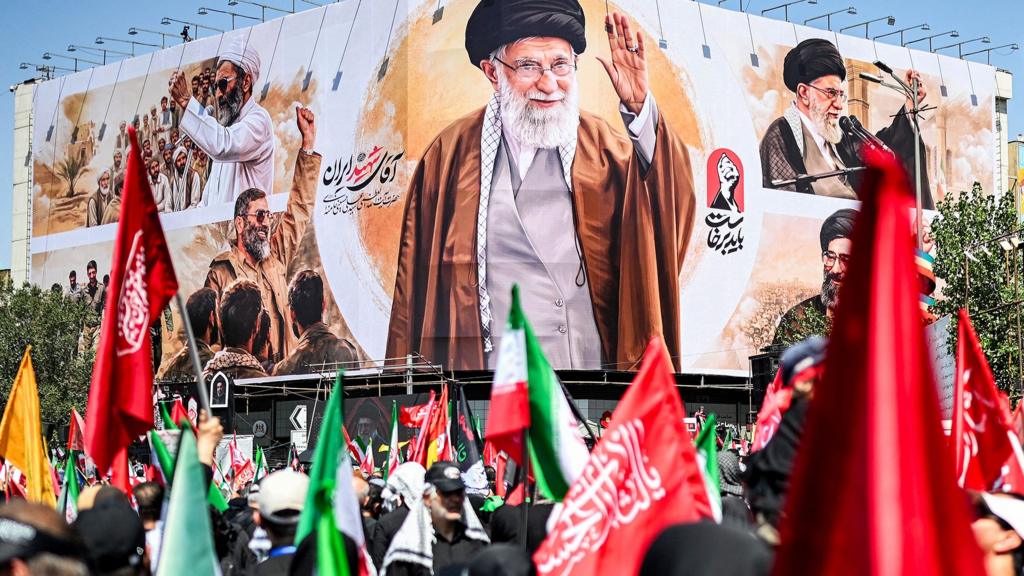
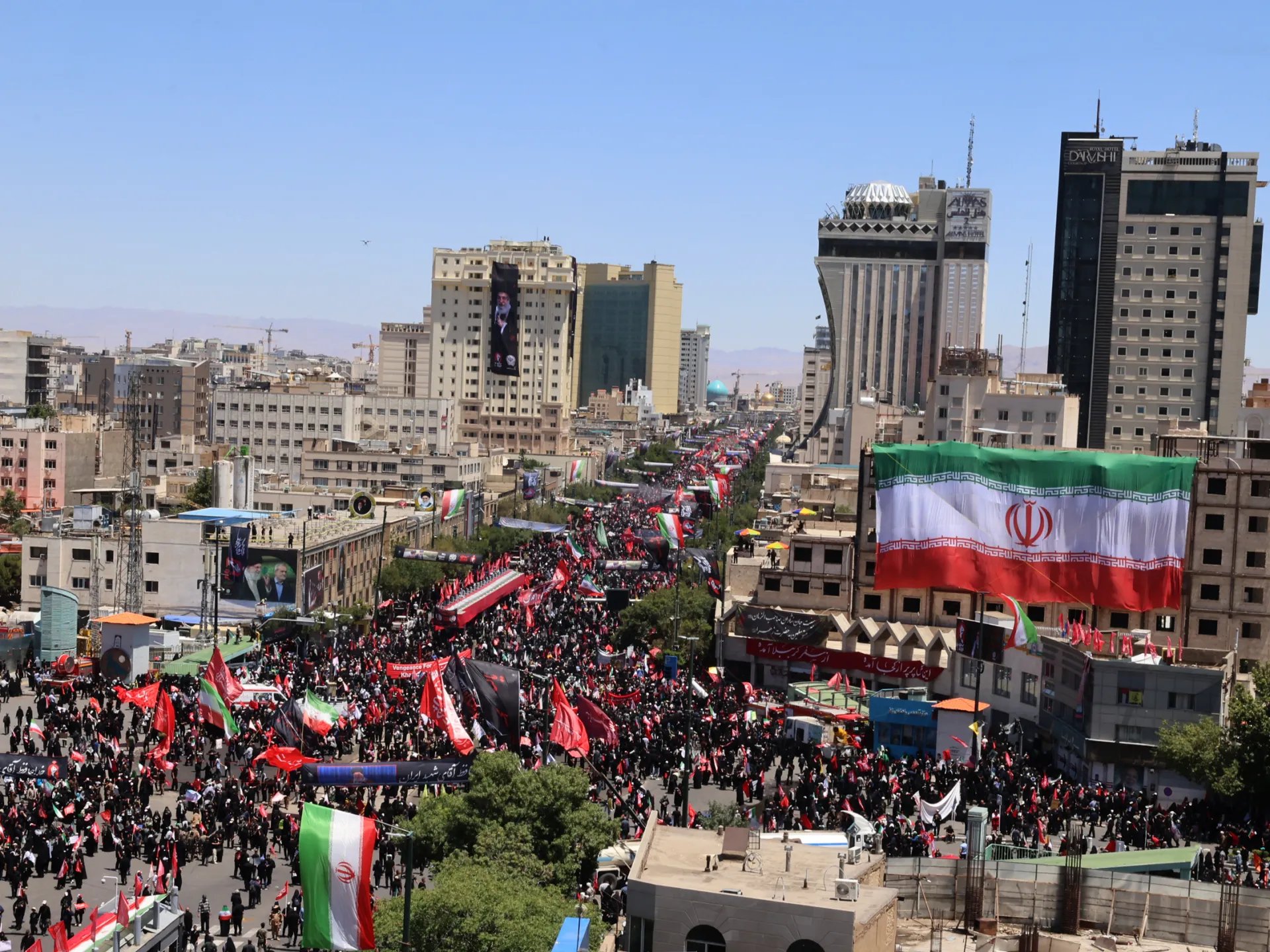
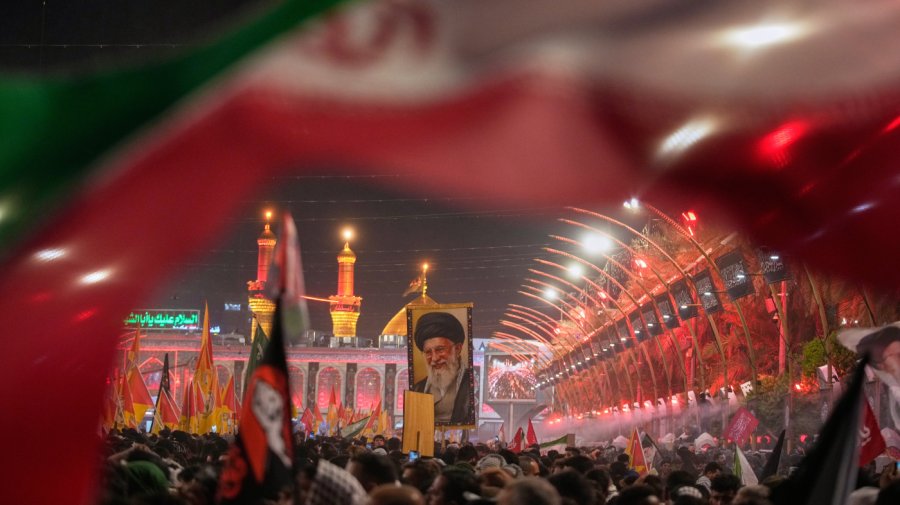
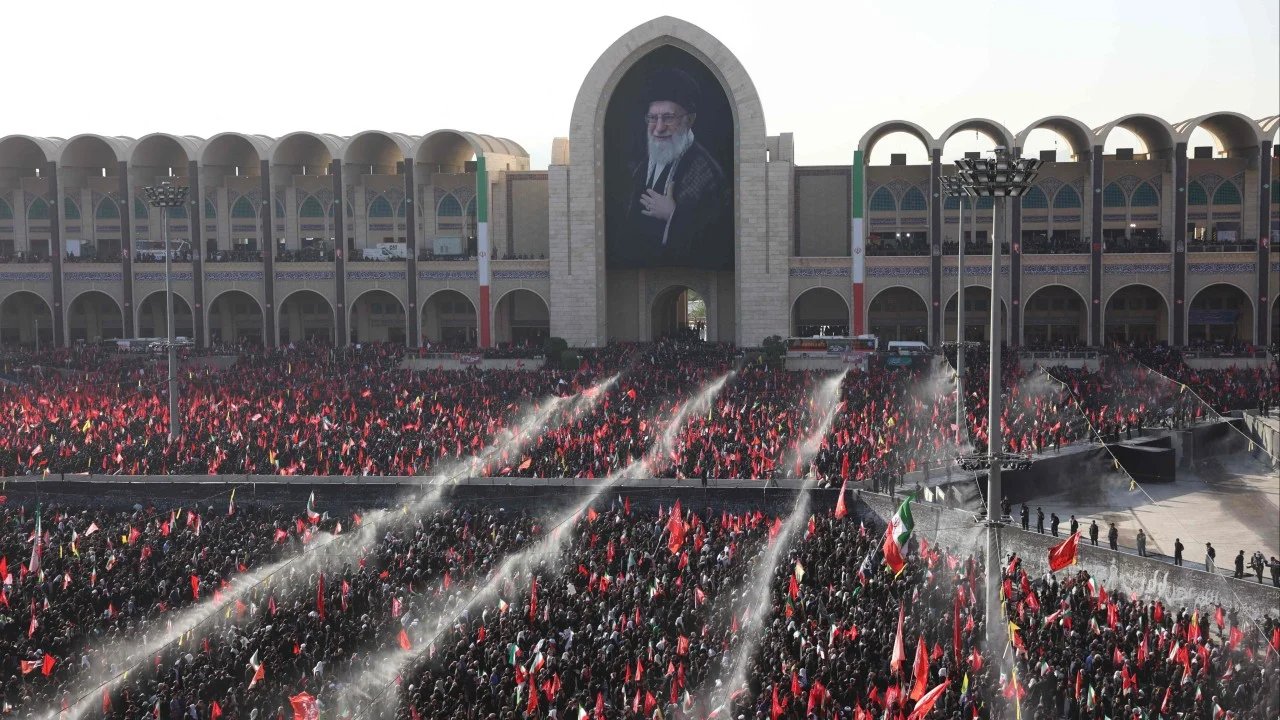
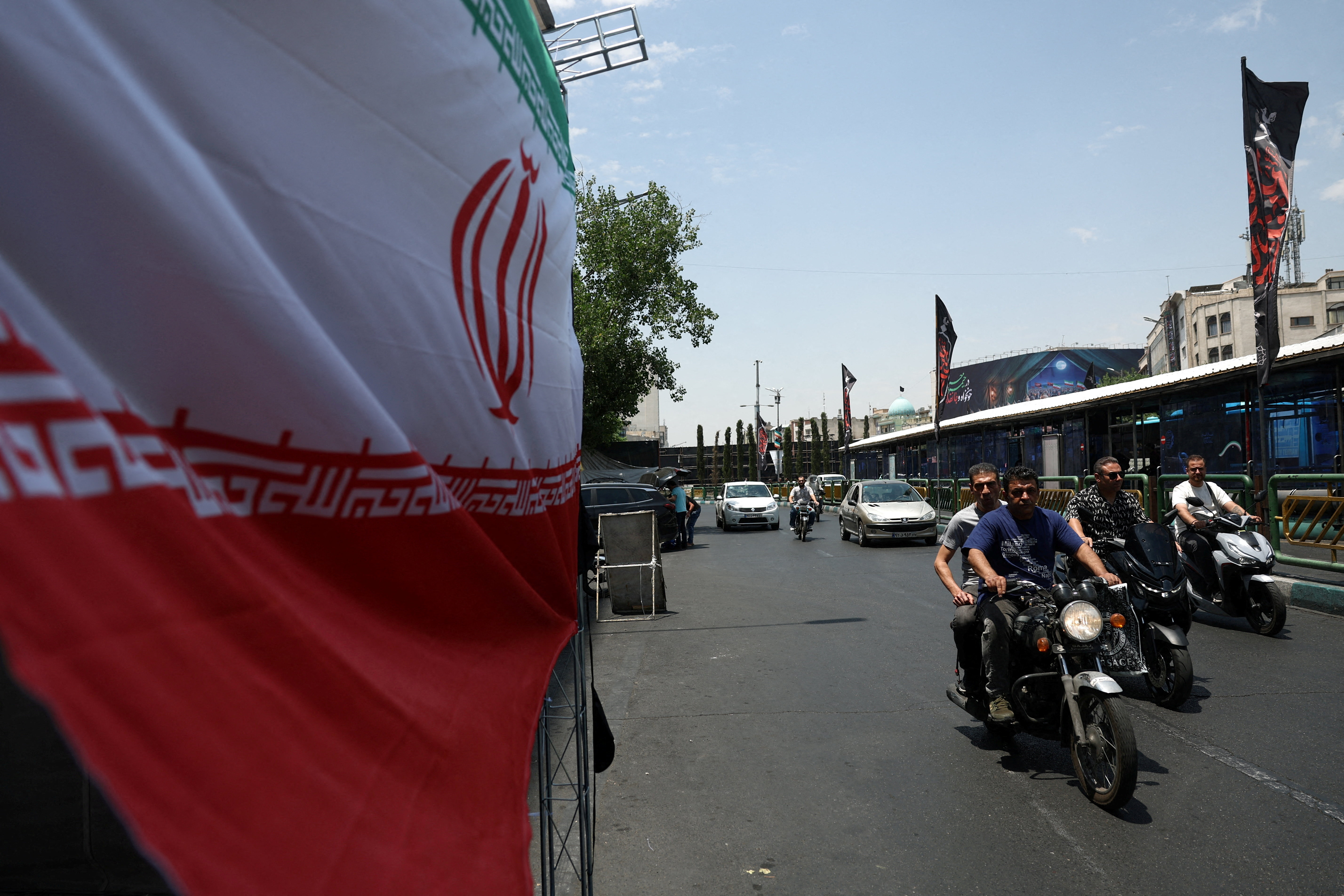
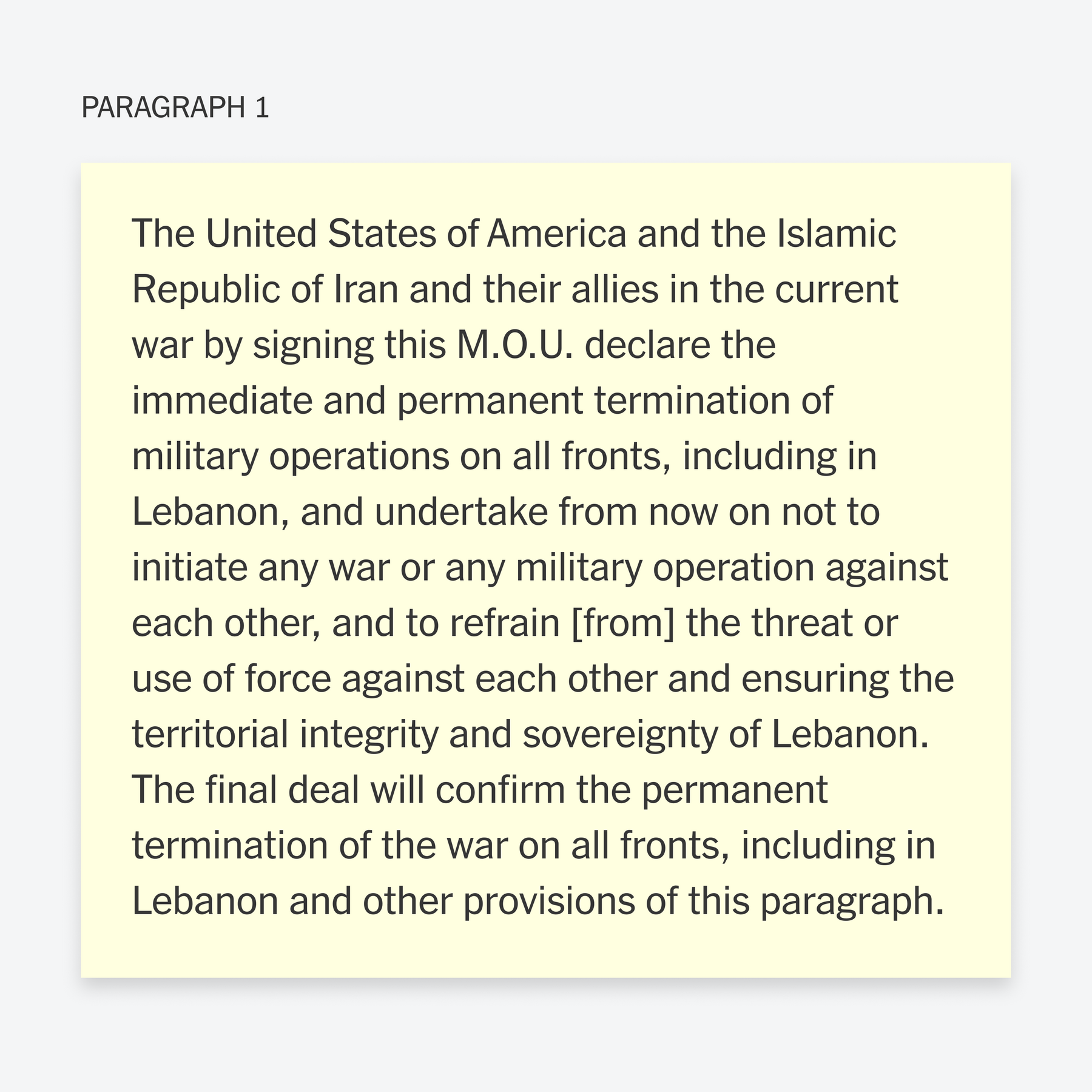
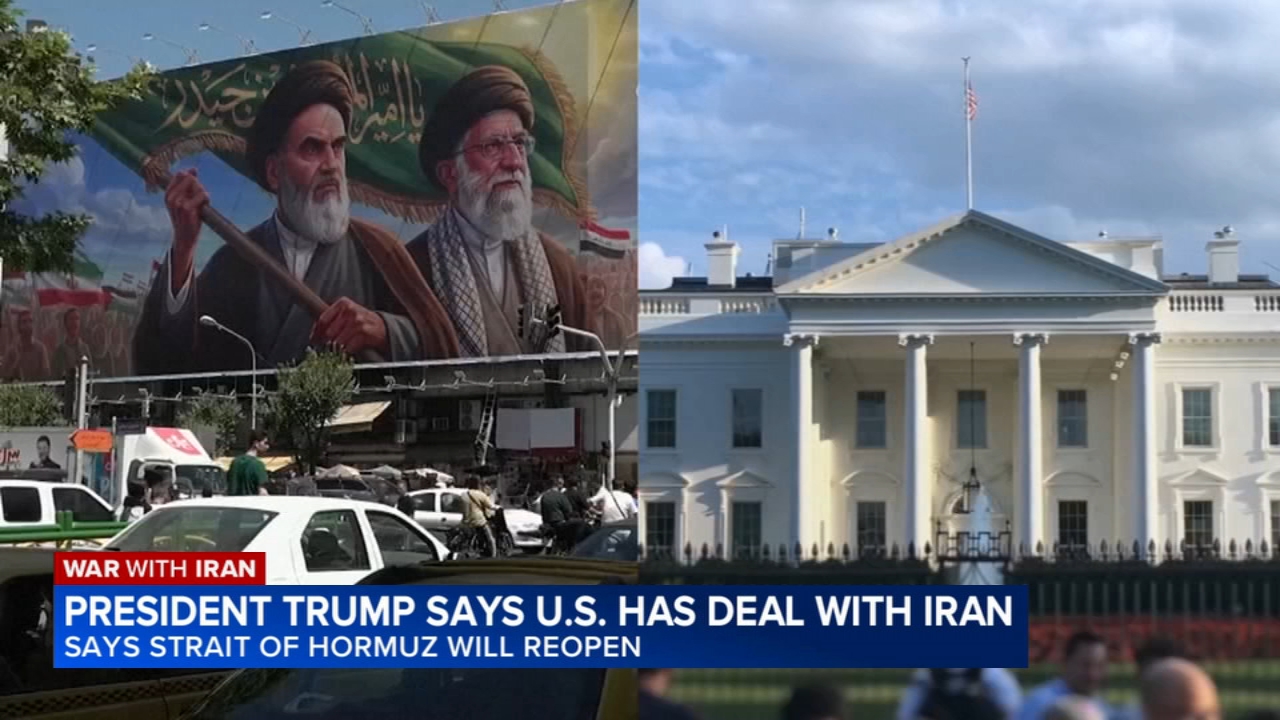
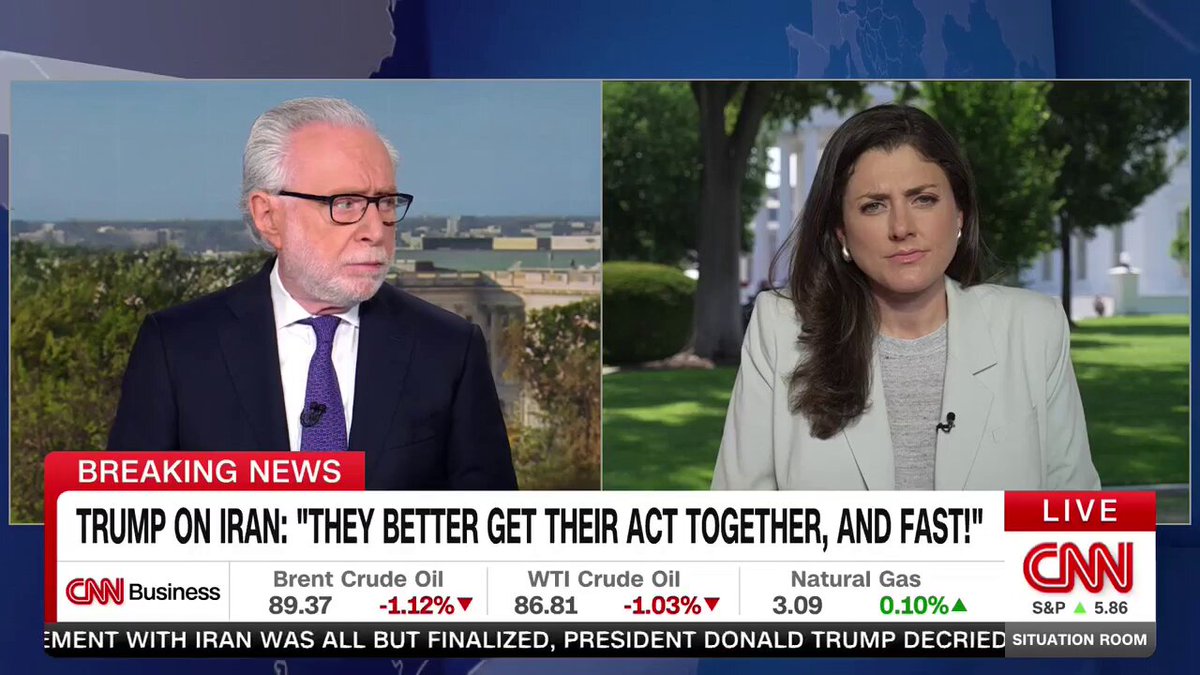
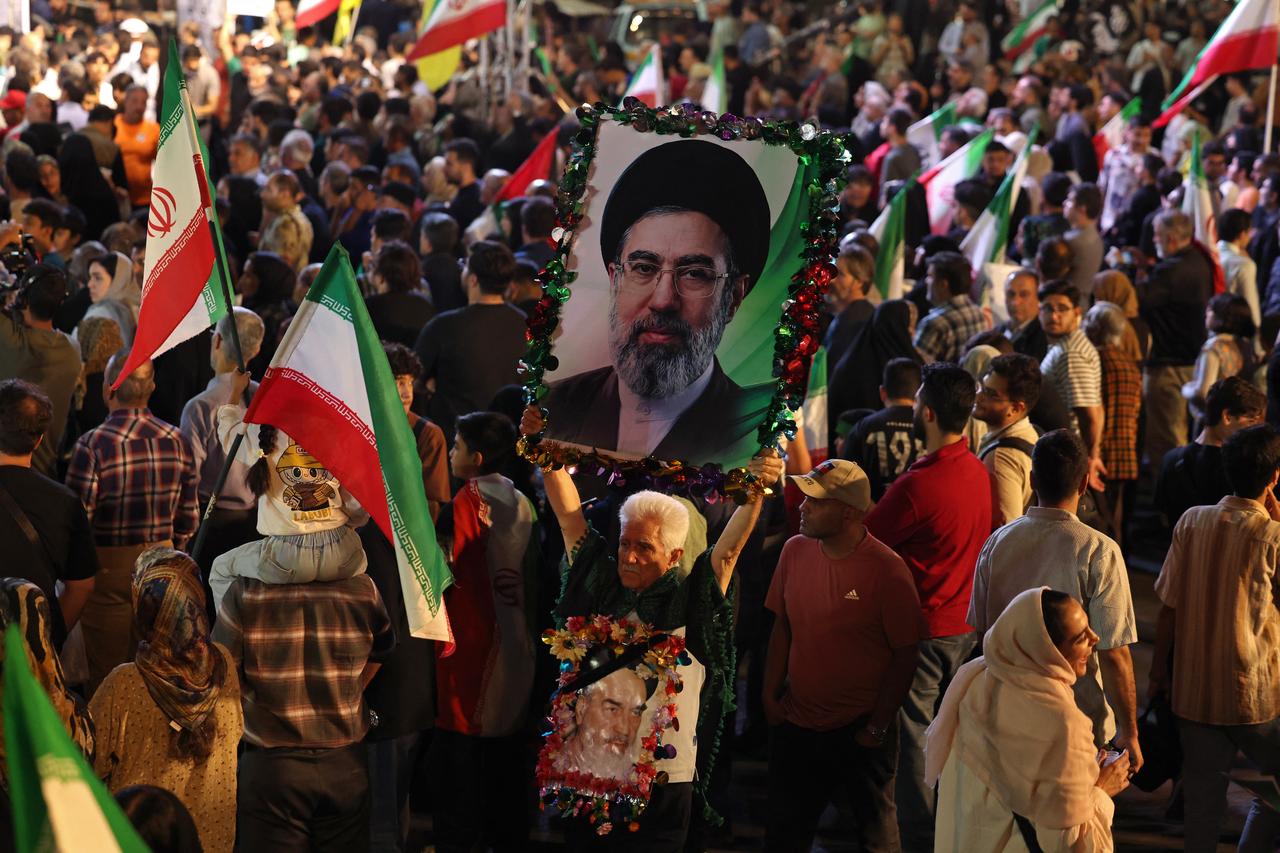
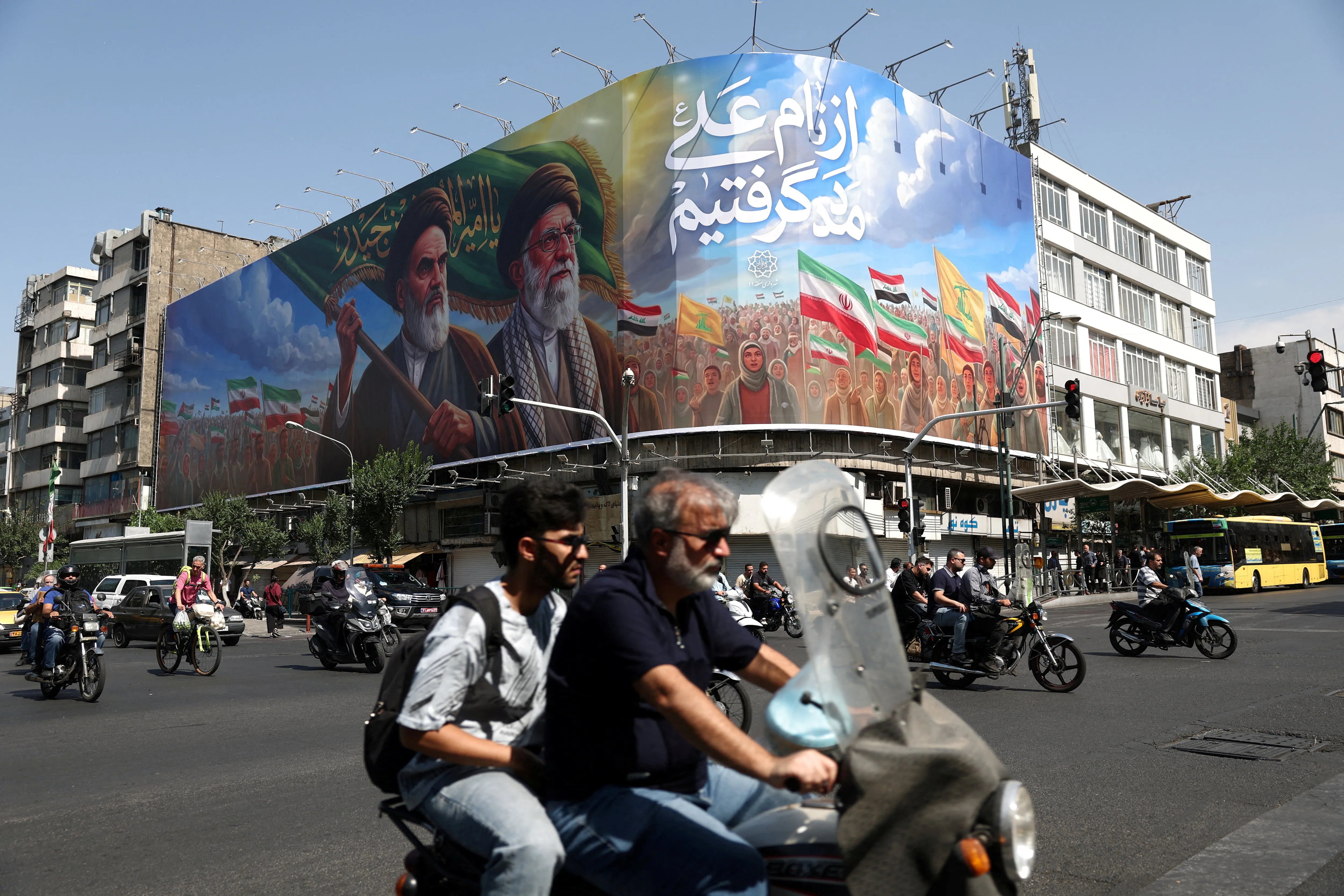
Iran has insisted that any deal to end the U.S.-Iran war must include an end to fighting in Lebanon. Iranian Foreign Minister Abbas Araghchi said Wednesday that "no tangible progress" has been made in negotiations with the United States, though lines of communication remain open. He warned that any Israeli attack on Beirut would trigger a "full-scale resumption" of the conflict.
The joint statement explicitly addressed Iran's influence, with Israel and Lebanon declaring that "the future of the relationship between Israel and Lebanon must be decided by the two sovereign governments." Both countries "rejected any attempt, by any state or non-state actor, to hold Lebanon's future hostage," a direct reference to Iran's leverage over Hezbollah and its demands regarding the ceasefire terms.