




Temporary relief marks shift in negotiating strategy
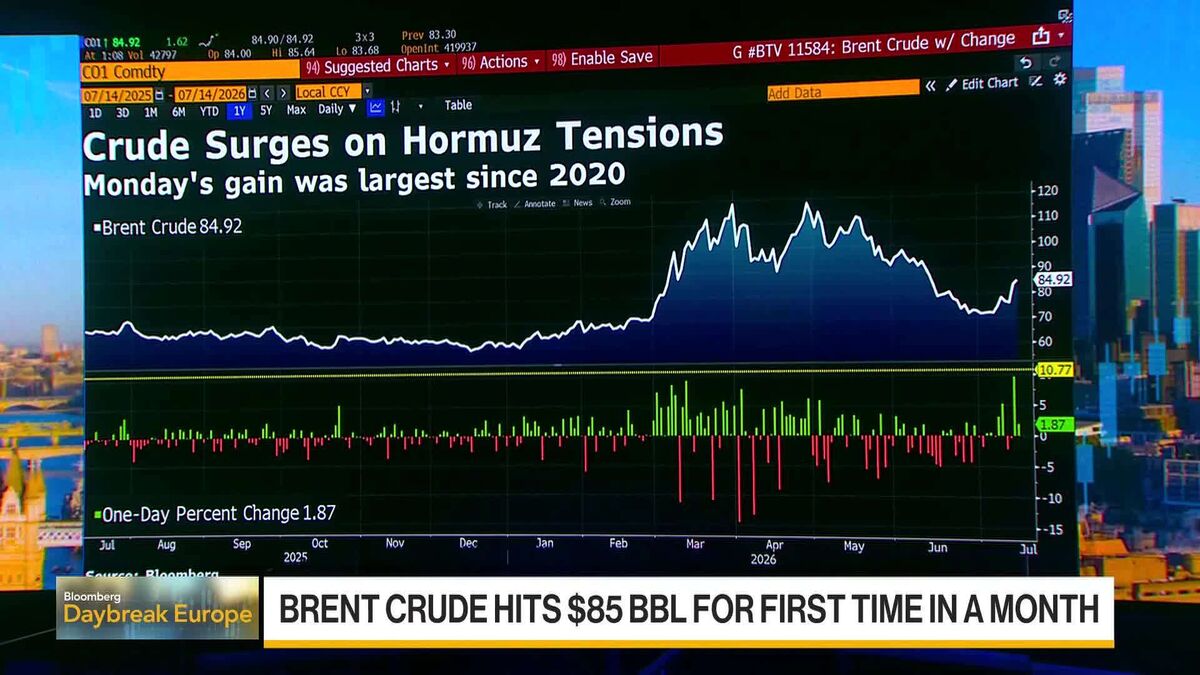
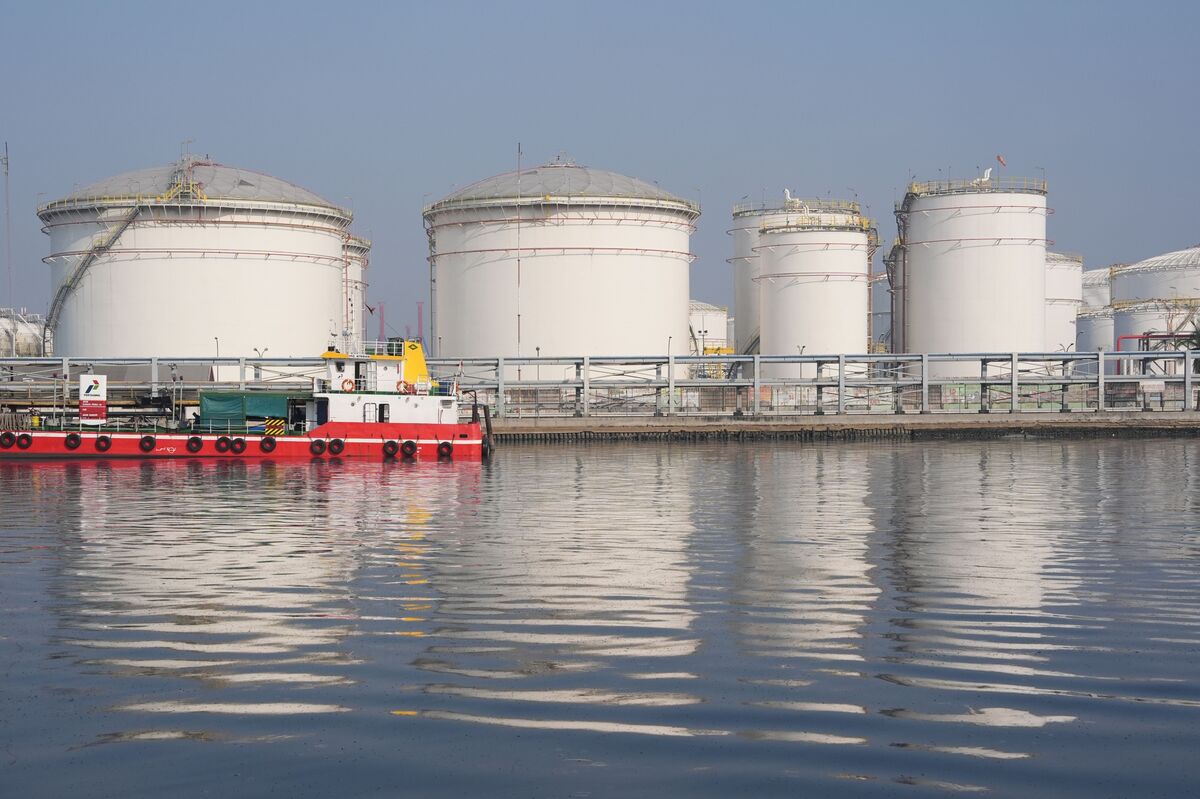
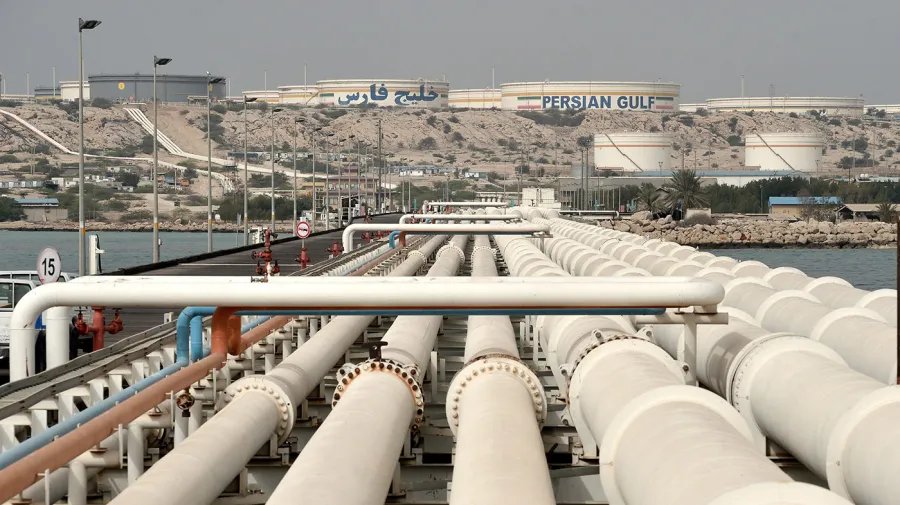
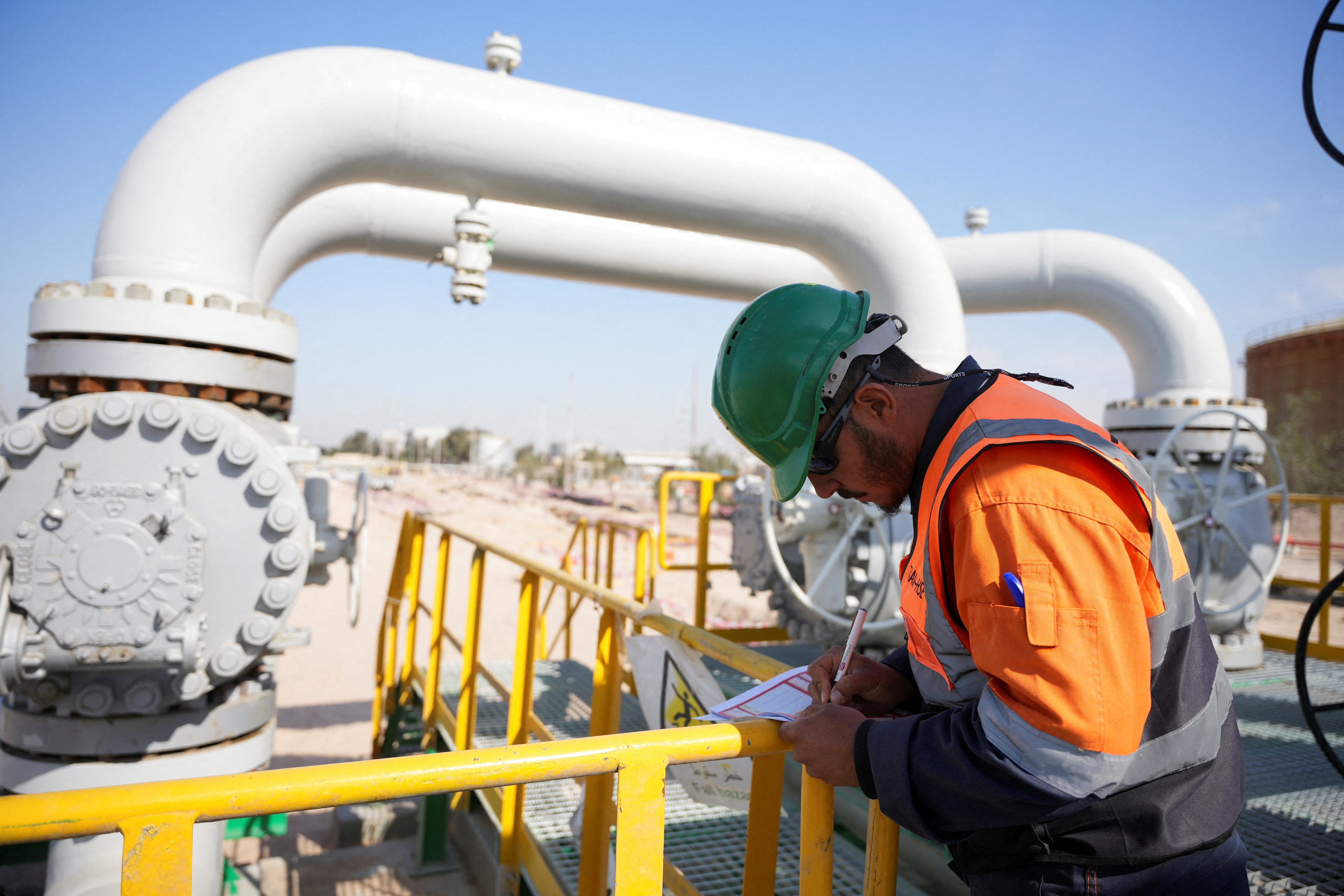
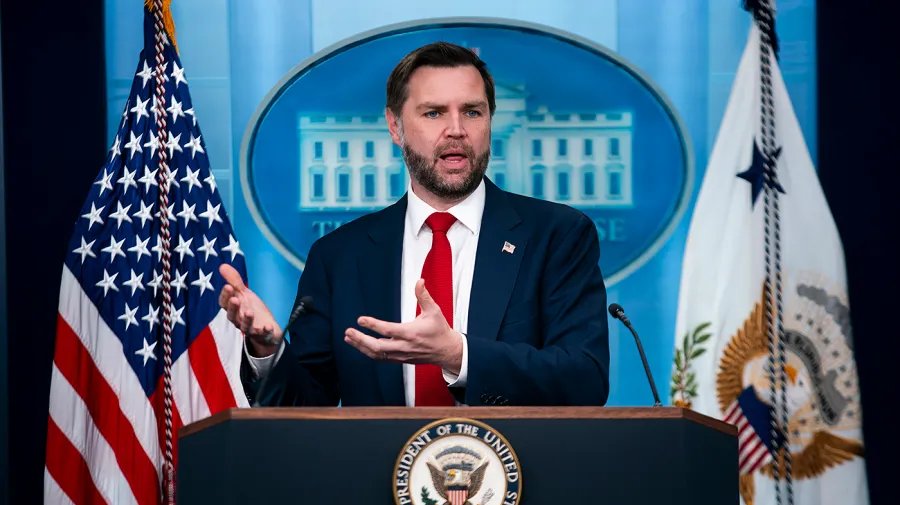
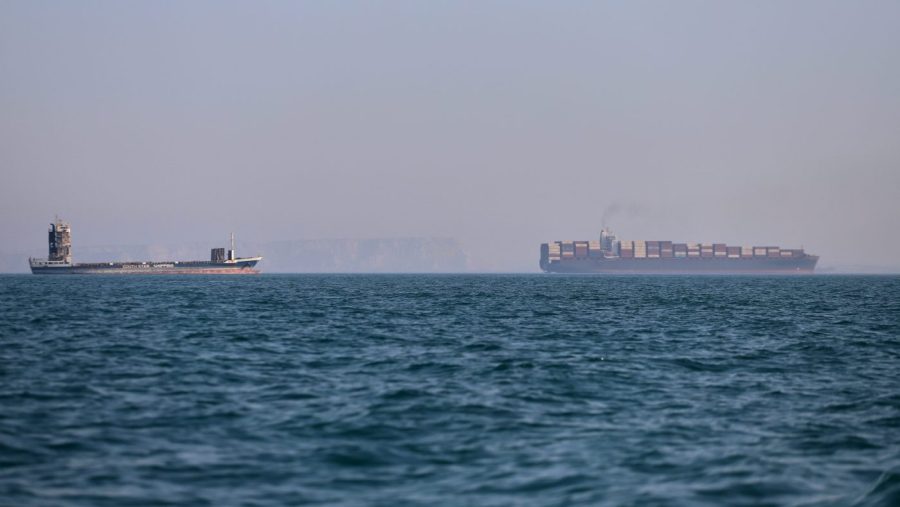
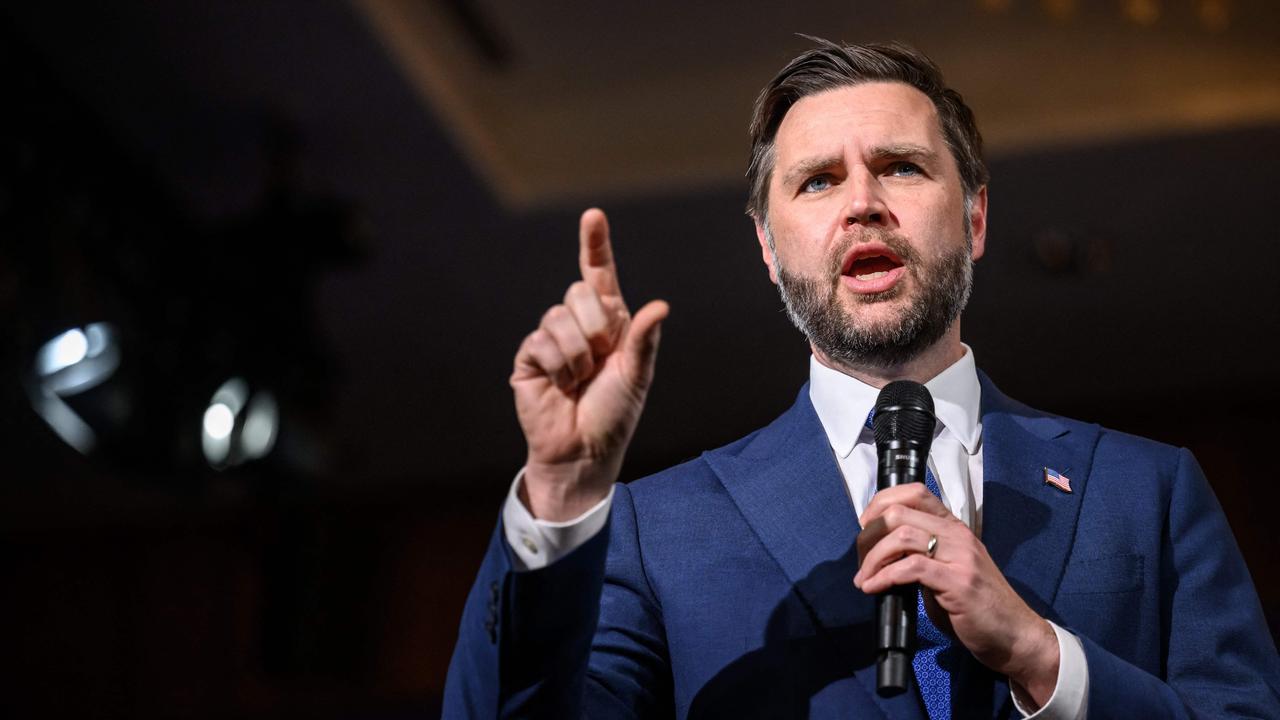
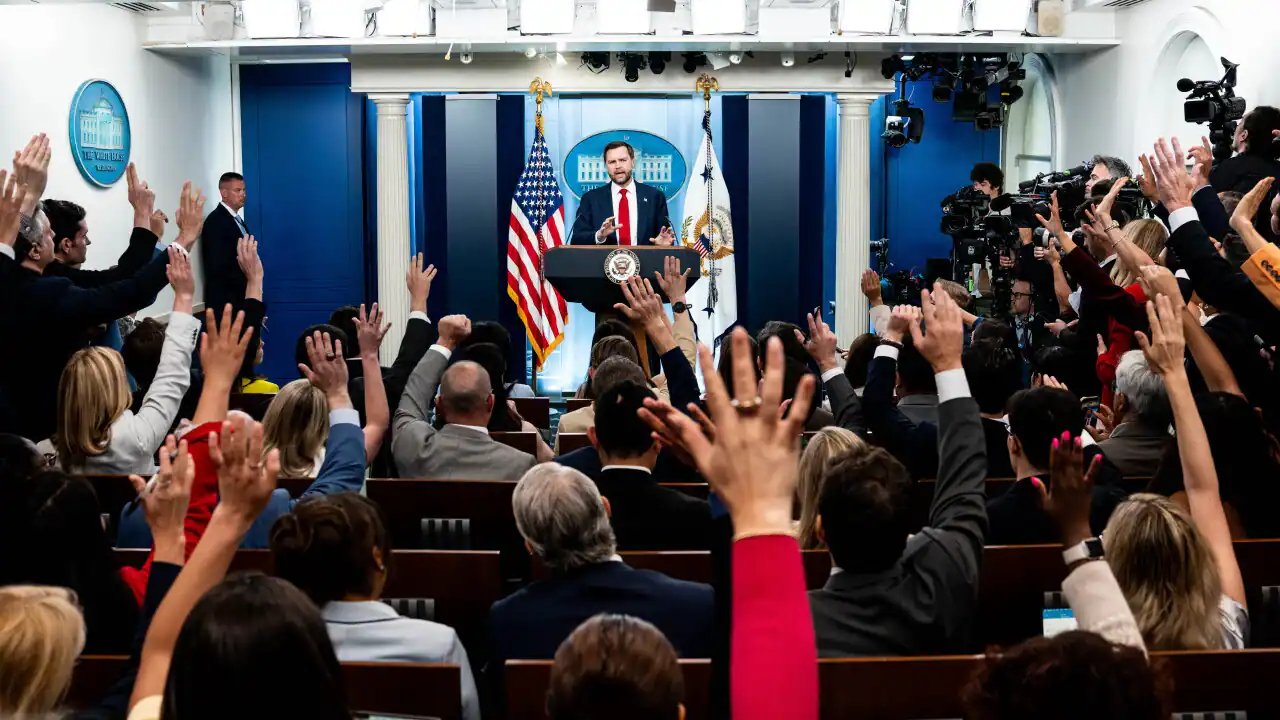
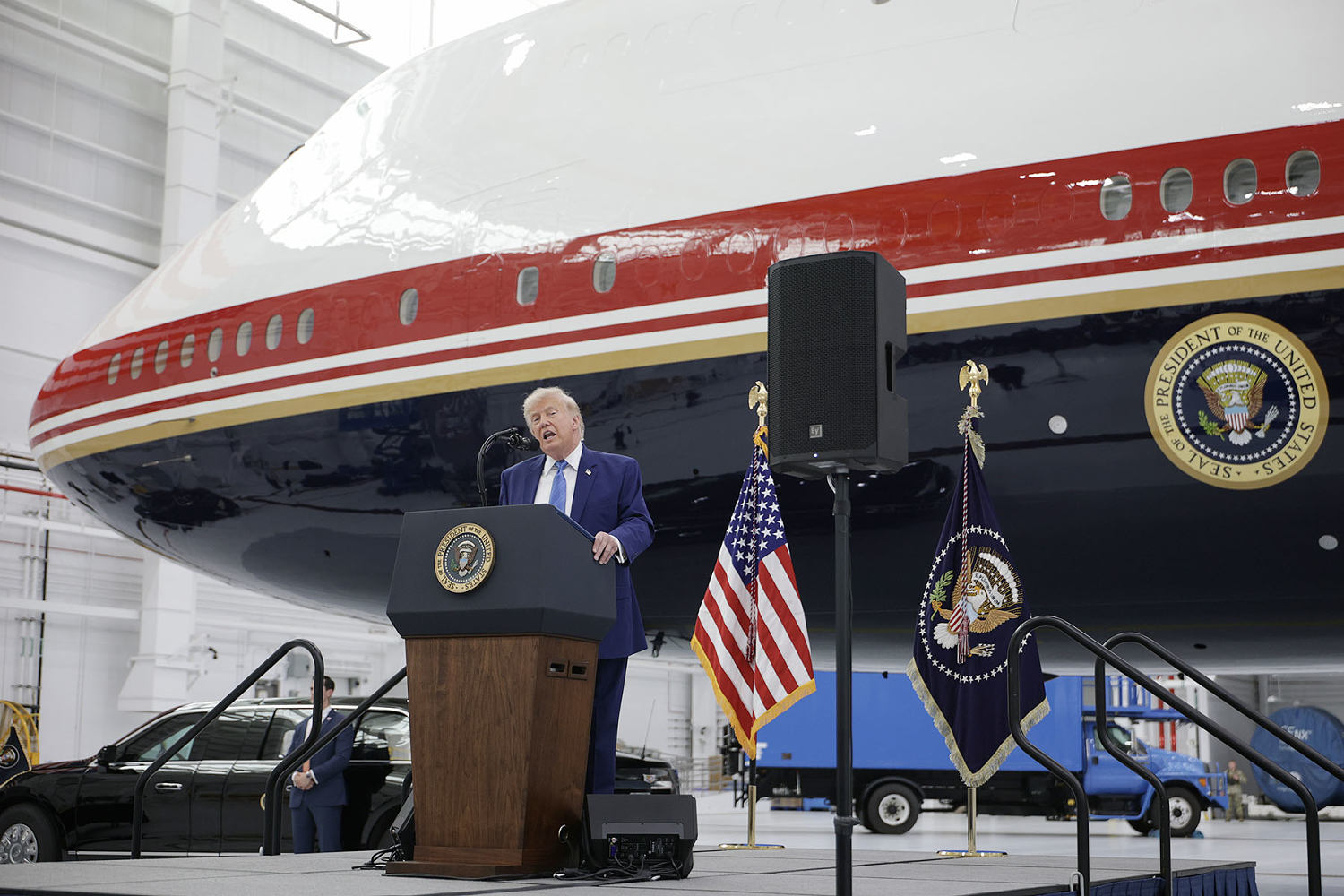
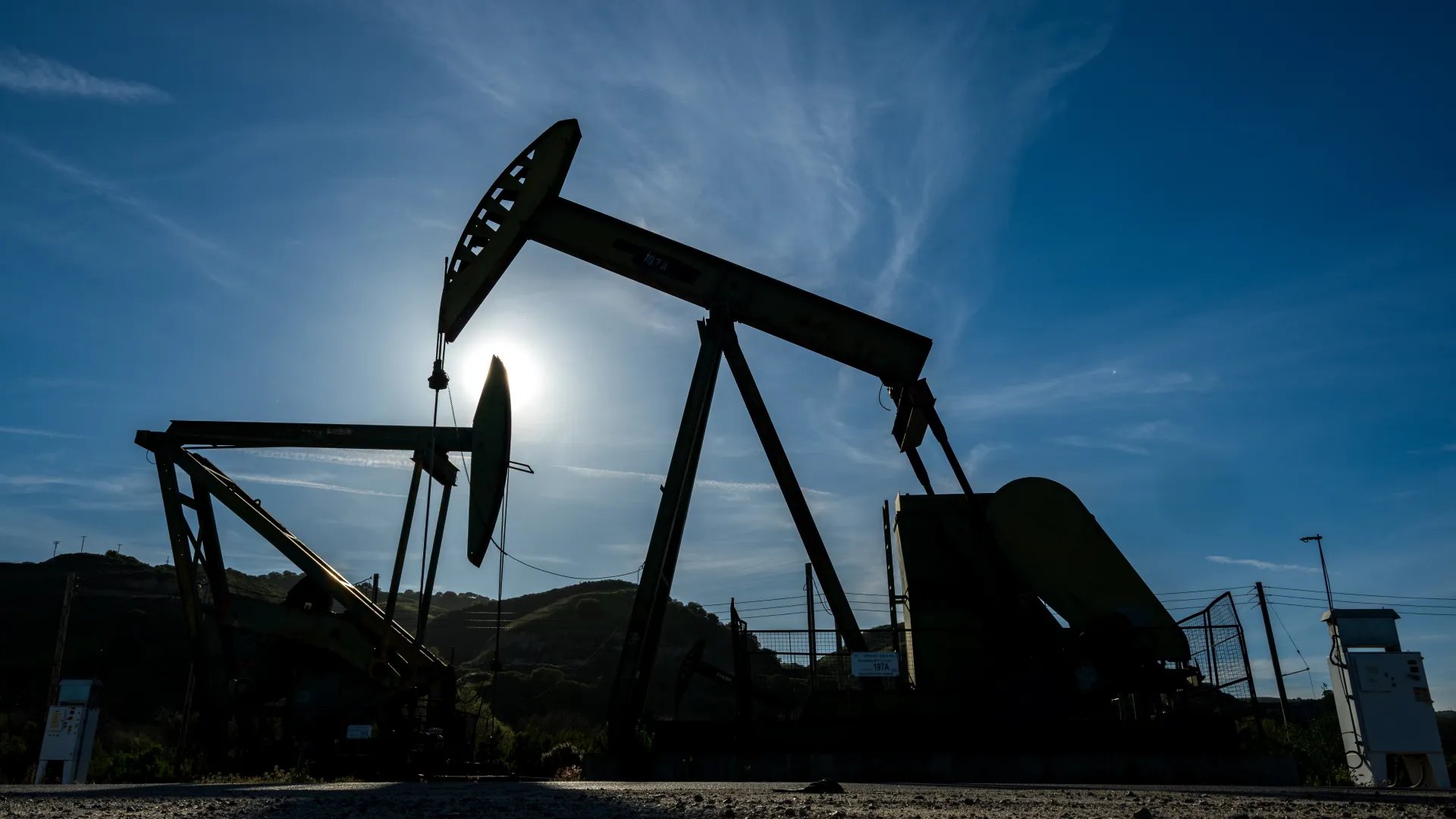
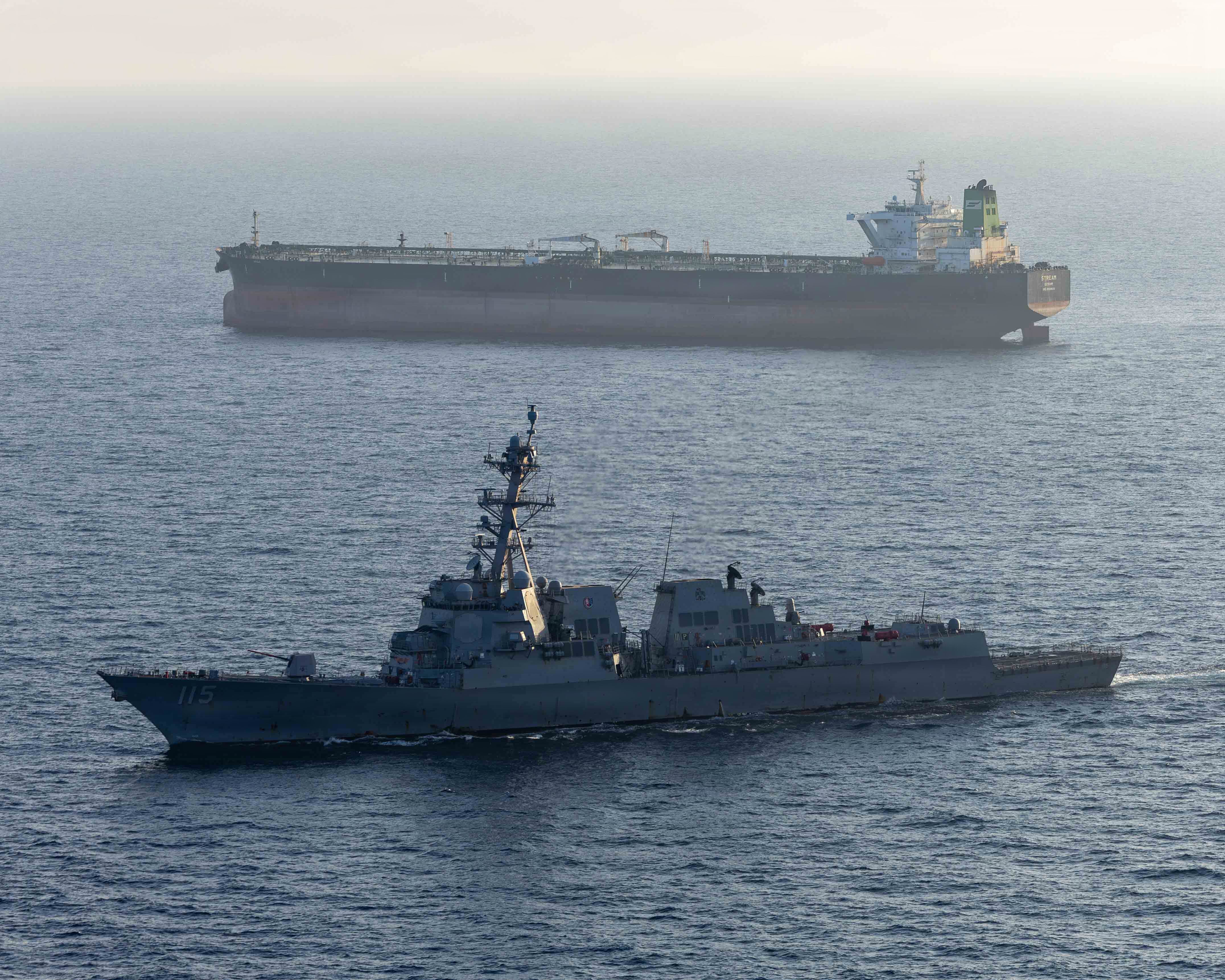
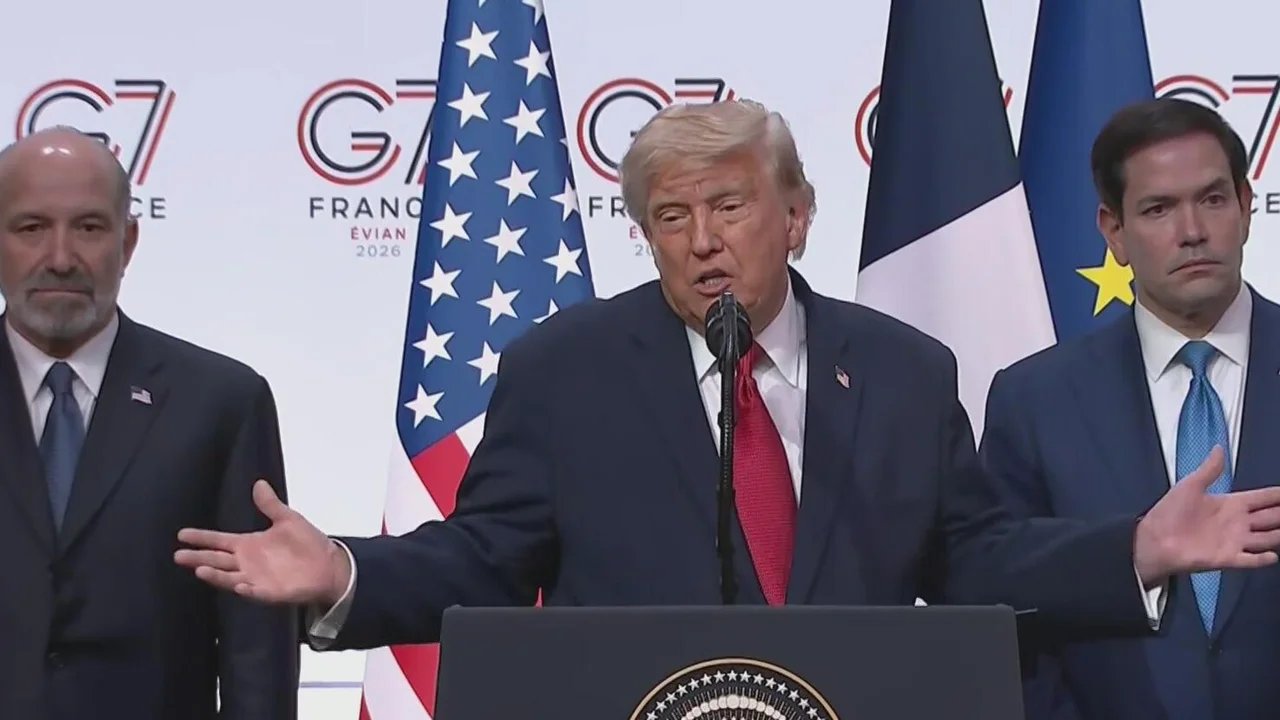
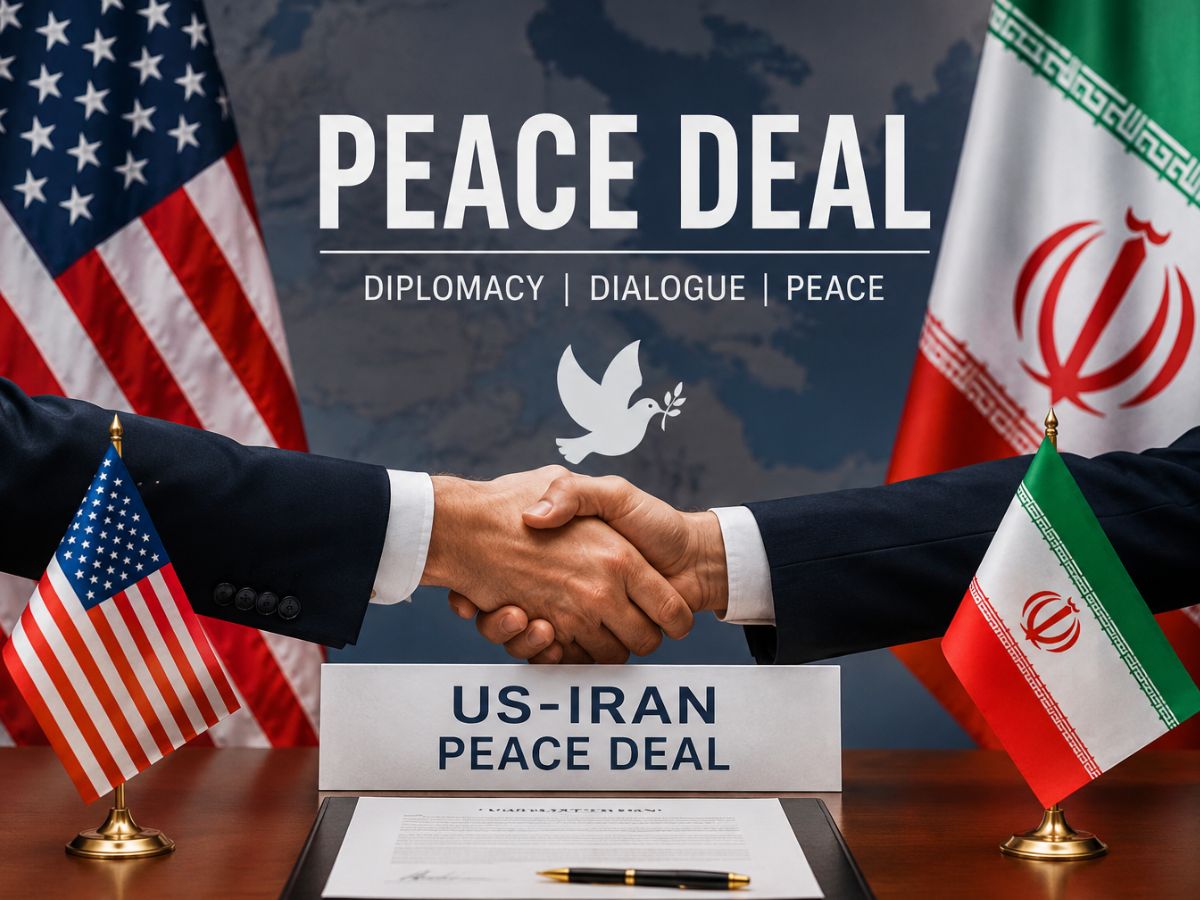
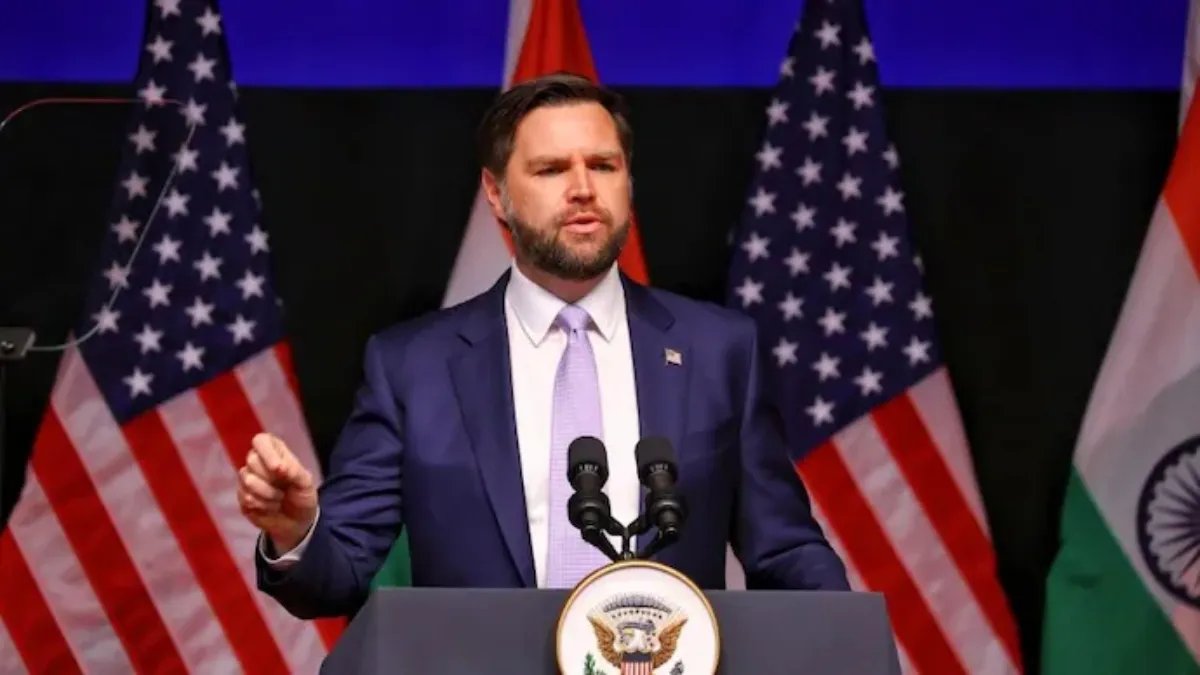
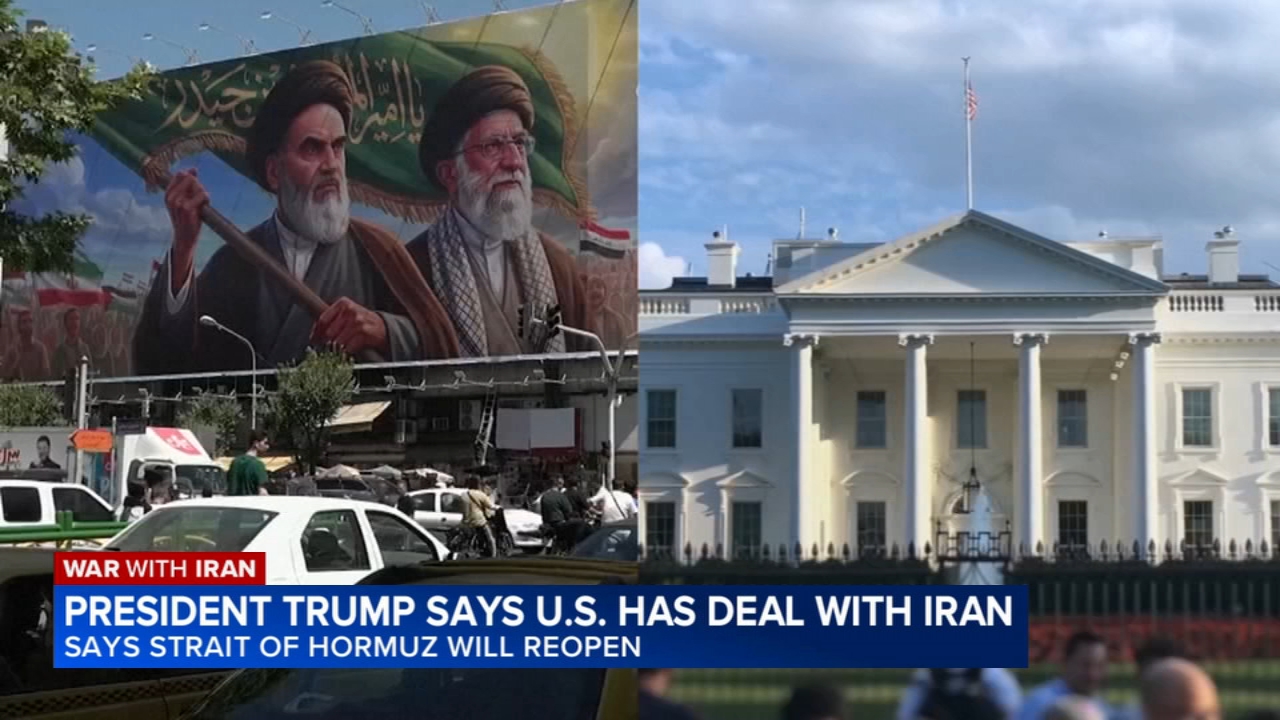
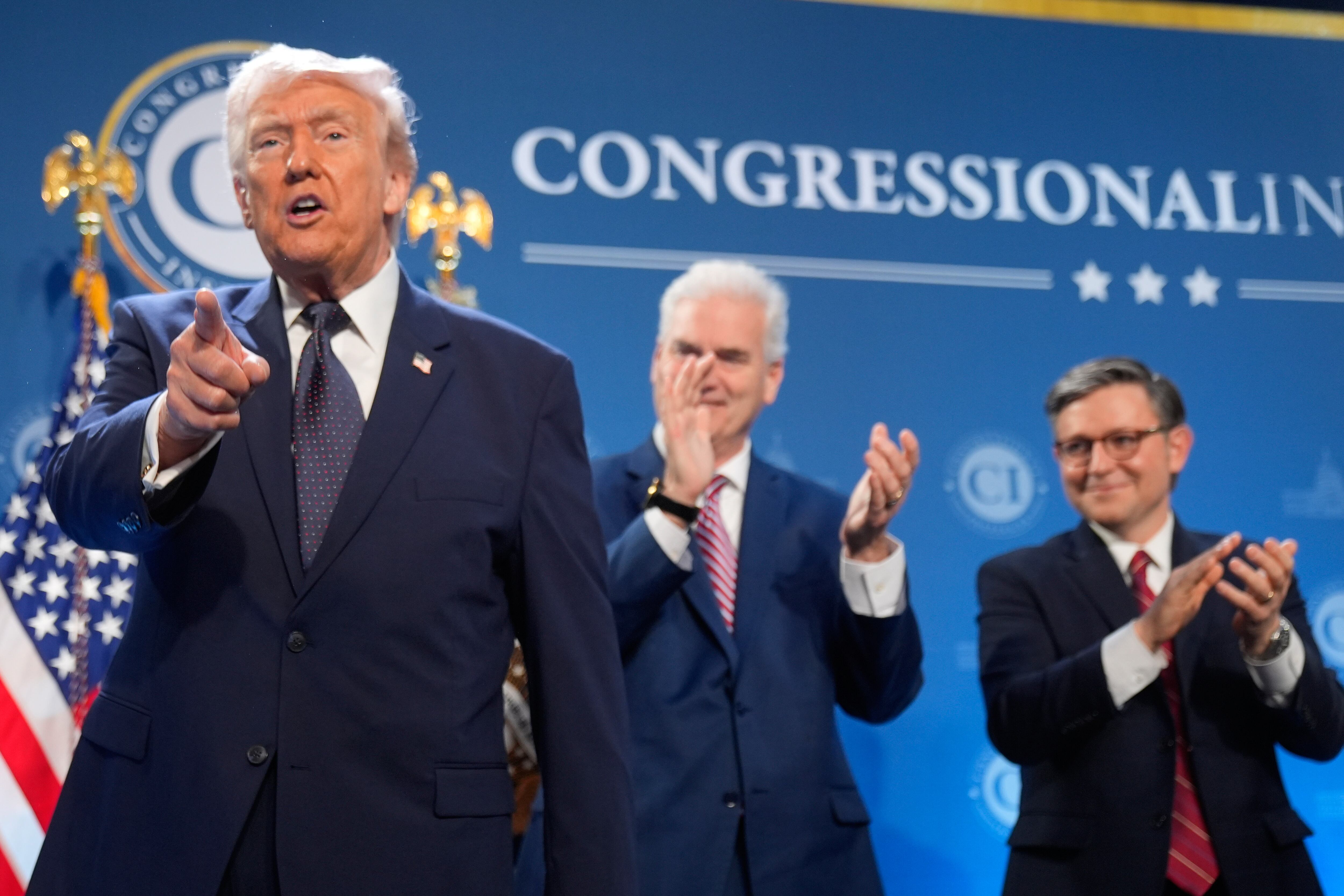
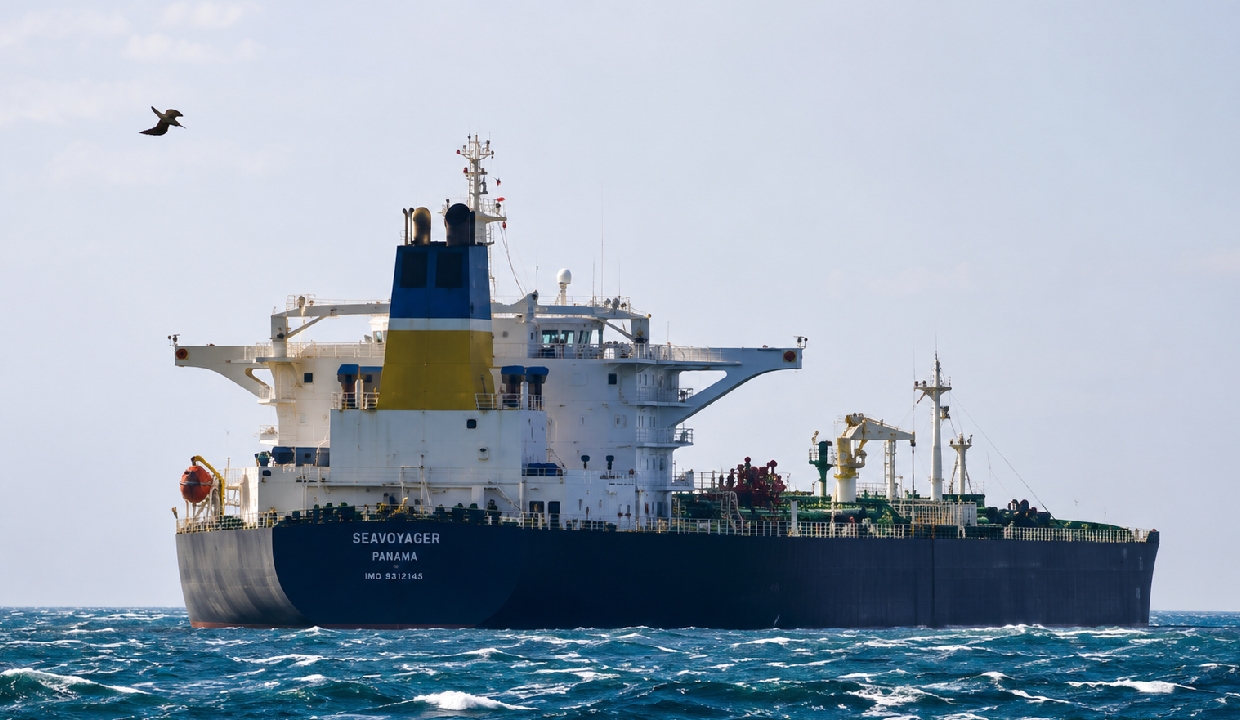
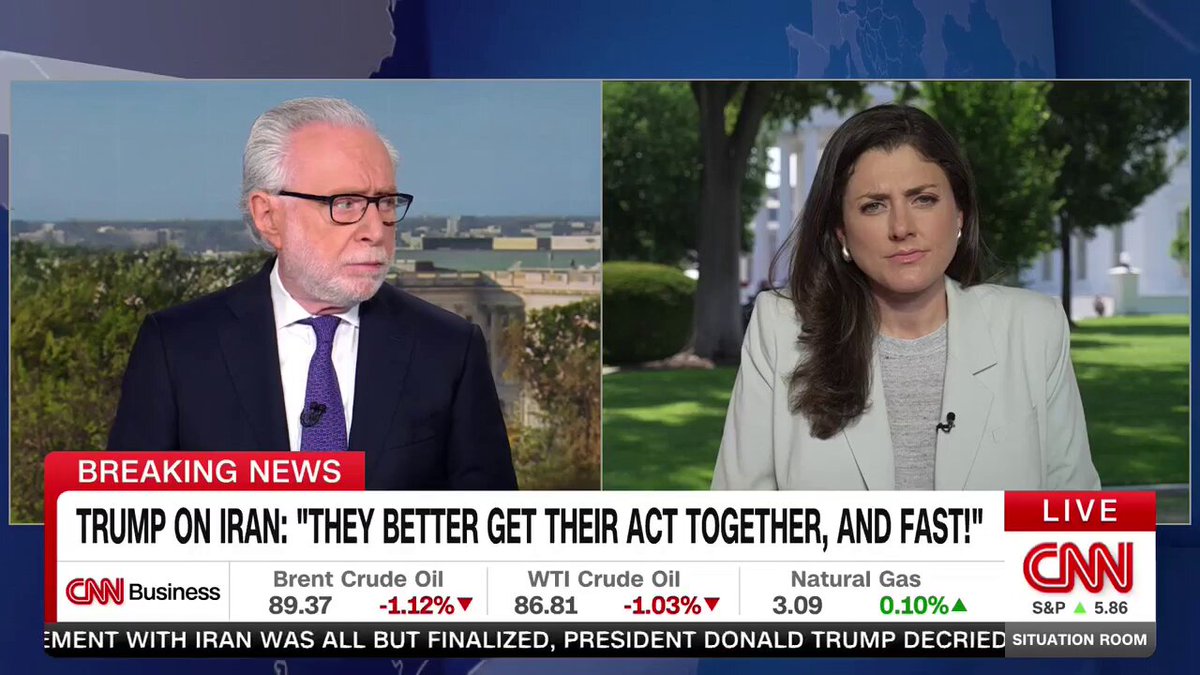
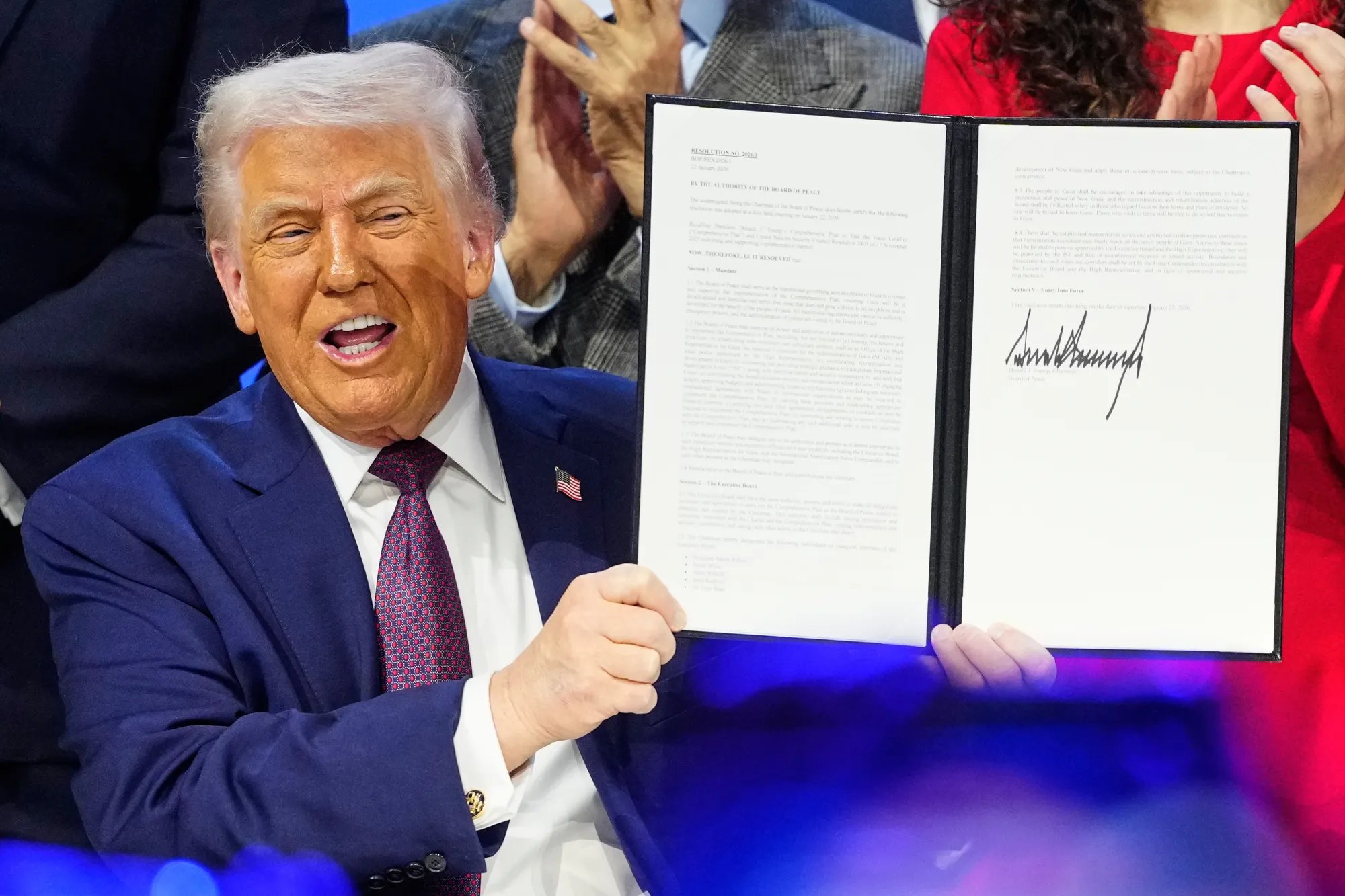
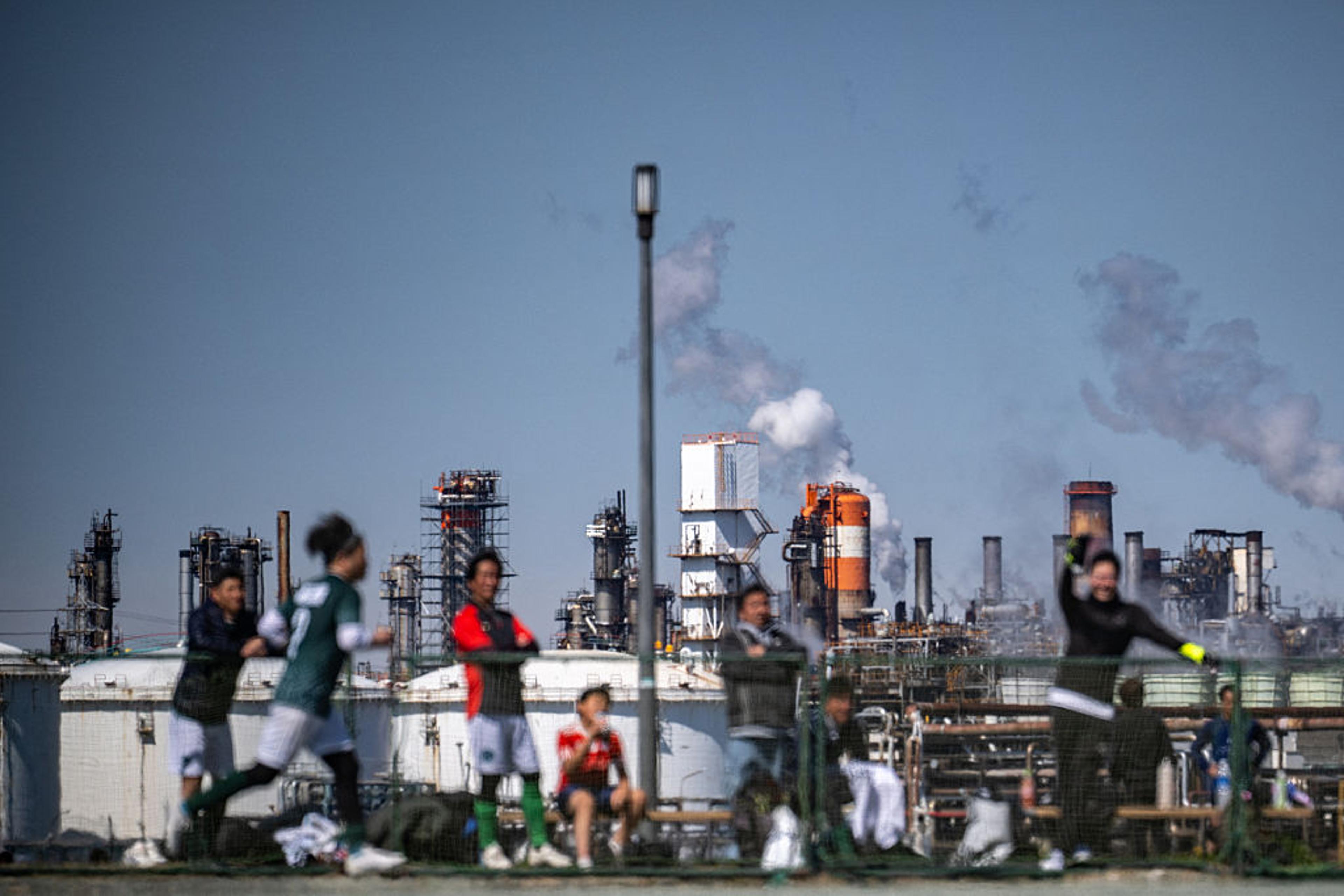
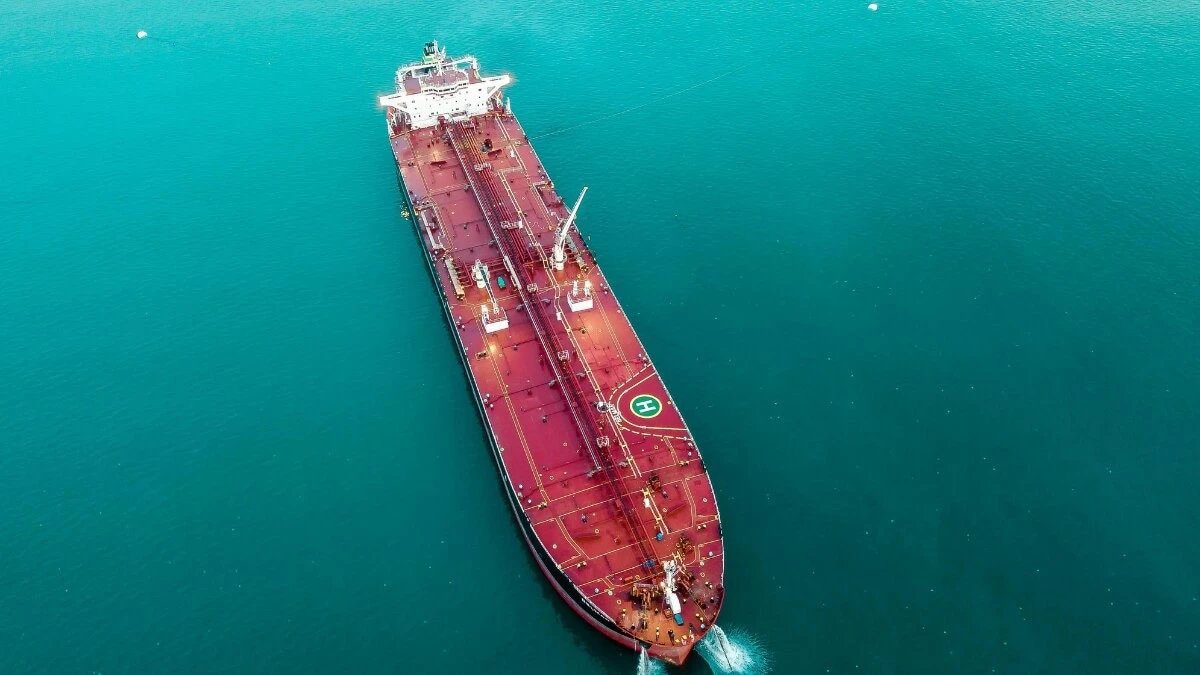
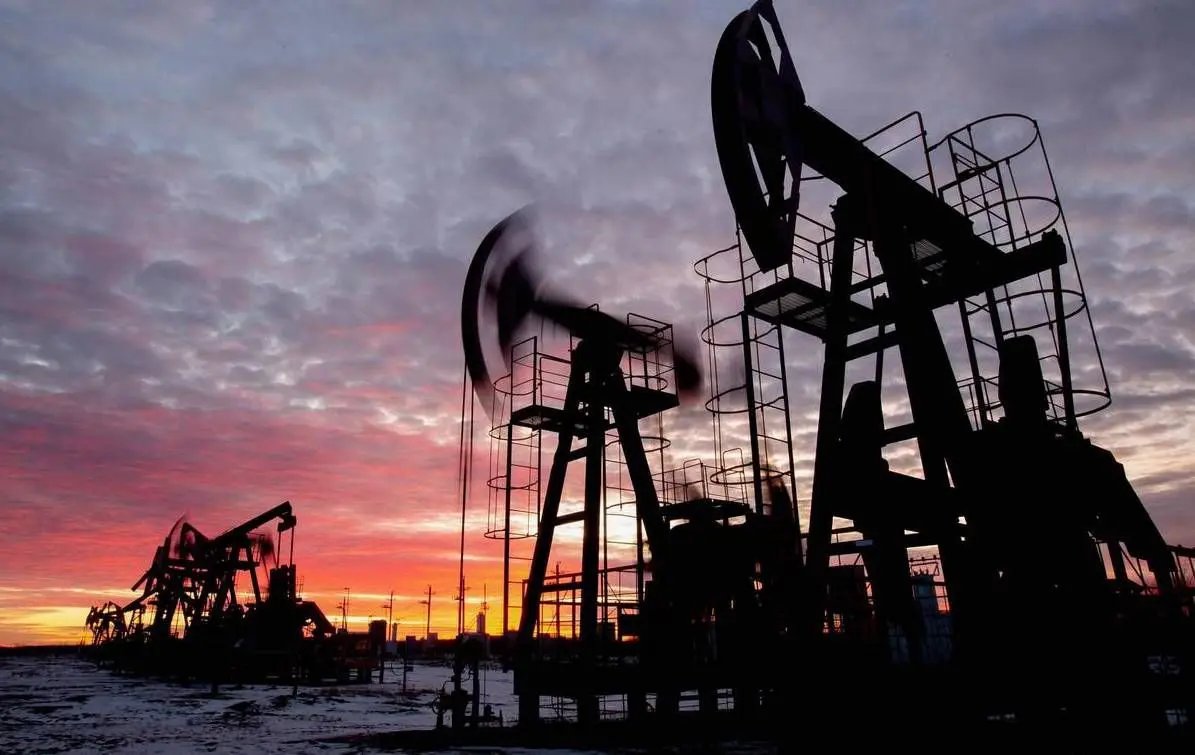
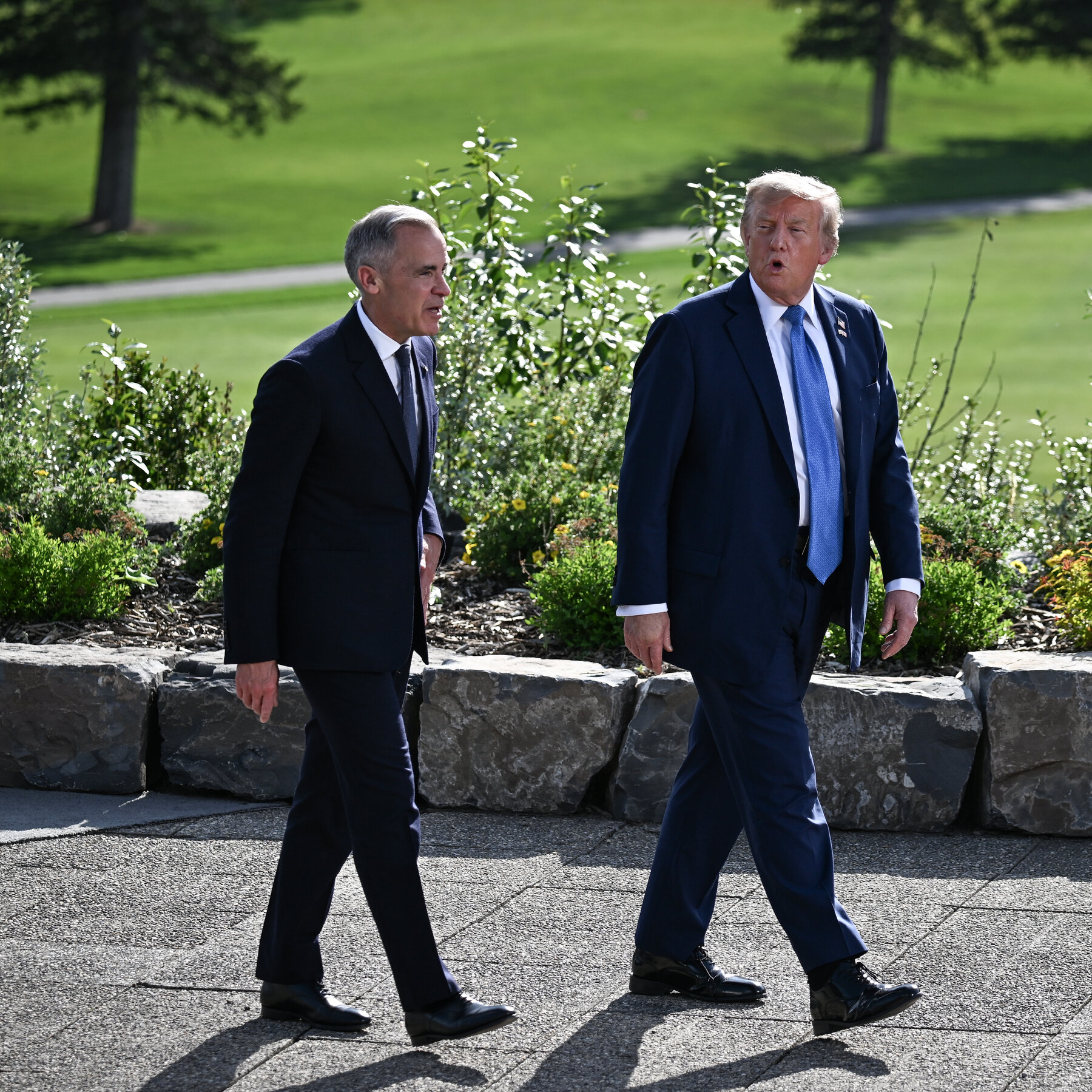
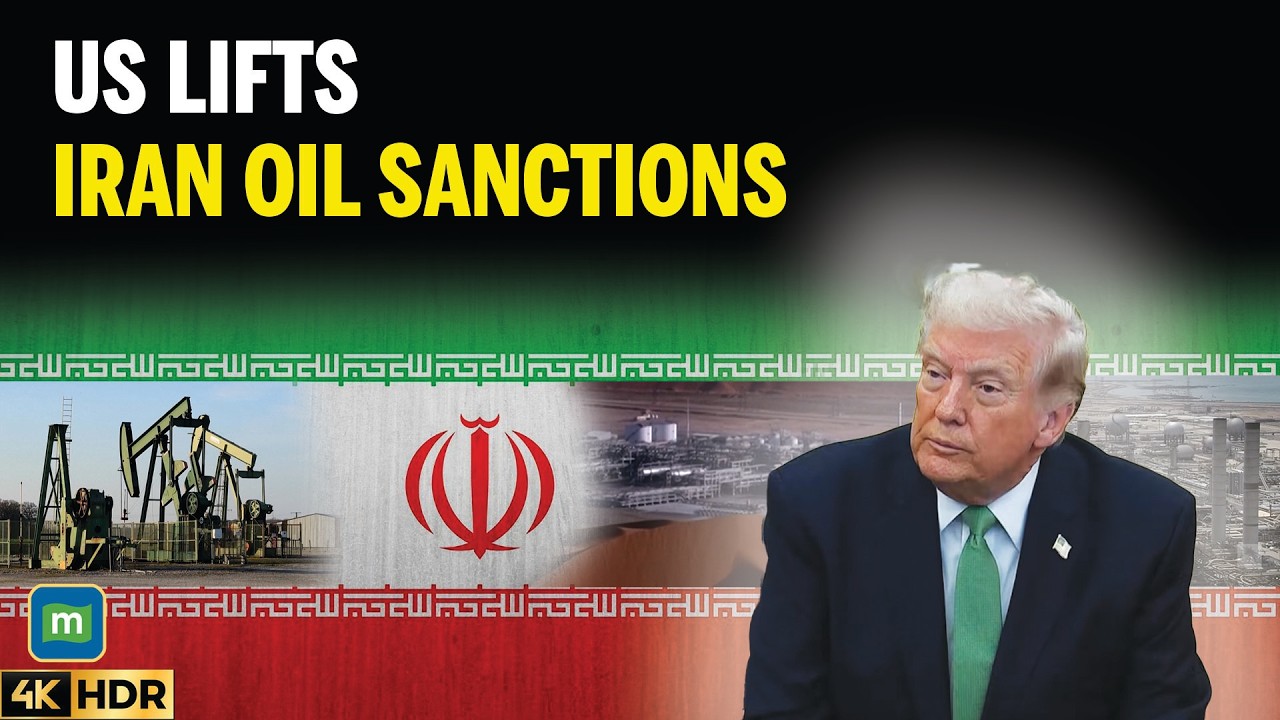
The U.S. temporarily removed oil sanctions on Iran on Monday as the first round of talks ended in Switzerland, creating the potential for an Iranian economic windfall in U.S. dollars. Vice President JD Vance led the U.S. delegation in negotiations mediated by Qatar and Pakistan. The move signals a departure from the previous administration's approach to Iran policy, though the relief remains conditional on continued progress at the bargaining table.
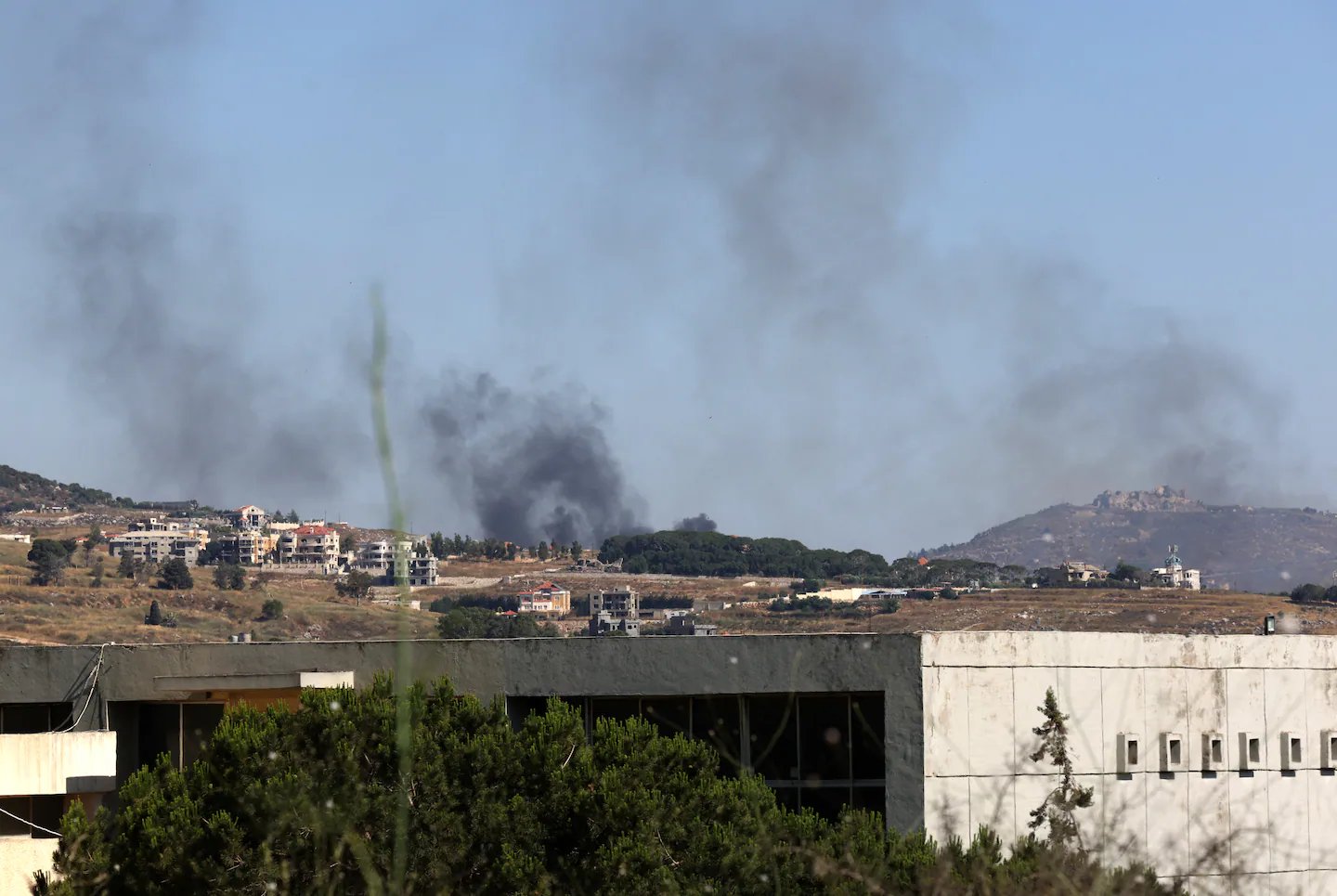
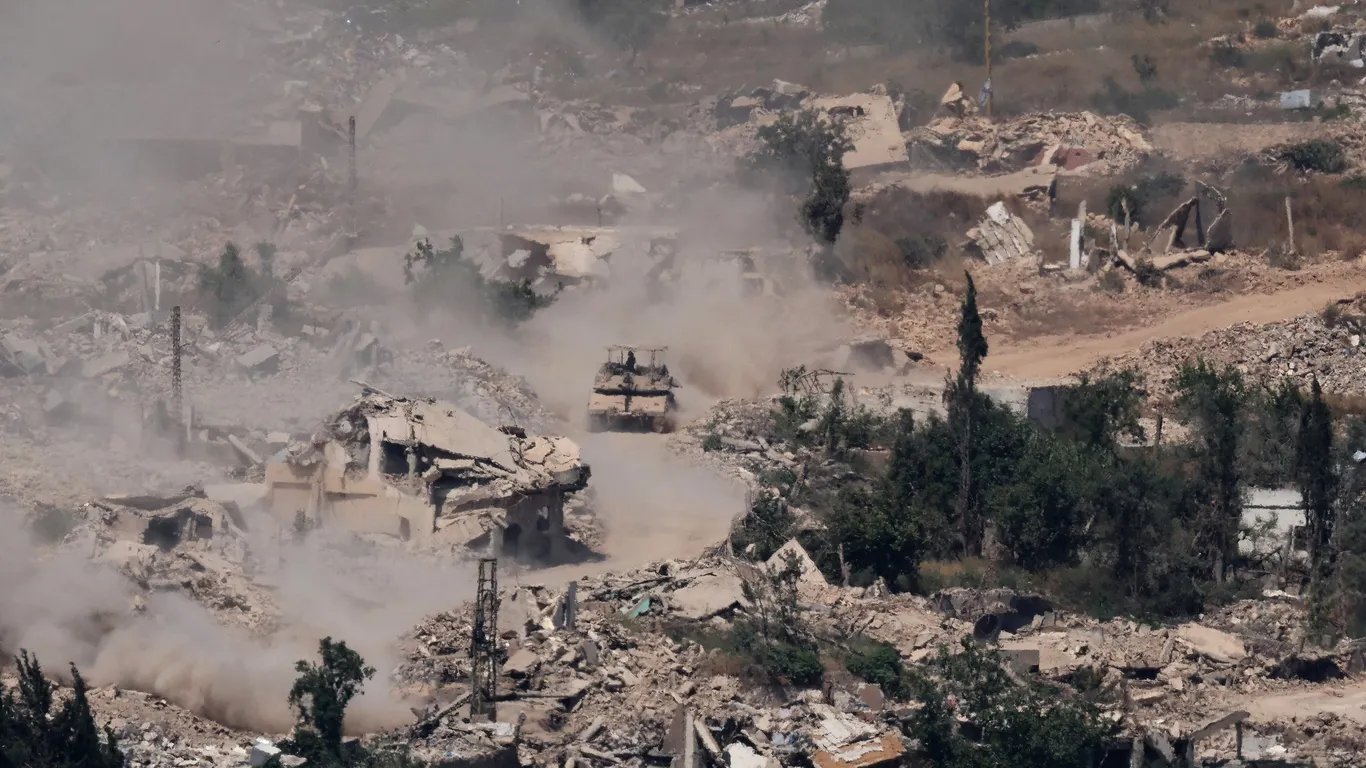
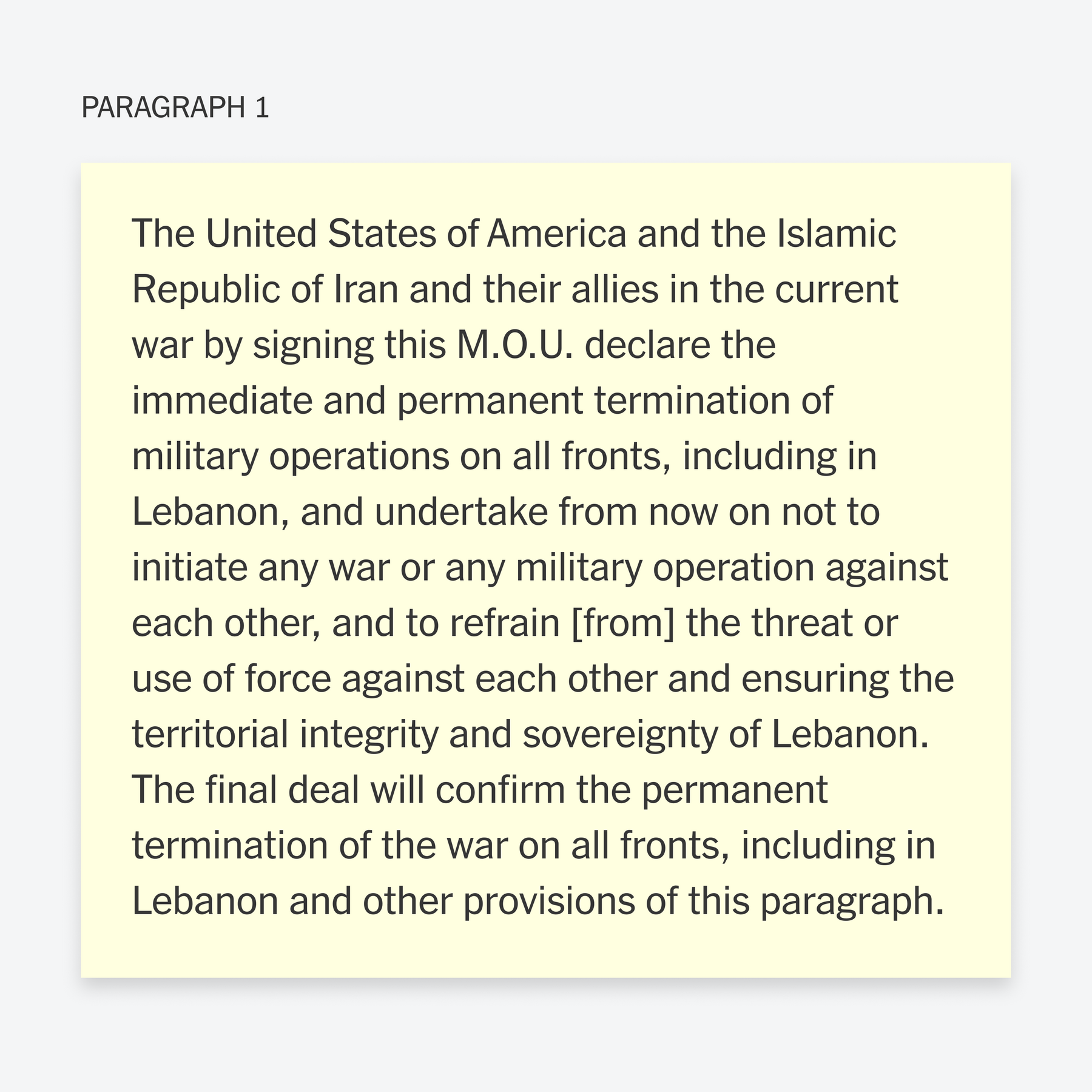
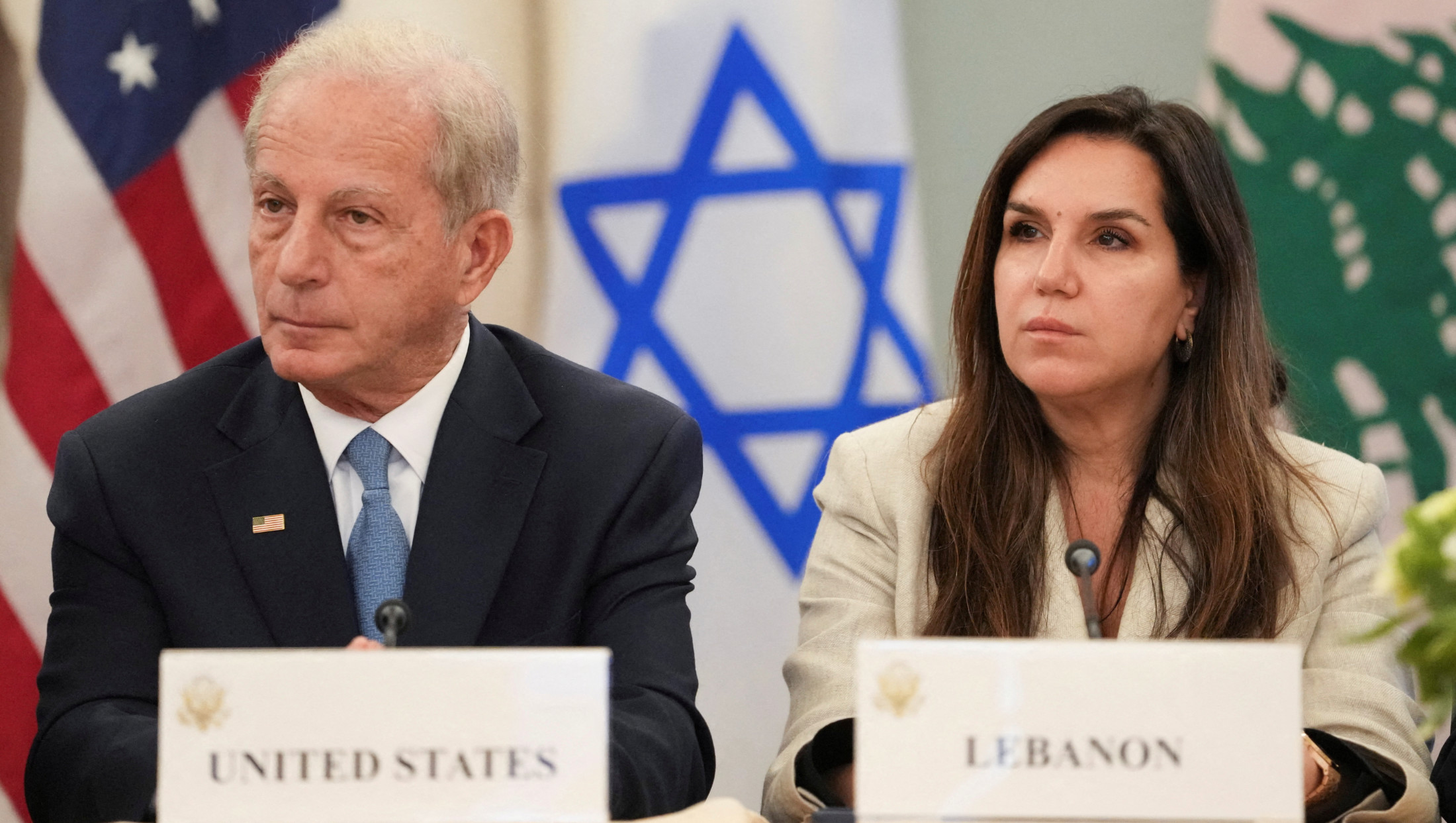
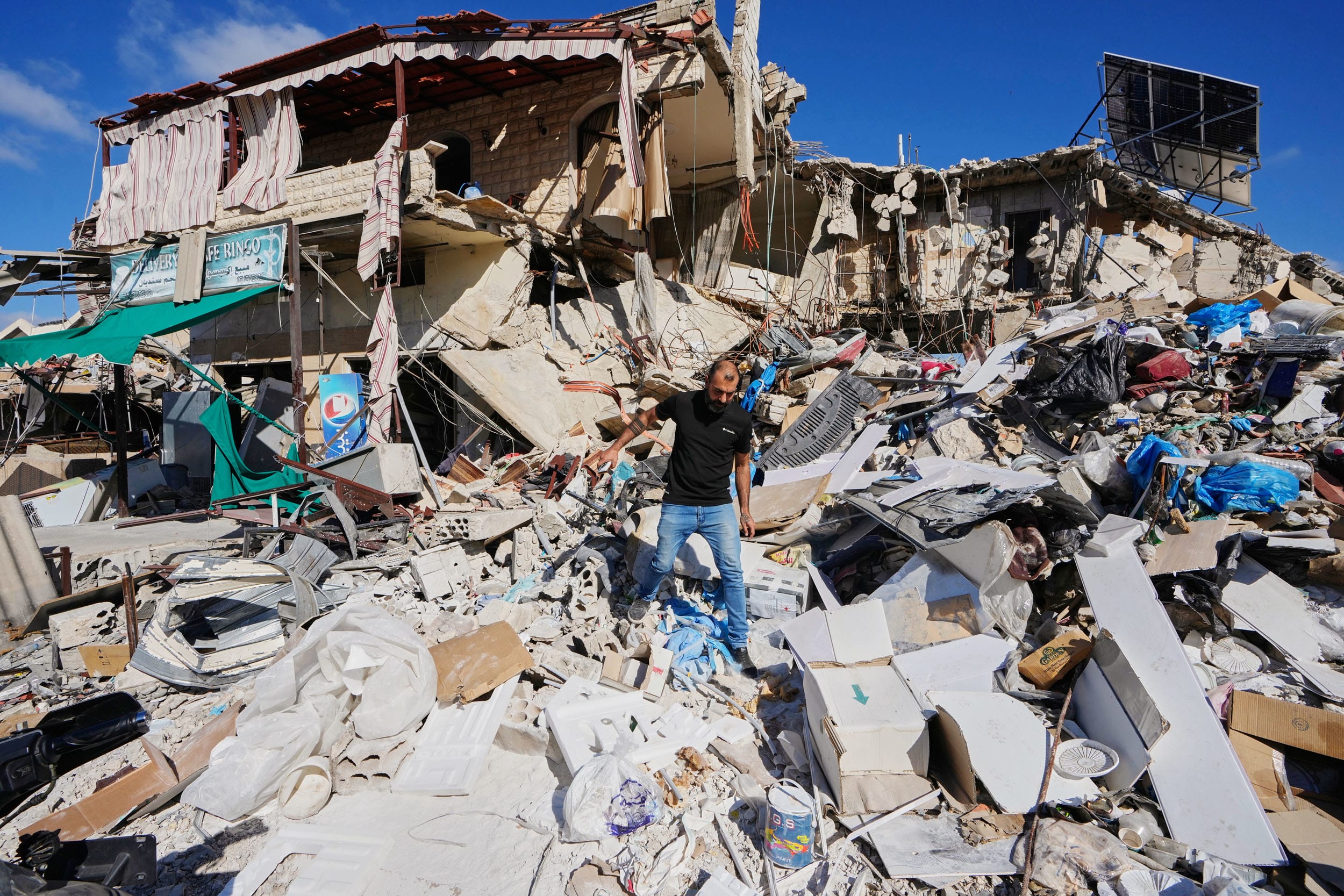
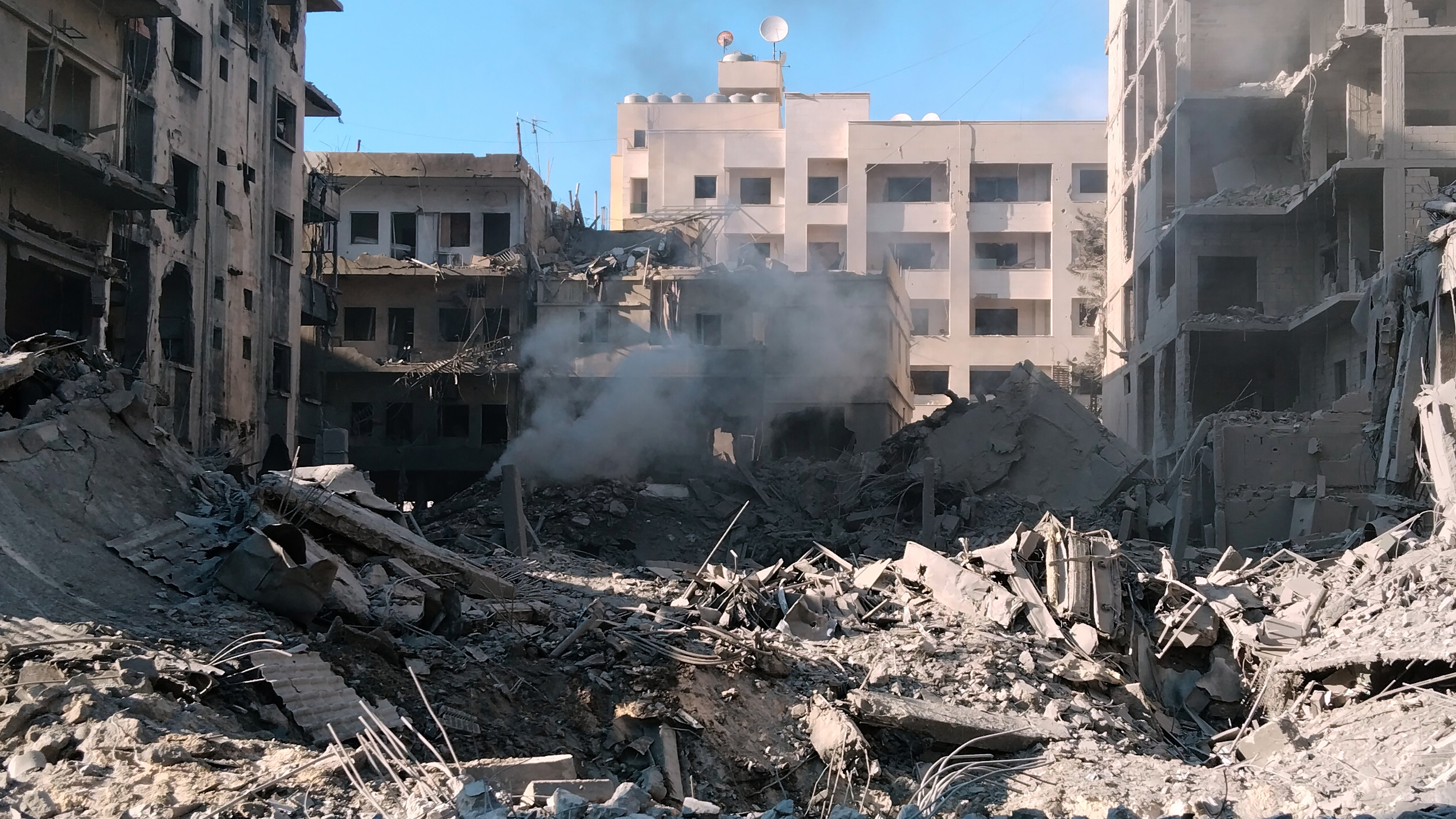
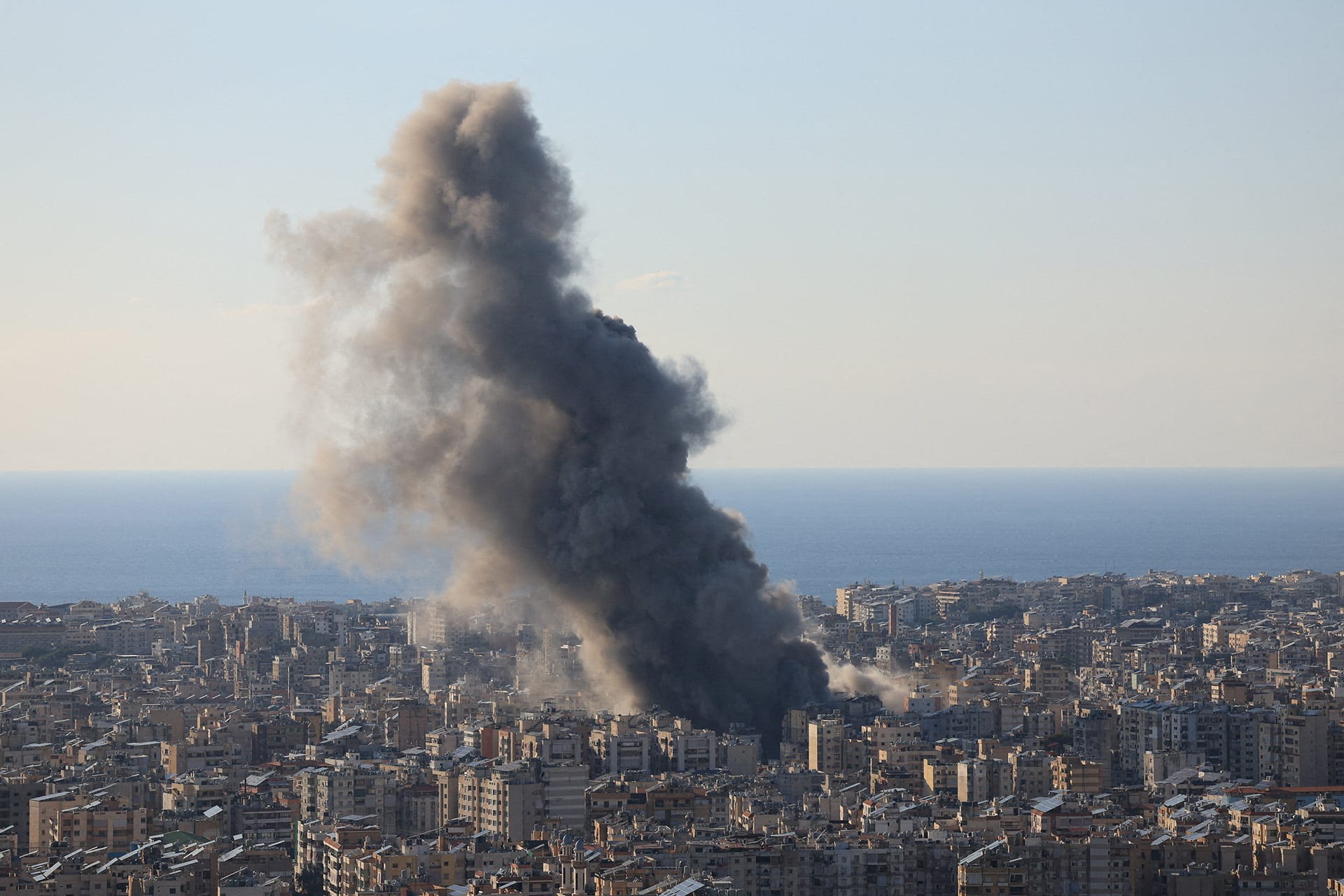
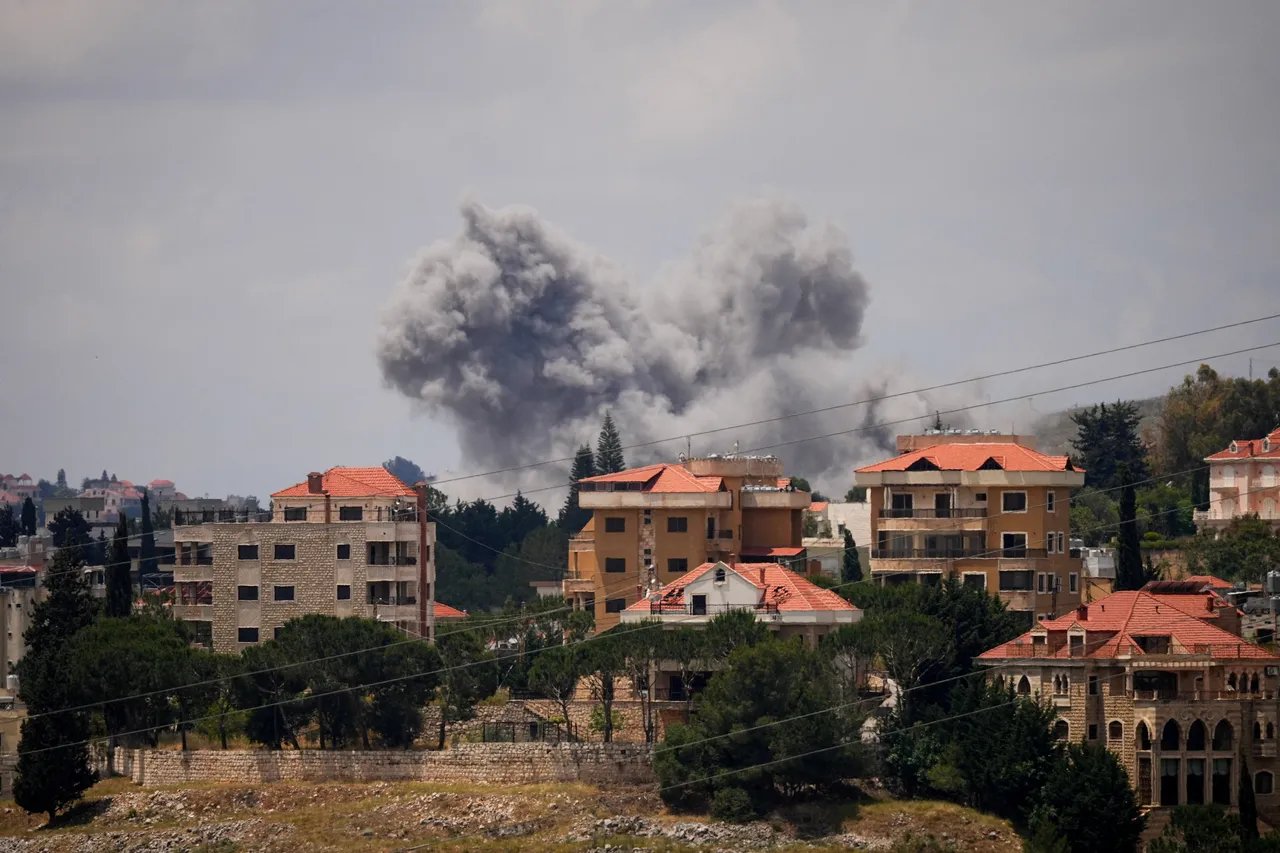
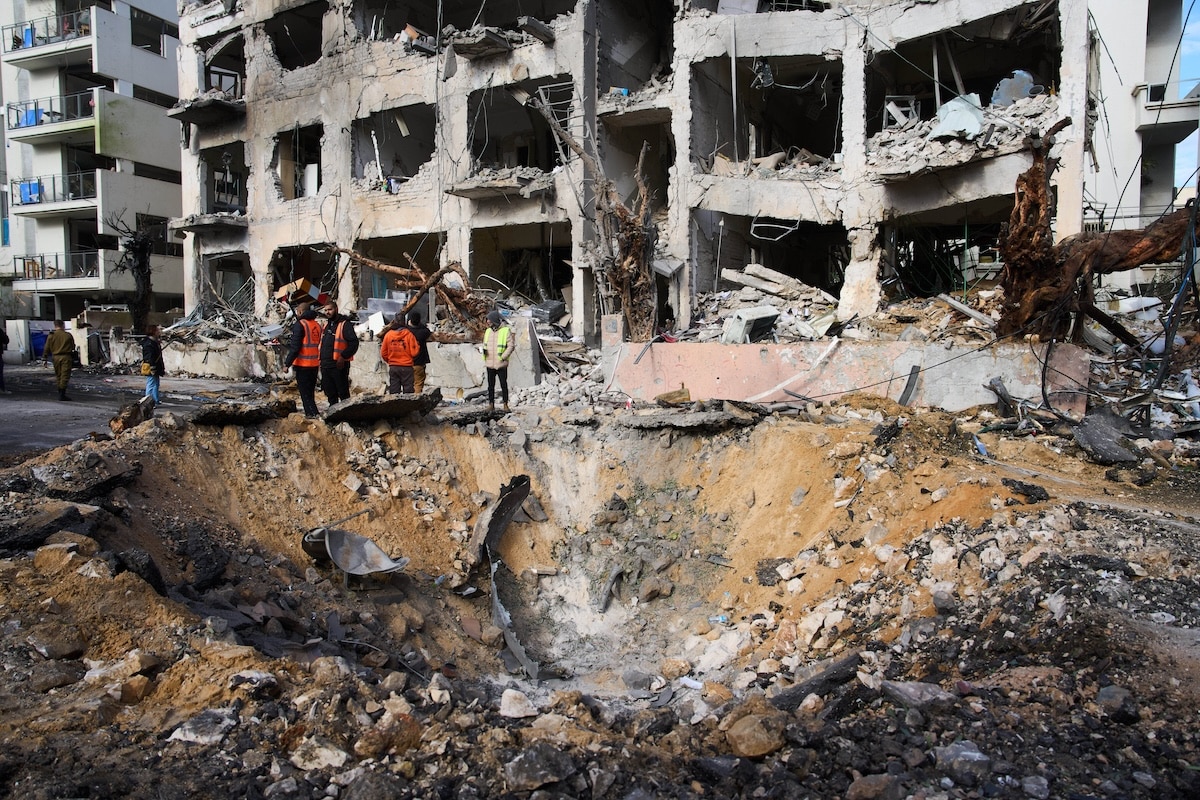
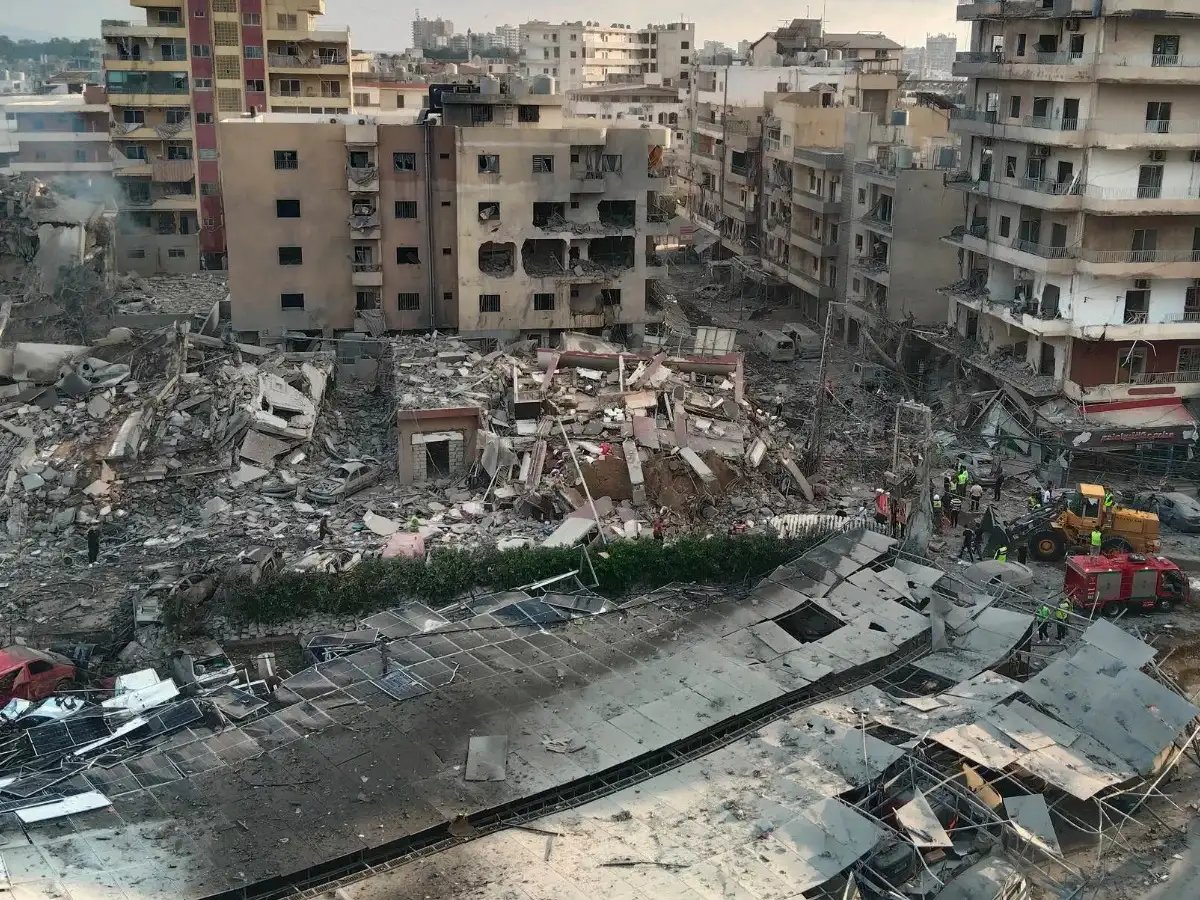
The lifting of sanctions comes as one of the main sticking points in negotiations, the war in Lebanon, appeared to calm. Vance touted progress in the Iran talks following the temporary measure. The negotiations represent an effort to reach a memorandum of understanding between the two countries on nuclear and regional security issues.
Democratic senator questions timing of concessions
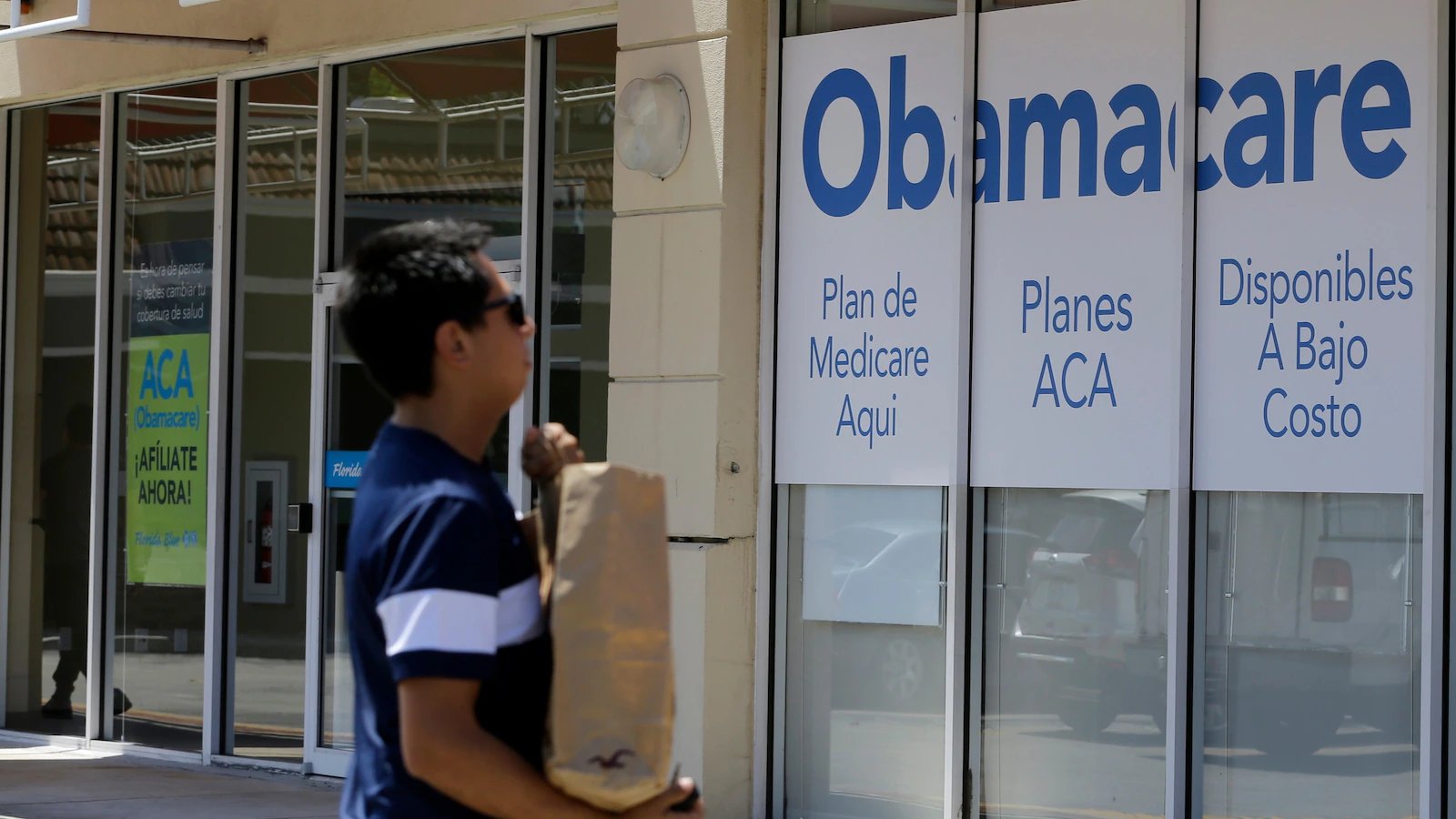
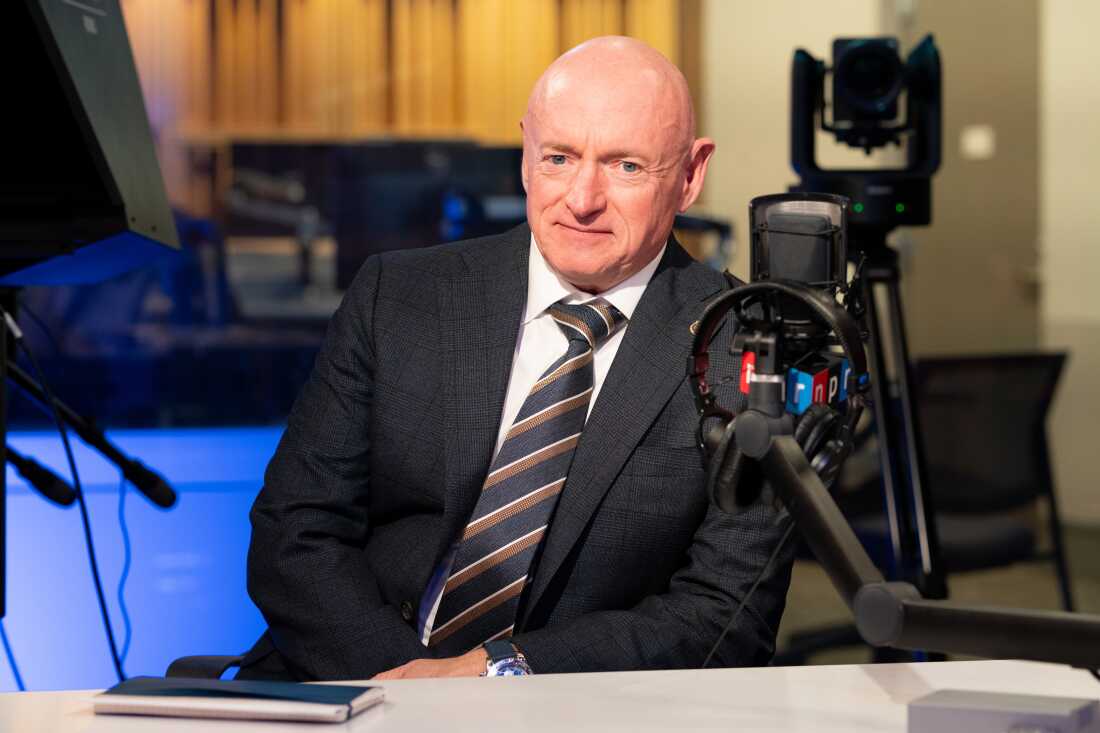
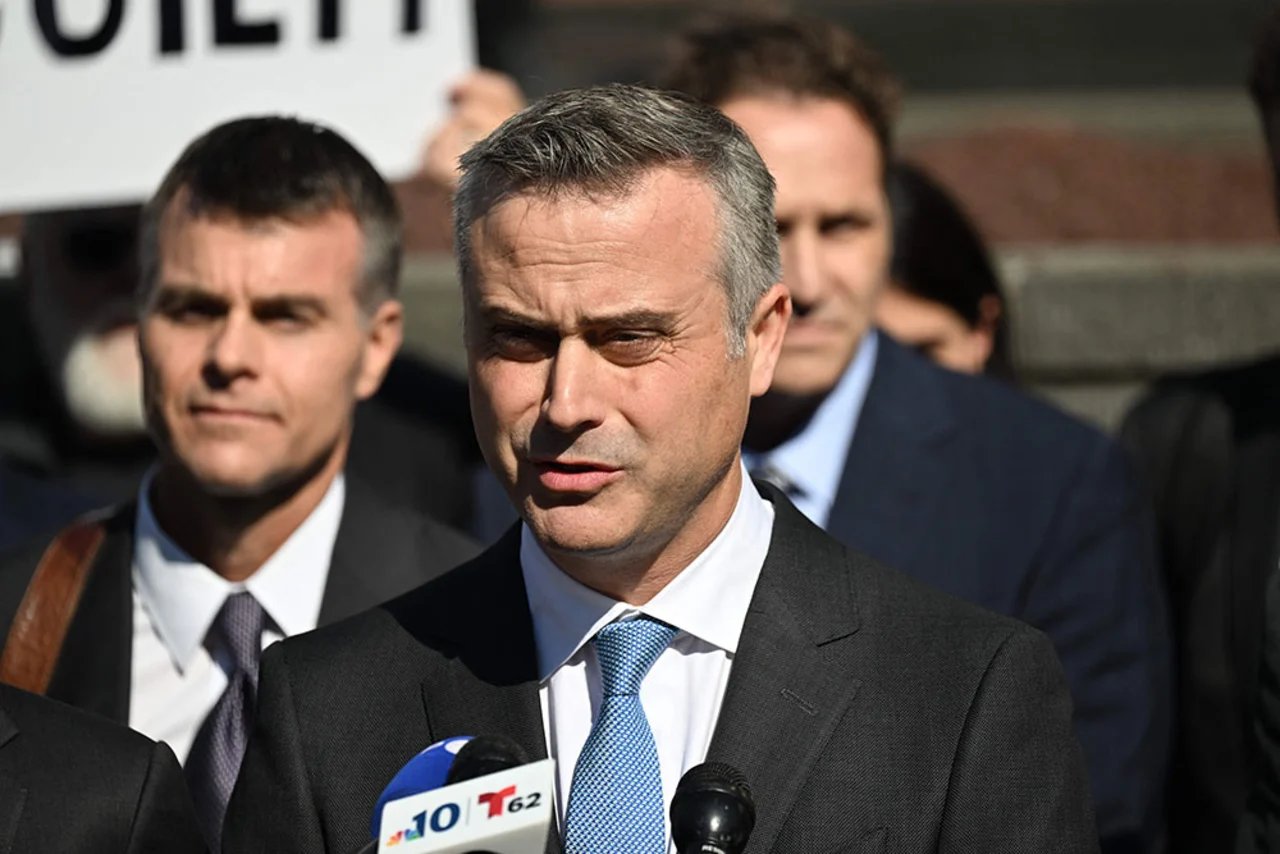
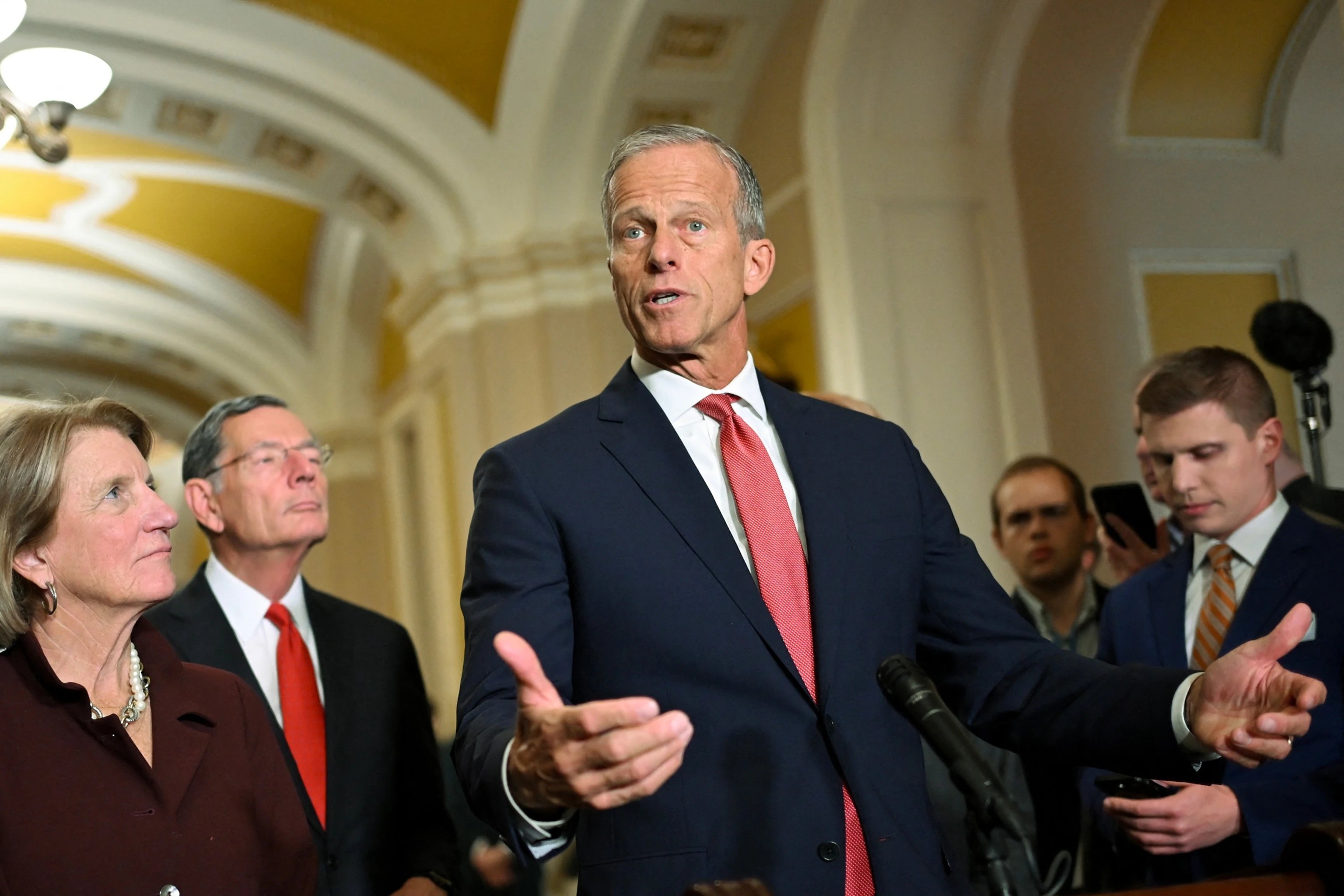
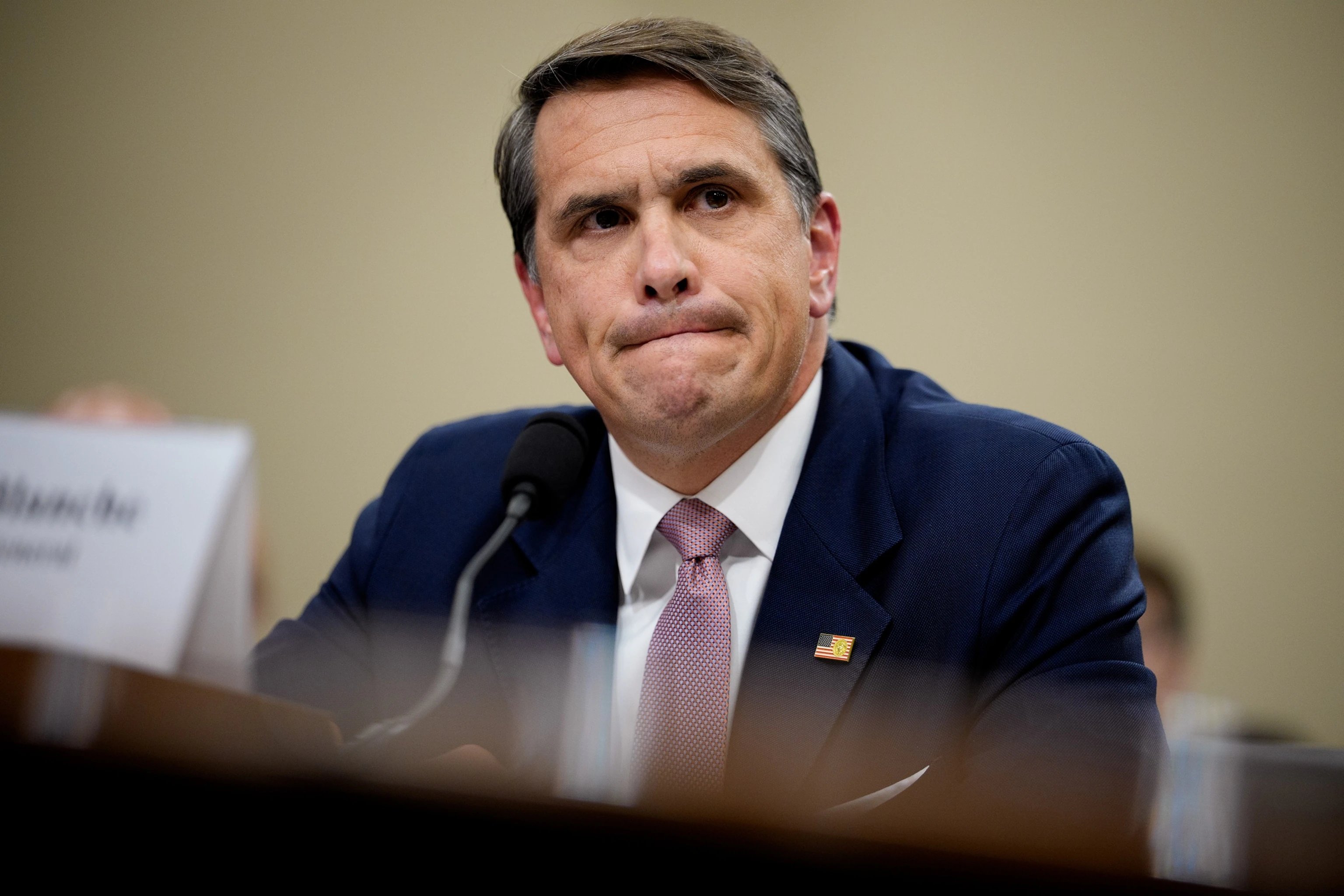
Senator Chris Murphy of Connecticut challenged the decision to lift sanctions before a final agreement. Murphy told MSNBC's Chris Hayes on "All In" that the sanctions relief agreed to in the country's memorandum of understanding with the U.S. makes it "harder to make a deal" with the Islamic regime. He pointed to the Obama administration's approach, noting it "didn't release all these sanctions ahead" of securing a comprehensive agreement.
Murphy's criticism reflects concern among some Democrats that offering concessions early removes leverage in ongoing negotiations. His comments suggest internal disagreement over whether the temporary lifting strengthens or weakens the U.S. position as talks continue.
Frozen assets remain trapped across global banking system
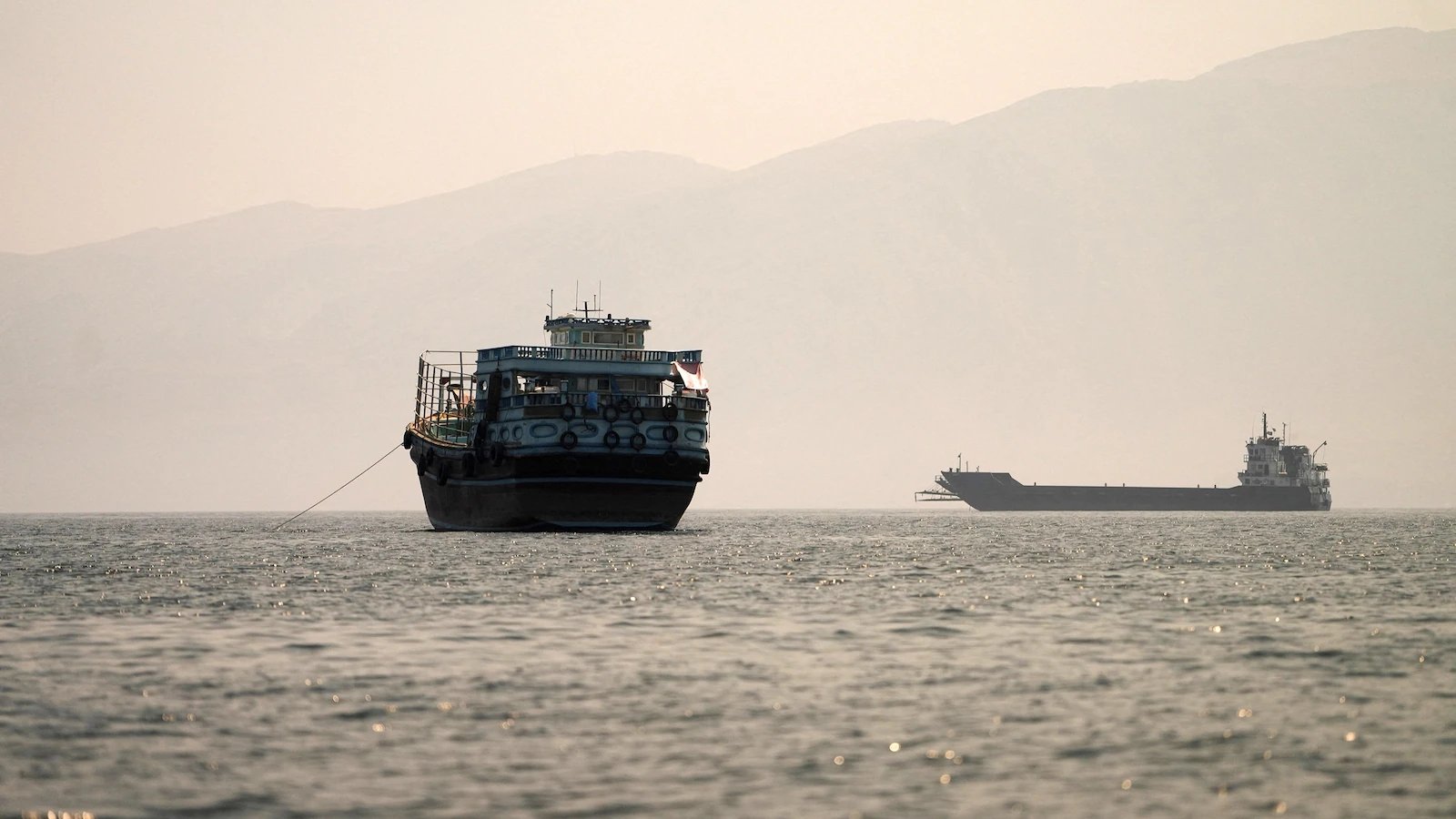
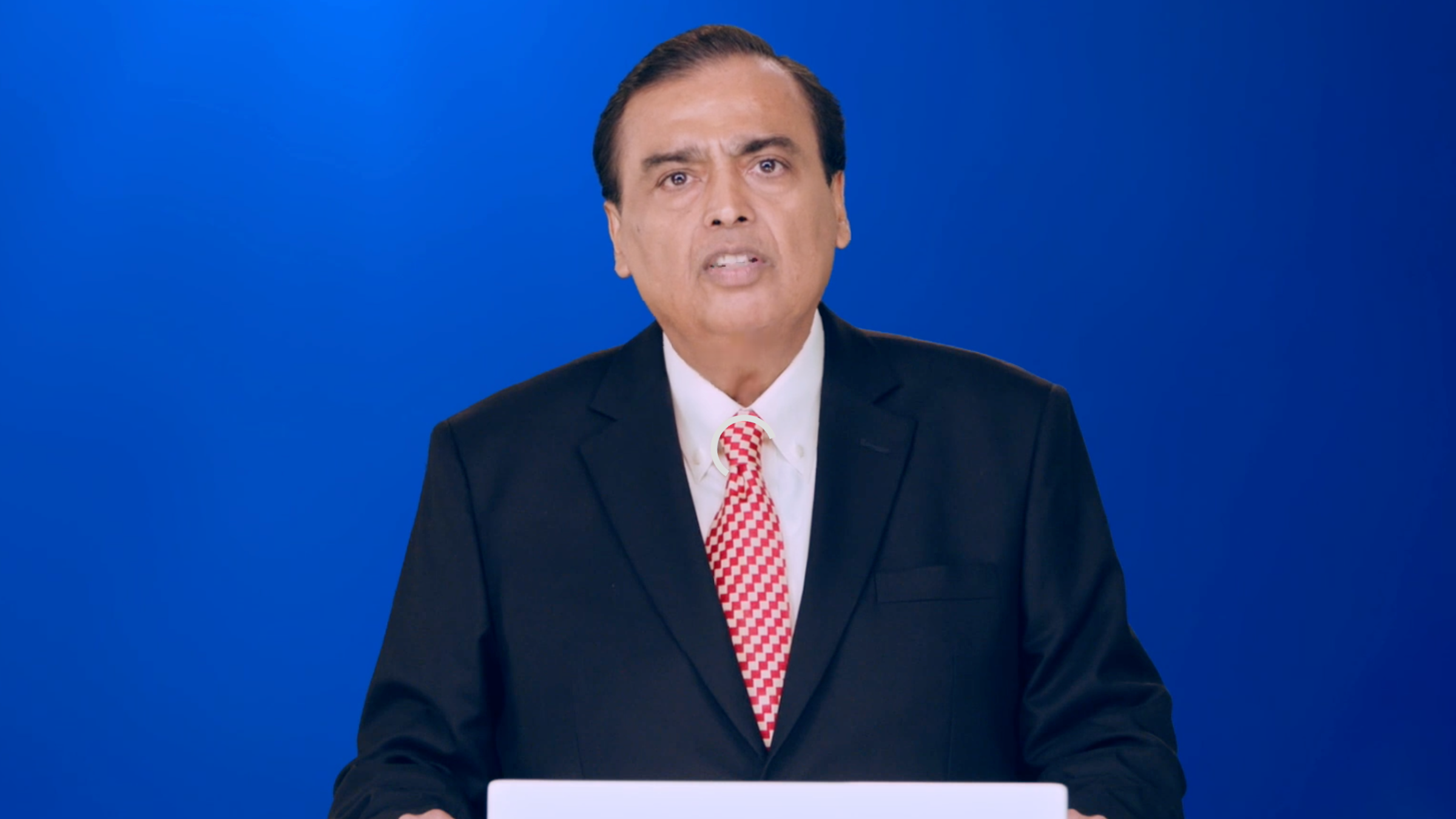
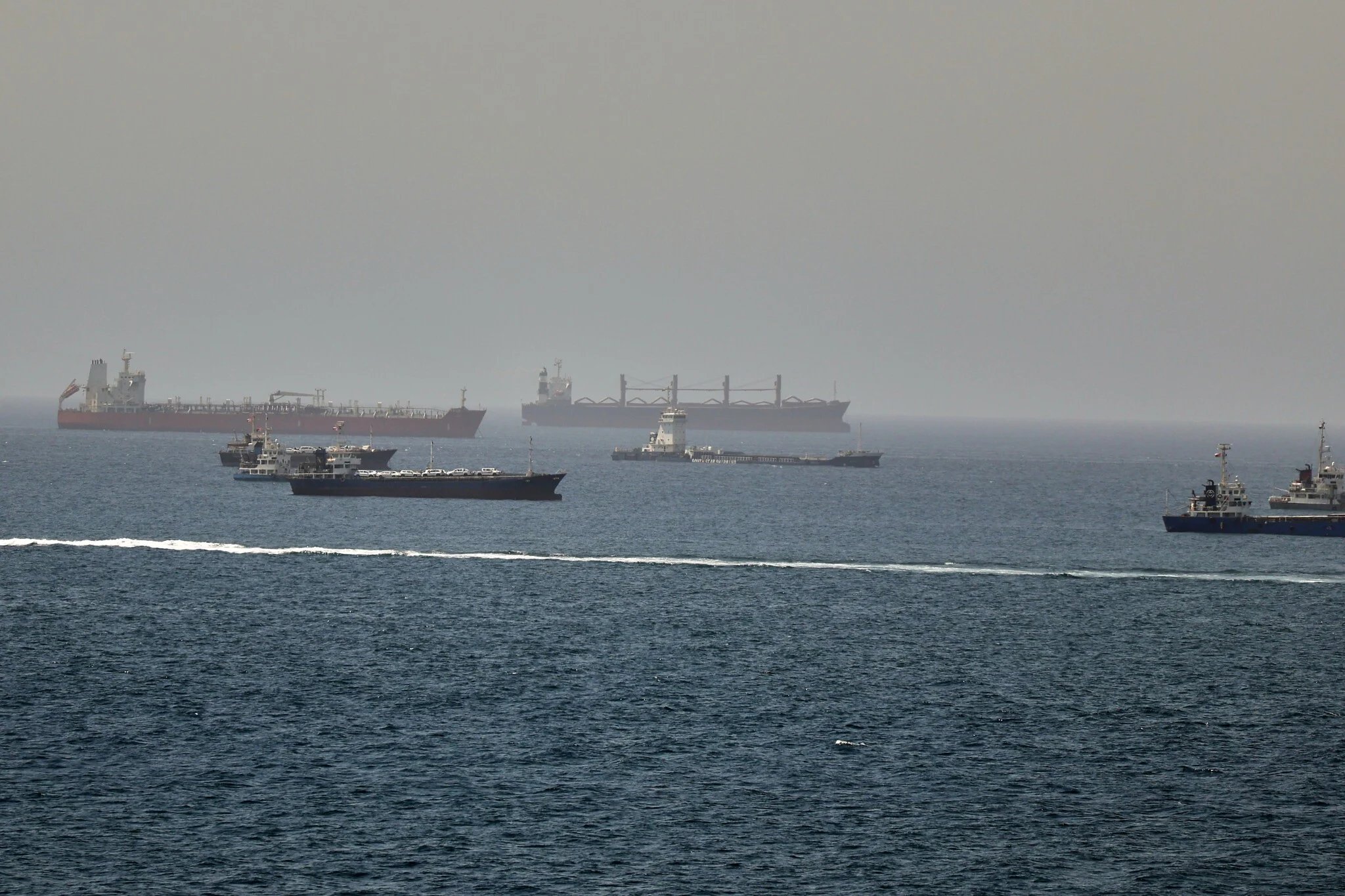
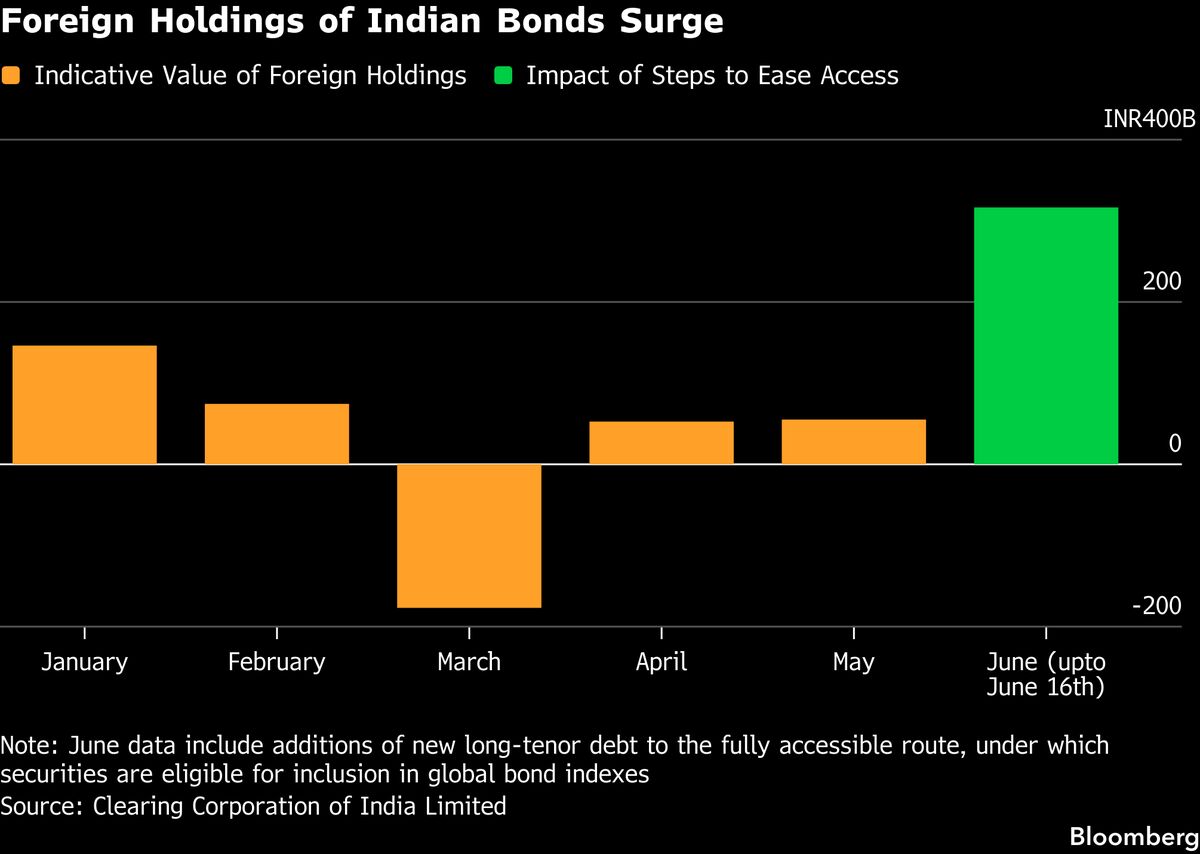
Iran's ability to benefit from sanctions relief faces a practical obstacle: billions of dollars remain frozen in accounts across multiple countries. According to reporting from India, Iran's frozen billions are trapped in a sanctions maze involving accounts in India, China, Iraq, and other nations. The complexity of unfreezing these assets through international banking systems could delay any economic windfall from the oil sanctions lift, even as the U.S. removes its direct restrictions.
The frozen funds represent years of accumulated revenue that Iran cannot access without cooperation from other nations and their financial institutions. Resolving this logistical problem may require separate negotiations beyond the current Switzerland talks.