




Release Following Diplomatic Discussions
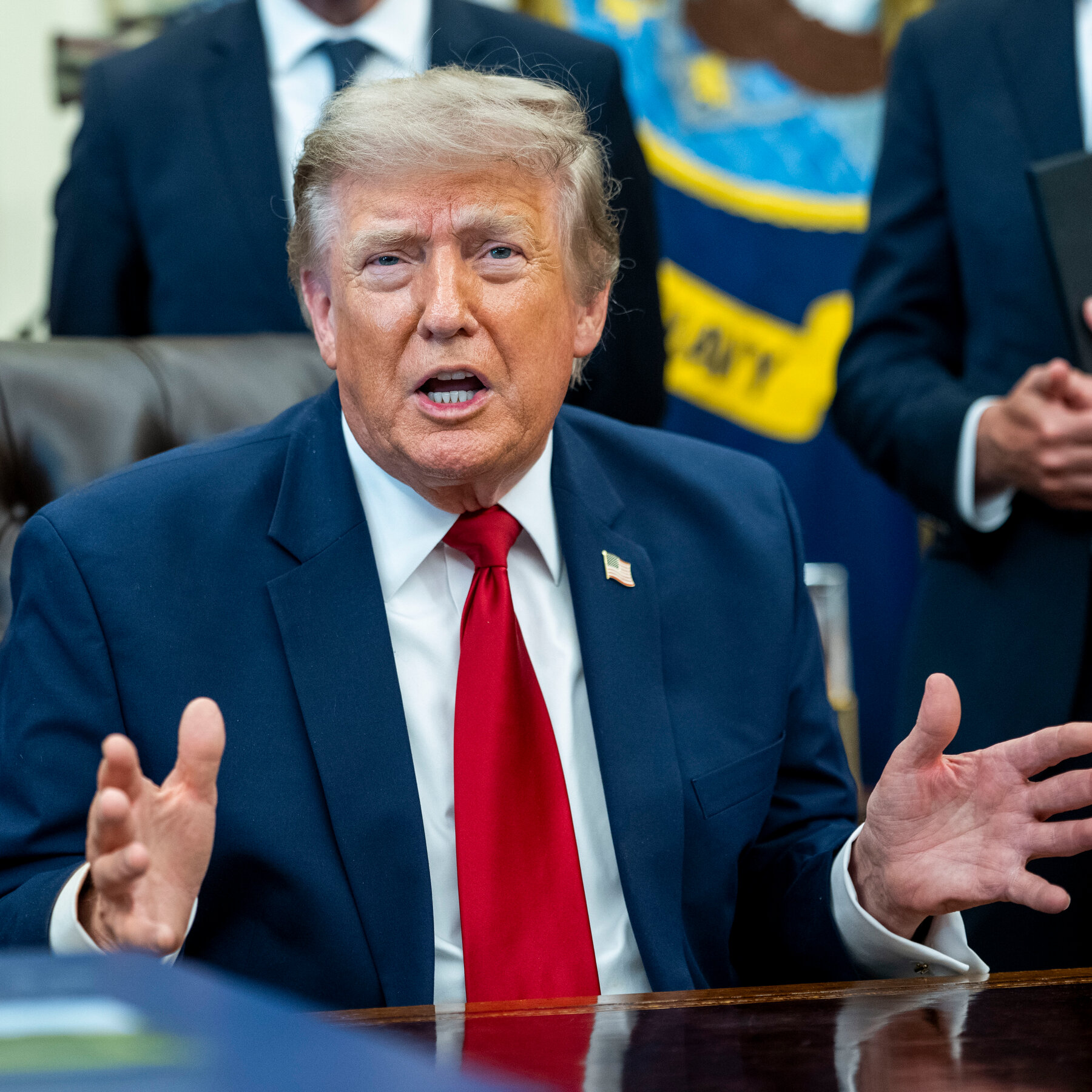
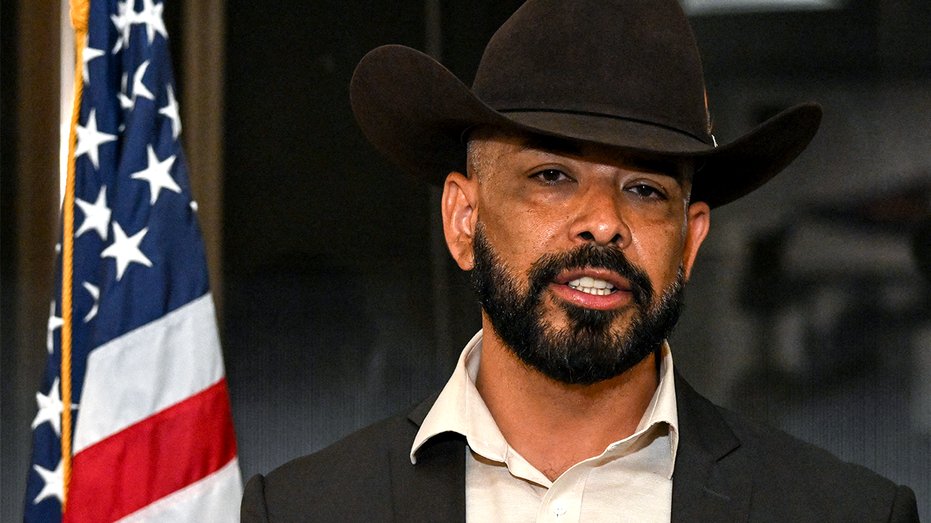
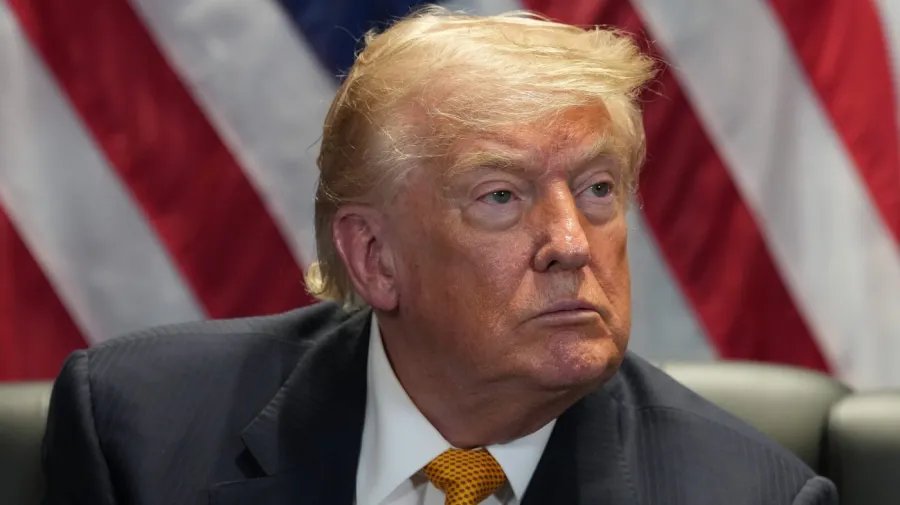
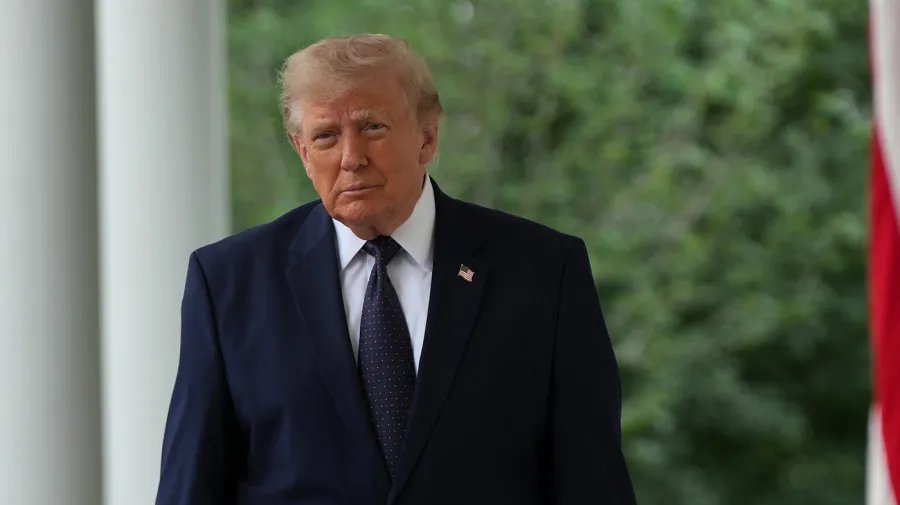
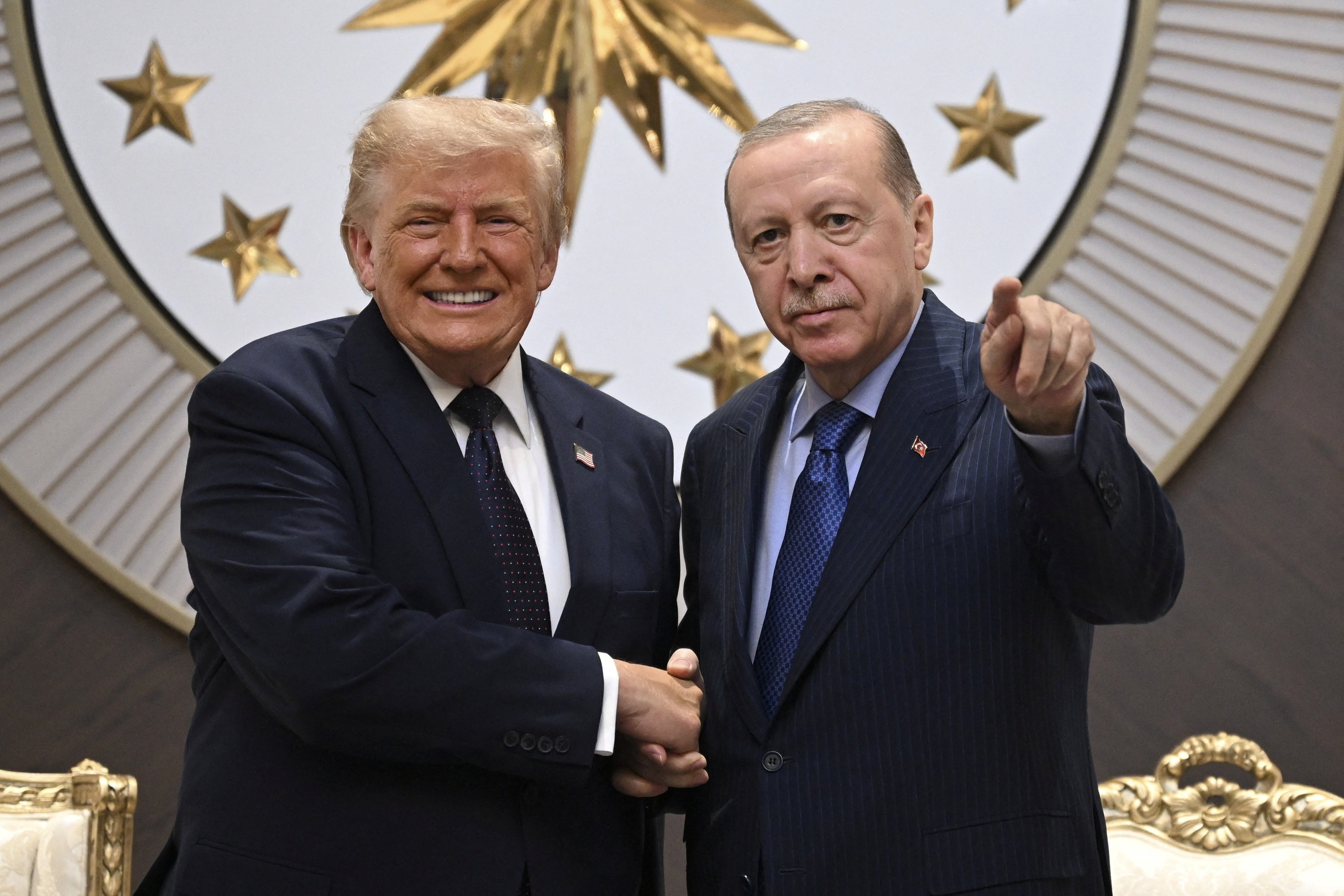
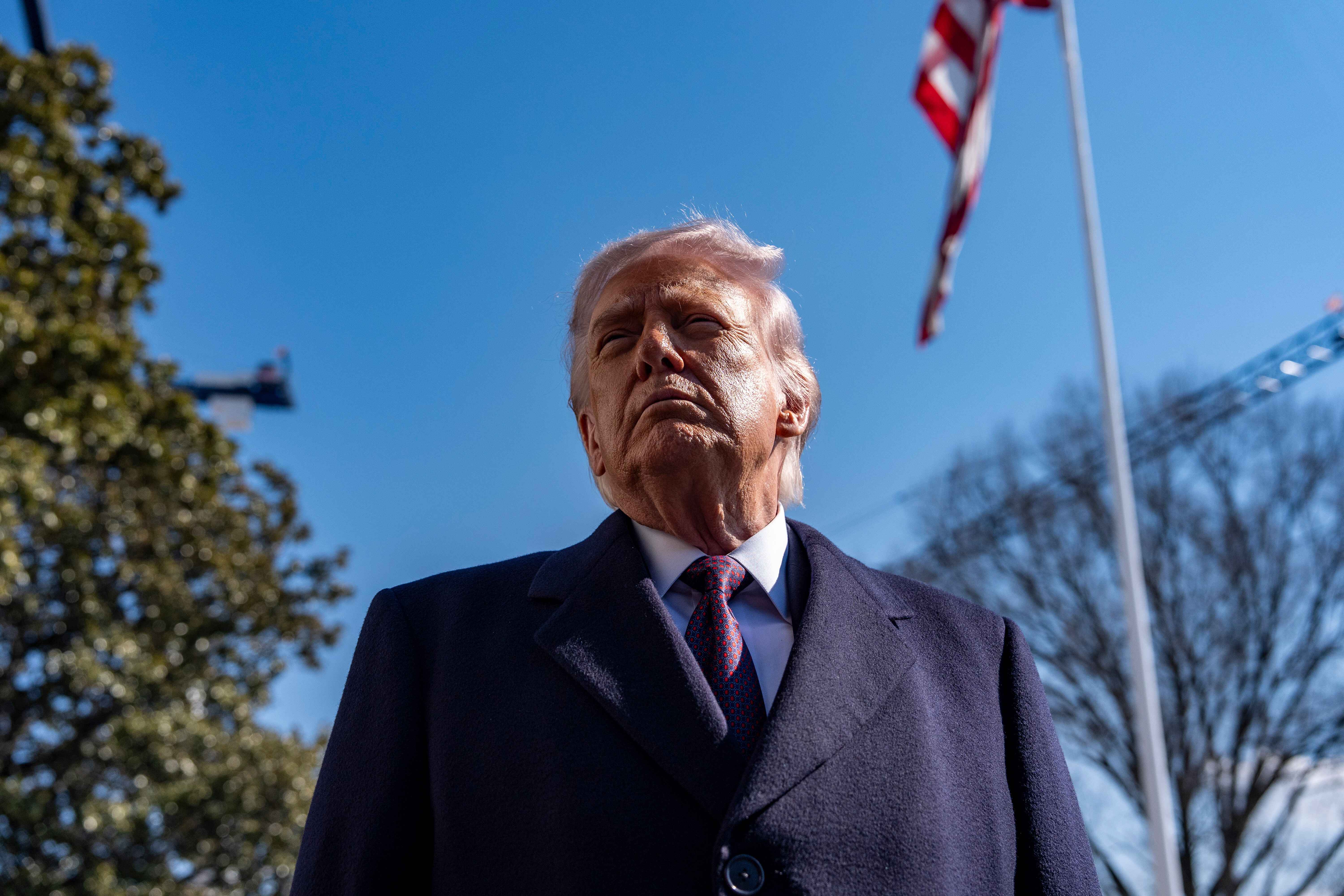
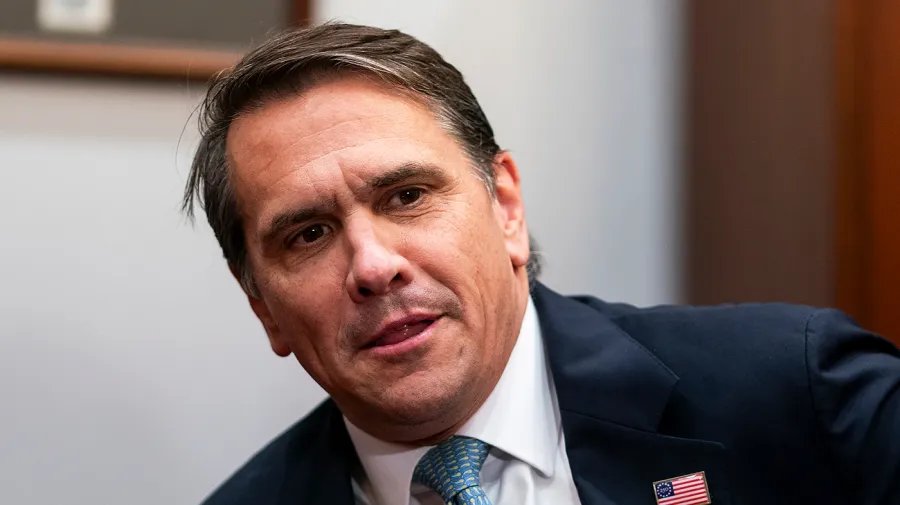
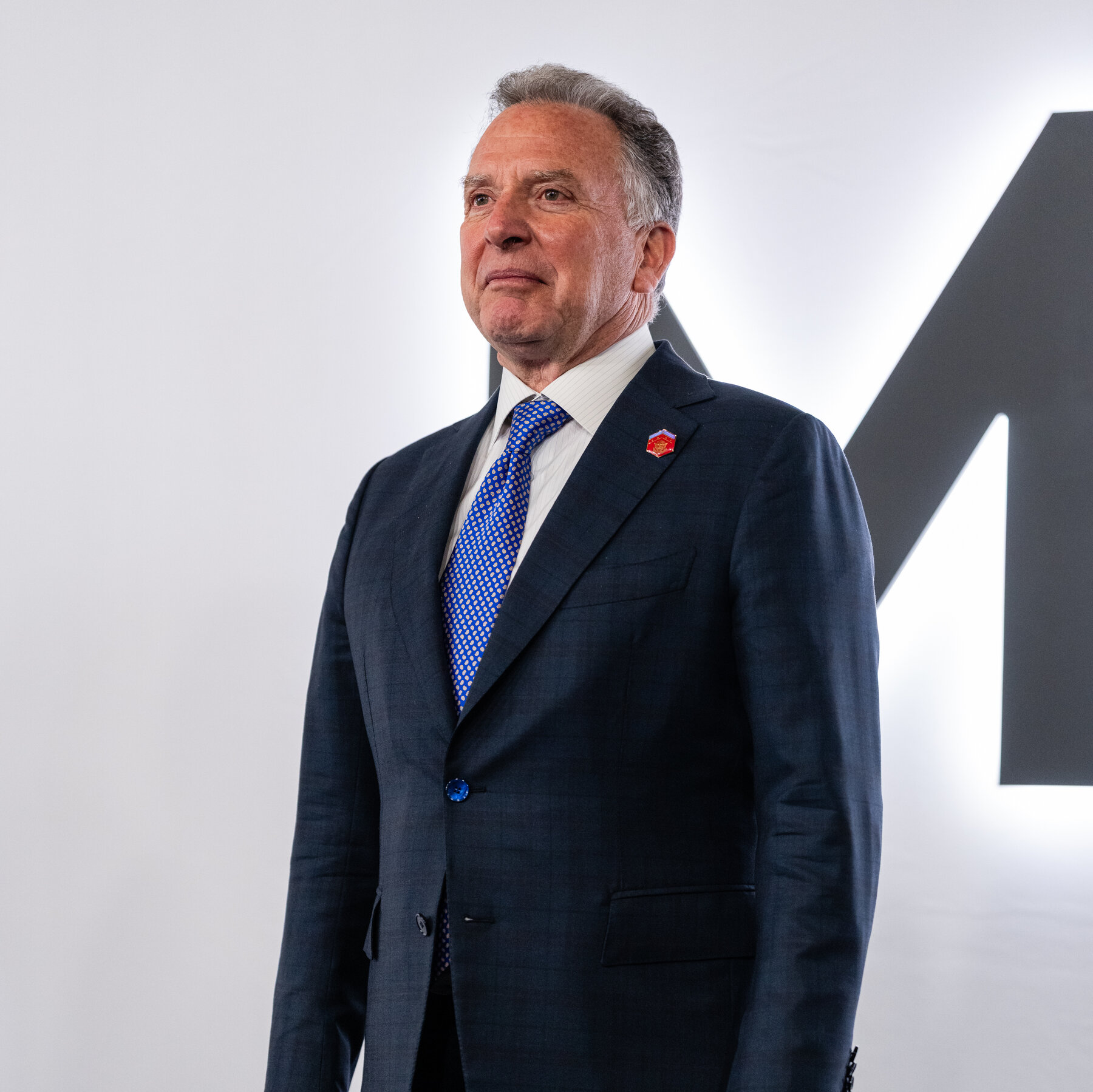
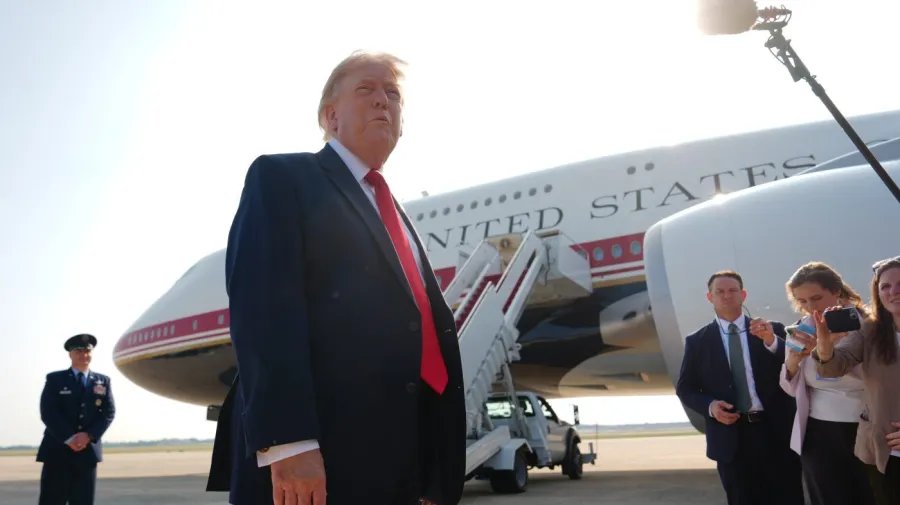
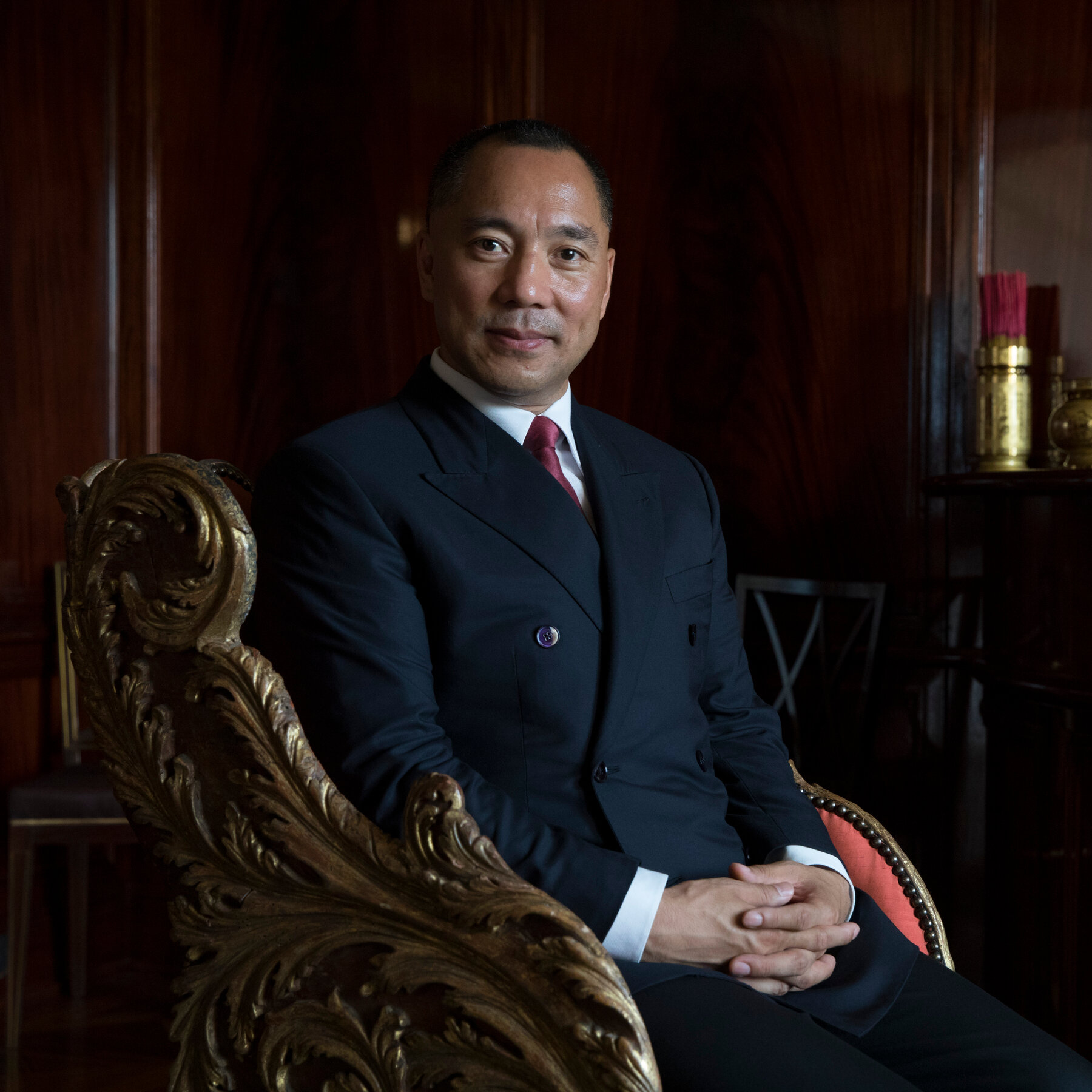
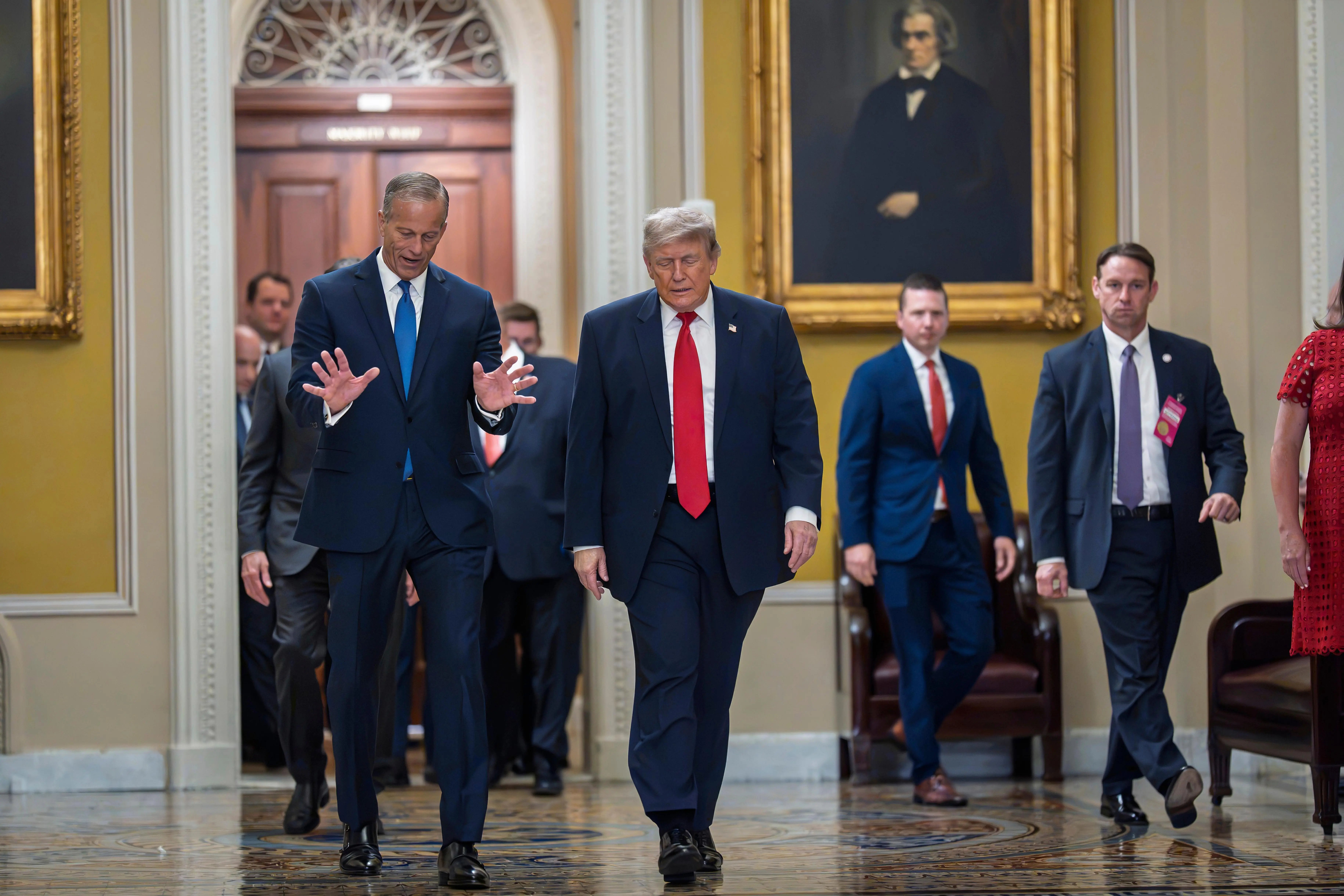
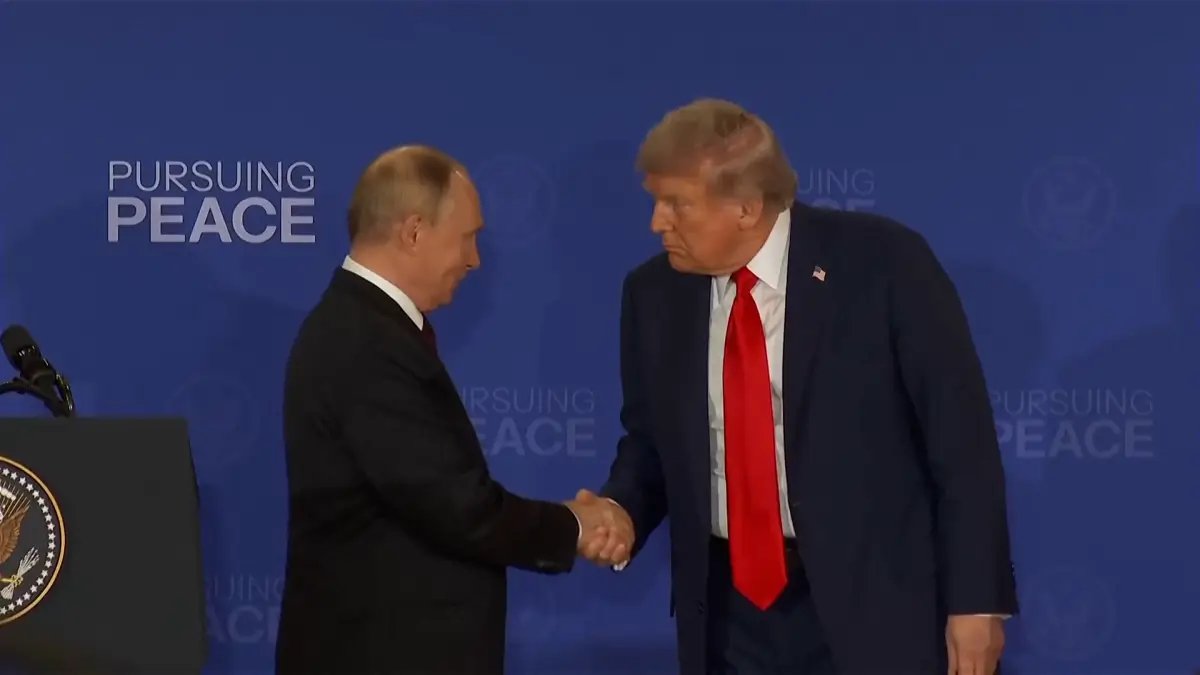
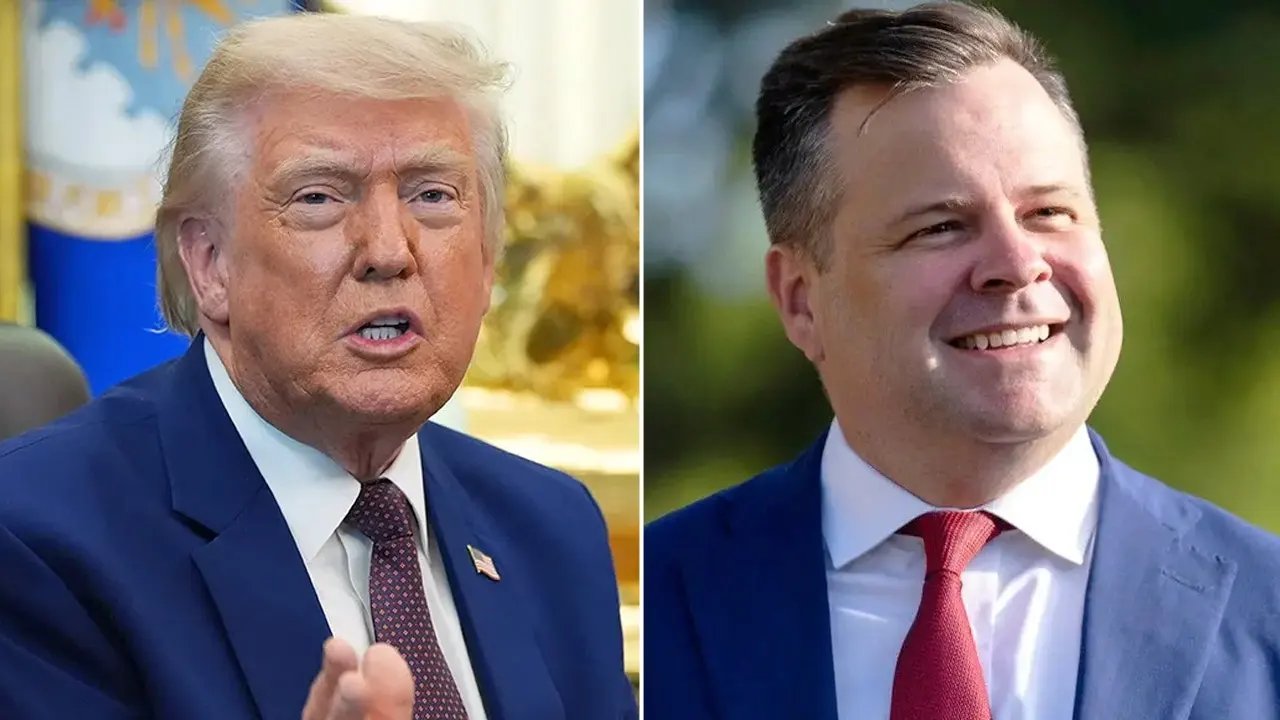
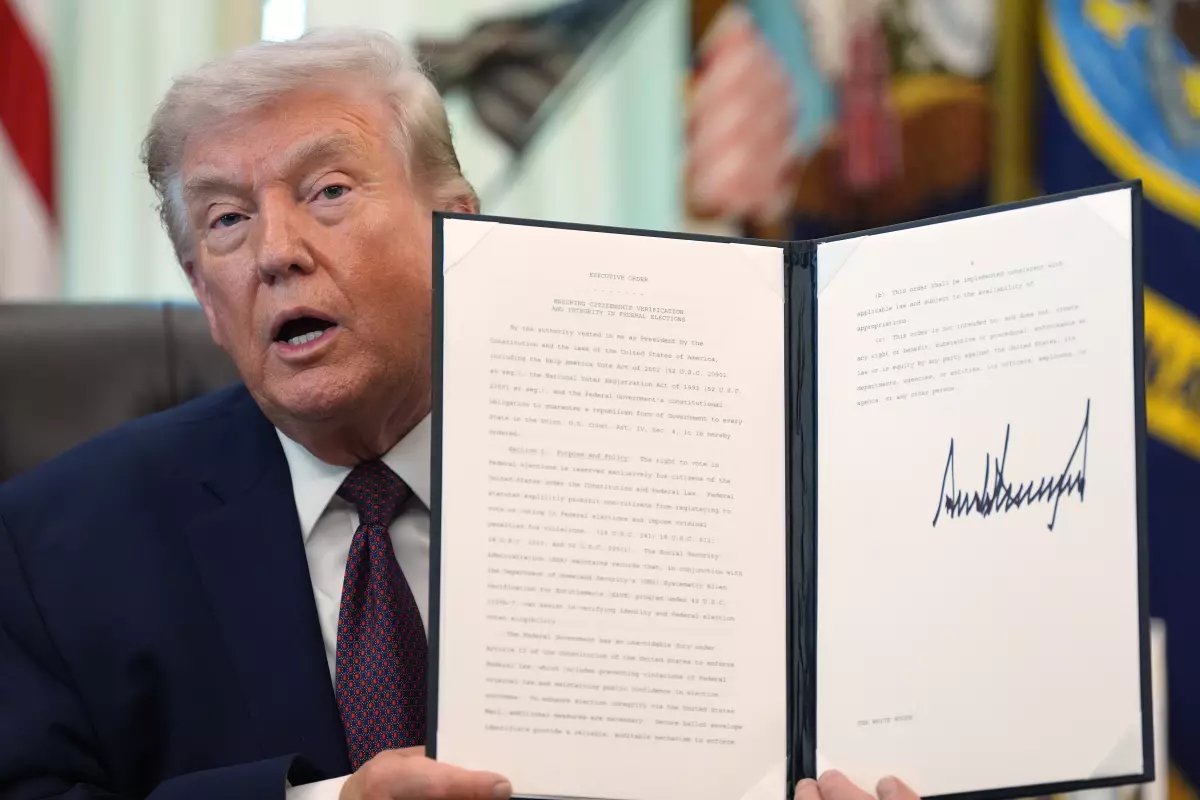
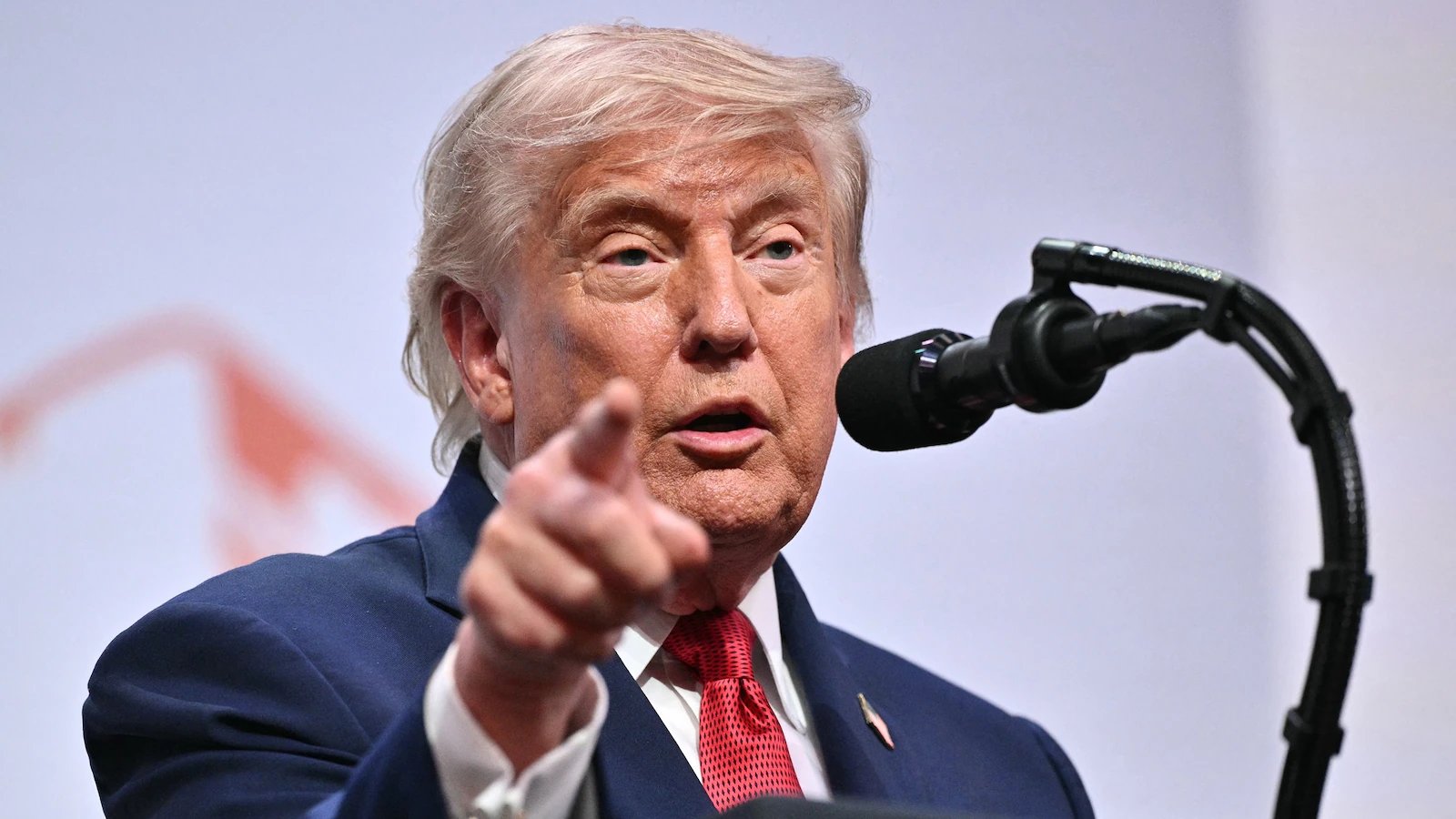
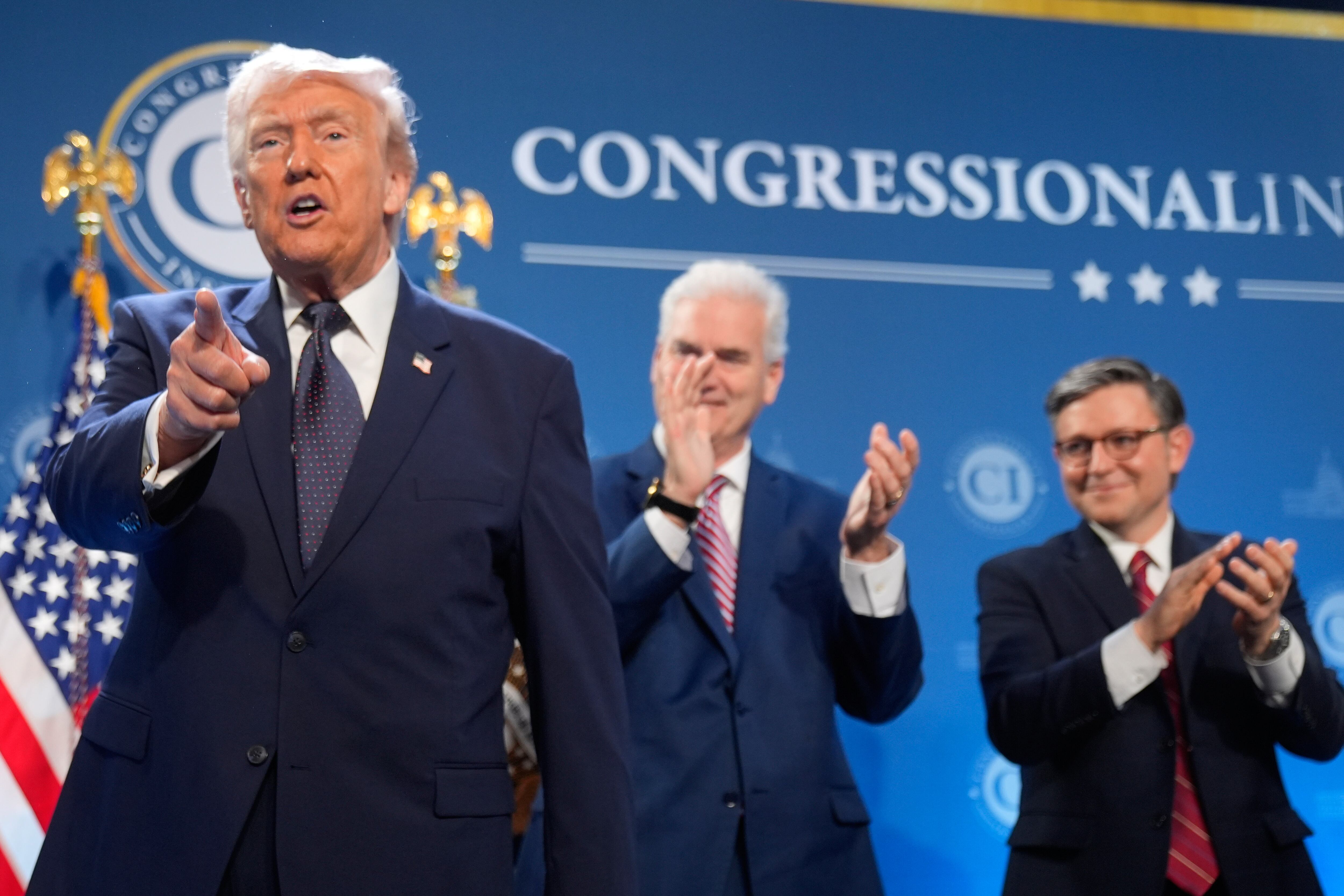
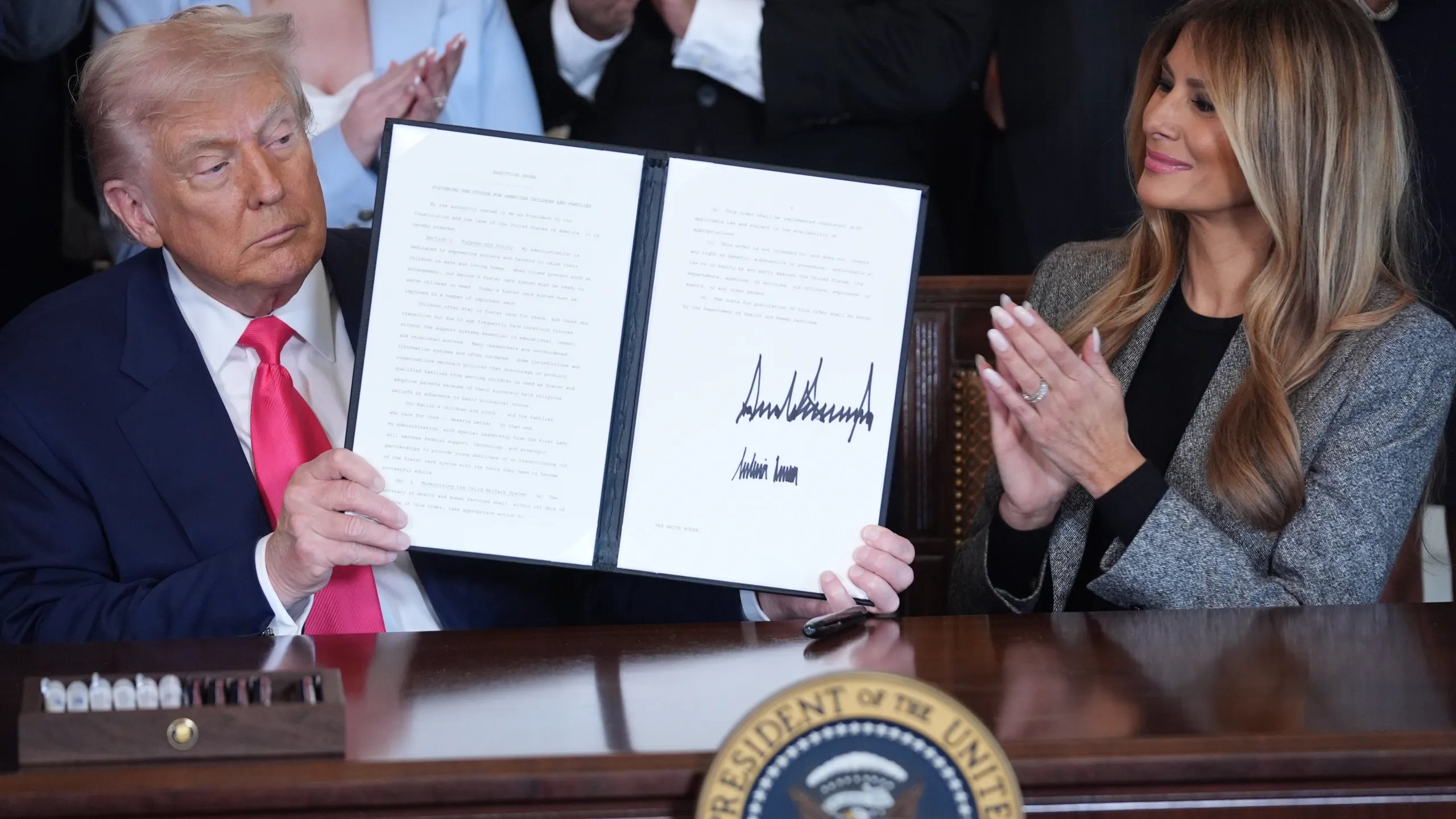
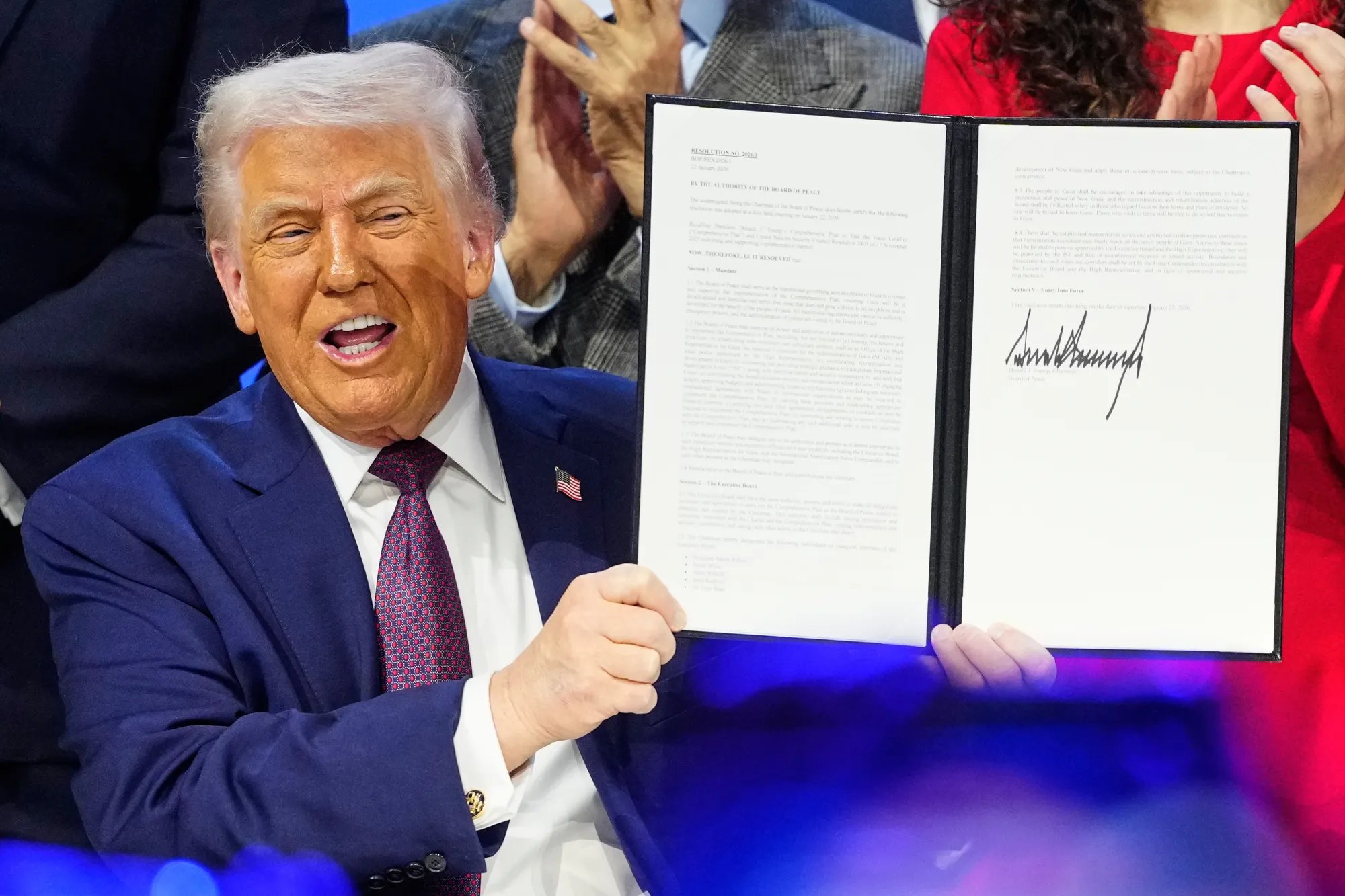
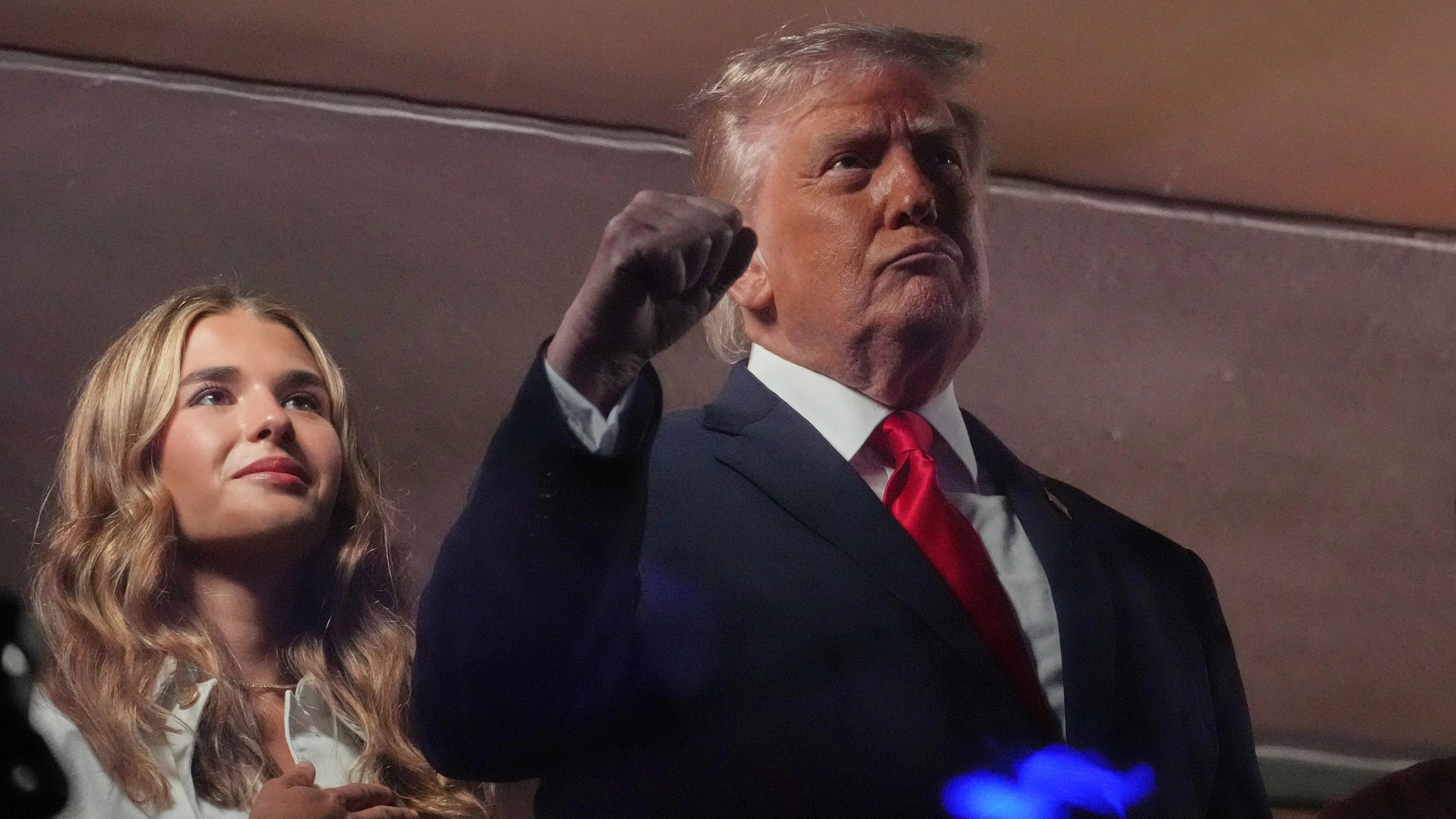
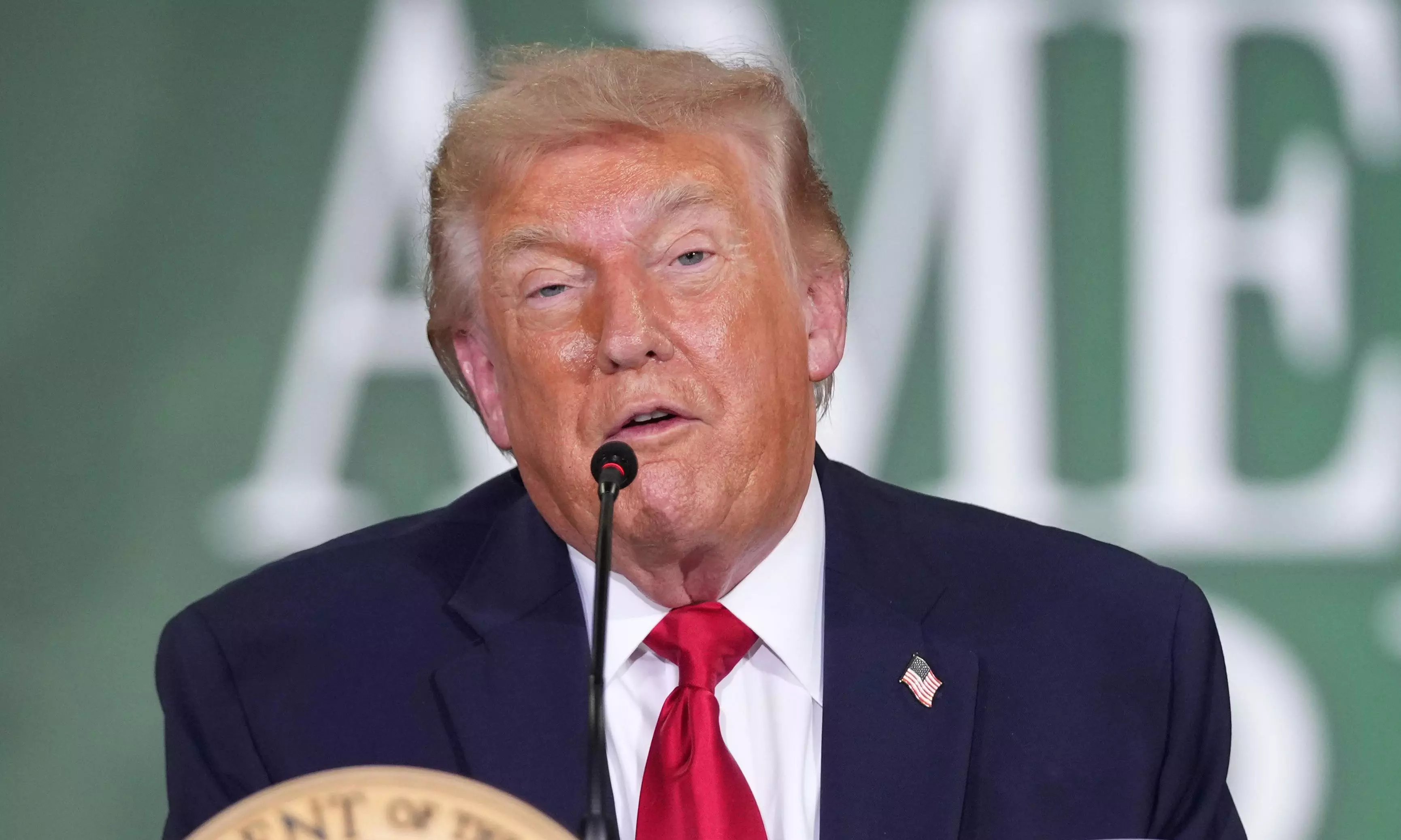
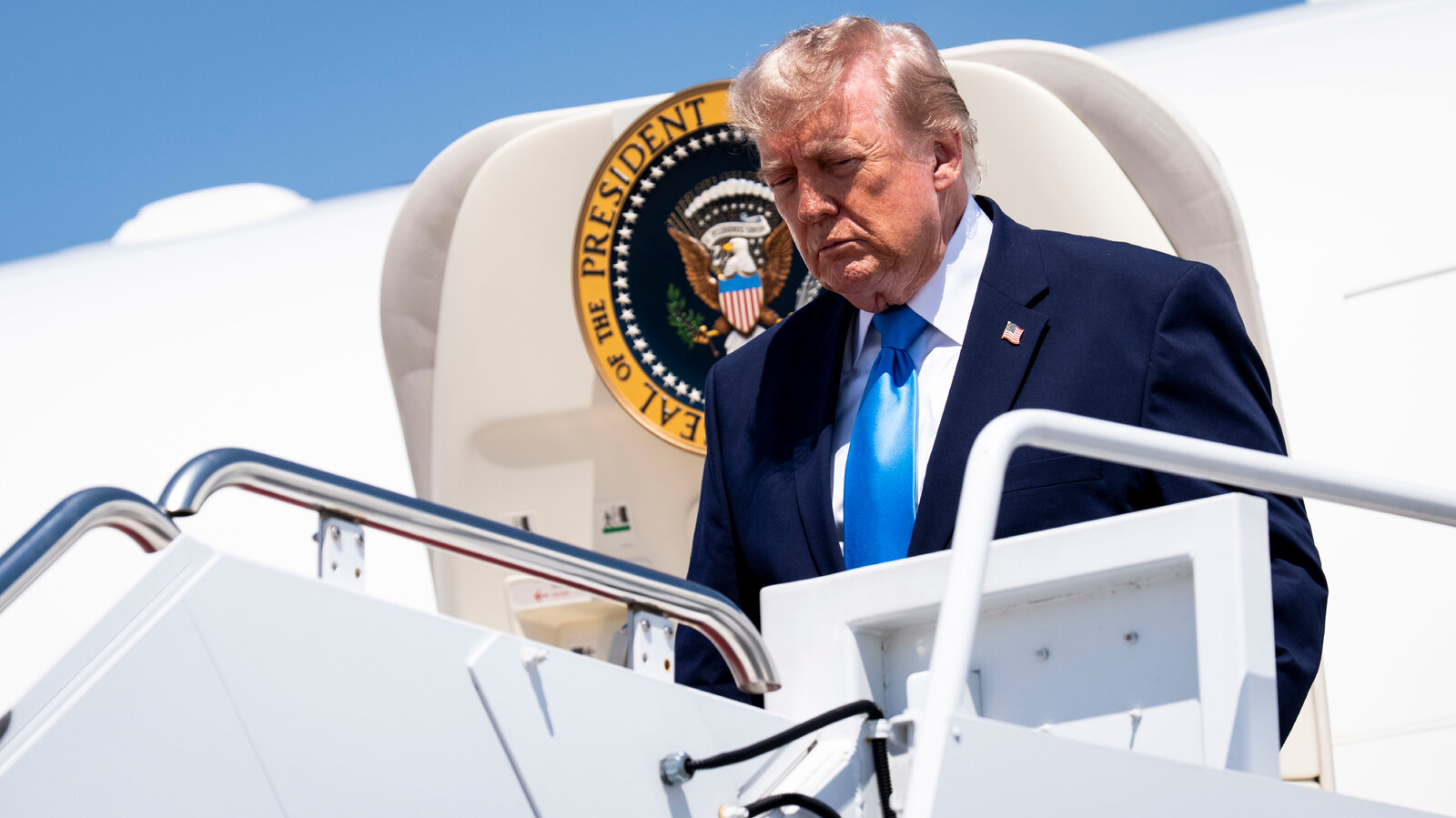
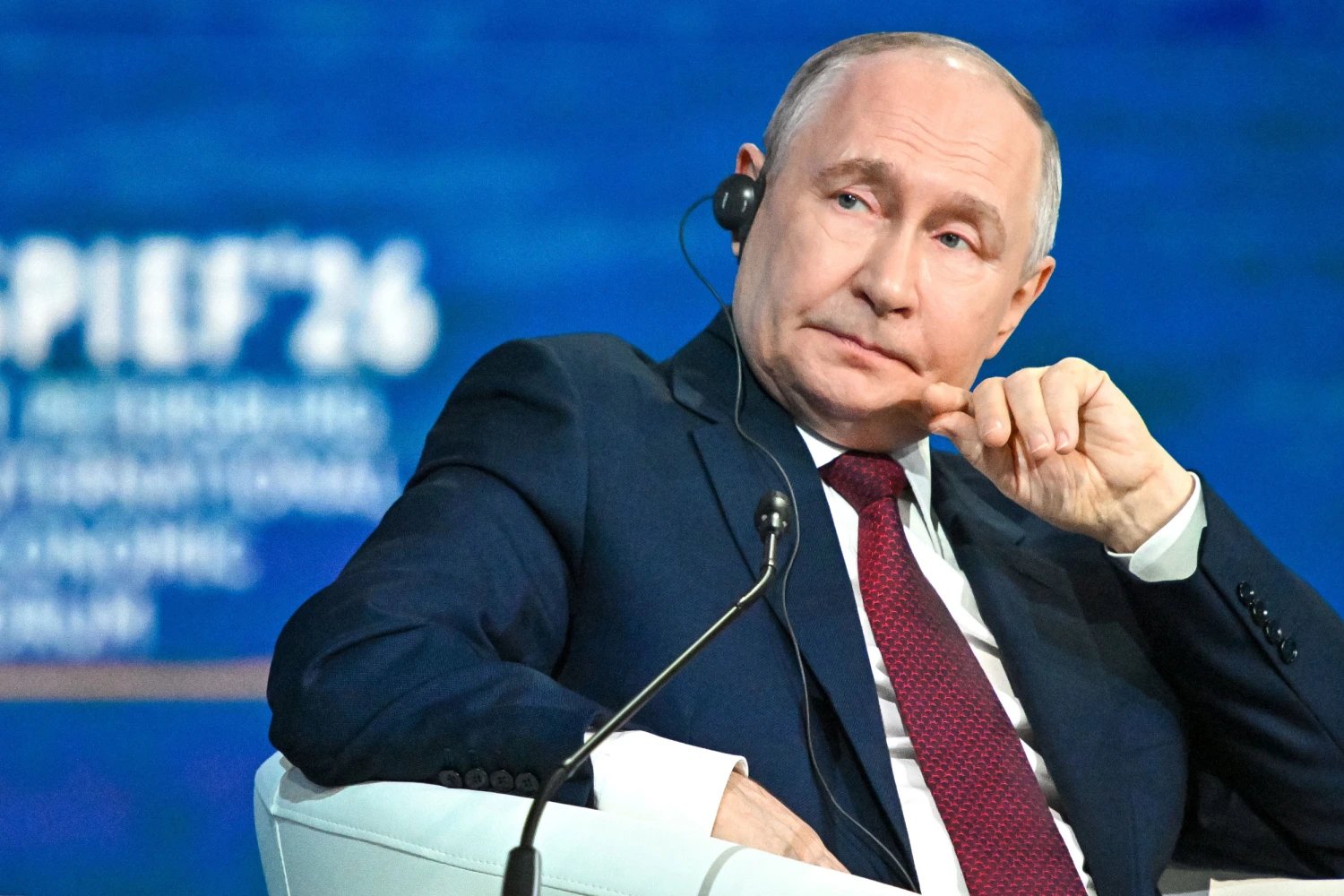
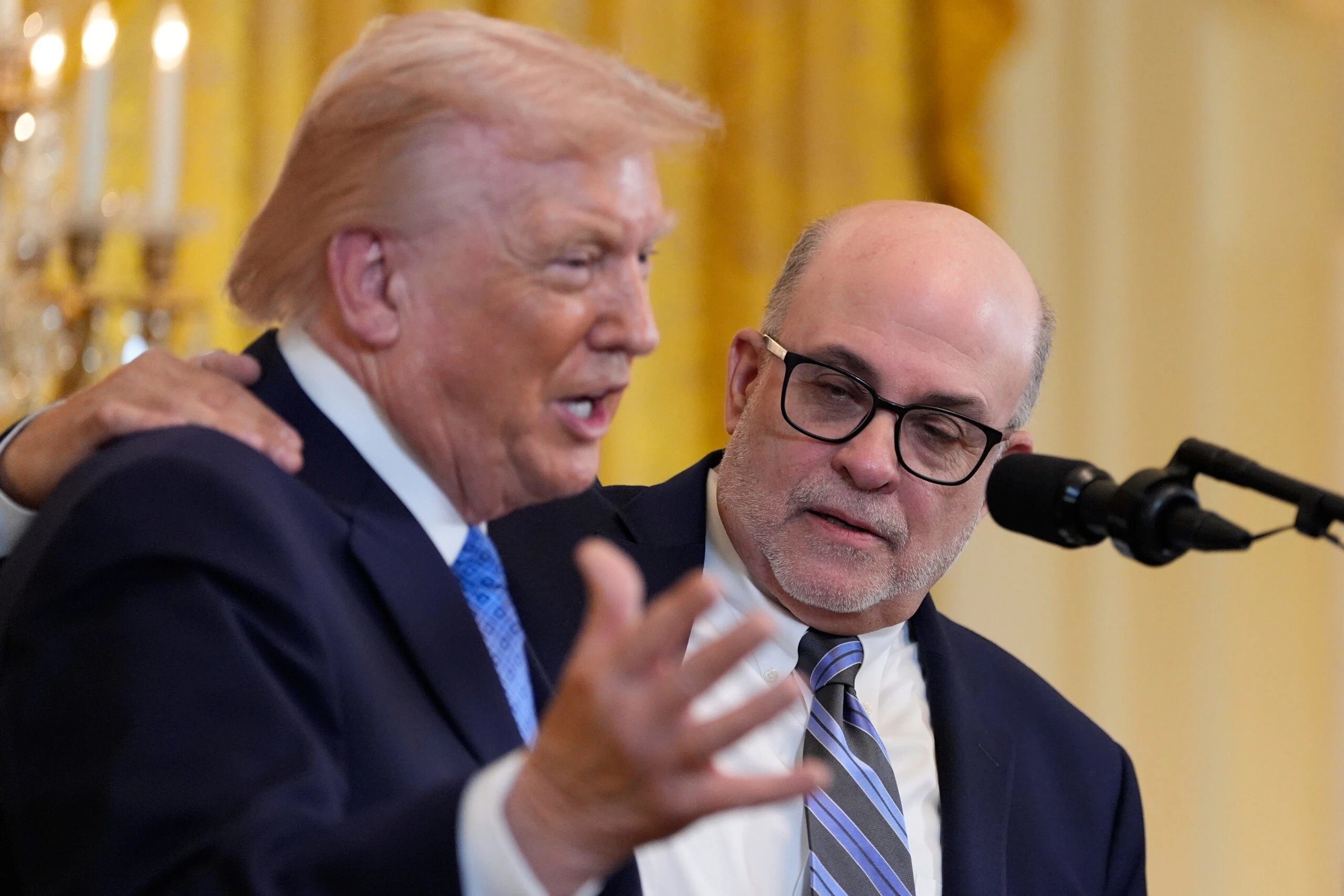
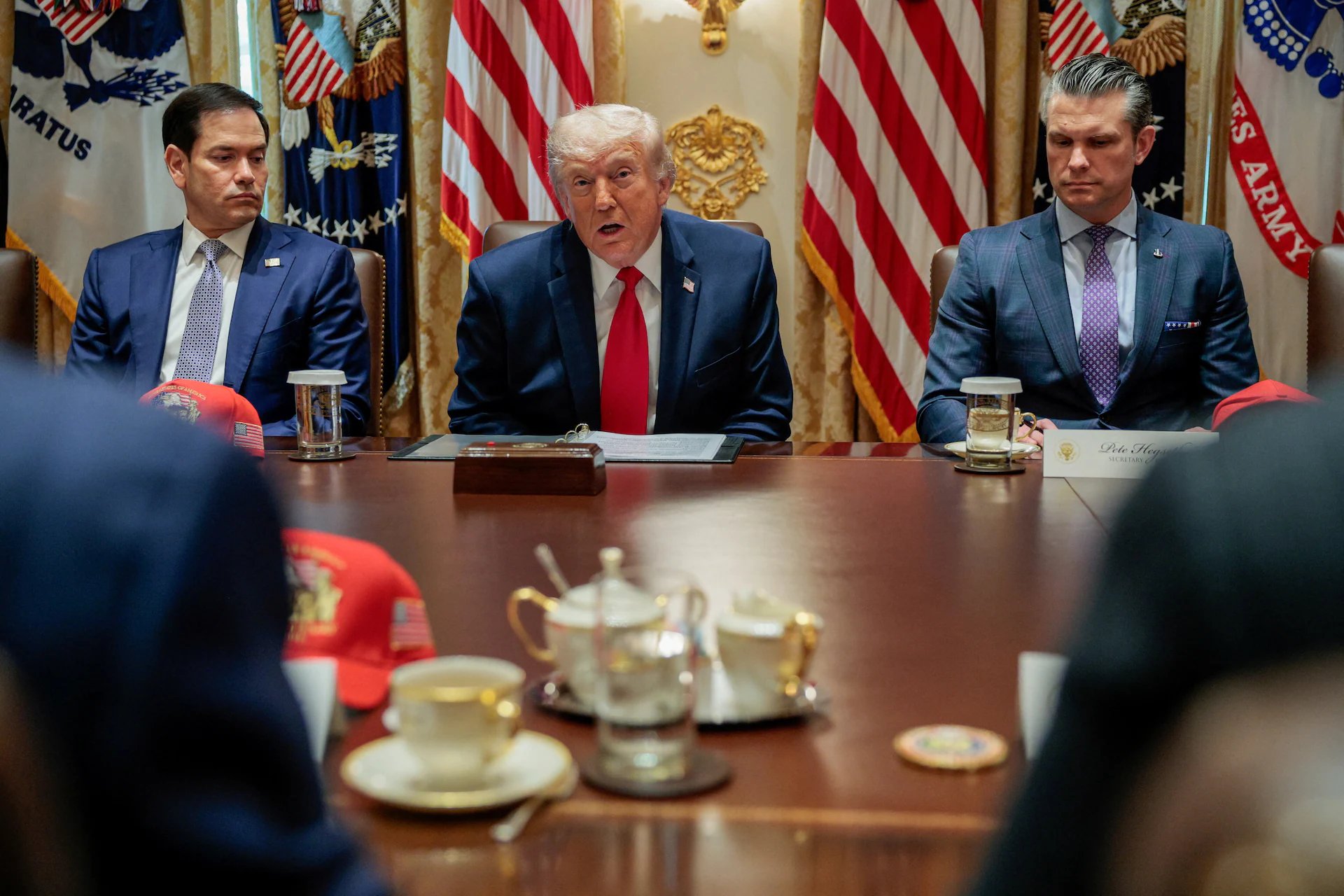
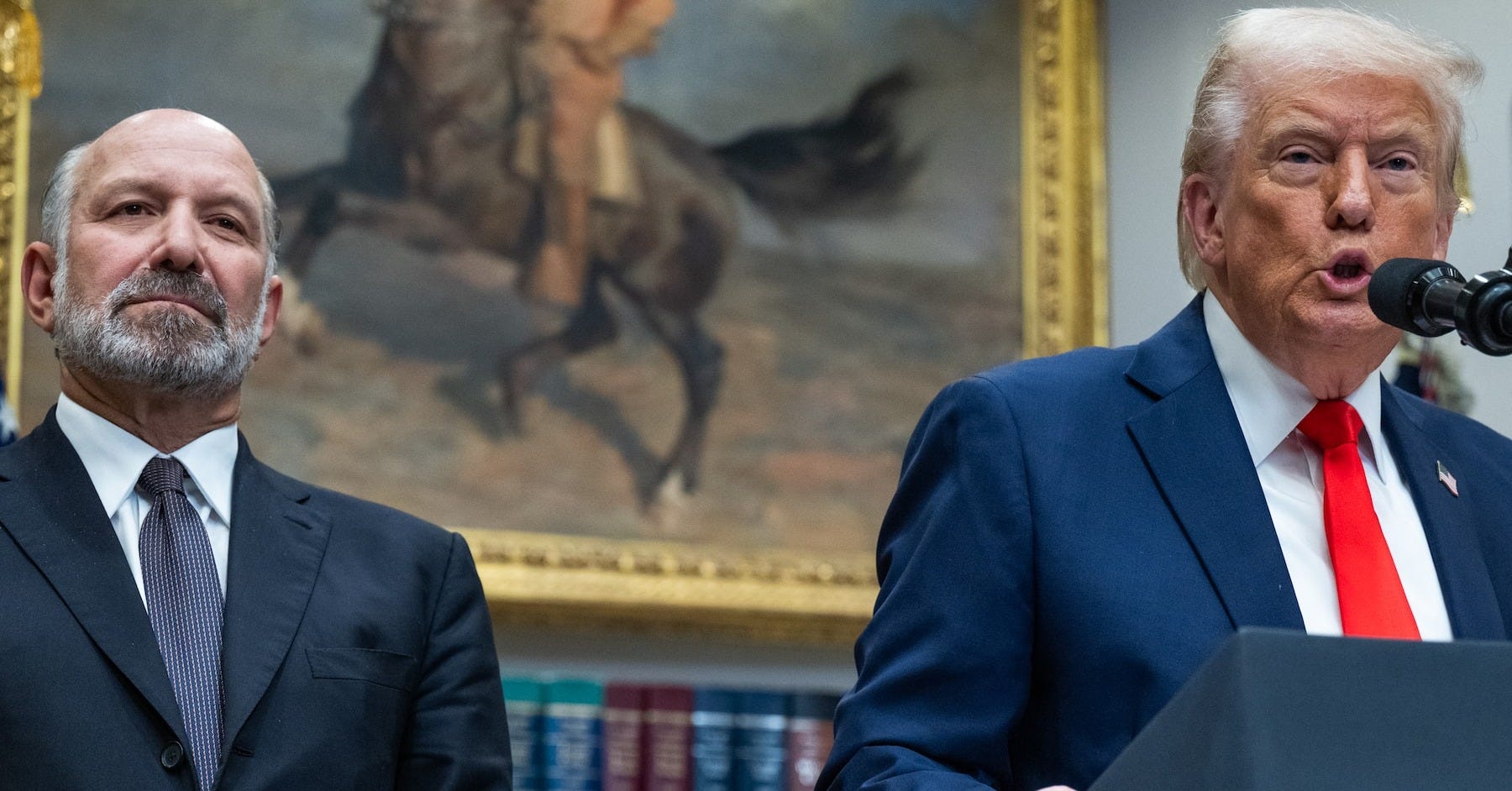
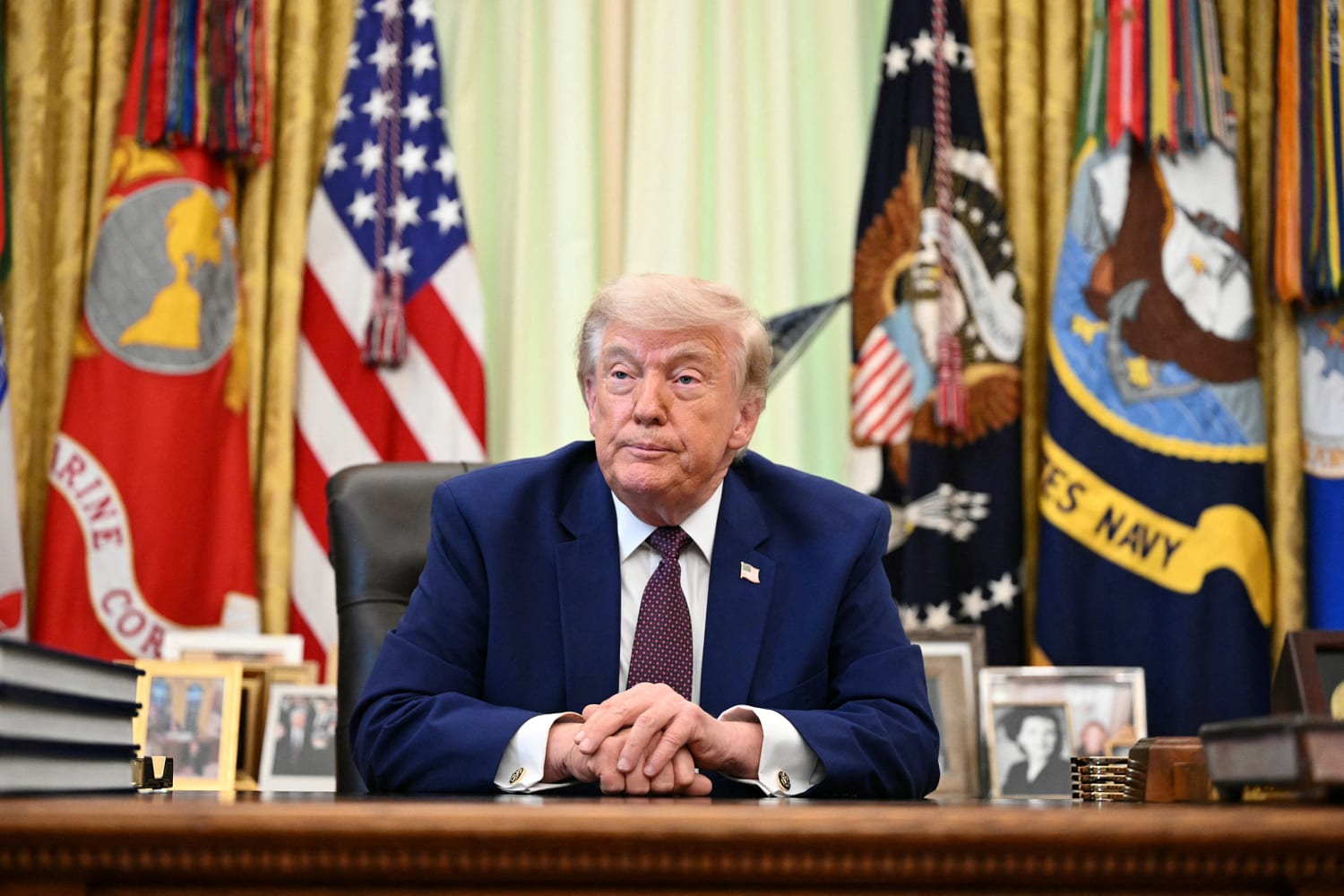
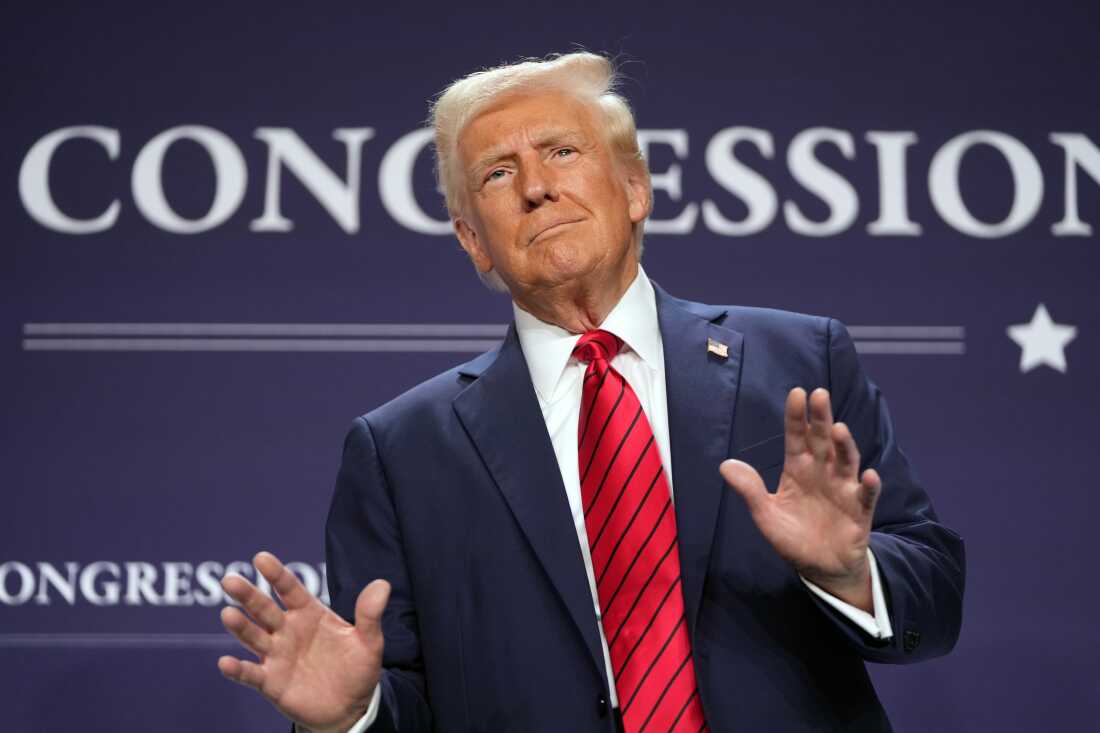
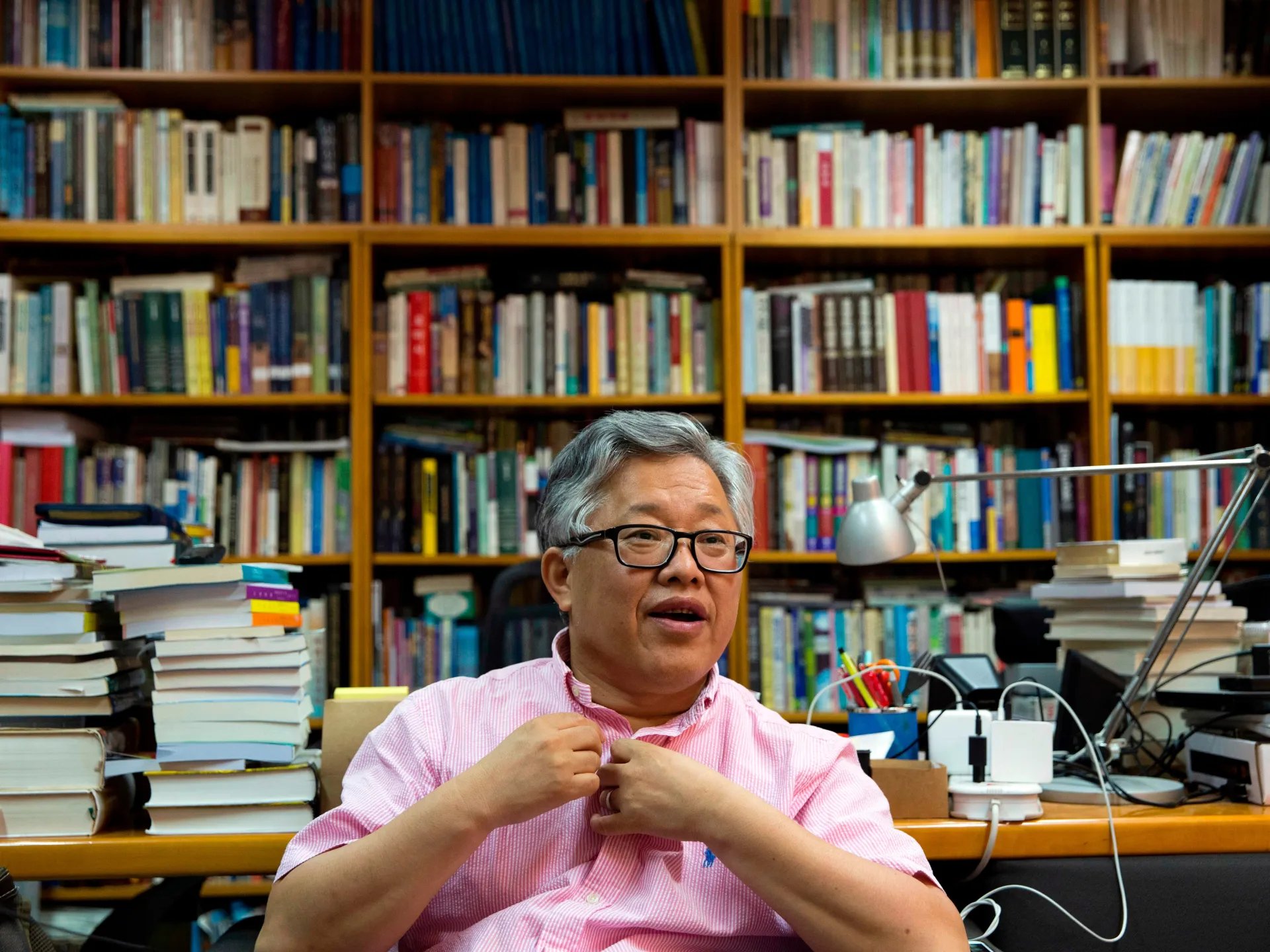
Pastor Ezra Jin Mingri, founder of the underground Zion Church in Beijing, has been released from a Chinese detention center and arrived in Los Angeles on July 4. His release comes less than two months after U.S. President Donald Trump raised his case directly with Chinese President Xi Jinping during a visit to Beijing in May. Jin was among 18 leaders of his church detained in October during one of the largest crackdowns on religious groups in recent Chinese history.
Family's Gratitude and Hopes for Change
Jin's family expressed overwhelming joy at his release, thanking President Trump and acknowledging Xi Jinping's role in the decision. "We truly witnessed a miracle," they stated, hoping that this event signals a positive turn for religious freedom in China and improved relations between the two nations. The family highlighted their belief that Jin's release could not have happened without Xi's direct intervention.
The Crackdown on Zion Church
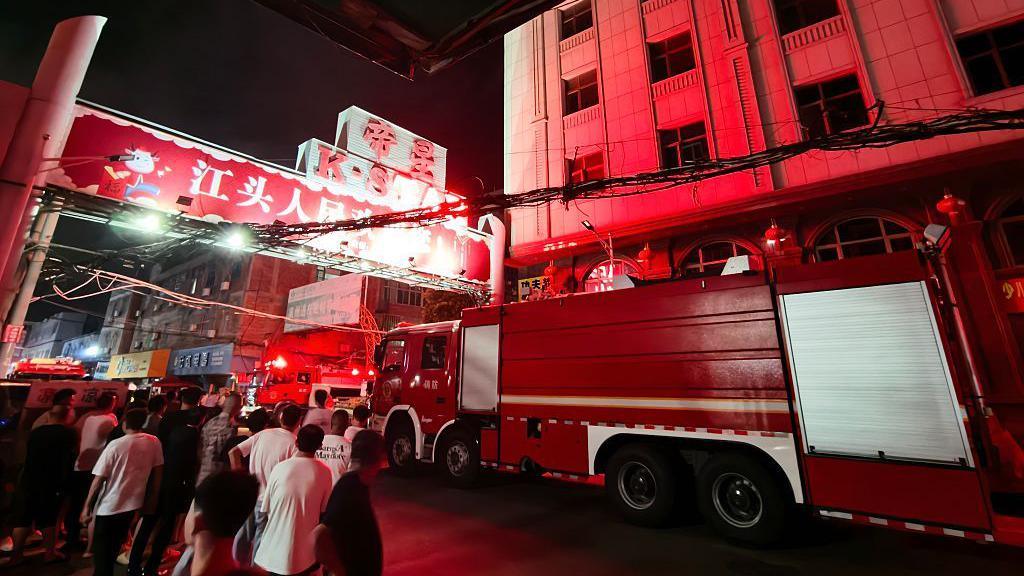
The Zion Church, founded by Jin in 2007, grew to become one of China's largest unregistered Protestant churches, reaching approximately 10,000 members across 40 cities. However, the church was officially banned in 2018 after refusing to comply with government demands for increased surveillance. Authorities detained Jin and others in October 2025, accusing them of illegally using information networks, amid a broader crackdown on independent religious organizations.
Continued Detention of Church Members
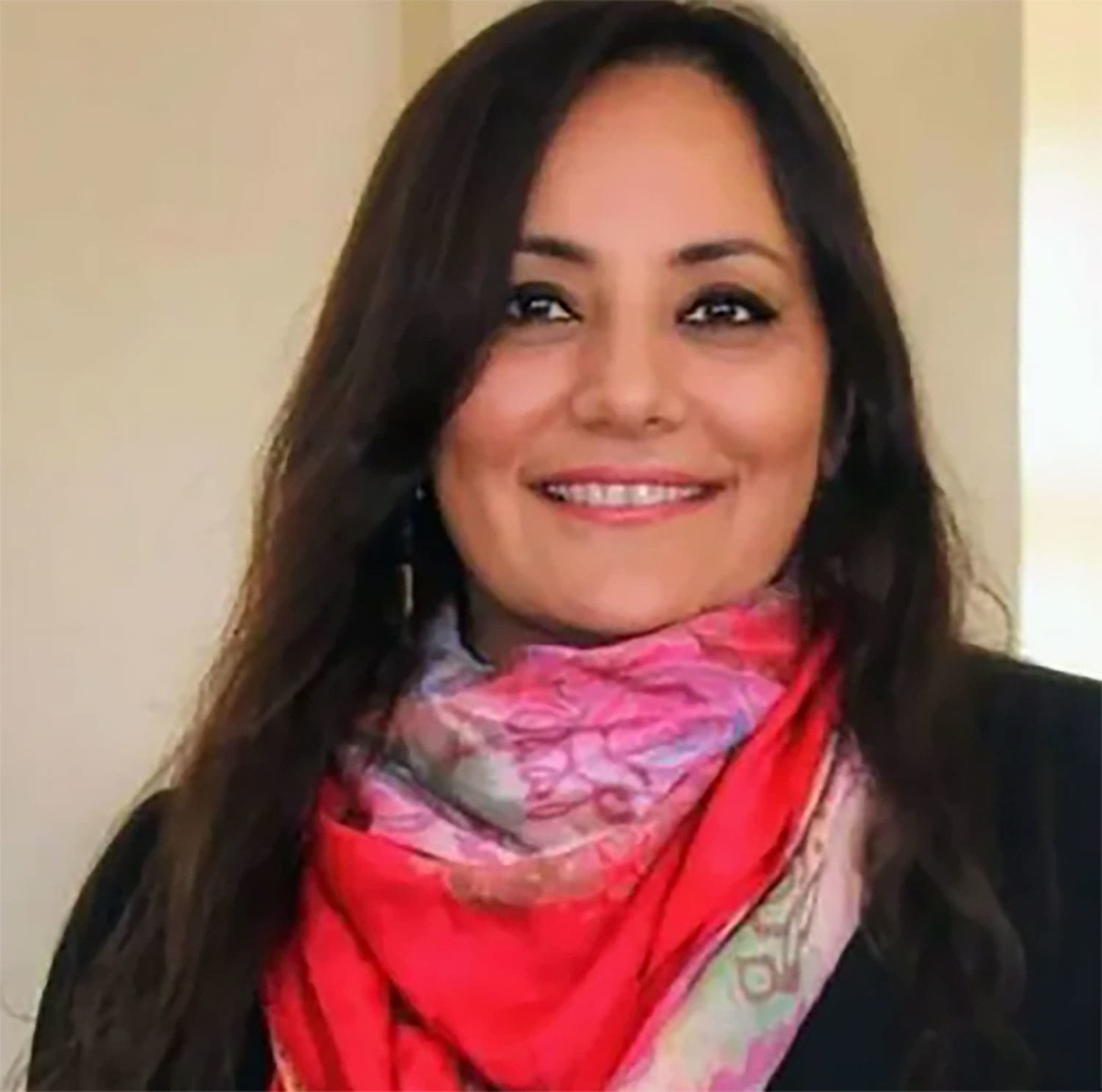
While Jin's release is celebrated, human rights advocates caution that at least eight other members of the Zion Church remain incarcerated. Maya Wang from Human Rights Watch emphasized the need to remember those still in detention, stating, "They should all be freed." Advocacy group ChinaAid also noted the ongoing struggle for religious freedom in China, urging continued attention to the plight of imprisoned religious practitioners.
International Reaction and Future Implications
The release of Pastor Jin has drawn responses from various rights organizations and international lawmakers. The Inter-Parliamentary Alliance on China expressed joy over the news and thanked those who worked behind the scenes for Jin's release. Bob Fu, president of ChinaAid, called for the U.S. administration to prioritize religious freedom and the release of all prisoners of faith in future engagements with Beijing.
A Personal Story of Faith and Resilience
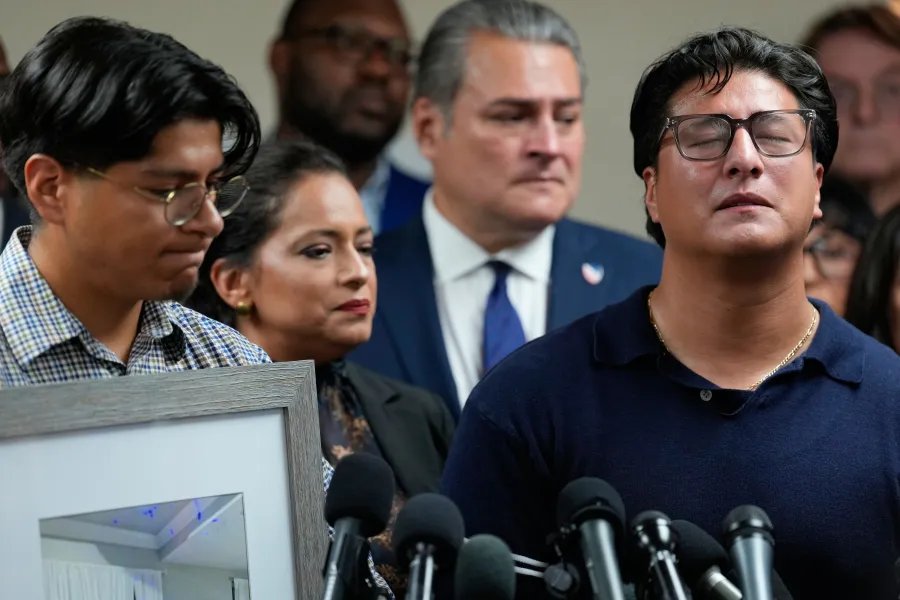
Jin's daughter, Grace Jin Drexel, shared the personal toll of her father's imprisonment, revealing that she hadn't seen him in six years due to the family's decision to move to the U.S. for safety. Despite the risks, Jin returned to China to lead his congregation. His story reflects the ongoing challenges faced by religious leaders in China, where the Communist Party maintains strict control over religious practices.
Pastor Jin's release marks a significant moment in the ongoing struggle for religious freedom in China and highlights the complex interplay between diplomacy and human rights advocacy. As the situation evolves, many will be watching to see if this is a turning point for other detained religious leaders and for the broader landscape of faith in China.