




Political parties can now spend unlimited sums coordinating with candidates
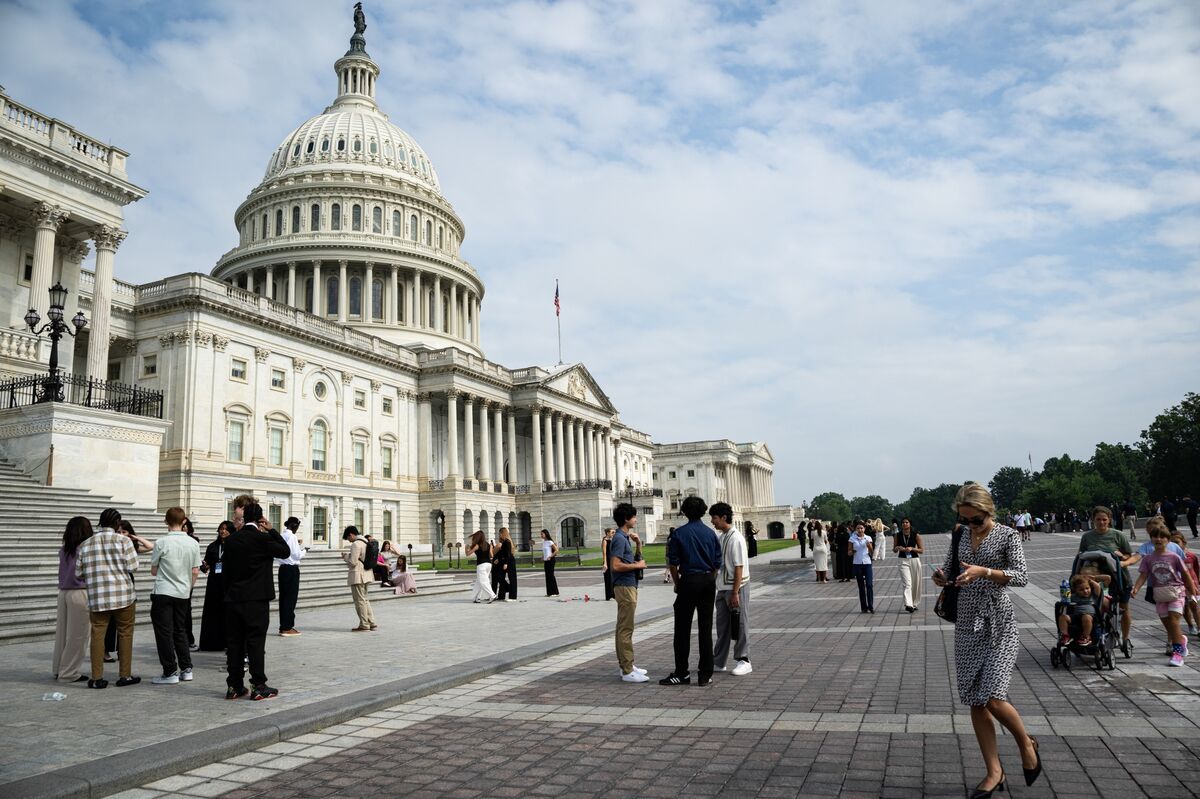
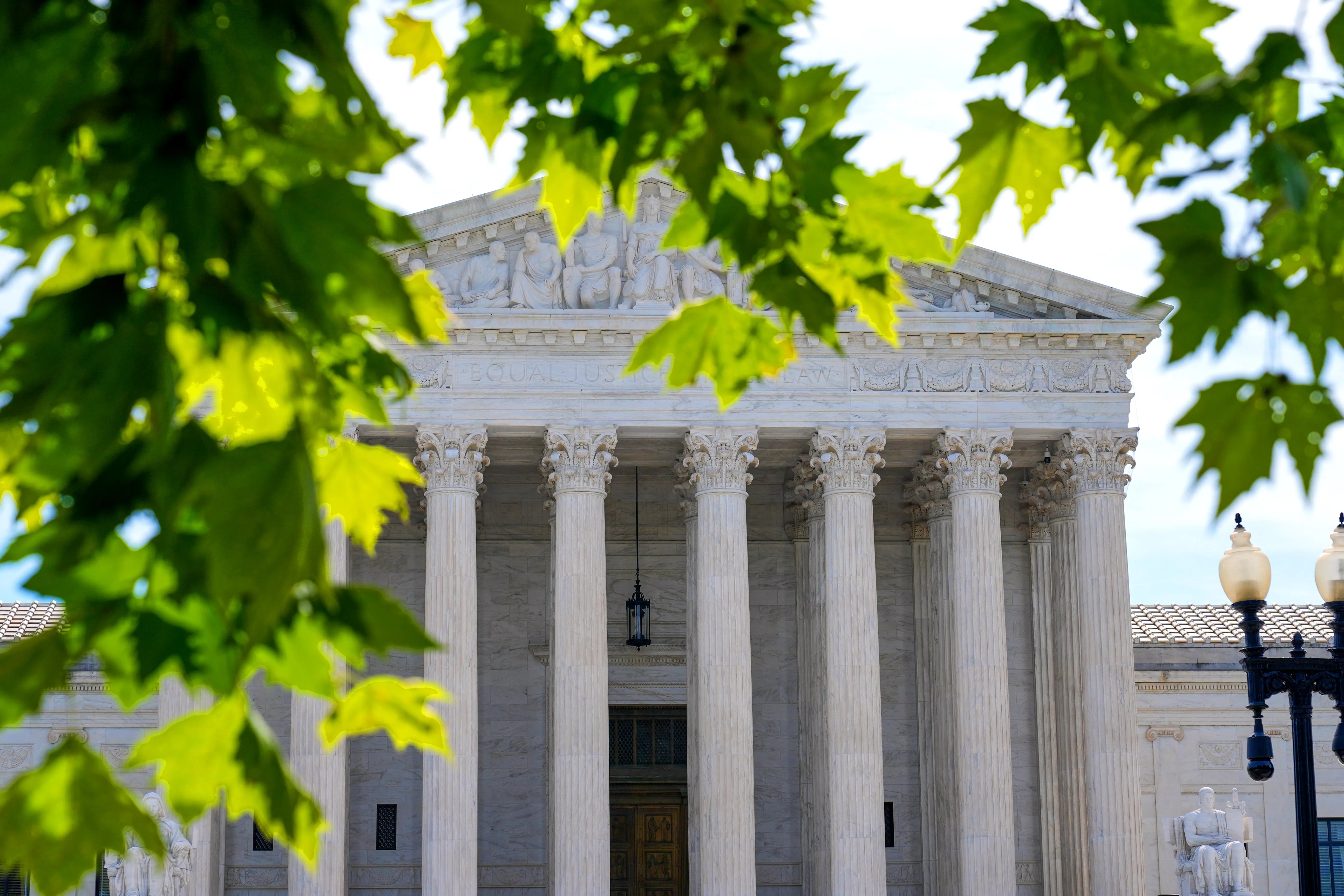
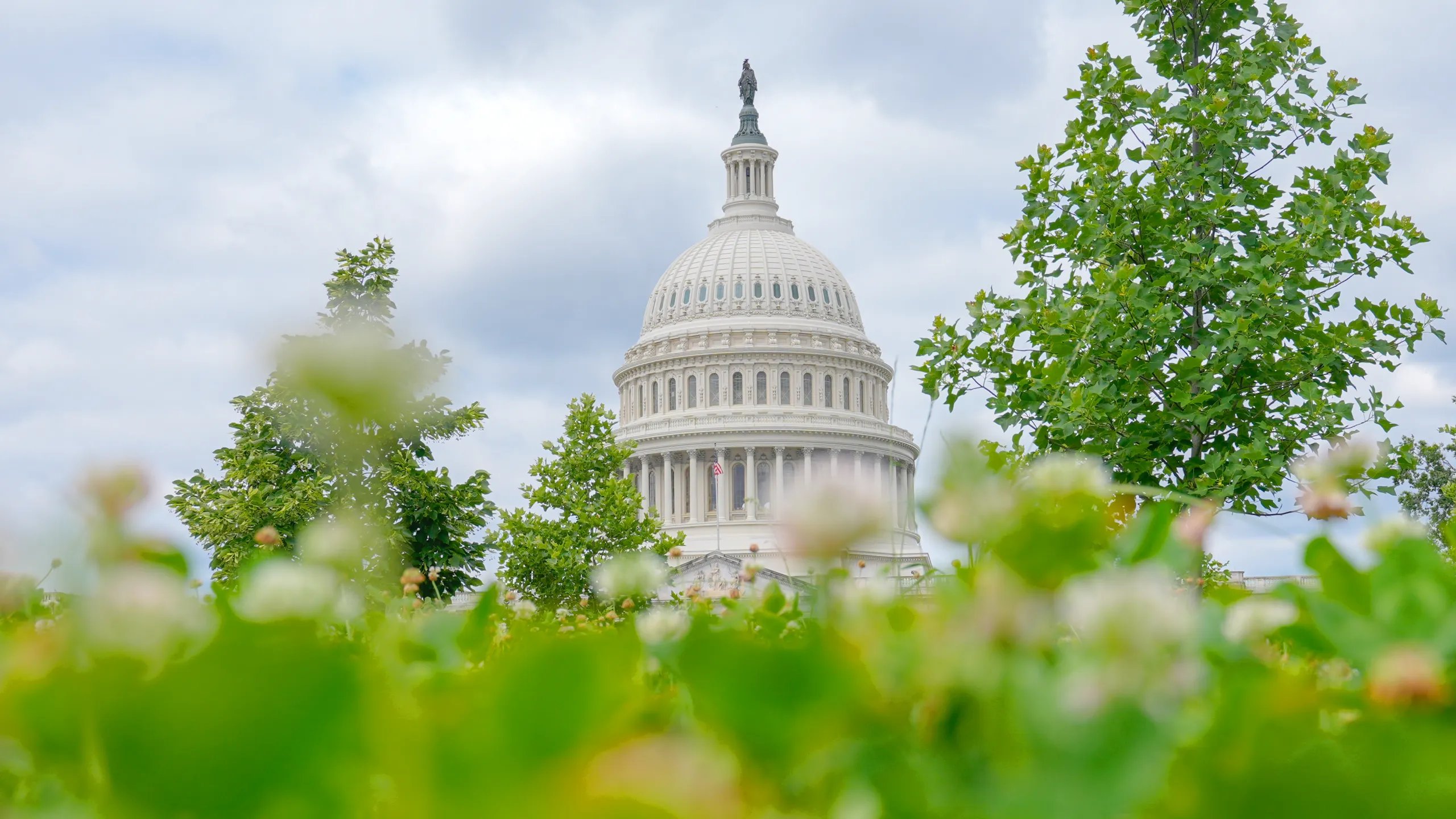
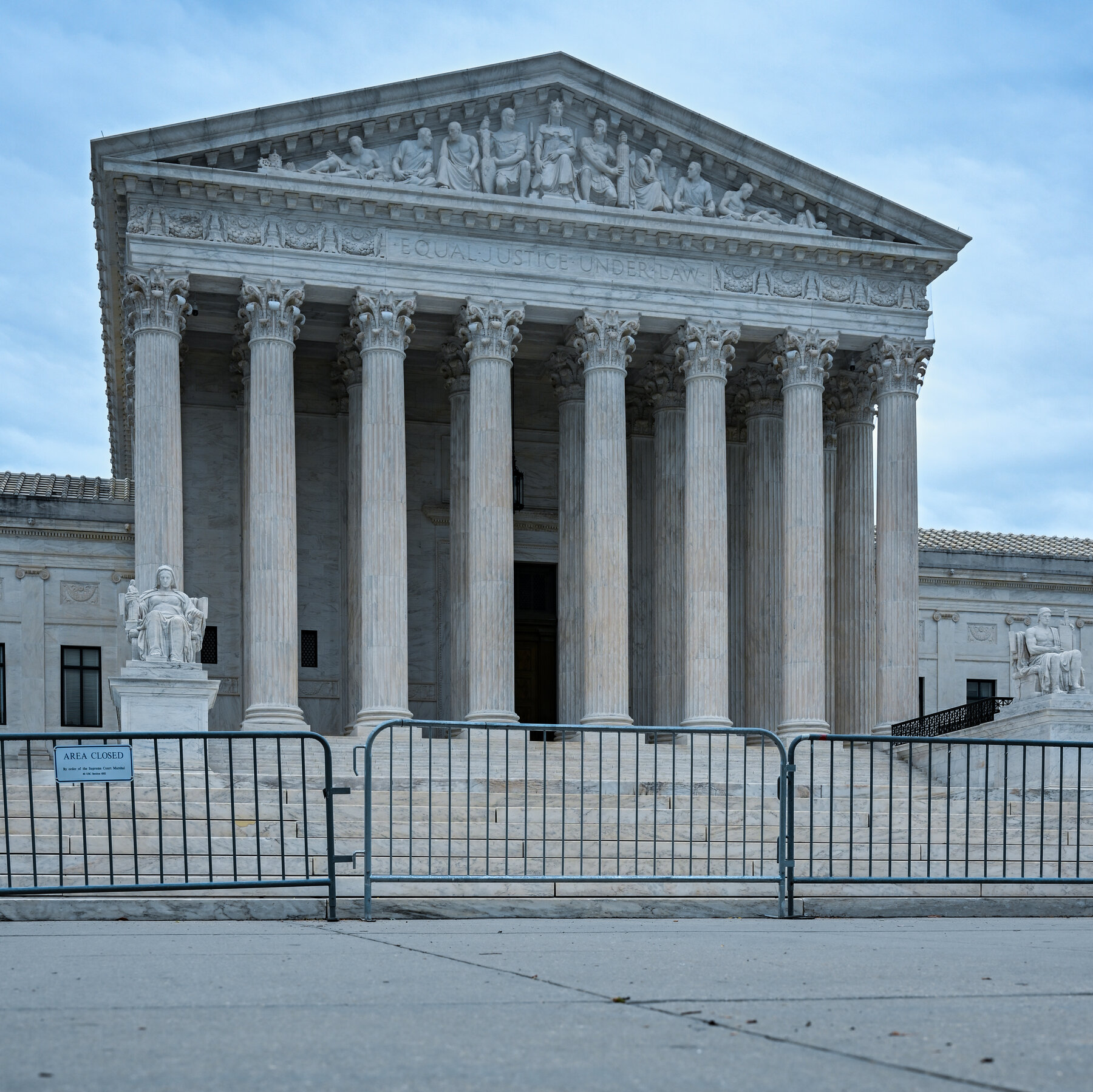
The Supreme Court ruled on Tuesday in Federal Election Commission v. The National Republican Senatorial Committee that political parties may spend unlimited amounts of money in direct coordination with their own candidates. The 6-3 decision struck down a federal election law more than 50 years old that had imposed spending caps on such coordinated efforts. The court determined that restricting spending violates the First Amendment.
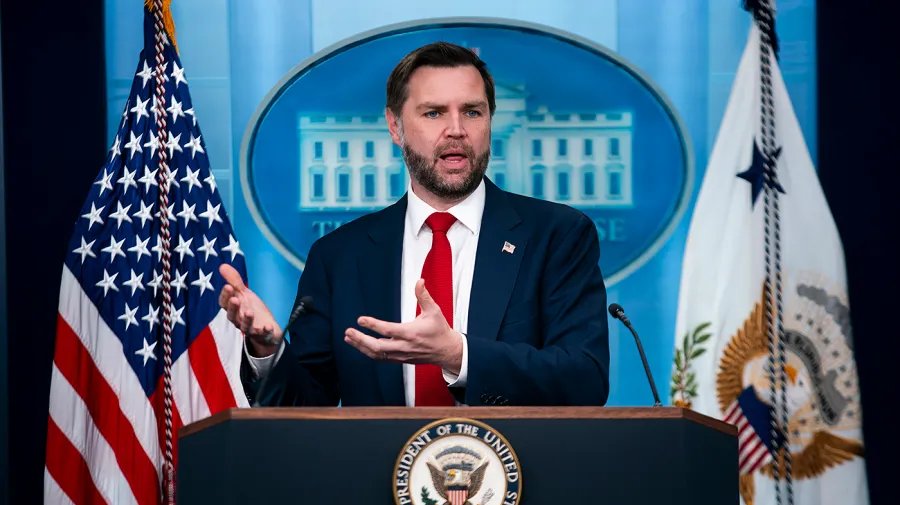
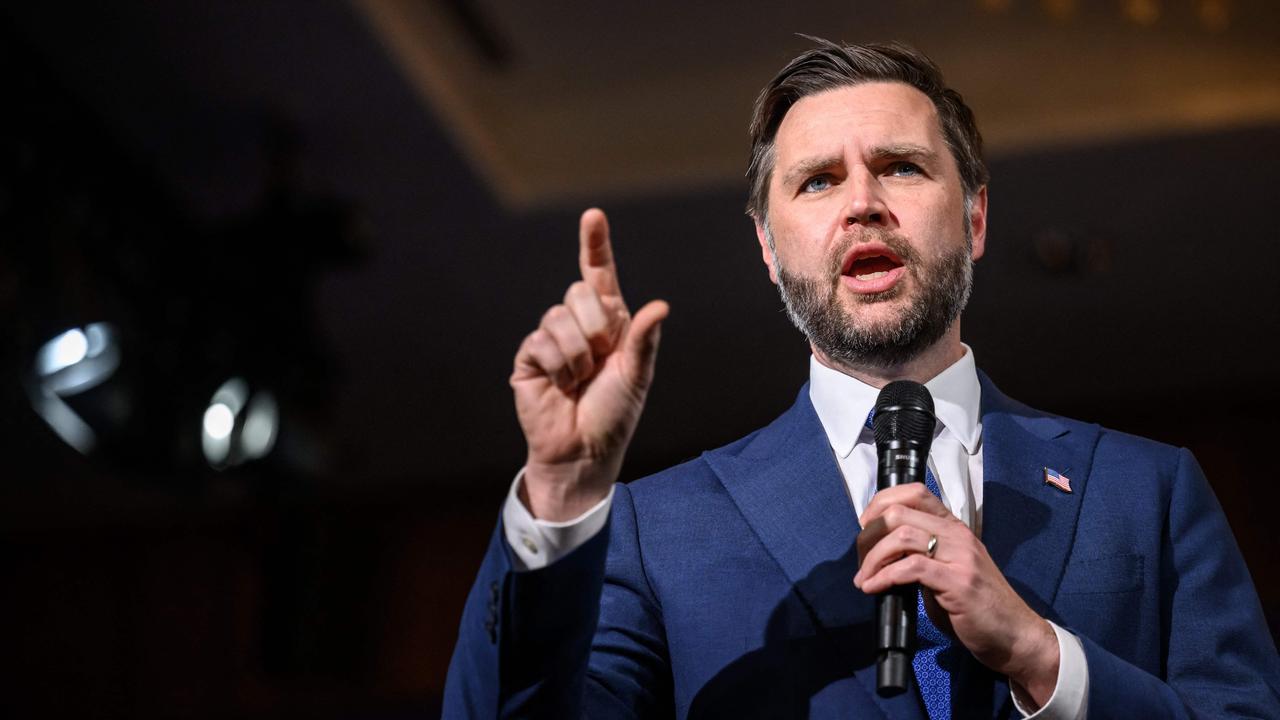
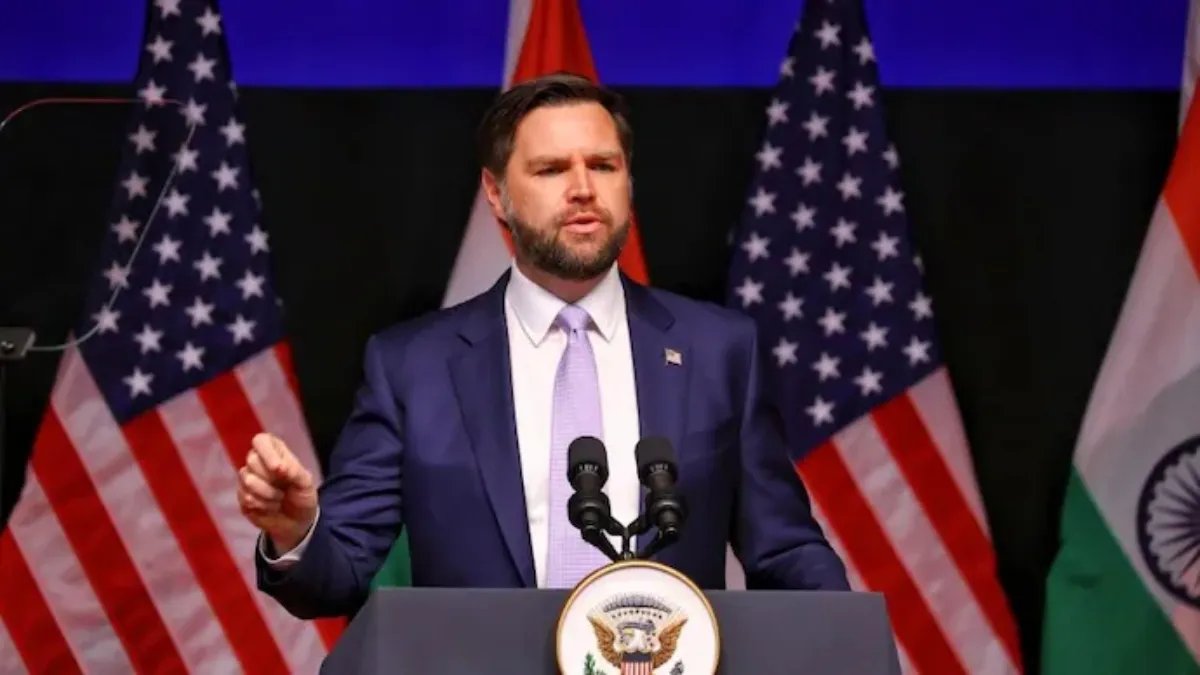
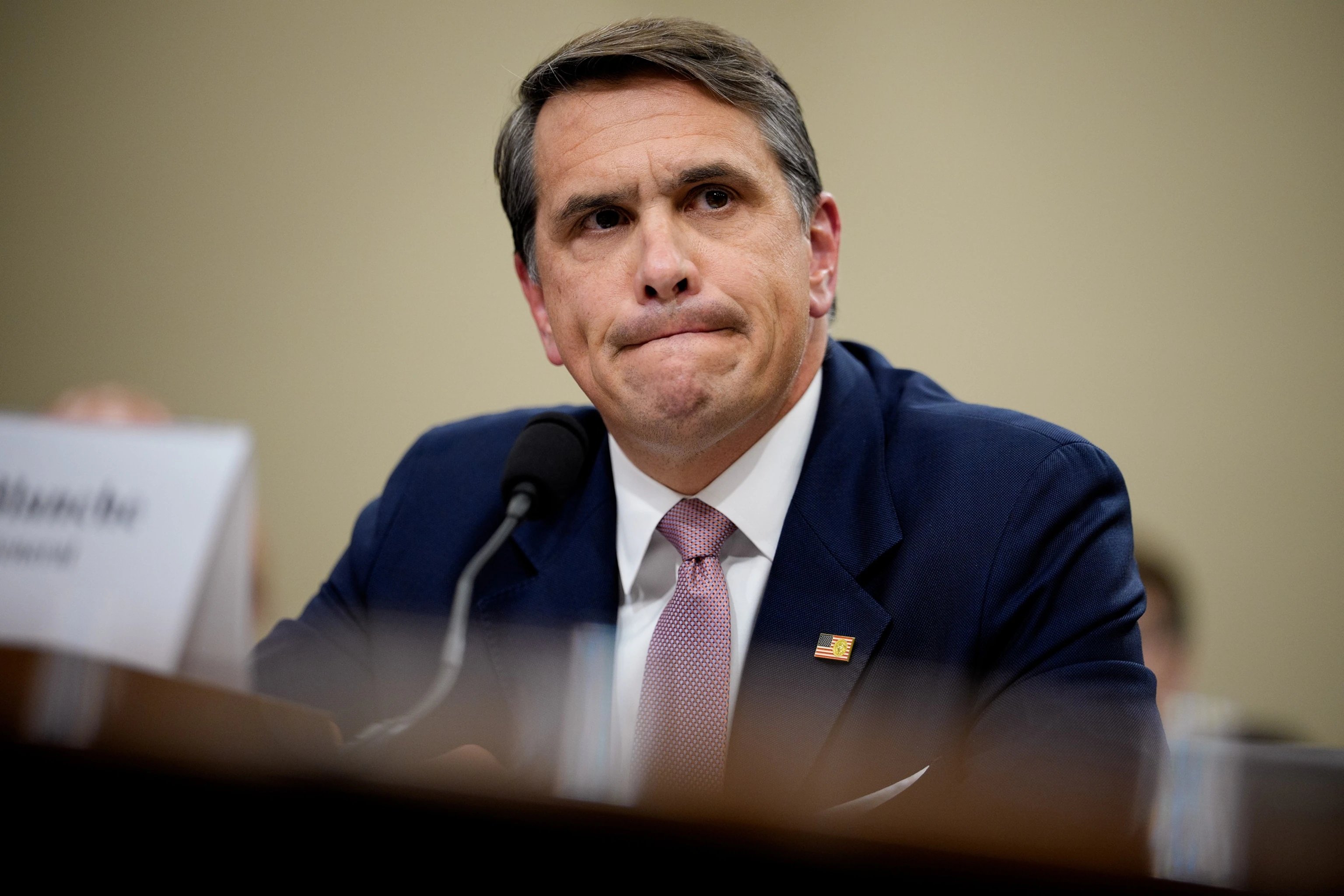
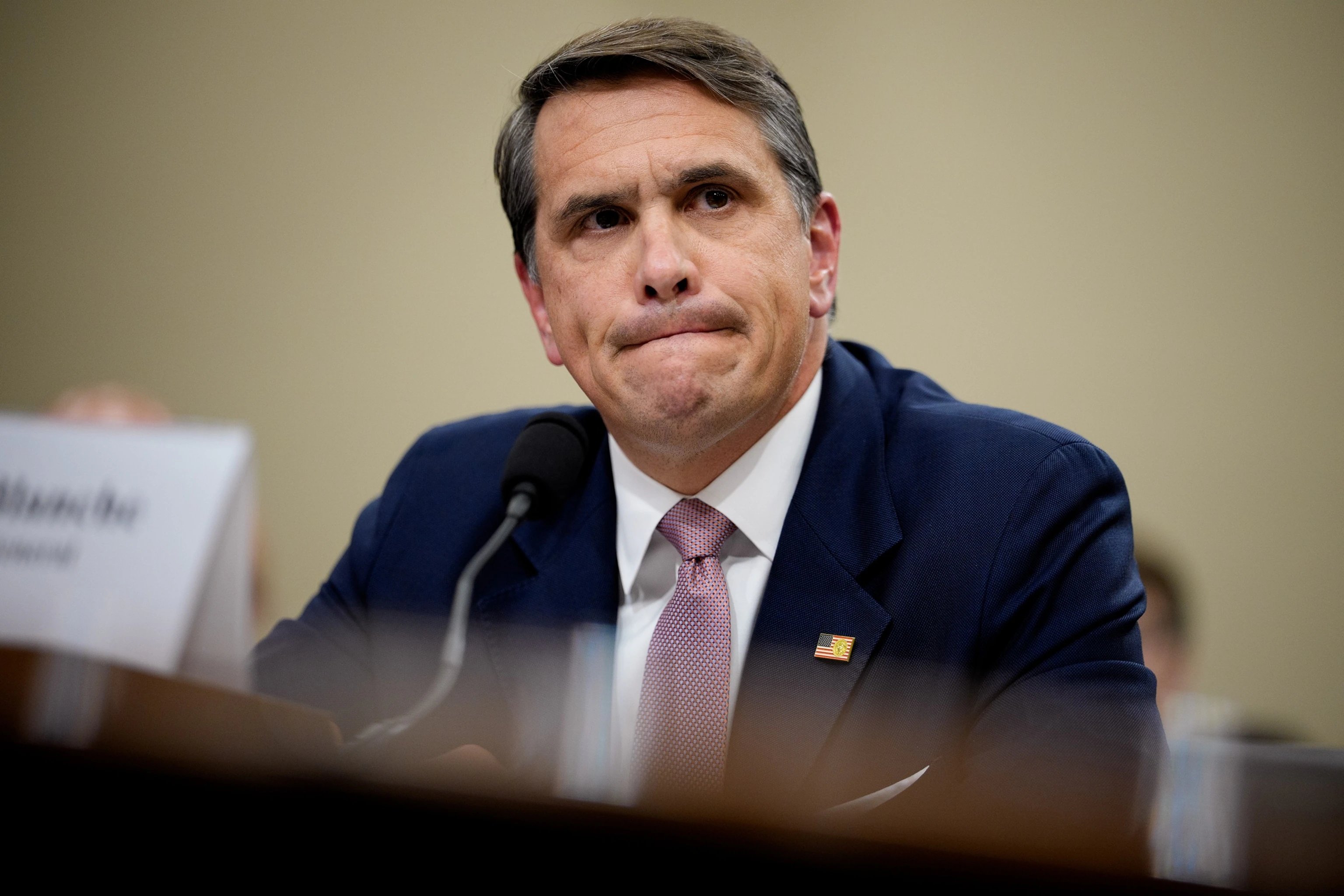
The case originated when party committees representing then-Representative Steve Chabot of Ohio and then-Senate candidate JD Vance challenged the law in 2022. For Senate races, the old restrictions had set caps as low as $127,000 in smaller states and as high as $3.9 million in more populous ones. House races faced a uniform $127,000 limit.
How the ruling shifts money flows in campaigns
Unlike super political action committees, which cannot coordinate directly with campaigns, political parties have always been permitted to work closely with candidates. That coordination power now comes with no financial ceiling. Although parties still face legal limits on donations they receive, those committees can now direct unlimited funds toward supporting their candidates in coordination with campaign strategy.
The ruling is expected to drive donations away from super PACs and toward party committees. Party committees enjoy structural advantages that super PACs do not, including the Federal Communications Commission requirement that broadcasters offer them advertising at the lowest price offered to commercial advertisers. These benefits may encourage wealthy donors to maximize contributions to party committees instead of, or in addition to, super PACs.
The NRSC acknowledged in an analysis that the ruling would affect both parties but would more greatly benefit Republicans because the GOP has been outraising Democratic counterparts. The National Republican Senatorial Committee stated in response: "By striking down these unconstitutional caps on coordinated spending, the Court has restored core political speech and ensured parties can compete on a level playing field. We are ready to fully support our candidates and put them in the strongest possible position to win in 2026 and beyond."
Democratic opposition and concerns about corruption
Senate Democrats called the decision "a win for billionaire donors and special interests who want more influence over the GOP agenda and an invitation for corruption." The Federal Election Commission had originally argued that coordinated spending was effectively the same as making direct contributions to a campaign and that spending limits help prevent corruption by stopping wealthy donors from using party committees to funnel unlimited money to candidates.
After Trump took office, the Federal Election Commission reversed its position and dropped its defense of the law. The Democratic National Committee, the Democratic Senatorial Campaign Committee, and the Democratic Congressional Campaign Committee intervened to defend the spending limits in the government's place.
Donald Sherman, president of Citizens for Responsibility and Ethics, a Washington watchdog group, stated: "This decision, as with its other campaign finance decisions since Citizens United, will inevitably render the government more responsive to special interests and indifferent to the demands of the American people." He added: "Yet again, the Supreme Court ignored the real-world impacts of its decision to grant high-dollar donors greater influence over our democracy."
The broader context of campaign spending growth
Between 2010 and 2020, super PACs spent almost $3 billion on federal elections, according to the Brennan Center for Justice. In the 2024 cycle alone, 100 billionaire families accounted for $2.6 billion in campaign spending, according to analysis from Americans For Tax Fairness. The latest ruling does not directly affect the landmark 2010 Citizens United decision but similarly expands money's role in federal elections and may reshape how that spending flows.