




U.S.-Iran Memorandum Signed, But Not Finalized
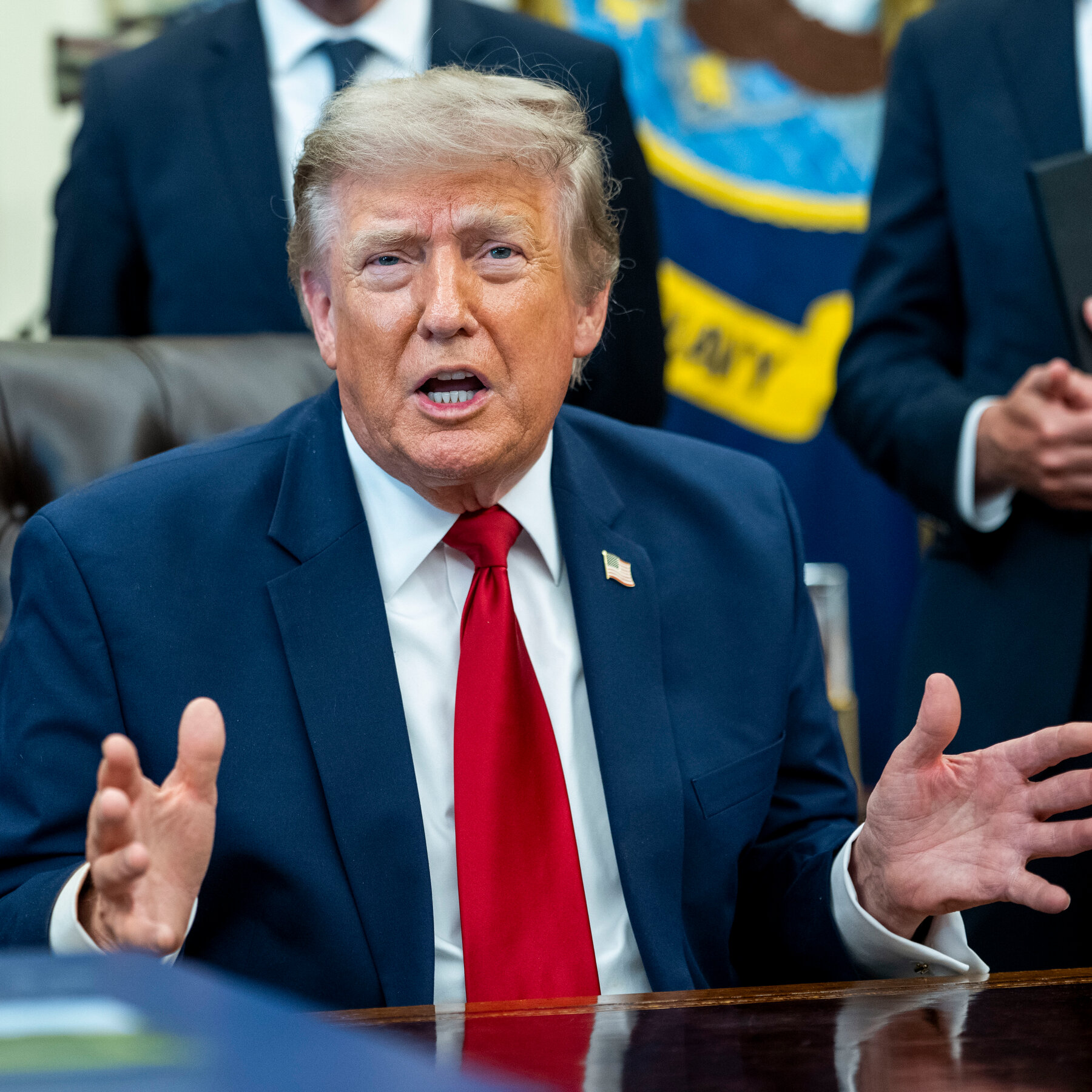
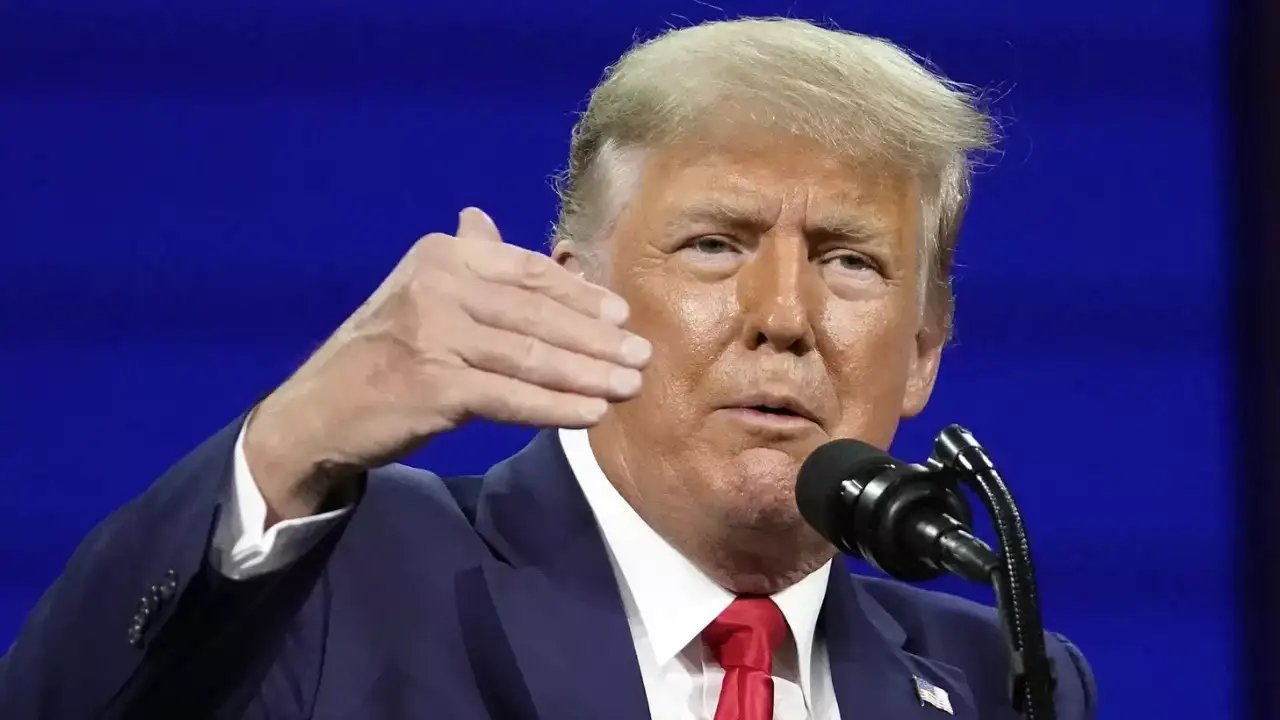
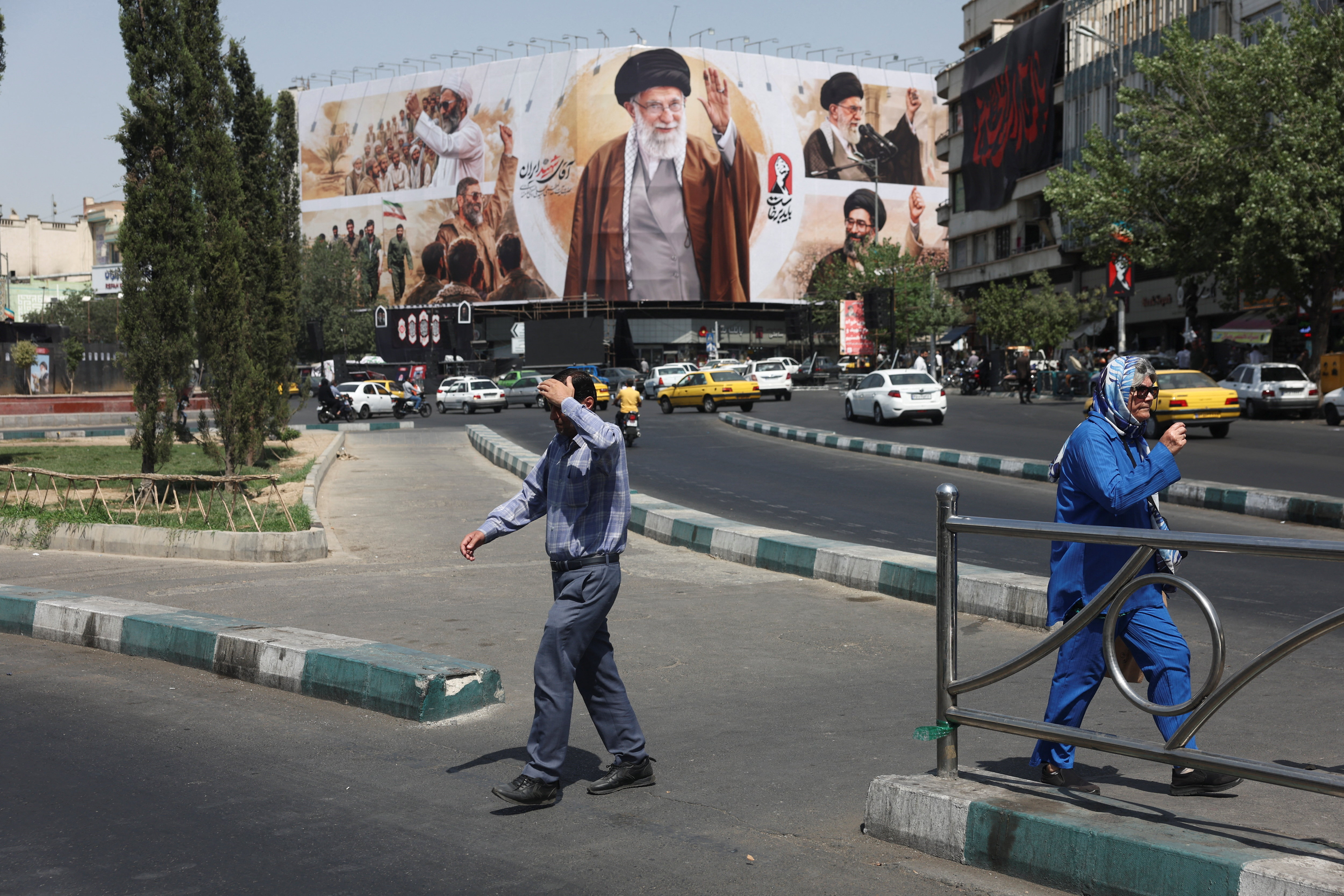
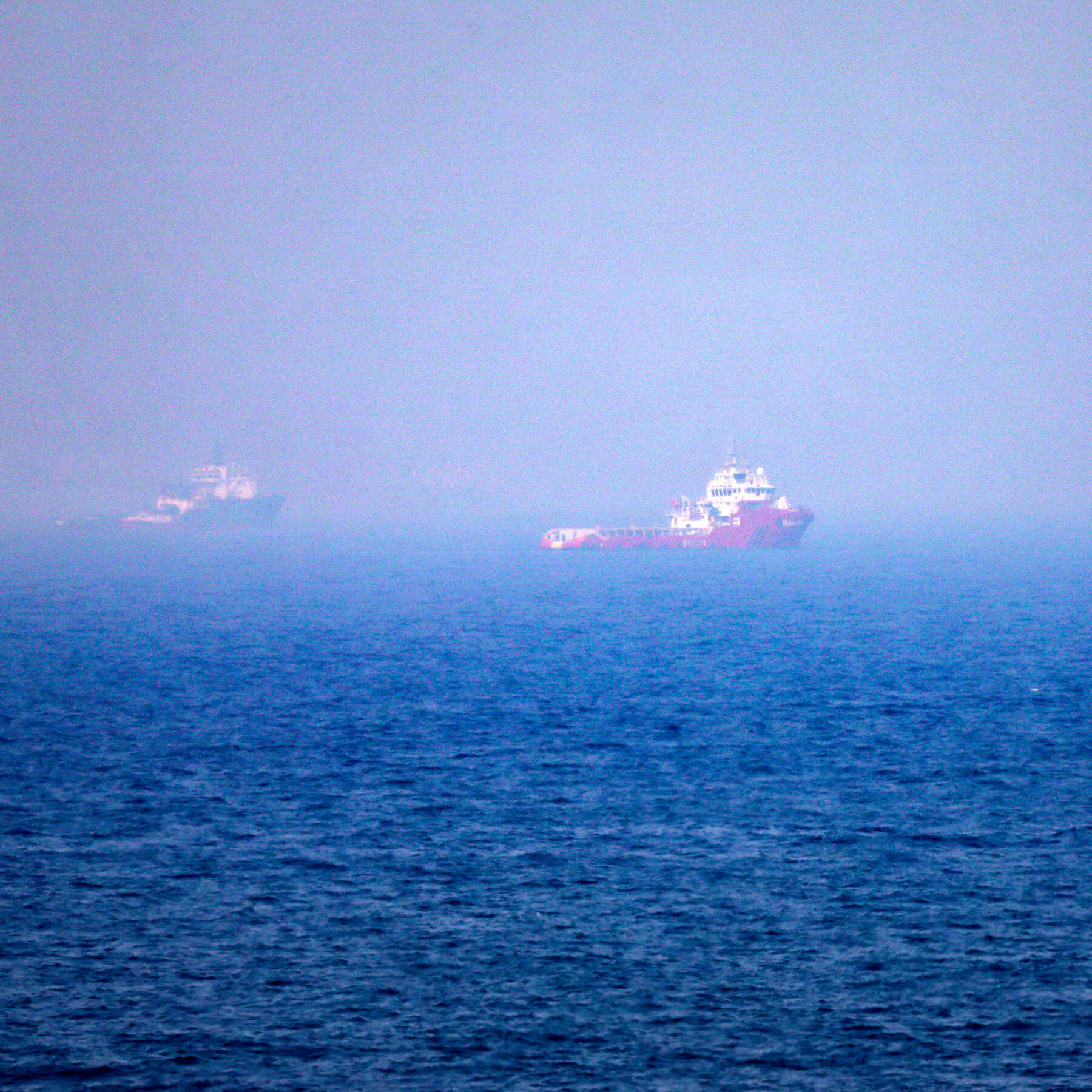
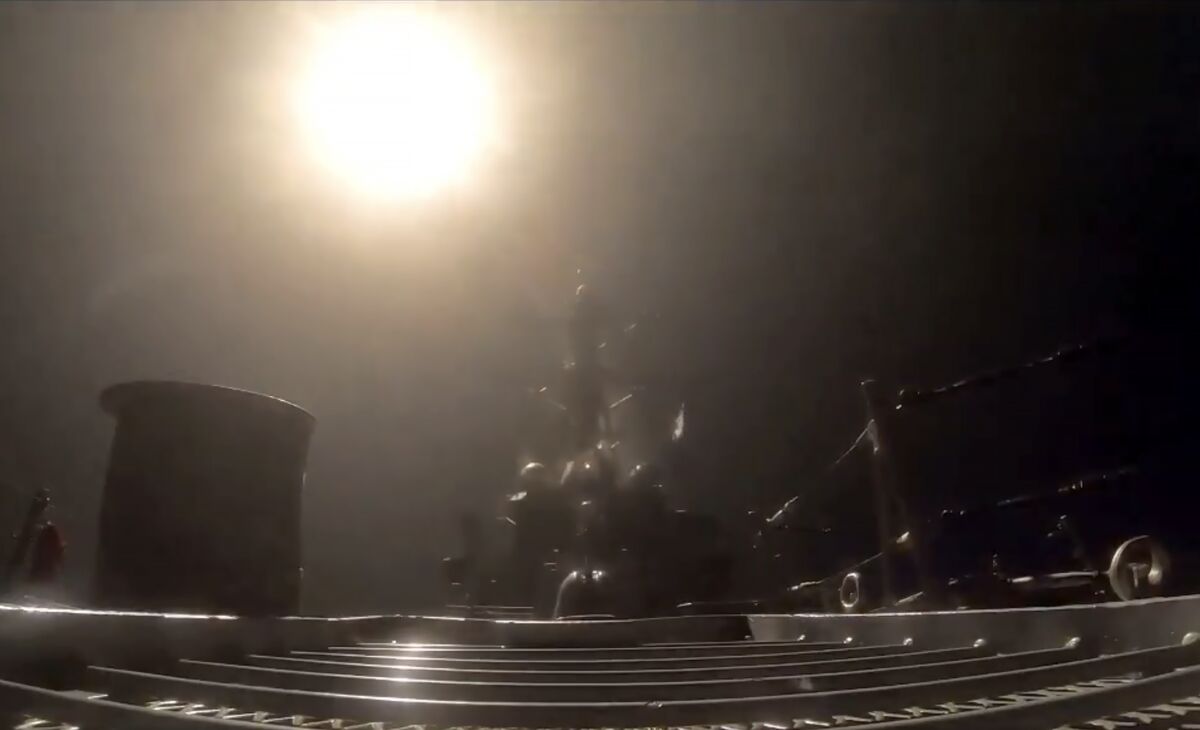
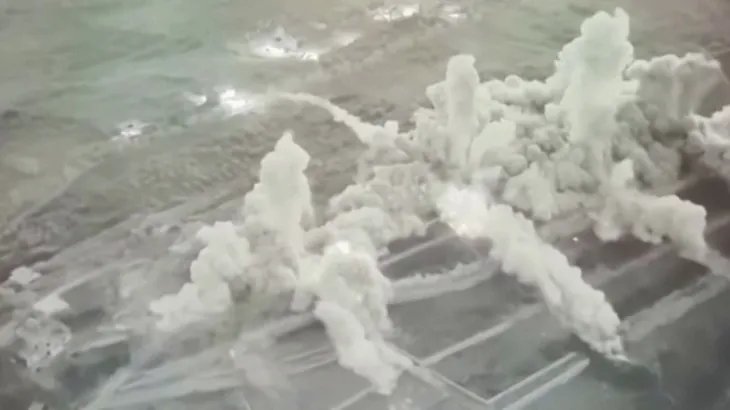
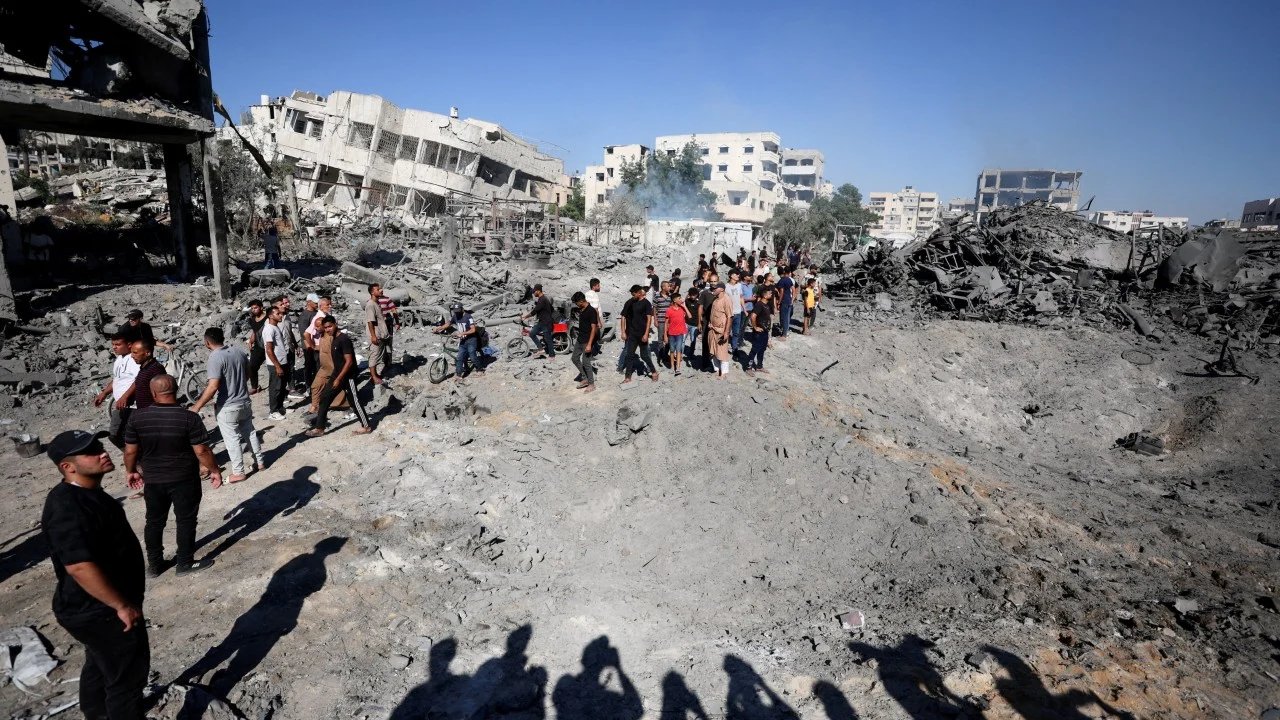
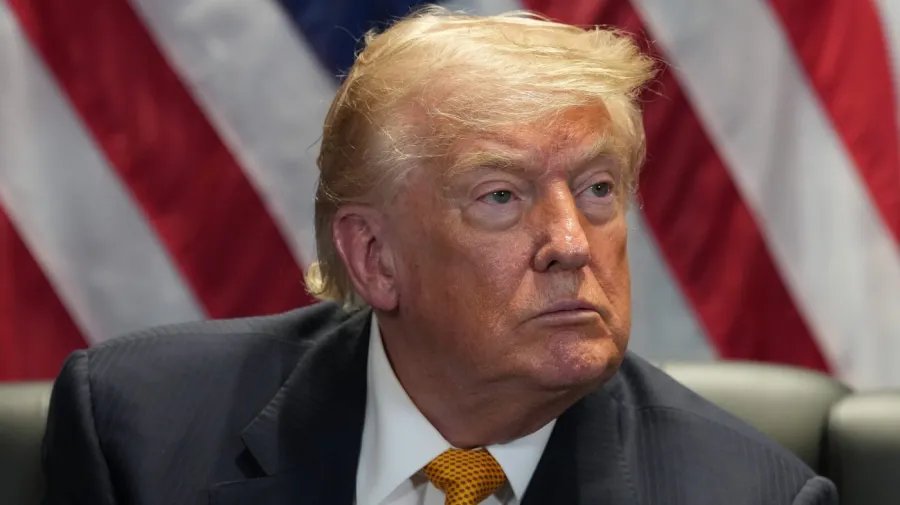
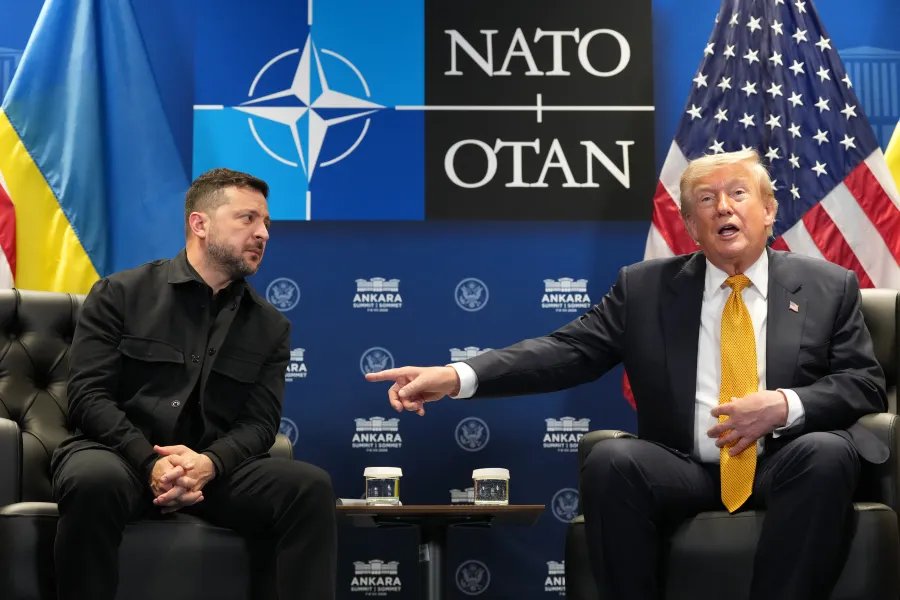
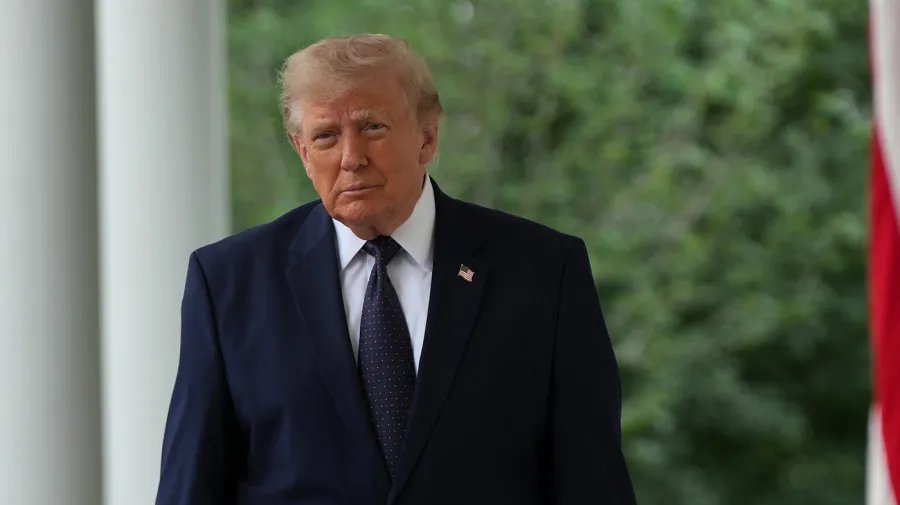
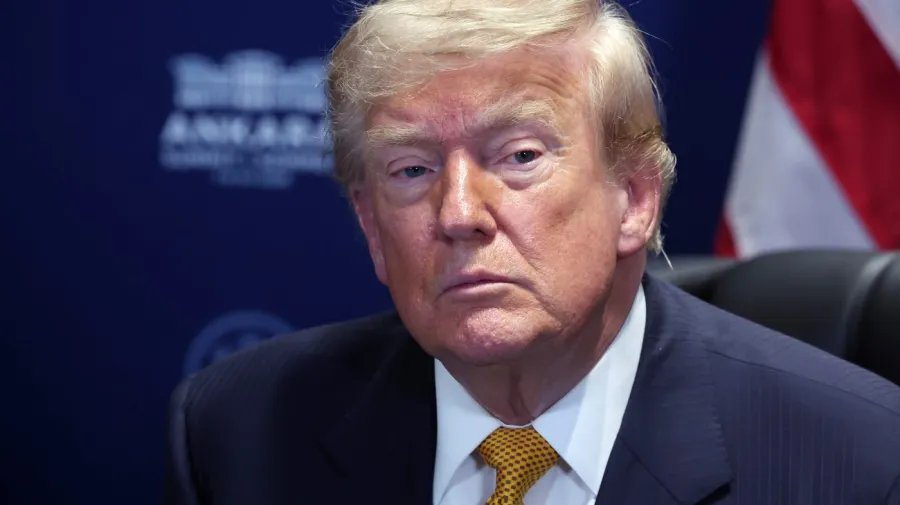
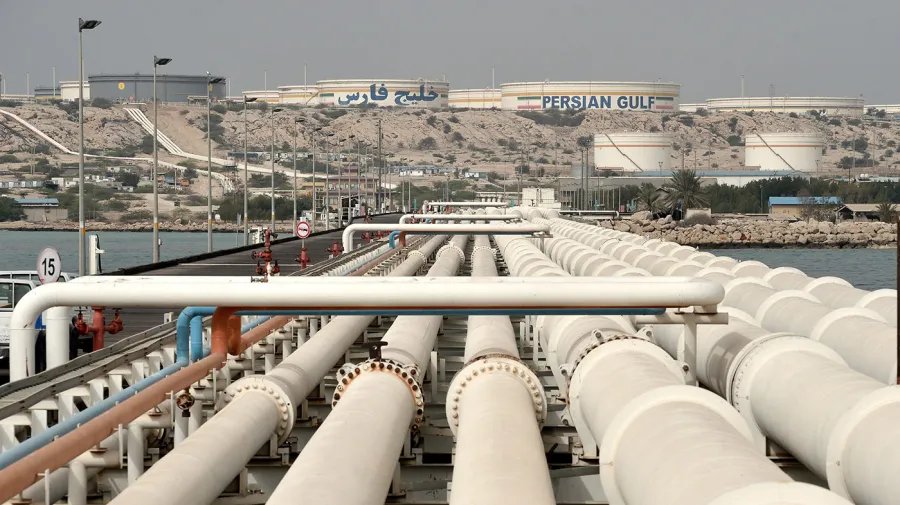
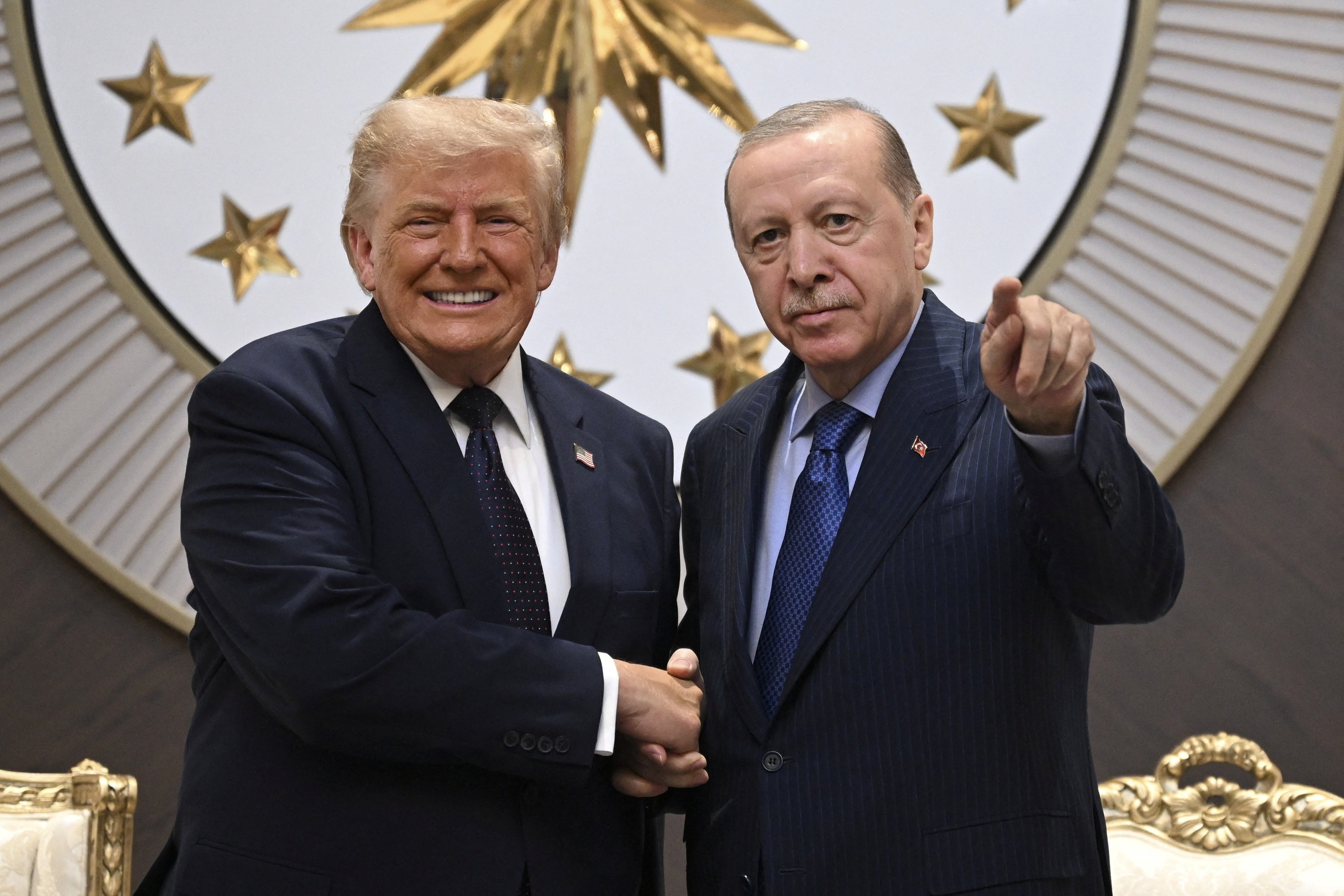
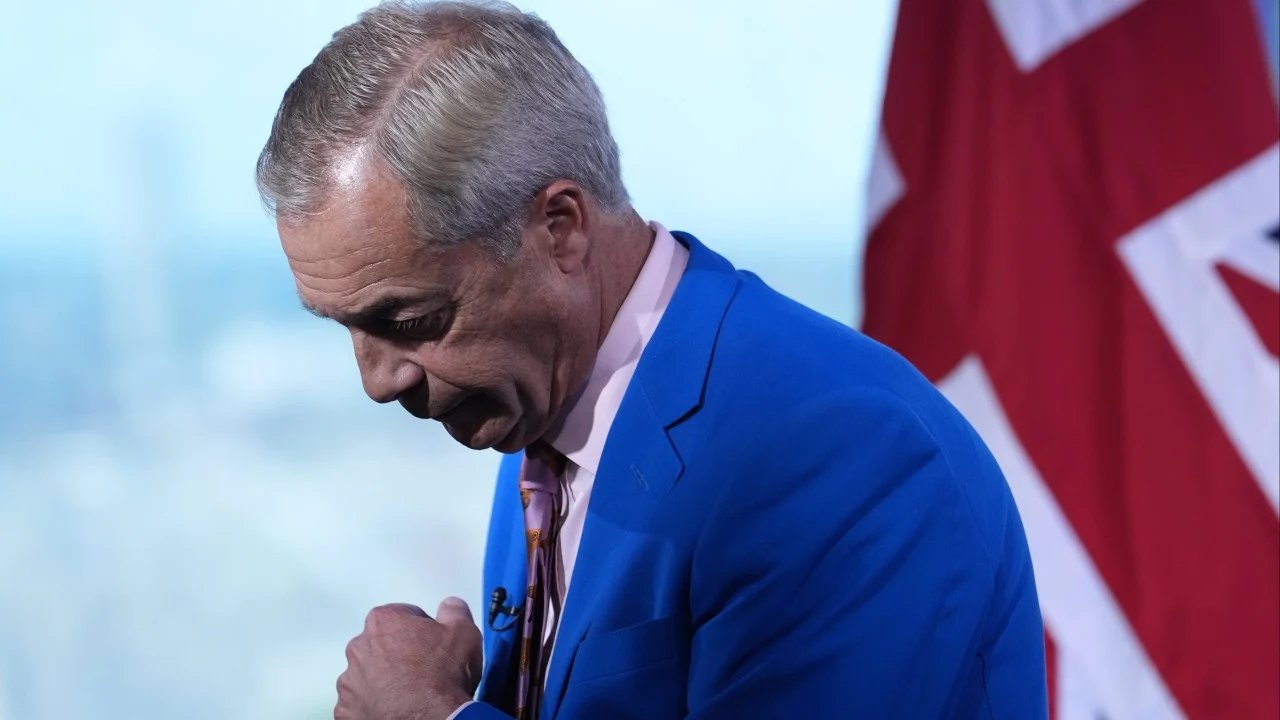
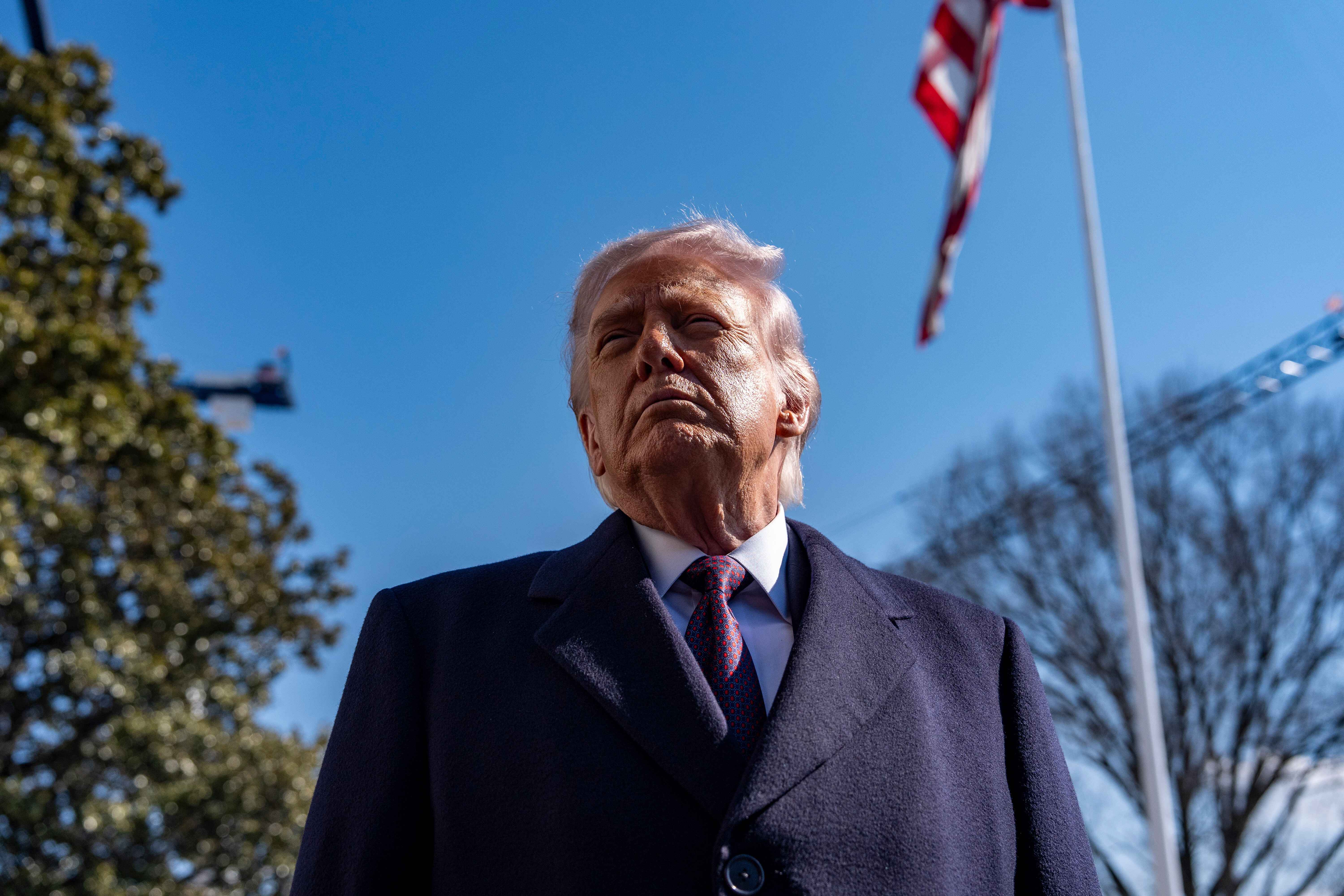
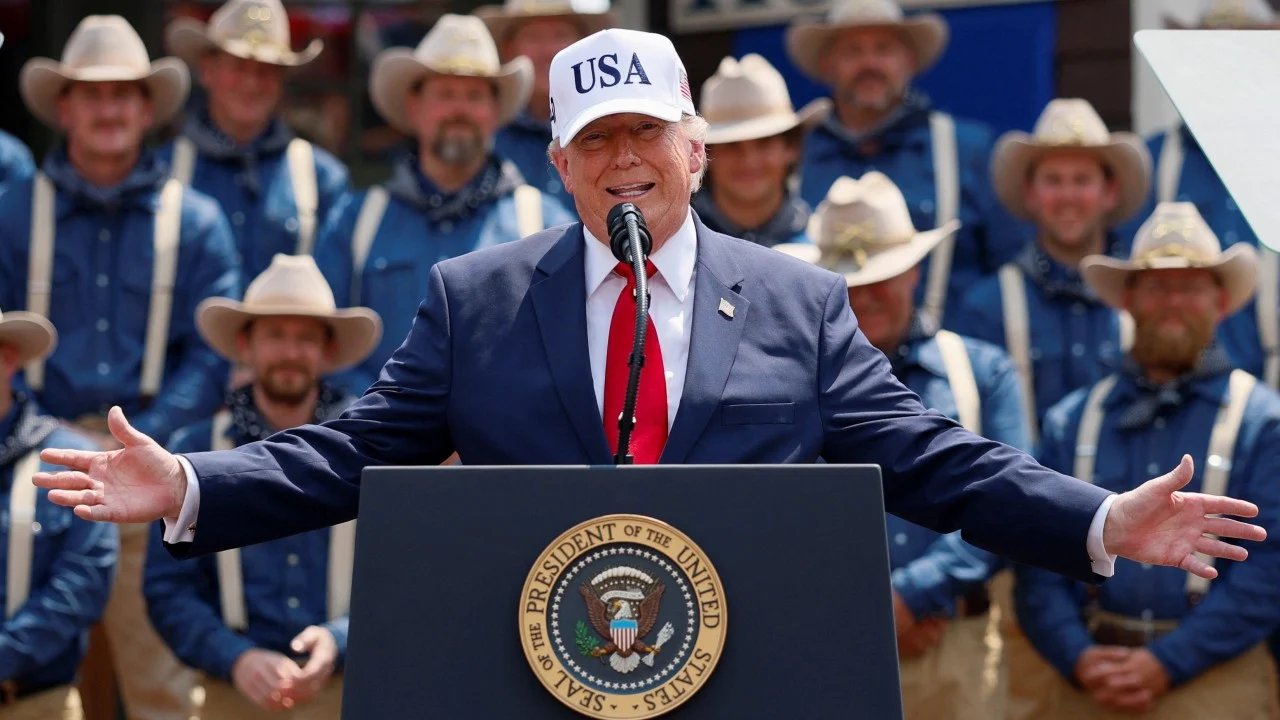
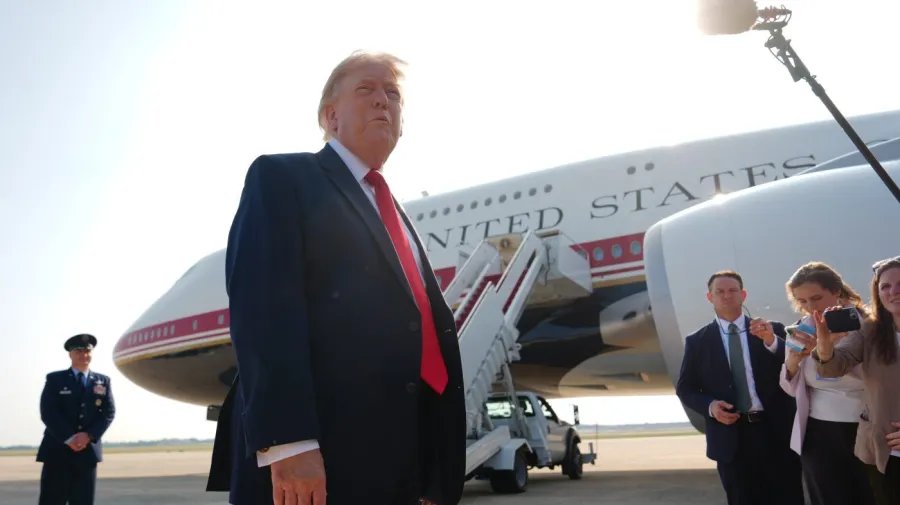
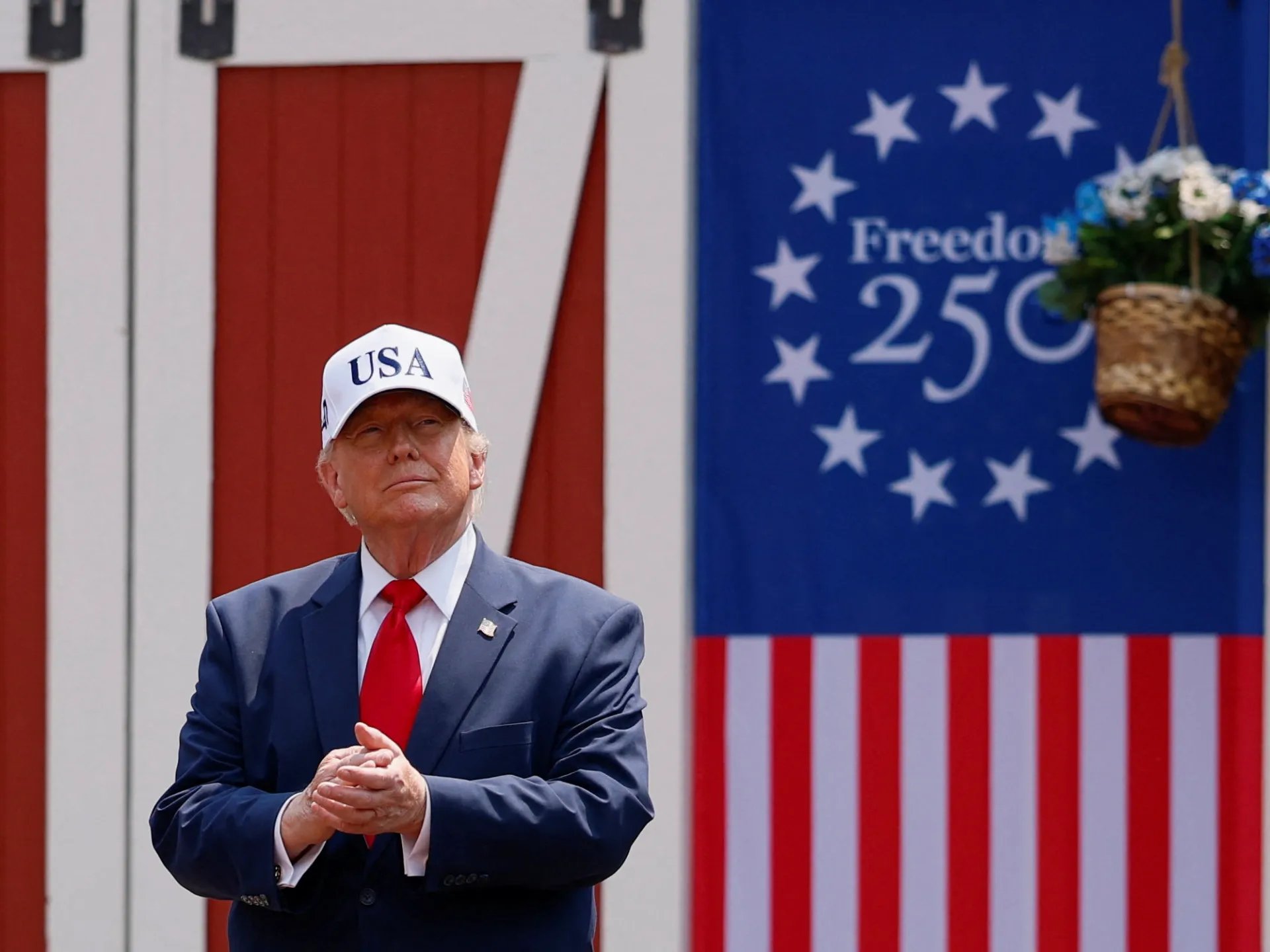
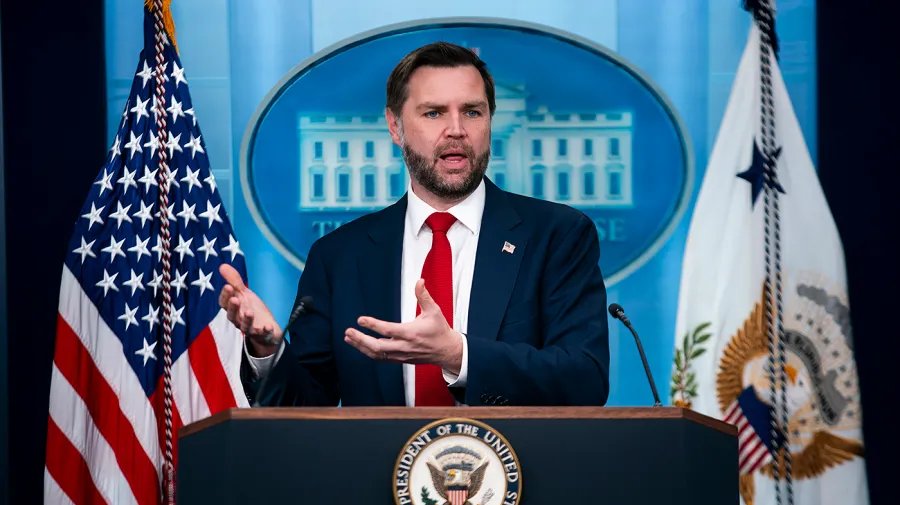
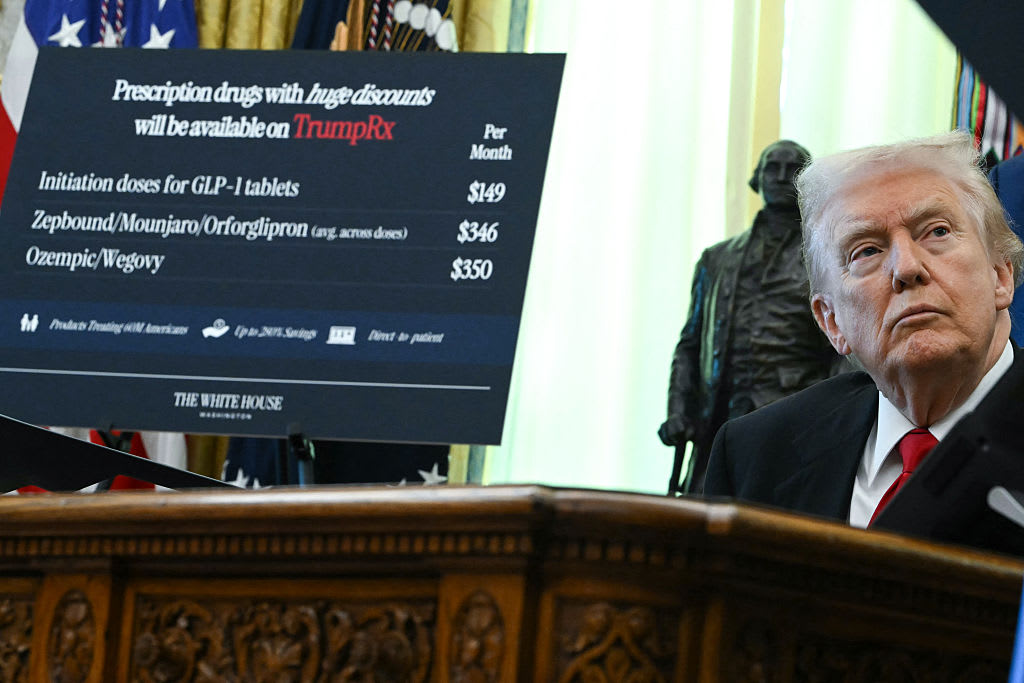
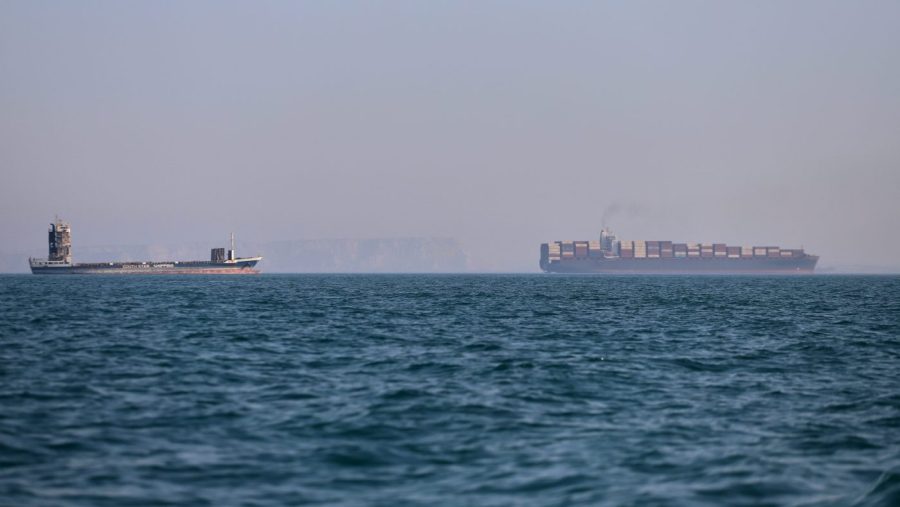
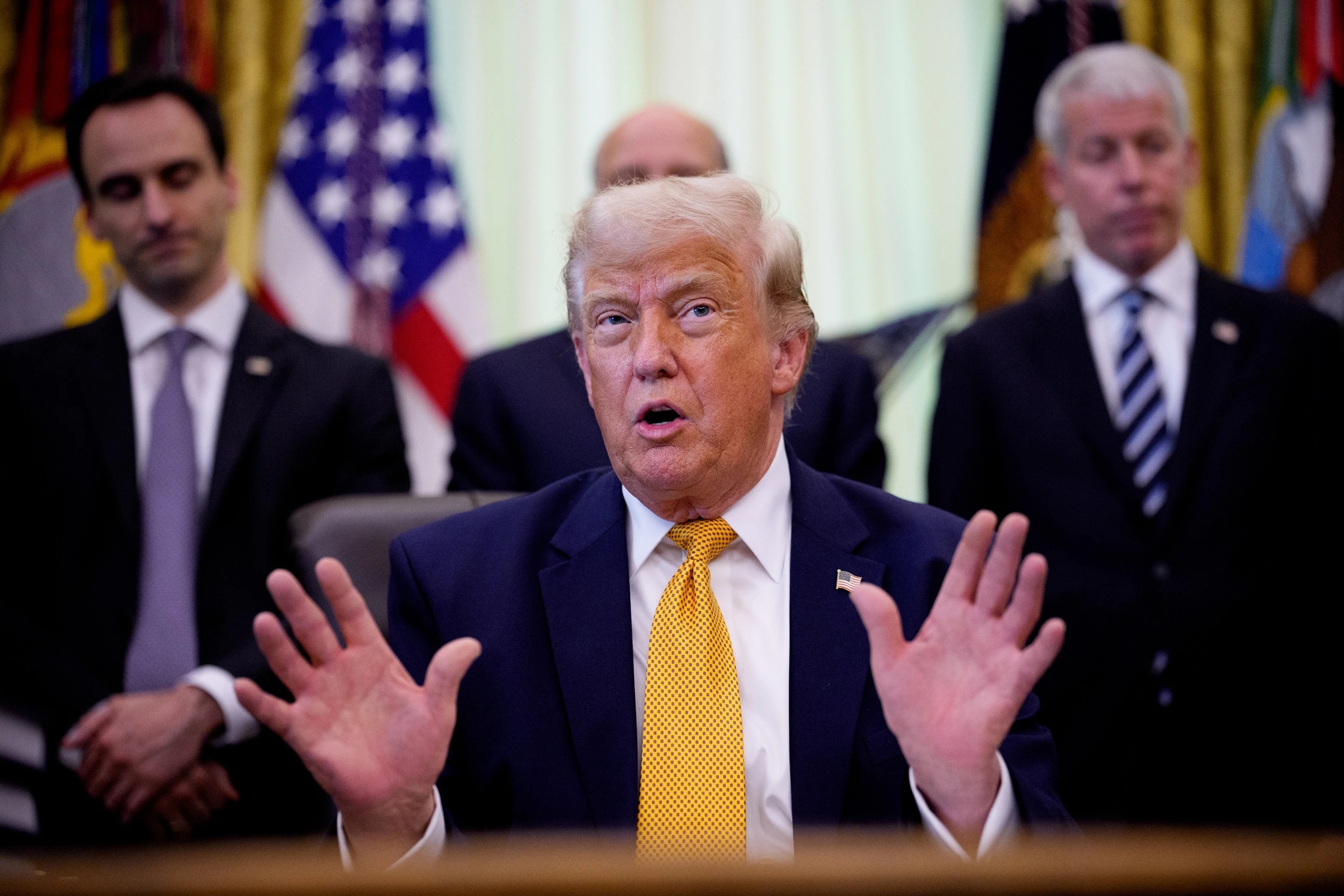
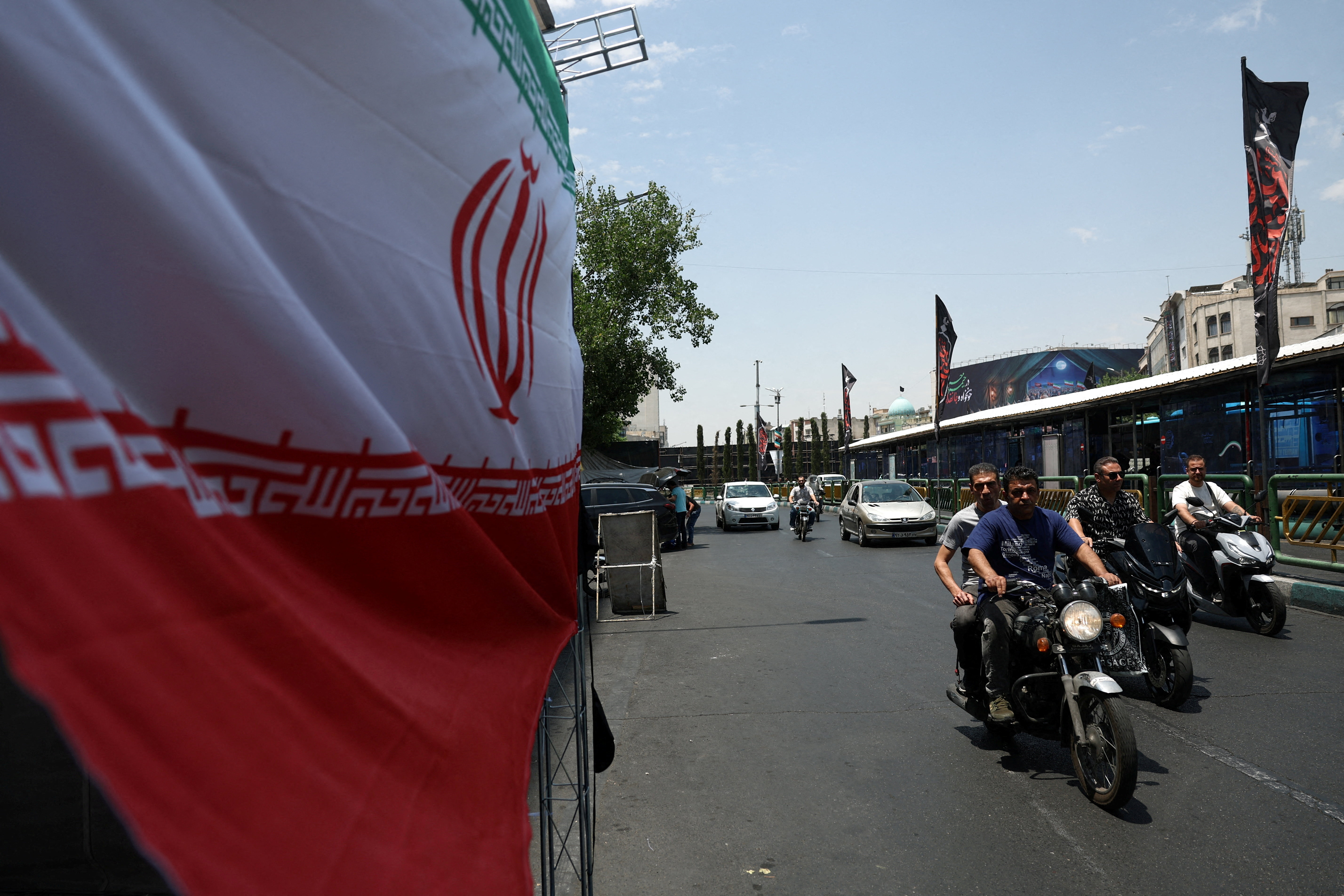
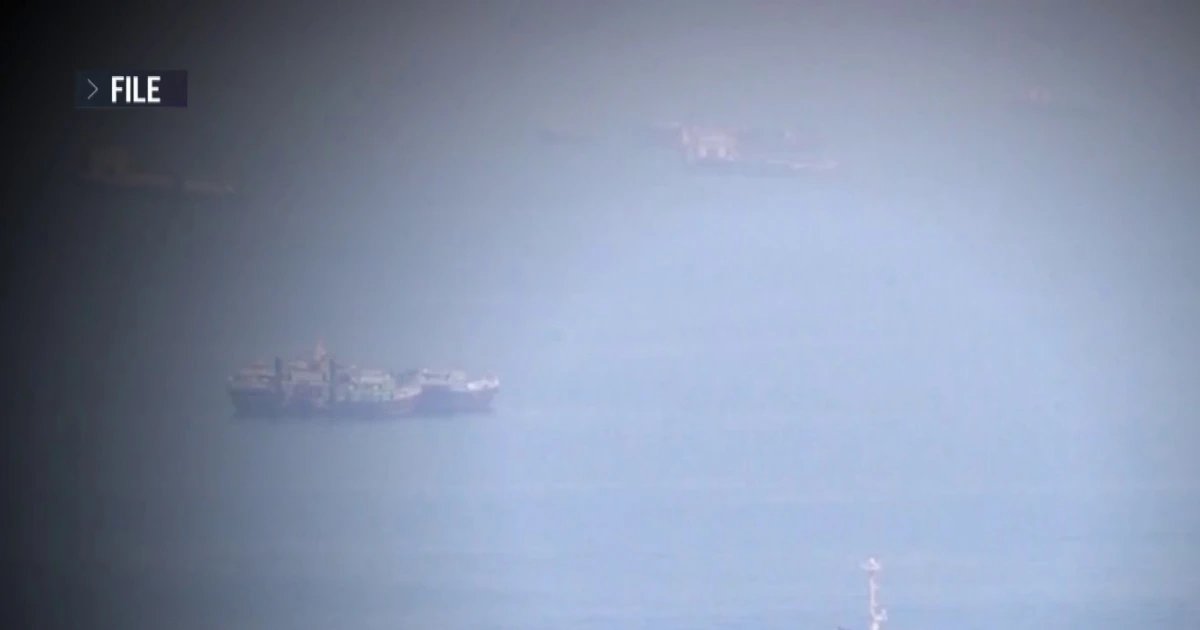
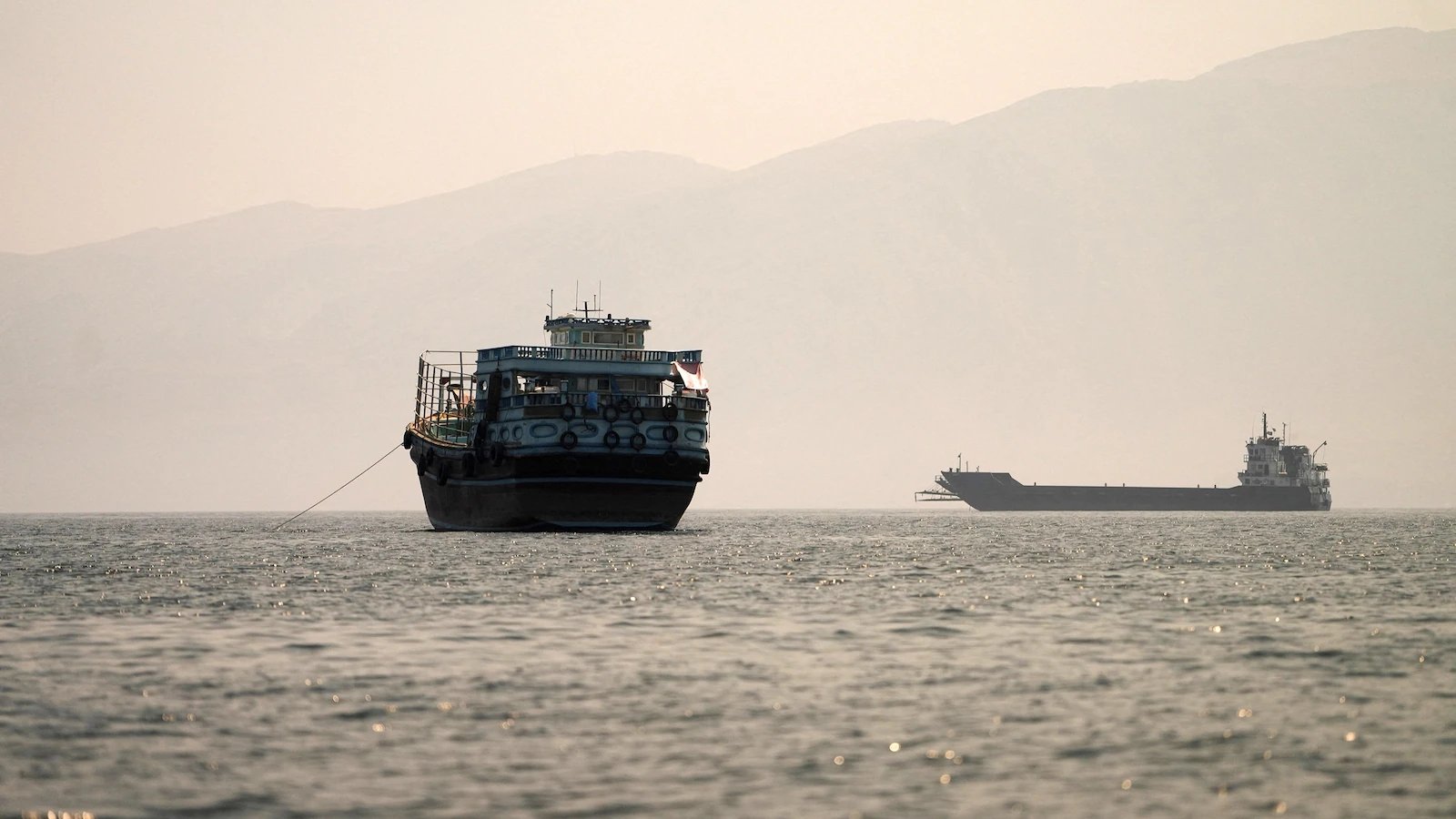
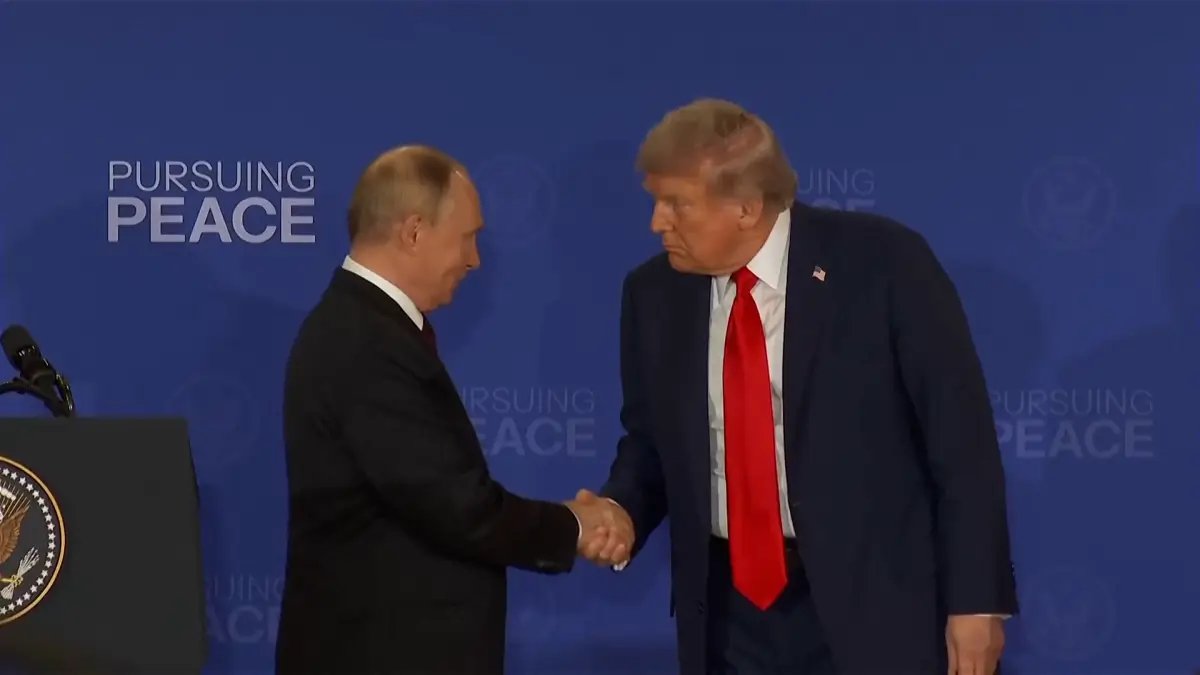
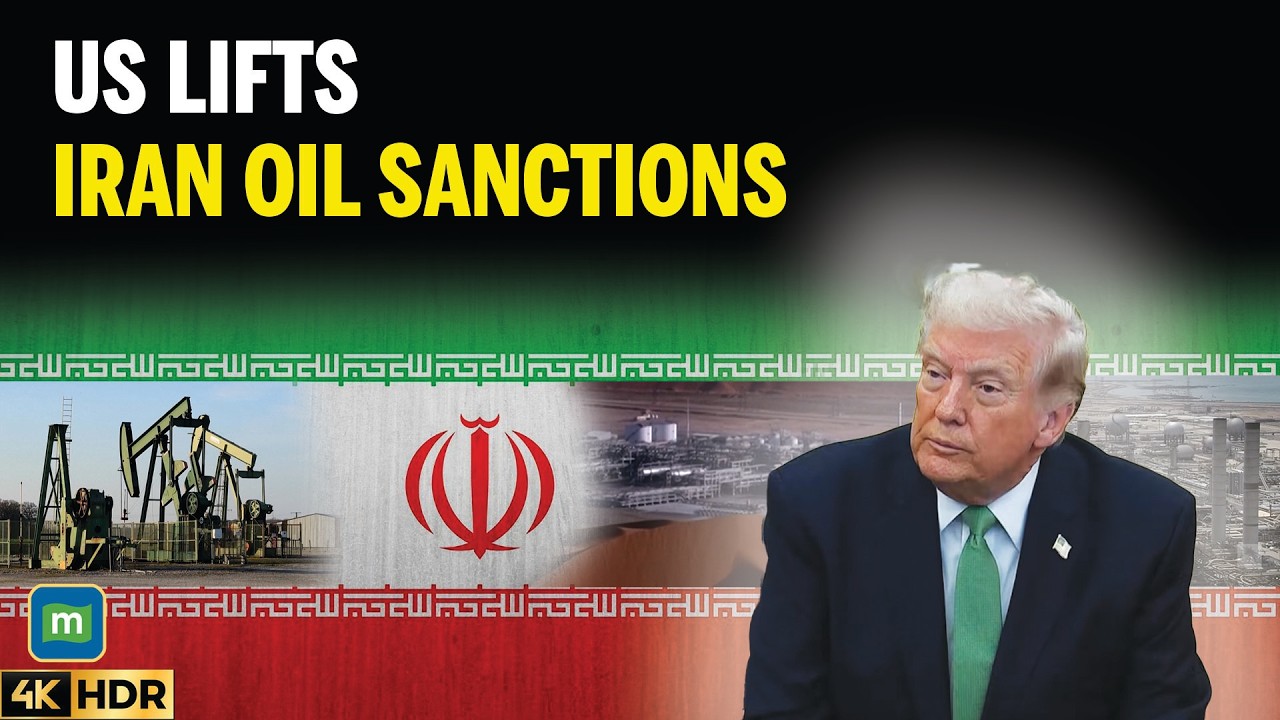
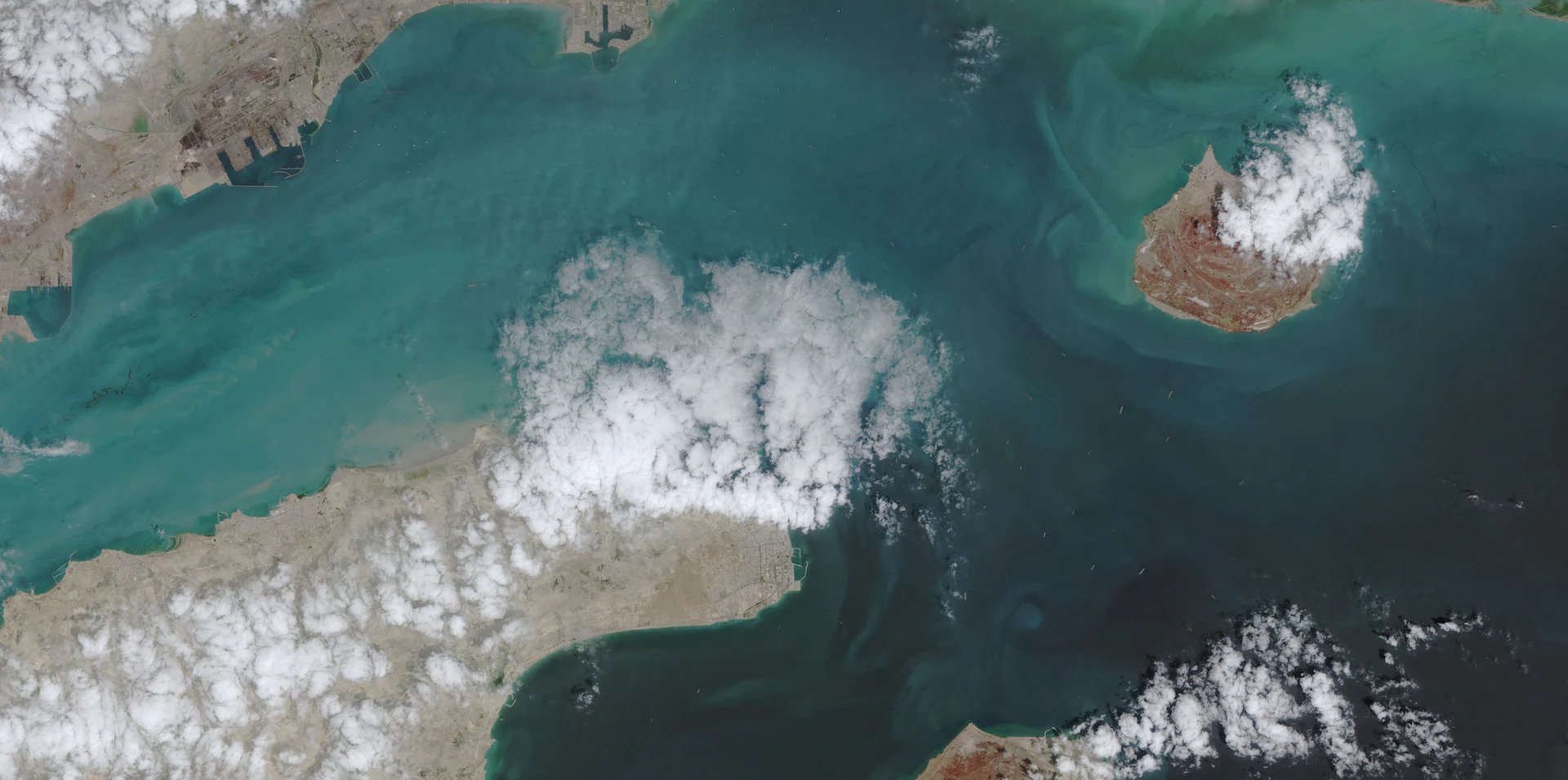
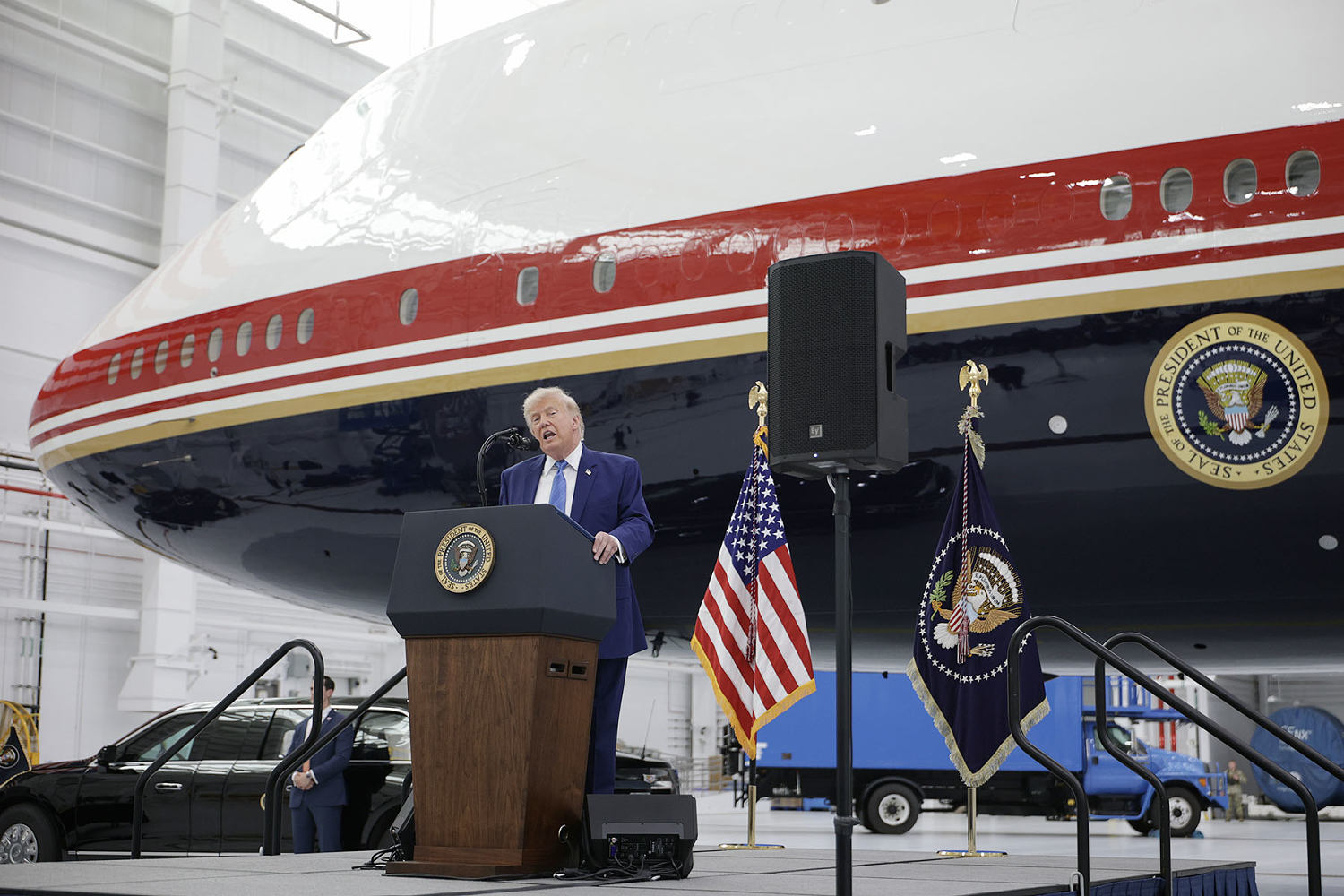
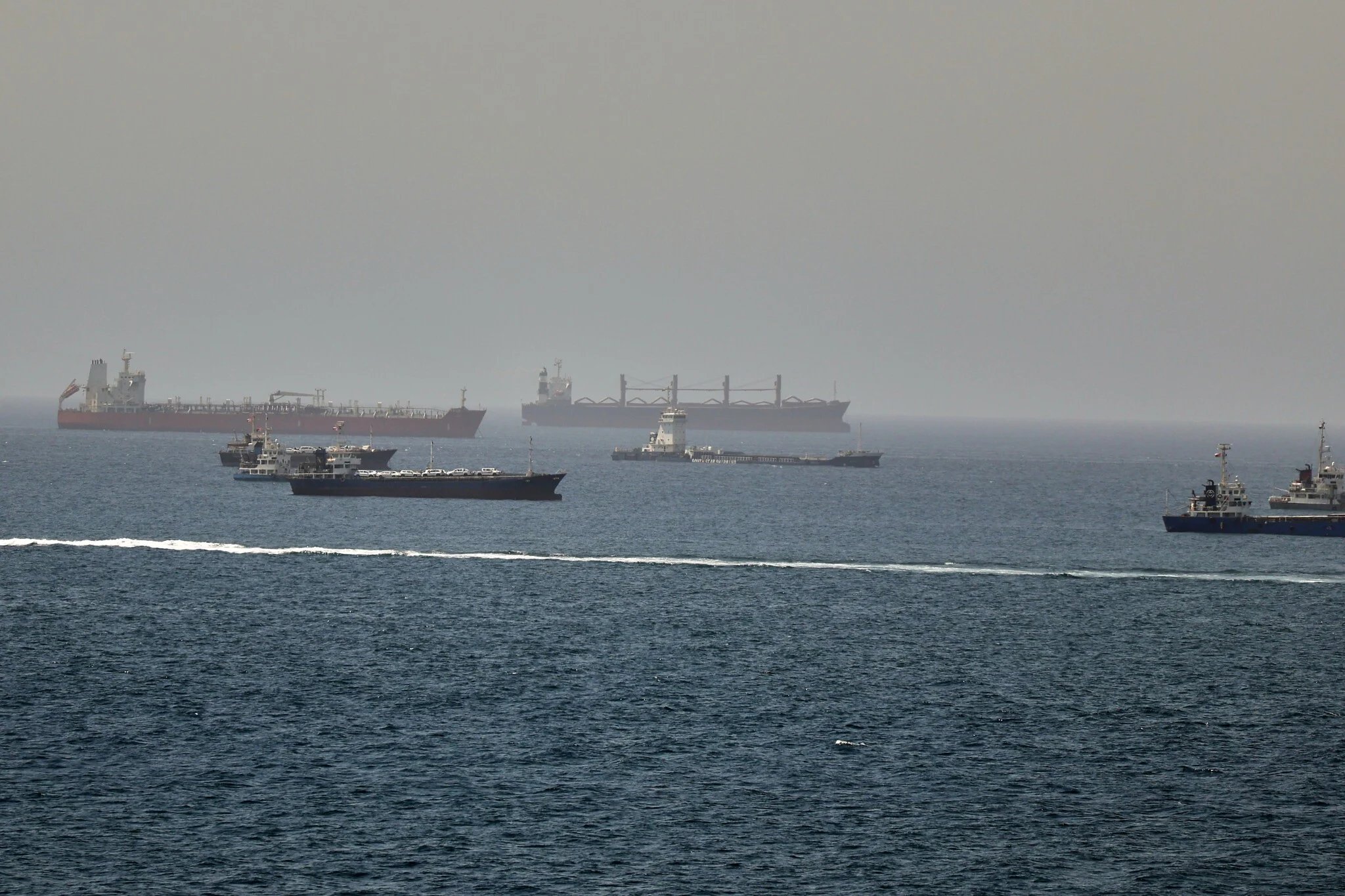
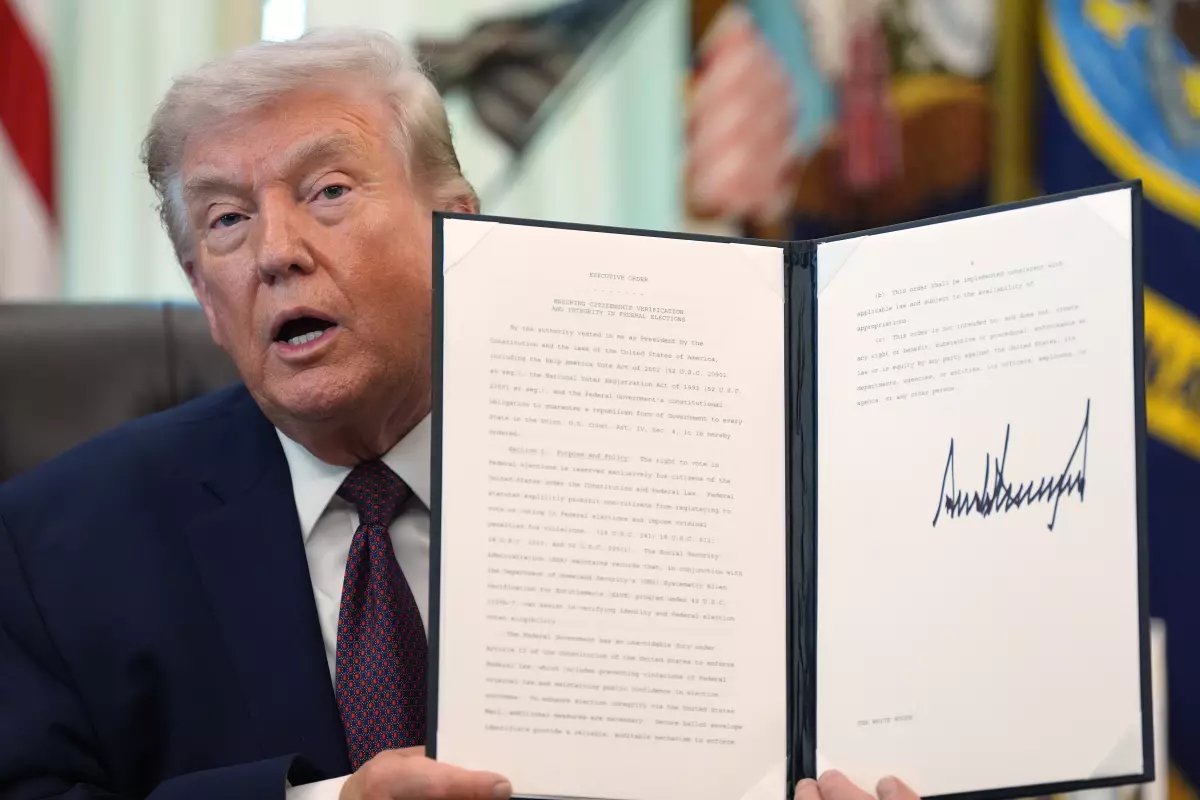
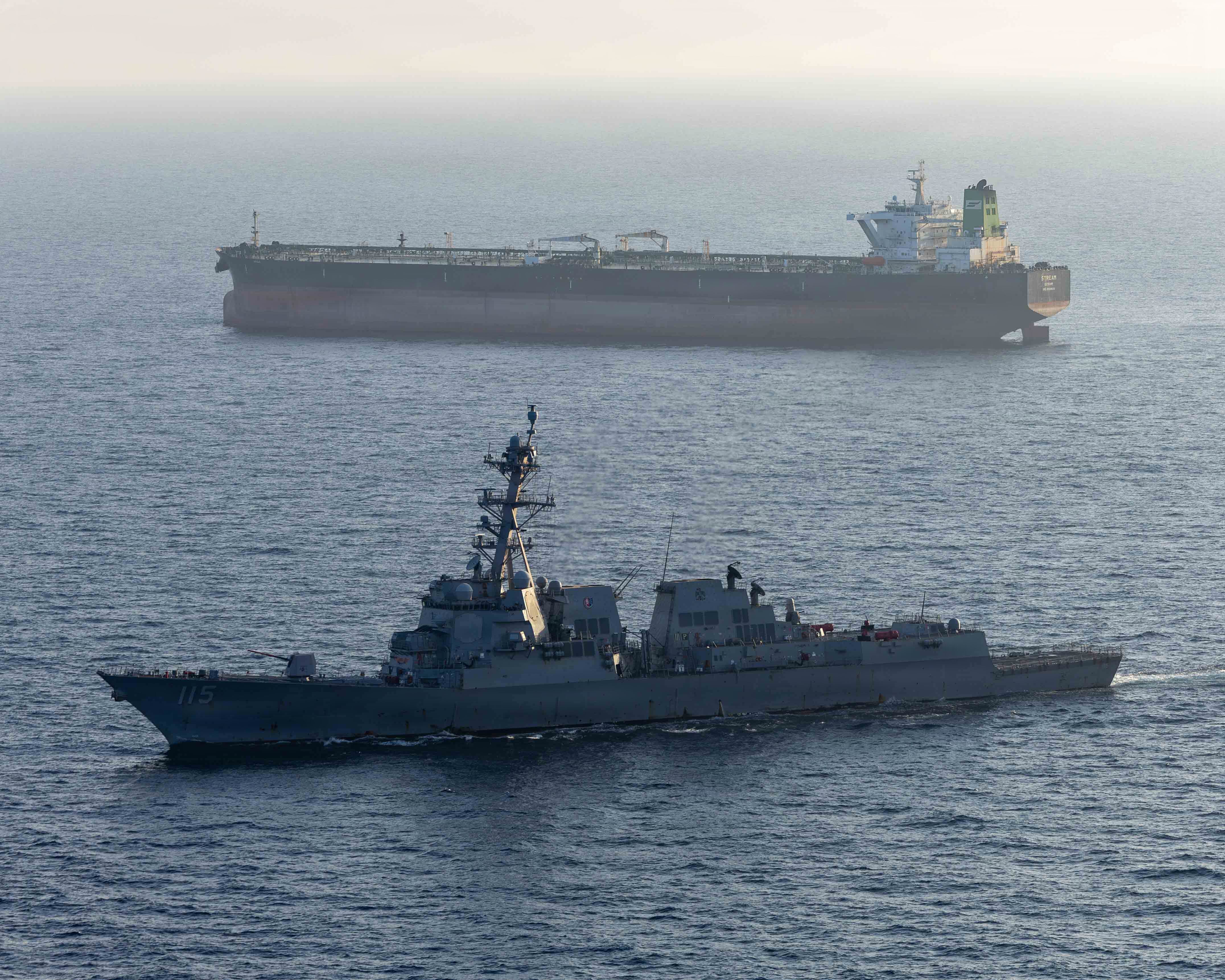
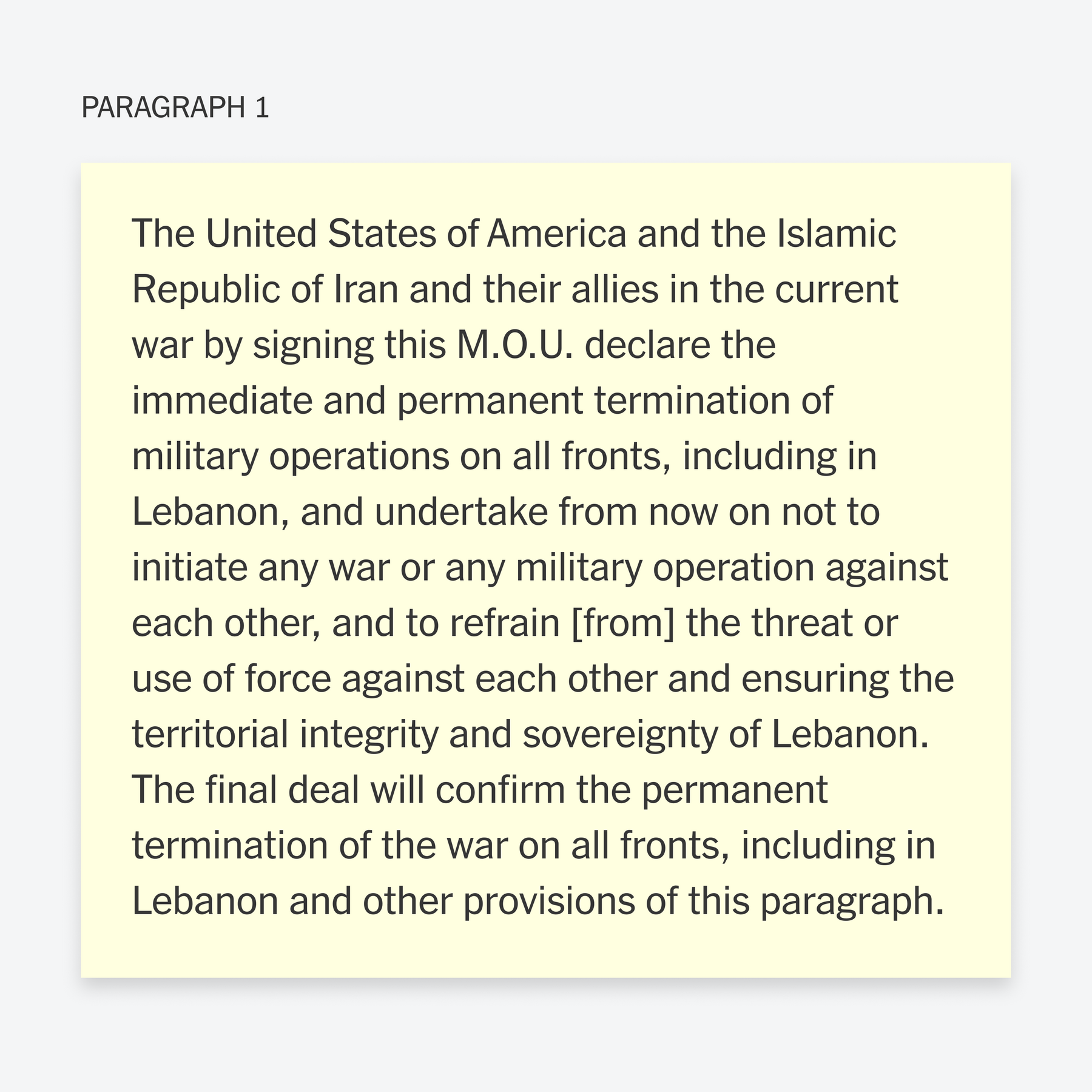
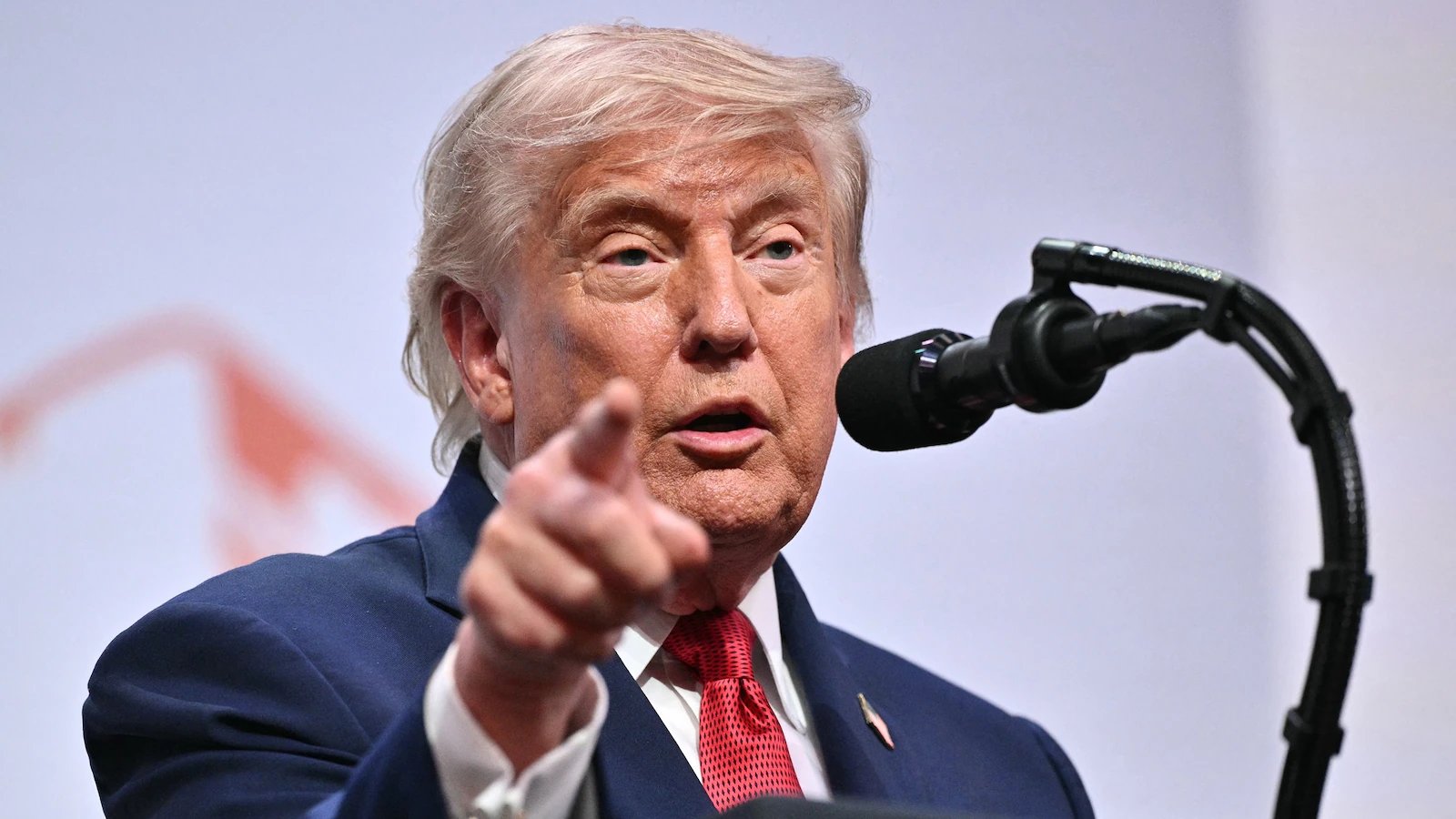
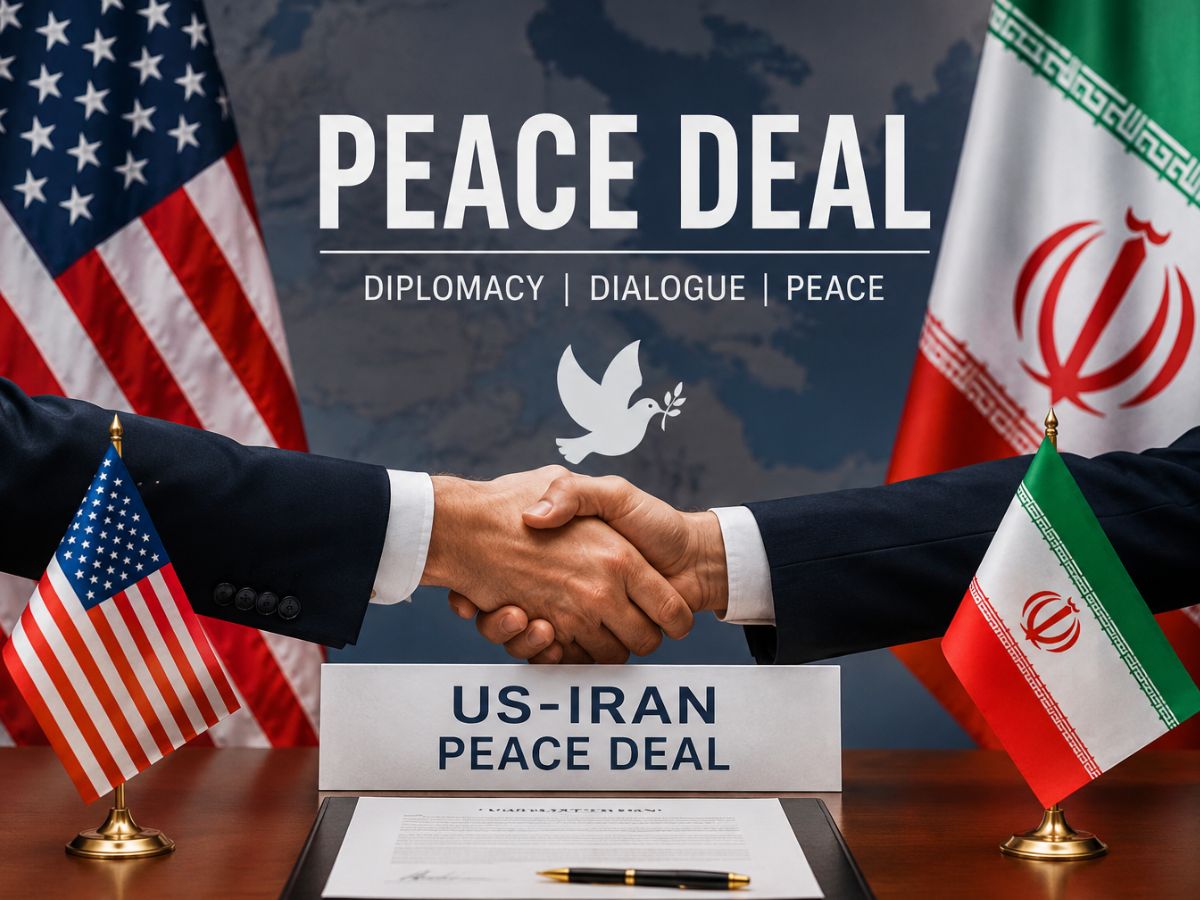
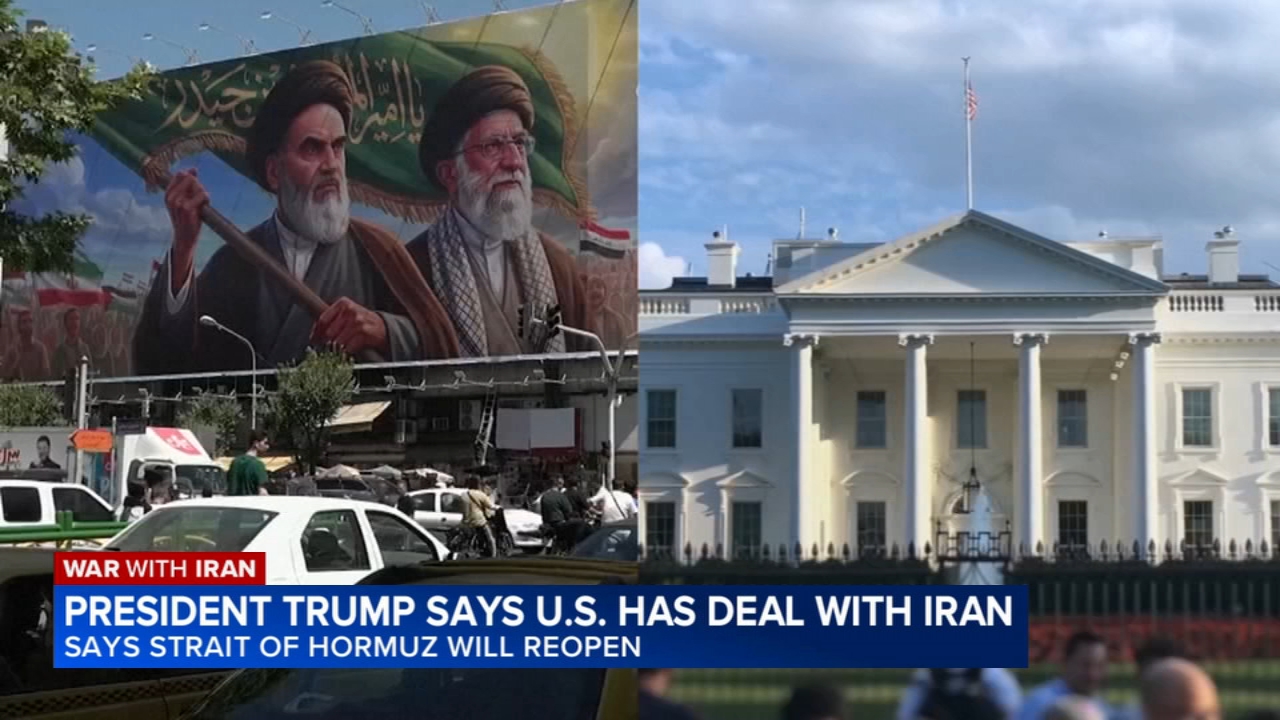
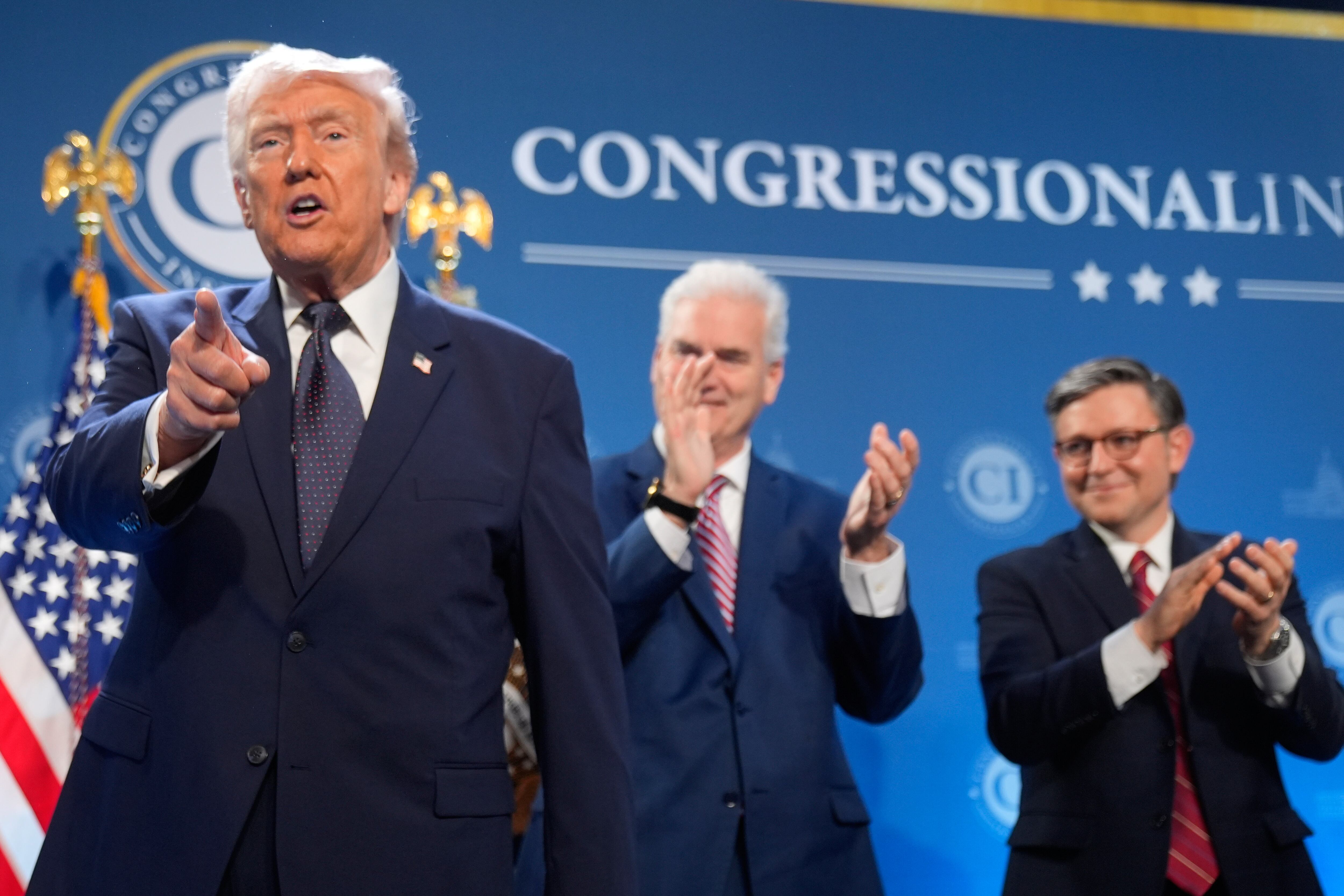
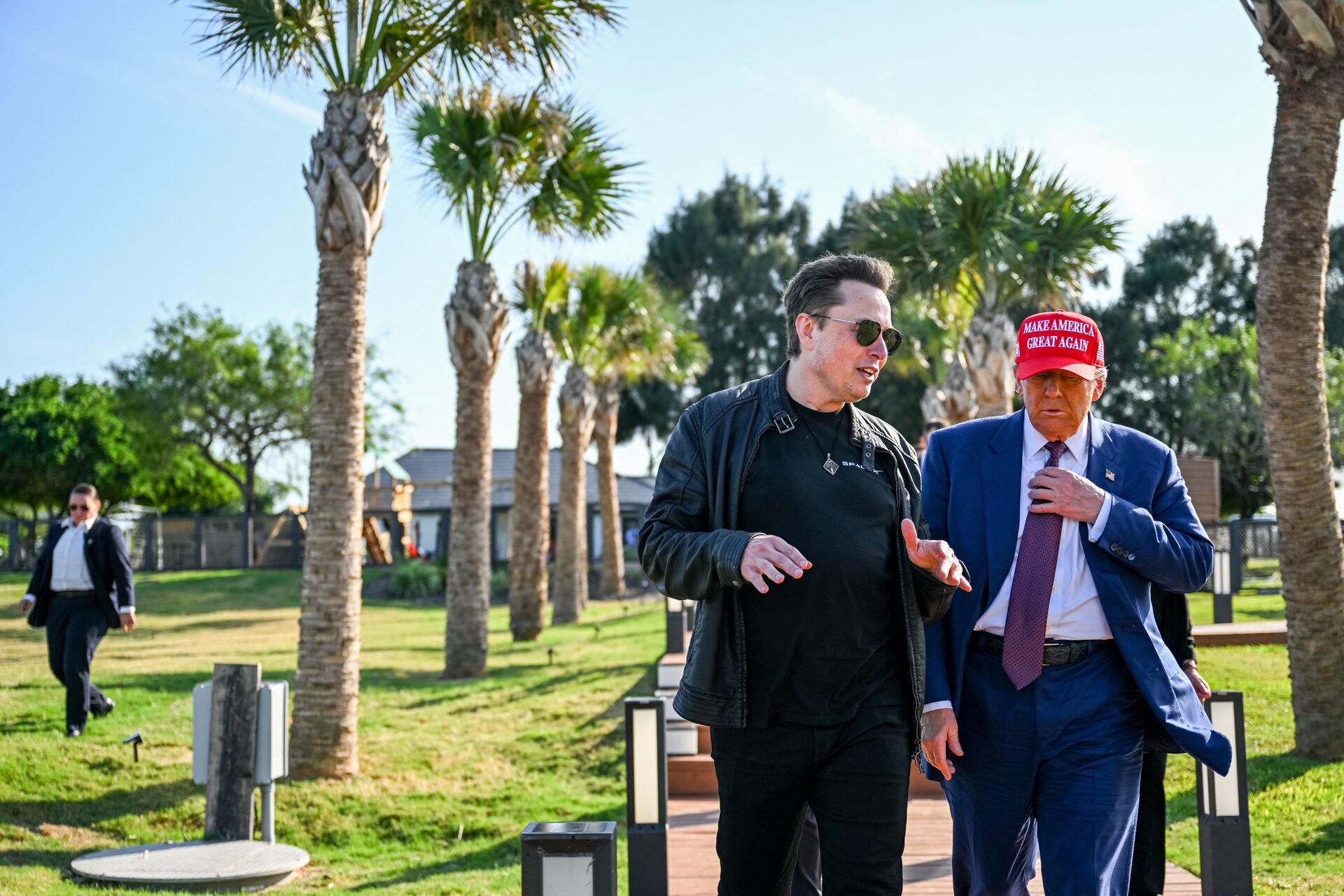
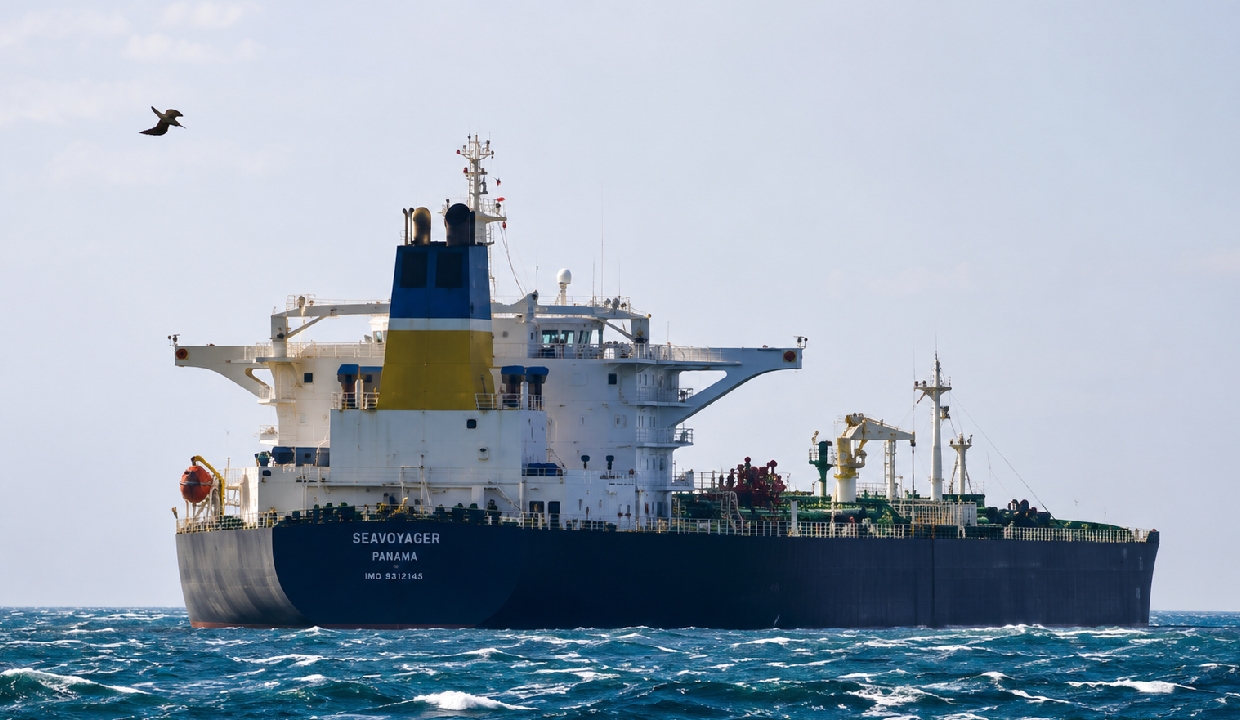
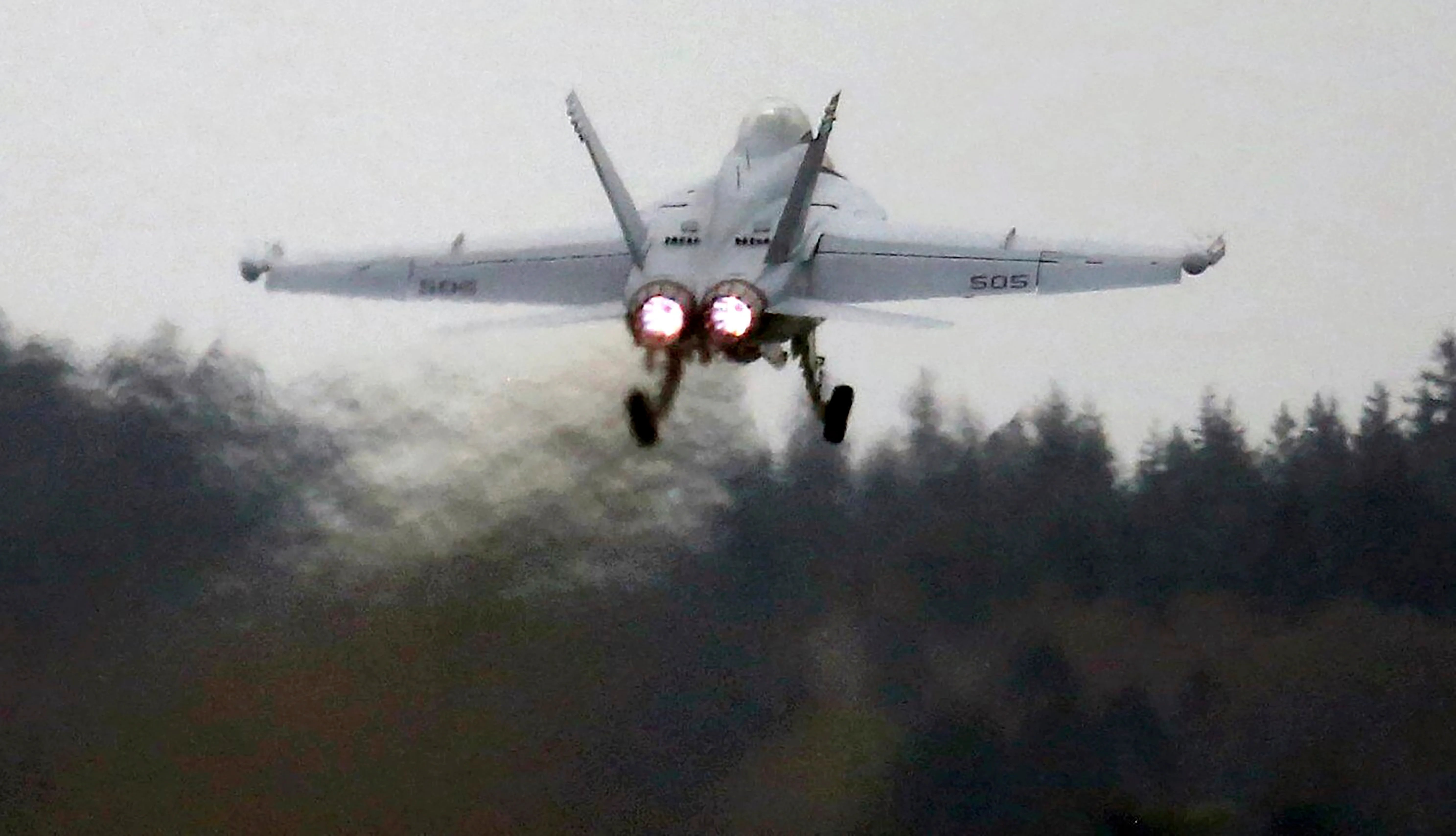
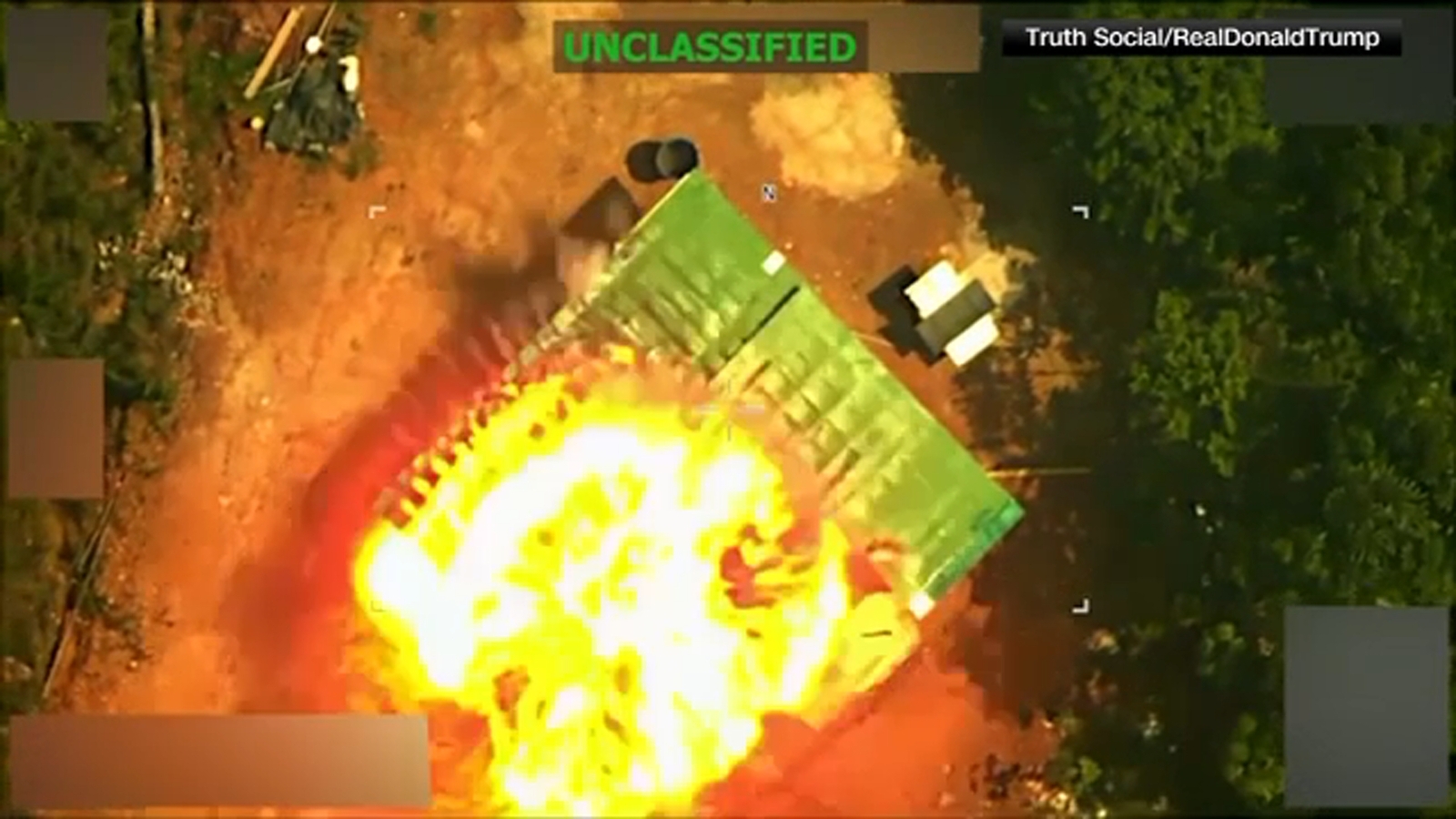
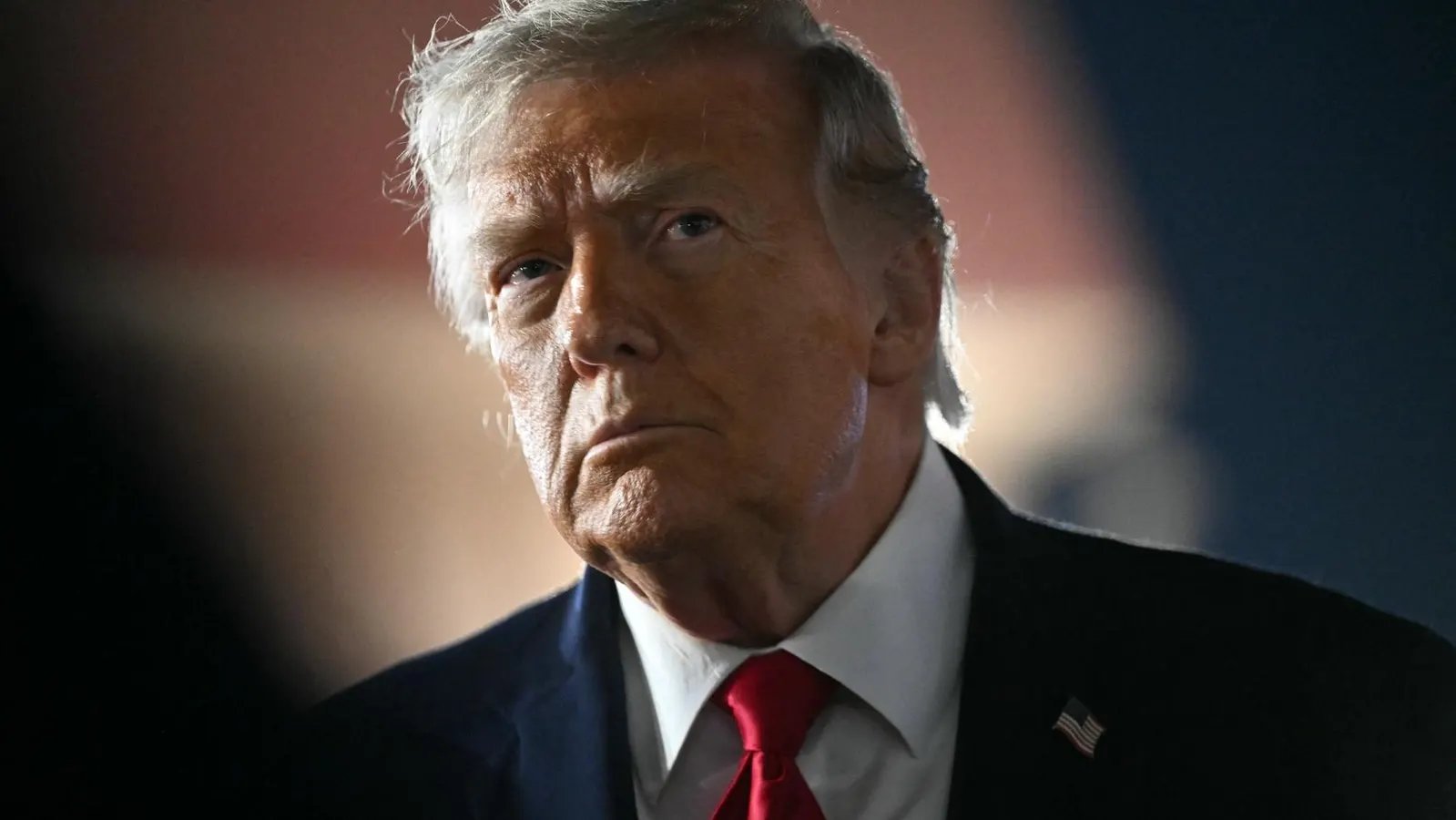
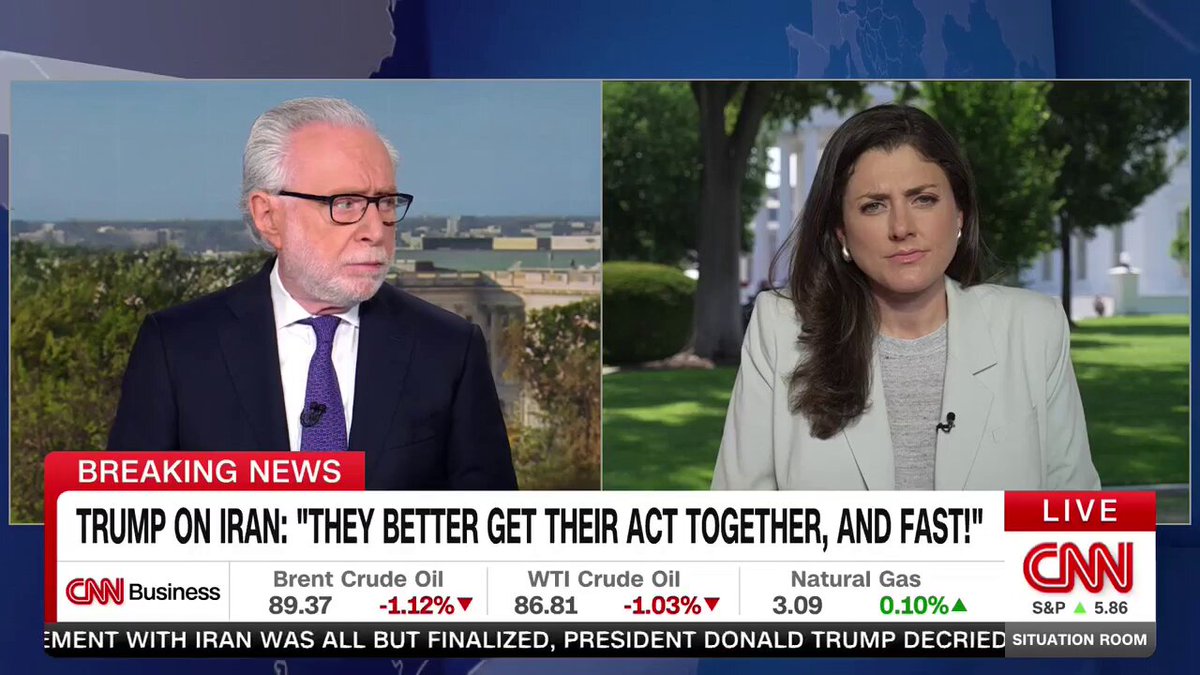
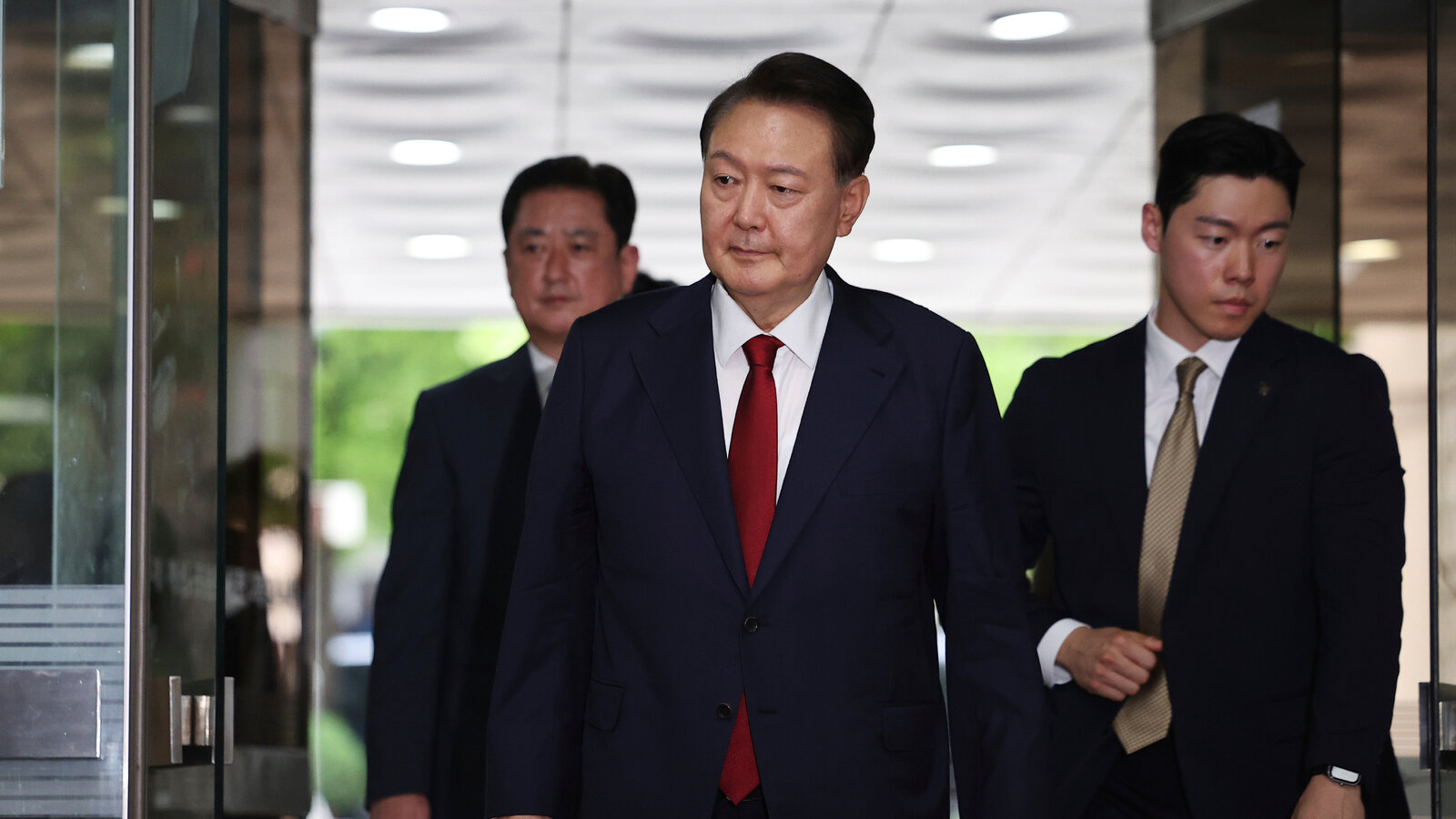
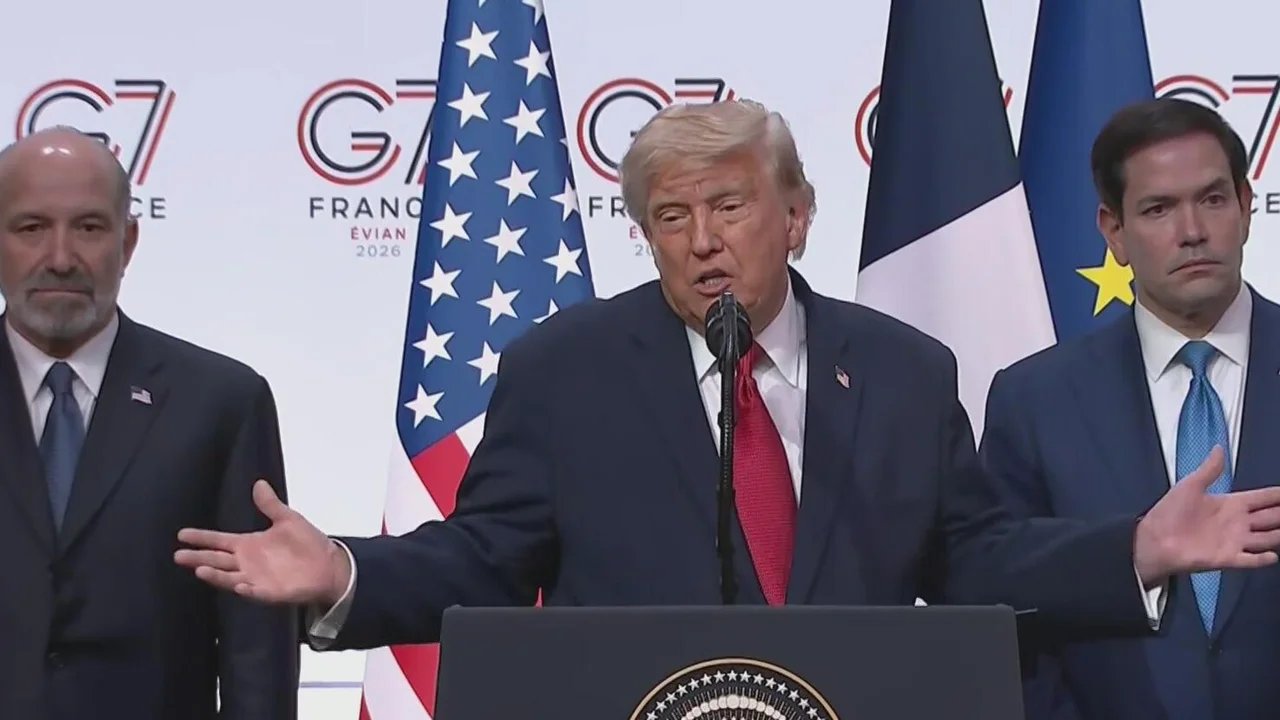
President Donald Trump confirmed on Wednesday that the United States and Iran have signed a memorandum of understanding (MOU) aimed at ending hostilities and reopening the vital Strait of Hormuz. However, Trump emphasized the agreement is not yet final and warned that military action could resume if Iran does not comply with the terms. "If they don't behave, we'll go right back to dropping bombs right smack in the middle of their head," he stated during a press conference at the G7 summit in France.
Key Details of the Agreement
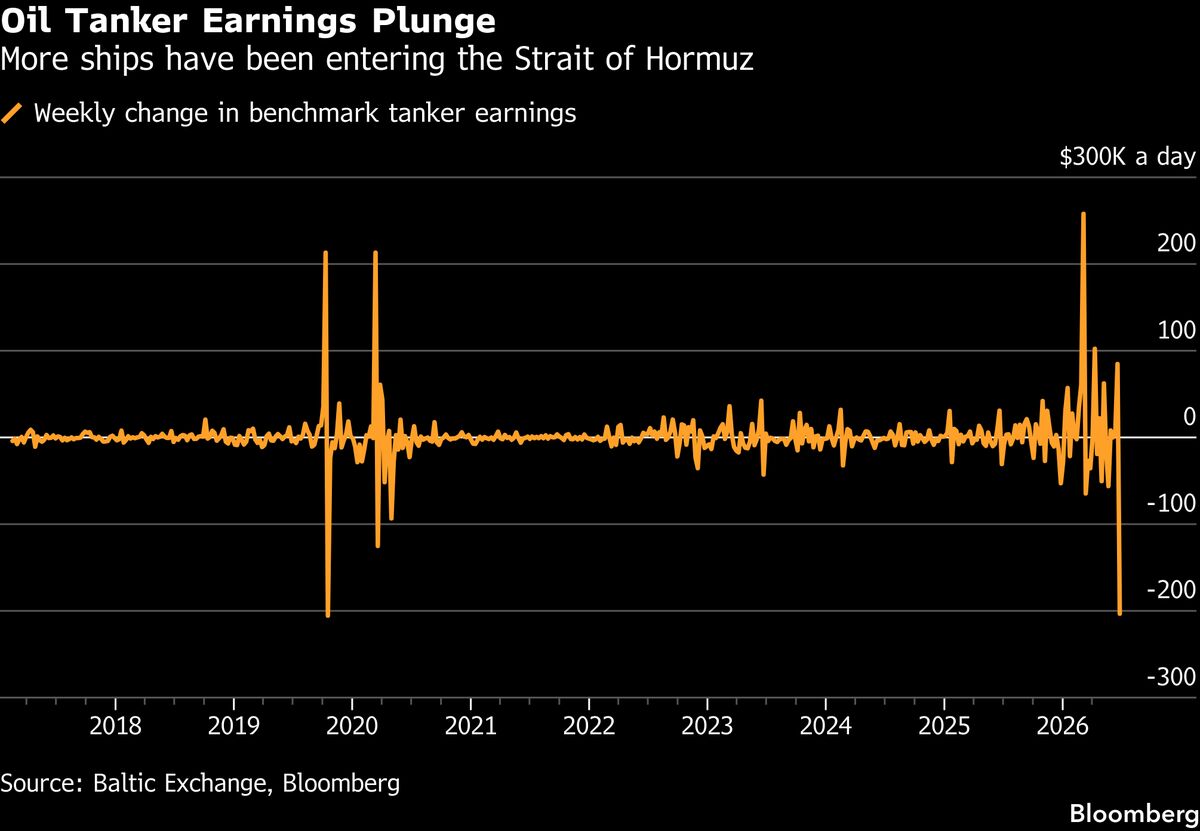
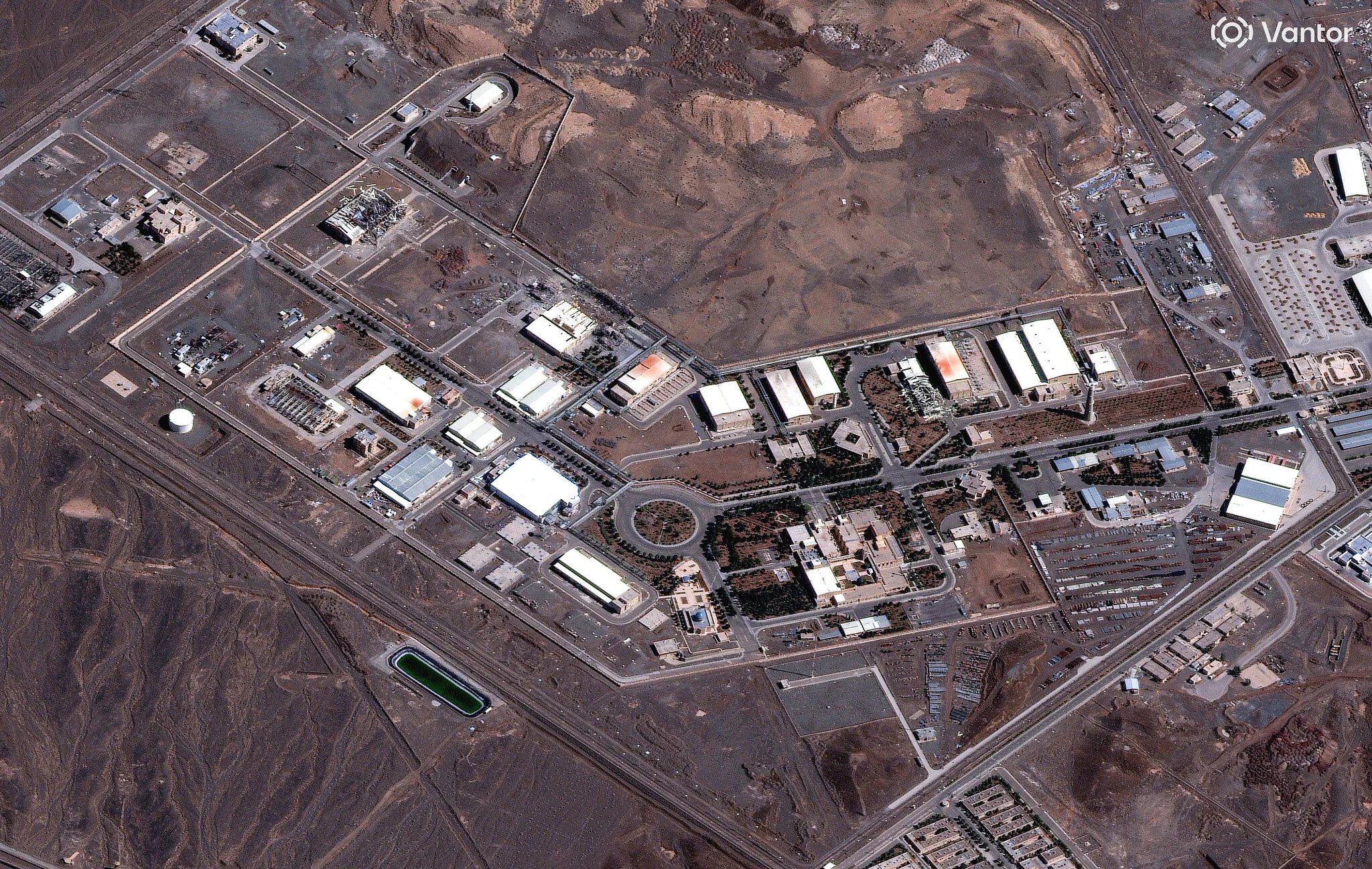
The MOU includes a 60-day timeline for further negotiations on Iran's nuclear program and an immediate ceasefire. Senior U.S. officials have indicated that the agreement allows Iran to start selling oil again and may include a $300 billion reconstruction fund, although Trump downplayed these financial commitments, stating, "We're not putting up 10 cents." The text of the agreement has yet to be fully disclosed, but it reportedly confirms that Iran will not pursue nuclear weapons.
Mixed Reactions from Republican Lawmakers
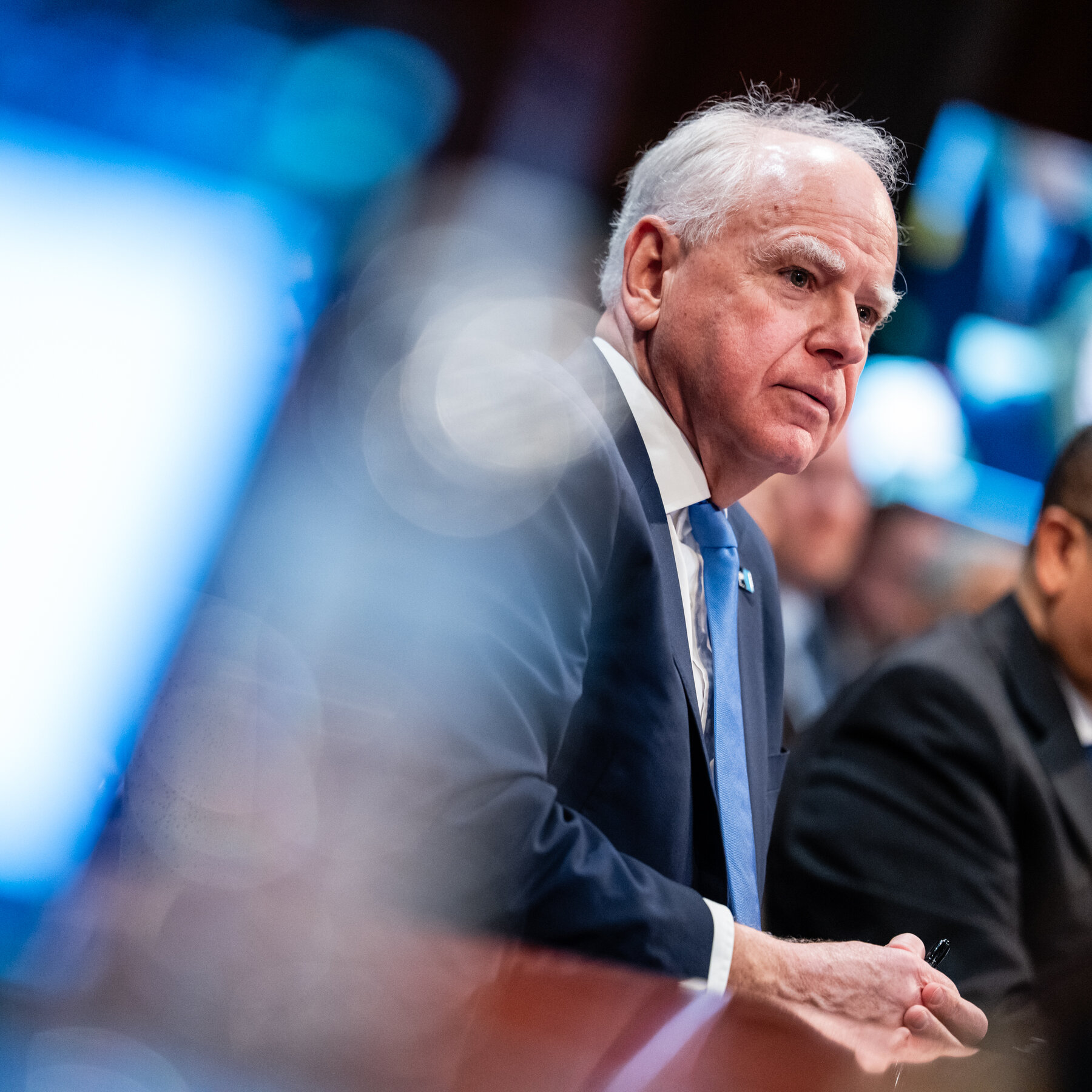
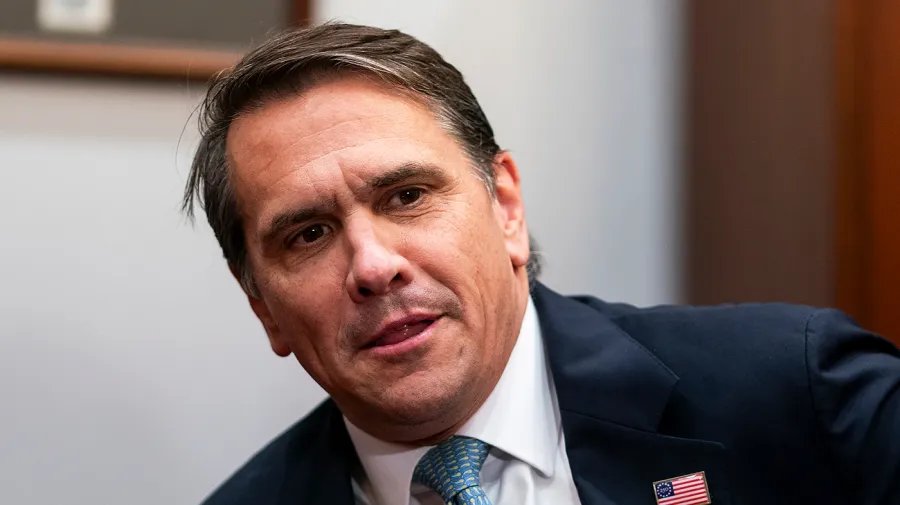
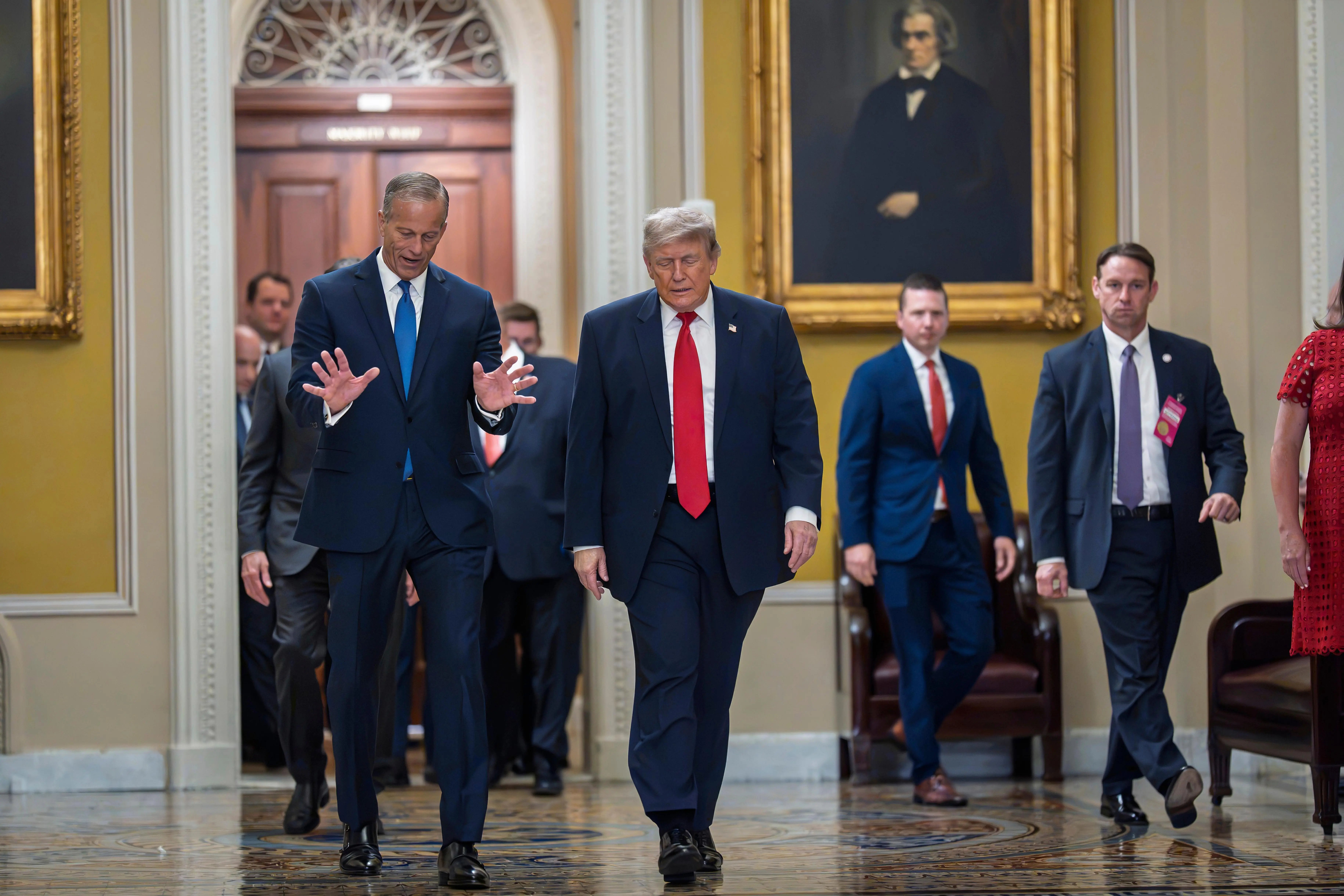
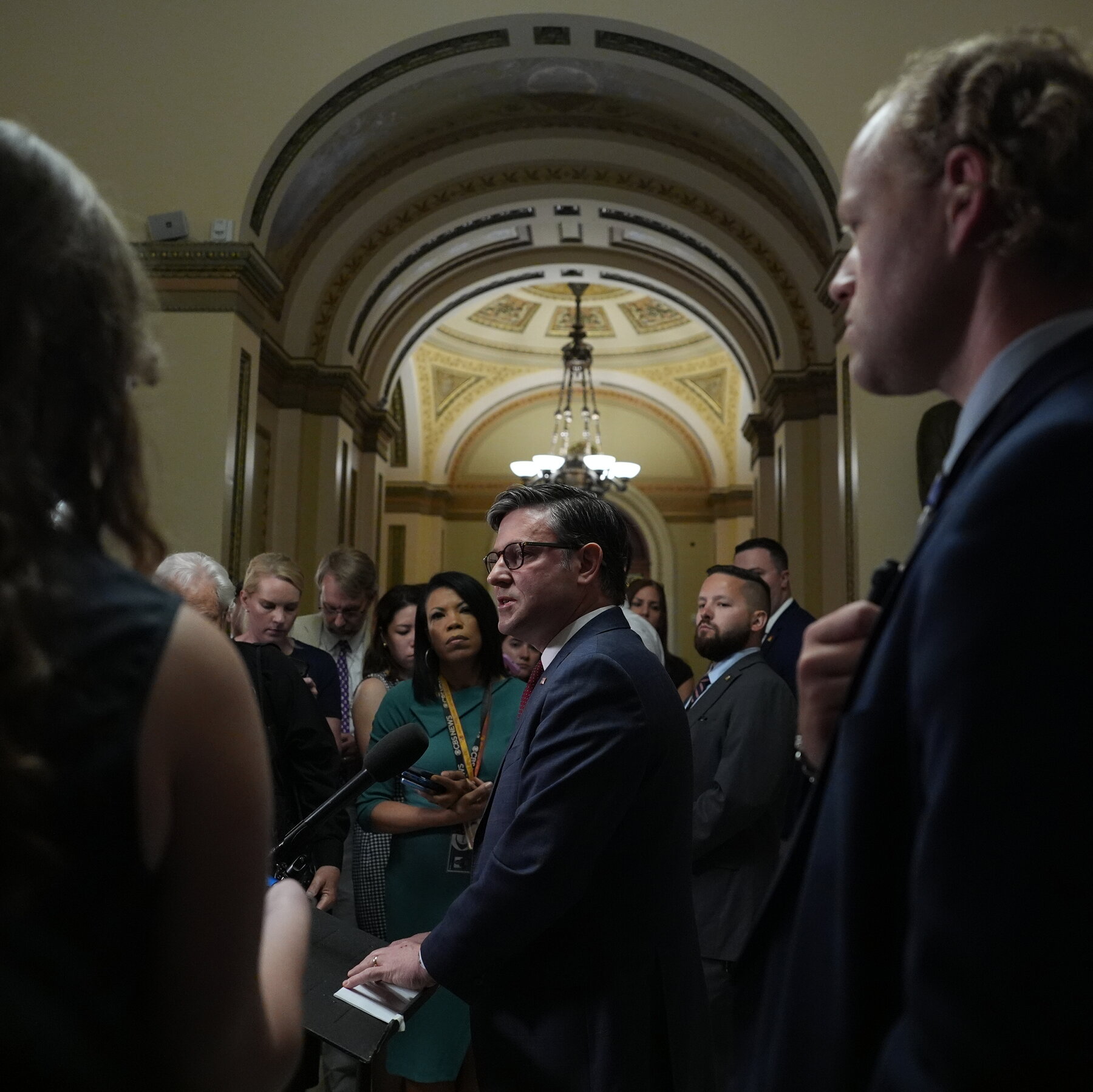
The reaction from Republican lawmakers has been divided, with some expressing skepticism about the deal's effectiveness. Senator Lindsey Graham said he is "pretty skeptical" about the deal but willing to "wait and see," noting he likes the idea of opening the strait and ending the conflict, adding "it's worth a try." Others, such as former U.N. Ambassador Nikki Haley, criticized the potential lifting of sanctions on Iran, calling for "zero sanctions relief day one." This internal conflict reflects broader tensions within the Republican Party regarding the approach to Iran.
Trump Defends Diplomatic Efforts
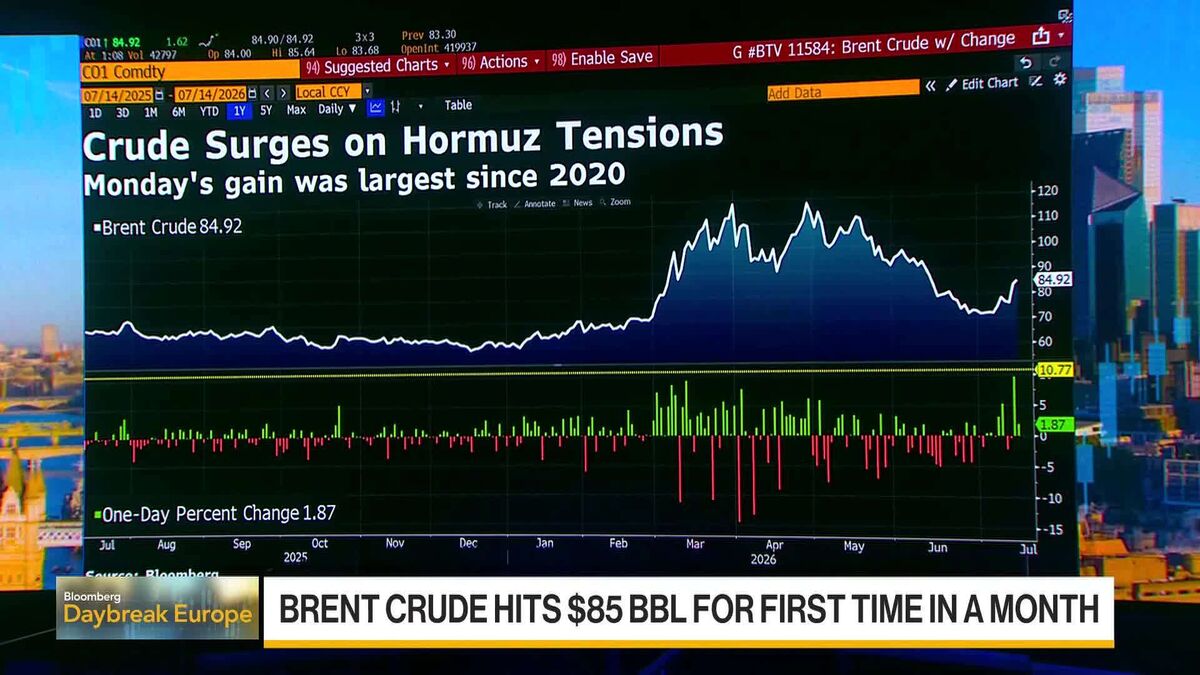
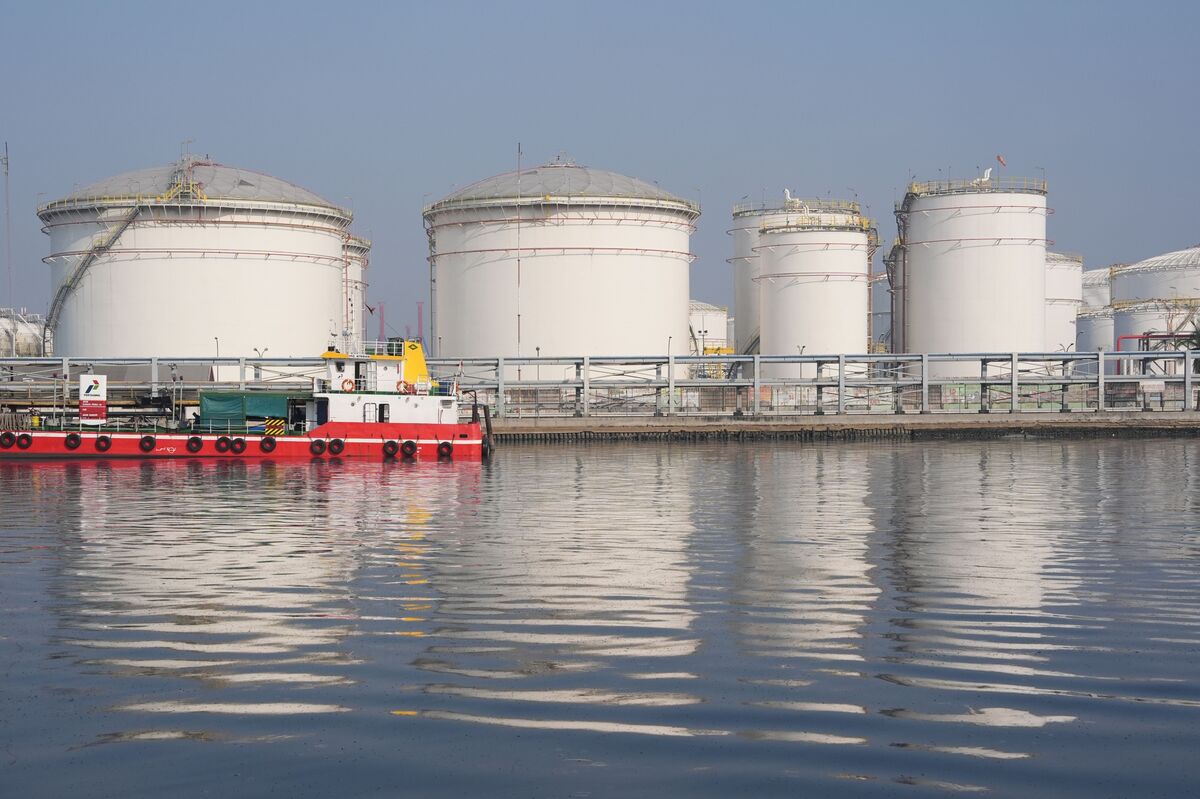
Trump framed the deal as a significant diplomatic victory, claiming it would prevent a "worldwide depression" by stabilizing oil prices and easing tensions in the region. He noted that leaders from other G7 countries expressed support for the agreement, saying, "There's not one nation that came to us and said, 'Please sir, keep dropping bombs on them.'" However, the vague details of the MOU have left many lawmakers and analysts questioning its long-term effectiveness.
Military Presence and Regional Tensions
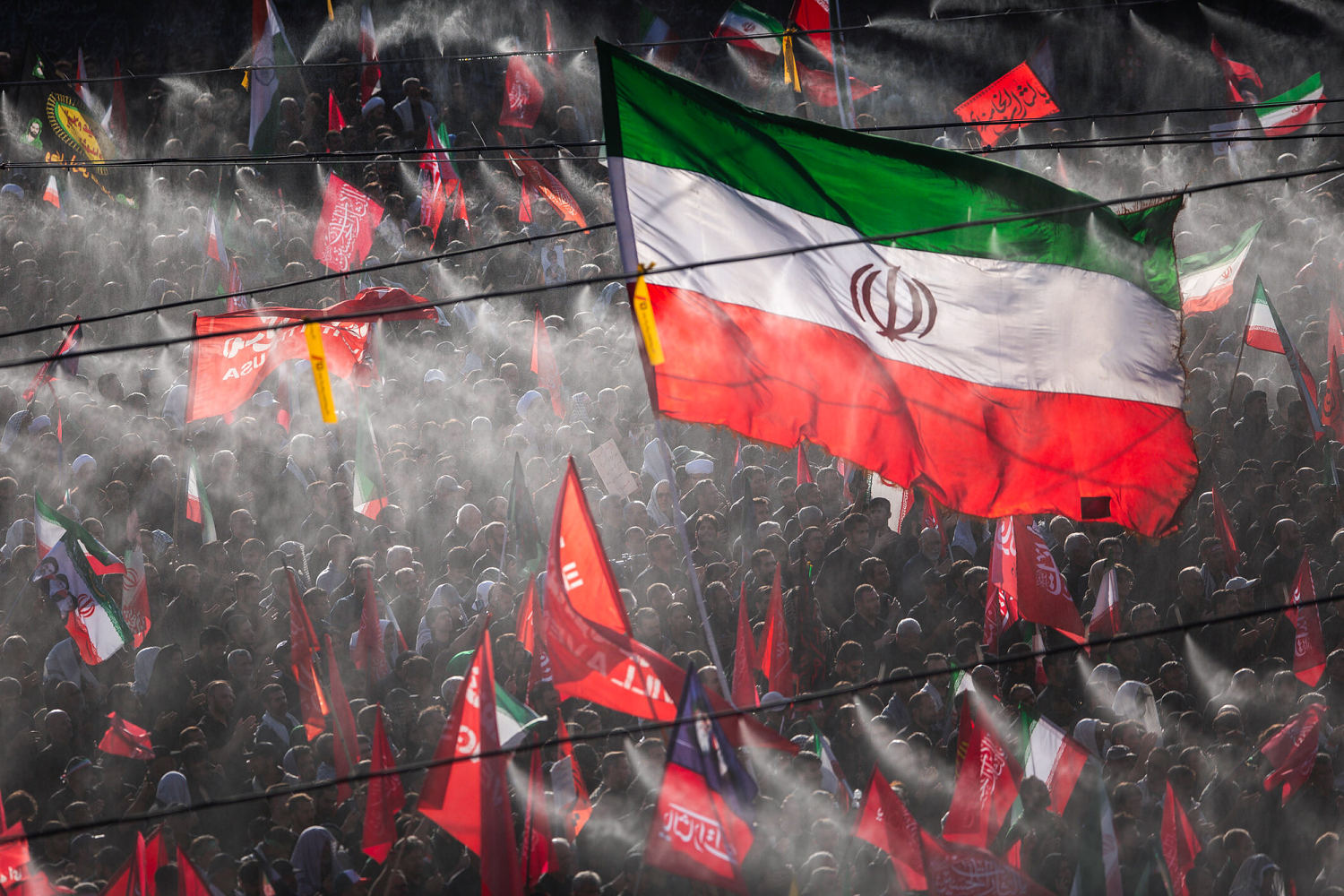
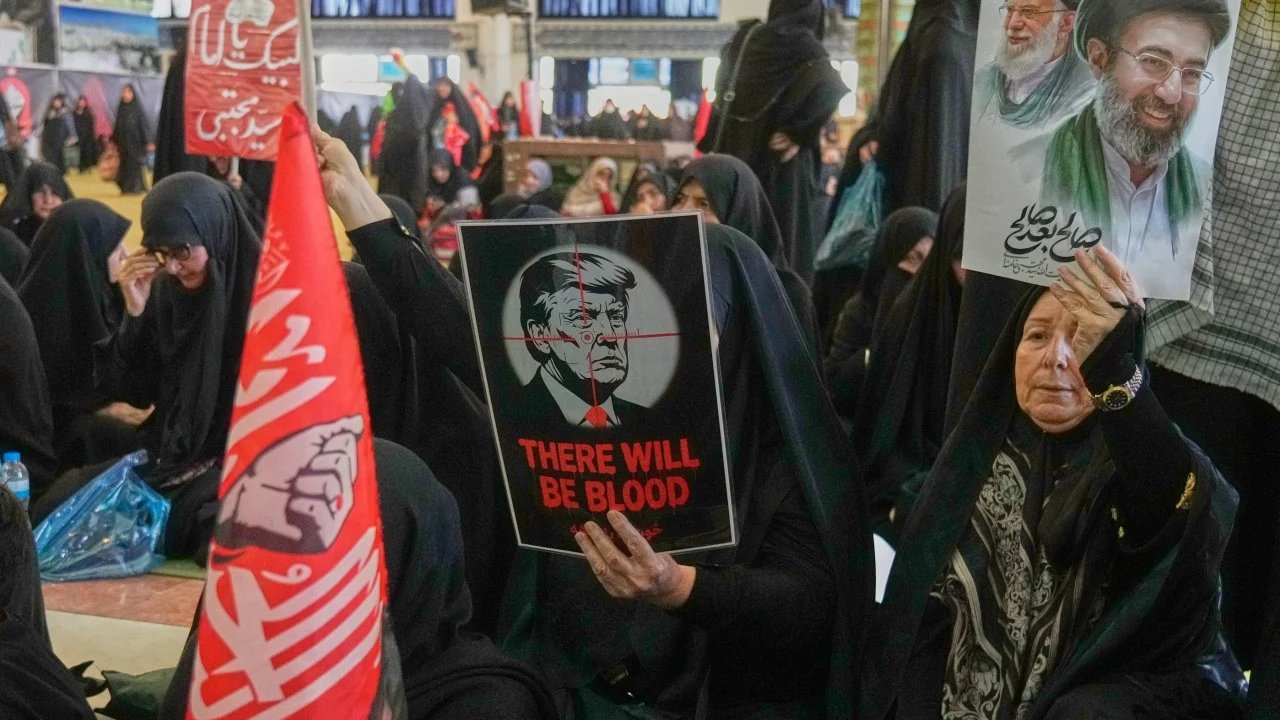
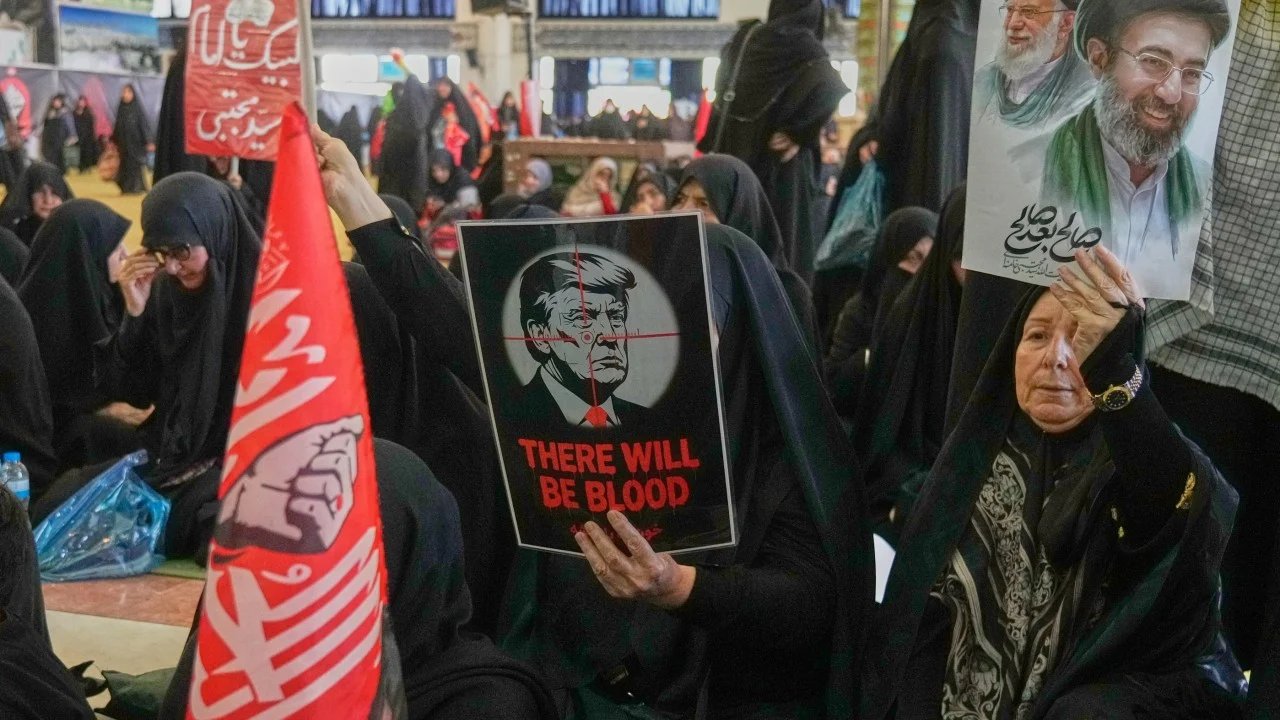
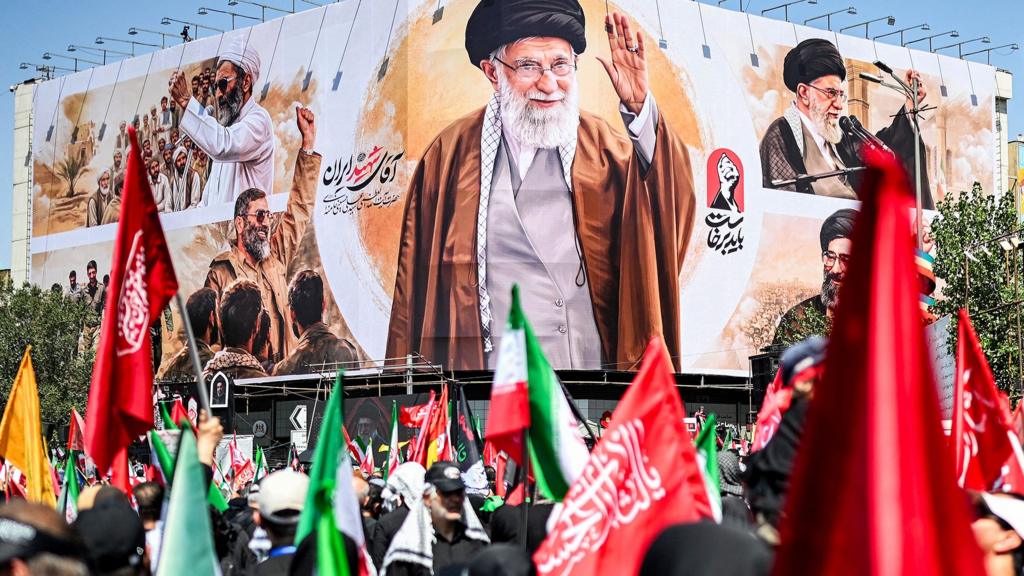
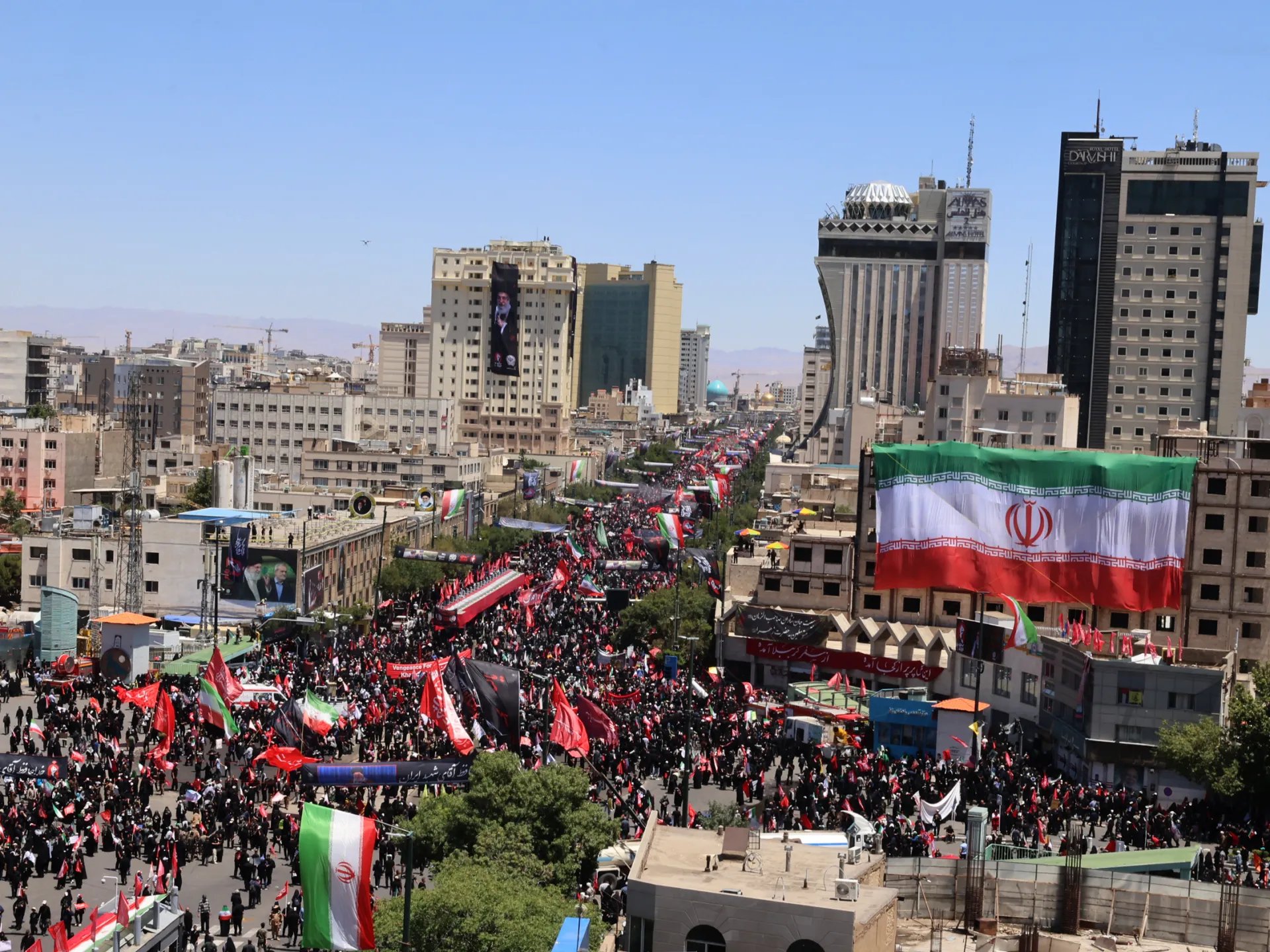
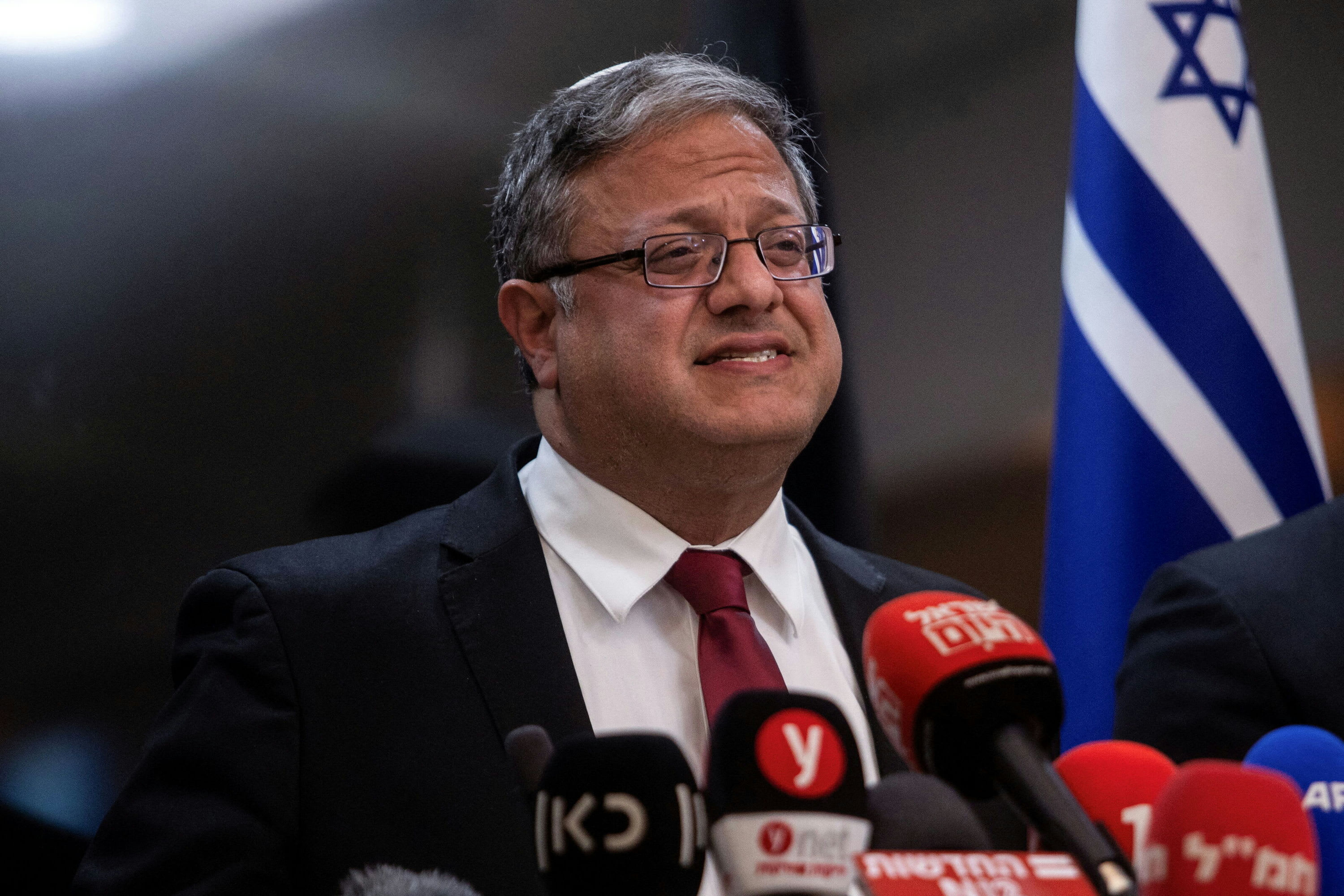
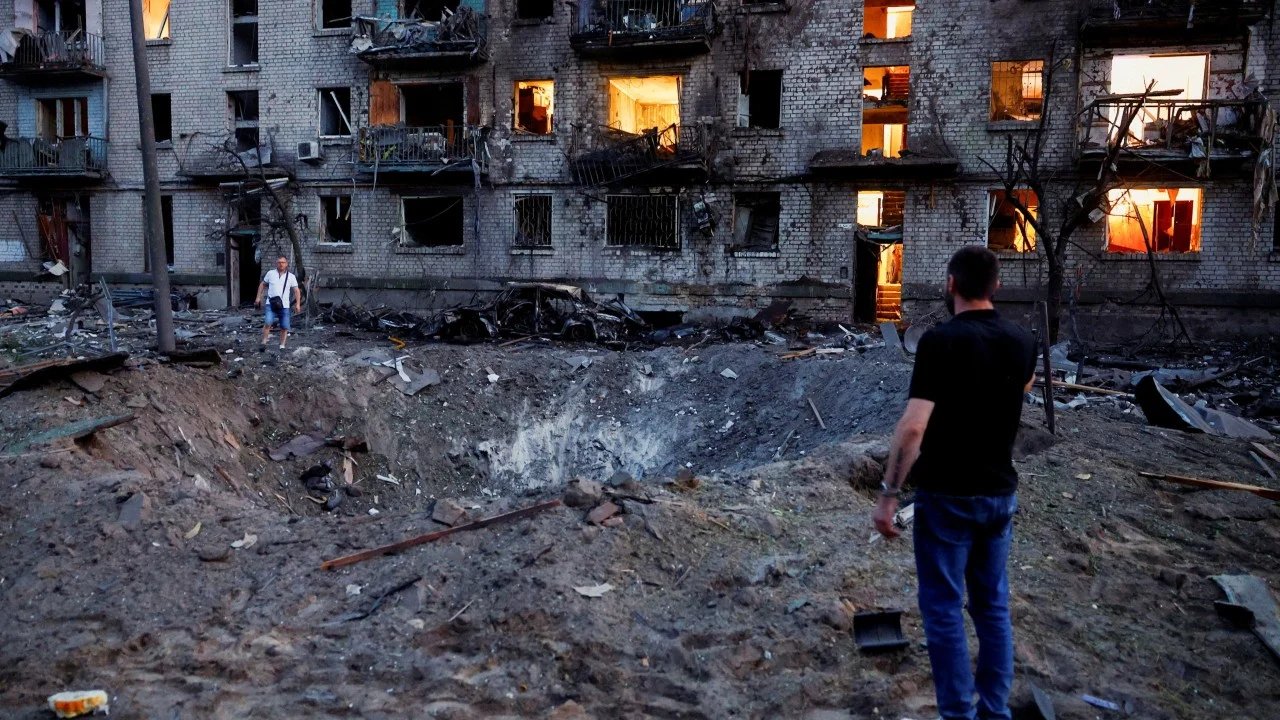
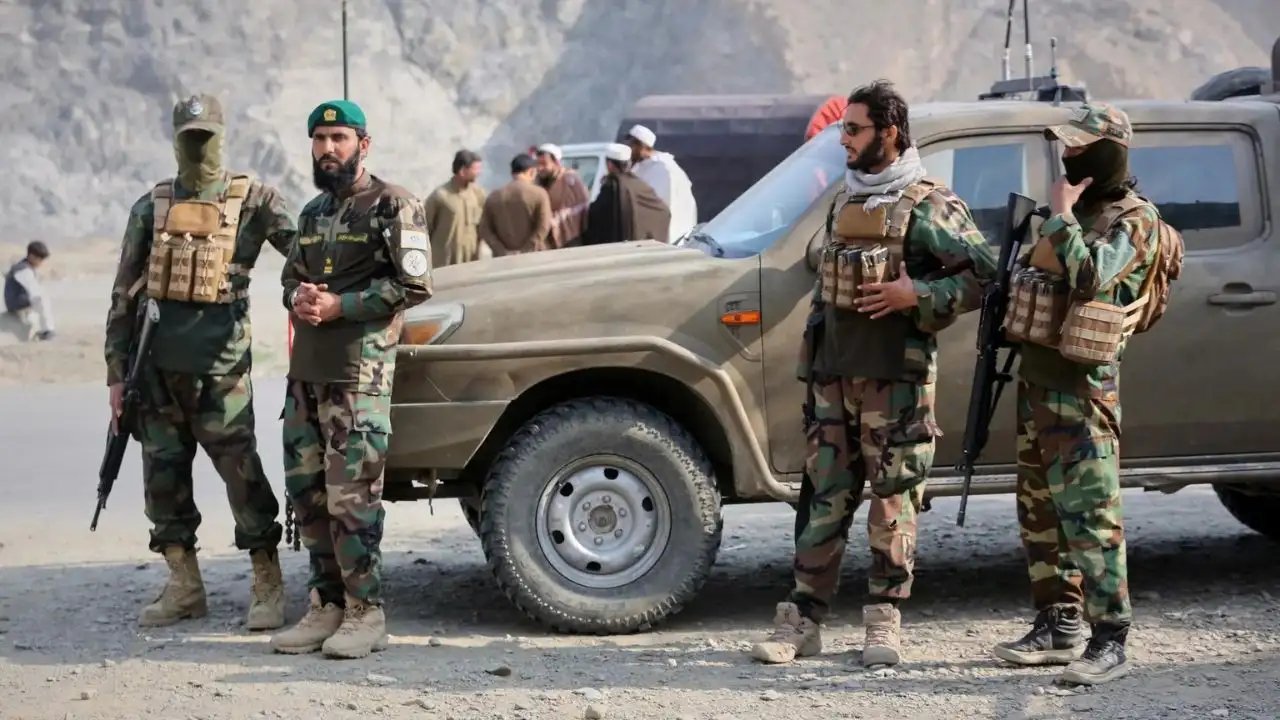
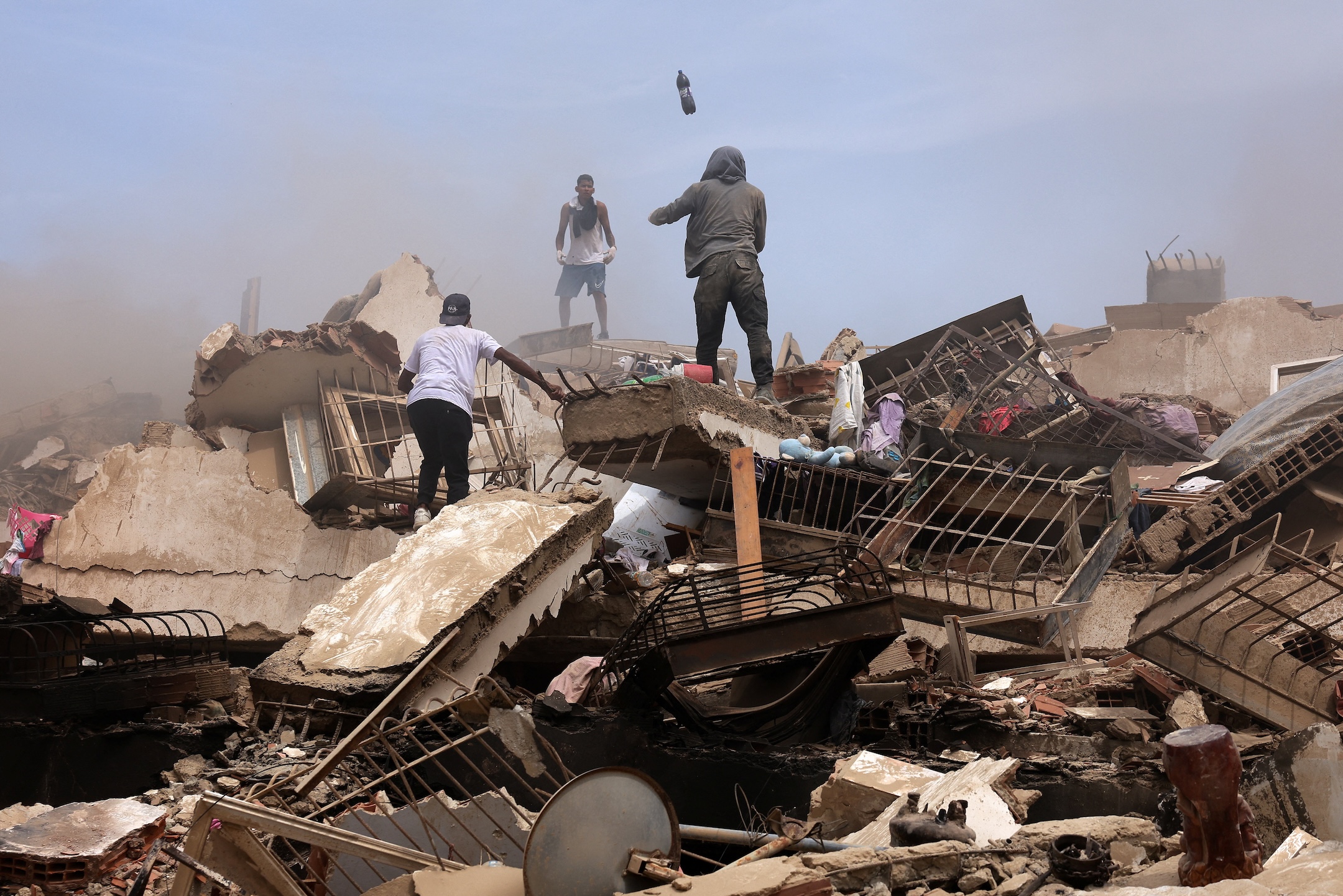
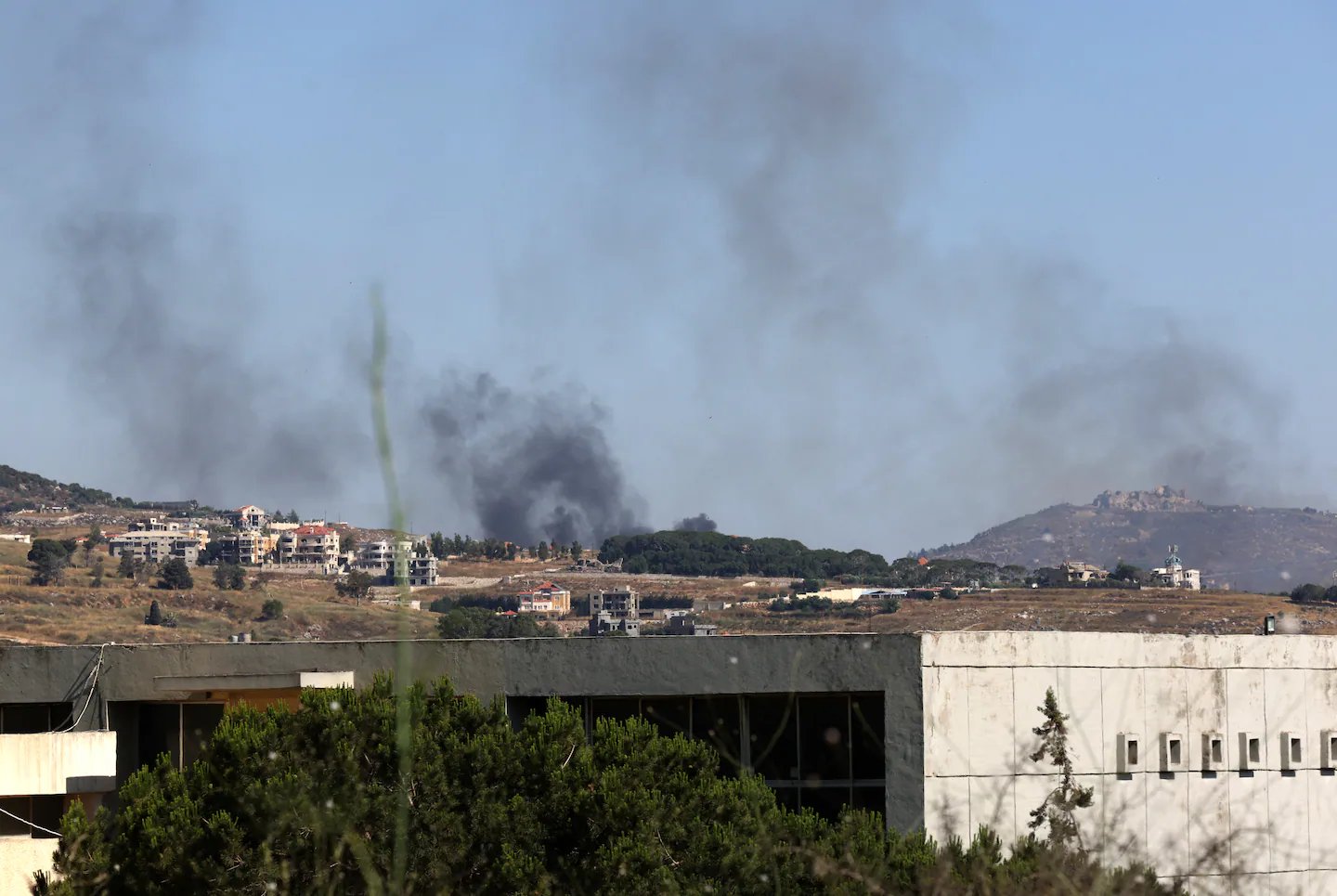
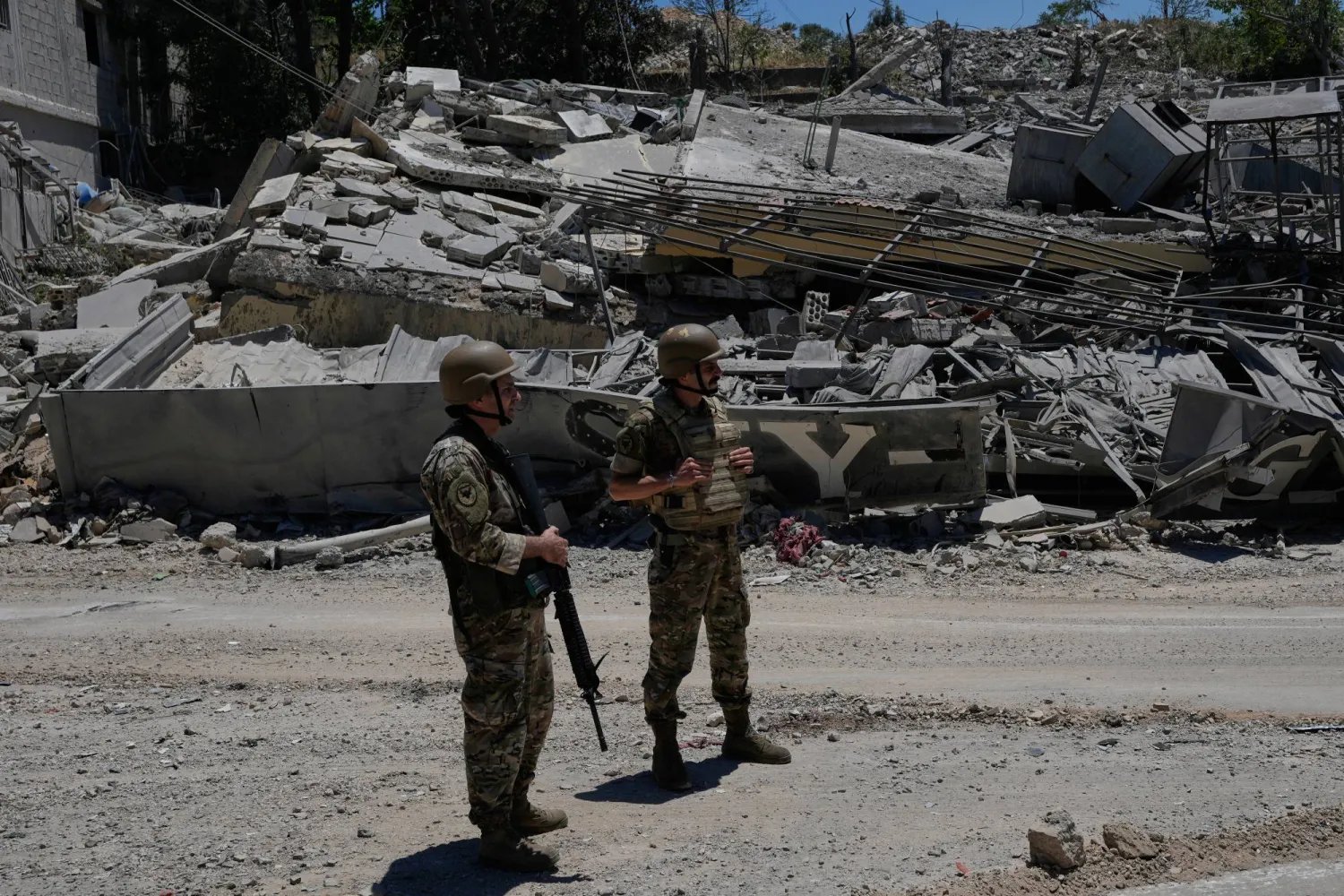
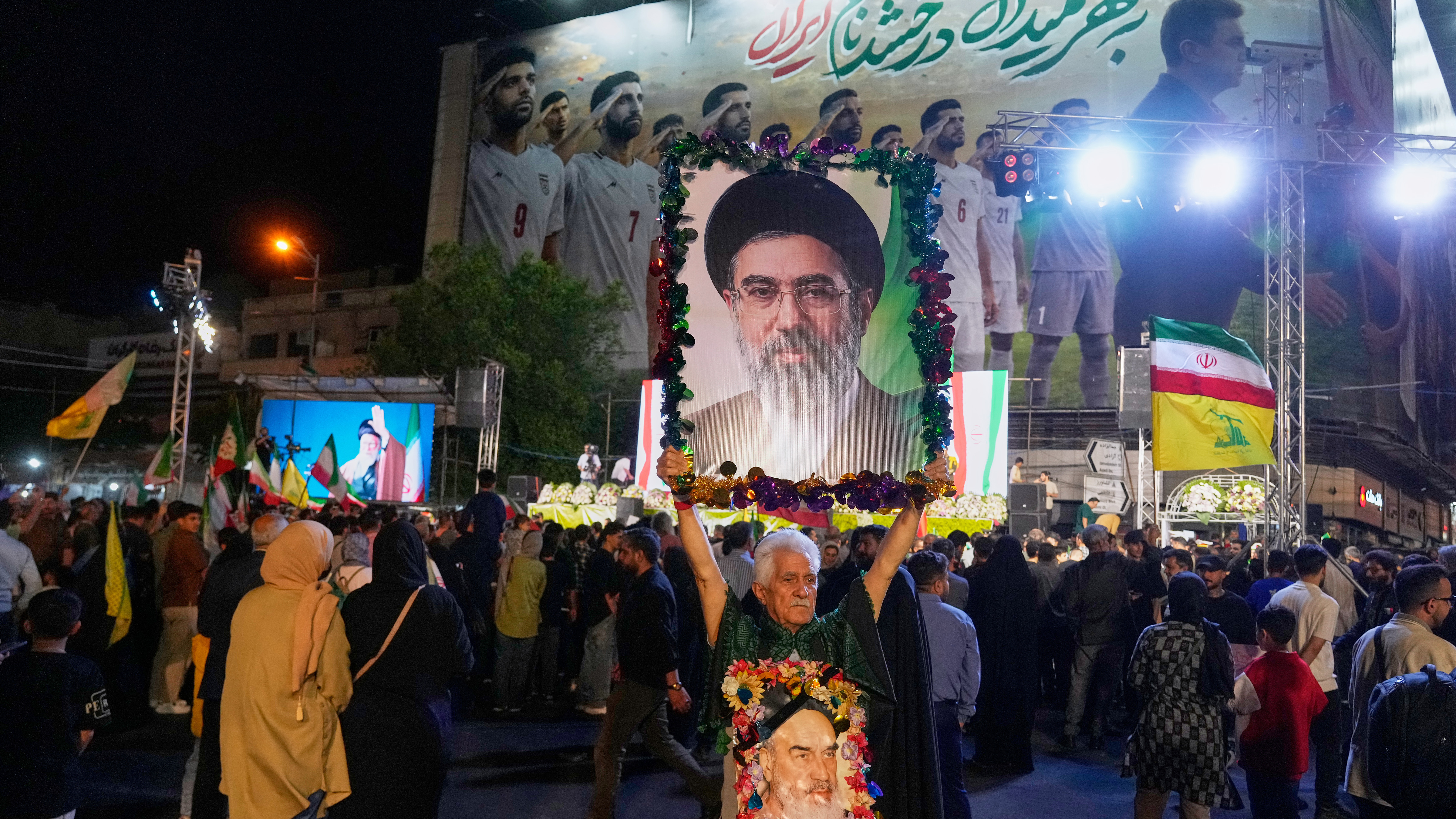
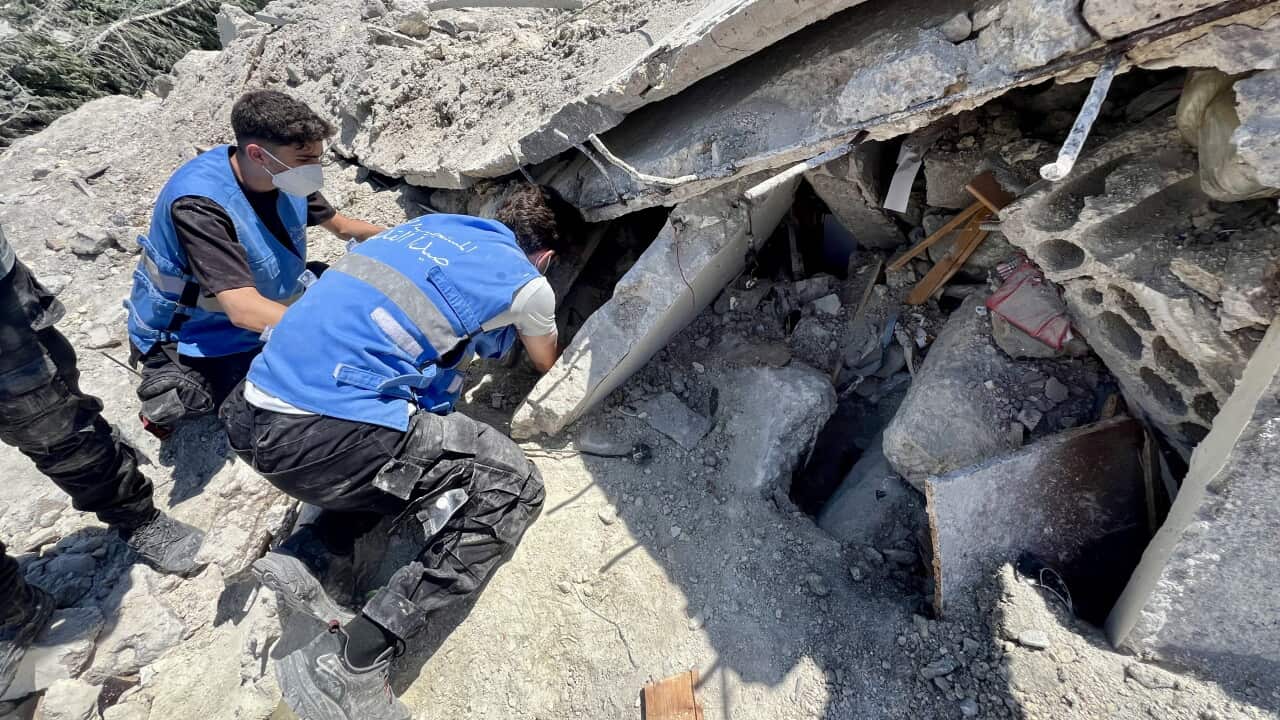
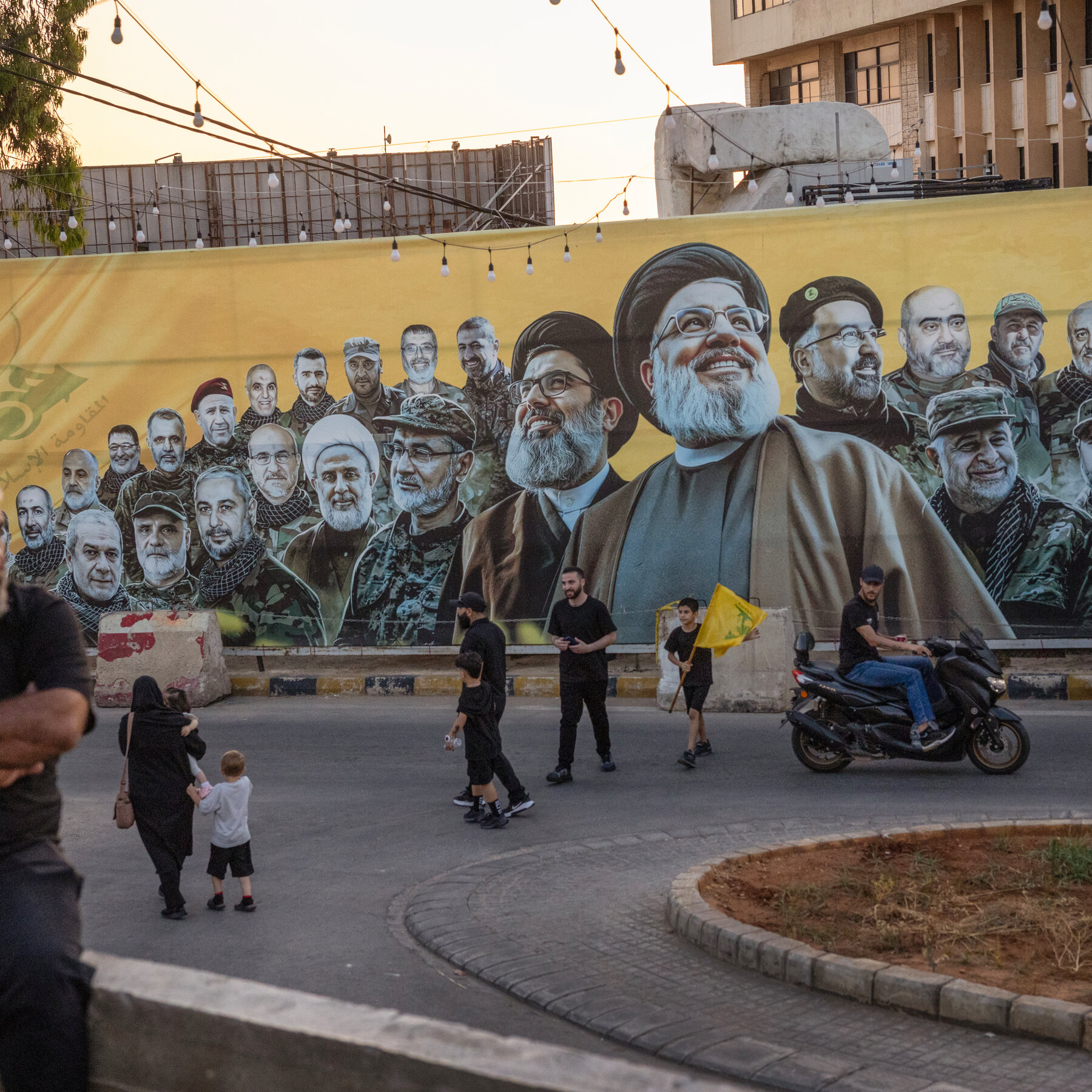
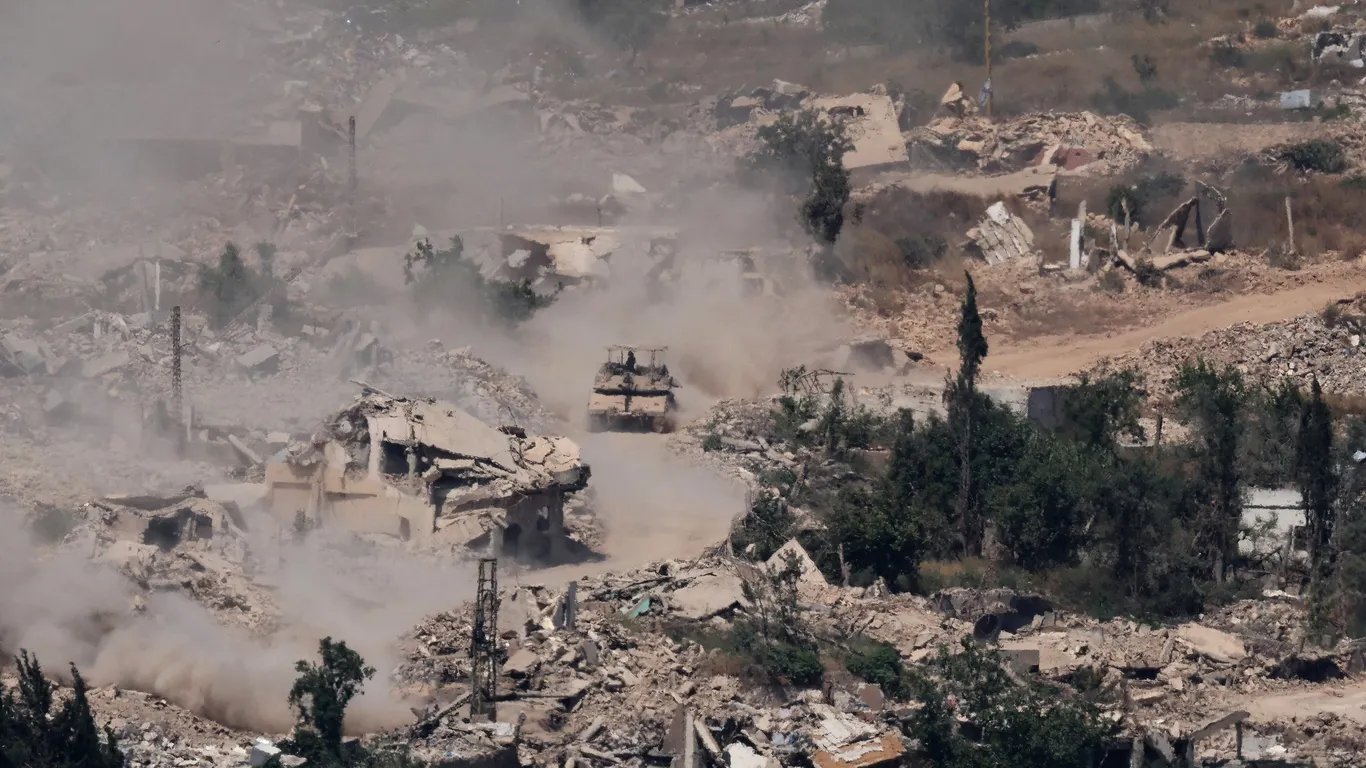
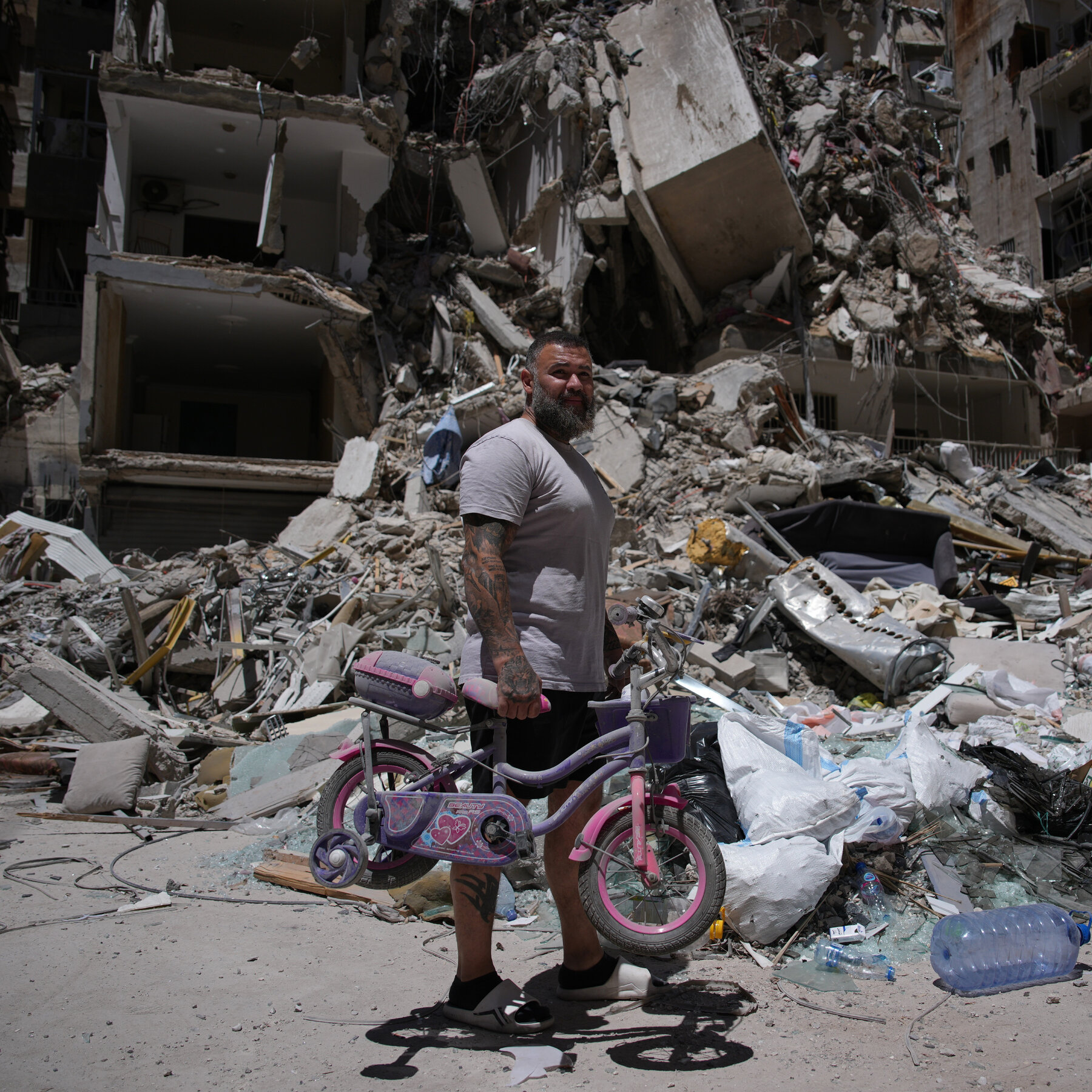
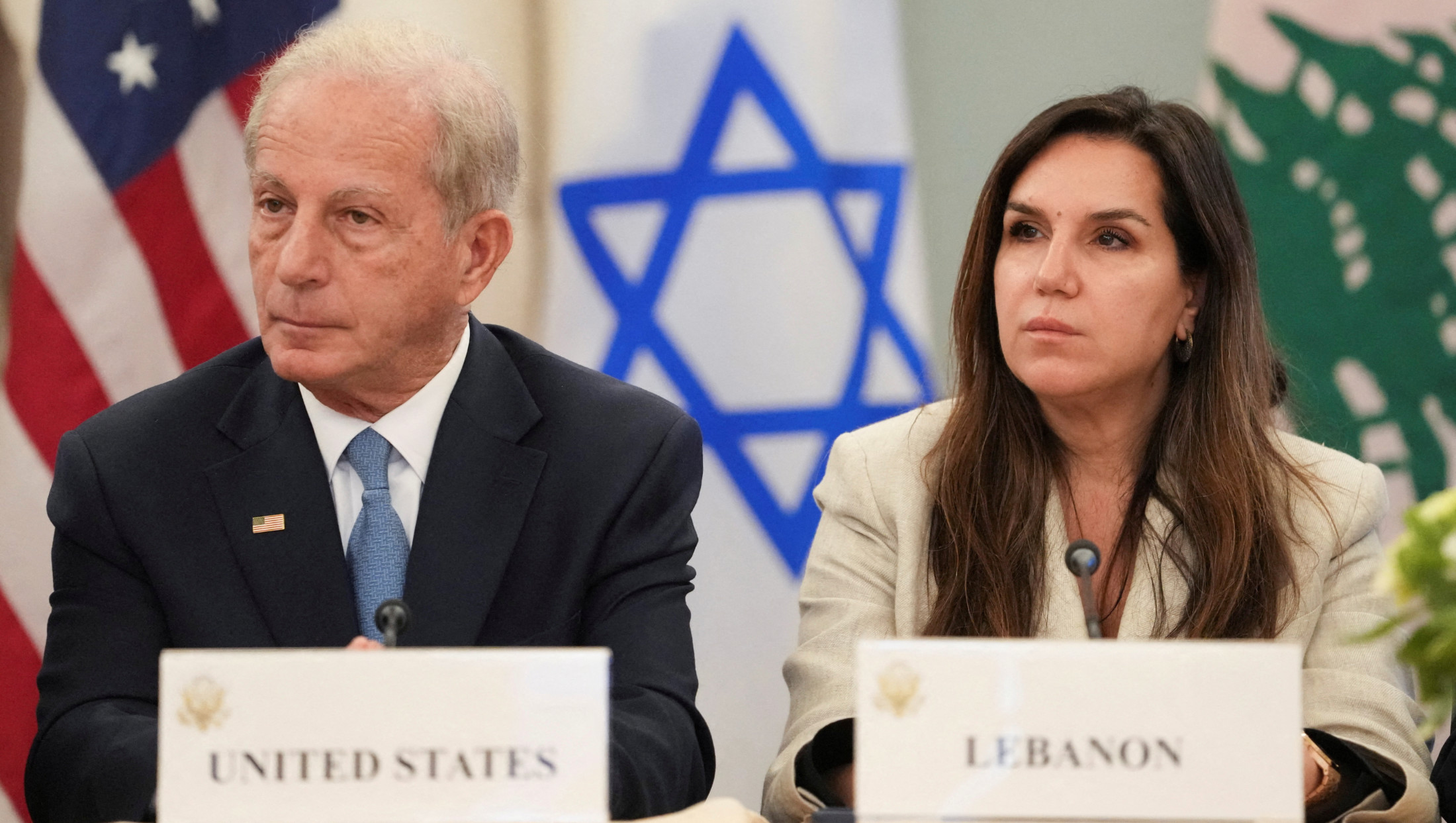
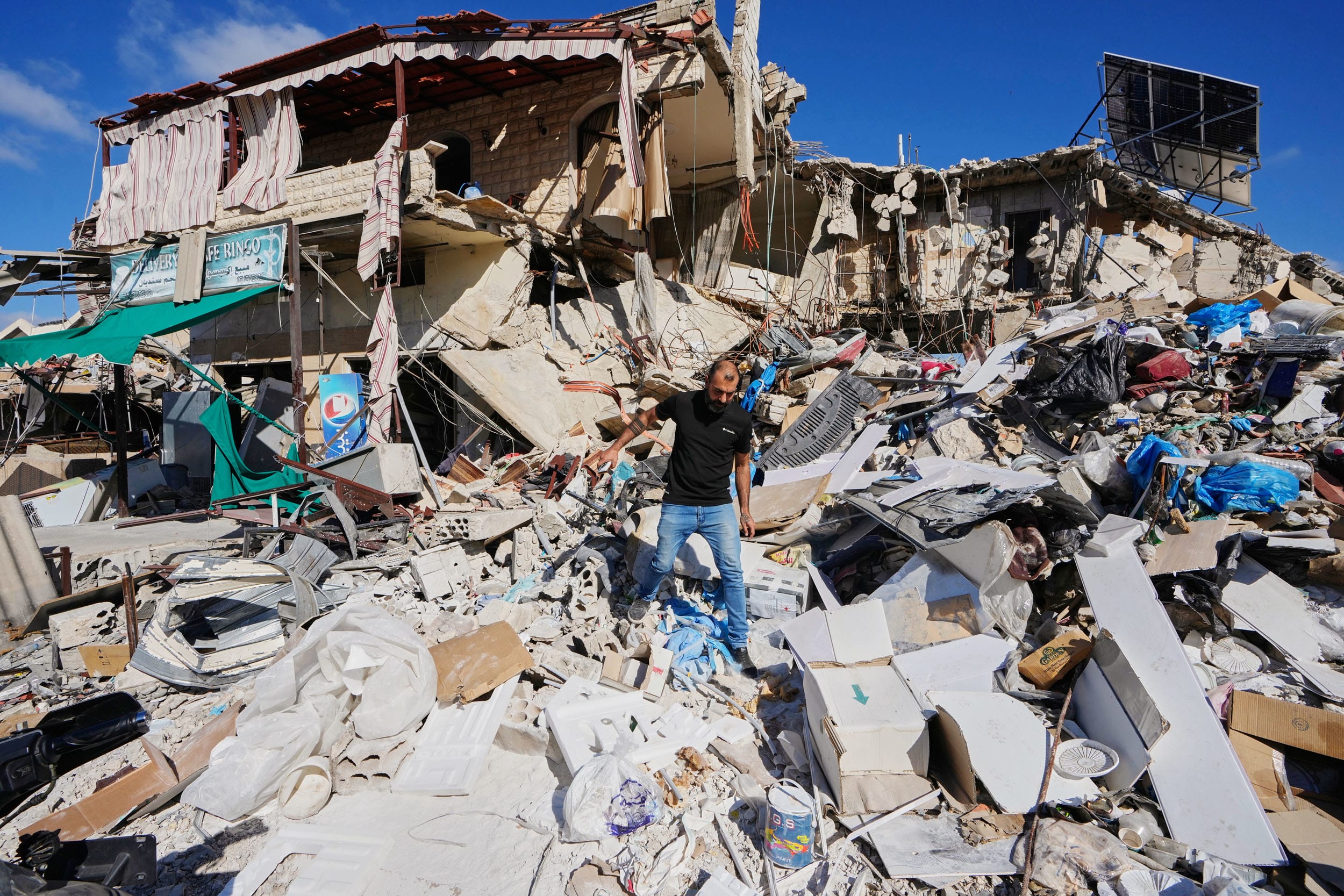
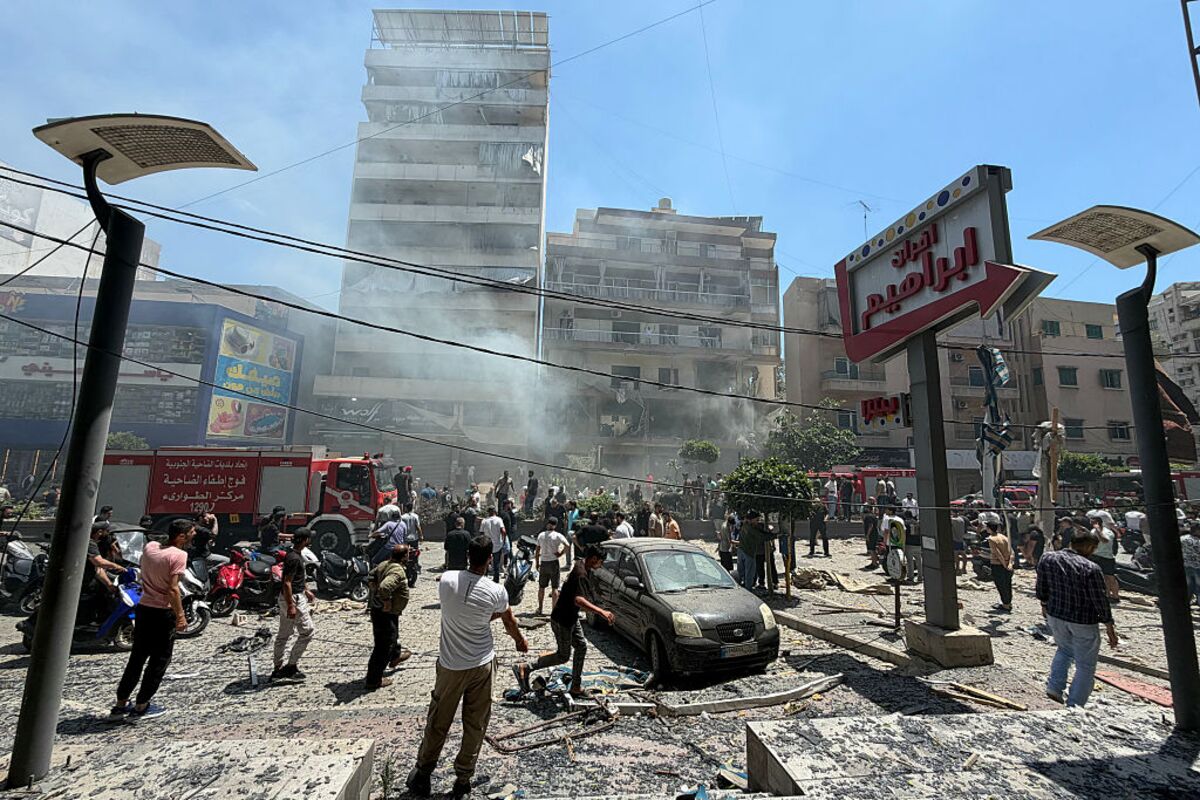
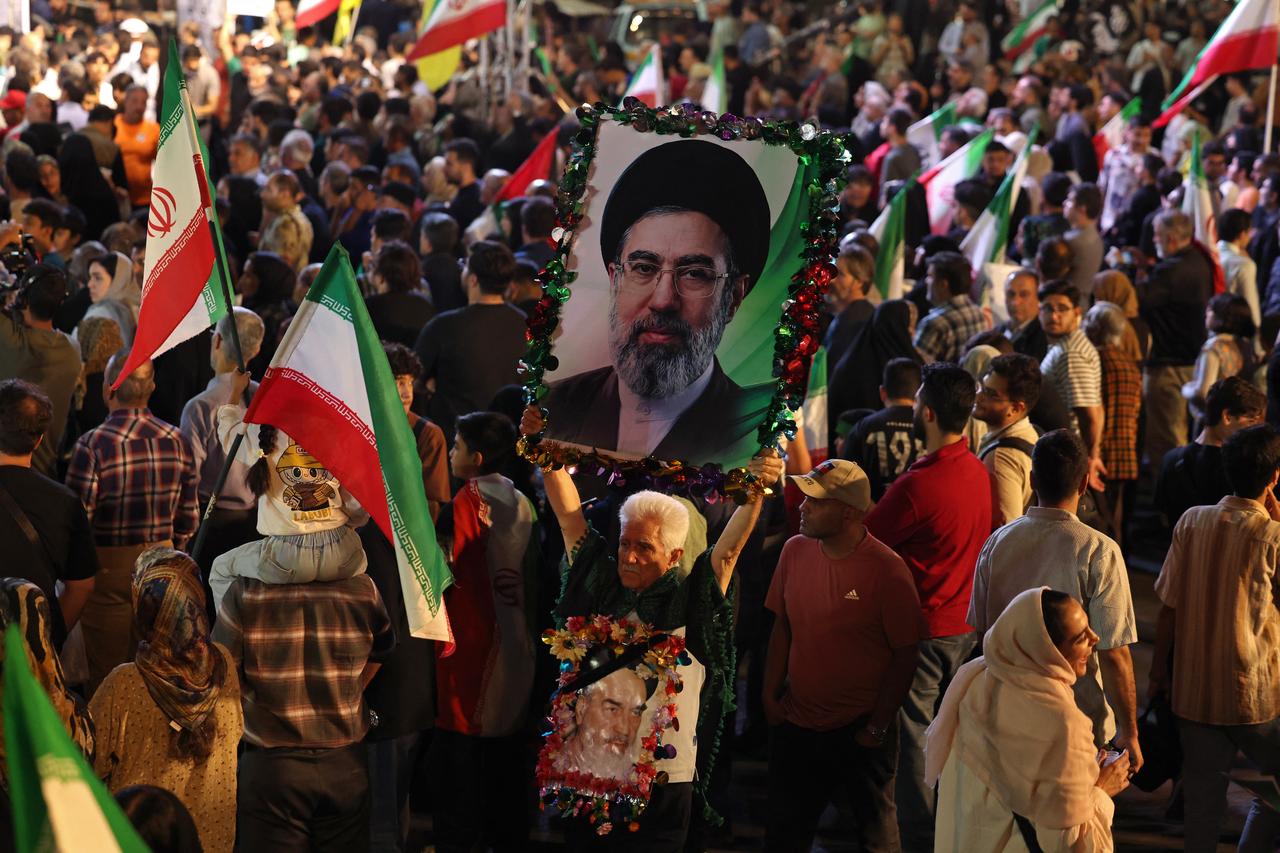
Iranian officials have warned that continued Israeli military operations in Lebanon would violate the MOU. However, Israel's National Security Minister Itamar Ben-Gvir stated that "Trump's agreement does not bind us" on Lebanon, and Israeli officials said troops would remain in southern Lebanon. Trump has publicly criticized Israeli Prime Minister Benjamin Netanyahu's handling of military actions in Lebanon, stating that Israel does not need to respond to every provocation with force.
Next Steps and Broader Implications
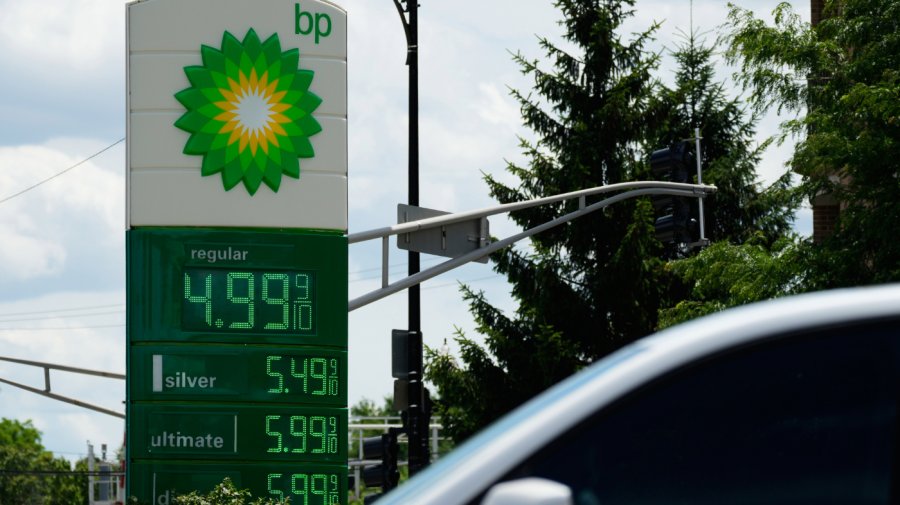
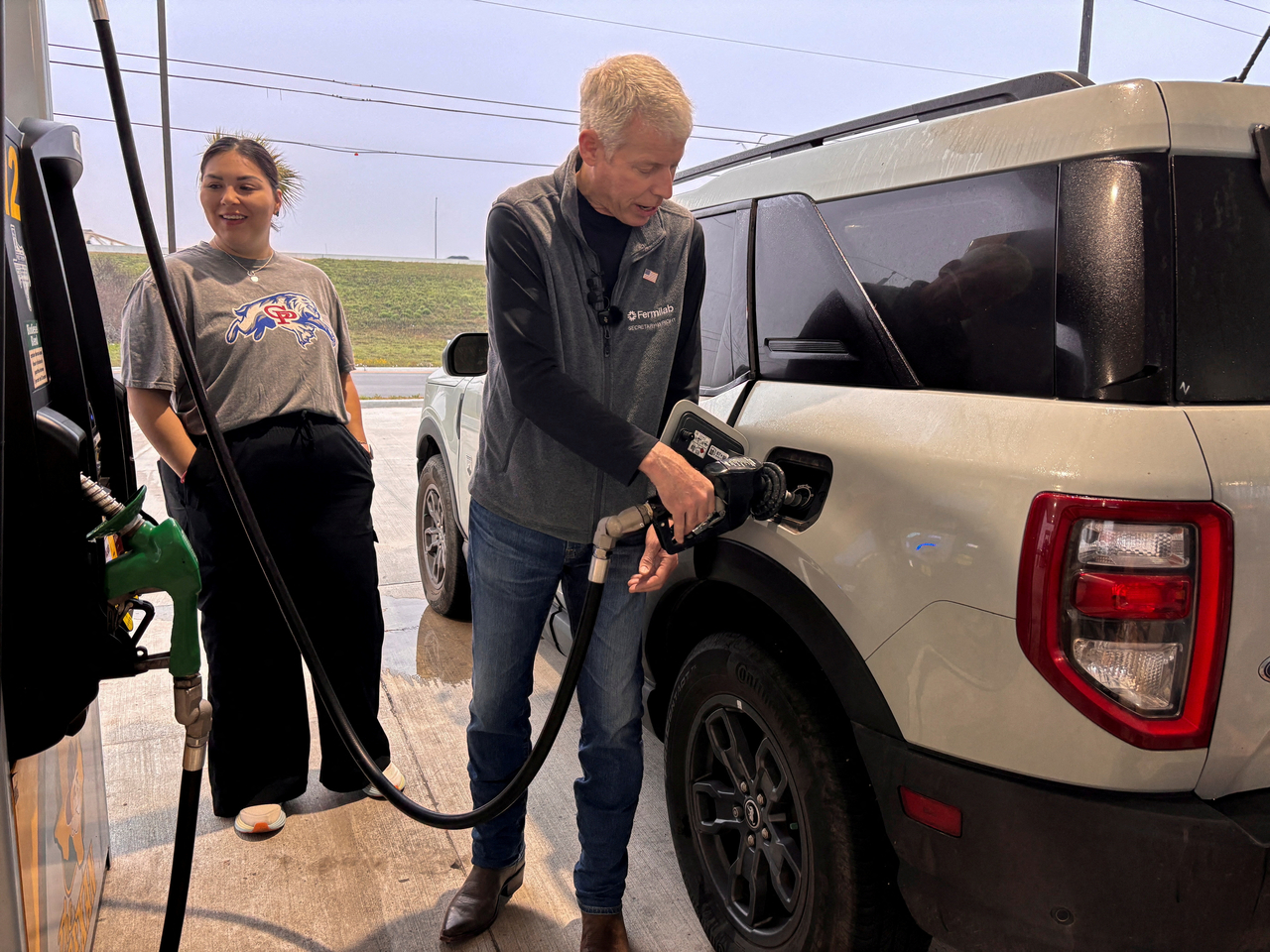
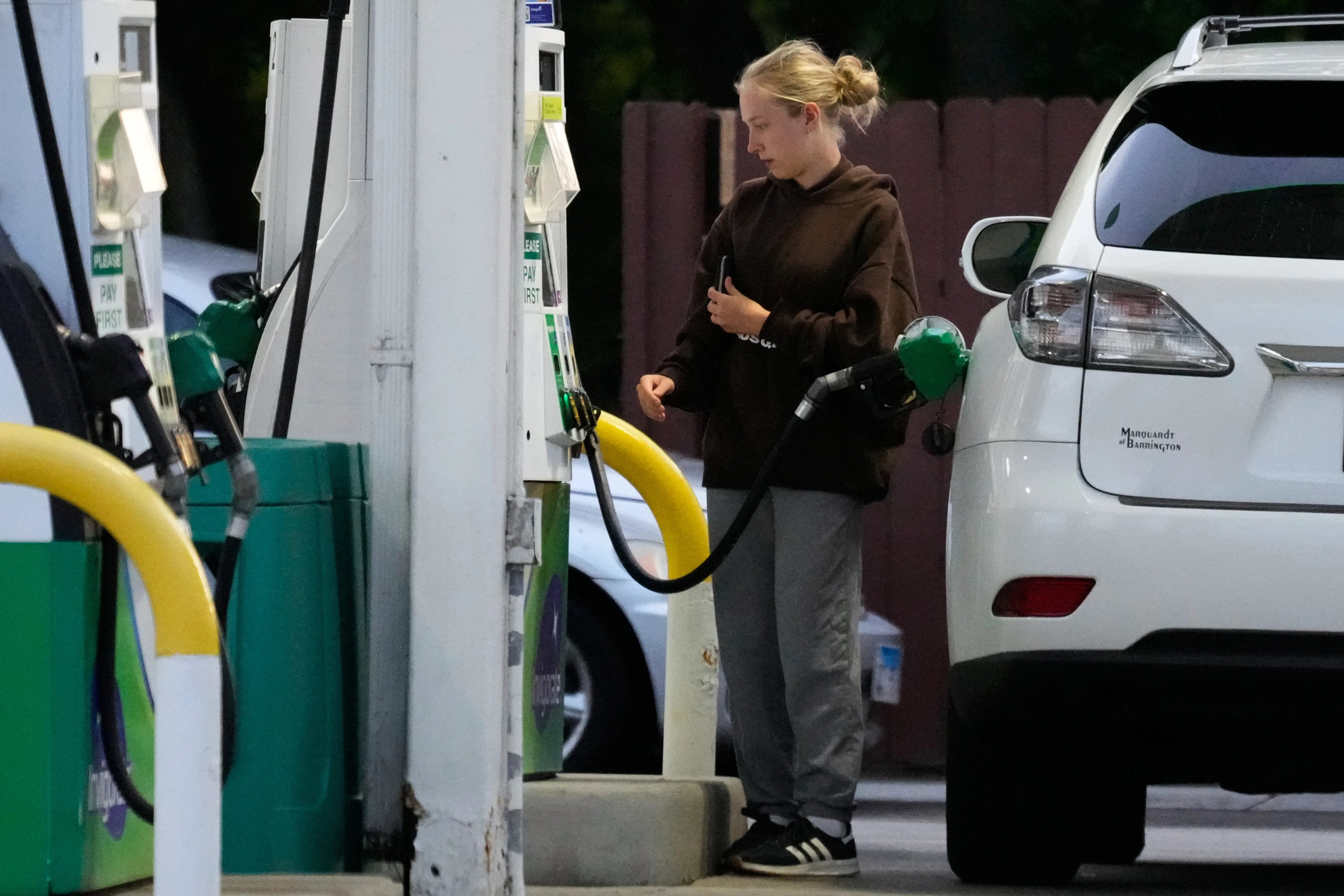
The formal signing ceremony for the MOU is scheduled to take place Friday in Switzerland, but uncertainty remains about the future of U.S.-Iran relations. Trump indicated that if a comprehensive deal is not reached within the designated timeframe, the U.S. would revert to military action. As the situation develops, both domestic political implications and international relations will be closely scrutinized, with potential impacts on gas prices and security in the Middle East.