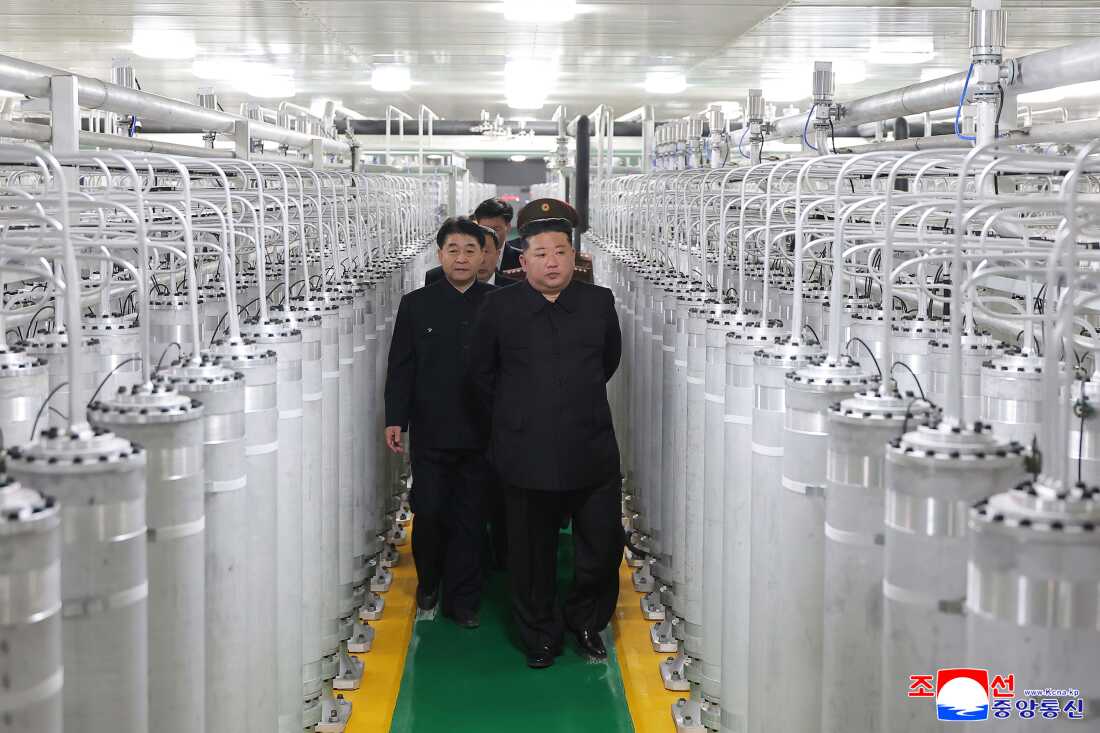
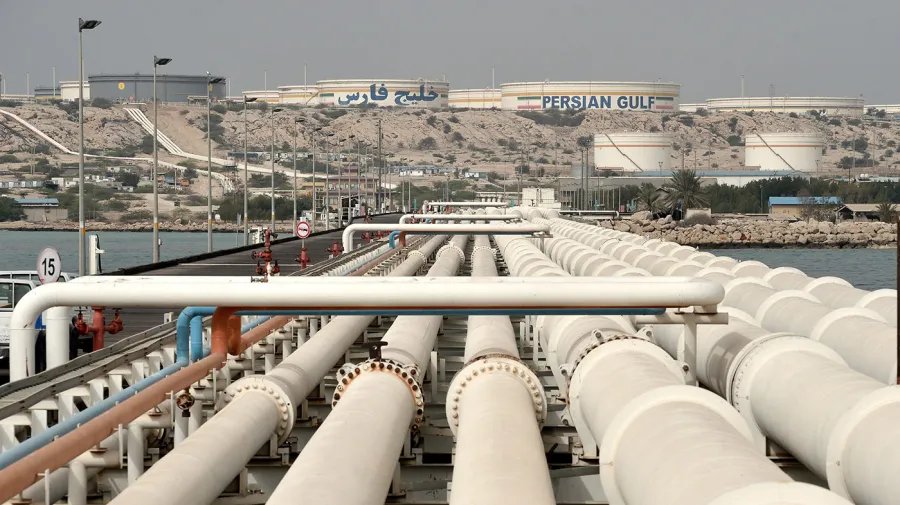
North Korea unveiled a new plant designed to produce weapons-grade uranium on Thursday, June 4, 2026, with leader Kim Jong Un calling for an "exponential" expansion of his country's nuclear arsenal. During his visit to the facility on Wednesday, June 3, Kim said the expansion is necessary due to worsening security threats and long-term confrontation with what he termed the "most ferocious enemies," an apparent reference to the United States and South Korea. State media photos showed Kim walking through narrow aisles lined with dense rows of silver tubes and pipes, consistent with a uranium enrichment facility.
Kim claimed that North Korea's nuclear materials production capacity has more than doubled compared with five years ago, a statement that cannot be verified independently. He described the facility as representing "a historic event that has set up an epochal milestone in rapidly upgrading our nuclear capabilities." The Korean Central News Agency reported that Kim and top officials "confirmed the order of priority for implementing the ambitious future plan designed to beef up our state's nuclear forces at an exponential rate."
South Korea's Joint Chiefs of Staff assessed the site as a uranium enrichment plant and said it was closely coordinating with the United States to monitor North Korean nuclear activities. This marks the third time North Korea has disclosed a uranium enrichment site. The country previously showed one at its main Yongbyon nuclear complex to visiting American scholars in 2010, and released photos of another covert uranium enrichment plant in 2024, which experts believe was located at its Kangson complex.
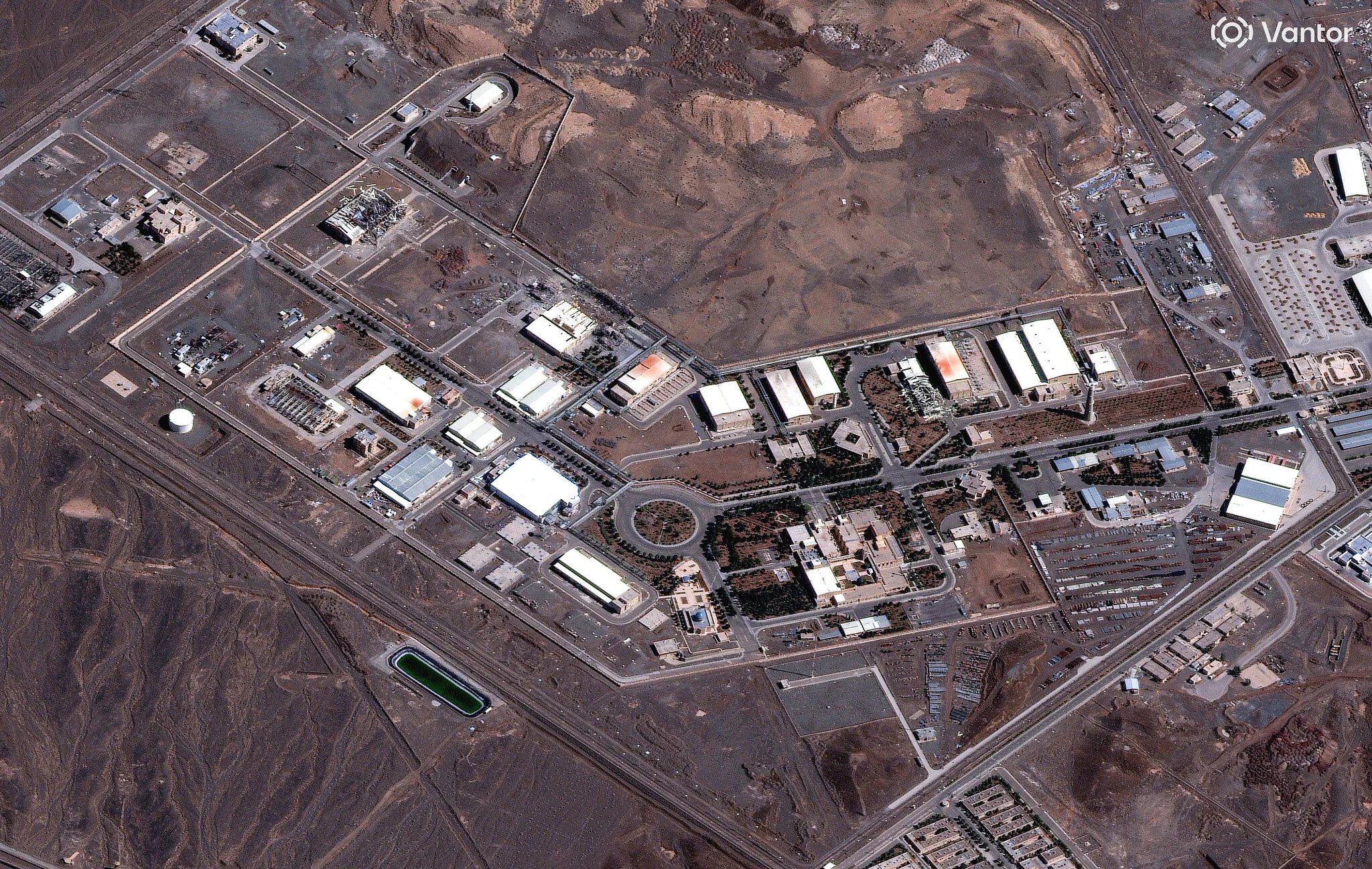
Ankit Panda, an expert with the Carnegie Endowment for International Peace, said the newly disclosed site is likely an additional uranium enrichment facility at Yongbyon. "Based on a preliminary analysis, it appears that this facility is likely the newly added Yongbyon enrichment facility. It appears to have two levels and represents a substantial expansion of enrichment capability," Panda stated.
Analysts suggest Kim's public disclosure of the facility is aimed at reinforcing his government's position that denuclearization is not negotiable before potential diplomatic engagement, particularly with the United States. Chad O'Carroll, founder of the North Korea-focused website NK News, noted that the site visit could be linked to a potential trip by Chinese President Xi Jinping to Pyongyang, serving as a demonstration that denuclearization is not possible on the eve of contact with China.
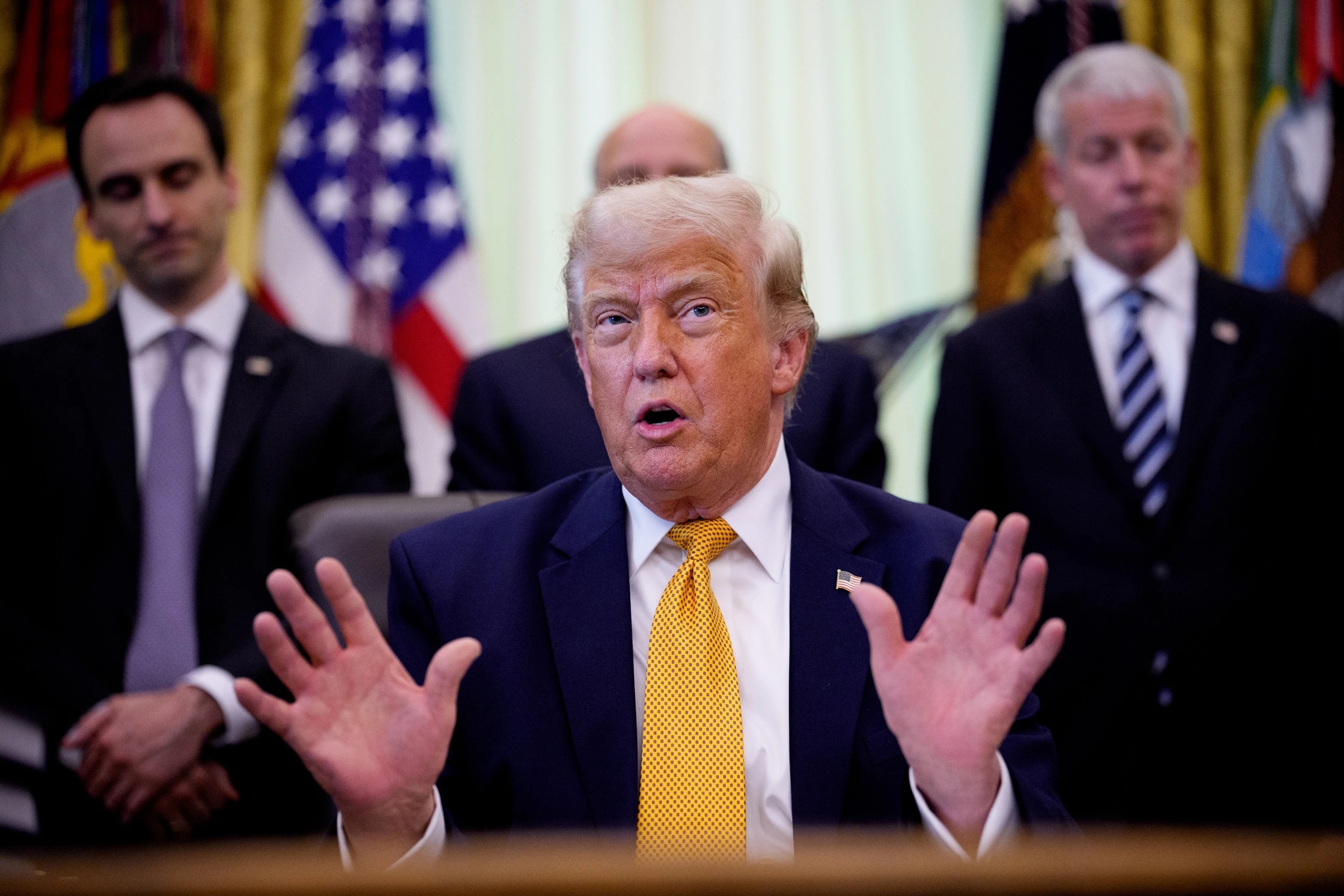
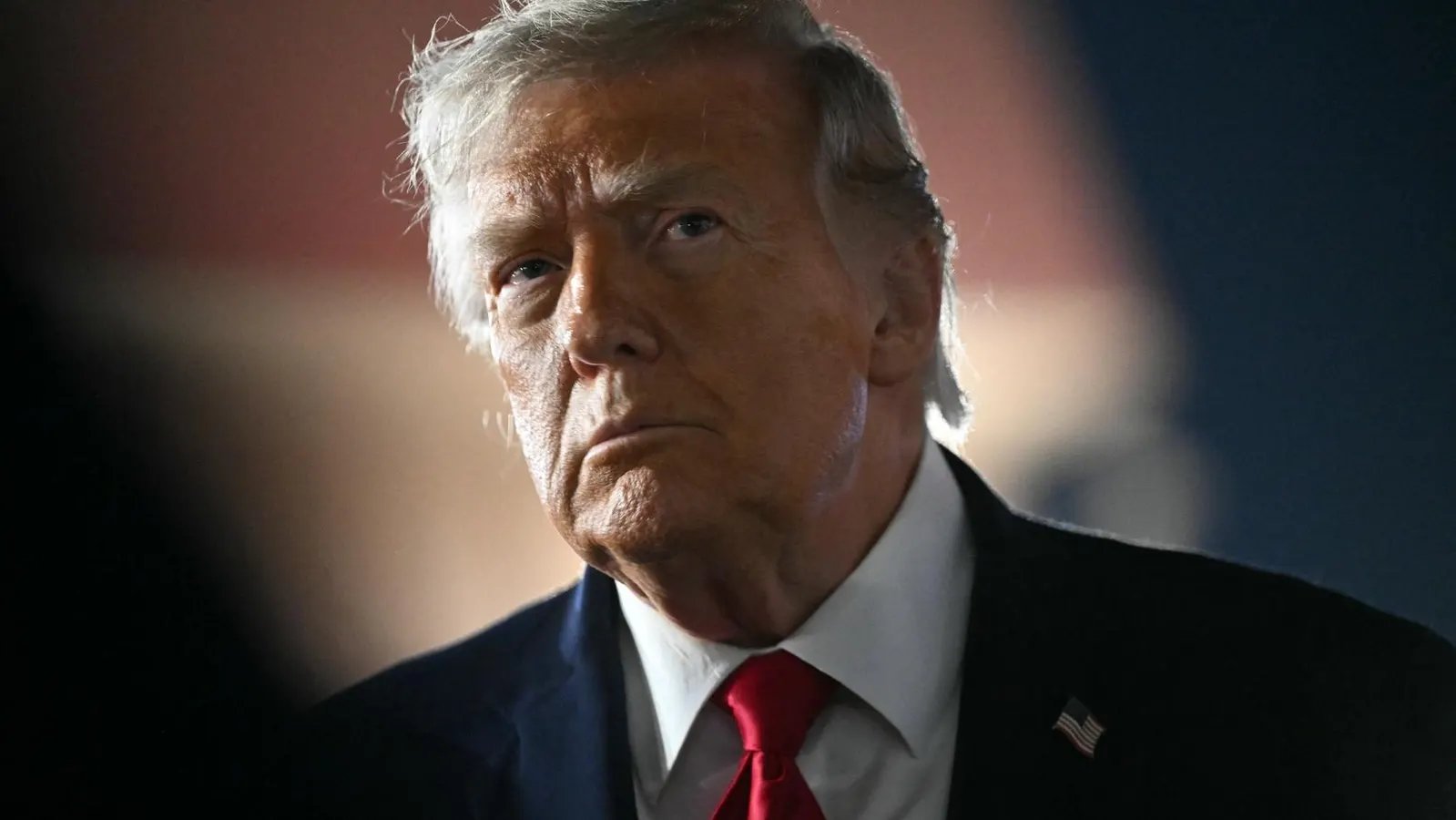
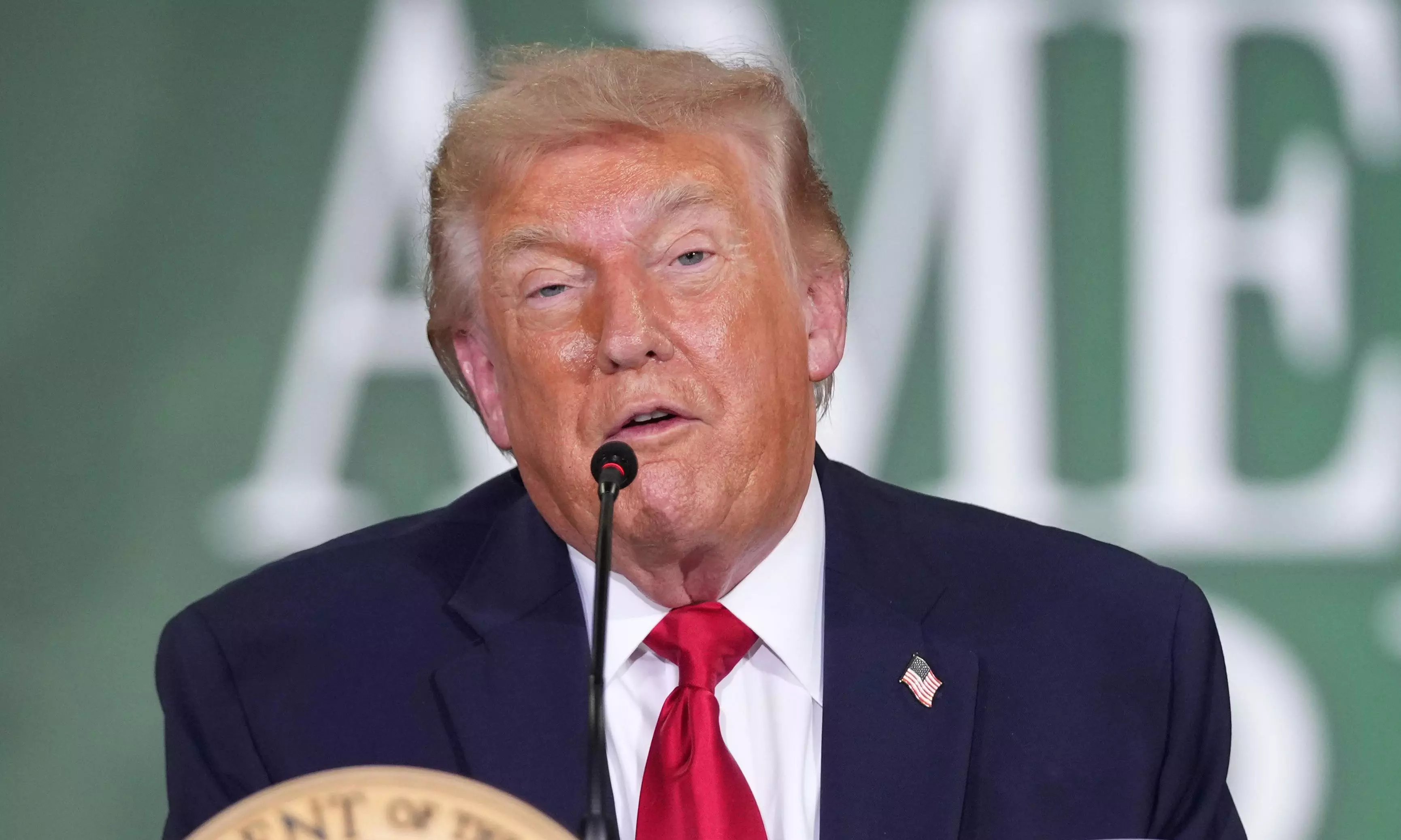
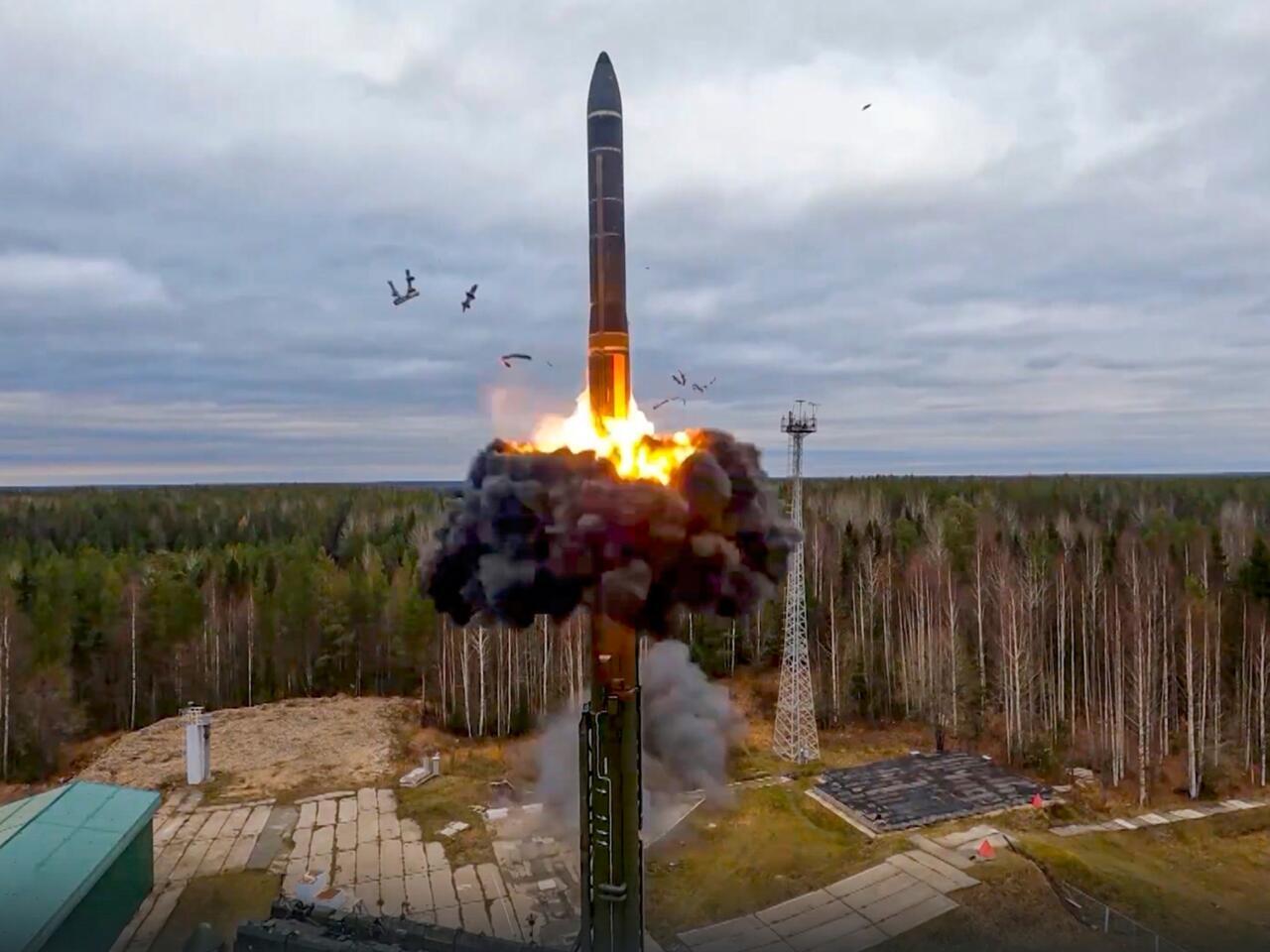
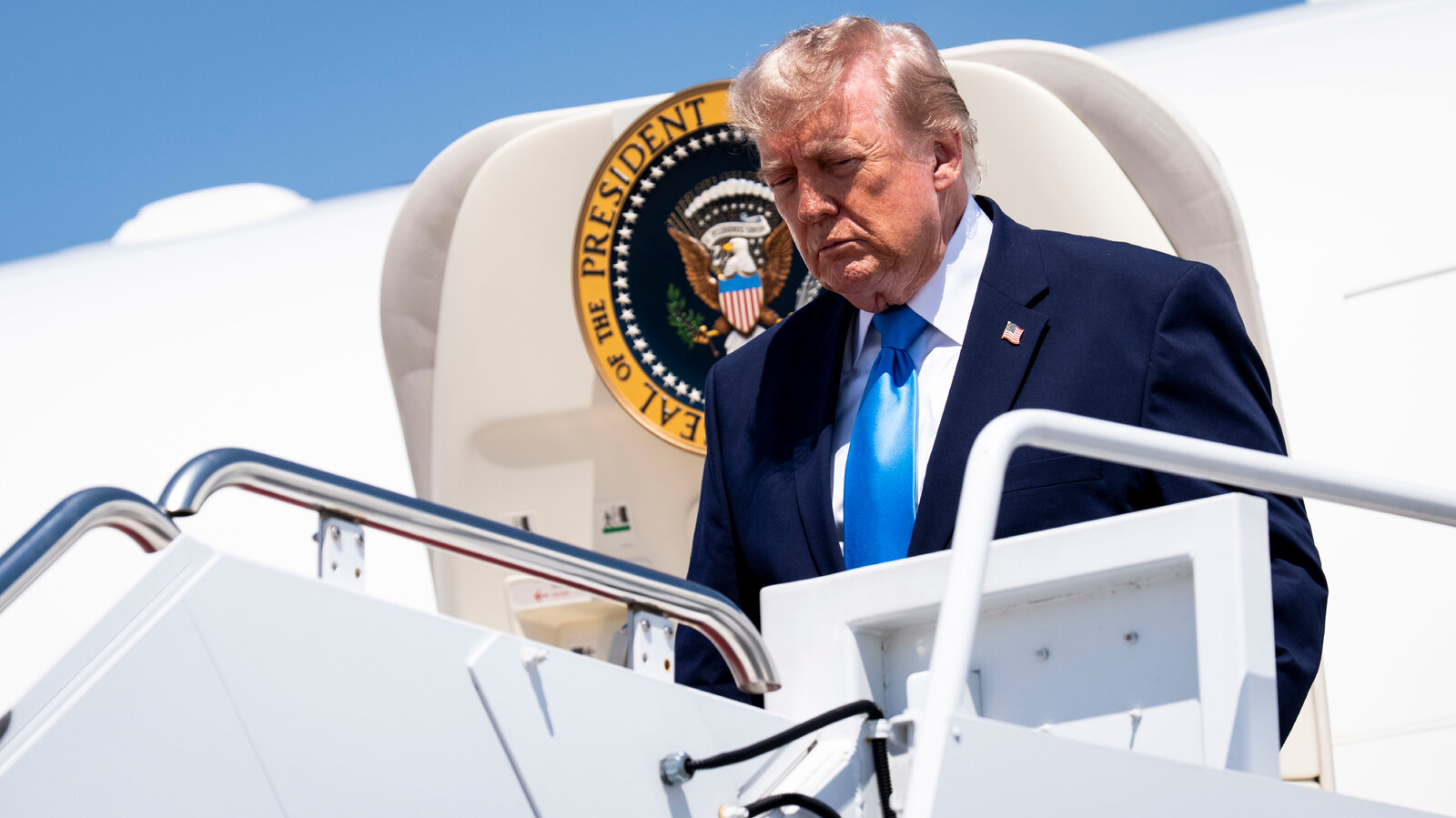
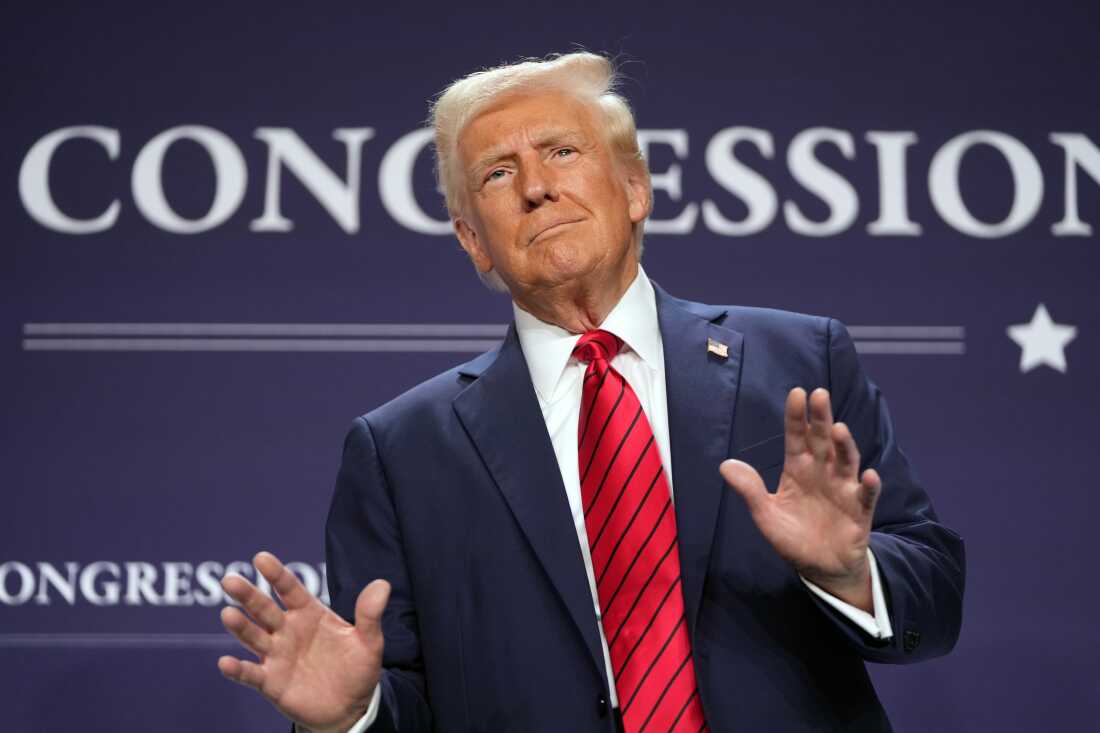
President Donald Trump has repeatedly expressed his desire to resume diplomacy with Kim, but the North Korean leader has responded that Americans must first drop their demand for North Korea to denuclearize as a precondition for talks. Some experts believe North Korea now likely has nuclear missiles capable of striking the U.S. mainland, though others note the country has not yet proved it mastered remaining technological hurdles, including ensuring warheads survive atmospheric reentry and perfecting technologies to place multiple nuclear warheads on a single missile.
North Korea unveiled a new plant designed to produce weapons-grade uranium on Wednesday, with leader Kim Jong Un calling for an "exponential" expansion of his country's nuclear arsenal. During his visit to the facility at an undisclosed location, Kim said the expansion is necessary due to worsening security threats and long-term confrontation with what he termed the "most ferocious enemies," an apparent reference to the United States and South Korea. State media photos showed Kim walking through narrow aisles lined with dense rows of silver tubes and pipes, consistent with a uranium enrichment facility.
Kim claimed that North Korea's nuclear materials production capacity has more than doubled compared with five years ago, a statement that cannot be verified independently. He described the facility as representing "a historic event that has set up an epochal milestone in rapidly upgrading our nuclear capabilities." The Korean Central News Agency reported that Kim and top officials "confirmed the order of priority for implementing the ambitious future plan designed to beef up our state's nuclear forces at an exponential rate."
South Korea's Joint Chiefs of Staff assessed the site as a uranium enrichment plant and said it was closely coordinating with the United States to monitor North Korean nuclear activities. This marks the third time North Korea has disclosed a uranium enrichment site. The country previously showed one at its main Yongbyon nuclear complex to visiting American scholars in 2010, and released photos of another covert uranium enrichment plant in 2024, which experts believe was located at its Kangson complex.
Ankit Panda, an expert with the Carnegie Endowment for International Peace, said the newly disclosed site is likely an additional uranium enrichment facility at Yongbyon. "Based on a preliminary analysis, it appears that this facility is likely the newly added Yongbyon enrichment facility. It appears to have two levels and represents a substantial expansion of enrichment capability," Panda stated. Last September, South Korean Unification Minister Chung Dong-young said that North Korea was operating a total of four uranium enrichment facilities including the Yongbyon complex, and that they were running every day.
Analysts suggest Kim's public disclosure of the facility is aimed at reinforcing his government's position that denuclearization is not negotiable before potential diplomatic engagement, particularly with the United States. Chad O'Carroll, founder of the North Korea-focused website NK News, noted that the site visit could be linked to a potential trip by Chinese President Xi Jinping to Pyongyang, serving as a demonstration that denuclearization is not possible on the eve of contact with China.
President Donald Trump has repeatedly expressed his desire to resume diplomacy with Kim, but the North Korean leader has responded that Americans must first drop their demand for North Korea to denuclearize as a precondition for talks. Some experts believe North Korea now likely has nuclear missiles capable of striking the U.S. mainland, though others note the country has not yet proved it mastered remaining technological hurdles, including ensuring warheads survive atmospheric reentry and perfecting technologies to place multiple nuclear warheads on a single missile. A senior South Korean official told lawmakers in 2018 that North Korea was estimated to have manufactured between 20 and 60 nuclear weapons, but some experts now put the arsenal at more than 100 warheads.
Highlighted text was flagged by the council. Tap to see feedback.















































































































































































































































































































































The sources also report that South Korea's Unification Minister Chung Dong-young stated last September that North Korea was operating a total of four uranium enrichment facilities, including the Yongbyon complex.